Lord Byron’s Lover’s Books in Leeds

An interesting article caught my eye in The Independent on Sunday on 21st October: Byron Treasure Found in Gift to Used Bookshop.

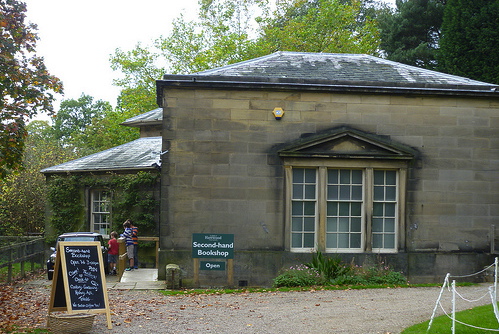
The secondhand bookshop in question is a relatively new one set up last year in a redundant building in the grounds of Harewood House. I’ve been a frequent visitor at the house and love to walk around the terrace gardens, woodland and the walled garden and, if it’s open, browse the book shelves.

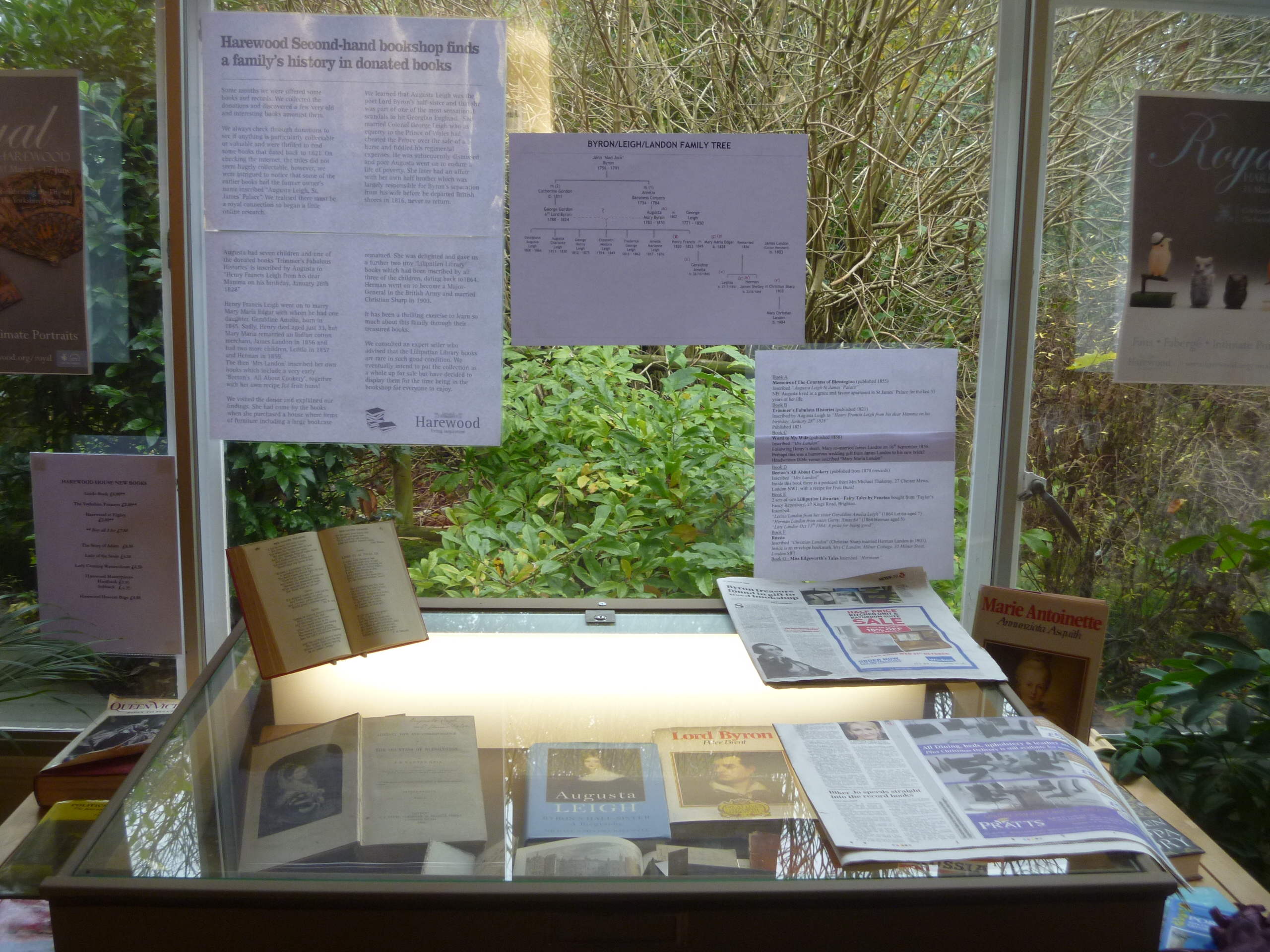
The Augusta Leigh Display at Harewood

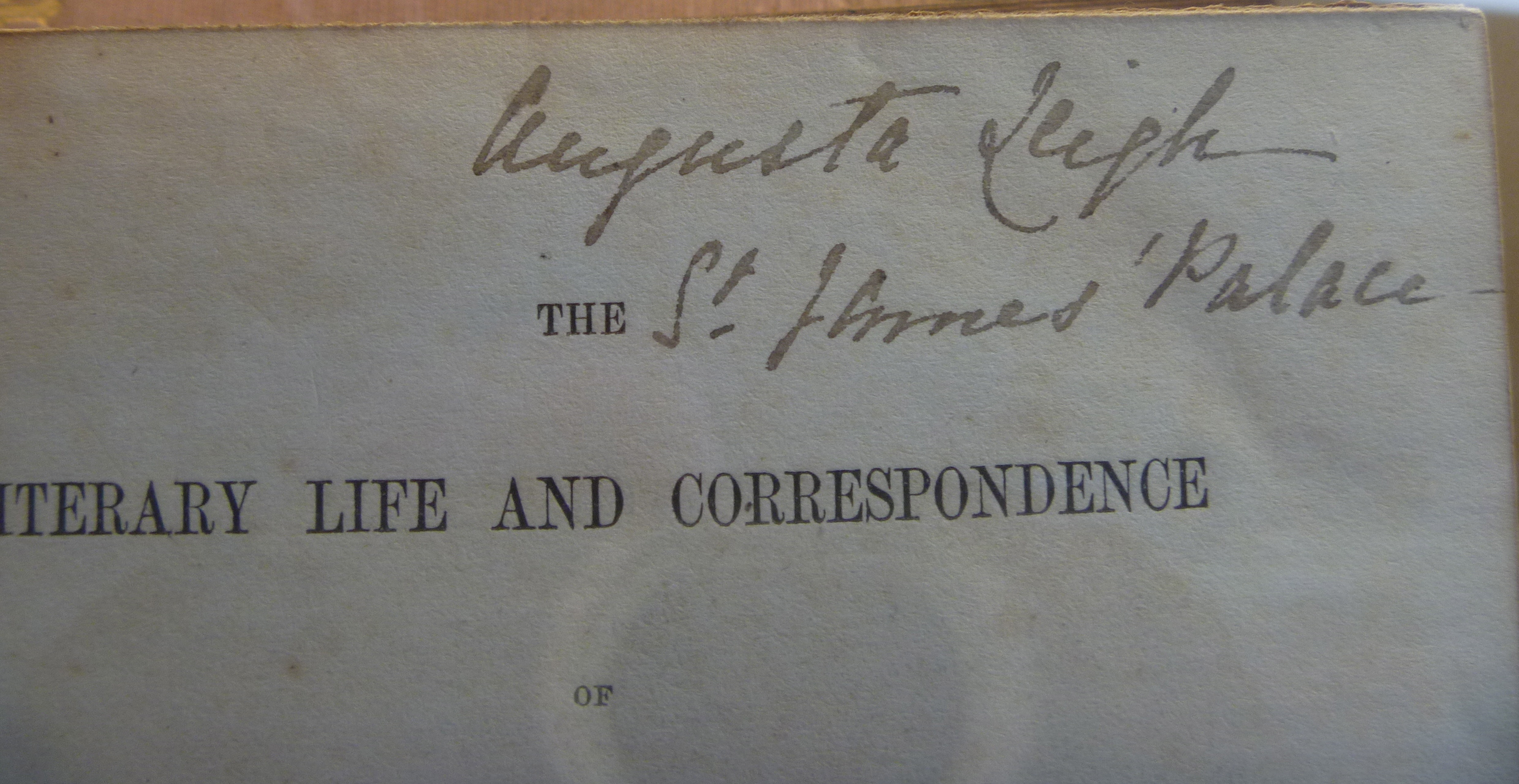
The article in question tells the story of a member of the volunteer staff at the shop discovering amongst donated books some inscribed “Augusta Leigh, St James’ Palace”.

With no idea who the Augusta was Audrey Kingsnorth began an investigation  that lead her to the Byron connection. Not only was Augusta Lord Byron’s (mad, bad and dangerous to know) lover, she was also his half sister, the result of the liaison between John (Mad Jack) Byron and Amelia Osborne. The books had been acquired by the donor (now in her 80s) following the purchase of a London House; the bookshelves of which were to large to move.

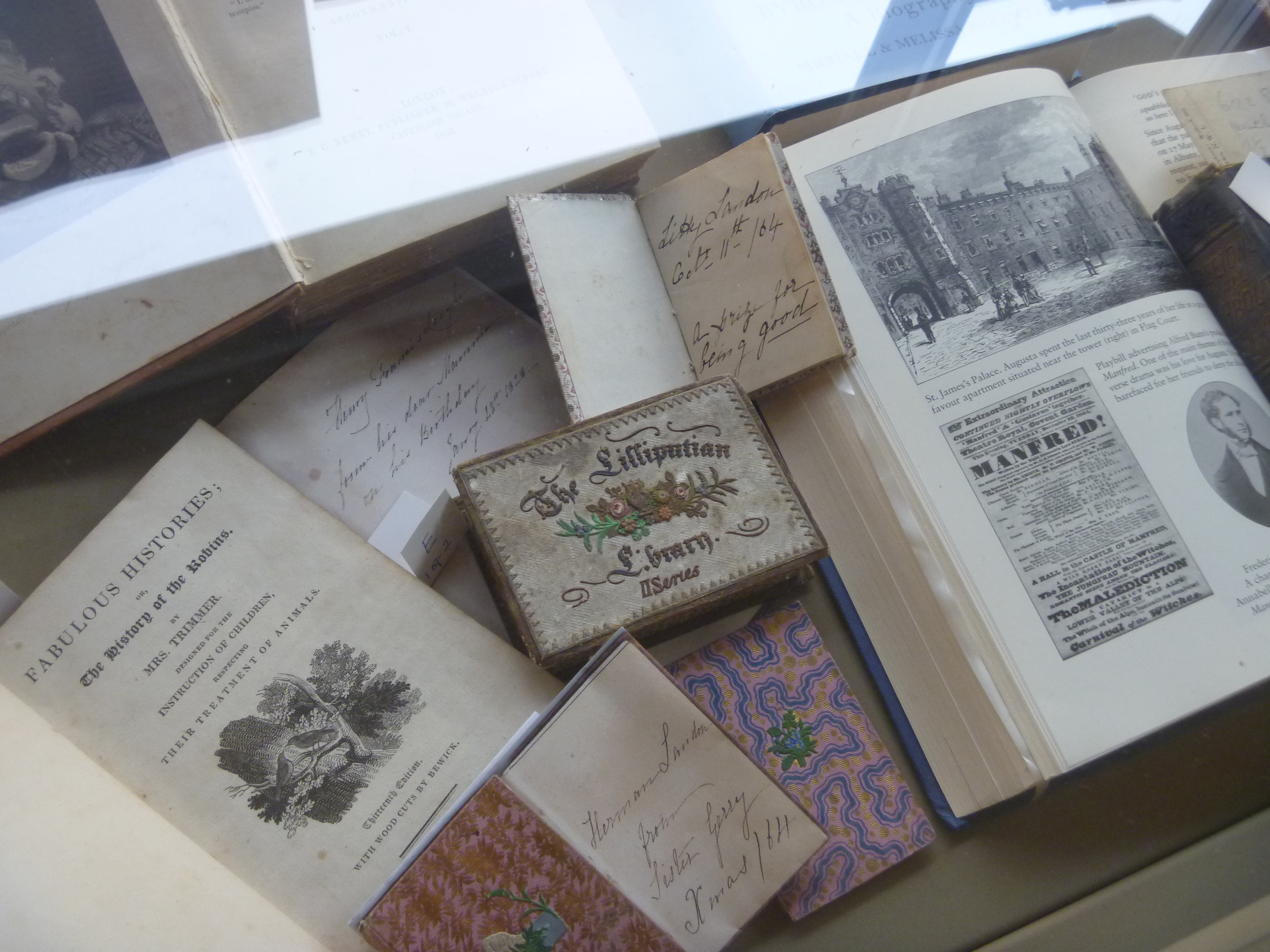
Close-up of the Display

“[One] of the donated books, Trimmer’s Fabulous Histories, is inscribed by Augusta to one of her children: “Henry Francis Leigh from his dear Mamma on his birthday, January 28th 1828″. Henry Francis died at 33, leaving a widow, Mary, and a daughter; Mary remarried and had another daughter and a son. Augusta had seven children, one of whom, Elizabeth Medora, is thought by many to be Byron’s lovechild.” 

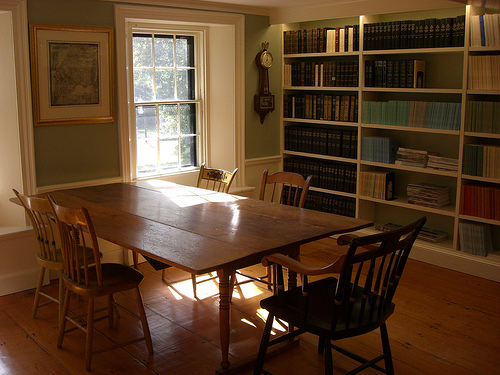
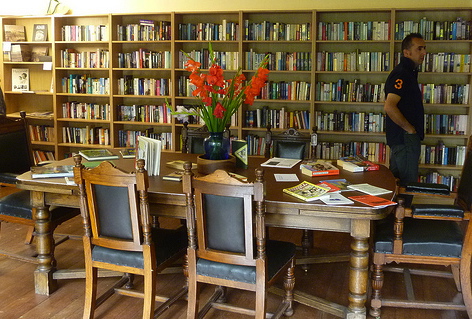
Valued recently at around £2500 the books will put up for auction at a later date. As the books are currently still on display in the shop I thought I’d pop along and have a look at this valuable donation to the Harewood Bookshop.

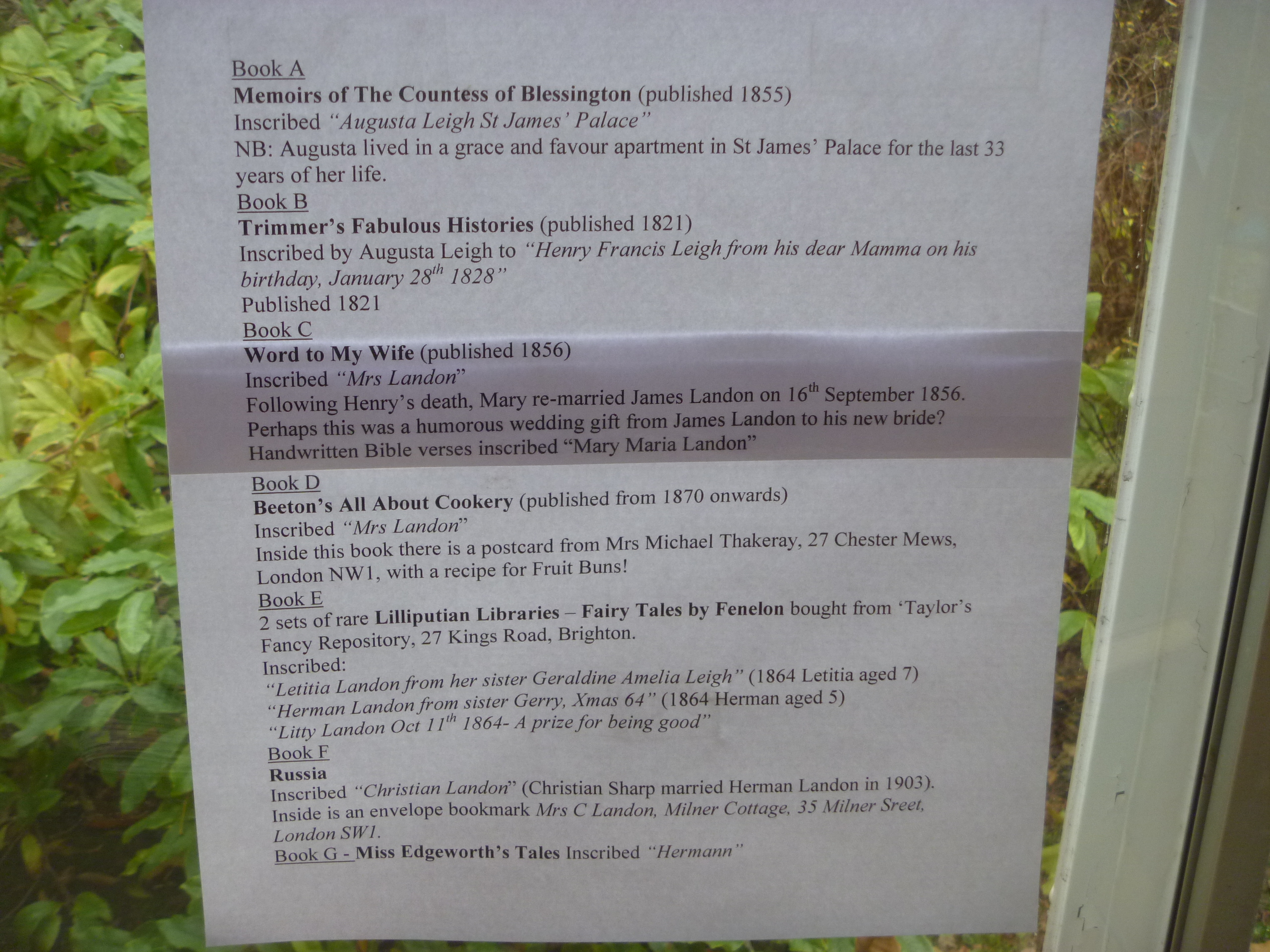
The List of Donations

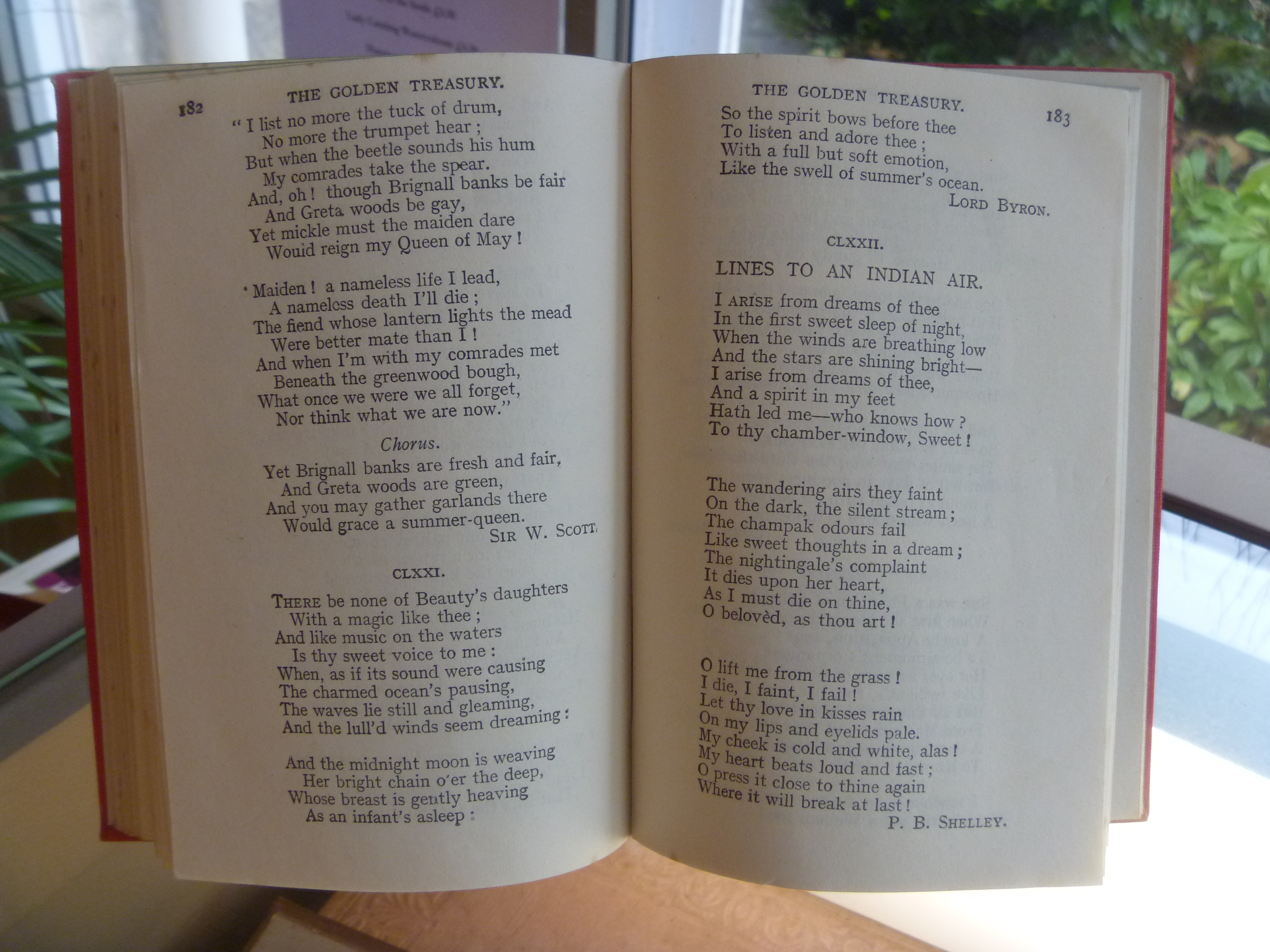
A Copy of The Golden Treasury Open at a Poem of Byron’s

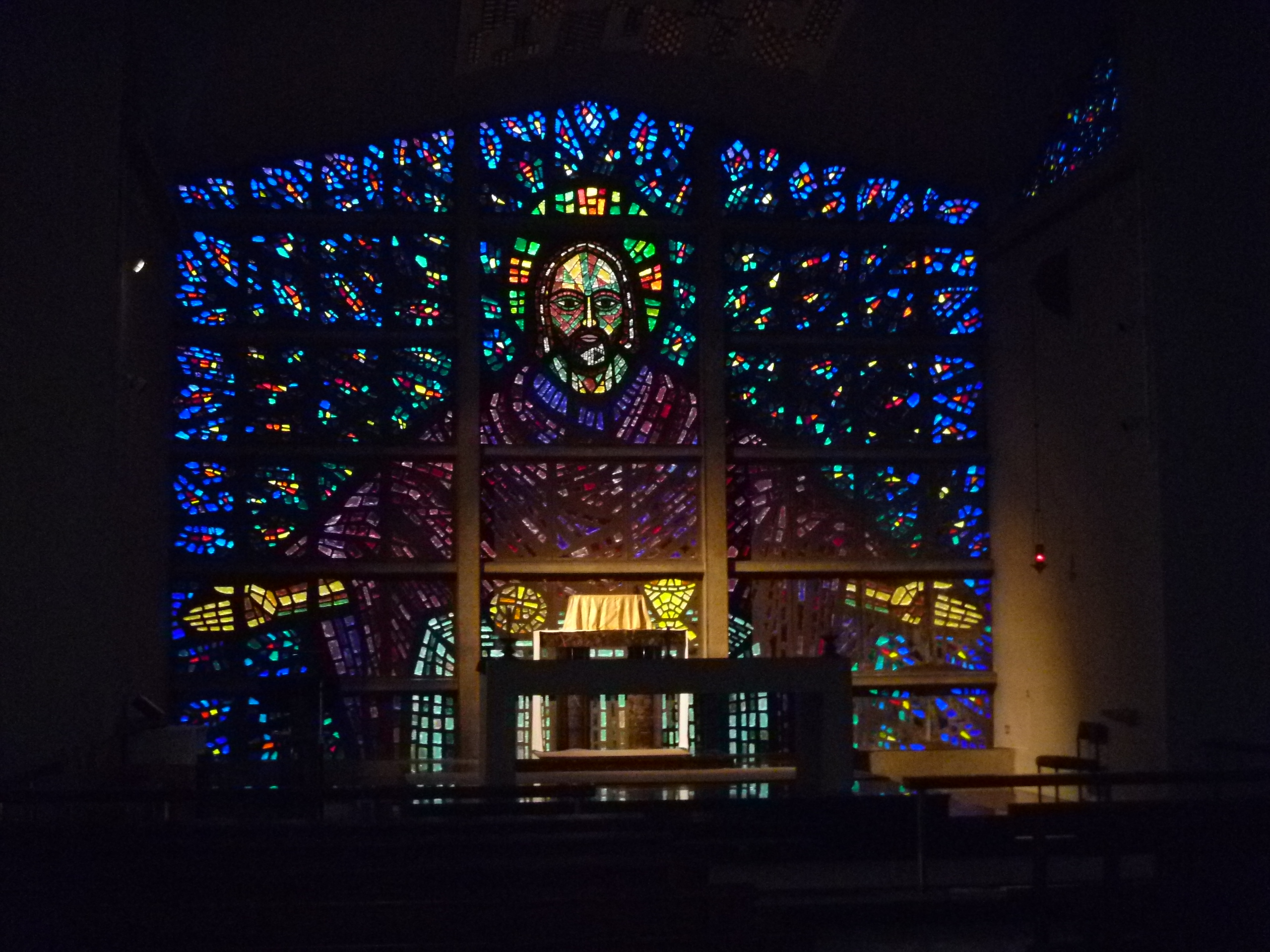
Buckfast Abbey Window

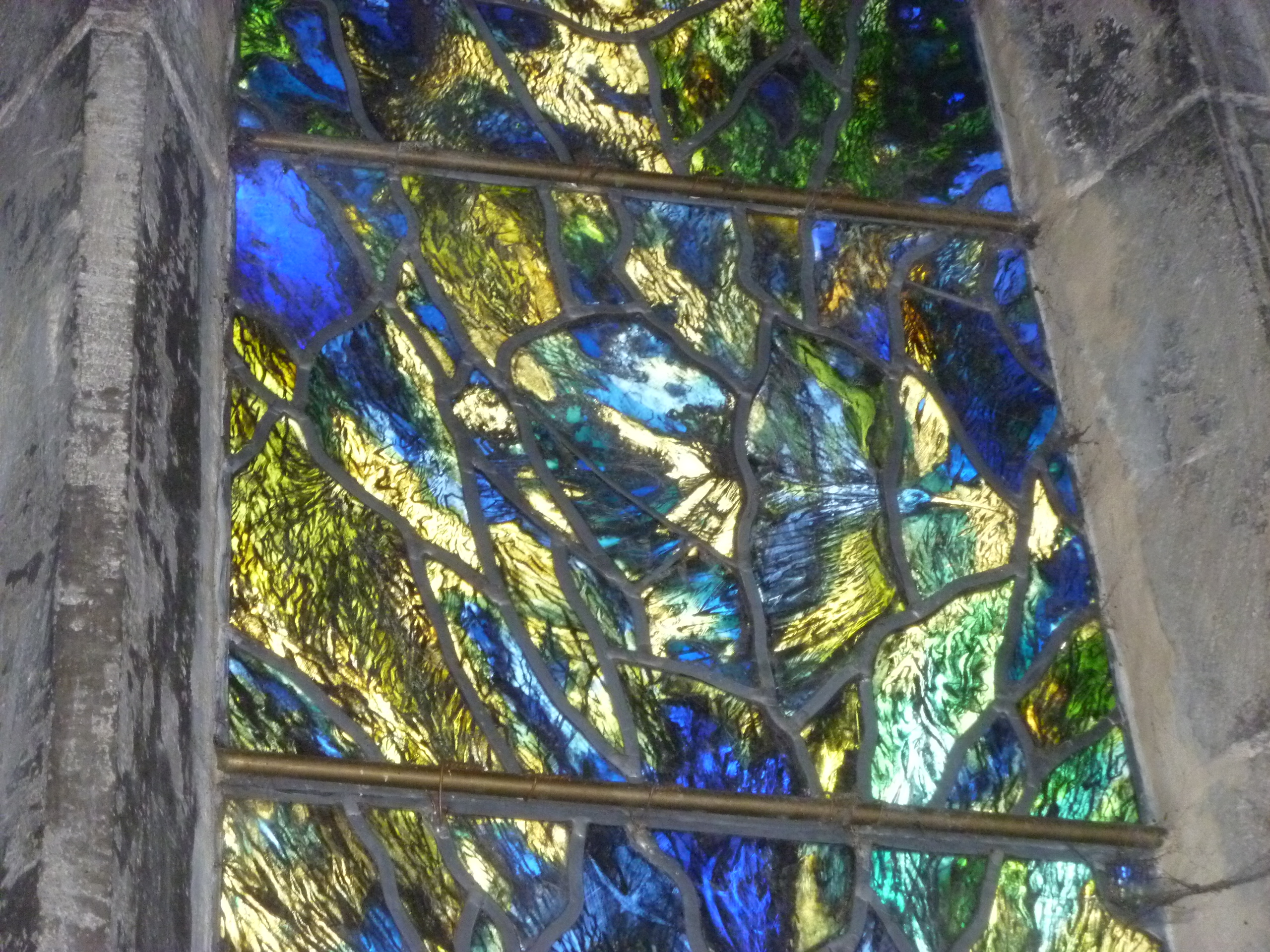
Earlier this month Lynne commented here that she loved the blues of the Millennium Window by Tom Denny at Bolton Percy church she compared it with the newer window at Buckfast Abbey.

Tom Denny Millenium Window, Bolton Percy

So, after we left Dartington late last Thursday afternoon we drove a few miles to Buckfast Abbey. Lynne specially wanted to show me the stained glass window in the Blessed Sacrament Chapel. But before heading into the Abbey tea and cake called. The Grange Restaurant can be highly recommended for its homemade cakes and cheesecakes!

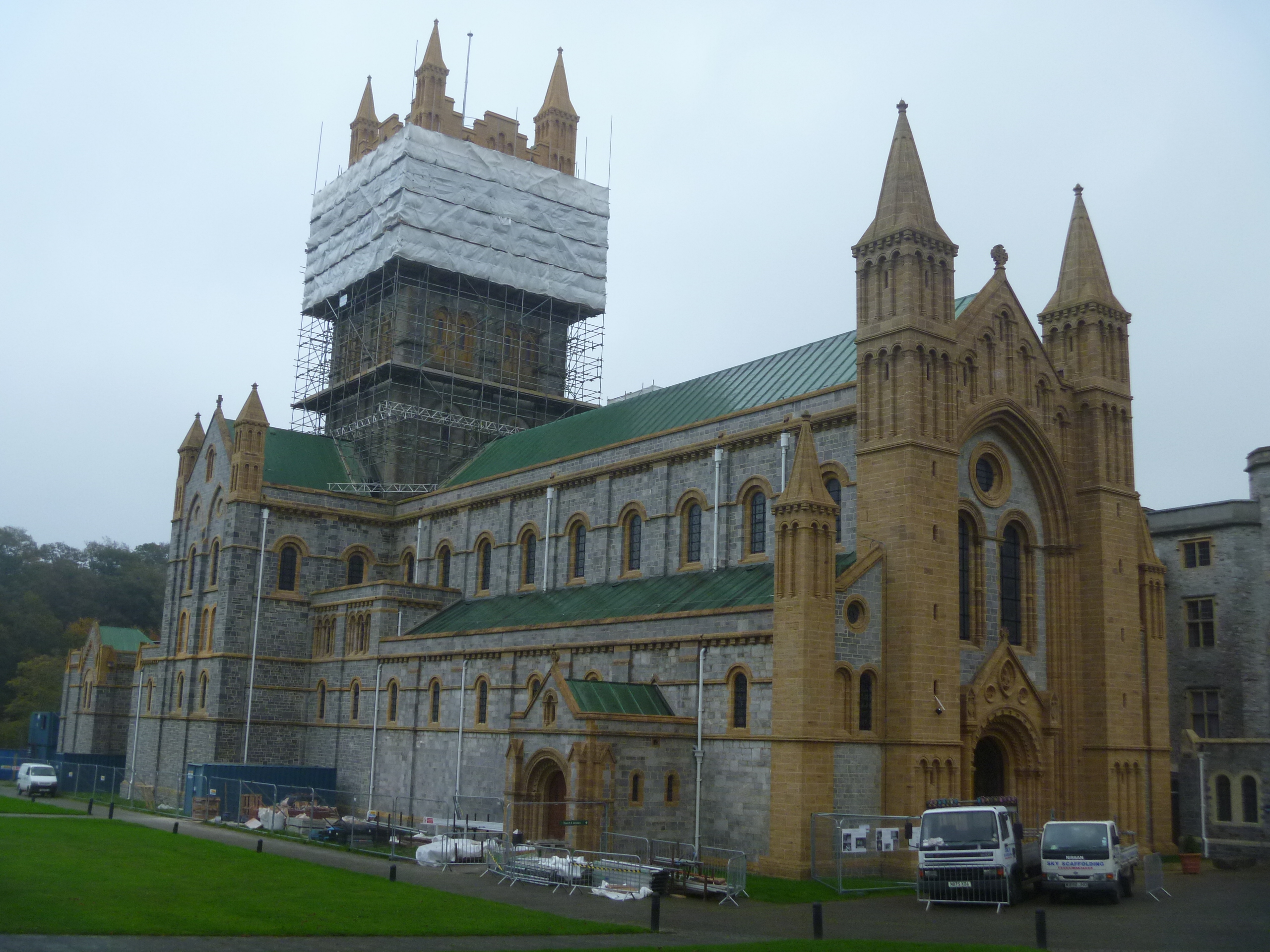
The Abbey interior and exterior are currently undergoing major renovation works. The nave is full of scaffolding but we made our way to the only dust-free, quiet area The Blessed Sacrament Chapel.

“In contrast to the rest of the Abbey, the Blessed Sacrament Chapel brings a touch of modern. After the main church was completed, the chapel was added to provide a place for quiet prayer, especially during the summer months when thousands of people visit the church daily. The splendid stained glass windows depicting Christ at the Last Supper, were designed and made in the Abbey’s workshops by the monks.”

[http://www.buckfast.org.uk/site.php?use=stills]

The window is breathtaking and to think that it was made by the monks themselves and we could actually touch the chunky roughly-hewn glass.

Overbecks to Bolt Head : a Devon Coastal Walk

Each year at this time when we visit Devon we spend an afternoon having the cobwebs blown away by walking from Overbecks to Bolt Head by coastal path and returning on a higher path a total walk of only 4 or 5 miles but sufficient to enjoy different coastal views and work up an appetite for dinner! We are on holiday after all.

Back in 1972 my husband, The Optimist, spent one heavenly summer working as the male assistant warden at Salcombe Youth Hostel. It was  obviously a fantastic experience for him and he has relived it ever since, so much so that I now feel as if I worked there too. Besides the work itself which was fairly mundane, he enjoyed snorkelling and swimming and diving and generally messing about in boats and the sea through one long warm sunny summer … yes, those were the days! I don’t think a single drop of rain fell on South Devon that summer. I must say, that having seen this Youth Hostel, I do think it is located in one of the most idyllic locations imaginable.

The Tower Bedroom – reserved for the male assistant warden

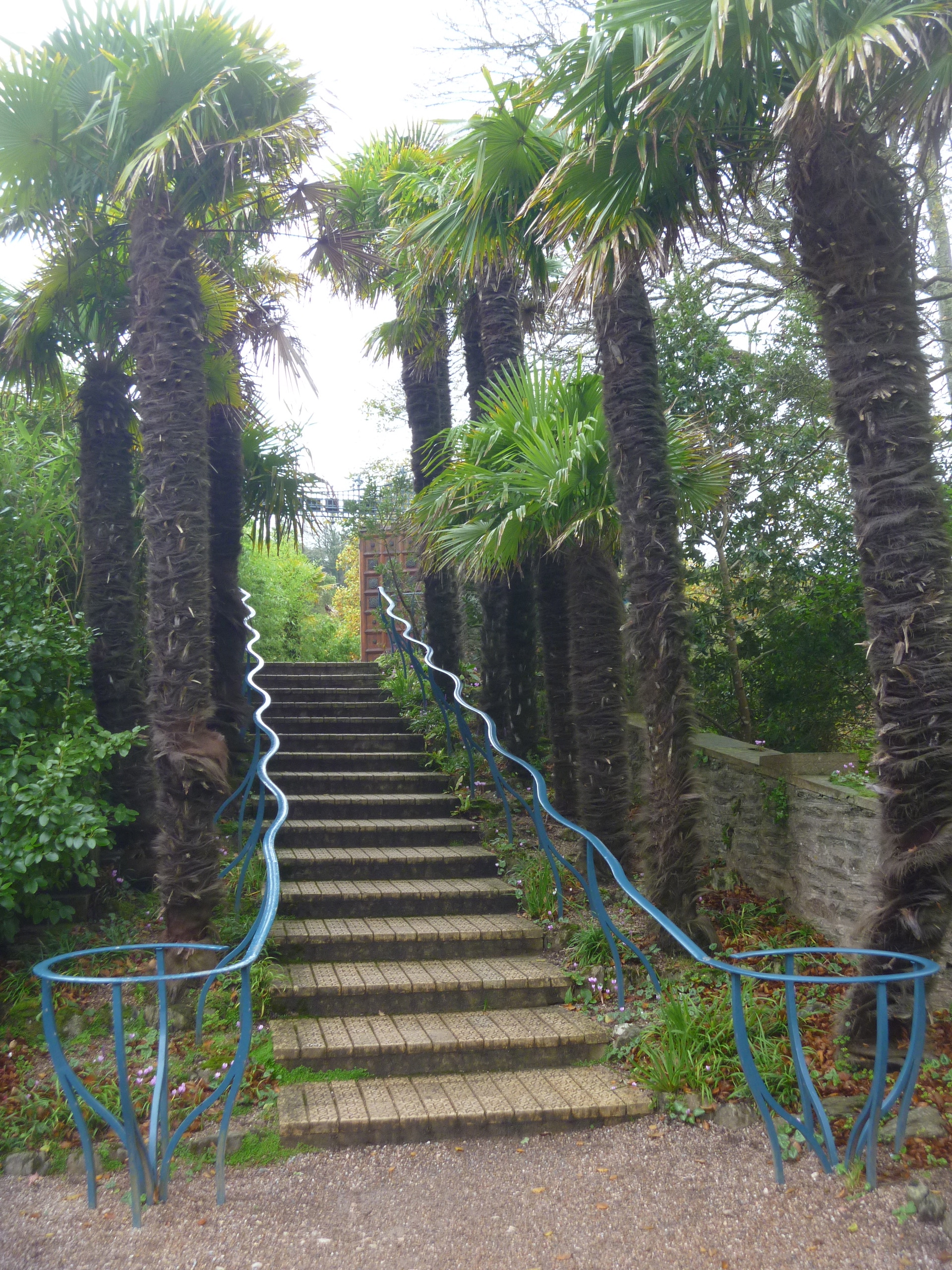
So, as I say, each year when we spend a week in October/November in Devon we make an excursion to the Salcombe area and in particular to the National Trust estate of Overbecks Sharpitor. The gardens stretch steeply down the cliff face from the house and the influence of the local microclimate has lead to a singular garden of luscious tropical vegetation.
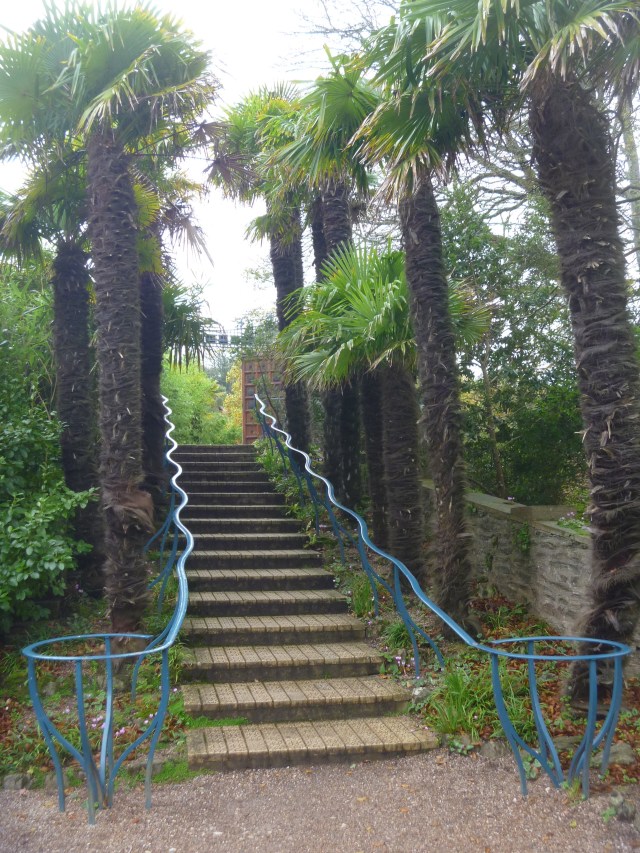
A hidden paradise of subtropical gardens and eclectic collections…
An exotic and fascinating hidden treasure perched high on the cliffs above Salcombe. Explore the banana garden, meander through the woodland, or relax beneath the palms. Walk along the coast path and soak up the spectacular panorama across miles of beautiful coastline and estuary.”
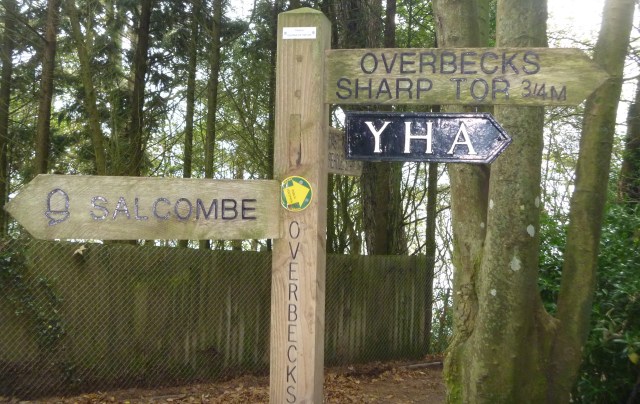
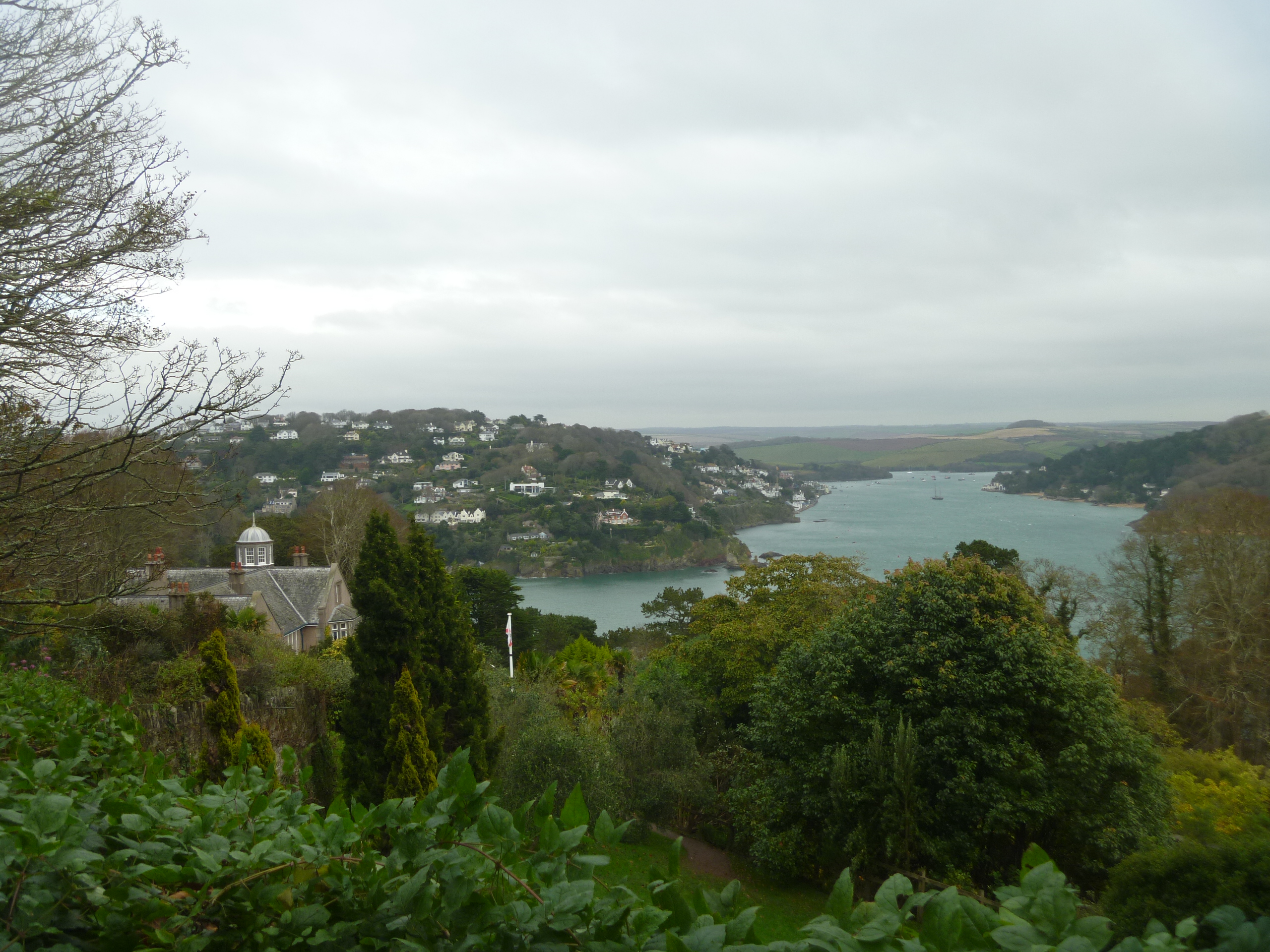
So, walk along the coast path and soak up the panorama we did. A few paces down from the Overbecks car park there is a sign inviting one to join the footpath to Starehole Bay. This clearly defined path clings to the cliff face and in each direction are wonderful views down the ria (a tidal inlet with no major fresh water source flowing through it) to Salcombe or out, over the bar :

This shallow sandbank, evoked by Tennyson in his poem ‘Crossing the Bar’, lies across the ria’s mouth and is barely 60cm (23 inches) below water on an ebb tide. Devon’s worst life boat loss occurred here on 22 October 1916, when the ‘William & Emma’ capsized rowing back from a rescue.” (NT Website)

to the English Channel.

Salcombe and Ria from the lower footpath

Salcombe and the Ria from The South West Coastal Path

The path is dotted with handily placed seats upon which one may rest and enjoy the view but last Friday there was a misty rain blowing so we tended to keep walking.

Official Long Distance Footpaths are indicated by an Acorn on the sign posts

Starehole Bay from the NT site :

“On calm days you’ll see the dark patch of seaweed beneath the north waters of the cove, marking the Hezogin Cecile wreck. This grain clipper ran aground off Soar Mill Cove on 24 April 1936. For seven weeks the ship lay stranded whilst sightseers in their thousands lined the cliffs, holding their noses from the stench of rotting wheat. The ship was smashed in a July gale after being towed to Starehole Bay.”

From Starehole Bay there is a steep a path up to Bolt Head and from there it’s possible to join the SouthWest Coast Path and return to Overbecks along the cliff top.

Starehole Bay

Bolt Head from the NT site :

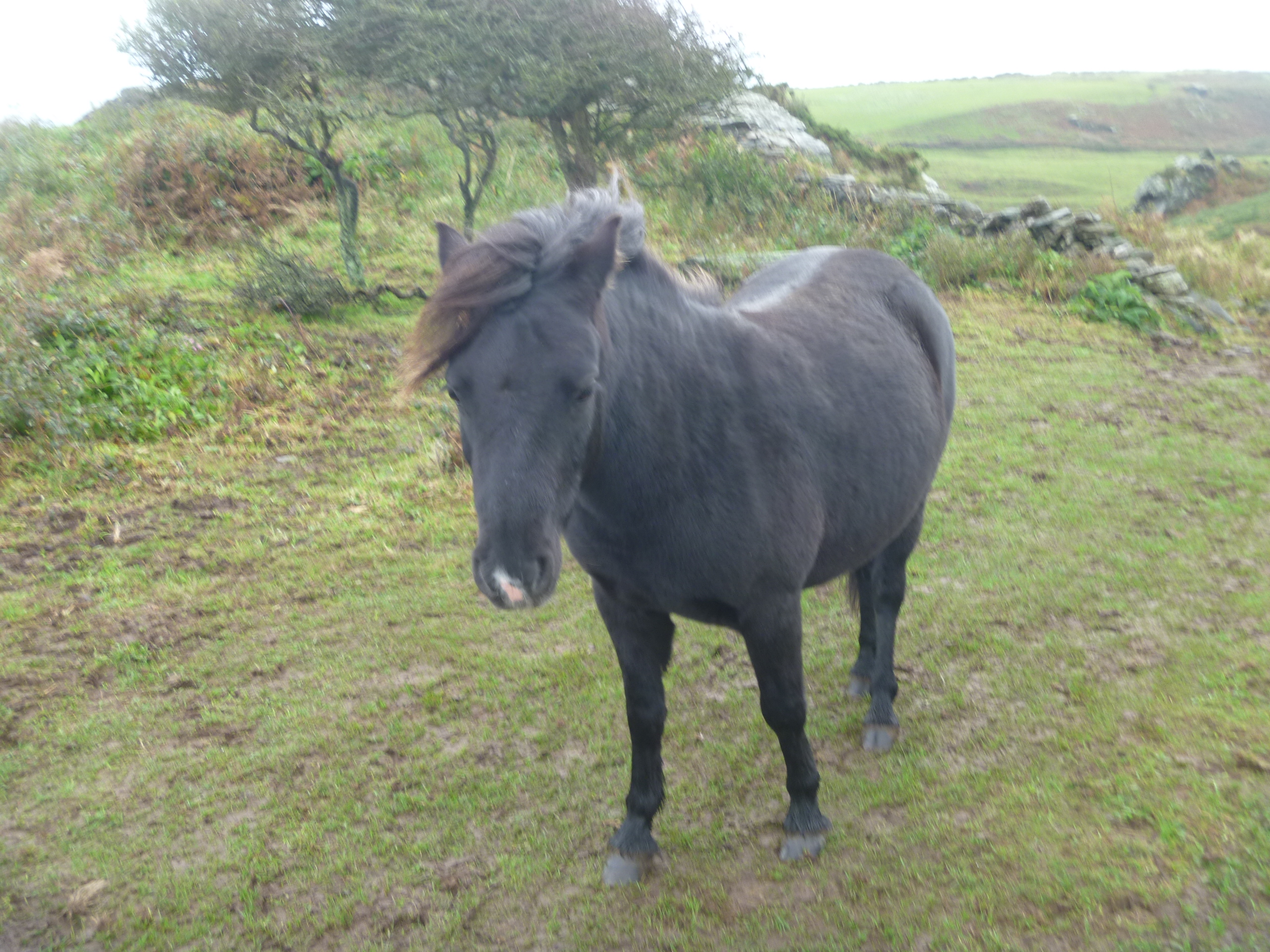
People have been farming at Bolt Head for centuries and the cliffs are dotted with the remains of field boundaries and animal enclosures, some dating back to the Bronze Age. Today, Dartmoor ponies graze on the cliffs, preventing blackthorn and gorse from smothering the slopes. Look out for grey bush crickets and their great green cousins (the largest in the British Isles). Fulmars, gulls, cormorants and shags bred on the cliff-faces. The headland was the site of a Second World War lookout until it was demolished in 2007, and is also a stop over for migrating swallows and house martins.”

Funnily we didn’t see a Dartmoor pony on Dartmoor this year – just  cattle. We did see the cliff top grazing ponies at Bolt Head, though.

The cliff top path descends again into Starehole Bay before climbing up again for the final mile and a half or so back to Overbecks. There’s a tempting sign very strategically placed to encourage one into the tea shop (also the Youth Hostel dining room) but we had a table booked for dinner so didn’t linger for refreshments on this occasion.
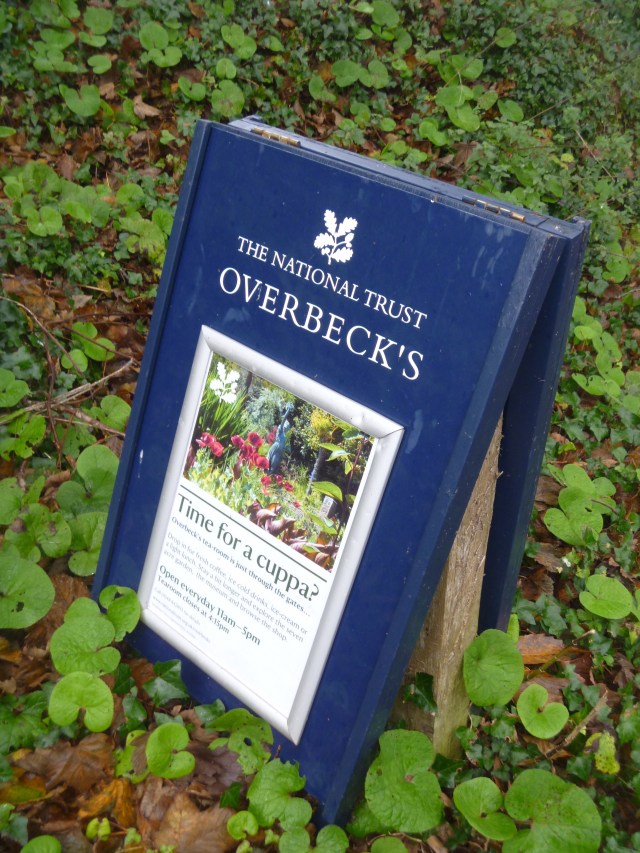
Time for a Cuppa?

Final view of Overbecks and Salcombe from the SW Coastal Path
Day Out at Dartington Devon with Dovegreyreader

The Dovegreyreader has made several comments to me to the effect that reading Milady’s posts here save her a great deal of time and expense and the bother of travelling when she can read about the places that appeal – with her feet up by the fire in winter or in her deckchair in the garden in summer. Well, last Thursday she was persuaded to leave home and travel a few miles across misty Dartmoor to join me and act as guide for the day at the Dartington Estate near Totnes.

The arrangement was to meet late morning at The Cider Press Centre, now called simply, and to the point, Dartington Shops. This was the part of the Estate that I was already familiar with and it was by mutual consent that we headed straight for Cranks Restaurant. I’d eaten here many times over the years since the early 1980s and I have the cookery book still. It’s been well-used and the recipes are well-loved. The restaurant and the food were little-changed and with tea and cake followed later by soup and cheese scones we clung to our table for probably three hours (who’s counting the time when there is so much book and family talk to catch up with??).

Eventually we decided a walk was in order as that had been the ‘plan’ for the day in the first place and our reason for meeting at Dartington; besides we needed to work up an appetite in order to take afternoon tea at some point later in the day!

We headed straight out of the car park along a public path (past the former Dartington School) and along the main approach road to Dartington Hall to our first port-of-call the School’s  former Headmaster’s House – High Cross House.
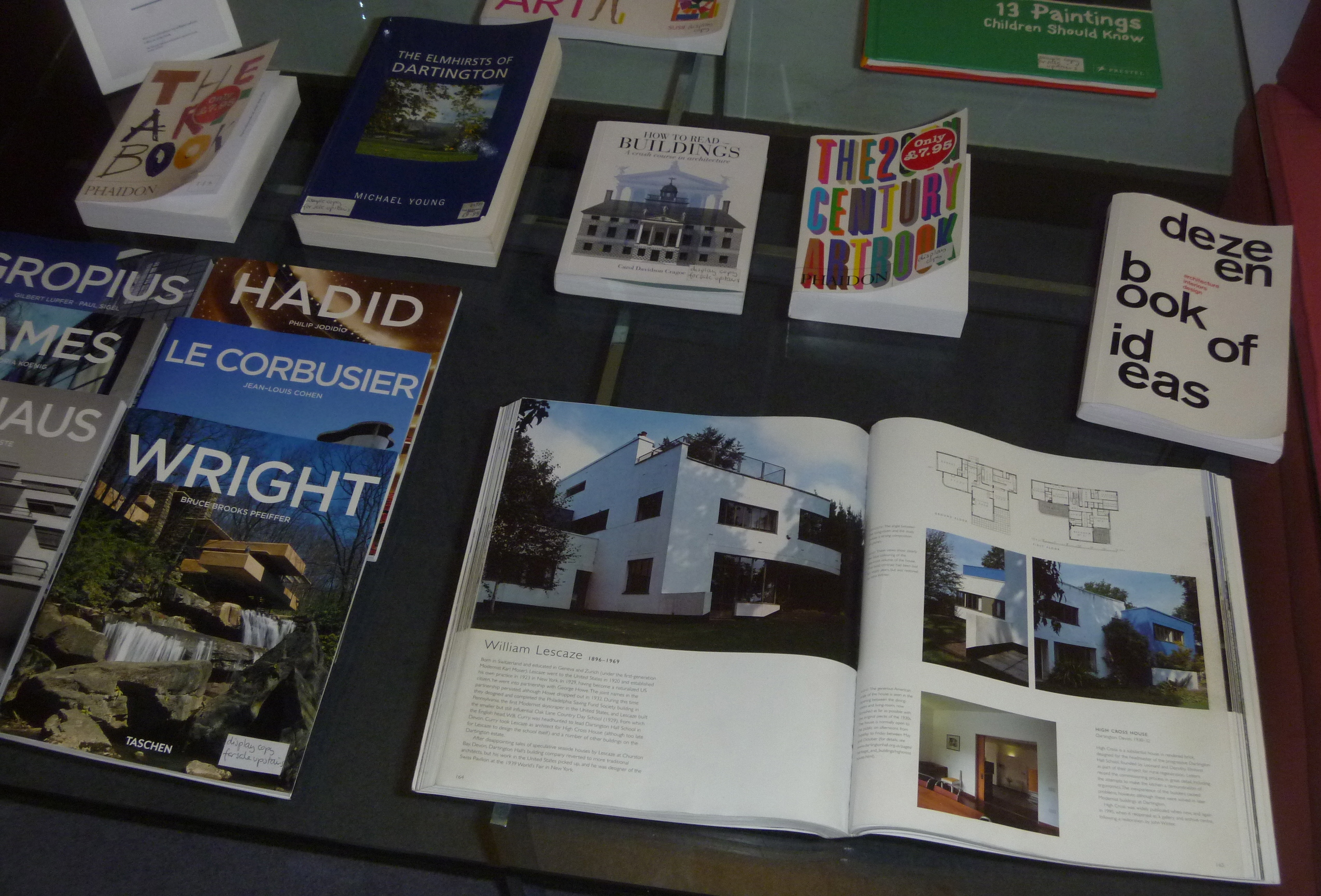
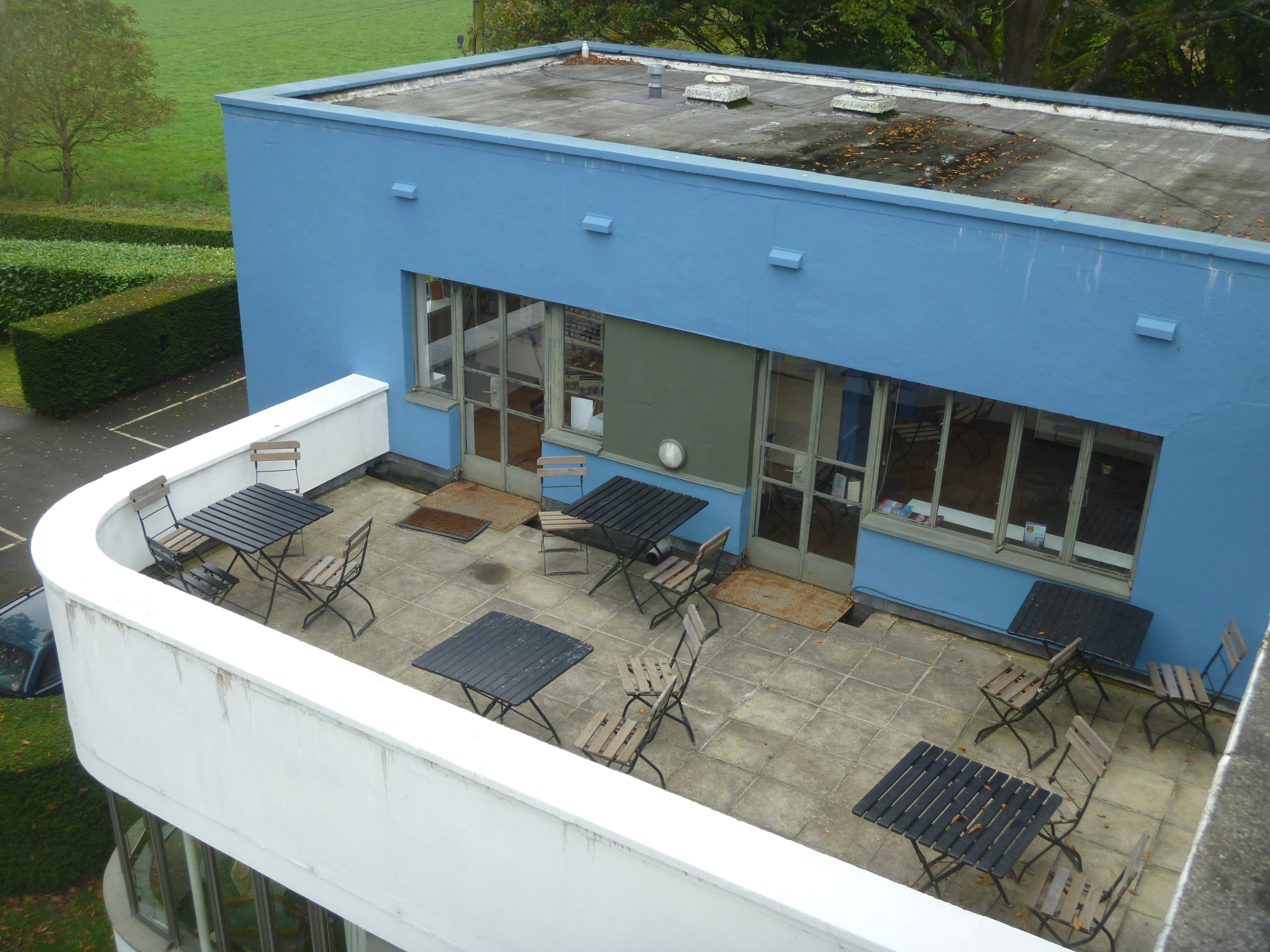
It’s now under the auspices of The National Trust and is a fine example of Modernist architecture and a host to a number of exhibitions and resident artists. There’s a cafe (that spreads out onto a roof terrace in summer) and small bookshop. The house has a relaxed atmosphere and you may sit on the chairs and handle the books.

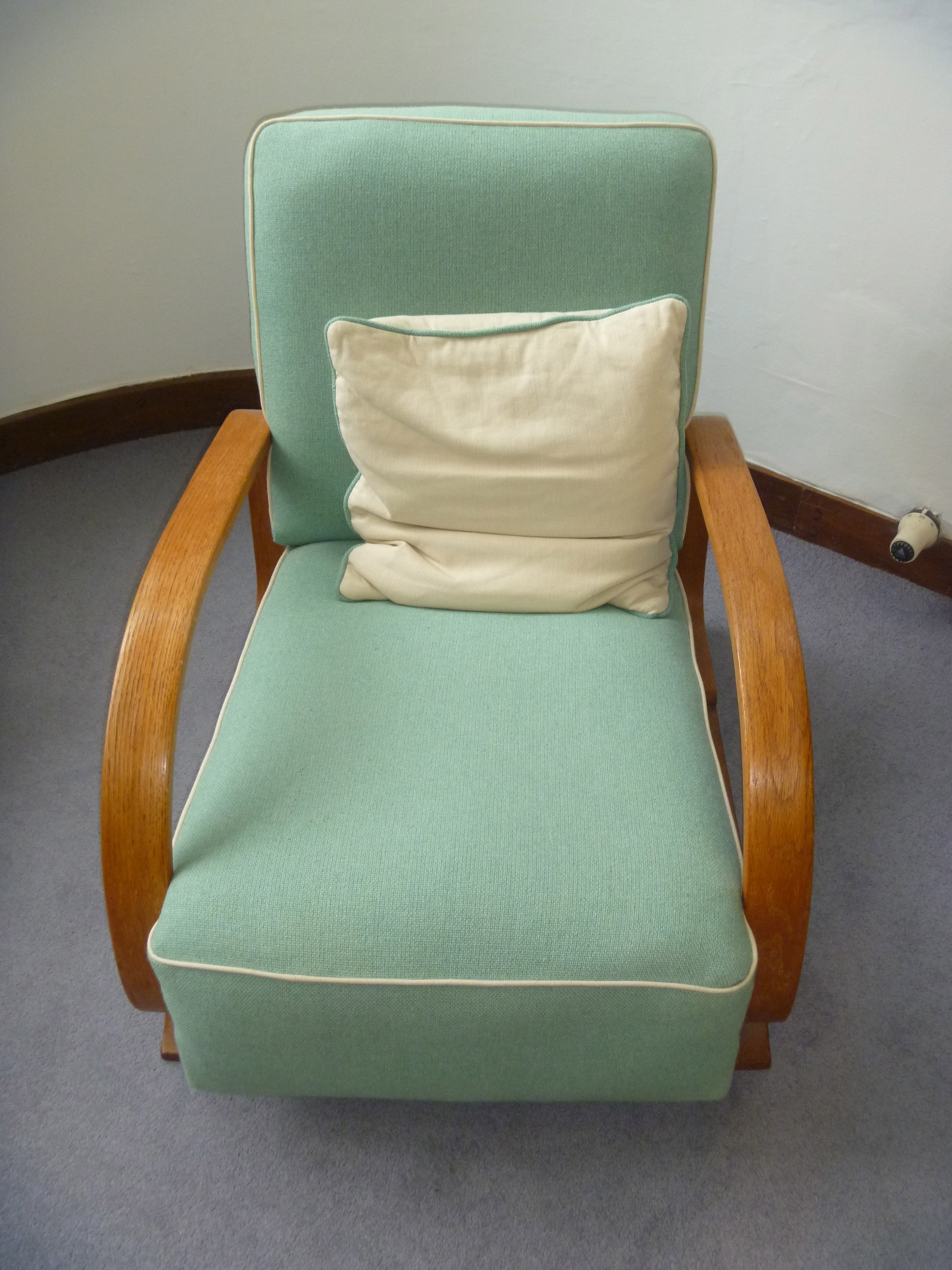
Comfy chair originally to be found in the common rooms at Dartington Hall residences

Cafe Terrace

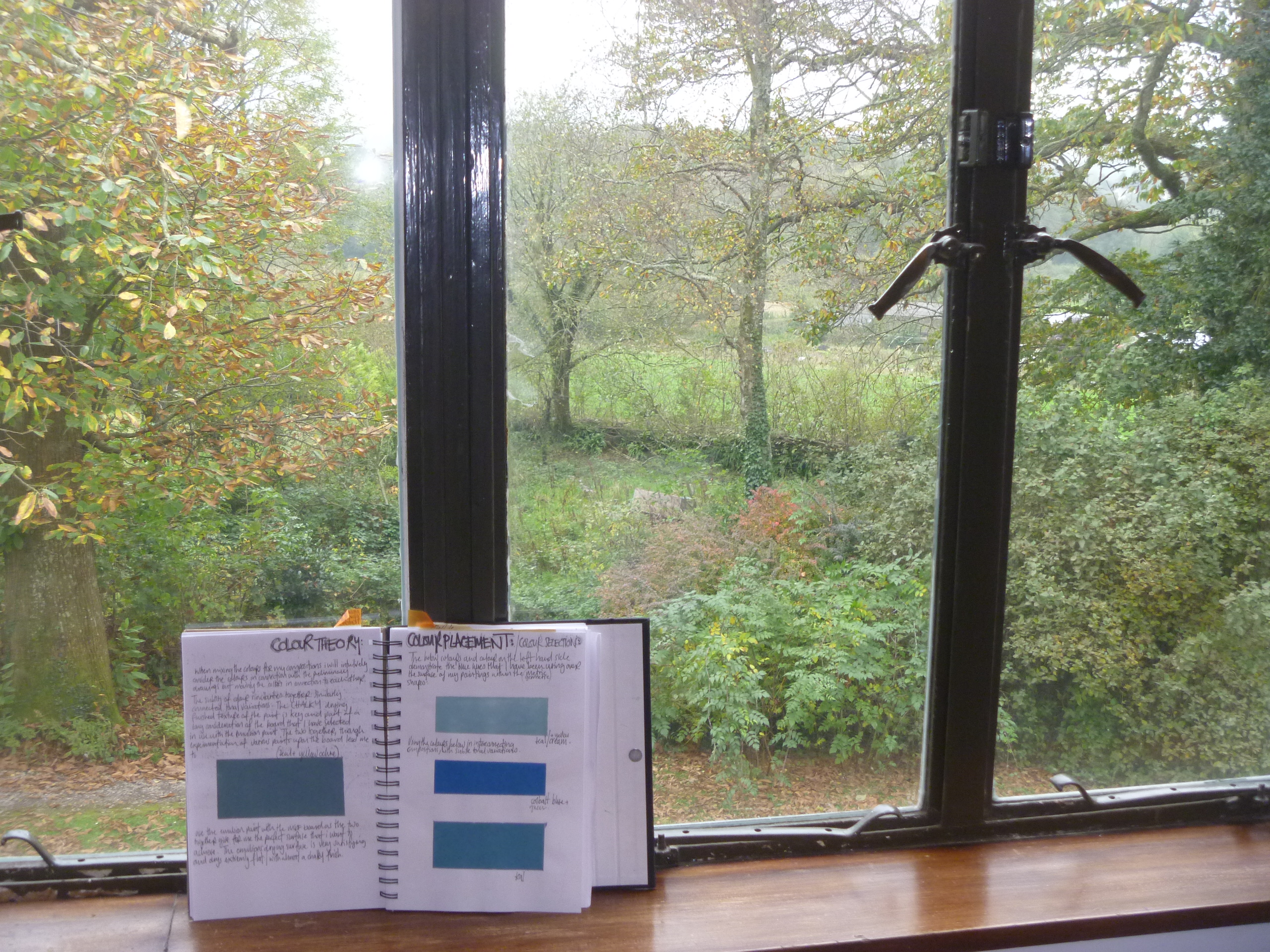
Colour Theory and the View of  High Cross House Garden

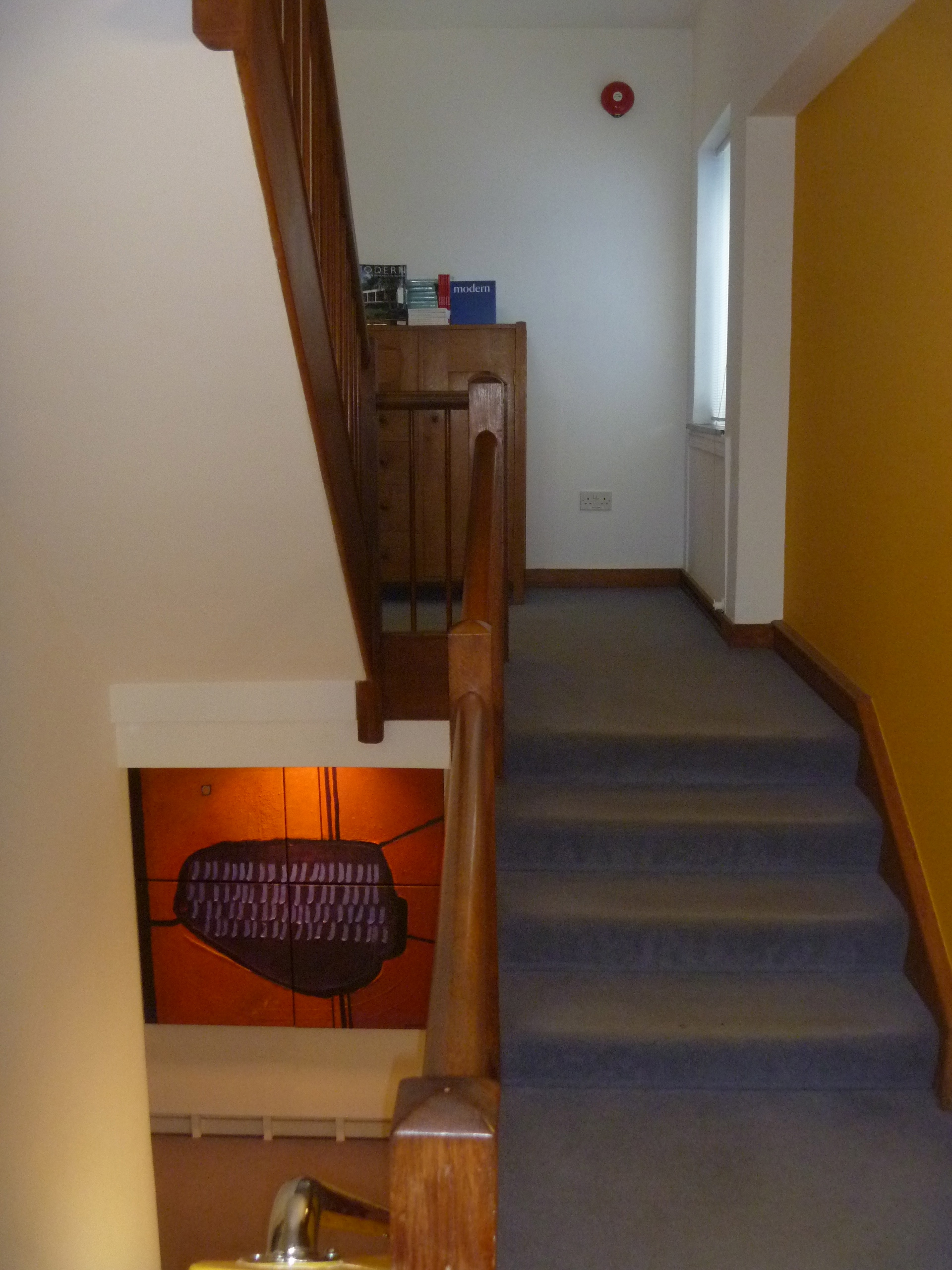
Staircase at High Cross House

Any artist who is in residence that day and helpful room stewards will also answer any questions you may have. Here is the NT brief resumé of the house :

“Built for William Curry, headmaster of Dartington Hall School, this Modernist gem was commissioned by Leonard Elmhirst and designed by William Lescaze in 1932. The house still evokes the ‘serenity, clarity and a kind of openness’ described by Curry.

High Cross is one of Britain’s most celebrated Modern residences, and we are excited to be presenting it to the public under our management, working in partnership with the owners of High Cross House, the Dartington Hall Trust.
The architecturally important building is playing host to contemporary art exhibitions and sales, talks, demonstrations and musical evenings, and is a perfect and unusual space for events. High Cross is to become a local centre for contemporary arts, as a community-led sustainable model of management.”

View from the footpath – High Cross House to Dartington Hall
From the HCH we headed towards Dartington Hall which I particularly know of as host to the summer Ways With Words literary festival. I’ve only heard of it and read about it but DGR has attended and participated there. This makes her the perfect guide to the estate and buildings.
In the gardens we admired the autumn colours and sculptures and topiary and we entered the Hall and the Residences. Lynne painted a vivid picture of leisurely picnic lunches, crowded halls of participants on tiered seating and comfy common room chats bringing the summer festival alive for me.

Dartington Hall and Garden Topiary

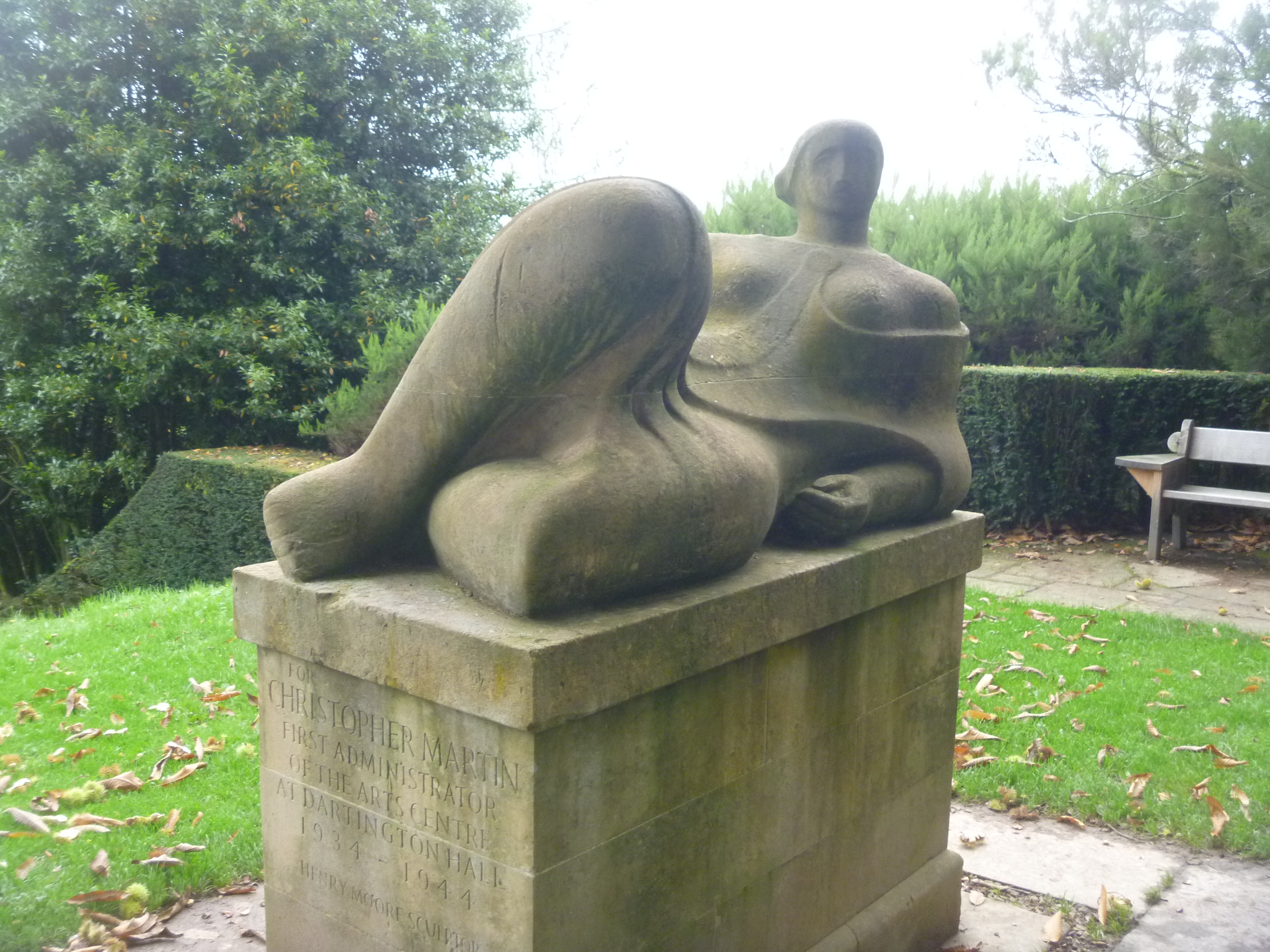
Henry Moore Reclining Figure Sculpture

The Dartington Hall

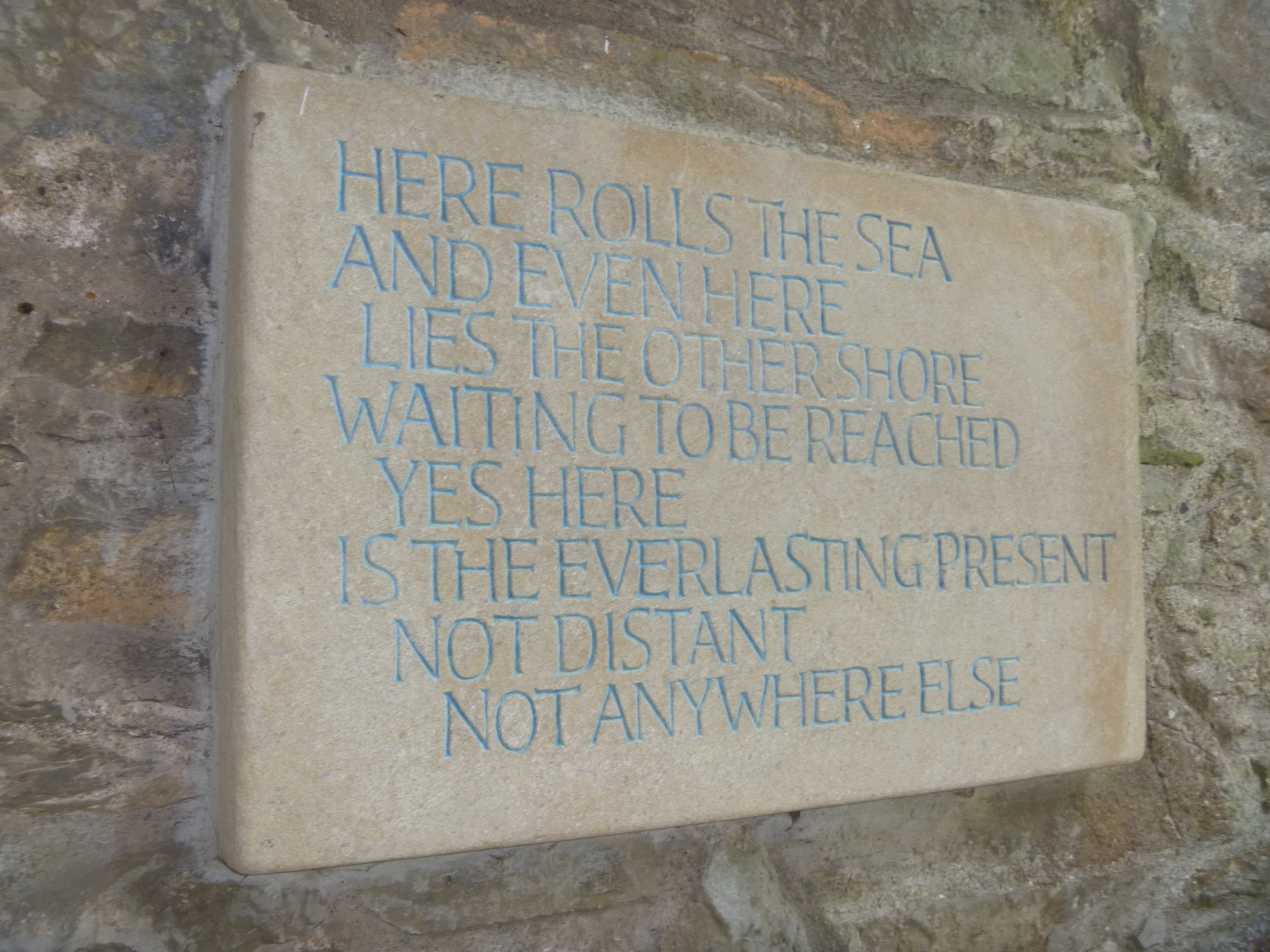
Calligraphy at Dartington

Built for Comfort not for Defence : Harewood Castle

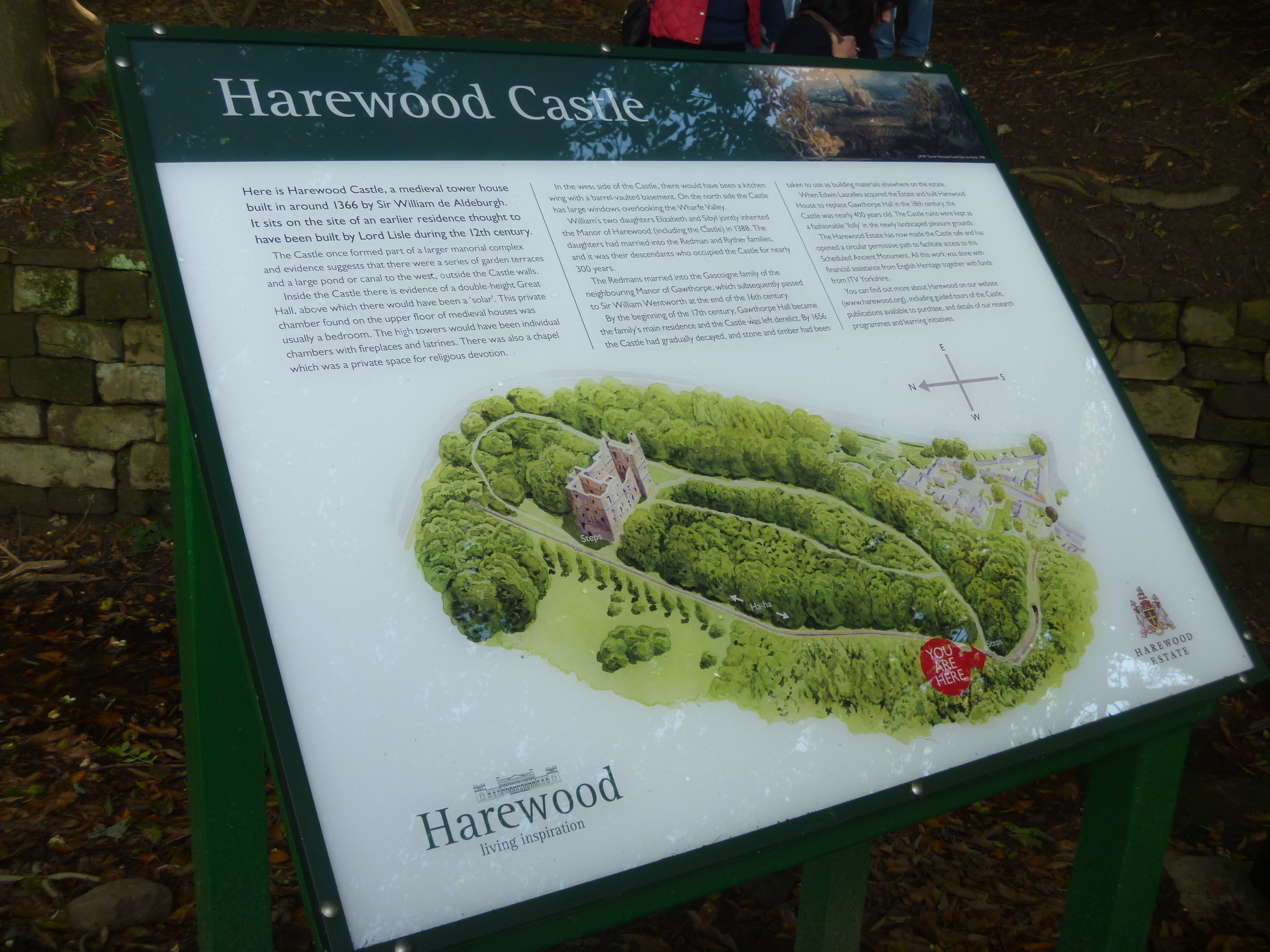
Sunday 14th October was the 946th anniversary of The Battle of Hastings. Our guide Sally Lawless deemed it therefore a fitting date on which to embark on one of a series of new initiatives at the Harewood EstateThe Harewood Castle Tour.
Earlier in the year I’d picked up the leaflet ‘Medieval Harewood 2012 : step back in time … ‘  This outlined a series of events, workshops, tours, tours and walks. Of course, it was the walk that appealed to me. I’d seen some of the archaeological dig results at Gawthorpe Hall last October on my ‘Capability Brown’ walk and I decided earlier in the week to sign up to visit Harewood Castle today.

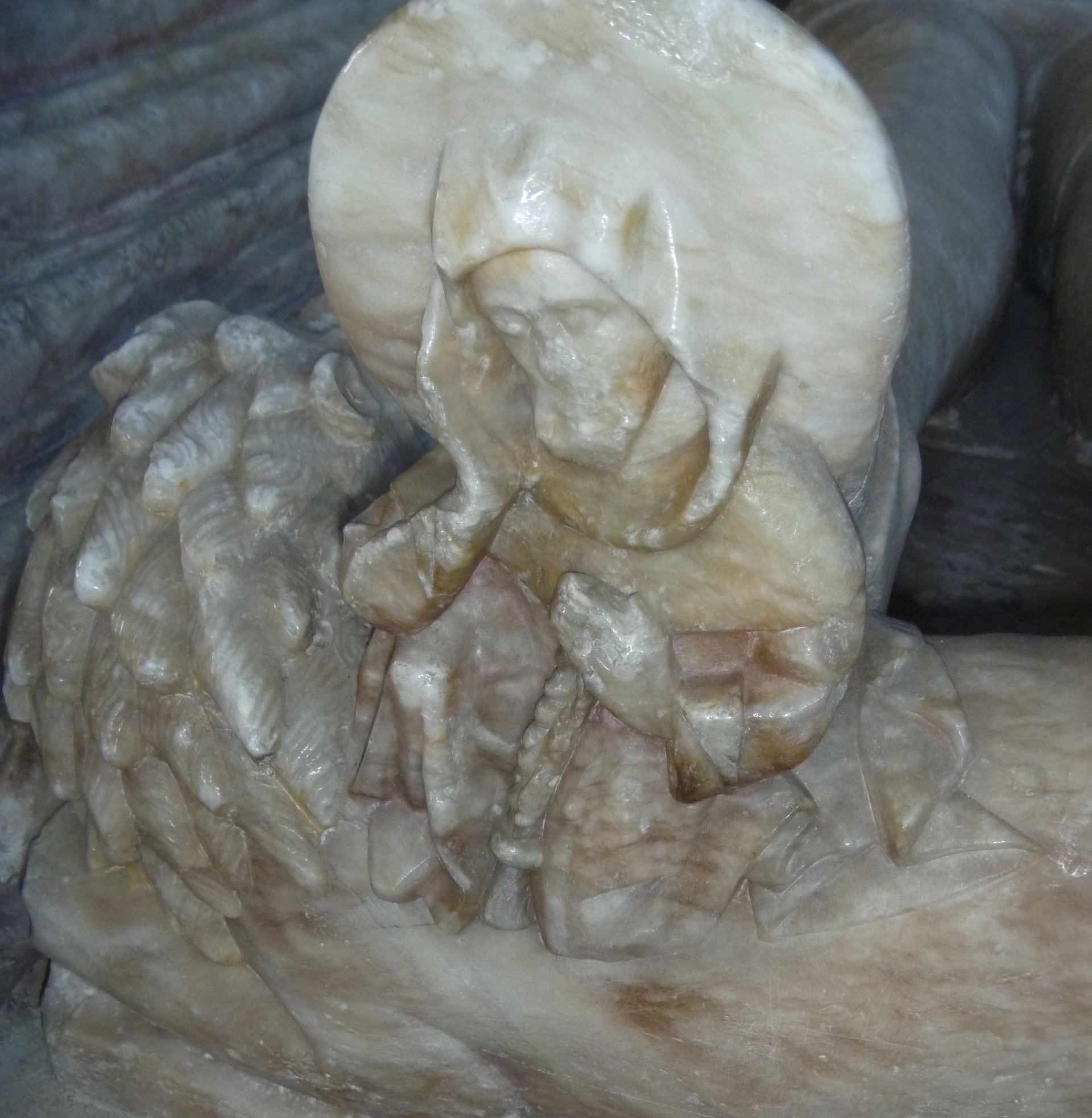
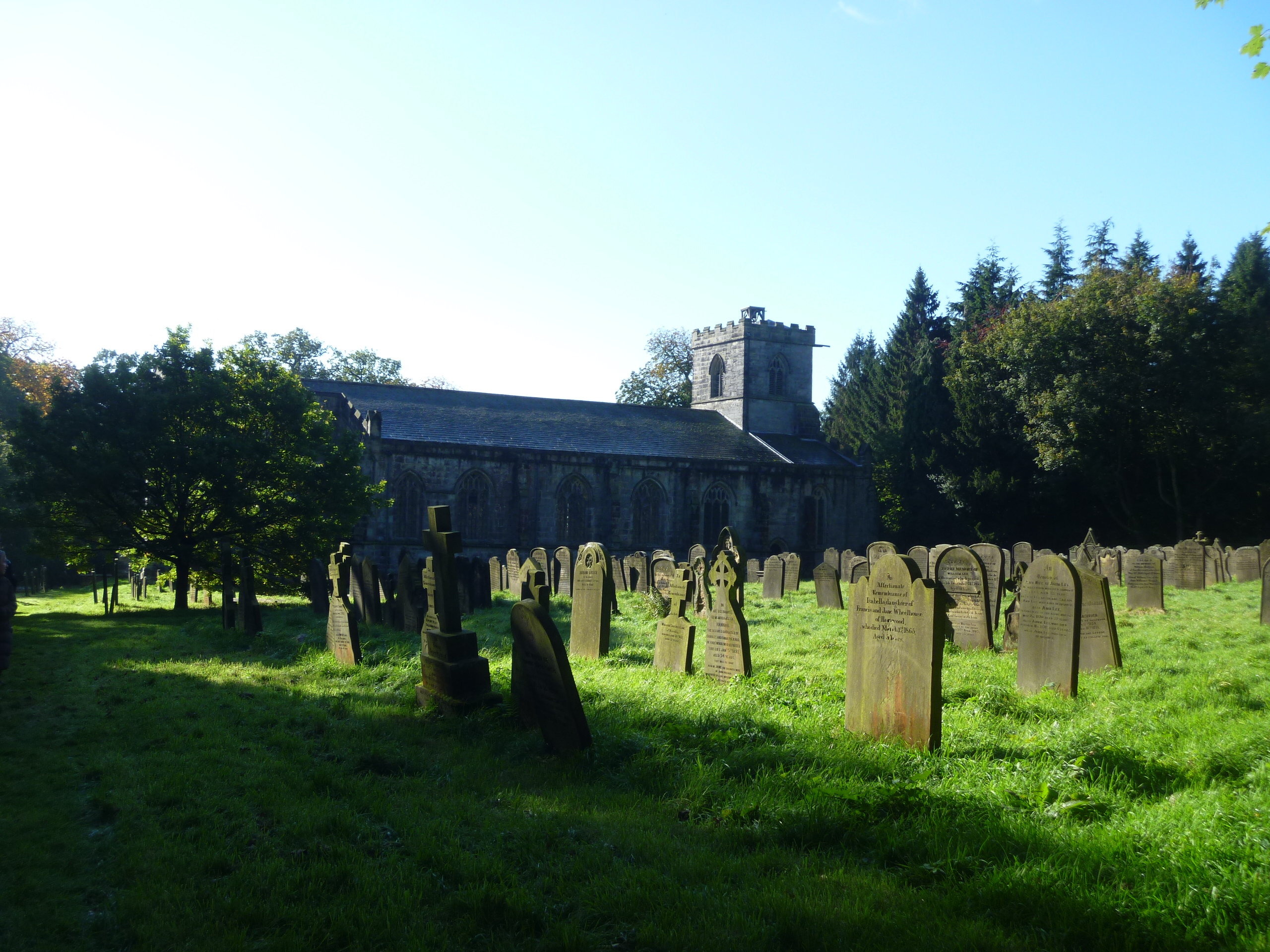
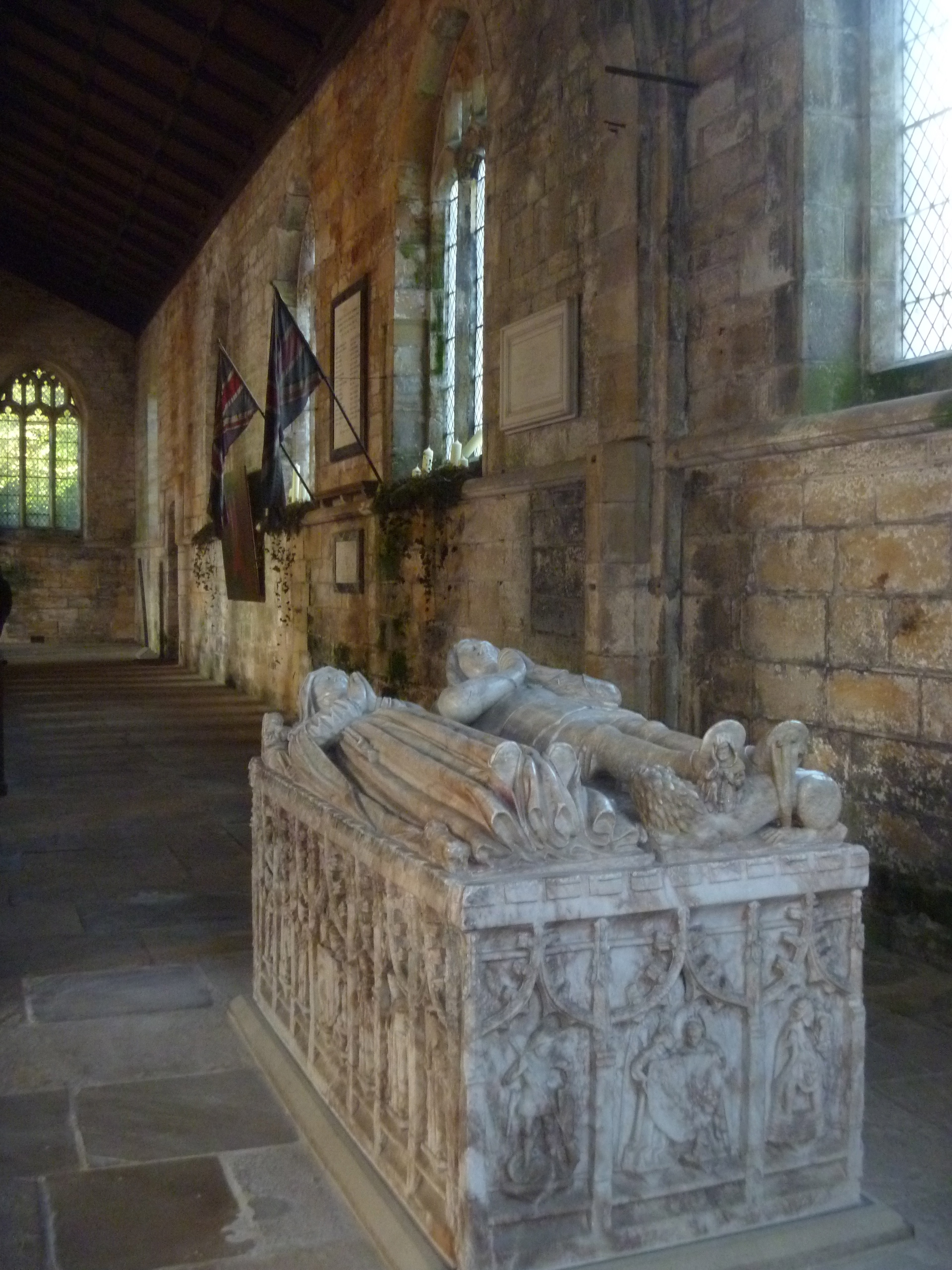
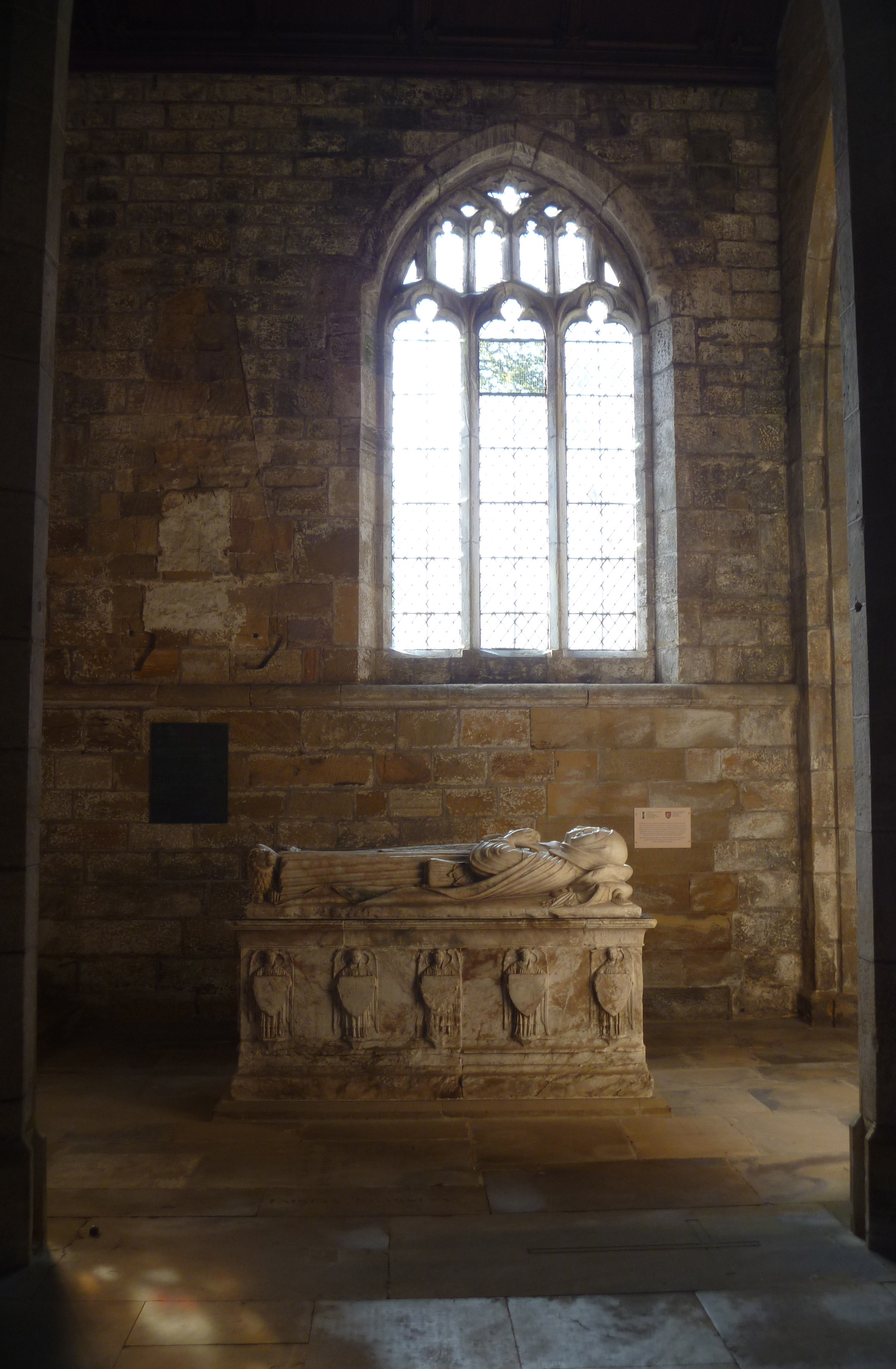
We all assembled in All Saints Church the Harewood Estate church which is now under the protection of the Churches Conservation Trust. Sally gave us a brief introduction to the church and the Harewood Estate in general. We were shown the important Alabaster Tombs – 6 pairs comprising some of the best surviving examples in England. All the figures represented had played a part in the history of the Castle.

Close up of an alabaster beadsman or professional mourner

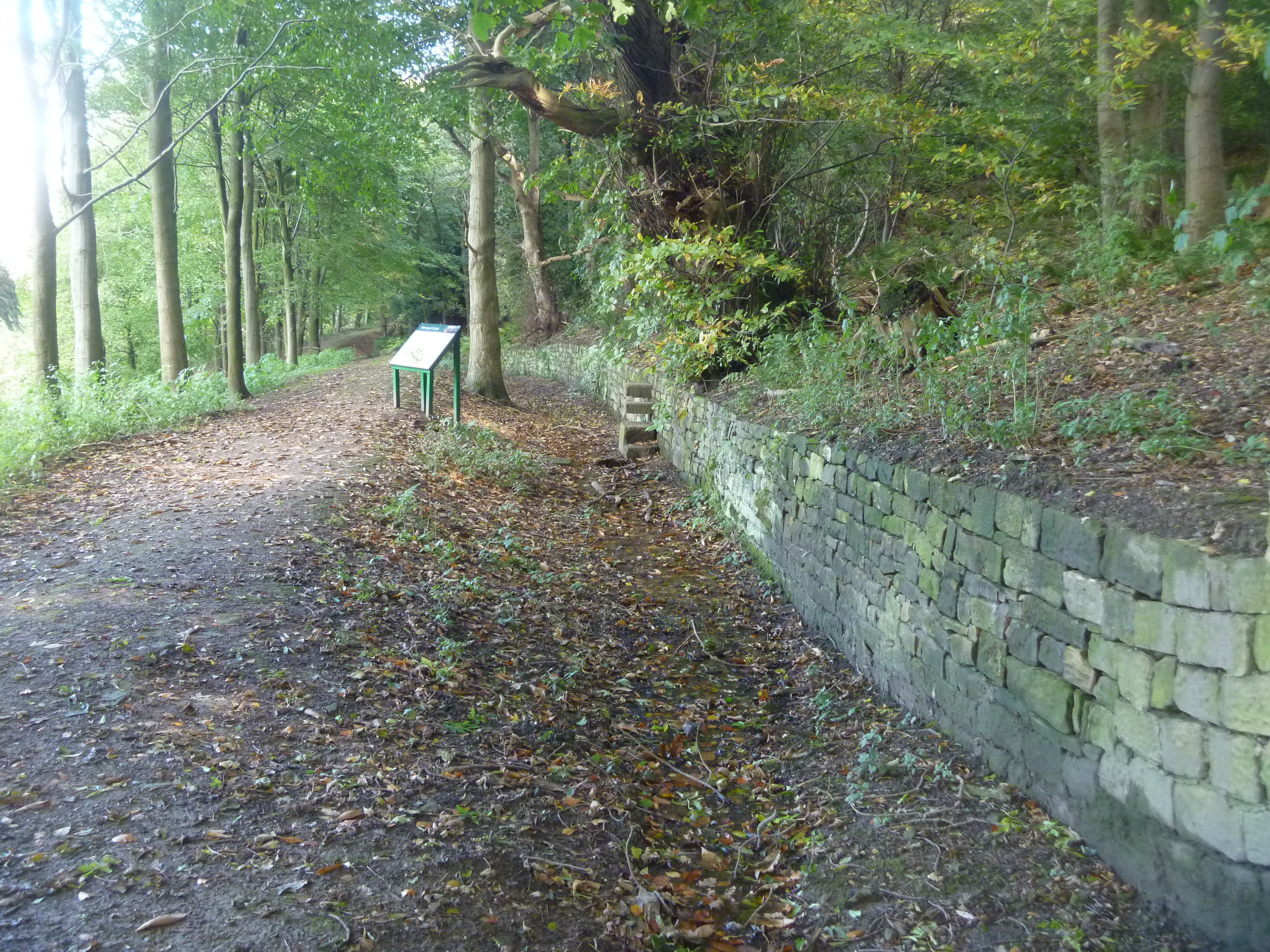
Then our walk began, through the churchyard where many of the estate and household workers are now buried, and out down a track to the public footpath Church Lane. This is was the former turnpike road between Tadcaster and Otley. It cuts through what was formerly the northern pleasure grounds of the Estate.

Sunken  tracks like this criss-cross the Harewood Pleasure Grounds

Peering over the wall we were fascinated to see the various tunnels and trenches which passed under the road so that  the vicar could reach his church and the local inhabitants cross the Estate without being seen by the Lord and Lady and their family and guests.

The Ha-ha approach to the Castle

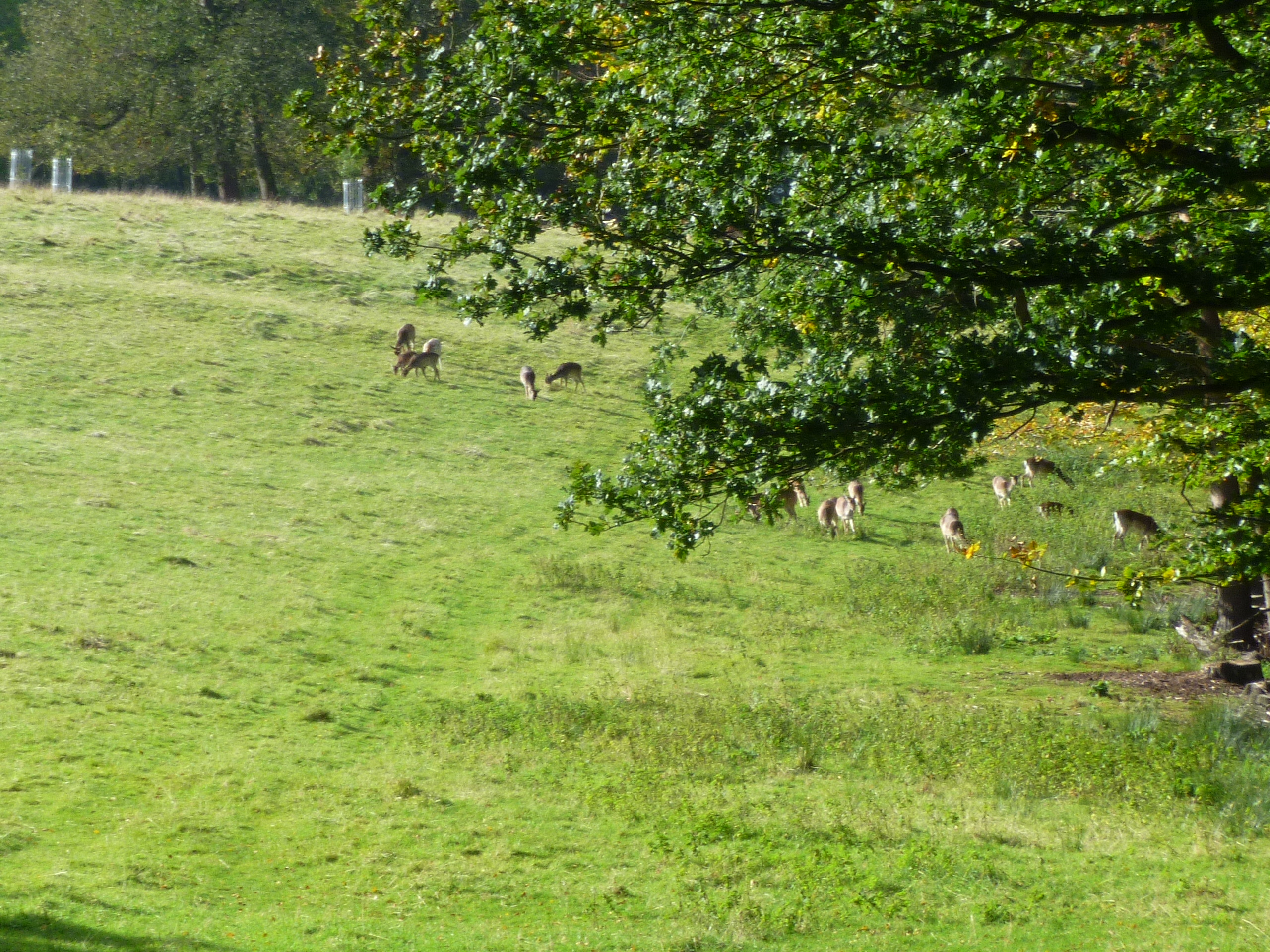
From Church Lane we entered the original Harewood village and proceeded down a deep walled public footpath to the Ha-ha which separated the Pleasure Grounds from the Deer Park –  where we could still see deer today.

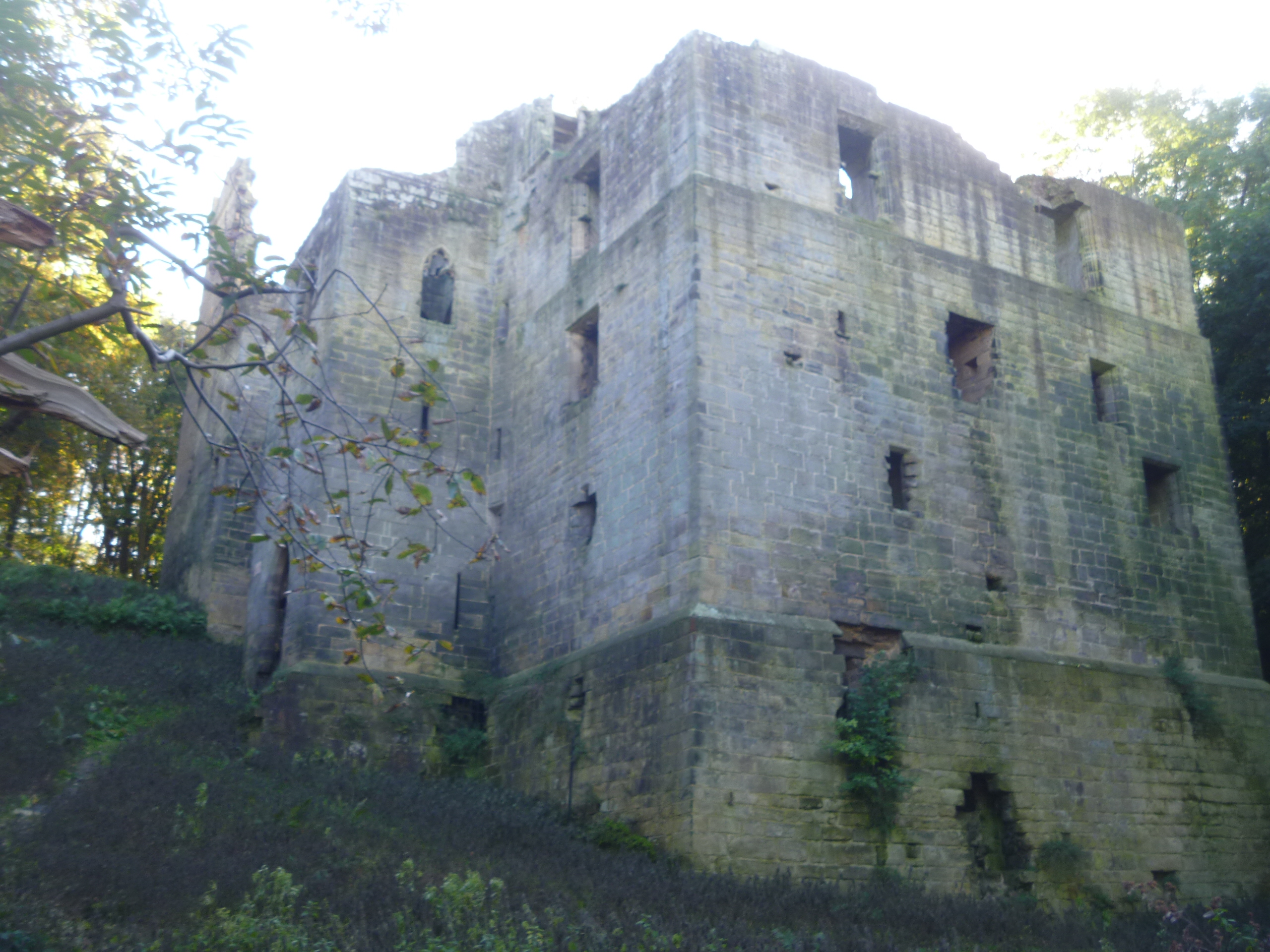
Harewood Castle built into the hillside looks out over Wharfedale

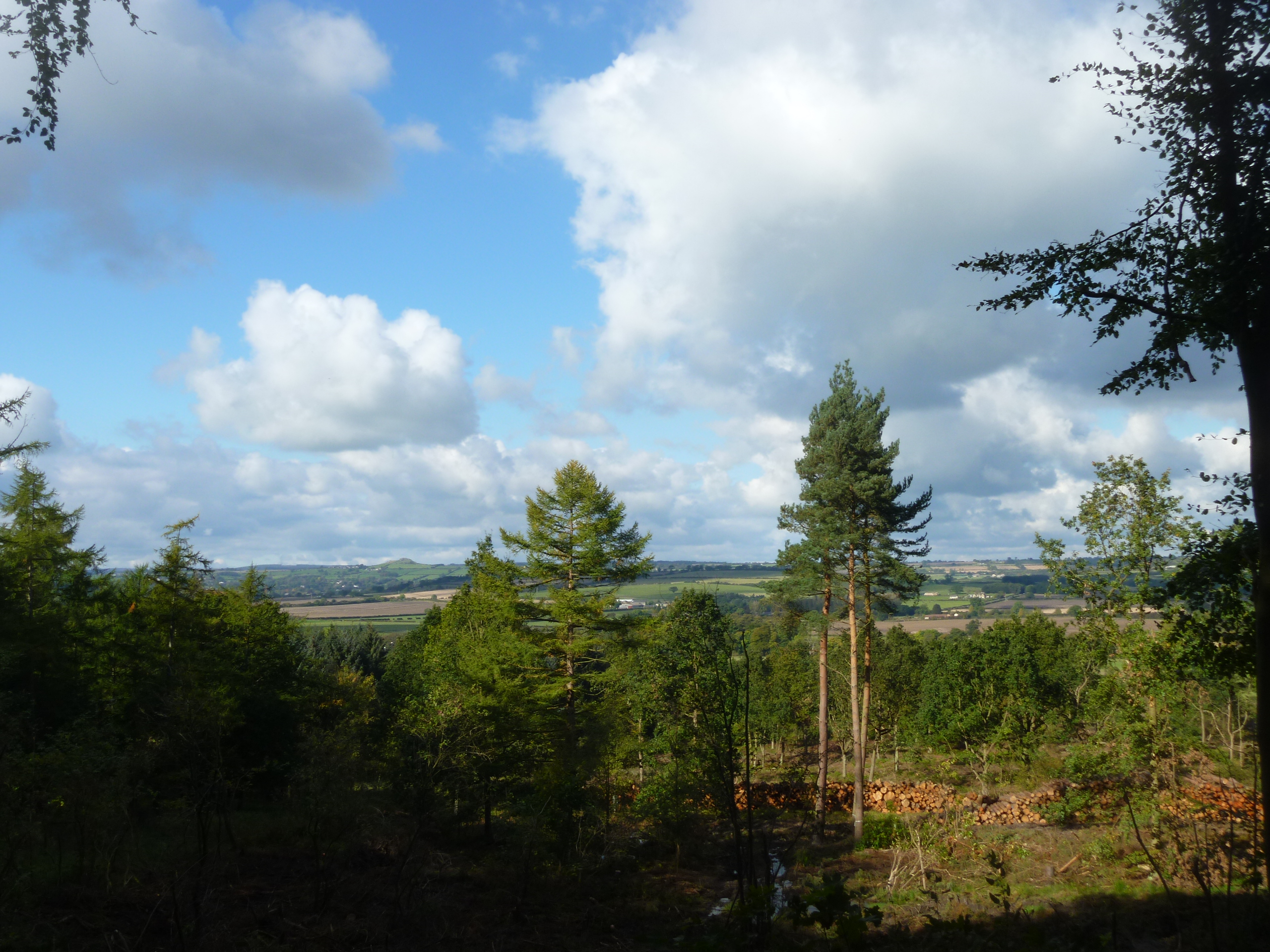
The Castle itself now stands very near to the A61 main road between Leeds and Harrogate but despite its size and proximity it’s almost impossible to see it from the road. There has been some tree clearance in the area lately and the view across Wharfedale can be seen more clearly.

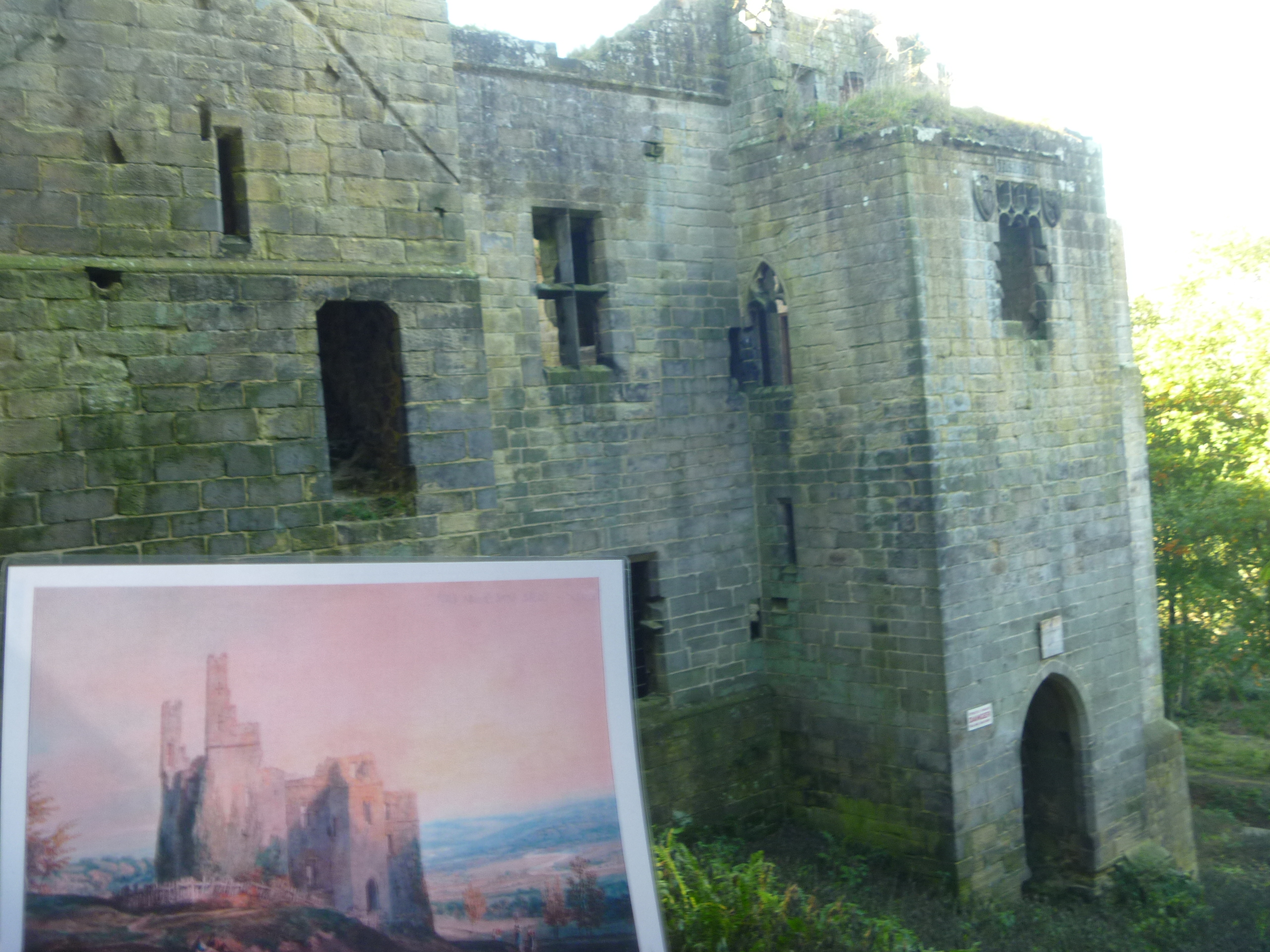
Castle with Turner watercolour from similar standpoints

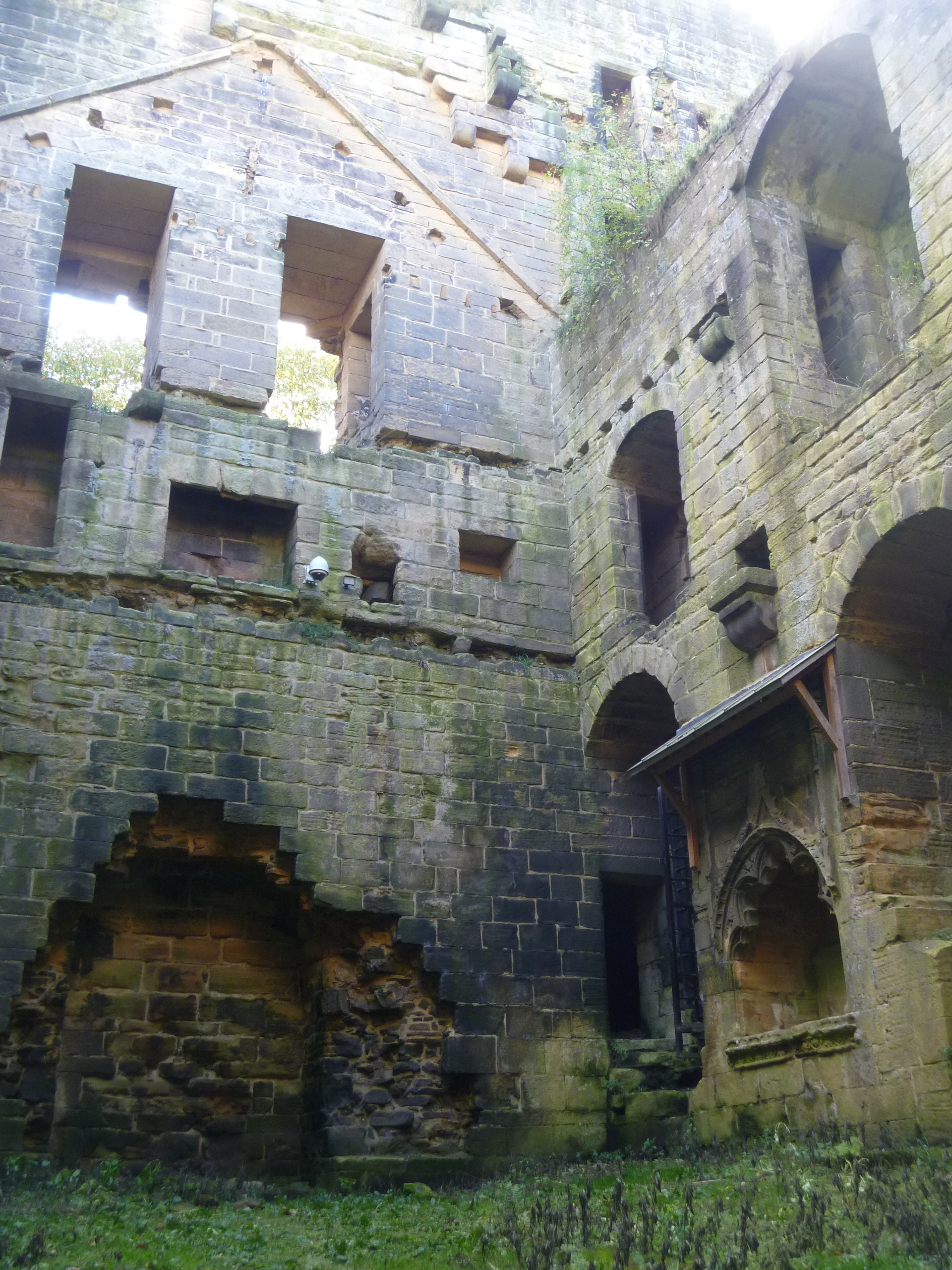
After hearing more about the history of the castle, comparing Turner’s watercolour views with today’s view we were admitted into the ruin and able to inspect more closely the layout and remains of the Harewood Tower House.

Following the path in a loop around the castle (it’s not open to the general public) we retraced our steps to the church where the tour finished.

Harewood Castle is technically not a castle but a fortified manse, a converted manor house. A ‘licence to crenellate’ (to fortify) was granted to William De Aldeburgh in the mid-14th century. Two families, the Redmaynes and the Rythers, whose tombs are in Harewood church, shared occupation during the 15th and 16th centuries. It was abandoned in the early 17th century and its stone and ornamental masonry plundered for use in other buildings nearby. By the late 18th century it was a picturesque ruin, painted by Turner, Varley, De Wint, Cotman and Buckler. It remained in that condition until 2004 when stabilisation work was carried out with financial support from English Heritage and matched funding from the Harewood Estate.”

The View over Wharfedale

Bolton Percy : the Perfect October Morning Out

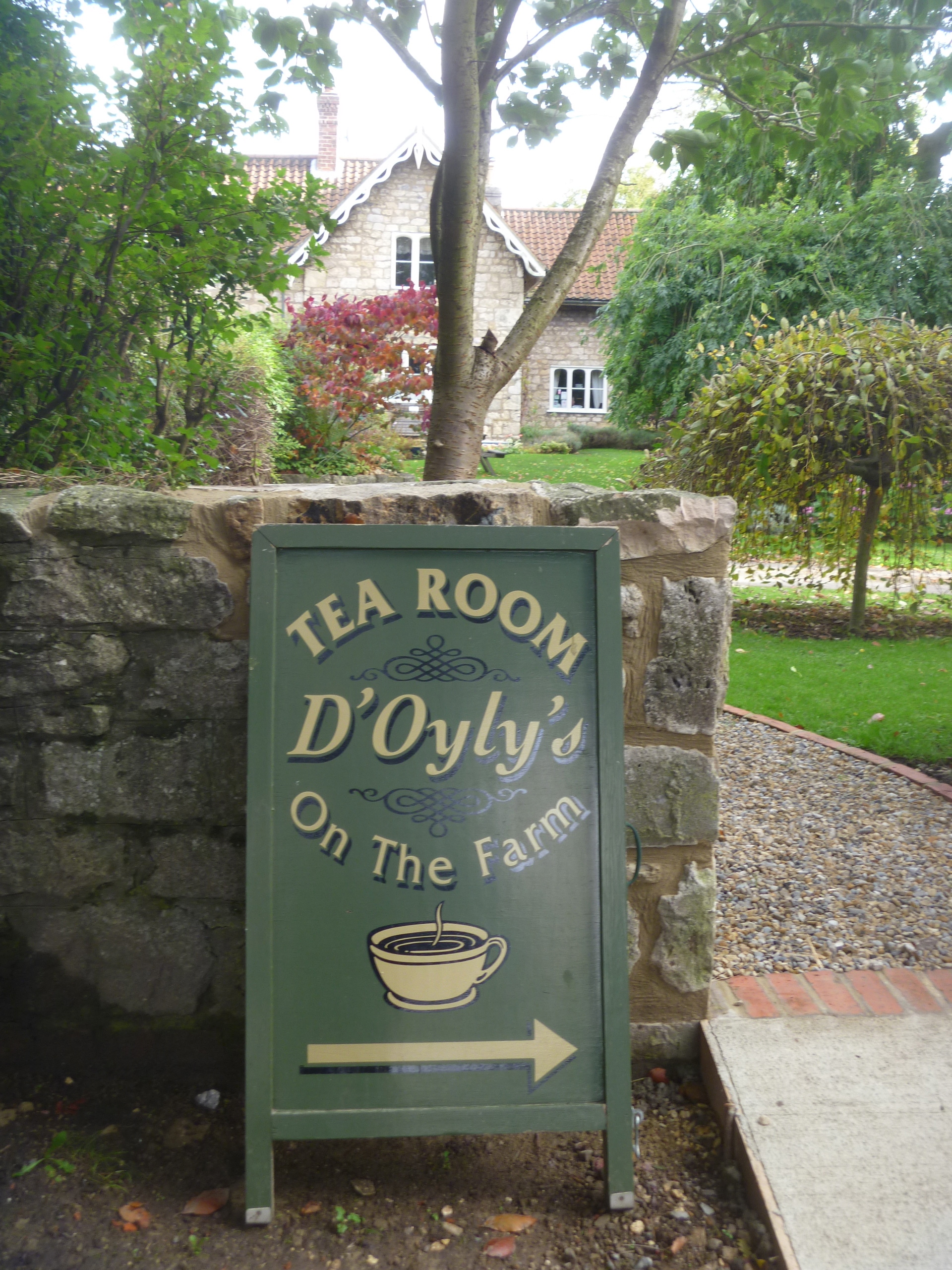
Barely half an hour’s drive from home we turned off the A64 Leeds to York road into Tadcaster and there’s a little sign ‘Bolton Percy’, which would be easy to miss, just after crossing the River Wharfe in the centre of town. About 3 or 4 miles down this lane and we arrived at the village of Bolton Percy. On the right as you enter the village there’s a cricket green and pavilion and soon on the left is the car park for D’Oyly’s Tea Room.

We parked up and went to explore the village. Right in the centre are the four other things we came to see –

the No-dig churchyard,

All Saints church,

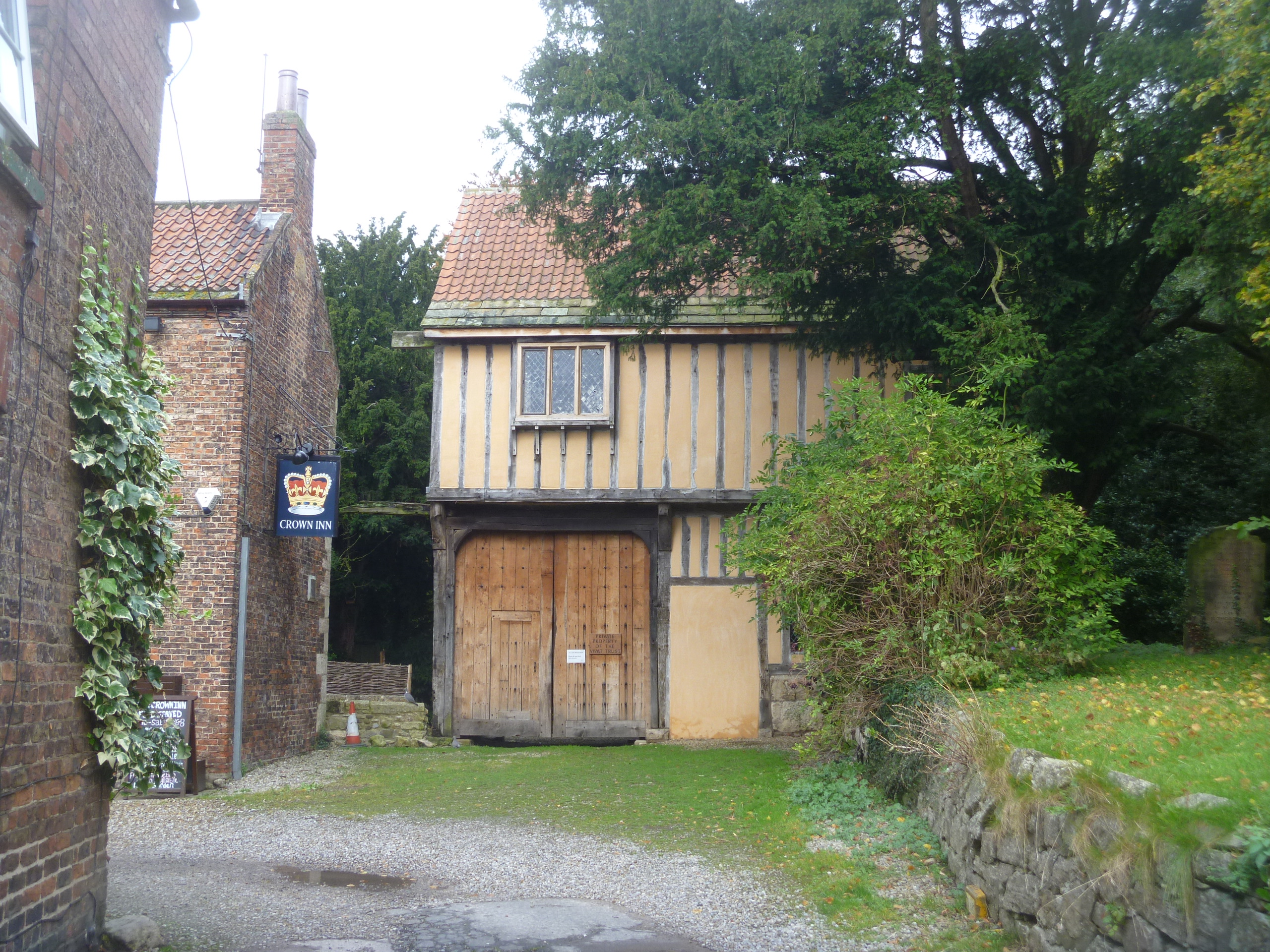
the Crown Inn

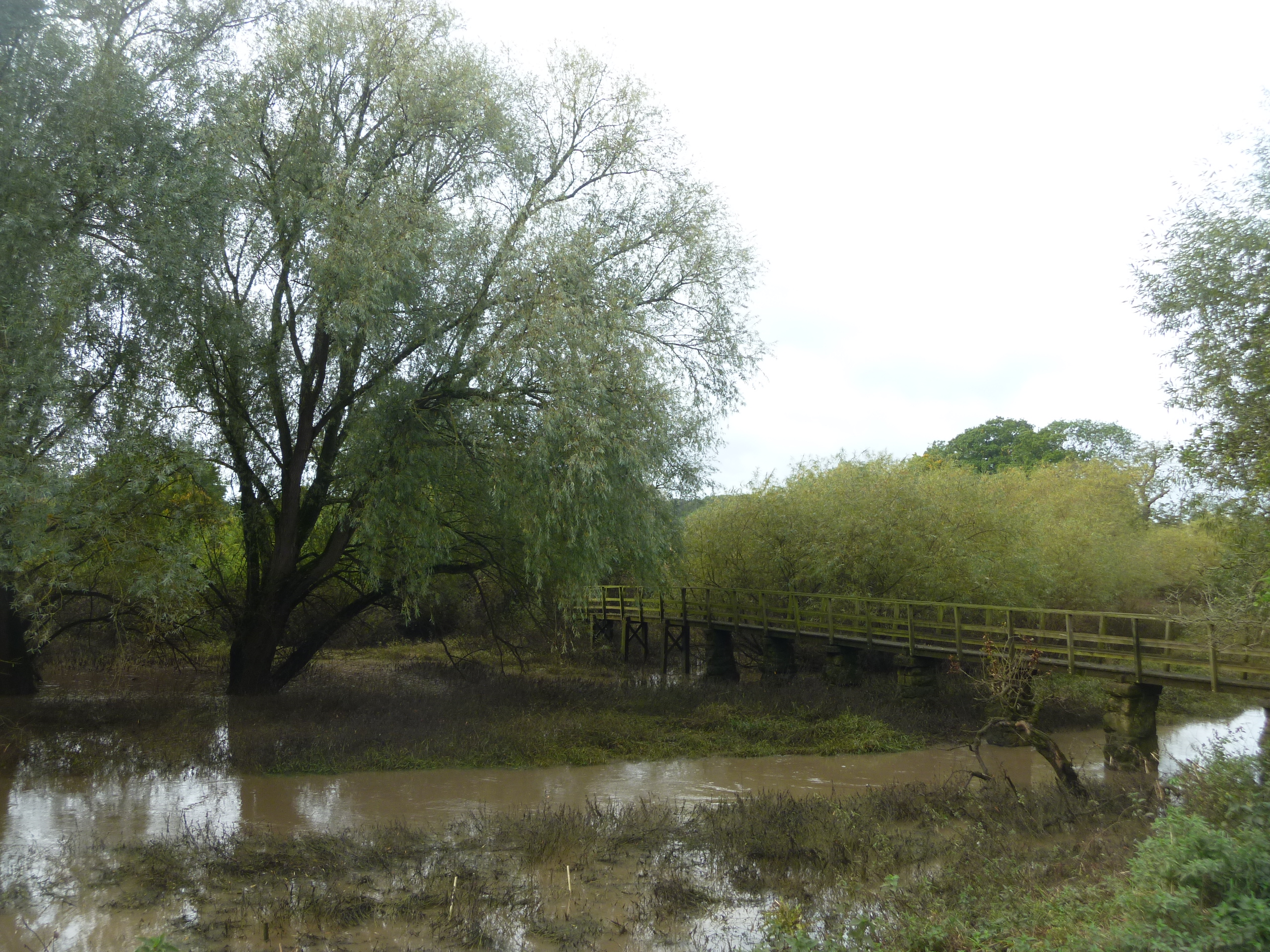
by the ancient river crossing

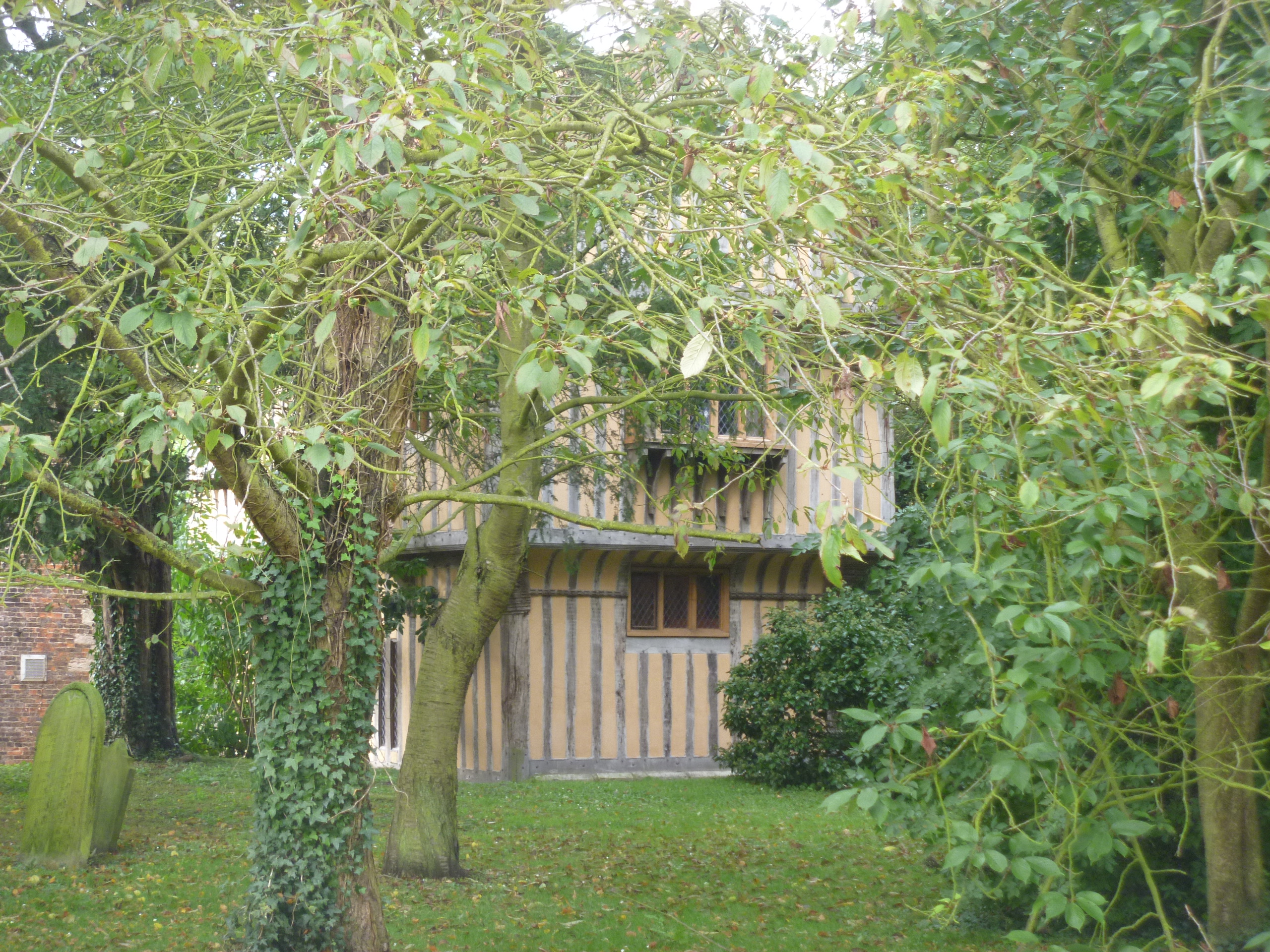
and the piece de resistance the fifteenth century Bolton Percy Gatehouse recently fully restored and now let as holiday accommodation by The Vivat Trust.

I first heard about the village of Bolton Percy when The Vivat Trust added the Gatehouse to its portfolio. Later I read a magazine feature in Intelligent Life about Tom Denny and the installation of the Millennium Window in All Saints Church. Any reference to English country (or other) churches always leads me to my Simon Jenkins’ ‘England’s thousand best churches(All Saints was awarded one star) and a couple of years ago Nun Appleton Hall (about a mile or so from BP) turned up in another book I was reading : Michael Holroyd’s ‘A Book of Secrets: illegitimate daughters, absent fathers‘. (I checked with the waitress at D’Oyly’s) and it’s impossible to see the Hall from the road and no Rights of Way pass through the estate). Internet searches for Bolton Percy bring up D’Oyly’s and further searches for All Saints church bring up references to Roger Brook and his No-Dig Gardening in the churchyard. So, when a walking friend urged me to let her treat me to lunch or tea as a ‘thank you’ for the lifts I’ve given her (I’m always happy to have her company anyway) I suggested we might give Bolton Percy a try.

Jenkins says : “The church sits on the Yorkshire plain next to the remains of a river crossing. The gatehouse of an ancient manor lurks next  door among the trees”

The early 15th century church is big and grey, its white limestone interior darkened by age and stained glass, but saved from impenetrable gloom by some clear windows in the south aisle.”

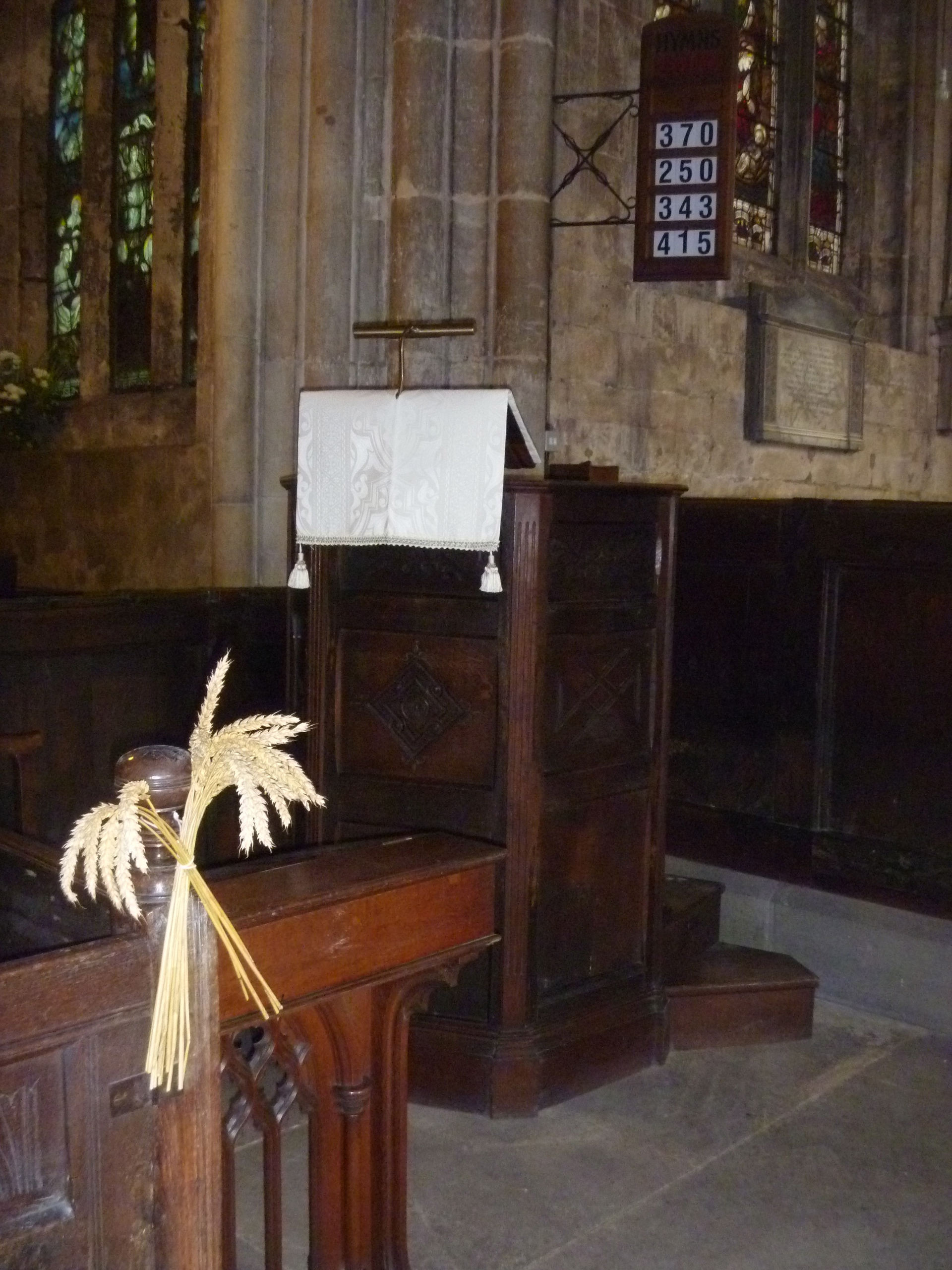
“The Jacobean box pews are complete, with charming knobs as poppy-heads.” Currently decorated in anticipation of Harvest Festival.

“There are two pulpits,  one early 17th century and one early 18th century, the former austere, the latter more flamboyant, its tester supported on an Ionic column.”

Then there are the stained glass windows : an east window with a rare depiction of the Virgin Mary as its centre piece;

the Burne-Jones for Morris and Co. Caritas window;

the Millennium window by Tom Denny inspired by Isaiah 43: “I will even make a way in the wilderness, and rivers in the desert.” The River Wharfe flows through it and an owl and a curlew are flying.

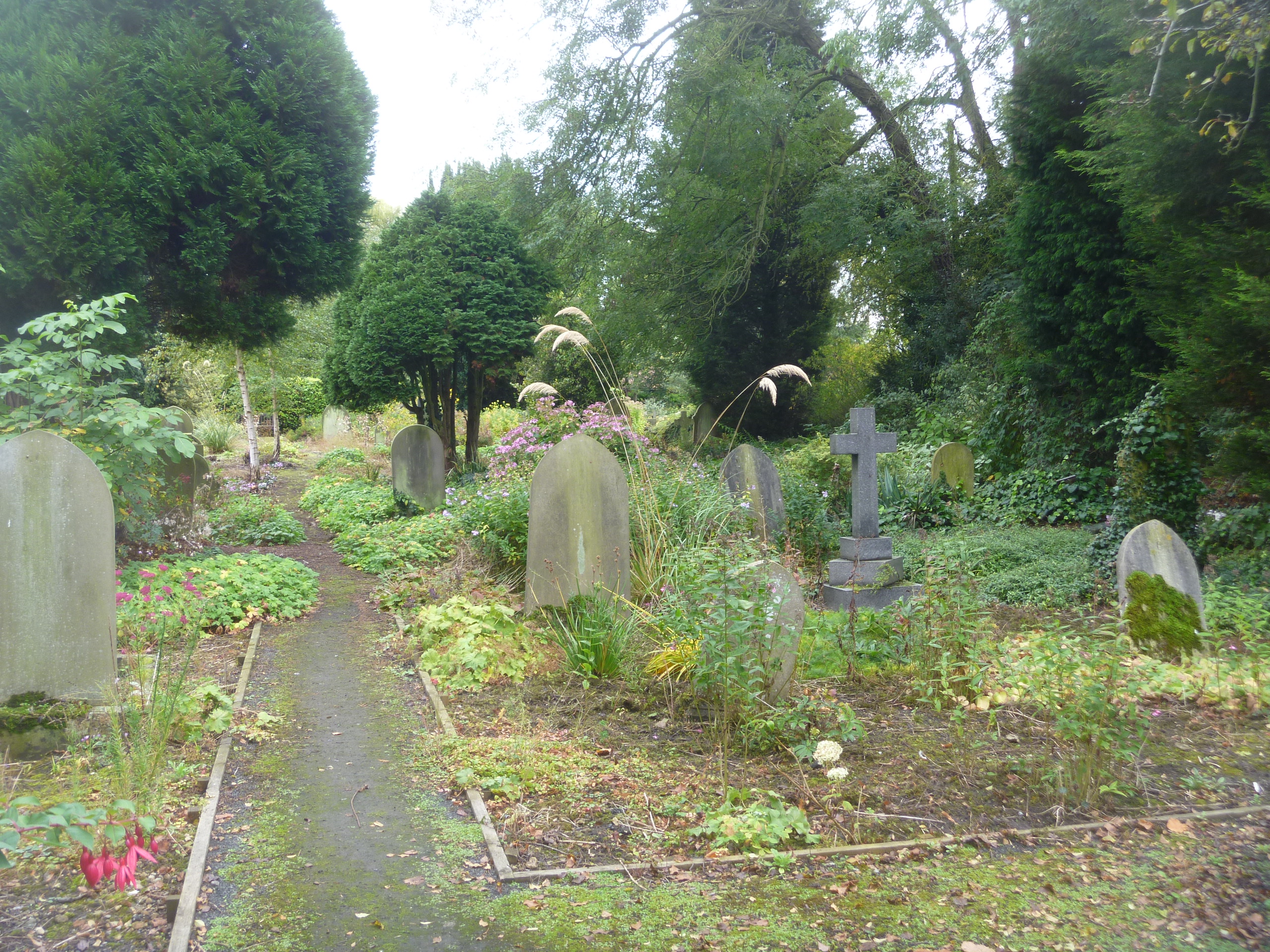
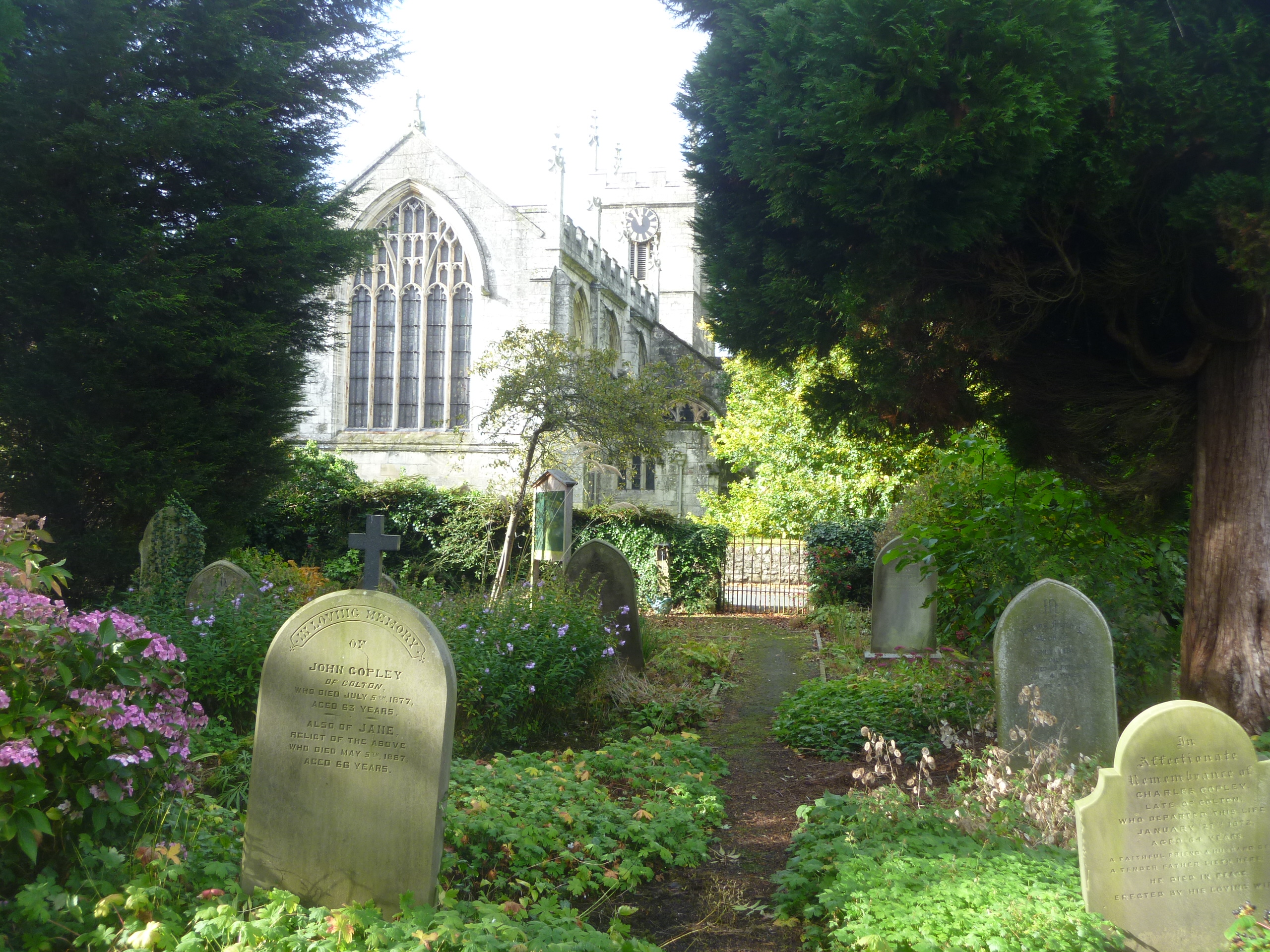
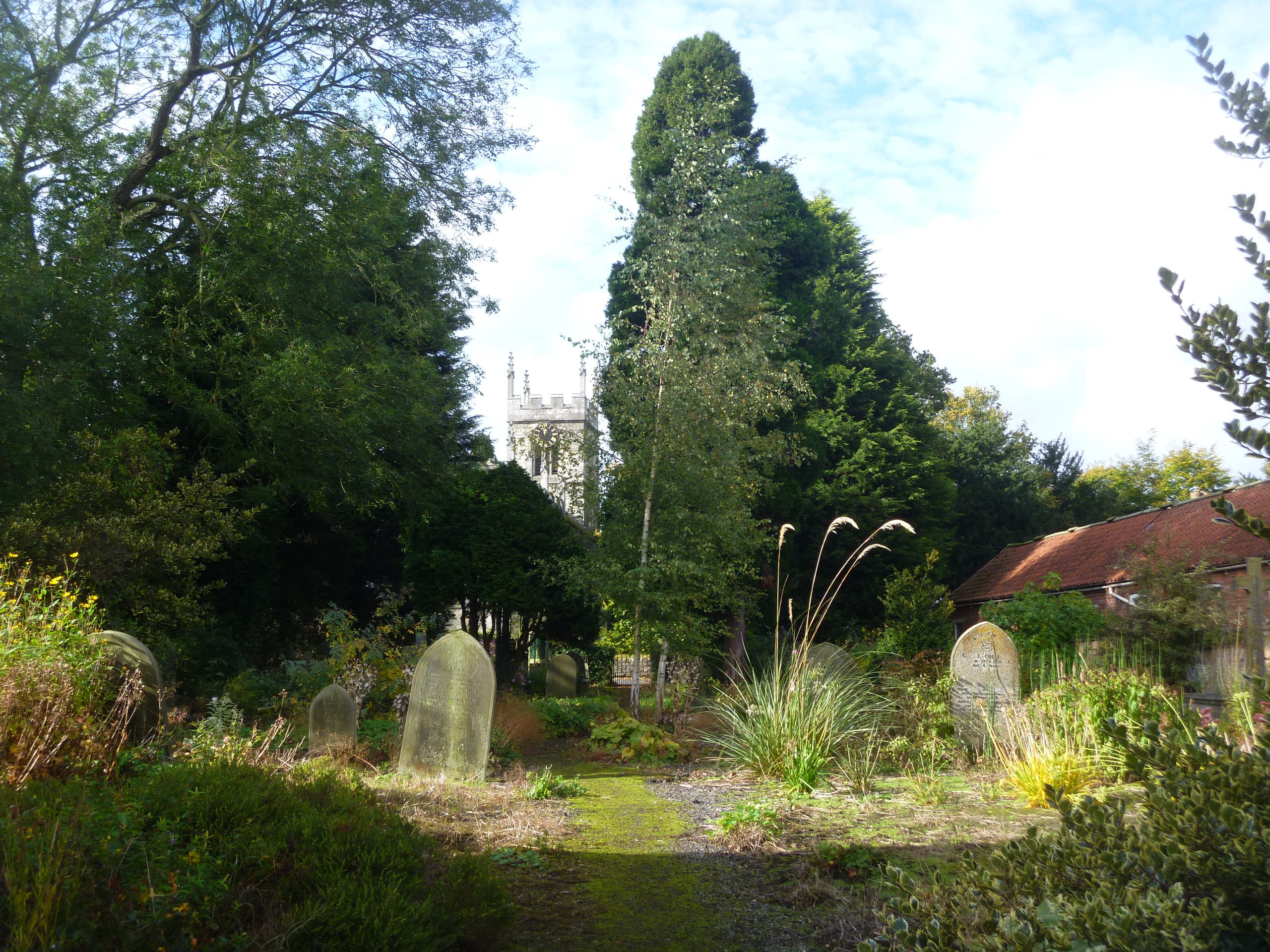
Outside and just across the road is the continuation of the churchyard. This lovely, natural space is full of wildflowers and a haven for wildlife and a peaceful resting place for Bolton Percy villagers. I’m sure it is hard work keeping it looking naturally ‘unkempt’.

It was a difficult decision as to where to take lunch but we finally chose the tea room and enjoyed a toastie followed by tea and lemon cake. All homemade and beautifully served on classic china. A perfect morning out.

The Old King’s Highway : Route 6A Cape Cod

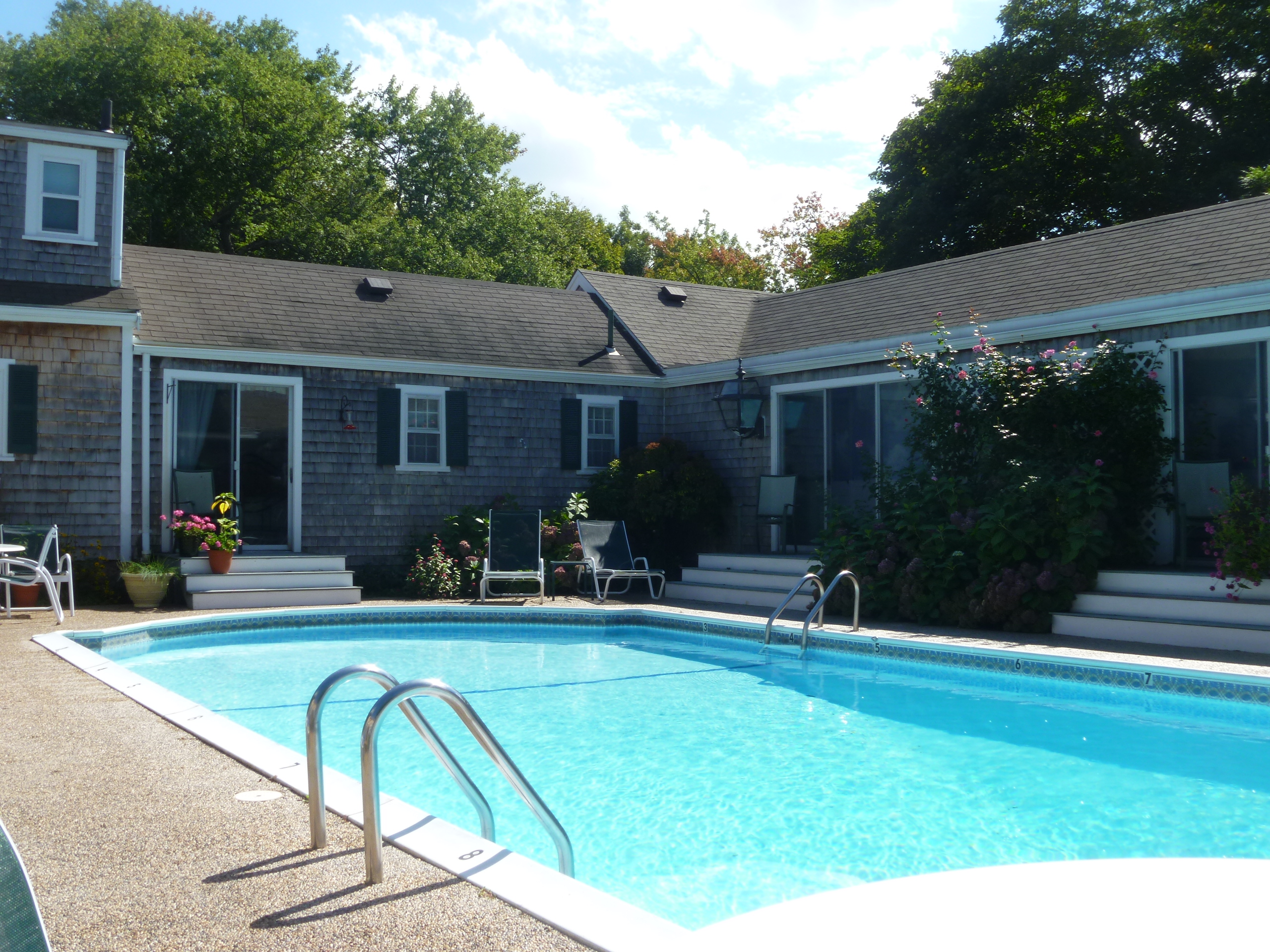
The final nine nights of our September New England holiday were spent on Cape Cod at one of our very favourite places : The Lamb and Lion Inn at Barnstable. This year was our fourth visit but this shrank in insignificance when we met two couples who had been visiting for their 18th and 23rd times respectively.

The Lamb and Lion Inn right on the 6A

So, I was pretty familiar with the Old King’s Highway but have only on more recent visits realised the full historical significance of this road. When you cross the Sagamore Bridge you join Highway 6 the main dual carriageway that links the Sagamore with Provincetown 72 miles away. However, to reach the Lamb and Lion and follow a slower pace and drop down a gear or two you need to take the Route 6A to the north.

The 6A leaves the 6 at Sagamore and rejoins it just west of the town of Orleans and in total the OKH is 34 miles long and traverses seven towns and is just yards from the beach in some places. In fact it is hard to realise that you are so near the seaside as you drive along but turn left (north) down almost any lane as you drive from Sagamore to Orleans and you’ll find  sandy beaches hugging Cape Cod Bay or, nearest to us at the L&L, the lovely sheltered Barnstable Harbour.

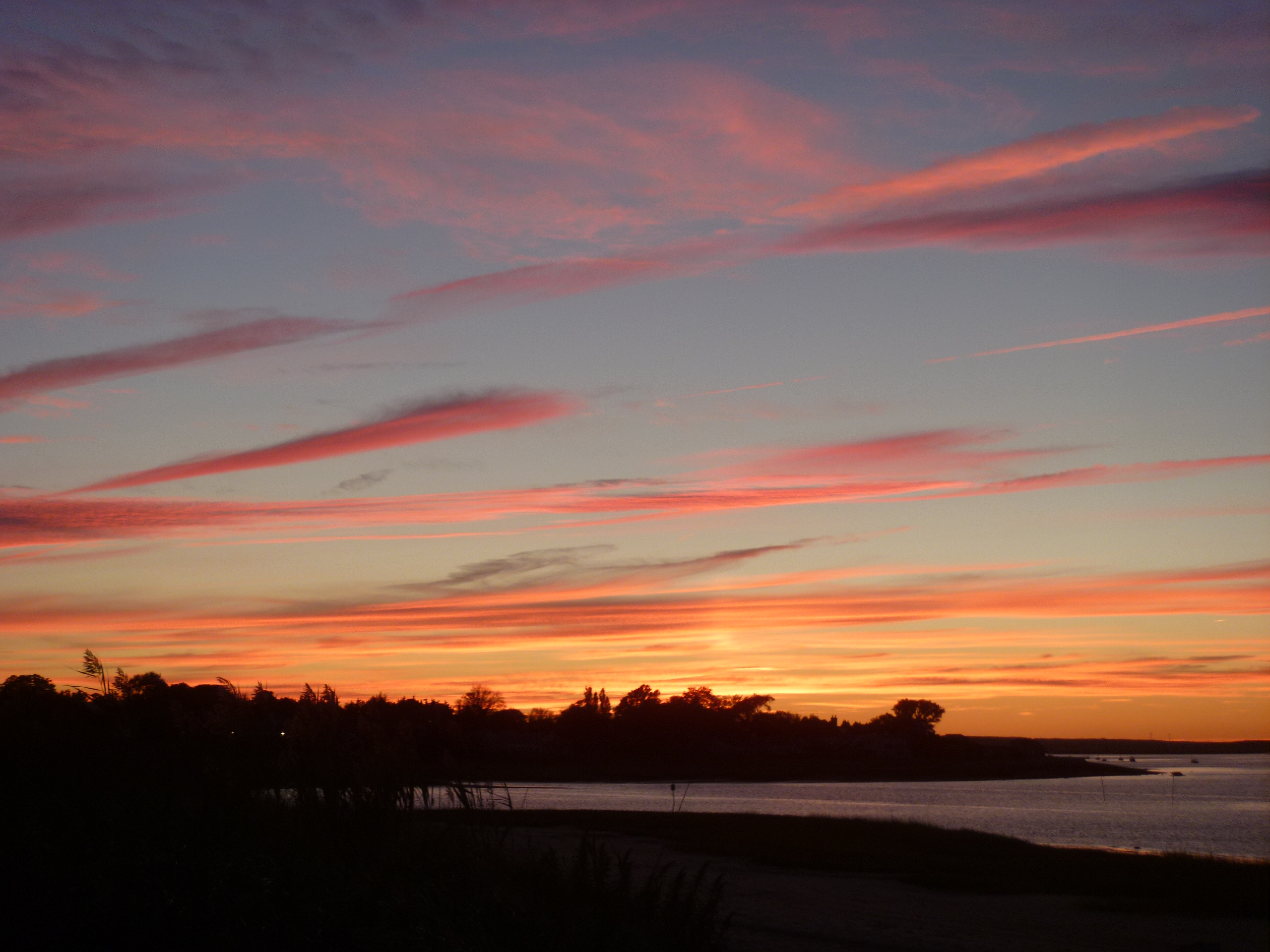
Sunset at Barnstable Harbor Beach

When we stay on Cape Cod we have a very limited “comfort zone” so the part of The Old King’s Highway that I’m going to tell you about is just that between Barnstable and Dennis. I just checked on Mapquest and it’s a distance of about 11 miles.

I have tried to find out exactly which “Old King” the highway is named for but it’s not mentioned in the bits of literature that I have collected and no sign on “Google” either. I assumed King George III but it’s much older than that – a late 17th century extension of the King’s Highway from Plimouth. The whole of it is designated a Regional Historic District and is the largest such district in America. It is also one of America’s most scenic highways.

This 34 mile roadway winds through 7 cape towns, past hundreds of historic sites and landscapes, including farmsteads, cranberry bogs, salt marshes, sea captain’s homes, and village greens.”

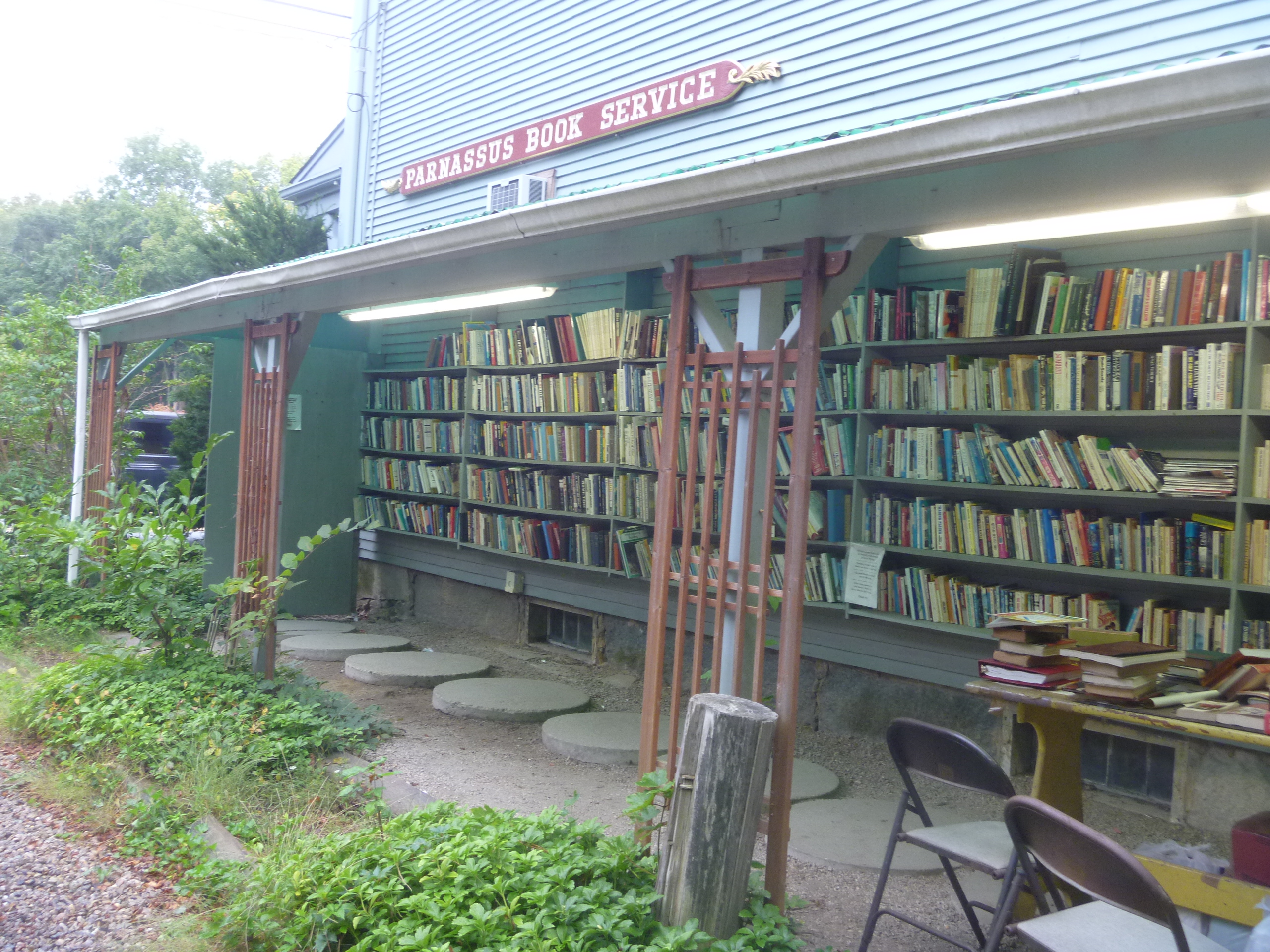
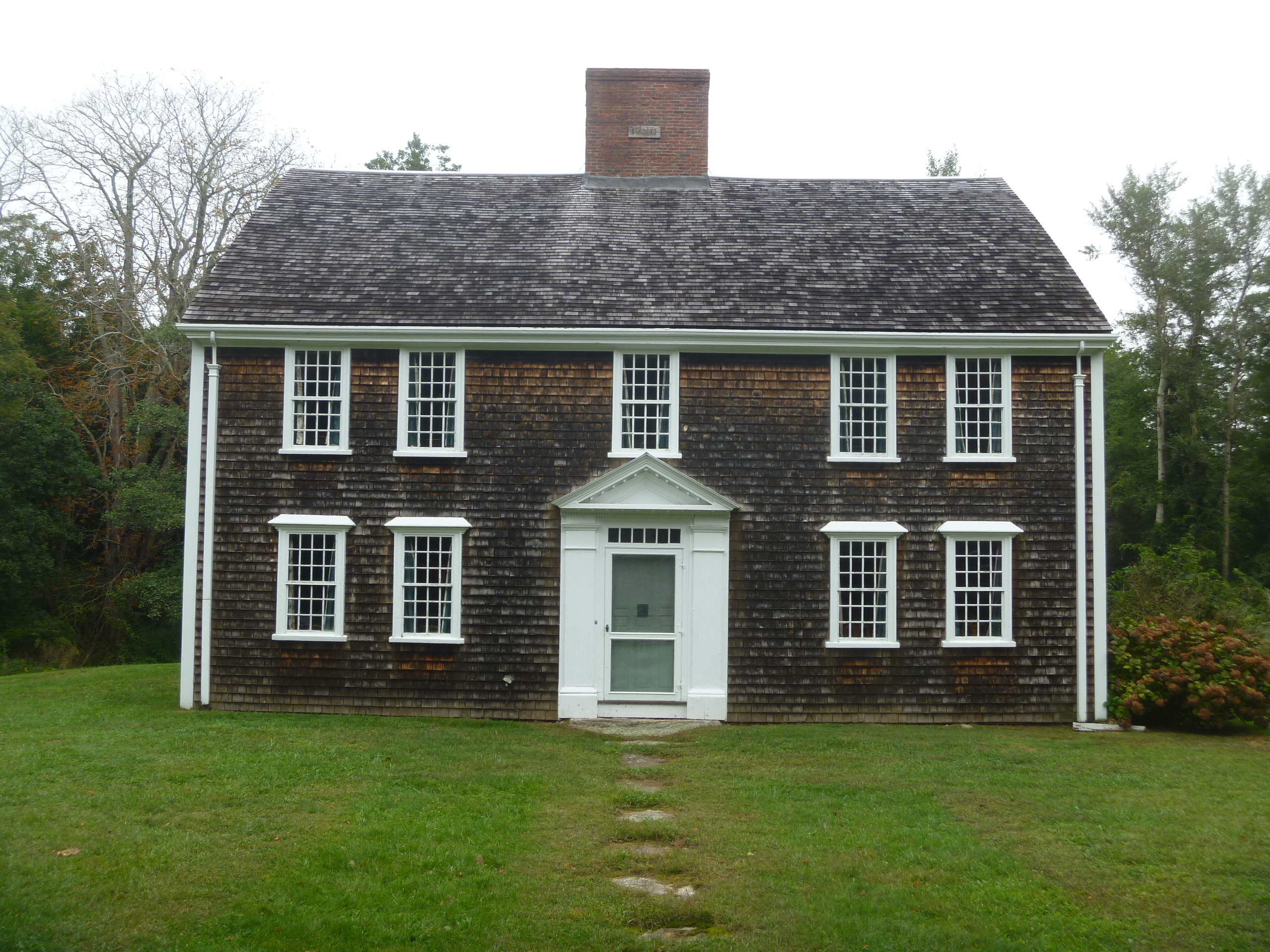
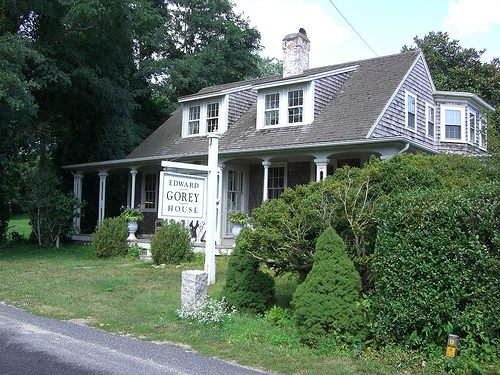
In addition there’s America’s oldest library (The Sturgis Library), a famous artist’s home (Edward Gorey), a Coastguard Museum, a unique secondhand bookshop (Parnassus Books), an Historic New England property (The Winslow Crocker House), great eateries and interesting, one-of-a-kind shops and galleries, roadside fruit and veg. stalls (we recommend the heritage tomatoes), shipyards and churches and cemeteries and all of those just within our 11 mile zone.

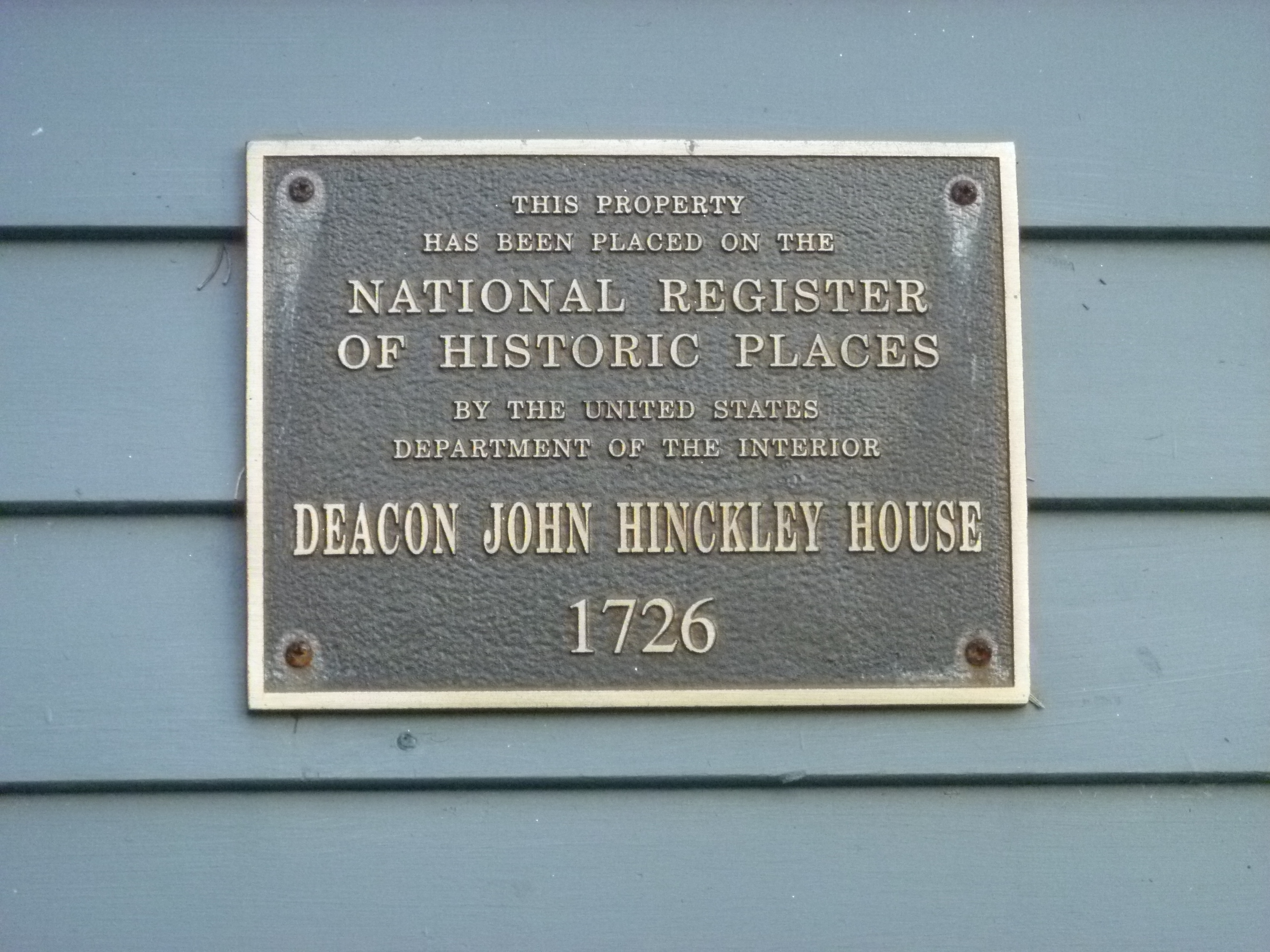
Historic House plaque – one of very many along the 6A

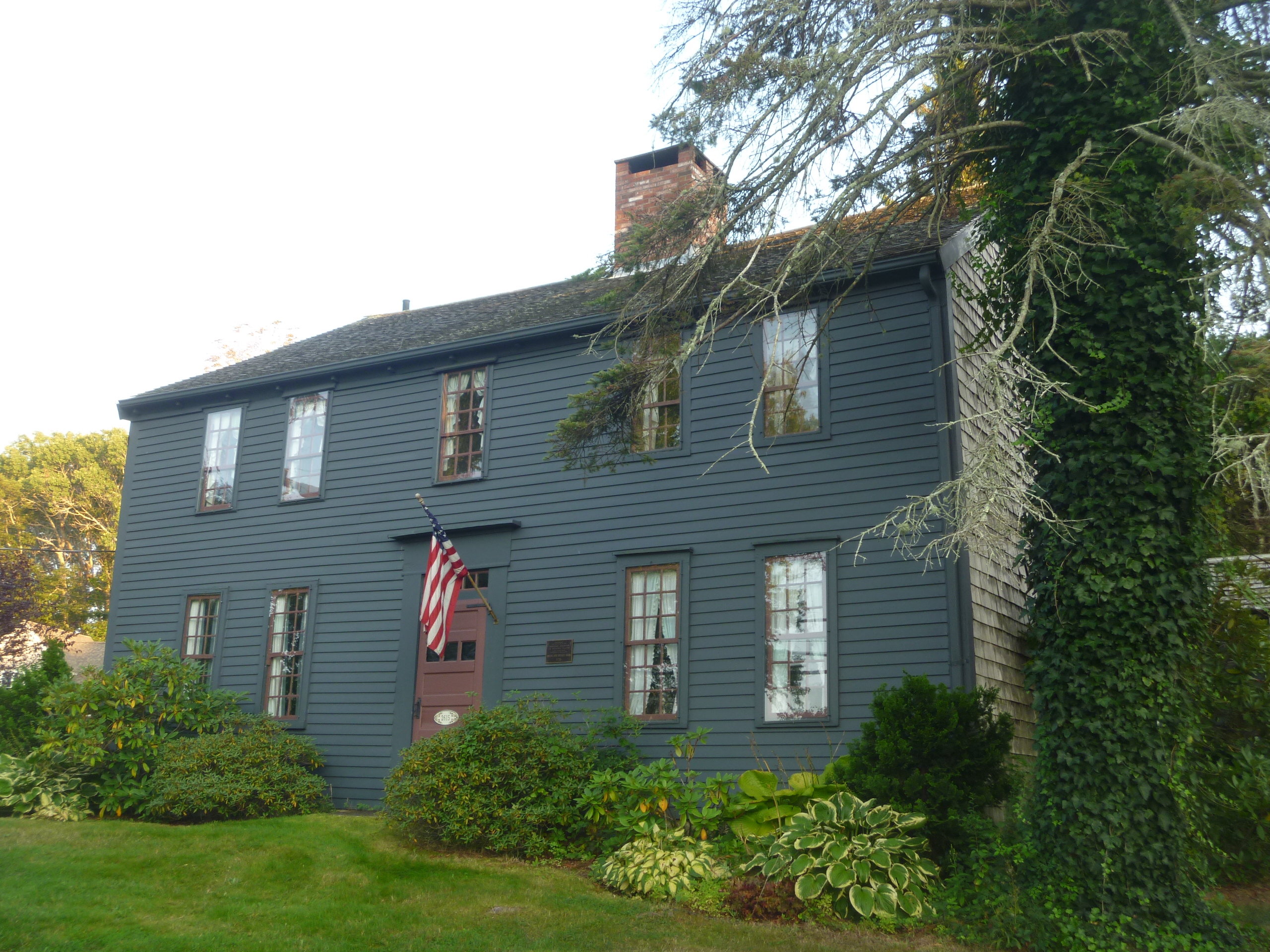
Deacon John Hinckley House (one of many historic properties along 6A)

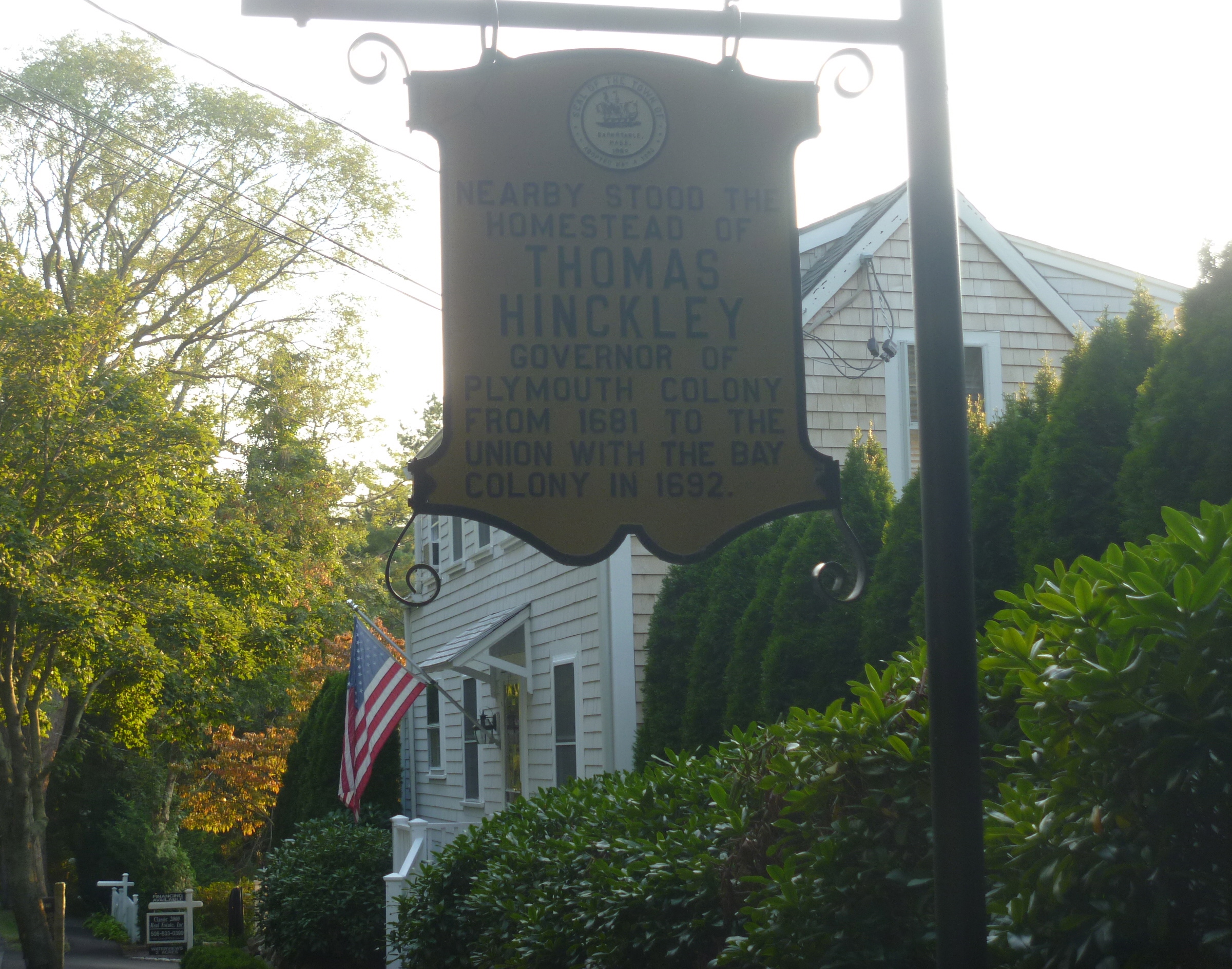
Thomas Hinckley Lived Near Here – such signs abound on the 6A!

Inside The Sturgis Library, Barnstable

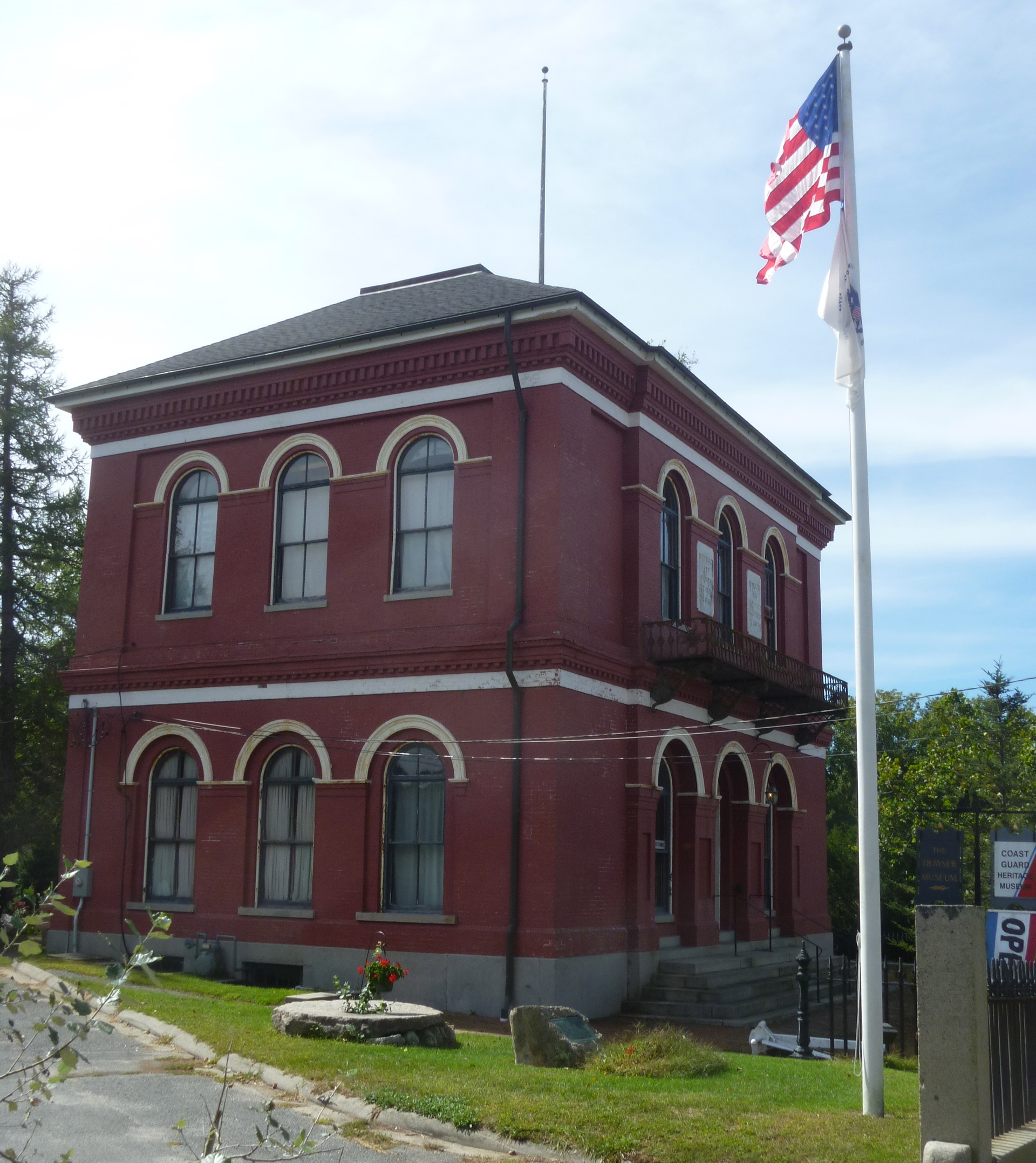
The Trayser Coastguard Museum, Barnstable

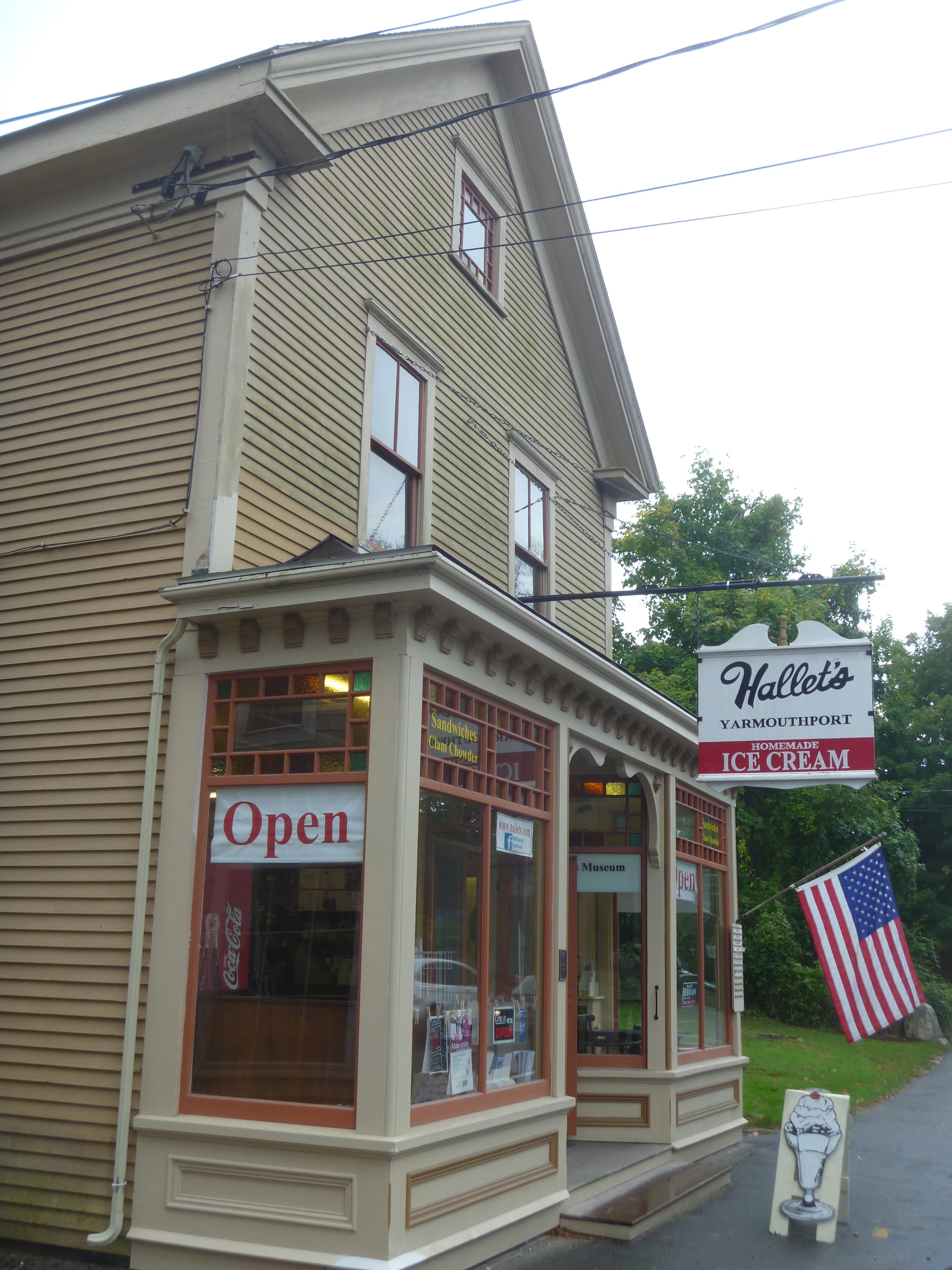
Hallet’s Soda Fountain

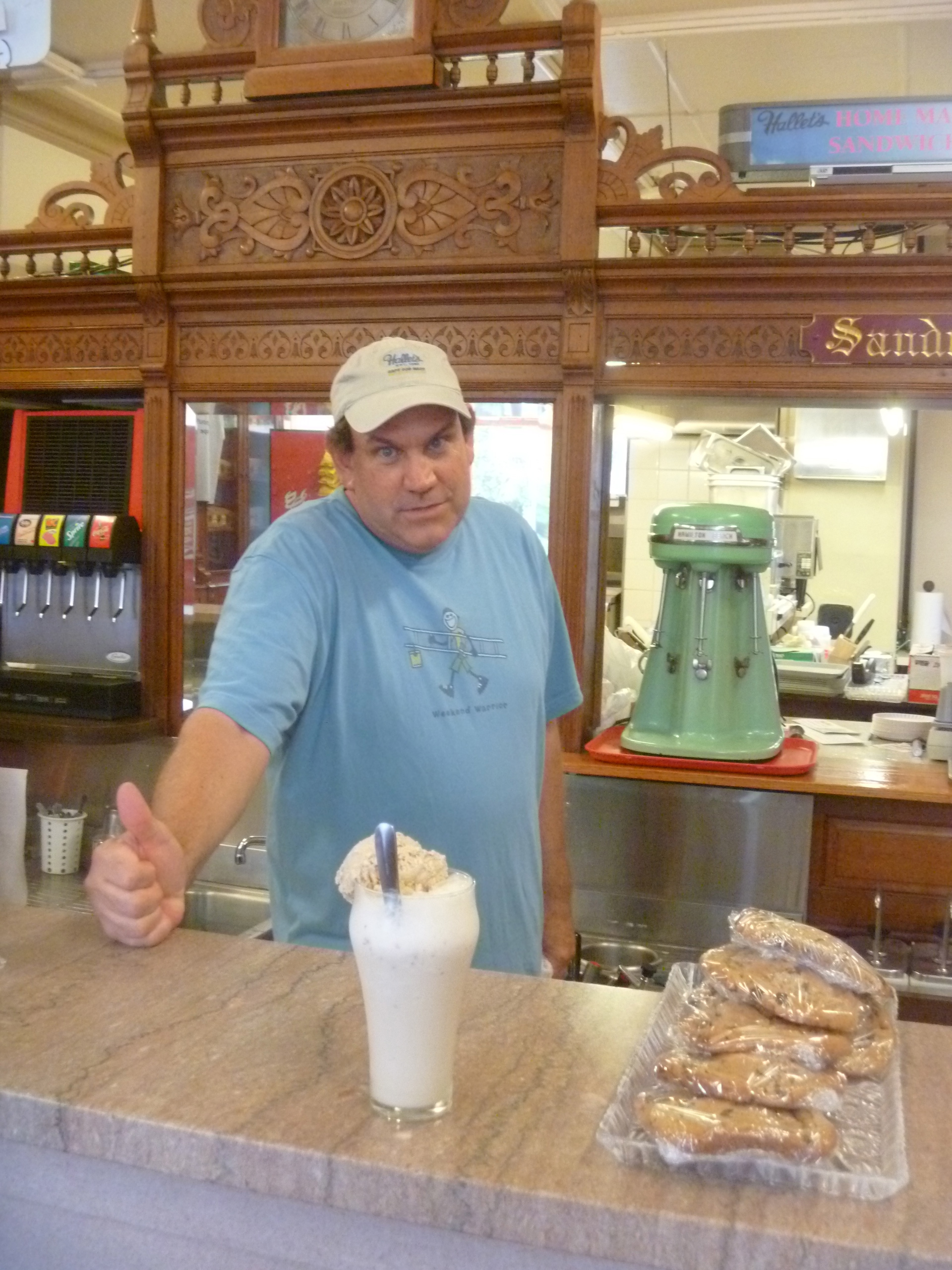
My ice cream soda is ready!

Parnassus Books (so much more inside!)

The Winslow Crocker House

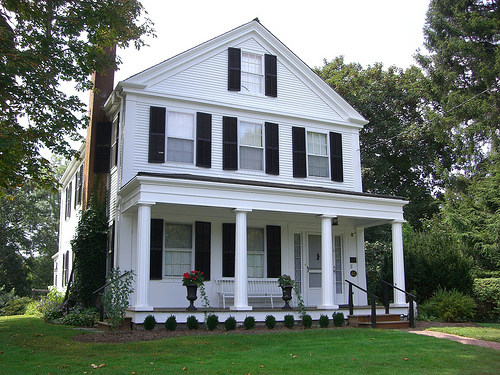
(Sea) Captain Bang’s Hallet House

Edward Gorey House

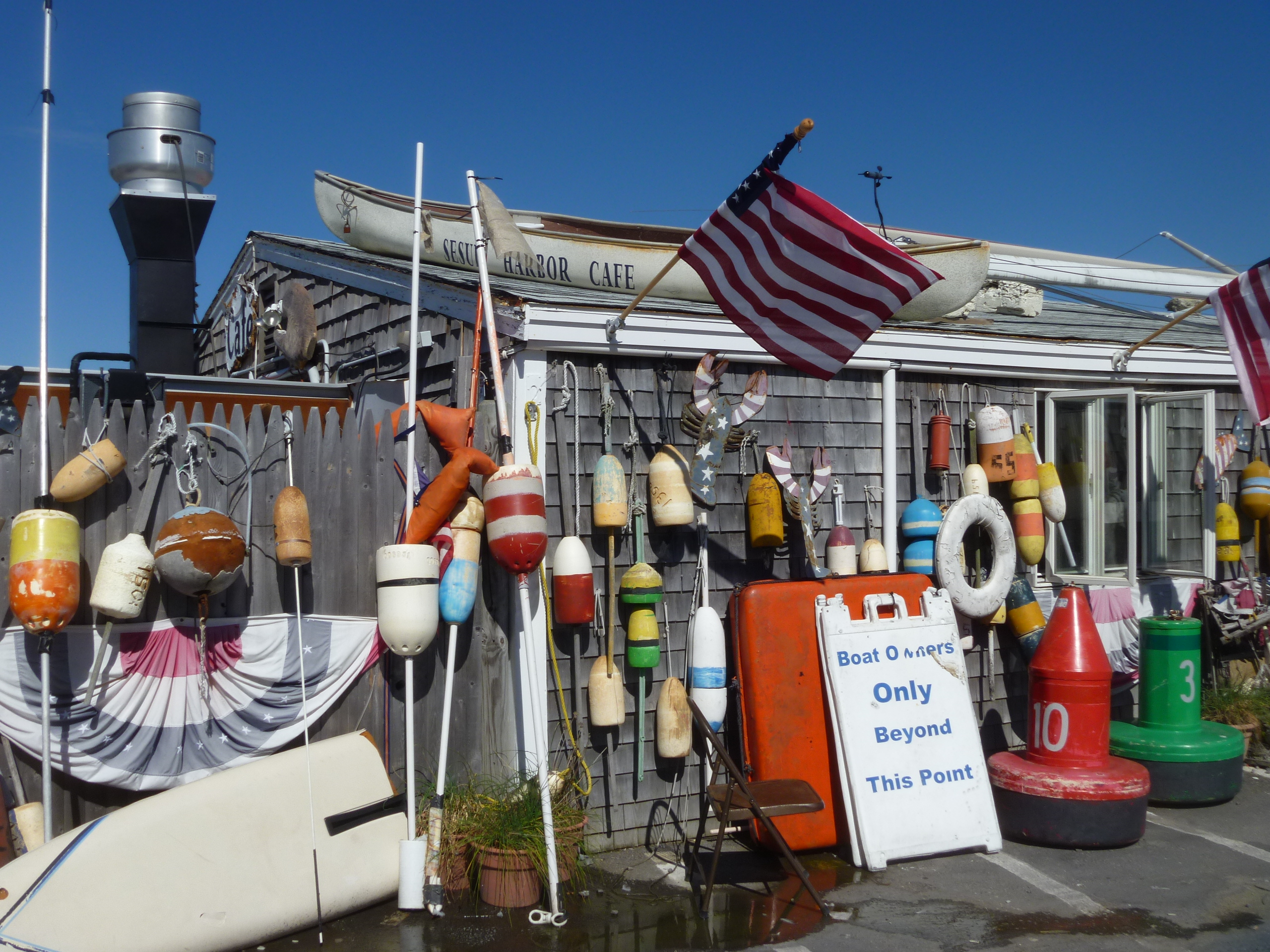
Sesuit Harbor Cafe

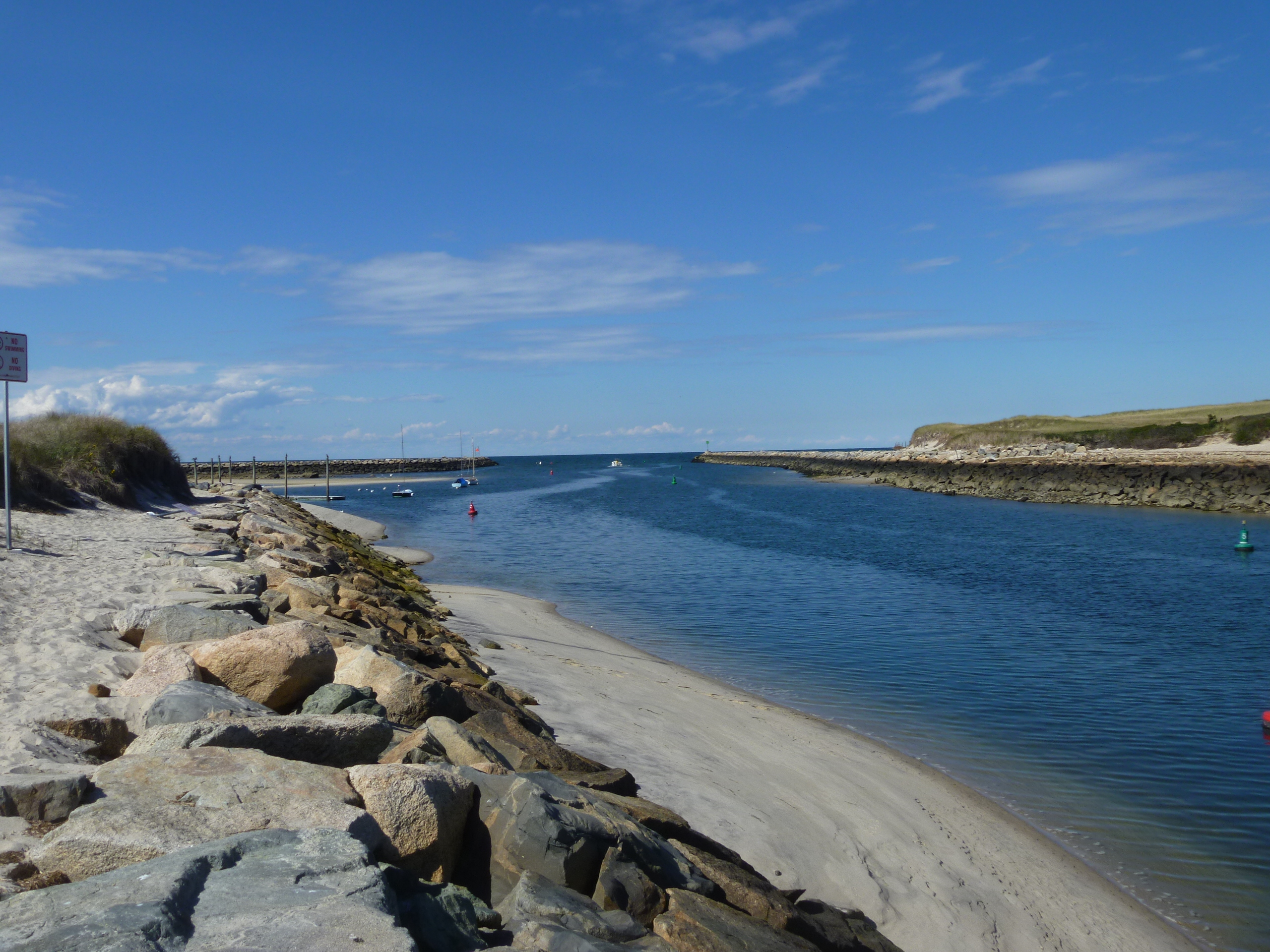
Sesuit Harbor

Don’t Call Me Ishmael – Part Two : Where a Mountain Inspired a Tale of a Whale : Herman Melville’s Arrowhead

Don’t Call Me Ishmael‘ was the title of a post here a year ago in which I wrote about a visit with a friend to the Mattapoisett Historical Museum to inspect the Ashley Whaling Mural a map of the south coast of New England from the mouth of the Connecticut River to Cape Cod. We also looked at Whaling Journals.

There was just time on Saturday 15 September, after our visit to The Norman Rockwell Museum and Stockbridge, to fit in a tour of Herman Melville’s home Arrowhead, just a mile along the road from our Lenox motel in Pittsfield, MA.

In the summer of 1850, seeking a reprieve from the heat and noise of New York City, Herman Melville brought his young family to Pittsfield, Massachusetts, a place he had visited since childhood.

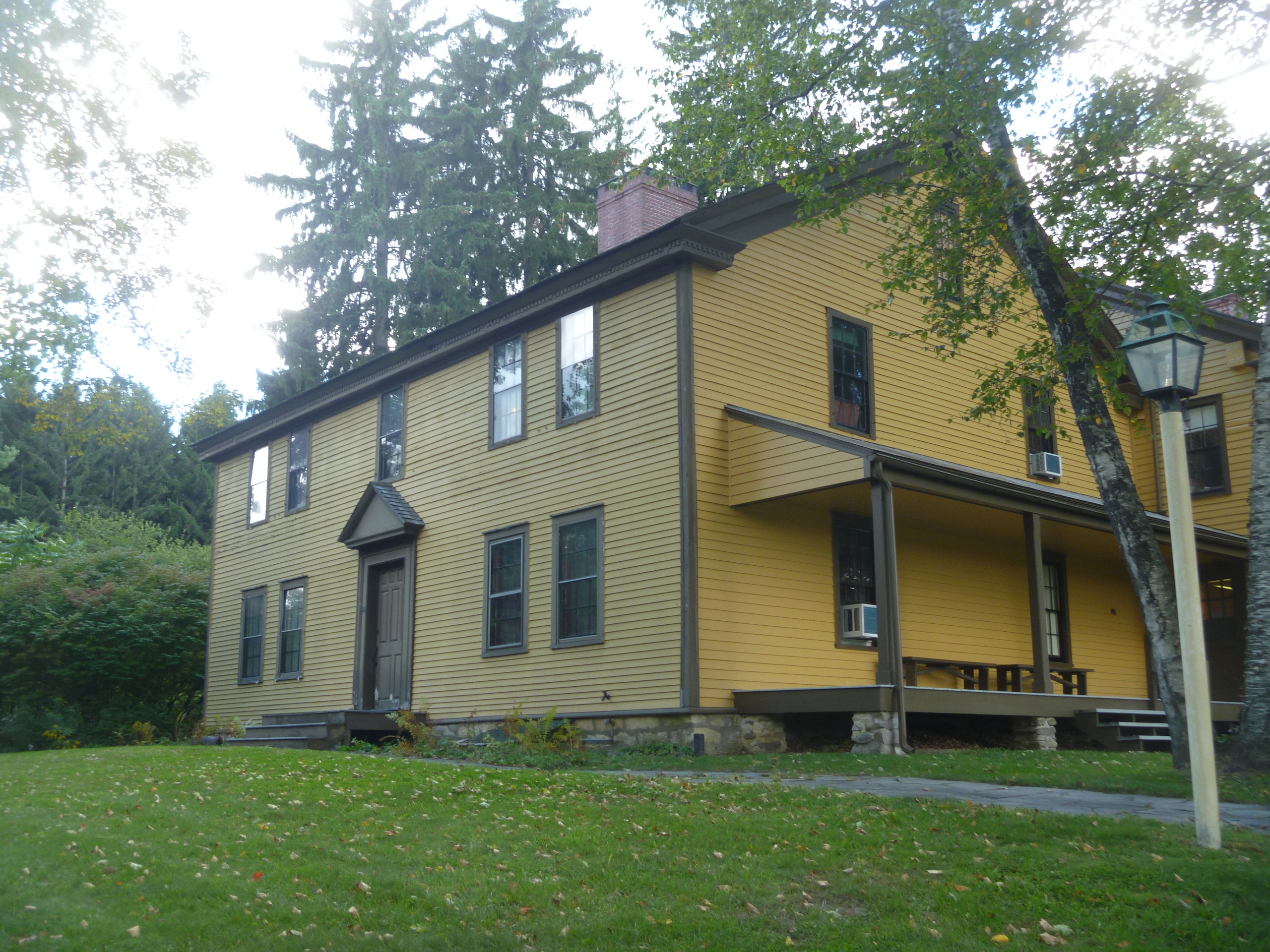
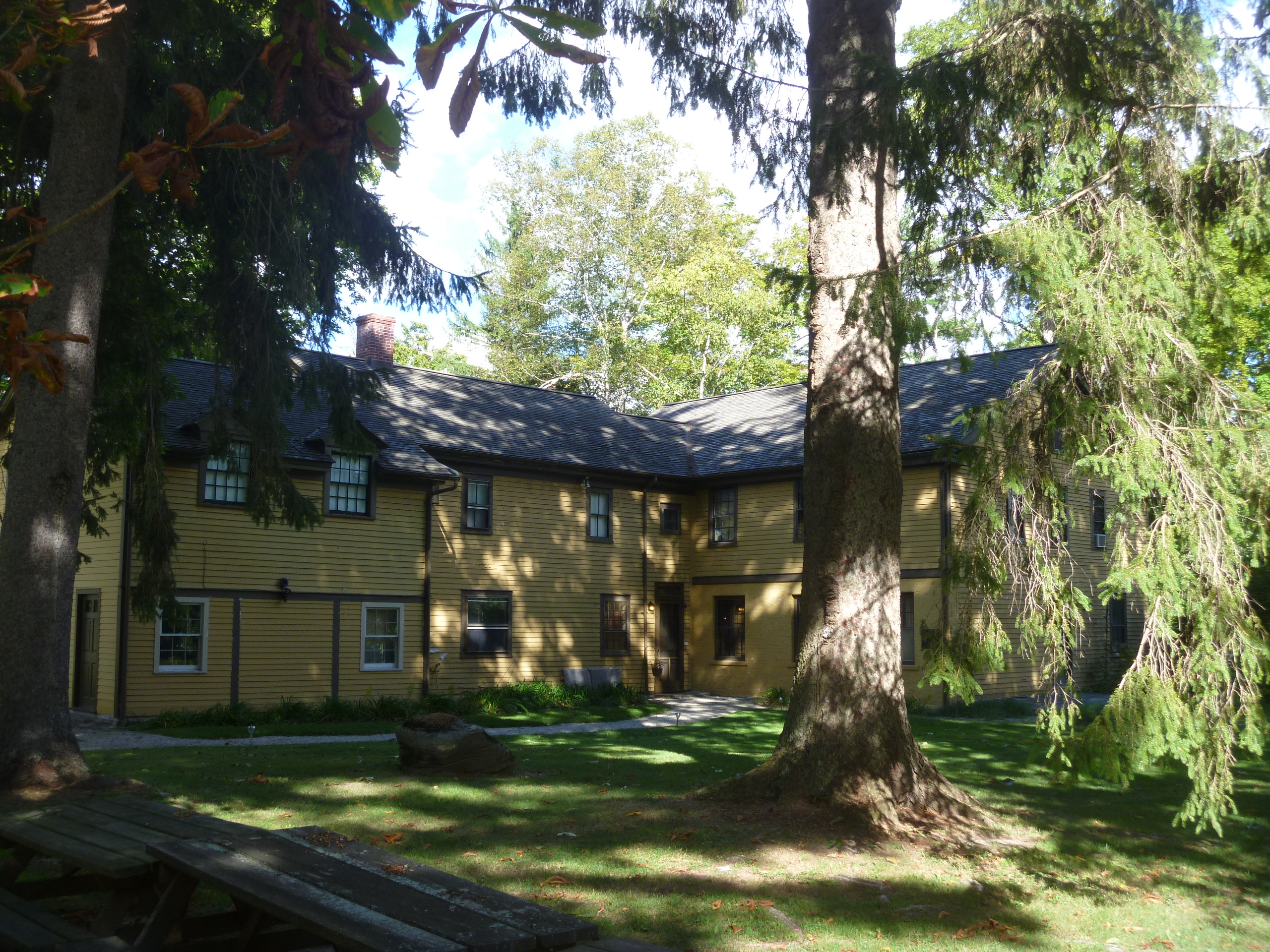
Flush with the success of his first books and entranced by his meeting of Nathaniel Hawthorne, Melville impulsively bought a nearby farm, which he named Arrowhead. That winter, ensconced in his study with its view of Mount Greylock, Herman Melville wrote his masterpiece ‘Moby Dick’.

Melville’s most productive years were those he spent at Arrowhead; works written here include ‘Pierre’, ‘Benito Cereno’ and ‘The Confidence-Man’. Melville and his family returned to the city in 1863, but Arrowhead remained in the Melville family until 1972.”

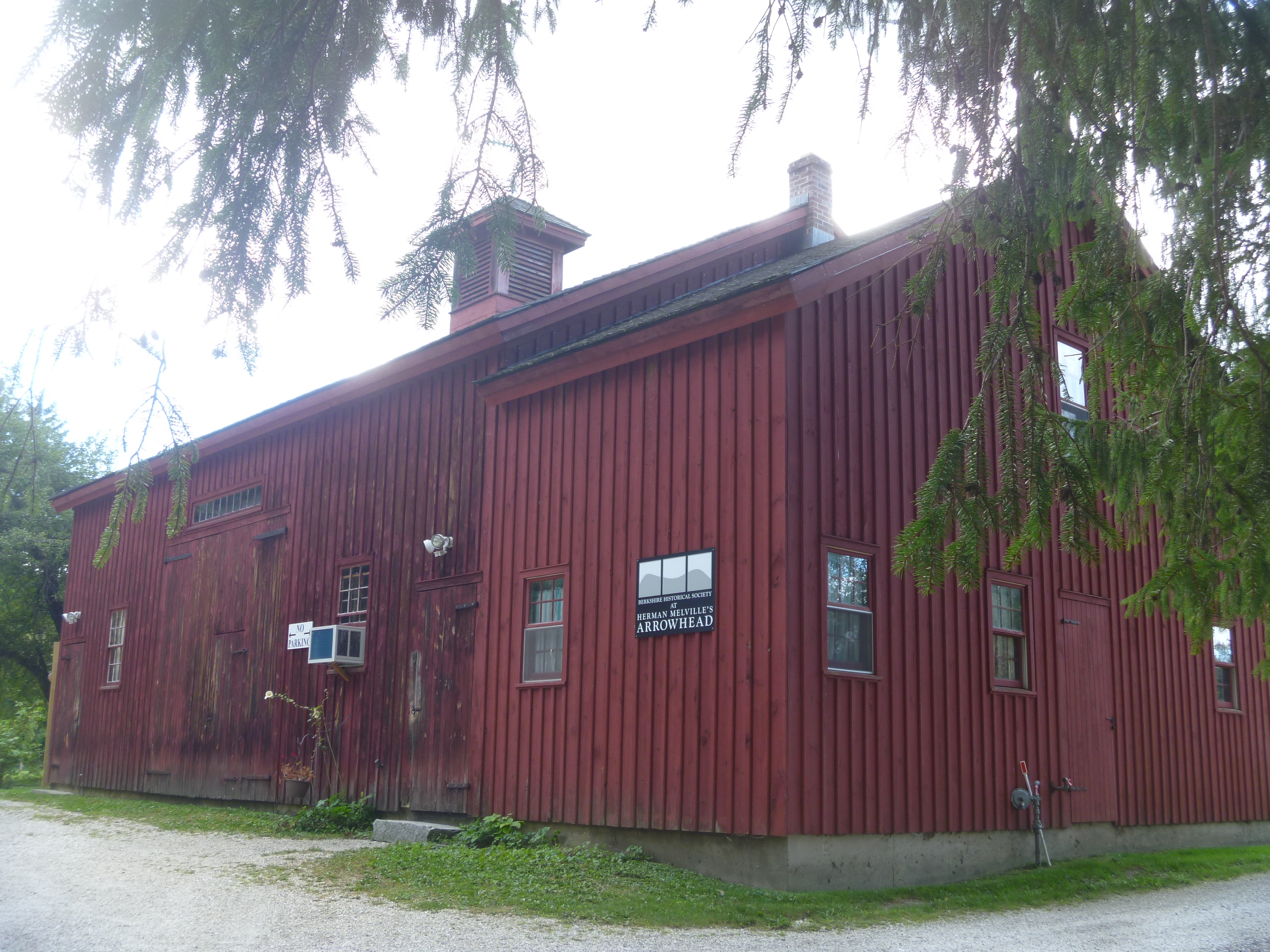
The Barn Shop and Information Desk

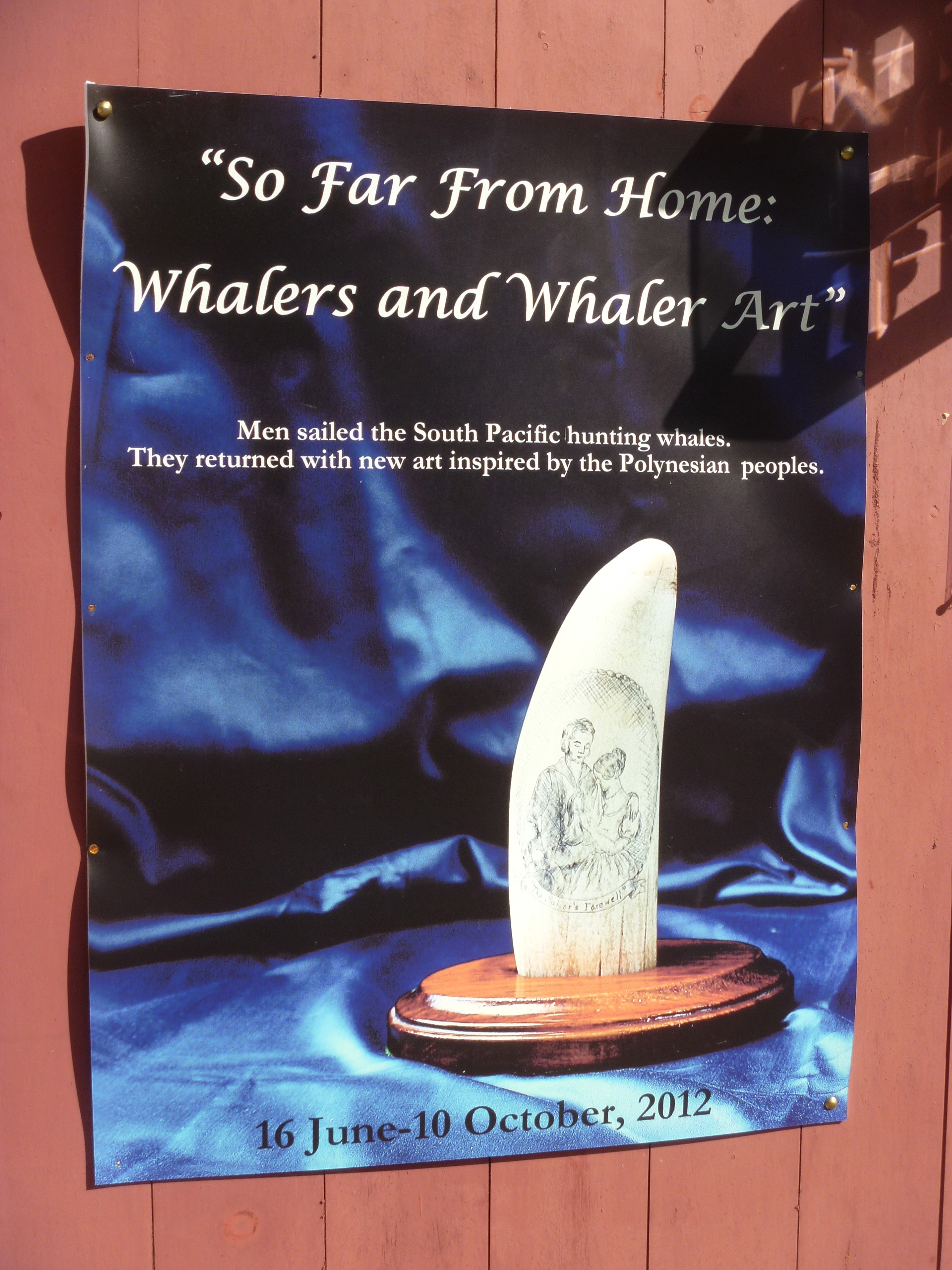
In a barn behind the house there’s a shop and the desk where you can book for a house tour. In another out-building there’s an exhibition “So Far From Home: Whalers and Whaler Art”.

“The exhibit explores how Polynesian artworks influenced the art of visiting whalers like Melville, with a display of images, text, scrimshaw, tattoos, and Polynesian art and artefacts. Collector Jeffrey McCormick loaned a large selection of scrimshaw and other items to make this exhibit possible.”

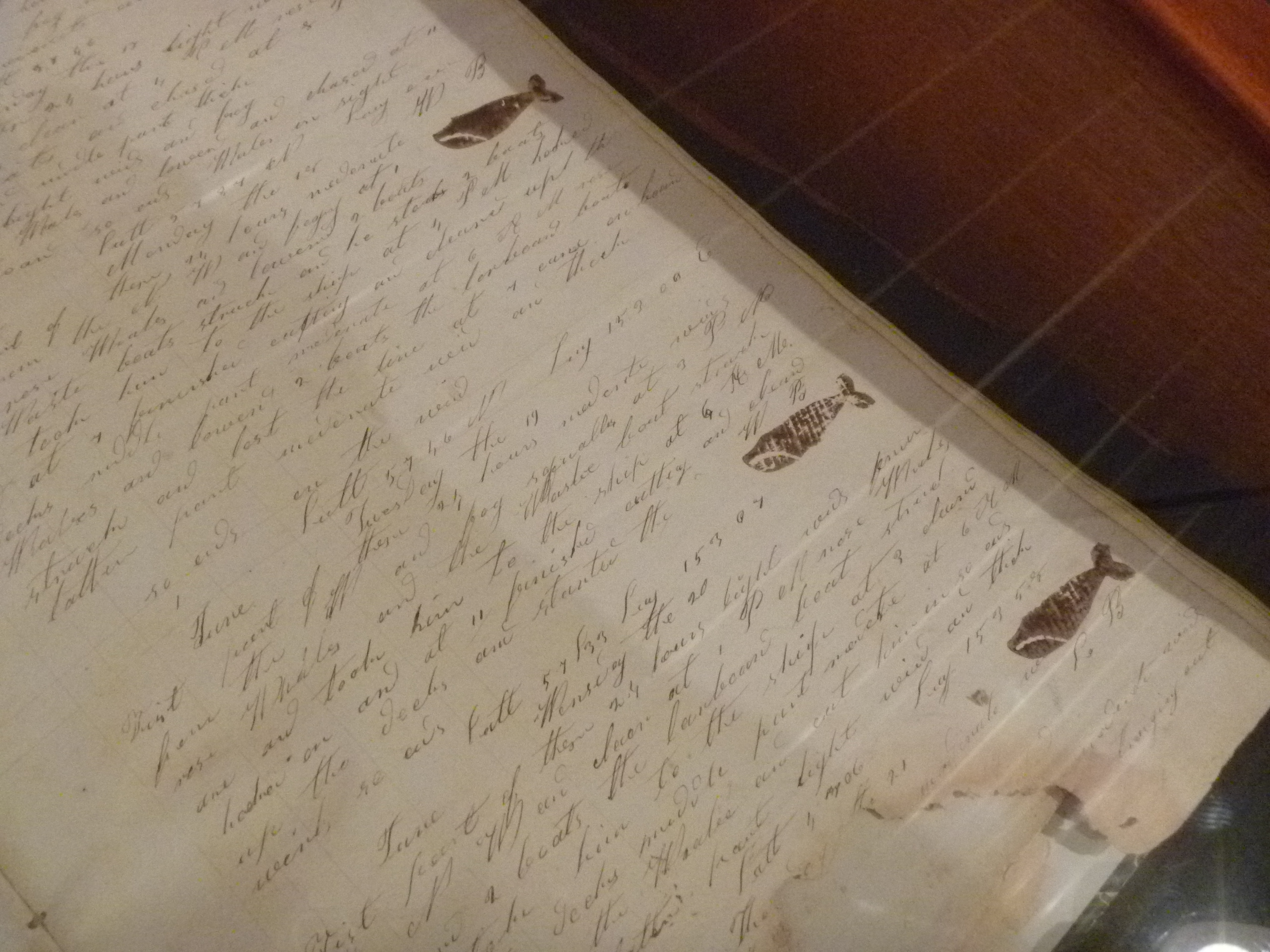
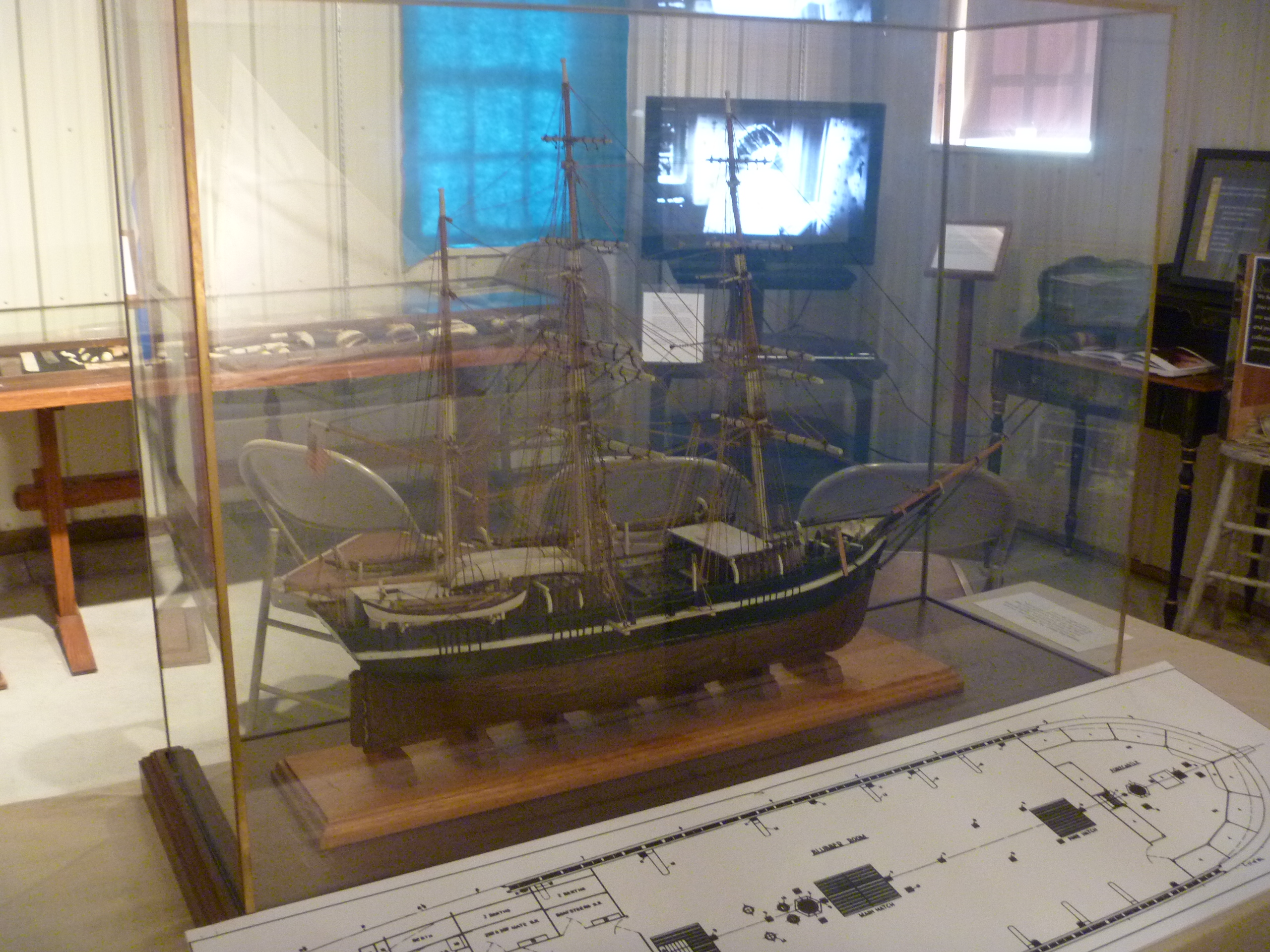
There are also some fine examples of Whaling Journals and a model of the whaling ship ‘The Wanderer’.

Model of The Wanderer

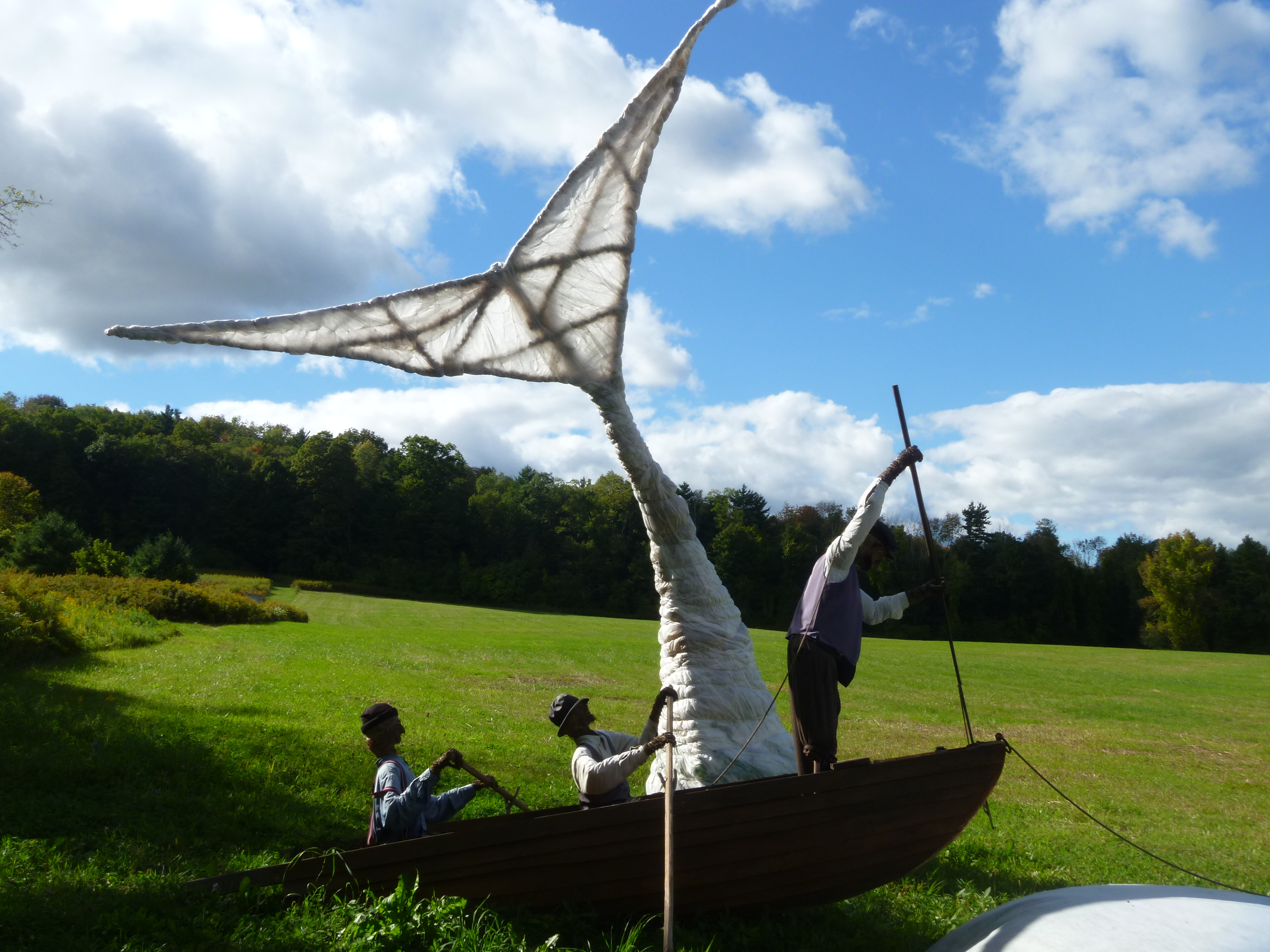
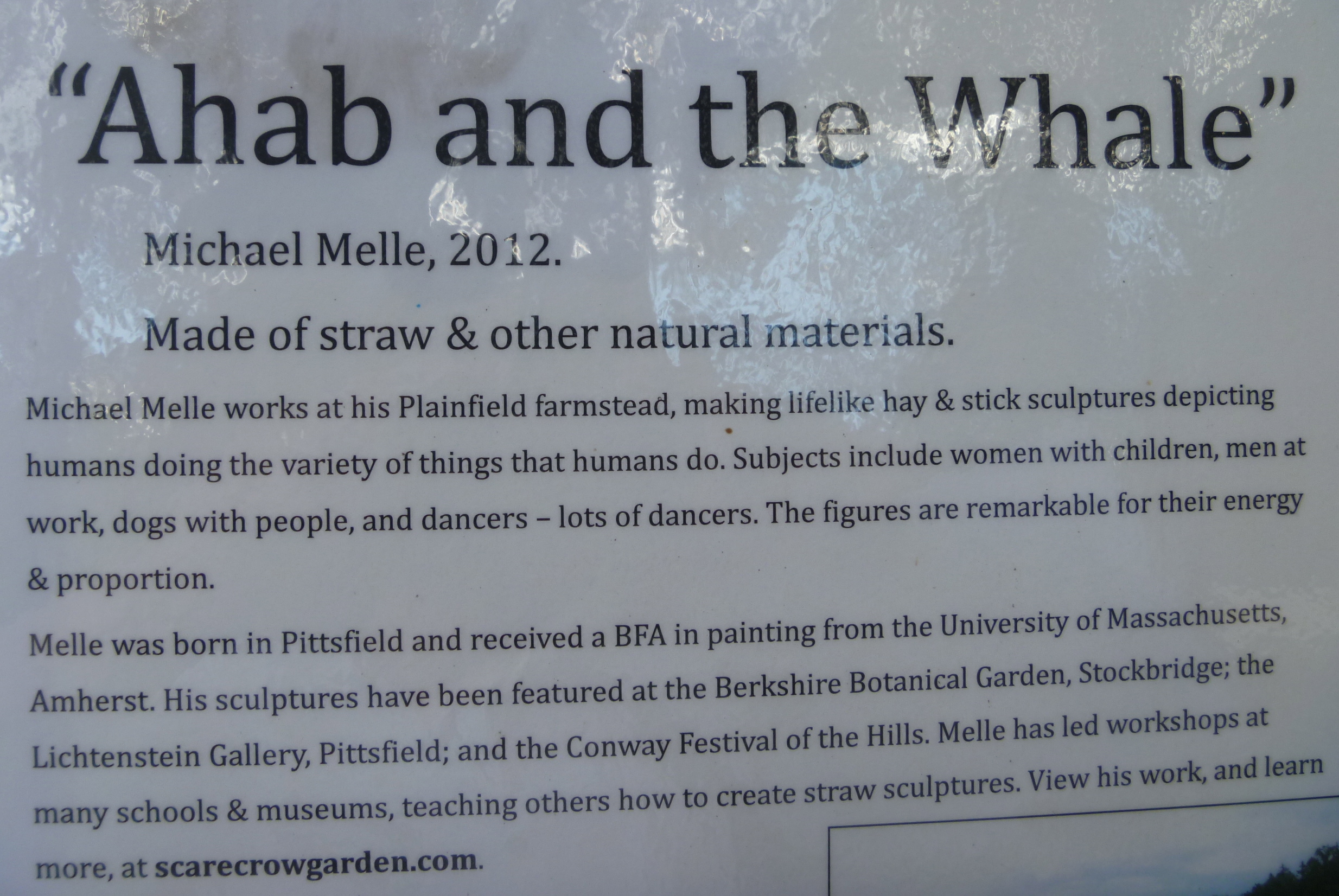
In the field next to the house and garden there’s a rather strange sculpture. It’s called ‘Ahab and the Whale’ and it’s a startlingly life-like straw sculpture by Michael Melle.

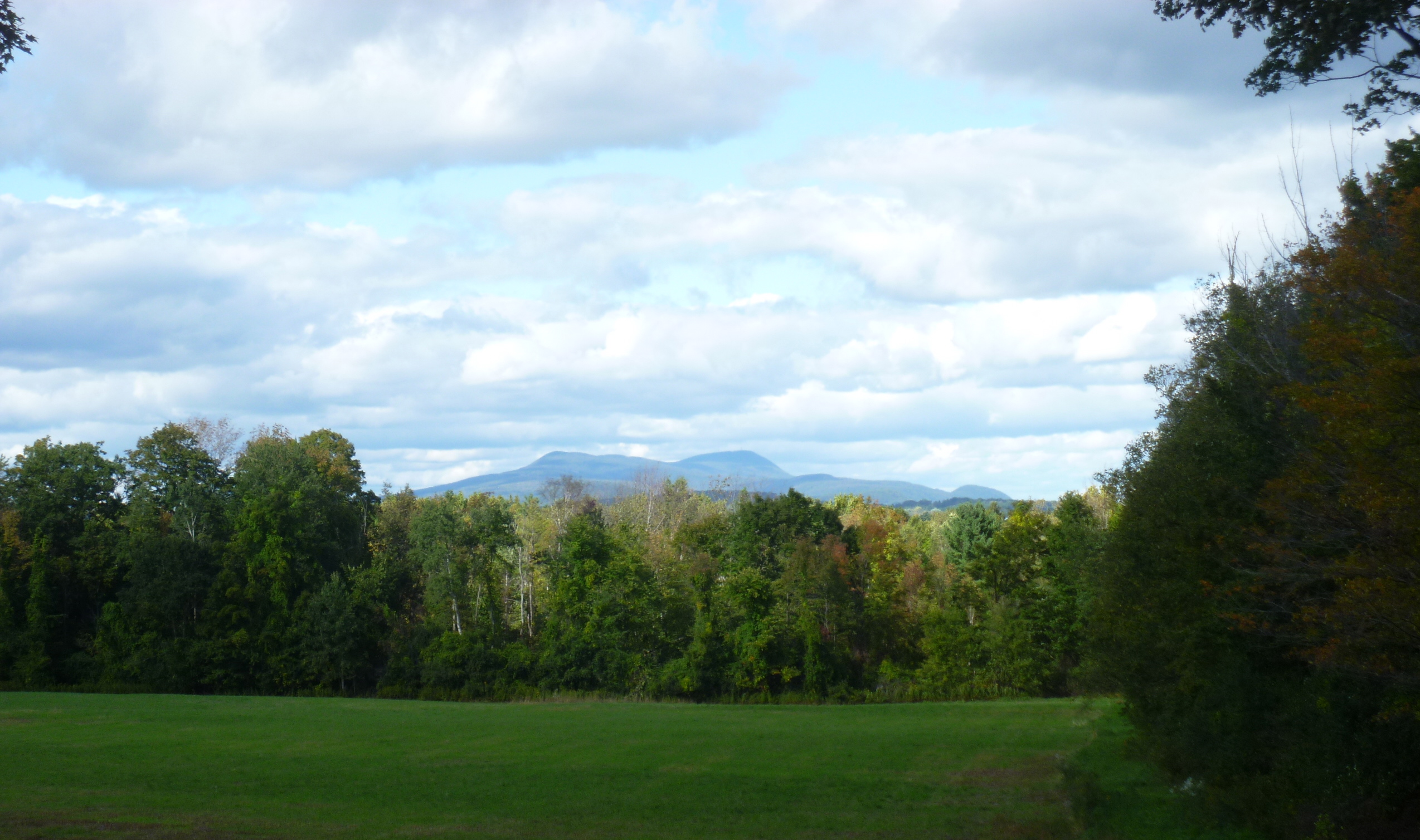
The house tour itself was fairly interesting (no photography allowed) and the best part was visiting the study and seeing the view of Melville’s inspiration Mount Greylock.

Mount Greylock from Arrowhead

In addition to the house tour and exhibitions there’s a self-guided grounds tour described on the free leaflet that you are given when booking your ticket. Complete with quotations from Herman Melville the leaflet details the immediate house surroundings and barn and the Arrowhead Nature Trail across the meadow and through the woods where Melville was inspired to write. Unfortunately, time was tight at this point and I was unable to undertake the Nature Trail. Something else for next time!

By pure coincidence I received a Folio Society newsletter just this week alerting me to the Moby Dick Big Read. Here is what it says on the website :

… an online version of Melville’s magisterial tome: each of its 135 chapters read out aloud, by a mixture of the celebrated and the unknown, to be broadcast online in a sequence of 135 downloads, publicly and freely accessible.”

A year ago I said I wouldn’t be reading ‘Moby Dick’ but this year I intend to start listening to The Moby Dick Big Read.

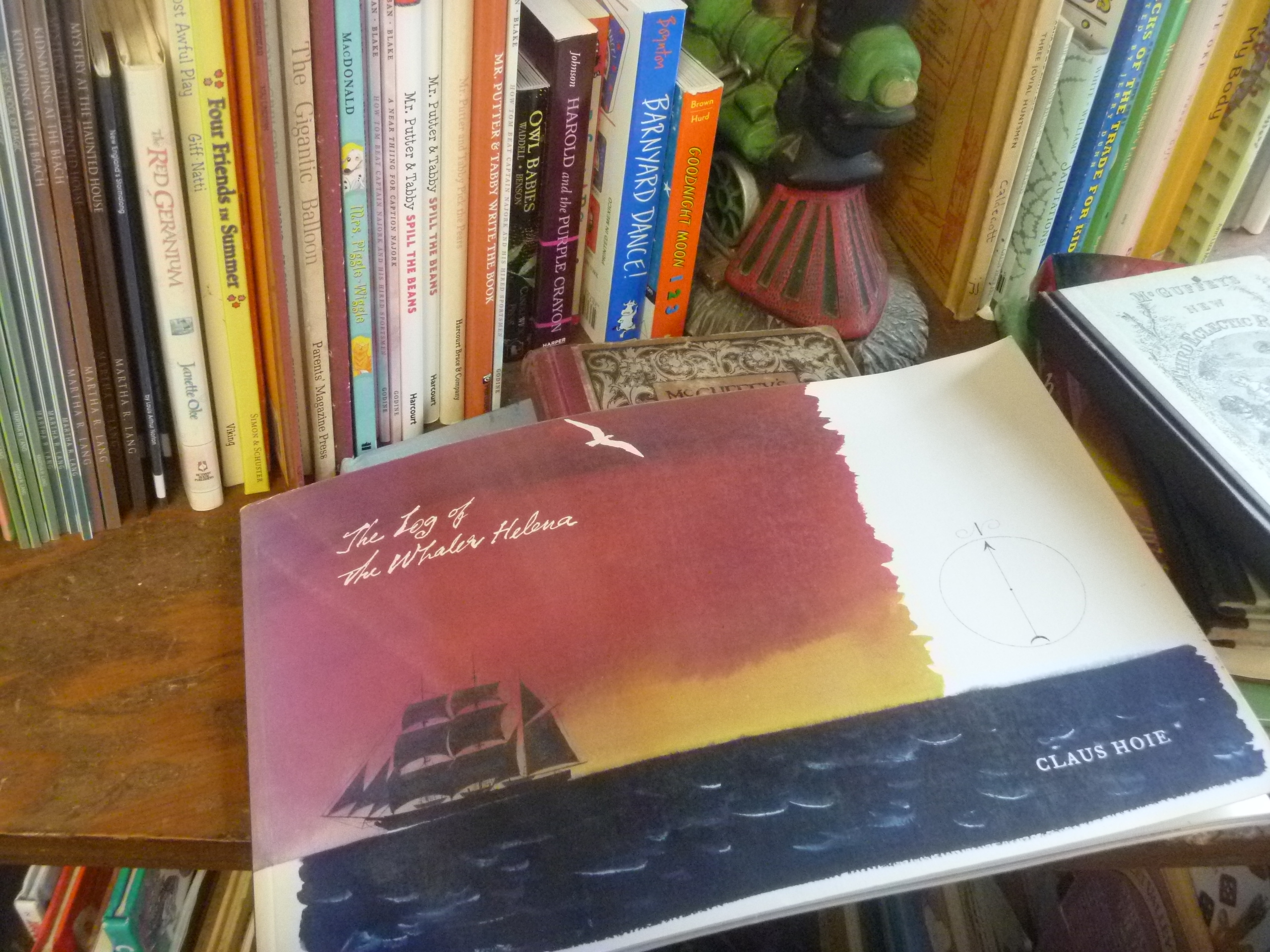
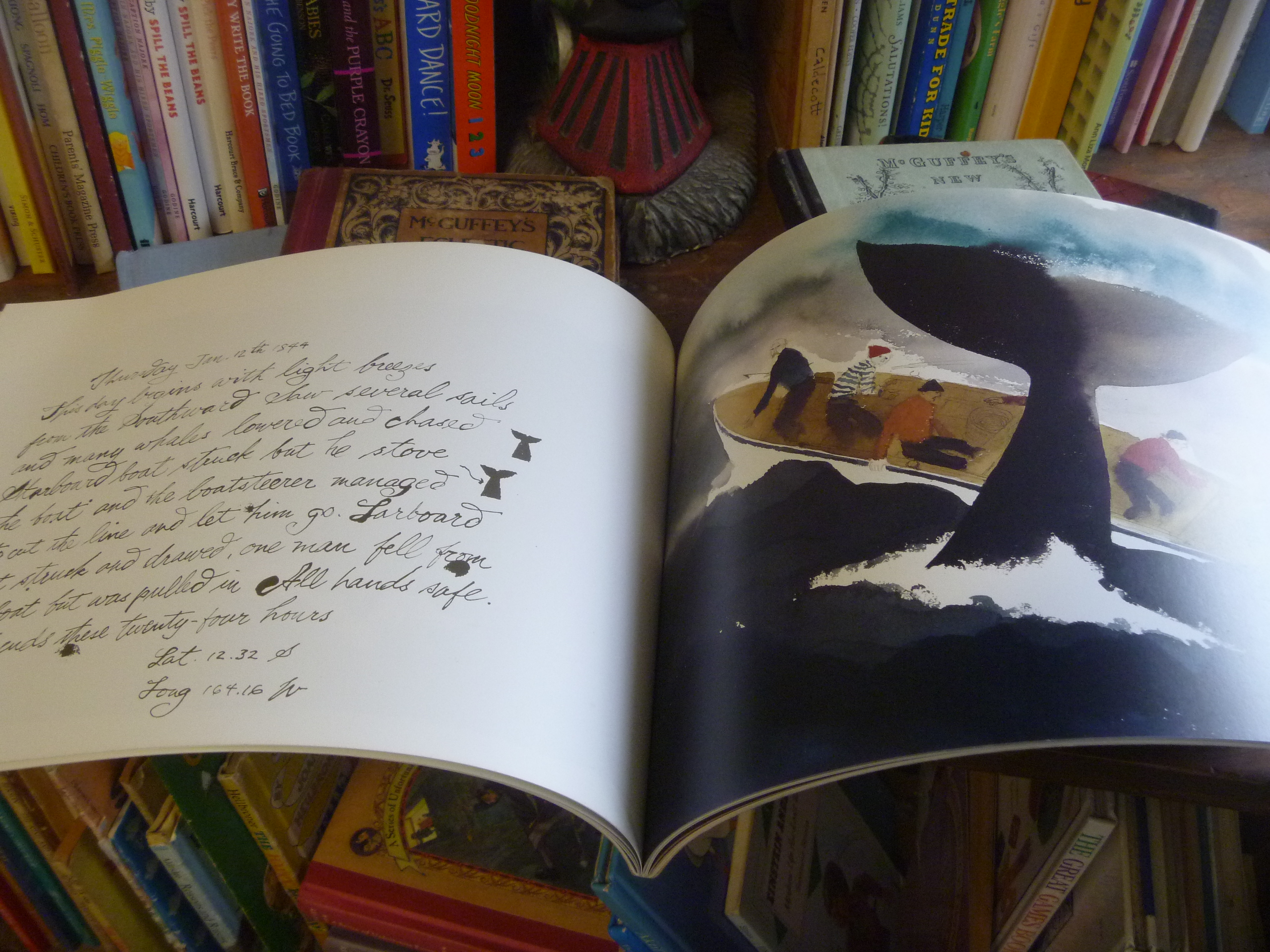
A book for young whale watchers

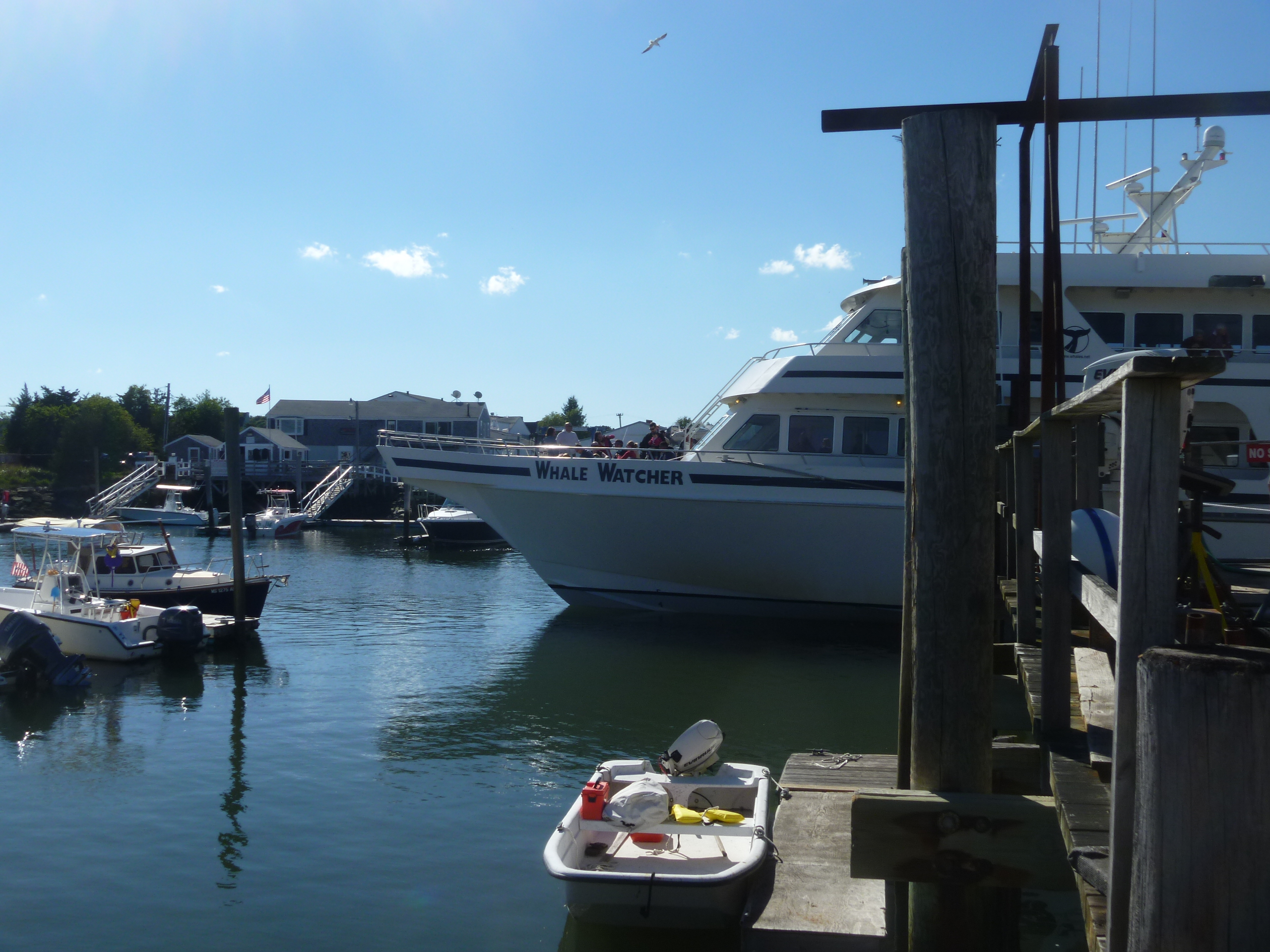
As for embarking on a Whale Watch Cruise – well, I still won’t be doing that – but I now have a husband who did! And he saw some!! The whale watchers return :

“If it doesn’t tell a complete story … it won’t do as a Post cover” : The Norman Rockwell Museum

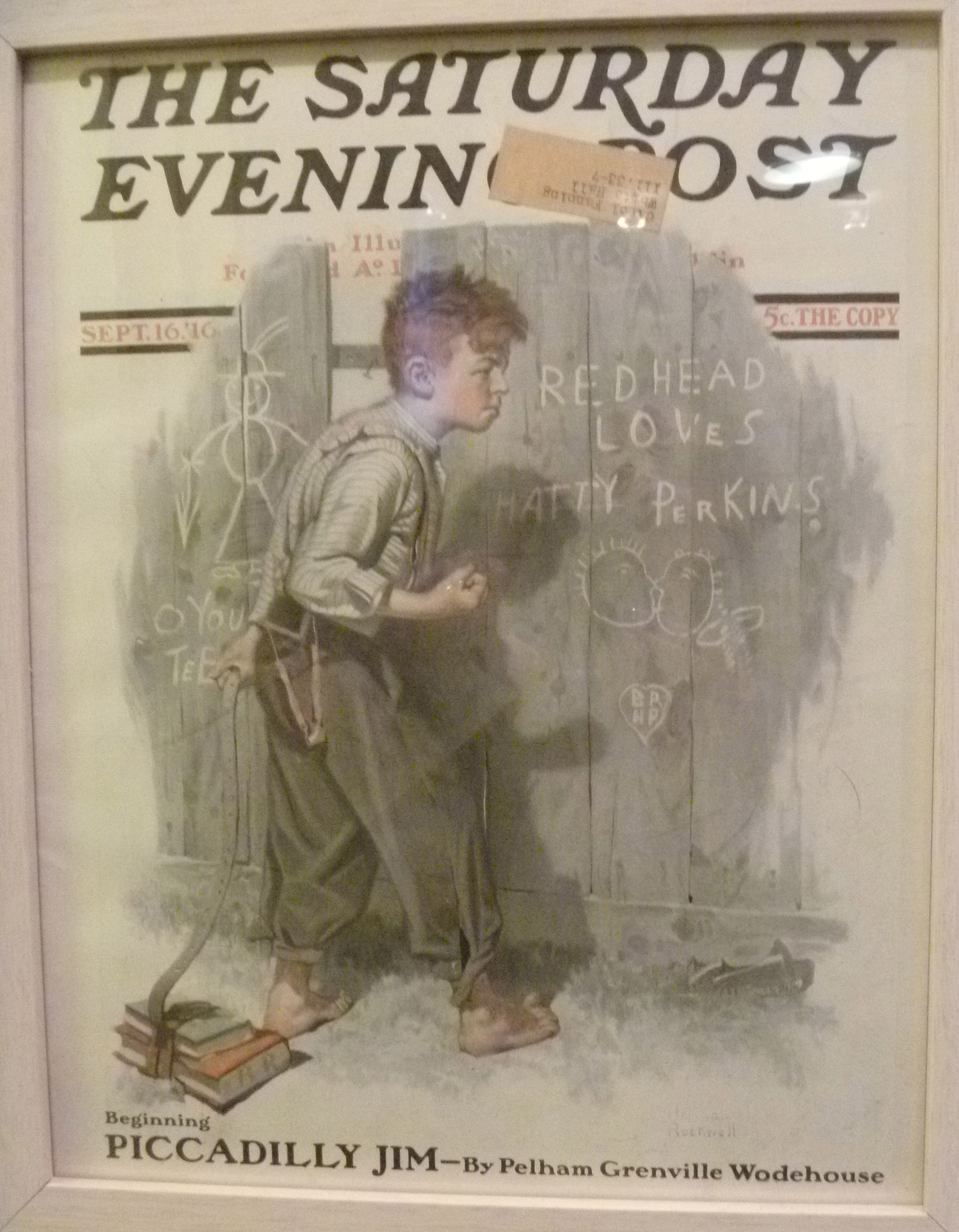
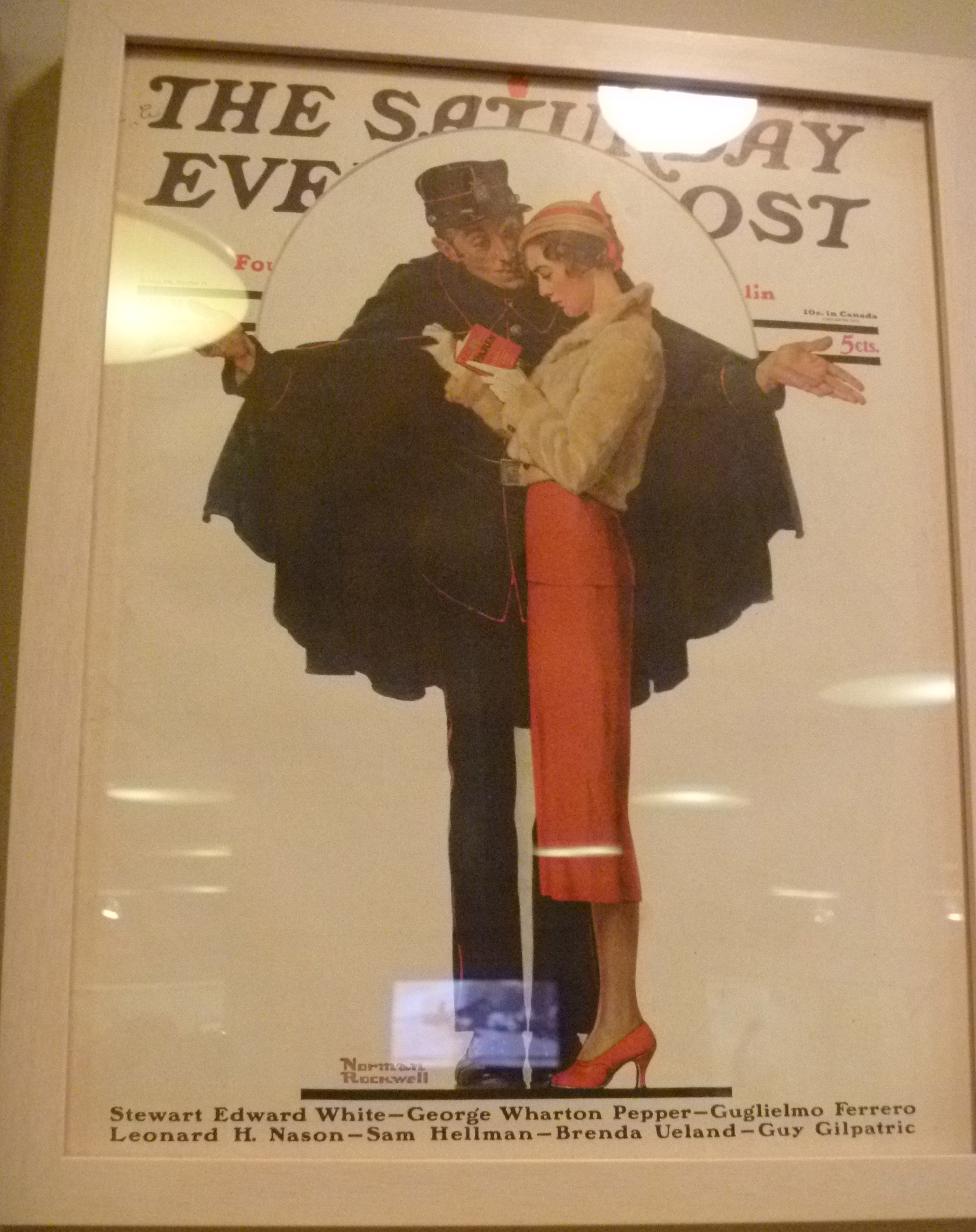
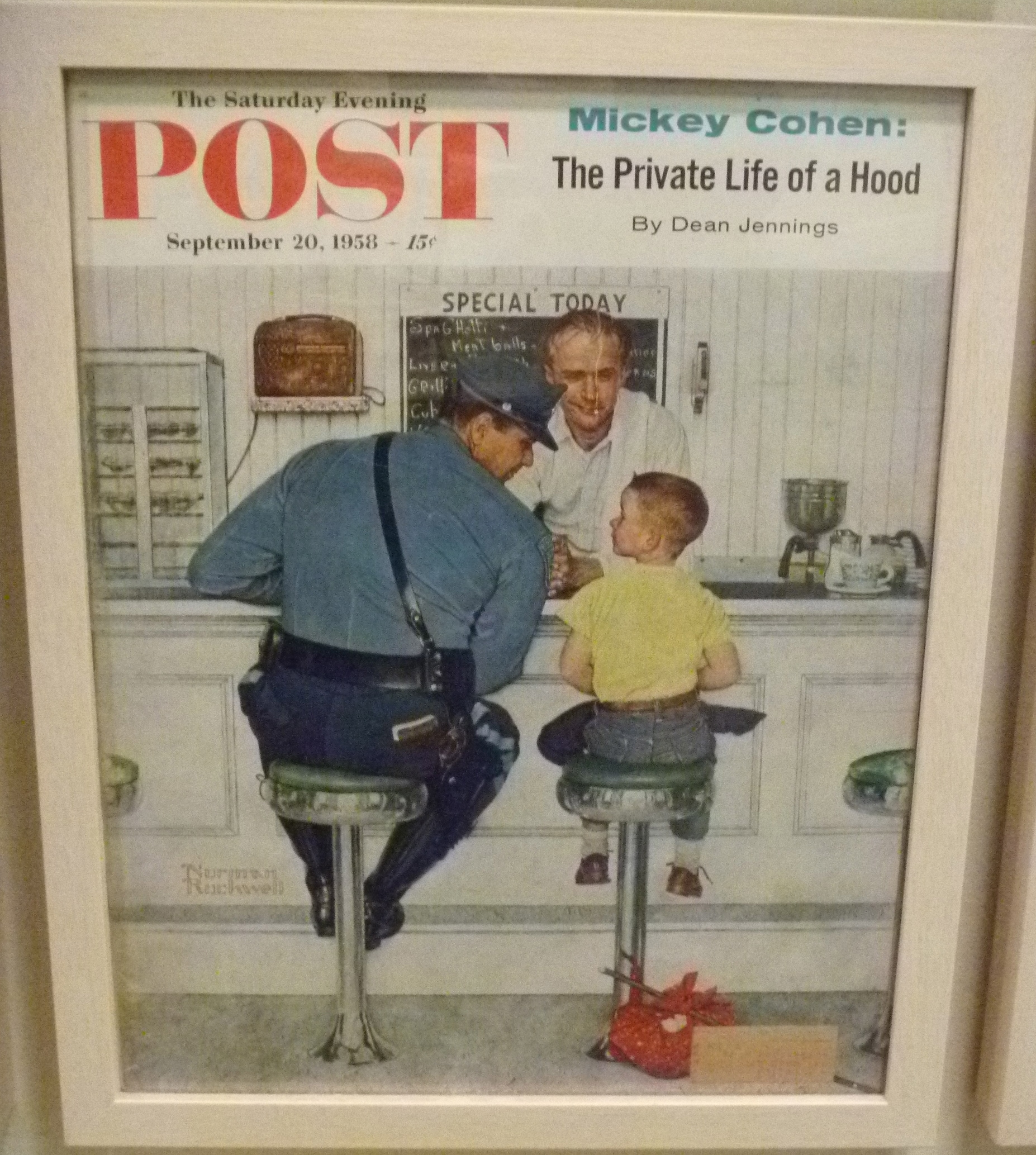
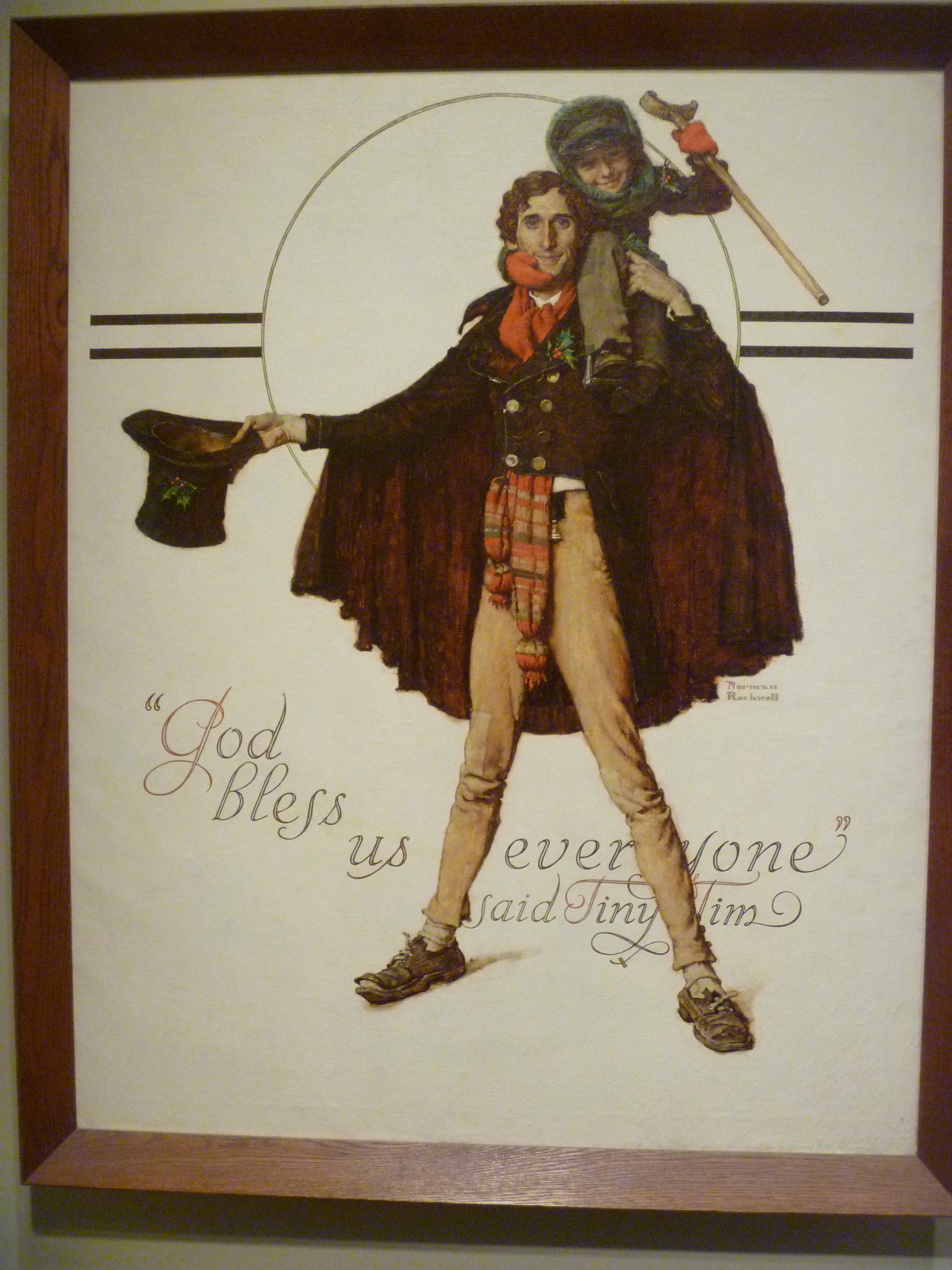
The ‘Post’ in question was ‘The Saturday Evening Post’ and the statement was made by the prolific, American illustrator who, between 1916 and 1963, produced 323 covers for the weekly magazine.  Some of Norman Rockwell’s covers are very well known and are used today on posters, postcards and greetings cards throughout the world. Rockwell was born in New York City in 1894 and died in Stockbridge, MA in 1978. One’s first impression is that his paintings depict cosy, inter-war-years, small town American home life. In fact this is far from the case. He covered a huge range of topics and he used local people as models and meticulously planned each picture he created.

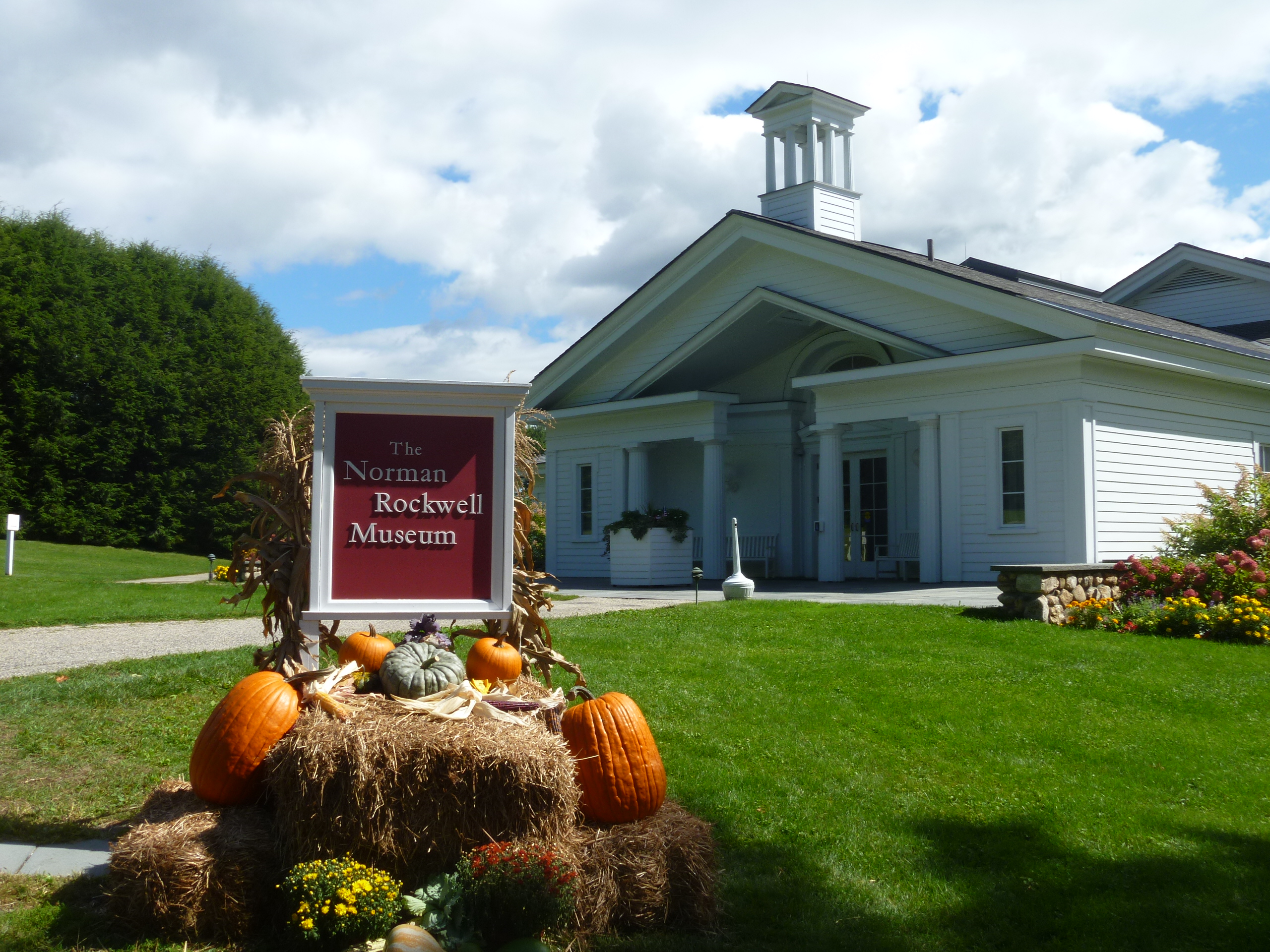
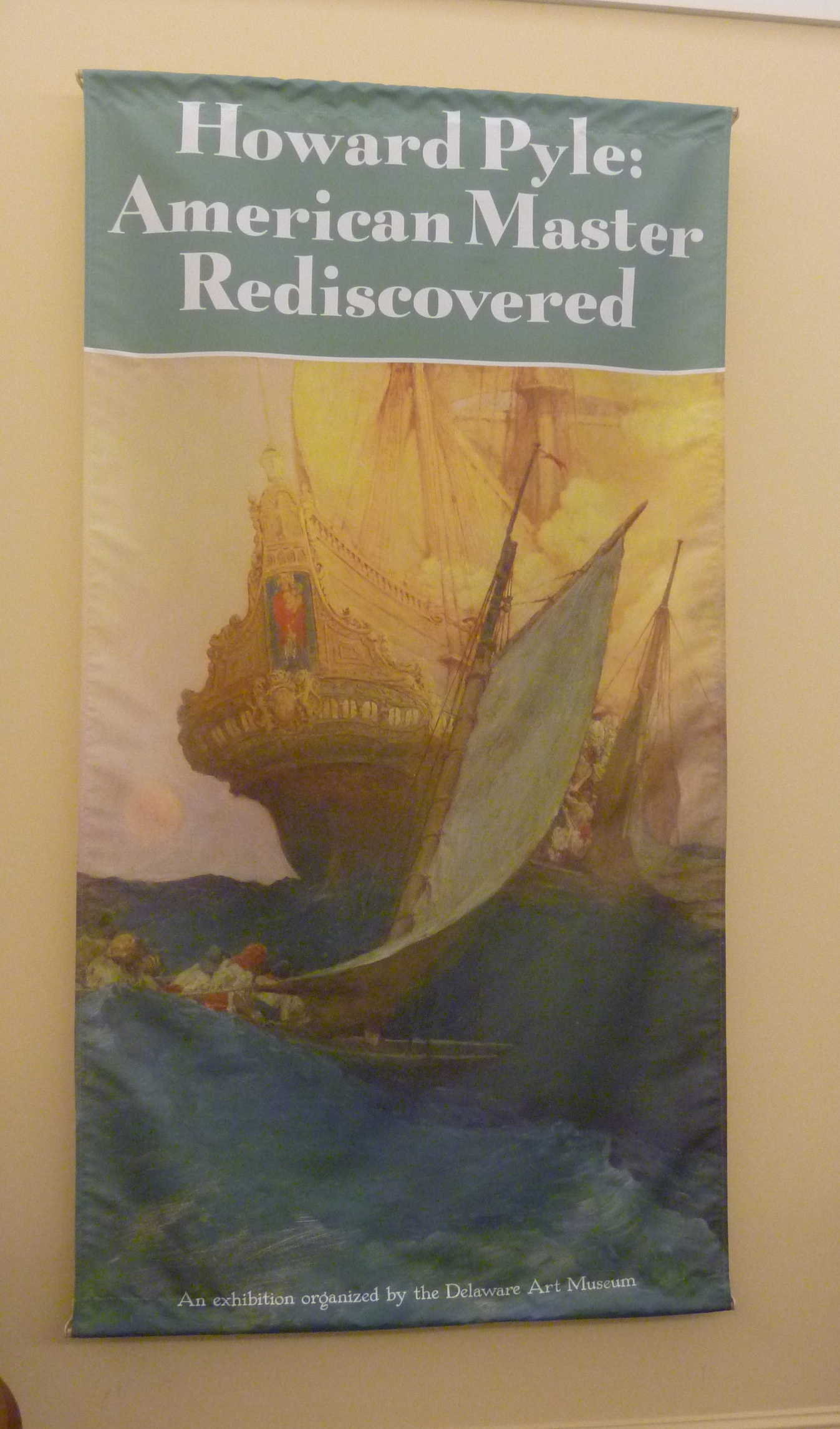
On Saturday 15 September we made a visit to the Norman Rockwell Museum at Stockbridge, MA. We thought we’d maybe spend an hour or so there but three hours later we decided to leave and I still had not seen everything that the Museum had to offer, including the current special exhibition ‘Howard Pyle: American Master Rediscovered’.

I think we’d expected a Disneyfied exhibit and we’d have sentimental America overload. Far from it. This was an excellent presentation of the work of one of America’s best-known illustrators.

All 323 covers are on display in publication order on the walls of the basement gallery. In the same room is a video loop about Rockwell’s life and painting narrated by his son Tom Rockwell. Also in the basement is a Library and Archive.

composed primarily of business, personal, and fan correspondence, together with reference material. Of particular note is a collection of several thousand black-and-white photographs of models and scenes used by the illustrator in the development of his work.” [from the NRM website]

The NRM Gift Shop

For nearly fifty years, millions of Americans brought Norman Rockwell’s art into their homes, enjoying the artist’s Saturday Evening Post covers while seated in their favorite chairs, surrounded by their belongings in the company of their families. This intimate connection with Rockwell’s art made his images a part of the fabric of American lives.

On the ground floor of the Museum are the main galleries which include his paintings of the Four Freedoms or Four Essential Human Freedoms (of speech, of worship, from want, from fear). The theme was derived from the 1941 State of the Union Address by President Roosevelt.

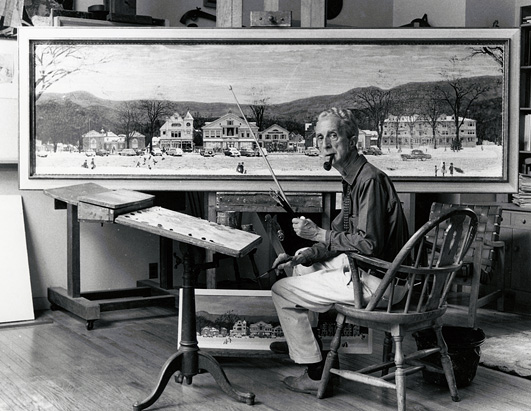
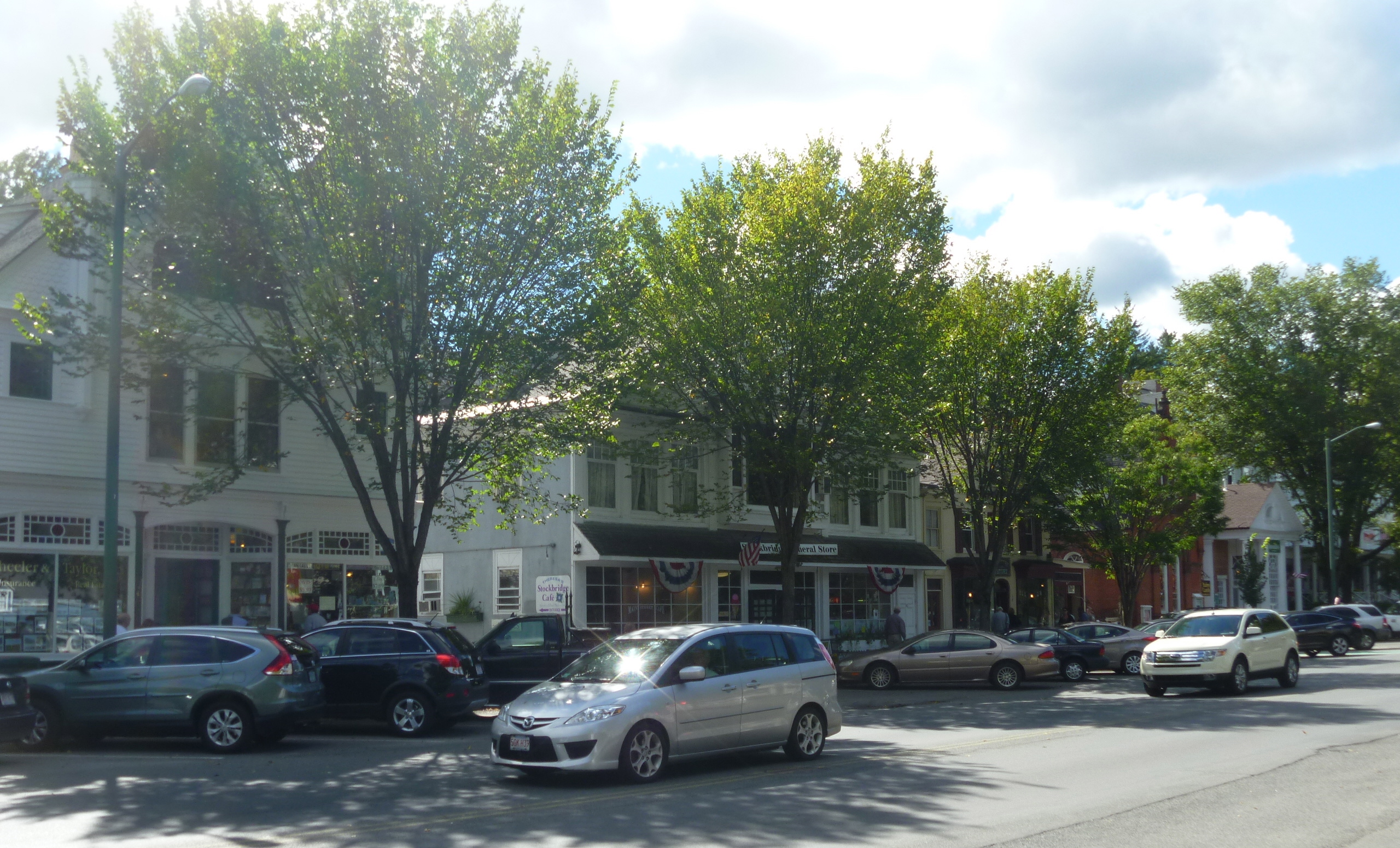
Also, in pride of place, and this was the painting about which my tour guide spoke, was Stockbridge Main Street at Christmas. Later I found the Main Street almost impossible to photograph in September (the result is below). Each year there’s a programme of events in the town based around a recreation of this painting. This year it’s 30 November, 1 and 2 December.

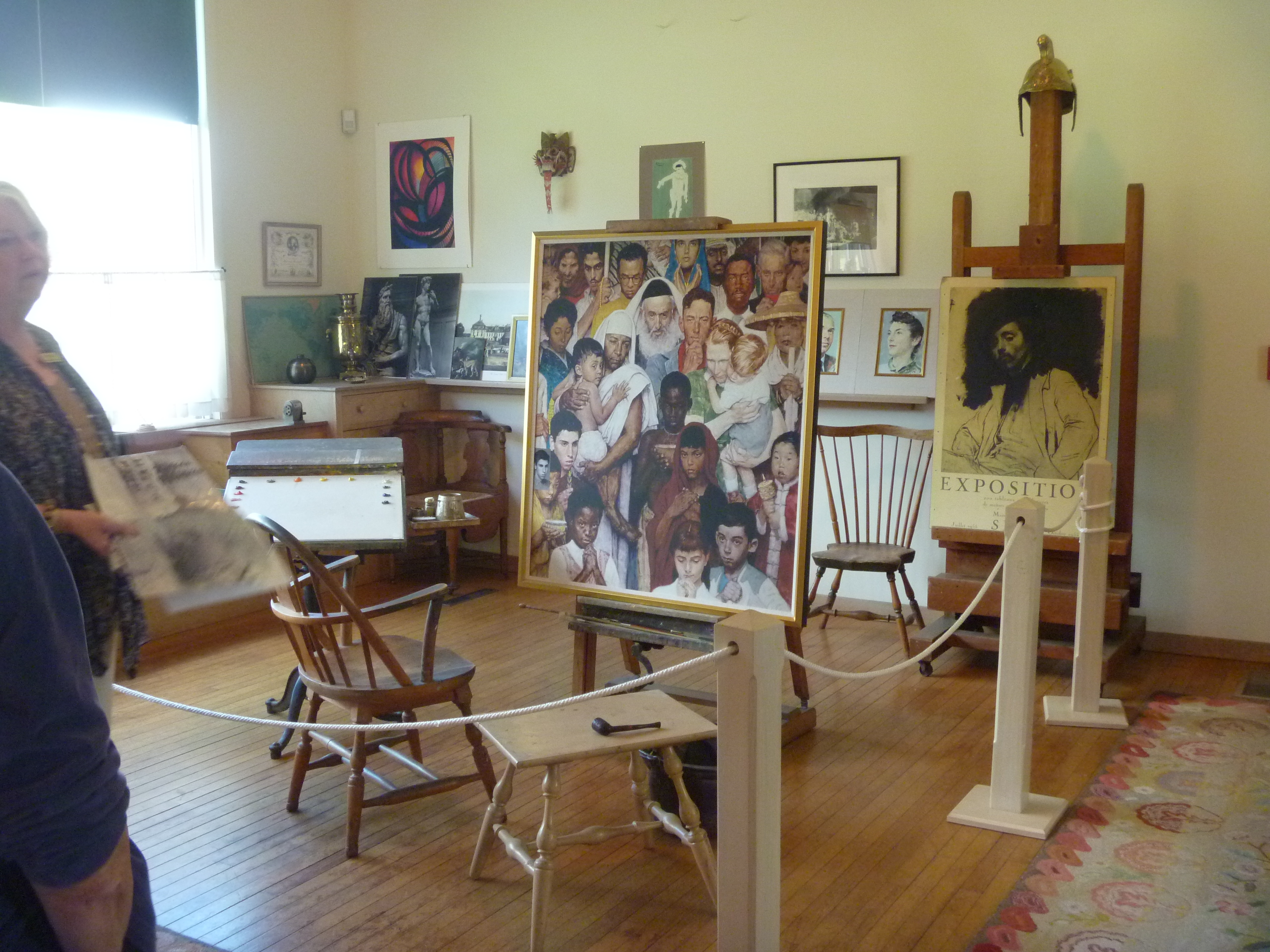
Norman Rockwell in his studio with the painting Stockbridge Main Street at Christmas

[http://abcnews.go.com/widgets/mediaViewer/image?id=9321573]

When we’d exhausted the Museum itself (or rather it had exhausted us!) and spent time in the well-stocked Gift Shop we took the short walk to Rockwell’s Studio.

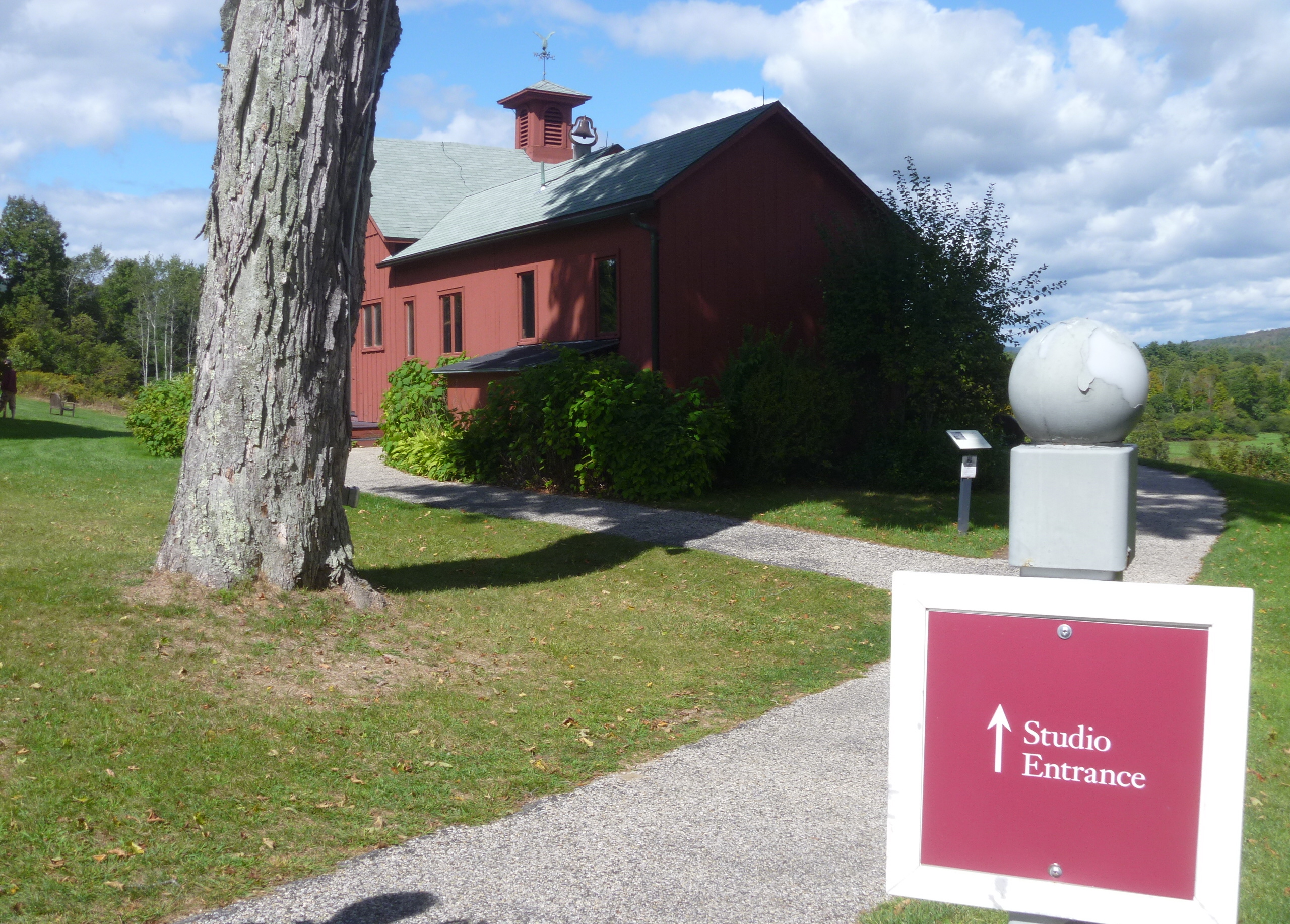
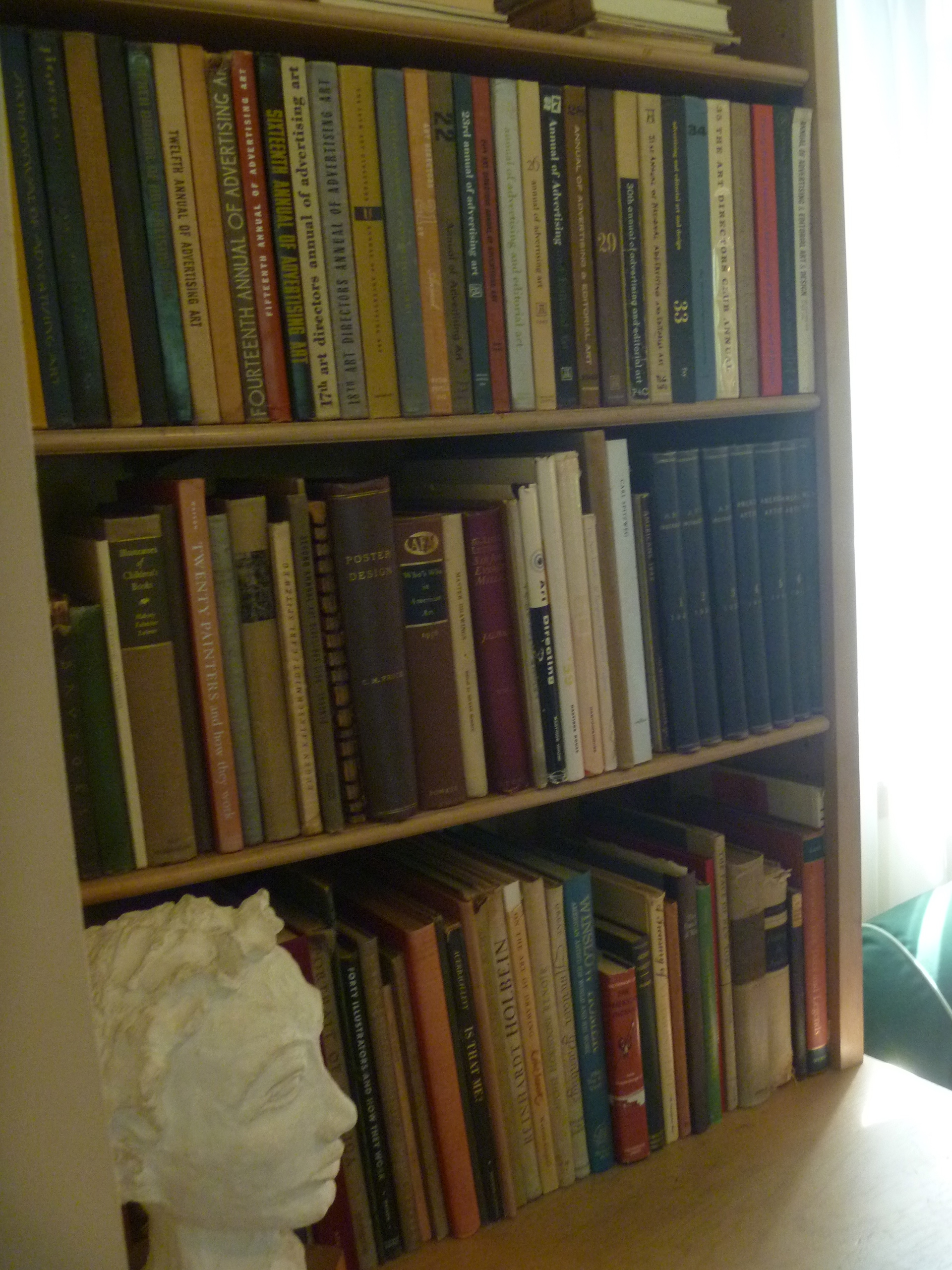
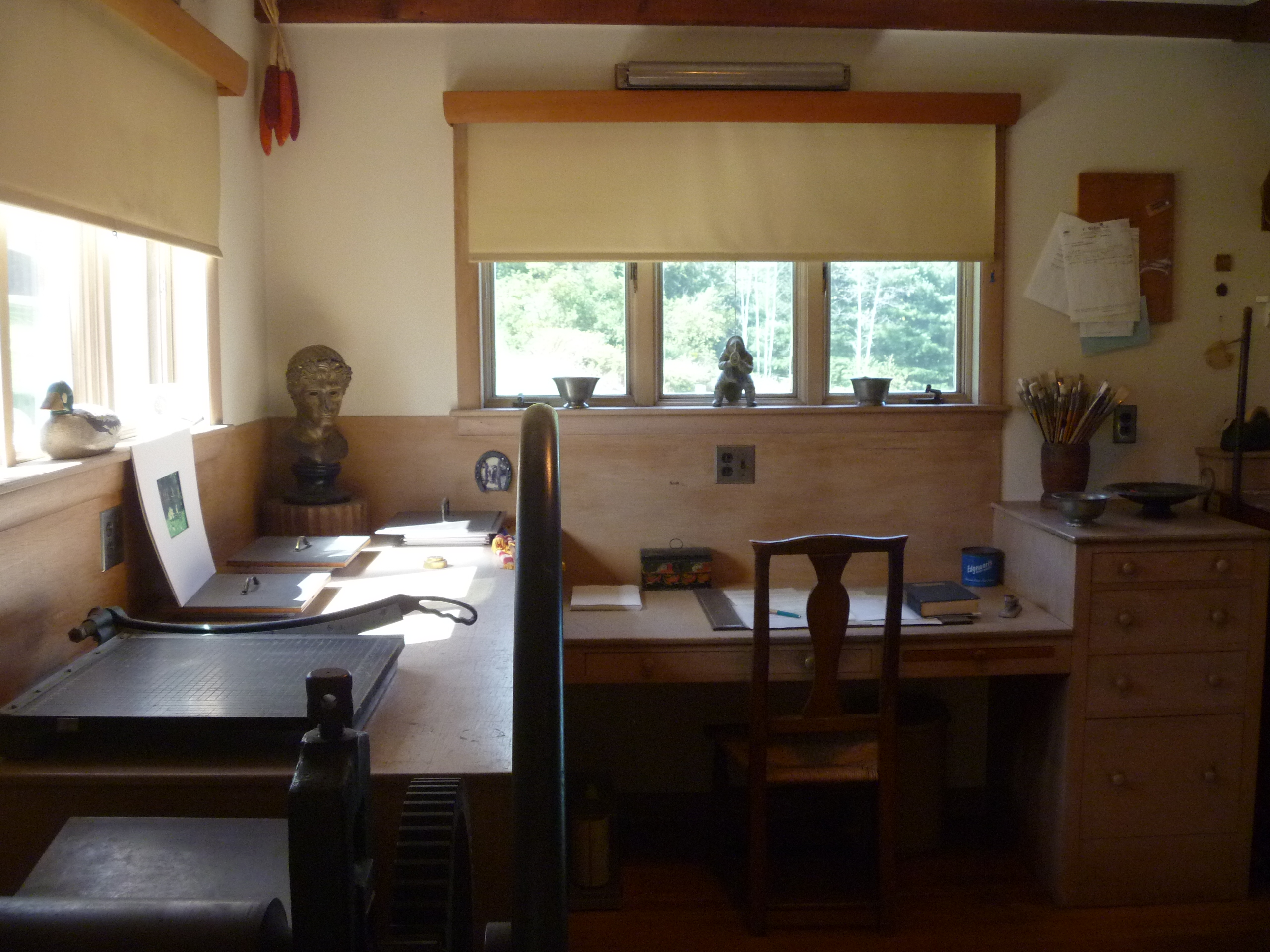
The Museum (opened in 1993) is located in lovely extensive grounds (36 acres) a few miles outside the small town of Stockbridge, Massachusetts – there’s plenty of parking and green spaces. The Studio itself was moved to the grounds in 1986 and is fitted out now as it might have been in October 1960 with his equipment, books, inspirations.

After visiting the Museum, we parked up in Stockbridge and took a walk around the town. When I walked into the Stockbridge General Store I suddenly remembered that I had watched a programme on TV back in December called “America on a Plate : The story of the Diner” in which Stephen Smith visits various diners throughout America and reflects on their connections with popular culture. At one point he visited Stockbridge and set up one of the Rockwell covers – The Runaway – using the original models for the police officer and the runaway boy. I realised that I was in the diner where this had taken place. The programme in full is not currently available via iPlayer but I found two YouTube recordings of the programme. The Norman Rockwell part begins in Part One 12.22 minutes in and continues through the beginning of Part Two.

The Custom of the Country, Dramatic Licence and Edith Wharton and The First World War

Writing these posts about my visit to The Mount has made me want to revisit as I now feel that I missed a lot.  I spent two hours there and after the 50 minute tour I rather hurried round the rest of the house and the gardens and took twenty minutes or so out of my remaining time to have a cup of tea. If I am ever fortunate to have the chance to pay a visit to The Mount again then I’d try to spend the greater part of a day there. I suppose this post consists of things I missed or very nearly missed or was only able to scan very quickly.

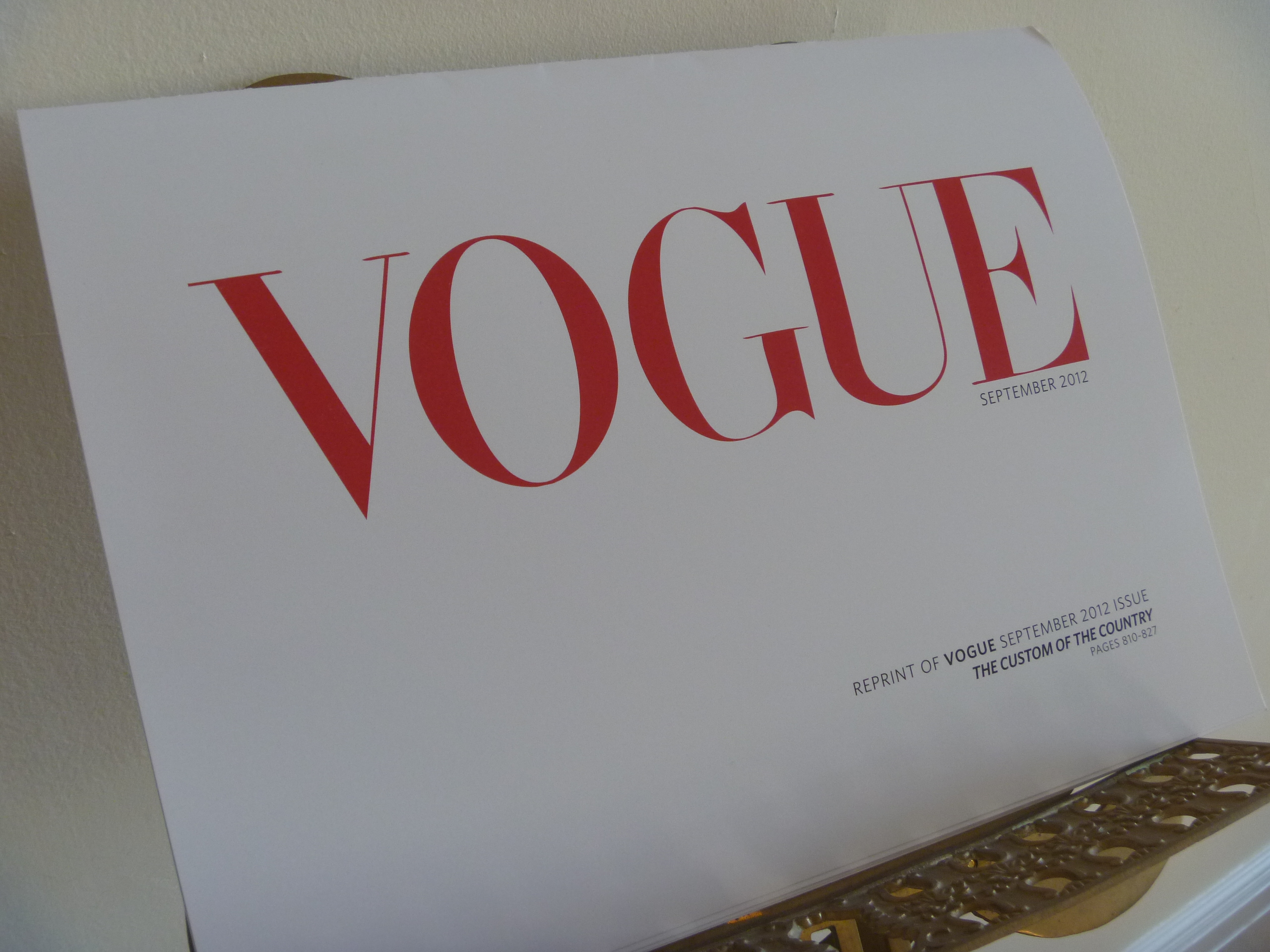
The Custom of the Country was the title (taken from an Edith Wharton fiction title) of the result of an American Vogue fashion shoot by Annie Leibovitz that had taken place at The Mount and was published in the September (2012) Issue. Copies of the 18 page feature were piled up around the house, presumably for the paid-up attendees at the Berkshire Wordfest 2012 event that was due to start at 5pm that very afternoon. Copies of the full size magazine were for sale in the shop – all 916 pages of it, weighing in at just under 5lbs – I could hardly lift it let alone consider packing it in my suitcase to bring home with me!  Anyone who has seen the fly-on the wall documentary The September Issue will know just what I’m talking about here. To be featured in the magazine at all is one thing; to feature in the September Issue is an achievement indeed and Edith Wharton has done it and deserves it. There’s been a bit of hoo-ha that male writers and actors appear as various men in the sets but that Wharton herself is played by a model but I don’t want to get into that discussion here.

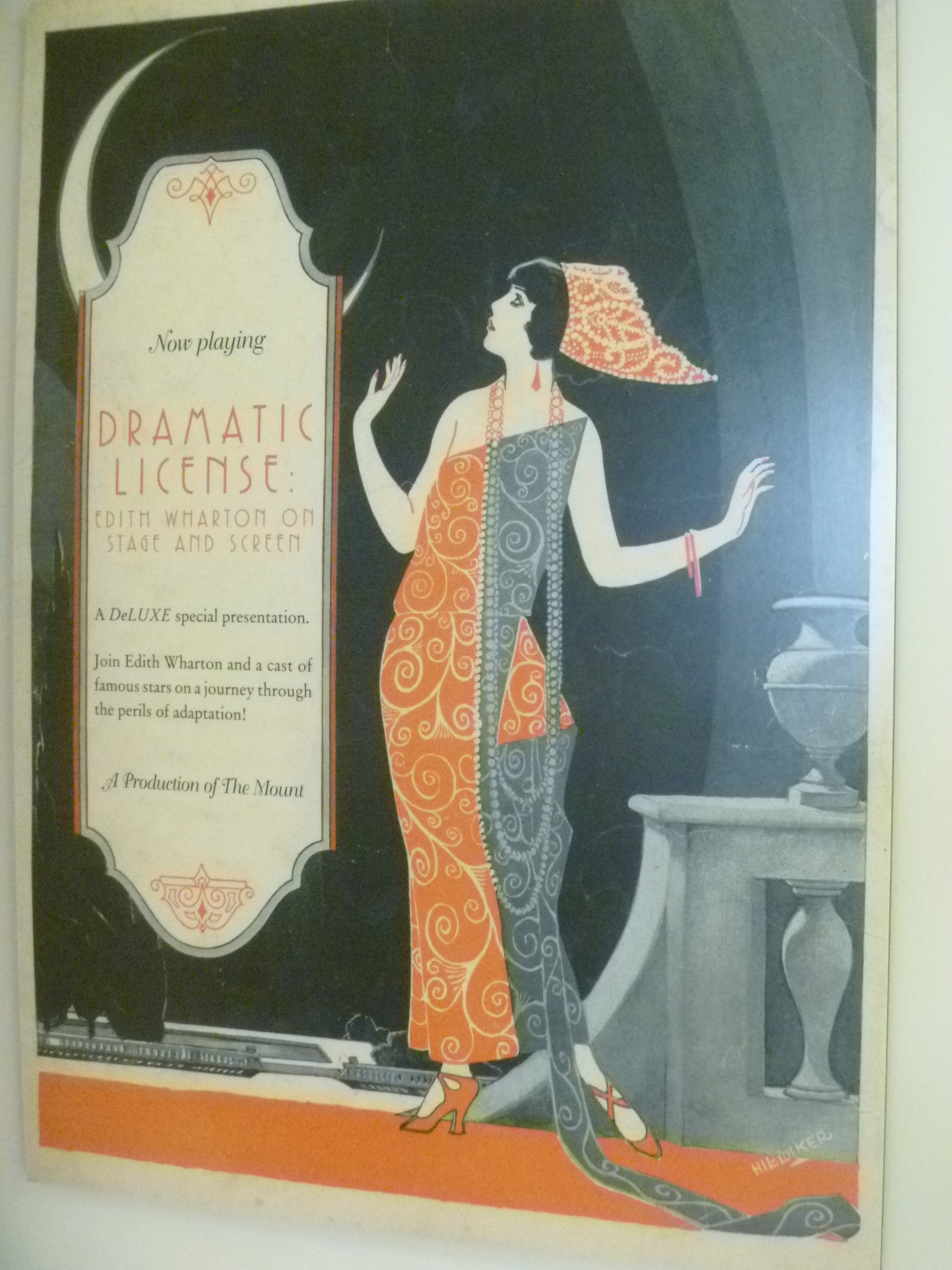
Dramatic Licence is the name of one of the two ongoing exhibitions on the top floor of The Mount.

Room 1 : The Henry James Suite at the top of the stairs has been transformed into a movie theater. After you enter the room turn to your left to start the journey through the trials and triumphs of Edith Wharton’s early attempts at adapting her own work and later efforts by others. Please sit in our vintage 1905 theater seats and watch a special Mount production of trailers and clips from films made of Wharton’s works. 

[I watched a few minutes of The Age of Innocence before moving on]

Room 2 : Teddy Wharton’s bedroom now hosts a bevy of beauties who have starred in adaptations of ‘The Age of Innocence’, ‘The Buccaneers’ and ‘Summer’. Given Mr Wharton’s reputed eye for the ladies, we think he would have approved. This room features material from the 1993 ‘The Age of Innocence’ on loan from screenwriter Jay Cocks and director Martin Scorsese.

Teddy Wharton’s bathroom depicts the interior of the ‘Ethan Frome’ kitchen based on a set design from the 1936 hit play based on Wharton’s tragic masterpiece.

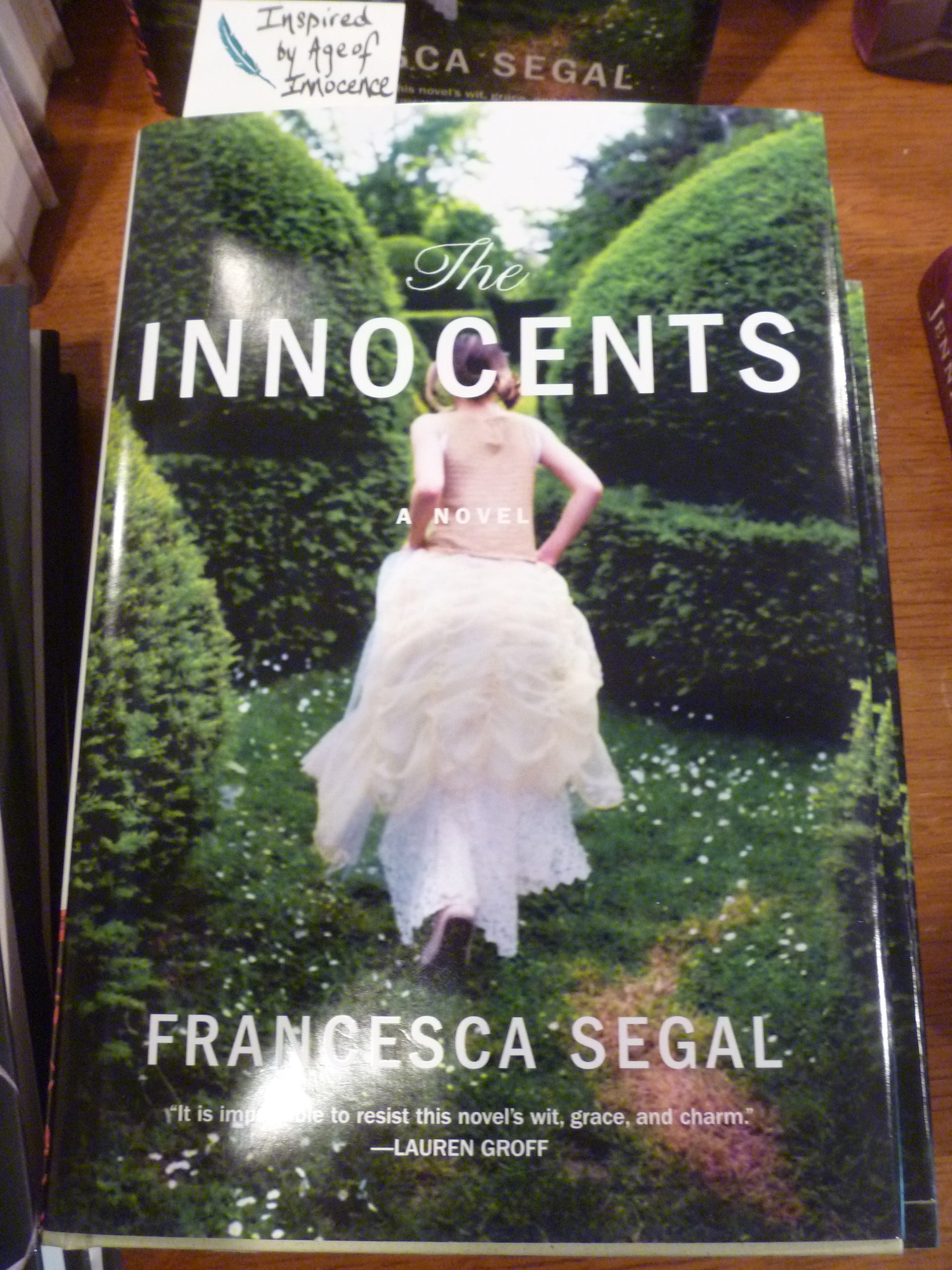
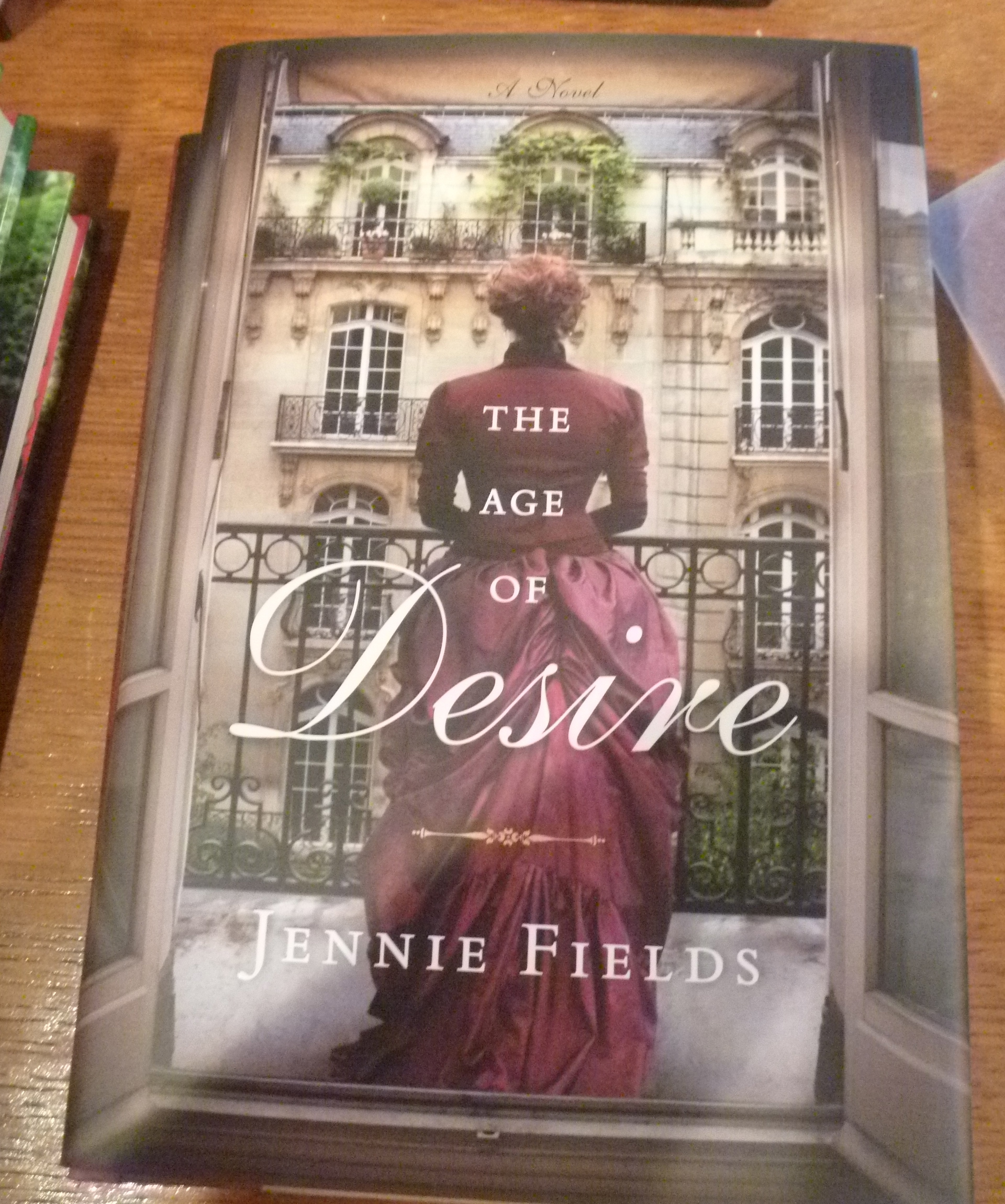
The notes then go on to list the six films still available as DVDs, a note about lost movies, a list of books still in print and available from The Mount Bookshop.  There were lots of other relevant titles in the shop.

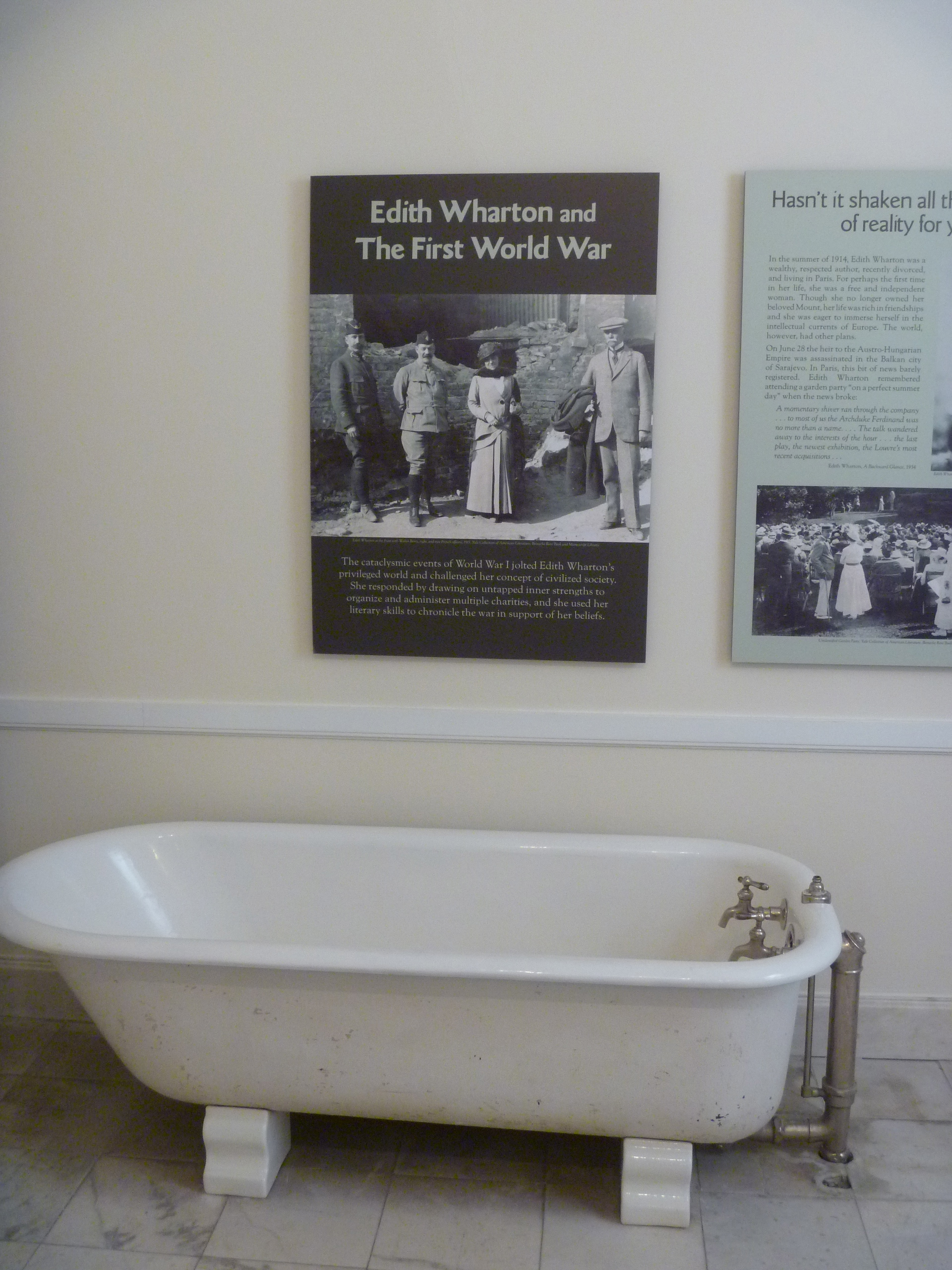
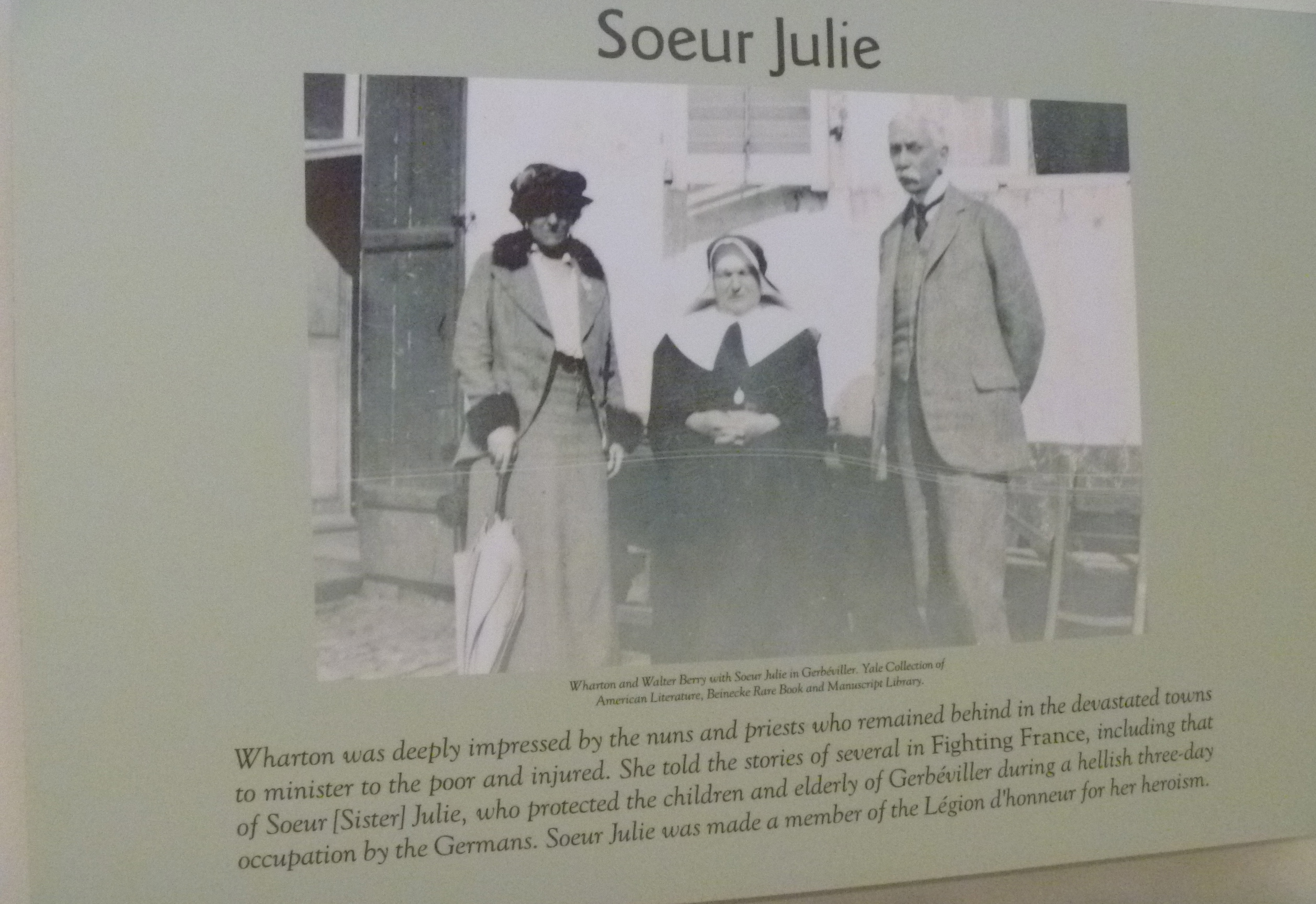
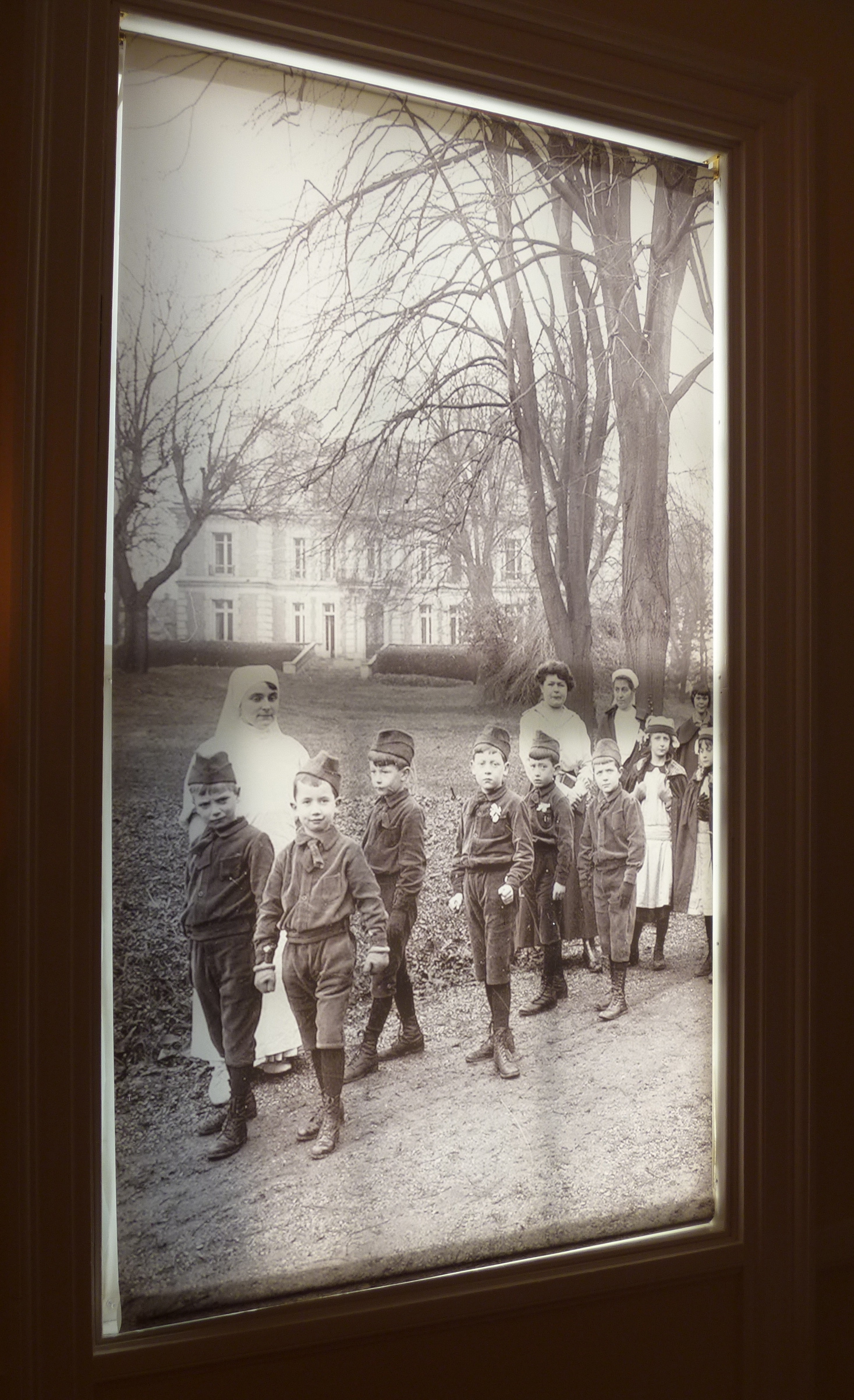
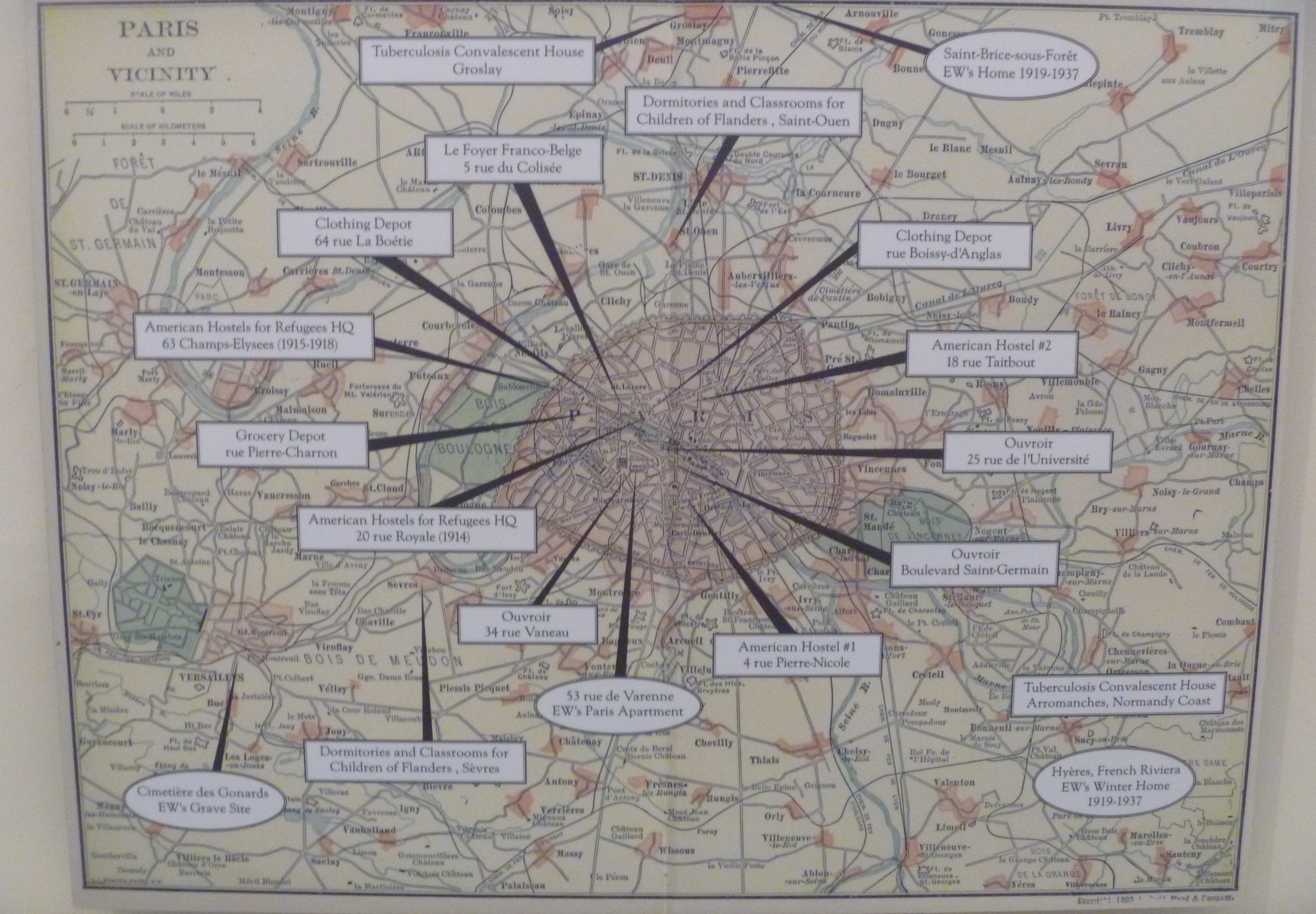
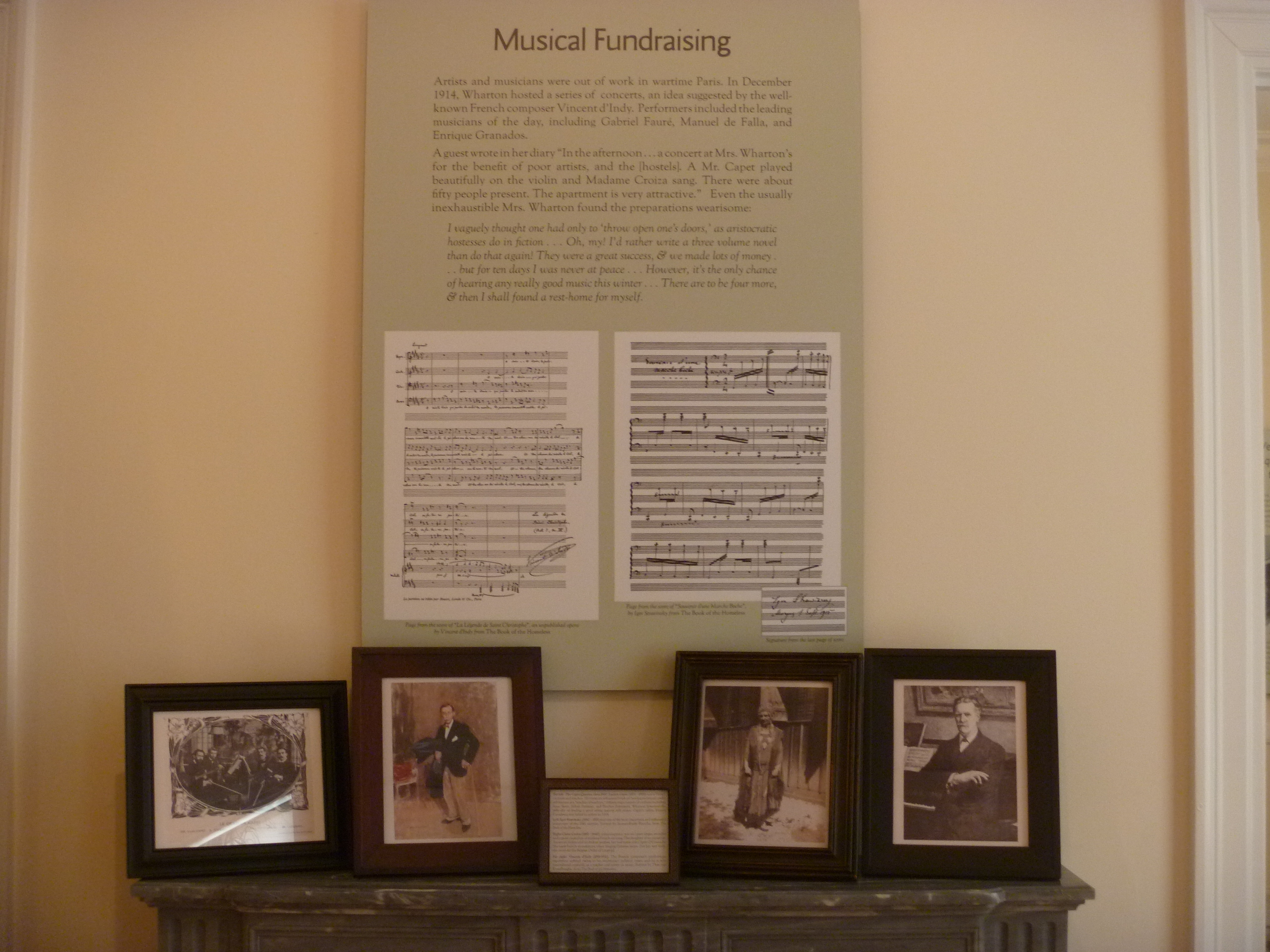
The Edith Wharton and The First World War exhibit speaks for itself. I knew that Wharton had lived much of her life in France and that she is buried in Les Gonards Cemetery in Versailles. In fact I wanted to find her grave when I was there in May but didn’t have time. I had not realised just how involved she was during the First World War.

Coincidently, even just the brief overview of the exhibit brought to life the poignant story of Molly and Tom the characters that I had just finished reading about in my friend Diney Costeloe’s book ‘The Ashgrove‘. Much of the action in the book takes place in a French convent.

Edith Wharton was profoundly affected by the First World War. This year, The Mount has designed an exhibition which examines her reaction to the devastation of the world she knew. Using images, artifacts, music, and the written word, it presents aspects of Wharton’s experience as a woman and a writer that are less well known to the public.

By throwing herself tirelessly and energetically into work, both literary and charitable, she was able to make use of her talents in ways previously unknown to her. Her charities, which included hostels for refugees and orphans from Belgium, workrooms to help widows and women who had lost their jobs, and hospitals for TB patients, benefited from her amazing organizational and fundraising skills. She used her great talent as a writer to send back reports from the Front detailing the horrors of war, in order to influence the United States to join the conflict.

By highlighting these two aspects of her war experience, we hope to bring a new understanding of Edith Wharton to the public.

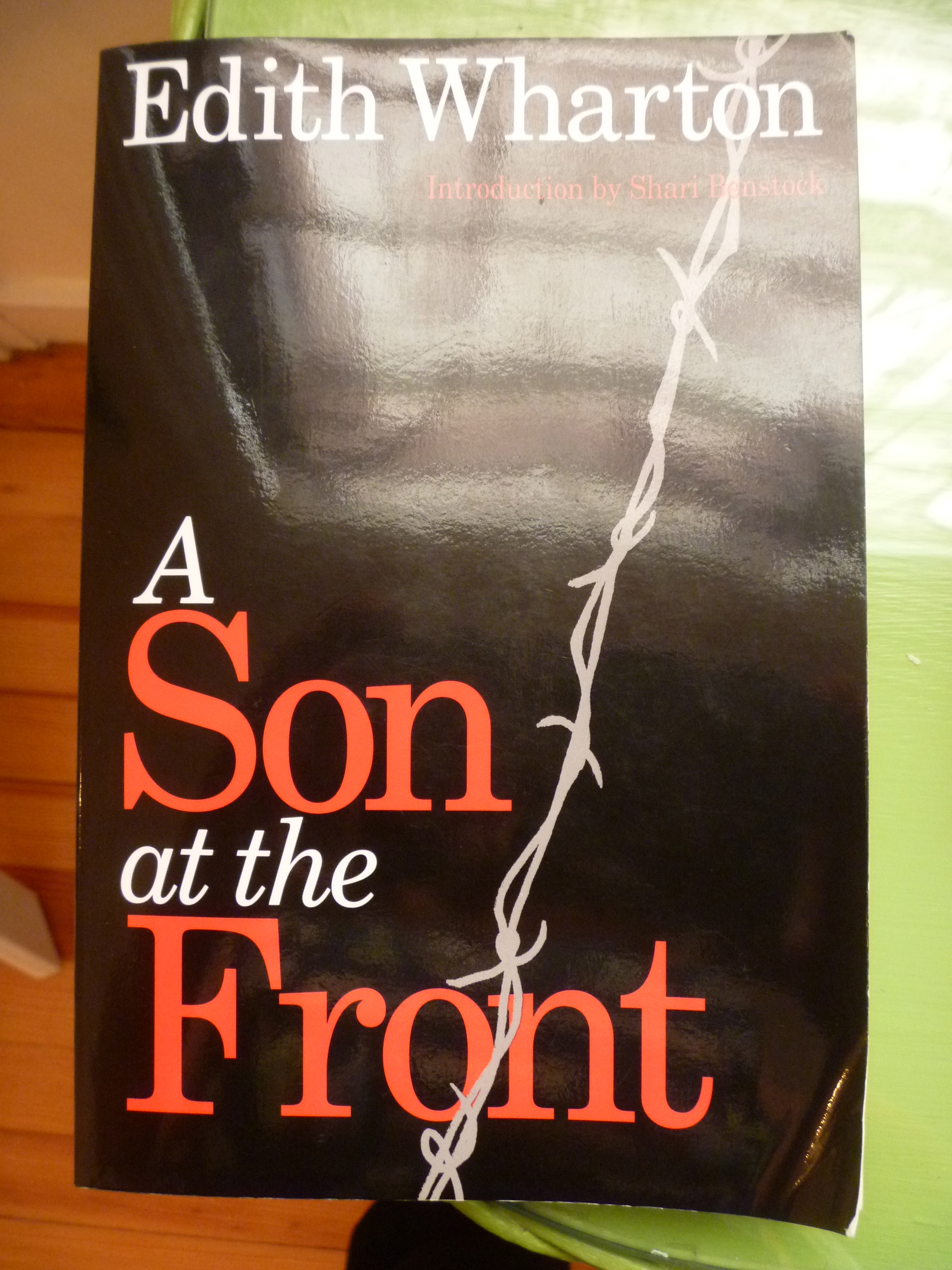
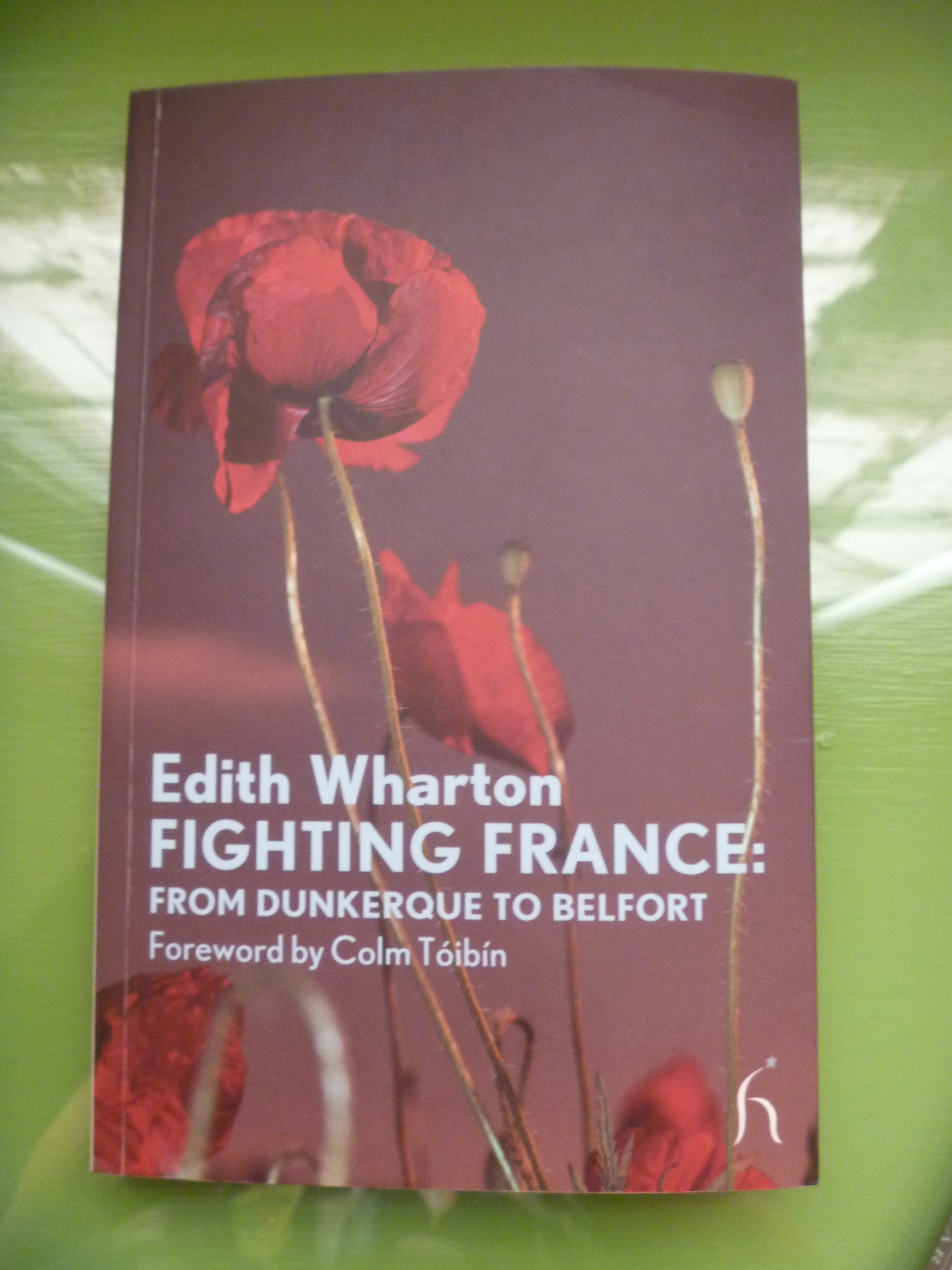
In the Book Shop were several titles by Edith Wharton about the the War and her experiences.