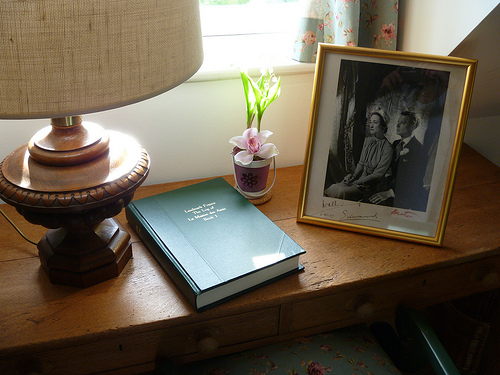
At Home With the Windsors – La Maison des Amis

I am off to France shortly. It’s another Landmarking holiday but with the added difference that I shall be in France and staying at the former weekend home of the Duke and Duchess of Windsor.
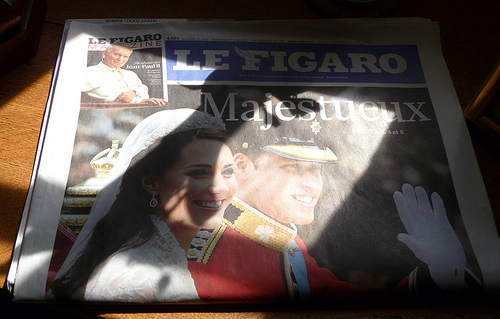
This will be my second visit. Last year the day of departure coincided with the Royal Wedding. I had my own Royal Weekend in France which made up, somewhat, for missing the live broadcasts of Kate and William’s happy day.
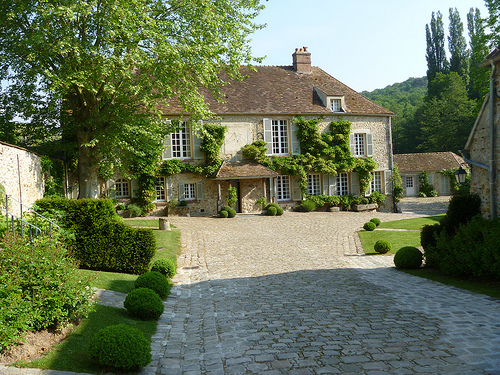
Le Moulin

La Maison des Amis is situated within the small estate that comprises The Moulin de la Tuilerie on the edge of the village of Gif sur Yvette in the Essonne department of France. We didn’t use it last year but there’s an RER train link with the centre of Paris and the journey takes about  40 minutes. We’re hoping to have a little trip to town this time. We don’t have too many plans but we have reserved at a restaurant in Versailles for lunch on the Sunday.
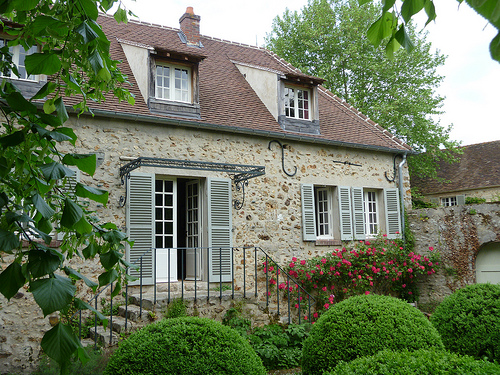
La Maison Des Amis (rear)

There are three rental properties on the site. Le Moulin  itself (which sleeps 12 in total) and which the Duke and Duchess themselves occupied for their weekends away from Paris and La Maison de Amis (sleeps 4) and Le Celibataire (sleeps 2) where their guests – people like Richard Burton and Elizabeth Taylor (I sleep in their room!), Cecil Beeton, Marlene Dietrich and Maria Callas – were accommodated very comfortably.
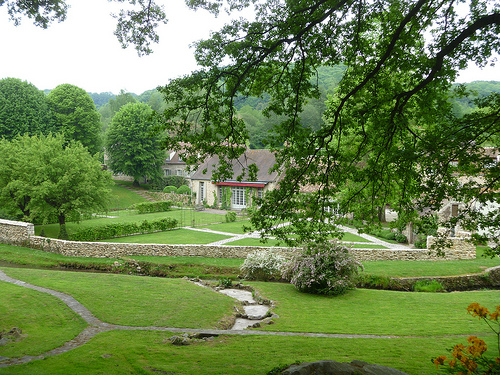
Le Moulin de la Tuilerie from ‘Cardiac Hill’ as the Duke of Windsor called it!

Those Windsors they recognised a great location when they saw it. In addition to being 40 minutes from the centre of Paris (or rather 35 minutes by Buick from their home in the Bois de Boulogne) the lovely old town of Versailles and its OTT palace and  grounds are about 20 minutes away and as Landmark puts it :

“Just as for Edward and Wallis, still today this is a place for contrasts: a wonderful setting to play host, or enjoy deep tranquillity; an easy day trip by direct train to the bustle and culture of central Paris or the delights of Versailles, and yet a place where the city finally yields to deep countryside.”
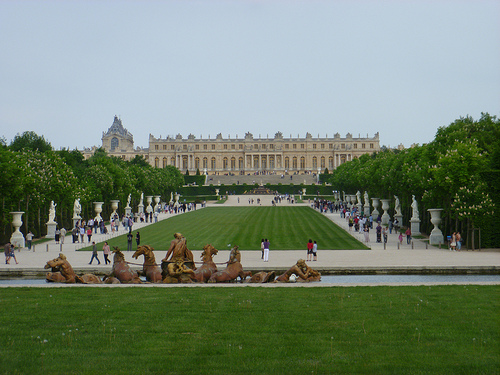
Sunday evening strollers in the park at Versailles

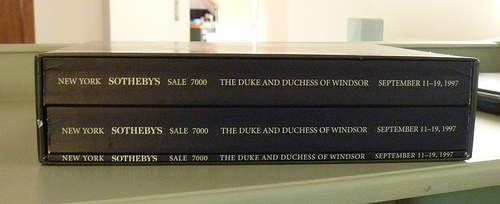
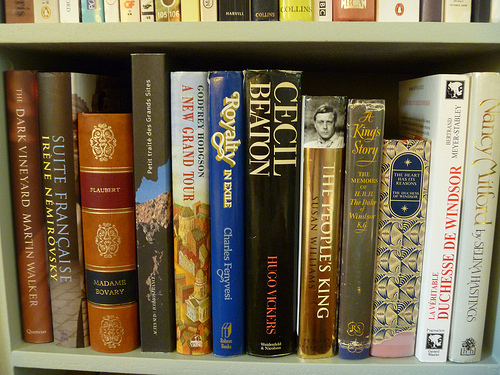
There is plenty of good reading matter in the Landmark Library, as usual. We spent a lot of time looking through the Sothebys New York 1997 Sale Catalogue of the Windsors’ stuff.
Tulip Fever and Flowers at the Airport

This year is a Floriade Year in the Netherlands. I have several friends who are going to make the trip. It’s a world horticultural expo and is held every 10 years. The event happens in the Venlo area in the southeast of the Netherlands very near to the German border.
Every year thousands of tourists do the Dutch Bulb Fields Tour. Keukenhof is probably the most famous Dutch bulb field park.

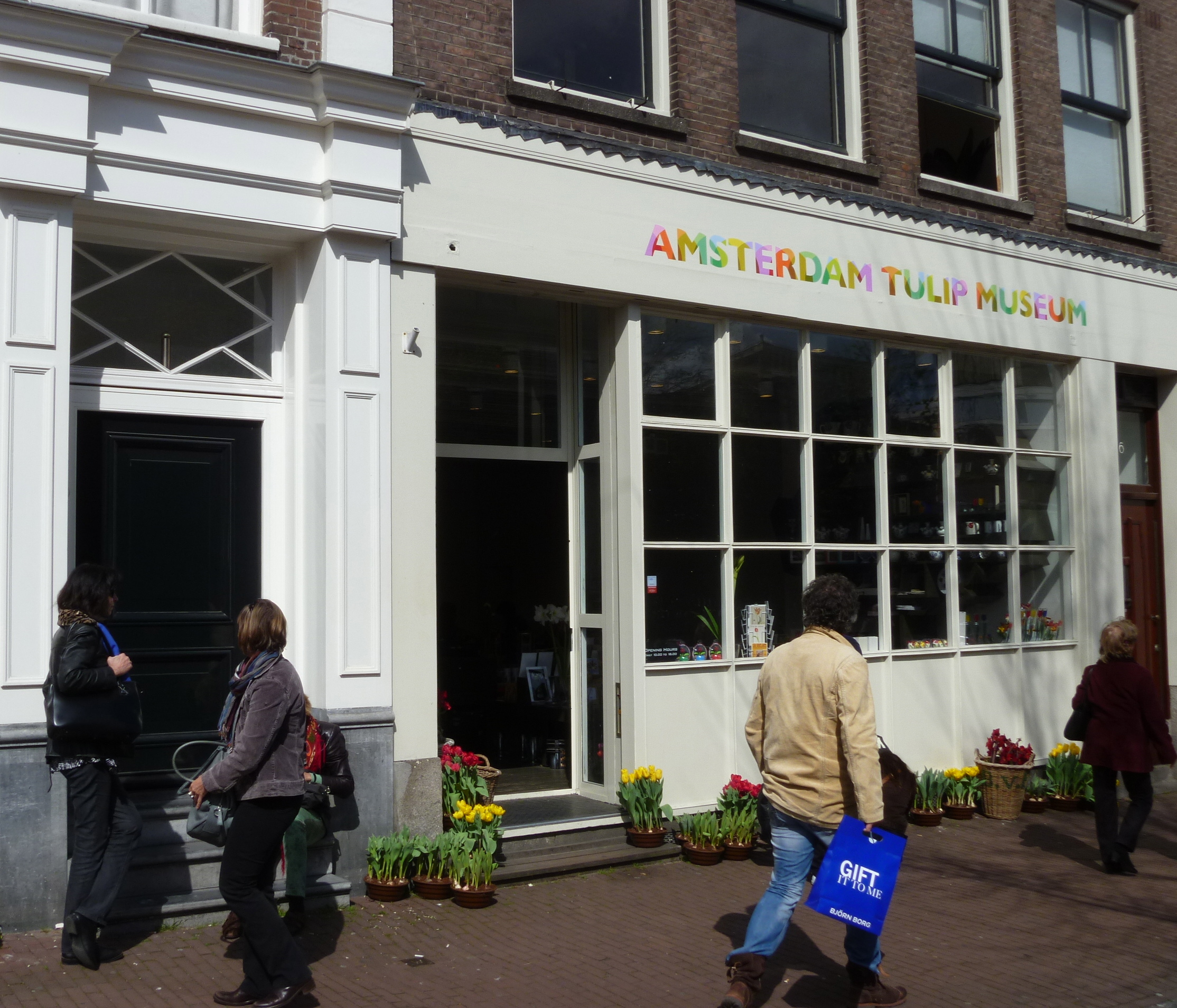
In Amsterdam we saw tulips everywhere we looked! See my little Flickr tour of Tulip Fever in Amsterdam.

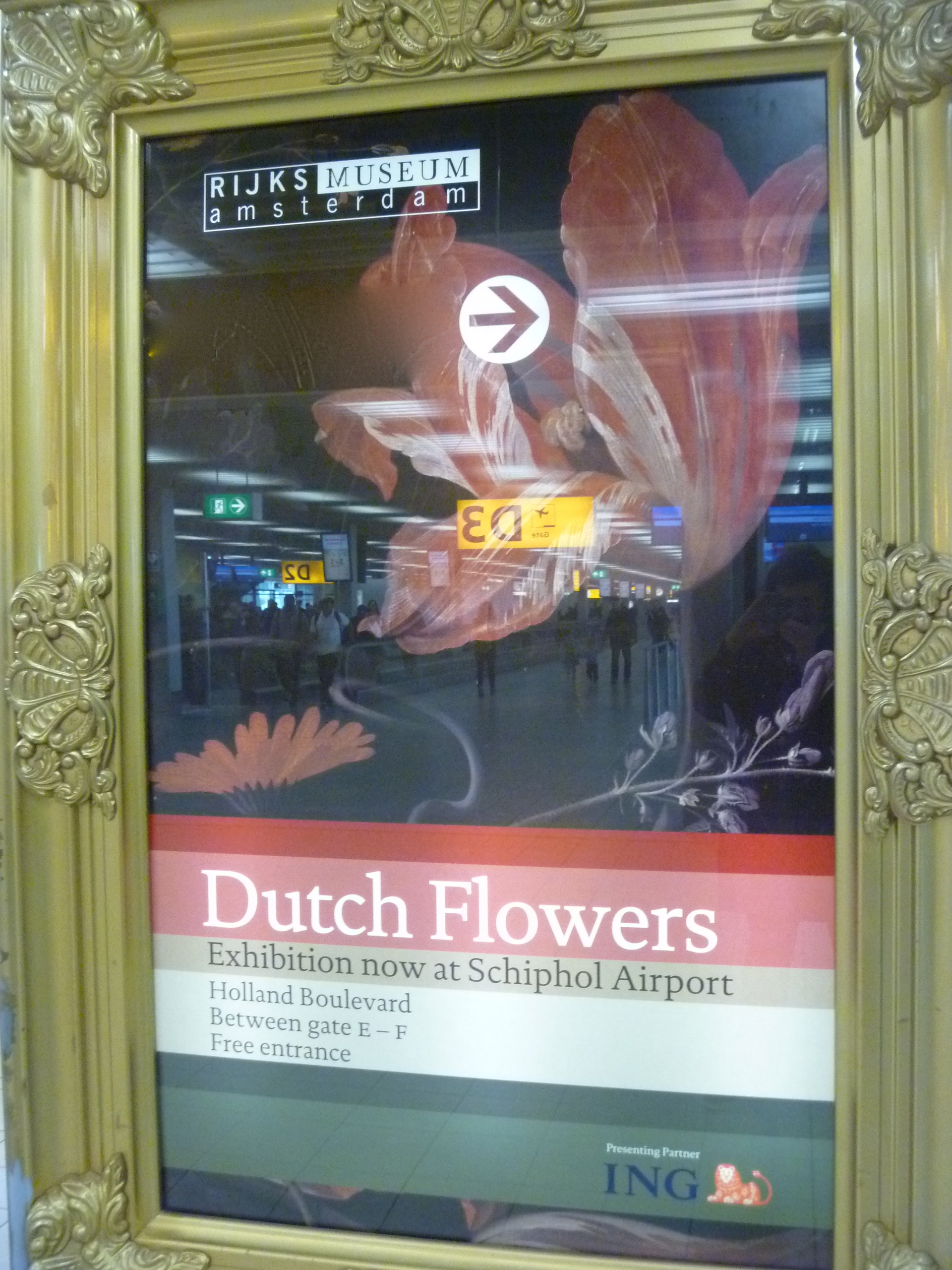
I have no problem when passing through airports like Amsterdam and Zurich. There is always something new to see and experience and lots of tasteful and up-market, if exceedingly expensive, shops in which to browse. Schiphol goes one step further than any other airport I know. In addition to shops they have taken the unusual step of opening a branch of the world famous Rijksmuseum. With all those flowers around the place it’s not surprising I suppose that the little one-room  gallery should have a selection of flower paintings on display.

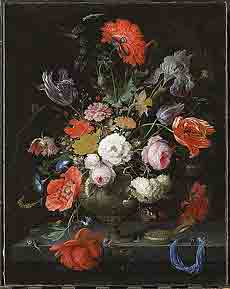
The Dutch Flowers exhibition currently showing at The Rijksmuseum Schiphol includes 9 stunning paintings worthy of study.   In each of these pictures there is so much detail – not only the flowers but other symbols like the watch shown below and creatures like lizards and snails and butterflies.

Still Life with Flowers and Watch by Abraham Mignon (1640-1679)

Be sure to keep an eye on your watch as it’s easy for the time to pass quickly in this little gallery!

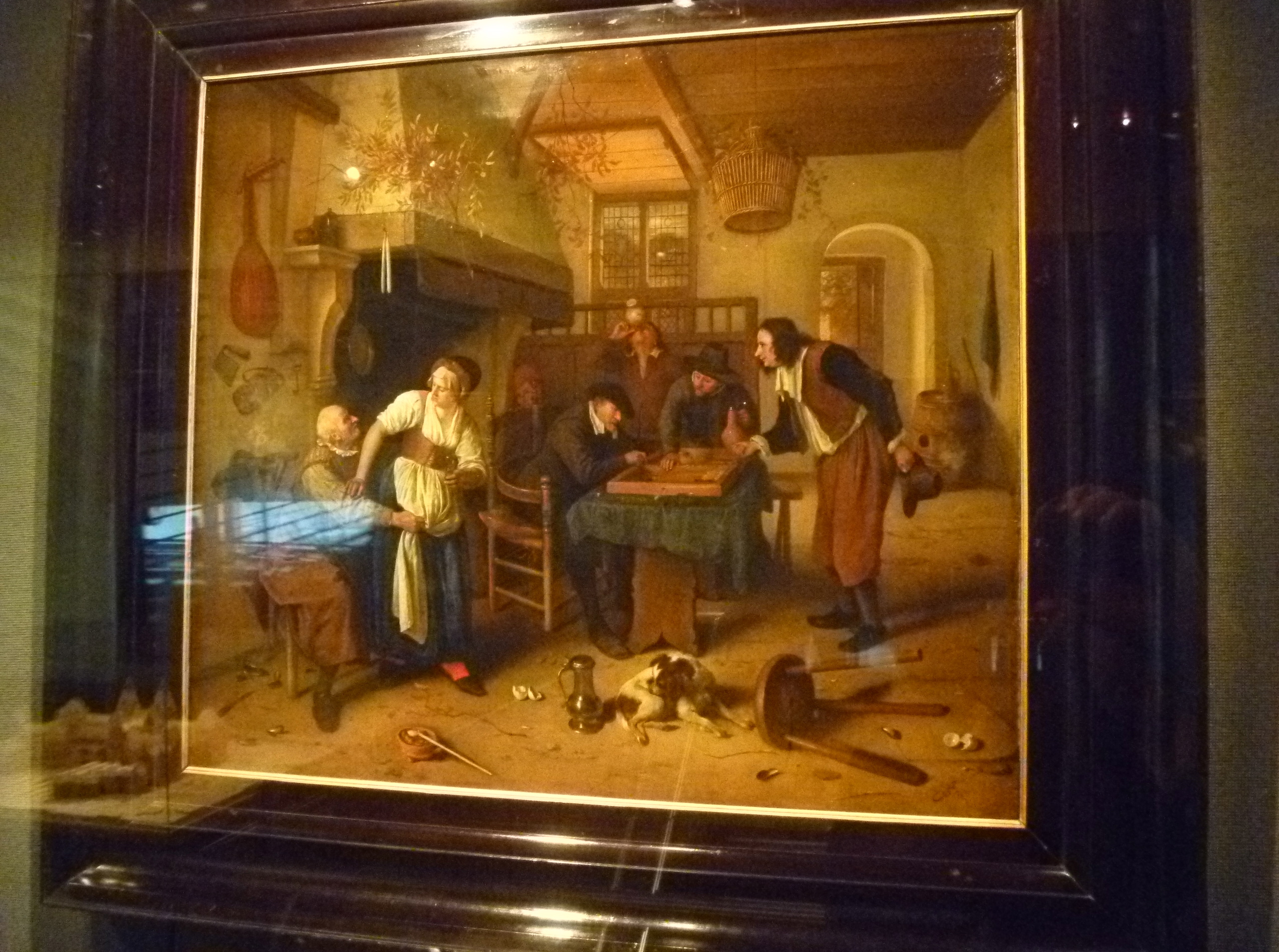
In addition to the Dutch flower paintings on the other wall of the gallery are 7 paintings from the Dutch Golden Age.

Two kinds of Games by Jan Steen (1626 – 1679)

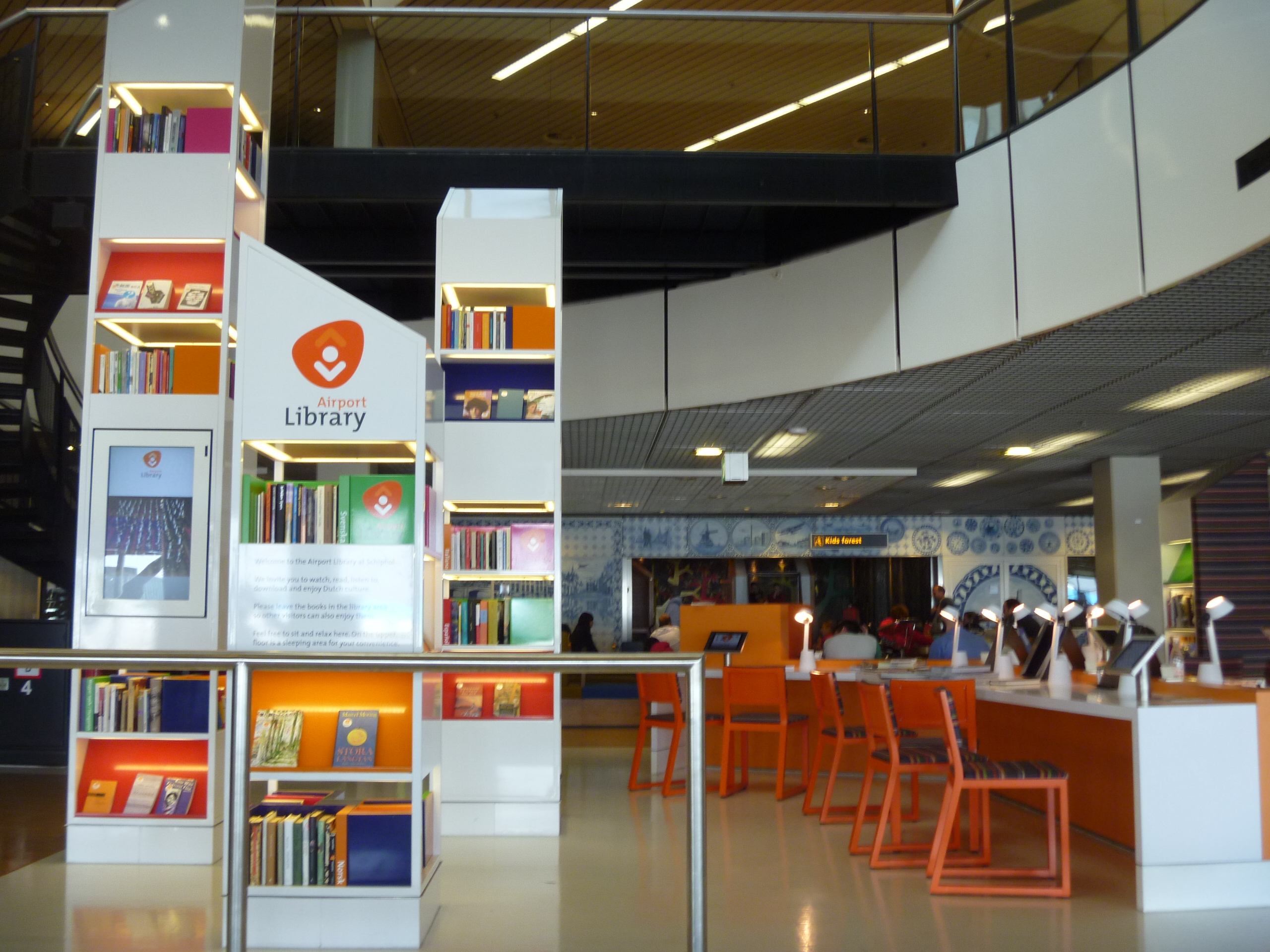
This year I also noticed another novelty just by the staircase to the gallery: an Airport Library! But I didn’t have time to try it out.

Amsterdam Made By Hand – De 9 Straatjes en De Noordermarkt

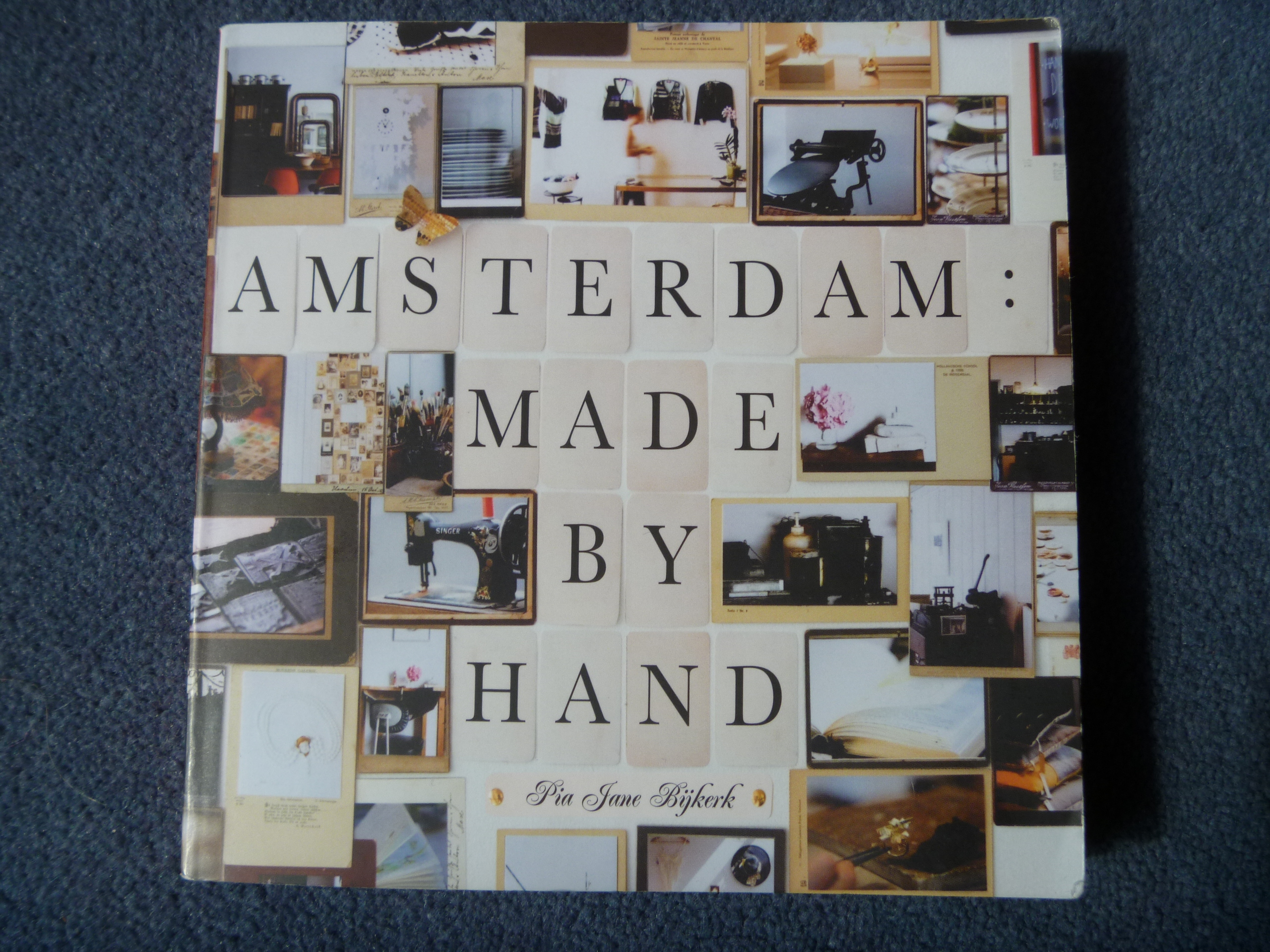
For quite some time I have had my eye on this lovely little book and as soon as I knew about my trip to the city I could not resist buying. To me there is something very special about these travel publications from the Little Bookroom. Here’s a press comment from their website :

“The Little Bookroom…wants travelers to slow down. They’ve carved themselves a niche in the over-crowded travel book industry by thinking small with titles that define the character of a city.”—The Pittsburgh Tribune

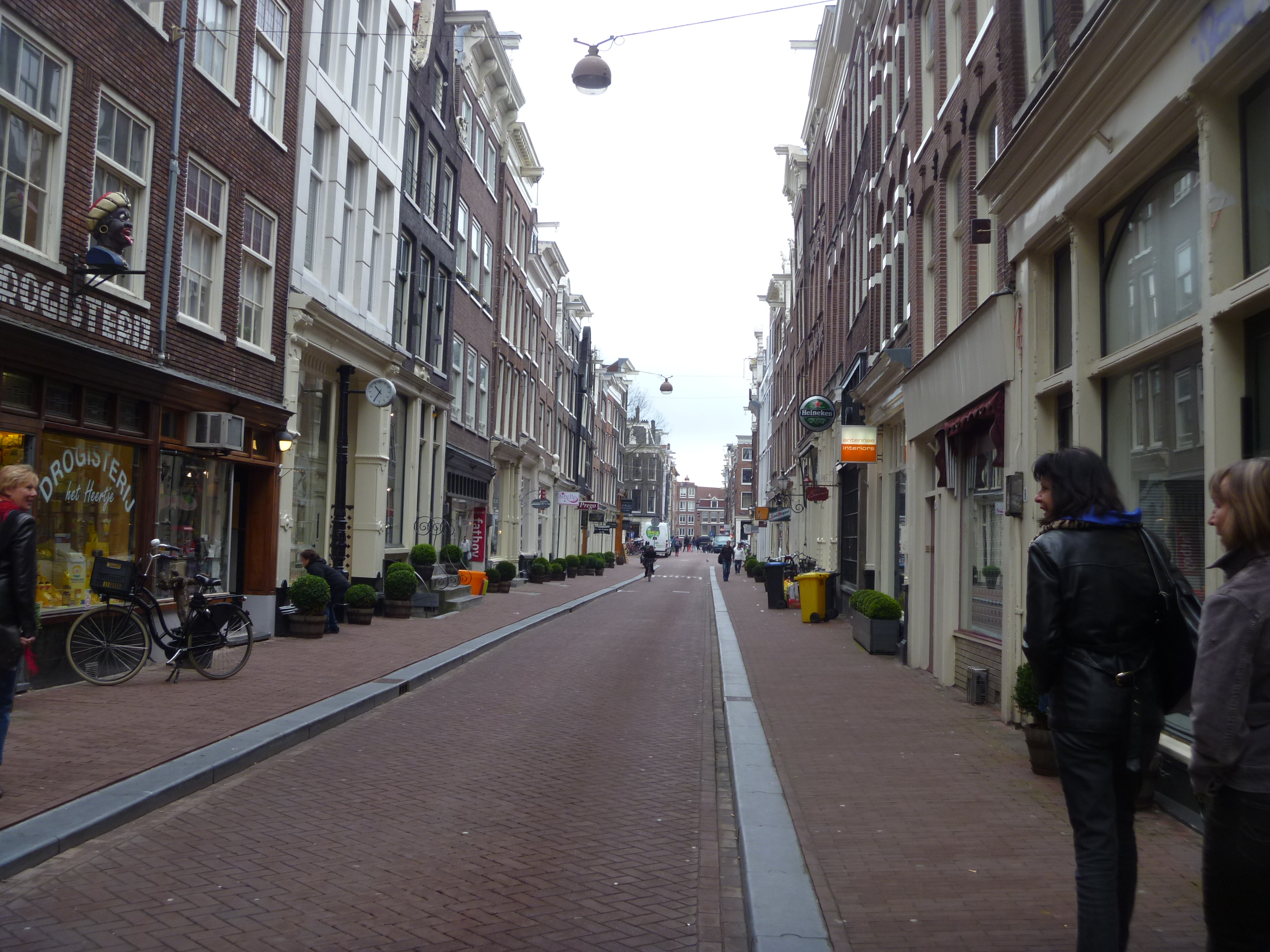
There’s an area of Amsterdam, very near to our digs, called The Nine Streets  [De 9 Straatjes]. On our first morning we found ourselves wandering along the nine streets, popping into cafes for sustenance and to warm ourselves, calling into boutiques, shoe shops, design shops, galleries and studios, trying things on and generally having fun spotting the unusual. We also took lots of photos.

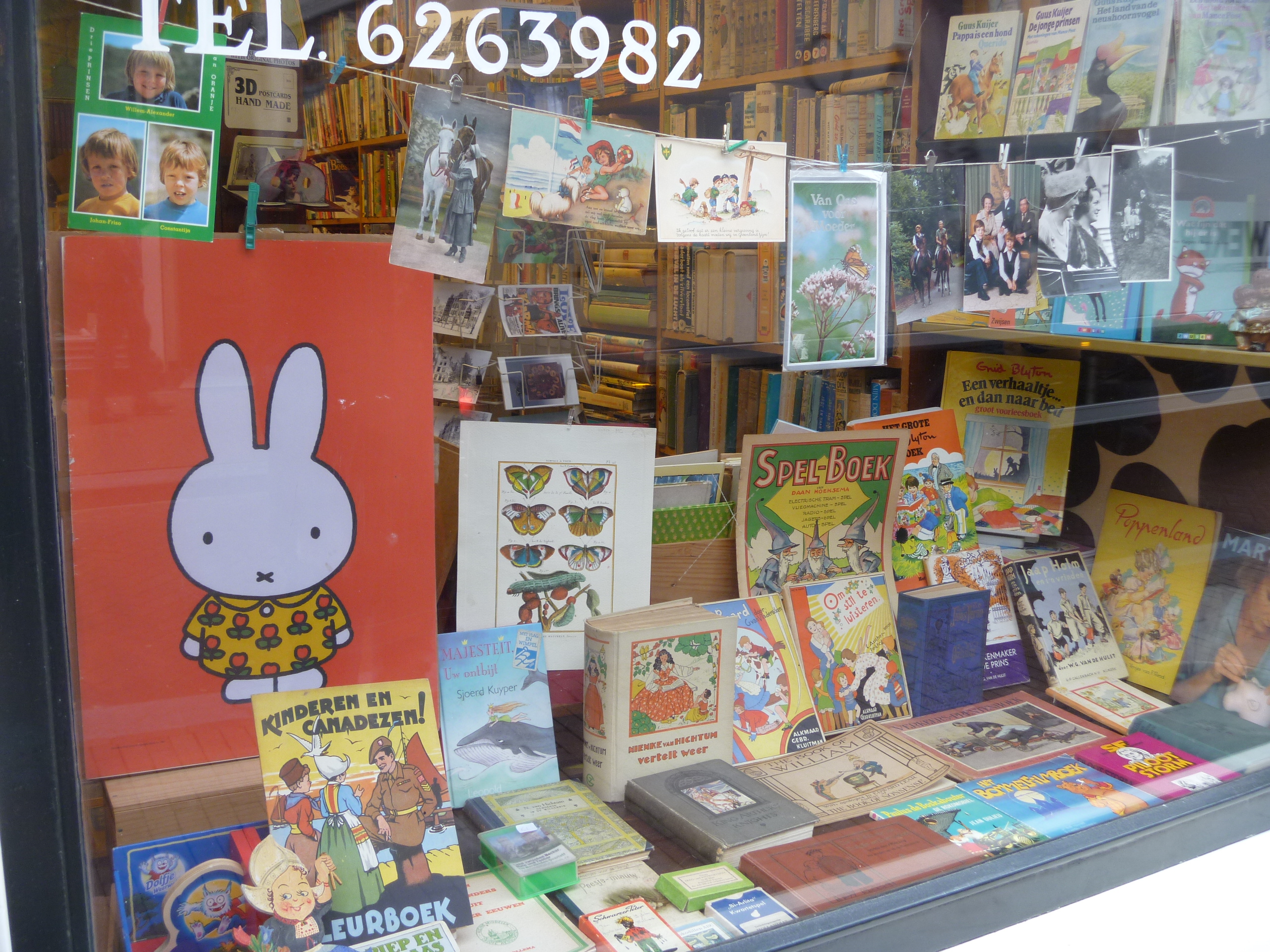
Antiquariaat Culturel

Gasthuismolensteeg 4

Culturel is run by Hans and Ina Cramer, who I like to imagine spending their non-working hours amid a snug muddle of crosswords, sleeping dogs and homemade cake. Their business oozes quintessential second-hand bookshoppishness, with precarious towers of tomes and ceiling-to-floor shelves crammed with literature, art and history books hand-picked by Ina. None of them is catalogued; there is no computer, let alone a website, or even a till. Among other books, I have bought an Esperanto translation of The Little Prince here, and also a copy of The Diary of a Nobody, mainly because I liked the fact that on the inside cover Hans has written ‘very funny’.”  From an article in the Guardian in 2008 : Amsterdam: literature’s capital city

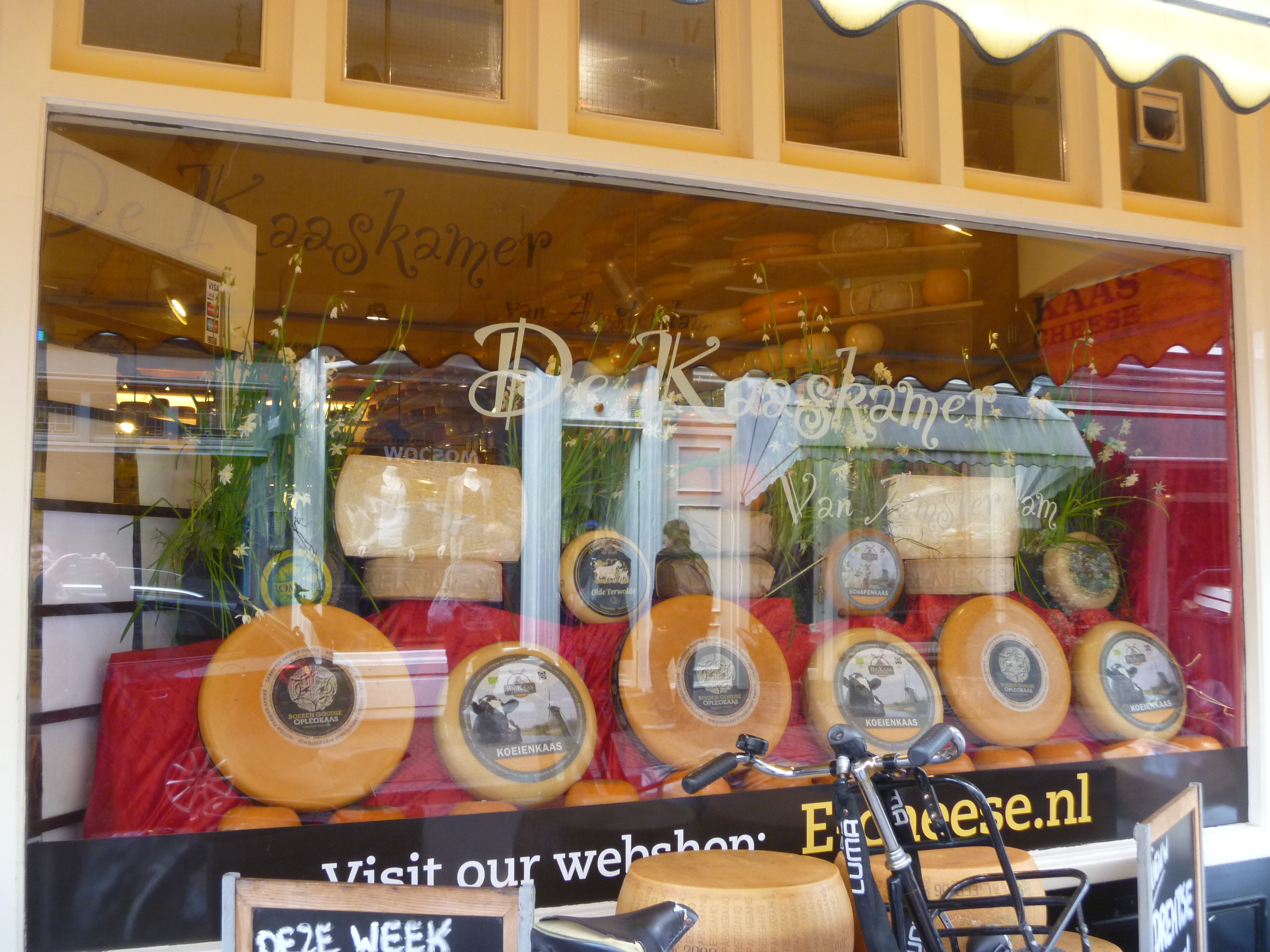
De Kaaskamer – The Cheese Shop (7, Runstraat)

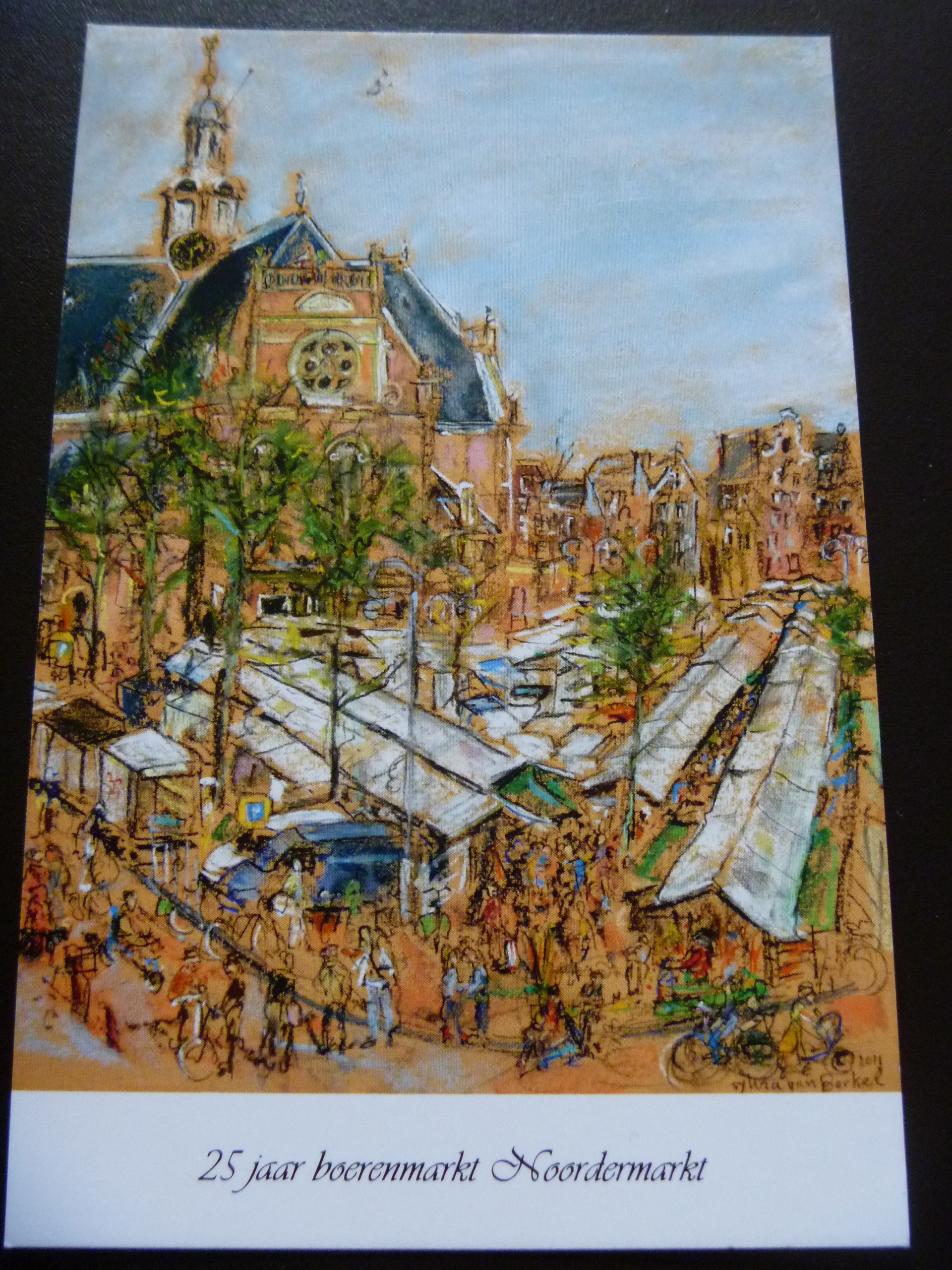
The Noordermarkt celebrates its 25th birthday on 5 May 2012.

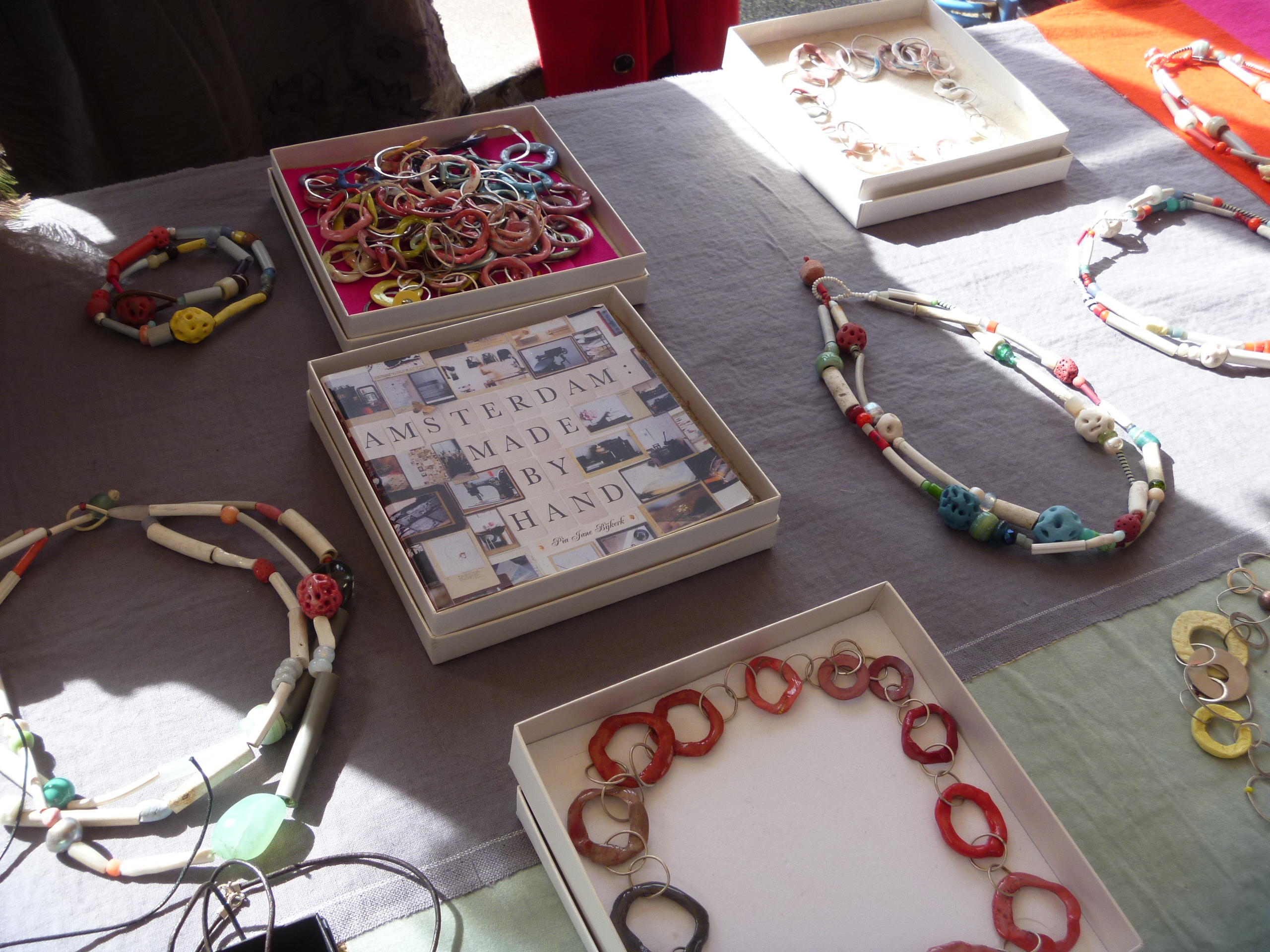
Akelei on the Noordermarkt

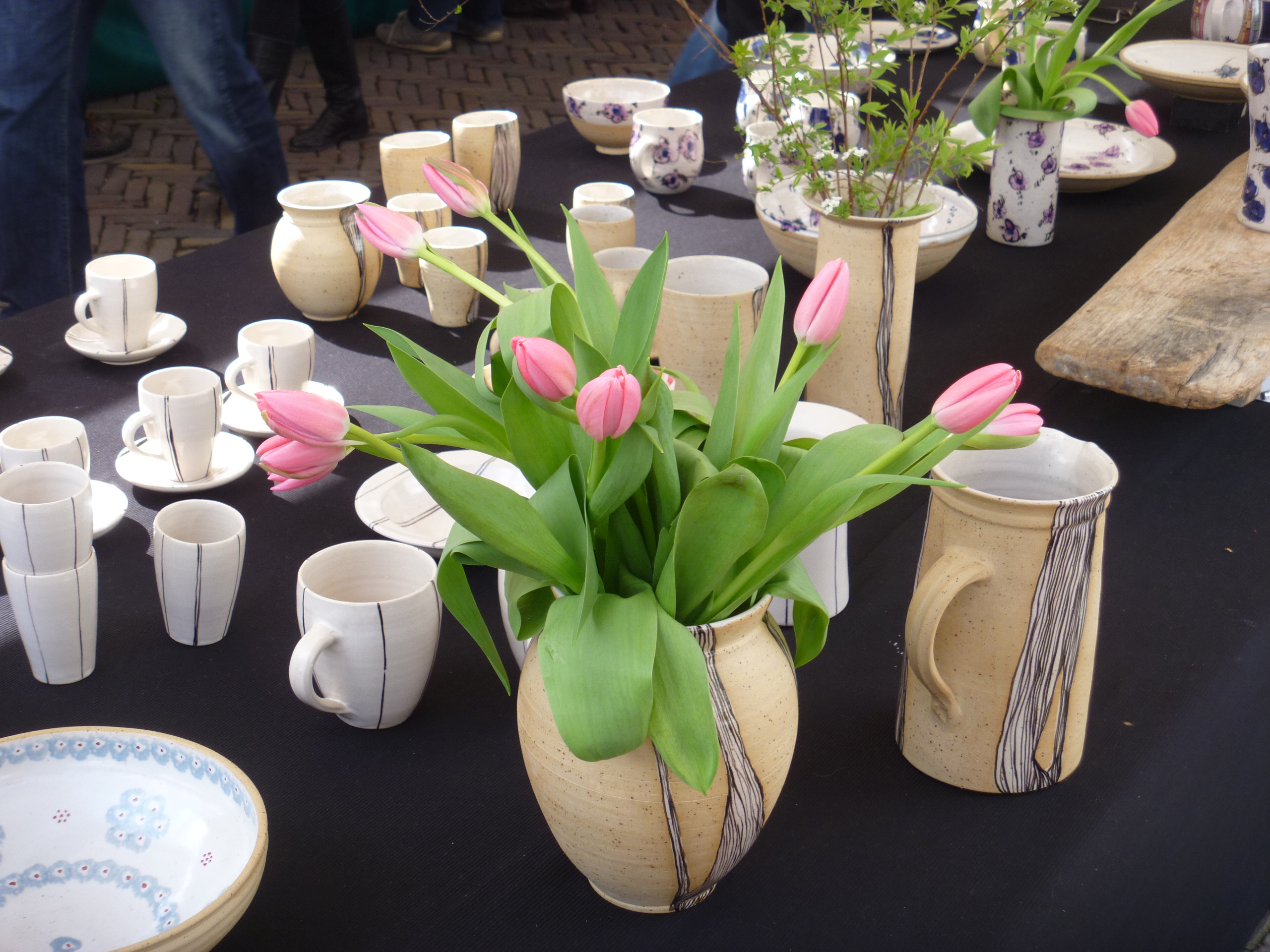
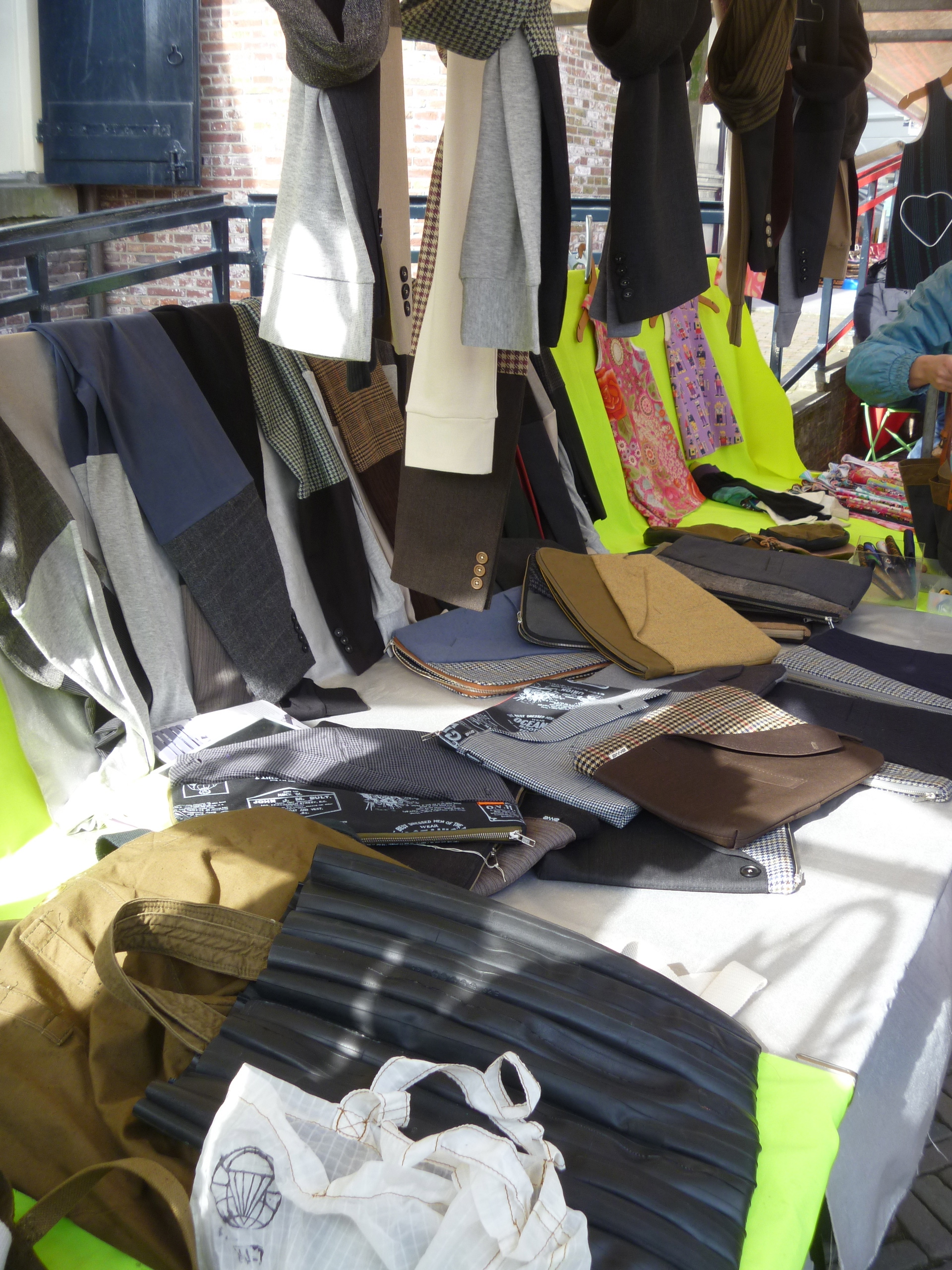
The Noordermarkt, also very near our place, lies in the shadow of the Noorderkerk just by the Prinsengracht. Mainly it’s an organic farmers’ market with stalls of mouthwatering fruit and vegetables, spices and herbs and homemade honeys and preserves. It operates on Saturdays and in addition to the food stalls there are several secondhand and ‘made by hand’ stalls, including Akelei (jewellery),  Anne (recycled clothing and stuff) and Anna Maria Preuss.

Anna Maria Preuss stall, Noordermarkt

Anne’s Stall, Noordermarkt

On our Saturday morning the sun shone and we sat outside by the church where a band of musicians played Russian music and we watched the world go by.

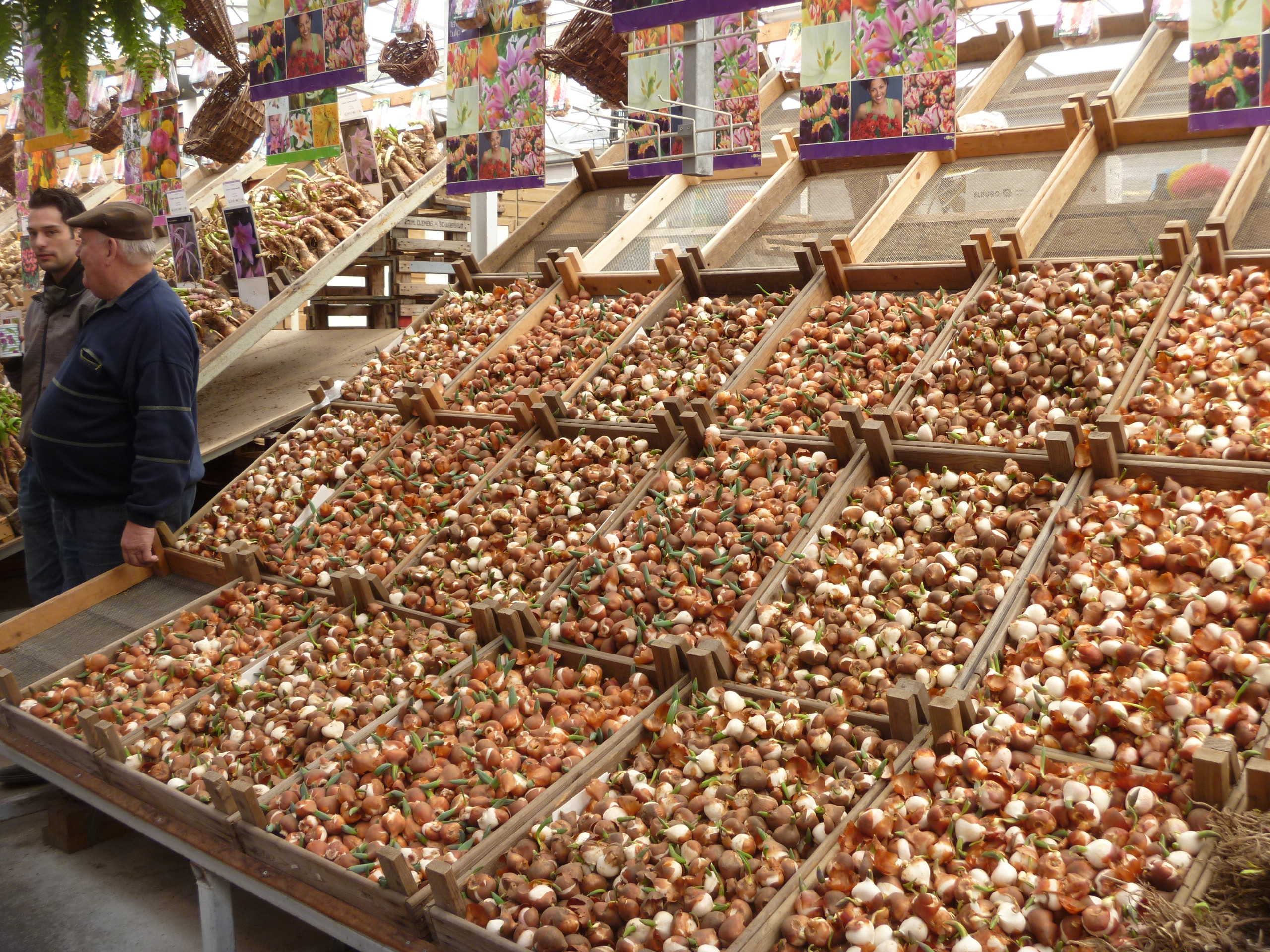
Then it was on to the famous daily Flower Market by the Singel canal – a good place to stock up on bulbs to take home!

Herengracht Life

Before the weekend just past I was last in Amsterdam in the late 1960s when it was all hippy and flower power and full of people sleeping rough and doing I don’t know what. I was on a cycling holiday and staying in a Youth Hostel outside the city by the Zuyderzee. I was not impressed by Amsterdam and couldn’t wait to get back to Broek in Waterland.

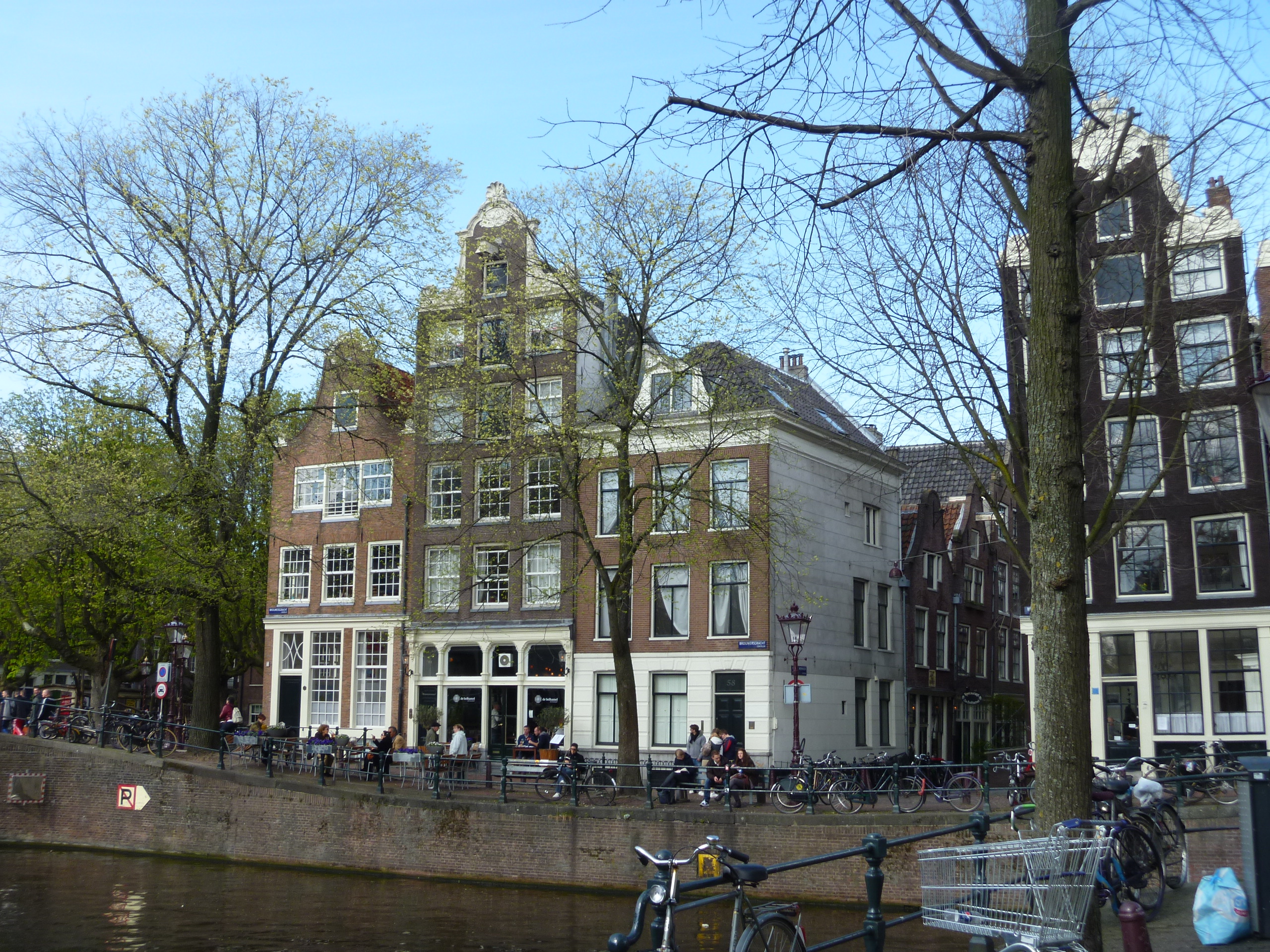
My previous impression of the city has been totally overturned. I love it! And I especially love the area where I stayed with my 2 Swiss friends. Our Dutch friend has a lovely flat nearby too. Of course, this Amsterdam canal ring is now, not surprisingly, a UNESCO World Heritage Site.

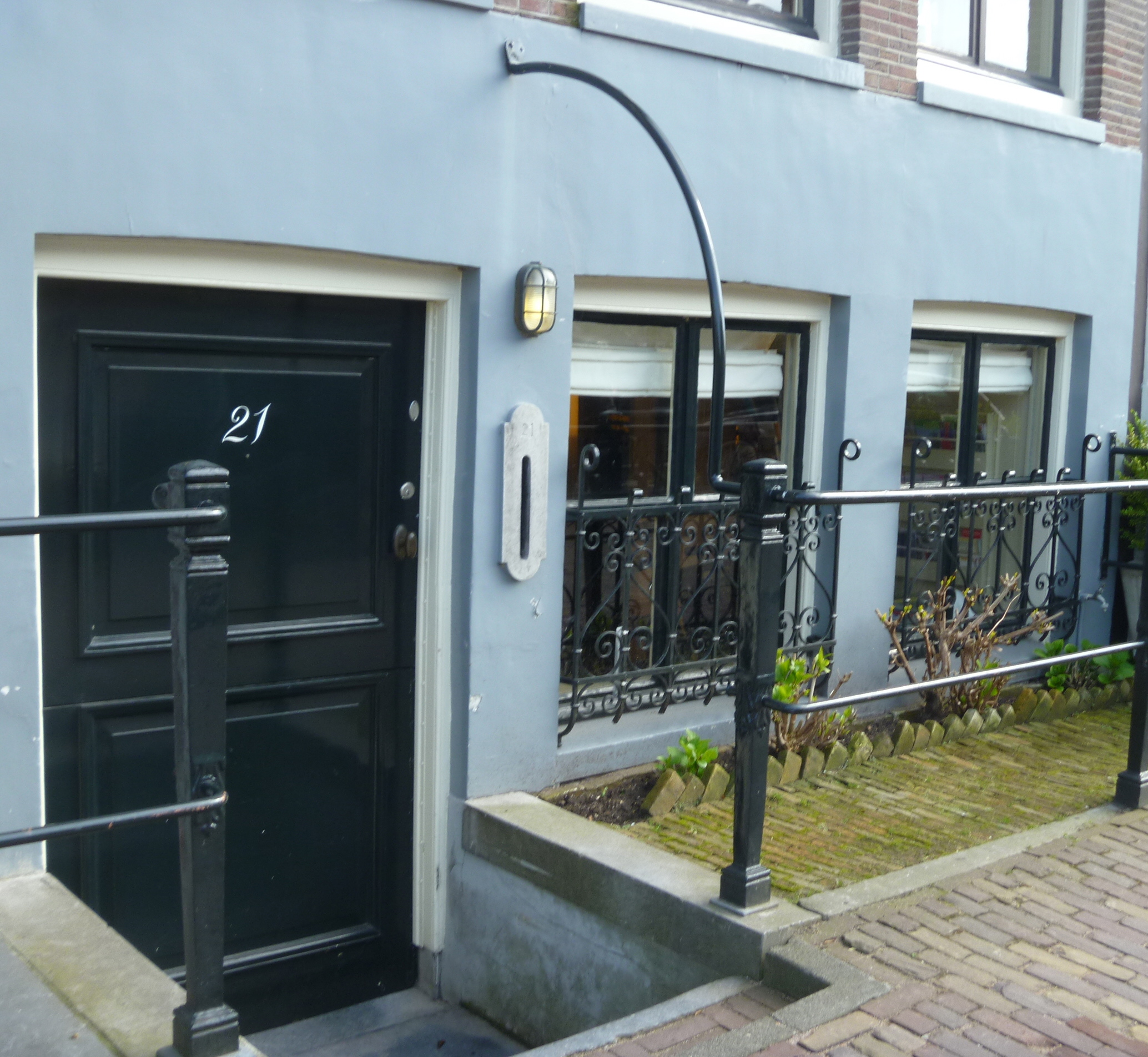
Our B&B was at 21 Herengracht in one of those so picturesque 17th century canalside houses of which Amsterdam is famous but which I didn’t even notice on my previous visit. Loes, our host, explained about the plan of the house – the narrow canal frontage was because the houses were taxed according to their width, the house is really 2 buildings linked by a covered passage (some houses still retain this tiny courtyard) – our duplex apartment on the second and third floors was reached by a very very narrow spiral staircase and situated in the ‘servants’ house at the rear of the building.

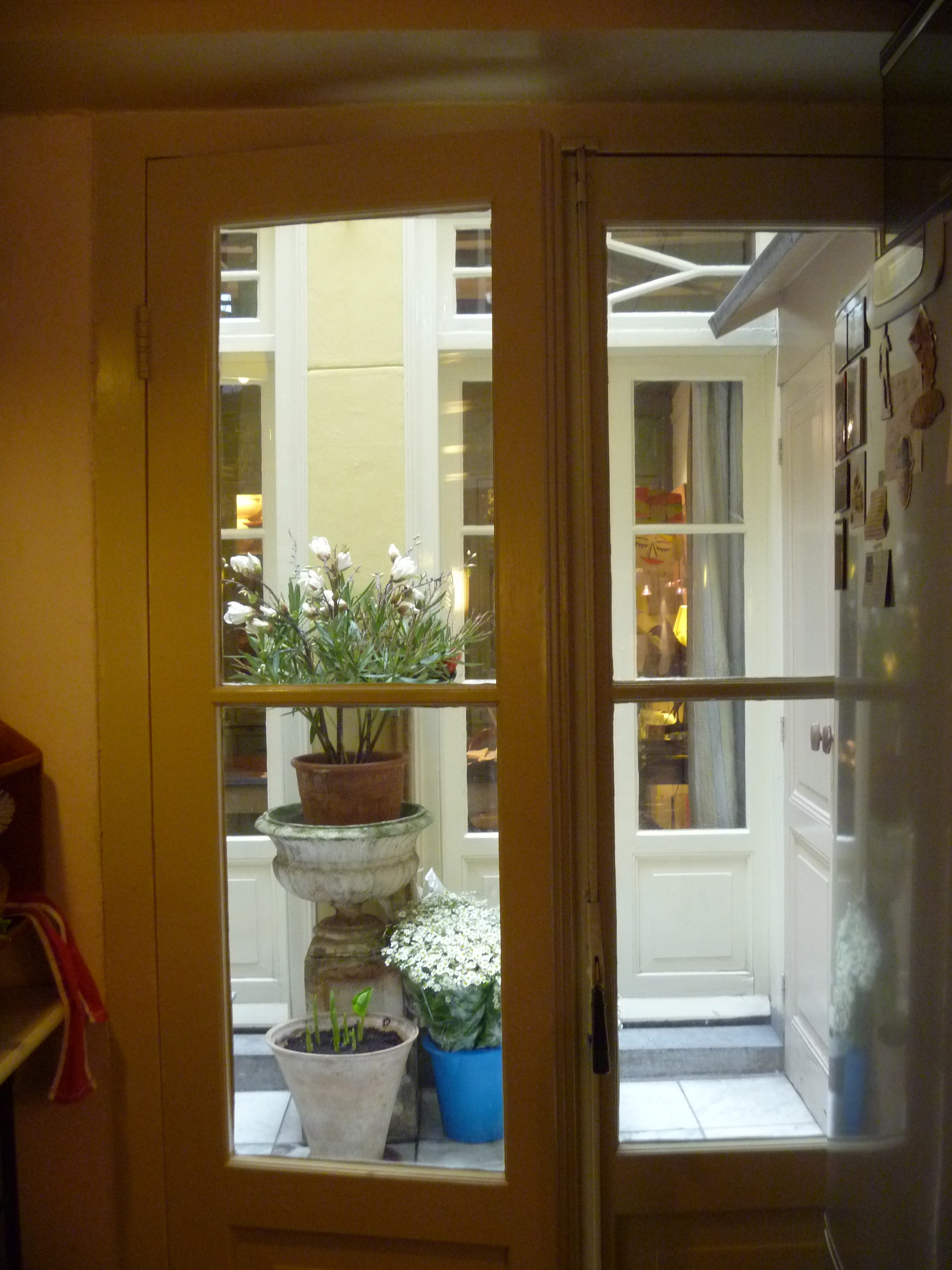
Courtyard within the house links the front with the rear building.

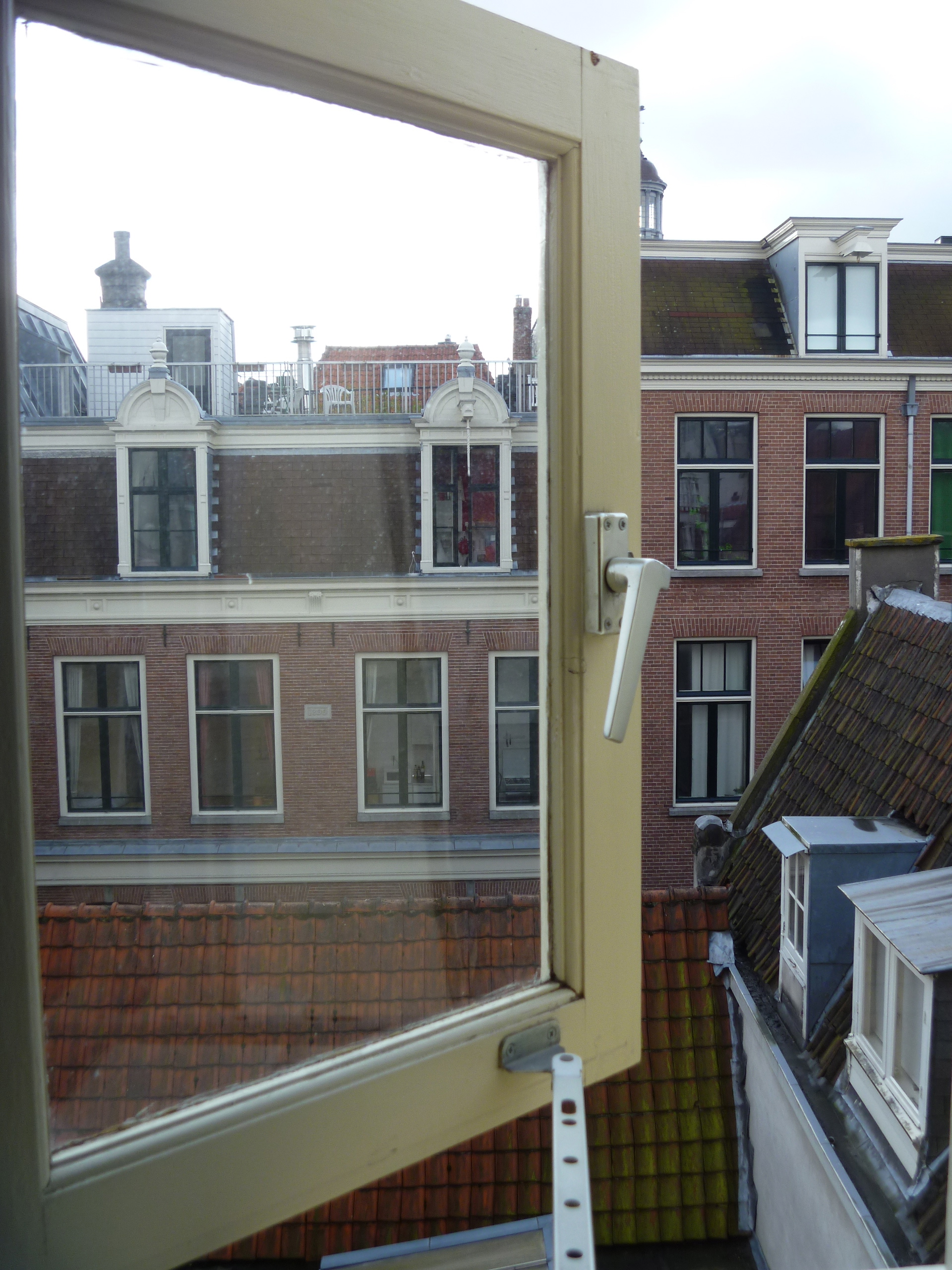
Rooftops of Amsterdam from our rear window.

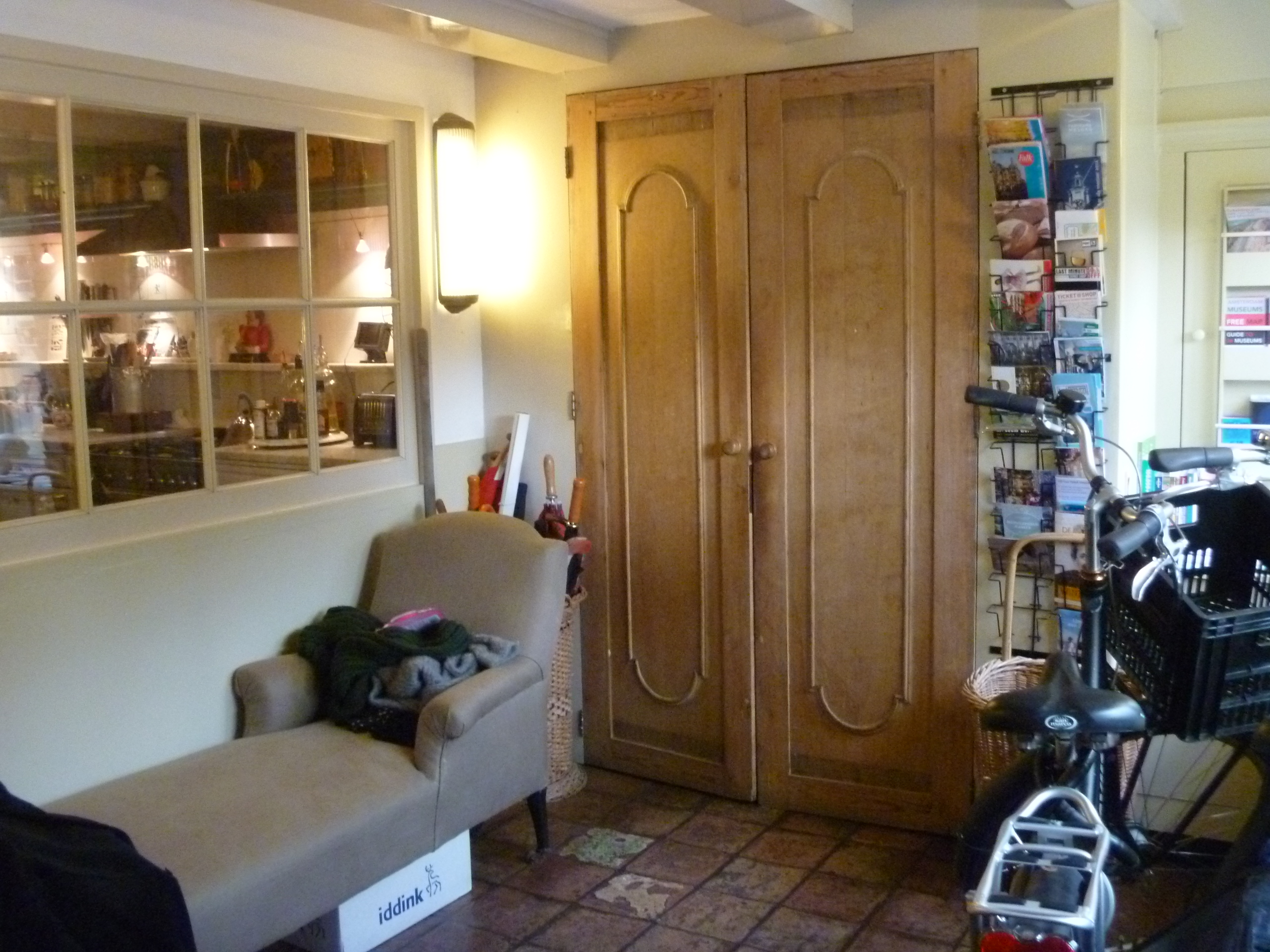
Entrance lobby with obligatory bike!

Within 5 minutes walk of the Centraal Station, past the multi-storey bike park, the Herengracht, Keizersgracht and Prinsengracht in this part of town are an oasis of calm and seemed totally tourist-free and almost totally car free. The bikes however could have proved hazardous – but we soon learned to look out behind us and step back onto the narrow pavement as we heard a tinkling bell approach.

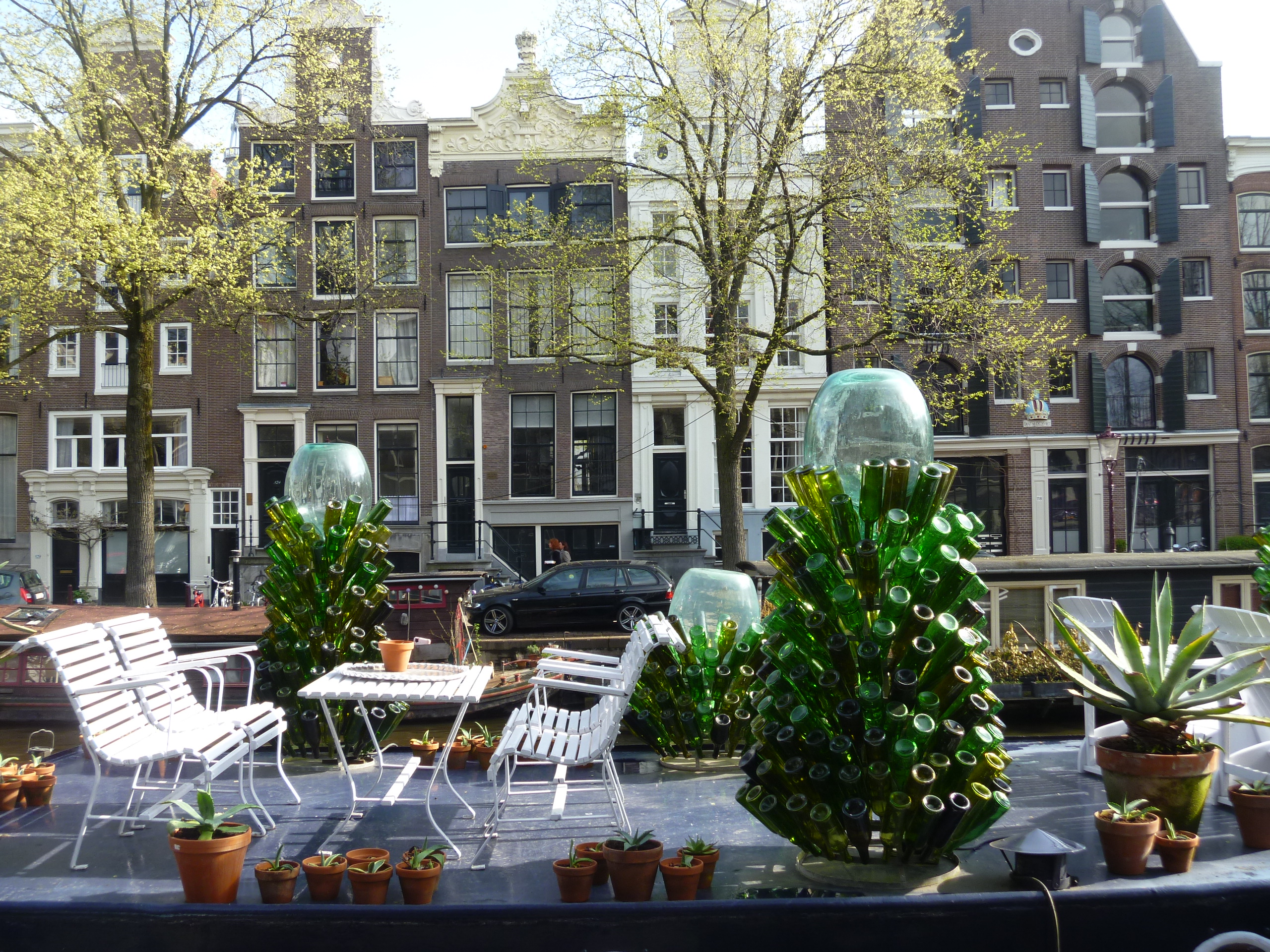
Houseboat garden with sculptures!

Of course, the folk of Amsterdam don’t just live in these picturesque houses by the canals, they also live in houseboats on the canals. Due to housing shortages in the 1960s and 1970s living in houseboats here was positively encouraged by the city council.

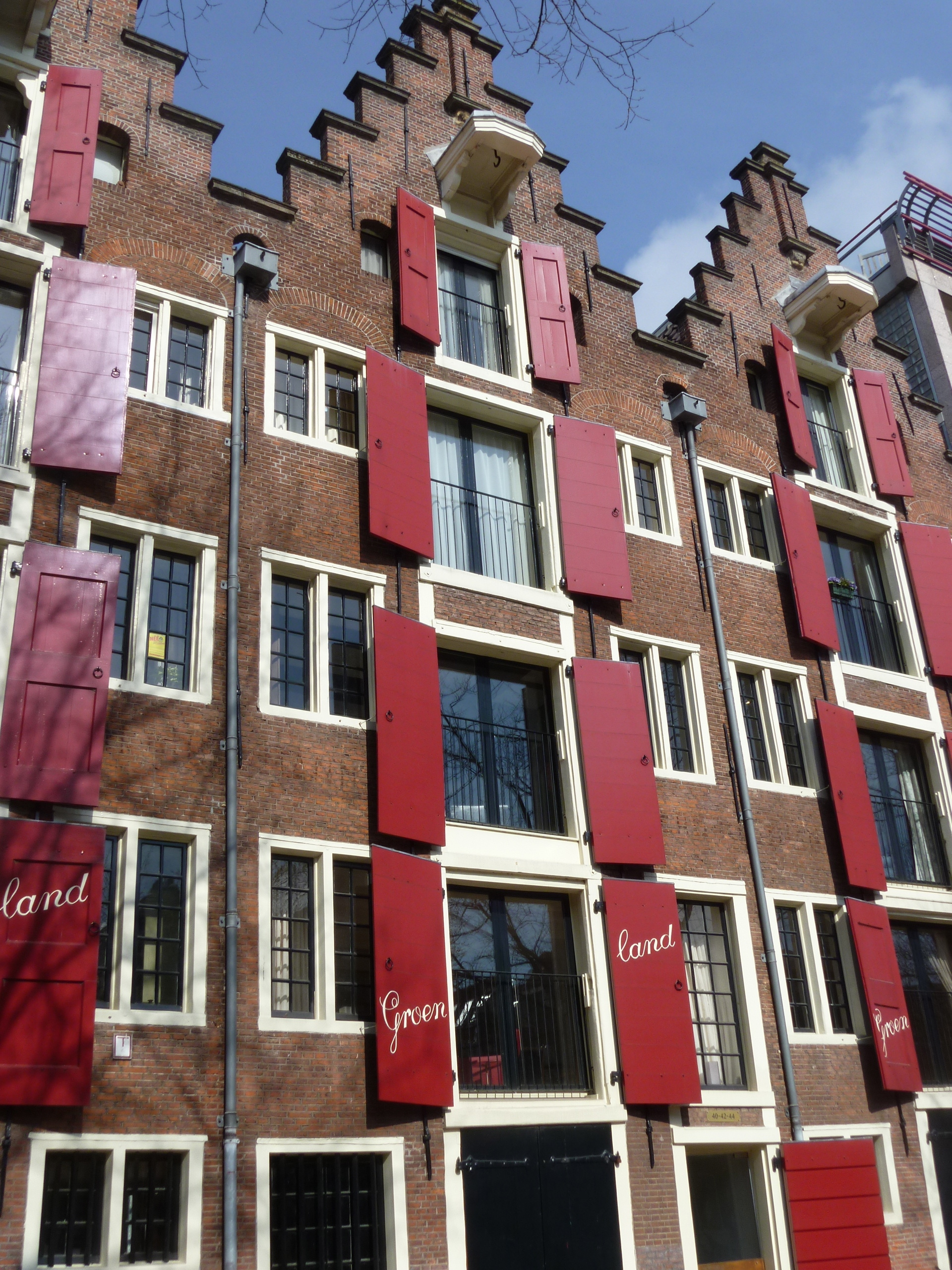
I’ve written about whaling here before. My friend’s flat on the Keizersgracht is situated on the ground floor of a 17th century whaling house [Walvissenhuis]. That is why the shutters have ‘Groenland’ written on them.

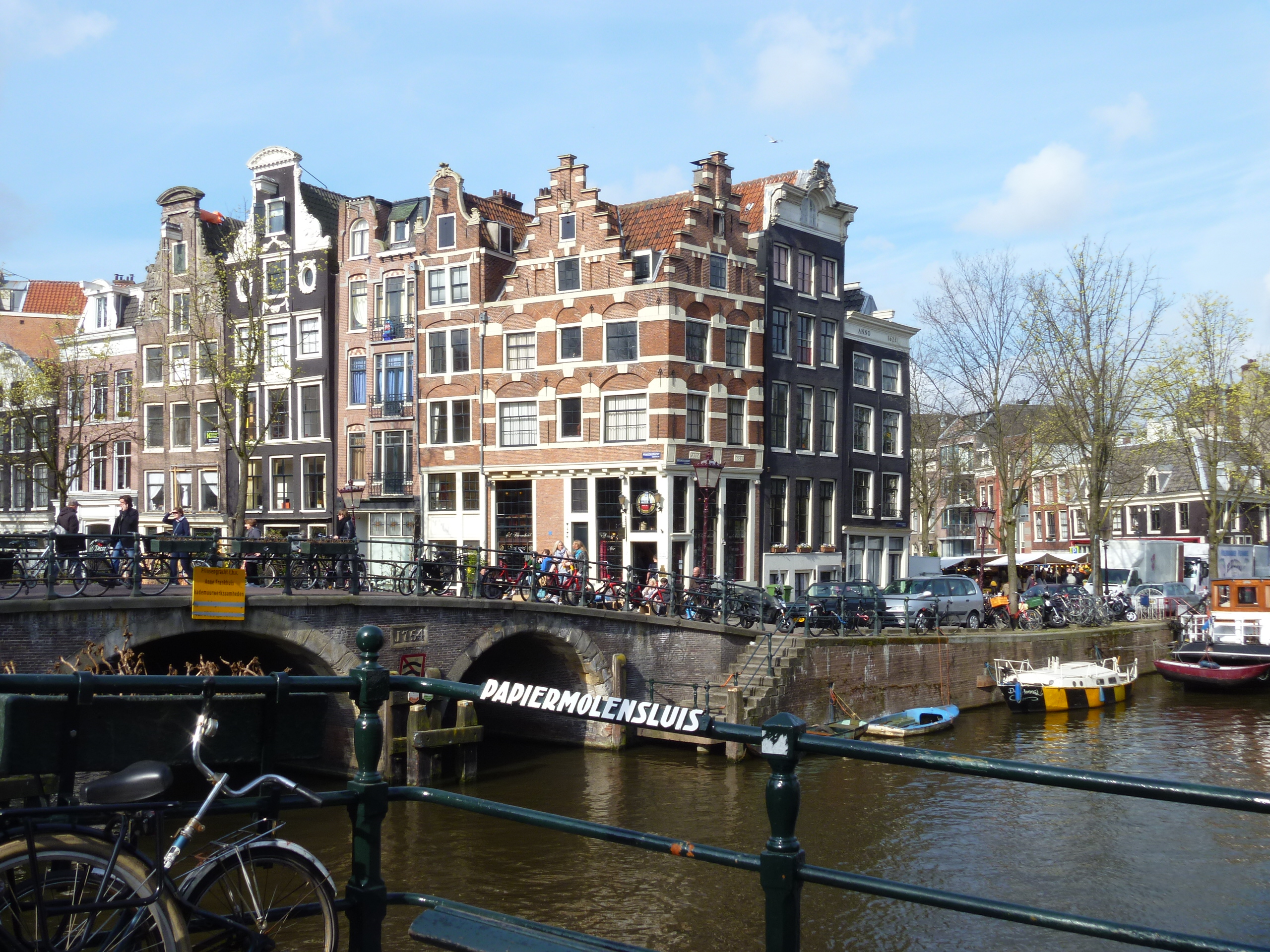
It was so relaxing to meet up at the Cafe Papeneiland at 2 Prinsengracht (right in the middle of the picture). It is a typical Bruin Cafe whose walls have turned brown from generations of cigarette smoke of the local regulars who meet here at all hours.

I can’t wait for another taste of Herengracht life!

Good Things in Ghent : Music, Art and Good Company

I have been in the Low Countries for a few days and in particular in Ghent and in Amsterdam. As mentioned in a previous post here I have a lovely set of friends made through my online Reading Group. One happens to live in Brussels just now and another found herself travelling to Belgium with her choir. At just the same time I had a couple of spare days before a long-planned trip to Amsterdam. So what could be easier and more enjoyable than to bring forward my flight, book a train from Schiphol to Brussels and spend a day with these two friends? A kind invitation to stay in Brussels proved impossible to resist and thus I found myself last Wednesday in both rain and shine in the interesting city of Ghent.

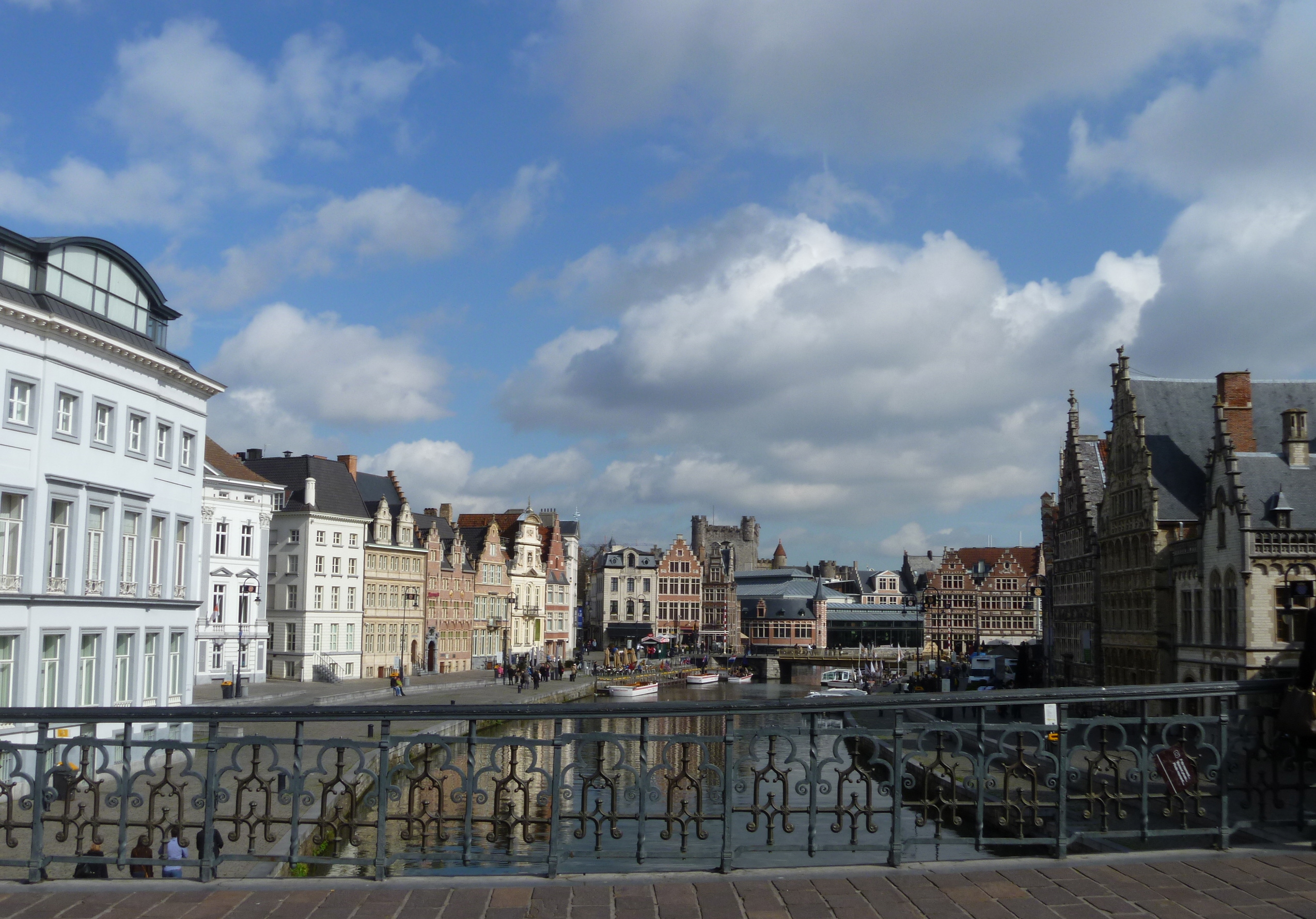
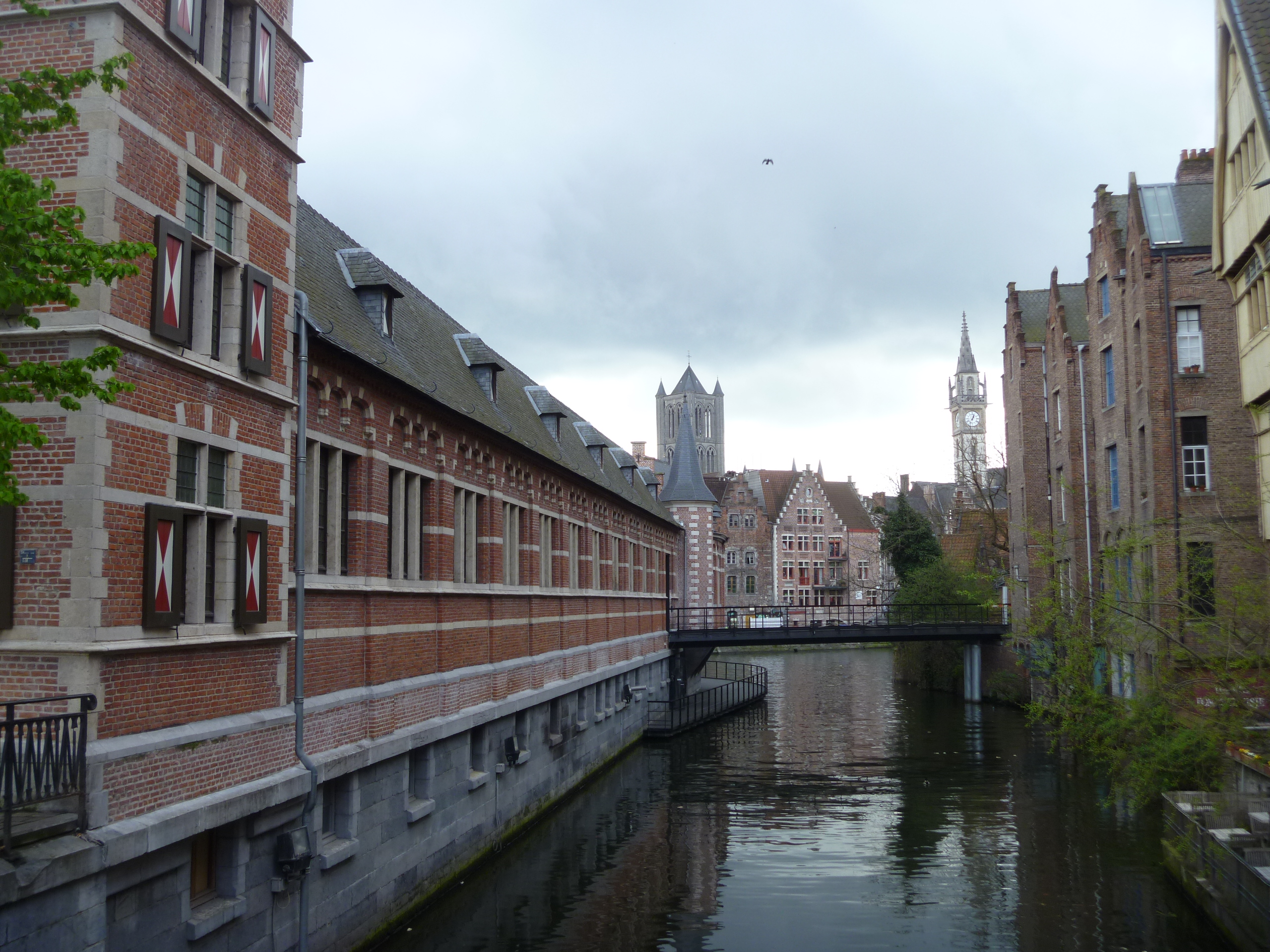
There was much chatter, some eating and drinking and quite a lot of walking during the day. Ghent has some lovely old buildings especially those Guild houses overlooking the canals and some huge churches.

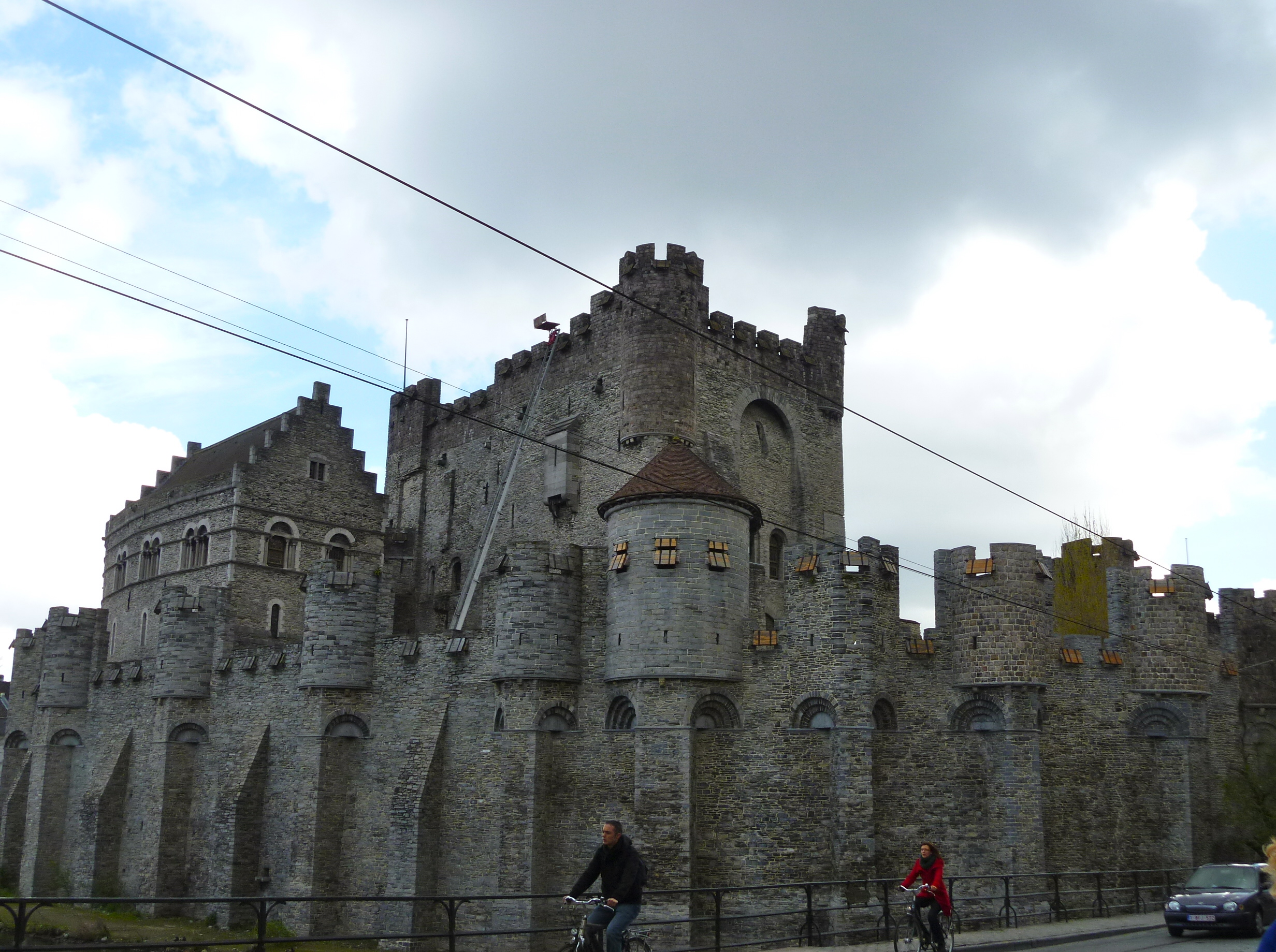
Het Gravensteen Castle, Ghent

The two highlights were a visit to St Baafs Cathedral, where we spent over half an hour inspecting Jan Van Eyck’s “The Adoration of the Mystic Lamb” in the Baptistry. The amazingly vivid colours are only a part of this exquisite multi-panelled treasure of Ghent. Included in the entry price is an excellent audio-guide explaining not only the symbols, characters and settings represented in the painting but also its fascinating history. One panel was actually stolen on the night of 10/11 April 1934. That panel has never been recovered. It is quite remarkable that this huge and complex altar piece has survived until today. Read more about it here.

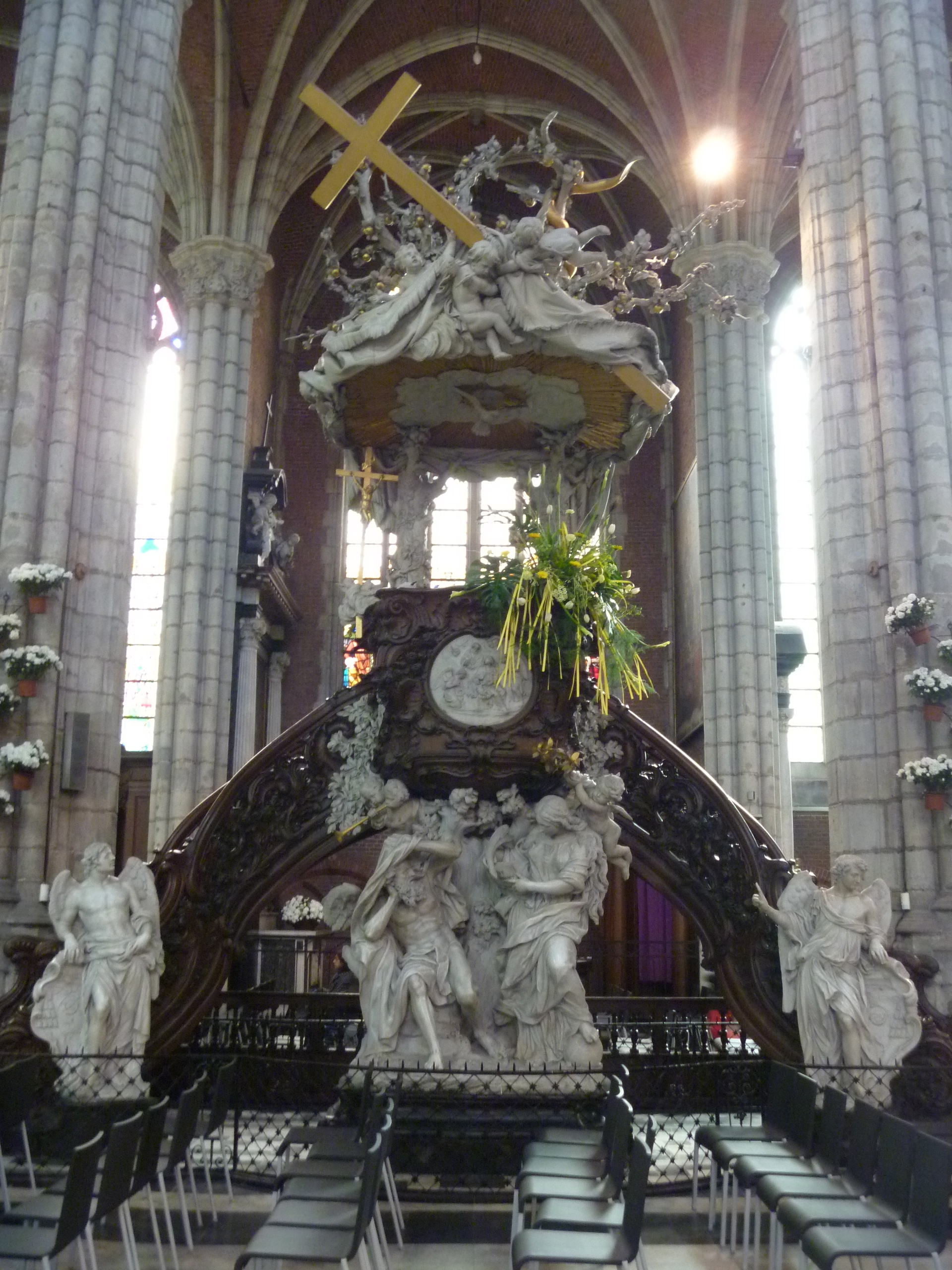
The Baroque Pulpit in St Baaf’s Cathedral

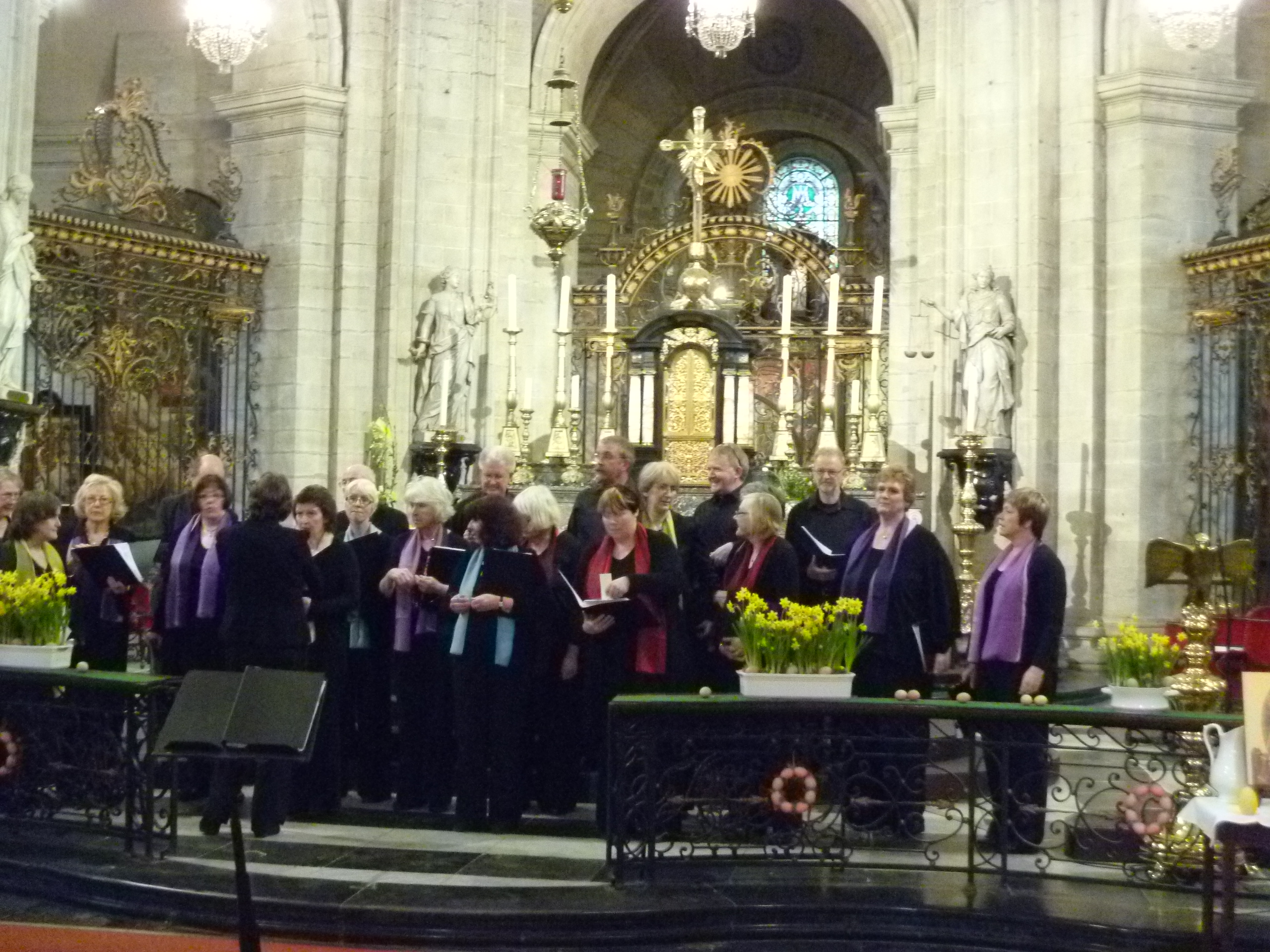
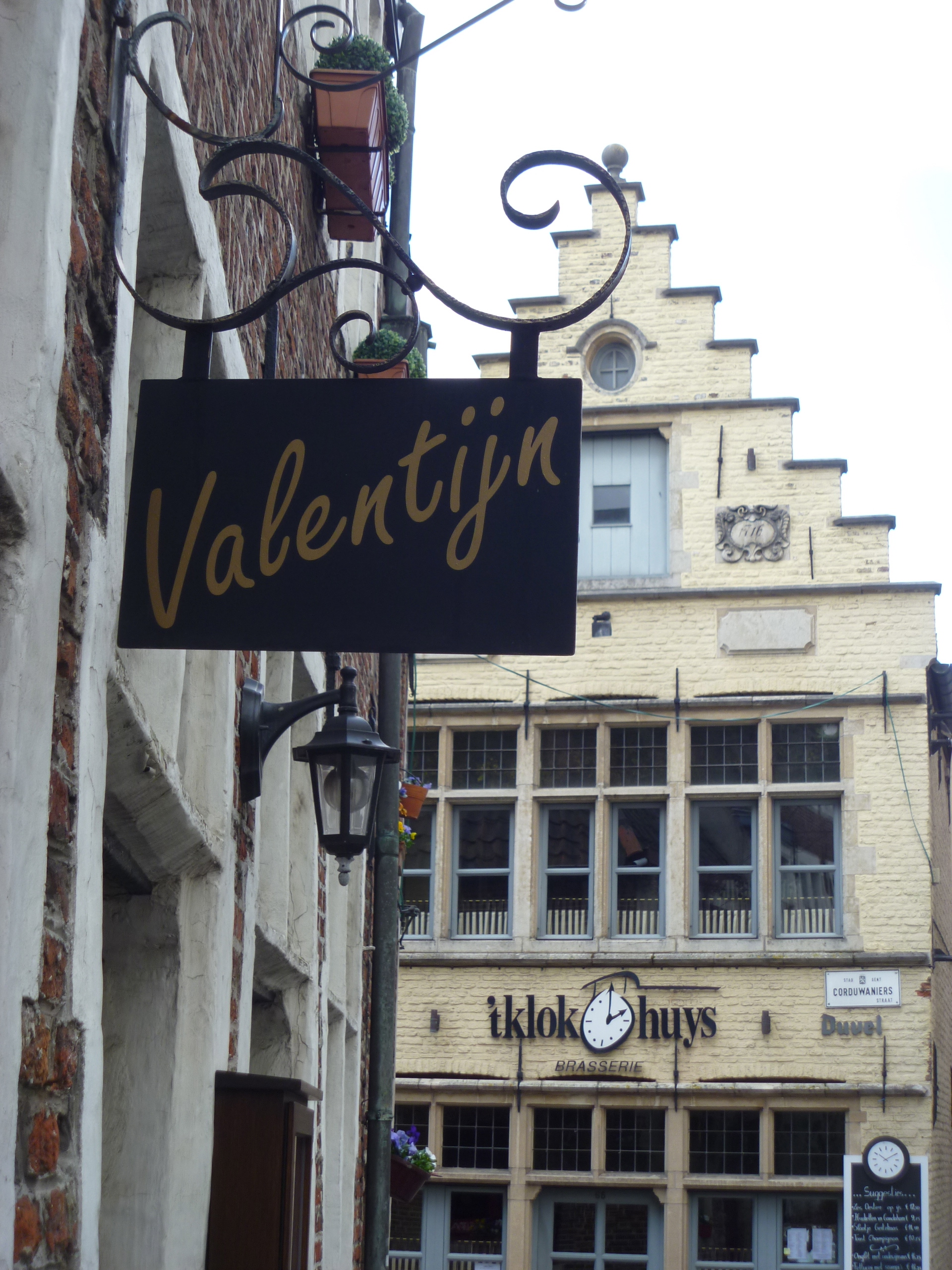
The second event was attendance at a concert during the afternoon at St Pieter’s church, about a 15 minute walk from the city centre. The Valentine Singers from London were performing 3 concerts in Ghent (including one in St Baaf’s Cathedral). Interestingly Ghent was appointed Unesco City of Music in 2009.

It was great to see and hear our friend in performance as we have long known about her musical career. The varied concert of church-related songs included a beautiful canon “Praise God” by Thomas Tallis and other songs by English composers – including Purcell and Elgar. There were works by Schubert, Bruckner, Saint-Saens and others and some Negro spirituals. We joined a fair-sized and very enthusiastic audience but even a full house would have looked minuscule in this vast Ghent church.

The Valentine Singers prepare their next piece in St Pieter’s Church, Ghent

All too soon the good things in Ghent came to an end and the two of us returned to Brussels.

As with many of our “meets” this one also produced further ideas worthy of investigation and upon which we may centre future meetings.

Taking Time at Waddesdon Manor – Diderot’s ‘Great Magician’

Blockbuster art exhibitions are all very well but to my mind Small is Beautiful.

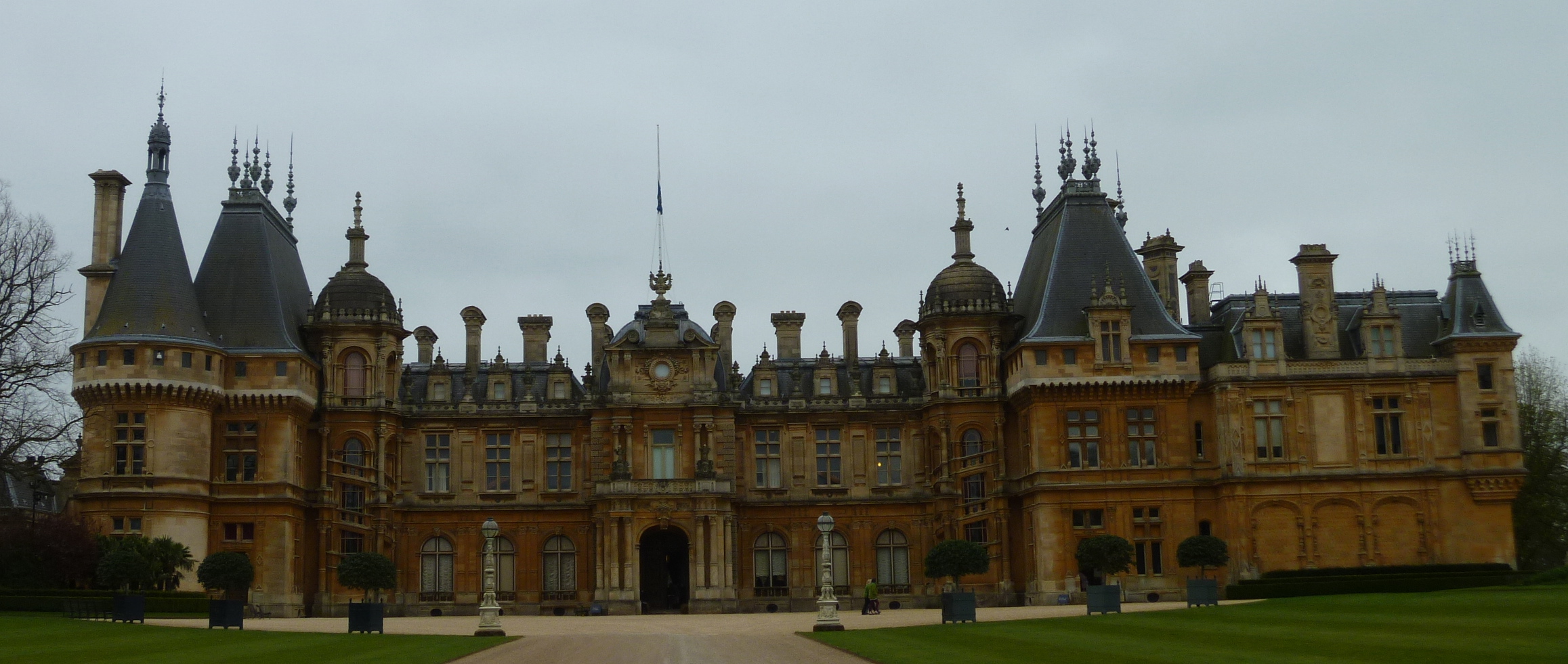
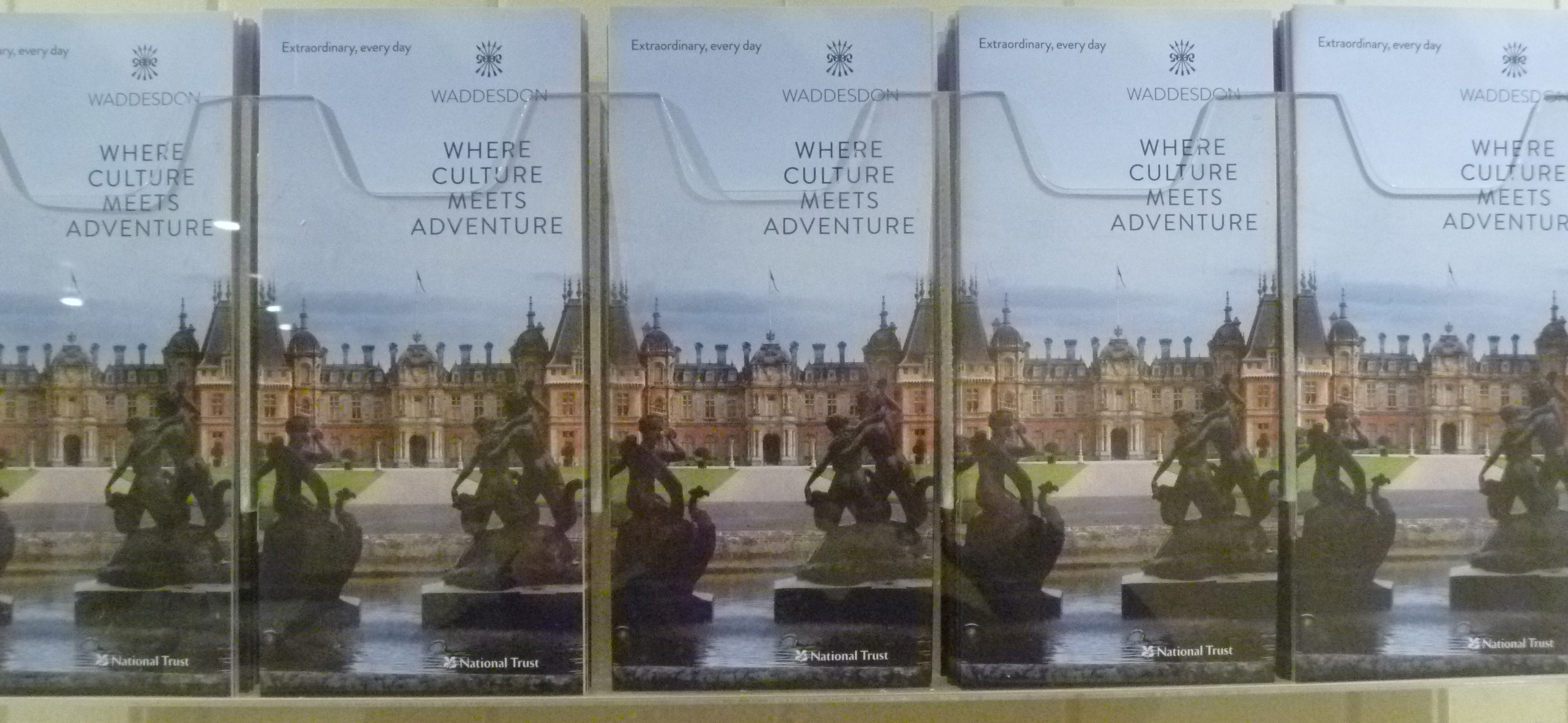
Waddesdon Manor is a vast stately pile sitting in acres of grounds atop a hill and overlooking the neighbouring countryside in the county of Buckinghamshire. Baron Ferdinand de Rothschild planned and built Waddesdon during the last decades of the 19th century  as a country retreat  in the style of a Loire château. It was designed for him by French architect Gabriel-Hippolyte Destailleur.

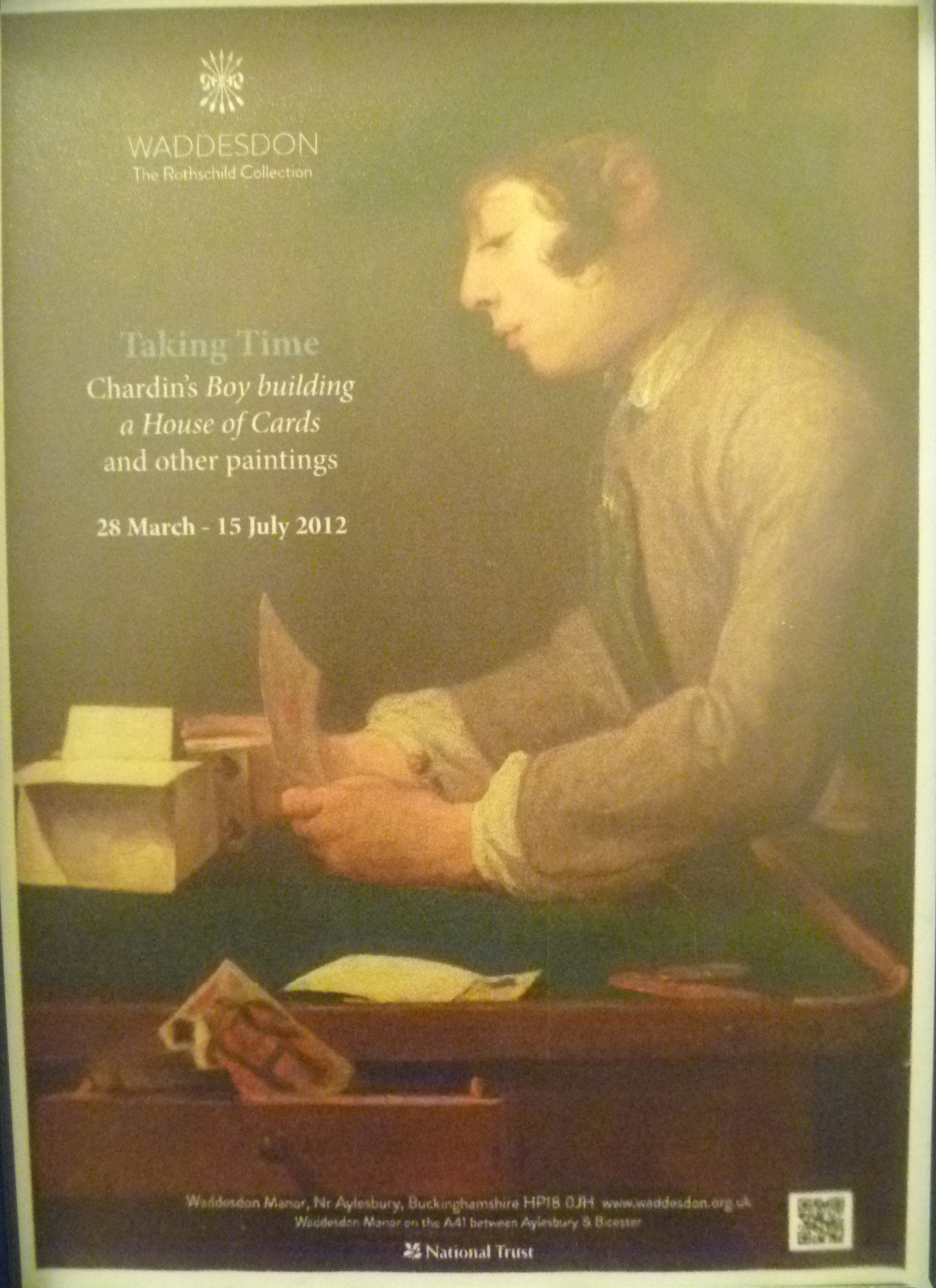
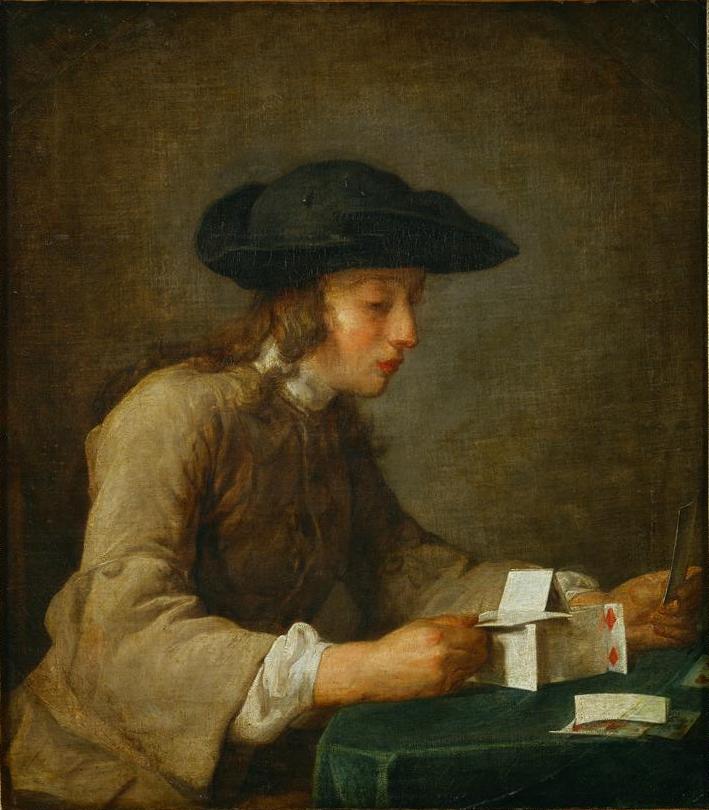
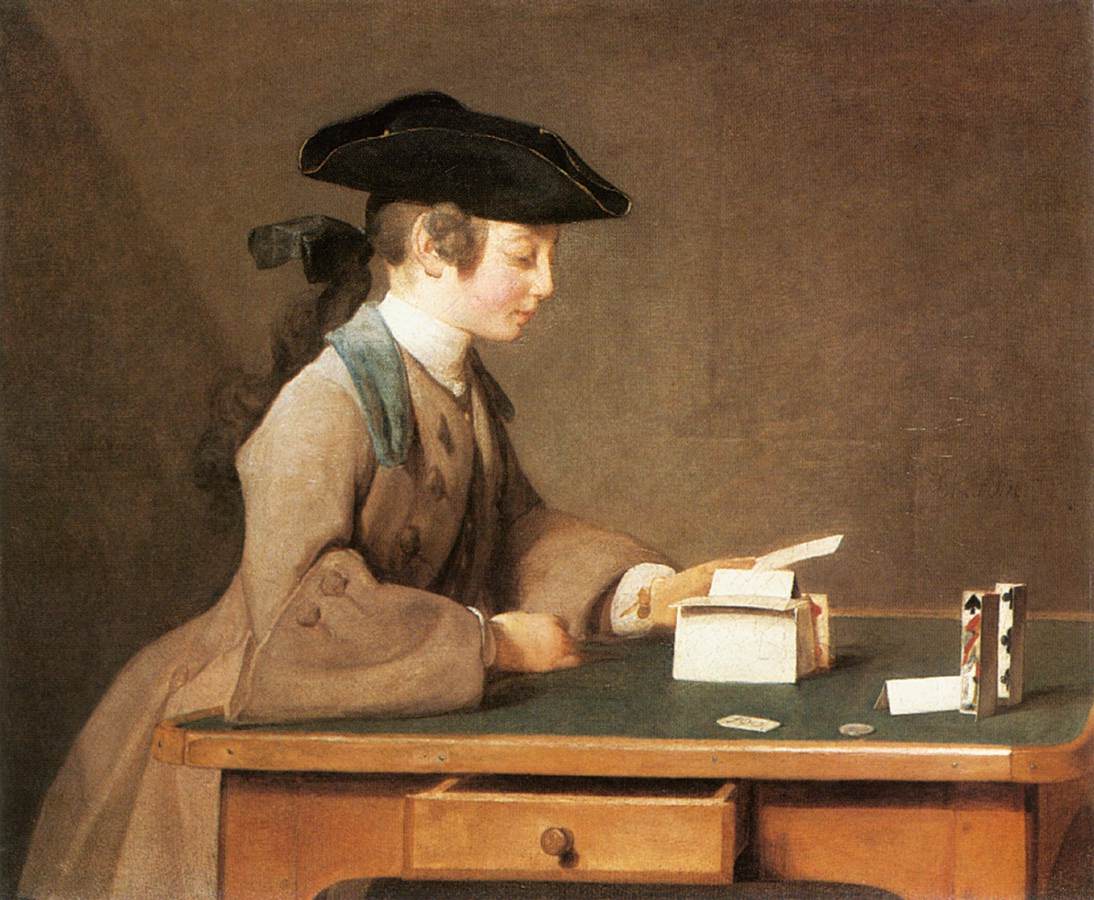
Our main intention for driving  from Stratford to Waddesdon was to view the recently opened Chardin exhibition: “Taking Time: Chardin’s Boy Building A House Of Cards and other paintings”. Jean-Simeon Chardin (1699-1779) lived and worked in Paris at first painting figures and later still life. He moved back to figure painting later in life. The idea for this particular exhibition came about when the Rothschild Trust recently acquired one of the Boy Building A House Of Cards paintings. That painting (shown in the poster above) is exhibited alongside 3 others on the same theme on loan from the Louvre, The National Gallery of Art, Washington and our own National Gallery in London.


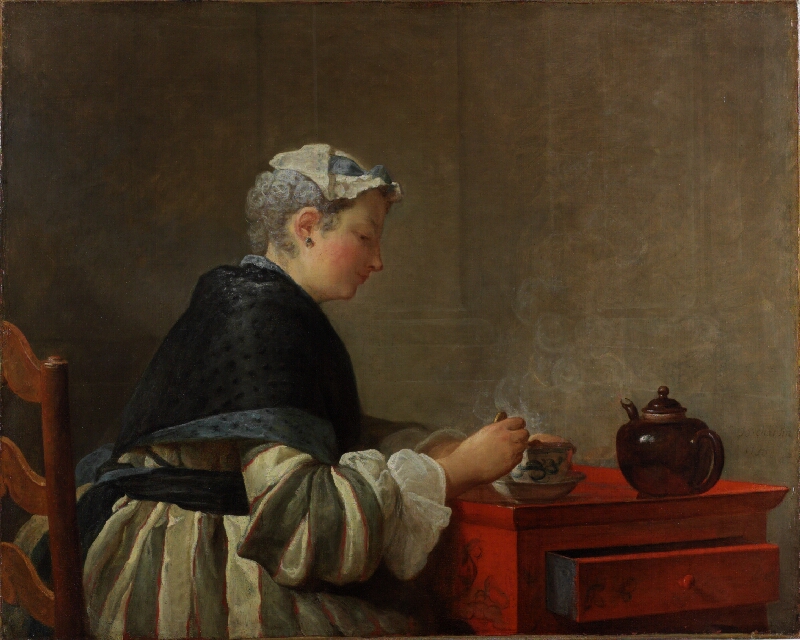
In addition the Trustees and National Trust have assembled several other Chardins including a favourite of mine : Lady Taking Tea (on loan  from The Hunterian in Glasgow):

Photo © The Hunterian Museum and Art Gallery, University of Glasgow 2012

and Girl With a Shuttlecock, 2 Cellar Boys and 2 Scullery Maids, plus engravings and etchings in the style of Chardin from The British Museum and private collections. All in all a delightful glimpse at colours, textures and expressions of 18th century French lives. By calling Chardin a great magician Diderot is saying that it is about – the “magic” of seeing the world clearly. Paying attention. Seeing what is there. (From a Guardian article in 2000).

The exhibition is tucked away in one room towards the end of the house tour. We missed much of the art and furnishings as we passed through the house but we did take a bit of time out to study another temporary display Playing, Learning, Flirting: Printed Board Games from 18th Century France. It was striking to note how similar these board games were to games still played today. We were also intrigued by all the Singerie or Monkey Tricks around the house. Dressing monkeys up in human costume was once a very popular and fashionable pastime: there are paintings and sculptures around the house. I was reminded somewhat of another popular theme also unfashionable in today’s enlightened times – the Blackamoor or Negro slave.

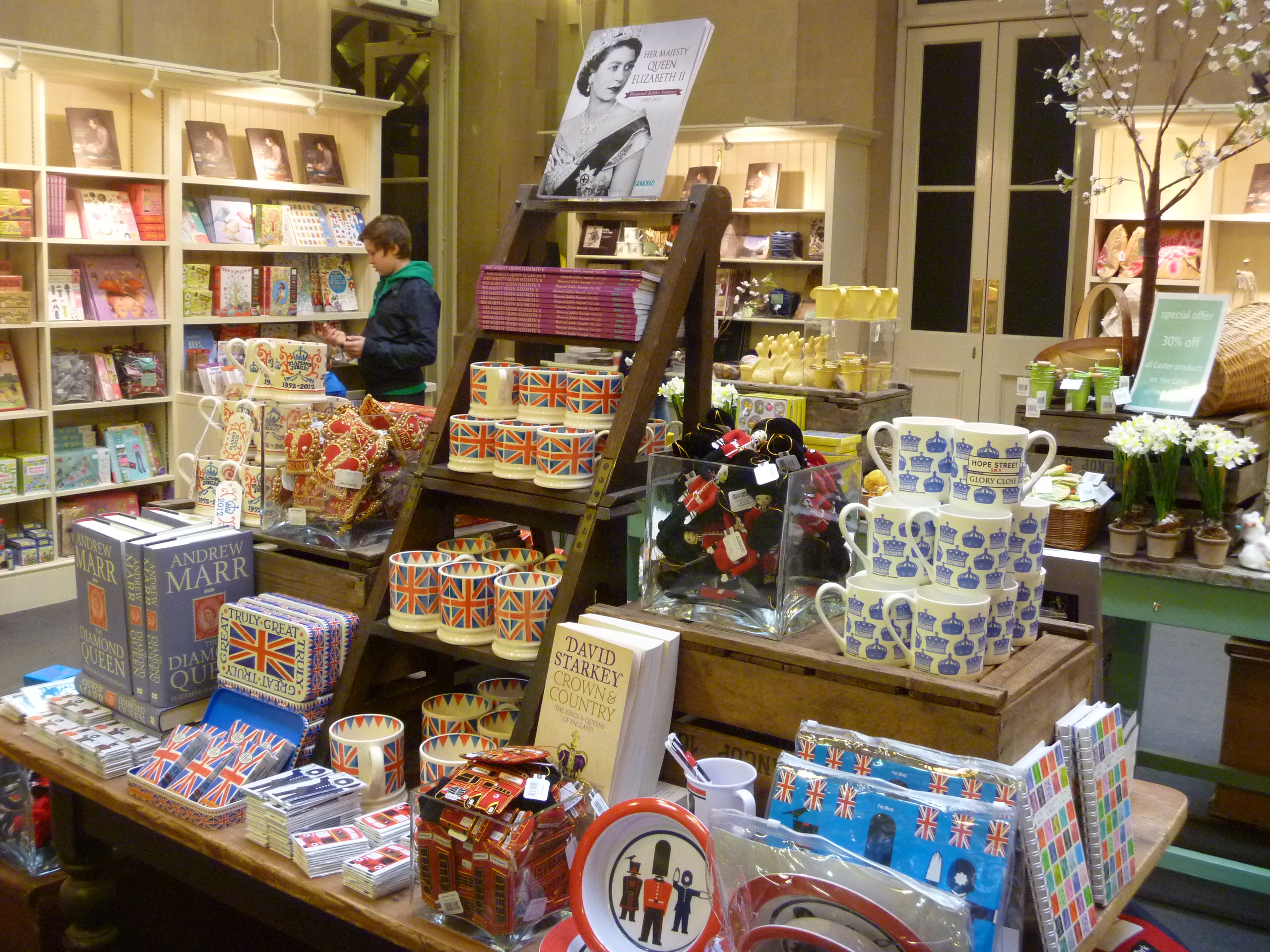
We enjoyed a delicious late light lunch in the lovely Manor Restaurant and visited the shop and wine shop (well there would be one here of course, Rothschilds!).

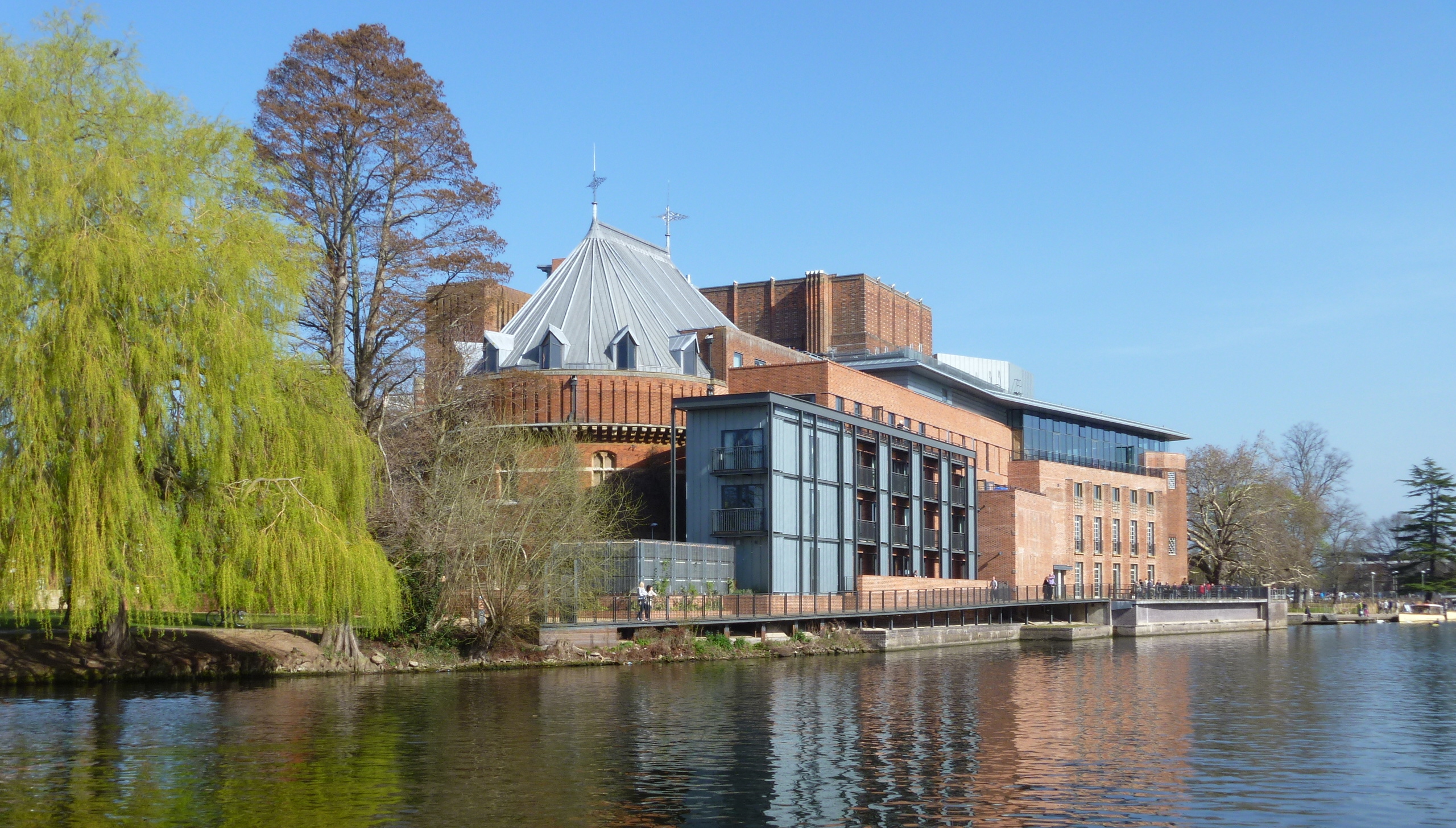
Later that evening after a pre-theatre supper in the Rooftop Restaurant we attended an RSC company performance in the Swan Theatre of Shakespeare’s Richard III. Part of a series of plays on the theme Nations at War that will include Shakespeare’s King John and Mexican playwright Luis Mario Moncado’s A Soldier in Every Son – the Rise of the Aztecs. What a day to remember!

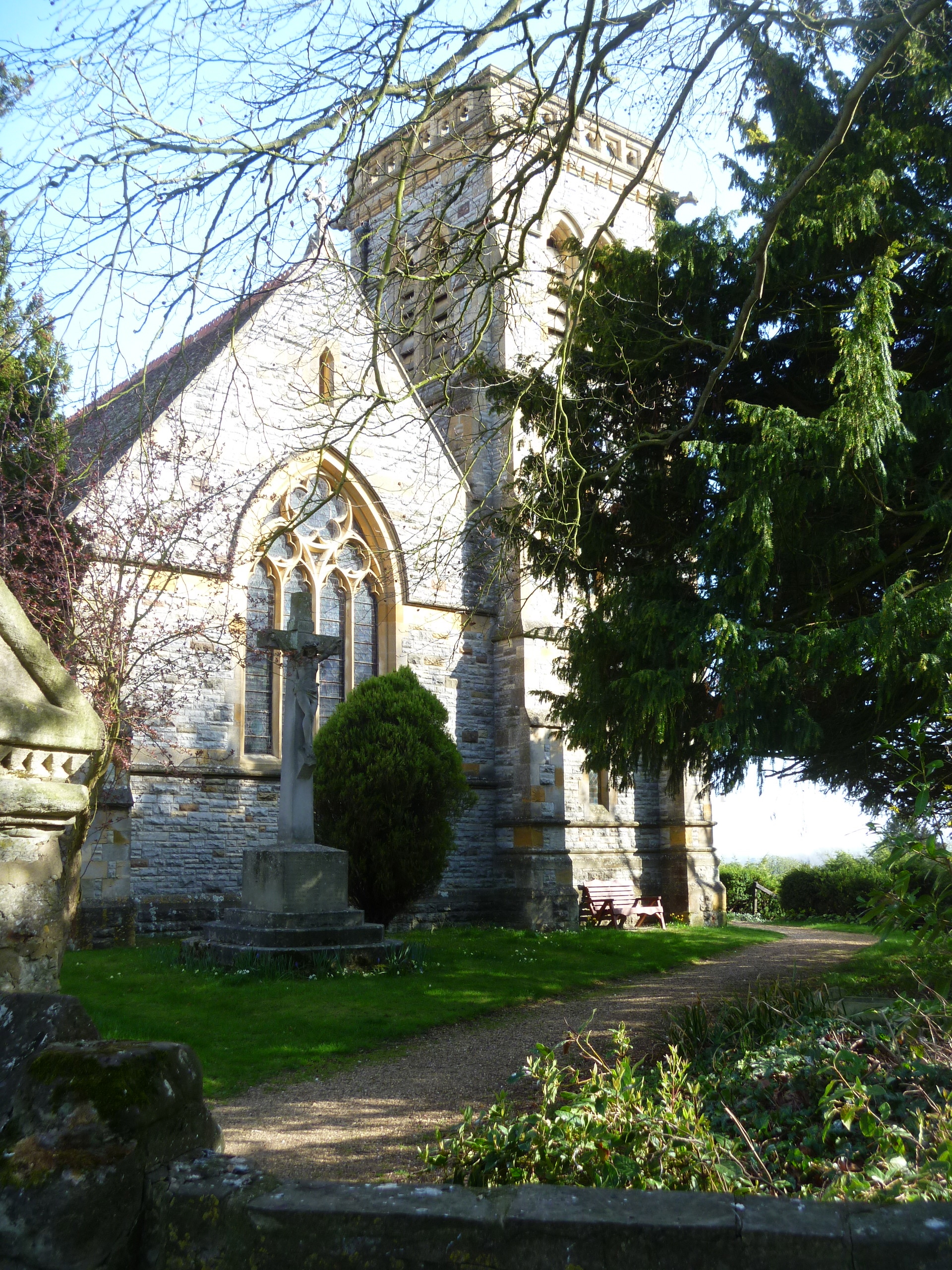
Binton Church – a Link with Antarctica

South of Bournville and a few miles west of Stratford and less than a mile from the River Avon, in the peaceful Warwickshire countryside, lies the little village of Binton. It is just a few houses (very nice ones, though!), farms and a church. There is no longer a pub and no railway station, shop or Post Office. The church is Victorian and dedicated to St Peter.

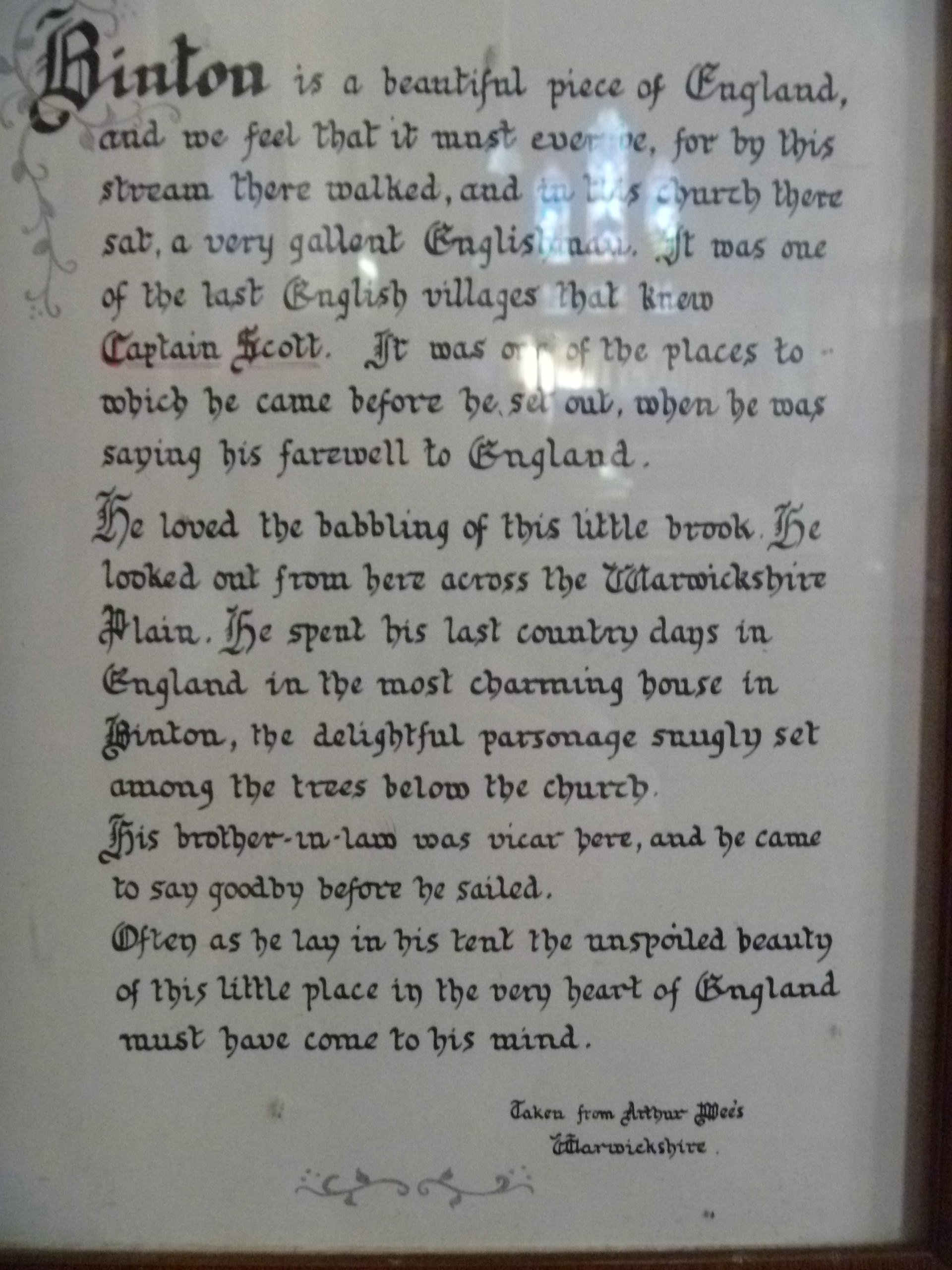
This quiet village seems an age  away from the icy cold blasts of the Antarctic continent. Nevertheless here in Binton’s satisfying little church is a further link with a theme that seems to crop again and again during this centenary year of Captain Scott’s ill-fated expedition. This village was one of the last places visited by Scott before he set out for the Antarctic. The reason was that his brother-in-law, the Rev Lloyd Bruce, was rector of the parish.

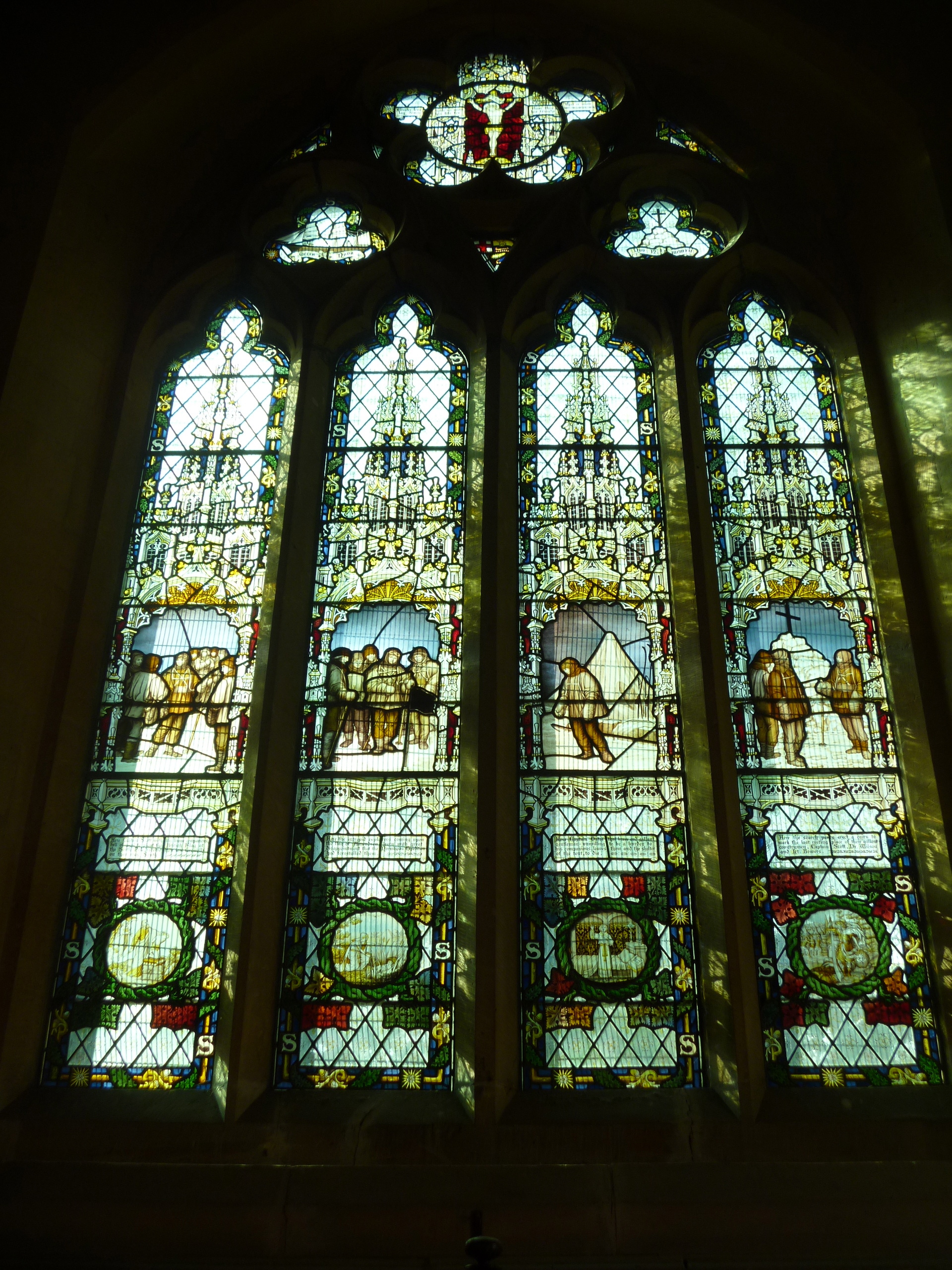
My  friend had discovered that the church contained a set of windows designed and manufactured by Charles Eamer Kempe in memory of the Expedition and illustrating stages of the journey.

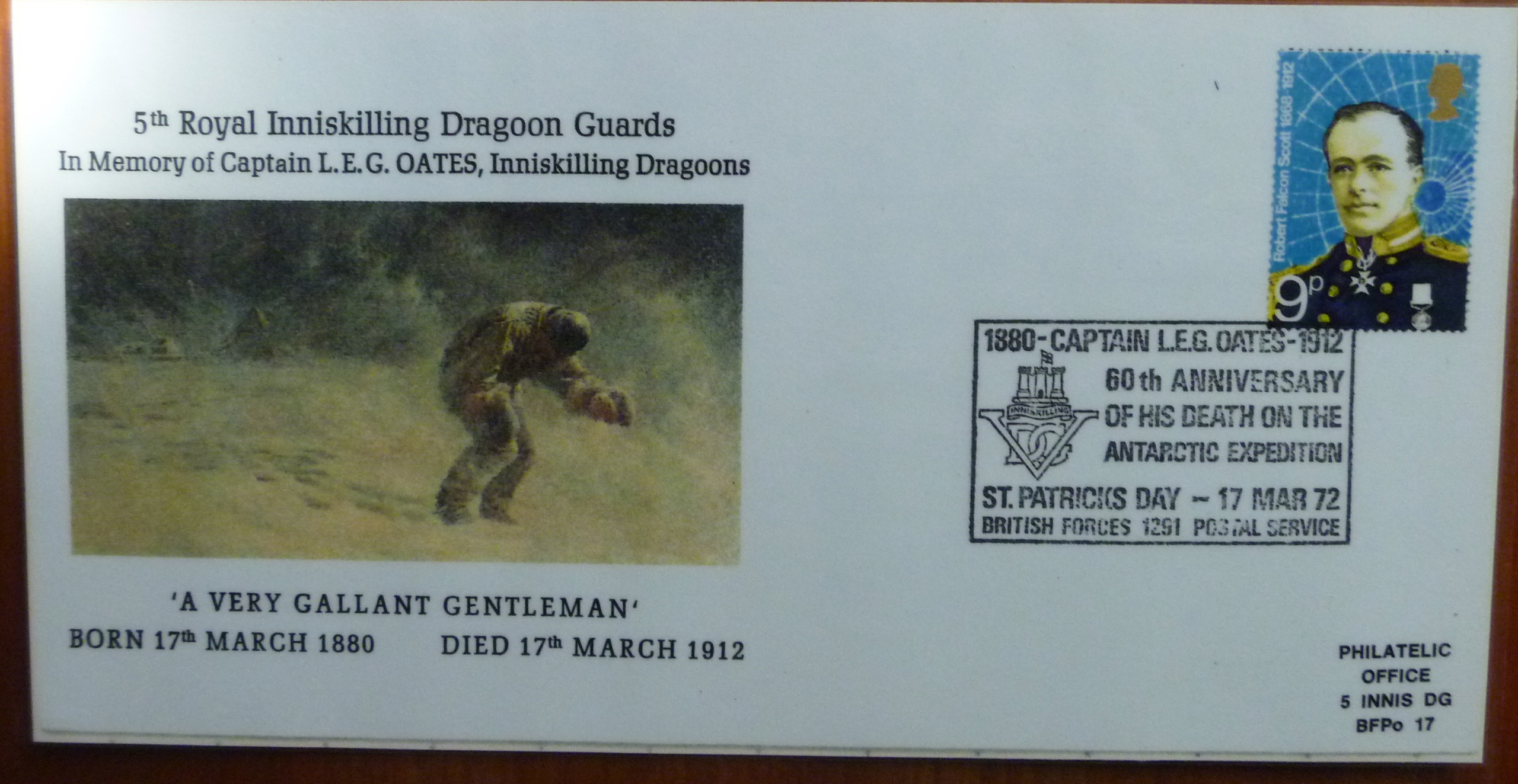
There’s a small exhibition telling the Scott story and illustrated with photographs, commemorative stamps and other memorabilia.

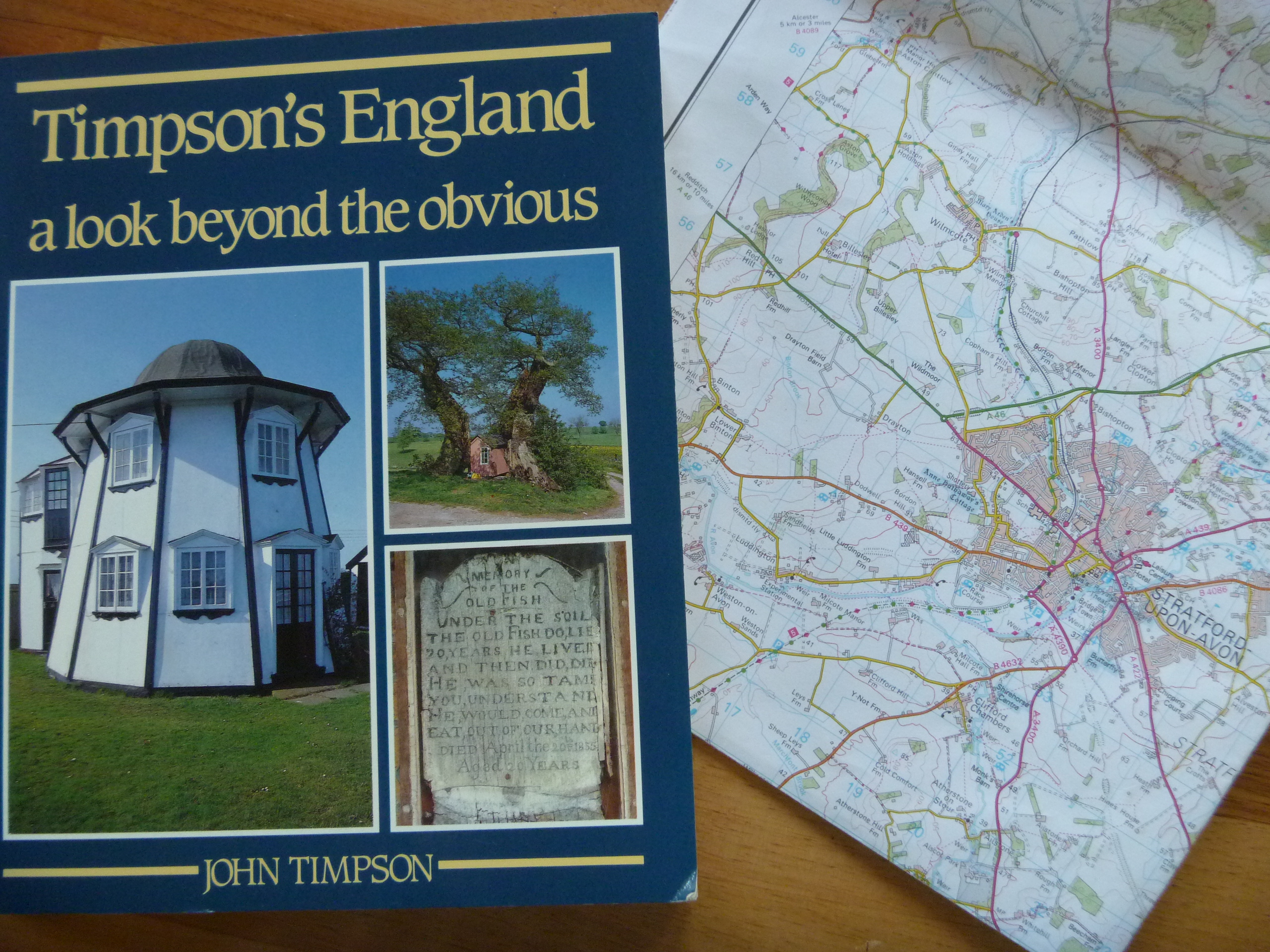
My friend discovered the existence of the memorial window so near to Stratford in John Timpson’s ‘Timpson’s England : a look beyond the obvious’. She, like me, is always out to discover hidden gems and the unusual whenever she travels around Britain and abroad.

Bournville and Cadburys – not just Chocolate!

On Friday I accompanied a friend on a trip down Memory Lane. We drove down to Birmingham to visit the Bournville area which surrounds the Cadbury’s chocolate factory and where the world famous Cadbury World Experience is located.

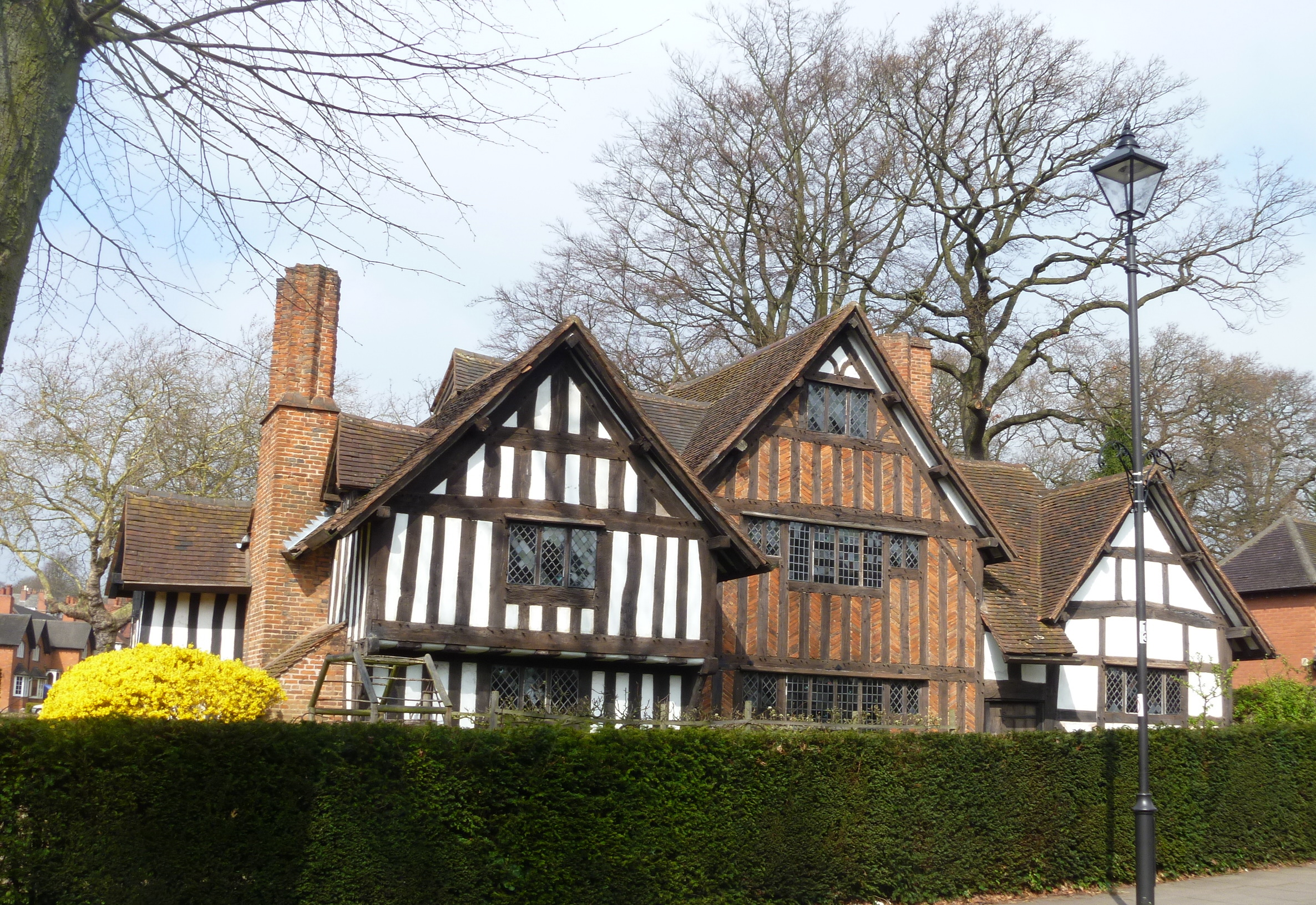
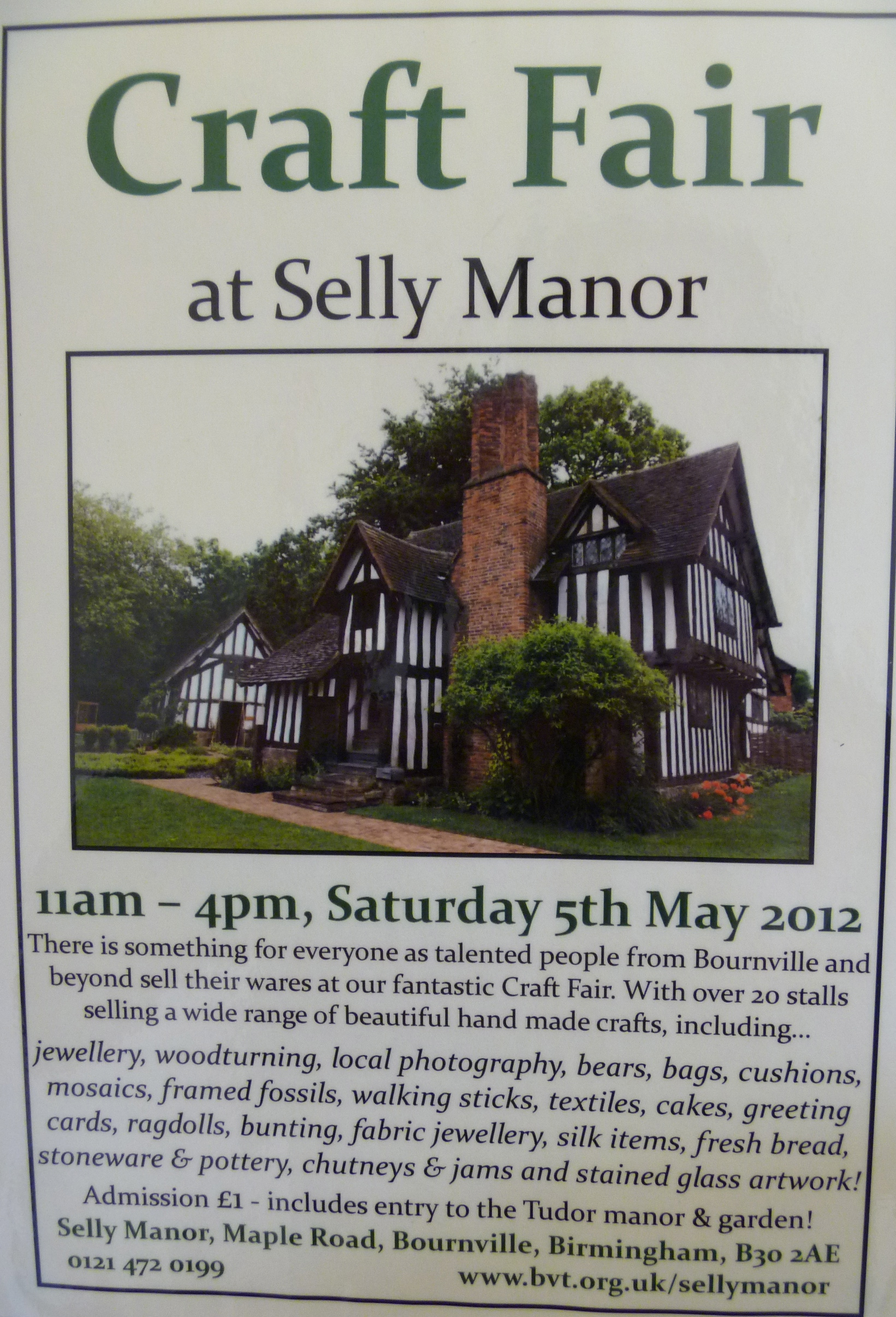
Selly Manor

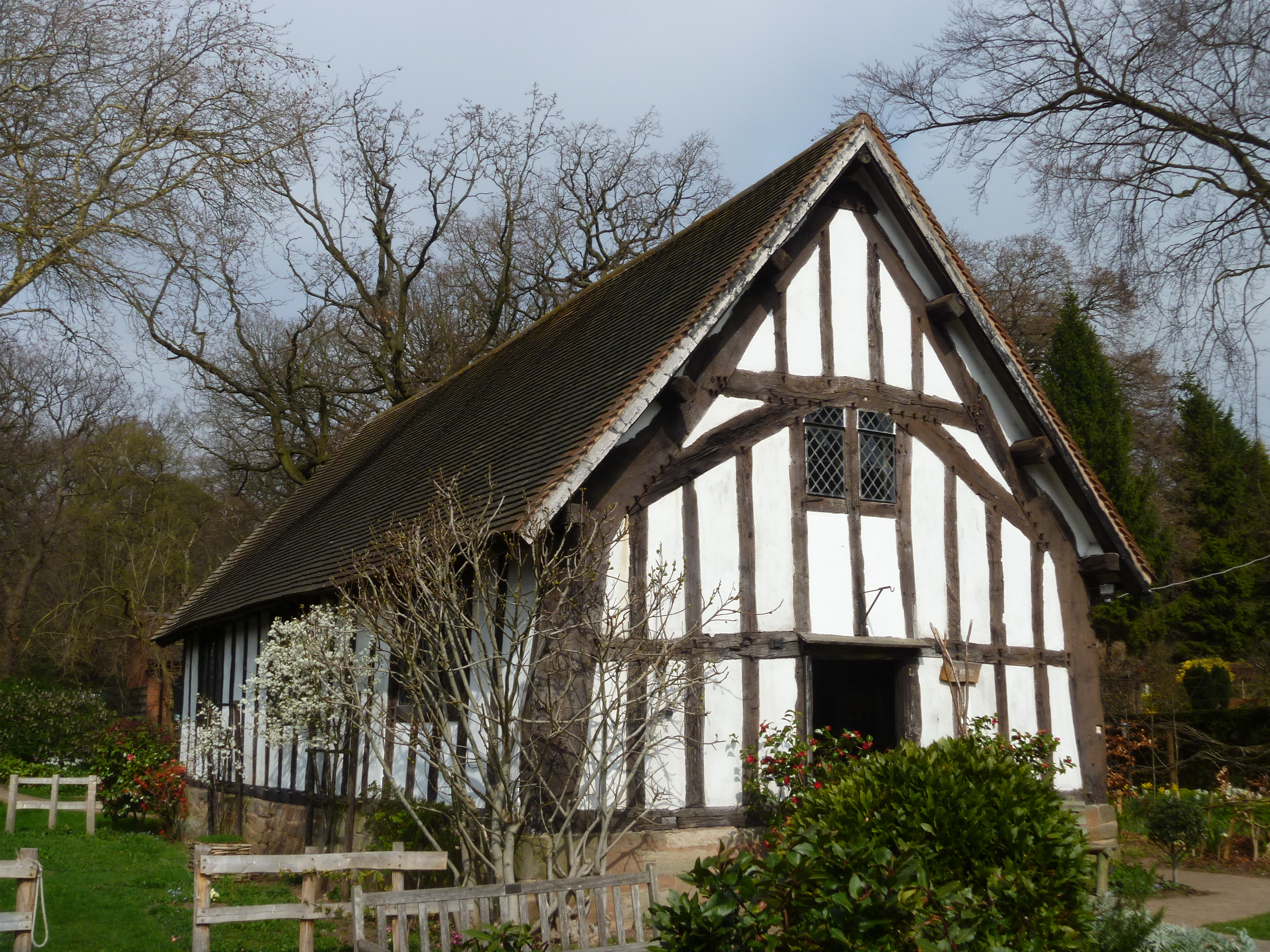
Minworth Greaves

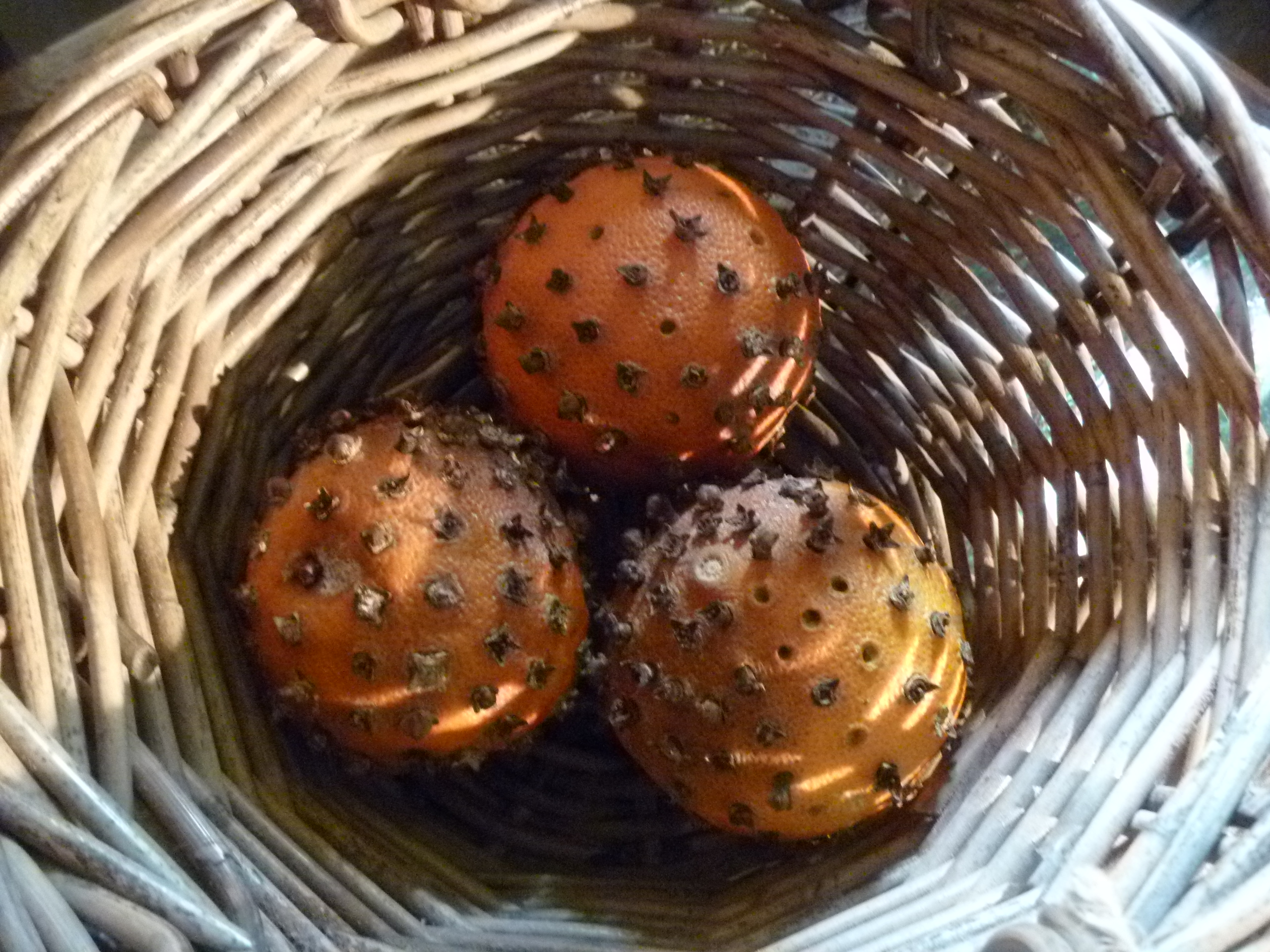
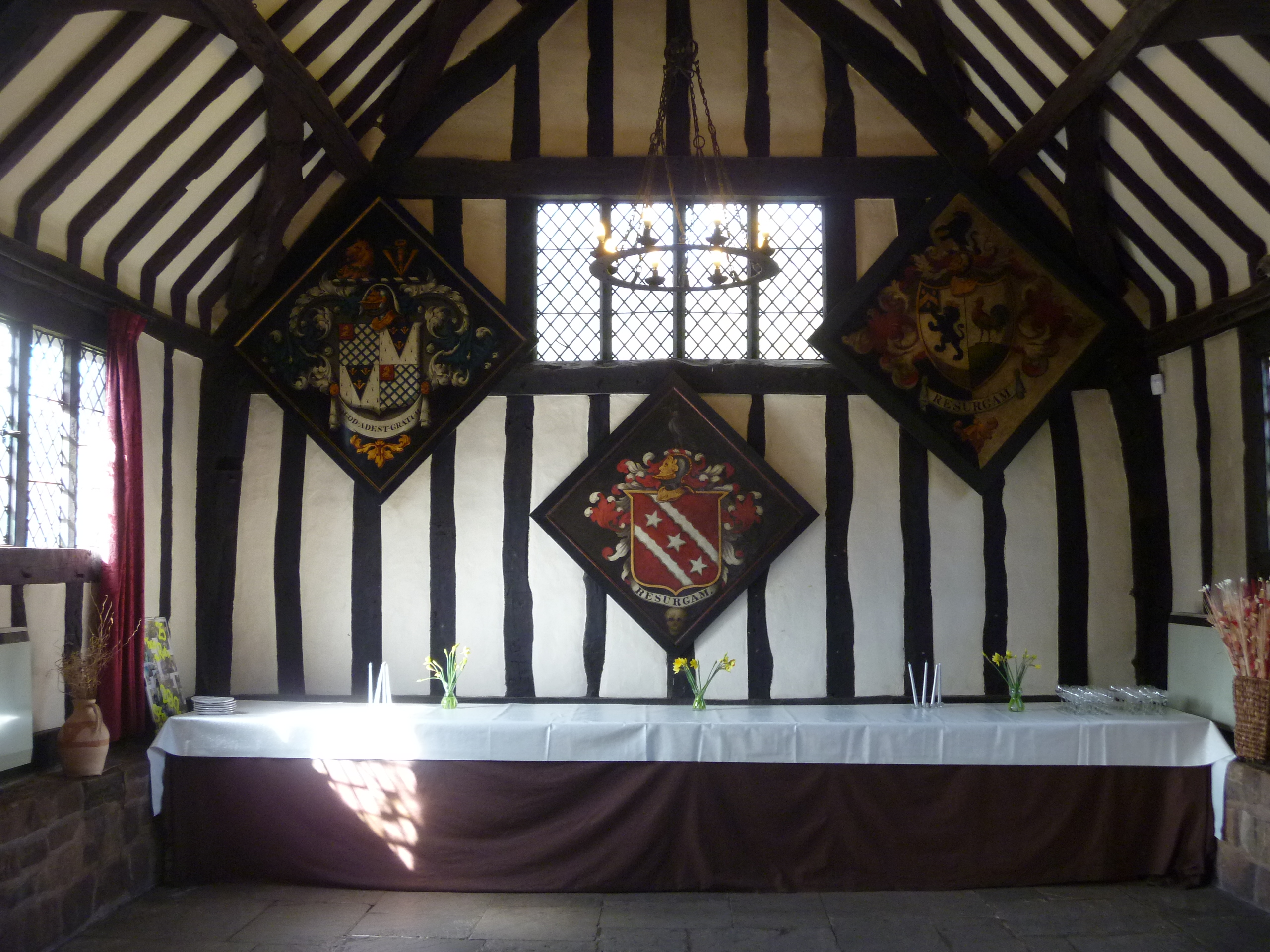
Our first port of call was Selly Manor and Minworth Greaves. These are two ancient buildings that were moved to their present site by George Cadbury in 1907 (SM) and Laurence Cadbury in 1932 (MG) and now operate as a museum and wedding/events venue. Selly Manor, the museum, appears to lay on lots of activities for children both during the school term and during the holidays. In the house there are many objects that may be touched.  Hands-on history lessons. I’m sure children had made these heavenly-smelling pomanders!

Sweet-smelling pomanders

Something for everyone!

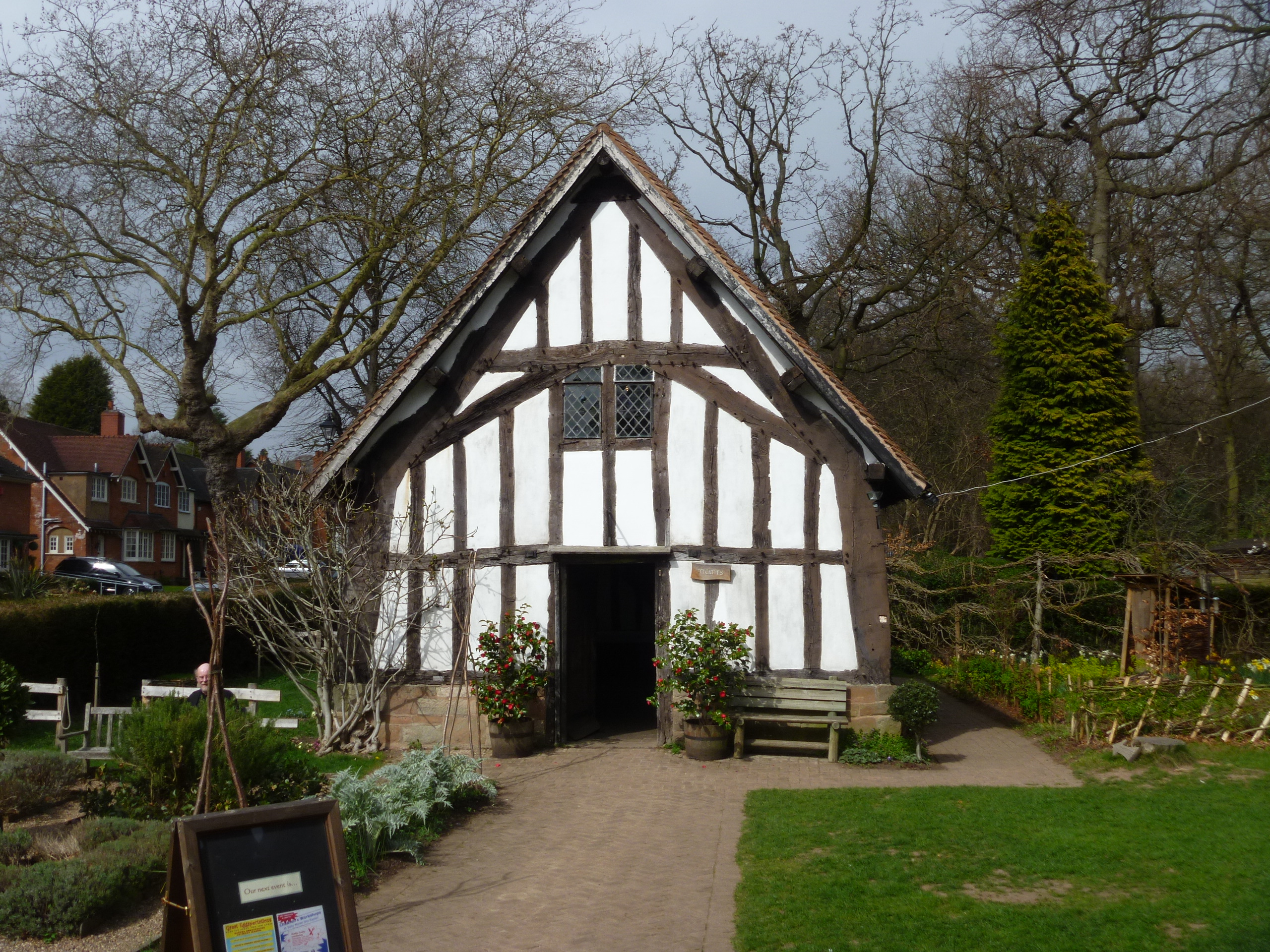
Minworth Greaves, thought to be 750 years old, was saved from demolition in 1932 and transported from Sutton Coldfield to its present site by Laurence Cadbury. It serves as the visitor centre (tickets, shop) for the museum and may be hired as a super venue for weddings and suchlike ceremonies.

The two buildings are surrounded by well-tended gardens of herbs and flowers and box hedges and shrubs.

My friend lived and grew up in Bournville and after visiting the museum she took me took a walk around the planned suburb and we inspected a number of other landmarks in local area.

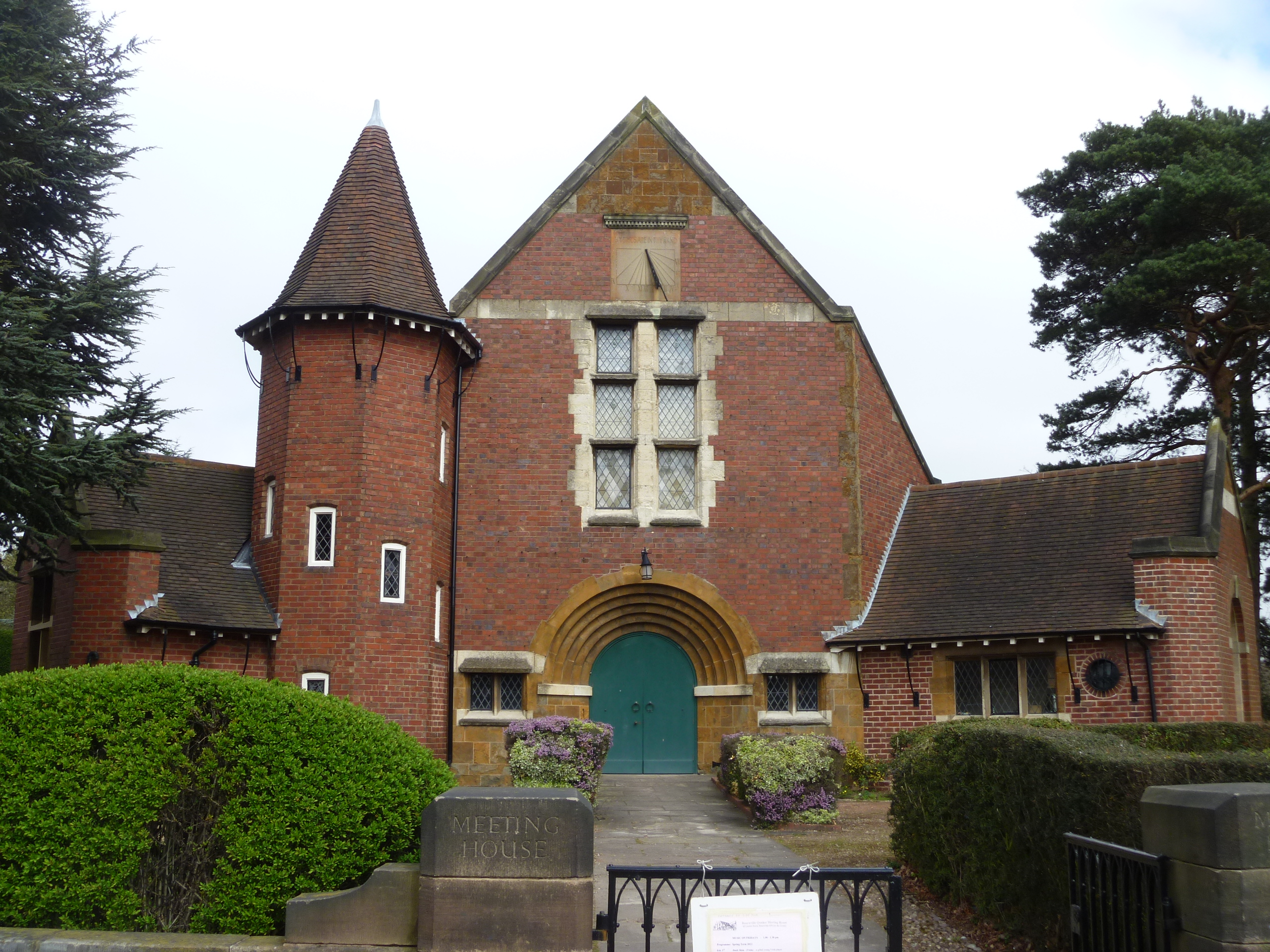
The Quakers Friends Meeting House

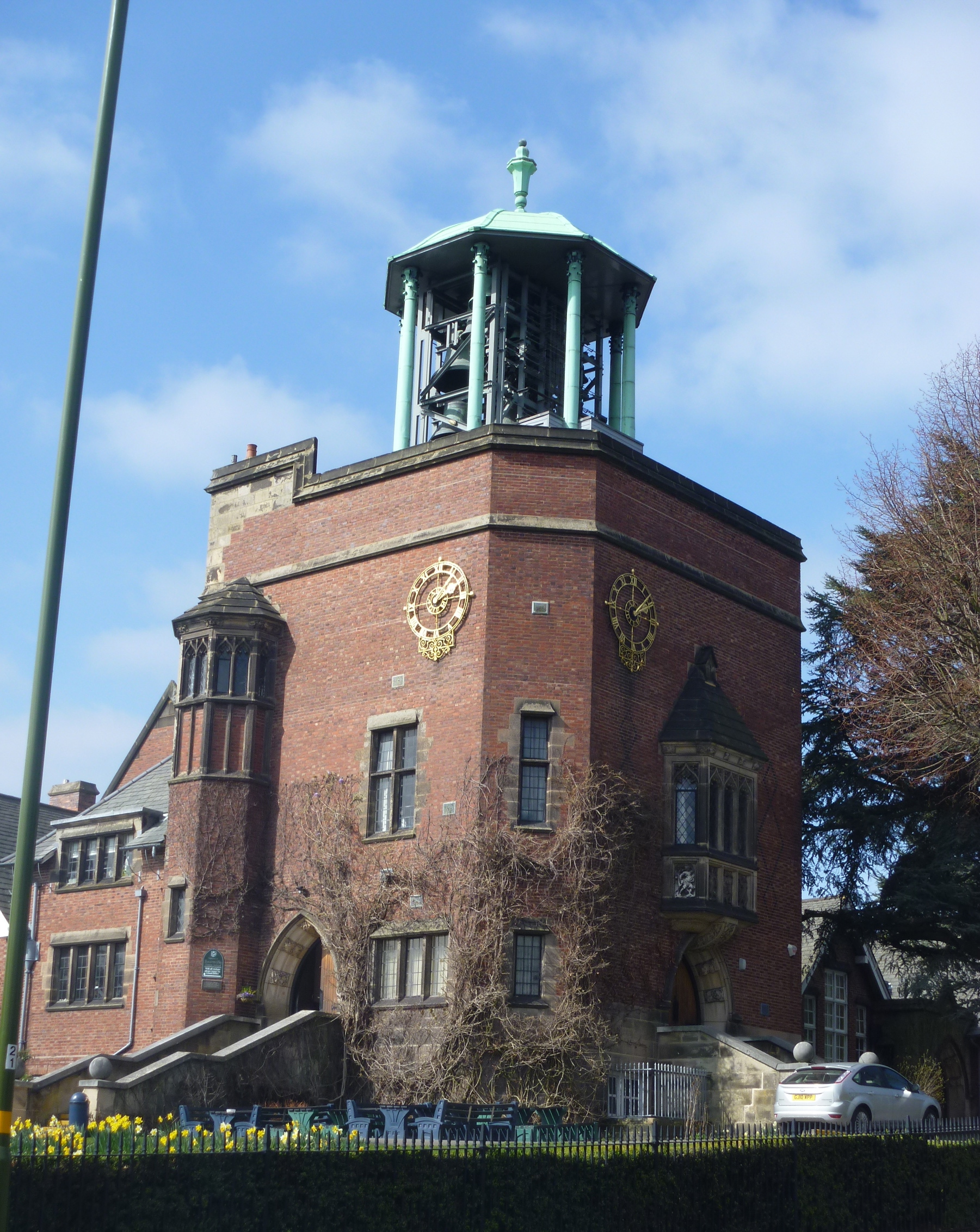
The Carillon (Bell Tower) and Primary School

A Shared Experience with Mary Shelley

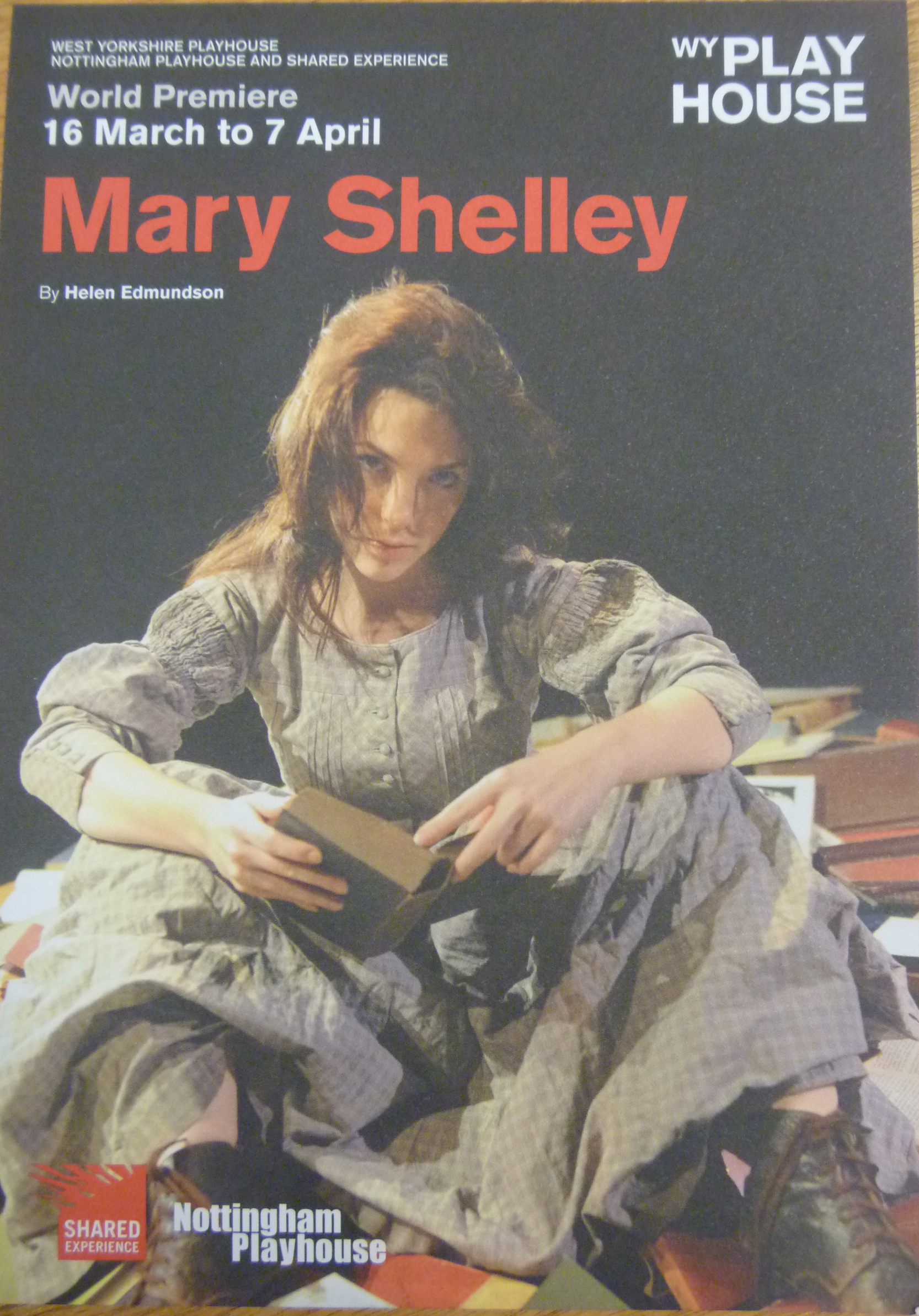
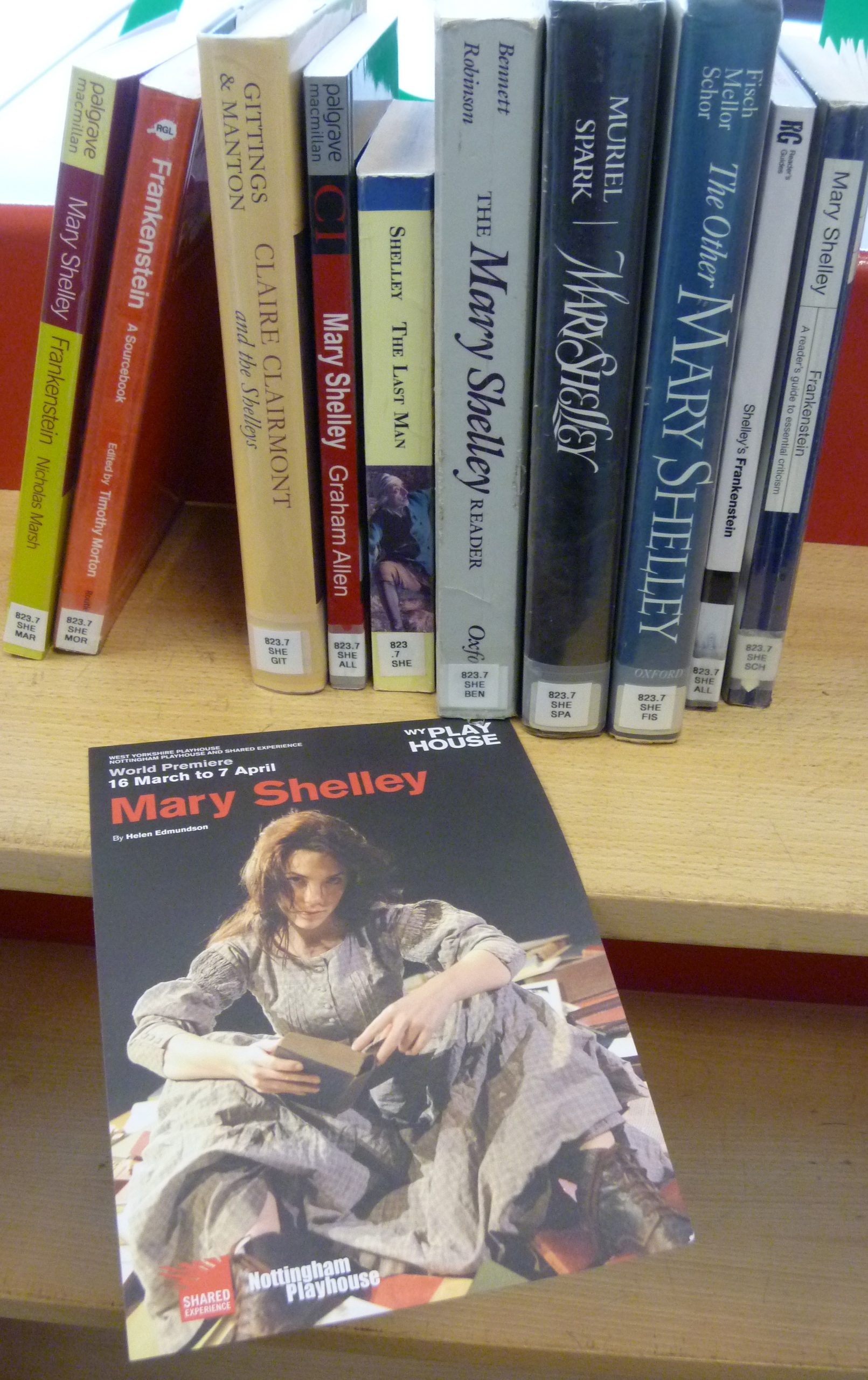
Shared Experience theatre company are back at the West Yorkshire Playhouse this month with their latest production ‘Mary Shelley‘. It’s a dramatic and powerful account of the late teenage years of Mary Godwin, later Shelley, and her very unconventional family and lifestyle during the years 1813-1816. Mary Shelley wrote and had published her famous novel ‘Frankenstein’ before she was 20. She married the poet Percy Bysshe Shelley. Her father was William Godwin a well-known political philosopher and novelist and author of  ‘Political Justice’, published in 1793. Her mother was Mary Wollstonecroft author of  ‘A Vindication of the Rights of Woman’ whose suicide is depicted at the beginning of the play.

Mary had two sisters Fanny and Jane. Jane Clairmont later changed her name to Clare Clairmont and was the mother of one of Lord Byron’s children, Clara Allegra. Read more about Mary here and here :

The play goes a long way in explaining the relationships between the members of this unconventional family and P. B. Shelley; those are  ‘crazy mixed-up kids’. With only 6 actors and a versatile set consisting of a very large dining table which also doubles as a tombstone and a quay and a desk and even a bedroom plus several tall bookcases crammed with books and papers and boxes the words flow quickly and the tension mounts throughout.

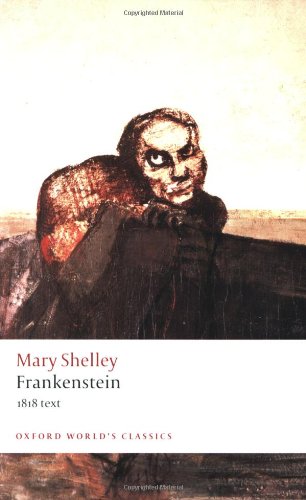
I think that I have been far too influenced by the over-hype connected with all the Frankenstein-related films and books which, although I have never seen nor read any of them, have totally put me off reading the original book. A colleague highly recommends reading it and suggests that I put ‘Frankenstein, a modern Prometheus’  forward as a suggestion at my next book group meeting. And do you know? After seeing ‘Mary Shelley’ I think I probably will!

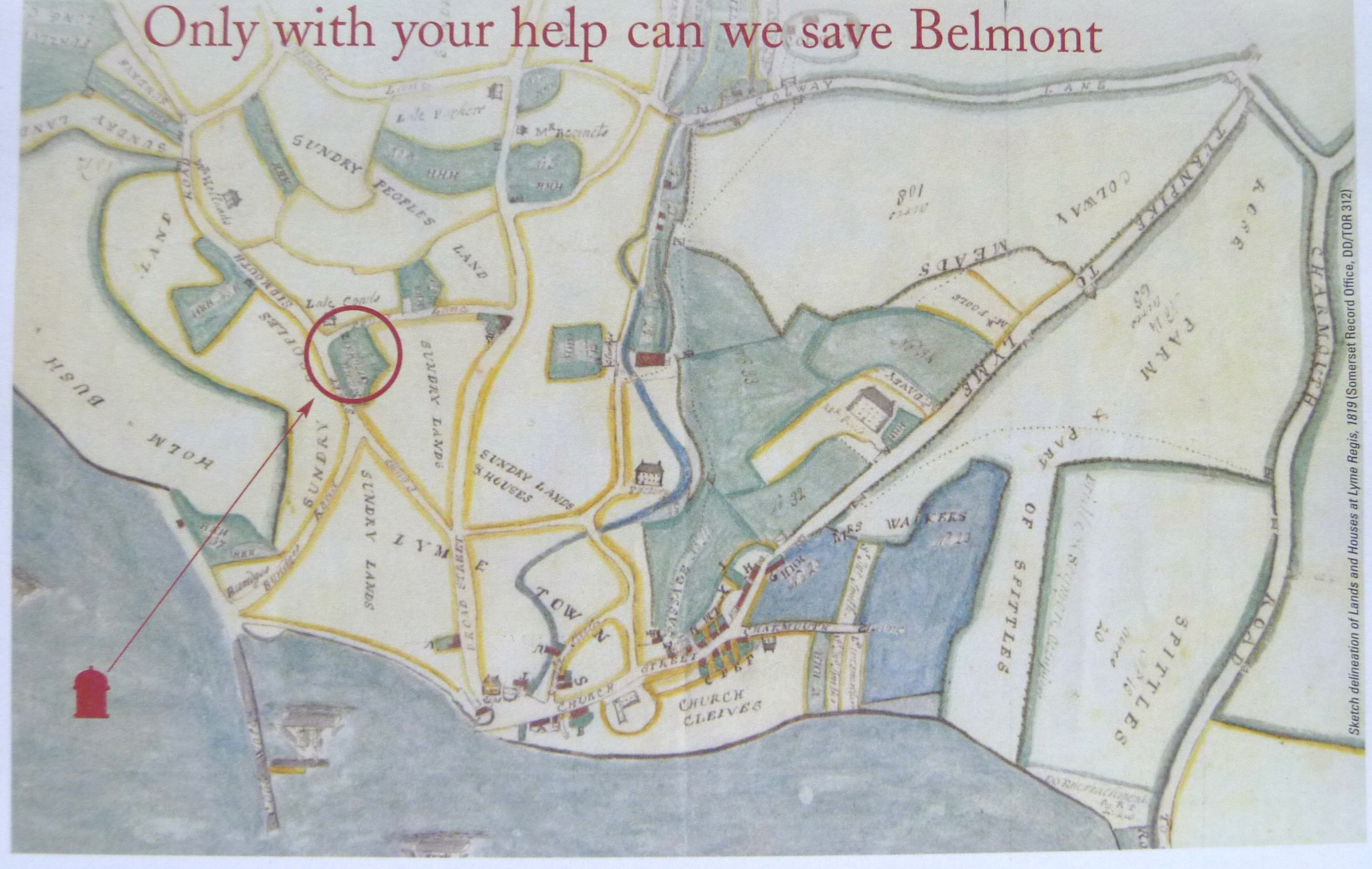
Help save Belmont – a literary landmark in lovely Lyme Regis!

Today I received a fund-raising email from the Landmark Trust to encourage support for donations to help save Belmont House in Lyme Regis.

Follow this link to read more about the house and its present desperate state :

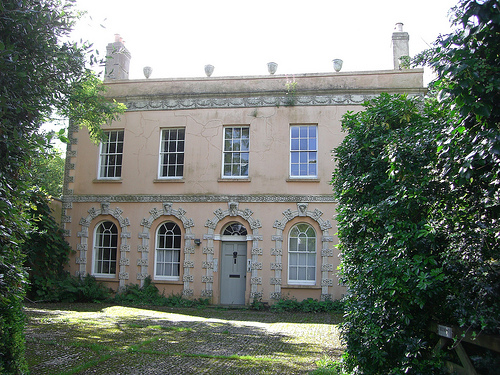
Belmont, Lyme Regis

Belmont was the former home of two interesting people. During the 18th century it was the home of Mrs Eleanor Coade the lady who devised a formula to mass produce architectural embellishments and statuary of the highest quality which she named ‘Coade stone’. And between 1968 and 2005 it was the home of novelist John Fowles and it was here that he finished his most famous work “The French Lieutenant’s Woman”. Lyme Regis is the setting for the book. It was through his generosity that Belmont was left to the Landmark Trust. The Trust’s website explains why further funds are needed to restore the house and make it habitable for future holiday lets through this unique organisation:

Belmont stands empty, decaying and at risk and urgently needs funds to enable its restoration. The Grade II* house is a fine, early example of a maritime villa, a new building type that sprang up in the second half of the 18th century with the rising popularity of seaside holidays. Today the fabric of the building is deteriorating, the parapet is sagging, there are rotten wall plates and lintels, the stone skin is coming away and water is trapped behind impermeable cement render.

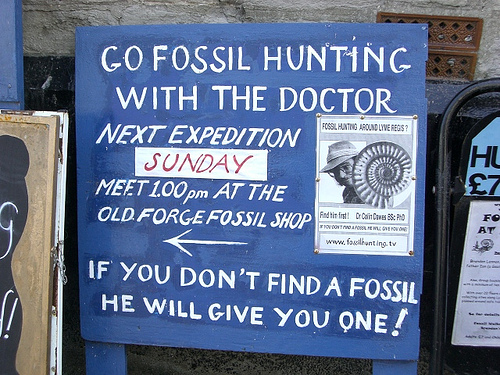
Lyme Regis is a delightful and interesting little seaside town on the Dorset coast. Each year for the past five years I have spent a week at nearby Branscombe in Devon and on each occasion I have visited Lyme at least twice. On three occasions I’ve been fossil hunting (without any luck!) for Lyme lies within the World Heritage Site Jurassic Coast.

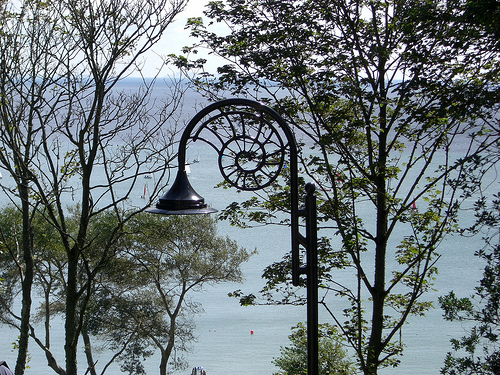
Lyme has a promenade and sandy and pebbly beaches. You can tell which is the sandy one by the numbers of people crammed into the small area where huge amounts of sand were imported from Normandy. A lot of effort; but it has made a huge difference. I’ve never actually managed to get onto the beach as there is always so much more of interest to me. There’s a High Street crammed with shops – many of them small and individual and very many of them selling or in some other way connected with the fossils that are Lyme’s trademark.

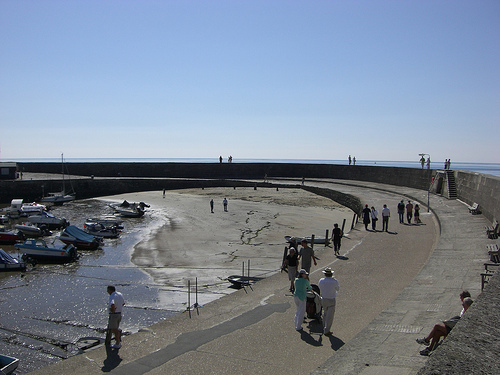
The Philpot Museum is well worth a visit, or several. Fossil Hunts are organised from the Museum. Lyme Regis has a colourful little harbour/marina protected from the sea by the famous Cobb – mentioned in Jane Austen’s ‘Persuasion‘ and featured in the film of Fowles’ ‘French Lieutenant’s Woman’. By the Cobb is the fascinating Marine Aquarium. There is good food to be had from the small cafes along the promenade, to the Town Bakery, to Hix Oyster and Fish House.

Lyme Regis :  The quintessential seaside resort for literature lovers everywhere – Jane Austen and Beatrix Potter visited it.  John Fowles lived in it.

Belmont, Lyme Regis : “Mrs Coade made it; John Fowles loved it. Now it must be saved.”