I’ve been regularly walking/hiking in the Dales and in Yorkshire in general since 1995. In the summer this year my sister and I tackled my (she did many of the national long distance paths during the 1970s) first long distance walk in Shropshire – Wild Edric’s Way. It was pretty tough in places – those places being along Offa’s Dyke where WEW shared the path with Offa’s Dyke Path. I learnt from this recent recording of Ramblings on Radio 4 that The Dales Way is often a first-attempt at a long distance path for many people. At various times I have walked along all of that part between Ilkley and Beckermonds finding some of it a bit too low level. It’s OK as part of a walk but it’s the sense of achievement on gaining a higher level path or peak and the views that go with it that I find the most satisfying. Still that did not deter me from setting out on Sunday to my second Ilkley Literature Festival outing which was a ramble with Colin Speakman – author of Walk!, and over 50 walking and other guides to Yorkshire and the man responsible for putting the Dales Way on the walking map.
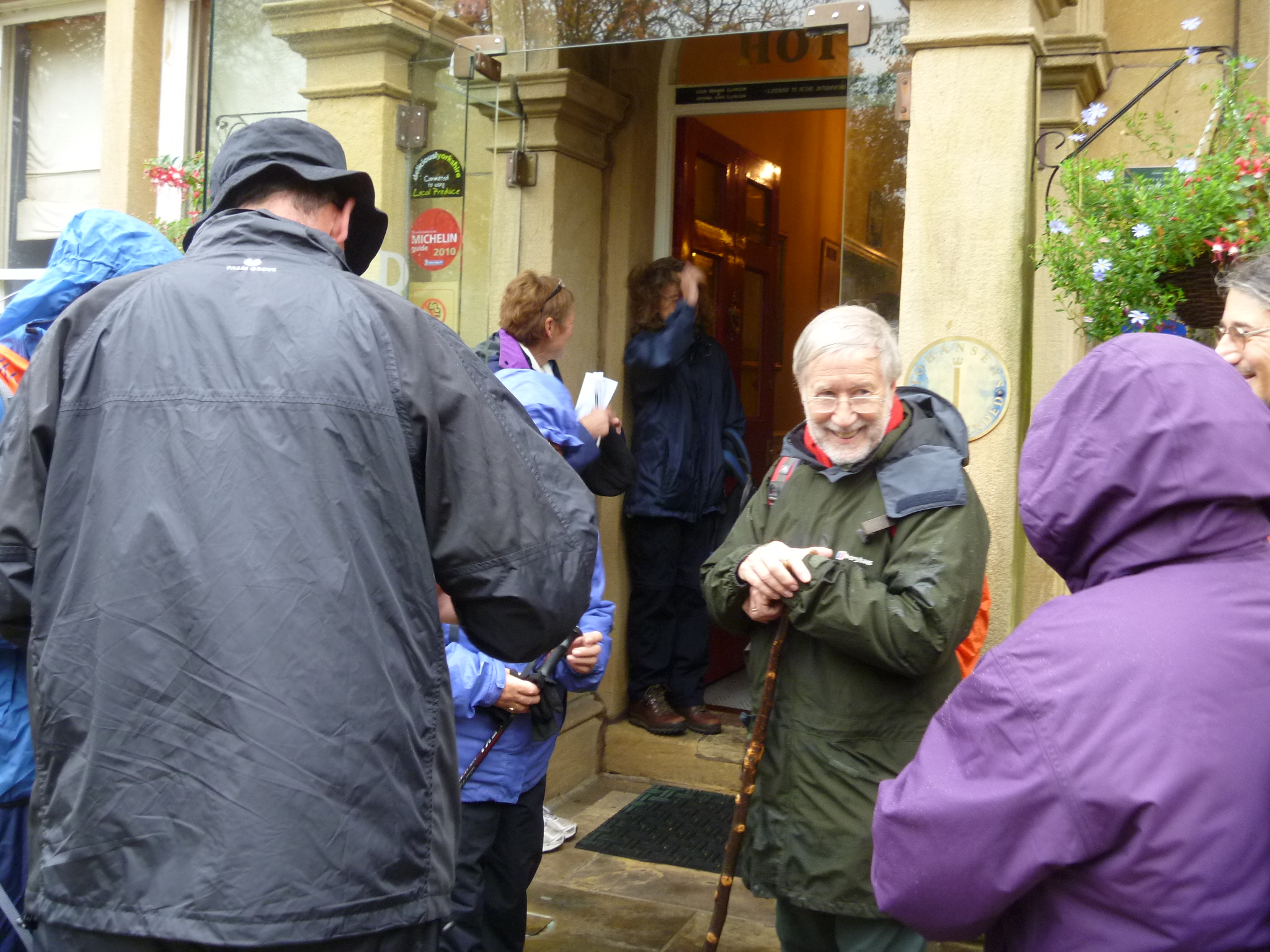
Colin Speakman meets his audience
We assembled in swirling rain by the main entrance to The Rombalds Hotel on the doorstep of the Moor. Due to the weather our walk was to be somewhat curtailed – Colin’s ‘Plan B’. We were to take the donkey path up to White Wells and then the historic packhorse way (which links Ilkley with Bingley via the famous ‘Dick Hudson’s’ pub) through Rocky Valley and across the moor to The Cow and Calf Rocks. After a visit to the Hanging Rock quarry and the Hanging Rock itself our path would head down to the tarn and from thence back the Rombalds Hotel for tea.
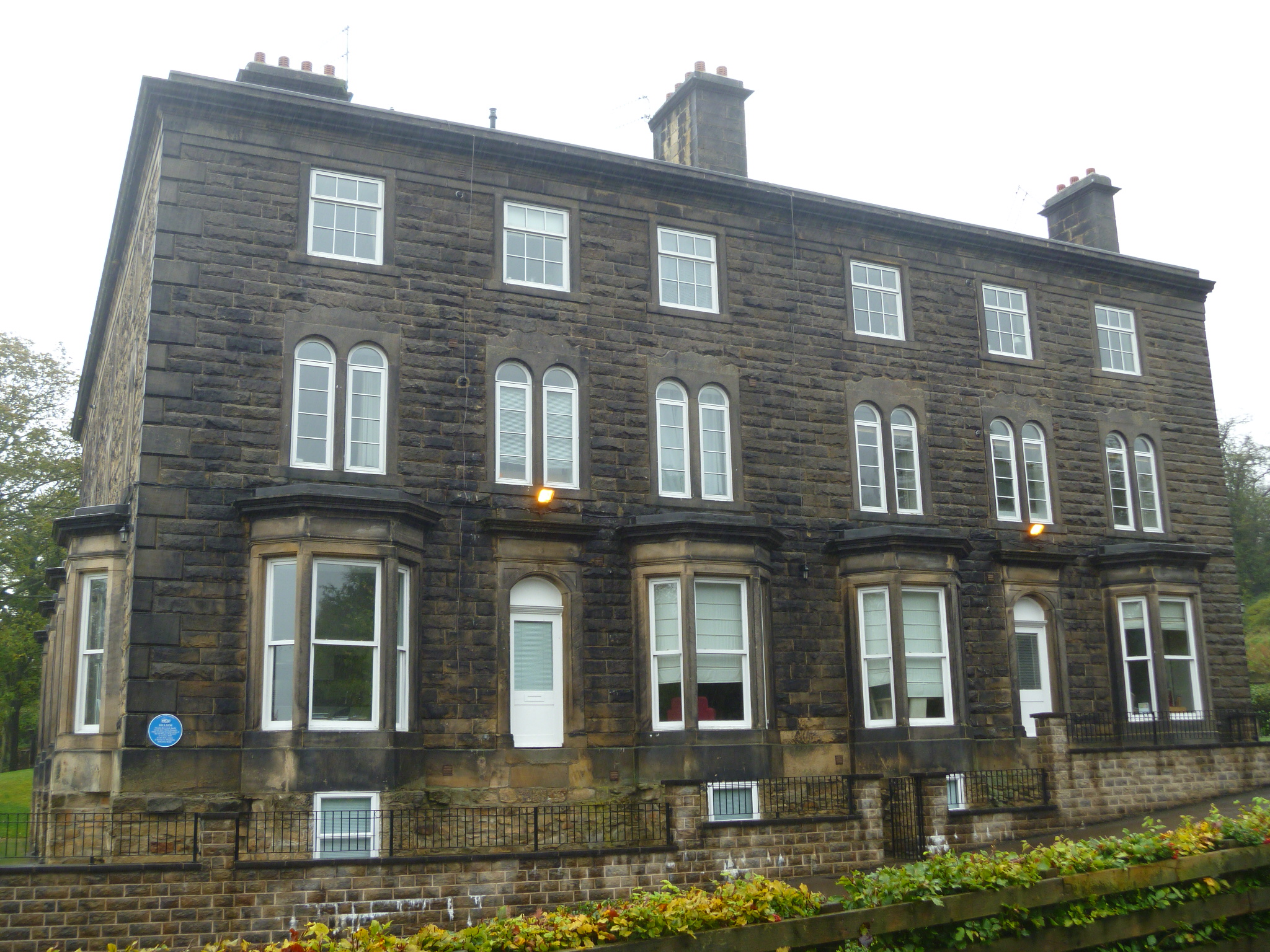
Our first stop was only steps from the Rombalds – the boarding house where Charles Darwin had stayed in Ilkley on his visit to the spa for ‘the cure’ in 1859. It was then a steep climb up to White Wells built in the 1760s.
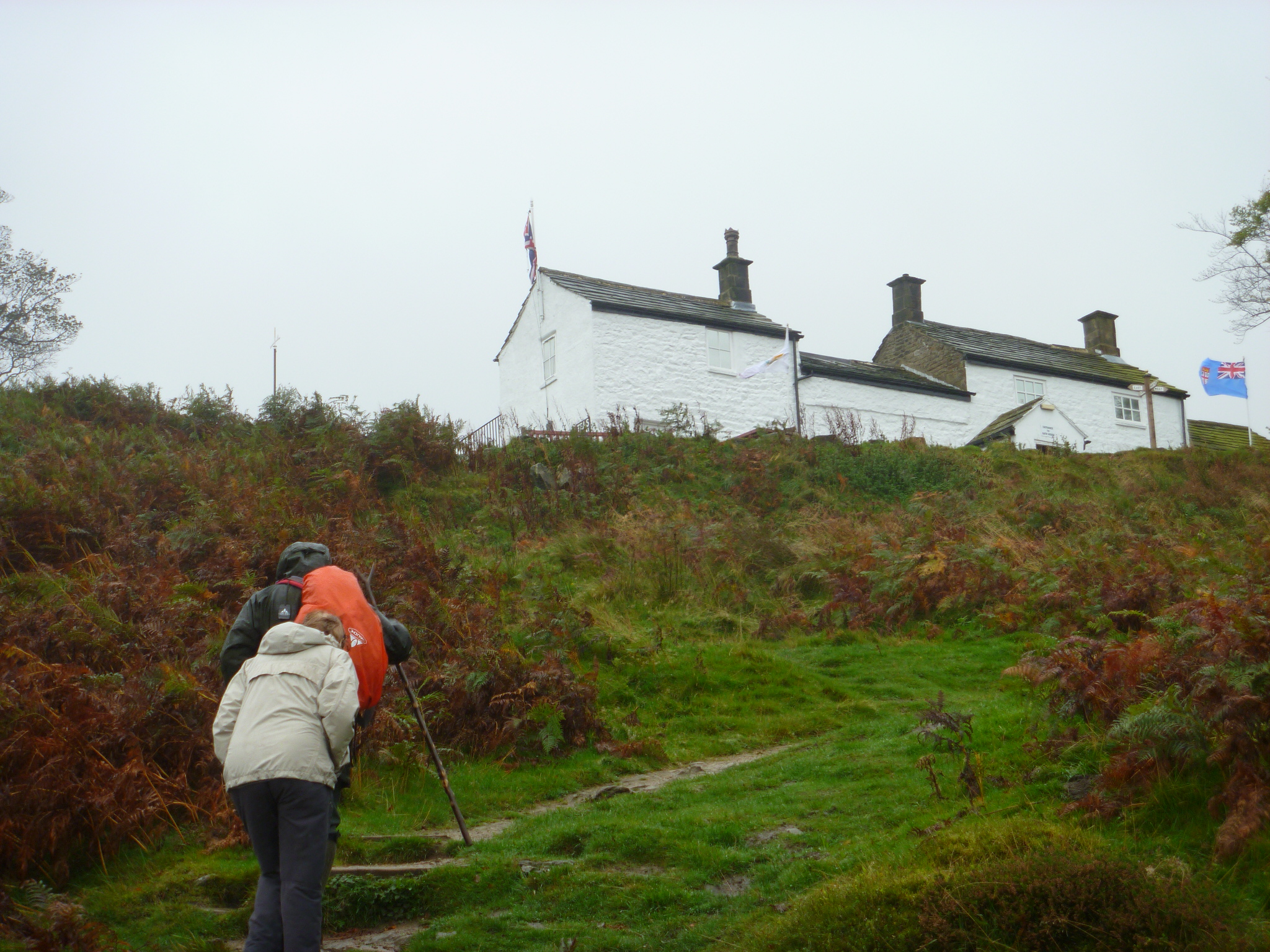
The steep path out of Ilkley to The White Wells.
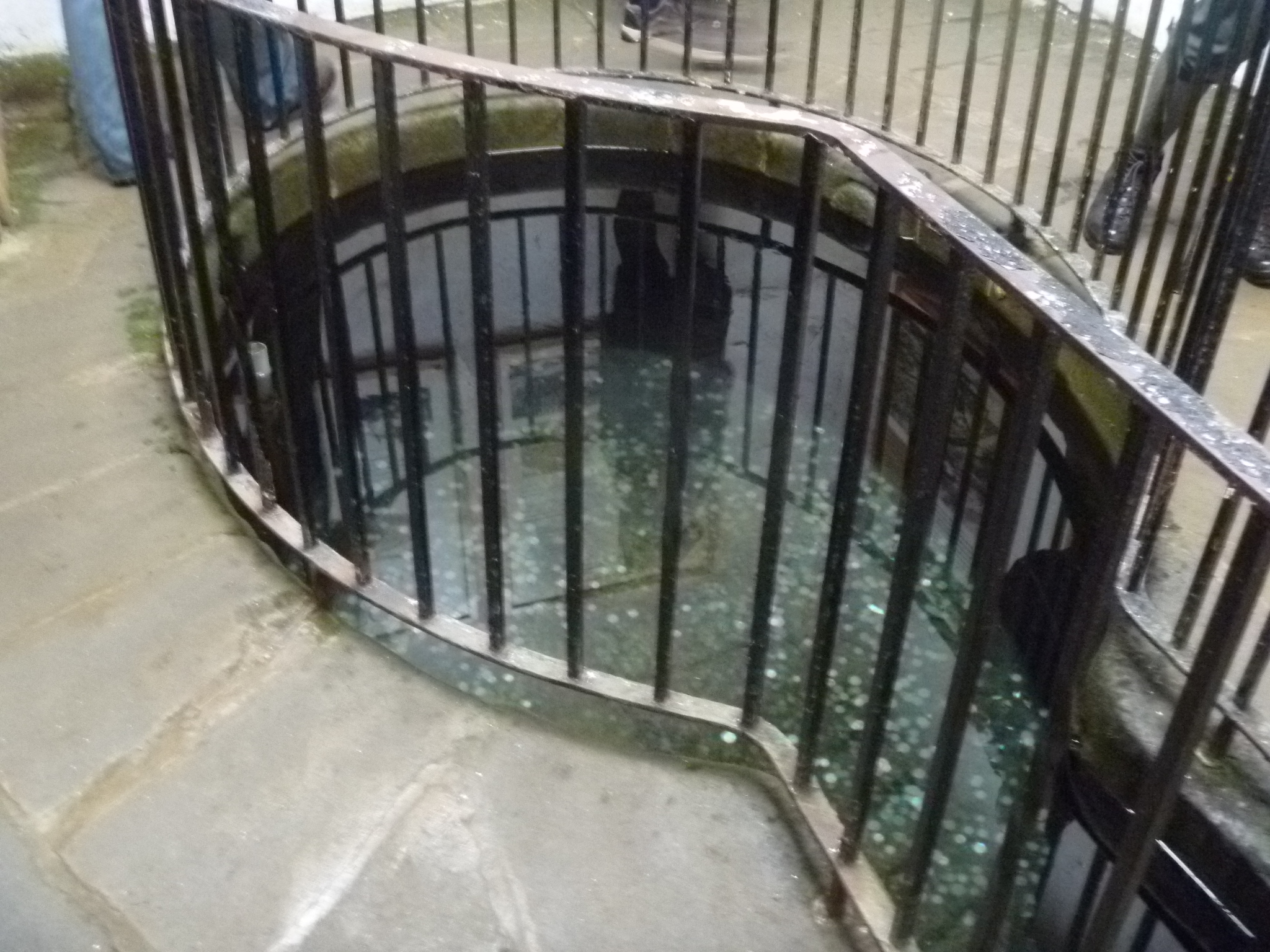
The White Wells plunge pool.
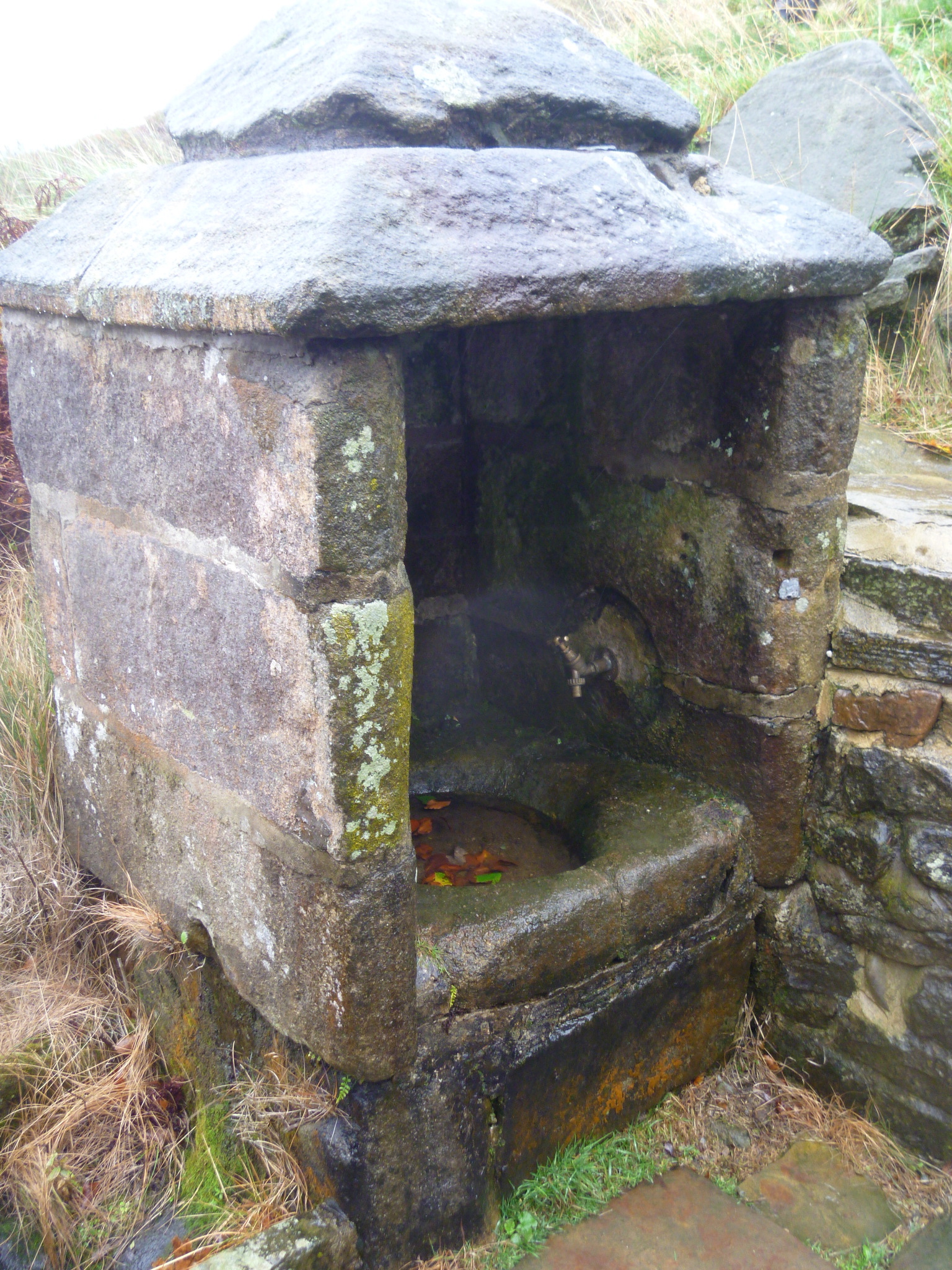
Turn the tap for the curative spring water!
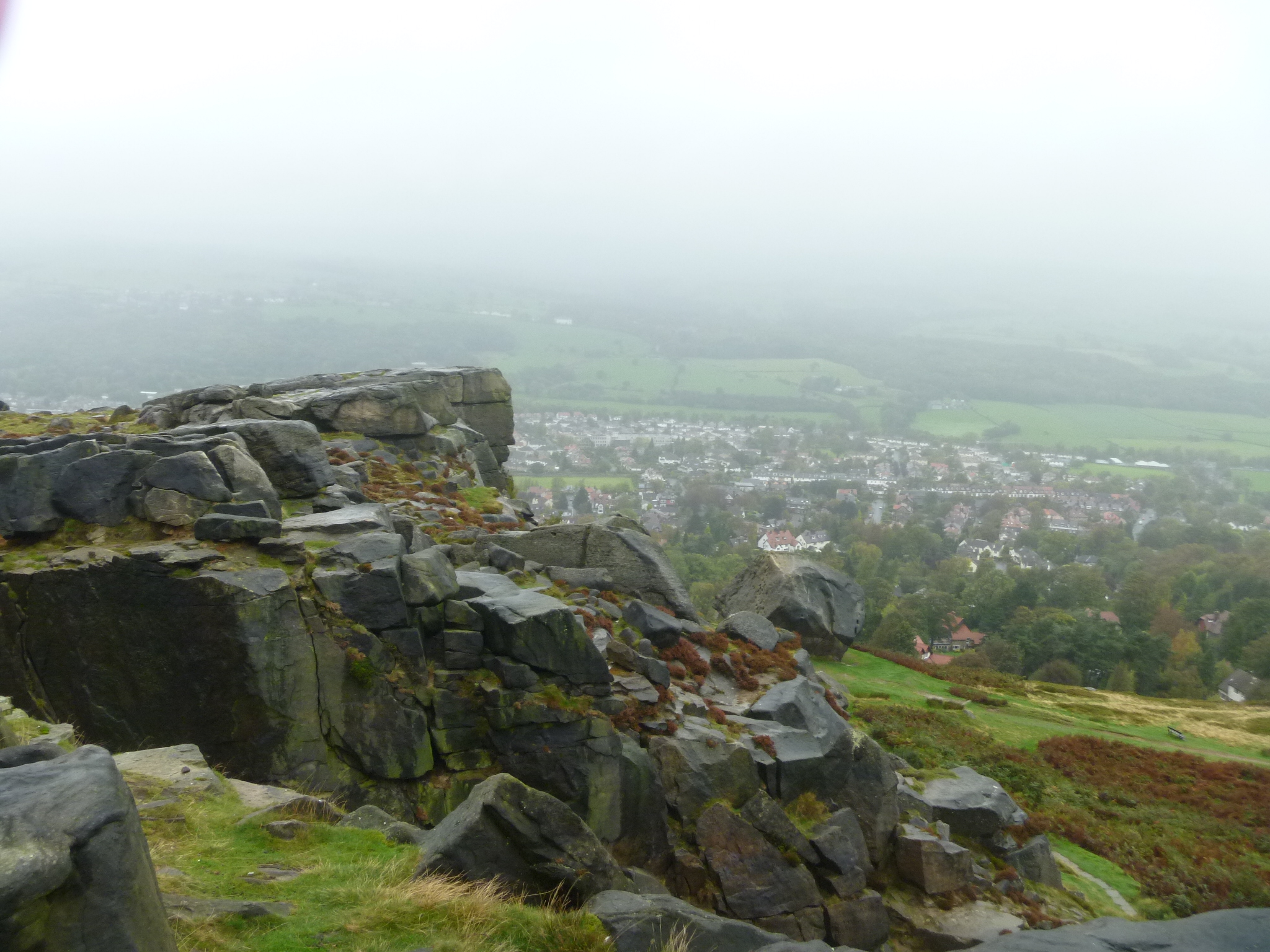
The Famous Cow and Calf Rocks
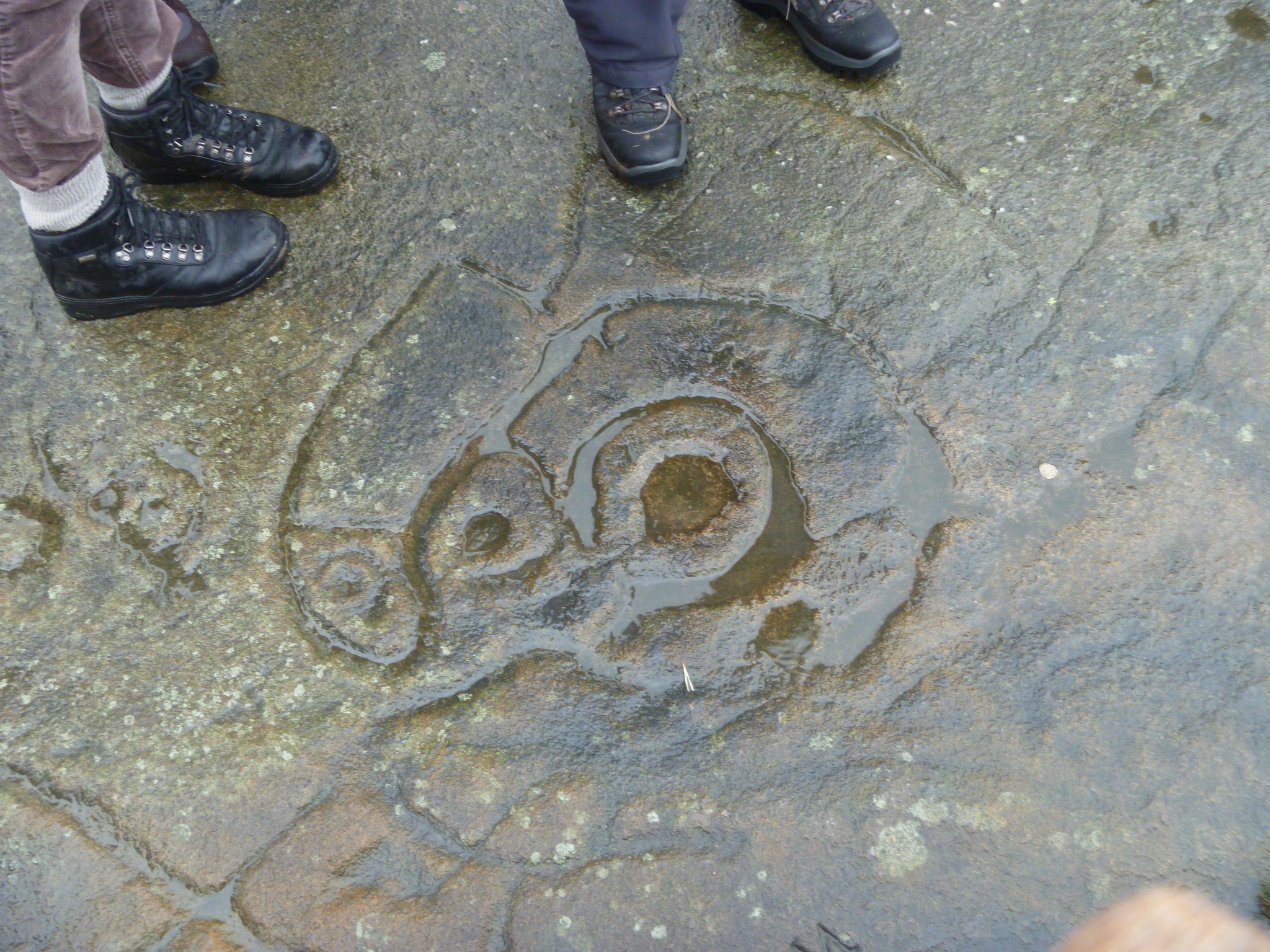
The Hanging Stone Rock with Early Bronze Age Carvings
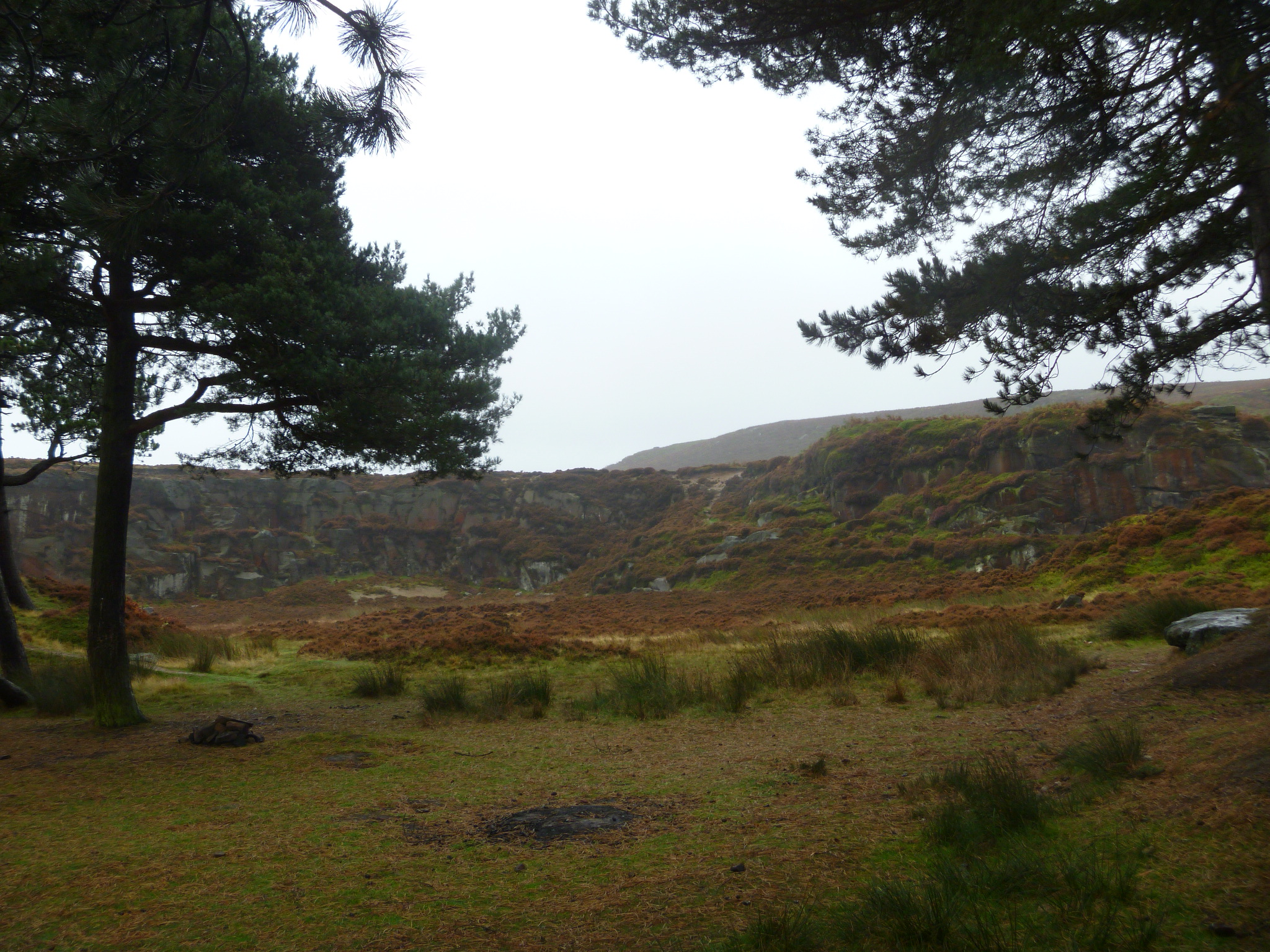
Hanging Stone Quarry
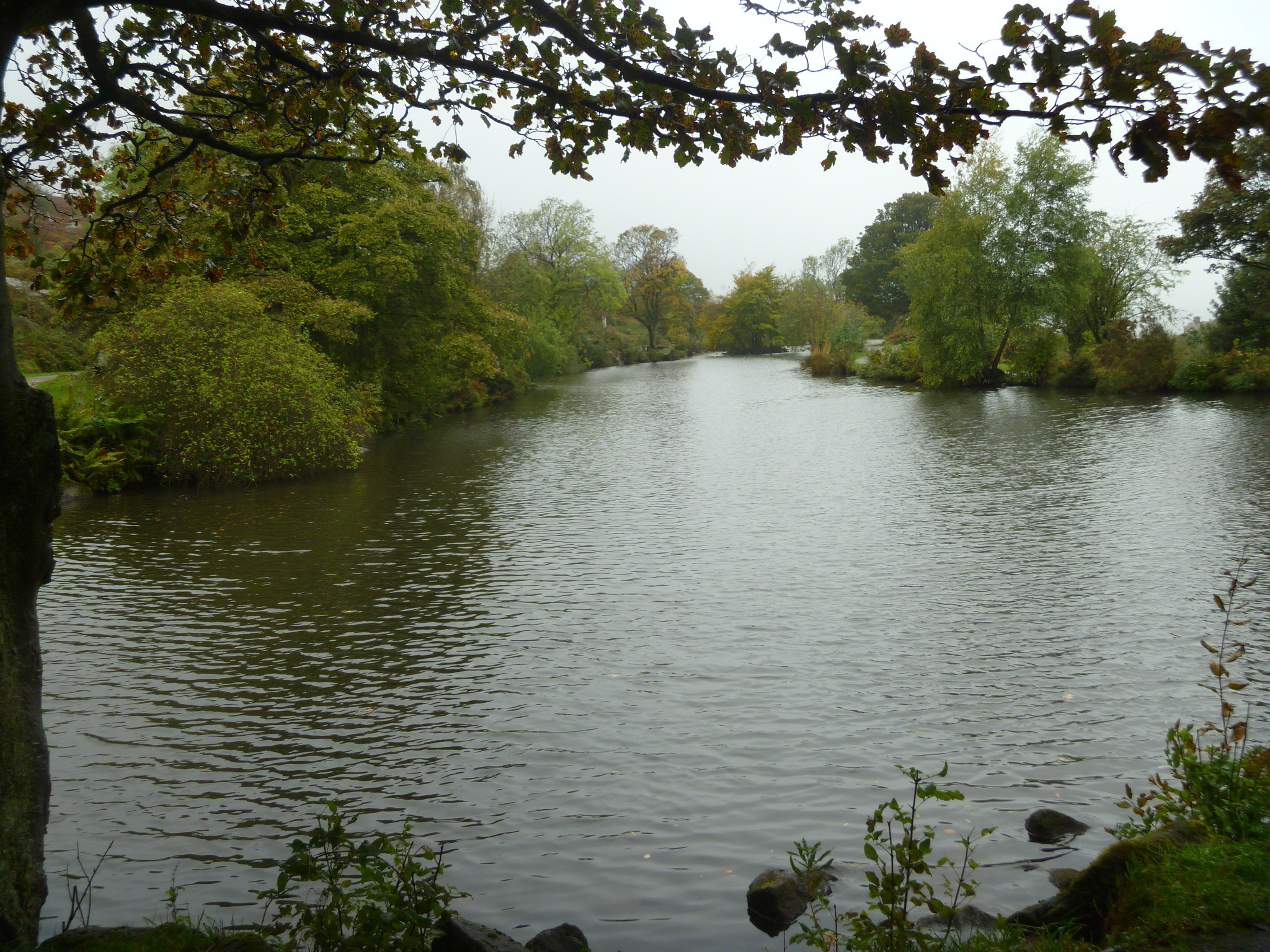
The Tarn – a natural water feature which was ‘improved’ by the Victorians who created the paths for a ‘walking’ cure.
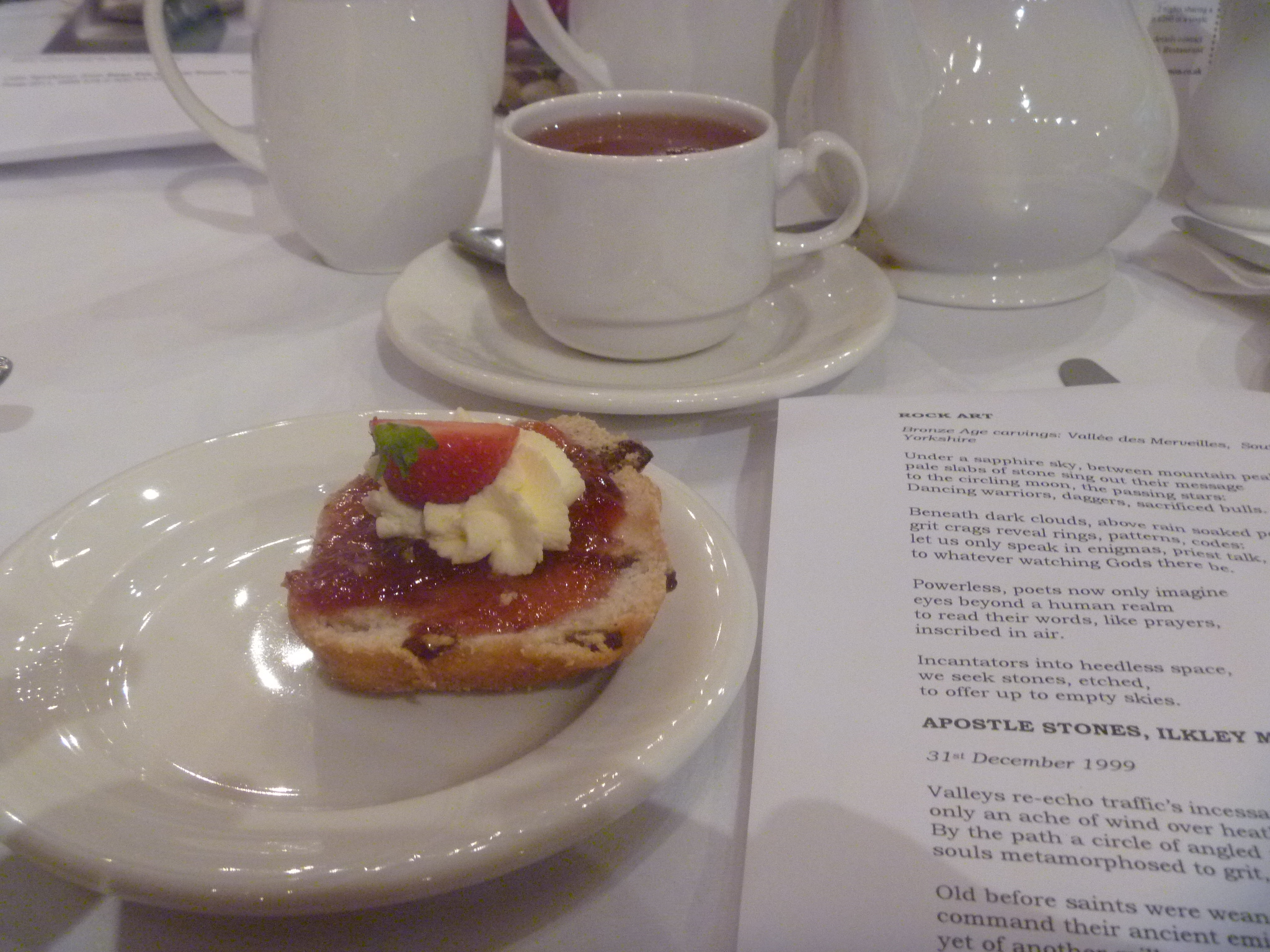
At the end of our walk – what could be better than a Rombalds tea and scones with jam and cream – yummy!
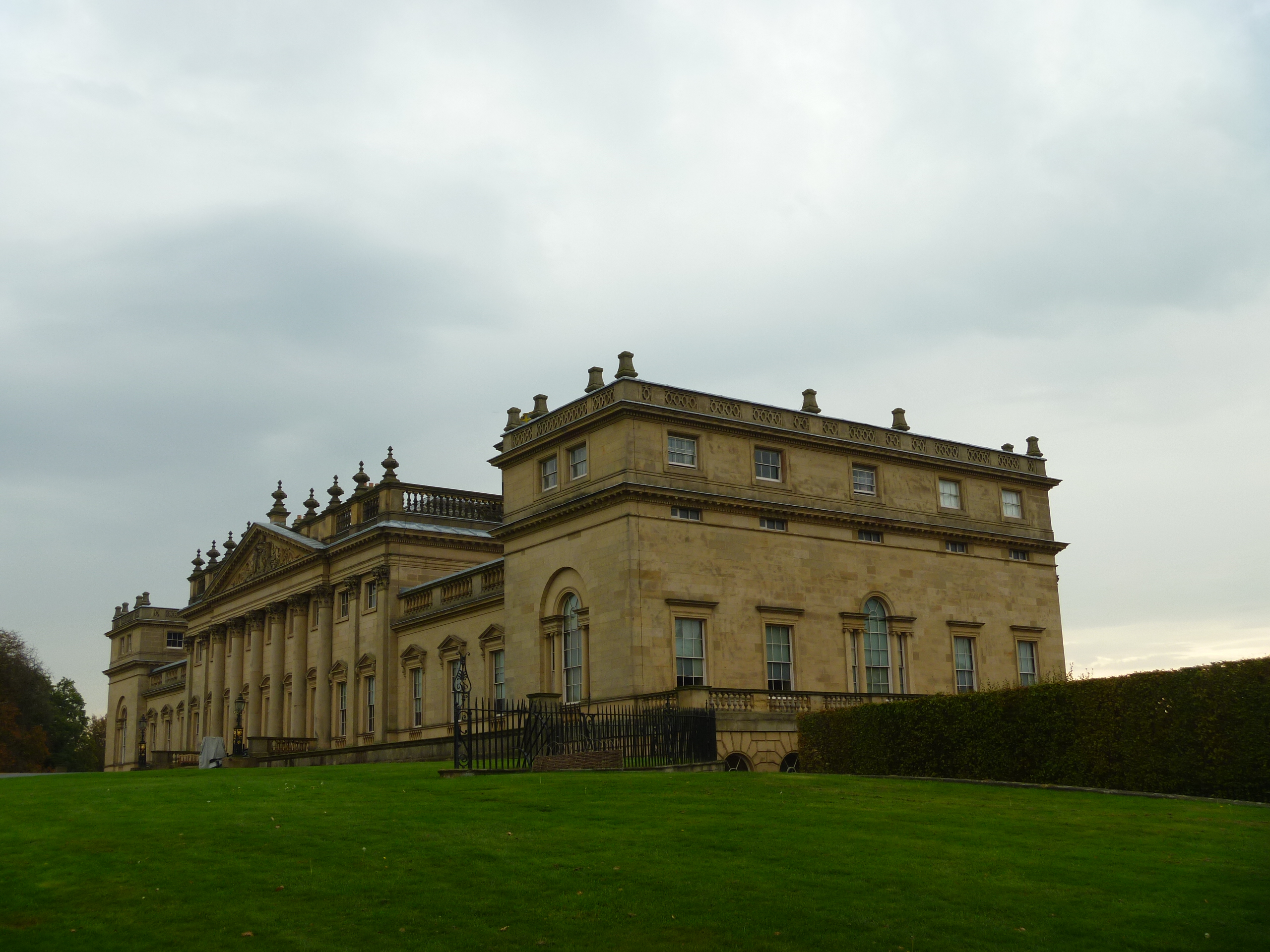















 miladysboudoir