CoCA : Centre of Ceramic Art, York

Last week was a very arty/gallery week for me what with the Whitworth on Tuesday and a re-visit to York City Art Gallery on Thursday. Back in April I first visited the recently re-opened Art Gallery in York with the local Art Fund.

Centre of Ceramic Art, CoCA.
York City Art Gallery
11am, Friday 1st April 2016
York’s wondrously refurbished Art Gallery is now host to the new Centre of Ceramic Art, a splendid addition to the Museum’s collection. On show are the collections of three major 20th century collectors of contemporary pottery in a display which rivals the works themselves. Helen Walsh, Curator of Ceramics, will talk about the bringing together of the collection before showing us round. In addition, a guided session on handling pots will give you a chance to learn much more about the making processes and understand the unique appeal of the items in the York collection.
This display of ceramics is a real eye-opener. 
Own transport starting in foyer at 11 am
Light Refreshments are available in the café of the gallery but space is limited. There are
numerous cafes adjacent to the gallery.

Continue reading

Glasgow Weekend : The Remains

In addition to all the Mackintosh connections in Glasgow we found time to explore the permanent collections at both the Hunterian and the Kelvingrove Galleries; to visit Glasgow Cathedral and Necropolis and enjoy a session at Glasgow’s Annual Book Festival “Aye Write“. The festival takes place in the beautiful Mitchell Library, one of Europe’s largest public libraries, which has been one of Glasgow’s iconic landmarks since it opened in 1911.

waterstones

Waterstones Pop-up Shop at The Mitchell Library

Continue reading

Glasgow Weekend : Mostly Mackintosh

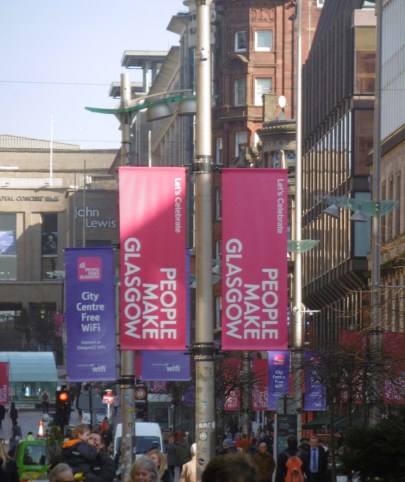
people make glasgow

Never having visited Glasgow before, I was delighted when Ann suggested a weekend visit to the city. Gosh! Mackintosh! His work is everywhere.  I was familiar with his flower paintings created during his time in Walberswick in Suffolk. Last year I read Esther Freud’s ‘Me and Mr Mac’ a fictionalised story of his time there.

Continue reading

A 90-Minute Walk Around Renaissance Florence [Morning]

It seemed like a good idea on our first morning to follow the self-guided walk described in the Dorling Kindersley Eyewitness Florence and Tuscany Guide Book.

This walk takes in the Renaissance heart of the city and passes some of its greatest landmarks. Ideally it should be done early on in your visit to get a real feel for the place and if you incorporate a climb up Giotto’s Campanile, you will get a bird’s-eye view of the narrow streets, the characteristic red-tiled rooftops and the many towers that are not so easy to see from ground level.” Continue reading

The Arts & Crafts House in Newcastle and in Leeds

Back in the summer of 2015 on my drive down to Cornwall I was faced with a dilemma. Whether to visit the LAND sculpture created by Antony Gormley as part of the 50th birthday celebrations of the Landmark Trust and installed alongside the Stratford upon Avon Canal outside the Landmark property Lengthsman’s Cottage. Or whether to call in at Compton Verney House to view the exhibition “The Arts and Crafts House; then and now”. In the end the Landmark won the day.

Then earlier in January, I don’t remember how I came across it, I found that the Laing Gallery in Newcastle was showing the same exhibition until the 31st of the month. I knew I would get to see it and who I hoped would come with me. Continue reading

Remembrance : Rosanna’s Mosaic Poppies

My friend Rosanna posted this earlier in the week. The South Street Gallery is in Isleworth at 2 Shrewsbury Walk, Isleworth, TW7 7DE (020 8758 9177)
Sunday 10:00 a.m. – 5:00 p.m.
Monday to Friday 9:00 a.m. – 5:00 p.m.
Saturday 10:00 a.m. – 5:00 p.m.
I also love Rosanna and Alan’s plans to walk The Capital Ring.

NOTE : Some of Rosanna’s photos don’t appear here so please click the link to the original post to see more!

Rosanna's Mosaics's avatarRosanna's Mosaics and Glass

P1050595For this Remembrance weekend I have made 3 poppy mosaics. They will be in the South Street Gallery as Lesley is having a special weekend event.

Here is a reminder of the fantastic poppy art installation that graced the Tower of London last year.  A stunning, moving display that will stay in the mind forever.

LONDON ACTIVITIES:  We have started to walk ‘The Capital Ring‘ which is a 78 mile route around London, divided into 15 sections. Walking through open spaces, nature reserves and woodlands, it passes numerous historic sights and places of interest.

Section 1: Woolwich to Falconwood. Starting by the river at Woolwich going towards the Thames Barrier, branching off into Maryon & Maryon Wilson Parks, past Charlton House, over Woolwich Common and Eltham Common before ascending Oxleas Meadows for spectacular views over London and a well deserved cuppa before catching the train home. A beautiful…

View original post 9 more words

Rothenstein’s Relevance at The Ben Uri Gallery

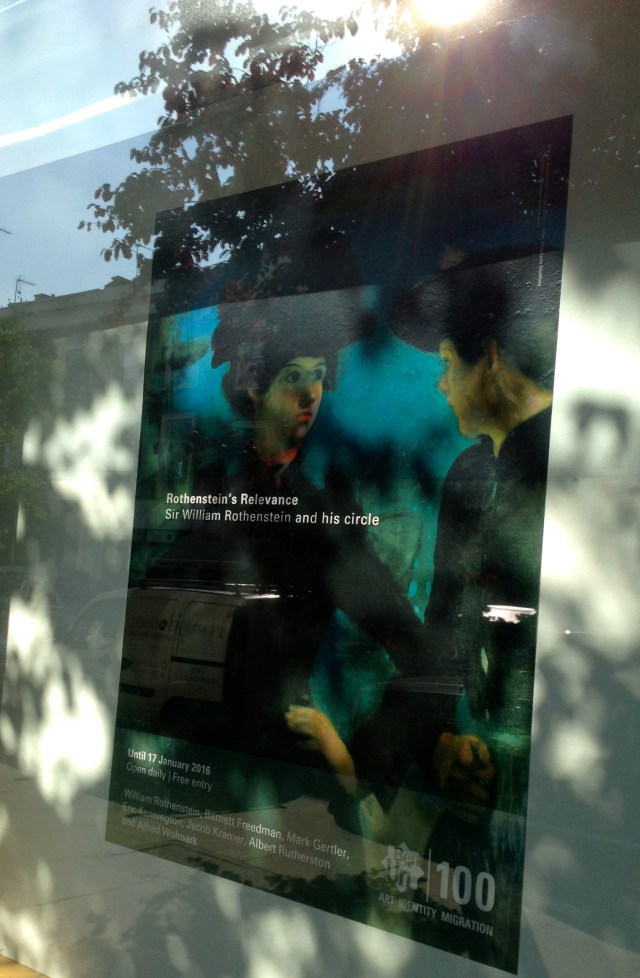
RR poster

In January 2014 I visited the Ben Uri Gallery in north London and today I was back there again.  It’s very fortuitous that I happen to be dog-sitting again when another excellent show is on at the Gallery. Sir William Rothenstein (1872-1945) was born in Bradford and attended Bradford Grammar School and was a very significant figure in the art world in the first half of the 20th century. Continue reading

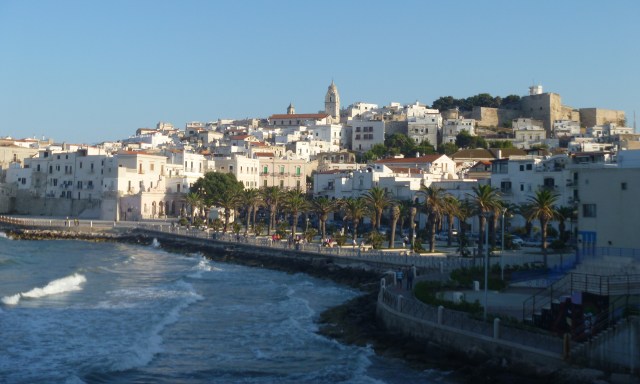
Continuing Footloose in the Gargano Peninsula

The next day we left the hotel by the way we had arrived but on leaving the section of main road headed off uphill, away from the sea.

An initial climb brings you to a high point with wide views and then down along a stony, woodland track to the base of the next valley. Another climb brings you out to a high point before heading inland. You follow farm track and a short climb on road before picking up a gravel track that gently descends to your final destination with stunning panoramic views across the valley to the sea.”

At the ‘base of the next valley’ we came almost face-to-face with a family of wild boars. We knew we just could not pass through the area as they were hidden from us for the most part and making a lot of noise. In order to contact Matteo we had to retrace our steps to the ‘high point with wide views’ and wait for him to ‘rescue us’. This he did efficiently and quickly and offered to walk through the wild boars area with us. We declined his offer with the excuse that we had already lost quite a bit of time and could he put us back on the track a little further along the route.
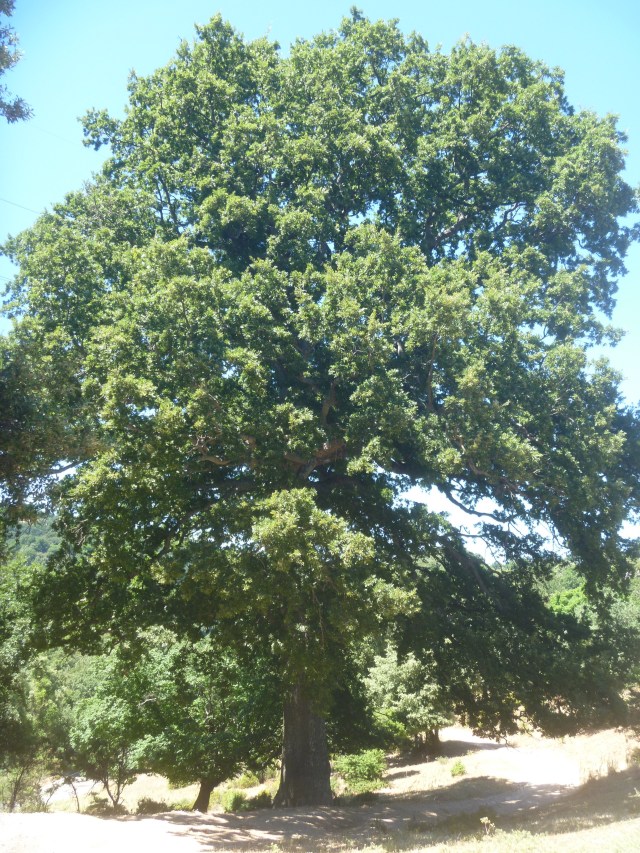
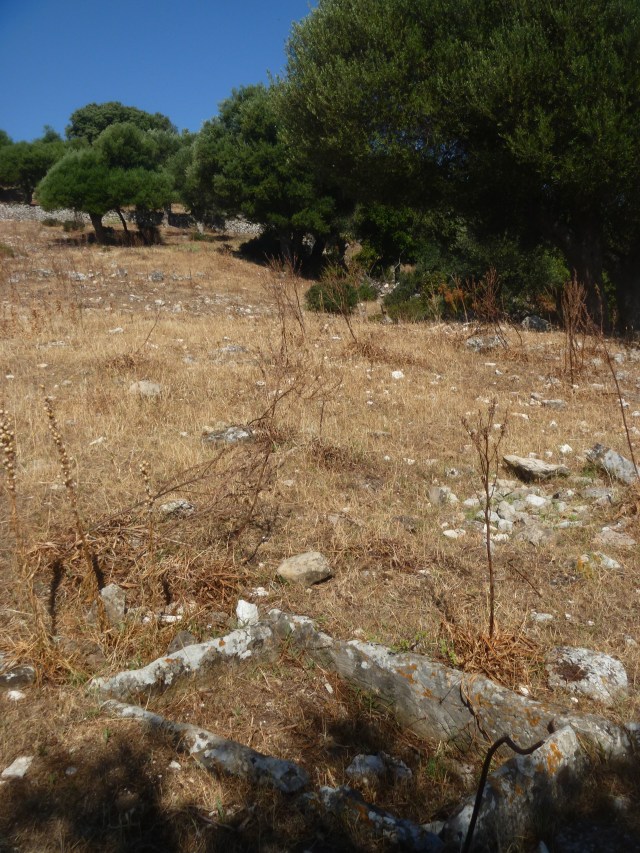
Turkish oak

The Turkish Oak

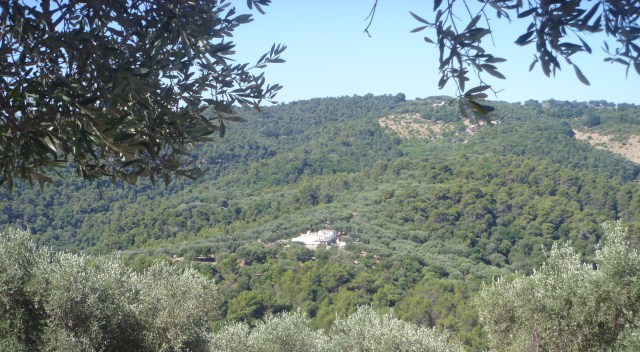
Matteo dropped us off on the track (just by a monumental Turkish Oak tree: read more about this species here) that leads over several kilometres to the very remote Agriturismo farm Masseria Sgarrazza at San Salvatore where we were to spend that night.
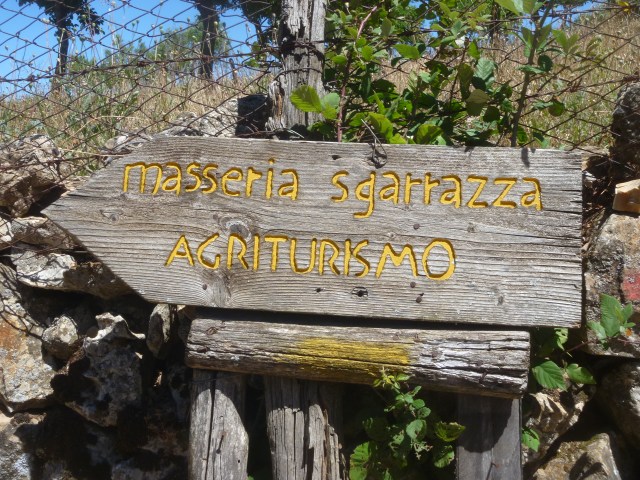
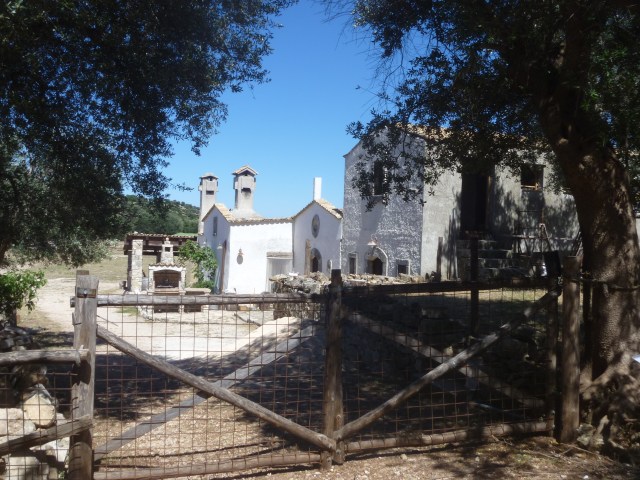
Sgarrazza sign

arriving at sgarrazza

Arriving at the Masseria Sgarrazza

This amazing place – it was like stepping back in time – has existed as a farm here since 1820. The name comes from the local dialect word ‘sgarra’ meaning split or crevasse, because of the way that the sea splits the horizon where it joins the land. I think the way of life has changed little here; but as we dined that evening we could hear the telly. Access to water sources is a problem throughout the Gargano due to the quick draining cretaceous limestone that makes up the area. Here at San Salvatore water is delivered by truck to a huge water store.
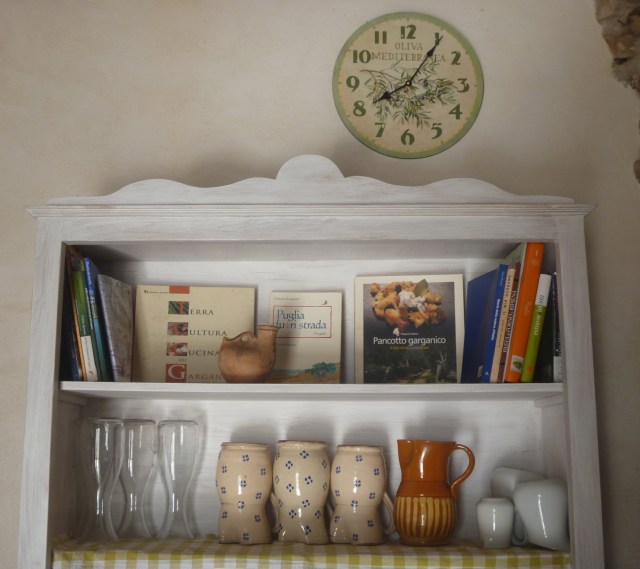
in the dining room

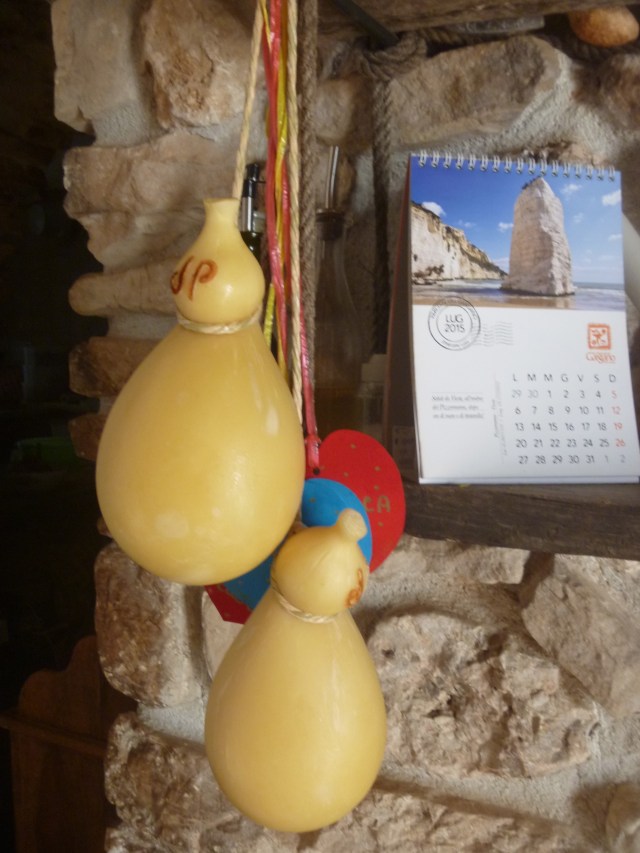
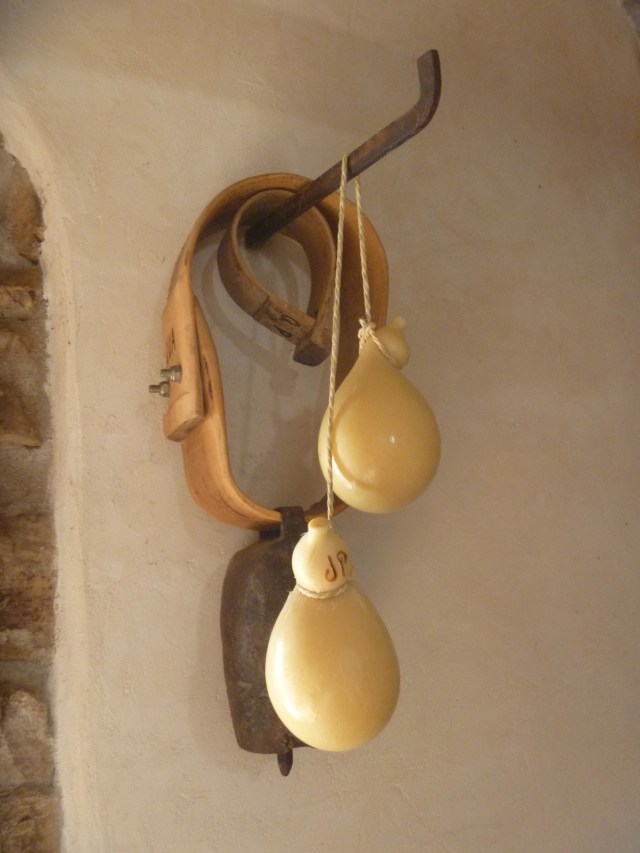
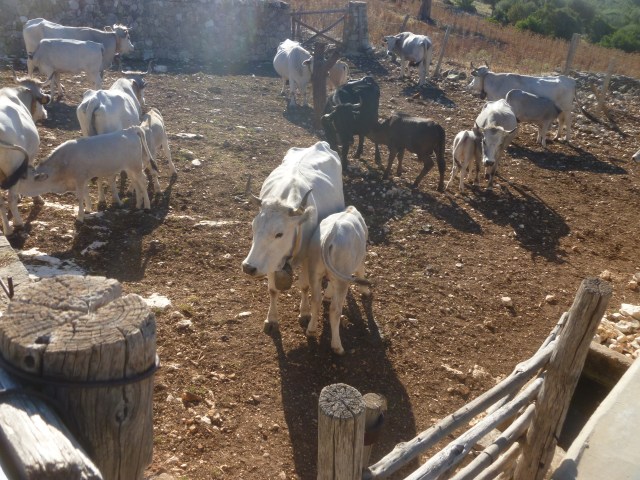
The olive oil served at dinner was all produced here and they make the wine served themselves (but they don’t own any vines). The delicious Caciocavallo cheese is a speciality of the farm and is produced from the limited supply of milk from their Podolico cows.
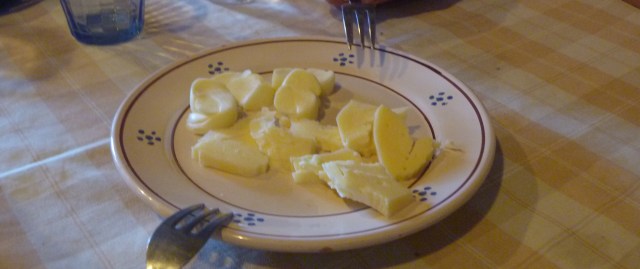
chees

Caciocavallo cheese

more cheese

cheese hanging everywhere

Cheese maturing everywhere

podolicos

Podolico cows

Guests (just us) are accommodated in converted old stables and the arrangements were primitive to say the least! The original farmhouse (where the farmer and family ate, cooked and lived) is now just the dining room of the much expanded house.
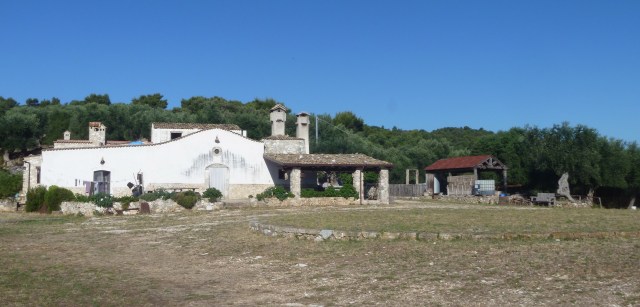
threshing floor

The Farm and Threshing Floor

The large stone circle in the middle of the farmyard is an aia (threshing floor). There was once a little grain production and when this had been cut it was brought to the threshing floor where horses were led round in circles separating the grain from the straw with their hooves. Then it was manually tossed in the air so that lighter straw would be blown away and the grain remained on the threshing floor. At 254 sq m it is one of the biggest and best preserved in the Gargano. Another aia can be seen in the Pagliaiphoto in the previous post.

sgarrazza view

The Masseria Sgarrazza – miles from anywhere!

A short detour from the next day’s route took us to the 2,500 year old necropolis of San Salvatore. I think we thought we had seen sufficient tombs and necropolises on our ATG walk last year (Etruscan Lanes to Orvieto) but it seemed not and we added a further 2.5km to the day’s walking. Matteo worked this excursion out himself and he writes in the notes :

The necropolis was built by the Daunian Civilization between the sixth and fourth centuries BC. During the 1950s it was stripped by grave robbers; but archaeologists managed to save some finds (eg small pots, tools, funeral ornaments). These are now kept in the Archaeological Museum in the Castle at Manfredonia. It seems, though, that the Daunian inhabitants of this area were less evolved than at otehr Daunian centres (eg Siponto/Manfredonia and Ascoli Satriano). Nowadays, you can only see the square stones cut to form tombs … but to visit a 2500 year old cemetery remains a unique experience … don’t you think?”
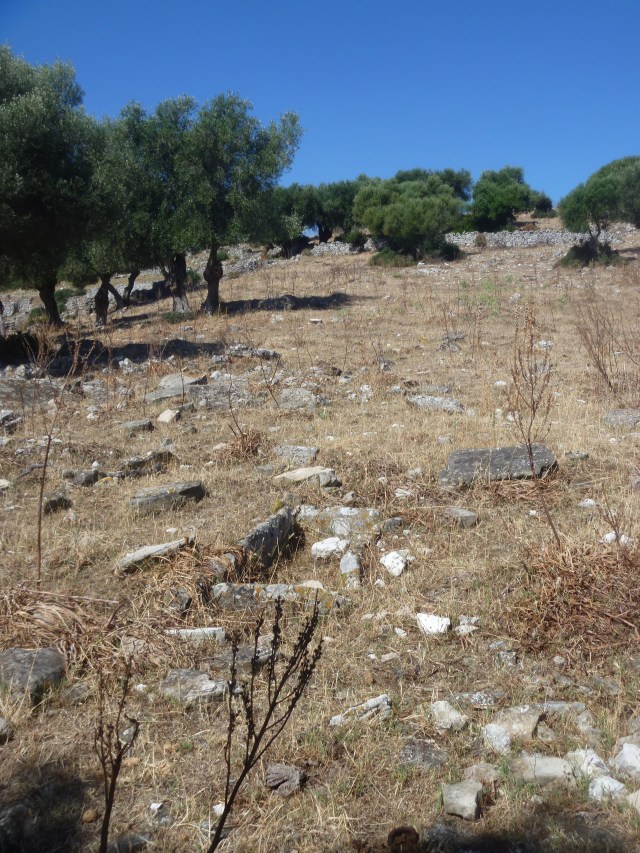
necropolis site

The Site (hard to capture the look of the place)
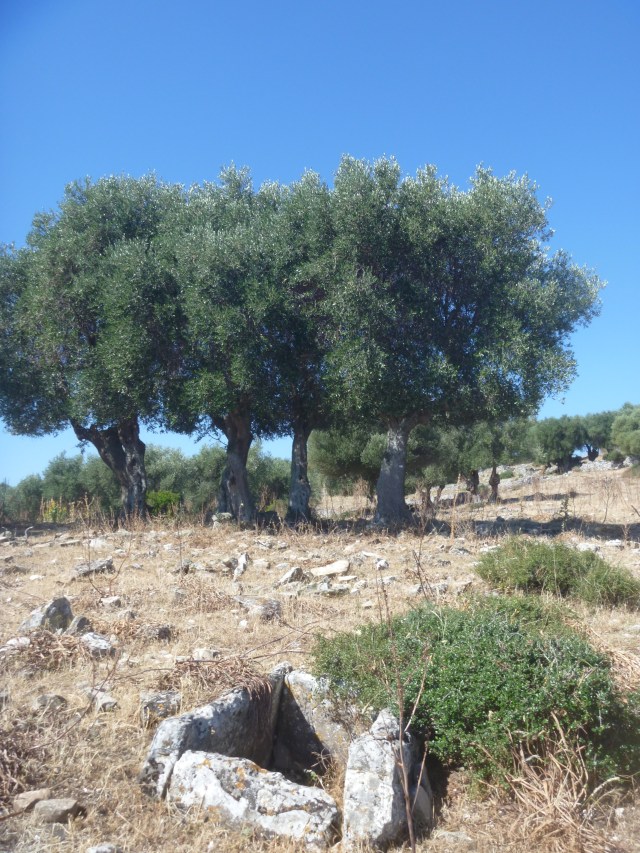
necropolis

grave

Tombs and Graves

After the detour the route is described thus :

A gravel track descends gently through the valley with wonderful panoramic views across to Vieste (our final destination) passing farms along the way. Then a rolling ridge track with splendid views carries you down to sea level, and the walk is completed along the long beach or seafront of the town.”
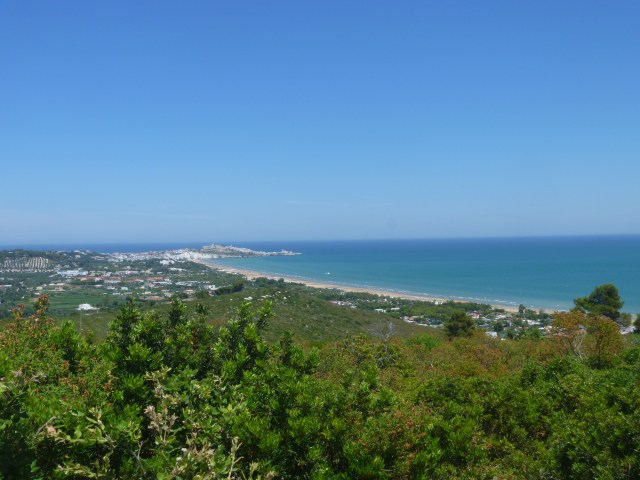
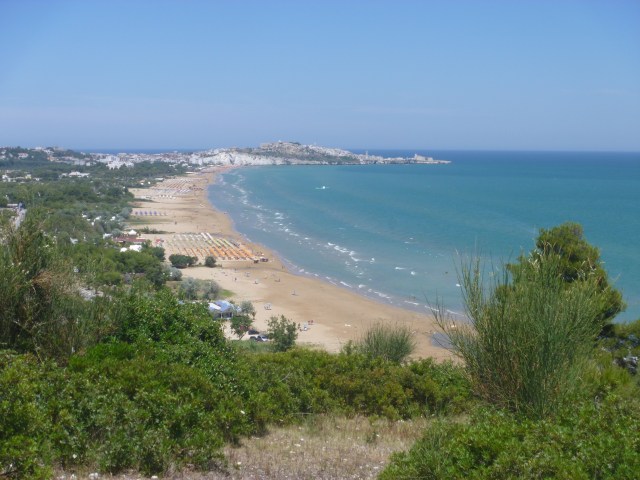
vieste and sea view

nearly there

So, lots of ups and downs, super sea and town views and finally arriving at the seaside and straight into the first beach cafe for a pizza lunch. Then it was just a few more kilometres and a climb up into the town to the Palace Hotel very conveniently situated and handy for town, old town and harbour.
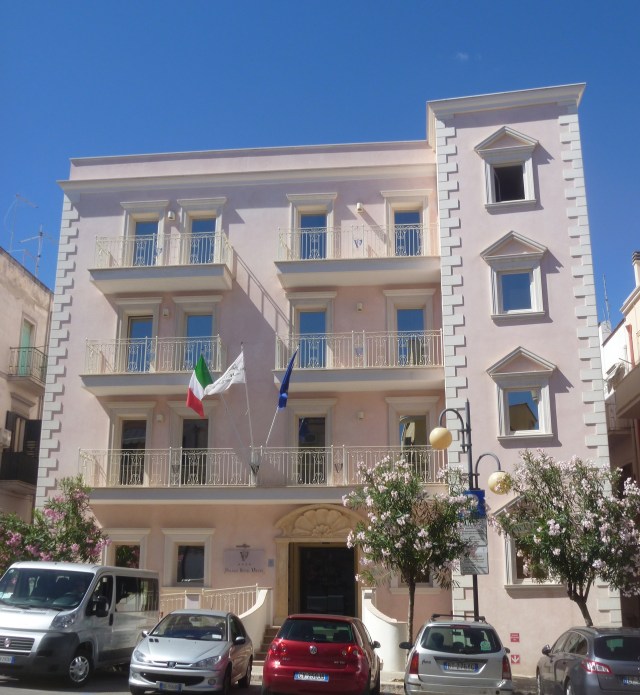
palace hotel

The Palace Hotel, Vieste

That evening we went with Matteo’s suggestion to eat at Taverna Al Cantinone in the Old Town. The Route Booklet says :

Fresh and tasty local food. Traditional dishes from the Gargano revisited with a bit of fantasy. Good value for money.”

What it doesn’t tell you about is the lovely homely atmosphere and decor and the friendly, helpful and charming owners; a chef and his Spanish partner who serves at front of house. In fact, we ate there both evenings.

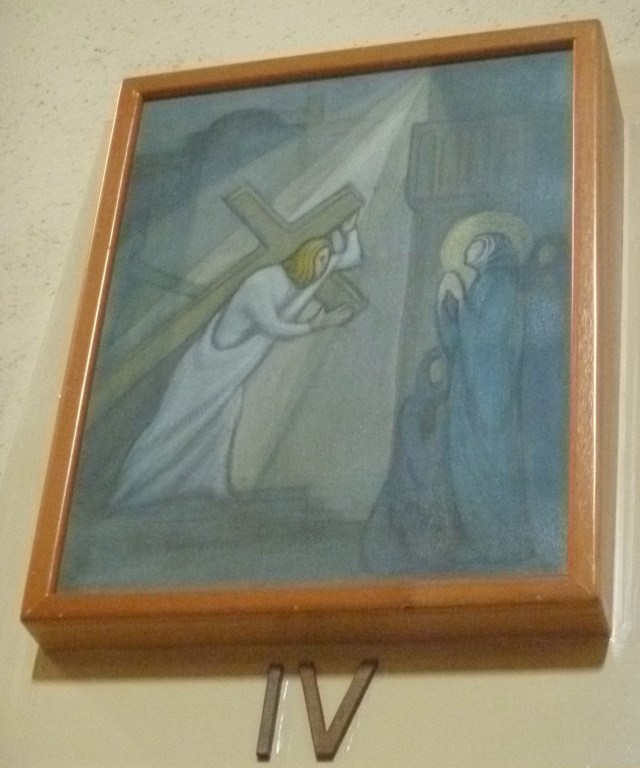
On the seven night ATG walking holidays there is always a free day so this meant we spent two nights at Vieste. On our free day we’d expected to take a boat trip to visit caves and spend a few hours with our reading at the Palace Hotel private beach. But the day dawned cloudy and windy with rain threatening so at breakfast a quick decision was made, the receptionist consulted for timetables and we took the local bus along the coast road to nearby Peschici. It’s another characterful old town with a castle (due to rain we visited the grisly Museum of Torture! – torture in itself!!), church of Sant’Ella (with Bauhaus style paintings of the Stations of the Cross), bell towers, town walls, narrow streets and plenty of craft and souvenir shops.
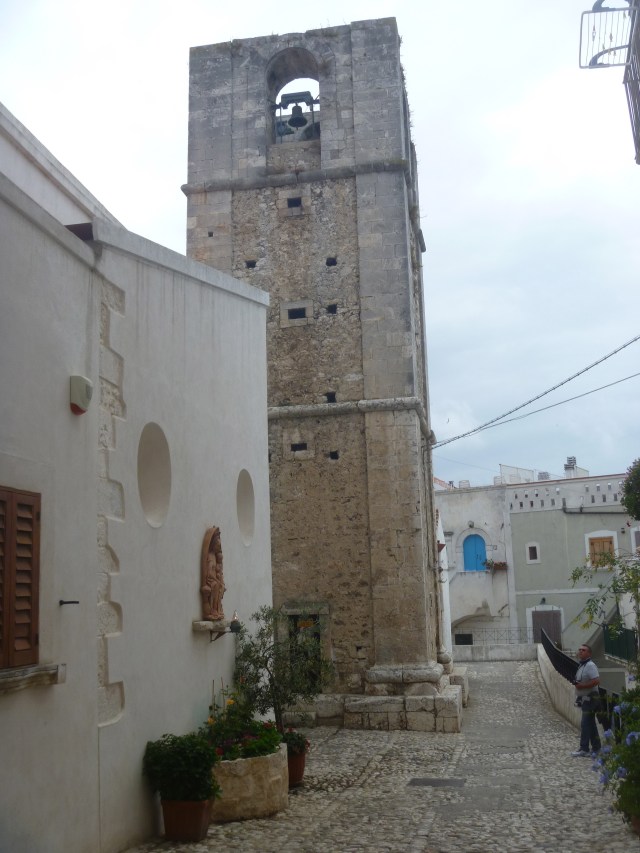
bell tower

Bell Tower at Sant’Ella

stations of cross

Stations of the Cross

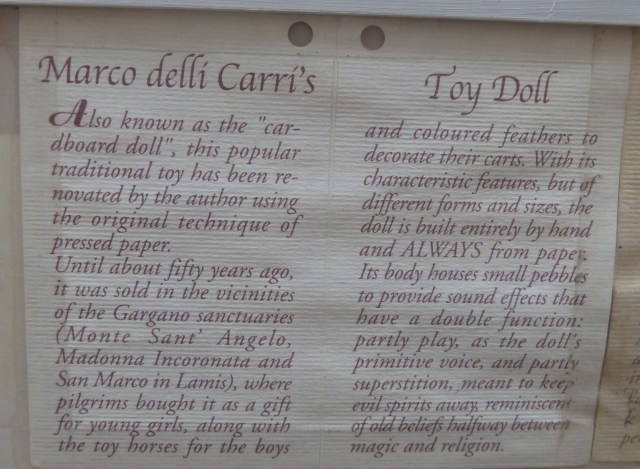
Typical souvenirs are wooden Pinocchio-style puppets and these dolls :
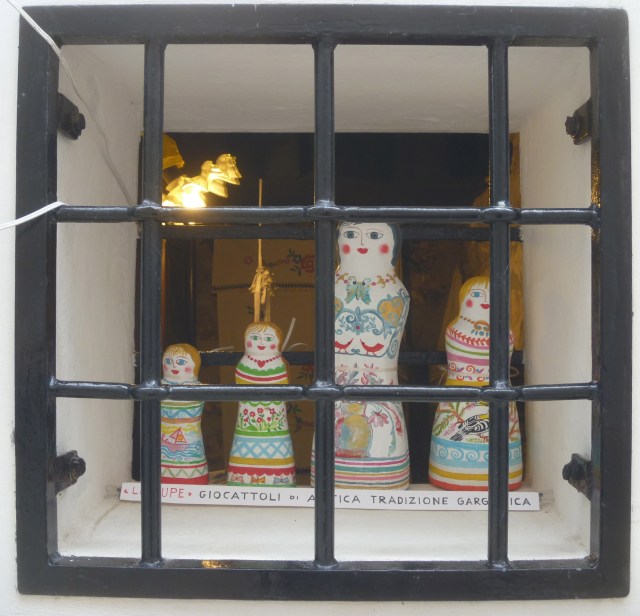
the dolls

about the dolls

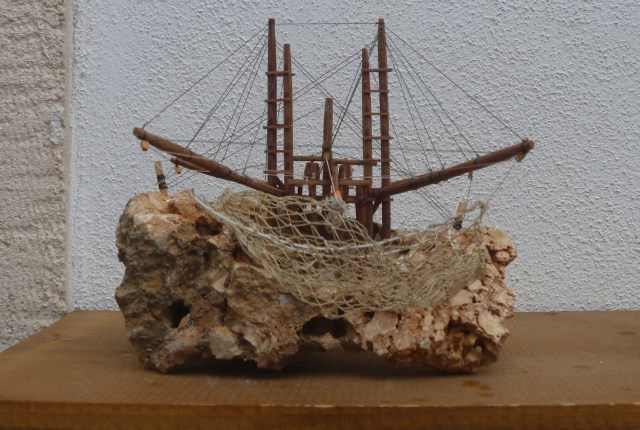
and models of trabucchi :

model trabucco

Trabucchi are wooden structures submerged in the sea. They are an ancient form of fishing technique consisting of large platforms anchored to the rocks and long wooden poles, ropes and pulleys. These days they are no longer used, except as a hobby, but they strongly symbolise the tradition and culture that was once fundamental to the economy of Vieste and the immediate region.
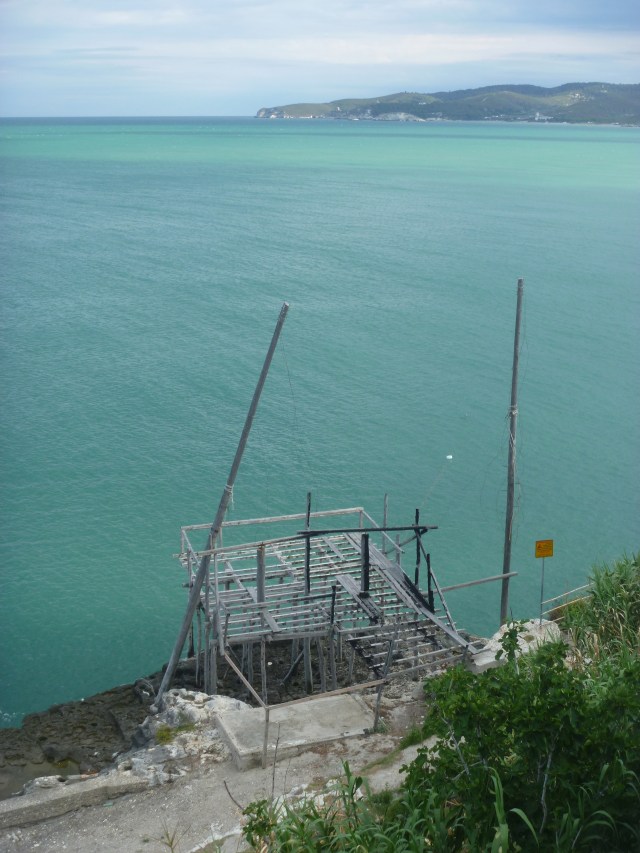
Vieste trabucco

A trabuccho at Vieste

By early afternoon we were back in Vieste where the sun was beginning to come out so we walked round the old town looking for the trabuccho, the Pizzomunno  stack and visiting the Cathedral.
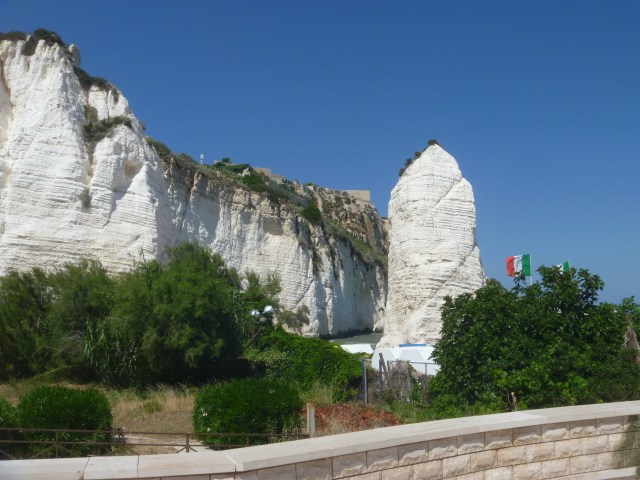
Pizzomunno

Il Faraglione ‘Pizzomunno’

This is a magnificent example of a calcareous monolith that stands 25m high next to the cliff side on the Castle Beach. It has become a symbol of Vieste. The rock’s name is taken from the legend associated with it. Read the story here.
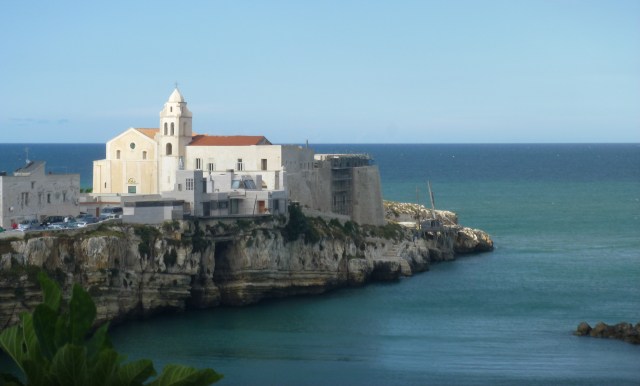
cathedral

The Cathedral

old town

The Old Town of Vieste

And so, after a week of walking the paths of Gargano our trip was soon at an end. On the final evening we met again with Matteo to give our feedback and the next morning our taxi driver, Giancarlo, picked us up to whizz us along the autostrada to Bari Airport in his comfortable air conditioned Audi limousine, telling us proudly on the way how his grandfather began the family taxi business with a horse and cart.

What an adventure and what an achievement!


Birmingham Architectural, Historical and Modern Gems, 2

As I said already, the jewels and gems of Birmingham don’t stop in the Jewellery Quarter …

There is also the Birmingham Museum and Art Gallery which houses one of the best collections of fine and decorative art, historical artefacts and archaeological treasures in Britain today; all displayed in an elegant Grade II* listed building. The collection is particularly strong in Pre-Raphaelite art. There is also a permanent display of items from the Staffordshire Hoard. [Adapted from Art Fund Guide]

Egg-travelling

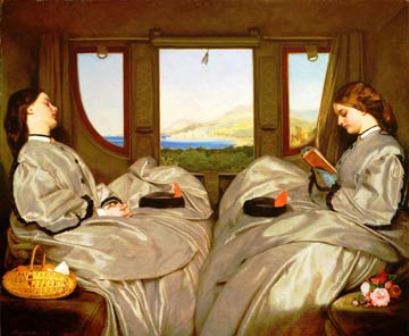
Travelling Companions by Augustus Egg (1862) one of my favourite Victorian paintings is in the care of BMAG

On Sunday afternoon we were on the trail of the gold and gems of the Staffordshire Hoard. No photography allowed.

Discovered in 2009 and acquired jointly with the Potteries Museum and Art Gallery in Stoke-on-Trent with assistance from the Art Fund, this treasure trove of 7th century Anglo-Saxon art features 4,000 pieces of gold and silver displaying intricate filigree and cloisonné work. Since October 2014 a new permanent gallery interprets the story of the hoard and its context within Anglo-Saxon history. Beyond the richness of the materials and the exquisite decoration, the hoard is significant because of its strictly masculine nature. These are exclusively military items created for Mercia’s best  fighters.” [Art Quarterly, winter 2014, p.31]

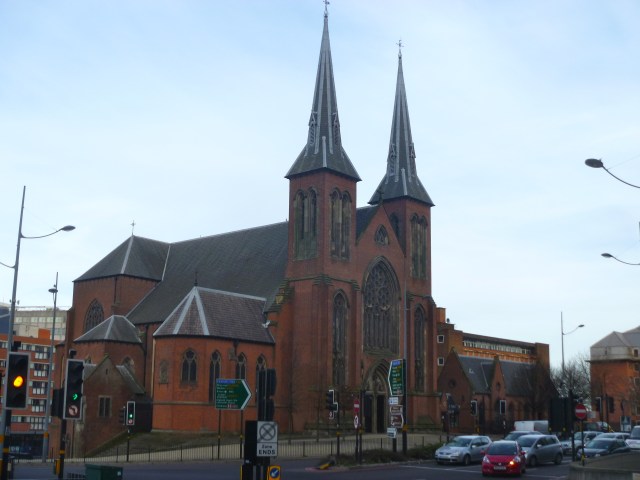
St Chad's and roads

St Chad’s Cathedral or Traffic Circle

Birmingham has two cathedrals both gems of their type. The Roman Catholic Metropolitan Cathedral and Basilica of St Chad is a little out of the immediate city centre but we could easily walk there. How many times did we remark to each – “Car is King in Birmingham”? Pedestrians must wait at lights, use underpasses and walkways and over-road links. The RC Cathedral appeared to be sited in the middle of the road. Access is not easy. However, we made it safely through its doors on Monday morning and into another world. A world of peace and calm and of glorious art. No photography was allowed but I had already taken this one before I saw the sign.

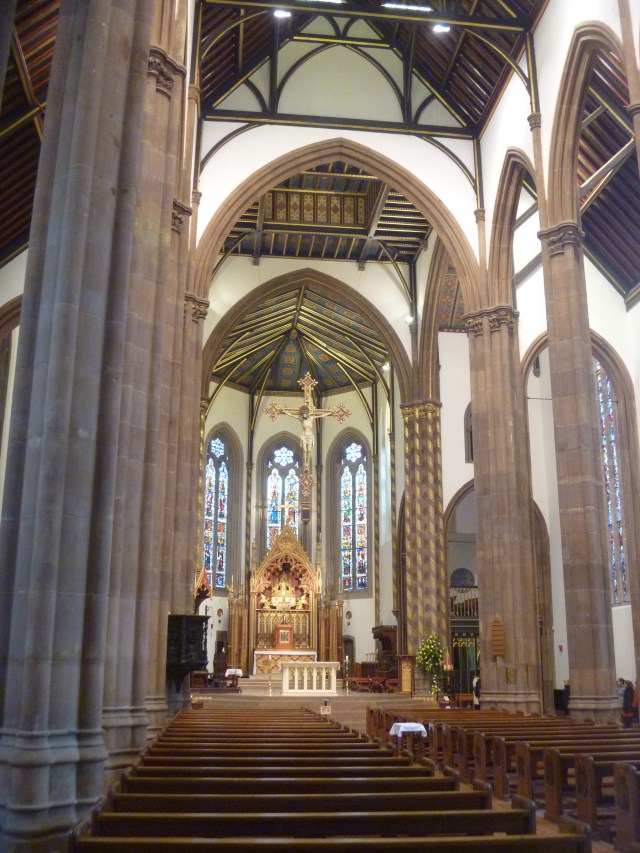
St Chad's

The Nave, St Chad’s Cathedral

A significant stopping-off point on Birmingham’s Pugin Trail the Cathedral was the first Roman Catholic Cathedral to built in the UK since the Reformation. The superb original internal decorations and fittings were made by skilled craftsmen re-introducing skills of the Medieval era.  John Hardman plate and windows; Herbert Minton tiles; William Warrington chancel window. Augustus Welby Northmore Pugin also supplied original Medieval furnishings from his own collection including the stalls and pulpit. His rood screen was removed in 1967.

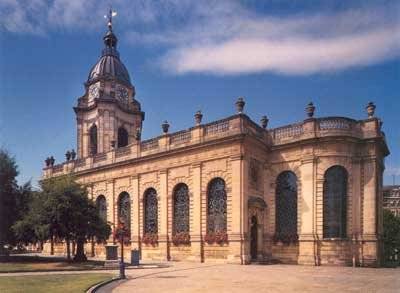
Only after dropping in to St Philip’s Cathedral on Sunday afternoon and deciding to stay for Evensong – more members of the choir than members of the congregation and followed by a brief organ recital – did I read this suggestion in my LV City Guide 2012 Birmingham, London, Dublin :

Birmingham Cathedral

St Philip’s Cathedral [source]

Sunday in Birmingham : Attend a service in 18th century Birmingham Cathedral which has a number of stained glass windows designed by Edward Burne-Jones. Colmore Row.”

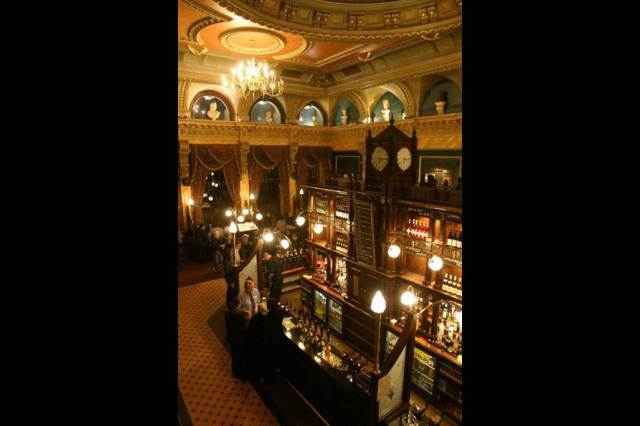
Looking_down_on_bar_3536

Old Joint Stock Bar [source]

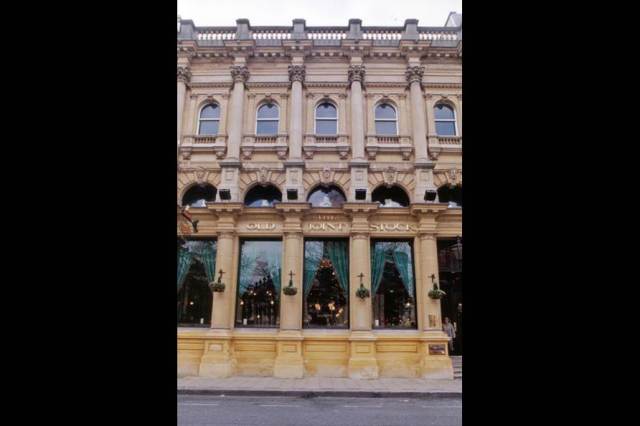
Opposite the Cathedral is the famous Birmingham pub The Old Joint Stock Pub and Theatre. Just a few paces from the Cathedral we decided to pay a visit. Unfortunately the theatre wasn’t open that evening but the island bar was impressive. Also from my LV Guide :

Old_Joint_Stock_External2_3539

Julius Alfred Chatwin was primarily a designer of Birmingham churches … But there were exceptions to his church work and the opulent interiors of the Old Joint Stock, opposite St Philip’s Cathedral (in which he had a hand), showed that he could be moved to great things in the temporal sphere as well. Completed in 1864, the building first belonged to the Birmingham Joint Stock Bank. It was converted into a pub in 1997. Under a glass domed ceiling, beside an island bar and with sumptuous interiors, this is one of the grandest pubs in the city. Upstairs is an 80-seat theatre, minimalist in decor, but the sort of facility few pubs can shout about.

ET ad

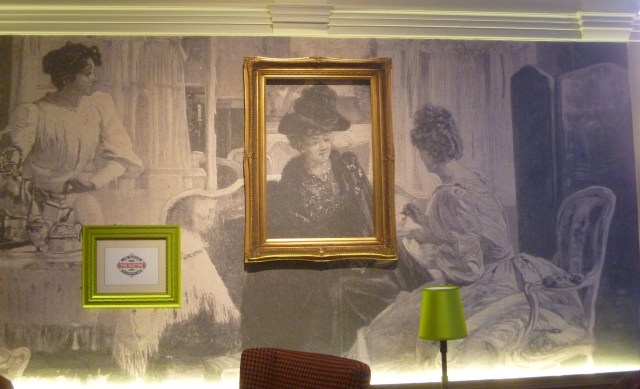
ET Mural

Tea Room Mural

On Monday we returned to The Art Gallery to the highly recommended Edwardian Tea Room for a light lunch before heading to our raison de visite The Library of Birmingham.

Few other tea rooms in the world can boast a stellar gathering as was here under the ornate ceiling and glass canopy in May 1998. The G8 Summit was being held in the city and for a short time a group that included Bill Clinton, Boris Yeltsin, Jacques Chirac and Tony Blair (and their interpreters) sat around a table commissioned from David Linley for the occasion, surrounded by a pick of the museum’s Pre-Raphaelite paintings hung here especially for the event. Even without the table and the paintings, The Edwardian Tea Room is still a grand setting for tea, coffee, snacks and lunches.” [LV Guide]

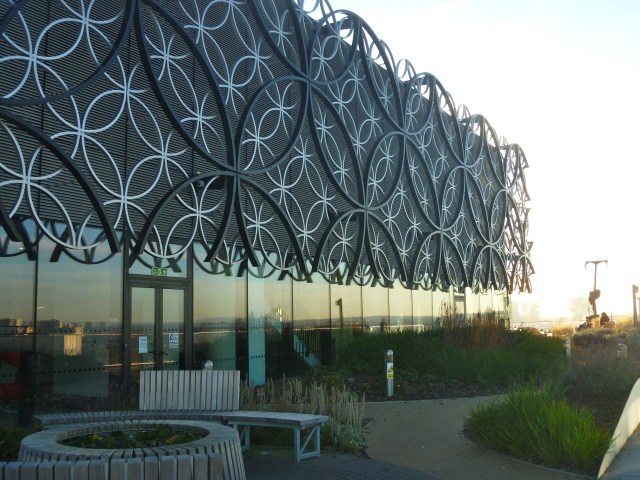
Wedding Cake

The Library Building Decorated on the Exterior to Represent Rings and Birmingham’s Jewellery Heritage

The Giant Wedding Cake, as the library is affectionately known, offers pre-bookable guided  tours to the building and its contents on Mondays at 2.15.  The building was officially opened by Malala Yousafzai in September 2013.

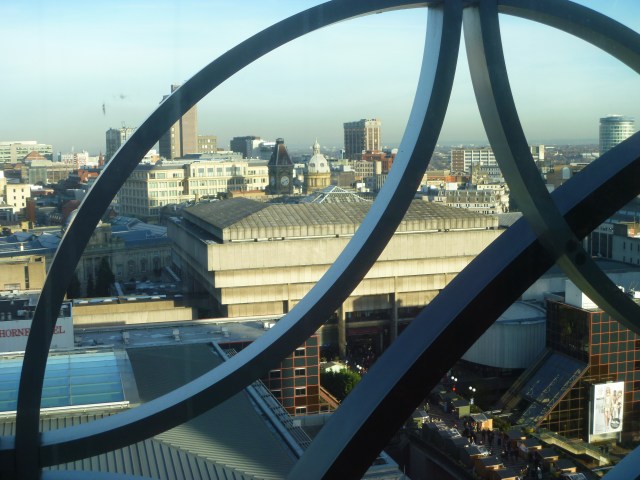
We took the glass lift up to the 9th floor from where we had long-reaching views of the city  and beyond from the Skyline Viewpoint. Also on the ninth floor is the Shakespeare Memorial Room.

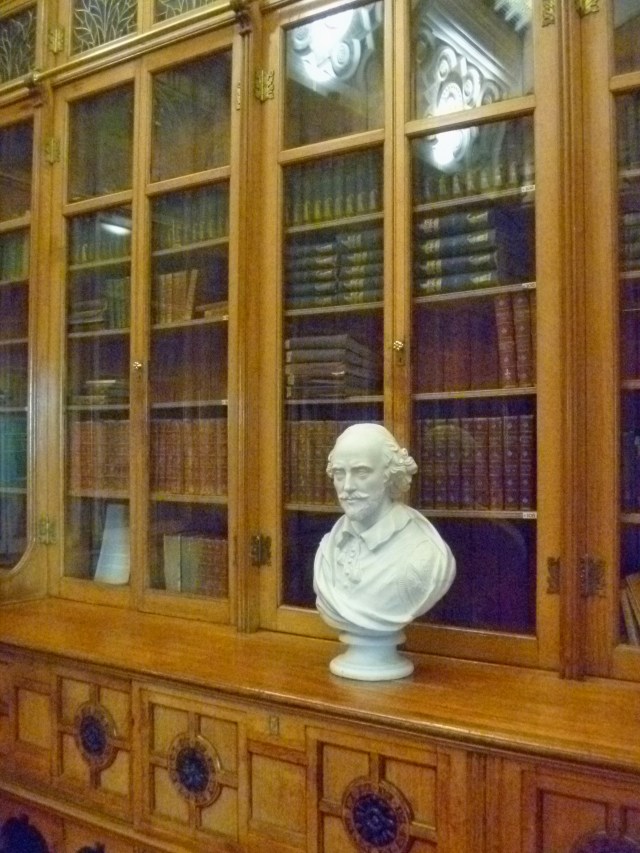
Shakespeare

Shakespeare in his Memorial Room

“This original feature from the city’s Victorian library was designed by John Henry Chamberlain in 1882. Since then
it has changed home twice, moving to Central Library when it was built in the early 1970s, and to the Library of Birmingham almost forty years later. It originally housed the Birmingham Shakespeare Library, which is still available at the Library of Birmingham. The Room is wood panelled with glass printed shelves inspired by the Elizabethan age with carvings, marquetry and metalwork representing birds, flowers and foliage. The woodwork is by noted woodcarver Mr Barfield, and the brass and metal work is most likely crafted by Hardmans. The Shakespeare Memorial Room has been painstakingly reconstructed by local craftsmen A. Edmonds & Co. Ltd and the Victorian Cornice Company whorestored the elaborate ceiling. The books and memorabilia you see on the shelves are interesting items from the Library’s general collections (the Shakespeare collection outgrew the room as early as 1906).” [source]

70s library

The old Central Library seen through the rings

We then descended floor by floor visiting two gardens on our way down including the Secret Garden and The Discovery Terrace.

secret garden

The Secret Garden on the Seventh Floor

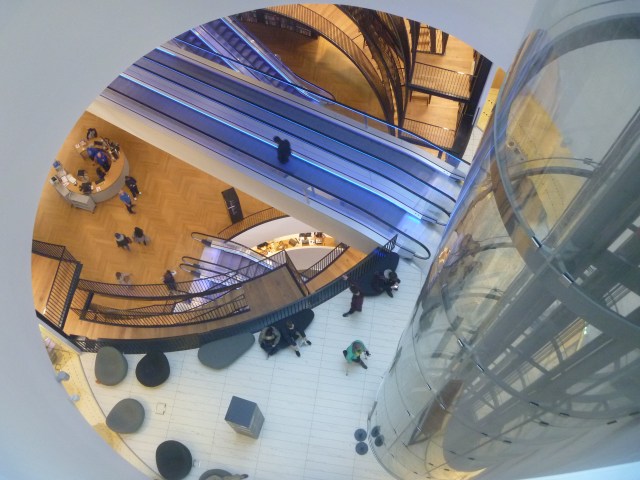
Lift and escalators

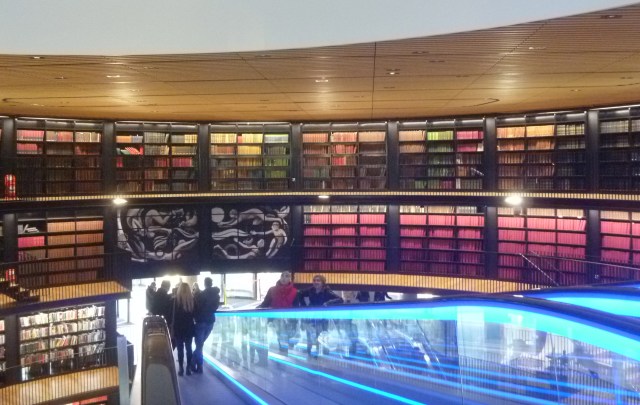
Looking down into the Library and the Book Rotunda

Book Rotunda

The Book Rotunda – Shades of The British Museum and Waterstones Book Shops

Children's Library

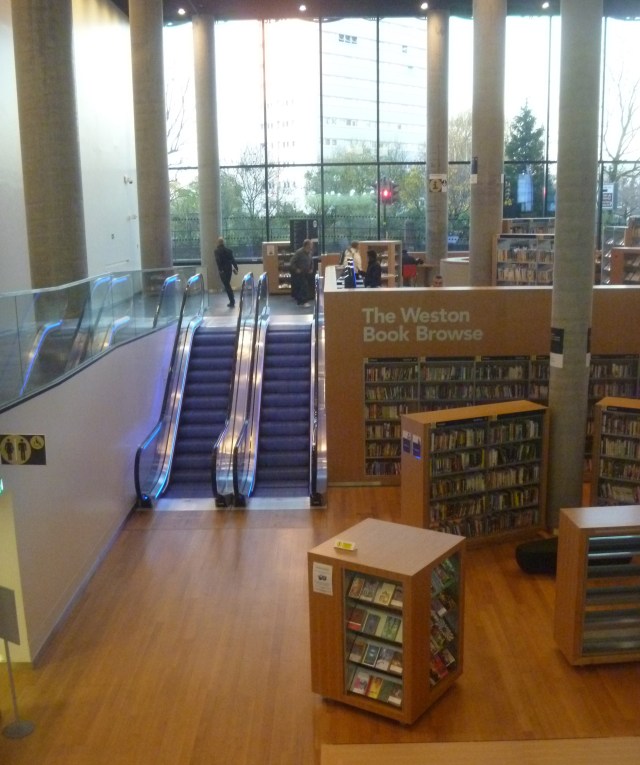
The Book Browse Fiction Library

Here is a Library buzzing with enthusiasm and offering its readers so much more than books (although I’d be happy with just the books). The What’s On programme that I picked up lists Exhibitions (we visited The Voices of War during our tour), Films, Music, Activities, Performances, Dance, Poetry and Workshops. Lucky Birmingham to have this facility in the heart of the city I hope the citizens make good use of it and what it offers.

Despite a packed two days and two half days we  are sure that there are many more Birmingham gems still to be visited!