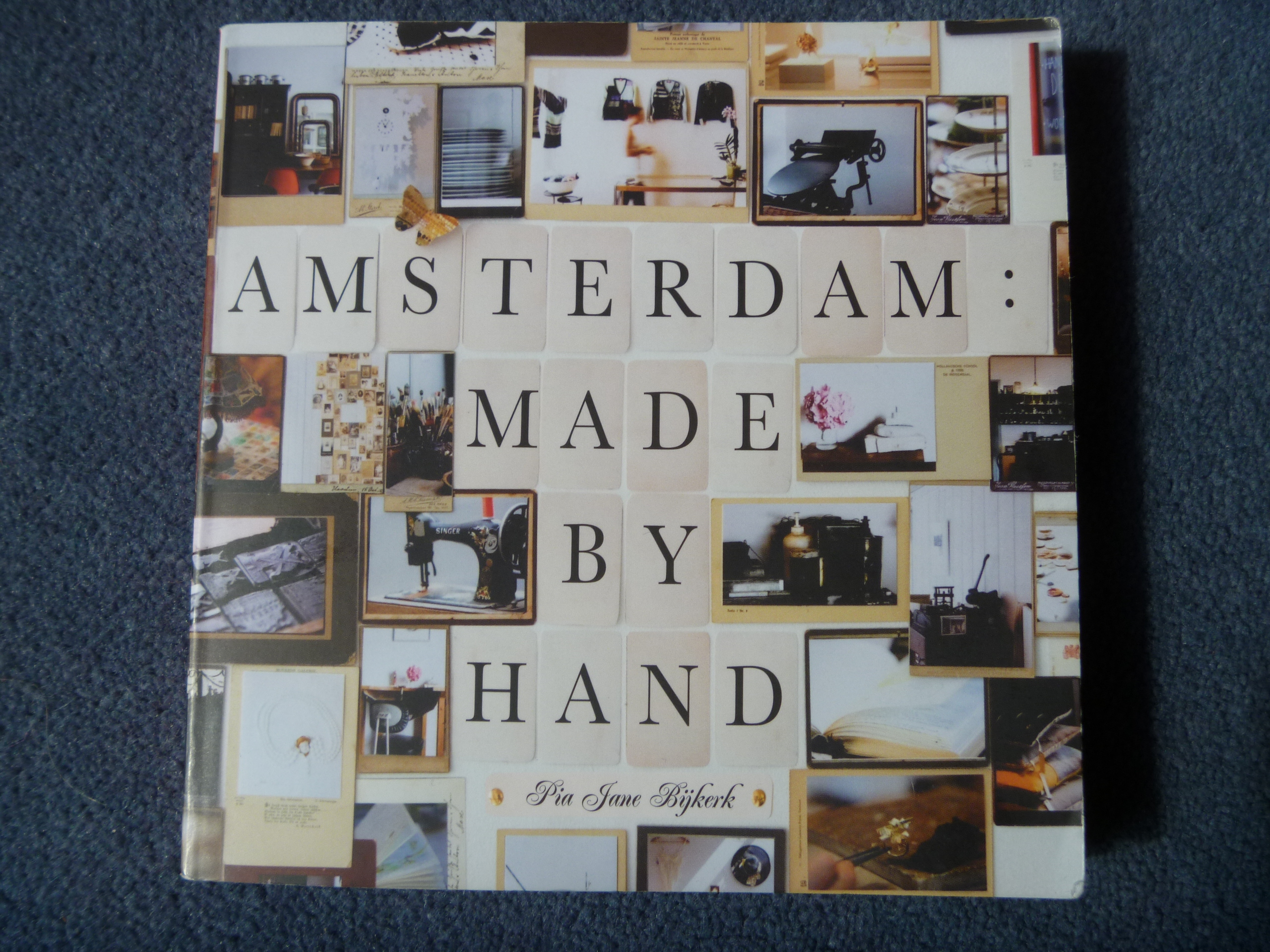
Amsterdam Made By Hand – De 9 Straatjes en De Noordermarkt

For quite some time I have had my eye on this lovely little book and as soon as I knew about my trip to the city I could not resist buying. To me there is something very special about these travel publications from the Little Bookroom. Here’s a press comment from their website :

“The Little Bookroom…wants travelers to slow down. They’ve carved themselves a niche in the over-crowded travel book industry by thinking small with titles that define the character of a city.”—The Pittsburgh Tribune
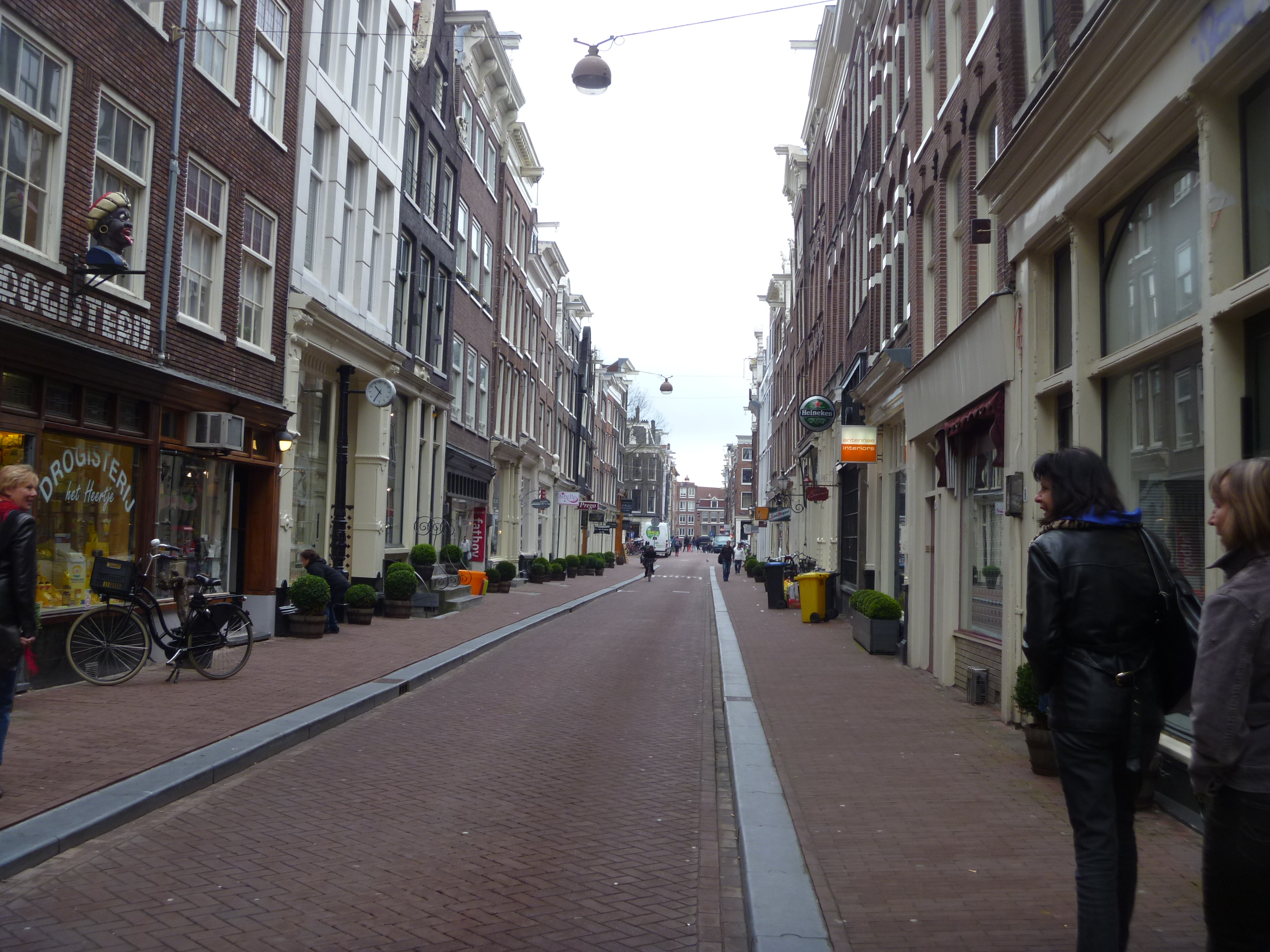
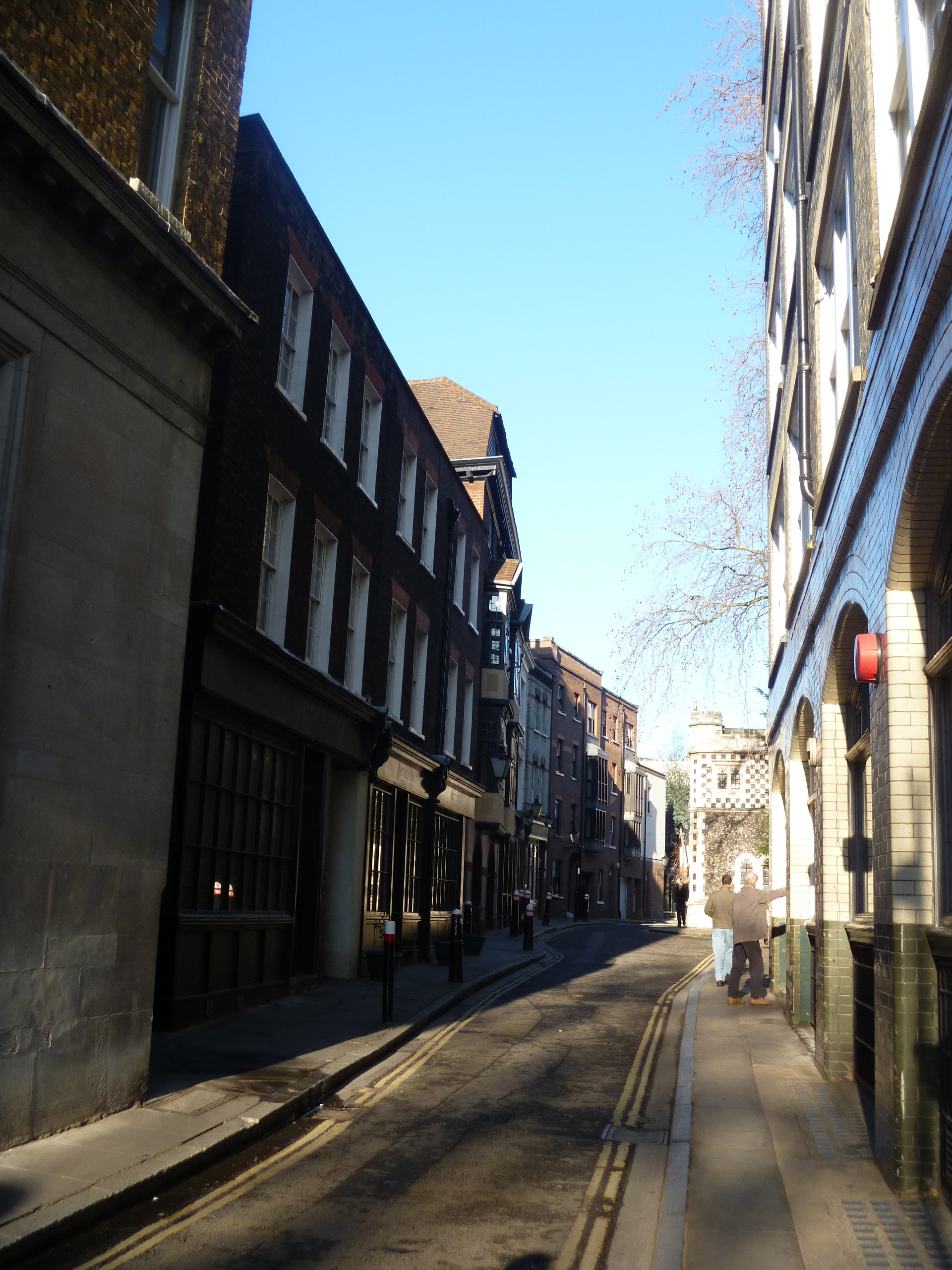
There’s an area of Amsterdam, very near to our digs, called The Nine Streets  [De 9 Straatjes]. On our first morning we found ourselves wandering along the nine streets, popping into cafes for sustenance and to warm ourselves, calling into boutiques, shoe shops, design shops, galleries and studios, trying things on and generally having fun spotting the unusual. We also took lots of photos.
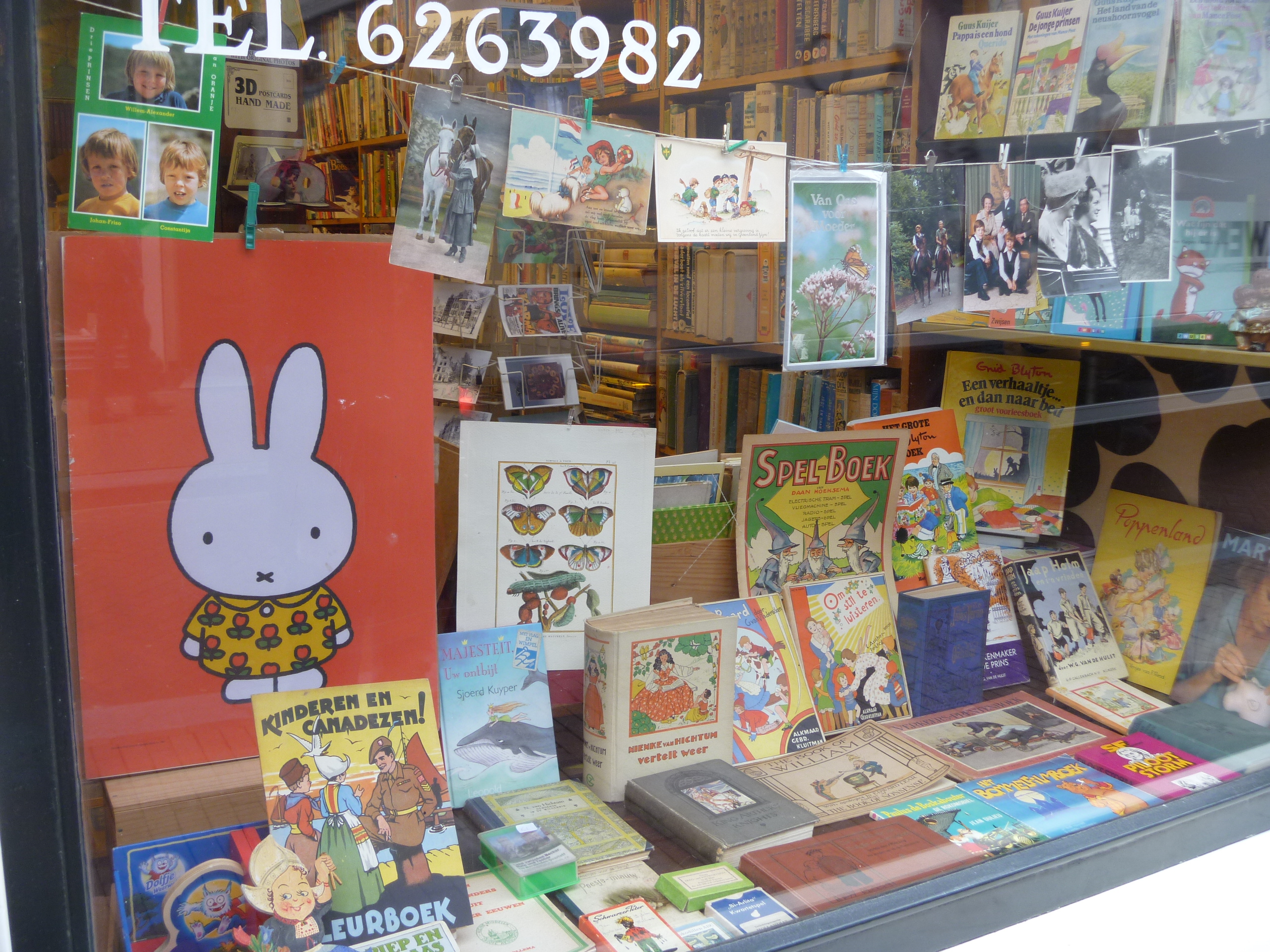
Antiquariaat Culturel

Gasthuismolensteeg 4

Culturel is run by Hans and Ina Cramer, who I like to imagine spending their non-working hours amid a snug muddle of crosswords, sleeping dogs and homemade cake. Their business oozes quintessential second-hand bookshoppishness, with precarious towers of tomes and ceiling-to-floor shelves crammed with literature, art and history books hand-picked by Ina. None of them is catalogued; there is no computer, let alone a website, or even a till. Among other books, I have bought an Esperanto translation of The Little Prince here, and also a copy of The Diary of a Nobody, mainly because I liked the fact that on the inside cover Hans has written ‘very funny’.”  From an article in the Guardian in 2008 : Amsterdam: literature’s capital city
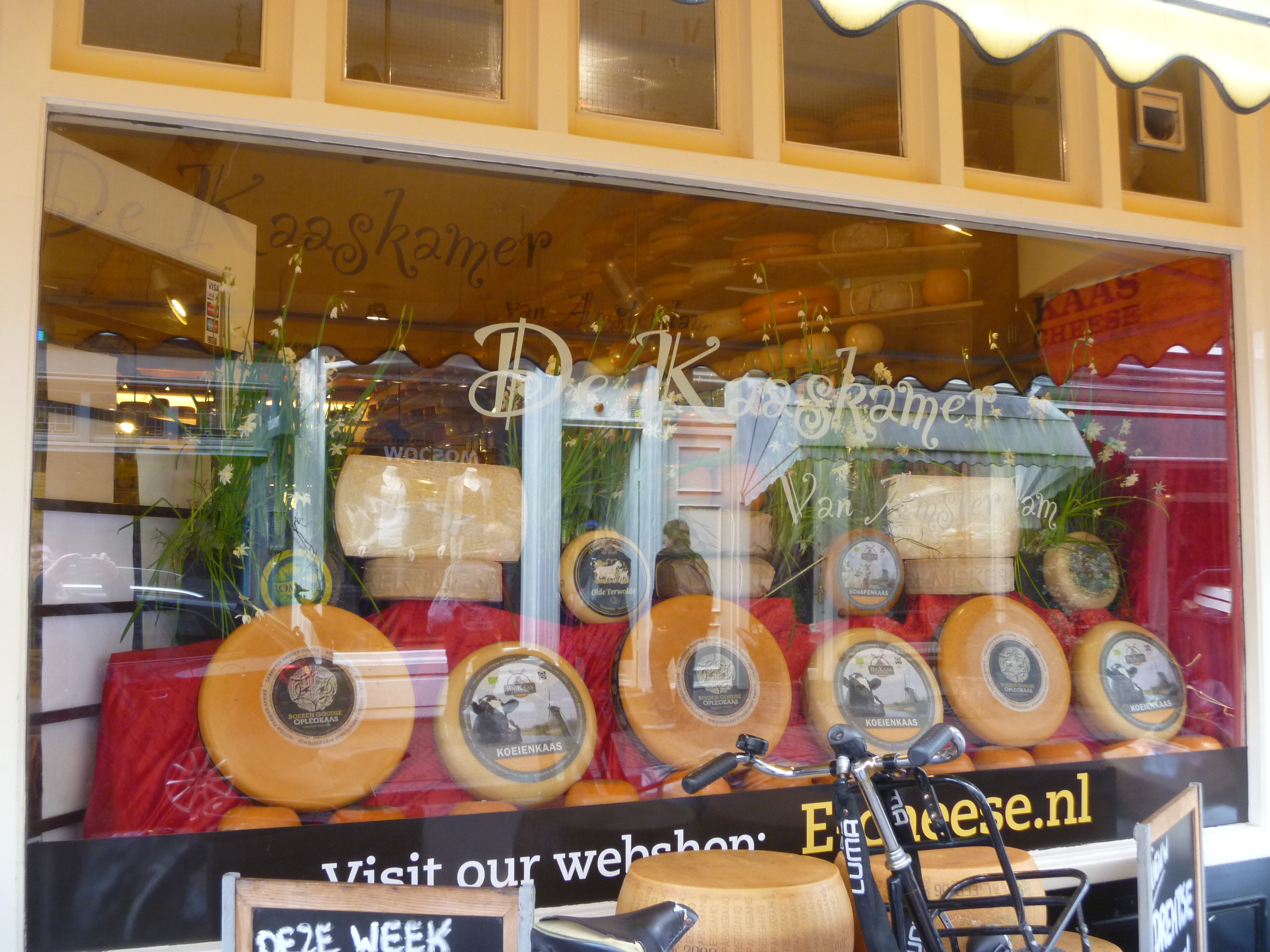
De Kaaskamer – The Cheese Shop (7, Runstraat)
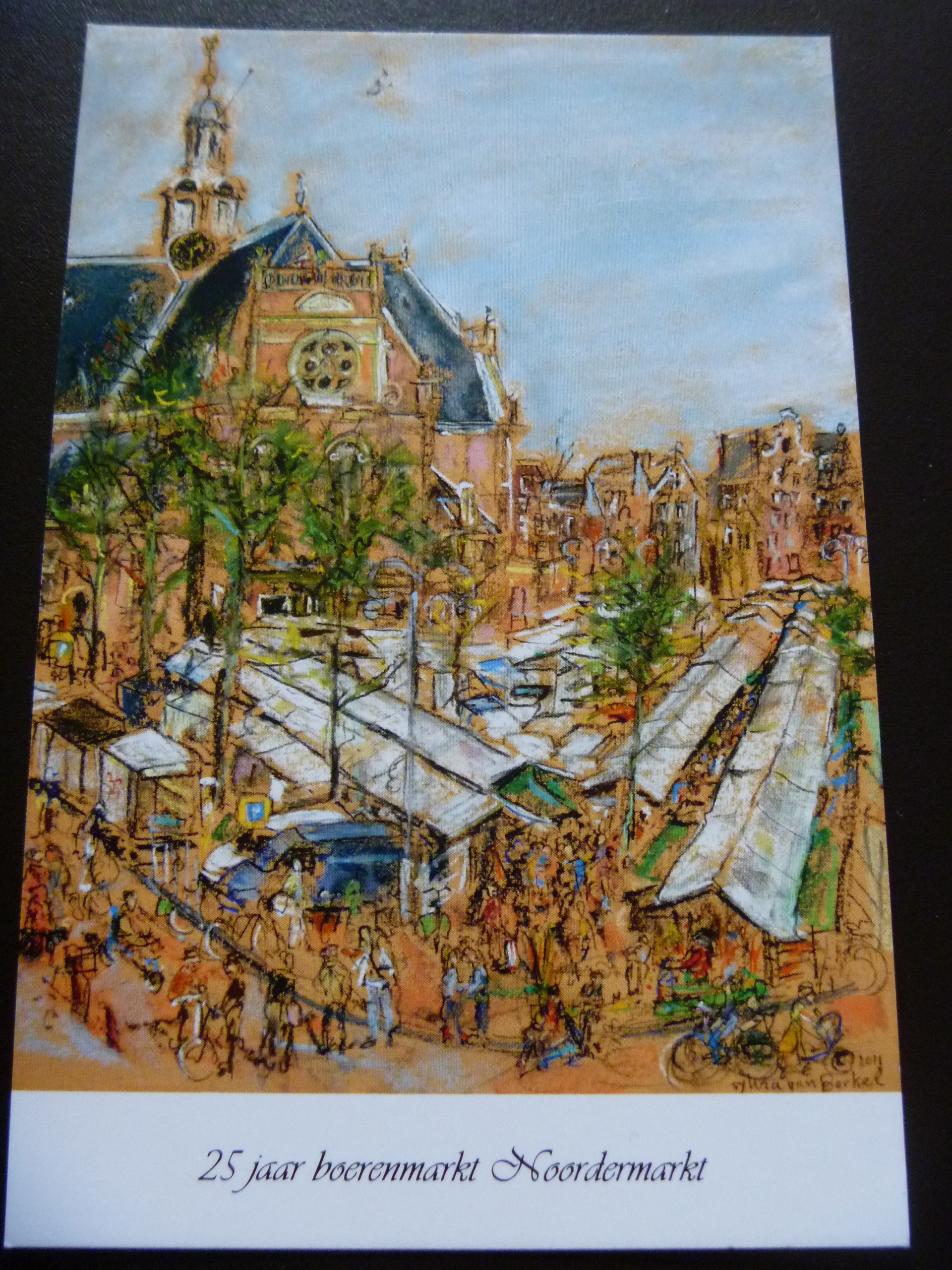
The Noordermarkt celebrates its 25th birthday on 5 May 2012.
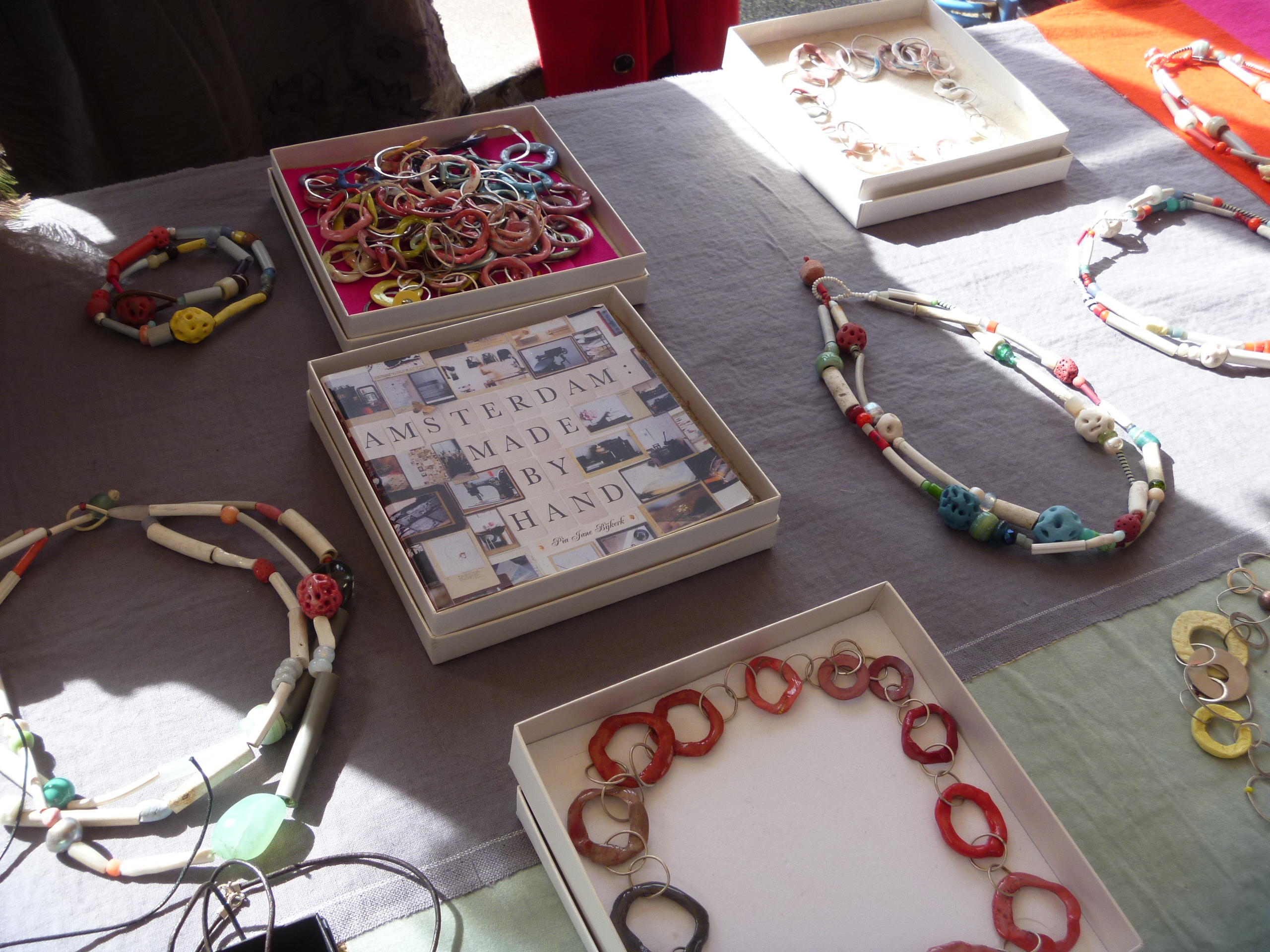
Akelei on the Noordermarkt

The Noordermarkt, also very near our place, lies in the shadow of the Noorderkerk just by the Prinsengracht. Mainly it’s an organic farmers’ market with stalls of mouthwatering fruit and vegetables, spices and herbs and homemade honeys and preserves. It operates on Saturdays and in addition to the food stalls there are several secondhand and ‘made by hand’ stalls, including Akelei (jewellery),  Anne (recycled clothing and stuff) and Anna Maria Preuss.
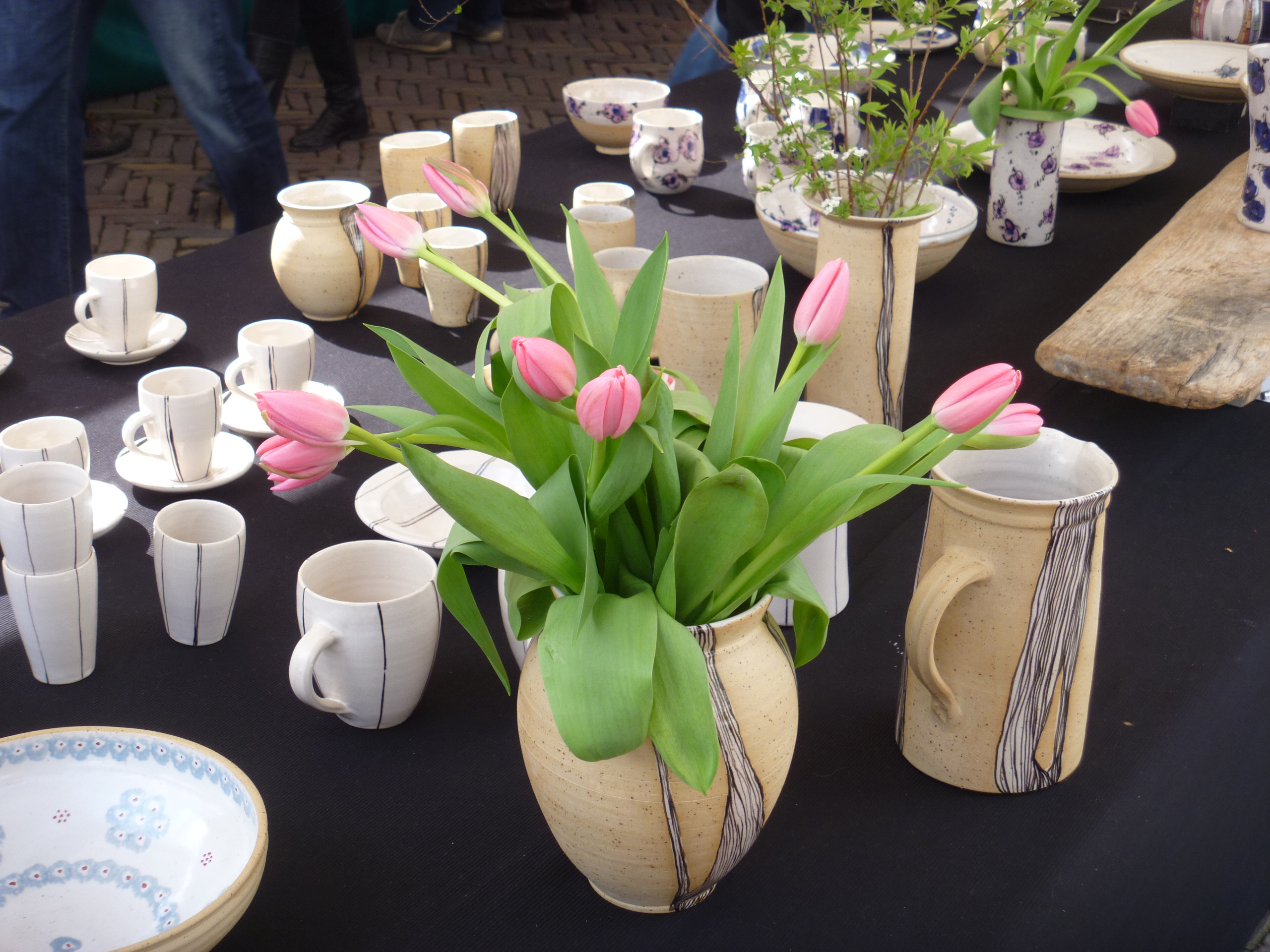
Anna Maria Preuss stall, Noordermarkt
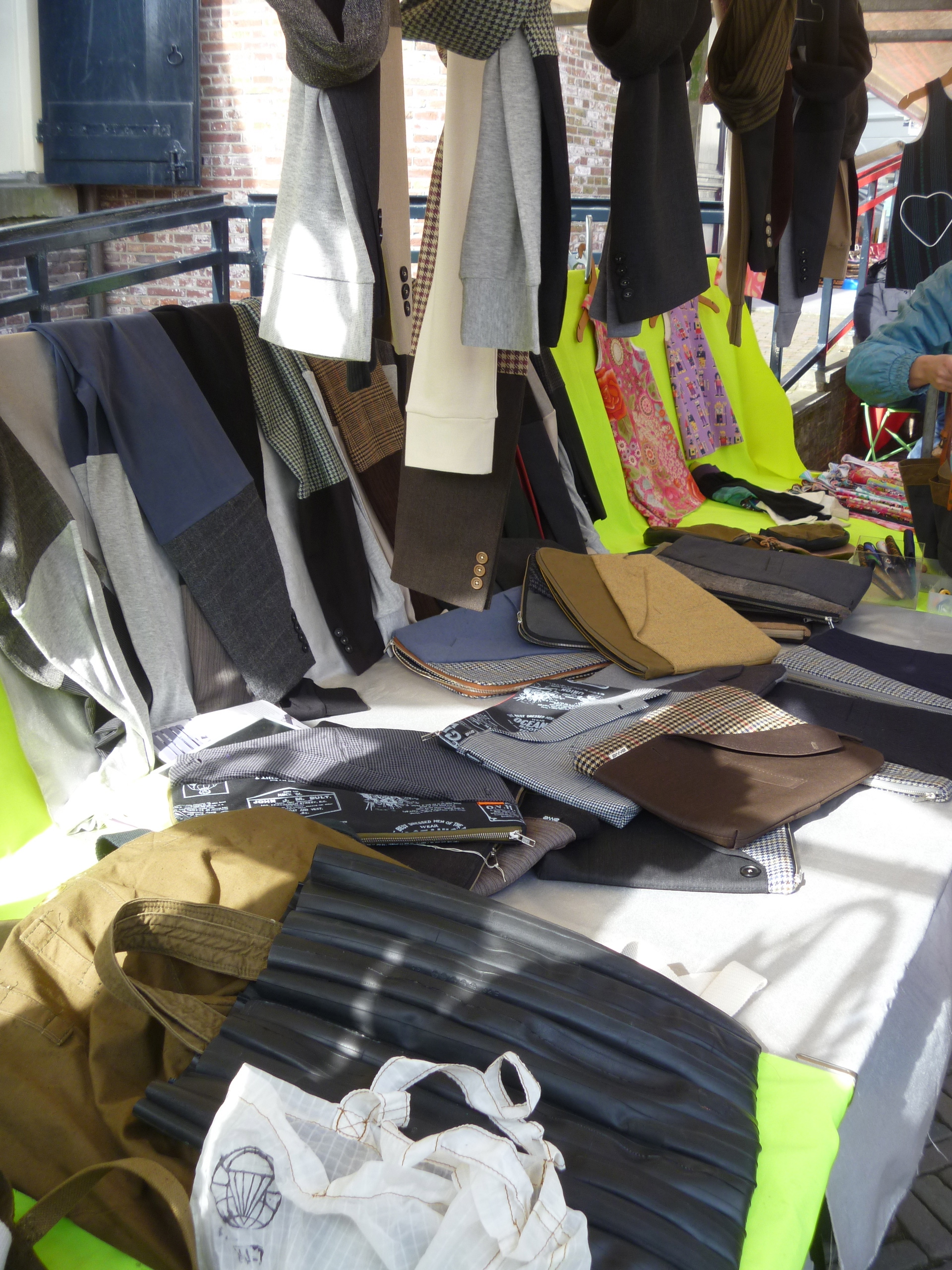
Anne’s Stall, Noordermarkt

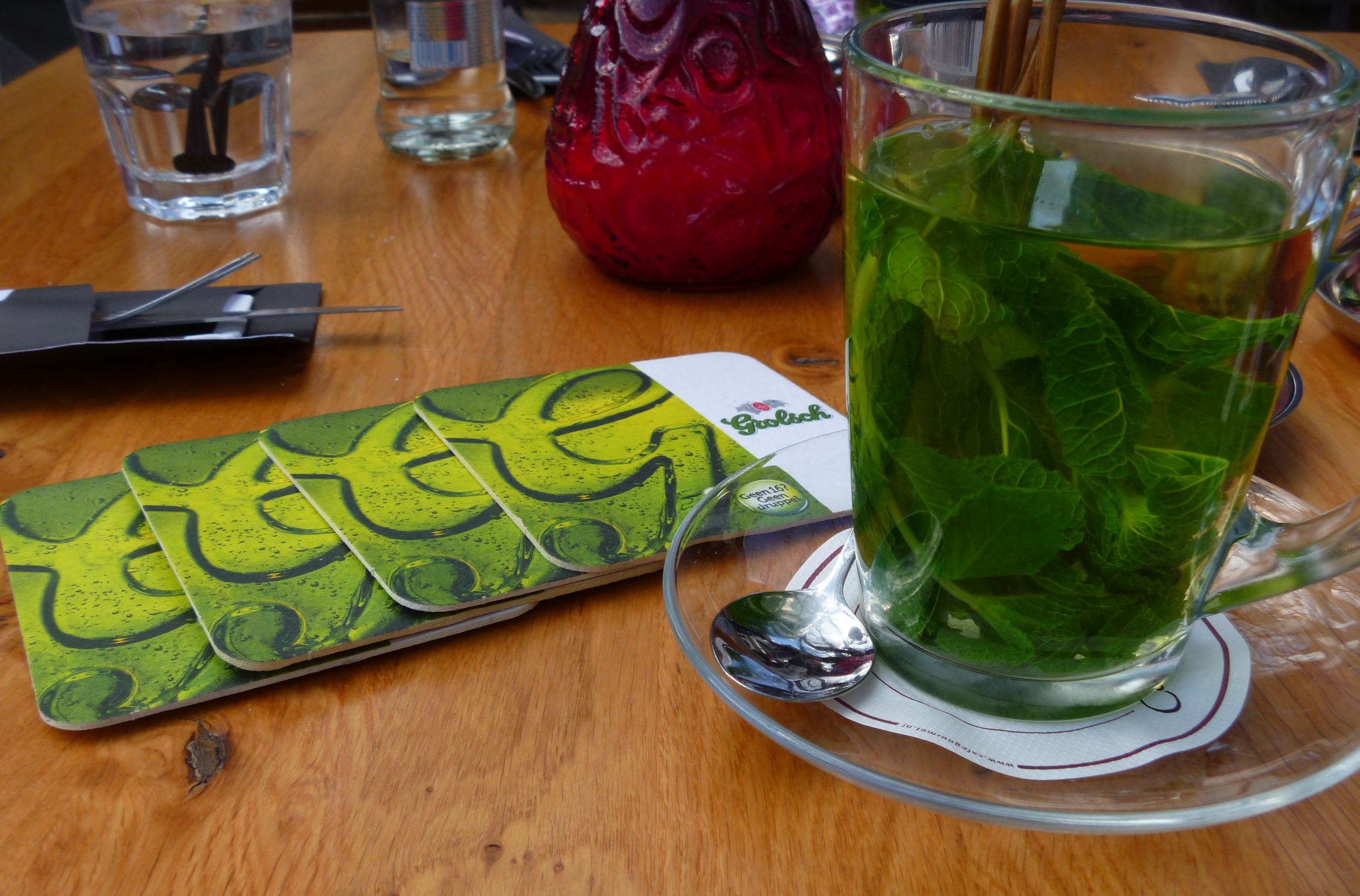
On our Saturday morning the sun shone and we sat outside by the church where a band of musicians played Russian music and we watched the world go by.
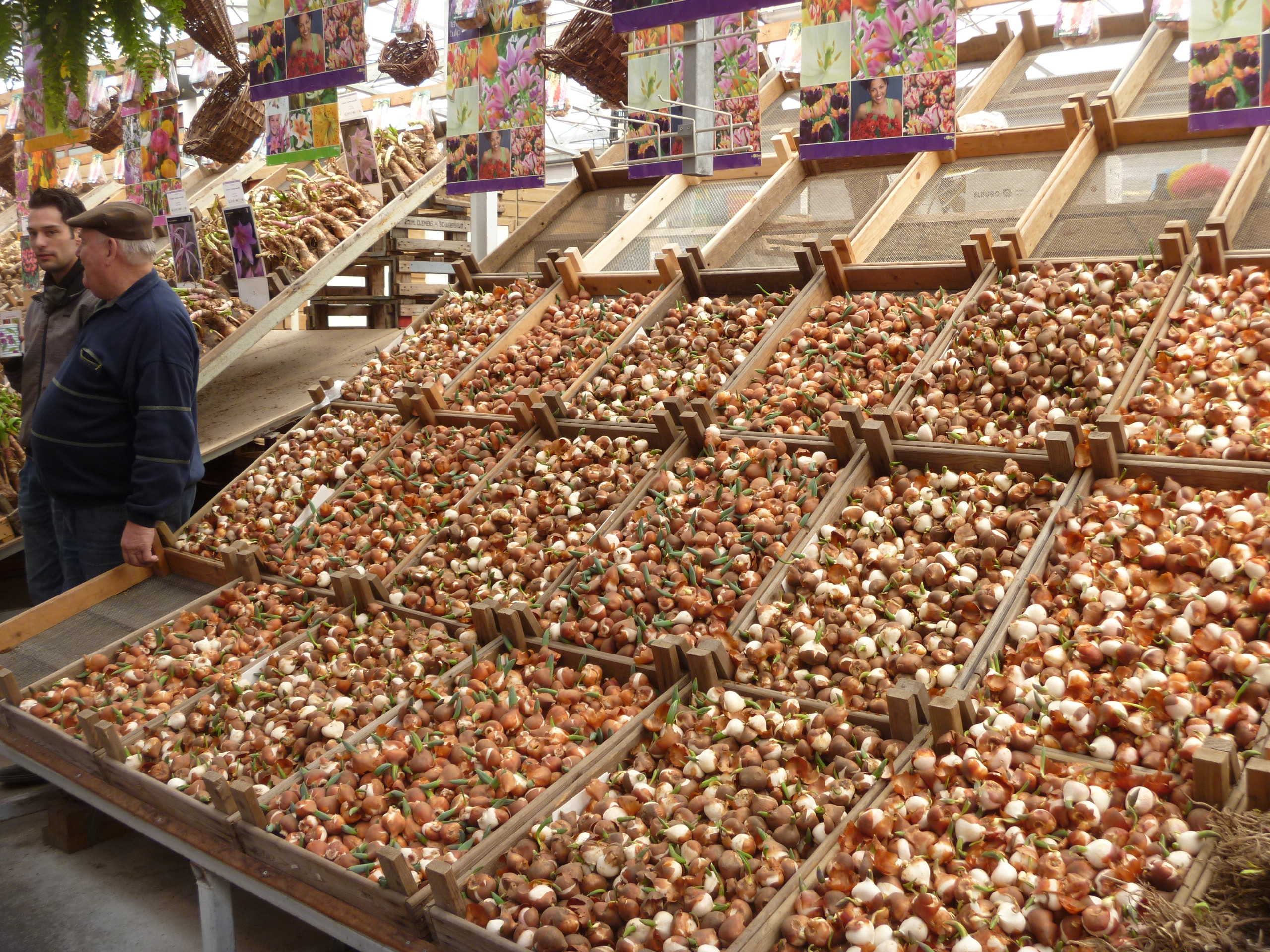
Then it was on to the famous daily Flower Market by the Singel canal – a good place to stock up on bulbs to take home!
A Shared Experience with Mary Shelley

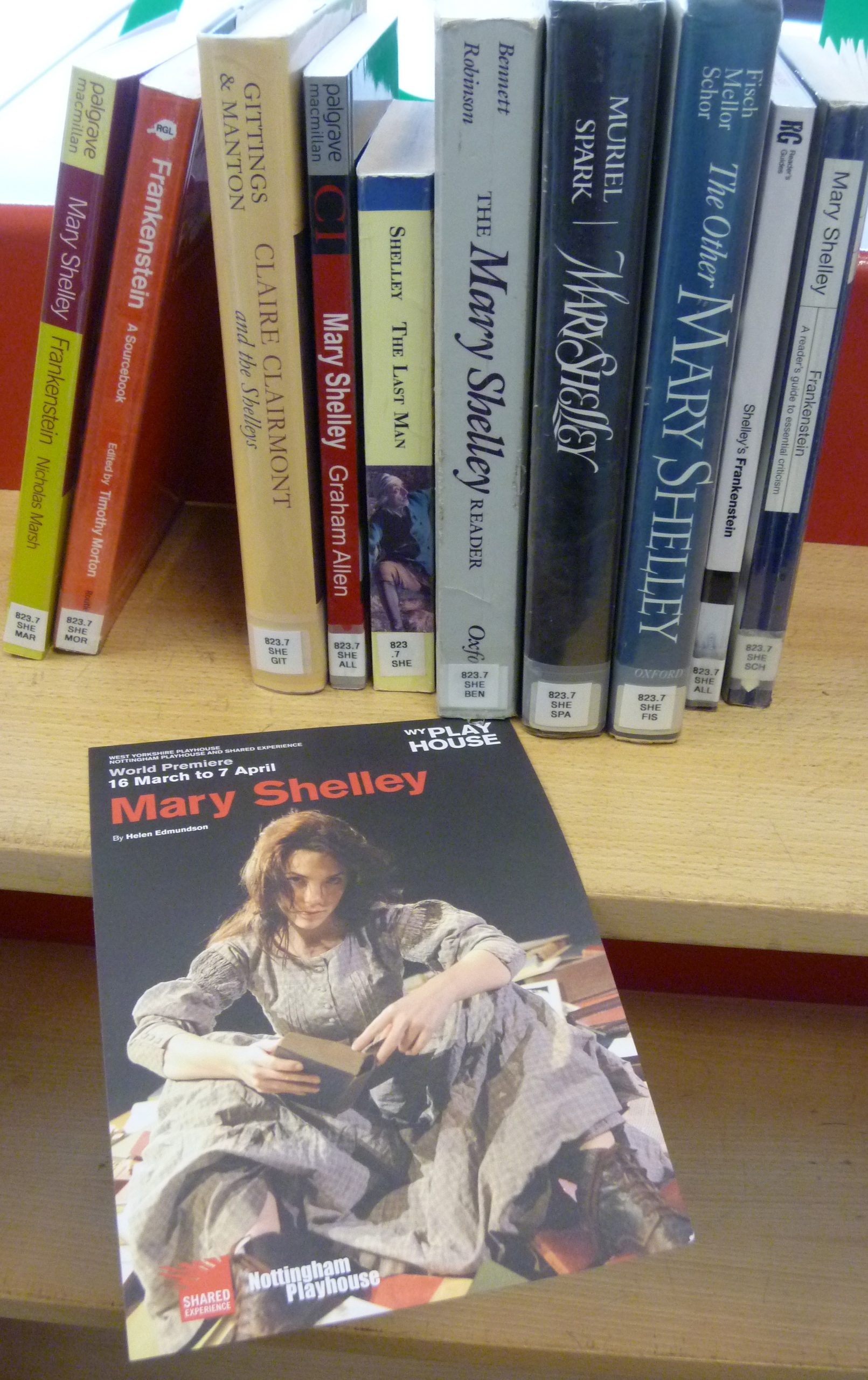
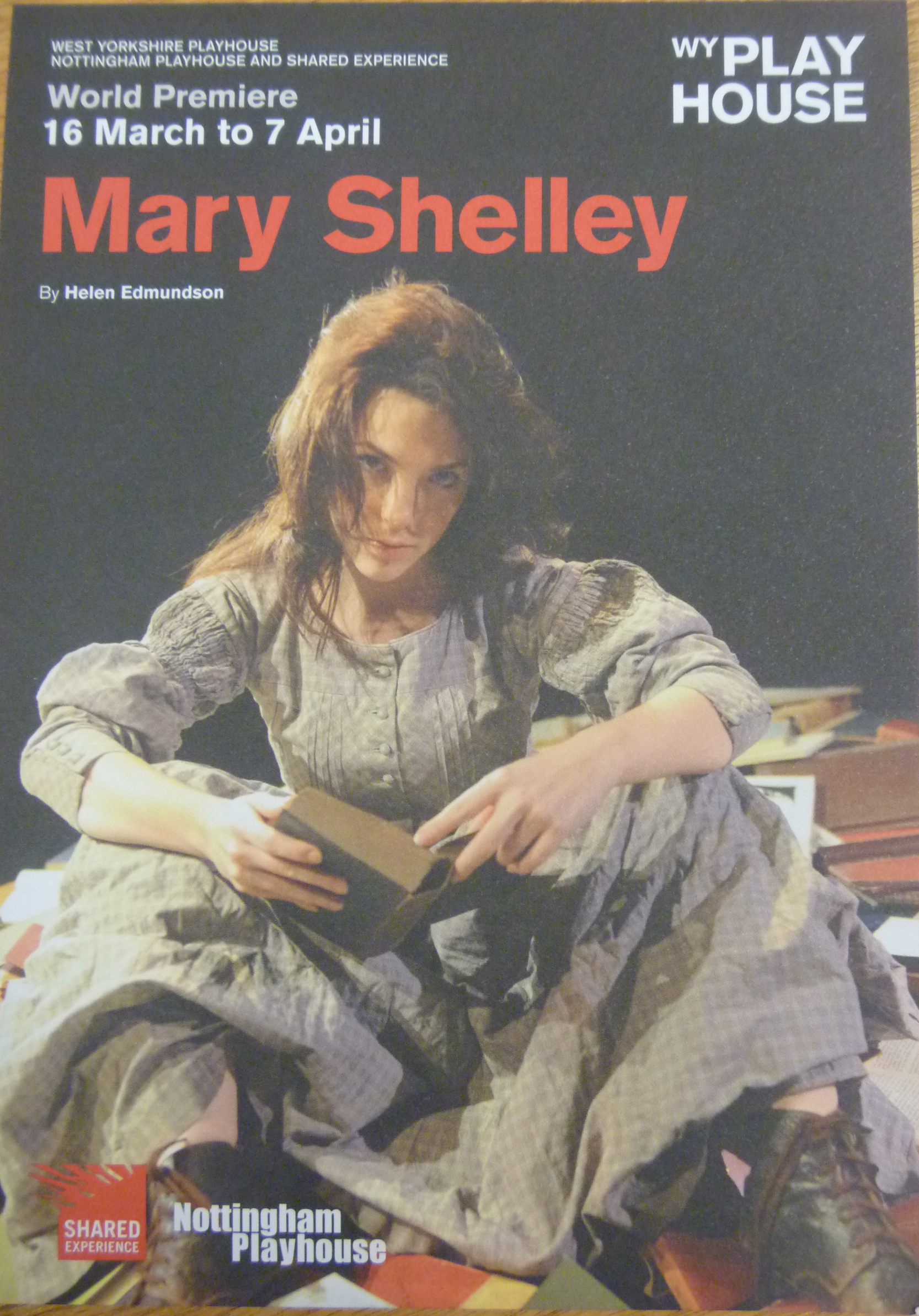
Shared Experience theatre company are back at the West Yorkshire Playhouse this month with their latest production ‘Mary Shelley‘. It’s a dramatic and powerful account of the late teenage years of Mary Godwin, later Shelley, and her very unconventional family and lifestyle during the years 1813-1816. Mary Shelley wrote and had published her famous novel ‘Frankenstein’ before she was 20. She married the poet Percy Bysshe Shelley. Her father was William Godwin a well-known political philosopher and novelist and author of  ‘Political Justice’, published in 1793. Her mother was Mary Wollstonecroft author of  ‘A Vindication of the Rights of Woman’ whose suicide is depicted at the beginning of the play.

Mary had two sisters Fanny and Jane. Jane Clairmont later changed her name to Clare Clairmont and was the mother of one of Lord Byron’s children, Clara Allegra. Read more about Mary here and here :

The play goes a long way in explaining the relationships between the members of this unconventional family and P. B. Shelley; those are  ‘crazy mixed-up kids’. With only 6 actors and a versatile set consisting of a very large dining table which also doubles as a tombstone and a quay and a desk and even a bedroom plus several tall bookcases crammed with books and papers and boxes the words flow quickly and the tension mounts throughout.

I think that I have been far too influenced by the over-hype connected with all the Frankenstein-related films and books which, although I have never seen nor read any of them, have totally put me off reading the original book. A colleague highly recommends reading it and suggests that I put ‘Frankenstein, a modern Prometheus’  forward as a suggestion at my next book group meeting. And do you know? After seeing ‘Mary Shelley’ I think I probably will!

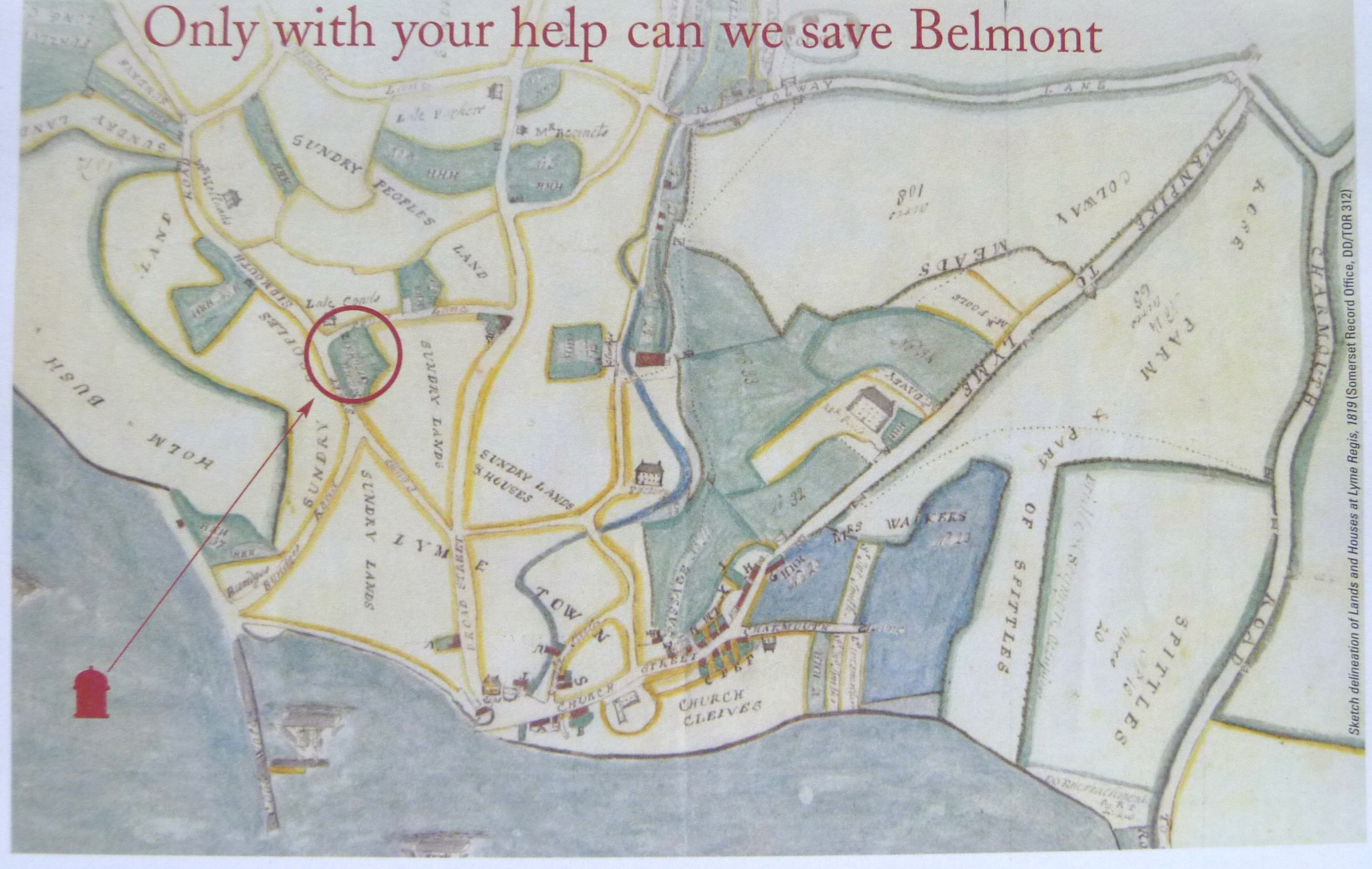
Help save Belmont – a literary landmark in lovely Lyme Regis!

Today I received a fund-raising email from the Landmark Trust to encourage support for donations to help save Belmont House in Lyme Regis.

Follow this link to read more about the house and its present desperate state :

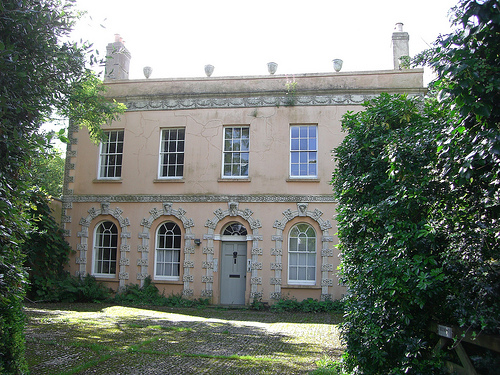
Belmont, Lyme Regis

Belmont was the former home of two interesting people. During the 18th century it was the home of Mrs Eleanor Coade the lady who devised a formula to mass produce architectural embellishments and statuary of the highest quality which she named ‘Coade stone’. And between 1968 and 2005 it was the home of novelist John Fowles and it was here that he finished his most famous work “The French Lieutenant’s Woman”. Lyme Regis is the setting for the book. It was through his generosity that Belmont was left to the Landmark Trust. The Trust’s website explains why further funds are needed to restore the house and make it habitable for future holiday lets through this unique organisation:

Belmont stands empty, decaying and at risk and urgently needs funds to enable its restoration. The Grade II* house is a fine, early example of a maritime villa, a new building type that sprang up in the second half of the 18th century with the rising popularity of seaside holidays. Today the fabric of the building is deteriorating, the parapet is sagging, there are rotten wall plates and lintels, the stone skin is coming away and water is trapped behind impermeable cement render.

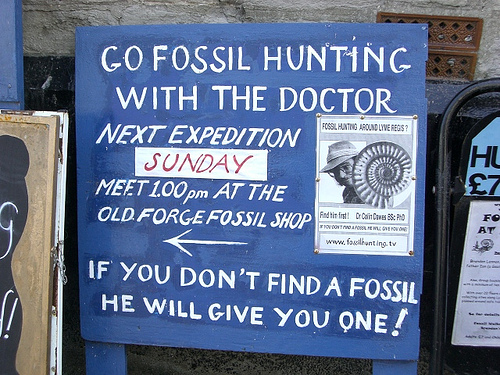
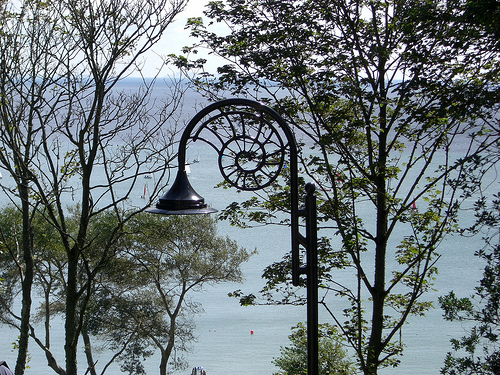
Lyme Regis is a delightful and interesting little seaside town on the Dorset coast. Each year for the past five years I have spent a week at nearby Branscombe in Devon and on each occasion I have visited Lyme at least twice. On three occasions I’ve been fossil hunting (without any luck!) for Lyme lies within the World Heritage Site Jurassic Coast.

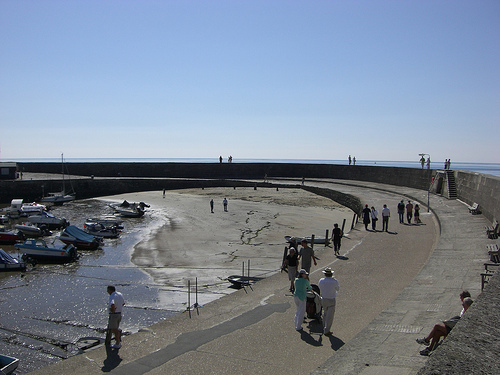
Lyme has a promenade and sandy and pebbly beaches. You can tell which is the sandy one by the numbers of people crammed into the small area where huge amounts of sand were imported from Normandy. A lot of effort; but it has made a huge difference. I’ve never actually managed to get onto the beach as there is always so much more of interest to me. There’s a High Street crammed with shops – many of them small and individual and very many of them selling or in some other way connected with the fossils that are Lyme’s trademark.

The Philpot Museum is well worth a visit, or several. Fossil Hunts are organised from the Museum. Lyme Regis has a colourful little harbour/marina protected from the sea by the famous Cobb – mentioned in Jane Austen’s ‘Persuasion‘ and featured in the film of Fowles’ ‘French Lieutenant’s Woman’. By the Cobb is the fascinating Marine Aquarium. There is good food to be had from the small cafes along the promenade, to the Town Bakery, to Hix Oyster and Fish House.

Lyme Regis :  The quintessential seaside resort for literature lovers everywhere – Jane Austen and Beatrix Potter visited it.  John Fowles lived in it.

Belmont, Lyme Regis : “Mrs Coade made it; John Fowles loved it. Now it must be saved.”

“Seriously Wacky and Occasionally Mad” – The New Arcadian Journal

I first came across Patrick Eyres and The New Arcadian Journal a few years ago when I was studying the Open University Course “Heritage, Whose Heritage?”. There was a chapter in the book Sculpture and the Garden which is edited by Eyres that particularly interested me.

Then last week at the Leeds Library I noticed an advertisement for a talk at the Henry Moore Institute in Leeds :

“Drawings and proofs for the New Arcadian Journal: “The

Blackamoor” Wednesday 7th March 2012

An evening with Dr Patrick Eyres at the Henry Moore Institute Wednesday 7th March

18.30-20.00

Drawings and proofs for the New Arcadian Journal: “The Blackamoor”.

An evening with Dr Patrick Eyres at the Henry Moore Institute.  Enjoy a glass of wine, a powerpoint talk, see the display, talk with the illustrators and look at the Institute’s Library.

This event is £5.00 a head – numbers are limited to thirty.  Please book your place with payment at the Leeds Library.  Contact us for more information.”

I bought my ticket and then by happy chance came across this article in Saturday’s Yorkshire Post : Jottings from the Journal.

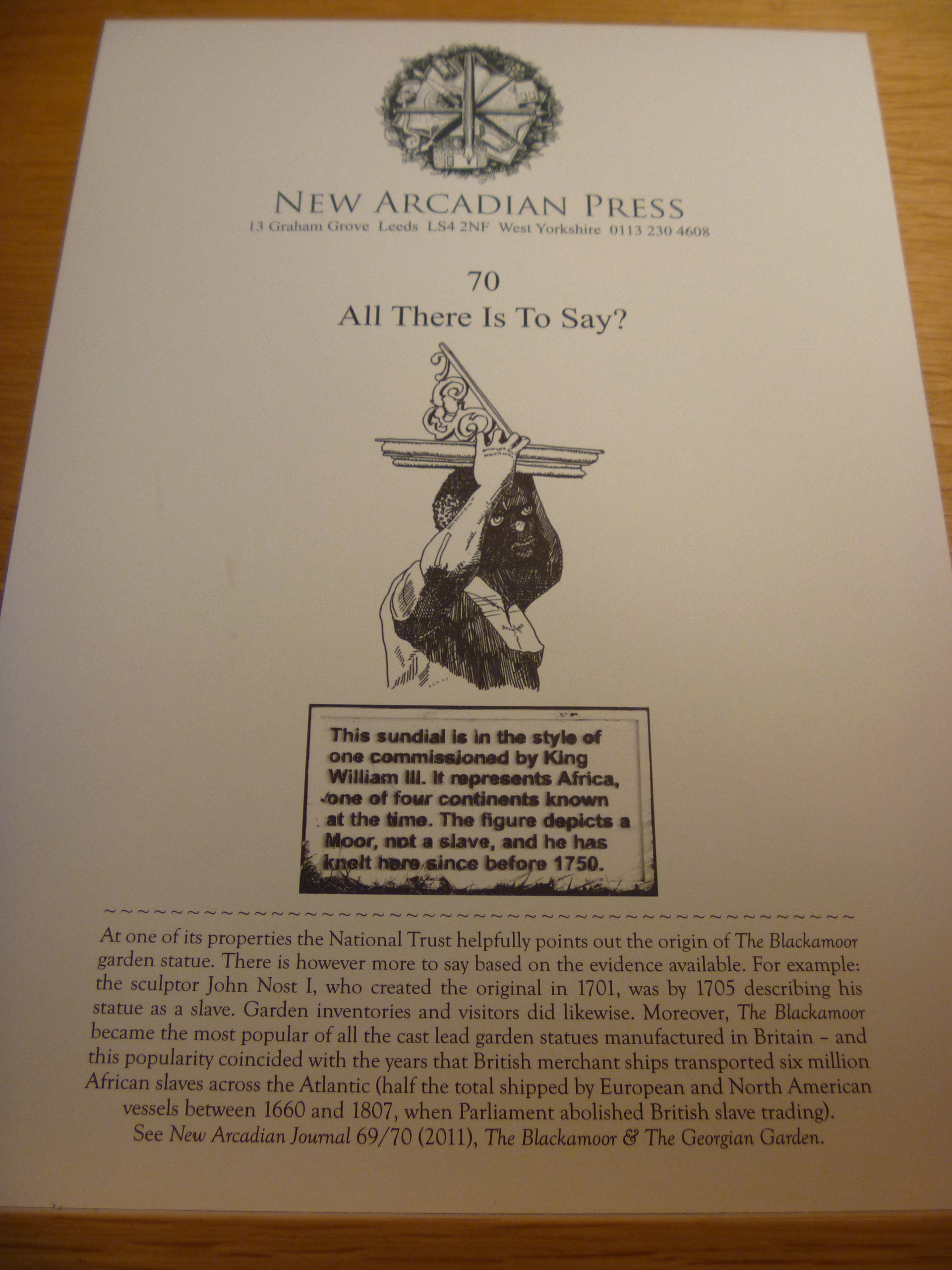
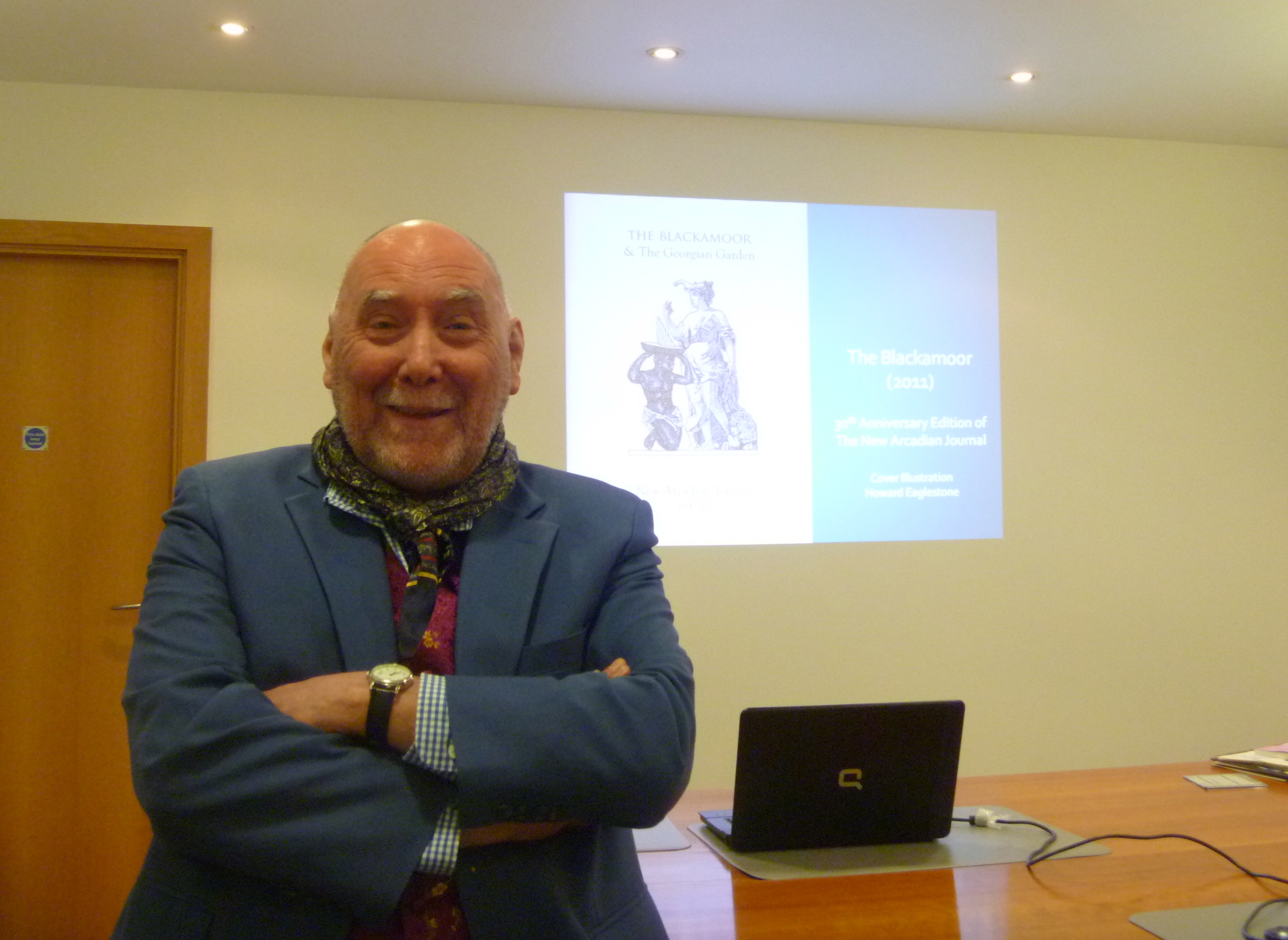
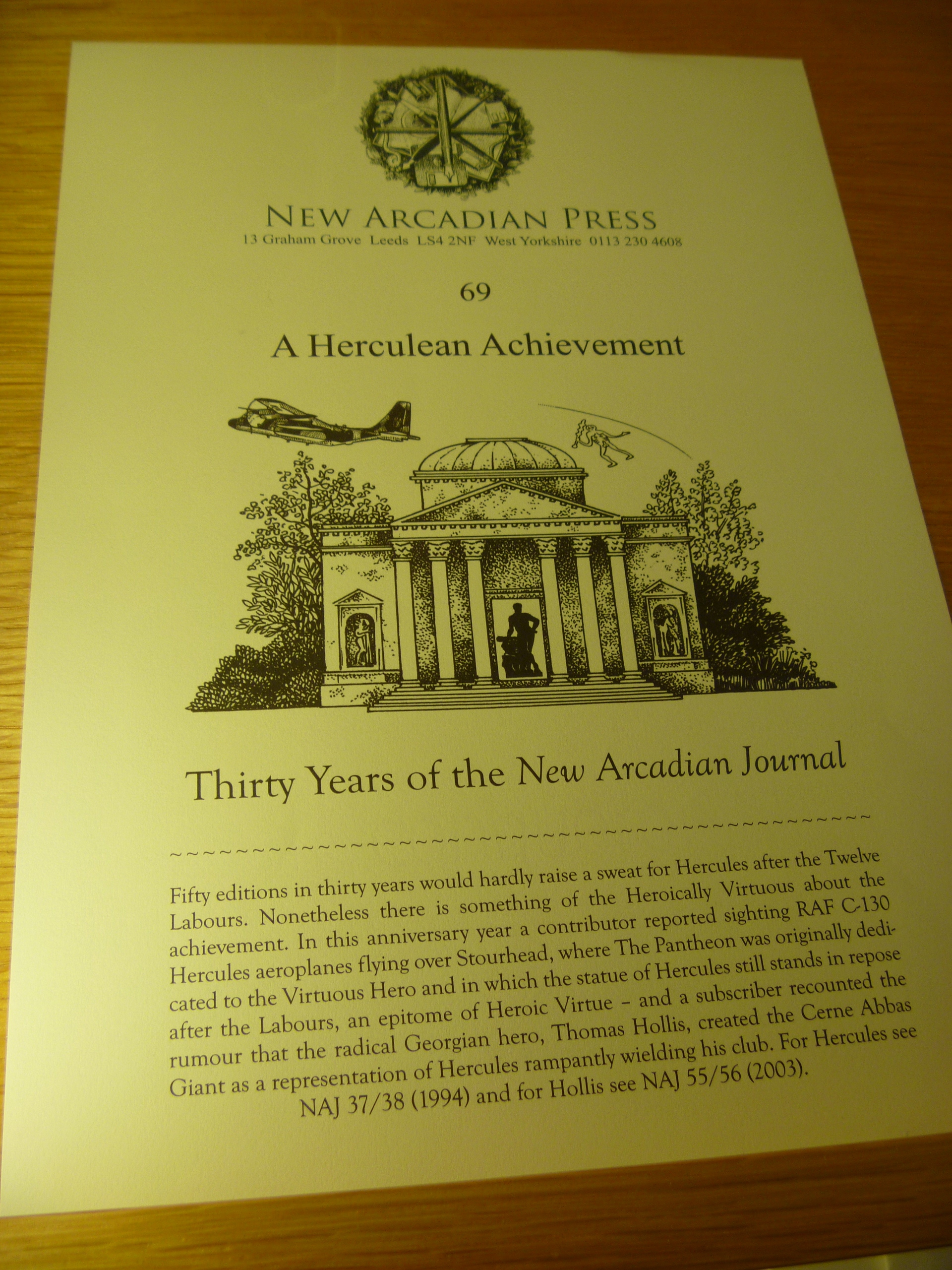
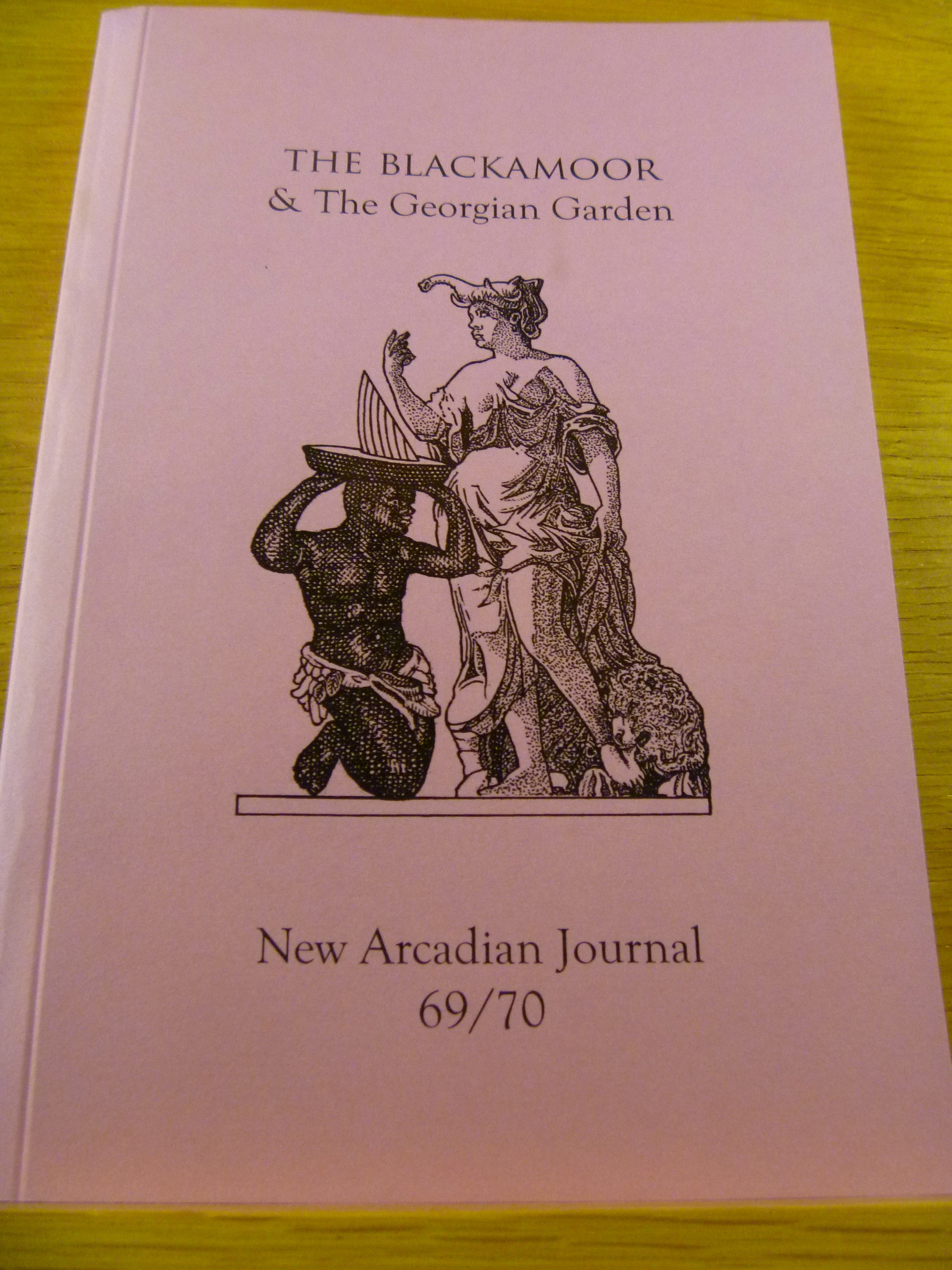
Dr Eyres’ entertaining talk celebrating thirty years of the New Arcadian Journal centred on the latest issue entitled “The Blackamoor and the Georgian Garden”. The Blackamoor was the most popular of all lead statues made in Britain during the 18th century which, by coincidence, was the height of British dominance in the African slave trade. Probably very many of the statues were destroyed or melted down following the abolition of slavery and in more enlightened times. Dr Eyres has tracked down 20 including 2 in the Privy Garden at Hampton Court Palace, one in Lincoln’s Inn in London, another at Melbourne Hall in Derbyshire and another supporting a sundial at Wentworth Castle in South Yorkshire which is currently under restoration and the topic of interpretation work. The talk was illustrated with photos of the various statues and reproductions of the beautiful drawings and prints (the work of artists Catherine Aldred and Howard Eaglestone who were also present this evening). It seems that the Blackamoor (African) along with the North American Red Indian were used to symbolise their continents of origin. There were emblems for Europe and Asia as well. These were also illustrated in the popular 16th and 17th century Books of Emblems.

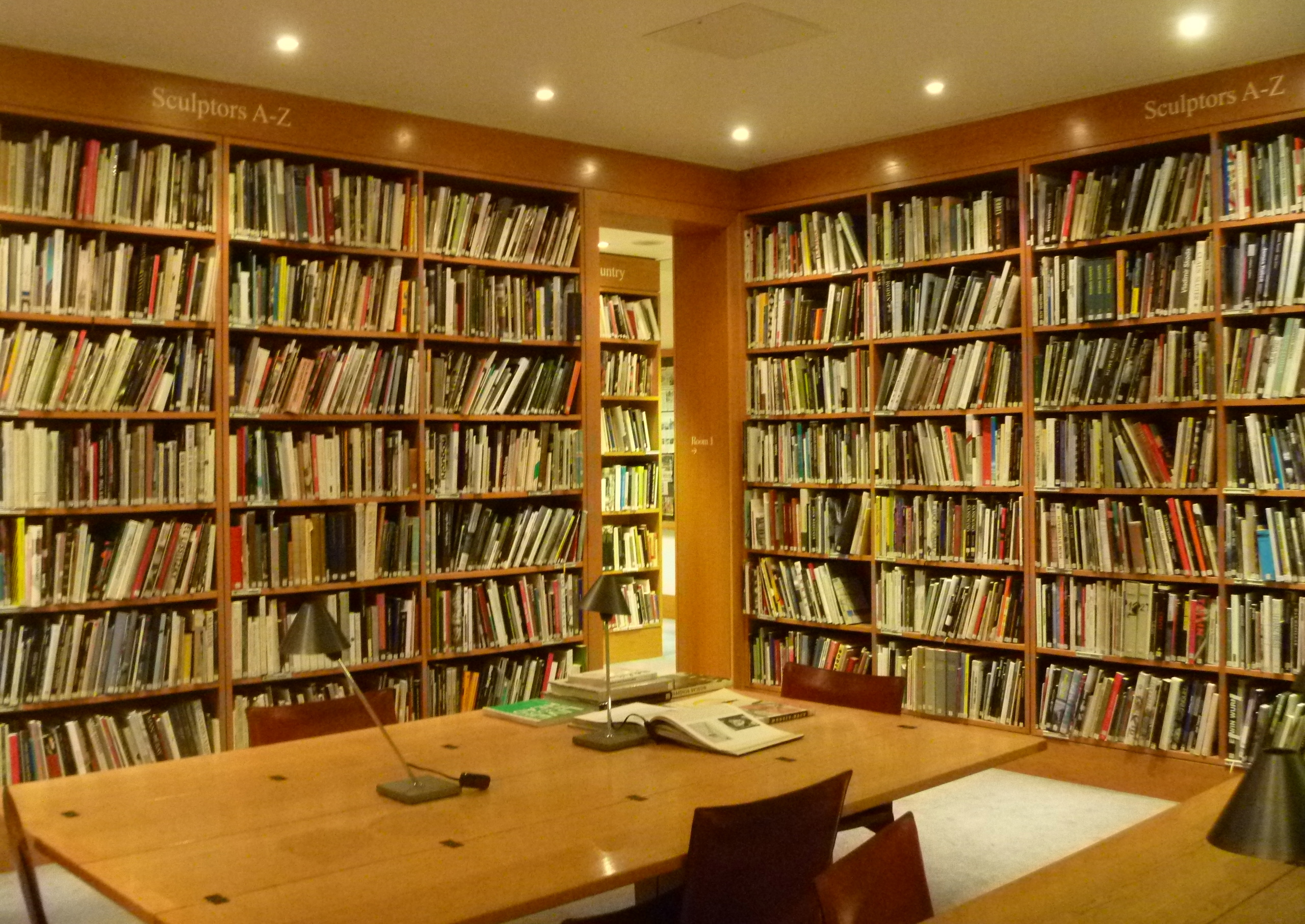
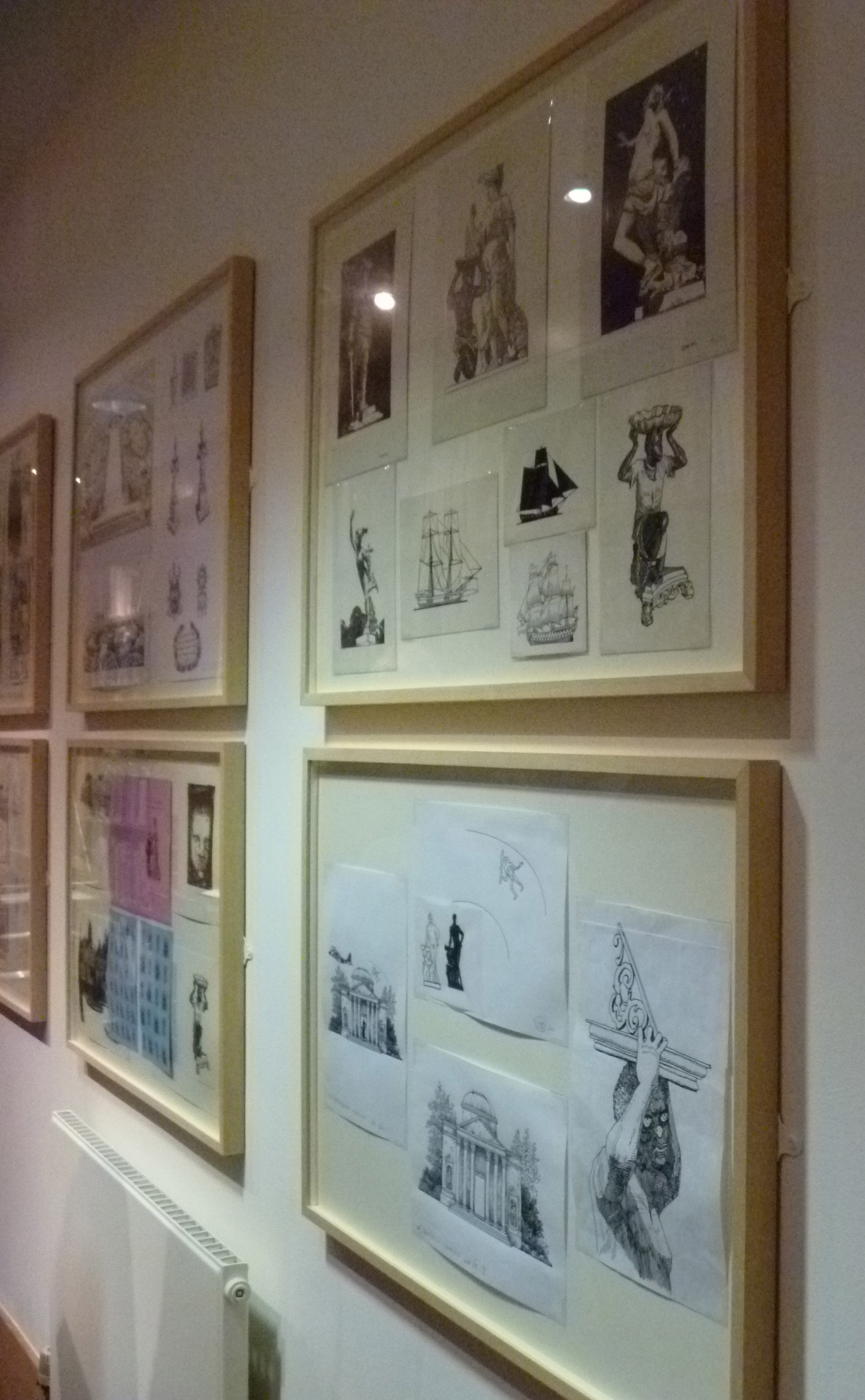
After the talk we were shown the small exhibition in the Henry Moore Library where examples of drawings and copies of the Journal itself were displayed.

Catherine and Howard spoke briefly about their own work which as you can see is exquisite. Howard’s pictures also display humour as you can see from the above examples.

Ode to an Excellent Bookshop

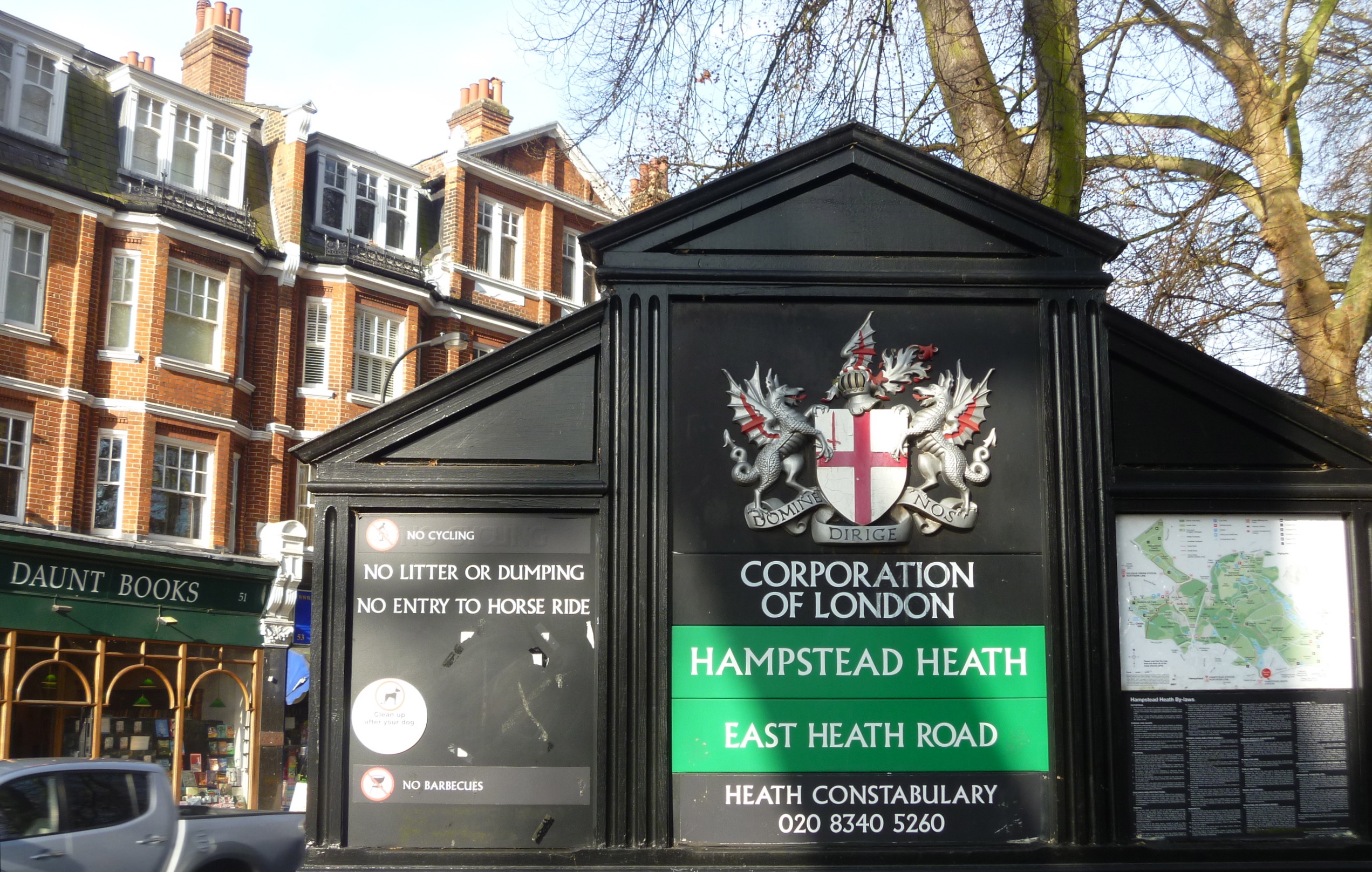
I don’t normally buy new books these days. I tend to use the library and sometimes buy secondhand out of print. The exception is if I’m in an independent bookshop. Some of my favourites are in London and last Thursday and Friday I visited two branches of this shop :  Daunt Books.

On Thursday I popped into the Hampstead Branch at South End Road near the former bookshop in which George Orwell worked now a branch of Le Pain Quotidien (right).

The shop advertises a great idea that I had never heard of before : Daunt Books Walking Book Club! I hope the weather stays fine for them.

On Friday I revisited the shop and its sister branch opposite Belsize Park tube station. I had decided to take up the “challenge” put to me by a member of my local book group to choose a couple of suggestions for future reads for the group. After a search of the tables and shelves I came up with (and bought) my two choices.

Deep Country: five years in the Welsh hills” by Neil Ansell is “Touching. Through Ansell’s charming and thoroughly detailed stories of run-ins with red kites, curlews, sparrowhawks, jays and ravens, we see hime lose himself … in the rhythms and rituals of life in the British wilderness.” (Financial Times)

and

The hare and the tortoise” by Elizabeth Jenkins – well, if it’s good enough for discussion on Hampstead Heath on Sunday, it’s good enough for us! Jenkins lived very near South End Road on Downshire Hill. Her memoir ‘The View from Downshire Hill‘ tells about her life and home and living in this delightful area of north London.

8 Downshire Hill, Hampstead. The former home of Elizabeth Jenkins.

Another author who lived very near here was the poet John Keats and that very morning I had heard a brief radio snippet in which there is a visit to the Keats Shelley House in Rome where Keats died on 23 February 1821. I visited Rome back in 2008 and it was one of the highlights of the trip to see inside The Keats Shelley Museum by the Spanish Steps. There is a Landmark Property at the top of the building : Piazza di Spagna. How I would love to stay here!

The Salone, Keats-Shelley House

The Salone is dedicated to the posthumous reputations of Keats, Shelley and Byron. The main library collection of the house is here.

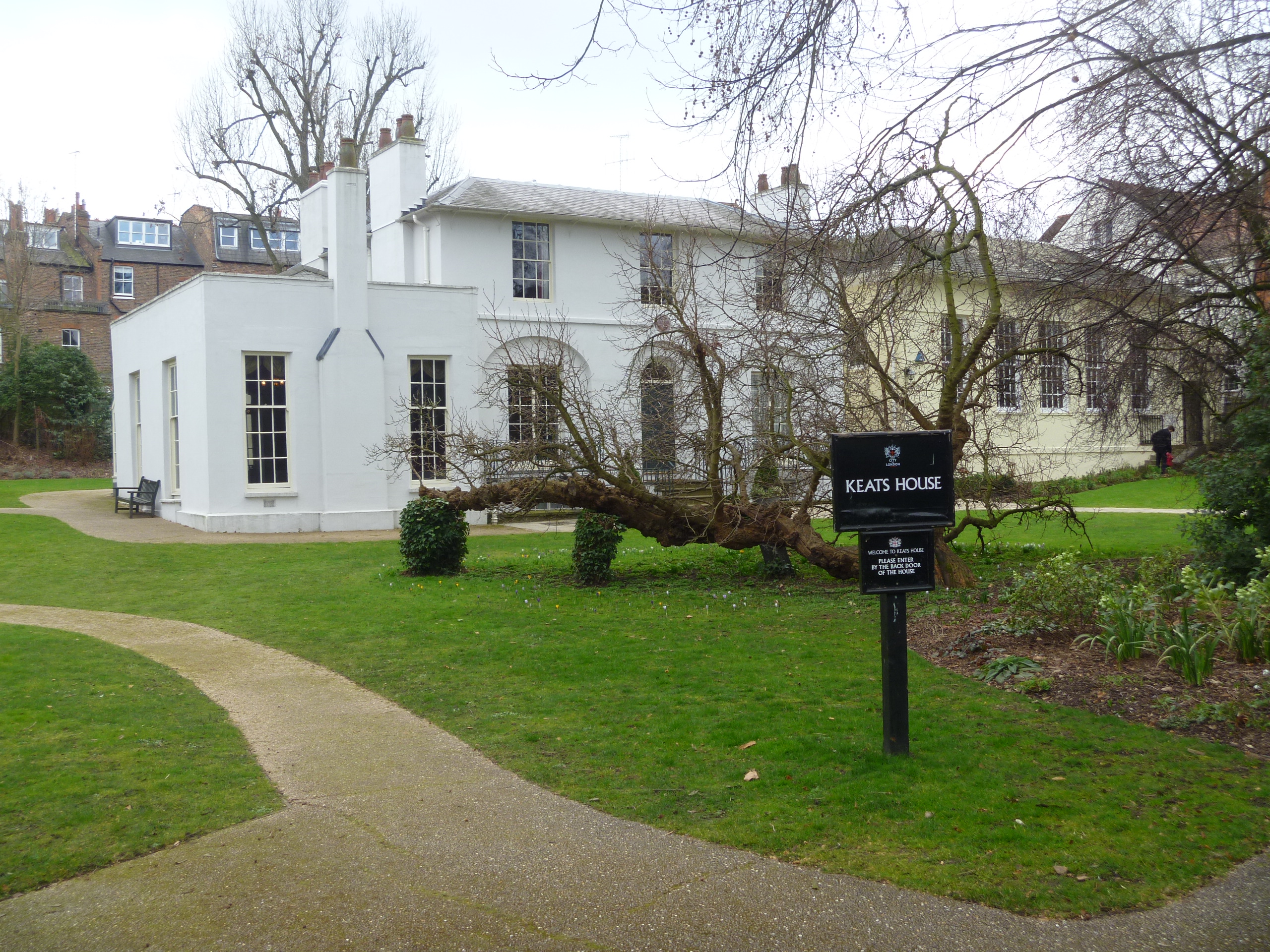
Keats House, Hampstead.

I am convinced more and more day by day that fine writing is next to fine doing the top thing in the world.

(John Keats 1795-1821~Letter to J. H. Reynolds, 24 August 1819, in H. E. Rollins (ed.) ‘The Letters of John Keats’ (1958) vol. 2, p. 146.)

Give me books, French wine, fruit, fine weather and a little music played out of doors by somebody I do not know.

Letter, August 28, 1819, to his sister Fanny Keats. Letters of John Keats, no. 146, ed. Frederick Page (1954).

Have you seen ‘Bright Star’?

Tea and Books and Two London Gems

I was in warm, sunny London on Thursday. The original plan was to meet a friend from my online book group and attend a showing of the 1953 film “Little Boy Lost” organised by the Persephone Book Shop. I always book my cheap train tickets way ahead and when we came to enquire about the film all the places had been taken but I still had my train tickets. In the end it turned happily as the weather was so warm and sunny that it might have been a shame to have been cooped up in the BFI.

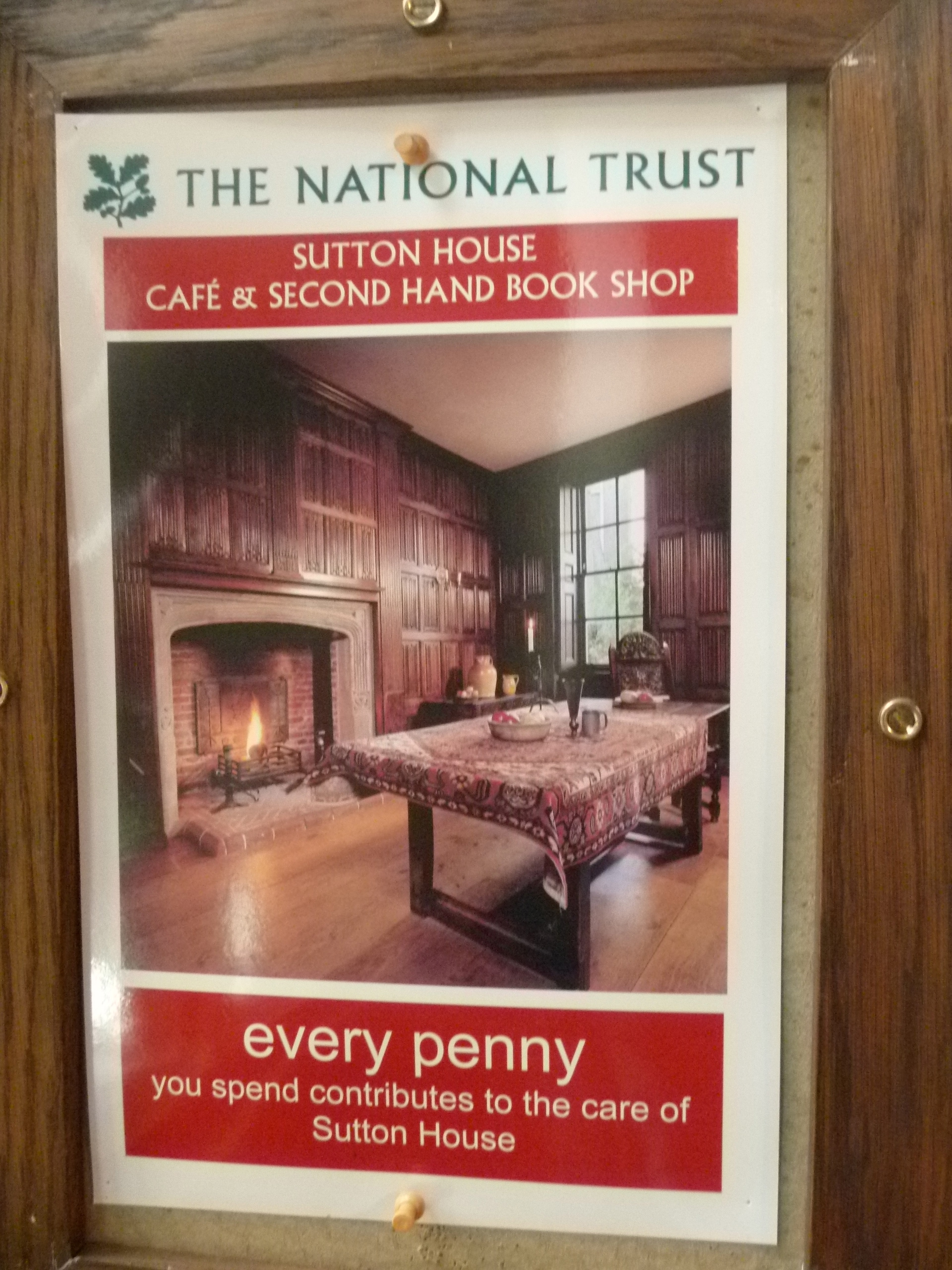
Our Plan B was to visit the National Trust property Sutton House instead. I’ll copy and paste Clare’s summary of the history of the house as she summed it up perfectly to our group yesterday :

“It is a Tudor house, with lots of later additions, and a
fascinating history. It was first owned by Ralph Sadleir, an important
official in four reigns starting with Henry VIII. After that it was owned by
other individuals plus passing through the hands of two separate girls’
schools, a boys’ school, a church institute which ran all sorts of
activities for young men, and in the 1980s it was occupied by squatters who
wanted to form an arts community there.”

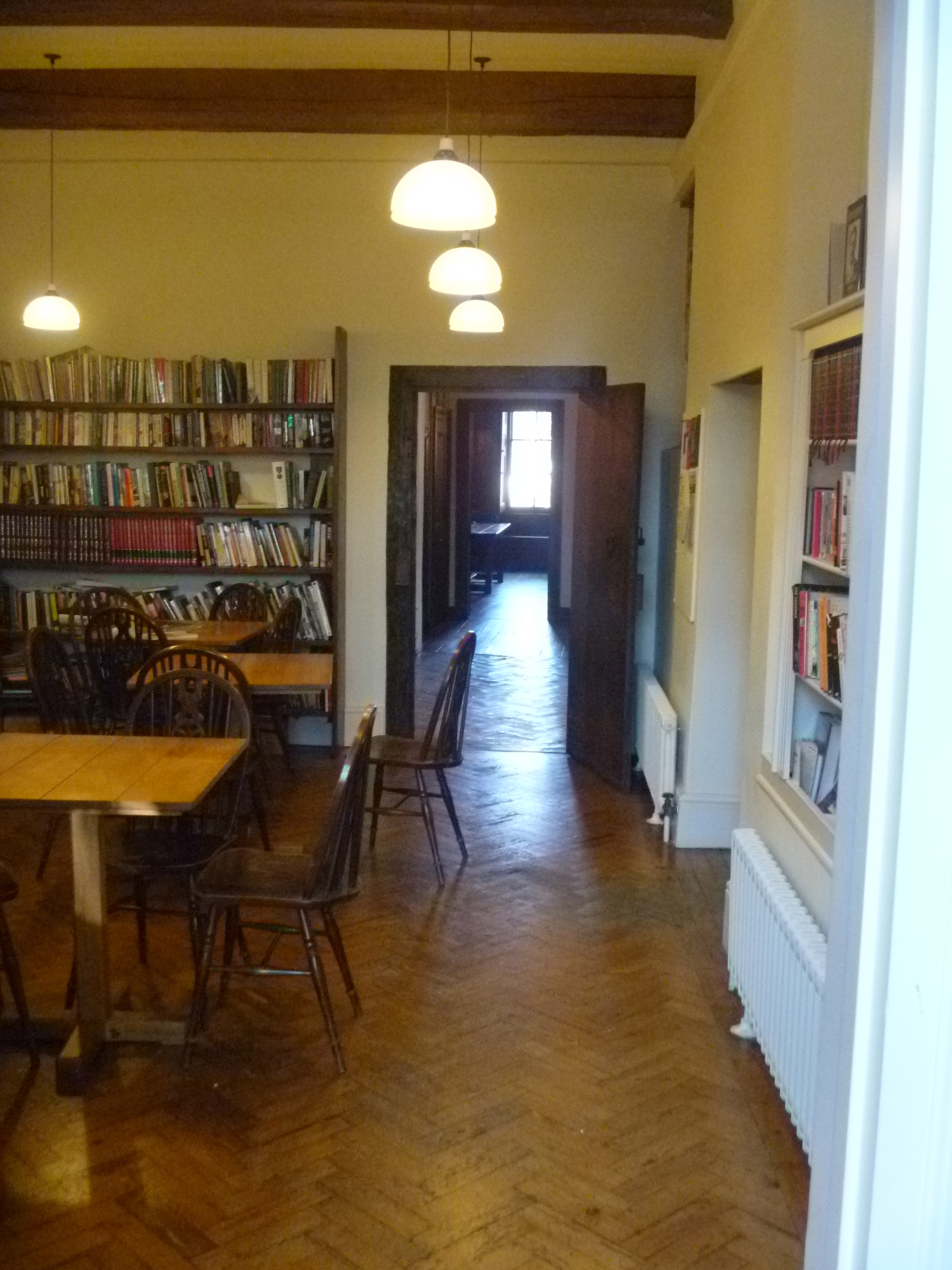
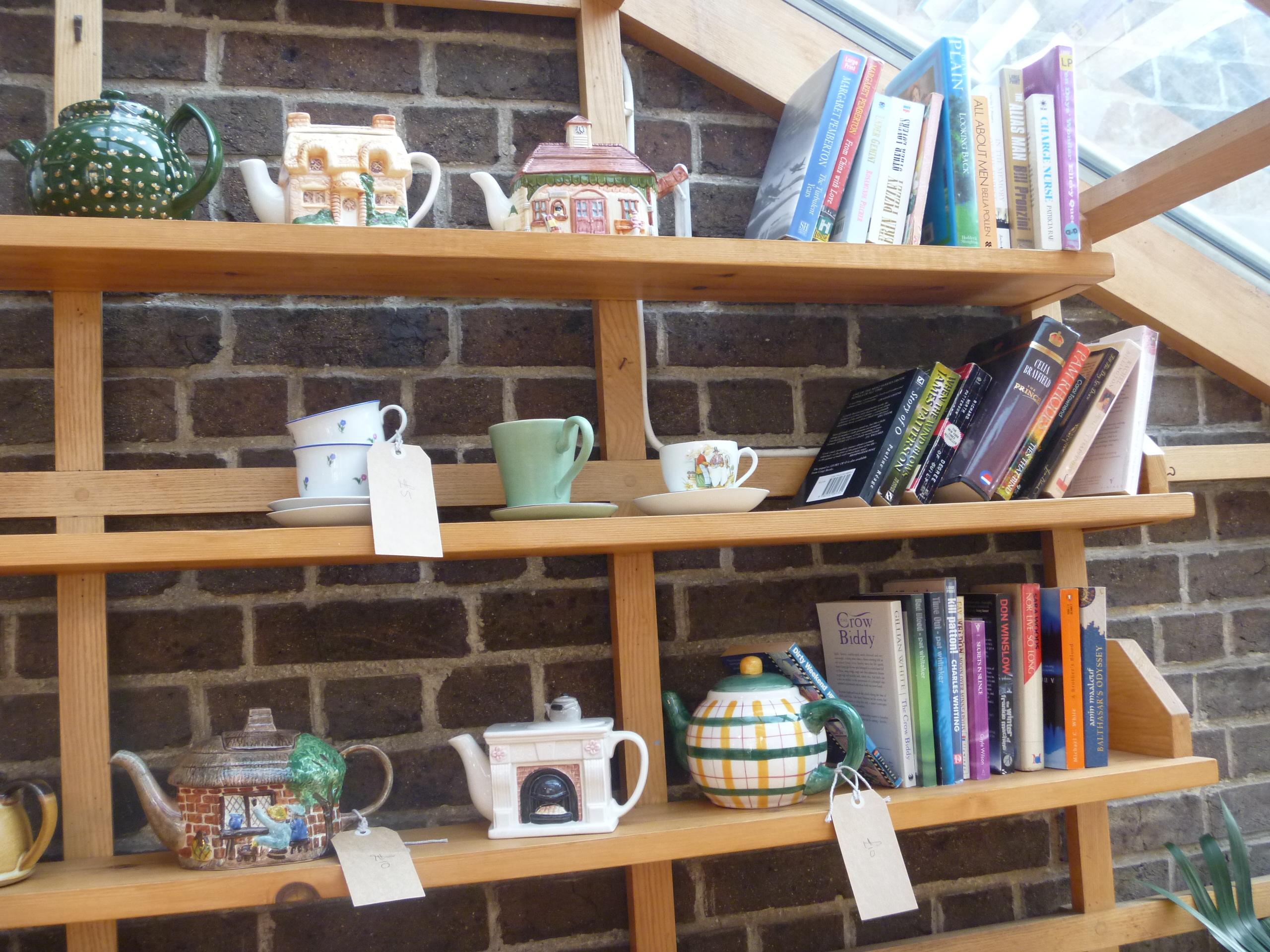
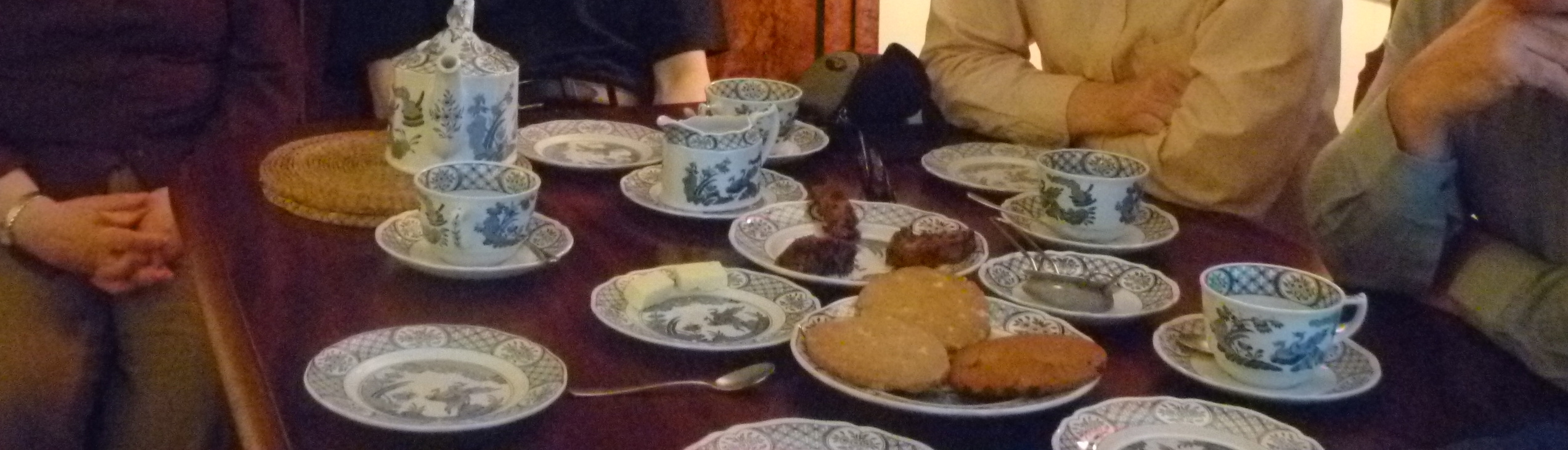
Today Sutton House is very much a part of the local community and the only staff we came across were volunteers all of whom were friendly, helpful and knowledgable. You can check out the website to see the variety of activities organised at the house – not surprisingly it’s booked up for over a year for school party visits. At one point I spotted a flyer for ‘Sutton House Book Brunchers’ who meet at the Bryck Place Tea Room once a month. Bryck Place is the original name for Sutton House and the tea room is a delight – a book lovers’ and tea drinkers’ paradise! There was a bit of renovation going on in the tea room on the day we visited so it was a matter of help-yourself to drinks and cake or scones and jam and drop a contribution in the box. So we did! The tea rooms are surrounded by shelves mostly stacked with secondhand books but some also with secondhand cups and saucers and jugs and teapots all for sale.

The tour of the house began in the Linenfold Parlour (see the poster pictured above). This would have been an important room in Sadleir ‘s original building in what was at the time (1535) a quiet, rural village. You then can visit the cellars, climb the Painted Staircase to the Gallery, the Little Chamber and the Great Chamber, a bedroom now decked out as a Victorian study and climb up again to an exhibition and history room on the second floor. A further staircase takes you right down to the ground floor again where, on this east side of the house, is a Tudor kitchen with access to an enclosed courtyard and a Georgian Parlour. This last room had a corner devoted to tea and it’s accoutrements and I was happy to note the following little verse :

 “In lands near or far

or wherever you be

friendship is welded by

a good cup of tea”

From Sutton House it’s a short walk to Hackney Central Station where we boarded our London Overground trains in opposite directions. As I sat on my train heading towards Whitechapel the following text came through on my ‘phone : “Afternoon tea now available at 45a!”  Some friends, staying at the Landmark Trust property 45A Cloth Fair this week, were inviting me to join them for (another) cuppa and more cake. I’ve stayed at 45A in the heart of Smithfield between Barbican and St Paul’s tube stations half a dozen times already so it was like arriving home as I climbed the creaking staircase to the first floor sitting room and joined my friends for tea and cake.

“Bear with Bern for Swiss Ski-ing” – Cosmopolitan and Charming

The Cathedral (Münster) is Bern’s most impressive example of Late Gothic architecture. The basilica with its three naves rises above Bern’s Old Town.

(Source: http://www.bern.com/en/city-of-bern/attractions )

I’ve been inspired again to write this post having read another travel article “Bear with Bern for Swiss Ski-ing” by Stephen Wood in the newspaper. This time it was The Independent Traveller section of Saturday’s ‘paper.

Now, I am not a skier and never have been but I have visited Bern very many times in winter, spring, summer and autumn. Stephen Wood, in his article, writes about his childhood love of the book Mostly Mary by Gwynedd Rae.

On the flight from London City Airport to Bern last week, I settled down to read Mostly Mary by Gwynedd Rae, a light classic of children’s literature. I have read it before, but not for half a century. On first reading, this book and the others in a series about a family of bears living in the bear-pit at Bern had considerable impact on my world view. You could keep your Paris, New York and Berlin; the place I most wanted to visit was Bern, for the bear pit.”

Apart from one very brief stopover in Bern when there was not sufficient time to visit the bears it was not until investigating for this article that he eventually makes a proper visit to Bern.

Wood applauds Bern’s small, but international, airport the use of which cuts down considerably on journey times to the Bernese Alps ski region. He, like me in 1966, ended up with a stay in Adelboden but my journey was far from quick travelling from Norwich by coach with a night in Paris and another in Neuchatel before we reached our destination.

Bern is another UNESCO World Heritage Site and I have a very good friend who lives there. We manage to get together at least once every couple of years and this year will be in Amsterdam after Easter but more of that in a future post.

My first ever visit to this gorgeous city – the capital city of Switzerland – was on the same Girl Guides trip mentioned earlier this month. On every visit since then I have been enraptured by this beautiful city. There is so much to see and do in the city itself let alone the surrounding countryside. I have shopped in the covered arcades, sipped a drink at an open air cafe watching the Bernese go by, walked by the green waters of the Aare River at the Tiergarten (zoo), and taken the funicular Gurtenbahn up the local mountain for a panoramic view over the city. But as I wrote in my ‘diary’ of the original visit “Bern is the city of bears. You see them everywhere and at Nydegg Bridge is a real bear pit.” I’ve taken my sons and my mother to visit the bear pits but today there are no longer bears there as Wood tells us :

Bears are an institution in Bern too, the city’s name being derived – at least in legend – from a bear killed by its founder, Duke Berchtold of Zähringen, while out hunting. There are bears all over the place: bear-shaped cakes, carved wooden bears, innumerable bear emblems. In fact, the only place you won’t find one is in the bear pit, despite a tradition of keeping bears there which goes back to 1513 (with an interruption in 1798 when the French army stole the animals). Quite rightly the bears – Björk, Finn, Ursina and Berna – are no longer confined to a pit; they now live in a “bear park”, below the pit on a bank of the river Aare.”

Tappington Hall and The Ingoldsby Legends

“THE JACKDAW sat on the Cardinal’s chair!
Bishop and abbot and prior were there;
        Many a monk, and many a friar,
        Many a knight, and many a squire,
With a great many more of lesser degree,—         5
In sooth, a goodly company;
And they serv’d the Lord Primate on bended knee.”

Did you read The Jackdaw of Rheims at school? We did. And it all came back to me last Monday when I visited my friend Sarah’s family in Kent. Sadly, Sarah died in November 2008. We’d known each other since our first days at university in 1970 and met up several times a year ever since. Sarah’s parents and other family live near Canterbury in Kent and one of my reasons for travelling down there for a birthday treat was to visit them and talk with them about Sarah and our friendship.

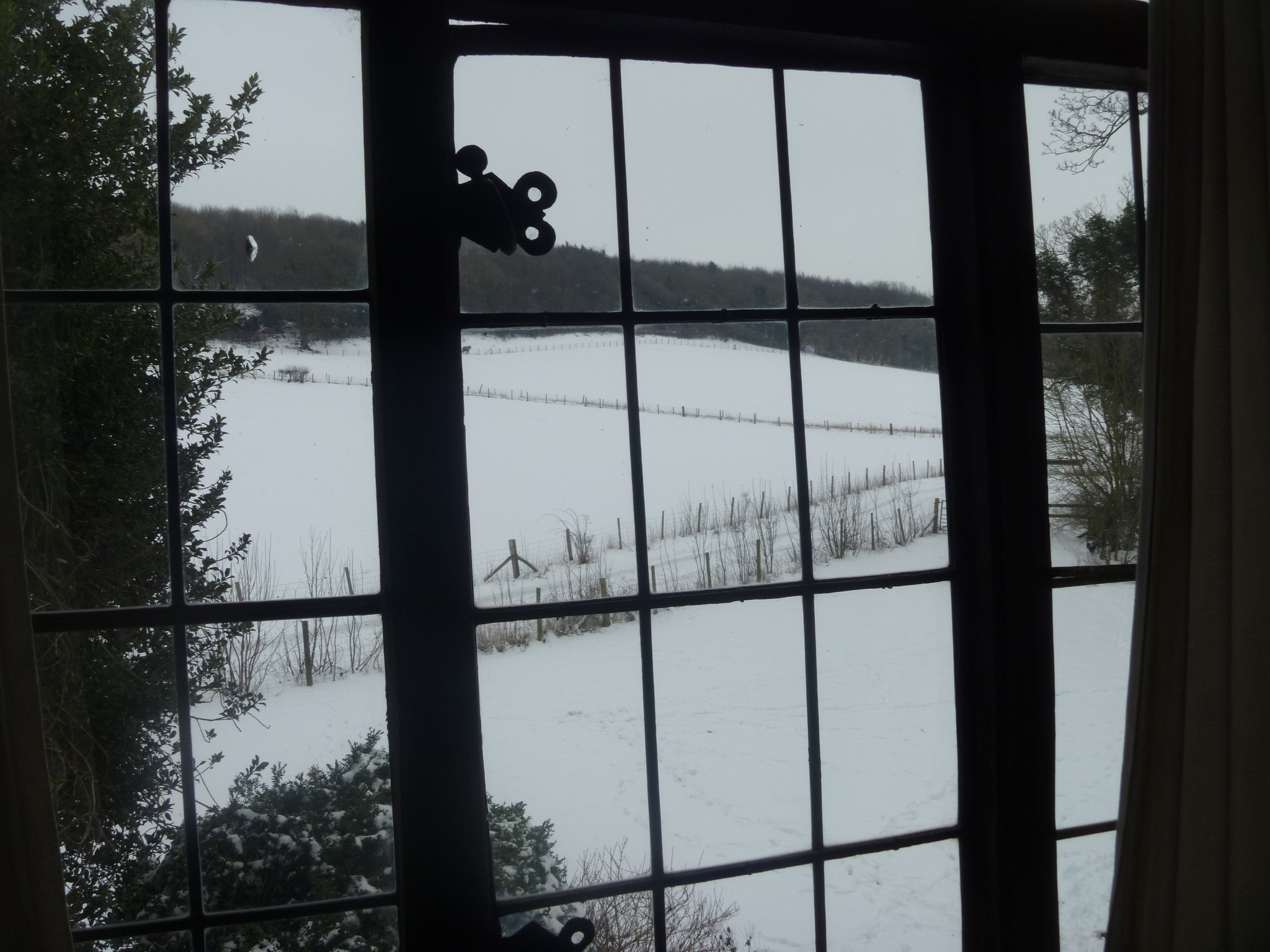
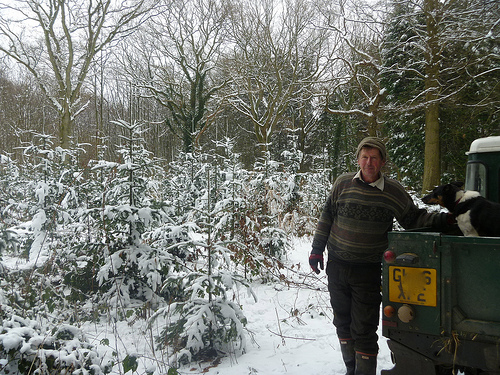
It was the snowiest day of the winter but I was not deterred from my journey. Luckily Sarah’s brother was clearing snow at his parents’ home and kindly turned my car round in the drive. After my initial welcome Andrew took me in his steadfast farm Landrover to see the Ginko tree that had been planted in Sarah’s memory and on to the area of woodland on the farm where her ashes had been scattered.

After a few moments’ quiet contemplation Andrew offered to take me to visit his own home and meet his wife Sue. Tappington Hall near Denton is a lovely old house tucked away down a farm track a few miles from his parents’ place. Sue and Andrew offer bed and breakfast on an informal arrangement. They were expecting two Canadians that evening and hoping that they would find it warm enough. I think Canadians are probably used to snowy weather!

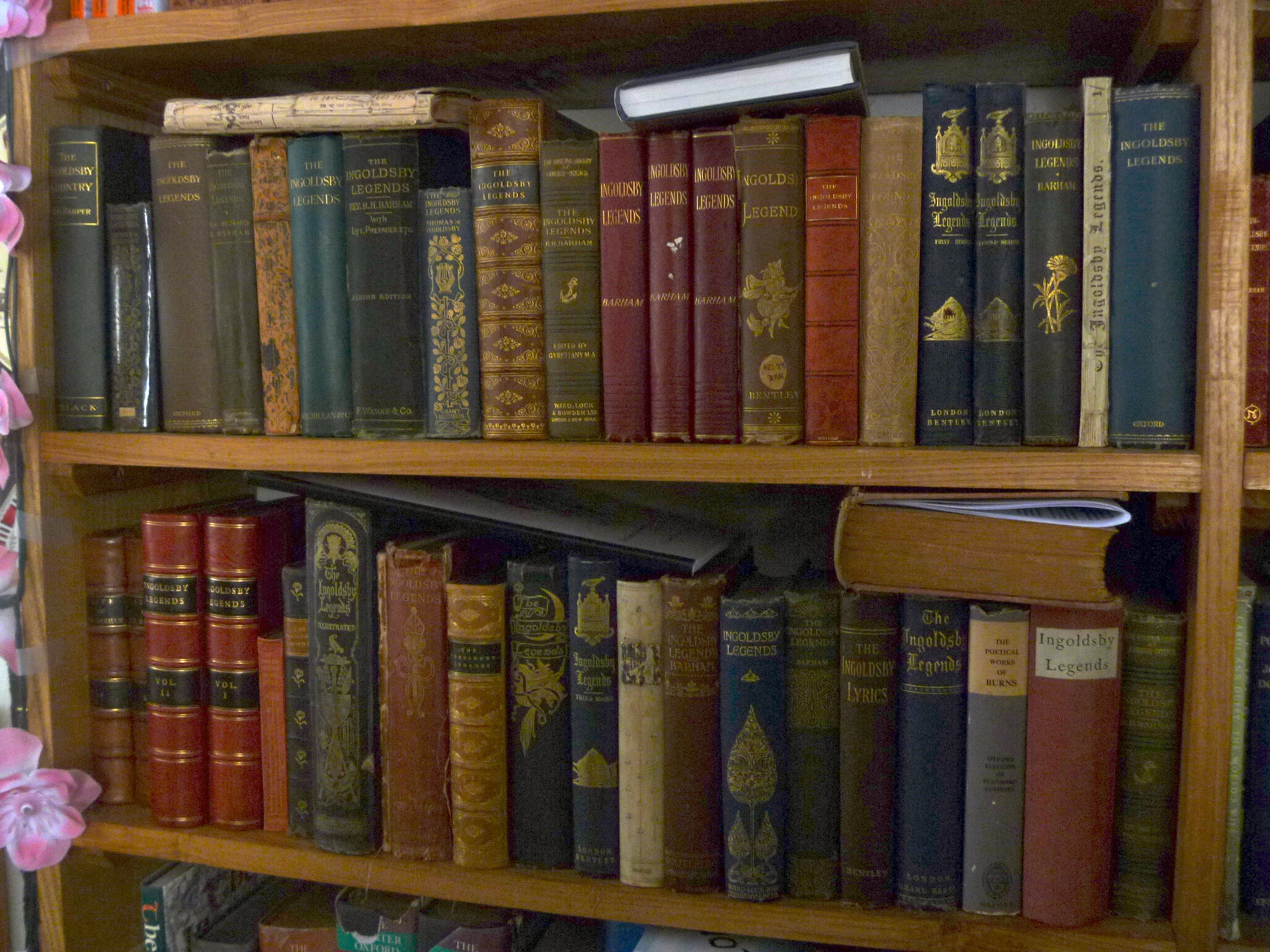
Of great interest to me was the fact that Tappington Hall was the former home of The Reverend Richard Harris Barham  (1788-1845) alias Thomas Ingoldsby of Tappington Everard in Kent. Sue and Andrew have a vast book collection which includes many versions of Barham’s Ingoldsby Legends. Unbeknown to me until I opened one of the books was that The Jackdaw of Rheims poem is one of these Legends.

Barham was ordained in 1813 appointed to the parish of Westwell in Kent and later to the living of Snargate and Warehorn, on Romney Marsh. He and his wife and children later moved to London where he was appointed to a post at St Pauls although he kept his Romney Marsh living as well.

His writing  and journalism took off when he got to London and he was published in several periodicals including Blackwoods and  Bentley’s Miscellany. He seems to have enjoyed mixing in literary circles in London, knew Charles Dickens and Richard Bentley and was a founder member of the Garrick Club (1832). Probably he is best known for

” … his Ingoldsby Legends, which began to appear in 1837 in Bentley’s Miscellany. Under the guise of Thomas Ingoldsby of Tappington Everard in Kent, Barham ‘discovered’ old documents which provided the basis for his tales. In effect, most of these are reworkings of other narrative sources, from medieval chronicles to Kentish legends and Sir Walter Scott. The mixture of crime and the supernatural, in both verse and prose, is given a comic and grotesque dimension, immediately appealing to Barham’s readers.”

Extracted from : The Oxford Dictionary of National Biography.

The Legends passed through very many editions some with illustrations by such artists as Tenniel, Cruikshank, and Rackham and Sue kindly showed me several of these. Many of the editions were best sellers in their day.

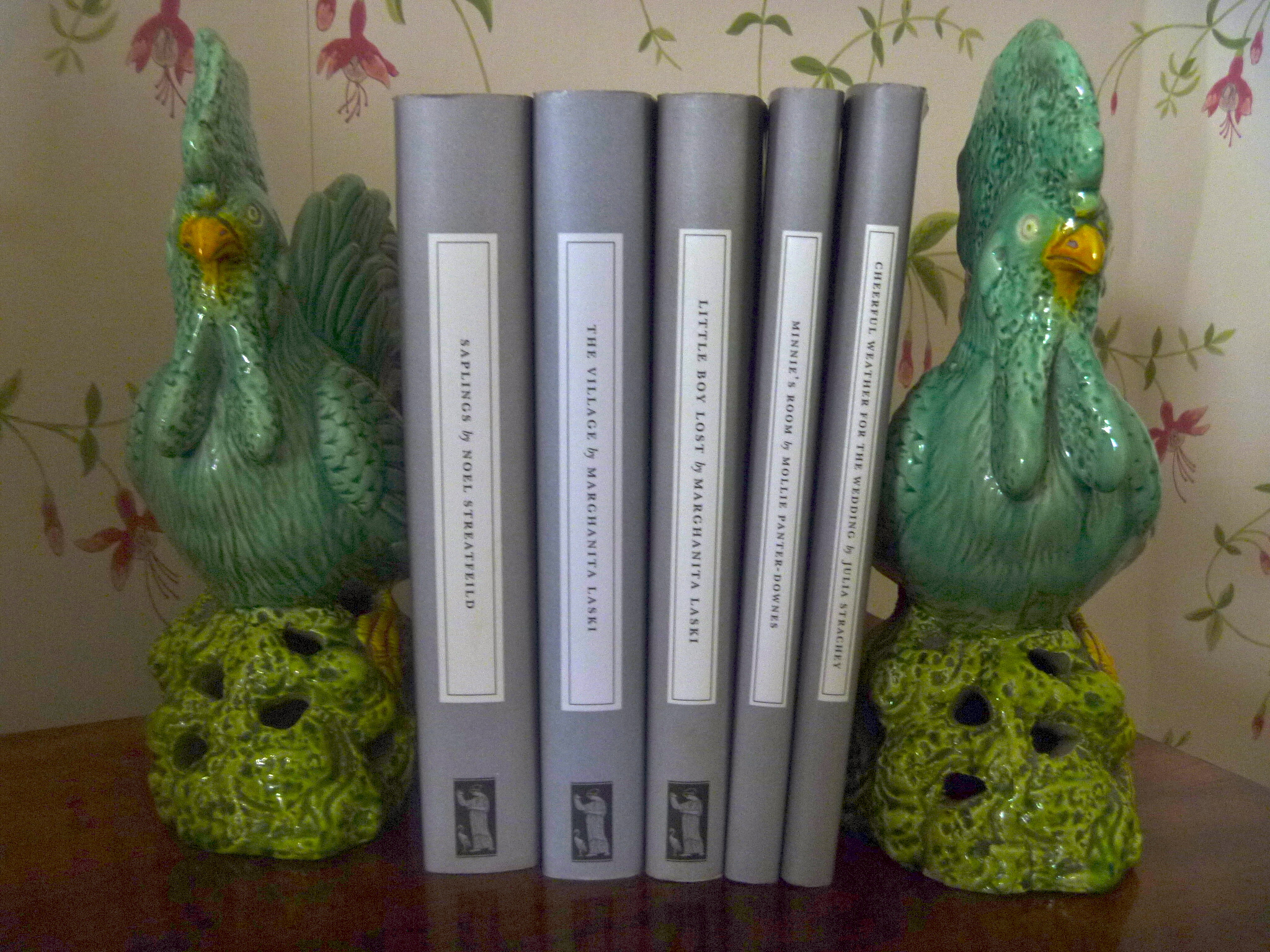
On the Sunday night before my visit to Barham and Tappington I stayed at a B&B between Sittingbourne and Faversham. I was delighted to find a selection of Persephone Books beside my bed at Dadmans – even though I had read them all.

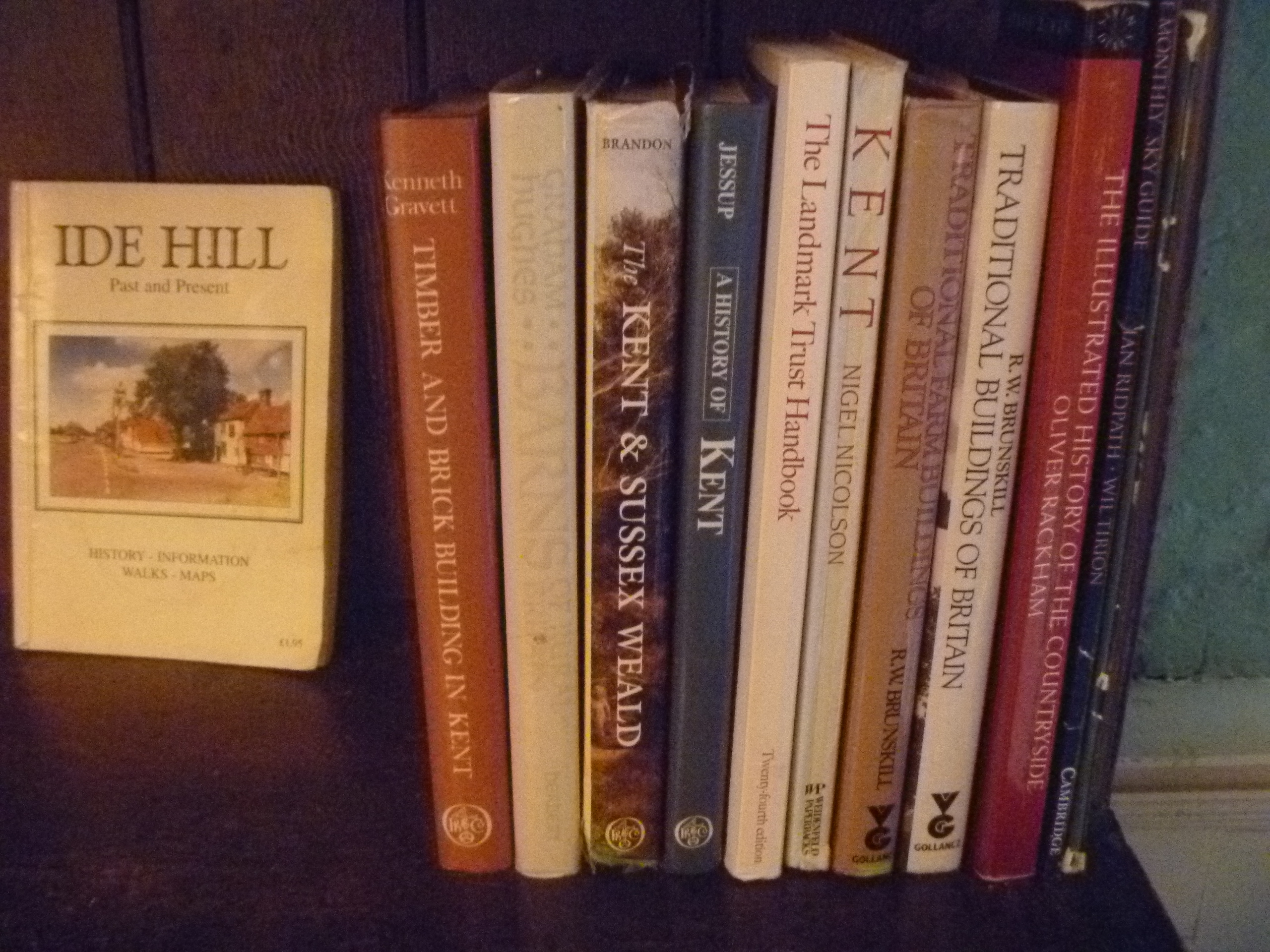
A further selection of Kentish books made up the library at Obriss Farm. There is no shortage of reading materials at Landmarks.

Lundy – Cooking on My Island of Dreams

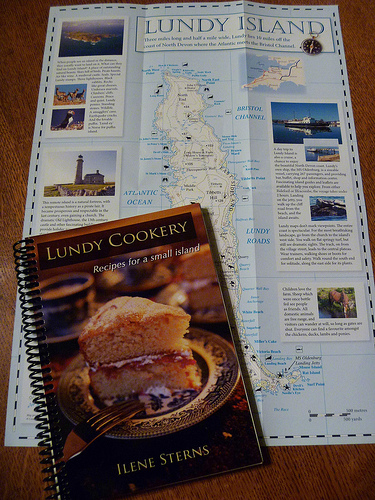
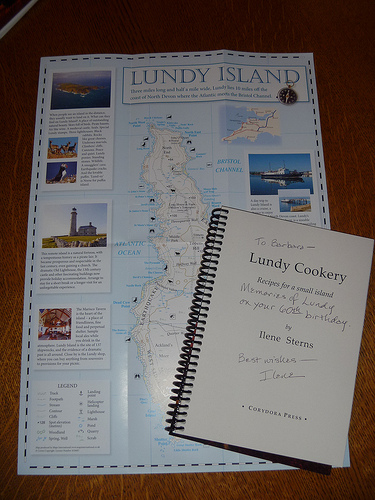
I’ve been celebrating my birthday over the past few days. I’ve received lots of cards and flowers and some lovely gifts including several books. Only one of these book gifts was what I would call a ‘reading book’.  The other books include a photo book celebrating a friendship and places visited, a set of LV European City Guides, a book by Rob Ryan and … ‘Lundy Cookery: recipes for a small island‘ by Ilene Sterns. The book is published by Corydora Press who have formed their own FlickR group ‘Lundy Cookery Around The World’. My friends also managed to get Ilene to sign it especially for me!

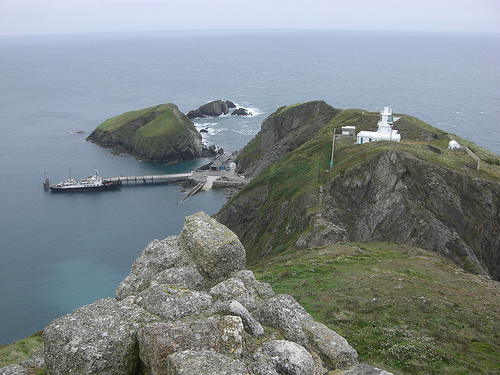
I’ve twice visited Lundy, an island in the Bristol Channel 3 miles long by half a mile wide, as a day tripper by boat from Ilfracombe. The journey takes about two hours on the MS Oldenburg and fortunately on both occasions the Bristol Channel was as still as a millpond! Sailings are in the spring and summer months from about the beginning of April to the end of  October. During the remaining months Lundy is a mere 7 minute helicopter ride from Hartland Point, 20 miles west of Bideford on the north Devon coast.

The MS Oldenburg tied up at the Lundy quayside

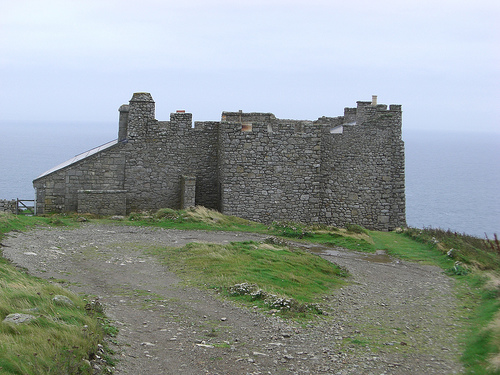
Lundy, or Puffin Island, is owned by the National Trust (so there’s a small discount on the sailing price for members) and the 23 self-catering holiday properties are managed by the Landmark Trust. It’s an uphill trek from the quay to the village but when you get there there’s a pub – The Marisco Tavern – and a shop and a cluster of buildings – some farm and some holiday accommodation. My first stop has been at the pub each time for sustenance and then a call at the shop for postcards and Lundy stamps and then I have taken a walk. There are marvellous views of the north Devon coast and the paths are clear and grassy. One walk was up the east side to Threequarters Wall and across to the west side and back down to the Old Light, the cemetery and St Helena’s Church. On my second visit a much shorter walk was to the Castle, the South West Point and back up to the Old Light. Then a final cup of tea at the Marisco before heading back down to the Quay and the awaiting boat.

Lundy Castle and Approach Track

In her introduction to Lundy Cookery Ilene reminded me what a treasure trove and Aladdin’s Cave the shop was despite its remote location. All Lundy Landmark kitchens are well equipped with basic cooking equipment but they do lack weighing scales, liquidisers, toasters and loaf tins. Ilene’s recipes manage to get around these would-be problems. In particular her recipes specify quantities by volume rather than by weight. She has also included a useful section which she has called ‘Salmagundi’ *- it’s about minimising food waste and lists ingredients alphabetically linking them to recipes in the book. For example under Honey she lists 6 dishes included in the book including Honey Mustard Vinaigrette (p.98), Lundy Mess (p.116) and then suggests some other uses. Waste not want on Lundy Island. There’s a useful index too.

*Definition: a salad plate of chopped meats, anchovies, eggs, and vegetables arranged in rows for contrast and dressed with a salad dressing. (http://www.merriam-webster.com/dictionary/salmagundi) Sounds good to me!

“Most of the book’s recipes are simple and quick to prepare, so you won’t be stuck in the kitchen when you’d rather be outdoors.” (p. 2) Now that’s my kind of cookery book!
Antarctica in Leeds

Yesterday was the centenary of Captain Robert Falcon Scott’s arrival at The South Pole on his ill-fated journey in Antarctica.

The day the boiler broke down at The Leeds Library just happened to be the day that they were hosting an Antarctica Evening!

Here is the programme :

Antarctica Evening – All Welcome

Tuesday 17th January 2012 at 17.00

17.00 Welcome, refreshments and a chance to browse the exhibition of books, artefacts and photographs 1911-1912

18.00 ‘Antarctica’ a talk with slide show by John Whitley (Leeds Library member)

19.00 ‘Why read books on Antarctic exploration’ a brief talk by John Bowers (Leeds Library member)

During the event there will be a chance to talk to the Leeds Library Staff about the Library’s holdings and their interest in the Scott-Amundsen story.

There will be a charge of £5 per person with proceeds being split equally between the United Kingdom Antarctic Heritage Trust, The Guide Dogs for the Blind Association and The Leeds Library.

The talk and slides took us on a wonderful journey where we could see the icebergs and the rough seas and only shiver slightly in the chilly room.  At the end John reviewed his trip in the light of what he had seen and pointed out his Top Five which included the penguins, the icebergs, the whales.

We came away from the second talk with our own annotated bibliography of Antarctica ‘must reads’ and a fascinating and revealing comparison of secondhand book buying and book prices between the late 1950s and 1960s when John and his wife were starting their collection and if one were to start a similar collection today. These days many of the books  turned out to cost less when purchased via Amazon mainly because there are more popular, cheaper editions and reprints available.

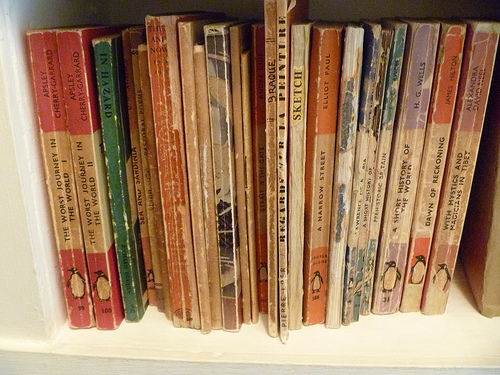
Of the books on the list I have read only one: Apsley Cherry-Garrard’s excellent “The Worst Journey in the World“. John rounded off his talk with a quotation from “Shackleton’s Way: Leadership Lessons from the Great Antarctic Explorer” by Margot Morrell and Stephanie Capparell. He said ‘Shackleton’s leadership was so exceptional as to be deemed a worthy subject by management specialists’.

But there’s one book I’ll be looking out for (I hope it is in the Library Catalogue!) and that is “Mrs. Chippy’s Last Expedition: The Remarkable Journal of Shackleton’s Polar-Bound Cat” by Caroline Alexander. She was the only female member of an Antarctic Expedition at the time.

An addition was made to the programme and another speaker, Jane Francis of Leeds University, talked briefly about her own expeditions to the South Pole (10 in all) and showed us sample fossils (glossopteris) that she had collected.

Finally there was a Q&A session when we were able to question the speakers and a member of the library team on all manner of related topics not least the differences between the Scott and the Amundsen teams and methods.

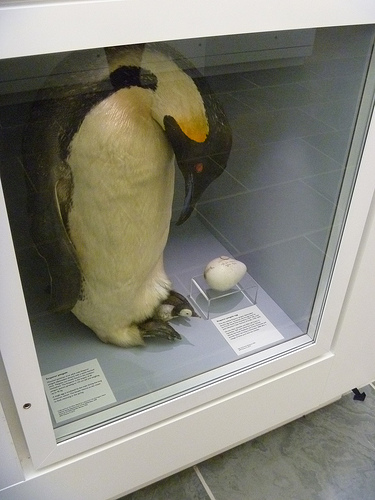
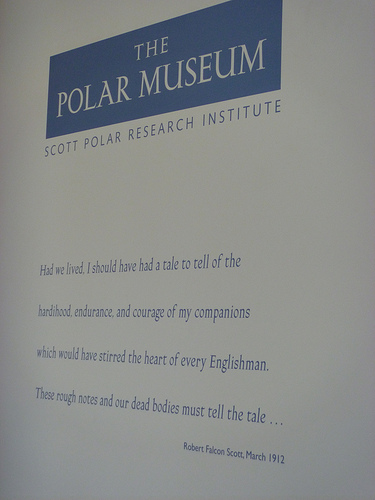
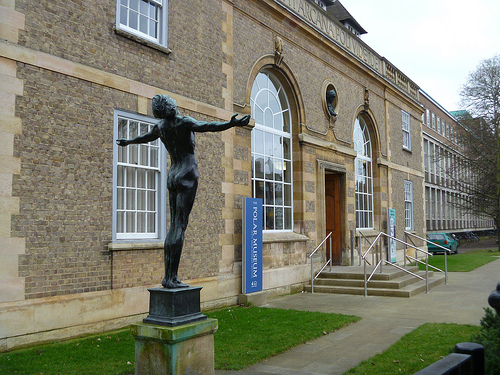
This evening reminded me again of my visit to the Scott-Polar Research Institute in Cambridge last February.