Slightly Foxed on Gloucester Road

When the quarterly reader’s magazine Slightly Foxed: the real reader’s quarterly started ten years ago I took out a subscription but this year now that I can borrow issues from The Leeds Library I have cancelled my subscription. The result is that I actually read the magazine instead of flicking through it and putting it in a pile “to read later”. However, I am still a great fan of all things ‘Slightly Foxed’ which includes the lovely bookshop on Gloucester Road, Kensington.
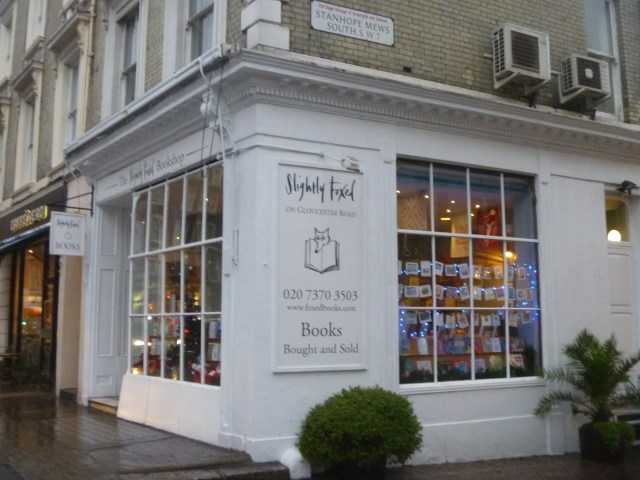
SF1

Due to predictions of inclement weather yesterday I left home in Leeds extra early to drive down to London. The journey presented no problems and I arrived in good time; leaving the afternoon free.
SF2

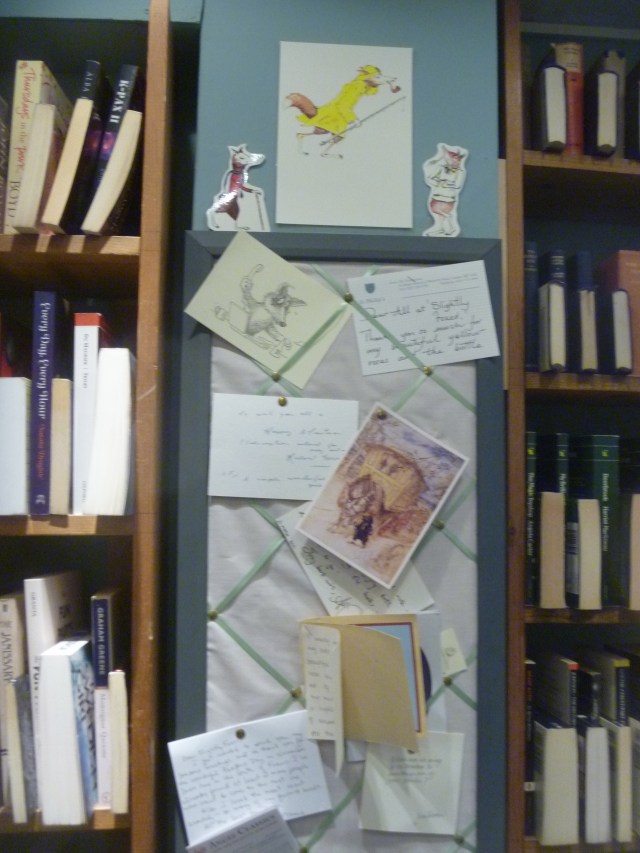
Letters and messages to the Sly Fox

So I took the Underground Train to Gloucester Road Tube Station and revisited this lovely bookshop. Stocks include new books as well as secondhand, plus cards and bags and mugs. The friendly bookseller [Tony] found me the titles I was interested in from the Winter Catalogue.

In addition to publishing the Quarterly SF also reprint some lovely out-of-print classic memoirs in their Slightly Foxed Editions and Paperbacks.
SF3

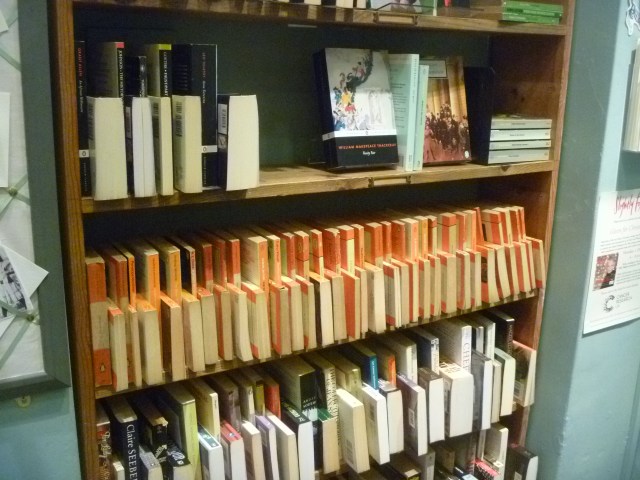
Preparations for stocktaking at Slightly Foxed Bookshop

Browsing wasn’t easy in the downstairs secondhand department as staff are preparing to stock-take on the 2nd January. The shop was about to close for the Christmas and New Year holiday at 5pm today and is due to re-open on 3rd January 2014.

If you are wondering where the name/term ‘slightly foxed‘ comes from here is one definition:

FoxingIn a nutshell, a foxed book’s pages have some spotting, ranging from sort of a beige color to a rusty brown (like a fox’s footprints, or maybe its reddish coat). Sometime foxed spots are referred to as “age spots.” The causes of foxing include temperature & humidity changes (don’t store your books in damp or unheated places!), and impurities within the paper (high acidity – most common in modern books with cheap paper, or iron or copper, commonly found in 19th century & older books). There may be other causes as well, such as fungus or other microorganisms. The reason for foxing in a particular book is often difficult to discern.

Foxing is very common in antique books (due to the paper used) and can certainly be found in contemporary books as well.
A book conservator / archivist can sometimes remove foxing, but it’s a very difficult & expensive process.
As far as how it effects value, well, it just depends on how easy it is to find an unfoxed copy. Some very old books may be difficult to find in unfoxed condition; in that case value will not be greatly affected. Modern books are devalued by foxing to a greater degree, because they are more readily available in fine condition.”

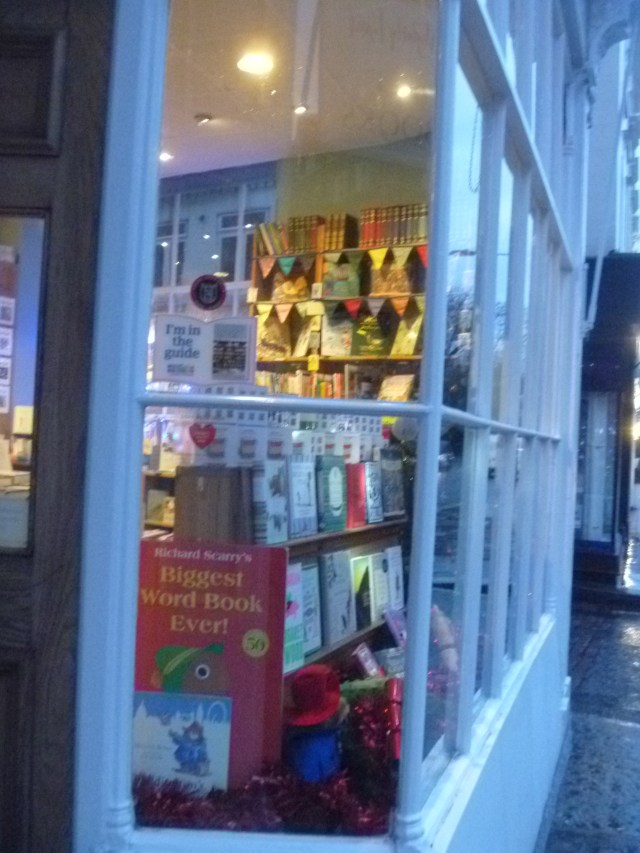
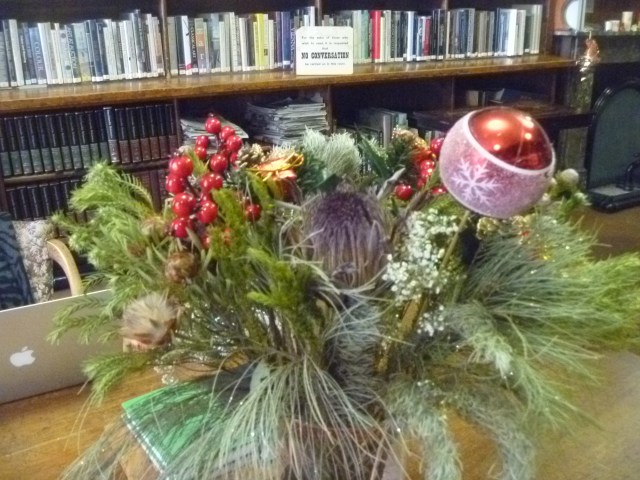
Of course, there’s another meaning to fox – sly, clever, crafty. So the sly fox can cleverly suggest all sorts of books for all sorts of reading problems.
SF4

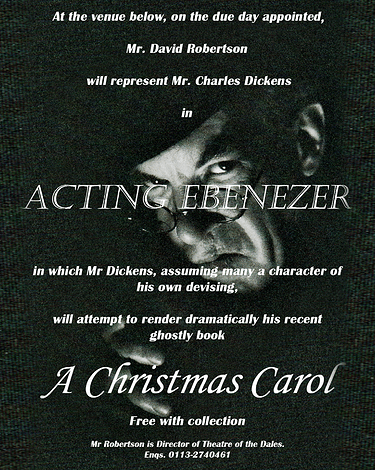
Acting Ebenezer, in which Mr Dickens assuming many a character of his own devising will attempt to render dramatically his recent ghostly book : A Christmas Carol

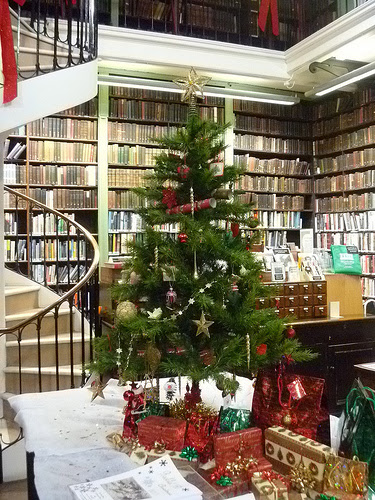
Leeds Library at Christmas

Christmas at The Leeds Library 2013

Xmas Leeds Lib

Christmas at The Leeds Library 2011

On Friday at lunchtime David Robertson of Theatre of the Dales brought his excellent one man show ‘Acting Ebenezer’ to The Leeds Library and performed his abridged version of ‘A Christmas Carol‘ very much in the style of the inimitable Mr Dickens. In addition to his powerful acting of the part of CD Mr Robertson has the distinct advantage of looking the image of Dickens himself!
It was the perfect start to Christmas week and the perfect venue for such a literary performance.
Poster

I didn’t like to take photos during the performance and at the end Mr Robertson disappeared in whoosh! So here are some quotes from the book itself and from the flyer left on our seats before the performance.

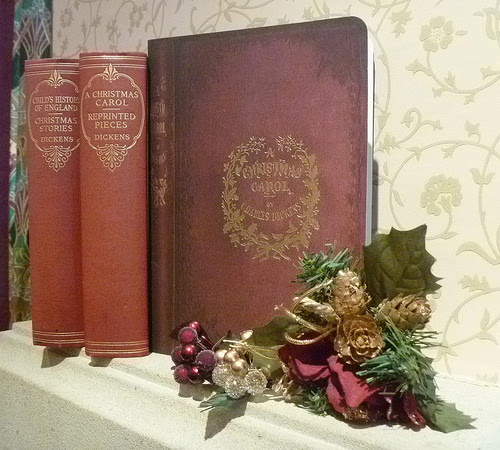
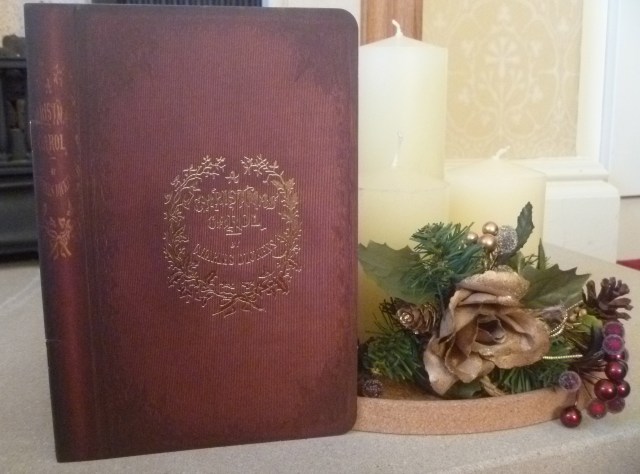
Christmas Carol

PREFACE

I HAVE endeavoured in this Ghostly little book, to raise the Ghost of an Idea, which shall not put my readers out of humour with themselves, with each other, with the season, or with me. May it haunt their houses pleasantly, and no one wish to lay it. 

Their faithful Friend and Servant,

C. D.                  December, 1843.*

” “A merry Christmas, Bob!” said Scrooge, with an earnestness that could not be mistaken, as he clapped him on the back. “A merrier Christmas, Bob, my good fellow, than I have given you for many a year! I’ll raise your salary, and endeavour to assist your struggling family, and we will discuss your affairs this very afternoon, over a Christmas bowl of smoking bishop, Bob! Make up the fires, and buy another coal-scuttle before you dot another i, Bob Cratchit!” *

[* Source of quotations from ‘A Christmas Carol’]

And David Robertson writes :

“After the success of Pickwick Papers, Oliver Twist and Nicholas Nickleby, Dickens quarrelled with his publishers, whom he suspected of taking too much of the profits, and rashly told them he himself would bear the cost of their publishing A Christmas Carol.

He wouldn’t scrap the gold embossed cover or the four coloured etchings and insisted on keeping the price to 5/- to be affordable to almost everybody. As it turned out, he landed in considerable debt because so many pirate editions, claiming to be ‘improvements’, reduced his sales. Of course, in the end, A Christmas Carol proved the most popular of all his works and has remained so this day.

I’ve been playing Scrooge in one form or another for twelve years now, starting with a recording I was commissioned to make for students learning English (in which Bah, humbug! was watered down to Oh, nonsense). But I recently met Gerald Dickens, the great great grandson of Charles, and was so impressed by his one-person enactment of Nicholas Nickleby that I’ve been tempted to (gingerly) follow in his footsteps.

I hope you’ll enjoy the result.

David”

We certainly did, thank you, David. And a Merry Christmas Everyone!

Christmas Carol

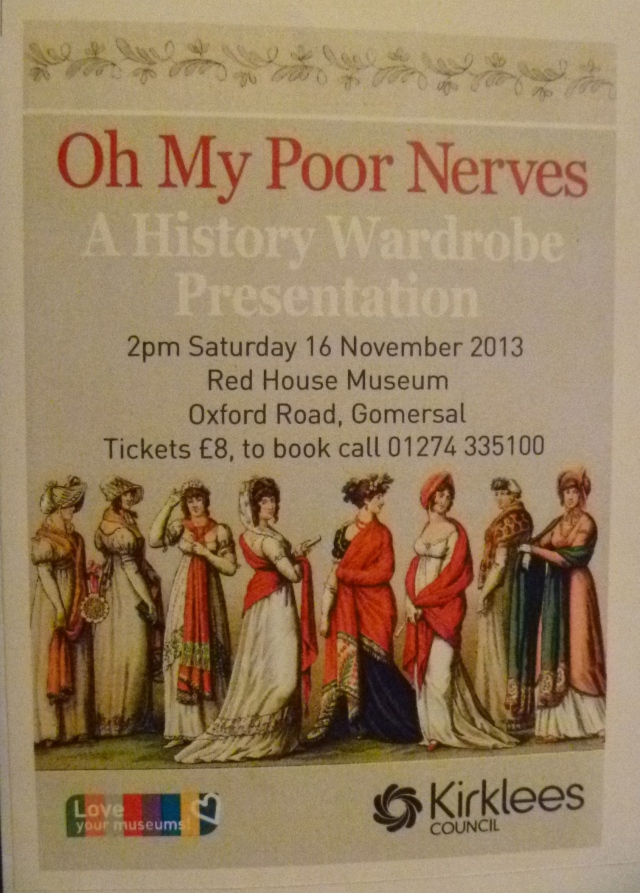
Oh My Poor Nerves! Health and Hypochondria in Jane Austen’s England

My poor nerves

Mr. Bennet, how can you abuse your own children in such a way? You take delight in vexing me. You have no compassion for my poor nerves.”
“You mistake me, my dear. I have a high respect for your nerves. They are my old friends. I have heard you mention them with consideration these last twenty years at least.

Pride and Prejudice, by Jane Austen. Chapter 1.

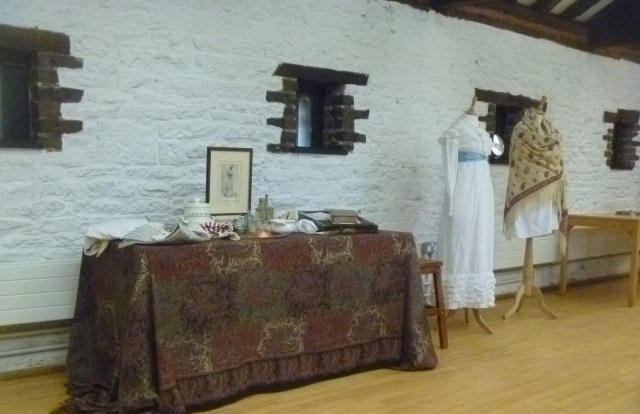
The set

The Set for Oh My Poor Nerves in the Barn at Red House

What fun I had at The RedHouse this afternoon! And not just fun – I learnt a lot too. A few weeks ago I noticed a flyer for a History Wardrobe performance this Saturday, checked their website and knew that I had to book a ticket to see what it was all about.

Lucy

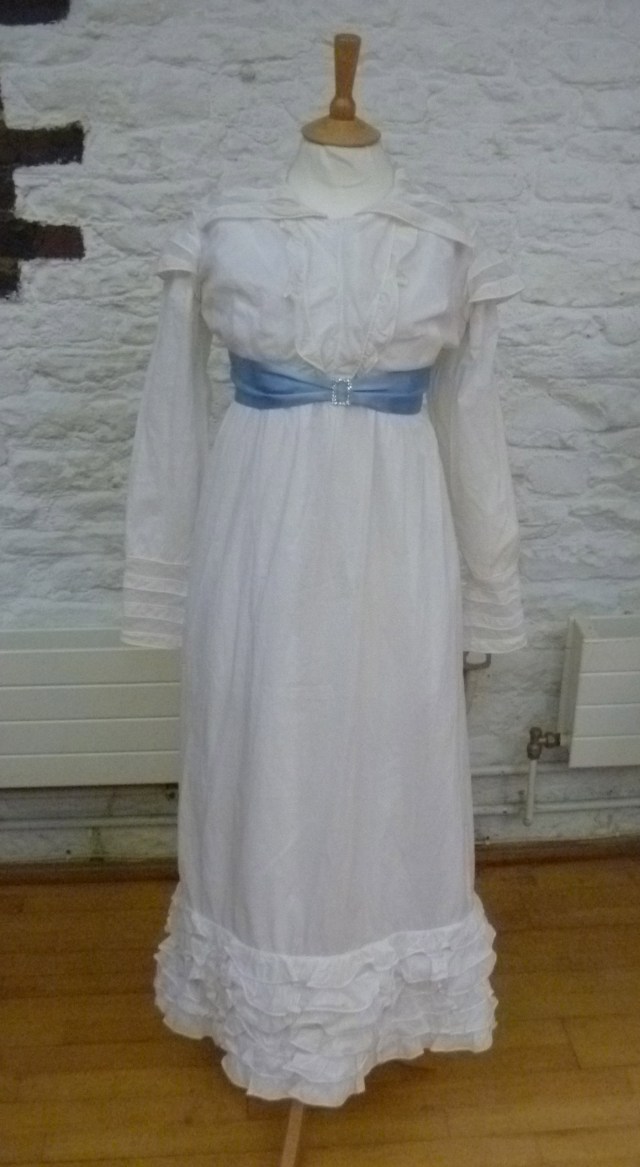
Lucy and her costumes. Left – original Georgian gown. Right – copy of Georgian maternity support corset

Here is Lucy’s witty introduction to the presentation :

This talk focuses on an often overlooked period in the history of healthcare, giving an overview of living conditions in late Georgian England that hardly squares with our usual picturesque view of Regency life. Details of home cures, quack remedies and crude surgery highlight the battle between science and superstition, putting the later medical advances into context. For those who feel faint after viewing a pregnancy corset or the leech jar, I do have plenty of ‘infallible’ Regency advice for good health and long life. And sal volatile.

Interspersed with quotations from Austen’s books (Jane Austen loves hypochondriacs) Lucy entertained us for nearly two hours with details and examples of all kinds of diseases and dangers prevalent in Georgian England and how they were treated by dubious doctors and questionable quacks.

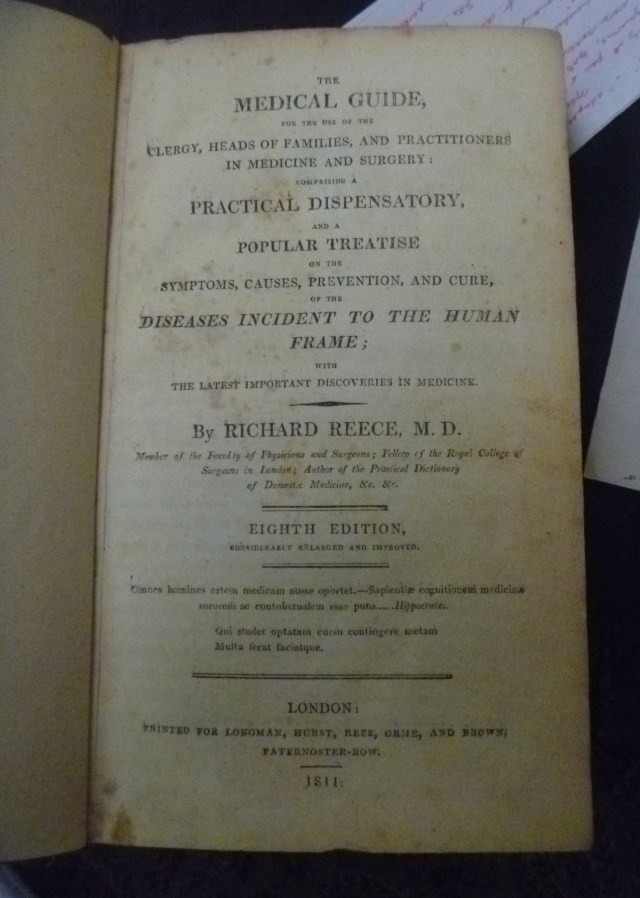
Reece's medical guide

Dr Richard Reece’s Medical Guide

She read to us the list of diseases from which one could die in the late 18th and early 19th centuries – the list extracted from Doctor Richard Reece’s “The Medical Guide” of 1811 which, along with all Lucy’s other original and reproduction props, we were able to inspect for ourselves after the performance.

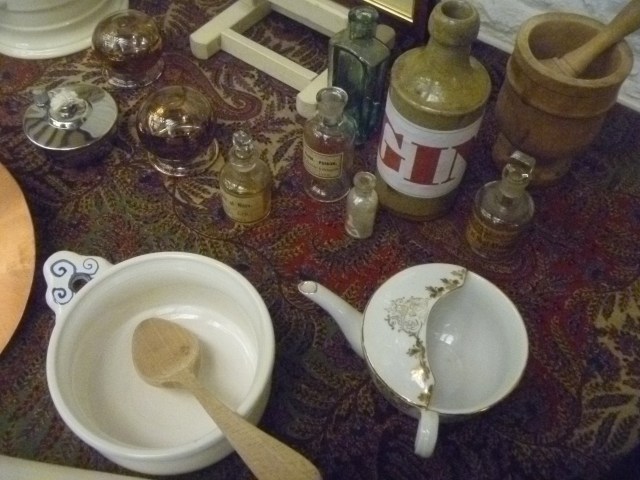
Props

Reproduction and original props

I am now highly enlightened on subjects as diverse as the dangers of red stockings (the dyes); that wallpaper killed Napoleon (arsenic); the extent of cholera epidemics and the locations of cholera burial grounds; body snatching (for medical dissection purposes); the benefits of a porringer of gruel (as recommended by Mr Woodhouse in “Emma“); the greatest danger for the Georgian militia and navy (disease); the biggest killer of women (childbirth); shifts and chemises; detoxing Georgian style; drugs and leeches; lancets and forceps; operating theatres and quack medicine.

Georgian dress

The prize item in Lucy’s collection of historic costumes must be the original Georgian gown.

Lucy’s entertaining presentation this afternoon went to prove that history, science and medicine can all be fun.

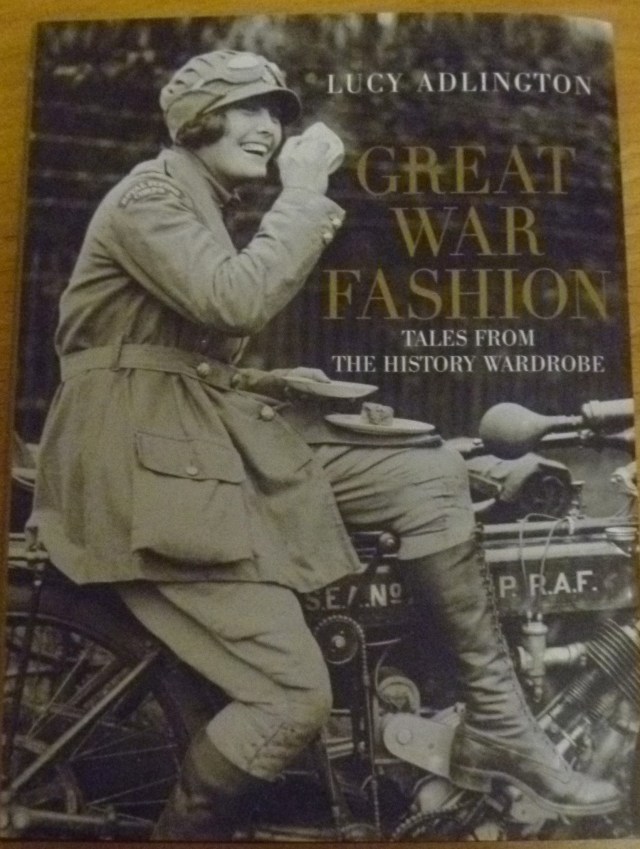
Lucy's new book

She even made reference throughout to her new book in which, although titled “Great War Fashion“, she demonstrates that even by the early decades of the 20th century some clothes, medical treatments and aspects of hygiene had never changed.

Before I left the Red House I bought a ticket for another presentation next year – Titanic!

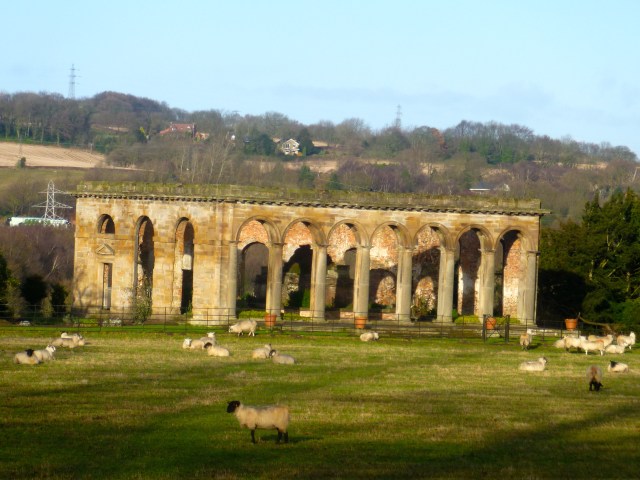
Gibside : “The Chapell, Greenhouse, Banquiting House, Bath, Gardens, and Walks, [and] pleasure grounds are all gone to Ruin.”

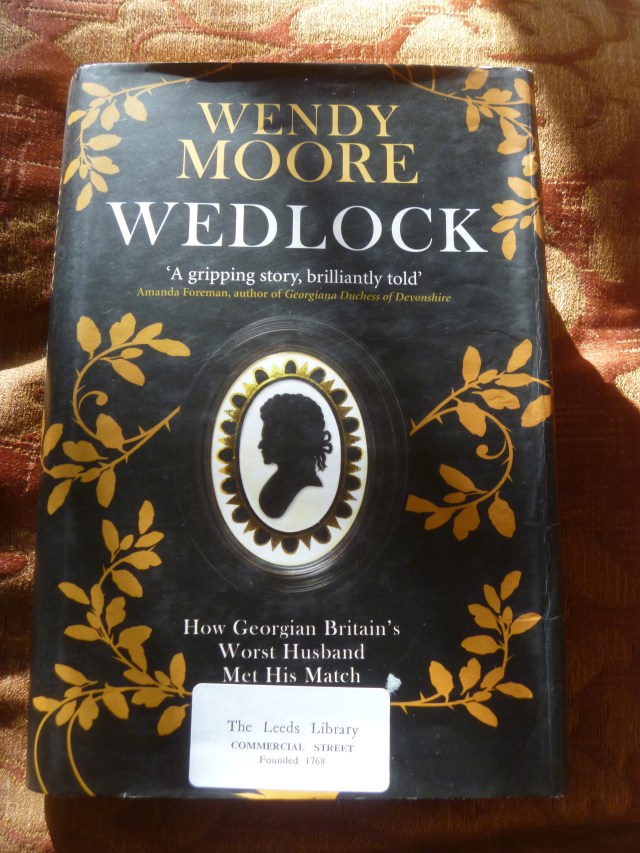
Last week I finished reading ‘Wedlock’ by Wendy Moore, subtitled on the cover ‘How Georgian Britain’s Worst Husband met his Match’. And what a tale it tells. It’s been recommended to me from several sources not least from Nilly Hall‘s wittily titled ‘Bowes and Cupid’s Arrows‘ published last February.

Wedlock

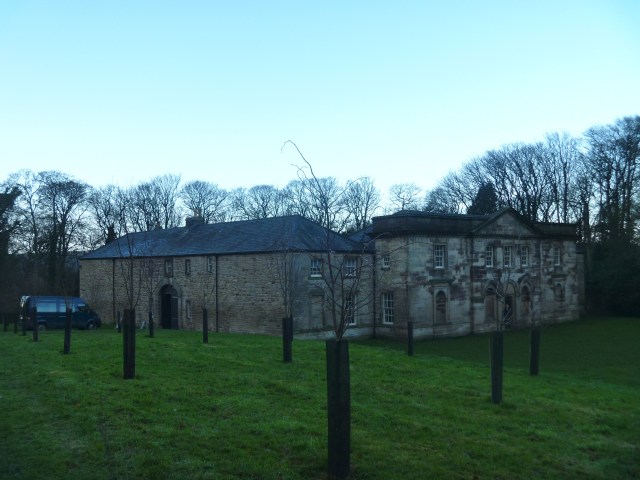
The book is the story of Mary Eleanor Bowes (1749-1800) daughter of the coal baron creator of “Gibside, a Georgian ‘grand design’ on a spectacular scale. The vision of coal baron George Bowes, the Palladian chapel is an architectural masterpiece, the stable block is a vibrant learning and discovery centre, and the once grand hall is now a dramatic shell. Gibside is also a haven for wildlife with red kites often circling in the skies above.” [NT]

Stable Block 2

The Stable Block

Gibside just a few miles from Newcastle is now the property of the National Trust. I have visited Gibside twice. The most recent time was just last December on my way to a course at Sage plc.

The Chapell

The Chapell

Orangery

The Greenhouse or Orangery

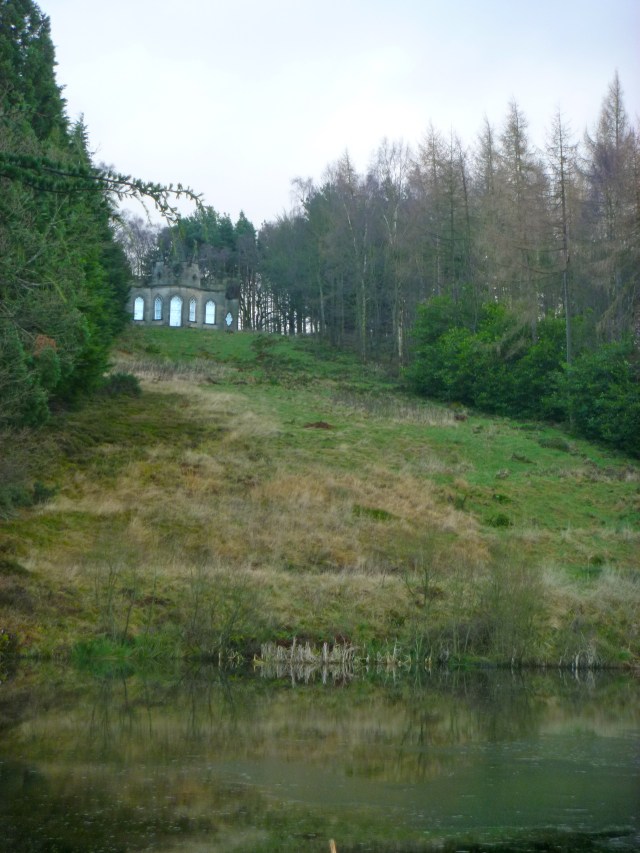
Banqueting House

The Banquiting House

The water feature below the Banqueting House was an elegant octagonal pond built in the Greek style to add to the stately vistas. A fountain cooled he air and statues stood on the terraces above. The Banqueting House was restored by The Landmark Trust after many years of neglect. That same neglect has had some happy consequences for the pond. It is now a Site of Special Scientific Interest (SSSI) for its population of great crested newts. There are no plans to restore the Octagon Pond as any such work could destroy the habitat of these shy and rare creatures, as well as upsetting the many other types of bird and aquatic life that thrive here. [Extracted from the Information Board at the Pond]

A highly educated woman for her time Mary Eleanor’s father, George Bowes, died when she was 11 leaving her a vast fortune and prey to future gold-diggers. She married her first husband, John Lyon, the 9th Earl of Strathmore, in 1767, gave birth to five children in six years and was left a widow when Lyon died of tuberculosis in 1776.

Her second marriage to Andrew Robinson Stoney, an Anglo-Irish adventurer, was a total disaster. Self-styled ‘Captain’ Stoney duped Mary into marriage in 1777. From then on she was brutally treated and virtually held captive by him. Finally, she did manage to escape his clutches and even to divorce him – highly unusual at the time. He is the origin of the term “stony broke” – he died in a debtor’s prison – and he was the inspiration to William Makepeace Thackeray who learned of Stoney Bowes’ life story from the Countess’s grandson John Bowes and used it in his novel “The Luck of Barry Lyndon.” 

Stoney’s or Bowes’, as he is called in the book (in compliance with Mary’s father’s will, Stoney changed his name to Bowes his marriage to Mary Eleanor), greed was responsible for the ruin of Gibside and the destruction of thousands of trees on the estate .

It is ironic that Mary’s father constructed the Column of Liberty in the grounds of the estate when for several years during her marriage to Bowes she was very far from being at liberty.

Column of Liberty

The Column of Liberty at Gibside

Welcome to Lustleigh : A Short Tour of the Village – The Church, The Green and Wreyland

Walk Map

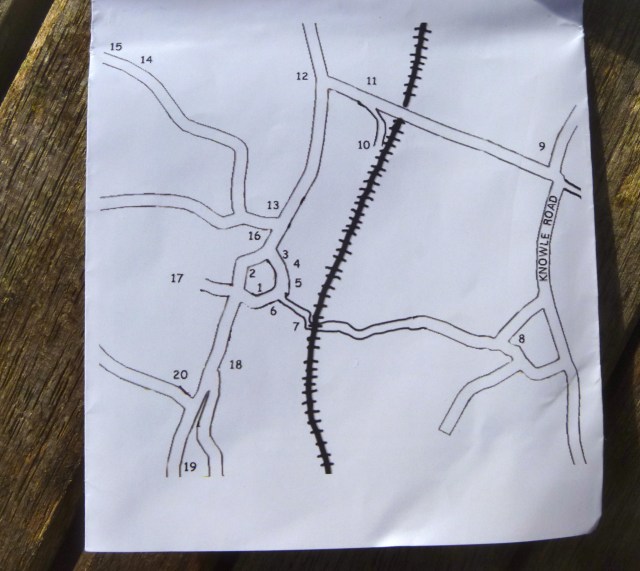
A Walk Around Lustleigh Map

Last week I was staying in deepest Devon in the lovely village of Lustleigh on the edge of Dartmoor but within the boundary of the Dartmoor National Park. In addition to everything listed on the walk leaflet there is an excellent community shop called The Dairy. It houses the Post Office (open 9-1 each weekday) and itself is open every day including Sunday. Come with me on a walk through Lustleigh …

Starting at the village centre, outside the Church.

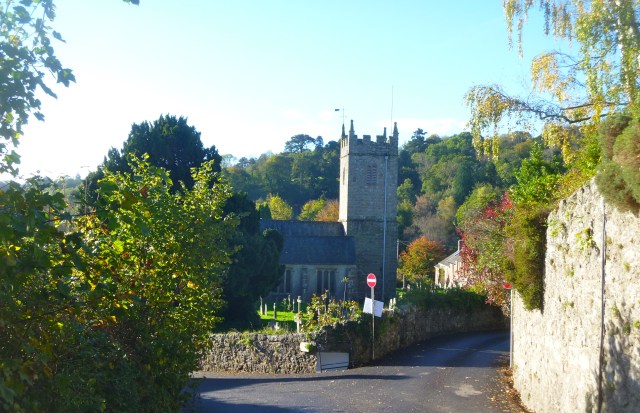
Lustleigh Church

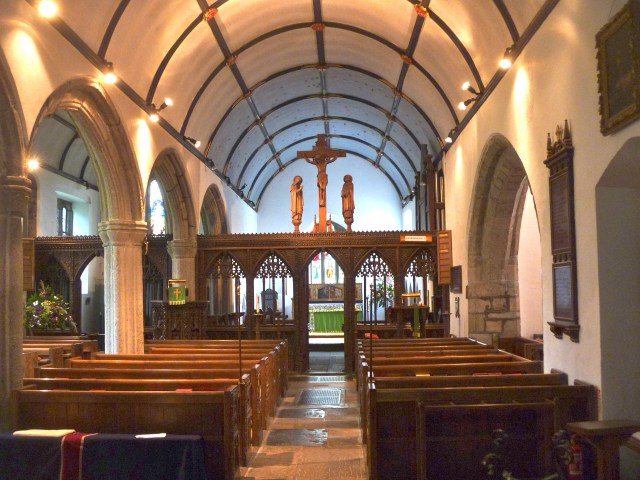
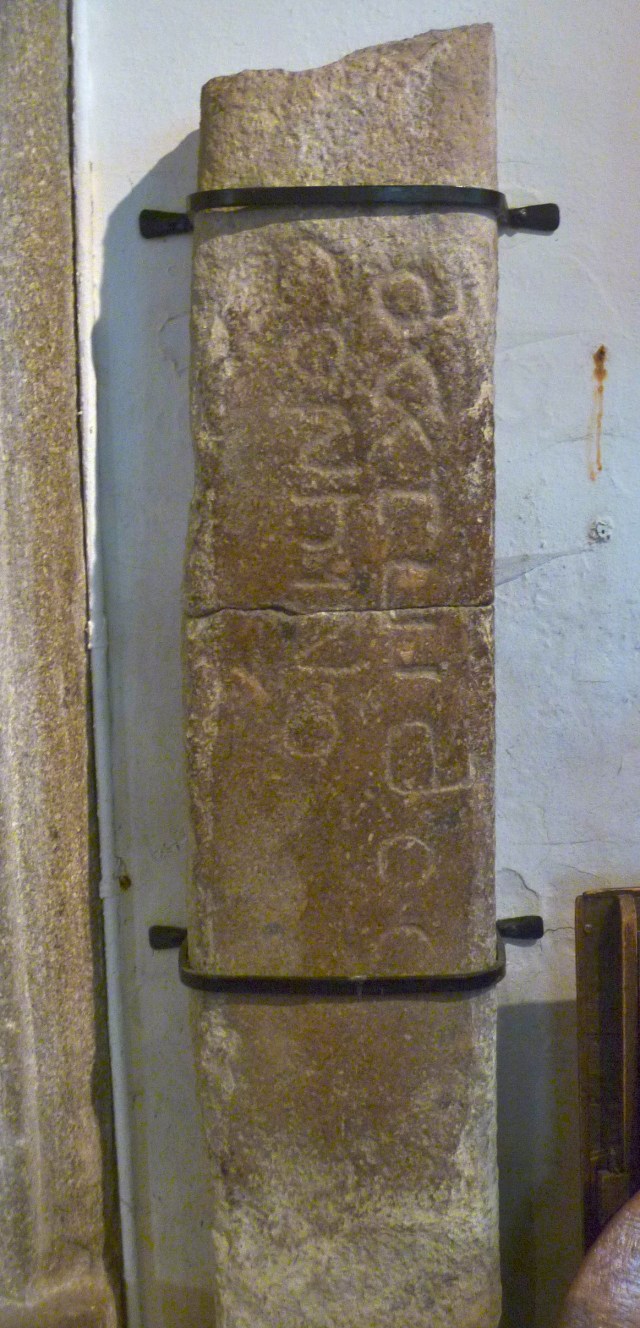
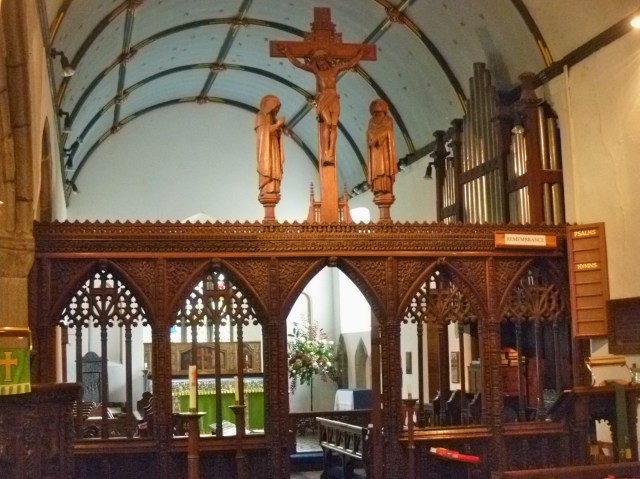
1. Church of St John the Baptist: built in the 12th century on a Celtic site. Inside see the raised Celtic stone and the beautiful rood screen.

The nave

The Nave with Rood Screen, Barrel Roof and Carved Pew Ends

Celtic stone

The Raised Celtic Stone

[This ancient stone was removed from the position in the paving below the inner doorway of the church porch in 1979 in order to preserve it from further wear. It belongs within a well-recognised series of commemorative stones erected in the post-Roman period between about AD450 and AD600. The inscription probably read ‘DATUIDOCI CONHINOCI FILIUS’ – the stone Datuidoci the son of Conhinoci’.]

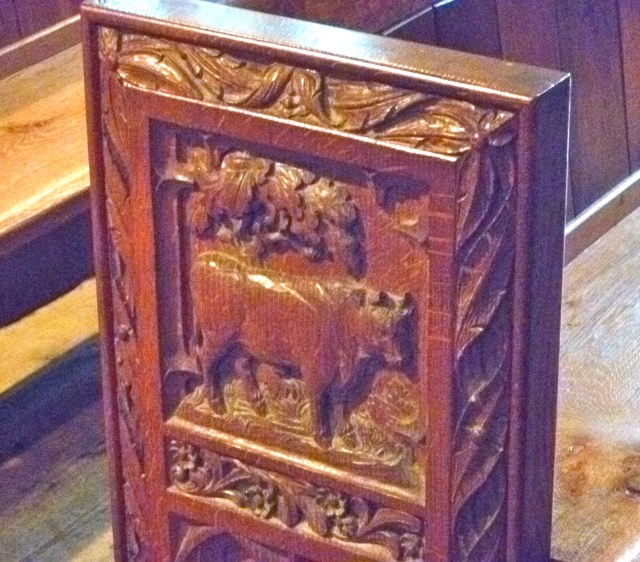
Carved pew end

Carved Pew End

Rood screen

Rood Screen and Carved Pulpit

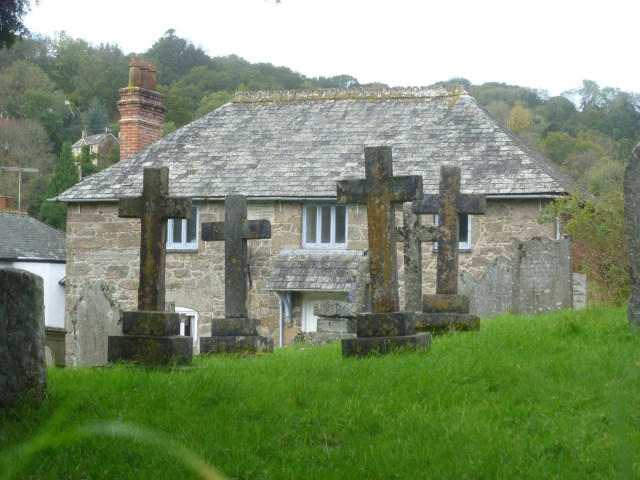
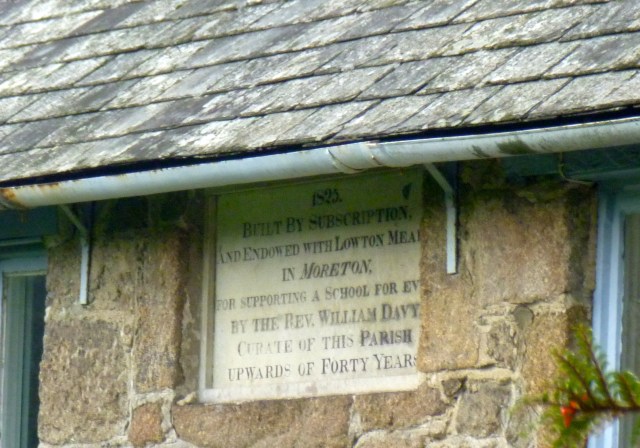
2. The Old Vestry: originally a school (see tablet on wall above the door). Now used for church choir rehearsals, parish council meetings and by the Lustleigh Society for the Community Archive.

Old Vestry

The Old Vestry

Tablet

Tablet on The Old Vestry

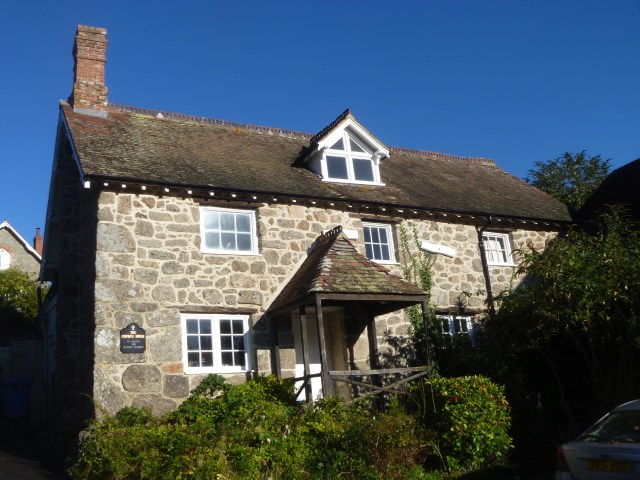
3. Church House: built around the 14th century. It was once a centre for village social activities, later became a Poor House and then a Reading Room.

Church House

Church House

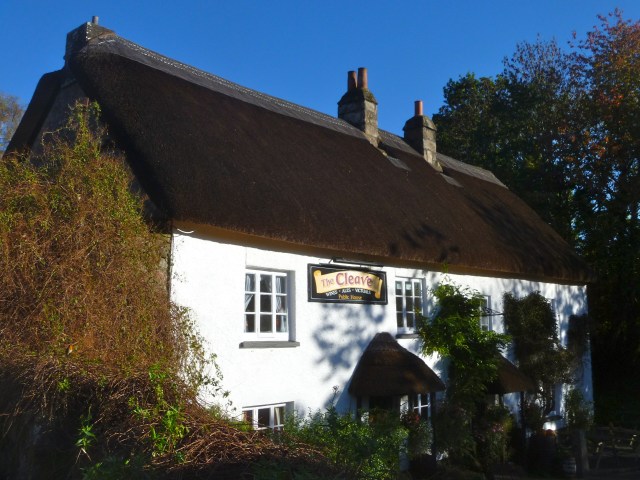
4. The Cleave Hotel: originally an old farm “Gatehouse” and became a public house in the 19th century.

The Cleave

The Cleave Public House

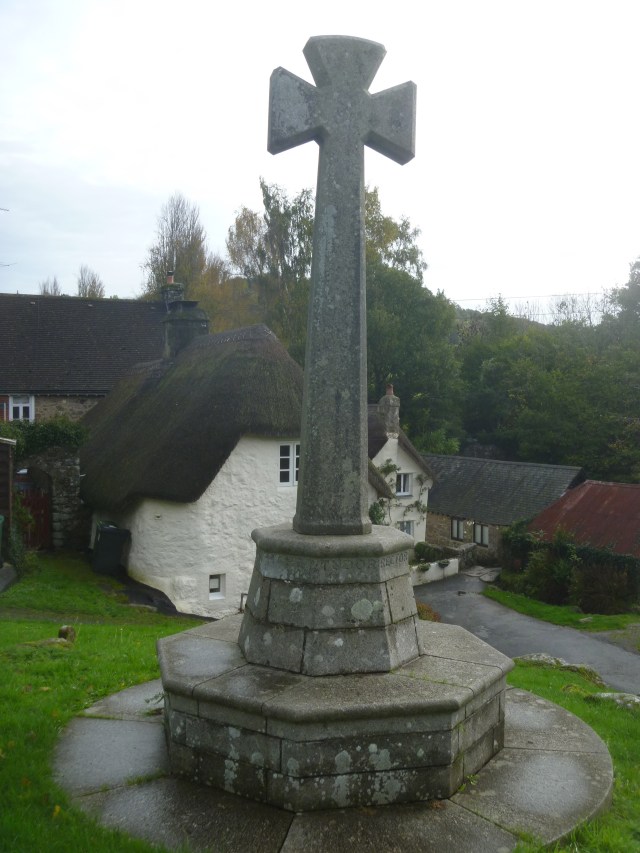
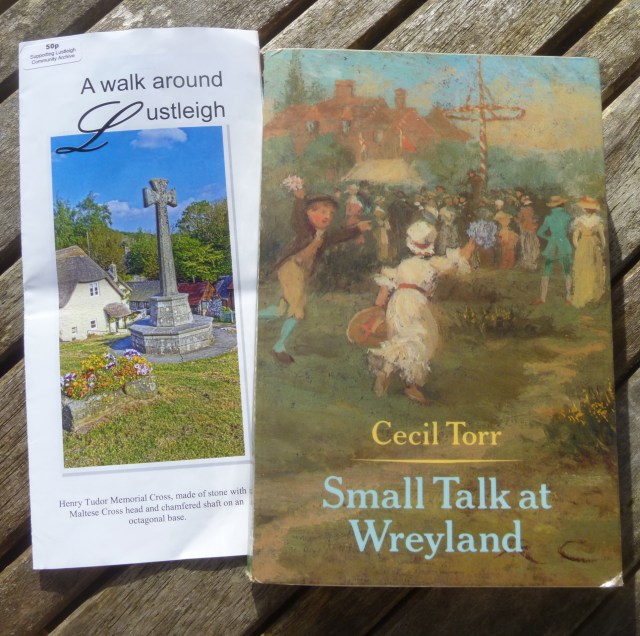
5. Tudor Cross on the village green. Made of stone with a Maltese Cross head and chamfered shaft on an octagonal base. Erected in memory of Rector Henry Tudor (1888-1904). Nearby was the site of the village pump. Only the granite trough remains.

Tudor Cross

Tudor Cross

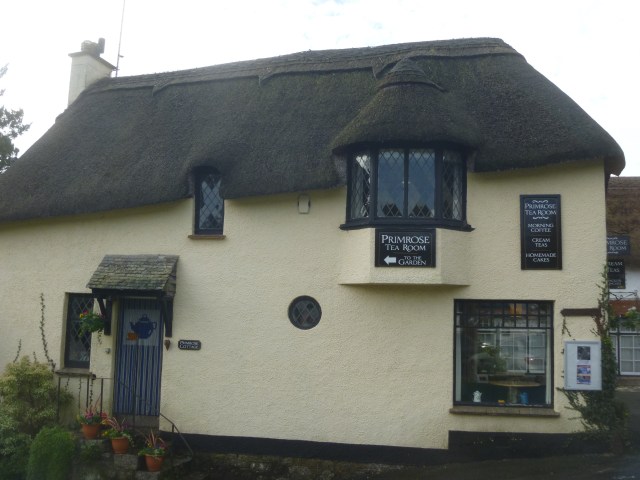
6. Cottages around the green: In the mid 19th century many were shops and one a Post Office. Primrose Cottage [tea rooms] was built in 1940 on the site of a hardware shop.

Primrose Tea Rooms

Primrose Tea Rooms

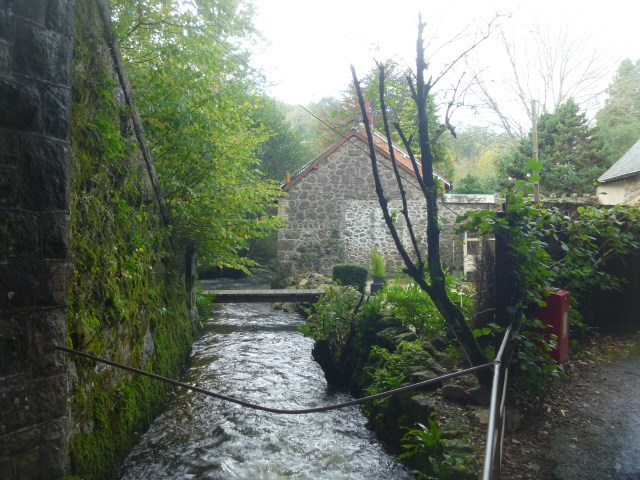
7. Old Gospel Hall: formerly used for worship by the Plymouth Brethren.

Baptist Chapel

The Old Gospel Hall and Wrey Brook

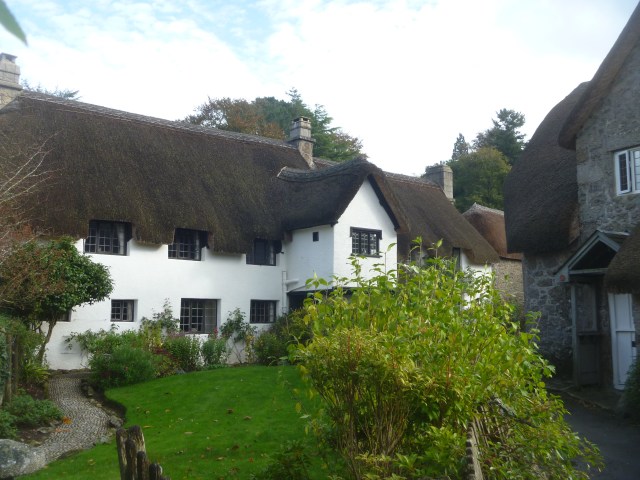
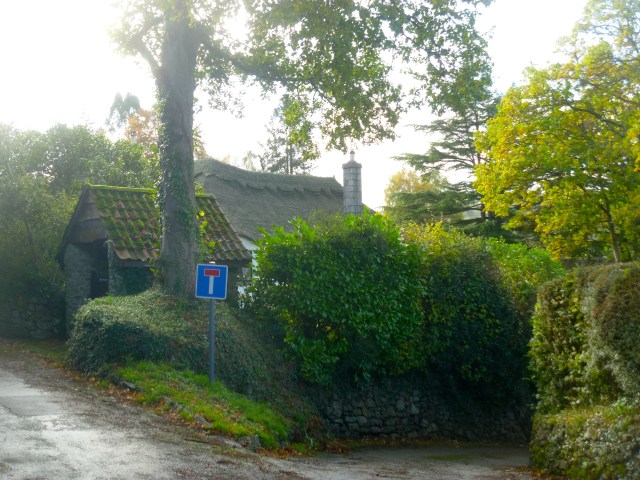
8. Wreyland: Approached from under the railway bridge Wreyland (or Wrayland) is a small hamlet that was part of the parish of Bovey Tracey until 1957. The Wrey Brook being the boundary between Lustleigh and Bovey. The thatched cottage on the left, known as Wreyland Manor, was where early manorial courts were held. Cecil Torr’s family owned properties here, including Yonder Wreyland where “Small Talk at Wreyland” was written.

Wreyland Manor

Wreyland Manor

Yonder Wreyland

Yonder Wreyland

Small Talk at Wreyland

Small Talk at Wreyland

My Life in Books : Series 4 : Day 2 : Milady’s Day!

One of the annual features of my friend Simon’s blog is the week where he invites other bloggers to more or less take over and re-enacts a BBC TV series My Life in Books. A couple of months ago I was flattered to be invited to participate in this year’s pairing. If you are interested you can read the result here :

http://stuck-in-a-book.blogspot.co.uk/

Simon and I are both members of the same online book discussion group and meet up occasionally often with many other members during December or in the summer when fewer members are prepared to leave the safety of the big city!

At Great Malvern

Simon and I (left and right) at Great Malvern, summer 2013

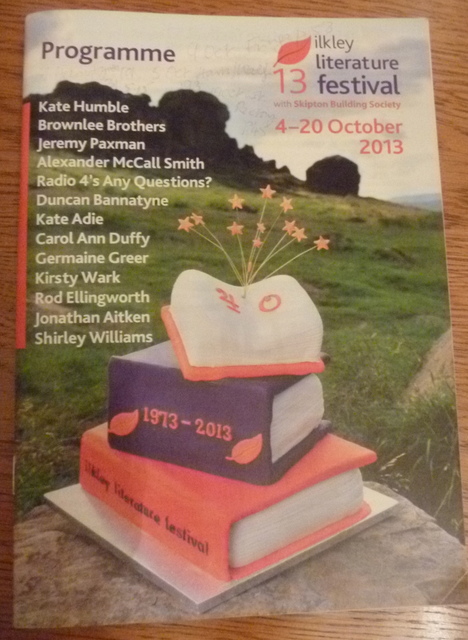
Virginia Woolf, Horace and Rectories : The Ilkley Literature Festival 2013

October is the month of The Ilkley Literature Festival. I remember when ‘all’ the events took place in one venue – a children’s weekend of ‘literary’ entertainment- poetry, puppets, that sort of thing – and a weekend of talks for adults. But that is going back nearly 30 years and I noticed that this year celebrates the 40th anniversary with 17 days of talks, walks, visits and entertainment with even free Fringe events.

P1110815-001

I usually pick a couple of talks or events to attend each year and this year was no different. On the first Saturday I chose to hear Alexandra Harris talk about her book “Virginia Woolf“.

Liverpool University cultural historian Alexandra Harris’s hugely acclaimed Romantic Moderns (Guardian First Book and Somerset Maugham Awards) overturned our picture of modernist culture. Now Harris discusses the life and work of Virginia Woolf, revealing a passionate, determined woman full of wit, vivacity and fun, whose life was shaped by her defiant refusal to submit to literary convention, social constraints and mental illness.” [ILF Programme]

The Sitting Room at Monk's House, East Sussex

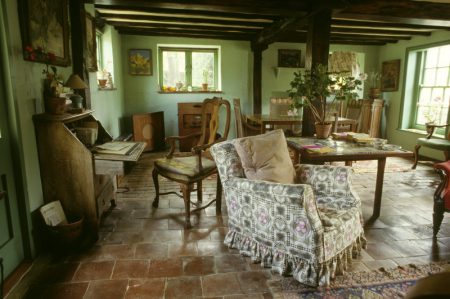
The Sitting Room at Monk’s House. The armchair was one of Virginia Woolf’s favourite reading chairs. It is upholstered in a fabric designed by her sister, Vanessa Bell. ©NTPL/Eric Crichton [As seen here]

I’m expecting to get to Monk’s House next year (and felt the need to learn more about VW) with a friend and bought the book and had Ms Harris sign it for her. She hopes we will also have a chance to walk on The Downs whilst we are there … and I hope so too!

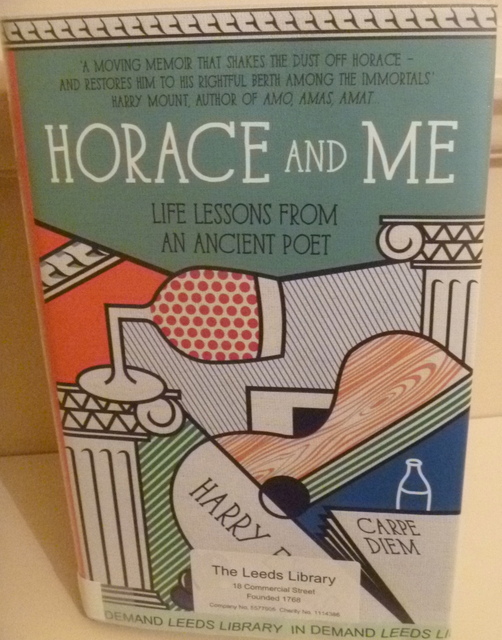
Later that afternoon I went to a Question and Answer format event featuring the FT ‘Slow Lane’ journalist and poet Harry Eyres who has recently published a book ‘Horace and me‘ a fascinating subject about whom I knew very little.

Horace

Harry Eyres, theatre critic, wine writer, poet and ‘Slow Lane’ columnist for the Financial Times, journeys into the work of the Roman poet Horace, exploring his lessons for our time. The humble son of a freed slave, Horace championed modest pleasures in the face of imperial Rome’s wealth and expansion. A celebrity in his own time, Horace influenced writers from Voltaire to Hardy – and Boris Johnson!” [ILF Programme]

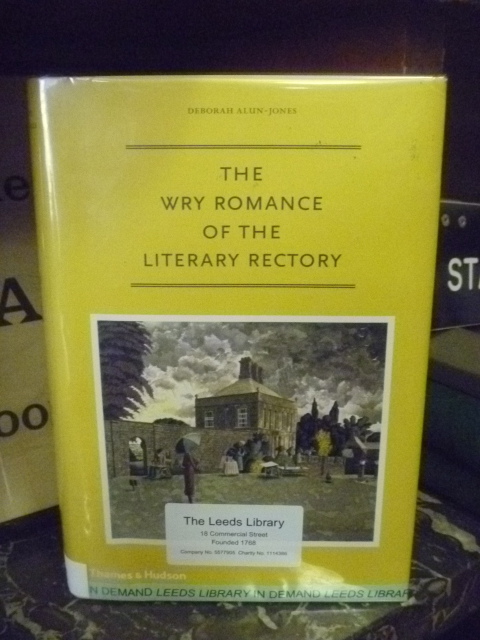
And finally last Saturday it was Deborah Alun-Jones who gave a short talk, then took questions from the presenter and then from the audience on the subject of her book (which I had read earlier this year) ‘The Wry Romance of the Literary Rectory‘.

P1110805

Author Deborah Alun-Jones strips away the idyllic exterior of the village rectory to reveal the lives of writers like Tennyson and Betjeman who lived and worked in them. She investigates hidden desire, domestic drama, bitterness and isolation – and the secrets of the highly creative environments from which some of the greatest English poetry and literature has emerged.

Ms Alun-Jones had travelled the country visiting rectories (and vicarages, parsonages and the like) and although she mentions Jane Austen and the Brontes they are not included in this book. A future book will look at women in the rectory. The only woman to feature in this publication is Dorothy L. Sayers. The male authors are Sydney Smith (at Foston in Yorkshire); Alfred Tennyson (at Somersby in Lincolnshire); Rupert Brooke (at Granchester – also now home to Lord Archer); John Betjeman (at Farnborough); R.S.Thomas (at Manafon); George Herbert and Vikram Seth (at Bemerton) and The Benson and de Waal families (at Lincoln). I haven’t visited any of these places and I don’t think any are open to the public. Such a lively speaker and interesting topic it was a pity that the room was only half full. But those of us that were there were very appreciative of the talk.

Shandy Hall

Here is Shandy Hall in North Yorkshire and former home of Lawrence Sterne vicar of Coxwold – also not included in The Wry Romance

I wonder if Simon at Stuck-in-a-book has a comment to make about the wry romance of being brought up in vicarage?

Albert Wainwright at The Hepworth

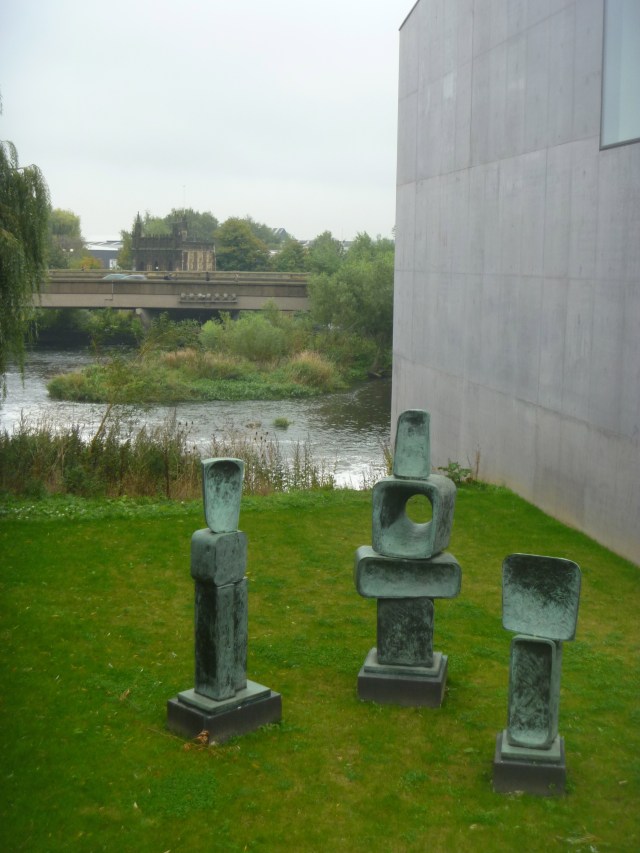
Family of Man

Family of Man by Barbara Hepworth outside The Hepworth, Wakefield

After spending some time admiring the Tissot display I decided to move on and see what else the Gallery had on show this autumn beside the spaces devoted to Barbara Hepworth herself.

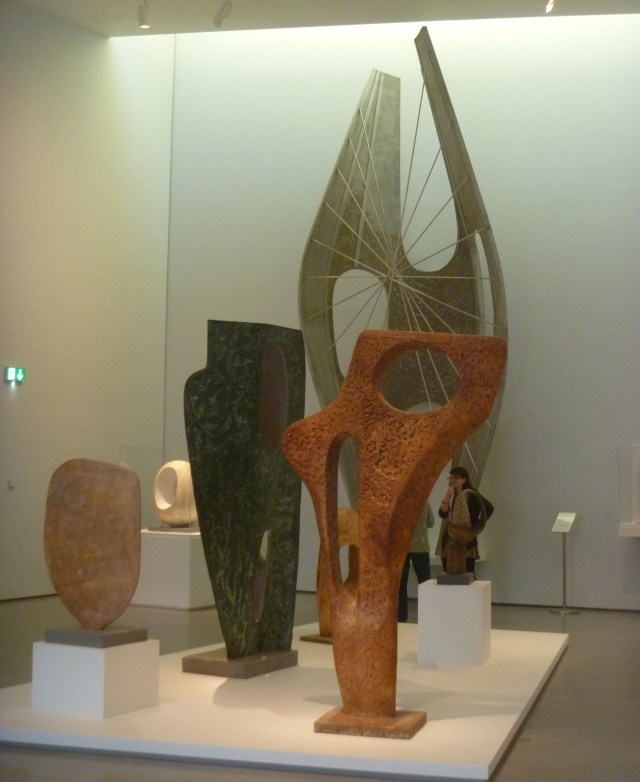
Hepworth Winged Figure

In the background Hepworth’s Winged Figure (1961-62)

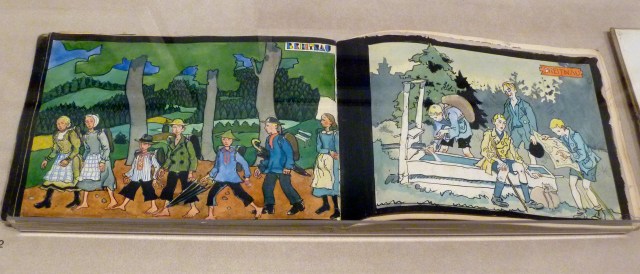
I found another display centred on works from The Wakefield Art Collection – In Focus : Albert Wainwright. Wainwright was born in nearby Castleford in 1898. At the time of writing, the link to his display at The Hepworth tells you about a different so artist so here is something about him.

From his school days he was a friend of Henry Moore, who became world famous as a sculptor. Albert’s life was not a long one (he was only 45 when he died) and he never became famous like his friend, but it is easy to see from his work that he was a talented artist with a colourful imagination and a strong personal style. Throughout his life he designed programmes, stage sets and costumes for the theatre and an impressive range of this work is now in the collection at The Hepworth Wakefield.

Over 30 years Albert created a number of sketchbooks which record his travels abroad and parts of his life, such as his time with the Flying Corps in the First World War.”

AW Sketchbooks

I particularly liked the travel ‘journals’ or sketchbooks which he made on his trips to Germany.

Whitby map

His Map of Whitby

Where's Albert?

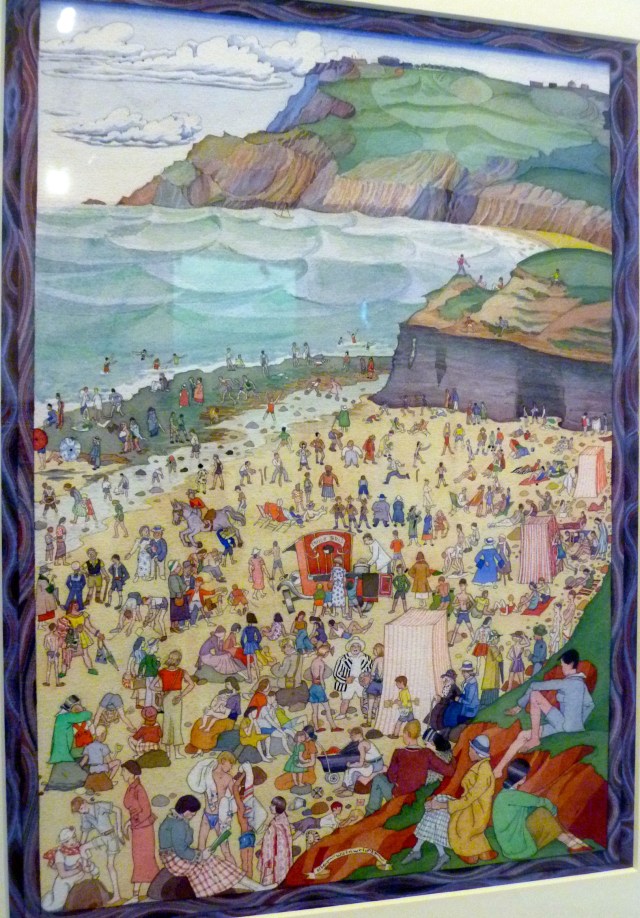
And his “Where’s Wally” or rather, Albert, at “Robin’s Hood Bay” (1930)

“The Wainwright faamily took a summer home at Robin Hood’s Bay during the 1930s. Visits to the bay became an annual occasion for the Wainwrights, who became part of the close-knit community there. Wainwright made a modest income from painting his fellow holidaymakers and their families. In this picture all are imaginary except a self-portrait of the artist centre left, wearing glasses and carrying a walking stick.” [Picture notes]

There's Albert

There’s Albert!

We don't live here any more

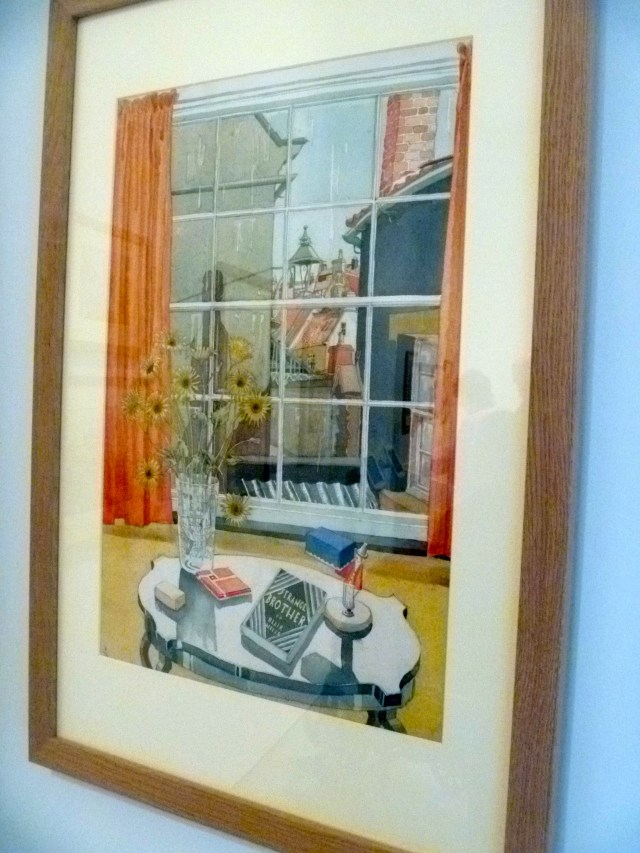
And, the poignant and wistful “We don’t live here any more” (1937)

This painting depicts the view from the window (possibly his studio) of Bramley Cottage at Robin Hood’s Bay. “The placement of the book on the table “Strange Brother” written 1931 by Blair Niles, is significant because it provides an early and objective documentation of homosexual issues in 1920s New York, and is a deliberate allusion to Wainwright’s own sexual identity.” [Picture notes]

There is a selection of books on a table for visitors to look at including a reprinted copy of “Strange Brother“.

The Pinecone : a Visit to St Mary’s Church, Wreay in Cumbria

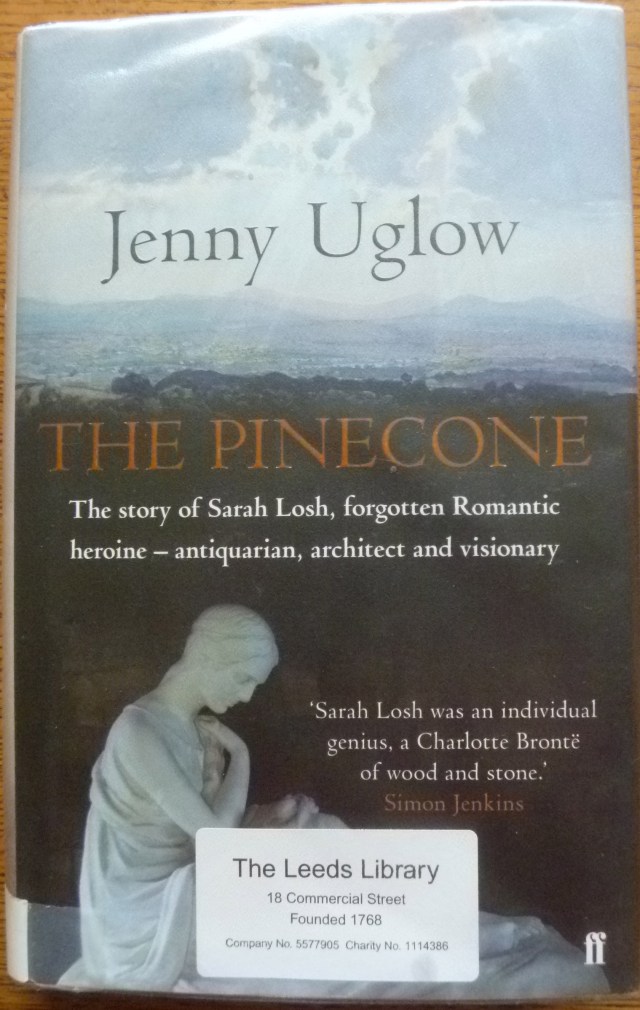
Earlier this year I read Jenny Uglow’s latest book “The Pinecone : the story of Sarah Losh, forgotten Romantic heroine – antiquarian, architect and visionary”. I had heard Jenny speaking about the book at the 2012 Ilkley Literature Festival. Sarah Losh’s life and her work are almost totally unknown.

Pinecone book

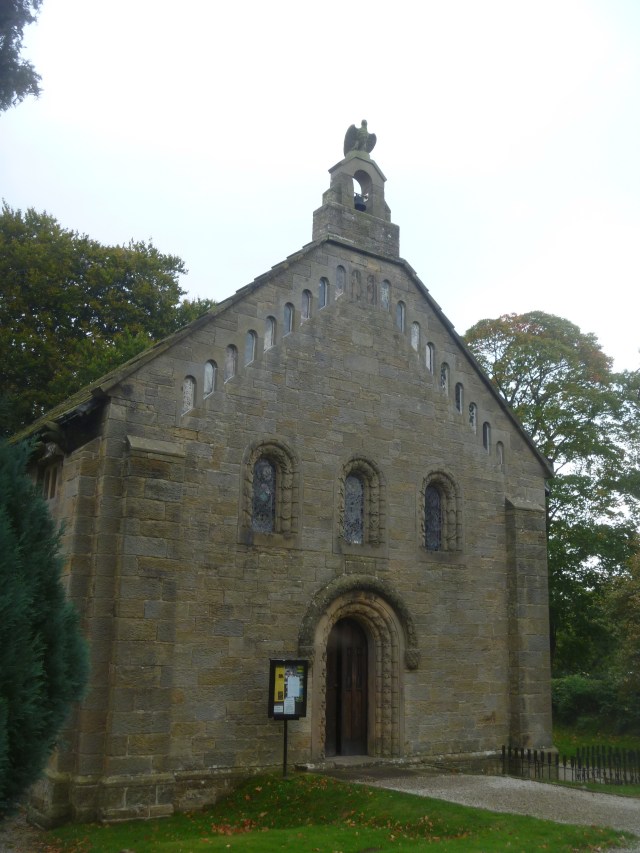
The village of Wreay lies five miles south of Carlisle. Four country roads meet at the village green, shaded by trees, and across the way is the church. It looks like a small Romanesque chapel from northern Italy. What is it doing in this northern village, with the mountains of the Lake District to the west and the Pennines to the east?”

St Mary's Wreay

This is the premise for the book [on the back cover] and it’s a fascinating tale.  Jenny Uglow first sets the scene by telling the story of Sarah Losh’s antecedents who made money in Newcastle from alkali works and later from iron works and the railways. Sarah was born in 1786 and her sister Katharine, with whom she was especially close, in 1788. Their parents died in 1799 [their mother] and 1814 [their father]. The sisters were brought up in the countryside south of Carlisle but as adults they made several tours on the Continent including to Italy. This must be where Sarah received her inspiration. For women at the time they were very highly educated.

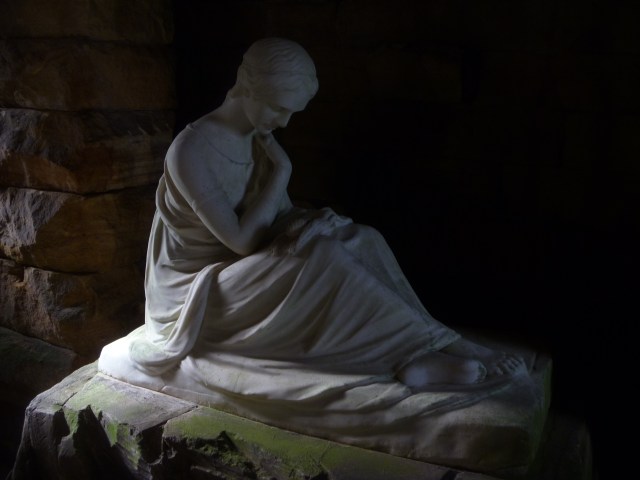
Mortuary Chapel

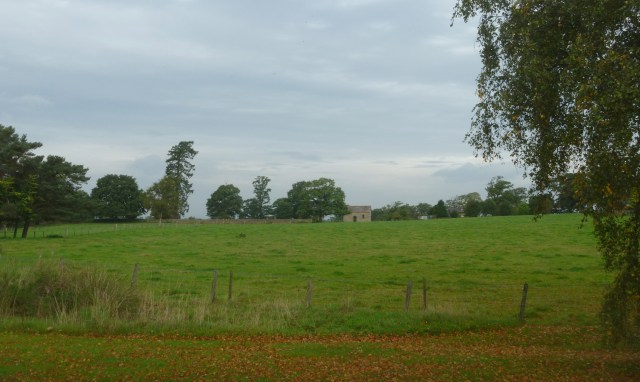
The Mortuary Chapel Across the Field from the Church

Following the death of their father and their travels on the Continent the Losh sisters returned home and began to make improvements to their home and estate and to the village of Wreay itself including the building of a school. But Katherine fell ill and died in 1835 and Sarah was inconsolable. She then directed her efforts to building a Mortuary Chapel modelled on one she had seen at St Piran in Cornwall.

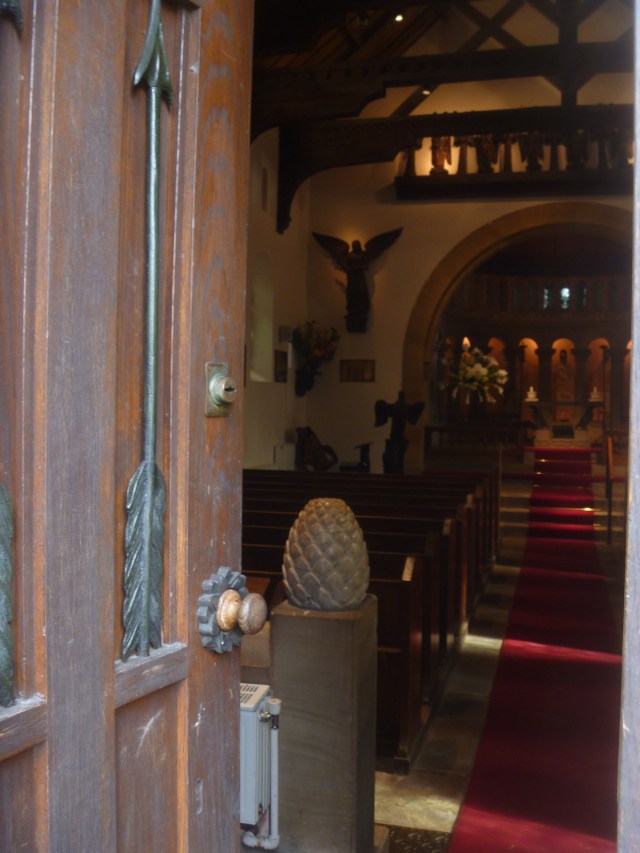
Peep inside the church

Then Sarah began work on the new church 1835. It was completed in 1845. She declared that it was to be “Not in the Gothick style” but based on a Romanesque design and it is a masterpiece and very obviously the work of one person – the untrained architect and designer – Sarah Losh.

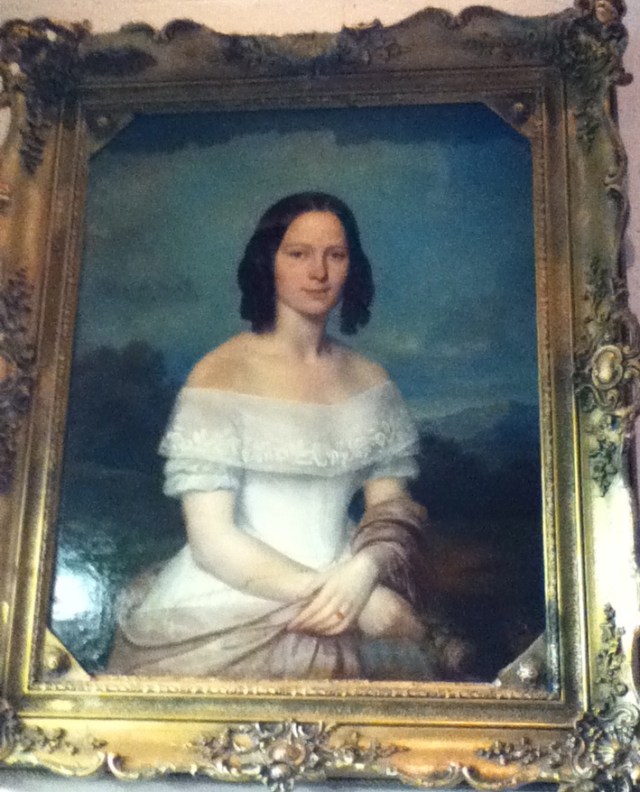
Sarah Losh portrait

Sarah Losh

I can’t go into all the details of both the interior and exterior decoration of the building. It’s a perfect gem – earning four stars in Simon Jenkins’ England’s Thousand Best Churches “This is one of the most eccentric small churches in England … unlike almost all the works in this book, Wreay appears to have been the creation of a single original mind … The Arts and Crafts Movement took half a century to catch up with her.”

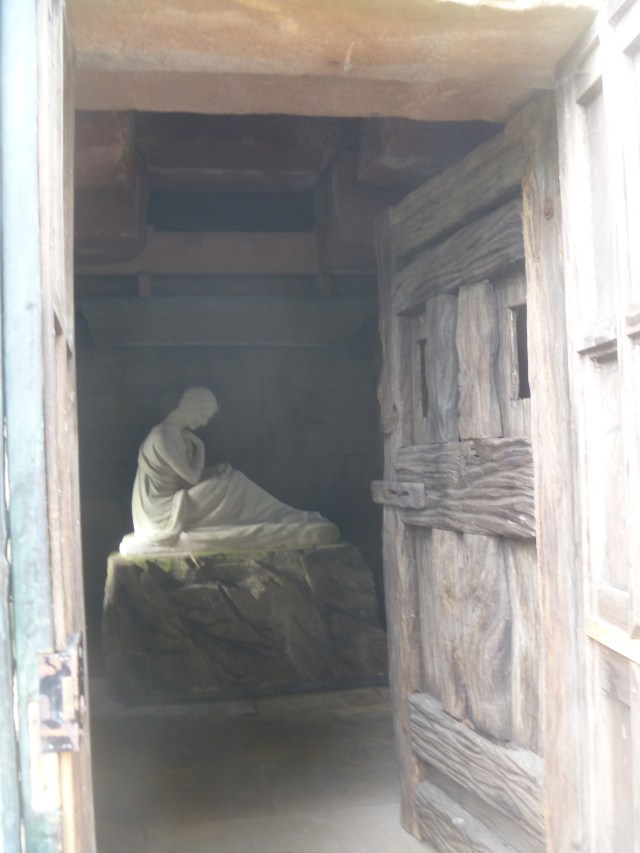
Mausoleum

The Mausoleum

Katherine

Dedicated to Katherine Losh

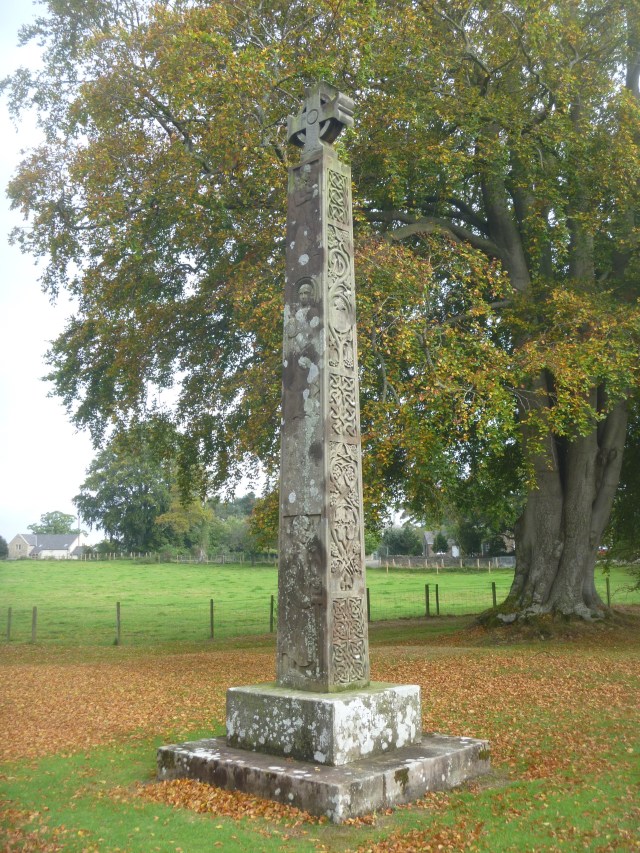
There is a Mausoleum dedicated to her sister and an exact replica of the Bewcastle Cross (the original of which stands by Hadrian’s Wall) alongside the church. The Loshes, including Sarah and Katherine, are buried in a grave enclosure nearby.

Bewcastle Cross

The Bewcastle Cross

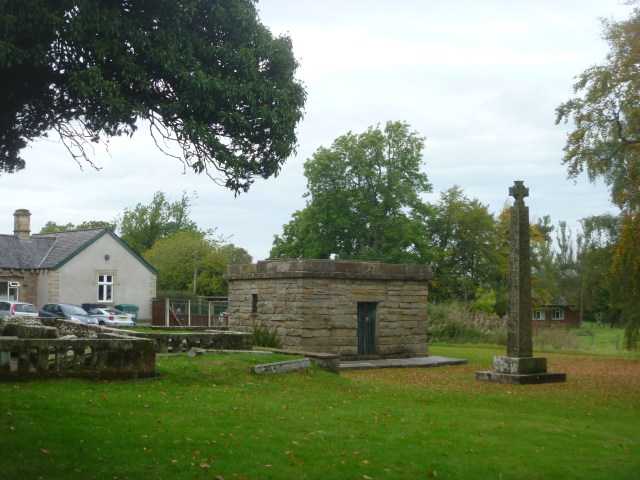
Mausoleum and cross and school

The Mausoleum and Cross with the School across the road

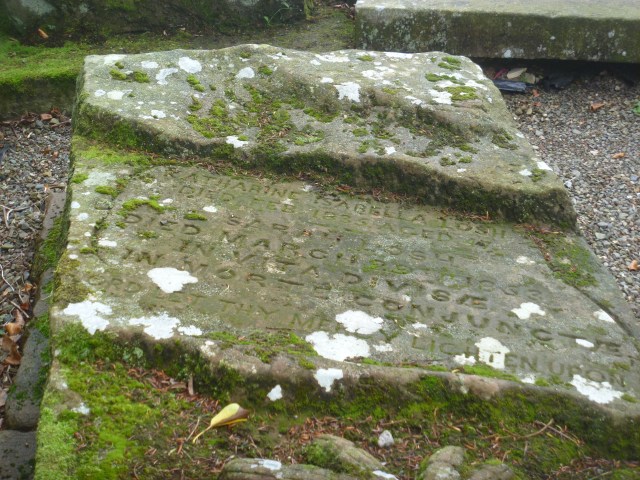
Losh sisters' grave

“IN VITA DIVISAE, IN MORTE CONJUNCTAE” – Parted in life, in death united”

I’m lucky to have a friend who lives not far from Wreay. I visited her in Carlisle last year. So last Thursday I took to the Leeds-Settle-Carlisle Line again to visit Wreay Church with June and her husband, David. We were lucky to arrive whilst a group were being shown round and had the good fortune to have access along with them to the small Mausoleum dedicated to Katherine.

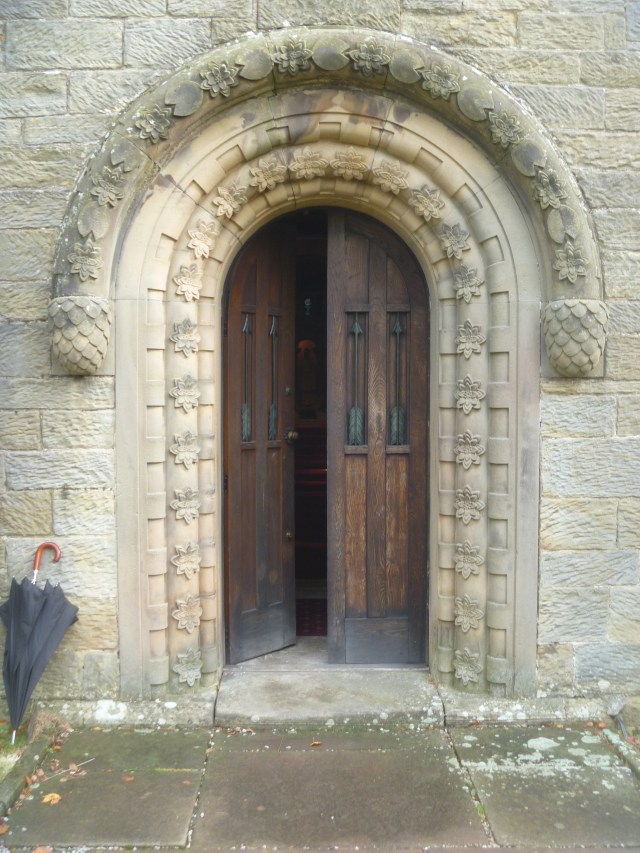
Church door

The Ornate Church Door

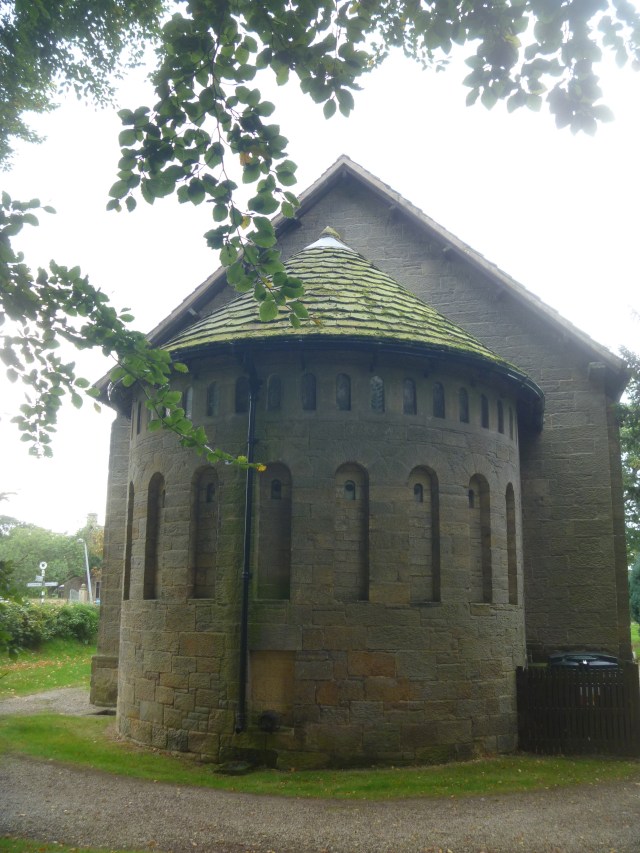
East end with apse

The East End, with Apse

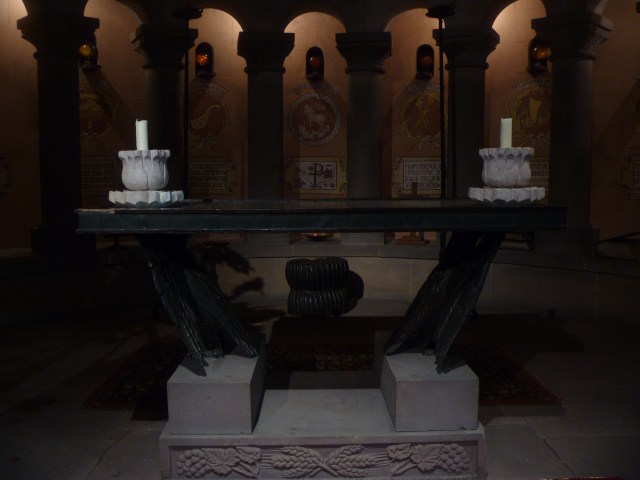
Altar

The Altar

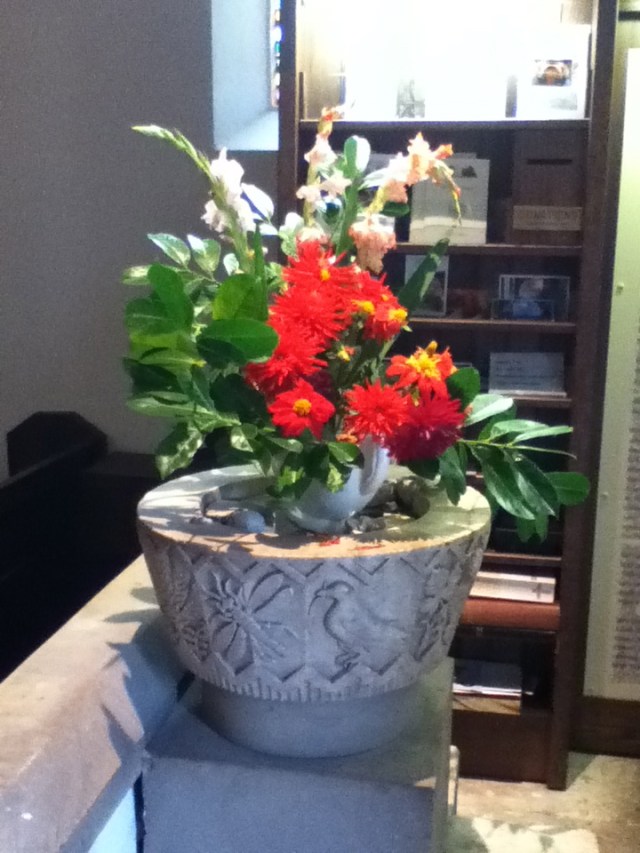
Alabaster font

The Alabaster Font – Carved by Sarah

A pinecone

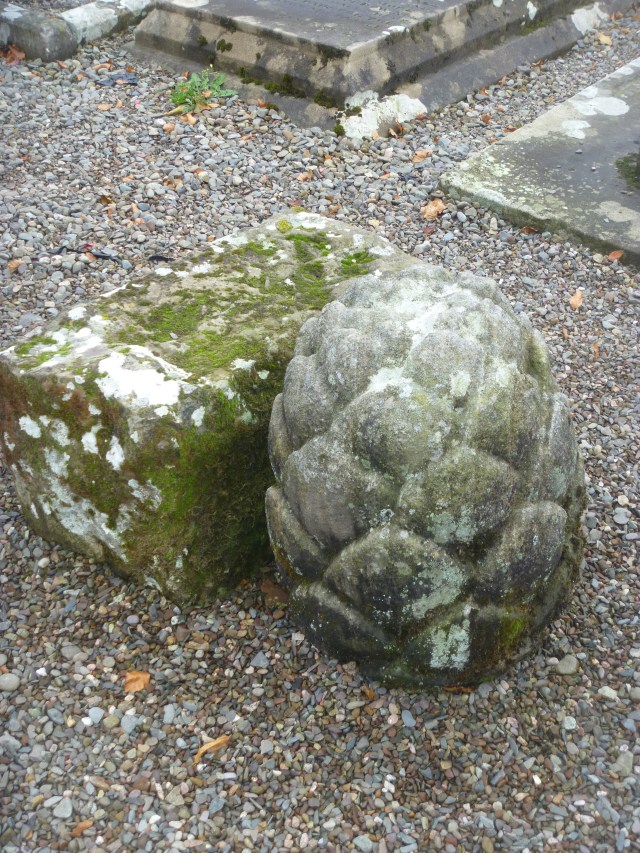
One of Many Pinecones

So, why the Pinecone? Because it is an ancient symbol of regeneration, fertility and inner enlightenment. It is a promise of rebirth.

Stony Lake History Tour by Boat

History Tour by Boat

Stony Lake is just inland from Lake Michigan, one of the five Great Lakes of North America. The Stony Lake Property Owners Association cares deeply (47 feet deep at its maximum, I’m told) about the state of the lake itself, its flora and fauna, about possible sources of pollution and about the immediate banks where many individuals and some organisations have property.

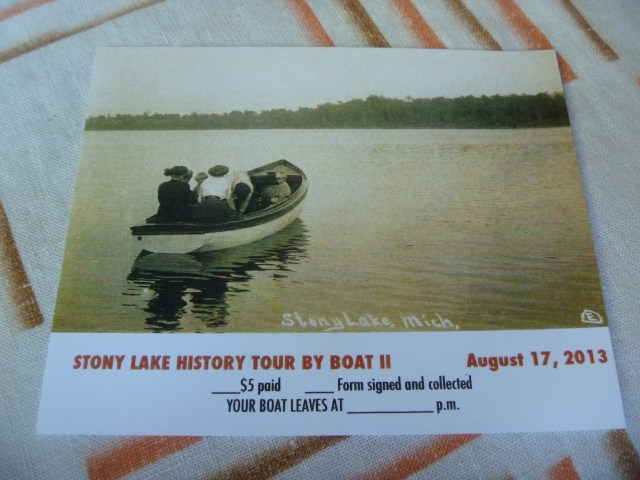
Boat Tour Ticket

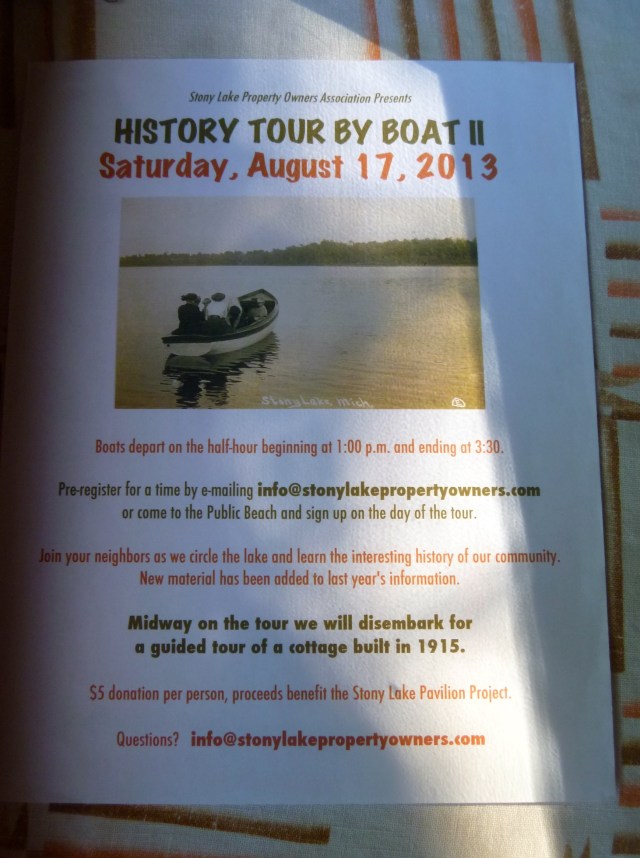
Last year the SLPOA introduced a new activity to their summer calendar – The Stony Lake History Tour By Boat. This event is scheduled to take place annually in August visiting a different property each year. Although my visit was in September I had the good luck to stay with a member of the Association’s Committee and my own private, individual, tailor-made tour was arranged by my hosts. We didn’t actually visit a lakeside home. But that was no problem as I was lucky enough to be staying in one myself – and a very special one it is too!

Aerial view of Stony L

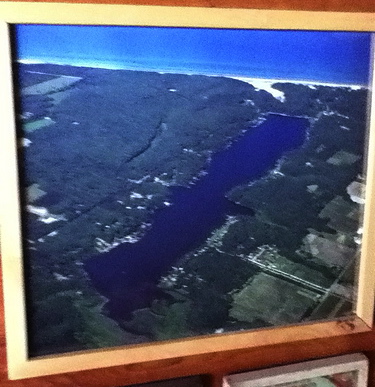
Aerial View of Stony Lake with the Shore of Lake Michigan Along the Top (the view looks approximately west)

Cottage

Our Stony Lake Retreat

Some of this commentary is taken or adapted from the notes from which the docents read during the Tour.

Stony Lake has a lot of tradition. Much of the land, and in many cases the cottages, have been lovingly passed down for generations, shared or sold to friends or family members or even neighbours. 

But things change over the years, and the way of life many long time cottagers grew up with is changing too. More people come for short visits … They have less time to participate in community activities. One reason for doing the Tours is to help getting to know each other a little better.”

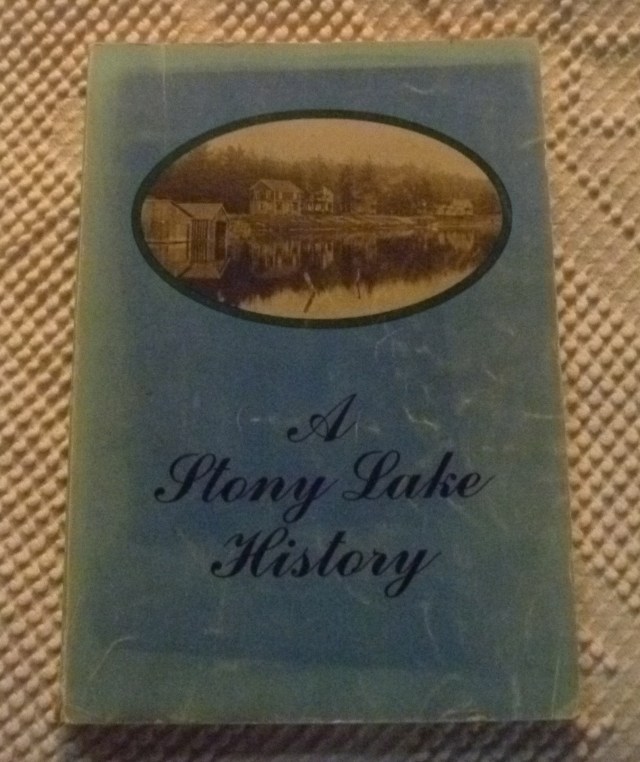
A Stony Lake History

“In the 1980s The Property Owners Association organized a project to publish A Stony Lake History, which was published in 1986. We hope it can be updated and republished.”

Huey House

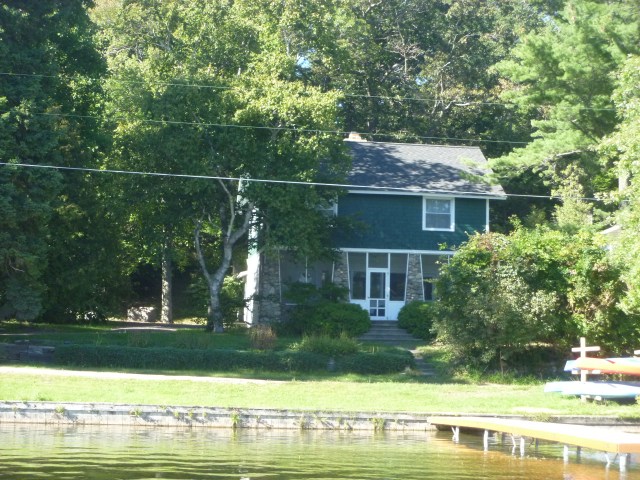
The first house we ‘visit’ is The Huey House built by  John and Myra Huey in 1902.

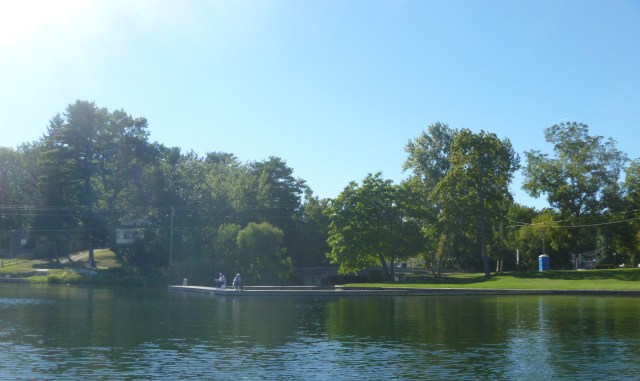
Public beach

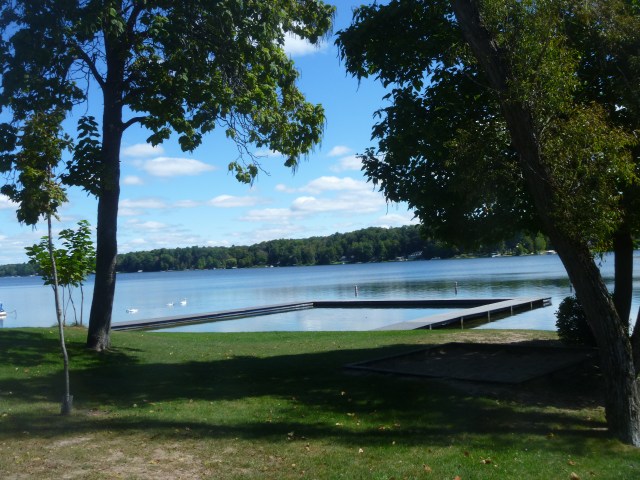
The Public Swimming Beach – I enjoyed a few swims here

Beach from Boat

The Beach from the Boat

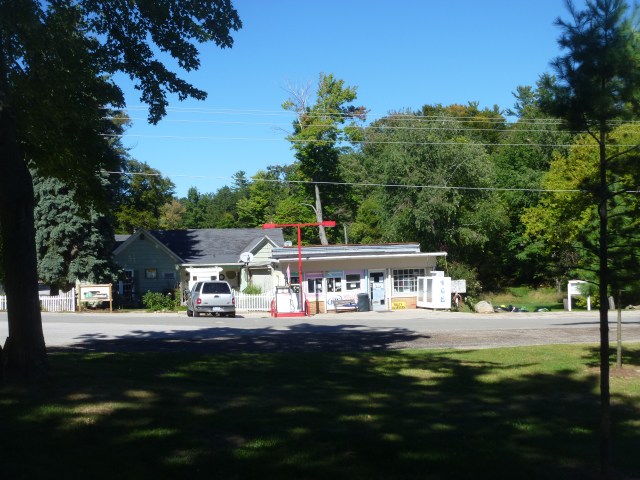
Stony Lake Store

Just across the road from the beach is The Stony Lake Store – once it housed the local Post Office, alas no longer.

As we moved around the Lake I was able to view the several Youth Camp Sites including Camp Miniwanca owned by The American Youth Foundation and in existence since 1924.

Miniwanca dock

Here is the Miniwanca Camp Dock

I’m afraid that whenever I see these camps I can’t help singing this to myself :

Remember Allan Sherman?

Another camp on Stony Lake is the Lutheran Camp with a sandy beach and its own swimming area and on the opposite bank and near to ‘our’ cottage is Camp Ao-Wa-Kiya. “Everyone who has a property on Stony Lake should appreciate the special atmosphere that the three camps on the lake provide. These large  chunks of land remain mostly undeveloped, and because of that there is less traffic on the lake. And most nights when the camps are in session the air rings with sounds of happy campers singing and cheering.” 

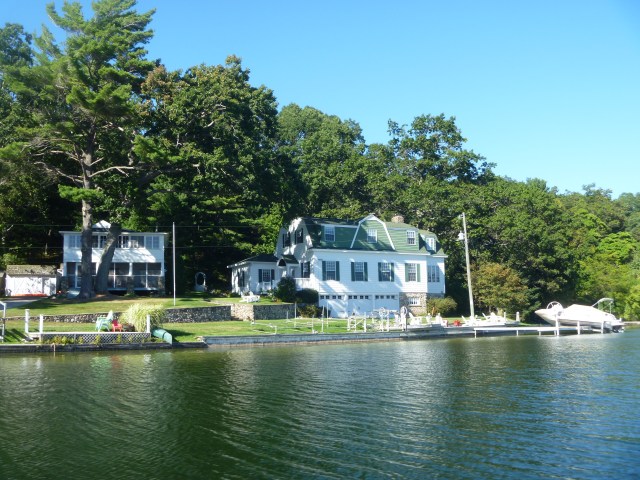
Shore line cottages

South Shore

Single storey cottage

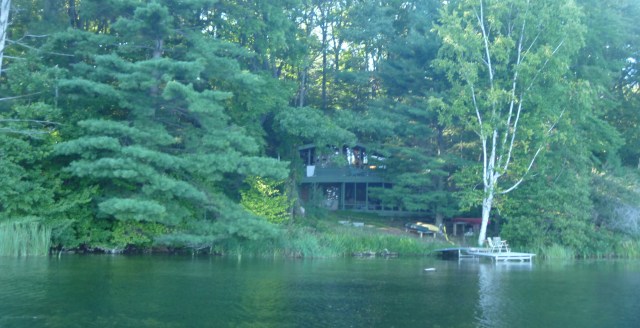
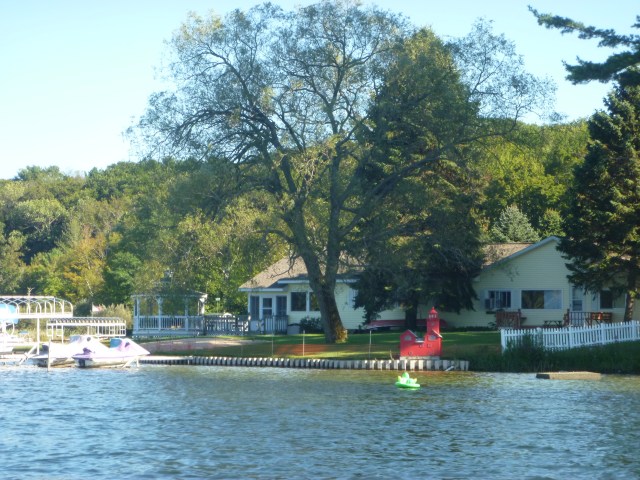
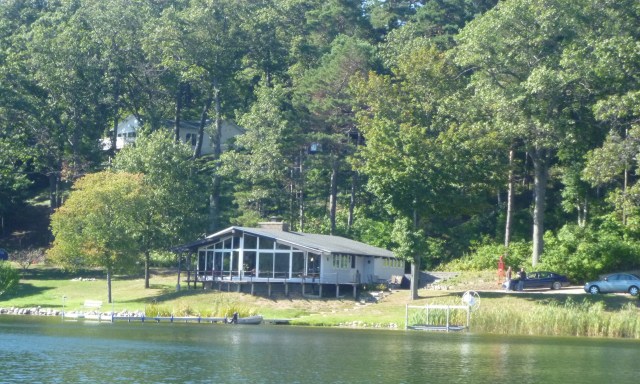
Some Stony Lake Properties that caught my eye

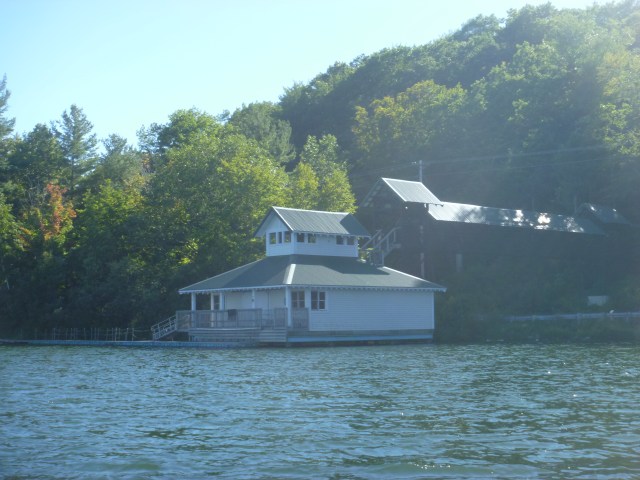
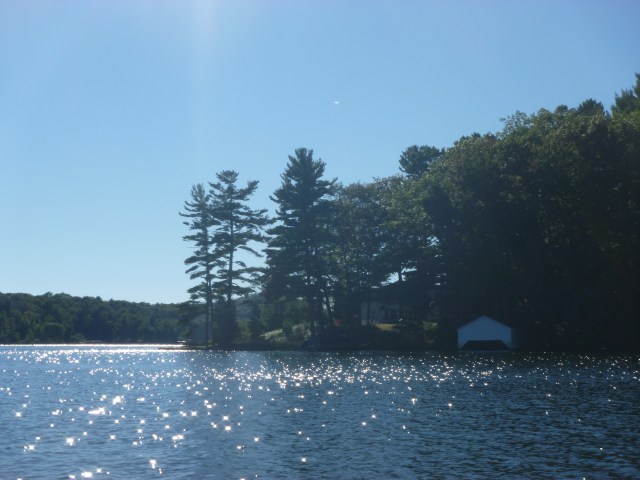
Boat House

A Stony Lake Boat House

My thanks to John and Julie for being magnificent and generous hosts and for taking me on my own private History Tour Boat.

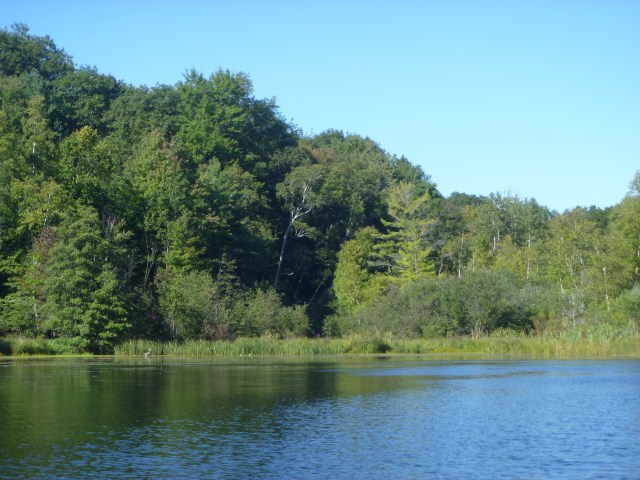
Quiet area

A Quiet Area of Stony Lake (that’s a heron over to the left there)