Nietzsche’s House in Sils Maria

Nietzsche House

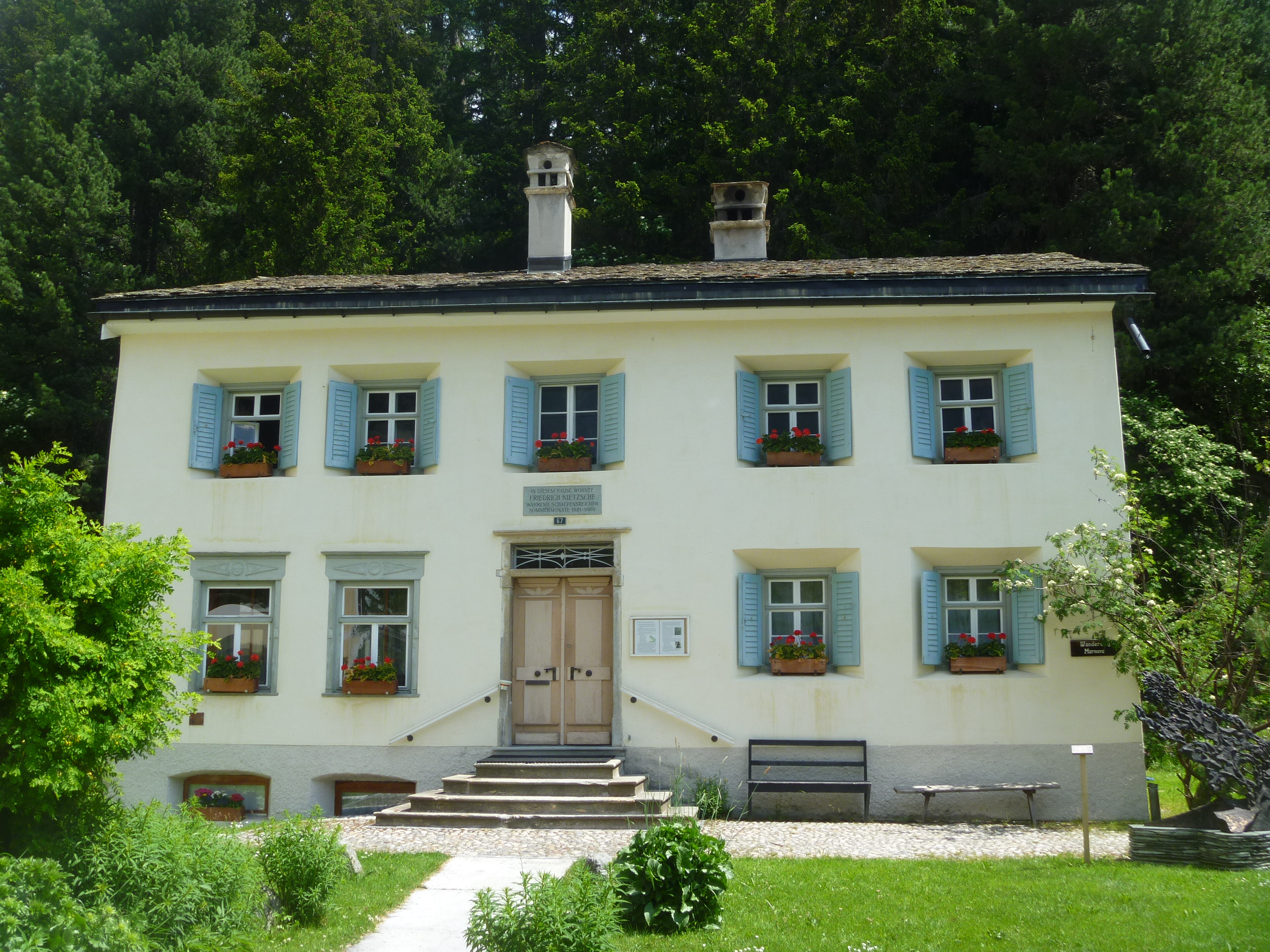
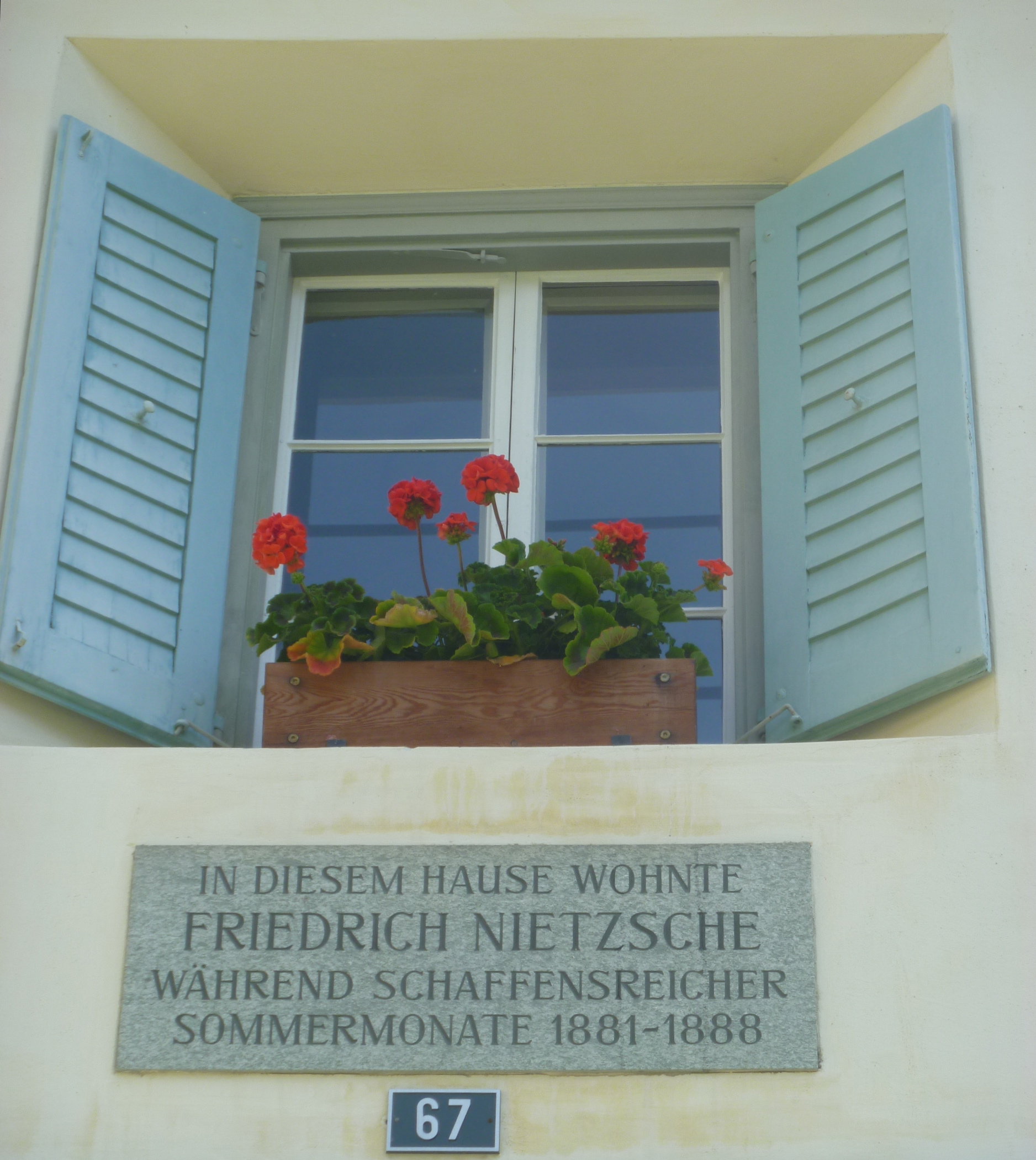
Nietzsche lived here

My knowledge of the life and philosophy of Friedrich Nietzsche comes entirely from the writing and TV programme made by Alain de Botton a few years ago in his series Philosophy: A Guide to Happiness. Here is the episode on Nietzsche. In it he visits the house in Sils Maria where FN spent several summers in the 1880s. I was at that house last Saturday.

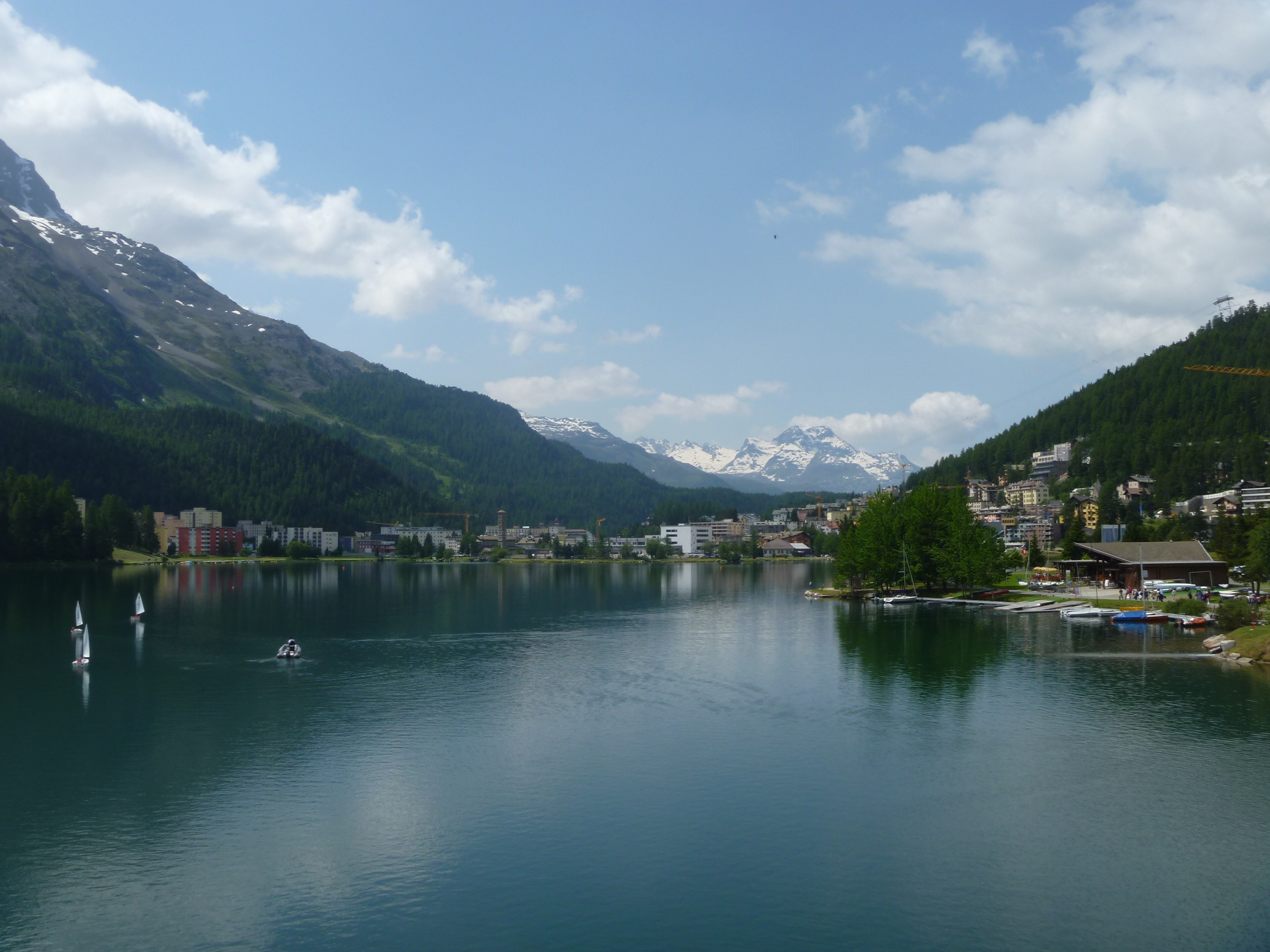
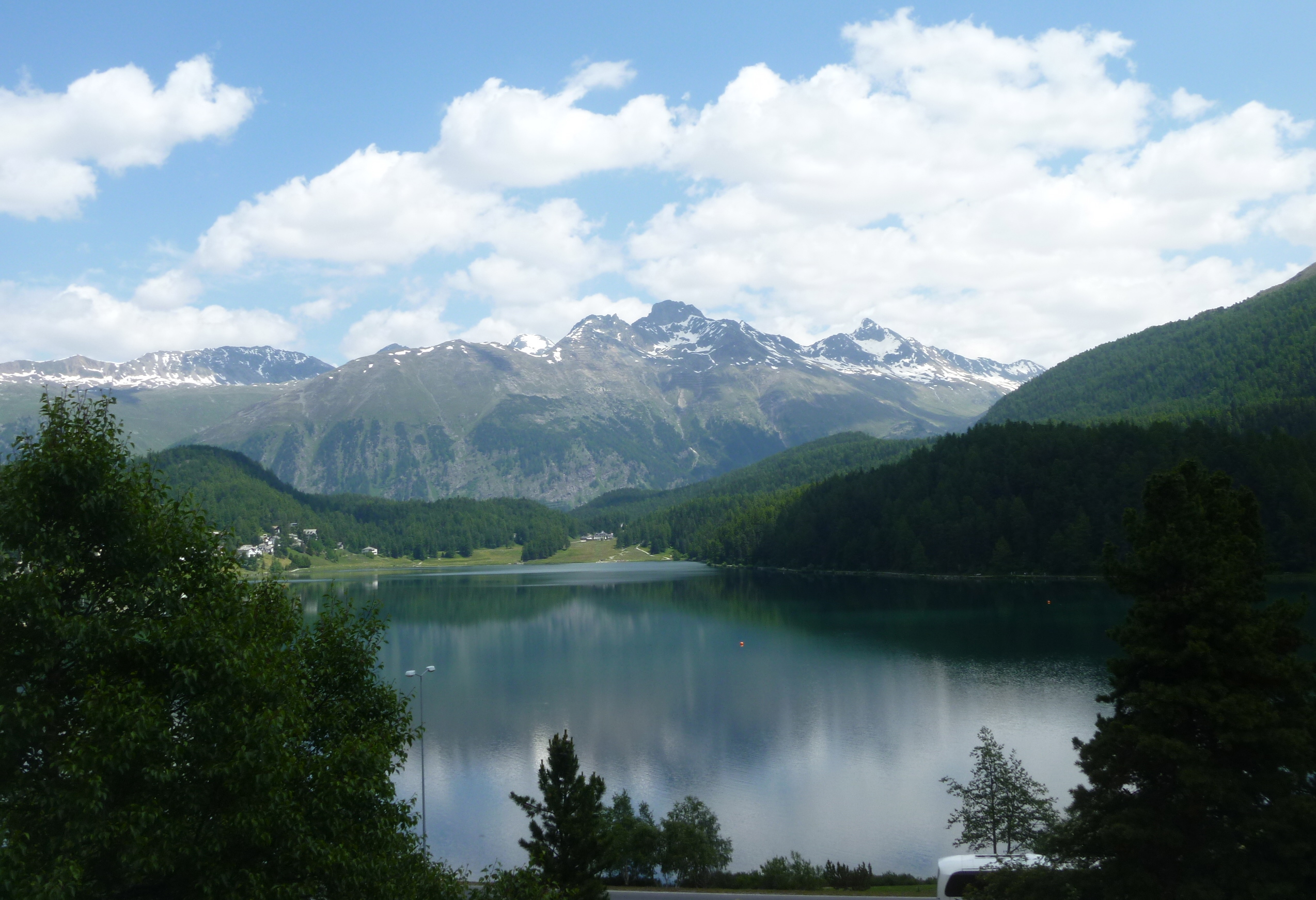
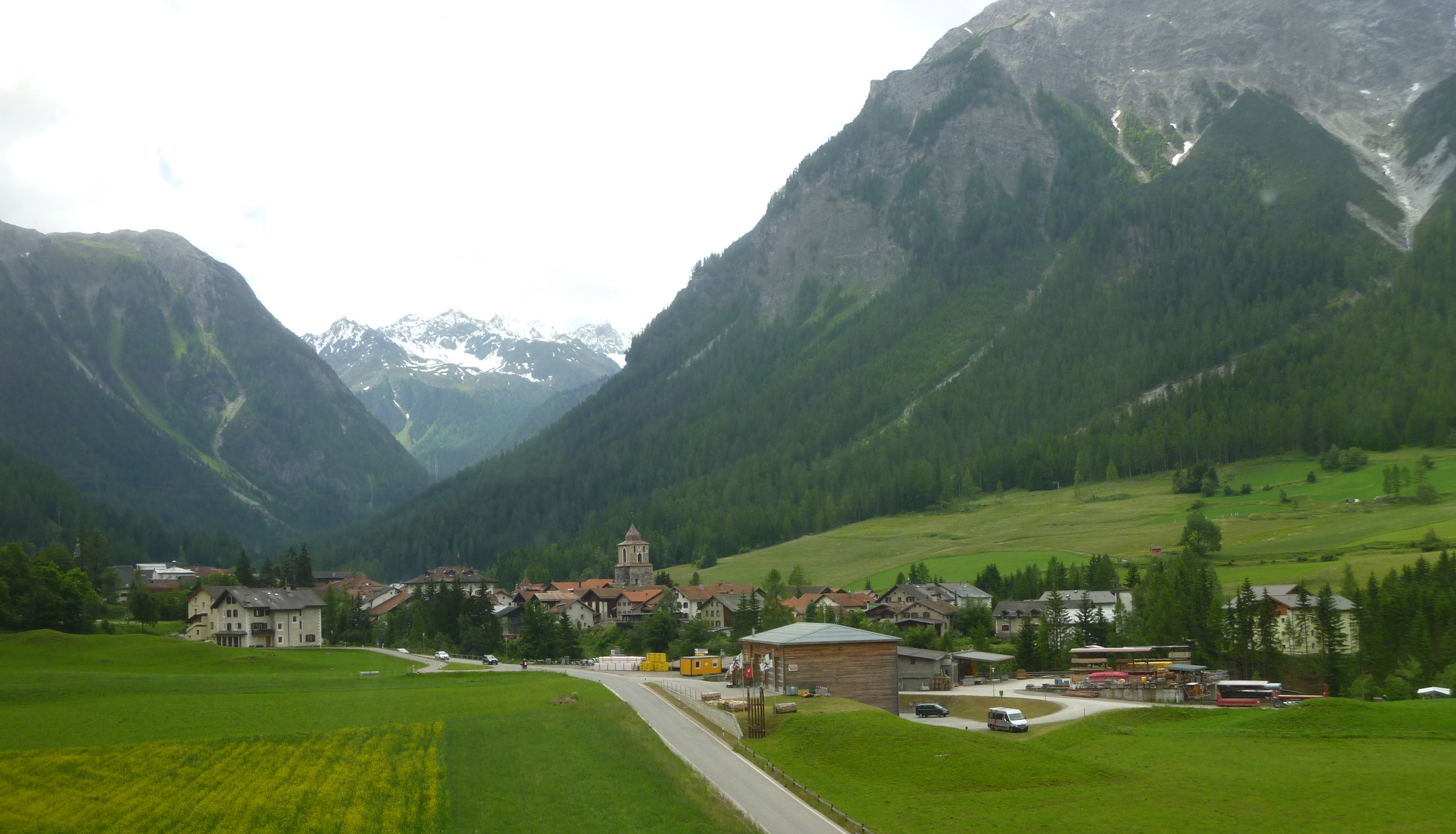
The village of Sils Maria is in huge contrast with nearby St Moritz with its glitz and glamour. I will however say, very much in its favour, that the setting of St Moritz is simply breathtaking.

St Moritz Bad

St Moritz Bad (Spa) and Lake

St Moritz Lake

St Moritz Lake

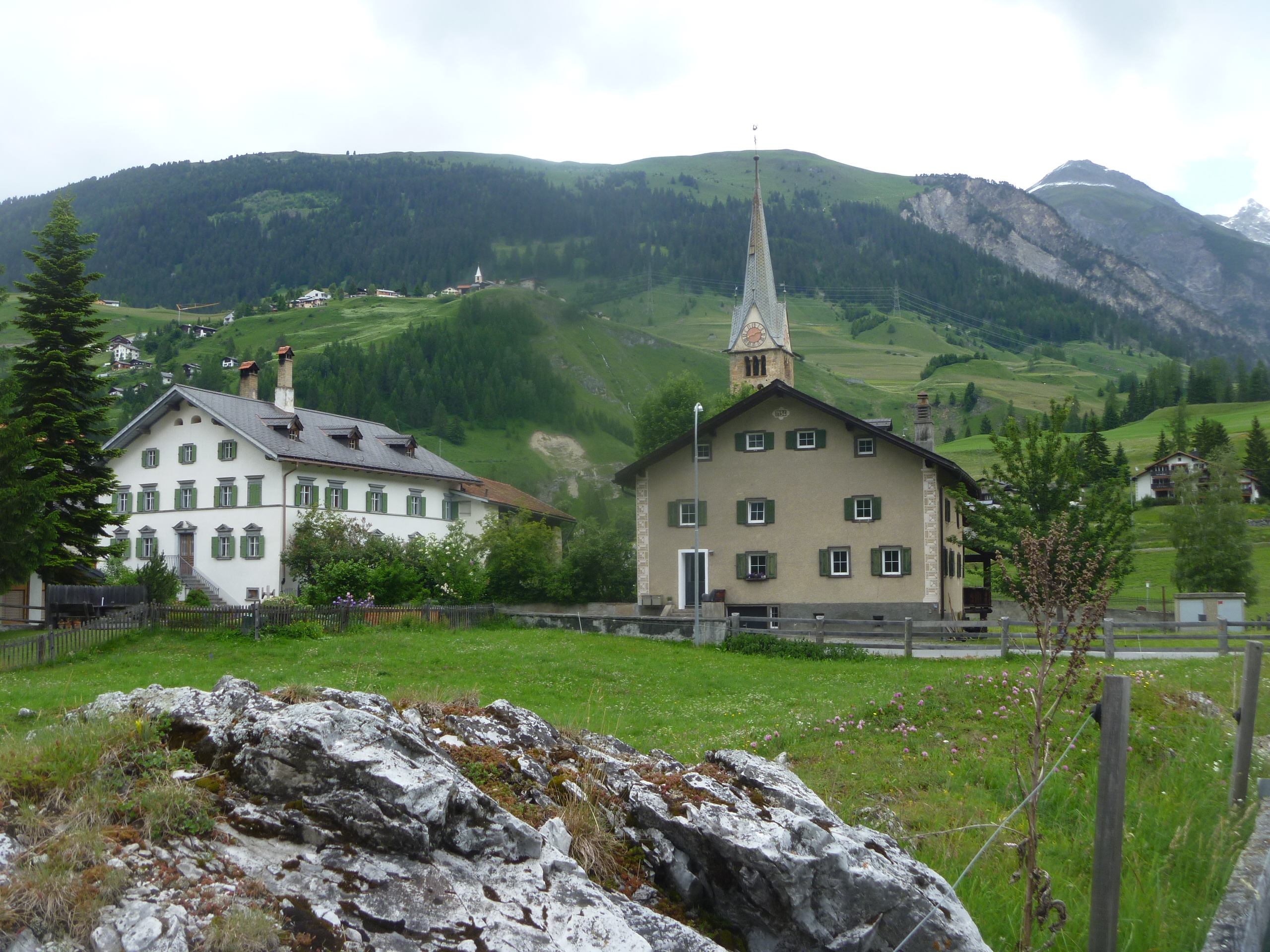
Sils Maria is in a no less dramatic situation with a lake and mountains but it also has much prettier architecture, very distinctive of the Engadine region, and a varied and interesting summer cultural programme. Some of it focussing on the Nietzsche House but lots more besides – walks, concerts, talks – many with literary connections.

Brochures

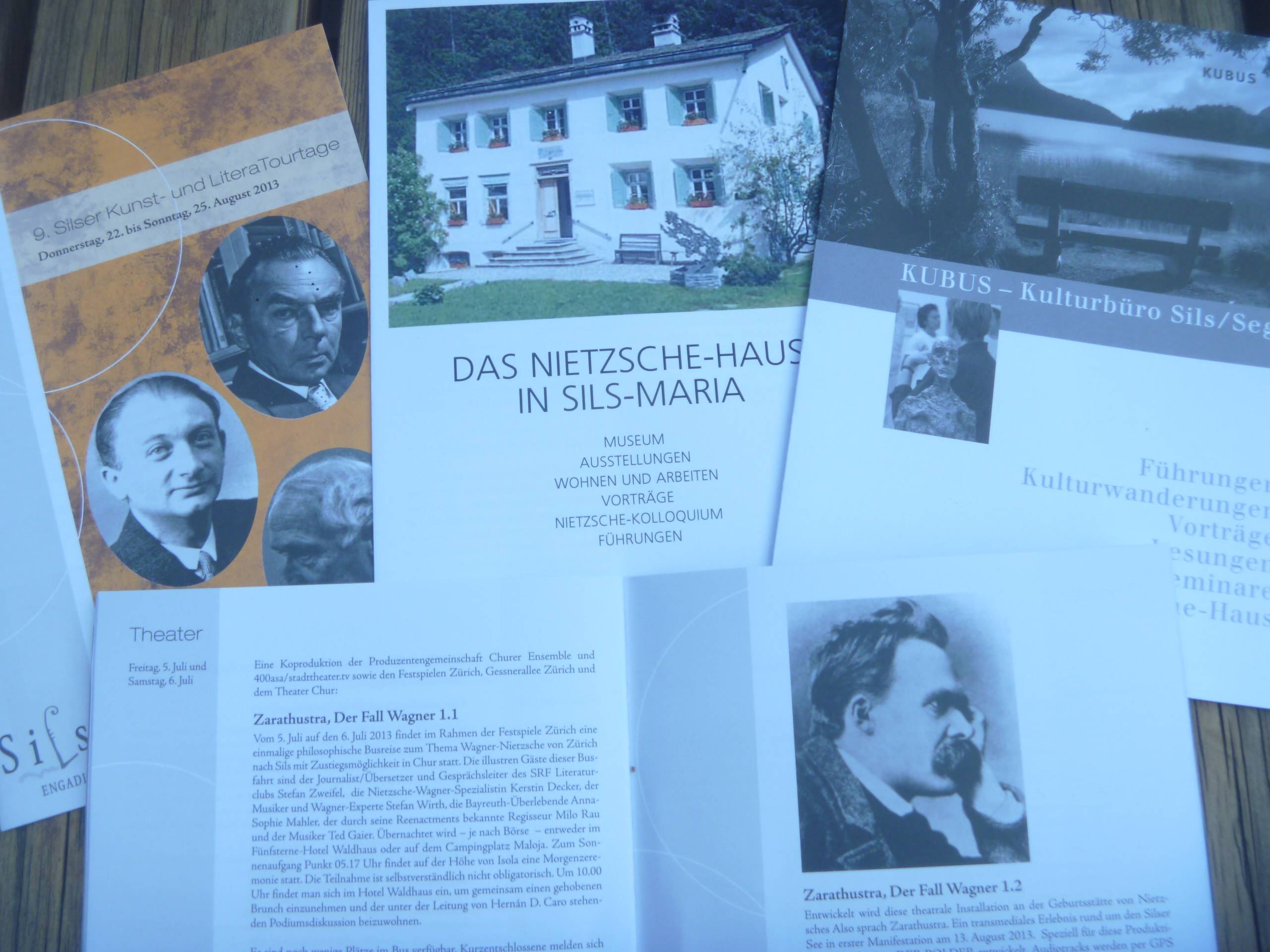
Some brochures I picked up in Sils Maria

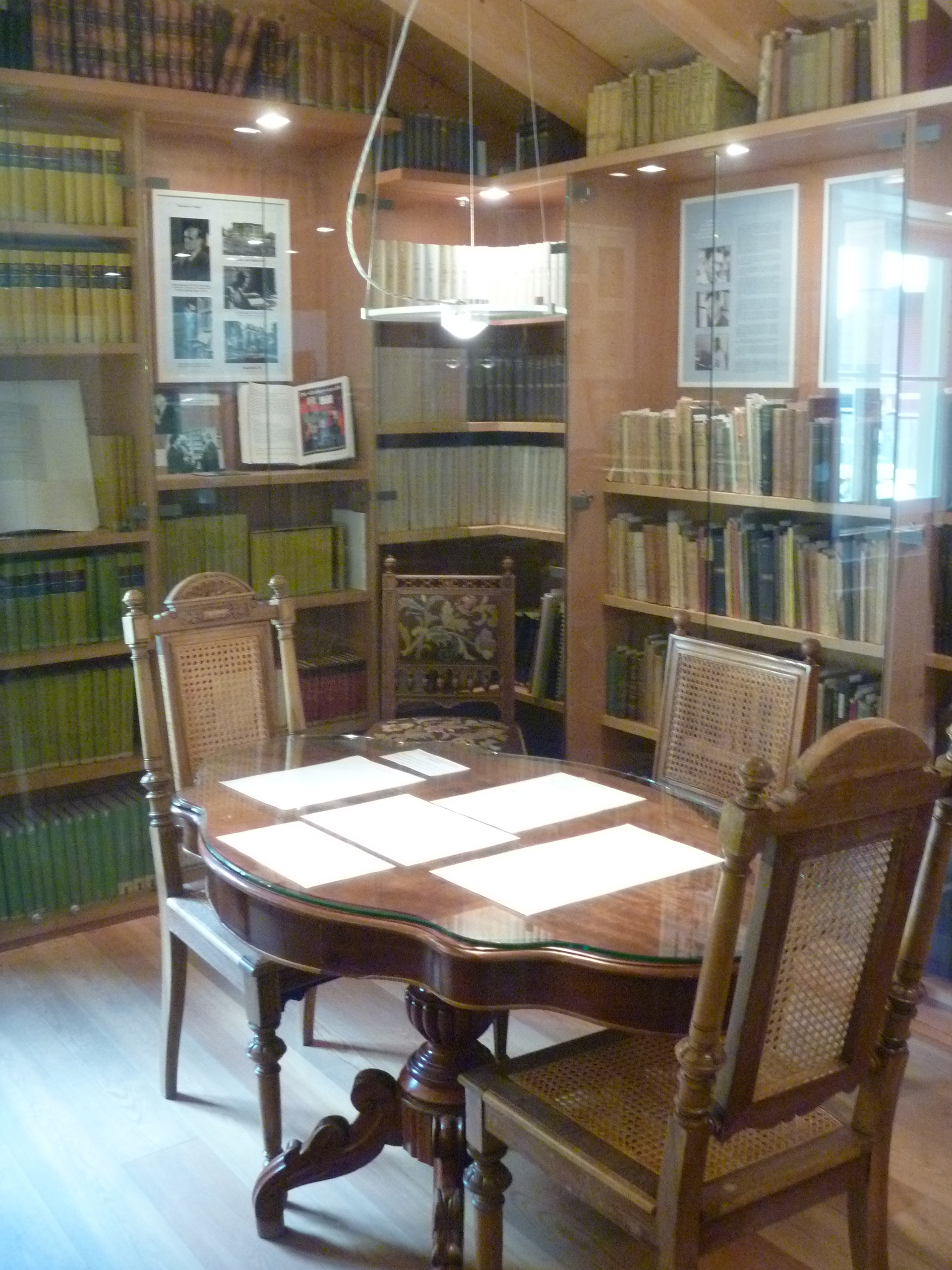
There’s a fantastic library and a huge amount of primary and secondary material at the house and it’s also possible to stay there as a guest and facilitate oneself of these research sources. Read more about the donations to the library here.

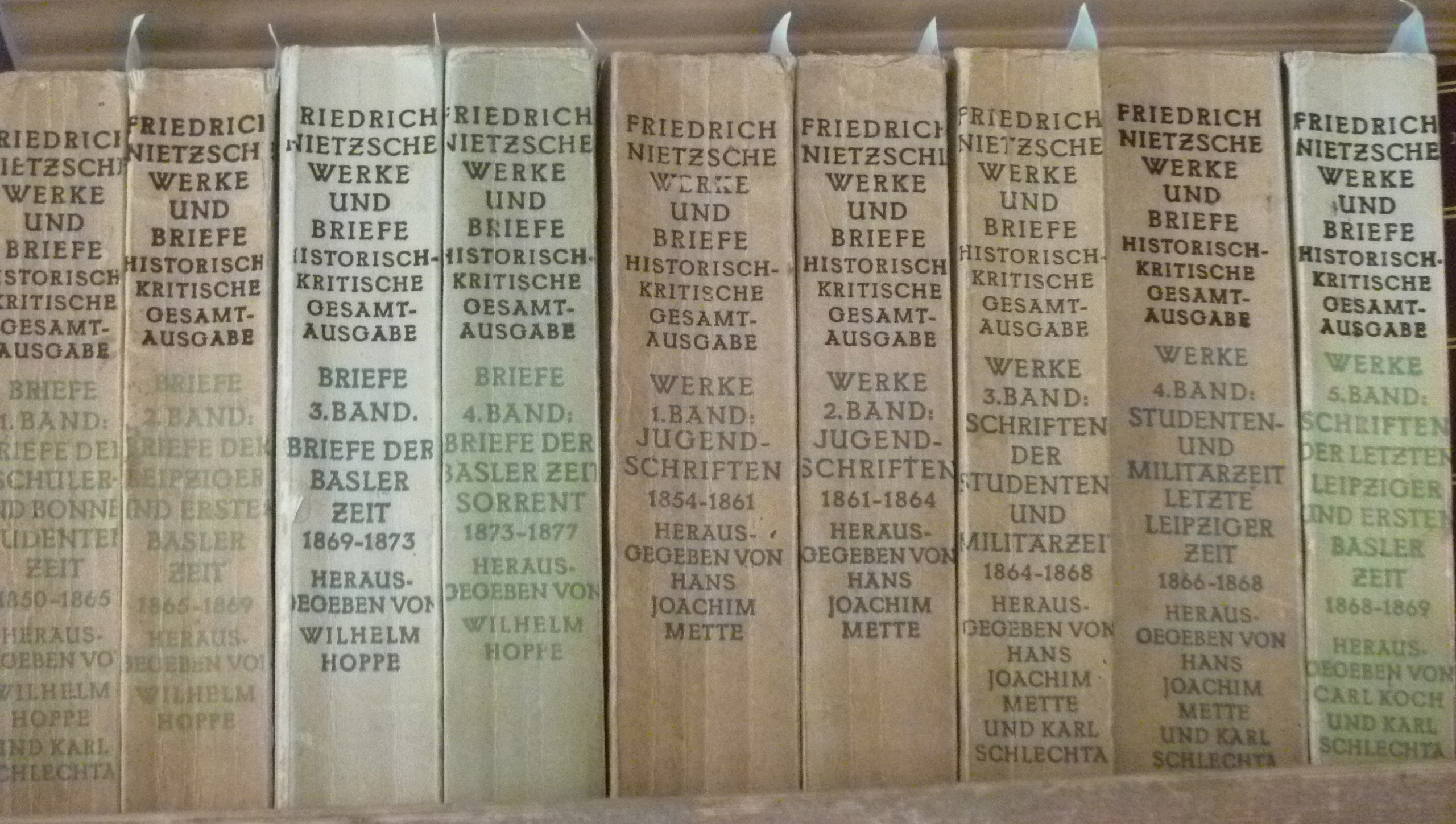
His works

Just part of the collection of Nietzsche’s works

Library

A Corner of the Library

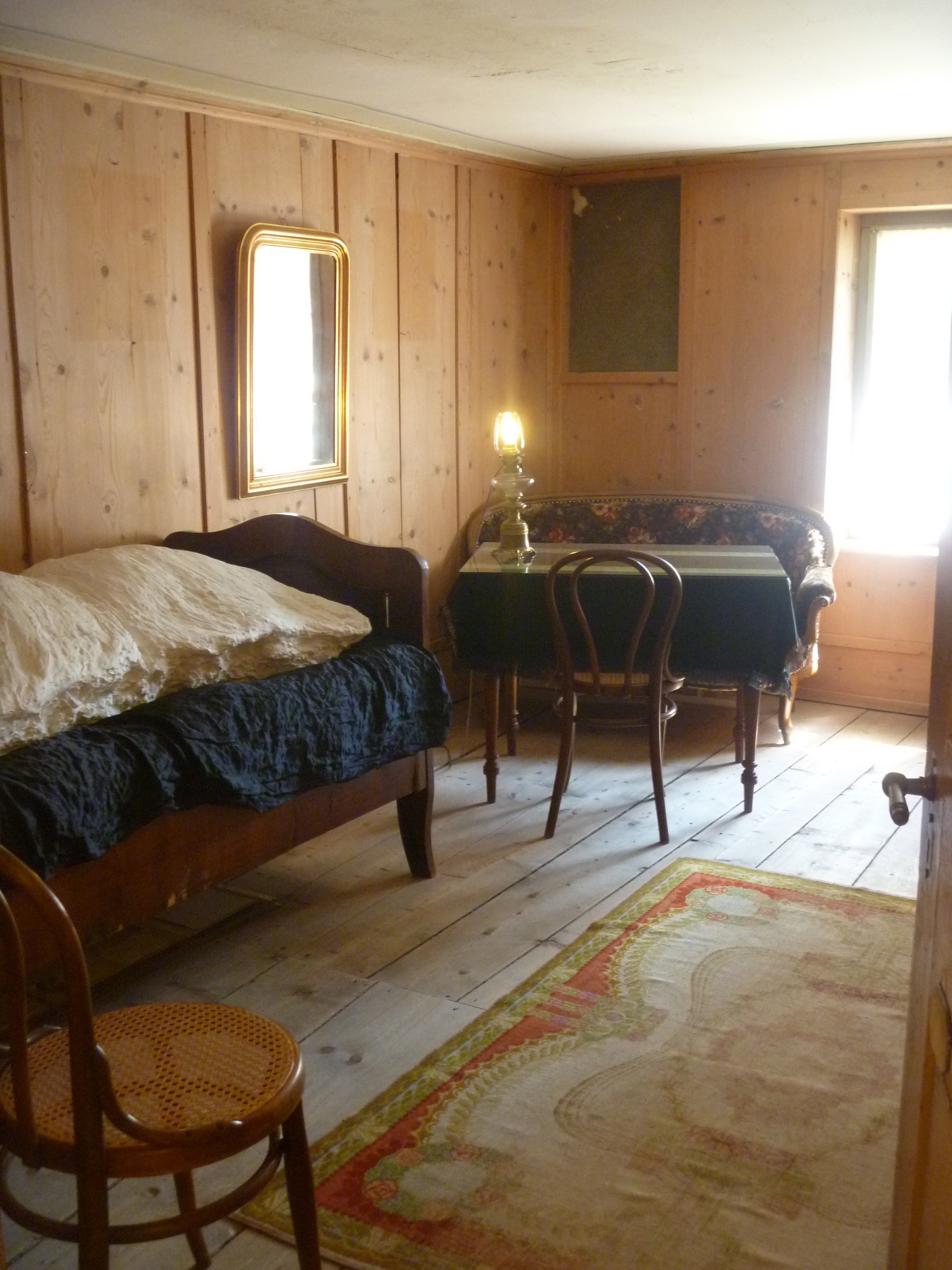
His room

Nietzsche’s Room

Nietzsche's view

The View from Nietzsche’s House

Bergün and its Railway Museum

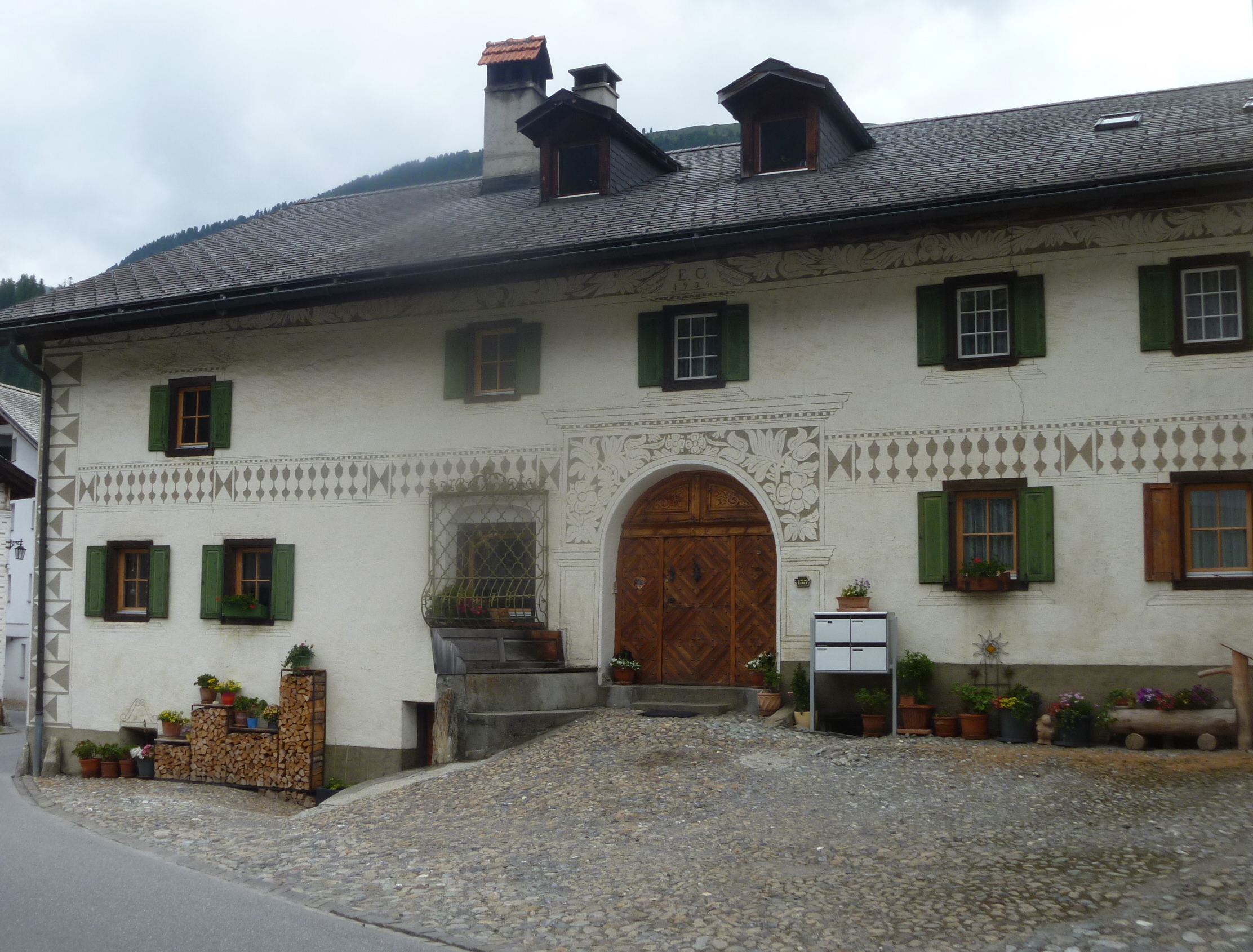
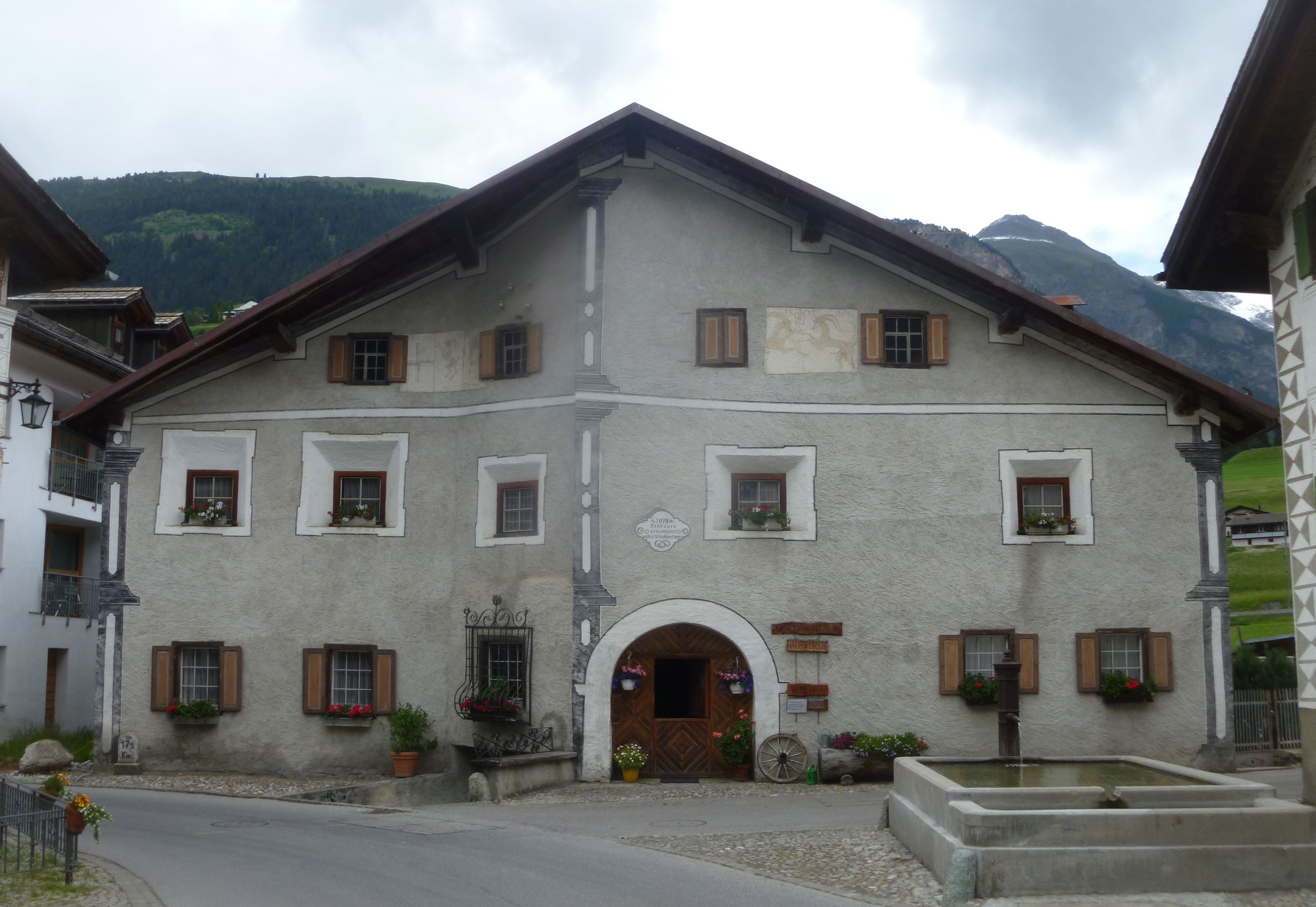
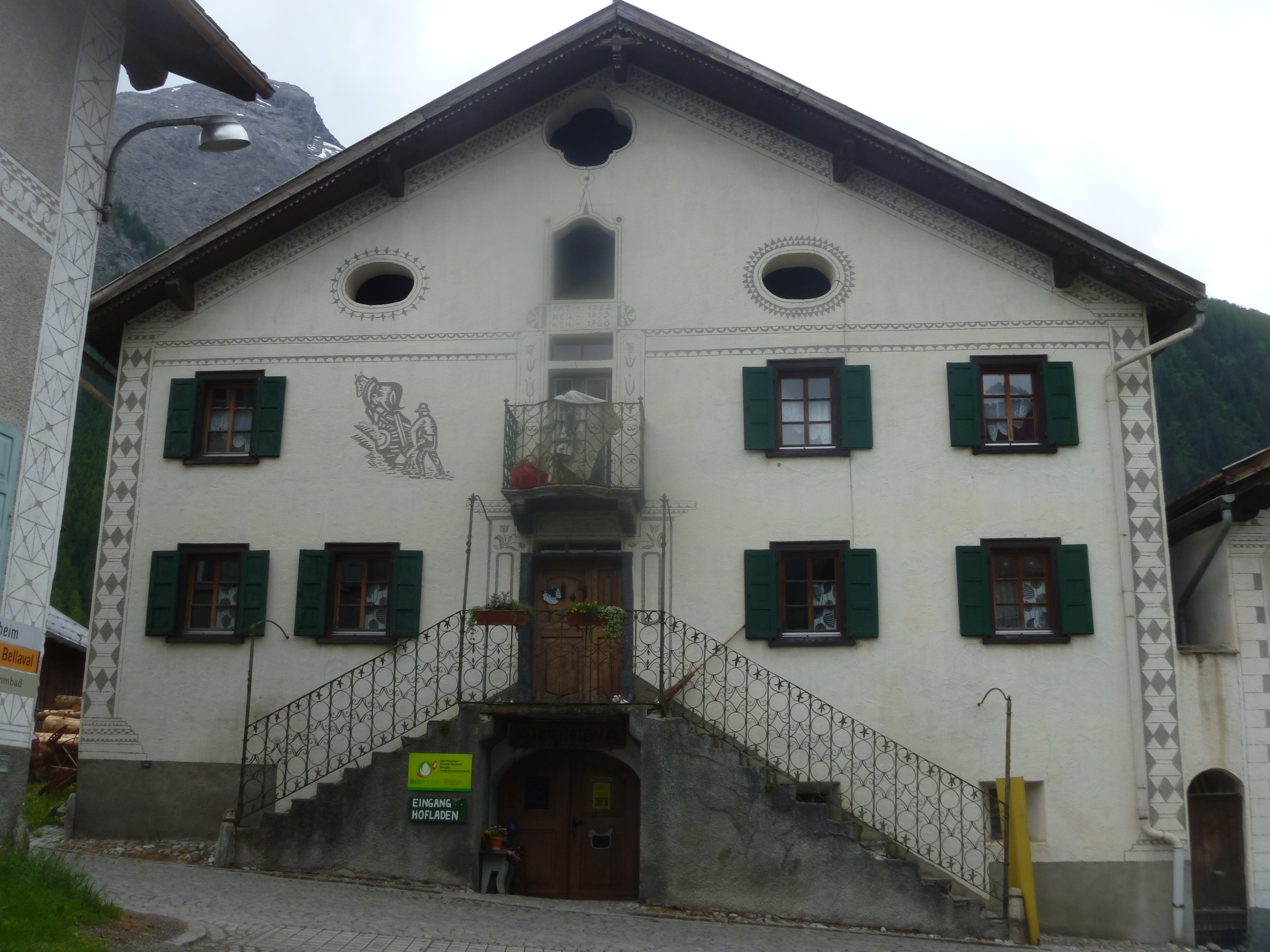
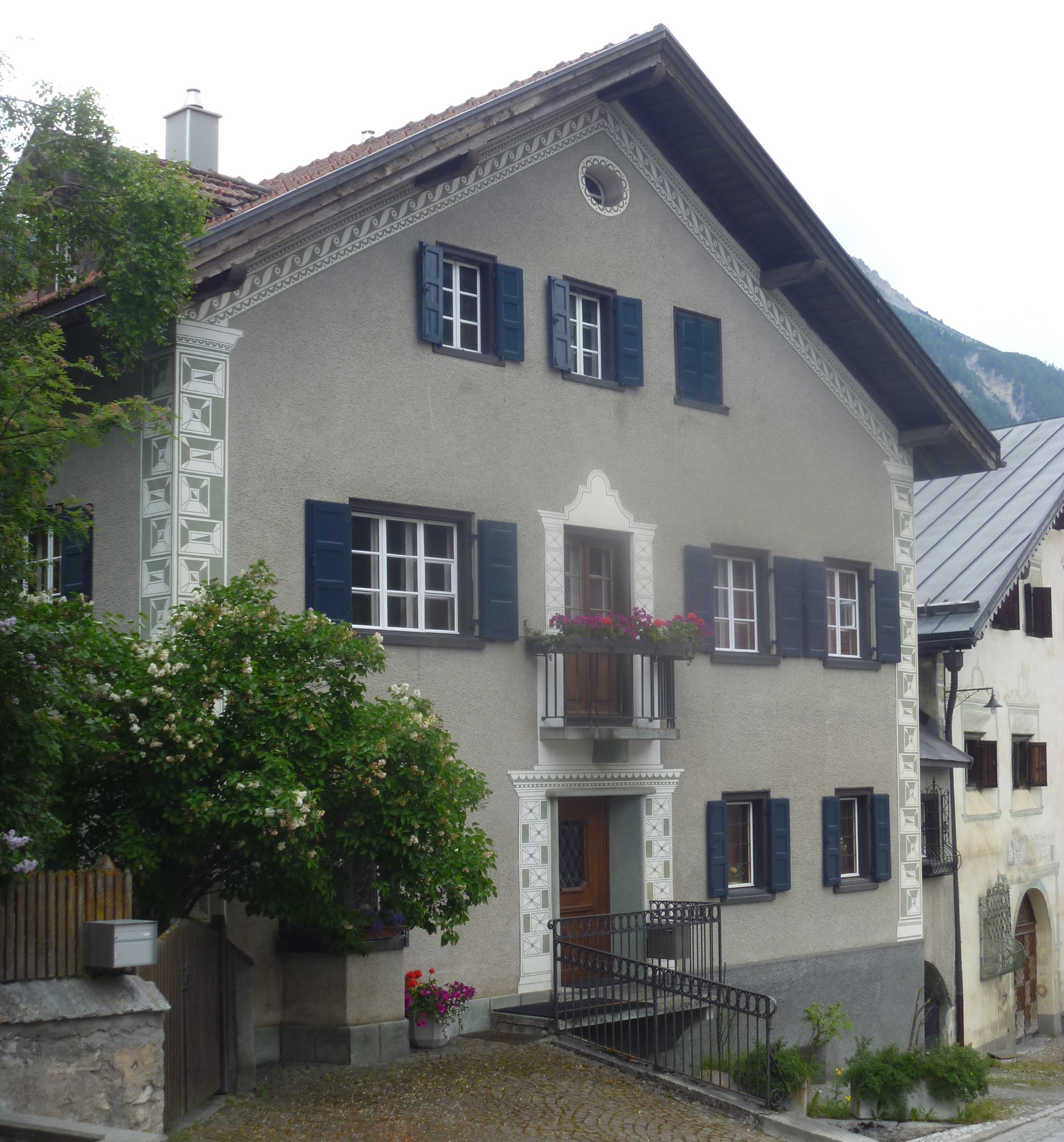
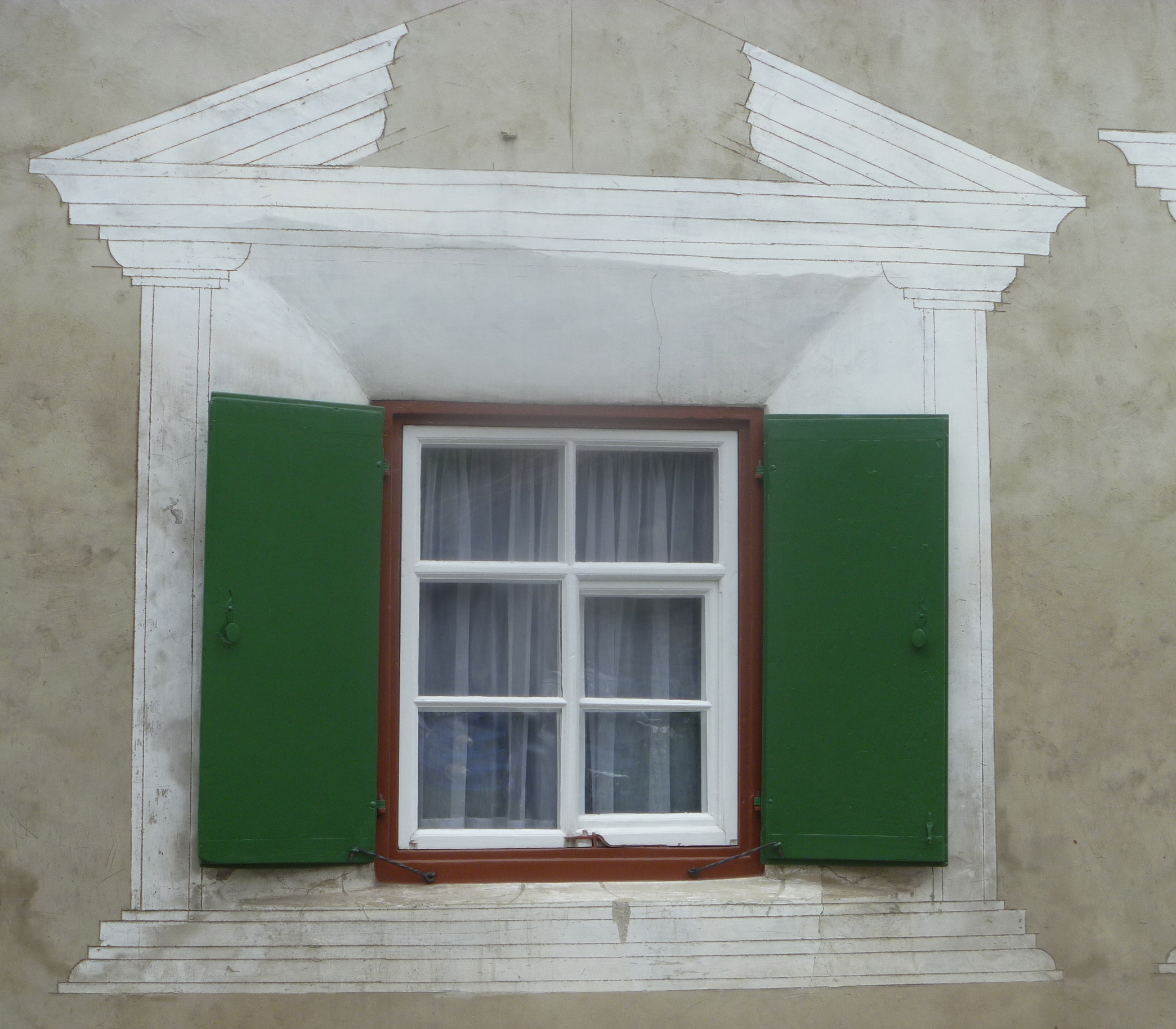
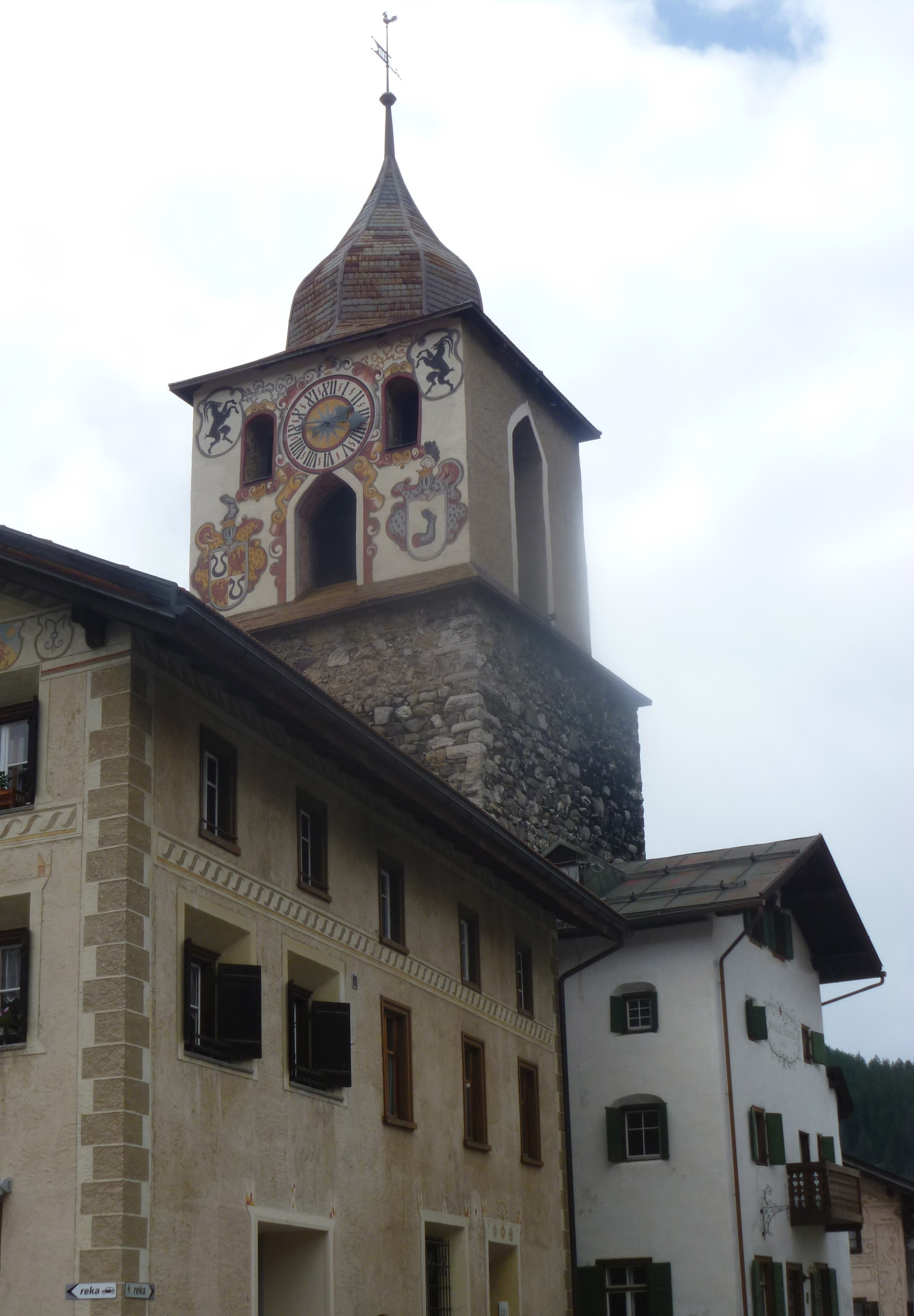
When I arrived in Bergün after the hike down from Preda along the Erlebnisweg [Historic Railway Trail] I was delighted to find such a lovely old traditional village with so many houses typical of the region. These picturesque Engadine houses are lavishly decorated with sgraffito, frescoes and oriel windows and there’s an 800 year old Romanesque church and a Roman tower all amazingly unchanged.

Engadine Farm Bergün

Engadine House 1

Engadine House 2

Engadine House 3

Trompe L'Oeil window

An example of the sgrafitto or trompe l’oeil window

Bergün Church

The church

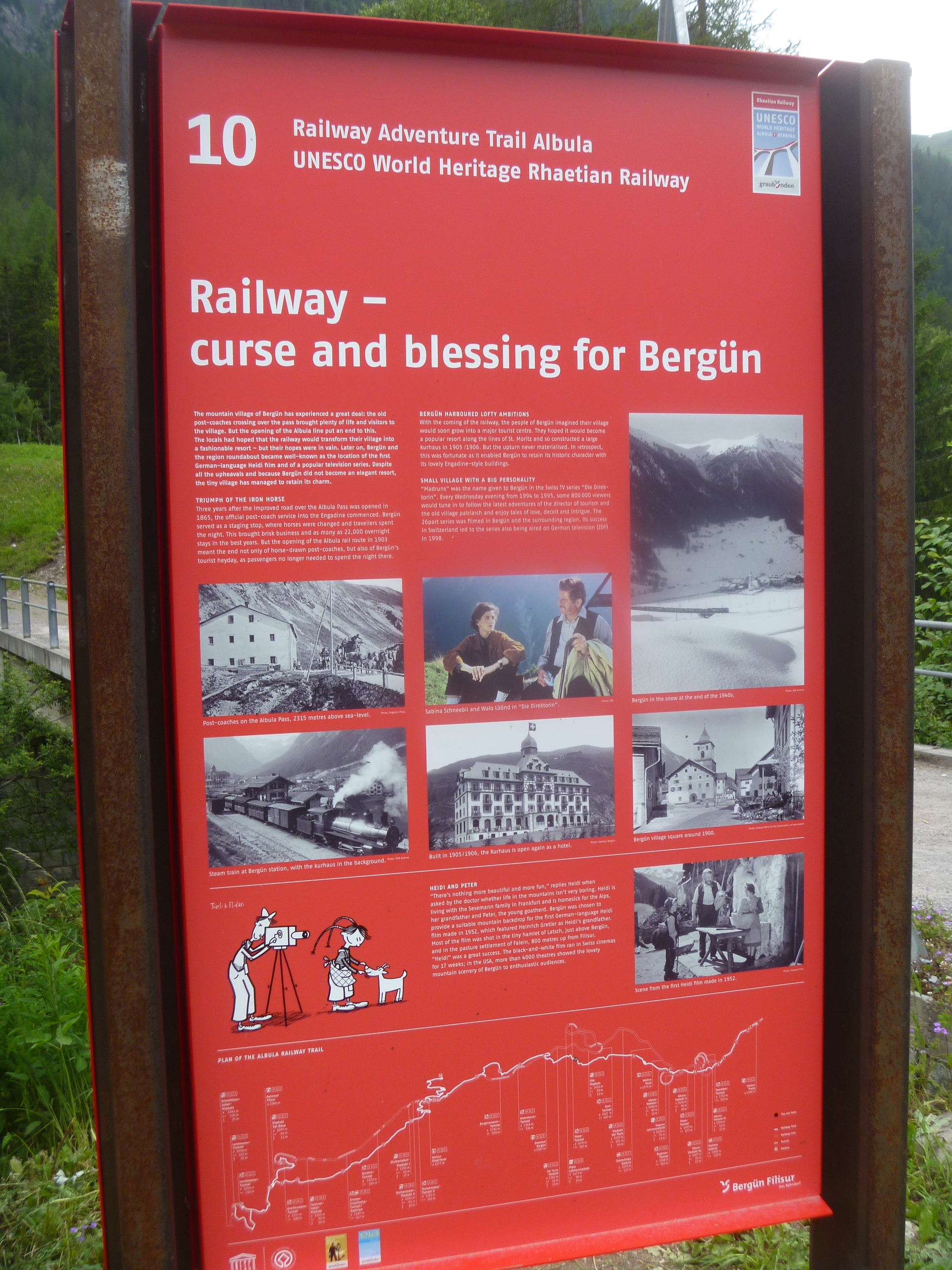
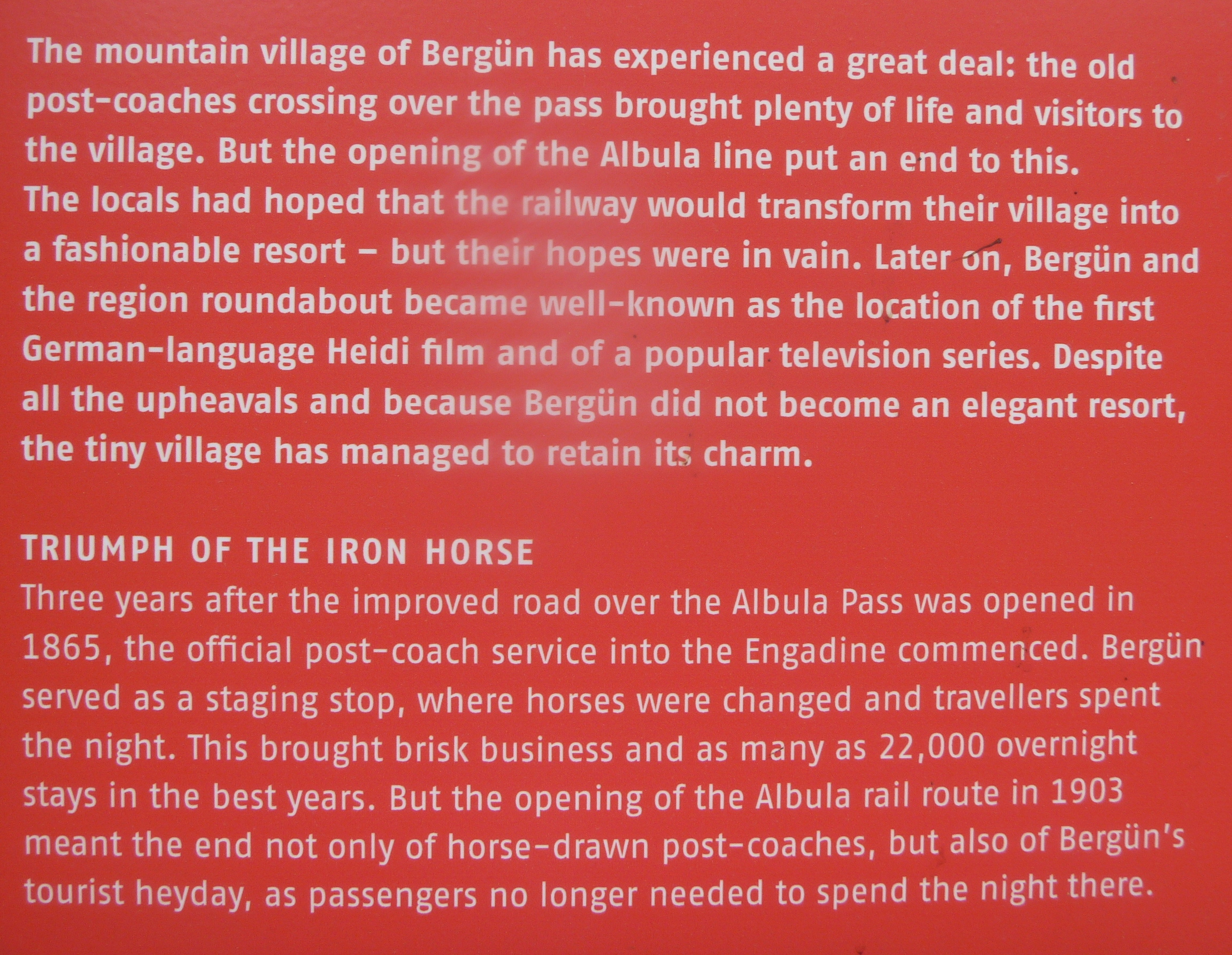
According to the Information Board just outside the village the railway has been a curse and a blessing for Bergün. Back in the nineteenth century the village did a brisk trade in accommodating overnight guests/tourists who were in transit by coach but after the opening of the railway in 1903 it was no longer necessary for horses to be rested and watered here.

Preda and Bergün are both popular for sledging in winter although quite where this is carried out is a mystery to me.

Info Board

Curse or blessing?

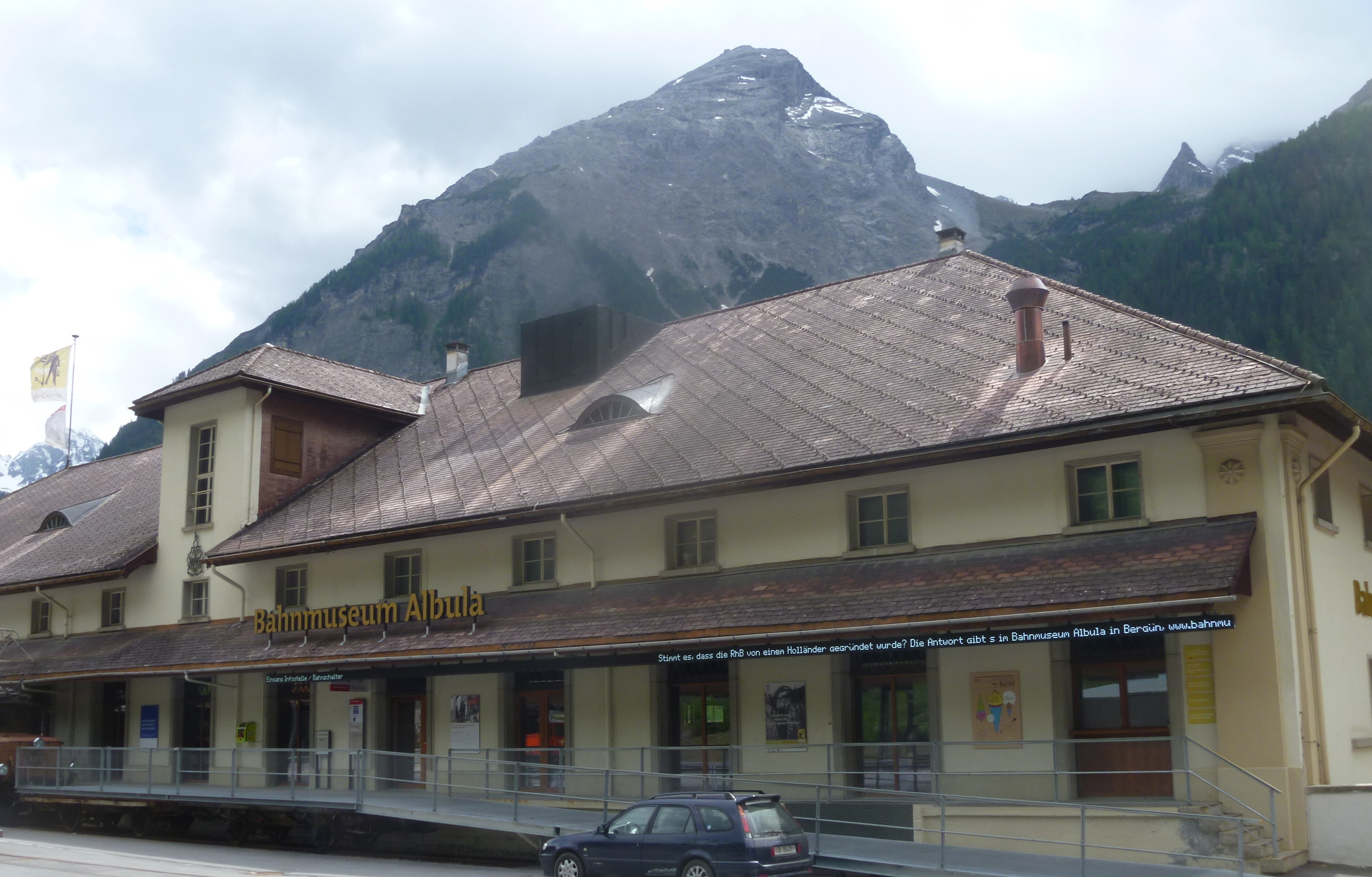
Finally, I arrived at the station where the Railway Museum is located in a converted station building. Despite all the ads for it that seemed to be appealing to children I found it a very adult museum but maybe I wasn’t viewing it from low enough down. For all that, this probably made it more interesting to me. Or would have, had I not been reading all the information boards along the footpath. A lot of the stuff was a bit repeated from them.

Museum

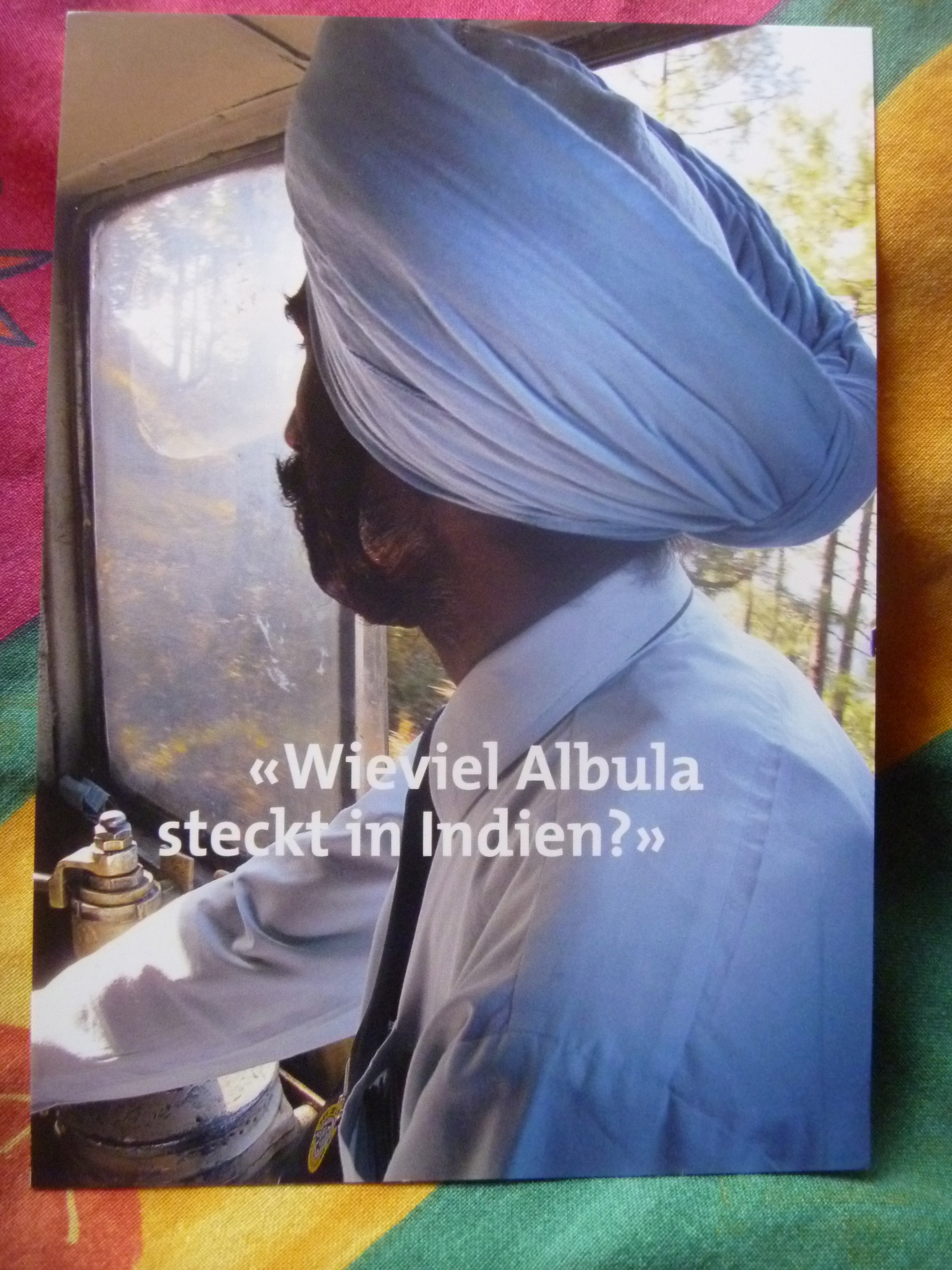
After the obligatory shop and cafe you enter the museum itself. The first room is filled with screens showing film of the Simla Railway. Like the Albula Line it is also protected by UNESCO World Heritage status. Built at the end of the 19th century it improved access from New Delhi to the cool summer British residence of Simla. Two Swiss artists made the films travelling on the railway itself. There is no hectic rush as the train and its passengers chug their way up from Kalka to Simla. There is no apparent Health and Safety Advice either by the looks of it. The films are actually very therapeutic and show a relaxed mode of travelling.

Simla Line

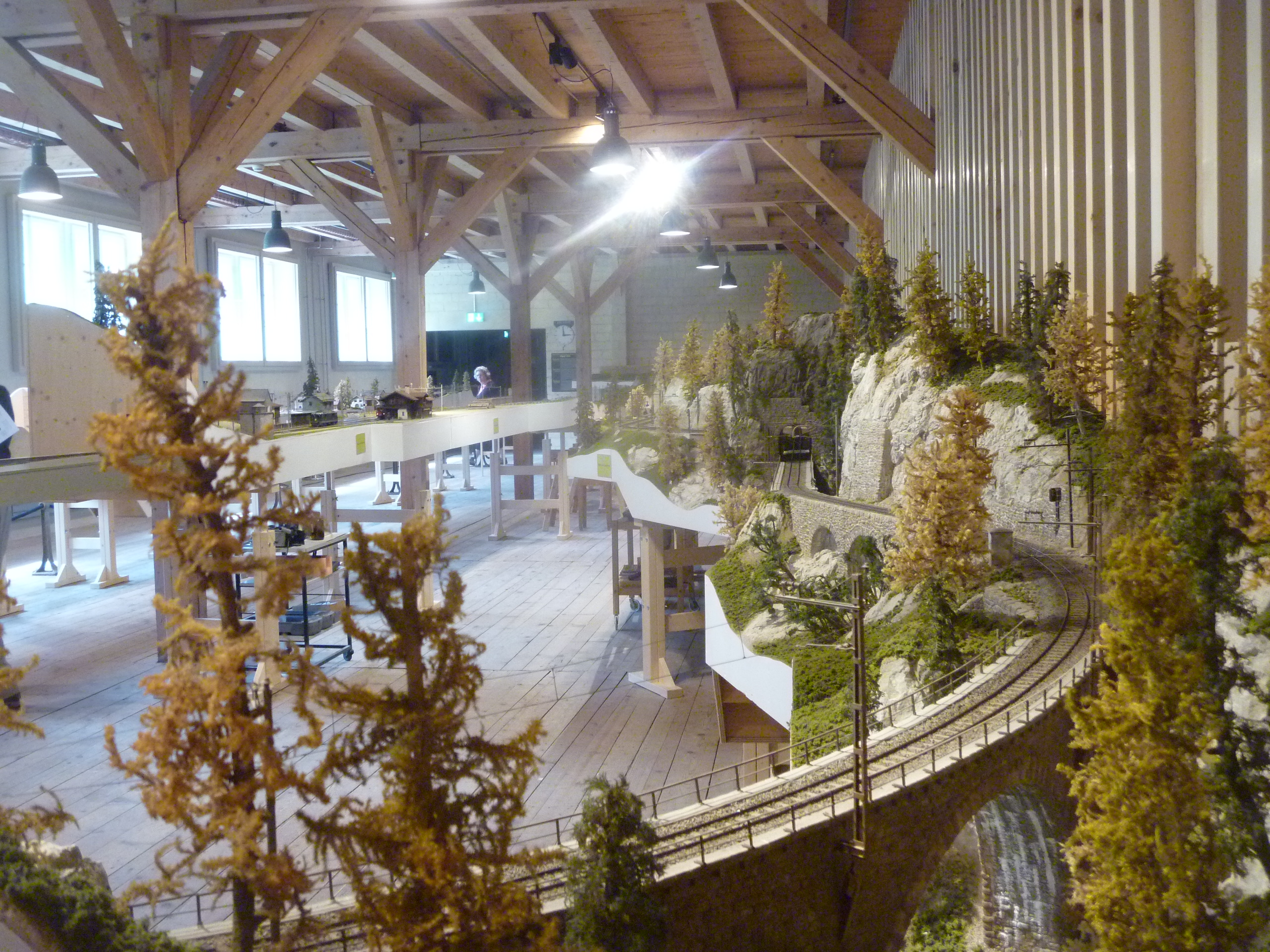
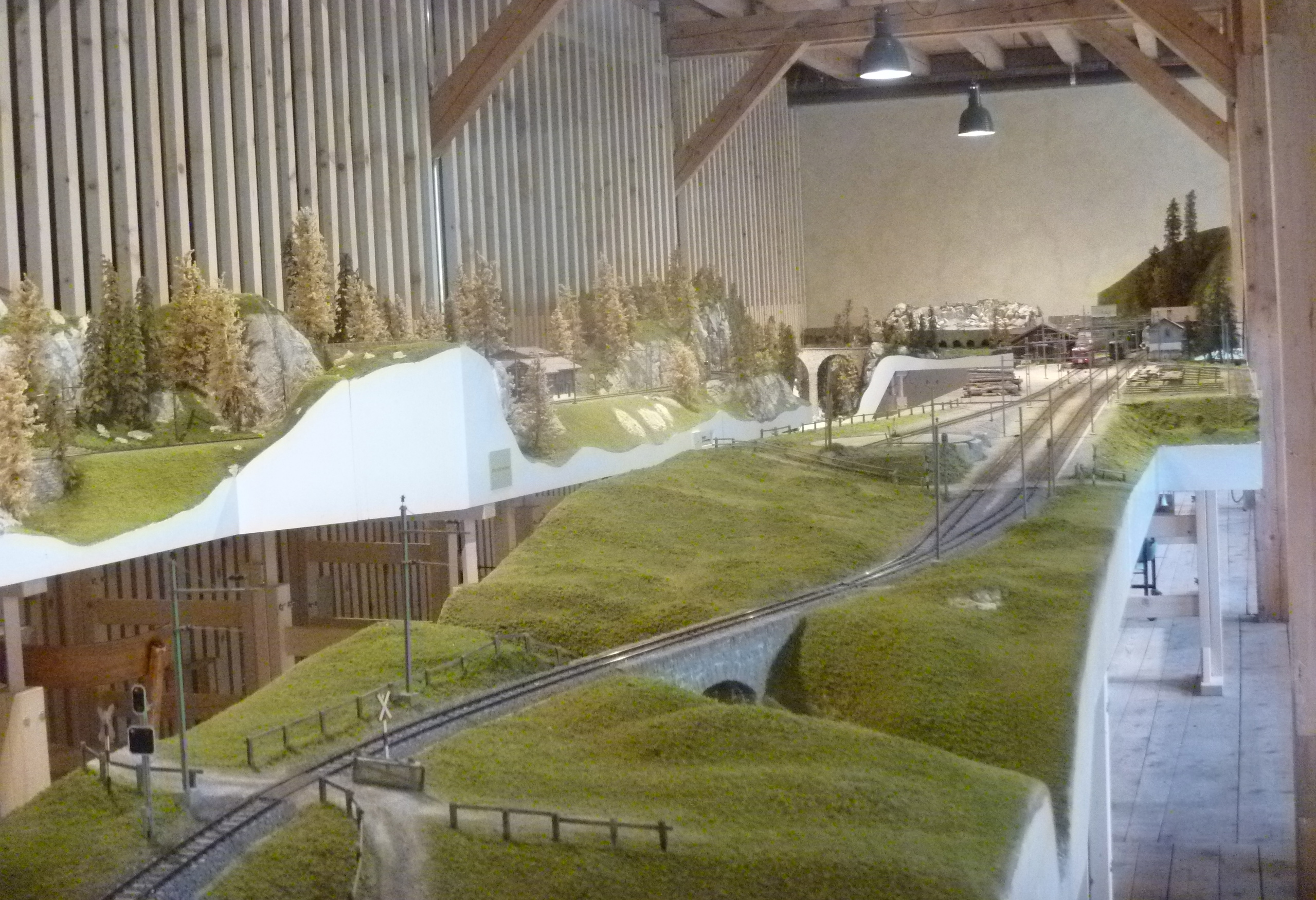
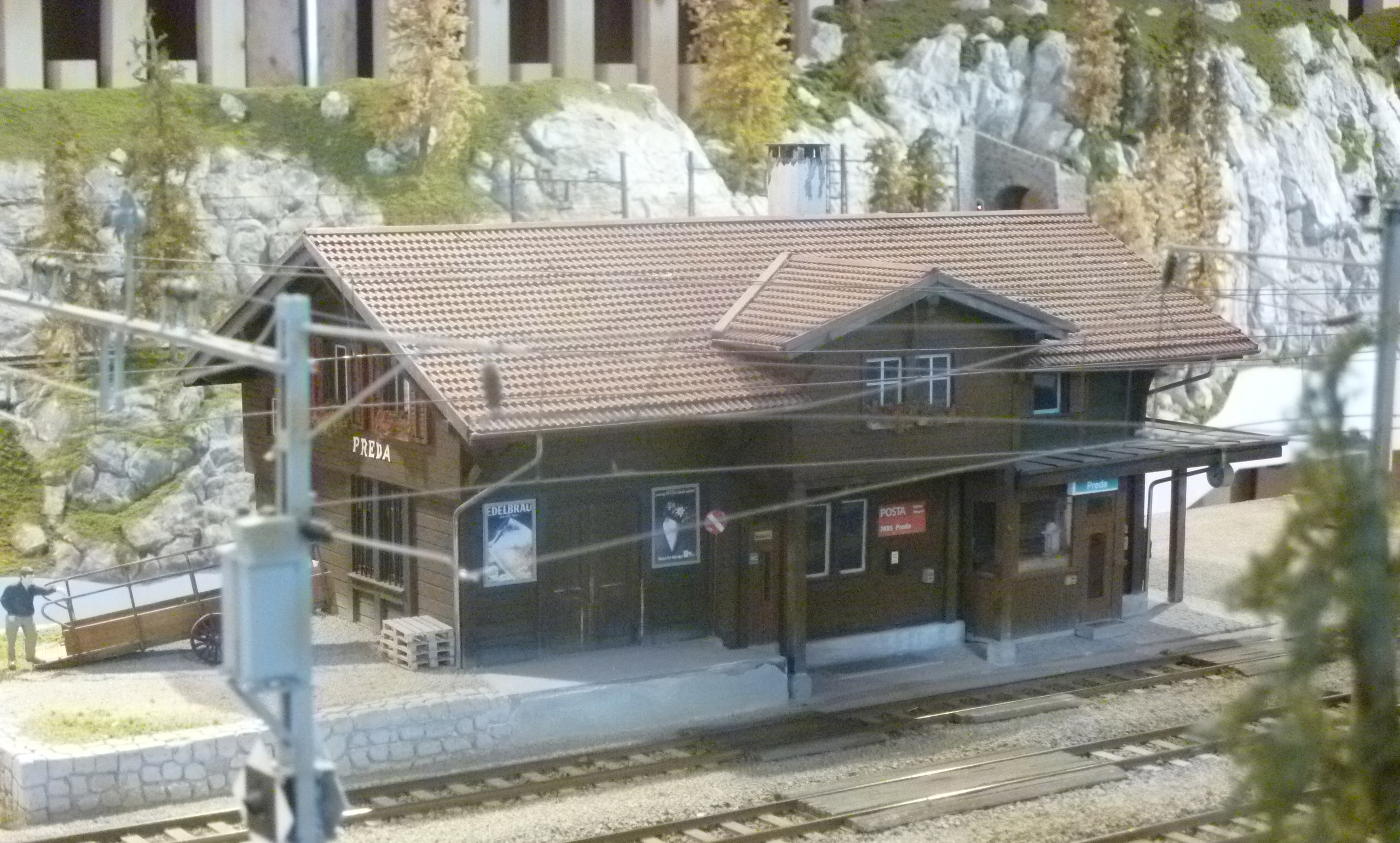
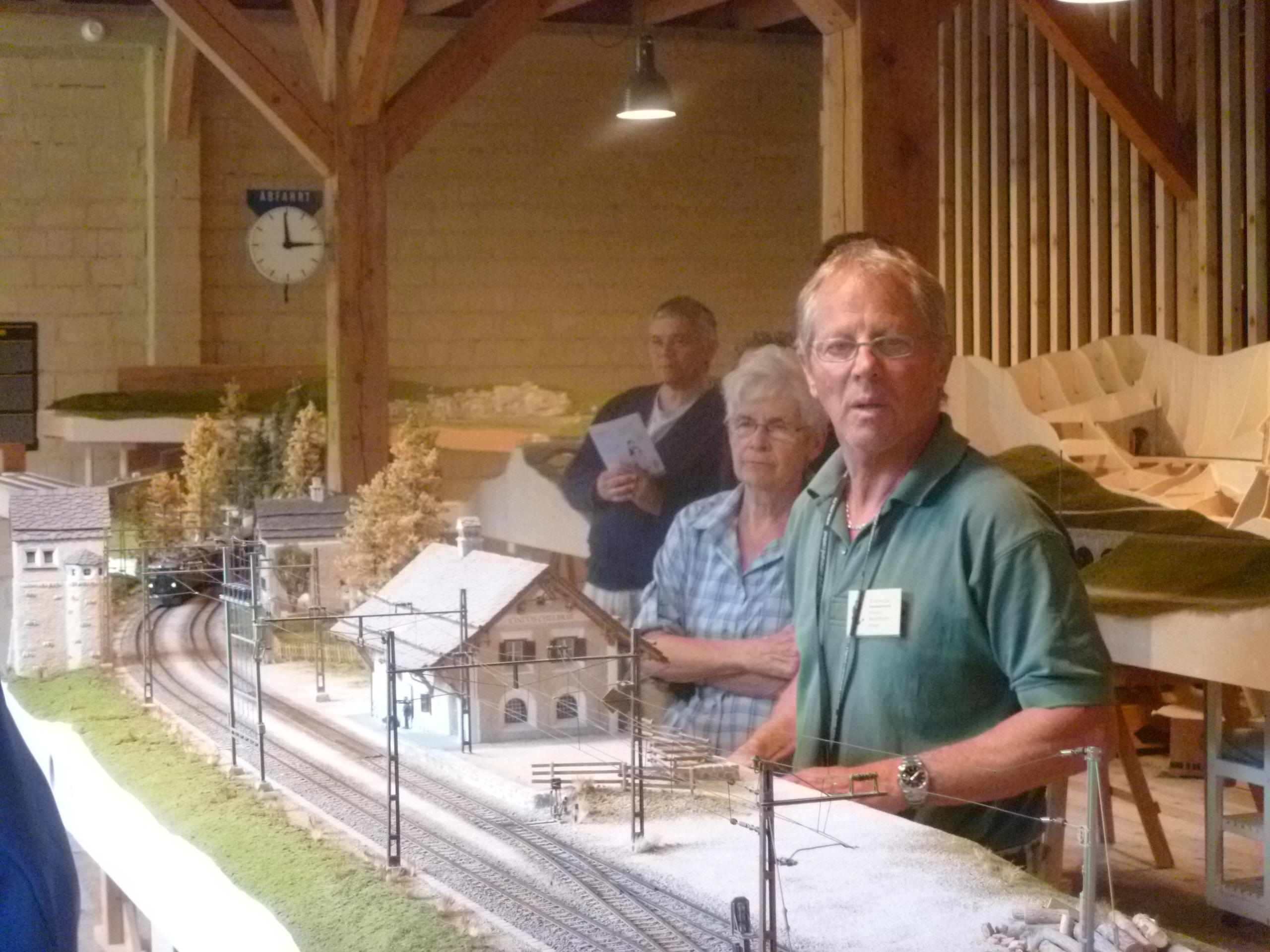
The next room is filled with Mr Bernhard Tarnutzer’s train set. Mr T is passionate about the Albula railway to such an extent that he is building his own miniature version (0m guage/Scale 1:45). He began building it at home but is so large now that it has been transferred to the Museum and has a ‘hall’ of its own. He was there on Friday demonstrating its operation to a few of us. The buildings, viaducts and tunnels have been recreated as they were in the 1950s and 1960s with every detail as near as dammit to real life. I’m not so sure however that it’s so interesting to children as it’s mounted at about a metre from the floor. There is still quite a bit of work outstanding until it’s finished.

The train set 2

The train set 1

Preda Station Scale 1:45

Mr Tarnutzer

Mr Tarnutzer explains some technical points

Upstairs there’s lots of interesting stuff and artefacts connected with the building of the line, its history and operation and the resorts that it serves. There were a few hats for children (and me) to try on but otherwise a rather dark area and somewhat adult commentaries when you press the buttons for explanation.

A fascinating day in spectacular surroundings. Most enjoyable.

“High Mountains, deep gorges, harsh winters : ideal for a railway” : The Albula Experience Way

Now and then you spot a train

Swiss Railways [SBB] always make a few special offers each month and before coming away I received notification of the June offers from the SBB. In the list was a 30% discount for a return journey from your local station to Bergün and the same off the entrance fee to The Railway Museum Albula just by Bergün Station.

Bergün from train

Bergün from the train

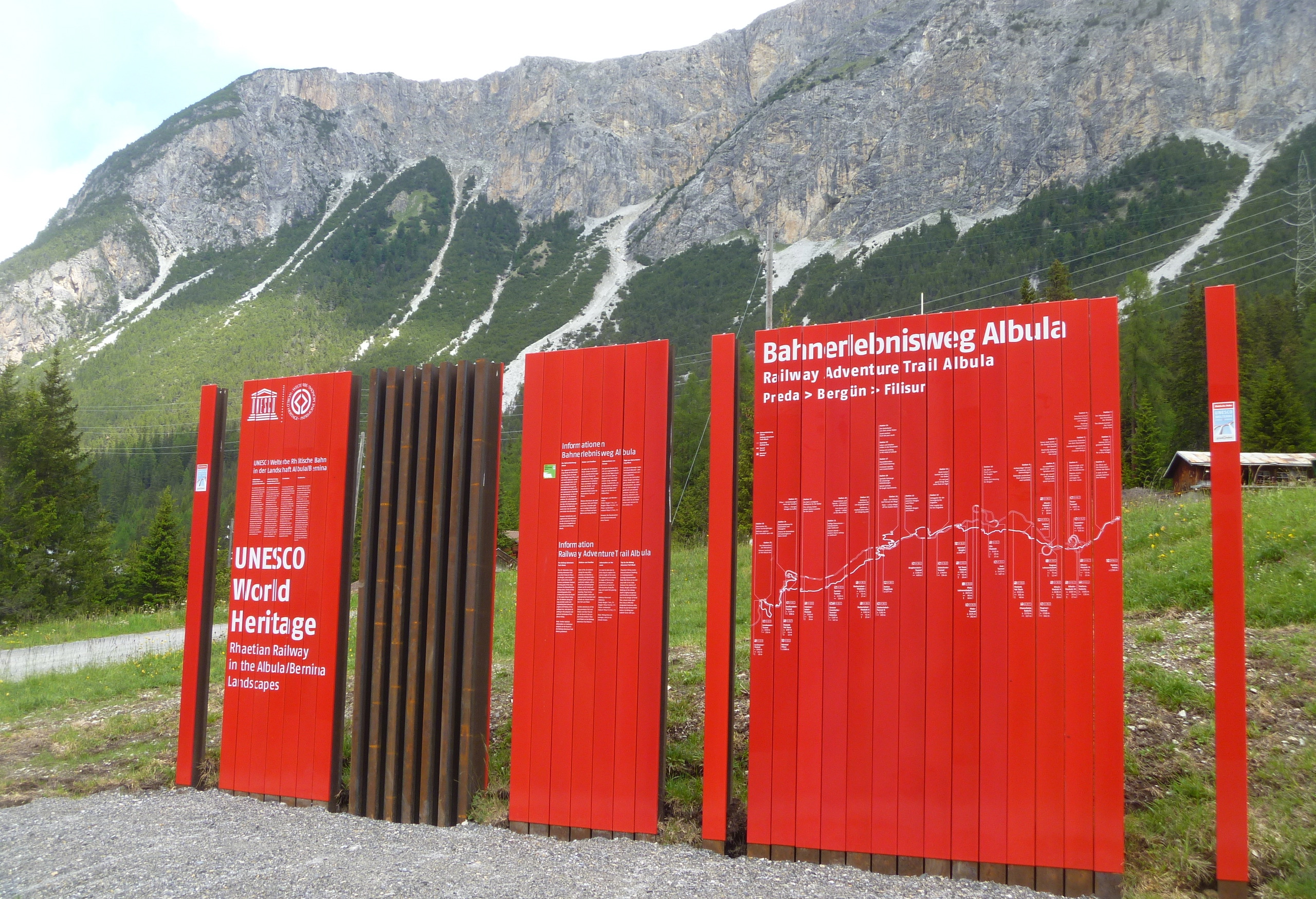
On further investigation I discovered a newly opened footpath the Albula Erlebnis Weg [The Albula Experience Footpath]. The path starts at Preda, the next station up the line. It’s all part of the UNESCO World Heritage Albula + Bernina.

UNESCO World Heritage

UNESCO World Heritage – A masterpiece of railway engineering

The line across Albula and Bernina, now more than a century old, is regarded as a truly unique masterpiece of the railway engineer’s art. Designed from the start to exist in perfect harmony with its surrounding countryside, the line stands as a monument to the pioneering days of railway-building. Since July 2008, the Albula and Bernina lines of the Rhaetian Railway have been on the UNESCO list of World Heritage sites.

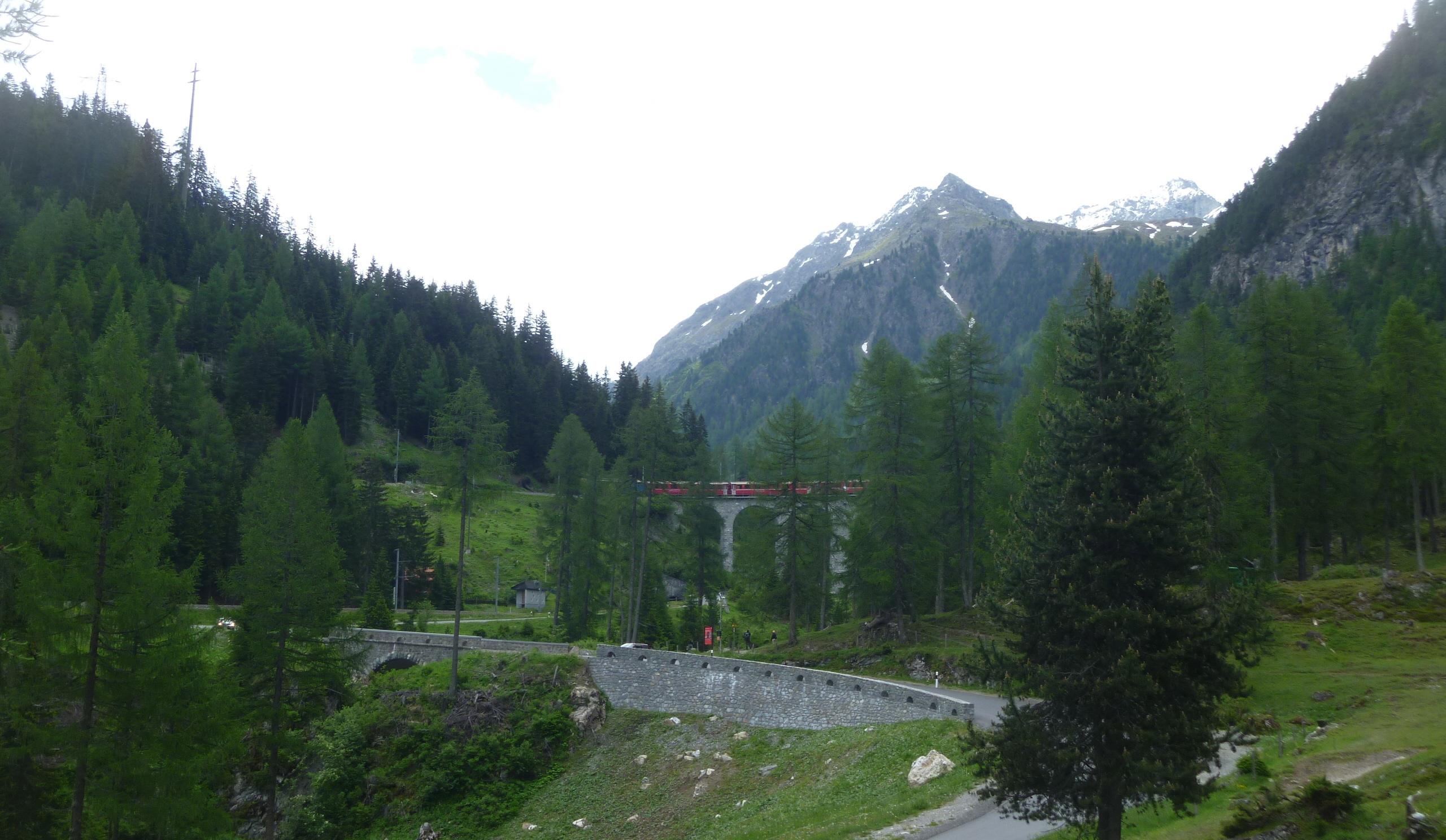
Where landscape and railway blend into one: in a series of wide expanses and elegant man-made structures, along the winding route through abruptly-sloping Alpine valleys. Monumental landmarks along the way include the Landwasser Viaduct, the series of winding tunnels between Bergün and Preda and the Circular Viaduct at Brusio. The line continues to be a model of its type.” Source

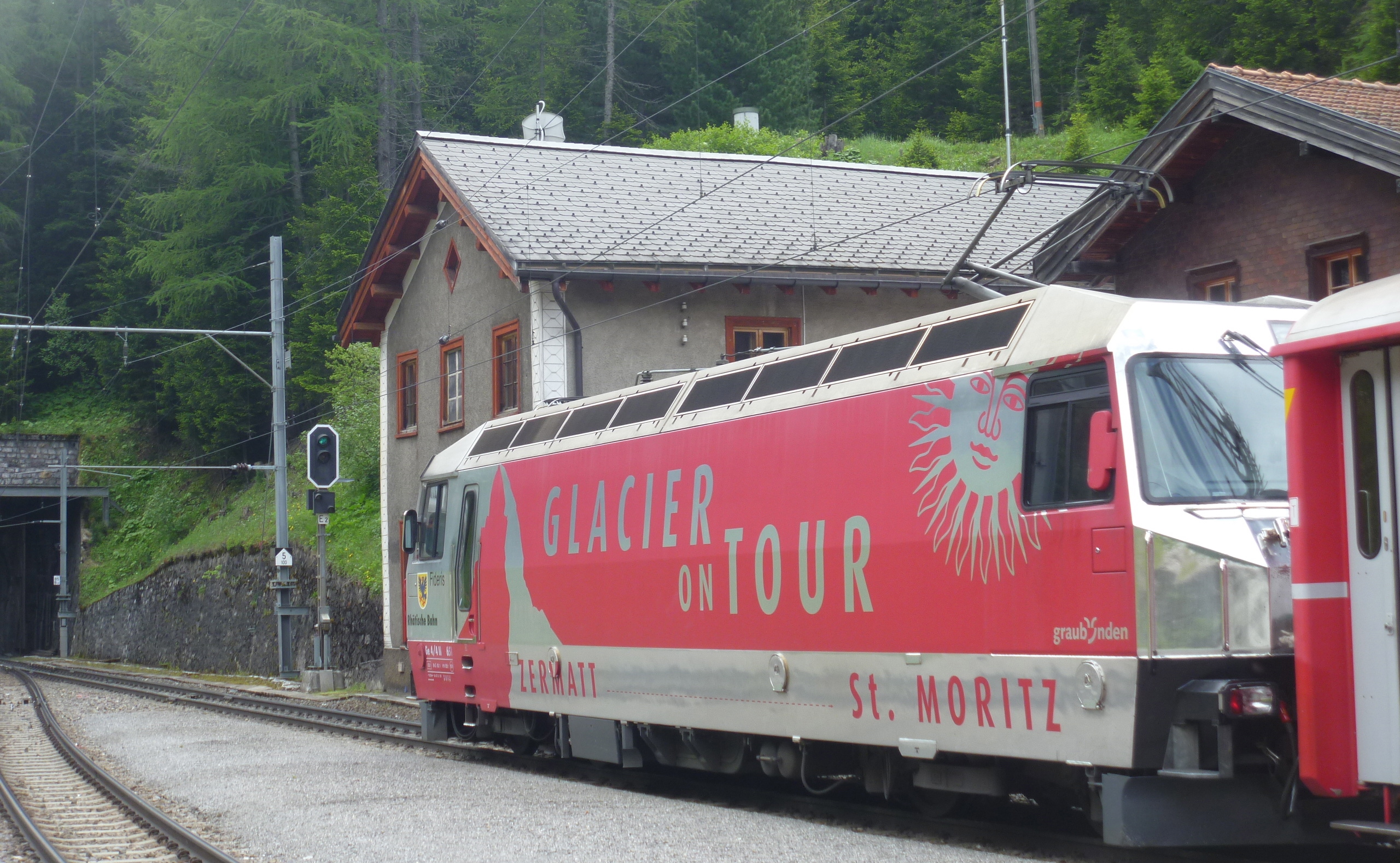
Last Friday was my day off so the perfect opportunity to take advantage of the offer whilst it was still on. The journey there and back involved 4 changes of transport. The line is up between Klosters and Davos-Glaris stations this summer so you must take two replacement bus services. Plus there is another change at Filisur for the Saint Moritz service – Glacier Express on tour.

Glacier on Tour

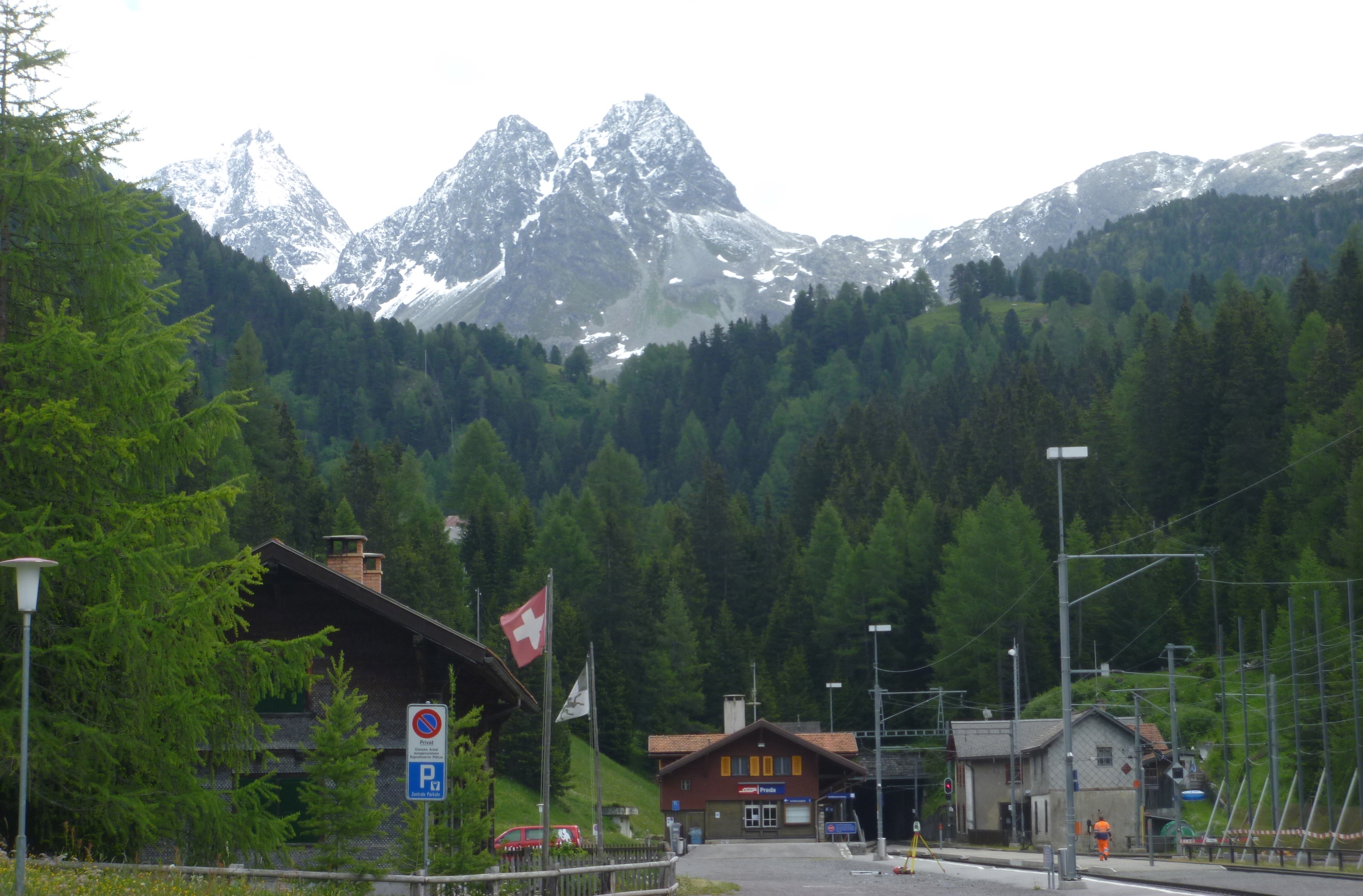
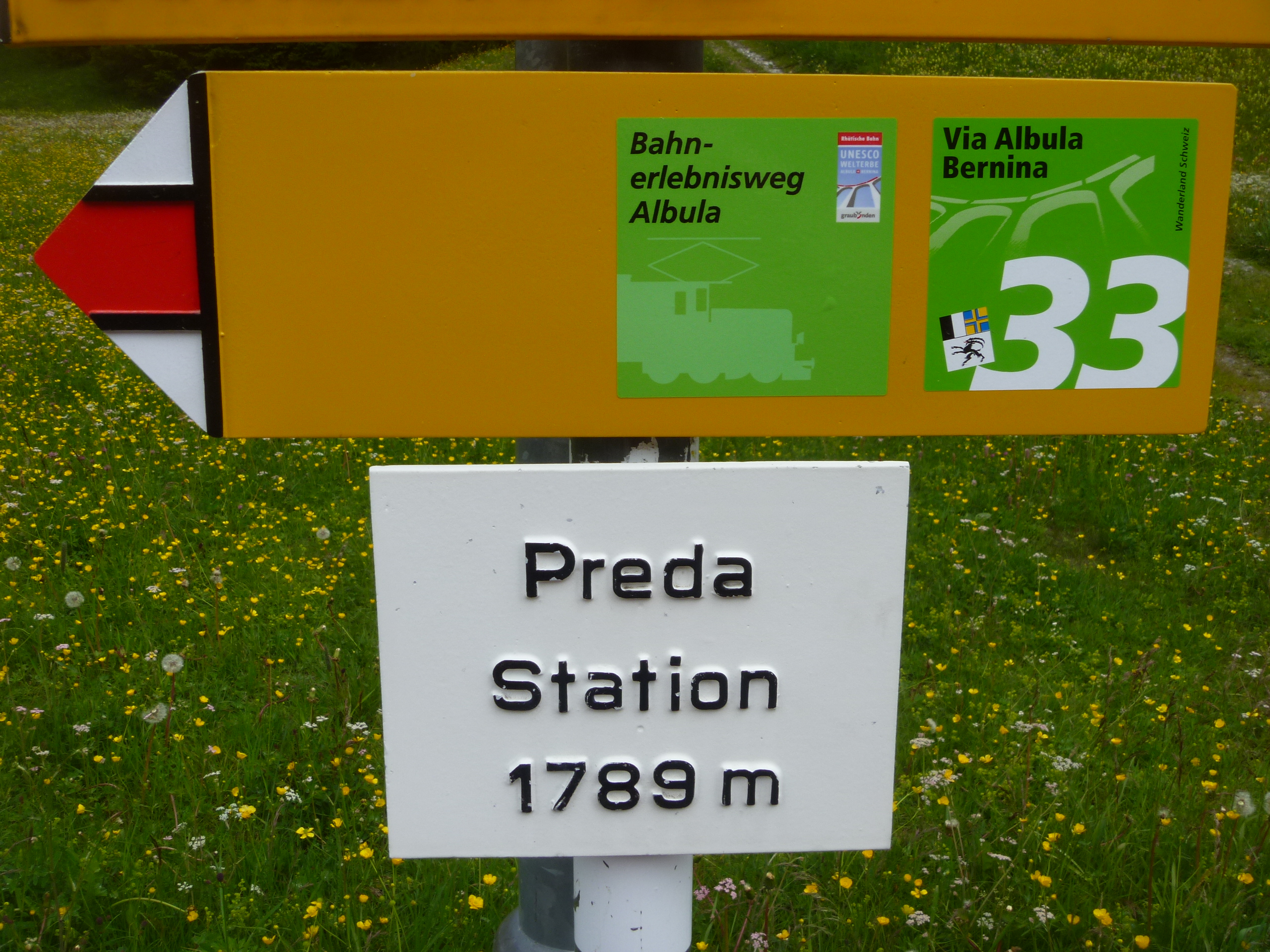
My add-on ticket took me as far as Preda. The weather this week has not been good but luckily I avoided all rain. However, I could have used a pair of gloves – it was freezing cold at Preda Station – 1789m ASL.

Leaving Preda Station

Leaving Preda Station

Preda station and sign

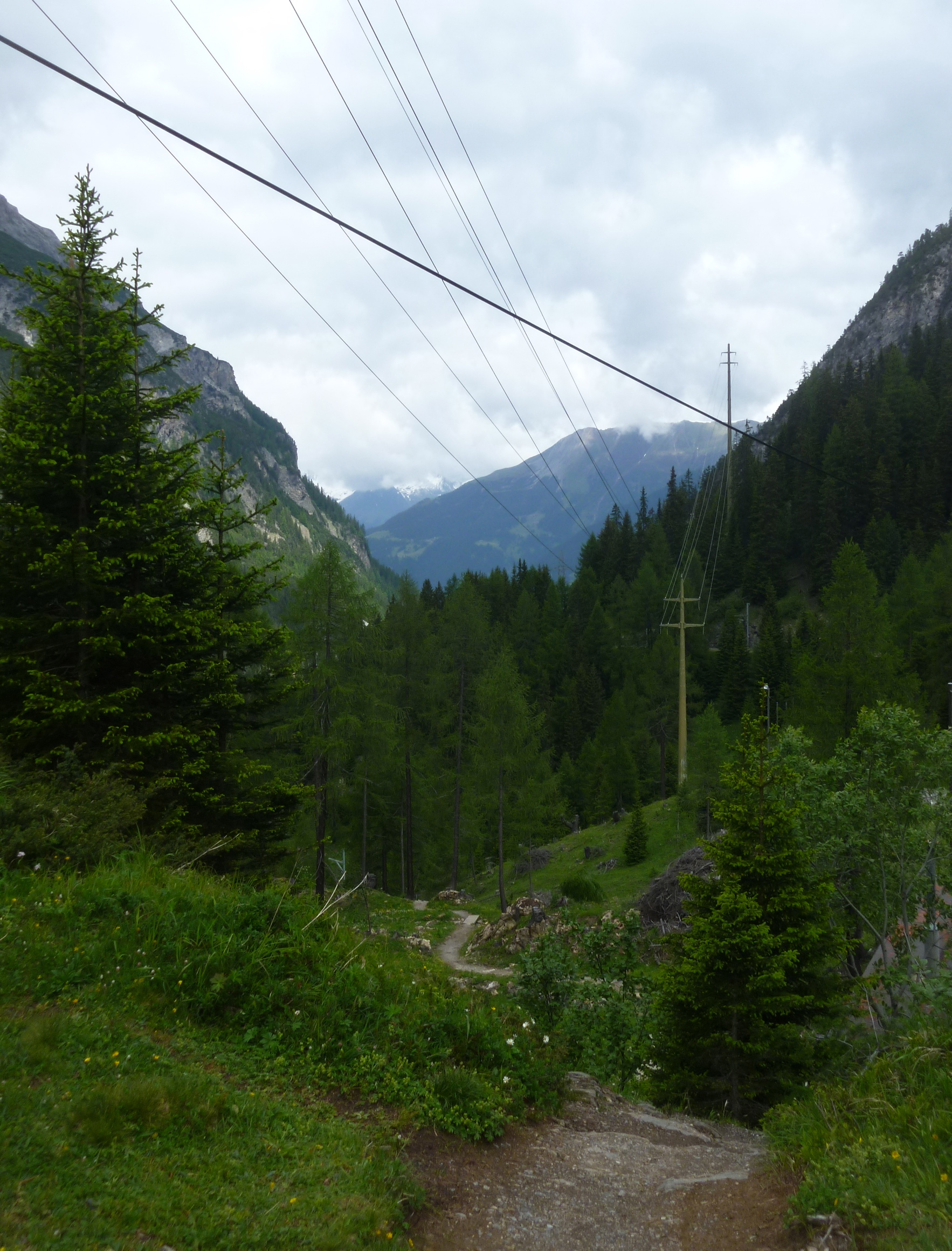
You can’t miss the Albula Way; it’s indicated clearly all along the route. Between Preda and Bergün there are ten information boards. The path continues down to Filisur with more boards but I only walked as far as Bergün as I had my Museum ticket.

Some features of the two hour walk :

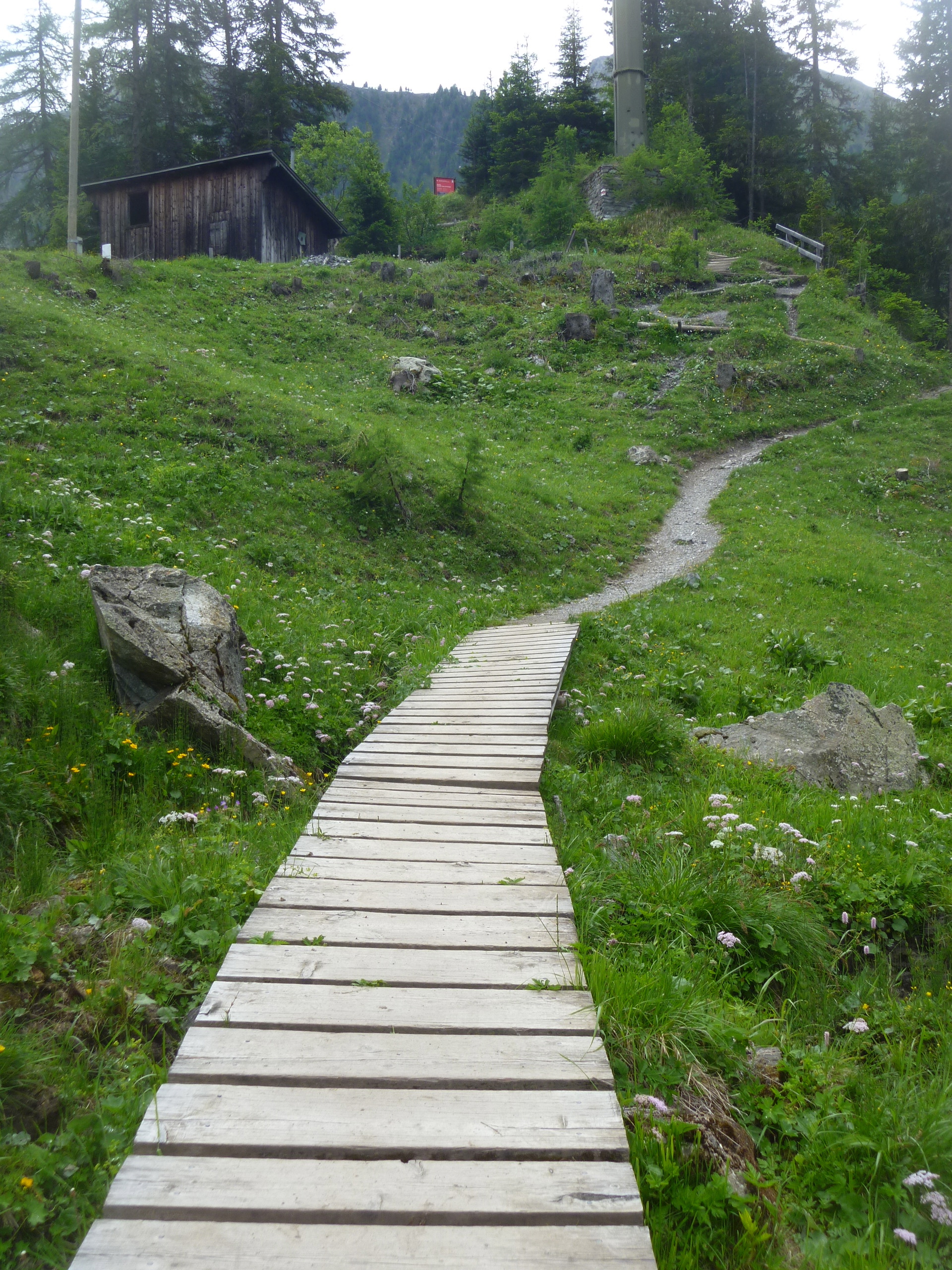
Path heads down to Bergün

The Path Heads Down to Bergün

Don't worry about getting muddy!

Don’t worry about getting your boots muddy!

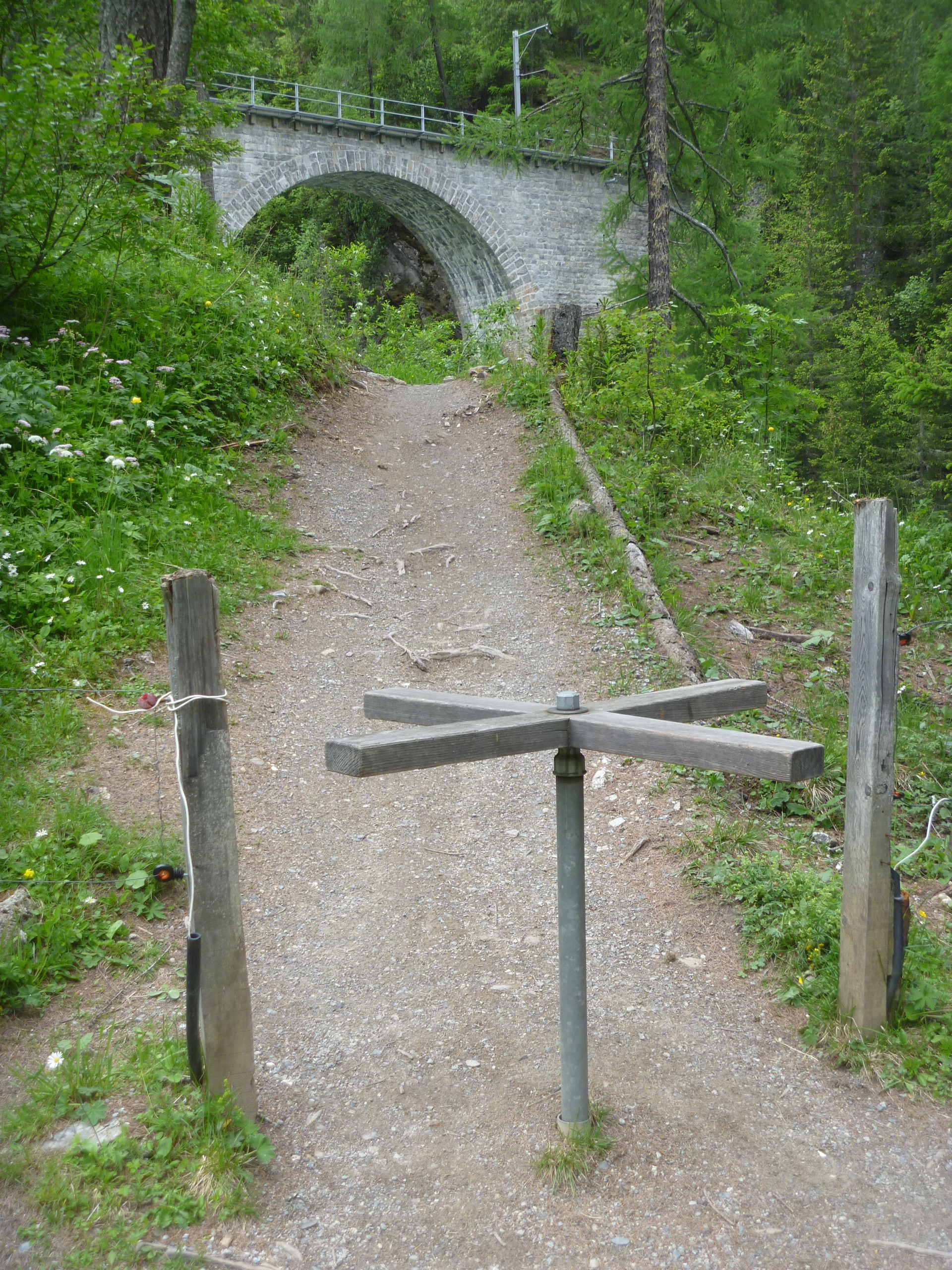
Swiss kissing gate

Swiss-style kissing gate

Another view of the train

Now and then you spy a train

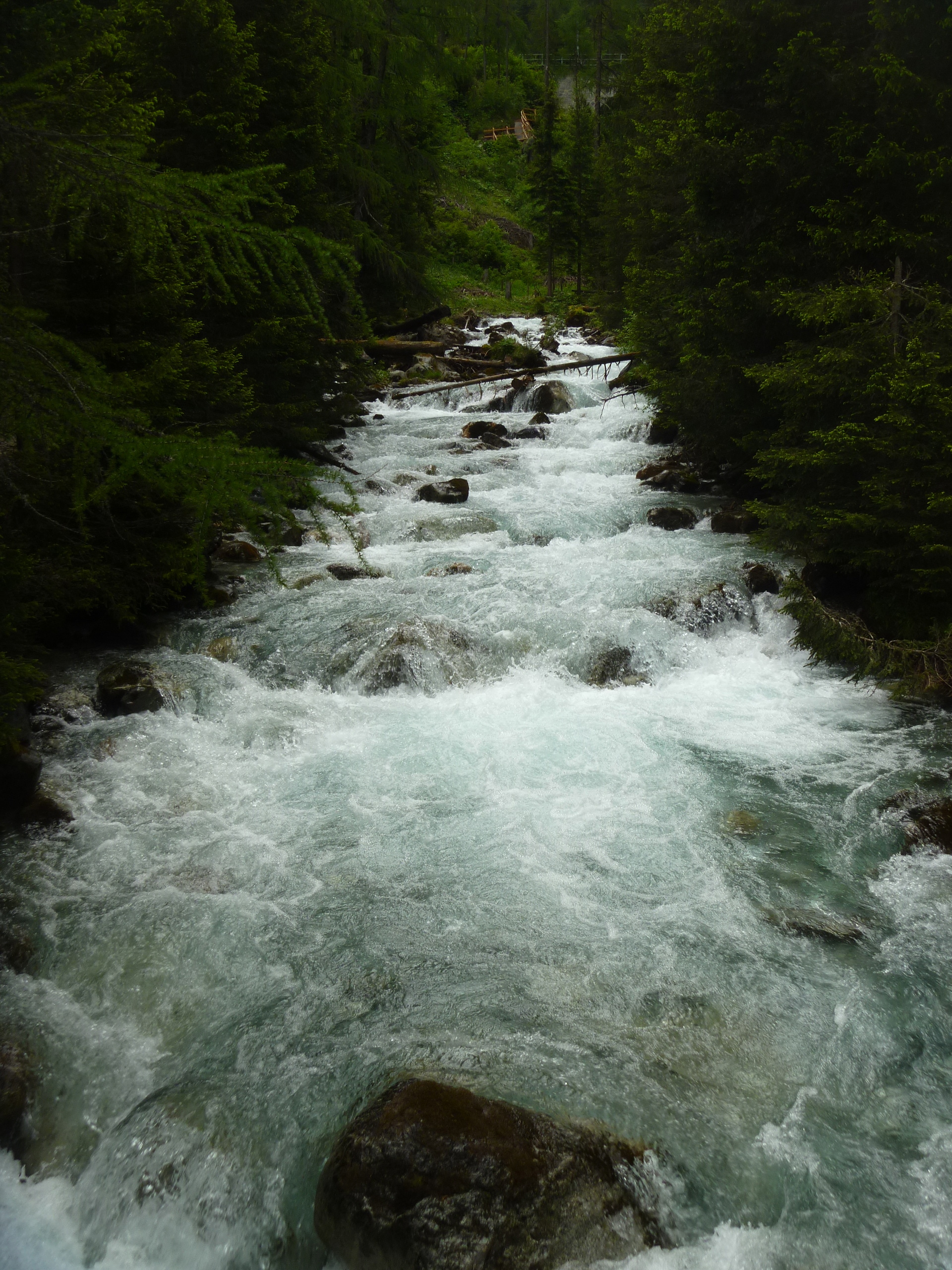
Lots of mountain torrents

You cross lots of mountain torrents

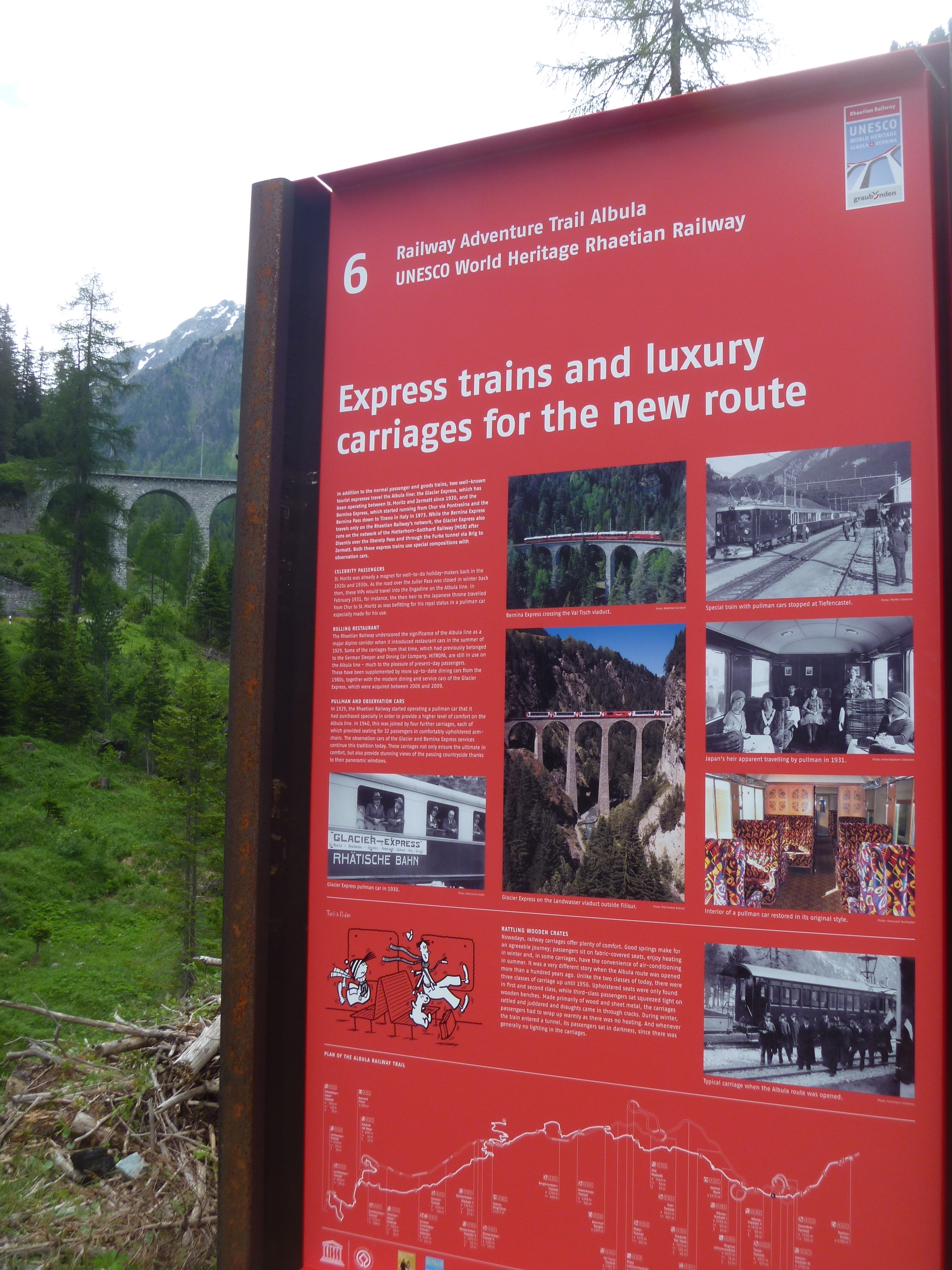
Typical Infor Board

You can stop and read the Information Boards

Arriving in Bergün

Finally, you arrive at Bergün

Footloose in Lisbon : walking and climbing in the city

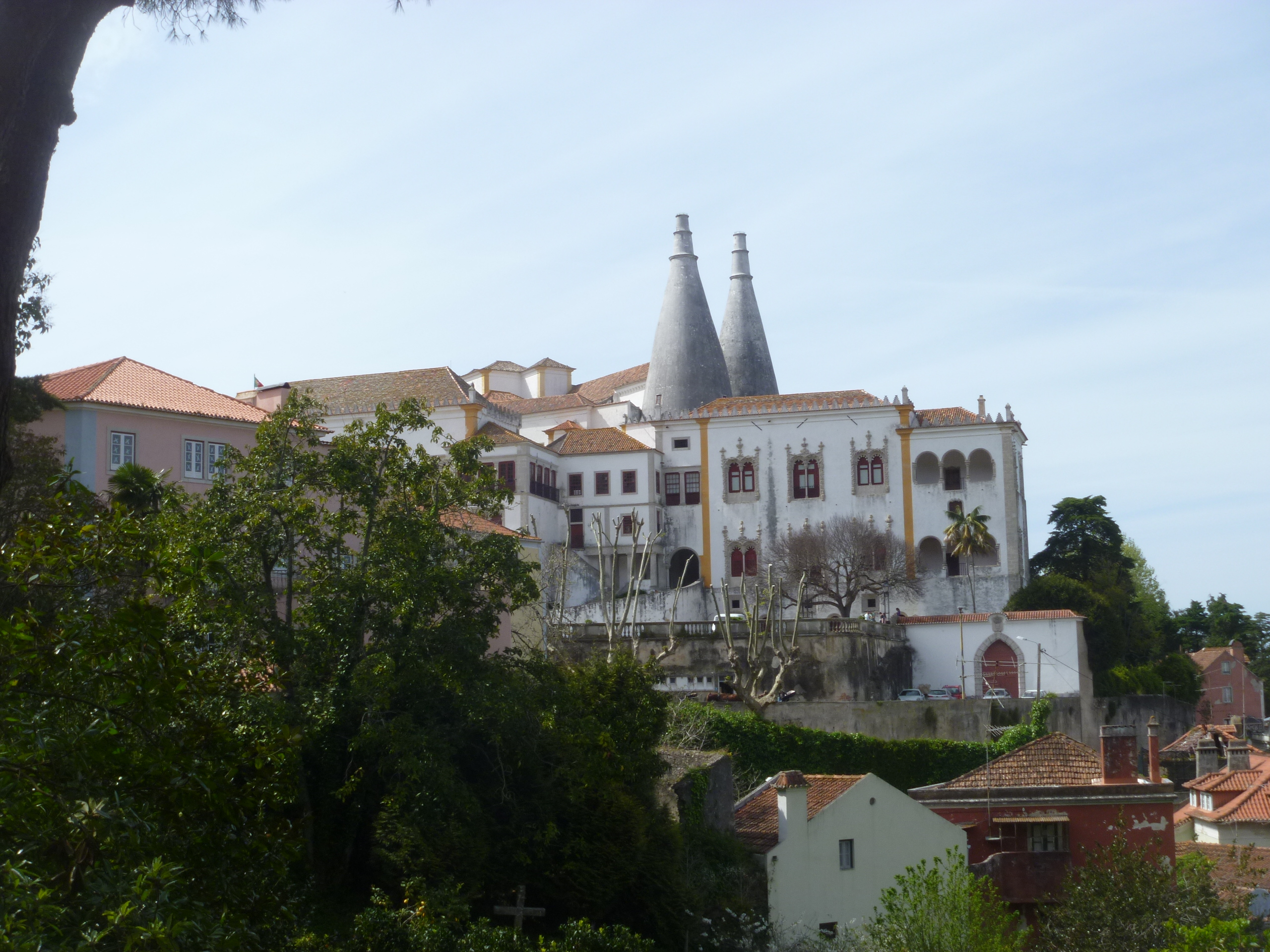
The ATG holiday finished after breakfast on Saturday morning. We’d eaten early and walked down to Sintra Station for the 40 minute train journey to Lisbon Rossio Station. We passed the National Palace on our way. It’s on my list for my next visit!

National Palace Sintra

The National Palace, Sintra

We’d added an extra night to the trip so that we might gain a flavour of Portugal’s capital city. From Rossio Square it was a 20 minute walk to our B&B in the shadow of the Sé Cathedral in the medieval Alfama district. Our hostess Teresa met us and let us leave our bags giving us a local map and a few suggestions for a day’s walking in Lisbon.

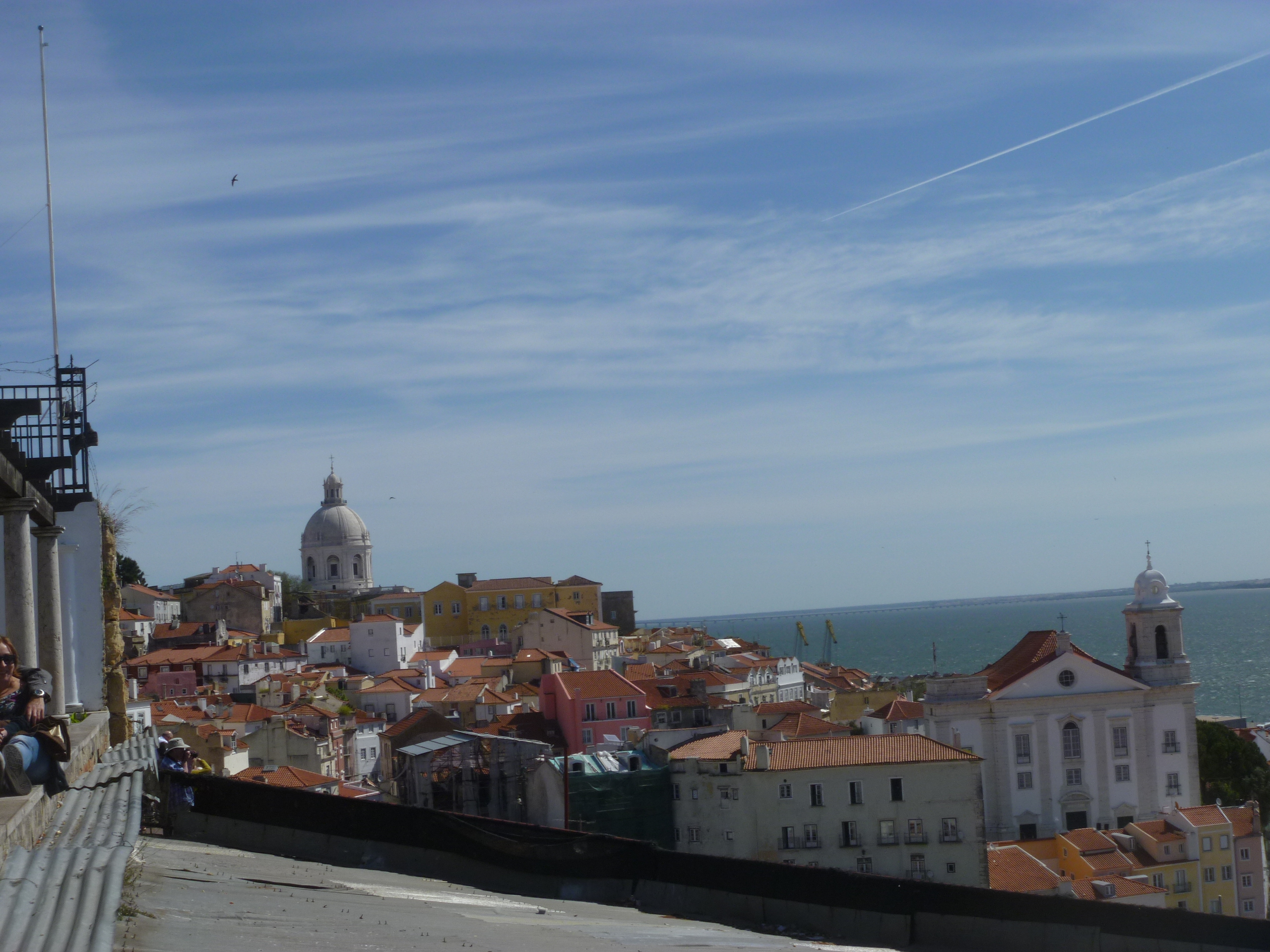
The hill and step climbing didn’t stop at the end of the walking holiday. Lisbon is a hilly city. First off we walked along the route of the famous old 28 tram up to the viewpoints at Santa Luzia and Portas do Sol Squares. Fantastic views over Lisbon and its port, Alfama and the River Tagus.

Alfama from Sta Luzia Square

Alfama District from Santa Luzia Square

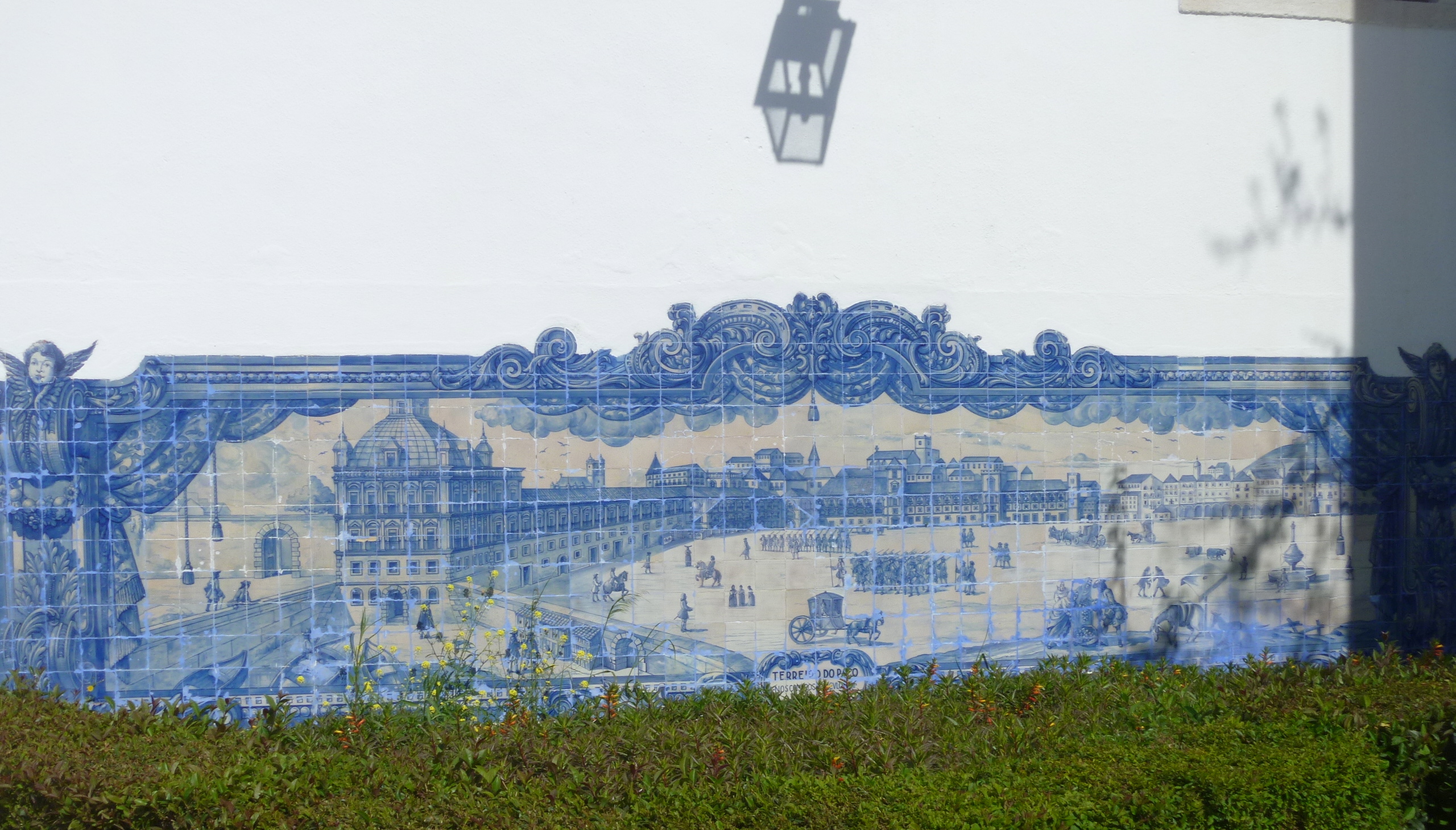
Tiled wall at Santa Luzia Square

Tiled wall at Santa Luzia Square

Tram 28 at the busy Portas do Sol

Tram 28 at the busy Portas do Sol

Portas do Sol Square

Portas do Sol Square

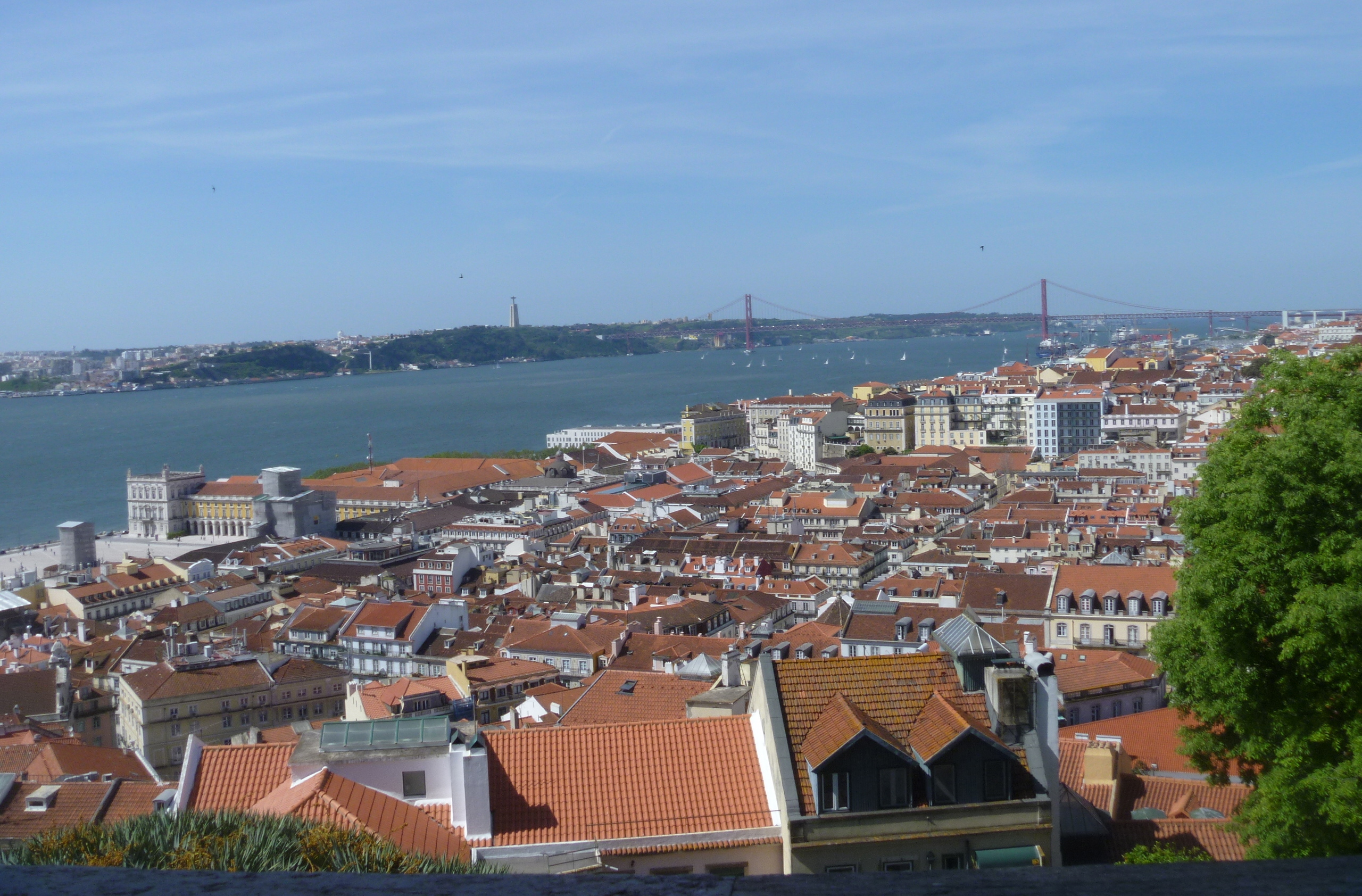
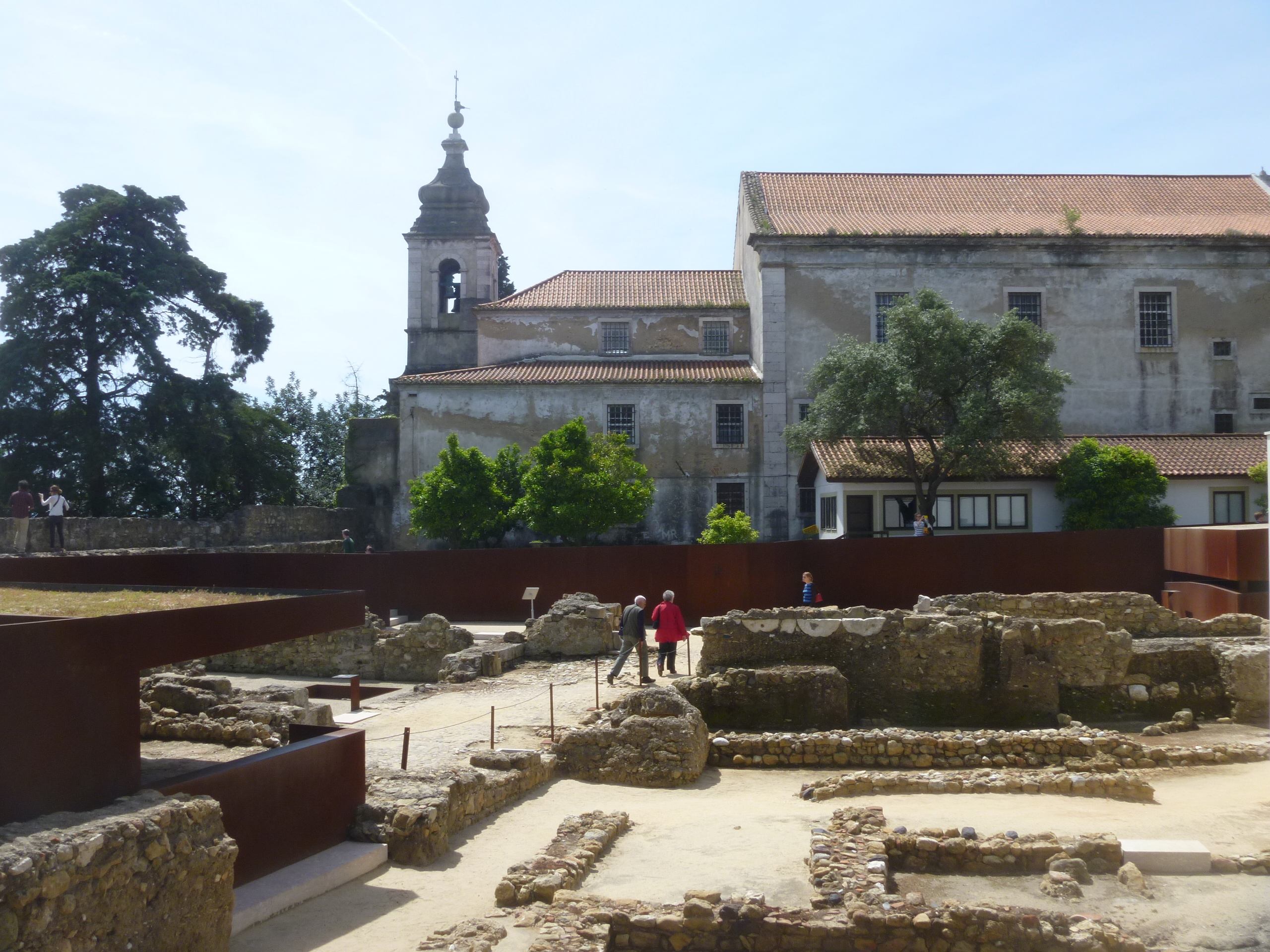
Further climbing brought us to the end of the queue for the ticket office for the Castelo Sao Jorge. Once inside the Castle grounds you can take in fantastic city views from the busy esplanade, visit the archaeological museum, walk the battlements and see the ongoing Moorish excavations and shady gardens. Considered to be the site of the founding settlement of Lisbon recent archaeological finds date back to the late 6th C BC. The castle remains themselves are from the Moorish era (11th and 12th C). St George’s Castle was a royal residence until 1511. For centuries then it was neglected but today it’s an attractive place to visit and we spent the best part of the morning until the early afternoon exploring and admiring the views at every turn.

Lisbon, River Tagus and  25 April Bridge from the Castle Esplanade

Lisbon, River Tagus and  25 April Bridge from the Castle Esplanade

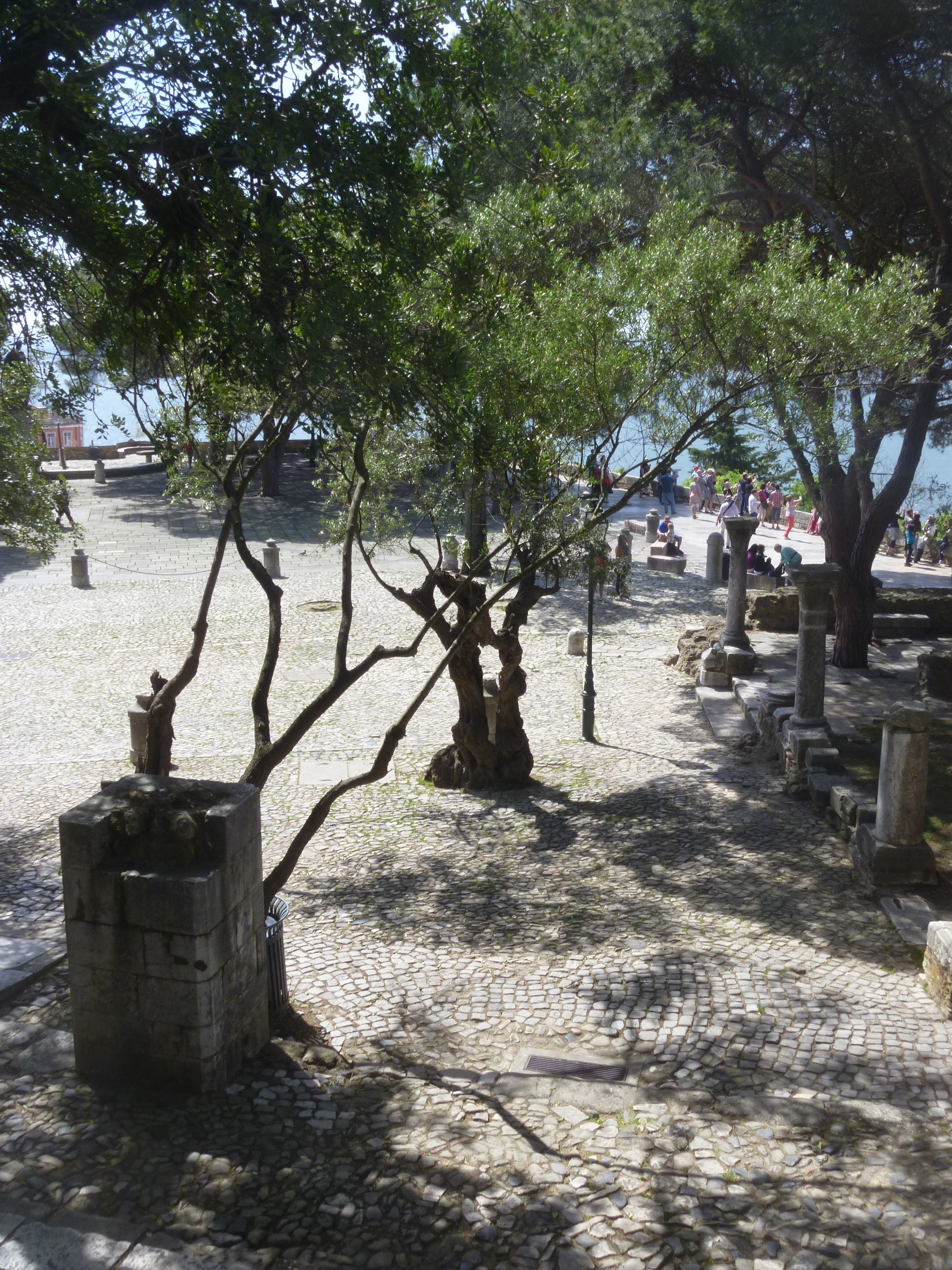
Shady Esplanade at S Jorge Castle

Shady Esplanade at S Jorge Castle

Tile Frame Border in the Archeaological Museum

Tile Frame Border in the Archeaological Museum

This is a representation of angels. Blue and white tiles with manganese. Produced domestically. Late 17th C. [Exhibit notes]

Moorish Excavations

Moorish Excavations

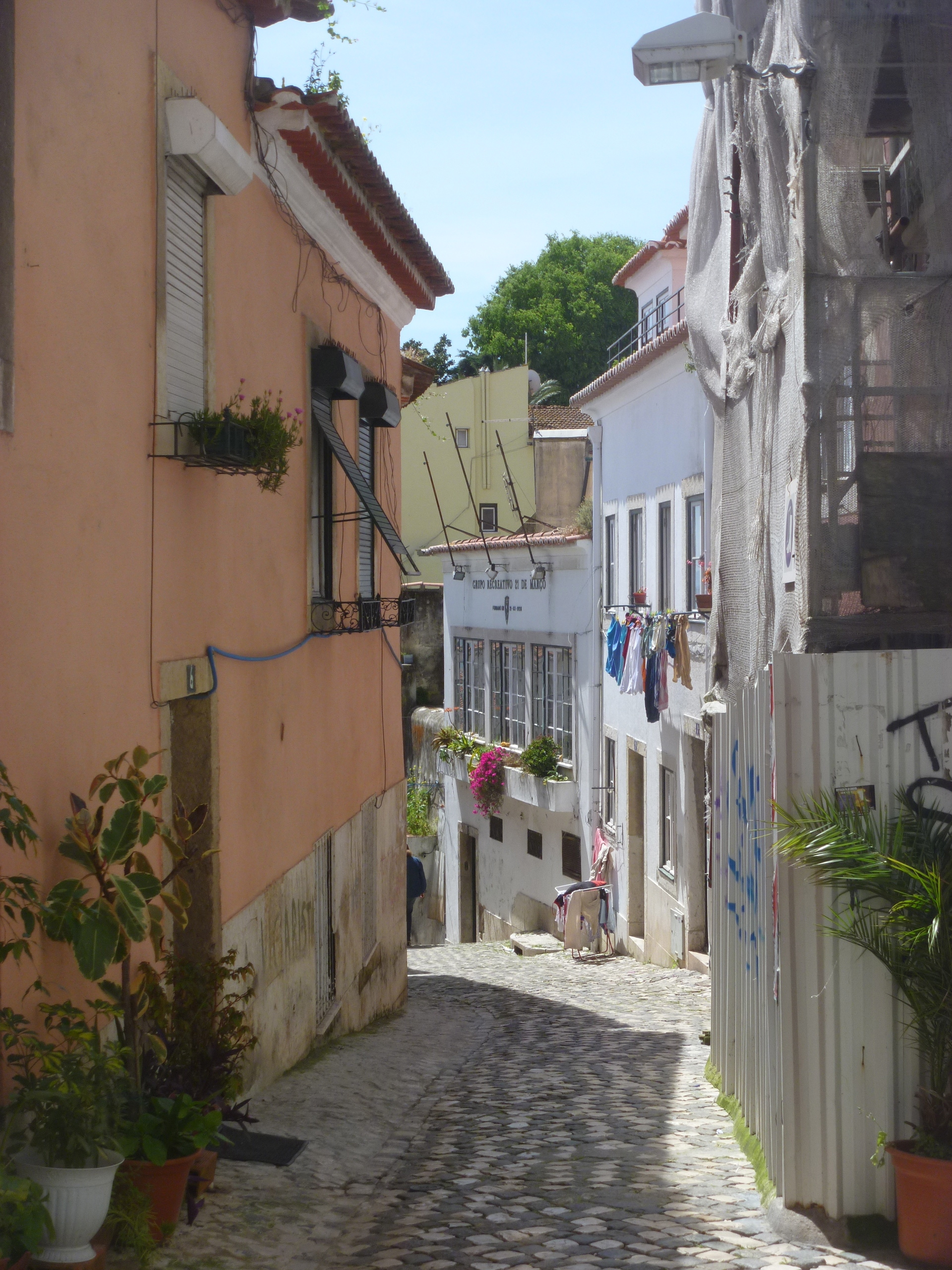
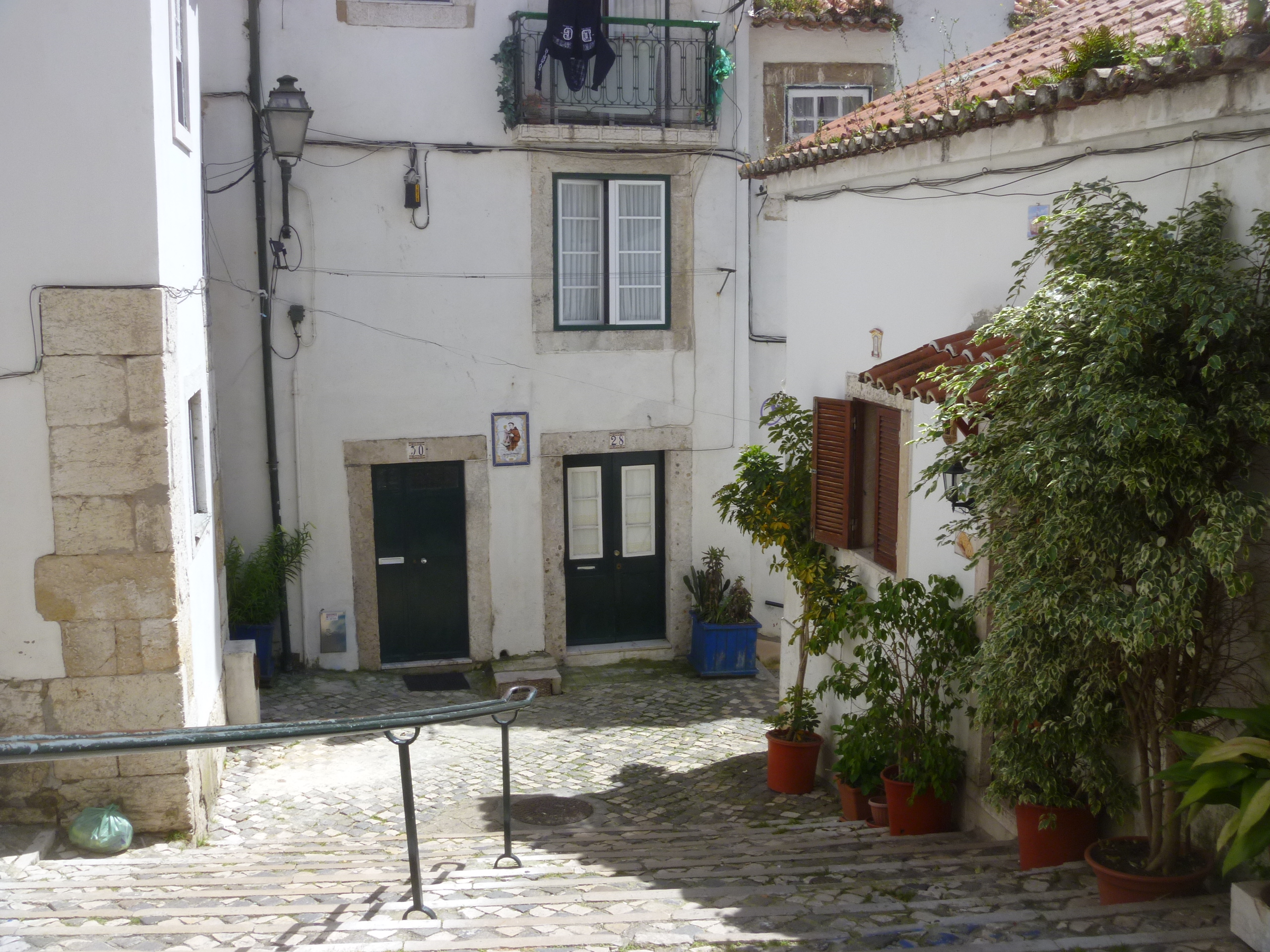
Next up was a wander around Alfama – taking note of possible evening meal locations – and ending up at the popular, Bohemian-style Pois Cafe very near Sé Cathedral the next place on our itinerary.

Street in Alfama 1

Street in Alfama

Street in Alfama 2

Quiet Square in Alfama

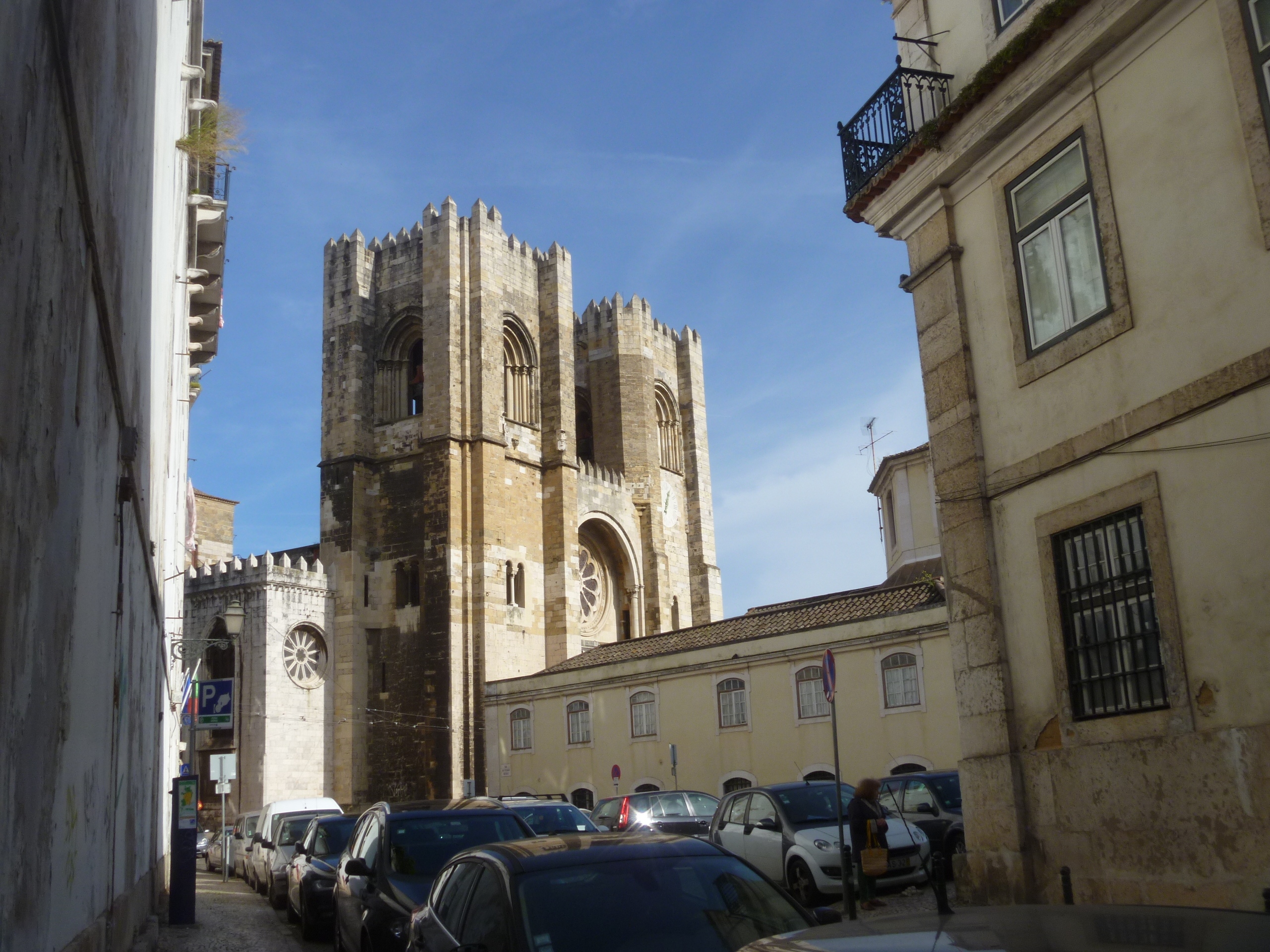
Lisbon’s Cathedral, built not long after Dom Afonso Henriques took Lisbon from the Moors in 1147, stands on the site of city’s main mosque. The crenellated Romanesque building is a reconstruction and restoration since most of Lisbon was destroyed by earthquake in 1755.

Se Cathedral near our B&B

Sé Cathedral near our B&B

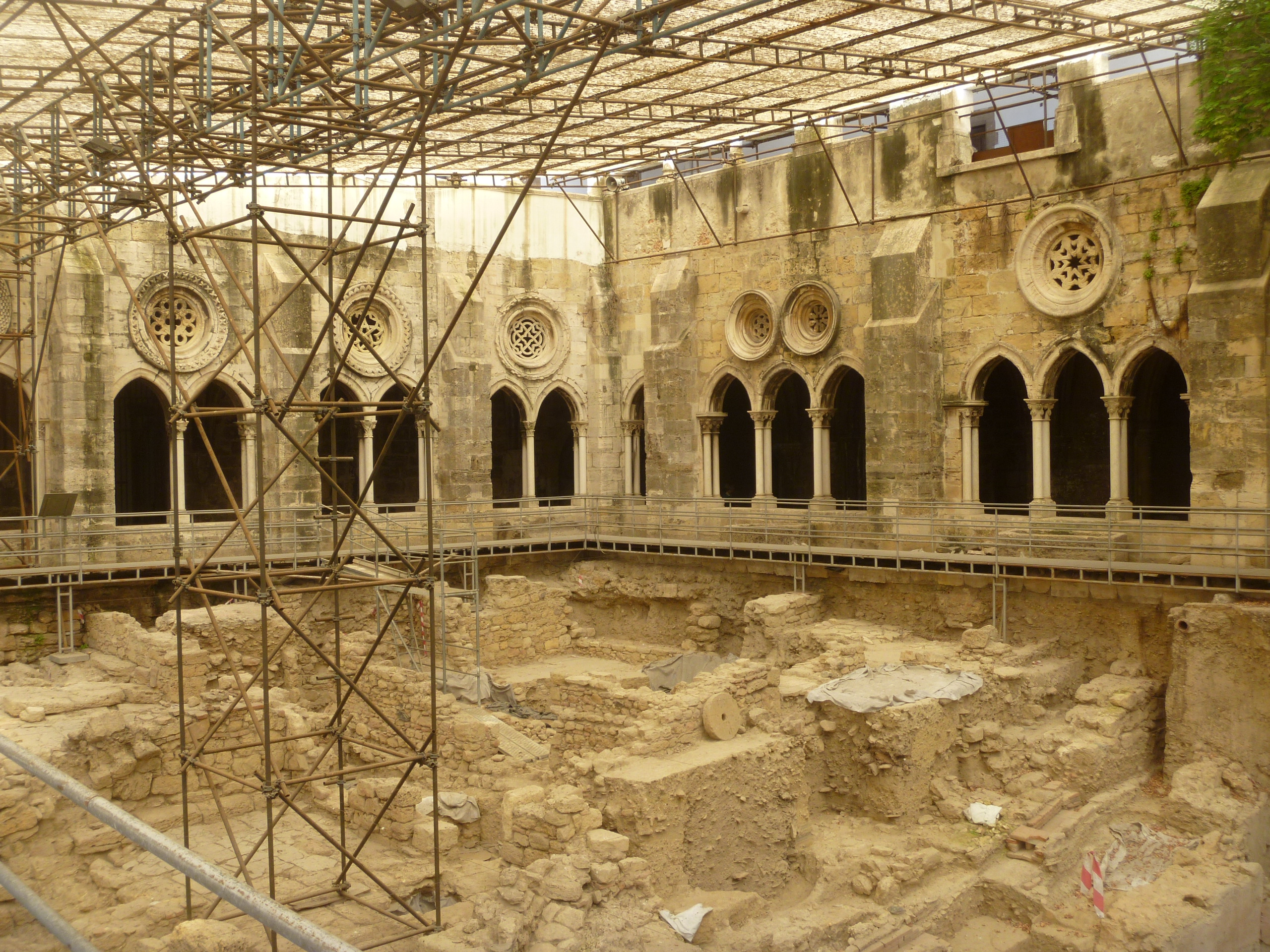
It is also an important archaeological site and new finds are constantly being added to the inventory from the cloister excavations originally started to reinforce the building’s foundations. We explored the Cloister and the Treasury at extra charge. The highlight of the church is the Rose Window.

Excavations in Se Cathedral Cloister

Excavations in Sé Cathedral Cloister

The Rose Window

The Rose Window

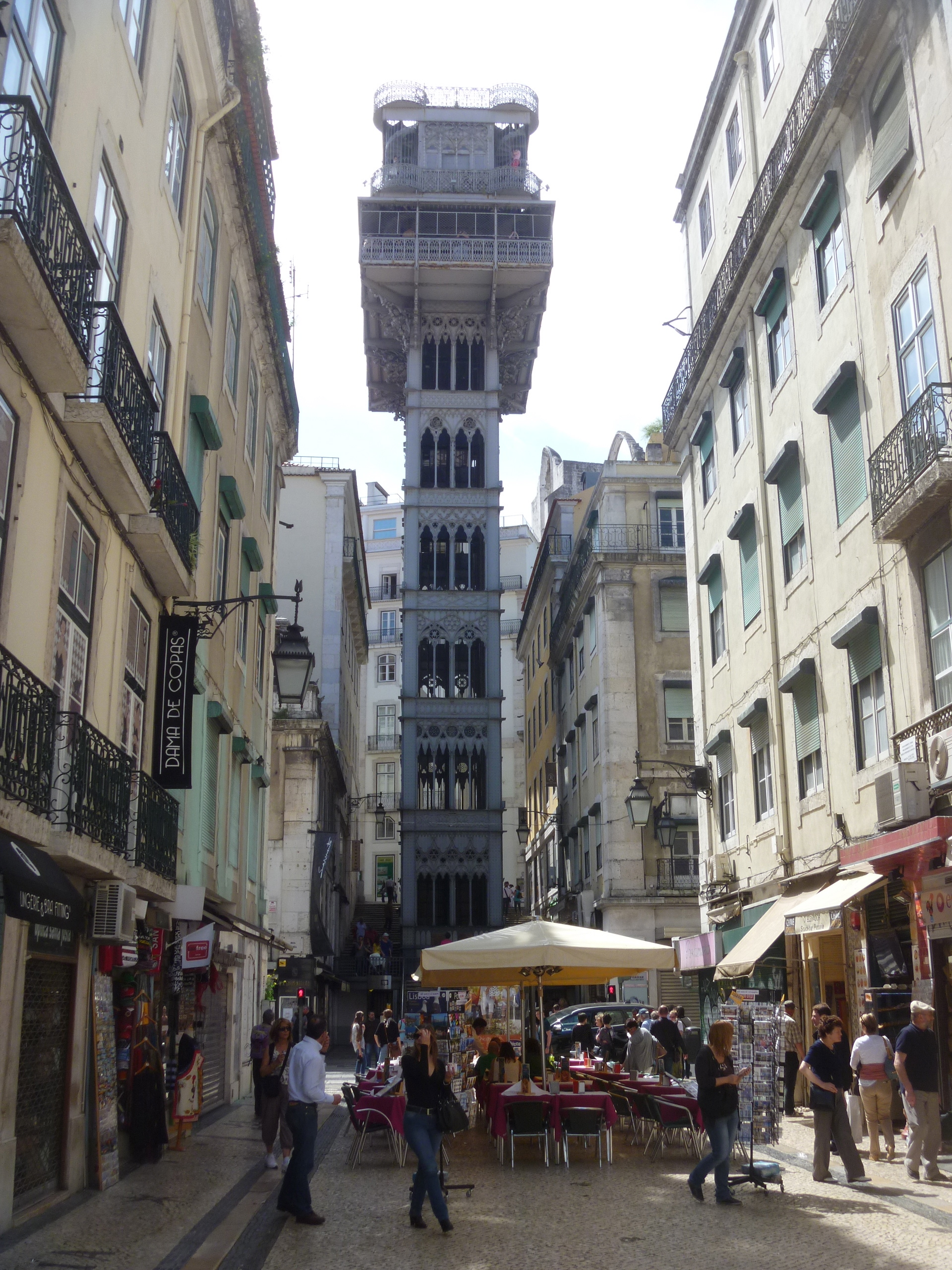
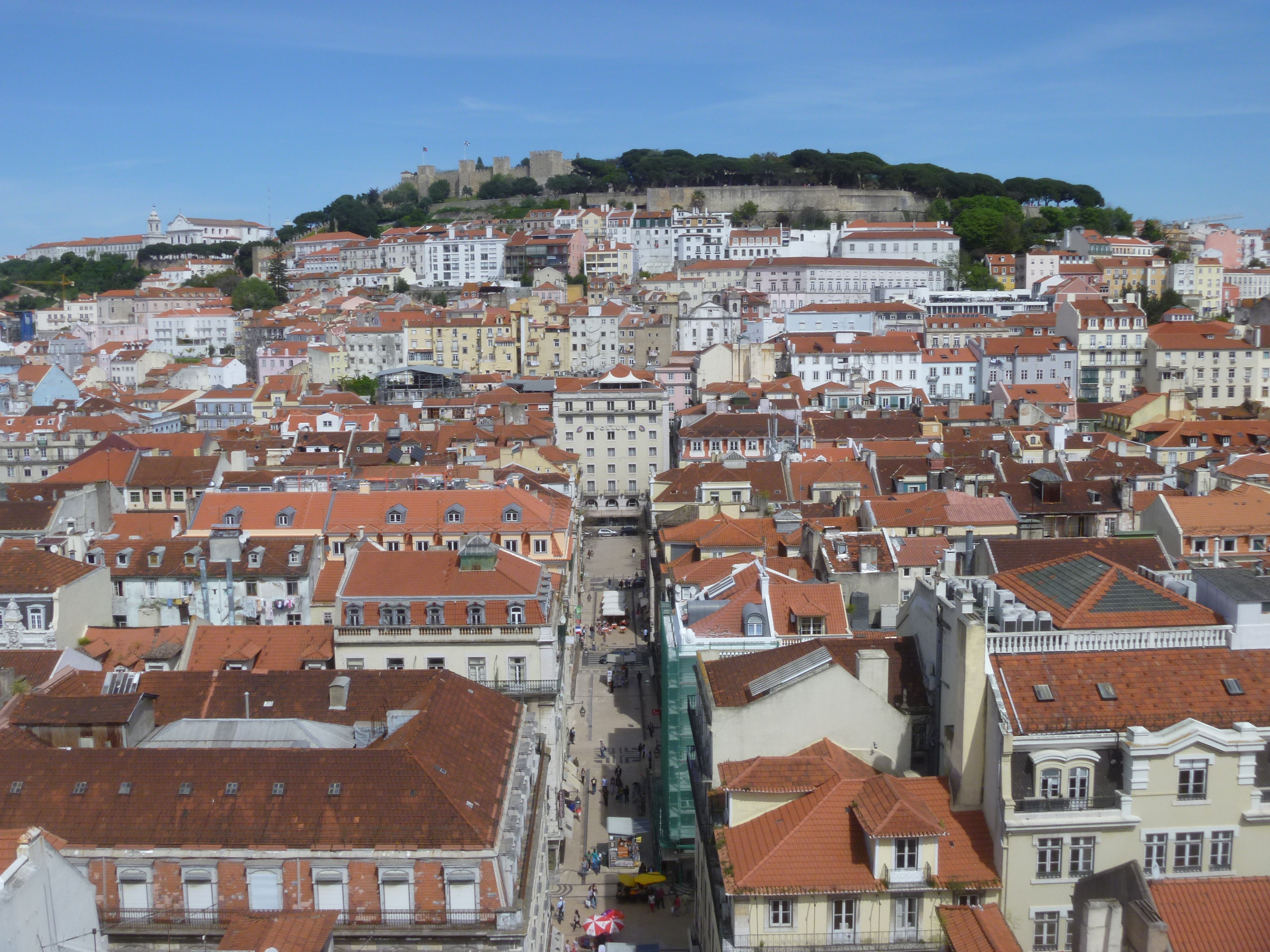
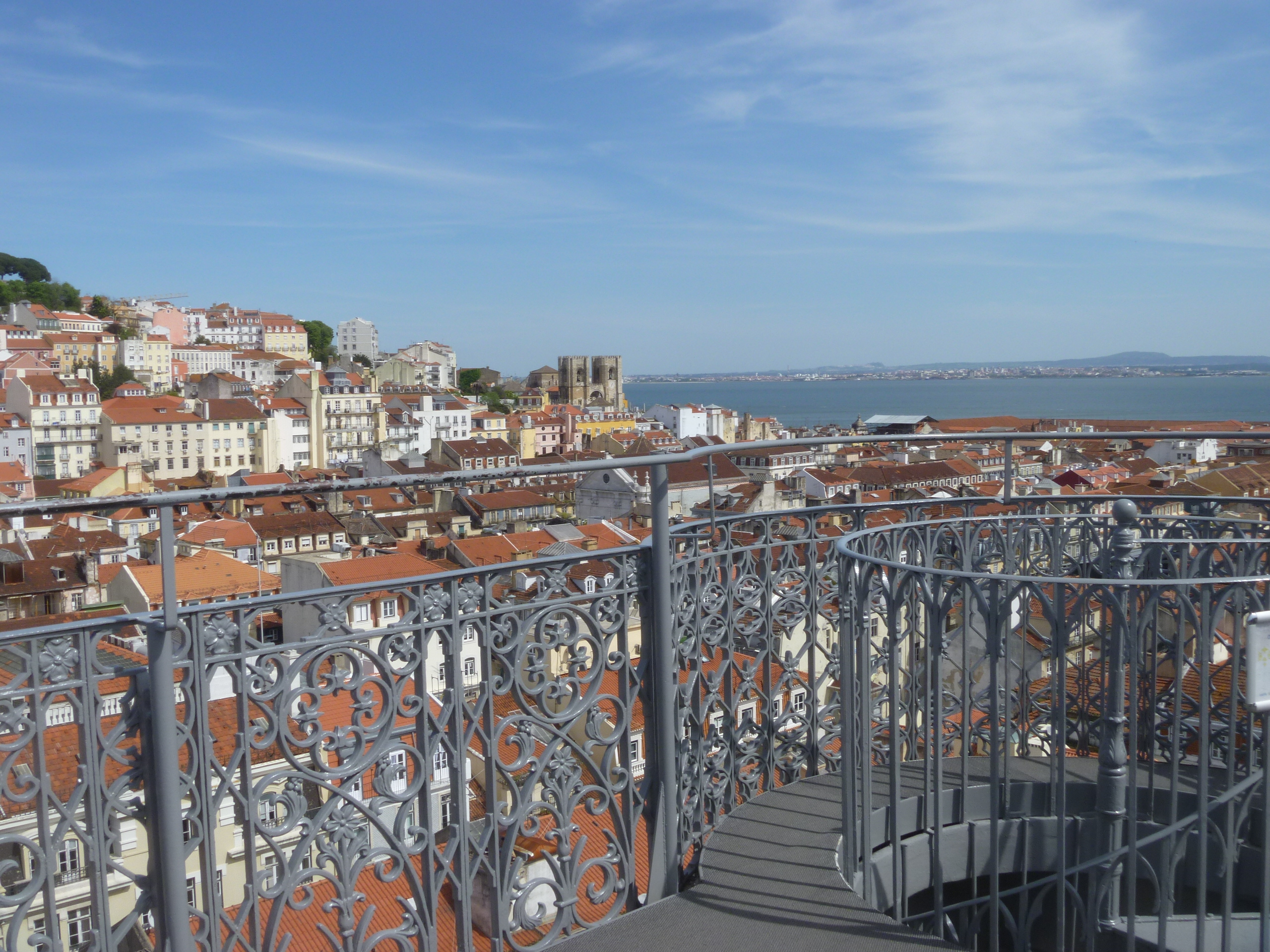
The cathedral is very dark inside and so we blinked when eventually we emerged into the sunny Lisbon afternoon. We then walked across the main shopping streets, the pedestrianised rua Augusta is the main shopping drag, to the famous Elevador da Santa Justa. This lift, designed by the Portuguese pupil of Gustave  Eiffel (and you can see the connection!) Raoul Mesnier de Ponsard, takes you up in its neo-Gothic lift to the ruin of Carmo and its busy square. When you come out of the lift there’s a tight little iron spiral staircase that takes you up to yet another amazing viewpoint.

Elevador de Santa Justa

Elevador de Santa Justa

Castle from the viewing platform

Castle from the viewing platform of the Elevador

The Cathedral and Tagus from the Viewing Platform

The Cathedral and Tagus from the Viewing Platform

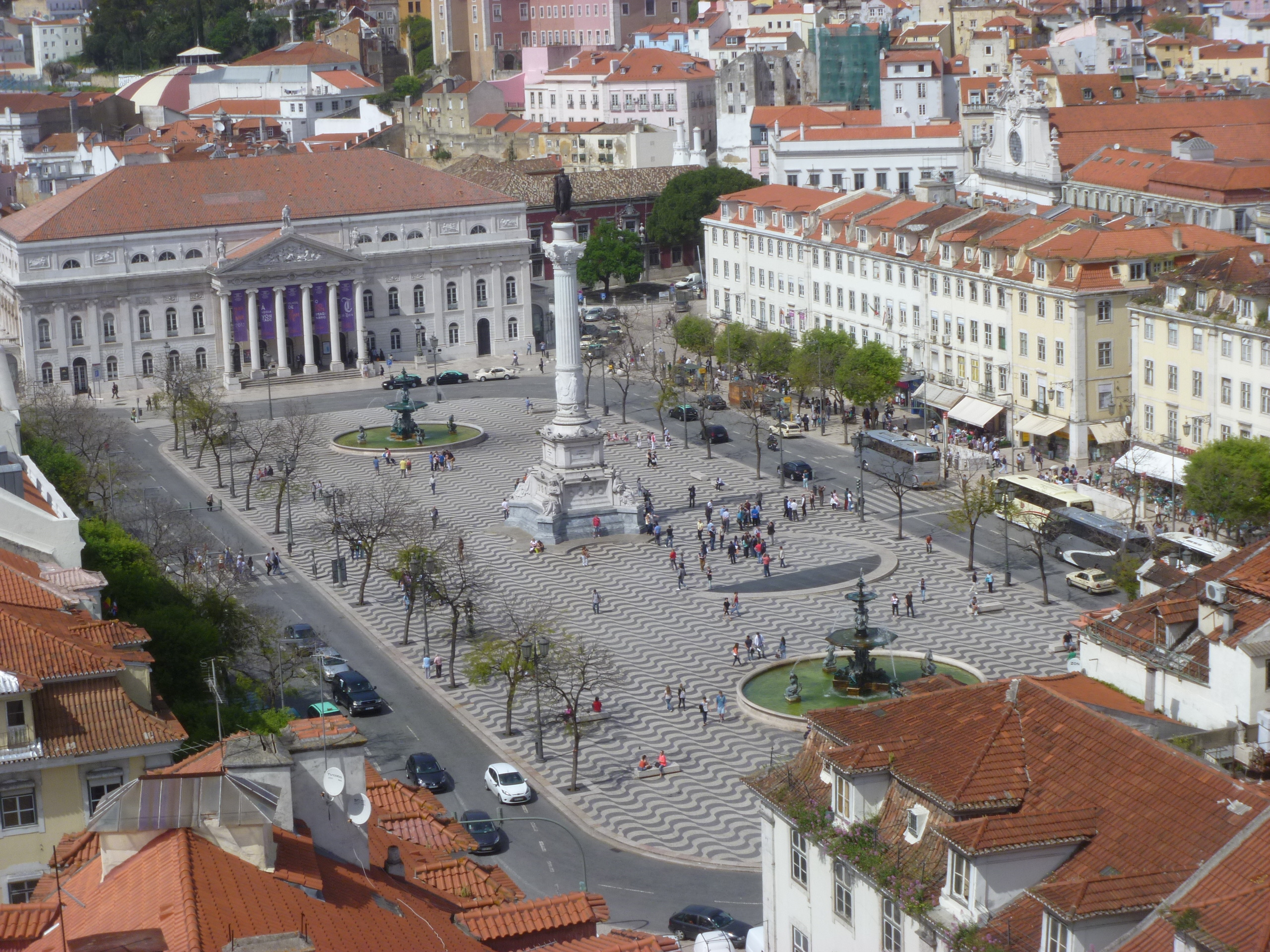
Rossio Square from the Viewing Platform

Rossio Square from the Viewing Platform (note the wavy pavements which seem to reflect the watery nature of the city)

As time was tight we decided that we would have to forego a visit to Belem – highly recommended by both Teresa and Ana. As I always say – “One must leave something for one’s next visit”.

No Stranger in Norwich

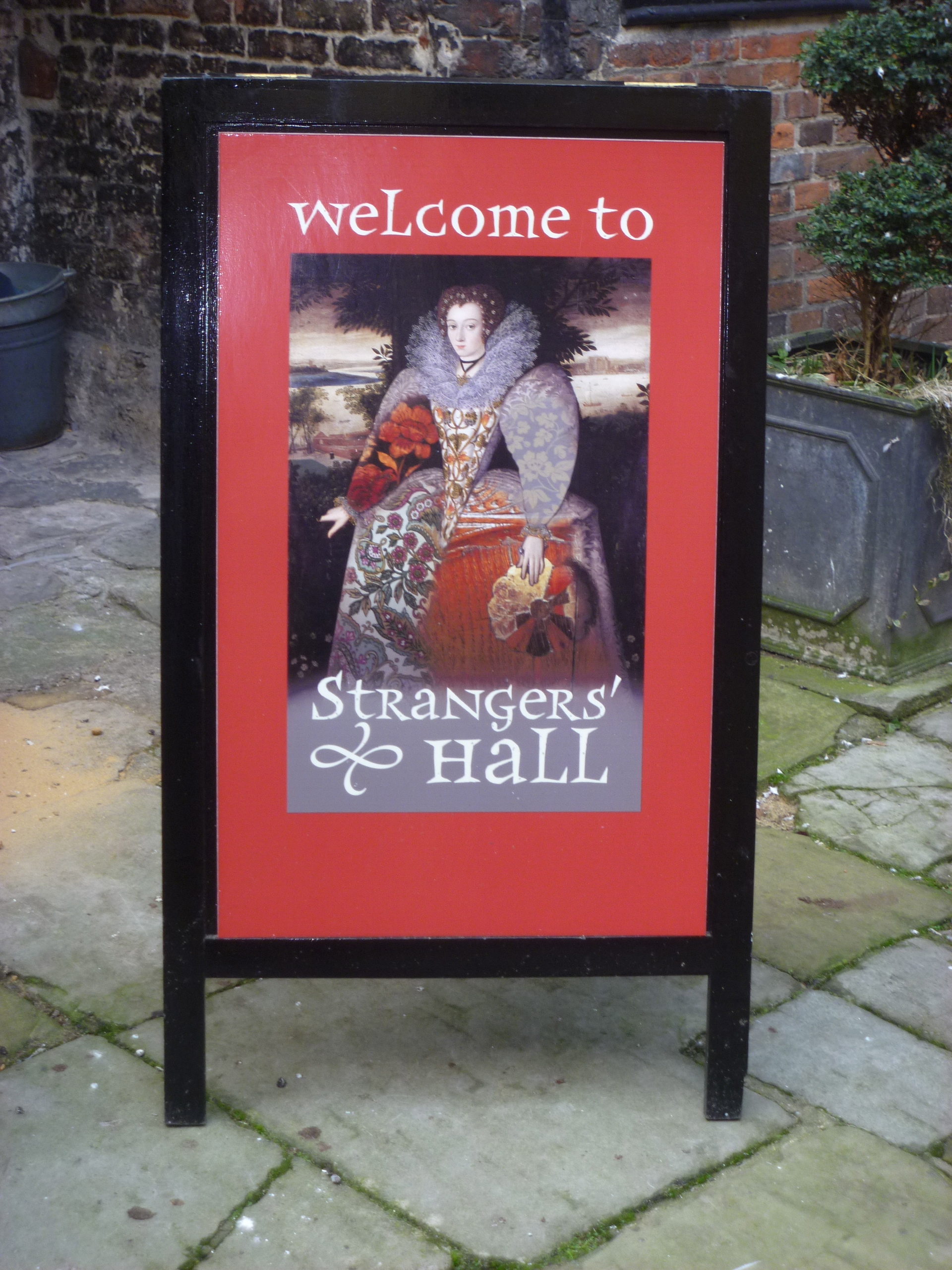
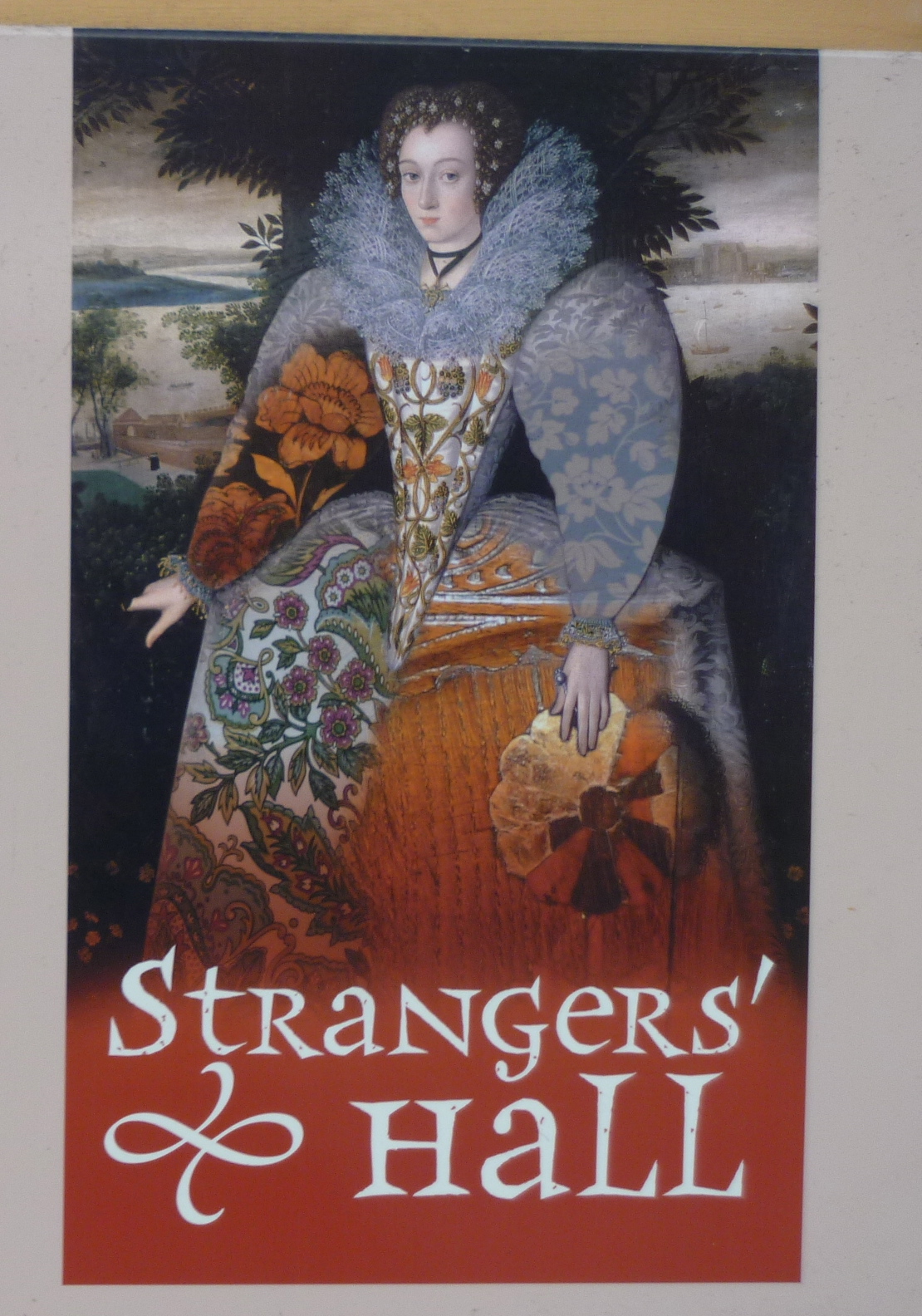
Strangers' Hall welcome

Last week I was recalling memories of the Norwich public libraries. On that same visit I also recalled other of my early hang-outs: the Norwich museums. Until my mid-teenage years when I discovered that Shopping was the thing to do and that museums were distinctly ‘uncool’ I liked nothing better on a Saturday (after a library visit) than to visit one or other of the museums in the city. The most popular was Norwich Castle Museum and Art Gallery and it still is today. Here is the record of the last visit I made there in December 2011.

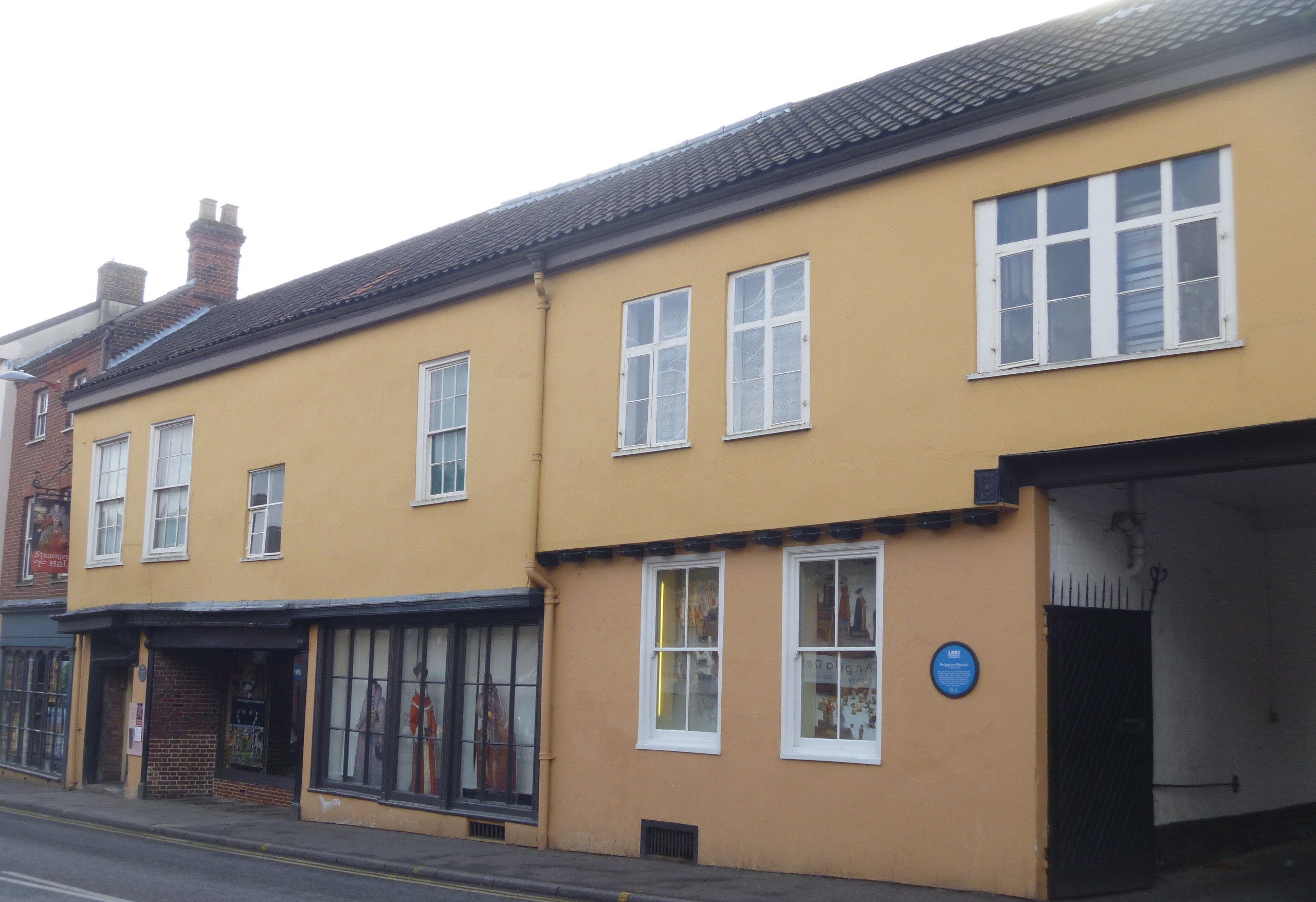
Strangers' Hall

My favourite museum in Norwich has always been The Strangers’ Hall on Charing Cross. I decided to join an Introductory Tour there last Wednesday afternoon to remind myself of the story of the Hall and its contents. For many years the Hall was closed for renovation and its reopening was at one time threatened but it is now open to the public just on Wednesdays and Saturdays. I was lucky to be in Norwich on a Wednesday!

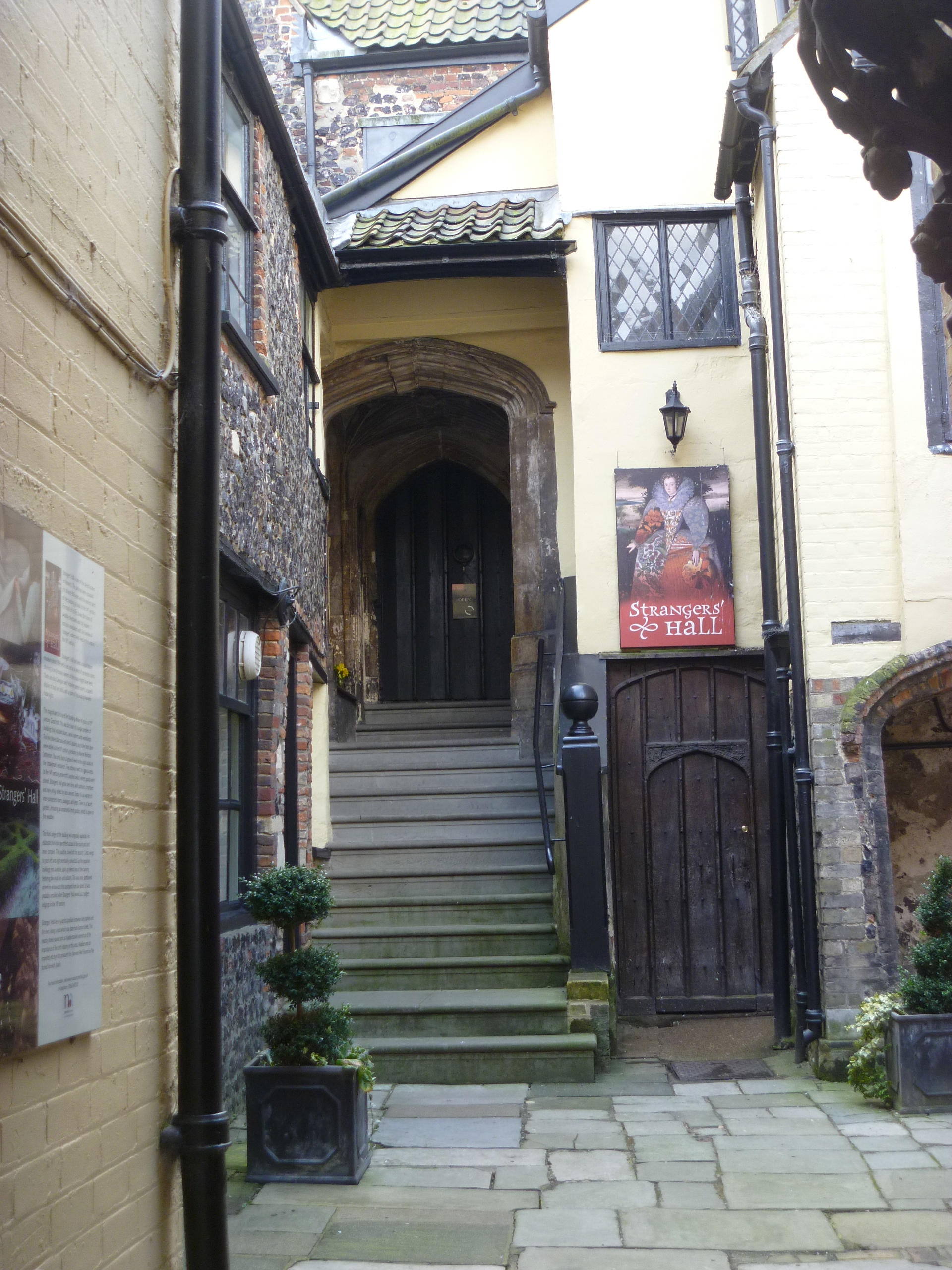
Strangers' Hall entrance

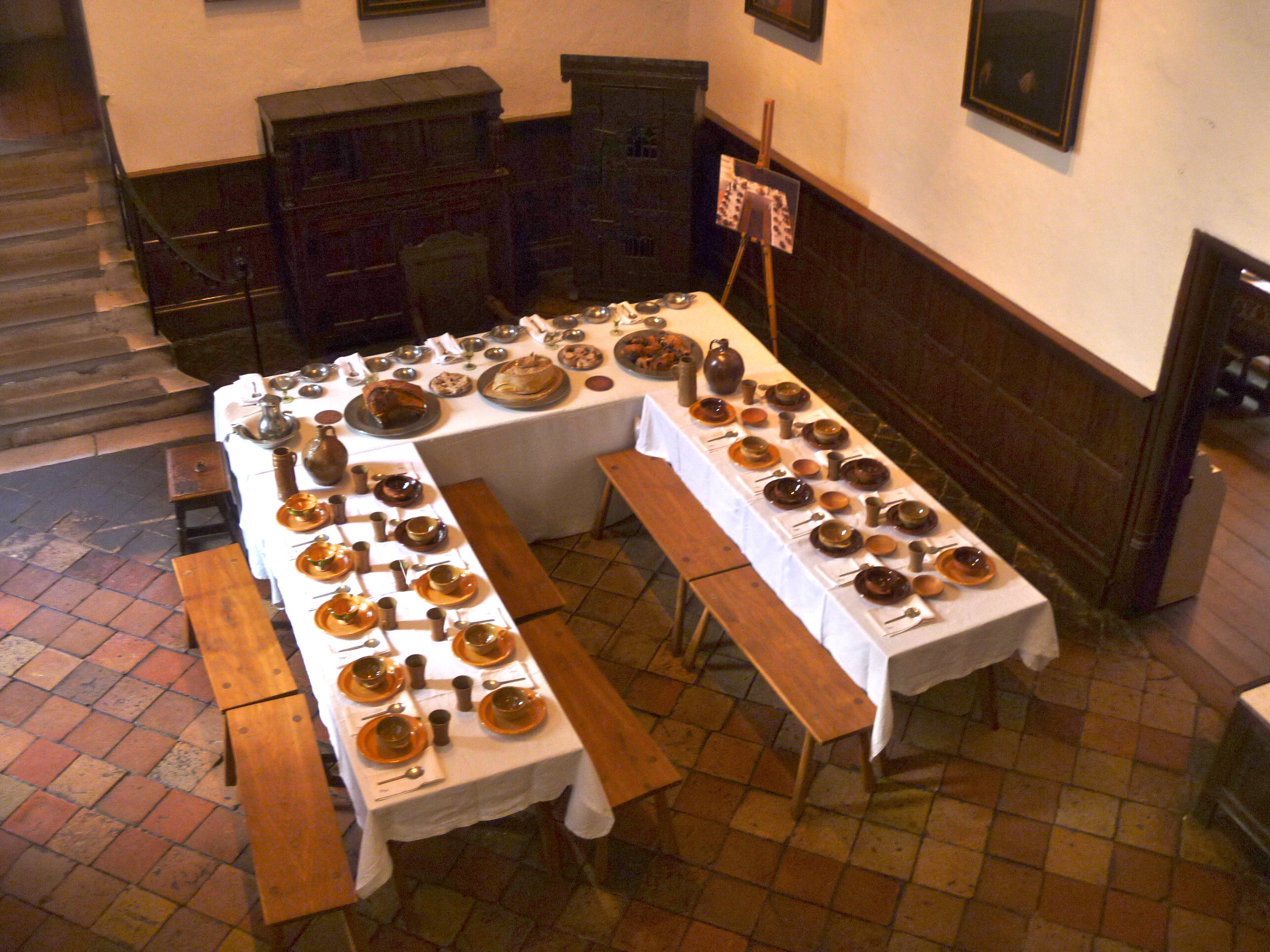
Our guide, Bethan, sat us all down in the great hall and started by telling us that this was one of Europe’s finest houses of its kind.

Great Hall

The Great Hall from the Gallery

Strangers’ Hall tends to be overlooked by tourists and visitors to Norwich because of all the other historic, cultural and non-cultural attractions that the city has to offer. We have a fine Norman Cathedral, a Norman Castle Keep that is also an excellent museum and art gallery, numerous other museums to say nothing of the shopping opportunities and that old saying – that Norwich has 52 churches (one for each Sunday in the year) and 365 pubs (one for each day of the year).

Elizabeth Buxton

Elizabeth Buxton whose portrait hangs in the Great Hall

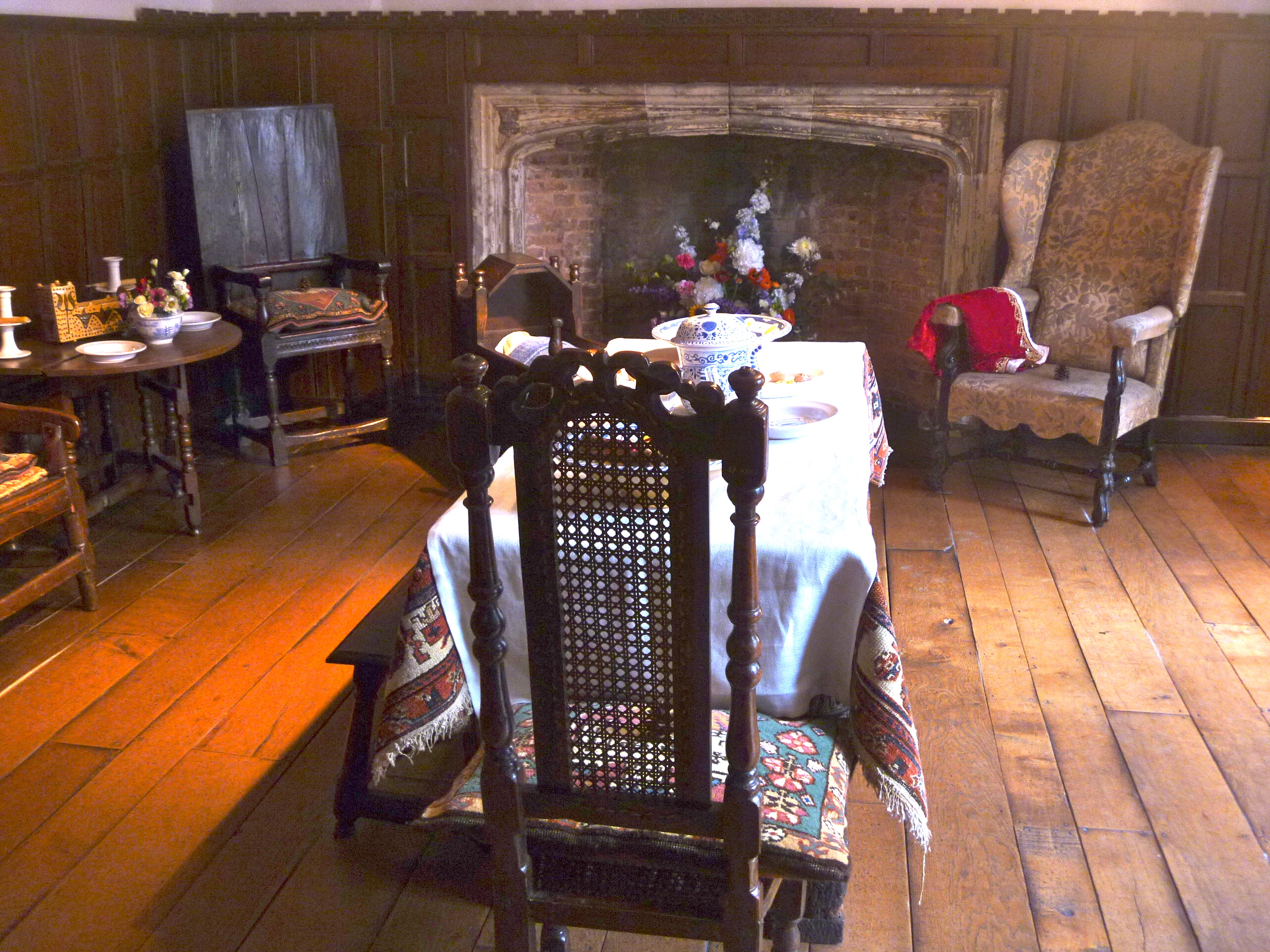
The original Undercroft of the house dates back to 1320. The other rooms reflect the house through its various incarnations throughout history. On this tour we only visited Lady Paine’s Bedroom, The Little Bedchamber and The Great Chamber.

The Parlour

The Parlour

To explain briefly the history of this fascinating museum and the possible origin of its name I have extracted the following from the BBC History Magazine.

“Strangers’ Hall in Norwich gained a new lease of life when it became one of England’s first social history museums

Empty and neglected at the end of the 19th century, Strangers’ Hall’s illustrious history appeared all but forgotten. Constructed by Ralph de Middilton in 1320 and rebuilt in the 15th century by William Barley, it had been home to an eclectic mix of people including mayors, merchants, judges, Roman Catholic priests and a dancing master.

Leonard Bolingbroke, a local solicitor and treasurer of the Norfolk Archaeological Society, realised its importance and saved it from demolition. As an enthusiastic collector he furnished the house with antiques, appointed a caretaker and opened it to the public in 1900. Several years later he presented it to the city of Norwich as a museum of domestic life.

The rooms reflect different periods during the house’s history. The Great Chamber is laid out as it was in the 1600s when owned by hosier Sir Joseph Paine, with a high table at one end and service rooms beyond a screen at the other. The Walnut Room is styled as a 17th-century sitting room and one of the bedrooms is decorated as it might have been for his wife, Lady Emma Paine. Other rooms include a Georgian dining room, a 17th-century oak bedroom and a Victorian nursery, parlour and dining room.

One of the largest rooms is the Sotherton Room, which may once have been a counting-house. As mayor, Nicholas Sotherton boosted the textile industry by encouraging skilled Dutch and Flemish weavers to settle in Norwich. Called Strangers by the locals, it’s the presence of these refugees that may have given the building its name.

While the interiors are interesting, the architecture also deserves investigation, from the magnificent, vaulted, 14th-century cellar via the crown-post roof, stone-mullioned bay window and porch of the 16th century to the imposing staircase of the 17th. Take your children with you – the hall is great as a historical teaching resource.

Don’t miss: the beaded christening basket in Lady Paine’s chamber. Worked in tiny glass beads on a wire frame, it held gifts such as money, jewellery, spoons, rattles and silver items.”

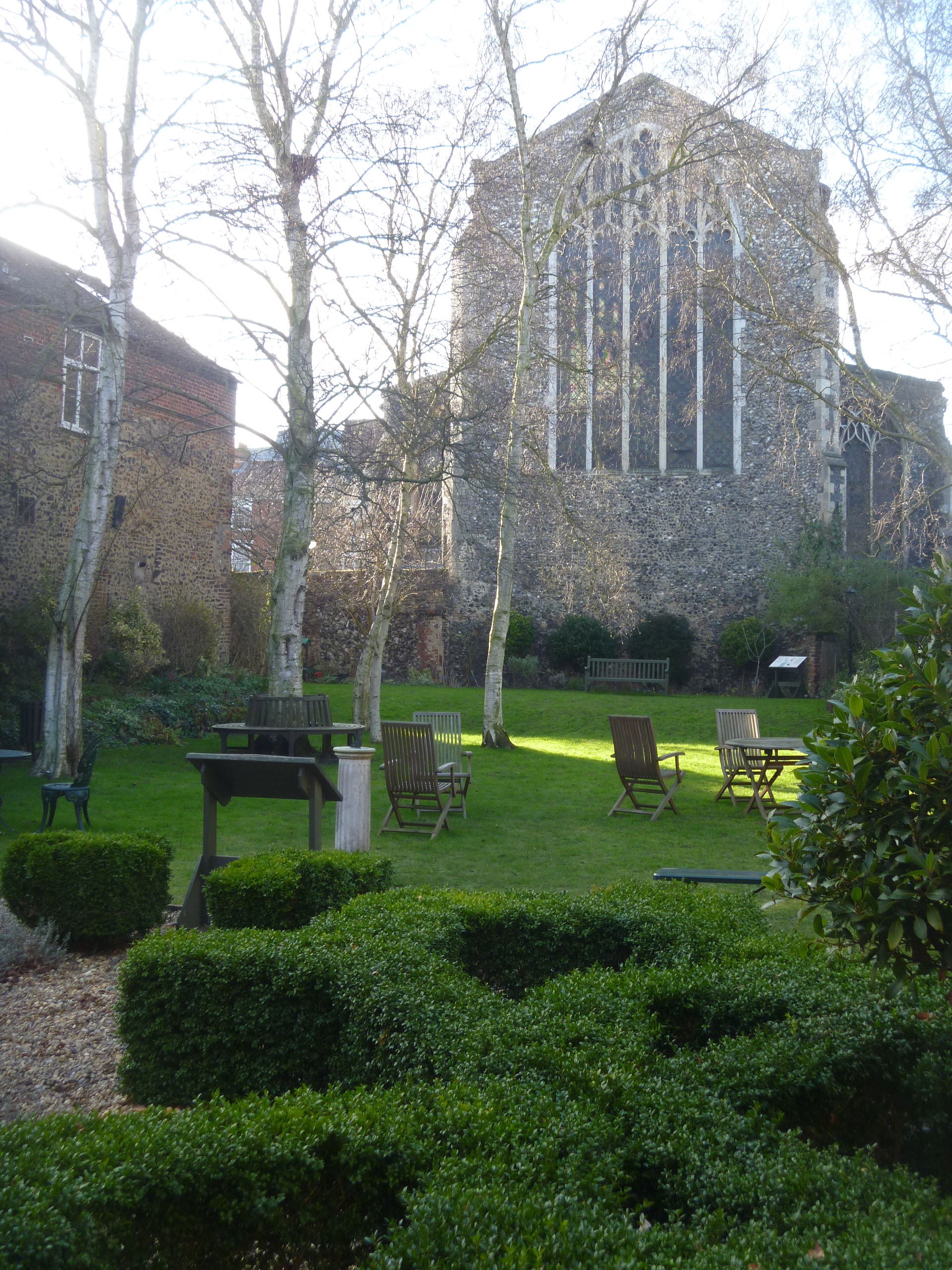
Knot Garden

After our tour it was nearly time for the museum to close so we just briefly stepped outside into the Knot Garden. I’m looking forward to a follow-up visit to The Strangers’ Hall very soon.

A Complete Face Lift at Dickens House Museum

On my first visit to The Dickens House Museum a few years ago I came away thinking what a very disappointing experience it had been. As a Dickens fan I had had high hopes of the visit.

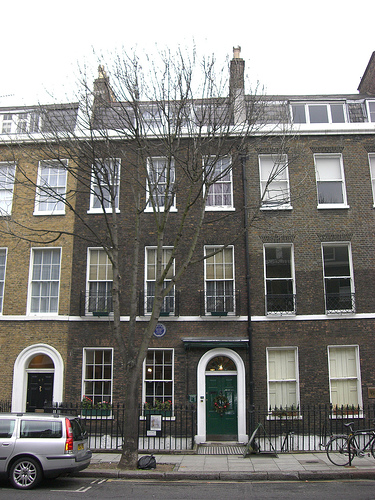
Dickens House Museum (Jan 2008)

Dickens House Museum (January 2008)

Dickens House (Jan 2013)

The Dickens House Museum (January 2013)

On Friday 4th January after our stay at Hampton Court Palace we decided to visit the newly re-opened Museum to see whether matters had improved.

The Dickens House Museum is the only remaining London home that Dickens occupied and that was for only about two years. It was at a time when he was not long married, was making a name for himself and it was here that he wrote Oliver Twist and Nicholas Nickleby. The address is 48 Doughty Street in Bloomsbury, WC1.

Number 48 Doughty Street was an important place in Charles Dickens’s life where he resided from 1837 until 1839. Dickens described the terraced Georgian dwelling as ‘my house in town’.

Two of his daughters were born here, his sister-in-law Mary died aged 17 in an upstairs bedroom and some of Dickens’s best-loved novels were written here, including Oliver Twist and Nicholas Nickleby. However Dickens required more space for his growing family and moved to 1 Devonshire Terrace in 1839. The house remained a residential property, but was threatened with demolition in 1923, when the Dickens Fellowship acquired it. The Museum was opened in 1925 and has become the home of the world’s finest Dickens-related collection.” From the Dickens House Museum website.

I have to concur with what fellow WordPress blogger “Visiting Houses and Gardens” said about it here. However, the house has been closed for renovations [The Great Expectations Project] for a good part of 2012 – the Dickens Bicentenary Year.

It reopened in December last year and a great amount of work must have been done during that time. With the help of National Heritage Lottery Funding the adjacent house was purchased and that now houses all the offices, the shop, cafe and other requirements for this modern age of “Heritage Visiting”. Number 48 is now purely Dickens’ Home as it might have looked at the time that he lived there – 1837-1839.

We are invited by the Museum to : “Step this way”

“Visitors to 48 Doughty Street can see the house as it might have been when Dickens lived here.  Rooms are decorated in the early Victorian style that Dickens would have favoured and personal posessions of Dickens from his lifetime as well as manuscripts, letters and portraits are on display.”

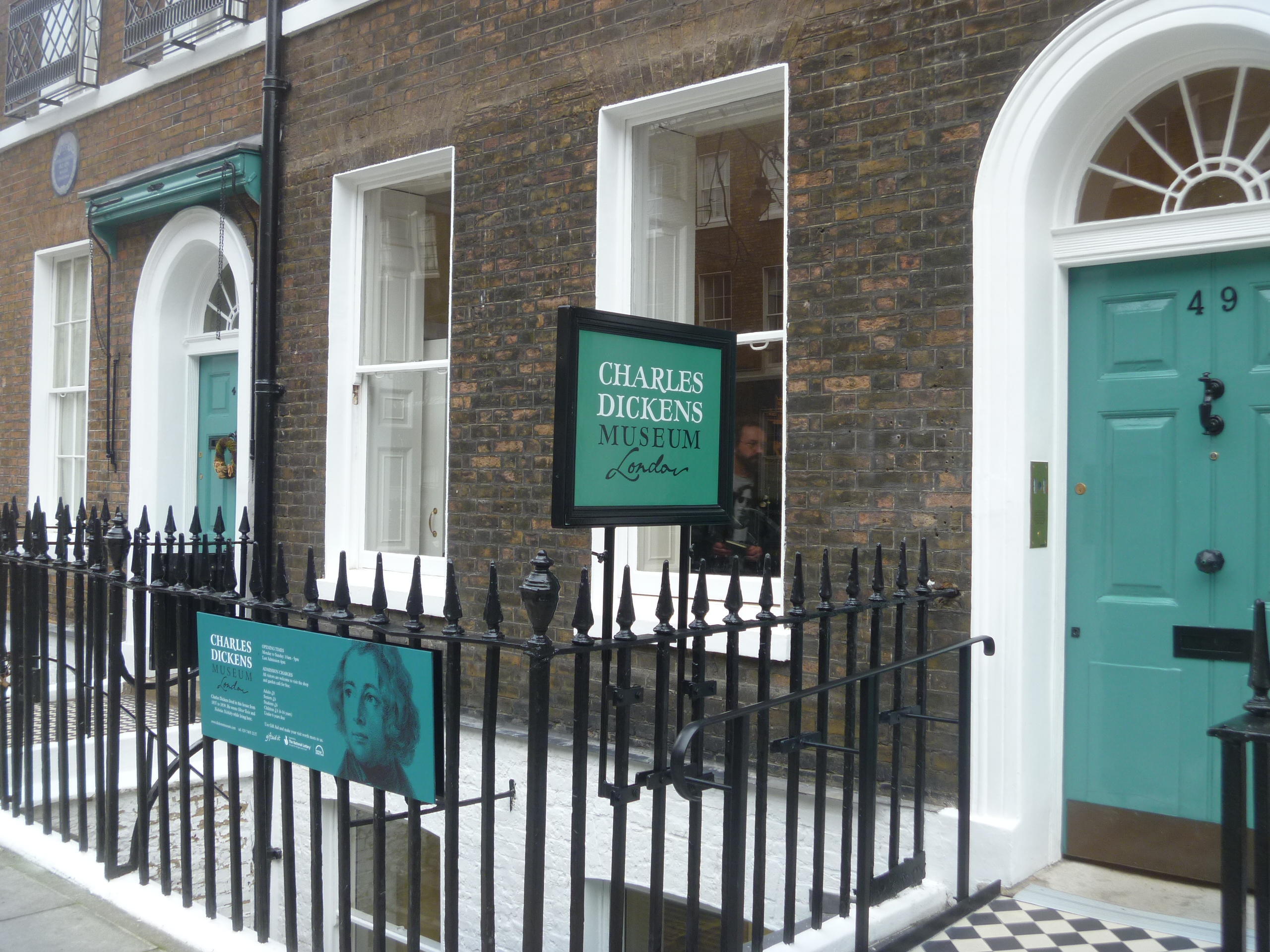
So, on entering number 49 we were directed into the front room of this house where there was a shop and the cash desk. We were handed a guidebook each with instructions to return it on leaving the Museum. From there we stepped into number 48 and toured the house that Dickens knew and we enjoyed (and learned from) the experience.

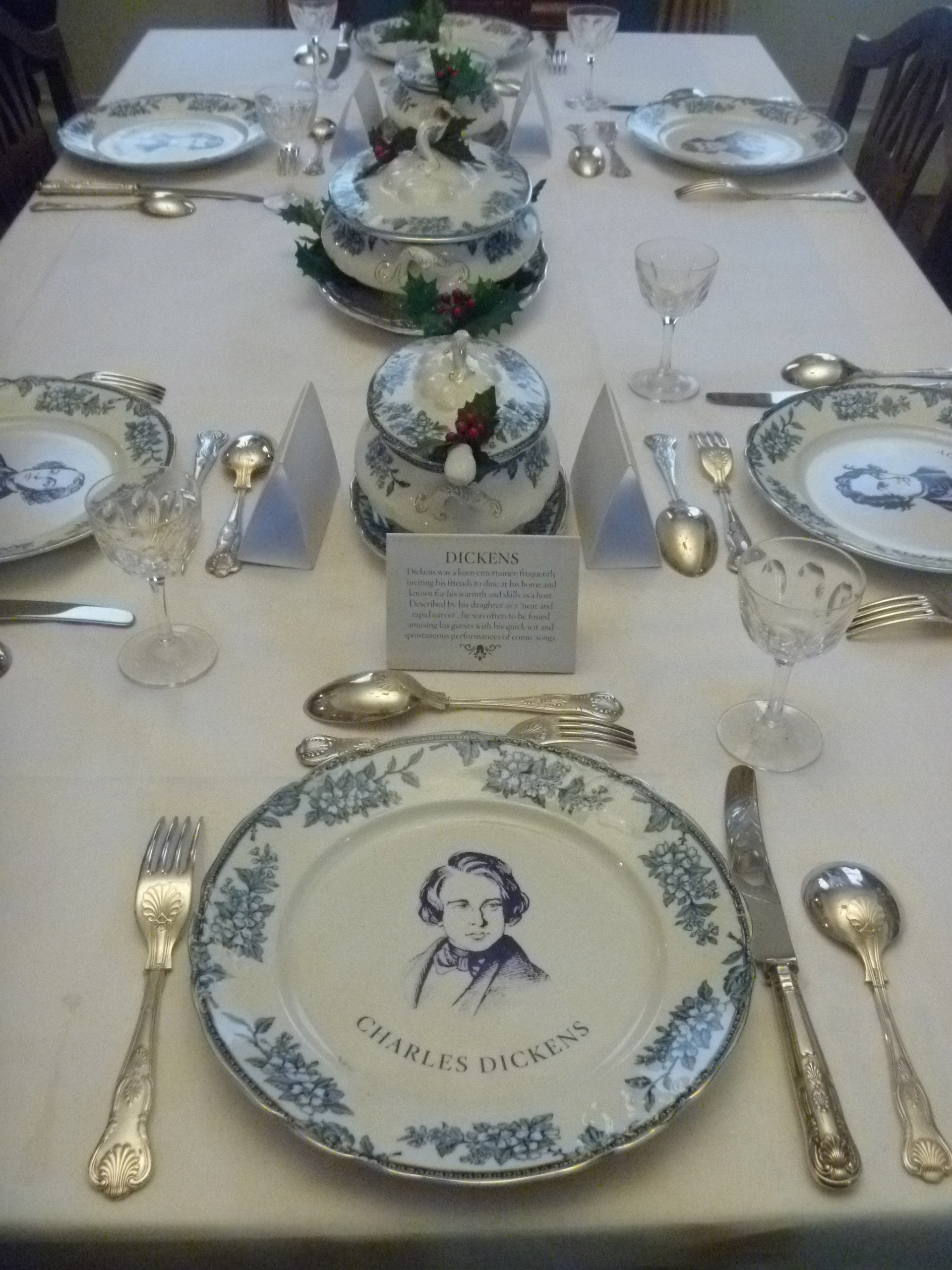
Dining with Dickens

Dining with Charles Dickens

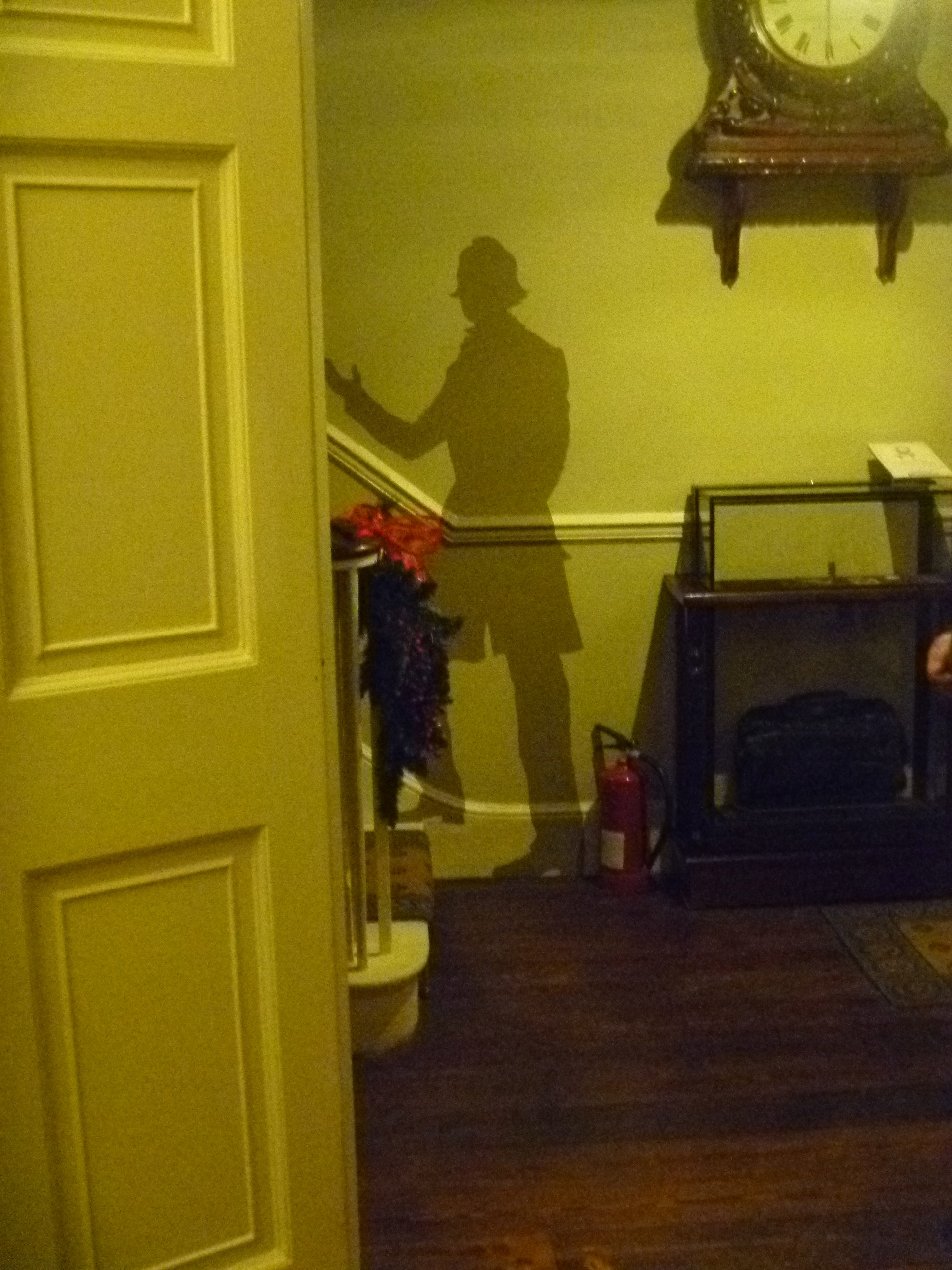
This Way!

This way to the Sitting Room, Everyone!

First Floor Sitting Room

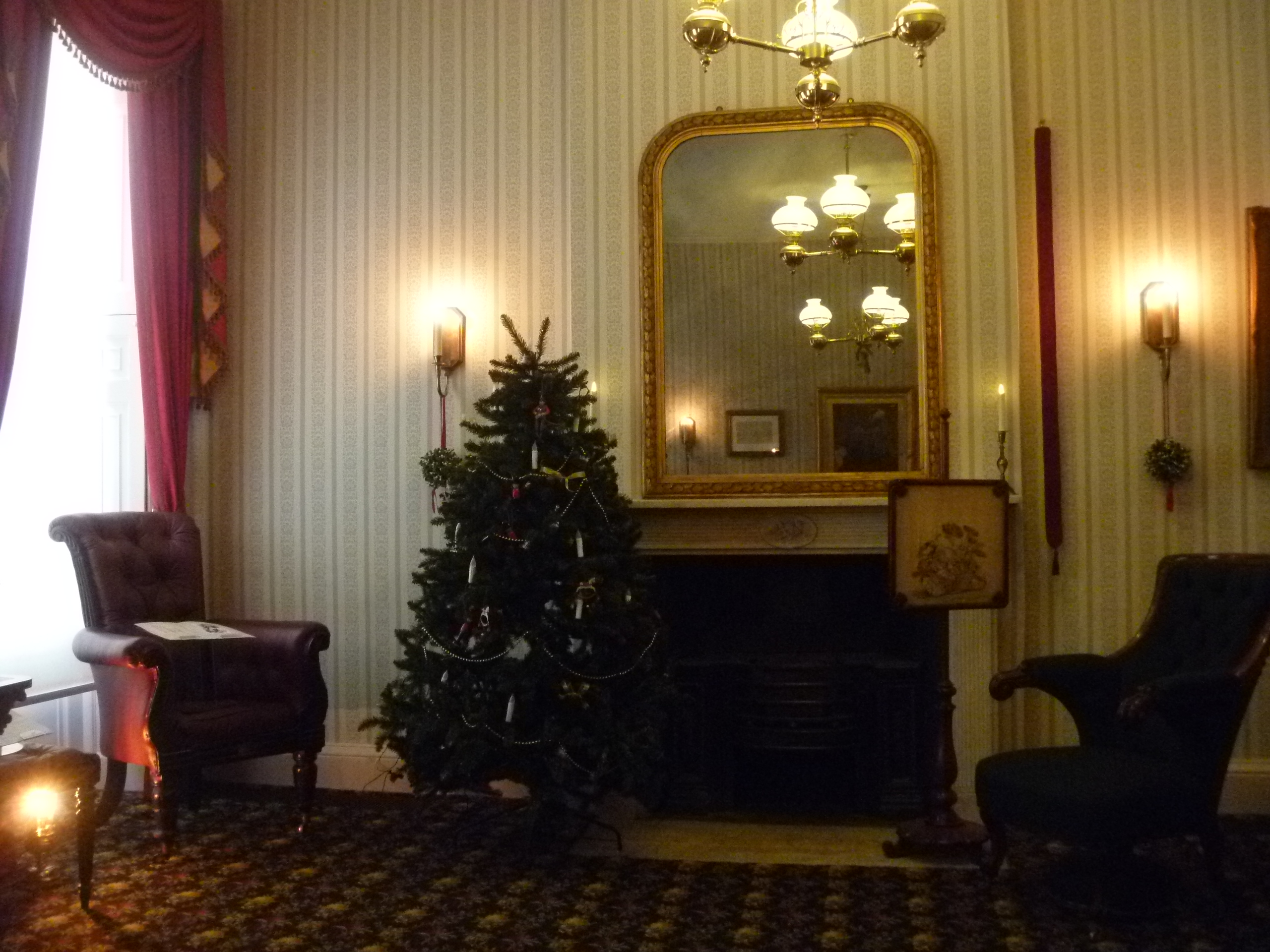
The Dickens Family Sitting Room at Christmas

Living at Hampton Court Palace

“I’ve often thought I should like to live at Hampton Court. It looks so
peaceful and so quiet, and it is such a dear old place to ramble round in
the early morning before many people are about.”
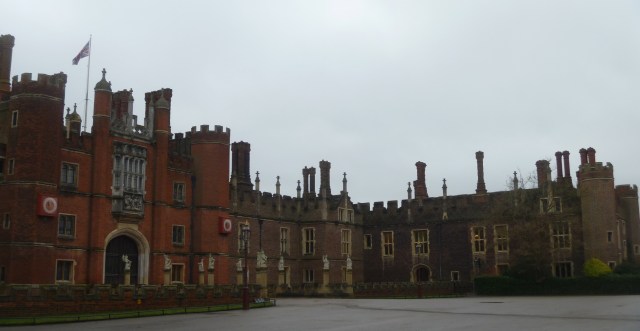
Hampton Court

One of my favourite humorous books of all time is “Three Men in a Boat (to say nothing of the dog)”  by Jerome K. Jerome from which the above quotation has been taken.

Fish Court sign

Lucky me, last week I was able to stay a couple of nights in this 1,000 room palace and ramble around it out of hours when few or even no people were around. Since 1993 The Landmark Trust have run the two Hampton Court Properties on behalf of the Royal Palaces. We visited friends at The Georgian House two years ago and this year my sister and I stayed in the Fish Court apartment.
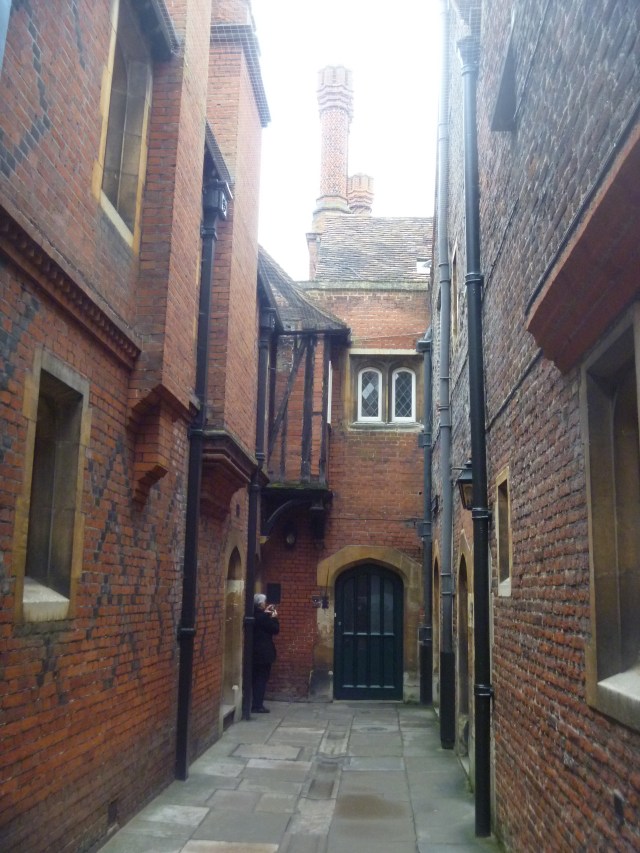
Fish Court

Fish Court and the door to the Apartment

Tennis Court Lane

Tennis Court Lane – The Georgian House is on the left and Fish Court on the right

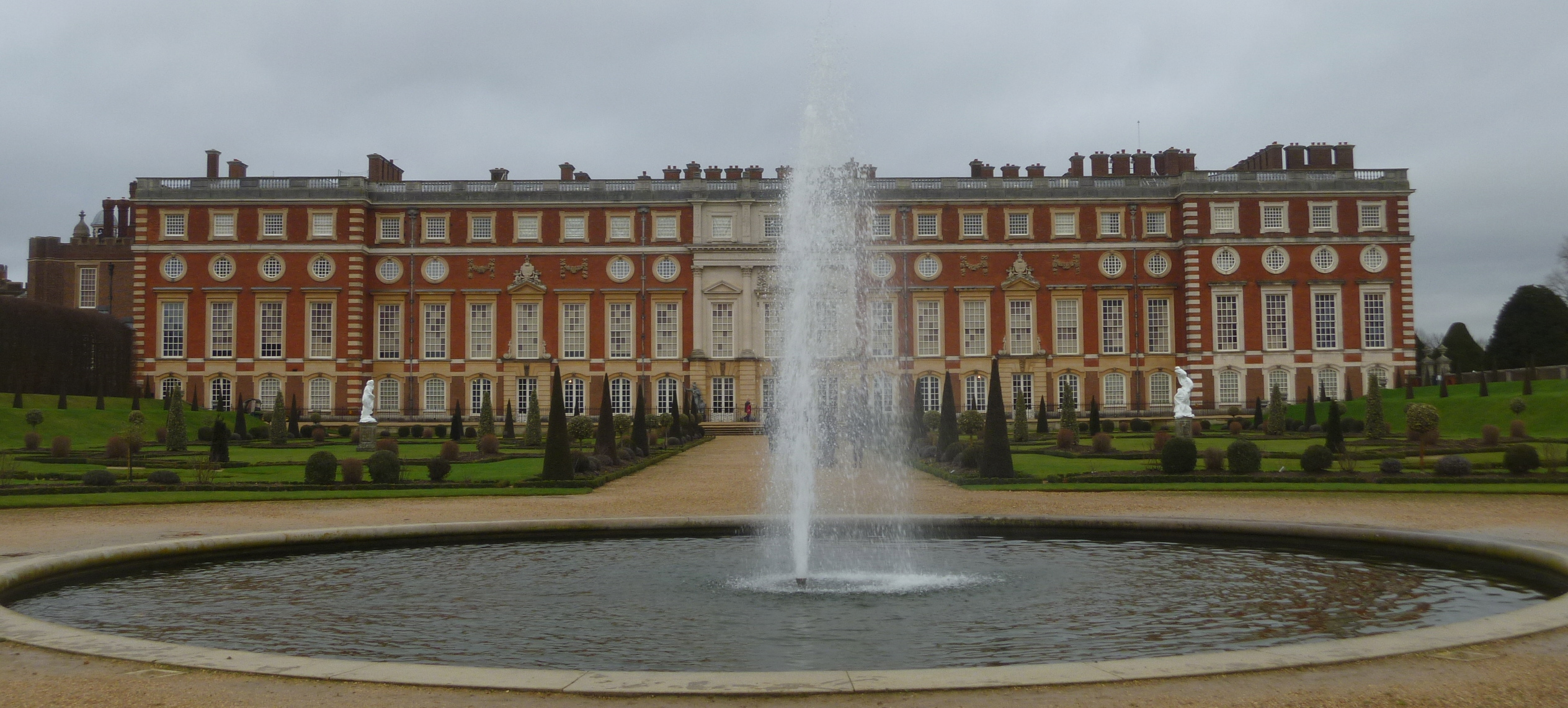
Hampton Court Palace was built by Cardinal Thomas Wolsey during the years after 1514 when he first acquired the riverside site. In 1529 as a last-ditch effort to appease the king’s wrath he presented the sumptuous palace to His Majesty King Henry VIII. He had failed to obtain an acceptable result with regard to the king and his first wife, Catherine of Aragon. Soon after, all of his property was made forfeit to the King. And so the Palace became a favourite home of Henry and his children and his descendants and royalty until 1760 and the death of George II. Henry built and extended the Tudor Palace further and William III and Mary (1689-1702) brought about further rebuilding and remodelling.

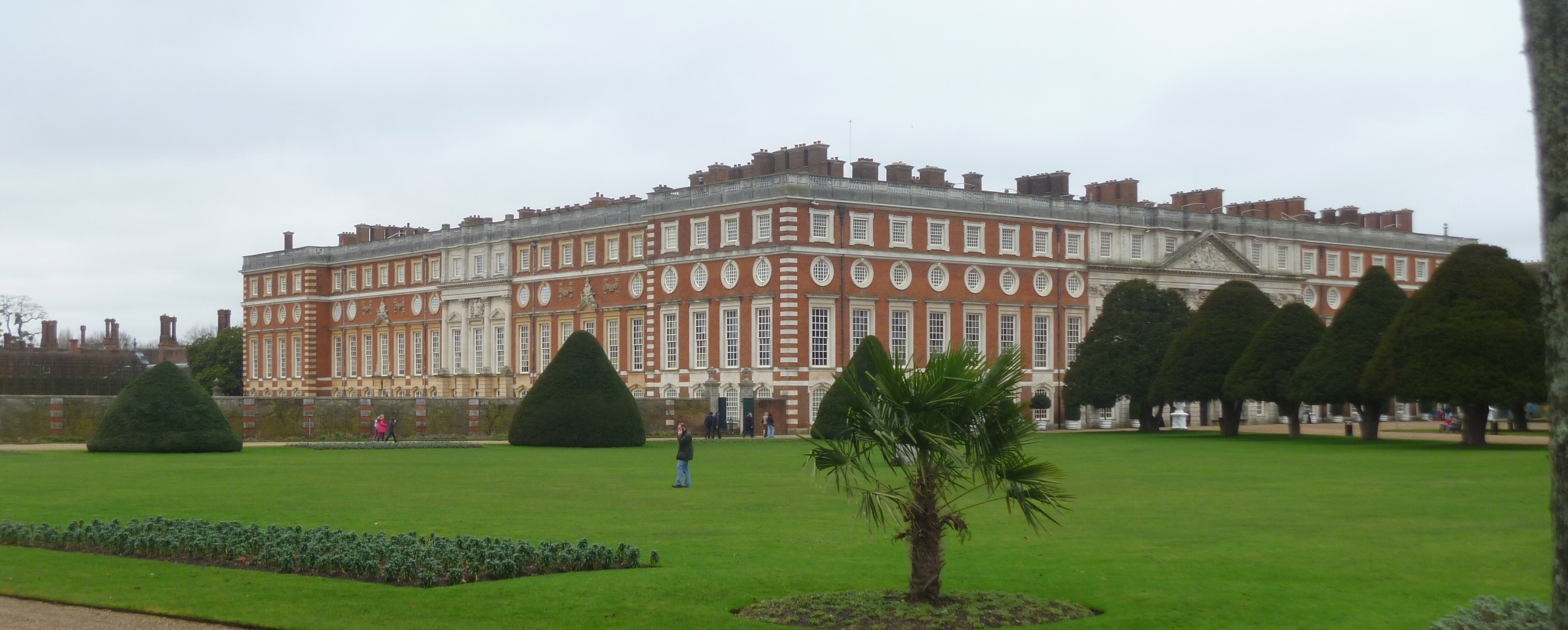
HCP East Front

There’s a huge contrast between the original west-facing Tudor building (top) and the newer East and South Fronts (above).

During and after the reign of George III the palace ceased to be used by royalty and was subdivided into a large number of dwellings and apartments. These residences were called ‘Grace and Favour’ homes. I have long known about there existence because I remember in the 1950s and early 1960s when I was a Brownie and later a Girl Guide one of the annuals featured a story about Lady Olave Baden-Powell, the widow of Lord Robert Baden-Powell, the then Chief Guide, living in a Grace and favour apartment at the Palace.

A celebrated and much-loved 20th century figure, Lady Baden-Powell, moved into her palace apartment in 1942. She was heavily involved in the Scouting Movement that her husband had founded. Lady Baden-Powell’s response following the offer of a palace apartment in 1942. “I was astounded; I had never dreamed of such a privilege being accorded me’. The apartment was ‘a bit dilapidated’ because of the war but most importantly would be ‘home’”. She described how, during the war, she survived a bomb, which exploded causing her ceiling to collapse in 1944.”

Taken from : Grace and Favour HCP

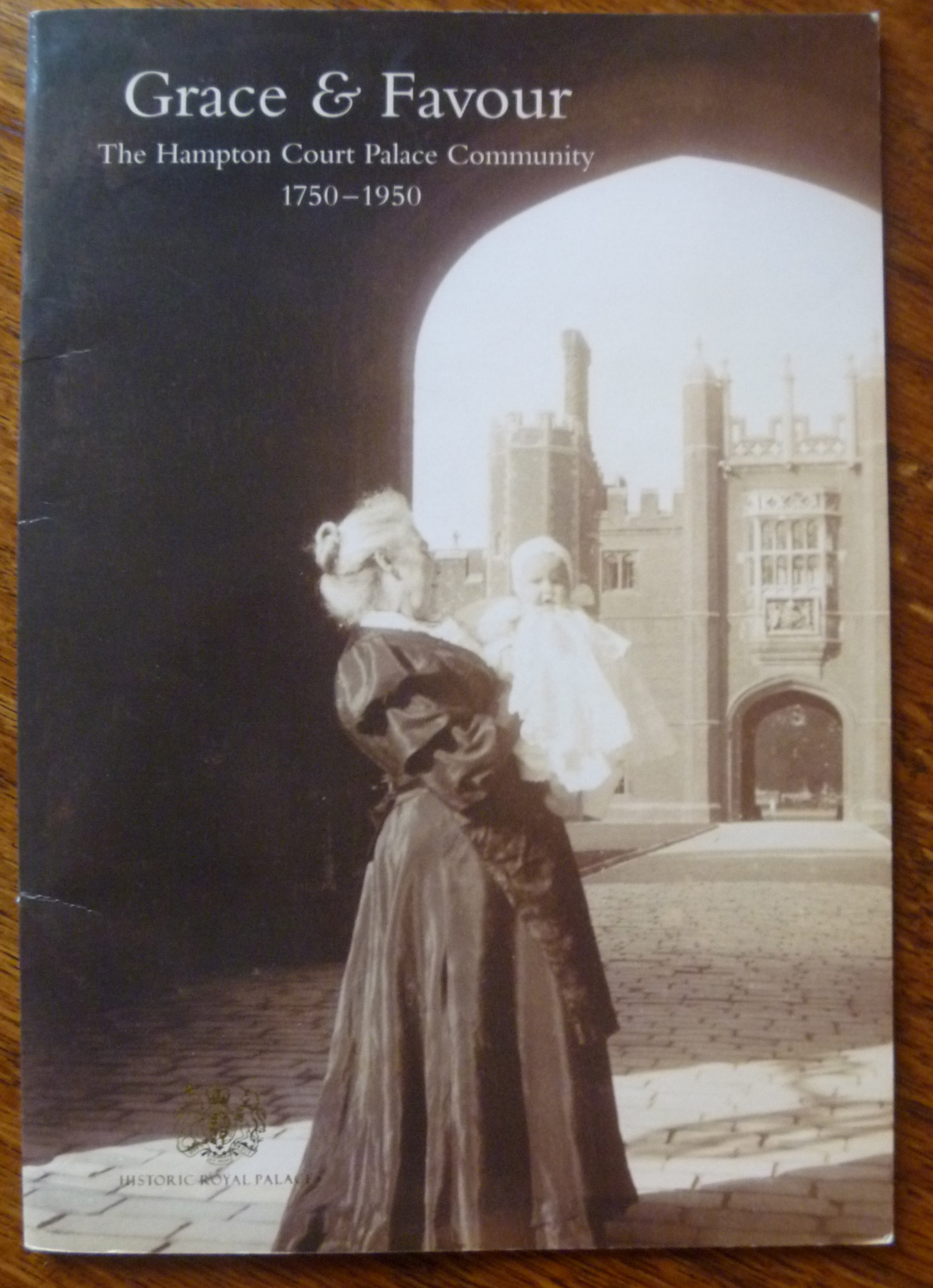
In the Fish Court Library I also found a book about the history of the apartments “Grace & Favour: the story of the Hampton Court Palace Community, 1750-1950”. 
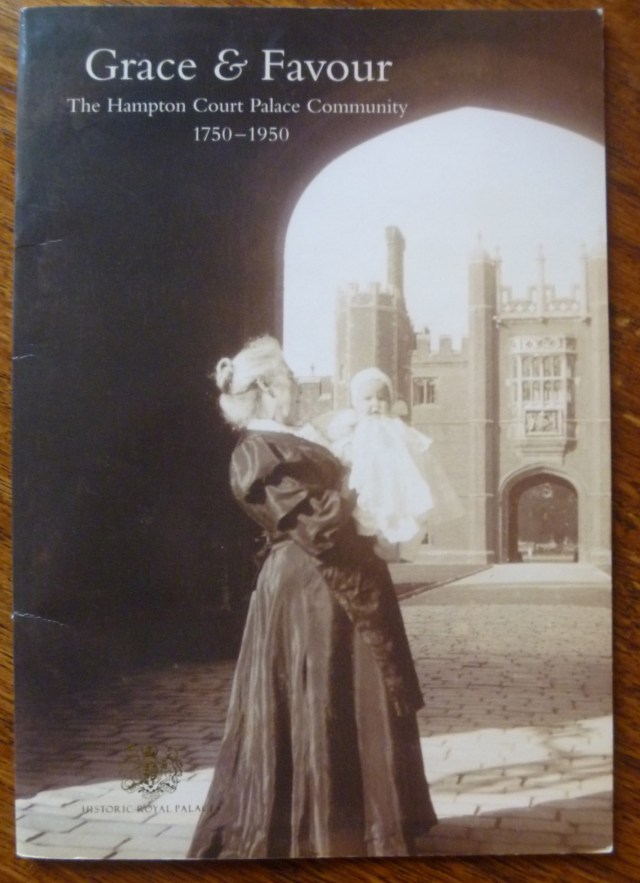
Grace and Favour Book

Staying at Hampton Court in January we still noticed lots of visitors during the day and even late into the evening at the temporary ice rink erected just within the main (Trophy) Gates.

Ice Rink HCP

The Temporary Hampton Court Ice Rink

Being residents we were able to enter the palace and  join in any tours free of charge. We had to wear our passes all the time.

Resident pass

We only had one full day so we joined a costumed tour and visited two sets of apartments that we had missed on our previous visit. In the middle of the day it was so nice to just turn the key of our apartment door and have a bite of lunch and relax before heading out to the gardens and grounds and visit more of the Palace in the afternoon.

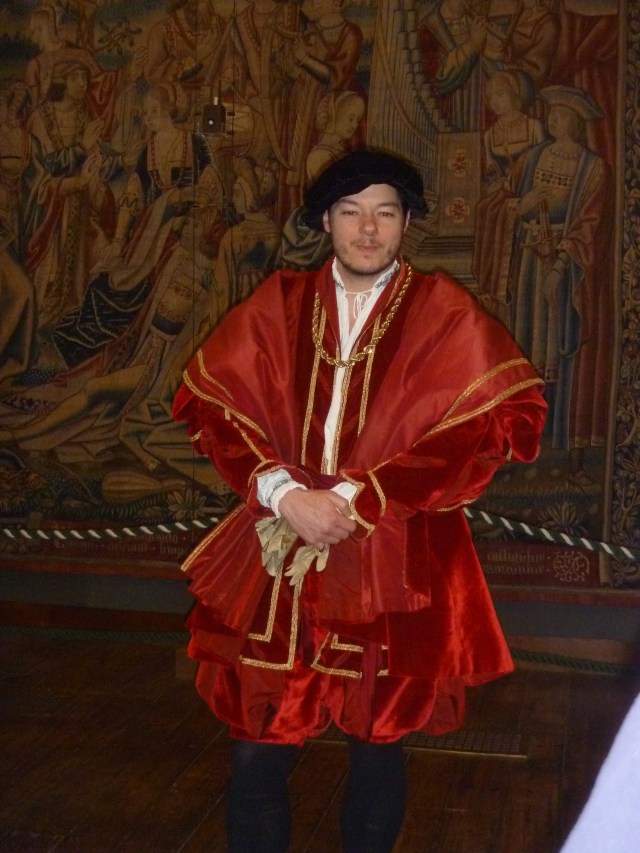
Costumed Tour HCP

Actor as Thomas Seymour

Actor playing the part of Thomas Seymour on the eve of Henry VIII’s death in January 1547

The most well-known feature in the grounds and probably in the whole Palace is its world famous Maze. I first visited Hampton Court Palace in the early 1960s and my top priority was to get into that Maze. I seem remember finding it a bit disappointing but loved Jerome K. Jerome’s witty description of his friend Harris’s earlier visit to the Maze:

“Harris asked me if I’d ever been in the
maze at Hampton Court. He said he went in once to show somebody else the
way. He had studied it up in a map, and it was so simple that it seemed
foolish—hardly worth the twopence charged for admission. Harris said he
thought that map must have been got up as a practical joke, because it
wasn’t a bit like the real thing, and only misleading.”

Lancelot ‘Capability’ Brown was appointed Chief Gardener here in 1769 and lived in Wilderness House on the edge of the grounds near the Lion Gates. Just two years ago a blue plaque was unveiled by  the present Head Gardener. Read about it here. It was very difficult to get a decent angle for a photo of either the house or the plaque.

Plaque to Capability Brown

Even in January the fountains are spurting water and the gardeners have their heads down preparing the ground for spring planting and some other people were also enjoying walking along the stony paths and terraces.

Fountain

Knot Garden

Pond Garden and Banqueting House

At the far end of the garden is the Great Vine planted by Capability Brown.
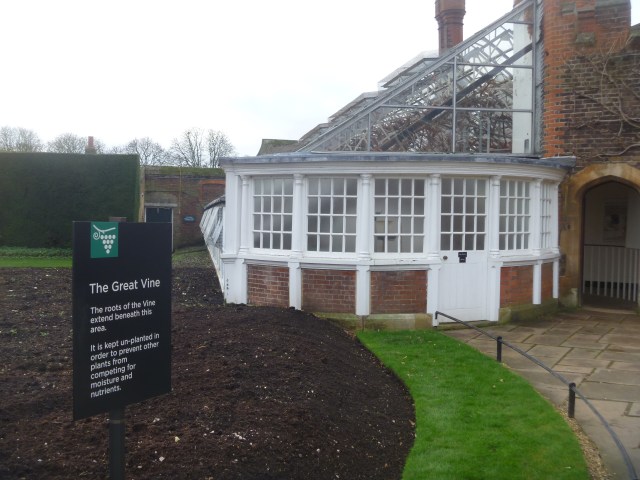
The Great Vine

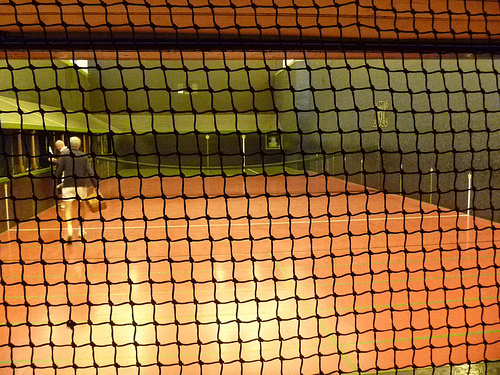
In the evening we could creep along passages and watch a game of Real Tennis still being played on the original court where Henry himself enjoyed a game or two!

Real Tennis

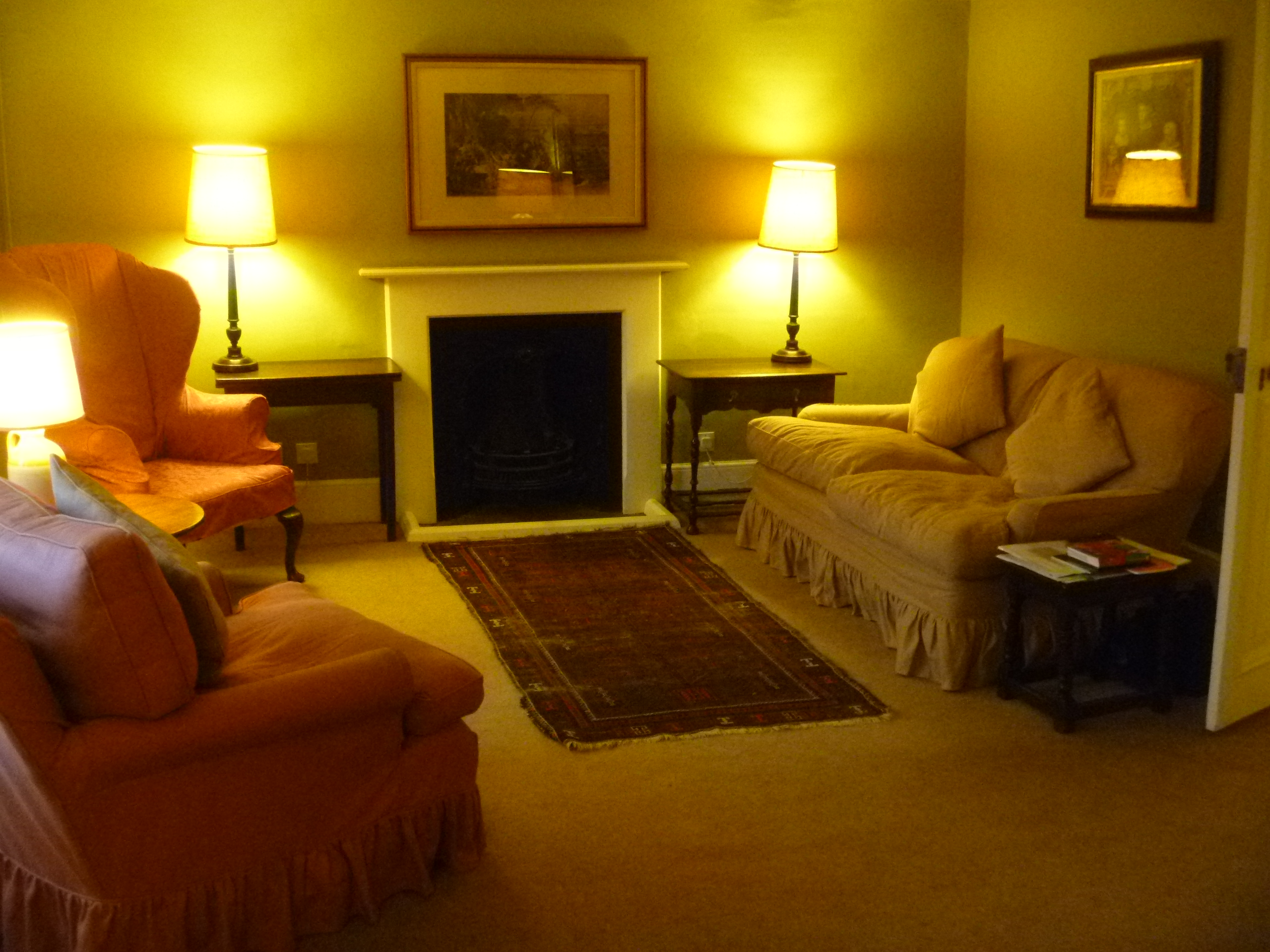
Before returning to our very own private Royal apartment to plan the rest of our London visit.

Sitting room at Fish Court

A Dam Busters Walk and A Damn Good Lunch

Our younger son lives in Sheffield so we arranged to go Christmas Shopping (with a difference) together today. We met up at The Ladybower Inn then headed to a small car park beside the upper part of Ladybower Reservoir in the Derbyshire Peak District National Park.

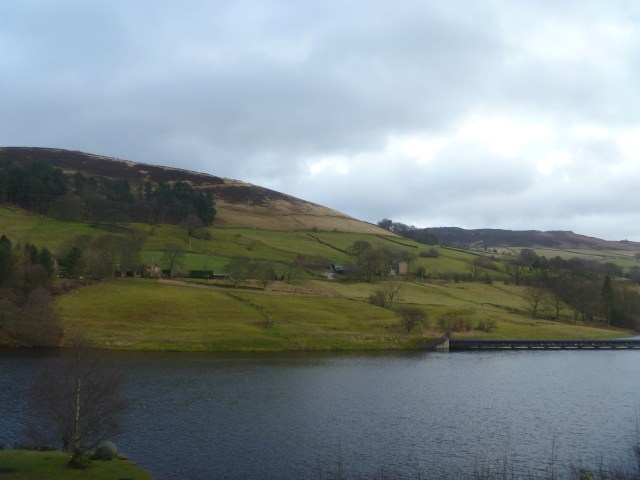
Ladybower2

Lovely Ladybower

There are good paths along the edge of the ‘lake’ and there’s a visitor centre and cafe and other facilities at the northern end of the reservoir.

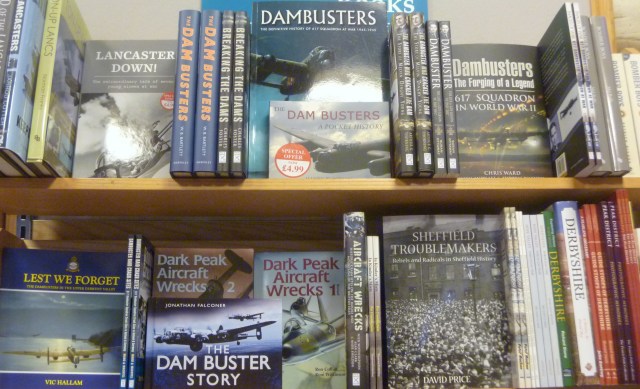
Dambuster books

A Selection of Dam Busters Books in the Visitors Centre

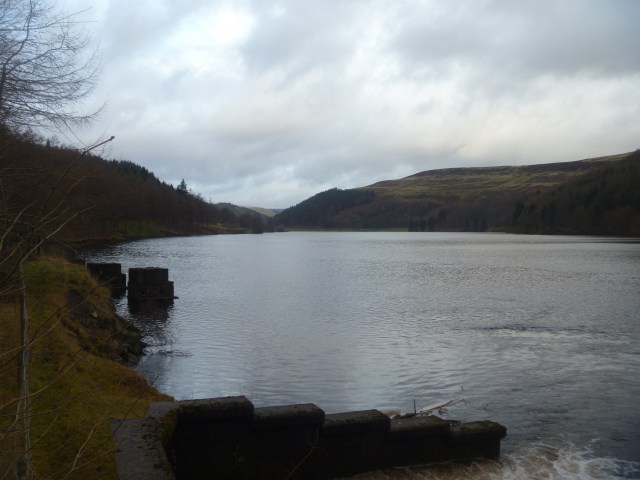
From there it’s a bit of a climb up to the Upper Derwent Reservoir where the ‘Dam Busters’ trained and practiced their low level flying during the Second World War.

Upper Derwent Reservoir

The Upper Derwent Reservoir

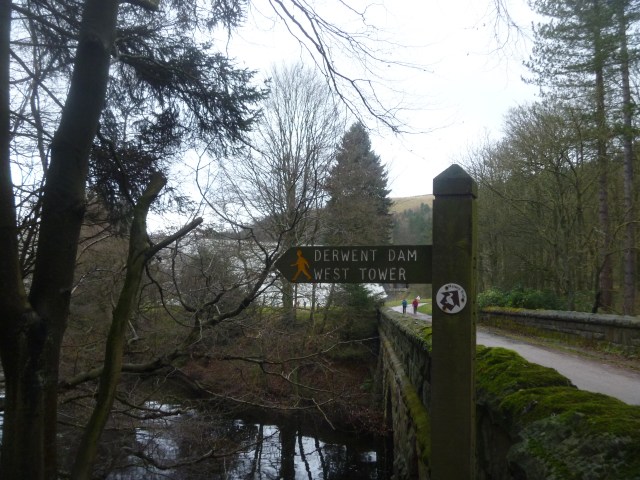
Derwent Dam and Sign

Note the Derwent Dam (very loud!) in the background

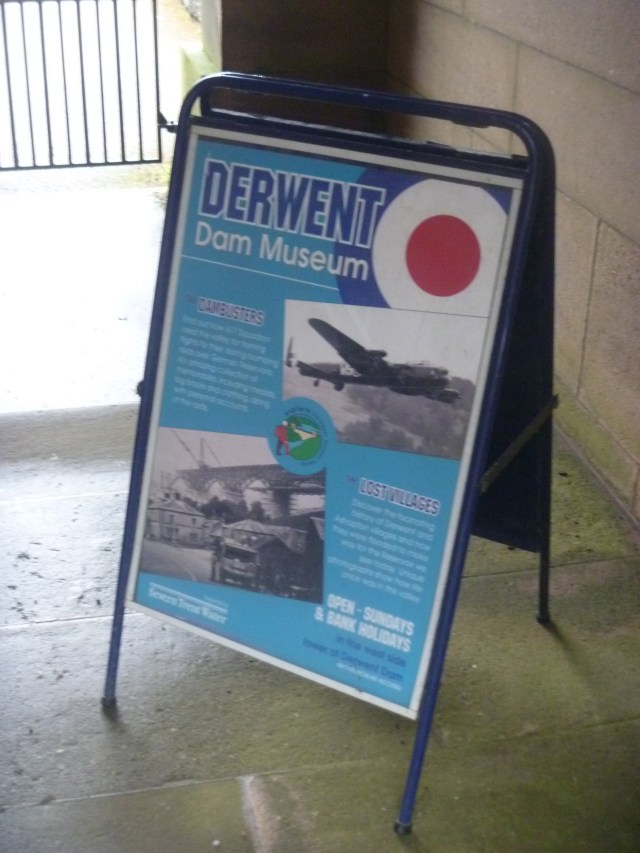
Derwent reservoir was used by the RAF’s Dambusters to practise their low level flying techniques during 1943, in preparation for delivering Barnes Wallis’ famous ‘bouncing bombs’ to German dams. Located in the West Tower of the Derwent Valley Dam is the Derwent Dam (617 Squadron) Museum which houses a collection of memorabilia dedicated to the famous Dams Raid carried out by 617 “Dambusters” Squadron.

Dam Museum

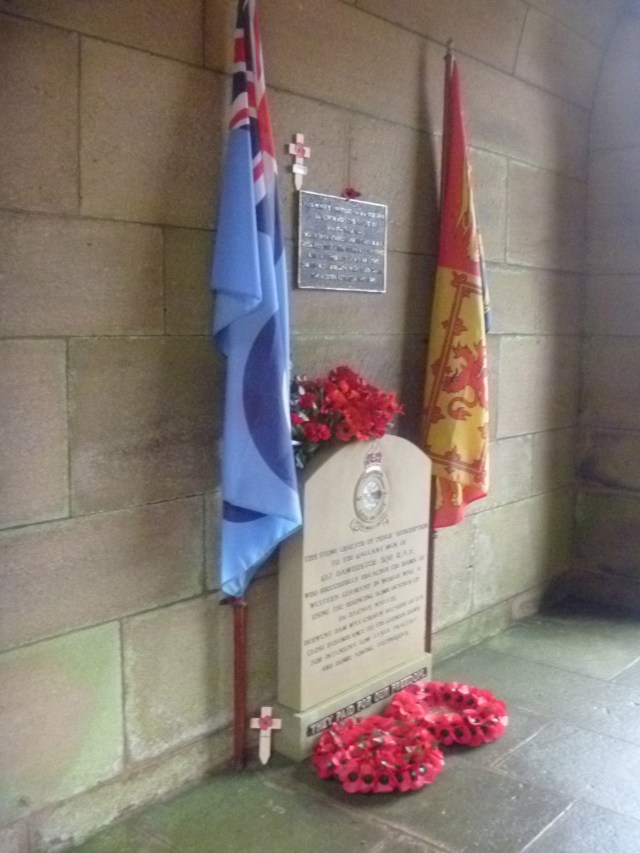
Dam Busters Memorial

Dam Buster’s Memorial

It includes photographs and other material covering all aspects of the Dams Raid, including details of the training flights carried out by 617 Squadron over the Derwent Dam and material relating to the film “The Dambusters” starring Richard Todd as Guy Gibson, made in 1954. There is also an example of the famous “Bouncing Bomb”, which forms the centrepiece of the museum’s display. Opening times are 10.00am to 4.00pm on Sundays and Bank Holidays only.” 

[from http://www.derbyshireuk.net/derwentvalley_reservoirs.html website]

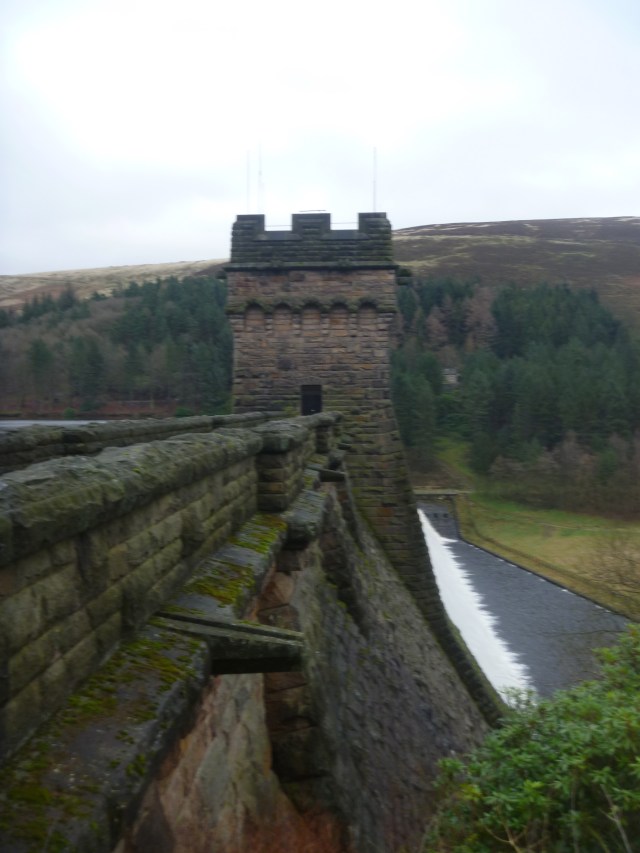
West Tower

The Museum is housed in the West Tower

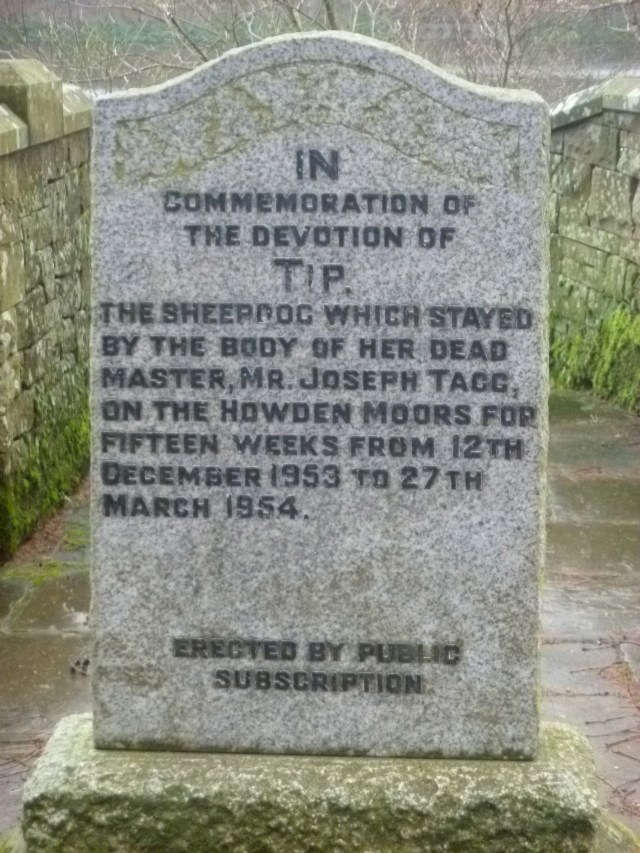
The museum was closed as our visit was on a Saturday but definitely worth a return visit. We climbed up to the see the West Tower and were intrigued to see a memorial to a loyal dog nearby.
TIP Memorial

The Memorial to faithful Tip

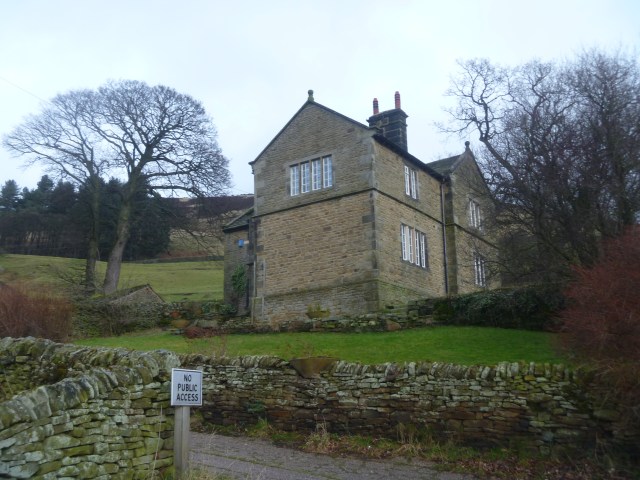
Our walk continued on the eastern side of the reservoir past a National Trust owned farm but only too soon it was time to turn back to the cars. N often runs right round Ladybower: a total of 11km including the additional 2 km to and from the car park at the Ladybower Inn. But the days are short at this time of year and we hadn’t even started our shopping.

Old House Farm

Old House Farm

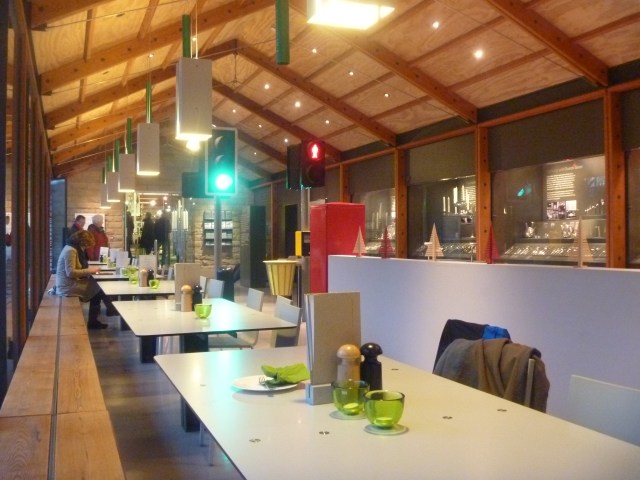
So, back at the cars we headed for Hathersage and the lovely Country Shop at David Mellor’s Round Building. I also recommend the Cafe where we had fresh warm soup and chunky bread for our late lunch. There’s also a Design Museum showcasing David Mellor’s work within the building.

Design Museum

The David Mellor Design Museum (yes, those are his traffic lights!) and Café

By 4 o’clock it was dark and time to head back up the M1 to Leeds. Yesterday the weather was icy and  freezing cold (-3C)  but with typical British contrariness today the temperature hit 8C. I’m glad I was able to make the journey without any hitches. It was well worth the trip. I hope the recipients enjoy their gifts. We certainly enjoyed shopping for them!!

A Literary Pilgrimage in Yorkshire

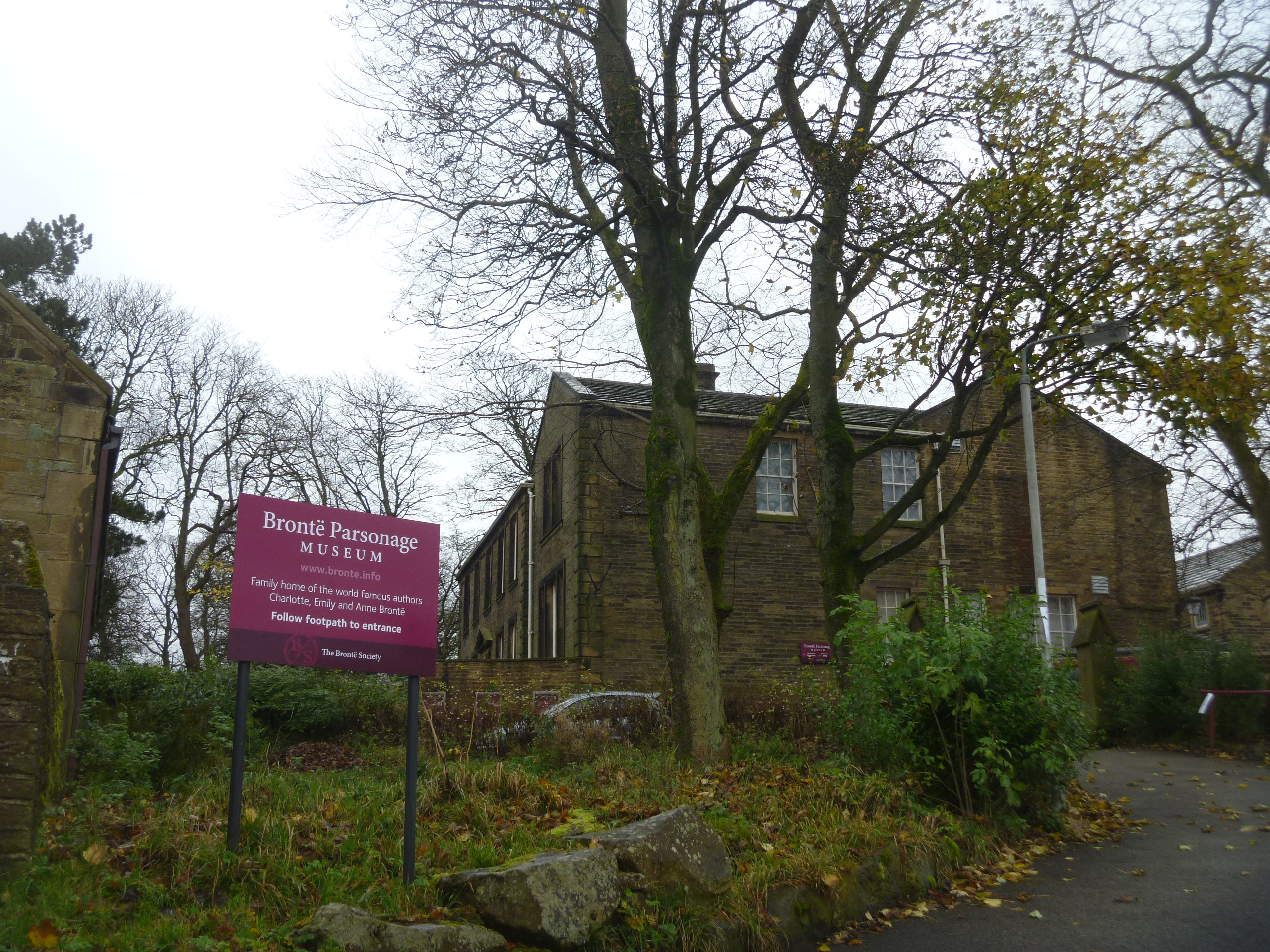
Yesterday I revisited Haworth with a friend. Looking back at my Flickr photos I see that my last visit to this Literary Shrine was in 2005. On that day, it was a Sunday, the queue to get into the Parsonage stretched down through the garden. I planned to return on a quieter day. So, a mere 7 years later, I was back again and indeed found the village and Parsonage very much quieter. [Mental note to self – visit Haworth Parsonage on a Monday in November] My only previous visit inside the house itself was in the early 1990s.

Approaching the Museum from the Car Park

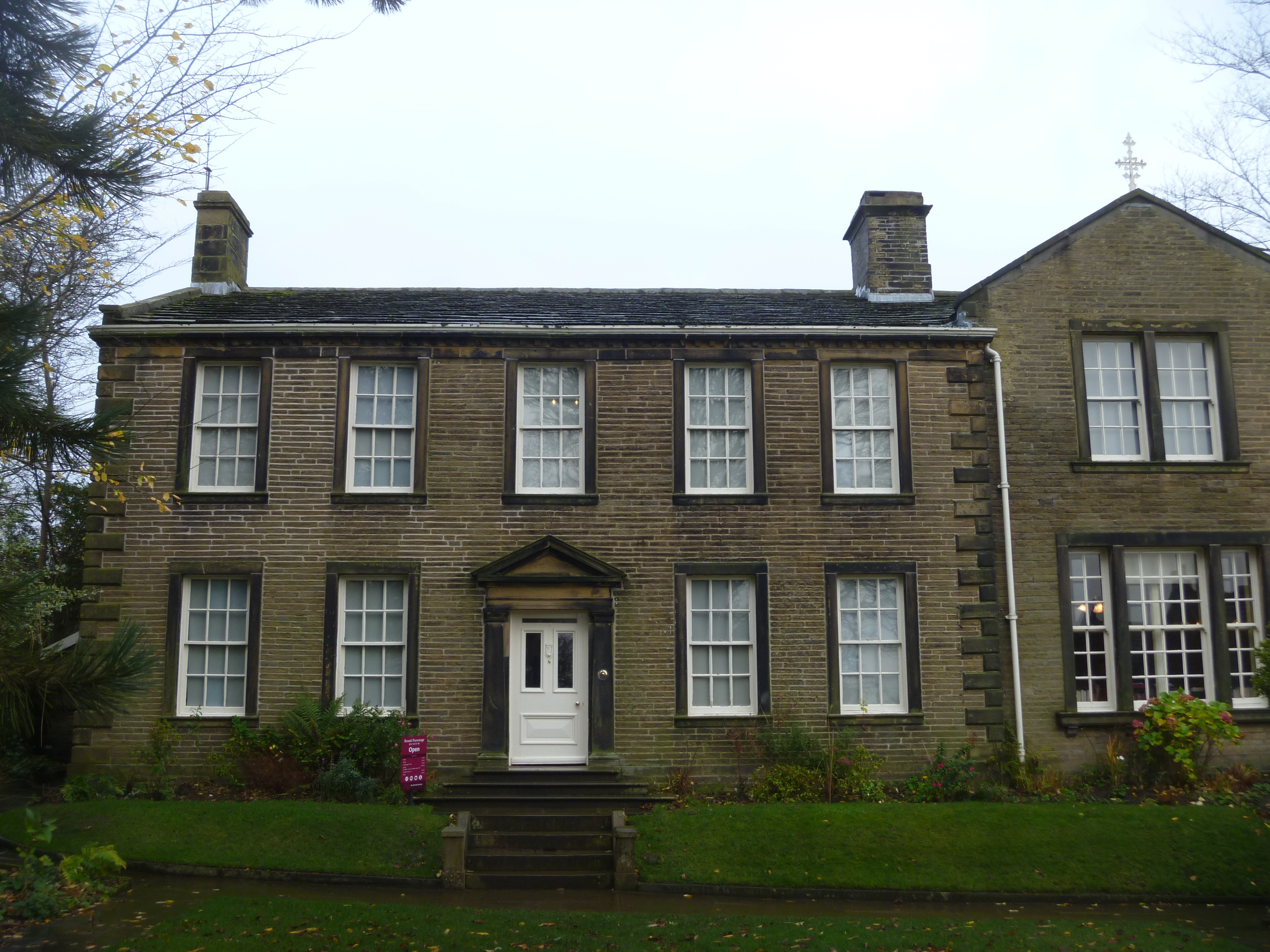
I’m sure I don’t need to explain here that the Parsonage at Haworth, near Keighley in West Yorkshire was home to the Bronte family (probably the world’s most famous literary family) from 1820 to 1861.

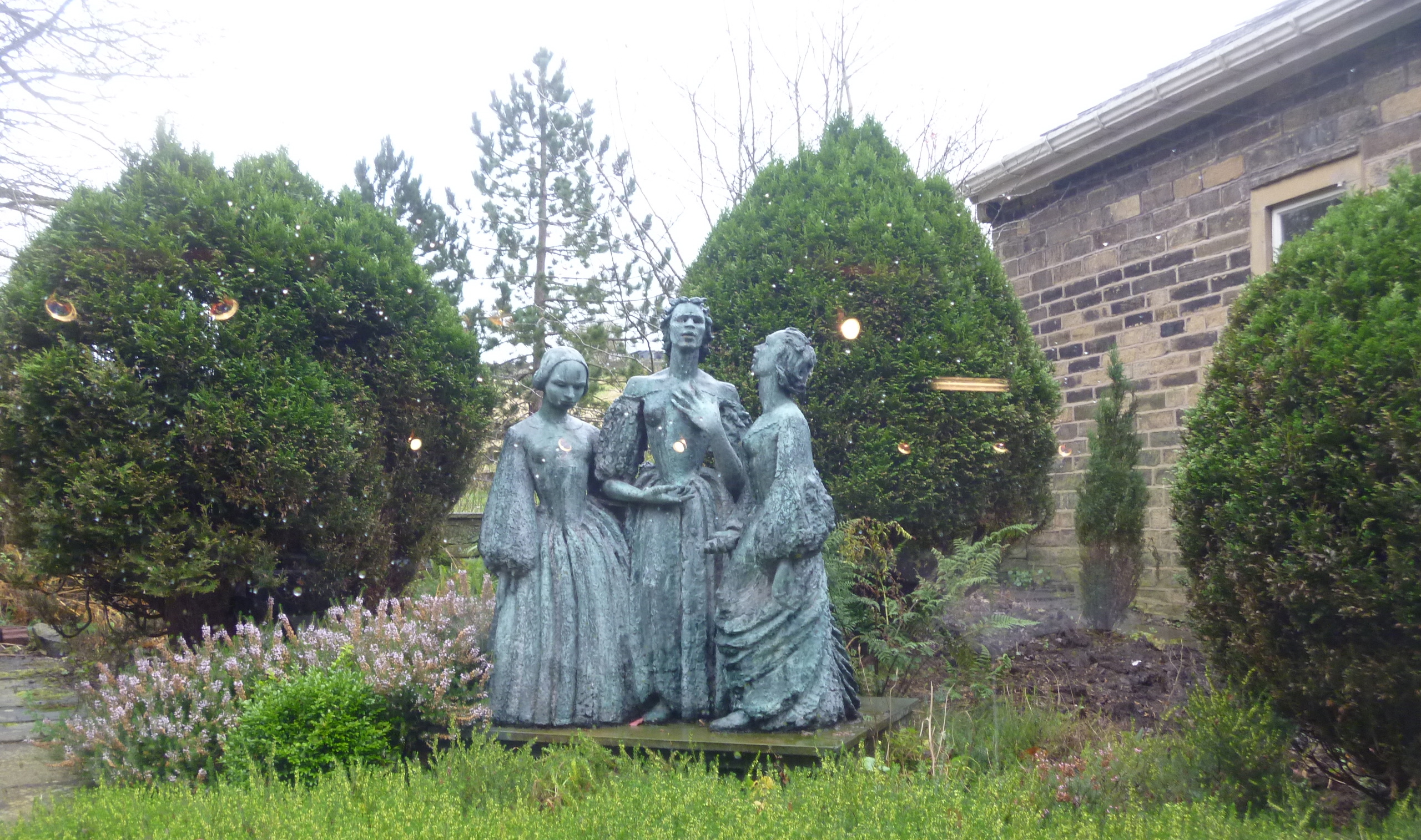
Bronze Sculpture (by Jocelyn Horner) of The Bronte Sisters in the Heather Garden

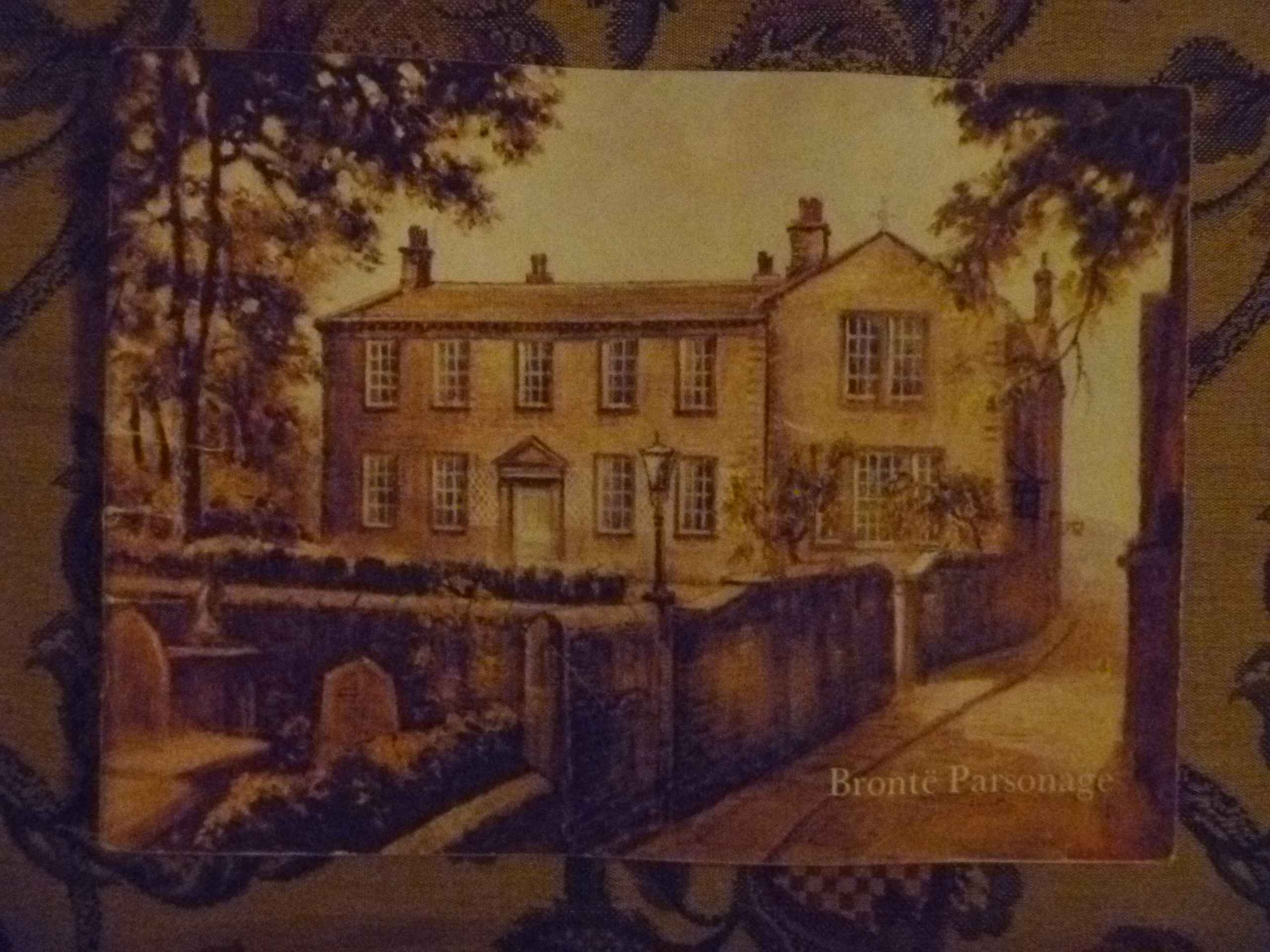
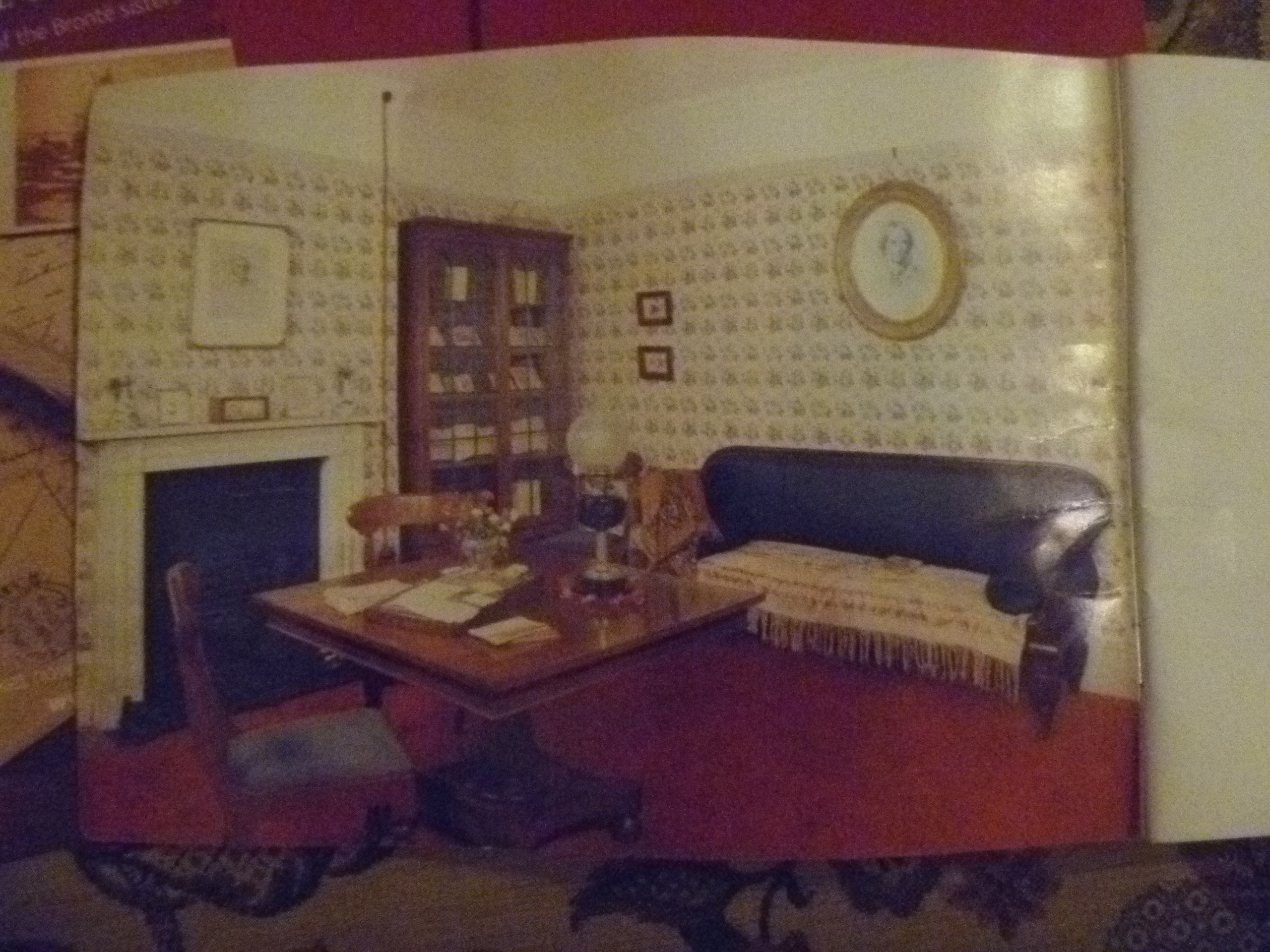
Little had changed in the house itself – my friend and I and one other couple were the only visitors at 1pm today. Some of the pictures had been moved about and there’s a much improved permanent exhibition called Genius: The Bronte Story. My friend had brought along her guidebook from a previous trip [in 1983] so we were able to compare and as photography inside the house is prohibited. Here are some pictures from that book:

The Dining Room

Mr Bronte’s Study

Bronte Parsonage Guide, 1983

There’s a further exhibition called Bronte Relics : A Collection History.

New exhibition looking at the fascinating history of the Bronte Parsonage Museum collection, a story almost as extraordinary as the Bronte story itself.” [website]

“The provenance of a variety of objects is traced back through previous owners and collectors to the major sources of Bronteana; amongst them Charlotte’s husband, Arthur Bell Nicholls; Ellen Nussey, Charlotte’s lifelong friend; the family of Martha Brown, the Brontes’ servant, and the American collector, Henry Houston Bonnell.” [2012 flyer]

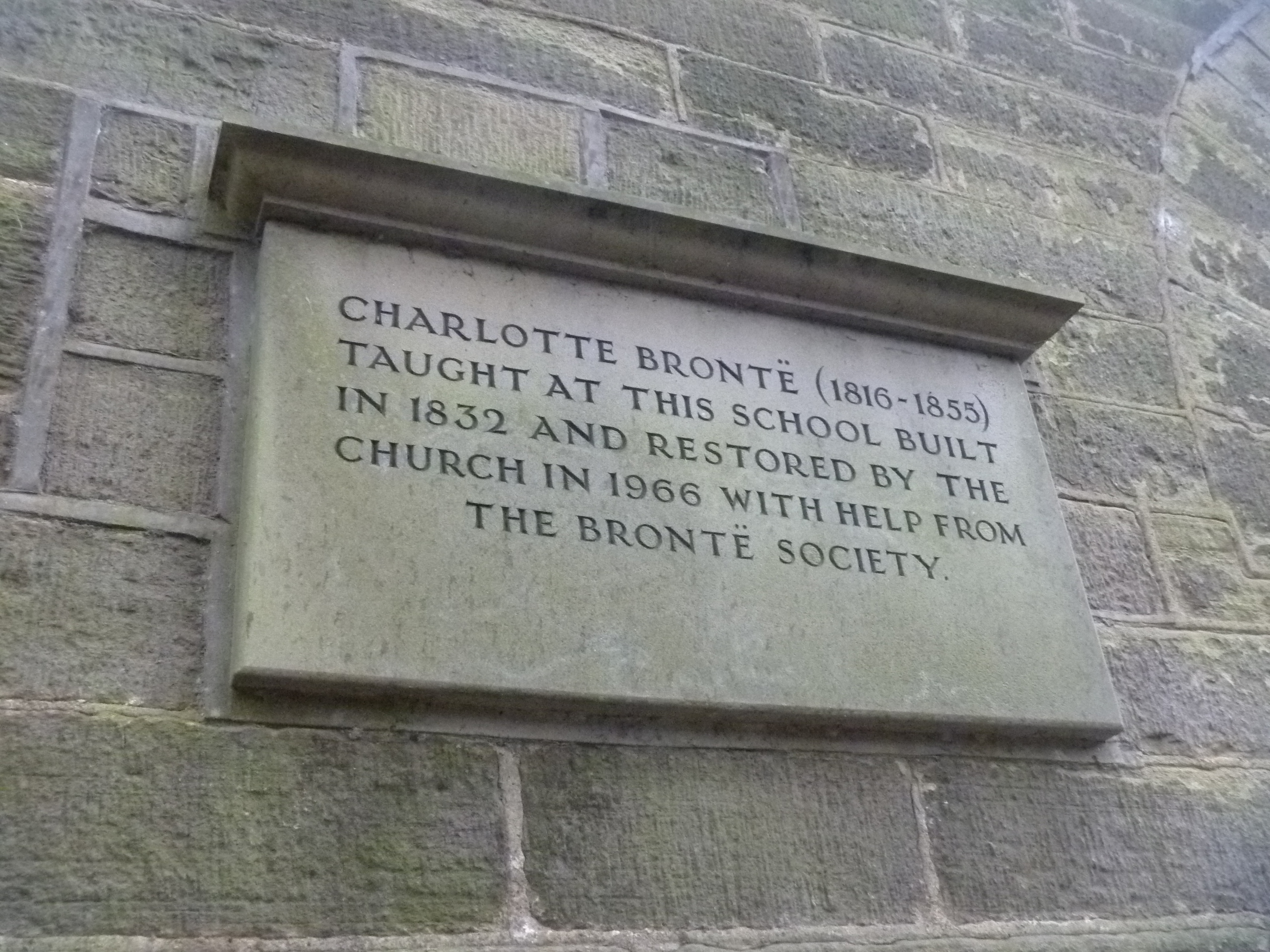
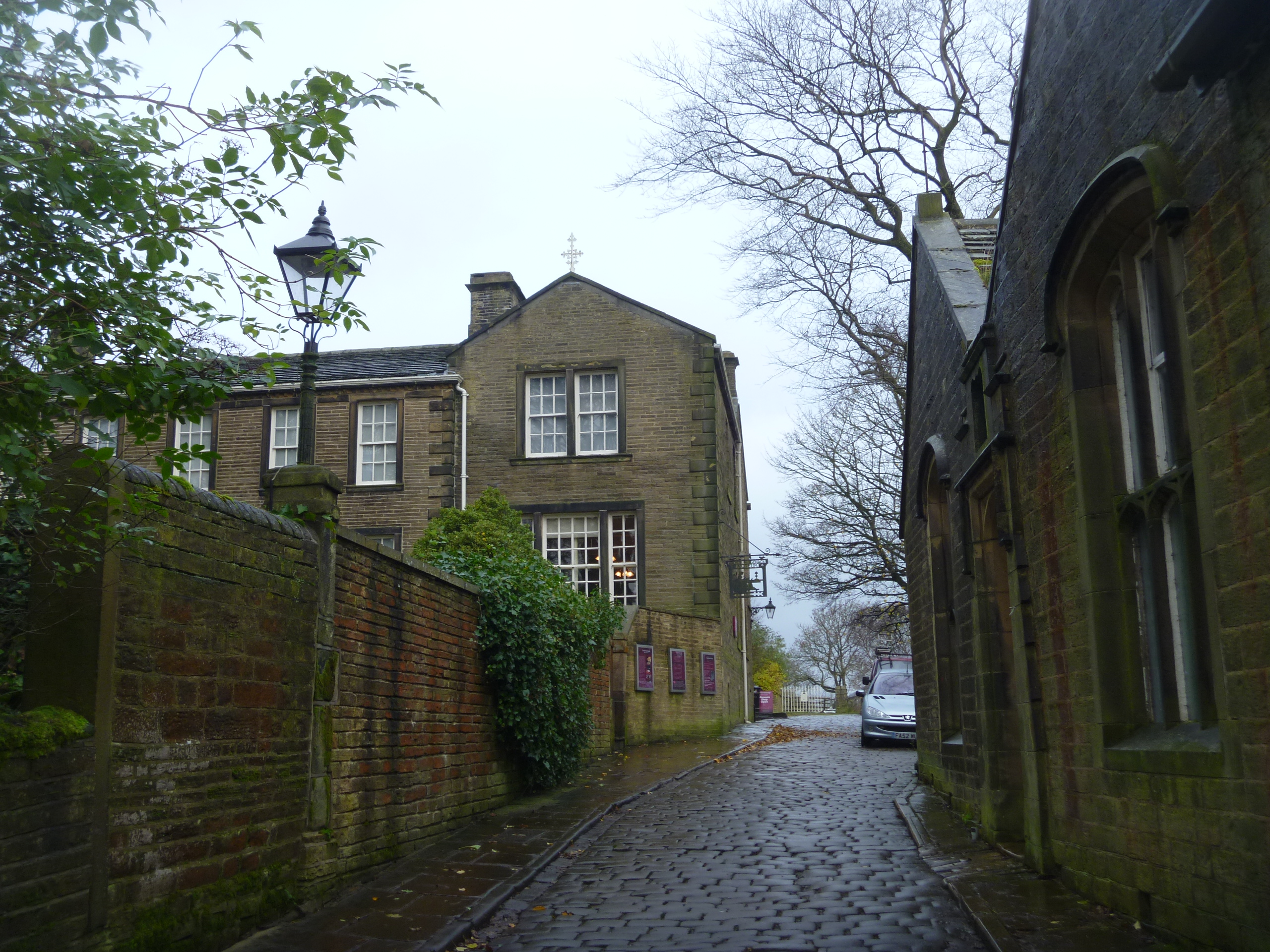
Opposite The Parsonage is the School in which Charlotte Bronte taught at one time.

The Parsonage is on the left and the School on the right

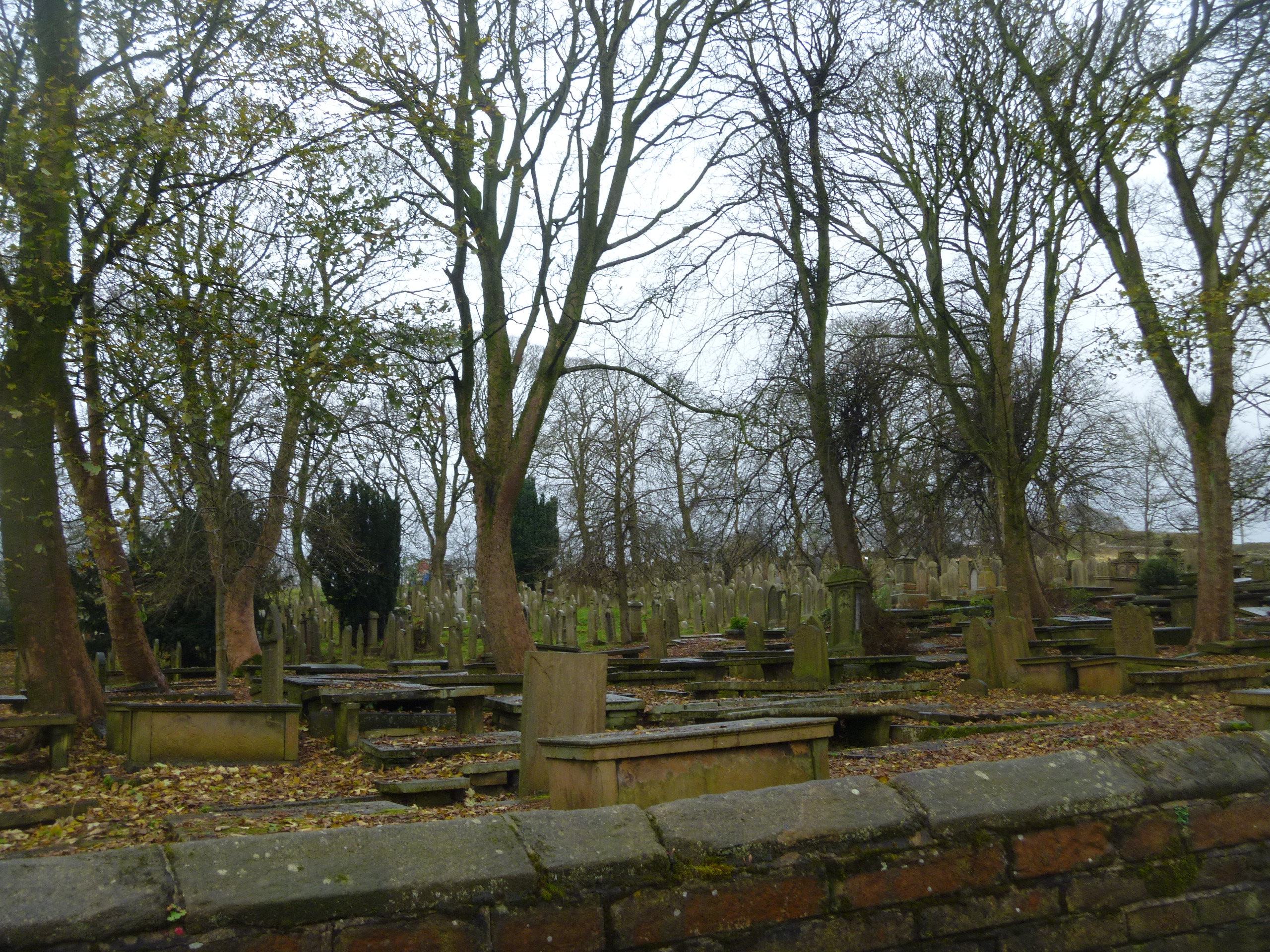
The Churchyard, Haworth

No visit to Haworth can be described without a mention of the weather. Maybe on occasion the sun shines up on Haworth Moor but I do believe that I have yet to experience this phenomenon! Today was cloudy and wet and typically atmospheric. But read here about a summertime visit.
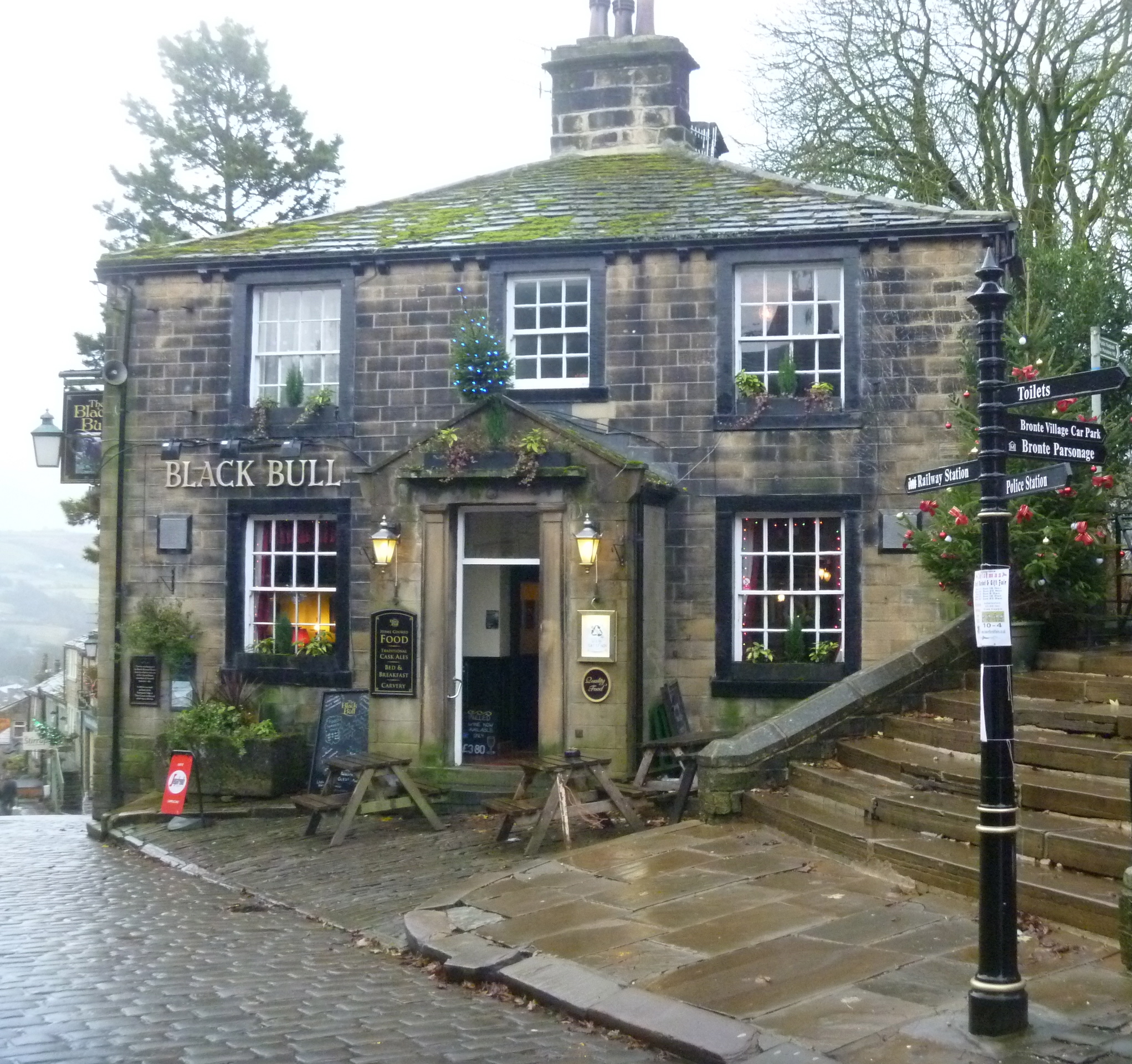
The Black Bull – Branwell was a ‘regular’

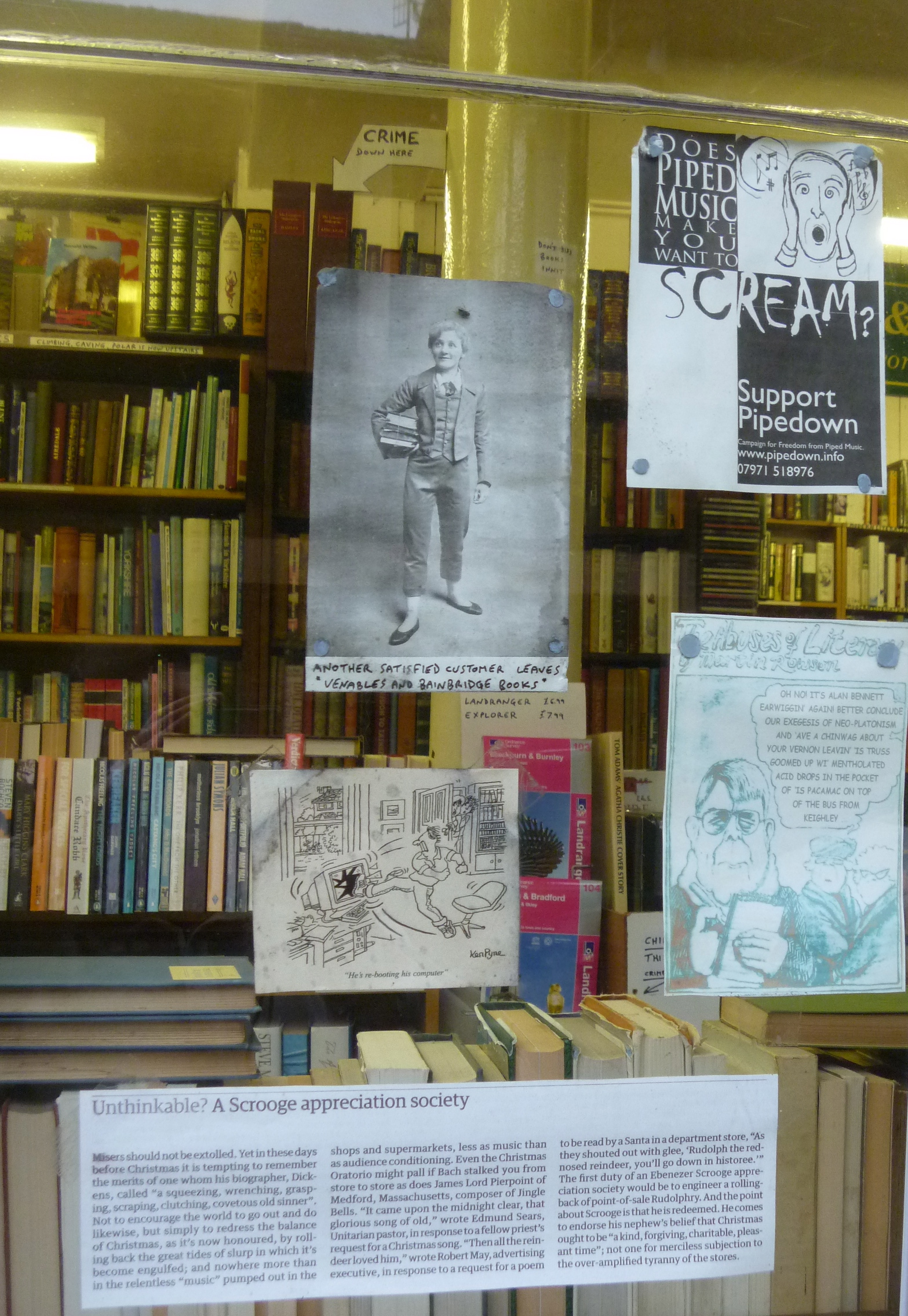
Through The Book Shop Window

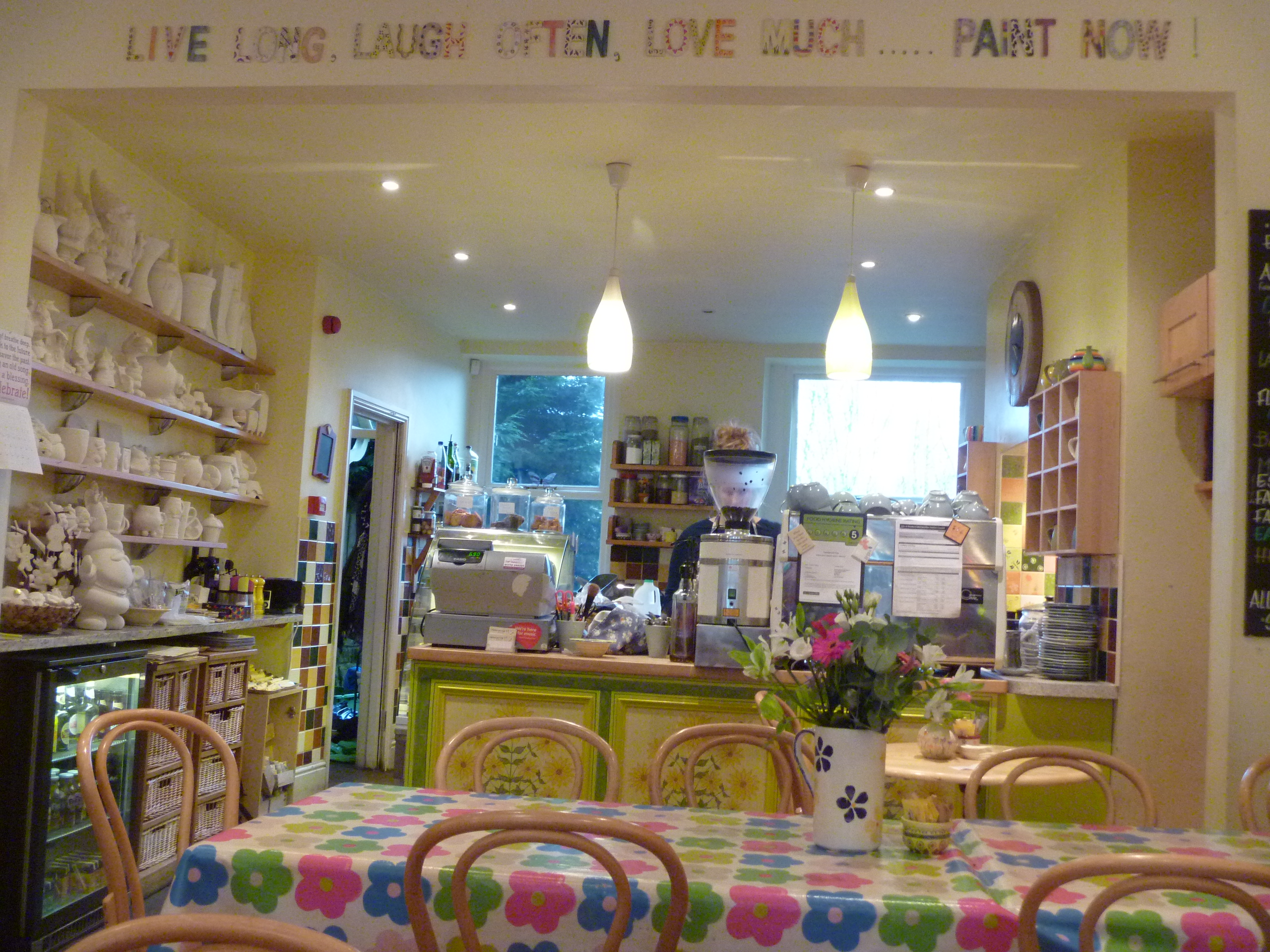
Cobbles and Clay Art Cafe, 60 Main Street, Haworth

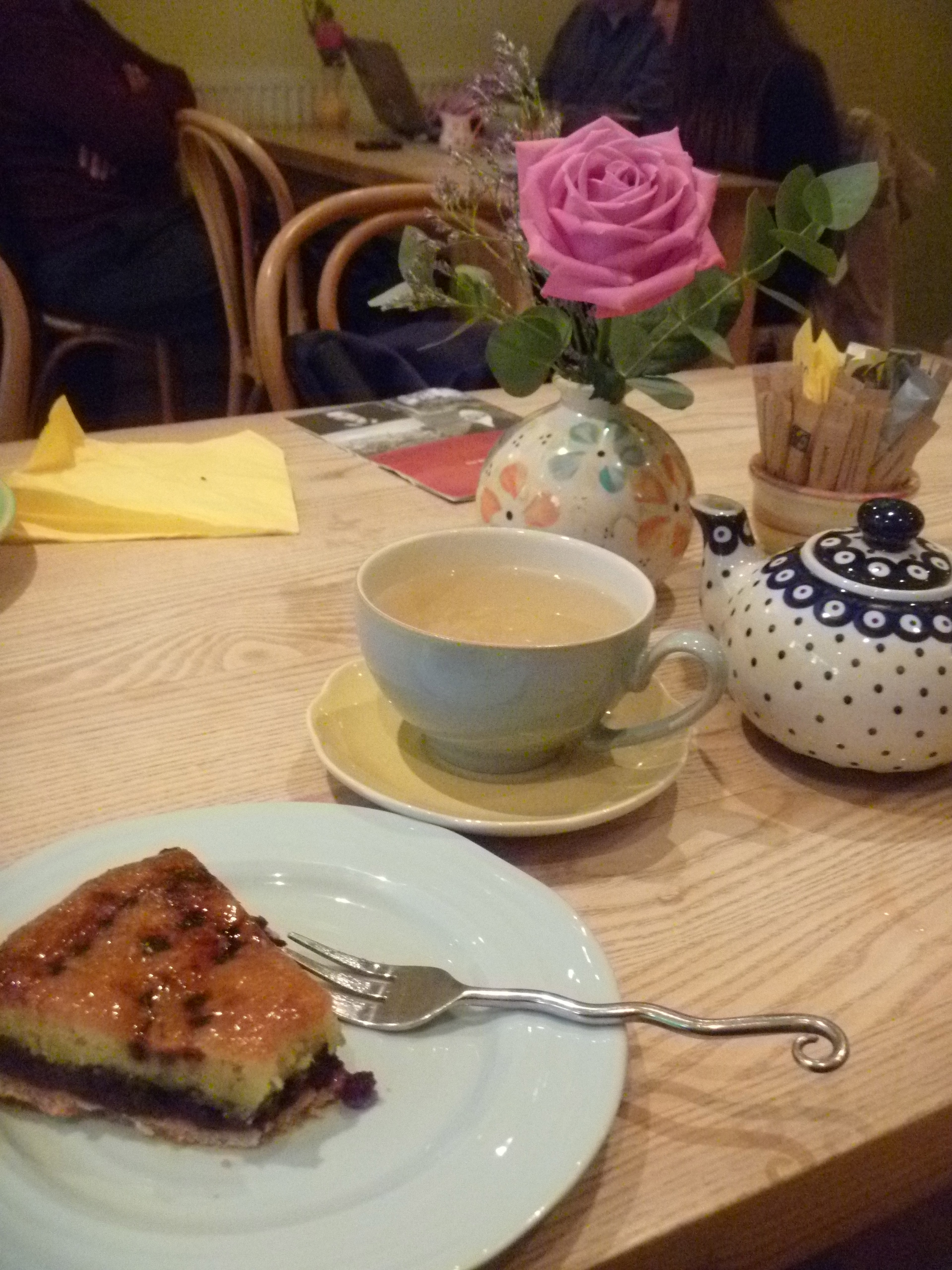
Tea and Tart at Cobbles and Clay

After just over an hour in the Museum we headed for a bright and jolly Haworth tea shop, stopping briefly to enquire whether the bookshop [Venables and Bainbridge] had any copies of Wuthering Heights in Polish for my friend to buy for her daughter-in-law. It didn’t. We were surprised that there were no foreign language versions of the great novels in the Bronte Museum Shop. We know they had sold French and German versions in the past.
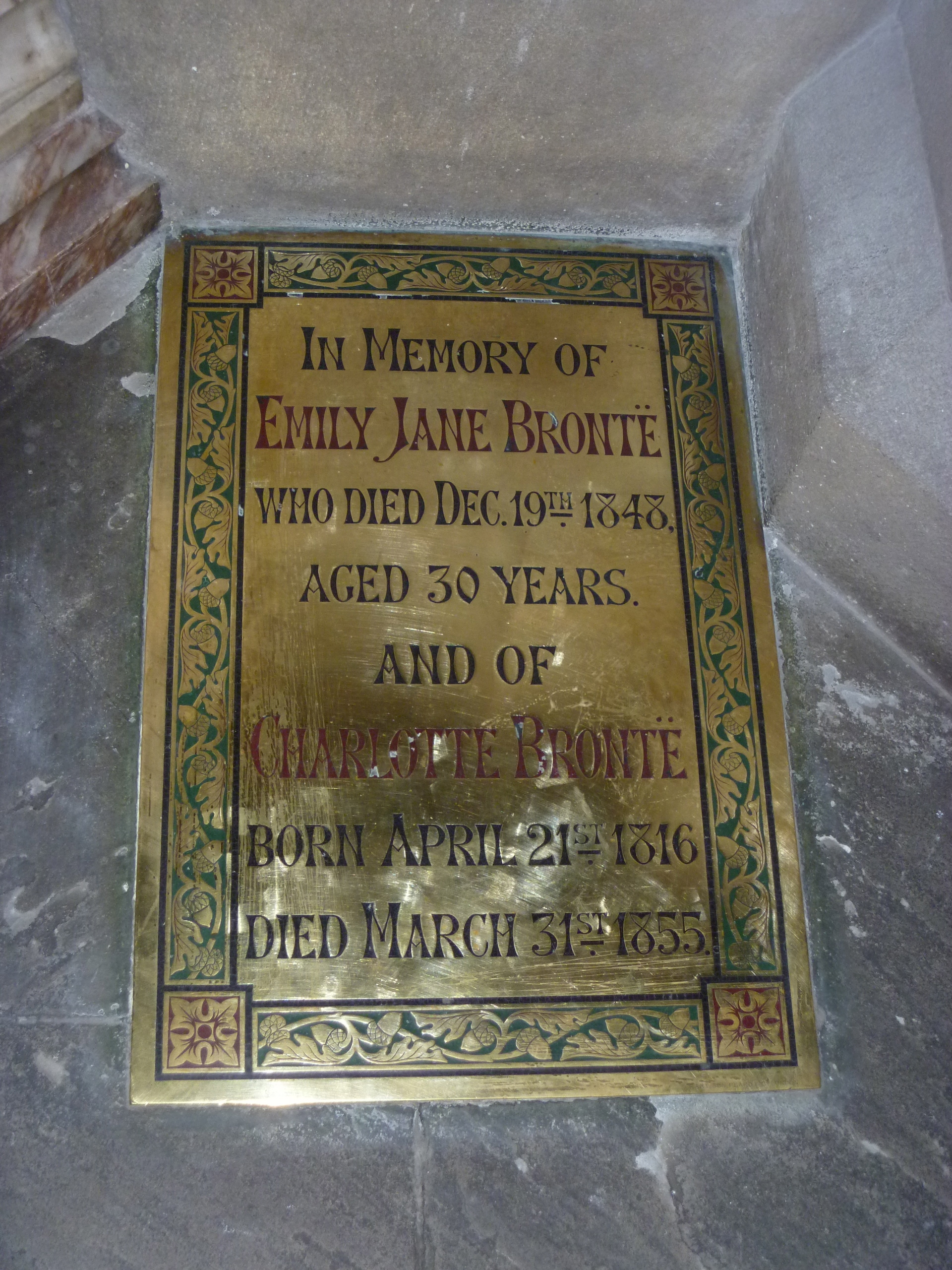
As we returned up the hill, back to the car park, we noticed that the church was open and popped quickly inside to look at the Bronte memorials before leaving the village.

The Old King’s Highway : Route 6A Cape Cod

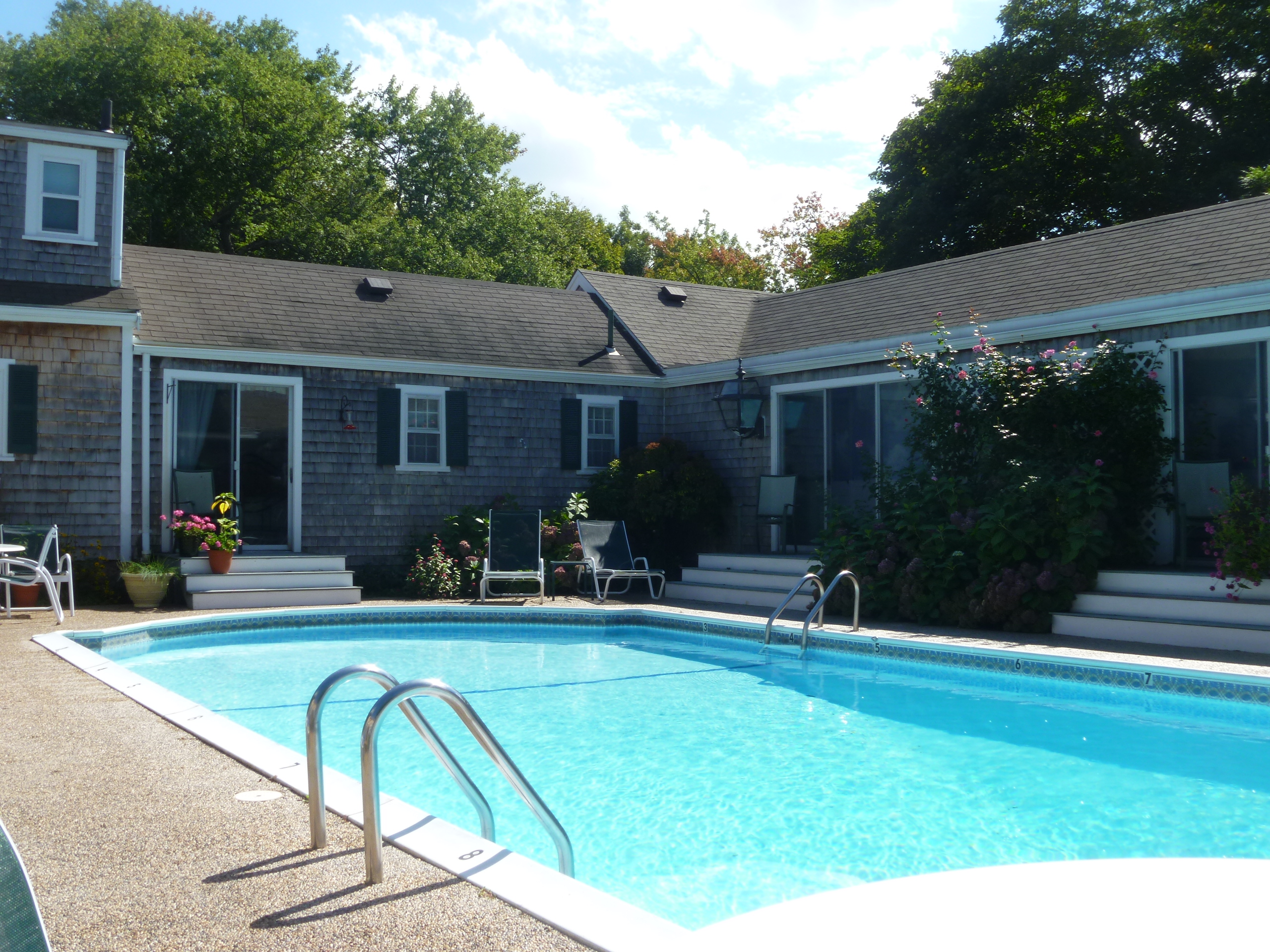
The final nine nights of our September New England holiday were spent on Cape Cod at one of our very favourite places : The Lamb and Lion Inn at Barnstable. This year was our fourth visit but this shrank in insignificance when we met two couples who had been visiting for their 18th and 23rd times respectively.

The Lamb and Lion Inn right on the 6A

So, I was pretty familiar with the Old King’s Highway but have only on more recent visits realised the full historical significance of this road. When you cross the Sagamore Bridge you join Highway 6 the main dual carriageway that links the Sagamore with Provincetown 72 miles away. However, to reach the Lamb and Lion and follow a slower pace and drop down a gear or two you need to take the Route 6A to the north.

The 6A leaves the 6 at Sagamore and rejoins it just west of the town of Orleans and in total the OKH is 34 miles long and traverses seven towns and is just yards from the beach in some places. In fact it is hard to realise that you are so near the seaside as you drive along but turn left (north) down almost any lane as you drive from Sagamore to Orleans and you’ll find  sandy beaches hugging Cape Cod Bay or, nearest to us at the L&L, the lovely sheltered Barnstable Harbour.

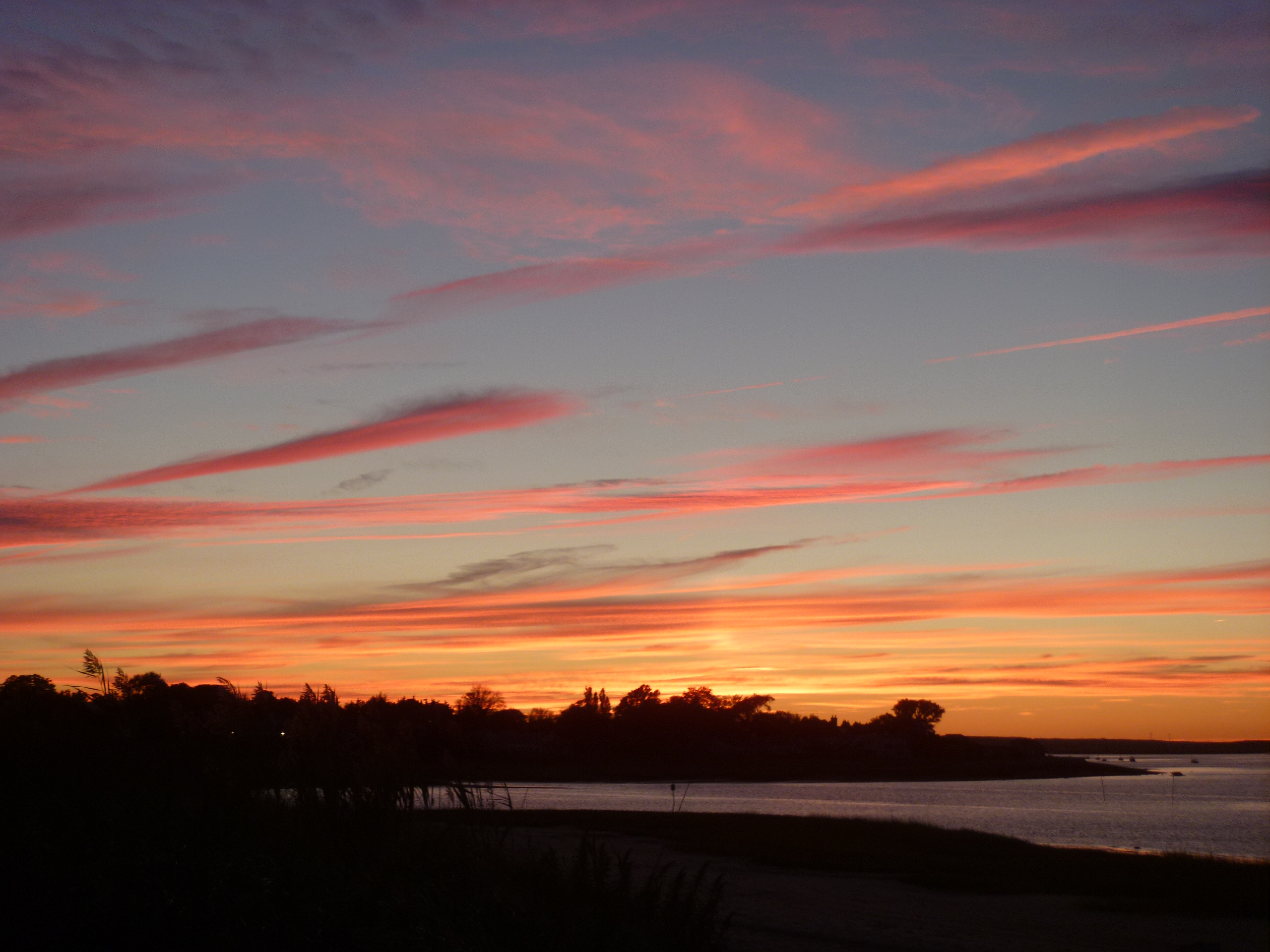
Sunset at Barnstable Harbor Beach

When we stay on Cape Cod we have a very limited “comfort zone” so the part of The Old King’s Highway that I’m going to tell you about is just that between Barnstable and Dennis. I just checked on Mapquest and it’s a distance of about 11 miles.

I have tried to find out exactly which “Old King” the highway is named for but it’s not mentioned in the bits of literature that I have collected and no sign on “Google” either. I assumed King George III but it’s much older than that – a late 17th century extension of the King’s Highway from Plimouth. The whole of it is designated a Regional Historic District and is the largest such district in America. It is also one of America’s most scenic highways.

This 34 mile roadway winds through 7 cape towns, past hundreds of historic sites and landscapes, including farmsteads, cranberry bogs, salt marshes, sea captain’s homes, and village greens.”

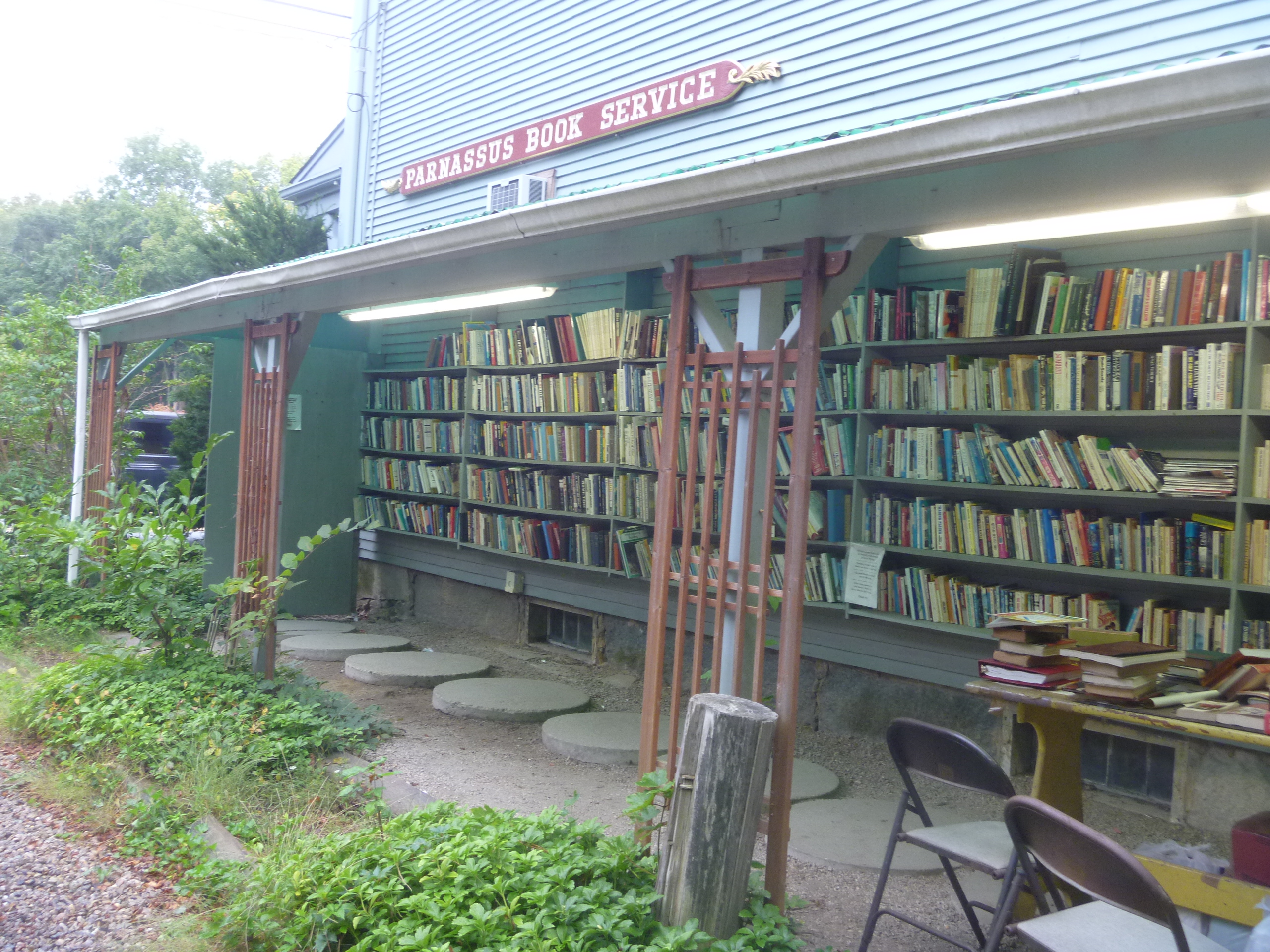
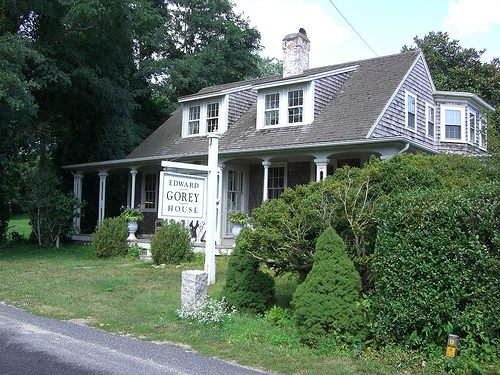
In addition there’s America’s oldest library (The Sturgis Library), a famous artist’s home (Edward Gorey), a Coastguard Museum, a unique secondhand bookshop (Parnassus Books), an Historic New England property (The Winslow Crocker House), great eateries and interesting, one-of-a-kind shops and galleries, roadside fruit and veg. stalls (we recommend the heritage tomatoes), shipyards and churches and cemeteries and all of those just within our 11 mile zone.

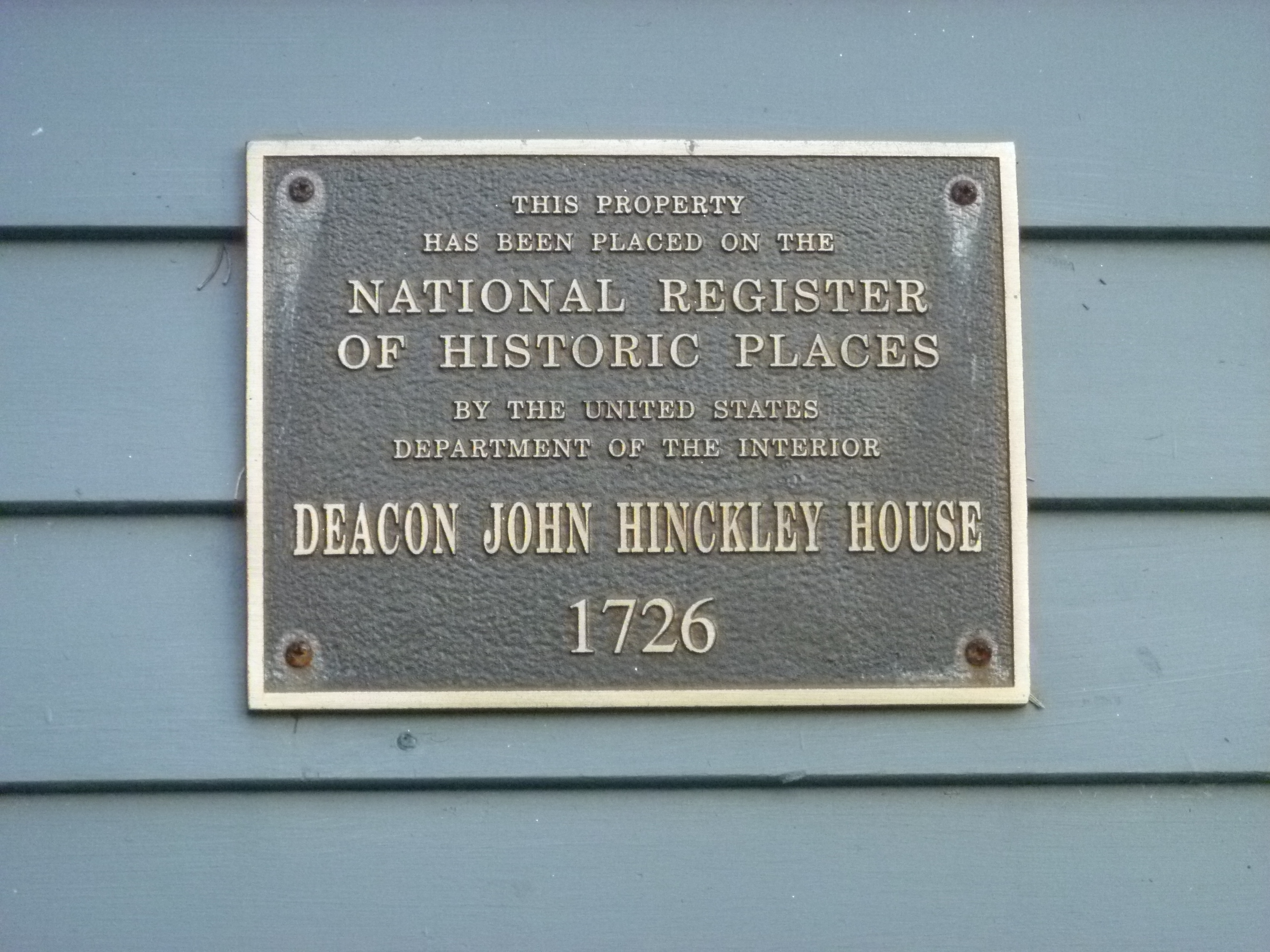
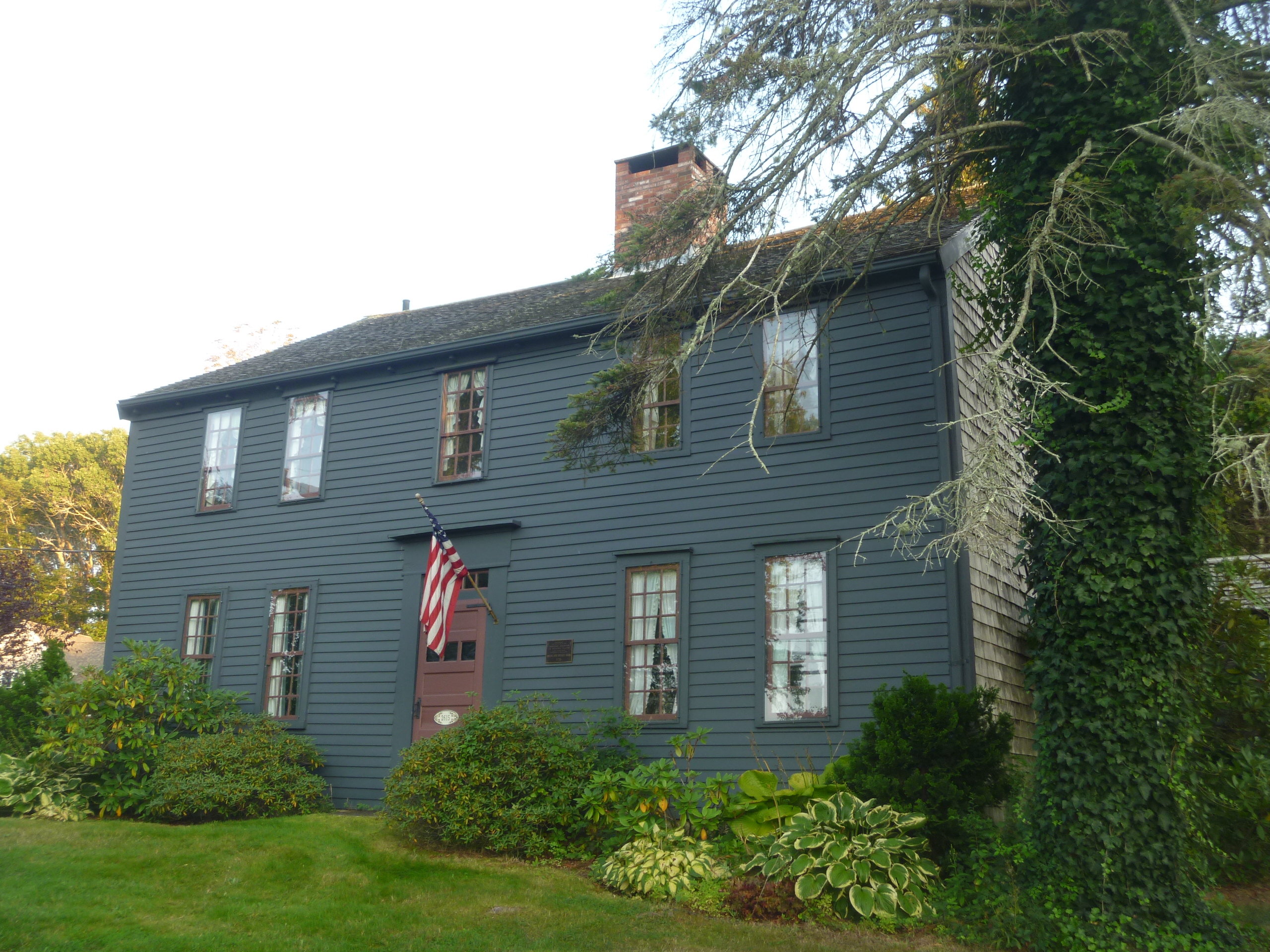
Historic House plaque – one of very many along the 6A

Deacon John Hinckley House (one of many historic properties along 6A)

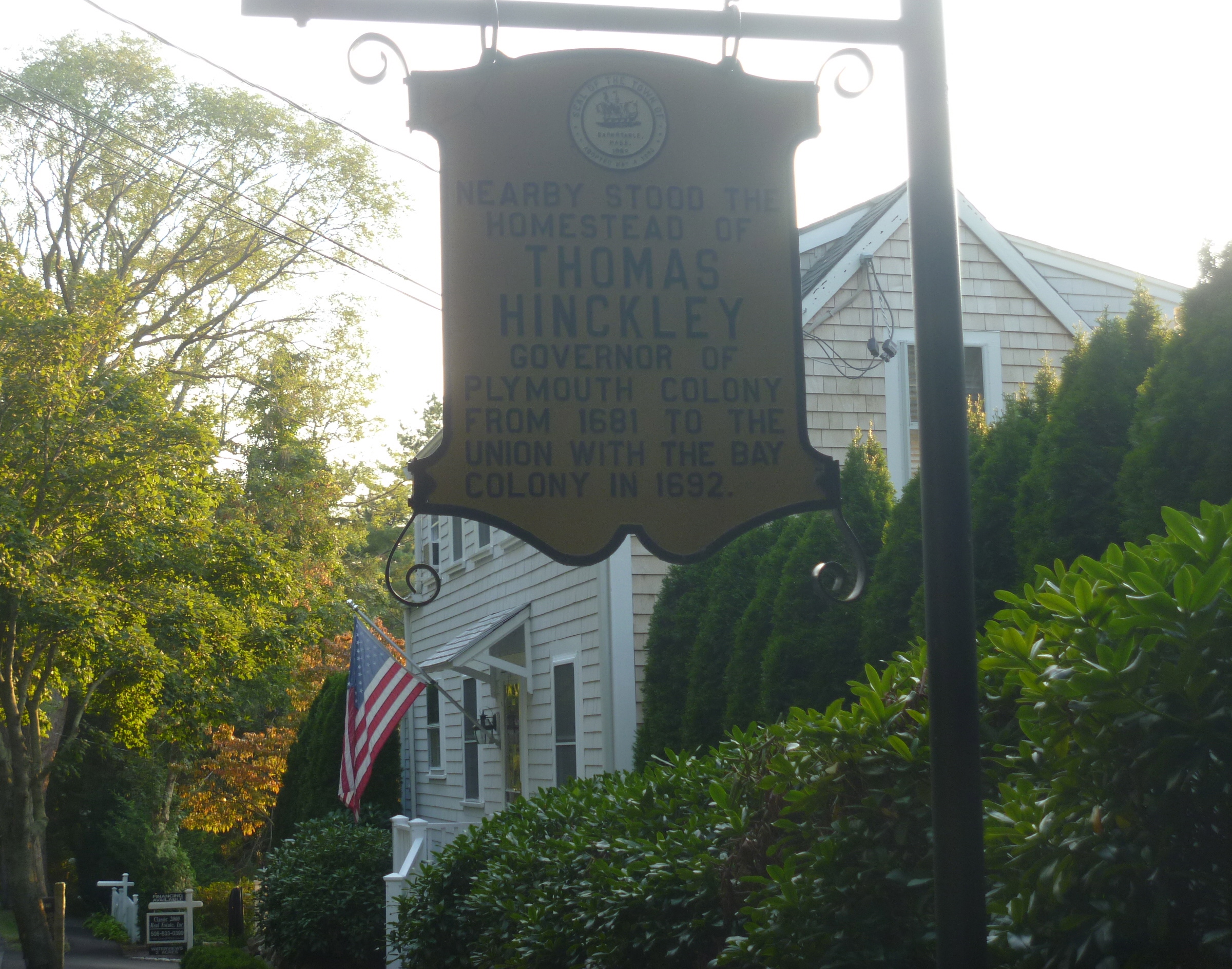
Thomas Hinckley Lived Near Here – such signs abound on the 6A!

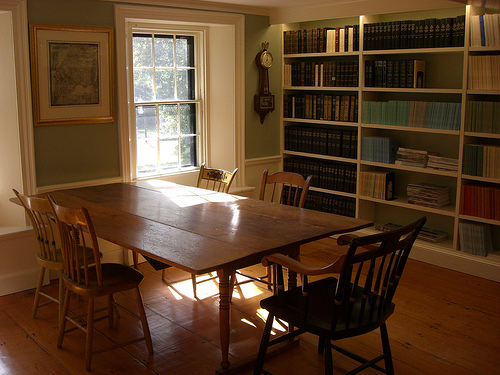
Inside The Sturgis Library, Barnstable

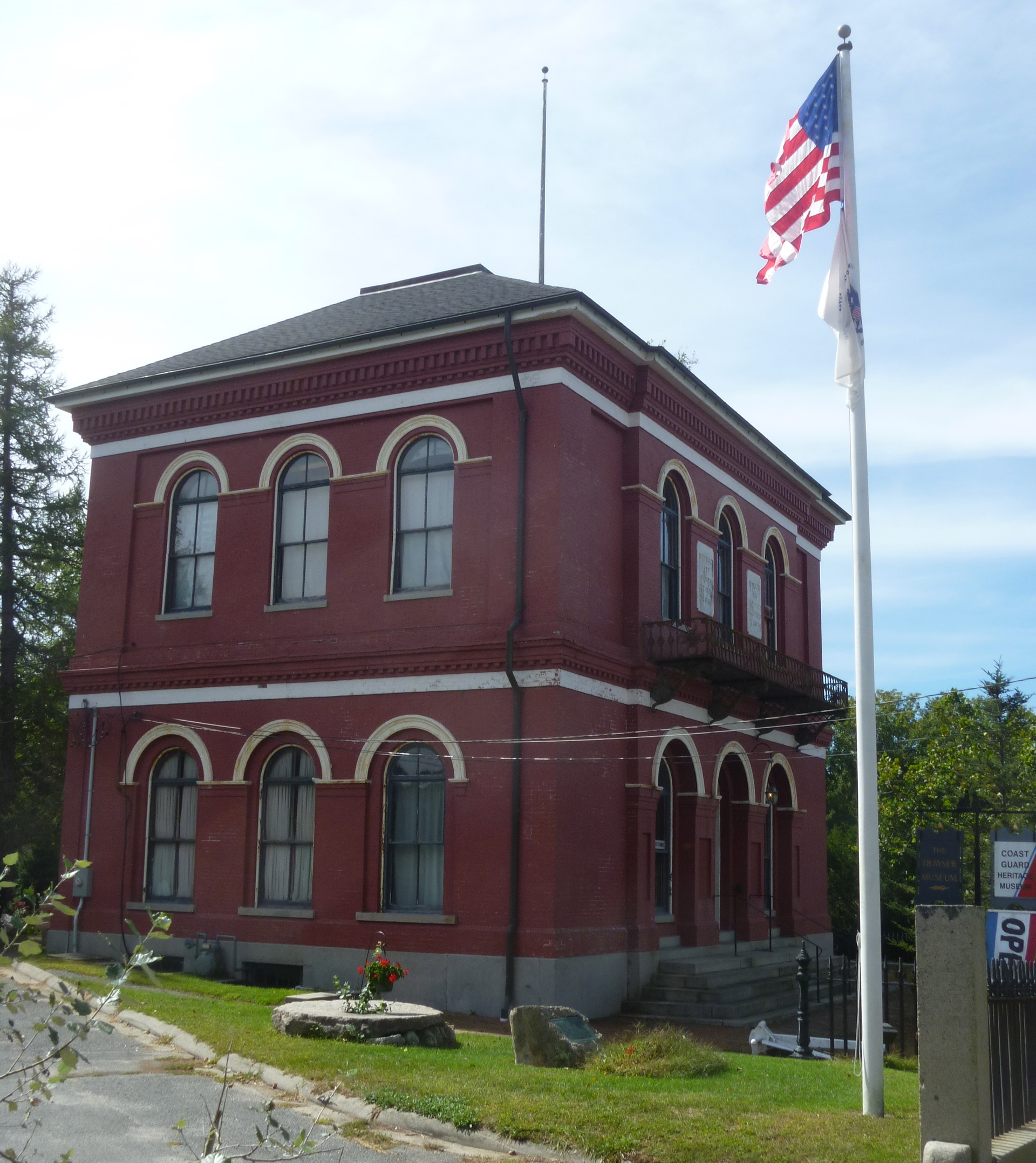
The Trayser Coastguard Museum, Barnstable

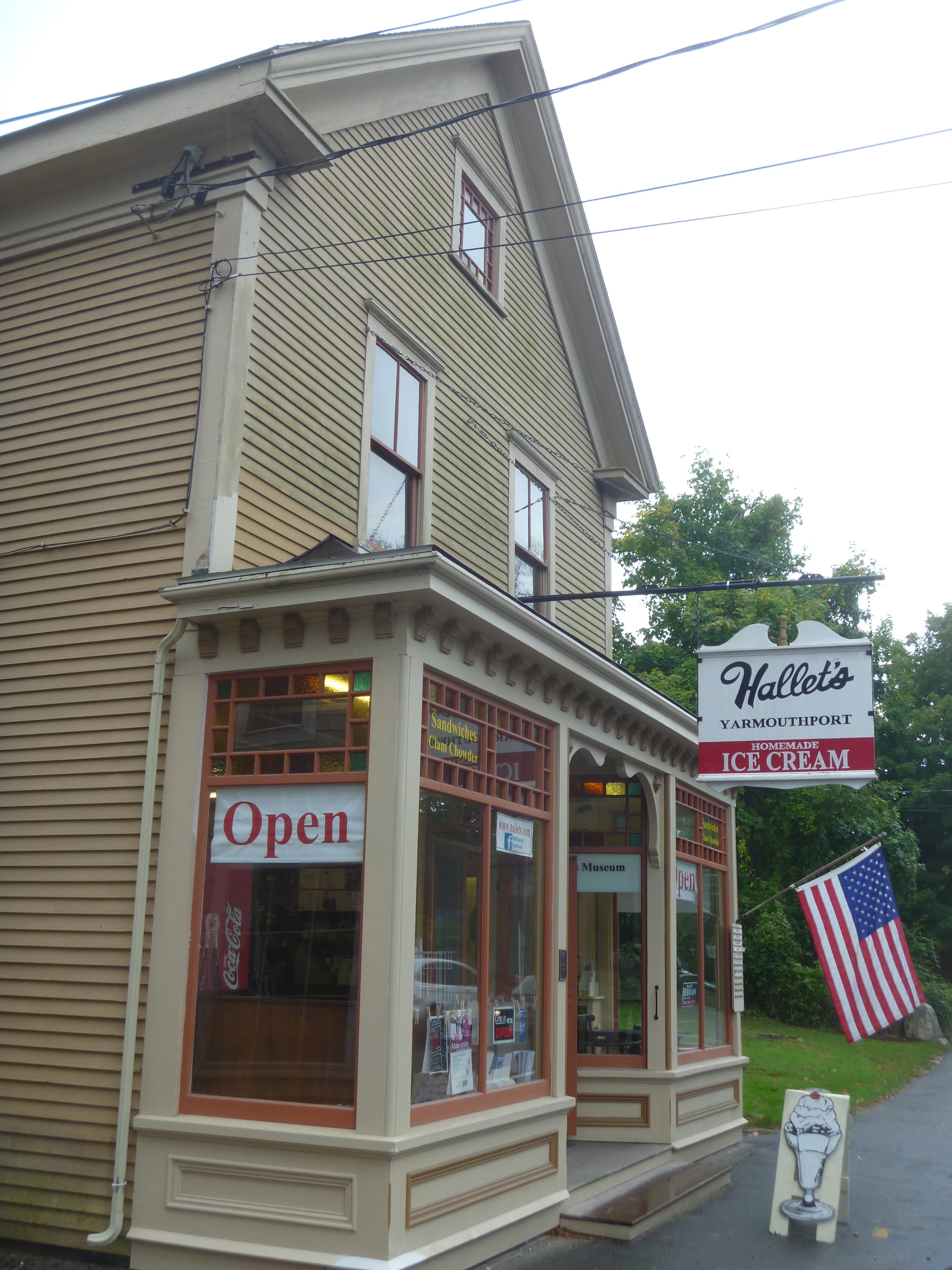
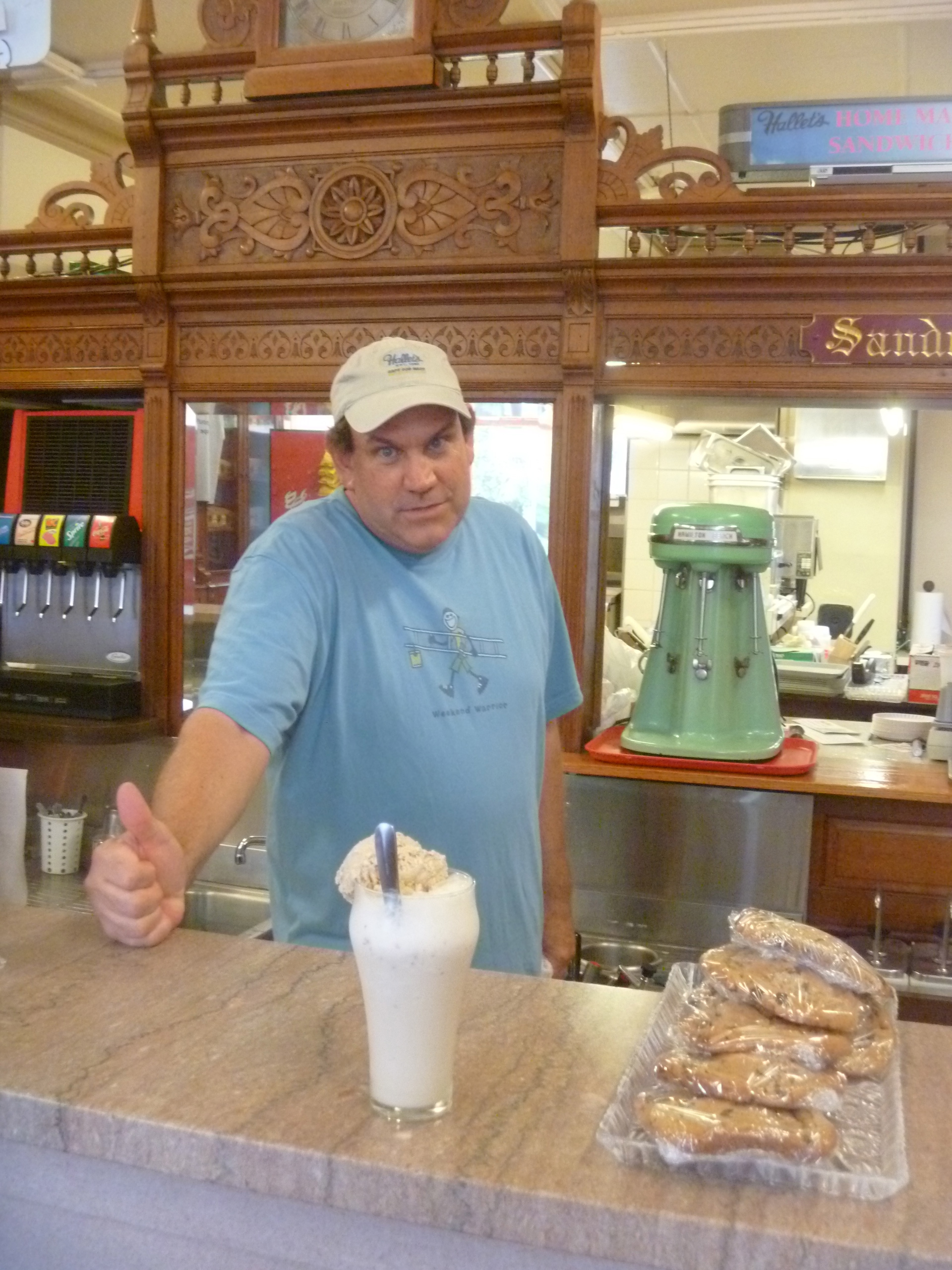
Hallet’s Soda Fountain

My ice cream soda is ready!

Parnassus Books (so much more inside!)

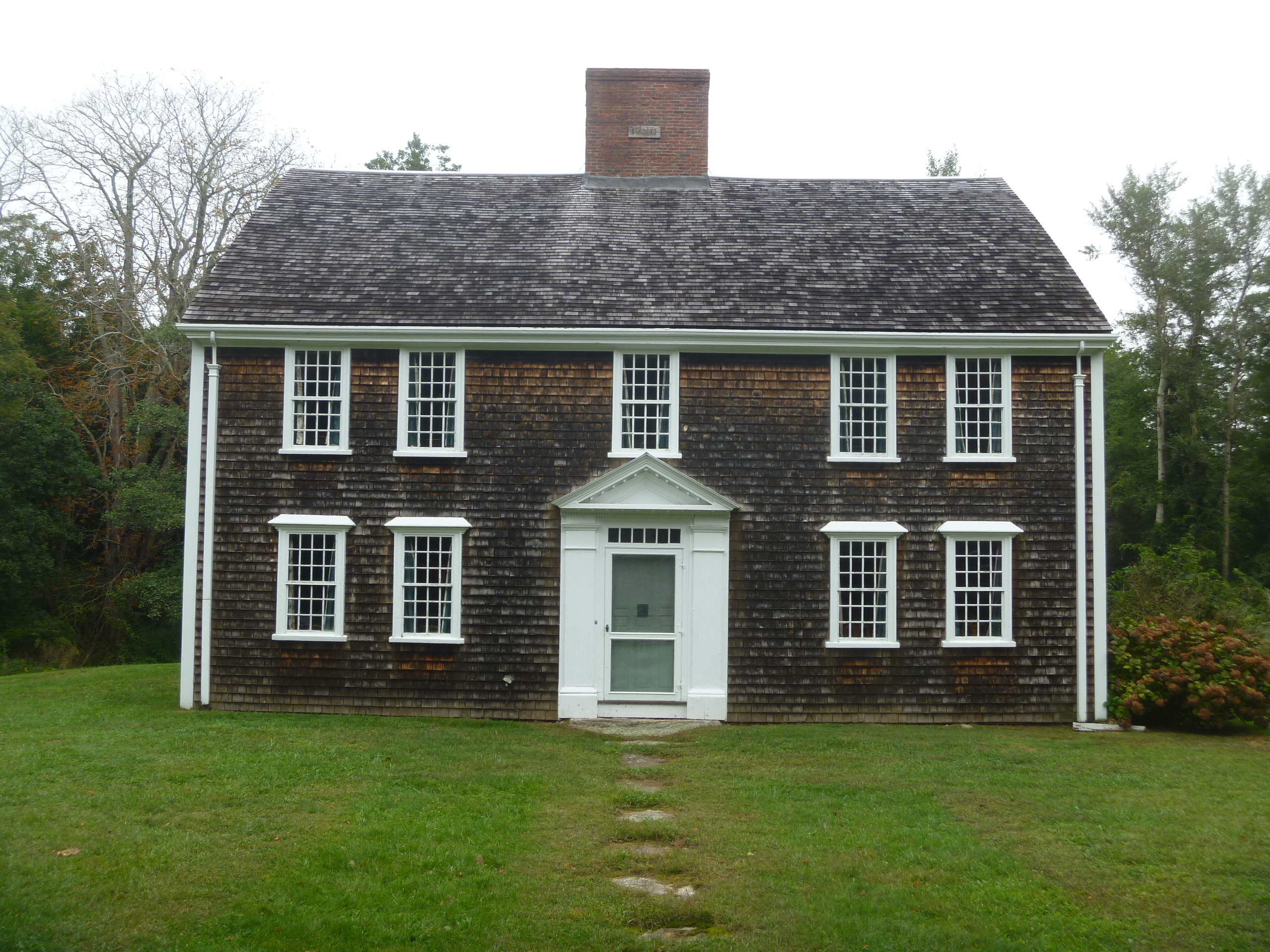
The Winslow Crocker House

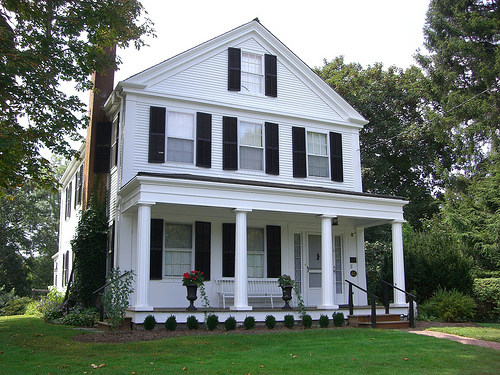
(Sea) Captain Bang’s Hallet House

Edward Gorey House

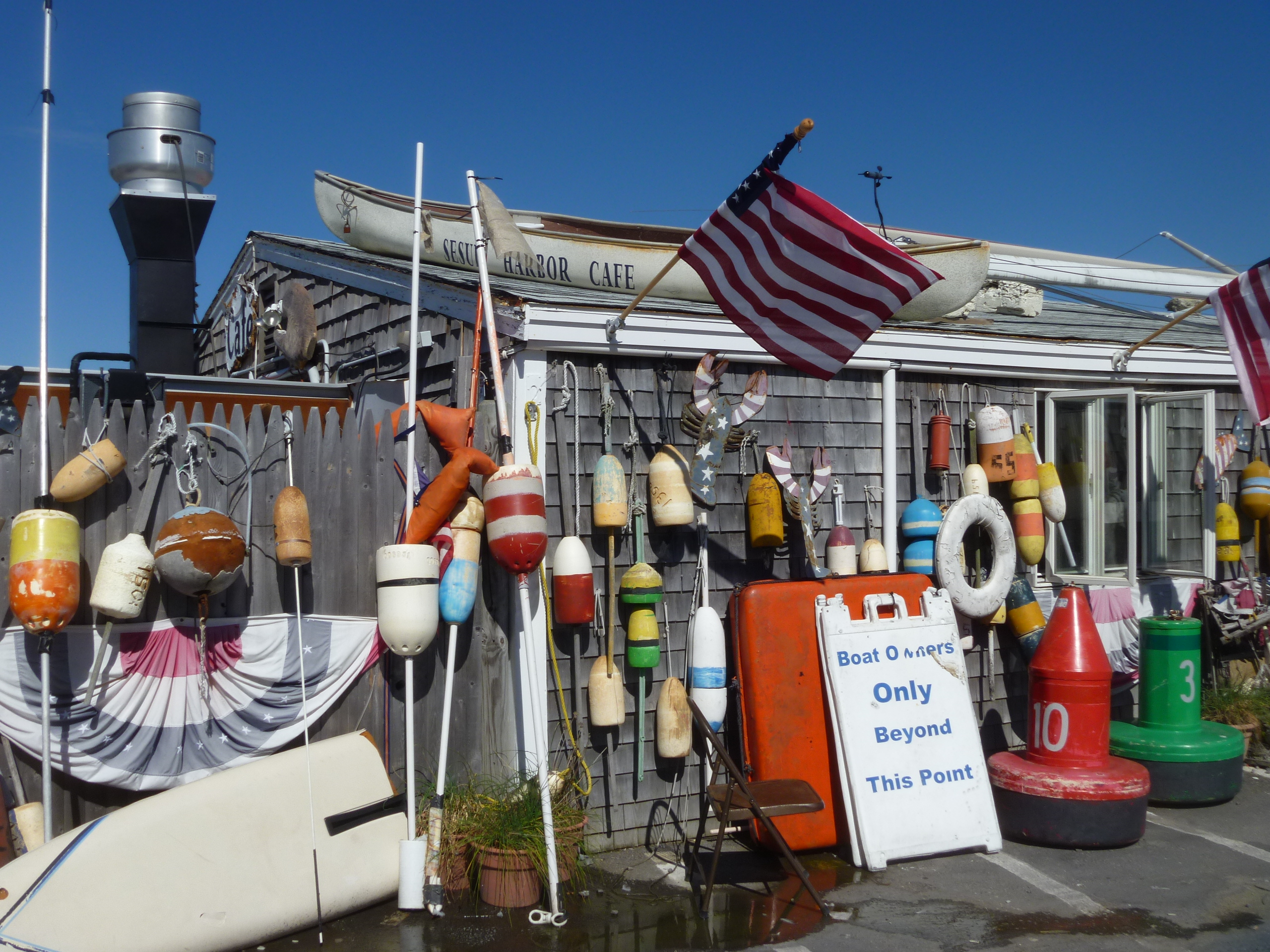
Sesuit Harbor Cafe

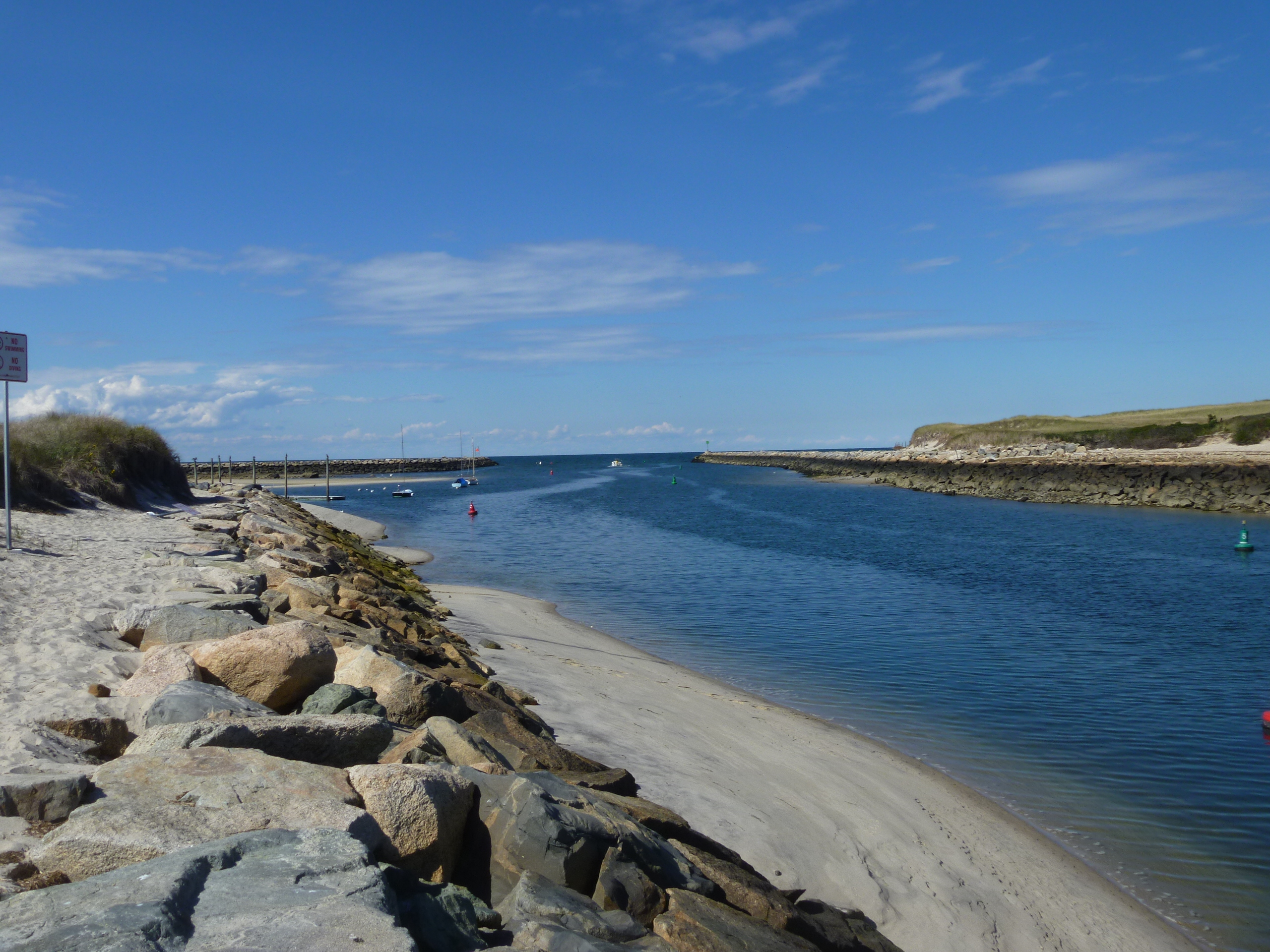
Sesuit Harbor