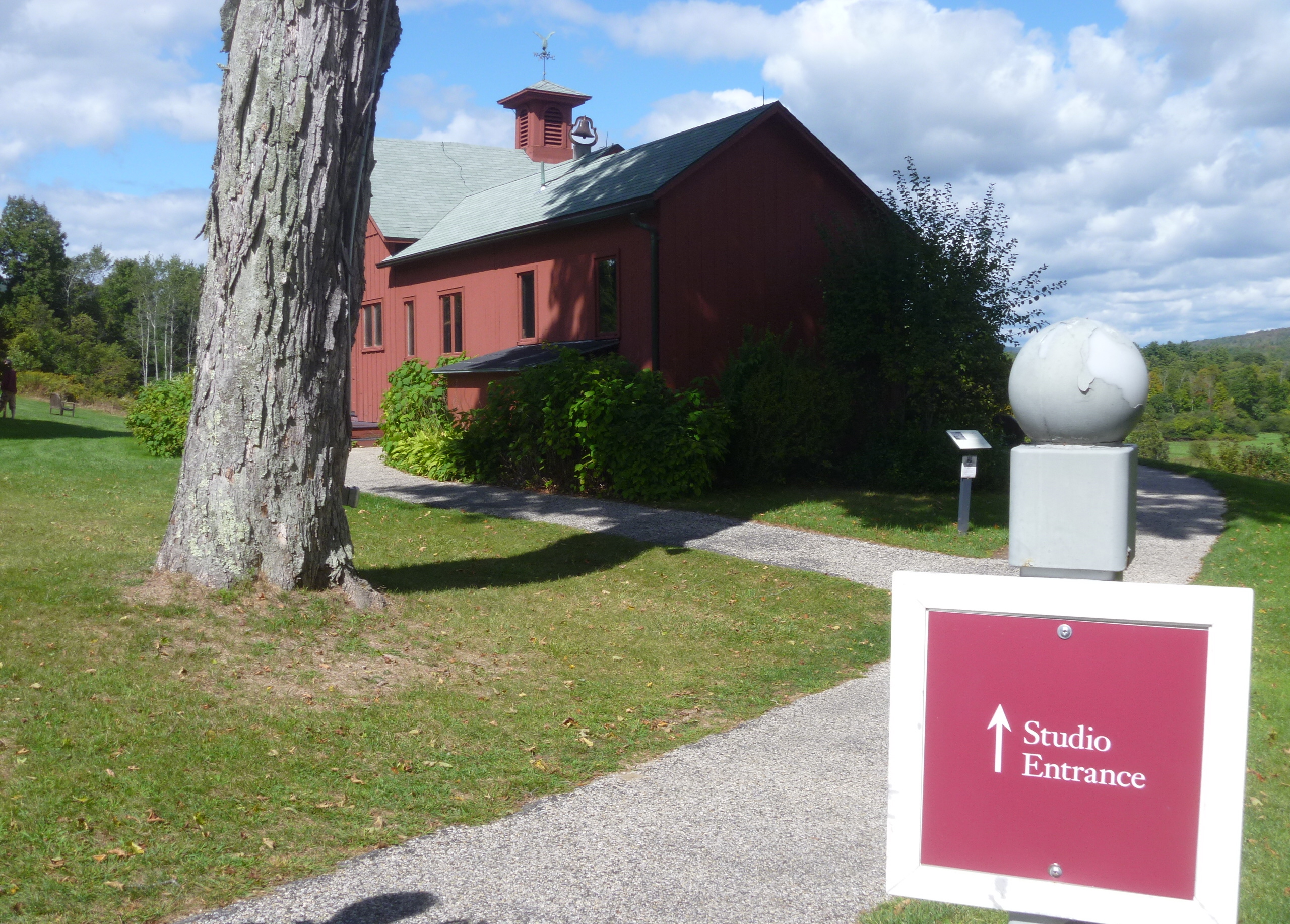
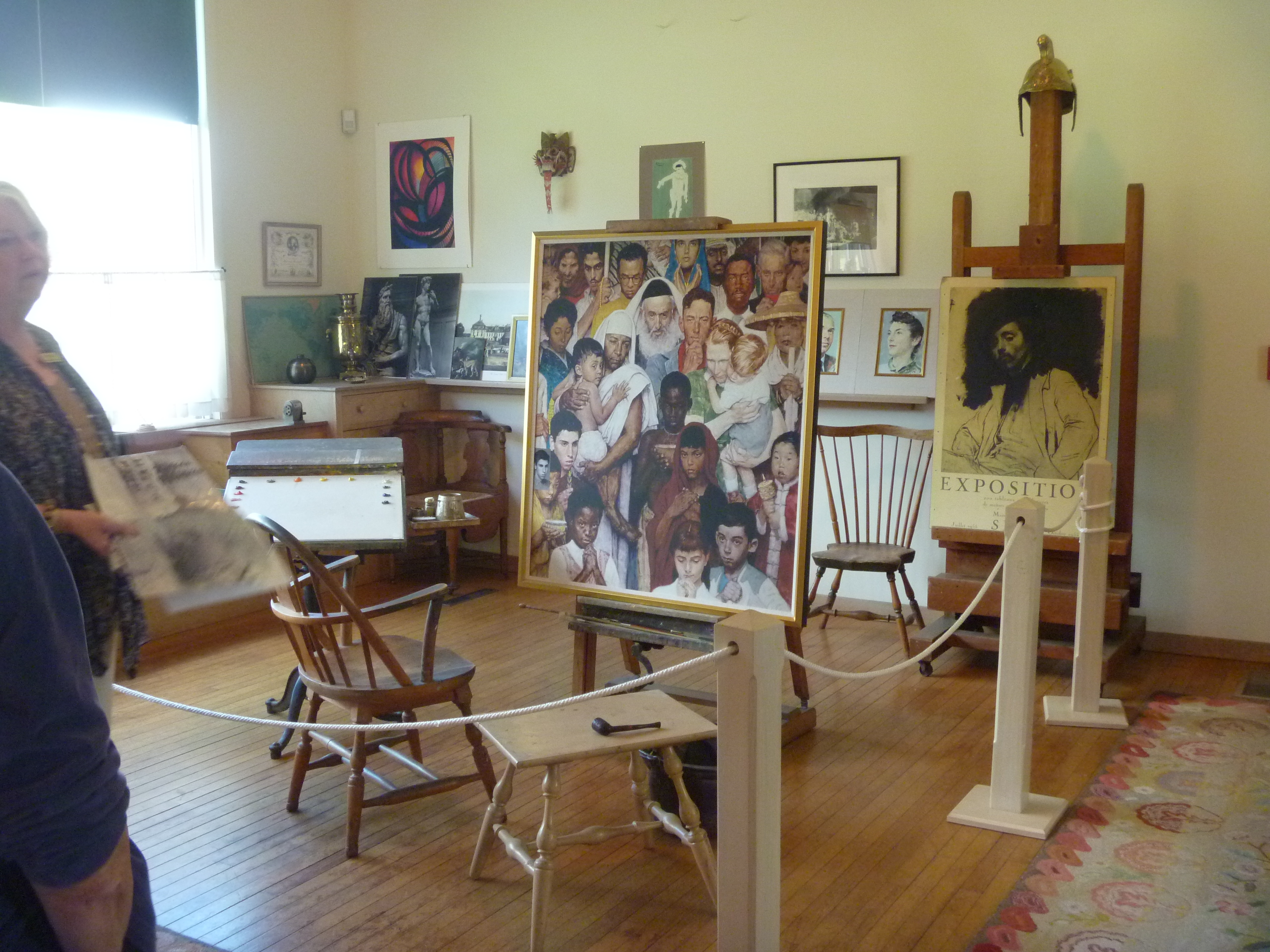
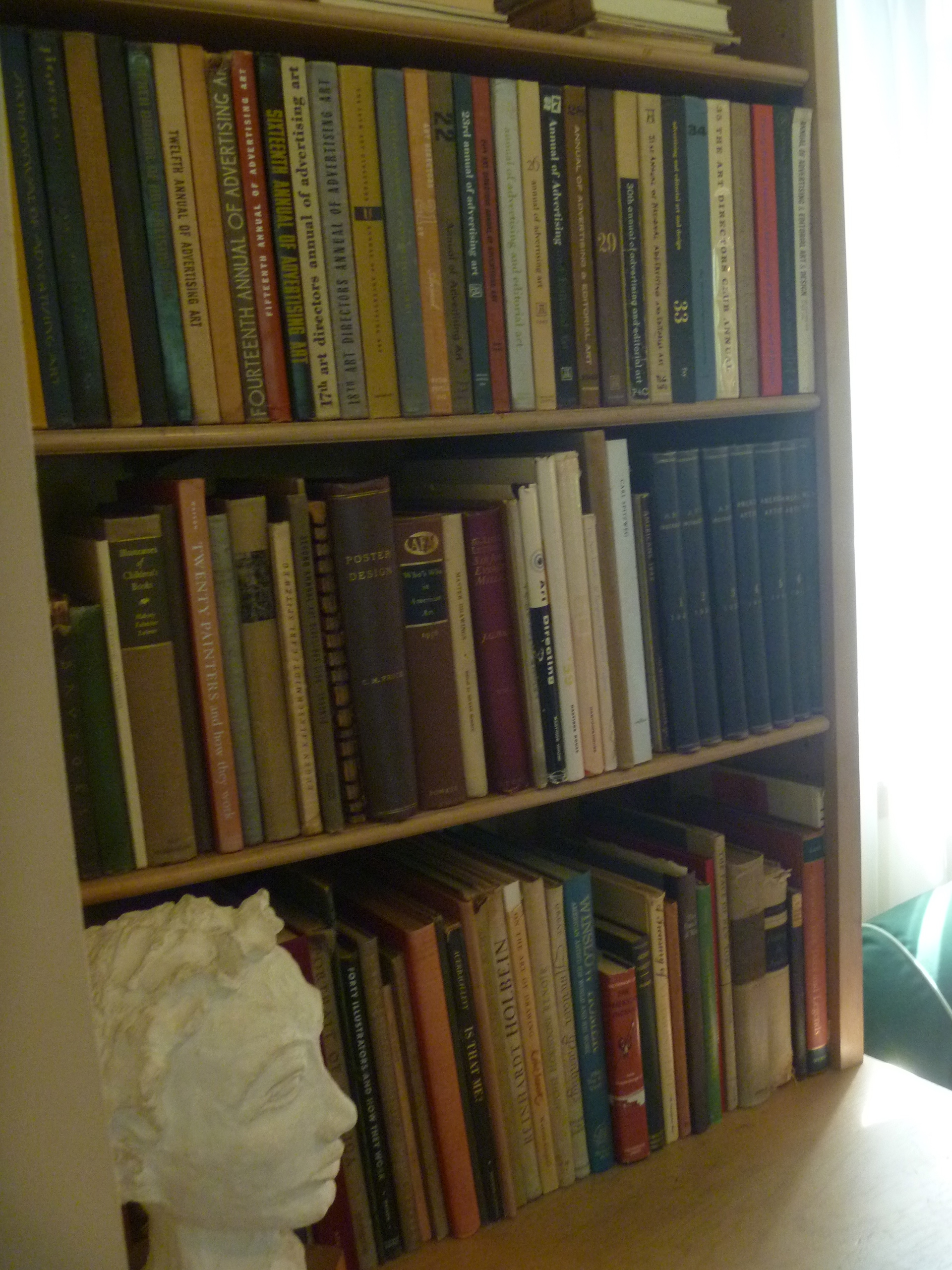
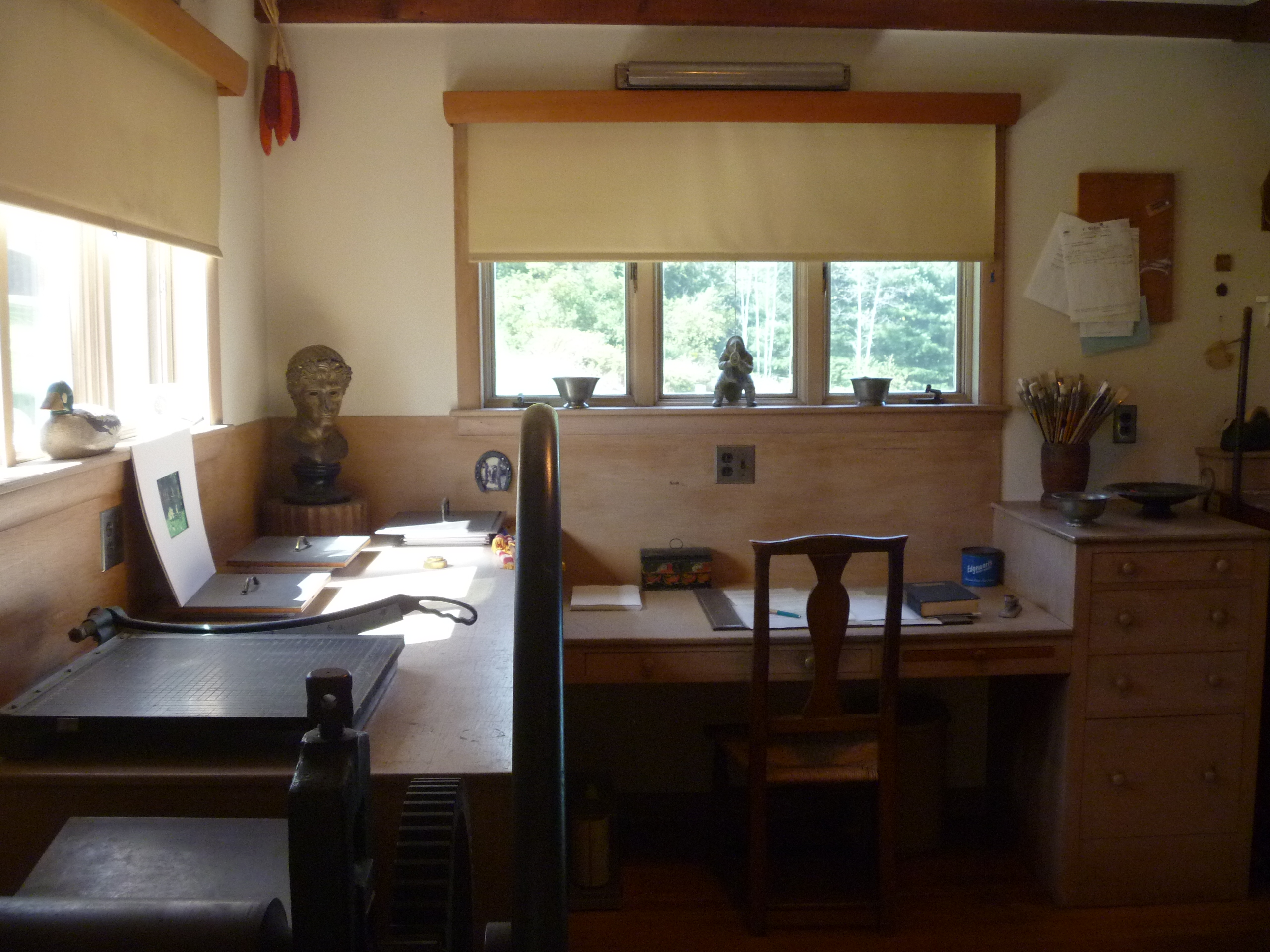
Don’t Call Me Ishmael – Part Two : Where a Mountain Inspired a Tale of a Whale : Herman Melville’s Arrowhead

Don’t Call Me Ishmael‘ was the title of a post here a year ago in which I wrote about a visit with a friend to the Mattapoisett Historical Museum to inspect the Ashley Whaling Mural a map of the south coast of New England from the mouth of the Connecticut River to Cape Cod. We also looked at Whaling Journals.
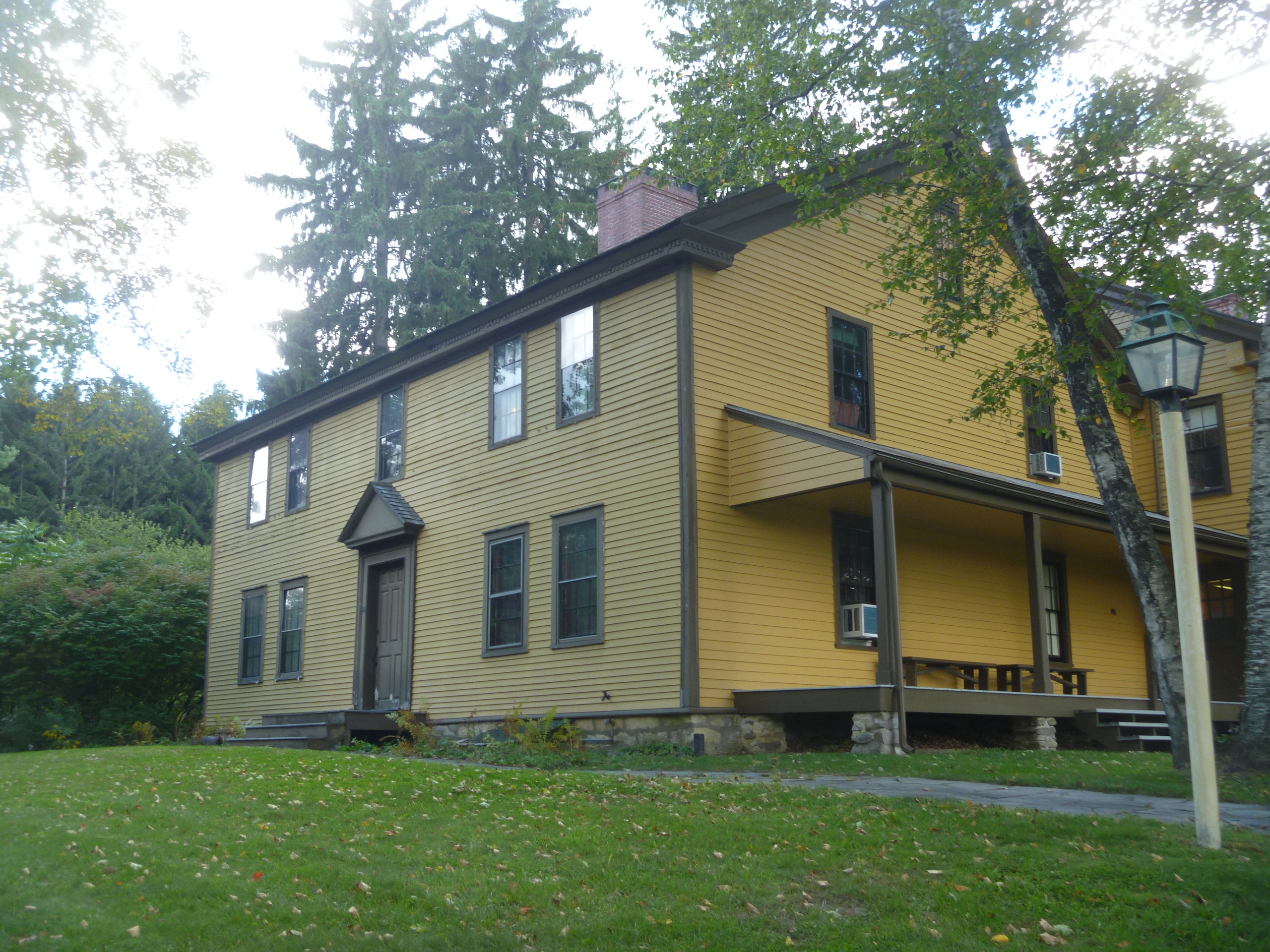
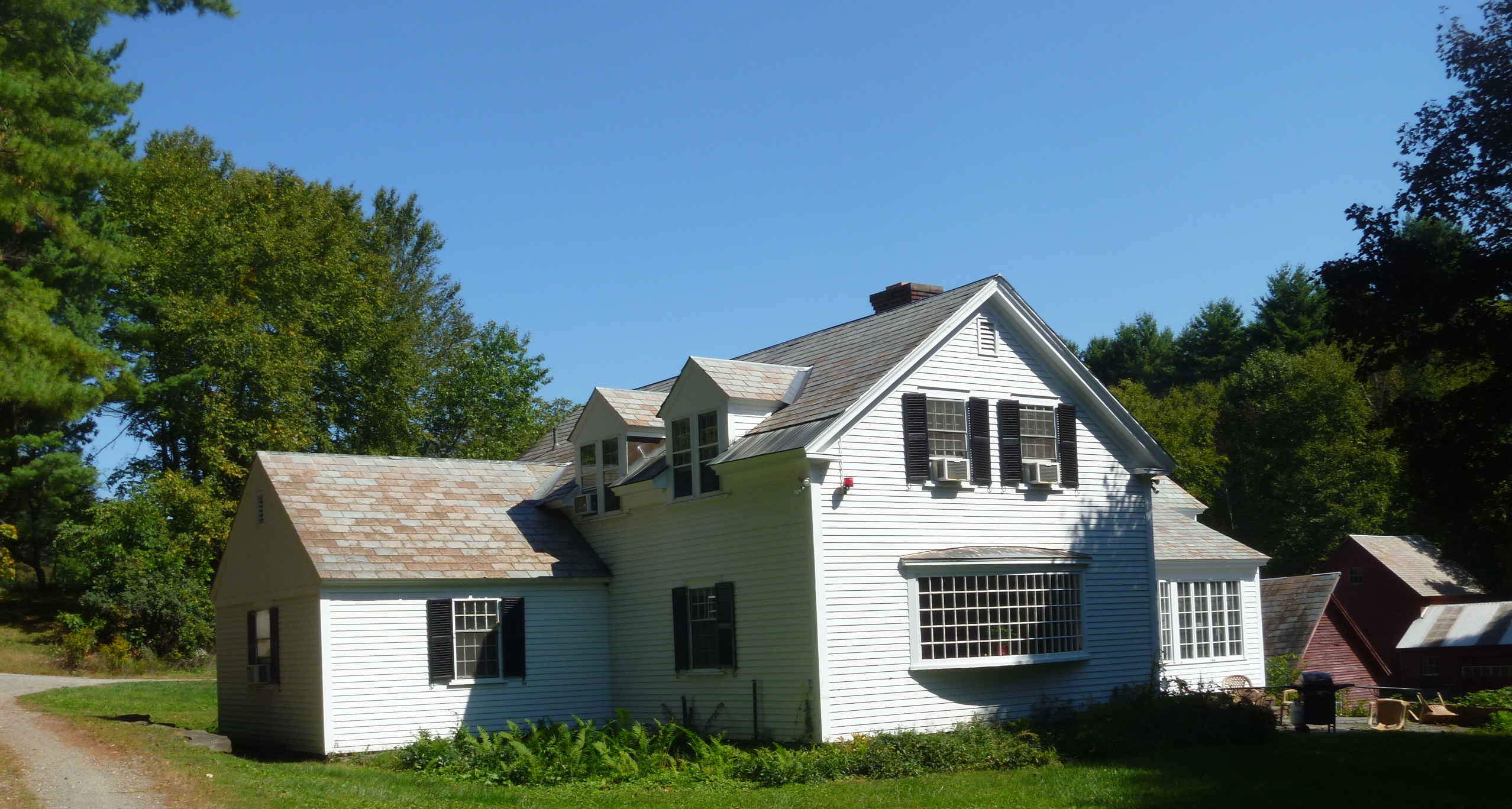
There was just time on Saturday 15 September, after our visit to The Norman Rockwell Museum and Stockbridge, to fit in a tour of Herman Melville’s home Arrowhead, just a mile along the road from our Lenox motel in Pittsfield, MA.

In the summer of 1850, seeking a reprieve from the heat and noise of New York City, Herman Melville brought his young family to Pittsfield, Massachusetts, a place he had visited since childhood.

Flush with the success of his first books and entranced by his meeting of Nathaniel Hawthorne, Melville impulsively bought a nearby farm, which he named Arrowhead. That winter, ensconced in his study with its view of Mount Greylock, Herman Melville wrote his masterpiece ‘Moby Dick’.

Melville’s most productive years were those he spent at Arrowhead; works written here include ‘Pierre’, ‘Benito Cereno’ and ‘The Confidence-Man’. Melville and his family returned to the city in 1863, but Arrowhead remained in the Melville family until 1972.”
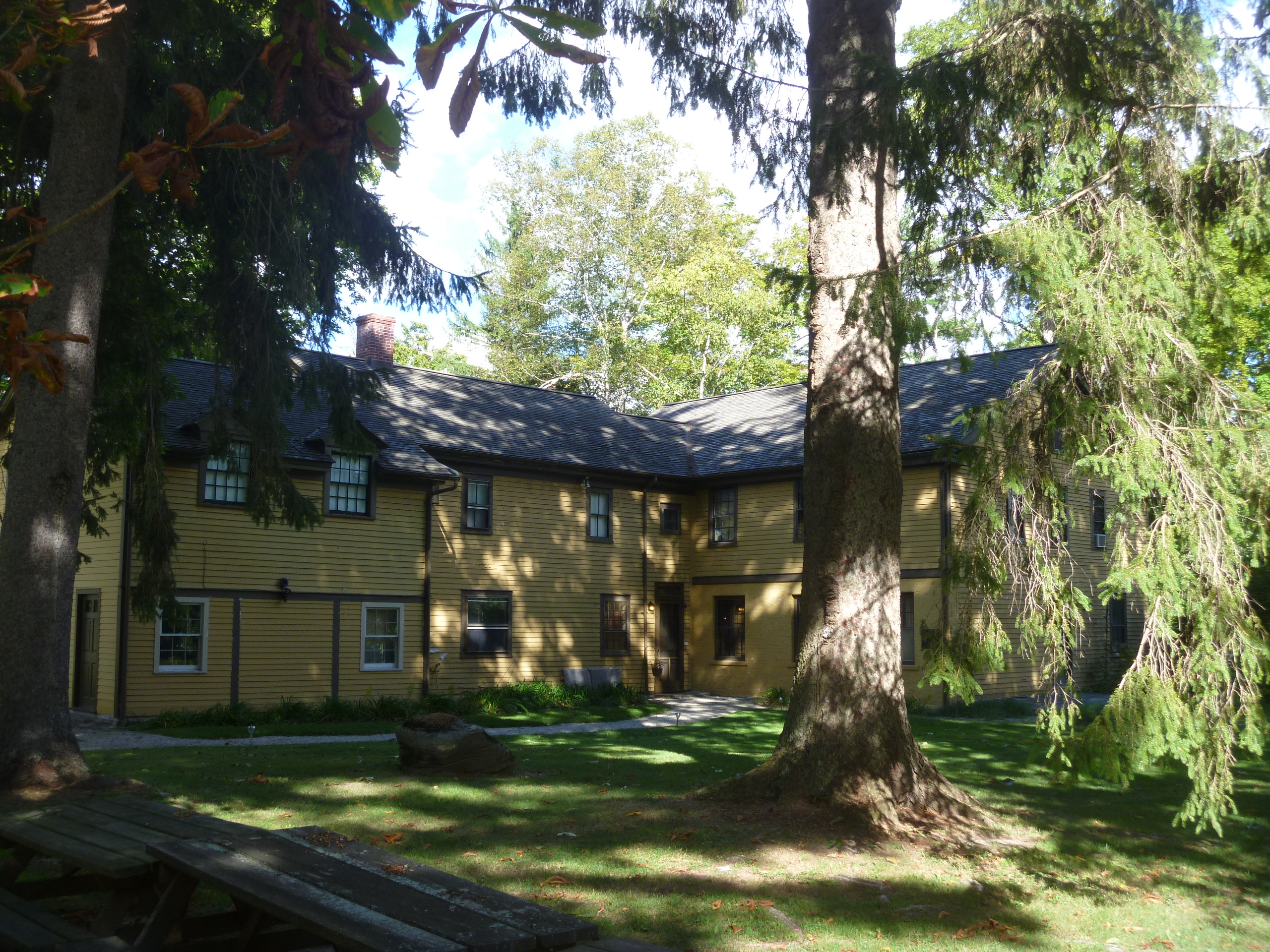
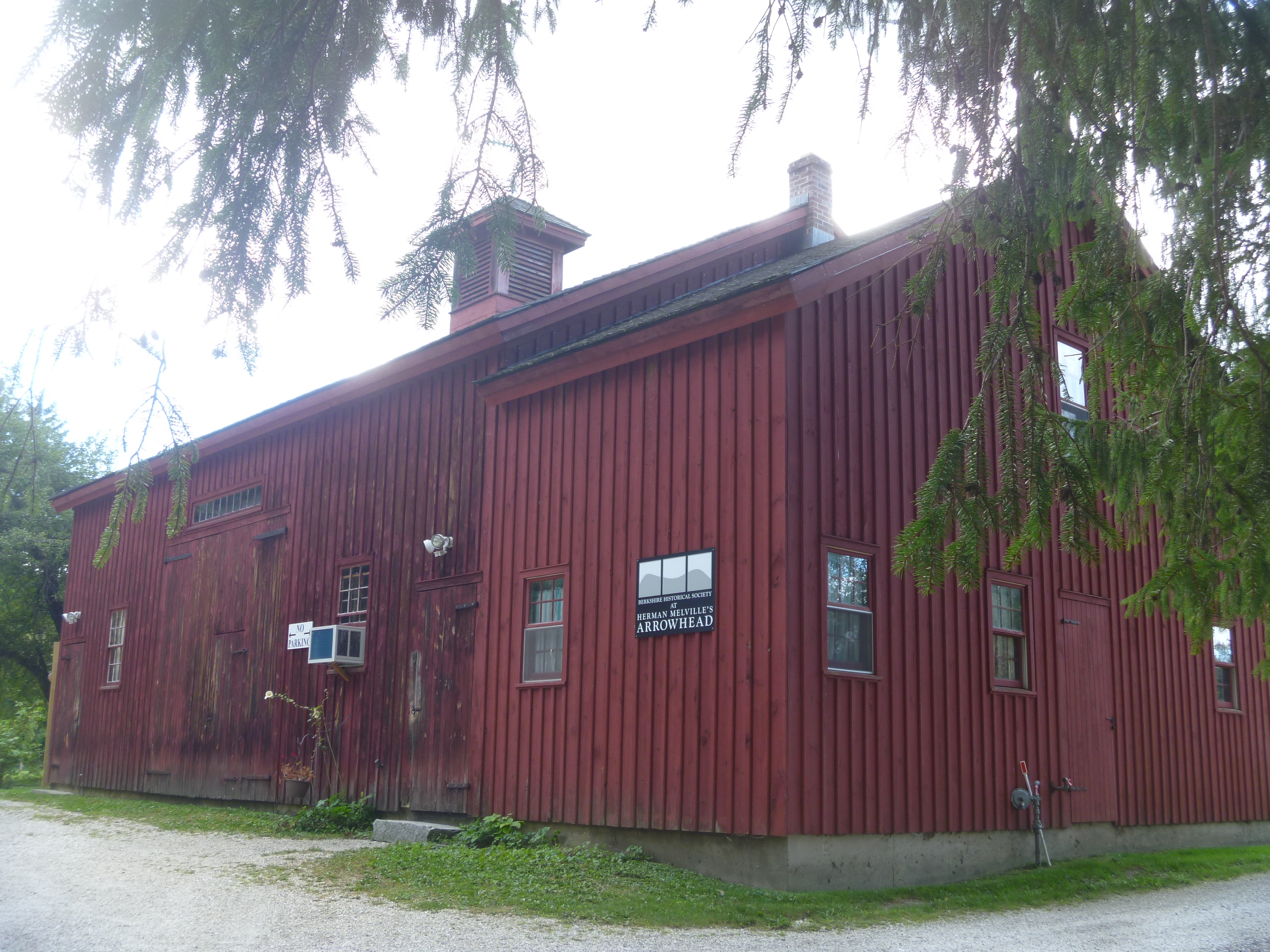
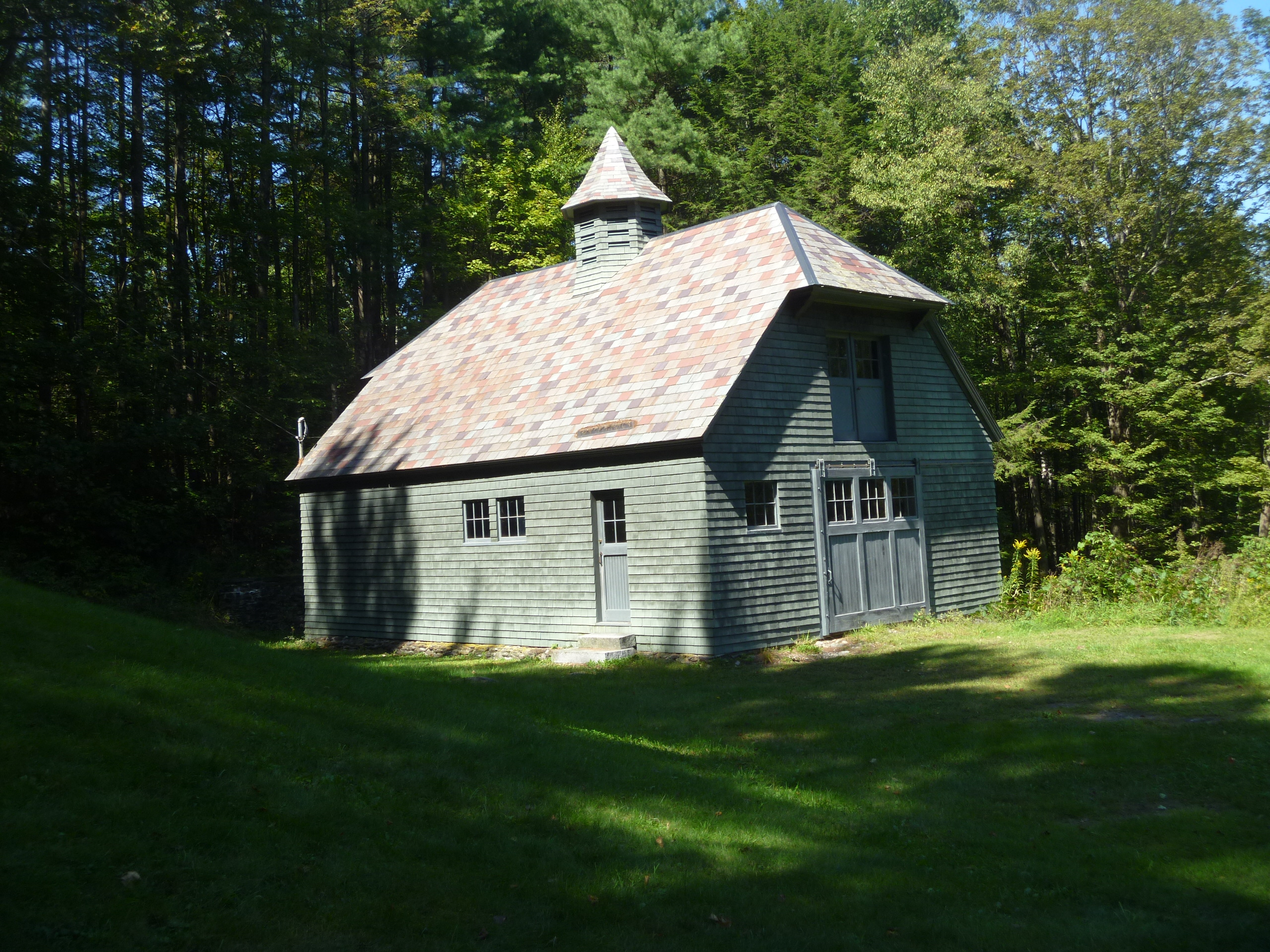
The Barn Shop and Information Desk

In a barn behind the house there’s a shop and the desk where you can book for a house tour. In another out-building there’s an exhibition “So Far From Home: Whalers and Whaler Art”.
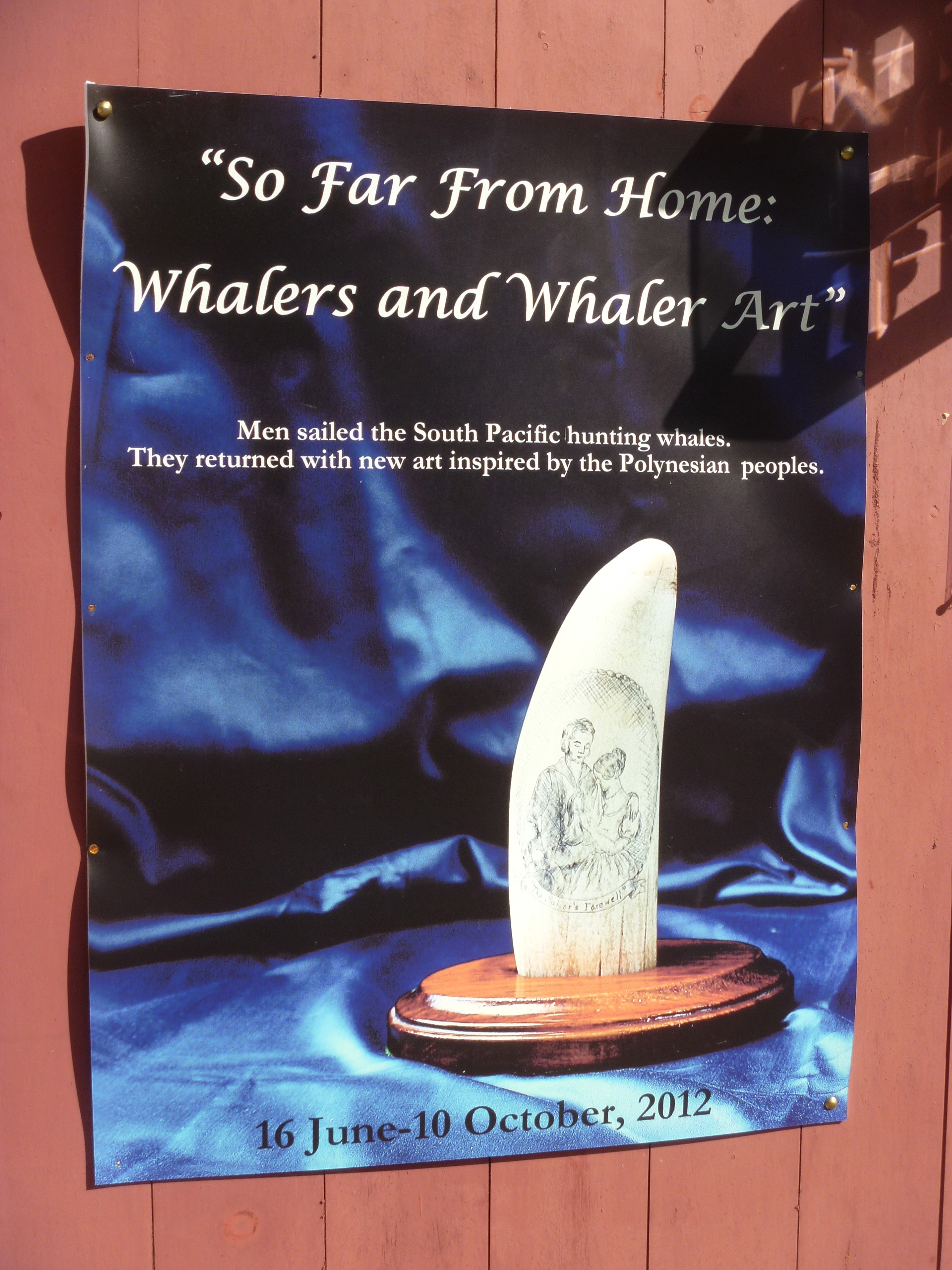
“The exhibit explores how Polynesian artworks influenced the art of visiting whalers like Melville, with a display of images, text, scrimshaw, tattoos, and Polynesian art and artefacts. Collector Jeffrey McCormick loaned a large selection of scrimshaw and other items to make this exhibit possible.”

There are also some fine examples of Whaling Journals and a model of the whaling ship ‘The Wanderer’.
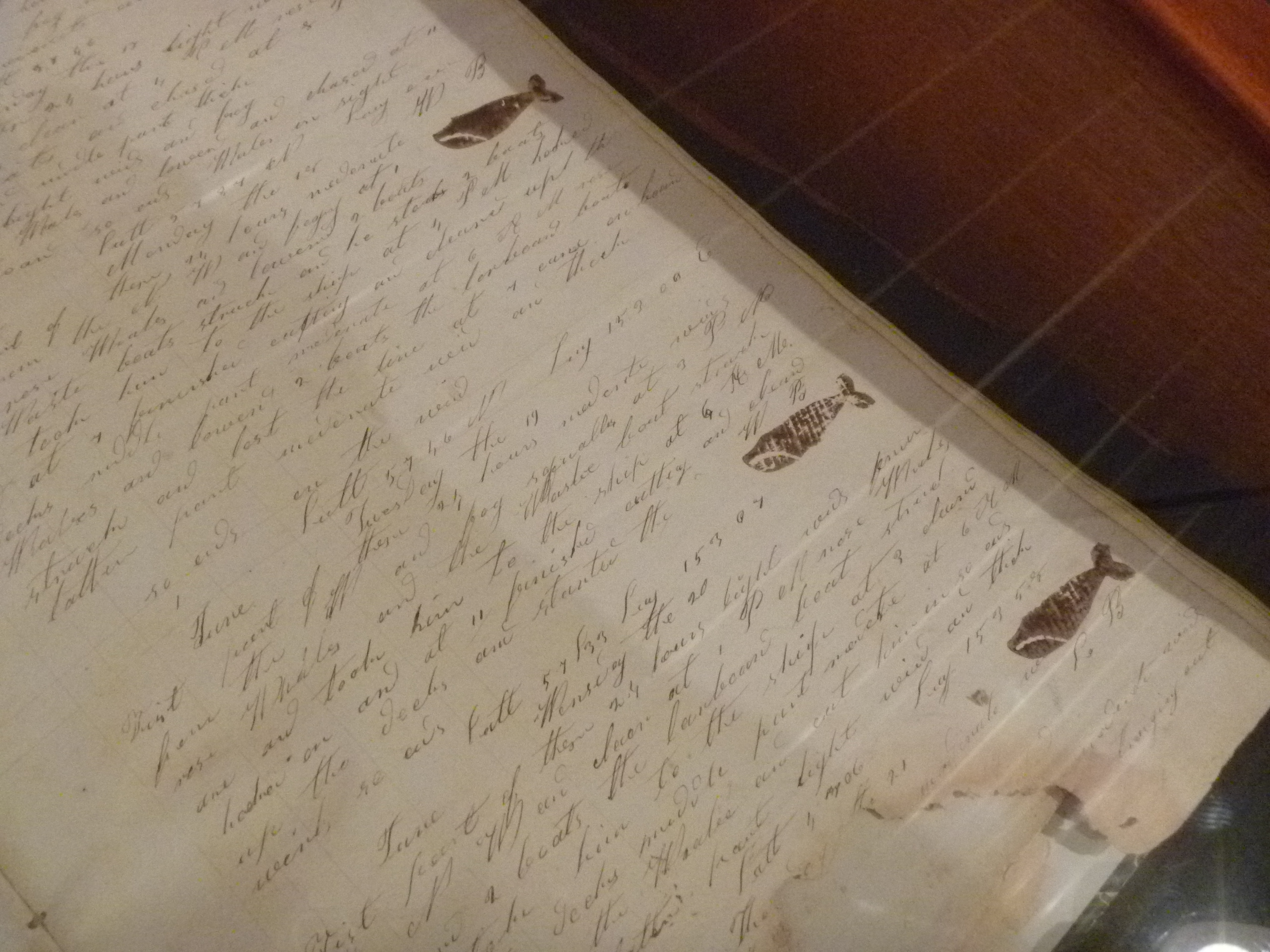
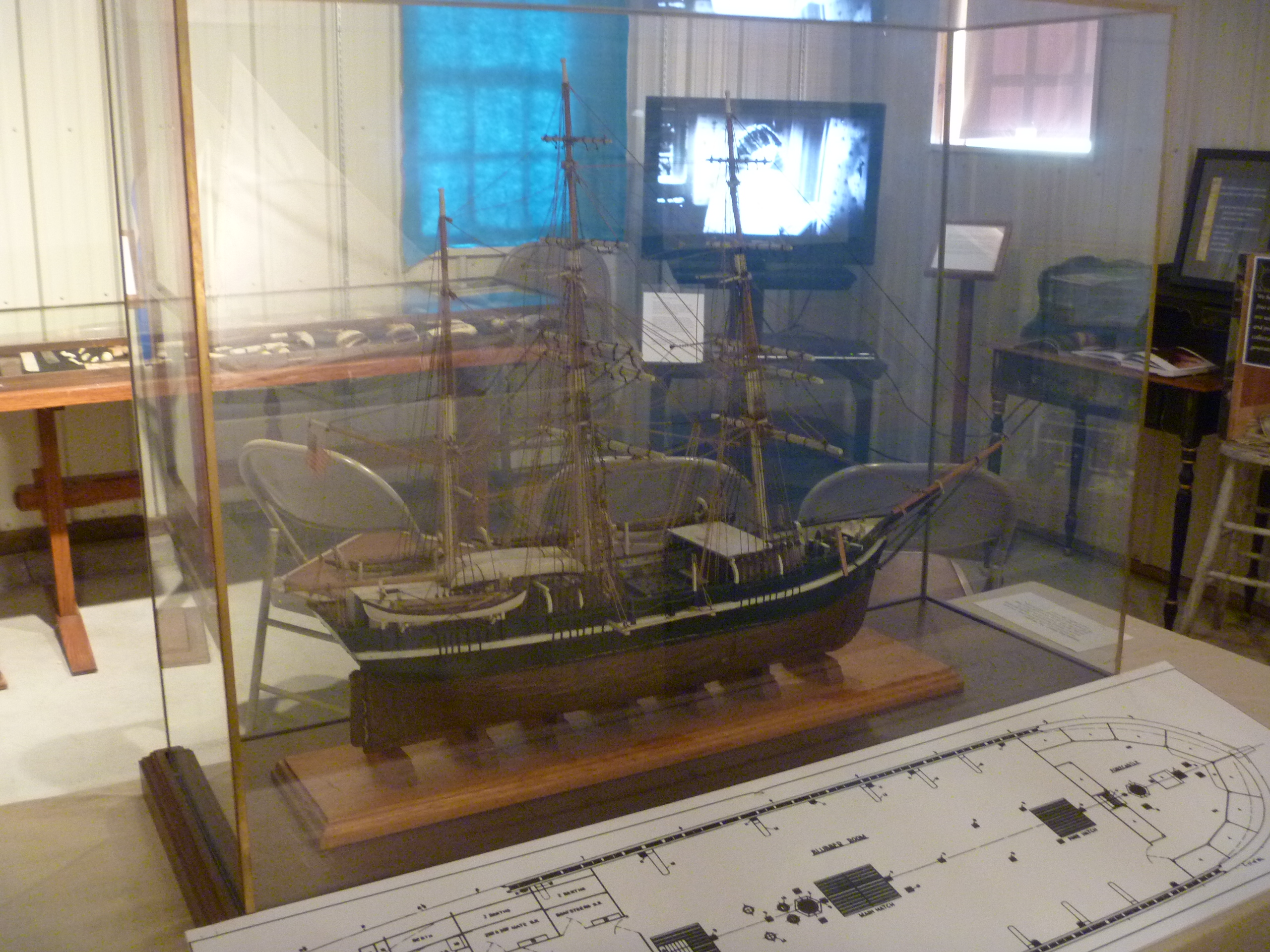
Model of The Wanderer

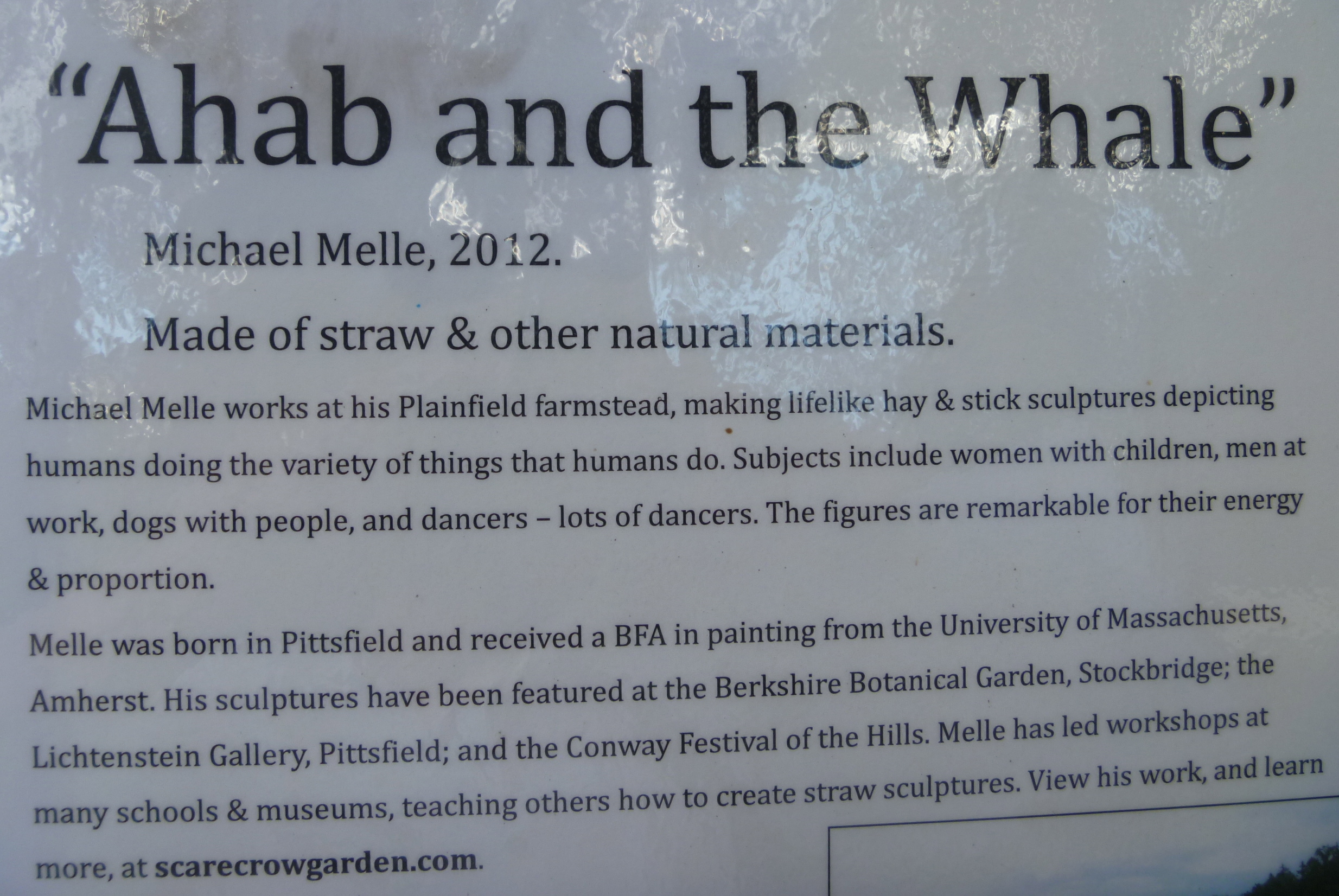
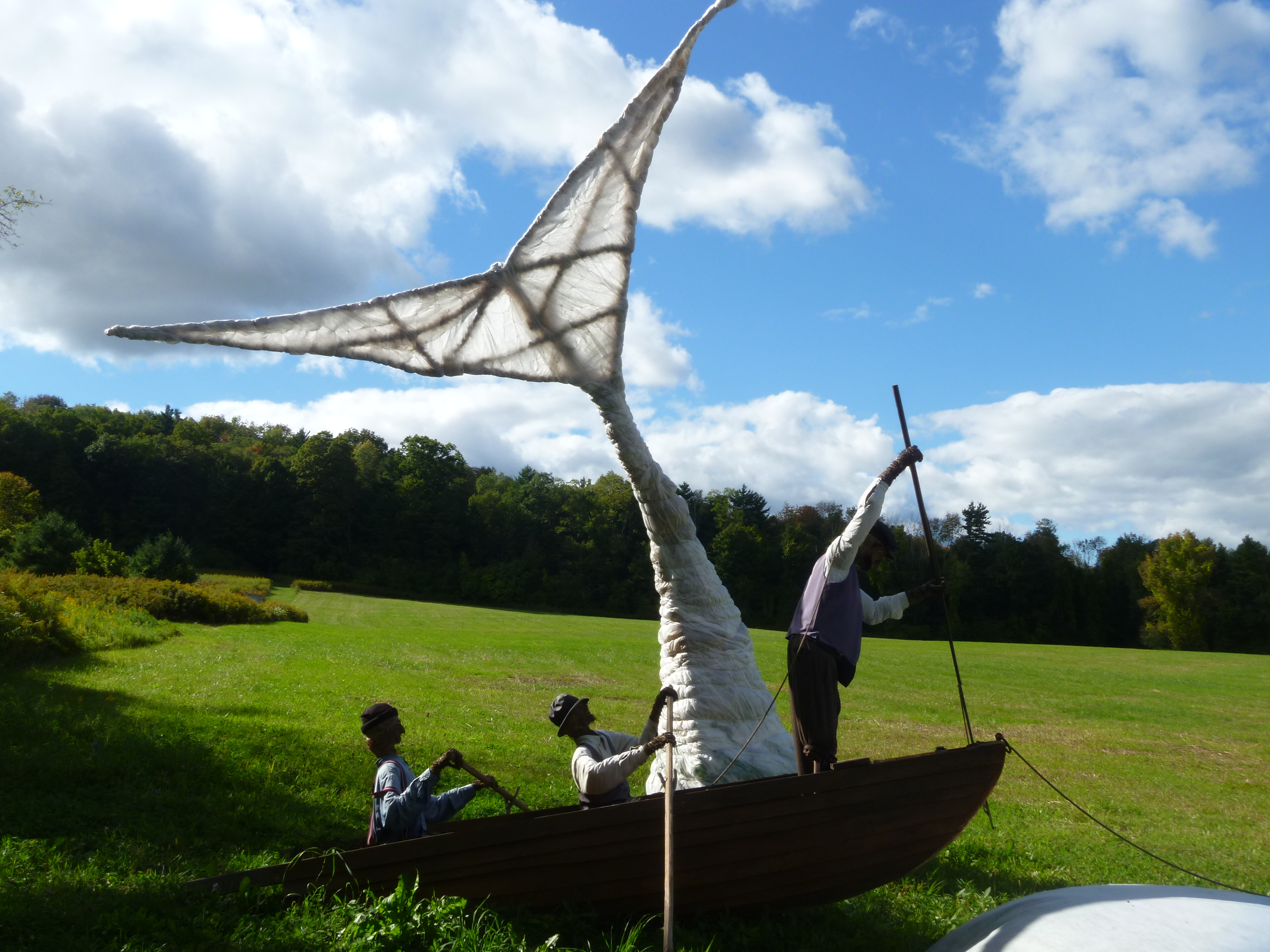
In the field next to the house and garden there’s a rather strange sculpture. It’s called ‘Ahab and the Whale’ and it’s a startlingly life-like straw sculpture by Michael Melle.
The house tour itself was fairly interesting (no photography allowed) and the best part was visiting the study and seeing the view of Melville’s inspiration Mount Greylock.
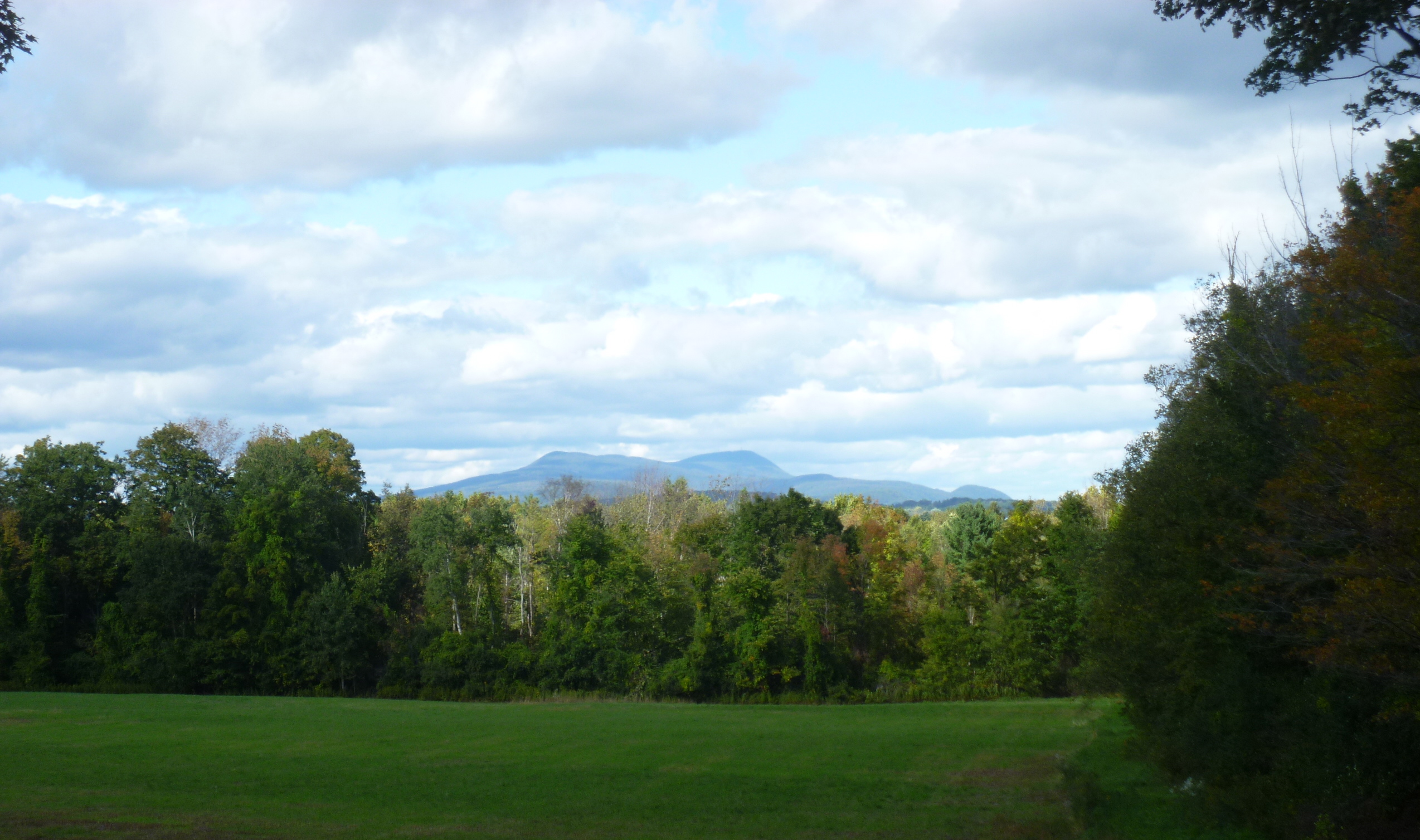
Mount Greylock from Arrowhead

In addition to the house tour and exhibitions there’s a self-guided grounds tour described on the free leaflet that you are given when booking your ticket. Complete with quotations from Herman Melville the leaflet details the immediate house surroundings and barn and the Arrowhead Nature Trail across the meadow and through the woods where Melville was inspired to write. Unfortunately, time was tight at this point and I was unable to undertake the Nature Trail. Something else for next time!

By pure coincidence I received a Folio Society newsletter just this week alerting me to the Moby Dick Big Read. Here is what it says on the website :

… an online version of Melville’s magisterial tome: each of its 135 chapters read out aloud, by a mixture of the celebrated and the unknown, to be broadcast online in a sequence of 135 downloads, publicly and freely accessible.”

A year ago I said I wouldn’t be reading ‘Moby Dick’ but this year I intend to start listening to The Moby Dick Big Read.
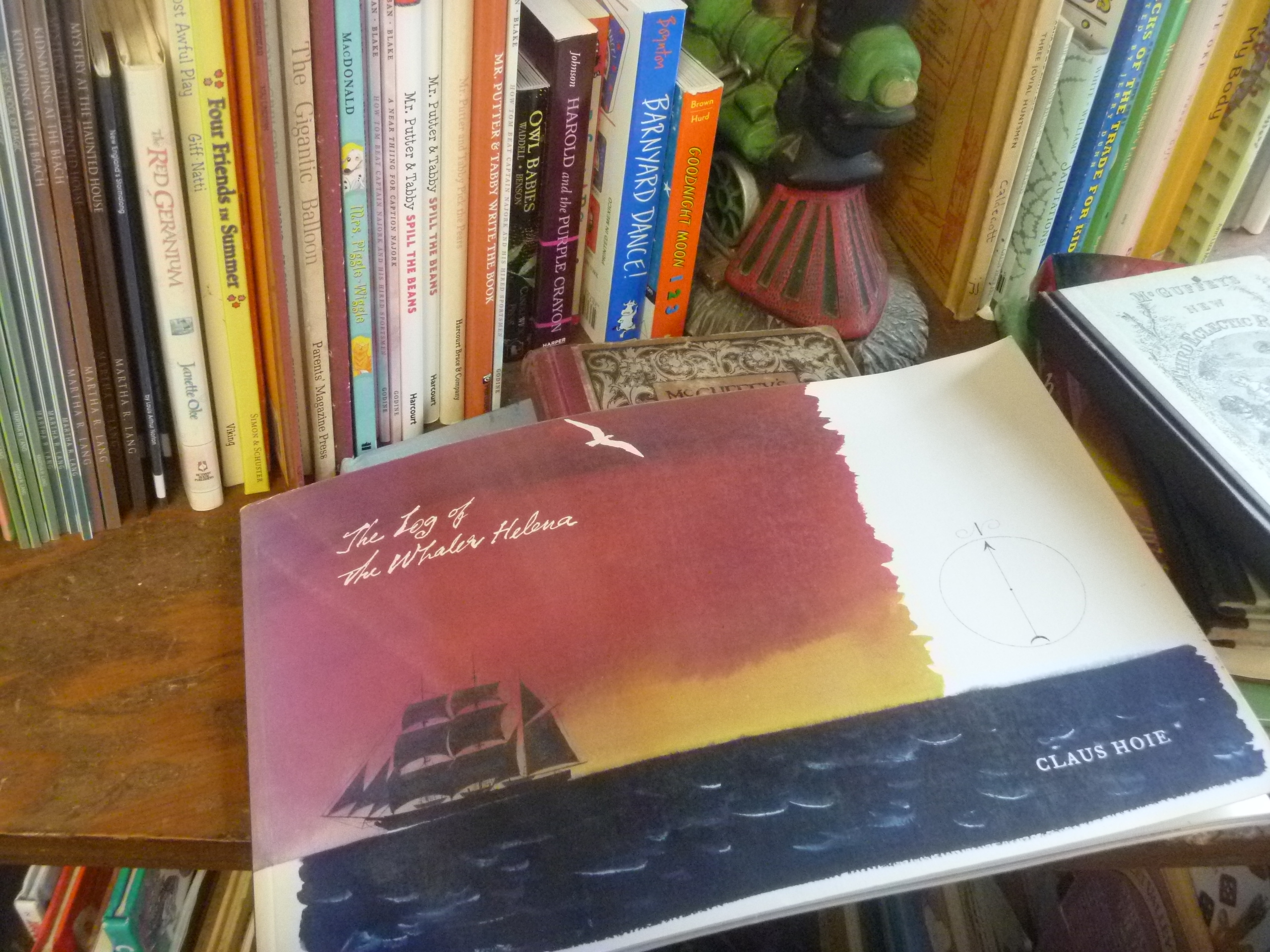
A book for young whale watchers
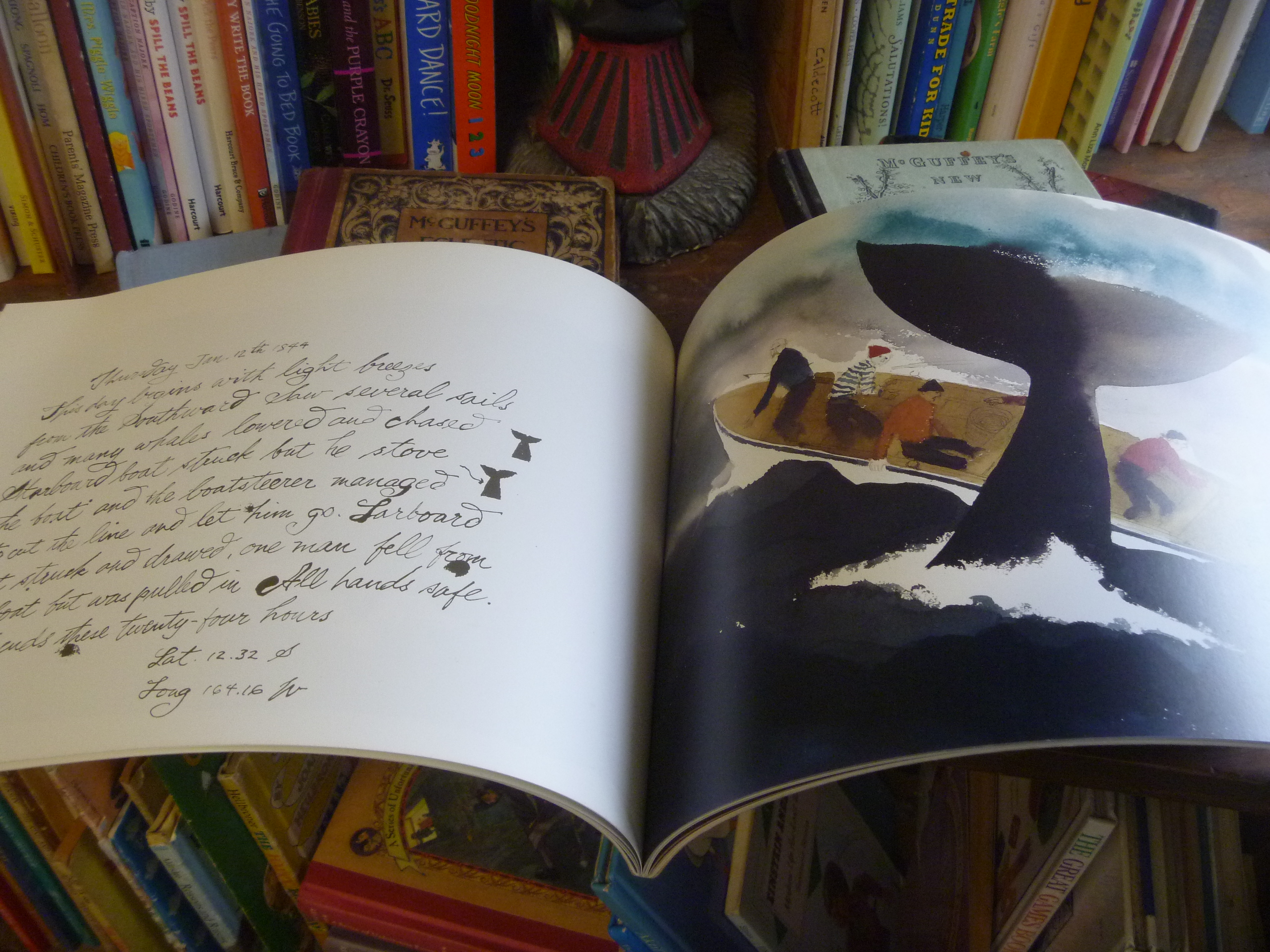
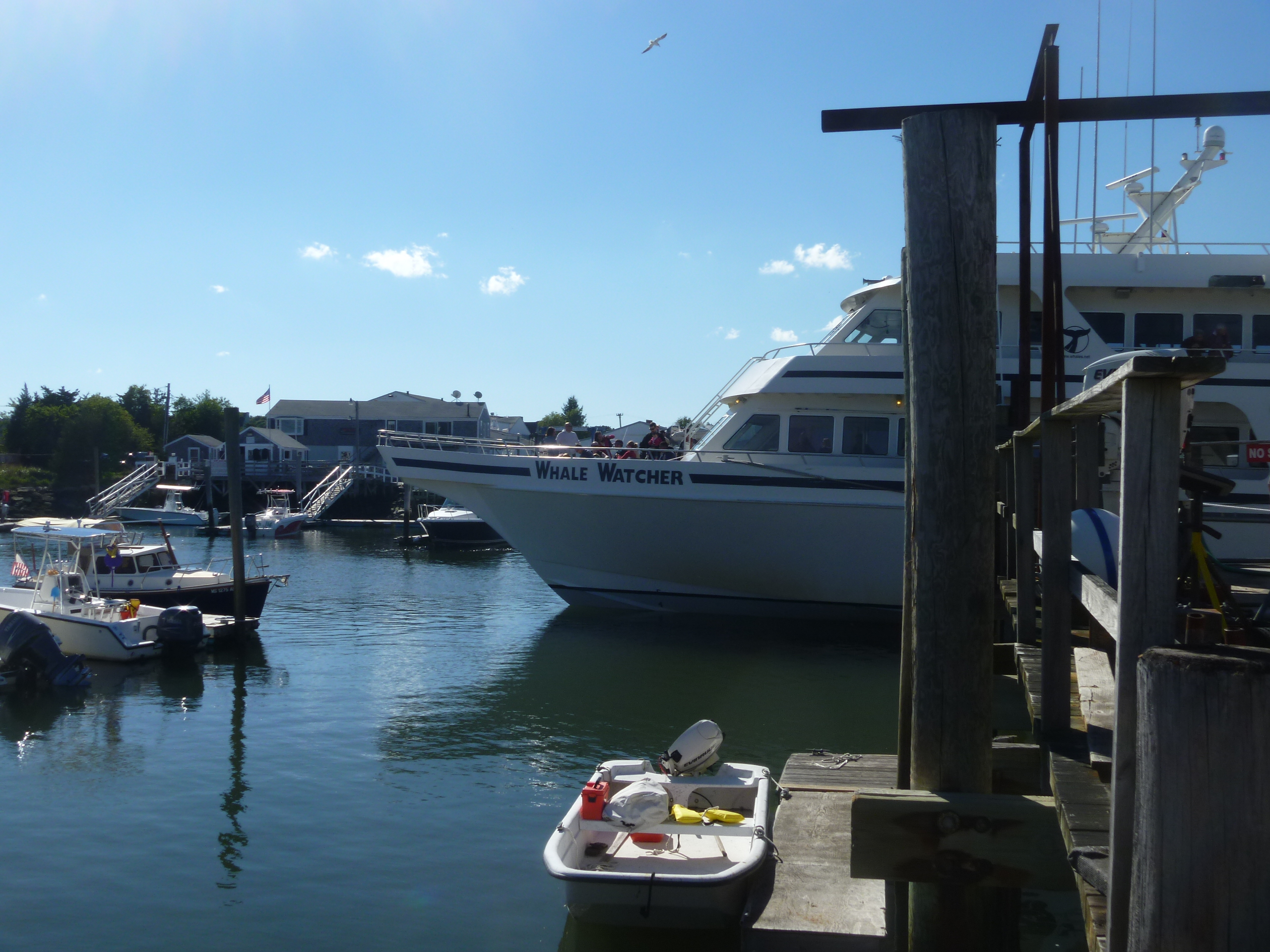
As for embarking on a Whale Watch Cruise – well, I still won’t be doing that – but I now have a husband who did! And he saw some!! The whale watchers return :
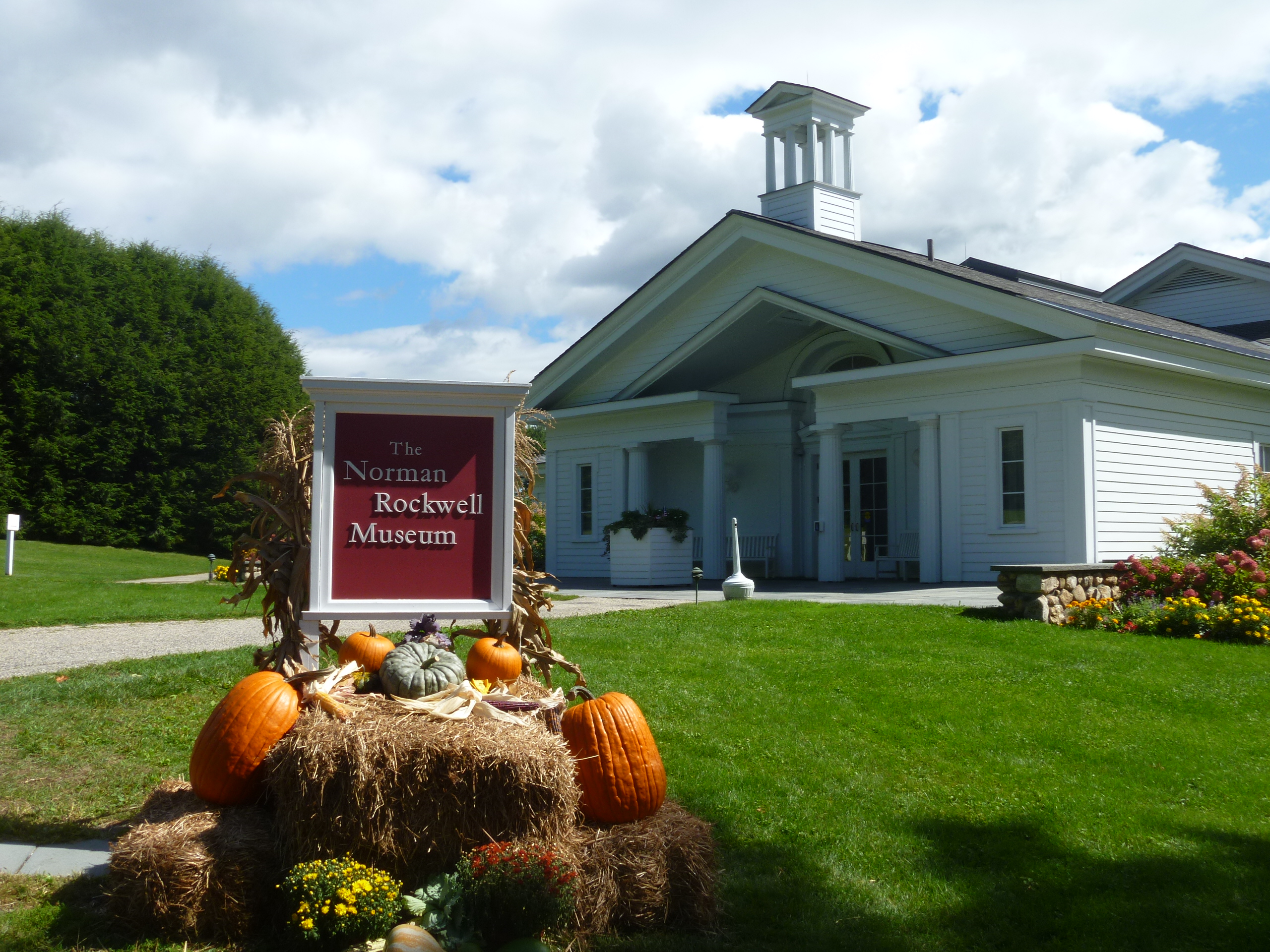
“If it doesn’t tell a complete story … it won’t do as a Post cover” : The Norman Rockwell Museum
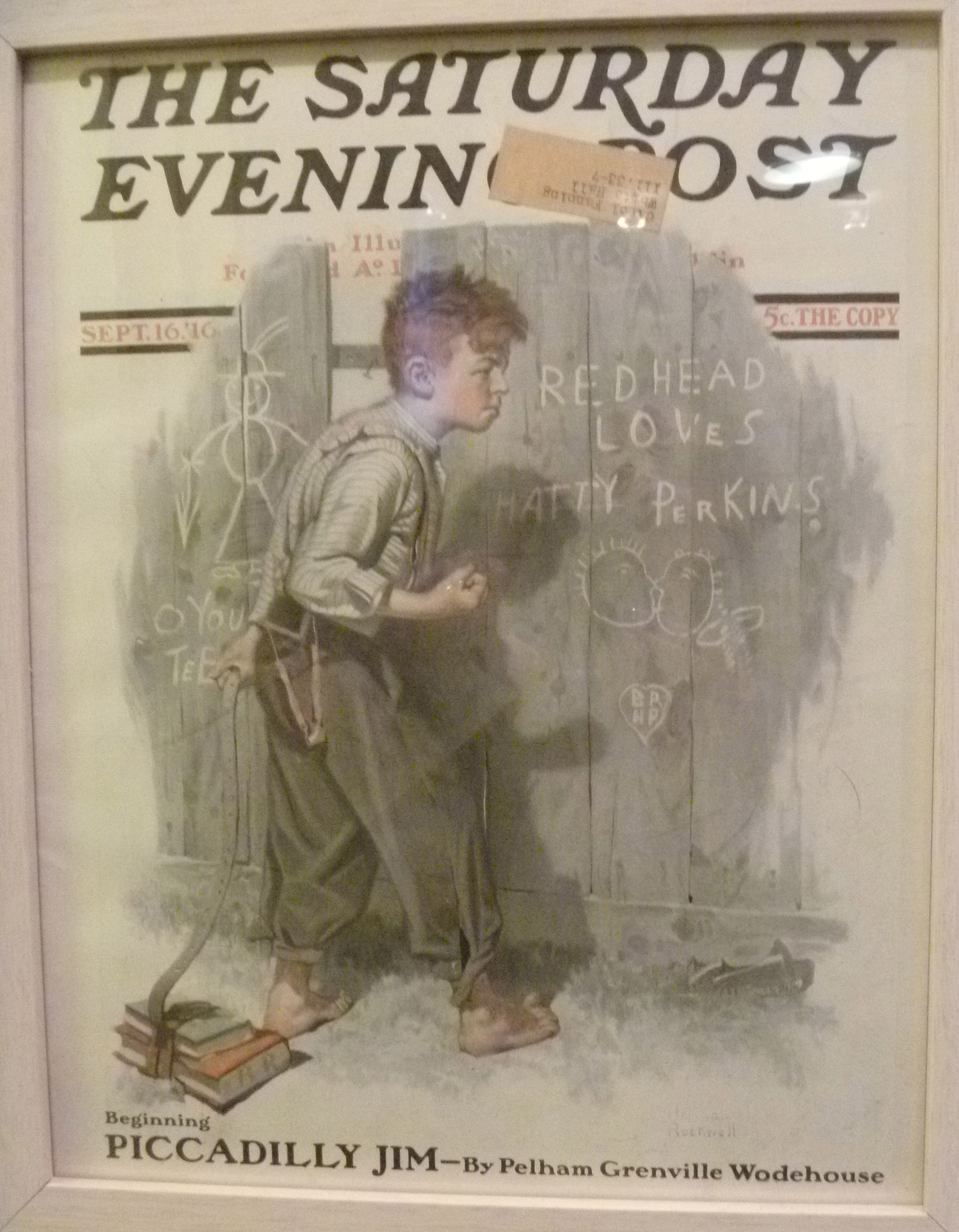
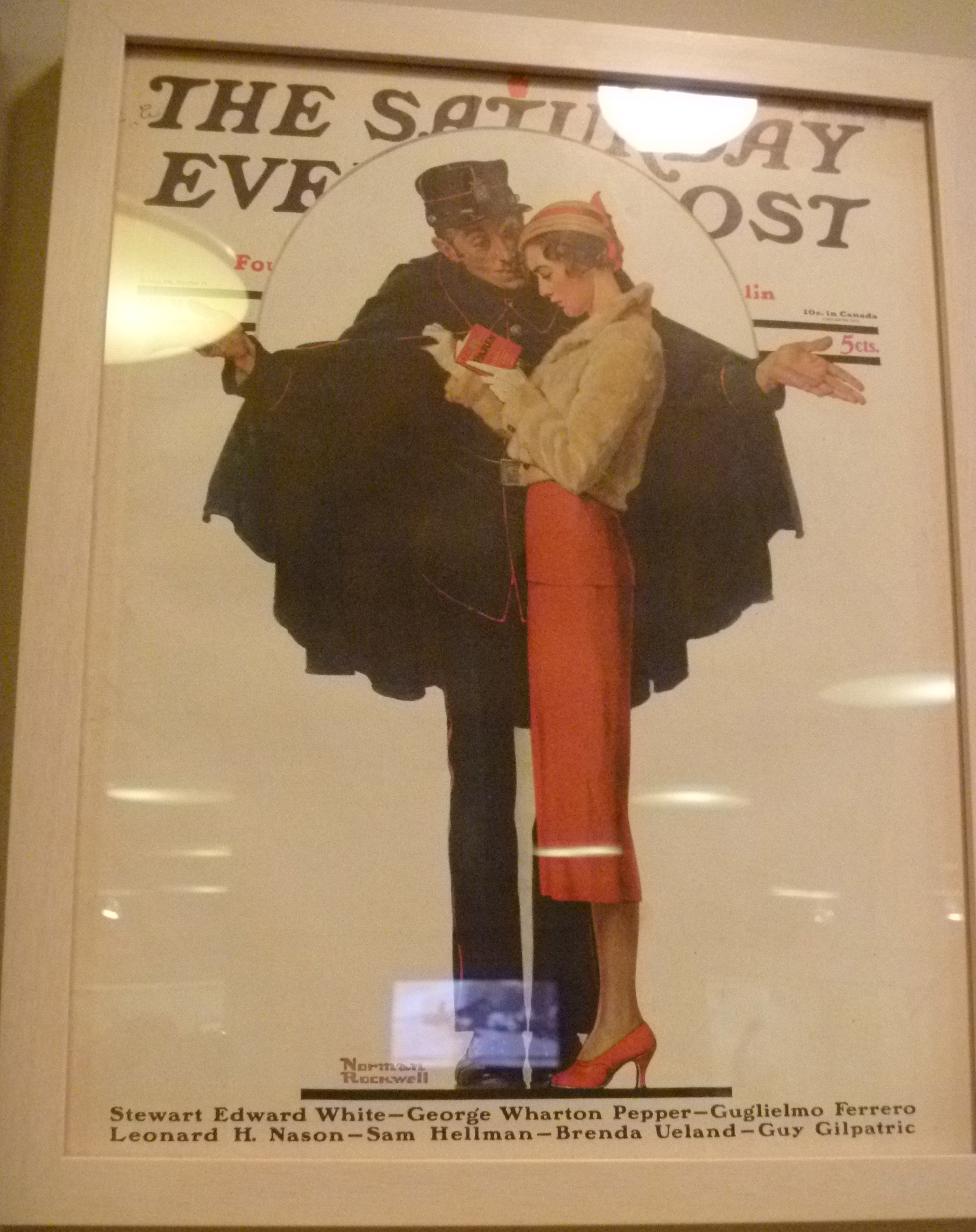
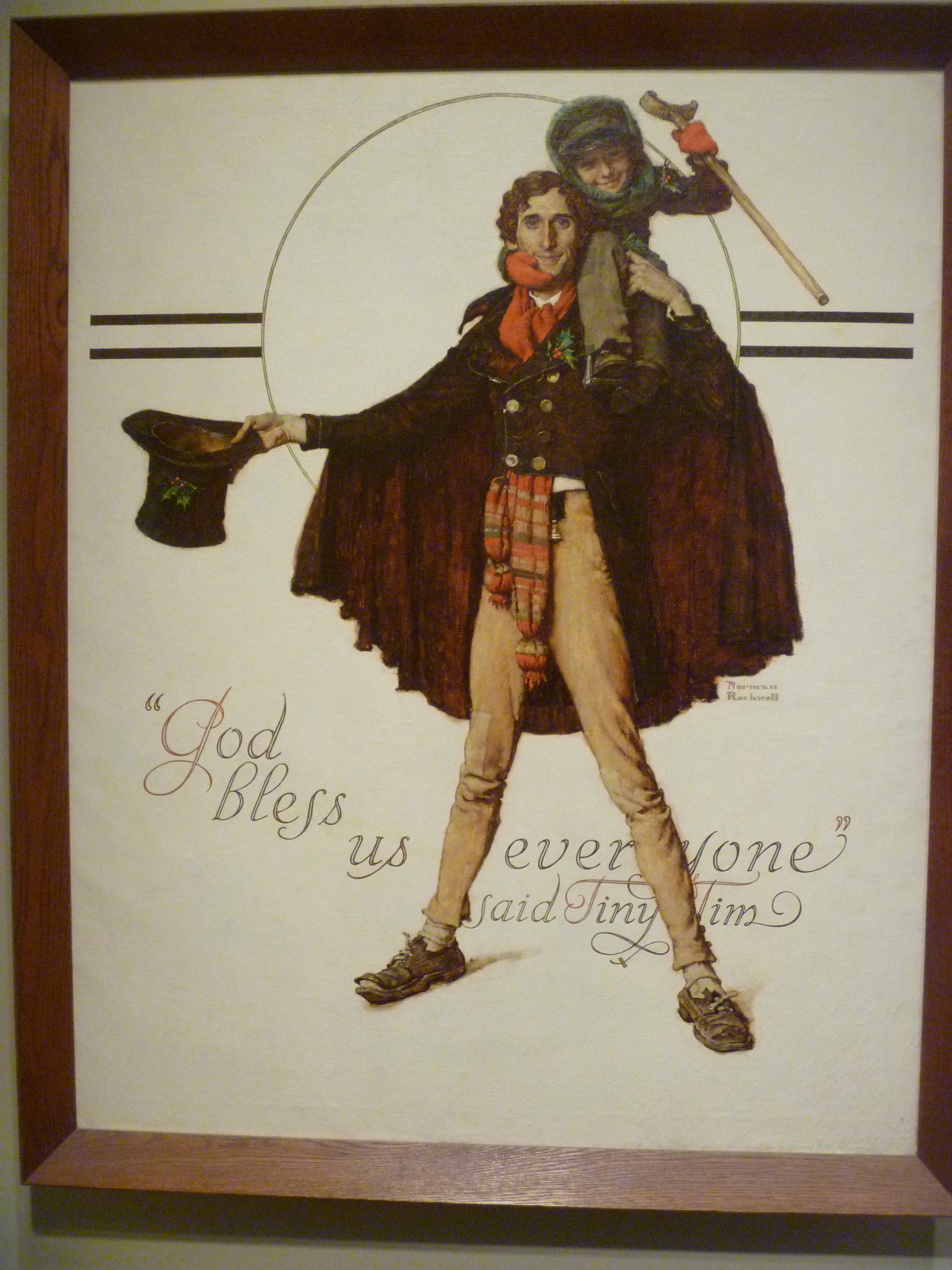
The ‘Post’ in question was ‘The Saturday Evening Post’ and the statement was made by the prolific, American illustrator who, between 1916 and 1963, produced 323 covers for the weekly magazine.  Some of Norman Rockwell’s covers are very well known and are used today on posters, postcards and greetings cards throughout the world. Rockwell was born in New York City in 1894 and died in Stockbridge, MA in 1978. One’s first impression is that his paintings depict cosy, inter-war-years, small town American home life. In fact this is far from the case. He covered a huge range of topics and he used local people as models and meticulously planned each picture he created.

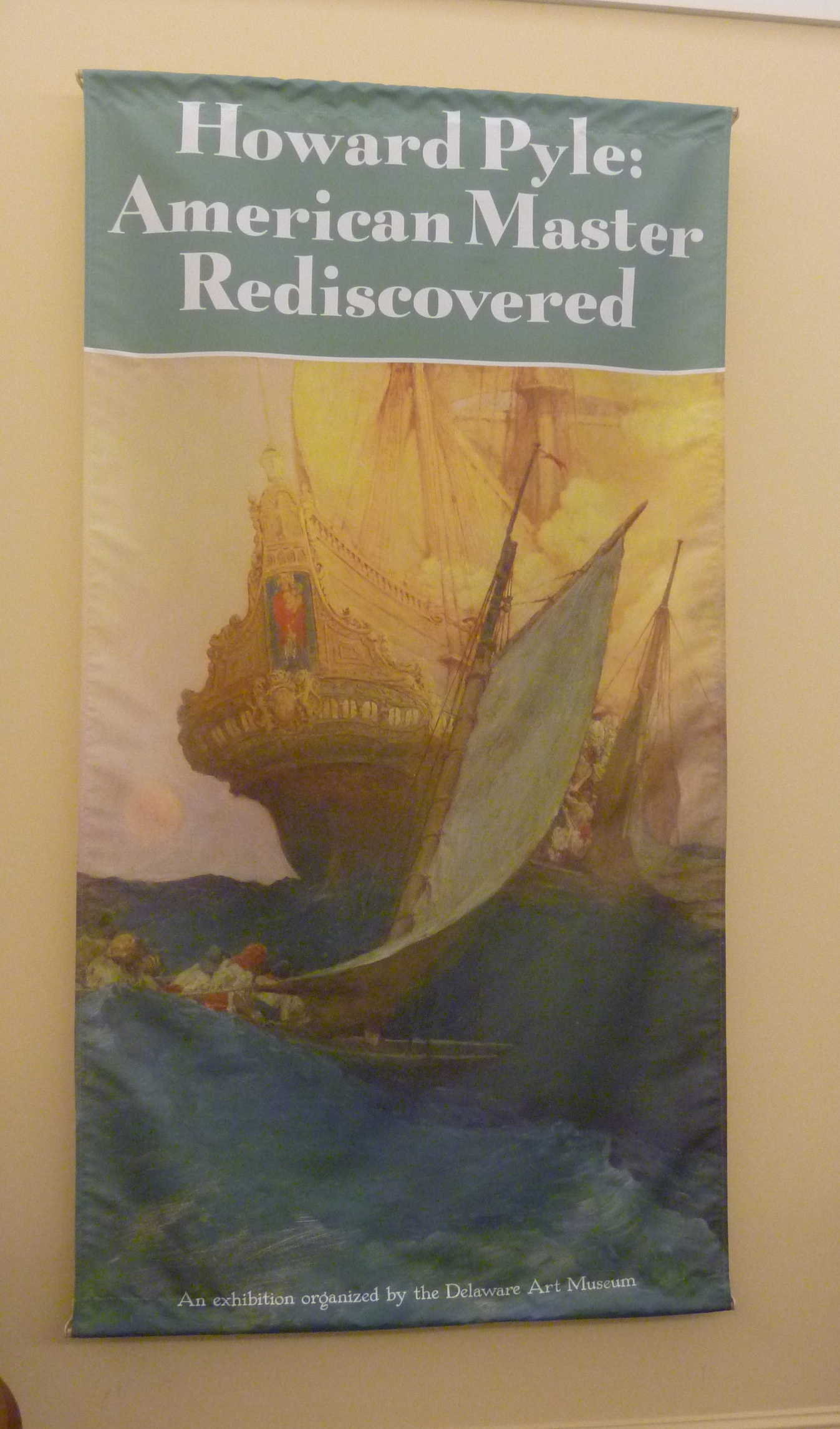
On Saturday 15 September we made a visit to the Norman Rockwell Museum at Stockbridge, MA. We thought we’d maybe spend an hour or so there but three hours later we decided to leave and I still had not seen everything that the Museum had to offer, including the current special exhibition ‘Howard Pyle: American Master Rediscovered’.
I think we’d expected a Disneyfied exhibit and we’d have sentimental America overload. Far from it. This was an excellent presentation of the work of one of America’s best-known illustrators.

All 323 covers are on display in publication order on the walls of the basement gallery. In the same room is a video loop about Rockwell’s life and painting narrated by his son Tom Rockwell. Also in the basement is a Library and Archive.

composed primarily of business, personal, and fan correspondence, together with reference material. Of particular note is a collection of several thousand black-and-white photographs of models and scenes used by the illustrator in the development of his work.” [from the NRM website]

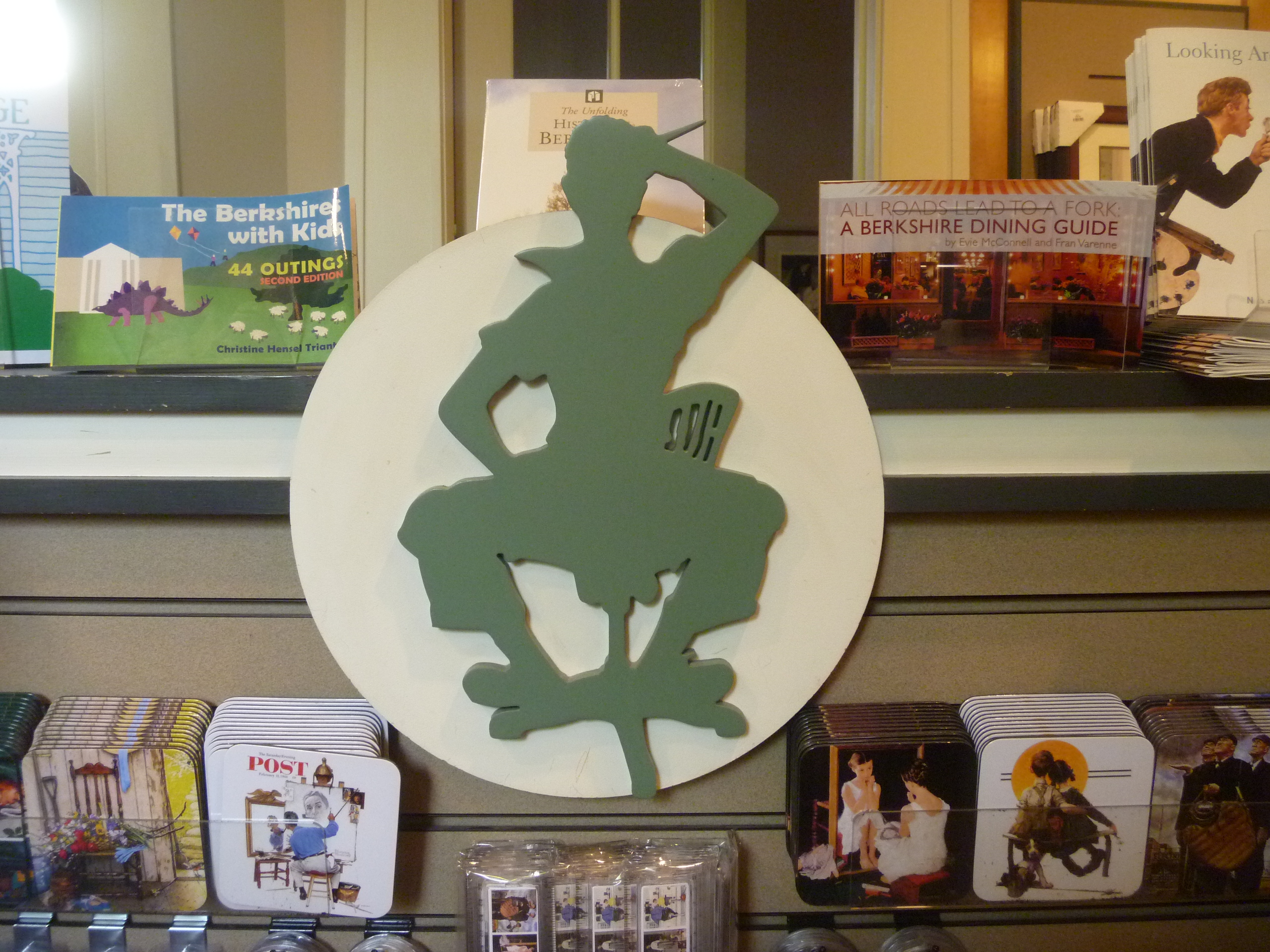
The NRM Gift Shop

For nearly fifty years, millions of Americans brought Norman Rockwell’s art into their homes, enjoying the artist’s Saturday Evening Post covers while seated in their favorite chairs, surrounded by their belongings in the company of their families. This intimate connection with Rockwell’s art made his images a part of the fabric of American lives.

On the ground floor of the Museum are the main galleries which include his paintings of the Four Freedoms or Four Essential Human Freedoms (of speech, of worship, from want, from fear). The theme was derived from the 1941 State of the Union Address by President Roosevelt.

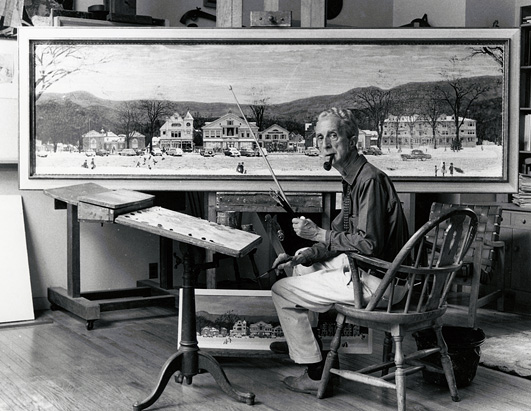
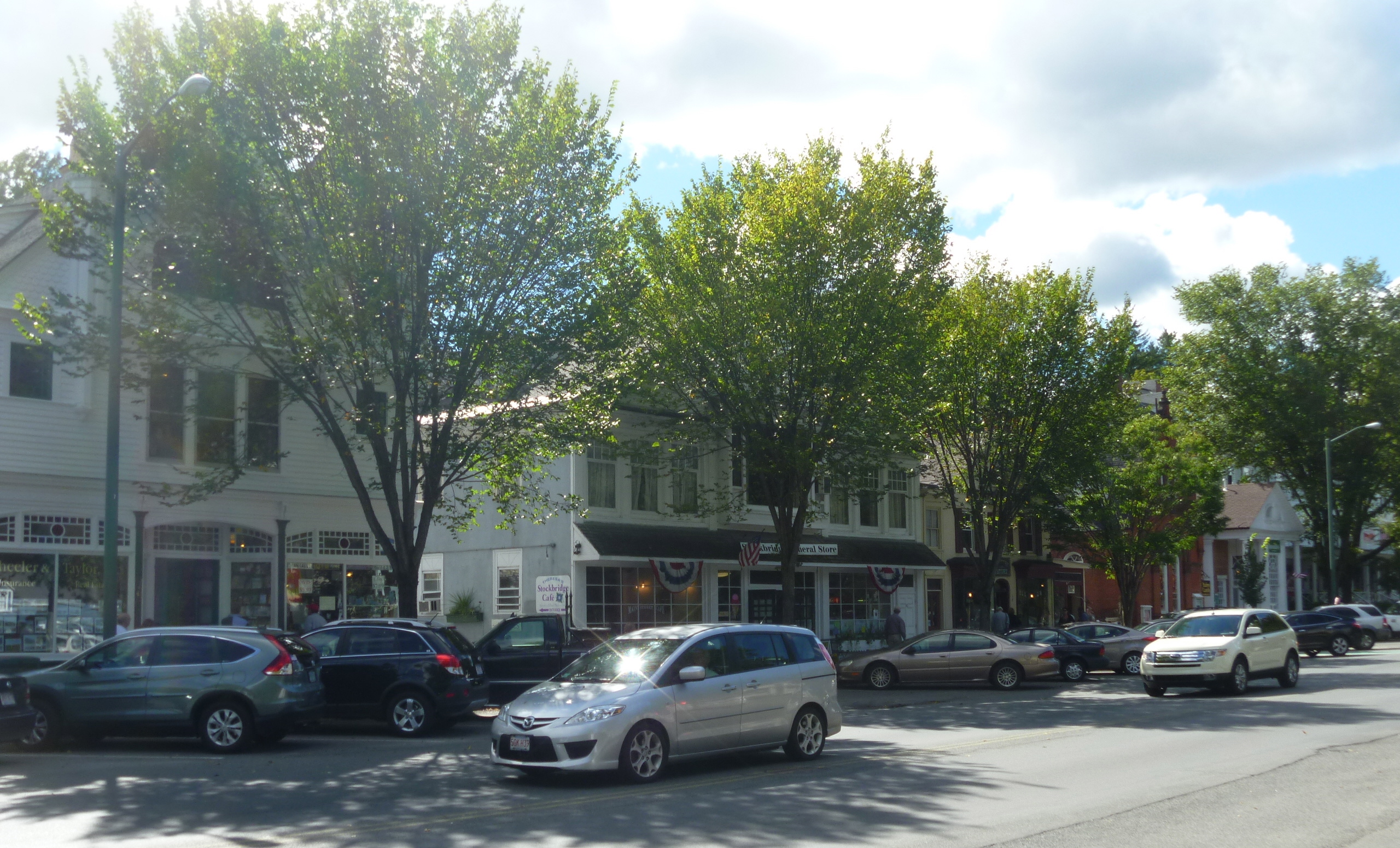
Also, in pride of place, and this was the painting about which my tour guide spoke, was Stockbridge Main Street at Christmas. Later I found the Main Street almost impossible to photograph in September (the result is below). Each year there’s a programme of events in the town based around a recreation of this painting. This year it’s 30 November, 1 and 2 December.

Norman Rockwell in his studio with the painting Stockbridge Main Street at Christmas

[http://abcnews.go.com/widgets/mediaViewer/image?id=9321573]

When we’d exhausted the Museum itself (or rather it had exhausted us!) and spent time in the well-stocked Gift Shop we took the short walk to Rockwell’s Studio.

The Museum (opened in 1993) is located in lovely extensive grounds (36 acres) a few miles outside the small town of Stockbridge, Massachusetts – there’s plenty of parking and green spaces. The Studio itself was moved to the grounds in 1986 and is fitted out now as it might have been in October 1960 with his equipment, books, inspirations.

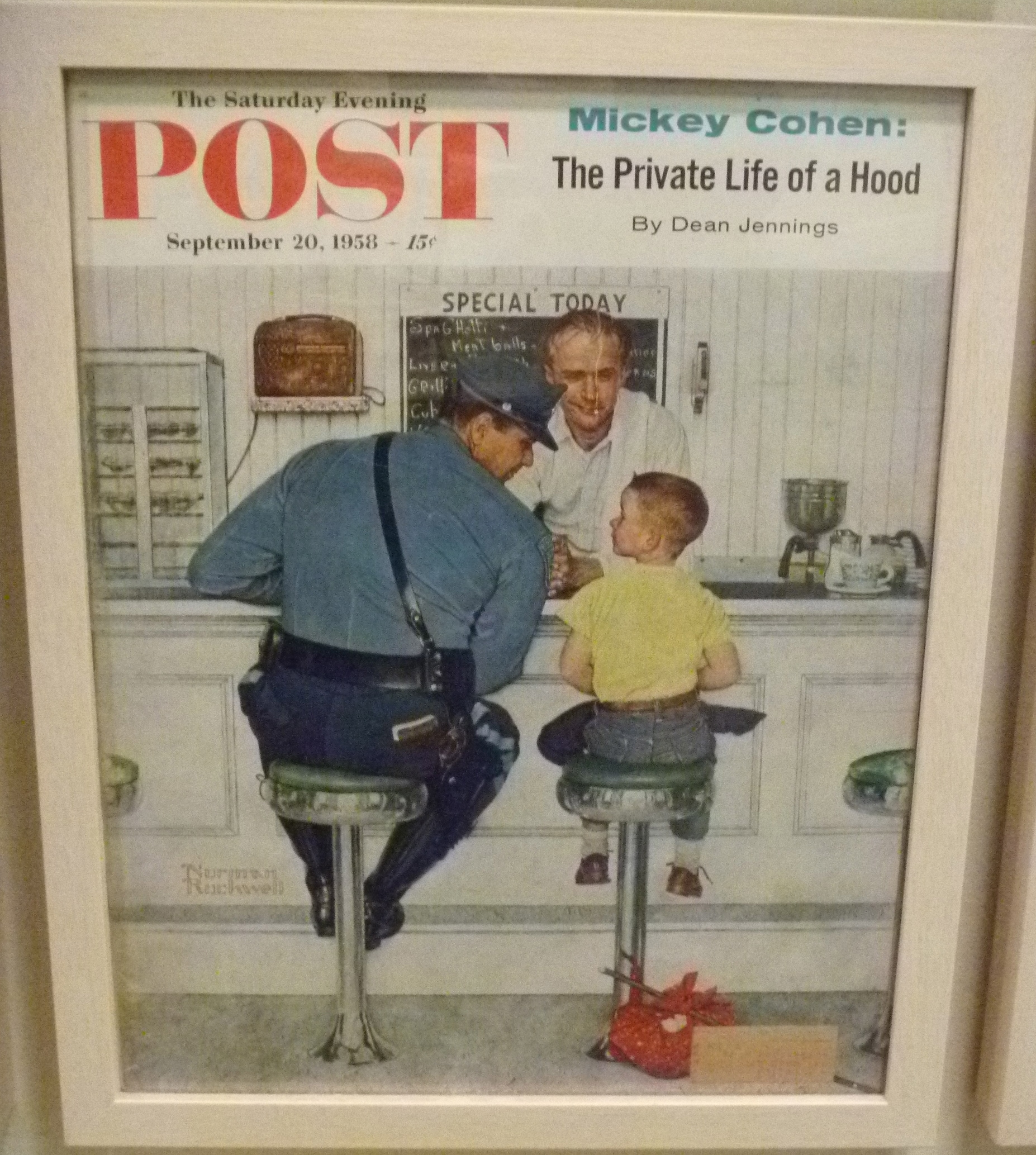
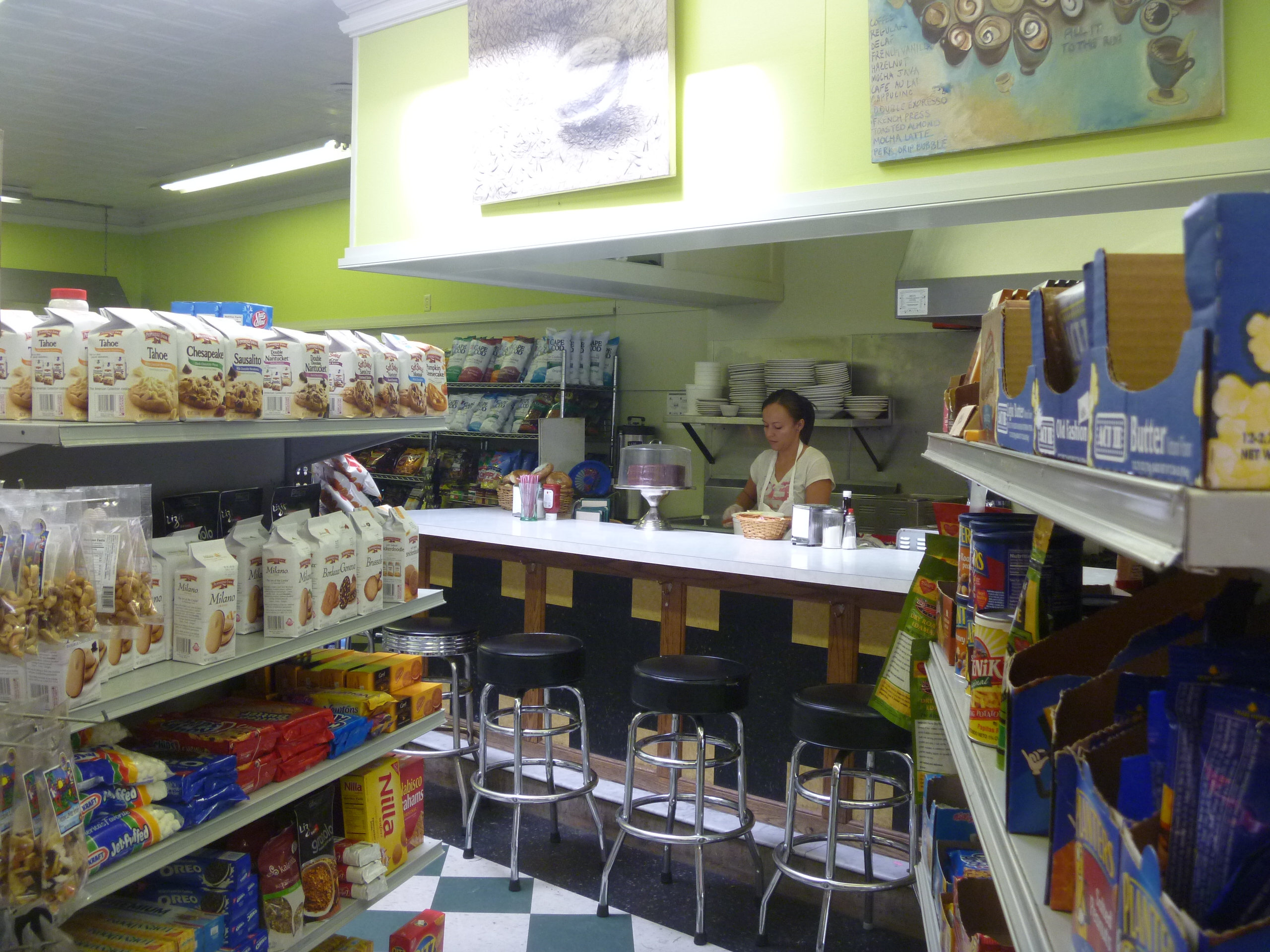
After visiting the Museum, we parked up in Stockbridge and took a walk around the town. When I walked into the Stockbridge General Store I suddenly remembered that I had watched a programme on TV back in December called “America on a Plate : The story of the Diner” in which Stephen Smith visits various diners throughout America and reflects on their connections with popular culture. At one point he visited Stockbridge and set up one of the Rockwell covers – The Runaway – using the original models for the police officer and the runaway boy. I realised that I was in the diner where this had taken place. The programme in full is not currently available via iPlayer but I found two YouTube recordings of the programme. The Norman Rockwell part begins in Part One 12.22 minutes in and continues through the beginning of Part Two.

A Tale of Bliss and Tragedy : Rudyard Kipling in Vermont, 1892-1896

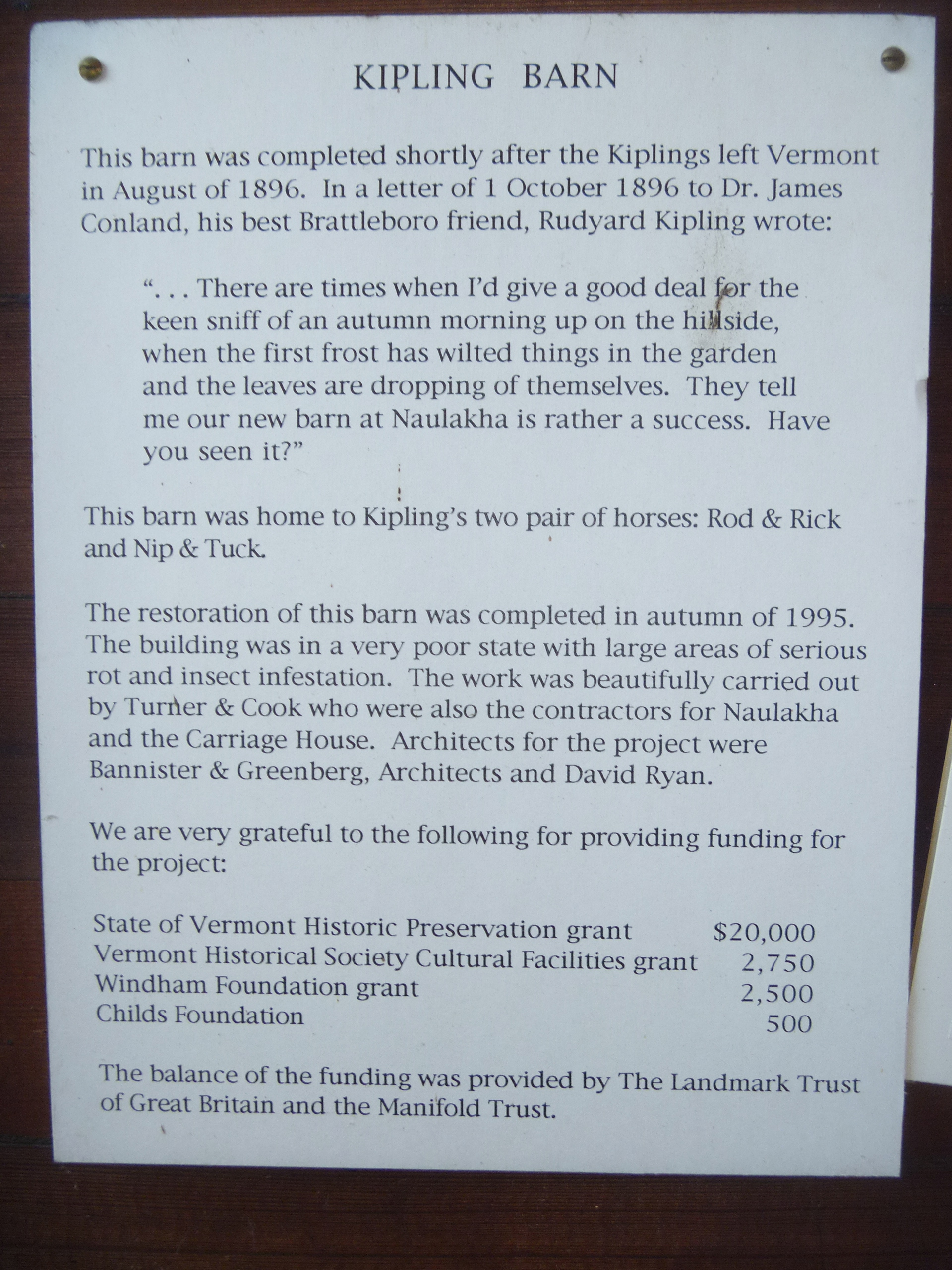
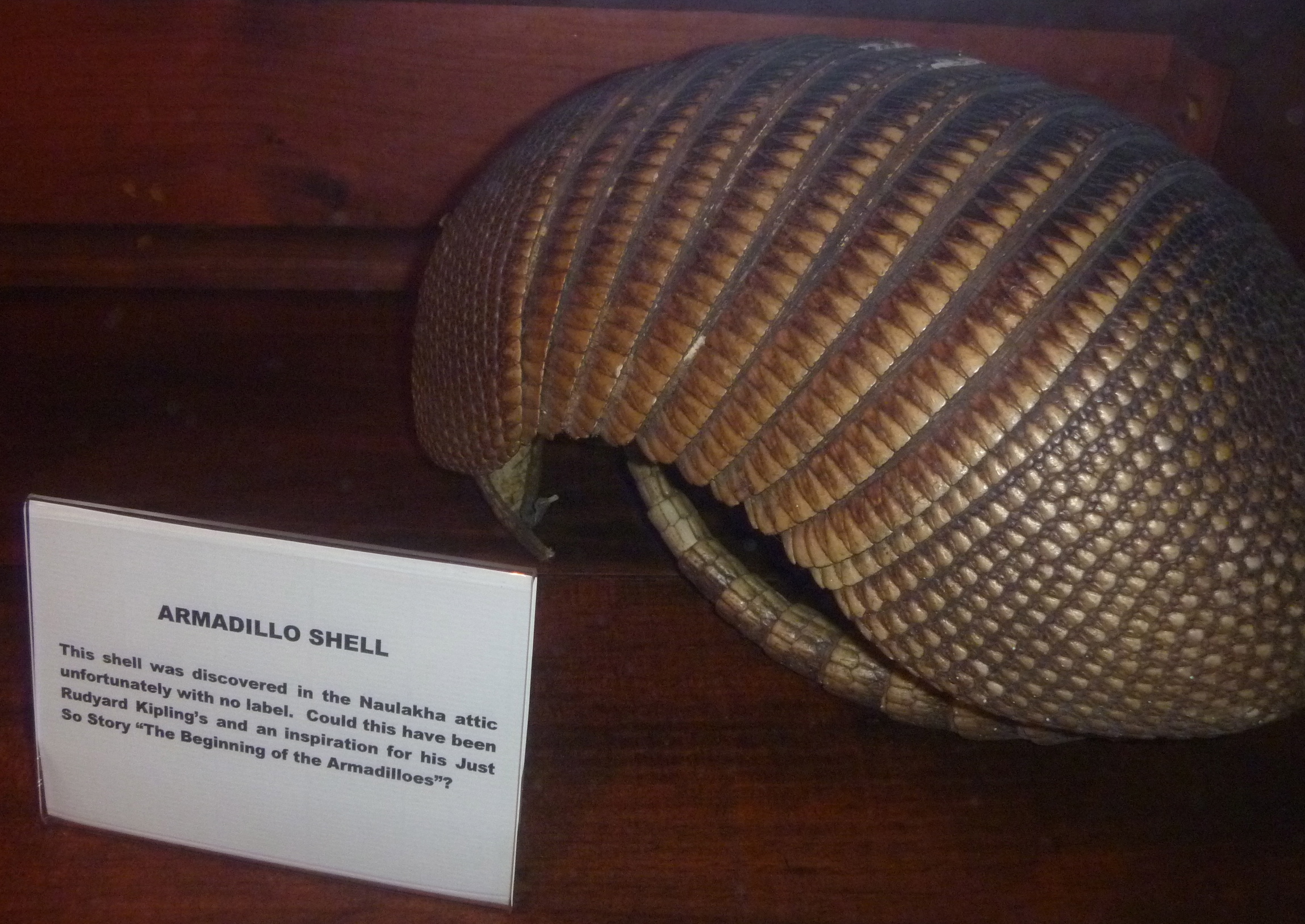
Naulakha has been wonderfully restored and there are a great many original furnishings and fittings, as I have mentioned already. In addition there is a barn set  out like a museum with Kipling-related artefacts and display cases in the second floor attic showing some of the smaller stuff.

Bliss Cottage as it stands today on the opposite side of the road from that upon which it stood in Kipling’s day

I imagine that the Bliss in the title must come from the name of the cottage in which the Kiplings lived,  just down the road in Brattlebooro, whilst Naulakha was being built and where baby Josephine was born but also from the fact that Rudyard states that his Naulakha days were the happiest of his life. His second child, another daughter, Elsie, was born at Naulakha.

The Barn Museum – exterior

Note the very strong connection with British Landmark Trust. All of their properties abroad – in France, Italy and Naulakha – have British connections.

The Barn Museum – interior

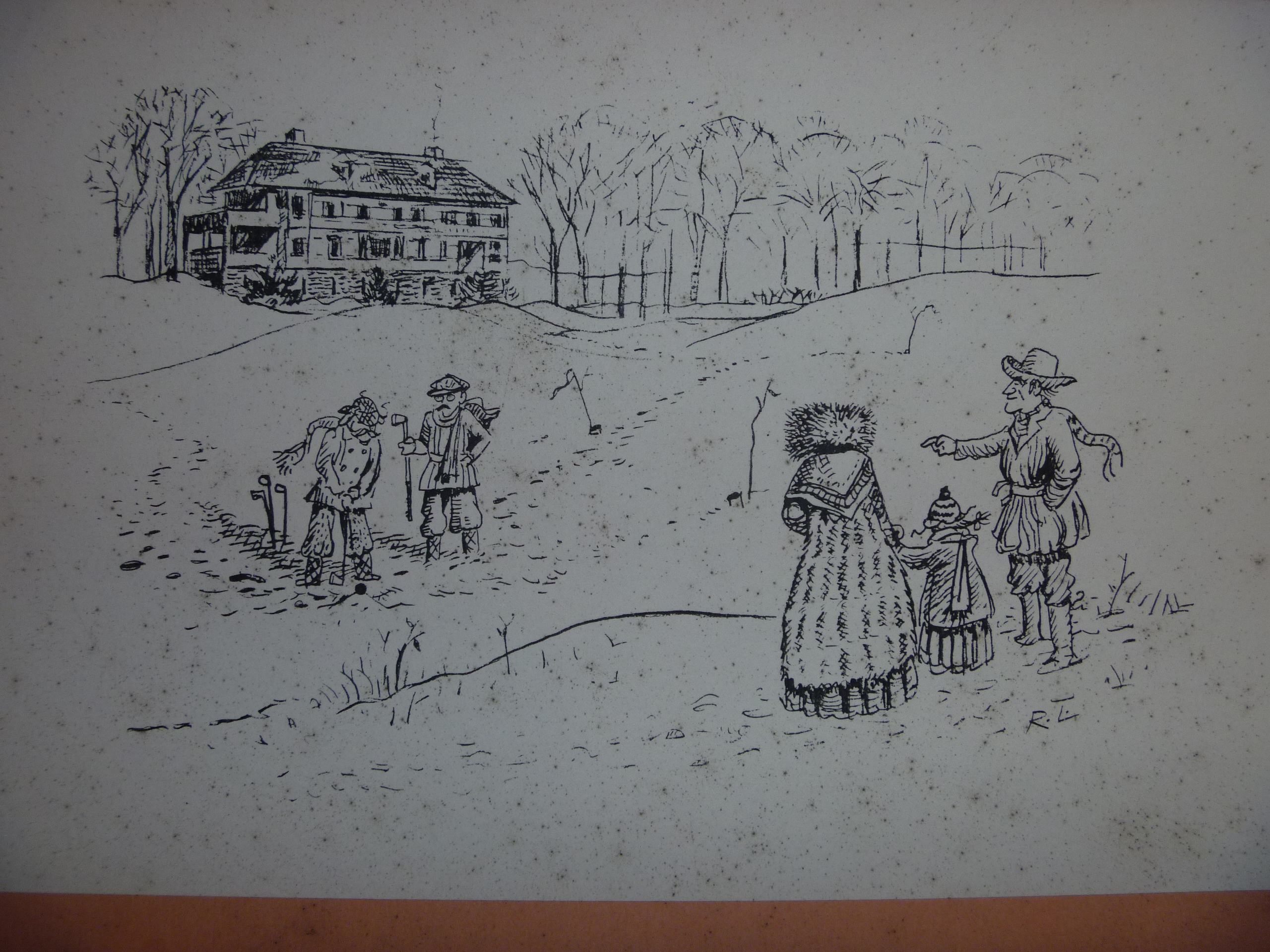
Kipling invents Snow Golf

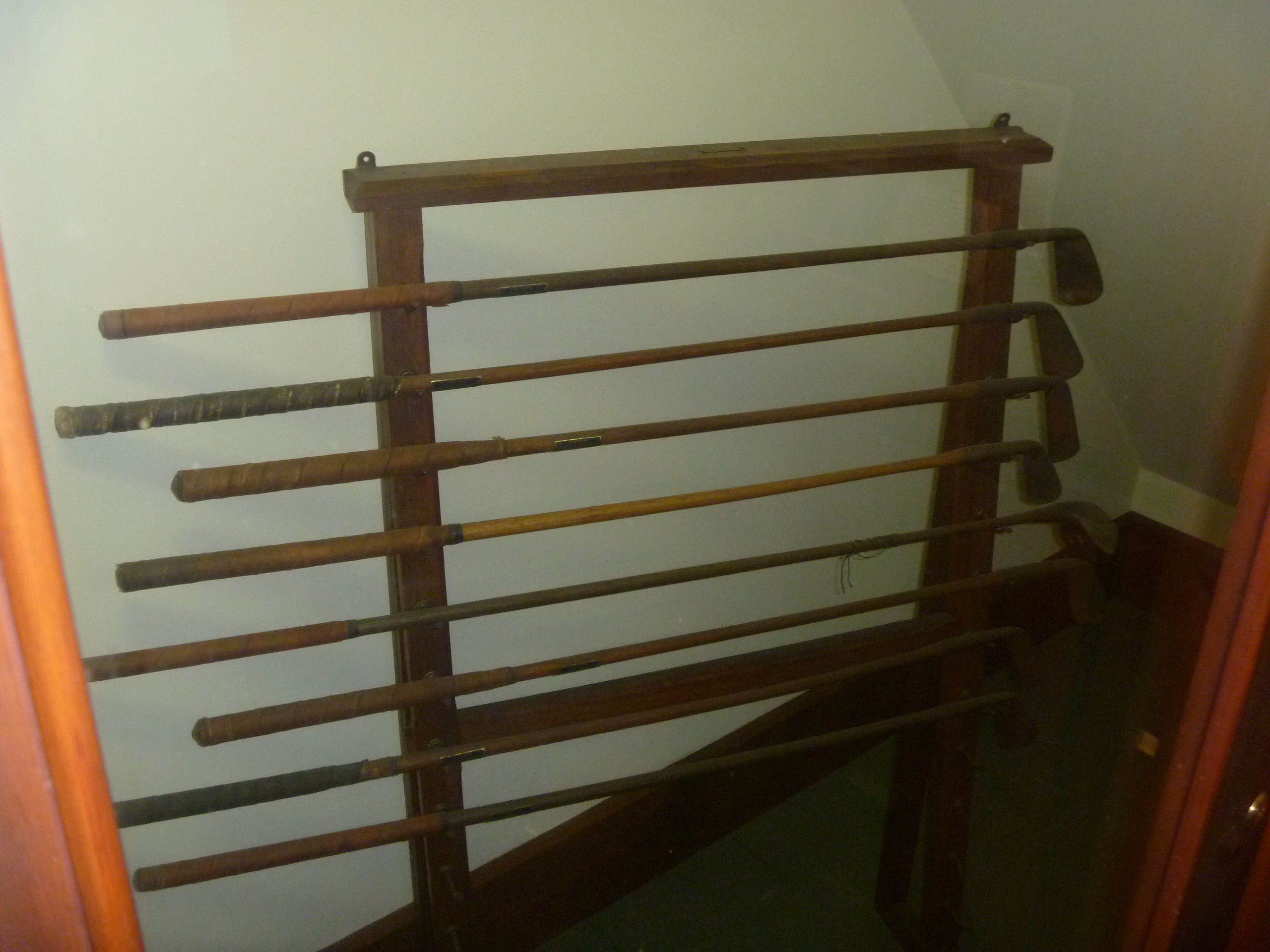
In the attic are a set of Rudyard Kipling’s golf clubs. These must once have stood in the Entry Hall or Loggia as the House Tour states :

The golf clubs and rack are Kipling’s also. According to the United States Golf Association, Kipling invented “snow golf” here in Dummerston.

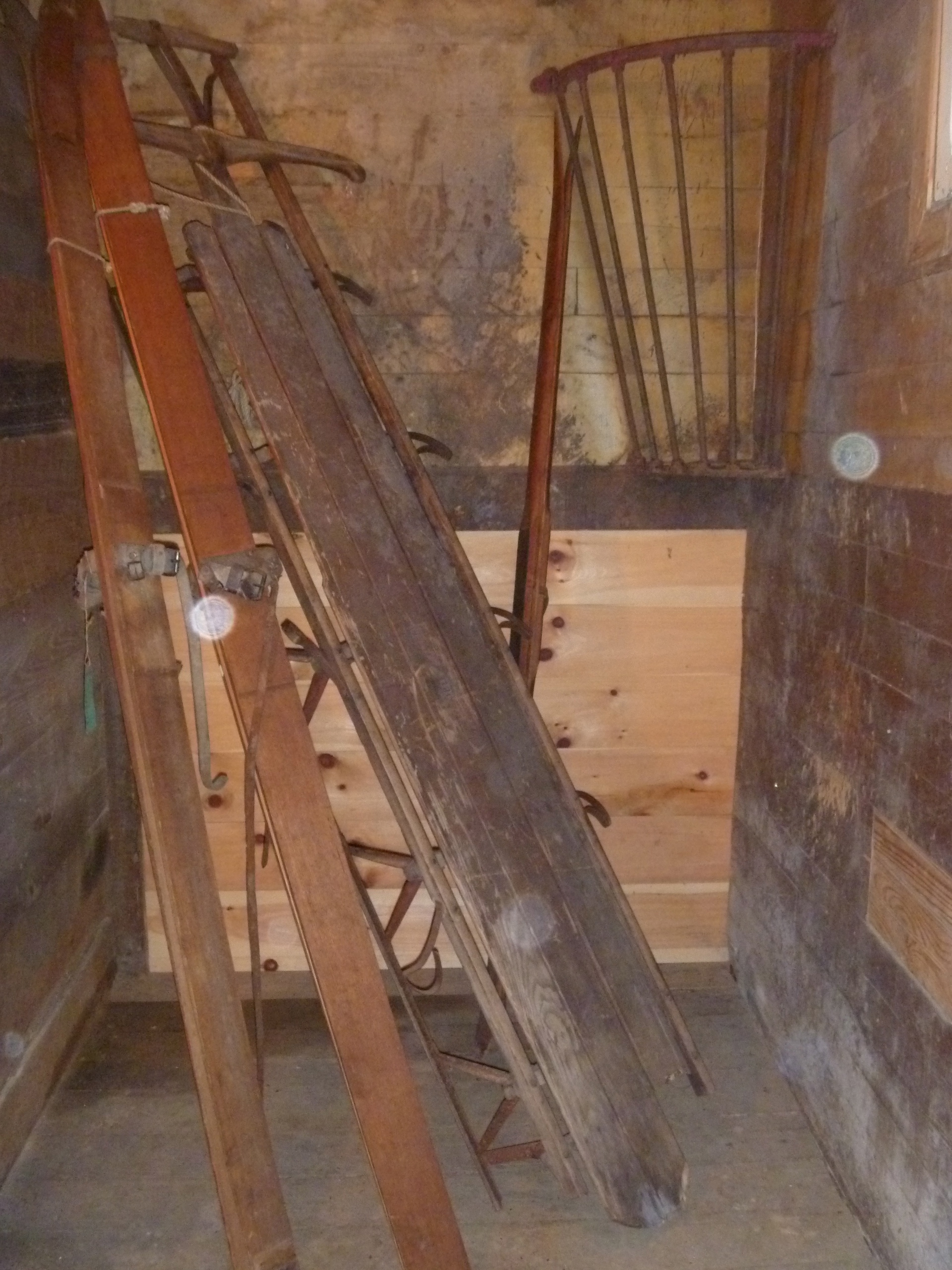
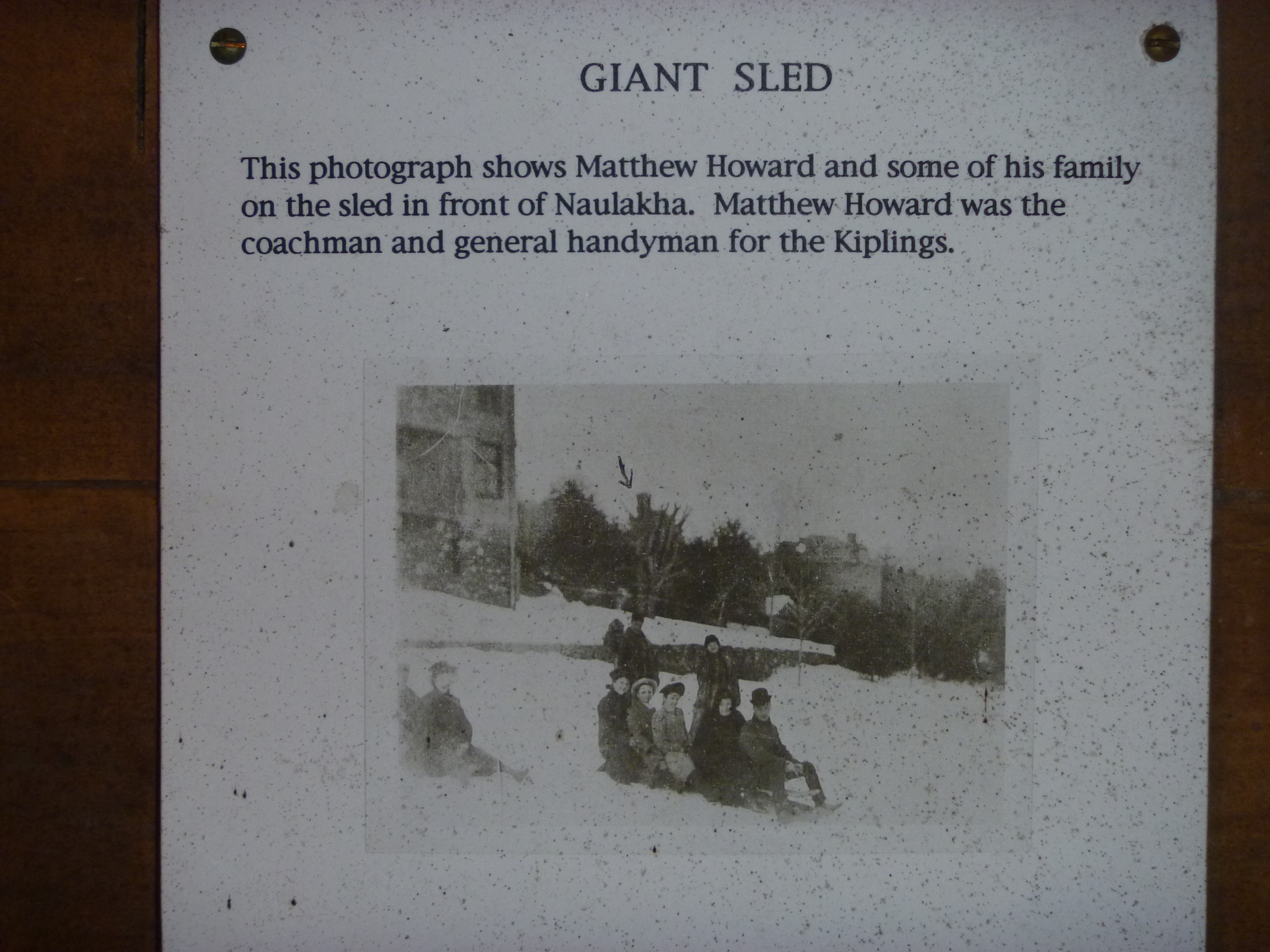
The giant sled, “Red Phaeton”, stands in pieces in one of the abandoned horse boxes.

The Barn Museum really puts the story of the Kiplings and their time at Naulakha into perspective. Mostly it’s told on storyboards with copies of illustrations and typed out quotations.

There is more memorabilia in the Attic Display Cases.  Not everything dates from the Kipling era.

Top: Present day postcards and leaflet (my display!). Middle: Close up of the postcards and a postal first day cover. Bottom: The postcards display case.

Also in the attic is a double fronted bookcase containing many many volumes of Kipling biography and criticism. It’s a separate collection of British, US and some French books donated to Naulakha. Most of the information that I absorbed about the author and his New England home came from the box file of notes which contained the House Tour, the very detailed notes of submission for the house to be included on the [US] National Register of Historic Places and magazine and newspaper articles; from the museum information boards and from the 96 page The Hated Wife ; Carrie Kipling, 1862-1939 by Adam Nicolson and published in the short lives series by Short Books in 2001. Lent to me by a friend (and reader here) it sums up the Kipling life stories but left me still sympathetic to Caroline and, of course, their tragic lives which included the early deaths of two of their three children.

Rudyard Kipling never built any other homes for himself and eventually settled in a 17th century house in the Sussex Weald.  He lived there for 32 years from 1902 to 1936. Since 1940 it has been in the ownership of The National Trust. How I long to visit Bateman’s.

Josephine Kipling died of influenza in New York in 1899 as the family were on their way to visit Caroline’s mother in New England. Kipling was very ill at the same time  and after his recovery they returned to the UK. They were never to revisit New England and their beloved Naulakha was sold.

Do watch, if you haven’t already, the 2007 BBC film ‘My Boy Jack’.

‘My Boy Jack’

1914-18

 “HAVE you news of my boy Jack? “

Not this tide.
“When d’you think that he’ll come back?”
Not with this wind blowing, and this tide.
“Has any one else had word of him?”
Not this tide.
For what is sunk will hardly swim,
Not with this wind blowing, and this tide.

“Oh, dear, what comfort can I find?”
None this tide,
Nor any tide,
Except he did not shame his kind—
Not even with that wind blowing, and that tide.

Then hold your head up all the more,
This tide,
And every tide;
Because he was the son you bore,
And gave to that wind blowing and that tide.

So you see how Bliss turned to Tragedy for Rudyard and Carrie Kipling.

Tea and Cake and Quiet London (1)

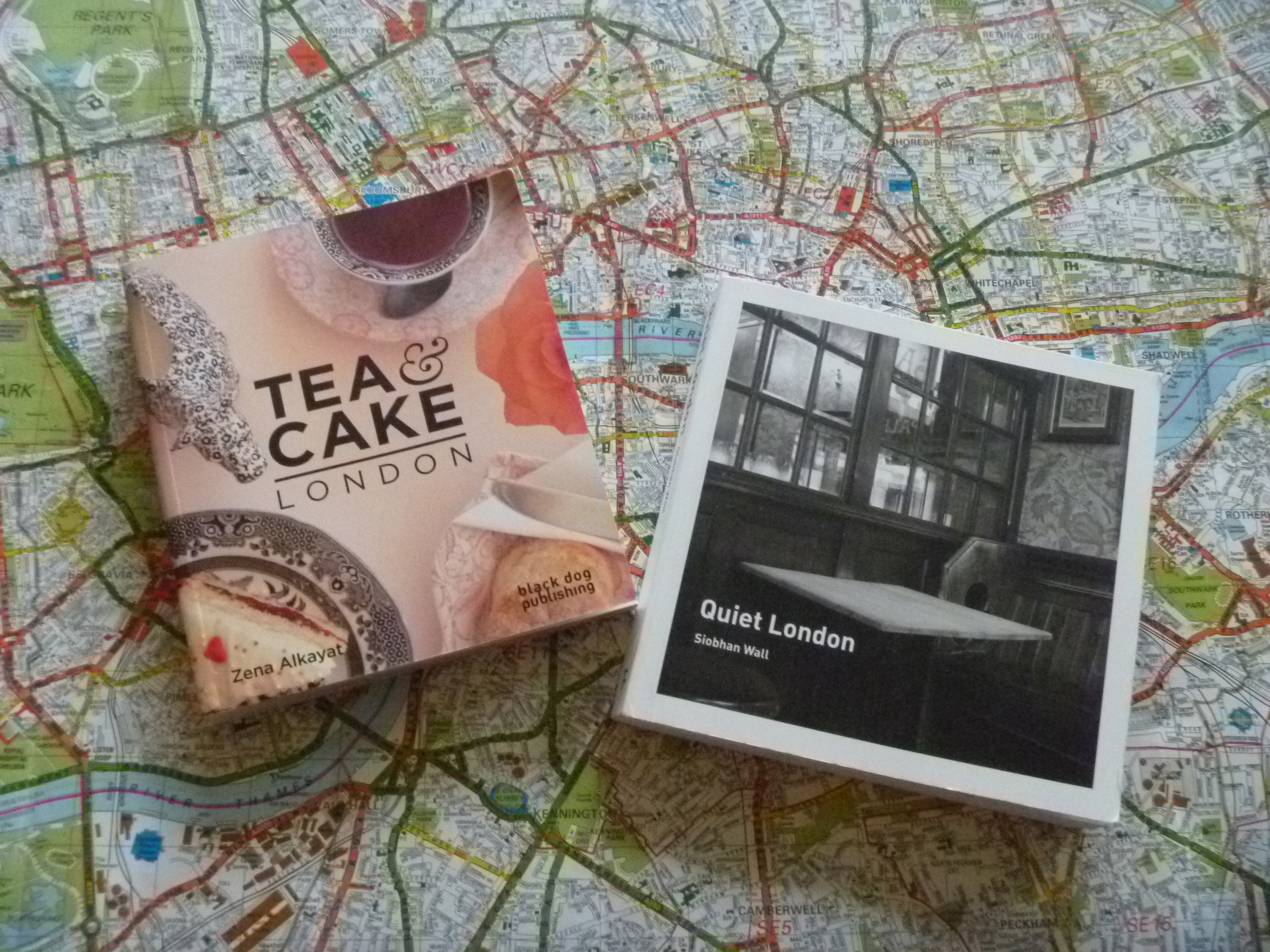
Our visit to Benjamin Franklin House (QL p. 23) on Friday was such a success for us both that we decided to devote the rest of the weekend following up places suggested by Siobhan Wall in her book Quiet London and some eateries suggested in another little book of mine Tea and Cake London by Zena Alkayat.

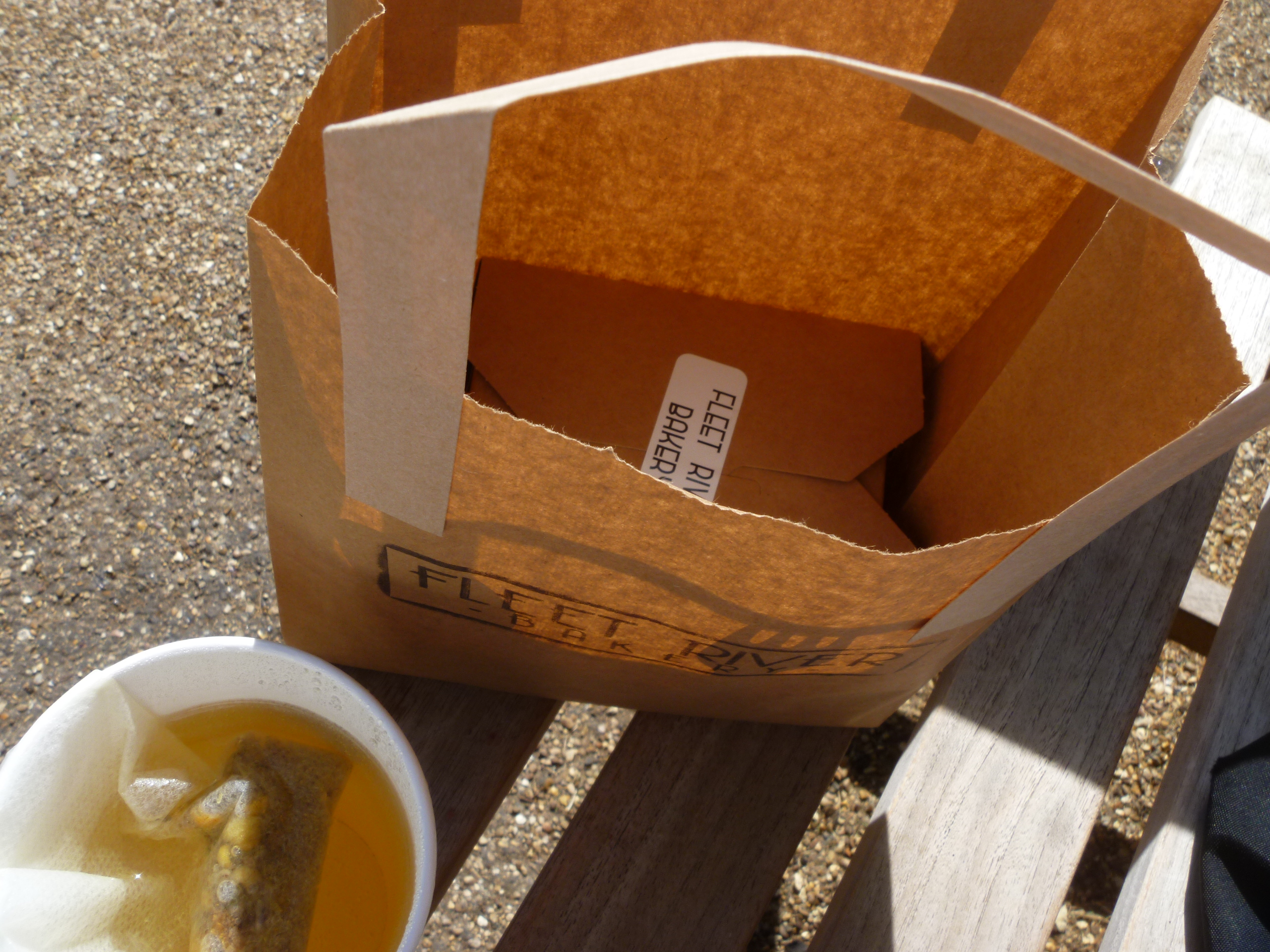
From BHF we trotted off to Lincoln’s Inn Fields to try to track down The Fleet River Bakery  (T&C L p. 40) mentioned in the Tea and Cake book. We eventually found it and bought ourselves tea and cake (my cake was Hummingbird – pineapple, mango and pineapple – so lovely and moist). We decided not to eat in but to take our food and drink into the Lincoln’s Inn Fields and picnic on a park bench in the sun.

London is so interesting and you never know what you might see so we usually walk whenever we can. Our route back to the hotel took us along Fleet Street, Ludgate Hill, past St Paul’s Cathedral, past 30 St Mary Axe (The Gherkin, to you and me) and finally to Aldgate and Minories.

The Royal Exchange and The Gherkin

We called a few of the Quiet restaurants that evening but all were full. We ended up at Morito the Tapas bar next to and owned by Moro on Exmouth Market. The tapas was excellent but the bar would not gain a place in Quiet London!

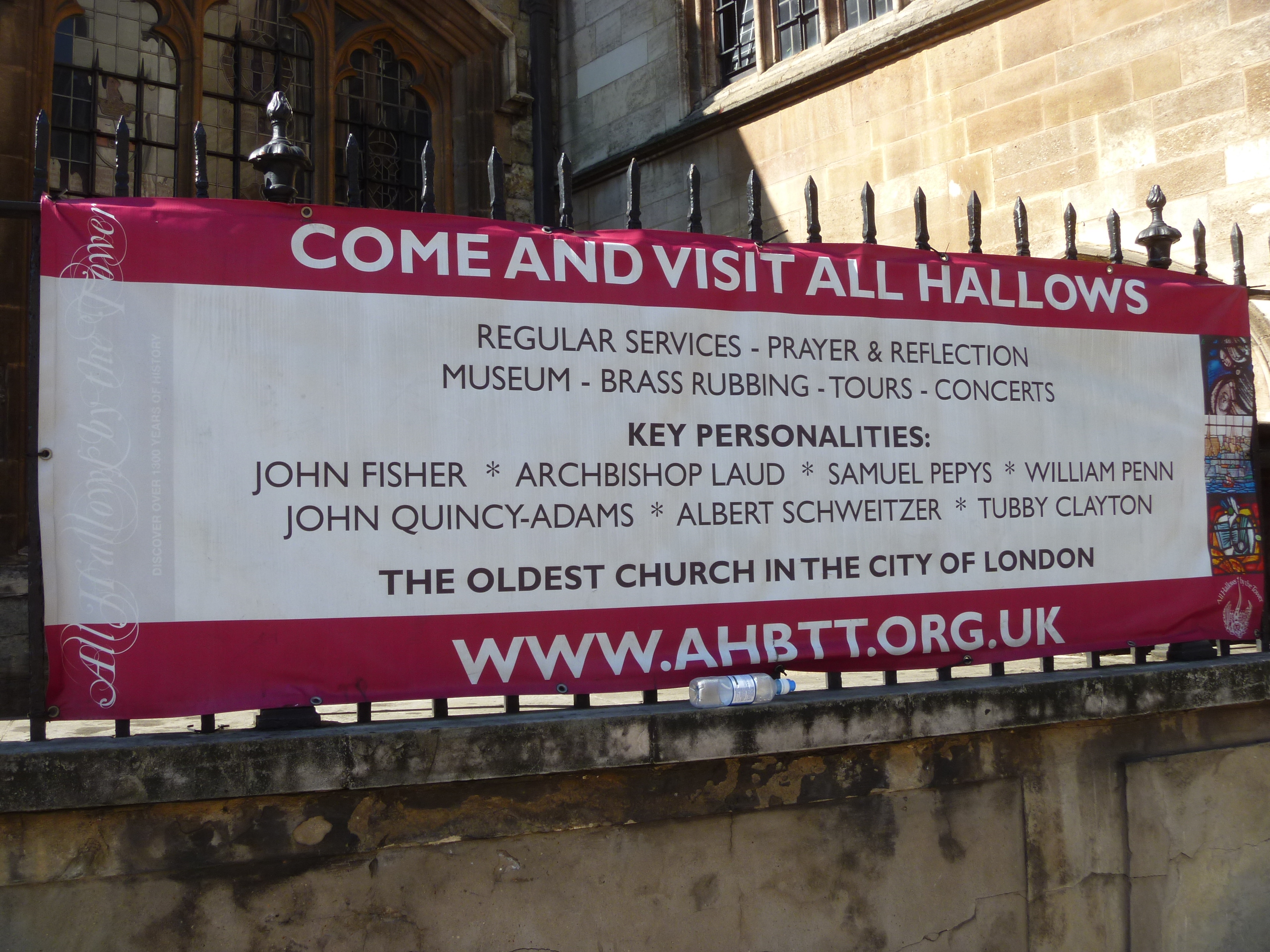
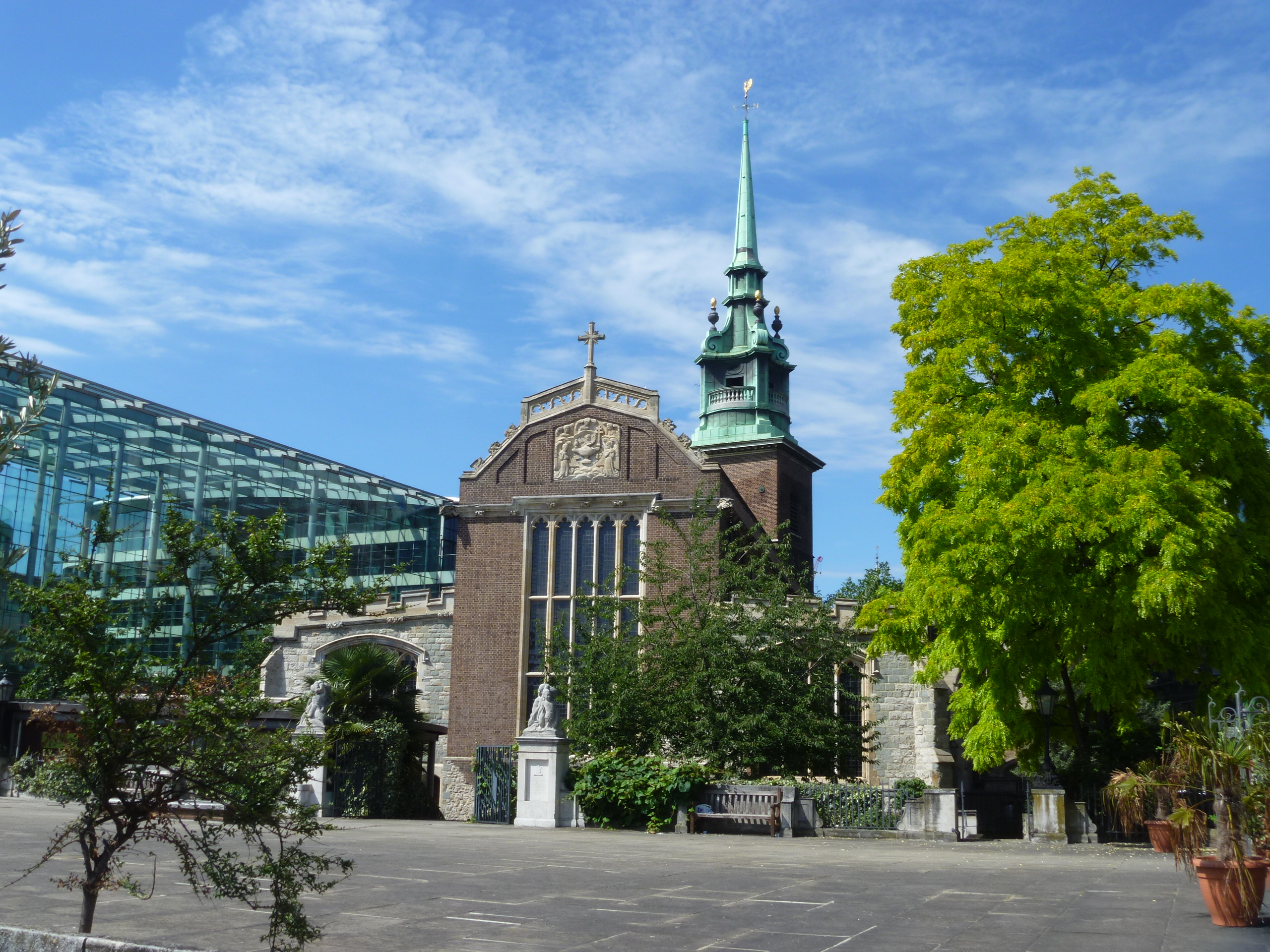
Next day we had a number of places in mind and began our Quiet London Trail at the Crypt Museum (QL p. 20). A 20 minute ‘pop in’ to the church of All Hallows By The Tower ended about two hours later! You can see why (and this poster does not mention the exhibition “Bonuses, Benefits & Bailouts : the morality of the King James Bible”).

All Hallows By The Tower

“To tie in with the 350th anniversary of the Book of Common Prayer, All Hallows by the Tower and The Museum of the Book in Limehouse are pleased to present this exhibition of manuscripts, first edition bibles, prayer books and other artefacts challenging our thinking on issues of legality versus morality using the King James Bible as a starting point.” [Summer Programme leaflet]

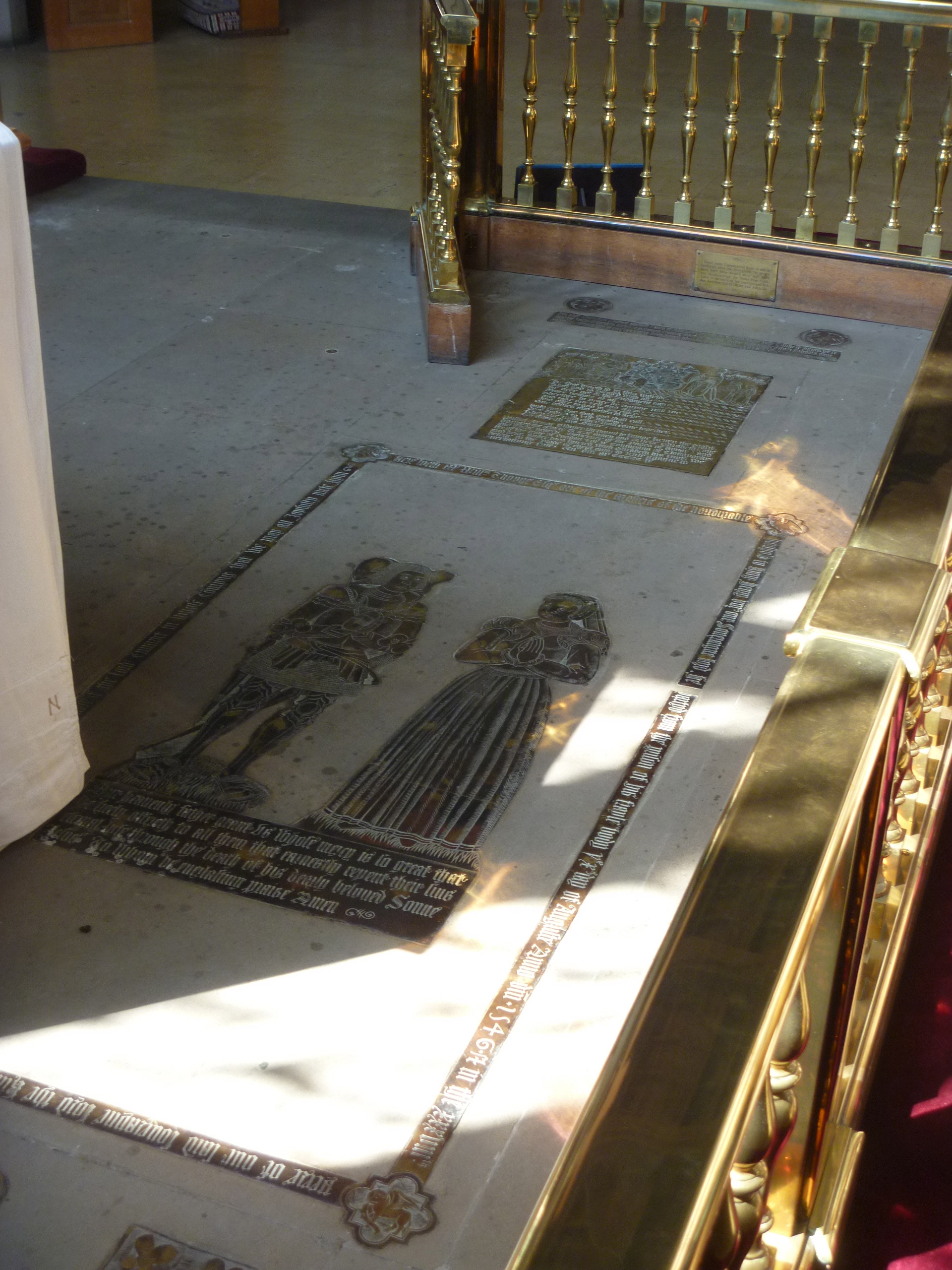
“This tiny museum lies underneath one of London’s original Saxon churches. In the crypt is a Roman tesselated floor from a house built in the late 2nd century. The museum also holds registers dating back to the 16th century. The highlight, however, is the intricate brasses inlaid in the stone floor of the church, near the altar.” [Quiet London, p. 20]

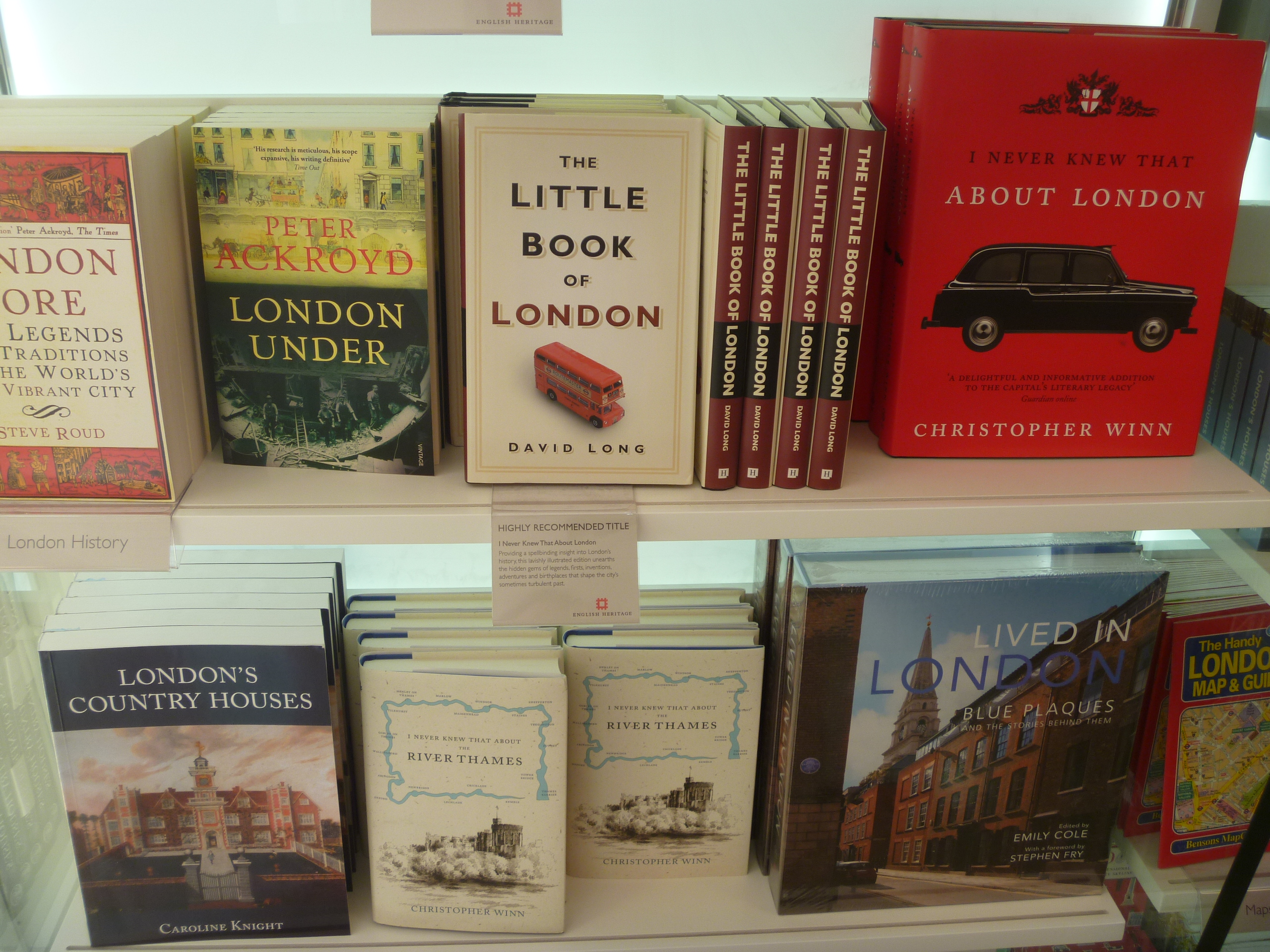
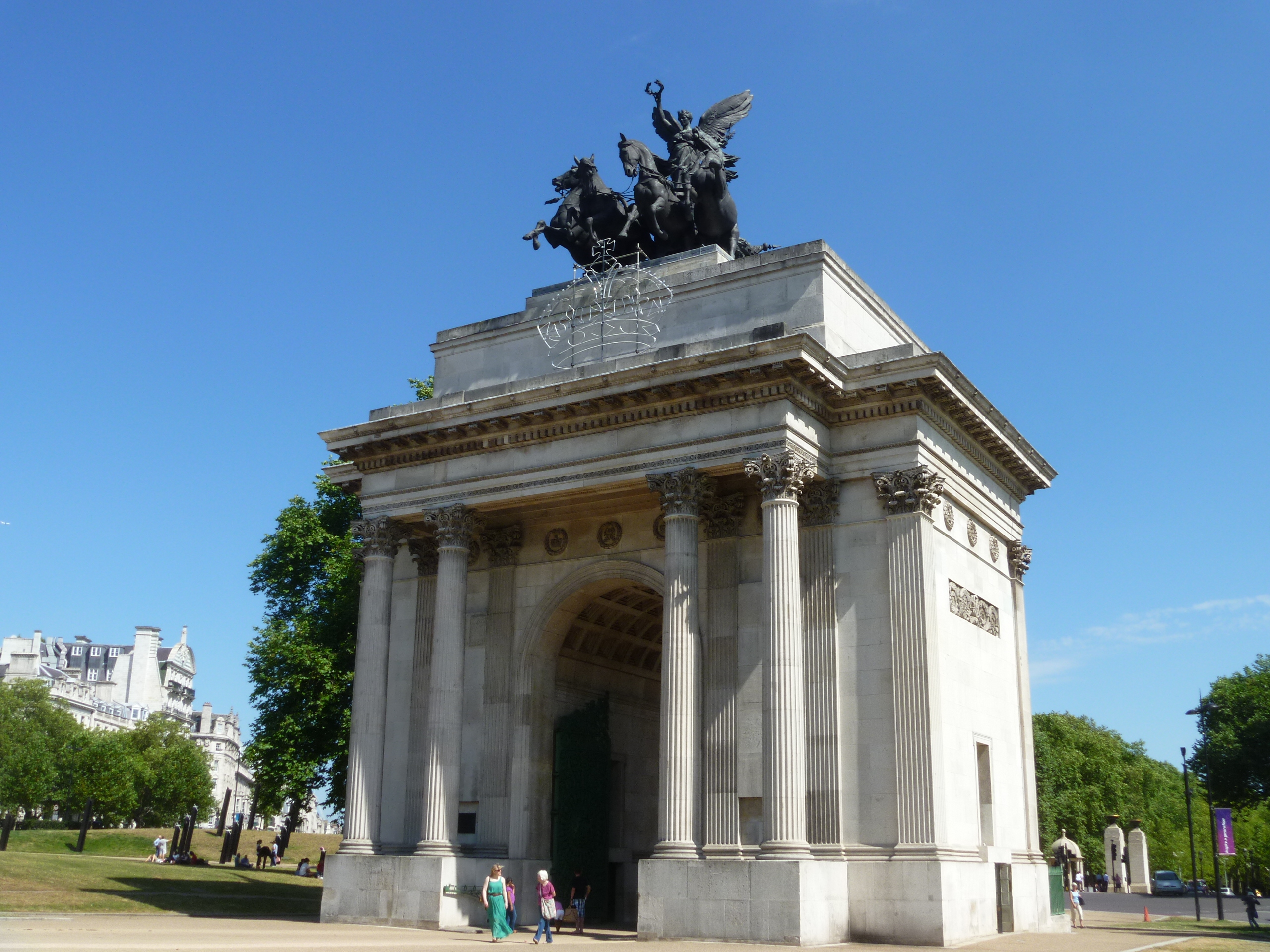
Moving on from All Hallows we visited The Wellington Arch. Recently opened by English Heritage this London landmark has not yet arrived in Quiet London. You can climb (or take the lift) to the top for views towards Hyde Park, Buckingham Palace Gardens, Green Park and Piccadilly. There’s an exhibition space (at the moment it commemorates 100 years of Blackpool Illuminations and the Blackpool Tower), a further gallery showing the history of the Arch and its former locations plus a bijou bookshop of London book titles.

Next up we crossed the river (underground by tube) to Vauxhall. During the 17th, 18th and 19th centuries the pleasure gardens of Vauxhall were one of the London places to see and be seen but our hunt was for something very much more esoteric : Bonnington Square Garden (QL p. 46).

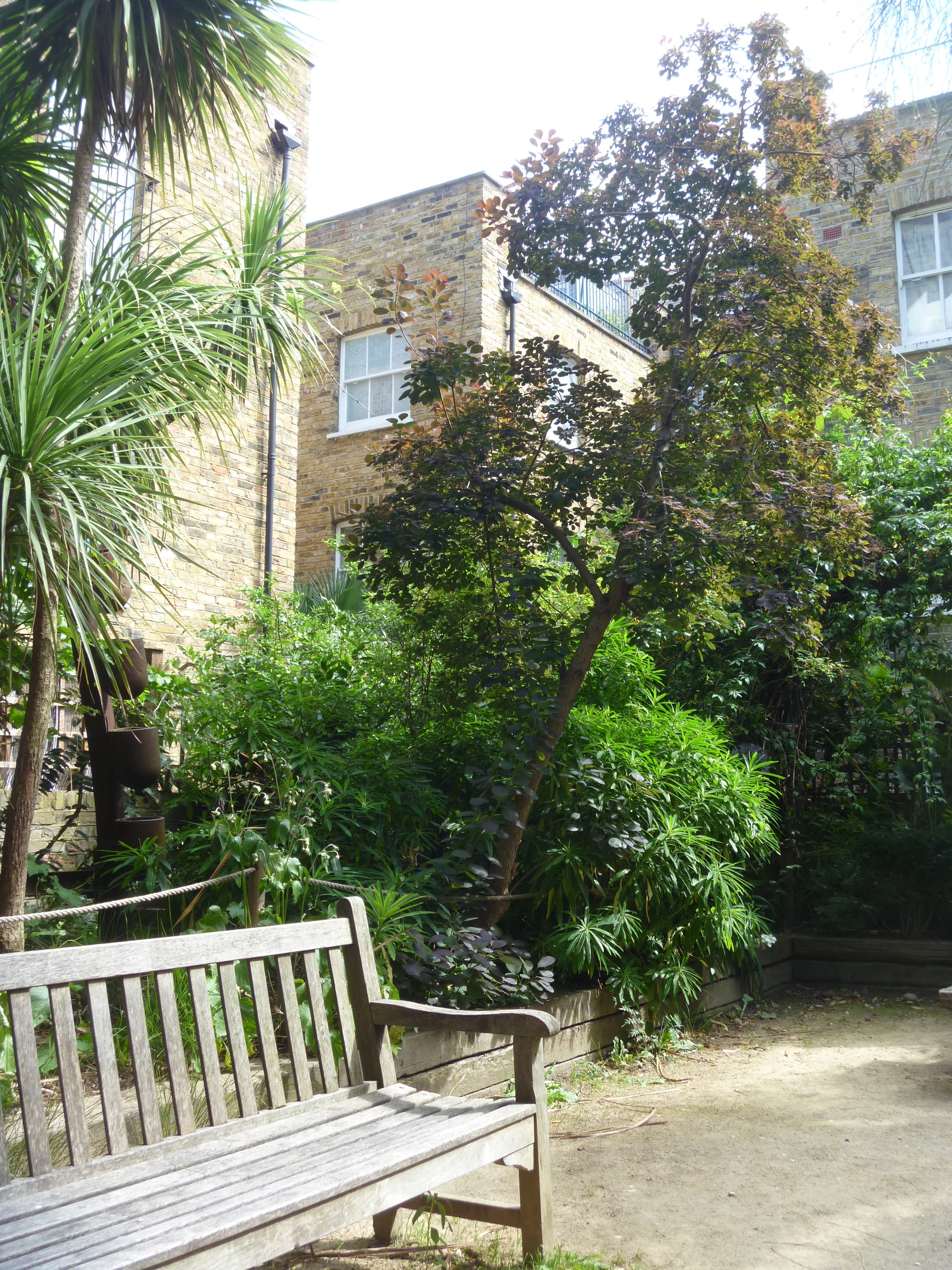
Bonnington Square Garden

“Known as ‘the Pleasure Garden’ in homage to the Vauxhall Pleasure Gardens, this former bomb site and derelict playground  was transformed by the imaginative residents of the Bonnington Square Garden Association. Amazingly, this south London oasis is full of lush tropical plants and intriguing public sculptures.” [QL p. 46]

The residents continued their enthusiasm for all things green by planting out more areas in the neighbourhood, on street corners and other small open spaces.

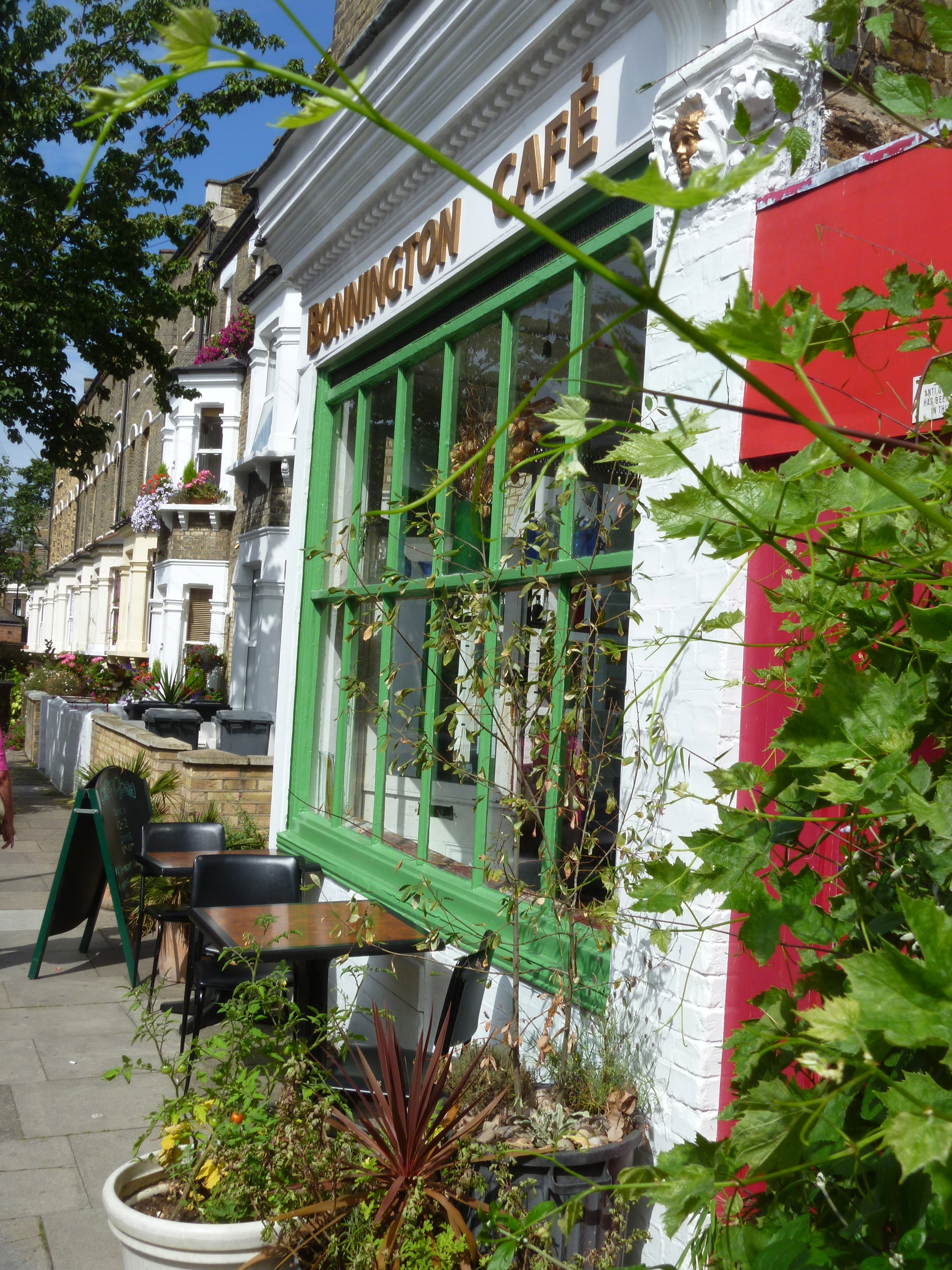
Bonnington Cafe (plays music so not quiet!)

[To be continued]

Jean-Jacques Rousseau; born in Geneva 300 years ago.

“The person who has lived the most is not the one with the most years but the one with the richest experiences.”

Jean-Jacques Rousseau

The Swiss are gluttons for their anniversaries! Just about every month there are fireworks or celebrations or parades in one Canton or another. But they really go to town with special anniversaries every year. I posted earlier about the 100 years of the Jungfrau Railway.

As one would expect, the city of Geneva decided that the birth of the philosopher and novelist, composer and major influence on the French Revolution Jean-Jacques Rousseau, in the city in 1712, must be worth a celebration.

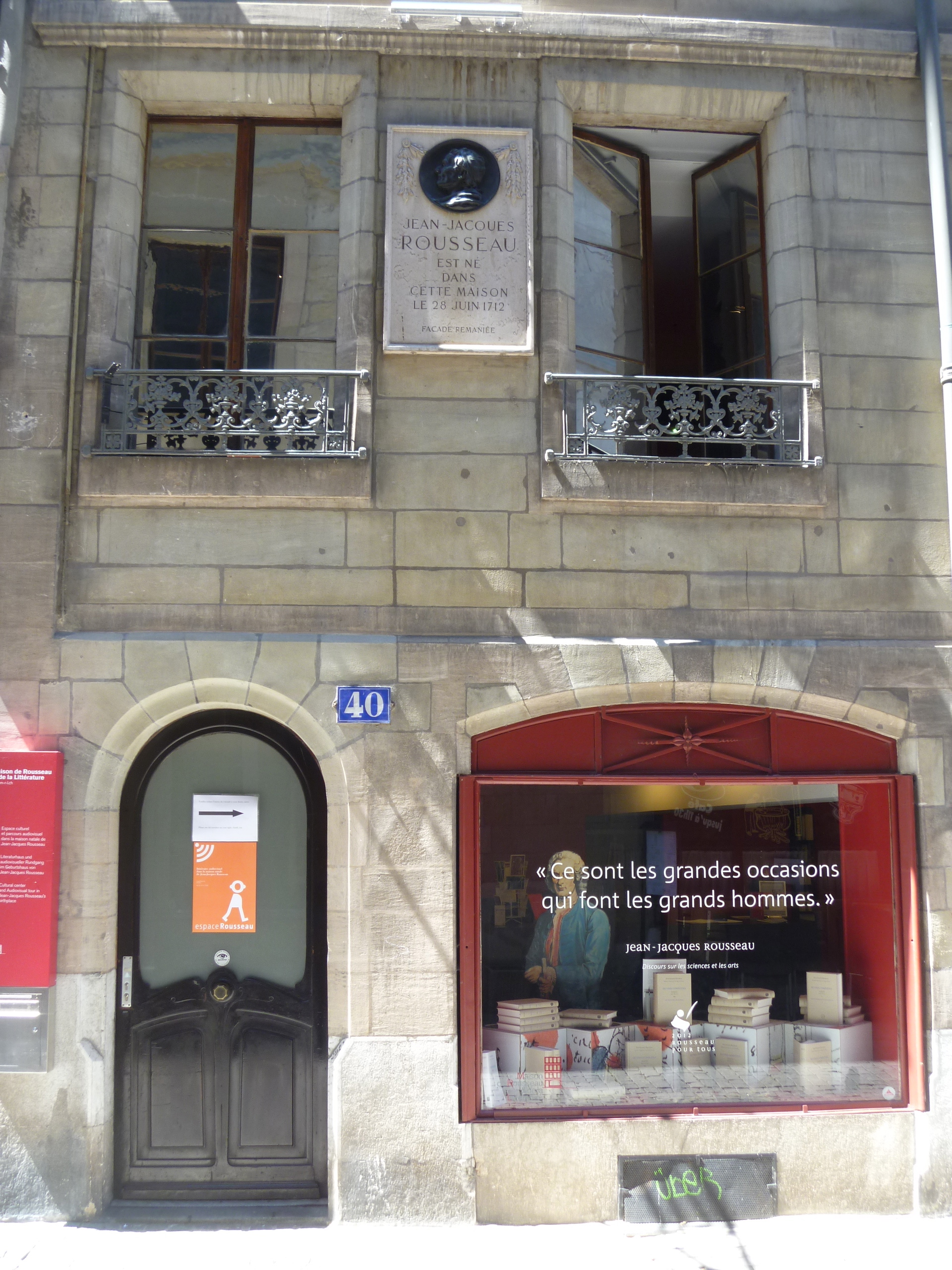
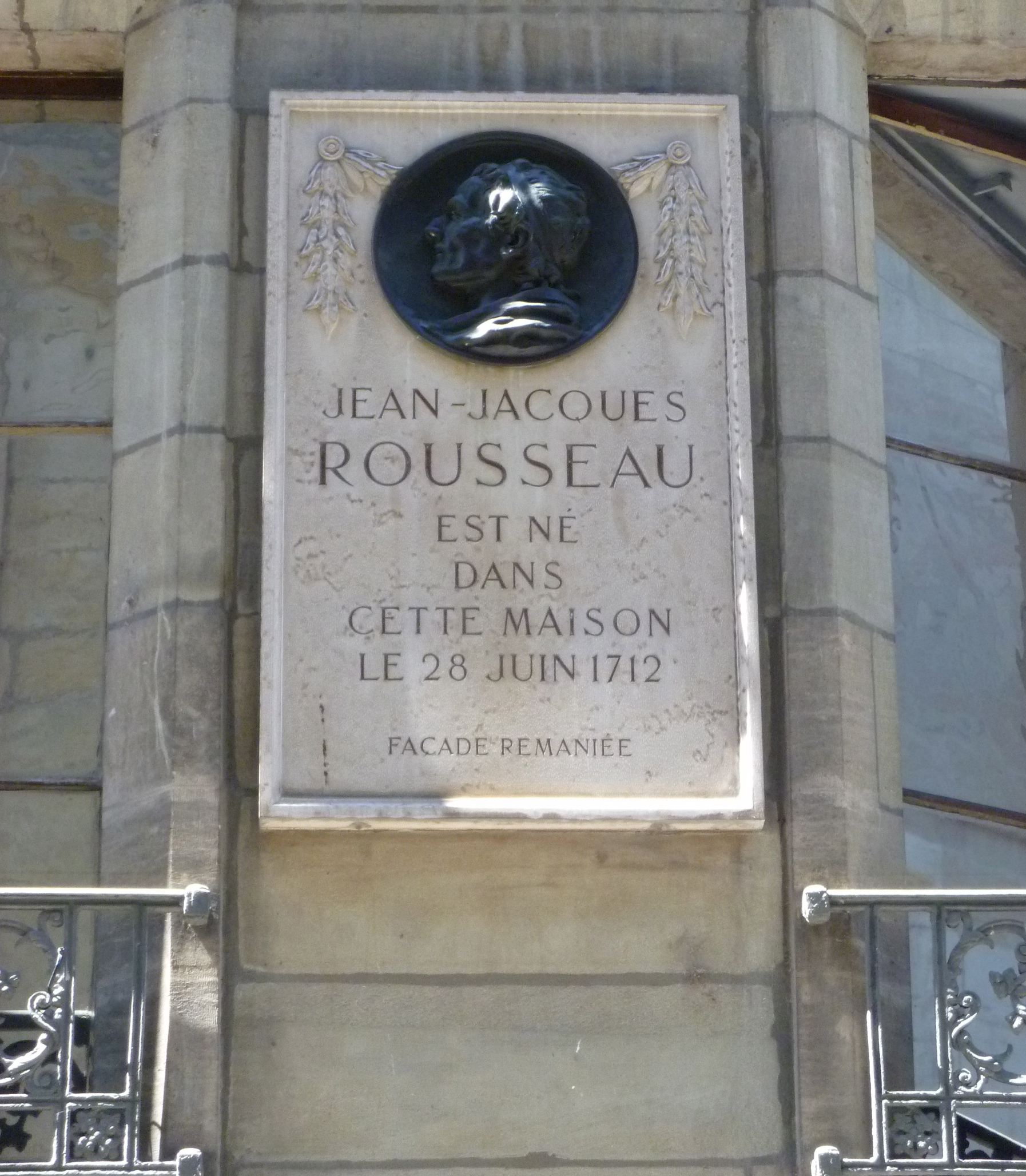
40, Grand’rue, Geneva, birthplace of Jean-Jacques Rousseau

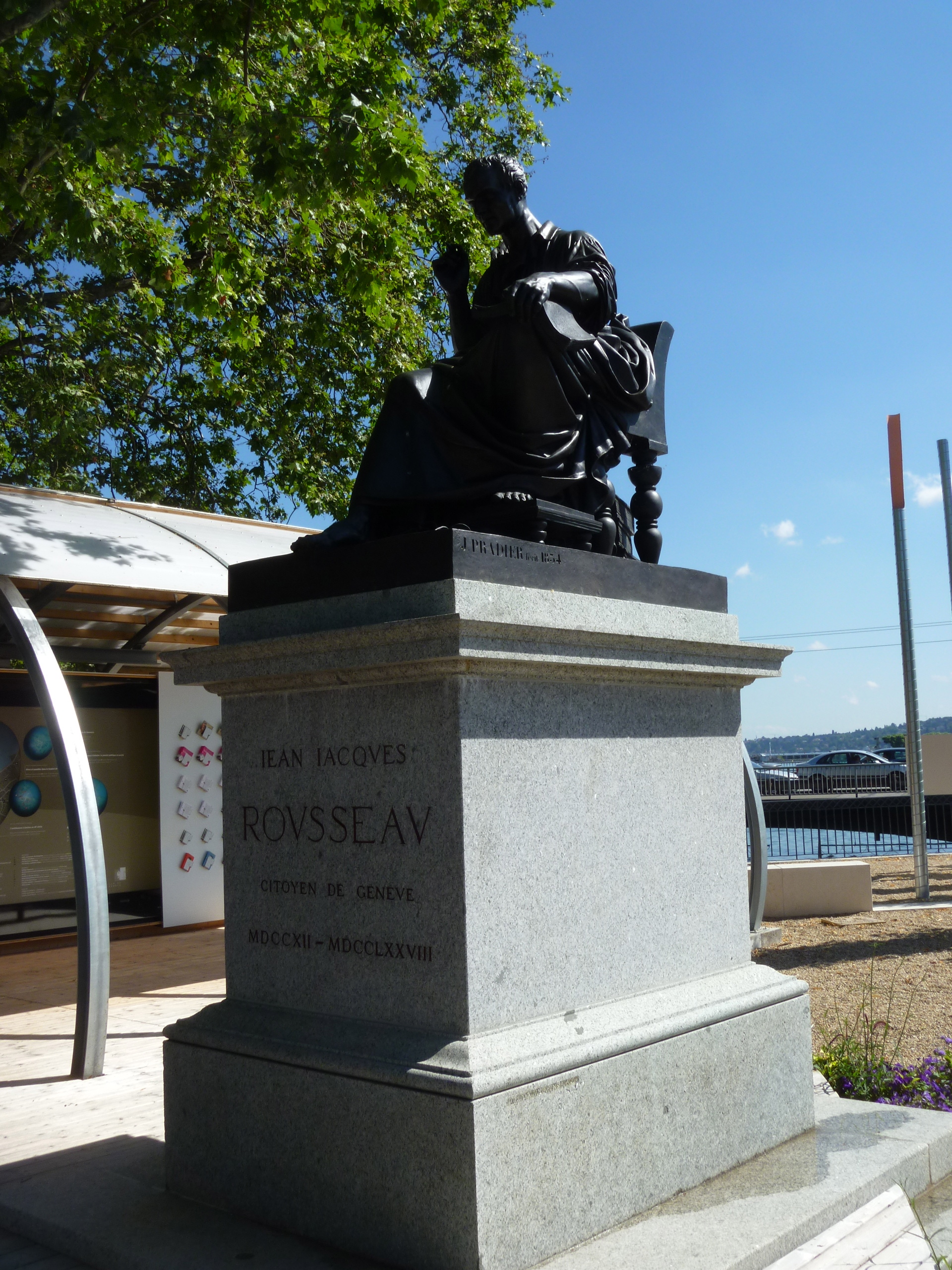
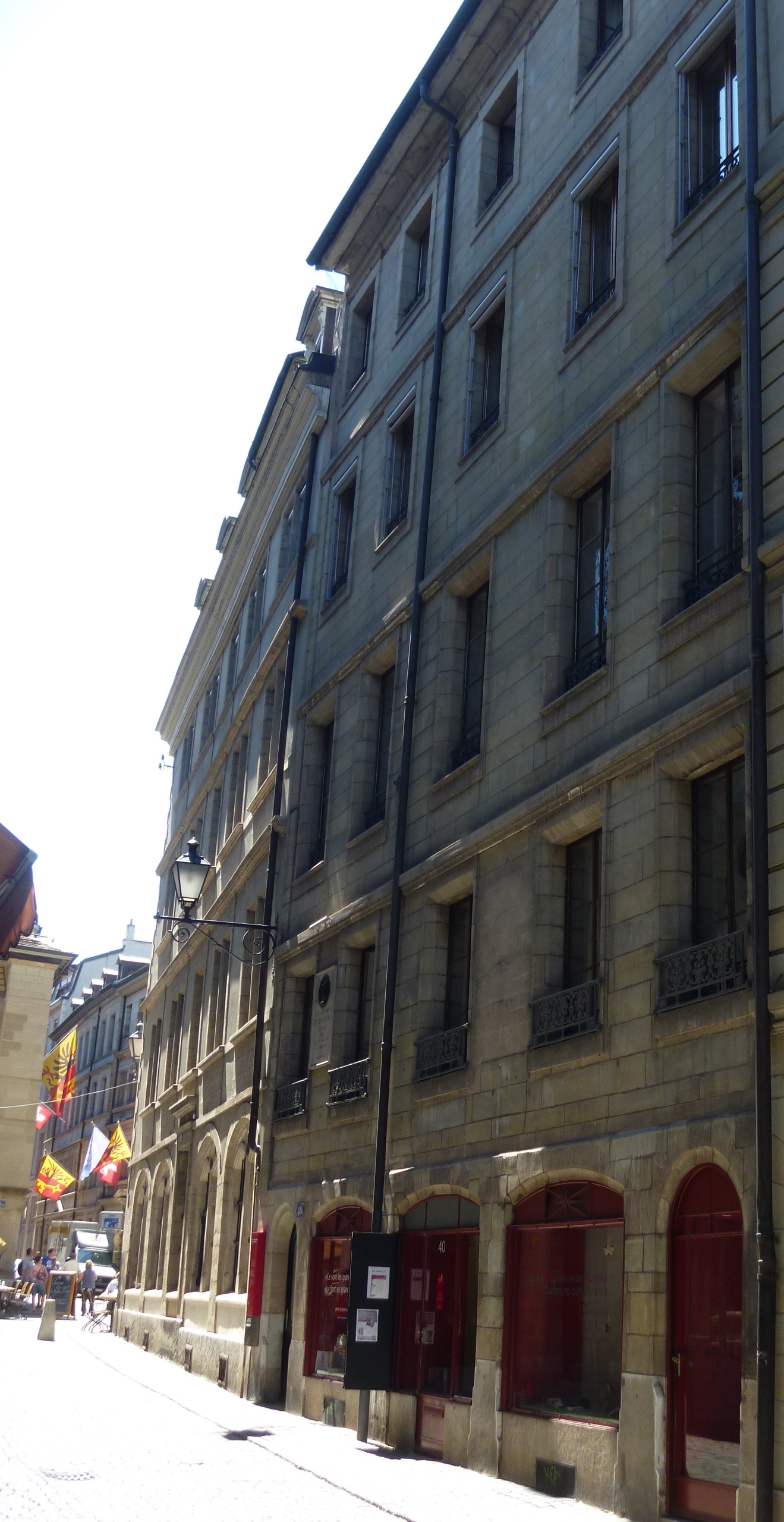
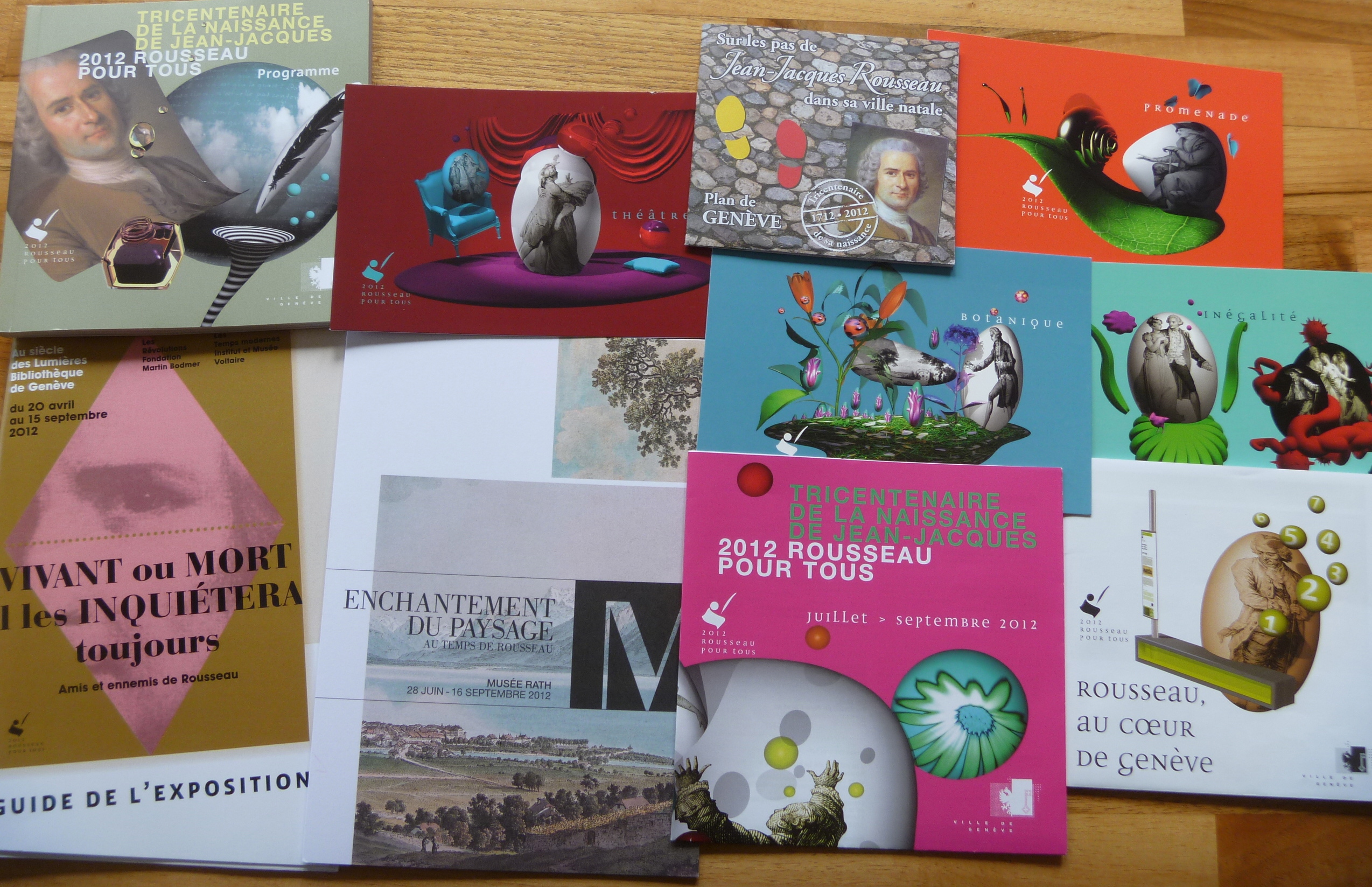
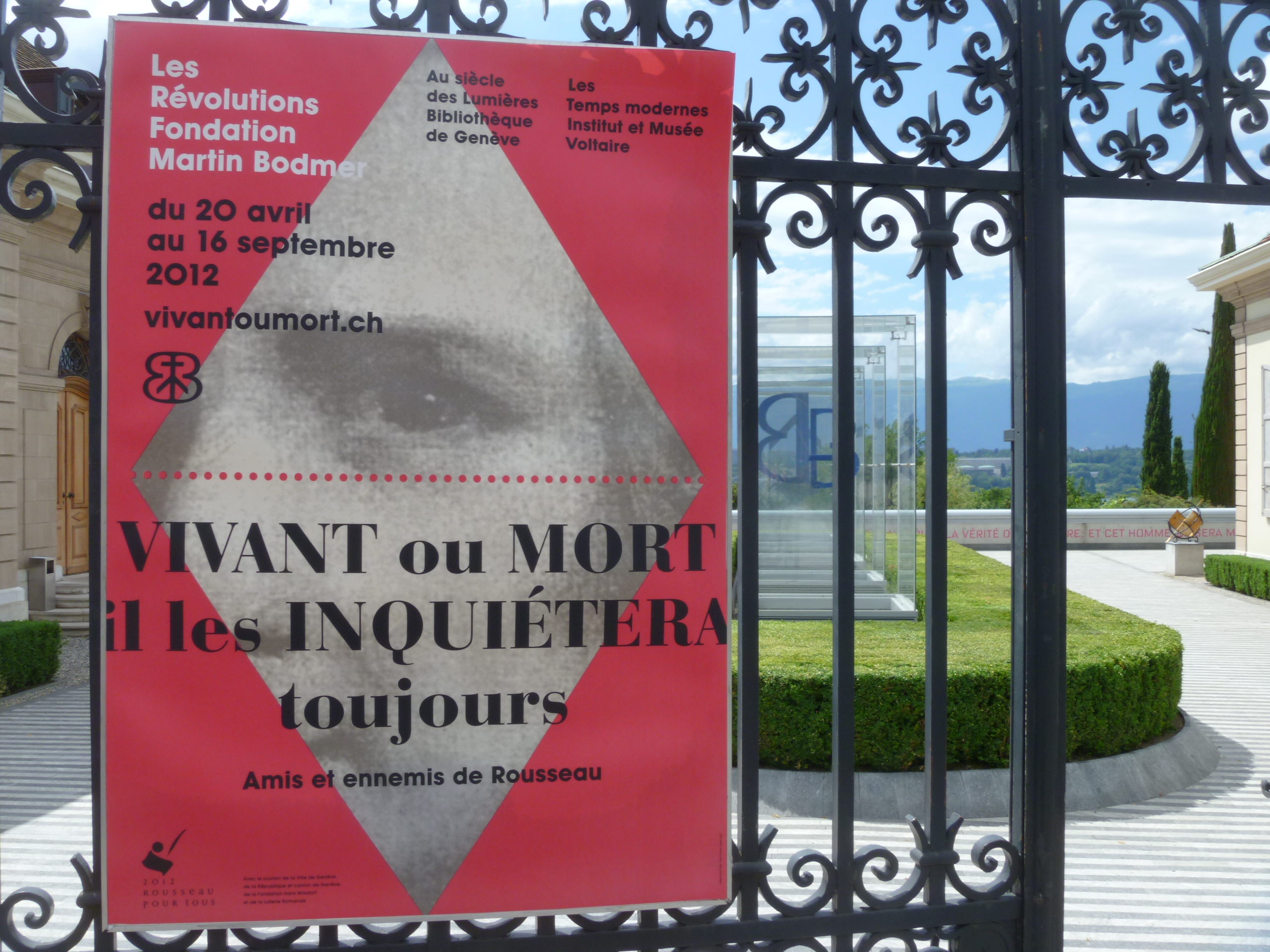
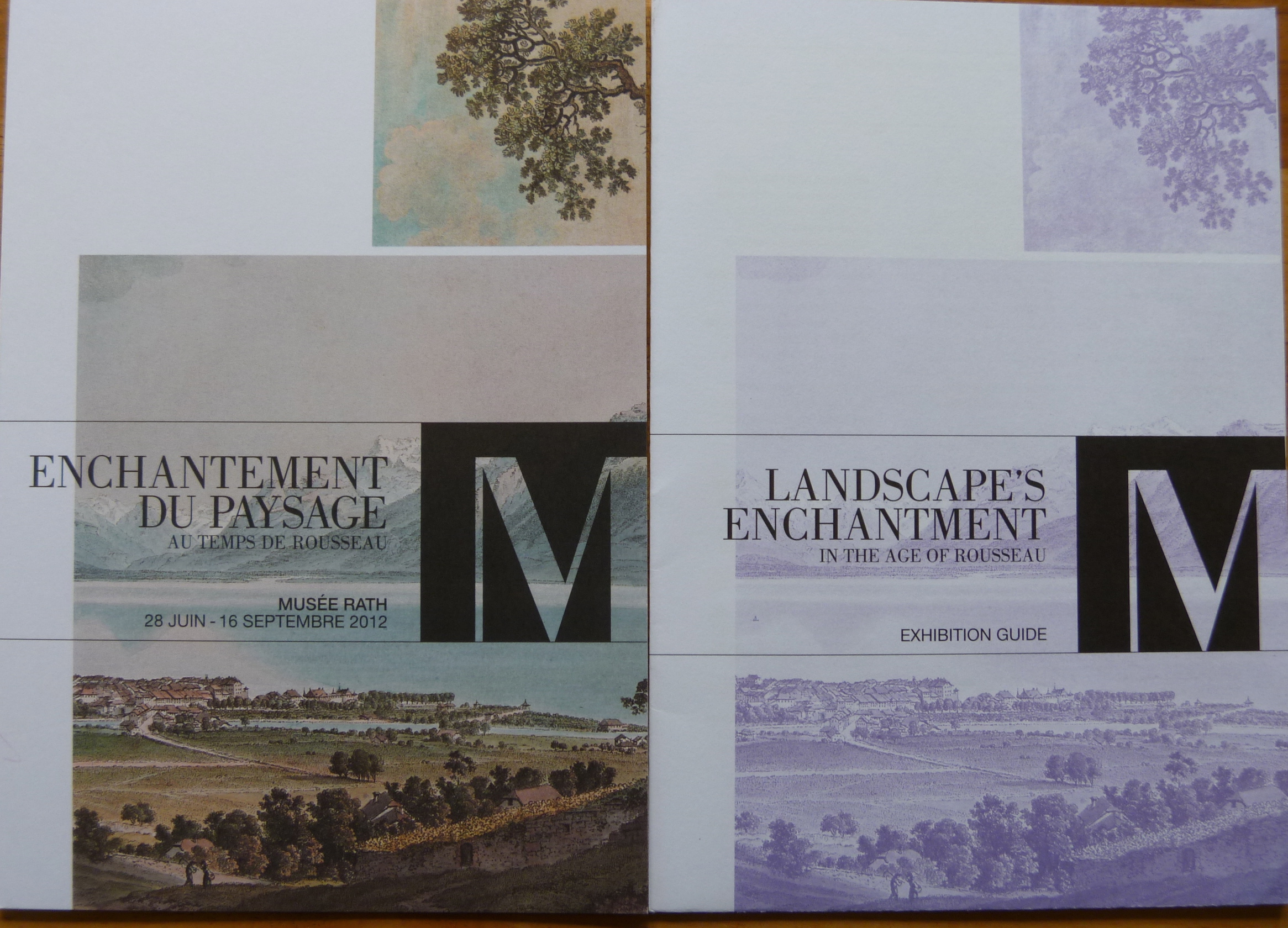
I don’t know whether there have been, or will be, fireworks let off in his name but there is no escaping his tricentenary in the city this summer. I only came across a little map which allows one to follow in the great philosopher’s footsteps on the last morning of my trip but I was immediately attracted by a lovely leaflet advertising a related exhibition at the Musée Rath whilst waiting to check in at my hotel on arrival. I knew that JJR’s birthplace was in the Old Town (3 pictures above) and a fellow member of our party told me about the Île Rousseau statue (top). I visited the Bodmer Foundation to see the display “During his life and after death he always worried them: Rousseau’s friends and enemies” (my translation) but got carried away by the breadth of the permanent collection and the fact that there were no English translations at all.

With so much to choose from here is what I managed to follow up in the name of Rousseau in the short amount of time available to me.

Île Rousseau

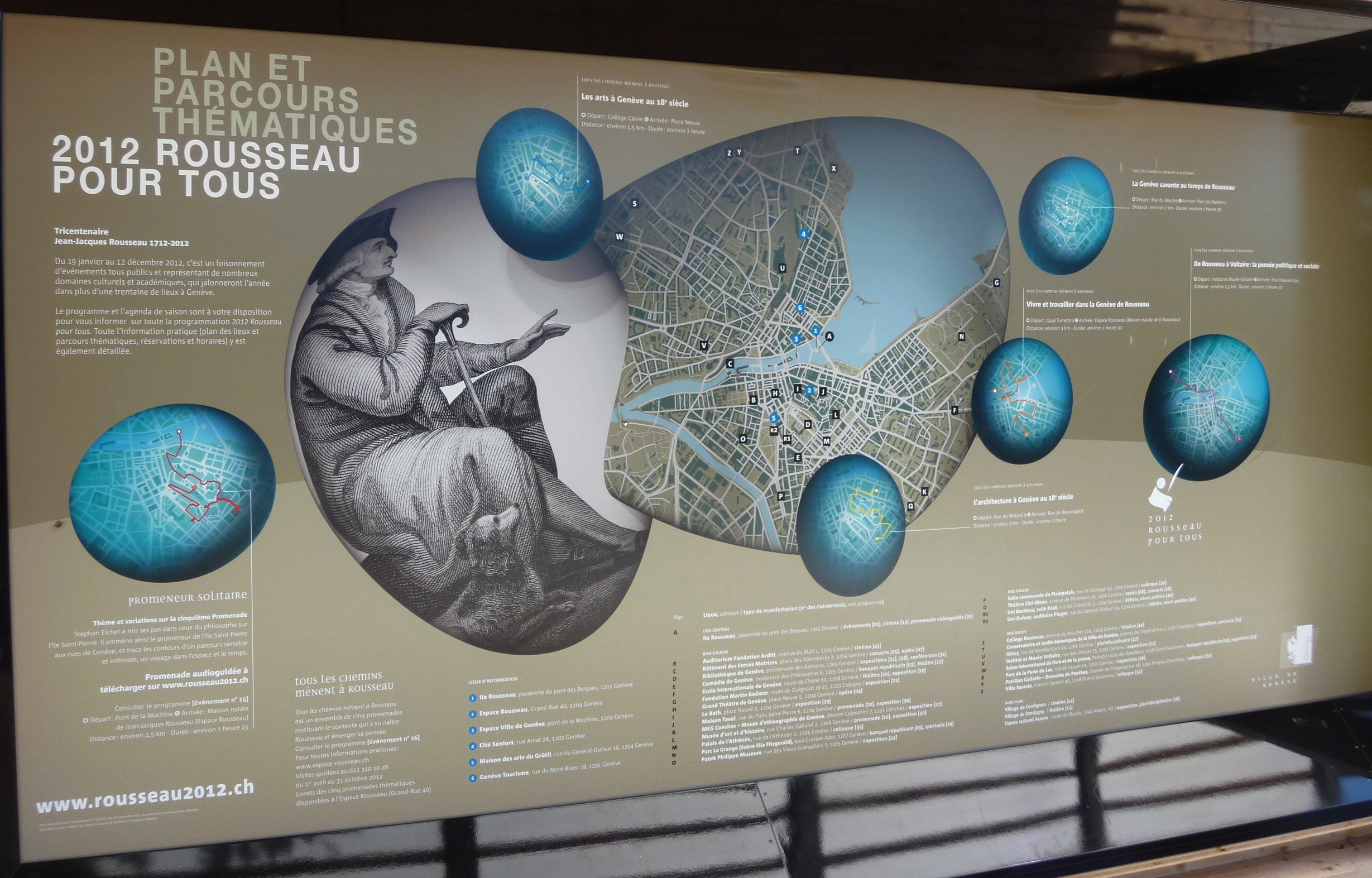
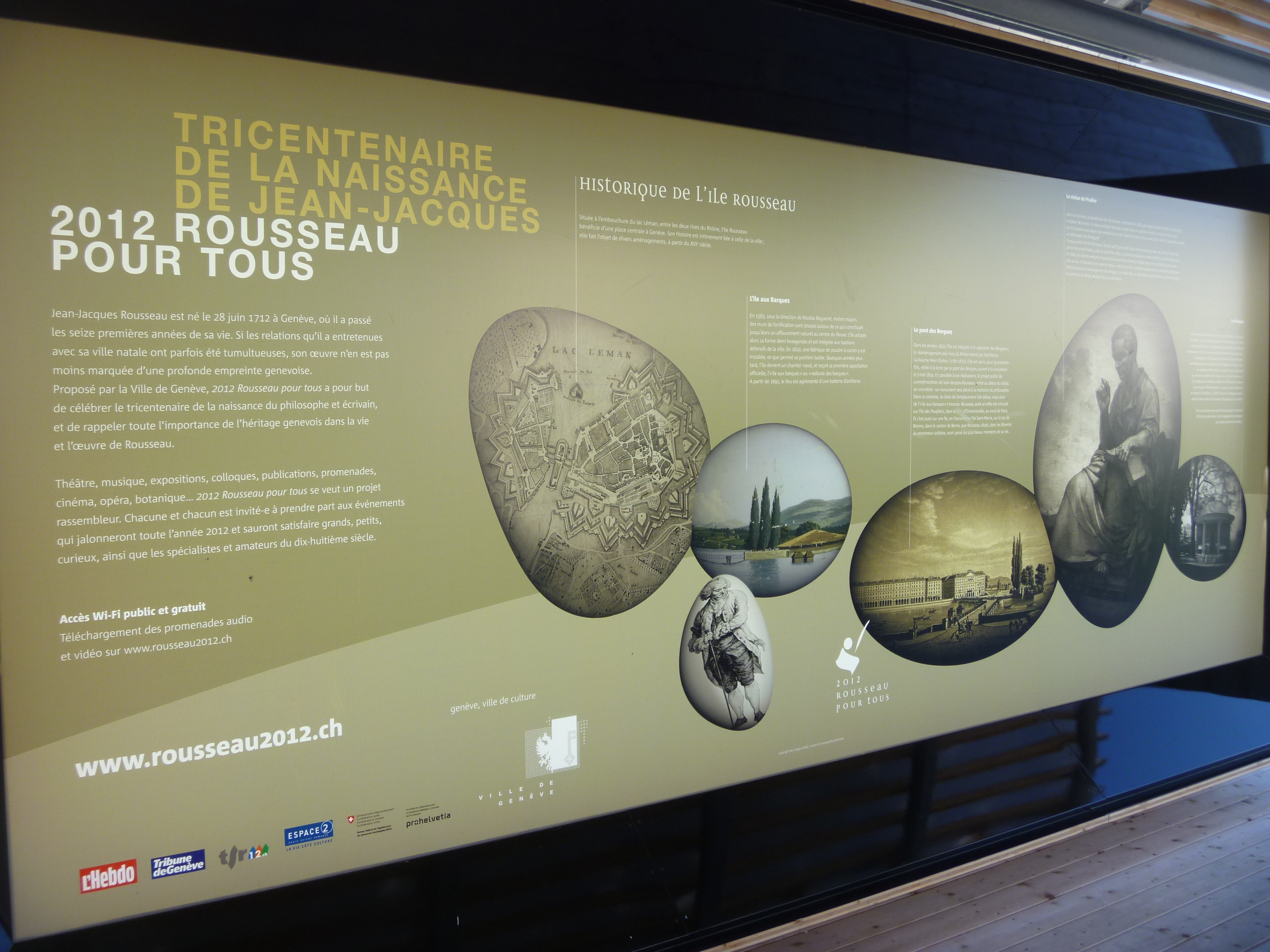
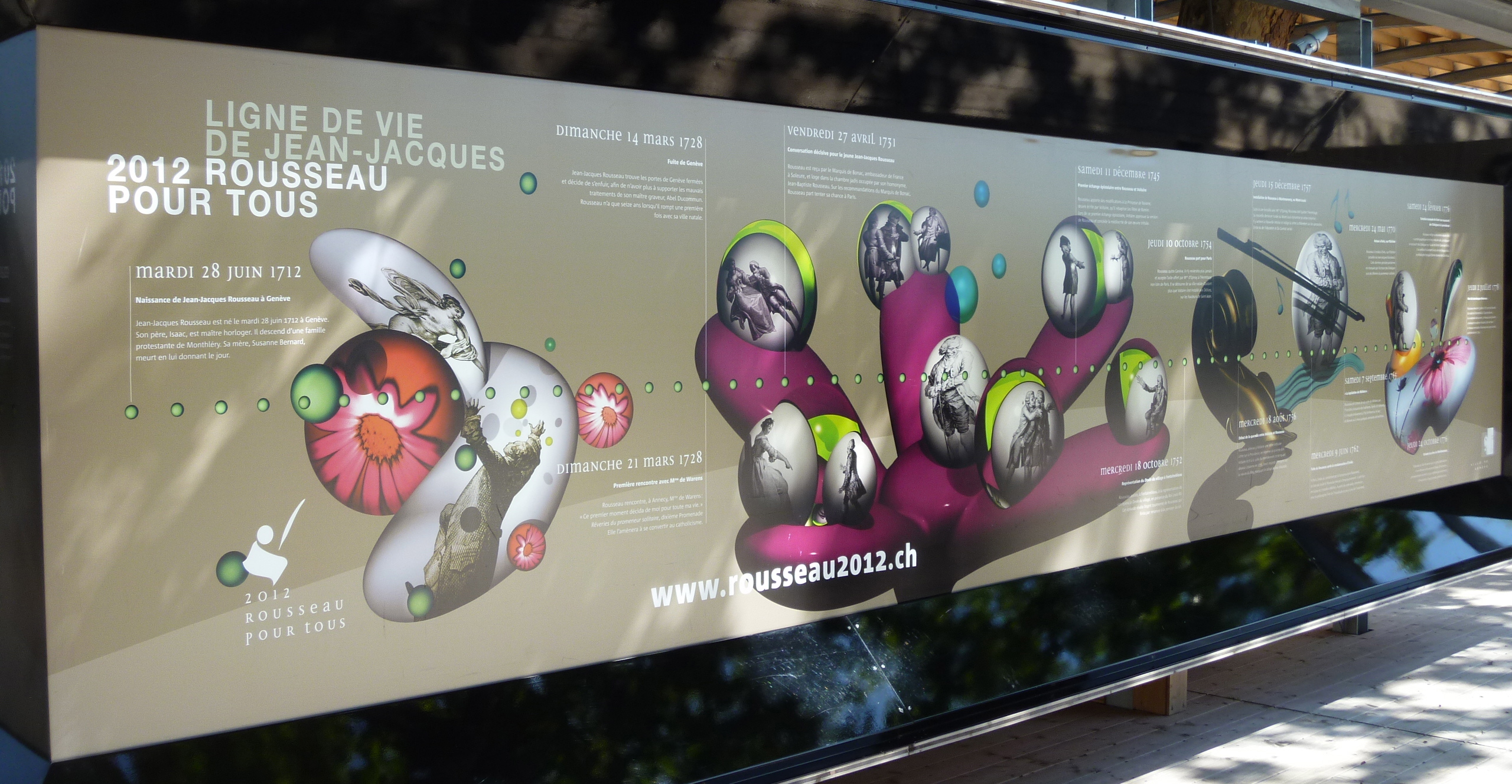
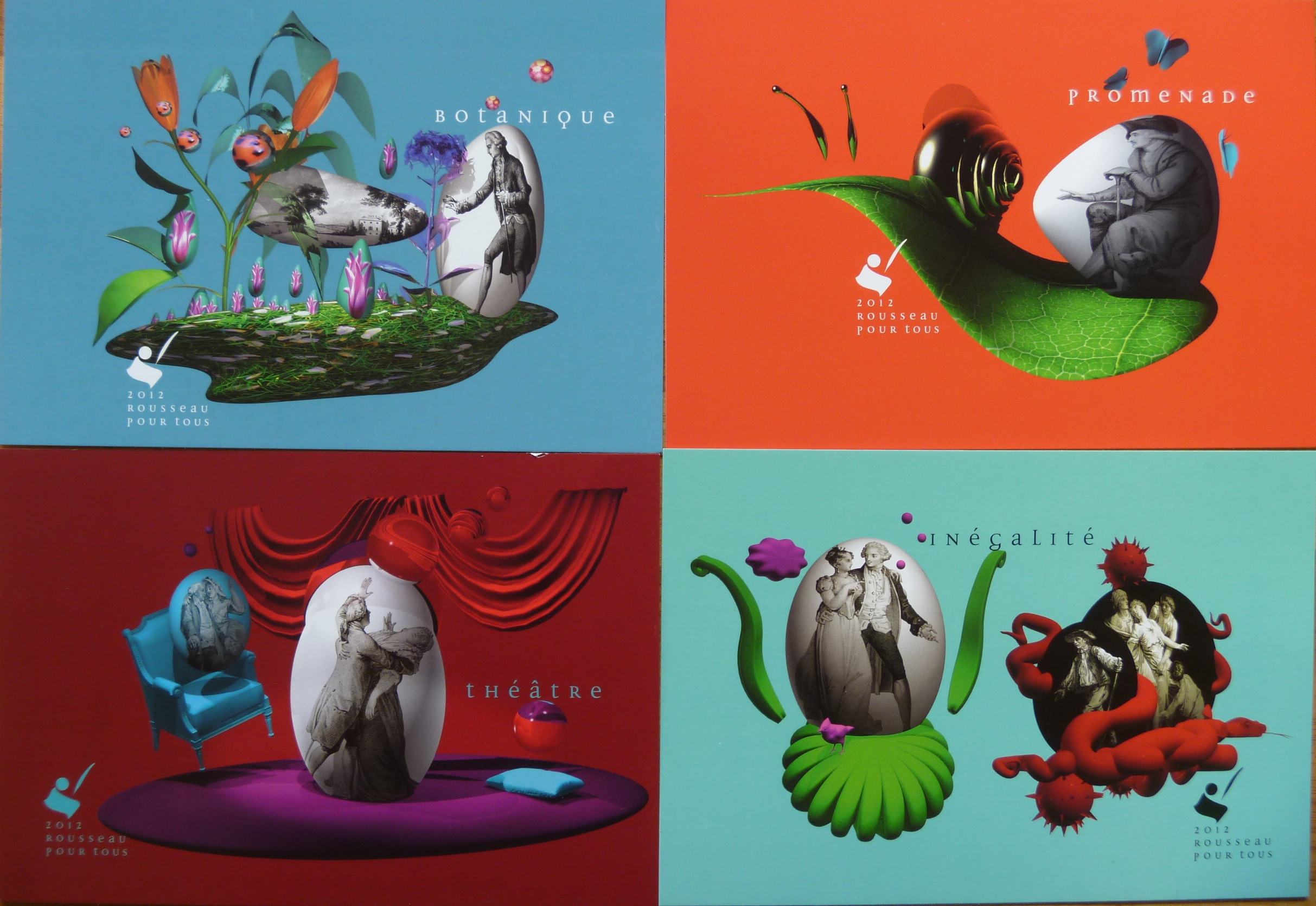
On the island straddling the River Rhone accessed from the footbridge Pont Des Bergues is a statue of the great philosopher (top picture), created by James Pradier and erected on the island in 1835. This is the heart of the Rousseau commemoration and there’s an information pavilion with large boards, video screens (all in French) telling about the life and works of Rousseau. I also picked up some free postcards.

The Martin Bodmer Foundation

I wrote about my visit to the MBF in the previous post. The small Rousseau exhibit was just a few display cases (no photography allowed) showing printed and manuscript examples of Rousseau’s work and that of his contemporaries during the Age of Enlightenment. The backdrop of toile du jouy (a fabric particularly associated with an idealised vision of the countryside and Rousseau’s work) and the subtle use of lighting made this a very visually satisfying display – but all the notes, including the guide handed out for free were in French and thus too time-consuming to study closely.

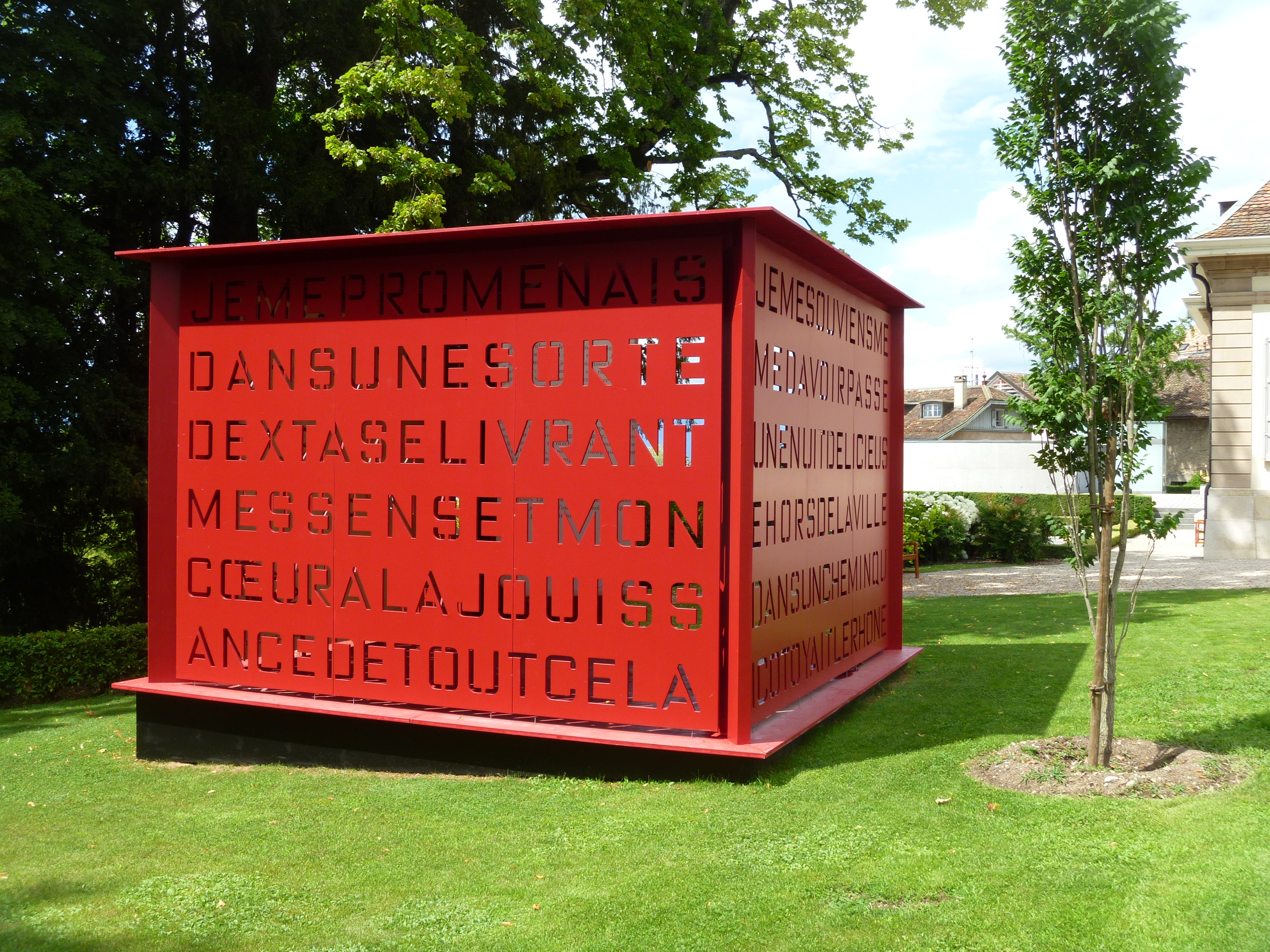
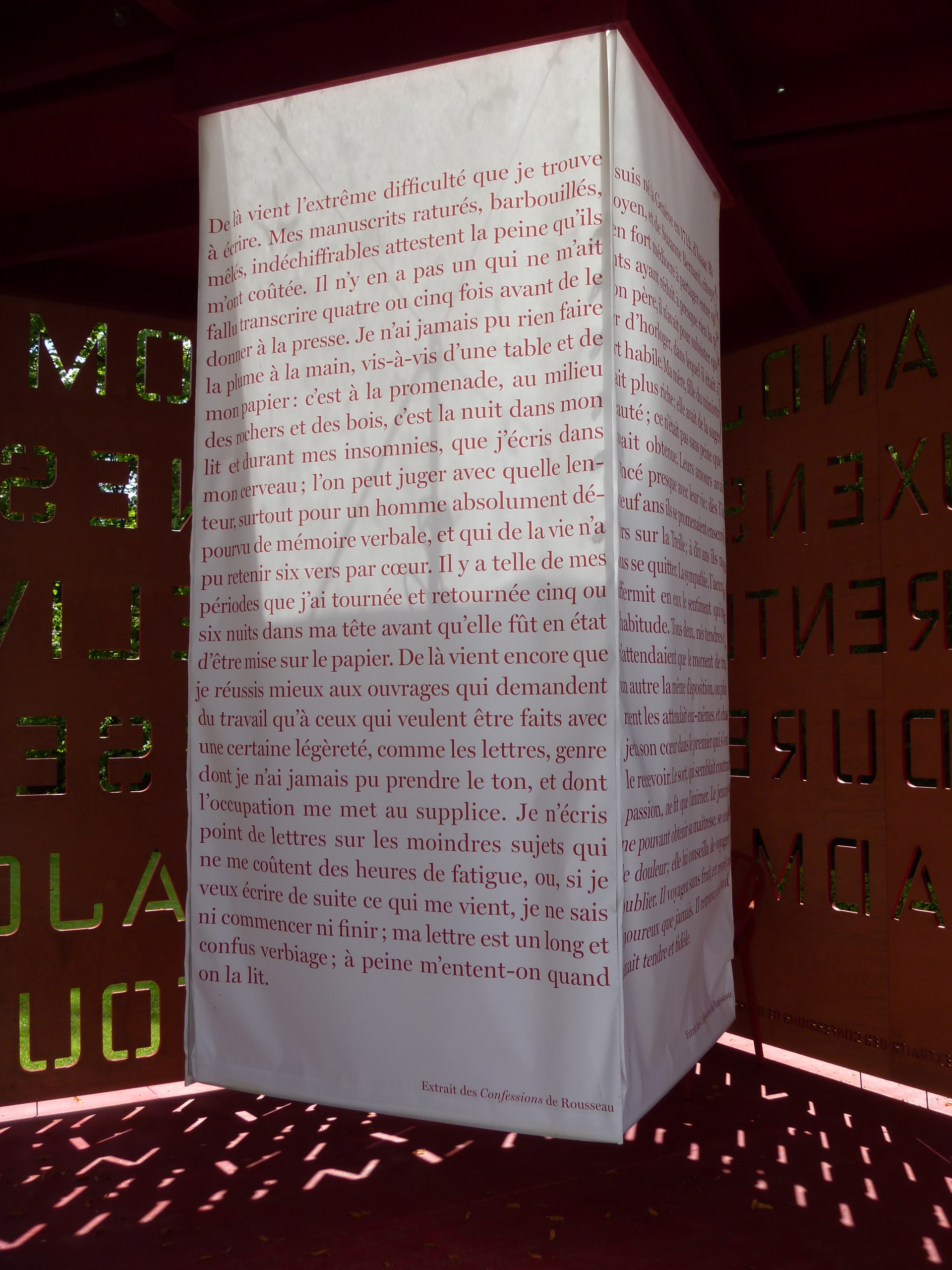
There’s an interesting cube installation dedicated to Rousseau in the garden of the Bodmer Library.

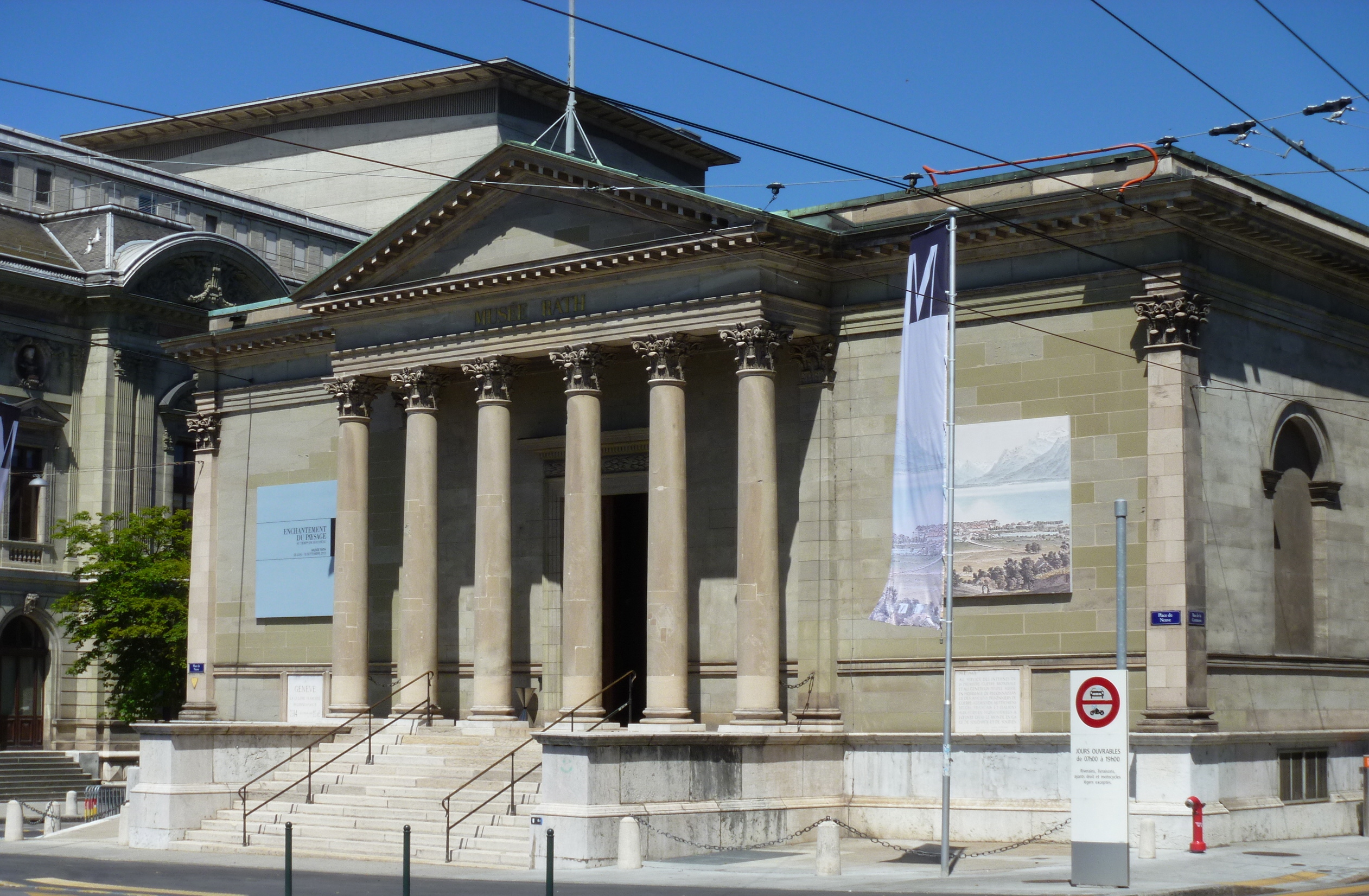
The Musée Rath

Amidst the sounds of birdsong and  tinkling cow bells I viewed the ‘rooms’ of the exhibition “Landscape’s Enchantment in the Age of Jean-Jacques Rousseau” at The Musée Rath. There was lots for me to enjoy here as the programme is also available in English and landscape history is a bit of an interest of mine.

“Throughout his life Rousseau never stopped travelling. All his travel diaries share the same intense attention to natural elements, the climate, the landscape and the emotions they elicit. This feeling for nature pervades his theoretical texts as well as his autobiographical and fictional writing.” (From the Exhibition Guide)

The eighteenth century saw the growing popularity of the Grand Tour – a journey to Italy to inspect (and often remove) ancient monuments. Passing through the Alps was seen as necessary but they were considered as objects of fear and loathing. As the century moved on mountains and landscapes in general became more interesting and less feared and the representation of landscapes in art became more and more respectable.

“The exhibition illustrates this new perception of landscape that developed during the second half of the 18th century in Switzerland and throughout Europe. It offers a thematic stroll through the four elements, with some 320 works on paper, prints, drawings and books. The visitor can follow his fancy and tour the countryside (IN NATURE’S GARDEN), the mountains (SUBLIME SUMMITS), expanses of water (ON THE WATER) and aerial views with changing atmospheres (ETHERS AND ATMOSPHERES).”  (From the Exhibition Guide)

In addition there was a Short History of Landscape – the two major models were idealised and real; a Dreams of Italy section and In The Engraver’s Workshop where the engraving process is demonstrated.

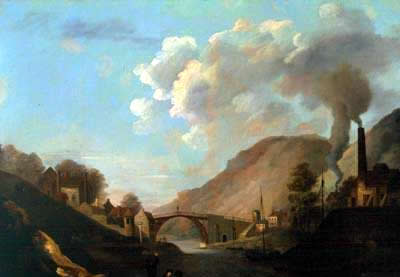
Some British artists featured for example John Robert Cozens (1752-1797) with his portraits of trees and George Robertson with his views of Coalbrookdale.

(http://www.ironbridge.org.uk/about_us/the_iron_bridge/artists_impressions.asp)

Jean-Jacques Rousseau died in 1778 at Ermenonville (28 miles northeast of Paris). He is now interred in The Pantheon in Paris.

A Saint, an Artist and a Doctor : people we came across in Alsace.

On our walking trip in Alsace we kept coming across references to storks but also to certain people. In particular local artist Hansi and local saint Odile. Then we discovered that Kaysersberg, our final destination, had been the birthplace of Dr Albert Schweitzer – all round good person, as you will discover.

Saint Odile

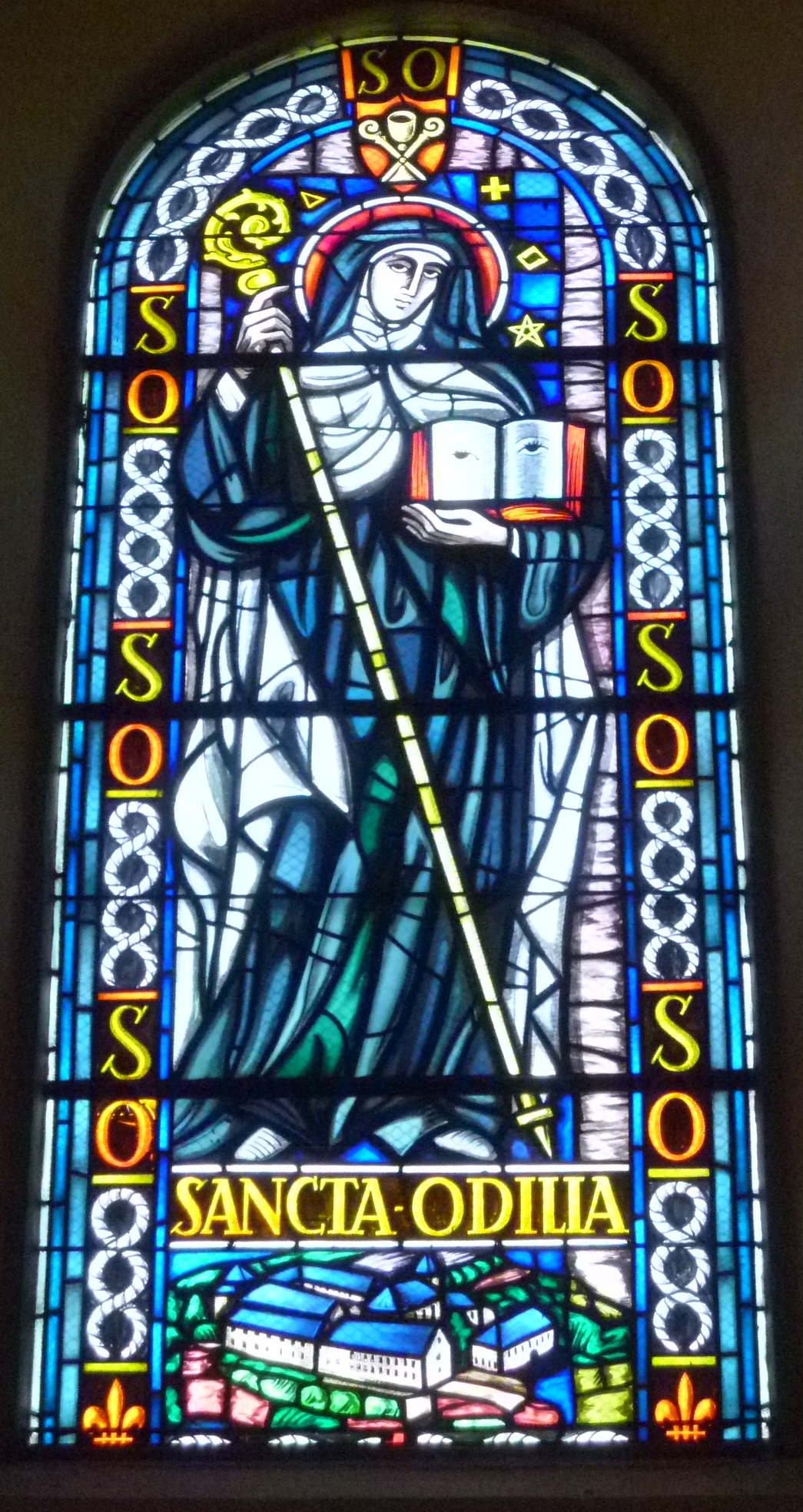
Window dedicated to Saint Odile at Itterswiller

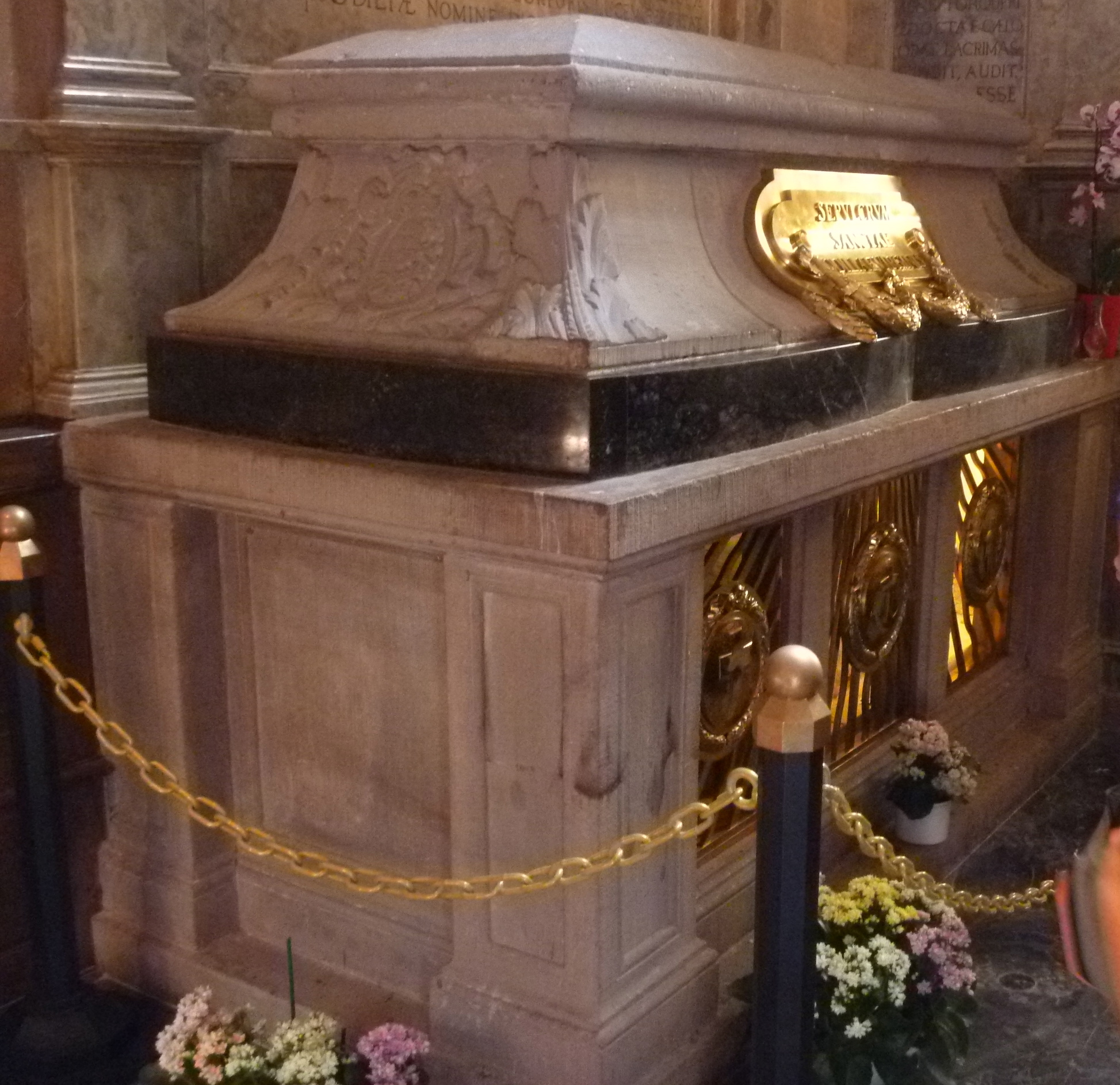
Saint Odile is the patroness of good eyesight. She was born in Obernai and the Augustine foundation at Mont Sainte Odile was founded in her name by her father. She had been born blind but was cured at age 12 on being baptised by an itinerant bishop of Regensburg. She is buried at Mont Sainte Odile.

The Tomb of Saint Odile

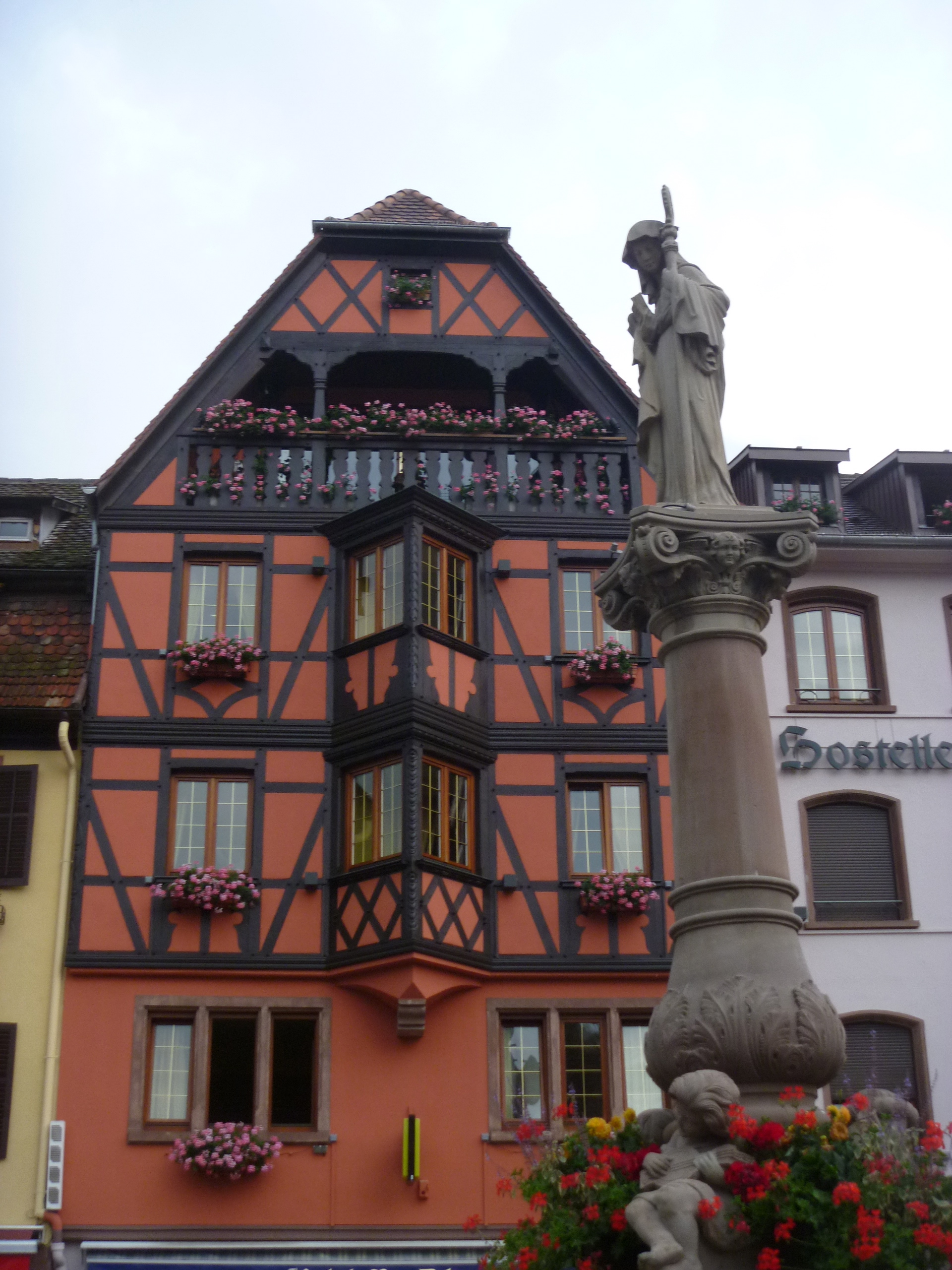
She didn’t just turn up at Obernai – where there’s a statue of her in the main square – but also in the stained glass windows in several churches that we visited along our way.

Saint Odile with her attribute – a pair of eyes in a book – in stained glass at Chatenois

Hansi

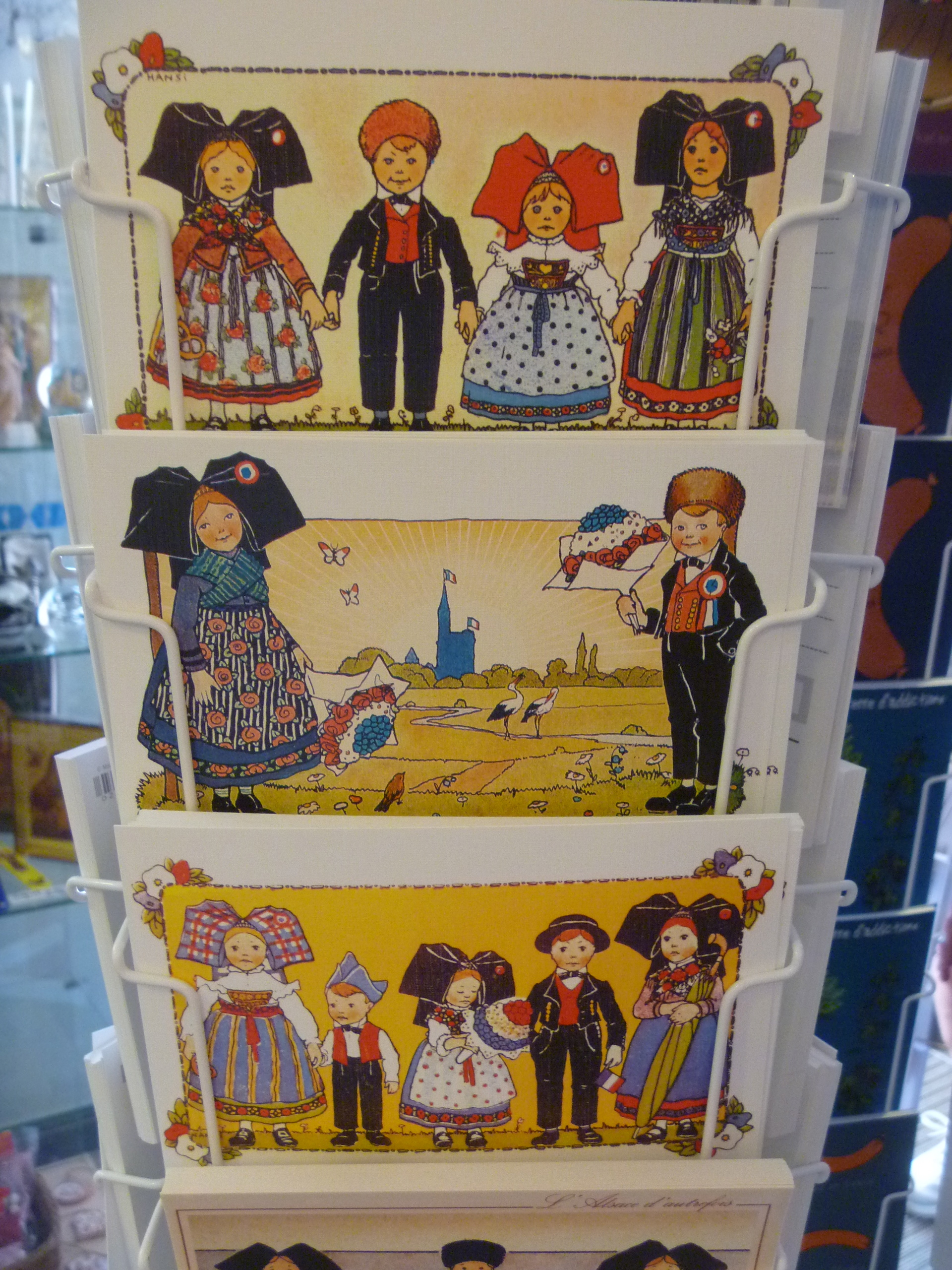
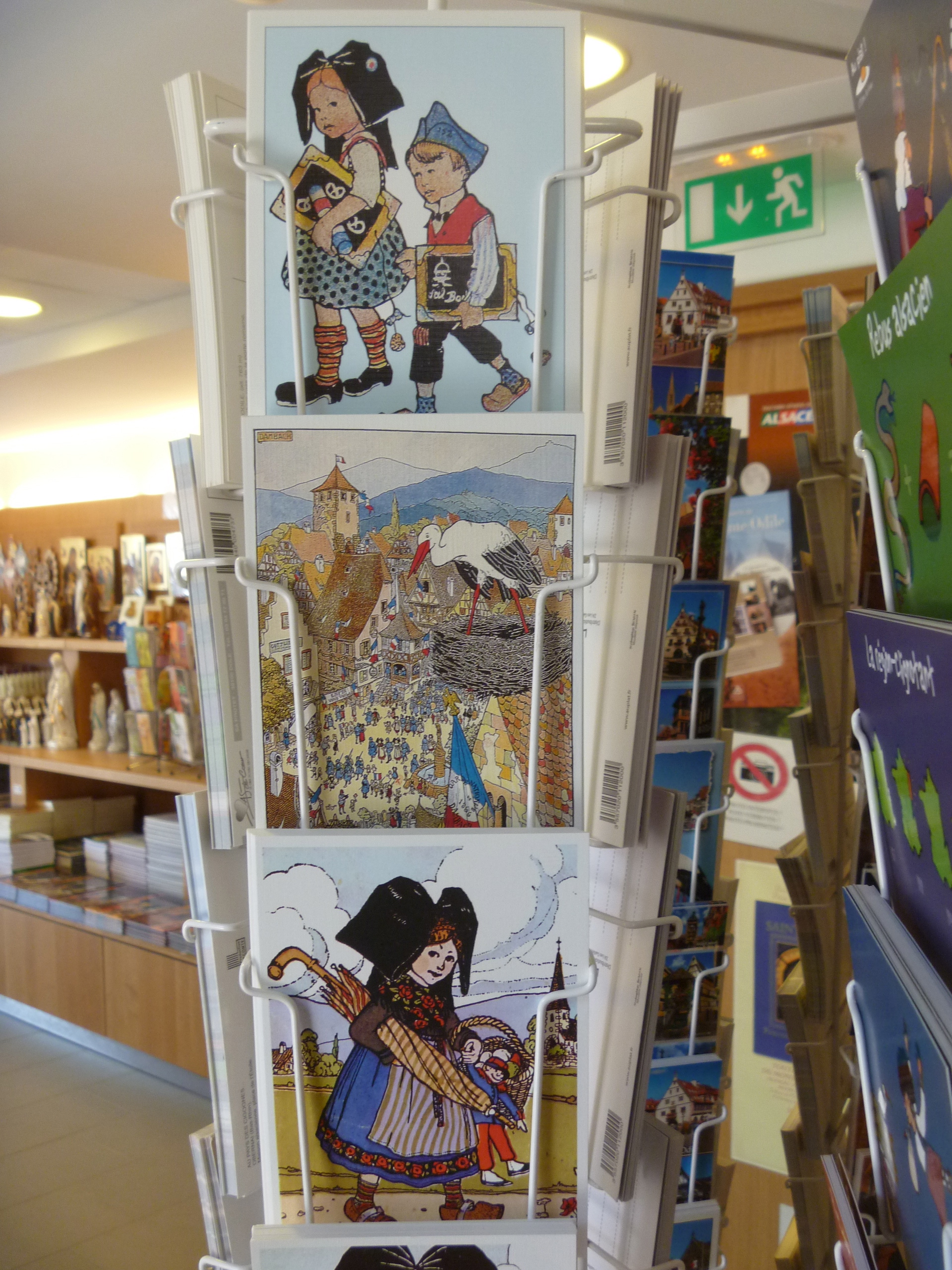
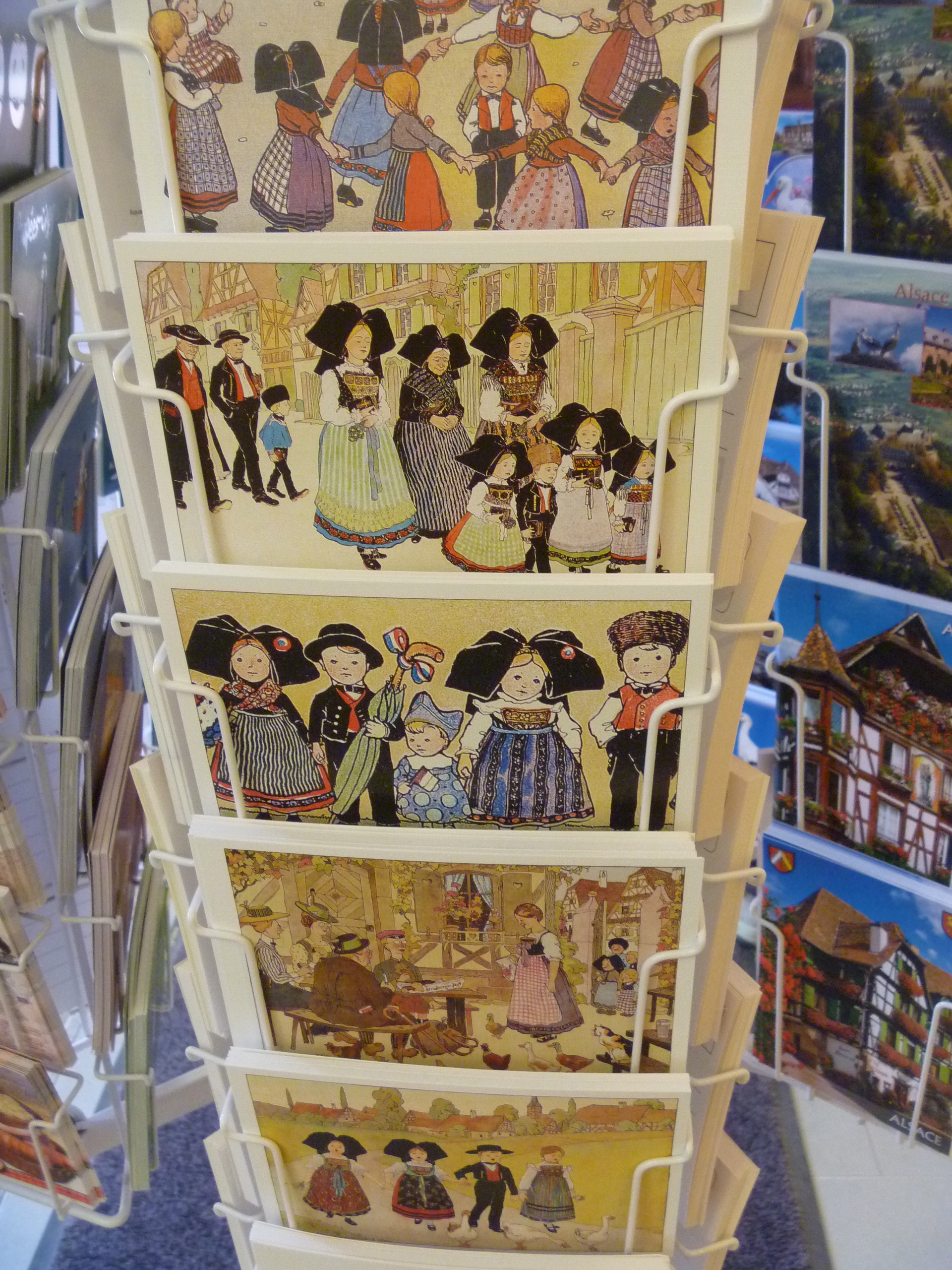
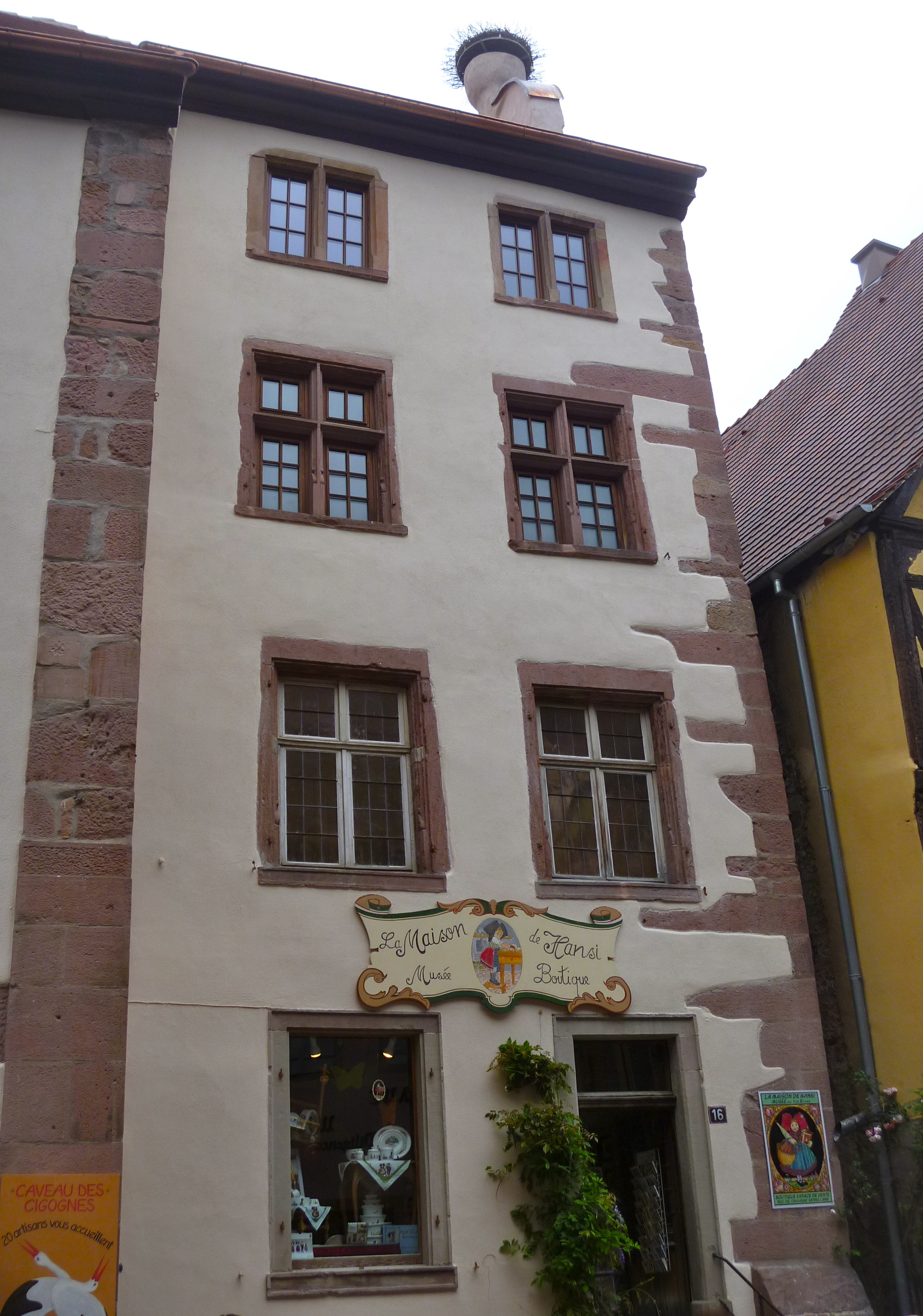
Oncle Hansi, or just Hansi, was the pseudonym of Jean-Jaques Waltz who was born in Colmar in 1873 and died in 1951. We came across his cute little pictures on postcards and framed on the hotel walls throughout our trip. At Riquewihr, where we stayed for our last night on the walk, there is a museum dedicated him.

Note the empty stork nest/basket on the museum chimney

There we watched a video film about his life and discovered that there was much more to the creator of the cutsy postcards than initially met the eye. He had been a French hero of both world wars. He published many satirical works and cartoons that made fun of the Germans in particular the book Professor Knatschke in 1912. He was arrested by the Germans when they annexed Alsace first in 1914 and later, having been pursued by the Nazis in 1940, he fled to Vichy France.

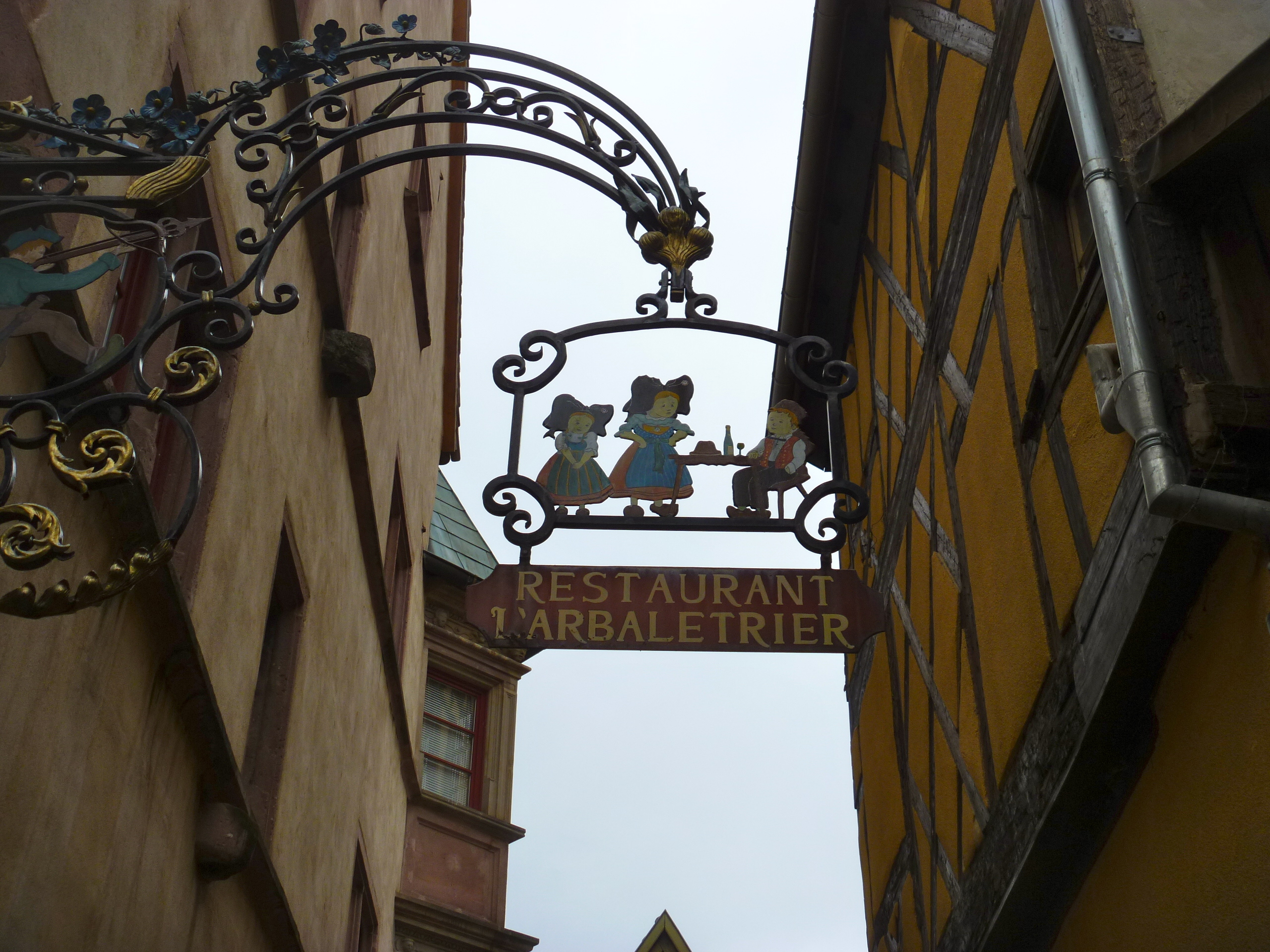
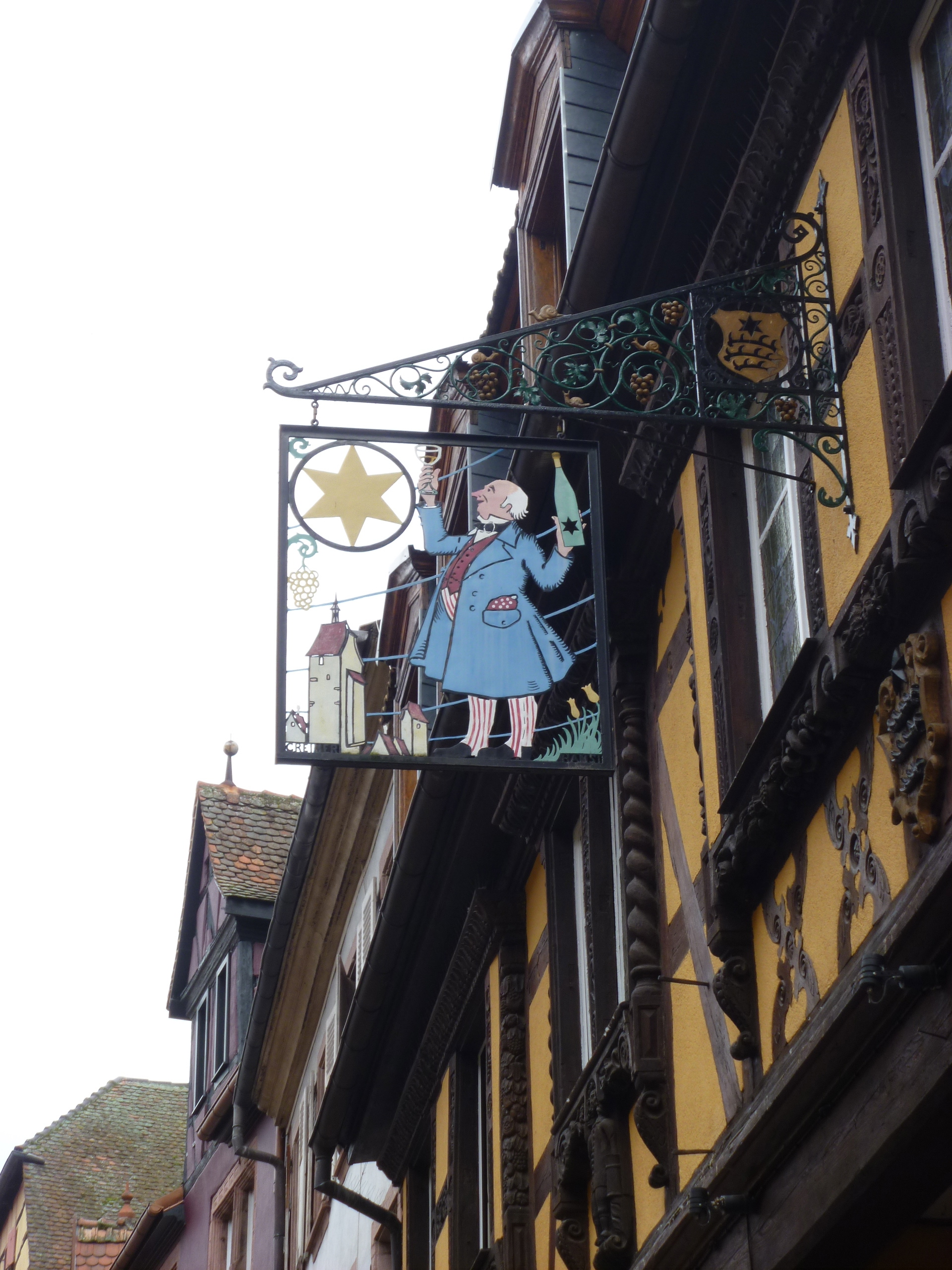
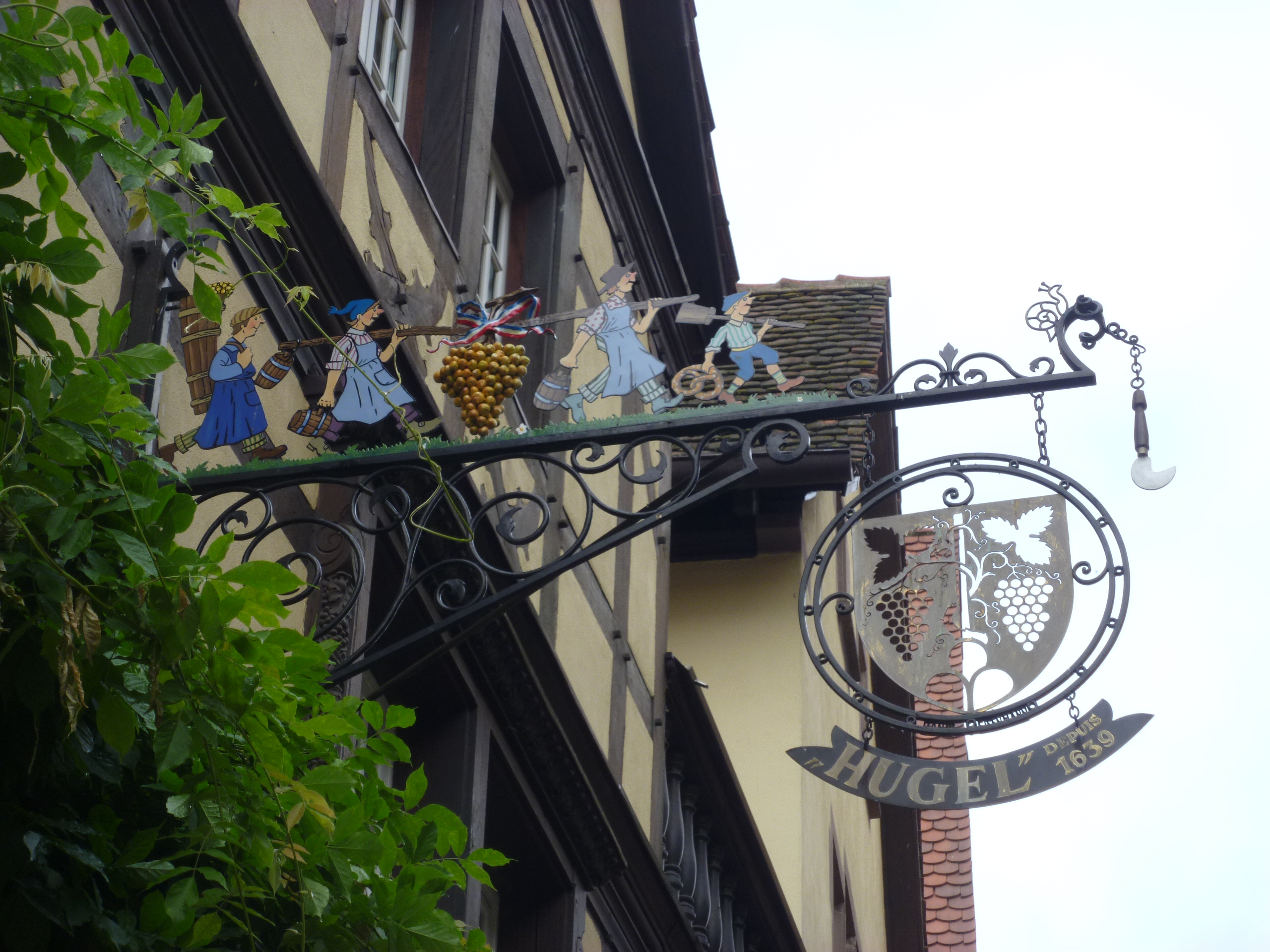
In addition to postcards we spotted shop signs in the villages showing his distinctive work.

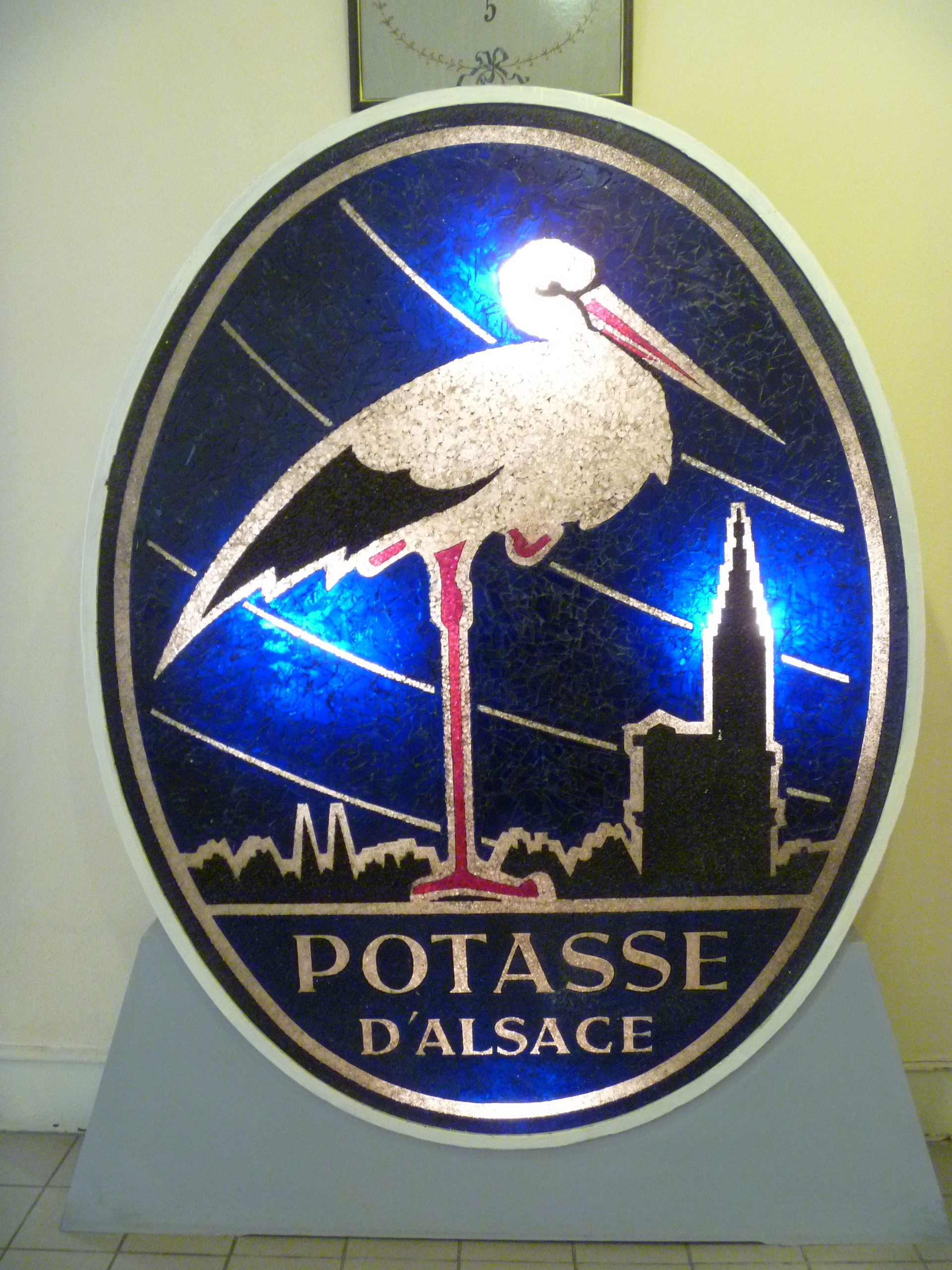
And here’s a combination of Hansi and a Stork – an advertising plaque :

Dr Albert Schweitzer

When I was growing up in the 1950s and early 1960s we learned all about missionaries in school and at Sunday school – Mary Slessor, Albert Schweitzer, Gladys Aylward – the names tripped off our tongues as did our times tables. I’m not sure these days whether young people know these names.

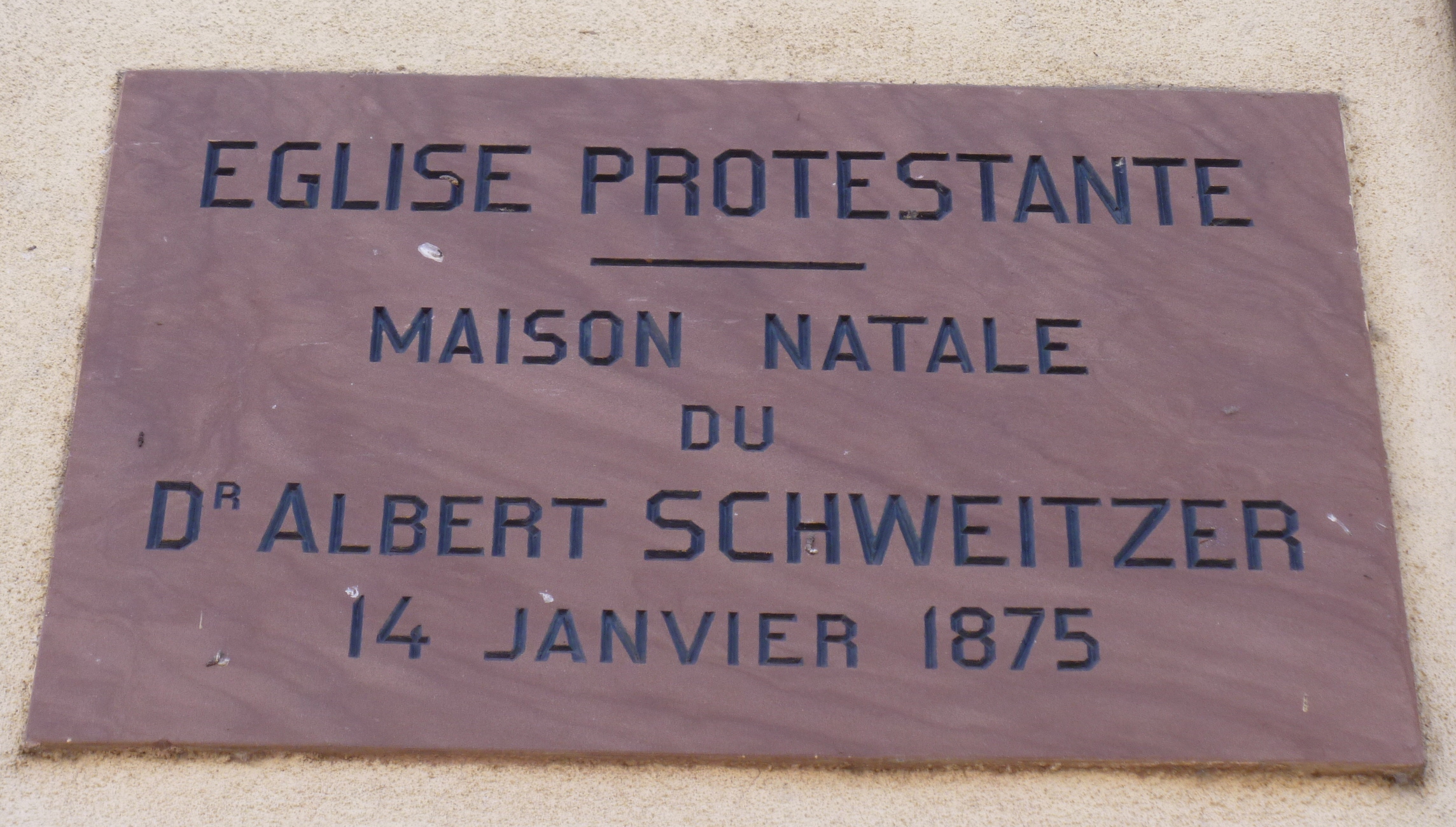
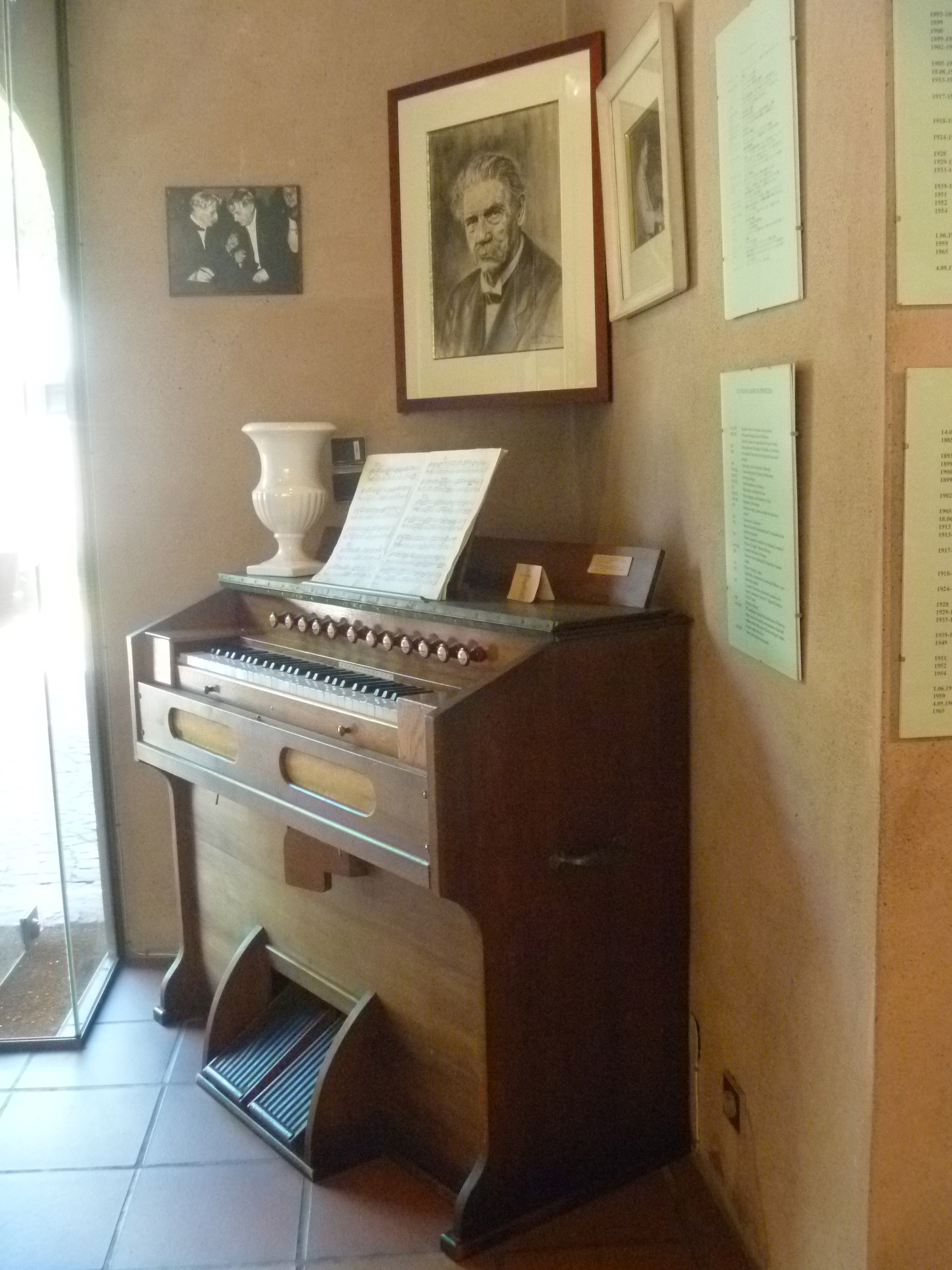
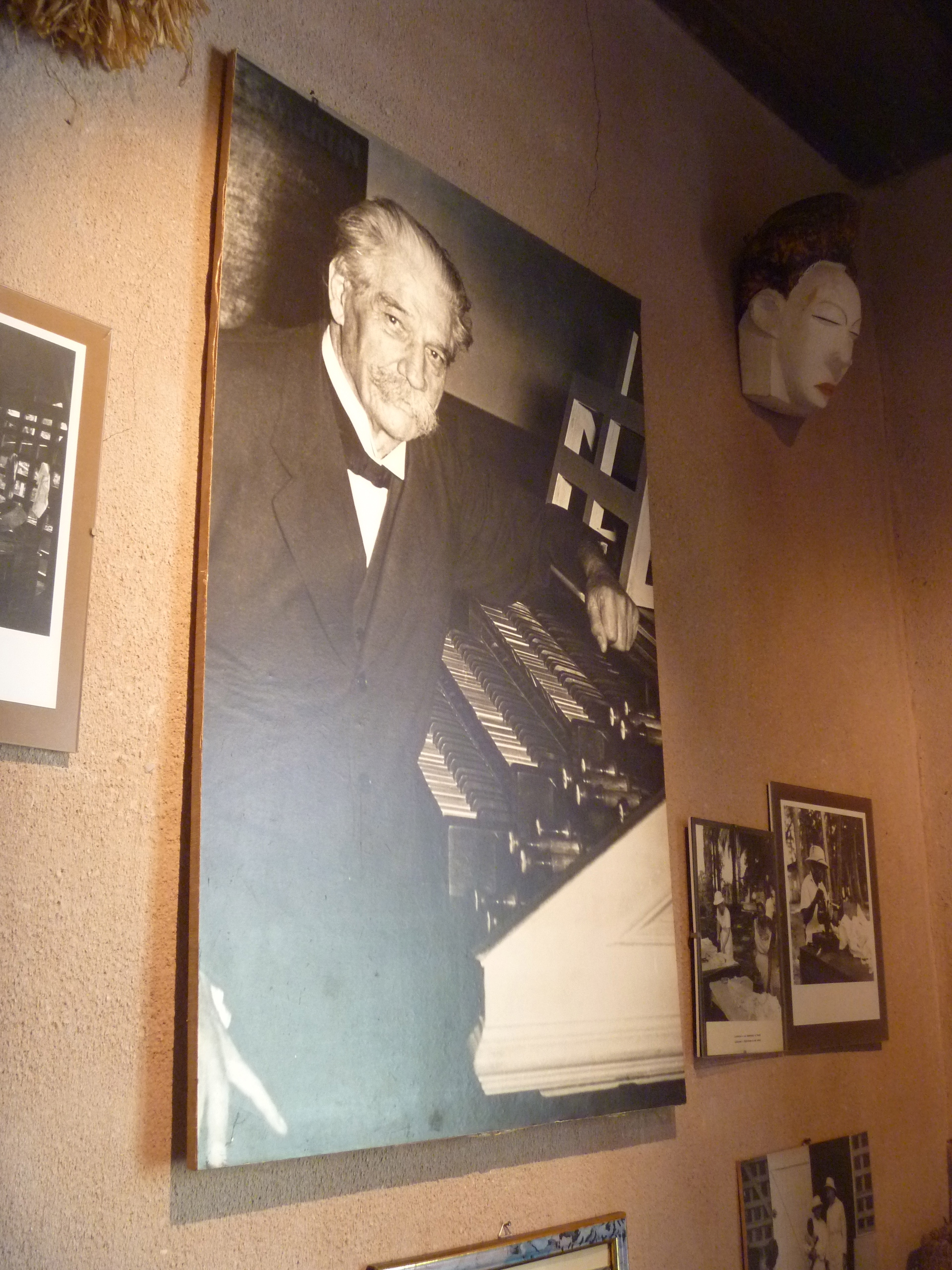
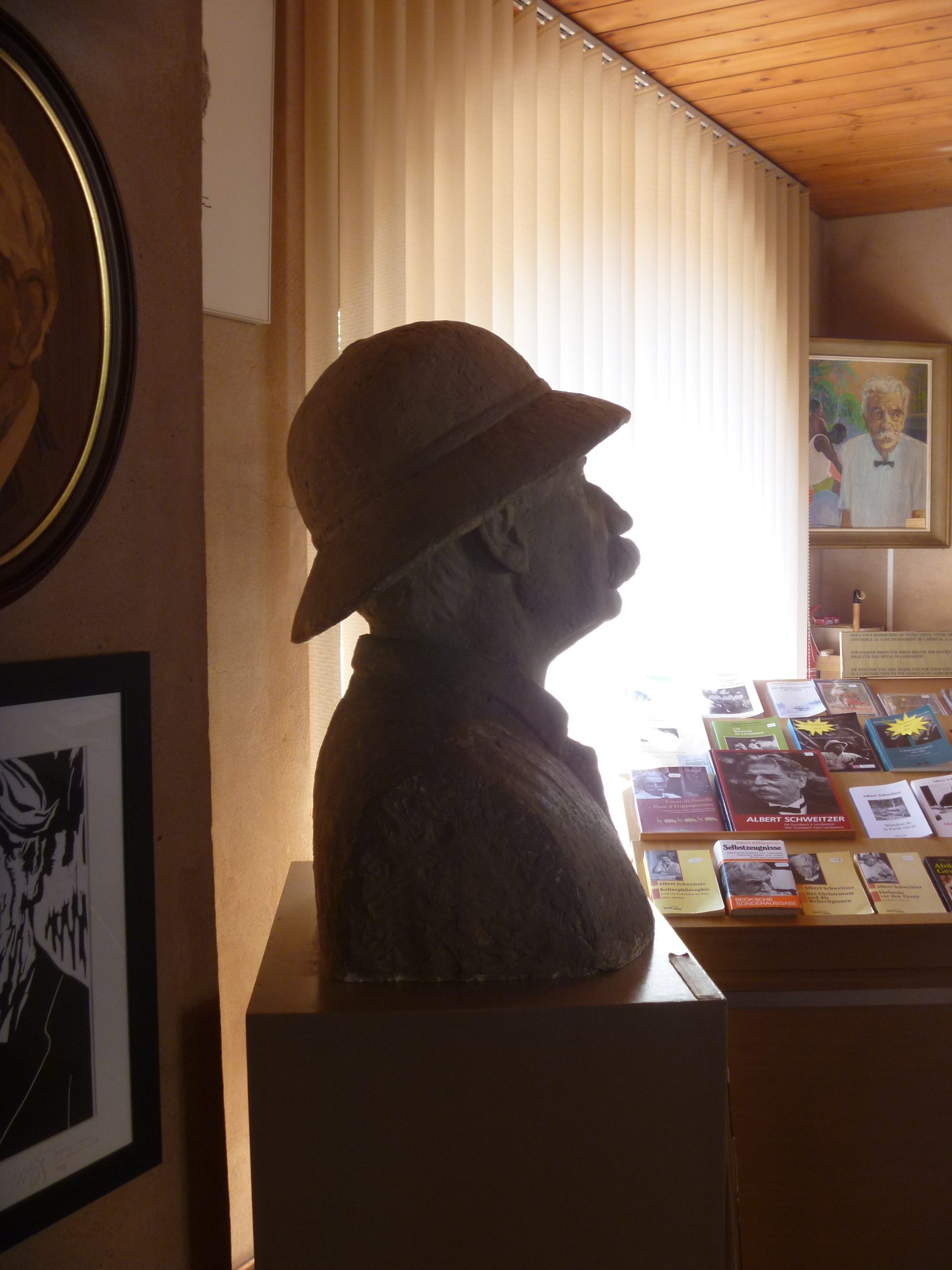
When we arrived at our final destination, Kaysersberg, on the fourth day of walking and saw the birthplace and museum dedicated to Dr Albert Schweitzer we knew just who he was and stepped inside to have a look.

I don’t know if the missionary aspect of work is played down now. Certainly the museum opened our eyes to his many talents and achievements: organist  (an authority on the music of J S Bach); philosopher and writer; theologian and Nobel Peace Prize winner (in 1952). He’d been arrested and imprisoned during the first world war for being a German citizen (due to being born at a time when Alsace was occupied by Germany).

But most significantly he was a medical doctor who founded and ran for 50 years a hospital in Lambarene, Gabon in east Africa. The hospital still exists today and the town of Lambarene now has twinning arrangements with Kaysersberg. Any profits that come from the museum entrance fee still go towards the work of the Schweitzer Hospital at Lambarene. Around the walls of the museum are pasted many quotations from his writings.

“Do something for somebody everyday for which you do not get paid.”

Read more athttp://www.brainyquote.com/quotes/authors/a/albert_schweitzer.html#YxhUTXKsI5eOfoyy.99

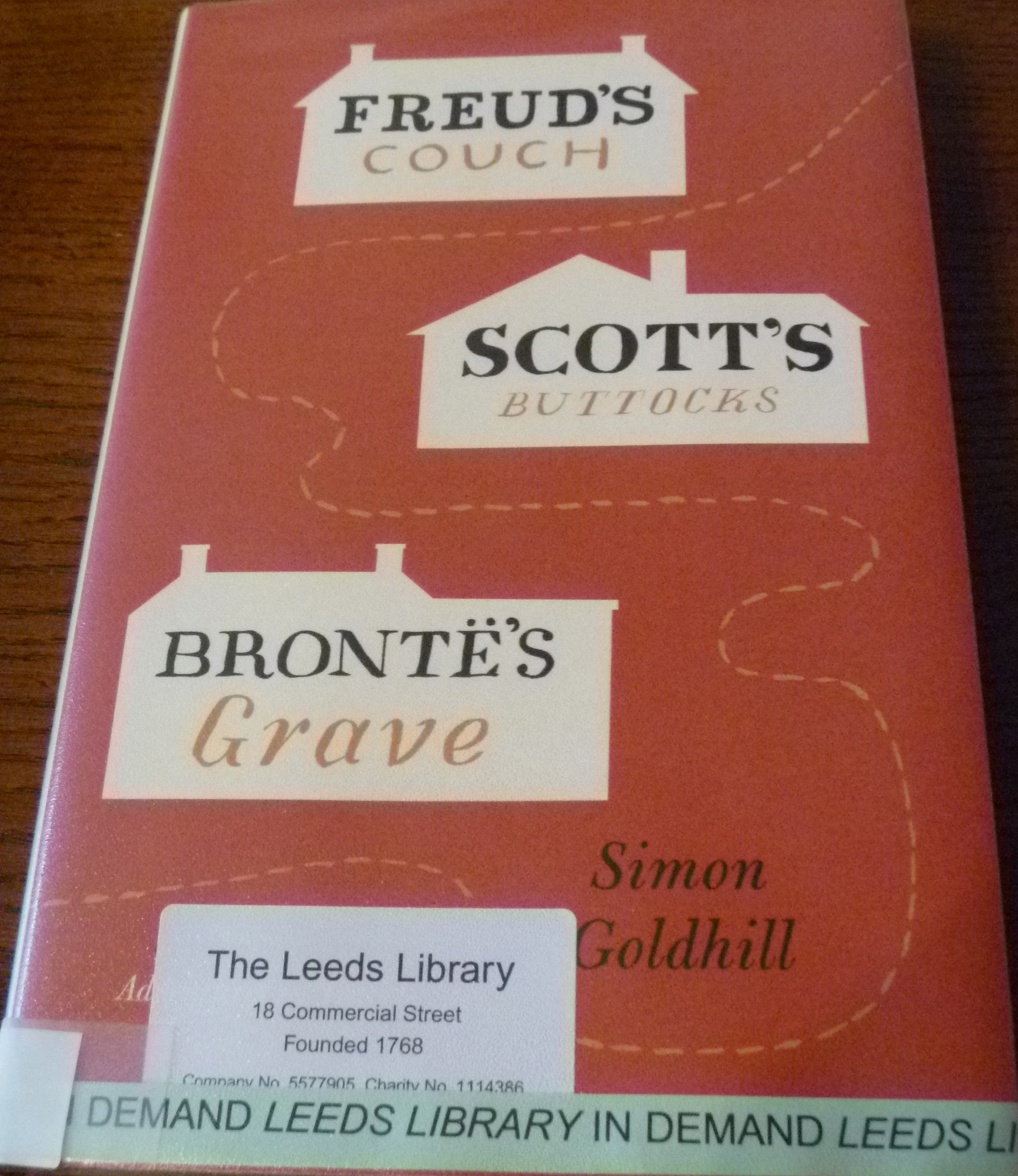
Freud’s Couch, Scott’s Buttocks, Bronte’s Grave

What a title! It’s the title of the book I have just finished reading. It was written by Simon Goldhill. He’s Professor of Greek Literature and Culture and Fellow and Director of Studies in Classics at King’s College, Cambridge and in addition he is Director of the Cambridge Victorian Studies Group.

But despite all his academic qualifications the book is very readable and very personal to him. His premise is to visit the homes of authors to discover what it is that attracts pilgrims to want to visit these houses and to try to find out just what they get from such visits.

Encouraged by his publisher to “do something Victorian” he plumped for visiting writers’ houses but is extremely sceptical about his proposed ‘pilgrimage’.  Apparently, such a tour was a very Victorian pastime and in the first chapter, “The Golden Ticket”, he tells of his intention to travel in as near a Victorian manner as possible and that unlike pilgrims he doesn’t wish to travel alone but with his wife and friends. Finally he lists which properties he’ll visit. He chose Sir Walter Scott’s Abbotsford in the Scottish Borders; Dove Cottage and Rydal Mount, William Wordsworth’s homes in the Lake District; the Bronte Parsonage at Haworth, here in West Yorkshire; William Shakespeare’s Birthplace in Stratford upon Avon; and finally, Freud’s House in Hampstead.

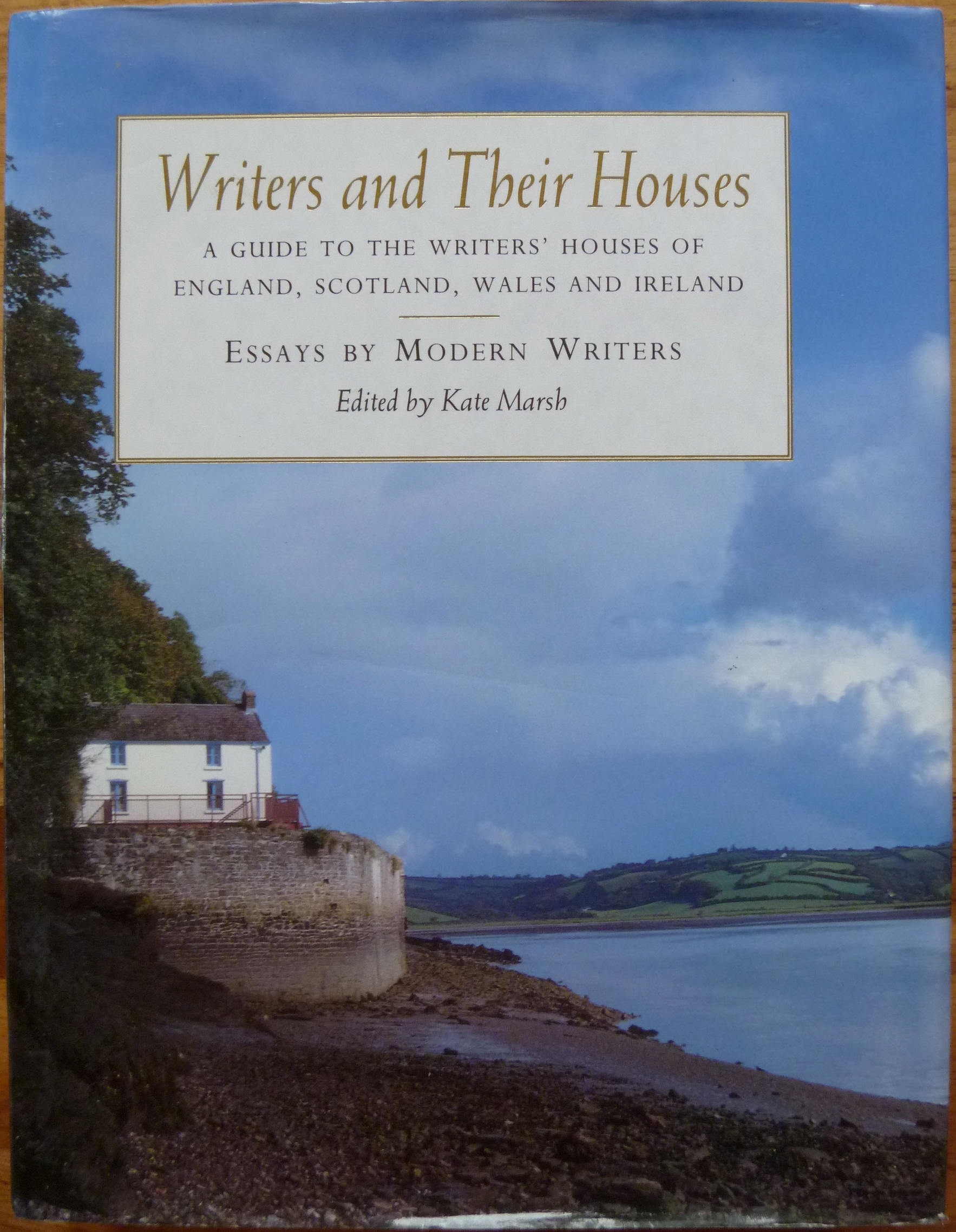
My impression after reading this book was that SG felt justified in his initial reaction that visiting writers’ homes was a pointless exercise and that the house/writer that got it most ‘right’ was Sir Walter Scott who built the house and decorated it intentionally in order to promote himself and his novels. His description of the visit to Abbotsford (and that of A. N. Wilson in my copy of Writers and their Homes) has encouraged me add it to my ‘list’.

“Abbotsford!” so writes A. N. Wilson “There is perhaps no writer’s house more expressive of its occupant’s literary personality. Indeed, one could say that Abbotsford was an extension of Scott’s oeuvre –an architectural Waverley novel, or a poem in stone of Border life and history.”

I love to visit authors’ homes but I never before thought of myself as a pilgrim. I suppose I like to visit houses full stop and the added attraction of it being an author’s home is that I can experience the atmosphere and see the surroundings that may (or may not) have influenced his or her work.

I have several books to help me in my choice of ‘pilgrimage’ to writers’ houses!

I would make quite a different choice for my own tour: Lamb House in Rye (Henry James); The Boat House at Laugharne (Dylan Thomas); Monk’s House at Rodmell in East Sussex; Kipling’s Bateman’s also in East Sussex; Thomas Hardy’s Higher Bockhampton and Max Gate, Dorchester.

Here are five that I have visited in the last few years :

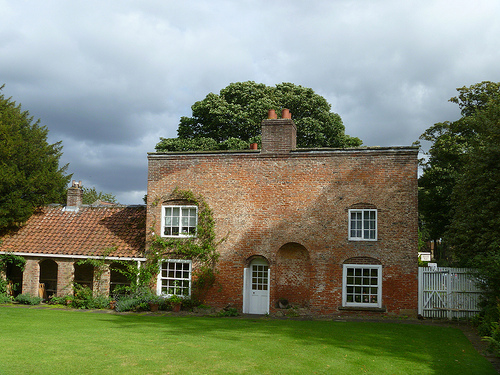
Shandy Hall, Coxwold, North Yorkshire (Tristram Shandy)

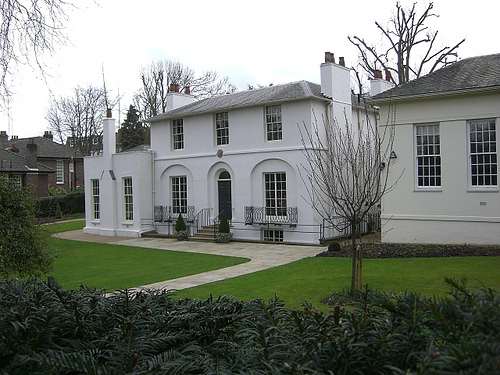
Keats House, Hampstead, London (John Keats)

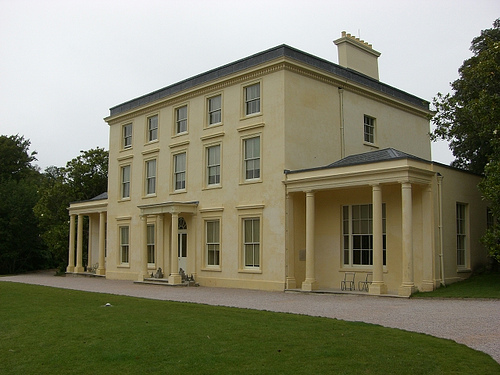
Greenway, River Dart, Devon (Agatha Christie)

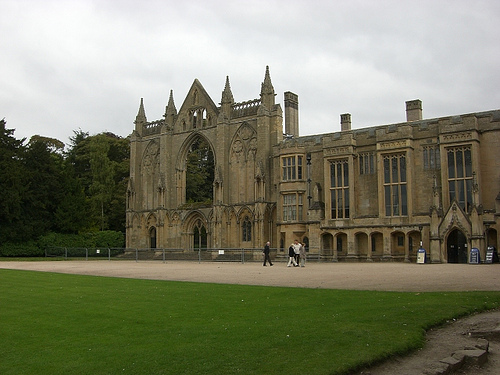
Newstead Abbey, Nottinghamshire (Lord Byron)

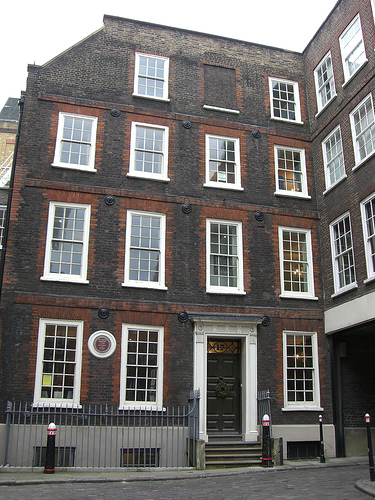
Johnson’s House, City of London (Dr Samuel Johnson)

“The Gleaming Figure whom Providence has brought to us in Times when the Present is Hard and the Future Veiled” (Winston Churchill) : Images of Our Queen in Leeds

This weekend we will celebrate sixty years of our Queen’s reign. I have no particular plans and in fact I will be working on Saturday and on Monday. But yesterday and today I visited two complementary exhibitions of photographs of Her Majesty currently on display in Leeds.

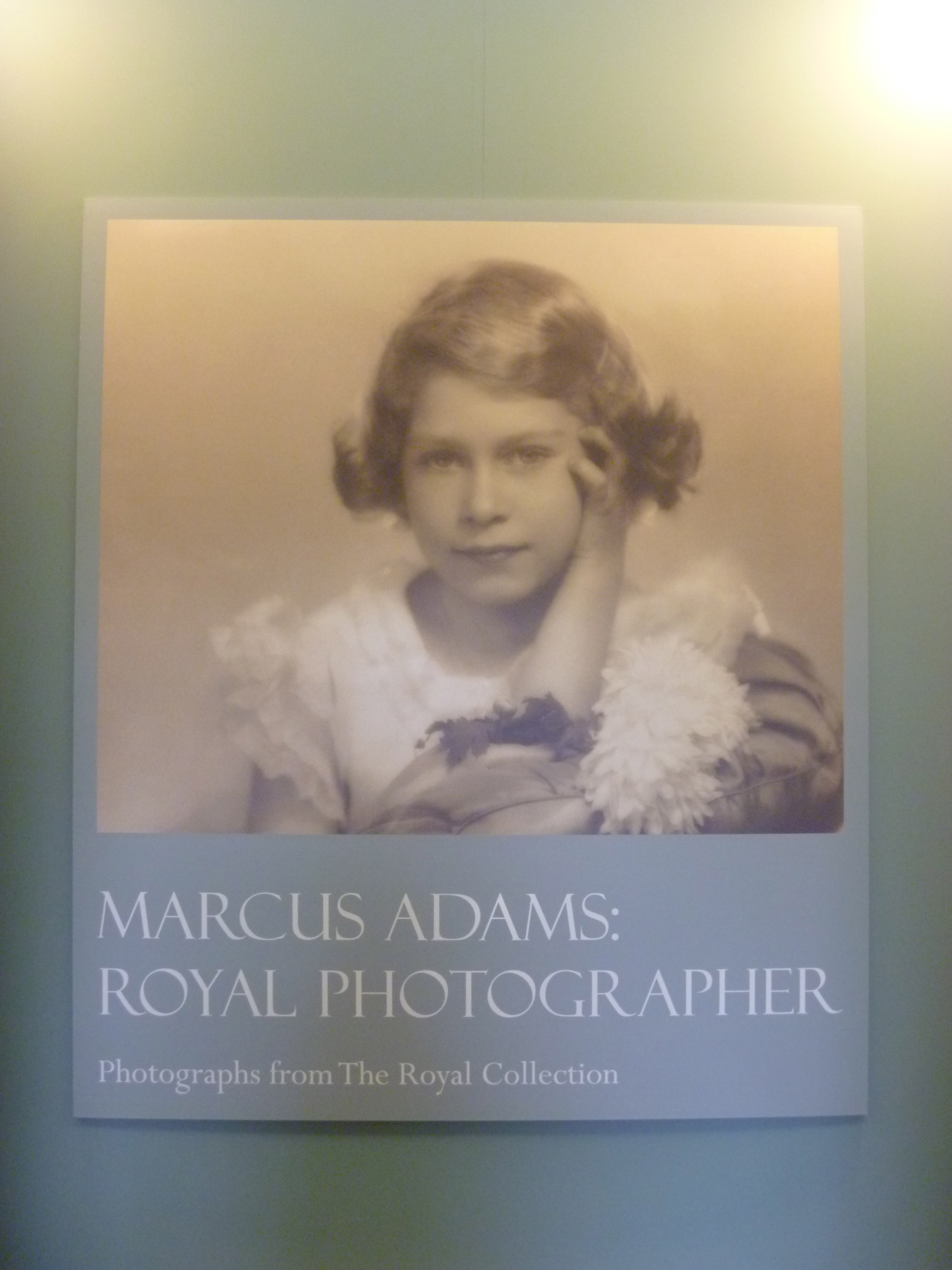
Marcus Adams, Royal Photographer at Harewood House

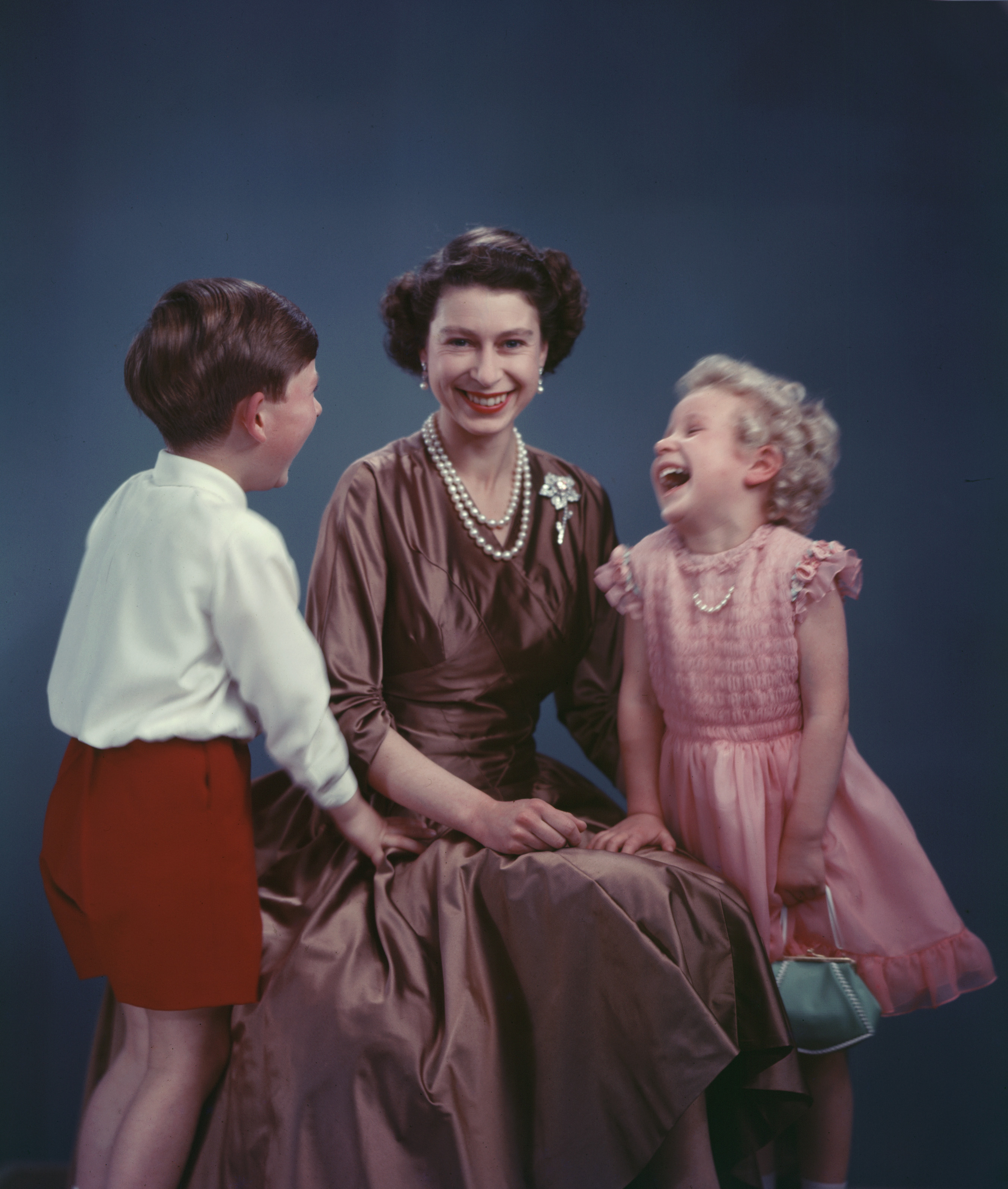
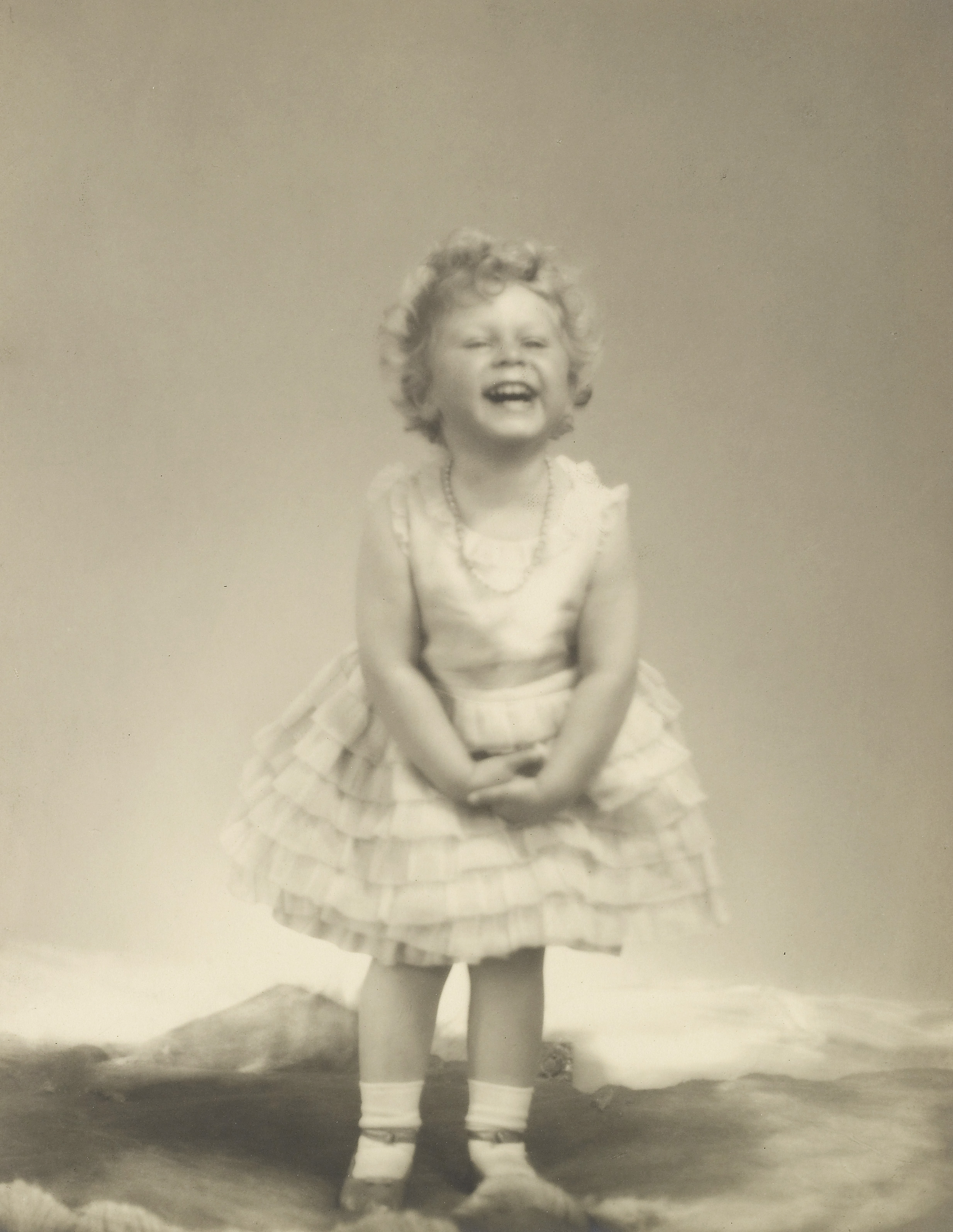
Currently showing at Harewood House just eight miles north of Leeds is an exhibition of photographs by Marcus Adams. MA was already in his fifties when he started taking Royal photographs of the young Princess Elizabeth and her sister the Princess Margaret and her Mother Queen Elizabeth. The pictures are beautiful in their simplicity and I noted a very pertinent quotation by Adams from The Listener magazine “The essential of a perfect picture is its simplicity”. (9 Feb. 1939). He has no truck with furniture and clutter – the children themselves are sufficient subjects in his photographs. Most of the pictures are of Elizabeth as a young Princess plus much later pictures of her two older children Charles and Anne. These later charming photos were taken when Adams was in his eighties.

Leeds City Museum

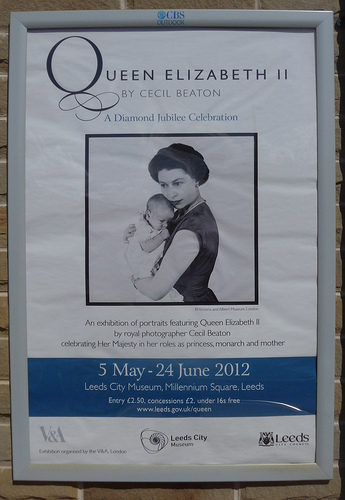
Currently showing at Leeds City Museum is a collection of photographs by Sir Cecil Beaton. The exhibition comes to Leeds from the Victoria and Albert Museum and it would be nice to think that this partnership will continue and that we may have further V&A curated exhibitions in here in Leeds in future.

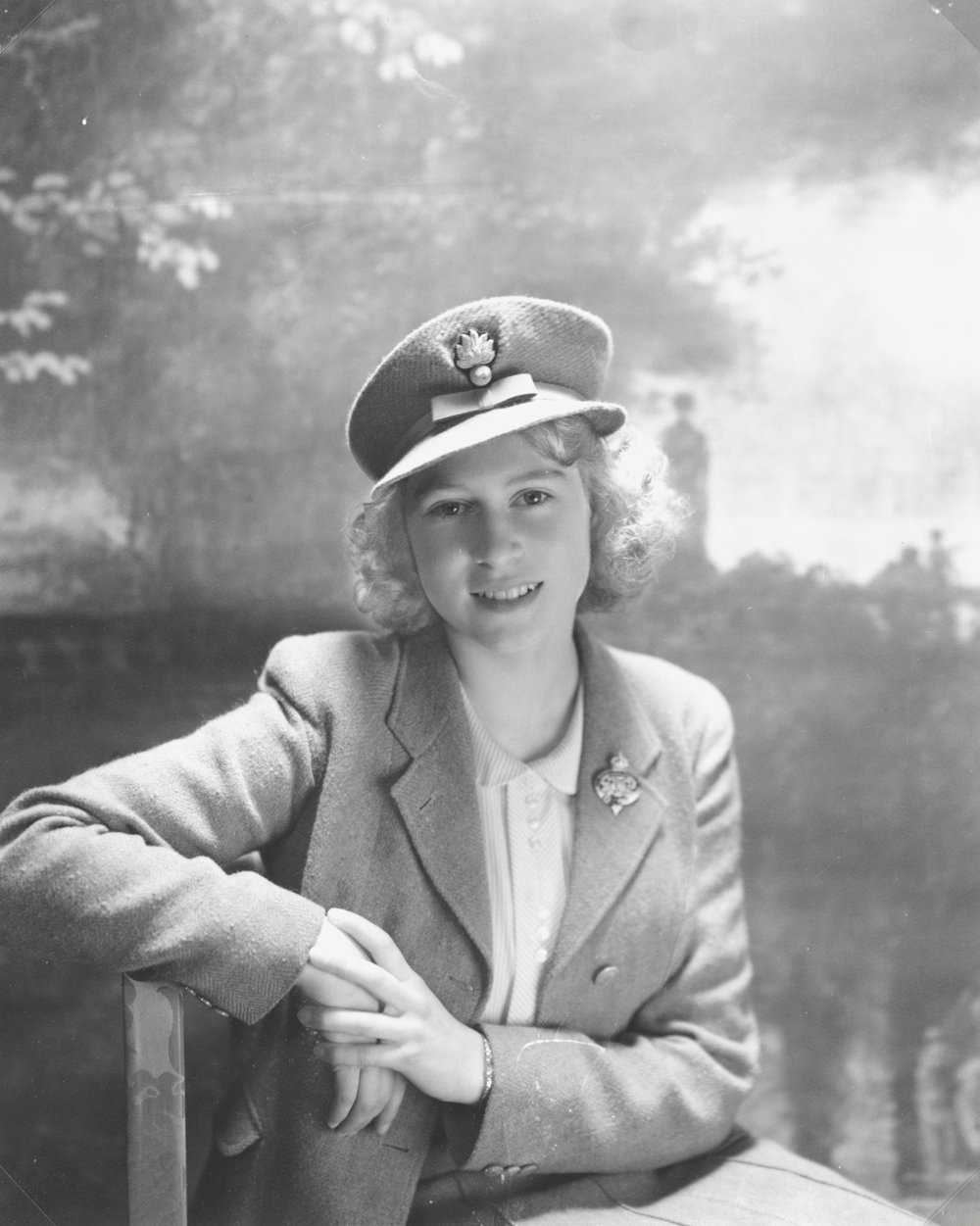
The pictures here really complement the Adams pictures of The Queen. The tradition began in 1939 when Queen Elizabeth the wife of King George VI invited CB to take her and her daughters’ photographs. Several of the earliest pictures taken during the 1940s show the Princess Elizabeth in fairy like dresses and with romantic backdrops such as those seen in the masterpiece paintings of Gainsborough and Fragonard. Many of the gowns designed by Norman Hartnell. By contrast I particularly loved the picture of the fifteen year old Princess as Colonel of the Grenadier Guards.

There’s a much more modern look to the later Beaton photographs of the Queen with her two youngest sons. They are modern images with simple white backgrounds.

Cecil Beaton was appointed official portrait photographer for the Queen’s Coronation in 1953. The display includes several of these and includes family groups of the Gloucesters and Kents and you can take a break and sit down to watch the silent loop of the ceremony itself.

Have a happy Jubilee Weekend and God Save the Queen!

Go to Belfast – “Get here early and enjoy it before the rest of the world arrives”*

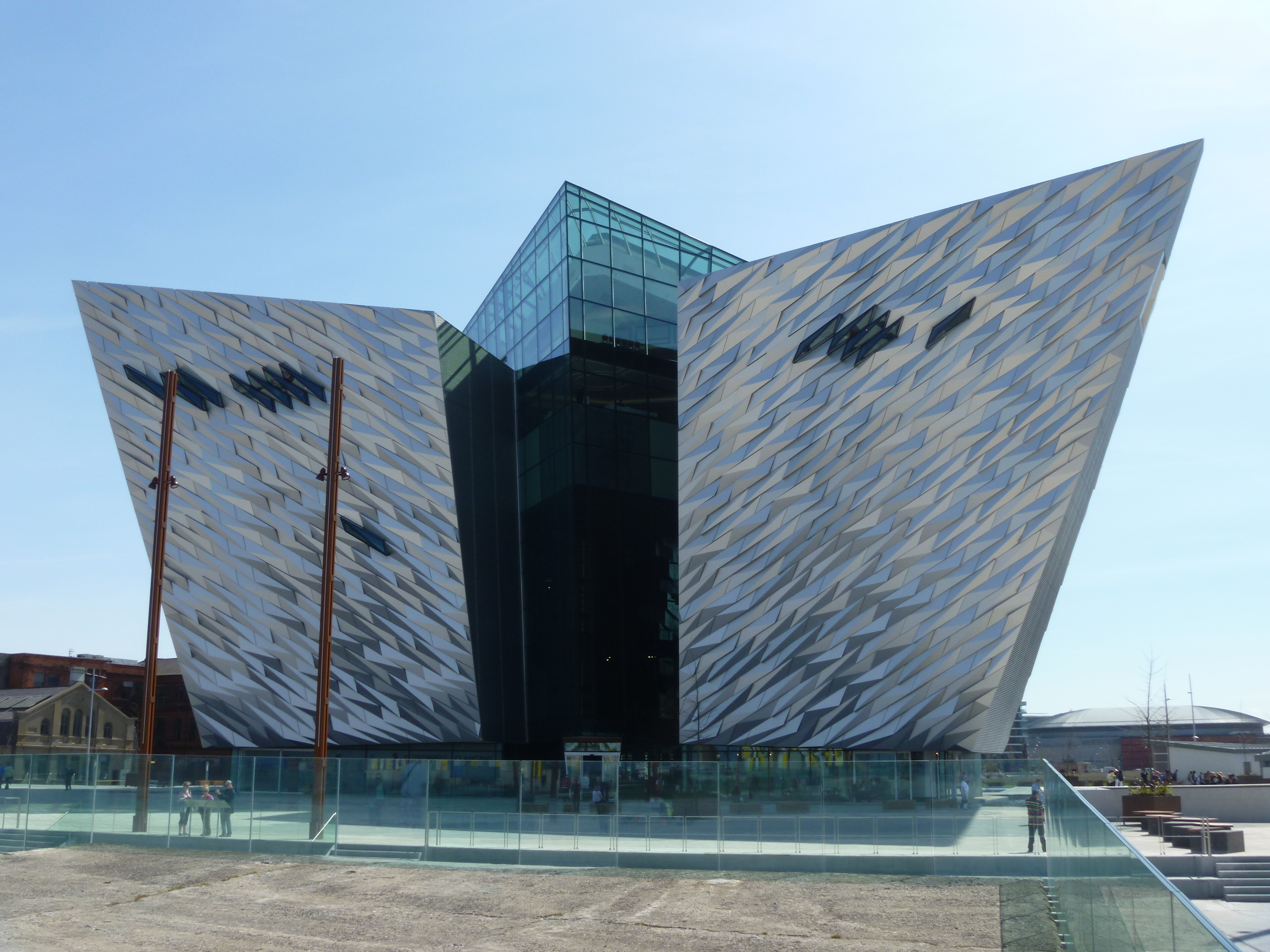
Well, we only touched the tip of the iceberg on our visit to Belfast. Our day was divided into three – time to look around the centre unaccompanied, a bus tour with a Blue Guide and the Titanic Experience – Belfast’s all new, all singing, all dancing visitor attraction!

Our coach dropped us off bright and early in the centre of Belfast on Great Victoria Street. We crossed the road and went to peer in the windows of the beautifully preserved Crown Liquor Saloon. This pub, right opposite the most bombed hotel in the world – The Europa Hotel – is now owned by the National Trust. In fact it was the first pub that the NT ever took over in 1978.

Of course, the pub wasn’t due to open until 11.30 by which time we would be well into our city tour but we were lucky enough to catch an employee who very kindly showed us into the side door for a quick look round and gave us each a leaflet on the history of the bar. Dating back to 1826 it was originally called The Railway Tavern but in 1885 the son of the then owner, being a student of architecture, decided to brighten up the old family bar. It was mainly due to skilled Italian craftsmen employed elsewhere in the city who supplemented their incomes by moonlighting at The Crown and who made it the prize gem of Victoriana that it still is today.

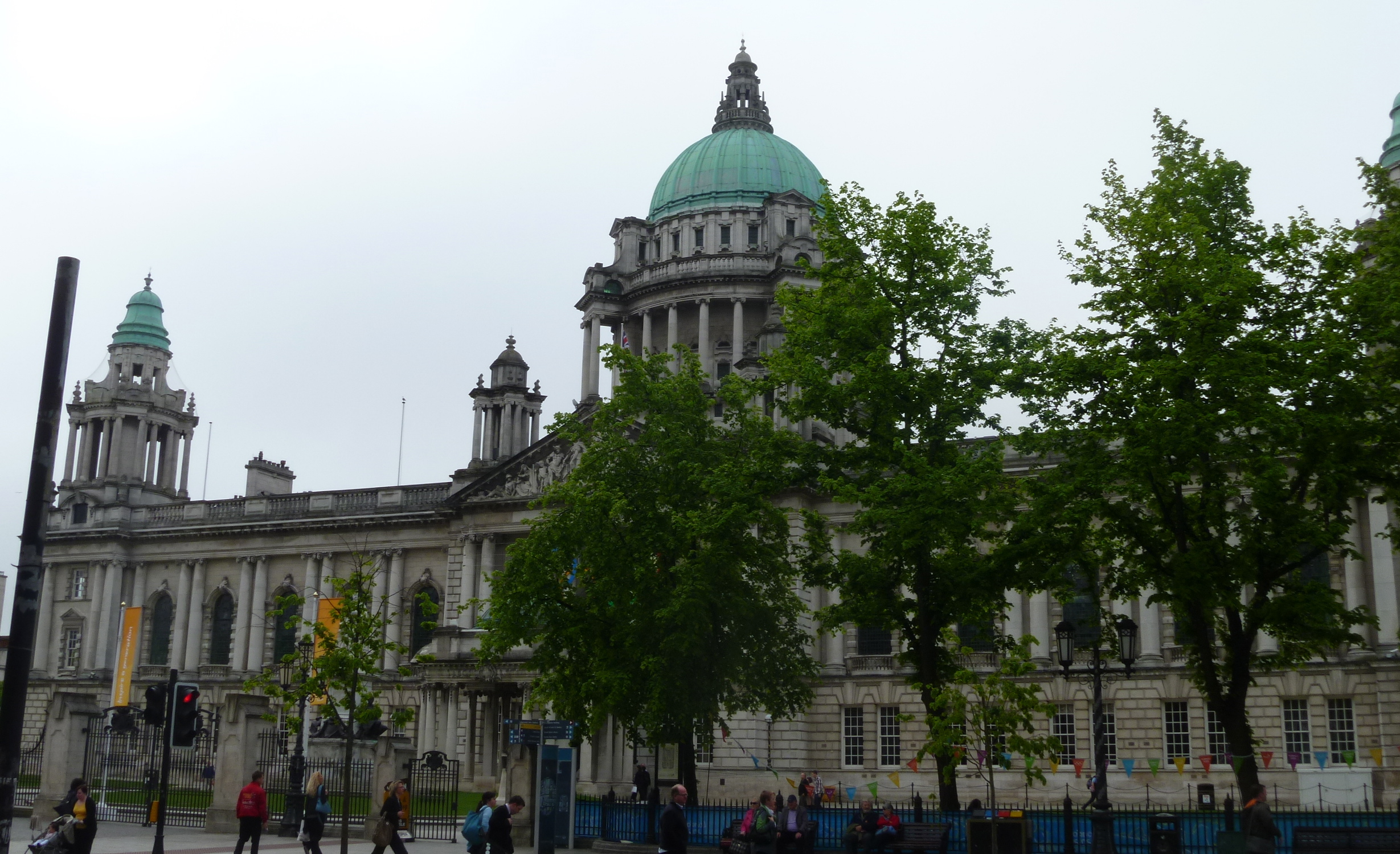
We decided to stay around the centre of Belfast in the area around Donegall Square in the middle of which is the City Hall. We discovered on the guided tour that it is possible to book a tour of the building, that it houses a decent cafe called Bobbin and that there is a  Titanic Memorial Garden  in its grounds.

Then we came across a real treasure. 17 Donegall Square North is the address of the soon to be 225 years old Linen Hall Library. Founded in 1788 it’s a subscription library like The Leeds Library but it’s doors are open to the public.

You have to subscribe as a member if you wish to borrow books. It houses a very nice cafe and has exhibition space. The current exhibition is called ‘Troubled Images’ :

“All 70 political posters from our ‘Troubled Images’ exhibition, documenting the years of the Northern Ireland conflict, have been hung five storeys high in our Vertical Gallery.
The exhibition has travelled throughout the world to inform and educate the general public about the turbulent years of Northern Ireland’s ‘Troubles’. It’s now ‘home’ again and available for all to see.”

Trouble Images in the Vertical Exhibition Space

An Oasis of Calm in the busy City Centre

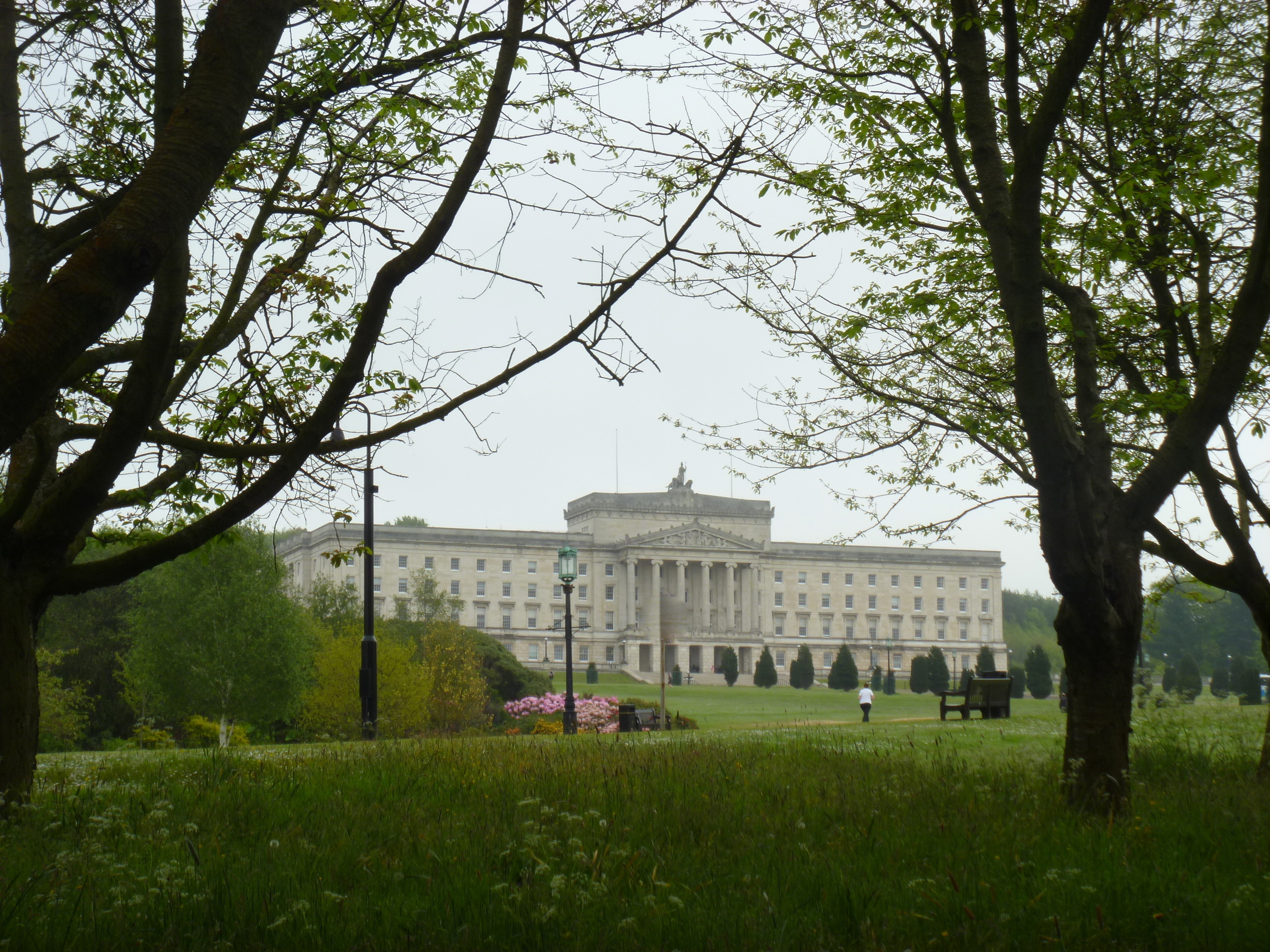
We re-joined our coach at 11 and enjoyed a 90 minute guided tour of Belfast learning many facts about the city and seeing The Queen’s University, the Grand Opera House, the (leaning!) Albert Memorial Clock, the River Lagan which forms the boundary between County Down and County Antrim, St Anne’s Cathedral, the Botanic Gardens, the Falls Road and, most significantly, Stormont, the seat of the Northern Ireland Assembly, and its surrounding parkland.

Approach Avenue to Stormont

“And as the smart ship grew       

In stature, grace, and hue,

In shadowy silent distance grew the Iceberg too.”
Thomas Hardy ‘Convergence of the Twain’
Our destination for the afternoon was the brand new, recently opened Titanic Experience. This fine visitor attraction was extremely well done with lots of variety and as much or as little information as you require but quite frankly I felt that I was suffering from Titanic overload after all the hoo-ha and media coverage that it has received over the last few months. It will be give a huge boost to the city which can only be good news and I wish Belfast well and all who sail her!

*Lonely Planet, 2012

Bournville and Cadburys – not just Chocolate!

On Friday I accompanied a friend on a trip down Memory Lane. We drove down to Birmingham to visit the Bournville area which surrounds the Cadbury’s chocolate factory and where the world famous Cadbury World Experience is located.

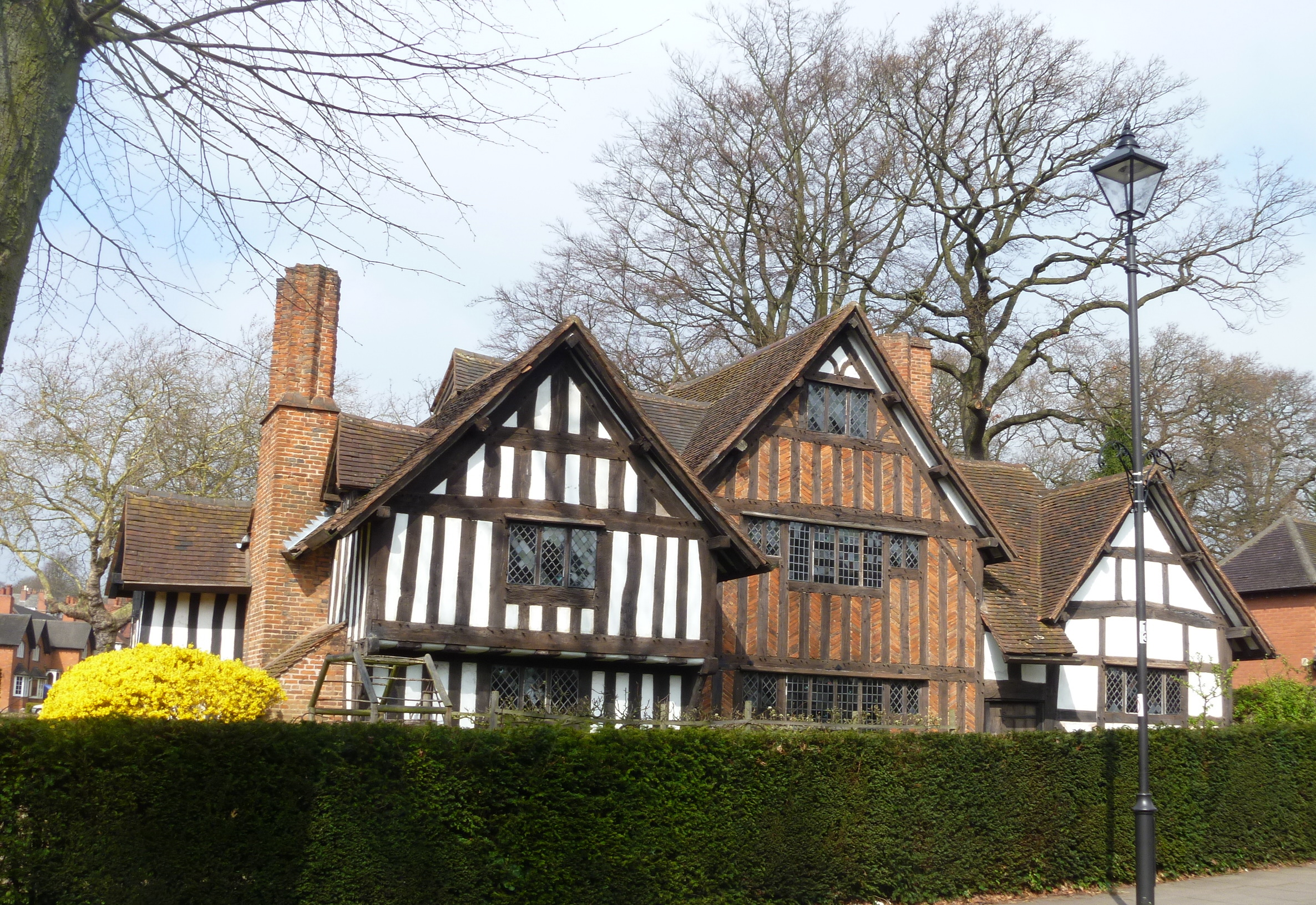
Selly Manor

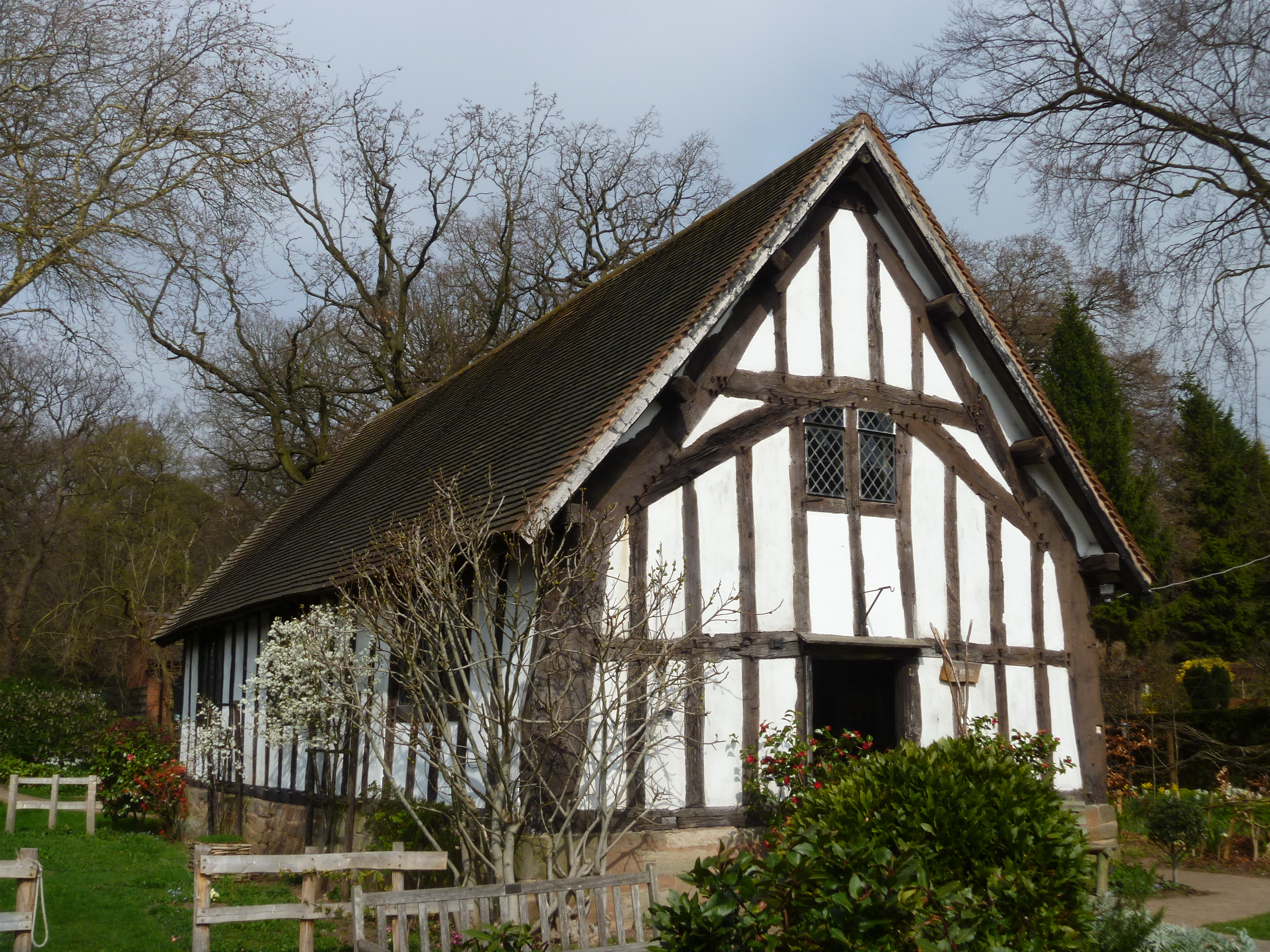
Minworth Greaves

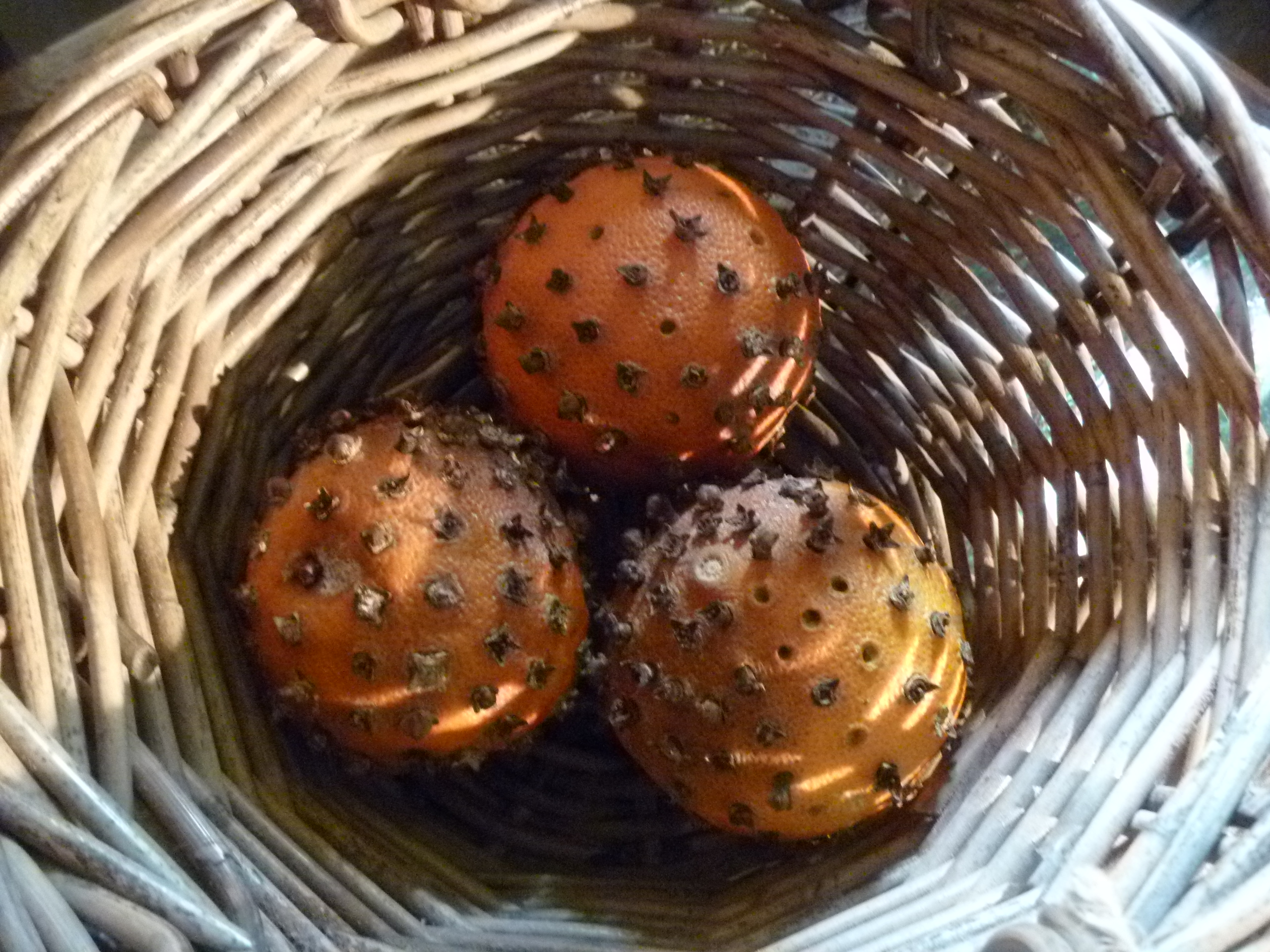
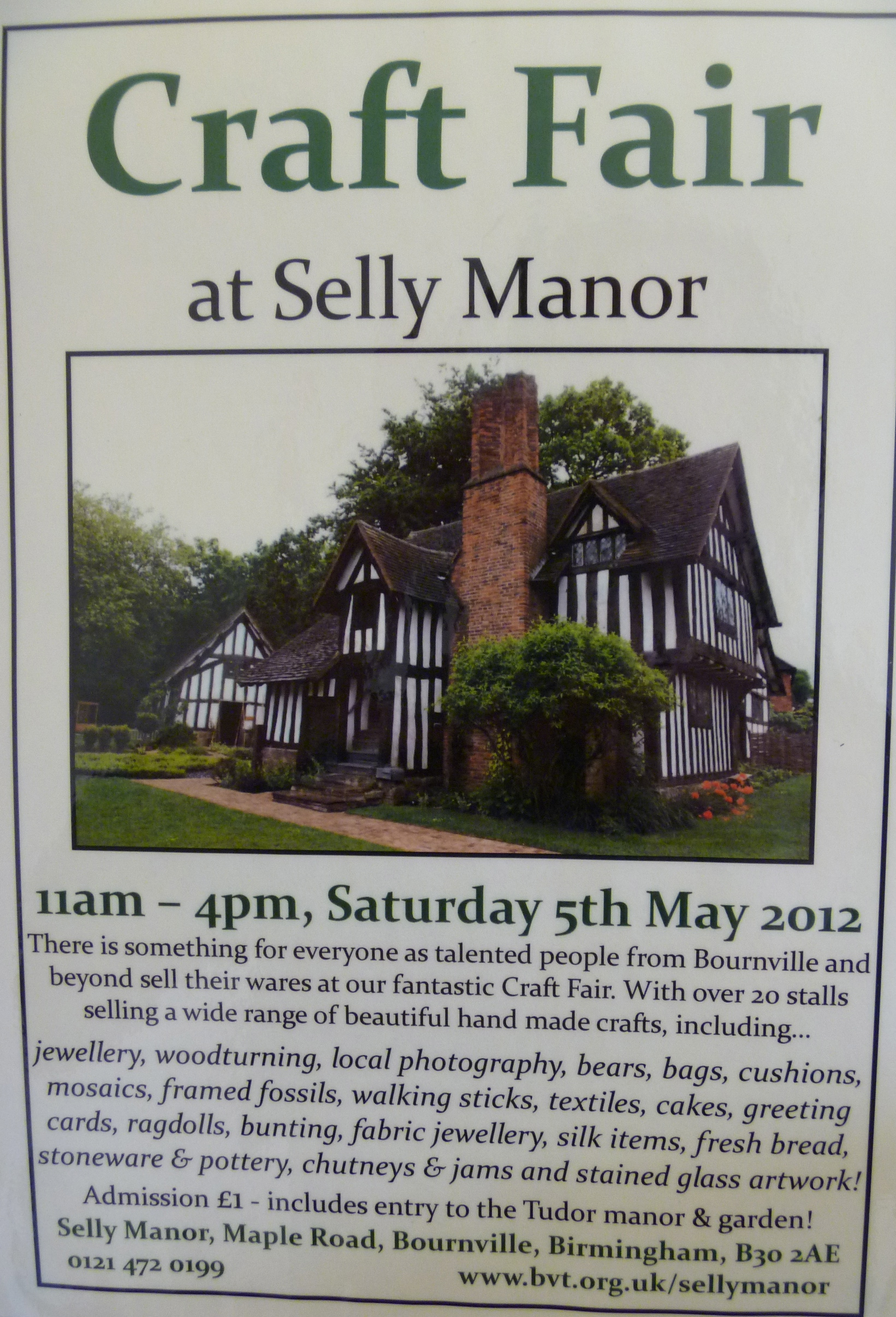
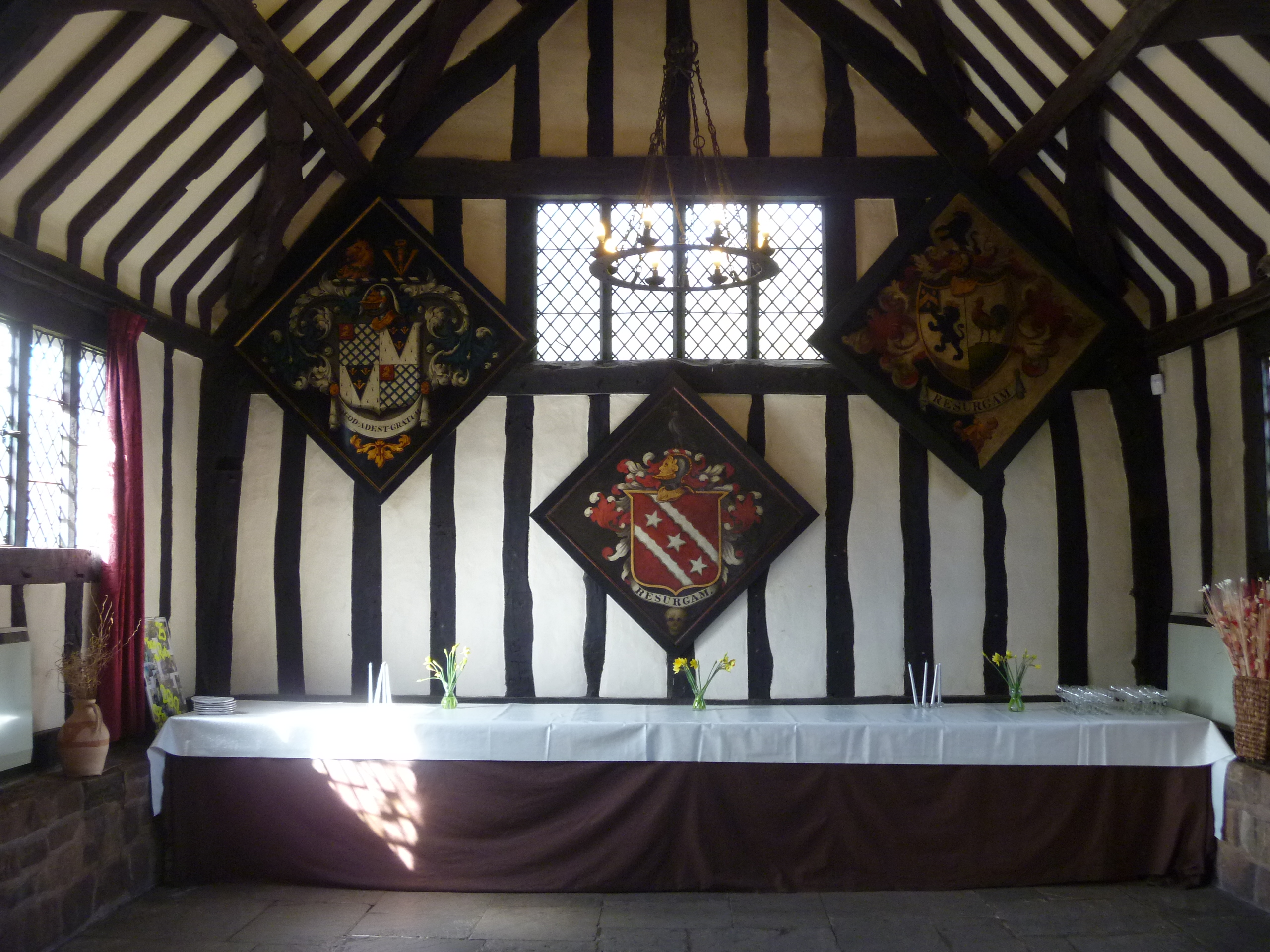
Our first port of call was Selly Manor and Minworth Greaves. These are two ancient buildings that were moved to their present site by George Cadbury in 1907 (SM) and Laurence Cadbury in 1932 (MG) and now operate as a museum and wedding/events venue. Selly Manor, the museum, appears to lay on lots of activities for children both during the school term and during the holidays. In the house there are many objects that may be touched.  Hands-on history lessons. I’m sure children had made these heavenly-smelling pomanders!

Sweet-smelling pomanders

Something for everyone!

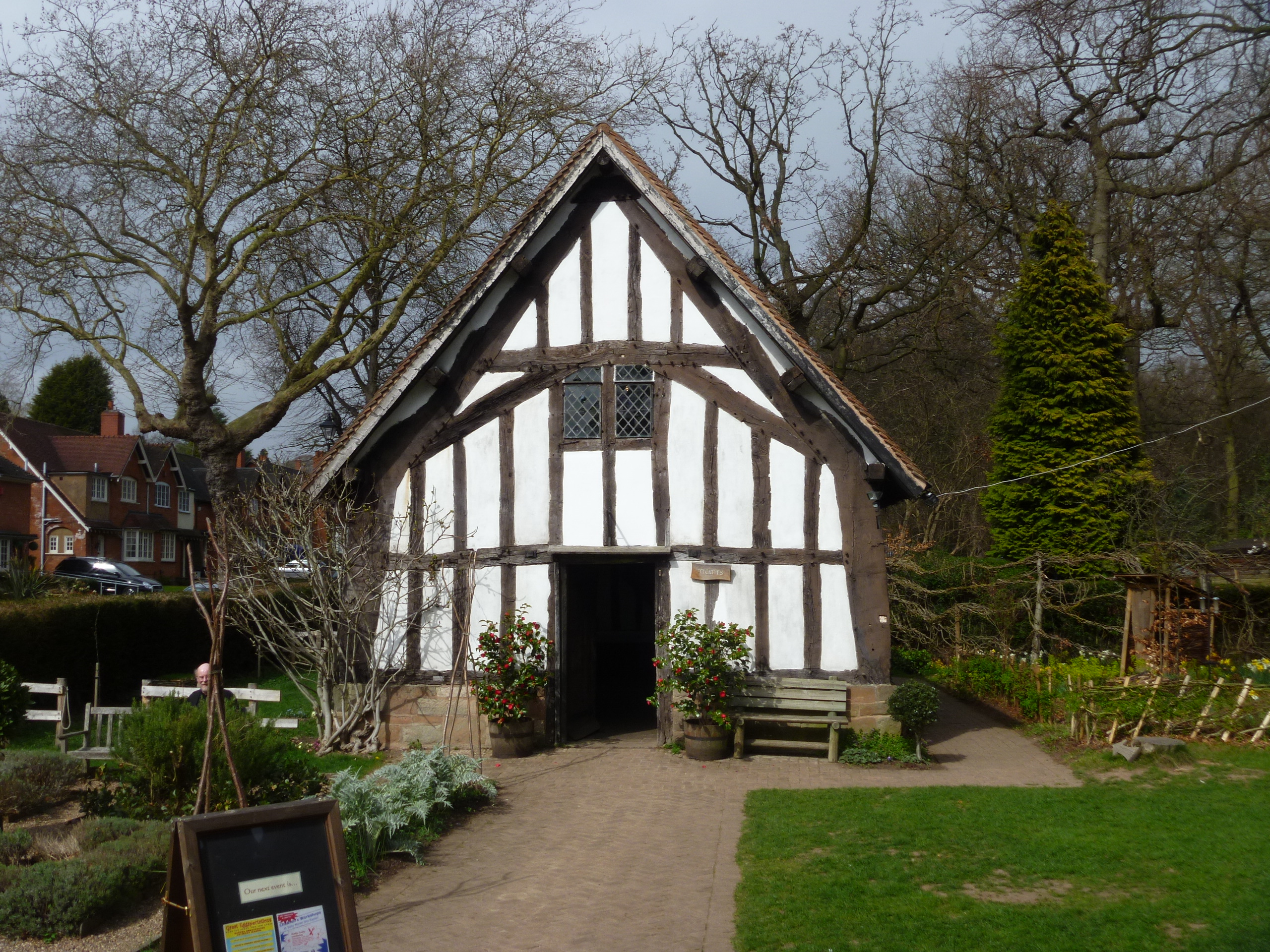
Minworth Greaves, thought to be 750 years old, was saved from demolition in 1932 and transported from Sutton Coldfield to its present site by Laurence Cadbury. It serves as the visitor centre (tickets, shop) for the museum and may be hired as a super venue for weddings and suchlike ceremonies.

The two buildings are surrounded by well-tended gardens of herbs and flowers and box hedges and shrubs.

My friend lived and grew up in Bournville and after visiting the museum she took me took a walk around the planned suburb and we inspected a number of other landmarks in local area.

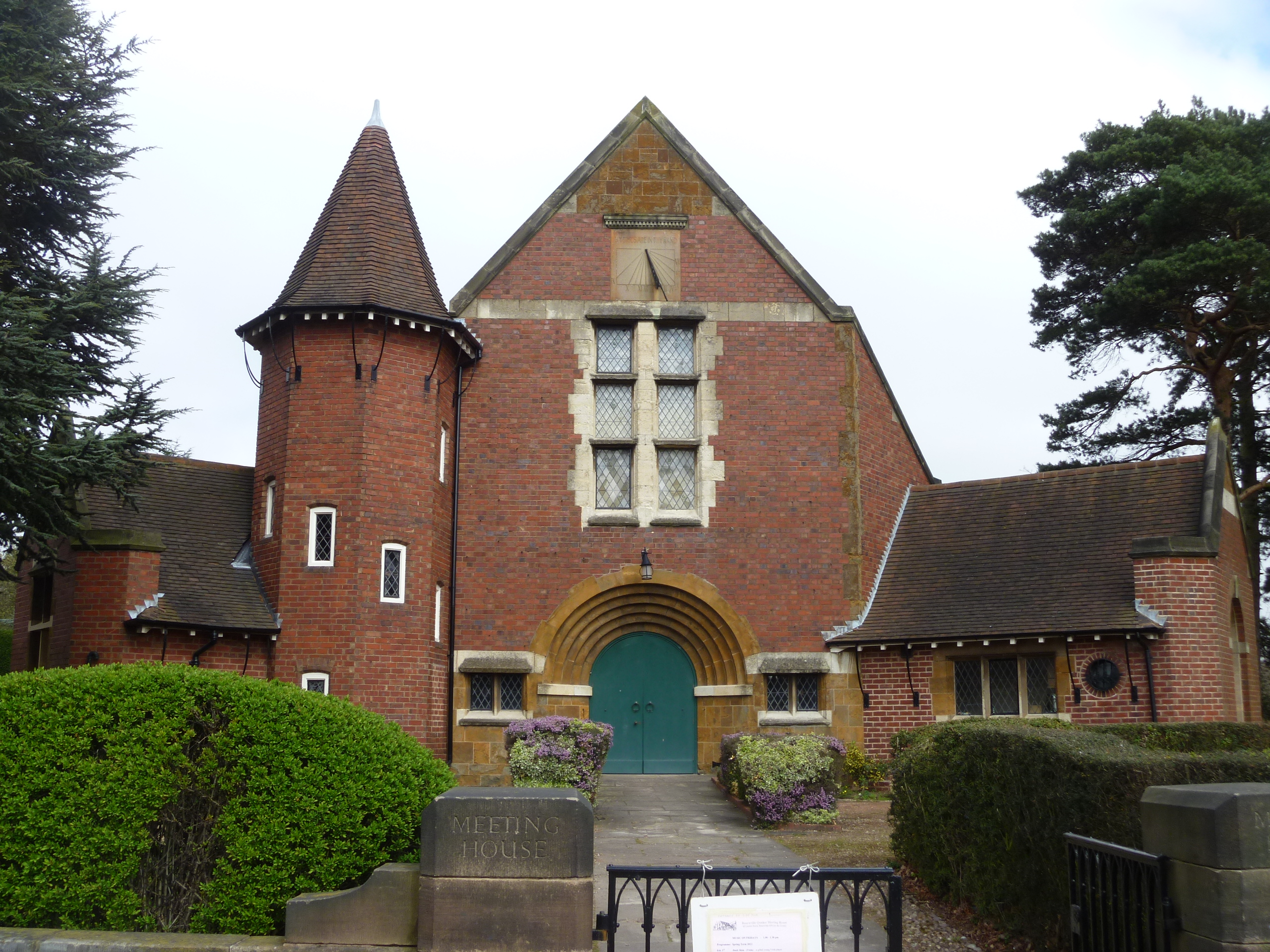
The Quakers Friends Meeting House

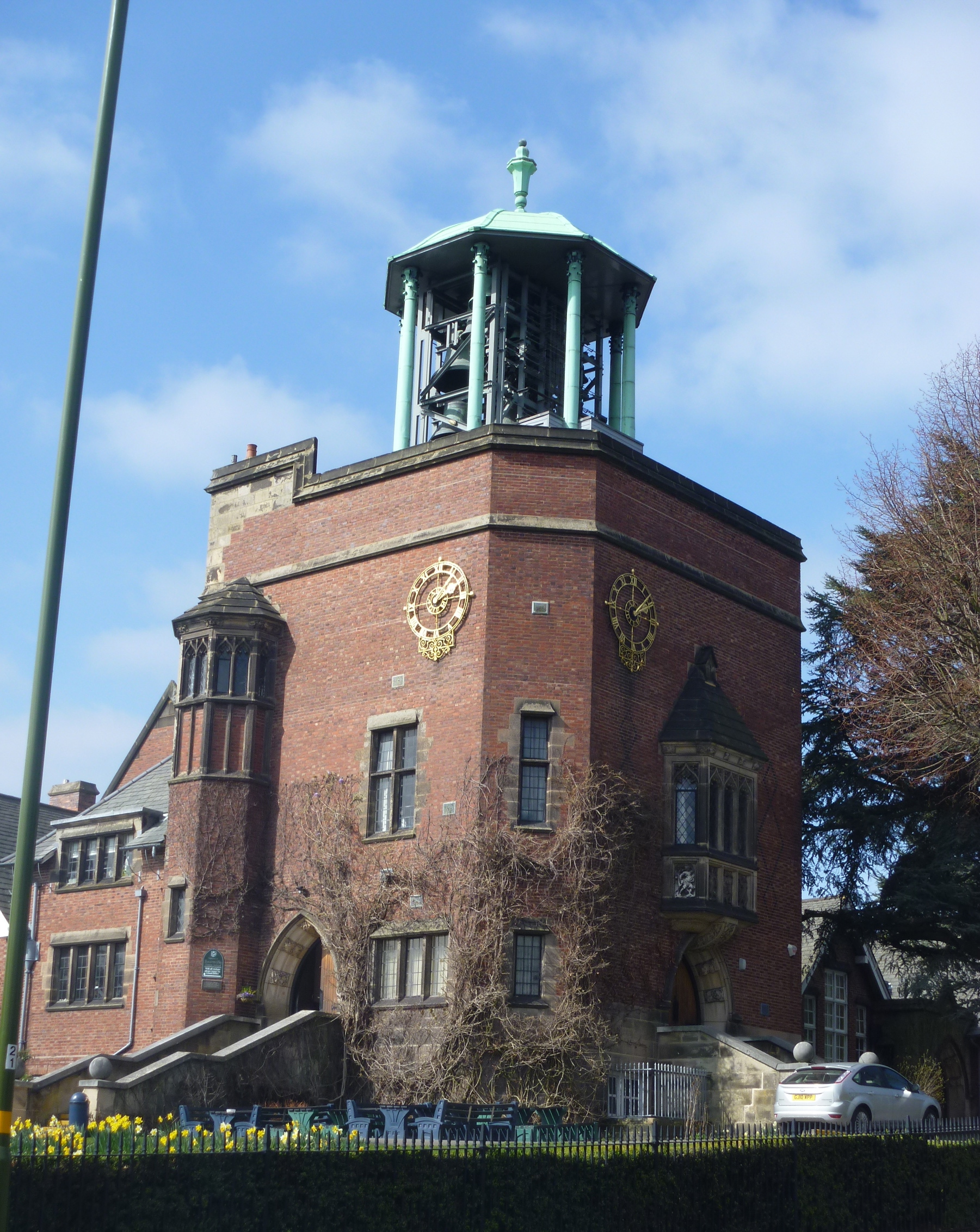
The Carillon (Bell Tower) and Primary School