Port Eliot Festival Revisited

Last year I was very happy to attend The Port Eliot Festival in Cornwall as one of Lynne’s team in the Dovegreyreader tent. At the time I decided that I’d be back again this year as a visitor and see more of what was on offer. I mentioned this to three friends and we all decided to book a cottage in Cornwall for the week and spend at least one day at the Festival. Not long after, the National Trust Cottage ‘Harbour View’ at Boscastle was booked for the week 31st July to 7th August and day tickets bought for the Festival for Saturday 1st August.

Harbour View

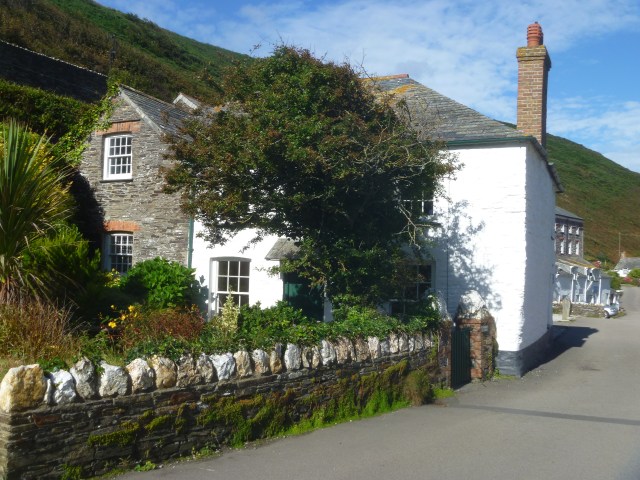
Harbour View at Boscastle

Continue reading

Northern Irish Gate Lodges

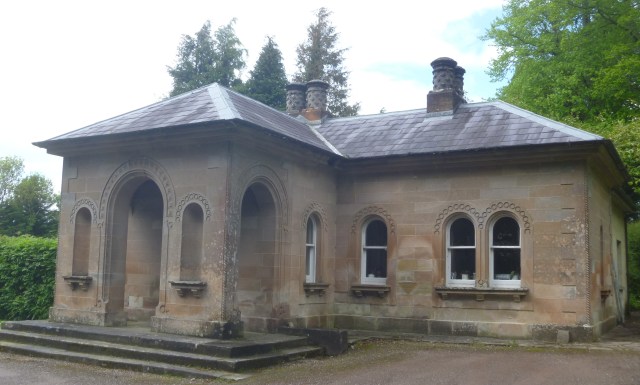
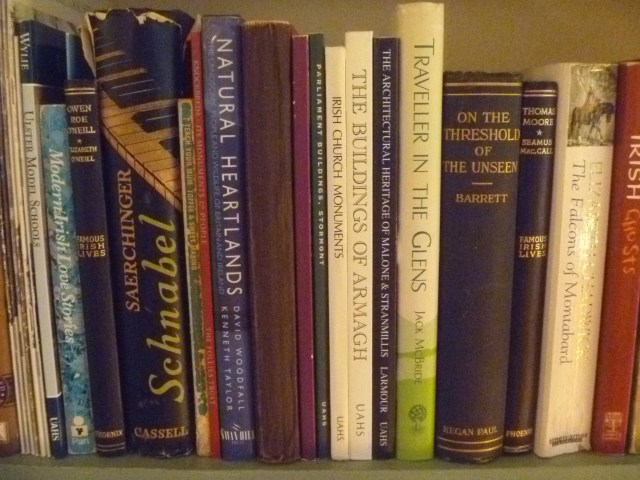
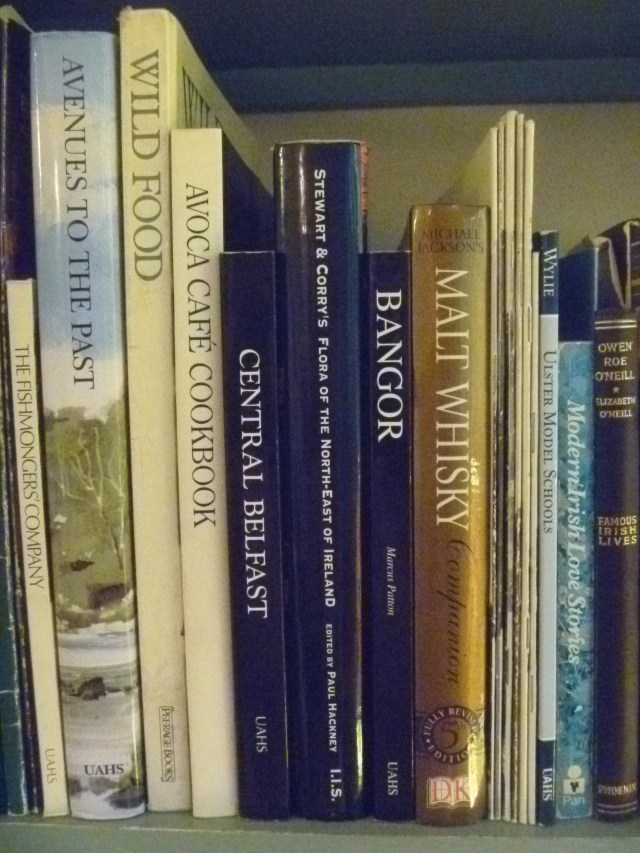
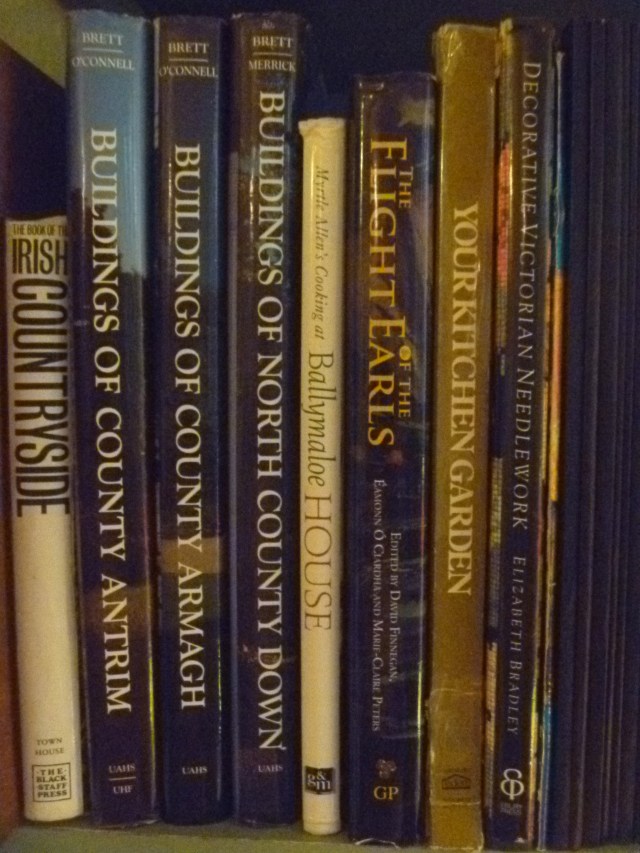
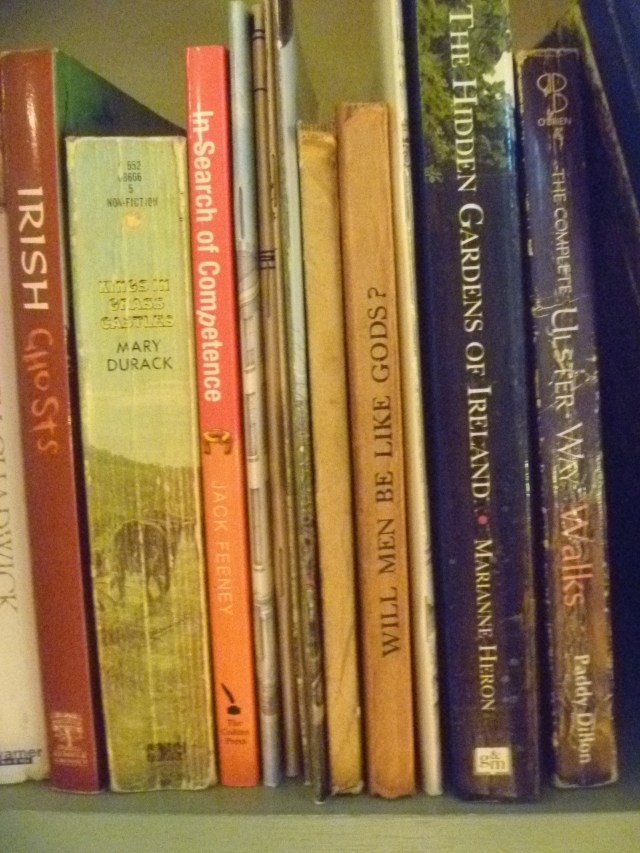
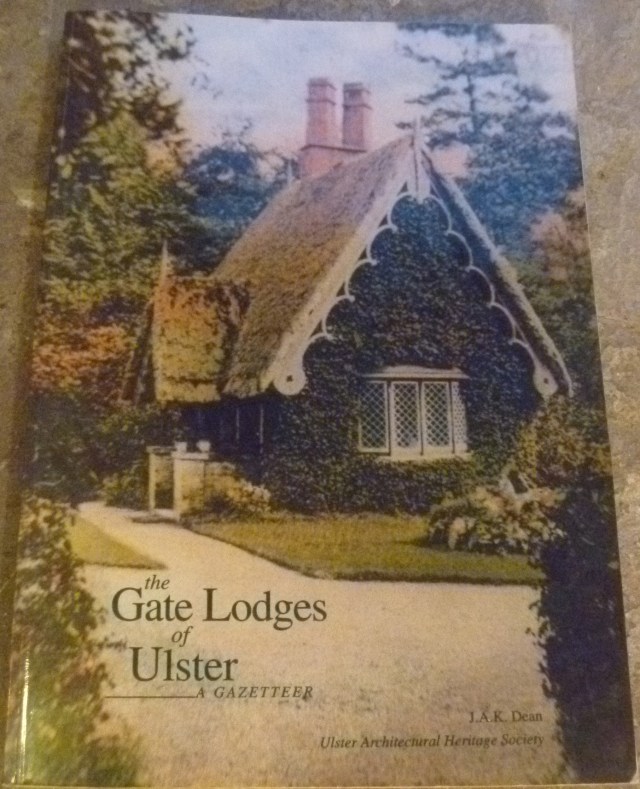
Gate lodge, or gatelodge, seems me to be an Irish term for what we, over here, would just call a Lodge. In amongst the majority of what I could only call dross (although there was one excellent shelf of local (in the sense of Northern Irish) books [see photos below]) in the Library at The Barbican, an Irish Landmark Trust property on the coast of Antrim in Northern Ireland, I found a most interesting book. “The Gate Lodges of Ulster : a gazetteer” by J A K Dean; Ulster Architectural Heritage Society, 1994. Book The book came about as a result of research carried out by Dean 30 years earlier. Another look at the topic during the early 1990s revealed much demolition and decay had occurred and a comprehensive renewal of study lead to the publication of the gazetteer. I’m wondering whether a similar study has been carried out in the South – a much greater project. Gate lodges had much to teach about developing awareness and ambitions of their patrons, and the changing skills of builders and architects. There’s a huge variety- from vernacular tradition to architectural sophistication yet they had a single simple purpose – to house the gatekeeper and his family. The Gazetteer is a fascinating study of individual gate lodges. Here I’ve abstracted details from the book and added my photos. CC Lodge

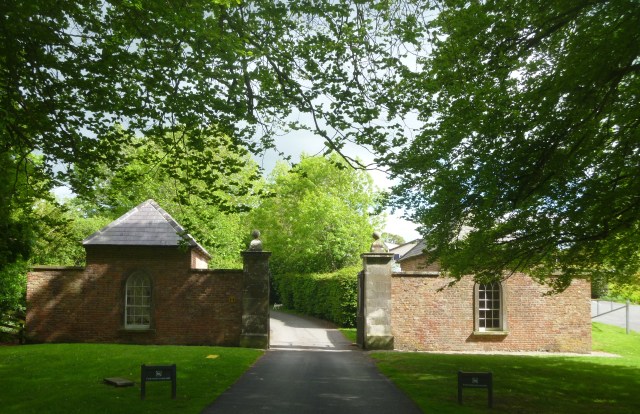
Gate Lodge at Castle Coole – Weir’s Bridge Lodge

Built c1880 i.e. after the Weir’s Bridge was built to carry the Enniskillen-Florence Court-Belcoo line of the Sligo, Leitrim and Northern Counties Railway. It’s a fine building in the Lombardie style [sic]. Built from the highest quality ashlar sandstone with immaculately carved detailing. Single-storey on a T-plan. It has a raised stepped platform to form a “porte-cochere” with semi-circular headed arches. CC twins

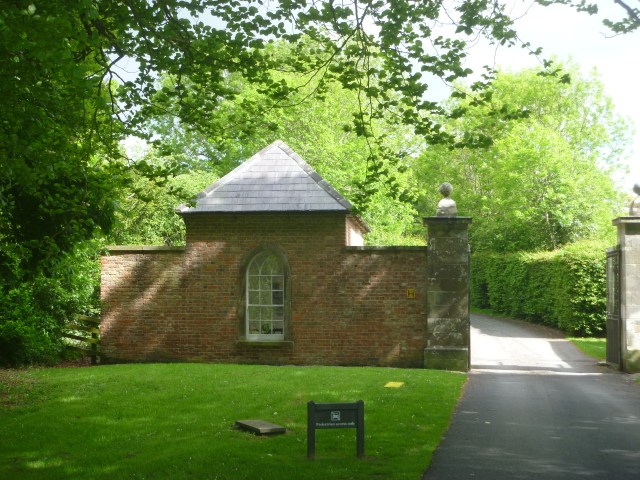
Gate Lodges – Castle Coole Twin Lodges

These were even recorded as being dilapidated in 1834. They not even mentioned on OS maps until 1857. Now they’re presented as Georgian Gothick. Built so close together a family carriage could hardly pass through. The chimney stacks have now been lost. Armar Lowry-Corry (1st earl of Belmore) the builder died in 1802 and his son Somerset had an energetic building programme for 40 years. He built up a lasting relationship with architect Sir Richard Morrison. CC single

Single gate Lodge at Castle Coole

Crom GL

Gate Lodge at Crom

The main entrance lodge at Crom was built in 1838 by Edward Blore, architect. Blore was responsible for many other buildings on the Crom Estate. It’s an irregular Tudor picturesque cottage on one and a half storeys. Dean’s book also contains interior plans. It has two main gables and pretty serrated bargeboards plus finialed hipknobs. On Wikipedia I found that a Hip-knob, in architecture, is the finial on the hip of a roof, between the barge-boards of a gable. The small gabled hall/porch has the only remaining lattice panes. GL Springhill

Gate Lodge at Springhill

The Gate Lodge at the National Trust property Springhill in County Londonderry is now the secondhand bookshop. It stands at the original main entrance (which is now now the exit) and was built not long after George Lenox-Conyngham succeeded to the property in 1788. It is the sole survivor of a pair of Georgian Gothick porters’ lodges. Their gables faced each other across the avenue entrance. It is a simple rectangular two roomed structure, has steeply pitched gables with a wide door opening and a minuscule lancet opening above to light a bed loft. Well Read

The Well Read Bookshop

Glenarm Barbican

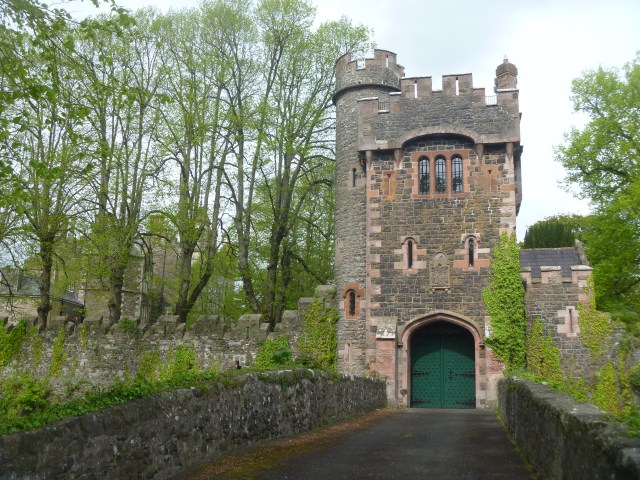
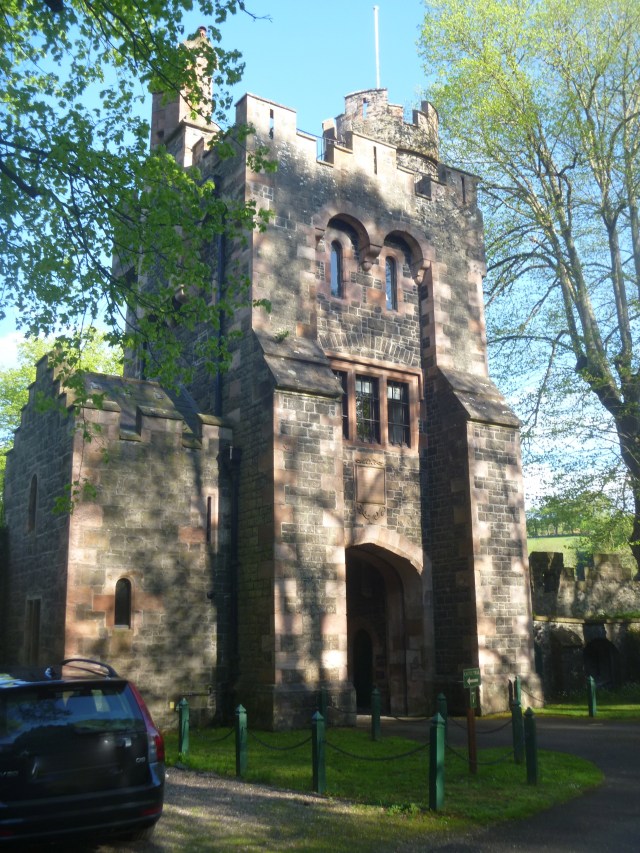
The Glenarm Barbican

Built in 1824, the Barbican’s architect was William Vitruvius Morrison. Dean writes : “Beloved of photographers and Victorian illustrators for its dramatic architecture and romantic setting. Approached across a two-arched bridge spanning the Glenarm River the Barbican is a three-storey castellated gatehouse. An ancient sandstone coat of arms was inserted.” This had originally graced the front of the castle when it had been built by the first earl in 1636, while the other side of The Barbican was also given a commemorative plaque: THIS GATEWAY WAS BUILT AND THE CASTLE RESTORED BY EDMUND M’DONNELL, ESQUIRE, AND HIS WIFE ANNE KATHERINE, IN HER OWN RIGHT COUNTESS OF ANTRIM AND VISCOUNTESS DUNLUCE A.D. 1825. Attached to one side is the two-storey porter’s accommodation – one up and one down.

barbican rear

Rear of the Barbican

Books 3

Books 2

Books 1

Books 4

The Barbican Bookshelf

Crom Estate Walk

One of my favourite kinds of walk is on well marked paths around estates such as Fountains Abbey, Endsleigh, Astley Castle and Hackfall with an interesting variety of landscapes and views and ‘eye-catcher’ structures to add to the interest.

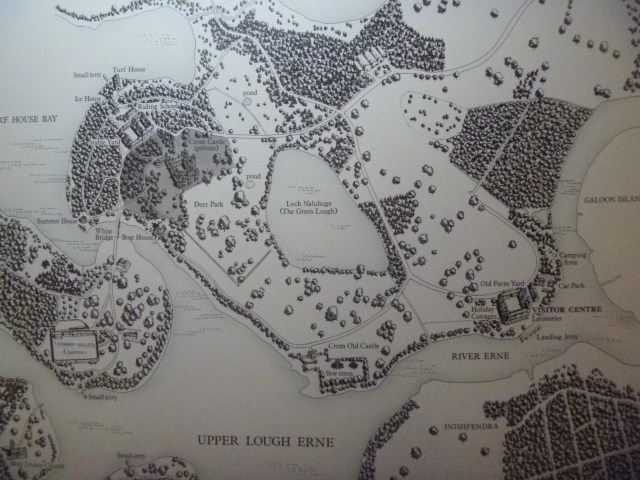
Crom Map

Despite the rain this afternoon I set out on such a walk here at The Crom Estate in Co. Fermanagh, Northern Ireland. The estate comprises almost 2,000 acres of woodland, wetlands, farmland and parkland on the shores of Upper Lough Erne. According to the map leaflet it was laid out in 1838 and is one of the best preserved and most extensive landscapes designed by William Gilpin in the British Isles. Its unique character rests upon the scale and relationship of water, wetland, woods and parkland with its veteran trees. The Great Yew Tree is located at the Old Castle ruins and was nominated as one of 50 Great British Trees for the Queens Jubilee Year 2002.

old yew

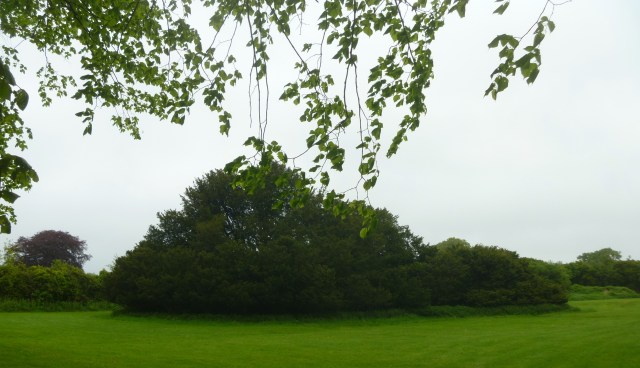
The Ancient Yews in the Castle Ruins

There are many fine buildings on the estate walk. Crom Old Castle was built on the shore by Michael Balfour, Laird of Mountwhinney in 1610. It withstood two sieges in 1689 but was destroyed by an accidental fire in 1764. The yew trees within the ruins are reputed to be the oldest in Ireland.

approaching the old castle

Approaching the Castle Ruins

lough erne

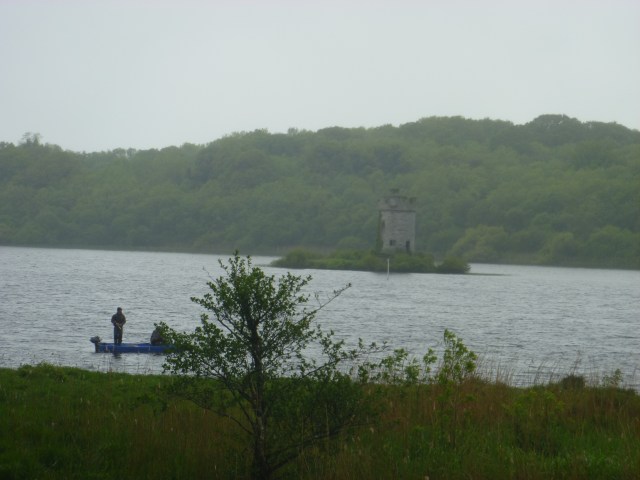
The Crichton Tower was built on Gad Island in 1848. Its architect is unknown.

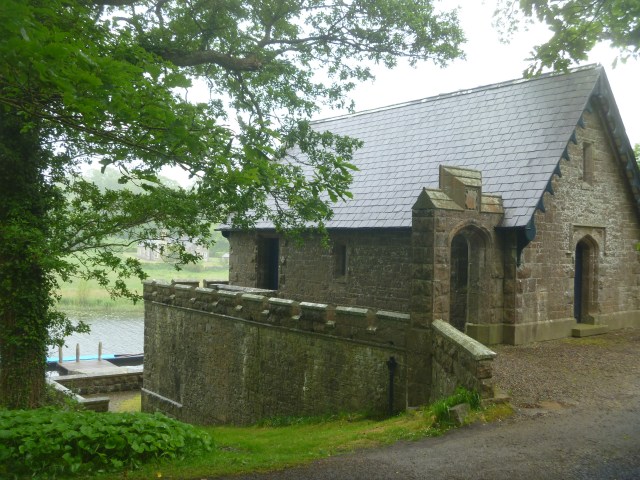
The Boathouse is a complex structure with decorated bargeboards and battlements designed in 1841 by Edward Blore. For many years it was the Lough Erne Yacht Club and the social centre for the Victorian houses in the area.

boathouse

The Boathouse

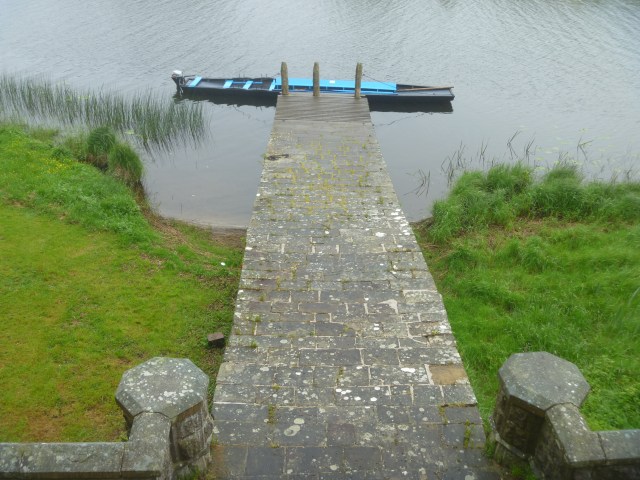
jetty

Boathouse Jetty

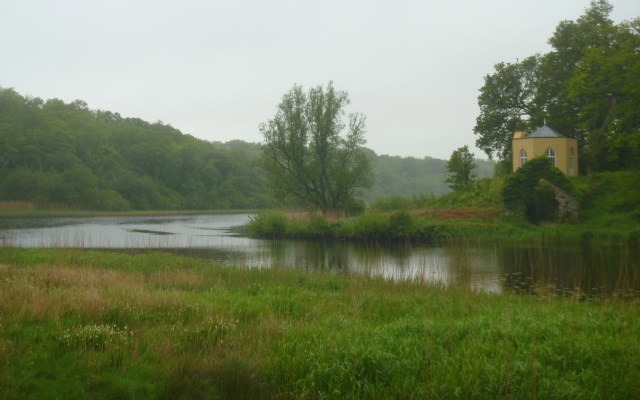
The Summer House was built around 1880 out of the structure of an old school house on the site. It was built for Lady Florence who used it as a picturesque retreat. Rustic inside, it had a woven straw mat, a cupboard above the fireplace with cups and other teatime items, a round table and chairs and a box for firewood. The original boathouse of the demesne, later made into a folly, lies below the summer house.

summerhouse

The Summer House

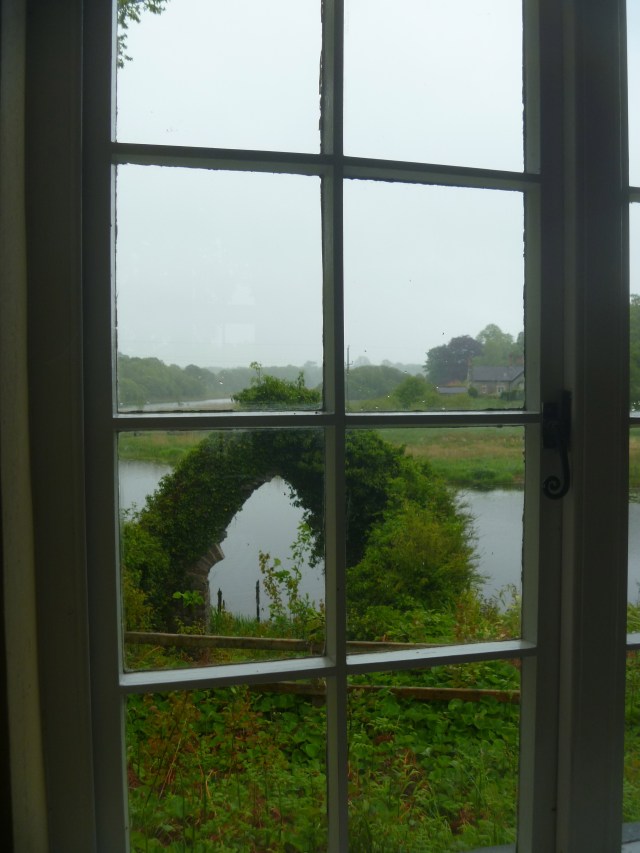
summer house view

View from The Summer House

A white iron bridge connects the mainland with Inisherk (Inis means island in Irish) and a track leads straight across to another small jetty. There are two cottages – Bridge and Gamekeeper’s – and the remains of a Walled Garden.

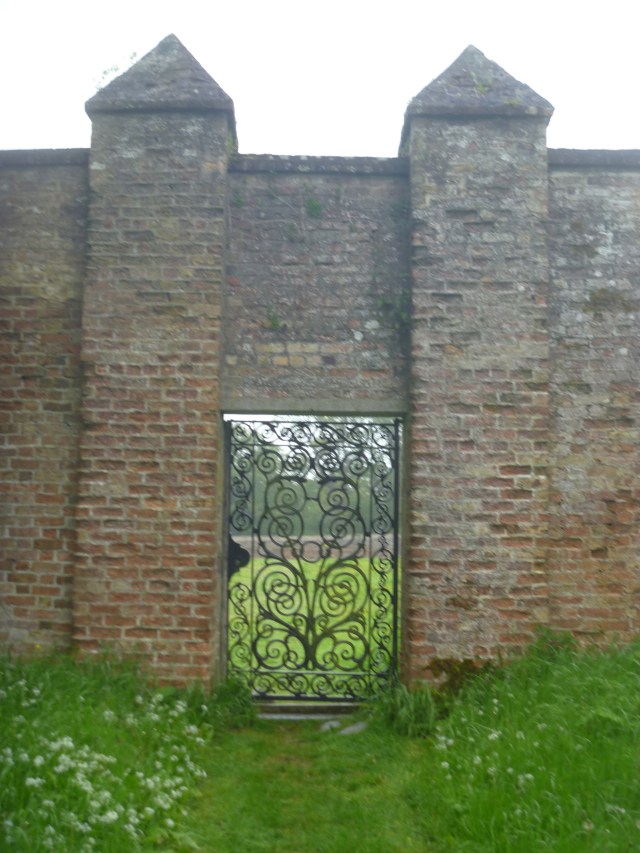
garden gate

Gate to The Walled Garden

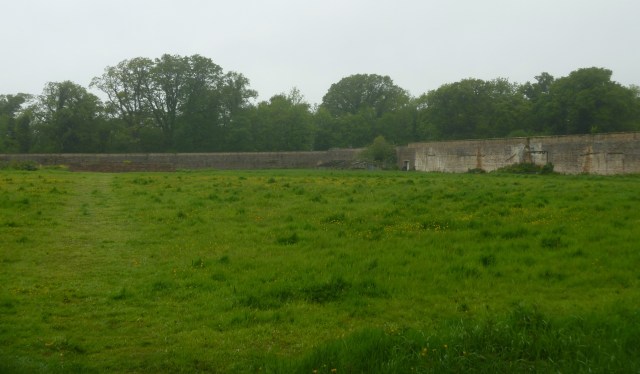
The Garden was completed in 1833 and included a hot house, potting sheds and a propagating house, built in later years. The Garden remained in use until the 1950s. Lately the Trust has carried out extensive repairs to the walls including the rebuilding of a large section of south wall.

extensive garden

The extensive Walled Garden

Returning over the bridge a track through woodland brought me to the Stable Yard (now NT Offices) and The Riding School (apparently never used as such as it was commandeered by the US Air Force for D-Day preparations/training).

saplings

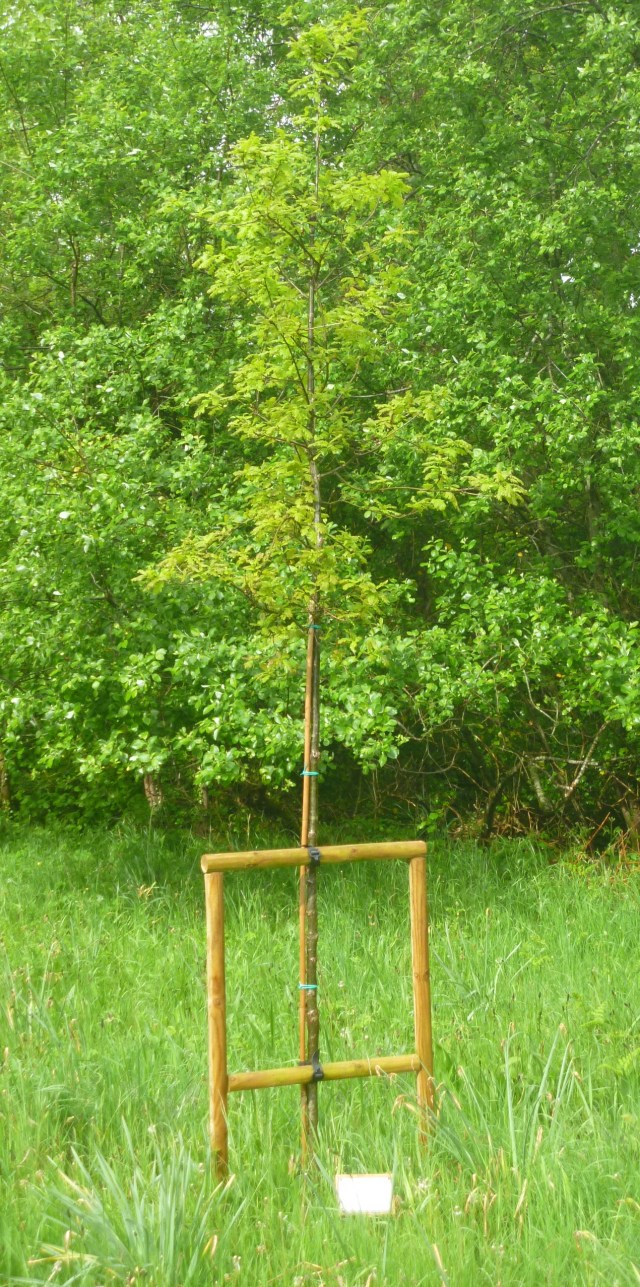
Oak Sapling Commemorating the USAF Presence

“This oak tree was planted on 6th June 2014 to commemorate the 70th anniversary of D-Day and the United States forces stationed here in WWII”

ice house

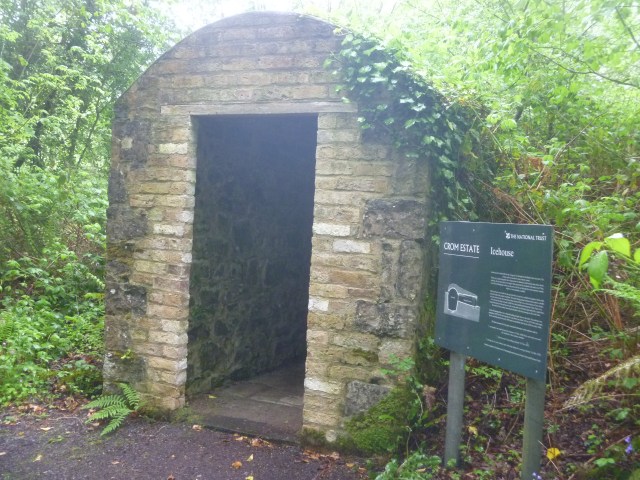
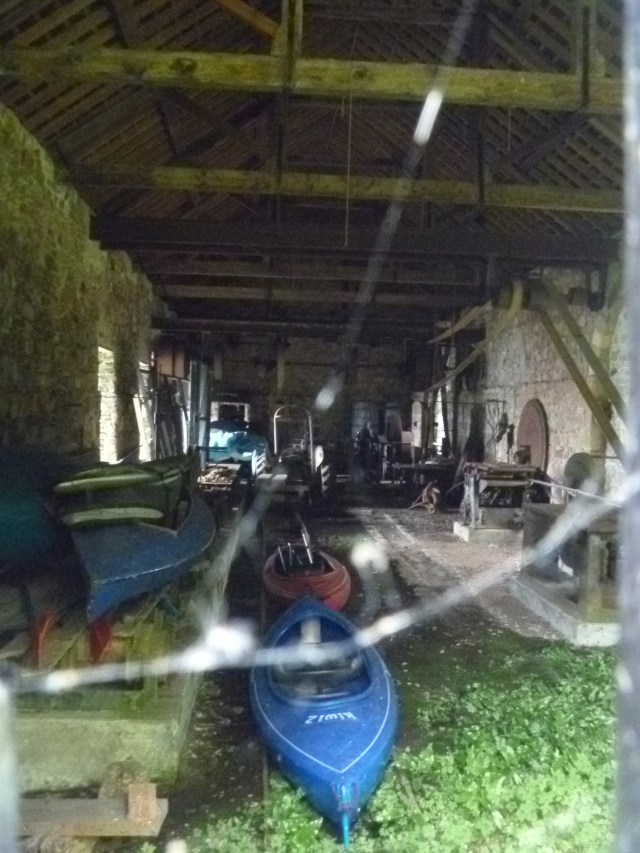
Nearby are The Turf House, also designed by Blore and built with an adjacent pier in 1840 for peat fuel to be originally unloaded here for the castle later in the century a sawmill was established, and an Ice House.

in turf house

Inside the Turf House today

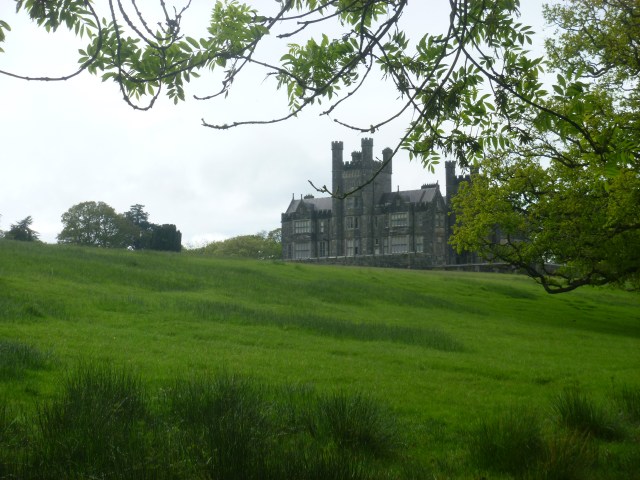
From the Stable Yard area the track continues through woodland after which I joined a grassy path alongside the Deer Park fencing with views of Crom Castle itself which is still a private residence and not open to the public.

crom castle

Crom Castle and Deer Park

And so back to dear Alder Cottage to dry off after a fascinating two hour walk.

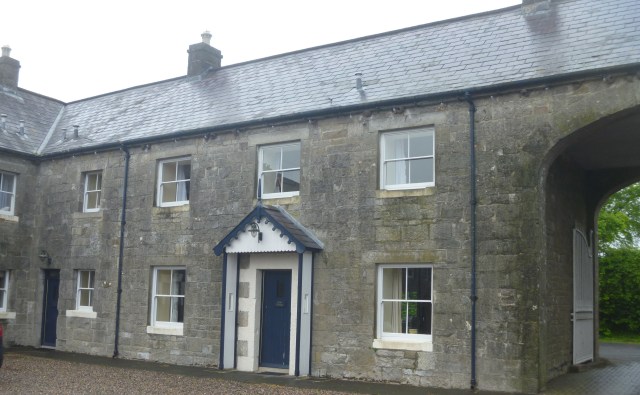
Alder Cottage

Alder Cottage

More Watery Landscapes in Tivoli : The Villa D’Este and The Villa Gregoriana

Perhaps the most famous location in the town of Tivoli itself is the Garden of the Villa D’Este. The sun was shining on my last day at Sant’ Antonio and I decided that I would visit the garden and that of the nearby Villa Gregoriana.
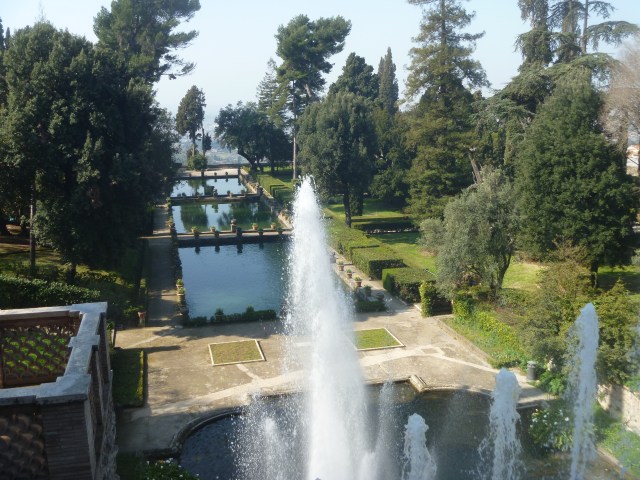
Vd'este 1

Thursday 19 March just happened to be St Joseph’s Day (Father’s Day) and a big celebration filled the town centre of Tivoli. Was this the reason why the Gardens of the Villas D’Este and Gregoriana were practically deserted that morning? Anyway, it was very pleasant to have the gardens virtually to myself.
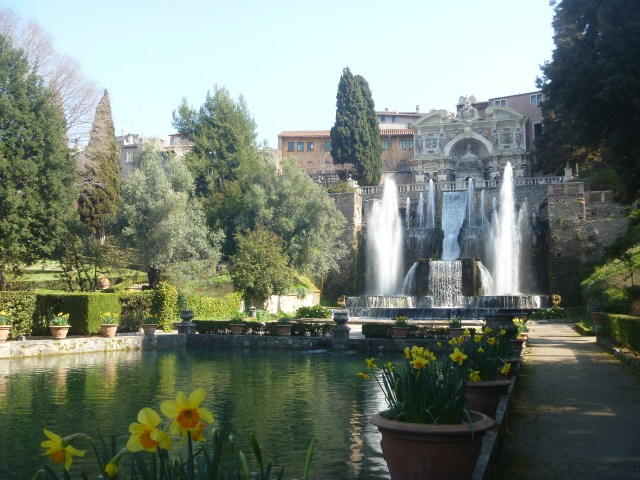
v d'este2

Cardinal Hippolyte D’Este (1509-1572) became governor of Tivoli and set about establishing a garden. Today it’s approached from the house but originally the entrance was at the bottom of the garden and visitors slowly climbed the hill to take in the wonders of the garden. Upon reaching the top, where the Cardinal would be waiting, you’d be in a ‘sense of breathless awe’. (According to Monty Don in the 2011 series of BBC programmes visiting Italian Gardens).
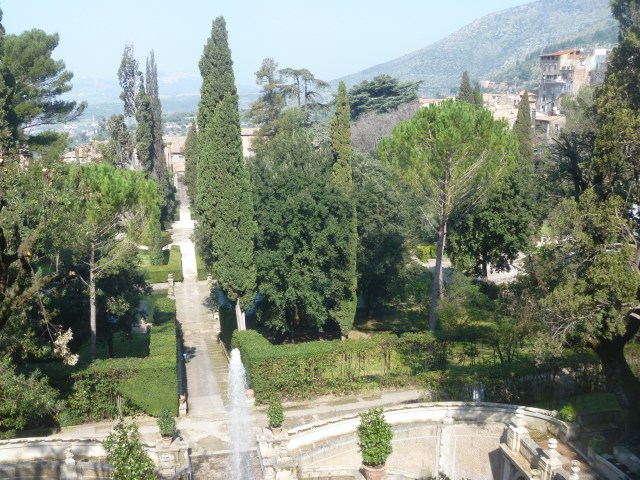
d'este gardens view

The View from the Villa

D’Este had great wealth but the one thing he wanted above all was to be Pope. He failed in 1549. So he demolished streets and had water brought to the site by a sophisticated method from a nearby aqueduct. All the water still comes from this same source and using the same methods. No pumps are used and the whole is still powered by pressure. The speed and movement of the water are still controlled by different sized pipes and spouts.
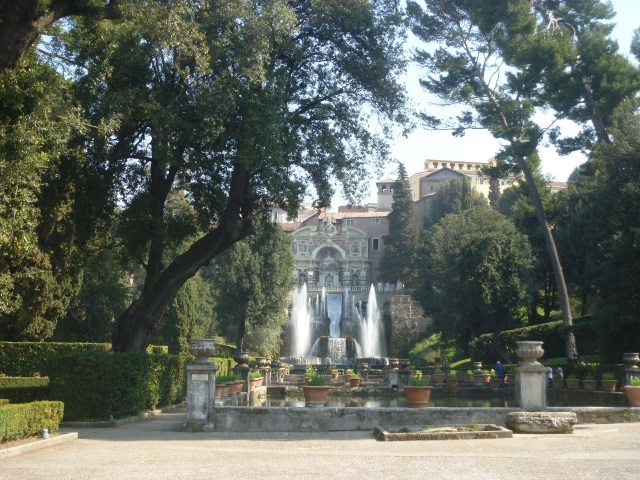
V d'este 3

The whole estate took 20 years to construct during which time the Cardinal made 5 attempts to become Pope. Here “Rometta” is his model of Rome – he never did achieve his goal. Here is an expression of power built to impress. But he ran up huge debts: the whole project is said to have cost the equivalent of £100 million in today’s money.
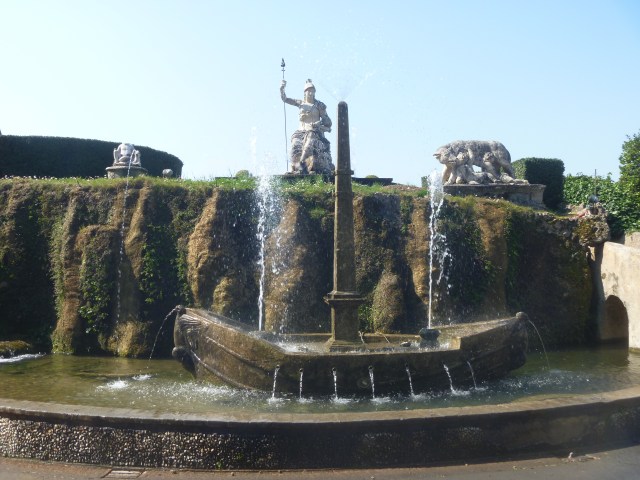
fontana di rometta

Fontana di Rometta

100 fountains

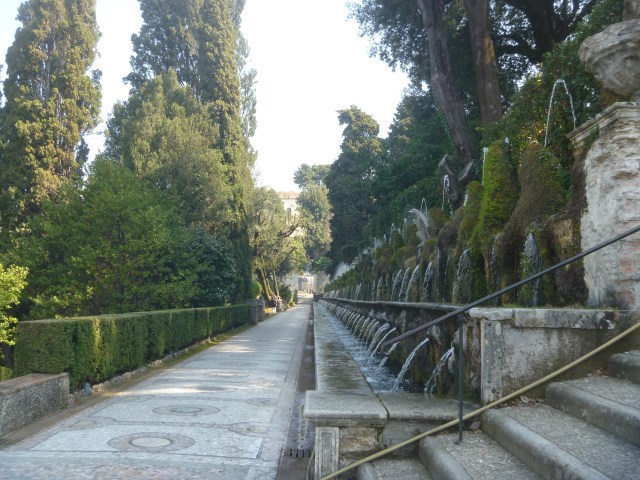
The 100 Fountains – they have the same rhythm and sound as you walk along beside them
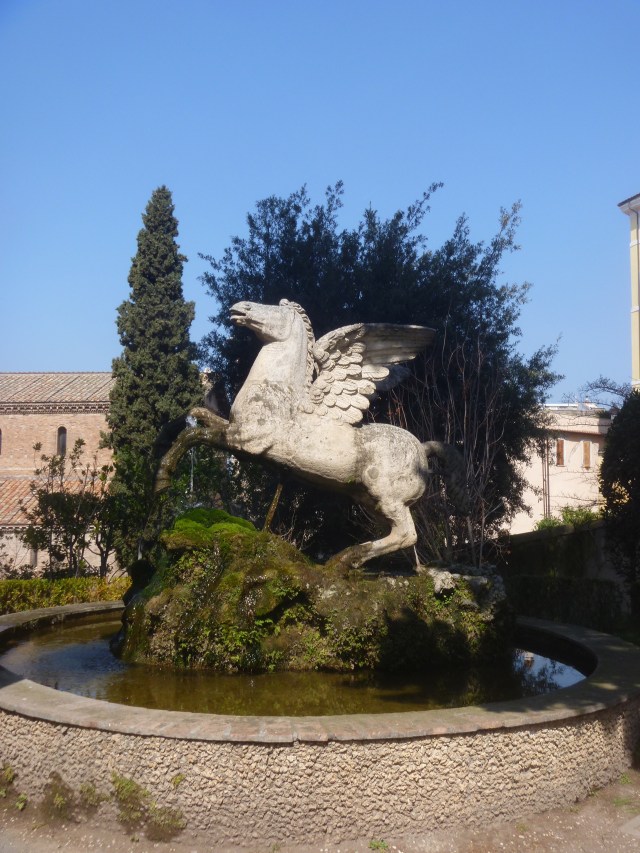
pegasus fountain

Pegasus Fountain

Organ fountain

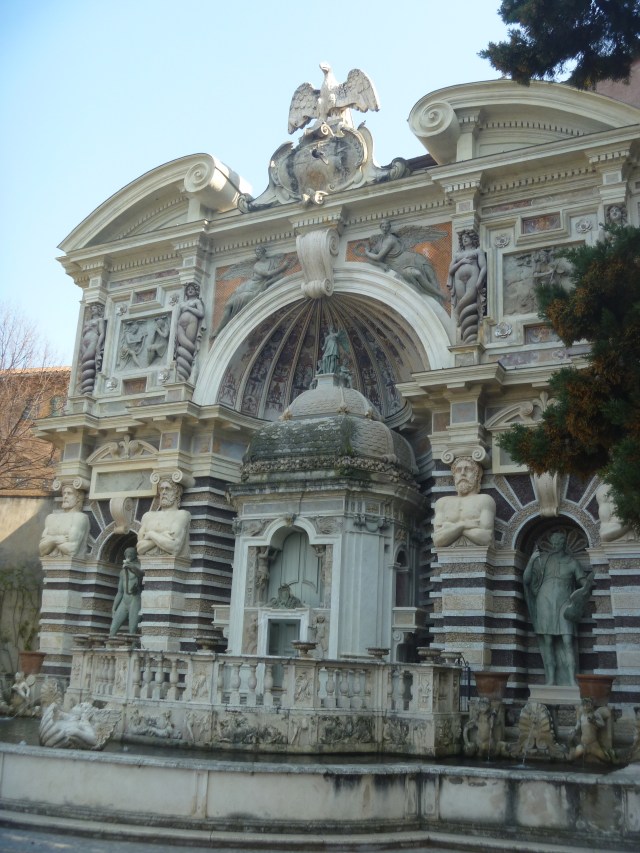
The Organ Fountain Plays Every Two Hours on the Half Hour

It’s a wonderful theatrical performance full of drama and excitement; entertainment and playfulness with surprises and jokes. In addition to the gardens you can visit the mansion atop the hill the mansion is open too – room after room of breath-taking painted ceilings but little else. Like Hadrian’s Villa the Villa D’Este is a UNESCO World Heritage Site.

I spent over two hours wandering around the gardens and house but felt the call of the Villa Greogoriana and, ultimately, Sant’ Antonio.
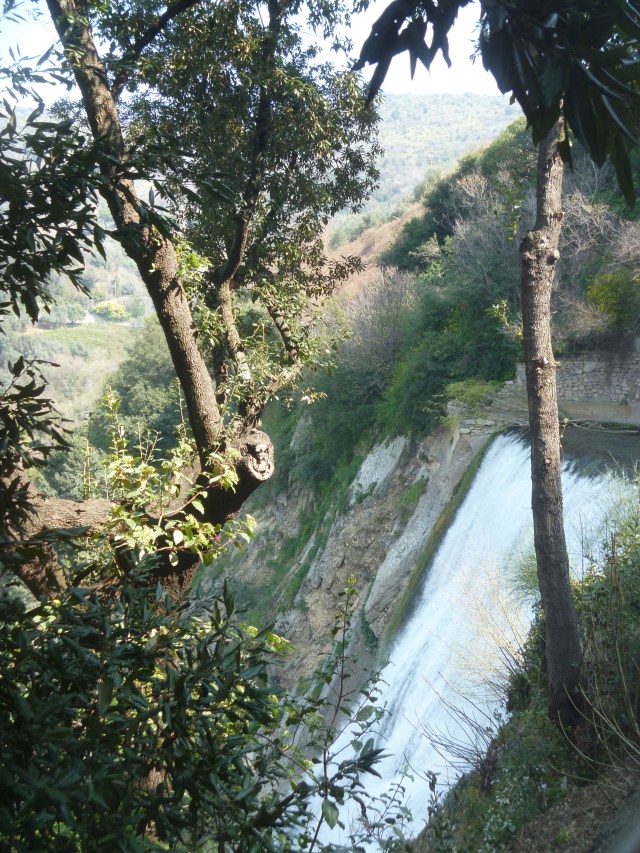
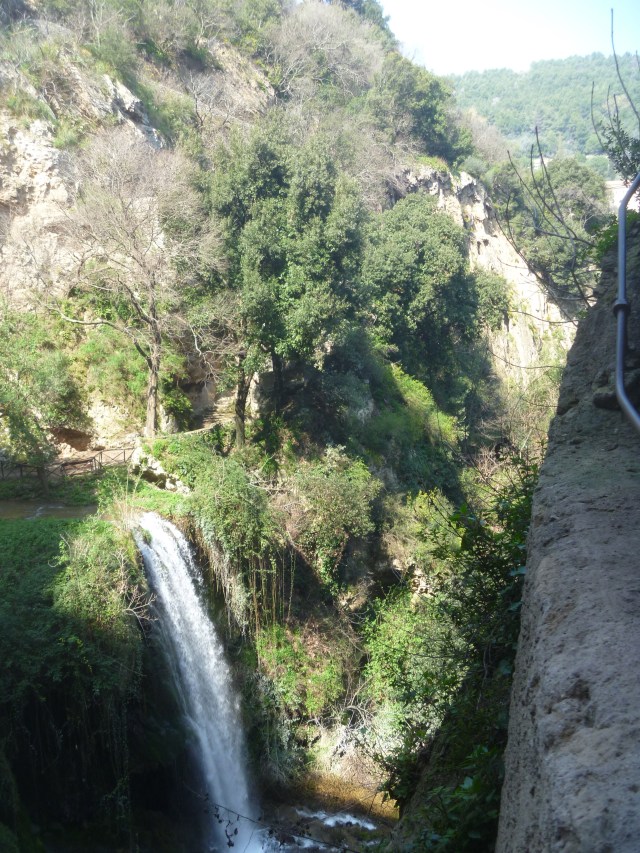
VG Grand Cascade

The Grand Cascade

Cascade from window

The Grand Cascade from my window at Sant’ Antonio

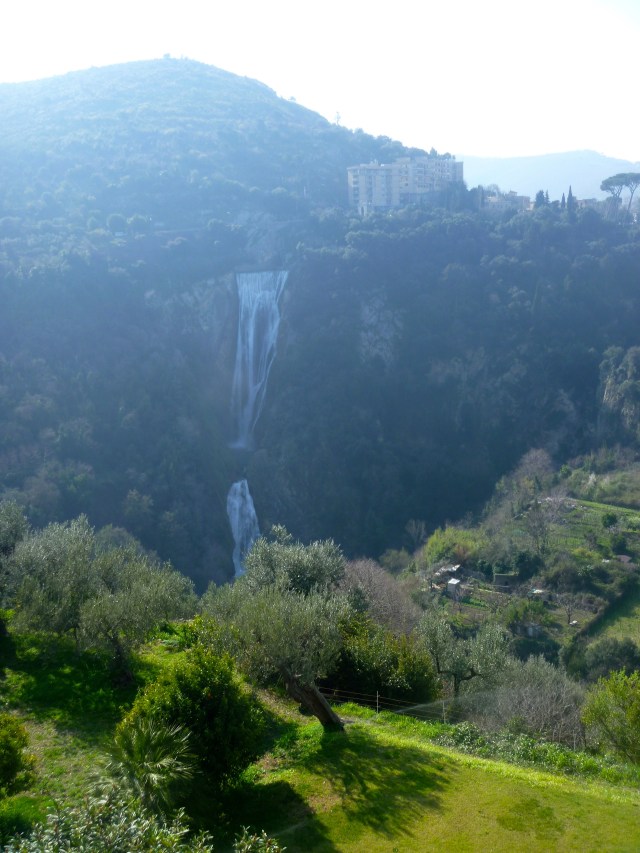
The Park of the Villa Gregoriana, for the Villa itself is no more, fills both sides of a wooded gorge where the waters of the River Aniene spill over precipices and lie still in pools in the valley bottom, is perhaps my favourite of the three gardens of Tivoli. Much of it, including the huge waterfall, can be seen from Sant’ Antonio and it appears more natural and less planned than the other two. Sant’ Antonio can be seen from the park.
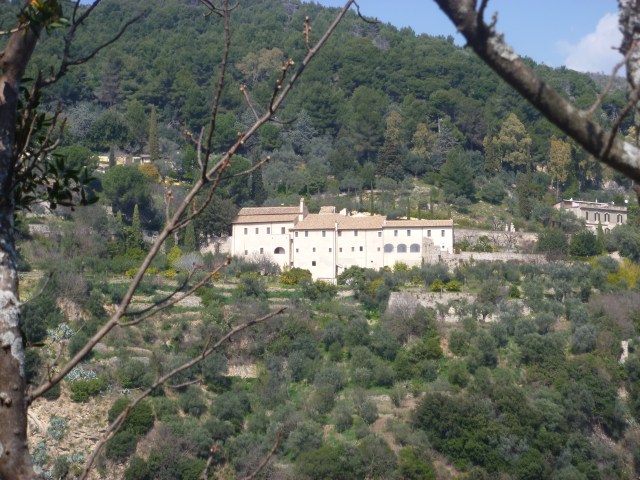
SA view info

SA view

Sant’ Antonio from the Villa Gregoriana

If you ever plan to visit be sure to wear strong, rubber-soled walking shoes as the paths and steps are uneven and slippery when wet and take your National Trust card with you, if you’re a member. Entry is free to NT members. The FAI in Italy aims to preserve Italy’s art, nature and landscape and has reciprocal arrangements with our National Trust.
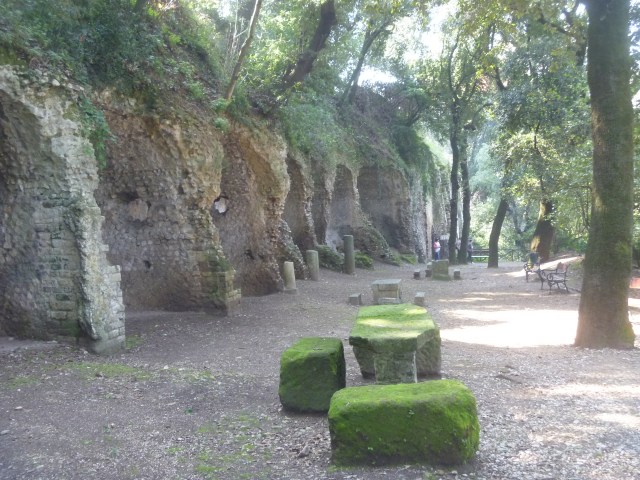
Remains of VG

Remains of the Villa of Manlius Vopiscus
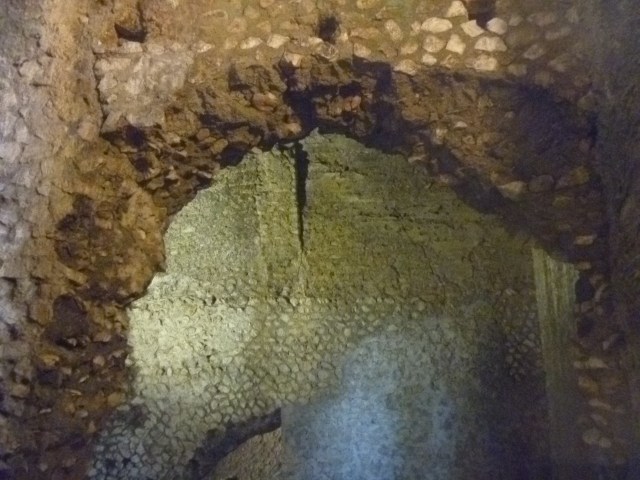
Inside the ruins

Roman Wall inside the Villa remains

The park was commissioned by Pope Gregory XVI to rebuild the bed of the Aniene River, which had been damaged by the terrible flood of 1826. It had fallen into rack and ruin by the end of the 20th century, but has been reopened to the public in 2005 thanks to a major landscape recovery project orchestrated by FAI, the Italian National Trust.

It was in 1835, after the Aniene River had burst its banks yet again, that Pope Gregory XVI decided to transform this enchanting but extremely dangerous location into a model of integration between art and nature. The project saw a tunnel being dug through Mount Catillo in order to deviate the river and thus preserve the town of Tivoli. This was then followed by the construction of an extraordinary natural garden dominated by the acropolis with Vesta and Tiburno’s Temples.

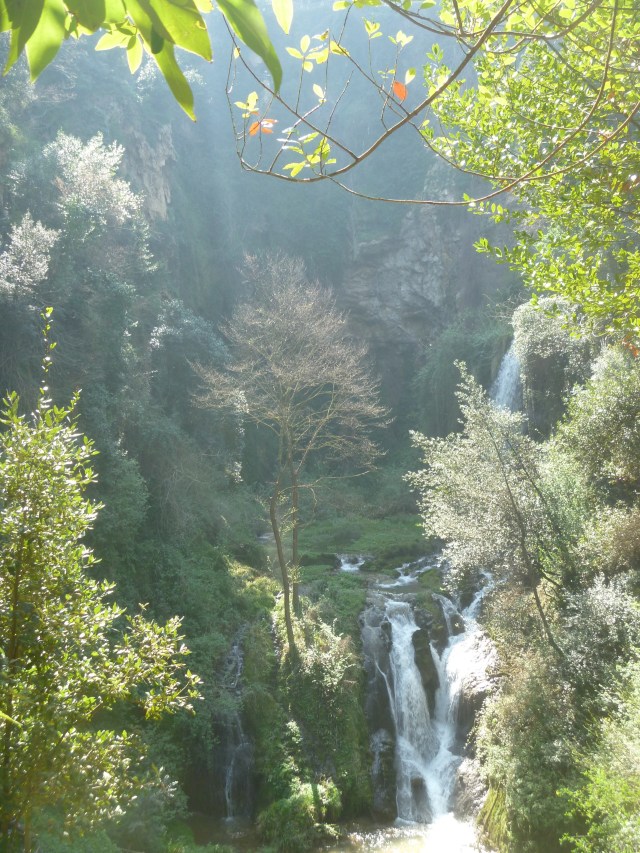
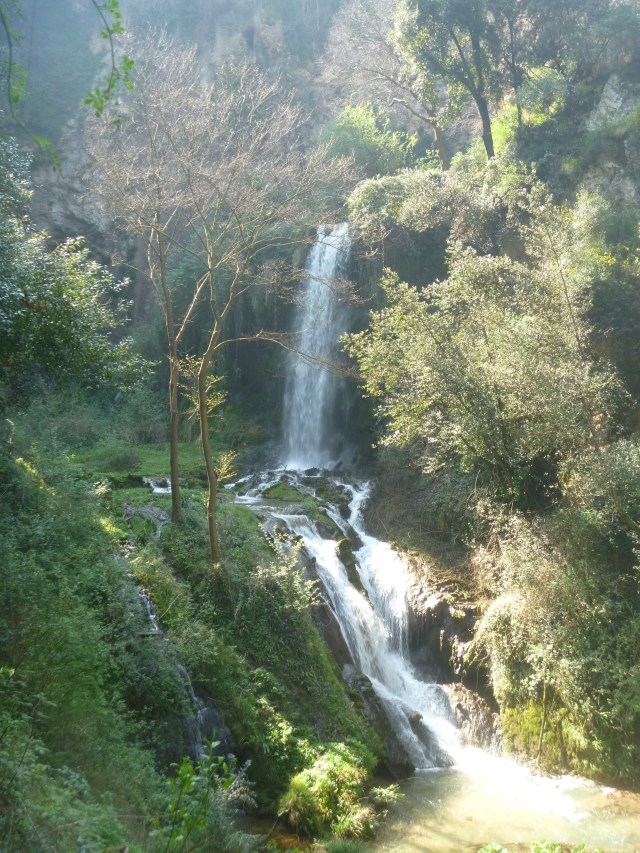
As you walk through the thick woodland of Parco Villa Gregoriana you will discover the delightful combination of the majestic landscape and the tranquillity of the paths that meander through it. En route, you will get to the caves of Neptune and of the Sirens, which form part of an incredible series of gorges and cascades, and to the Great Waterfall, with its whirling mass of water that seems to fall directly onto those who stand and gaze at it.”
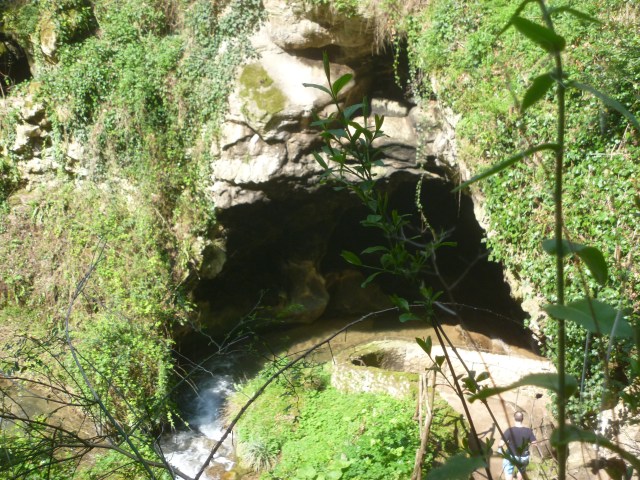
cave of sirens

The Cave of the Sirens

Valley of Hell upper viewpt

valley of hell 2

valley of hell 3

valley of hell 4

Views of the Valley of Hell from Upper Viewpoints

According to the leaflet/map guide to the gardens “Goethe was among those who were amazed by the area. ‘I was recently in Tivoli, where I admired a breathtaking natural spectacle. The sight of the waterfall there, along with the ruins and the whole landscape, greatly enriches the soul’. Goethe visited during the heyday of the Grand Tour, when Italy was the destination of choice for upper-class travellers from all across Europe, affording them and unrivalled classical education.” And this was long before Pope Gregory XVI’s re-creation of the original garden.


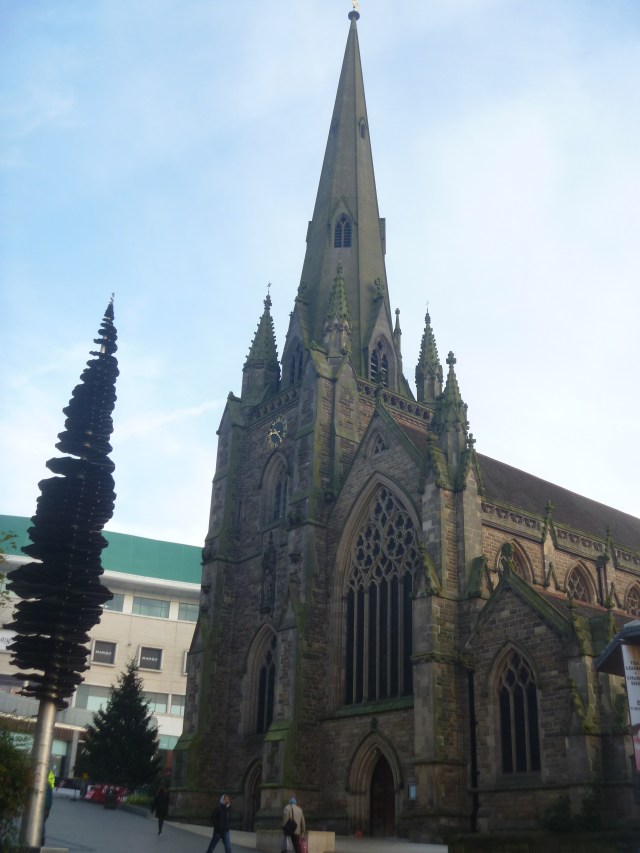
St Martin’s in the Bull Ring : Defiant Gothic … and what we learned there

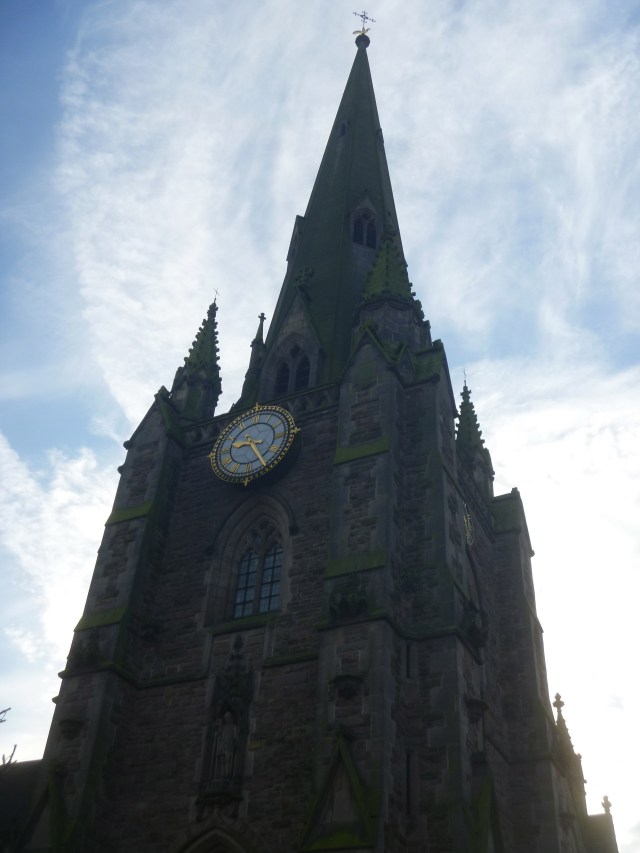
St Martin's clock

“Defiant City Centre Gothic” writes Simon Jenkins in church crawler‘s ‘bible‘ of St Martin’s church in Birmingham city centre.

“It once towered over the old Bull Ring market place, dramatically clinging to a hillside. Today the site is desperate, squeezed between what survives of the market and an inhuman whirl of urban roads and concrete blocks. Rescue is planned, but the cost of rectifying the horrors of the 1960s and 1970s will be huge. For the moment, St Martin’s is a beacon in a wilderness.” [England’s Thousand Best Churches]

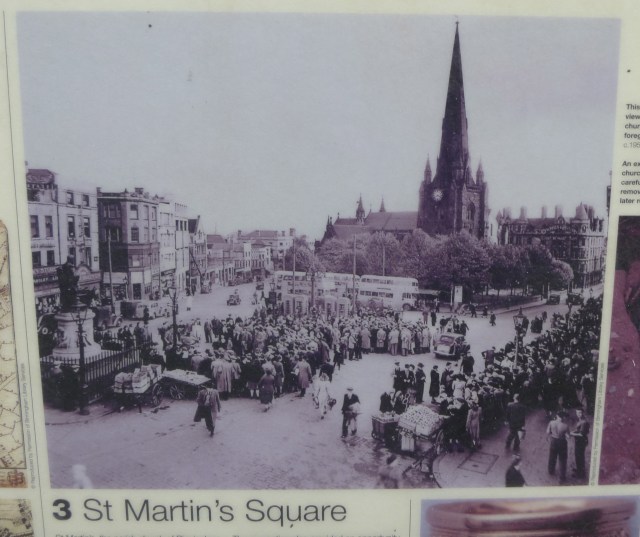
Square in c1950

Looking towards St Martin’s Church with the Bull Ring Market in the foreground (c1950)

St Martin's 1

It is now almost impossible to take a photograph of St Martin’s

We found that St Martin’s (the only Birmingham church listed by Jenkins) was literally a few minutes walk from our Back-to-Back ‘experience’. So it became the excursion on the final morning of our stay before checking out at 10 and catching our trains before 11.

Although the opening time is 10am we noticed a cafe and office attached to the church and a figure moving about. The very kind receptionist understood our ‘plight’ and allowed us to go inside and take a look at the Pugin-influenced building, rebuilt on the site of an older church, in 1873-75 by J.A.Chatwin who had worked with A.W.N.Pugin.

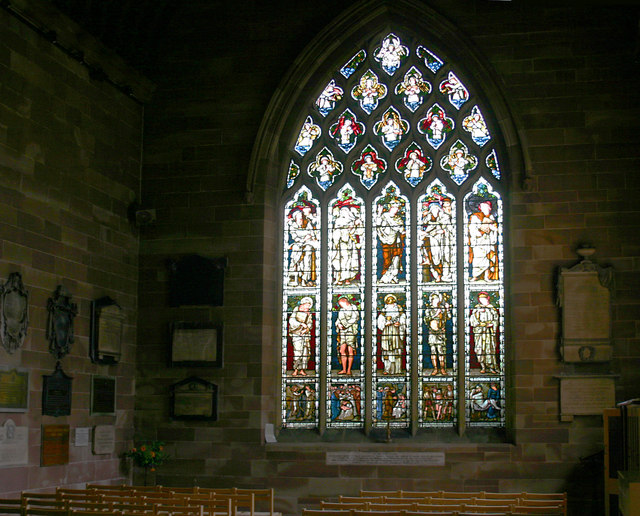
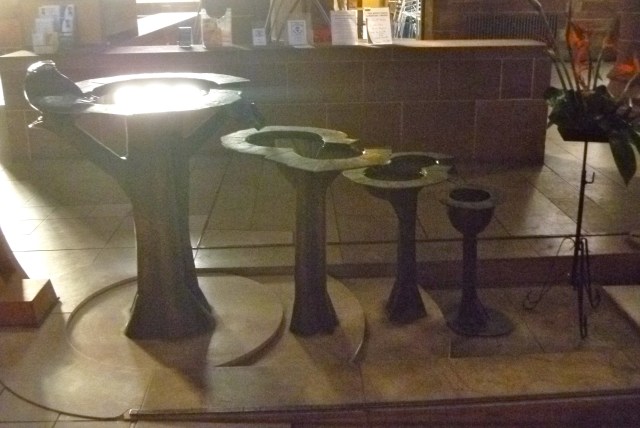
There’s a hammerbeam roof, a modern font, Decorated arches, 14th century alabaster effigies and a beautiful, early Burne-Jones stained glass window.

Burne-Jones Window

Burne-Jones  Window [source]

Font

The Modern Baptismal Font Cast in Bronze by Jacqueline Gruber Stieger in 2002.

Our helpful guide also told us two other facts. The first was that the church has a rare outdoor pulpit and the second, nothing to do with ecclesiastical facts at all, was how to make an ‘infinity scarf’ (another term, new to me, for a snood or cowl) by the ‘arm-knitting method‘!

Outdoor pulpit

Outdoor Pulpit and reflection of Selfridges.

Arm Knitting Demonstration

New St Reflections

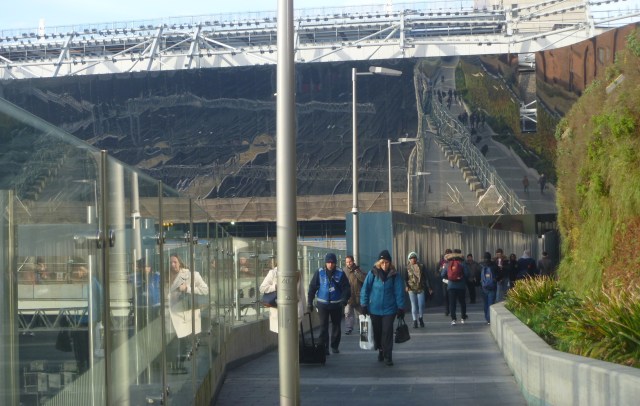
Birmingham New Street Station Reflections as we leave

A Sanitised Back-To-Back Experience in Birmingham

Earlier this year I expressed a wish to one day visit the newly opened Library of Birmingham. My friend Ann immediately volunteered to accompany me and suggested that we book a few nights at one of the National Trust Back-to-Back houses. And so it was arranged back in March.

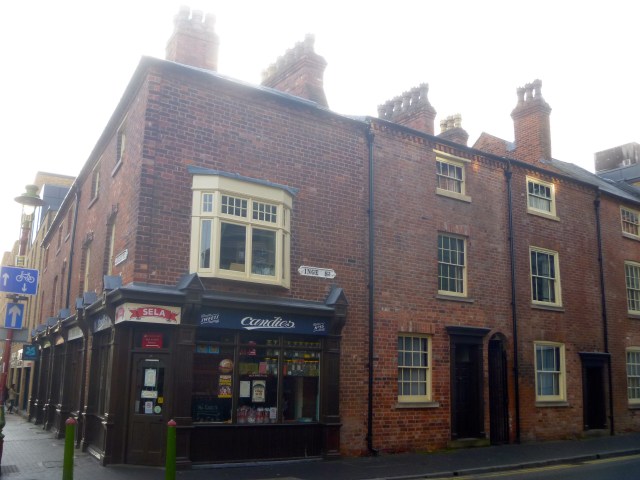
52 Inge St

Number 52 is the right of the entry

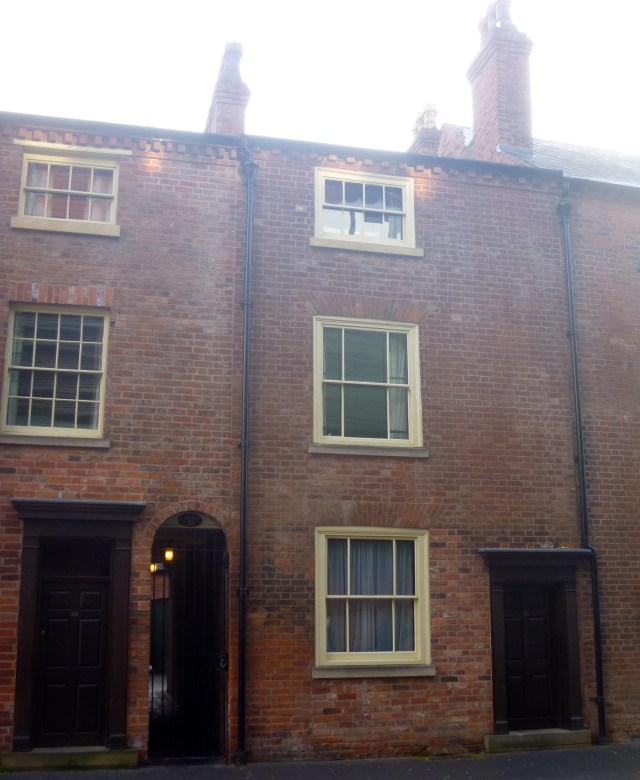
Located in the heart of the city centre, 52 Inge Street is one of eleven small houses that make up Birmingham’s last surviving courtyard of Back-to-Back houses. Inge Street is located next to the Birmingham Hippodrome. Stay here and become a part of urban history whilst accessing all the benefits that this vibrant cultural centre has to offer. The house has been styled in the Victorian period and is set over three floors. We read this and booked ourselves in for three nights from 22 November.

Street Plan

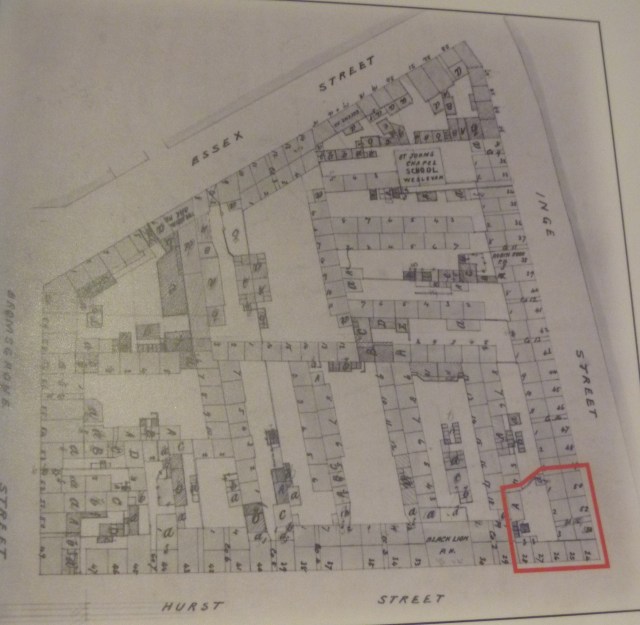
Plan showing Birmingham Back-to-Backs and Court 15

We couldn’t stay in a Back-to-Back without doing the public tour so we booked on the first tour on the Sunday morning. Before 9am we knew that preparations were being made for the visitor tours – we could smell the coal fires in the house that faced into the courtyard and backed onto ours.

B2B kitchen table

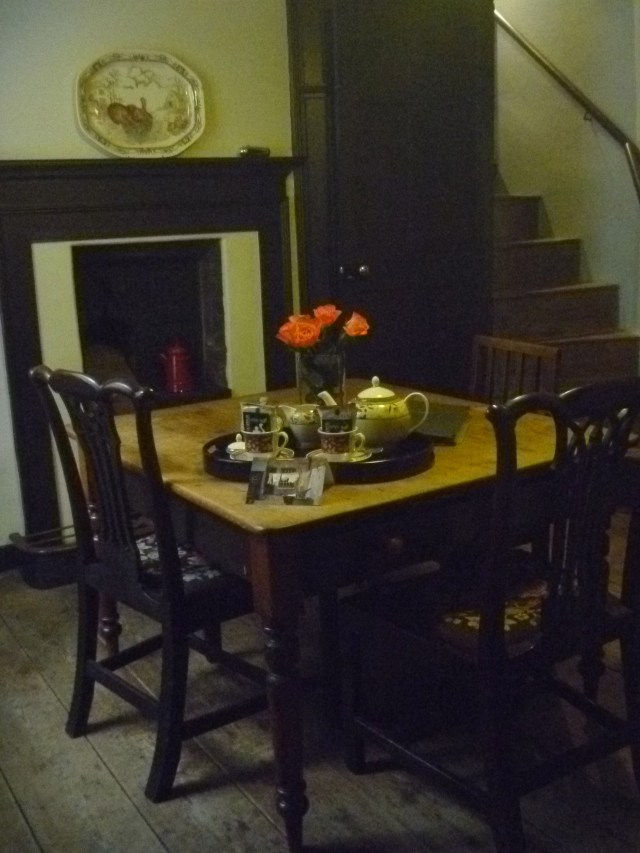
Our Back-to-Back kitchen table

capsule kitchen

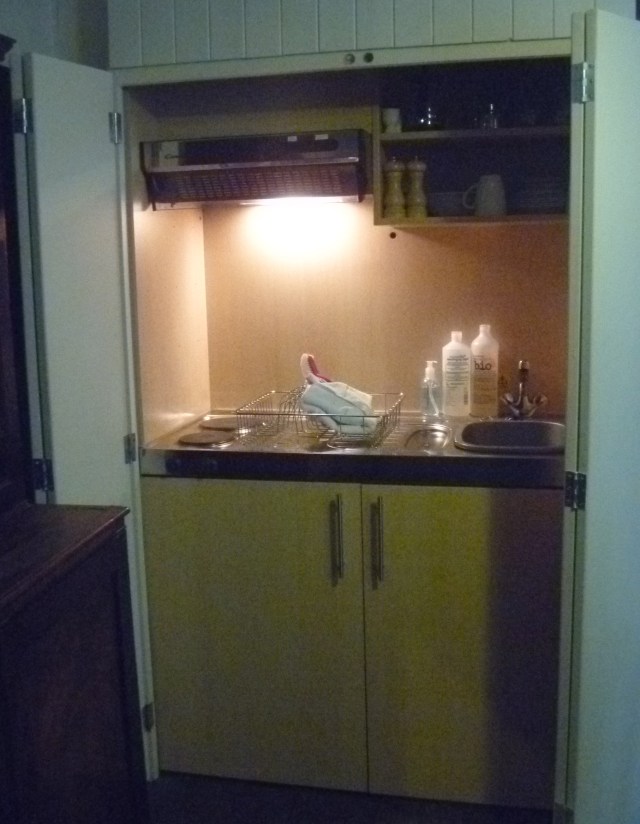
And capsule kitchen

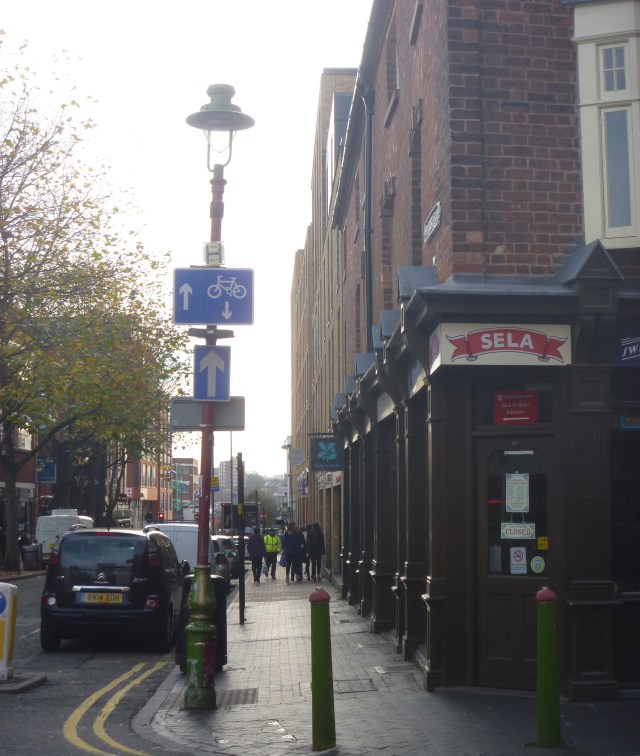
At 10 o’clock on the Sunday morning we popped out of our house and trotted round the corner to the National Trust shop and visitor centre where there is a small introductory exhibition. A few minutes later we all assembled outside the corner sweet shop for a most entertaining tour of four properties.

Corner shop

Buildings frozen in time
From the 1840s to the 1970s, see how people lived and worked in our courtyard. Come and see the bedroom come workshop of Mr Levi, see the meal time ready kitchen of Mrs Oldfield and take a peek at George Saunders’ tailor’s shop and see what he’s been making.” [NT website]

The interiors are furnished from the 1840s, 1870s, 1930s and 1970s. Read here about the background to the 1970s house which is still privately owned but under the care of the National Trust. One of the rooms is still decorated in the original of this Cath Kidston reproduction design.

42611

Hurst St

The National Trust shop is on Hurst Street

Up and down creaking twisting staircases; minding our heads on low beams; being careful not to touch the lead painted attic but being allowed to touch just about everything else it was a marvel to behold tiny rooms with narrow beds which slept many children, the very few clothes and belongings of the inhabitants and the tools of the trades carried out in these homes. No photography was allowed inside the properties.

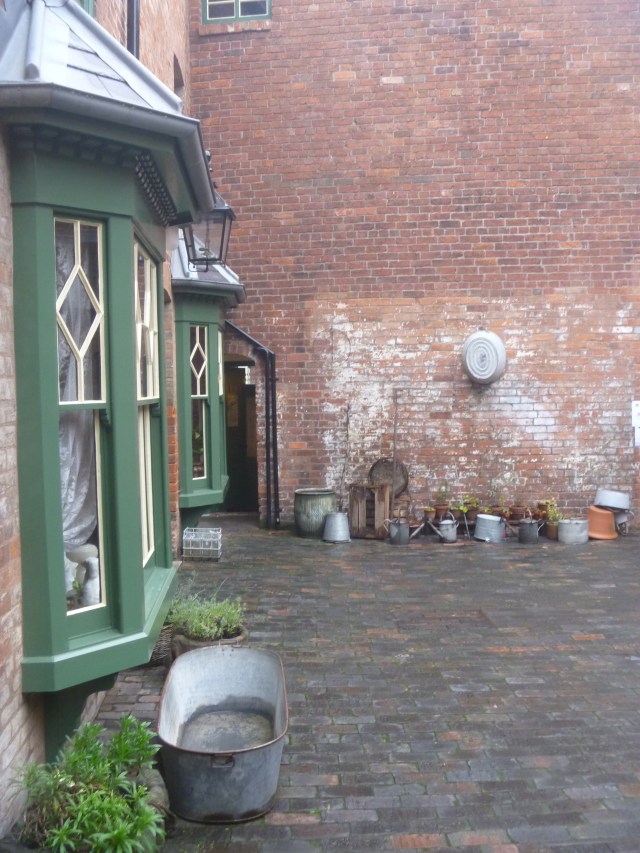
Courtyard

The Courtyard

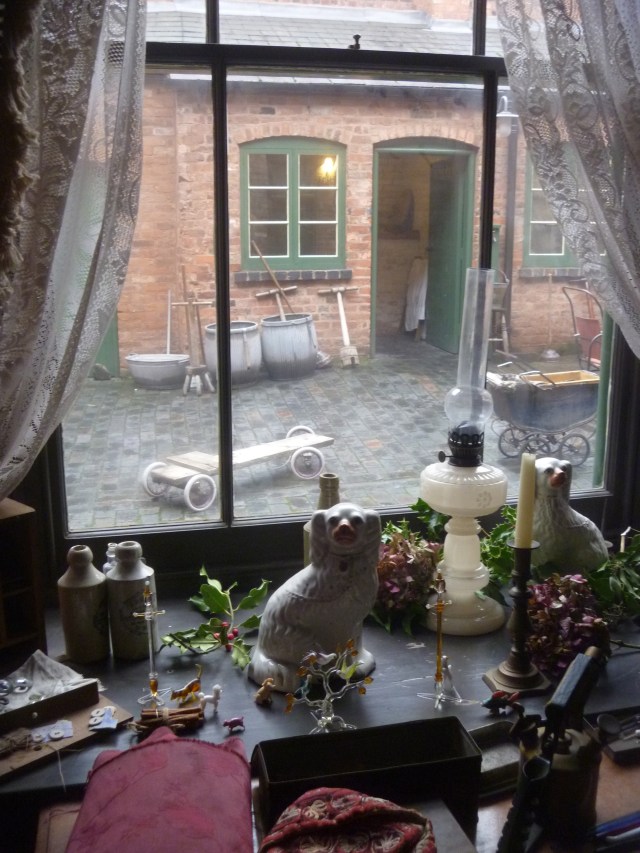
Window view

Window View

We have a lot to be thankful for these days. But here in Leeds many people still live in the back-to-backs.

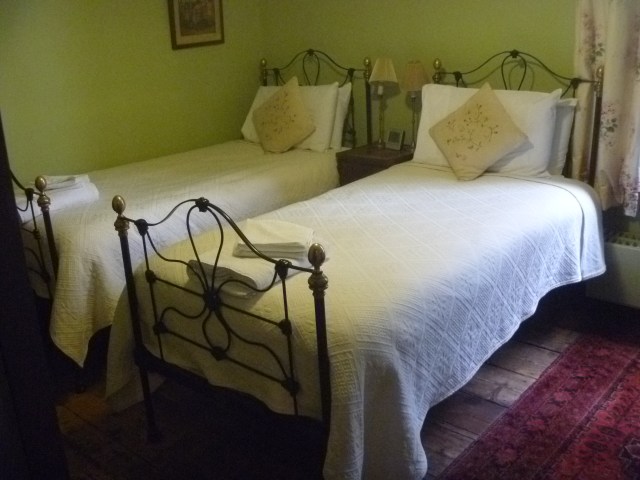
Bedroom

Our Victorian Bedroom

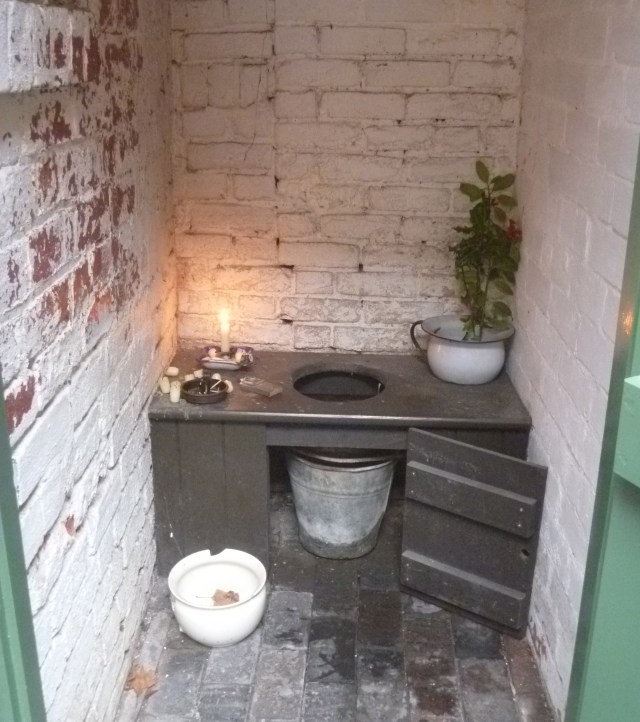
Loo 1

Luckily this was not our en-suite!

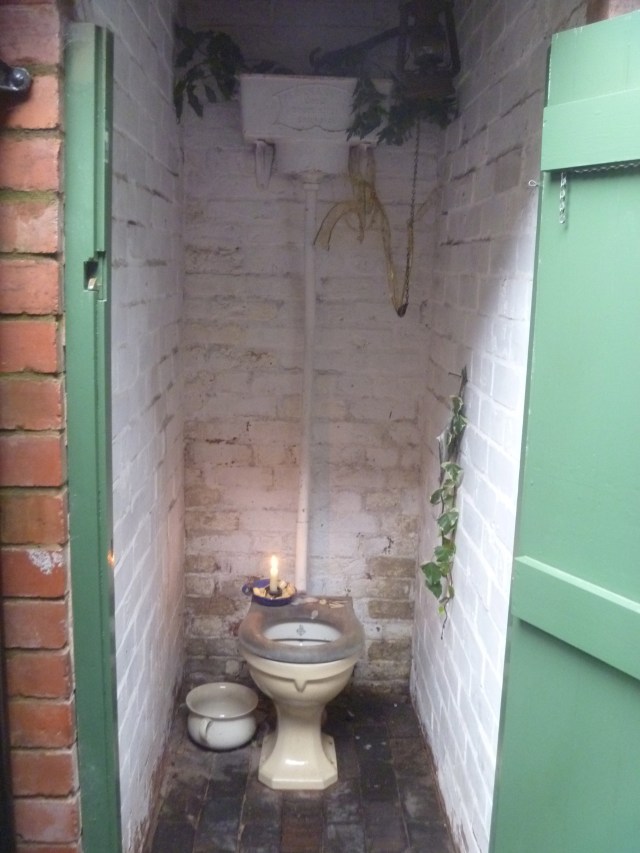
Loo 2

And nor was this!

Properties at Peppercombe

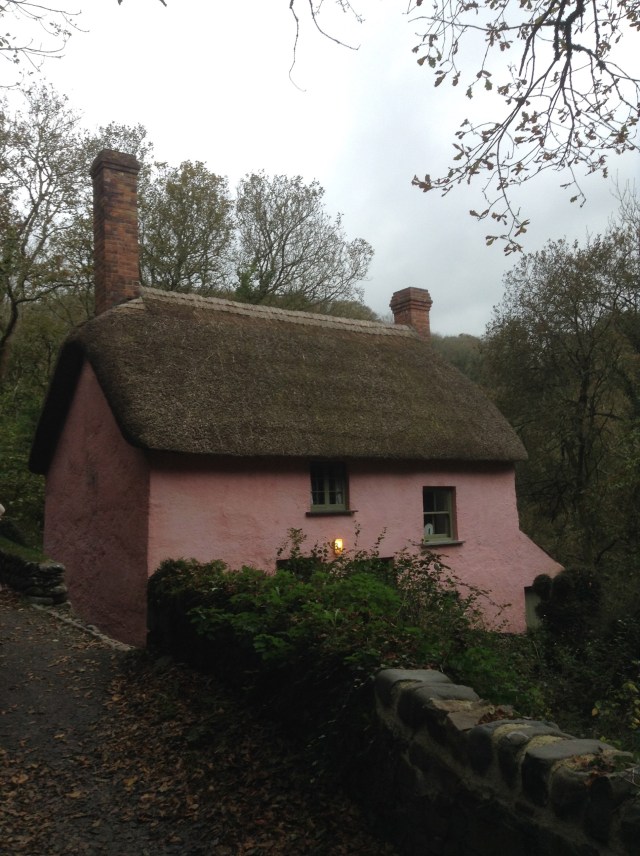
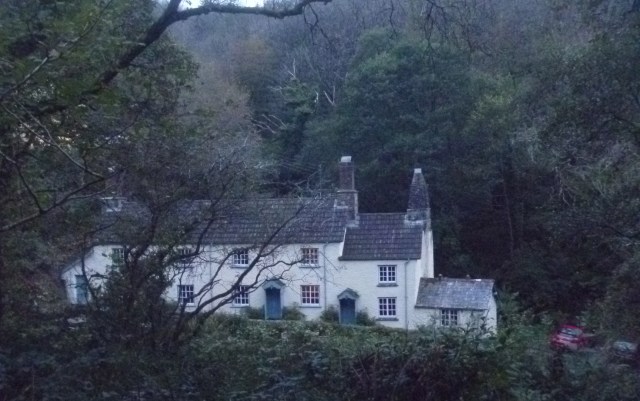
Bridge Cottage Peppercombe

Bridge Cottage, Peppercombe

In the evening at Bridge Cottage I found a little book on the library shelves :

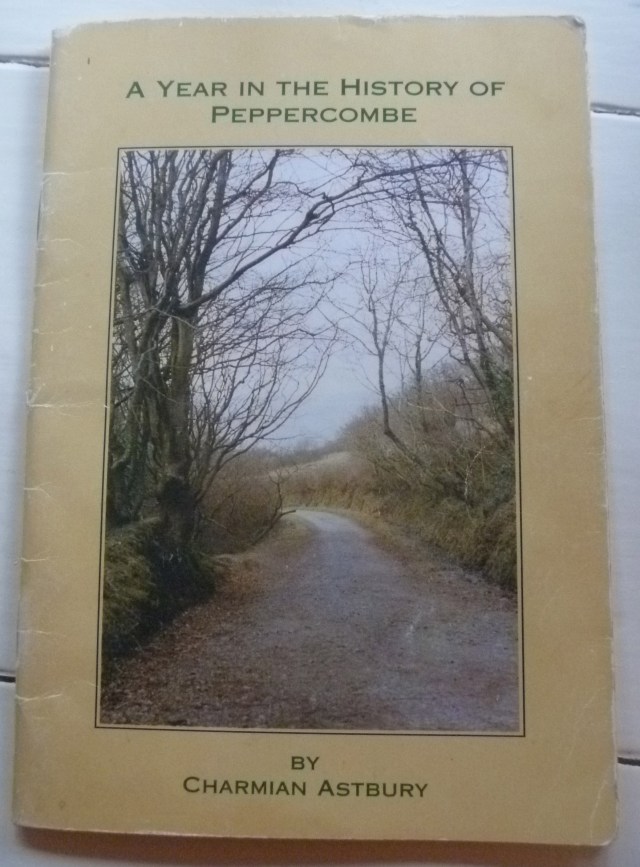
Peppercombe book

Midway down the valley , deep in the woodland beside the first of the bridges , stands Bridge Cottage. Built about 1830 of stone and cob, it has stood derelict for years, suffering the onslaught of both weather and casual vandalism. Now pink -washed and with a good thatched roof and chimney once more, it is home to holidaymakers throughout the year. Christmas sees fairy lights at its tiny windows and woodsmoke coming from its chimney.

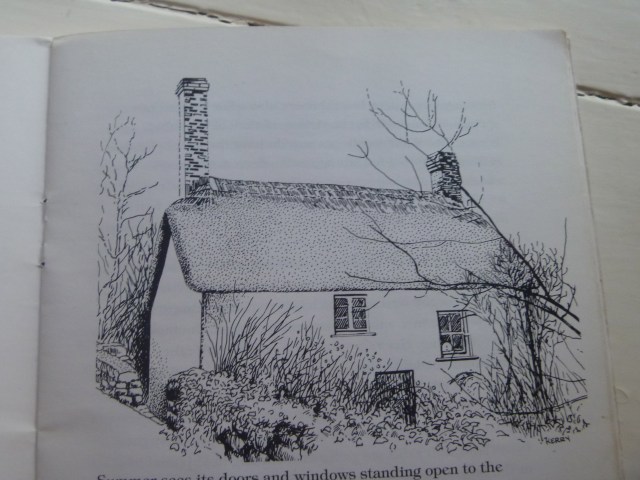
Bridge illustration

Bridge Cottage sketch by Kerry Garrett

Summer sees its doors and windows standing open to the sunlight, the woodland views, the birdsong, the splash and babble of the stream let as it cascades under the bridge by the cottage and onwards down the rocky slope. Mary Elizabeth , aunt to a very old friend of mine Eileen Tucker (who was born in Peppercombe) , lived in Bridge Cottage for a good 60 years. She came there as a bride in 1910 or thereabouts , and only left in the 1970s when she went to live with her niece. It was Mary Elizabeth who planted – tilled is the more usual word in these parts – the rhododendron and the lilac by the cottage that still bloom so richly when spring comes.” [1996. Prominent Press for Sappho Publications]

But before I settled down to read that book in the cosy sitting room with its glowing fire (its woodsmoke coming from the chimney!) I had been for a walk right along the valley to the sea. Entry to the lane from the main road at Horns Cross is by padlocked gate and I walked down to the cottage from there.

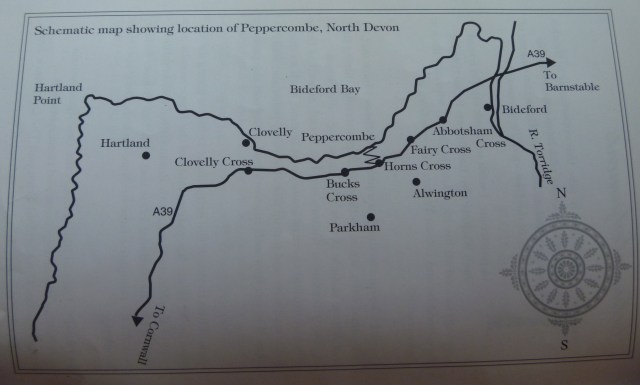
Map P'combe bk

Map showing Peppercombe and surrounding areas

From the cottage the track goes down, down, down passing some other properties (also holiday cottages but part of the National Trust portfolio) :

NT cottages, Peppercombe

Coastguard Cottages (NT)

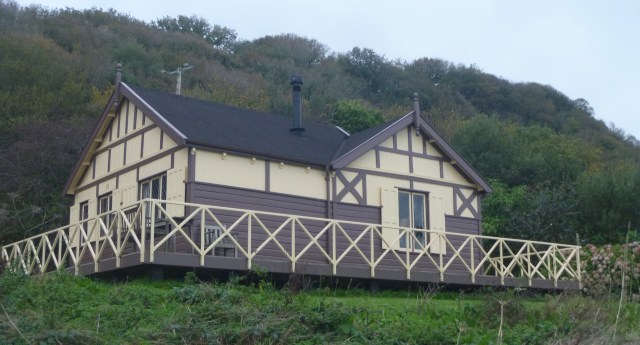
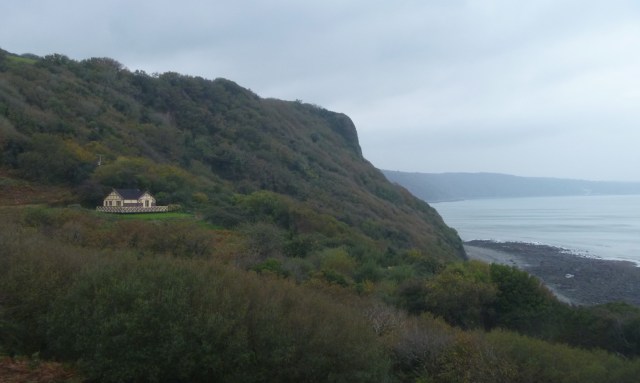
As the view opens up and the sea is revealed there on the left is an unusual building. It looks like a cricket pavilion and is painted brown and cream like the old Great Western Railway livery. It’s Castle Bungalow. Another Landmark Trust property. No-one was there so we crept around it and peeped through the windows. (Perhaps it should count as number five and a half?)

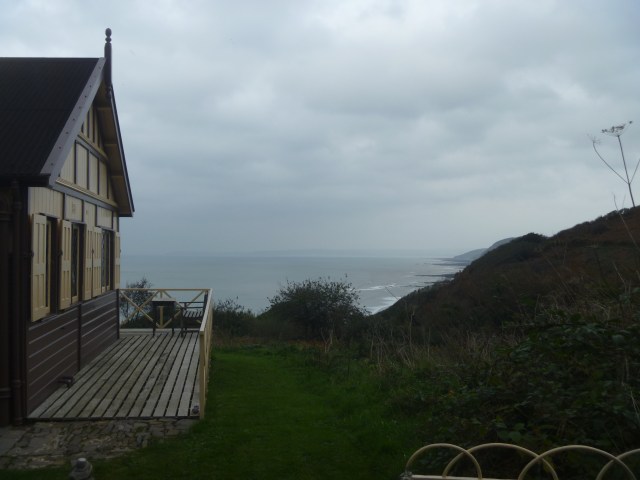
Castle Bungalow enjoys magnificent views of the coastline from the verandah. The bungalow reflects a more recent strand in Peppercombe’s history. Since the early 19th century, there has been a growing appreciation of it as a place to be valued for the beauty of its scenery. You can enjoy the views from inside this 1920s Boulton and Paul bungalow from the snug wood-lined rooms and lattice windows.” [source]

CB closer

Castle Bungalow

Like me, the Castle Bungalow comes from Norwich! Boulton and Paul, the manufacturer, was a well-known and thriving industry when I was growing up there in the 1950s and 1960s.

The Landmark Trust handbook says : A catalogue in the Boulton and Paul archive advertises Residences, Bungalows and Cottages ranging from a substantial six-bedroom house on two storeys (at £4,000) to Bungalow B49 with just a bedroom, a living room and a verandah (in case you should live in the tropics). This, with brick foundations and carriage paid to the nearest goods station cost just £280.

CB Welcome tray

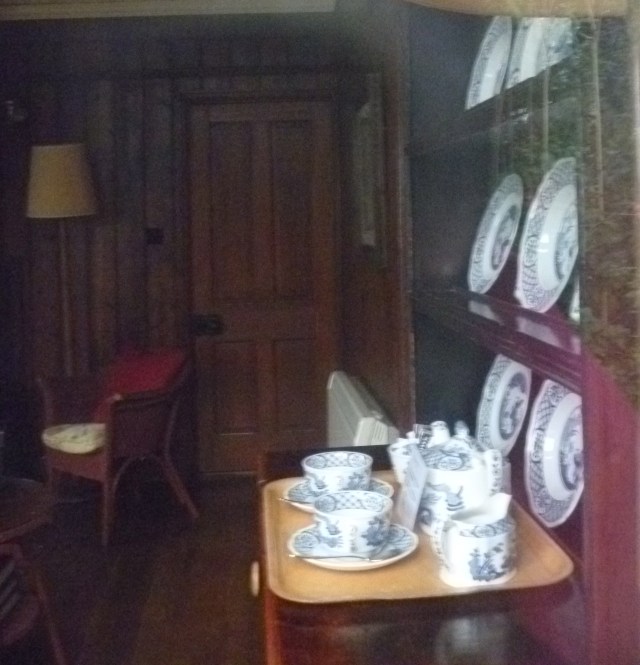
The Castle Bungalow Welcome Tray (through the window)

As it says in the Boulton and Paul website link above “Nothing too big, too small, or too difficult, was outside the scope of their ingenuity.”

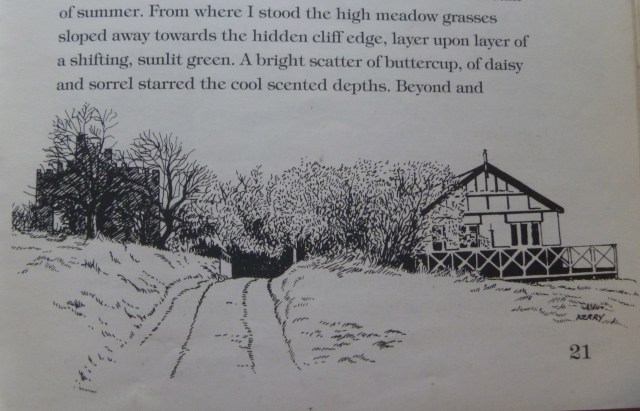
Castle B in book

Drawing of the bungalow from the Peppercombe history book

CB and sea

The Southwest Coastal Path national trail passes along the coast here and we couldn’t resist joining it for a while to get a view of the Castle Bungalow in its setting and, of course, just sit on a quiet bench and contemplate the sea and the sky and peaceful scene in front of us.  In the other direction, beyond the bungalow, the path heads towards nearby picture-postcard Clovelly.

CB in position

Castle Bungalow and the sea from the SW Path bench

I spent just one night as a guest at Bridge Cottage … I hope the Christmas Landmarkers will bring fairy lights for the windows!

Gibside : “The Chapell, Greenhouse, Banquiting House, Bath, Gardens, and Walks, [and] pleasure grounds are all gone to Ruin.”

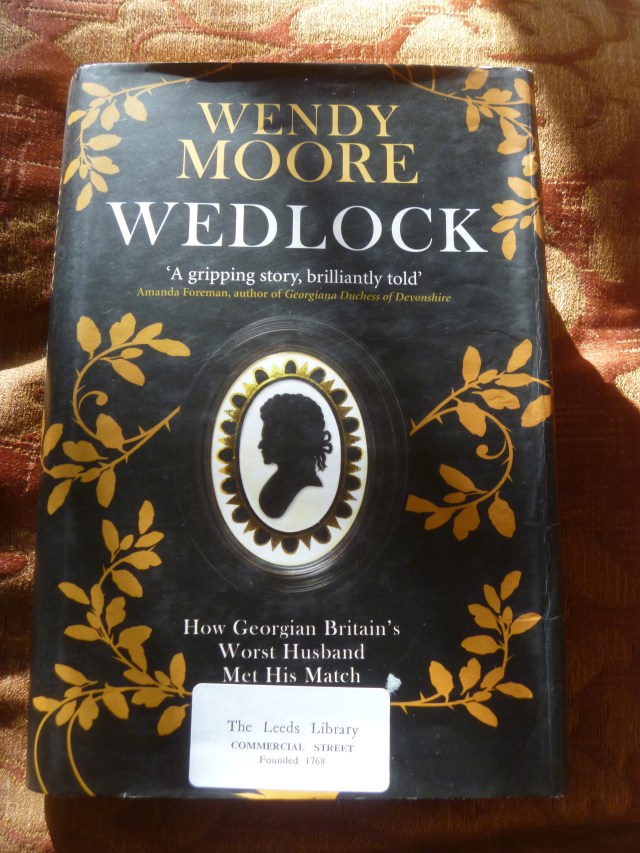
Last week I finished reading ‘Wedlock’ by Wendy Moore, subtitled on the cover ‘How Georgian Britain’s Worst Husband met his Match’. And what a tale it tells. It’s been recommended to me from several sources not least from Nilly Hall‘s wittily titled ‘Bowes and Cupid’s Arrows‘ published last February.

Wedlock

The book is the story of Mary Eleanor Bowes (1749-1800) daughter of the coal baron creator of “Gibside, a Georgian ‘grand design’ on a spectacular scale. The vision of coal baron George Bowes, the Palladian chapel is an architectural masterpiece, the stable block is a vibrant learning and discovery centre, and the once grand hall is now a dramatic shell. Gibside is also a haven for wildlife with red kites often circling in the skies above.” [NT]

Stable Block 2

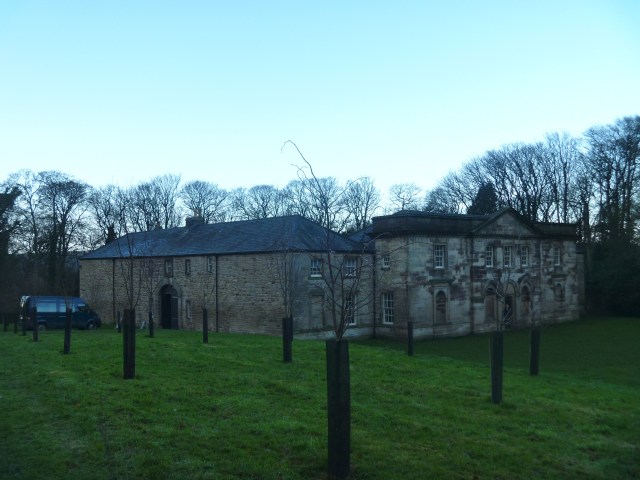
The Stable Block

Gibside just a few miles from Newcastle is now the property of the National Trust. I have visited Gibside twice. The most recent time was just last December on my way to a course at Sage plc.

The Chapell

The Chapell

Orangery

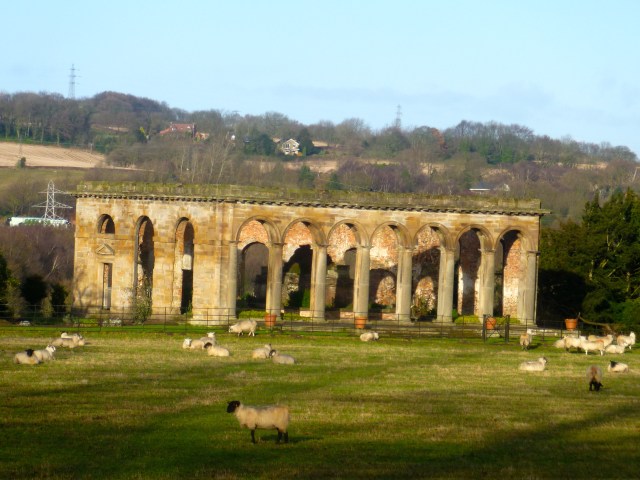
The Greenhouse or Orangery

Banqueting House

The Banquiting House

The water feature below the Banqueting House was an elegant octagonal pond built in the Greek style to add to the stately vistas. A fountain cooled he air and statues stood on the terraces above. The Banqueting House was restored by The Landmark Trust after many years of neglect. That same neglect has had some happy consequences for the pond. It is now a Site of Special Scientific Interest (SSSI) for its population of great crested newts. There are no plans to restore the Octagon Pond as any such work could destroy the habitat of these shy and rare creatures, as well as upsetting the many other types of bird and aquatic life that thrive here. [Extracted from the Information Board at the Pond]

A highly educated woman for her time Mary Eleanor’s father, George Bowes, died when she was 11 leaving her a vast fortune and prey to future gold-diggers. She married her first husband, John Lyon, the 9th Earl of Strathmore, in 1767, gave birth to five children in six years and was left a widow when Lyon died of tuberculosis in 1776.

Her second marriage to Andrew Robinson Stoney, an Anglo-Irish adventurer, was a total disaster. Self-styled ‘Captain’ Stoney duped Mary into marriage in 1777. From then on she was brutally treated and virtually held captive by him. Finally, she did manage to escape his clutches and even to divorce him – highly unusual at the time. He is the origin of the term “stony broke” – he died in a debtor’s prison – and he was the inspiration to William Makepeace Thackeray who learned of Stoney Bowes’ life story from the Countess’s grandson John Bowes and used it in his novel “The Luck of Barry Lyndon.” 

Stoney’s or Bowes’, as he is called in the book (in compliance with Mary’s father’s will, Stoney changed his name to Bowes his marriage to Mary Eleanor), greed was responsible for the ruin of Gibside and the destruction of thousands of trees on the estate .

It is ironic that Mary’s father constructed the Column of Liberty in the grounds of the estate when for several years during her marriage to Bowes she was very far from being at liberty.

Column of Liberty

The Column of Liberty at Gibside

The Aislabie Walk from Fountains Abbey – The Short Route

Referring back to the Barden Moor Access Area practice walk a couple of weeks ago I’m pleased to announce that the alternative walk, which I had initially thought rather dull, was a big success so here’s a brief description of it and some photos. You will notice that the weather was exceptional that day. Several days on either side were dark and wet but the weather last Thursday was truly a gift.

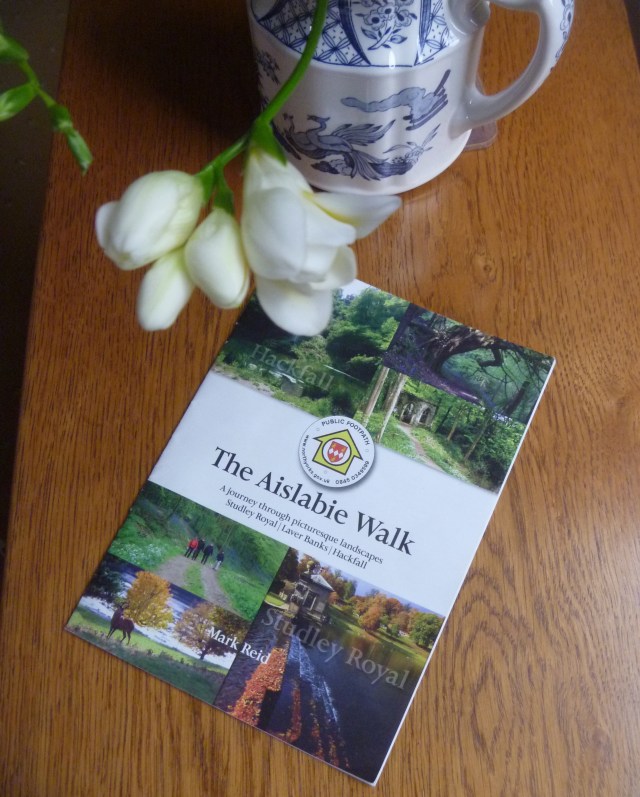
Aislabie Walk

The walk was taken from a rather nice leaflet I picked up on a previous visit to Fountains Abbey. The Aislabie Walk (subtitled A journey through picturesque landscapes) is 17.5 miles (allow 8-9 hours) altogether. It’s a circular walk from Fountains Abbey (car parks and toilets) to Hackfall and back. However, along the way there are several points at which you can cut short the route and I chose the 7.5 mile option.

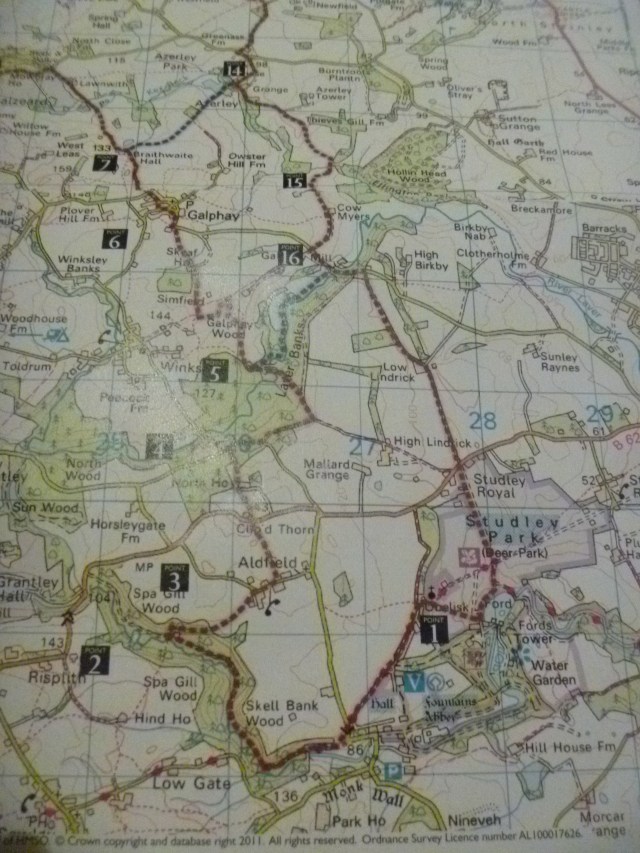
Aislabie map

We parked at the main Visitor Centre car park and set off down the road to the River Skell following it west and then north for nearly two miles until we reached the old sulphur springs and ruined buildings of Aldfield Spa. You could smell them as you approached.

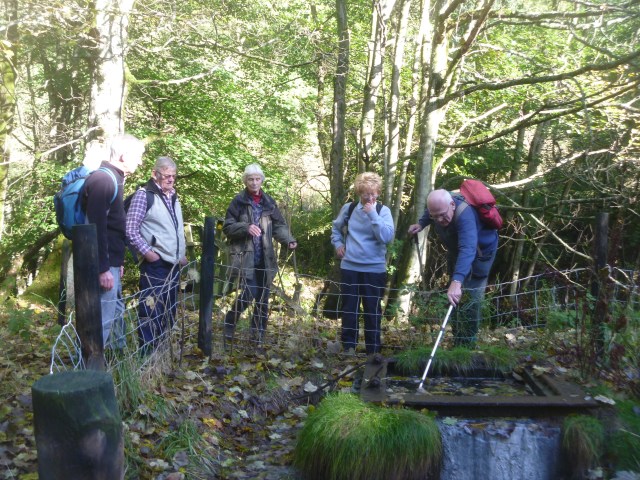
Sulphur Springs

The Wanderers disturbing the Sulphur Springs

From the Springs we headed slightly uphill to Aldfield village itself, passed through a couple of fields of kale (this had been what I remembered as the ‘dull’ part of the walk, across meadows to Laver Banks where we lunched at Woodhouse Bridge and joined the road later at Galphay Mill Bridge (point 5 to point 16 on the map).

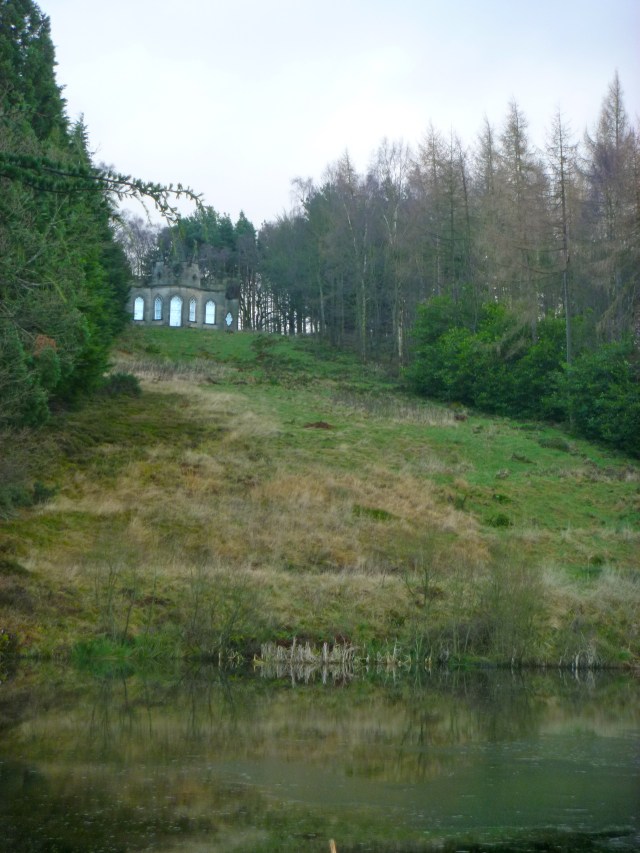
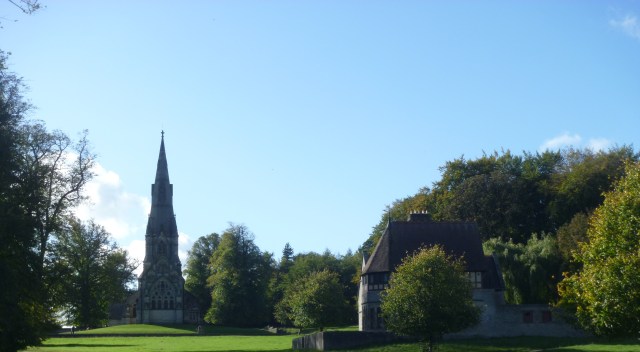
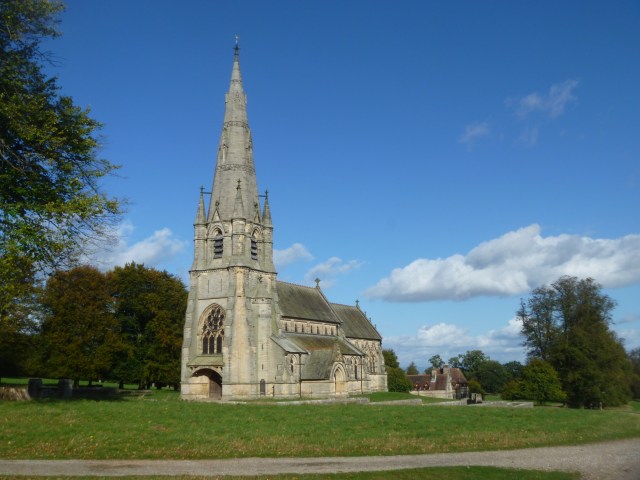
A pleasant track through former parkland, now grazed by cows, brought us back to the the gates of Studley Royal Park. We crossed the deer park (only spotted one) taking in views of the Choristers’ House, St Mary’s Church and Ripon Cathedral.

Studley Royal

Studley Royal Hall much of which was destroyed by fire in 1946

Ripon Cathedral in the distance

Ripon Cathedral in the distance

Church and House

St Mary’s Church and the Choristers’ House

St Mary's

St Mary’s, Studley Royal Church

So my concerns about the walk were not at all justified and a good day out was had by all!

Hailes Abbey Walk

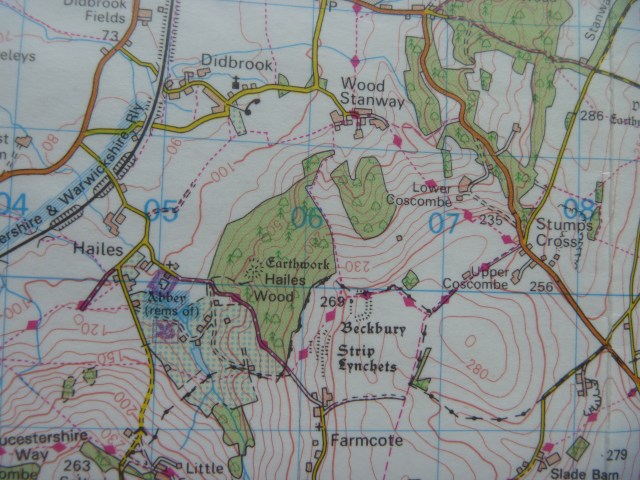
HA Route map

Our Route : The Pink Diamonds indicate The Cotswold Way

Tewkesbury is only a few miles from The Cotswolds so on Sunday my sister and I chose the five mile walk “Thomas Cromwell and Hailes Abbey: how an important abbey was destroyed by a King’s Commissioner”. We drove the few miles to Hailes Abbey and parked up by the church. We decided to have our picnic lunch in the Abbey grounds after the hike.

Hailes Church

Hailes Church (undedicated)

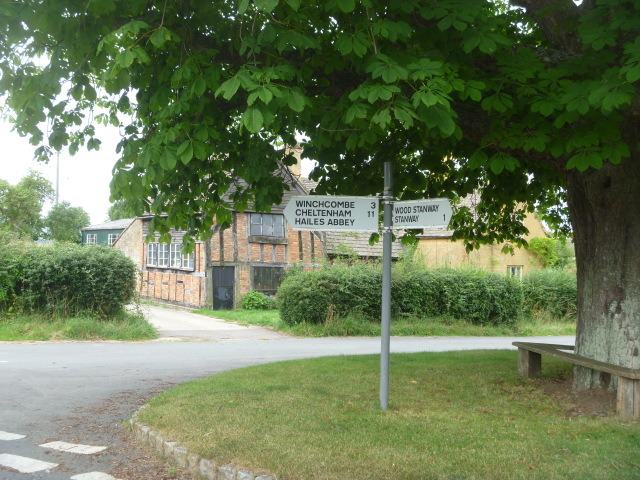
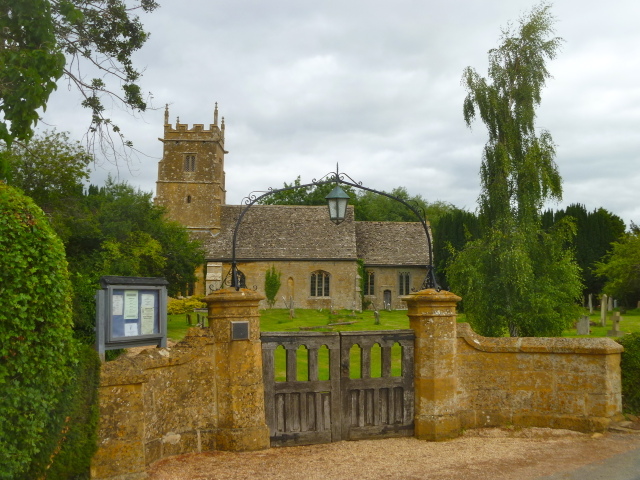
After a short distance back-tracking down the lane we headed off the road along grassy field paths to the village of Didbrook. We were surprised that this village had a primary school besides the honey-coloured stone church and houses. The school does serve a largish catchment area though, not just the village.

Didbrook

Acorn Smithy in Didbrook

Didbrook Church

St George, Didbrook

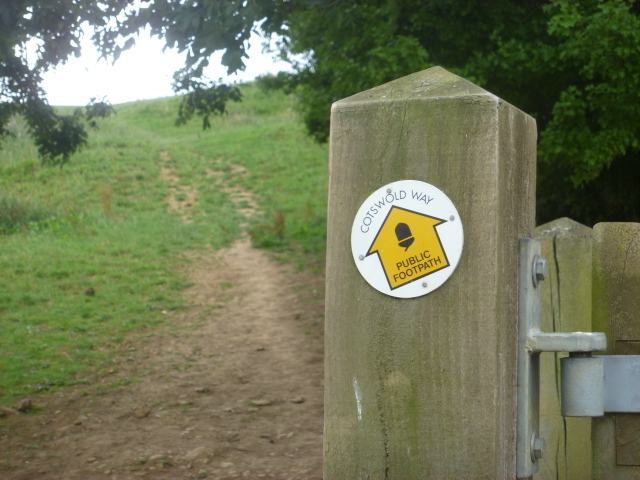
After Wood Stanway, which we approached along quiet country lanes, we joined the Cotswold Way which is a National Trail and indicates to us a well-marked route with its acorn-topped wooden marker posts. After quite a climb we were pleased to see a wooden bench and enjoy the view towards the Malvern Hills and possibly the Welsh Mountains too.

The Cotswold Way

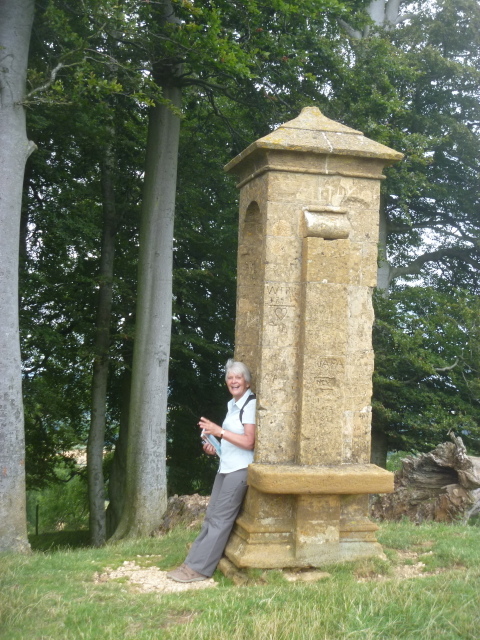
After passing the ramparts of an Iron Age fort (Beckbury Camp) we came across a bizarre little stone pillar with a niche carved out of it. According to local lore it was from here that Thomas Cromwell (Wolf Hall) watched the destruction of Hailes Abbey in 1539.

Thomas Cromwell's niche

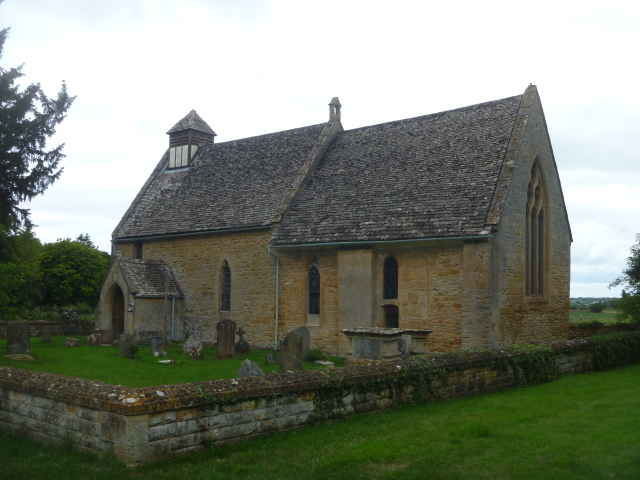
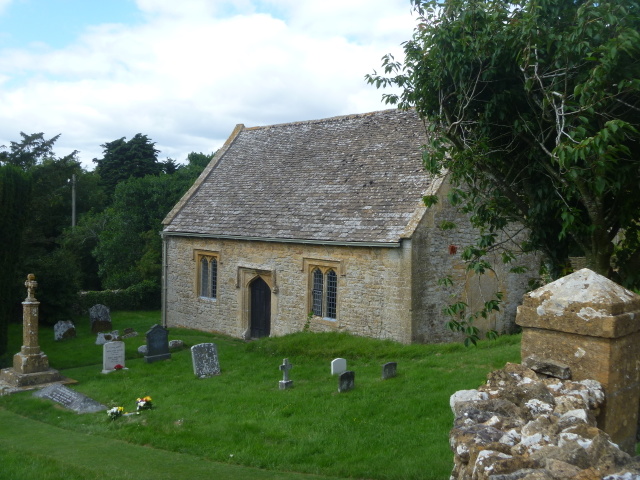
A half-mile deviation from the Cotswold Way lead us to the hamlet of Farmcote with its tiny chapel and herb and chilli peppers farm.

Farmcote Chapel

St Faith’s Church, Farmcote

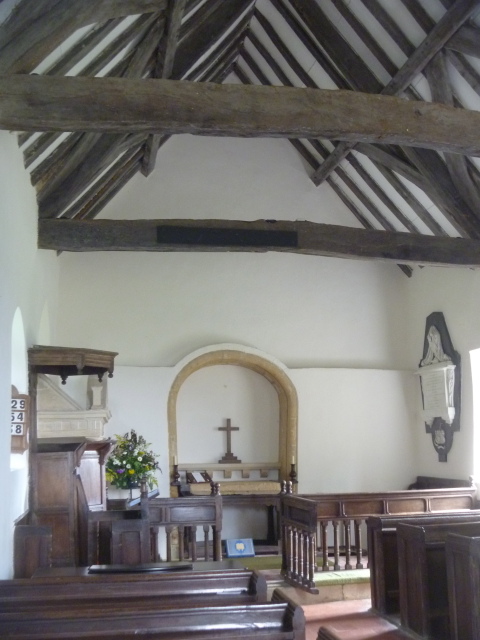
“The body of this beautiful little chapel is Saxon and fairly early Norman, though the round Saxon apse was destroyed in the early nineteenth century. It has massive windbraces and huge cross-beams, still bearing the axe marks of pillagers. It is thought that the Saxon builders of the Chapel made have made use of an earlier, possibly even Roman building. The Chapel has a Norman rectangular nave and a tiny chancel linked to it by a narrow Saxon arch. the chancel houses a Jacobean canopied oak pulpit and arcaded reading desk, oak benches of 1597, fine altar rails of the Seventeenth Century and an altar itself of the Fifteenth Century with the original Mensa slab scratched with the five crosses, symbolizing the five wounds of Christ.” BBC Domesday

St Faith's interior

St Faith’s Farmcote : Interior

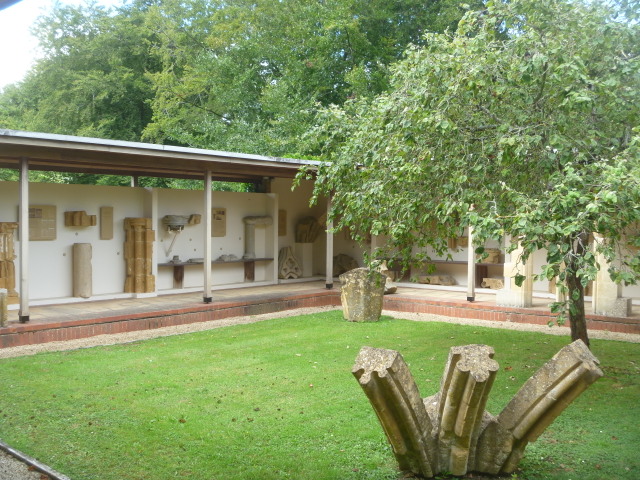
From Farmcote we descended steadily down the track (Cotswold Way) to the road and Hailes Abbey where we flashed our National Trust cards and settled at a picnic table for our well-earned tasty lunch! After lunch we walked around the Abbey grounds studying the information boards and the museum artefacts and discovering just how important this lonely ruin off the beaten track had once been.
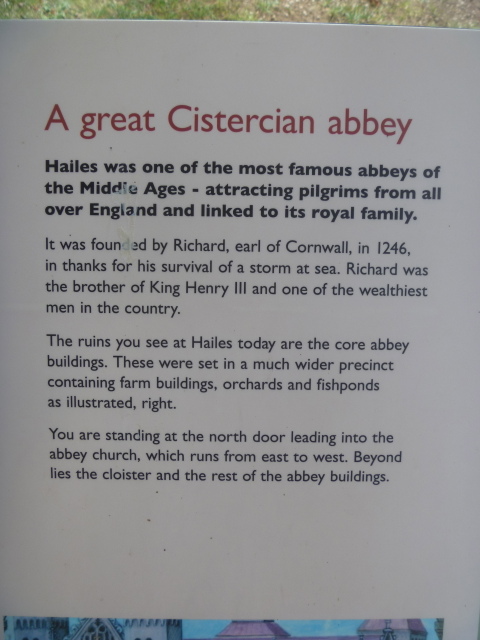
Welcome

Welcome to the Cistercian Abbey of Hailes

Museum

Hailes Abbey Museum

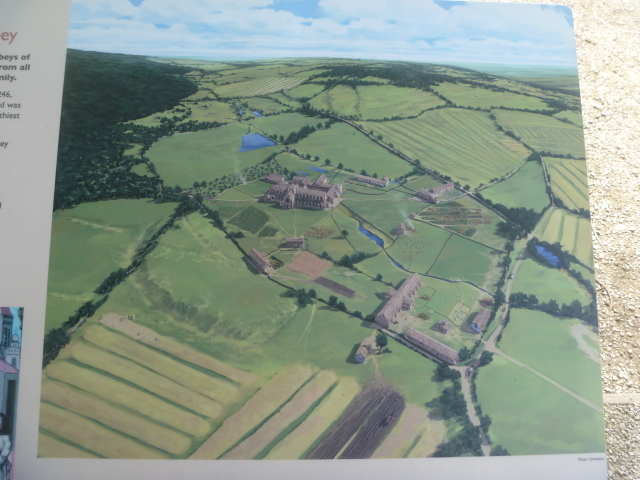
As it was

Hailes as it was

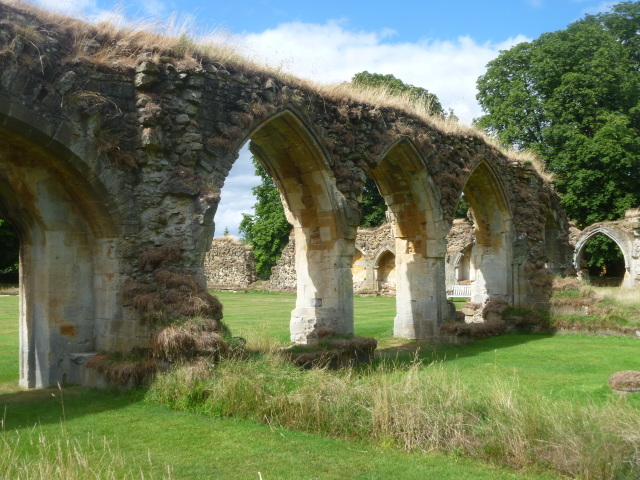
Ruins

Ruined Cloister Walls, Hailes Abbey

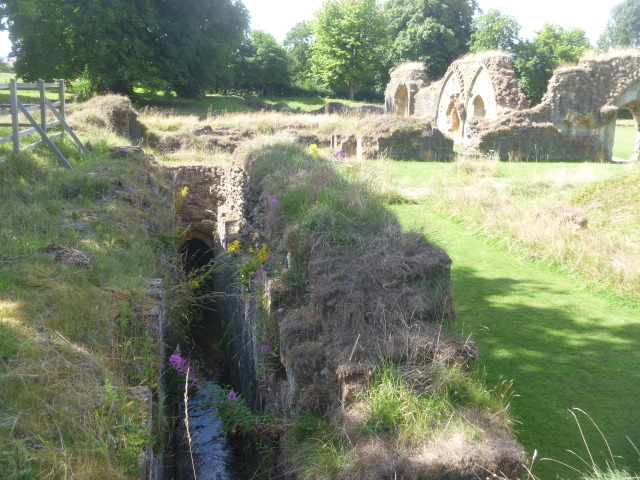
Culverts

The Drainage Culverts Established by the Monks – Still in Use Today

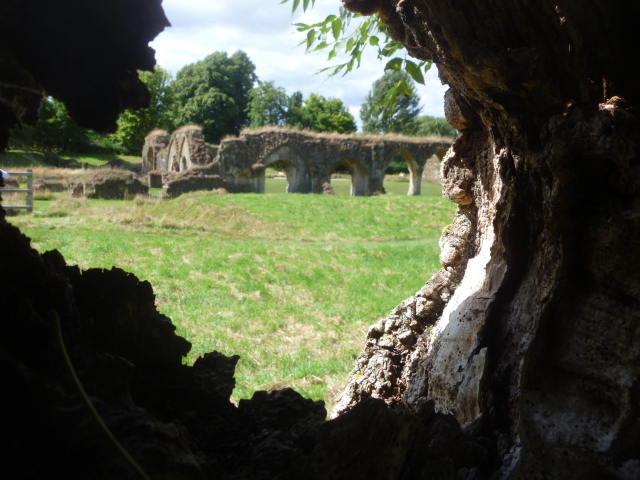
Abbey through tree

Goodbye Hailes Abbey