A Dam Busters Walk and A Damn Good Lunch

Our younger son lives in Sheffield so we arranged to go Christmas Shopping (with a difference) together today. We met up at The Ladybower Inn then headed to a small car park beside the upper part of Ladybower Reservoir in the Derbyshire Peak District National Park.

Ladybower2

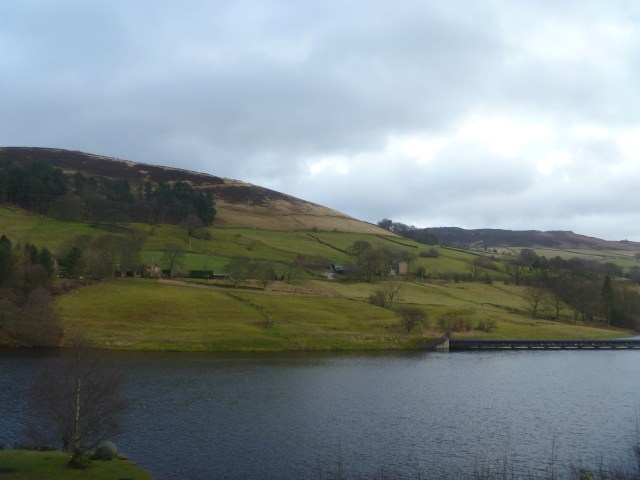
Lovely Ladybower

There are good paths along the edge of the ‘lake’ and there’s a visitor centre and cafe and other facilities at the northern end of the reservoir.

Dambuster books

A Selection of Dam Busters Books in the Visitors Centre

From there it’s a bit of a climb up to the Upper Derwent Reservoir where the ‘Dam Busters’ trained and practiced their low level flying during the Second World War.

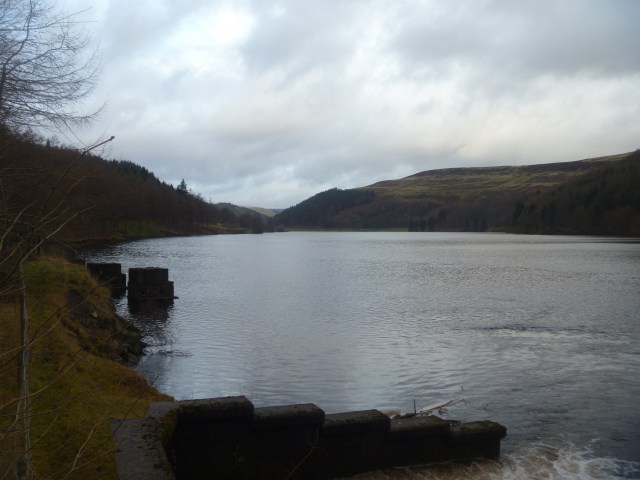
Upper Derwent Reservoir

The Upper Derwent Reservoir

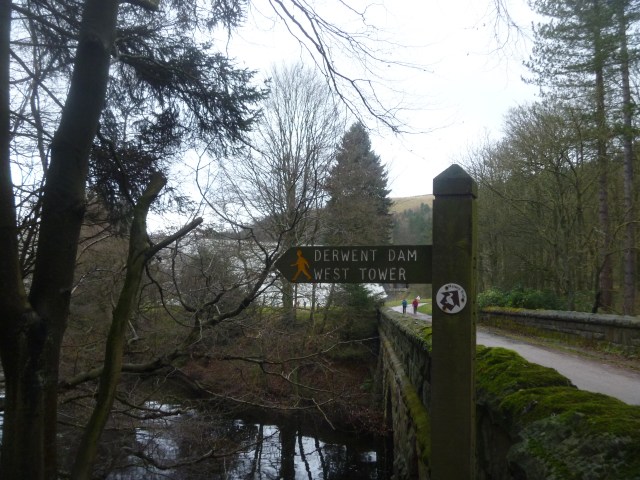
Derwent Dam and Sign

Note the Derwent Dam (very loud!) in the background

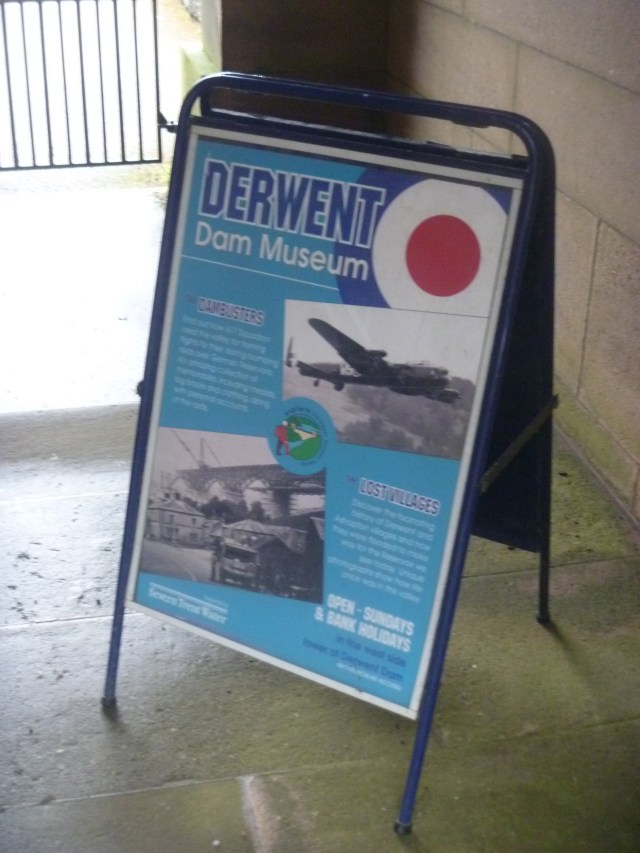
Derwent reservoir was used by the RAF’s Dambusters to practise their low level flying techniques during 1943, in preparation for delivering Barnes Wallis’ famous ‘bouncing bombs’ to German dams. Located in the West Tower of the Derwent Valley Dam is the Derwent Dam (617 Squadron) Museum which houses a collection of memorabilia dedicated to the famous Dams Raid carried out by 617 “Dambusters” Squadron.

Dam Museum

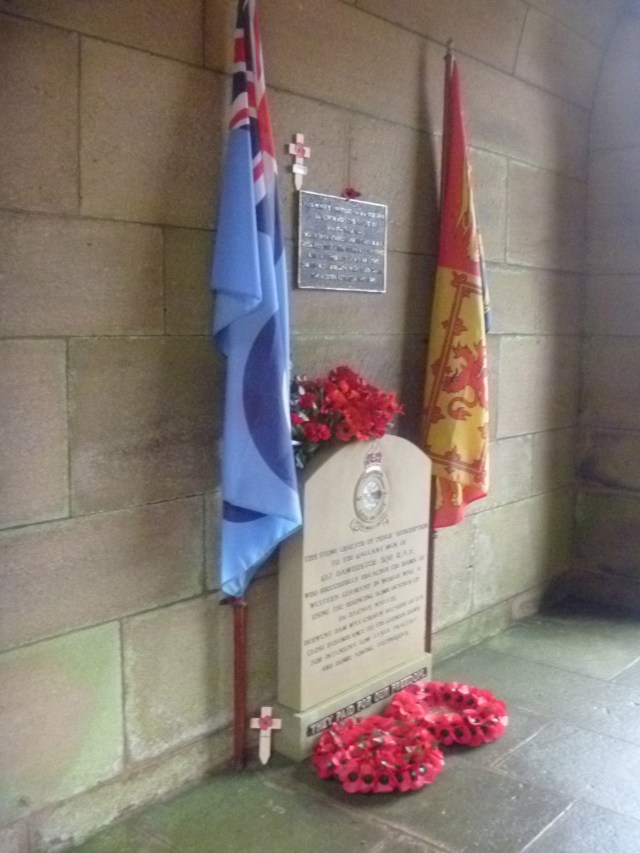
Dam Busters Memorial

Dam Buster’s Memorial

It includes photographs and other material covering all aspects of the Dams Raid, including details of the training flights carried out by 617 Squadron over the Derwent Dam and material relating to the film “The Dambusters” starring Richard Todd as Guy Gibson, made in 1954. There is also an example of the famous “Bouncing Bomb”, which forms the centrepiece of the museum’s display. Opening times are 10.00am to 4.00pm on Sundays and Bank Holidays only.” 

[from http://www.derbyshireuk.net/derwentvalley_reservoirs.html website]

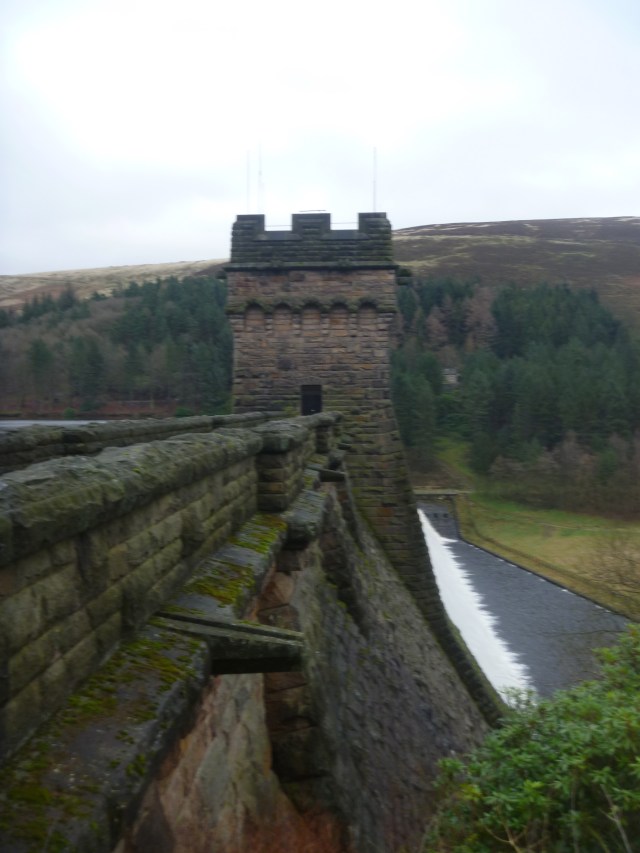
West Tower

The Museum is housed in the West Tower

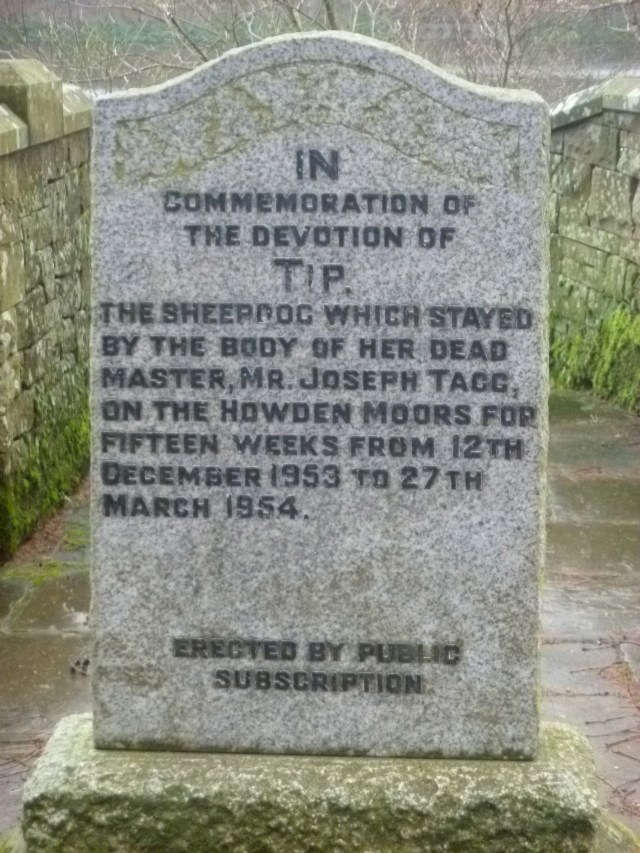
The museum was closed as our visit was on a Saturday but definitely worth a return visit. We climbed up to the see the West Tower and were intrigued to see a memorial to a loyal dog nearby.

TIP Memorial

The Memorial to faithful Tip

Our walk continued on the eastern side of the reservoir past a National Trust owned farm but only too soon it was time to turn back to the cars. N often runs right round Ladybower: a total of 11km including the additional 2 km to and from the car park at the Ladybower Inn. But the days are short at this time of year and we hadn’t even started our shopping.

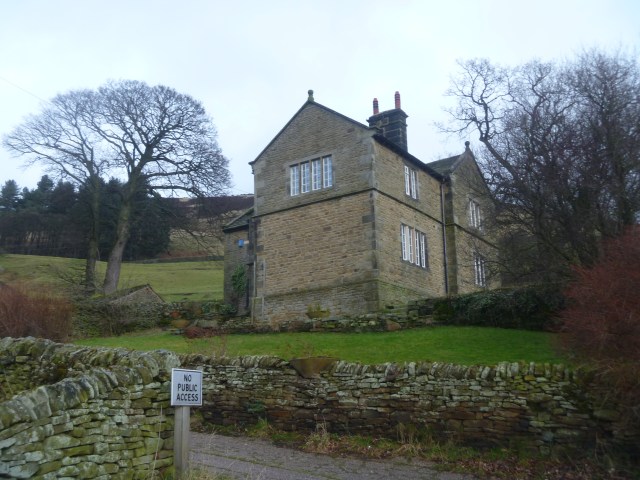
Old House Farm

Old House Farm

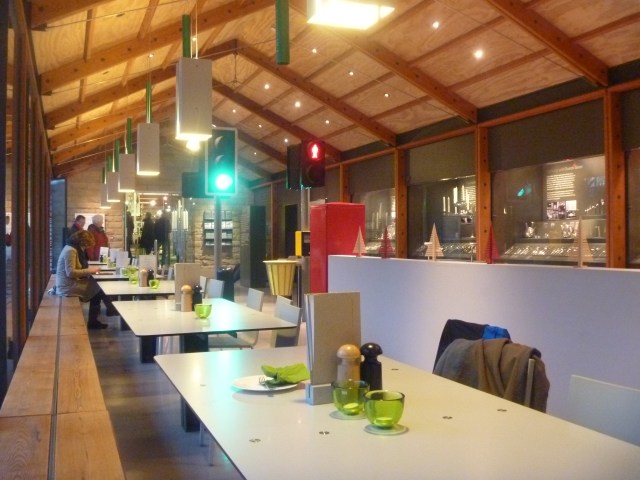
So, back at the cars we headed for Hathersage and the lovely Country Shop at David Mellor’s Round Building. I also recommend the Cafe where we had fresh warm soup and chunky bread for our late lunch. There’s also a Design Museum showcasing David Mellor’s work within the building.

Design Museum

The David Mellor Design Museum (yes, those are his traffic lights!) and Café

By 4 o’clock it was dark and time to head back up the M1 to Leeds. Yesterday the weather was icy and  freezing cold (-3C)  but with typical British contrariness today the temperature hit 8C. I’m glad I was able to make the journey without any hitches. It was well worth the trip. I hope the recipients enjoy their gifts. We certainly enjoyed shopping for them!!

A Walk to a Swiss Garden

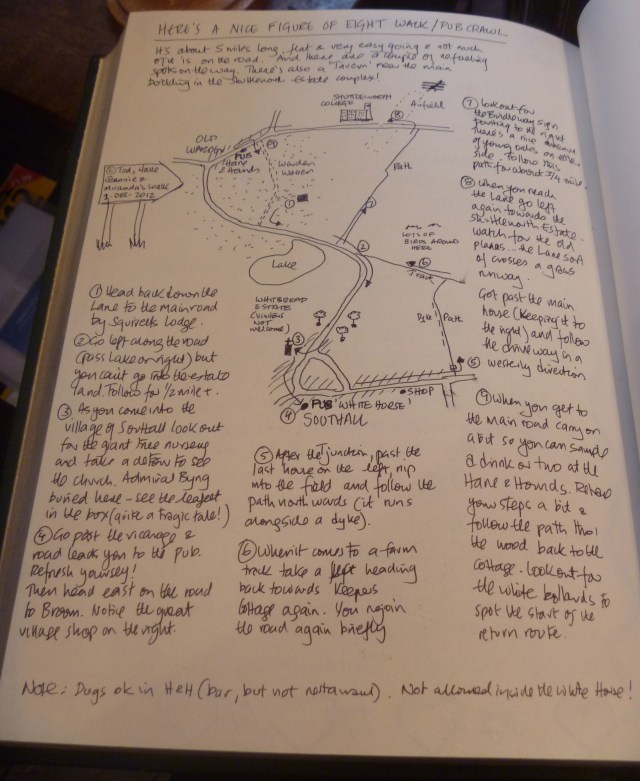
I’m always amazed at the talents of Landmarkers as reflected in the Log Books at each property. For me it’s usually a very last minute scribble listing a few suggestions of places I’ve enjoyed visiting during my stay or some other usually inane comment. There are wonderful examples of calligraphy, witty poems and imaginative prose, sometimes photographs and some beautiful drawings, sketches, watercolours and cartoons.

P1070848

The visitors before us at Keepers devoted some time to illustrating and commenting on a walk that they had done straight from the cottage door – my favourite kind. I would have loved to have completed this walk but I was longing to visit the renowned Swiss Garden at The Shuttleworth Collection so decided on the first morning to just do part of the walk and extend it to the garden which, amazingly, is open all year.

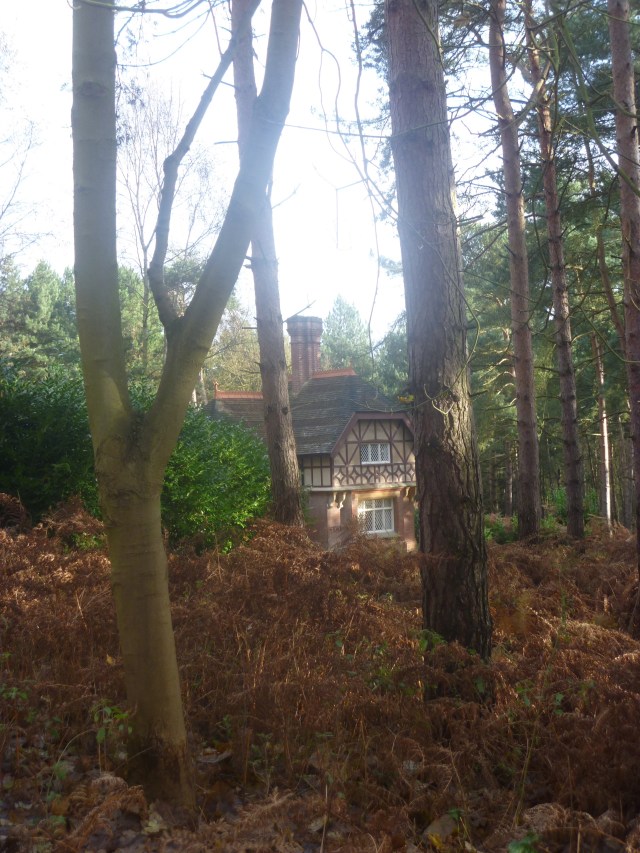
Little Cottage in a Wood

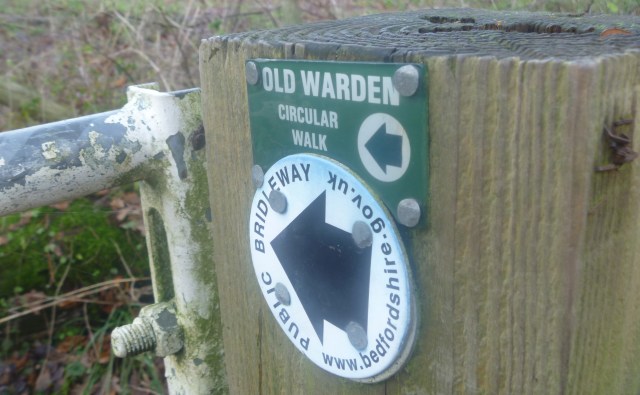
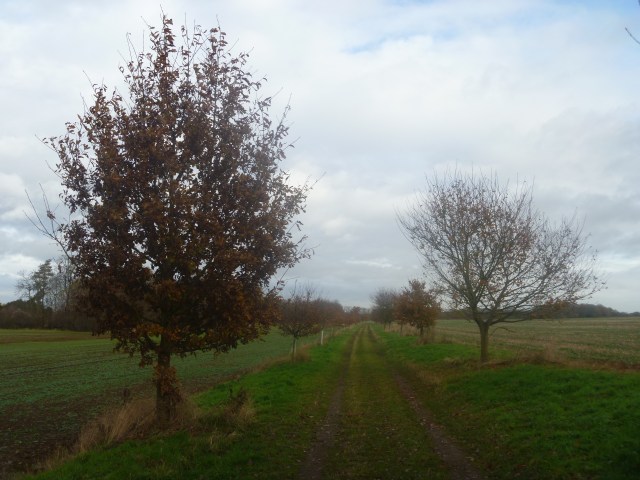
Keeper’s Cottage lies deep in the woods of Warden Warren and you need to unlock two gates and drive along bumpy tracks to get to it by car but on foot it is much simpler – open one gate and pass through a kissing gate to emerge onto the road. It’s a quiet road and not far along is the familiar ‘Public Footpath’ sign and I set off on a tramp along a field edge path.

Footpath signs

Field path Warden Warren

Not far away the guns were out but as I approached the ‘Shooting party’ were returning to their vehicles and, no doubt, some hot coffee and toddy.

Shooting party

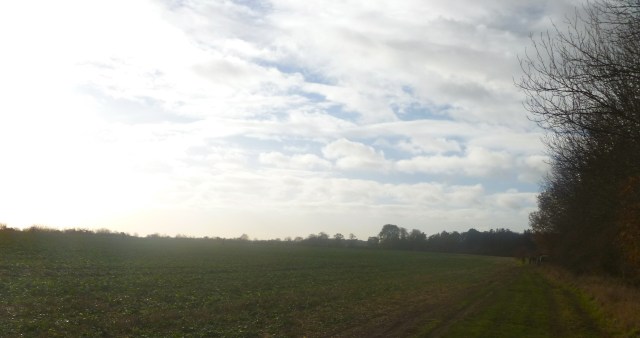
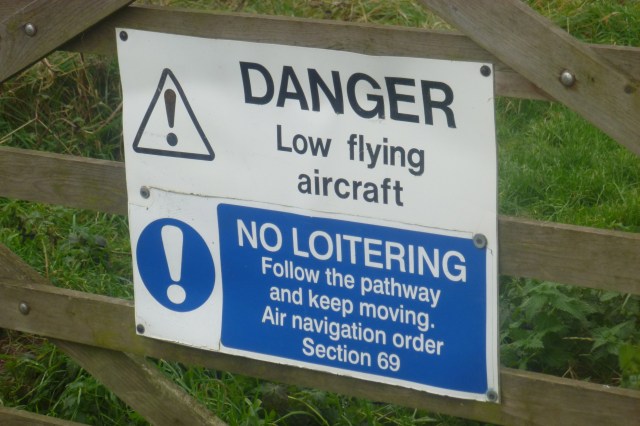
The path skirts the woodland and then suddenly there’s a roar and an old ‘plane could be seen taxiing in the neighbouring field. I’d arrived at the edge of the famous Shuttleworth Collection.

Shuttleworth Warning

Eventually the path joined another tarmac road and turning left and keeping well into the side I finally arrived at the Shuttleworth Museum entrance. There’s a separate charge and entrance to the Swiss Garden.

The Swiss Garden

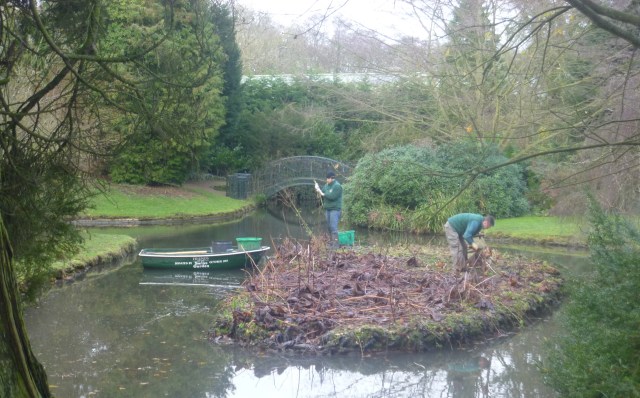
Apart from gardeners busily clearing an island in one of the lakes as you go in I think I was the only person, and certainly the only visitor that morning.

From the guidebook :

“The Swiss Garden is a late regency, nine acre garden, which forms an integral part of the designed landscape in Old Warden Park, Bedfordshire. The garden was created by the third Lord Ongley between 1820 and 1835 and is laid out in the Romantic and Swiss Picturesque manner.

In 1872, Old Warden Park was purchased by Joseph Shuttleworth who began a series of improvements to the Park. Victorian fashions were introduced into the landscape of the Swiss garden, such as the Pulhamite features, and some cast iron work.”

Since 1976 the garden has been in the care of the local county council and I see from the website that a major renovation is to take place next year with much financial assistance from the Heritage Lottery Fund. This will be exciting work and the garden will be closed until at least 2016. I’m glad that I got to see it “before” and hope maybe to return and see the “after” effect.

After spending about two hours at the garden, including hot warming soup in the Shuttleworth cafe, D picked me up to bring me back to the cottage and plan another expedition.

An illustrated tour of the Swiss Garden :

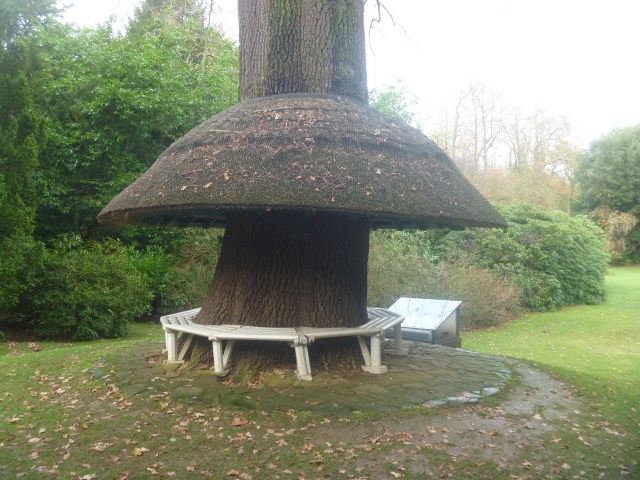
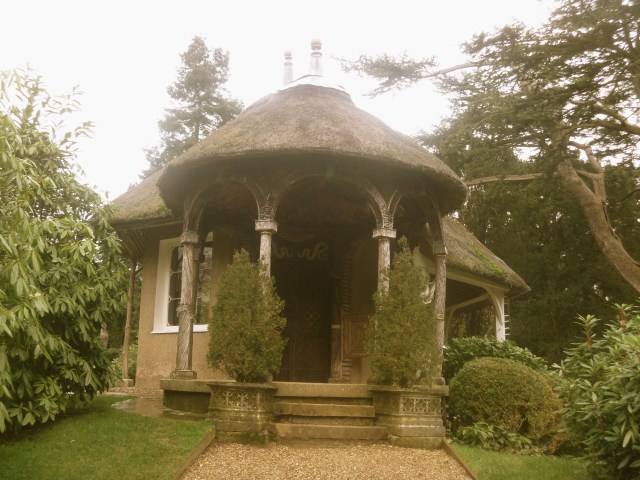
Thatched seat and poem

The Thatched Seat “ingeniously built to accommodate the annual growth of the tree” 

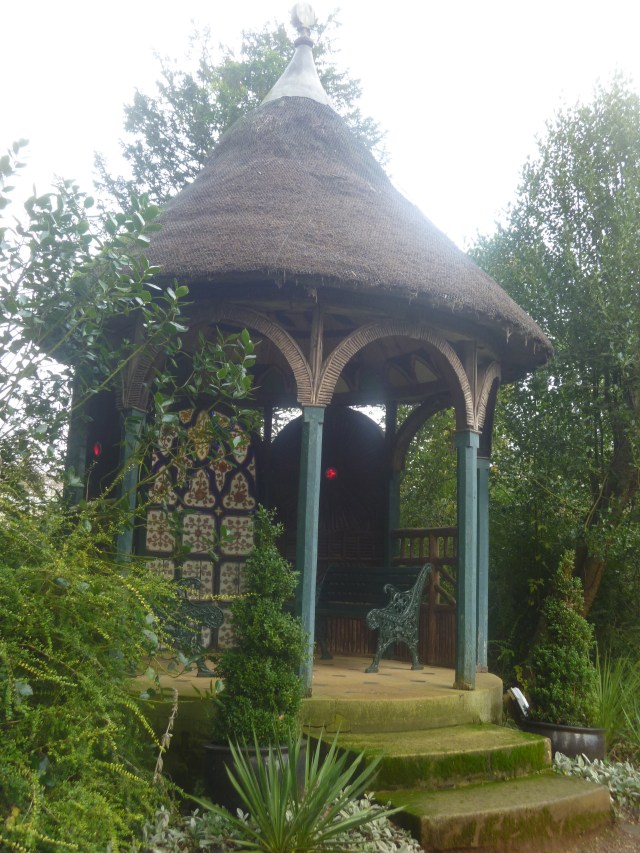
Indian kiosk

Indian Kiosk

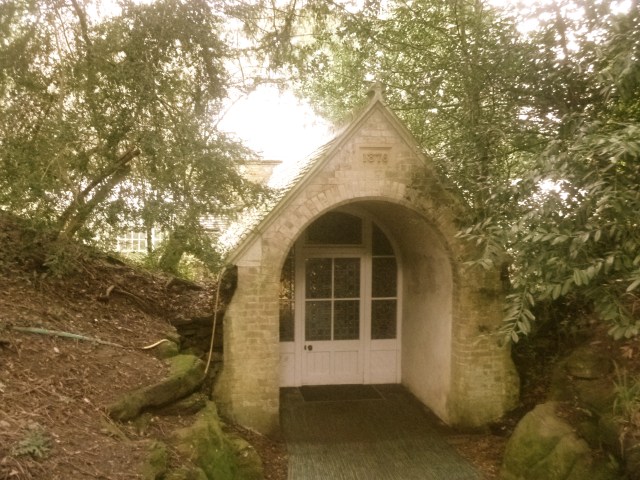
Grotto entrance

Entrance to the Grotto and Fernery

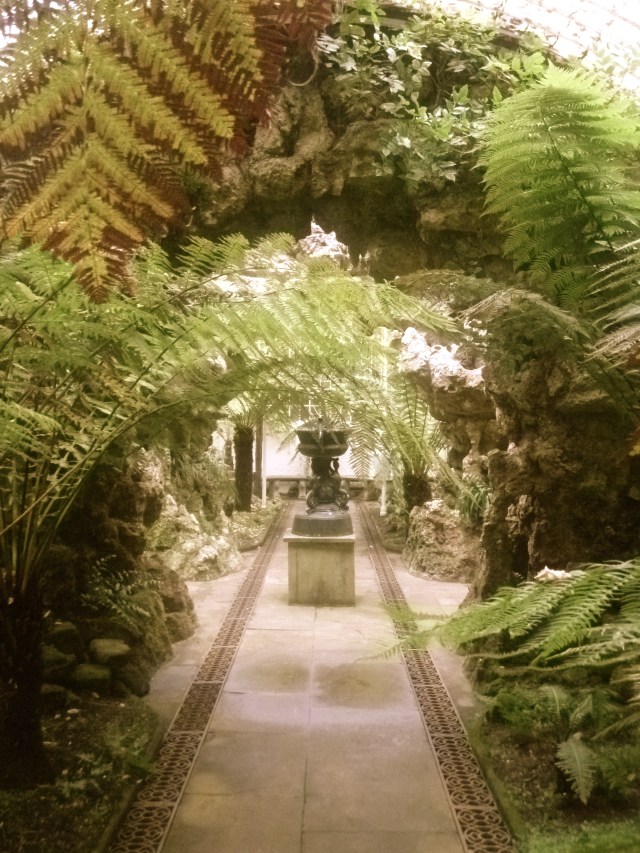
Inside the grotto

Inside the Grotto

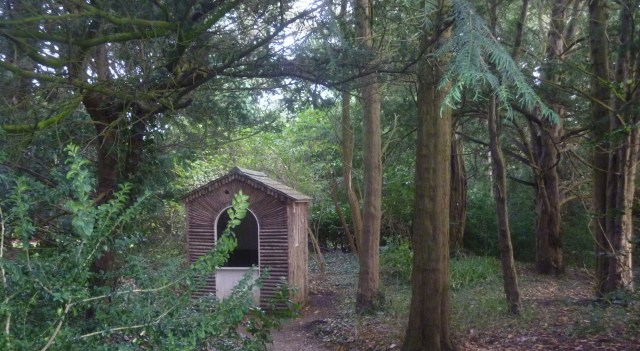
Privvy

The Two-Seater Privy

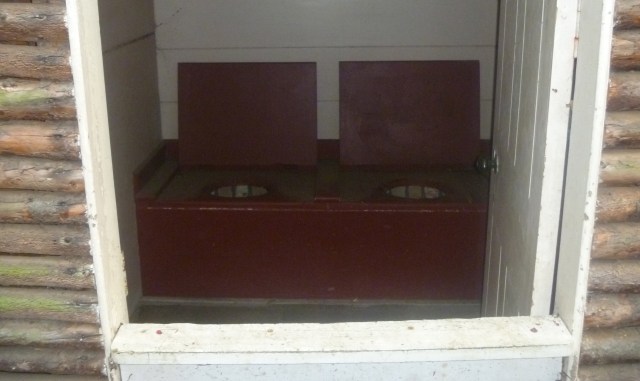
Two seater privvy

The Two Seats – “The privy is a traditional earth closet. One seat would be locked for six months while the other was open”.

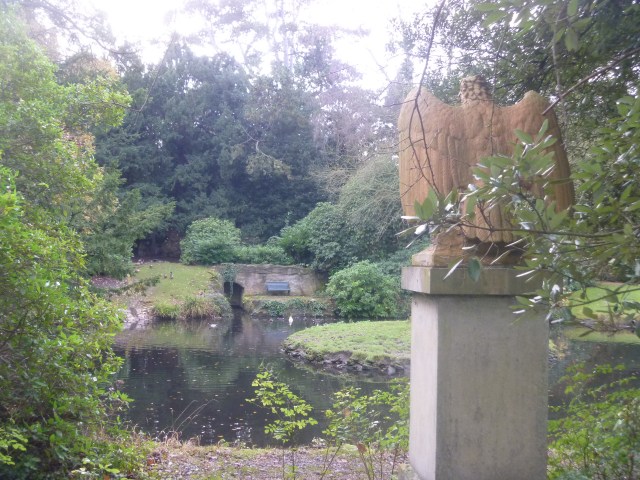
Upper Pond

Eagle, Upper Pond and Harbour

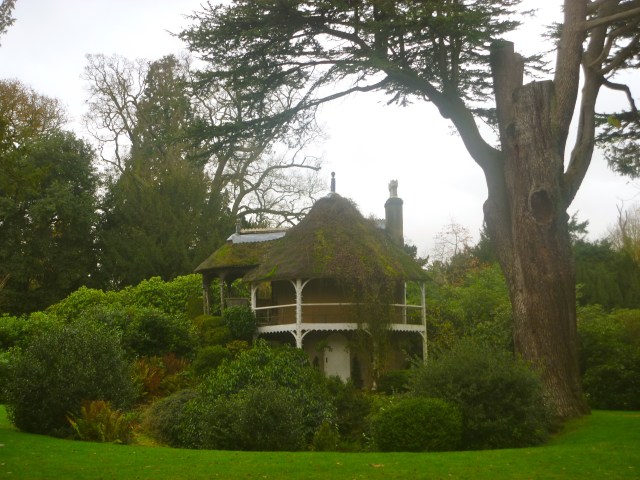
Swiss cottage2

The Swiss Cottage – focal point of the garden and licensed for civil weddings

Swiss cottage

Quite what is Swiss about this garden I am not too sure but it comprises an interesting collection of plants and trees and a peacock and follies and had I visited a day later I should have seen it looking slightly more Swiss than usual with a covering of snow!

The Three Halls, Norfolk, Walk

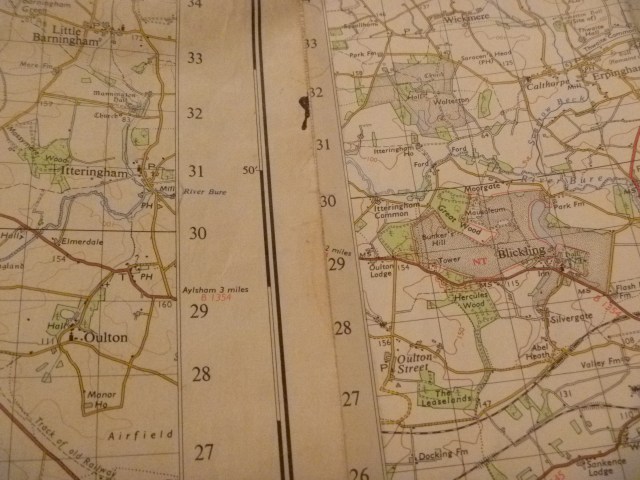
1950s OS Maps

The walk crossed the join of my two 1950s treasured OS maps of Norfolk (Sheets 125 and 126 Seventh Series)

“Blickling Hall is a masterpiece of Jacobean architecture famed for its spectacular long gallery, superb library and exceptional gardens. The estate has been home to Falstaffs, Boleyns and Saxon Kings. We walk from Blickling Hall, in the heart of the Norfolk countryside, through the 5000 acre estate northwards to Wolterton, the seat of the Walpole family. From Wolterton we follow country lanes to Mannington Hall, with its famous gardens, before turning south to Itteringham for lunch. After lunch we head back to the Blickling Estate for tea. 11.5 miles.” [From the ATG-Oxford website]

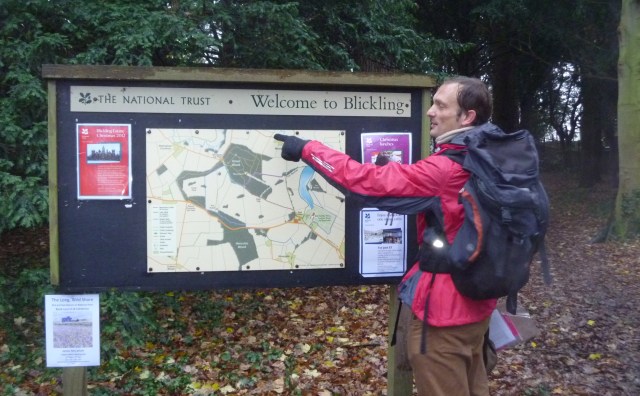
Adrian shows the way

Adrian, our leader, shows the route we’ll follow

This has been my day today! ATG Oxford The Alternative Travel Group organise walking holidays in this country and abroad – both escorted and self-guided. In fact my walking holiday in Alsace in June was an ATG (Footloose) holiday. As a supplement to these, mainly summer holidays, ATG organise a series of Saturday Walks throughout the year in order to raise money for chosen charities and as a ‘subtle’ marketing ploy; for we are like-minded people and keen to hear others’ experiences of walks.

As I left Norwich snow began to fall and in the car the outside temperature measured -1C. By the time I left the outskirts of Norwich behind me the snow had turned to rain and the temperature had risen to +1C. The group of intrepid walkers met by the Buckinghamshire Arms and we set off in misty drizzle past the beautiful Jacobean Blickling Hall and, after a quick look inside the church (even colder than outside!), began our muddy tramp around the icy Blickling Lake and across the estate.

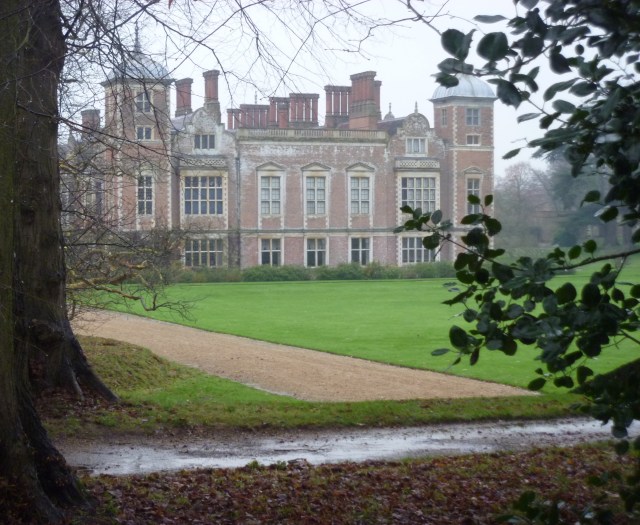
Blickling Hall

Rear of Blickling Hall one-time home of Anne Boleyn

Frozen lake

The half frozen lake at Blickling

Our next Hall – a Palladian design – Wolterton appeared empty and unused but looked quite beautiful from across the Lake. There’s a ruined church in the field next door. Read here about Simon Knott’s delightful birthday visit to the ruin.

Wolterton Hall

Wolterton Hall across its lake

Wolterton church ruin

The Ruin of St Margaret’s Wolterton

As we tramped through muddy fields and along wet lanes I talked with many of the group (about 17 of us) about where we had come from. Had we been on any of the holidays? Had we been on Saturday Walks before – if so where? I don’t think there were any local people most had come from London and Cambridge and one or two of us from further afield and making a weekend (or longer) of it – Leeds, Manchester, Stow-on-the-Wold.

Mannington Hall

Mannington Hall

Our next and final Hall was the lovely Tudor Mannington Hall whose gardens are renowned in the area and where popular summer events are held. It looked rather bleak today but it definitely has a lived-in feel and is the home of the current Lord and Lady Walpole (they own Wolterton too). Read here an interesting article about owning two stately homes and access to them.

Mannington church ruin

Saxon Church Remains

Our walk continued across more muddy fields and we were just able to glimpse the remains of the Saxon chapel at Mannington. Not far now …

Bure Centre

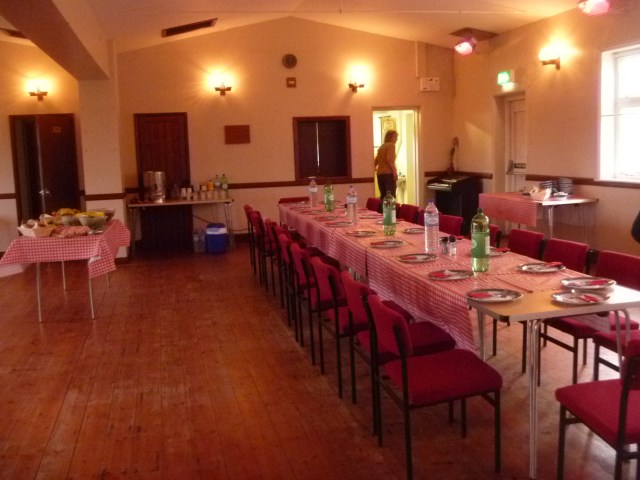
Lunch is about to be served at Itteringham Village Hall

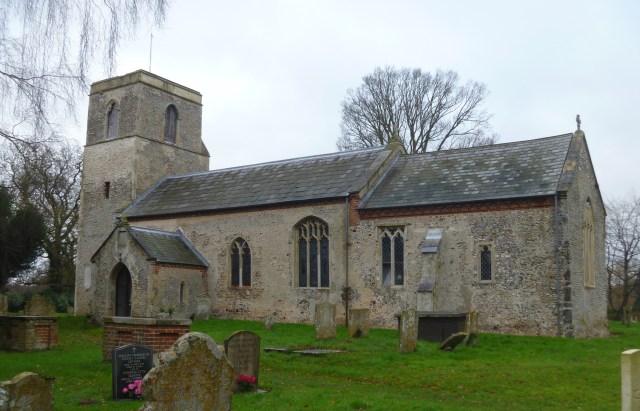
And we arrived at our lunch spot. ATG lay on a super lunch – mulled wine, creamy hot soup, a choice of salads, breads, meats and cheeses. I noticed some chocolate tarts for pudding but opted for fresh fruit – grapes and a tangerine. The lunch was served by ATG’s  Sarah in Itteringham Village Hall or The Bure Valley Community Centre as it is known locally. It’s right opposite another Norfolk flint church – St Mary’s Itteringham – with its neighbouring ruined chapel and the preservation of which has been aided by The Churches Conservation Trust.

Itteringham Church

St Mary’s Itteringham

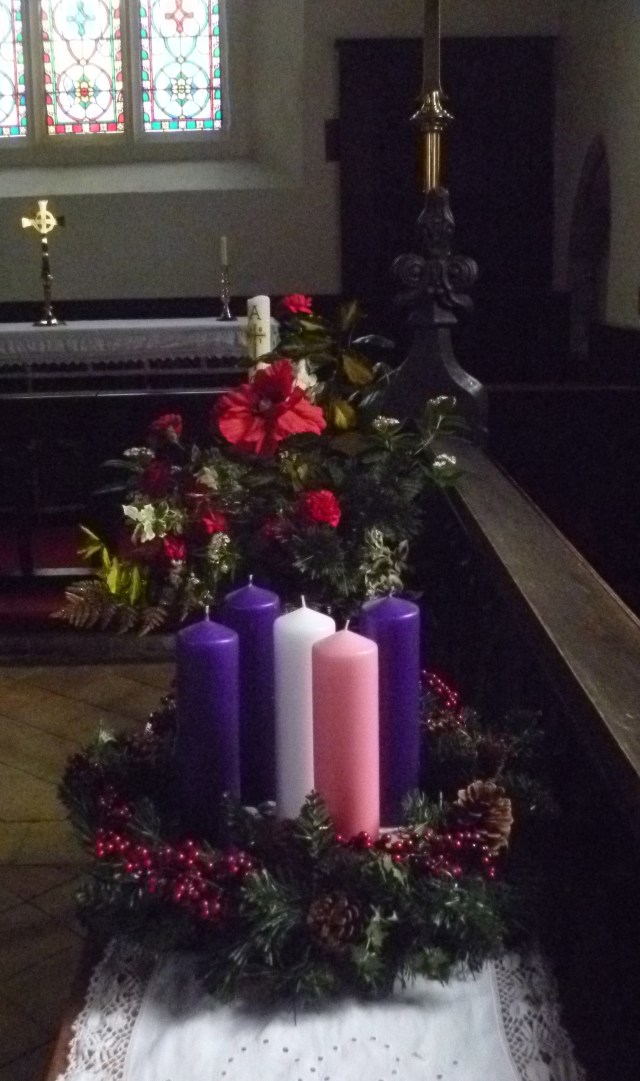
Advent at Itteringham

The lunch was served at the 7.2 mile point so a further 4 miles were walked to our destination. The rain began to fall as we re-entered the Blickling Estate and passing The Grandstand – a strange and rather industrial-looking building (erected for the purpose of viewing the shooting and horse racing on the Blickling Estate) and is now a holiday-let.

The Grandstand

We were glad to spot the Blickling Lake and smell the wood smoke of the stoves in the Buckinghamshire Arms where afternoon tea was served. There we heard more tempting morsels about dry, stony Italian tracks, drinks on sunny terraces, gorgeous picnics served on craggy peaks in Spain and Italy and generally about locations that had rather more appeal by 4pm on a very wet, cold Saturday afternoon in December.

Blickling at night

Blickling at night (actually 4.30pm)

Overbecks to Bolt Head : a Devon Coastal Walk

Each year at this time when we visit Devon we spend an afternoon having the cobwebs blown away by walking from Overbecks to Bolt Head by coastal path and returning on a higher path a total walk of only 4 or 5 miles but sufficient to enjoy different coastal views and work up an appetite for dinner! We are on holiday after all.

Back in 1972 my husband, The Optimist, spent one heavenly summer working as the male assistant warden at Salcombe Youth Hostel. It was  obviously a fantastic experience for him and he has relived it ever since, so much so that I now feel as if I worked there too. Besides the work itself which was fairly mundane, he enjoyed snorkelling and swimming and diving and generally messing about in boats and the sea through one long warm sunny summer … yes, those were the days! I don’t think a single drop of rain fell on South Devon that summer. I must say, that having seen this Youth Hostel, I do think it is located in one of the most idyllic locations imaginable.

The Tower Bedroom – reserved for the male assistant warden

So, as I say, each year when we spend a week in October/November in Devon we make an excursion to the Salcombe area and in particular to the National Trust estate of Overbecks Sharpitor. The gardens stretch steeply down the cliff face from the house and the influence of the local microclimate has lead to a singular garden of luscious tropical vegetation.

A hidden paradise of subtropical gardens and eclectic collections…
An exotic and fascinating hidden treasure perched high on the cliffs above Salcombe. Explore the banana garden, meander through the woodland, or relax beneath the palms. Walk along the coast path and soak up the spectacular panorama across miles of beautiful coastline and estuary.”

So, walk along the coast path and soak up the panorama we did. A few paces down from the Overbecks car park there is a sign inviting one to join the footpath to Starehole Bay. This clearly defined path clings to the cliff face and in each direction are wonderful views down the ria (a tidal inlet with no major fresh water source flowing through it) to Salcombe or out, over the bar :

This shallow sandbank, evoked by Tennyson in his poem ‘Crossing the Bar’, lies across the ria’s mouth and is barely 60cm (23 inches) below water on an ebb tide. Devon’s worst life boat loss occurred here on 22 October 1916, when the ‘William & Emma’ capsized rowing back from a rescue.” (NT Website)

to the English Channel.

Salcombe and Ria from the lower footpath

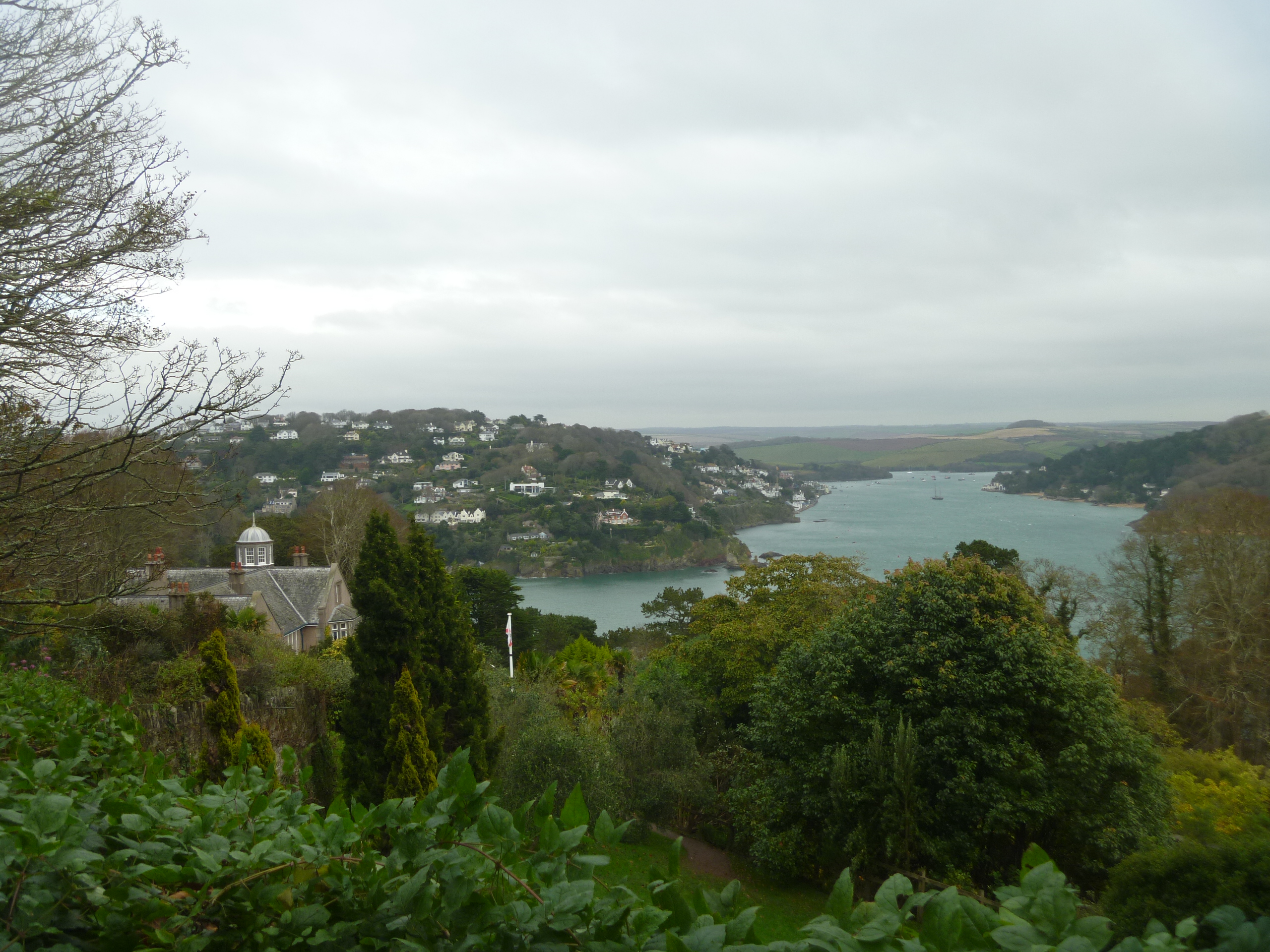
Salcombe and the Ria from The South West Coastal Path

The path is dotted with handily placed seats upon which one may rest and enjoy the view but last Friday there was a misty rain blowing so we tended to keep walking.

Official Long Distance Footpaths are indicated by an Acorn on the sign posts

Starehole Bay from the NT site :

“On calm days you’ll see the dark patch of seaweed beneath the north waters of the cove, marking the Hezogin Cecile wreck. This grain clipper ran aground off Soar Mill Cove on 24 April 1936. For seven weeks the ship lay stranded whilst sightseers in their thousands lined the cliffs, holding their noses from the stench of rotting wheat. The ship was smashed in a July gale after being towed to Starehole Bay.”

From Starehole Bay there is a steep a path up to Bolt Head and from there it’s possible to join the SouthWest Coast Path and return to Overbecks along the cliff top.

Starehole Bay

Bolt Head from the NT site :

People have been farming at Bolt Head for centuries and the cliffs are dotted with the remains of field boundaries and animal enclosures, some dating back to the Bronze Age. Today, Dartmoor ponies graze on the cliffs, preventing blackthorn and gorse from smothering the slopes. Look out for grey bush crickets and their great green cousins (the largest in the British Isles). Fulmars, gulls, cormorants and shags bred on the cliff-faces. The headland was the site of a Second World War lookout until it was demolished in 2007, and is also a stop over for migrating swallows and house martins.”

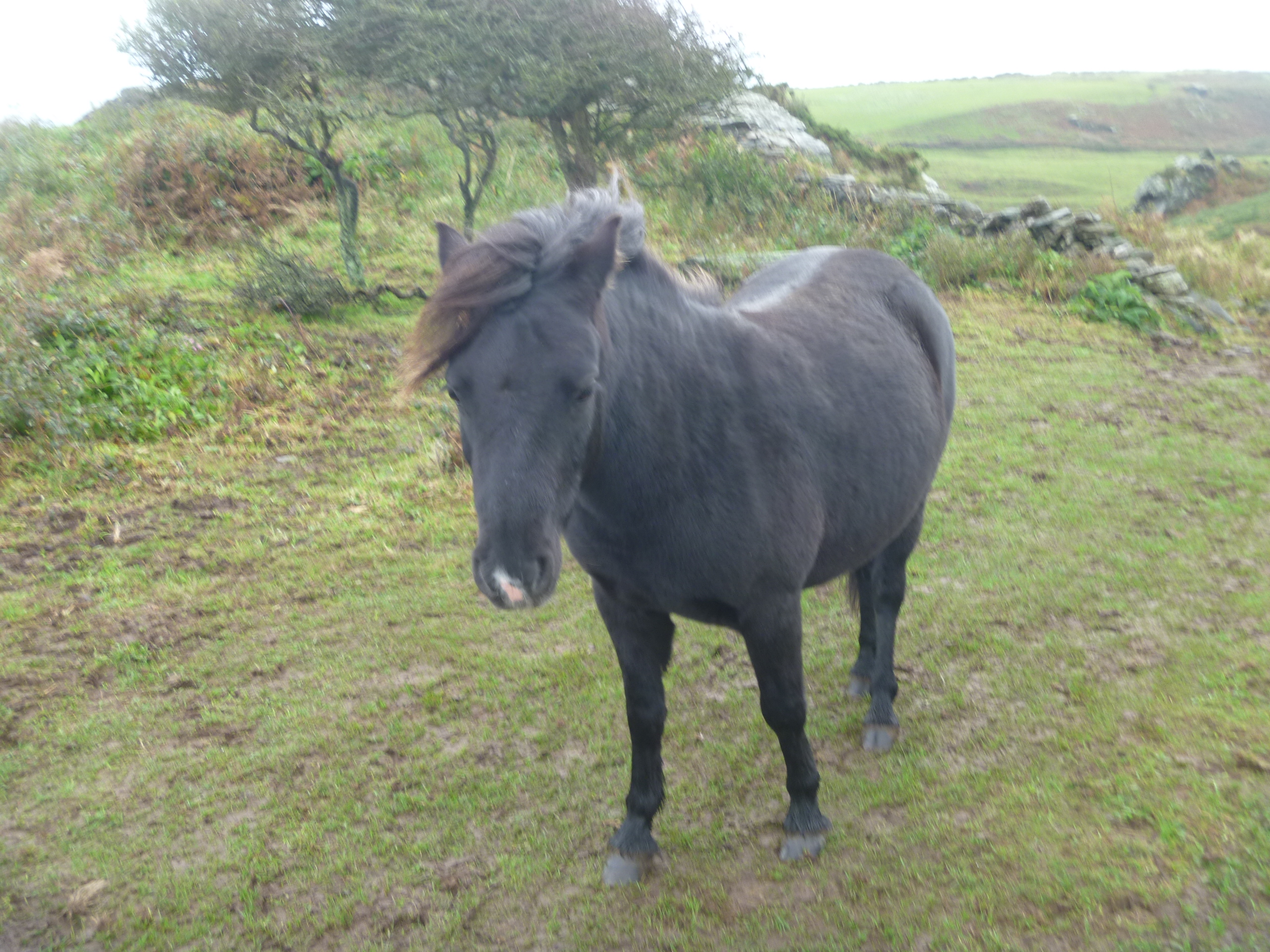
Funnily we didn’t see a Dartmoor pony on Dartmoor this year – just  cattle. We did see the cliff top grazing ponies at Bolt Head, though.

The cliff top path descends again into Starehole Bay before climbing up again for the final mile and a half or so back to Overbecks. There’s a tempting sign very strategically placed to encourage one into the tea shop (also the Youth Hostel dining room) but we had a table booked for dinner so didn’t linger for refreshments on this occasion.

Time for a Cuppa?

Final view of Overbecks and Salcombe from the SW Coastal Path

Day Out at Dartington Devon with Dovegreyreader

The Dovegreyreader has made several comments to me to the effect that reading Milady’s posts here save her a great deal of time and expense and the bother of travelling when she can read about the places that appeal – with her feet up by the fire in winter or in her deckchair in the garden in summer. Well, last Thursday she was persuaded to leave home and travel a few miles across misty Dartmoor to join me and act as guide for the day at the Dartington Estate near Totnes.

The arrangement was to meet late morning at The Cider Press Centre, now called simply, and to the point, Dartington Shops. This was the part of the Estate that I was already familiar with and it was by mutual consent that we headed straight for Cranks Restaurant. I’d eaten here many times over the years since the early 1980s and I have the cookery book still. It’s been well-used and the recipes are well-loved. The restaurant and the food were little-changed and with tea and cake followed later by soup and cheese scones we clung to our table for probably three hours (who’s counting the time when there is so much book and family talk to catch up with??).

Eventually we decided a walk was in order as that had been the ‘plan’ for the day in the first place and our reason for meeting at Dartington; besides we needed to work up an appetite in order to take afternoon tea at some point later in the day!

We headed straight out of the car park along a public path (past the former Dartington School) and along the main approach road to Dartington Hall to our first port-of-call the School’s  former Headmaster’s House – High Cross House.

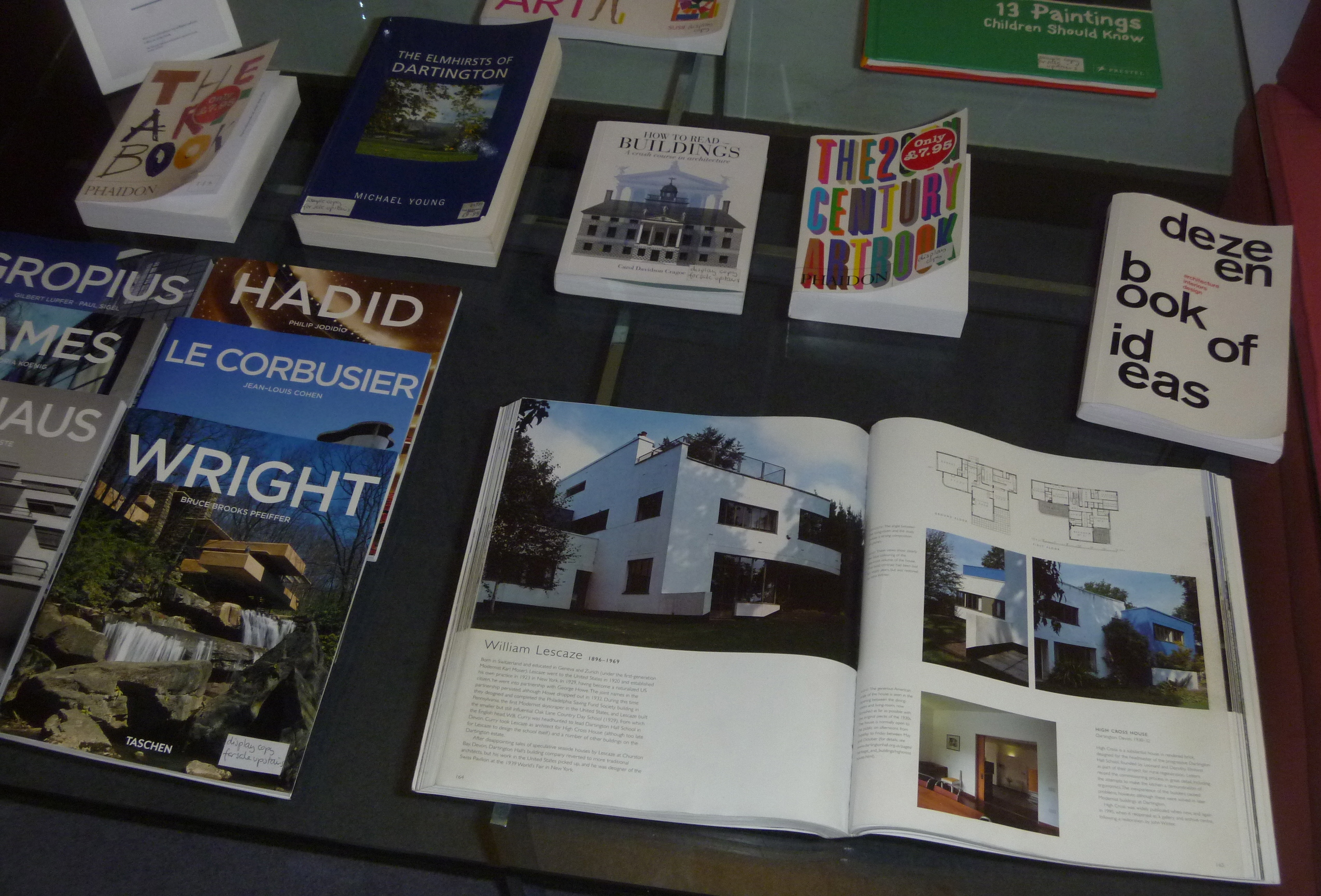
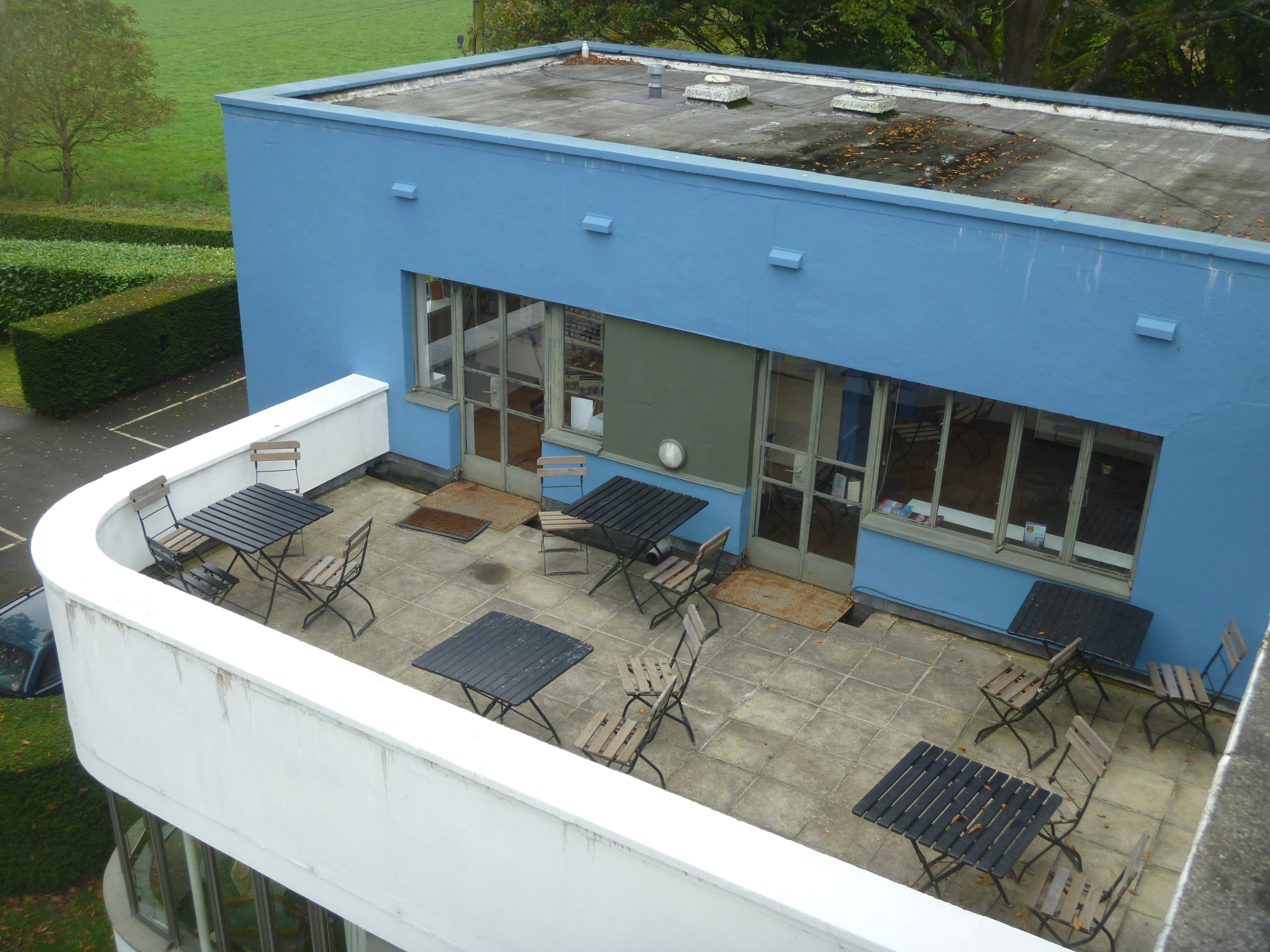
It’s now under the auspices of The National Trust and is a fine example of Modernist architecture and a host to a number of exhibitions and resident artists. There’s a cafe (that spreads out onto a roof terrace in summer) and small bookshop. The house has a relaxed atmosphere and you may sit on the chairs and handle the books.

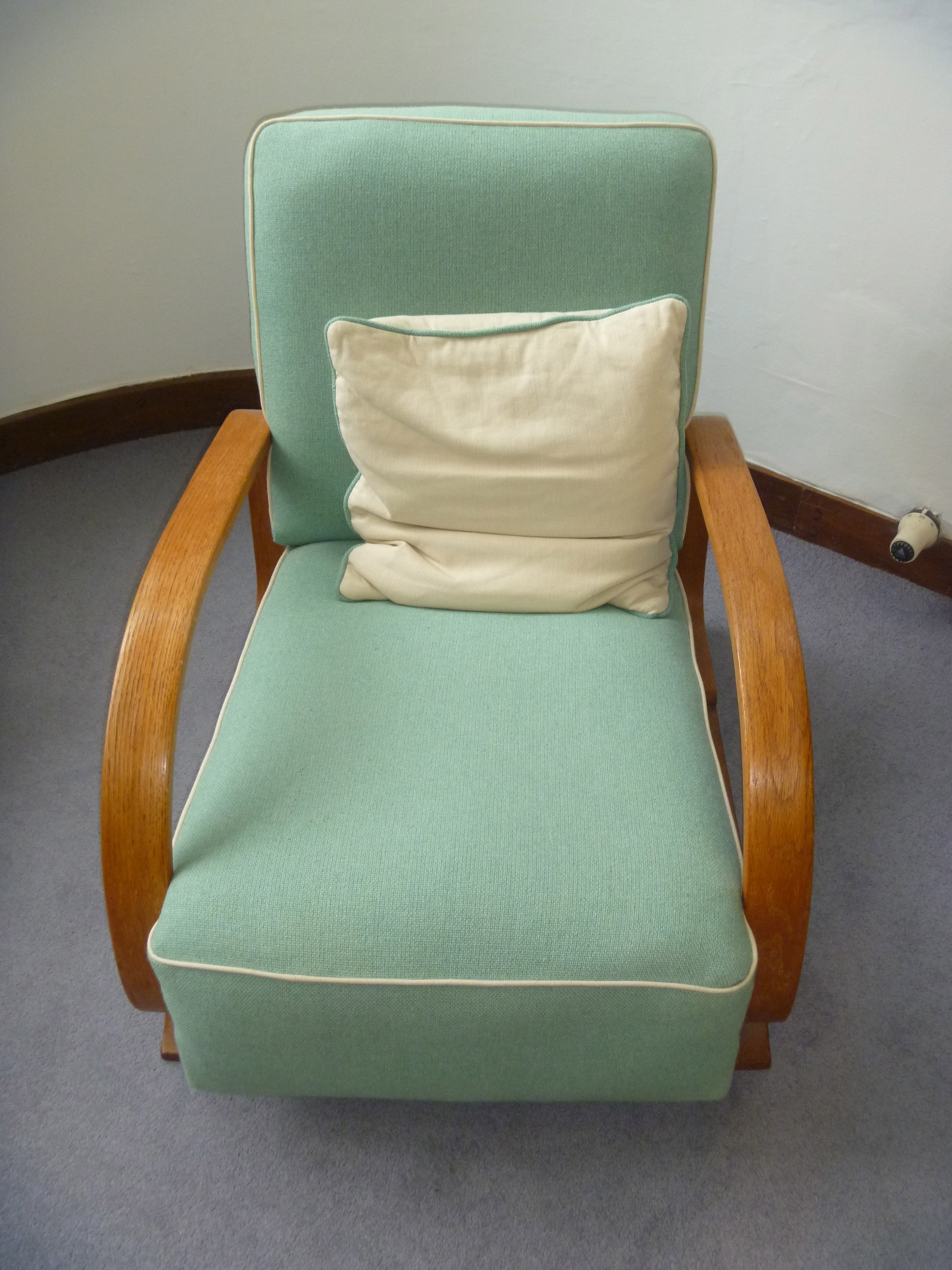
Comfy chair originally to be found in the common rooms at Dartington Hall residences

Cafe Terrace

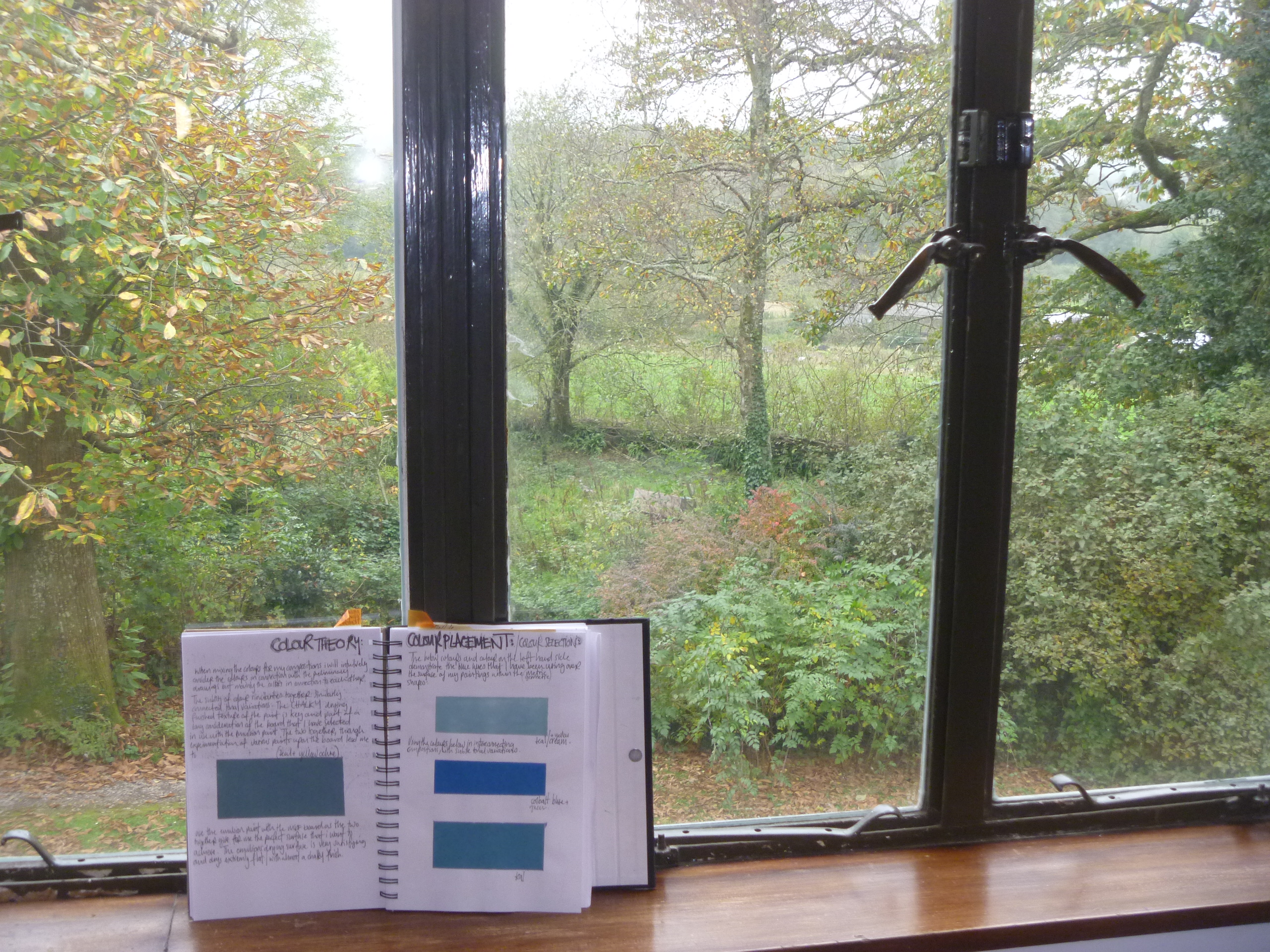
Colour Theory and the View of  High Cross House Garden

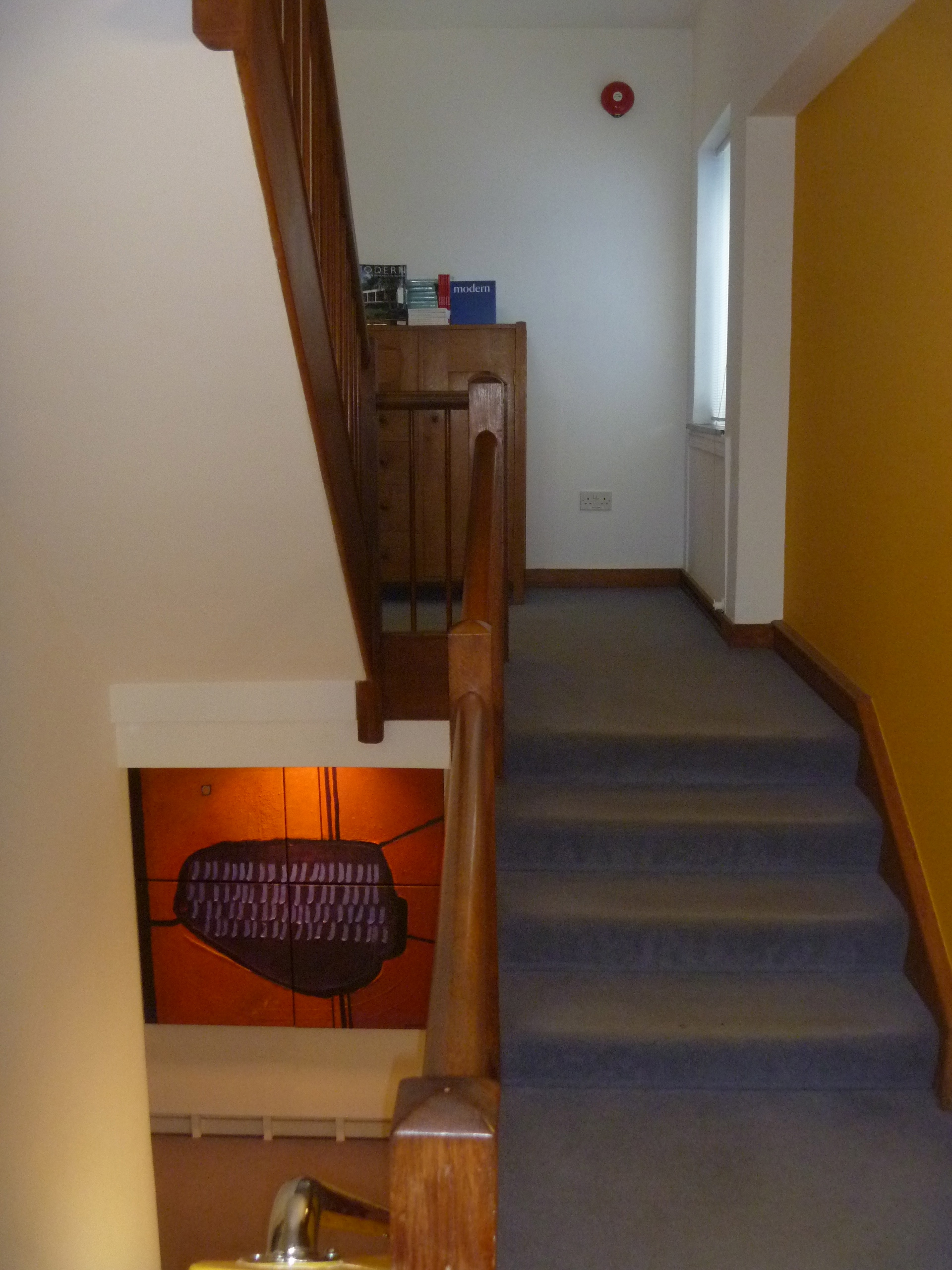
Staircase at High Cross House

Any artist who is in residence that day and helpful room stewards will also answer any questions you may have. Here is the NT brief resumé of the house :

“Built for William Curry, headmaster of Dartington Hall School, this Modernist gem was commissioned by Leonard Elmhirst and designed by William Lescaze in 1932. The house still evokes the ‘serenity, clarity and a kind of openness’ described by Curry.

High Cross is one of Britain’s most celebrated Modern residences, and we are excited to be presenting it to the public under our management, working in partnership with the owners of High Cross House, the Dartington Hall Trust.

The architecturally important building is playing host to contemporary art exhibitions and sales, talks, demonstrations and musical evenings, and is a perfect and unusual space for events. High Cross is to become a local centre for contemporary arts, as a community-led sustainable model of management.”

View from the footpath – High Cross House to Dartington Hall

From the HCH we headed towards Dartington Hall which I particularly know of as host to the summer Ways With Words literary festival. I’ve only heard of it and read about it but DGR has attended and participated there. This makes her the perfect guide to the estate and buildings.

In the gardens we admired the autumn colours and sculptures and topiary and we entered the Hall and the Residences. Lynne painted a vivid picture of leisurely picnic lunches, crowded halls of participants on tiered seating and comfy common room chats bringing the summer festival alive for me.

Dartington Hall and Garden Topiary

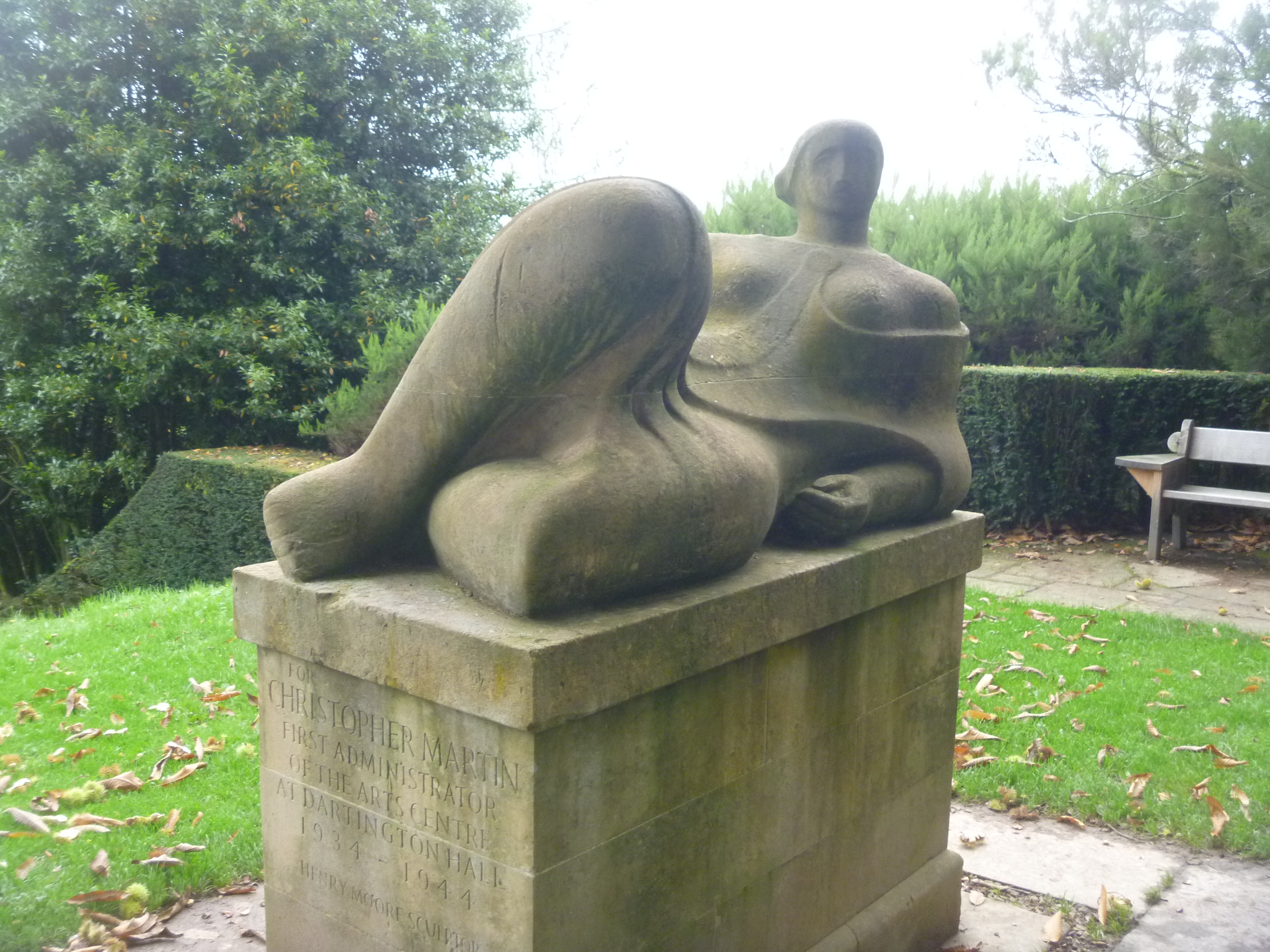
Henry Moore Reclining Figure Sculpture

The Dartington Hall

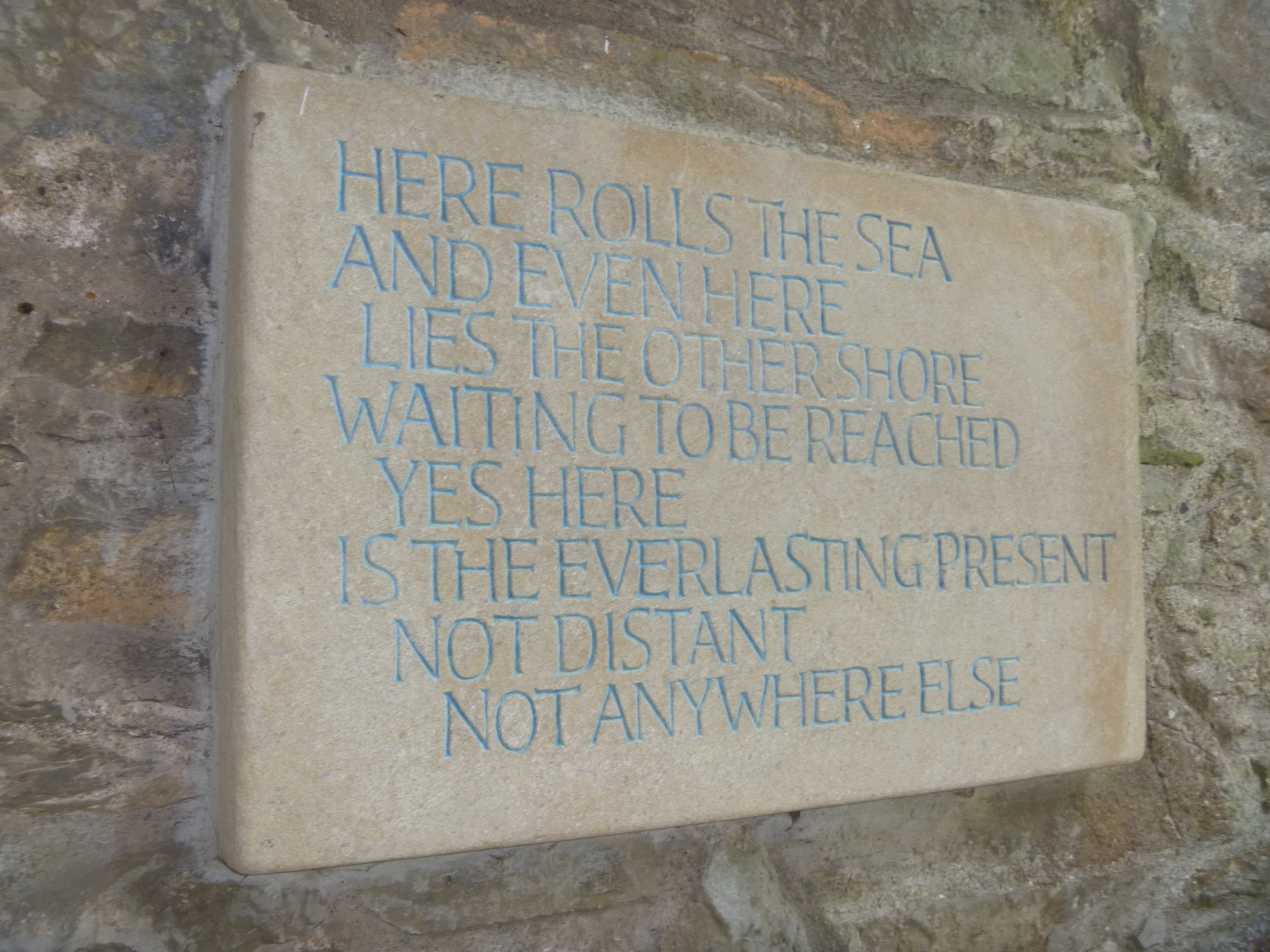
Calligraphy at Dartington

Built for Comfort not for Defence : Harewood Castle

Sunday 14th October was the 946th anniversary of The Battle of Hastings. Our guide Sally Lawless deemed it therefore a fitting date on which to embark on one of a series of new initiatives at the Harewood EstateThe Harewood Castle Tour.

Earlier in the year I’d picked up the leaflet ‘Medieval Harewood 2012 : step back in time … ‘  This outlined a series of events, workshops, tours, tours and walks. Of course, it was the walk that appealed to me. I’d seen some of the archaeological dig results at Gawthorpe Hall last October on my ‘Capability Brown’ walk and I decided earlier in the week to sign up to visit Harewood Castle today.

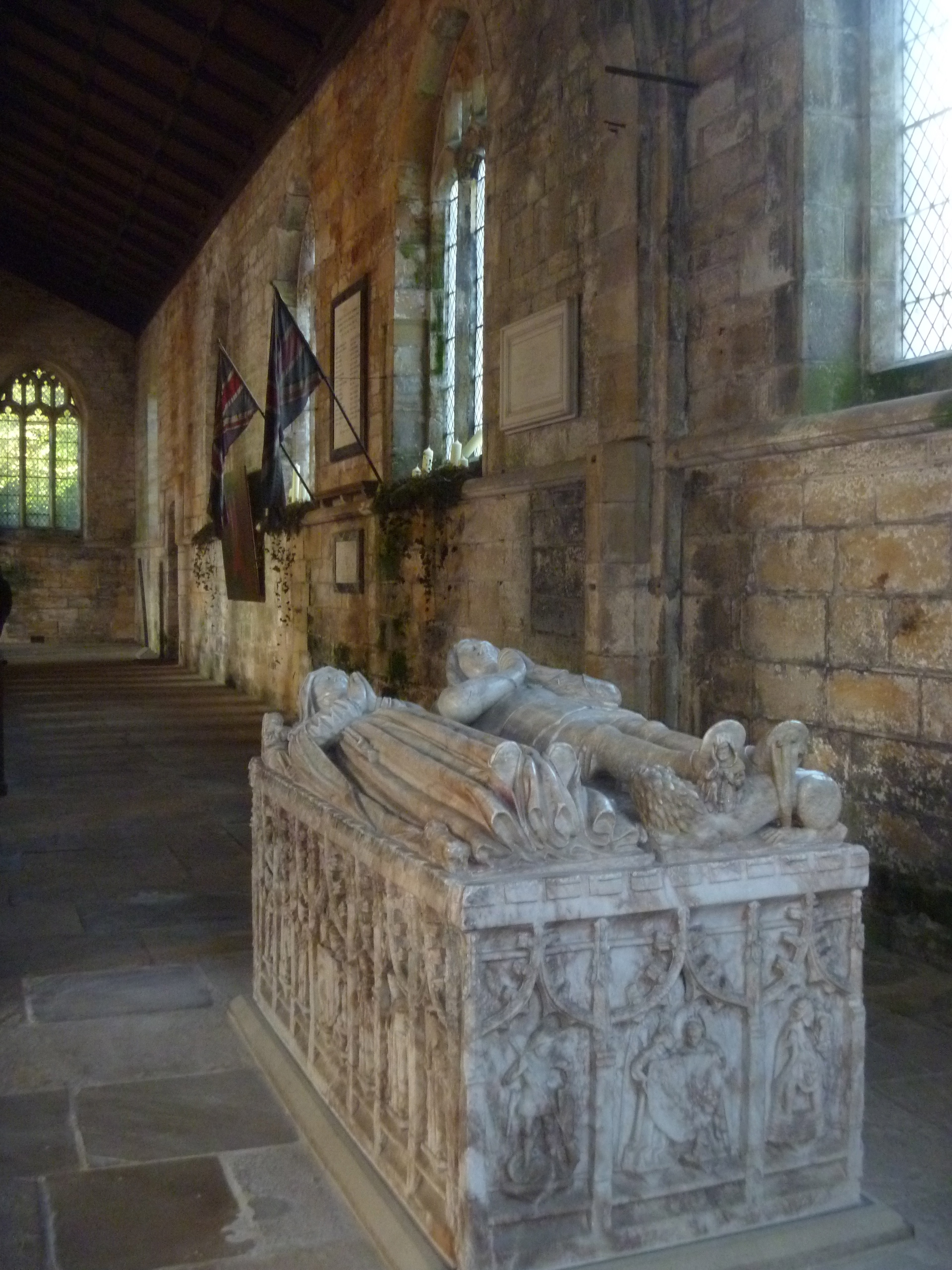
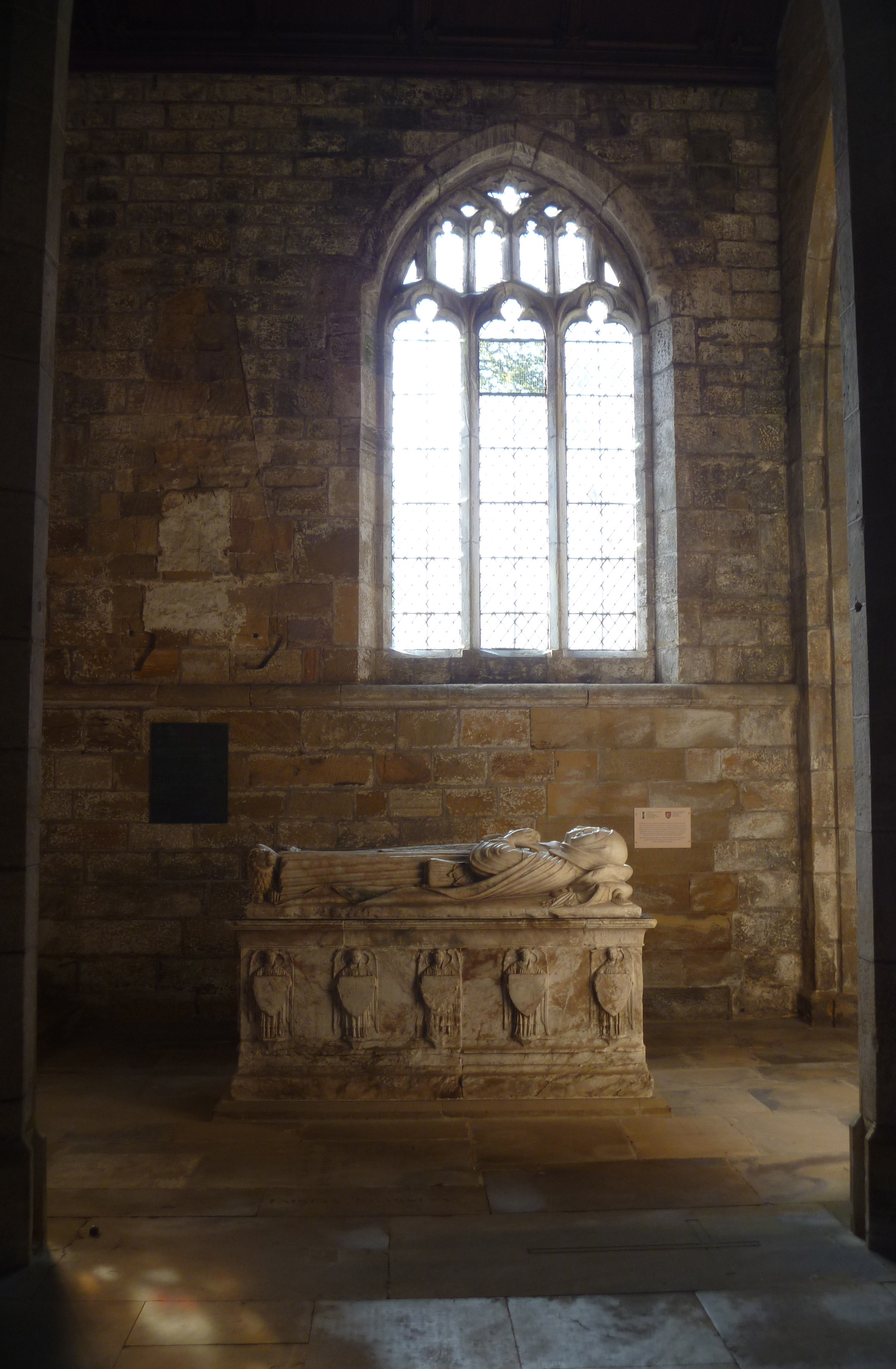
We all assembled in All Saints Church the Harewood Estate church which is now under the protection of the Churches Conservation Trust. Sally gave us a brief introduction to the church and the Harewood Estate in general. We were shown the important Alabaster Tombs – 6 pairs comprising some of the best surviving examples in England. All the figures represented had played a part in the history of the Castle.

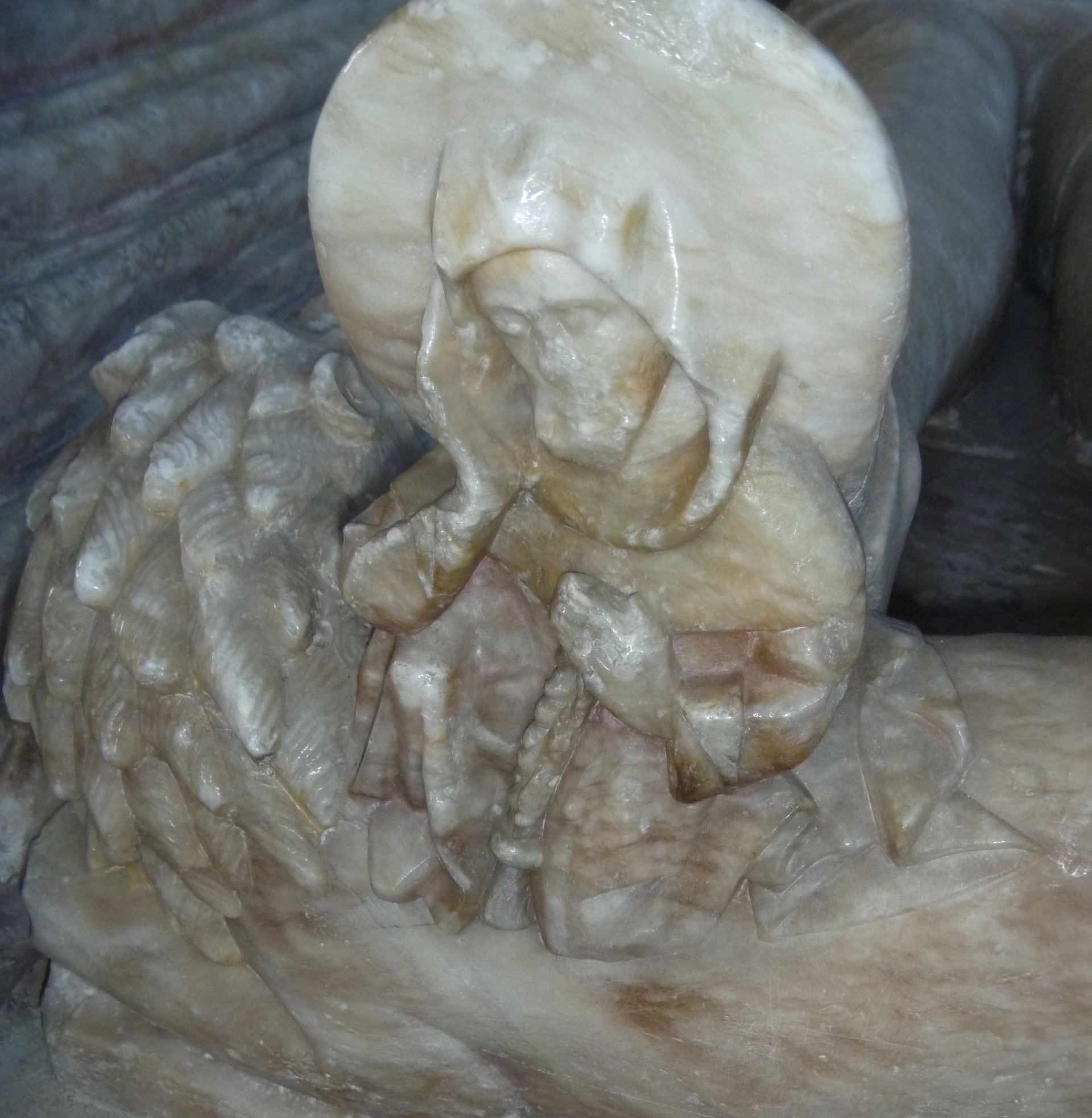
Close up of an alabaster beadsman or professional mourner

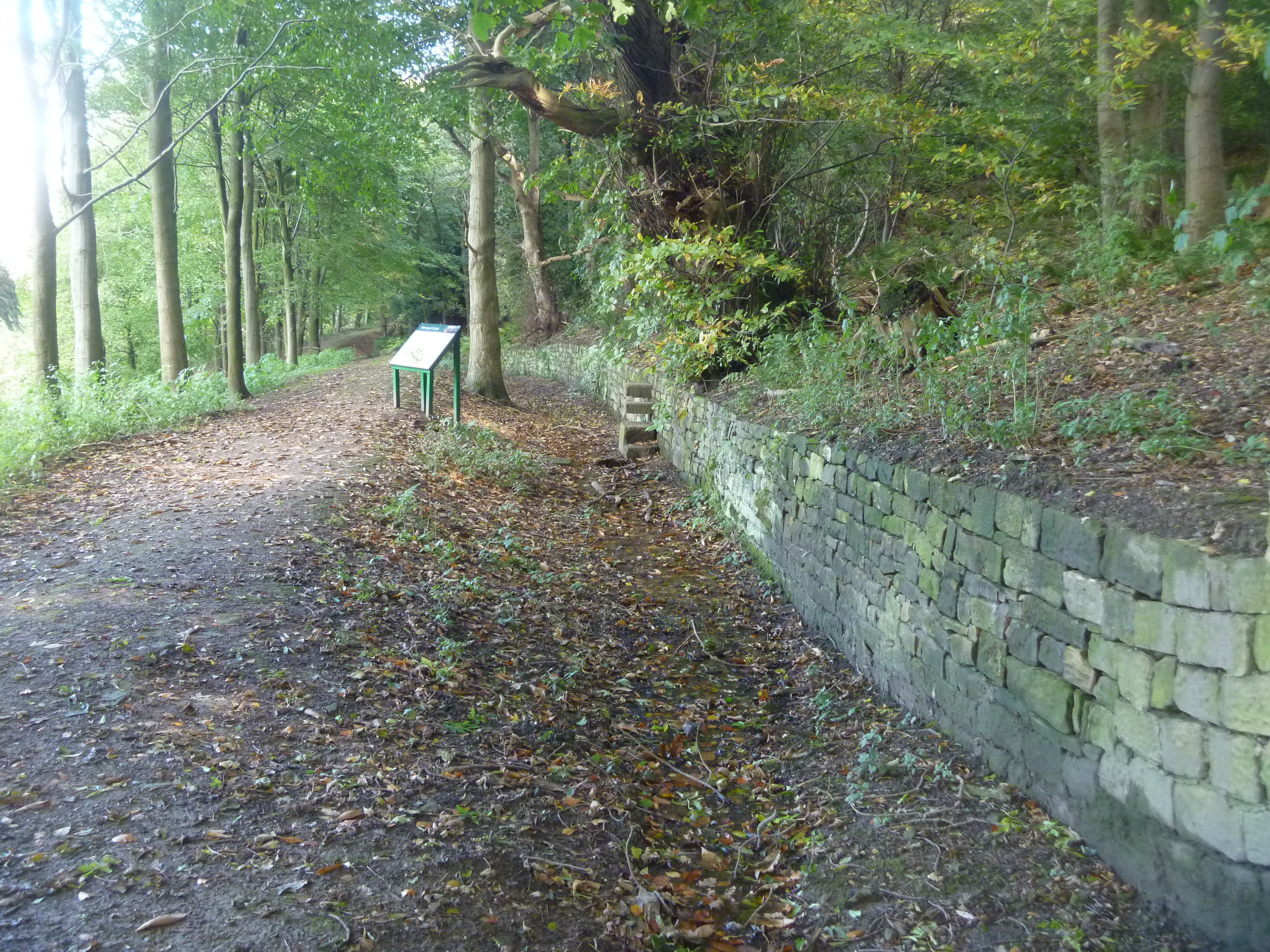
Then our walk began, through the churchyard where many of the estate and household workers are now buried, and out down a track to the public footpath Church Lane. This is was the former turnpike road between Tadcaster and Otley. It cuts through what was formerly the northern pleasure grounds of the Estate.

Sunken  tracks like this criss-cross the Harewood Pleasure Grounds

Peering over the wall we were fascinated to see the various tunnels and trenches which passed under the road so that  the vicar could reach his church and the local inhabitants cross the Estate without being seen by the Lord and Lady and their family and guests.

The Ha-ha approach to the Castle

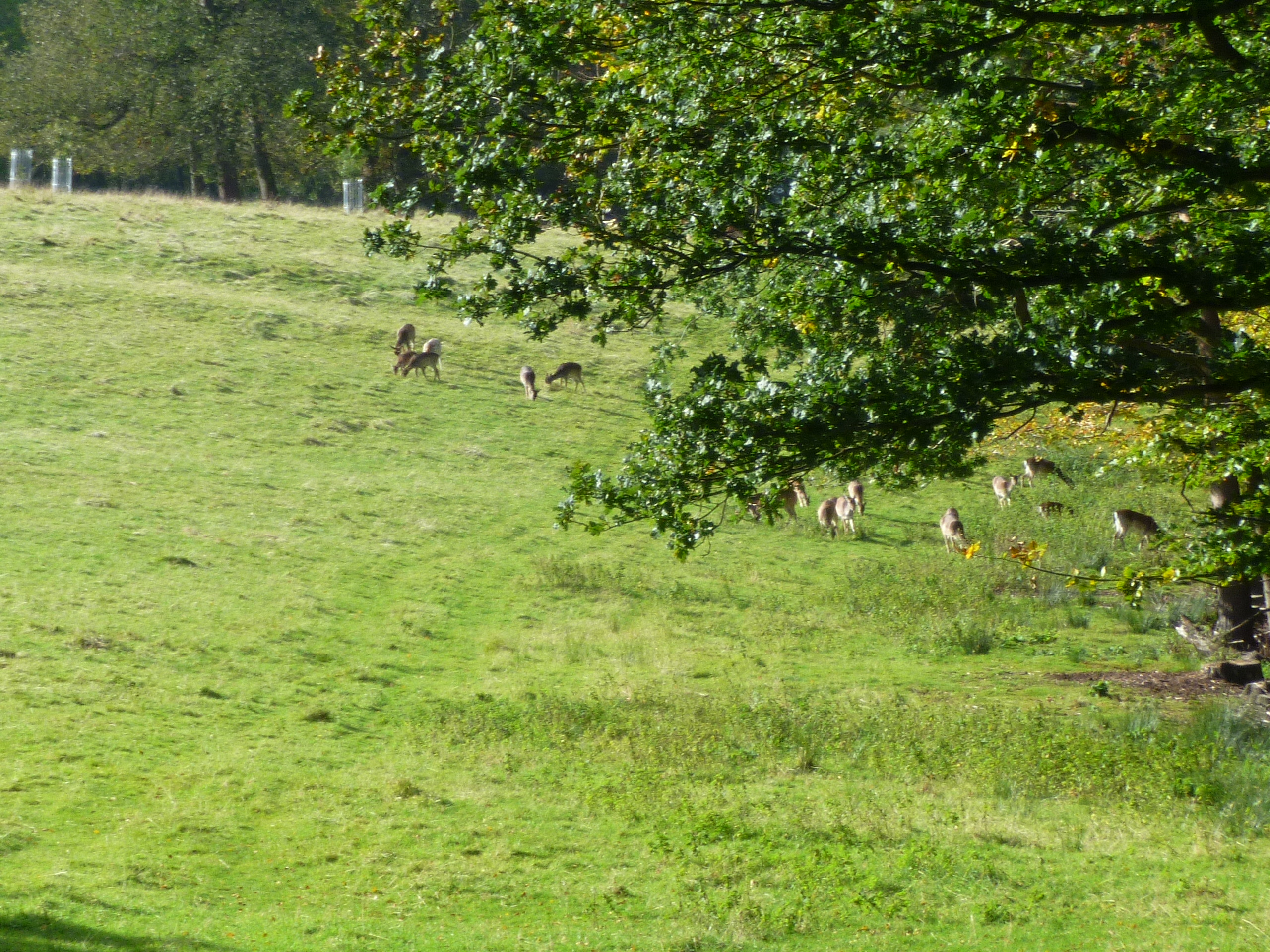
From Church Lane we entered the original Harewood village and proceeded down a deep walled public footpath to the Ha-ha which separated the Pleasure Grounds from the Deer Park –  where we could still see deer today.

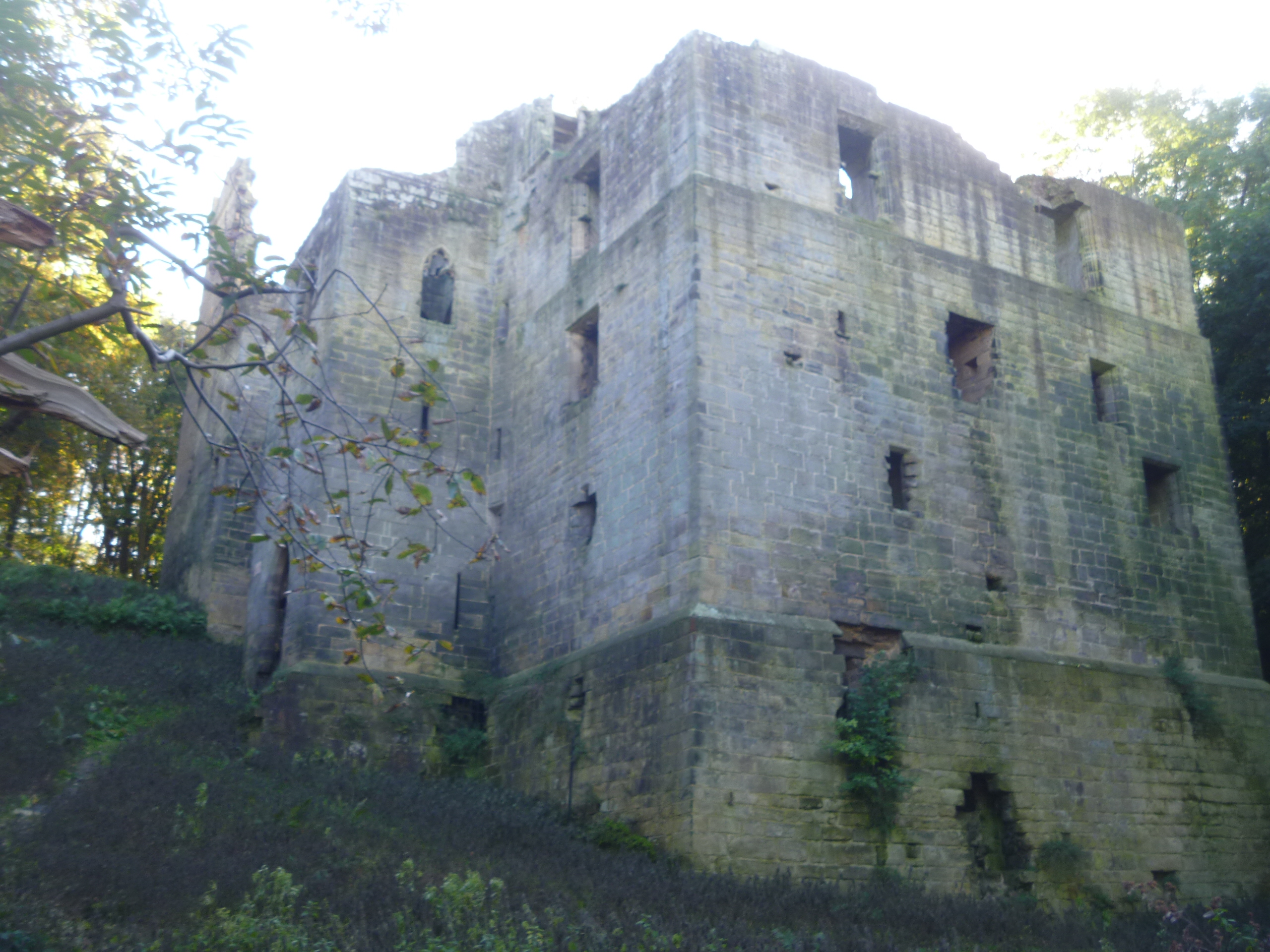
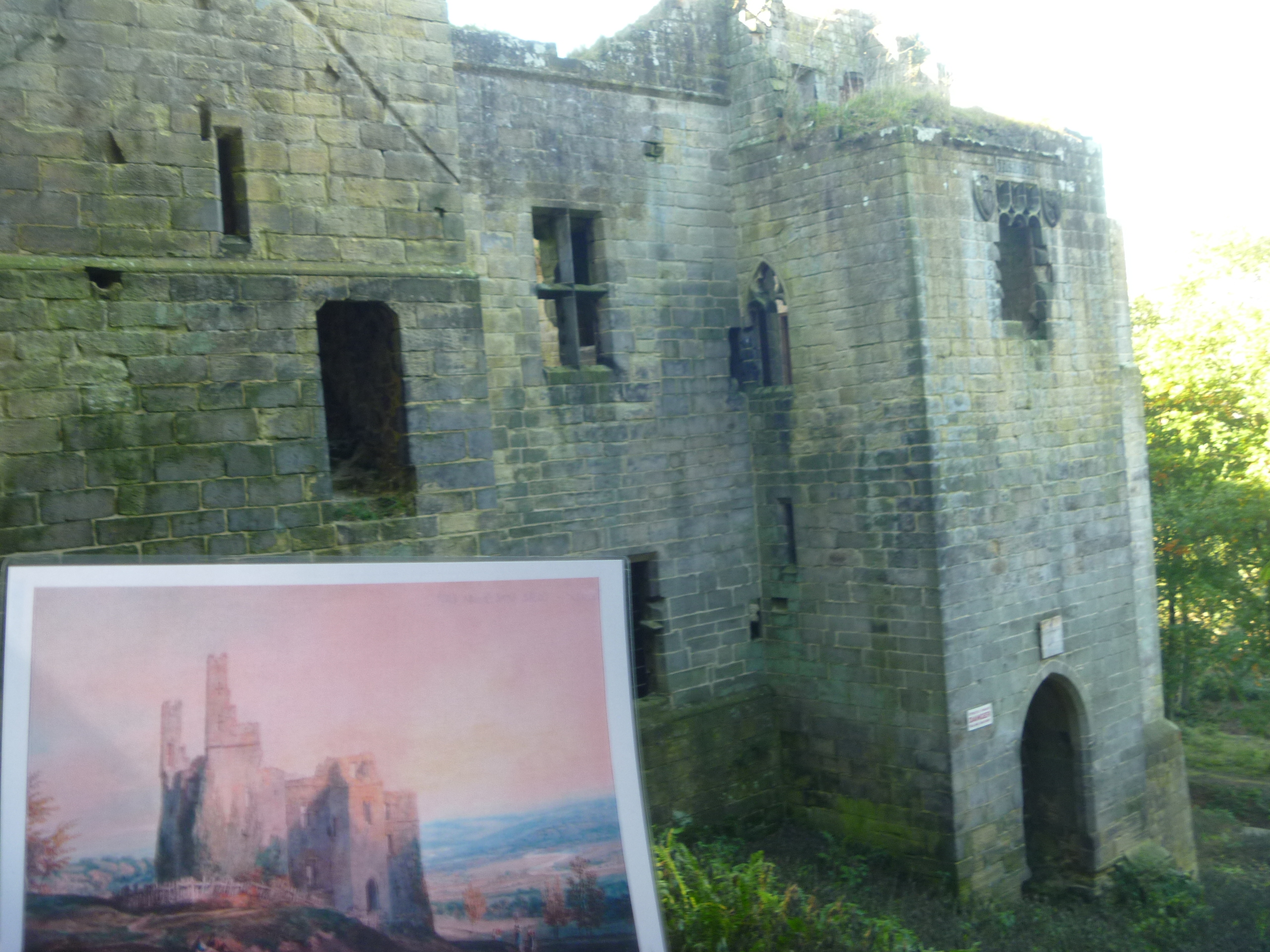
Harewood Castle built into the hillside looks out over Wharfedale

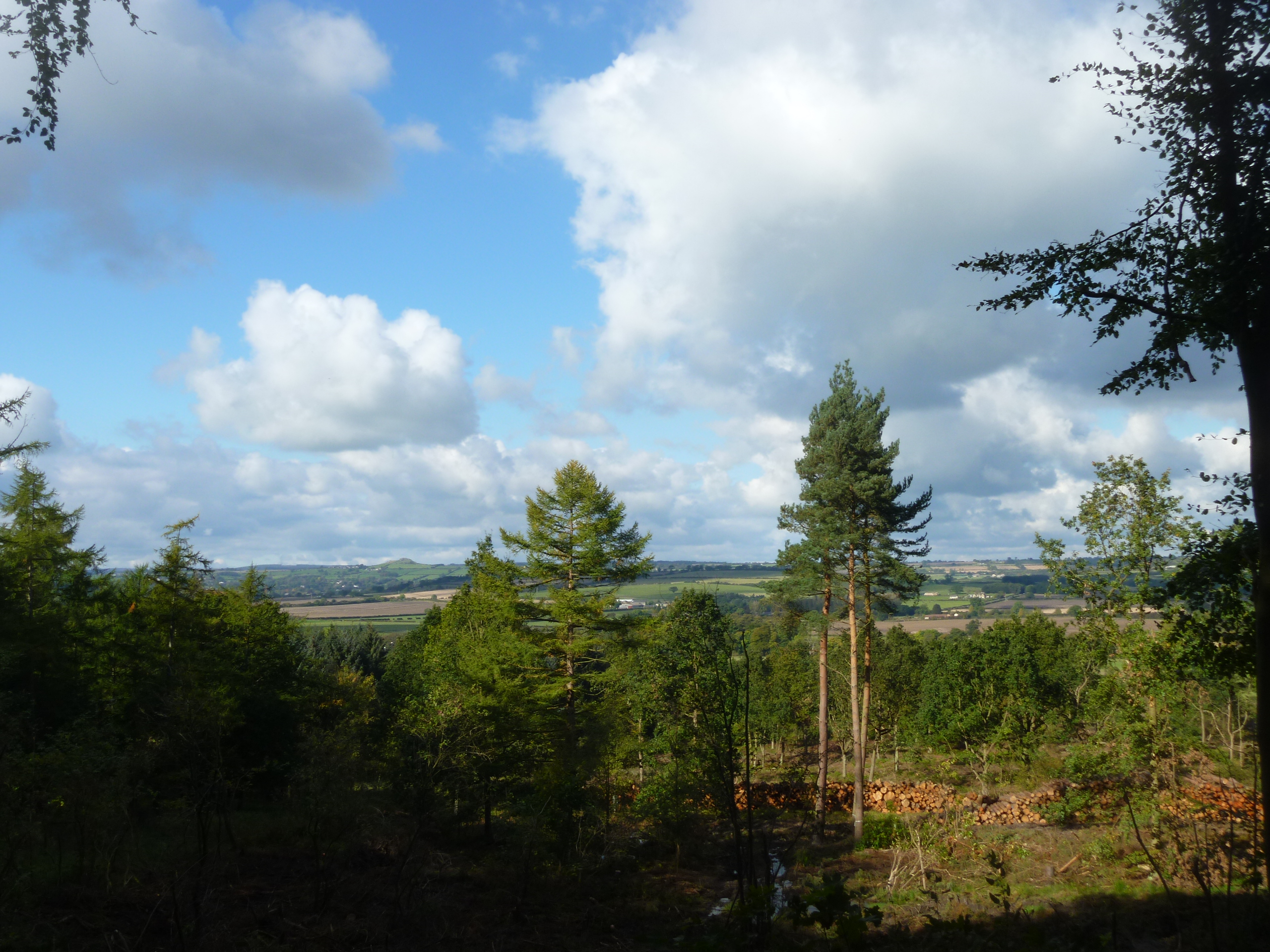
The Castle itself now stands very near to the A61 main road between Leeds and Harrogate but despite its size and proximity it’s almost impossible to see it from the road. There has been some tree clearance in the area lately and the view across Wharfedale can be seen more clearly.

Castle with Turner watercolour from similar standpoints

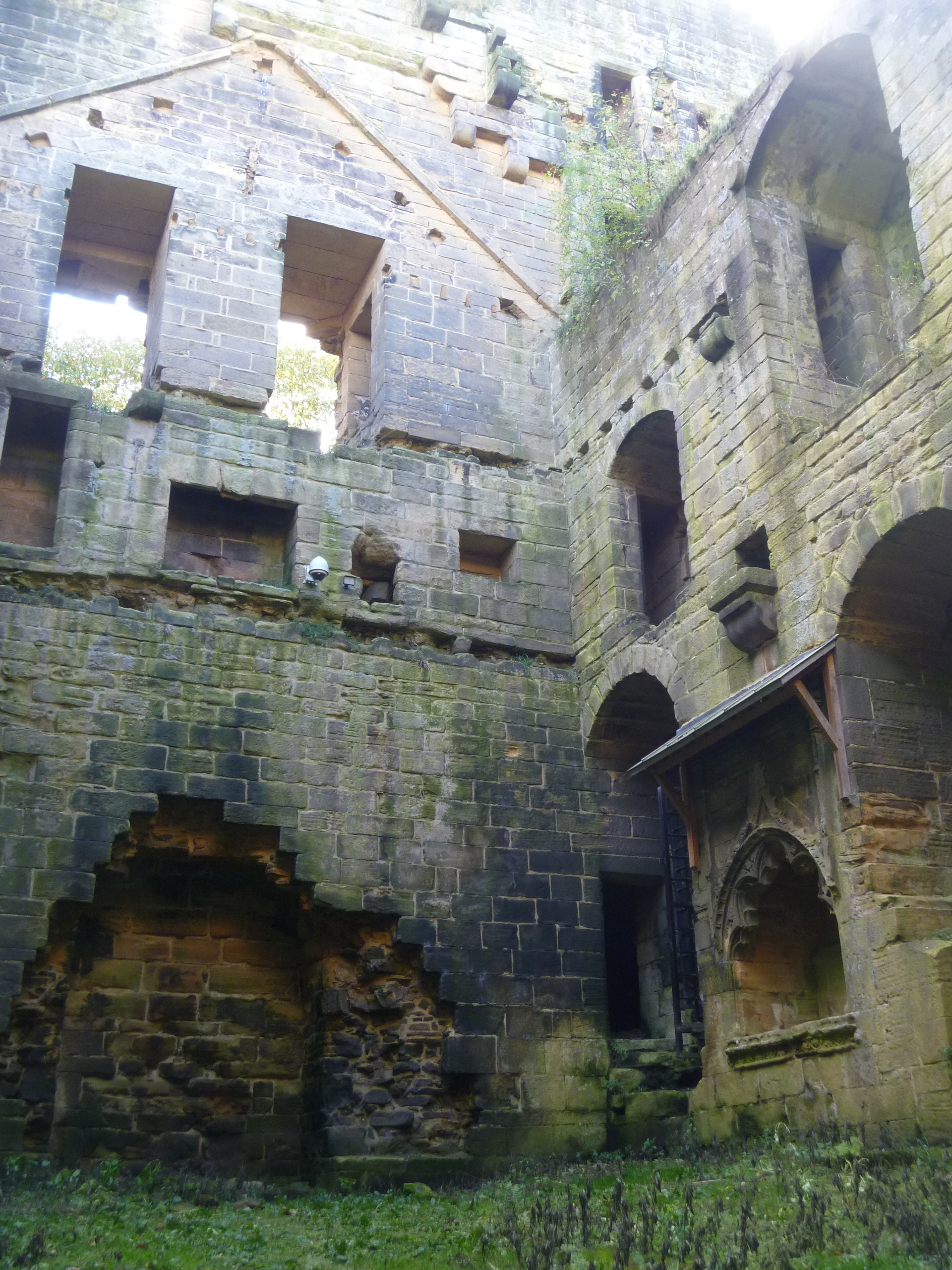
After hearing more about the history of the castle, comparing Turner’s watercolour views with today’s view we were admitted into the ruin and able to inspect more closely the layout and remains of the Harewood Tower House.

Following the path in a loop around the castle (it’s not open to the general public) we retraced our steps to the church where the tour finished.

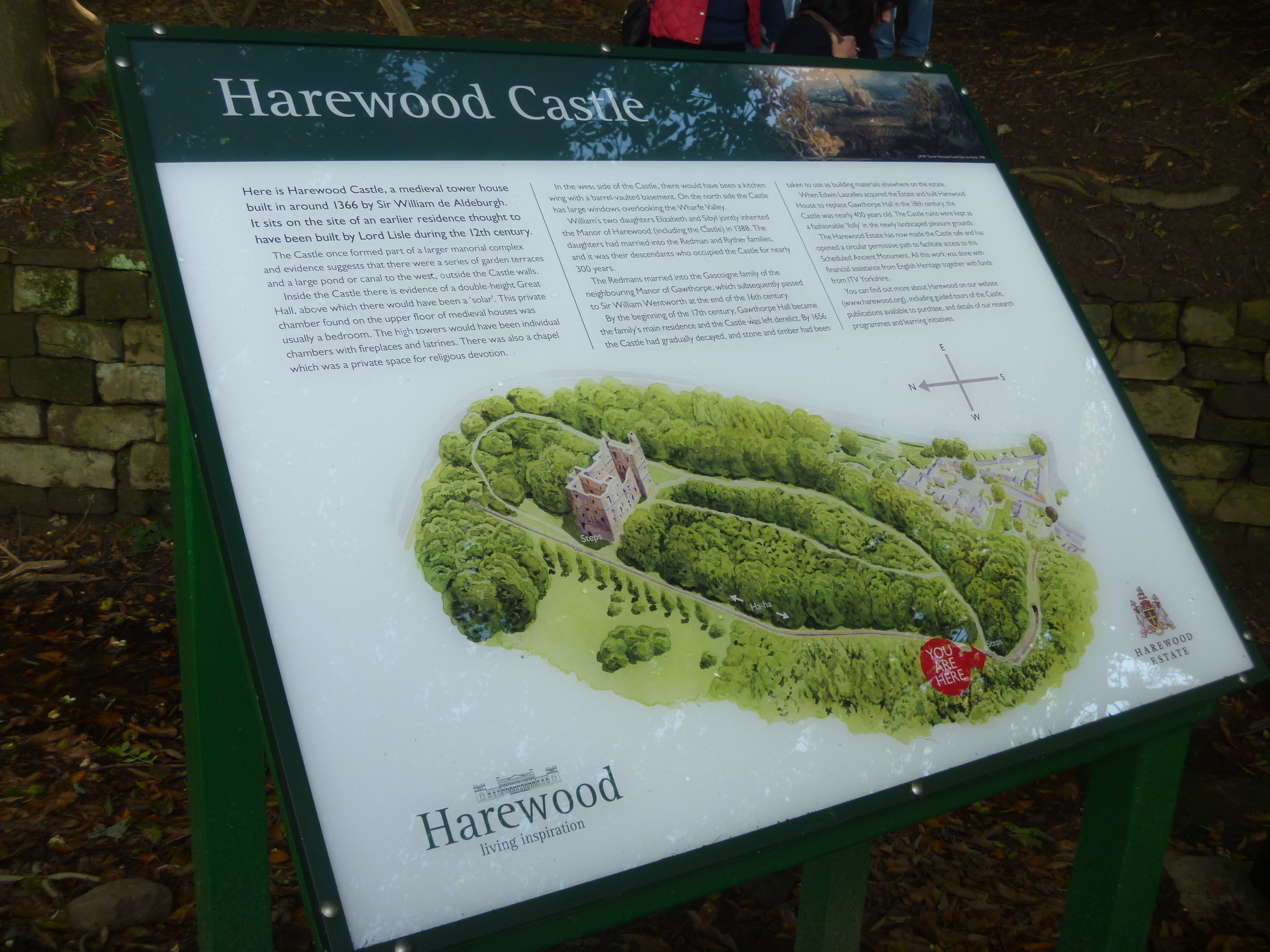
Harewood Castle is technically not a castle but a fortified manse, a converted manor house. A ‘licence to crenellate’ (to fortify) was granted to William De Aldeburgh in the mid-14th century. Two families, the Redmaynes and the Rythers, whose tombs are in Harewood church, shared occupation during the 15th and 16th centuries. It was abandoned in the early 17th century and its stone and ornamental masonry plundered for use in other buildings nearby. By the late 18th century it was a picturesque ruin, painted by Turner, Varley, De Wint, Cotman and Buckler. It remained in that condition until 2004 when stabilisation work was carried out with financial support from English Heritage and matched funding from the Harewood Estate.”

The View over Wharfedale

Crackpots and Conker Crafts : Moor Mosaics and More Mosaics

Meeting up with my friend Rosanna this weekend reminded me that I had not yet posted about a recent walk in North Yorkshire. Rosanna is a Mosaic Artist and she designs and produces (and sells) her lovely craft work. You can read about her and her work here. It was when I was looking at her nature mosaics – birds and other creatures that I was reminded of the walk I lead one Thursday in August : The Crackpots Mosaic Trail.
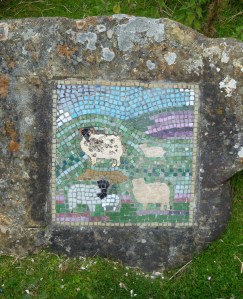
1. Sheep – local farmers have the right to graze their sheep on the moor (by Kirtsy Hallett)
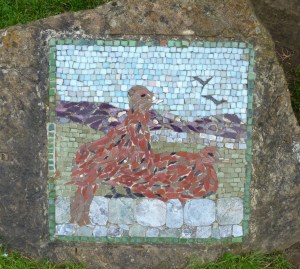
2. Red Grouse – The moor is managed for the grouse which feed on the ling heather (by Patrice Lyth)

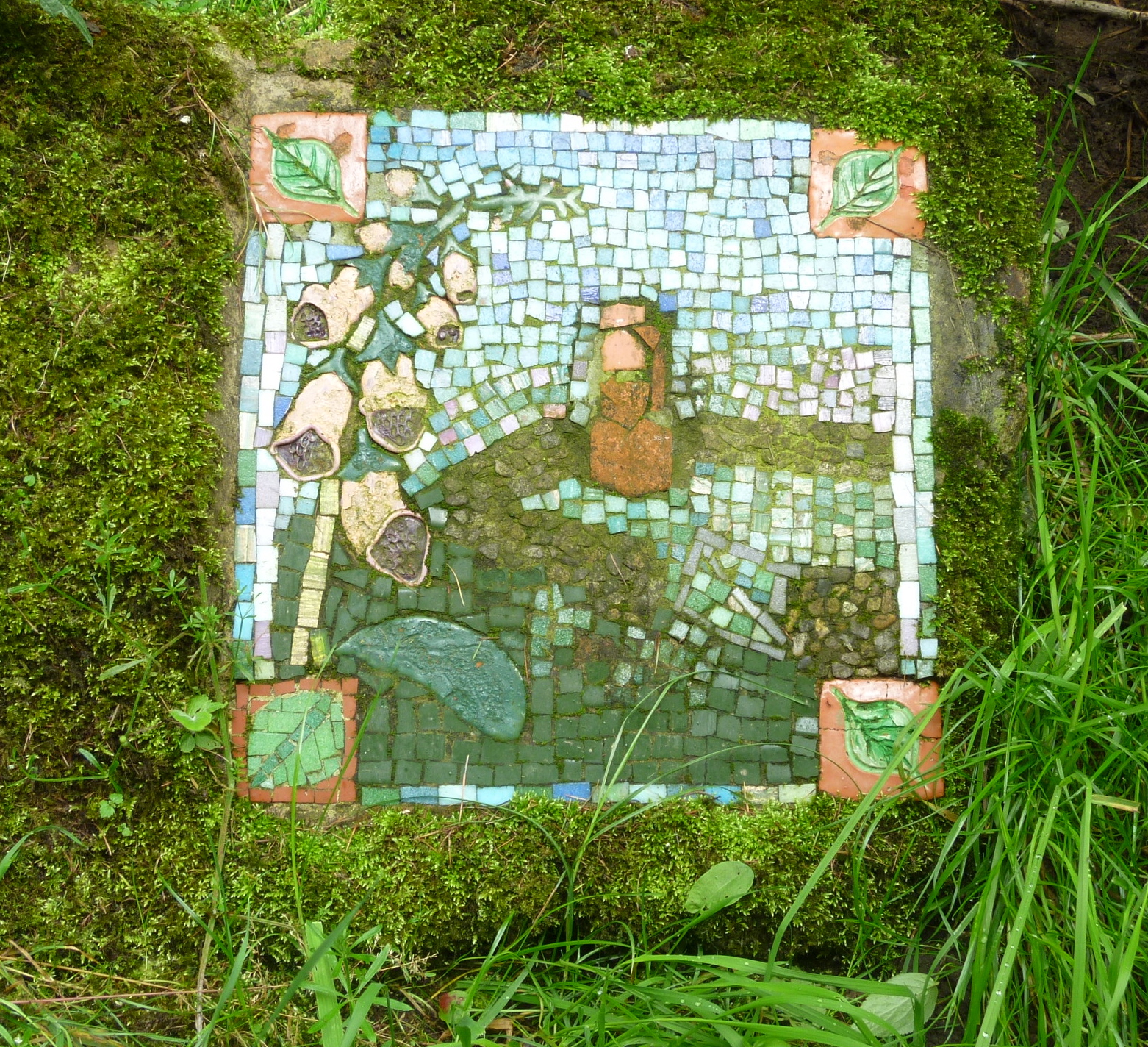
The six and a half mile trail starts several miles northeast of Pateley Bridge in the Nidderdale Area of Outstanding Natural Beauty. Indeed it was to celebrate this designation that a local group of crafts people decided create the trail. In all there are 22 mosaics and a leaflet has been produced with the trail notes, map and brief description of each mosaic.
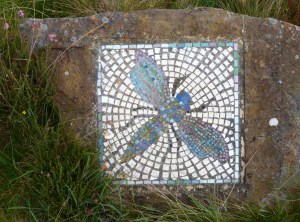
3. Dragon Fly – common on heathlands and moors they lay eggs in water or mud or in water plants (by Margaret Crosfield)
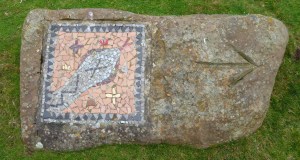
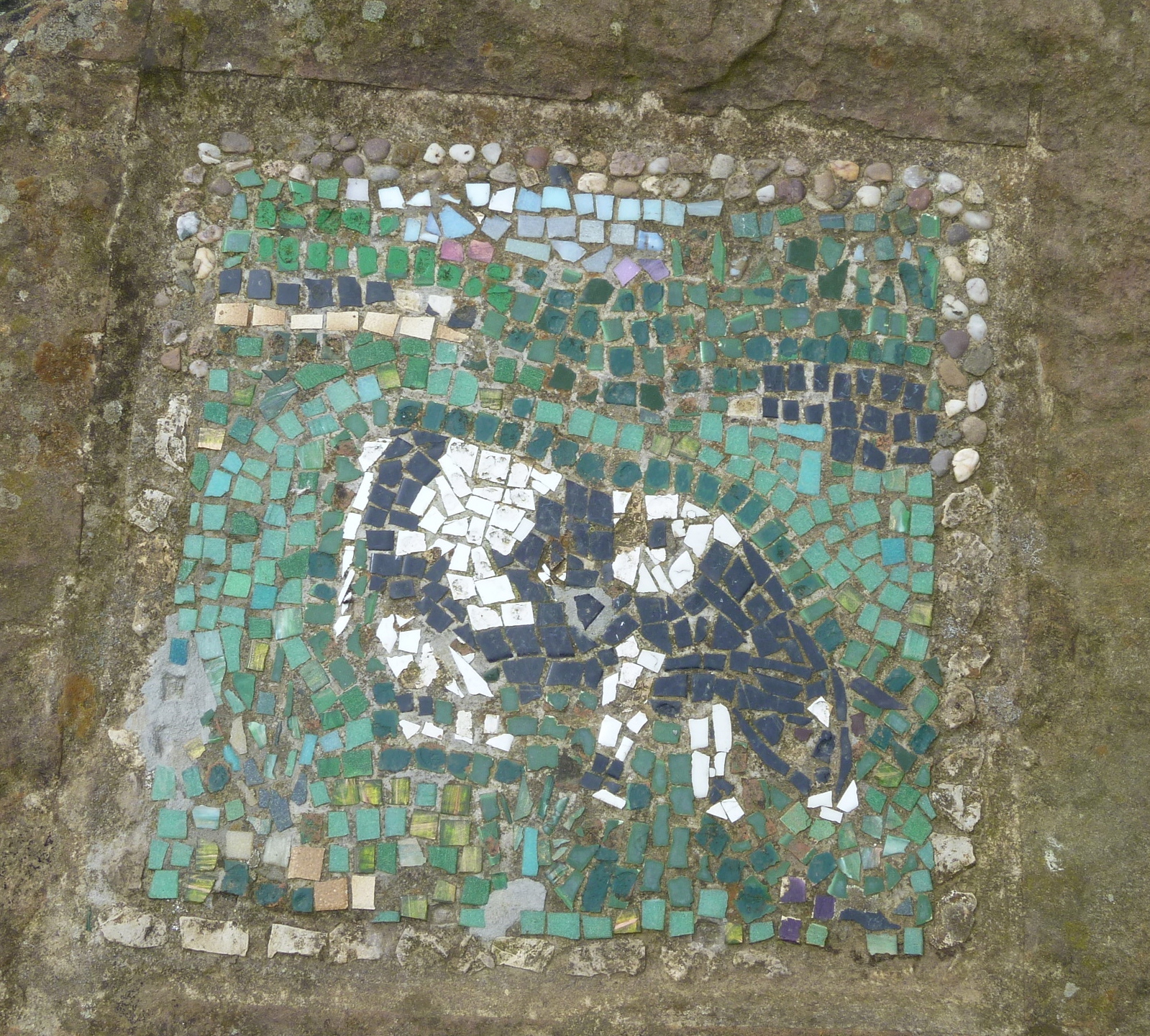
4. Adder – sometimes seen basking on rocks (by Nora Whipp) [I’m glad I didn’t see one!]

I chose that we parked near to the ‘first’ mosaic but there’s a car park by the ‘last’ one. From here, and it’s a pretty exposed windy spot, we were soon branching off the road onto a moorland track. This track takes you along to numbers 2, 3 and 4 then, on a track through the hamlet of Carlesmoor, you come across the first non-nature mosaic : number 5 The Potato House. Known locally as “taty houses’ it was/is used for storing … potatoes.
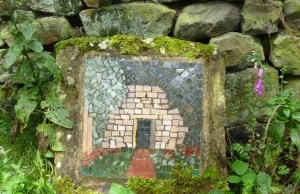
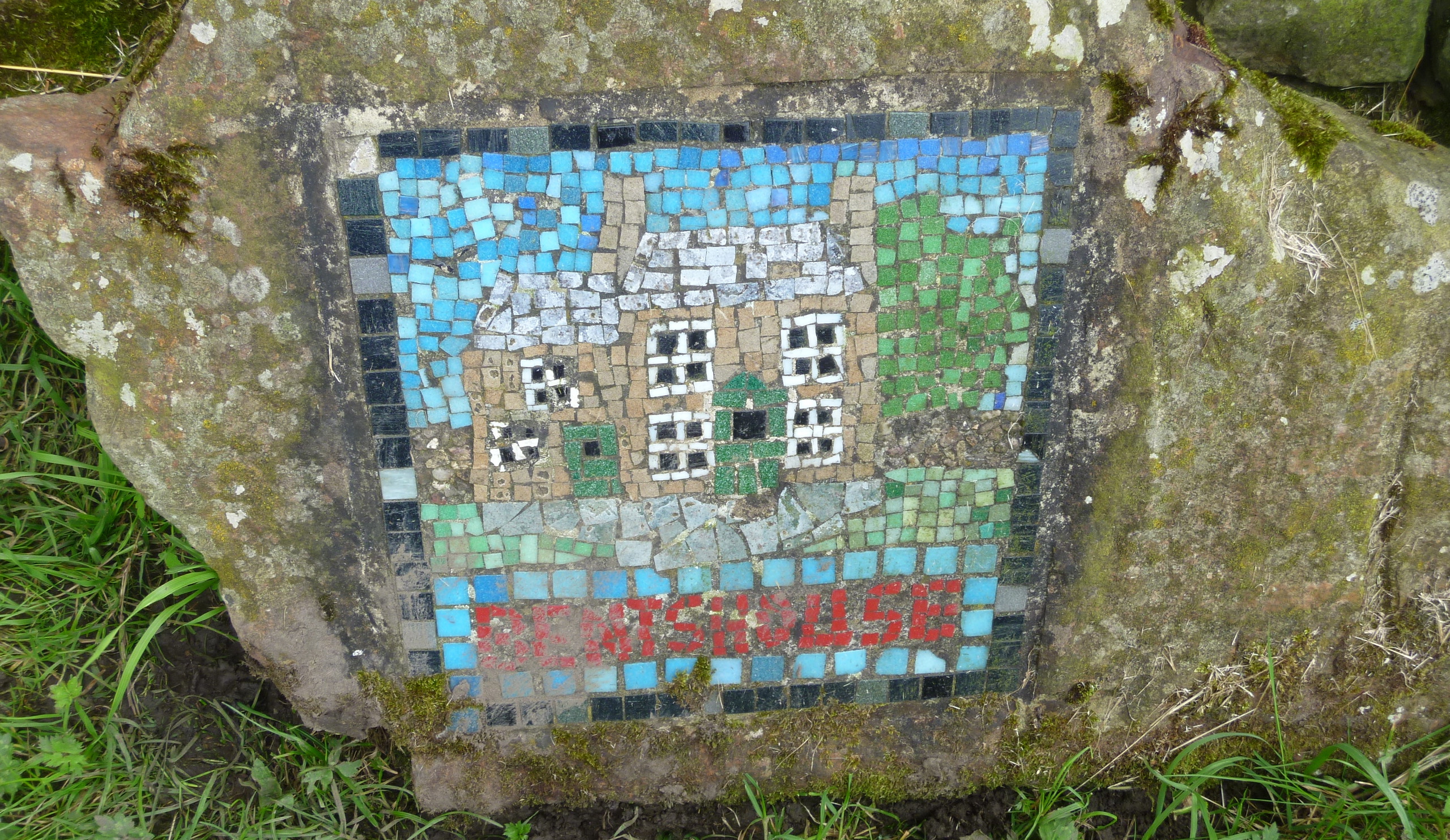
5. The Potato House (by Gwynneth Jackson)
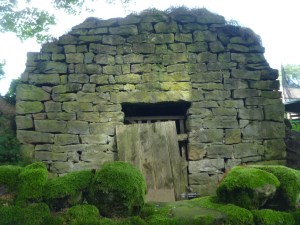
The Potato House today

The next mosaic illustrates The Sighting Tower which stands on a nearby hill and was built to achieve the level for a tunnel from Round Hill Reservoir for Harrogate’s water supply.
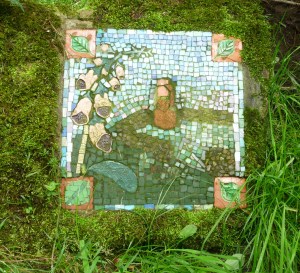
6. The Sighting Tower (by Naomi Lyth)

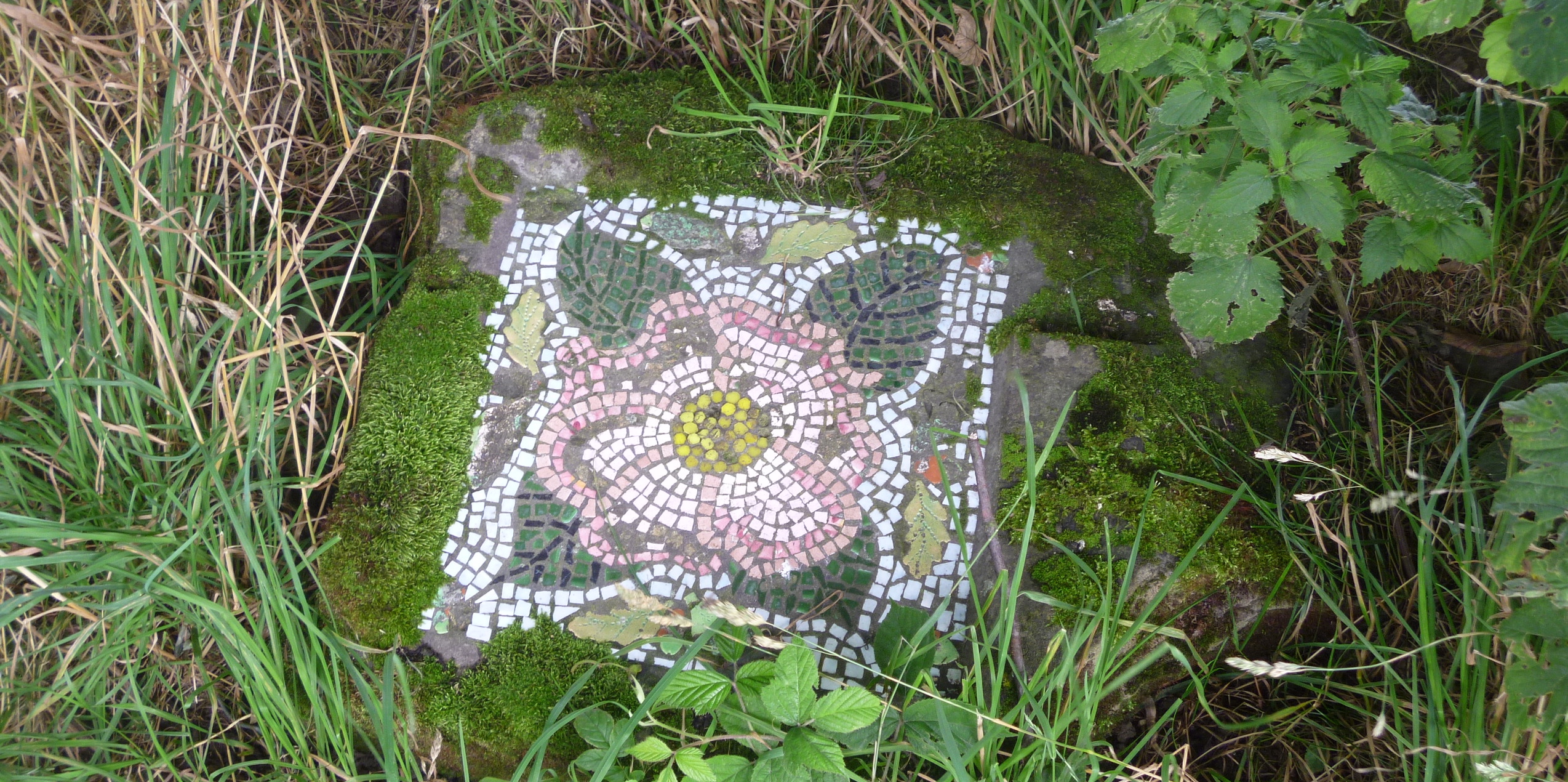
7. Wild Rose – can be seen in abundance in local hedgerows in May and June (by Judy Schlehr)

We rejoined the road briefly and then took a track/bridleway which also appeared to be a water conduit and was therefore rather muddy, even at times of dry weather. Each ford we crossed though had its own footbridge, which was handy. Mosaics 8 to 12 indicated that we were on the right track and some were also indicative of local dampness!

8. Greater Spotted Woodpecker – at home in both coniferous and deciduous woodland (by Sue Swales)

9. Friesian Cow – one of the most popular dairy breeds (by Audrey Mackenzie)

10. Flag Iris & Tadpoles – both like pools and marshy areas (by Hilary Roome & Nora Whipp)

11. Brown Trout – coming from the moor, Stock Beck joins the River Laver and eventually the Skell and the Ure (by Patrice Lyth)

Eventually we joined a country lane and then briefly had to walk along the side of a busyish road.
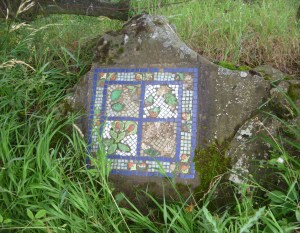
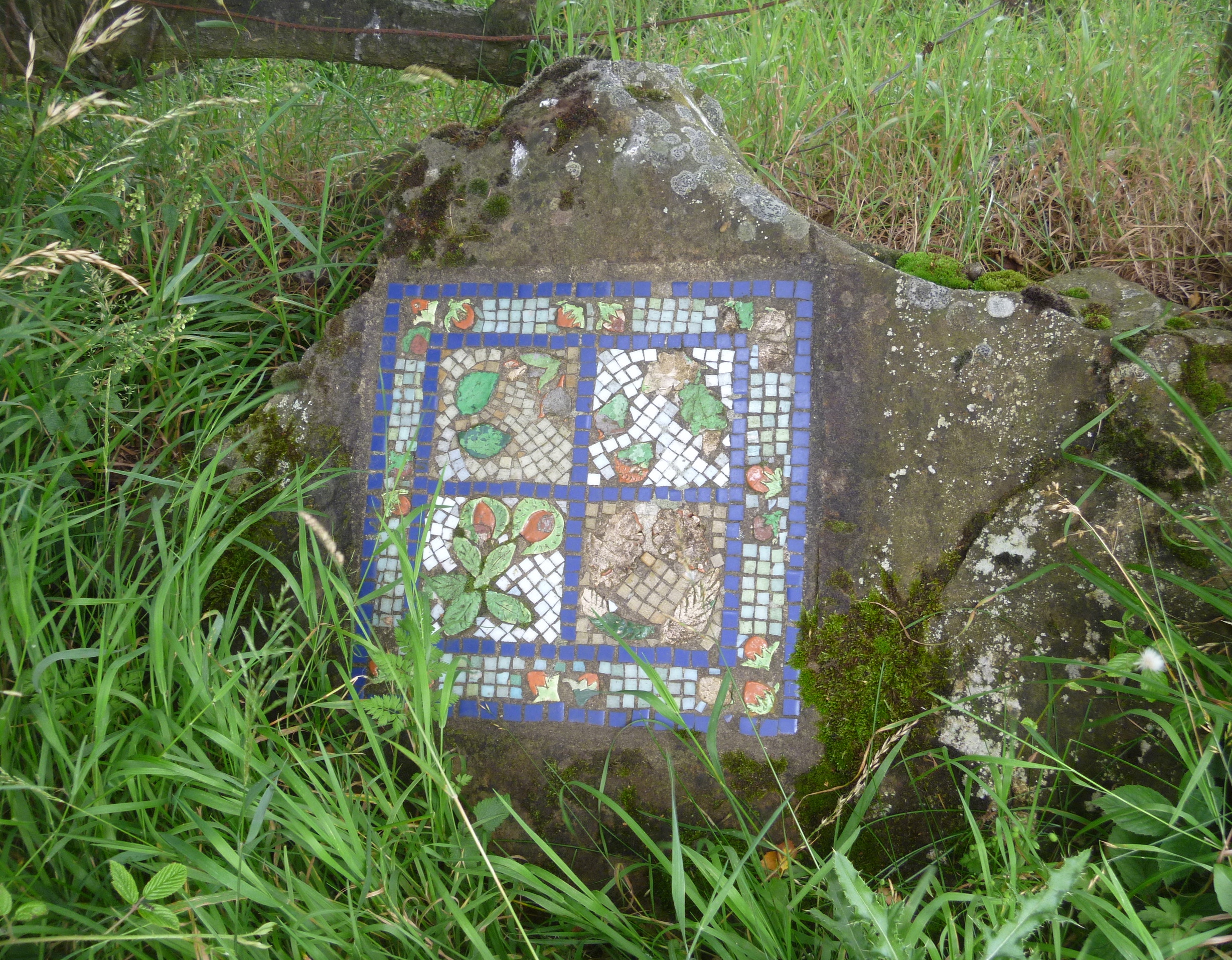
12. Leaves – a wide selection of species abound in this area – beech, oak, hawthorn, hazel (by Margaret Crosfield)

13. Curlew – a large wading bird that nests and breeds in upland areas (by Nora Whipp)

There’s a pub by the road, The Drovers Inn, but it was closed on the Thursday when we passed by. This being the case we decided anyway to stop and eat our lunches at the handily placed picnic tables. The Drovers has its own mosaic set on a rock by the roadside.

14. Boots & beer – stop here for refreshment and good company [we brought our own of both!], but not on Mondays (by Gerry Mass)

Here’s what I found about the inn (there’s no website) :

“Dallowgill – ‘The Drovers Inn’

Free House. Locally and affectionately known as ‘The Little Drovers’. Not technically in Nidderdale but an allowable indulgence as the characterful Drovers Inn has strong connections with the dale, lying about five miles or so eastwards from Pateley Bridge at the far end of Dallowgill Moor. An isolated moor edge pub notable for its tiny ‘living room’ 1960’s feel bar. The pub is owned by Dallowgill shooting estate and as such remains unspoilt and un-commercialised. Closed all day Mondays.
Built between 1856-1861 by Joseph Atkinson. Friendly licensee in Steve Plews, with the pub offering bar meals and two/three Real Ales (normally inc. Hambleton Bitter plus one other)
Tel. 01765 658510”

[http://www.nidderdale.fslife.co.uk/nidderdale.html]

Refreshed, we moved on along this road for probably just under a mile and by Castiles Farm another track (with its own mosaic of bluebells) led off down to Dallow hamlet.
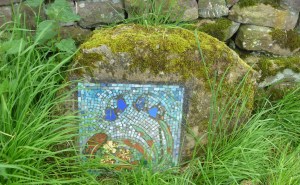
15. Bluebells – a common sight in May along hedgerows and on woodland floors (by Margaret Crosfield)

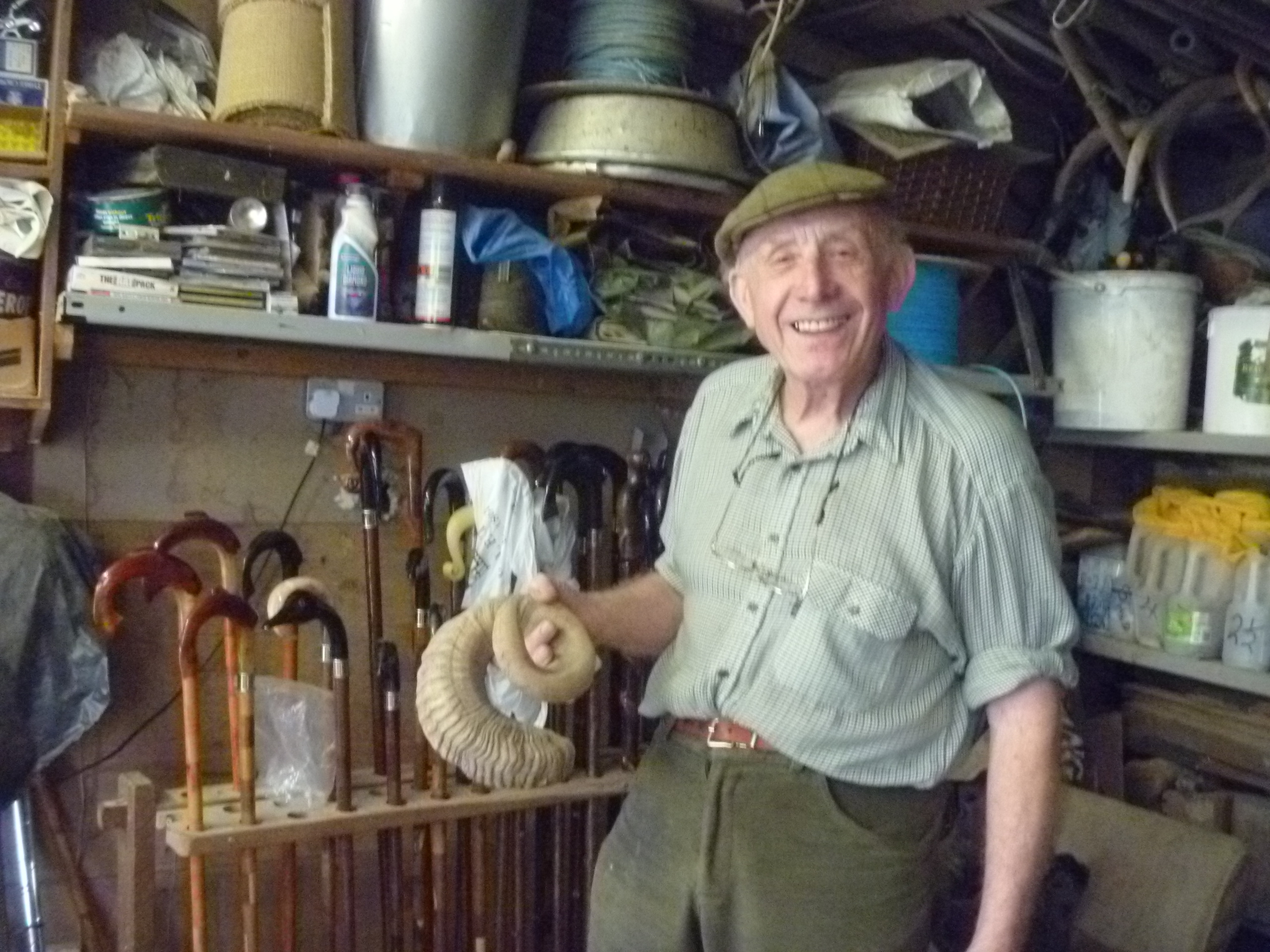
There we met the ‘stick man’. He showed us a wonderful collection of sticks that he made – each one different from the next. The pub is owned by the Dallowgill shooting estate so indeed is the hamlet of Dallow and our stick maker Terry Holman is a beater. From the ‘Glorious Twelfth’ (of August) he’s a beater or some such for the estate up on the local moors and (he told us) his business is put on hold for 12 weeks.

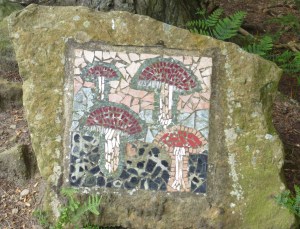
16. Fungi – found in the woods in autumn (Gwynneth Jackson)

17. Deer – most commonly roe deer who are rather partial to young trees (by Wahneta Thorne)

18. Rabbits – the farmers’ pest, six of these furry creatures eat as much as one sheep! (James Stewart)

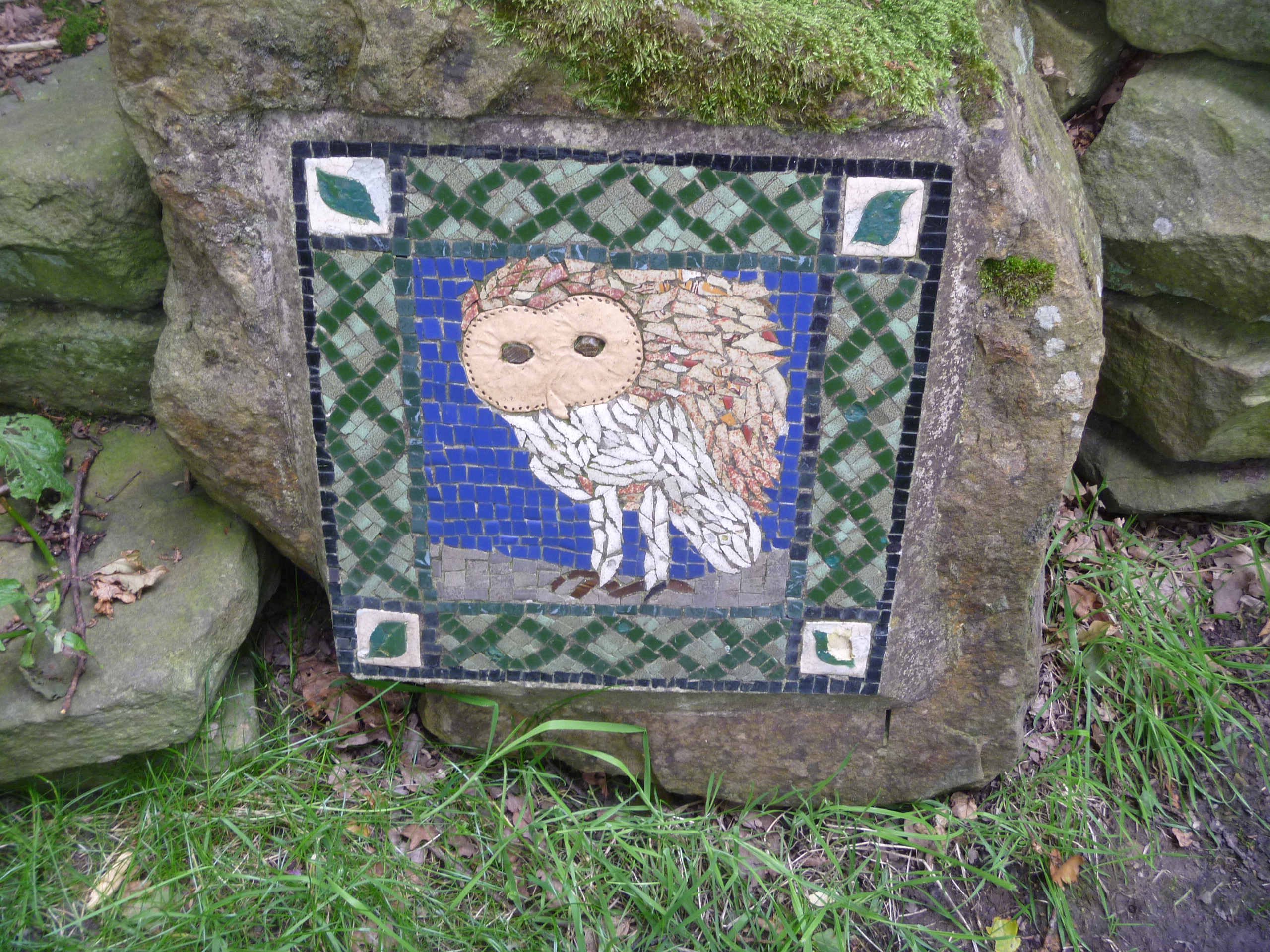
19. Barn owl – sadly in decline. Lives in deserted barns. (Patrice Lyth)

After Dallow there’s a lot of woodland or forest path to cover until finally we strike across fields from one building (Bents House with its own mosaic)
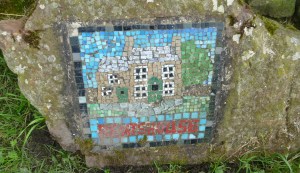
20. Bents House – built in the late 18th century, named after Bent, a type of grass (Really??) (by Frances Lyth)

to another (a buttressed barn)
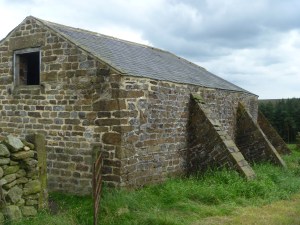
21. Pheasant – very colourful birds with a distinct lack of road sense! (by Margaret Crosfield)

to another (Pete’s Place) and finally a last climb up to the road where lies the final mosaic (and a car park). Our own parking place was just a few paces on from this. The final mosaic is of a Roman soldier whose remains were found on Grewelthorpe Moor and buried in Kirkby Malzeard churchyard.

22 Roman soldier (By Gerry Mass)

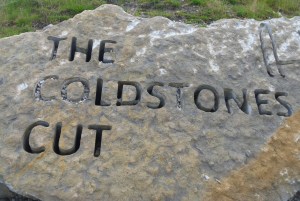
This being a shortish walk for the group we drove home via The Coldstones Cut a “monumental sculpture for spectacular views of North Yorkshire” (leaflet). Just outside Pateley Bridge on the B6265 road to Skipton there’s a free car park and its a toughish climb up but well worth the effort for the views and the panorama that awaits you. The orientation ‘table’ set in the wall top indicates the direction to locations near and far and very very far away!
Then what better way to round of the day than a round of drinks at The Royal Oak in Dacre one of my favourite Dales pub stops!

I Miss Miro but Make a Beeline for The Bee Library

A Sunny September Saturday Afternoon at The Yorkshire Sculpture Park

Oh dear, I seem to have lots of favourite places to walk and yesterday I revisited another but it’s a good place to take visitors who enjoy stepping out in the countryside but not too strenuously and with added cultural interest. Yesterday we spent a lovely warm sunny afternoon at The Yorkshire Sculpture Park. I was last there on a cold blustery January morning earlier this year. Despite a busy car park and visitor centre it was easy to get away from the crowds and although our aim was to see the Joan Miro exhibits we never actually got to them! The plan was to hike up to the Longside Gallery to see the Anish Kapoor exhibits and return to the car via the Underground Gallery and Miro exhibition.
Of course, it didn’t turn out like that as we were constantly stopping to inspect the wonderful sculptures dotted around the Park.

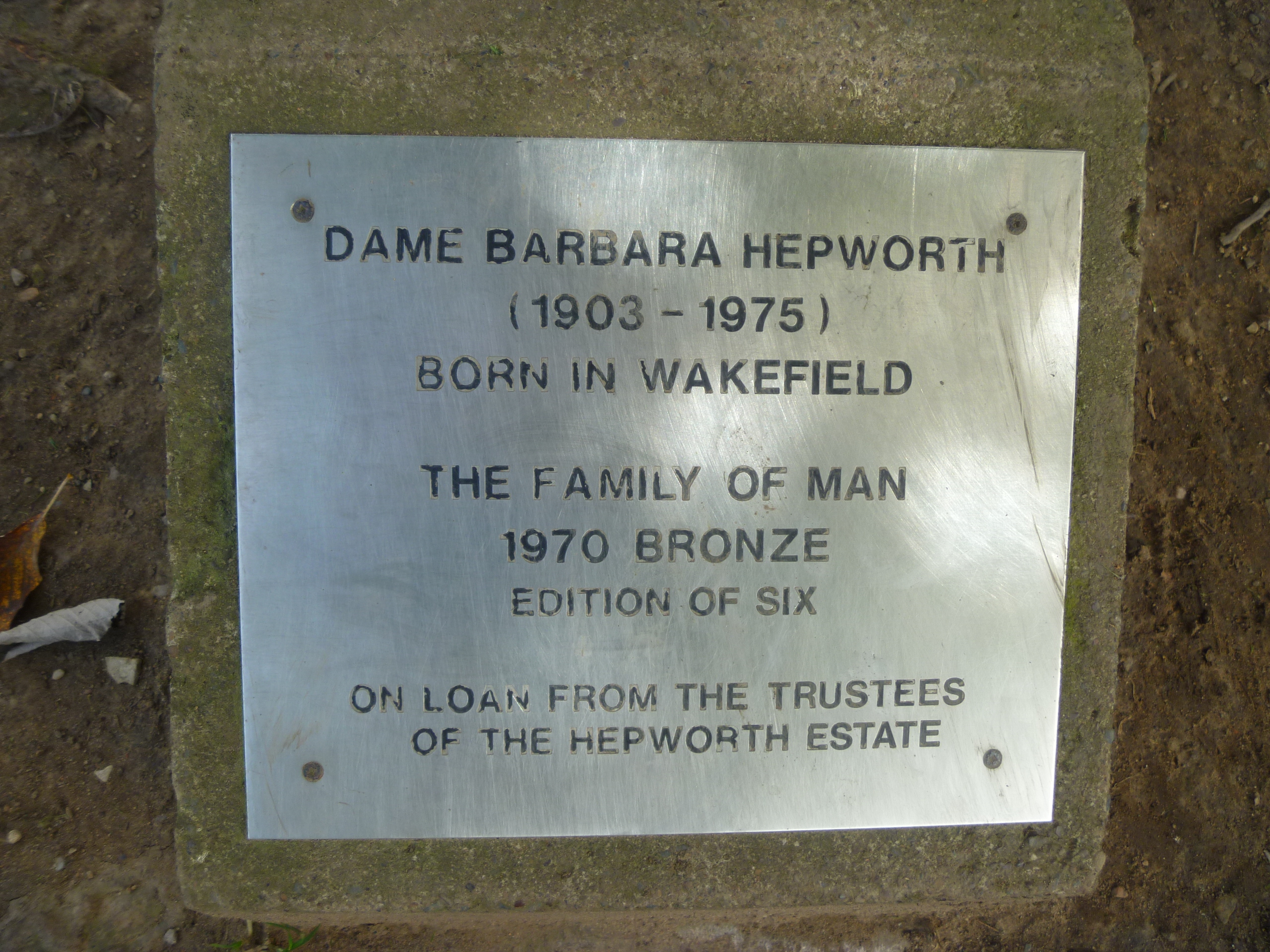
One of the first up was Barbara Hepworth‘s The Family of Man. Only as recently as July I had come across an edition of this bronze work at Snape Maltings in Suffolk.

Family of Man at Yorkshire Sculpture Park

Family of Man at Snape Maltings

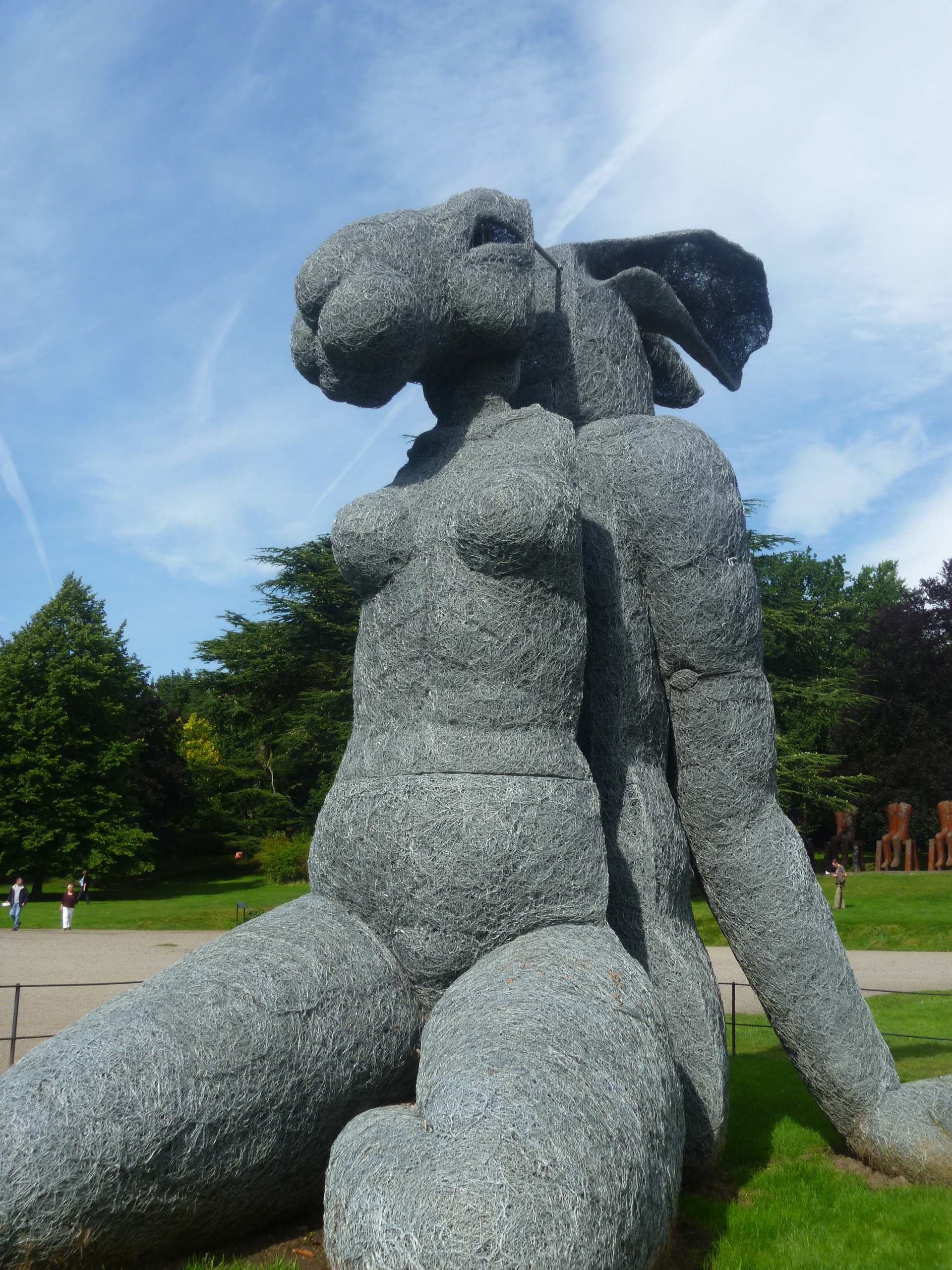
Descending through the park we were waylaid by other intriguing and clever works of art including The Greyworld Playground (make your own music!), Magdalena Abakanowicz’s Ten Seated Figures and nearby Sophie Ryder‘s Lady-Hare Sitting.

Our visitors have connections with the northeast and were expecting to see an Antony Gormley, almost featureless but still expressive, sculpture as they, like me, are fans of The Angel of The North.

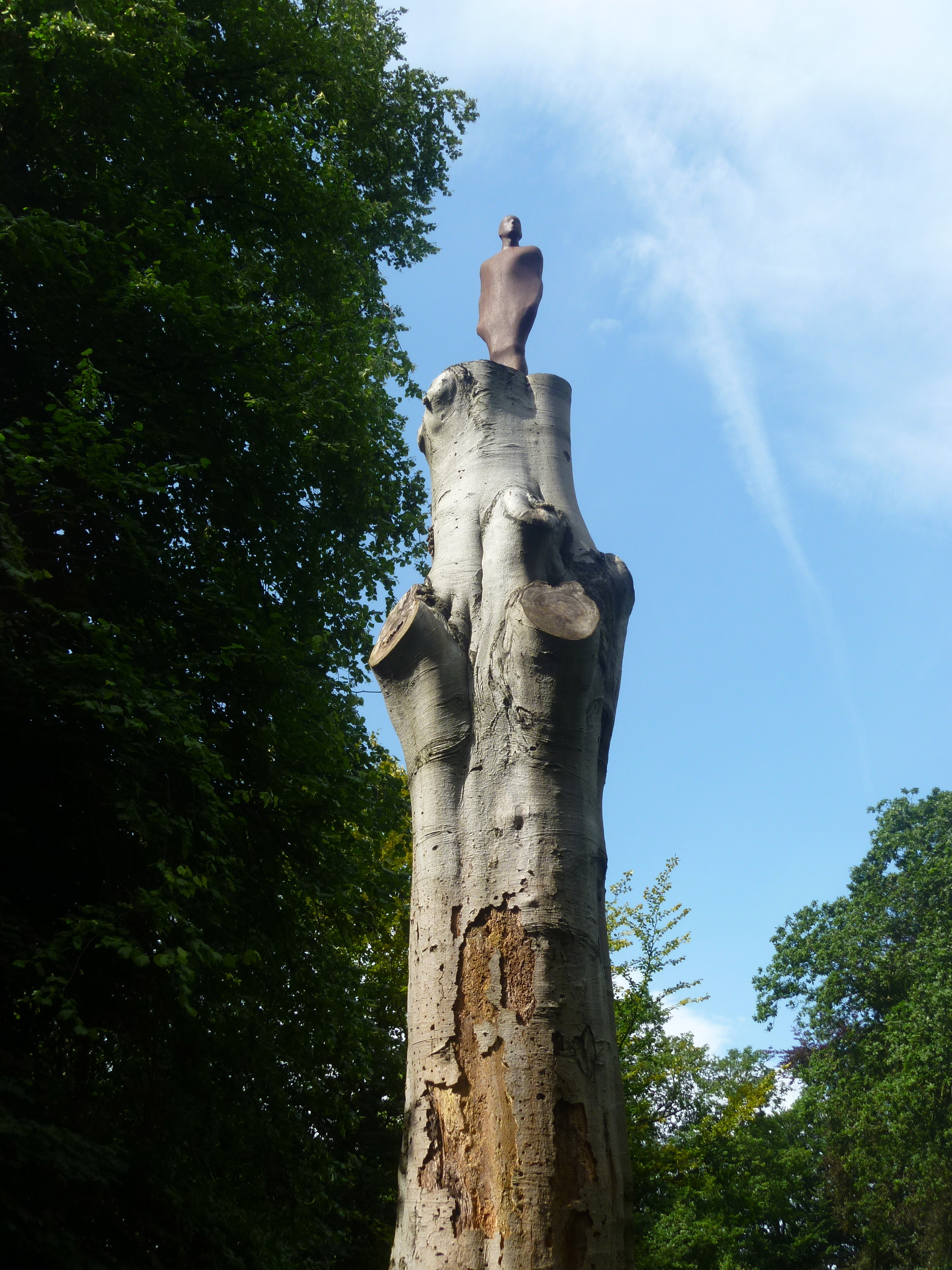
They were not disappointed. Right by the gate, through which you head into open country and fields of sheep and cattle, and standing high above our heads on a massive tree trunk is Gormley’s One & Other.

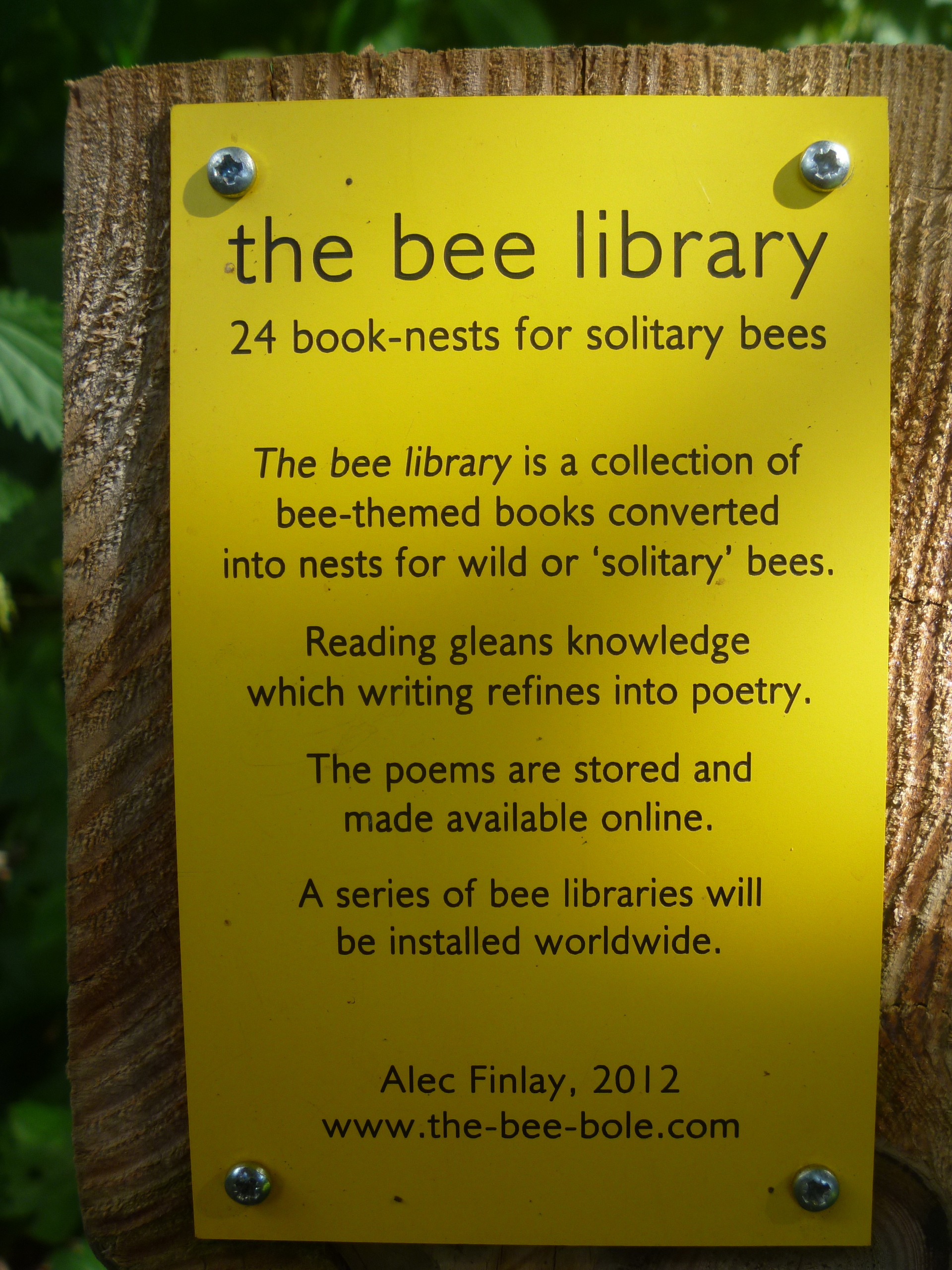
At this point we were intrigued to take a detour from our proposed route to inspect Alec Finlay’s The Bee Library. Along a path through woodland surrounding the Upper Lake hang 24 ‘Bee Hotels’ each is labelled with the title of the book and a link to the website www.the-bee-bole.com where the full story can be read.

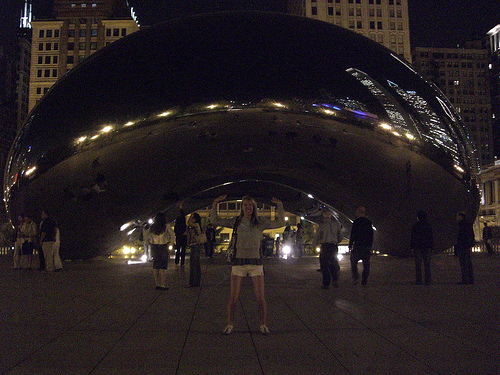
Finally we headed up the hill to the Longside Gallery which features currently an exhibition of the work of Anish Kapoor designer and creator of the Orbit structure in the London 2012 Olympic Park and of Cloudgate, commonly called “The Bean”, in Chicago.

Chicago’s Cloudgate by Anish Kapoor at night

No photography is allowed inside the gallery. After a brief stop for refreshments we headed back down hill past work of Andy Goldsworthy and down David Nash’s Seventy One Steps returning to the car with only the briefest glance round the lovely shop. Maybe I will get back to see the Miro exhibits before they move on in January 2013 – I hope so!
[Post updated with links 03.09.12]

Literary Lyme – from Jane Austen to Little Pig Robinson

I’ve visited Lyme Regis on at least one occasion every year since I first came down to Branscombe in 2007. On several of the previous visits I’ve gone fossiling. Needless to say the five-year olds on these tours found many fossils and I found never found any. Of course, they are a lot nearer to the ground. That’s my excuse, anyway.

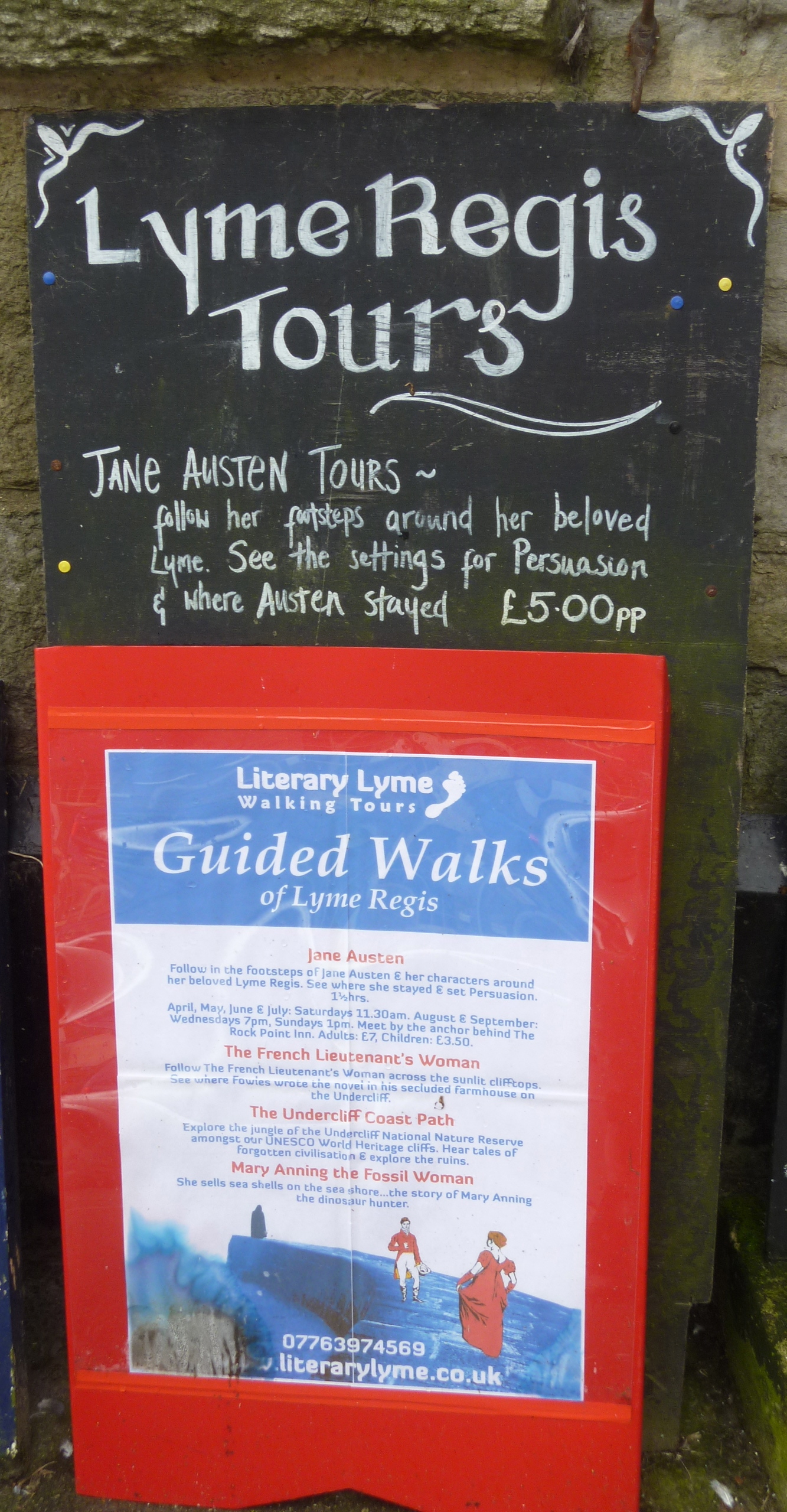
This year on the recommendation of one my readers I’d booked to go on a Literary Lyme Walking Tour on the theme of Jane Austen in Lyme Regis.

I should mention here that the weather on this August Bank Holiday Monday was simply appalling – wind, rain and high seas. This was such a shame at the end of summer and of most people’s holidays.

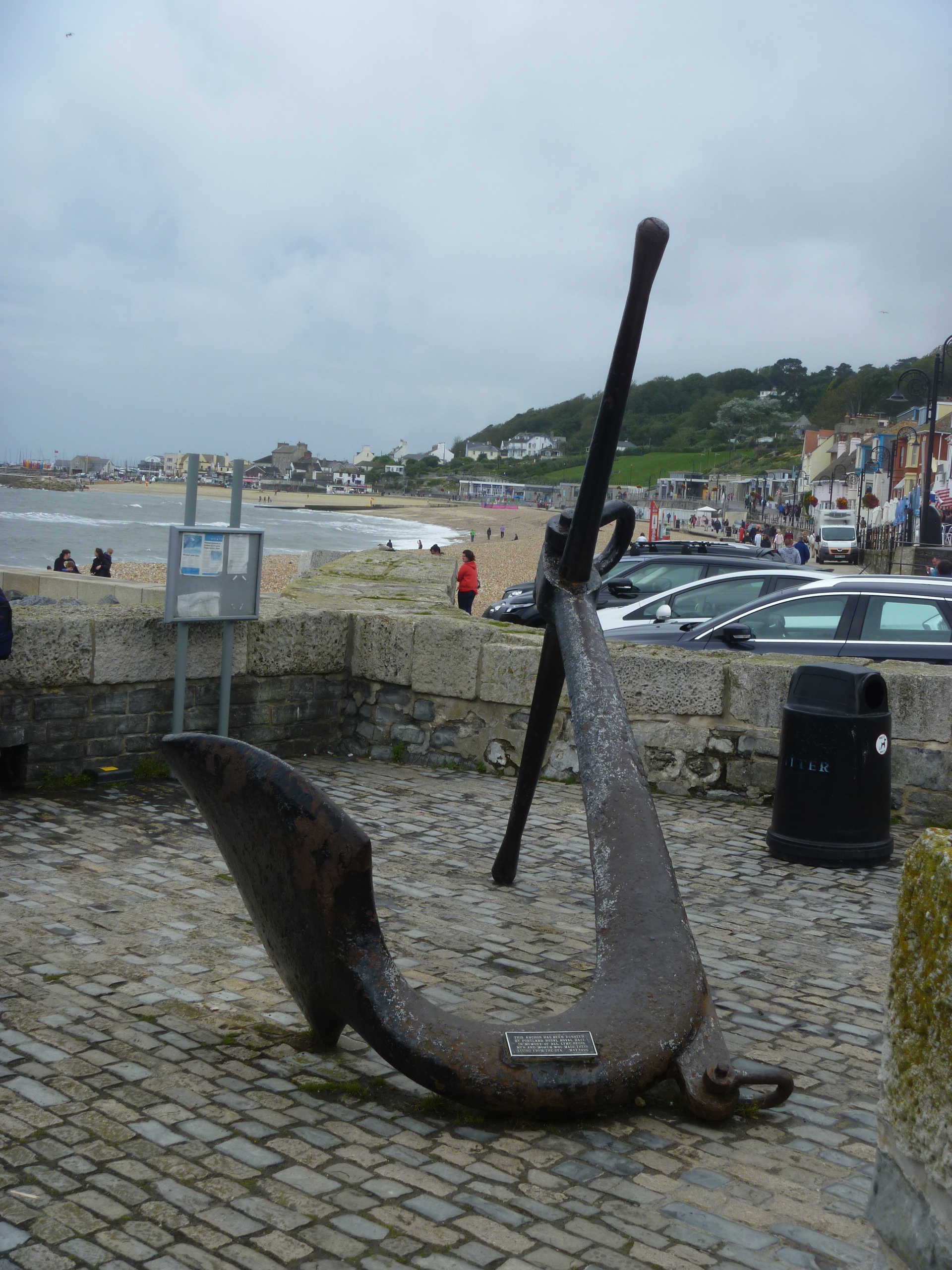
The arrangement was to meet at the anchor in the middle of town where the main shopping street drops down to the sea wall.

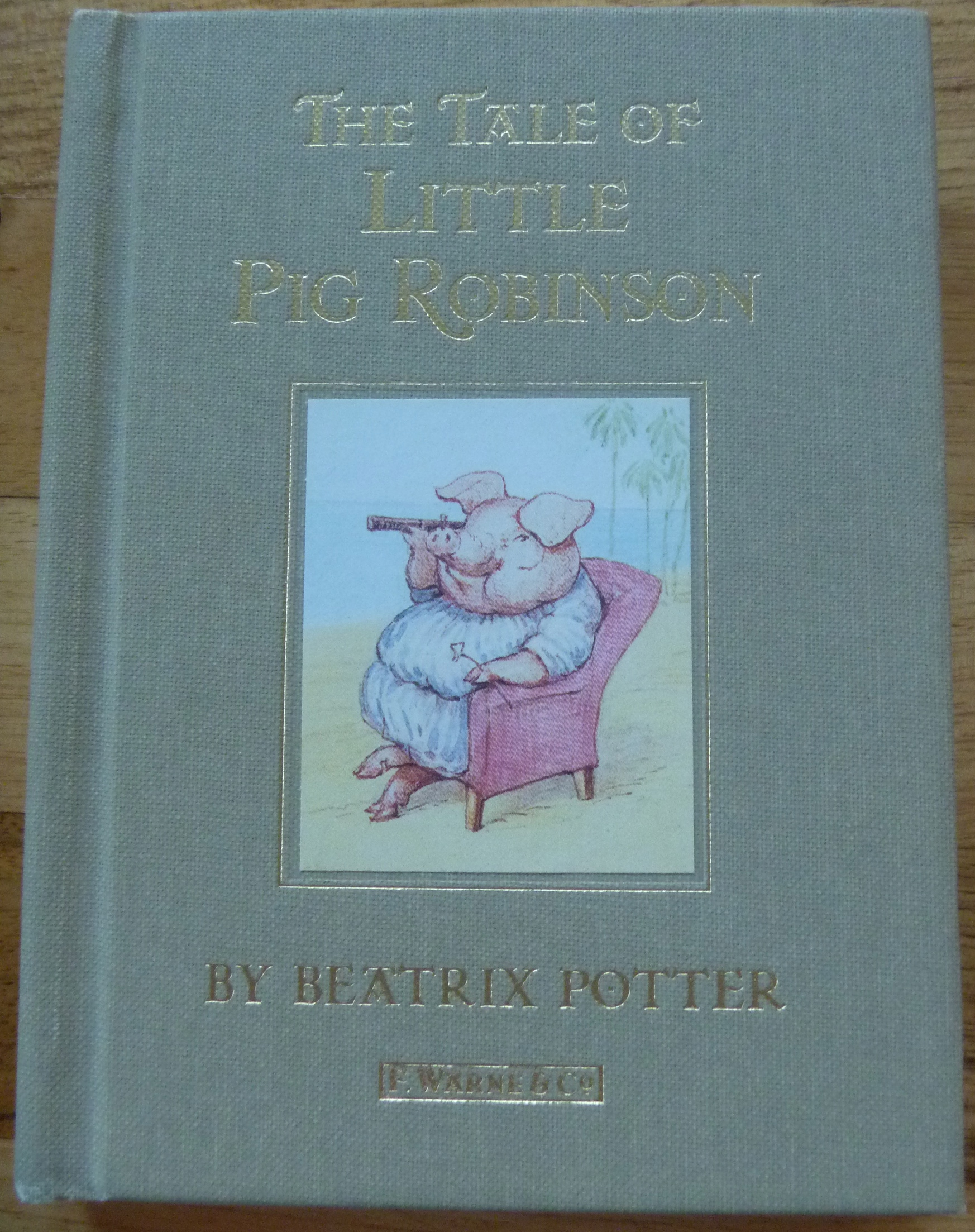
On a previous visit to the Town Museum I had noticed that Beatrix Potter had written and illustrated one of her longer children’s books here : Little Pig Robinson. I asked Natalie if she could pick out any of the locations featured in this book. She did and I made a note of these for future reference.

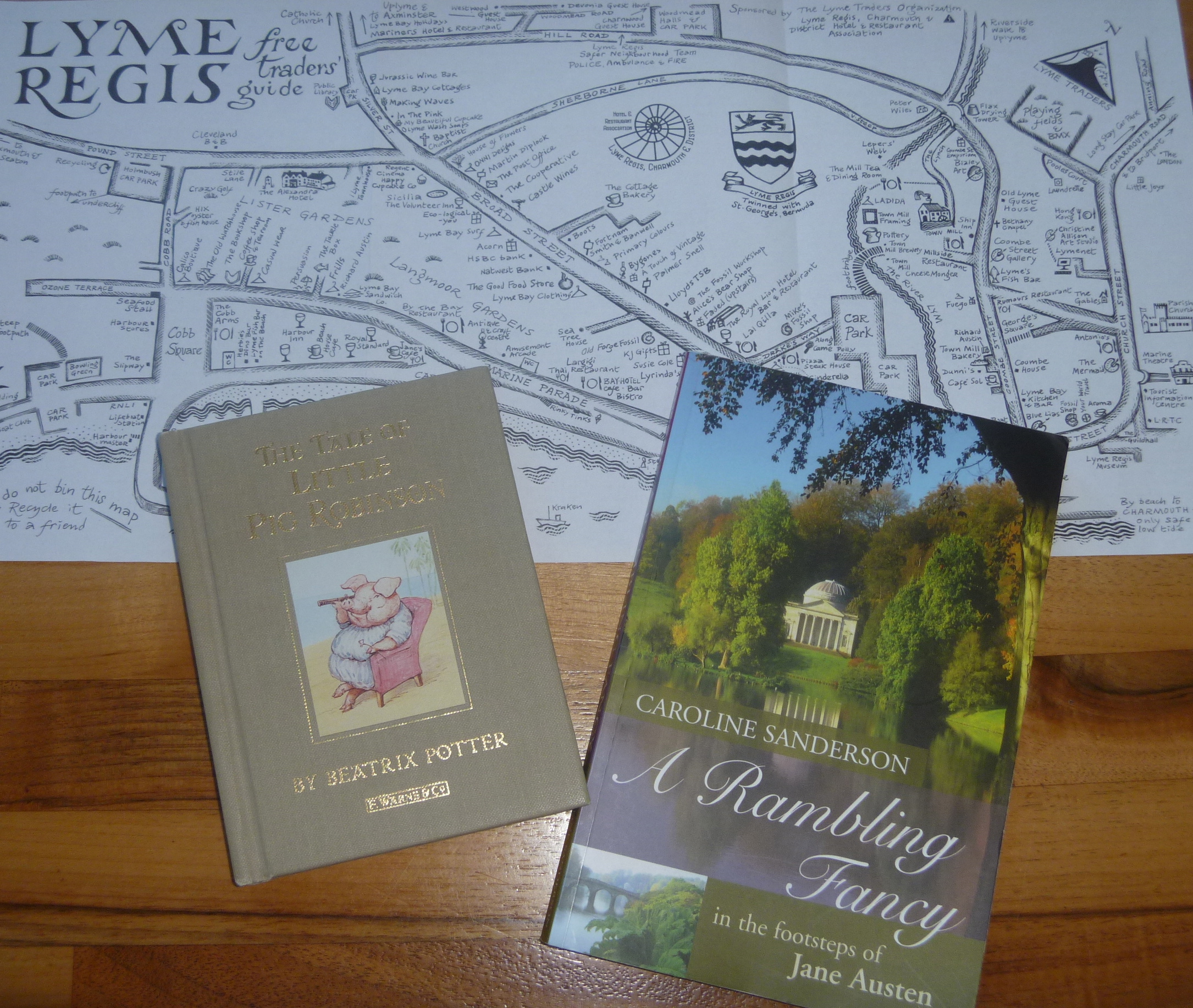
I had thought that I could probably work out a Jane Austen walk for myself using Google and Caroline Sanderson’s book A Rambling Fancy: in the footsteps of Jane Austen which has a chapter on Jane in Lyme but to have my own private and knowledgeable guide proved well worthwhile.

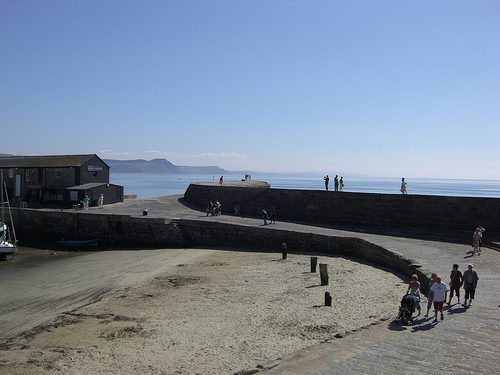
Using copies of old prints of the town Natalie Manifold (who is Literary Lyme) began our JA tour explaining the origin and history of the famous Cobb. The dates connected with The Cobb will prove to be important when we eventually arrive there!

Photo taken on a previous visit when the weather was as it should be!

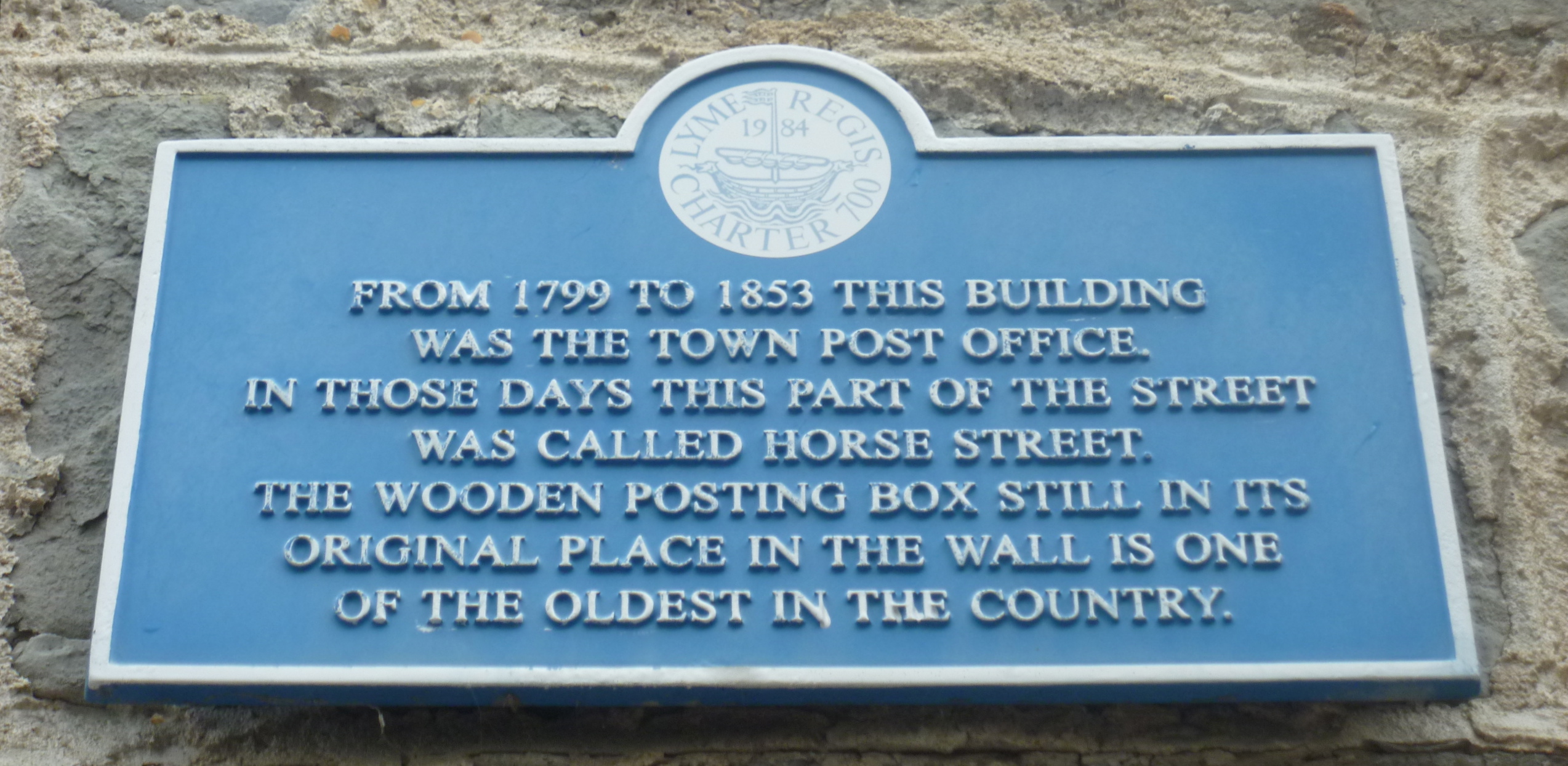
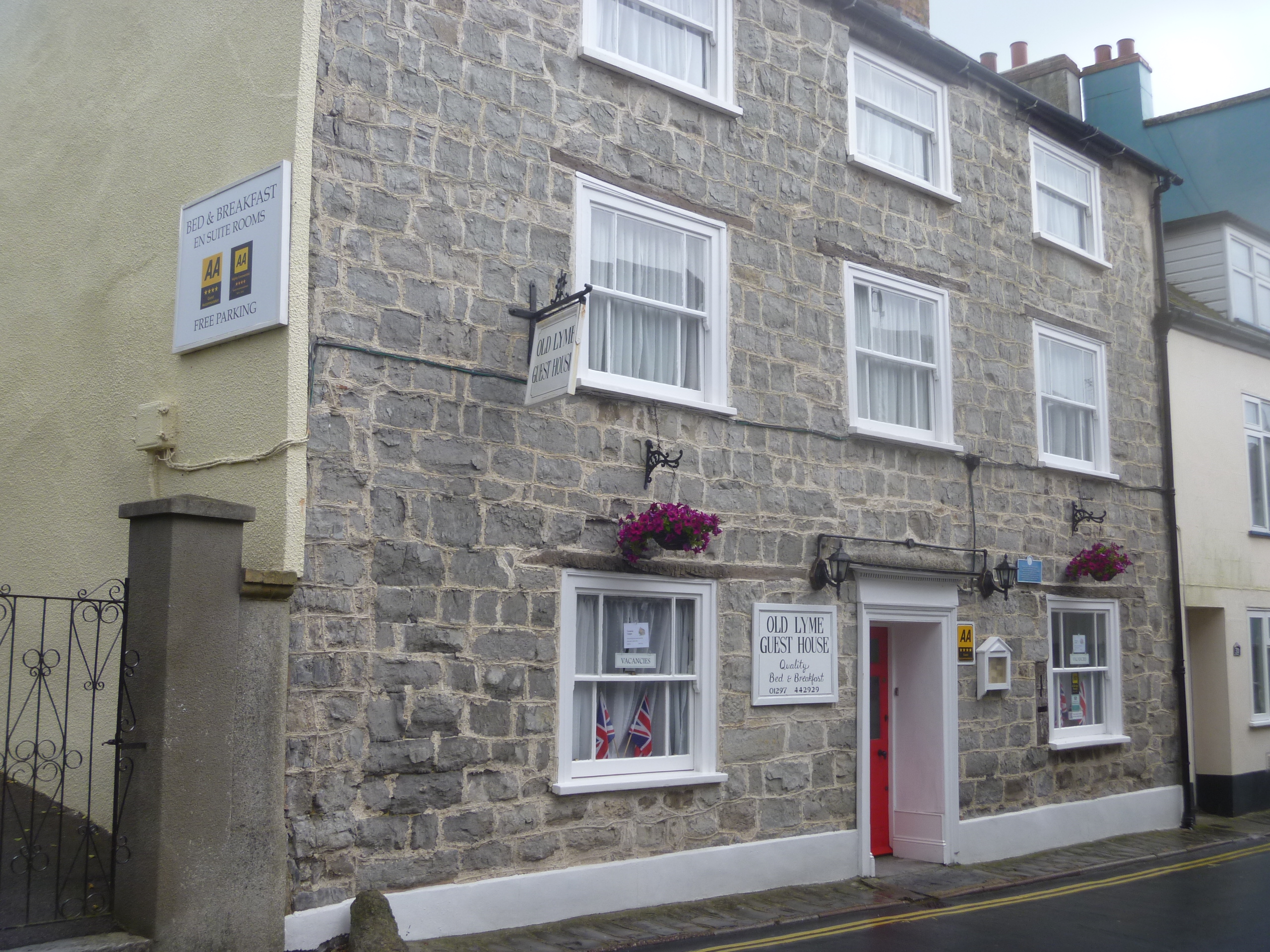
Our first stop was just a few paces away on Coombe Street where the old post office stood. It’s now Old Lyme Guest House but a plaque on the wall records the PO fact and the old letterbox is still in situ.

It’s said that at this very box Jane mailed her letters (single sheet and postage paid by the recipient) to her sister Cassandra after the latter had left Jane in Lyme in order to accompany other family members to Weymouth.

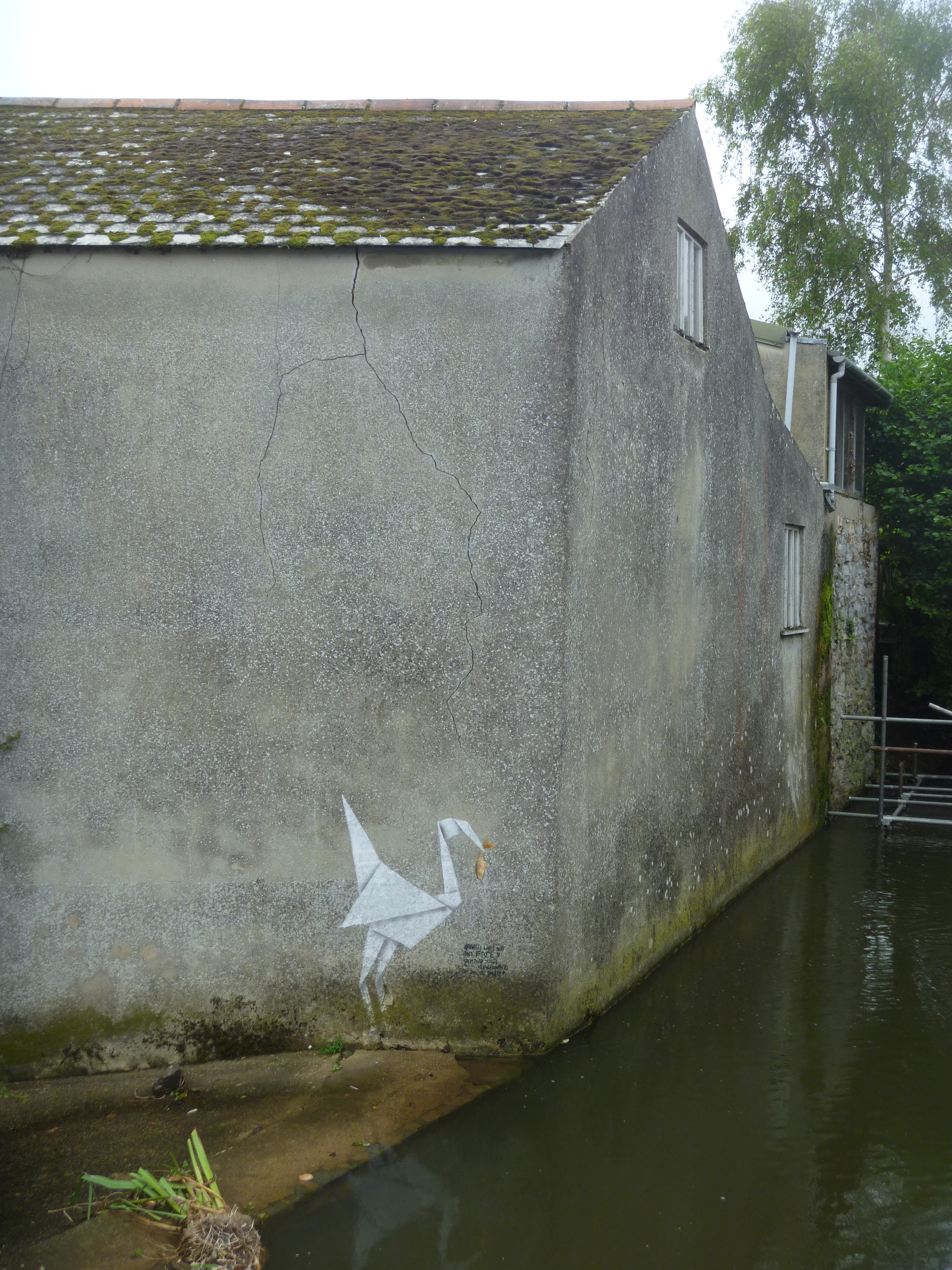
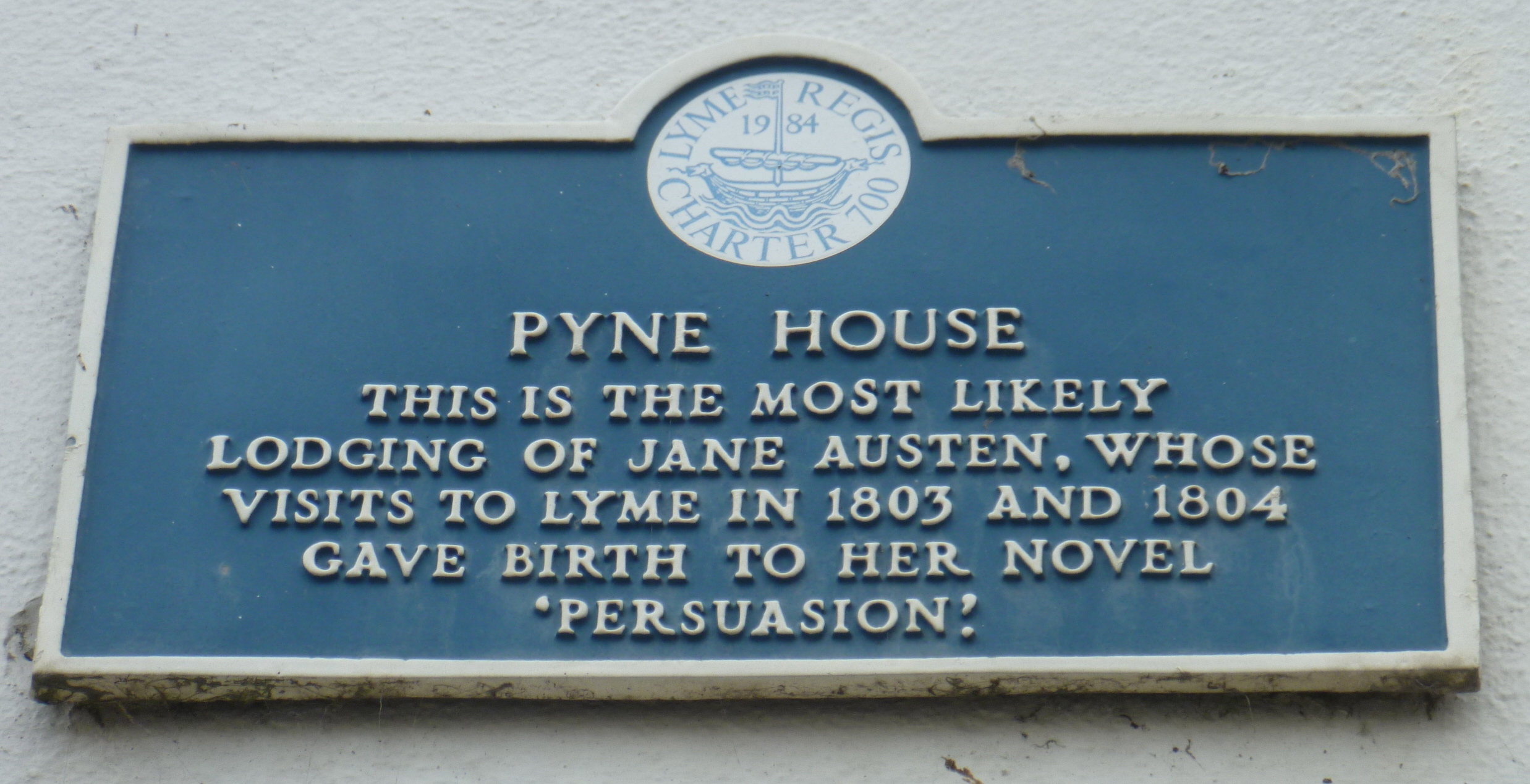
After a quick nod to Banksy (an origami crane with goldfish) we headed up Sherborne Lane. From there we arrived at Broad Street, Lyme’s main thoroughfare. Our next ‘Jane’ location was the now disused Three Cups Hotel which was Hiscott’s Boarding House in JA’s time and where she initially stayed on her visit to Lyme Regis. (Incidentally, it’s also the hotel where General Eisenhower stayed whist the D-Day Landings were being planned in 1945.) Jane also stayed a few doors down at Pyne House after several members of her family upped sticks and moved on to Weymouth.

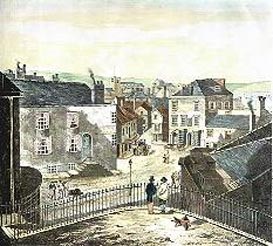
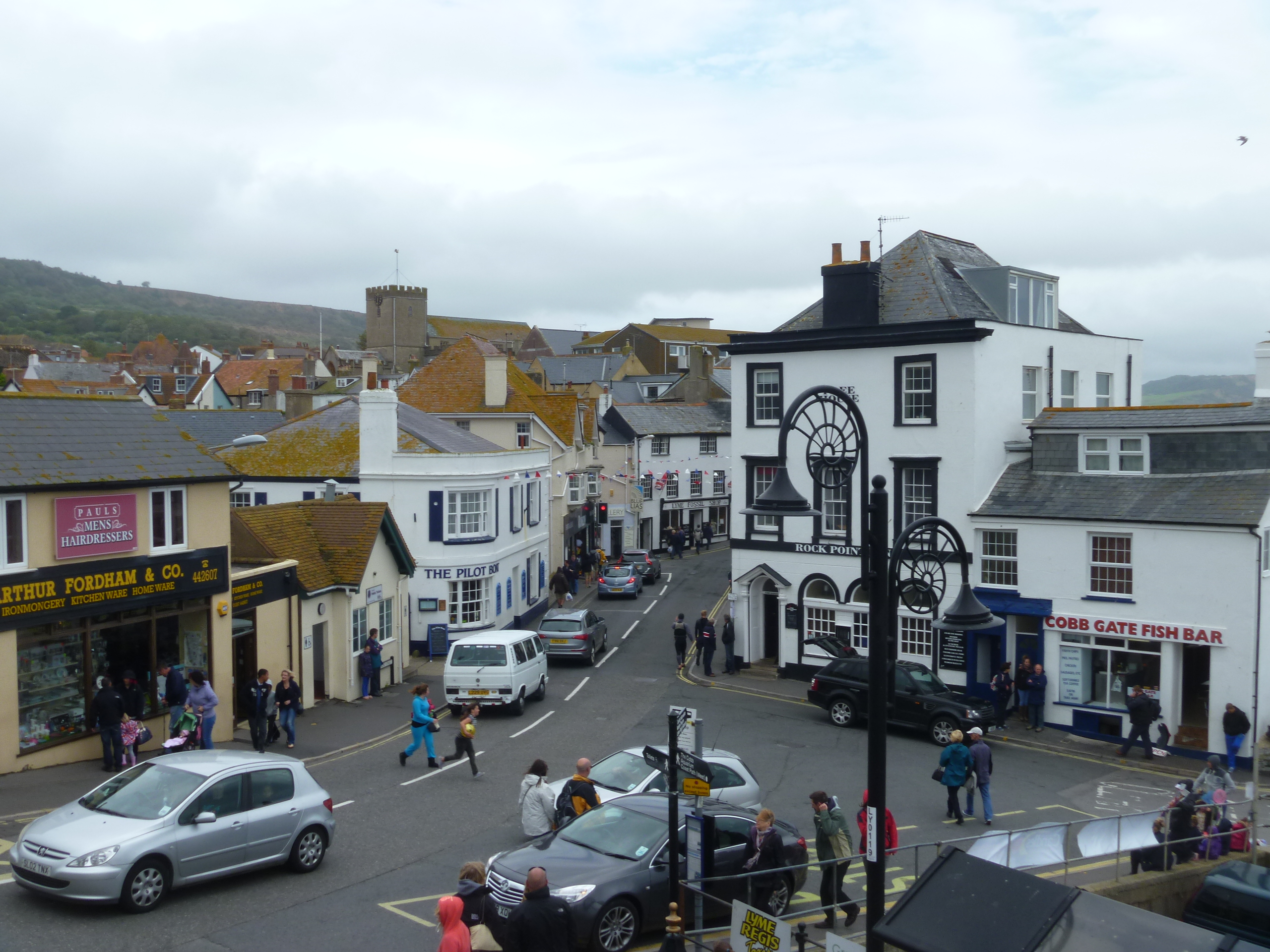
A couple of steps from Pyne House Natalie showed me an old print of Lyme :

View from Pyne House (courtesy of Lyme Regis Museum)

The same view on Monday 27 August 2012

A walk along Marine Parade took us past a couple of blue-painted cottages named Harville and Benwick. Built after the publication of ‘Persuasion’ (the Austen novel in which Lyme features) they were named following Francis Palgrave‘s mistaken identification of these buildings as the homes of Captains Harville and Benwick. Natalie showed me the more likely candidates for these homes a little further along the Parade.

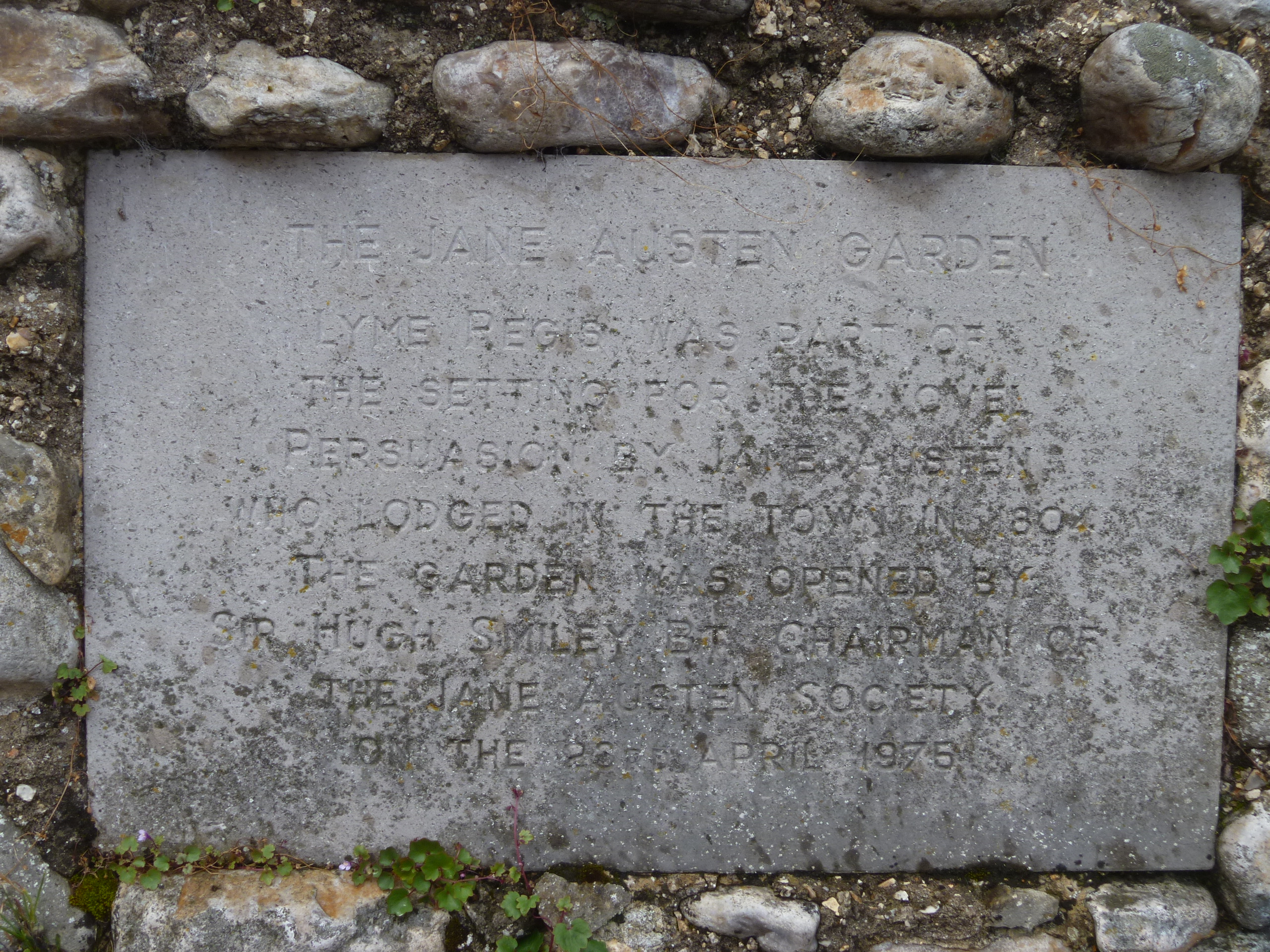
Harville and Benwick Cottages from The Jane Austen Garden

There’s a rather overgrown garden dedicated to Jane Austen but apparently all the references are wrong so it has been rather left to run to seed.

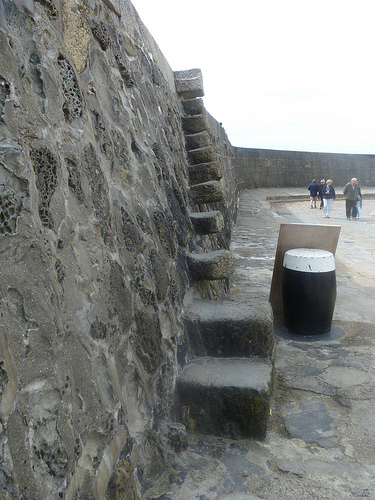
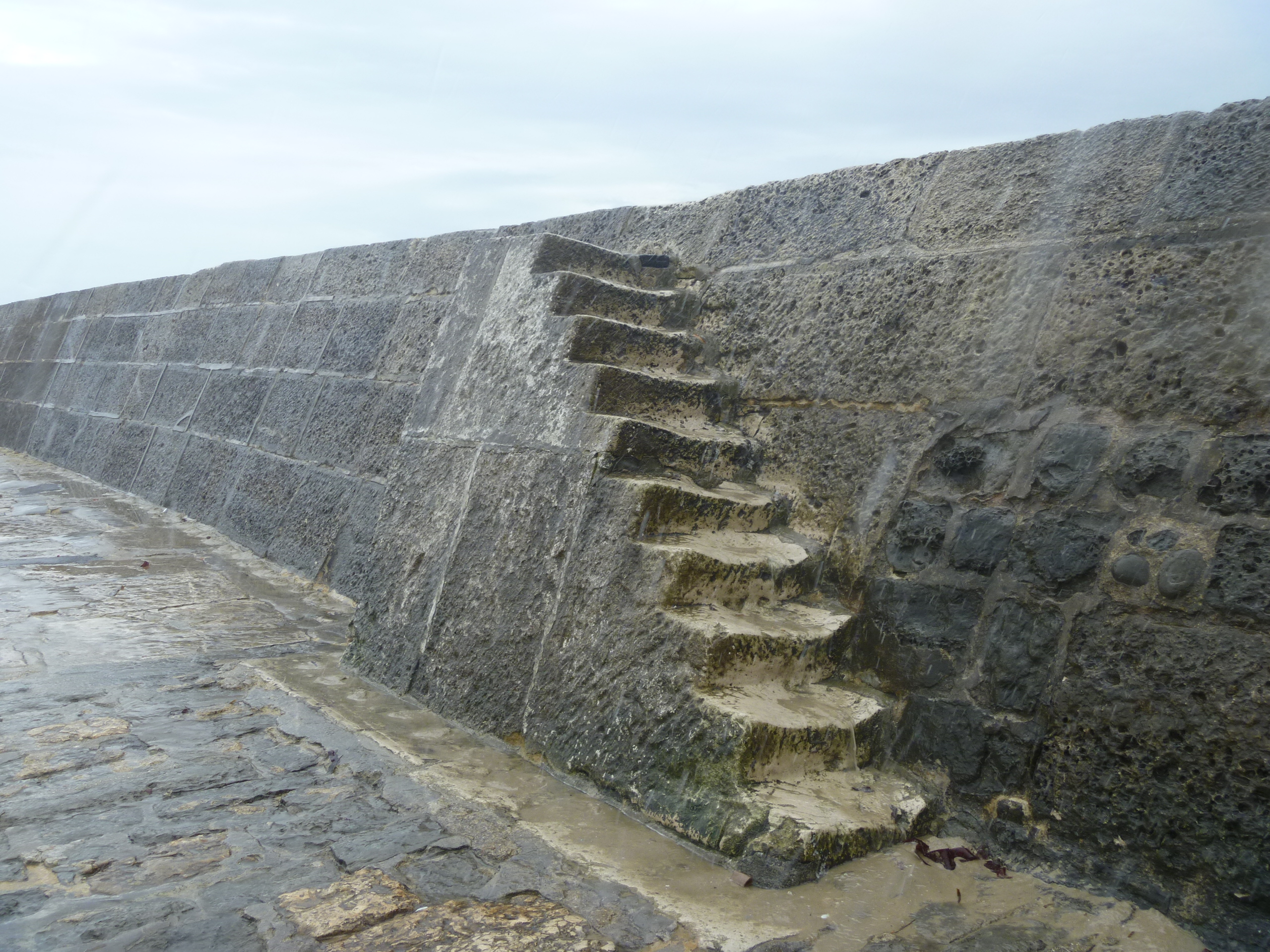
Finally, we walked along The Cobb. Not on the upper, exposed part but below at road level, and we studied the three sets of steps which have puzzled Jane Austen fans for some time. The set of “Gyn Steps” were not built until after Jane Austen’s time,

the second set called Granny’s Teeth were thought by many to have brought about Louisa’s fall

but Natalie maintains and insists (supported by a reading from the very passage in ‘Persuasion’) that these are the very steps from which Captain Wentworth failed to catch Louisa as jumped from the Cobb.

The walk ended here but we made our way back together to our starting point. A huge waved had blown right over the Cobb and soaked us both thoroughly and much as I would have liked to have investigated the Little Pig Robinson locations I decided that enough was enough and such pleasures must wait another day!

Tea and Cake and Quiet London (2)

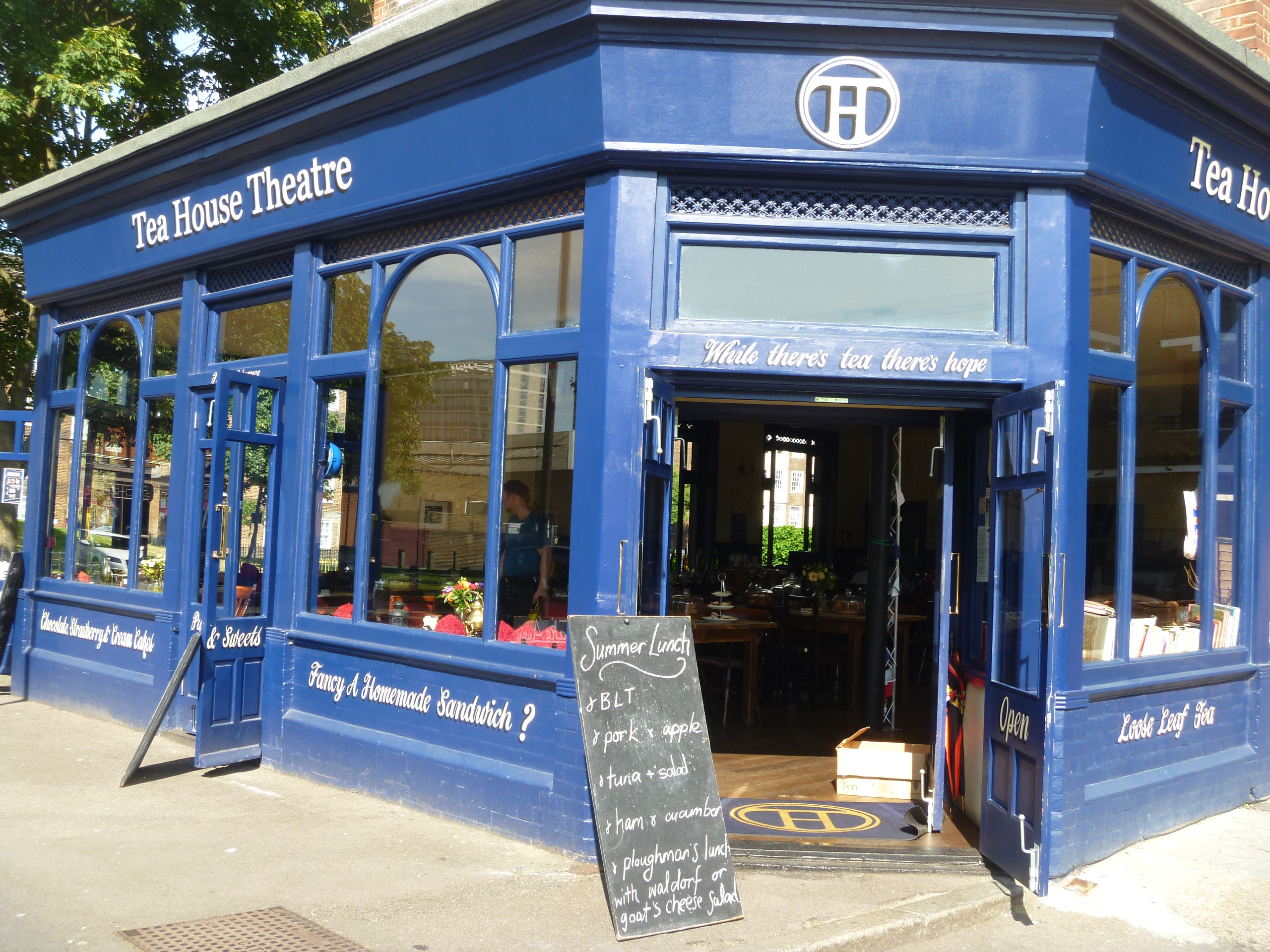
From the peace and shade of the Bonnington Square Garden we headed for nearby Newport Street (SE11) and The Ragged Canteen at Beaconsfield (QL p.115). However when we arrived we found that it is closed for most of August. On our way there we had passed through what was left of the original Vauxhall Pleasure Gardens and we had noticed a very nice tea shop with a buzz of friendly chatter and gentle music coming through the wide open doors and windows (it was a very hot day), so we decided to turn back and take our afternoon break there. It turned out to be an excellent choice despite not being Quiet; there’s a classical guitarist strumming gently in the corner.

The Tea House Theatre

Inside The Tea House Theatre

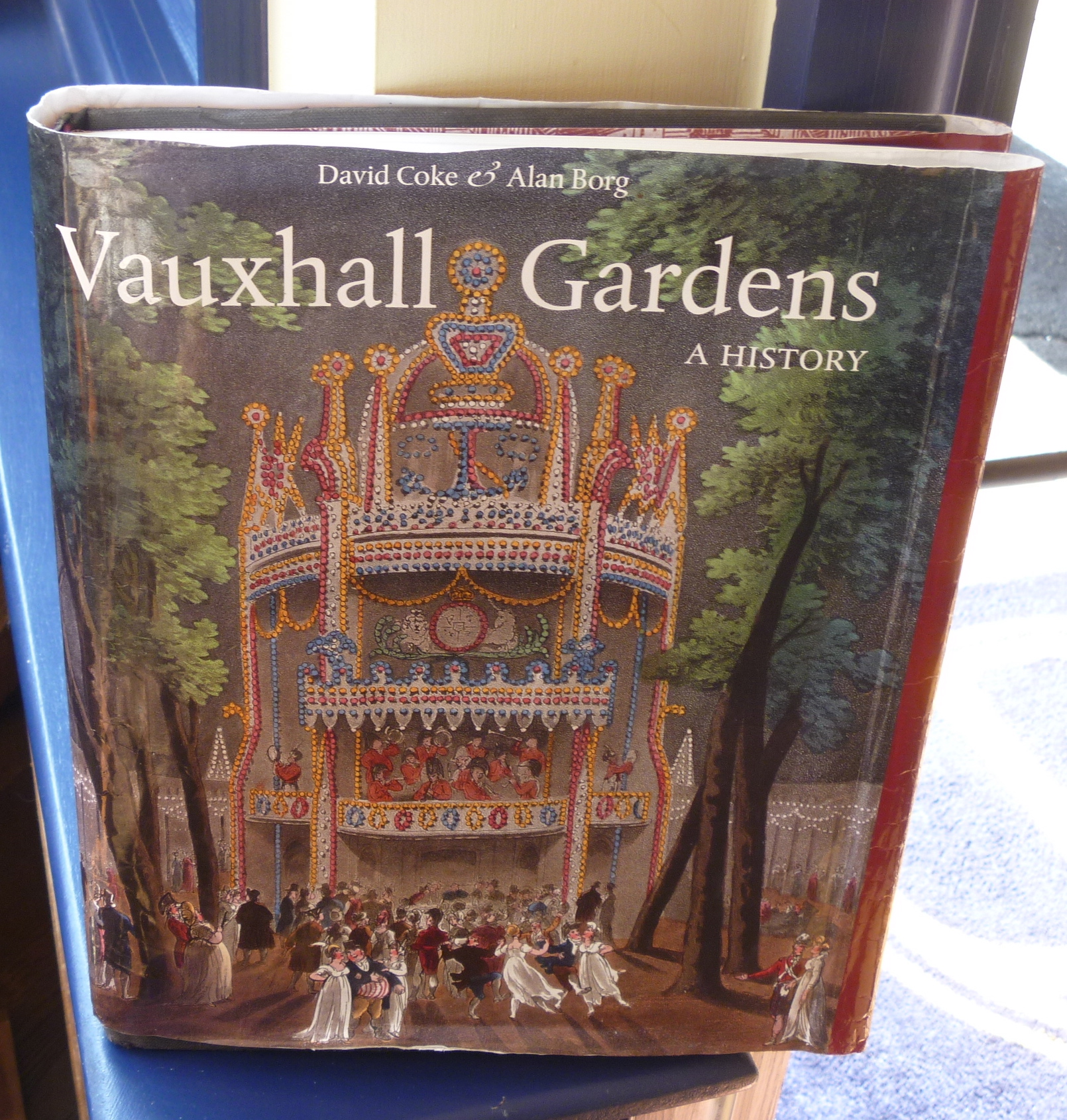
This book stood on a chair by the door.

Refreshed, we strolled along the Albert Embankment to The London Eye where we met huge milling crowds and quickly bought tickets for the Thames Clipper service to take us back down the river to Tower Pier, a short walk from our hotel.

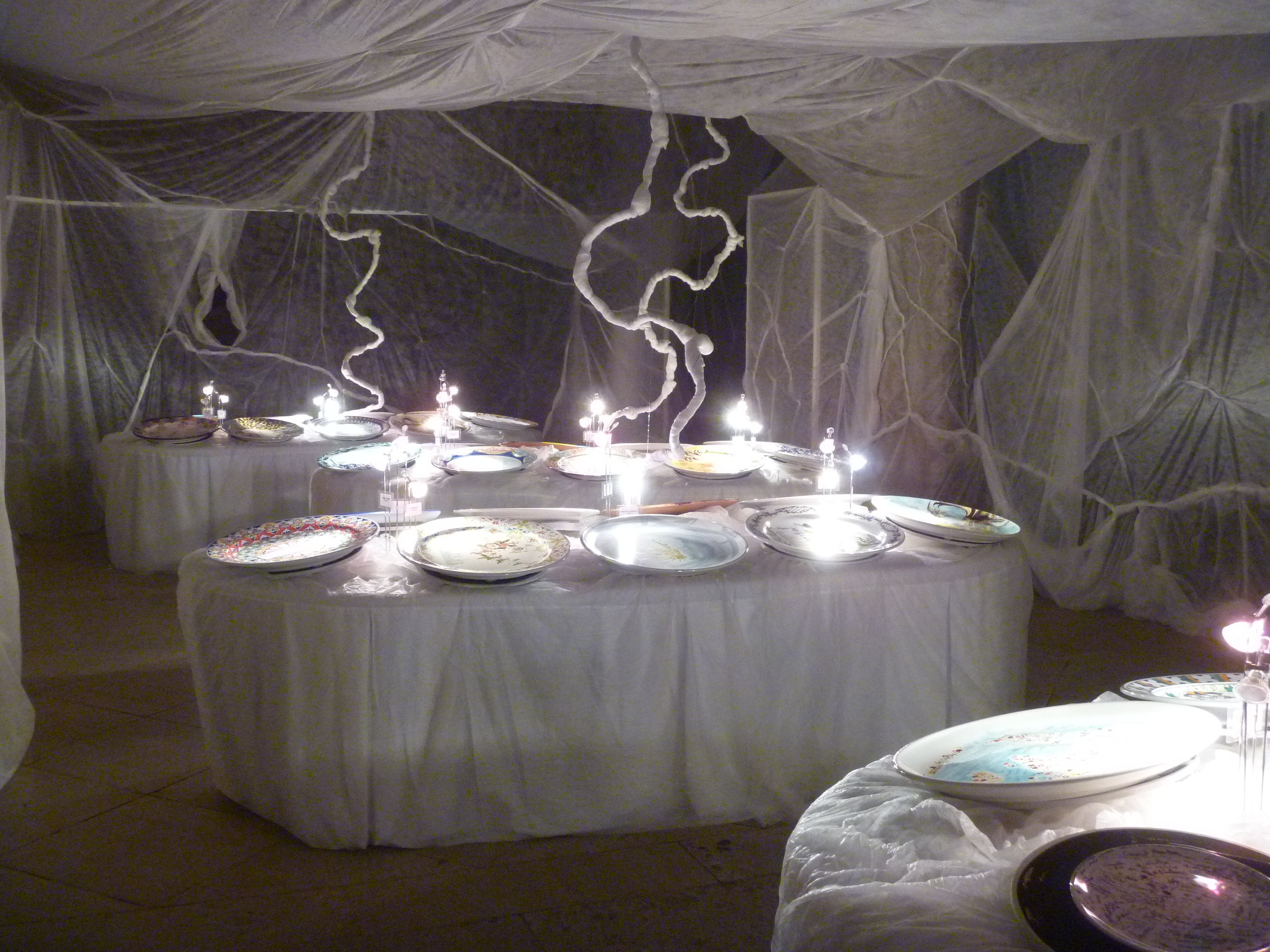
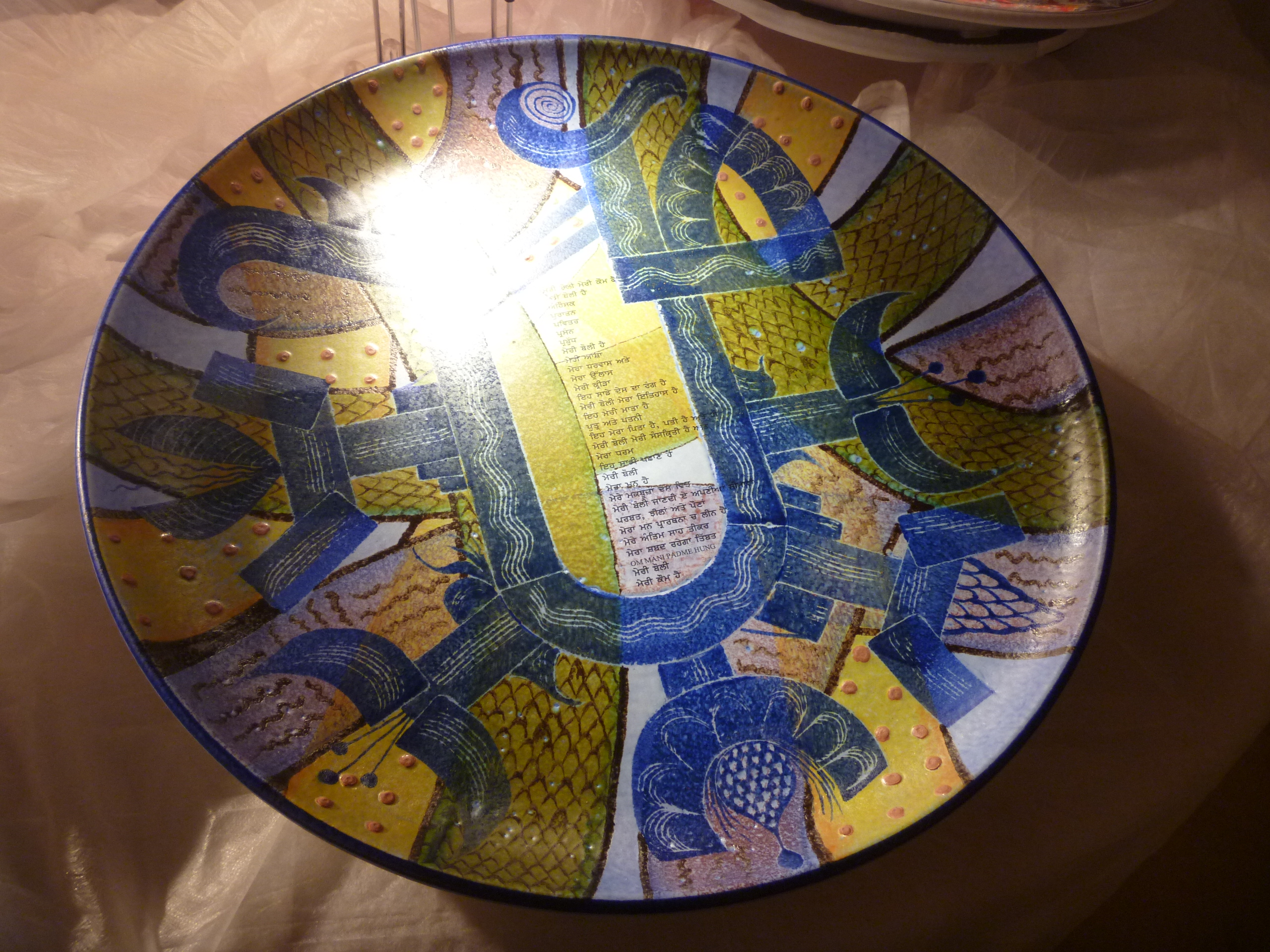
We chose and booked a Quiet restaurant for our evening meal : Carnevale near The Barbican (QL p. 91). After an hour or so in which to refresh ourselves we then walked the mile or so to and from the restaurant. We marvelled at the height of so many buildings, the almost hidden churches and all the new work that seemed to be going on in order to cram this city with even more curiously shaped high buildings. On our way back we noticed that one of the hidden churches was still open so we peeped inside at the exhibition “This is not a Plate : your heritage, your language, your culture“. St Ethelburga’s Church (QL p. 66) is a centre for peace and the exhibition and late opening were to coincide with the London 2012 Olympic Games.

This is not a Plate display

“Following devastation by the IRA bomb in 1993, this small 700 year old church has been transformed into a centre for peace and reconciliation. Not only are services still held here, meditation sessions are also offered once a week. In the pebbled courtyard visitors can enter a Middle Eastern Bedouin tent made of woven goats hair – a special place for anyone seeking quiet contemplation.” [QL p. 66]

It kind of rounded off our hot and dusty day very serenely.

Sunday was another hot and sunny day but despite this we had decided to participate in one of The London Walks “The Old Jewish Quarter” departing from nearby Tower Hill at 10.30am. Perfect.

“This walk traces the history of London’s Jewish community in the East End. It’s a story that embraces the poverty of the pogrom refugees and the glittering success of the Rothschilds; the eloquence of the 19th-century Prime Minister Disraeli and the spiel of the Petticoat Lane stallholder; the poetry of Isaac Rosenberg and the poetry-in-motion of Abe Saperstein’s Harlem Globetrotters. Set amid the alleys and back streets of colourful Spitalfields and Whitechapel, it’s a tale of synagogues and sweatshops, Sephardim and soup kitchens. Guided by Shaughan.” [From the London Walks leaflet]

Lo and behold the highlight of this walk is a visit to The Bevis Marks Syngogue (QL p. 65) where Maurice took over from Shaughan to tell us more about the synagogue and its former members.

“Thanks to Oliver Cromwell, Jews in England could practice their own religion openly for the first time since the Middle Ages. In 1657, a Quaker builder was invited to build this London synagogue and it was completed in 1701. (He later returned all profits from its construction to the Jewish community). Bevis Marks is the oldest synagogue in Britain and has barely changed since the early 18th century. In the main room of the synagogue hang seven ornate brass candelabra, one for each day of the week, but overall, with its original wooden seating and simple balconies, the interior is very simple and unadorned.” [QL p. 65]

The walk finished just by Christ Church Spitalfields so we made our way down Commercial Street to Whitechapel Art Gallery. There’s a cafe serving quiches and salad, sausage rolls, Scotch eggs and cookies and cakes – all homemade. After a bite to eat and a cup of tea we found we had time to see one exhibit and we chose “Government Art Collection: Commissions: Now and Then” and “The Story of the Government Art Collection” a fascinating insight into art in public/government ownership.

“It was the cost of decoration that prompted the use of art instead of wallpapers to cover the walls of government buildings in 1899. Today the Government Art Collection is one of the most important collections of British art, with 13,500 works dating from the 16th century to the present day displayed in over 420 government buildings worldwide.

On display for the first time from the Collection’s archives are rare documents, such as papers detailing the loan of Winston Churchill’s bust to the Oval Office in Washington from 1997 to 2008, and records of paintings hung in 10 Downing Street under Prime Ministers from the first Duke of Wellington to Margaret Thatcher. A 1962 document records artist William Coldstream’s proposal that the Whitechapel Gallery hold an exhibition of the Collection, while a World War II photograph shows the bomb damage to the State Rooms at 10 Downing Street.” [Whitechapel Art Gallery promotional literature]

A Quiet Weekend with Tea and Cake and much more besides!