‘Embosomed in all the sublimity of umbrageous majesty’ : The Dairy Dell and Pond Cottage

Better view of PC

Thus wrote Humphry Repton in his “The landscape gardening and landscape architecture of the late Humphry Repton, esq. : being his entire works on these subjects”; edited by J. C. Loudon. [London : Printed for the editor, and sold by Longman, 1840.] I think he meant that it was nestled in the shade of majestic trees and landscape. Or something like that.

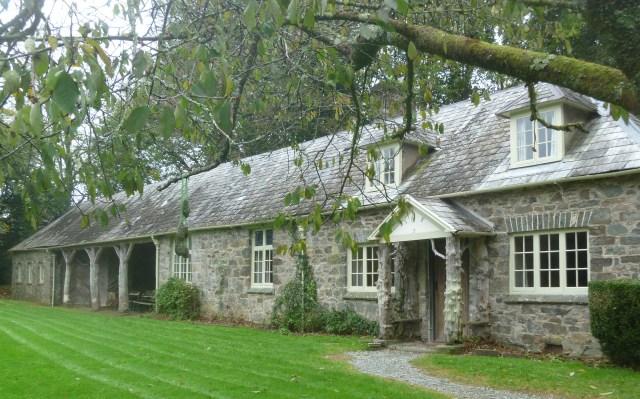
I wasn’t staying at the Endsleigh Hotel. Oh no, I had the good fortune to be invited to join my Landmarking friends at Pond Cottage one of two Landmark Trust properties in the grounds of Endsleigh House.

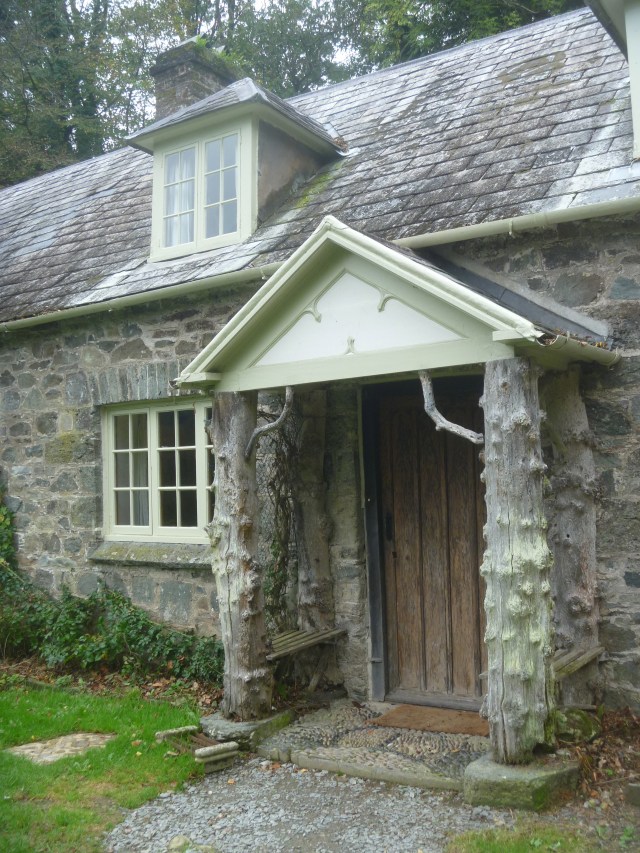
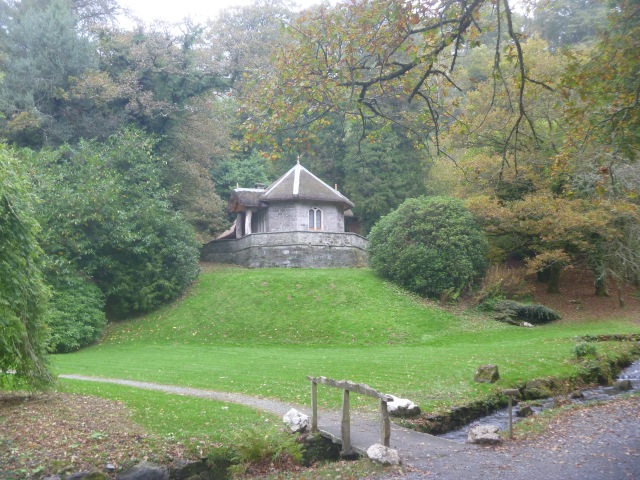
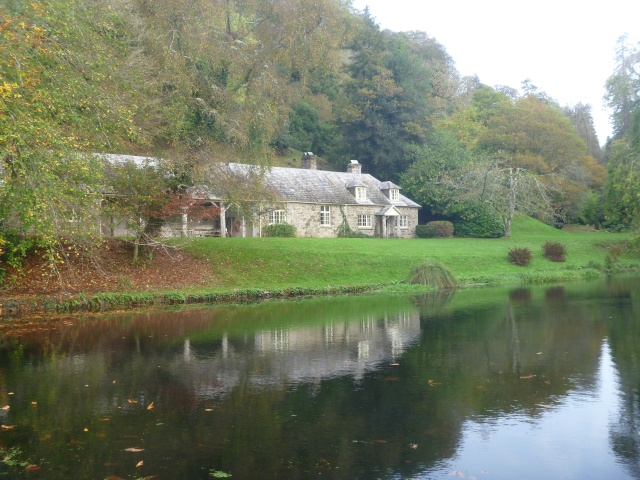
Pond Cottage exterior

A purposely Rustic cottage designed by Jeffrey Wyatville beside a pond, Pond Cottage is set within the ornamental gardens of Endsleigh with its streams and cascades.  Endsleigh is still a complete example of that most imaginative and English taste, the Picturesque.  Pond Cottage has a Rustic porch, with tree-trunk columns and cosy rooms.” [Source]

Welcome to Pond Cottage

Rustic Porch

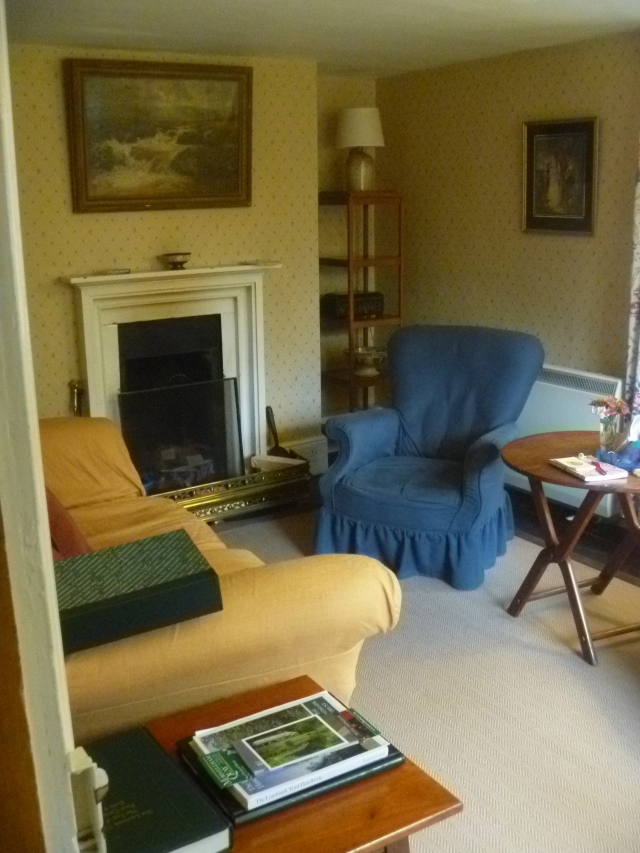
Fireplace at PC

Cosy Sitting Room

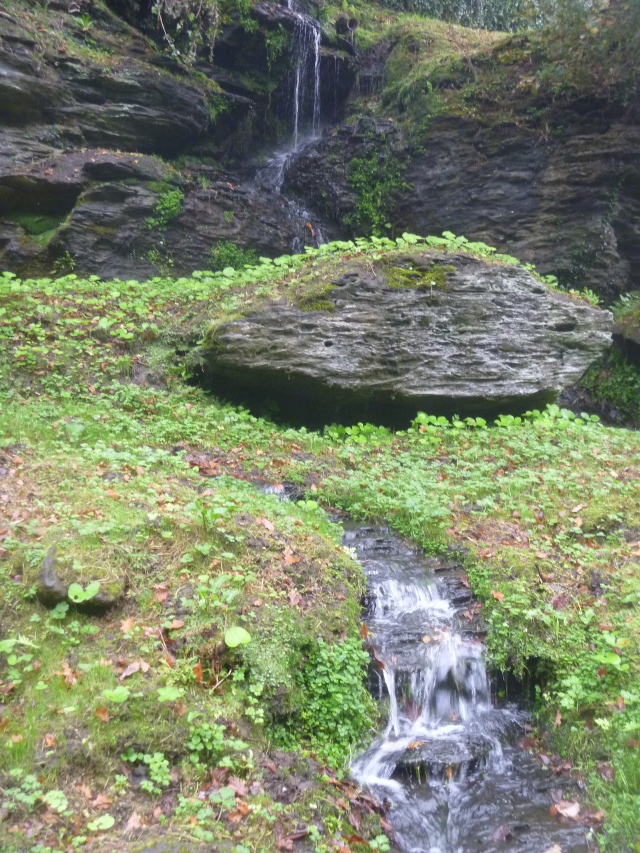
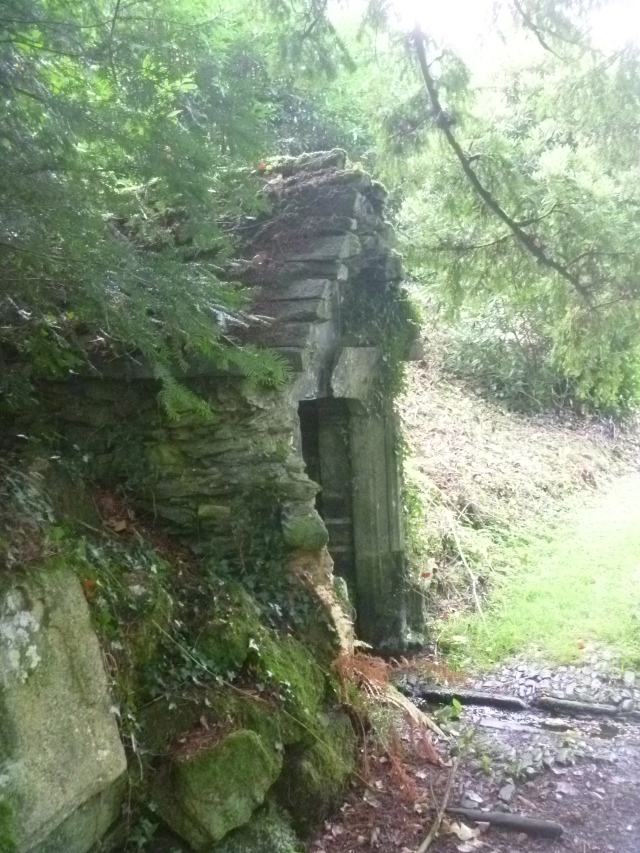
Pond Cottage and its surroundings had, and still has, all the quintessential ingredients of the 18th and early 19th century Picturesque landscape. Here at Dairy Dell are the favoured ingredients of such a landscape – water, both moving and still; splendid trees; antiquity, represented by the well and its inscription; rural industry, the Dairy itself.

Moving water

Moving Water

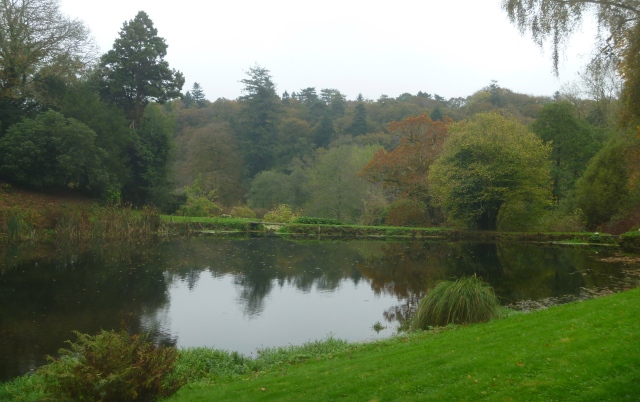
PC Pond

Still Water : The Pond

The well

The Ancient Well with inscription stone on the left

The Dairy

The Dairy

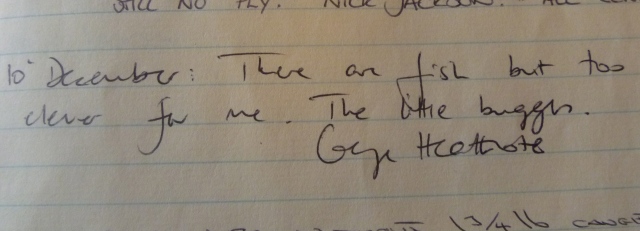
Facilities & features : there is a sunny loggia for outside dining and you can fly-fish in the pond. The tiny model Dairy stands nearby, from whose verandah you can enjoy spectacular views.” [Source] I enjoyed reading the cottage fishing diary where fishermen young and old made comments on their success, or lack of it, when fishing the Pond.

Fishing Diary

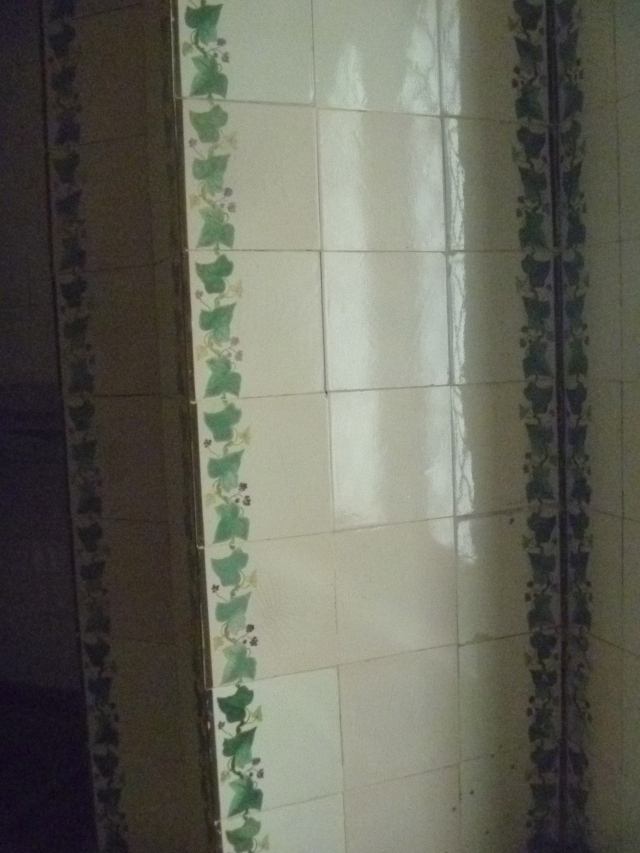
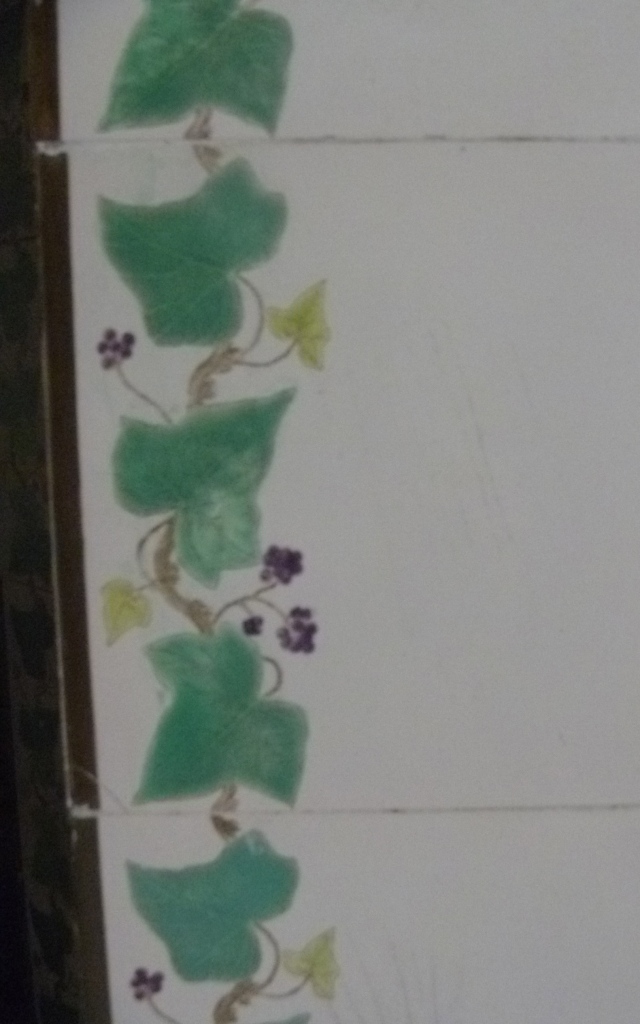
Pond Cottage has a Rustic porch, with tree-trunk columns and honeysuckle, and cosy rooms. The Dairy, which had to be rescued from the undergrowth, is perched on a knoll above, a cool chamber of marble (a local variety) and ivy-leaf tiles. From its verandah, ‘embosomed’, as Repton put it, ‘in all the sublimity of umbrageous majesty’, you may open yourself to those keen responses to the surrounding scene that were so carefully planned by its creators – while contemplating the making of a very superior butter.” Source

Ivy tiles

Inside The Dairy : The Ivy Tiles

Ivy close up

Close-up of the tiles. During restoration Kate Evans a potter from Shropshire who specialises in reproducing old glazes made copies to replace irreparable broken tiles.

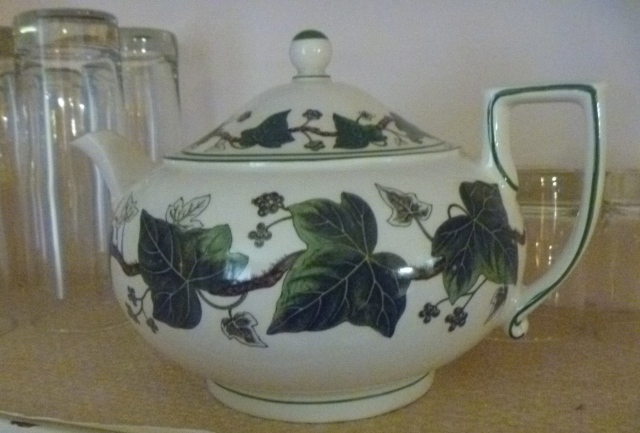
Pond Teapot

The Ivy Pattern Repeated in the Pond Cottage Crockery (Wedgwood Napoleon Ivy Design as used by Napoleon at St Helena 1815)

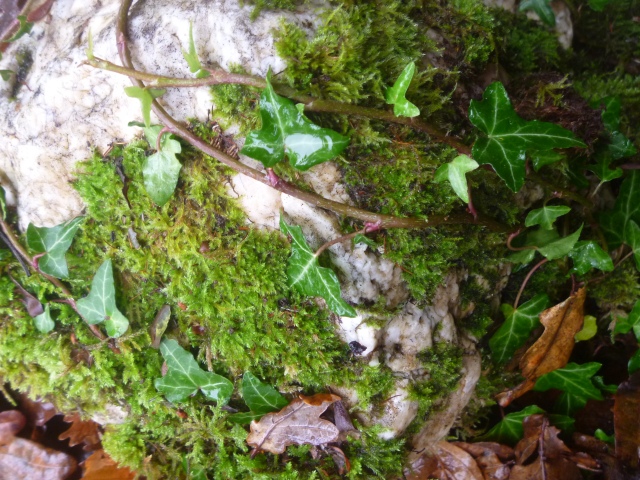
Real Endsleigh Ivy

Real Live Endsleigh Ivy

A Sussex Tea Garden, a Long Man and a Landmark Priory : Litlington and Wilmington

Last year Simon over at Stuck-in-a-Book lent me his copy of  ‘Tea is so Intoxicating’ by Mary Essex which is one of several pen names of romantic novelist (and my brother-in-law’s Godmother!) Ursula Bloom.

One thing I especially loved about the book was the choice of chapter headings. Shall I quote them all here?

1. Tea for Two,and Two for Tea

2. I do like a Nice Cup of Tea

3. For all the Tea in China

4. The Cups that Cheer but not Inebriate

5. Everything Stops for Tea

6. Cold Tea may be Endured, but not Cold Looks (Japanese Proverb)

7. Tea and Scandal

Written in 1950 it is basically the story of a London couple who set up a Tea Garden in the South of England but the marriage is not a success.

P1130717

Anyway, when Fran told me that Tea Gardens were a particular feature of the East Sussex countryside around Laughton I knew, should the weather remain sympathetic, that I would have to take my Swiss friends to one of these minor Sussex institutions. So, after the walk on Sunday at Firle Beacon and the visit to Firle village we headed for Litlington Tea Garden.

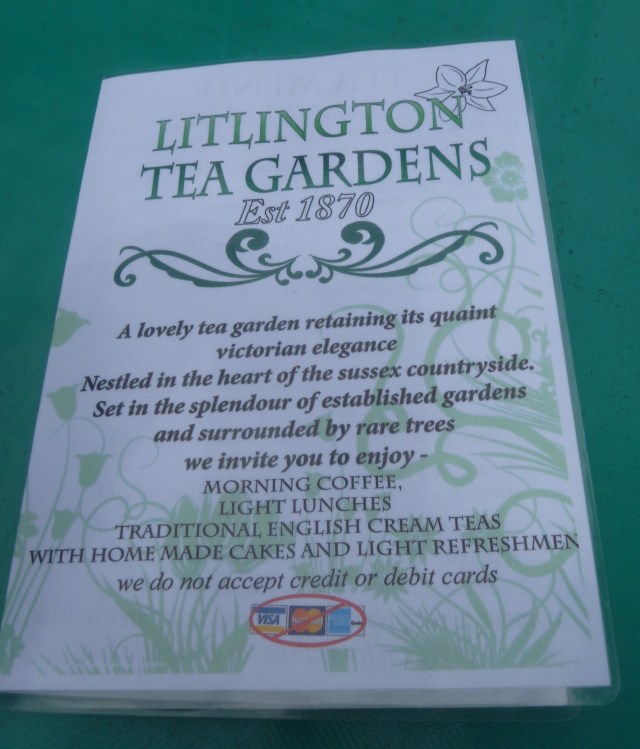
Litlington tea garden

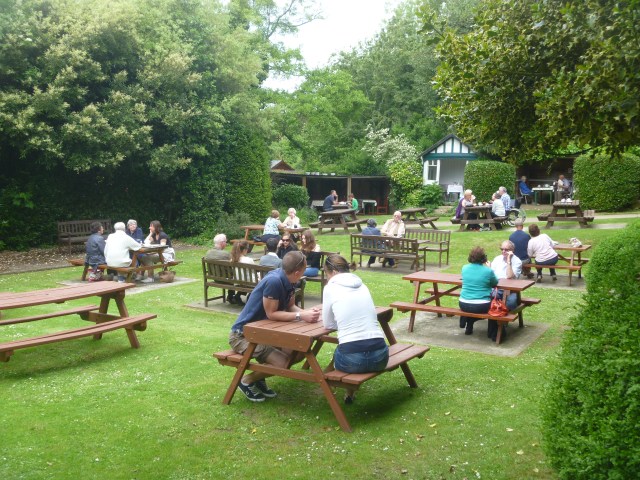
In the Tea Garden – there are a few sheltered places should the weather turn inclement

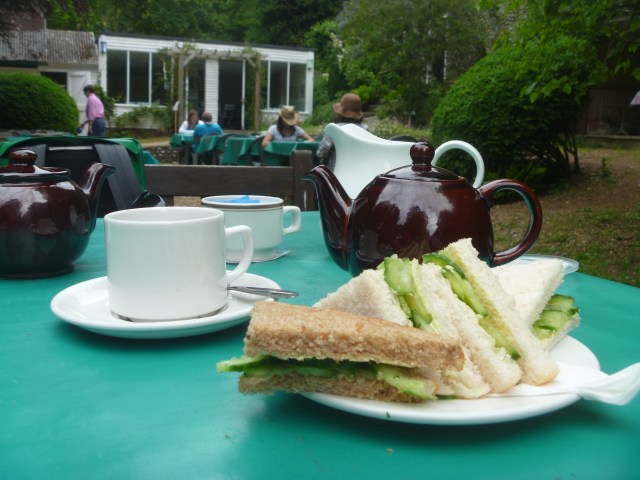
We were in luck – the day remained warm and dry. We ordered cucumber sandwiches to be followed by scones and jam and accompanied by plenty of tea.

cucumber sandwiches

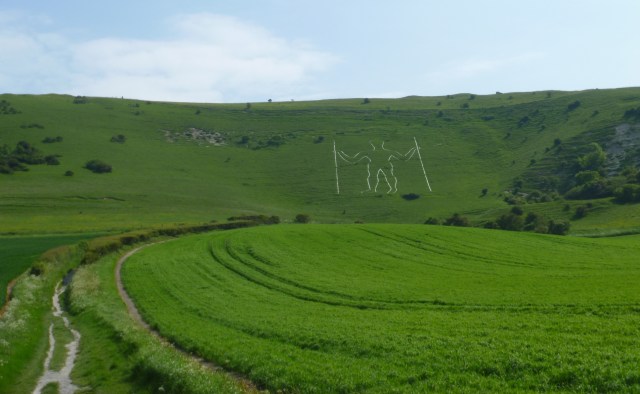
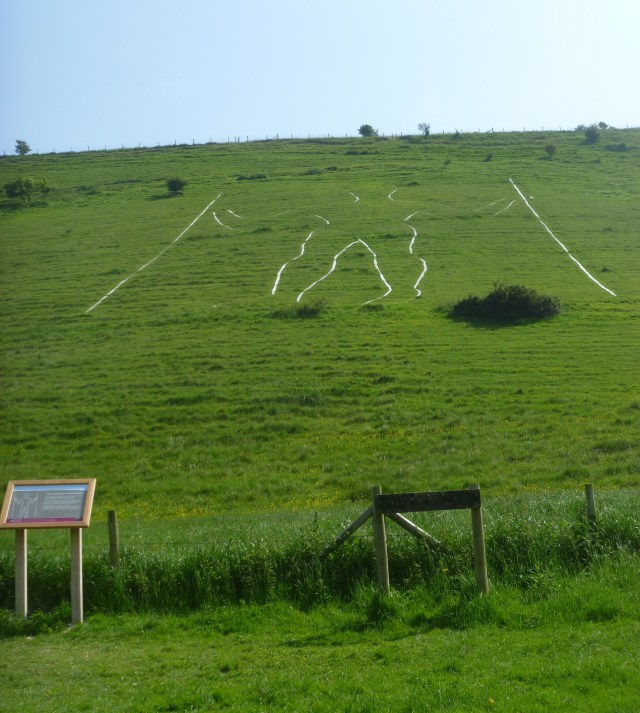
From Litlington it was just a short drive to Wilmington. Here is the famous Long Man carved into the chalk hillside many centuries ago. Here also is Wilmington Priory another Landmark Trust property.

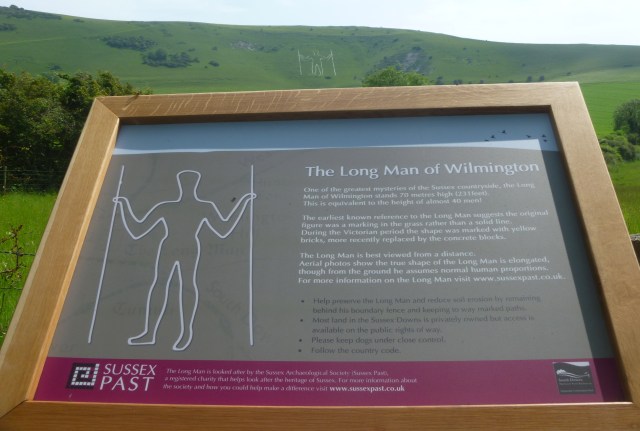
The Long Man Info

Wilmington Long Man

After tea and scones and jam we were ready for a little exercise so parked up in the small car park on the edge of Wilmington and walked about the half mile or so to the bottom of the hillside upon which he is marked out. The nearer you get to him the less of him there is to see. Still, it was a nice walk.

Approaching the Long Man

Approaching the Long Man

Close up

We Reach The Long Man

The enigmatic Long Man of Wilmington attracts many theories but provides little evidence to back them up. Now outlined in stone, he was formerly carved in the chalk of the hill. His first definite mention was as late as 1710, but the monument was old then. A picture drawn by bored monks, commemoration of the Saxon conquest of Pevensey, a Roman soldier or Neolithic god opening the gates of dawn. The ‘Long Man asking the traveller – like the Sphinx – to solve the dark mystery of its own origins’.” [Wealden Walks]

Wilmington Priory

Wilmington Priory

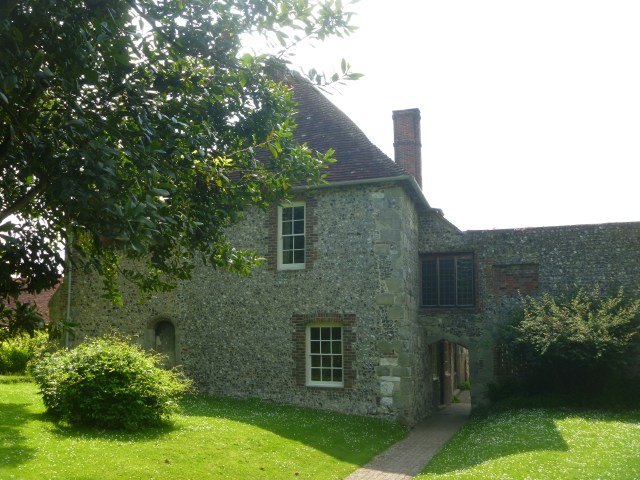
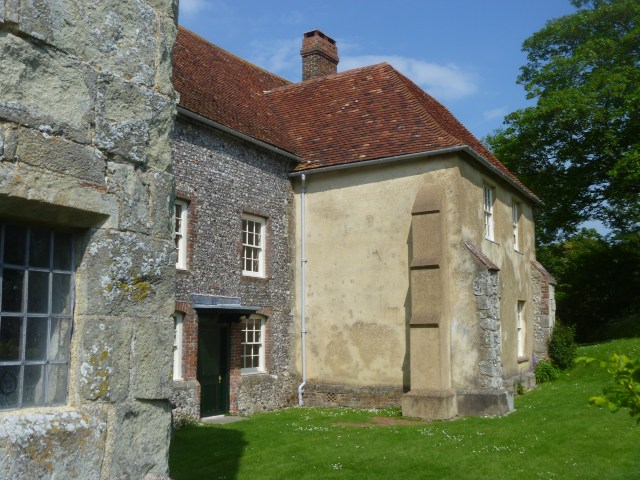
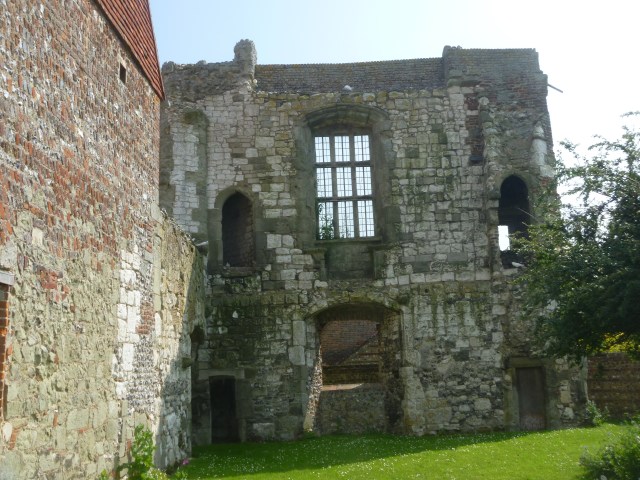
“The remains of a once highly regarded Benedictine Priory Wilmington Priory was a cell of the Benedictine Abbey at Grestain in Normandy. It was never a conventional priory with cloister and chapter, the monks prayed in the adjoining parish church where the thousand-year-old yews are testimony to the age of the site. The Priory has been added to and altered in every age and some of it has been lost to ruin and decay, but what is left shows how highly it was once regarded.” [Landmark Trust website]

Rear of Wilmington Priory

Rear of Wilmington Priory

Ruined Priory

The Ruined Priory

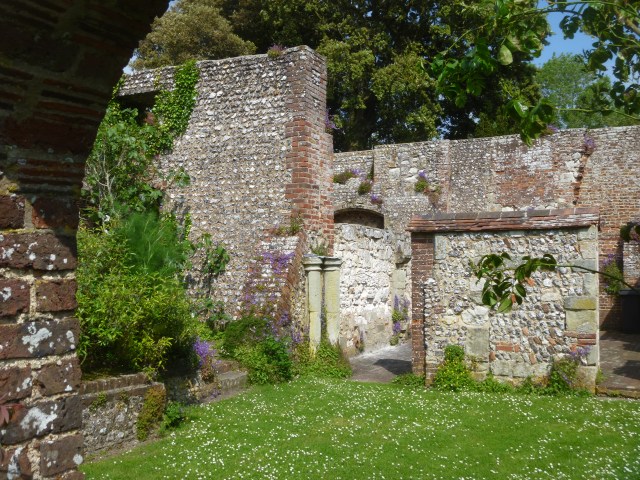
WP garden

Wilmington Priory Gardens

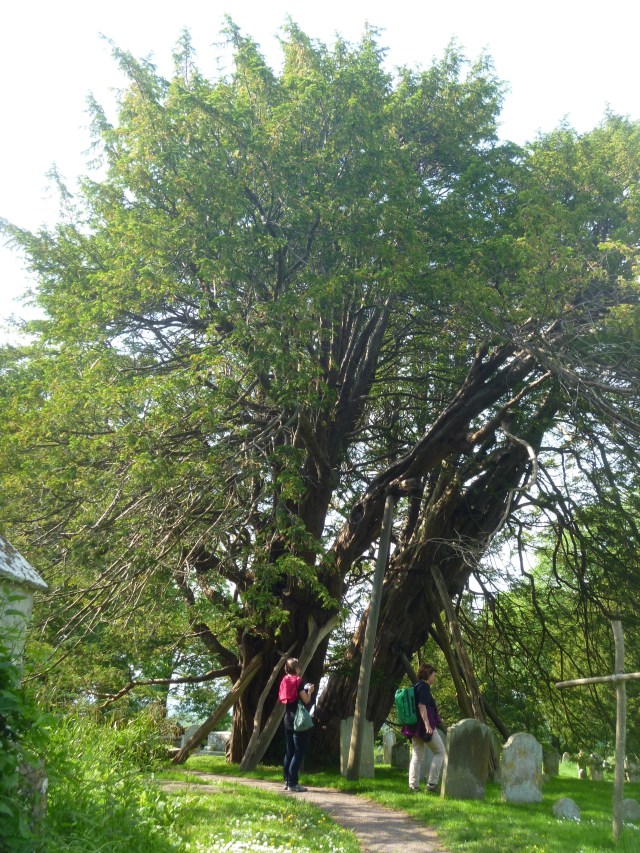
1000 year old yew

The 1,000 Year Old Yew Tree in the Churchyard

Laughton Place : The Tower of the Buckle

If Laughton is the Village of the Buckle then Laughton Place is the Tower of the Buckle. Buckles turned up everywhere. Regular Commenter here, and now good friend too, Fran, visited me twice during my stay and together we enjoyed spotting the buckles. Here are the ones we found and some other photos of the wonderful Laughton Place.

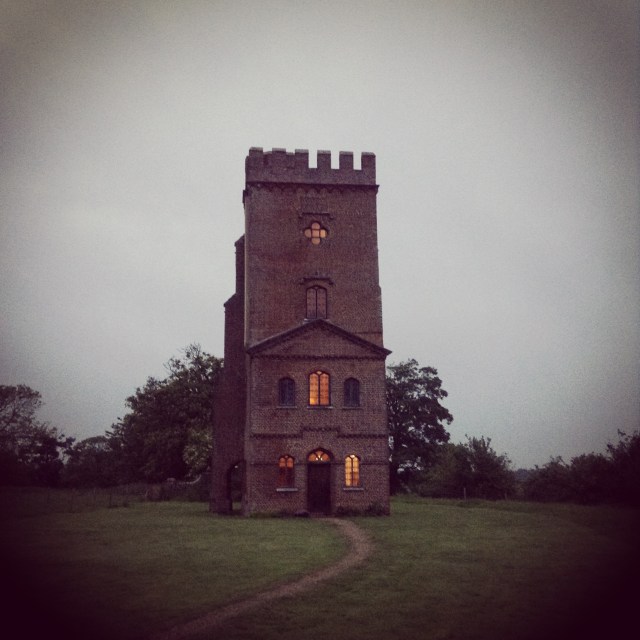
LP first evening

Laughton Place on the first evening

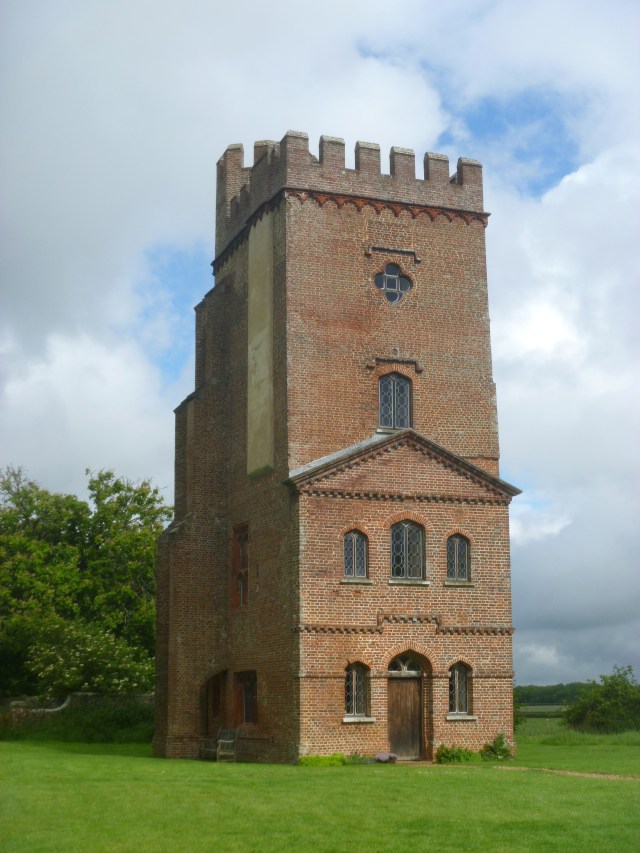
Laughton Place Day

Laughton Place by day

The tower we see at Laughton today was built in 1534 by Sir William Pelham. It is all that survives of a house that existed from the 13th century until the 1950s, undergoing many alterations and rebuildings on the way. From 1401 until 1927 Laughton remained in the single ownership of the Pelham family, who owned great estates in Sussex. In the 15th and 16th centuries it was indeed their chief residence and it bears the emblem that they traditionally used to mark their property – the Pelham Buckle – claimed to have been won by military prowess at the Battle of Poitiers in 1356.

Terracotta Buckle

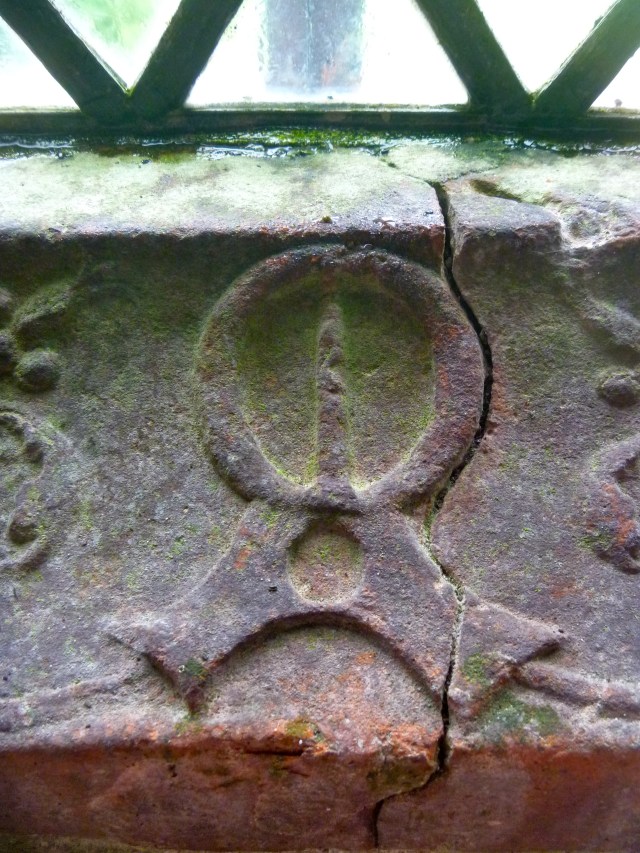
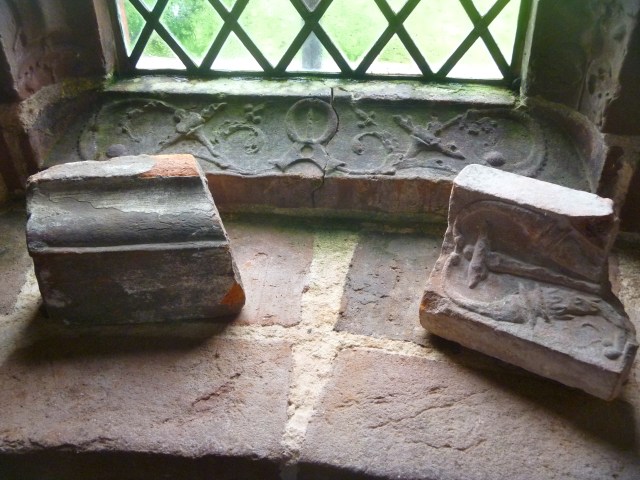
Unusual terracotta window frames

Terracotta Window Decoration with Buckle

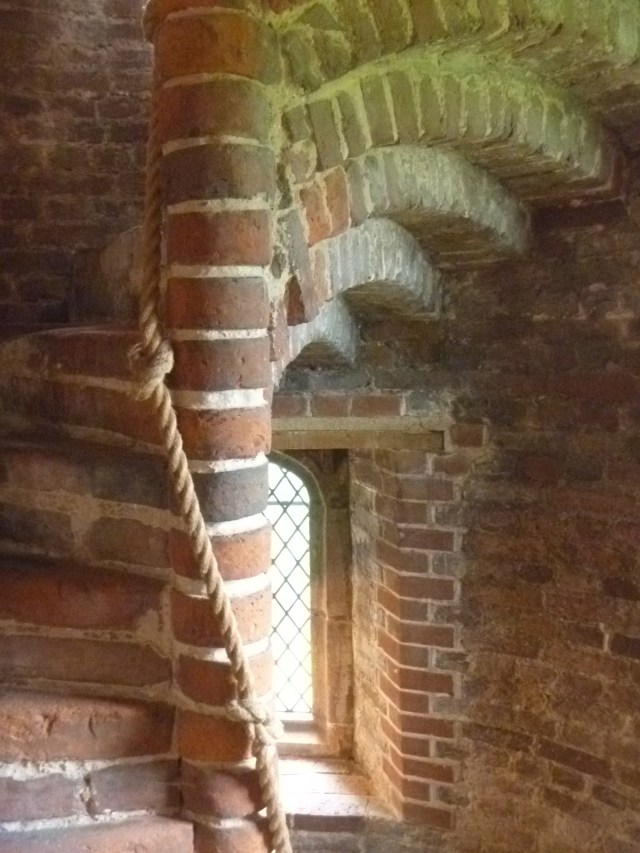
In 1534 Sir William Pelham remodelled the house on a grand scale around a moated courtyard and with terracotta decoration in the newest Renaissance fashion. All that has survived is this bold brick tower, which stood close to the main hall as an outlook post and set of secure private rooms combined. By 1600 the family had abandoned Laughton, driven by the damp to build again on higher ground and slowly the house decayed.

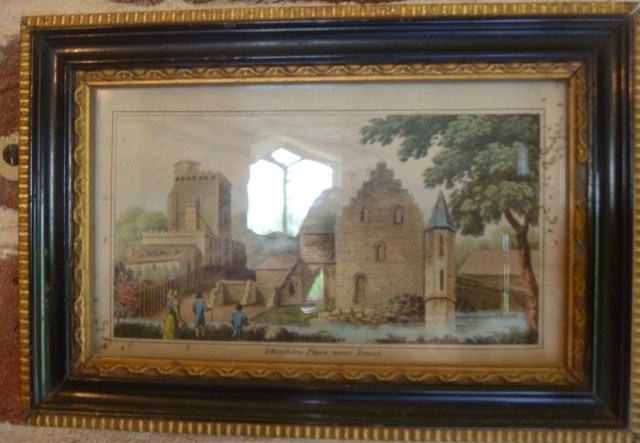
LP picture

In 1753, Henry Pelham, politician and brother to the splendid Duke of Newcastle, had the idea of surrounding the tower with a new Gothick farmhouse. The result was very charming, with a pediment between crenellated side-wings, and pointed windows. Thus it continued until sold by the Pelhams in 1927. The new owner pulled down the wings, leaving only the tower. Laughton Place stands, with a couple of other buildings, within the wide circle of the Downs, down a long drive.

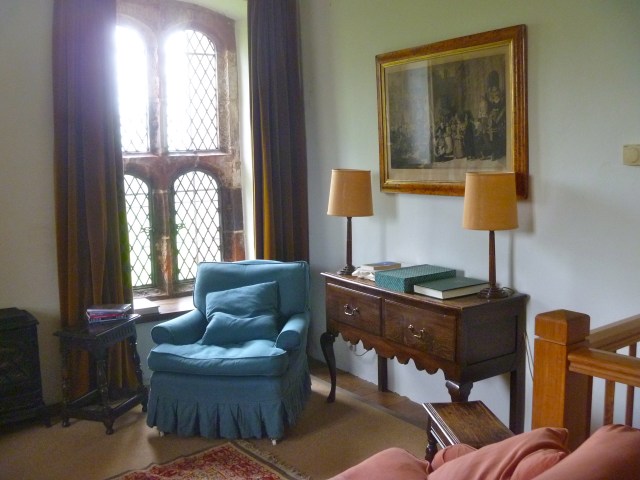
Sitting room, LP

The plain, but comfortable, sitting room

When the Landmark Trust bought it in 1978 the tower had great cracks in its sides and the floors had fallen in – much engineering and lime mortar went into its repair. The rooms inside are plain, apart from the delicate arabesque decoration of the terracotta windows, the moulded terracotta doors and the Pelham Buckle.” 

[Adapted from The Landmark Trust website]

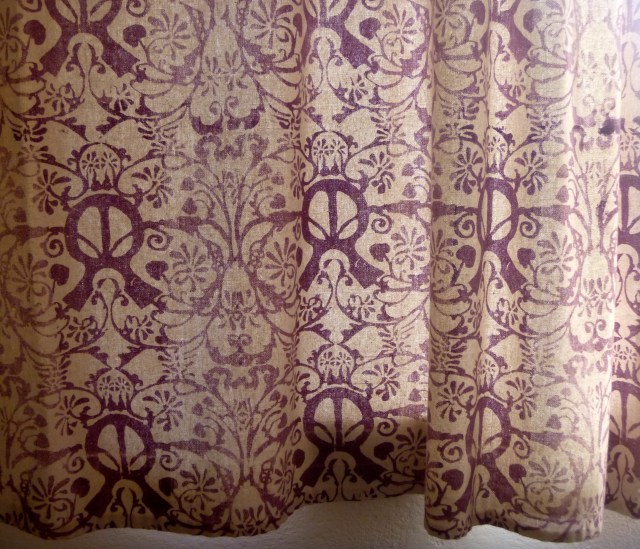
Buckle Curtains

Buckle Curtains

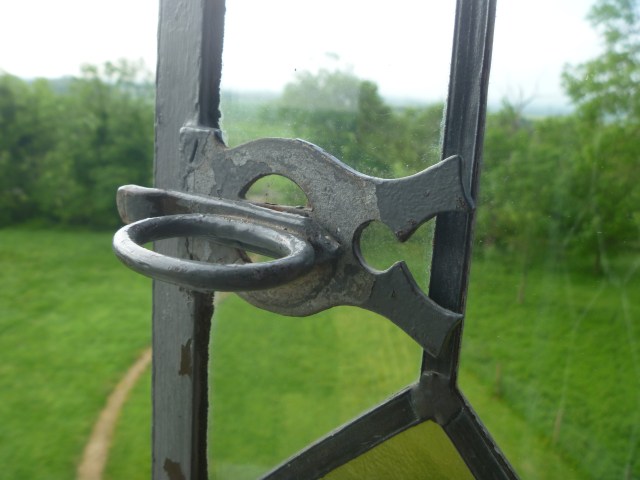
Window Catch

Buckle Window Catch

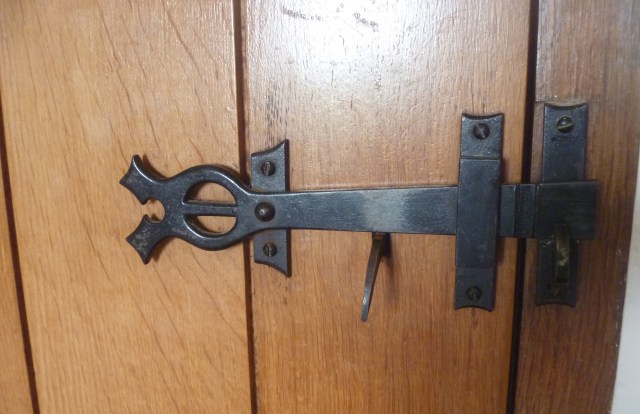
Door Latch

Buckle Door Latch

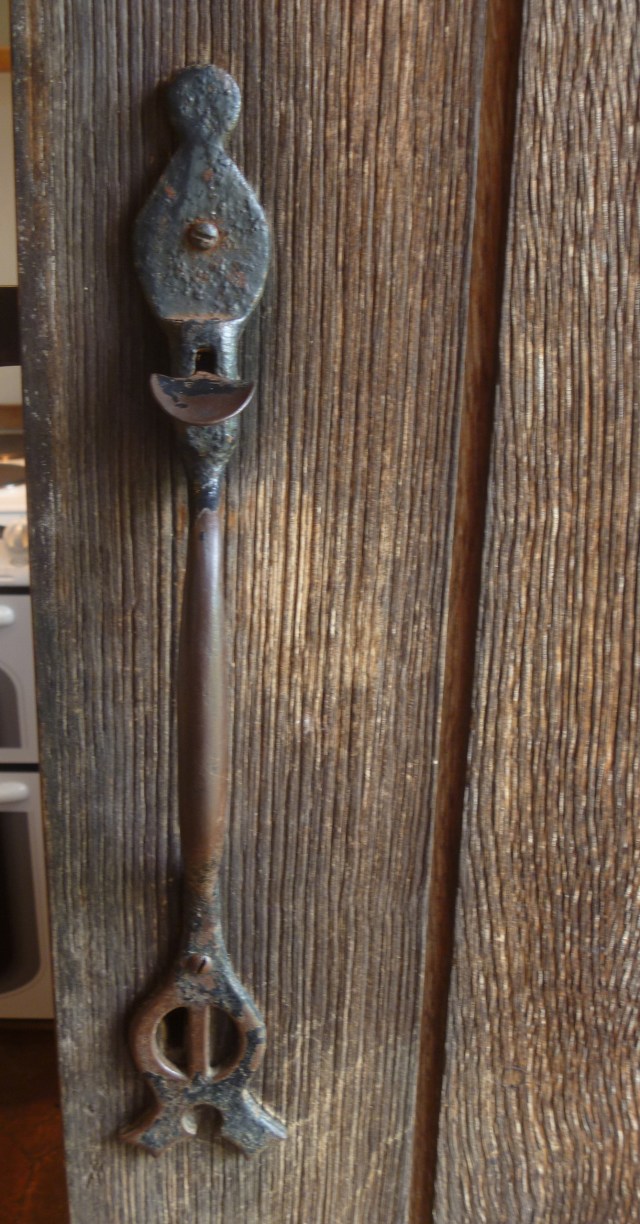
Front Door handle

Buckle Door Handle

View from the Tower - Laughton Place

View from the Tower Roof Platform

Over 60 steps

Over 60 steps lead up to the third floor bedroom

Twin Bedroom, Laughton Place

Third Floor Twin Bedroom

Astley Castle Interpretation Trail

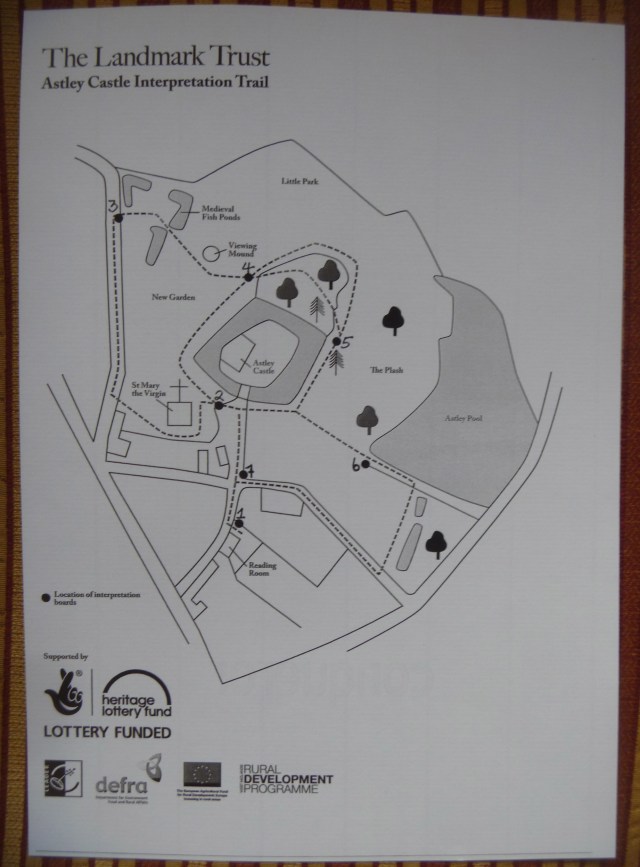
Astley trail map

The Interpretation Trail Map

Amongst many generous donors towards the reconstruction of Astley Castle the Heritage Lottery Fund was one of the major ones; giving a grant of well over a million  pounds to help the project on its way. HLF grants come with strings attached. So Astley Castle, quite rightly, enjoys many features and events not normally connected with Landmarks, in which the general public may be involved such as local school visits, open days and living history weekends. Public involvement has also included art exhibitions and a competition to design an Elizabethan knot garden in the grounds.
Knot Garden

The Winning Knot Garden

One  excellent result of the HLF involvement lead to the establishment of an Interpretation Trail on public footpaths through the area surrounding the castle (but keeping to the other side of the moat!). Information boards along the route explain the views and relate the history of the castle and its royal connections. Of course, I walked this trail many times in both directions. The views changed as the weather and light did throughout each day.

Let me take you along the trail. (Numbers refer back to the map above)
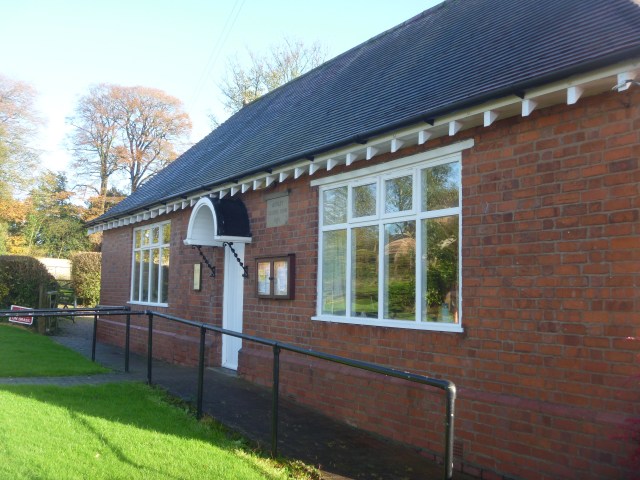
Astley Reading Room

Astley Reading Room

1. At The Astley Reading Room two boards give a general introduction and explain the creation of Astley Castle as a ‘Landmark for the 21st Century’.
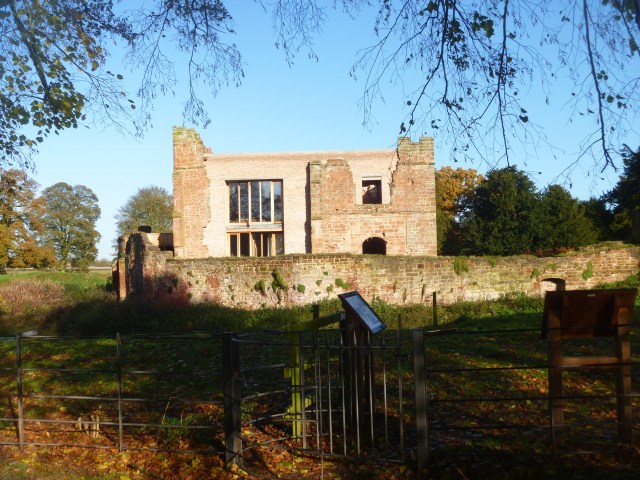
AC South elevation

Astley Castle : South Elevation

2. Astley Castle : South Elevation. Staying at the castle; this is where I began the trail each time.

“This ancient structure still remains, and the grounds surrounding it being tastefully laid out and kept in good order.” (Smith’s “A new and complete history of the County of Warwickshire”, 1829)
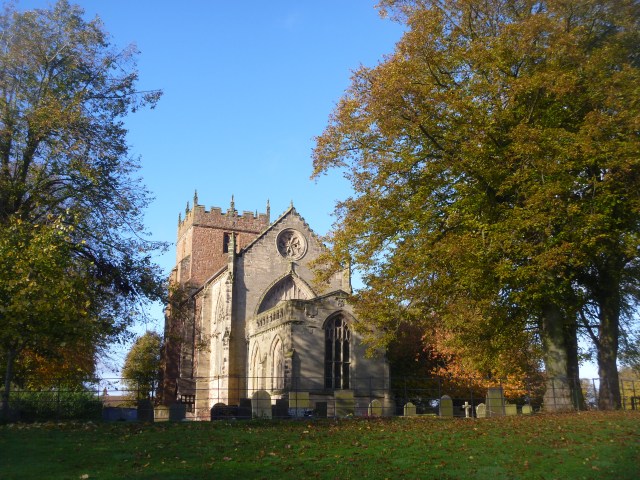
Astley Church

Astley Church

Collegiate church

From the Interpretation Panel

From here there’s an excellent view of Astley Church of St Mary the Virgin. [To be the subject of another post] Proceed through the churchyard to a rather muddy lane and panel 3.
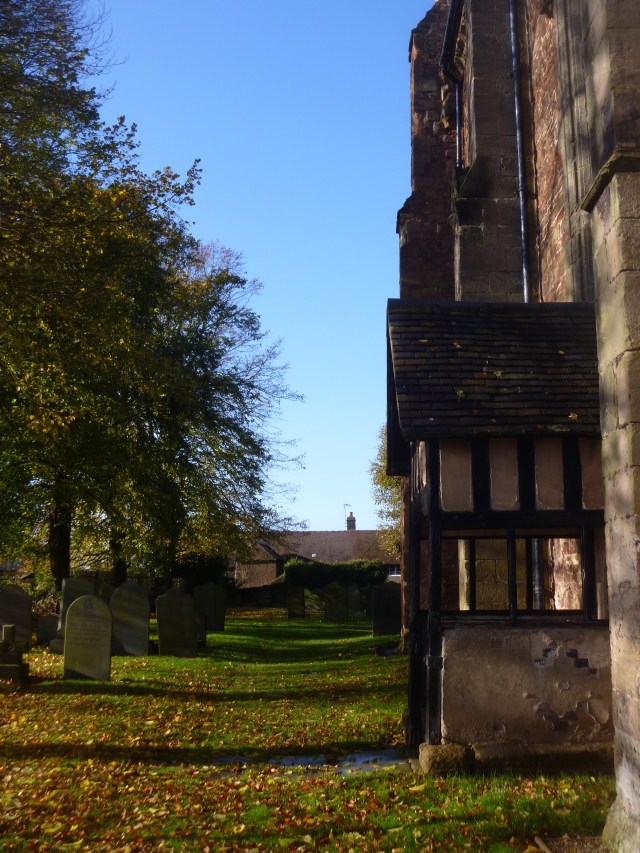
Path through churchyard
Path through churchyard

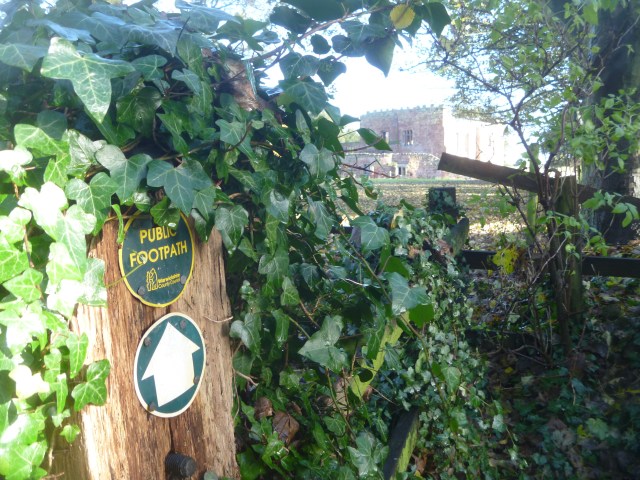
Trail this way

Follow the Trails this way

Astley Parish Walk

The Astley Parish Walk shares this lane with the Trail

3. The New Garden. “Today the New Garden is used as pasture but the many lumps and bumps hint at significant buried archaeology, especially in this north-western corner” [Interpretation Board] In fact from this point we re-enter the Castle grounds and here are ancient fish pools and a man-made ‘Viewing Mound’.
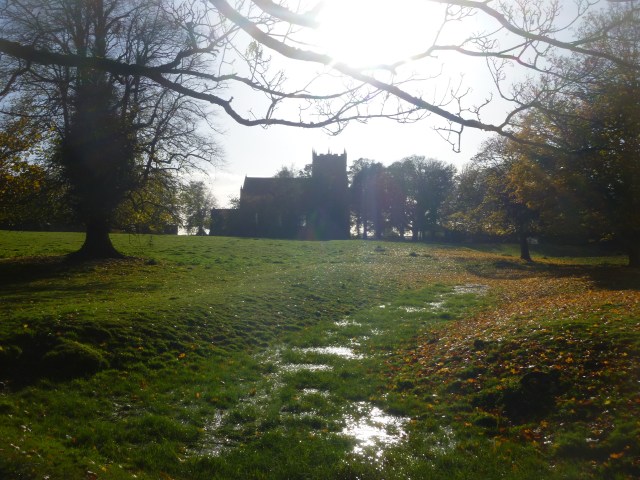
Fish pond and church

The former Fish Ponds and Astley Church
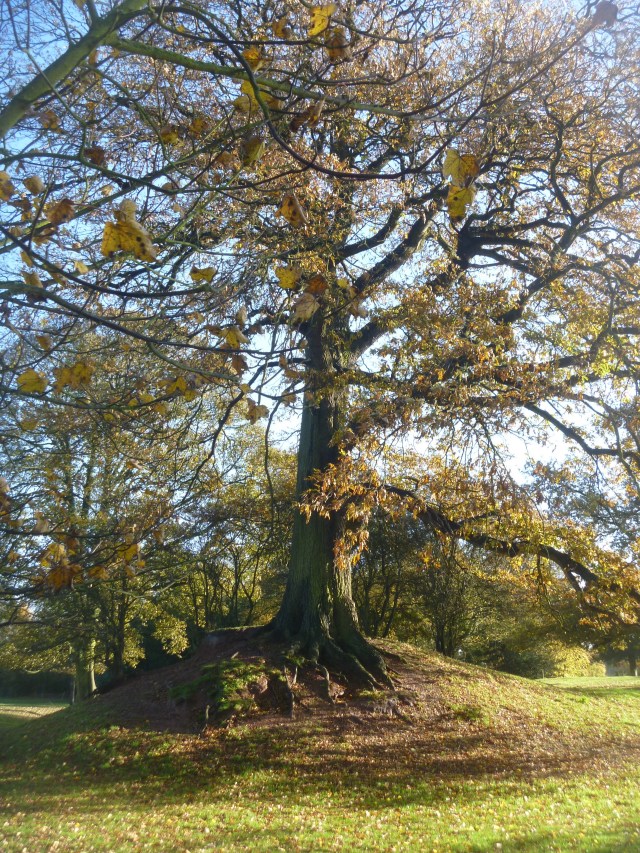
Viewing mound and old oak

The Viewing Mound topped by an ancient oak tree

There can be no real doubt that the New Garden was designed as a garden for the adjacent castle and it was probably laid out with paths, raised-bed type planting, arbours, hedges, and seats, perhaps in the late 15th century. The viewing mount could date from this period too.”.

1690 Estate Map

The area is labelled as New Garden on this estate map dated 1690.

4. Little Park and Shrubbery. Here we leave the meadow and pass through a gate into a small wood or copse now known as The Shrubbery. It contains the kind of cultivated shrubs popular in the 19th century and is only shown on maps as a separate area on maps of the late 19th century and after.
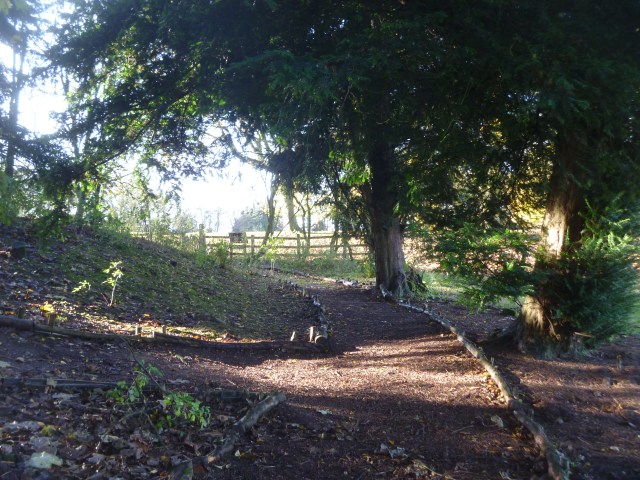
BCTV path through shrubbery

BCTV footpath through the Shrubbery

Just as building work on the castle began and continued from 2008 “volunteers from the British Trust for Conservation Volunteers (BCTV) worked  tirelessly to clear fallen debris, self sown trees and invasive weeds along the footpaths, here in the Shrubbery and around the banks of the moat.”
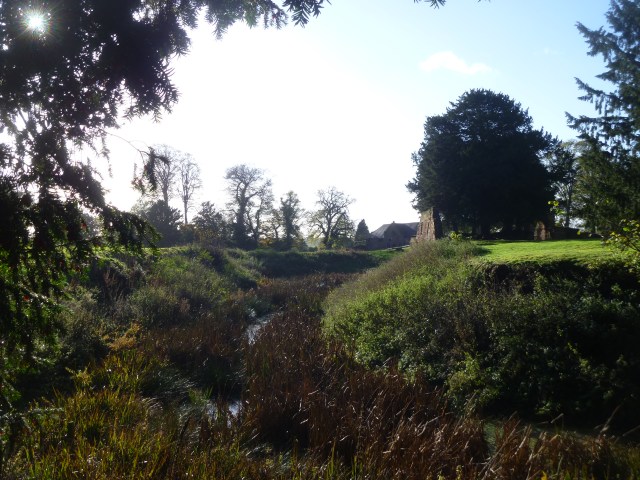
Moat

The Moat contains water in places

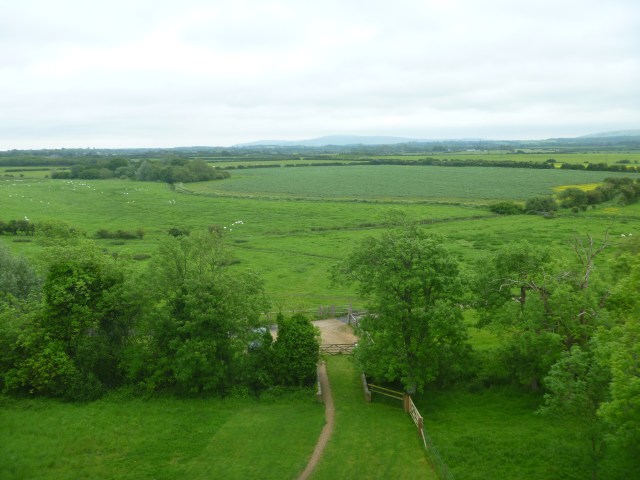
5. East Elevation and The Plash. Emerging from the Shrubbery we gain another view of the Church and the Castle. The East Elevation is to all intents and purposes the Front and Entrance to the building. But looking in the opposite direction there’s a broad green meadow (The Plash) and the still waters of the Astley Pool fishing lake.
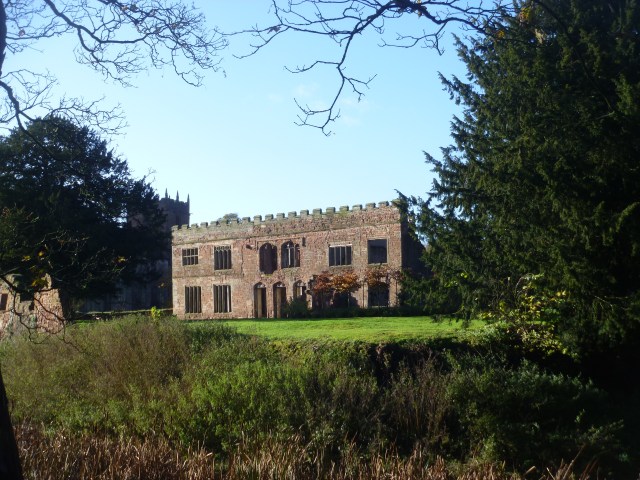
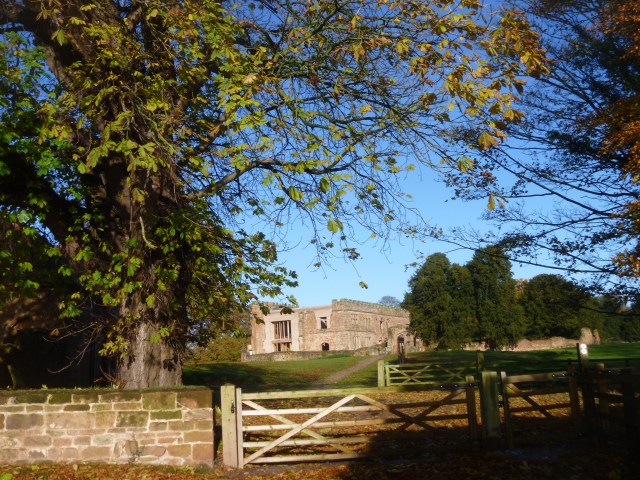
East elevation

The East Elevation (Front) of Astley Castle

The Old English plaesc, modernised as ‘plash’ means ‘a shallow piece of standing water, a marshy pool’ so this is likely to be an ancient natural feature, enhanced and adapted by the castle residents. … The Plash is dotted with trees, several of which are mature specimen trees – including a fine cedar tree.”
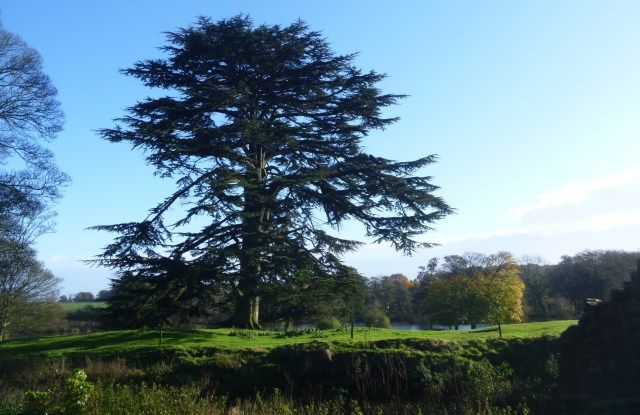
Cedar

The Cedar Tree

Plash and Pool

The Plash and the Pool

6. Astley Pool and New Road. Our path takes us across The Plash to Astley Pool, a man-made lake. Although it may seem a typical 18th or 19th century creation it is first referred to in 1501. It is now a private fishing lake.
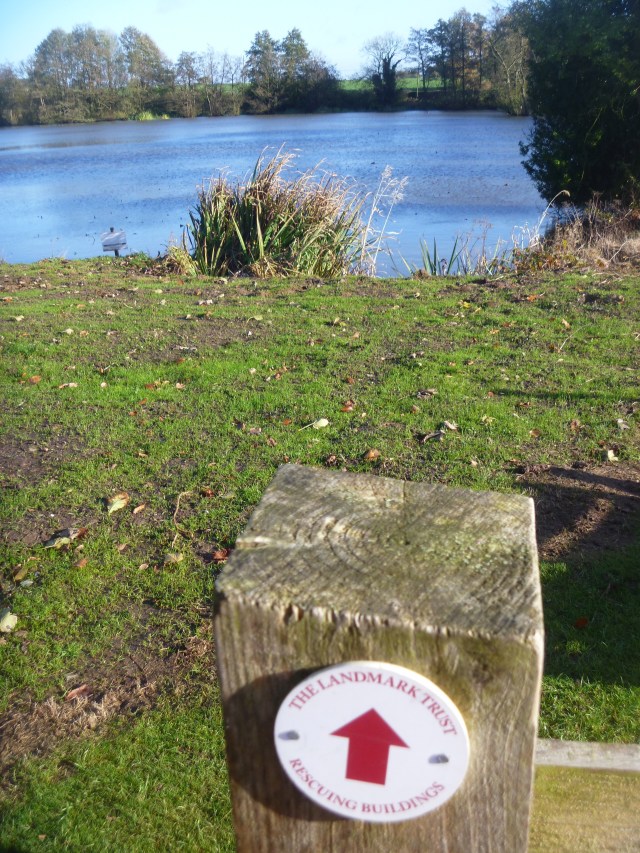
Astley Pool

The New Road was created to link the drive from Arbury Hall to a new access to Astley Castle. The first part of this was across the top of the pool dam and this would have provided a suitably attractive route up to the castle.”

7. Dark Lane and Castle Approach. The BTCV volunteers had been busy clearing the last lane that leads back to the village and the Castle. I was surprised to read in the interpretation notes that this lane was in fact a disused ‘holloway’. I have recently read Robert MacFarlane’s recent book “Holloway“. I had assumed that these features of the landscape only occurred in Dorset and the Downs of the South of England but here was one in the Midlands.
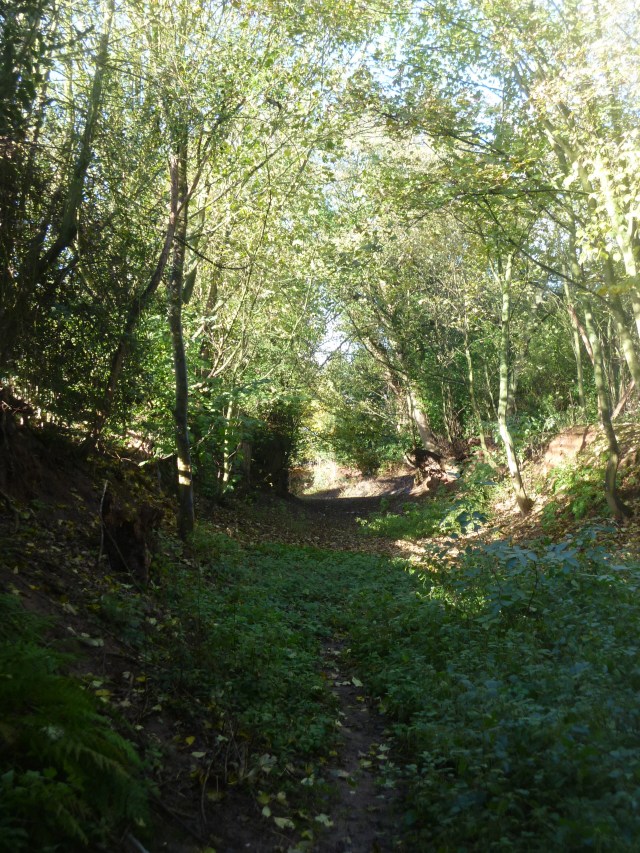
The Holloway

The Holloway

“‘Holloway – the hollow way. A sunken path, a deep and shady lane. A route that centuries of foot-fall, hoof-hit, wheel-roll and rain-run have harrowed into the land. A track worn down by the traffic of ages and the fretting of water, and in places reduced sixteen or eighteen feet beneath the level of the fields.’ “

[See more at: http://www.faber.co.uk/catalog/holloway/9780571302710#sthash.KNxb85gv.dpuf ]

And here we are back where we started at the approach to the castle. On the left is the Coach House like the Castle left to ruin but now repaired and water-tight although it has no use at the moment. Behind are the 18th century Gothick stables.
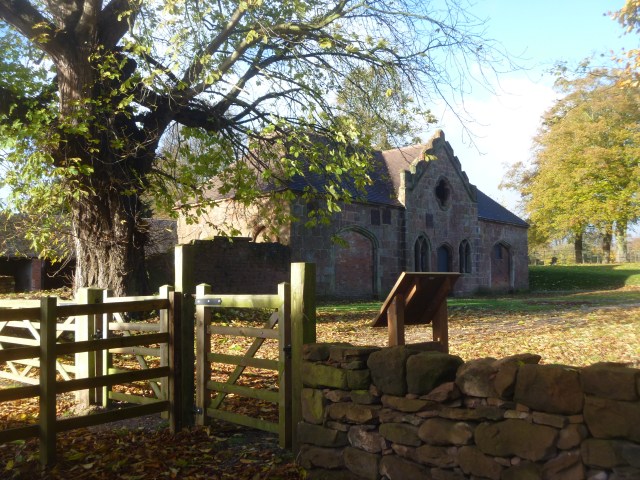
Coach House

The Coach House

Notice

I return to the Castle to study the library and read more about ruins and the rich history of Astley and England.
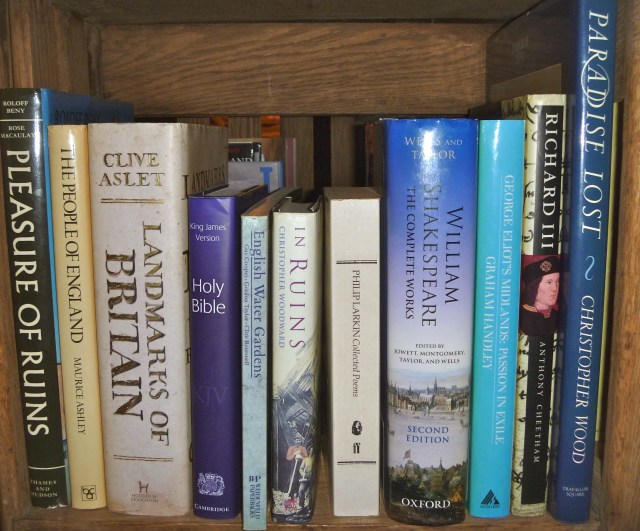
Bookshelves

“The Building Bears Strong Marks of the Ravages of Time and Presents an Extremely Picturesque Appearance” Astley Castle

Astley and Knot Garden

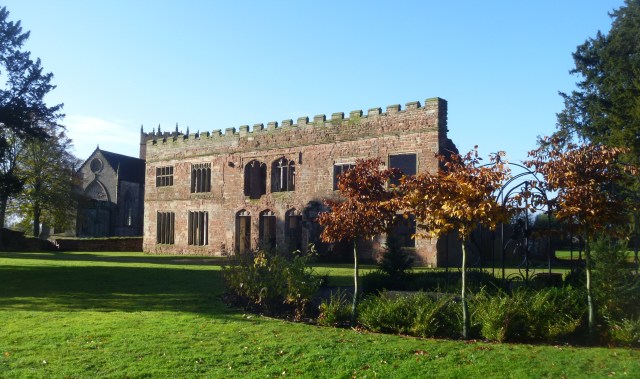
Astley Castle and Elizabethan Knot Garden

“The Building Bears Strong Marks of the Ravages of Time and Presents an Extremely Picturesque Appearance” Britton’s “Beauties of England and Wales“.

The Stirling Prize is the most prestigious prize for British architecture awarded annually :

to the architects of the building that has made the greatest contribution to the evolution of architecture over the past year. The prize is for the best building in the UK by RIBA chartered architects and International Fellows, or in the rest of the EU by an RIBA chartered architect.”

The RIBA Stirling Prize was born in 1996 out of its predecessor The Building of the Year Award. The Building of the Year Award had been running since 1988 and the winner was chosen by the RIBA President from a handful of National Award winners. This was thought of as neither transparent nor democratic. The aim with the Stirling Prize was that the winner should be decided in an unbiased way, with different juries visiting the ‘midlist’ and shortlist.

The new prize was named after James Stirling, the great British architect who died in 1992. The aim was that the Stirling Prize would be for architecture what the Booker Prize was for literature, and a £20,000 cash prize for the winning architects made the prize covetable as well as prestigious.” [Source]

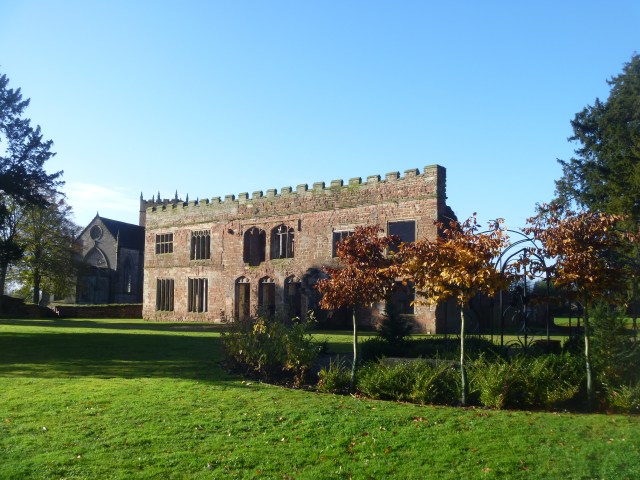
In 2012 I was fortunate enough to be invited by friends who are Patrons of The Landmark Trust to attend the celebration opening of Astley Castle in July 2012. Immediately on leaving the reception and arriving home I decided to book the castle for a week (Monday to Friday) in November 2013.

Here are some of the highlights and light effects from this unforgettable stay.

Arriving at Astley

Arriving at Astley

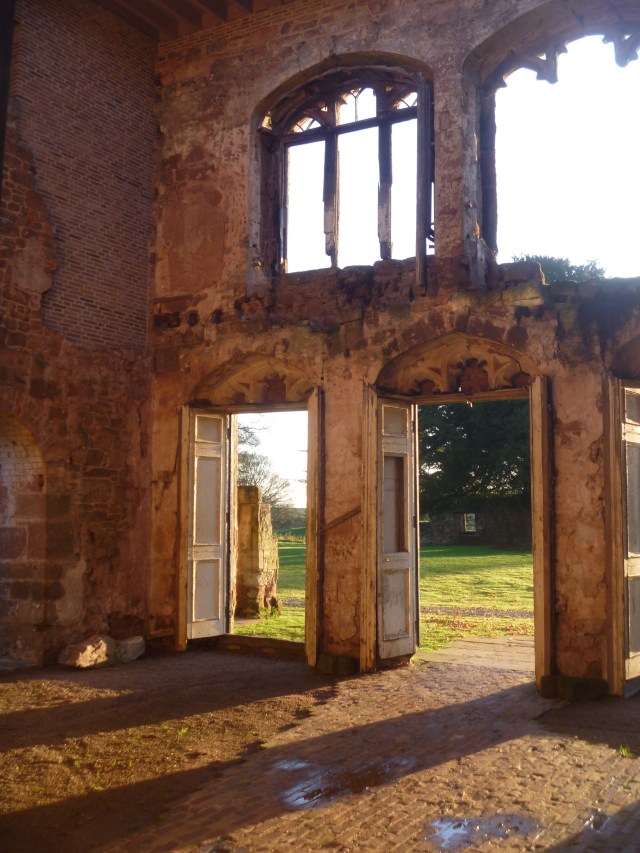
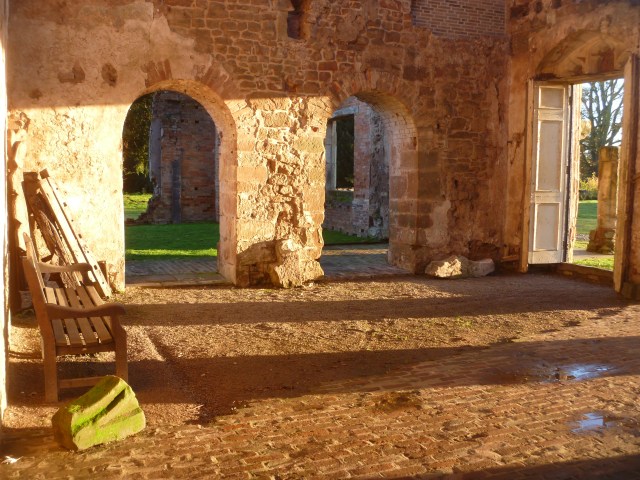
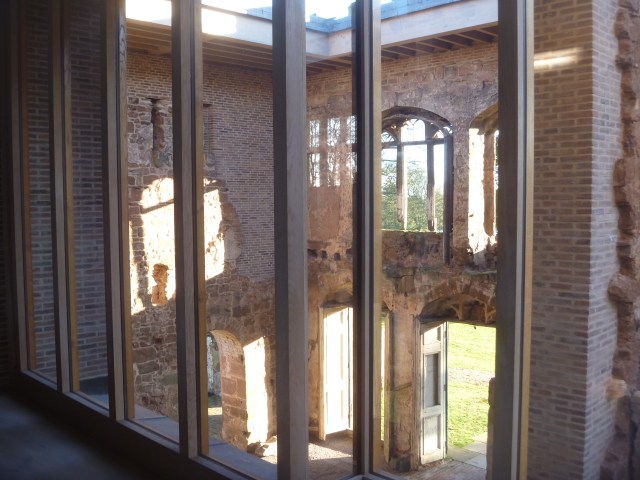
The Ruins

The Ruins

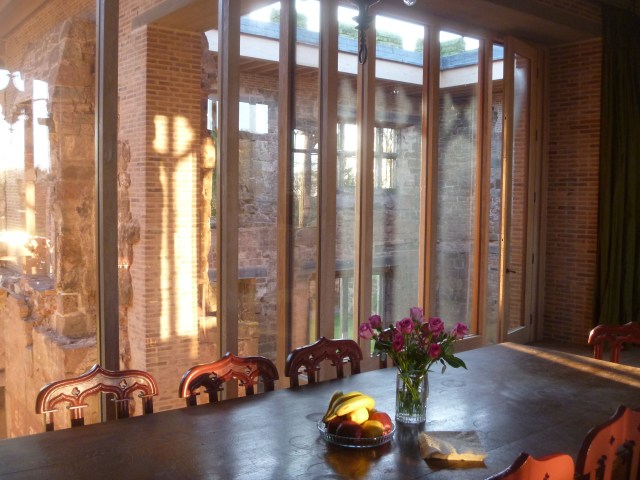
Sunlight after the rain

Sunlight after the rain

Outdoor Dining

Outdoor Dining

Dining table shadows

Indoor Dining

Courtyard

Courtyard

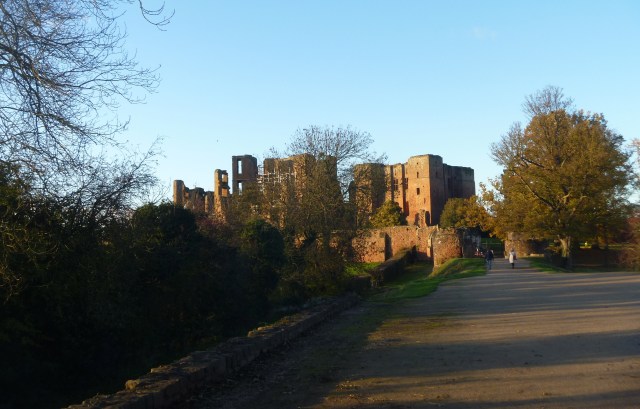
Kenilworth Castle

Castle Visiting – Kenilworth Castle

The Secret Life of Wormington Grange

Wormington Grange

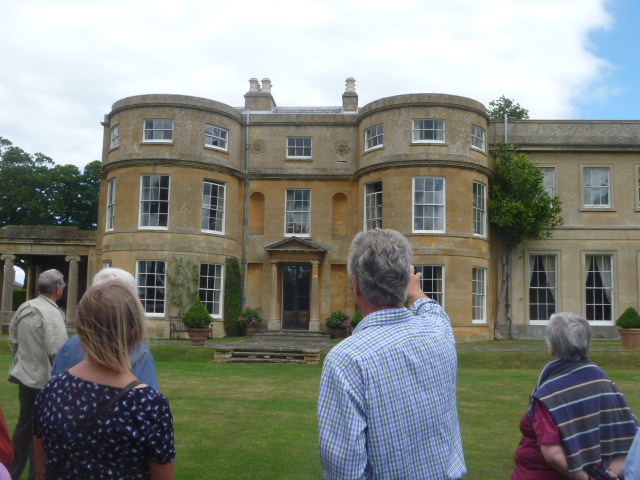
As you drive down the avenue of trees approaching Wormington Grange in Gloucestershire it appears as an elegant and serene Cotswold stately home.  Built of typical warm Cotwold stone and fronted by a smooth green lawn nothing gives a hint of what is going on in the stables and out-buildings behind the house.

Wormington Store

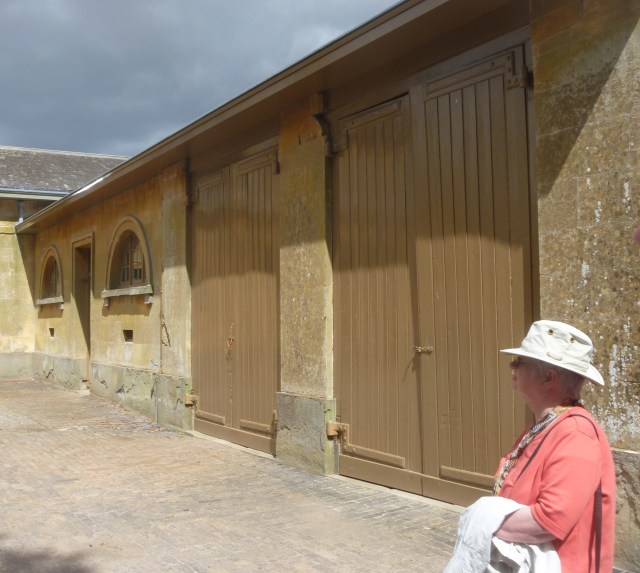
The impressive stable block store

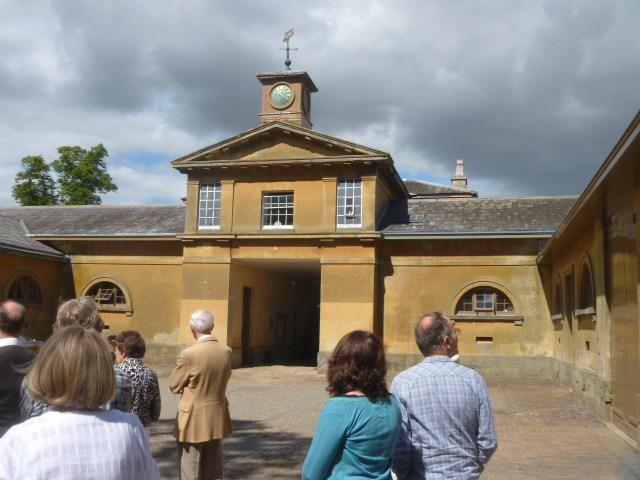
Wormington Grange is the home and work place of John Evetts The Landmark Trust’s Furnishings Manager and on Friday 9 August I had the honour and pleasure to have been included in a small group of Landmark Patrons and their guests at a private and ‘magical‘ tour behind the scenes. We were shown the store of furniture and furnishings and the workshops and told the history (accompanied by amusing anecdotes and asides) of the collection and of the house and grounds by Mr Evetts himself.

JE in garden

We started our tour behind the house at the impressive set of stable buildings.  John explained the history and architectural features and then … the moment of revelation … he unlocked each of the large heavy doors to reveal the furniture delights held inside.

Ann at Stables

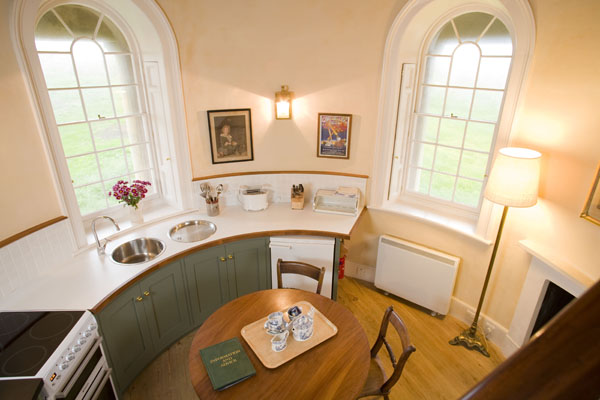
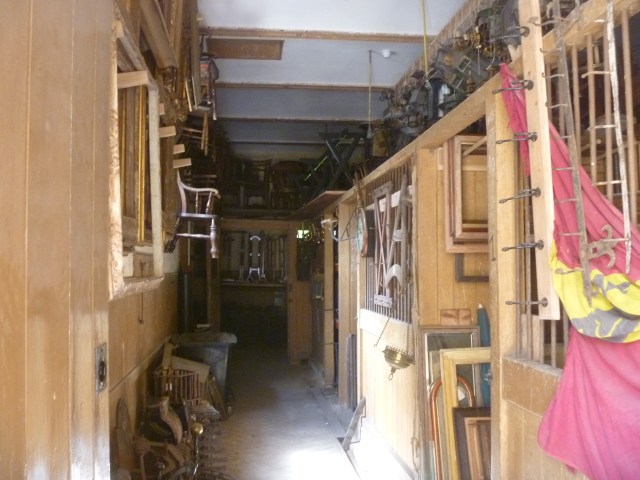
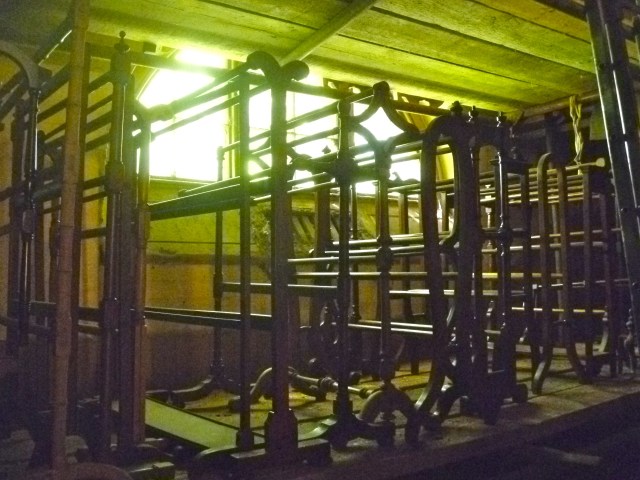
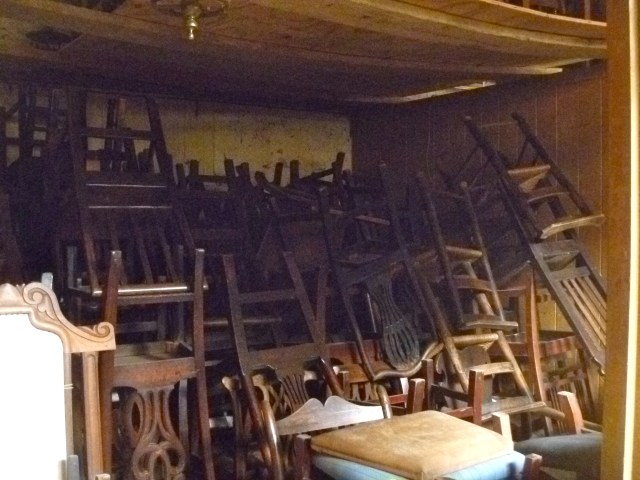
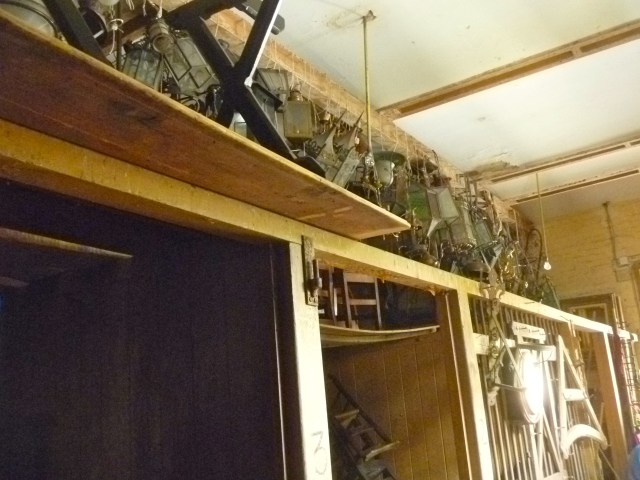
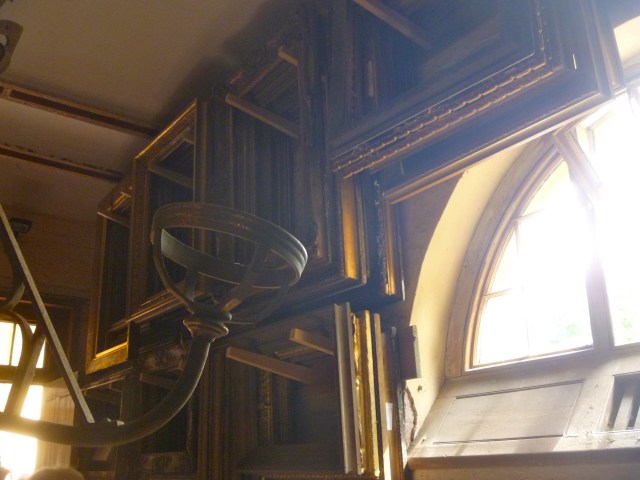
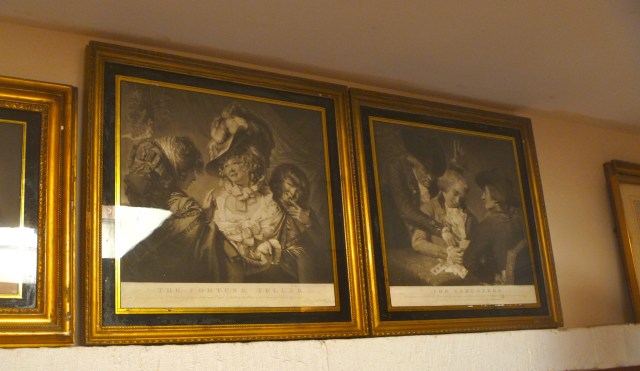
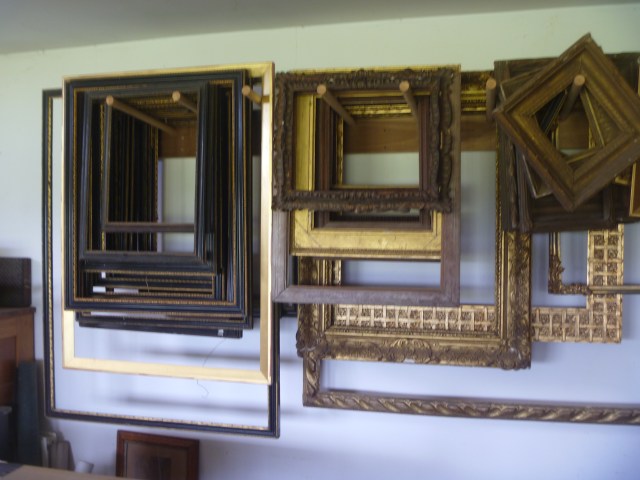
So much of it was familiar to us as devout Landmarkers! Here were ‘container’ pieces – chests of drawers, wardrobes and the like. There were shelves of towel rails and hook upon hook of picture frames and brass lanterns. Another former horse box was piled high to the rafters with kitchen chairs – and not just any old kitchen chairs – each one had been chosen for its shape and stretchers. John is on the lookout everywhere for the right furniture and suitable pictures. Years ago he bought ‘brown’ furniture at a higher price than today. Currently it is out of fashion. When Landmark acquire a ‘new’ property John is asked to provide suitable furniture, soft furnishings, pictures and often adapts items for new purposes or builds completely from scratch pieces to fit – like here in the kitchen at the Clavell Tower:

Clavell Interiors JMiller Oct 2008 (4)

Photo source.

As he travels up and down the country from Landmark to Landmark John is always on the look out for suitable pieces to add to the collection. He has special sources abroad – he finds suitably large bed heads in Italy and fabrics in France at the Marché St Pierre in Paris.

Inside Stable Store

Inside the Stable Store

Towel rails

How many towel rails?

Chairs

A Choice of Chairs

Brass lanterns

Brass Lanterns Abound

Picture frames

Picture Frames Galore

Prints

Prints for the Hanging

More frames

More Picture Frames – the Hogarth frames (left) for prints (currently being collected) for Belmont.

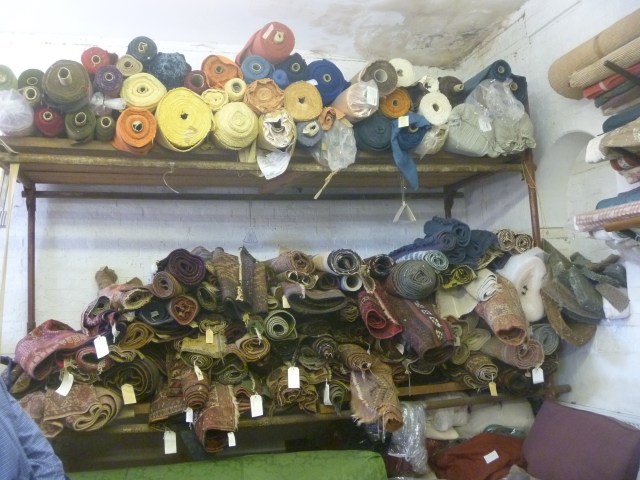
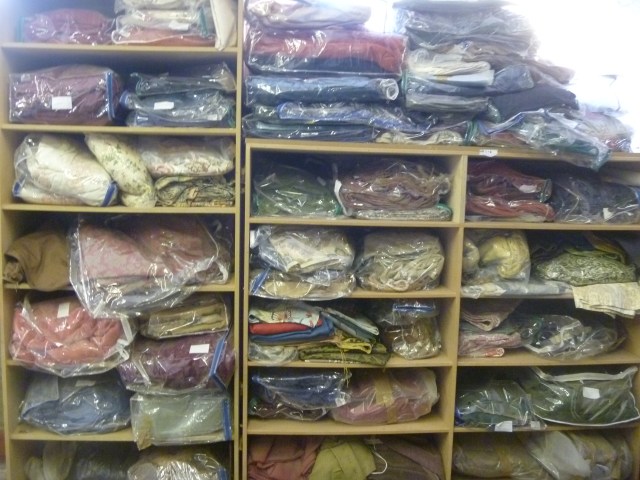
In the past soft furnishings were made up here, too. These days the orders are shipped off to Bideford in Devon where a specialist company can perform the ‘magic’ at a more reasonable price than can be done in house. The same for the actual sofas and easy chairs (I use the term guardedly!). These are now made to order by an upholstery company in Nottingham.

Soft furnishing fabrics

Rolls of Furnishing Fabrics

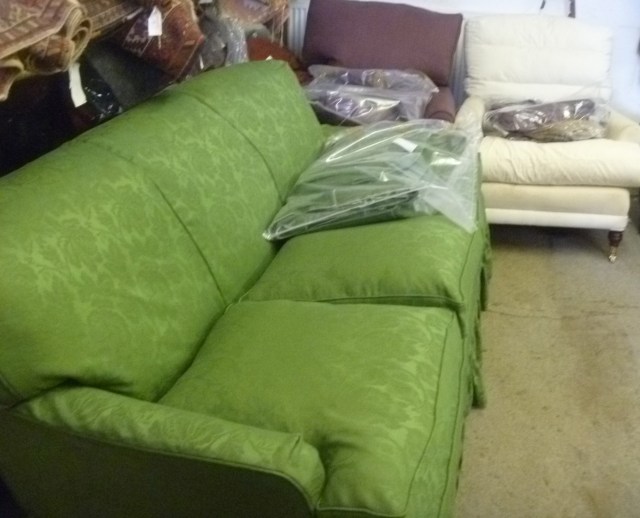
Easy chair and sofa covers

Easy Chair and Sofa Covers in Waiting

Sofa ready to go

Sofa Ready to go

After the tour we were invited into the house – equally as elegant and serene as it appears on the outside – for a buffet lunch. Here we could enjoy the Dining Room, Sitting Room and Hall and have a chance to meet other members of the group and talk Landmarks.

The dining room

The Dining Room

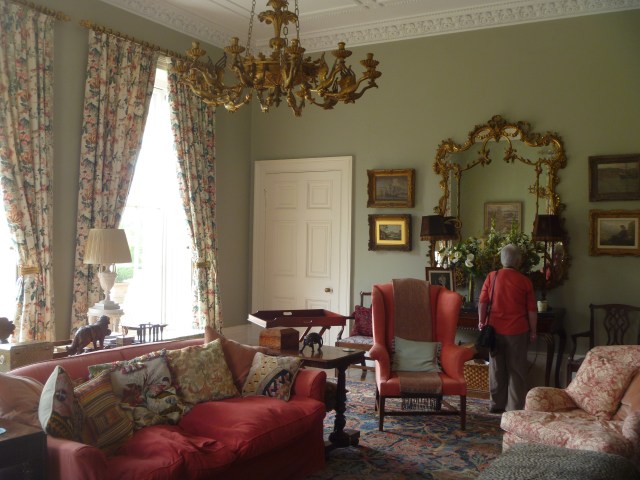
The sitting room

The Sitting Room

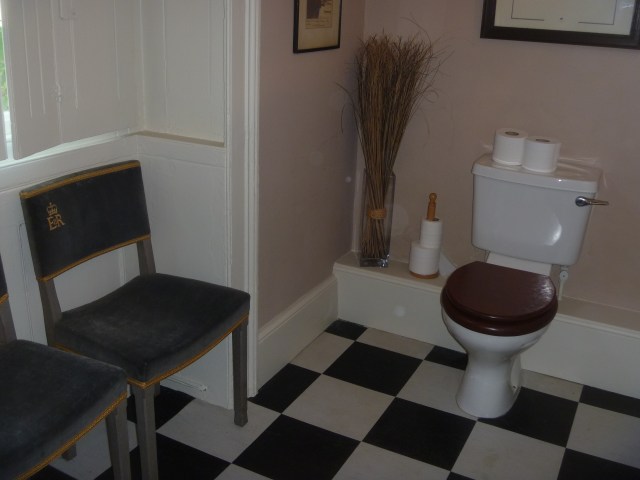
John Evetts’ grandfather was Lord Ismay former Chief of Staff to the Ministry of Defence 1940-46 and as chief military assistant to Winston Churchill during the Second World War he served on the Chiefs of Staff Committee. So it was interesting to see in the ‘Throne Room’ the chairs sat upon by Lord and Lady Ismay at the Coronation of our Queen in 1953.

The Throne Room

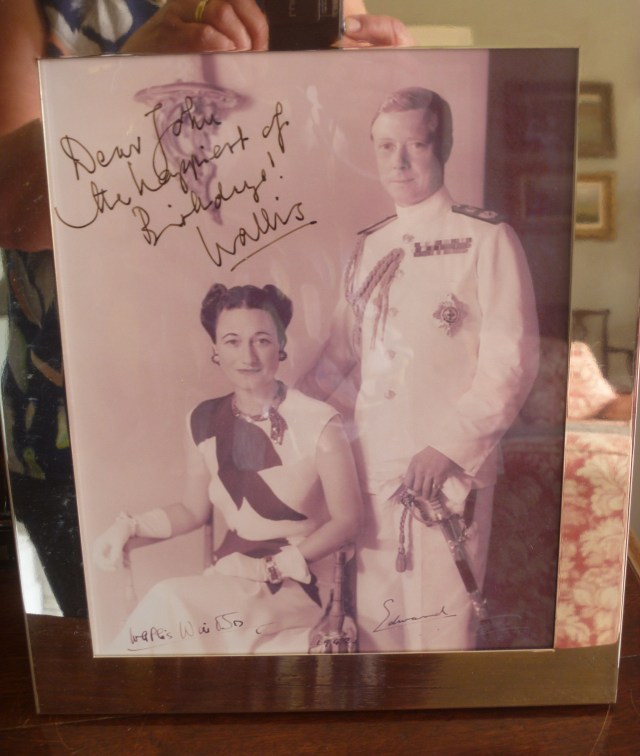
And even That Woman had connections here.

That woman she gets everywhere

I now view Landmarks and their furnishings with added insight – from the lamps and light bulbs through the towel rails and cushions to the double beds and sofas! Ann and I continued our Landmarking theme by staying at Saint Mary’s Lane in Tewkesbury that night where we were able to put our newly found knowledge to the test. Thank you, Ann, for a wonderful day out!

In and Around Anderton House : a Photo Album, 3 [Goodleigh to Gidleigh]

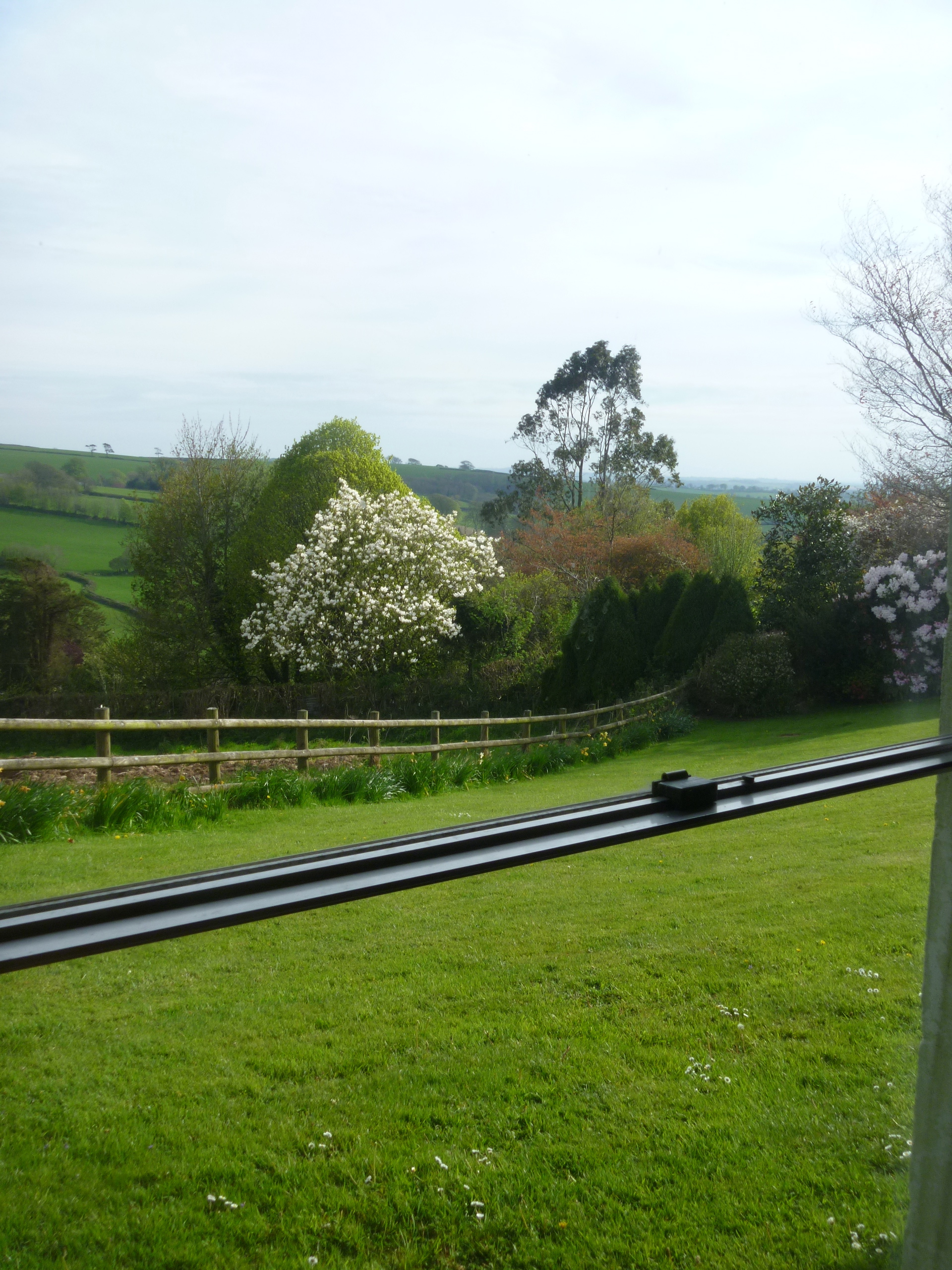
Anderton House view from single bedroom

I have mentioned the wonderful views to be had from the glass walls of the sitting area and from each of the bedrooms at Anderton House but there is also a very relaxing garden on a couple of levels and sloping down the fields in front.

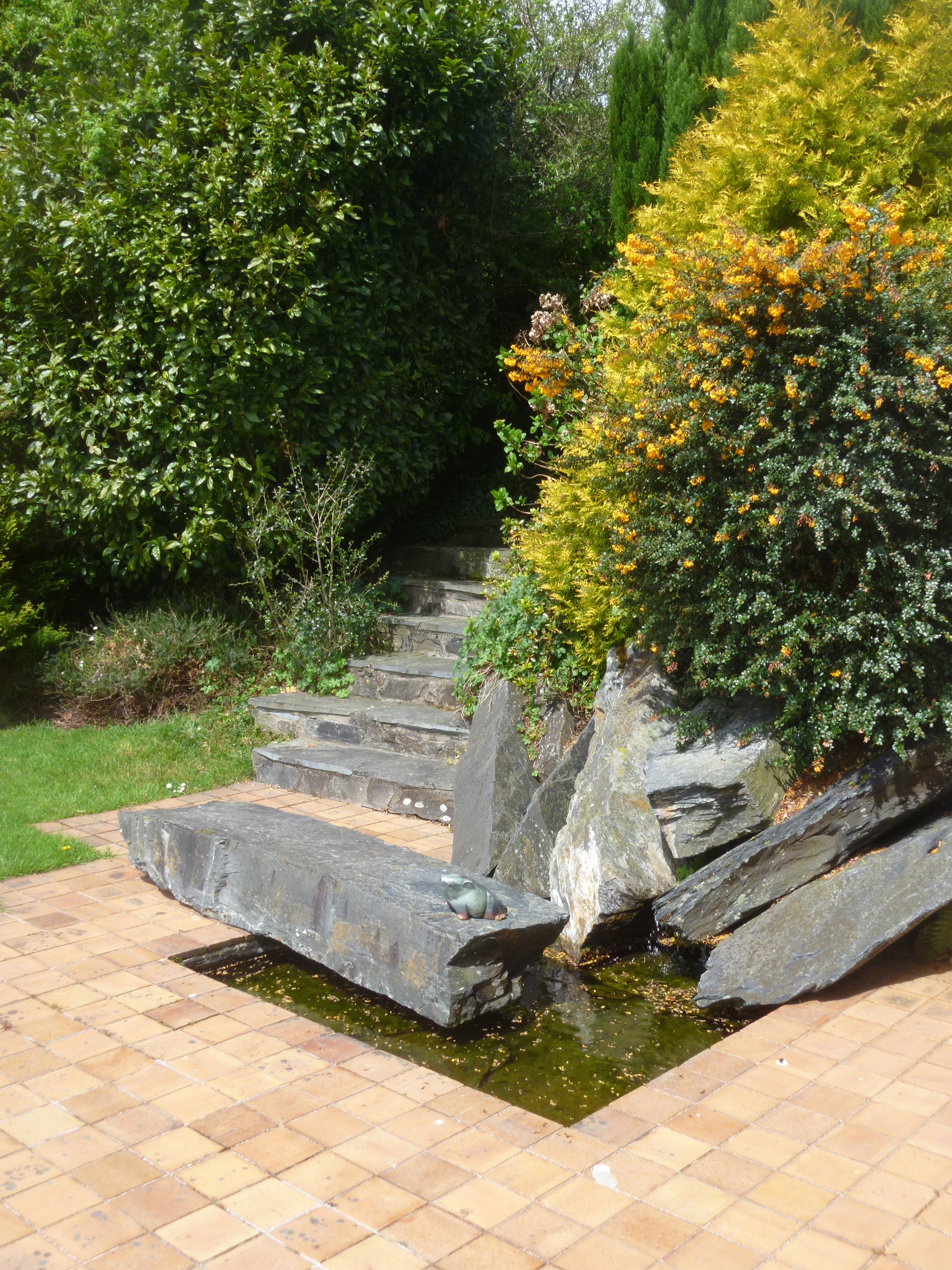
Anderton House water feature in garden

When the sliding glass door is opened, even fractionally, you can sit inside and hear the gentle tinkle of the water feature just outside.

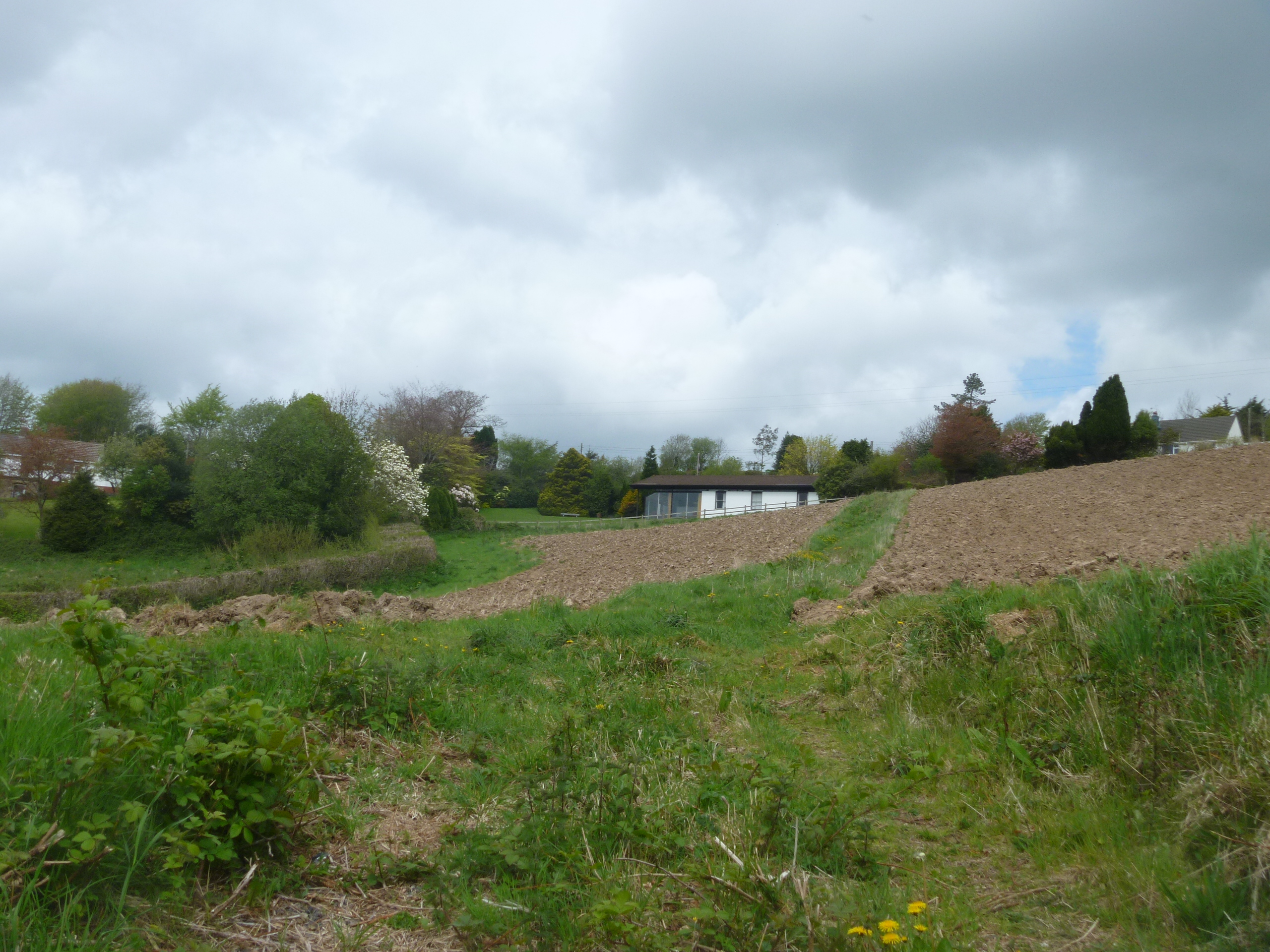
Anderton House and footpath

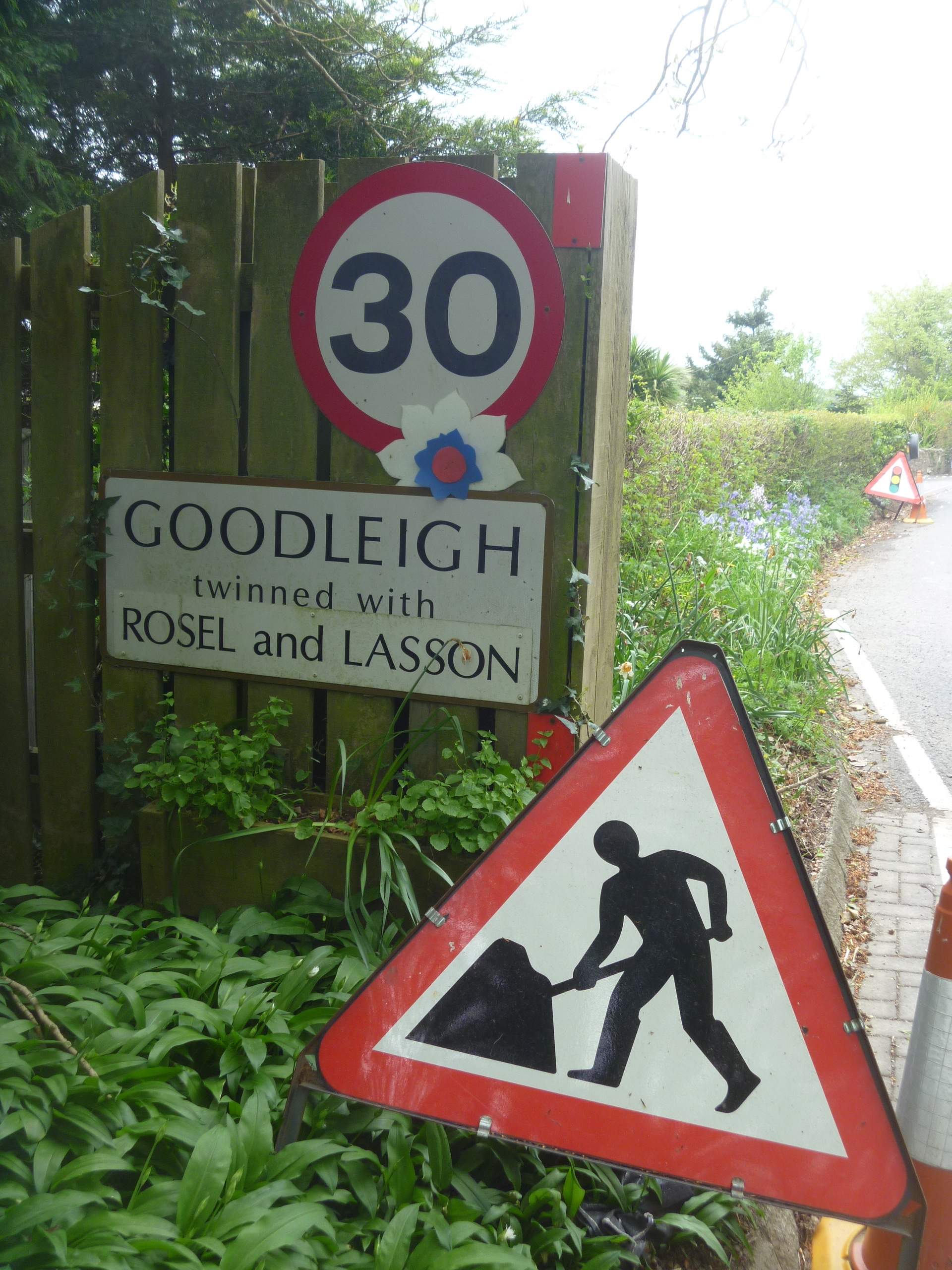
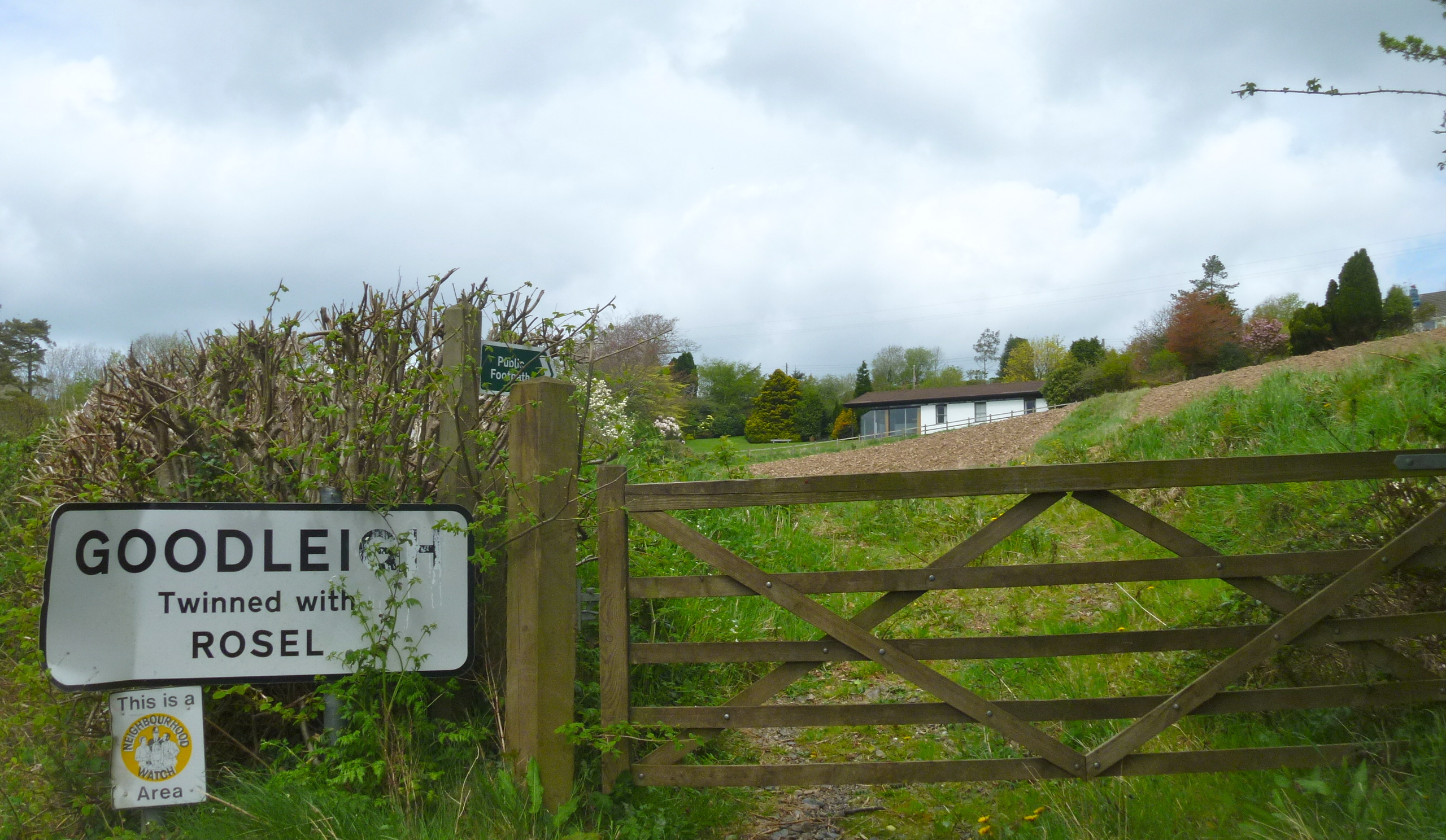
There’s a short Public Footpath across the field which leads down to the main road that runs through Goodleigh, two miles from Barnstaple. I surprised to see that the village had two twins. Both sound like villages in France and indeed they lie close to each other in Normandy, not far from the Normandy Landing Beaches of the Second World War.

Goodleigh twinnings

The church of St Gregory stands high above the main street and right on the street itself is The New Inn. We didn’t manage to get there but plenty of Landmarkers at Anderton House had enjoyed their meals.

Goodleigh Church

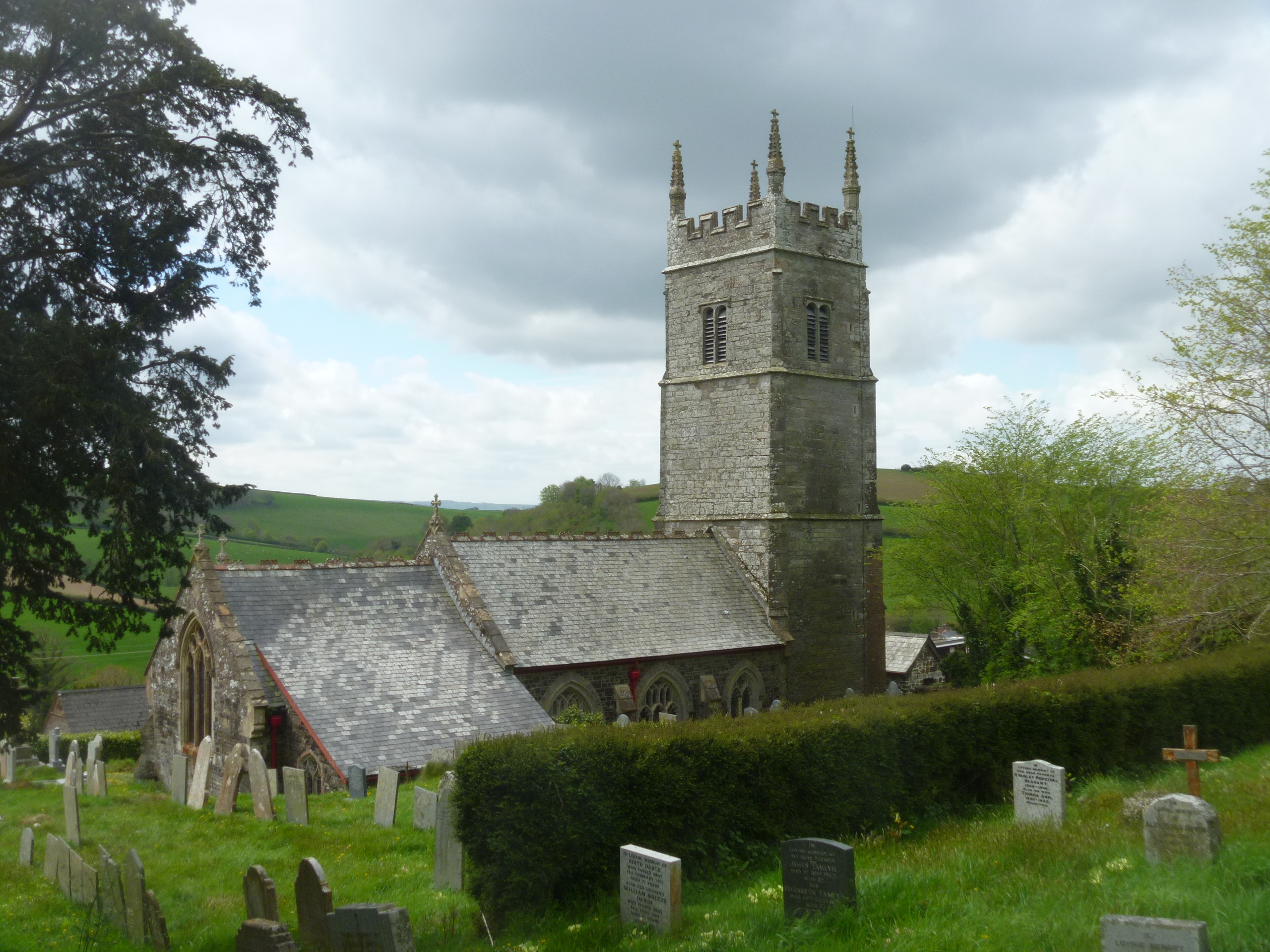
The Church of St Gregory, Goodleigh

Goodleigh War Memorial

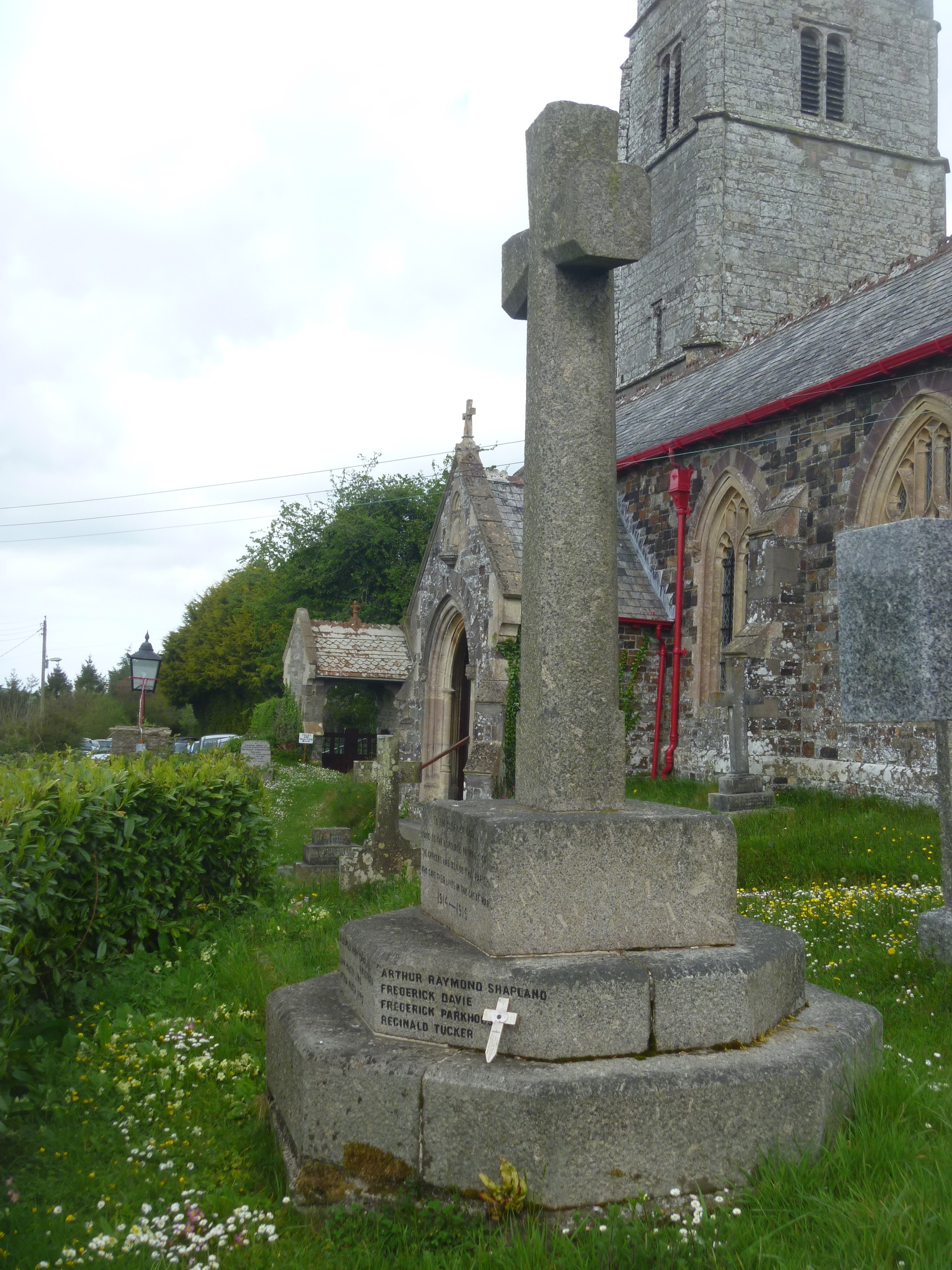
The Goodleigh War Memorial

New Inn

The New Inn, Goodleigh

One of my favourite walks in Devon is through the grounds at Gidleigh Park. Although it’s a drive from Goodleigh we were really looking forward to it as after the very wet walk we had booked an Afternoon Tea. Yummy!

Gidleigh Park Hotel

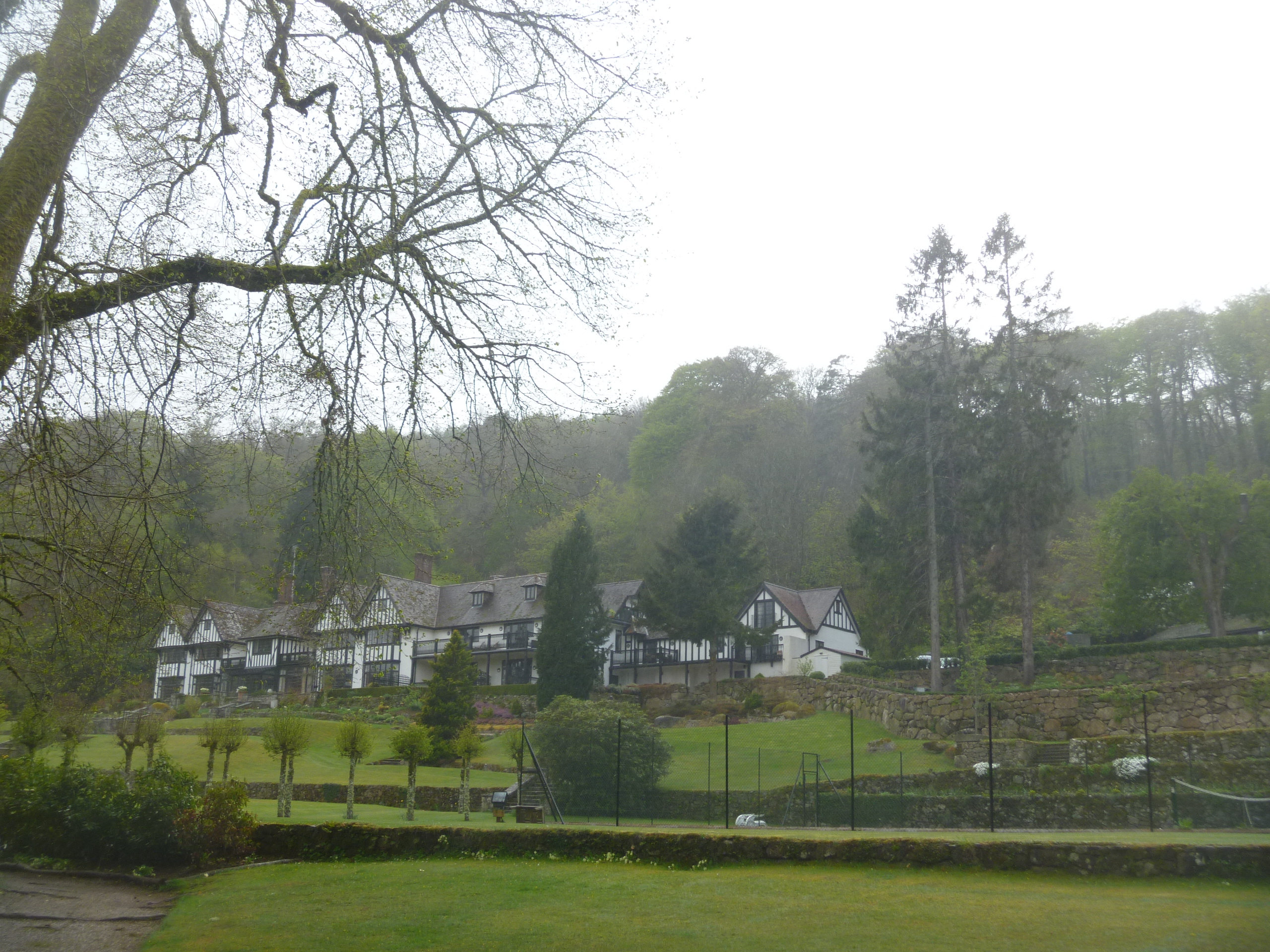
Gidleigh Park in the rain!

Gidleigh Park

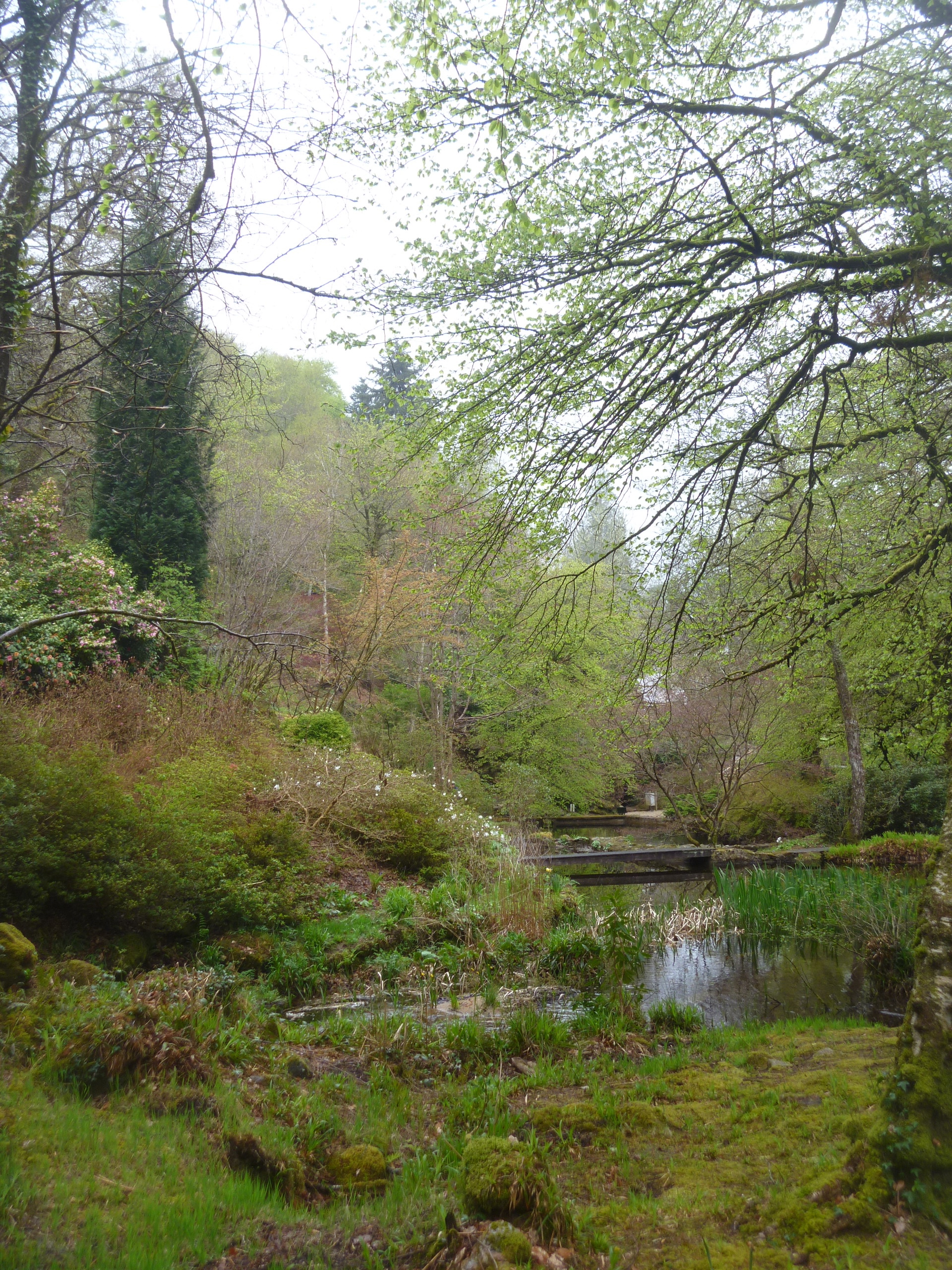
The Water Garden at Gidleigh – brimming over!

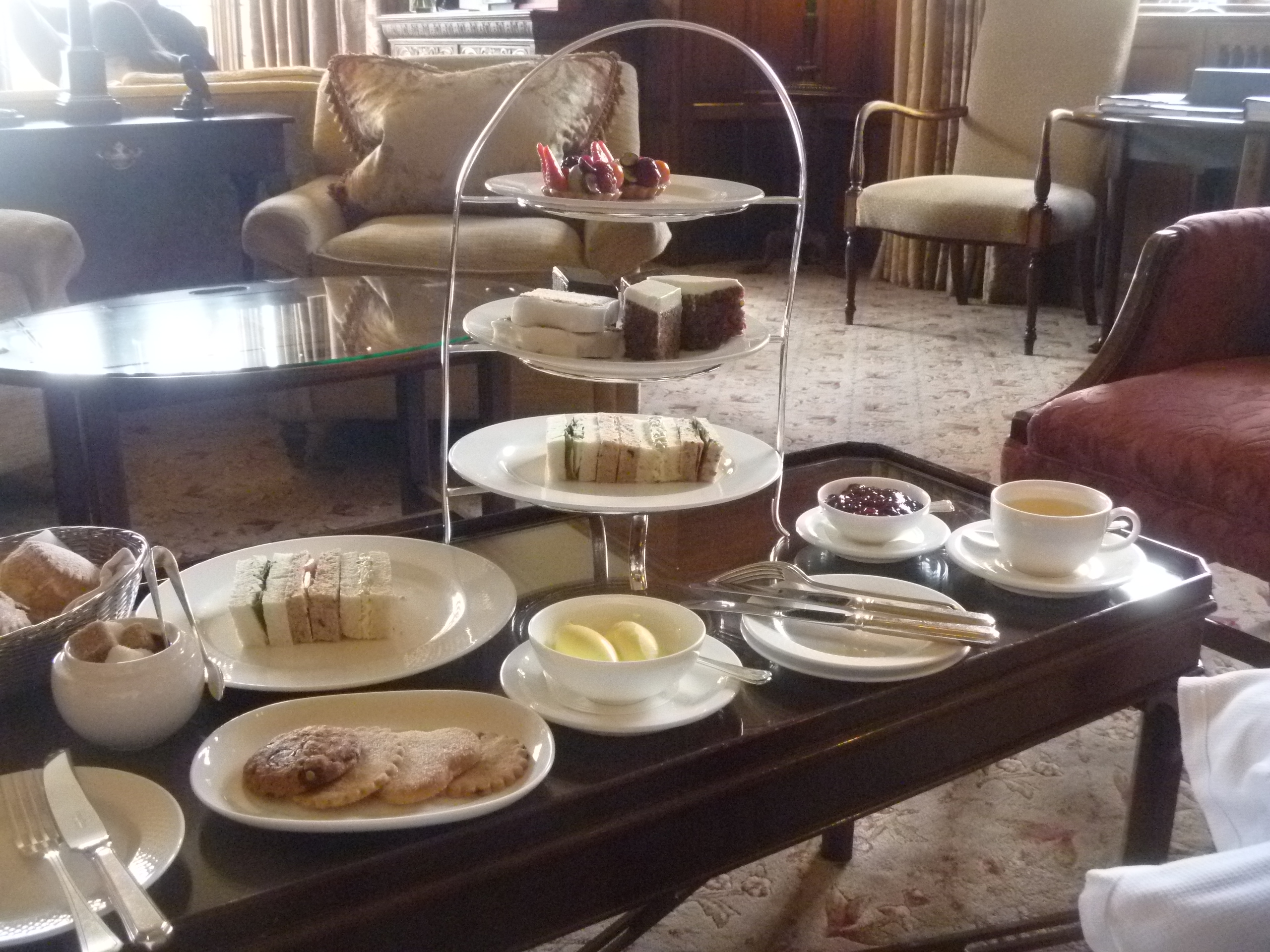
Tea at Gidleigh Park

The Afternoon Tea

In and Around Anderton House : a Photo Album, 2

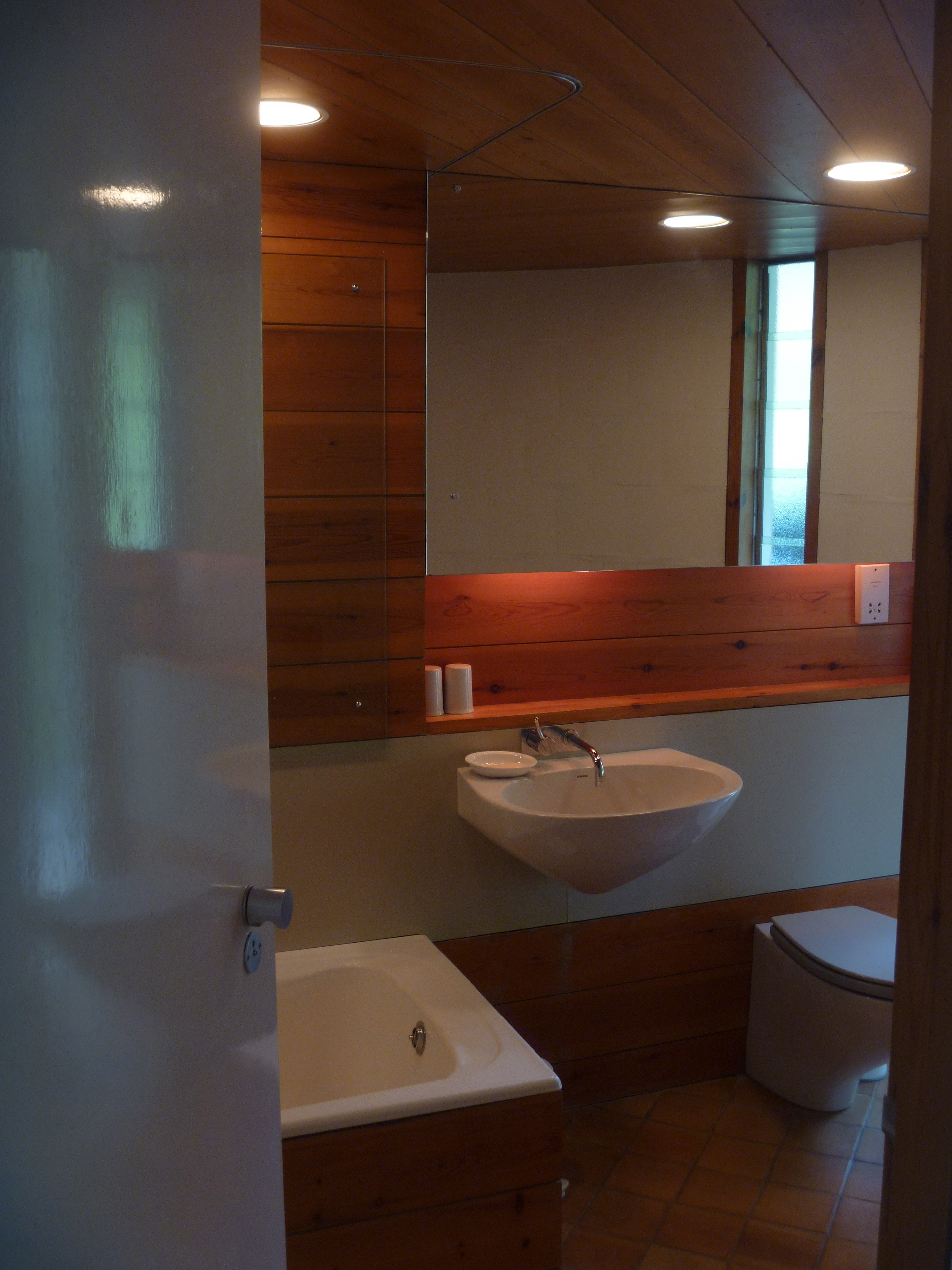
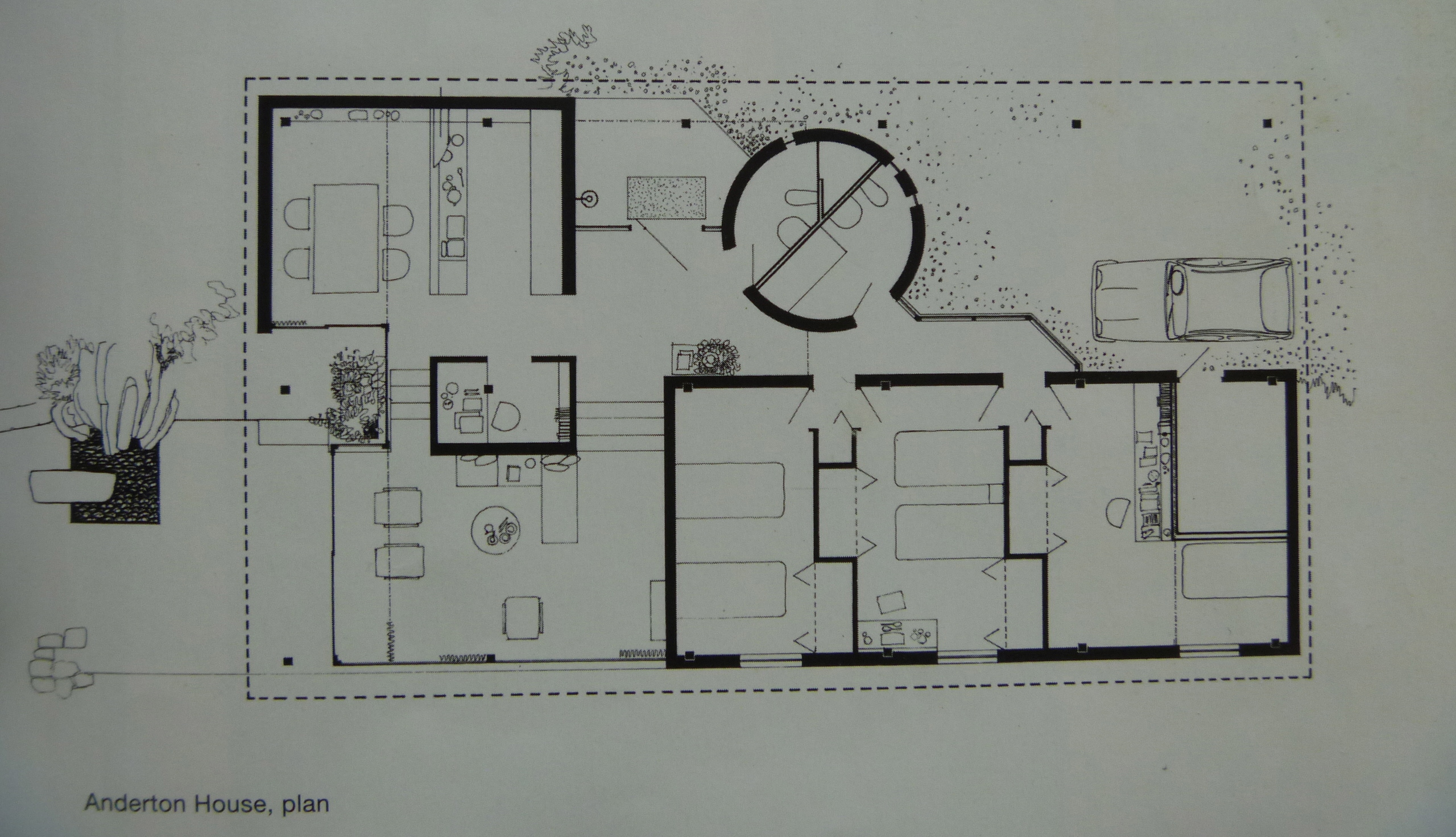
You’ll notice on the plan shown in the previous post that there’s a circular pod containing a guest cloakroom and house bathroom. This pod narrows the corridor between the ‘public’ areas – sitting room, dining area, kitchen – and the ‘private’ sleeping quarters. It’s simple but effective.

Anderton House bathroom

The House Bathroom

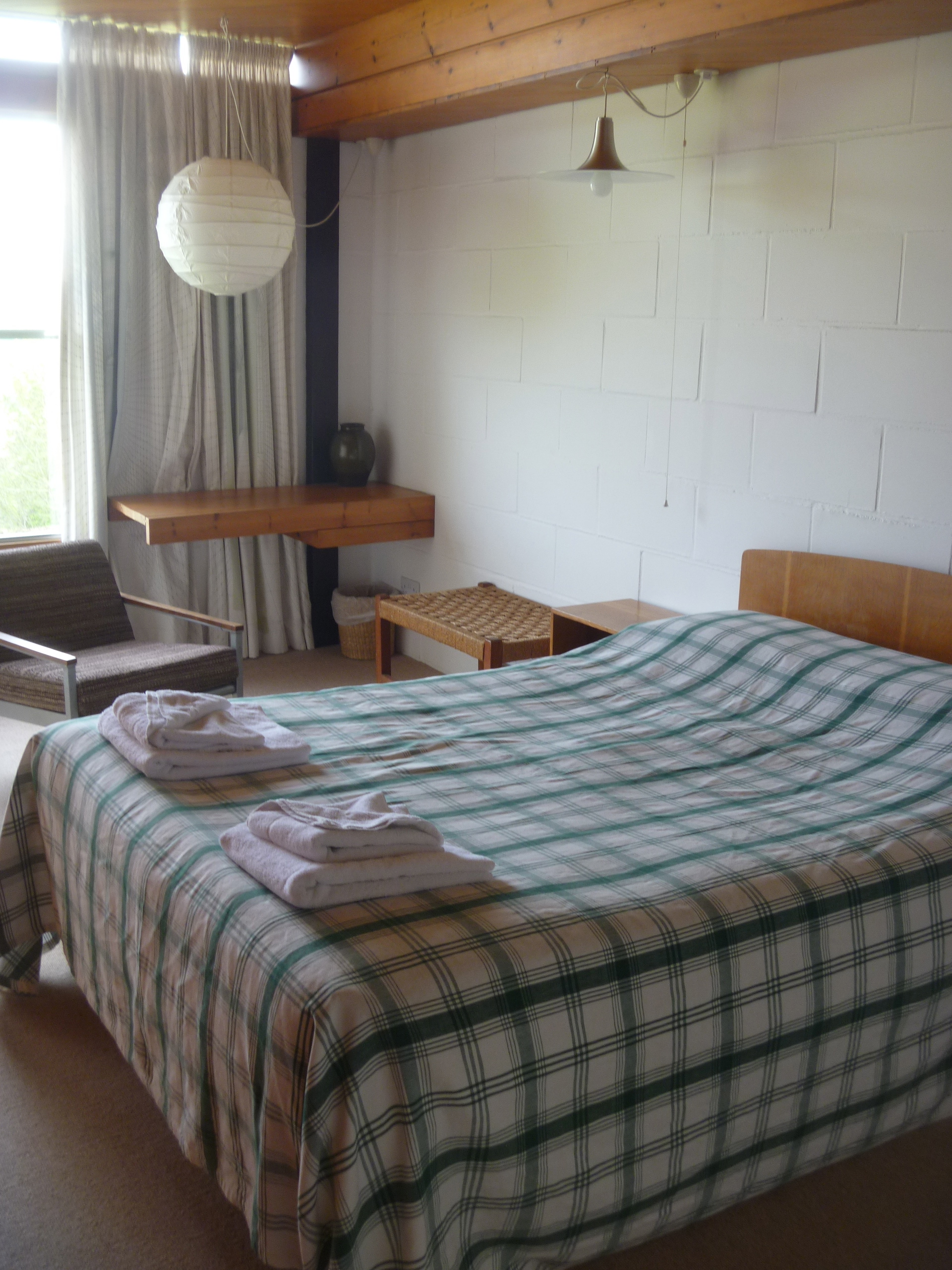
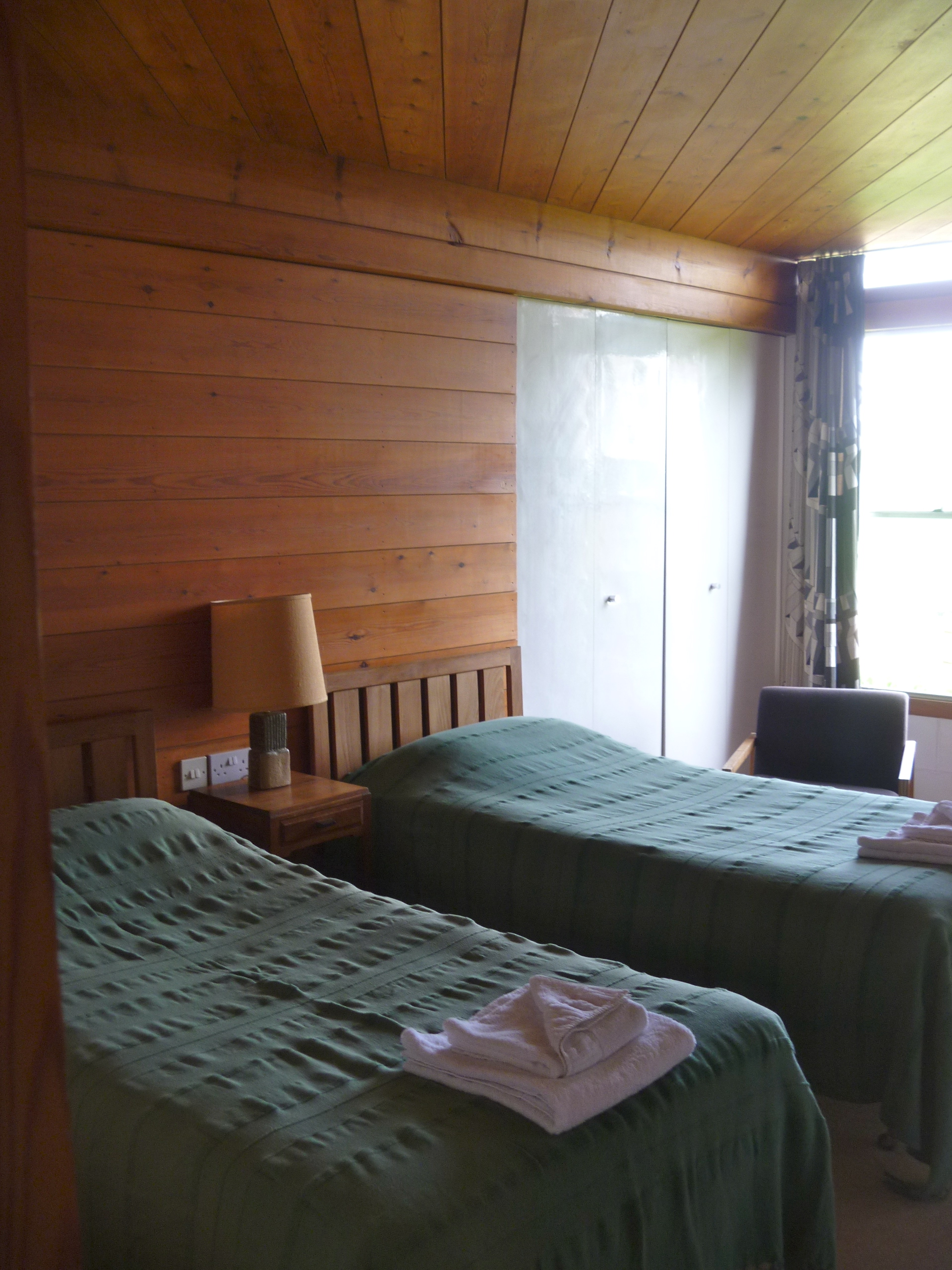
There are three bedrooms: a double, a twin and the single study bedroom (designed for the Andertons’ teenage daughter) that reminds me so much of my student days at The Lawns, Cottingham.

Anderton House double bedroom

The Double Bedroom

Anderton House Curtain fabric 'Palm Trees' by Liberty

Double Bedroom Curtain Fabric – Palm Trees by Liberty

Anderton House twin room

The Twin Bedroom

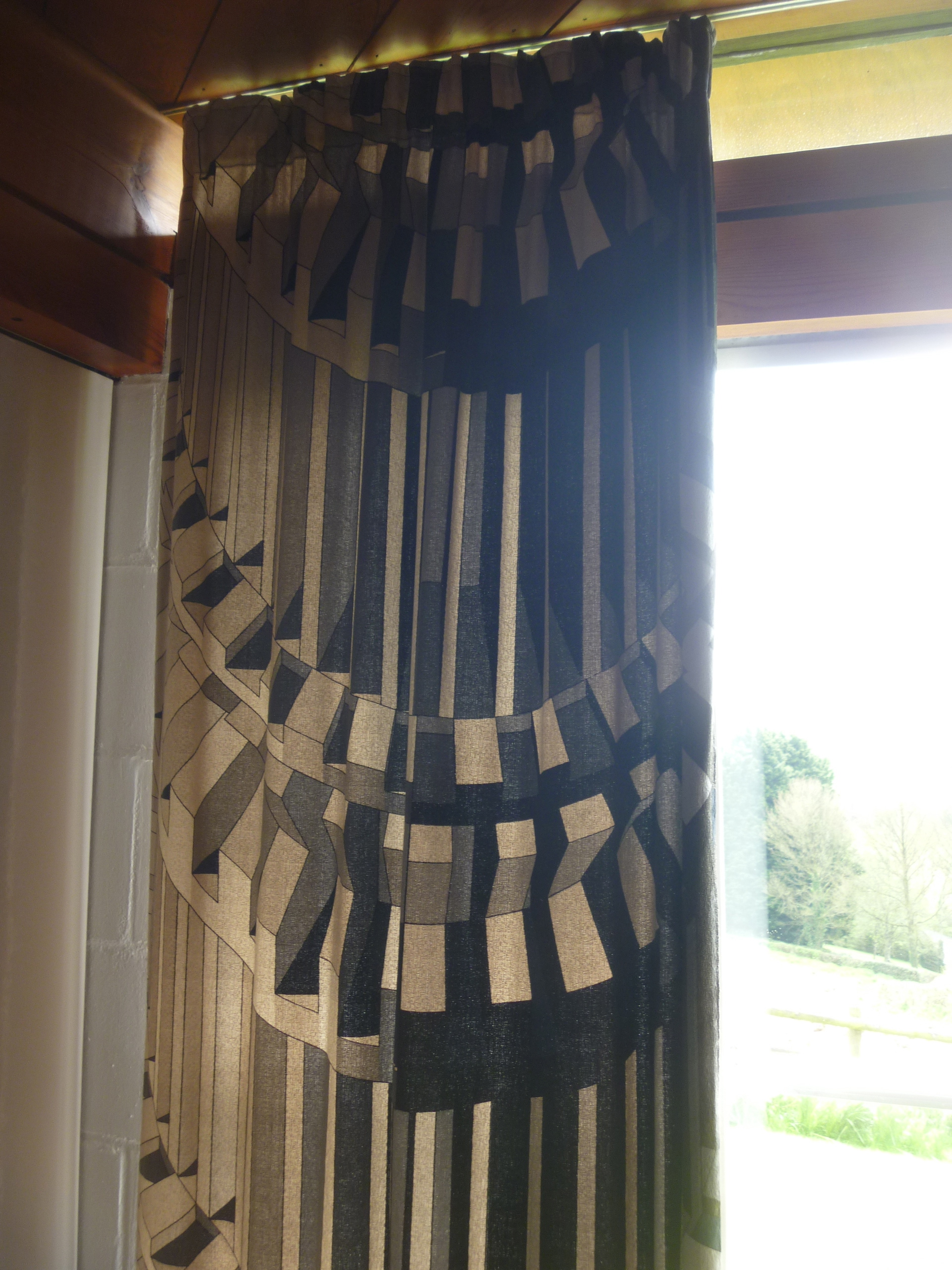
Anderton House Curtain fabric 'Cogwheels' by Heals

Twin Bedroom Curtain Fabric – Cogwheels by Heals

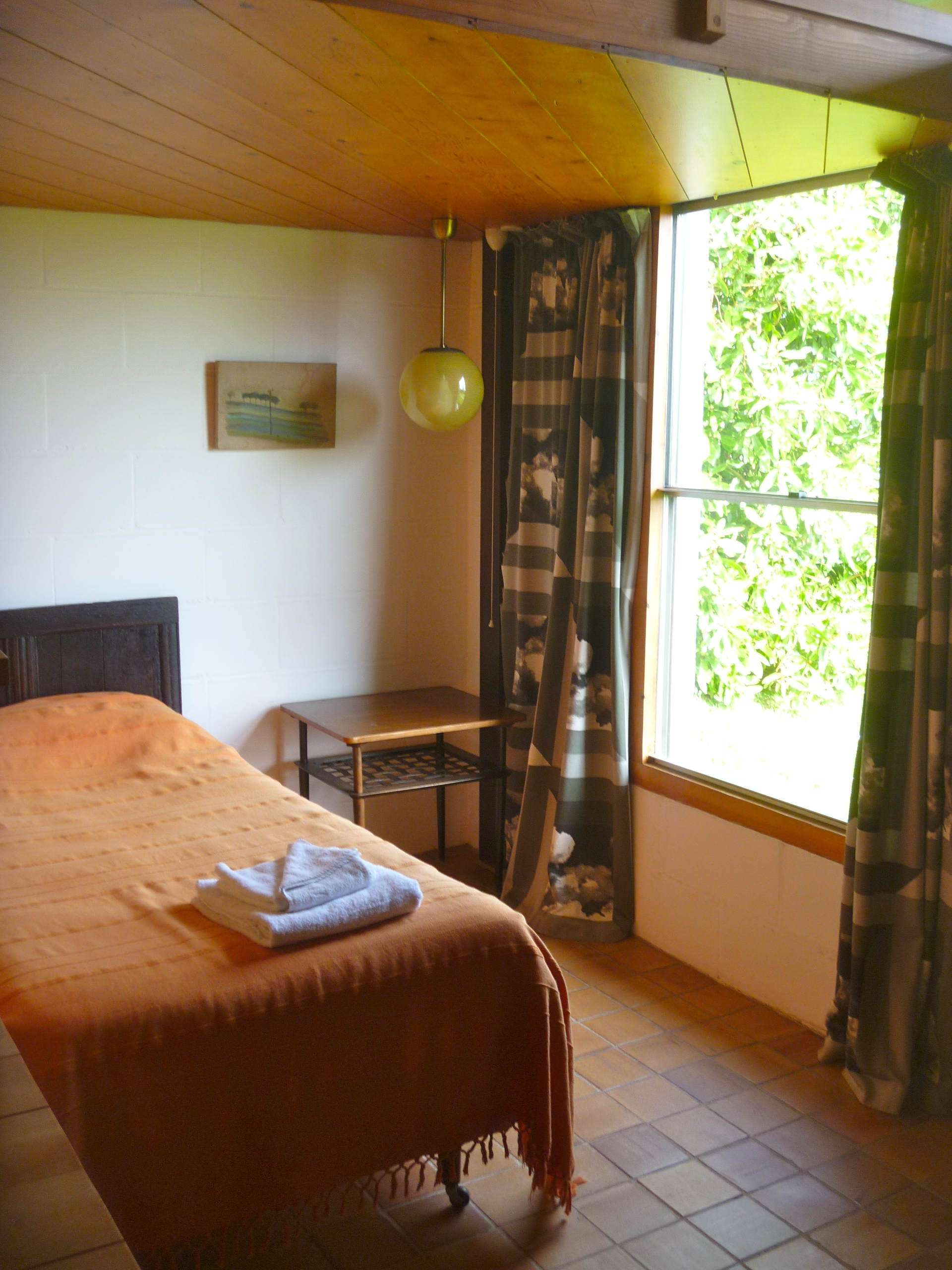
Anderton House single bedroom

Single Bedroom with Curtain Fabric Nimbus by Heals

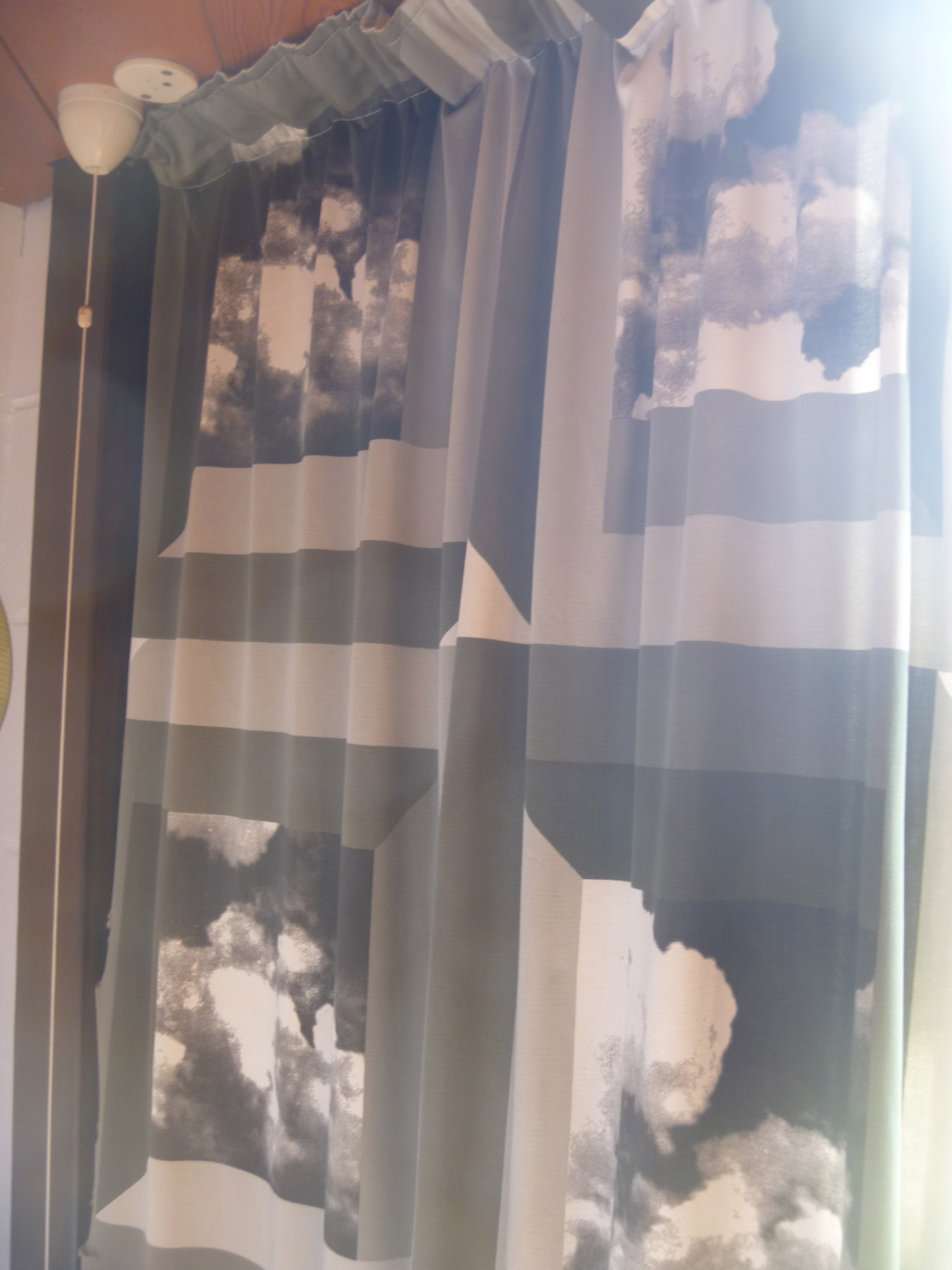
Anderton House 'Nimbus' curtains by Heals

Curtain Fabric, Nimbus by Heals

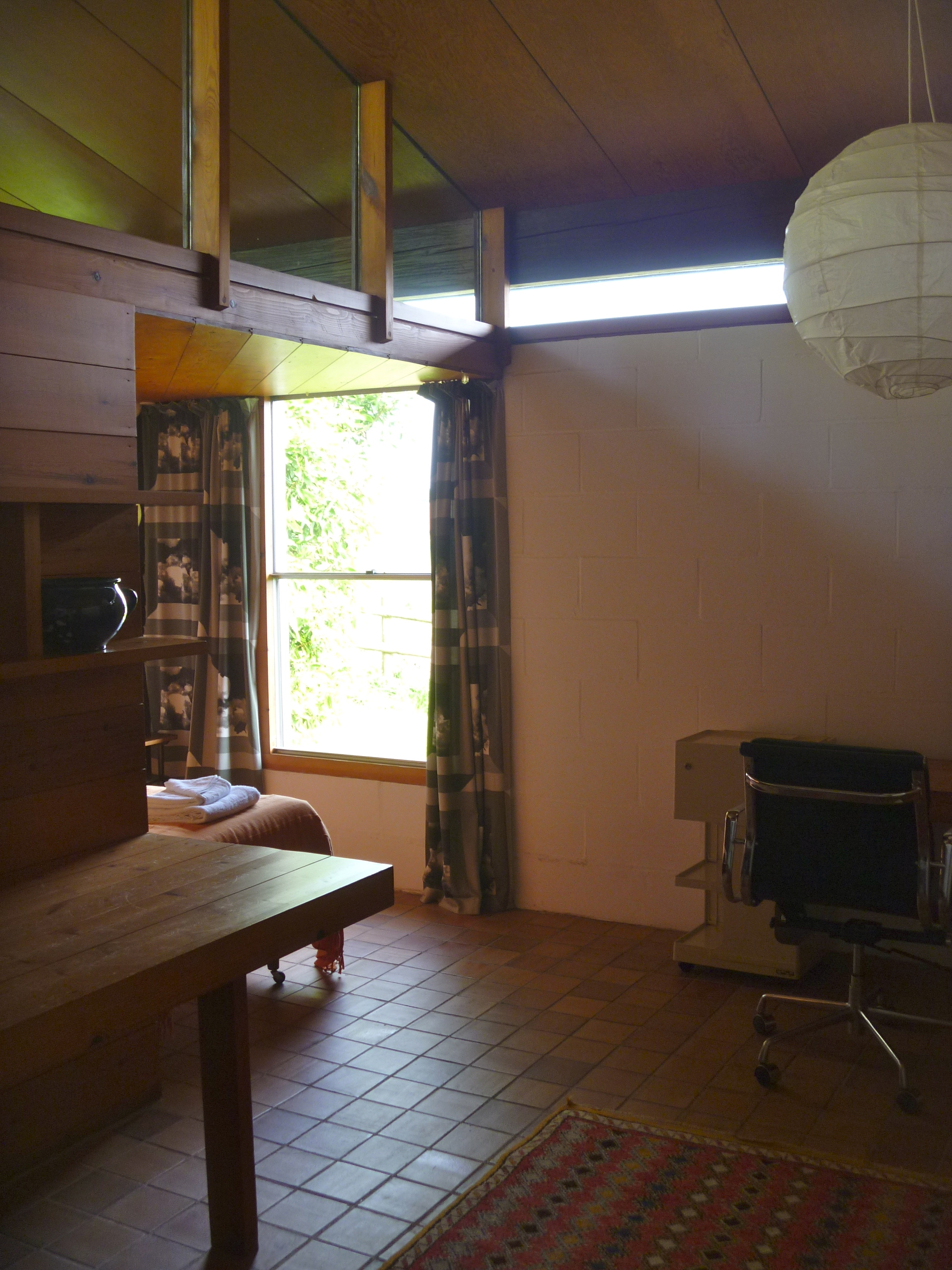
Anderton House single room

Single Bedroom

Anderton House single study bedroom

Study Desk in the Single Bedroom

I was intrigued to see a separate selection of fiction on the single study bedroom shelf. Many of the titles/authors I knew had Devonian connections – Ted Hughes, Sylvia Plath, Williamson’s ‘Tarka the Otter’, Thomas hardy, Charles Kingsley. Some I have made a note to read in future in order to discover whether or not there’s a connection or whether the connection is merely the decade of publication  e.g. Dodie Smith’s ‘It ends in revelations’ and David Garnett’s ‘Plough over the bones: a novel about a French village in the Great War’.

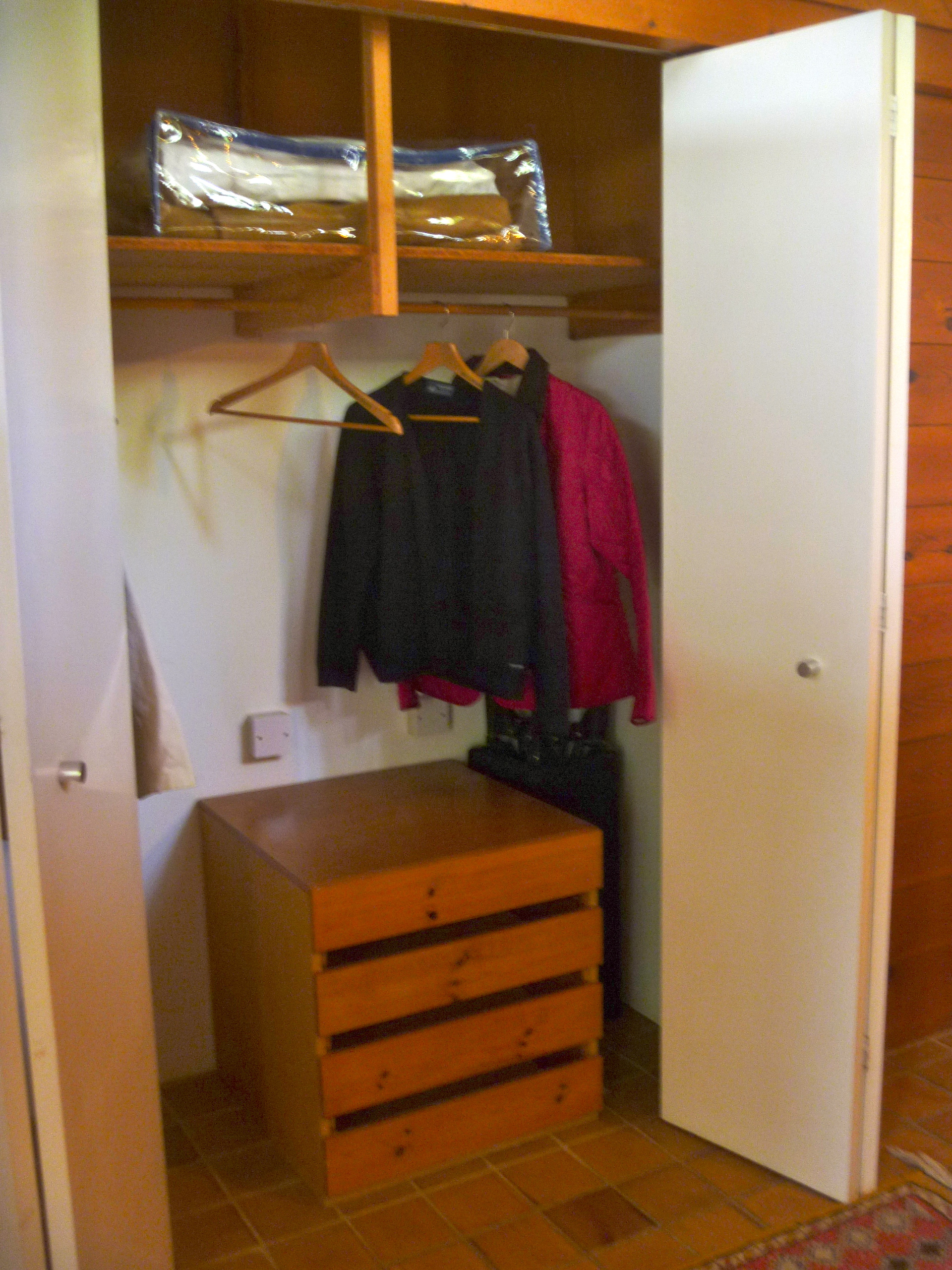
Sometimes I find that hanging space at Landmark properties is at a premium. Not the case here at Anderton House. Each room had a decent built-in cupboard and set of drawers.

Anderton House decent hanging space

In and Around Anderton House : a Photo Album, 1

The Landmark Libraries and the accompanying literature supplied by the Trust always add to my enjoyment of any Landmark stay. At Anderton House it was no exception.

On the non-fiction shelves in the sitting room, alongside the usual reference books such as the local edition of Pevsner, I enjoyed reading ‘a garden & three houses‘; words by Jane Brown; pictures by Richard Bryant; captions by Peter and Margaret Aldington (Garden Art Press, 1999). This is the story of the Aldington’s designing and building of their home Turn End (and the two neighbouring houses) in Buckinghamshire. Also, ‘Aldington, Craig and Collinge: twentieth century architects; by Alan Powers (RIBA, 2009) and ‘Frank Lloyd Wright’s houses‘ by Thomas A. Heinz (Grange Books, 2002).

There was a choice of jigsaw puzzles in the study area called The Dog House (see photos below) but none appealed, and besides, I was too busy reading. However, I discovered this selection of 300 piece puzzles any one of which looks more attractive to me!

Here is a photographic tour of the main features of the house and its contents and environment.

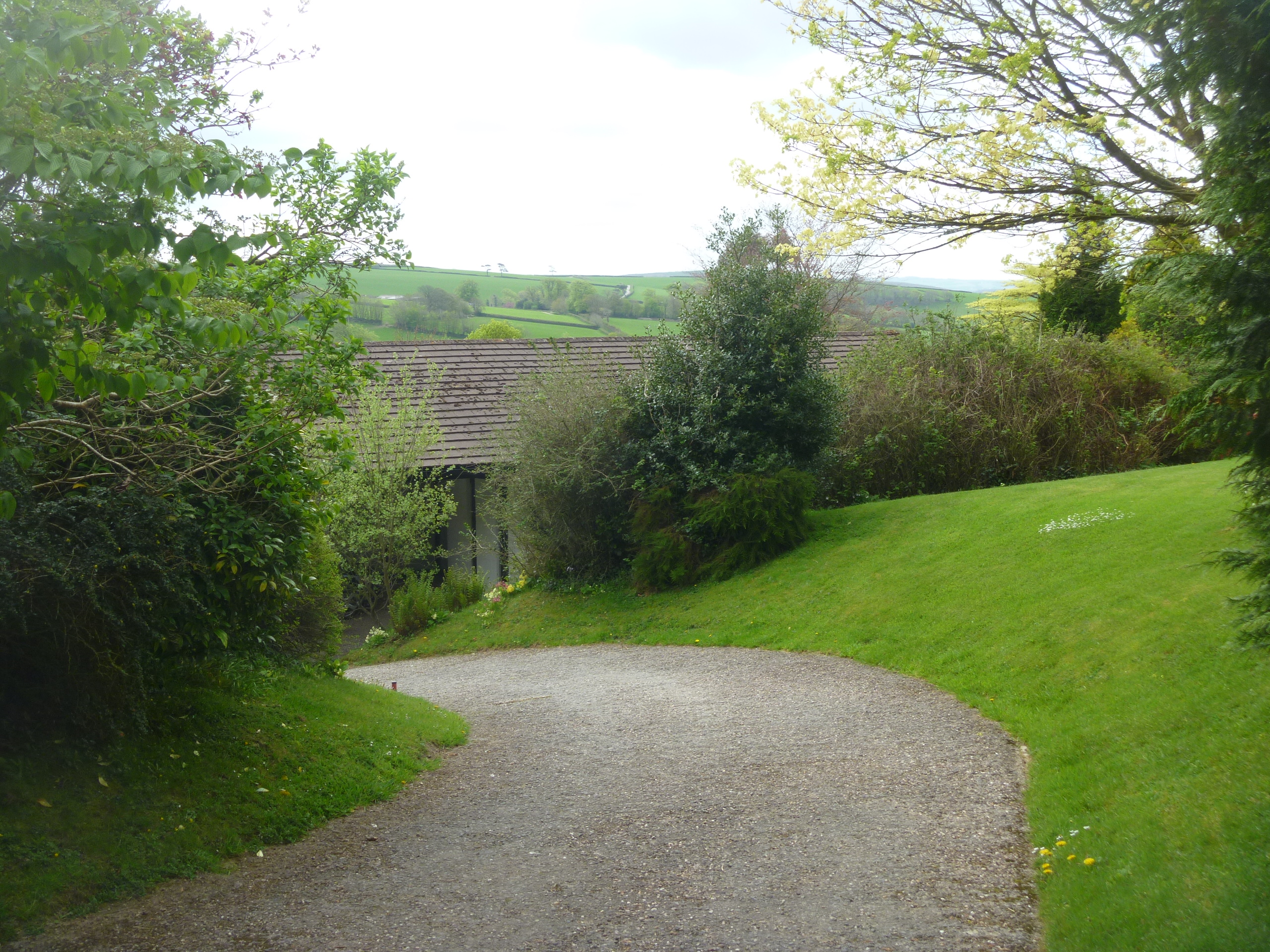
Anderton House the drive

The Approach Drive after a sharp bend from the road

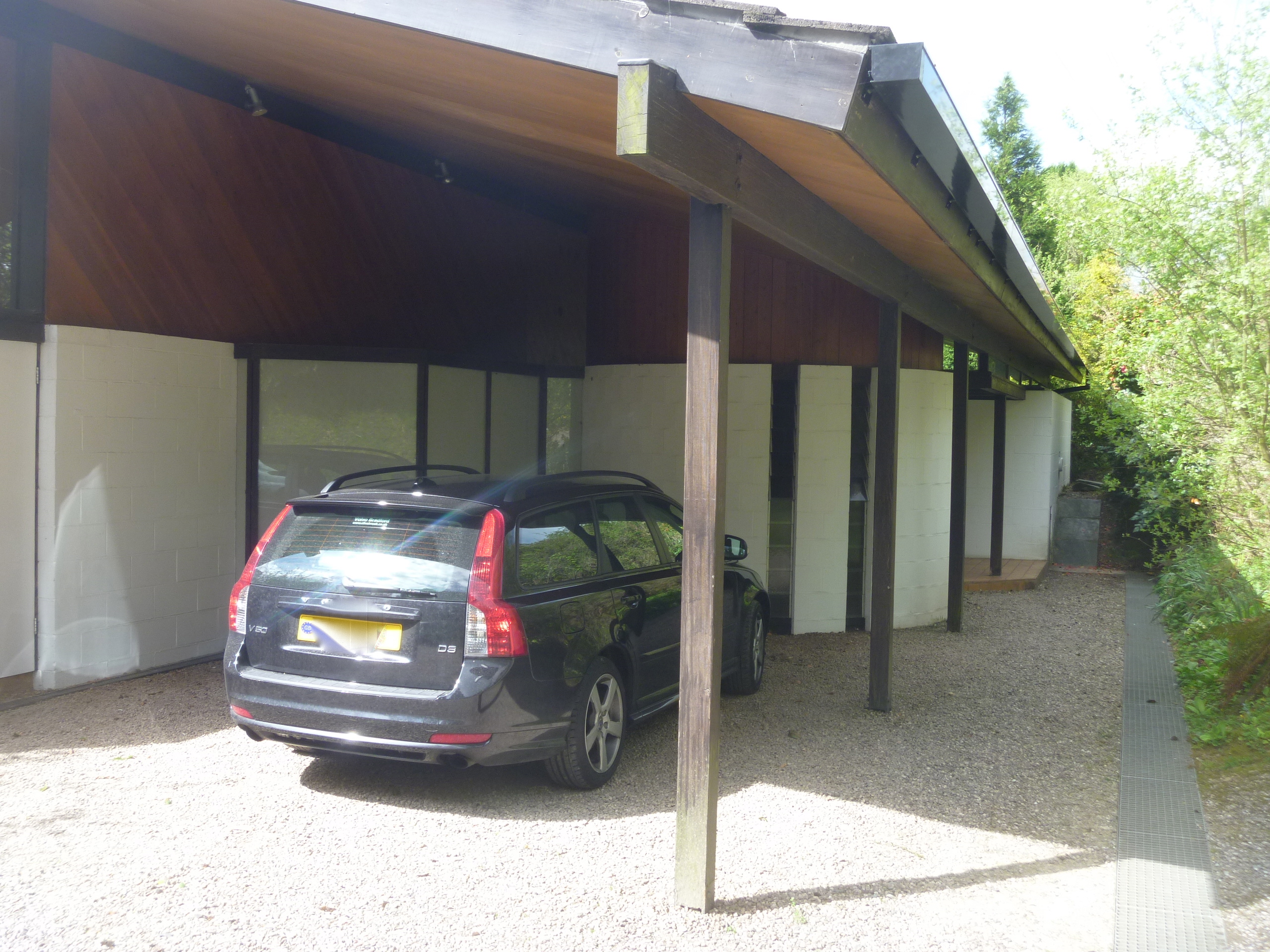
Rear of Anderton House

Another tightish turn to get into the Car Port

Weclome to the Anderton House Come inside

Welcome to Anderton House, come inside

Welcome to Anderton House

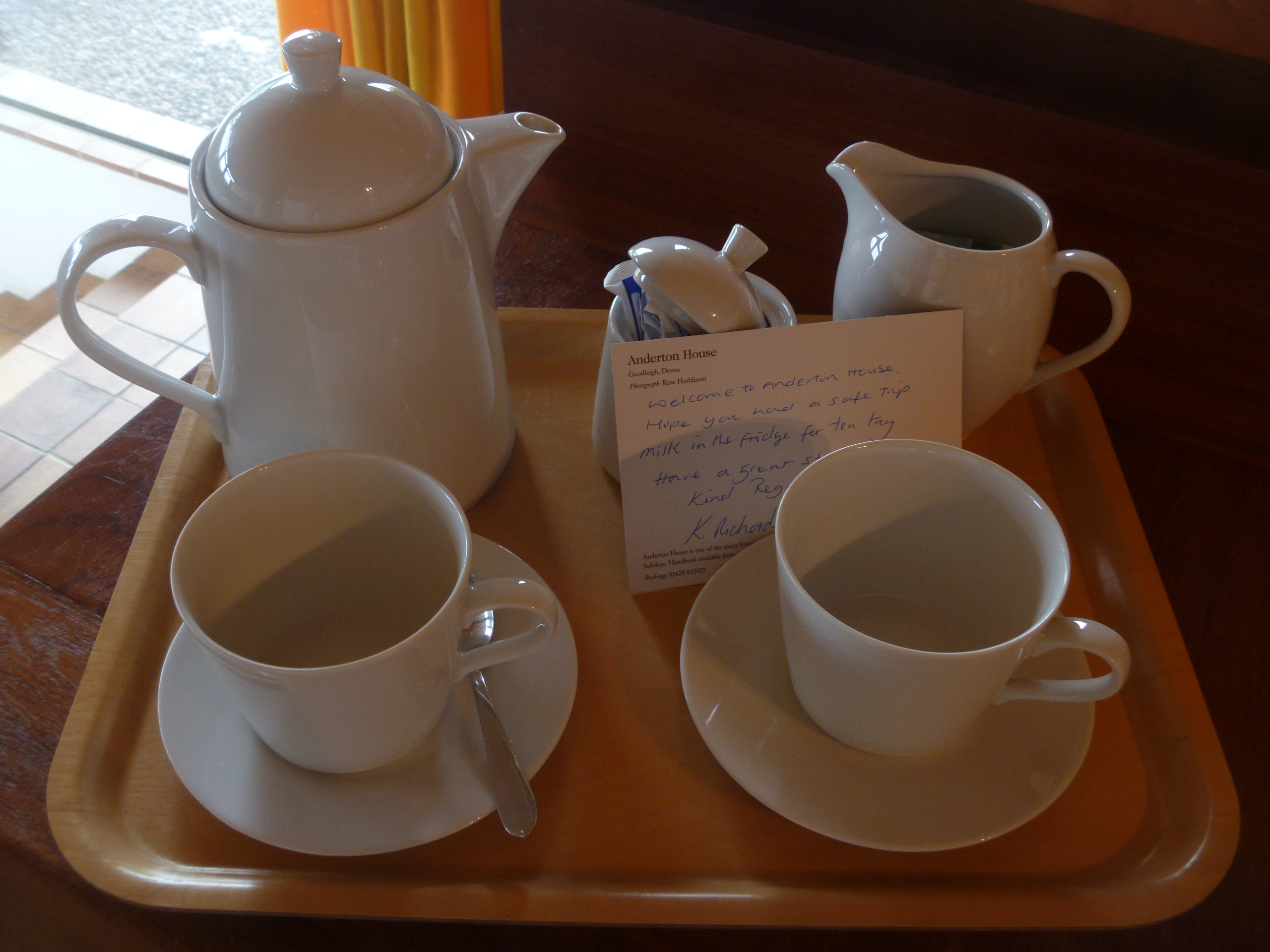
The Housekeeper’s Welcome Tray [note plain white LSA International crockery]

Anderton House ancient and modern

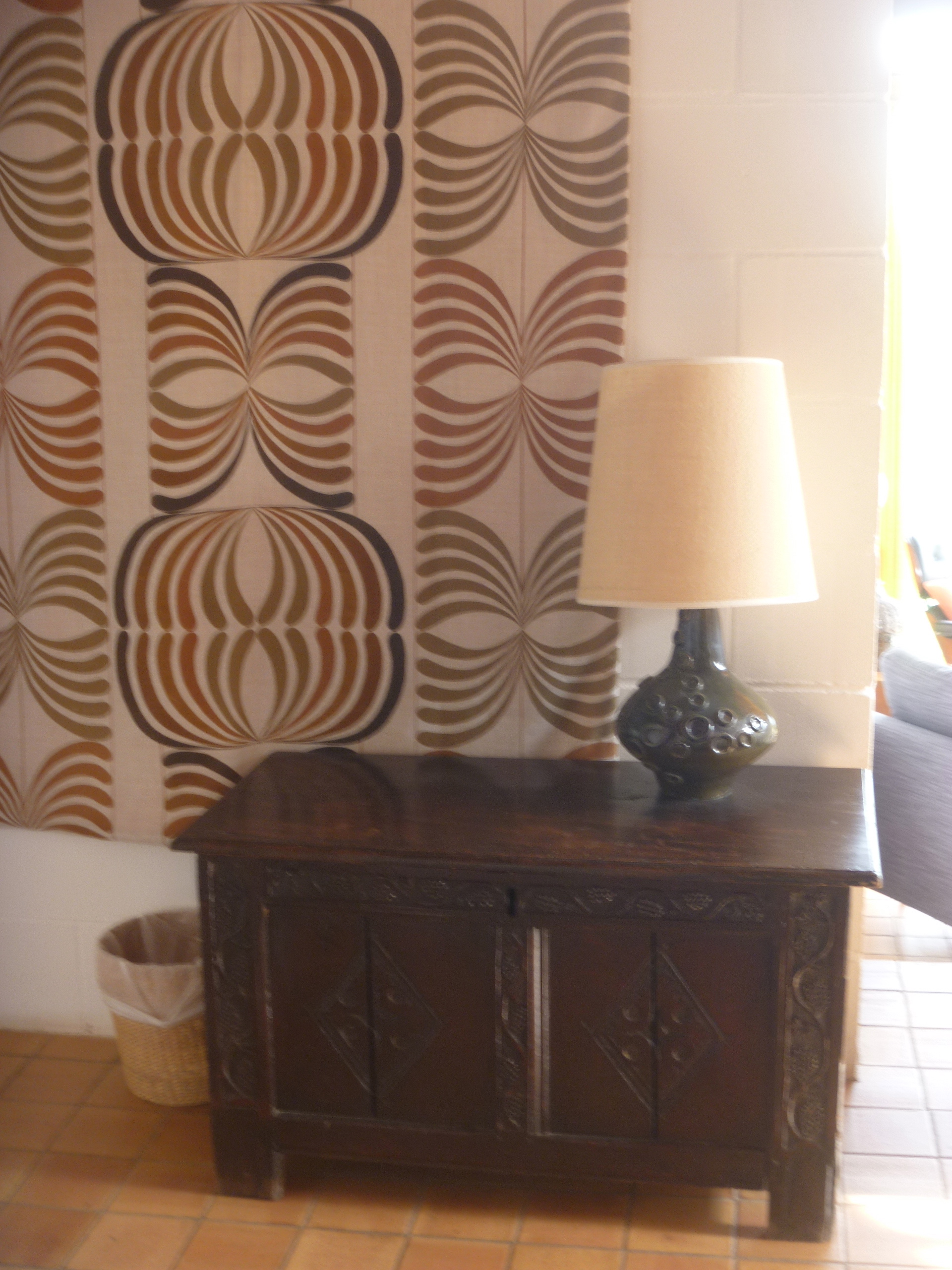
Entrance Hall contains a mixture of ancient and modern

Anderton House the dog house and sitting room

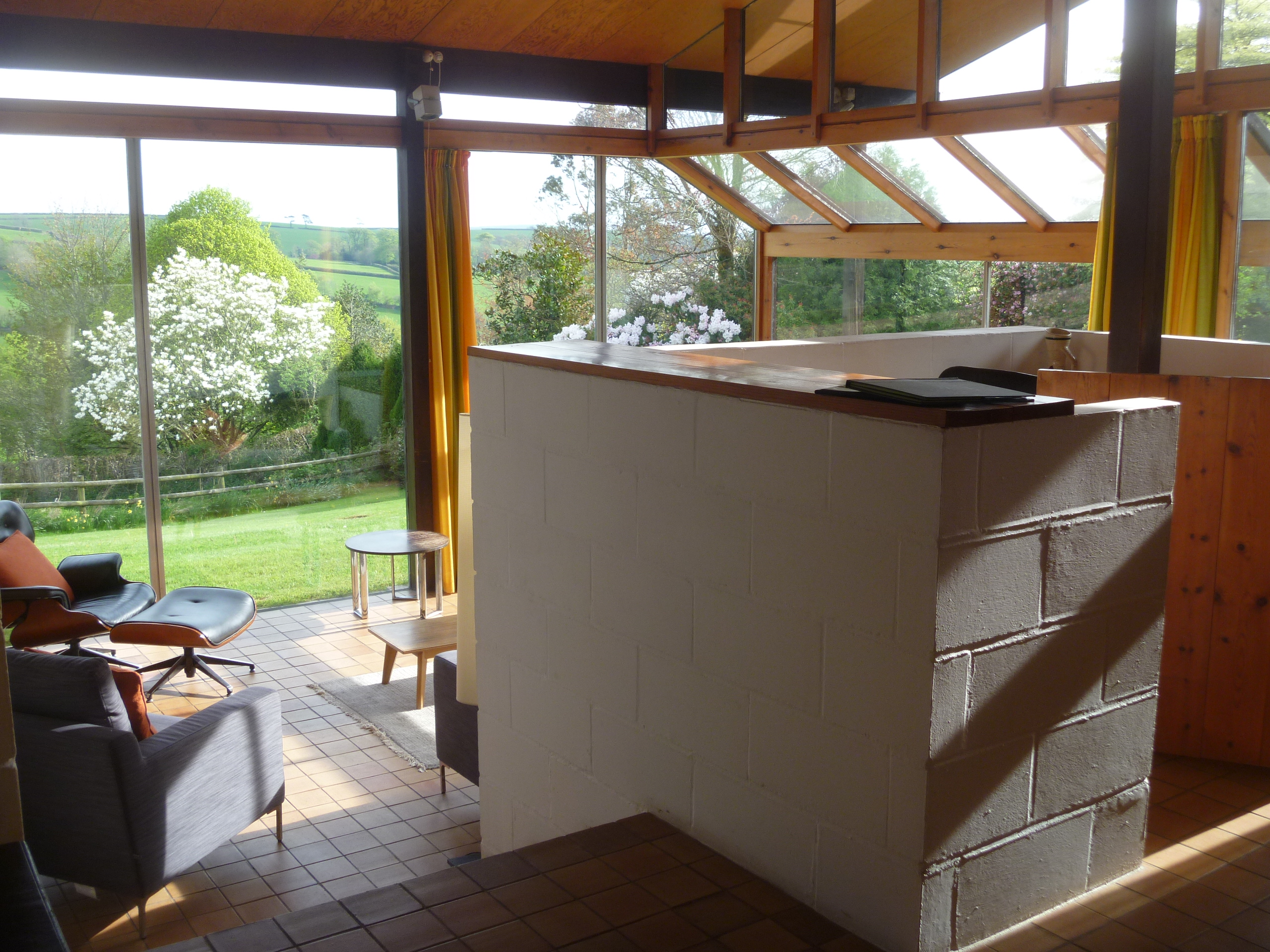
Down the steps is the glass-walled sitting area

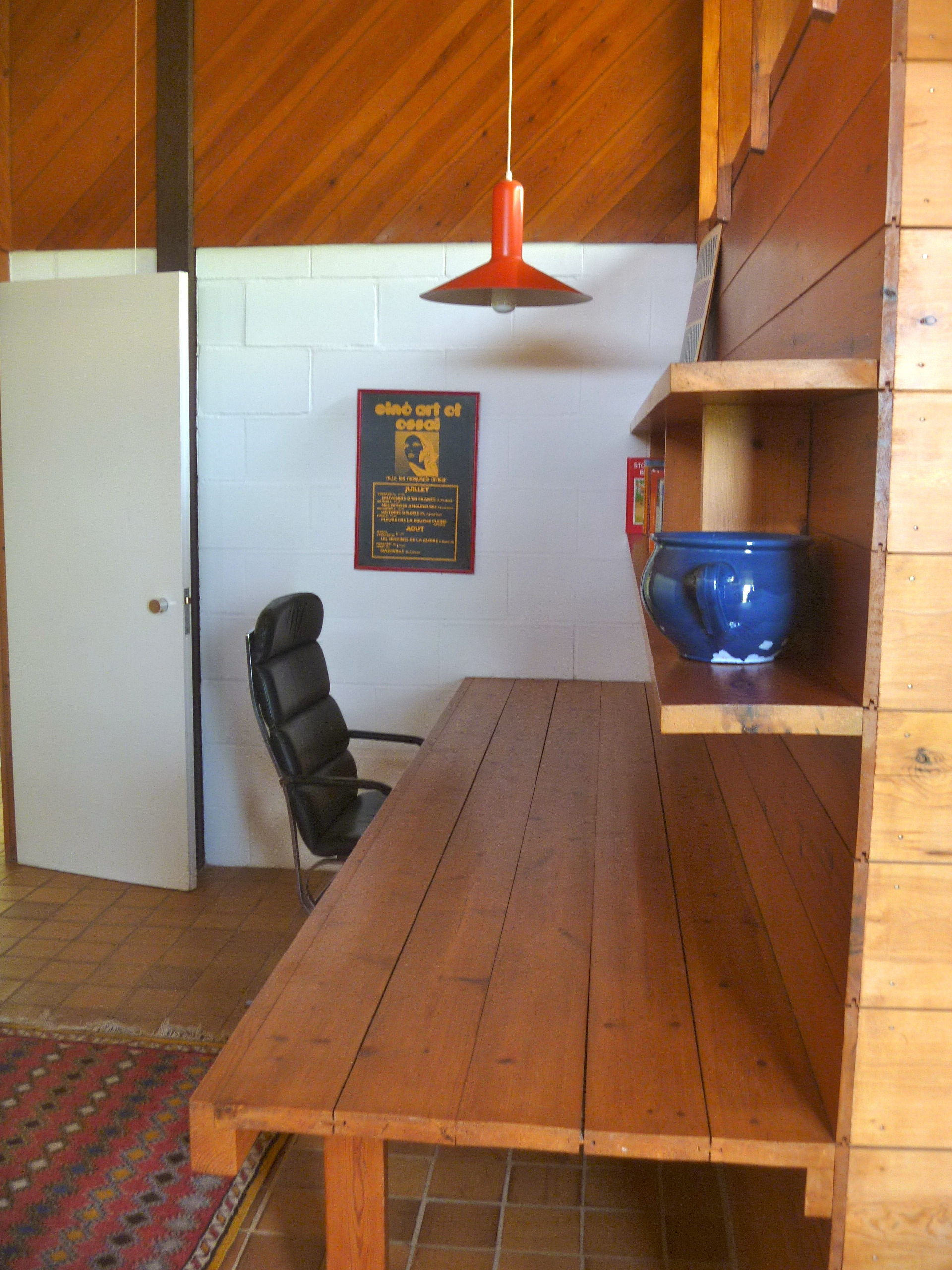
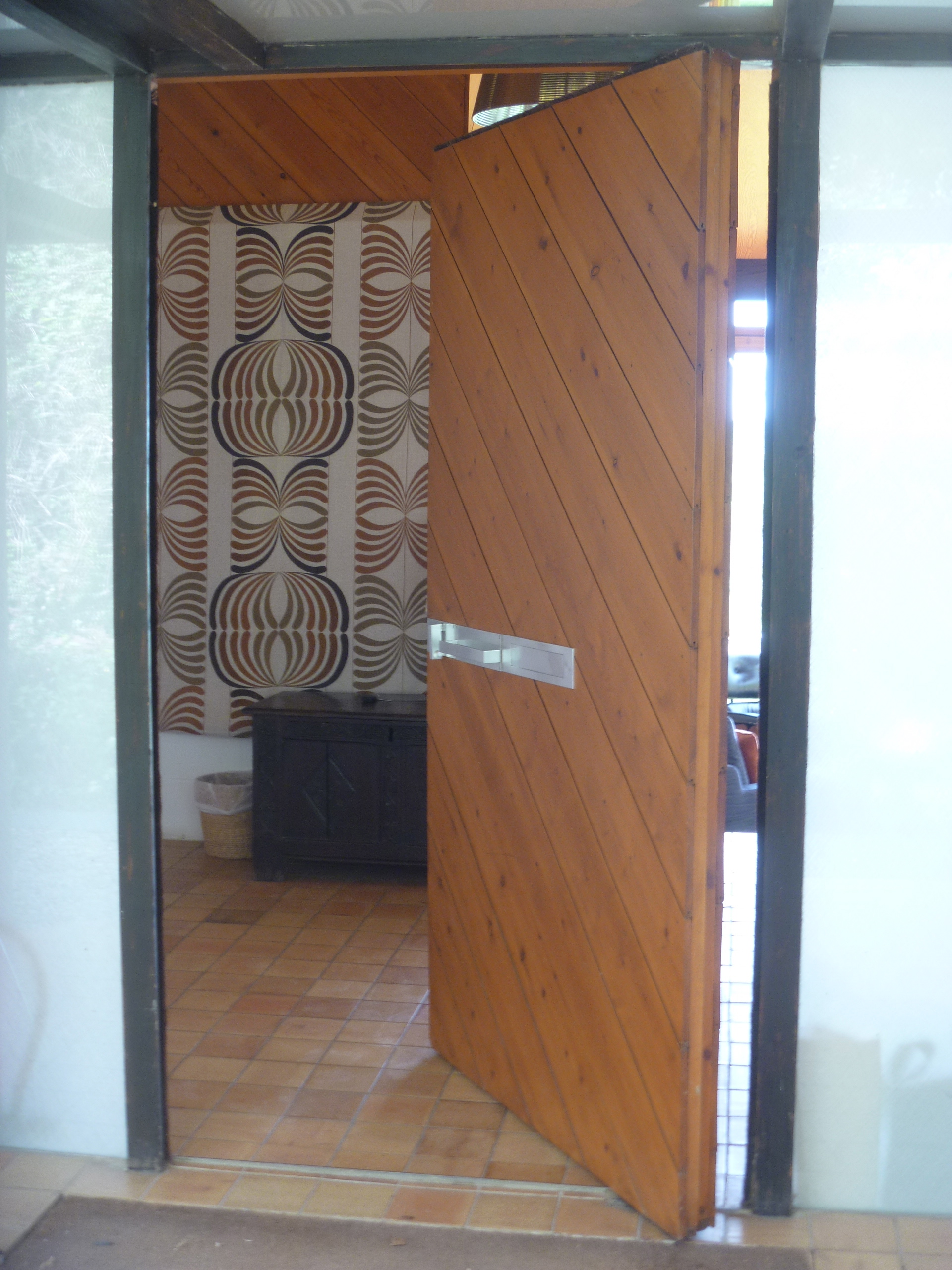
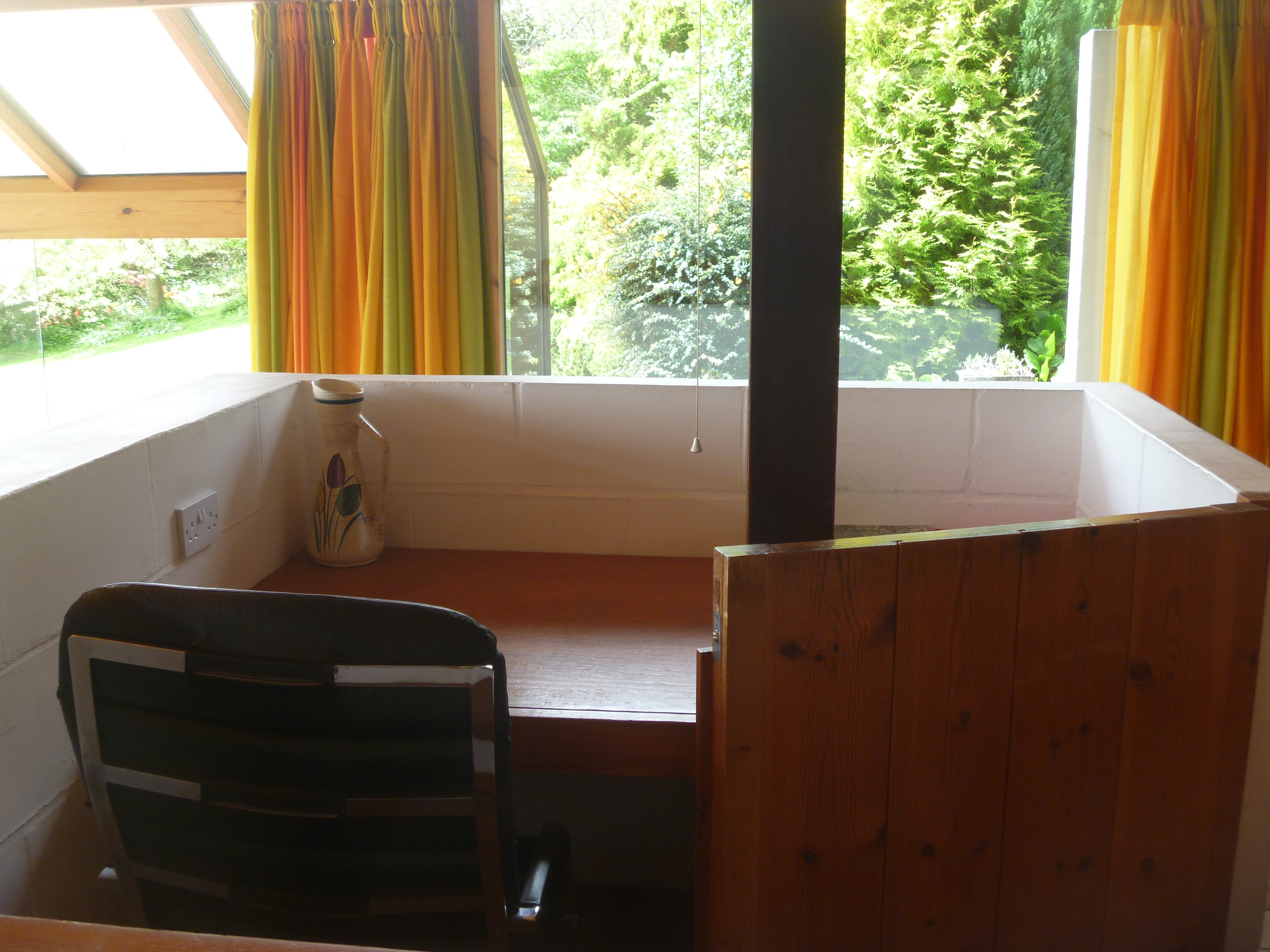
On the right is the ‘Dog House’ a study area where Mr Anderton could work with his papers and not mess up the sitting room with them, could still be part of the house company and also appreciate the stunning hillside views.

Anderton House The Dog House Study

The Dog House

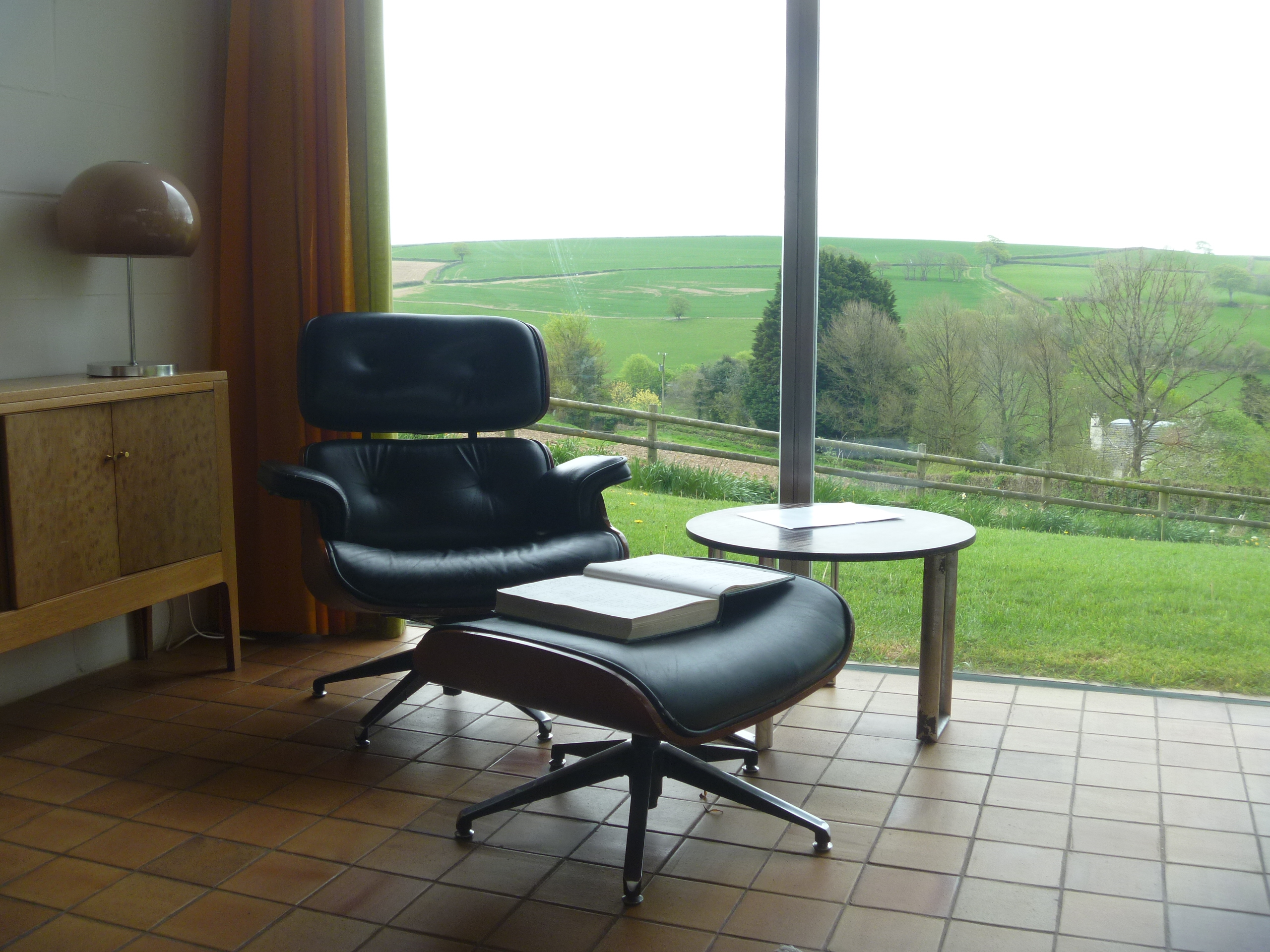
Anderton House Eames Chair

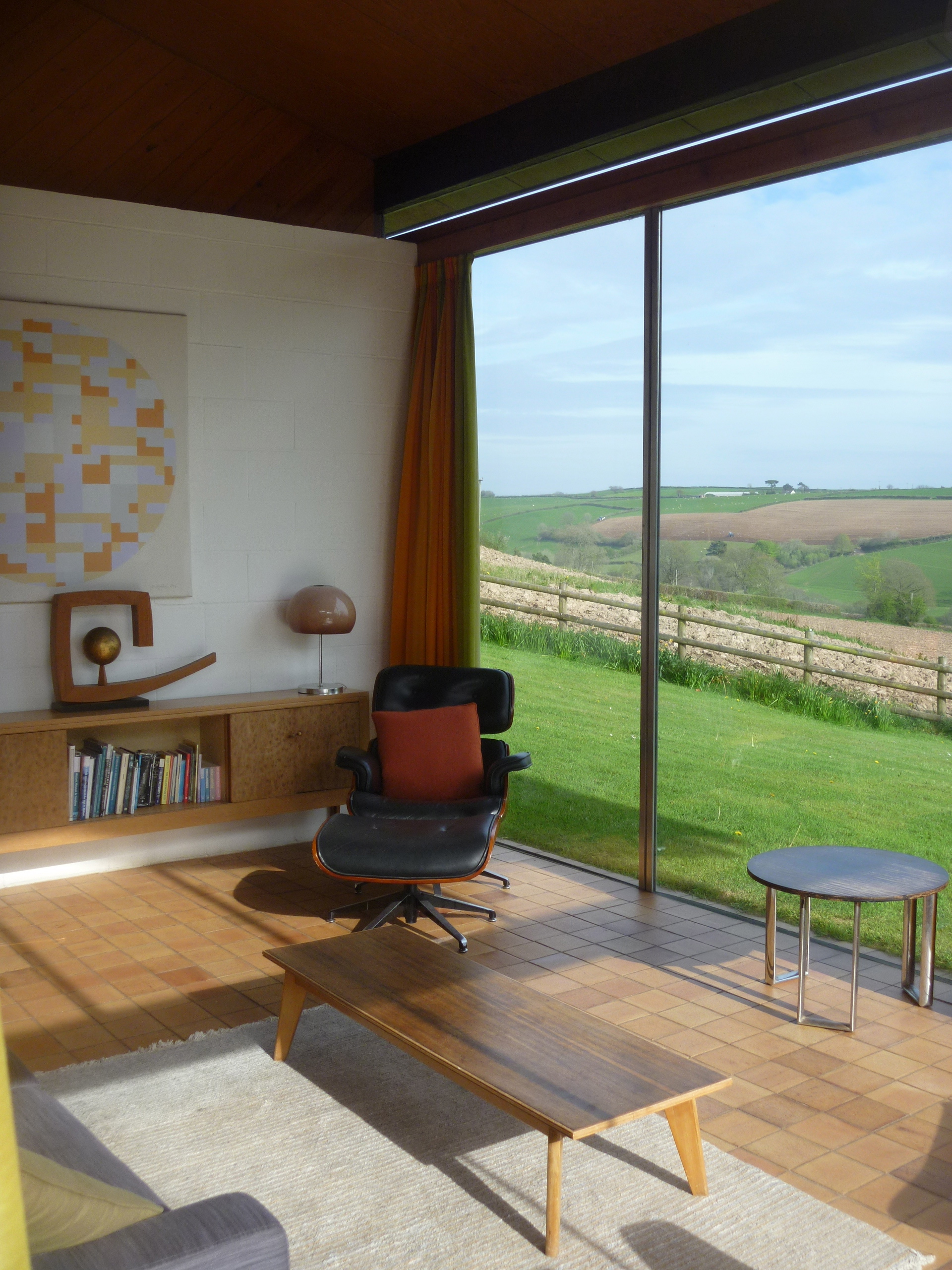
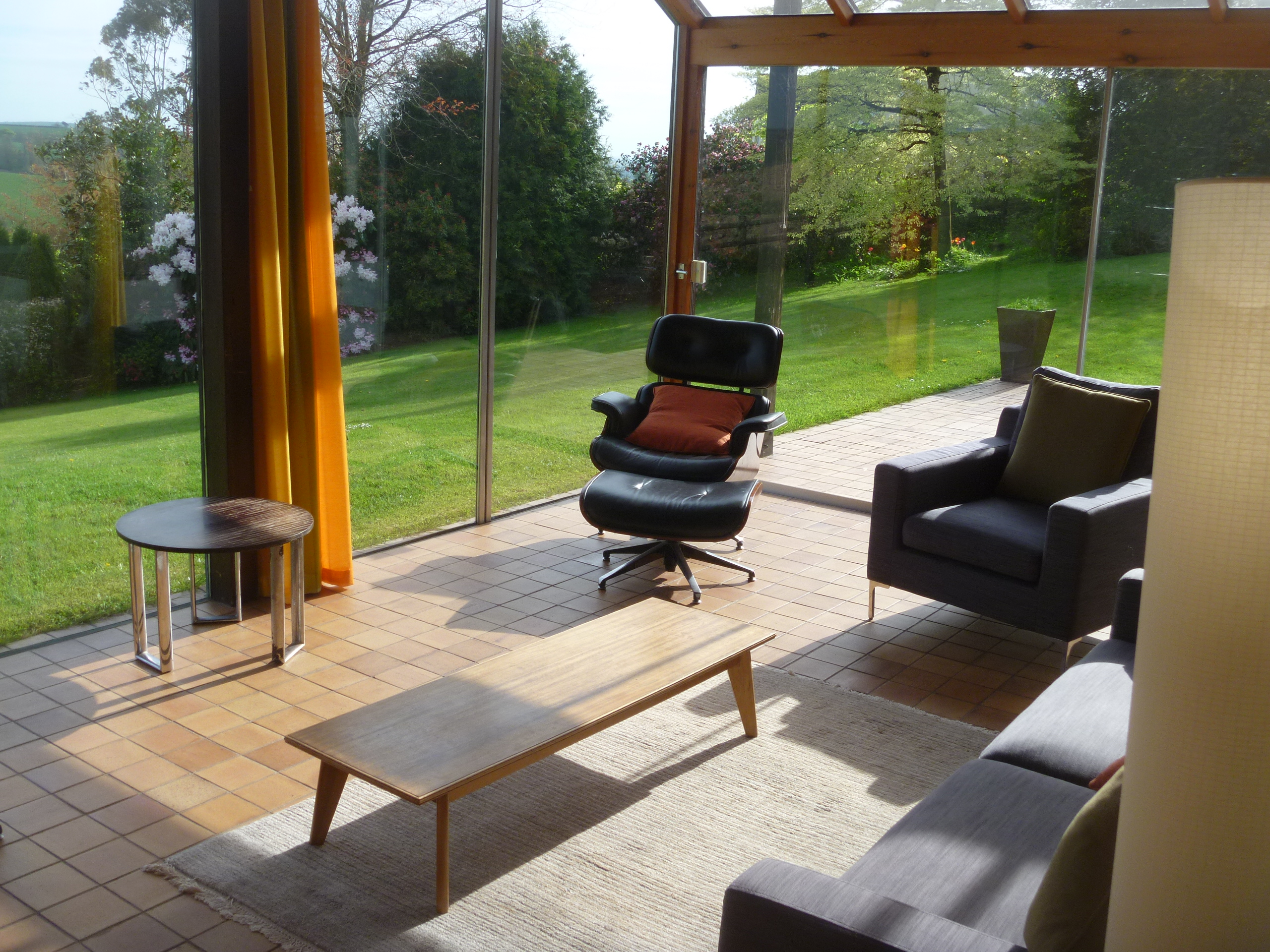
There are iconic Eames Chairs in the Sitting Room …

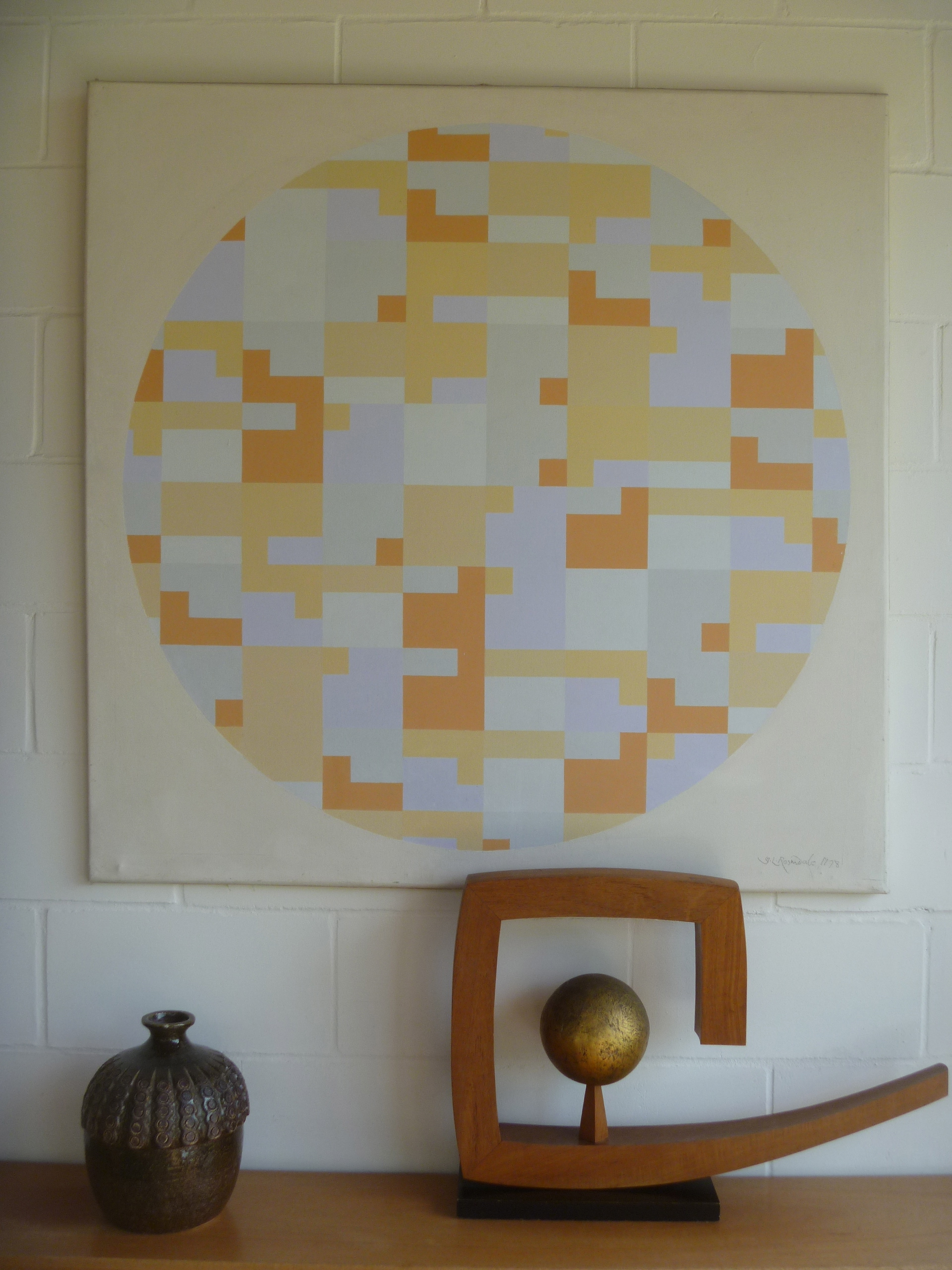
Anderton House sitting area modern art

… and some modern art

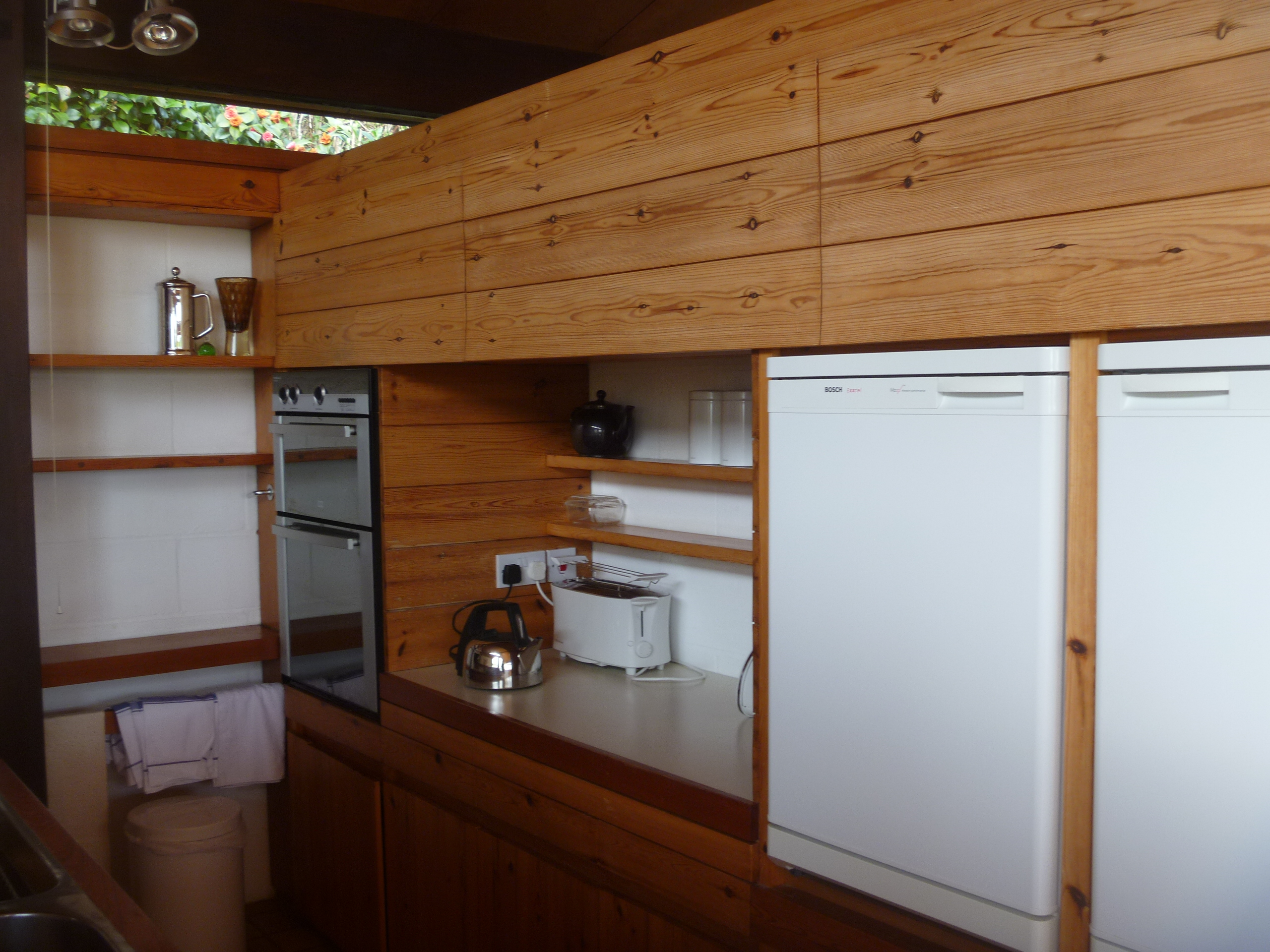
Anderton House kitchen area

The efficient kitchen

Anderton House dining area

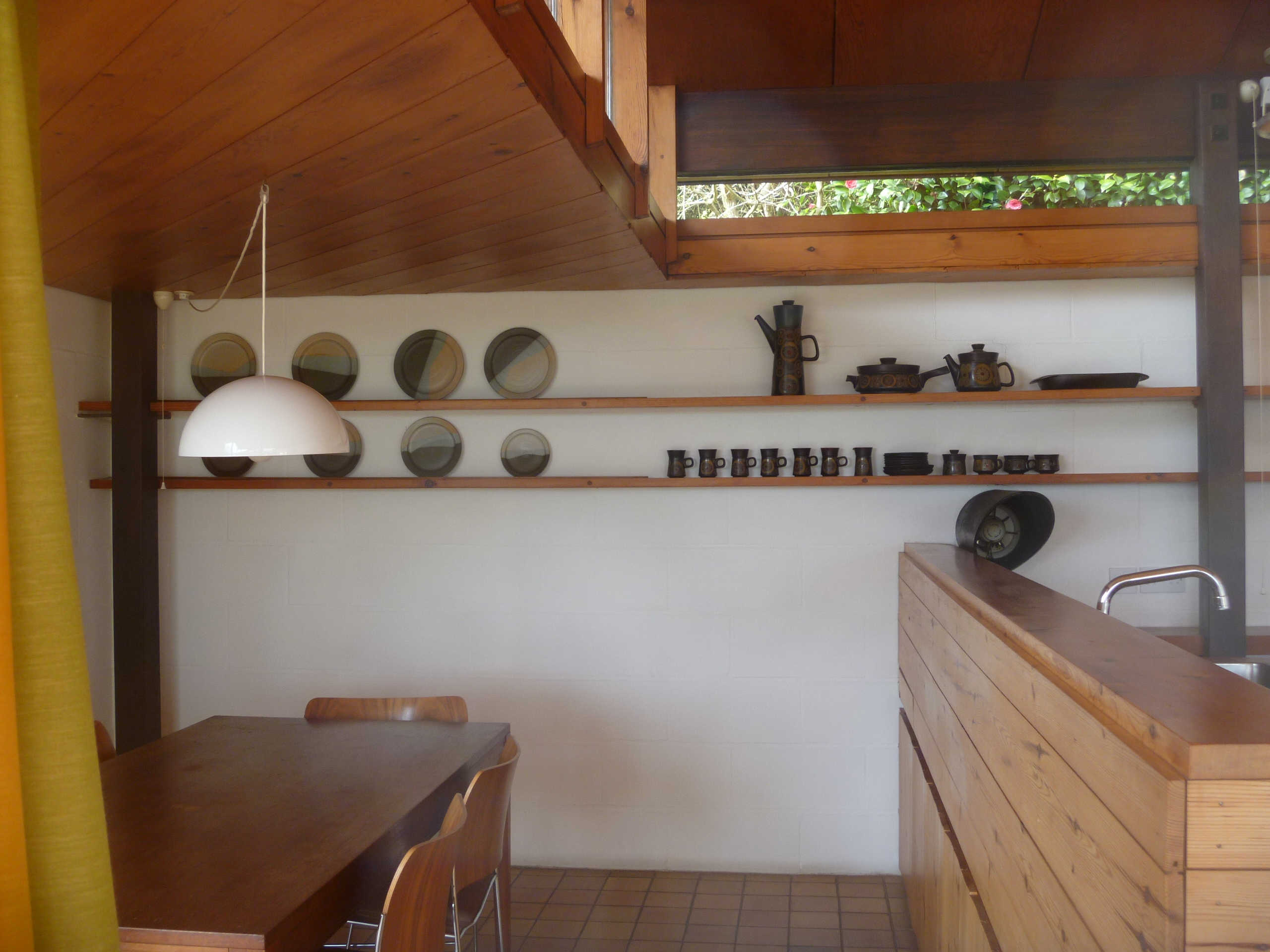
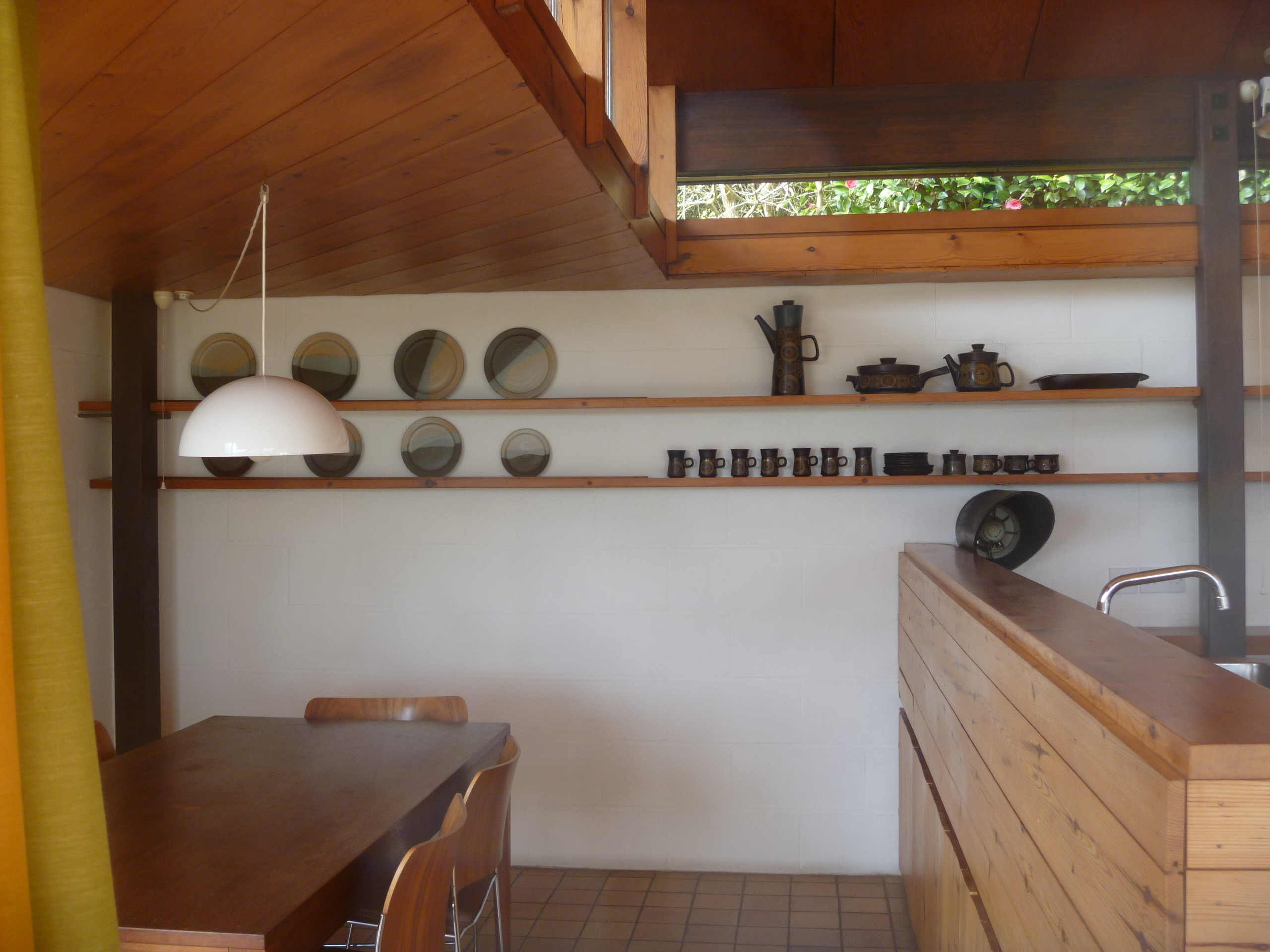
The Dining Area with 1970s Denby Arabesque display

An original plan of Anderton House

And here is the original plan of the house from Powers’ book showing the ‘public’ areas quite separate from the ‘private’ areas

Landmarking in North Devon : Anderton House

Staying at Anderton House in North Devon these last few days reminded me of visits that I have recently made to Modernist houses and also sleeping in the single study bedroom took me back to my student days at Hull University in the 1970s.

2 Willow Road

2, Willow Road, NW3, 1939 [National Trust]

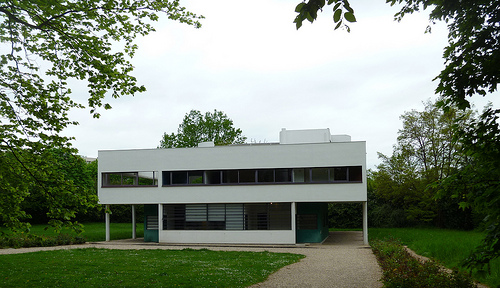
Villa Savoye

The Villa Savoye, 1928-1931

high-cross-house

High Cross House, 1932 [National Trust]

The_Lawns_Hall_of_Residence

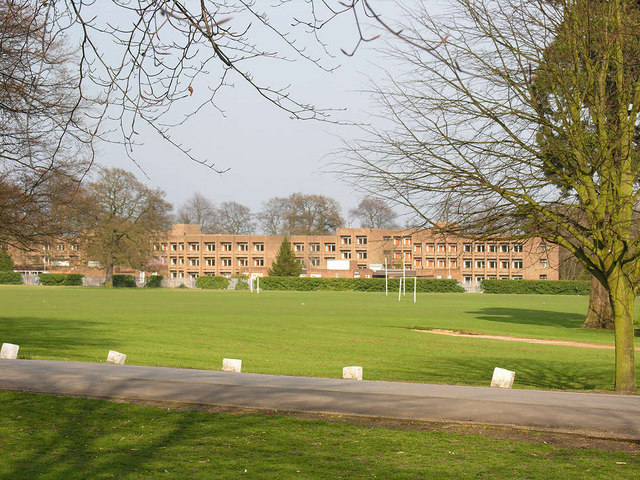
The Lawns, student residences, Cottingham near Hull [Source]

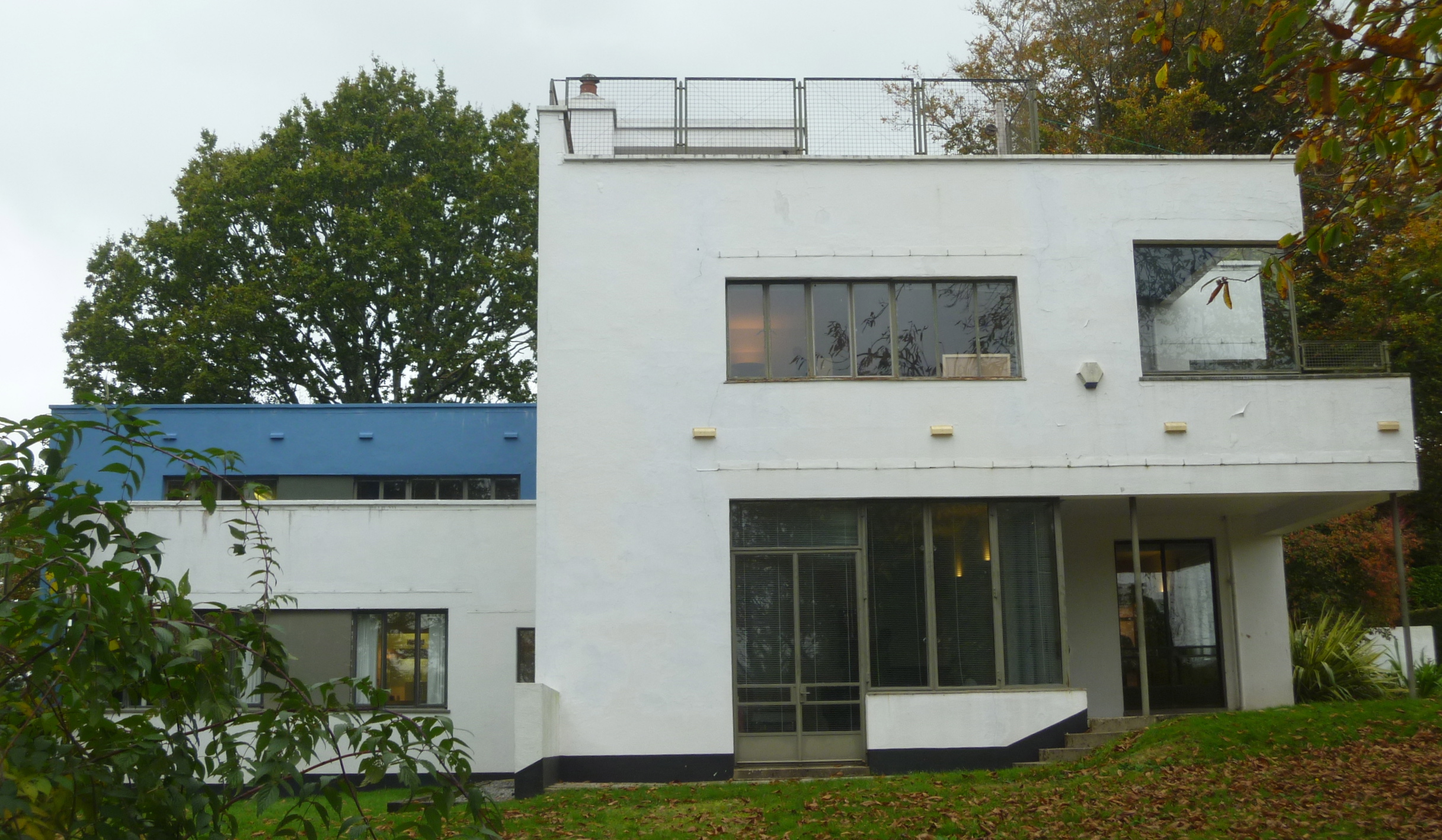
The Lawns was built in the 1960s and I lived there for two years between 1970 and 1972. The Villa Savoye, High Cross House and 2, Willow Road were both built in the 1930s and seemed way ahead of their time. Even more ahead of their time are the American houses designed and built by Frank Lloyd Wright, an influence on the architect of Anderton House, Peter Aldington.

Anderton House on arrival

Here is how the Landmark Trust introduce Anderton House (above) on their website and their justification (if any were needed) for adding this unusual property to their portfolio:

AH and Goodleigh sign

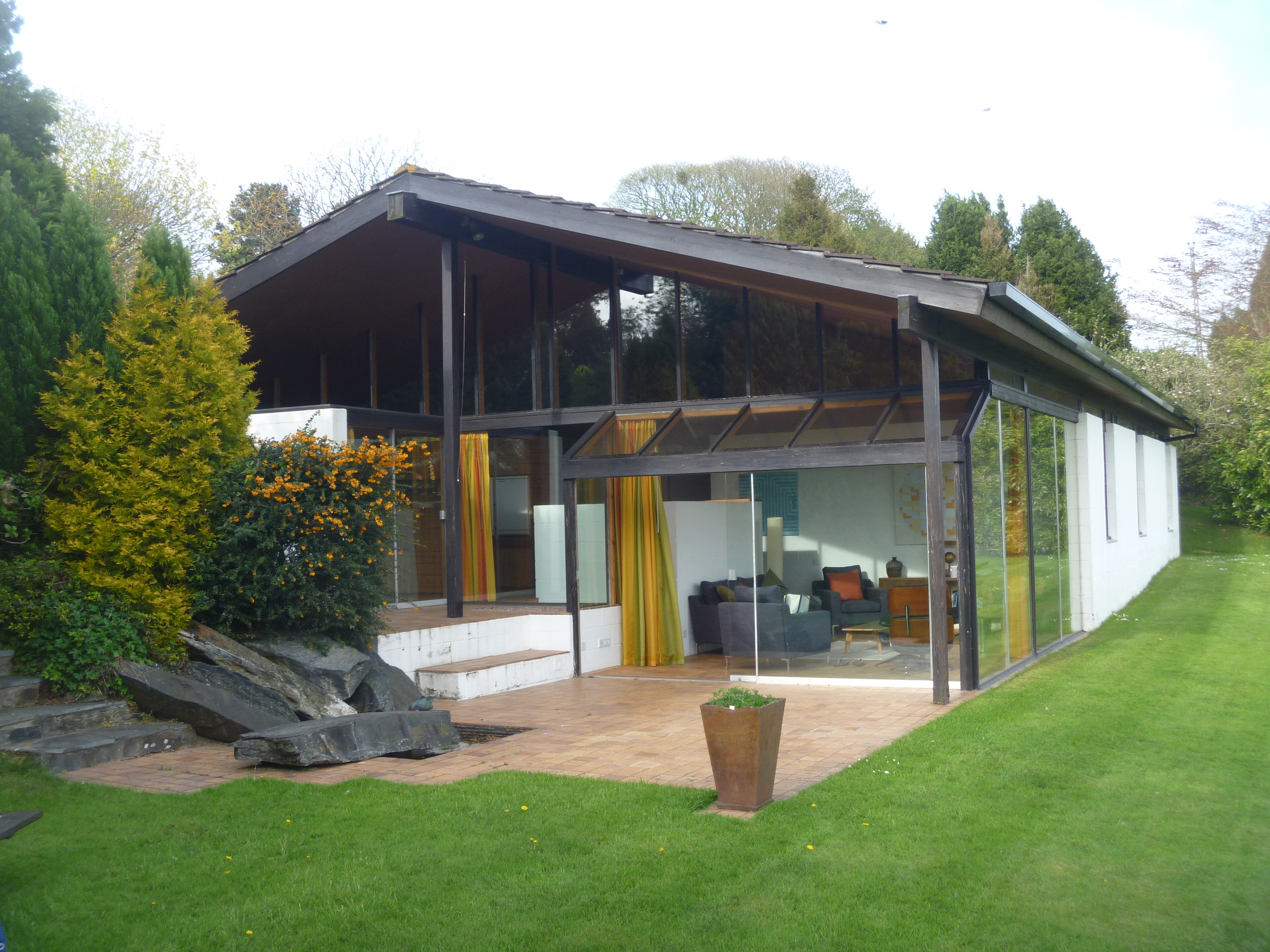
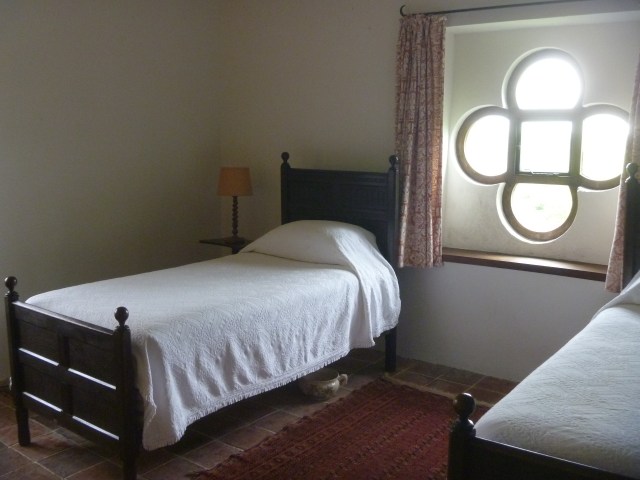
Anderton House appeals to anyone who enjoys modern architecture or wishes to be transported back to the 1970s. The integration of inside and outside spaces makes the open plan living area a grandstand for the changing lights on the Devon hills beyond. A large open plan kitchen, dining and sitting area are carefully planned on two levels with furnishings that evoke the period.
Anderton House Sitting room 3

AH sitting room

The Sitting Area

Anderton House dining area

Dining Area overlooked by the Kitchen

B and W pics Anderton House 2

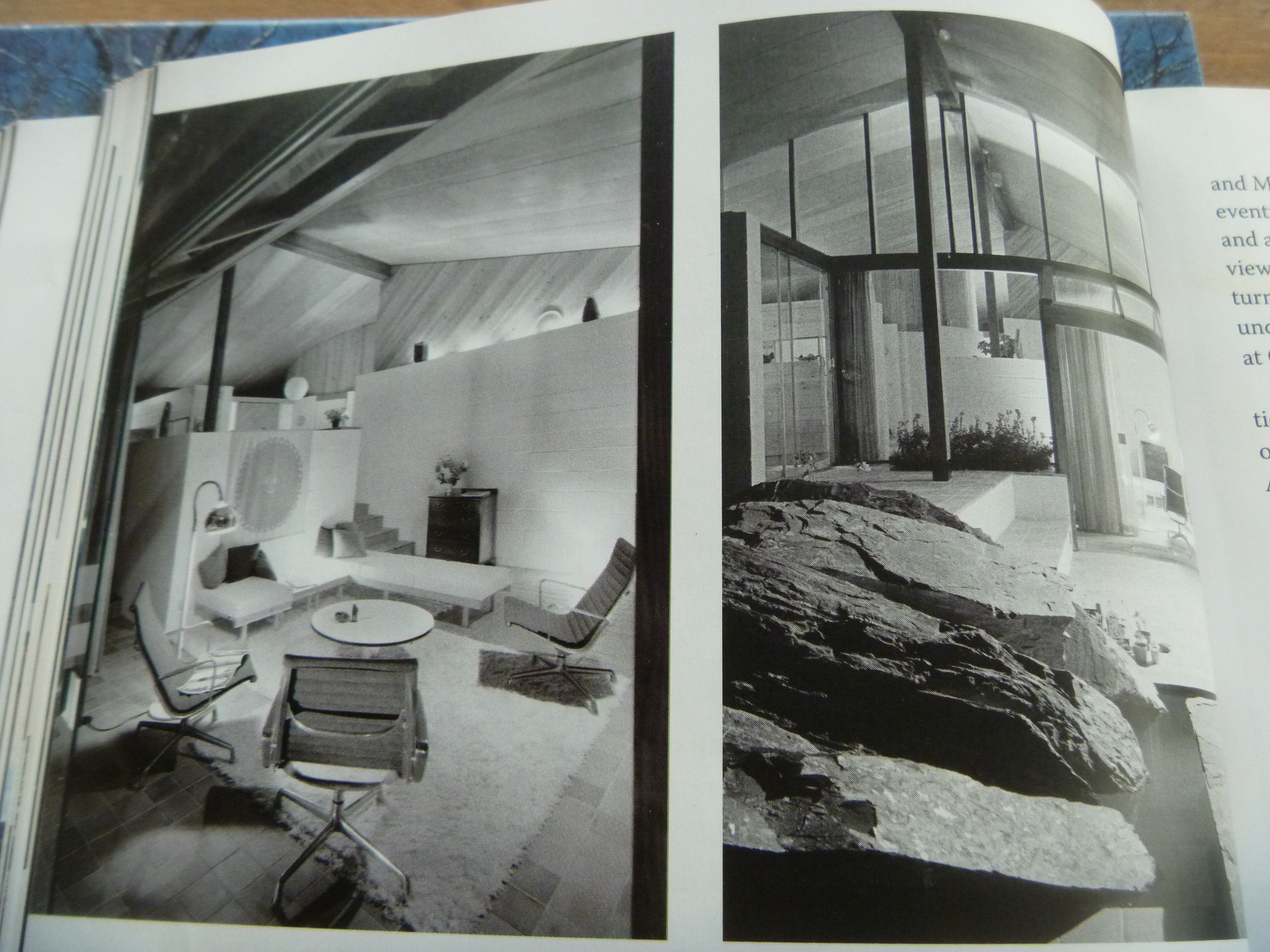
Original black and white photos of Anderton House (reproduced in “Aldington, Craig and Collinge” by Alan Powers)

For all its modernity, Anderton House is as much at home in the rolling Devon landscape it overlooks as the longhouses that inspired its profile. It is an exceptional example of uncompromisingly modern design executed in simple materials. The roof appears to float cleverly over the spacious open plan living area with its sliding glass walls. The house retains all its contemporary materials and detailing and is furnished to match.
Anderton House the hall

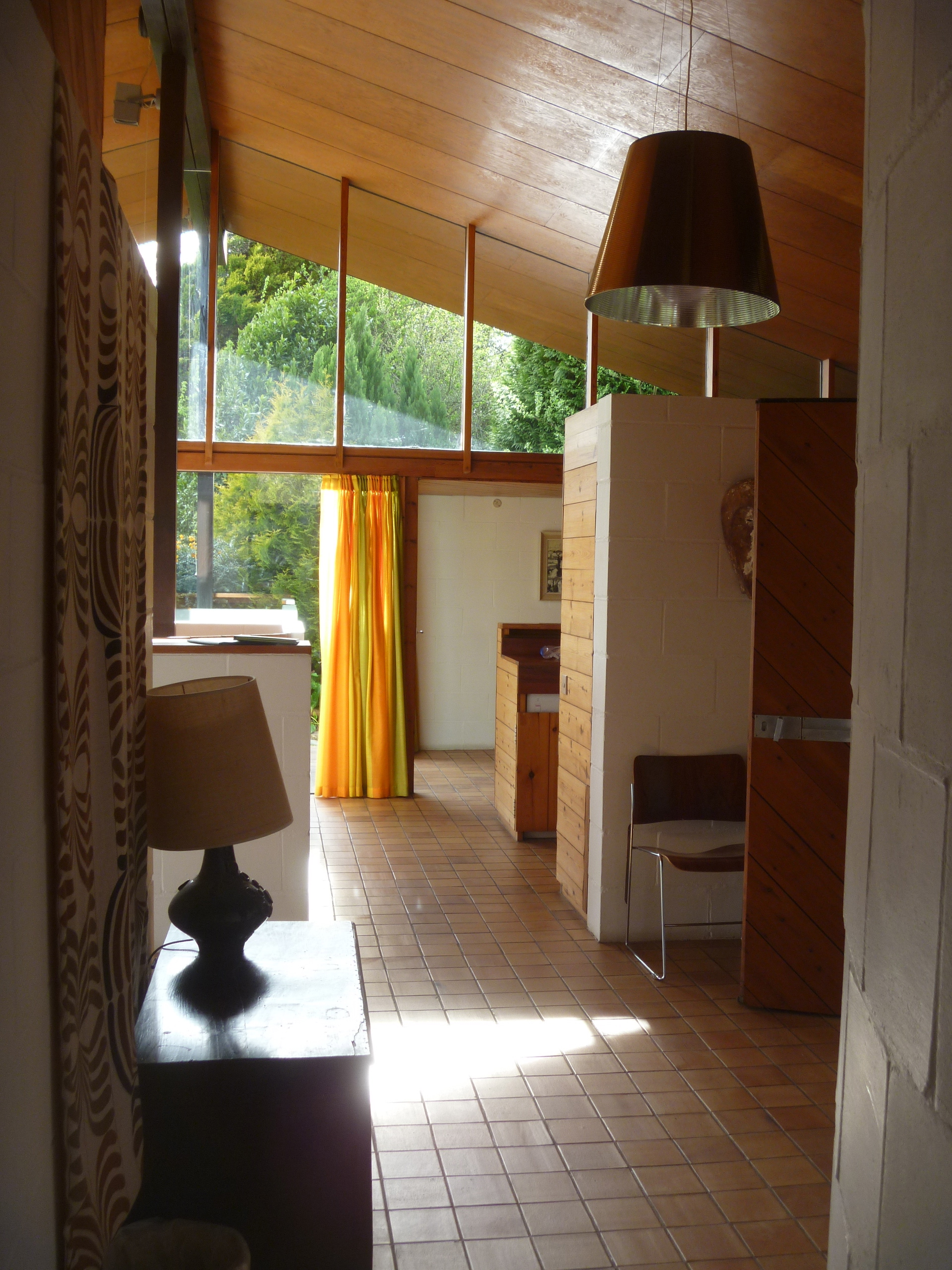
The Hall linking ‘public’ with ‘private’ areas

Anderton House original photo of hall

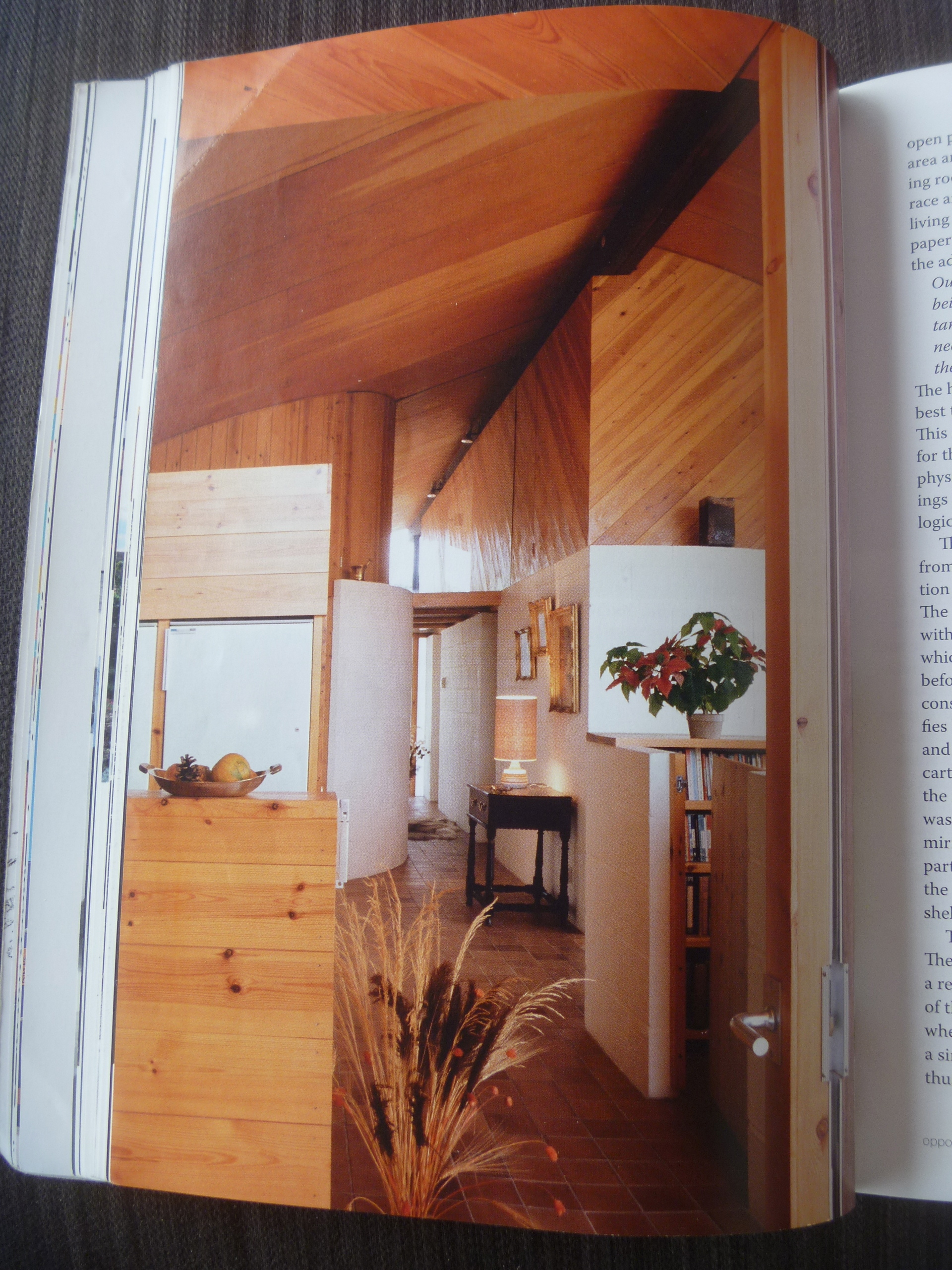
Photo of the Hall from the Kitchen in “Aldington, Craig and Collinge”

Buildings of any age can find themselves at risk. As a building designed by a living architect, Anderton House was a new departure for us when we acquired it in 2000. We chose it for all the reasons we usually apply to older buildings and happily caught it before changing tastes had been allowed to blur its clean lines or site drainage problems to damage its fabric. It is listed Grade II*.”

Even before staying here I had always thought it an excellent choice.