Bolton Percy : the Perfect October Morning Out

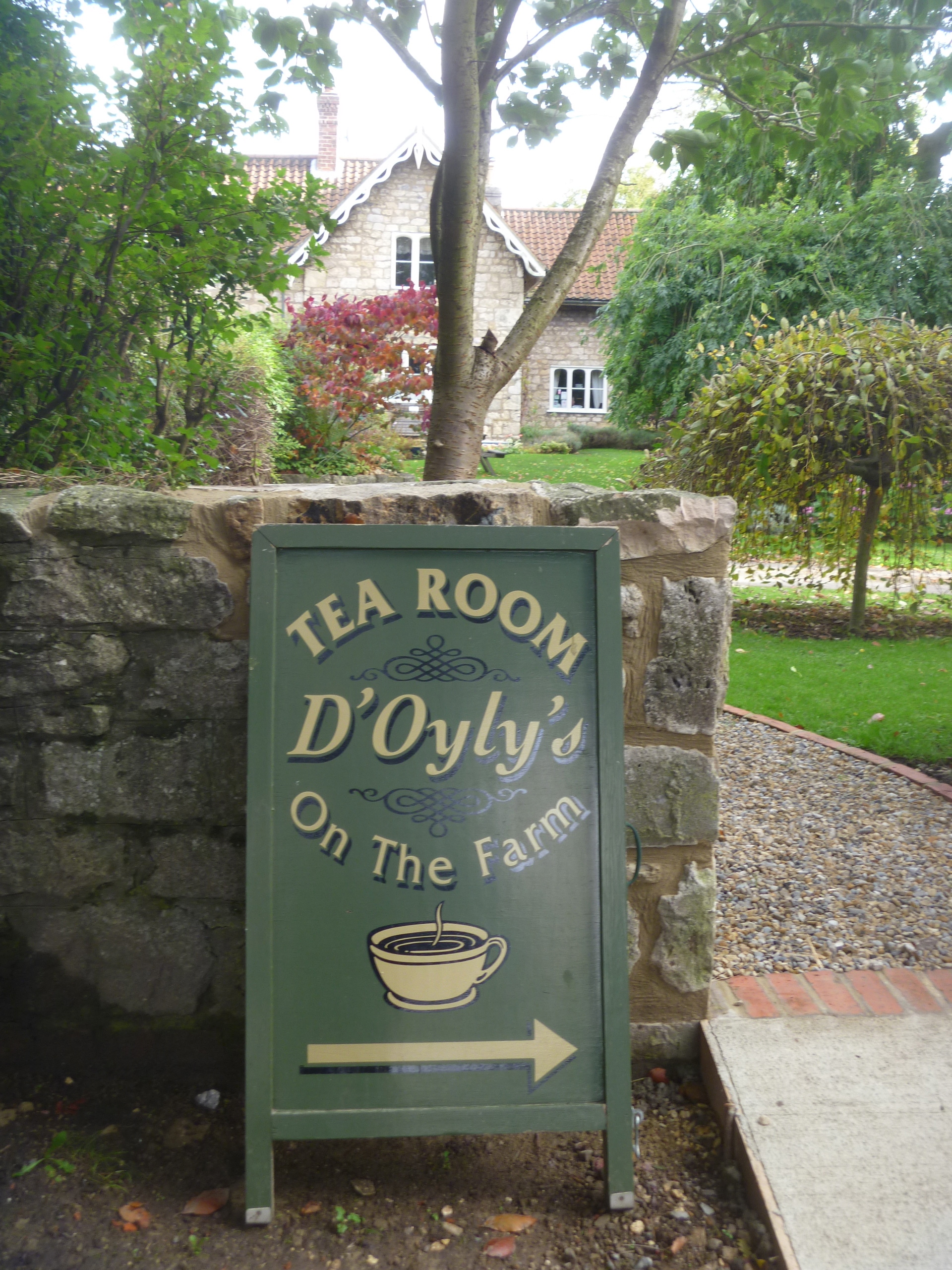
Barely half an hour’s drive from home we turned off the A64 Leeds to York road into Tadcaster and there’s a little sign ‘Bolton Percy’, which would be easy to miss, just after crossing the River Wharfe in the centre of town. About 3 or 4 miles down this lane and we arrived at the village of Bolton Percy. On the right as you enter the village there’s a cricket green and pavilion and soon on the left is the car park for D’Oyly’s Tea Room.
We parked up and went to explore the village. Right in the centre are the four other things we came to see –
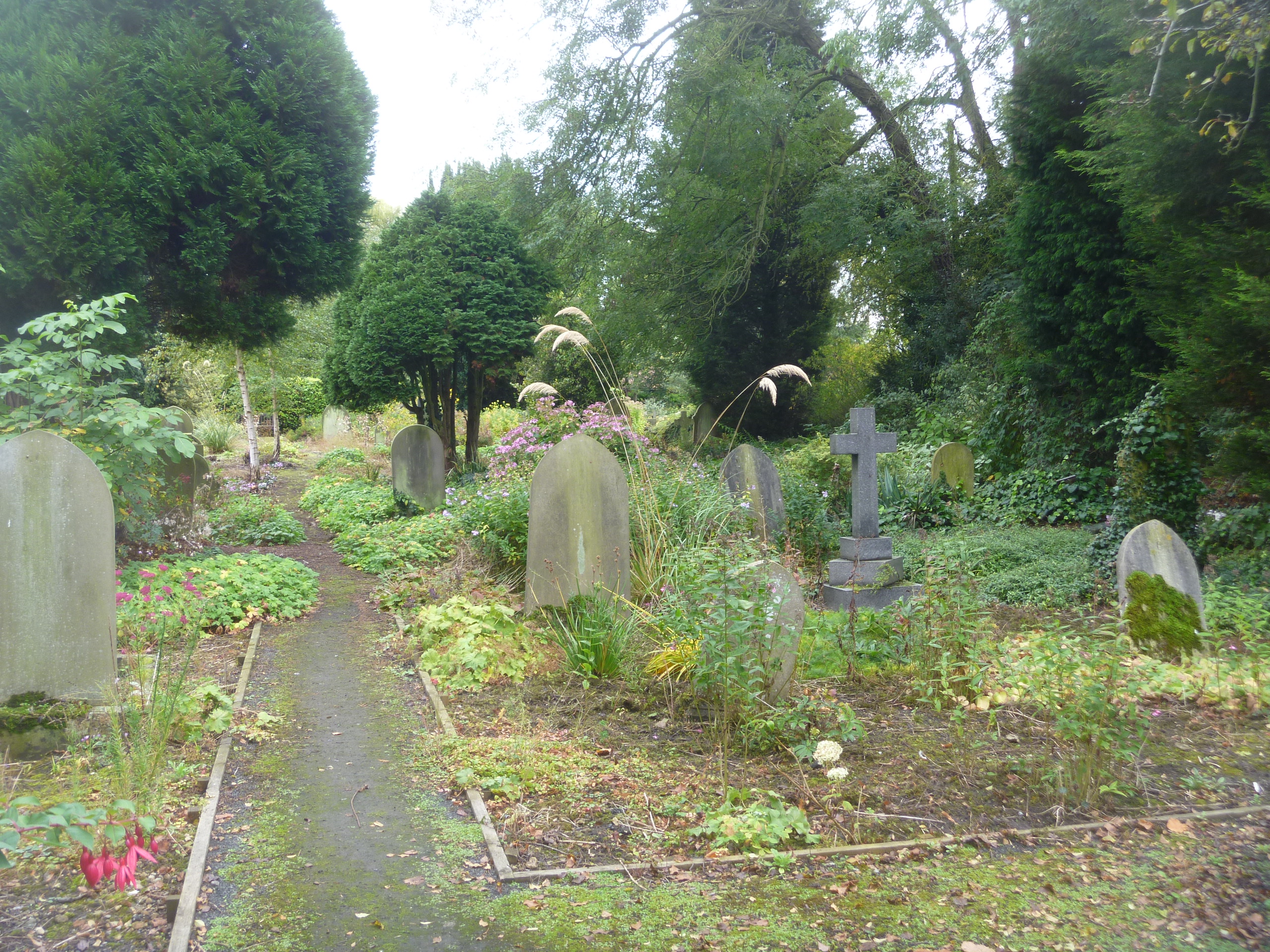
the No-dig churchyard,

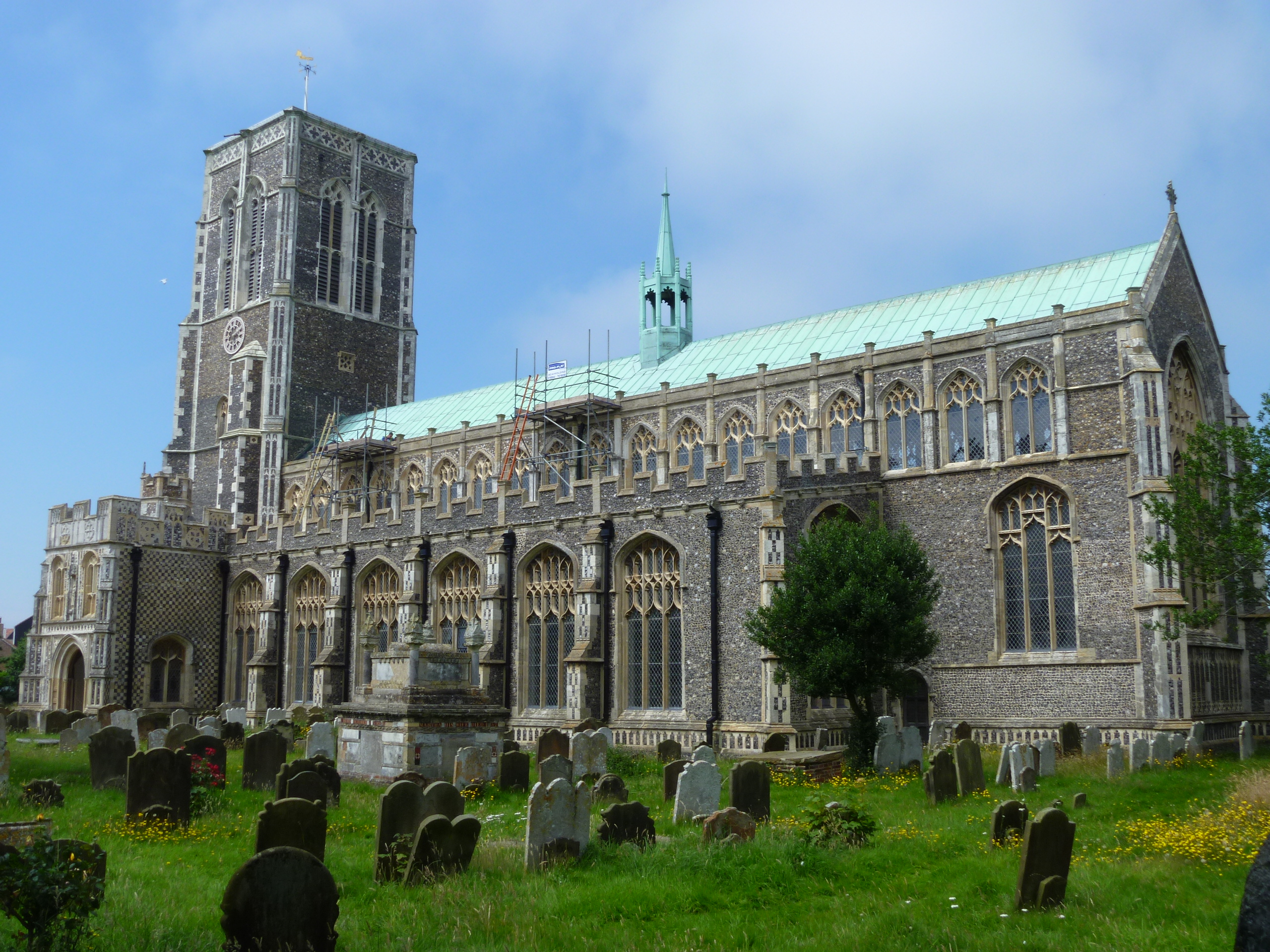
All Saints church,

the Crown Inn

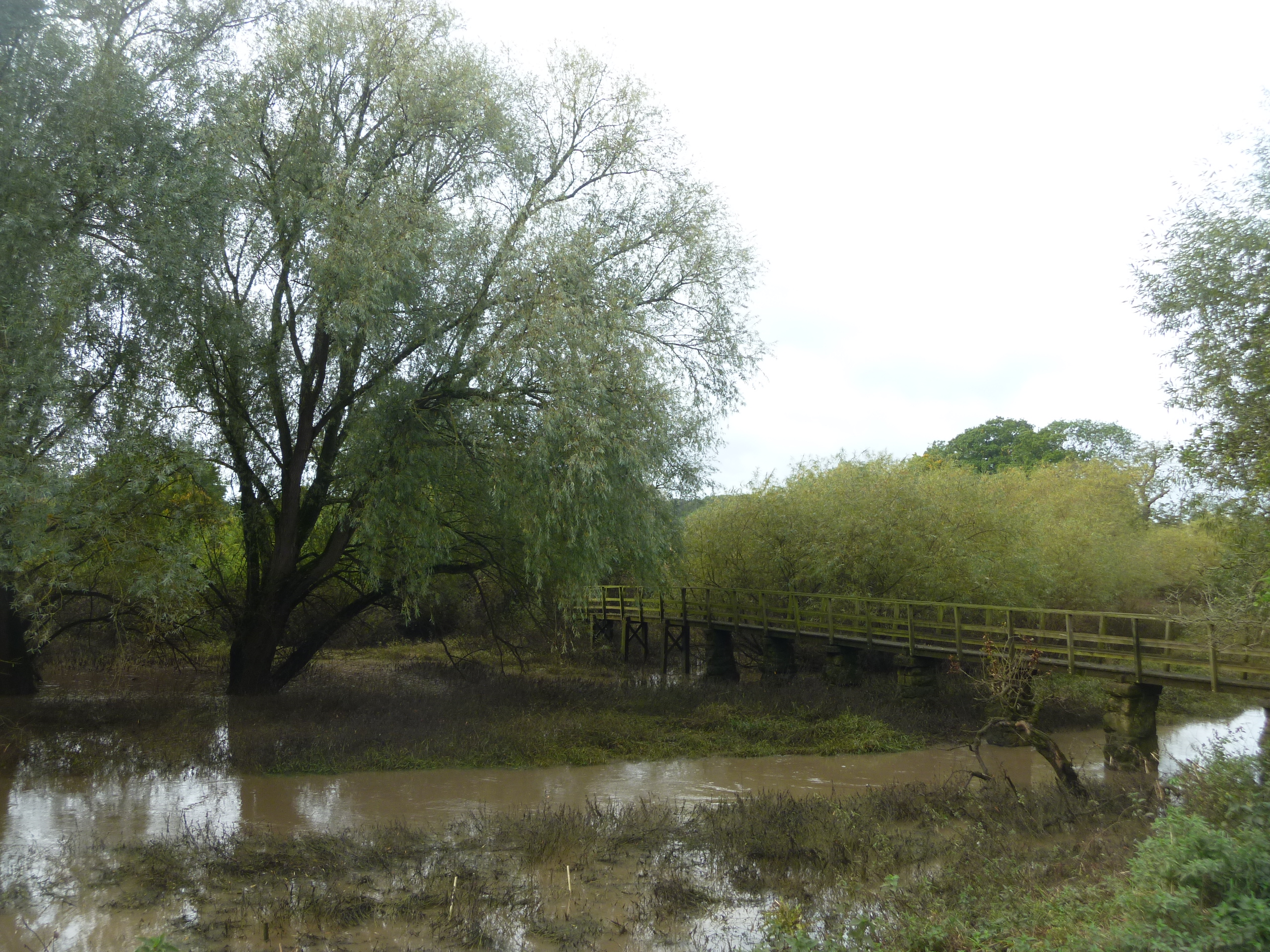
by the ancient river crossing
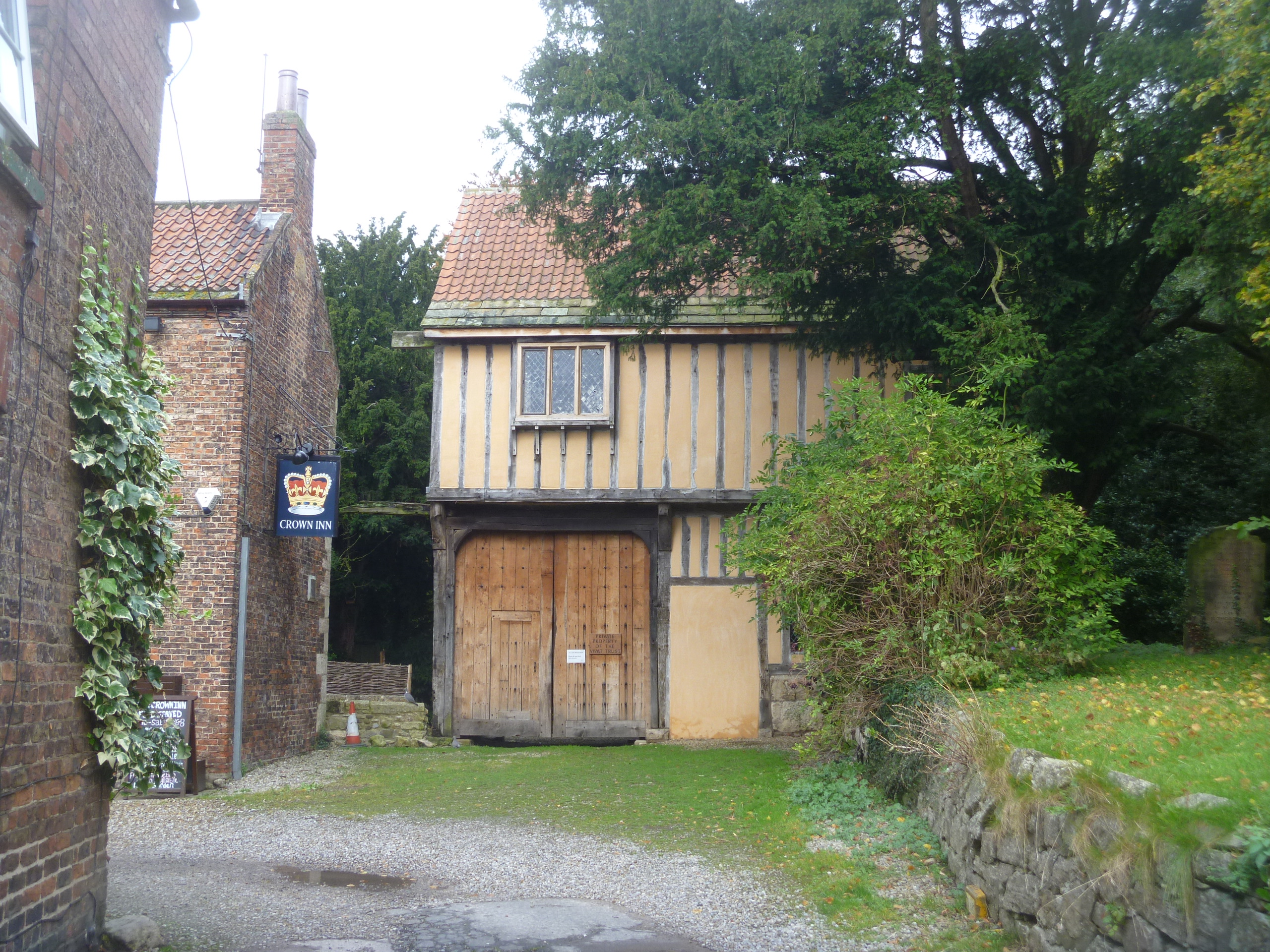
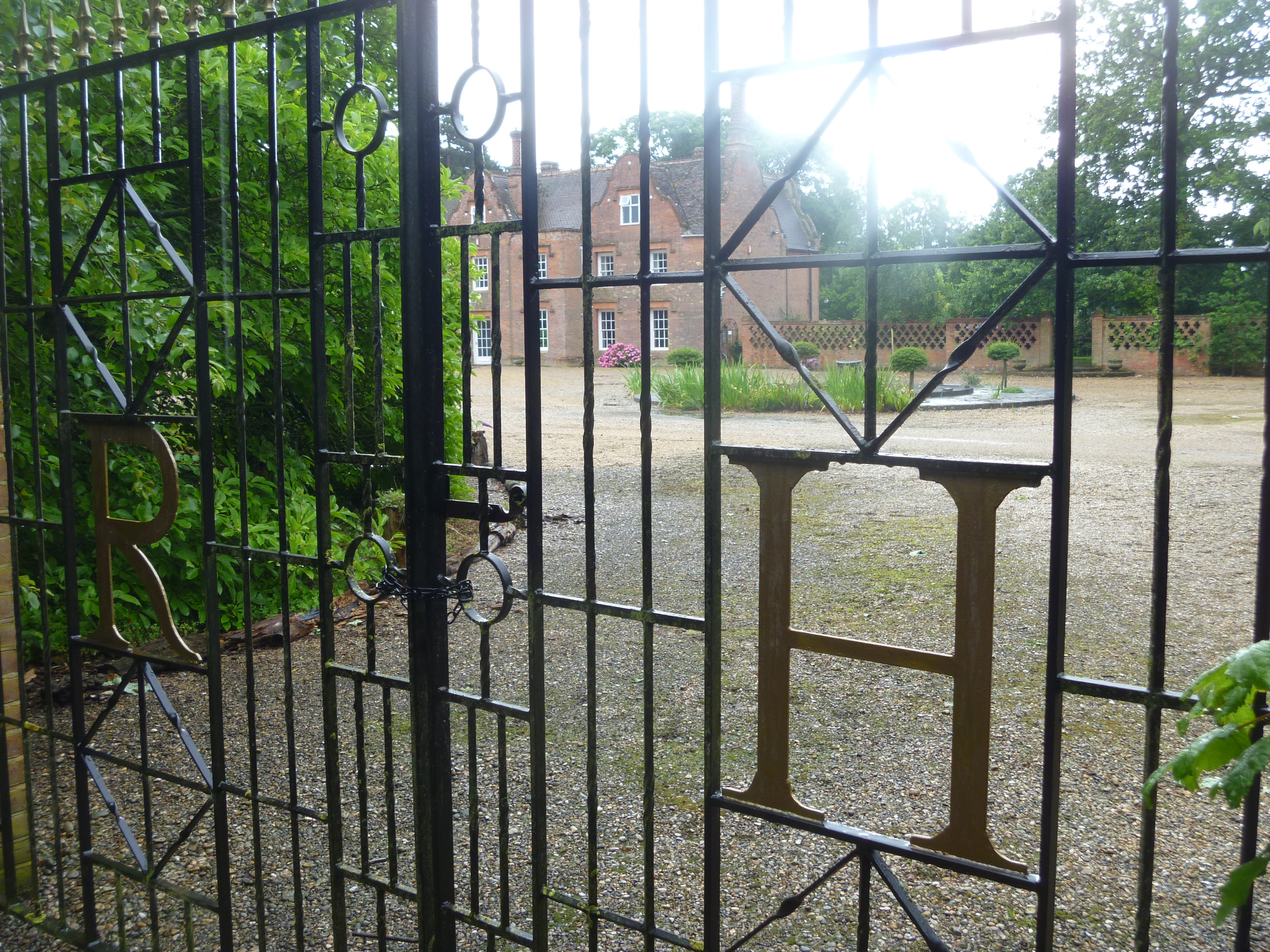
and the piece de resistance the fifteenth century Bolton Percy Gatehouse recently fully restored and now let as holiday accommodation by The Vivat Trust.

I first heard about the village of Bolton Percy when The Vivat Trust added the Gatehouse to its portfolio. Later I read a magazine feature in Intelligent Life about Tom Denny and the installation of the Millennium Window in All Saints Church. Any reference to English country (or other) churches always leads me to my Simon Jenkins’ ‘England’s thousand best churches(All Saints was awarded one star) and a couple of years ago Nun Appleton Hall (about a mile or so from BP) turned up in another book I was reading : Michael Holroyd’s ‘A Book of Secrets: illegitimate daughters, absent fathers‘. (I checked with the waitress at D’Oyly’s) and it’s impossible to see the Hall from the road and no Rights of Way pass through the estate). Internet searches for Bolton Percy bring up D’Oyly’s and further searches for All Saints church bring up references to Roger Brook and his No-Dig Gardening in the churchyard. So, when a walking friend urged me to let her treat me to lunch or tea as a ‘thank you’ for the lifts I’ve given her (I’m always happy to have her company anyway) I suggested we might give Bolton Percy a try.
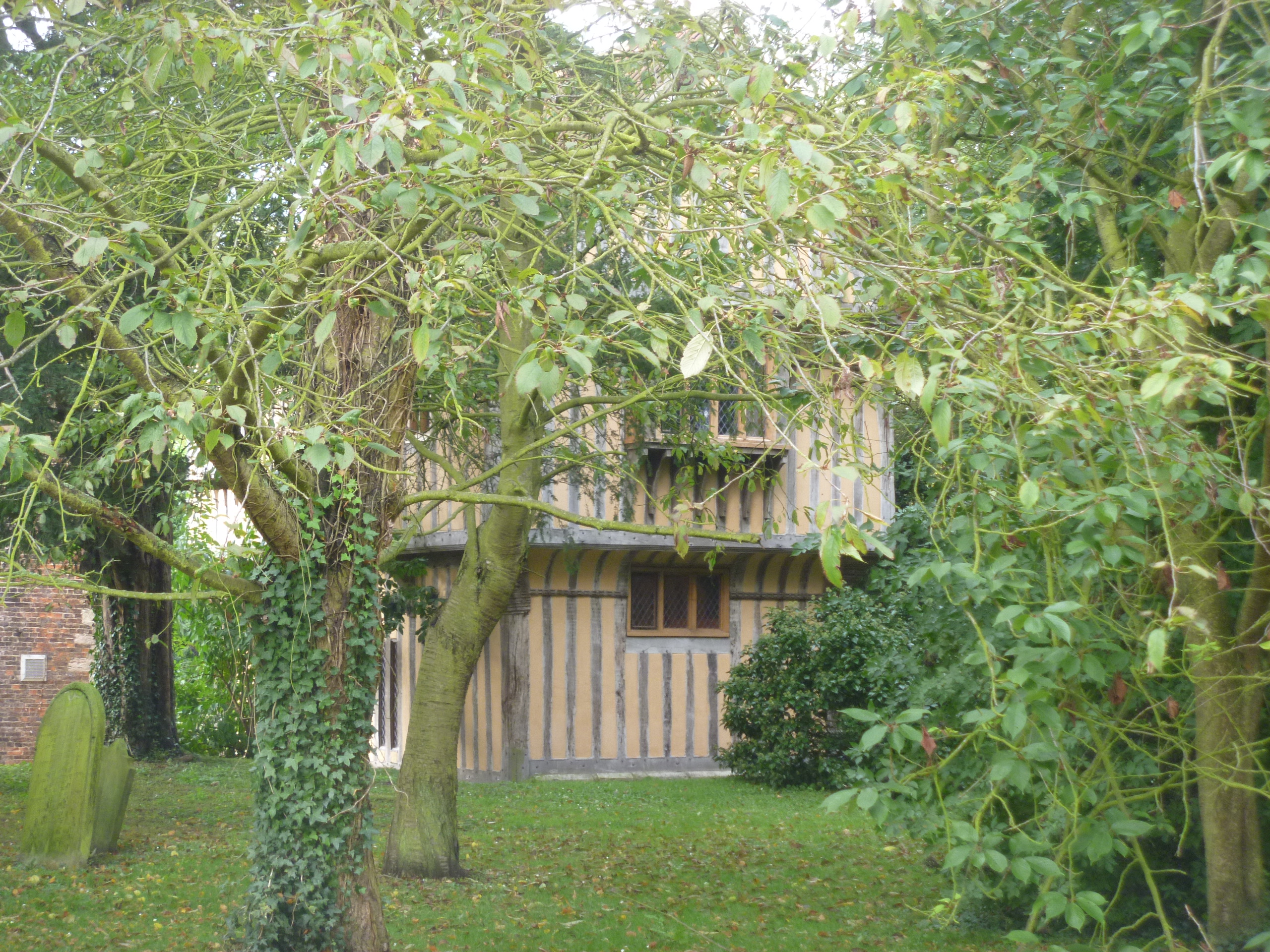
Jenkins says : “The church sits on the Yorkshire plain next to the remains of a river crossing. The gatehouse of an ancient manor lurks next  door among the trees”

The early 15th century church is big and grey, its white limestone interior darkened by age and stained glass, but saved from impenetrable gloom by some clear windows in the south aisle.”

“The Jacobean box pews are complete, with charming knobs as poppy-heads.” Currently decorated in anticipation of Harvest Festival.
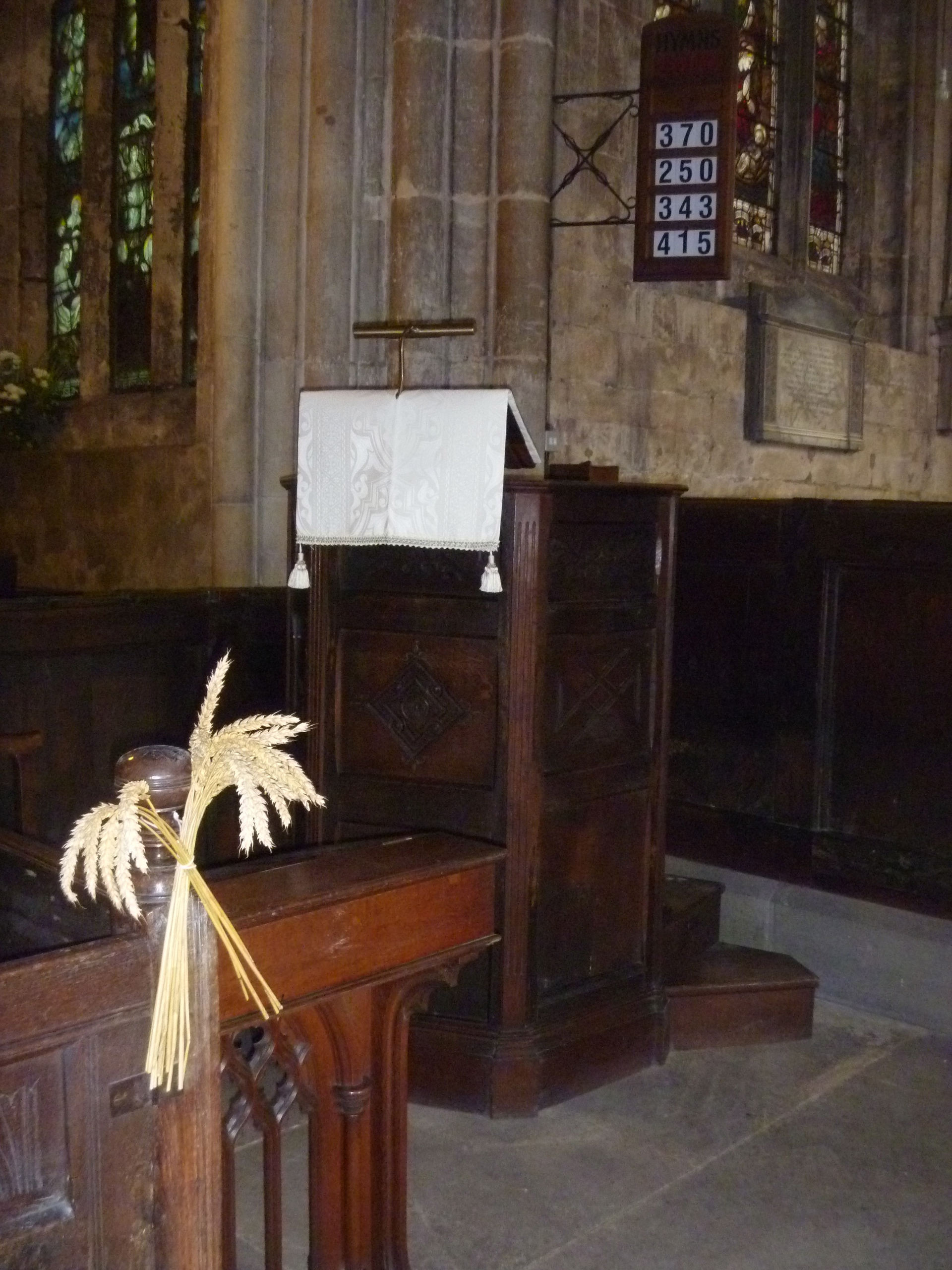
“There are two pulpits,  one early 17th century and one early 18th century, the former austere, the latter more flamboyant, its tester supported on an Ionic column.”

Then there are the stained glass windows : an east window with a rare depiction of the Virgin Mary as its centre piece;

the Burne-Jones for Morris and Co. Caritas window;

the Millennium window by Tom Denny inspired by Isaiah 43: “I will even make a way in the wilderness, and rivers in the desert.” The River Wharfe flows through it and an owl and a curlew are flying.
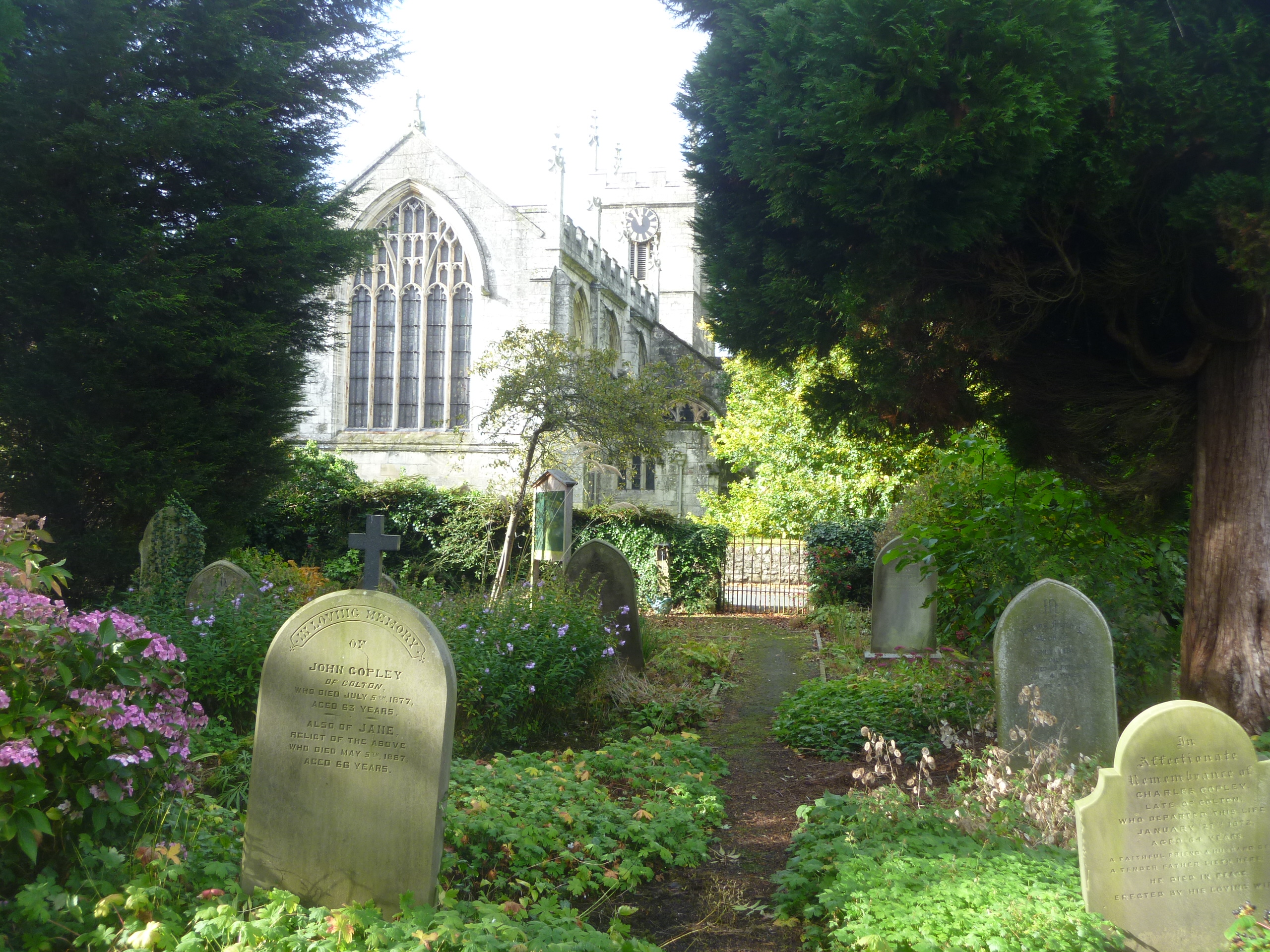
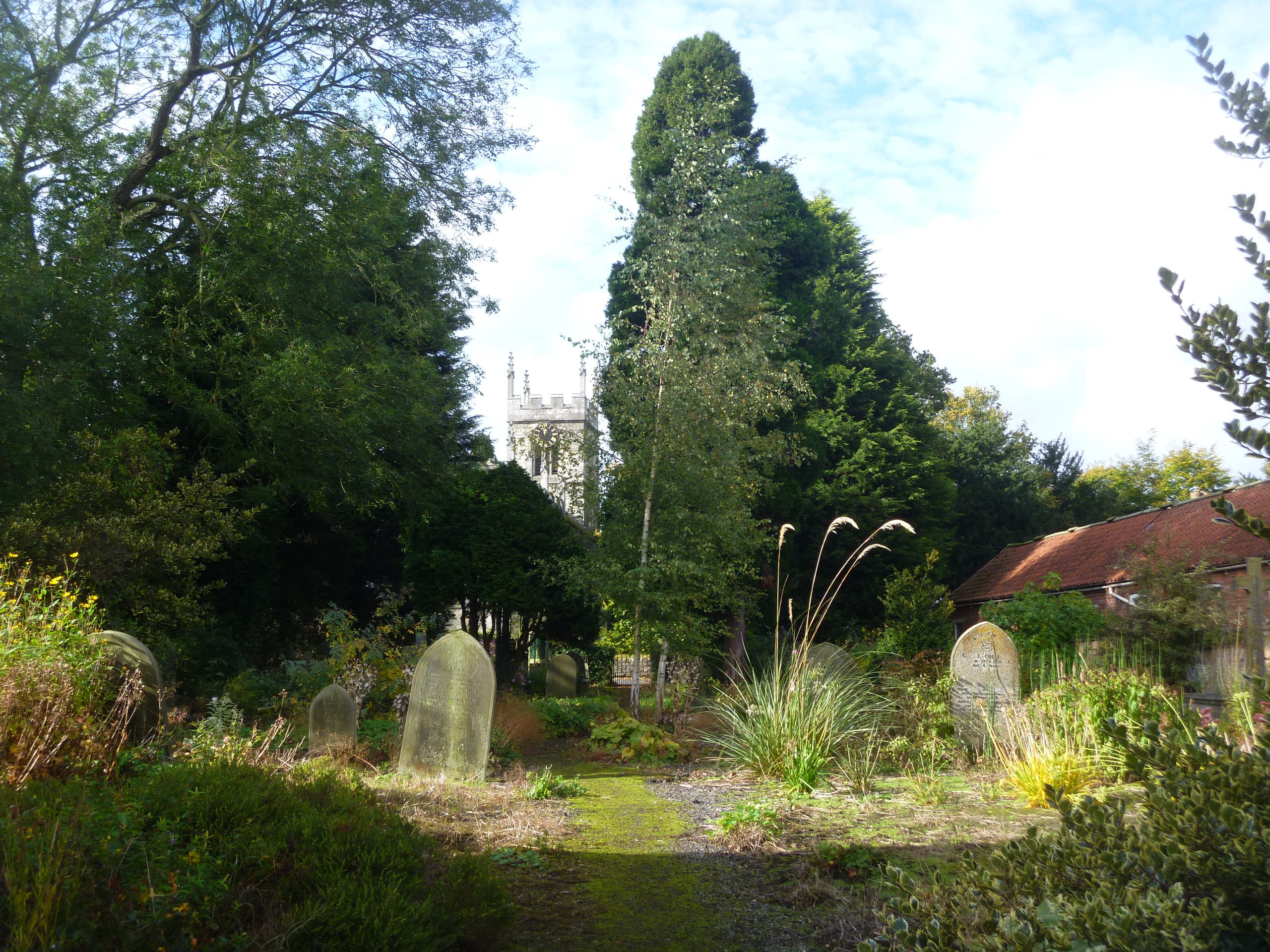
Outside and just across the road is the continuation of the churchyard. This lovely, natural space is full of wildflowers and a haven for wildlife and a peaceful resting place for Bolton Percy villagers. I’m sure it is hard work keeping it looking naturally ‘unkempt’.

It was a difficult decision as to where to take lunch but we finally chose the tea room and enjoyed a toastie followed by tea and lemon cake. All homemade and beautifully served on classic china. A perfect morning out.
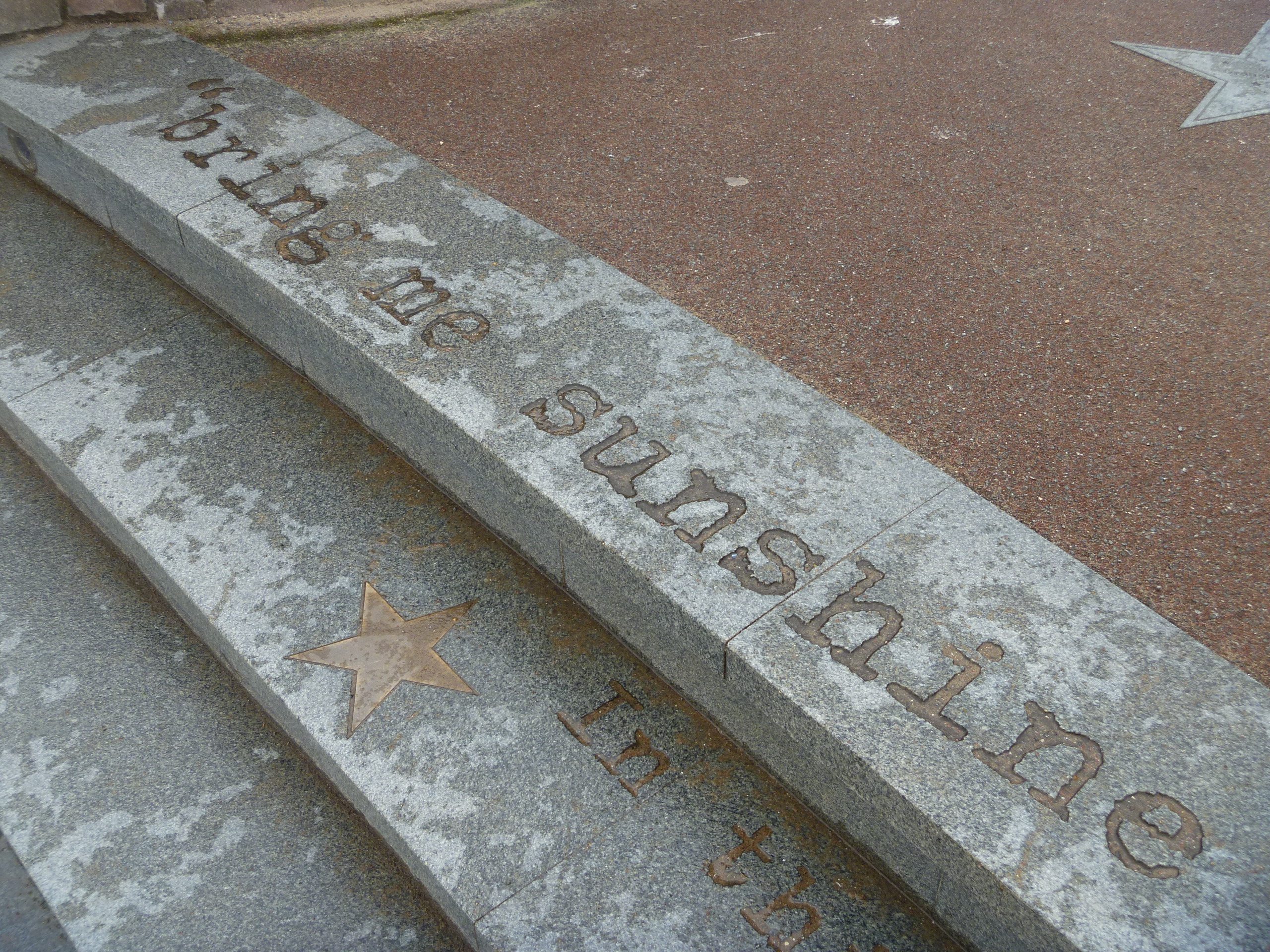
Bring me Sunshine … or at least Lunch in the Sun Terrace Restaurant

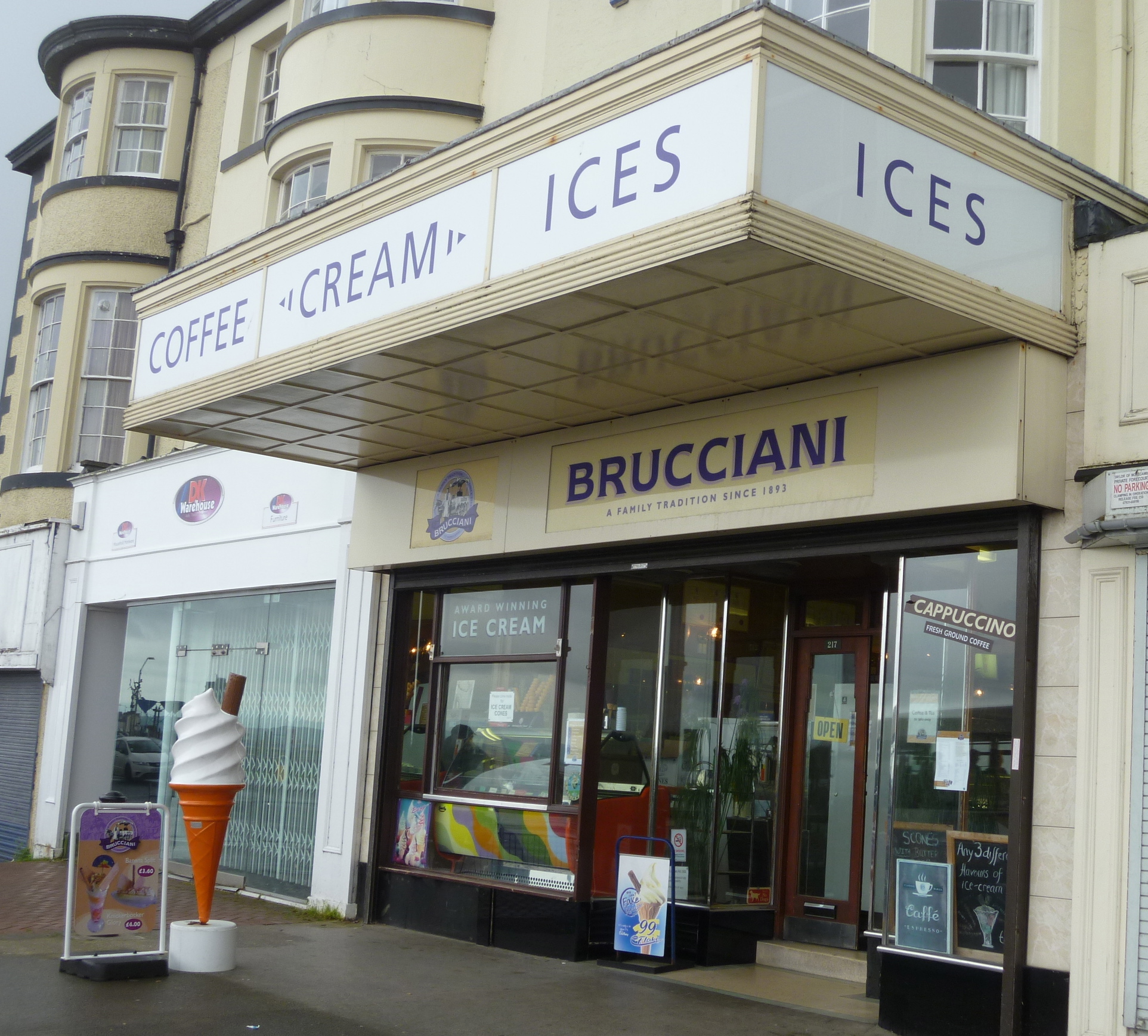
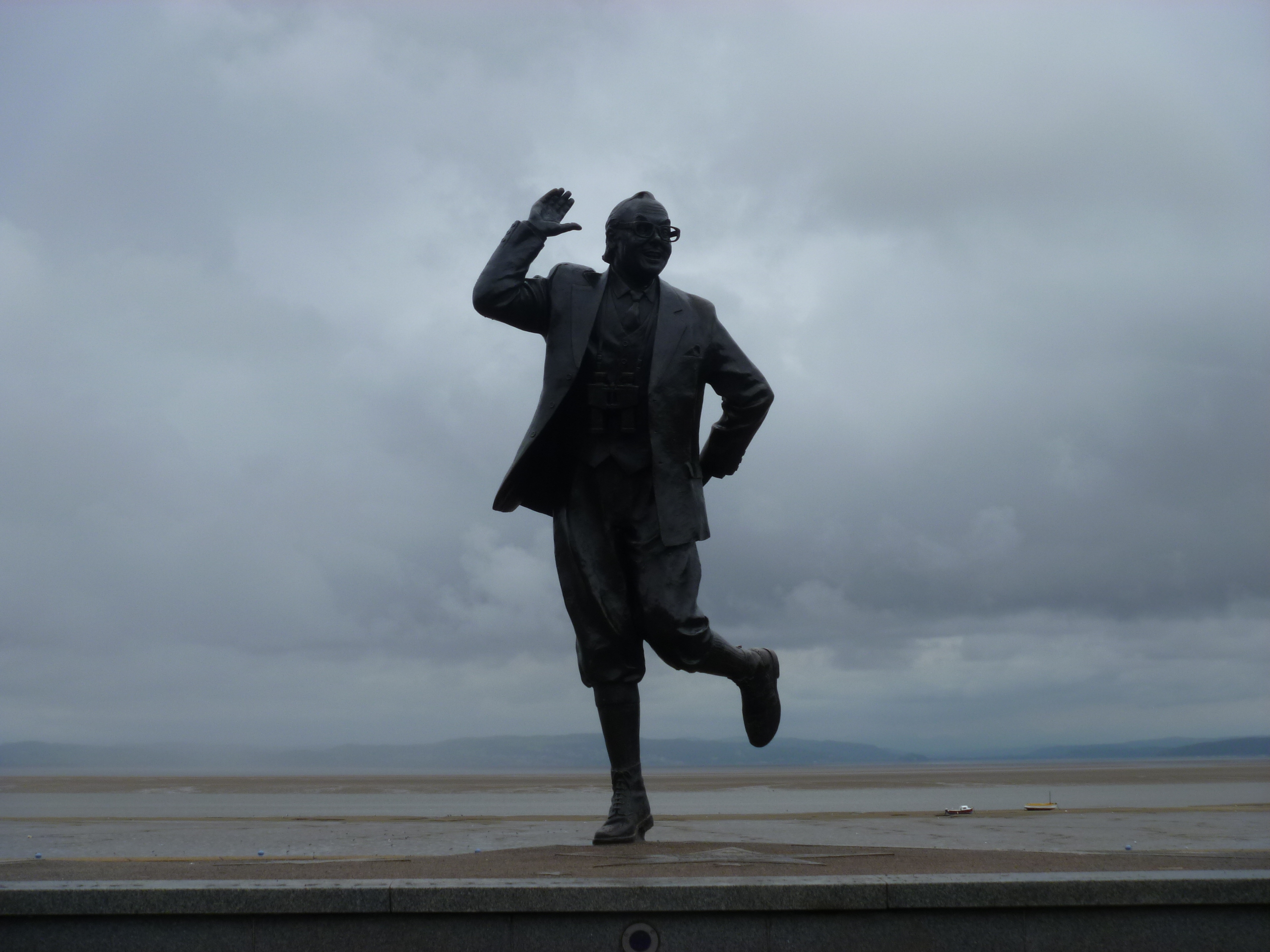
Small wonder Eric Morecambe was wanting people to bring him sunshine. We didn’t see much of it on our day out at the seaside in Morecambe yesterday. In fact when my train drew into the station more people were getting on the train than were getting off it. Not deterred, my friend A and I headed for the seafront and the recommended traditional Italian Ice Cream Parlour Brucciani’s.
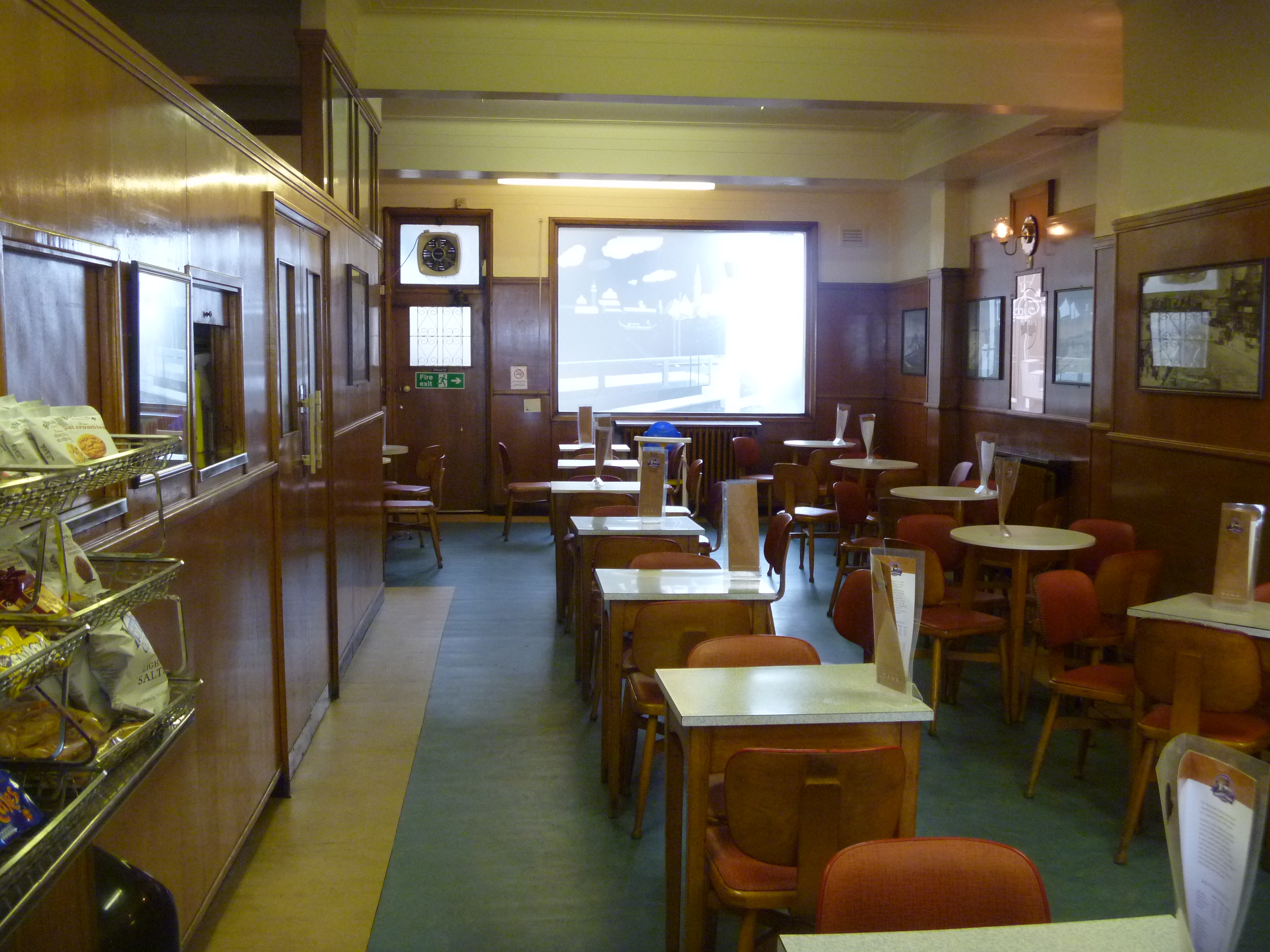
Taking us back to the “good old days”

The Lavs are free now! (To Brucciani’s customers)

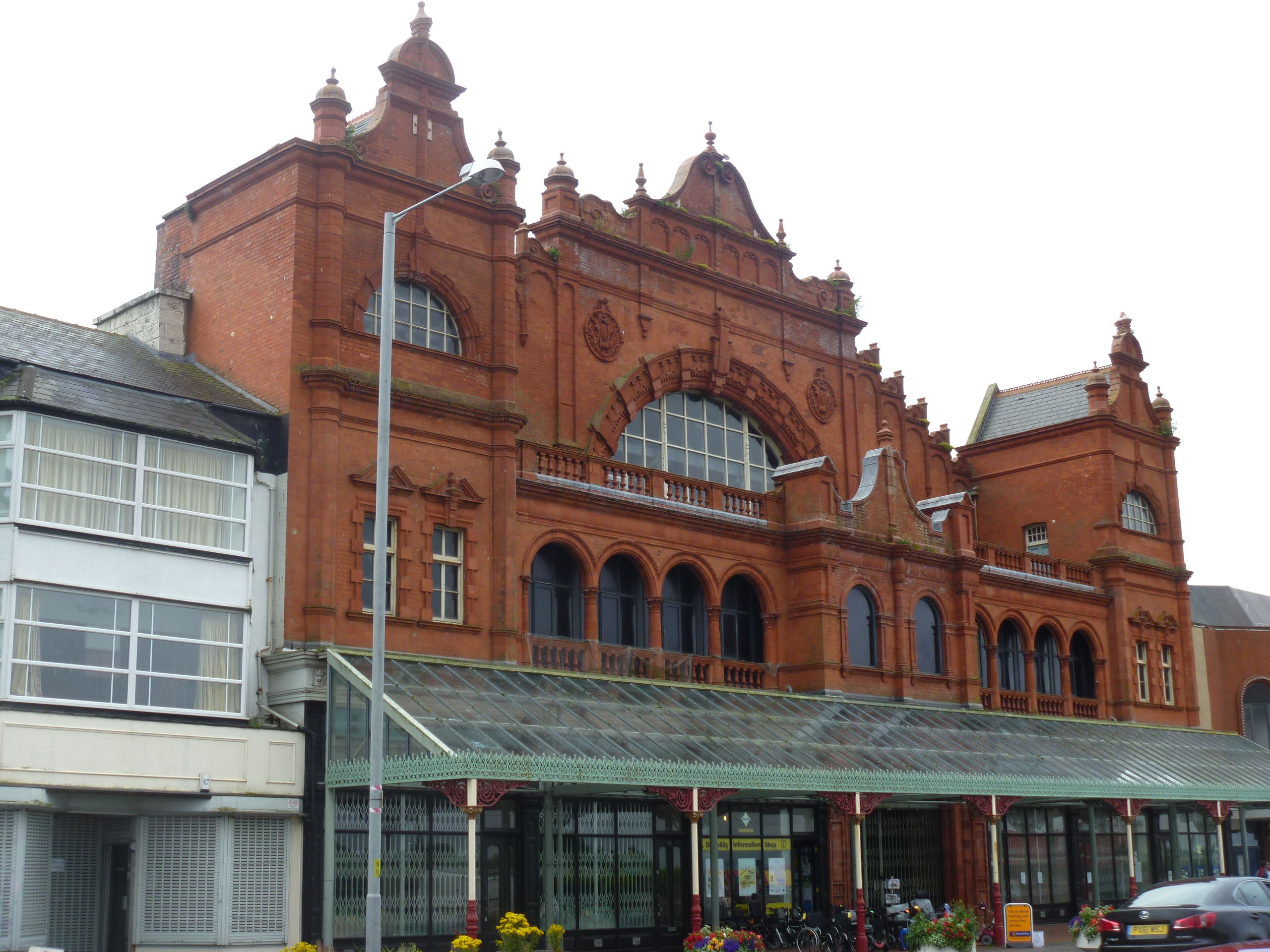
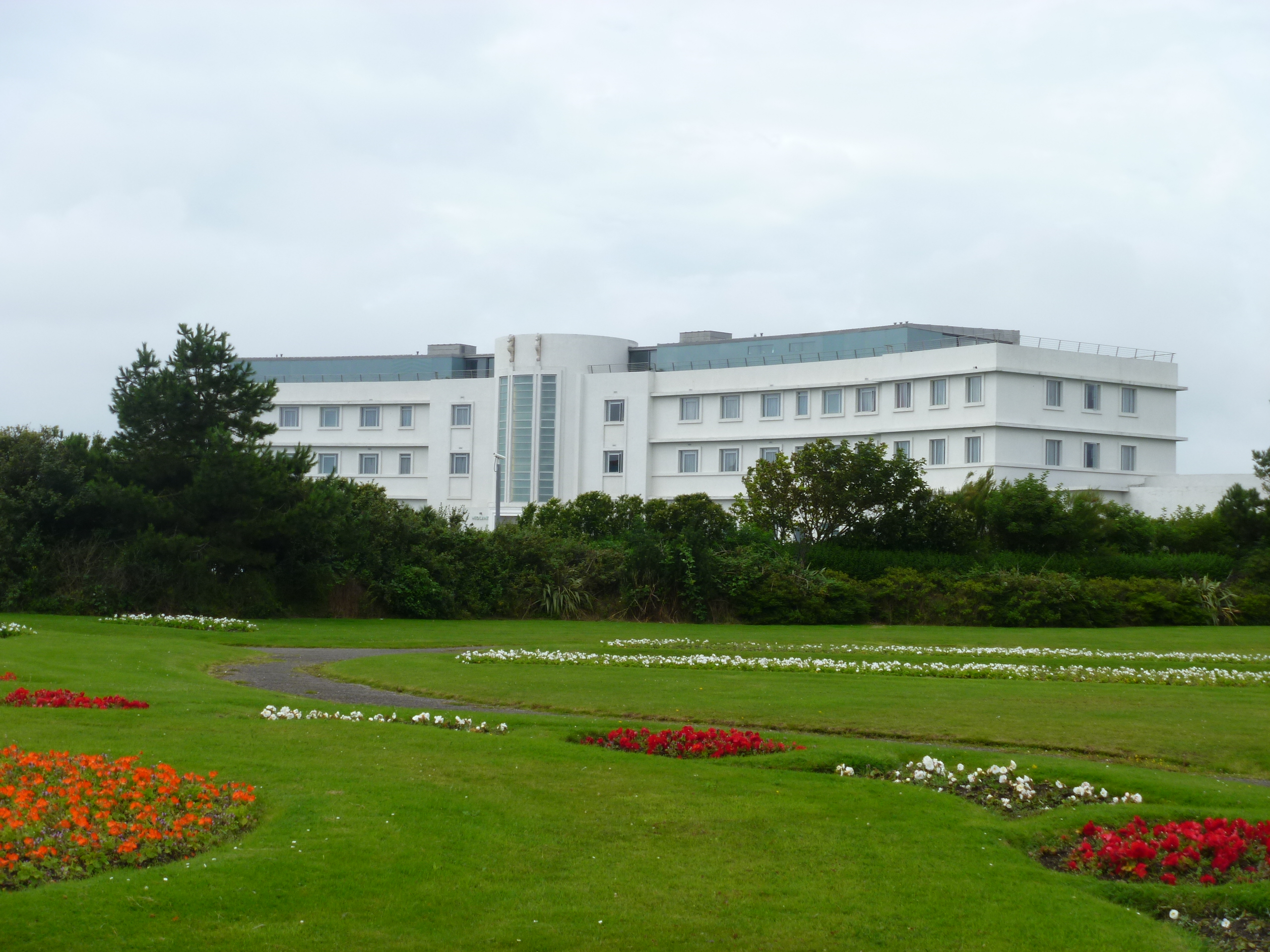
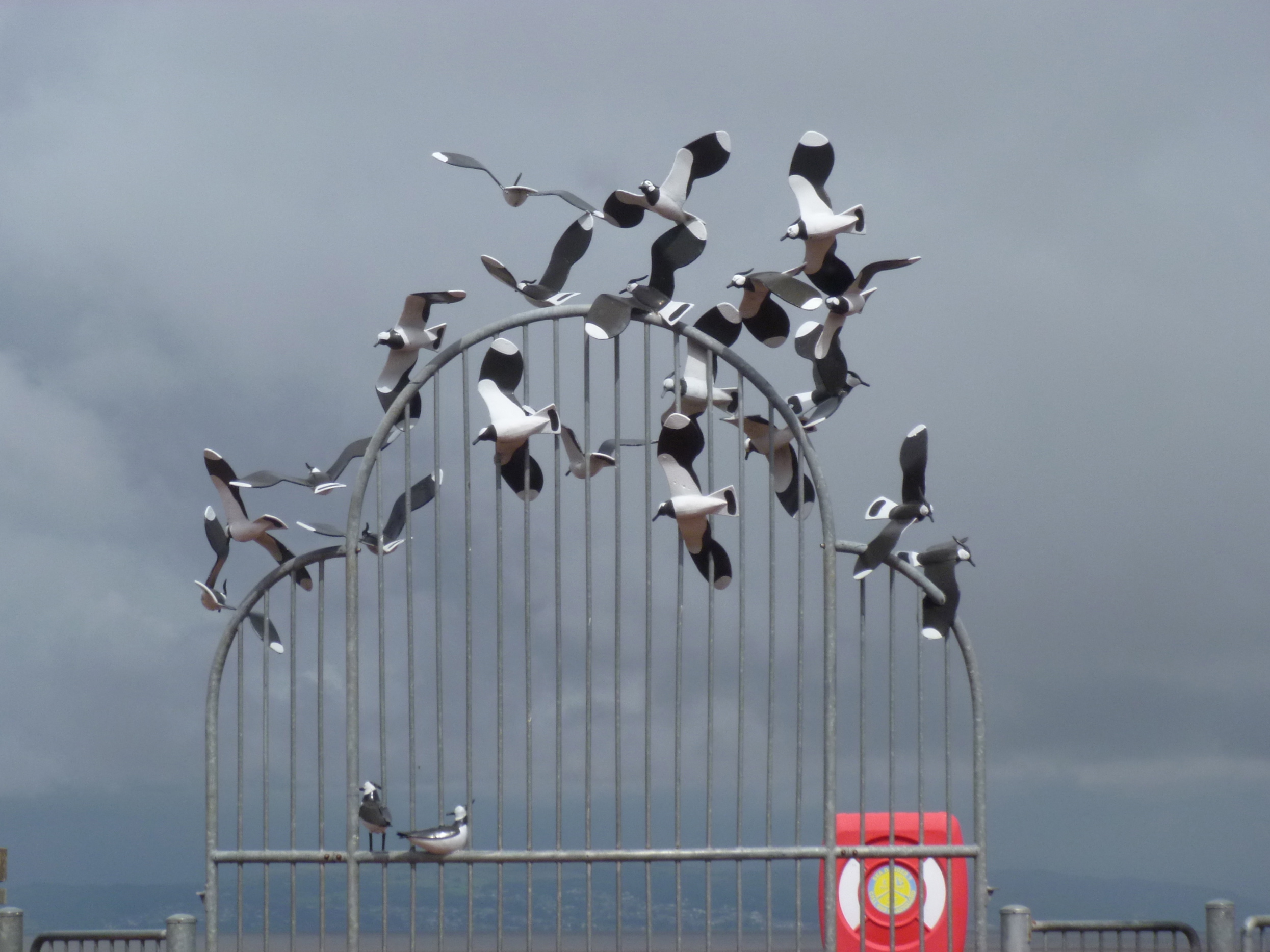
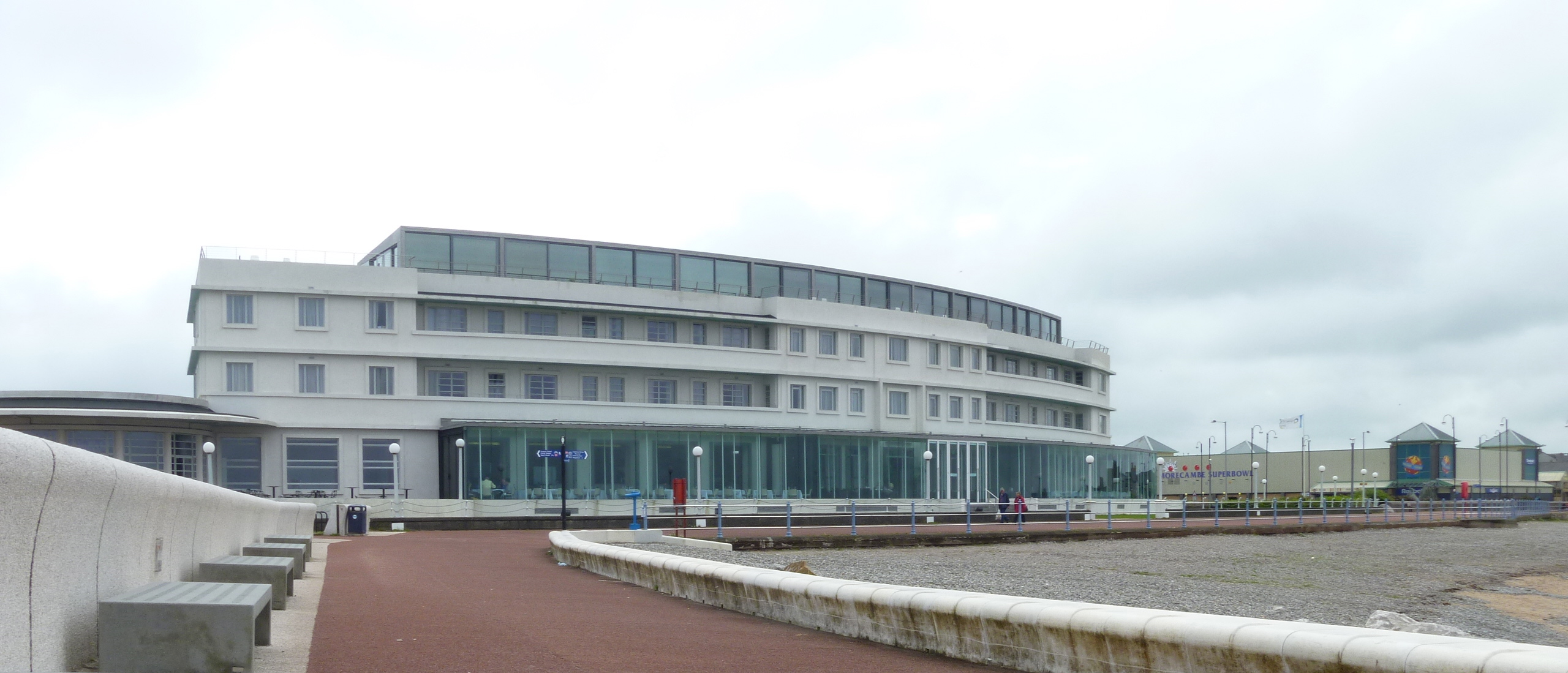
Much of Morecambe has seen better days but it has such great potential for revival with its Winter Gardens, the Platform Theatre in the former Midland Railway Station, cafes like Lewis’s and Brucciani, the star of the show beautifully restored Art Deco Midland Hotel and the lovely Stone Jetty where ferries tied up in days gone by. It’s such a shame about the weather and the credit crunch hasn’t helped either. We noticed lots of new sculpture, most of it taking the form of seabirds, and a path from the front to the station called Flock of Words.

The Winter Gardens

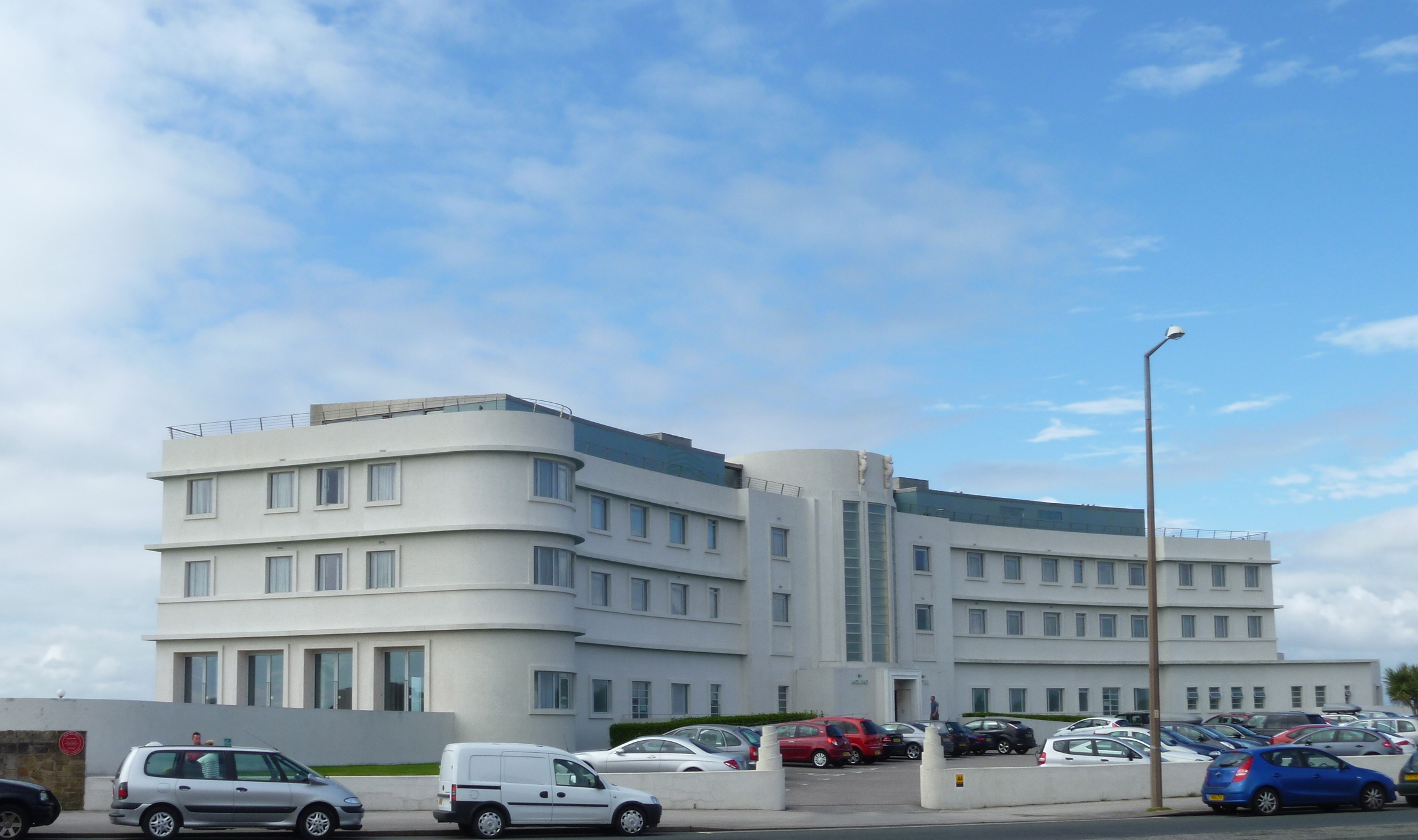
The Midland Hotel

One of the Tern Project Sculptures

After a quick photo shoot with Eric Morecambe we visited one shop on the front: Woods of Morecambe. We made a few purchases and then battled against the wind and rain to walk back along the promenade  and around the front of the hotel before taking our places in the Sun Terrace Restaurant of The Midland Hotel for lunch.

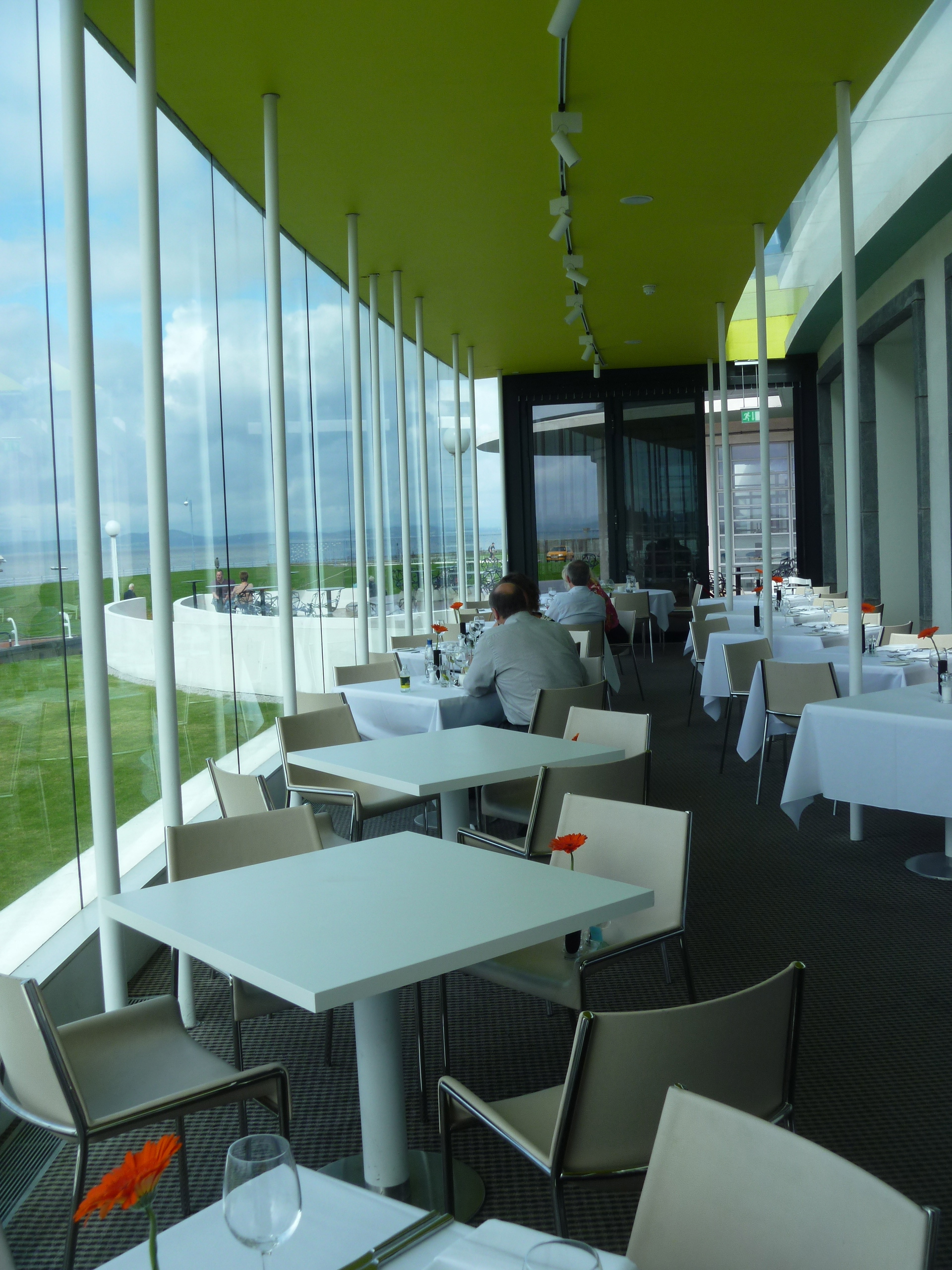
For starters how could we resist Frank Benson’s Morecambe Bay Potted Shrimps with Toasted Sourdough as we sat looking out at the tide rushing in over the bay itself?   For afters we both chose the Selection of Lewis of Morecambe ice creams.  I must say the Selection of Great British Cheeses with Fruit Chutney and Home Made Chorley Cakes sounded very tempting, had I not filled up on the previous two courses. True to its name as we dawdled through our meal, chatting and savouring the food and the experience, slowly the sun did appear and by the time we reluctantly felt we should leave the sun was out and blue sky appearing through the cloud cover. On a future visit Afternoon Tea on the Sun Terrace is definitely high on my list.
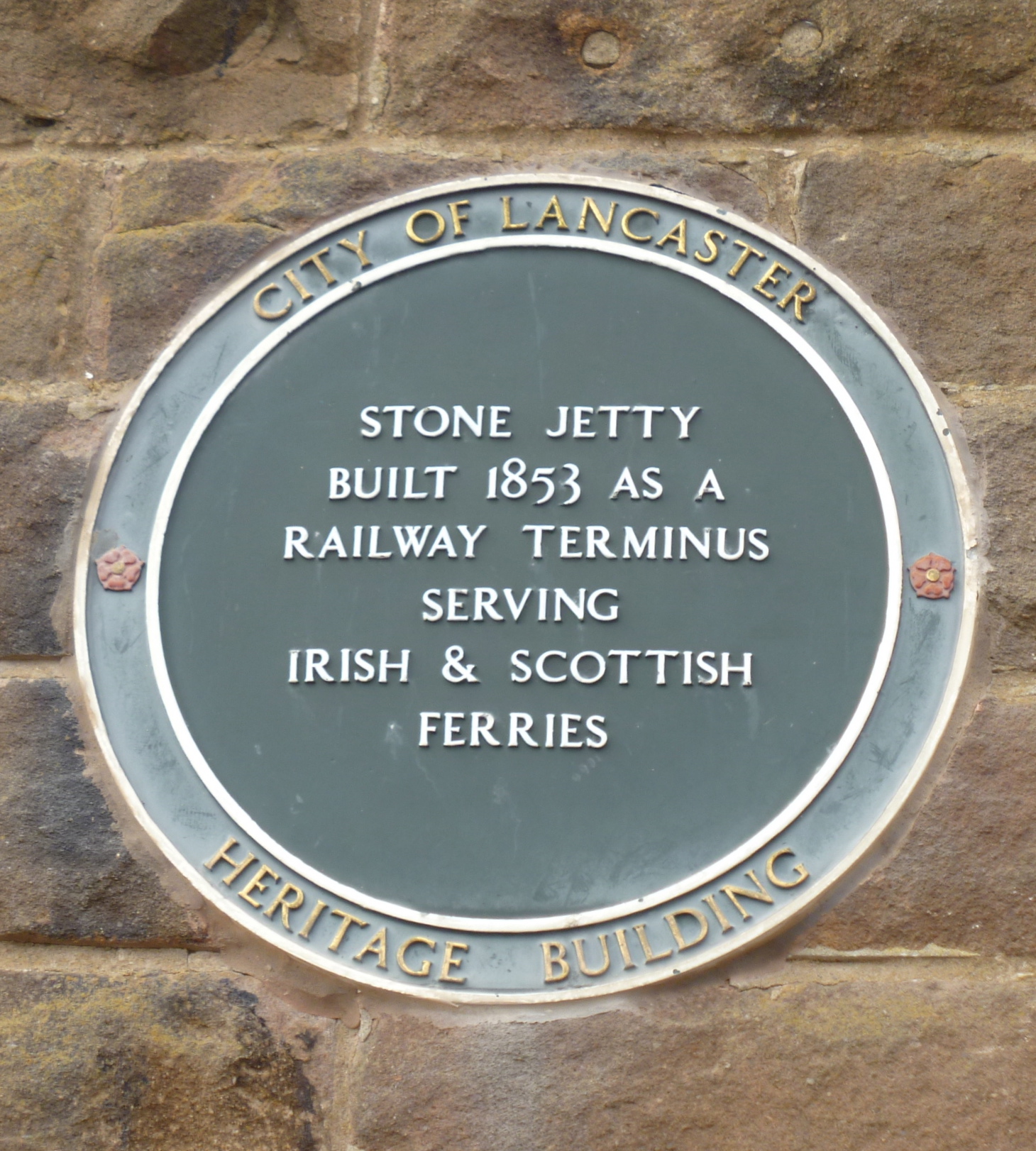
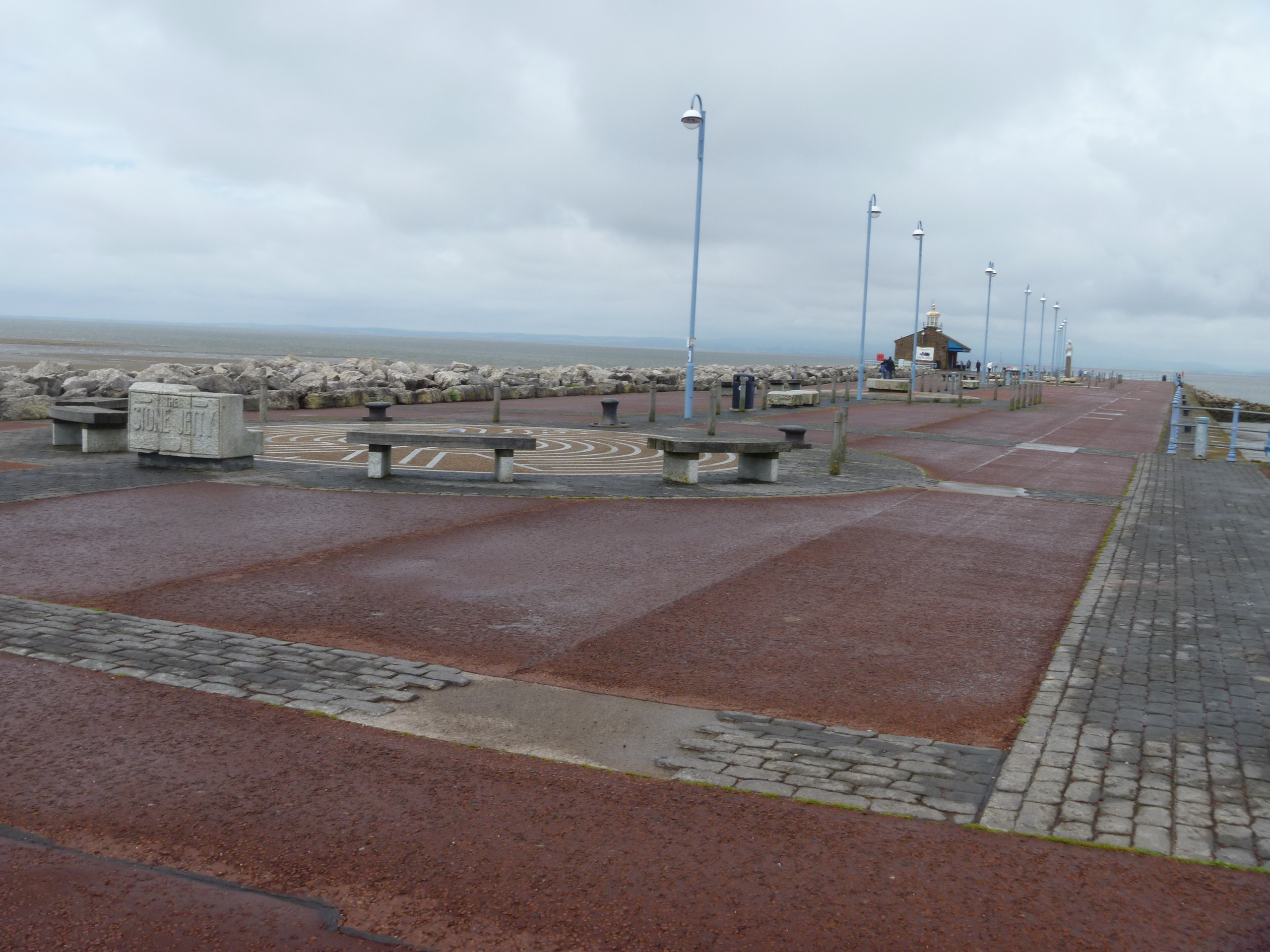
A quick visit to the Tourist Office (for postcards) also in the former Midland Railway Station was followed by a stroll along the Stone Jetty which looked to have a nice old cafe which itself is topped by a lighthouse. The views from Morecambe seafront and the Jetty are amazing and worth the visit alone. All of the Lake District mountains and the mysterious sands and channels of Morecambe Bay fill the picture.

The Stone Jetty

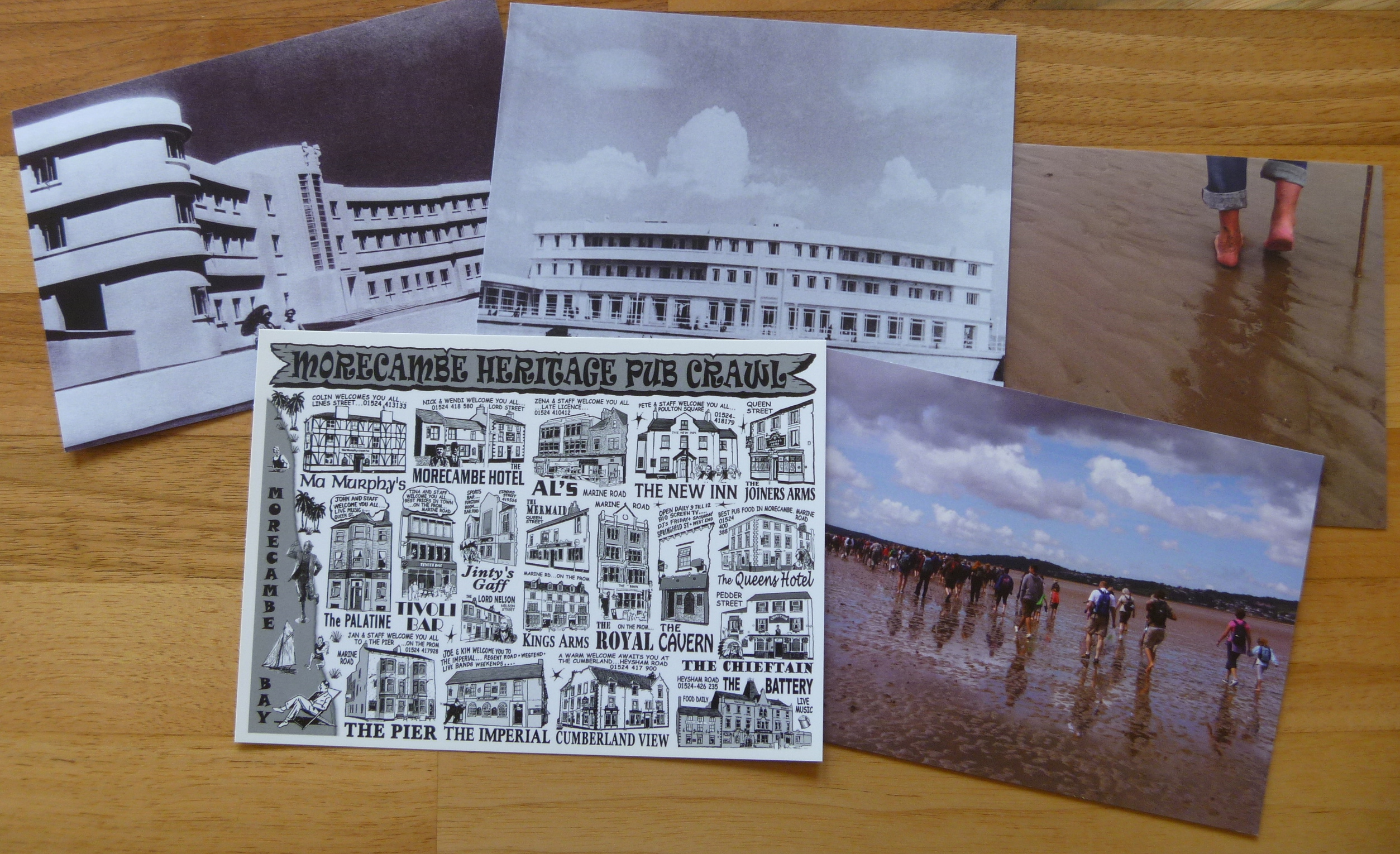
Some of the postcards

All too soon it was time to go our separate ways and we returned via the Flock of Words footpath to Morecambe’s modern railway station – just 2 empty platforms these days: even the ticket office was closed. But Morecambe has lots going for it and if it can weather the storm of the present tough financial times I foresee a return to a form of former glory.

Sun and blue sky appear as we turn to leave

Some Suffolk Curiosities

I’ve moved on down to Aldeburgh a lovely little seaside town on the Suffolk coast. For a coastal resort it’s a funny place – it kind of turns its back on the sea – as walking down the High Street you would not believe that beyond the shops on the east side is a beach and fishing shore.

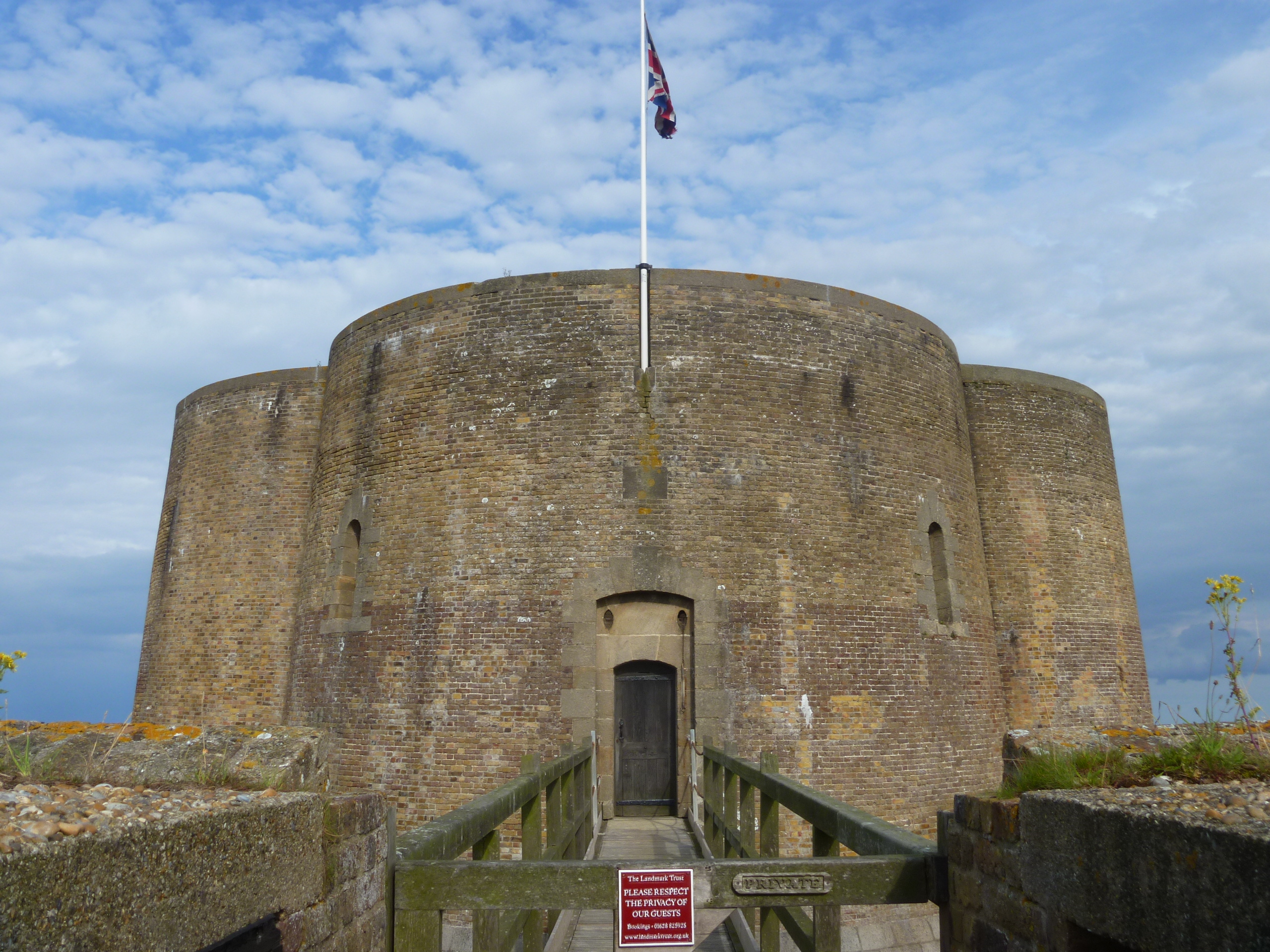
A Landmark

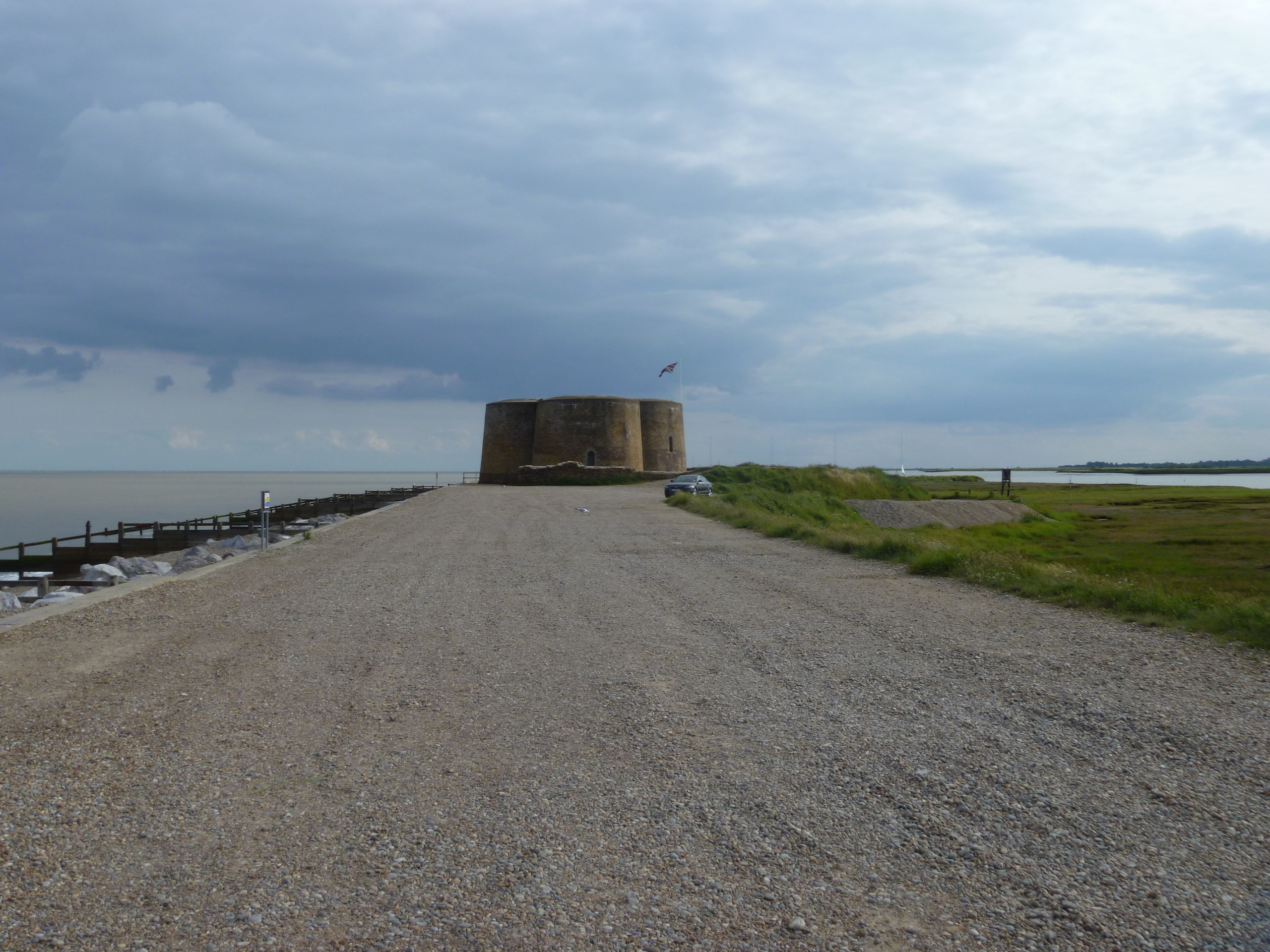
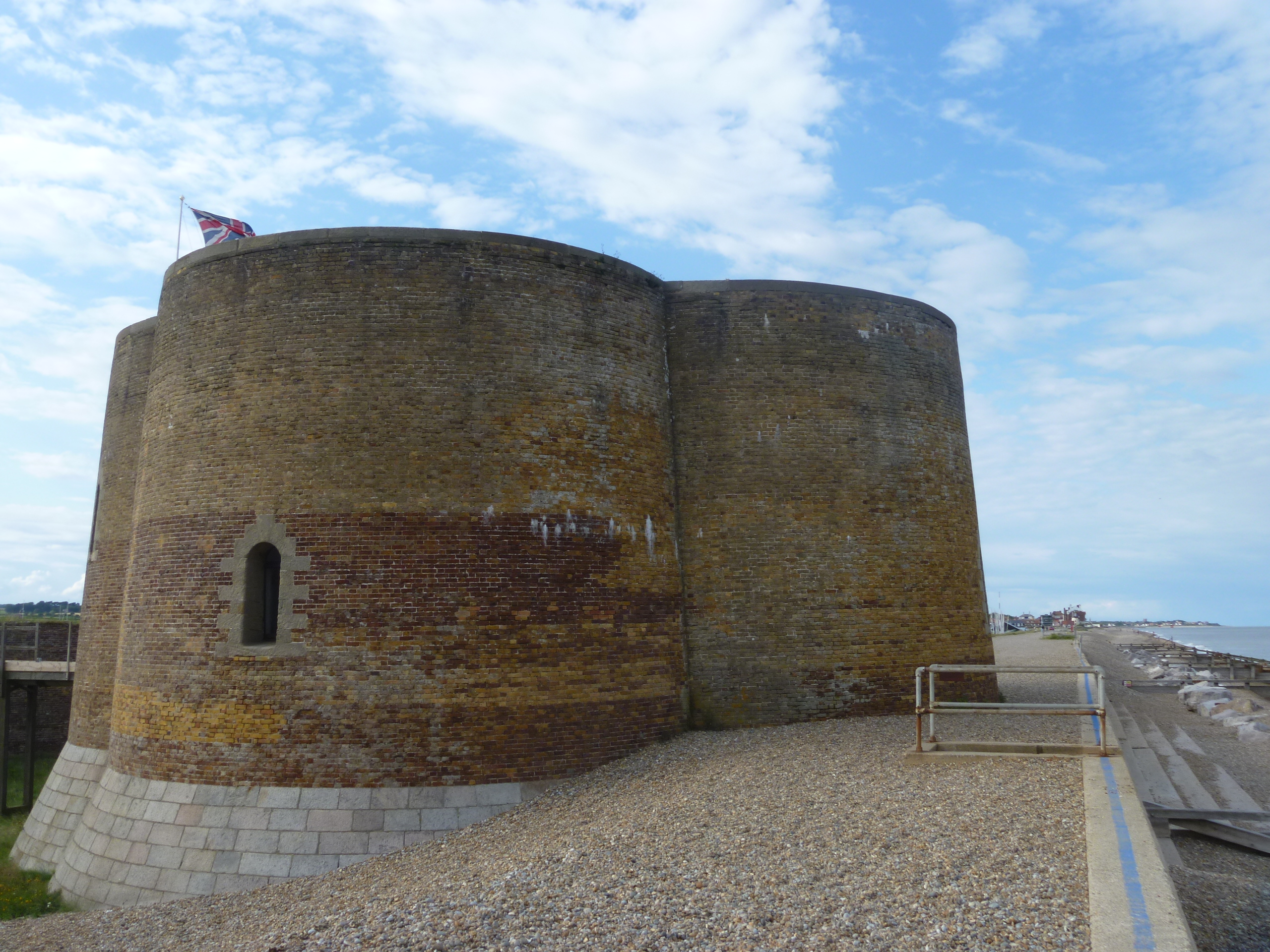
Aldeburgh has a local Landmark Trust property. It’s about a mile out of town and it’s a Martello Tower.

“This is the largest and most northerly of the chain of towers put up by the Board of Ordnance to keep out Napoleon. Built in the shape of a quatrefoil for four heavy guns, nearly a million bricks were used in its construction. It stands at the root of the Orford Ness peninsula, between the River Alde and the sea, a few hundred yards from Aldeburgh.” From The Landmark Trust website.

To me the exterior has very little appeal, the beach nearby is very stony and rocky and it’s a long old trudge from the town but I understand it’s possible to reach the roof from inside so there is somewhere outside to sit in privacy and enjoy a sea view so maybe it has something going for it after all.

A Purpose-Built Edwardian Resort

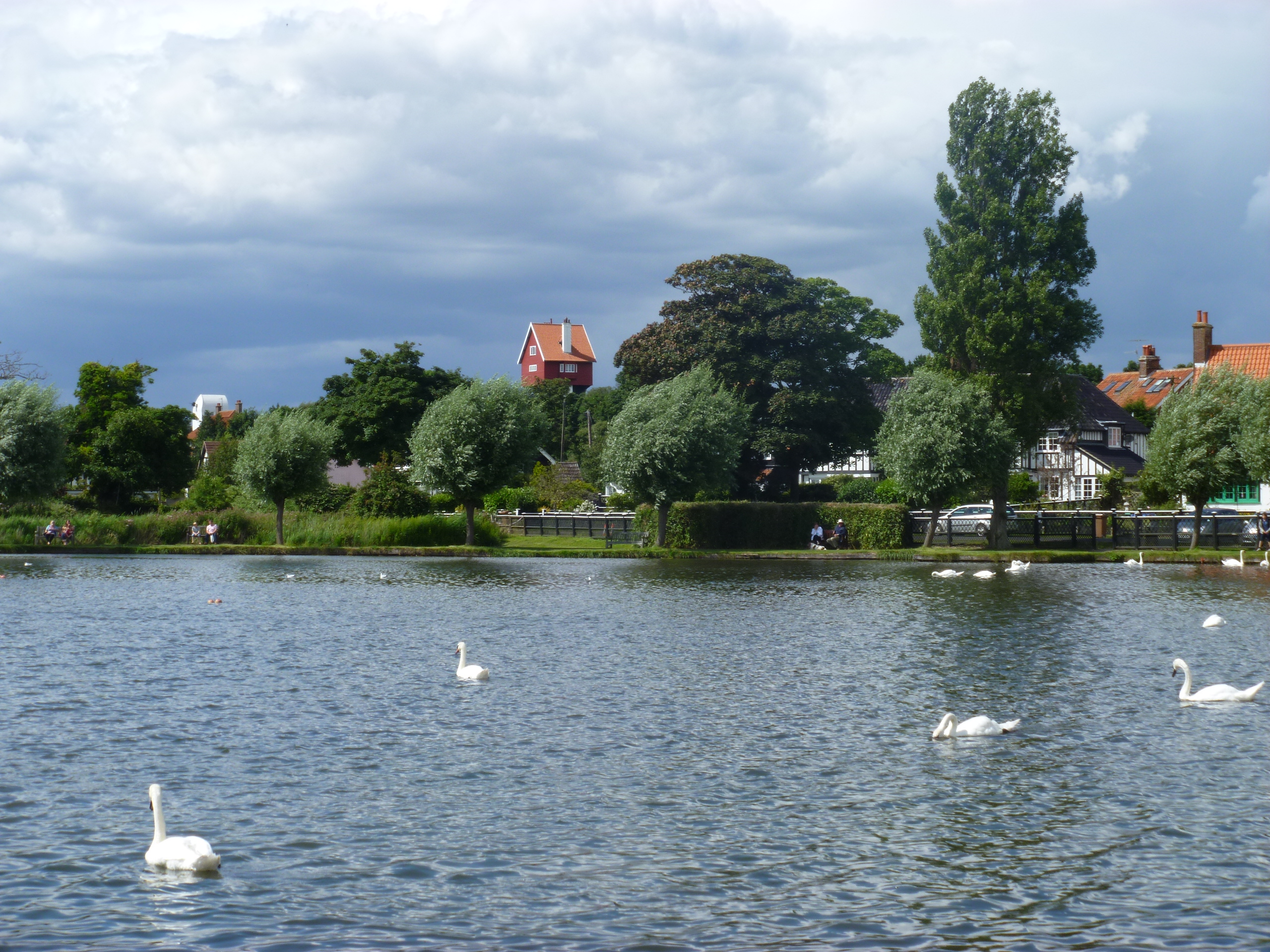
Just a couple of miles north of Aldeburgh is the quirky resort of Thorpeness. It seems to be having a revival these days.  When I visited one summer a couple of decades ago the place seemed rather quiet and run down but today children (and some adults) were enjoying rowing and sailing on The Meare and the shops and pub seemed buzzing.

Thorpeness was the brainchild of Glencairn Stuart Ogilvie the owner of nearby Sizewell Hall. He bought an area of coast and dunes and in 1910 set about establishing a purpose-built resort based on the fishing hamlet of Thorpe. He changed the name to Thorpeness. Like Aldeburgh Thorpeness also turns its back on the sea.

The Beach at Thorpeness

The main attraction for children and adults alike seems to be The Meare a manmade lake covering 64 acres with scattered islands and at no point deeper than one metre. The islands feature playhouses and characters from children’s books, in particular Peter Pan – Ogilvie was a friend of J M Barrie. The Meare opened in 1913 and many of the boats are 100 years old!

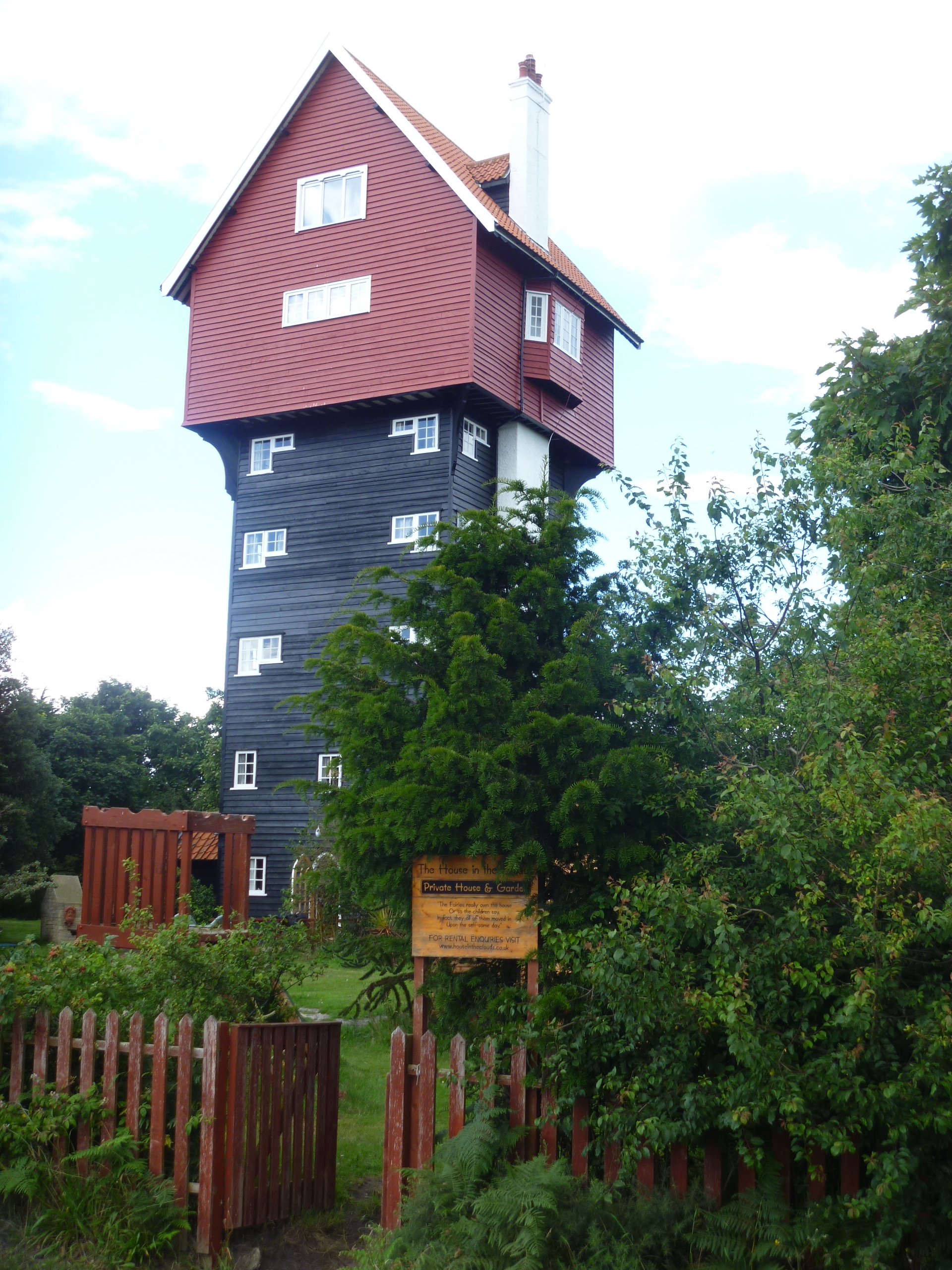
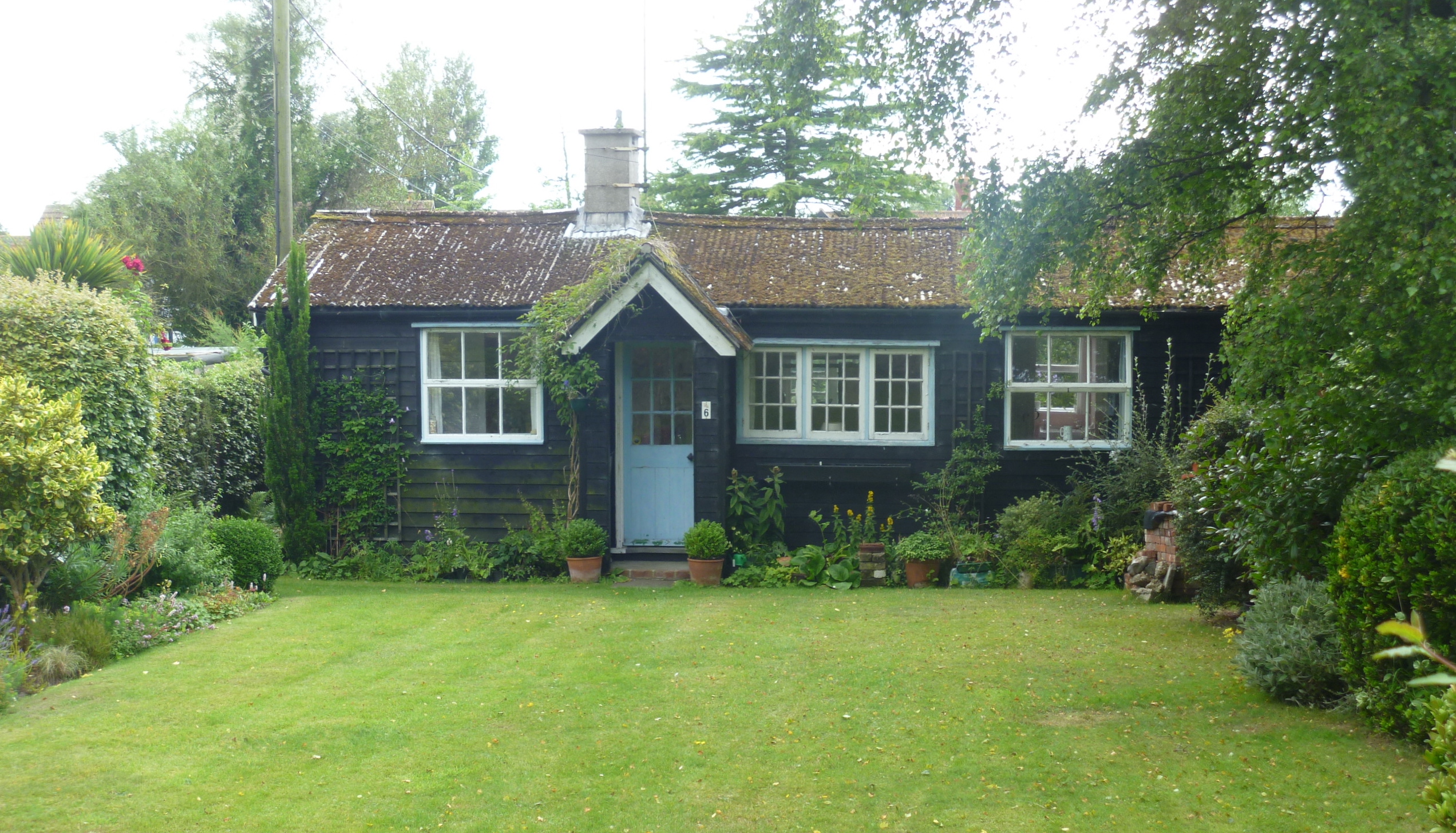
I had a leaflet outlining a trail around the village which included the Golf Club, the famous House in the Clouds, the windmill and the other eccentric and quaint seaside houses and cottages. It was good to follow the trail and see that the village was experiencing a resurgence in popularity since my last visit. Read the newspaper article that inspired me to revisit Thorpeness here.

The Former Water Tower – The House in The Clouds

A Clapperboard Holiday Bungalow – Thorpeness

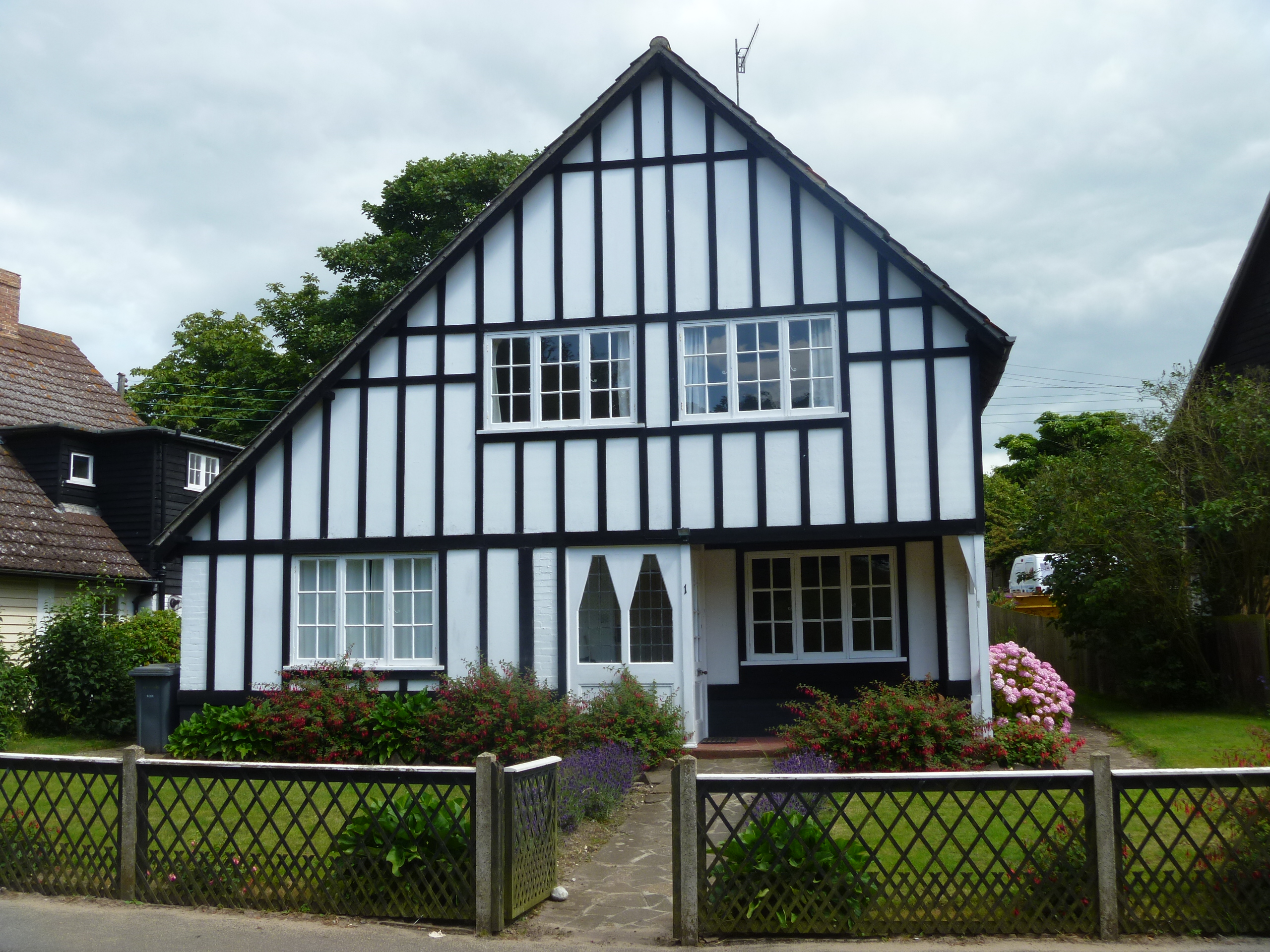
Tudor Style Holiday Home

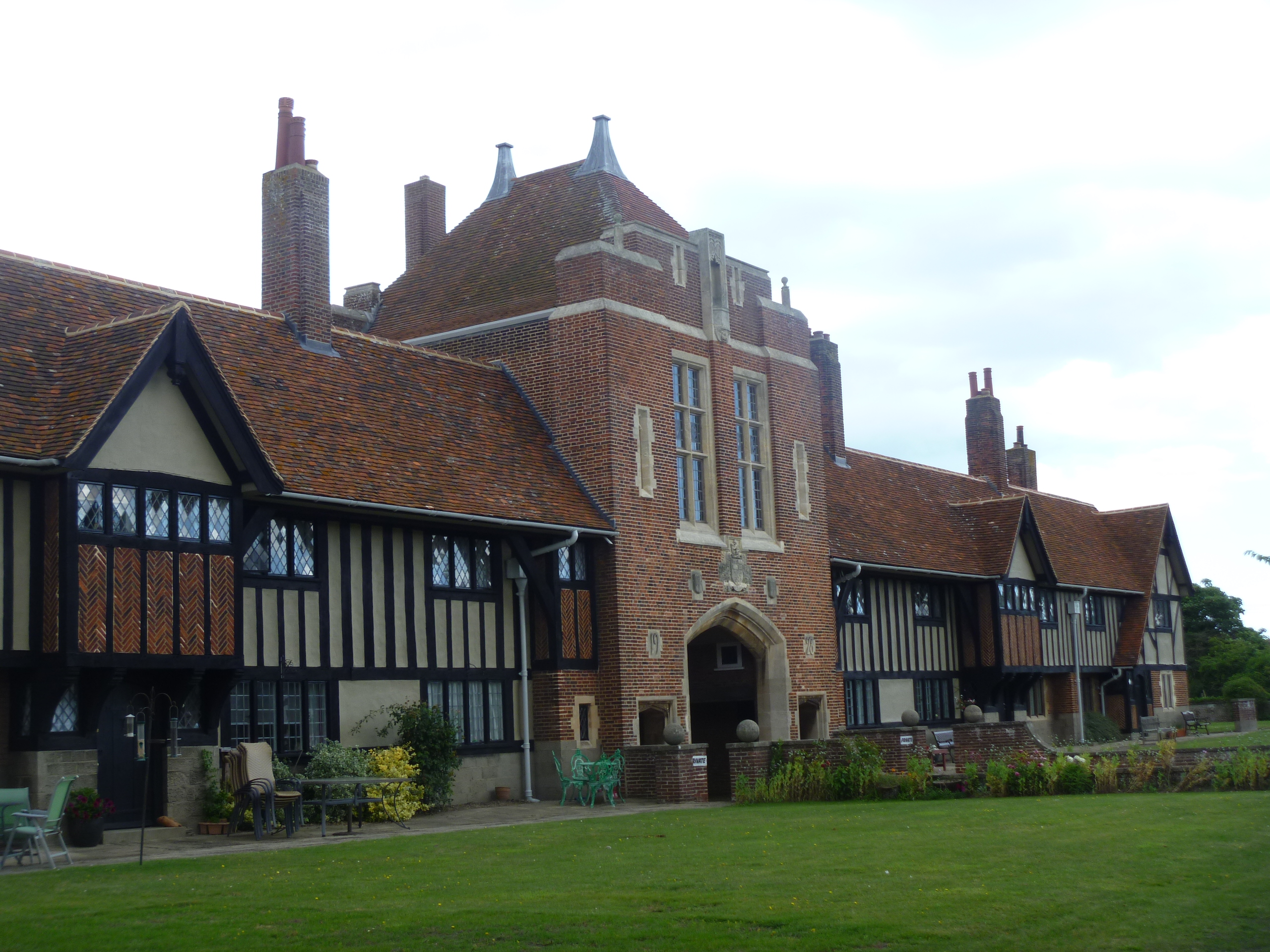
The Almshouses, Thorpeness

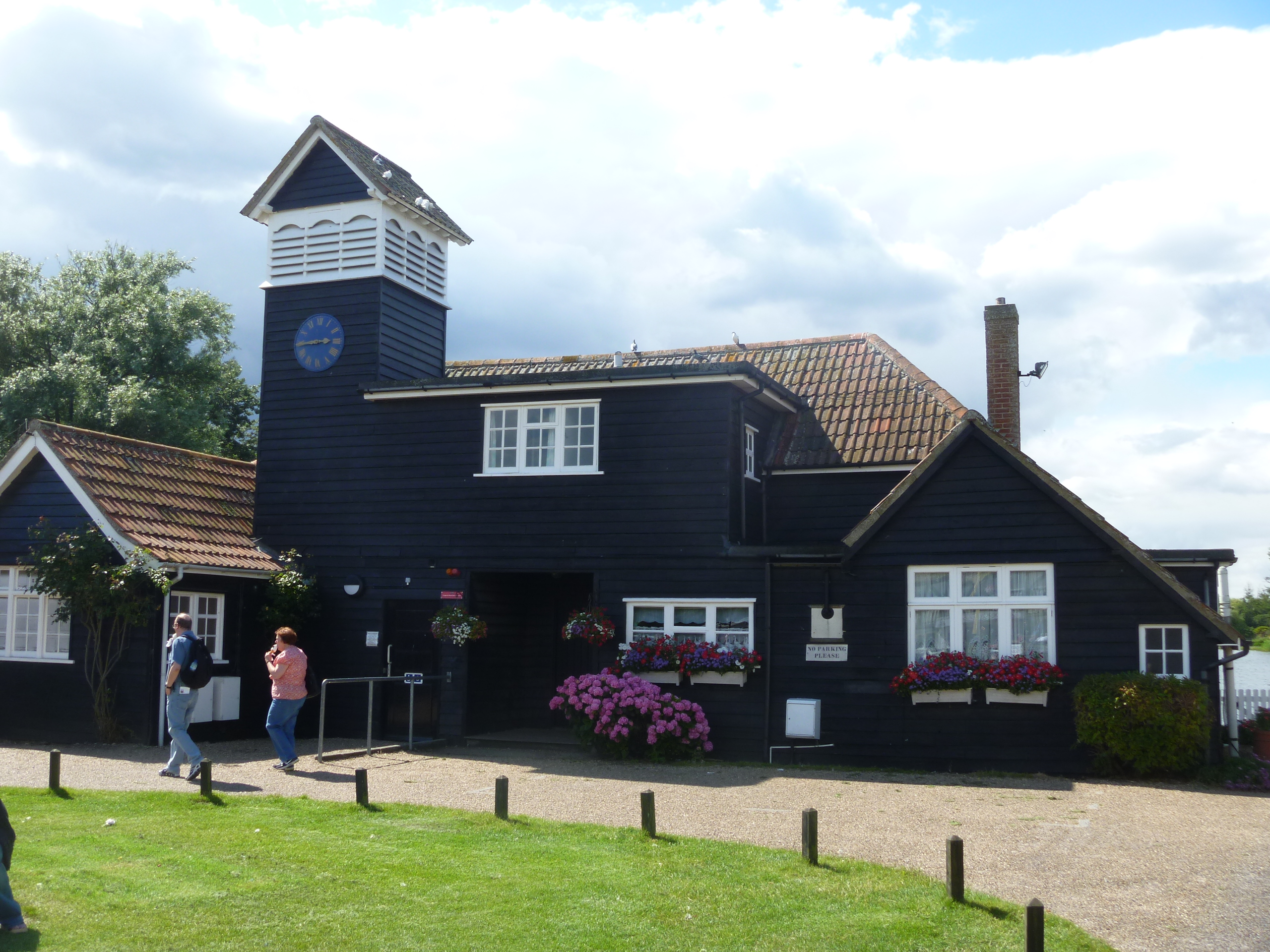
The Boat House with Clock Tower

Modern Sculptures

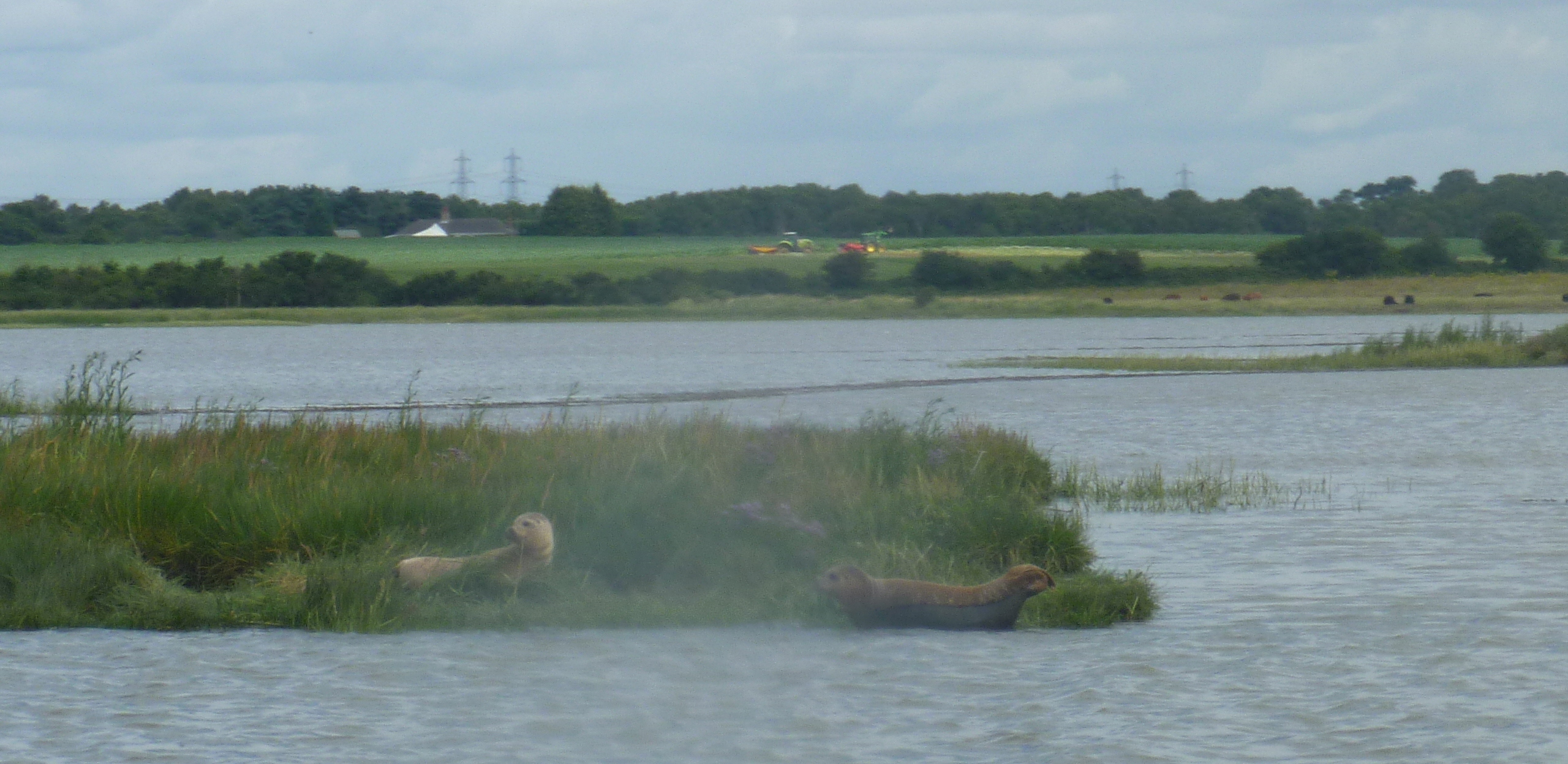
We missed many of our ports-of-call on our brief visit to the Suffolk coast this year but we did manage to get to one of our favourite places – Snape Maltings. This year we joined a River Trip on the Enchantress for a 45 minute cruise down the River Alde to Iken church and back. The highlight was seeing a family of harbour seals.

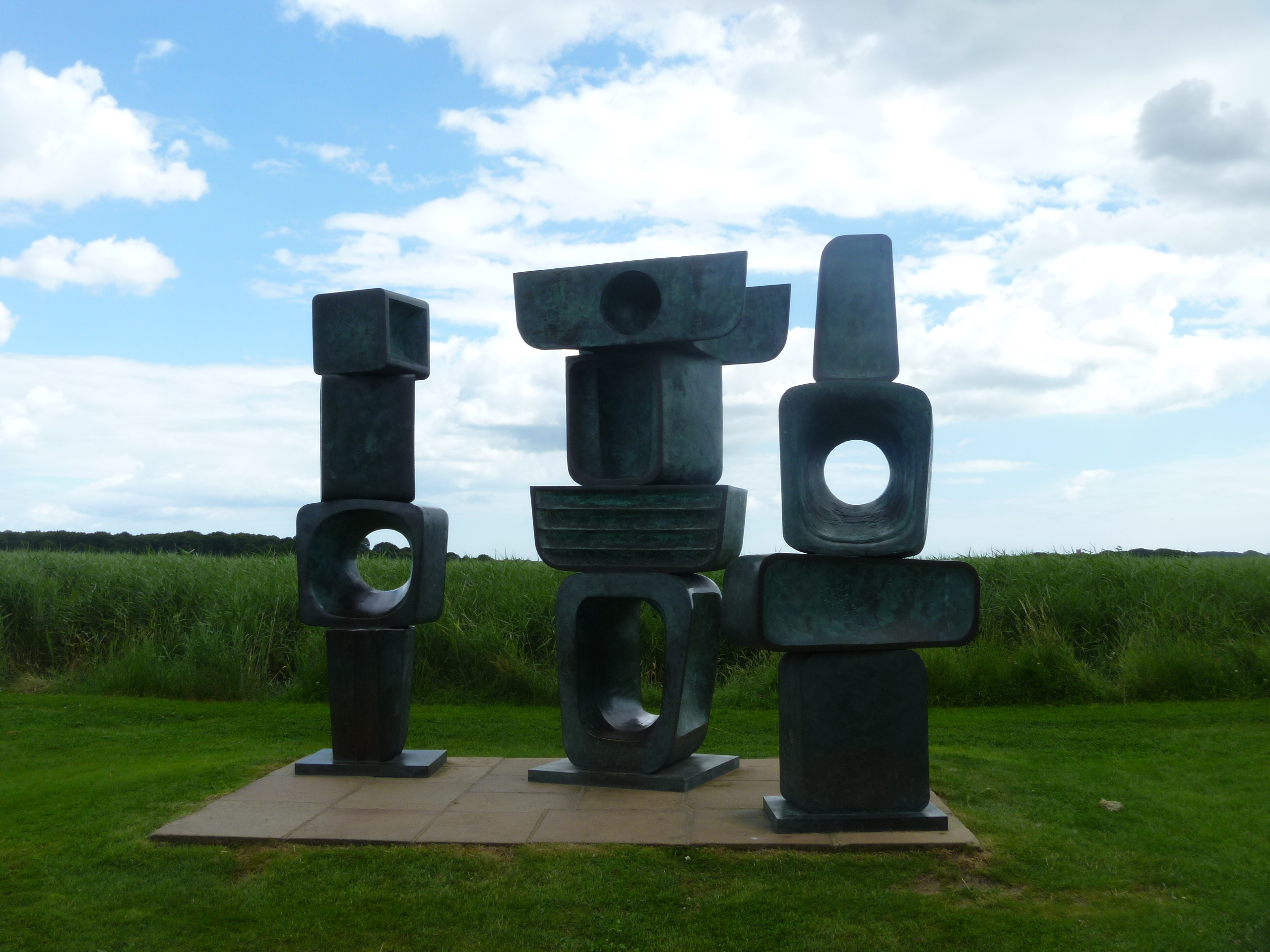
But on dry land I love to re-visit The Family of Man by Barbara Hepworth. It’s  such an evocative sculpture standing between the great concert hall of the Maltings and the acres of reed beds that so characterise this estuarine part of Suffolk.

Snape Maltings, [Barbara] Hepworth, Family of Man, 1970, group of three from the larger series, presented in memory of Benjamin Britten, wonderfully sited. The abstract – totemic appearance of the figures further suggests a non- western – timeless iconography, looking back to Hepworth’s earlier interest in Mexican sculpture and pointing to the universality of sculptural language across cultures.” ( http://www.racns.co.uk/trails/Ipswich_Southwold.pdf )

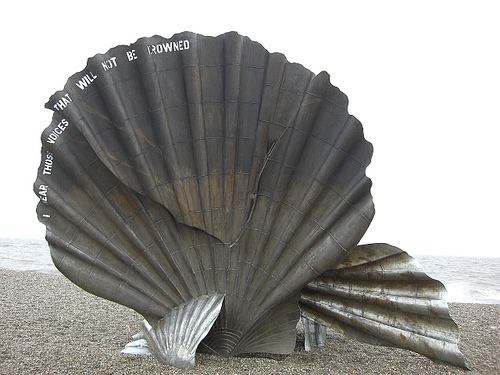
Then on the beach between Aldeburgh and Thorpeness is Maggi Hambling which I also love to revisit – but didn’t actually fit in on this visit. I was last there in February 2010.

Aldeburgh, Beach, Scallop to celebrate Benjamin Britten, Maggi Hambling, with Sam and Dennis Pegg unveiled 8 November 2003, I HEAR THOSE VOICES THAT WILL NOT BE DROWNED; fine tribute, intensely disliked by most locals.”  ( http://www.racns.co.uk/trails/Ipswich_Southwold.pdf ) How strange is that?

Strictly Agnes Strickland

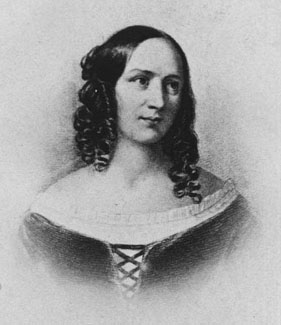
So who is Agnes Strickland? And why am I writing about her today?

You may not have heard of her but she was a very well known author in her day. Although I had heard of her for a long time I can’t remember when I first knew that she was the author of a 12 volume history entitled : Lives of the Queens of England published between 1840 and 1848. Each volume was eagerly awaited by the public at the time.  I’ve kept a 2-page article about Agnes and her family, including her 4 literary sisters, which appeared in the Sunday Supplement to the Eastern Daily Press back in April 2009. Unfortunately, I can’t find a link to this article online.

Agnes first wrote what are now called ‘improving’ stories for children and later collaborated with her sister, Elizabeth, to produce her best-known work about the Queens of England. Elizabeth did not want her name included but Agnes was happy with her celebrity fame. Later her sister Jane Strickland wrote and published Agnes’ biography.

Two of her sisters found fame in Canada as writers – Catherine Parr Traill and Susanna Moodie – Catherine’s The Backwoods of Canada (1836) became a classic as did sister Susanna’s Roughing it in the Bush (1852).  I could write more about the sisters but as I’ve called this post Strictly Agnes Strickland  I’ll stick to my subject.

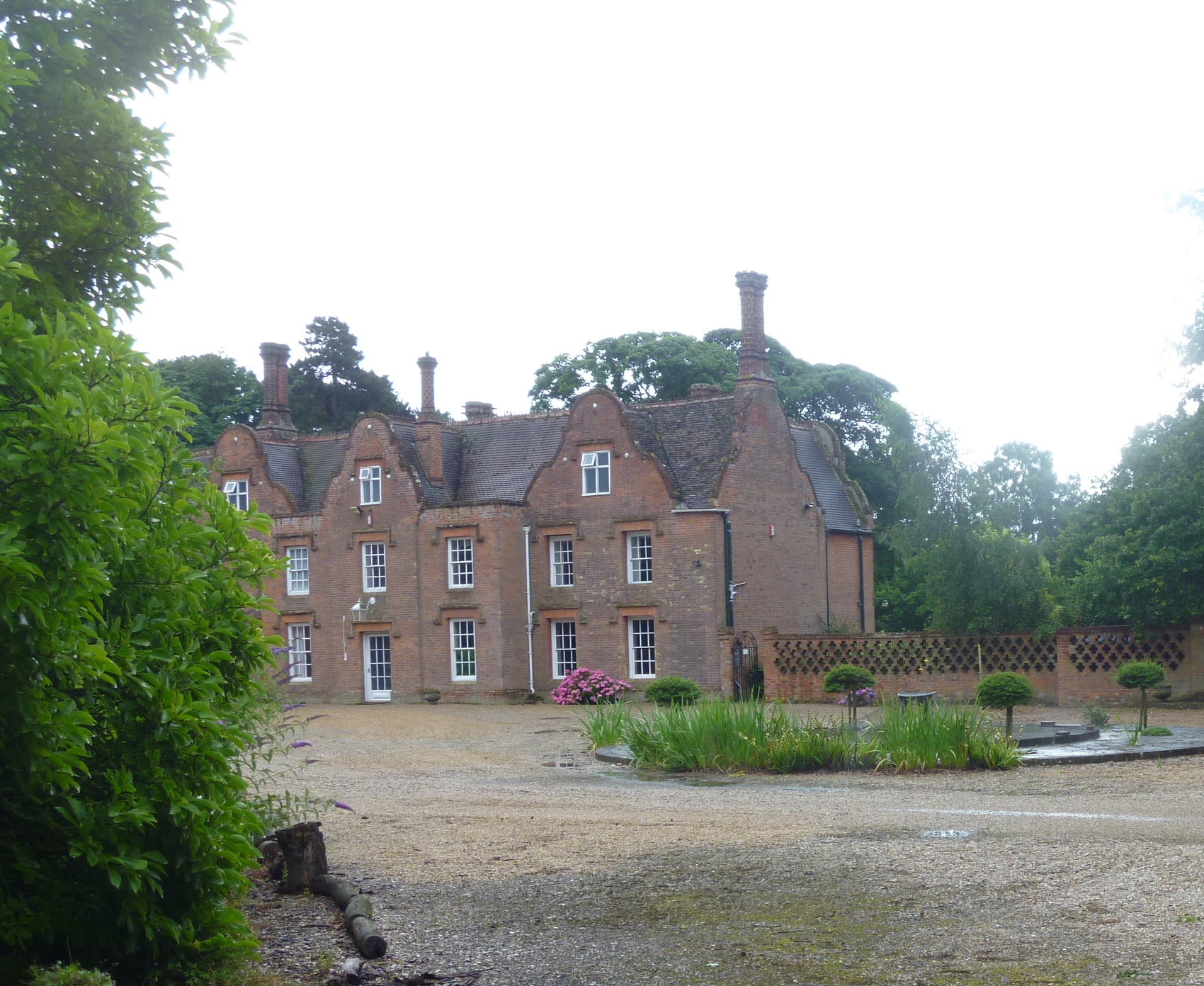
Agnes was born in London in 1796. She was the second of six sisters and two brothers. Her father had business interests in London, Norwich and the small Suffolk town of Bungay. He encouraged his daughters’ education and reading habit. The family  moved to Reydon Hall in Suffolk in 1806.

Reydon Hall

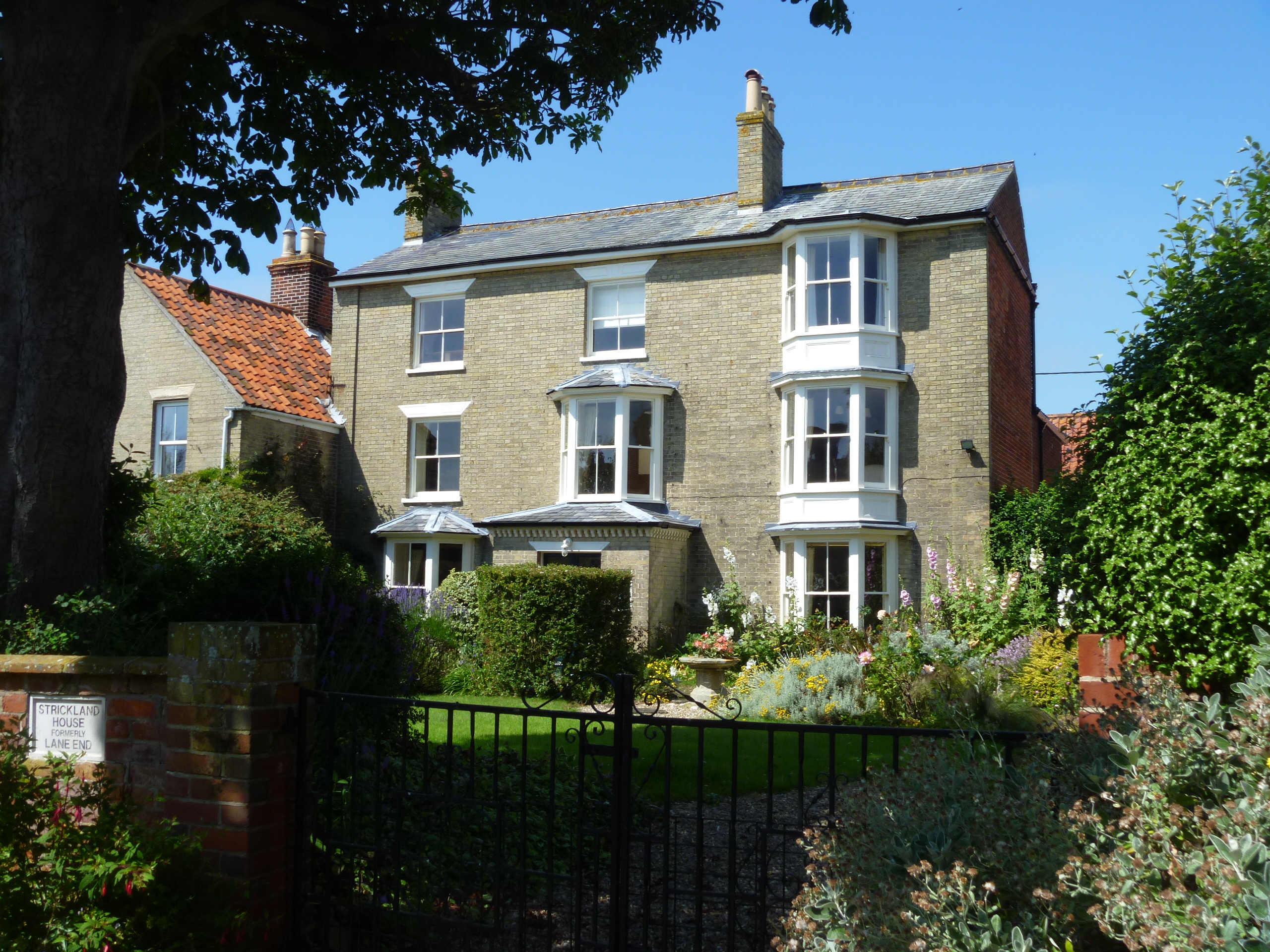
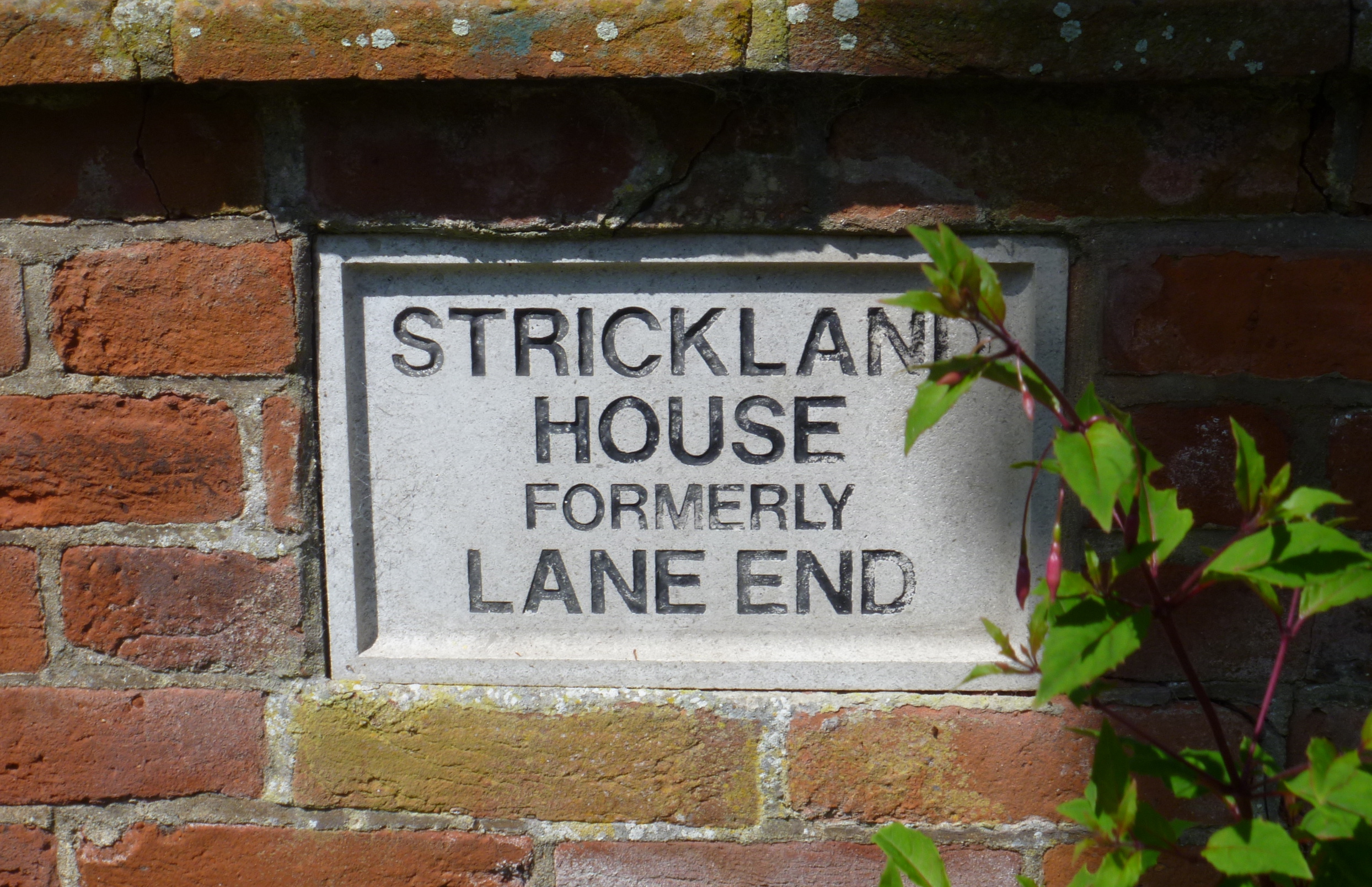
When her father, Thomas Strickland, died in 1818 he had lost most of his fortune from acting as guarantor to a firm that failed. The family stayed at Reydon Hall and the daughters set about earning their livings. In 1832 the two younger daughters sailed from Southwold via Greenock to Quebec with their husbands to start new lives in Canada. When Mrs Strickland died in 1864 the family home was sold and after travelling around with various addresses Agnes decided to settle in Southwold in Park Lane in the house that is now called Strickland House.

She died there in 1874 and is buried in the churchyard of St Edmund’s parish church.

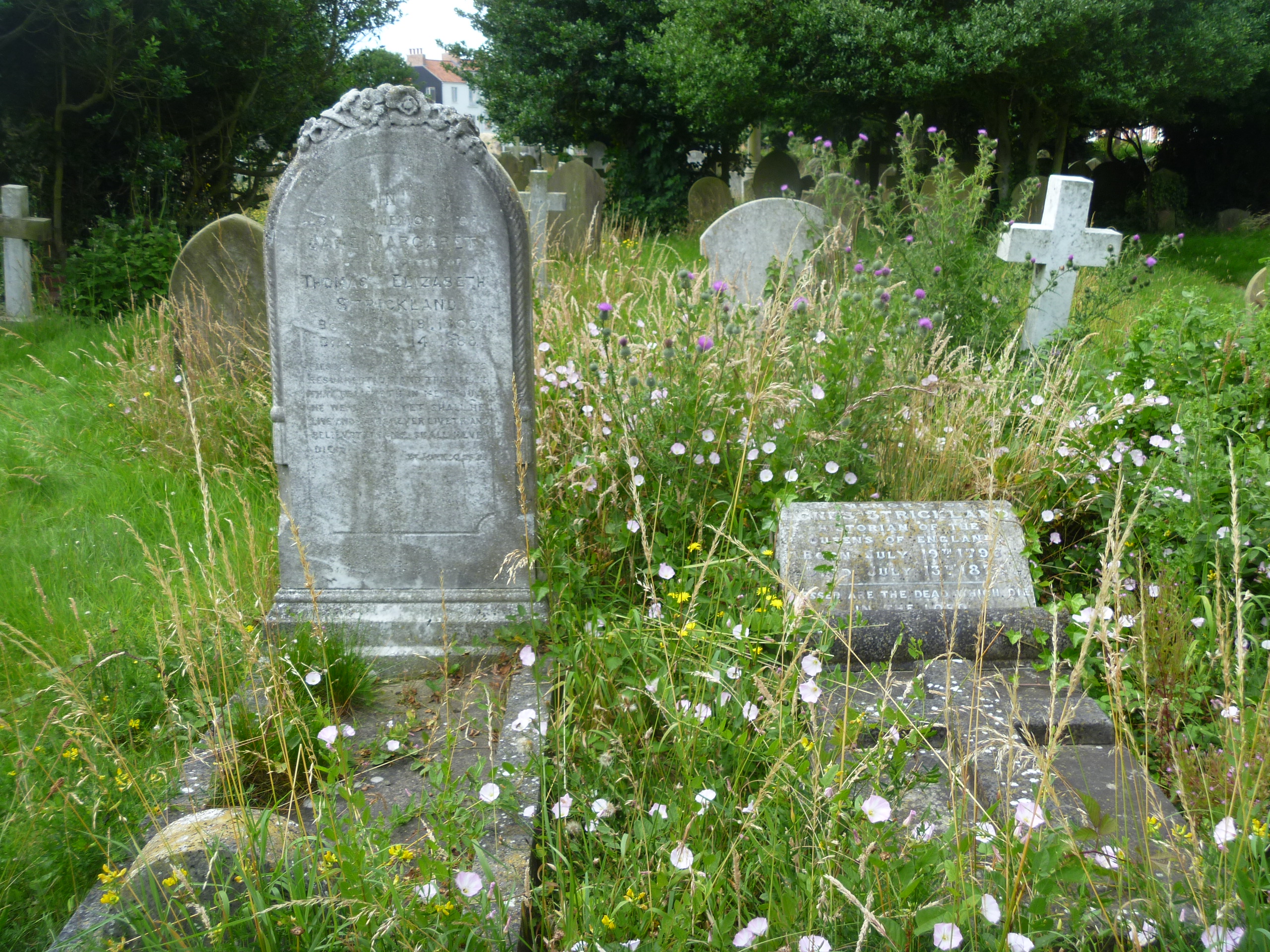
Jane Margaret, Thomas and Elizabeth Strickland tomb beside Agnes Strickland’s.

Agnes and Elizabeth carried out much of their historical research at the British Museum. The 12 volume Lives details the stories of 38 queens – from Matilda of Flanders, the wife of William the Conqueror, to Queen Anne. They also wrote a Lives of the Queens of Scotland and other histories.

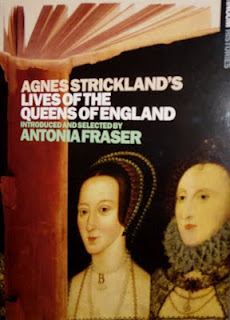
“Agnes Strickland’s Lives of the Queens of England (1840-8) marked a new era in the writing of English history by women. ‘Facts not opinions’ was the watchword of these historical biographies, which were based on pioneering manuscript research.” (Publisher)

Last year I read the single volume selected and edited by Antonia Fraser. My friend Lyn has written a much better review than I could ever hope to do – especially as it’s some time since I read it.

Today – The Feast of Saint James

On my journey between Leeds and Norwich today I was held up in traffic for well over an hour near Kings Lynn due to the Sandringham Flower Festival and the presence there of Prince Charles and the Duchess of Cornwall. They had the good sense to avoid the crowds and arrive by helicopter.

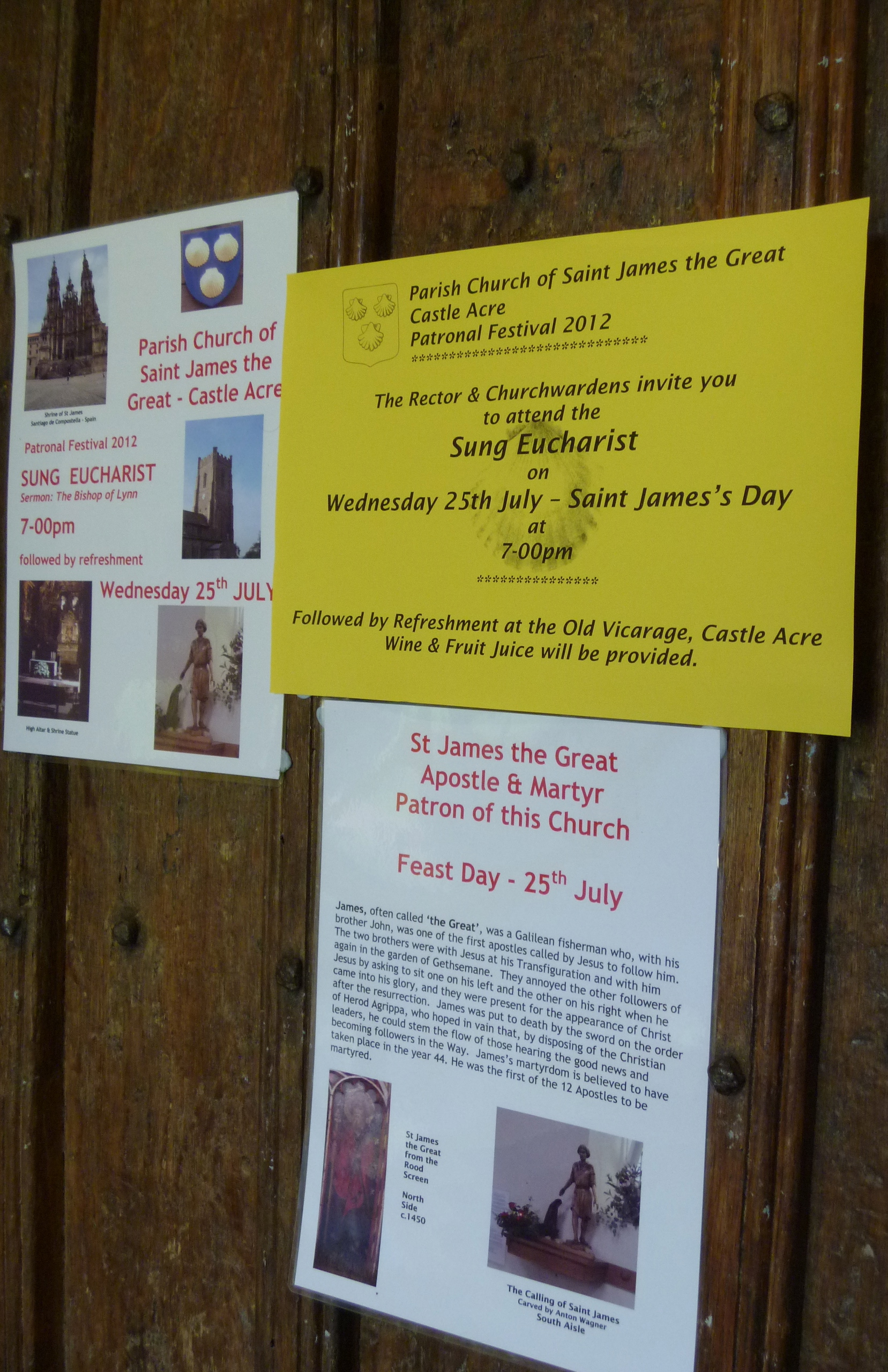
The Church of Saint James the Great, Castle Acre, Norfolk

I’d planned to break my journey with lunch at the Churchgate Tea Rooms in Castle Acre and then pay a visit to the Cluniac Priory and, if time permitted, to the Castle. Instead I just had my lunch and took a look around the church.

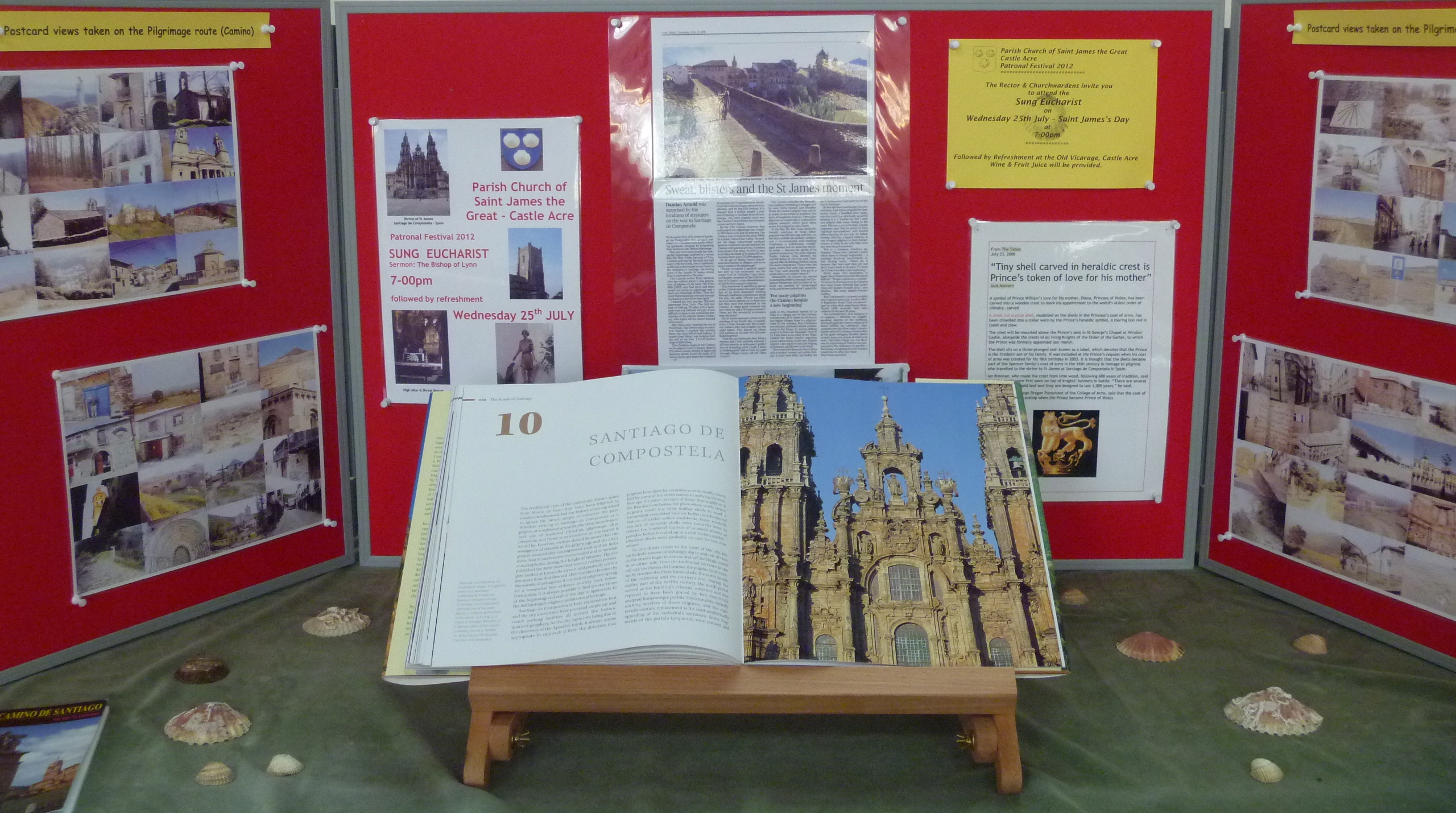
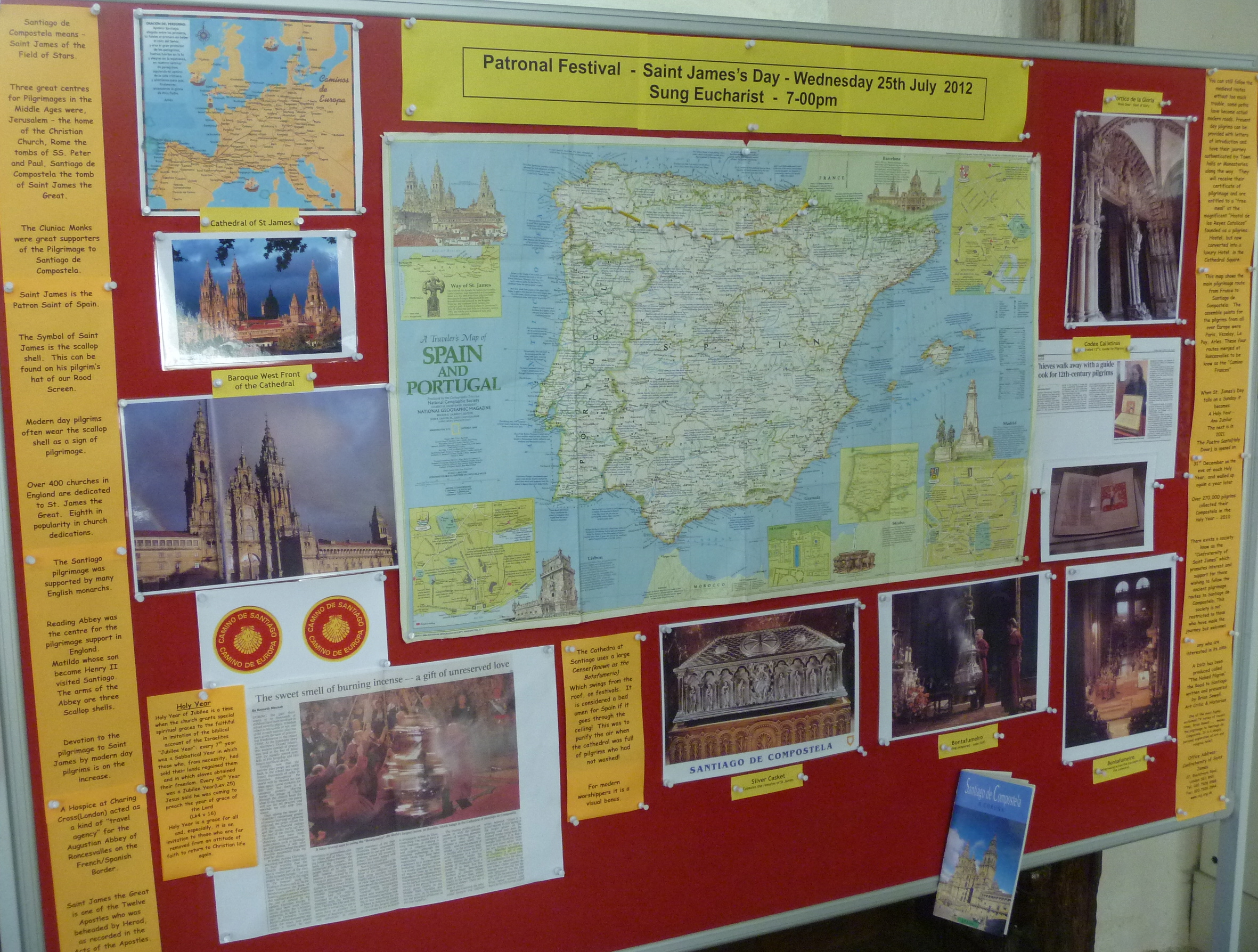
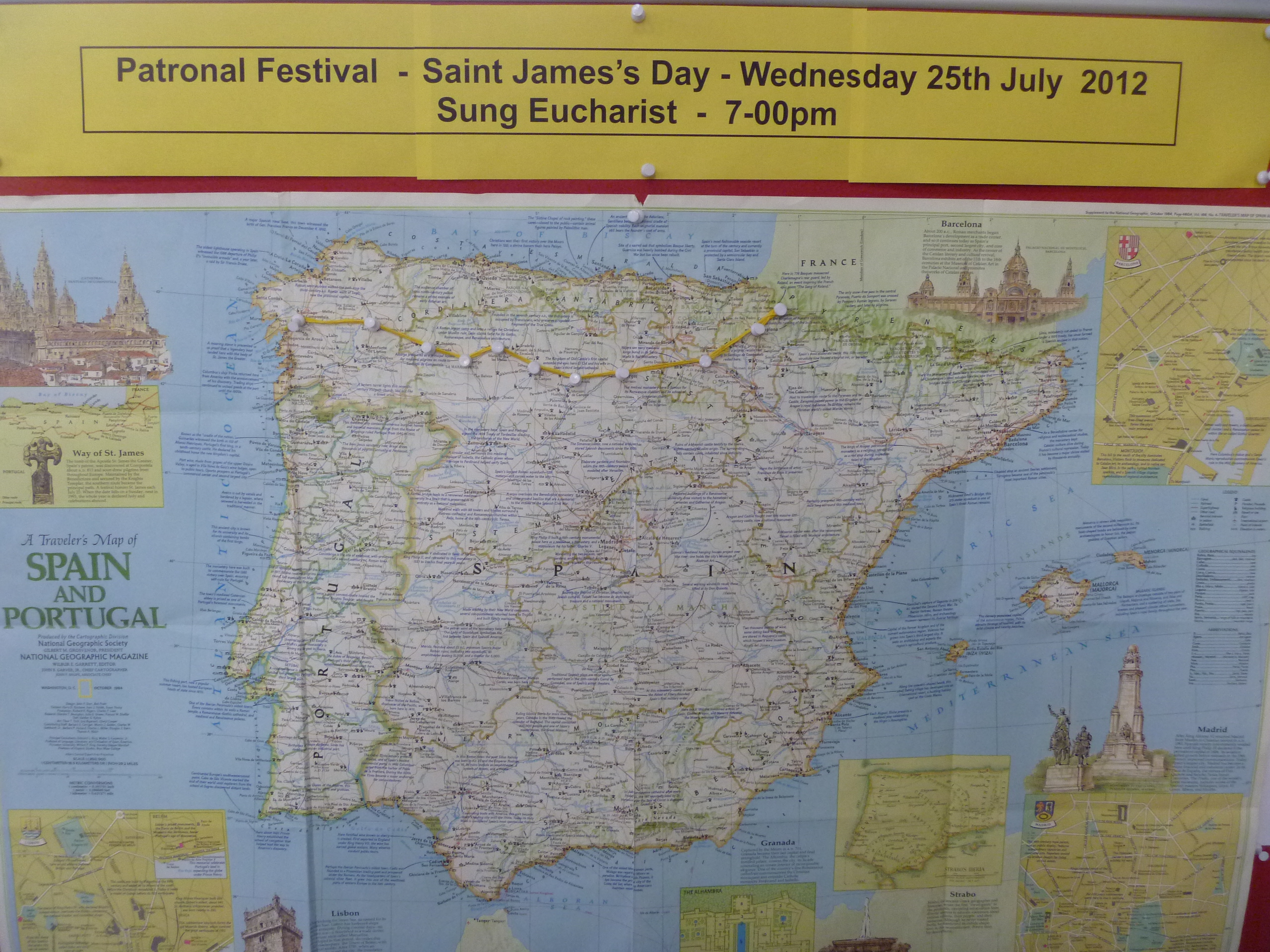
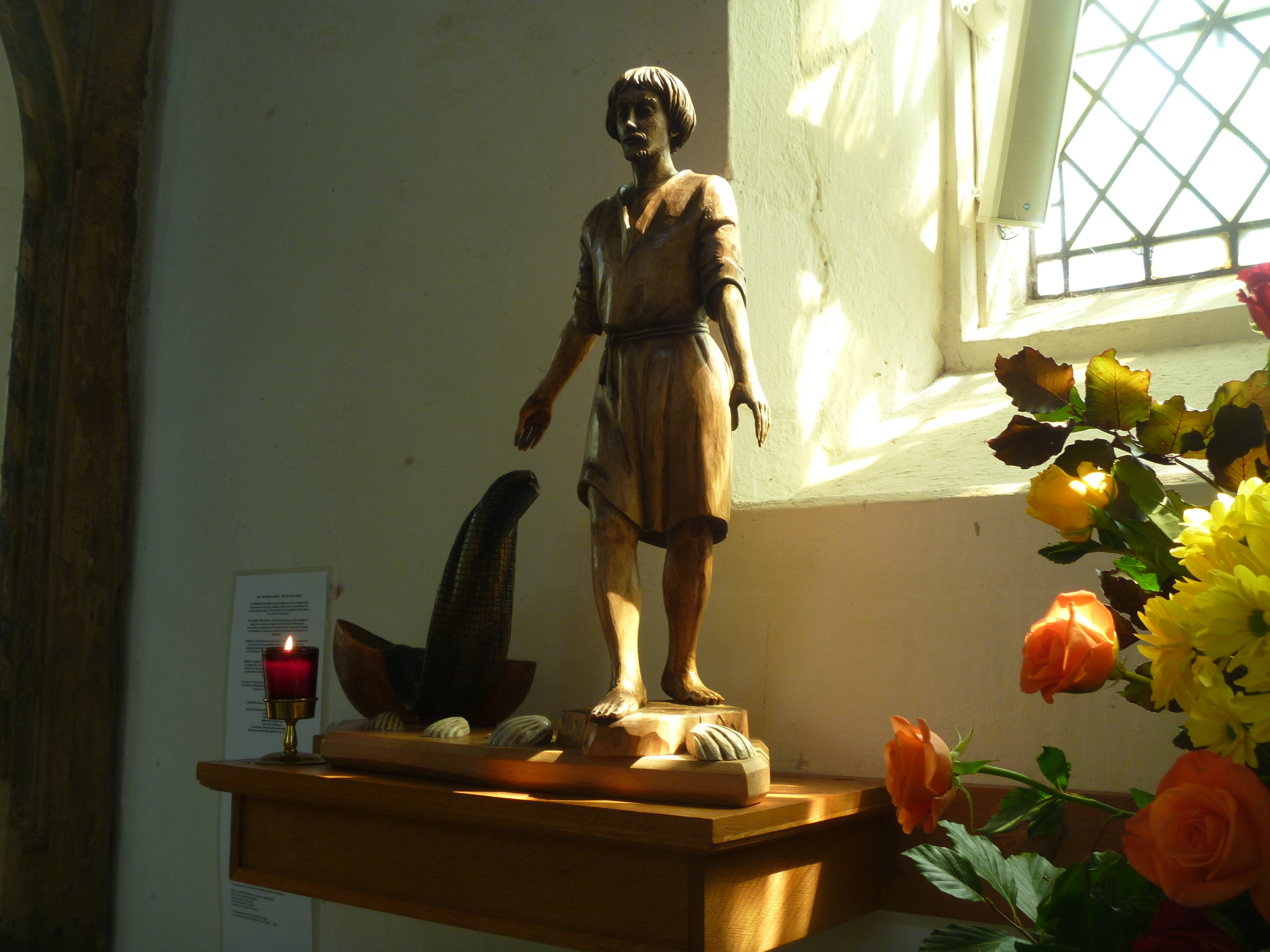
Bless me, if today isn’t the patronal feast of Saint James and there in the church (being prepared for this evening’s Sung Eucharist in the presence of the Bishop of Lynn) were displays relating to The Camino de Santiago de Compostela or The Way of Saint James.

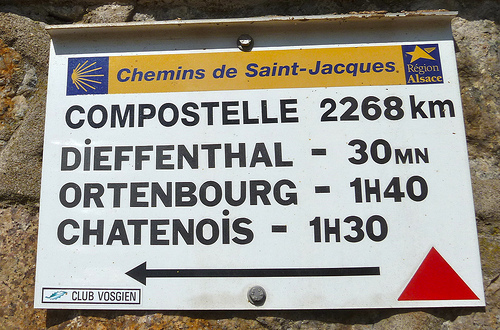
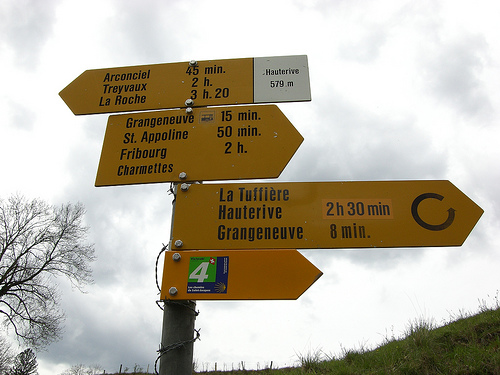
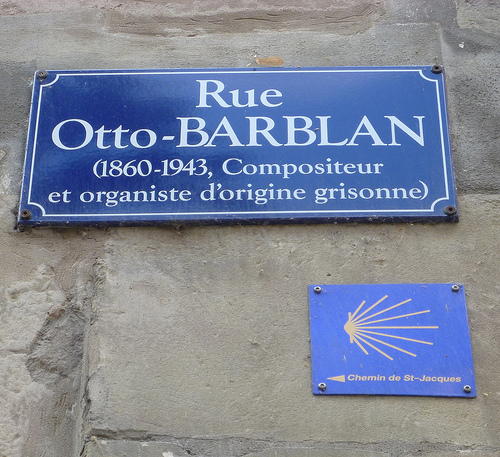
I have come across this path, or perhaps I should say these paths, many, many miles away from their single destination – Santiago de Compostela in Spain – in Alsace , in Geneva and in Hautrive in the Jura region of Switzerland.

In Alsace last month

In the Jura Region in 2008

In Geneva earlier this month

And on my latest walk in the Yorkshire Dales last week a fellow member of The Weekday Wanderers who had just returned from a three week cycling pilgrimage beginning in southwest France was telling me all about this fantastic experience.

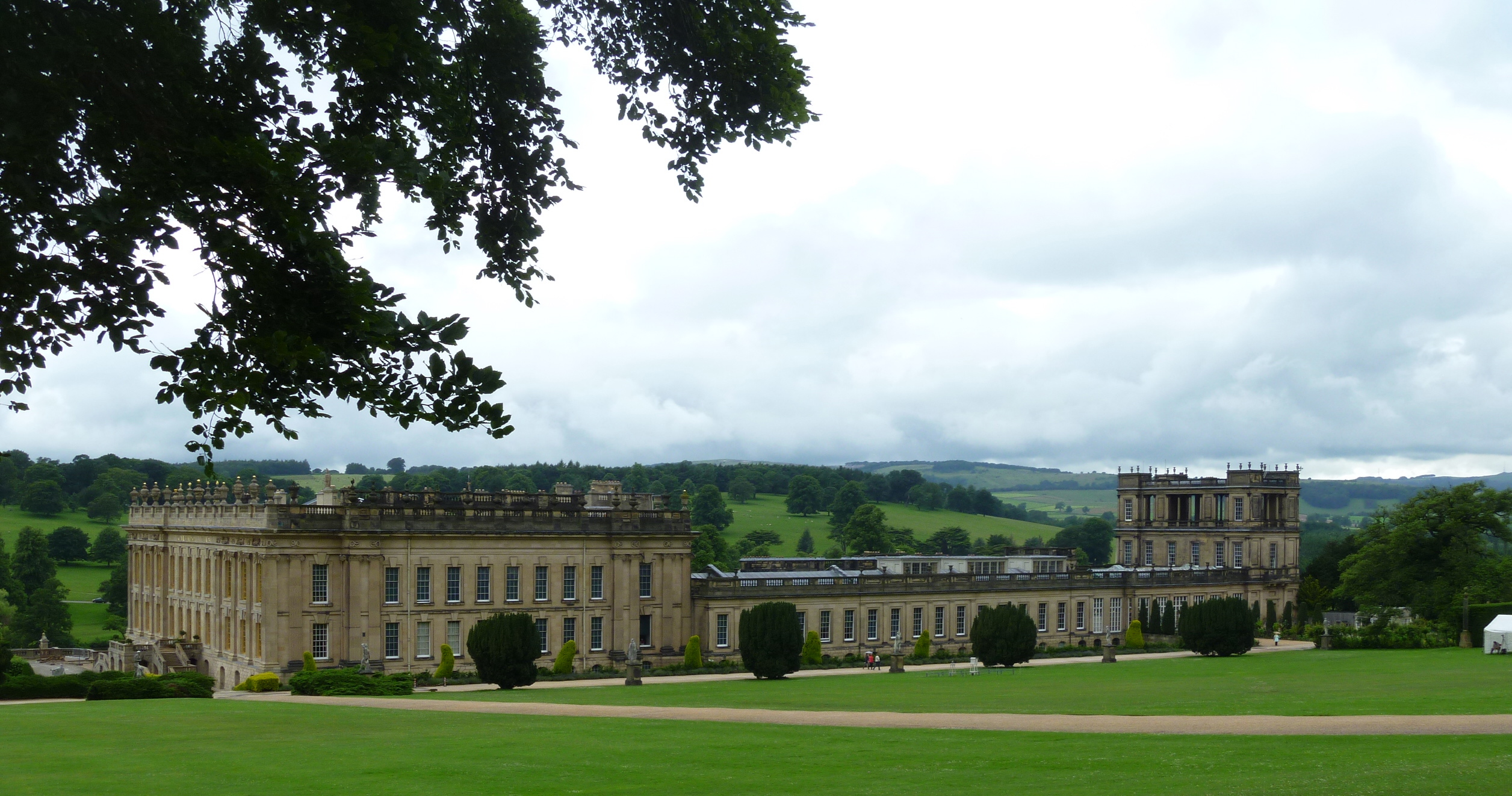
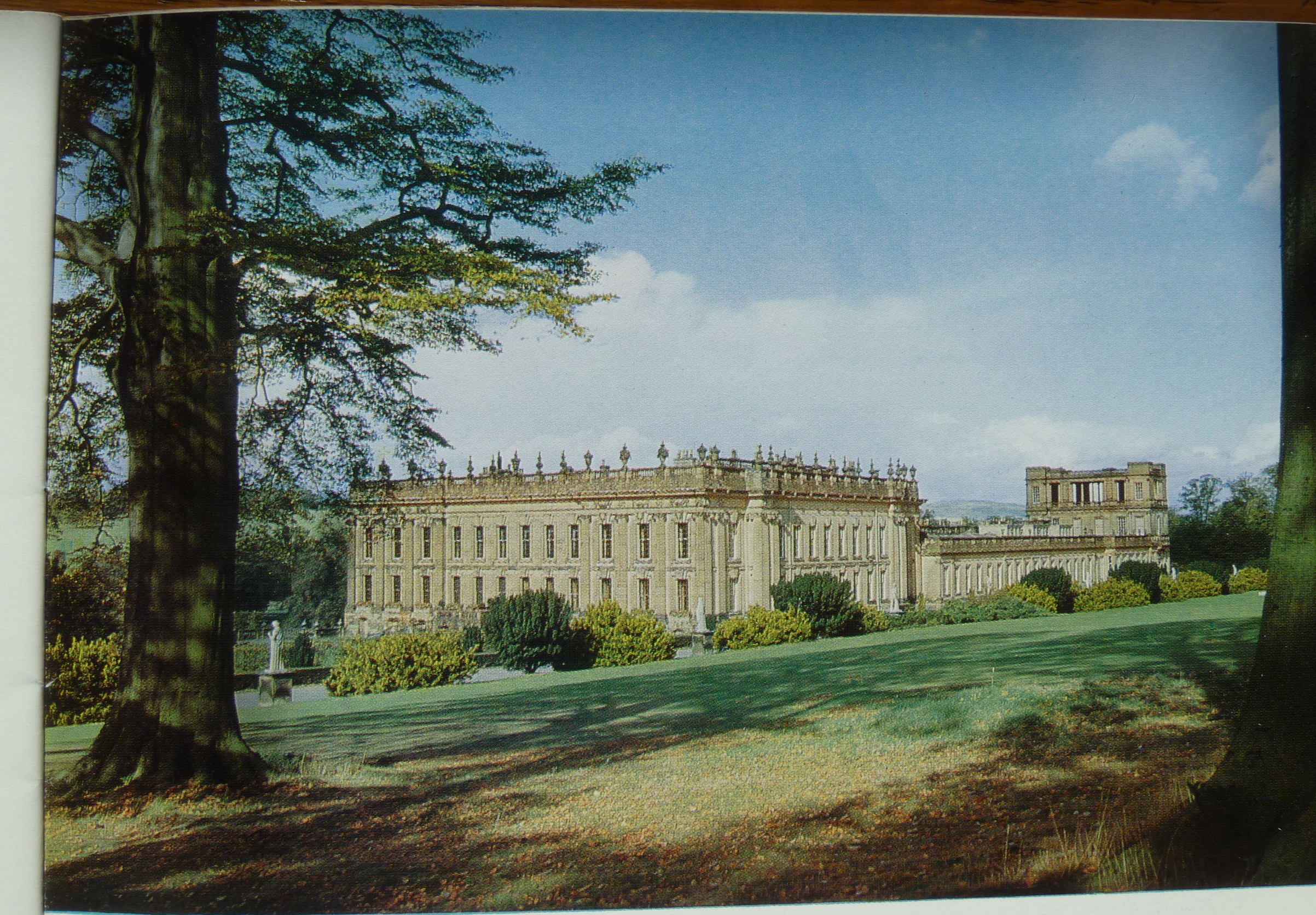
Spot the Difference : Chatsworth

I love to visit Chatsworth! So much to see and do. Lots of art and lots of history. Famous people. Gardens and country house. Plus, you may take photos everywhere. Inside and outside there’s so much variety. It’s hard to decide just where to start.

The South and East Fronts today

The South and East fronts from my 1970s Guidebook

The best thing about my recent visit was meeting up with the online book discussion group friends. Hopefully we have now established a tradition of having a  summer outing in the country alongside our winter/Christmas ‘party’ in town. The weather on the 10th July turned out to be abominable – weather alerts, floods, torrential rain – but we all managed to get to Chatsworth, eventually, although instead of a jolly picnic on the grass we had a delicious hot meal in the Carriage House Cafe. Now and again the rain stopped and we ventured into the gardens but we did spend quite some time in the house and made three visits to the Cafe.

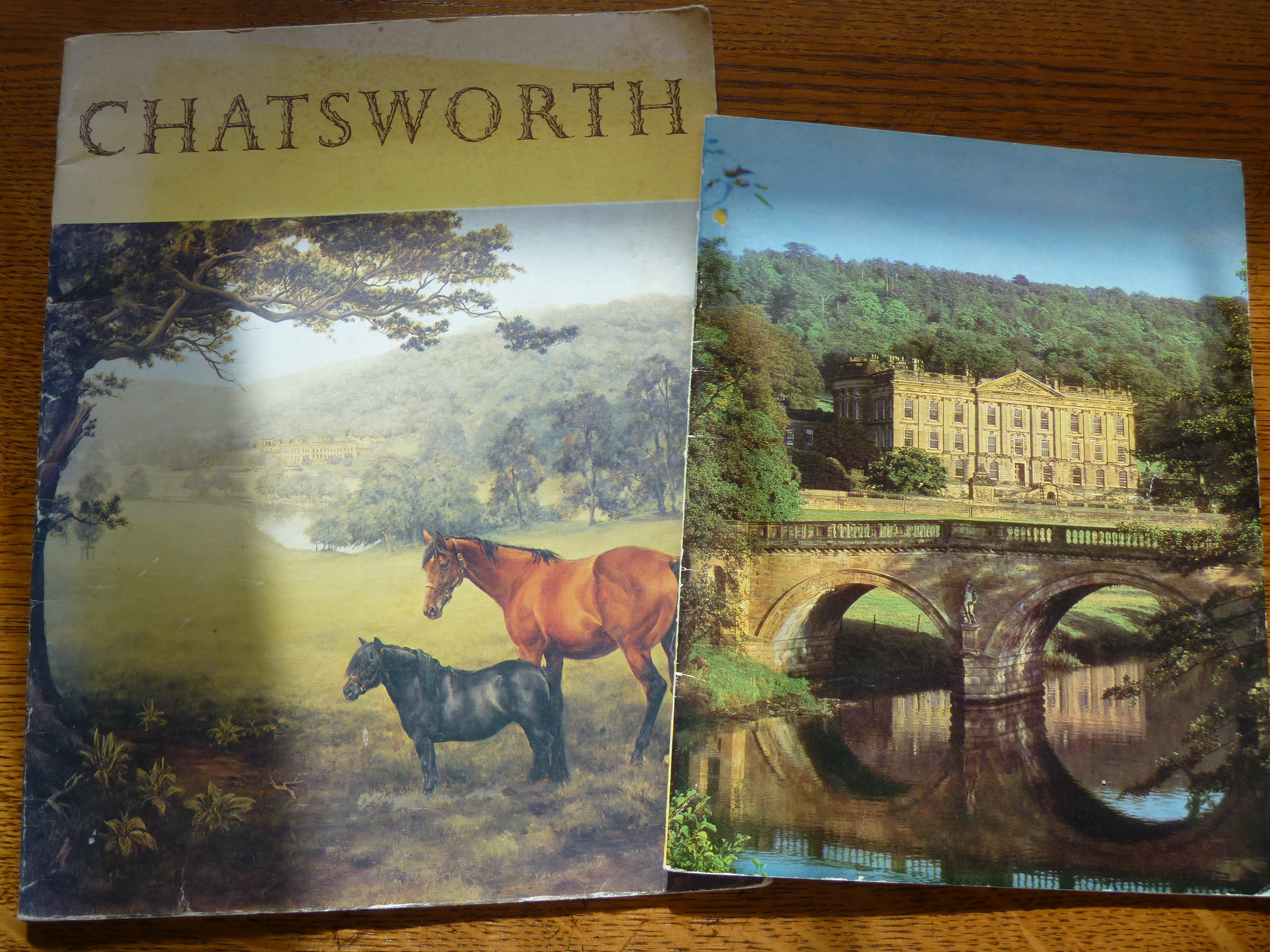
During the 1950s, ’60s and early ’70s my granny and grandad used to visit stately homes travelling from Norwich at first by motorbike and sidecar and in later years in my uncle’s Austin A35. They travelled very long distances but always within the day as they never stayed away from home overnight. I now have the collection of guidebooks which they bought at the time and I have two for Chatsworth.

It’s interesting to look through my old guidebooks – most of which  were published by Pitkin (but not the above Chatsworth guides)- comparing the houses as they were then and as they are when I visit. So I’ve made this the theme of my Chatsworth post today.

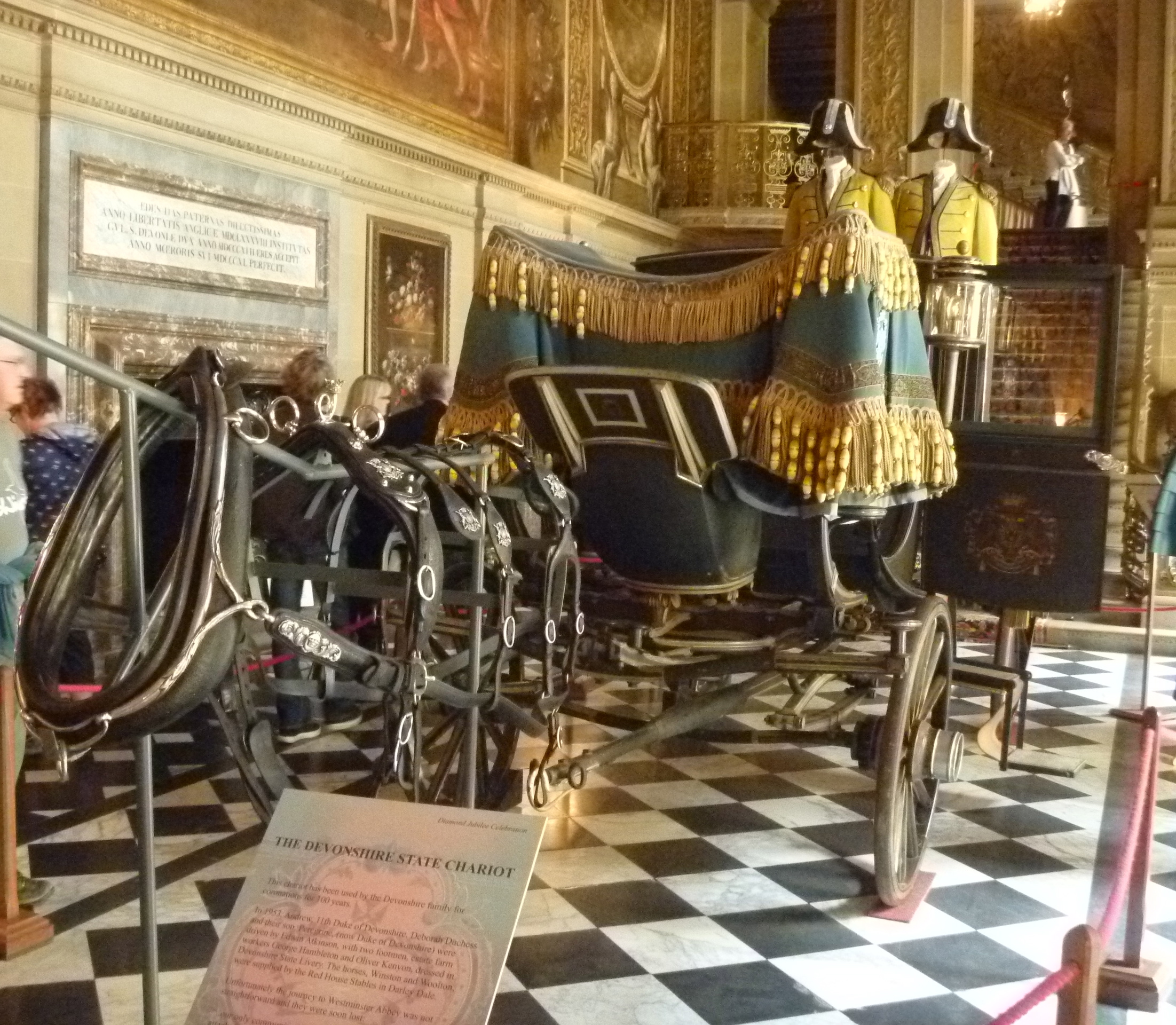
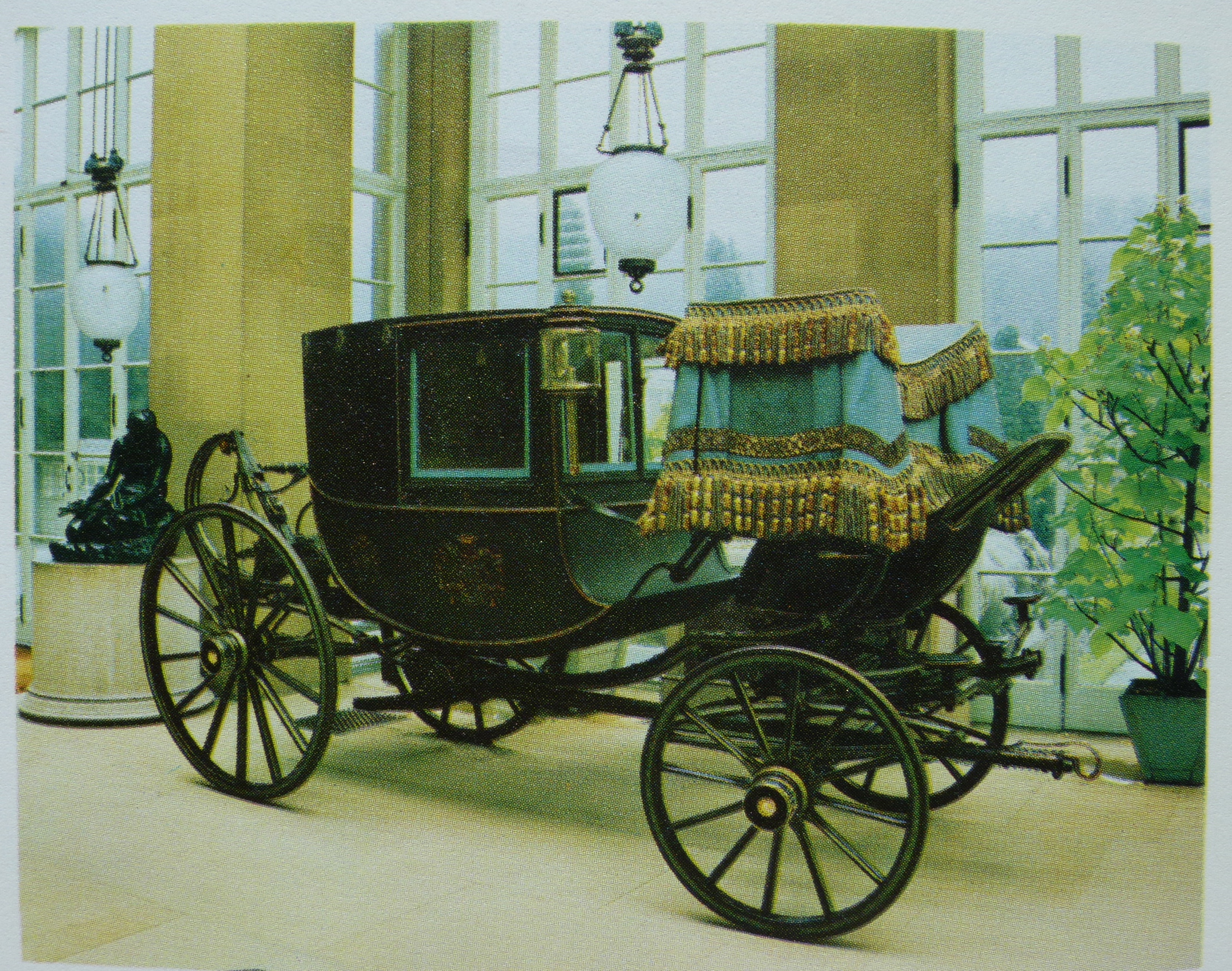
A couple of times during today’s tour of the house you pass through the Painted Hall. This year, with it being the Queen’s Diamond Jubilee Year, the Devonshire state chariot, used by the 11th Duke to attend the Coronation, is on display in there. I loved reading the little anecdote about the party getting lost on their way to attend the coronation in 1953.

The Painted Hall in 2012 with State Chariot on display

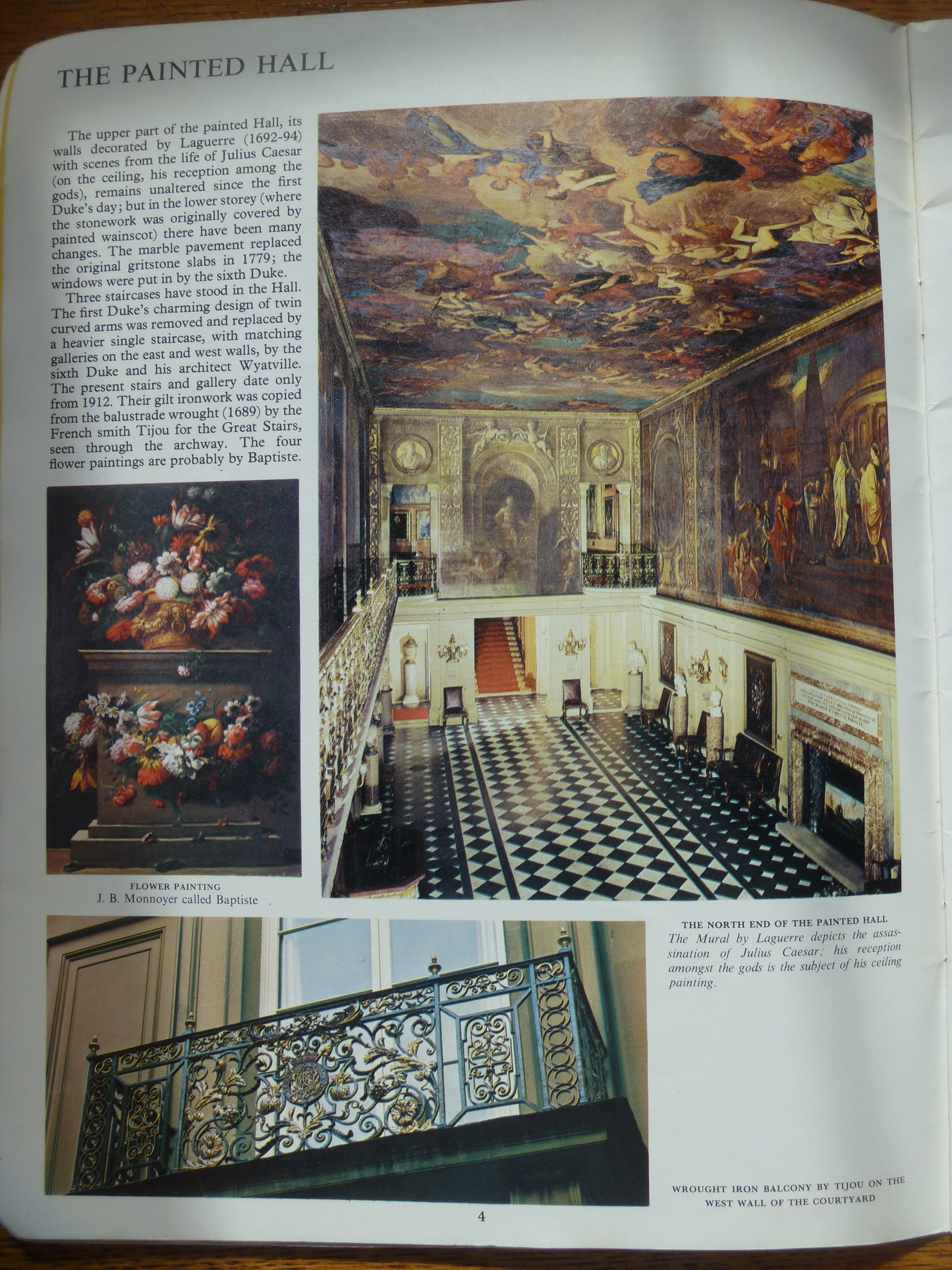
The Painted Hall and Tijou Balcony, 1970s

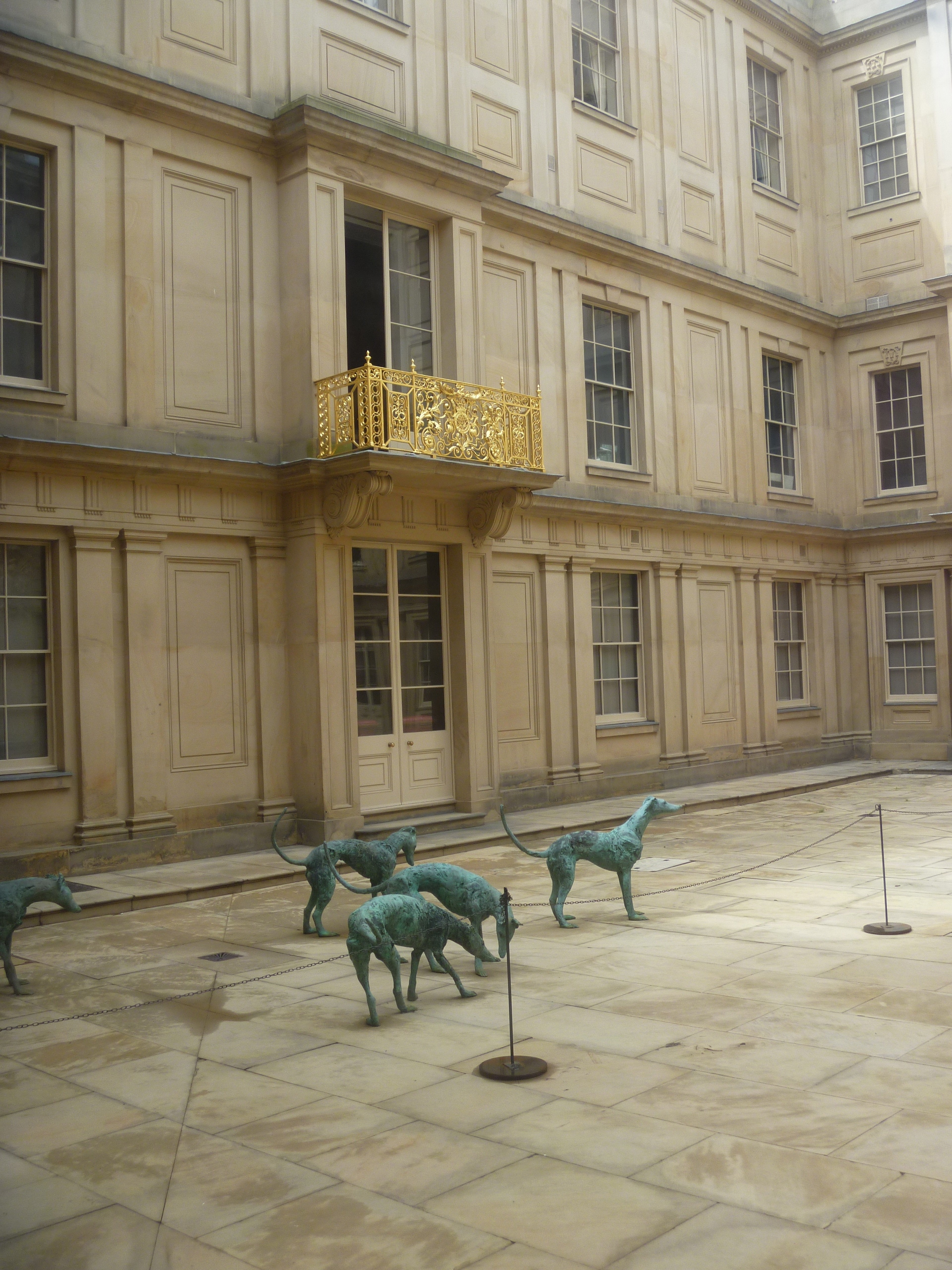
The Tijou Balcony today

From the Painted Hall and nearby corridor you can see out into an inner courtyard and the Tijou-designed balcony which would have been sparkling in the sunshine – had there been any!

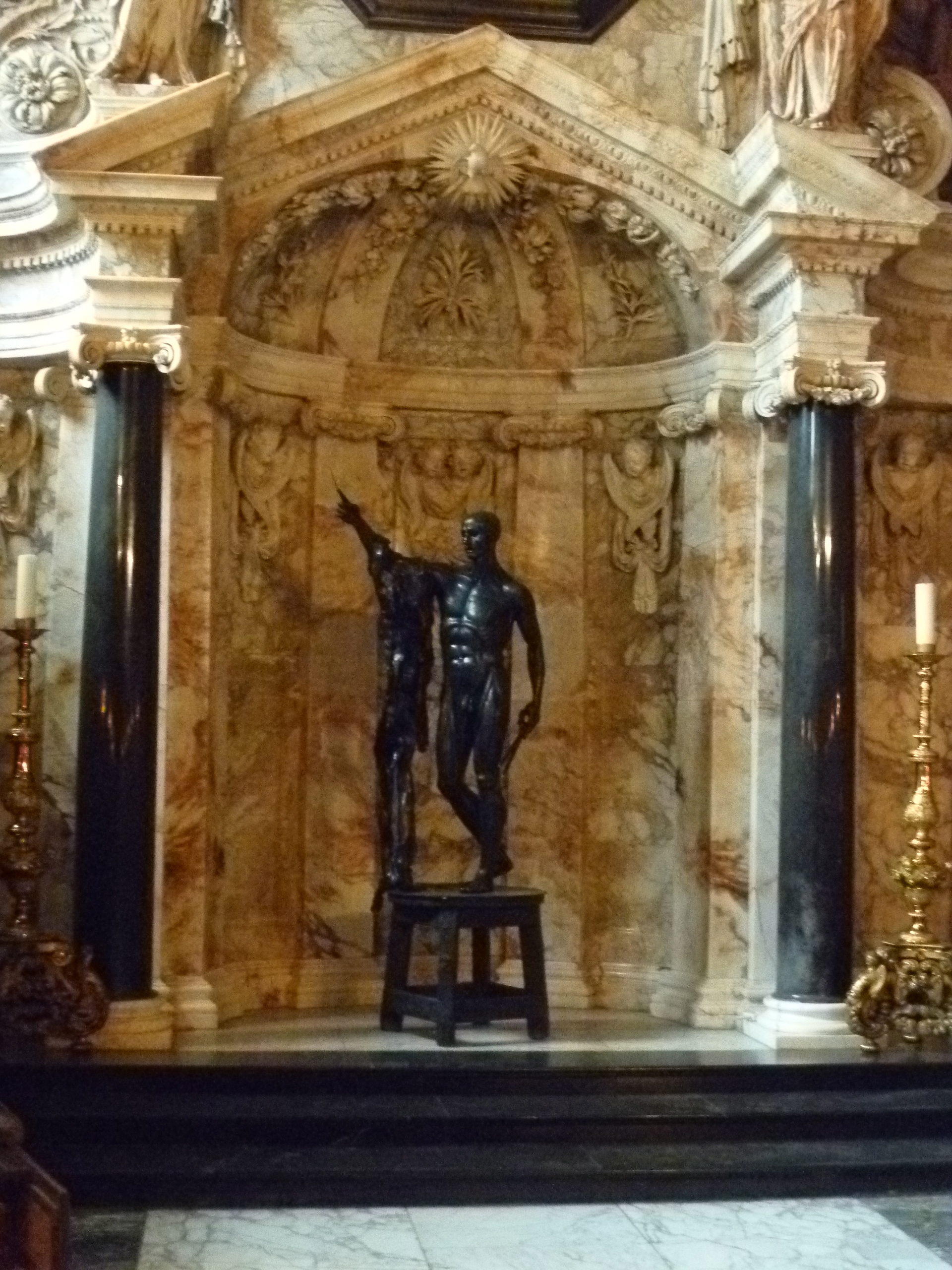
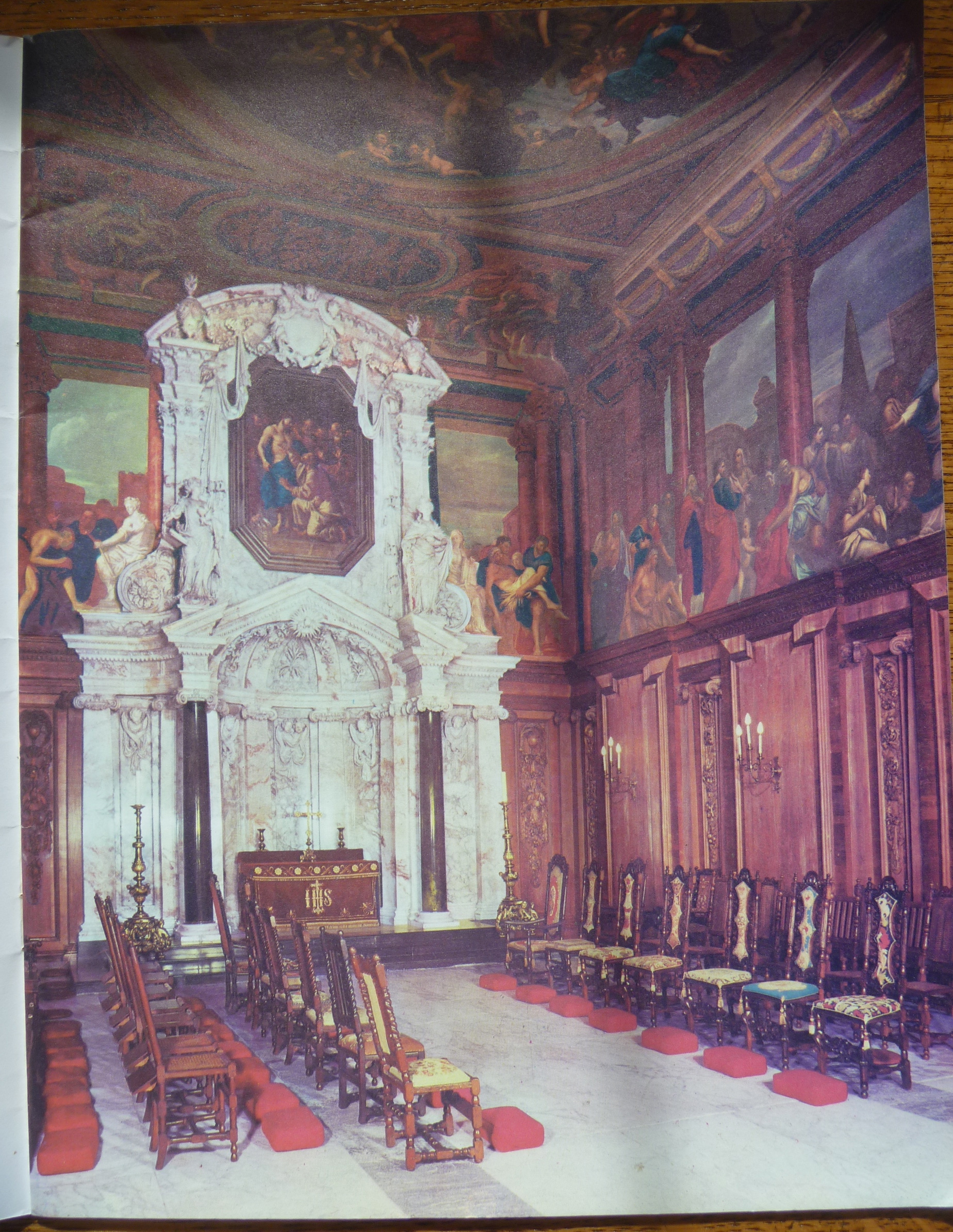
Here is the Chapel today with its modern art and in the 1970s looking very traditional and rather OTT.

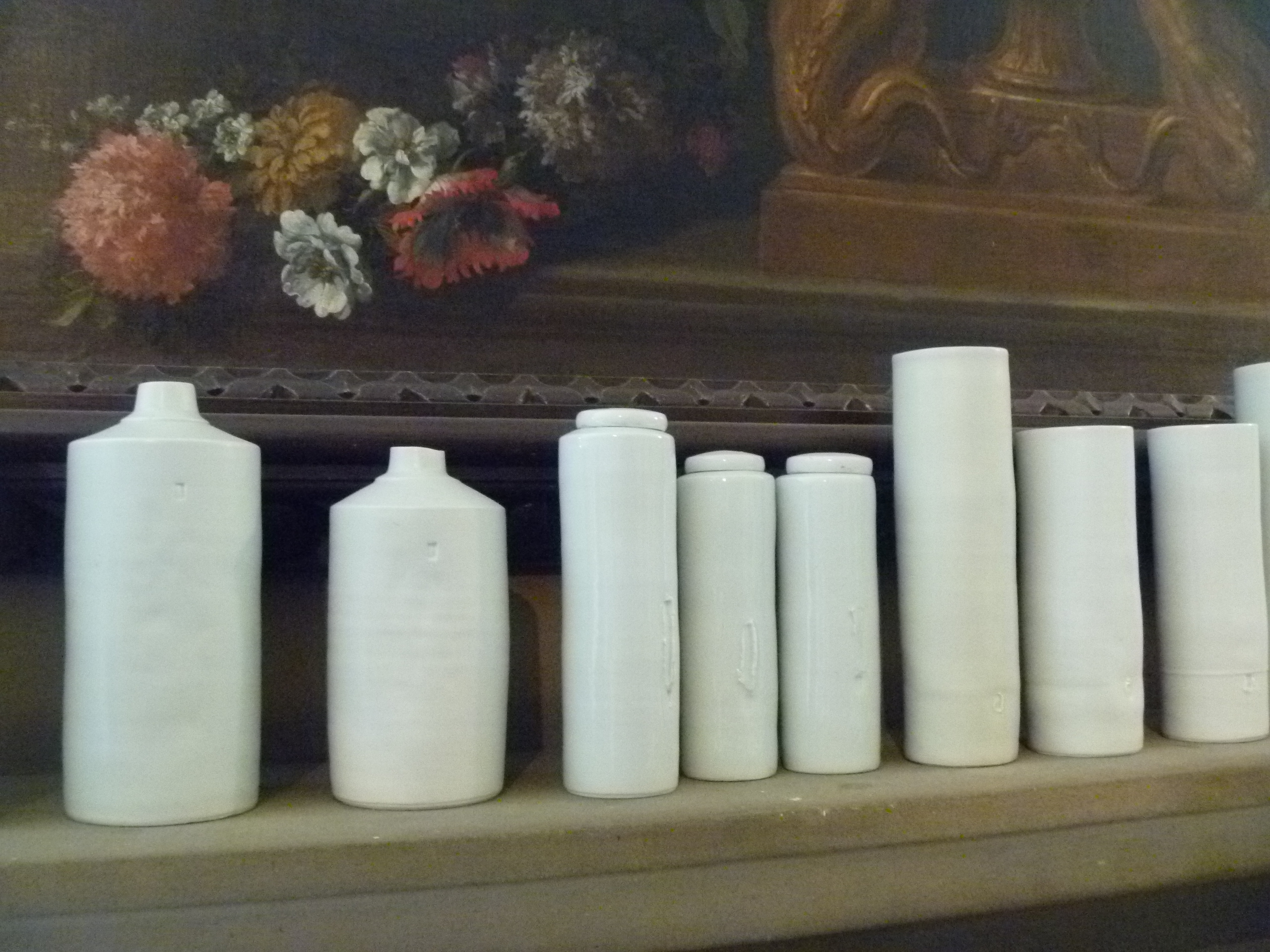
The Chapel Corridor now displays modern art sculptures and pots. I noticed a large group of Edmund de Waal pots on a mantlepiece.

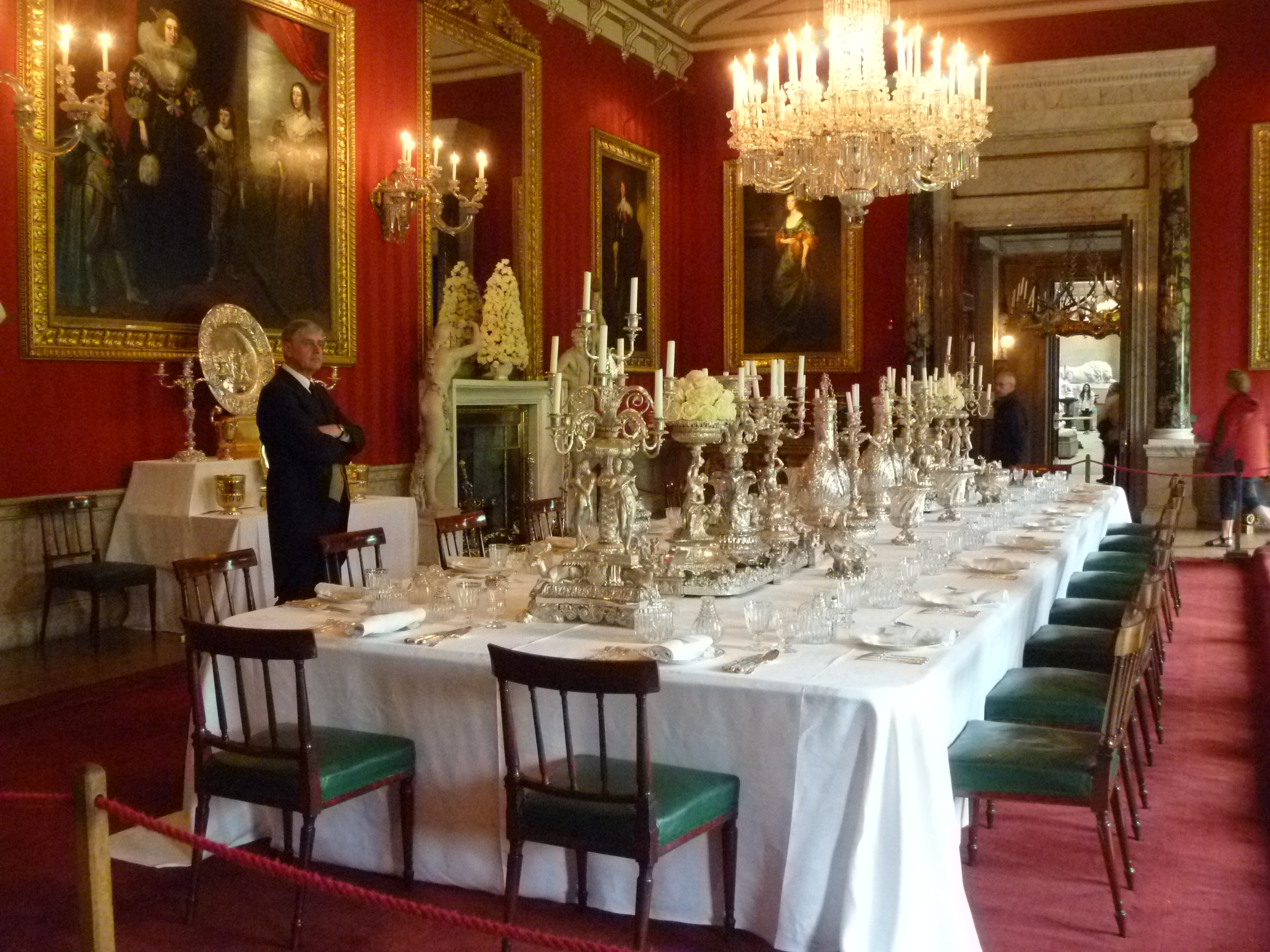
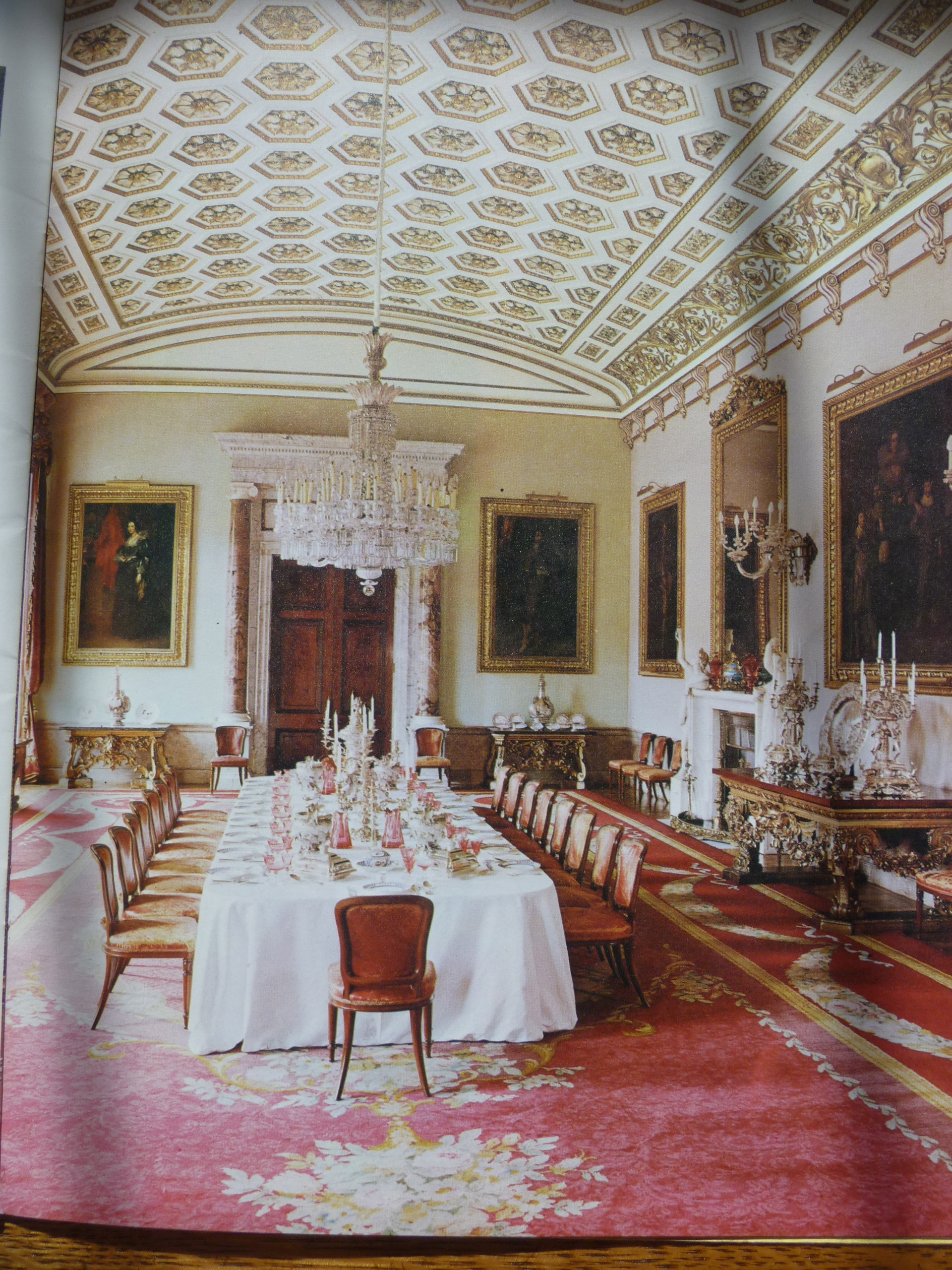
One of the last rooms you visit on the tour today is the Dining Room :

Then there’s the sculpture gallery and the Orangerie now houses the shop.

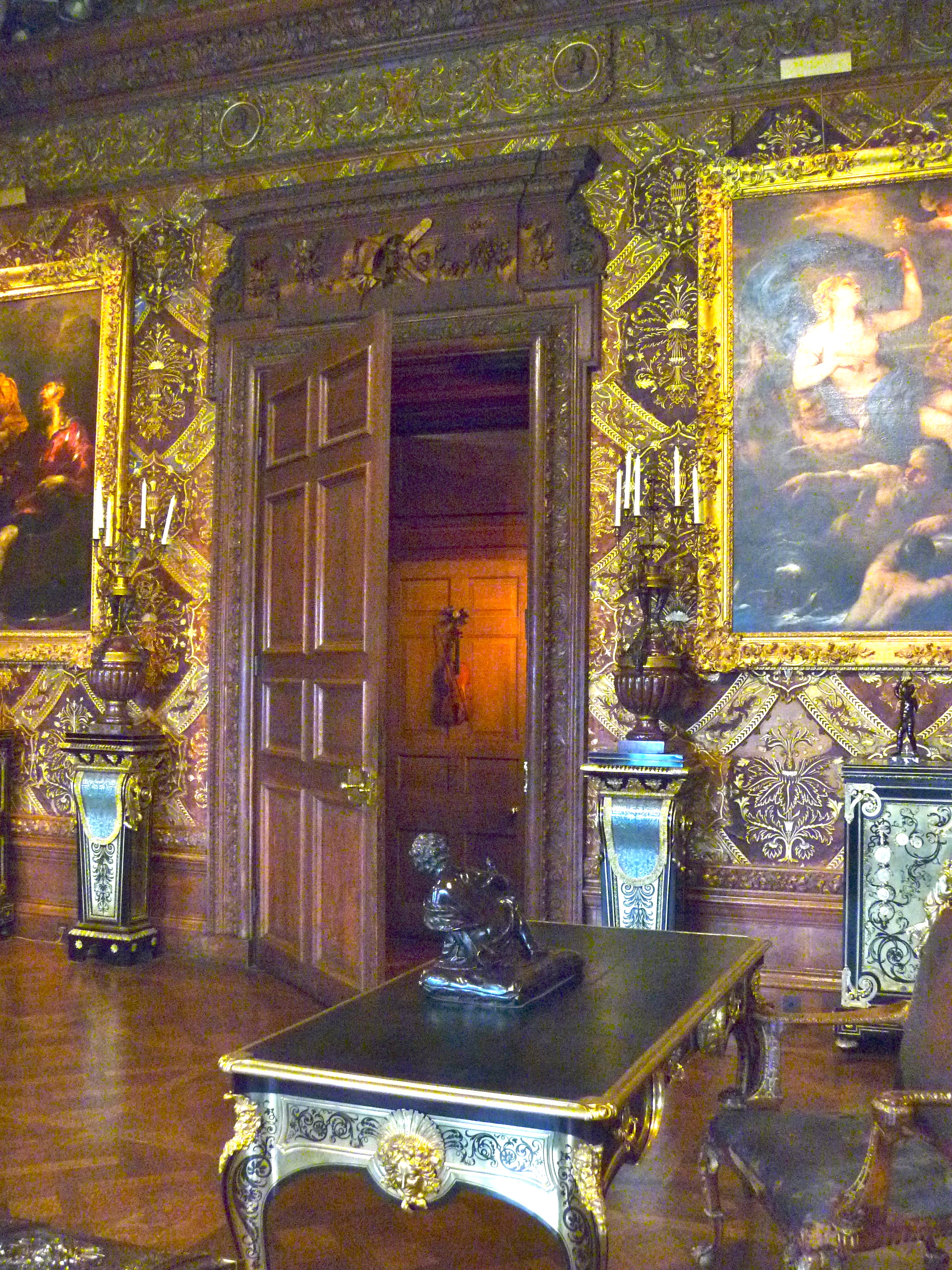
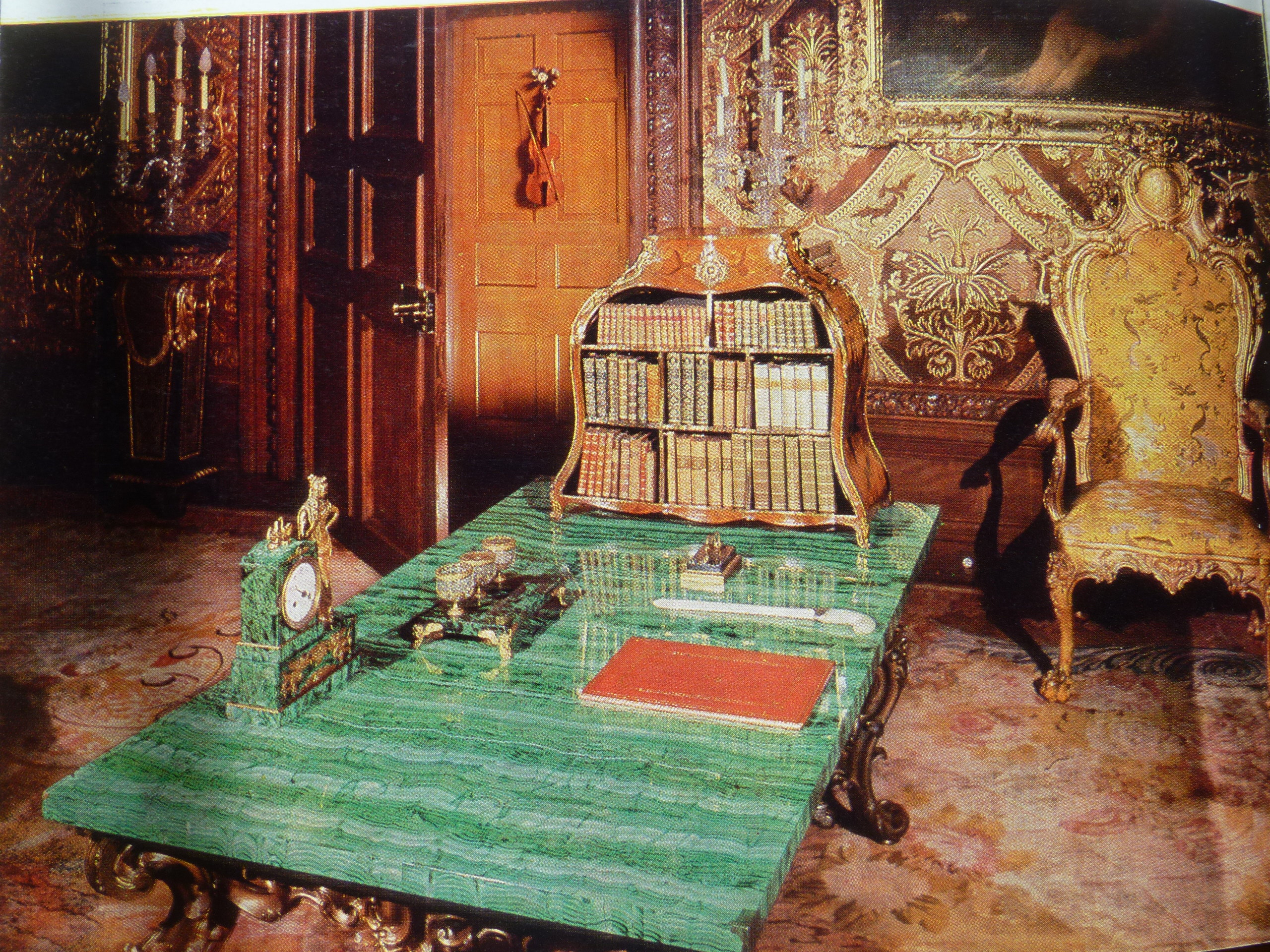
My favourite wonder of Chatsworth is just a smallish painting. It’s a Trompe L’Oeil violin on the back of a door. Watch out for it next time you visit Chatsworth.

Trompe L’Oeil 2012

In my guidebook

Isn’t it amazing?

And finally, just to show that we did get into the gardens :

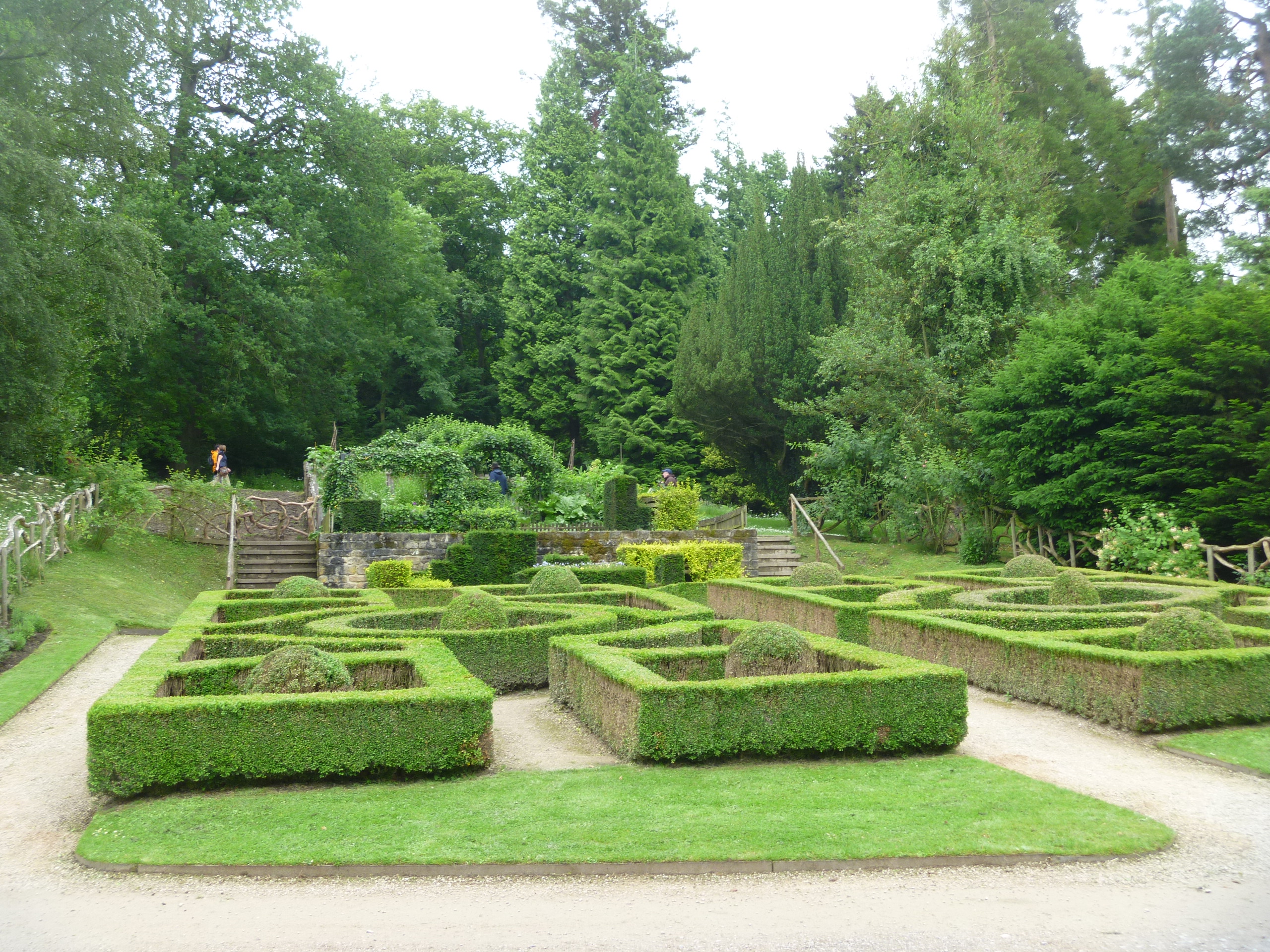
The Knot Garden

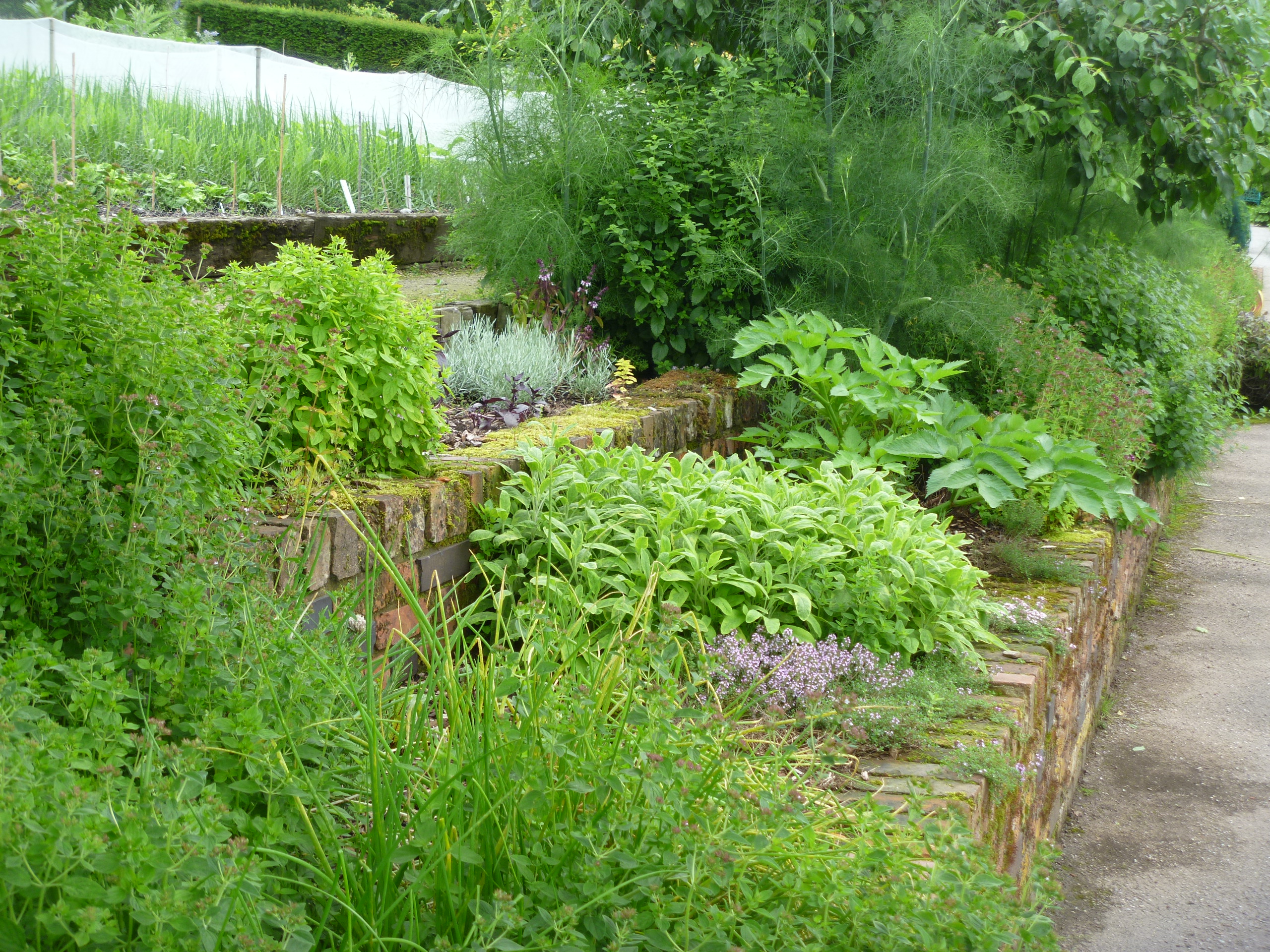
Herb beds in the Walled/Kitchen Garden

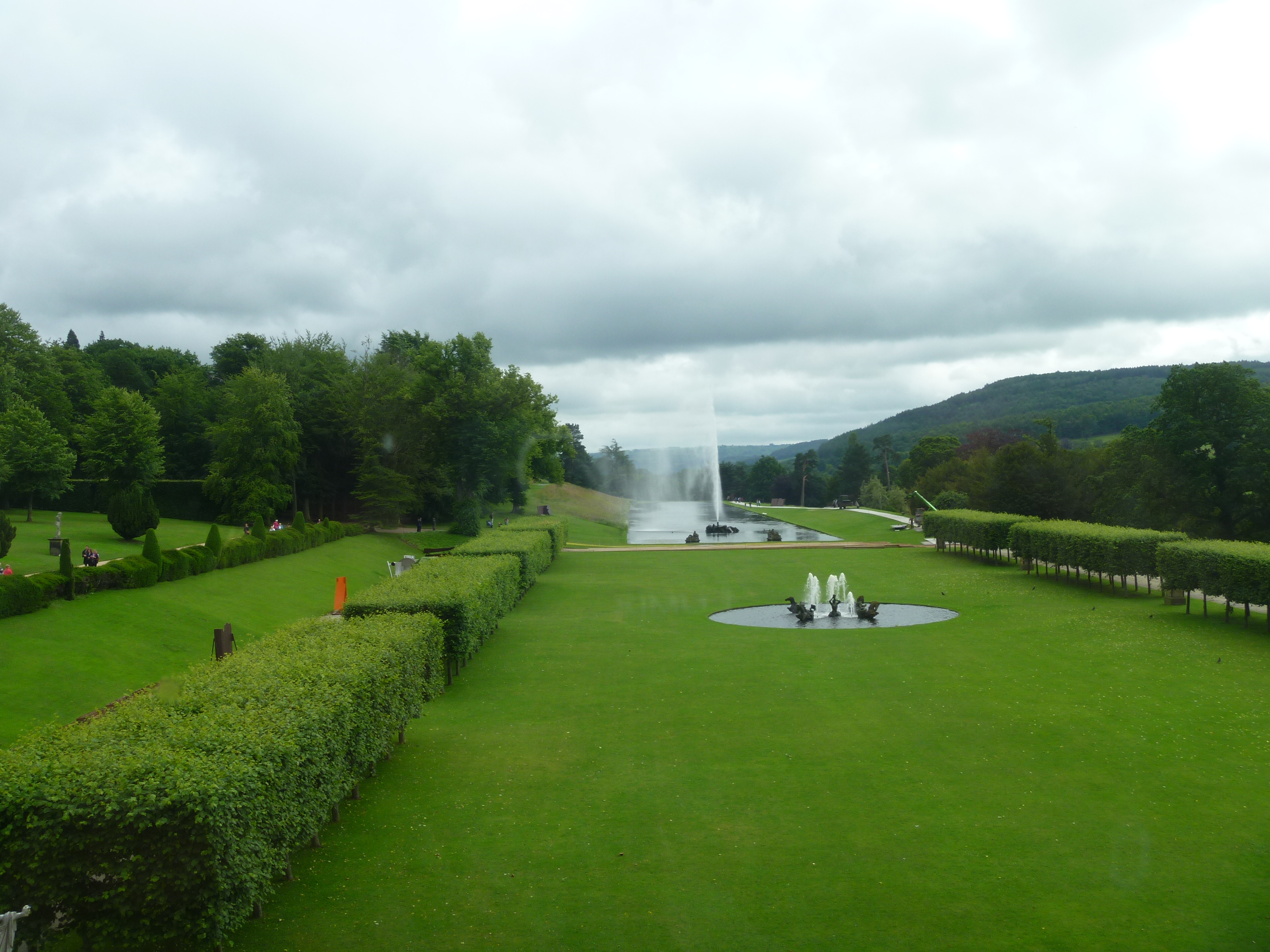
The Emperor Fountain

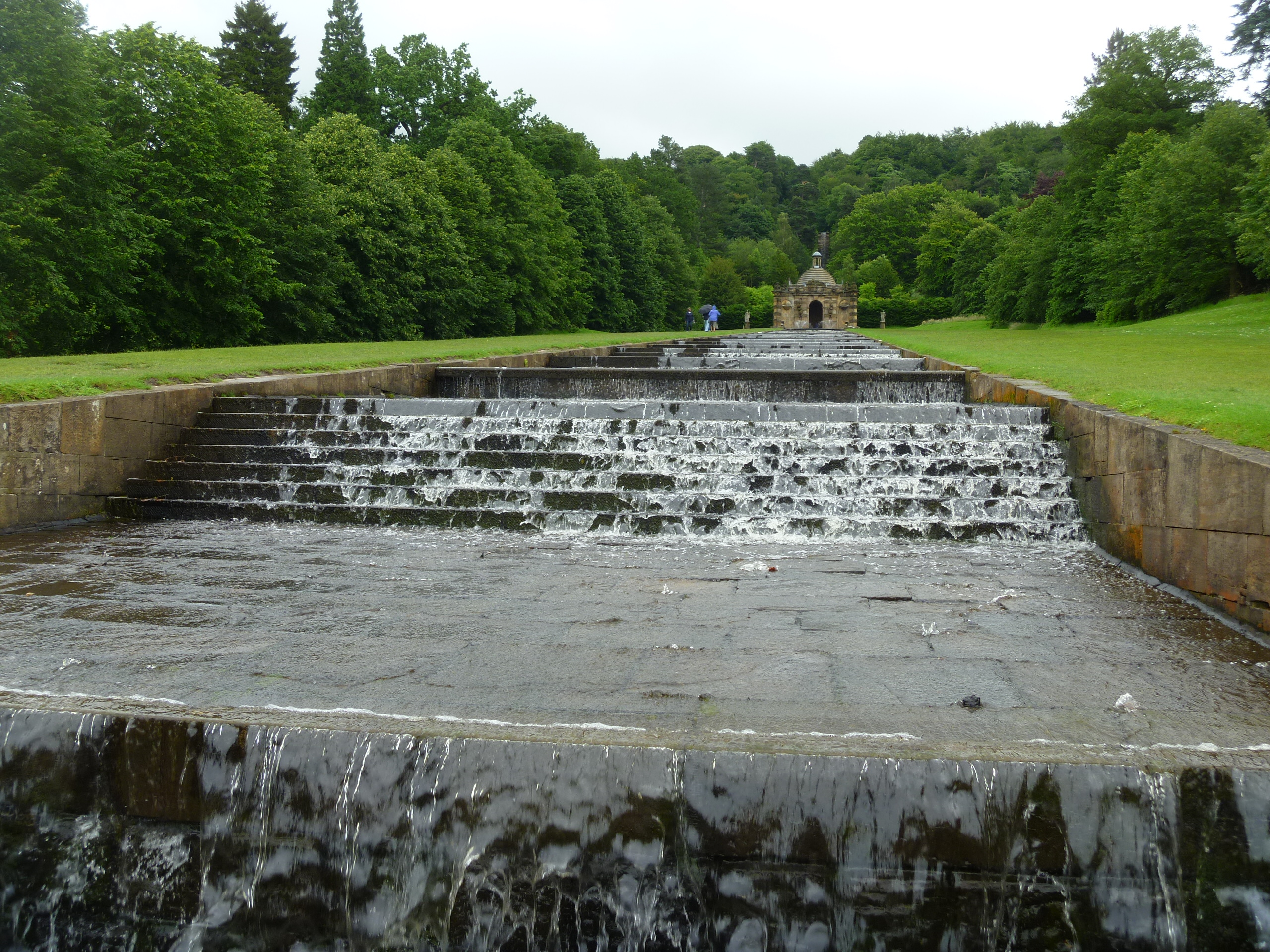
The Cascade

Go to Belfast – “Get here early and enjoy it before the rest of the world arrives”*

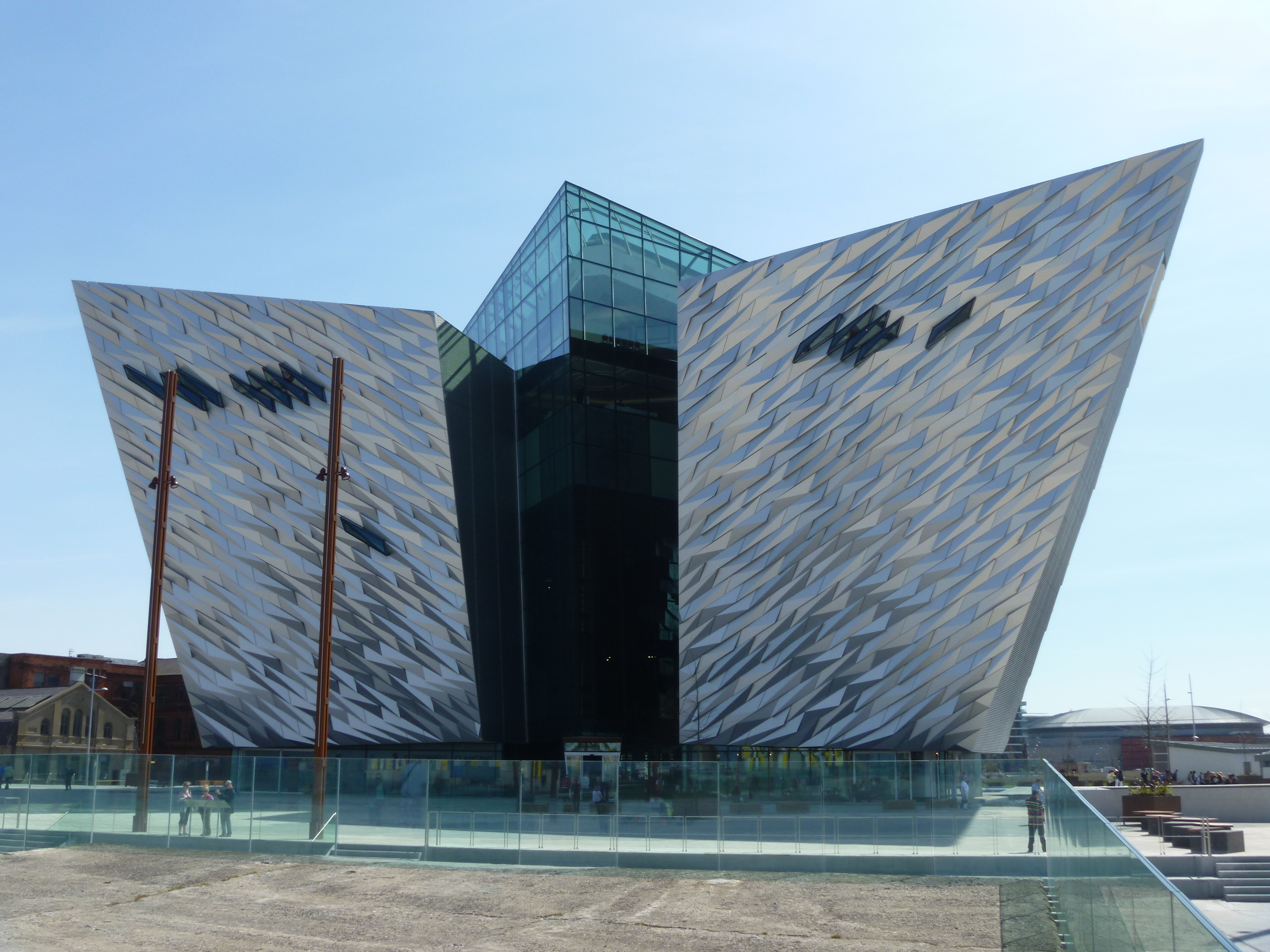
Well, we only touched the tip of the iceberg on our visit to Belfast. Our day was divided into three – time to look around the centre unaccompanied, a bus tour with a Blue Guide and the Titanic Experience – Belfast’s all new, all singing, all dancing visitor attraction!

Our coach dropped us off bright and early in the centre of Belfast on Great Victoria Street. We crossed the road and went to peer in the windows of the beautifully preserved Crown Liquor Saloon. This pub, right opposite the most bombed hotel in the world – The Europa Hotel – is now owned by the National Trust. In fact it was the first pub that the NT ever took over in 1978.

Of course, the pub wasn’t due to open until 11.30 by which time we would be well into our city tour but we were lucky enough to catch an employee who very kindly showed us into the side door for a quick look round and gave us each a leaflet on the history of the bar. Dating back to 1826 it was originally called The Railway Tavern but in 1885 the son of the then owner, being a student of architecture, decided to brighten up the old family bar. It was mainly due to skilled Italian craftsmen employed elsewhere in the city who supplemented their incomes by moonlighting at The Crown and who made it the prize gem of Victoriana that it still is today.

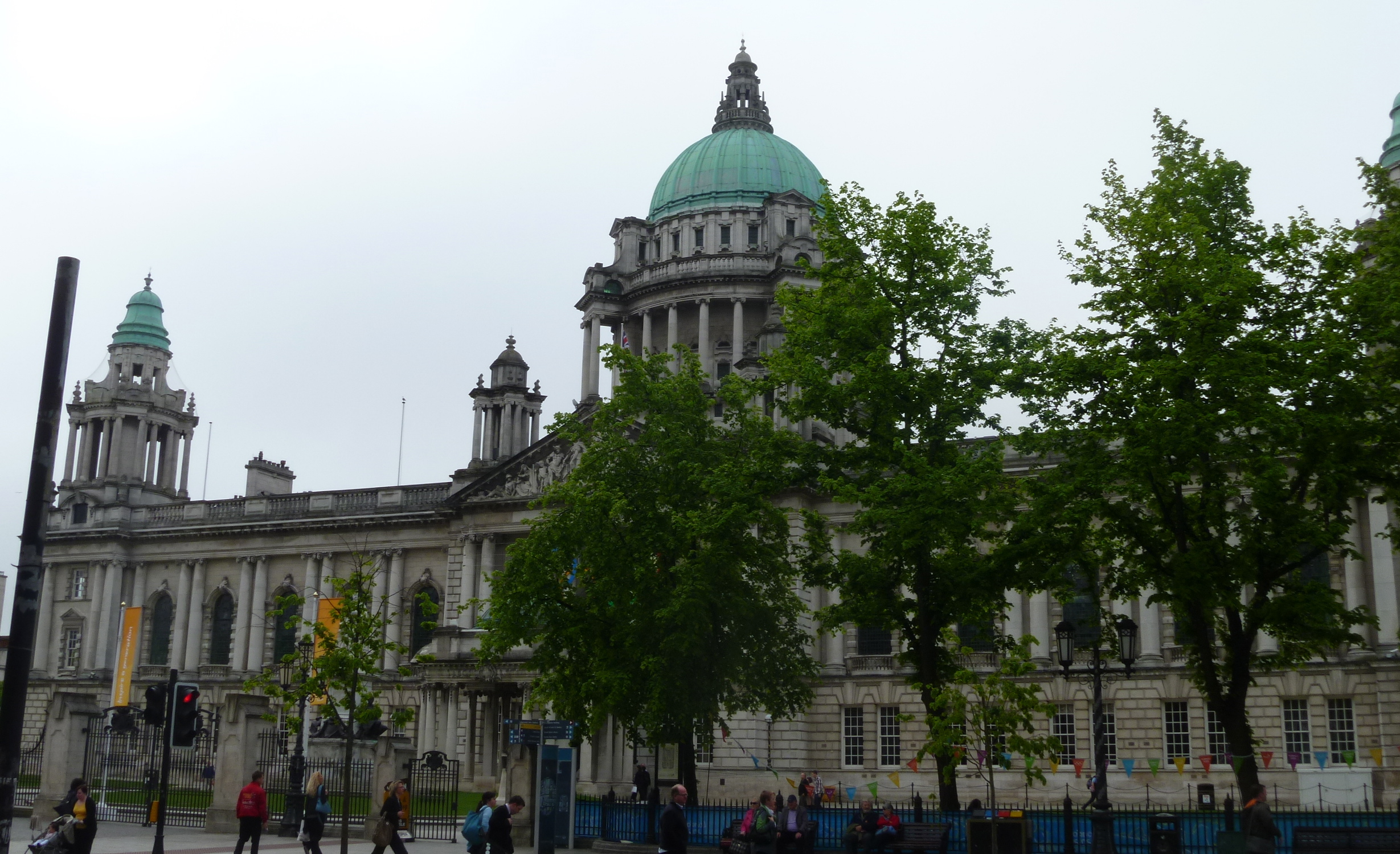
We decided to stay around the centre of Belfast in the area around Donegall Square in the middle of which is the City Hall. We discovered on the guided tour that it is possible to book a tour of the building, that it houses a decent cafe called Bobbin and that there is a  Titanic Memorial Garden  in its grounds.

Then we came across a real treasure. 17 Donegall Square North is the address of the soon to be 225 years old Linen Hall Library. Founded in 1788 it’s a subscription library like The Leeds Library but it’s doors are open to the public.

You have to subscribe as a member if you wish to borrow books. It houses a very nice cafe and has exhibition space. The current exhibition is called ‘Troubled Images’ :

“All 70 political posters from our ‘Troubled Images’ exhibition, documenting the years of the Northern Ireland conflict, have been hung five storeys high in our Vertical Gallery.
The exhibition has travelled throughout the world to inform and educate the general public about the turbulent years of Northern Ireland’s ‘Troubles’. It’s now ‘home’ again and available for all to see.”

Trouble Images in the Vertical Exhibition Space

An Oasis of Calm in the busy City Centre

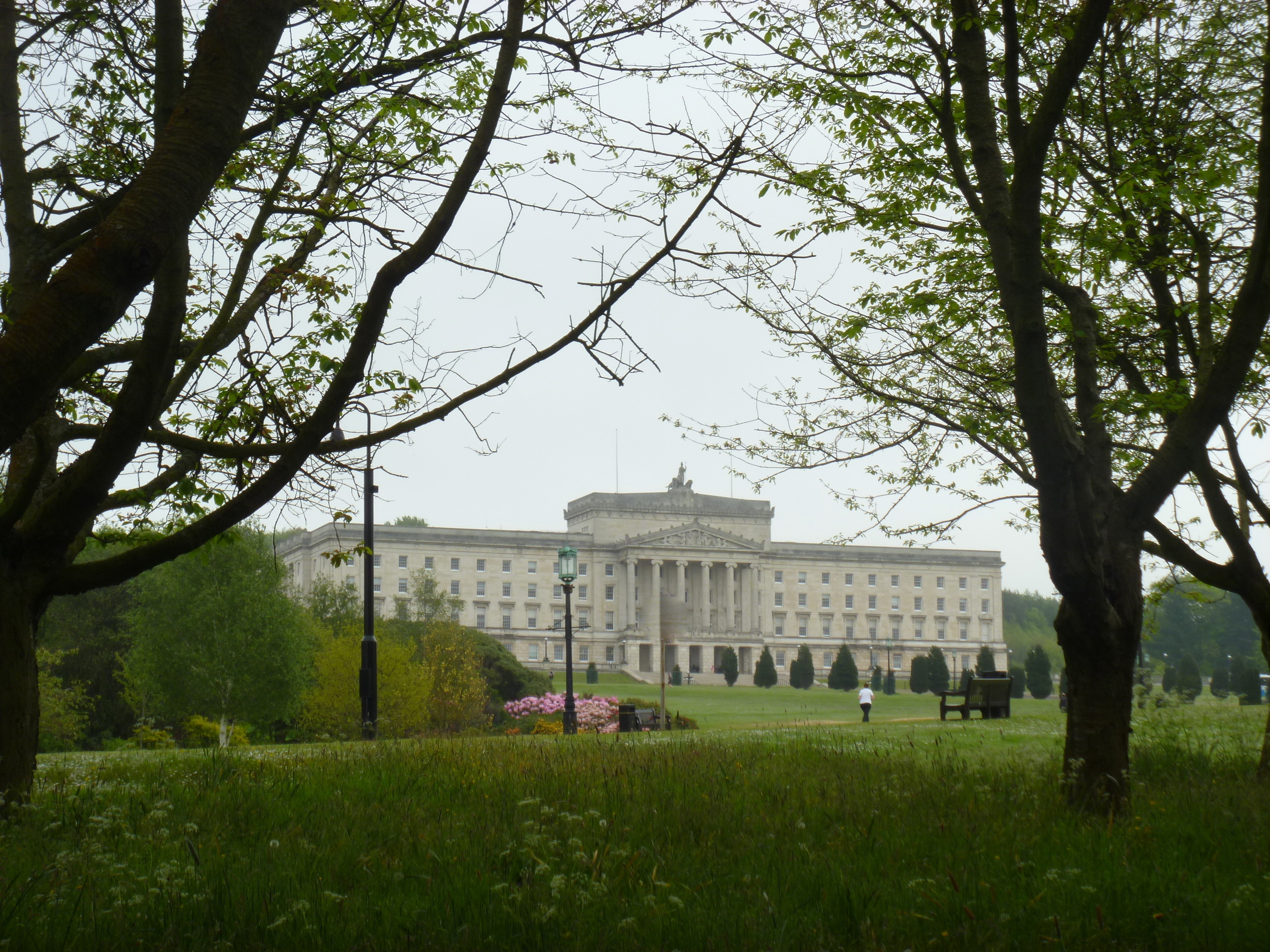
We re-joined our coach at 11 and enjoyed a 90 minute guided tour of Belfast learning many facts about the city and seeing The Queen’s University, the Grand Opera House, the (leaning!) Albert Memorial Clock, the River Lagan which forms the boundary between County Down and County Antrim, St Anne’s Cathedral, the Botanic Gardens, the Falls Road and, most significantly, Stormont, the seat of the Northern Ireland Assembly, and its surrounding parkland.

Approach Avenue to Stormont

“And as the smart ship grew       

In stature, grace, and hue,

In shadowy silent distance grew the Iceberg too.”
Thomas Hardy ‘Convergence of the Twain’
Our destination for the afternoon was the brand new, recently opened Titanic Experience. This fine visitor attraction was extremely well done with lots of variety and as much or as little information as you require but quite frankly I felt that I was suffering from Titanic overload after all the hoo-ha and media coverage that it has received over the last few months. It will be give a huge boost to the city which can only be good news and I wish Belfast well and all who sail her!

*Lonely Planet, 2012

Forty Shades of Green – Irish Gardens in the Springtime, 1

If you visit a National Trust House then you are almost certain to visit a beautiful garden as well. This was certainly the case on my recent trip to Northern Ireland. And we had a third garden just thrown in for good measure! I’m no gardener nor connoisseur of plants or trees but I do enjoy the peace and relaxed atmosphere of gardens. I’m also fascinated by the other features of gardens – follies and lakes and water features and topiary – all those eccentric features of an English, or in this case, British garden.

Mount Stewart

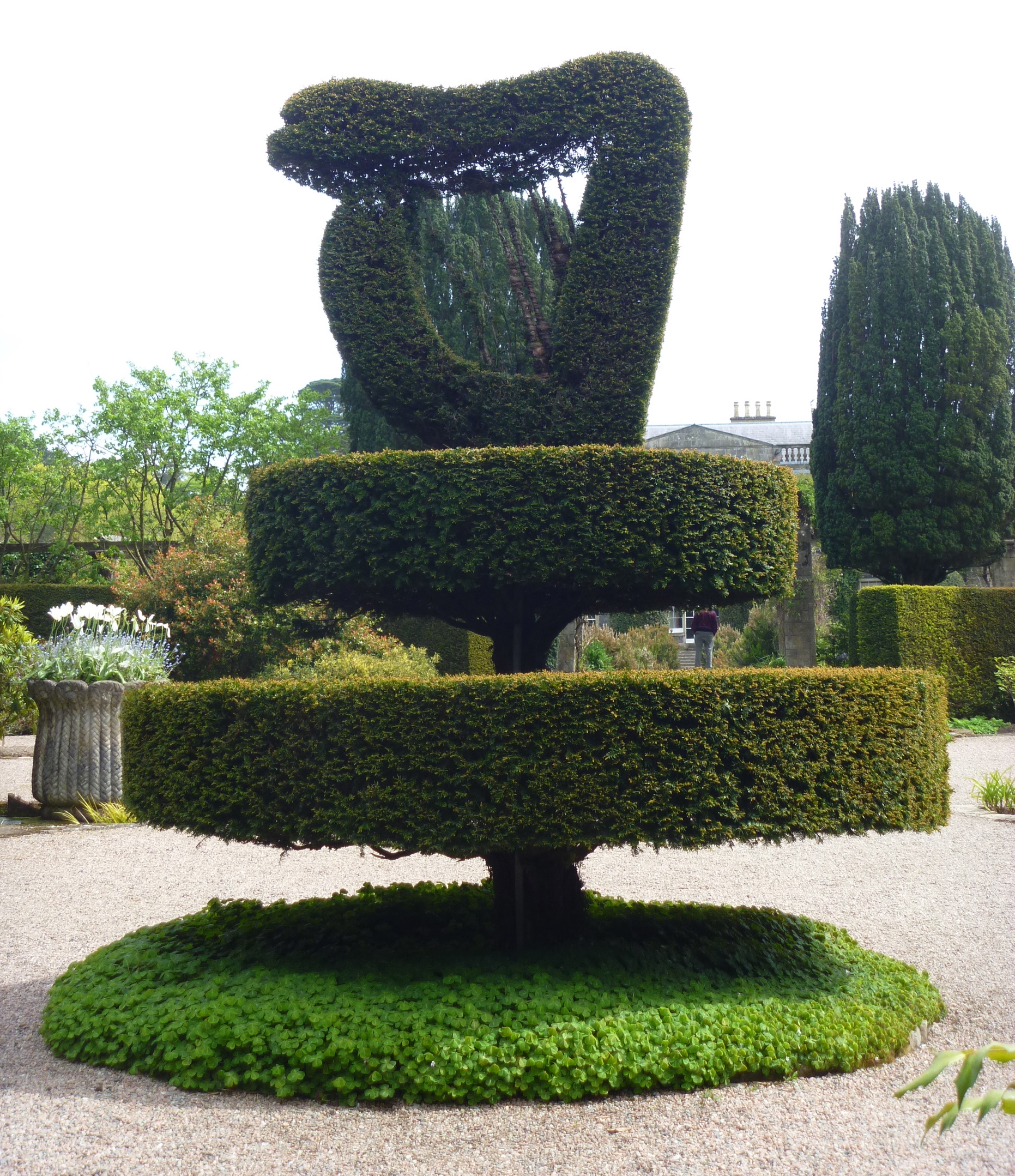
Topiary Harp

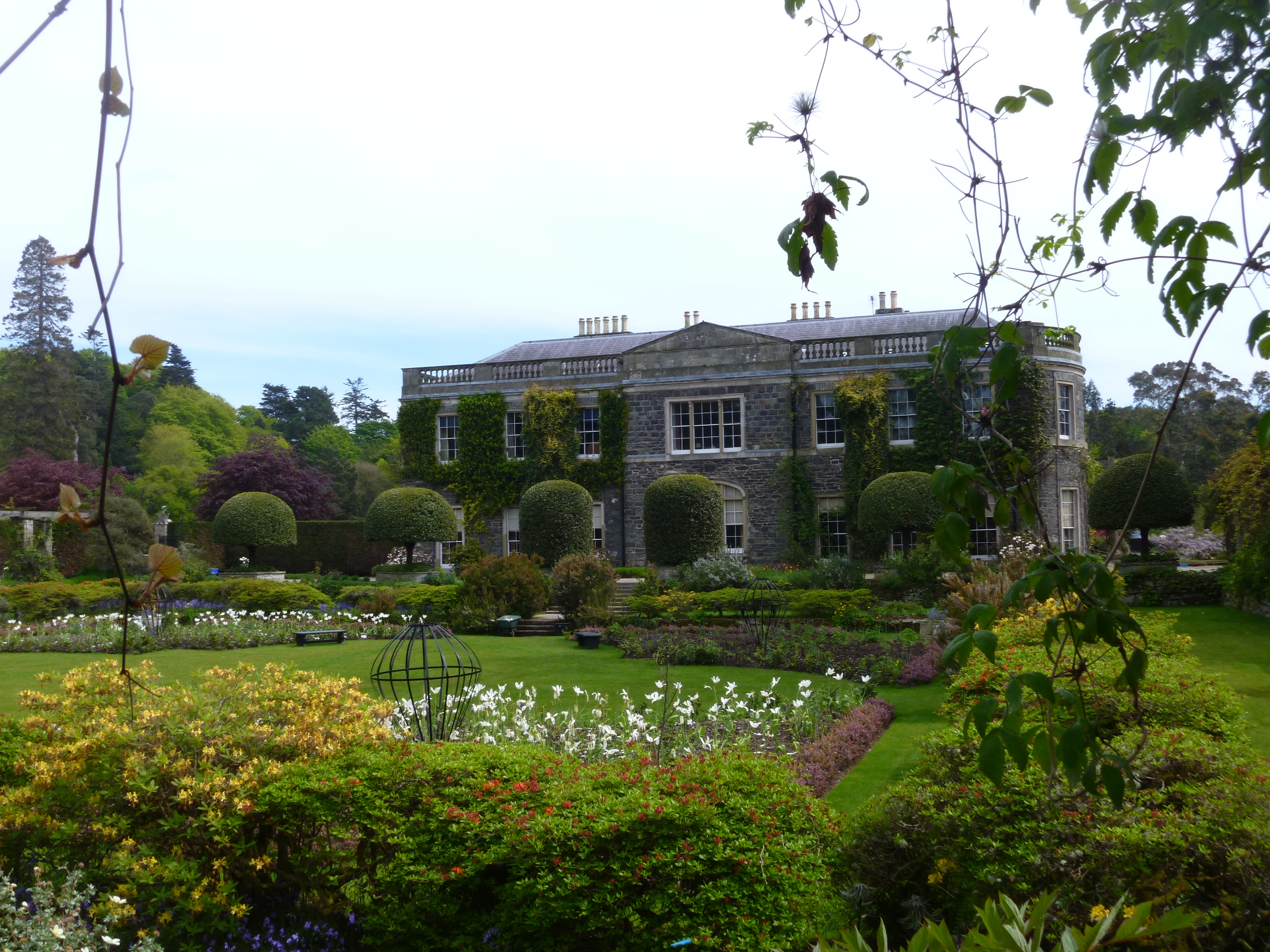
As I wrote in the previous diary entry: Located on the shores of Strangford Lough Mount Stewart stands in beautiful grounds enjoying a microclimate of its own which supports a lush and green garden of trees and exotic plants. Edith, Lady Londonderry (1878-1959) wife of the seventh marquess was the major force behind the garden design that we see today. She gave the gardens to the National Trust in 1957. The garden is divided up into smaller specialised areas. The Shamrock Garden where the topiary harp (above) stands in pride of place amongst other topiary features that tell a story related to the house. Here is a description from the National Trust :

“One Irish symbol holds another at its heart in the Shamrock Garden at Mount Stewart. A hedge of Irish yew in the shape of a shamrock encloses a topiary Irish harp. Originally 30 topiary figures crowned the top of the shamrock hedge. Today there are eight, reinstated in the 1990s in Irish yew. Up to 4ft in height, they are a varied troupe of two royal crowns, a sailing boat, stags, the goddess Diana, the devil and two creatures from Celtic mythology.”

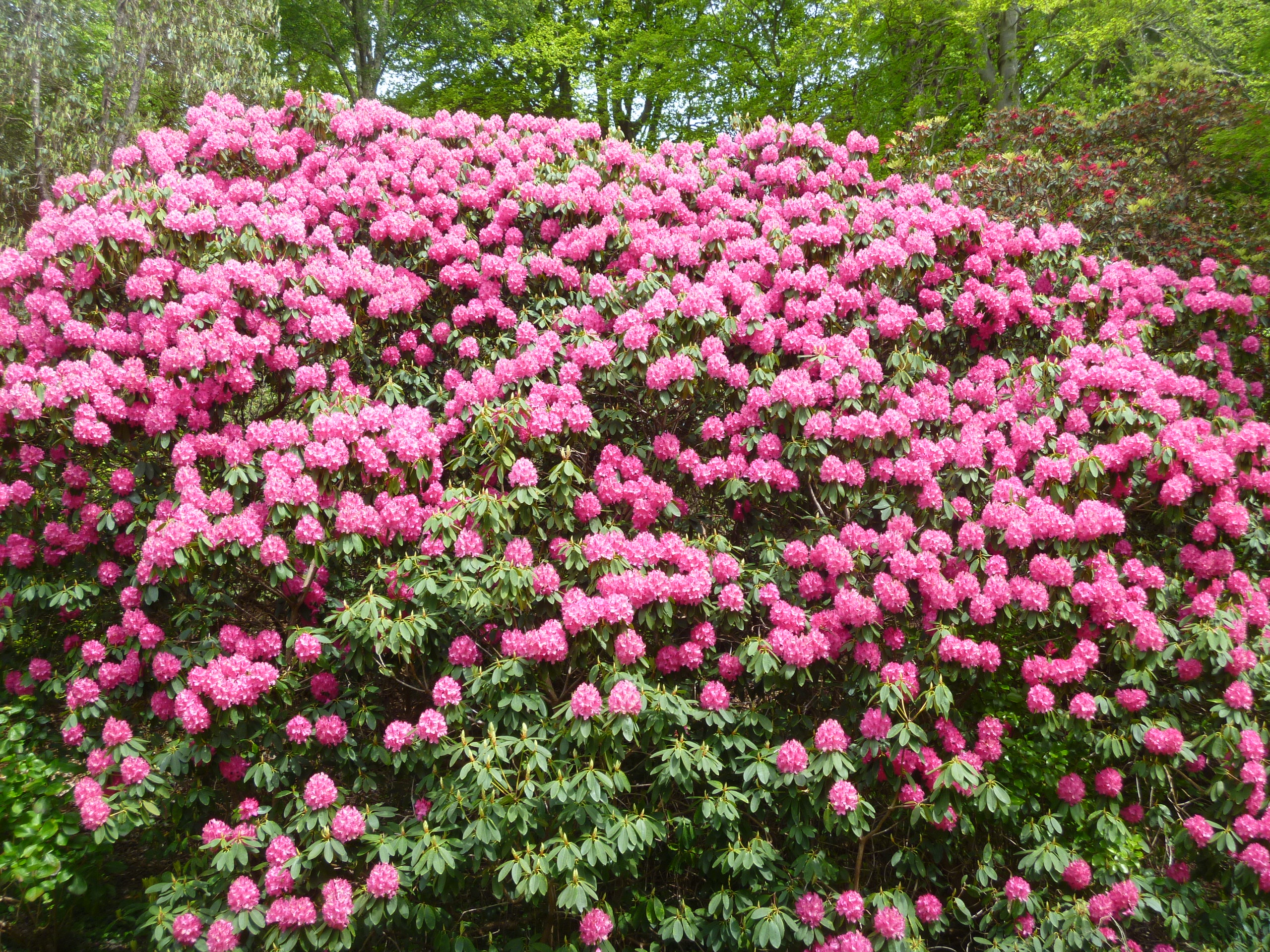
We enjoyed a walk around the beautiful lake and along the Drive where the rhododendrons were in full bloom.

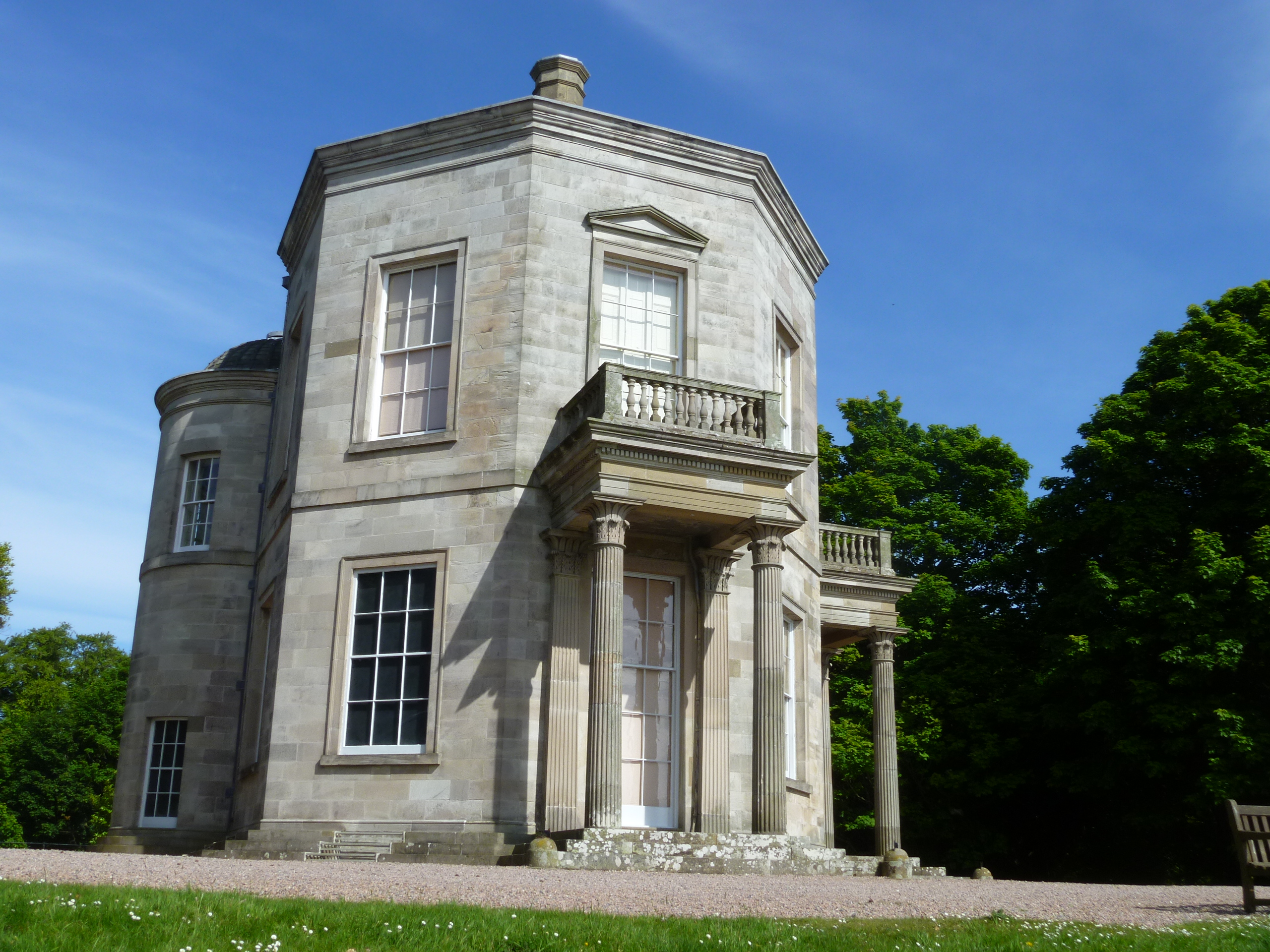
The most interesting feature however was the octagonal folly – The Temple of the Winds – built by the first Marquess of Londonderry and which stands in a fine position on a small hill. It’s a short walk beyond the entrance and car park, but well worth the effort to see the building and the view.

The Temple may be visited on weekend afternoons and is also a romantic wedding venue.

The Gardens at Mount Stewart are classed amongst the very best in the country if not in the world.

Mount Stewart is one of the most spectacular and idiosyncratic gardens of Western Europe and universally renowned for the ‘extraordinary scope of its plant collections and the originality of its features, which give it world-class status’ – excerpt from Mount Stewart’s listing on the UNESCO World Cultural Heritage tentative list.” (National Trust website)

The red squirrels love it here too!


The Irish Country House – Mount Stewart and The Argory

During recent years I have read several books on the theme of The Irish Country House. Titles include We Are Besieged by Barbara Fitzgerald (1946), Troubles by J. G. Farrell (1970), Two Days in Aragon by Mollie Keane (1941), The Dower House by Annabel Davis-Goff (1998). Although written at different times the general themes involve Anglo-Irish families during the first half of the twentieth century, their homes and their vulnerability during the times of trouble. Often the family itself is divided in its loyalties.

I was looking forward to visiting a couple of fine examples of Irish country houses on my Just Go! holiday last week.

Mount Stewart

Located on the shores of Strangford Lough Mount Stewart stands in beautiful grounds enjoying a microclimate of its own which supports a lush and green garden of trees and exotic plants. The house was built in the eighteenth century and has been the home of the Marquesses of Londonderry (the Vane-Tempest-Stewart family) over many generations. Robert, Viscount Castlereagh, the 2nd Marquess of Londonderry made a name in politics in the early nineteenth century and was leader of the House of Commons. Edith, Lady Londonderry (1878-1959) wife of the seventh marquess was the major force behind the garden design that we see today. She gave the gardens to the National Trust in 1957 but the house itself was not bequeathed until 1977.

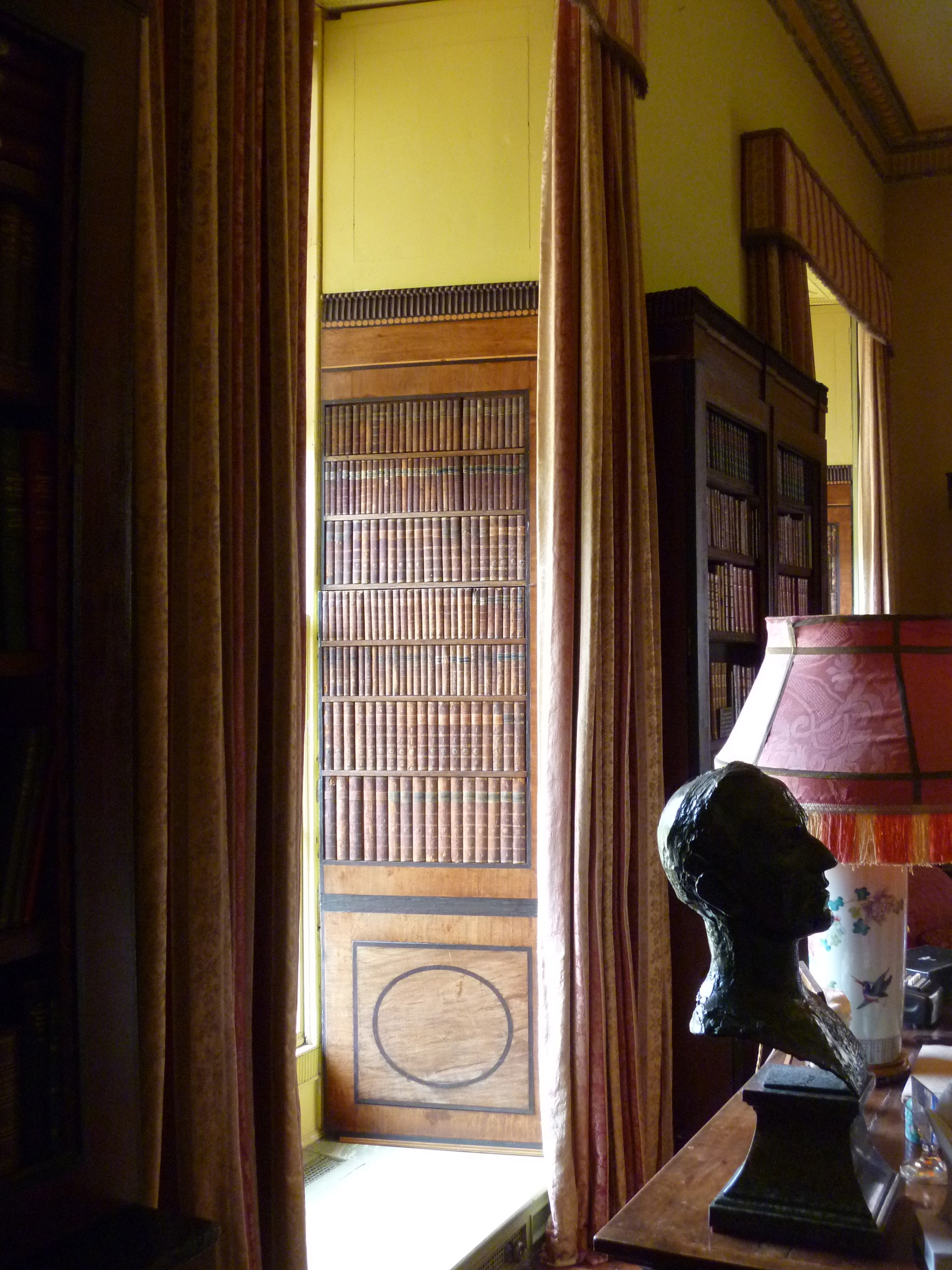
We had a fascinating tour of the house which is currently undergoing renovations but is open to the public in spite of this. I loved the library with its shelves and shelves of books – many looking not so very old at all – some members of the family still use the house and many of its rooms. But on closer inspection what looked like shelves right up to the windows are actually trompe l’oeil painted shutters.

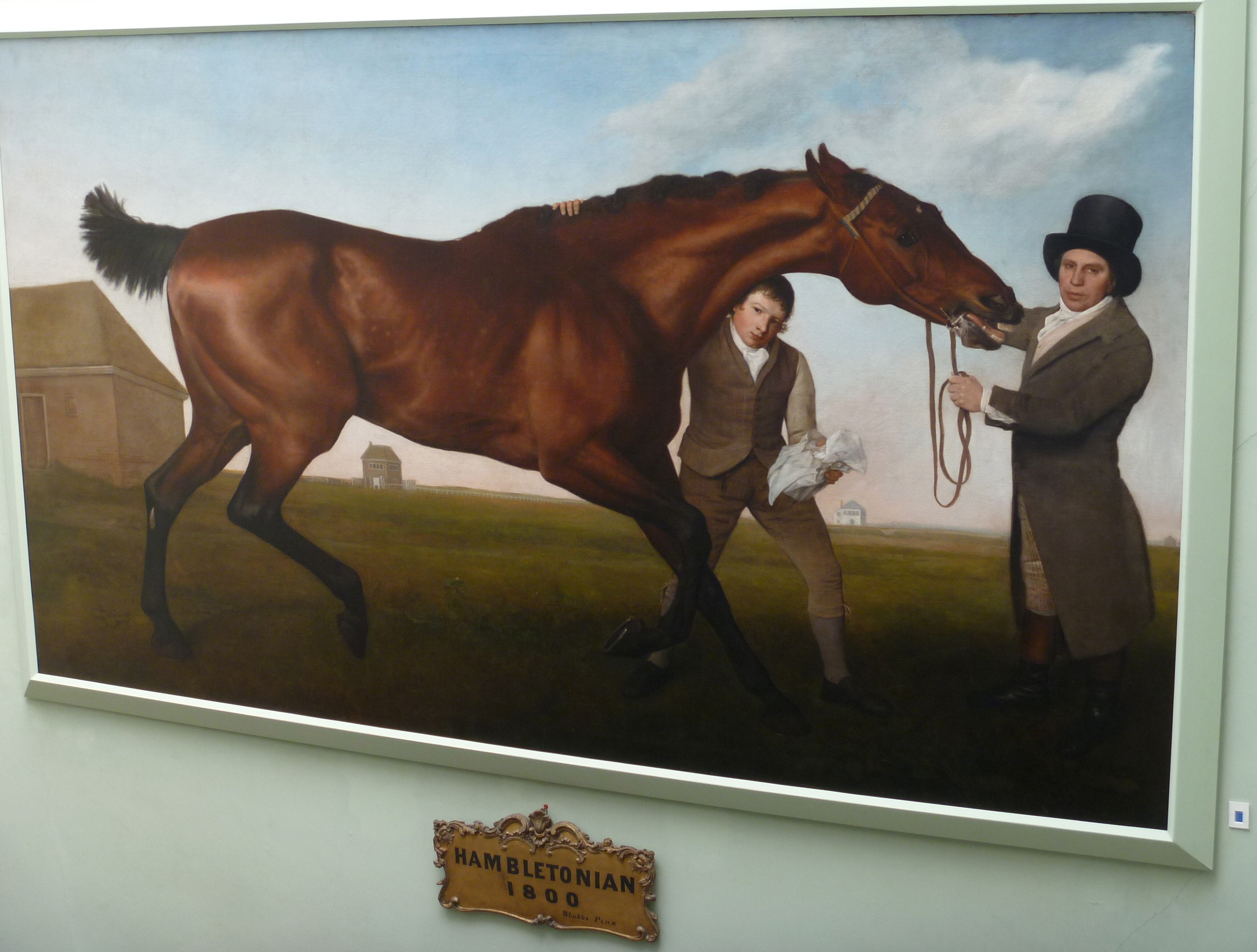
It’s hardly surprising to find evidence here of a love of the ‘sport of kings’. Horse racing has for a long time been popular in Ireland and with the aristocracy but to see the huge painting of Hambletonian by George Stubbs hanging above the staircase comes as quite a surprise.

 There’s another racing picture in the house, also reproduced in the above link to Thoroughbred Heritage. It’s a painting of the Hambletonian/Diamond Match run at Newmarket in 1799. We were told the story of the race by our guide. The version we heard differed somewhat from that of the Thoroughbred Heritage story.

 The Argory

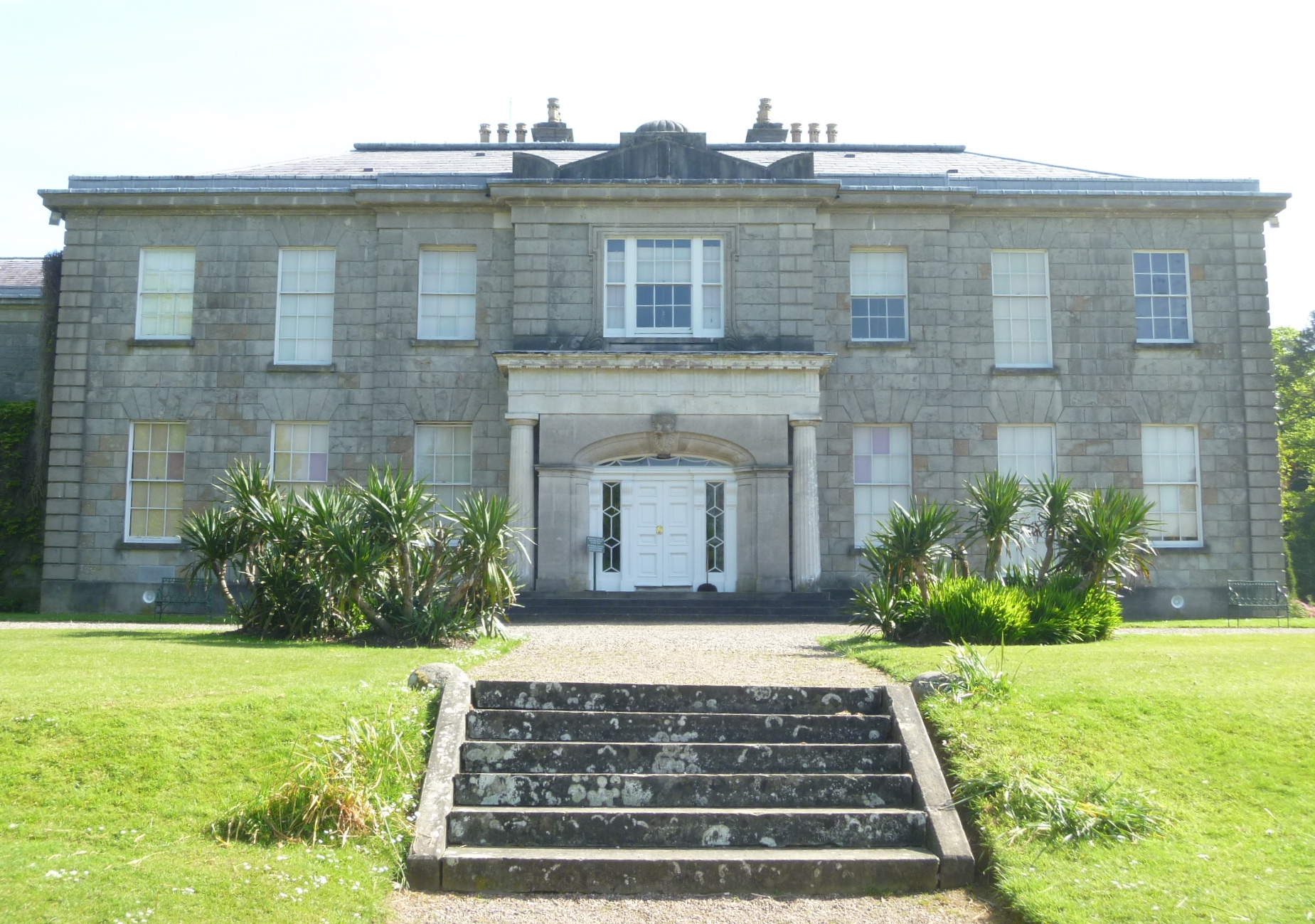
Later in the week our journey took us well into central Ireland and to a less grand but equally interesting house – The Argory. Argory means Hill of the Garden and to my mind it was more the kind of Irish country house that I have in mind when reading those novels I mentioned above.  Again we were given a warm welcome to the house  and a small group tour by one of the local volunteers.

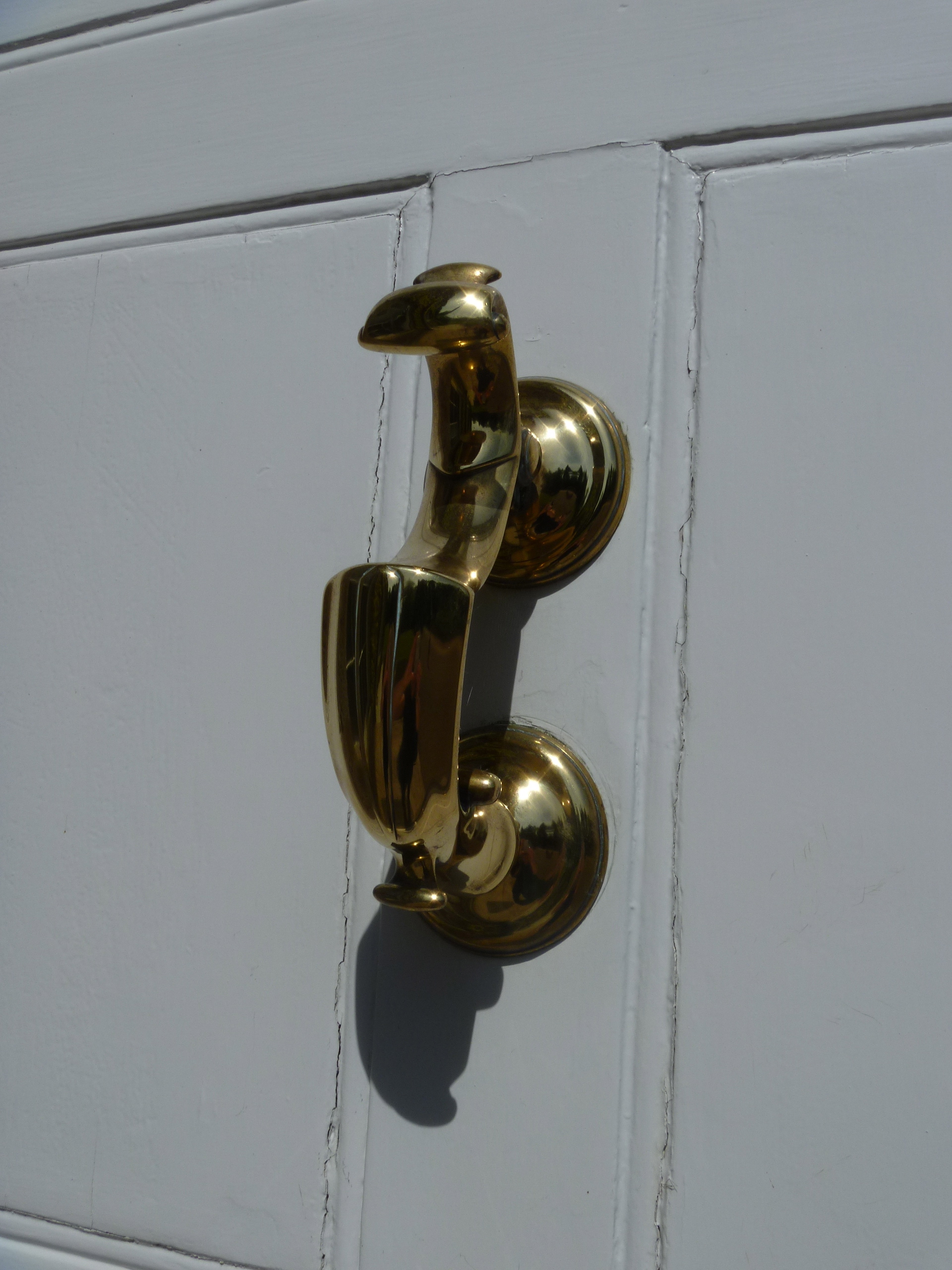
The Argory Door Knocker

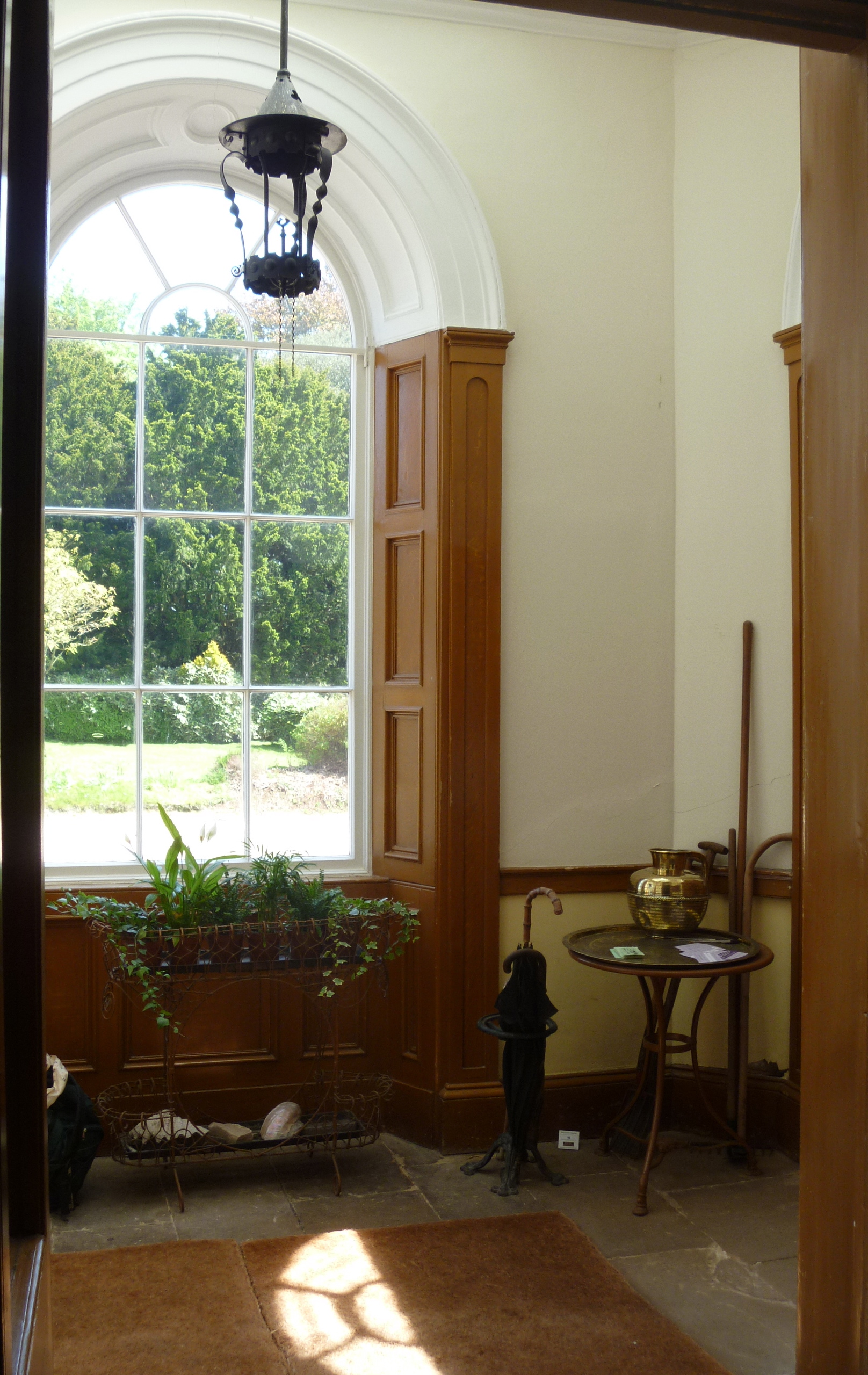
The Welcoming Argory Porch

Taken on by the National Trust in 1979 not much has changed in the house since 1900. To quote my guidebook ” the eclectic interior still evokes the family’s tastes and interests”. These include a large selection of Waterford crystal and a fantastically ornate  organ on the first floor. Click here to view the Argory Organ Gallery and other virtual views of the house.

Despite it’s inland location there’s a nautical connection here. Captain Shelton, the 2nd owner of The Argory, was aboard the H.M.S Birkenhead when it sank off the coast of Africa in February 1852. One of the most documented maritime disasters before the Titanic, it was also the first ever liner to exercise the phrase ‘Women and Children First!’ We were told how the Captain survived swimming the two miles to land in his mackintosh which protected him from sharks and the cold.

These actions later to be known as The Birkenhead Drill were immortalised later by Rudyard Kipling in his poem ” Soldier an’ sailor too” (1896)

To take your chance in the thick of a rush, with firing all about,
Is nothing so bad when you’ve cover to ‘and, an’ leave an’ likin’ to shout;
But to stand an’ be still to the Birken’ead drill is a damn tough bullet to chew,
An’ they done it, the Jollies — ‘Er Majesty’s Jollies — soldier an’ sailor too!
Their work was done when it ‘adn’t begun; they was younger nor me an’ you;
Their choice it was plain between drownin’ in ‘eaps an’ bein’ mopped by the screw,
So they stood an’ was still to the Birken’ead drill, soldier an’ sailor too

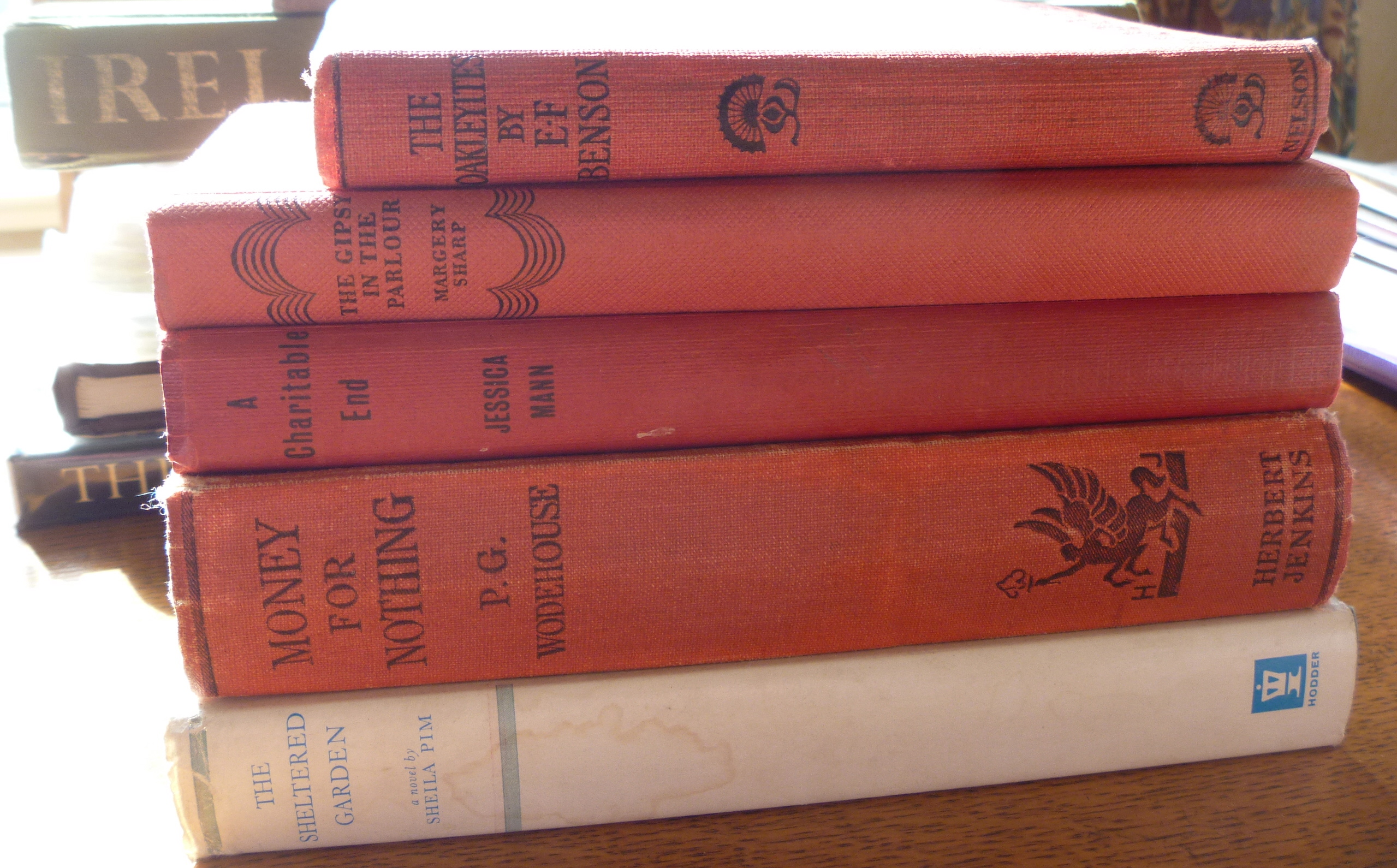
One excellent feature of National Trust properties these days is that they almost all now have secondhand bookshops. My eyes lit up in Blackwater Books at the Argory. They had a section just labelled ‘Old Books’. Here’s the selection that I came away with :

A Bridge, Rocks and Old Bushmills Whiskey – a Day on the Antrim Coast

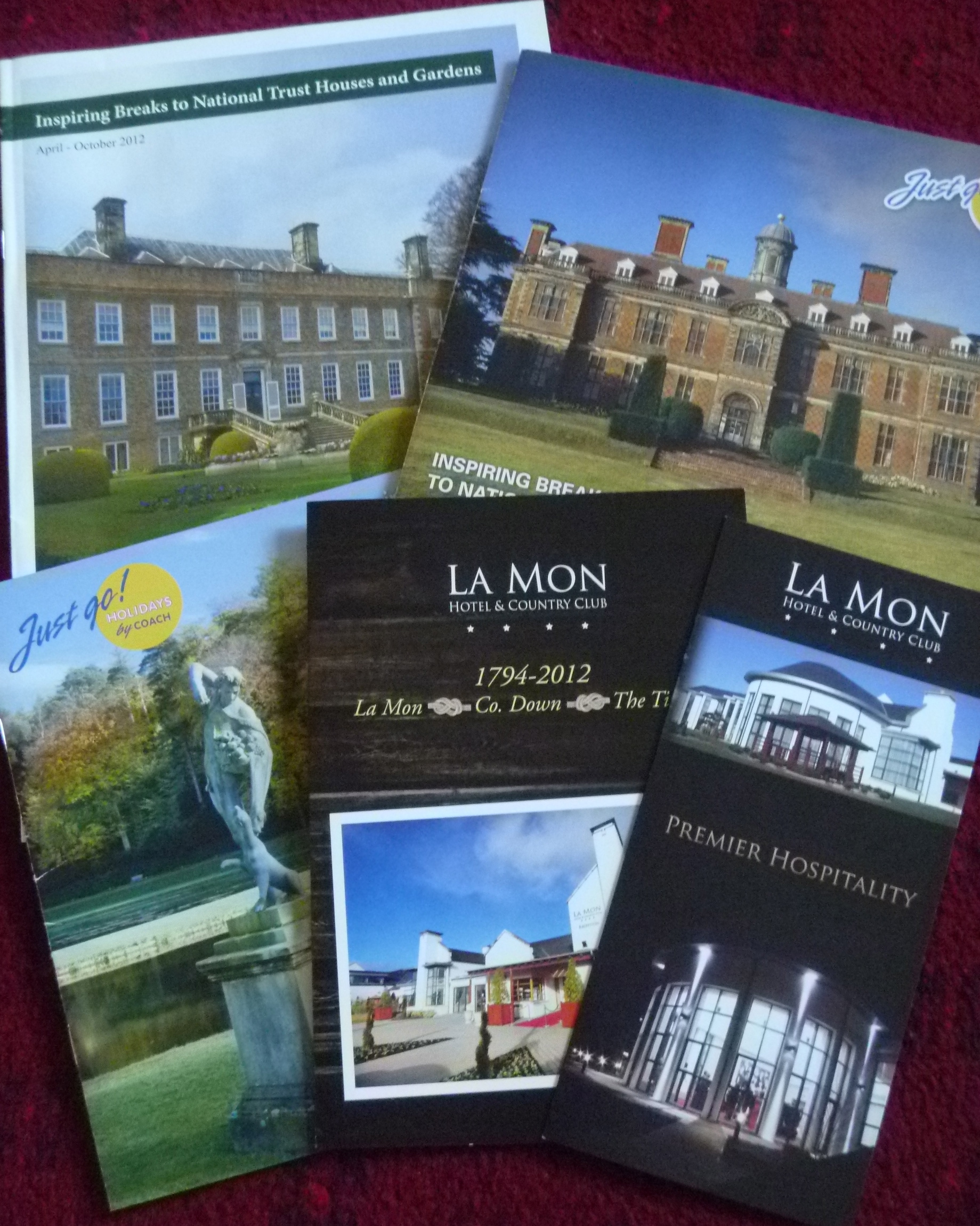
Last week I went on my first ever coach holiday. And I must say I was pleasantly surprised to find that it was a very enjoyable experience. In mid-2011 I received a mail shot through the post from the National Trust advertising coach holidays in the UK in conjunction with the company Just Go! If you follow the link you will see the wide selection of holidays available. The brochure last year arrived too late to consider booking in 2011 but I hoped the experiment would be repeated for this year. It was and my first choice “Welcome to Northern Ireland” was available with bookings from Leeds during May. Perfect! Although in the end we decided to fly out from our local airport and take a taxi from Belfast City Airport to join our party at the Hotel La Mon in the countryside just outside the city.

The first day dawned somewhat misty and overcast but as we got underway, heading north through the Belfast traffic, the sun appeared and the sky turned blue. The week continued in the same vein.

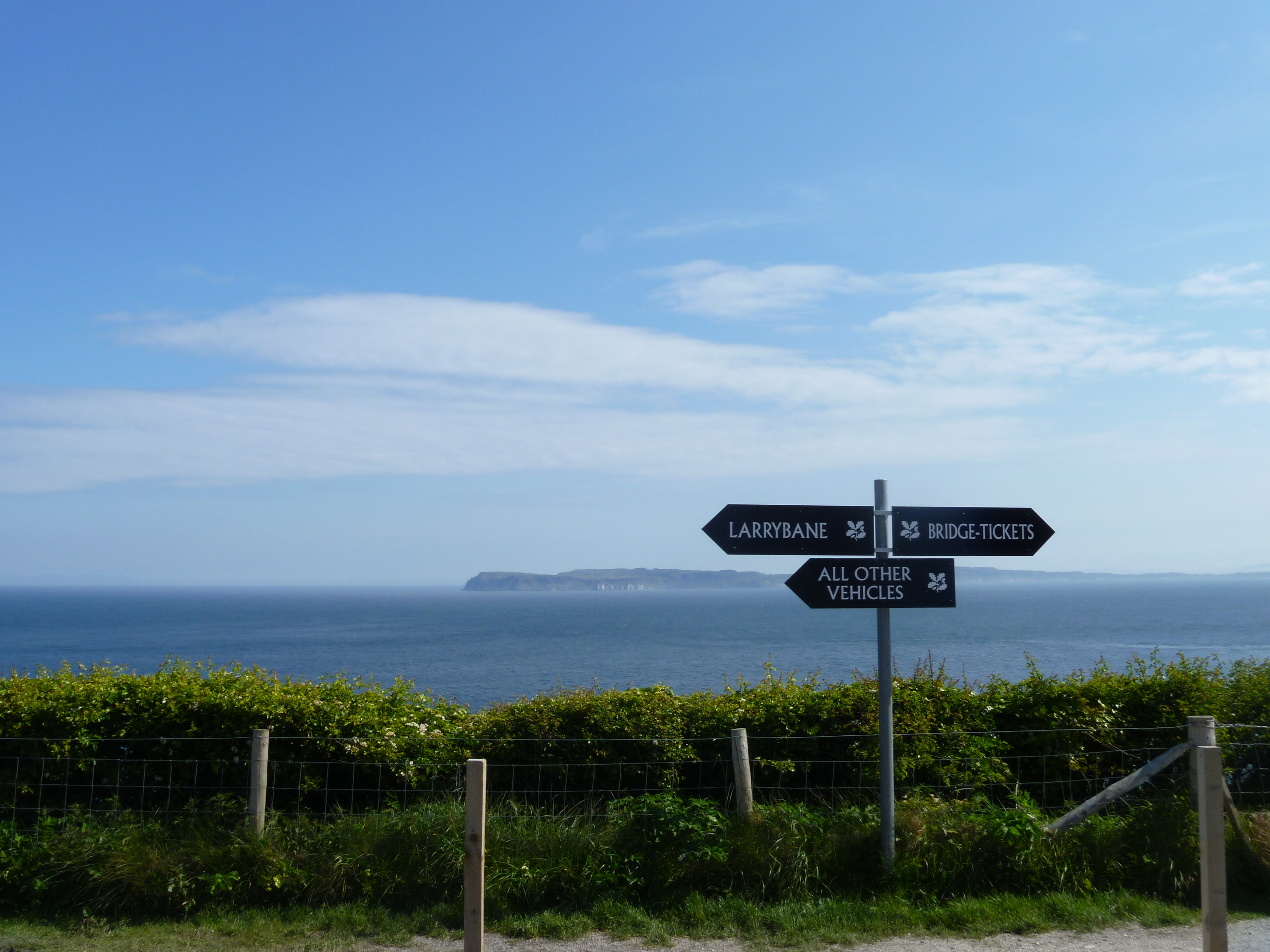
Our first destination was Carrick-a-Rede on the north Antrim coast. From here we had a clear view of Rathlin Island and the Scottish mainland – The Mull of Kintyre. My previous visit to Northern Ireland had been 45 years ago when I spent just over a week at Girl Guide camp at Magilligan Point a beautiful and remote spot on the County Londonderry coast. (Sadly, it became an internment camp and prison during the recent troubles.) From there we visited north Antrim coast and I made my first walk across The Carrick-a-Rede Rope Bridge. Today the whole area is owned by the National Trust. There’s a large car park and cafe-cum-shop and there’s a one mile walk along the coast path from there to reach that wobbly bridge.

The Rope Bridge was originally erected by local fishermen and links the mainland of County Antrim to the rocky outcrop 20 metres away. The chasm between the two is 30 metres deep. It’s an exhilarating walk, challenging crossing and satisfying achievement to arrive on the island where there are great opportunities for birdwatching and more spectacular views.

From Carrick-a-Rede we headed slightly inland to the nearby town of Bushmills where the Old Bushmills Distillery is open to group tours. Making whiskey here is huge business and it has been carried on since the first licence was granted in 1608. The tour is very well done and very professional – you get to see the process of Whiskey making step-by-step and you end up in the ‘pub’ at the end where you may claim your nip, or hot toddy or (in my case) soft drink.

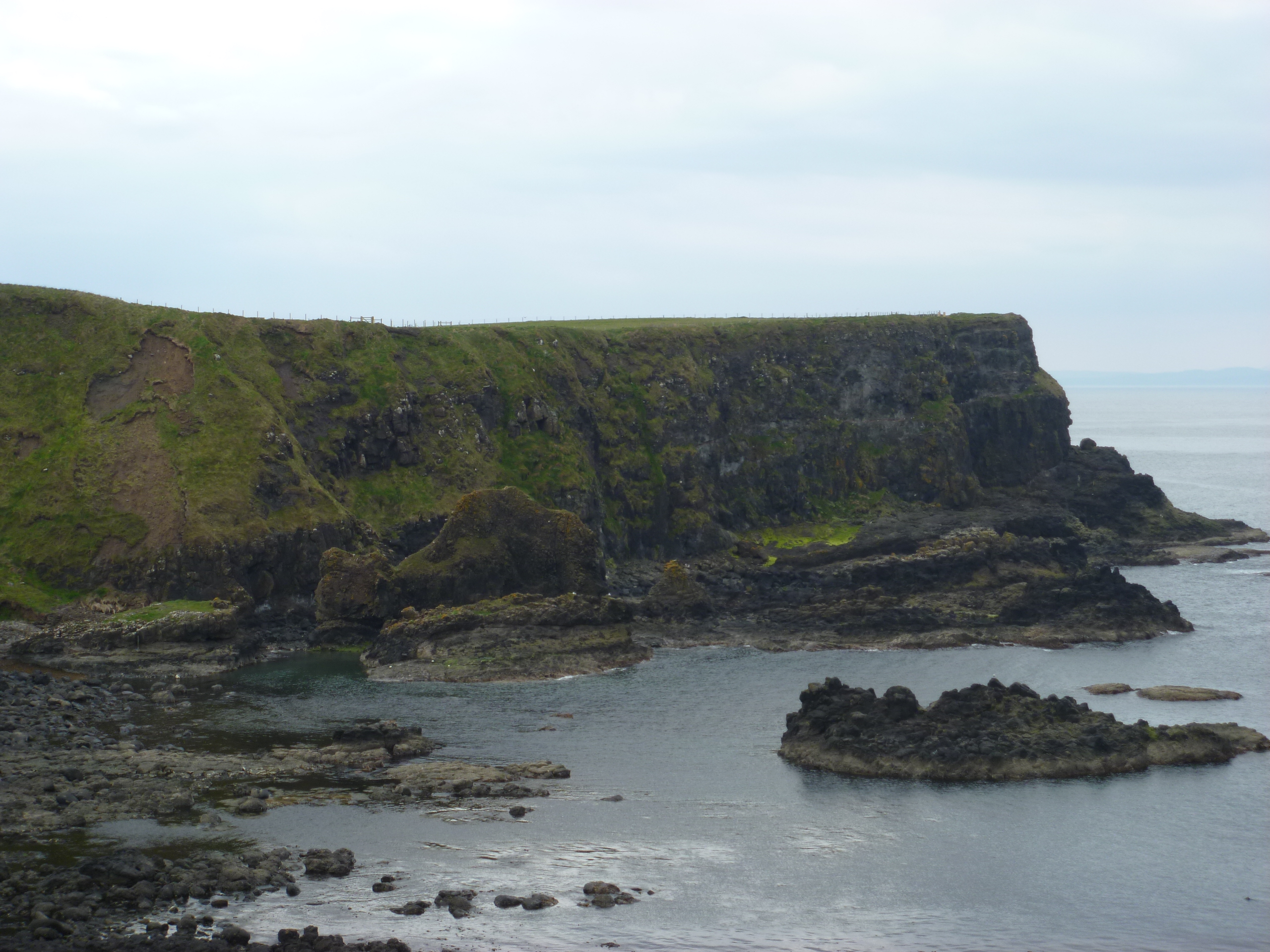
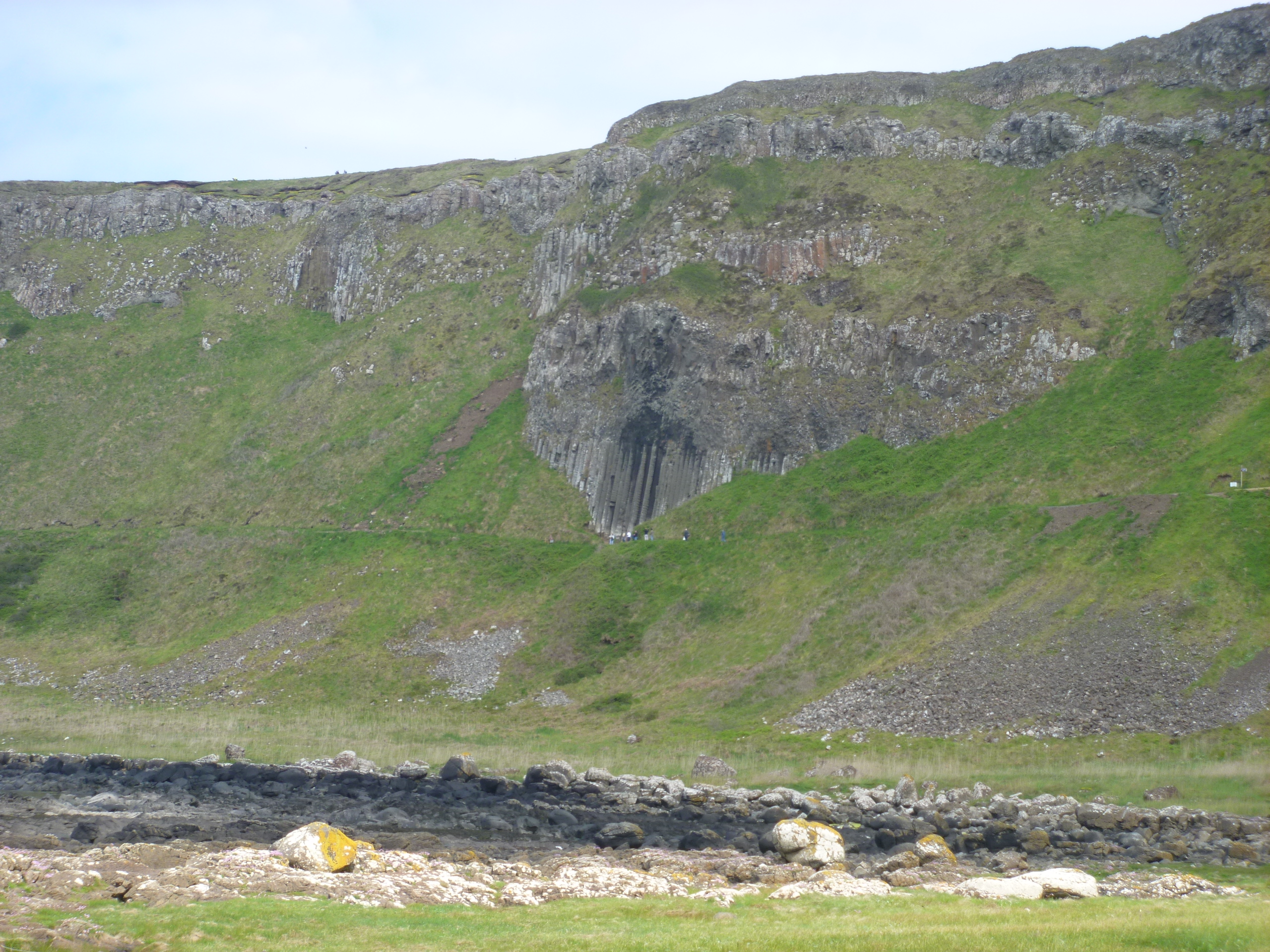
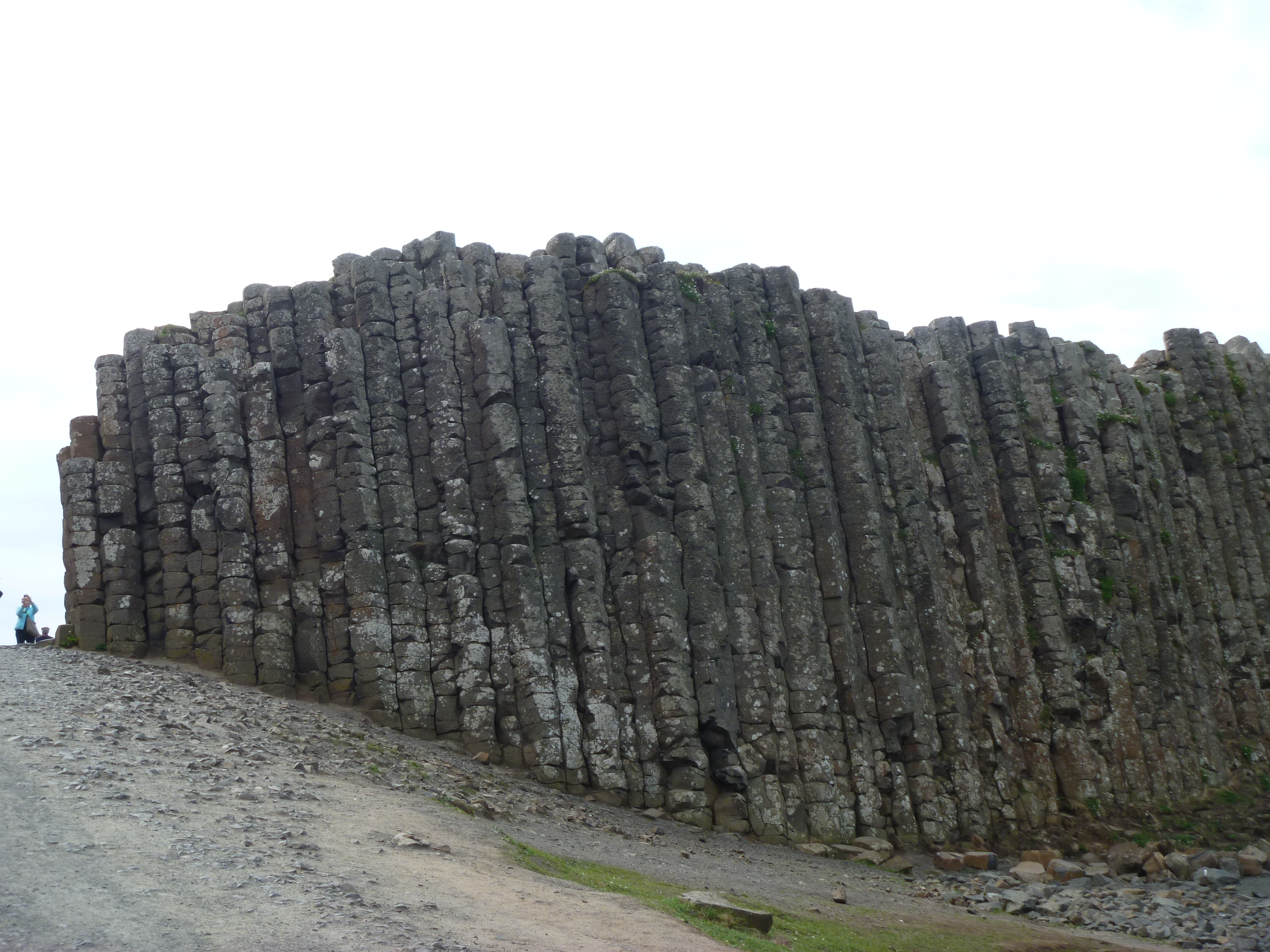
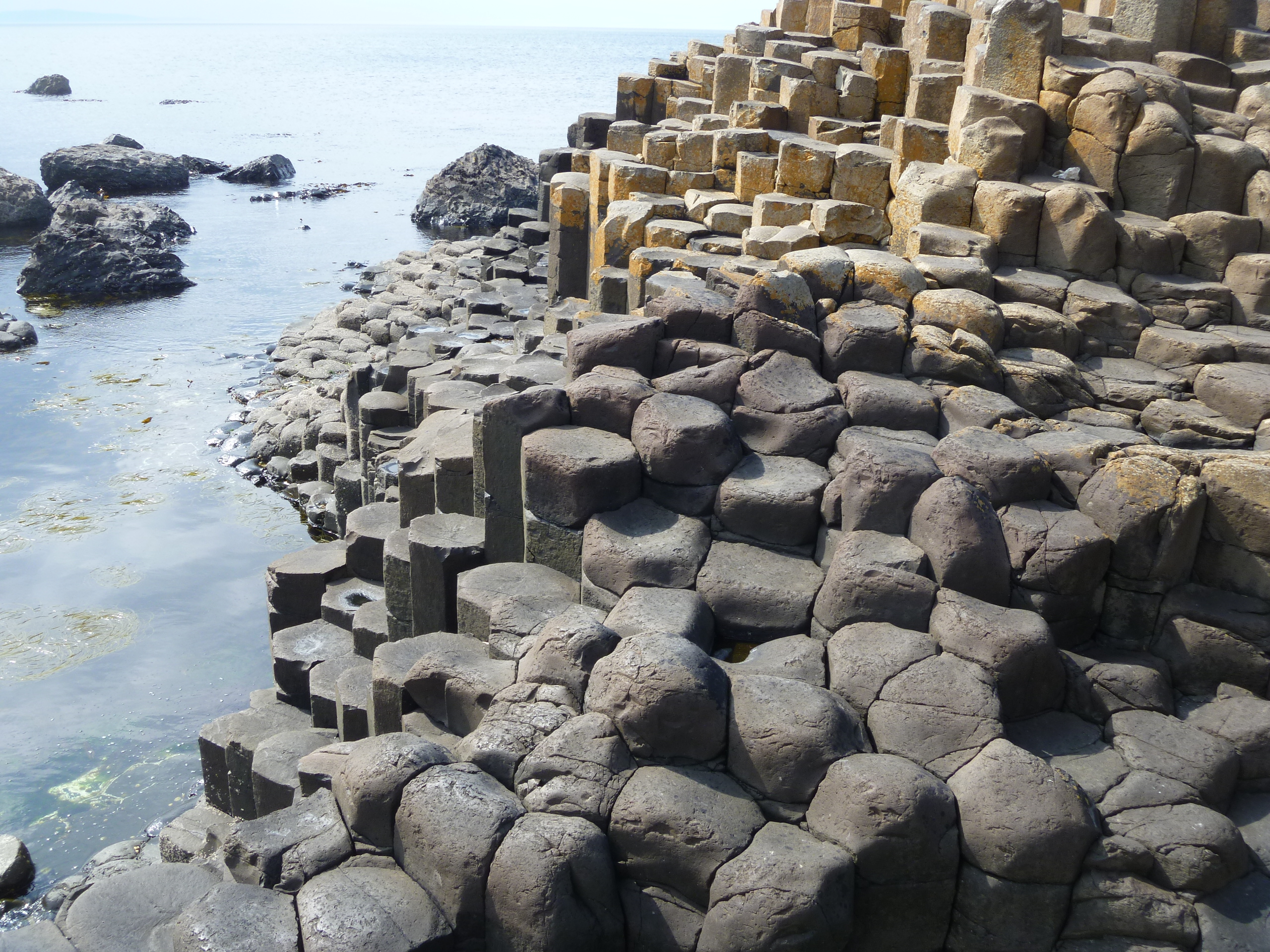
Then it was on to the final stop for the day – the Unesco World Heritage Site of The Giant’s Causeway.The Causeway today is a very busy place. Besides all the visitors, there is a lot of building work going on. The National Trust is building a whole new visitor centre and car park behind the Causeway Hotel where the present shop and facilities are located. For our walk to the Causeway we were accompanied by a volunteer guide who was well-versed in Irish mythology and legends and possibly also in geology and coastal geomorphology. The few facts have been lost amidst the mass of stories connected with Giant Finn MacCool and the unusual rock formations.

The Camel

The Organ

Tall Rock Formations