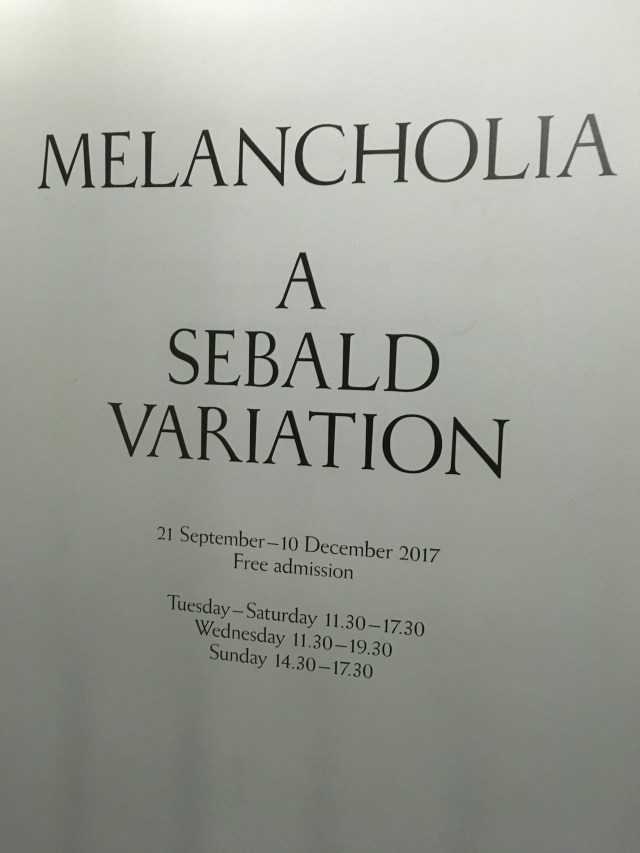
On a recent visit to London I had time enough before catching my train home to visit Somerset House. I’d earmarked three exhibitions – none of them big blockbusters – all in the same venue.
On a recent visit to London I had time enough before catching my train home to visit Somerset House. I’d earmarked three exhibitions – none of them big blockbusters – all in the same venue.
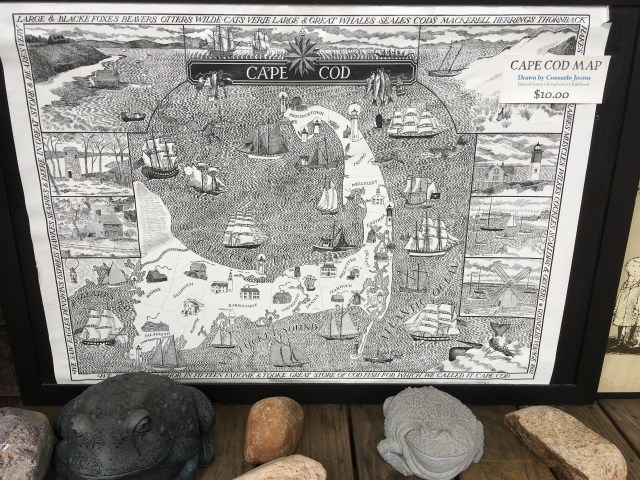
Map of Cape Cod by Consuelo Joerns, a friend of Edward Gorey, on sale in the shop
On our first return to Cape Cod in 2008, after an interval of 29 years, I discovered The Edward Gorey House and made a visit and posted my photos here. On our last Saturday of this year’s trip, after checking out of our Airbnb in Barnstable, I made a second visit to the house.


During our visit to the Lund Botanical Garden we came across a small exhibition at the far end of one of the tropical greenhouses. The display was part of Lund’s 350 years celebration and was dedicated to the selection of plants found in the coffin of former Bishop of Lund, Peder Winstrup.
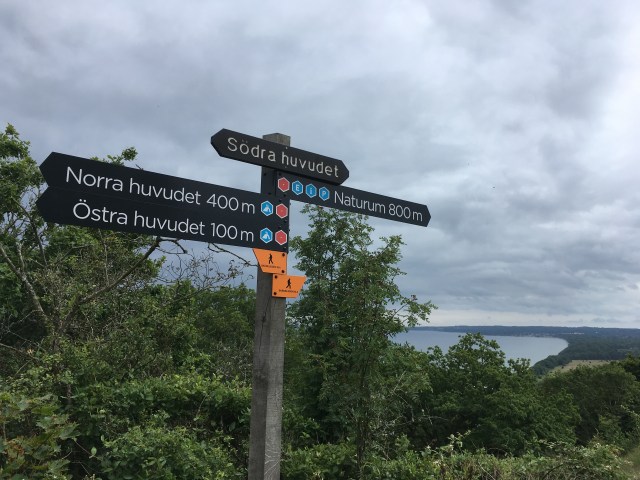
Most of our walk along the Österlen Way was along pretty level paths – always looking out for those orange route markers (sometimes just a dash of paint on a post) to confirm we were on the right track – mostly hugging the coastline but as we neared the end we had to pass through Stenshuvud National Park (Stenshuvud Naturrum). Here there were good facilities and plenty of printed information in English.
Gerhart Hauptmann (1862-1946) is another winner of the Nobel Prize for Literature. He was a German novelist, poet and playwright; although he was born and died in what is now Poland. I visited his former summer house on the island of Hiddensee in June.
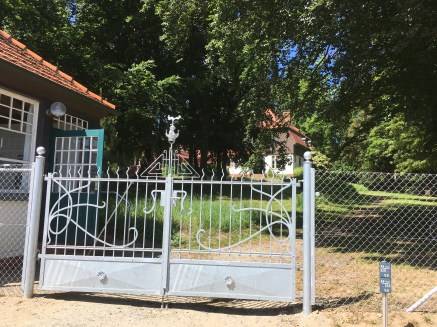
The original gate entrance to Gerhard Hauptmann House and Garden
Day three’s walk included a boat trip to the island of Hiddensee. The ferry from Schaprode sails out to Neuendorf around midday and we were able to catch a return ferry from Kloster in the late afternoon.
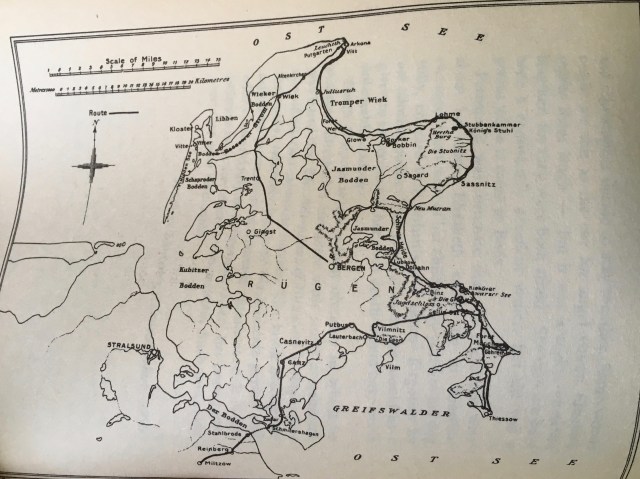
Hiddensee is the long, thin strip of land to the west of the coast of Rügen
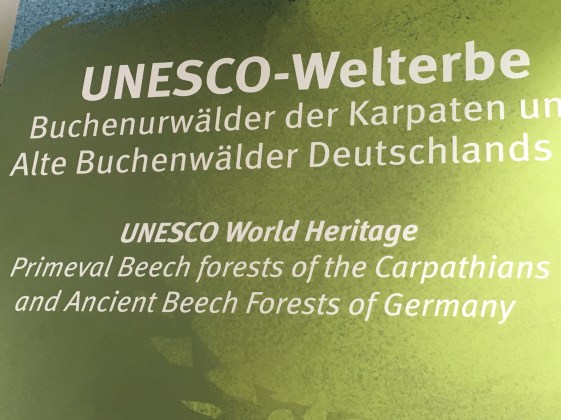
It’s interesting that just as I was about to write this post I read an article in the Weekend Financial Times entitled “Golden Sylva“. Basically, it’s about an architect in Germany using his own woodland to build his own low-energy house. The woodland has been owned by his family for centuries … “Frey is not alone in Germany with his love of woods. The citizens of Europe’s leading industrial economy are deeply attached to their trees. About 2 million people in a population of 80 million possess at least a patch of woodland, often no larger than a copse but nonetheless a personal treasure … in German culture, the tree is uniquely significant. As Hans-Peter Friedrich, a former agriculture minister, says : “You find woods in every German story”.”
The article goes on to explain what Mr Frey is doing and how he is going about the construction etc. but later it reverts back to the tree-related roots of Germany’s founding myth and the importance of woods in German art, music and literature.
Earlier this year I read ‘The Huntingfield Paintress’ by Pamela Holmes following reading a review in Country Life magazine.
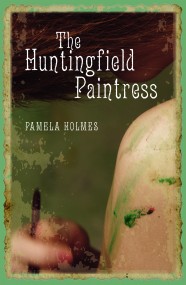
[source]
Since very little is known about the family it’s a totally fictional account of the imagined life and real work of Mildred Holland the wife (and cousin) of the vicar of Huntingfield. It’s described here on the publisher’s website :
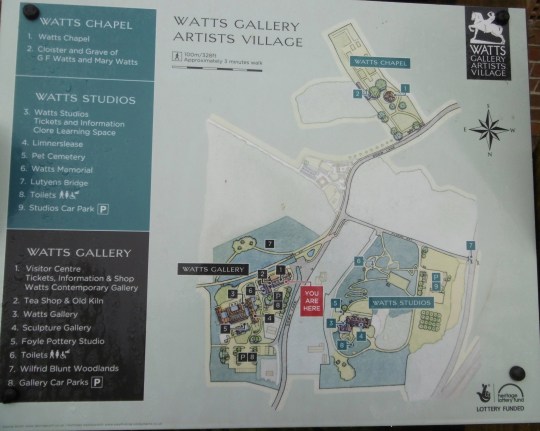
Last August I visited Surrey on an Art Fund tour – Surrey Arts and Crafts. I only managed to write here about the afternoon we spent at the Landmark Trust property Goddards. But we did spend a whole day at Watts Gallery in Compton. The Artists’ Village is fascinating and includes an amazing amount of G F Watts and his wife Mary’s work.
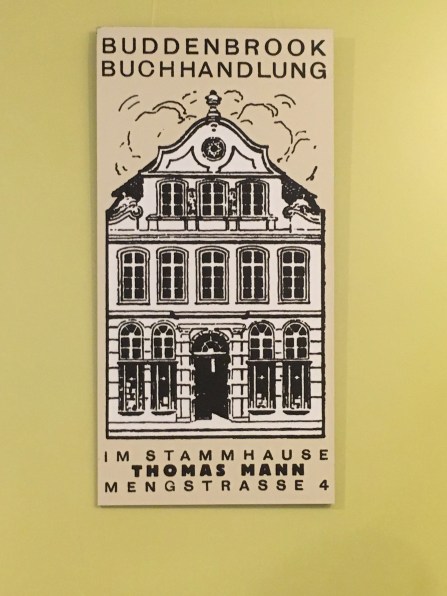
The excellent Buddenbrook Book Shop
Lübeck is proud to claim three Nobel Prize winners among its residents: Thomas Mann (1875-1955) Nobel Prize for Literature in 1929); Willy Brandt (1913-1992) Nobel Peace Prize in 1971; and Günter Grass (born in Danzig in 1927 died Lübeck 2015) Nobel Prize for Literature in 1999. All three claim this Hanseatic city as their home. The writer Thomas Mann was born here and for the first 18 years of his life called this city on the river Trave his home. The politician Willy Brandt was also born in Lübeck and, similarly, spent his formative years in the Hanseatic city. The author Günter Grass moved to Lübeck at the age of 68 – to be, as he once stated, “closer” to Thomas Mann and Willy Brandt.
 miladysboudoir