Four Speakers at Felixstowe Book Festival

Felixstowe Book Festival

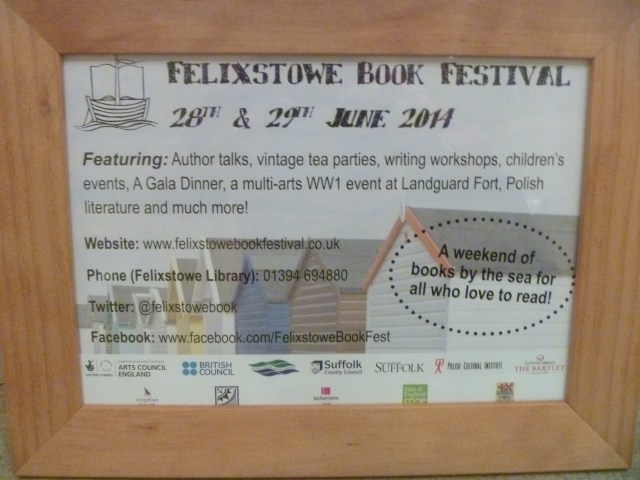
This annual event takes place on the last weekend of June each year. Well, I say each year but last year was the first and this year the second time that the event has been held. In 2013 I was in Switzerland but it sounded good from the reports so this year I combined a visit with family in Norwich with a weekend  of books at Felixstowe in Suffolk.

“A weekend by the sea for all who love to read”. I’m afraid the weather in Felixstowe on both days was appalling – constant rain almost throughout – but at least I wasn’t regretting being inside – although picnic lunch outside in the hotel garden and walk to see the sea might have been nice!

Last year a couple of book group friends attended and this year a couple more: me and Diney Costeloe. Elaine (Random Jottings), who lives at nearby Colchester has been one of the volunteer helpers each year.

Diney Costeloe is a member of our group and a published author. It’s hard to write about a talk given by someone you know and like and whose books you believe deserve much more attention than they have been given. This was her first book festival talk although she has done author signings and book group discussions. Diney chose to talk about her ‘writing story’ with humour and anecdotes but also adding some of the frustrating struggles authors face trying to get published these days. I’ve read all her books and they are gripping stories each one brings to our attention an often neglected aspect of the First or Second World War.

The Ashgrove
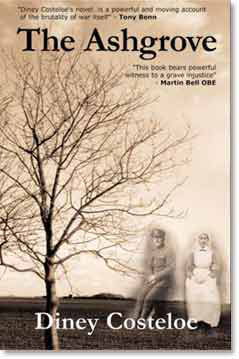
theashgrove

Eight ash trees were planted in 1921 as a memorial to the men from the village of Charlton Ambrose who were killed in World War One. Now the Ashgrove is under threat from developers, and the village is torn between the need for more housing and the wish to preserve the memorial. Rachel Elliott, a local journalist, is reporting the story and uncovers a mystery… eight men and nine trees – in whose memory is the ninth tree and who planted it? As she researches the memorial a diary and letters are given to her and as the story they tell unfolds Rachel discovers her own links with the past and with the Ashgrove itself and this makes her determined to save the Ashgrove as a memorial to all the men who lost their lives.

A fictional telling of the shooting for desertion in WW1.

Death’s Dark Vale
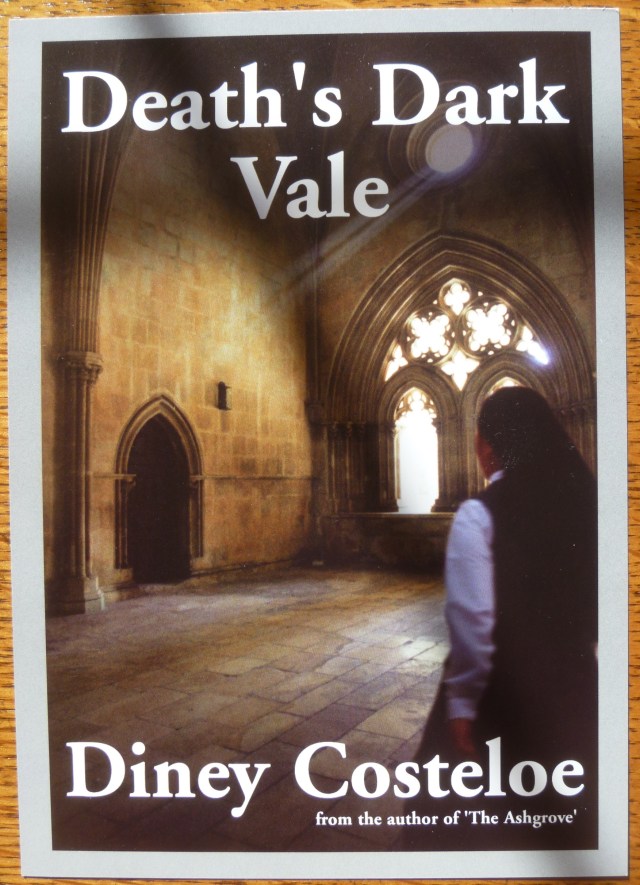
Death's Dark Vale

“When Adelaide Anson-Gravetty discovers she is not who she thought she was, her search for her true family leads her to the convent of Our Lady of Mercy in St Croix in northern France.

The defeat of France brings German occupation to the village, the nuns are caught up in a war that threatens both their beliefs and their lives. Involved with the resistance and British agents, Adelaide and the sisters truly walk in the shadow of death as they try to protect the innocent from the evil menace of the Nazi war machine.” [source]

Fiction on the theme of the wartime resistance movement in France and involvement of British agents.

Death’s Dark Vale has links to some of the characters in The Ashgrove but both books can be read independently. In fact I read them in the opposite ‘order’.

Evil on the Wind

Evil on the wind

“It is Germany 1937. Fear and betrayal stalk the streets. People disappear. Persecution of the Jews is a national pastime. Her home destroyed, her husband arrested by the SS after an anti-Jewish riot, Ruth Friedman is left to fend for herself and her four children. Homeless, she is forced to live on her wits to protect her family. She alone stands as their shield against the Nazis. Where should she go? What must she do? Is Kurt alive? Wherever she turns, Ruth is faced with indifference, hatred, cruelty. Living with the rising tyranny of the Nazis and their determination to make their Reich Jew Free, Ruth and her family run a desperate race to escape the Nazi terror as it marches inexorably to its ‘final solution’ of the Jewish Problem.”

About the Kindertransport mission before war was declared on Germany.

One of the Festival themes was The First World War so I was interested to hear Jeff Taylor talk about The First World War in East Anglian Fiction. Like Jeff I’m interested in place in fiction. Here is what the Festival Guide says about Jeff and his theme:

“The First World War had a presence in East Anglian fiction almost as soon as the war began and this continues into the present day. From the work of H.G.Wells through to that of children’s author Michael Foreman, Jeff will summon a roll-call of imagined characters who reflect the reality of the time. Jeff wrote a long-running column on East Anglia’s rich literary heritage in the Eastern daily Press.”

Jeff told us that when first approached he only wanted to speak about R H Mottram’s ‘The Spanish Farm Trilogy’ but the festival had suggested he broaden the talk to include all East Anglian literature so towards the end, after his piece on “What if … ?” books, he rather rushed through more recent books with a 1st WW theme but managed to include Diney’s The Ashgrove which was partly inspired by Colchester’s Avenue of Remembrance.

Although I made a few notes of books to follow up Jeff offered to send a booklist to anyone who cared to leave there email address with him.

Alex Munroe is a jewellery designer and maker. I’d never heard of him but booked the talk on the strength of the enthusiastic blog piece that arrived from the festival a few weeks ago. He’s written ‘Two Turtle Doves: a memoir of making things’.
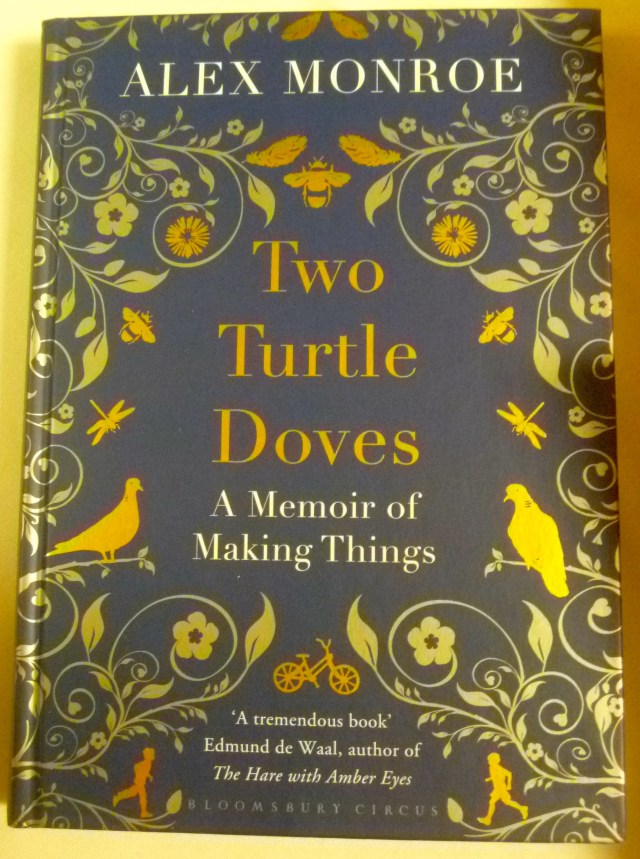
Two Turtle Doves

It’s out soon in paperback but I’ll be requesting the library buy it. He told us that he thought if his friend Edmund de Waal can write a book … then so could he (tongue in cheek). He was very self-effacing but also very funny.
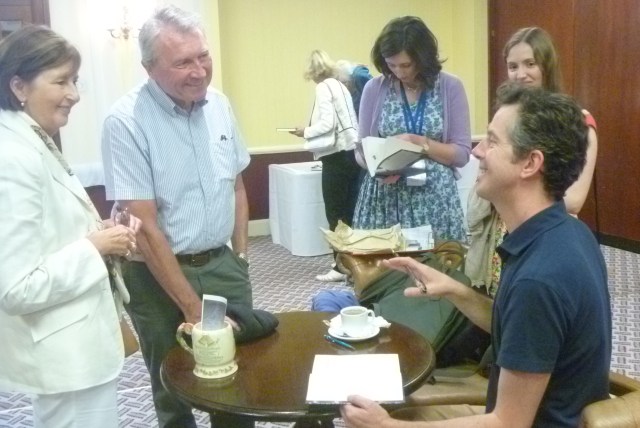
Alex Munro signing

Alex Munroe meeting members of the audience and signing his book

 Elaine’s daughter Helen McCarthy spoke about her new book on women diplomats.
diplomats.jpg

“Helen’s book, Women of the world: The Rise of the Female Diplomat, is the first serious attempt to explore the place of women in British diplomatic life since the 19th century. The two World Wars cast women as new players on the international stage. In this fascinating talk Helen traces their influence and experiences as wives, patrons, experts and eventually as diplomats in their own right. Helen is Senior Lecturer in History at Queen Mary, University of London and previously was a Research Fellow of St John’s College, Cambridge. Her first book was The British People and the League of Nations.” [Festival Notes]

All the events I attended were held in the Orwell Hotel and a couple of rooms were available for tea drinking and a local bookshop set a stall.

I stayed at a lovely old rectory B&B in the Suffolk countryside just beyond Sutton Hoo (NT) near Woodbridge.
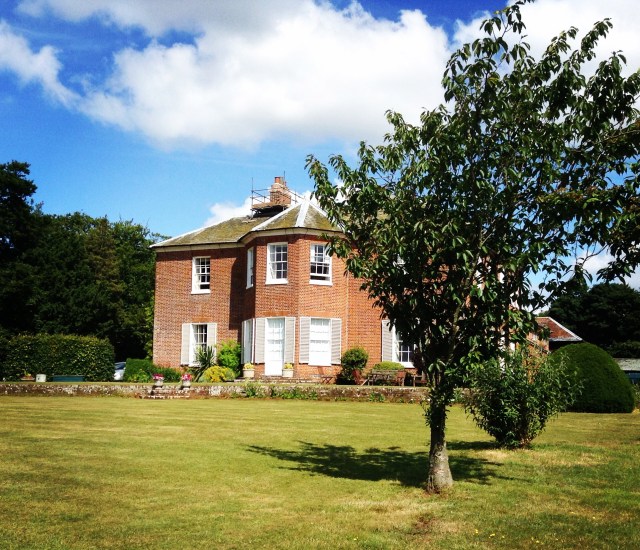
The Old Rectory


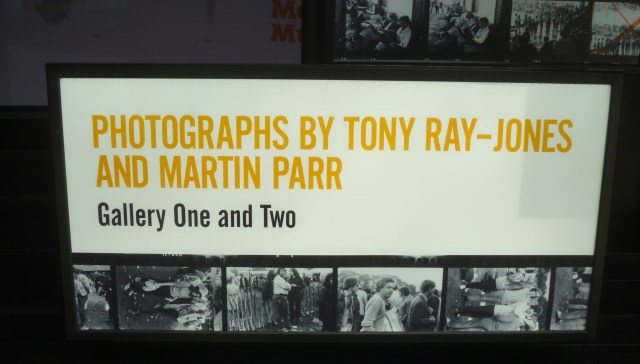
Only in England : Photographs by Tony Ray-Jones and Martin Parr

Intro Poster

Later this month I’ll be assisting Dovegreyreader (alias Lynne) at the Port Eliot Festival in Cornwall. Any posts I may do about events may be on here or maybe over at Lynne’s blog.

M Parr 1976

One of Lynne’s guests will be the photographer Martin Parr. For many years I have been intrigued by Parr’s photos. We had lots of his titles in my library so I would often have a look and wonder to myself – Is this a put up job? Or are the subjects unaware that they are having their picture taken?

MP book

Parr Book

 A Couple of Parr’s books in the Museum Shop : sandals are the theme of the day

Until Lynne gave me the nod I was unaware that Parr was involved in an exhibition locally: Only in England : Photographs by Tony Ray-Jones and Martin Parr. It was showing at the National Media Museum in Bradford until the end of June. Bradford is but a few miles away so the other Saturday afternoon I took a trip over there to see what the exhibition was all about.

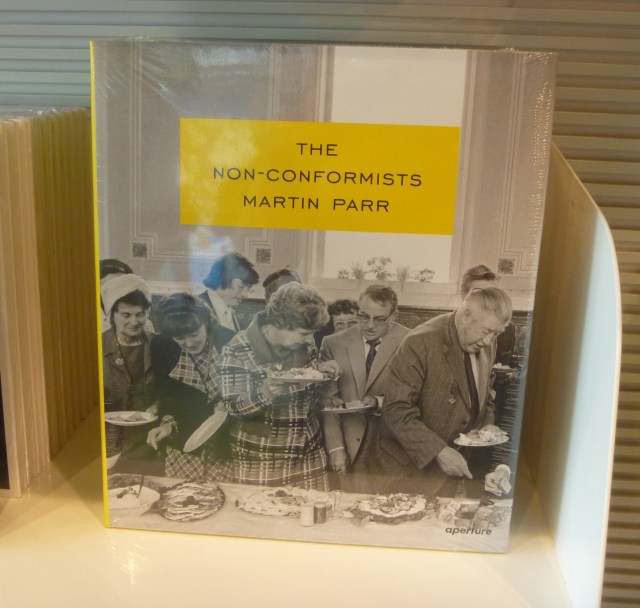
I found that the two galleries of the exhibition were complementary to each other exploring the relationships between Tony Ray-Jones (1941-72) and Martin Parr (b.1952). Parr was invited by the Curator of Photographs, Greg Hobson, to study the Ray-Jones archive (acquired by the Museum in 1993) and help bring together a collection for display alongside early work of Parr’s centred on the local Calder Valley between 1975 and 1979 when he himself lived in Hebden Bridge. “The Non-Conformists” was his first major body of work.
Non-Con Book

Ray-Jones spent the latter half of the 1960s travelling around England photographing what he thought of as fast-disappearing way of life. He also spent half a year travelling in the USA but sadly Tony Ray-Jones died in 1972, aged 30, of leukaemia.

“Ray-Jones was interested in the eccentricities of human behaviour, which for him embodied the English personality. He approached his project like an anthropologist, thoroughly researching his methods, locations and subjects. The resulting photographs are remarkable. Characterised by wry humour, they are nonetheless full of melancholy and lament the disappearing cultures that influenced Ray-Jones’s own emotional and artistic development. The England that Ray-Jones photographed is very different to the England of today.” [Information board at the exhibition]

“Ray-Jones’s photographs of the English seaside were a powerful influence on Martin Parr. He was fascinated by Ray-Jones’s ability to see the quirky and absurd in the everyday.” [Information board at the exhibition]

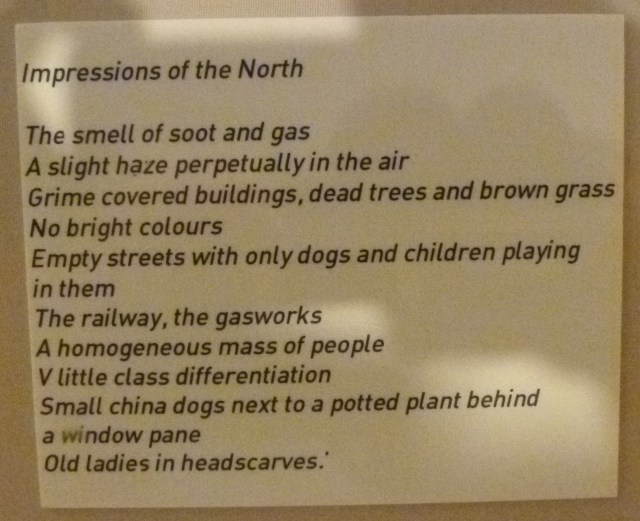
Impressions of north

Impressions of the north

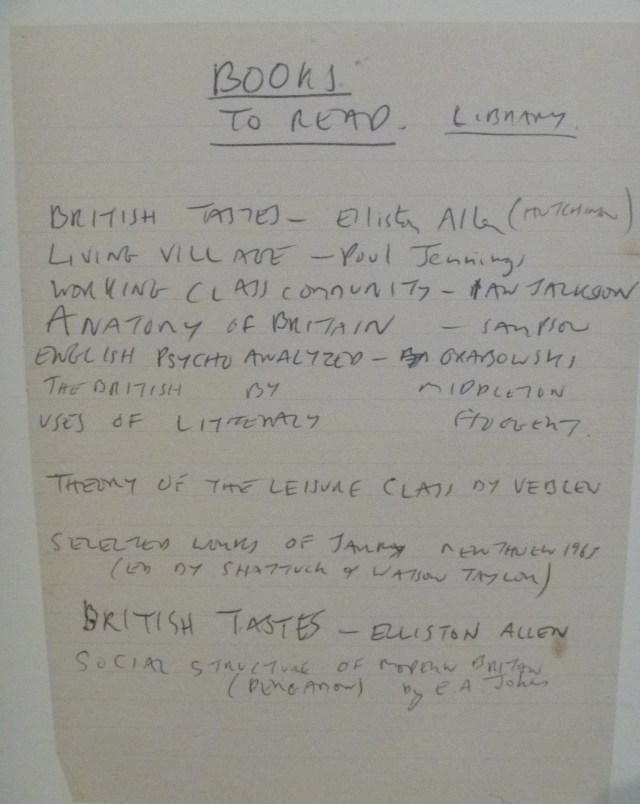
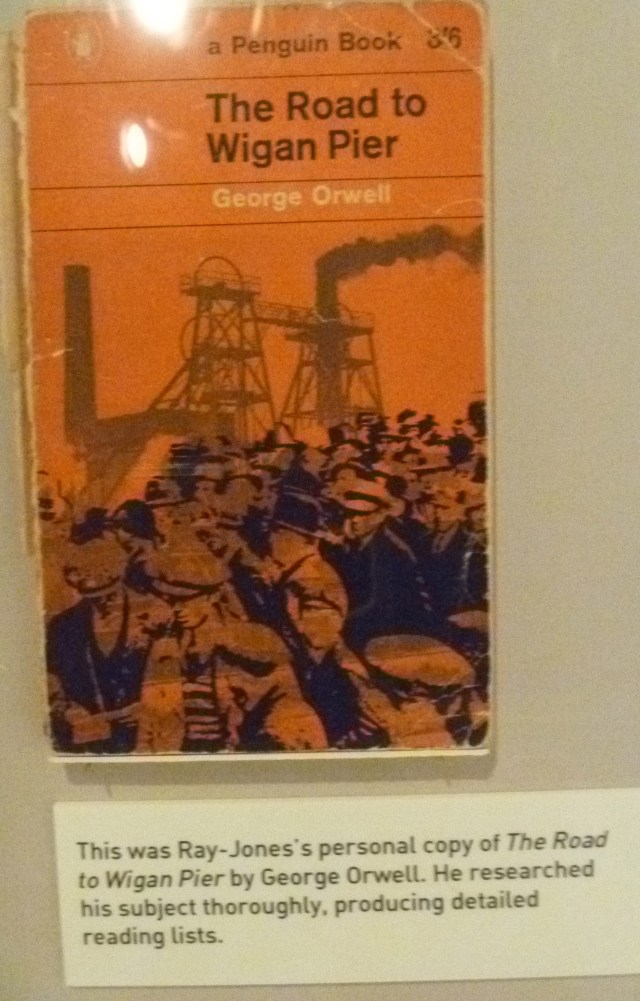
I liked reading his notebooks and inspecting other memorabilia on display.

R-J's notes

Ray-Jones’s notes

Books to read

Books to Read

Road to Wigan Pier

His well-thumbed The Road to Wigan Pier

Martin Parr’s selection were based on his collection The Non-Conformists taken in Hebden Bridge and the surrounding area in 1975 when he and his wife moved to live in the town. He focussed on the chapels and their declining congregations and the changing way of life. Being in black-and-white, like Ray-Jones’s, this gives his pictures an old-fashioned, dated, sad, shabby and gloomy feel. It’s grim up north, you know.

I’ve just chosen two photographs – one from Parr and one from Ray-Jones – that both made me smile.

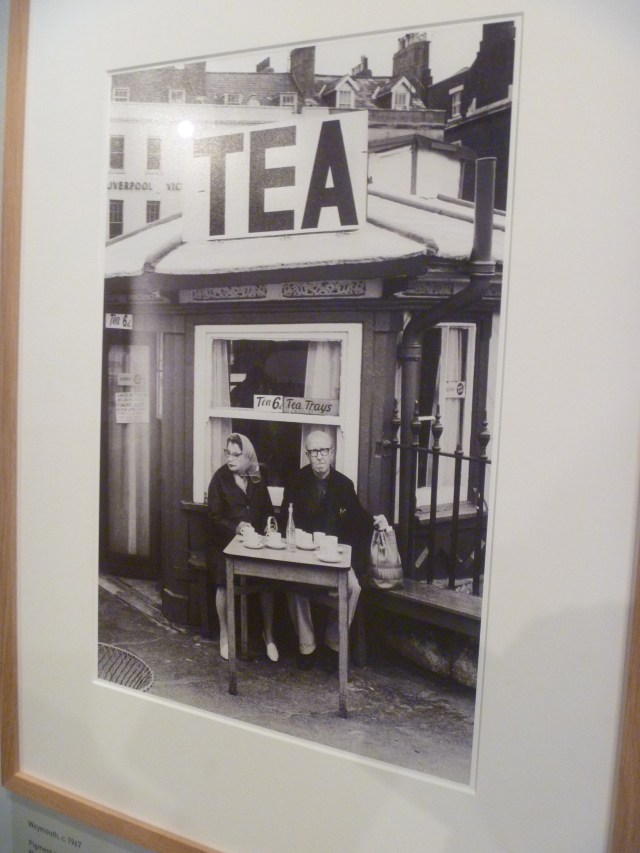
Tea

Love this Ray-Jones Tea Scene taken at Weymouth in 1967

Last Cuppa

 And I call this one The Last Cuppa (Parr)

A fellow WordPress blogger took much better notes and has written more extensively about the exhibition here.

A Sussex Tea Garden, a Long Man and a Landmark Priory : Litlington and Wilmington

Last year Simon over at Stuck-in-a-Book lent me his copy of  ‘Tea is so Intoxicating’ by Mary Essex which is one of several pen names of romantic novelist (and my brother-in-law’s Godmother!) Ursula Bloom.

One thing I especially loved about the book was the choice of chapter headings. Shall I quote them all here?

1. Tea for Two,and Two for Tea

2. I do like a Nice Cup of Tea

3. For all the Tea in China

4. The Cups that Cheer but not Inebriate

5. Everything Stops for Tea

6. Cold Tea may be Endured, but not Cold Looks (Japanese Proverb)

7. Tea and Scandal

Written in 1950 it is basically the story of a London couple who set up a Tea Garden in the South of England but the marriage is not a success.

P1130717

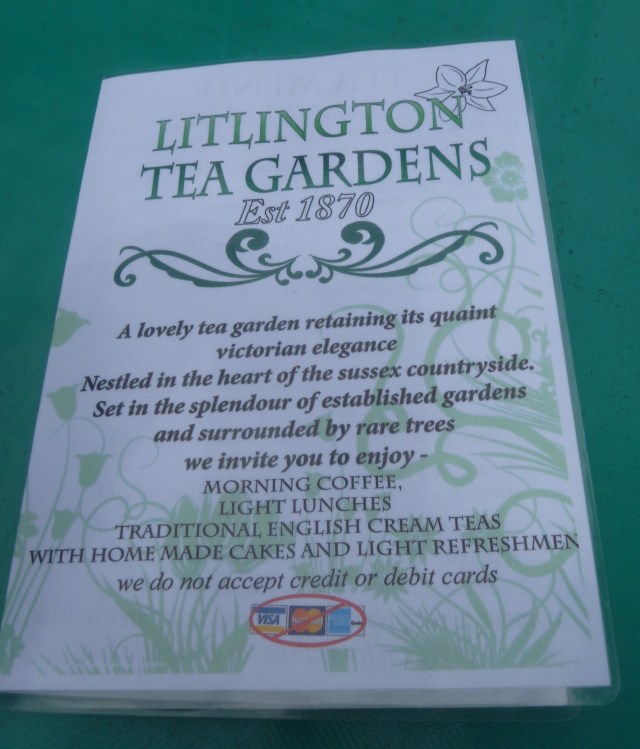
Anyway, when Fran told me that Tea Gardens were a particular feature of the East Sussex countryside around Laughton I knew, should the weather remain sympathetic, that I would have to take my Swiss friends to one of these minor Sussex institutions. So, after the walk on Sunday at Firle Beacon and the visit to Firle village we headed for Litlington Tea Garden.

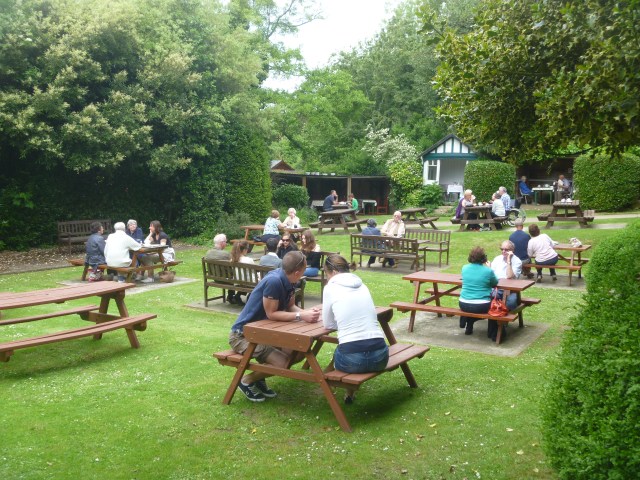
Litlington tea garden

In the Tea Garden – there are a few sheltered places should the weather turn inclement

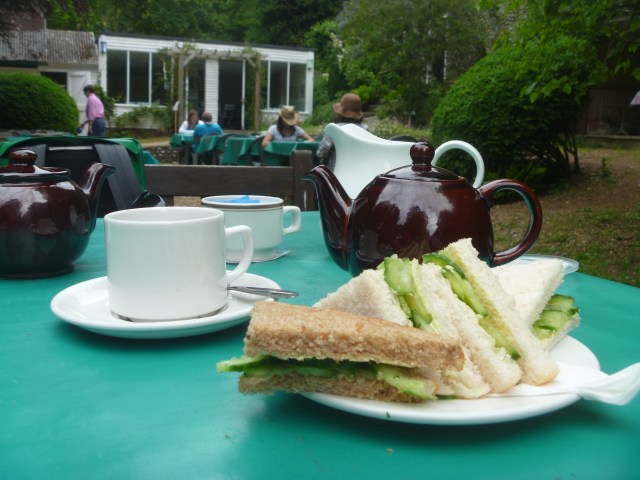
We were in luck – the day remained warm and dry. We ordered cucumber sandwiches to be followed by scones and jam and accompanied by plenty of tea.

cucumber sandwiches

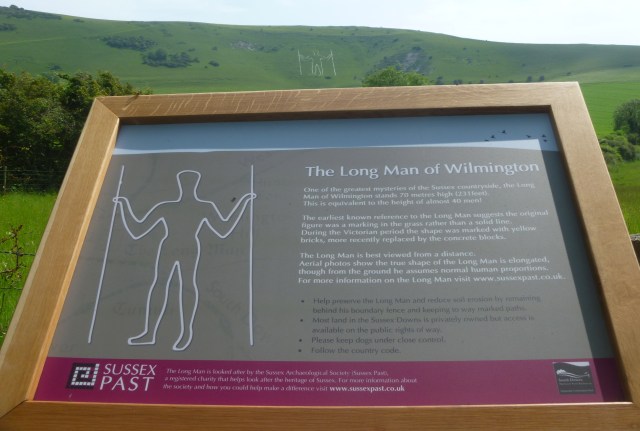
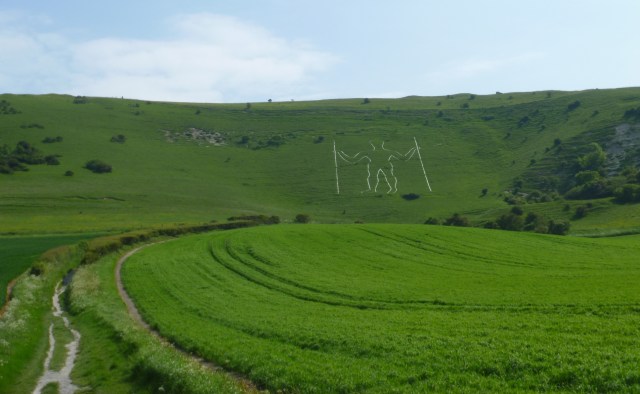
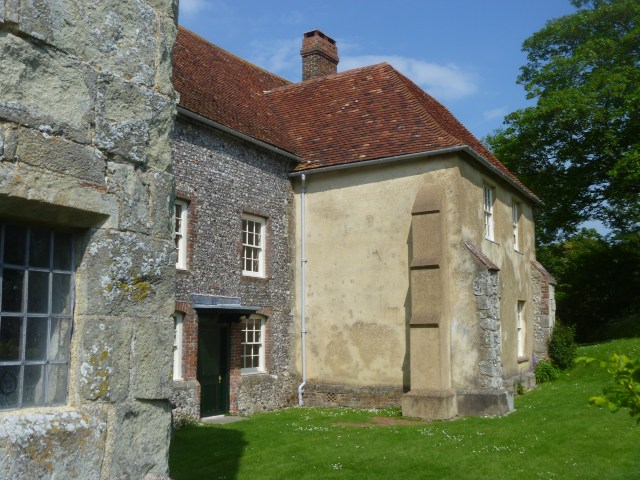
From Litlington it was just a short drive to Wilmington. Here is the famous Long Man carved into the chalk hillside many centuries ago. Here also is Wilmington Priory another Landmark Trust property.

The Long Man Info

Wilmington Long Man

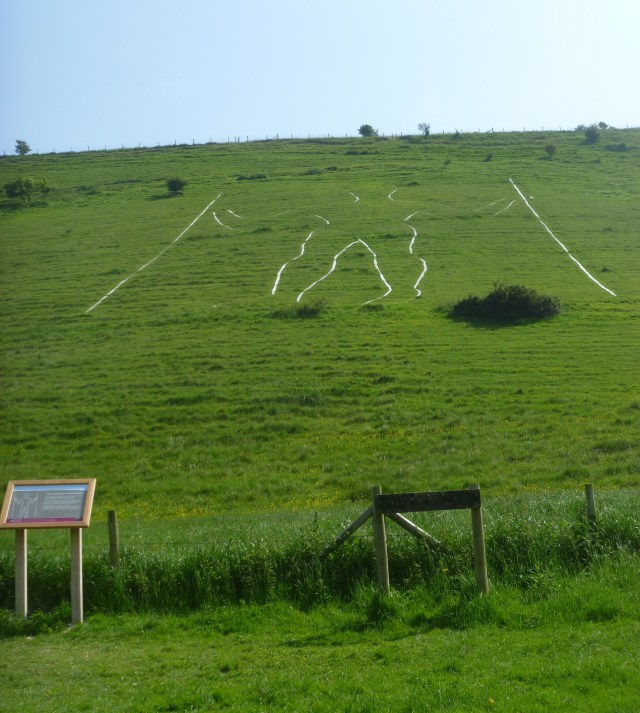
After tea and scones and jam we were ready for a little exercise so parked up in the small car park on the edge of Wilmington and walked about the half mile or so to the bottom of the hillside upon which he is marked out. The nearer you get to him the less of him there is to see. Still, it was a nice walk.

Approaching the Long Man

Approaching the Long Man

Close up

We Reach The Long Man

The enigmatic Long Man of Wilmington attracts many theories but provides little evidence to back them up. Now outlined in stone, he was formerly carved in the chalk of the hill. His first definite mention was as late as 1710, but the monument was old then. A picture drawn by bored monks, commemoration of the Saxon conquest of Pevensey, a Roman soldier or Neolithic god opening the gates of dawn. The ‘Long Man asking the traveller – like the Sphinx – to solve the dark mystery of its own origins’.” [Wealden Walks]

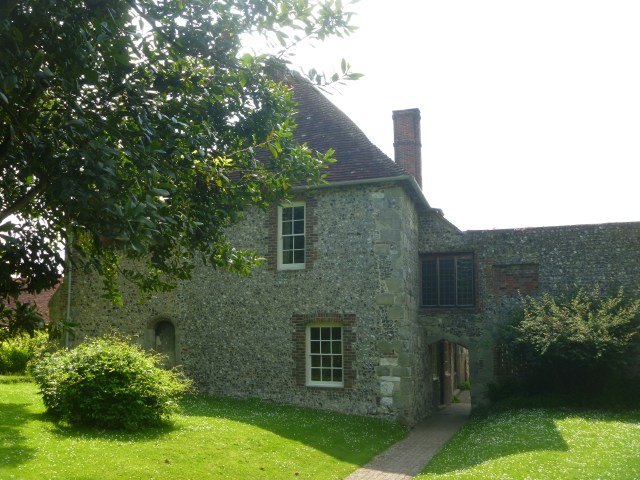
Wilmington Priory

Wilmington Priory

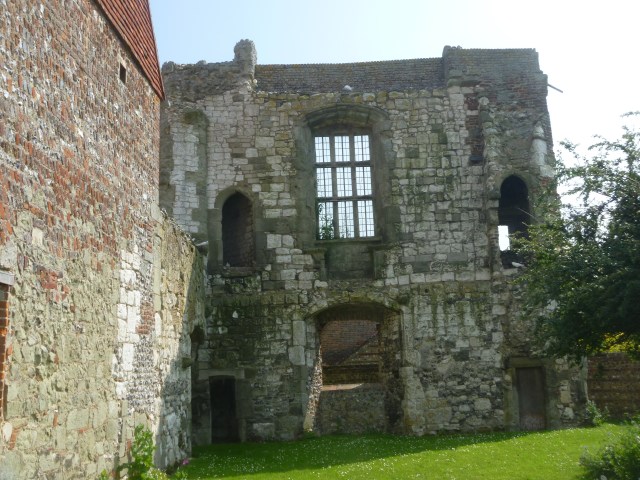
“The remains of a once highly regarded Benedictine Priory Wilmington Priory was a cell of the Benedictine Abbey at Grestain in Normandy. It was never a conventional priory with cloister and chapter, the monks prayed in the adjoining parish church where the thousand-year-old yews are testimony to the age of the site. The Priory has been added to and altered in every age and some of it has been lost to ruin and decay, but what is left shows how highly it was once regarded.” [Landmark Trust website]

Rear of Wilmington Priory

Rear of Wilmington Priory

Ruined Priory

The Ruined Priory

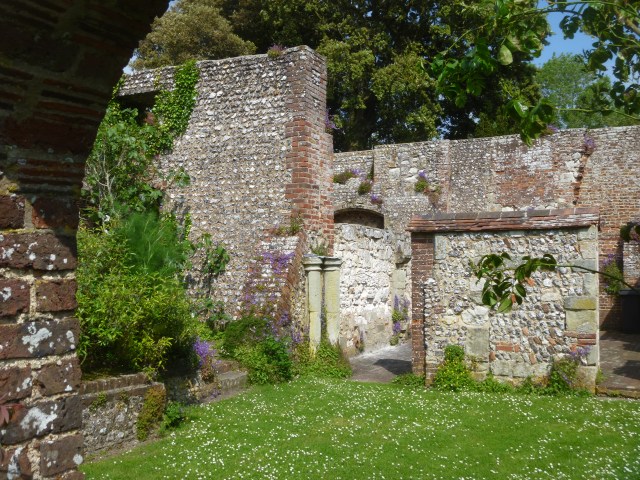
WP garden

Wilmington Priory Gardens

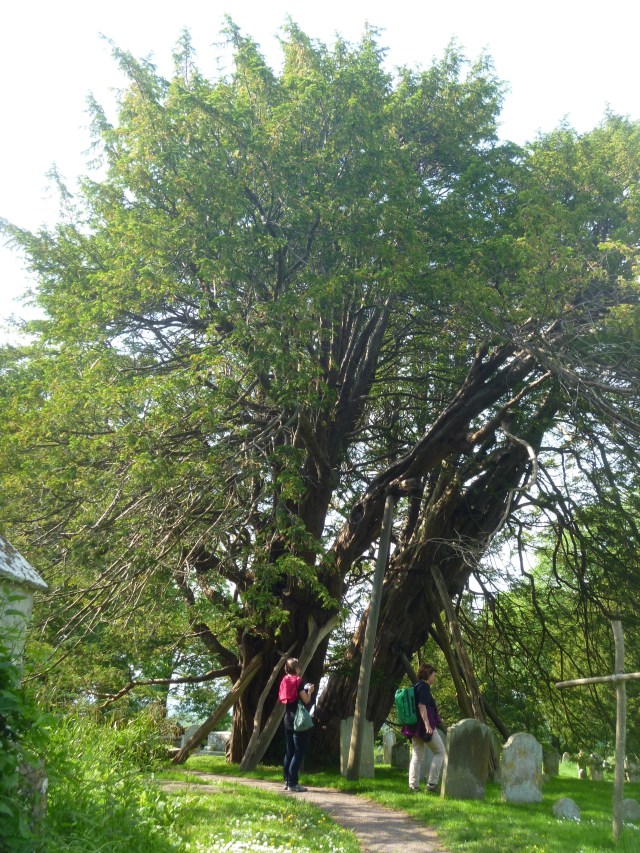
1000 year old yew

The 1,000 Year Old Yew Tree in the Churchyard

In a Quiet Corner of Rome – The Aventine

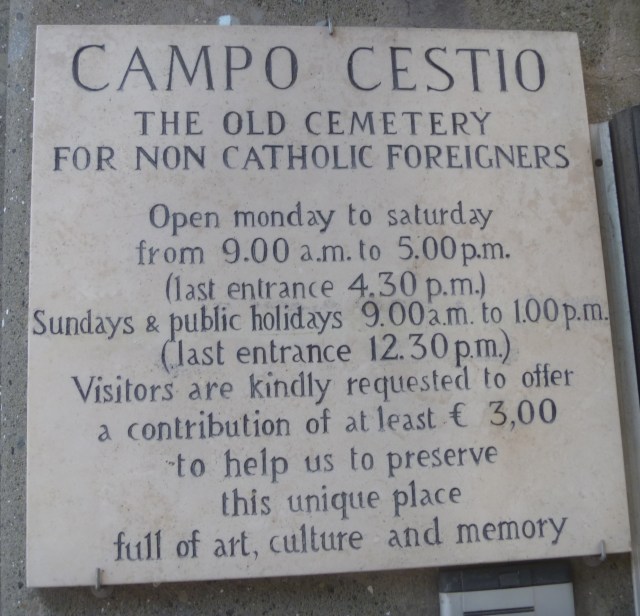
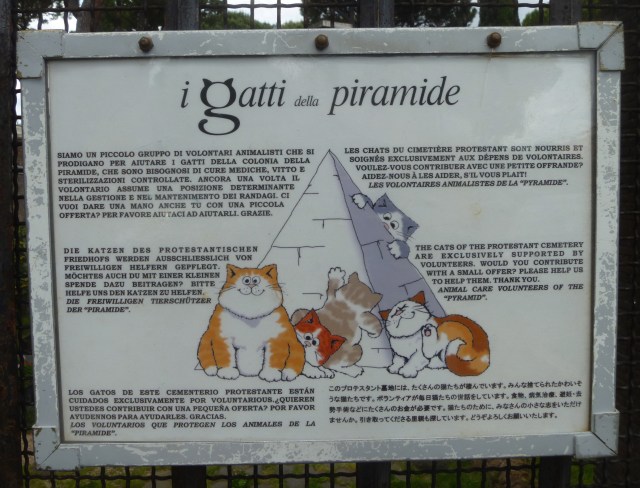
Cemetery sign

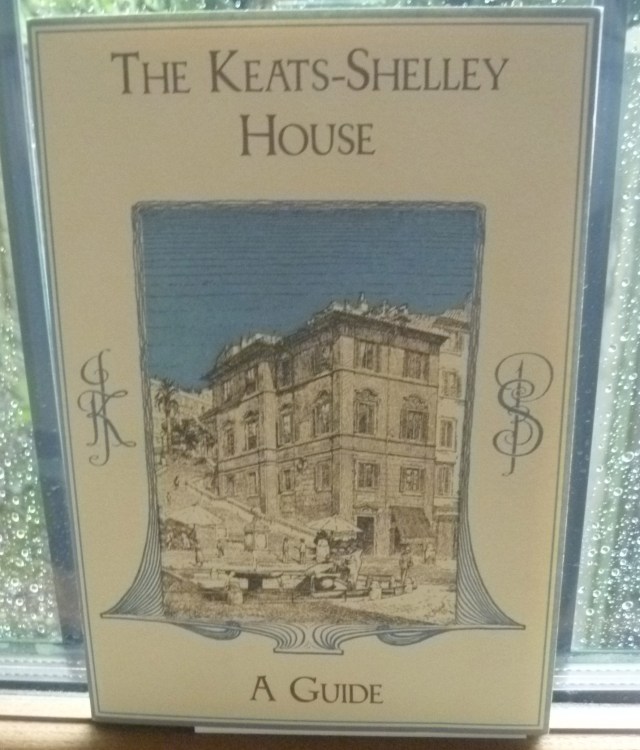
We’d both visited Rome before so I decided to book us at a hotel in an area slightly out of the main hustle and bustle of the centre of Rome and in a leafy residential area within walking distance of a certain cemetery that was brought to my attention on my first visit. The highlight of that trip, although we visited The Forum and The Coliseum and the Trevi Fountain and The Spanish Steps and The Pantheon and I had my picture taken at the Bocca della Verita, turned out to be the peaceful and tranquil Keats-Shelley House.

Keats House

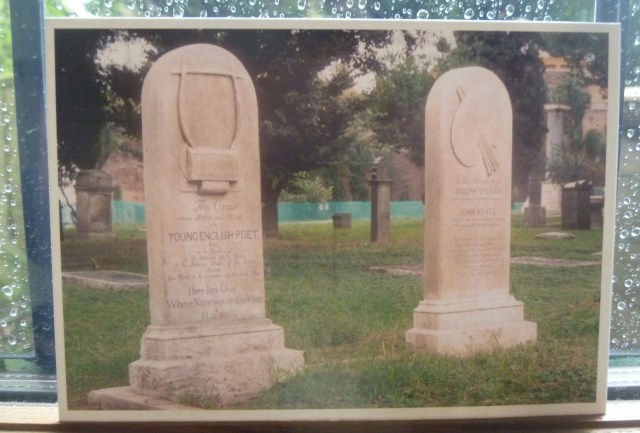
John Keats and Percy Bysshe Shelley are both buried at The Non-Catholic Cemetery in Testaccio and the more I have read about the place the more I have wanted to visit what sounds like a peaceful rural idyll so close to the centre of Rome.

K and S graves

The Keats and Shelley Graves in the Protestant Cemetery [postcard]

What I had failed to take into account – and I could have done nothing about it anyway – was the fact that a second Italian public holiday was to fall during our week’s visit. The 1st of May is a public holiday in Italy. So, after dropping our bags at our hotel room, we made our way at about 1.30pm to the Campo Cestio a 10 minute walk away only to find that it had closed that day at 1pm.

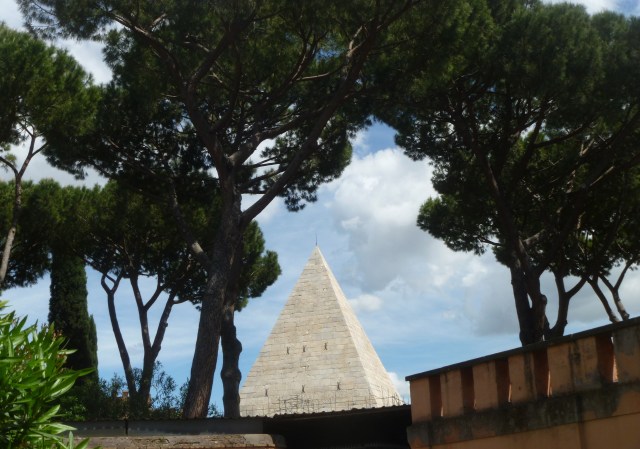
Pyramid

Very near to the Cemetery is the famous Caius Cestius Pyramid built during the 1st century BC when Roman funerary architecture was influenced by the ancient Egyptians.

Pyramid cats

The Cats in the Area even have their own website!

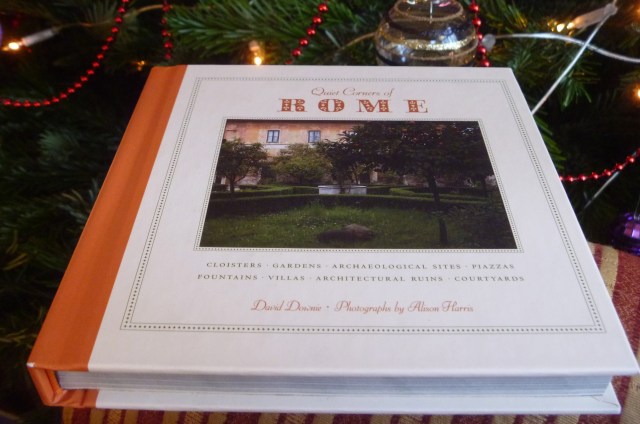
Quiet Corners Rome

Disappointed, we turned to other entries in my ‘Quiet Corners of Rome’ book by David Downie.

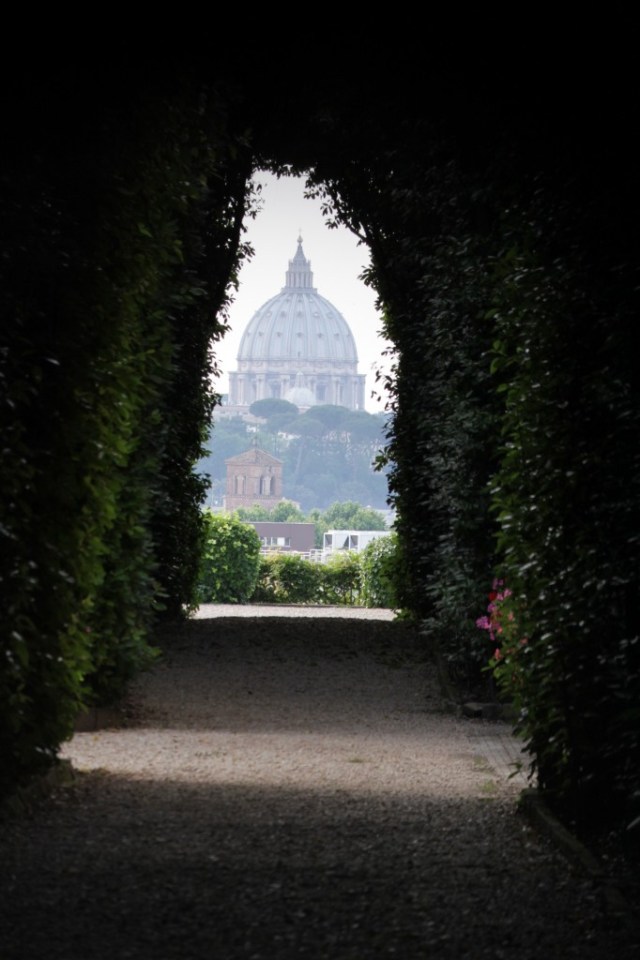
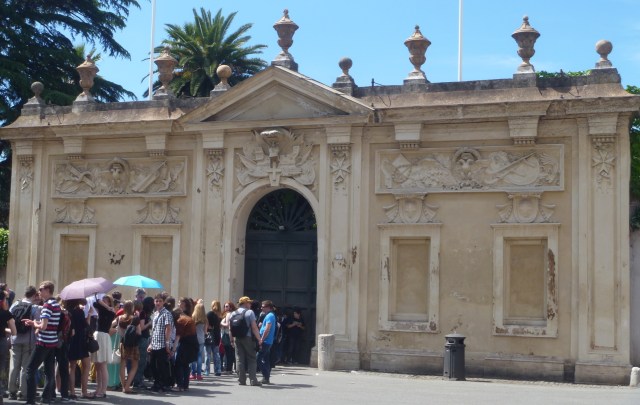
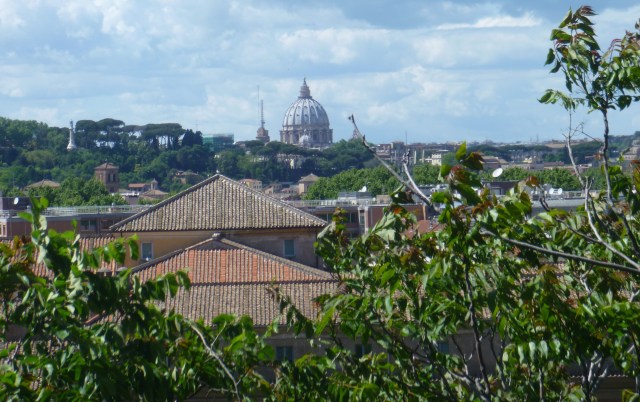
I was first told about The Magic Keyhole by a former work colleague who had lived for some time in Rome. But it is also mentioned in the Quiet Corners of Rome book so we made it our next stop : “Piazza dei Cavalieri di Malta and Piranesi Monument”. There was about a half hour queue and yes, indeed, when you reach the front there is the dome of St Peter’s framed by the keyhole in Piranesi’s door.

IMG_6617-e1337419469157-682x1024

This is the view that you get [source]

Needless to say my own photo turned out rubbish but with a long queue of people waiting behind you it is all a bit of a rush when you finally get to the front.

Piranesi Square

The Piranesi or Knights of Malta Square

Keyhole queue

The Keyhole Queue

The doors seal off the grounds of the Knights’ [of Malta] headquarters and are opened only to the pious and powerful … The piazza is egalitarian. Flame cypresses and palms rise behind the extravagantly long, L-shaped wall, erected in 1765 and conveniently lined with benches.”

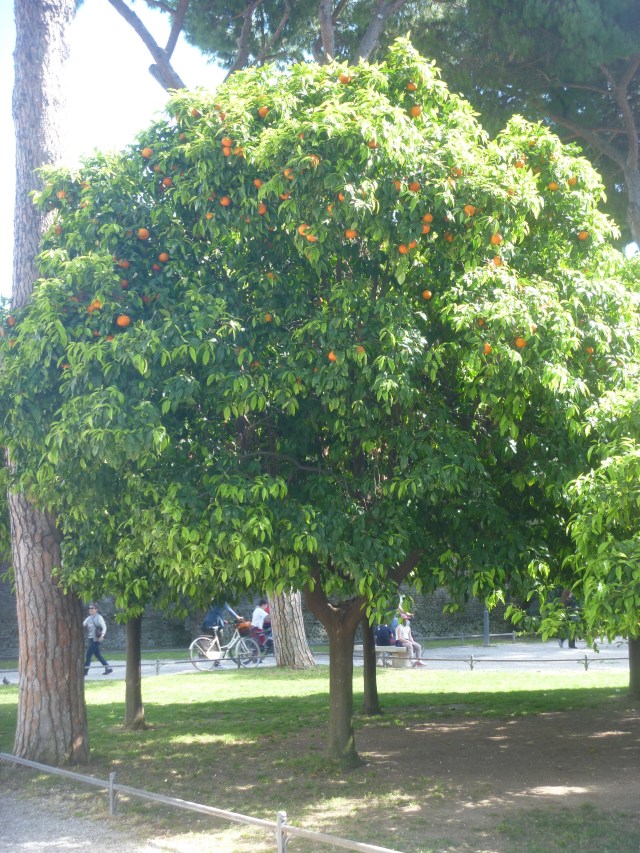
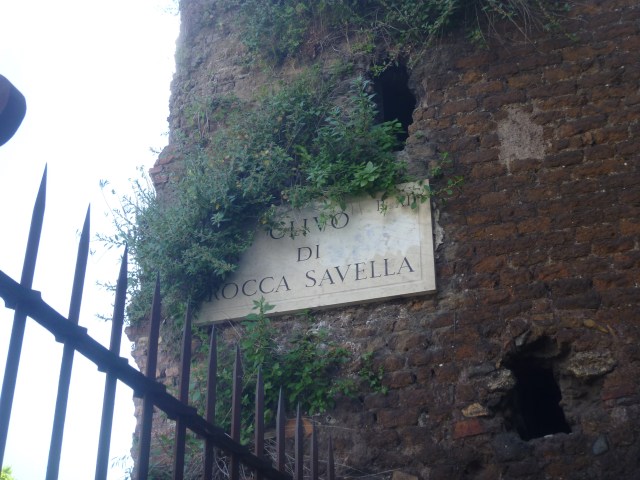
Clivo di Rocca Savella, Parco Savello, Giardino degli Aranci”

Vatican View

Vatican View

orange tree

Orange Tree

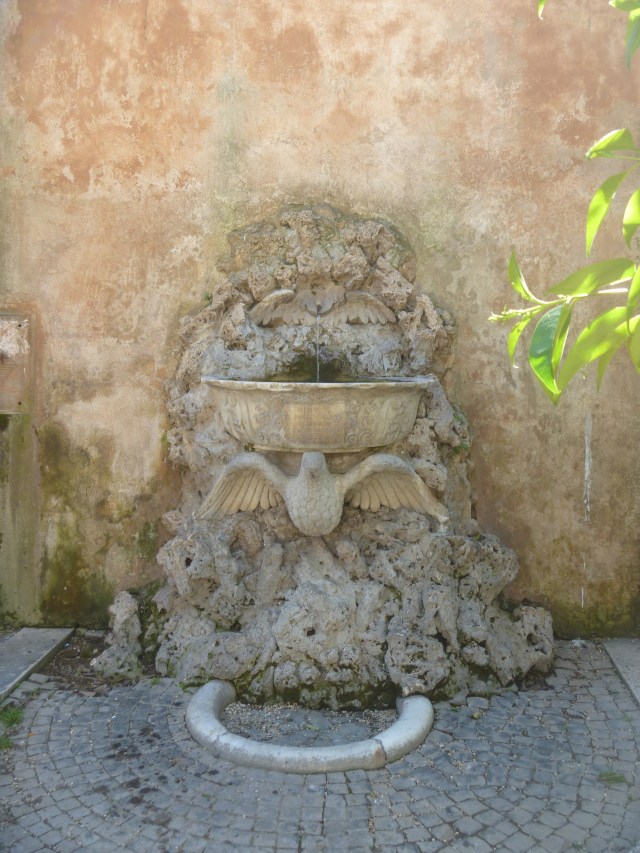
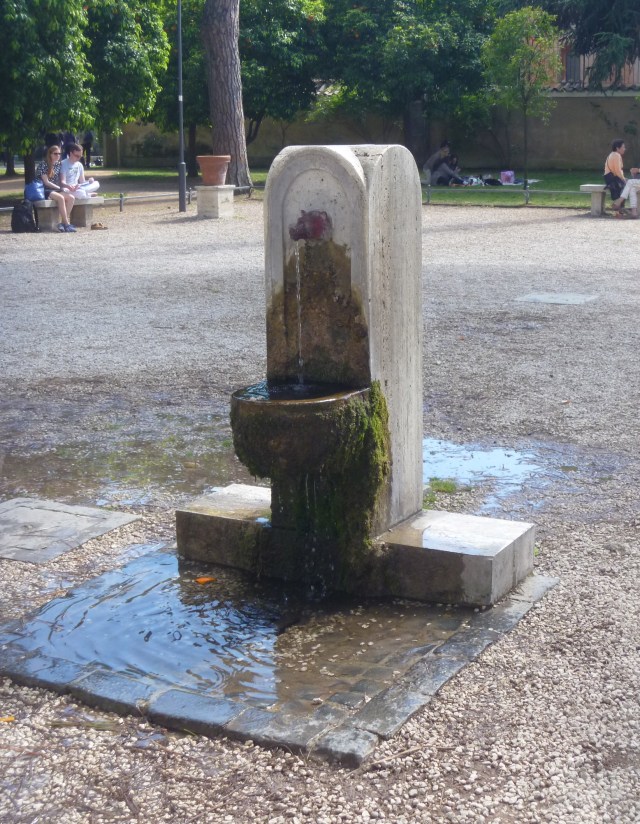
Drinking fountain 1

Drinking Fountain

Fountain 2

Parco Savello Fountain

Next to the Knights of Malta HQ are several churches and two parks. One of the parks is the Parco Savello but both of them more or less fitted the book’s description: view of the Vatican, orange trees, drinking fountains.

Clivo sign

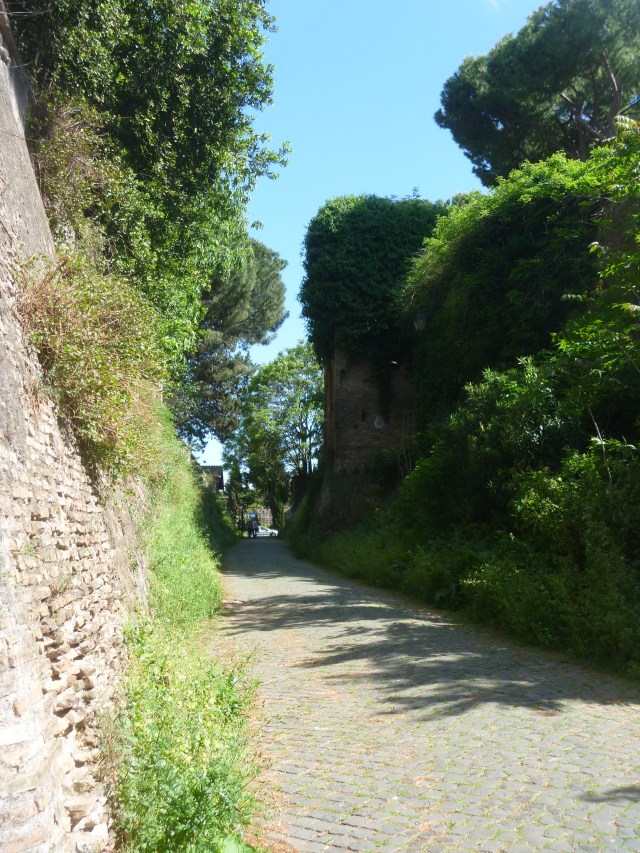
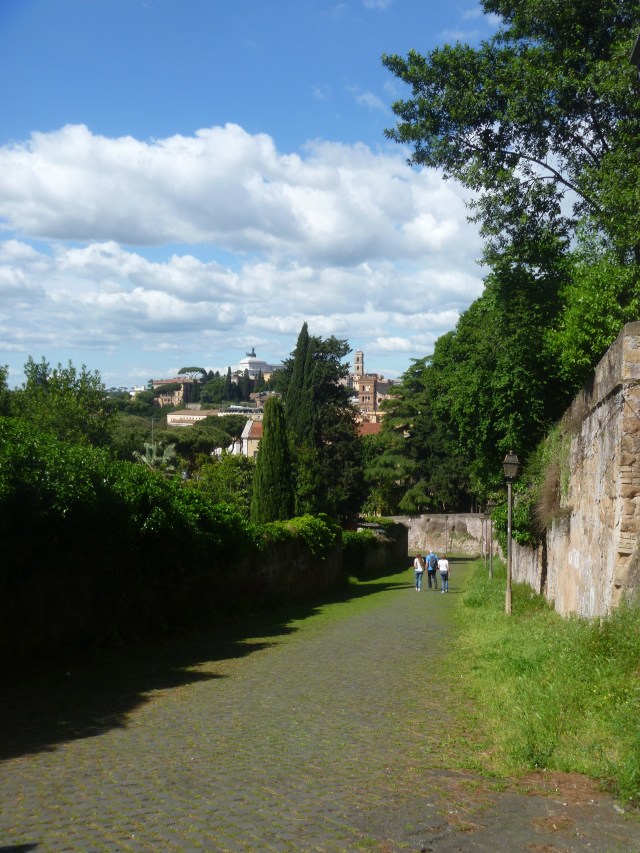
The Clivo di Rocca Savello is a narrow car-free lane that slopes down to the Tiber “mossy and picturesquely weed-grown, the clivo is as atmospheric as it is empty”. Well one or two people were walking up and down and also as the book says “stray cats own it”.

Clivo 1

Clivo 2

The Clivo di Rocca Savello

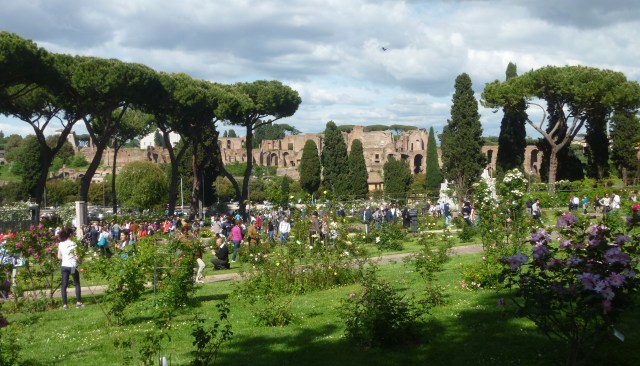
With it being a public holiday none of the places were particularly people-free and the final venue least of all. It seemed that all of Rome wished to visit the Roseto Comunale (Rose Garden) on that sunny May 1st afternoon. 1,100 varieties of rose grow on the northern slope of the Aventine Hill. All types of rose and from all corners of the earth grow here and the park is only open for about one month a year. So this time we struck it lucky !

Rose garden

The Rose Garden with the Forum behind

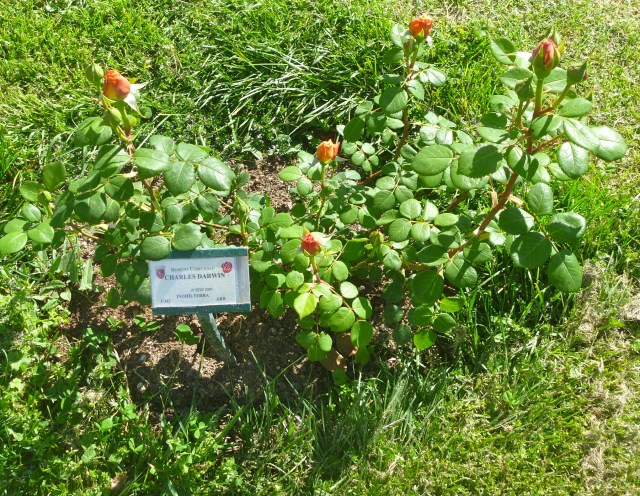
Charles Darwin rose

Charles Darwin rose still in bud (UK)

We were very happy with our choice of hotel in a Quiet Corner of Rome.

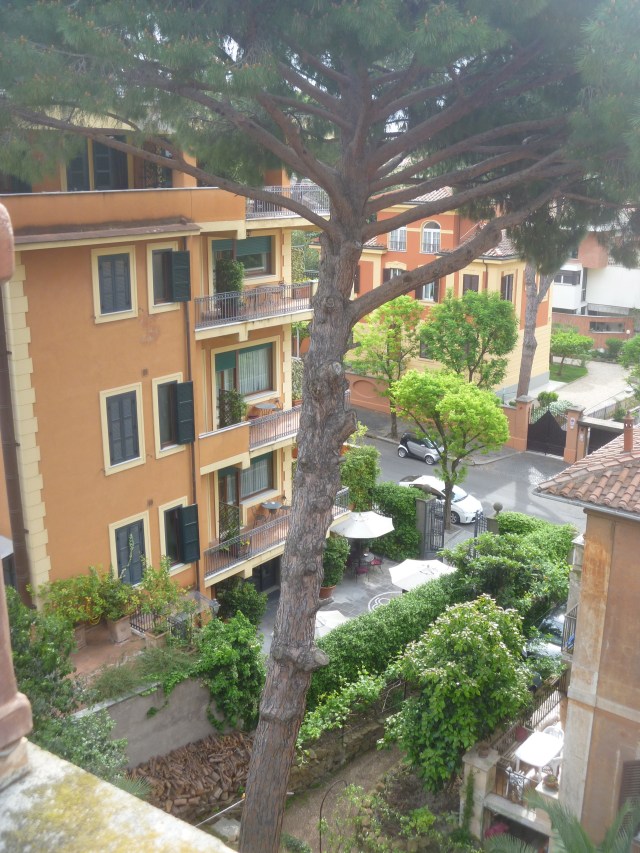
Balcony view

The Villa San Pio

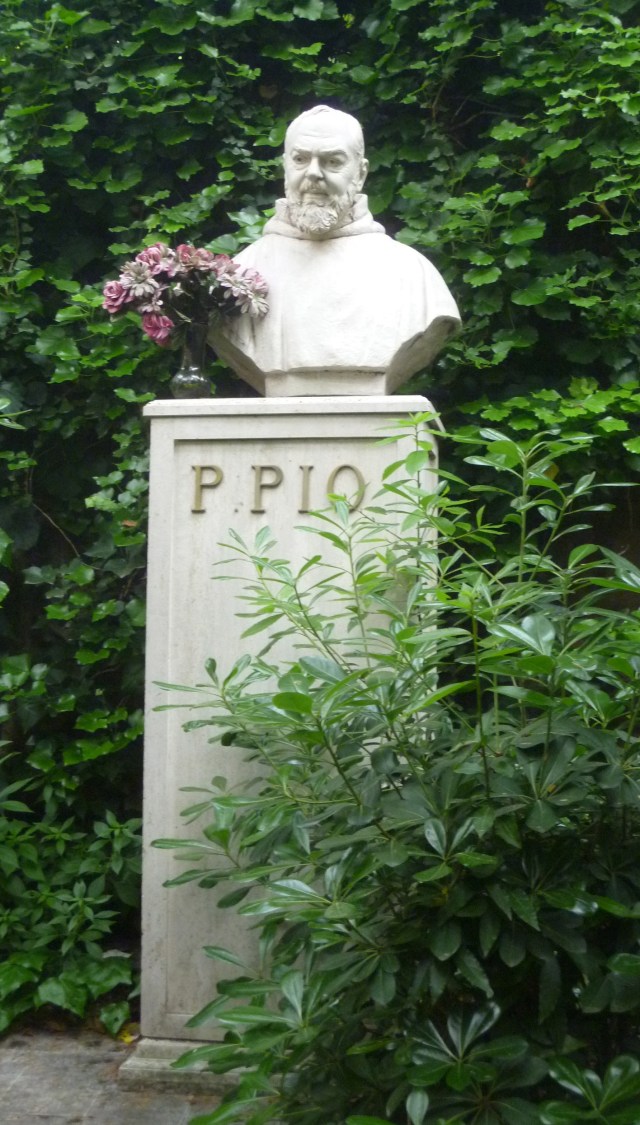
Pio

Padre Pio bids us Farewell as we make our way to the Airport


Tea and Books in Oxford

When I meet with my online book group chums there is not much chance of sightseeing. Rather we seem to stagger from book shop to tea shop with our bags getting heavier and our purses lighter (although every purchase is always a bargain) and tummies fuller.

Saturday was no exception. Back in December Simon, over at Stuck-in-a-book, had invited us to join him for a day in Oxford. Although it is possible to get there and back in a day from Leeds for easier travel I opted to go via two nights in London. This meant a not so early start from Paddington in the company of another group member on Saturday morning.

St John's Oxford

St John’s College, Oxford, on St Giles

The Jam Factory is just across the road (more or less) from Oxford Railway Station. (I should just add that from the station there is no indication that one is in the city of dreaming spires and all that; but we did eventually pass hurriedly by one or two colleges and churches so the joys of Oxford await me on a future visit.) The JF is a lovely light and airy venue and the food looked excellent although I only shared a pot of Oxford Blend Tea before we set off on our books and teas trail. Whilst we all assembled at this venue Simon told us more about the new project that he’s a founder member of Shiny New Books an online book review magazine. I urge you to pop over now and have a look.

In Beatnik Books

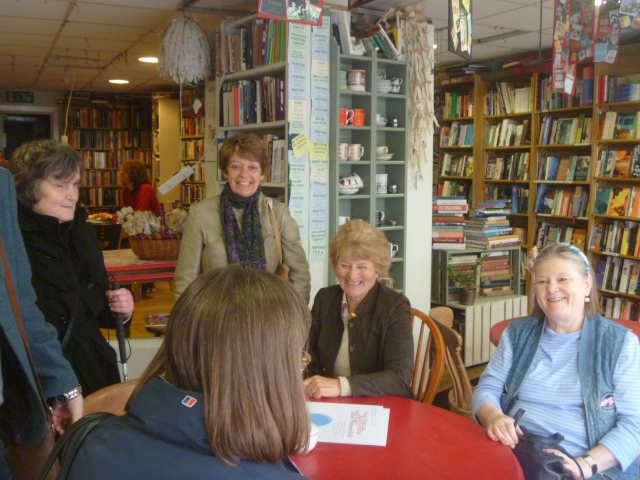
At Albion Beatnik Books

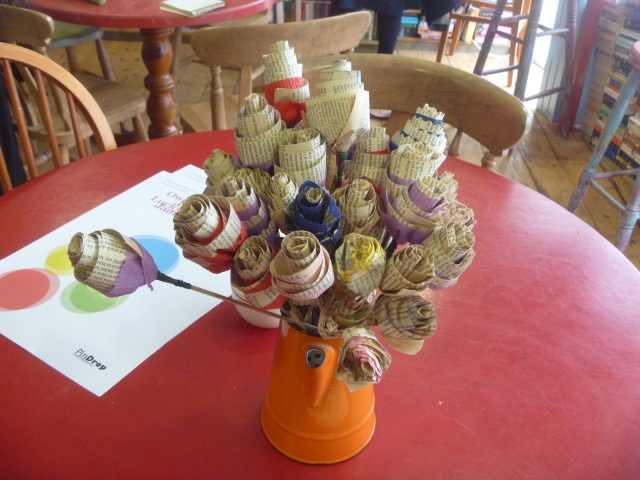
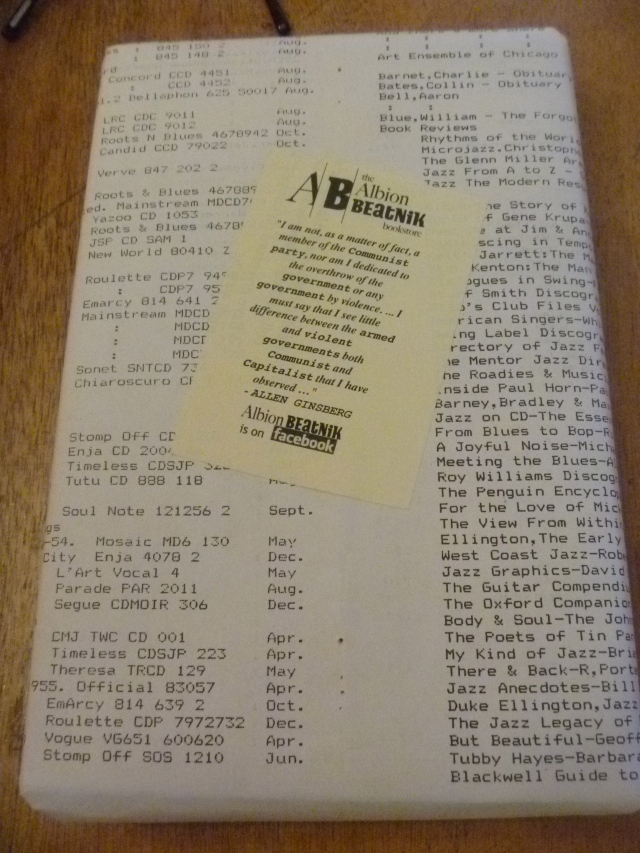
From the Jam Factory we headed to The Albion Beatnik Bookstore at 34 Walton Street. “Opened in 2009, this bookworm’s paradise is the coolest and most maverick of Oxford’s many bookstores. It offers an eclectic selection of new and secondhand books with a particular focus on jazz and blues … , American pulp fiction, graphic novels, beatnik poetry, Virginia Woolf and the Bloomsbury Group and neglected 20th century novels.”  Says my 2011 LV City Guide to Edinburgh, London and Oxford. On the table were flowers made of printed paper and our purchases were wrapped in more printed paper with a quotation sticker to seal.

Beatnik books


Beatnik book

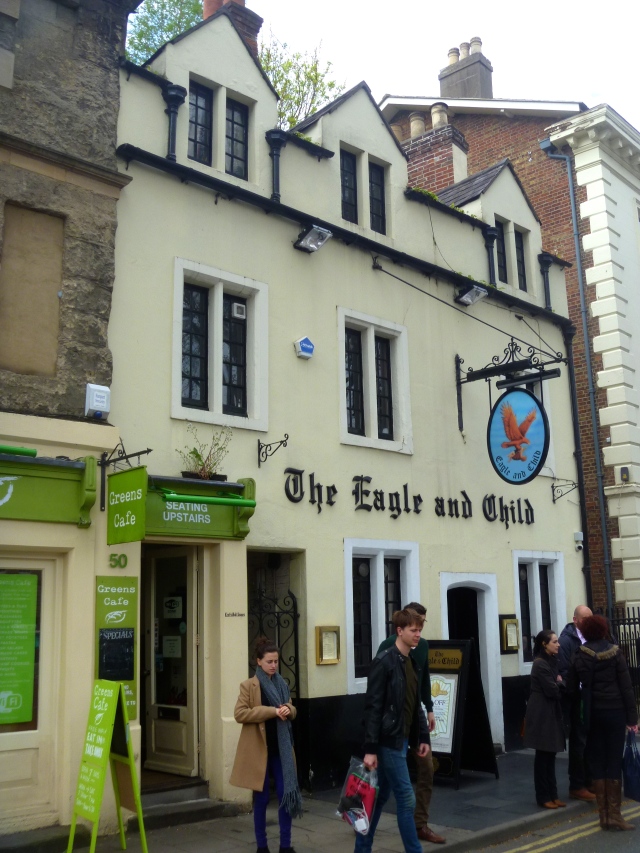
Our next stop was the Oxfam Bookshop on St Giles but I also spotted the pub The Eagle and Child which has associations with the Inklings writers’ group which included J. R. R. Tolkien and C. S. Lewis.

Eagle and Child


“A fascinating past :
The Eagle and Child lays claim to a number of interesting literary connections. J.R.R. Tolkien, C.S. Lewis and fellow writers met here and dubbed themselves ‘The Inklings’. They nicknamed the pub ‘The Bird and Baby’. A public house since 1650, our hostelry takes its name from the crest of the Earls of Derby. During the Civil War, our building was used as the playhouse for Royalist soldiers.” [From the pub website]

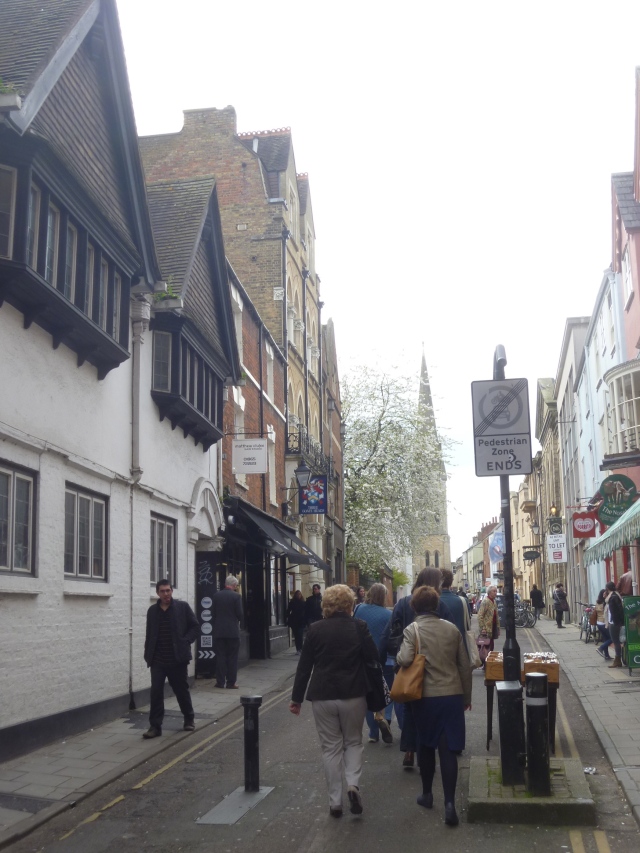
St Michael's St

St Michael’s Street

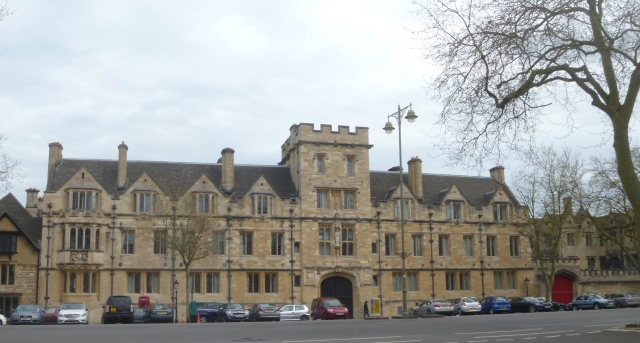
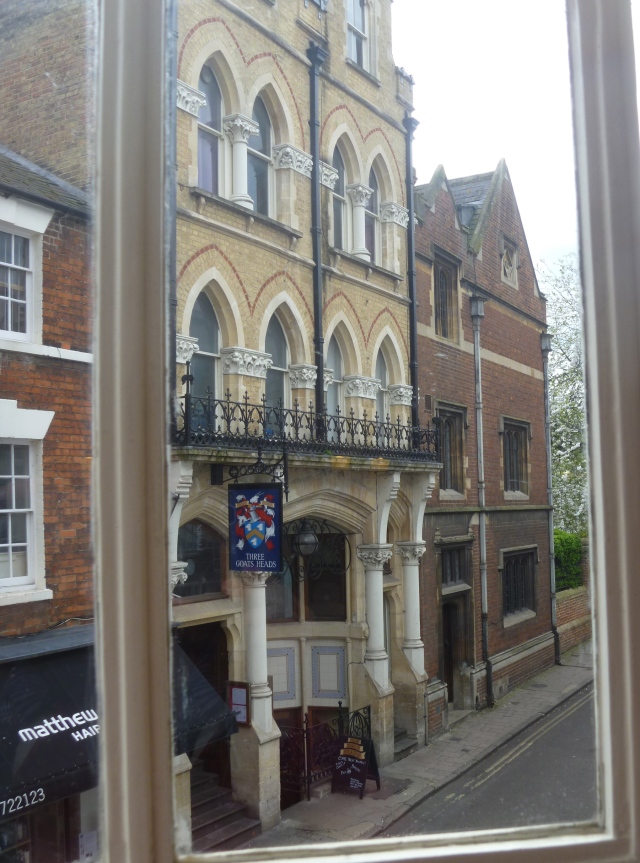
Time for lunch and the recommended venue was The Nosebag on St Michael’s St. I immediately recognised the address and building of The Oxford Union for it is the location of a Landmark Trust apartment : The Steward’s House. Even though it was after 2pm The Nosebag was packed so rather than miss out we had to split into two groups of 3 and 4. After the meal we dragged together enough chairs round one table in order to discuss the next steps in the campaign.

Oxford Union from The Nosebag

The Steward’s House and Oxfrod Union (red brick building) from the Nosebag

Pretty Arcadia is next door. It’s doesn’t just sell books but has a few displays and boxes outside and lots of vintage cards and accessories inside.

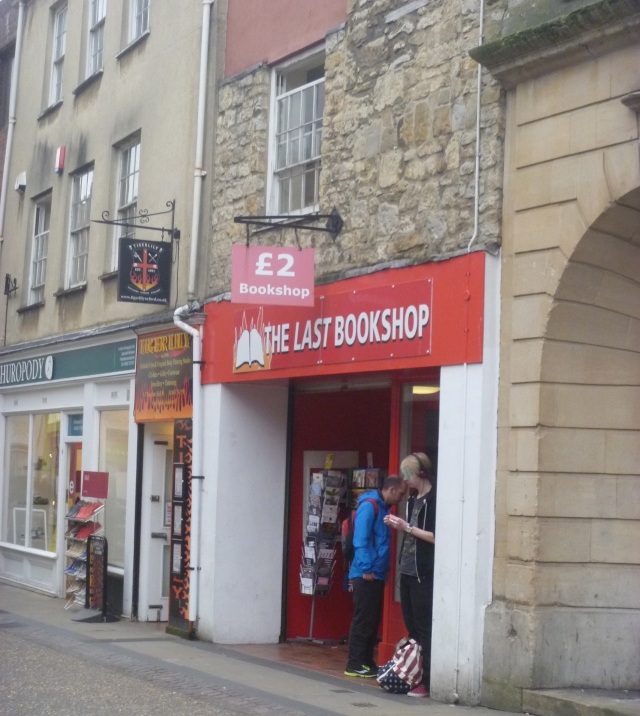
Before the end of our day we reached The Last Bookshop. This is also known as the £2 bookshop. It’s a great source of, presumably remaindered, new paper and hard back books. All priced (as it says on the tin) at £2. If I wasn’t such a devoted library user I would have bought loads here.

Last Bookshop

Actually, not The Last Book Shop for us

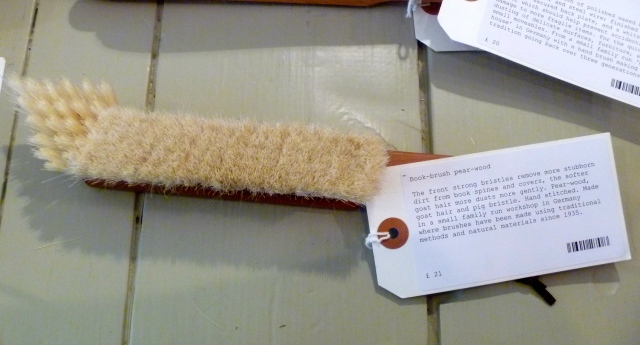
Our final two shops were – sellers of brushes not books – Objects of Use on Market Street – and a further Oxfam Bookshop on Turl Street. At least I thought OoU was more or less a kitchen wares shop as my companion and I only hovered near the entrance at a table full of brushes for different uses but I see from the website that it sells so much more. Apart from at The Home at Salts Mill this is the only other place that I have seen my Book Brush!

Book Brush

The very handy Book Brush

Book Brush Label

Instructions for Use

With trains and buses to catch around 5.30 time was pressing so we had a final tea and cake at ‘news’ and discussed plans for a Tenth Birthday Celebration in the autumn. All too soon it was time to hurry to station and rest our weary legs and heavy bags on the journey back to London.


I’m Invited! – A Shopping Evening at The London Review Book Shop

You’re invited!

At the London Review Bookshop, we have some upcoming events that are too good to keep to ourselves. Tickets are limited, so book early to avoid disappointment :

April Customer Evening

Wednesday 2 April, 6 p.m. – 8 p.m.
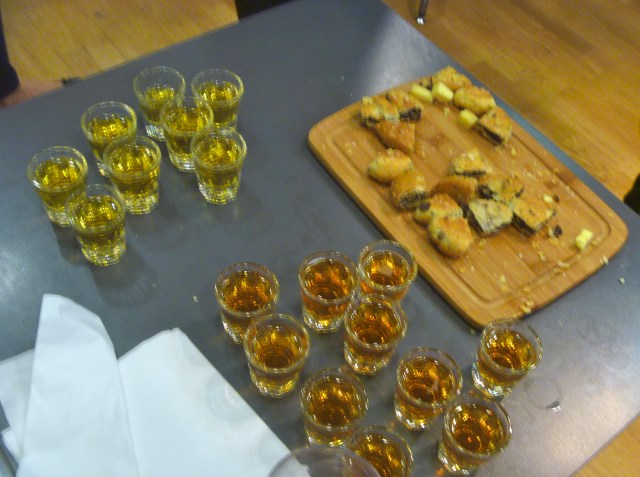
Browse our shelves with a glass of wine and an Eccles cake from the London Review Cake Shop, and get 10% off any books, DVDs, cards and stationery purchased on the evening. We are also offering a FREE gift wrapping service on the night.

Tonight’s menu: According to The Bloomsbury Cookbook, Virginia and Leonard Woolf considered Eccles cakes suitable sustenance for type-setting and printing at the Hogarth Press. We think they make suitable sustenance for book browsing too! We’re pairing them with nutty Lancashire cheese and plenty of Russian tea.

Caravan tea

Eccles Cake pieces, Lancashire cheese crumbs and slurps of Russian Caravan Tea

As well as the usual treats – wine and nibbles and 10% off books – you’ll have the chance to win a copy of the beautiful Bloomsbury Cookbook, courtesy of Thames & Hudson. Just print a copy of your confirmation email and hand it in to one of our booksellers at the Customer Evening for the chance to win.

Good luck!

Bloomsbury cook book

The Bloomsbury Cookbook Window Display

This message arrived in my email Inbox a few weeks ago and I worked out that my next visit to London would coincide with this customer evening. The London Review Bookshop is another of my favourite London shops. On many occasions I have visited the Cake Shop with friends, family and to meet members of the online book group. It’s one of our favourite venues.

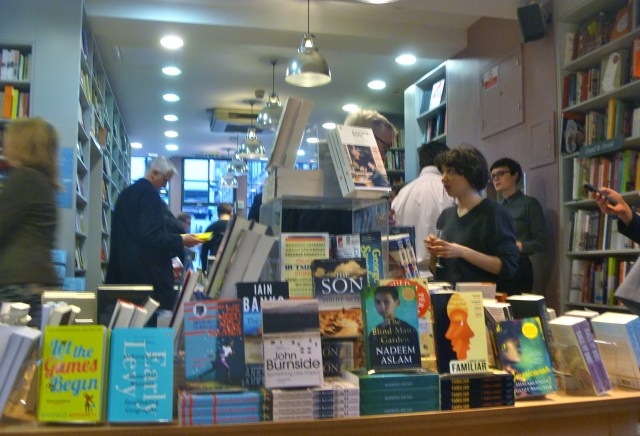
Shopping evening

Shopping Evening at London Review Bookshop

However, on many visits, time in the Cake Shop takes priority and I find I have little time to browse the bookshelves. So I was looking forward to spending time in the actual bookshop for a change.
The Bloomsbury Cookbook looked very tempting … but I was expecting to win a copy! I haven’t received the ‘winners email’ yet though 😦 . I think I will reserve a copy from the Library as it may be useful to contribute to creating the atmosphere when I visit Sussex and the Bloomsbury connections later next month.

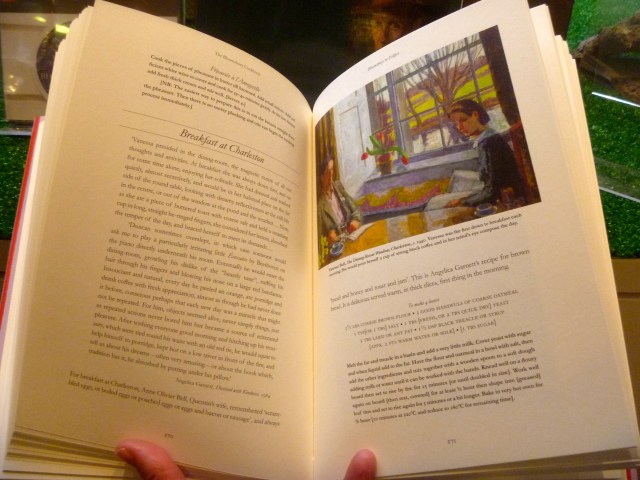
Charleston breakfast

 Breakfast at Charleston

I spotted some other books to add to my list for the future :

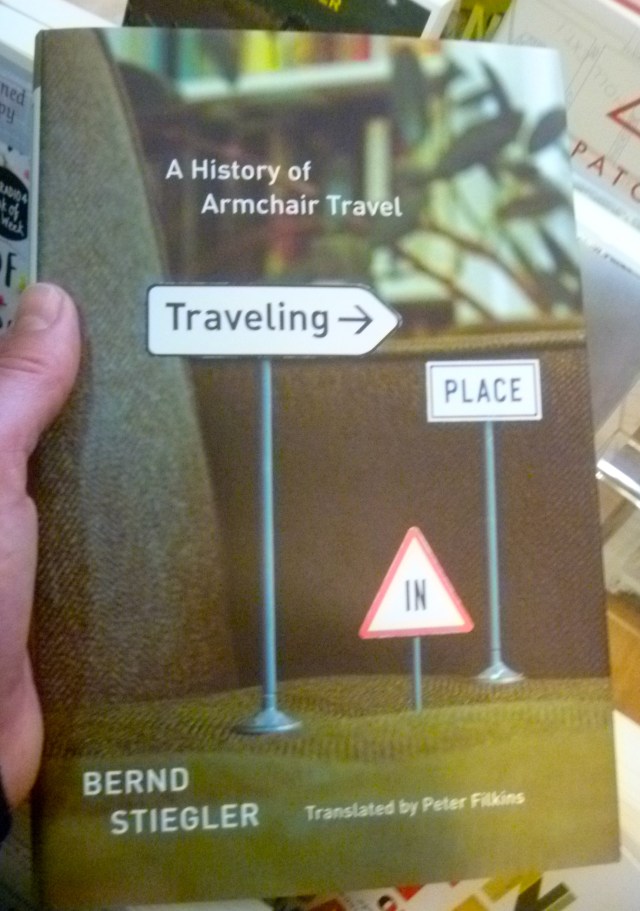
History of Armchair travel

A History of Armchair Travel : I do a bit of this. What’s not to like?

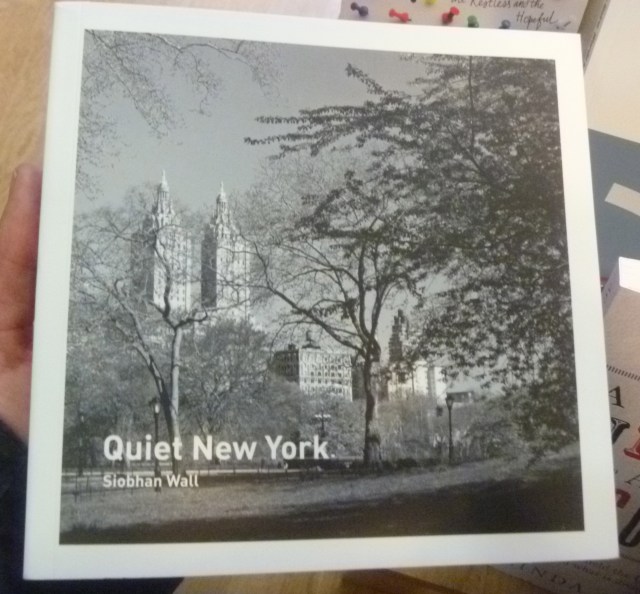
Quiet New York

Quiet New York : I have no plans to visit but I do have companion Quiet volumes – London and Paris

(I could be tempted to buy this just to read, anyway)

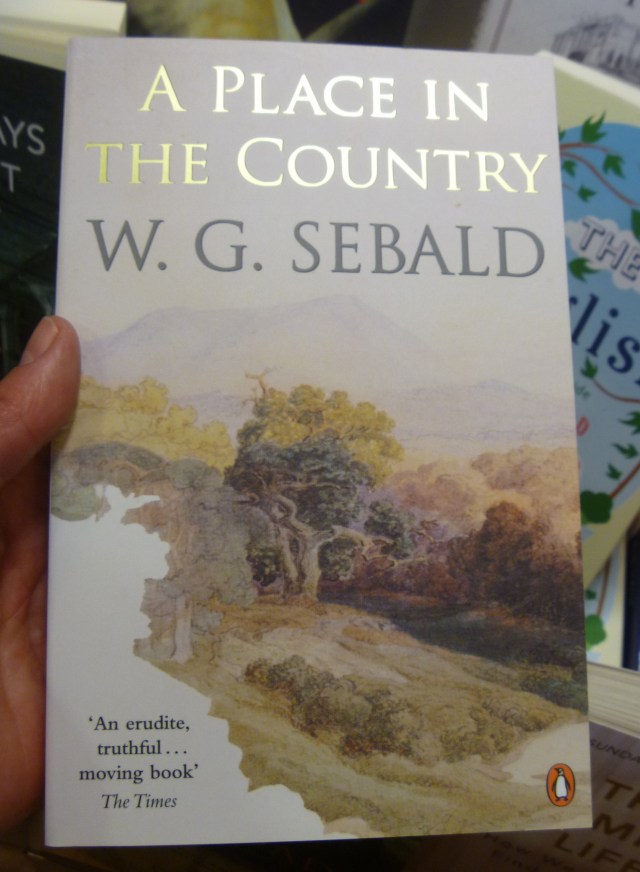
Sebald

I’m a big fan of the late W.G.Sebald – new books keep being published!

I found the staff were very patient and helpful. They found each of the titles I wanted to buy, recommended a further title and hunted high and low for a book which should have been in stock but being a very slim volume had probably been mis-shelved.

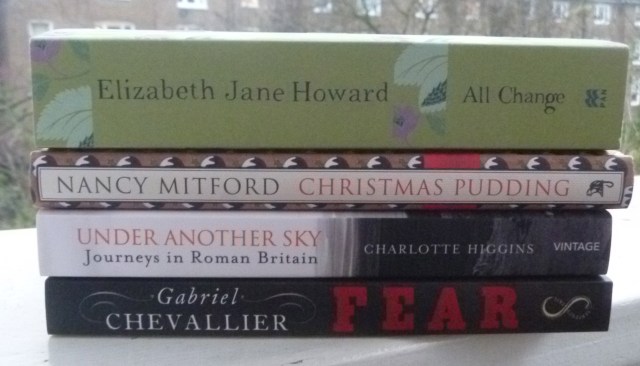
Books bought

The four books I bought last evening

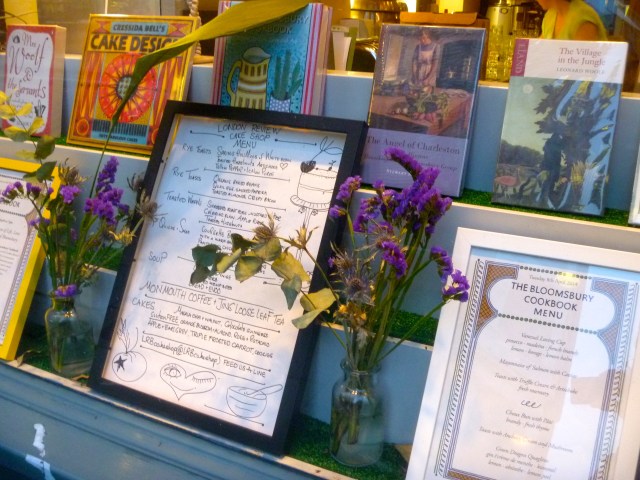
LRB Window

The Cake Shop Window Display – I’m Looking Forward to My Next Visit!


Wodehousian Connections

jeeves_and_wedding_bells_600

[Source]

Many of you know that the origins of the name Miladys Boudoir and the strapline that accompanies it (“There is no surer foundation for a beautiful friendship than a mutual taste in literature”) both have P G Wodehouse connections. You can read about this here.
A while ago, with the help of a friend (who shares a mutual taste in literature with me), I tracked down the context of the strapline. You can read the short story ‘Strychnine in the soup’ we found here.
Or watch the BBC Wodehouse Playhouse dramatisation from the 1970s here :

It was never my intention that Miladys Boudoir should be a book reviewing blog but many of my friends do just that. Now, on my recommendation, my friend Lyn at I Prefer Reading has read, enjoyed and reviewed Sebastian Faulks’s ‘Jeeves and the Wedding Bells’ and I get a mention! Read her post about it here.


Slow Train to Switzerland: One Tour, Two Trips, 150 Years and a World of Change Apart

It’s my birthday and I have received some lovely gifts including this book :

Slow train

You may remember that last summer I spent a month in Switzerland and posted each day about my experiences here.

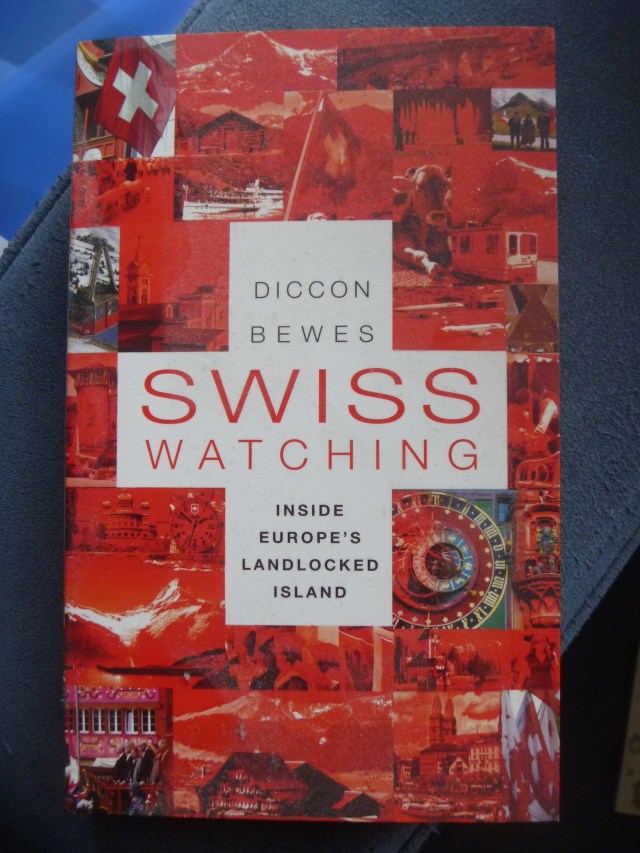
I still haven’t read Bewes’s ‘Swisswatching’ [below] but I think ‘Slow Train’ will jump the queue as I’m a seasoned traveller on Swiss trains and I remember there was feature about Miss Jemima’s diary on the Myswitzerland.com website and in the Financial Times around the time that I made my trip. I see there is now a fancy app. to accompany anyone wishing to emulate Miss J and D Bewes.

Swiss Watching

It was the tour that changed the way we travel. In the summer of 1863 seven people left London on a train that would take them on a thrilling adventure across the Alps. They were The Junior United Alpine Club and members of Thomas Cook’s first Conducted Tour of Switzerland. For them it was an exciting novelty: for us the birth of mass tourism and it started with the Swiss.” [From the fly -leaf of Slow Train to Switzerland]

Bewes followed in the footsteps of this group and is able to do so because one member, Miss Jemima from Yorkshire kept a diary that was lost for decades but survived as a unique record a historic tour.

Alpines Museum

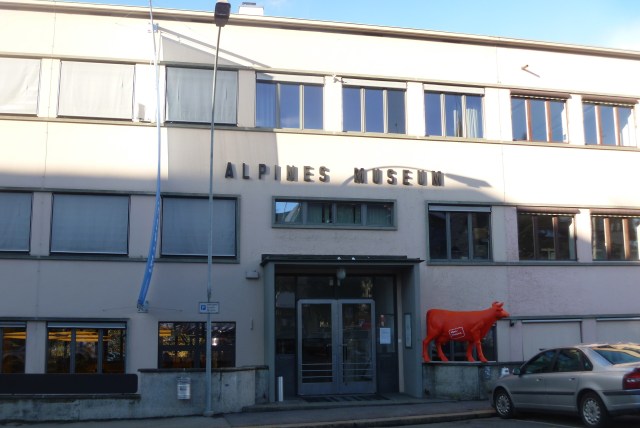
Reading about this I’m remembering my very disappointing visit to The Swiss Alpine Museum in Bern last February. I had expected to be able to see displays and dioramas illustrating the history of alpinism with particular reference to Switzerland (and including, of course, the British contribution) through books, maps, photographs, hotels, transport, clothes and footwear, transport, personalities, and other displays and artefacts. What I was presented with was a series of enlarged photographs and a heap of broken skis. My disappointment was so great that I  wrote to the Museum Director and here is part of his response :

“We decided to start up a new concept dealing much more with contemporary issues for people who like to face the reality of the alps. “Intensive care stations” is an example of this new approach … The reality of the alps today is packed with debates and very discursive issues, so our museum concept tries to shape a platform for contemporary themes around mountains.”

It was nice to get a personal response and good luck to them but I still felt cheated of my 12 Swiss francs entry fee!

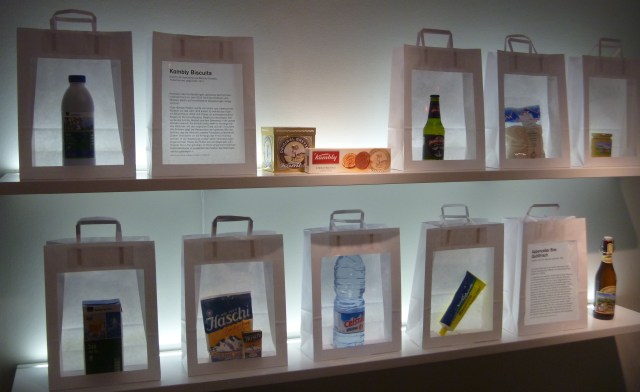
Packaging

Actually, this small display of Swiss products featuring mountains was quite interesting but this was small compensation to me!

More Ghosts at Christmas : Edith in the Dark

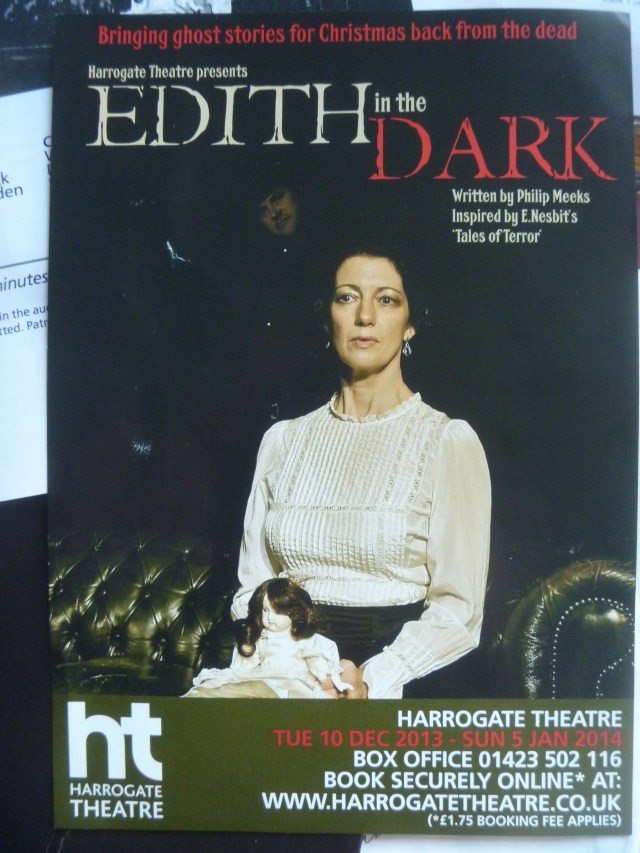
Edith in the Dark

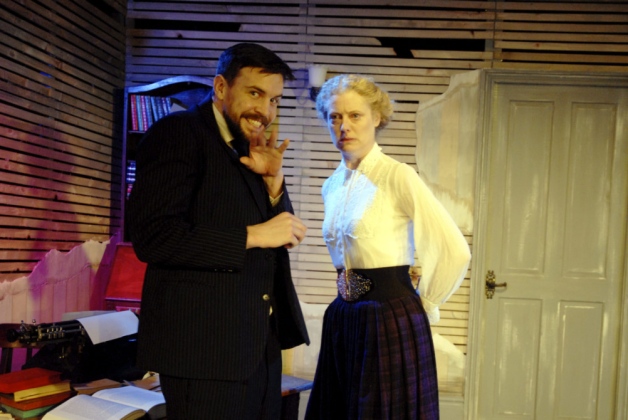
Celebrated children’s author Edith Nesbit escapes her annual Christmas Eve soiree and finds herself in her attic writing room with a young male guest and Biddy Thricefold, her loyal housekeeper.

The trio decide to observe the festive tradition of reading scary stories to help ward off wicked spirits, choosing the stories penned by Nesbit herself. Yet as they breathe life into these terrifying creations, all is not as it seems…

One of the people in the attic is hiding a deadly secret.

Millions have grown up with the fabled work of E Nesbit,which includes classic novels Five Children and It and The Railway Children, but she began her writing career as a mistress of horror. For the first time ever, these flesh-creeping yarns have been freely adapted for the stage.” [Source Harrogate Theatre website]

Way up on the second floor of the Harrogate Theatre (just a 20 minute train journey from home) is the intimate 50 seat Harrogate Studio Theatre. Yesterday afternoon I very much enjoyed a couple of hours in the company of the three characters playing out some of Nesbit’s ghost stories.

I had read a review in the local free paper earlier in December and was intrigued to know that Edith Nesbit, author of such children’s (and adults’) favourites as ‘The Railway Children’, ‘Five Children and It’ and ‘The Story of the Treasure Seekers’, wrote much more besides including ‘Tales of Terror’.

Edith in the dark

Here are Scott Ellis (as Mr Guasto) and Blue Merrick (as Edith) in Edith in the Dark [source]

Blue Merrick the actress who played Edith could have been EN herself. I had never heard of her but my friend recognised her as having played the registrar presiding over marriages in eleven separate episodes of Coronation Street on ITV.

From this new play I learned more about E. Nesbit’s life and the past that haunted her. She was an original member of the Fabian Society and named her son Fabian after it. Sadly he died at the age of 15 during a tonsil operation. She dedicated several of her books to this son including Five Children and It. She also seemed to feel very strongly that she did not want to be famous just through her children’s books. She was a keen socialist and defender of women’s rights.

I don’t know whether the play will transfer to other theatres but I was very glad to have spent the afternoon away from the shopping hordes again and in the company of Edith Nesbit.

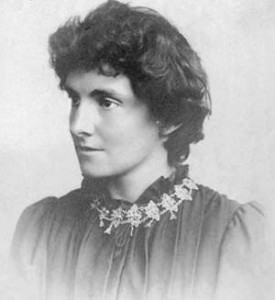
Edith-nesbit-275x300

Around the World in Christmas Gifts

Every gift received this Christmas has a special association for me: be it reading, travelling, visiting libraries, drinking tea or communicating via traditional pen and ink or modern internet methods.

ipad mini

I am now the rather nervous owner of an iPad Mini. I’m sure I will get used it and love using it but currently it sits pristine on its box whilst I still tap away at my laptop and snap away with my camera or iPod Touch.

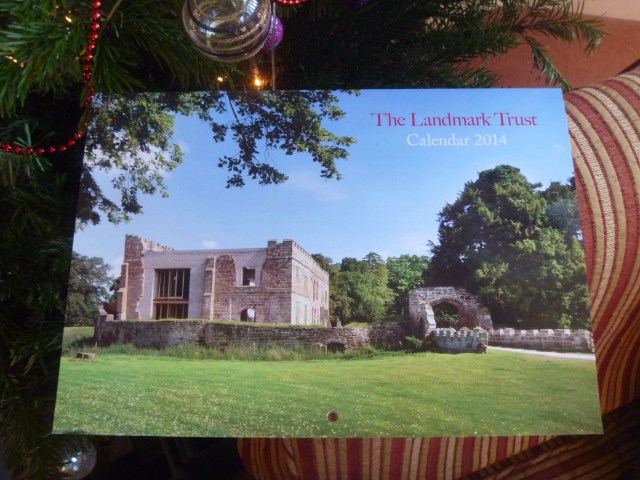
Calendar

I’ll be checking dates and tempted to book Landmark Trust stays every time I look at my Landmark Trust Calendar for 2014. There is Astley Castle on the front (and also on the back) cover.

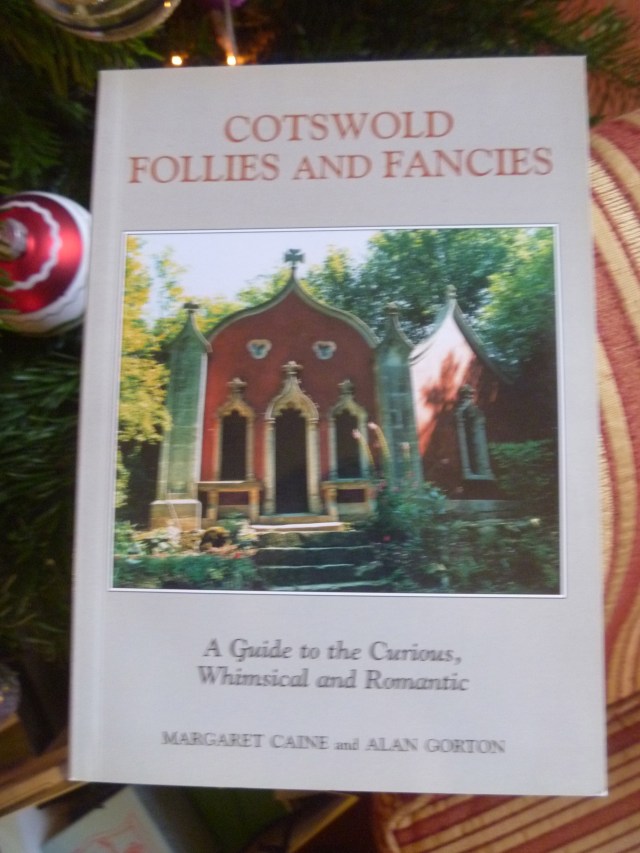
Cotswolds

Whilst at the Landmark St Mary’s Lane in Tewkesbury earlier this year I came across “Cotswold Follies and Fancies”. It’s a guide to the curious, whimsical and romantic buildings around the area. I’m happy to have a copy of my own to take with me next time I visit the Cotswolds.

Rome

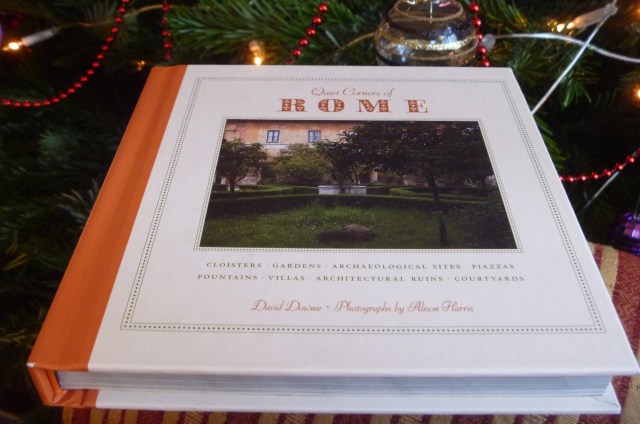
In 2014 I have travel plans for another ATG walking holiday this time in Italy. We will be staying just one night in Rome but will be sure to hunt out at least one of its “Quiet Corners”. In 2015 I’m hoping to spend a bit longer in and around The Eternal City.

Fodors Maine

No plans yet to return to New England next year but if we do I have just the up-to-date guide to make planning easy in Maine, Vermont and New Hampshire.

Tea and spoons

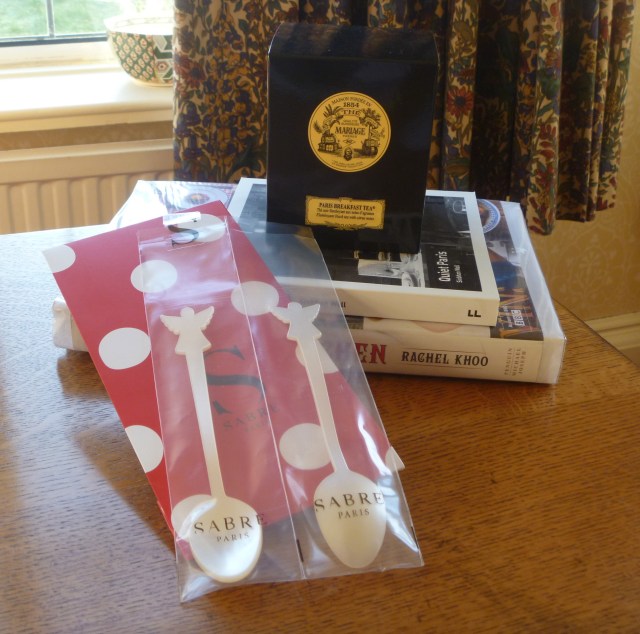
Paris is one of my favourite destinations and this (academic) year one of my Swiss friends is working there in her Gap Year. She sent me lovely Mariage Freres loose tea in a tin and two pearl spoons from the shop where she’s working : Sabre. It would be lovely to visit her whilst she is there.

“The fragrance of adventure and poetry endlessly pervades each cup of tea” – Henri Mariage [Founder]

Candle

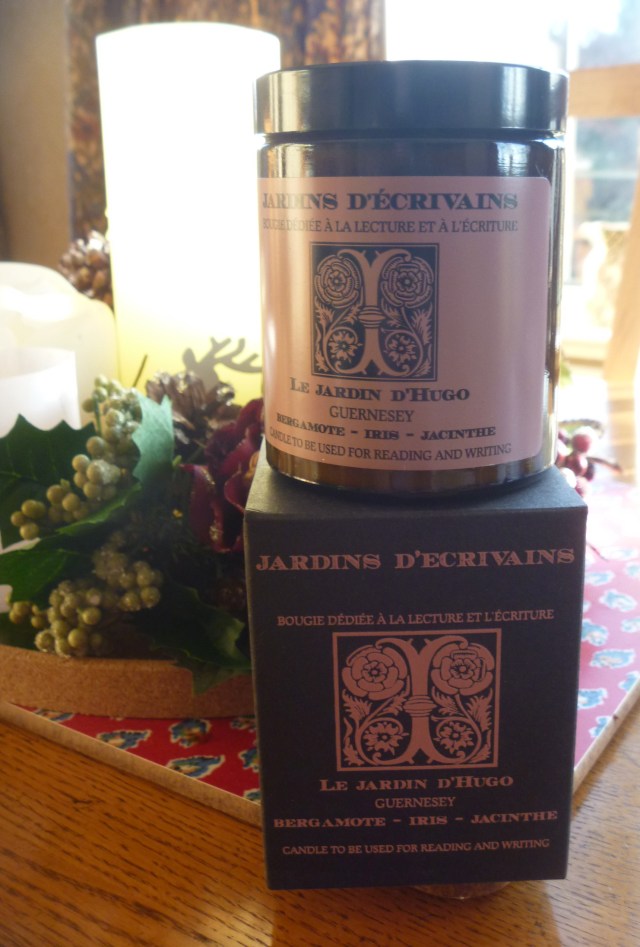
On a visit to Paris in 2010 a Parisian friend and I visited The House of Victor Hugo in a quiet corner of the Place Des Vosges. We’re still hoping to make a rendez-vous together at his other former home (owned by the City of Paris) Hauteville House on Guernsey. In the meantime I have this ‘writer’s’ candle whose scent of bergamot-iris-hyacinth is reminiscent of Le Jardin D’Hugo.

phantoms

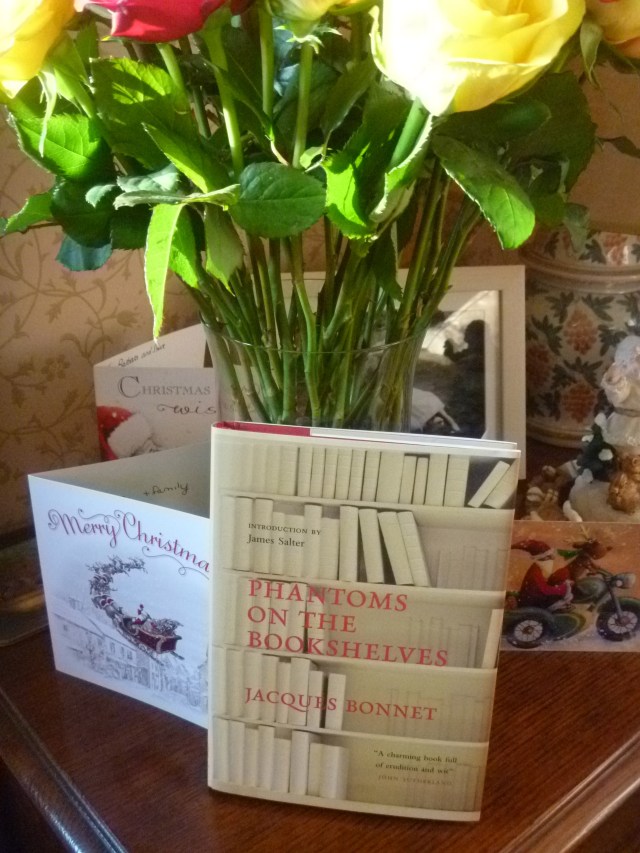
My friend, fellow blogger and fellow online book group  moderator Simon at Stuck-in-a-Book read and recommended “Phantoms on the Bookshelves” this year. About it he says “Jacques Bonnet is more like the friendly face at your book group who will enthuse about managing to squeeze another bookcase into the corner of the living room.” I’m looking forward to reading Mr Bonnet’s book, translated from the French, very soon.

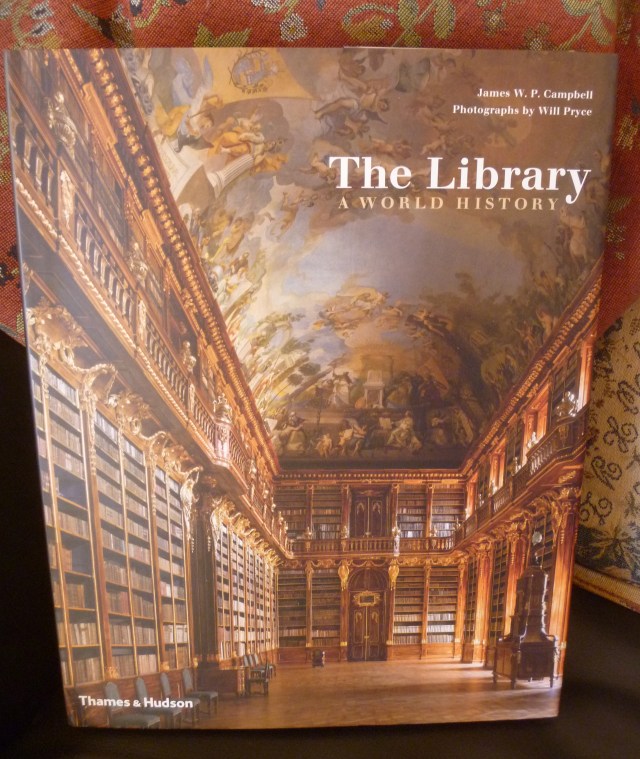
The Library

I understand that M. Bonnet writes about other libraries beside his own and some may be included in this coffee table book “The Library : a world history” which will find pride of place on Miladys table. I’ll be dipping into it all year and beyond.

Postcards

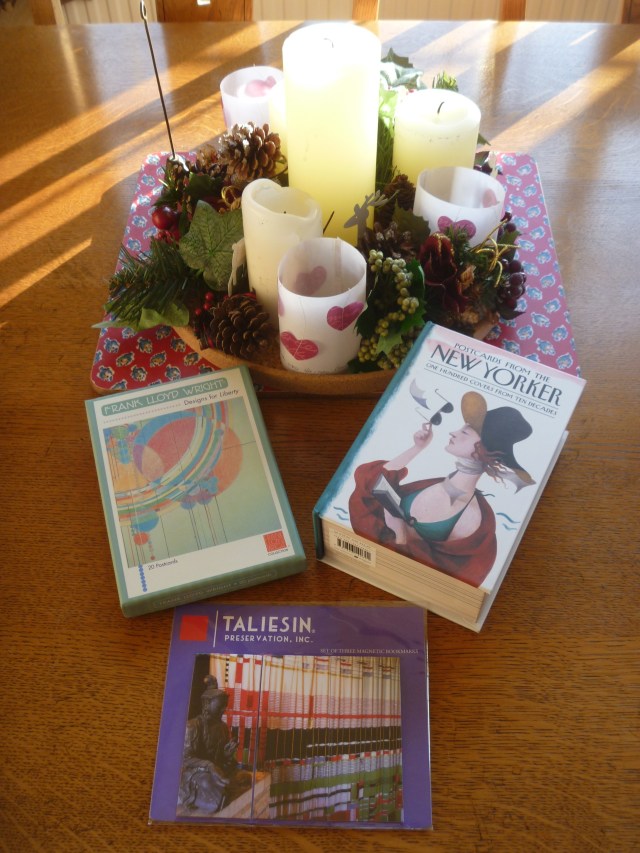
Since joining The Leeds Library I have been a regular reader of The New Yorker so it was with great delight that I unwrapped a box of 100 cards taken from the covers of that magazine over ten decades. When I need to send a card I should find a date or subject suitable for almost every recipient. If I don’t find one in that box then I can turn to a gift box of 20 cards of designs by Frank Lloyd Wright for the American Liberty Magazine.

Lavendar bath

And at the end of the day I can relax in a Lavender Foaming Bath: “A new definition of calm.”

Many thanks to everyone who gave these gifts … and I hope you were at least half as pleased with what I gave you!