Devon Day Out with Dovegreyreader

Yesterday was my annual Devon outing with Lynne, the dovegreyreader. In past years we’ve met here, here and here. Not forgetting (and I never will) our weekend at Port Eliot last year.

Lynne invited me to her lovely home which also features, along with the calm and beautiful countryside on her doorstep, on her blog. After tea and chinwag, a house tour and letting the dogs (Rusty and Nell) have a quick run in the field next door we donned our walking boots and set off on a walk that Lynne had planned for us. The walk took in two churches and ended (as every perfect walk should) at a pub.

Sydenham Damerel methodist church

Sydenham Demeral Methodist Church is no longer in use for services and sadly wasn’t open but its churchyard is still beautifully maintained and there’s the perfect view across fields with only a couple of habitations in sight; one of which is Lynne’s home. Continue reading

Ancient Ireland [6] : Youghal

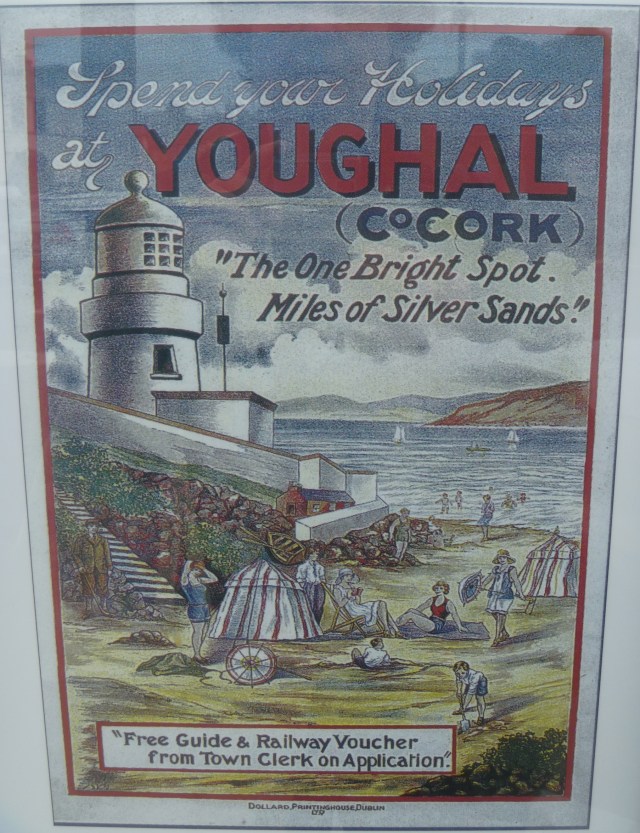
youghal poster

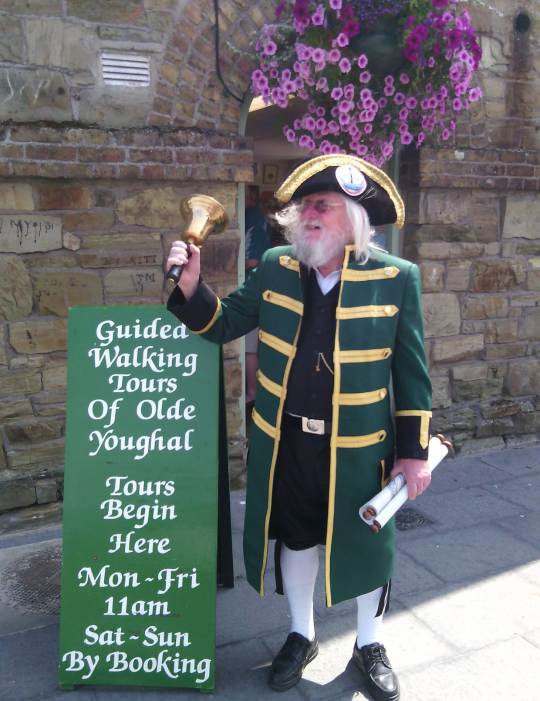
It’s beginning to seem like every place in Ireland has ancient connections and that this thread will run and run. But here is another walk description of the ancient port of Youghal (pronounced Yawl), Co. Cork. My walk was a guided one with local town crier, Clifford, in his full town-crying regalia. But it more less followed the suggested Town Walk in this leaflet which I have abbreviated here.

ring-of-cork-clifford-winser

Clifford Continue reading

Ancient Ireland [5] : Glendalough

The name Glendalough means ‘the valley of the two lakes’ but this is an understatement for the beauty of the place. The Valley is located in the Wicklow Mountains National Park and I’m quite surprised to discover that it is only on the ‘Tentative List’ of early medieval Irish monastic sites for UNESCO World Heritage status. It’s home to one of the most important monastic sites in Ireland: the early Christian monastic settlement founded by St. Kevin in the 6th century.

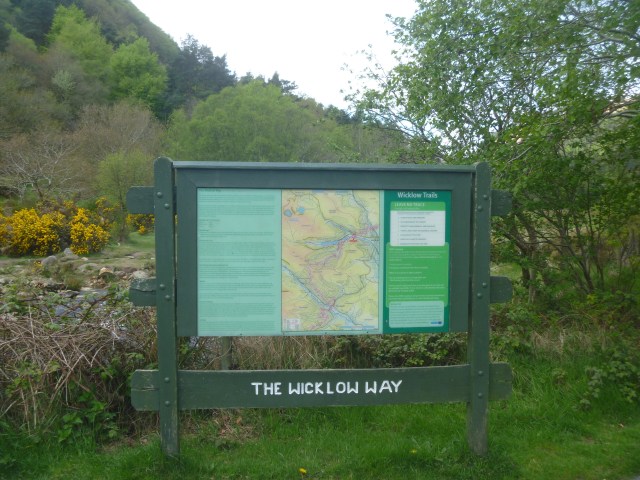
Wicklow Way

The Wicklow Way national trail passes through the Glendalough but on my brief visit we decided to stick with the Green Road to Upper Lake. Continue reading

Ancient Ireland [3] : Lismore

Other features of ancient Ireland are the stones – carvings and standing. We saw the carvings on the stones at Knowth but there are more carved stones scattered across the countryside. Or … maybe not scattered at all but strategically or symbolically placed monuments. There are wells dedicated to saints. There are ancient churches, cathedrals, monasteries and abbeys – the earliest religious foundations.

Some of these ancient sites I came across on my walks.

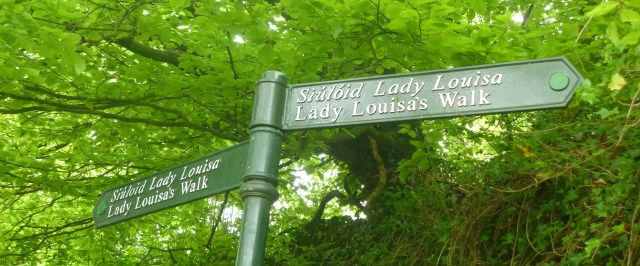
Lady Louisa’s Walk, Lismore

LL Walk Lismore

[Following description is from here.]

Lady Louisa’s walk is a gentle and picturesque walk which takes you, for the most part, on a woodland walk along the river bank. Continue reading

Ancient Ireland [2] : The Round Towers

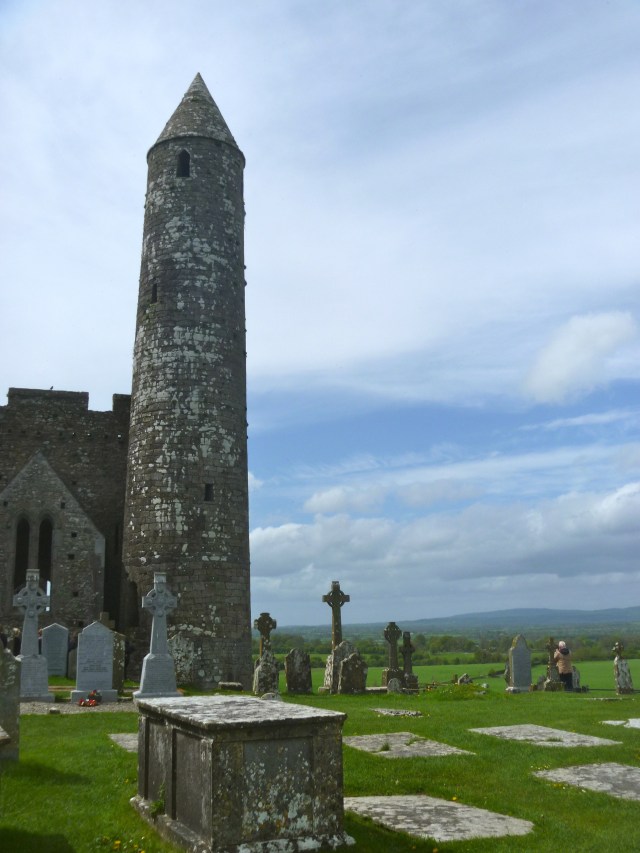
One unusual, mysterious but distinctive feature of the ancient Irish landscape was the Round Tower. Many of these are still well preserved and can be seen at, mainly monastic, sites across Ireland today. At the time they were built they would have been exceptionally prominent features in a largely untamed landscape. They were defensive but also prestigious.

Cashel 3

Rock of Cashel, Co, Tipperary

Continue reading

Travels in an Unwrecked Landscape : Elmley Castle, Worcestershire

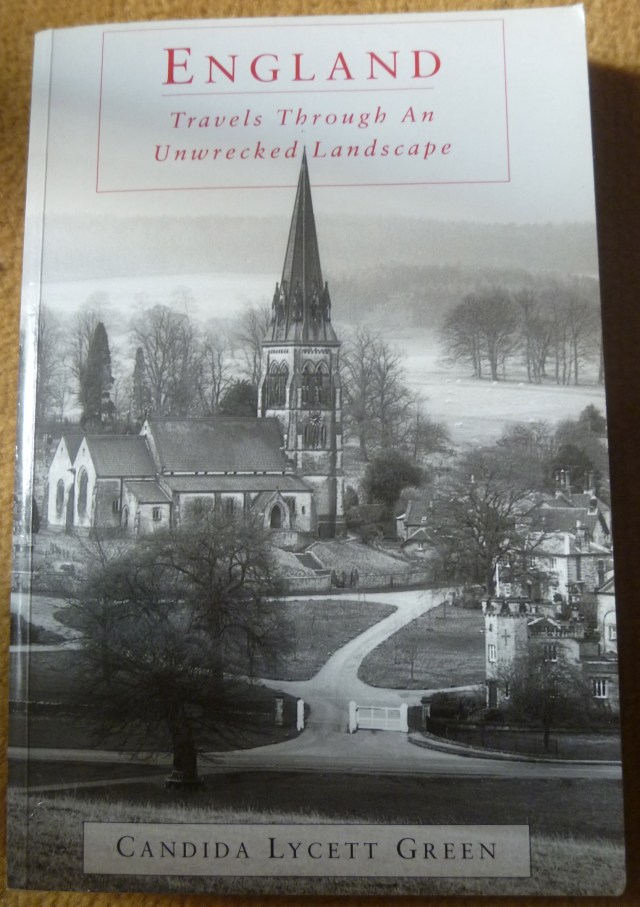
The book “England : travels in an unwrecked landscape” published in 1996 is a collection of essays by the late Candida Lycett-Green which first appeared in The Oldie magazine.

unwrecked

My well-thumbed copy

If you enjoy discovering lovely places here in England this book can act as a guide. But I’ve also enjoyed just reading it from cover to cover.

Continue reading

With Friends at Shottesbrooke for a Landmark Occasion


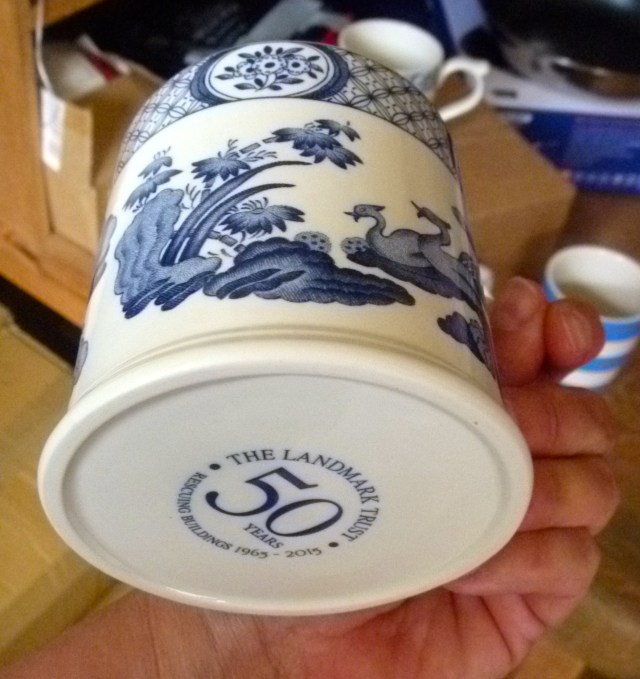
50th cup

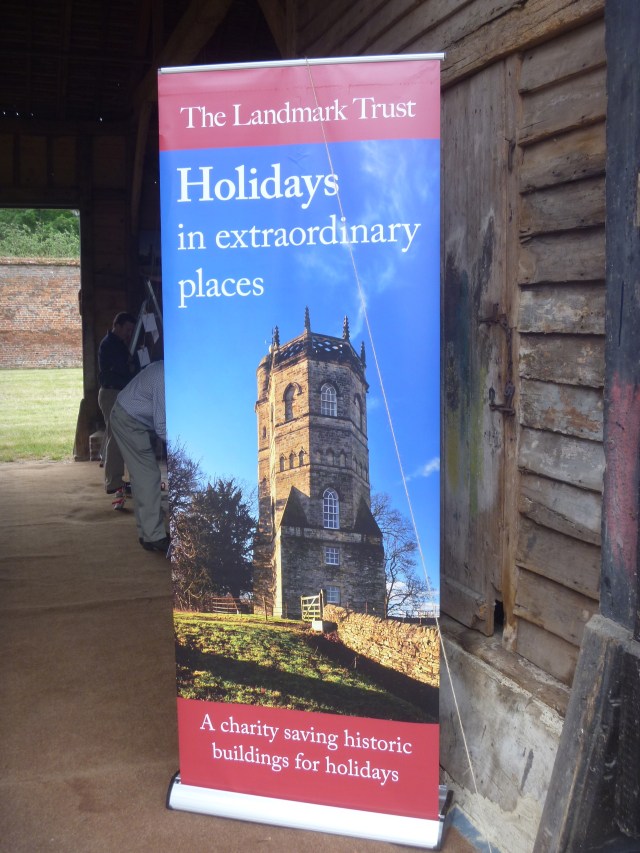
Back in May, when I was in Ireland, The Landmark Trust celebrated it’s 50th anniversary with a variety of activities and events on a Golden Weekend – the sun even shone! That weekend (16 and 17 May) properties were open to the public, Antony Gormley’s LAND sculptures were unveiled and visitors at all properties were entertained by choirs singing simultaneous performances of An Anthem for Landmark.

I was disappointed to miss this event but in the annual Friends’ mailing I received an invitation to attend “A reception for Friends to include a talk and tour about Shottesbrooke, its church and Landmark’s offices” and the date was to be the afternoon of Friday 26 June. I knew already that I’d be flying out of Gatwick on 18 June and back on 25. So I decided to drive to London, leaving the car at Belsize Park, and drive to Shottesbrooke in Berkshire on the Friday in question.

What a beautiful day it was and how lucky the Landmark Trust staff are to work in such beautiful, rural surroundings. A buffet lunch was spread before us upon arrival; and not long after the first group was assembled to have an introduction to the Estate and its deserted medieval village by local historian David Ford. You can read here his history of the Estate and his entertaining history of the Church.

St John Shottesbrooke

Spire inspired by Salisbury Cathedral

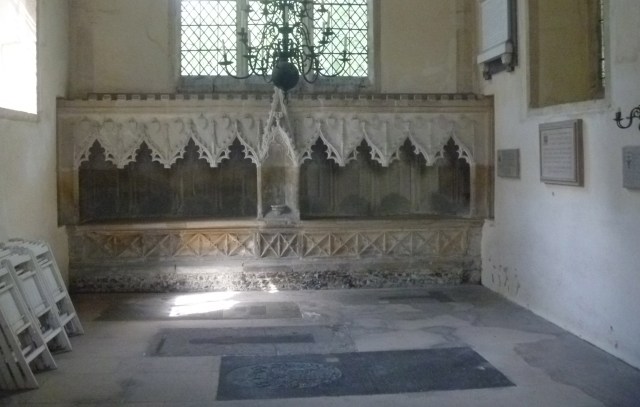
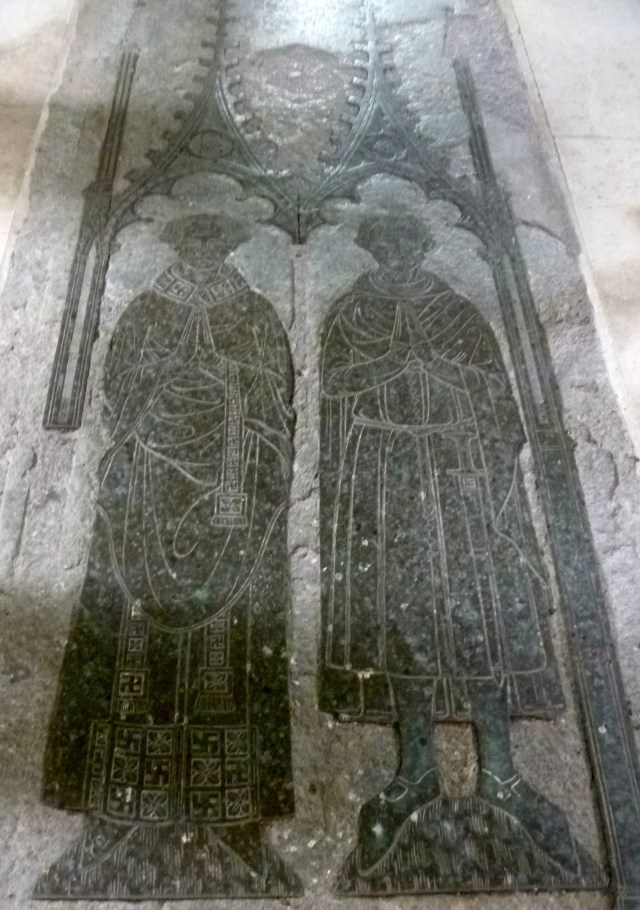
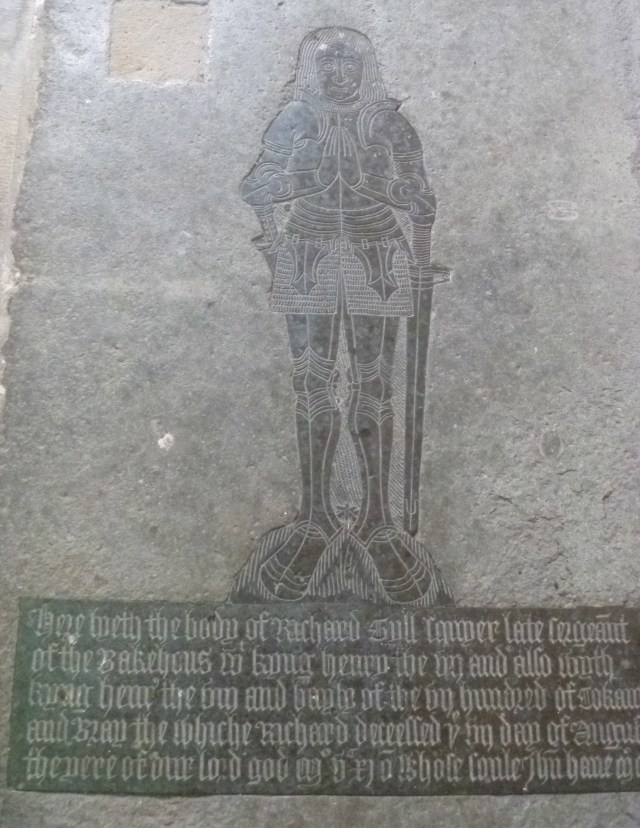
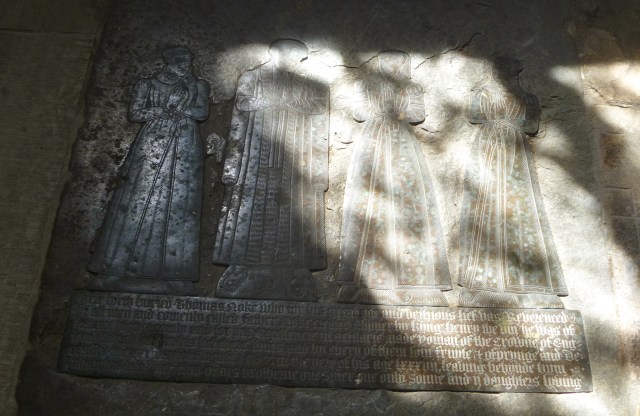
St John’s Church, Shottesbrooke features in Simon Jenkins’s “England’s Thousand Best Churches” which I’ve mentioned here several times before. “The spire is visible rising over the woods from a distance and is a splendid feature of the landscape.”  Inside there are several extraordinary tombs, including the double tomb of Sir William Trussell and his lady with a canopy of eight ogee arches, and “The floors of Shottesbrooke are littered with splendid brasses still in place. one pair, of a priest and a layman of c.1370, has them both in prayer with singularly grim expressions on their faces.”

trussell tomb

The Trussell Double Tomb

brasses 1

brass 2

brasses 3

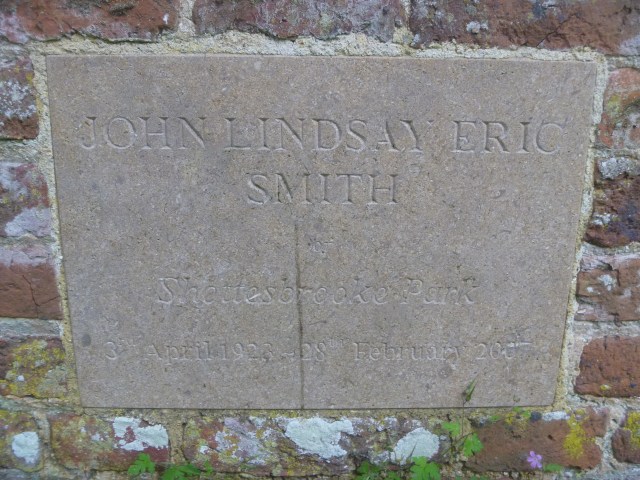
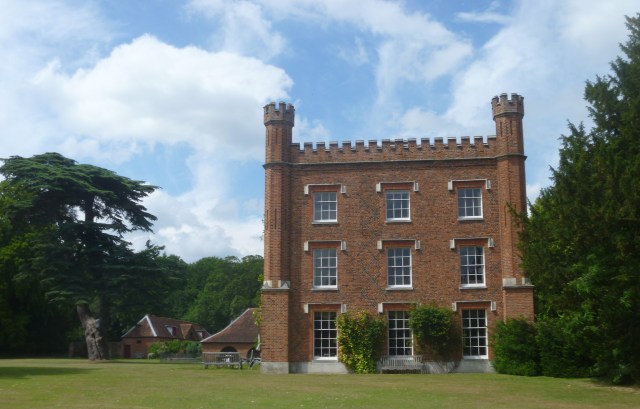
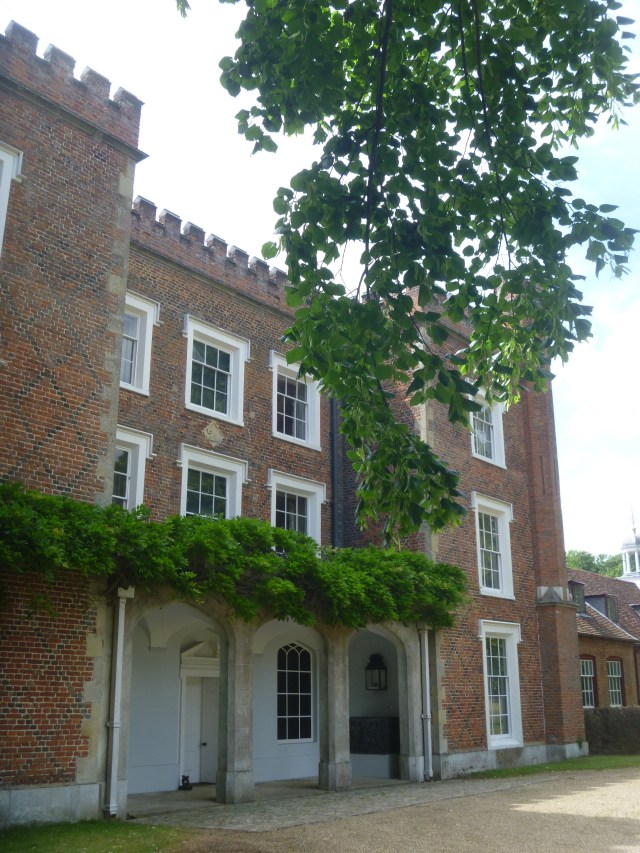
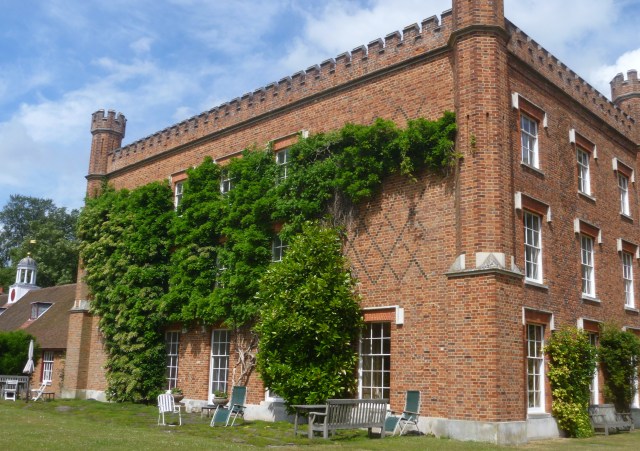
After visiting the church we were taken across the lawns to view the exterior of Shottesbrooke Park House. It is still owned by descendants of cousins of the Vansittart family who bought the property in 1716, namely the widow and son of Sir John Smith (founder of The Landmark Trust).

smith memorial

Sir John Smith Memorial in the Churchyard

House 1

Side View of the House

house 2

House Front

house rear

Rear of House

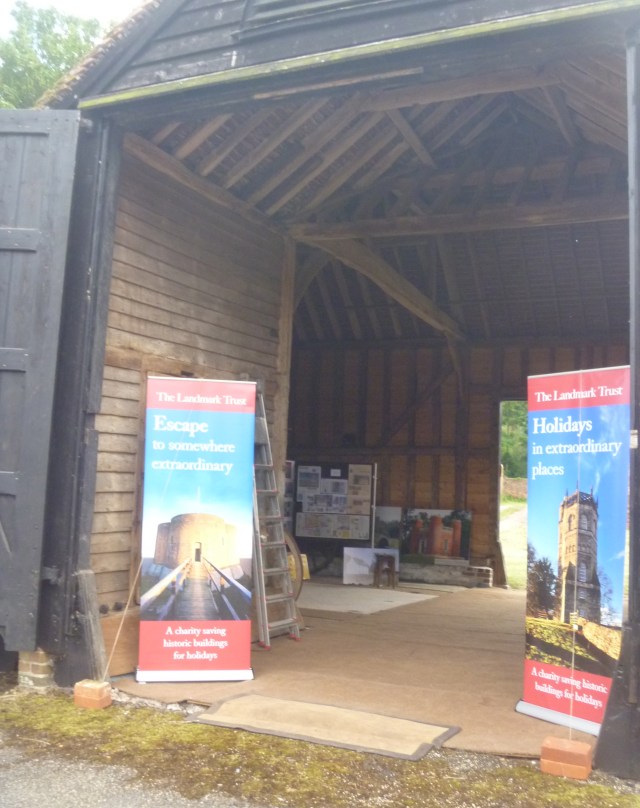
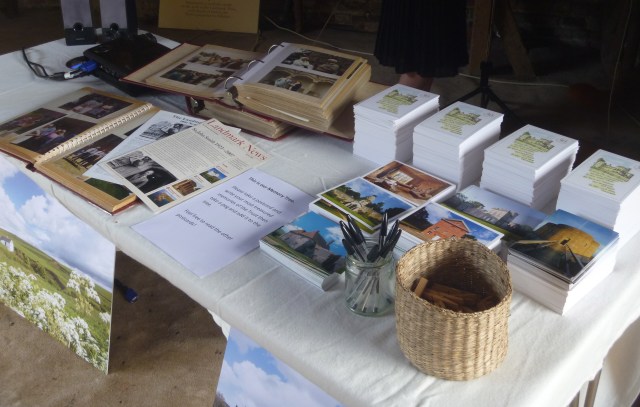
Following David’s tour we adjourned back to the cottage for further cups of tea and home made cake before being taken to see the anniversary exhibition in a barn, to offices in farm out-buildings and the Landmark main offices in the former farmhouse.

barn


barn entrance

Welcome to the Exhibition

display

A Display Table

book

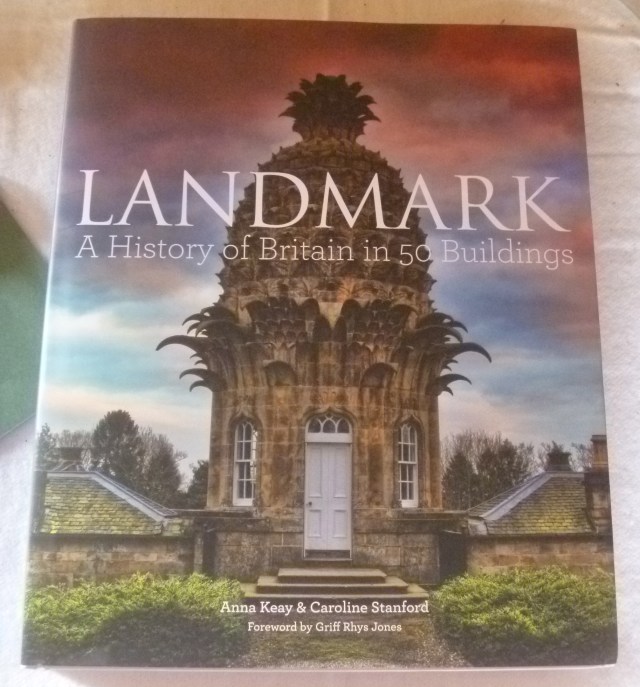
To be published soon!

The Director of The Landmark Trust, Anna Keay, then welcomed us and thanked us for our support before going on to tell us about two properties that are opening this year (Belmont at Lyme Regis and St Edward’s Presbytery at Ramsgate) and future projects. Strawberries and cream were served to round off a wonderful afternoon. Friday was the start of a weekend of festivities and receptions at Shottesbrooke including a Director’s Lunch for Landmark Patrons on the Saturday and a big anniversary celebration on the Sunday to which all staff including housekeepers and gardeners were invited.

carousel

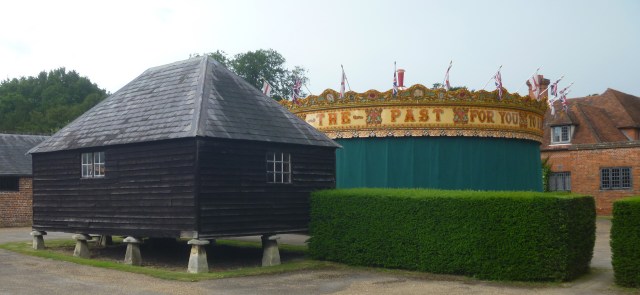
Carousel Fun on Sunday!


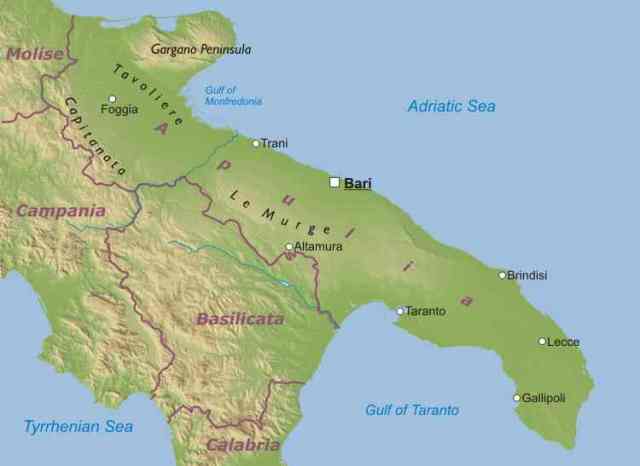
Footloose in the Gargano Peninsula

apulia

[source]

Whilst staying at Sant’Antonio in March I picked up a copy of H V Morton’s “The Traveller in Southern Italy”. It fell open at p.150 where the first sentence of part 8 of chapter 4 reads “The best way to see a country is on foot …”. By coincidence, or design, this sentence constitutes the strap line for ATG (Alternative Travel Group) of whose walking holidays I am a keen advocate. I also read Morton’s description of his visit to the “unexplored” Gargano Peninsula. My reason was, of course, that this June I was already booked on an ATG Footloose trip to explore the Gargano Peninsula. This part of Italy is still relatively unknown although some tour companies do visit and ATG have been sending walkers there for quite a number of years. We chose flights to Bari from Gatwick and ATG made our taxi arrangements for us. We had to go in June since we already had a family wedding on 13th and I had booked the month of May to be Ireland. So we had an inkling that this trip might be harder work, due to warmer weather, than previous walking holidays. In fact, I think I would say that, this one turned out to be the most strenuous of them all. However, as they say, “no pain, no gain”, we felt that we had made a great achievement as we walked along the designated route. Planning route
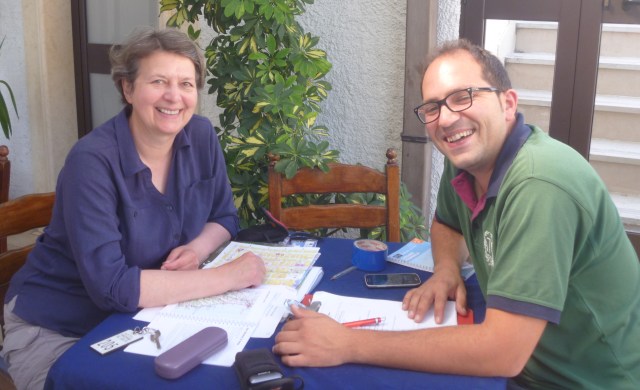
Initial Route Planning with Matteo

Yet again we had a great Route Manager to help us along the way, give advice, transport our bags and generally be a presence in the background in case of need. The Route Booklet explains the route step by step and we are now very familiar with the distances and what to expect. However, the ever-helpful Matteo explained that in certain places he had attached ‘environmentally-friendly’ blue tape not to show us the way but just to confirm that we were on the right track. It was always a relief to spot this tape! blue tape
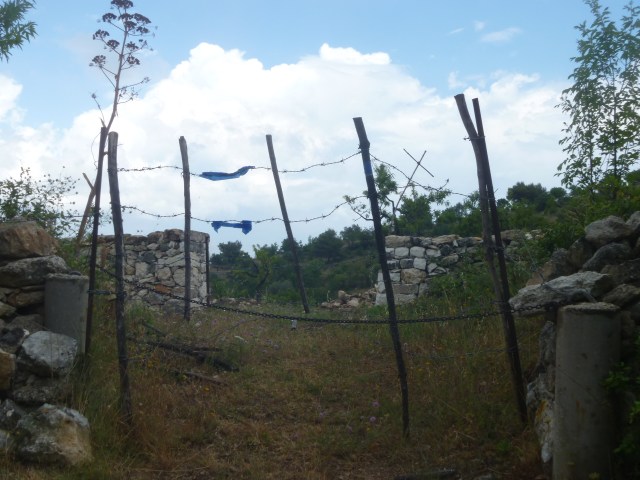
Spotting Matteo’s blue tape

In brief, we walked from Manfredonia to Vieste officially a distance of 41.1 miles but we are positive that we walked a lot further than that! (… and I have the Fitbit to prove it!). ATG sum up the walk thus : “Limestone hills rising to 2,700 feet with coastal paths, quiet lanes, farm and woodland tracks and pilgrim routes leading up to Monte Sant’ Angelo. Occasionally rough under foot.” leaving first hotel
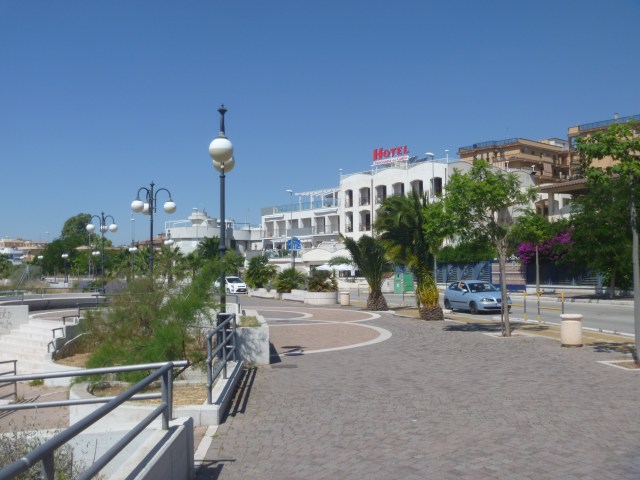
Leaving our first hotel

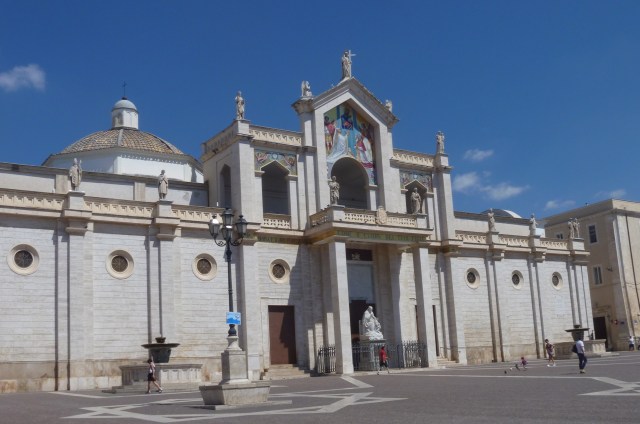
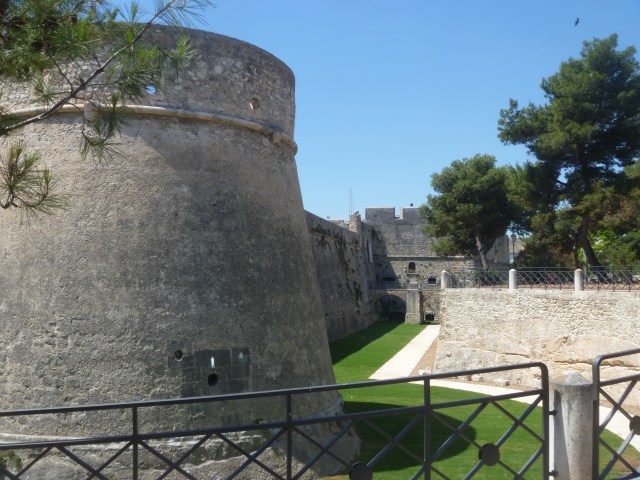
There was a long, but pleasant, walk from the first hotel along the promenade into the town centre of Manfredonia. Here we lingered a while viewing the Cathedral, the Castle and Town Hall Courtyard and Museum. Main Street Manfredonia
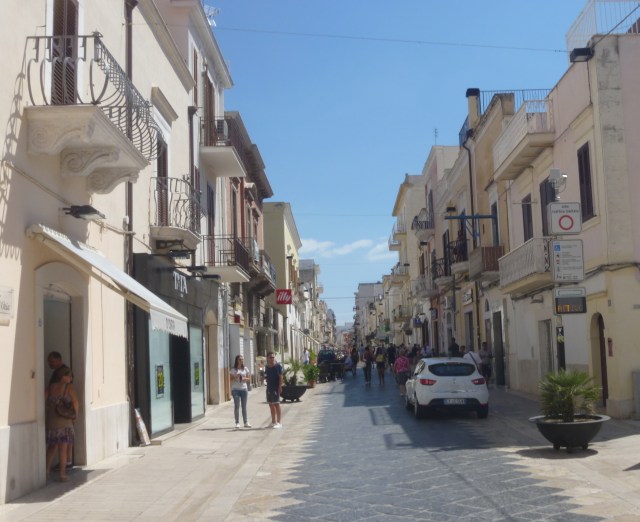
‘The Corso Manfredi’, Manfredonia

City Hall and Museum Manfredonia

Town Hall

Cathedral Manfredonia

Cathedral

Castle Manfredonia

Castle

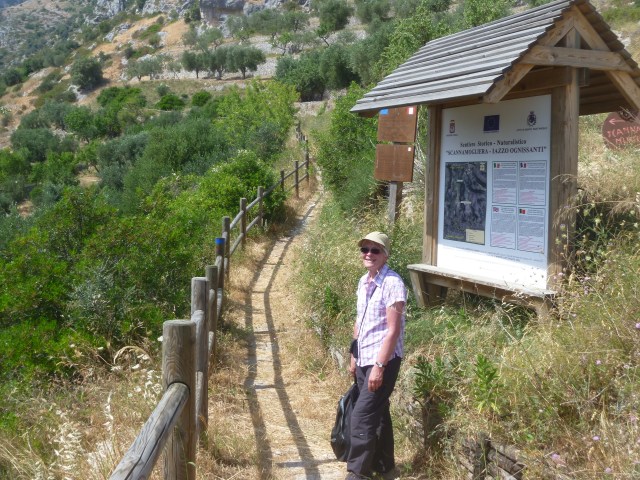
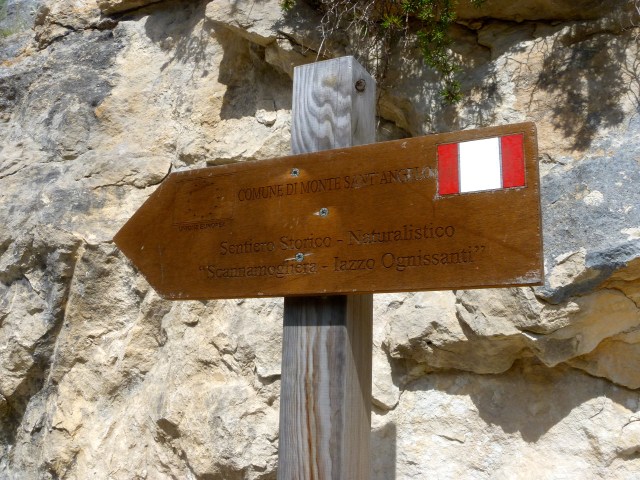
There followed an even longer walk out of the town and through olive groves across the coastal plain before we even started on the “Jazzo Ognissanti” the historical and natural path.
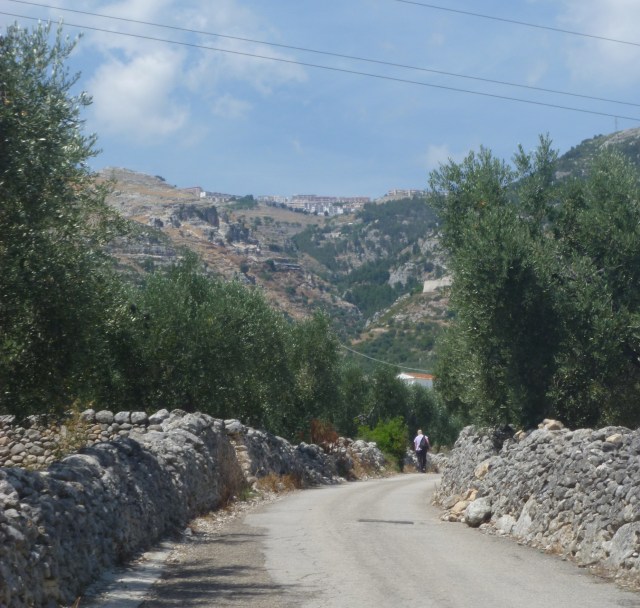
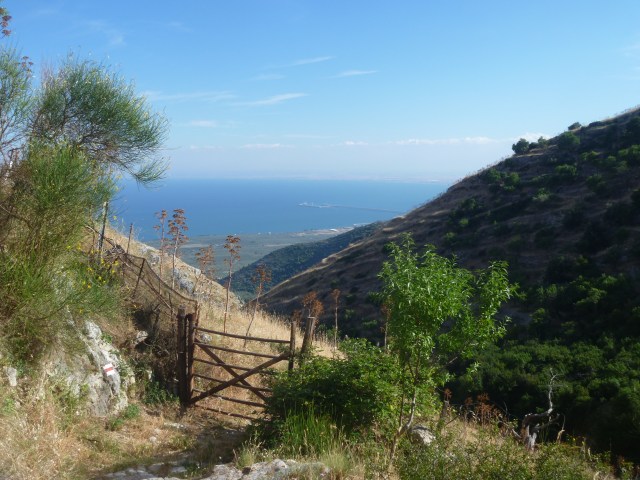
There's Mont St Angelo

We Climbed Right Up There!

Walk along the coast then across a small plain before ascending an ancient pilgrim route, once used by crusaders before they embarked for the Holy Land. The route, now a grassy ravine with ruined monasteries on either side, leads to the ancient town of Monte Sant’Angelo (2,755ft), with its whitewashed houses, steep narrow alleys and stairways, and views across the bay of Manfredonia and coast to the south.” Pilgrim Route info boards along the way View back to Manfredonia The Pilgrim Route to Monte Sant’Angelo was memorably tough but very special and we enjoyed exploring the town the next day visiting the Sanctuary of St Michael the Archangel, churches and the Old Town (the JUNNO Medieval District) before heading off on the next stage (and getting soaking wet twice in the process) to our next stop, Mattinata. streets of Monte st  angelo
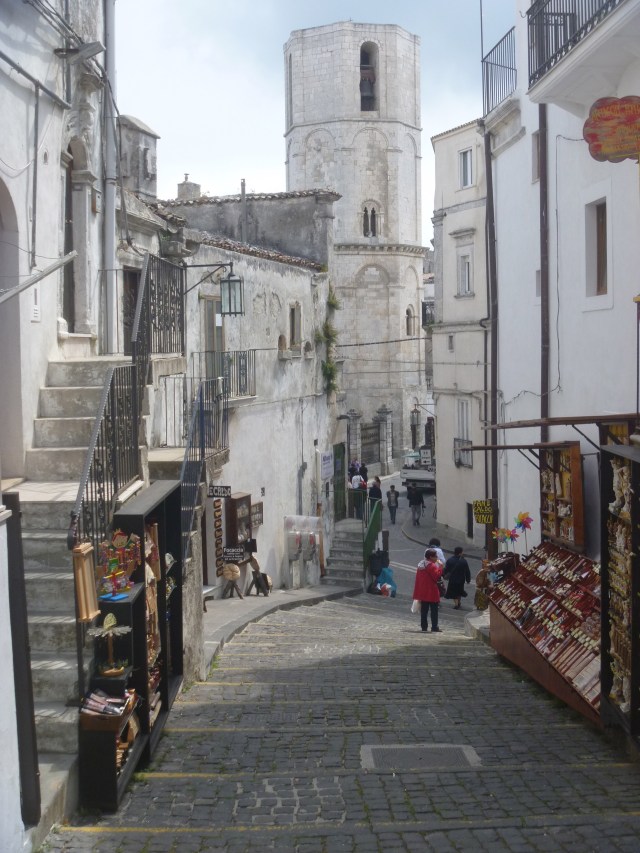
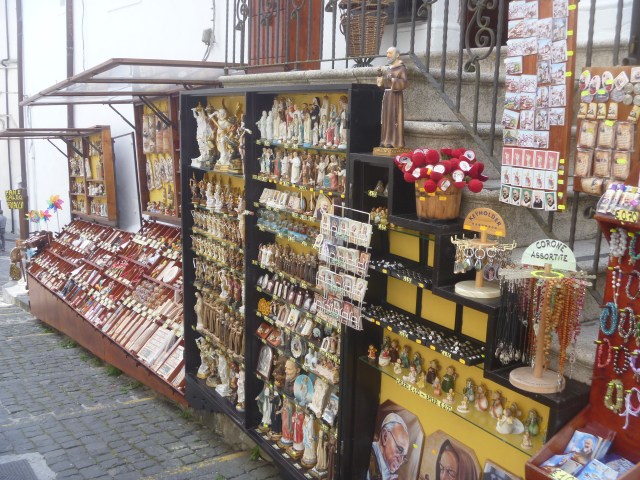
Shop

Shops selling religious mementoes abound in Monte Sant’Angelo
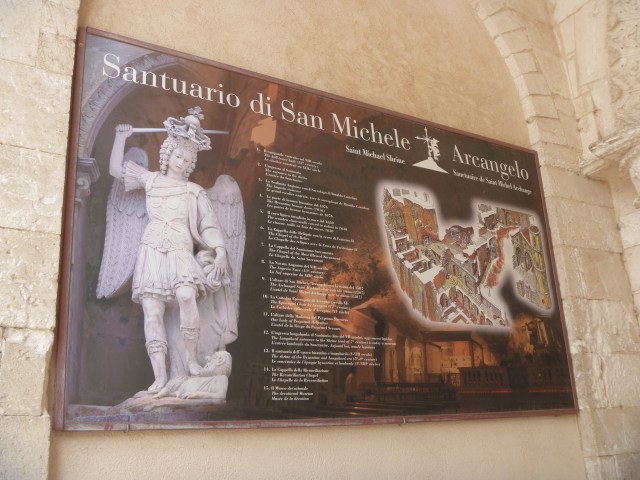
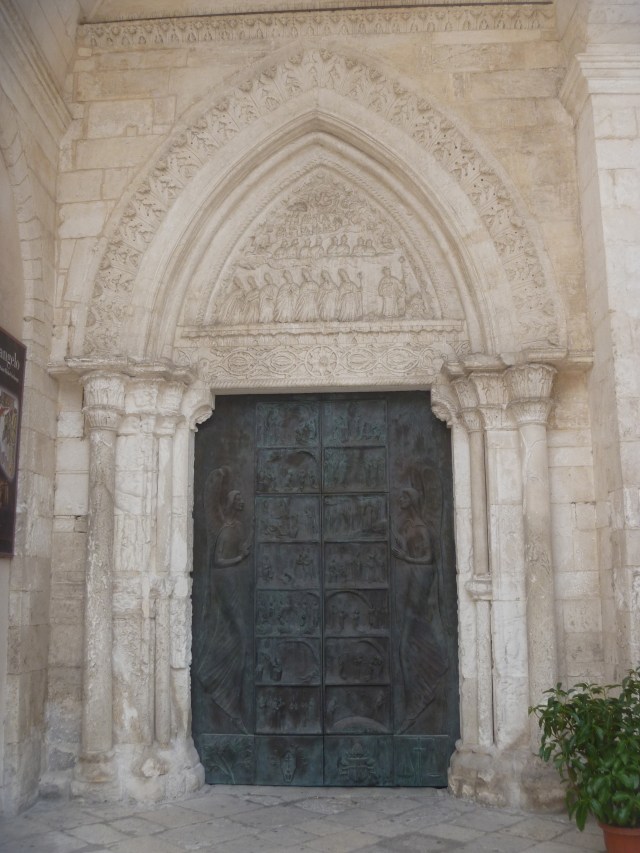
Santuario

Santuario door

The Santuario Door

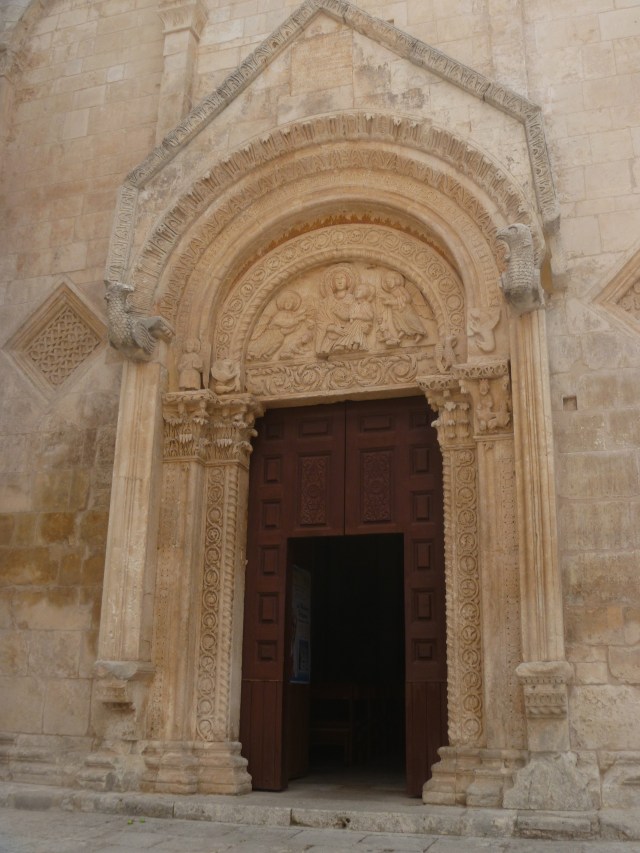
santa maria door

Door to the Church of Santa Maria Maggiore

Time to explore the town and visit the famous cave church, venerated as being the last place St Michael appeared on earth in 491 AD, before setting off down a well-made pilgrim path to the small town of Mattinata (650ft) set in olive groves, close to the coast.”You descend from 800m to sea level on rocky paths, stony mountainsides and through woods, with wide views of Mattinata and the coast, following the remains of an old mule track called ‘Strada Comunale Mattinata – Monte Sant’Angelo’, which was once the only way up!” pagliaio On this section we came across pagliaio: shelters that were once used by shepherds to keep grain and straw for their herds and to sleep in if necessary. We had lunch in the shelter of one as it poured with rain. Later in another, even worse, downpour we sheltered under some trees but these made little or no difference. a pagliaio and storm clouds
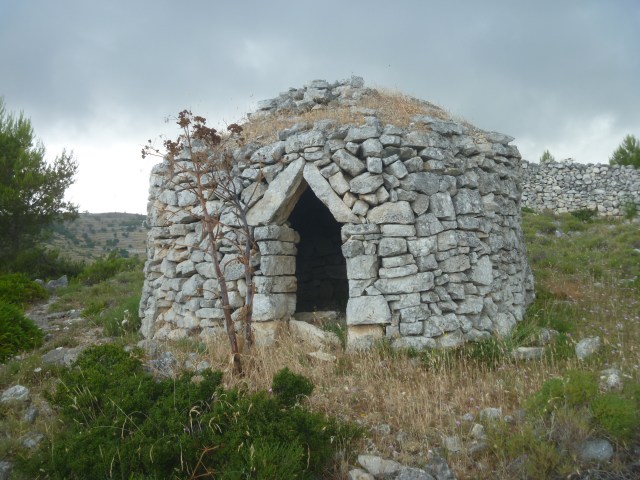
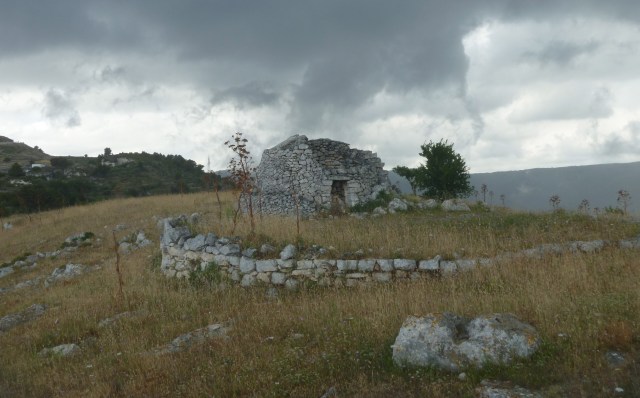
A Pagliaio with storm clouds brewing

Mattinata looked like a nice town but we didn’t stop to find out as the shops were closed in the early Saturday afternoon and we needed badly to dry out our boots and clothes. The local museums had strange opening hours. The Museo Civico 5-10pm Tuesdays and Saturdays and a Museum in the local pharmacy was also open on that Saturday evening. In the end we just couldn’t face getting wet again.

Sunday dawned bright and clear and the walk on that lovely day was virtually over by lunchtime when we arrived at the beach. We ate a leisurely lunch then hiked the final couple of kilometres to our hotel. lunch venue
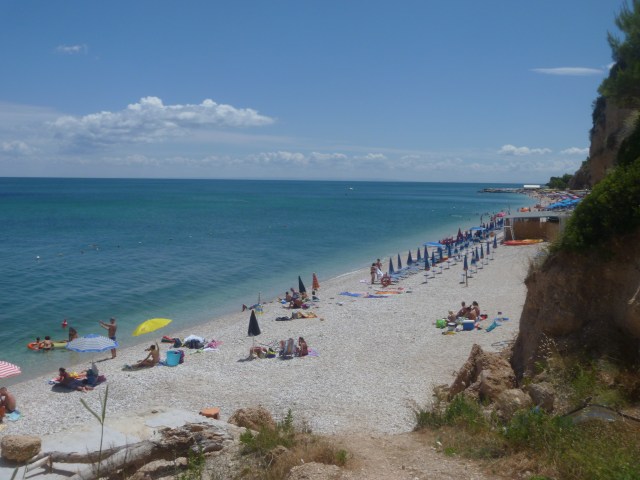
We looked rather out of place in our hiking gear!

The route undulates across two valleys following surfaced road, grassy and stony paths and along a high ridgeline path with wide views east and west to the sea, before descending and across a wide plain. The route brings you close to the shore and along it before a brief section on road to the hotel.” beach
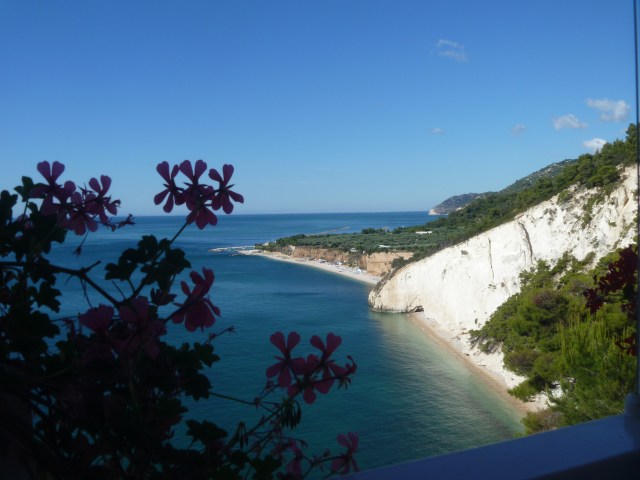
The Beach from our dinner table

Except for Monte Sant’Angelo and Vieste our hotel arrangements were on a half board basis. This is ATG policy when a hotel is not near a choice of good restaurants. The Hotel Villa Scapone is set on a cliff: walk down to the pool and up to the restaurant from our individual room with separate entrance and private terrace. It was a wonderful place to spend a relaxing Sunday evening halfway through our journey. Hotel Scapone
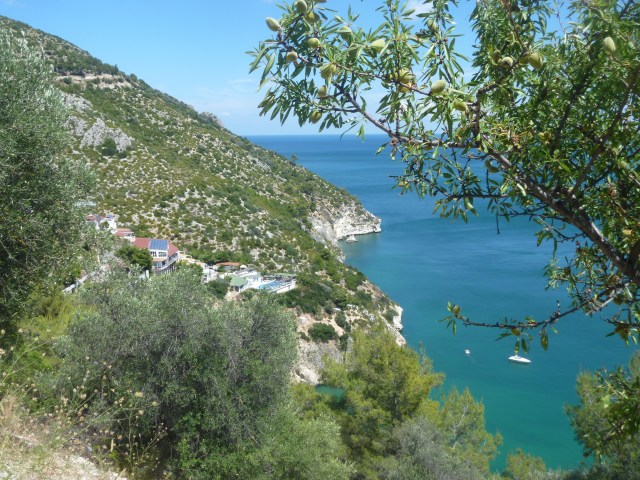
The Hotel Villa Scapone, Baia Fontana delle Rose
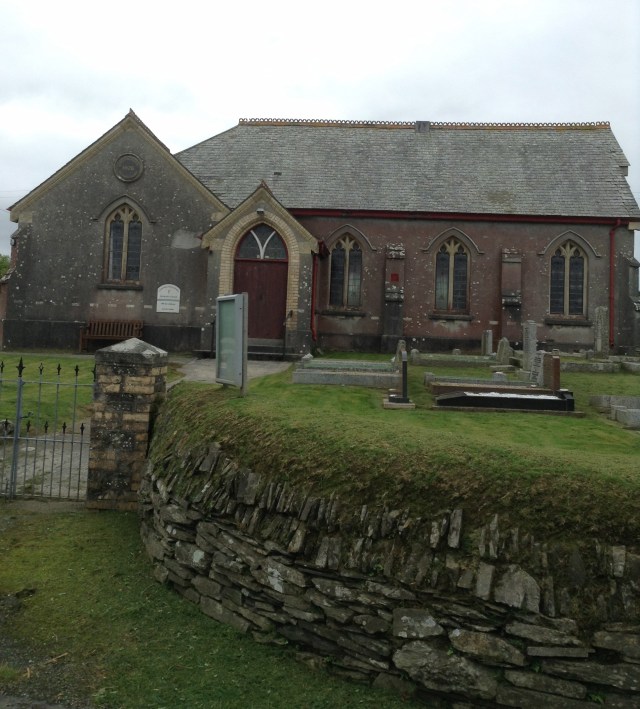
Hales Great Barn

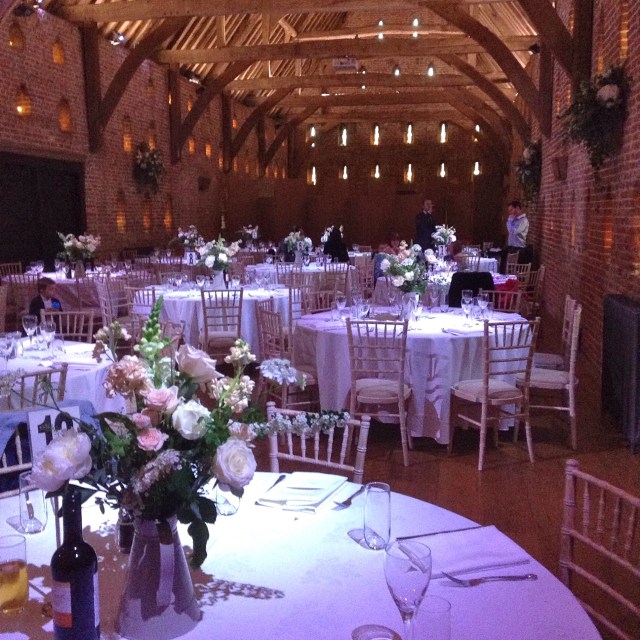
This weekend was our nephew’s wedding in Norfolk and as this was a family and friends occasion I never expected to conjure up a blog post about it. But, since we got home I couldn’t resist showing you the magnificent venue where the reception was held.

inside great barn

After a few days of seasonally summer weather at last, Saturday dawned wet and cloudy and the rain continued, on and off, throughout the day. It was a shame but it didn’t dull any of our festivities: it just meant that we were inside for rather more time than we had expected to be.

Hempnall Church

The wedding itself took place in St Margaret’s Church, Hempnall (above) and had a lovely relaxed country wedding atmosphere. From there a convoy of cars travelled along the quiet country lanes of Norfolk and Suffolk and across the huge Hales Green Common to reach Hales Hall Barn for the reception.

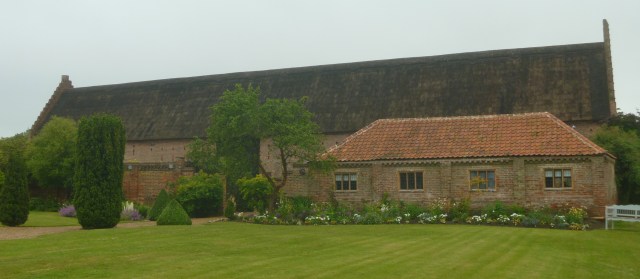
barn in full

About Hales Hall

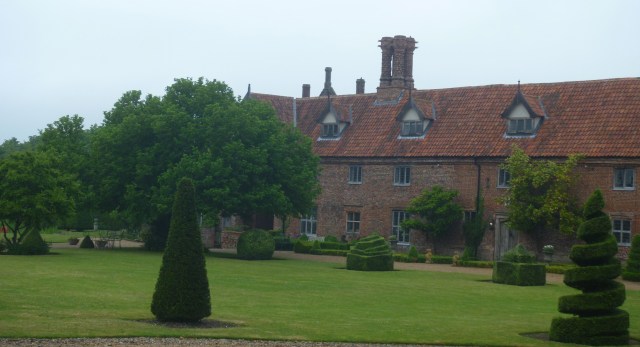
The Great Barn at Hales Hall and the Hall itself were built in 1478 and the present Hall is the surviving wing of an even larger house built by Sir James Hobart, the Attorney General to Henry VII. There have been buildings on the site since Roman times.

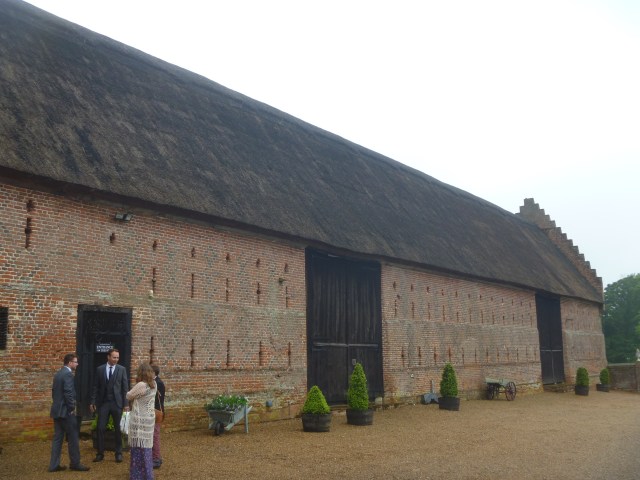
The barn outside

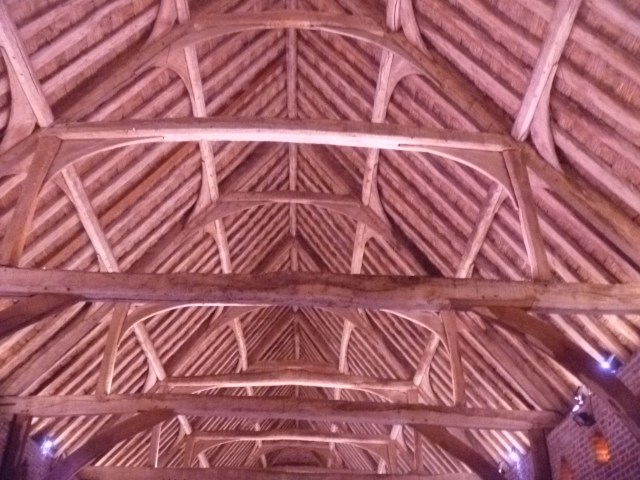
The 178ft Great Barn is the largest surviving brick-built medieval barn in Britain and features a superb example of a ‘queen-post’ roof.

Massive roof

The Hall and Great Barn had fallen into agricultural use by 1971 when it was purchased by the Read family. It has been lovingly restored and owners Peter Sheppard and Keith Day plan to continue the restoration in the future.

Hales Hall is set on the edge of Hales Green, one of only a few ‘commons’ still grazed by cattle in the summer and is a haven for wildlife. At the heart of the Waveney Valley, Hales is surrounded by market towns and is close to the historic city of Norwich and within easy reach of the Norfolk and Suffolk coast.” [from the Hales Barn]
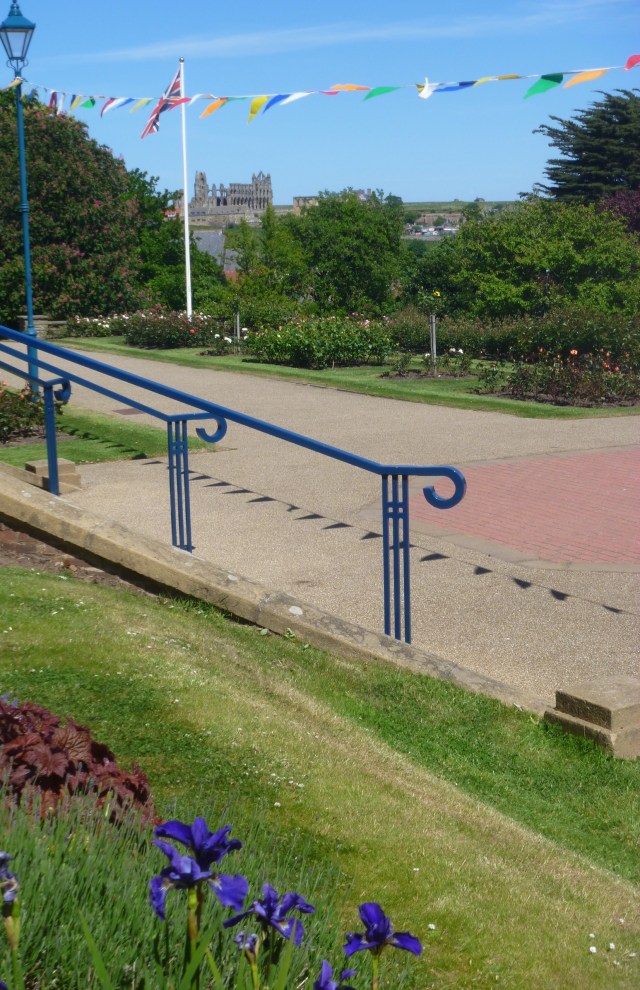
HH Accommodation

Remaining Buildings of Hales Hall

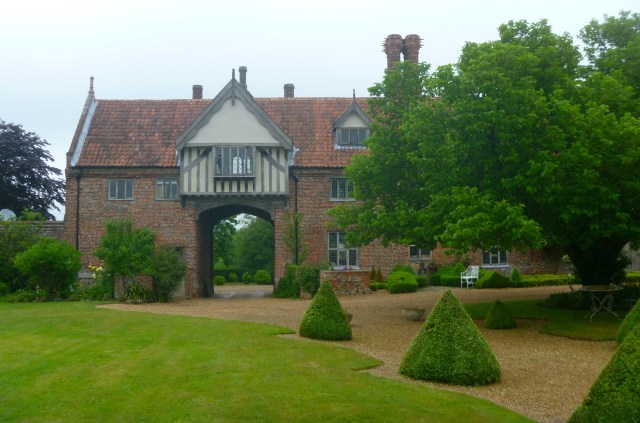
According to local information the Hall itself was demolished around 1700 leaving only the gatehouse and adjoining domestic building.
Remaining Hall

The Gatehouse
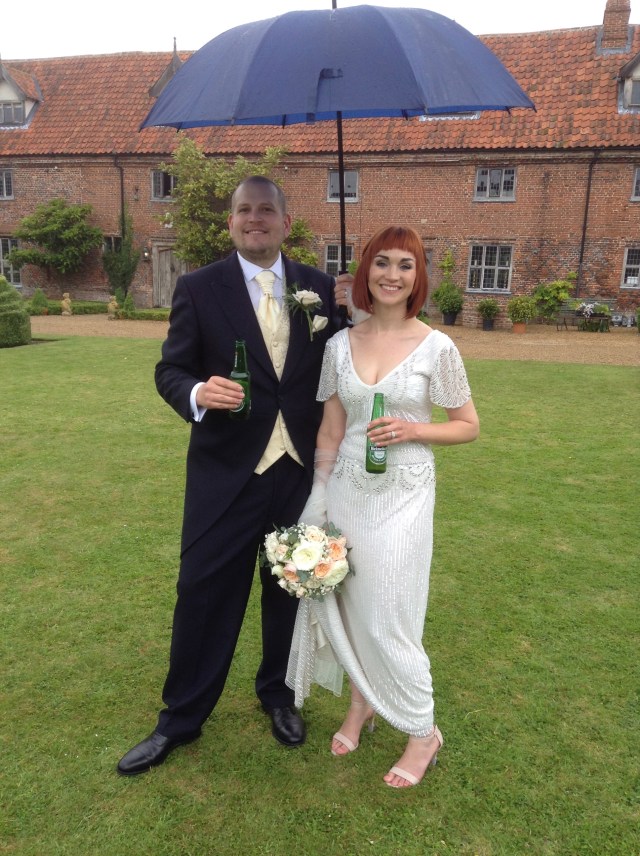
groom and bride

The Happy Couple in the Rain

The Leeds Library Summer Day Out in Whitby

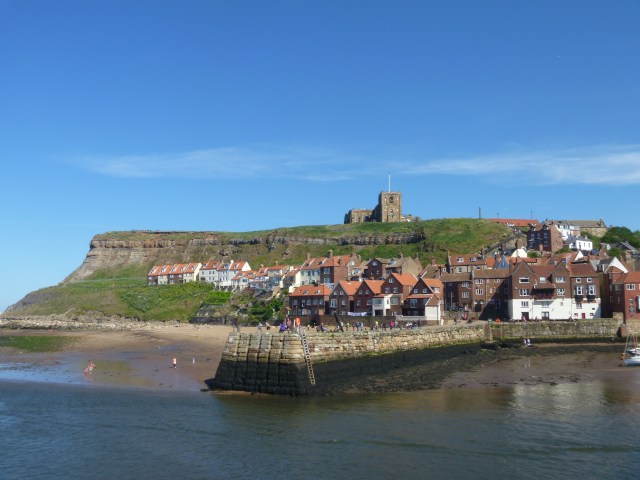
whitby view

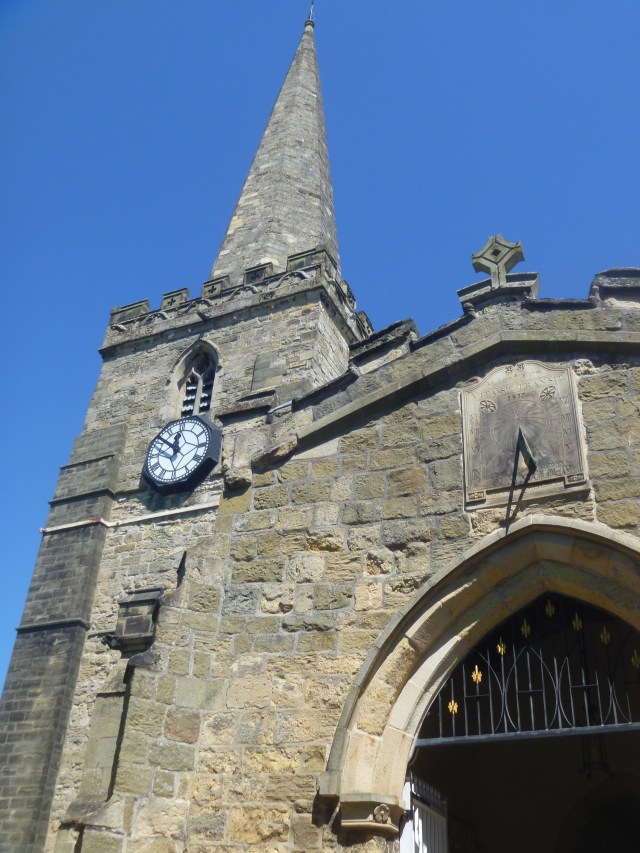
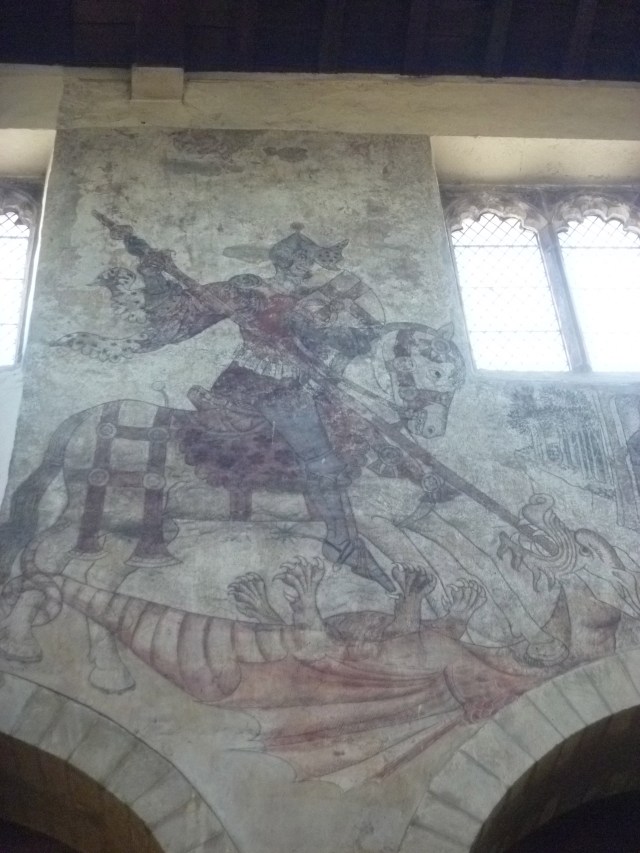
The weather on this year’s annual Leeds Library Visit to Whitby could not have been more different from last year’s The Lake District trip. The sun shone all day and the sky was blue as blue. Perfect weather for a day at the seaside. But first stop on our journey was in Pickering where after tea and toast in the Poppies Tearoom we visited the parish church of St Peter and St Paul where medieval wall paintings have been extensively restored. Originally discovered in 1851 they were almost immediately covered over again. In the 1870s they were restored and, as the leaflet tells us :

Nikolaus Pevsner, in his series of books The Buildings of England (1966), wrote that the church has “one of the most complete series of wall paintings in English churches, and they give one a vivid idea of what ecclesiastical interiors were really like”.

Pickering church

Pickering Church

George and dragon

St George and The Dragon Wall Painting

east window

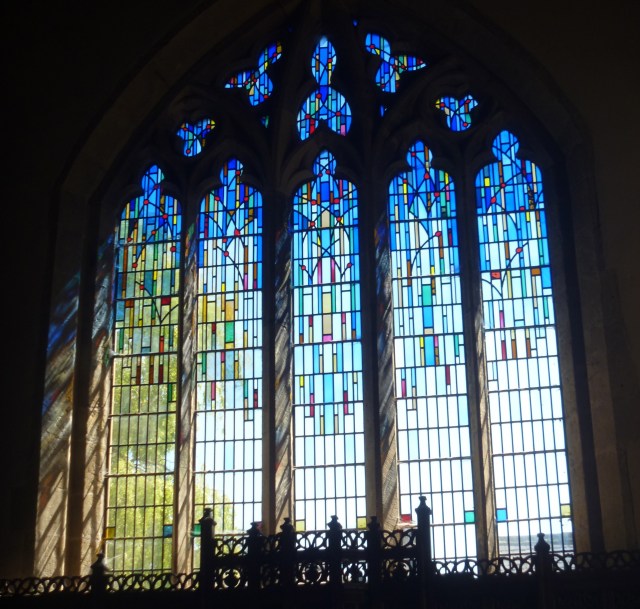
The East Window

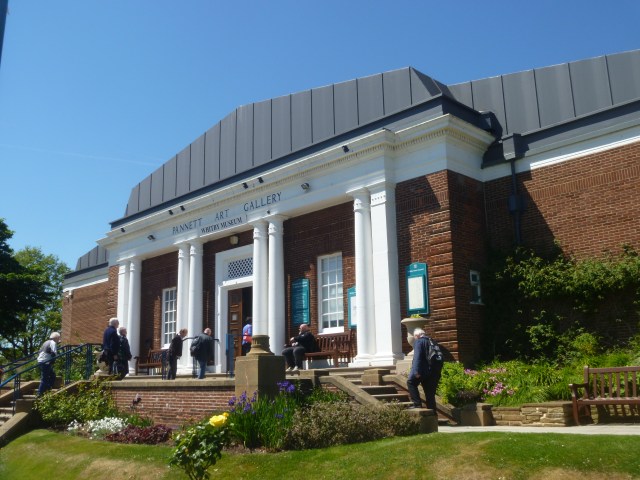
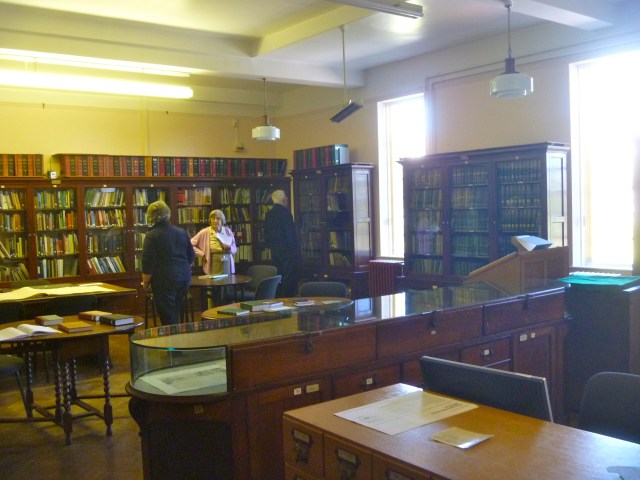
Our day out was  primarily to visit the Whitby Literary & Philosophical Society Library and Museum housed in a purpose built art gallery in Pannett Park above the town and with views of the Abbey opposite and the sea beyond.

Museum

The Society had been founded in 1823 by a group of Whitby citizens led by The Reverend George Young, a minister of the Presbyterian church. It’s chief object was to set up and maintain a museum specialising in fossils since “Whitby is a chief town of a district abounding with petrifications and containing not a few Antiquities”.

in library

The Society’s Library Today

Initially opened in two rooms over a shop in Baxtergate it subsequently moved to several other locations in the town but finally, by the end of the 19th century the Society decided it needed more space and a new building which opened in 1931 and adjoins the Municipal Art Gallery : The Pannett Art Gallery.

pannett park and abbey

We had an introduction to the collection in a new wing added 10 years ago with funds from The Heritage Lottery Fund. The volunteer curators, Stephen and Fiona, spoke enthusiastically about the collection and the Whitby Merchant Seaman’s Muster Rolls which are an important part of it.

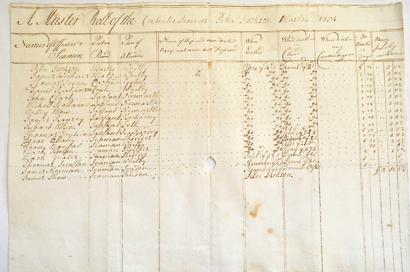
The Muster Rolls are a unique series of historical documents which are the surviving paperwork for the Whitby Merchant Seamen’s Hospital’s regulation of the “seaman’s sixpence”, an eighteenth century pension provision. This pension provided financial support to injured seamen and to the widows and children of seamen who died while serving on merchant ships.

example

Example of Muster Roll from the Library website

They record a wealth of information about crews and ships, and offer a particularly rare insight into working men’s lives : age and place of birth; port where and when enlisted; where and when leaving the ship; name of the ship and its owners.

The Library holds on microfilm the Whitby Muster Rolls from 1747 to 1795 and also some Whitby Muster Rolls from 1800 to 1850. The Museum passed 7,000 Rolls to the Society in 2010. These require careful repair and conservation and much of the cost of this is being defrayed by The Thomas Roe Trust.

The main specialism of the Library is the Whitby local area :

Local History – collections of books, pamphlets, journals, maps, prints and manuscripts for Whitby and the surrounding area (approx. 15 miles radius)

oblique sailing

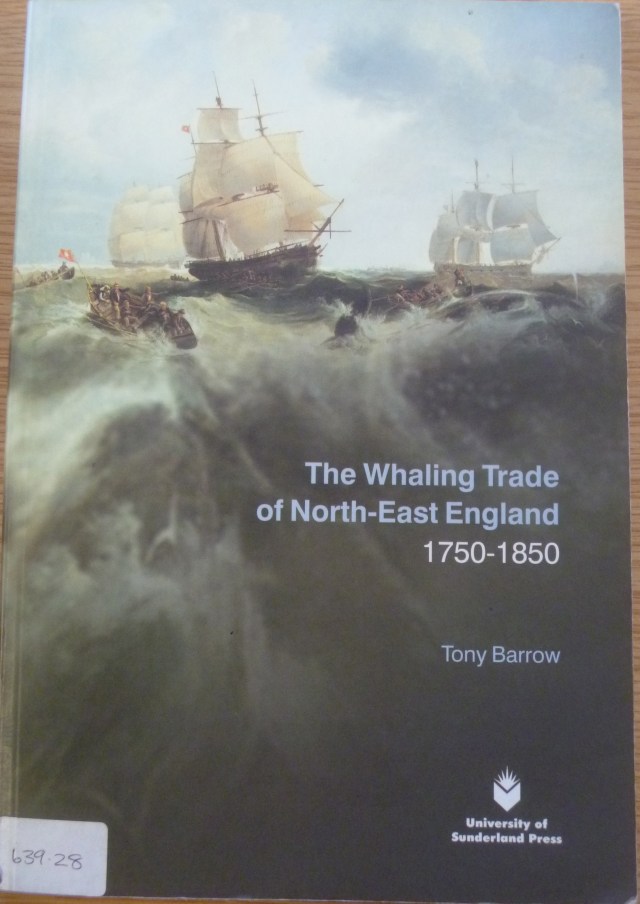
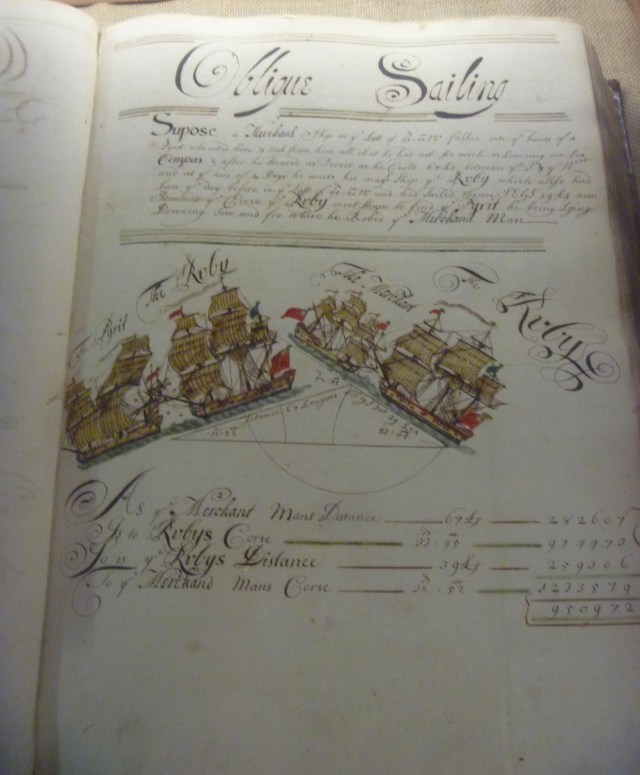
Maritime History – collections of books, Lloyds registers, and records including muster rolls, and ships’ account and log books

book

Geology – extensive collection of books and journals relating to the history of geology and the internationally important discoveries of Jurassic fossils made in the 19th Century in the Whitby area

Industrial heritage – sources for the development of the alum, jet, ironstone, and potash industries and the railways in the area

Family History – many sources including printed parish registers, lists of monumental inscriptions for many local churches, wills, and indexes to wills in the York Registry

Literature and language – a small literature collection focussing on novels, poetry and plays that are either by Whitby writers or are about Whitby, and a small collection on Yorkshire dialect

After tea and biscuits we were free to visit the Library and the Museum and Art Gallery.

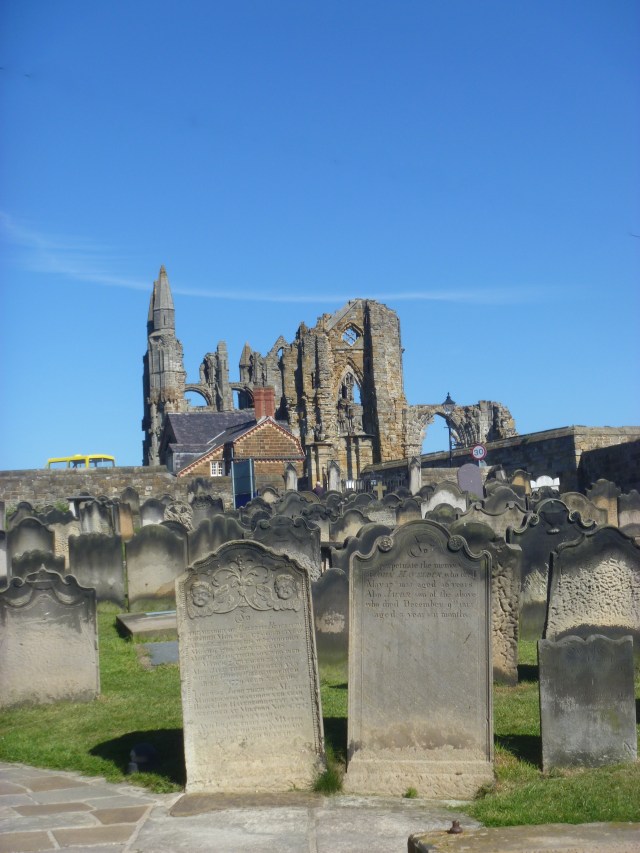
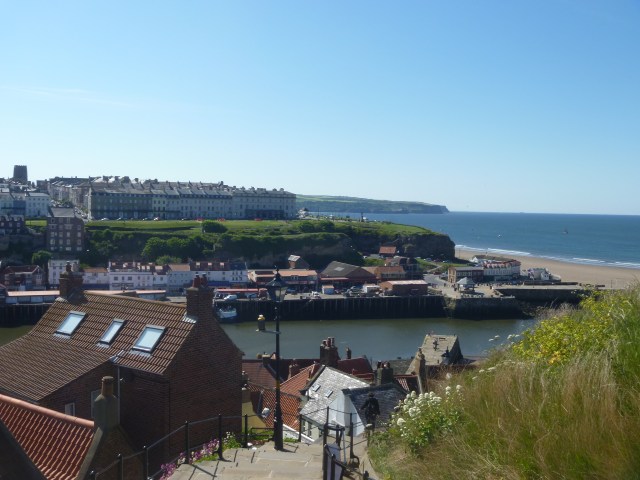
After a picnic lunch in the lovely Pannett Park and a final look round the Museum a fellow library member and I headed into town. After a walk along the quayside we climbed the 199 steps to the church and the Abbey for more stunning views before returning to the coach pick-up point and the return journey to Leeds.

Whitby church

Whitby Church

abbey

Whitby Abbey

view from steps

View from the Top of the 199 Steps