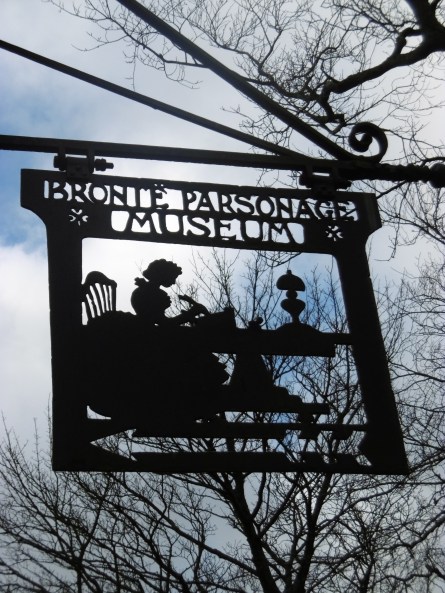
Back in early January my friend Simon over at Stuck-in-a-book, having found out that I’d read Claire Harman’s Charlotte Bronte: A Life late last year, asked me to a write a review of it for his online publication Shiny New Books. I said I would and several brain racking weeks later presented him with this. Continue reading →
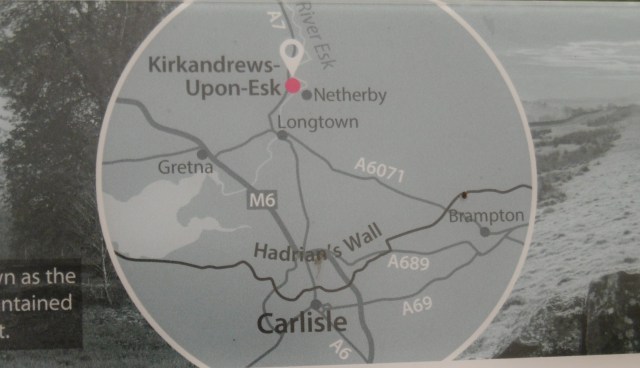
The tree is decorated, the presents have been bought and the cards have been written and posted. But there’s still shopping and cooking to be done and there are gifts to be wrapped so what better time could there be to take off for a 2 night pre-Christmas break, literally away-from-it-all, at a Landmark at Netherby in Cumbria – Coop House? Continue reading →
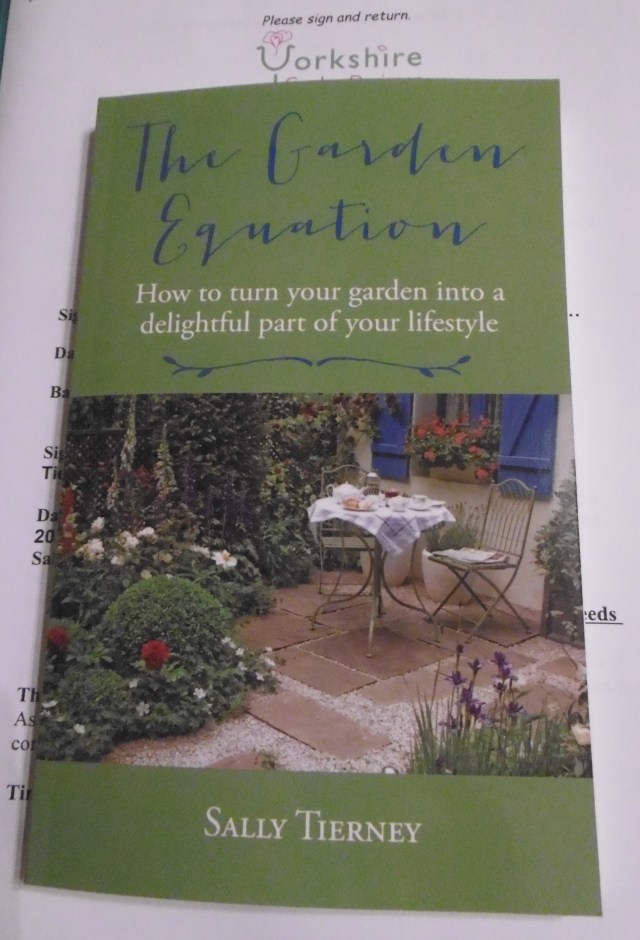
A couple of months ago I contacted Sally Tierney (The Yorkshire Garden Designer) as I’m hoping to improve an overgrown area of the garden and make it into a little haven of tranquility with raised beds of herbs and flowers and a special garden seat but with minimal upkeep as I am away such a lot. I liked her premise that your garden should fit into your lifestyle and not the other way round. When she first arrived in October and we talked about my ideas she christened it ‘The Reading Garden’. Sally then told me about her forthcoming publication and invited me to the book launch. Continue reading →
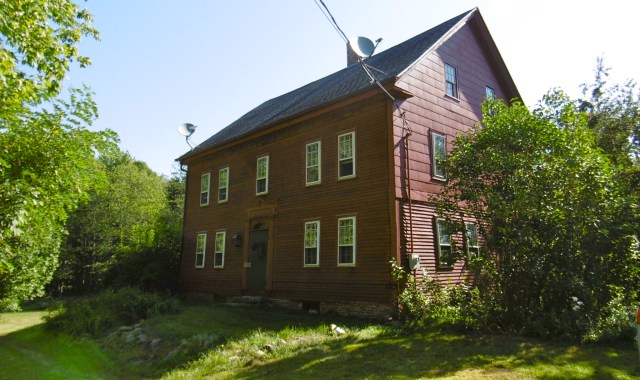
The second place we stayed on this trip was in Maine and had the delightful name of Merrymeeting Retreat. It’s named after the nearby peninsula and bay of the Kennenec River to which it’s possible to walk, through woods, to see eagles nesting and other wildlife.
Our host told us that the house, below, was built in 1780 by Captain Samuel and Hannah Hinton Lilly. It stands next to the very quiet Route 128 (River Road) about 12 miles north of the historic town of Bath and about 8 miles from the equally historic (by American standards) town of Wiscasset to the east.
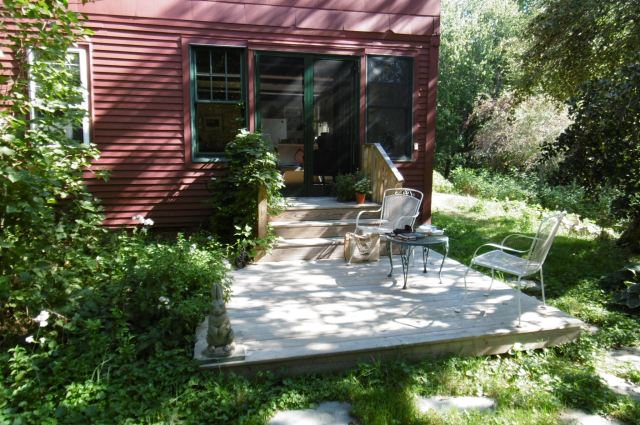
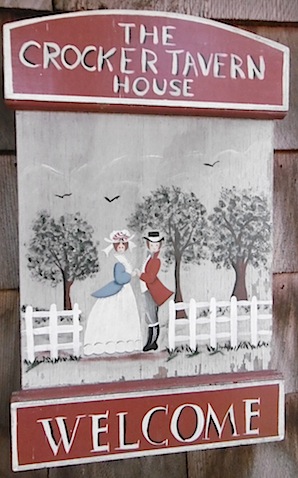
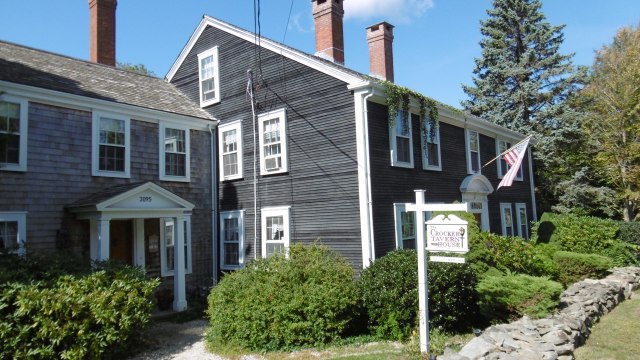
Crocker seems to have been a popular name around Barnstable, MA, where we stayed on our recent trip to New England. Our AirBnB was the annexe of Henry Crocker House (Item 2 on Page 2) and just across the road is the Crocker Tavern House. And there’s an Historic New England property in nearby Yarmouth Port The Winslow Crocker House. We’ve visited this area before. In fact, we’ve stayed in Barnstable a few times and I wrote about it here in 2012.
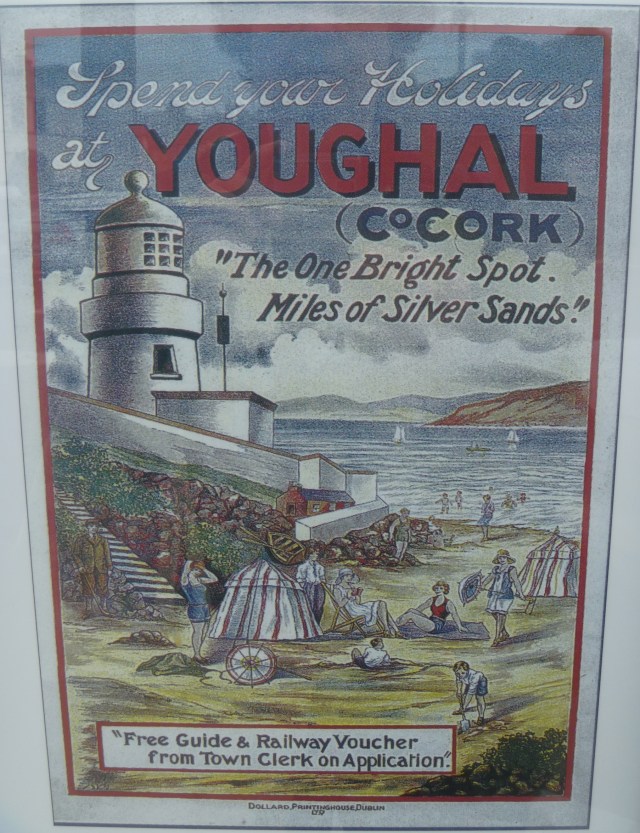
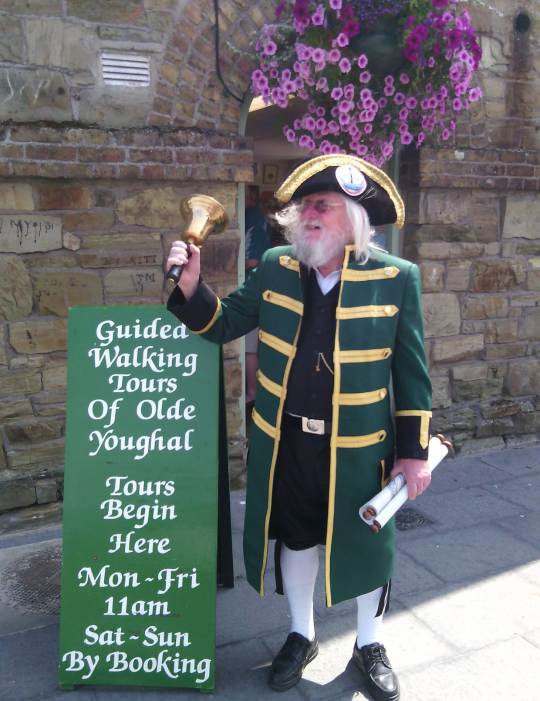
It’s beginning to seem like every place in Ireland has ancient connections and that this thread will run and run. But here is another walk description of the ancient port of Youghal (pronounced Yawl), Co. Cork. My walk was a guided one with local town crier, Clifford, in his full town-crying regalia. But it more less followed the suggested Town Walk in this leaflet which I have abbreviated here.
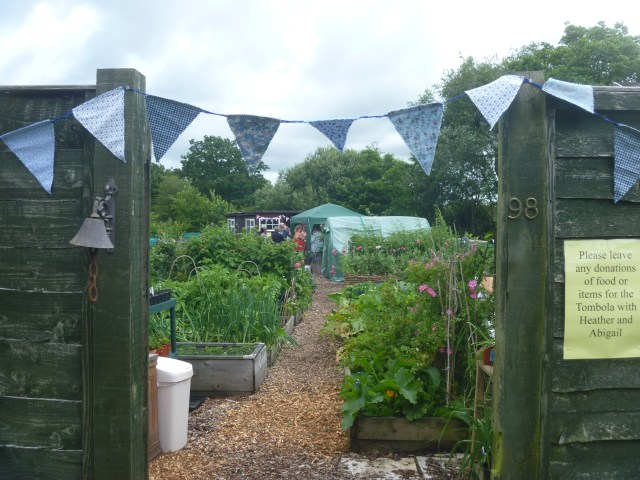
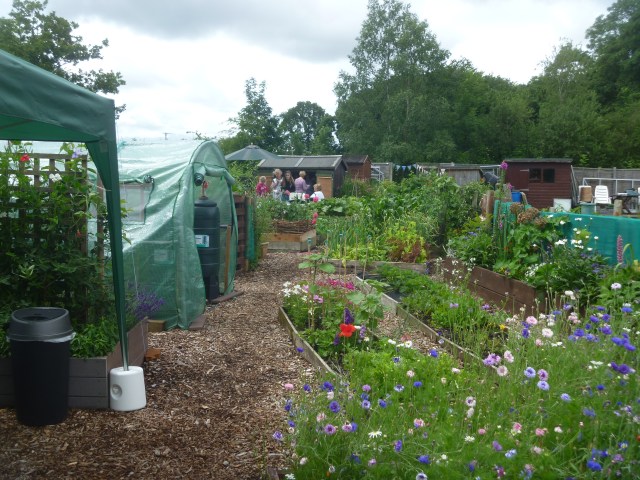
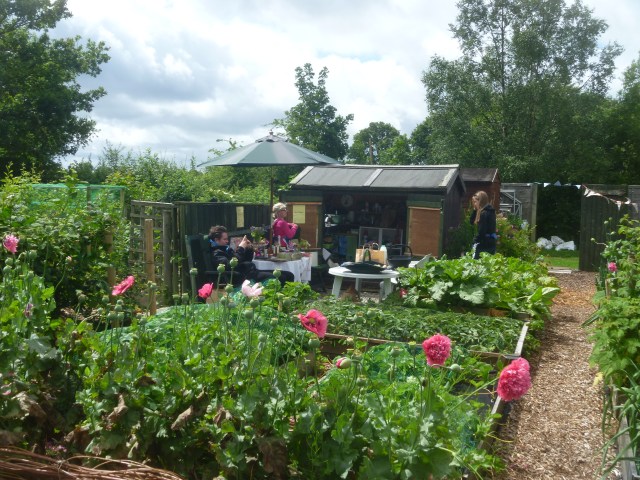
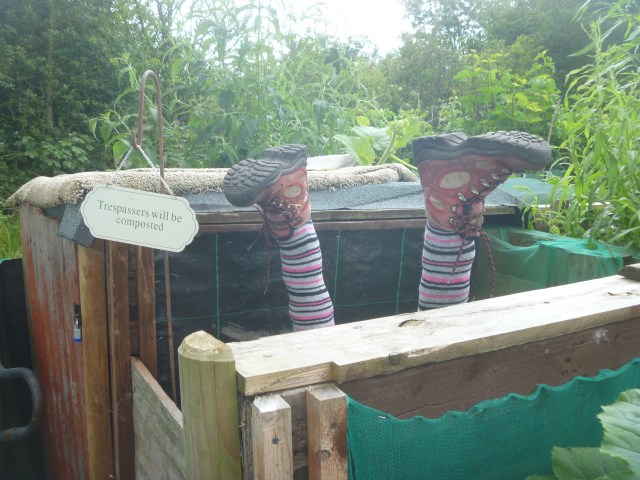
Last weekend I ventured over to Lancashire. I’d been invited to a garden party at a friend’s allotment (dress code: fascinator and wellies) in Higher Walton, near Preston. It was raining as I left home in Yorkshire but by the time I was across the Pennines it had stopped and we enjoyed a Jacob’s Join lunch in the open air. I must say that allotment gardening, and gardening in general, look like an awful lot of hard work … but the gain is tremendous; Kath’s plot exceeded all expectations.
Welcome to the Party!
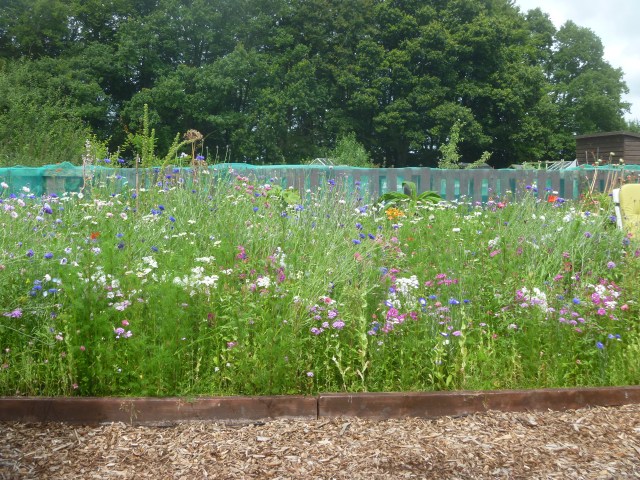
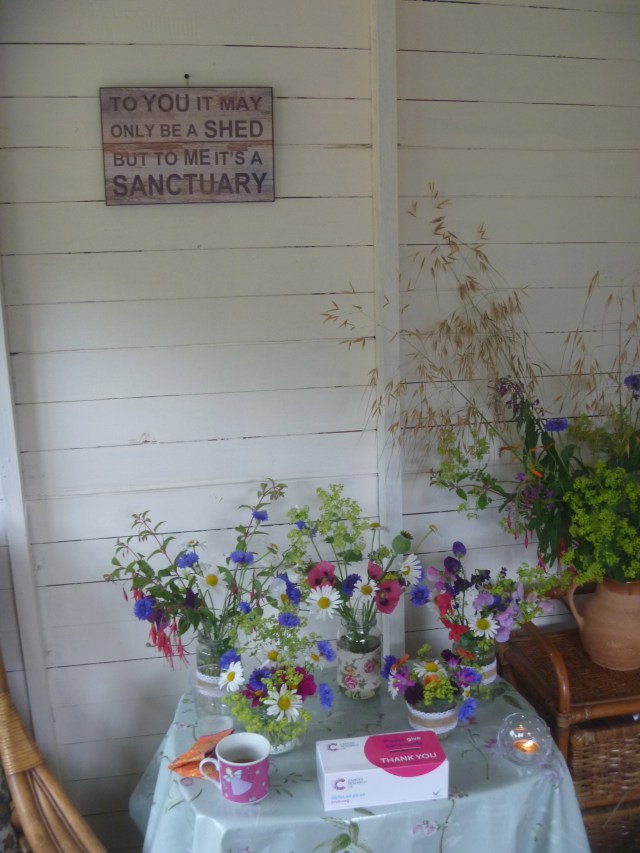
Wildflower Bed
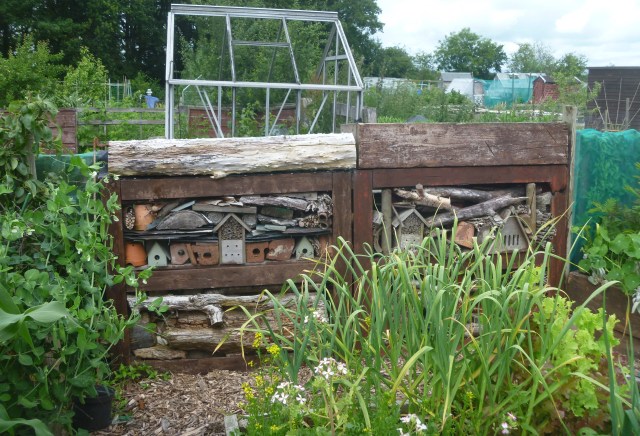
Kath’s Bee Hotel
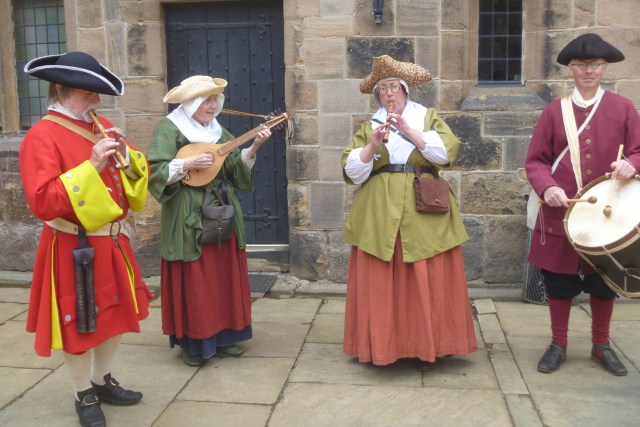
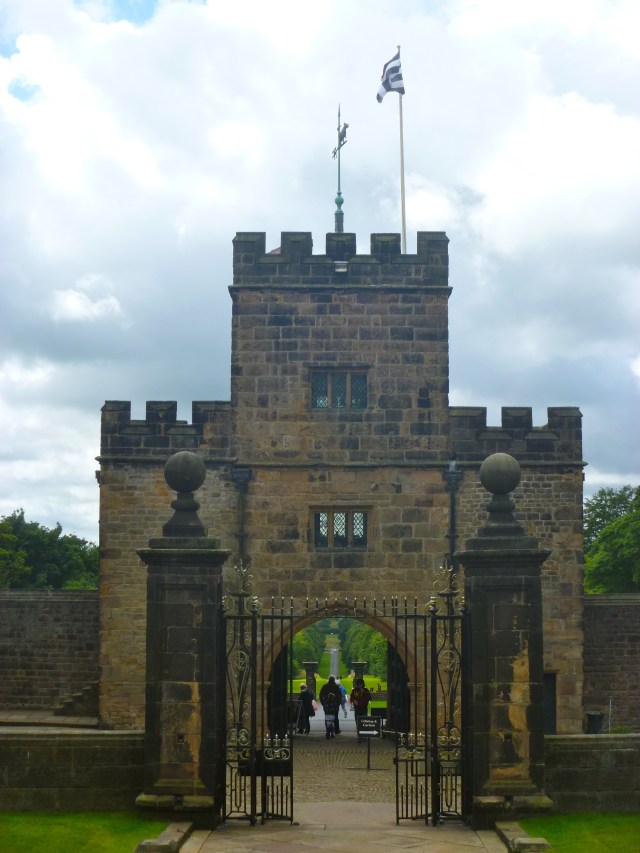
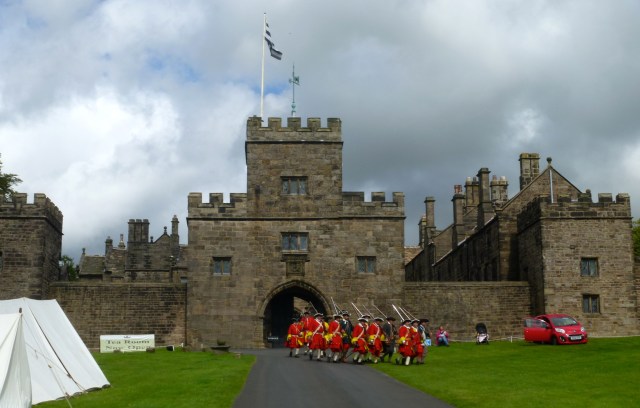
It turned out that the allotment is just a few minutes from Hoghton Tower so after lunch two of us made our way to the Tower where we came across a reenactment of the Battle of Preston (1715). Amongst the reenactors I was surprised to see the Leeds Waits a group of musicians specialising in medieval music and, incidentally, my next-door neighbours!
“The battle of Preston at Houghton Tower 2015 : a short film showing the musicians that used to play at executions!”
We booked a tour of the house at 2.30 and made for the tea room for refreshments beforehand.
Some significant people are associated with Hoghton. In particular our guide was impressed by the James I connection. James is reported to have spent a few nights at the Tower in 1617 and it was here that he was so pleased with his roast beef dinner that he knighted the joint Sir Loin. James was apparently a small chap and instead of dismounting outside in the courtyard he rode his horse right into the house and up the stairs.
It is also reported that William Shakespeare spent some time here during the period known as his ‘lost years’.
Charles Dickens was also familiar with the house and wrote a short story centred around it including a description of the building as a farm house: George Silverman’s Explanation.
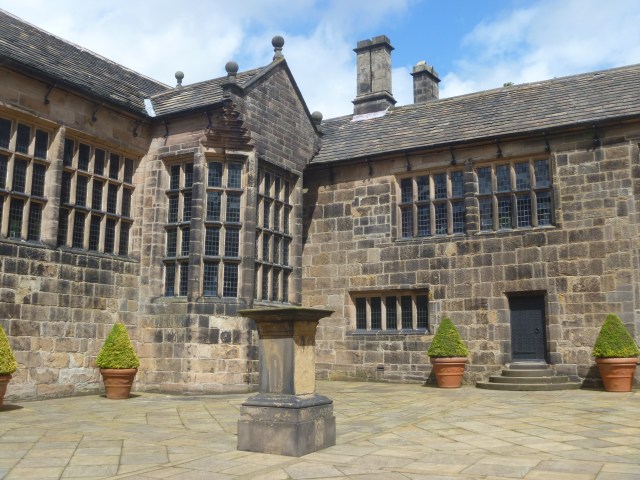
“And so, by fragments of an ancient terrace, and by some rugged outbuildings that had once been fortified, and passing under a ruined gateway, we came to the old farm-house in the thick stone wall outside the old quadrangle of Hoghton Towers.”
The “quadrangle” today
Read here about another blogger’s visit to Hoghton.
WARNING These connections are very tenuous but I found them interesting and hope you do too!
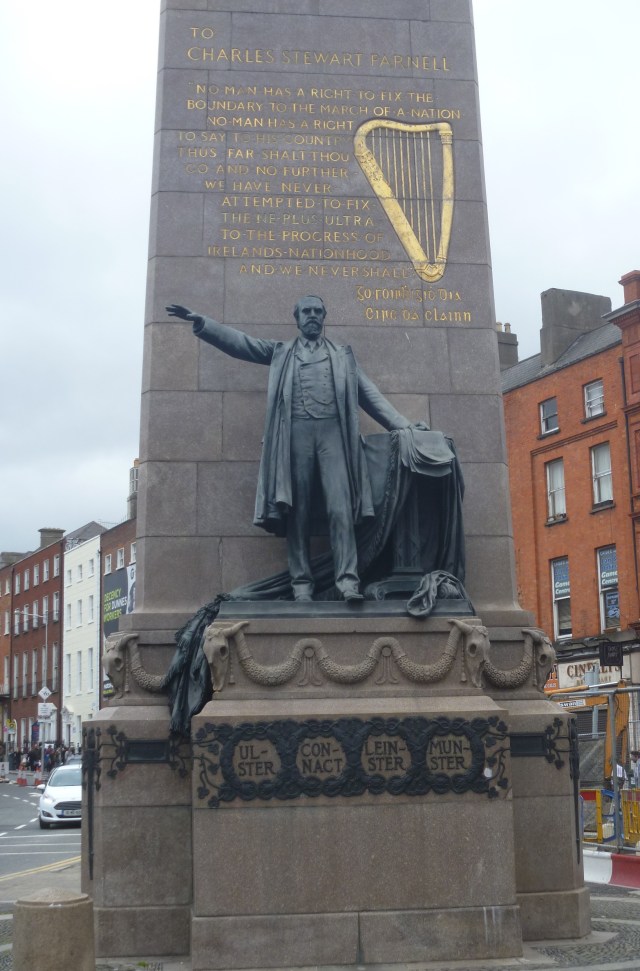
The Parnell Monument in O’Connell Street, Dublin
Charles Stewart Parnell was dubbed “The Uncrowned King of Ireland” despite being a Protestant landowner in Ireland. He was also famous for his ‘scandalous’ affair with the married Kitty O’Shea. Read a resumé of his life and influence in Victorian Ireland here.
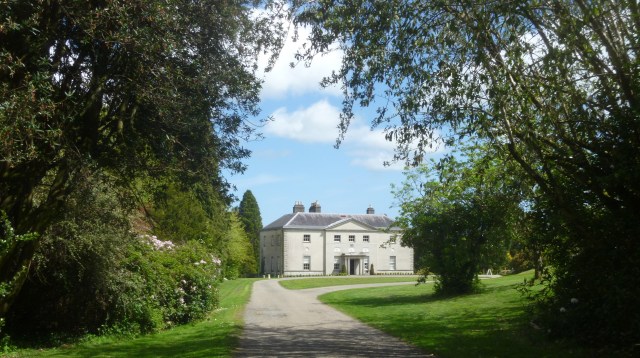
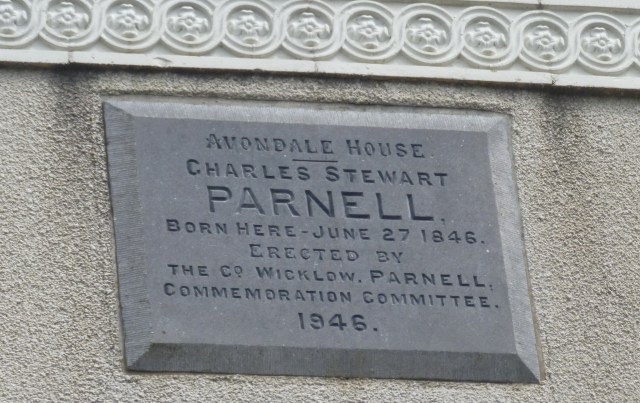
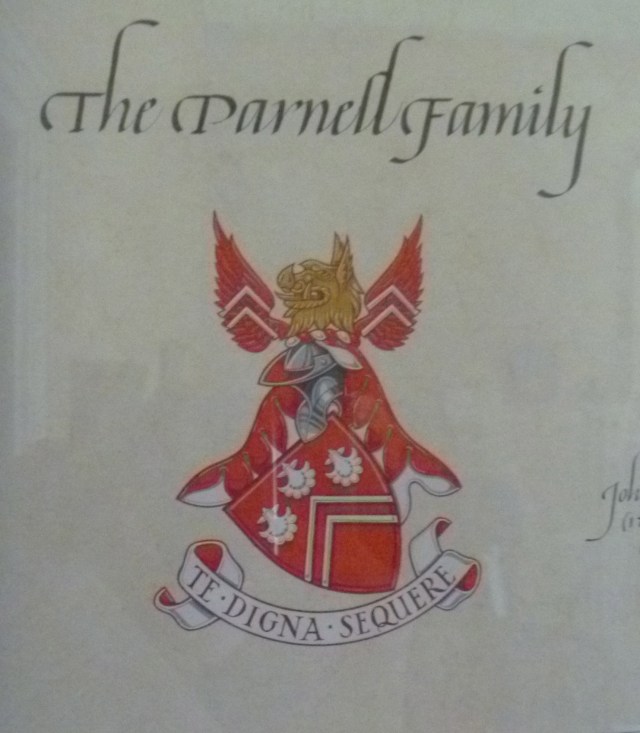
My maiden name was Parnell and when my sister-in-law and husband suggested a visit to Avondale House in Co. Wicklow, Parnell’s former home, I was delighted. As far as I am aware there is no family connection.
Surprisingly, Avondale House was open on weekdays in May. I’ve just looked at the website and see that it is now closed until further notice due to work being carried out.
“Avondale House, the birthplace and home of Charles Stewart Parnell (1846-1891) one of the greatest political leaders of Irish history. Set in a magnificent forest park of over 500 acres with tree trails and walks ranging in duration from one to five hours. This beautiful Georgian House designed by James Wyatt and built in 1777 contains fine plasterwork and many original pieces of furniture. The American Room is dedicated to Admiral Charles Stewart – Parnell’s American grandfather who manned the USS Constitution during the 1812 war. Visitors are introduced to this wonderful historical house by a specially commissioned audio visual presentation.”
There were no other visitors but I was able to tour the house, buy postcards and we enjoyed tea and cake outside at the picnic tables. The house and grounds are now owned and managed by Coilte Outdoors (Irish Forestry). We did come across a group of walkers who were enjoying the extensive estate and woodland/forest paths. If ever I’m lucky enough to return to Avondale I’d love to take a hike there.
Ground Floor Appartments
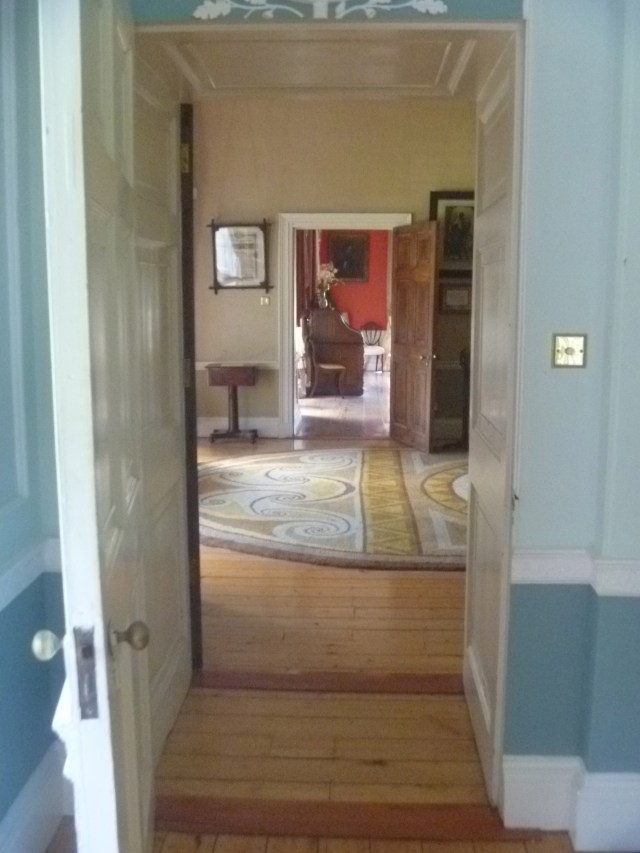
The house tour begins with a specially commissioned audio visual presentation. Most of the main rooms of the house can be visited and photography is allowed.
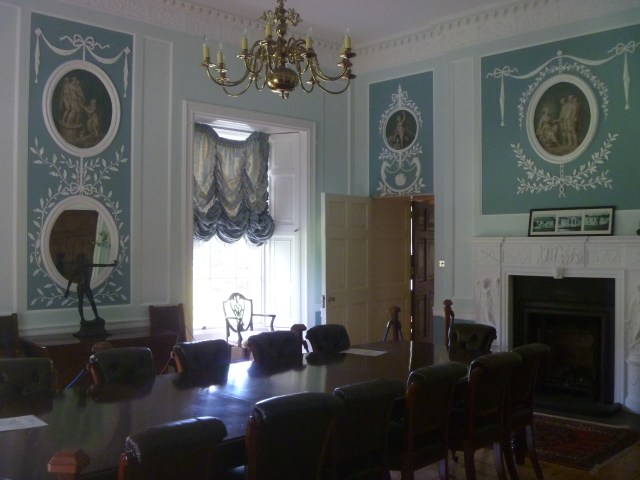
Dining Room
After visiting the ground floor apartments, which are suitably decorated and furnished for the period, the tour continues upstairs where there is some exhibition space and artefacts formerly belonging to Parnell and family.
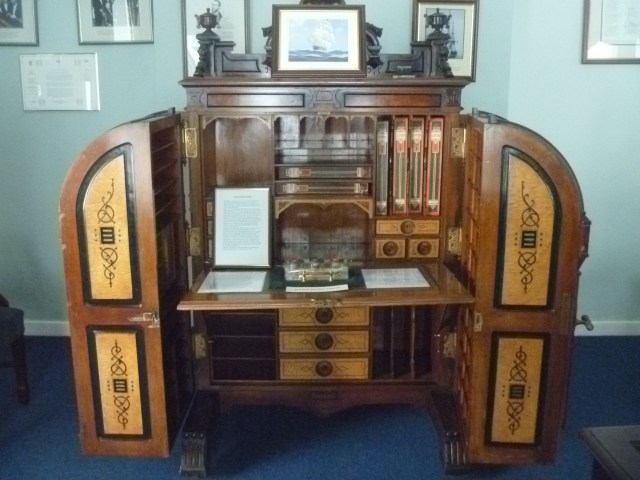
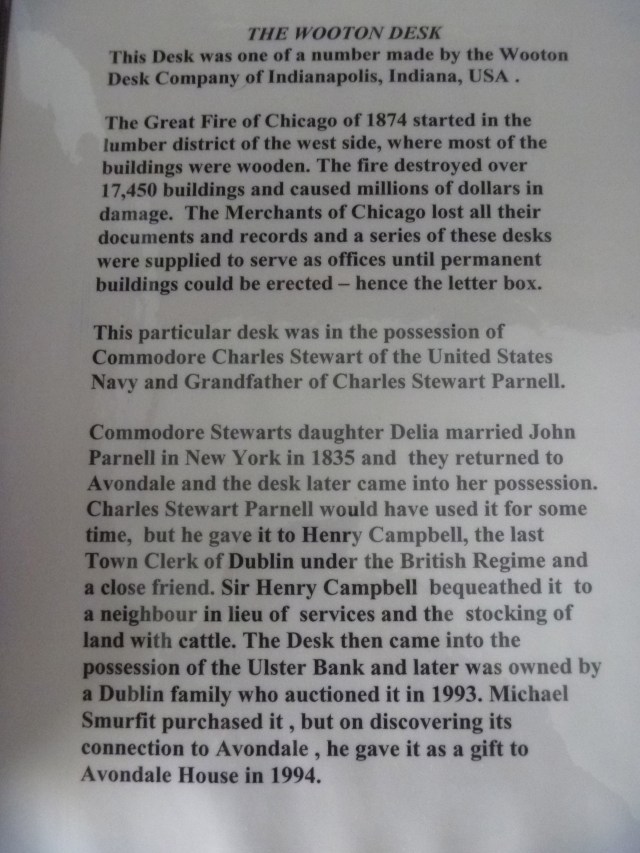
The American Room was the bedroom in later life of Parnell’s American mother, Delia Tudor Stewart the daughter of Admiral Charles Stewart who manned the USS Constitution during the 1812 War. Both he and his ship gained the nickname “Old Ironsides”. Delia died as a result of burns which she received after a fire in this room. The Wooton Desk was originally the property of her father.
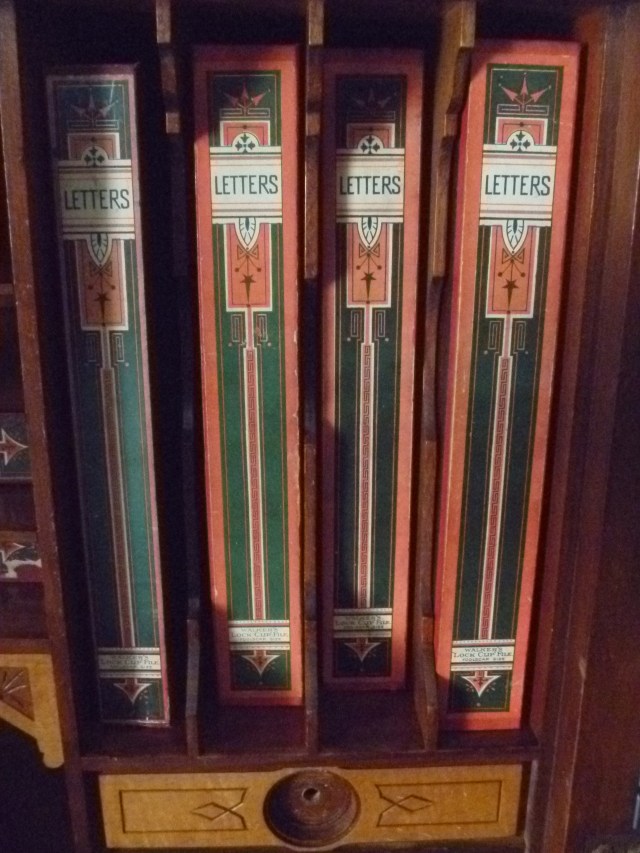
The Wooton Desk
Wooton Desk Files
There is a well-known (in Ireland, anyway) song about Parnell – The Blackbird of Sweet Avondale.
“The Blackbird of Sweet Avondale Charles Stewart Parnell was imprisoned in Kilmainham Jail in Dublin in 1881 for the leading part he played in the Irish Land League. In songs of rebellion or songs that the government might consider seditions, it was common to use a synonym instead of a person’s real name. In this case, Parnell is “The Blackbird of Sweet Avondale“. [source]
It’s nice to think of this connection with Ireland
My other family connection is more real but it has been hard to find much concrete evidence.
During the War my Dad served in the RAF and for a while, early on in his career, for he spent most of the War in India, was stationed (presumably for training) in Northern Ireland. One of the places he used to talk about was Newtownbutler. Before I went to Ireland and whilst I was staying at the Crom Estate in Co. Fermanagh I tried to find out more about radar stations in the area but with no luck at all. I spoke with two chaps who were interested in finding out about what went on in the area but we were none of us able to shed any light on the situation. This was all we could find (and the date is too late for Dad as he was already on his way to India). Scroll down to two photos labelled Newtownbutler.
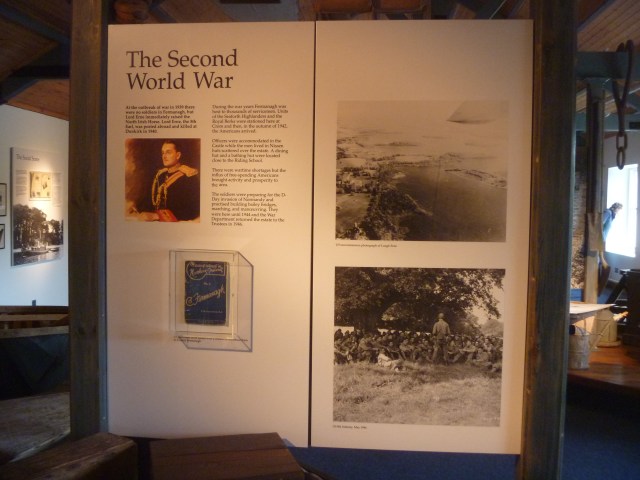
I’ll just to divert for a moment here to mention that The Crom Estate played an important role during the Second World War and there was a good exhibition in the National Trust Visitor Centre on the site.
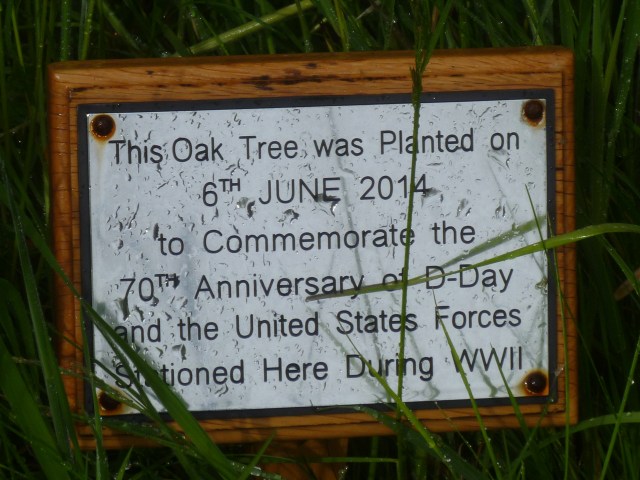
In the autumn of 1942 American soldiers arrived and used the estate to prepare for D-Day. The officers lived in the Castle and the men in Nissen huts scattered throughout the site. They practised building bayley bridges, marching and manoeuvres.
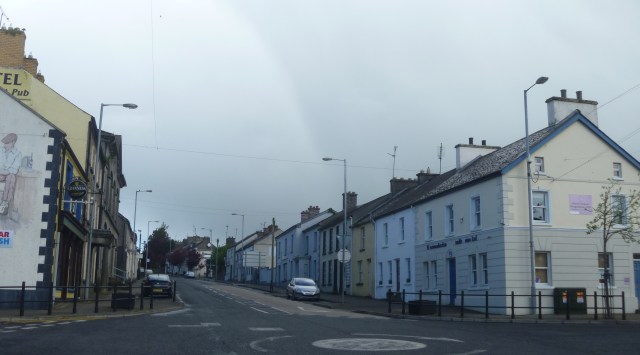
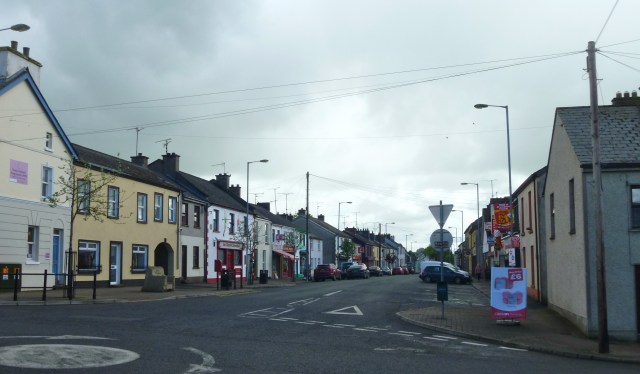
I visited Newtownbutler itself, tried to find the site of the former radar station which is now private land and not easily accessible and enquired at the Co. Fermanagh Information Bureau in nearby Lisnaskea but all to no avail. The village was really just a couple of streets leading to a crossroads.
At the Crossroads in Newtownbutler
Still, I’m happy to have visited somewhere that Dad spent time and he talked about Northern Ireland with great affection. British forces, of course, were not allowed to cross the border into southern Ireland as it was a neutral country at the time.
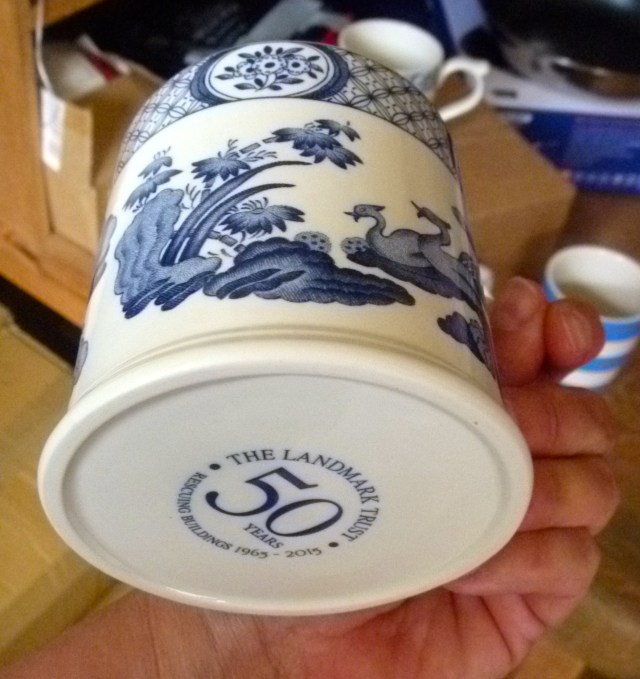
Back in May, when I was in Ireland, The Landmark Trust celebrated it’s 50th anniversary with a variety of activities and events on a Golden Weekend – the sun even shone! That weekend (16 and 17 May) properties were open to the public, Antony Gormley’s LAND sculptures were unveiled and visitors at all properties were entertained by choirs singing simultaneous performances of An Anthem for Landmark.
I was disappointed to miss this event but in the annual Friends’ mailing I received an invitation to attend “A reception for Friends to include a talk and tour about Shottesbrooke, its church and Landmark’s offices” and the date was to be the afternoon of Friday 26 June. I knew already that I’d be flying out of Gatwick on 18 June and back on 25. So I decided to drive to London, leaving the car at Belsize Park, and drive to Shottesbrooke in Berkshire on the Friday in question.
What a beautiful day it was and how lucky the Landmark Trust staff are to work in such beautiful, rural surroundings. A buffet lunch was spread before us upon arrival; and not long after the first group was assembled to have an introduction to the Estate and its deserted medieval village by local historian David Ford. You can read here his history of the Estate and his entertaining history of the Church.
Spire inspired by Salisbury Cathedral
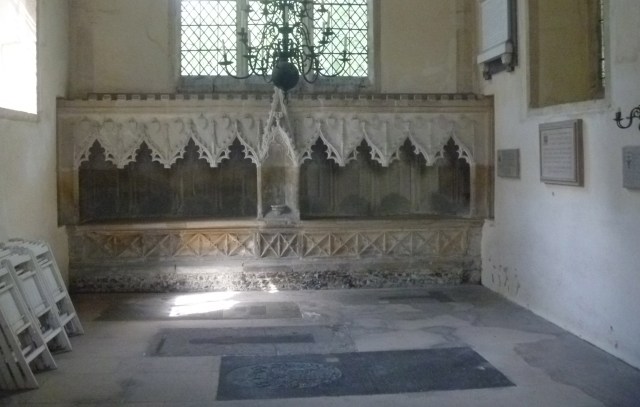
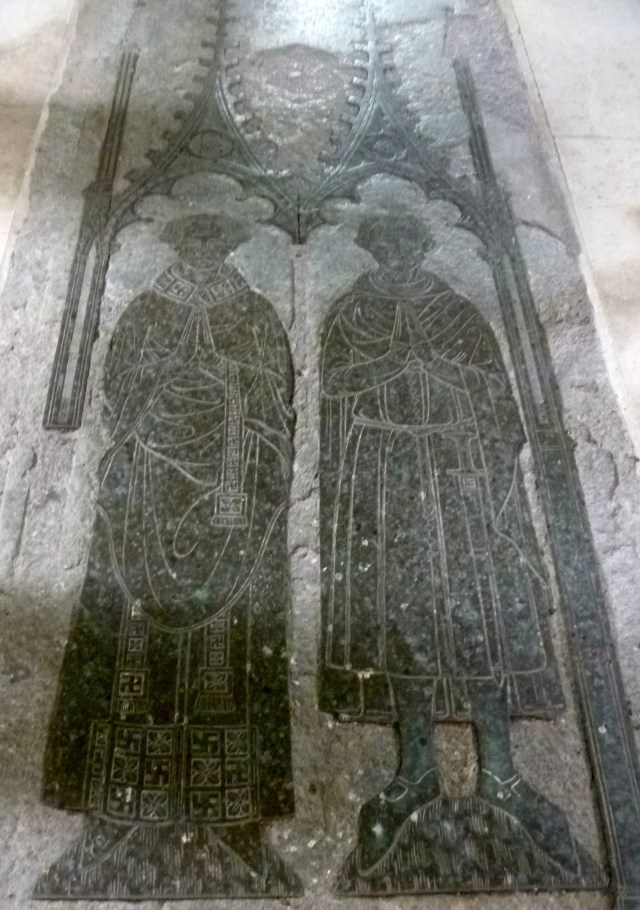
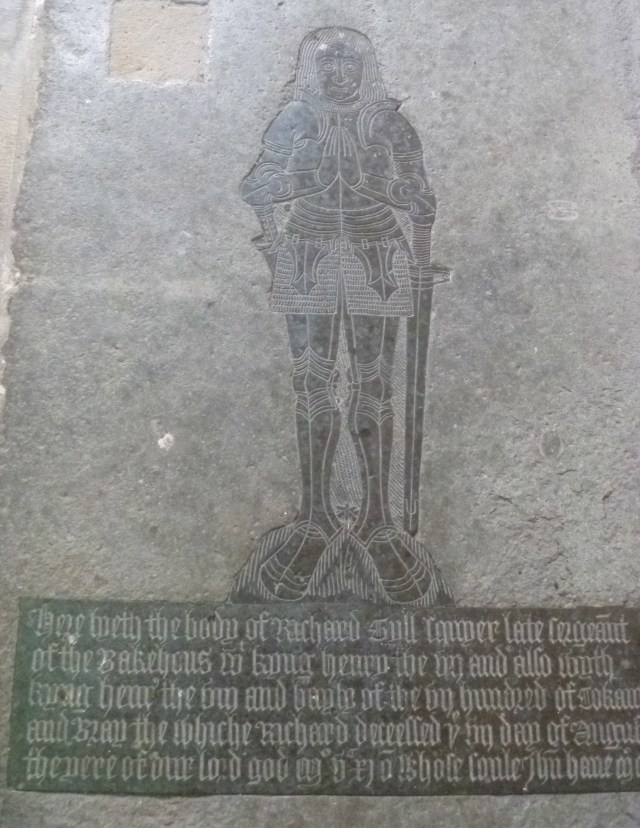
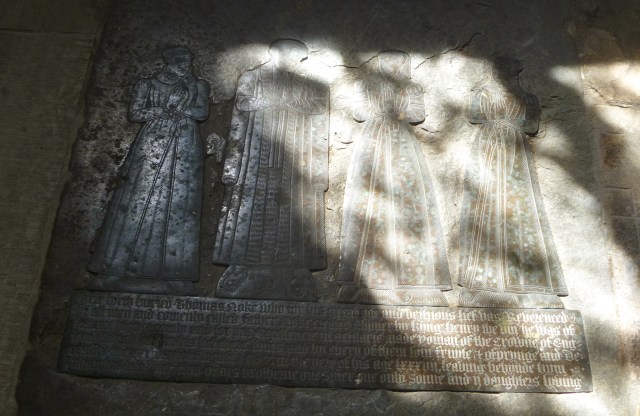
St John’s Church, Shottesbrooke features in Simon Jenkins’s “England’s Thousand Best Churches” which I’ve mentioned here several times before. “The spire is visible rising over the woods from a distance and is a splendid feature of the landscape.” Inside there are several extraordinary tombs, including the double tomb of Sir William Trussell and his lady with a canopy of eight ogee arches, and “The floors of Shottesbrooke are littered with splendid brasses still in place. one pair, of a priest and a layman of c.1370, has them both in prayer with singularly grim expressions on their faces.”
The Trussell Double Tomb
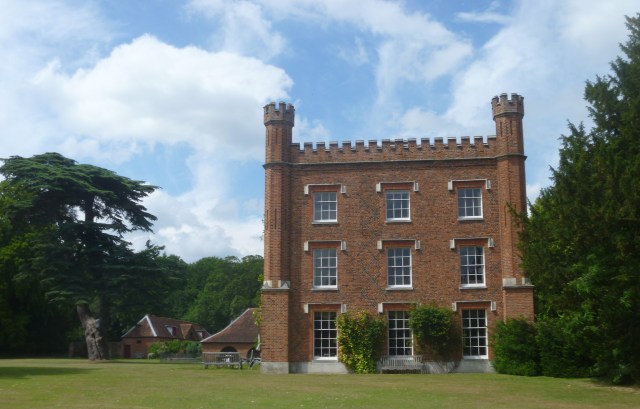
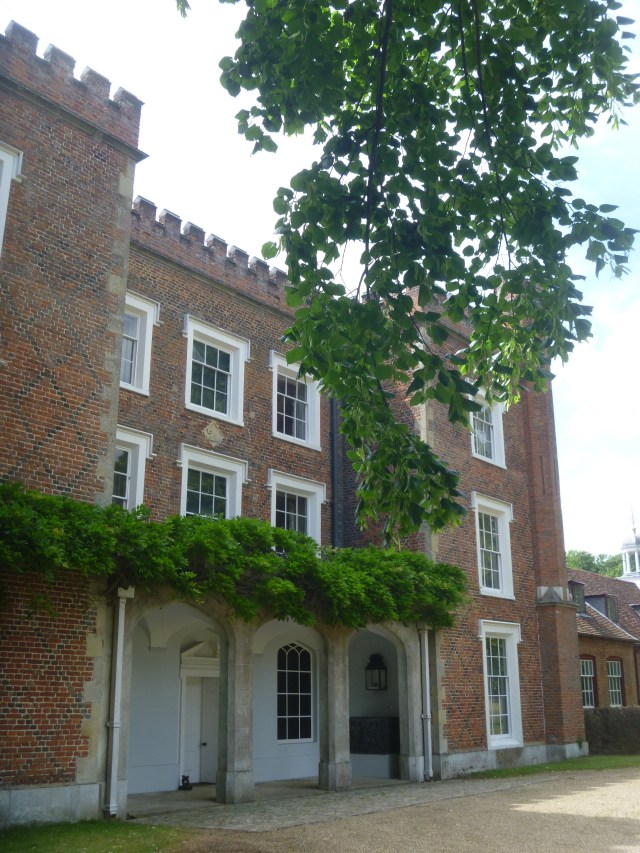
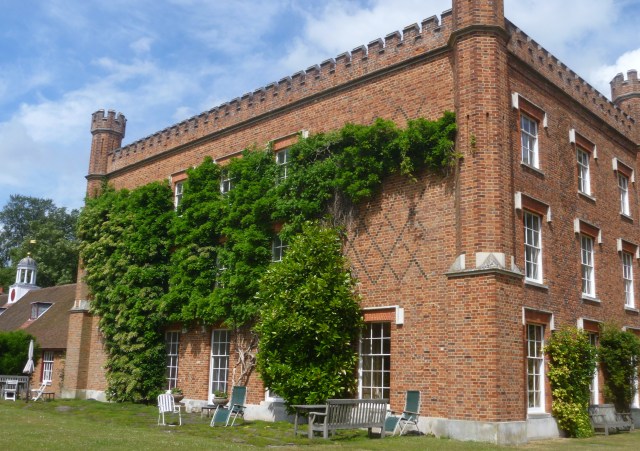
After visiting the church we were taken across the lawns to view the exterior of Shottesbrooke Park House. It is still owned by descendants of cousins of the Vansittart family who bought the property in 1716, namely the widow and son of Sir John Smith (founder of The Landmark Trust).
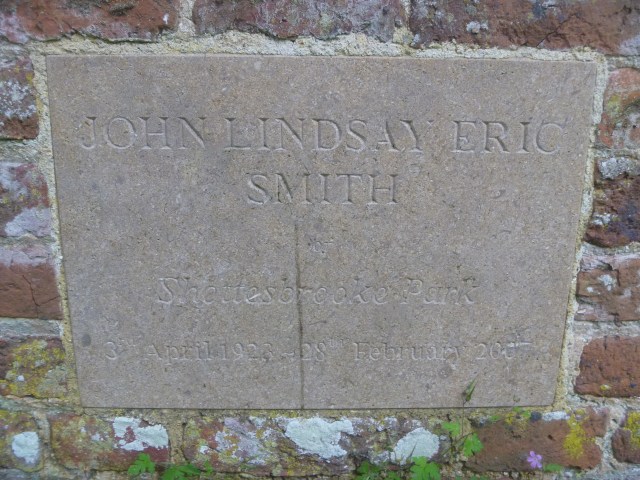
Sir John Smith Memorial in the Churchyard
Side View of the House
House Front
Rear of House
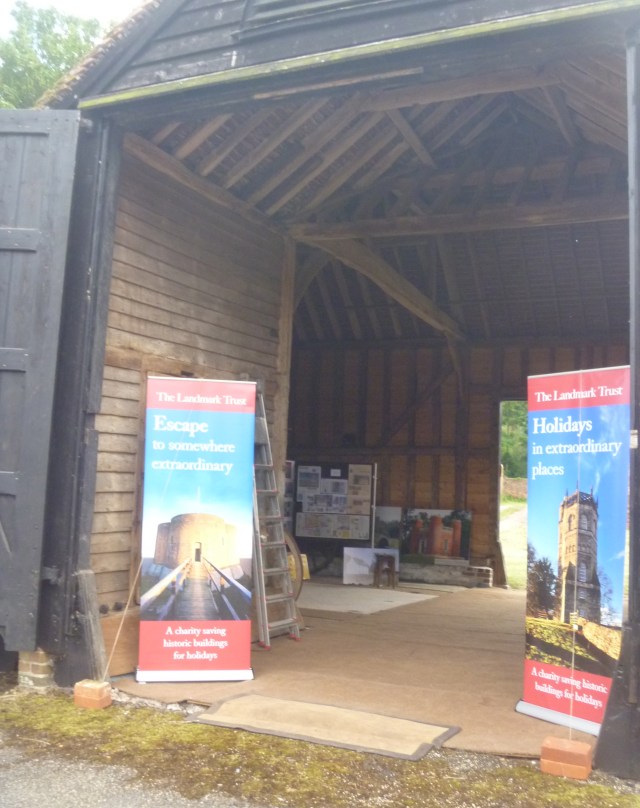
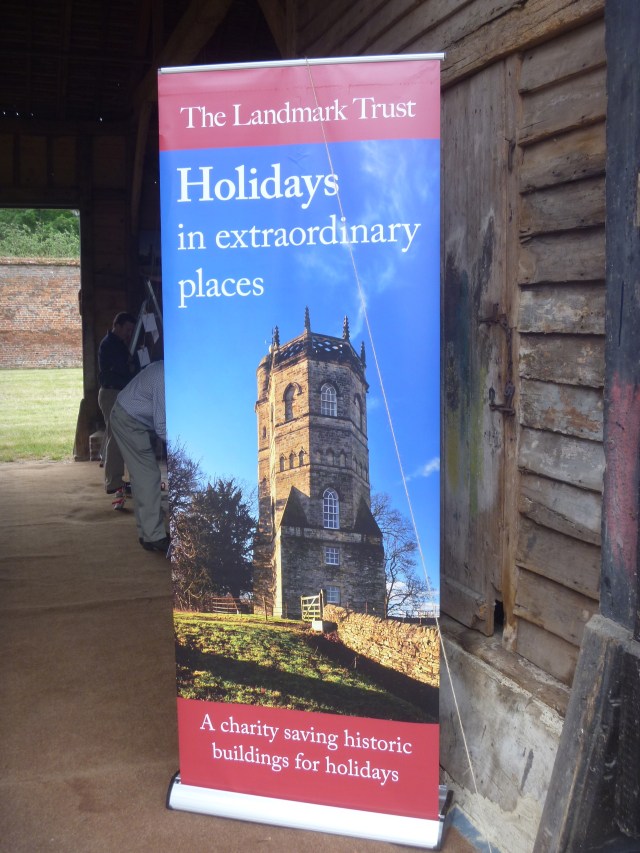
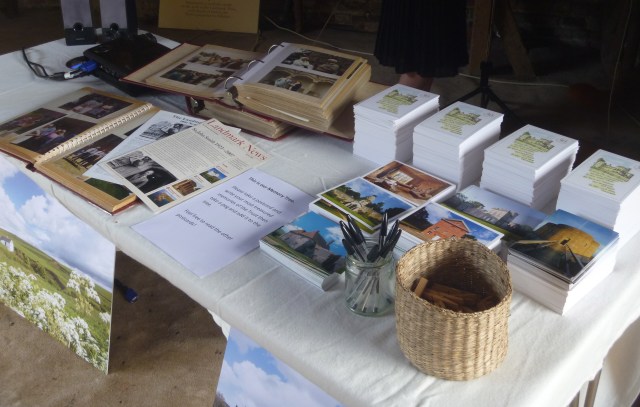
Following David’s tour we adjourned back to the cottage for further cups of tea and home made cake before being taken to see the anniversary exhibition in a barn, to offices in farm out-buildings and the Landmark main offices in the former farmhouse.
Welcome to the Exhibition
A Display Table
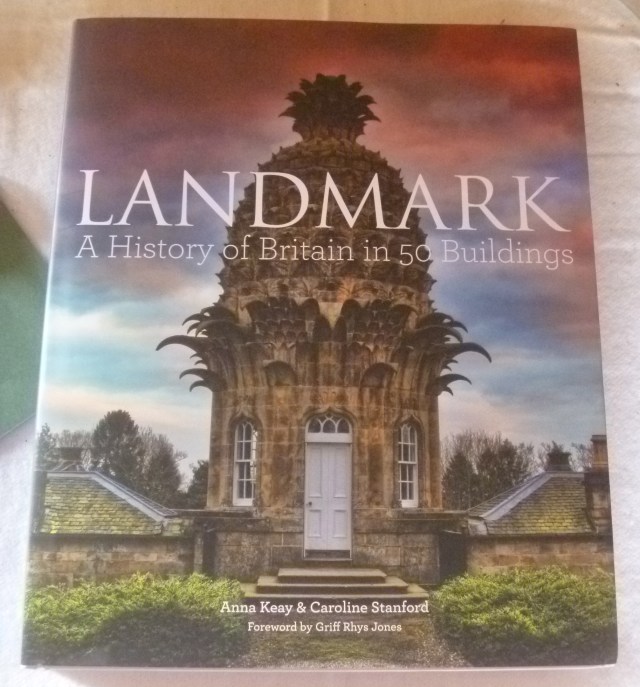
To be published soon!
The Director of The Landmark Trust, Anna Keay, then welcomed us and thanked us for our support before going on to tell us about two properties that are opening this year (Belmont at Lyme Regis and St Edward’s Presbytery at Ramsgate) and future projects. Strawberries and cream were served to round off a wonderful afternoon. Friday was the start of a weekend of festivities and receptions at Shottesbrooke including a Director’s Lunch for Landmark Patrons on the Saturday and a big anniversary celebration on the Sunday to which all staff including housekeepers and gardeners were invited.
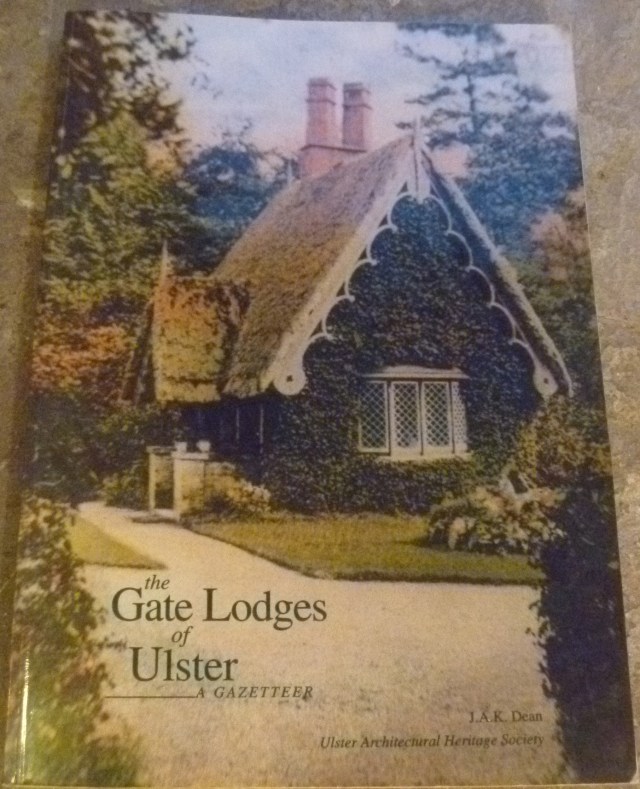
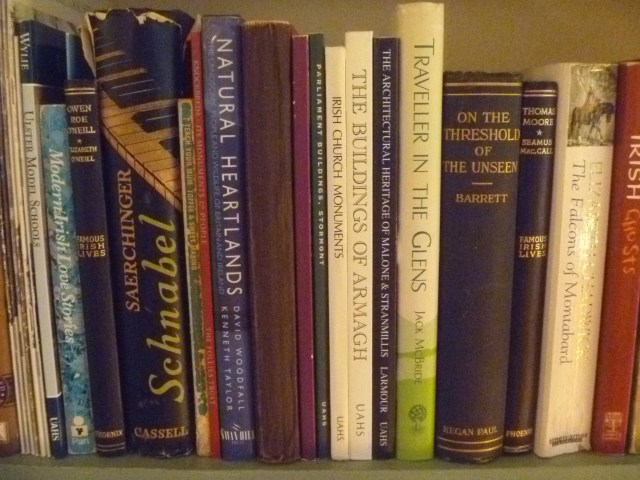
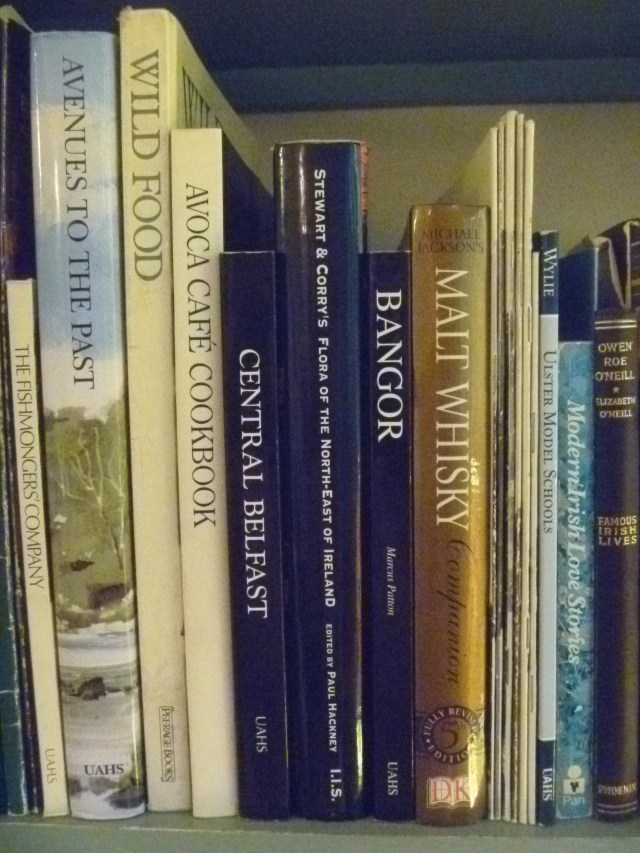
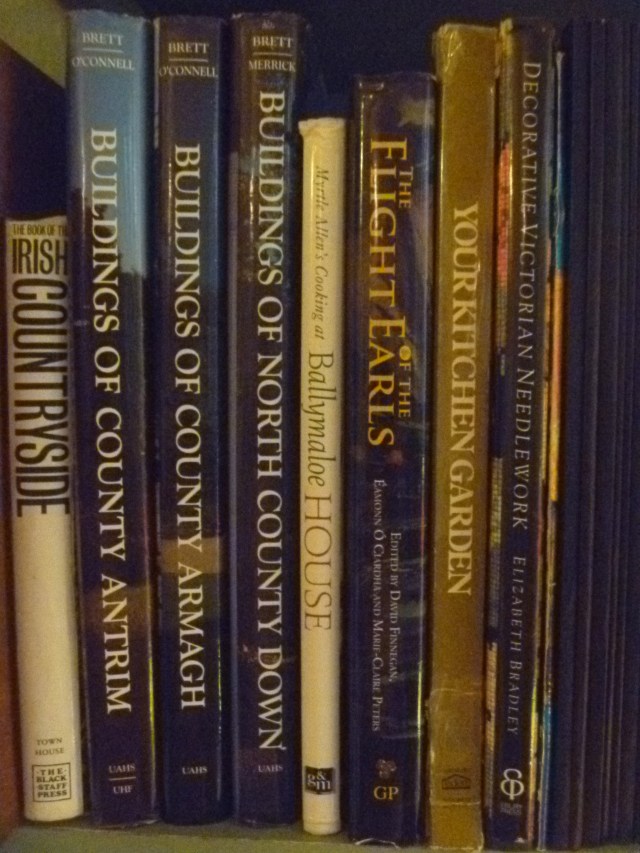
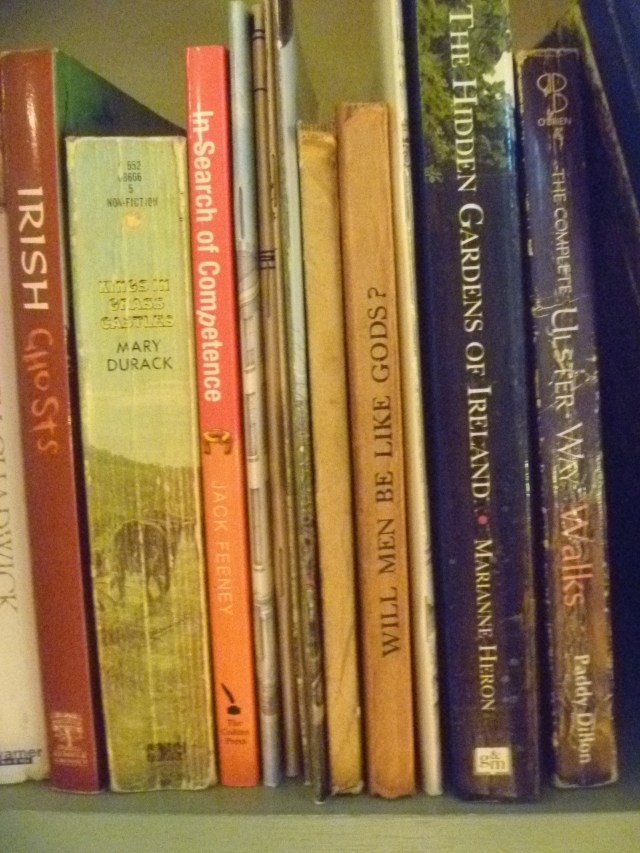
Gate lodge, or gatelodge, seems me to be an Irish term for what we, over here, would just call a Lodge. In amongst the majority of what I could only call dross (although there was one excellent shelf of local (in the sense of Northern Irish) books [see photos below]) in the Library at The Barbican, an Irish Landmark Trust property on the coast of Antrim in Northern Ireland, I found a most interesting book. “The Gate Lodges of Ulster : a gazetteer” by J A K Dean; Ulster Architectural Heritage Society, 1994. The book came about as a result of research carried out by Dean 30 years earlier. Another look at the topic during the early 1990s revealed much demolition and decay had occurred and a comprehensive renewal of study lead to the publication of the gazetteer. I’m wondering whether a similar study has been carried out in the South – a much greater project. Gate lodges had much to teach about developing awareness and ambitions of their patrons, and the changing skills of builders and architects. There’s a huge variety- from vernacular tradition to architectural sophistication yet they had a single simple purpose – to house the gatekeeper and his family. The Gazetteer is a fascinating study of individual gate lodges. Here I’ve abstracted details from the book and added my photos.
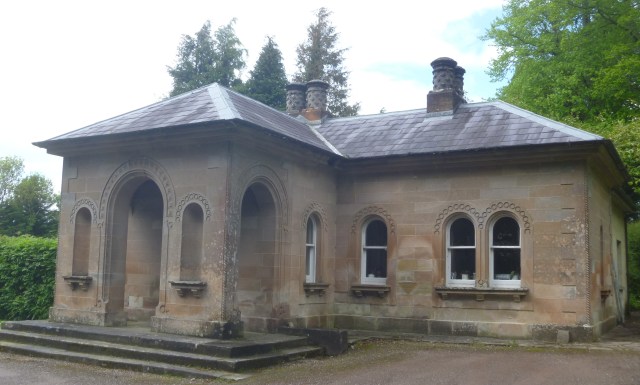
Built c1880 i.e. after the Weir’s Bridge was built to carry the Enniskillen-Florence Court-Belcoo line of the Sligo, Leitrim and Northern Counties Railway. It’s a fine building in the Lombardie style [sic]. Built from the highest quality ashlar sandstone with immaculately carved detailing. Single-storey on a T-plan. It has a raised stepped platform to form a “porte-cochere” with semi-circular headed arches.
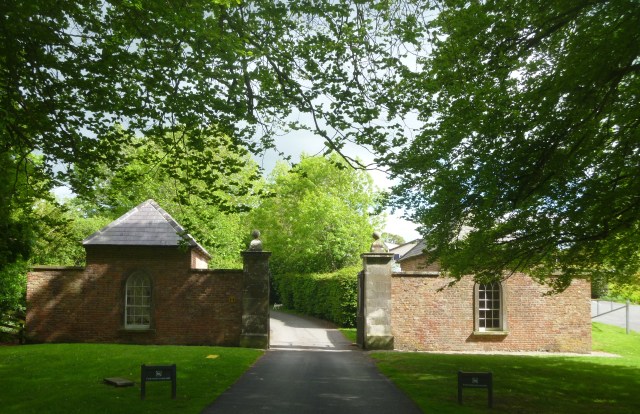
Gate Lodges – Castle Coole Twin Lodges
These were even recorded as being dilapidated in 1834. They not even mentioned on OS maps until 1857. Now they’re presented as Georgian Gothick. Built so close together a family carriage could hardly pass through. The chimney stacks have now been lost. Armar Lowry-Corry (1st earl of Belmore) the builder died in 1802 and his son Somerset had an energetic building programme for 40 years. He built up a lasting relationship with architect Sir Richard Morrison.
The main entrance lodge at Crom was built in 1838 by Edward Blore, architect. Blore was responsible for many other buildings on the Crom Estate. It’s an irregular Tudor picturesque cottage on one and a half storeys. Dean’s book also contains interior plans. It has two main gables and pretty serrated bargeboards plus finialed hipknobs. On Wikipedia I found that a Hip-knob, in architecture, is the finial on the hip of a roof, between the barge-boards of a gable. The small gabled hall/porch has the only remaining lattice panes.
Gate Lodge at Springhill
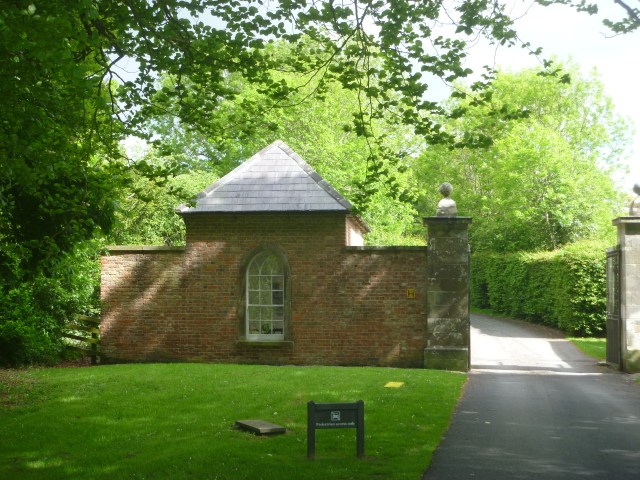
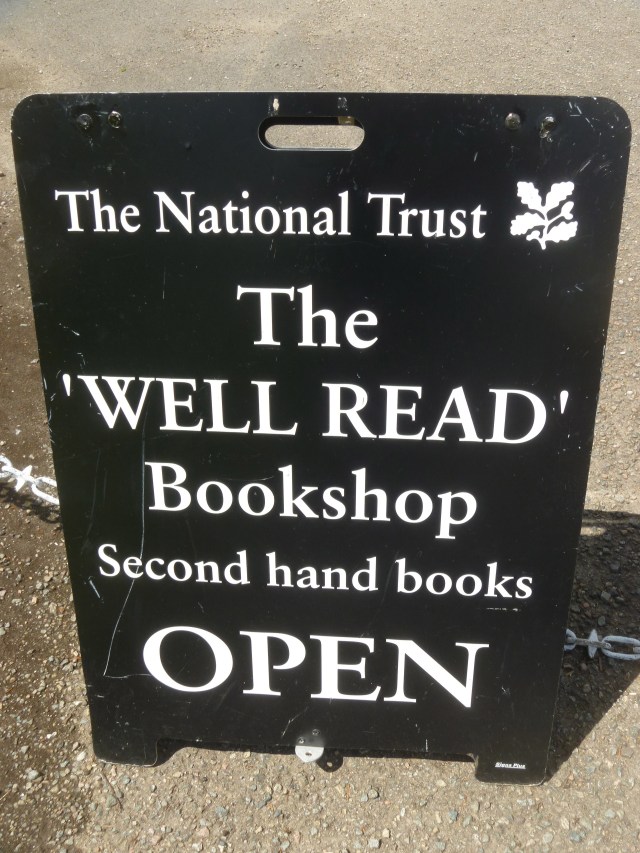
The Gate Lodge at the National Trust property Springhill in County Londonderry is now the secondhand bookshop. It stands at the original main entrance (which is now now the exit) and was built not long after George Lenox-Conyngham succeeded to the property in 1788. It is the sole survivor of a pair of Georgian Gothick porters’ lodges. Their gables faced each other across the avenue entrance. It is a simple rectangular two roomed structure, has steeply pitched gables with a wide door opening and a minuscule lancet opening above to light a bed loft.
The Well Read Bookshop
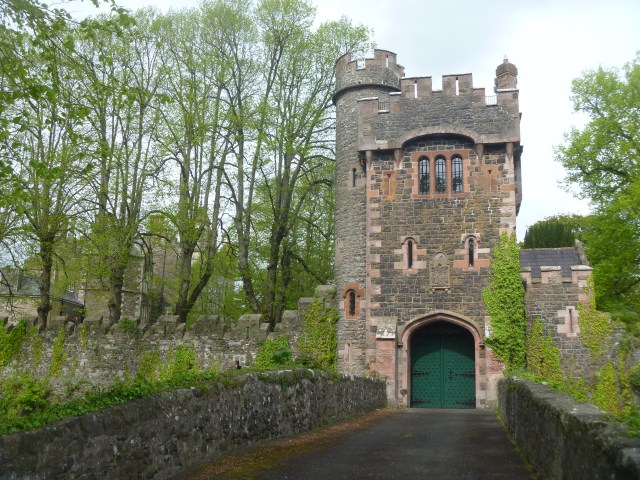
The Glenarm Barbican
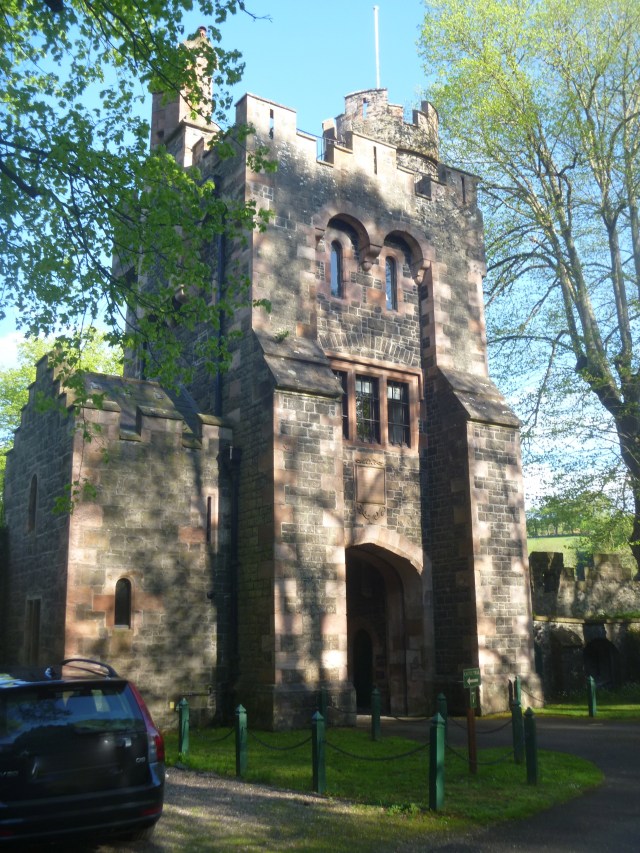
Built in 1824, the Barbican’s architect was William Vitruvius Morrison. Dean writes : “Beloved of photographers and Victorian illustrators for its dramatic architecture and romantic setting. Approached across a two-arched bridge spanning the Glenarm River the Barbican is a three-storey castellated gatehouse. An ancient sandstone coat of arms was inserted.” This had originally graced the front of the castle when it had been built by the first earl in 1636, while the other side of The Barbican was also given a commemorative plaque: THIS GATEWAY WAS BUILT AND THE CASTLE RESTORED BY EDMUND M’DONNELL, ESQUIRE, AND HIS WIFE ANNE KATHERINE, IN HER OWN RIGHT COUNTESS OF ANTRIM AND VISCOUNTESS DUNLUCE A.D. 1825. Attached to one side is the two-storey porter’s accommodation – one up and one down.



 miladysboudoir