The Old King’s Highway : Route 6A Cape Cod

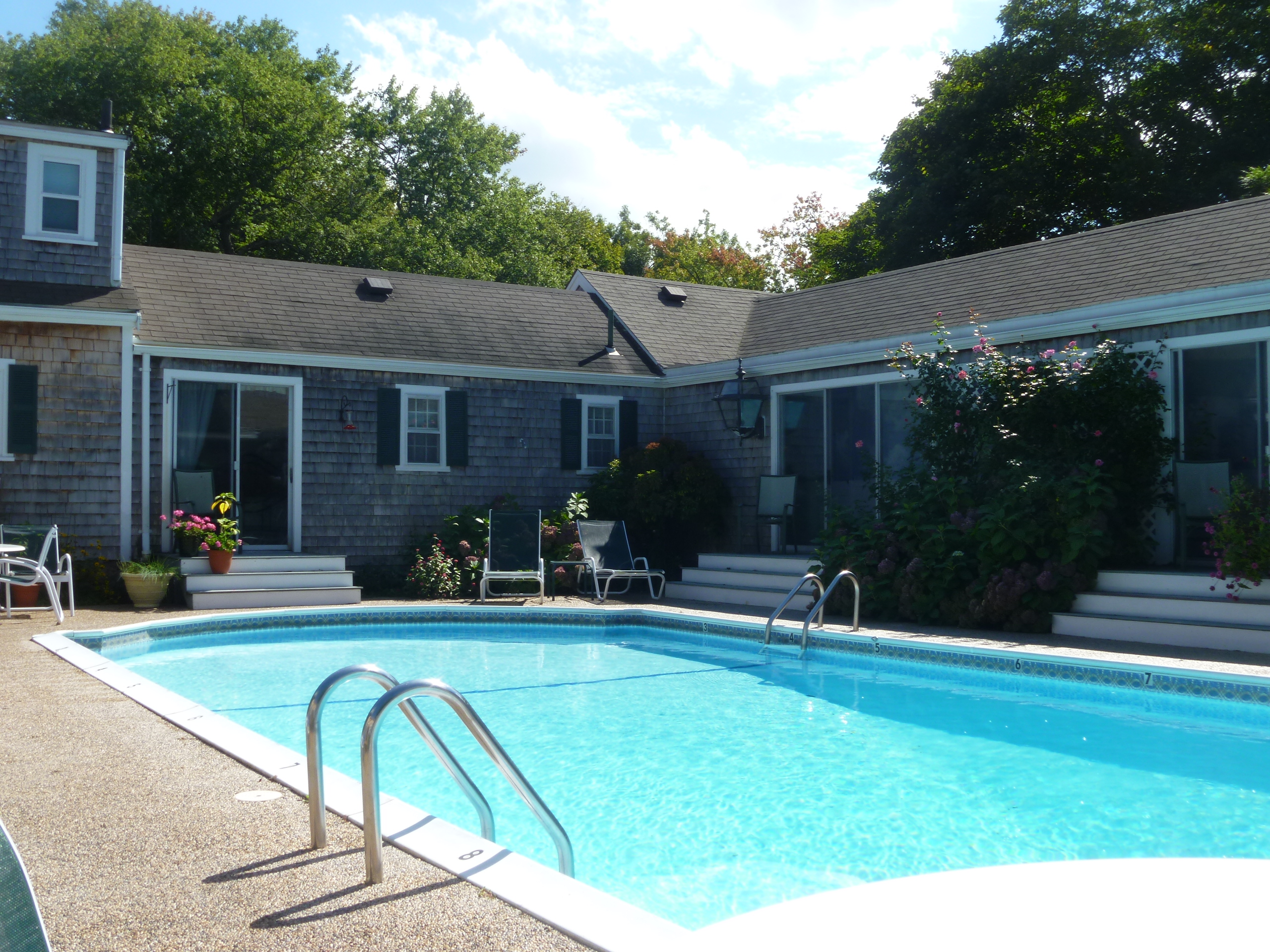
The final nine nights of our September New England holiday were spent on Cape Cod at one of our very favourite places : The Lamb and Lion Inn at Barnstable. This year was our fourth visit but this shrank in insignificance when we met two couples who had been visiting for their 18th and 23rd times respectively.

The Lamb and Lion Inn right on the 6A
So, I was pretty familiar with the Old King’s Highway but have only on more recent visits realised the full historical significance of this road. When you cross the Sagamore Bridge you join Highway 6 the main dual carriageway that links the Sagamore with Provincetown 72 miles away. However, to reach the Lamb and Lion and follow a slower pace and drop down a gear or two you need to take the Route 6A to the north.

The 6A leaves the 6 at Sagamore and rejoins it just west of the town of Orleans and in total the OKH is 34 miles long and traverses seven towns and is just yards from the beach in some places. In fact it is hard to realise that you are so near the seaside as you drive along but turn left (north) down almost any lane as you drive from Sagamore to Orleans and you’ll find  sandy beaches hugging Cape Cod Bay or, nearest to us at the L&L, the lovely sheltered Barnstable Harbour.
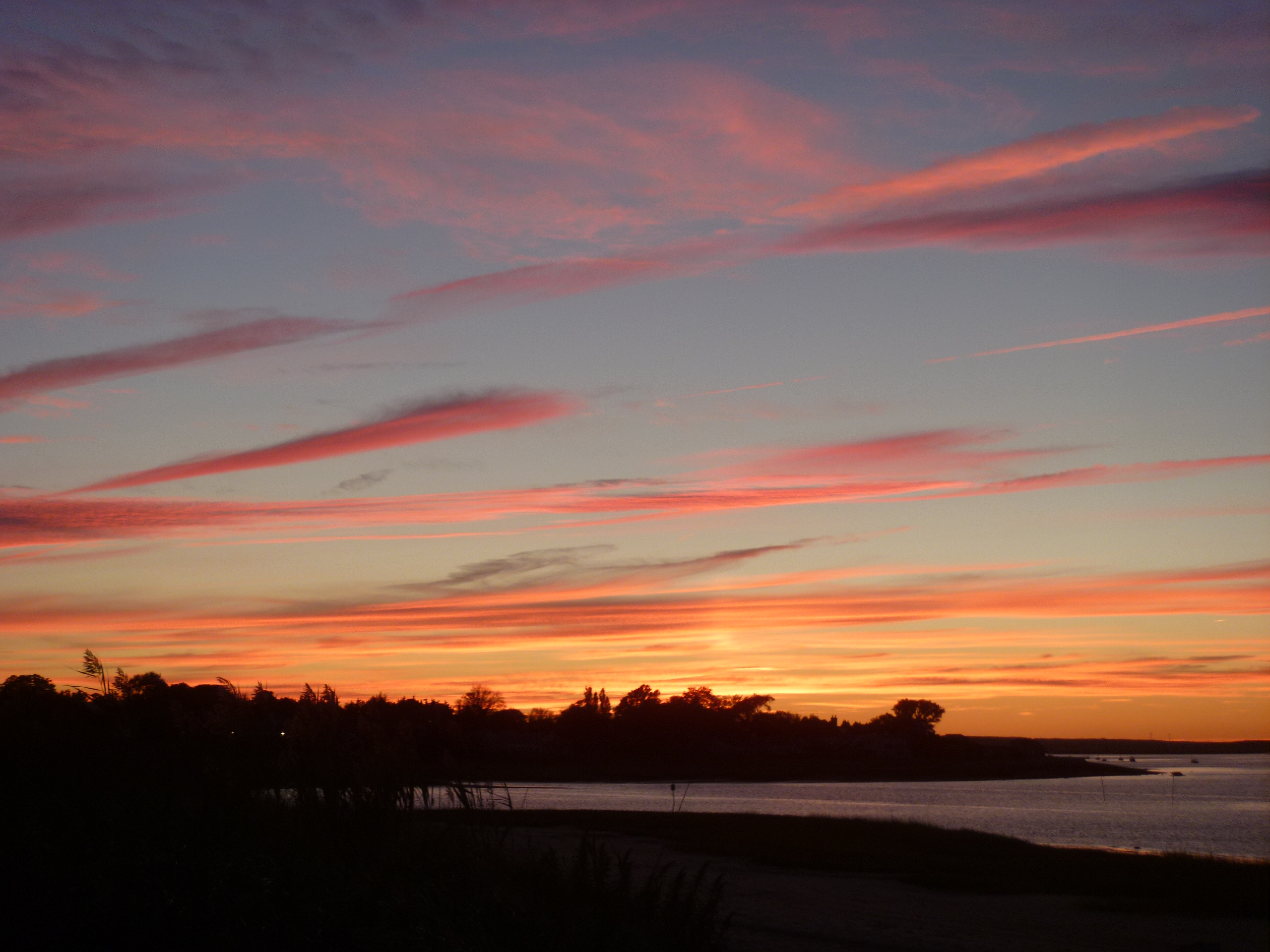
Sunset at Barnstable Harbor Beach

When we stay on Cape Cod we have a very limited “comfort zone” so the part of The Old King’s Highway that I’m going to tell you about is just that between Barnstable and Dennis. I just checked on Mapquest and it’s a distance of about 11 miles.

I have tried to find out exactly which “Old King” the highway is named for but it’s not mentioned in the bits of literature that I have collected and no sign on “Google” either. I assumed King George III but it’s much older than that – a late 17th century extension of the King’s Highway from Plimouth. The whole of it is designated a Regional Historic District and is the largest such district in America. It is also one of America’s most scenic highways.

This 34 mile roadway winds through 7 cape towns, past hundreds of historic sites and landscapes, including farmsteads, cranberry bogs, salt marshes, sea captain’s homes, and village greens.”

In addition there’s America’s oldest library (The Sturgis Library), a famous artist’s home (Edward Gorey), a Coastguard Museum, a unique secondhand bookshop (Parnassus Books), an Historic New England property (The Winslow Crocker House), great eateries and interesting, one-of-a-kind shops and galleries, roadside fruit and veg. stalls (we recommend the heritage tomatoes), shipyards and churches and cemeteries and all of those just within our 11 mile zone.
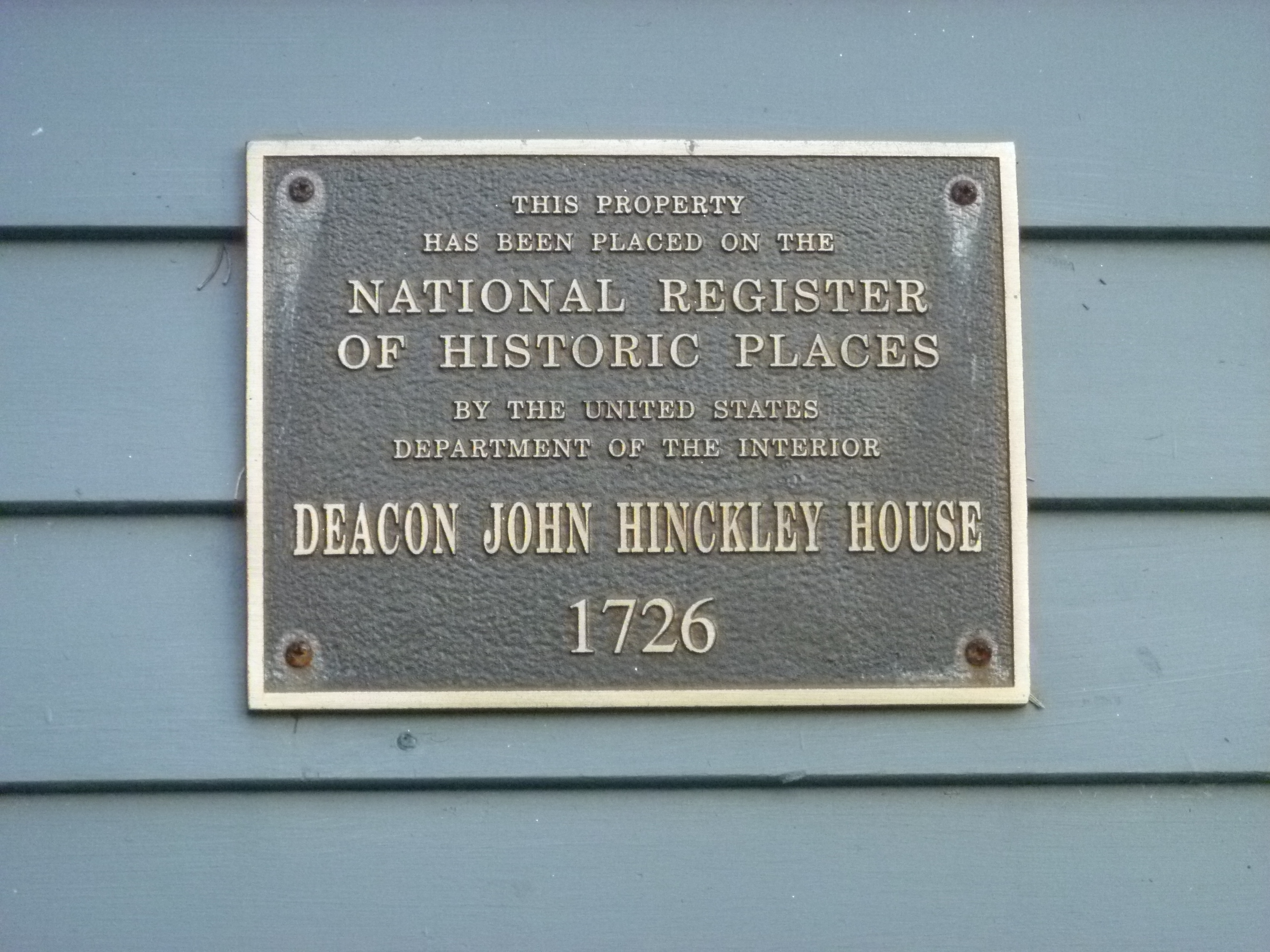
Historic House plaque – one of very many along the 6A
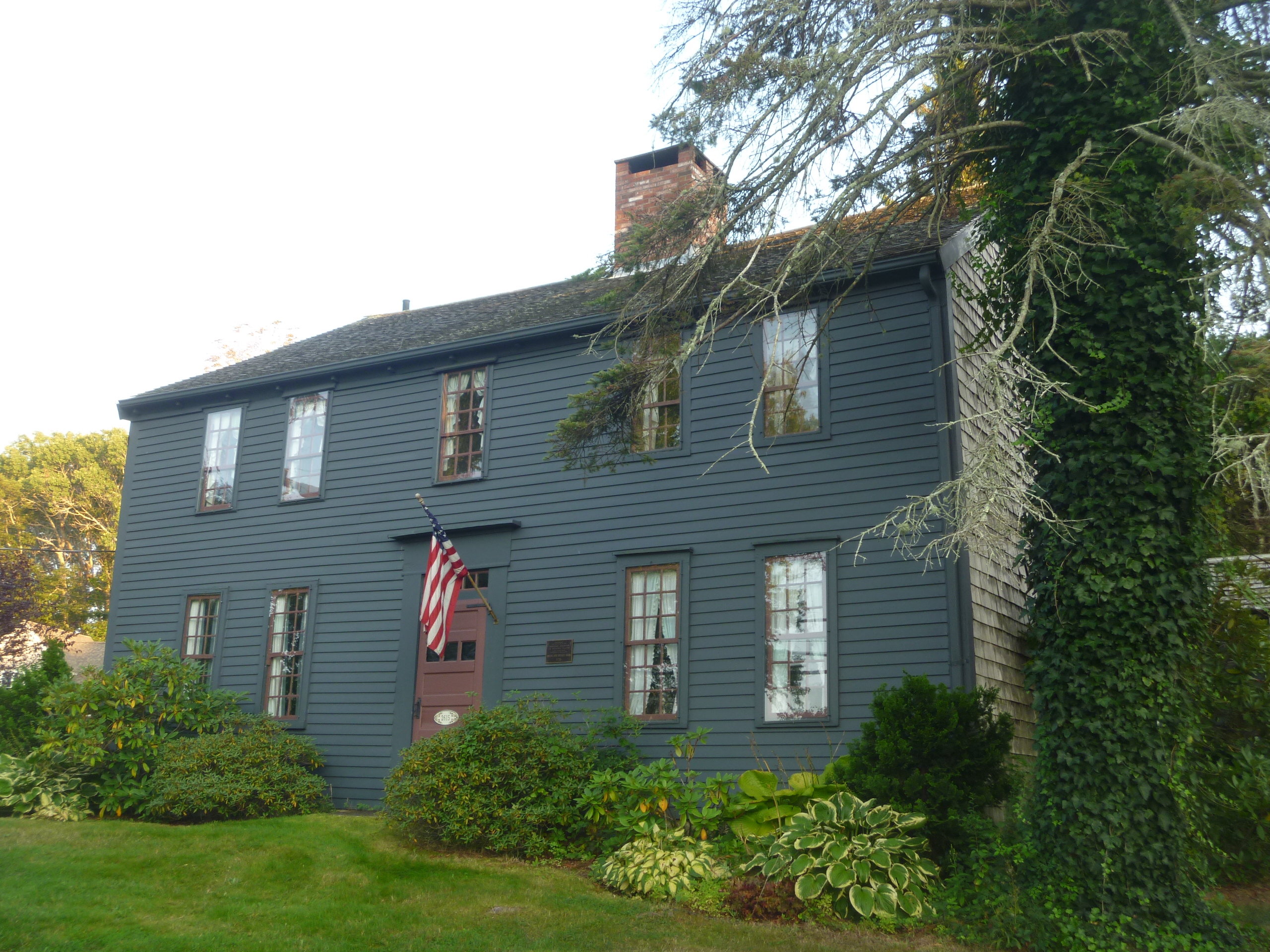
Deacon John Hinckley House (one of many historic properties along 6A)
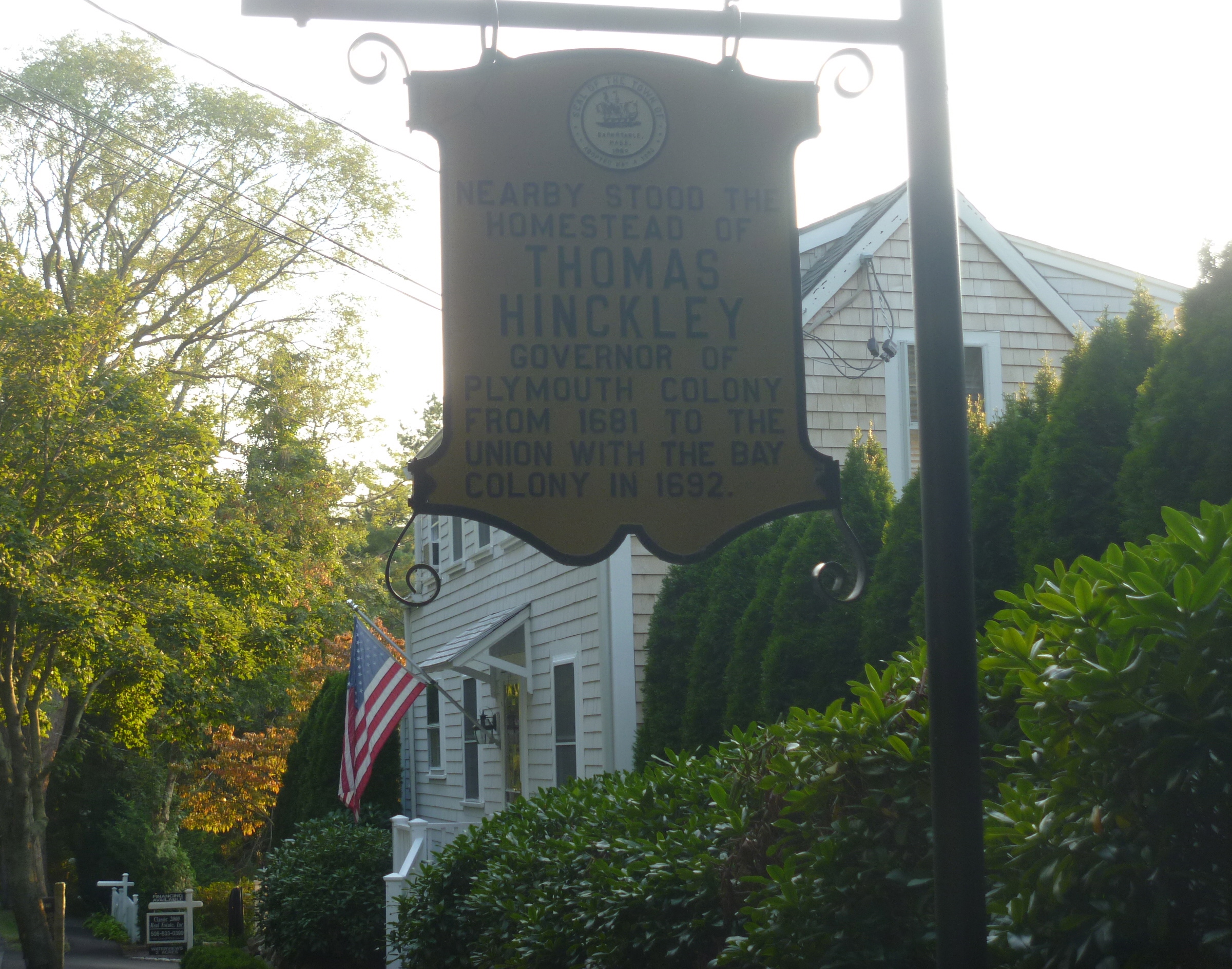
Thomas Hinckley Lived Near Here – such signs abound on the 6A!
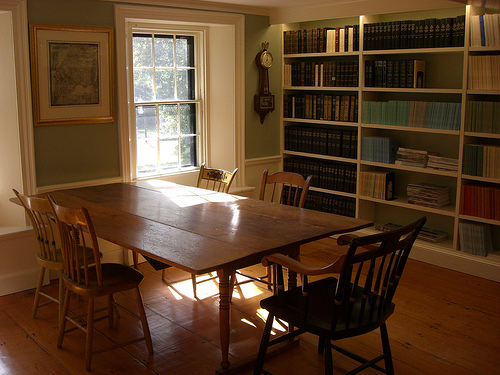
Inside The Sturgis Library, Barnstable
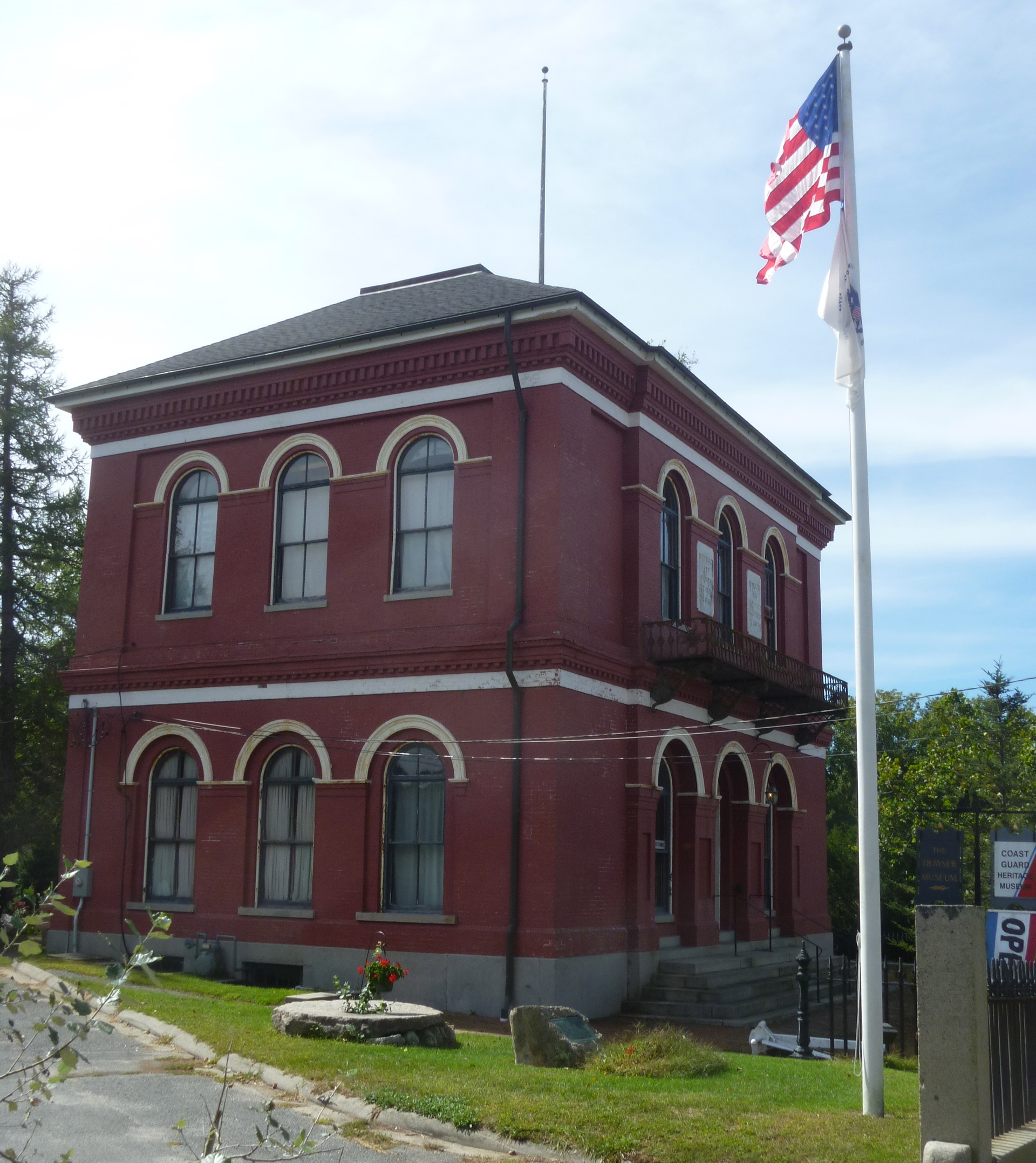
The Trayser Coastguard Museum, Barnstable
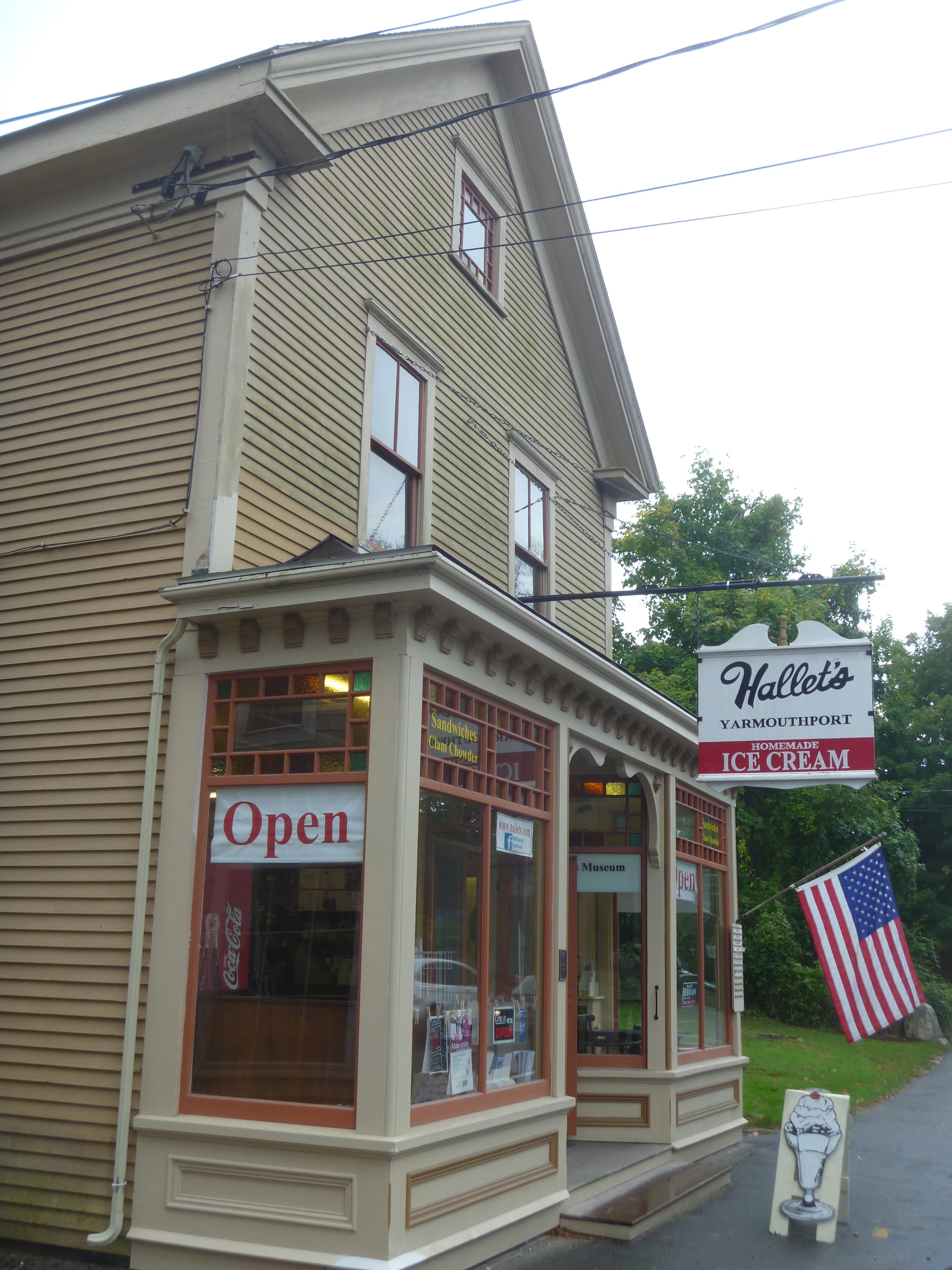
Hallet’s Soda Fountain
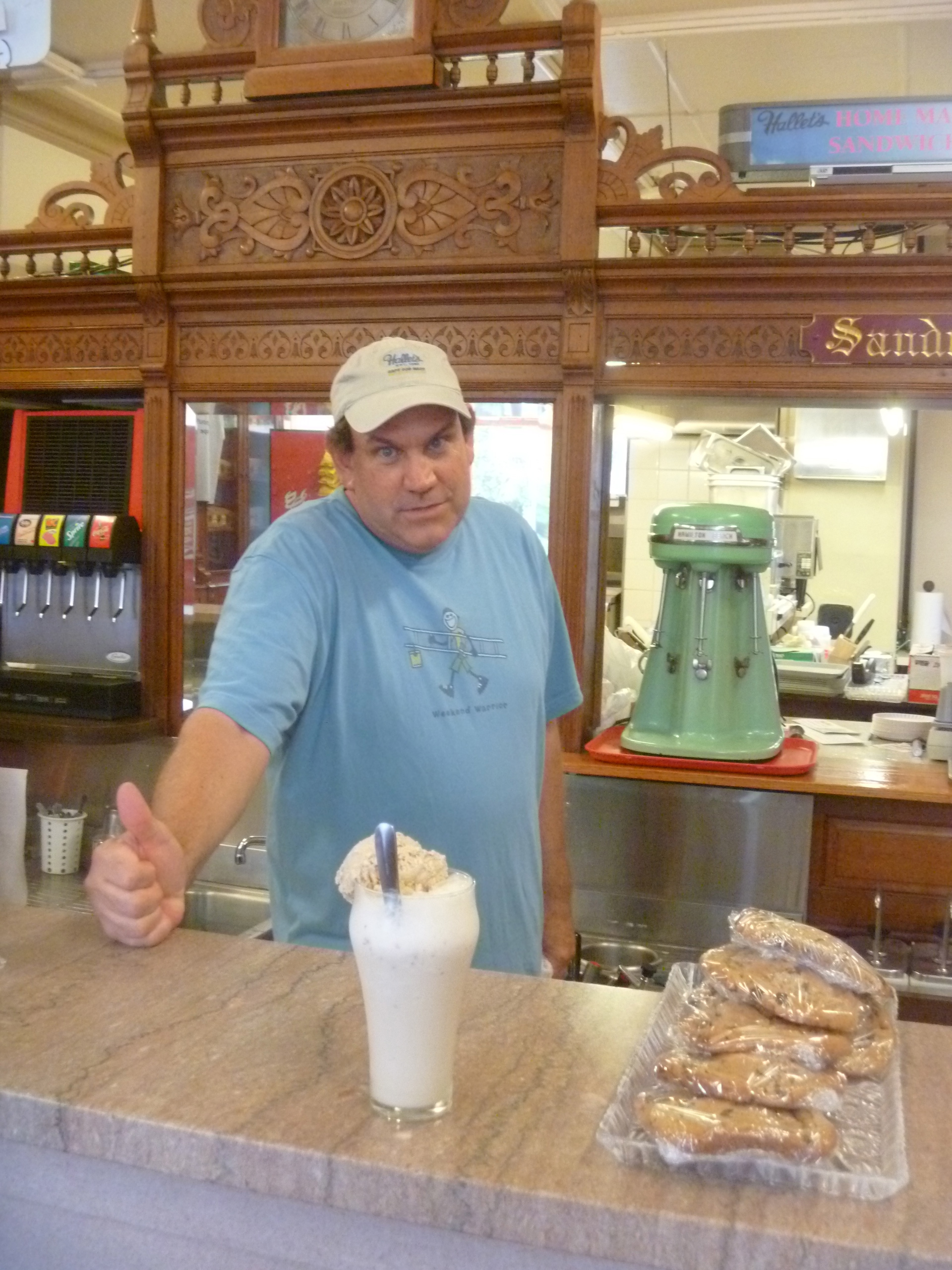
My ice cream soda is ready!
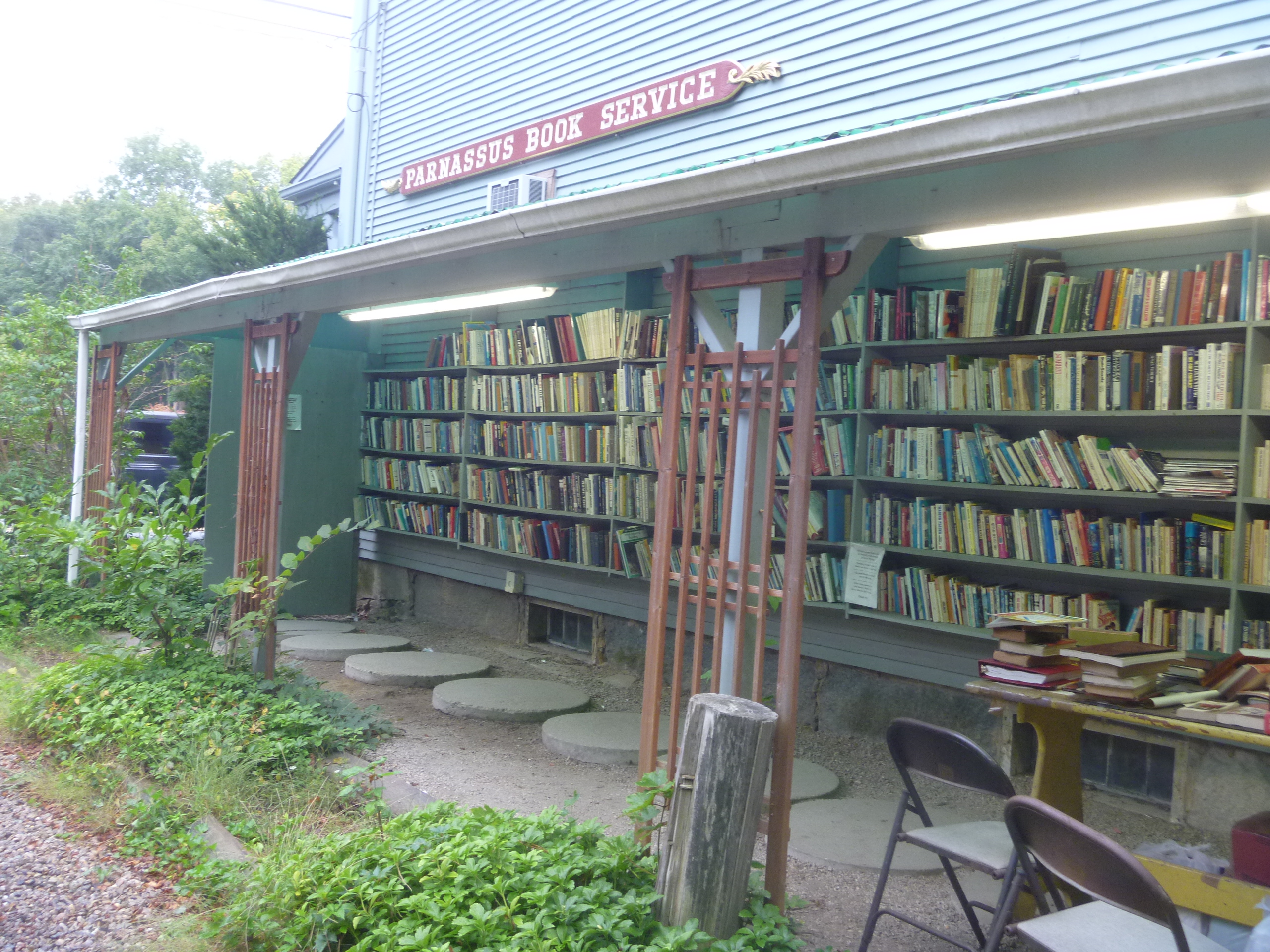
Parnassus Books (so much more inside!)
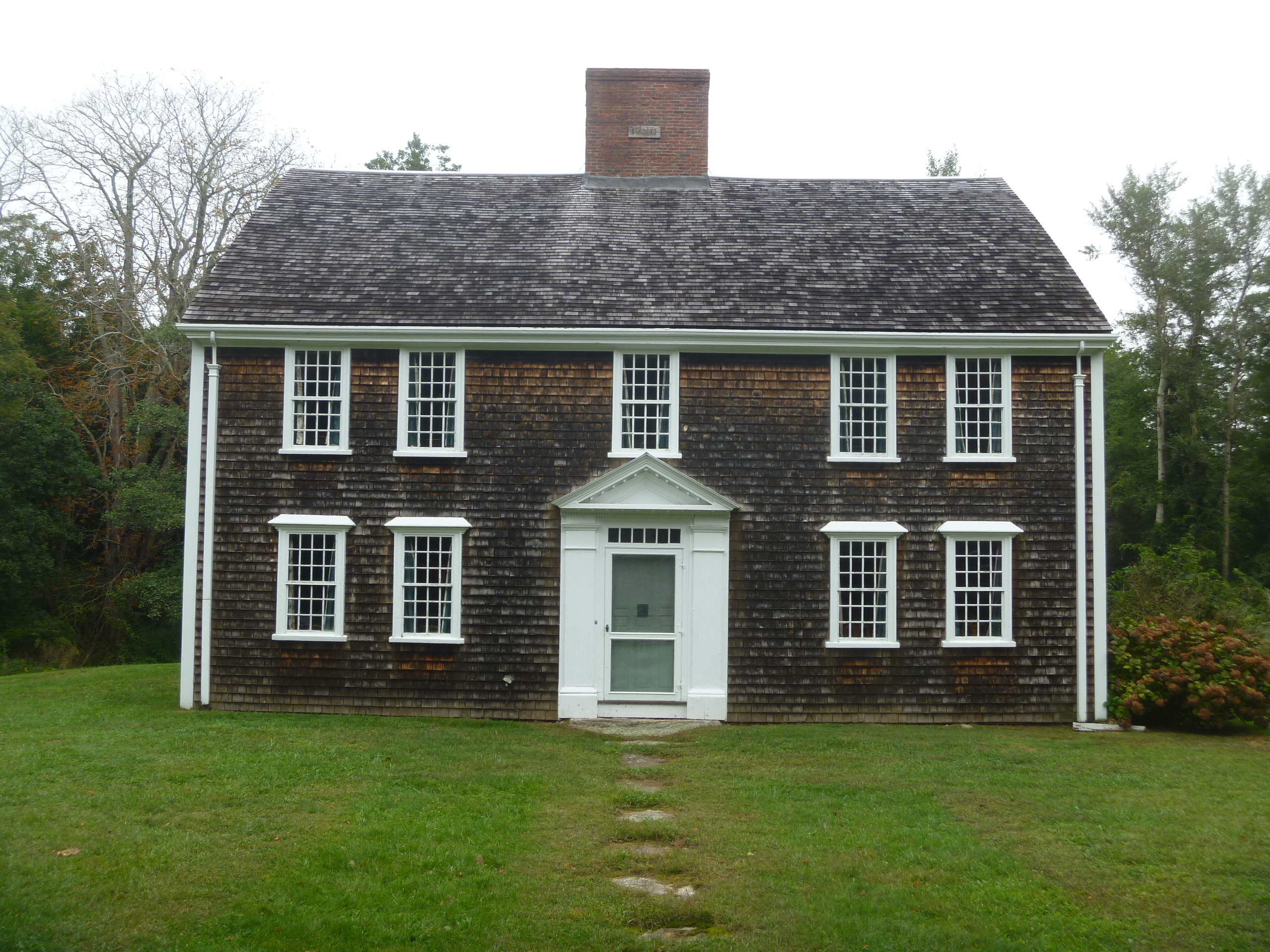
The Winslow Crocker House
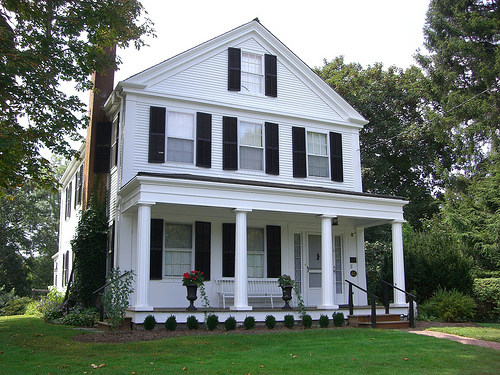
(Sea) Captain Bang’s Hallet House
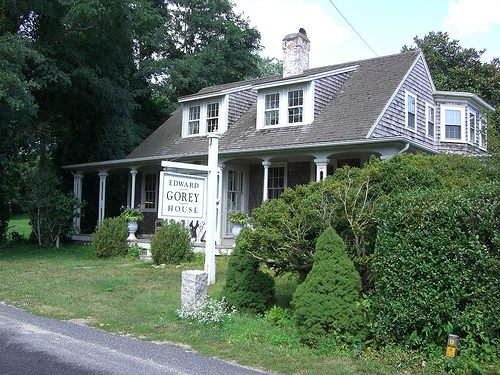
Edward Gorey House
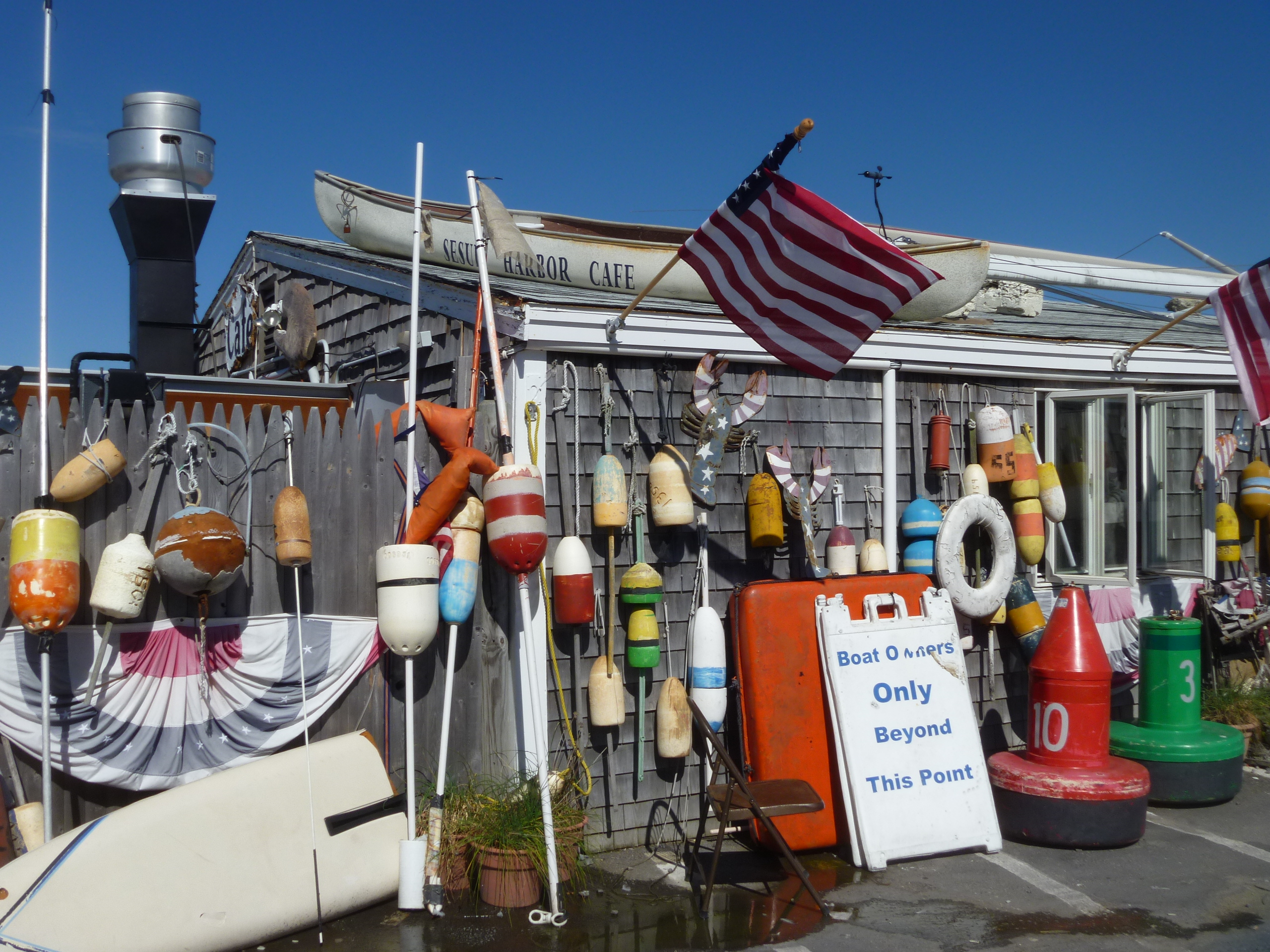
Sesuit Harbor Cafe
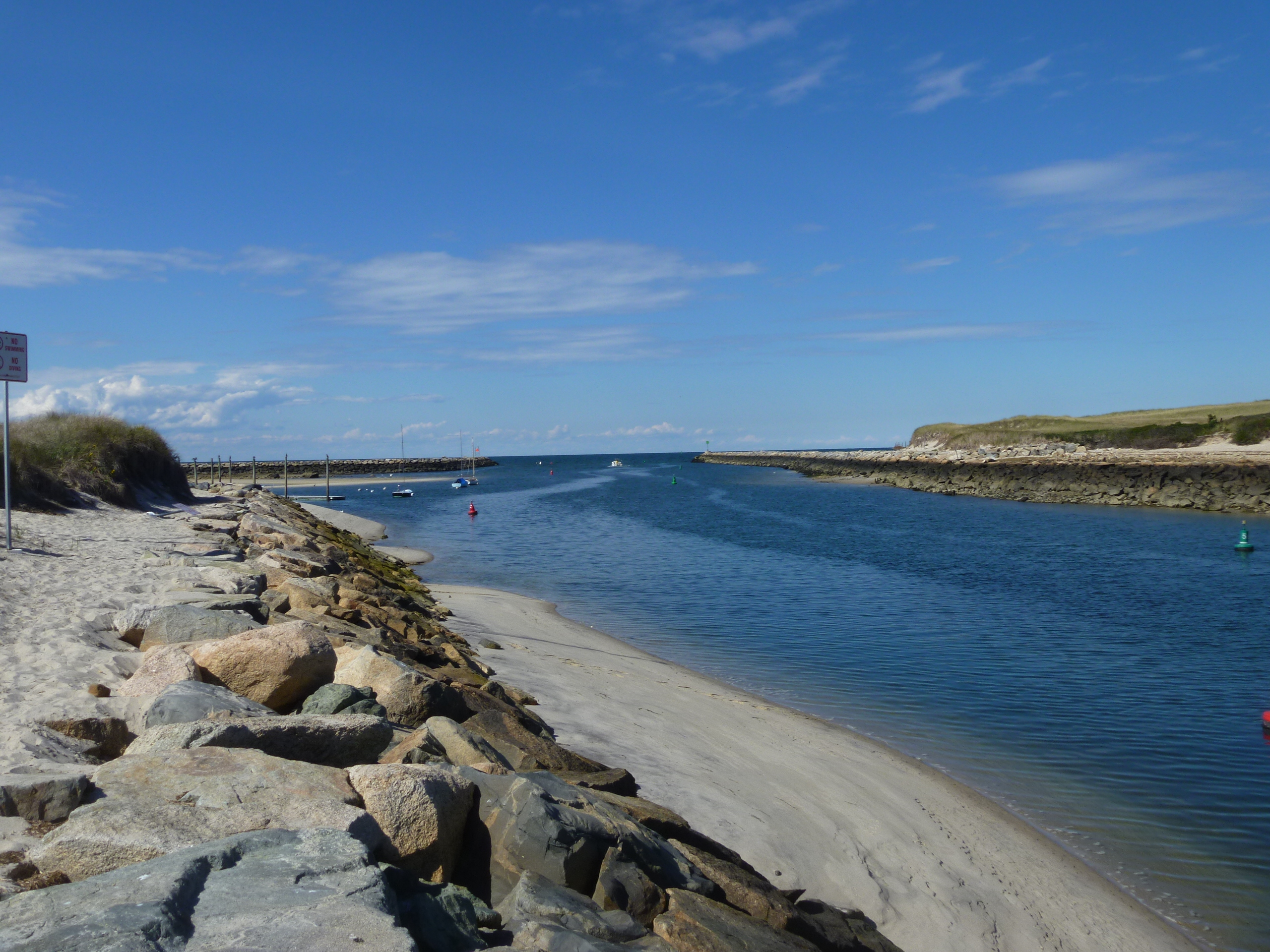
Sesuit Harbor
Landmark Visiting In Deepest Norfolk

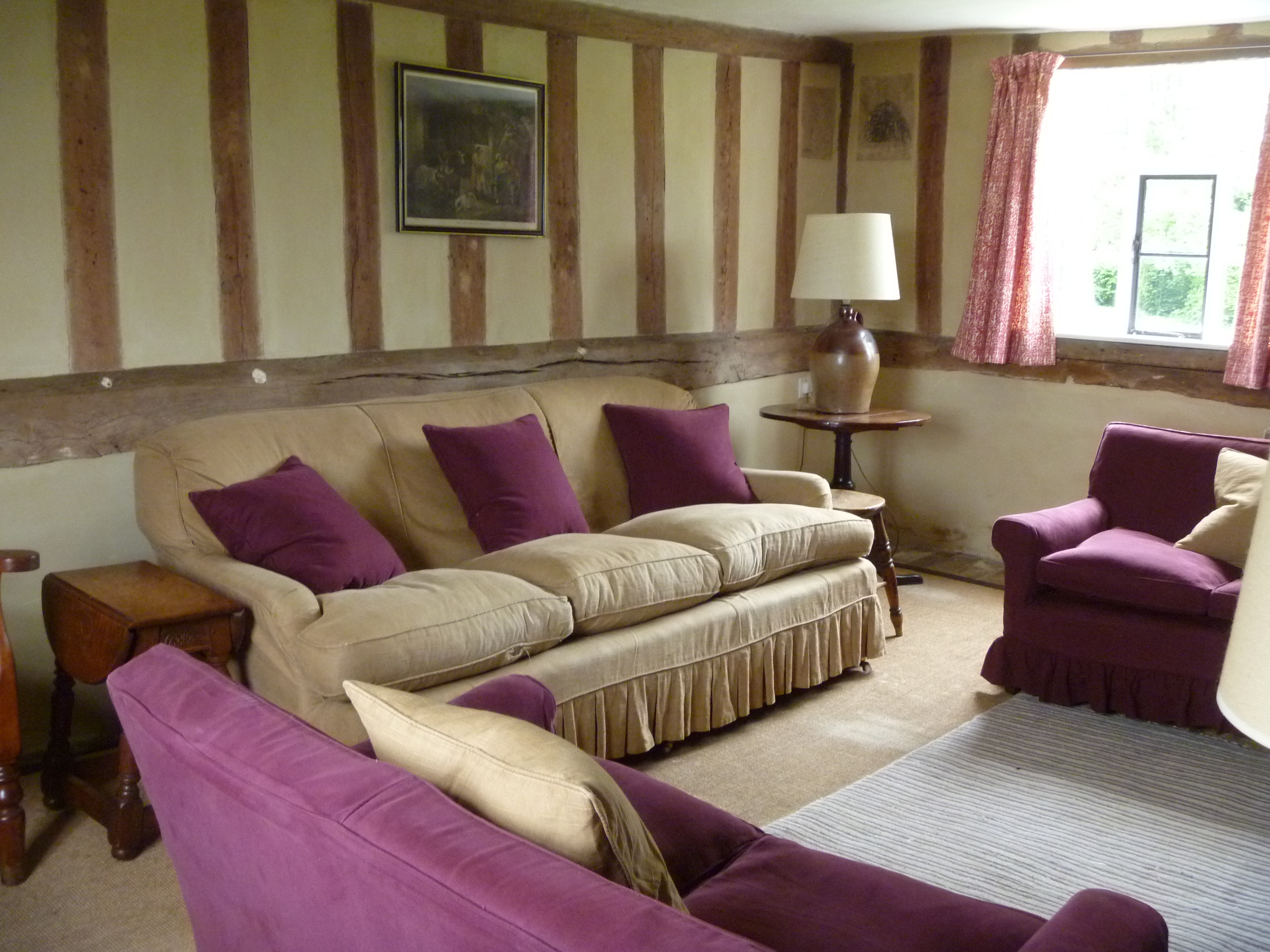
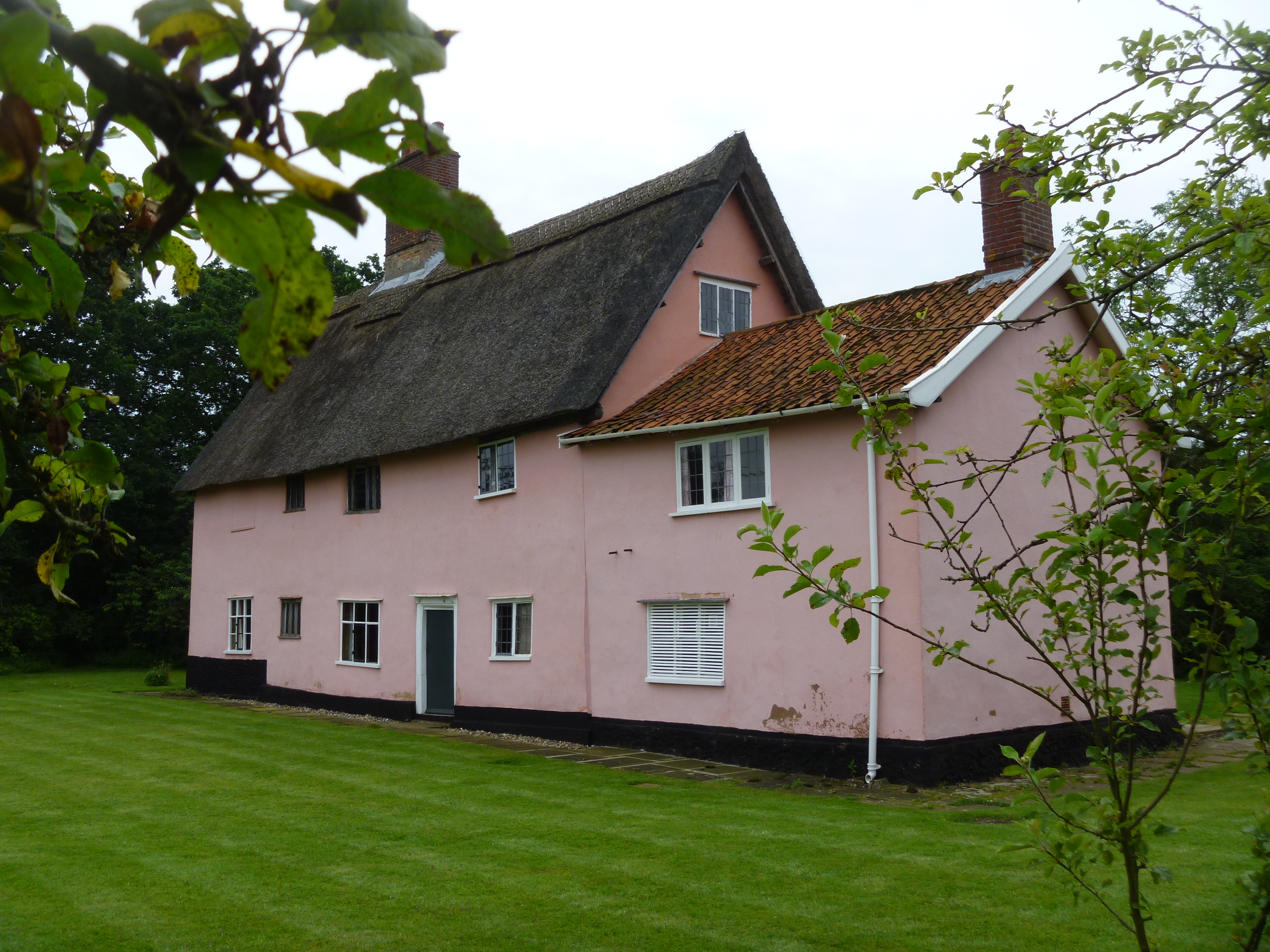
Landmark Trust properties are usually very easy to find. For each stay you are always sent meticulous instructions which in some cases may be totally unnecessary but on other occasions you really do wonder whether the building will ever materialise. As we drove further and further off the beaten track in South Norfolk this morning along narrow lanes, with grass growing down the middle, we did wonder if we were ever going to find our quest. Suddenly, on the other side a big field we spotted Manor Farm “in the pink” just as my friend’s directions suggested!
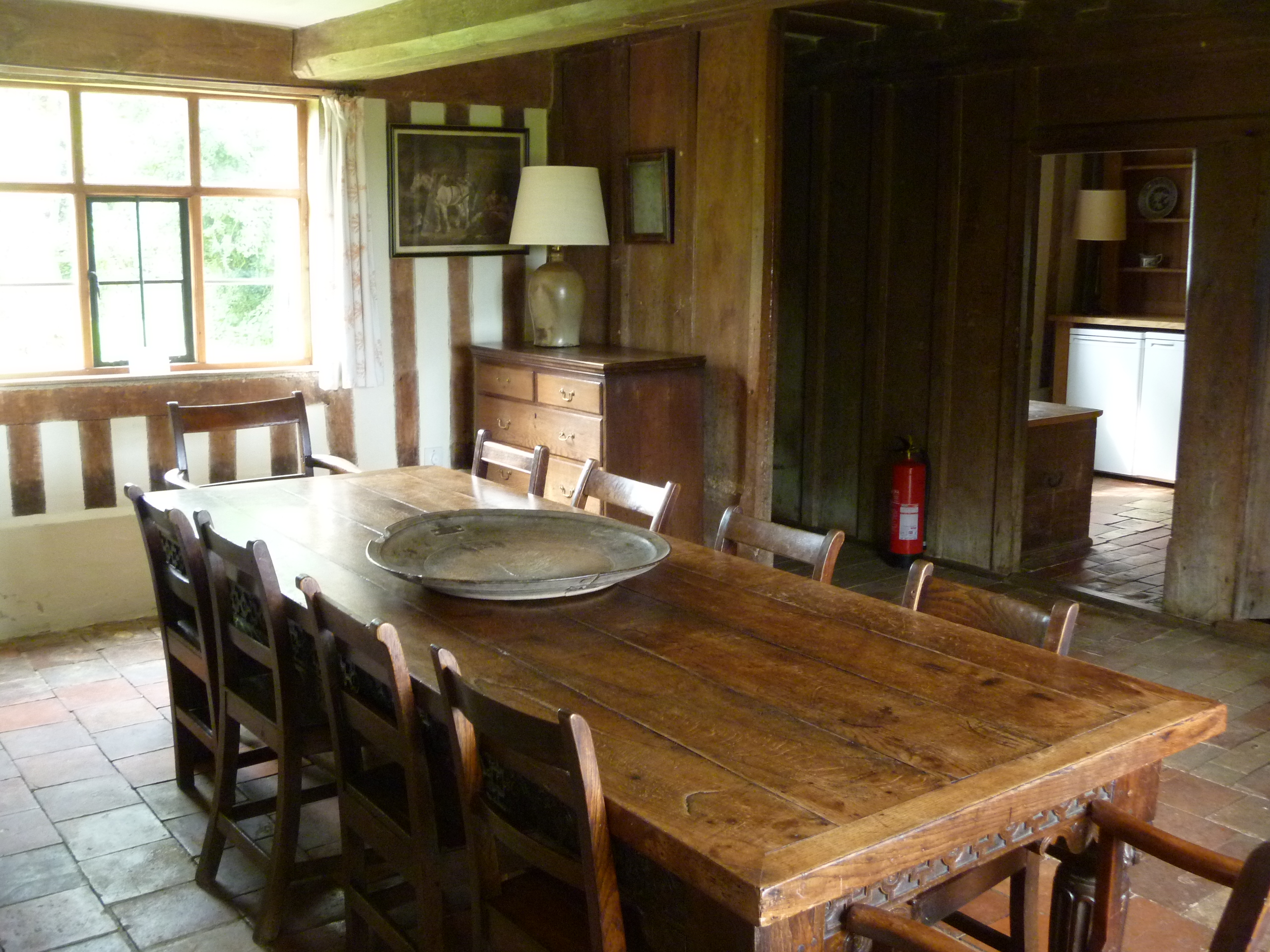
We were visiting the Norfolk Landmark – Manor Farm – on changeover day. The housekeeper very kindly allowed us to have a quick peep around and I must say it is a lovely old building in which one would very quickly feel at home. The Landmark staples are all there plus the advantage of peace and quiet and a lovely big grassy garden. There is birdsong and there are wildflowers. You are truly in the depths of the countryside.

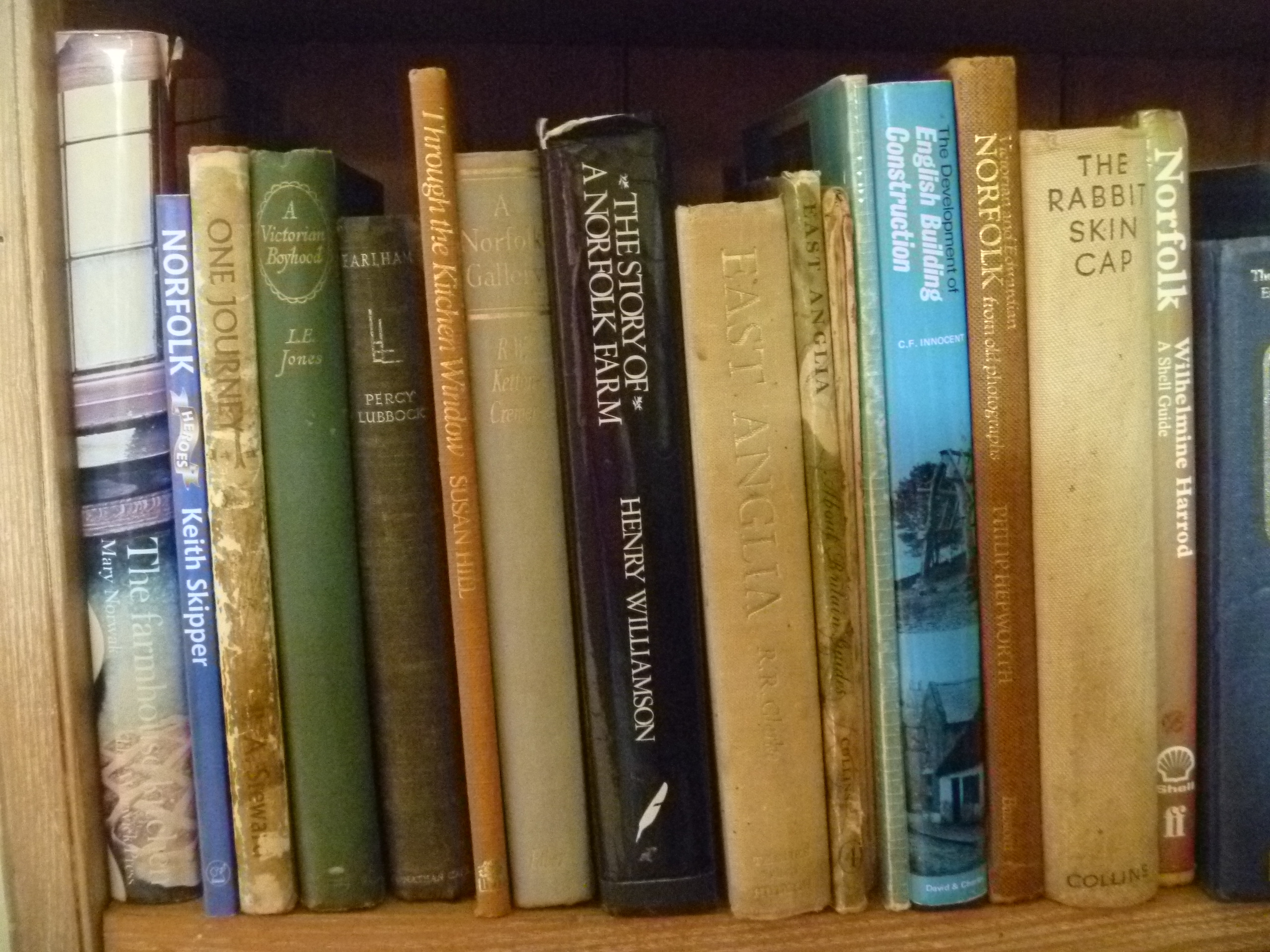
I took a particular interest in the Library at Manor Farm as Norfolk is my county of birth and I grew up and lived there for my first 18 years. I’ve read and I own lots of books about Norfolk and it’s always fascinating to see another’s take on what’s considered to be the essential reading matter for one’s own county.

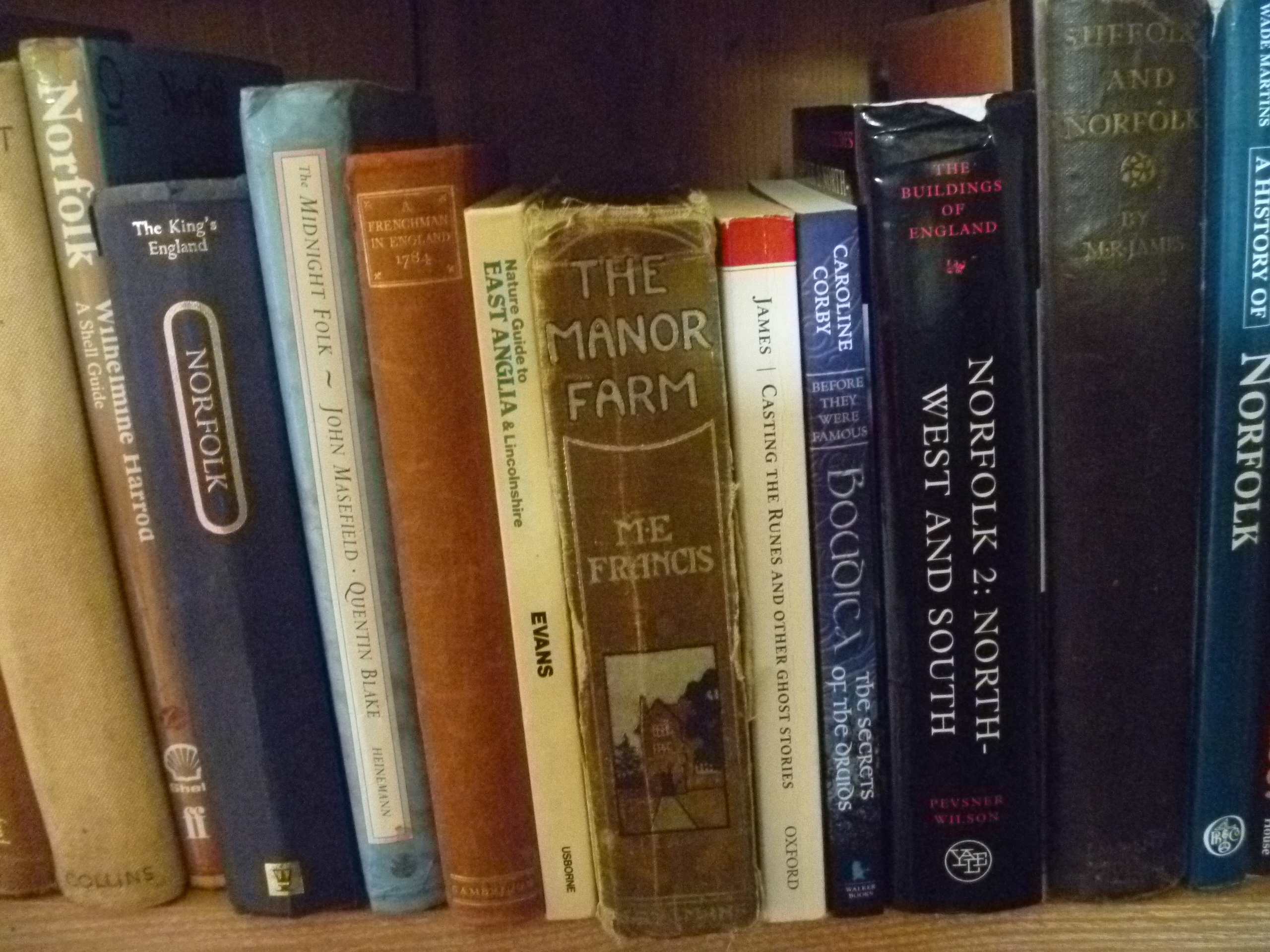
I’d expect to see Henry Williamson’s The story of a Norfolk Farm and Ketton-Cremer’s A Norfolk Gallery. I love Susan Hill’s Through the Kitchen Window which would make a good addition to all country Landmarks. I know nothing about The rabbit skin cap but it sounds very cosy!

Ha! I love the fact that a copy of The Manor Farm by M. E Francis was tracked down. First published in 1902 it has no Norfolk connection (as far as I am aware) but the title is very fitting. Another good one is A Frenchman in England, 1784 Francois de la Rochefoucauld’s account of his observations of Britain and its people whilst living in Bury St Edmunds.

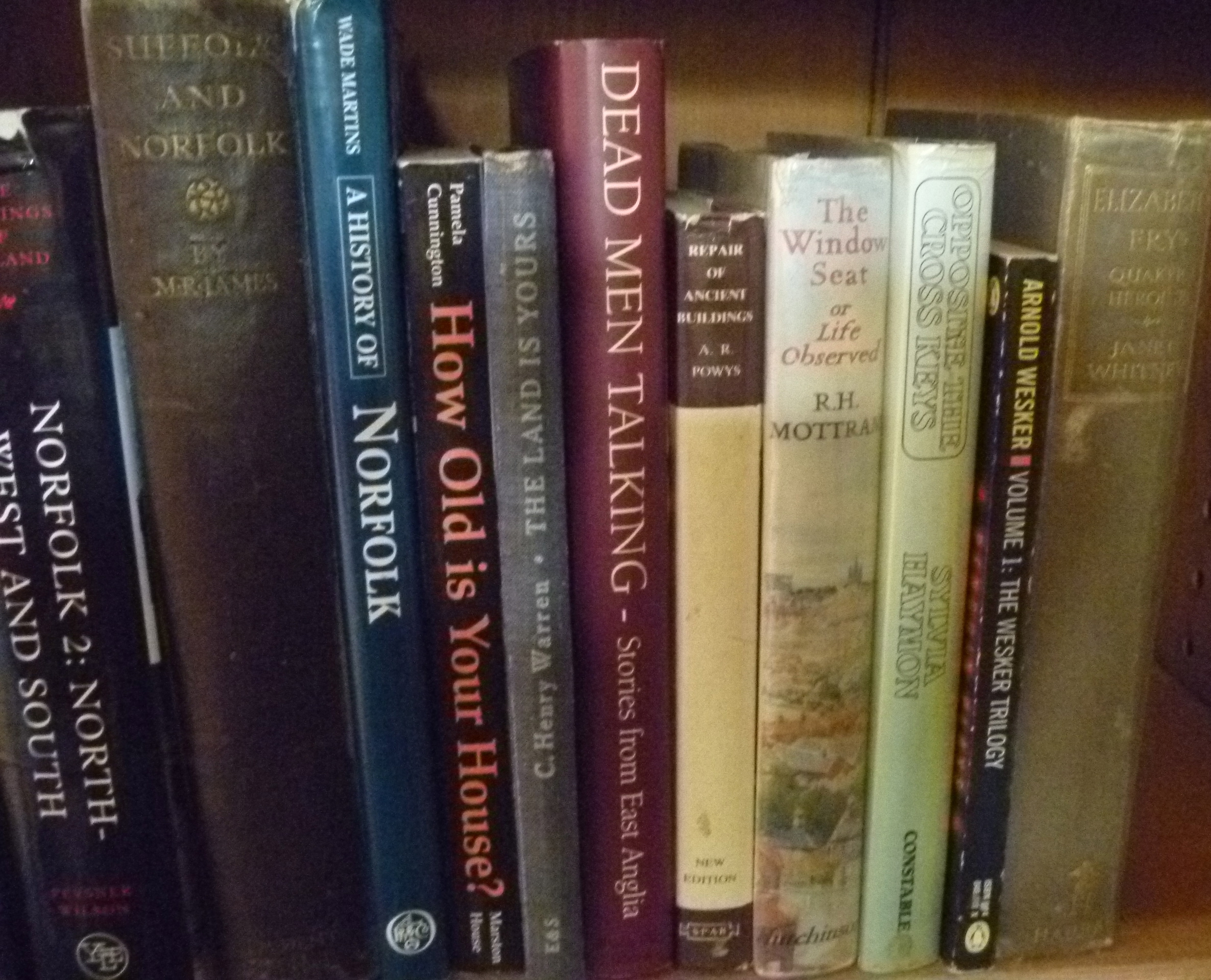
There’s a life of Elizabeth Fry the Victorian woman prison reformer born of a quaker banking family at Earlham Hall in Norwich and I note a copy of Arnold Wesker’s play Roots. I bet all Norfolk school pupils in the 1960s had to read this play – I know we did – the accents came easy to us! I’m familiar with several R. H. Mottram books. I’ve read his The Spanish Farm and If stones could speak but I don’t know The window seat. Will have to investigate. He was a prolific writer on many topics. See the list of works here.

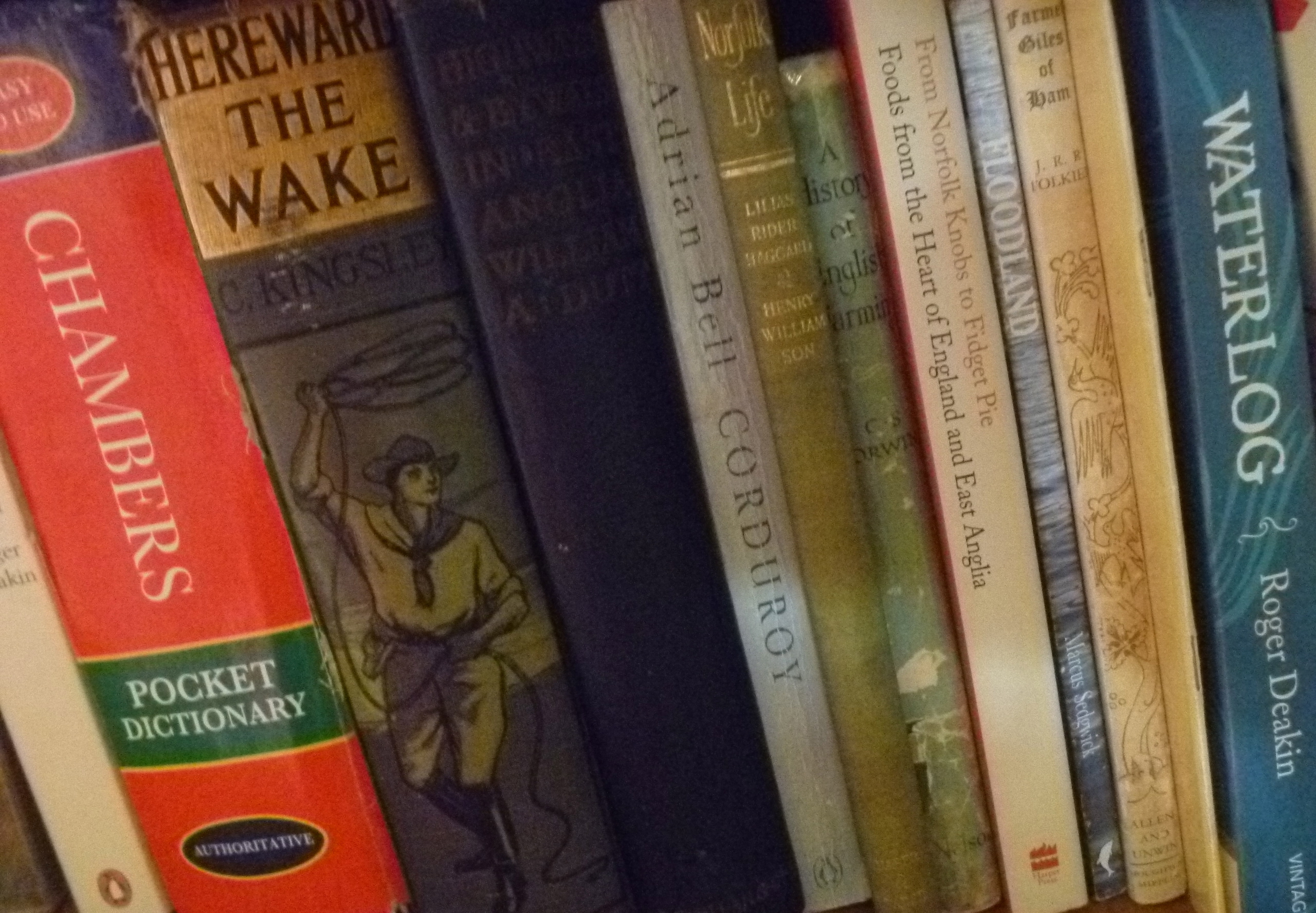
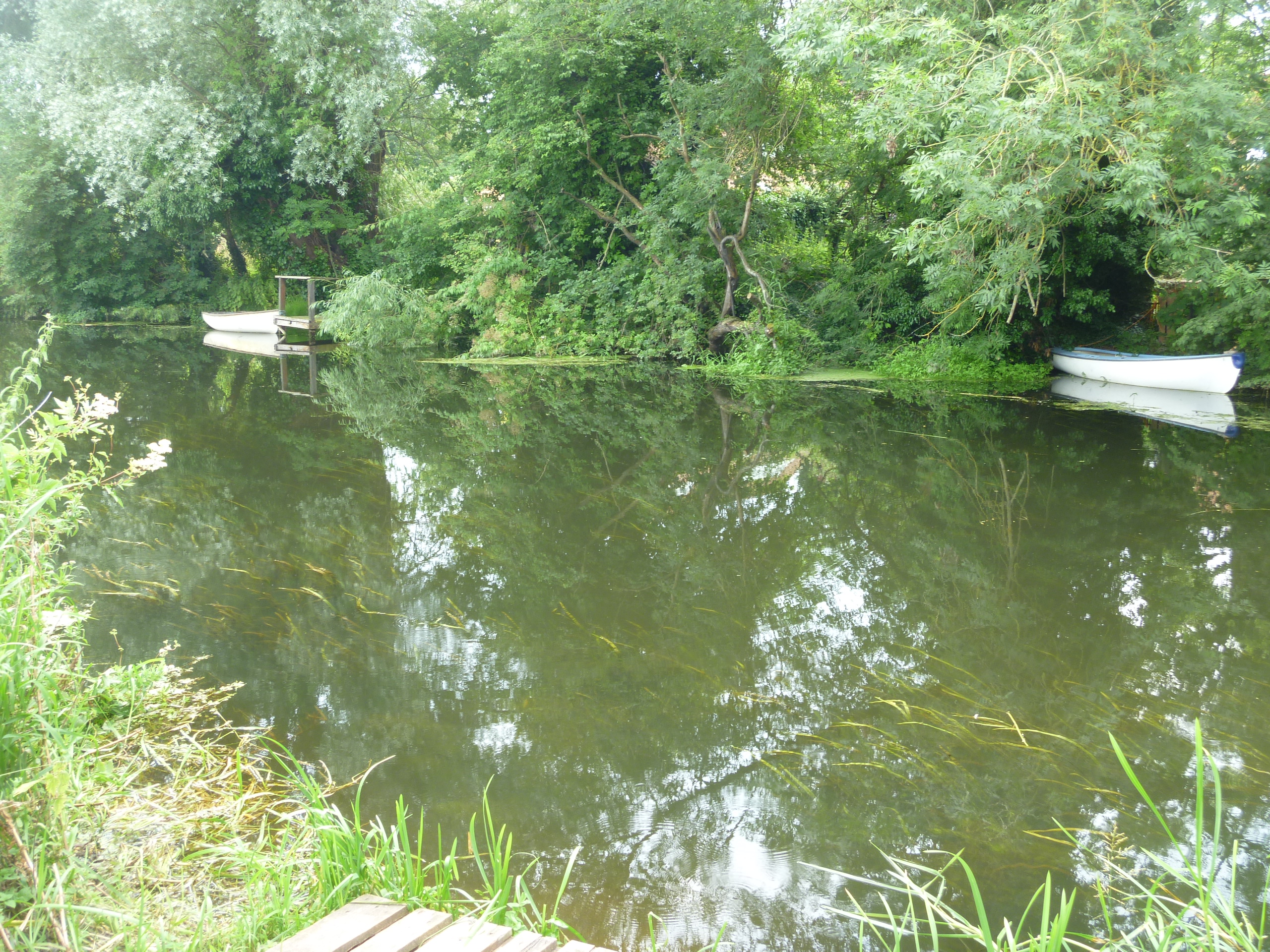
Parson Woodforde, The Go-Between, The Paston Letters all very necessary for Norfolk. And, oh yes, I’d definitely include works by Roger Deakin. That’s his Notes from Walnut Tree Farm at the end there. Excellent reading in this part of the country especially his Waterlog. I read this book when it first came out. With the subtitle A swimmer’s journey round Britain Deakin writes here about his travels around Britain swimming in lakes and rivers and the sea. The book begins by relating his daily swims in his own moat. Moats surround many old properties in South Norfolk and North Suffolk. Here’s a quiet reach of the local River Waveney in Bungay where Deakin enjoyed swimming.

Sadly, Roger Deakin died in 2006. It’s still possible to listen to his radio programme Cigarette on the Waveney.

On leaving Manor Farm we only got lost twice and had to check maps and turn back twice and puzzle over road signs before reaching the real world of Harleston, Bungay and Hempnall. No one gave us instructions for leaving the Landmark!

Jean-Jacques Rousseau; born in Geneva 300 years ago.

“The person who has lived the most is not the one with the most years but the one with the richest experiences.”

Jean-Jacques Rousseau

The Swiss are gluttons for their anniversaries! Just about every month there are fireworks or celebrations or parades in one Canton or another. But they really go to town with special anniversaries every year. I posted earlier about the 100 years of the Jungfrau Railway.

As one would expect, the city of Geneva decided that the birth of the philosopher and novelist, composer and major influence on the French Revolution Jean-Jacques Rousseau, in the city in 1712, must be worth a celebration.

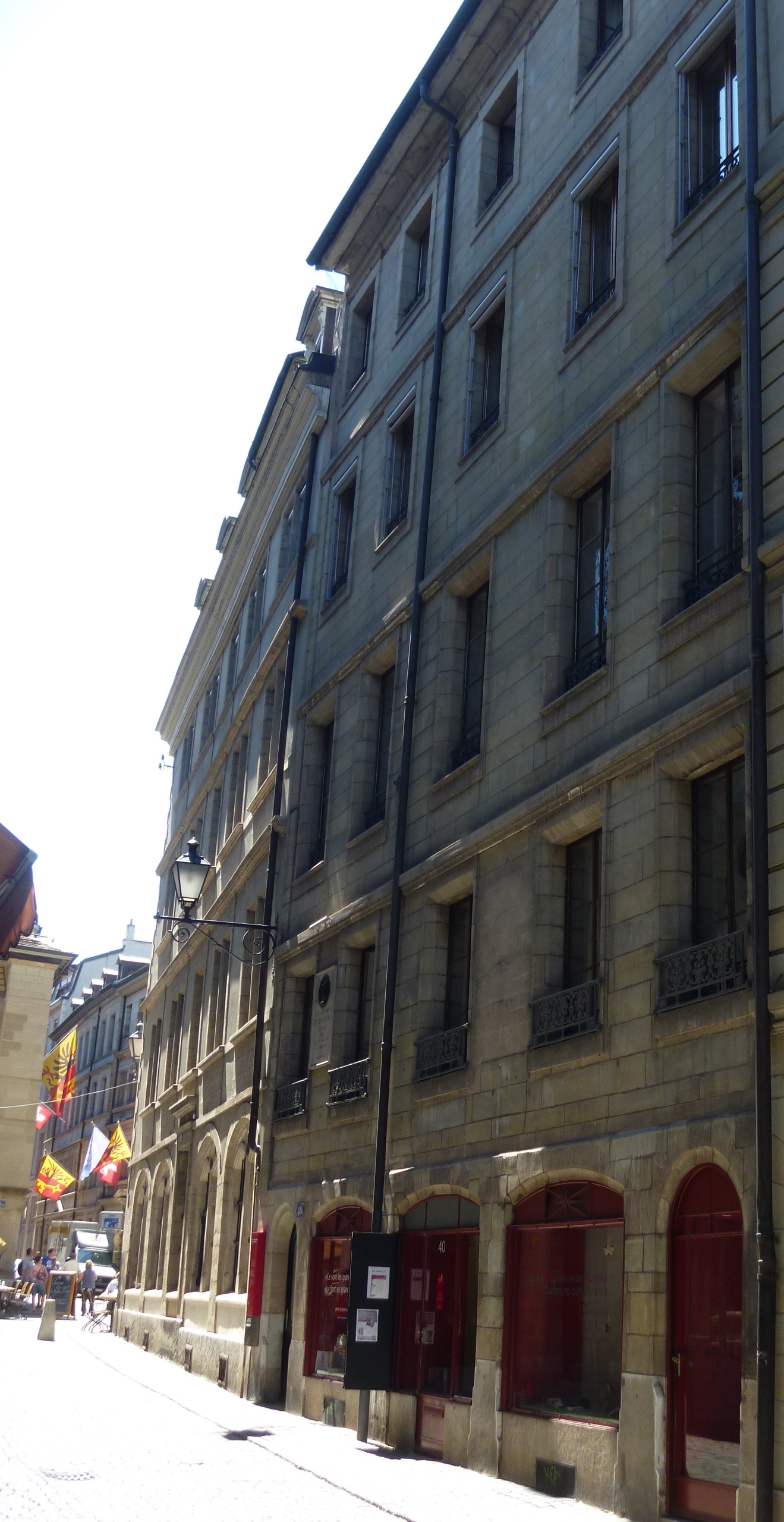
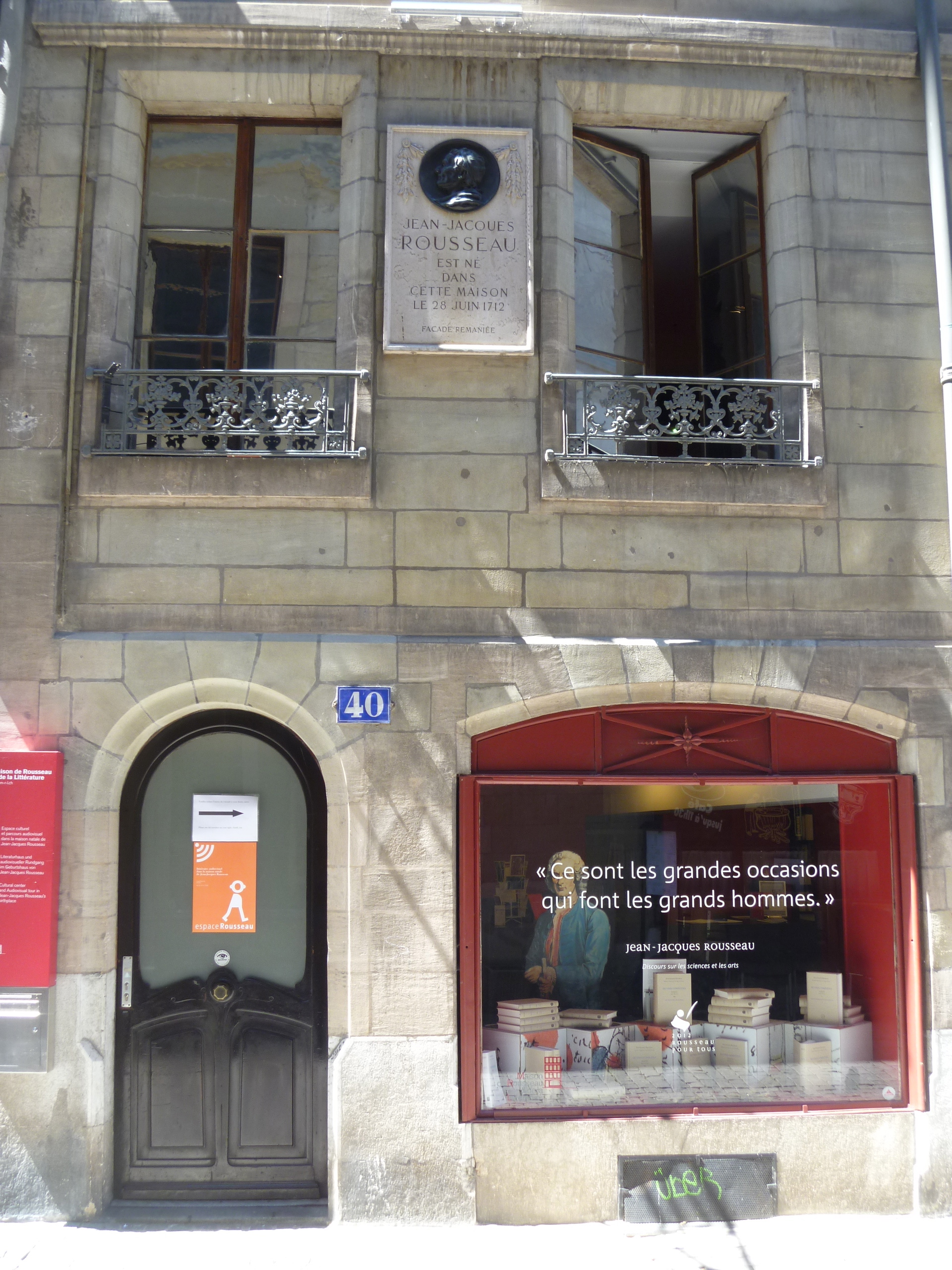
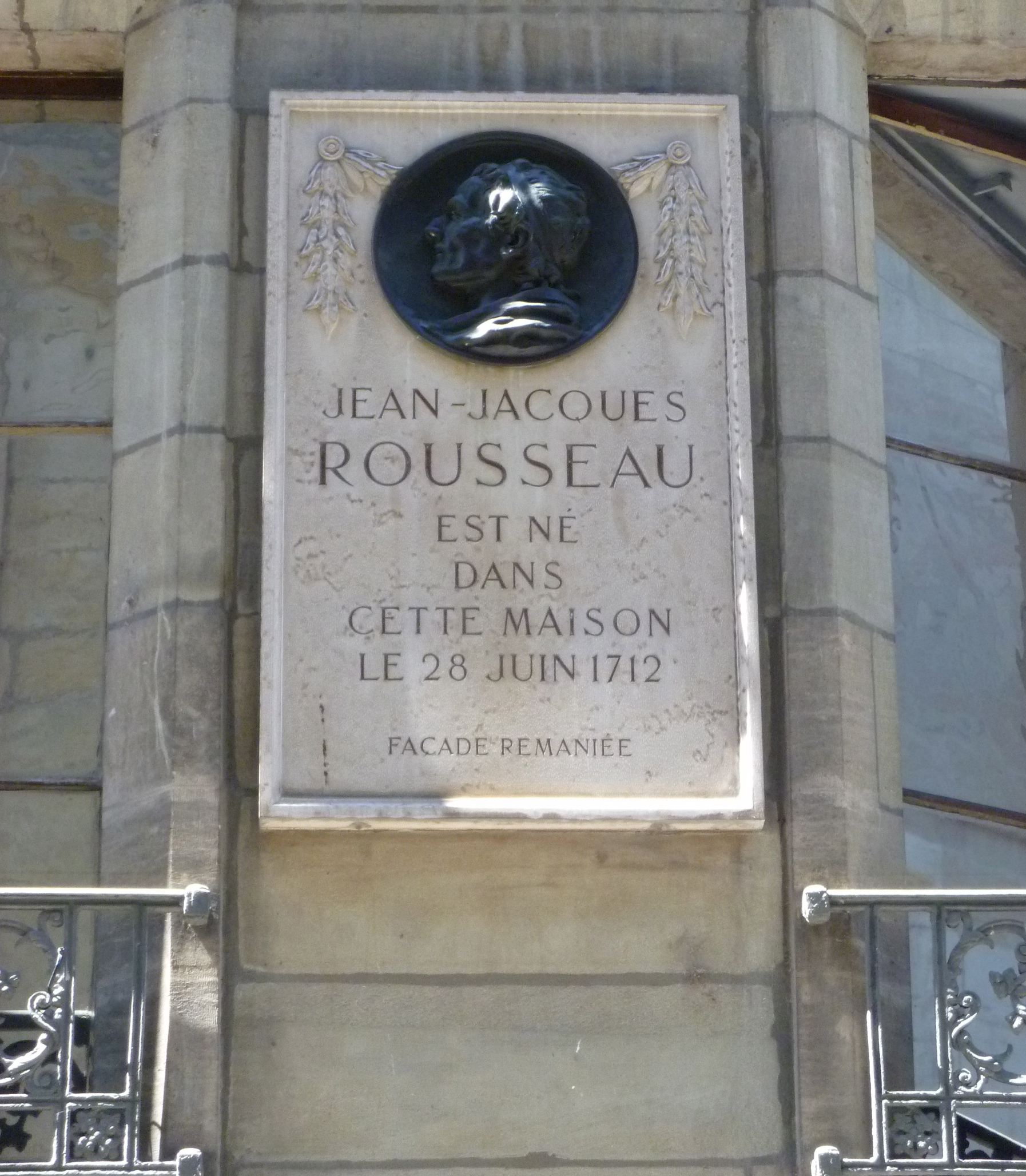
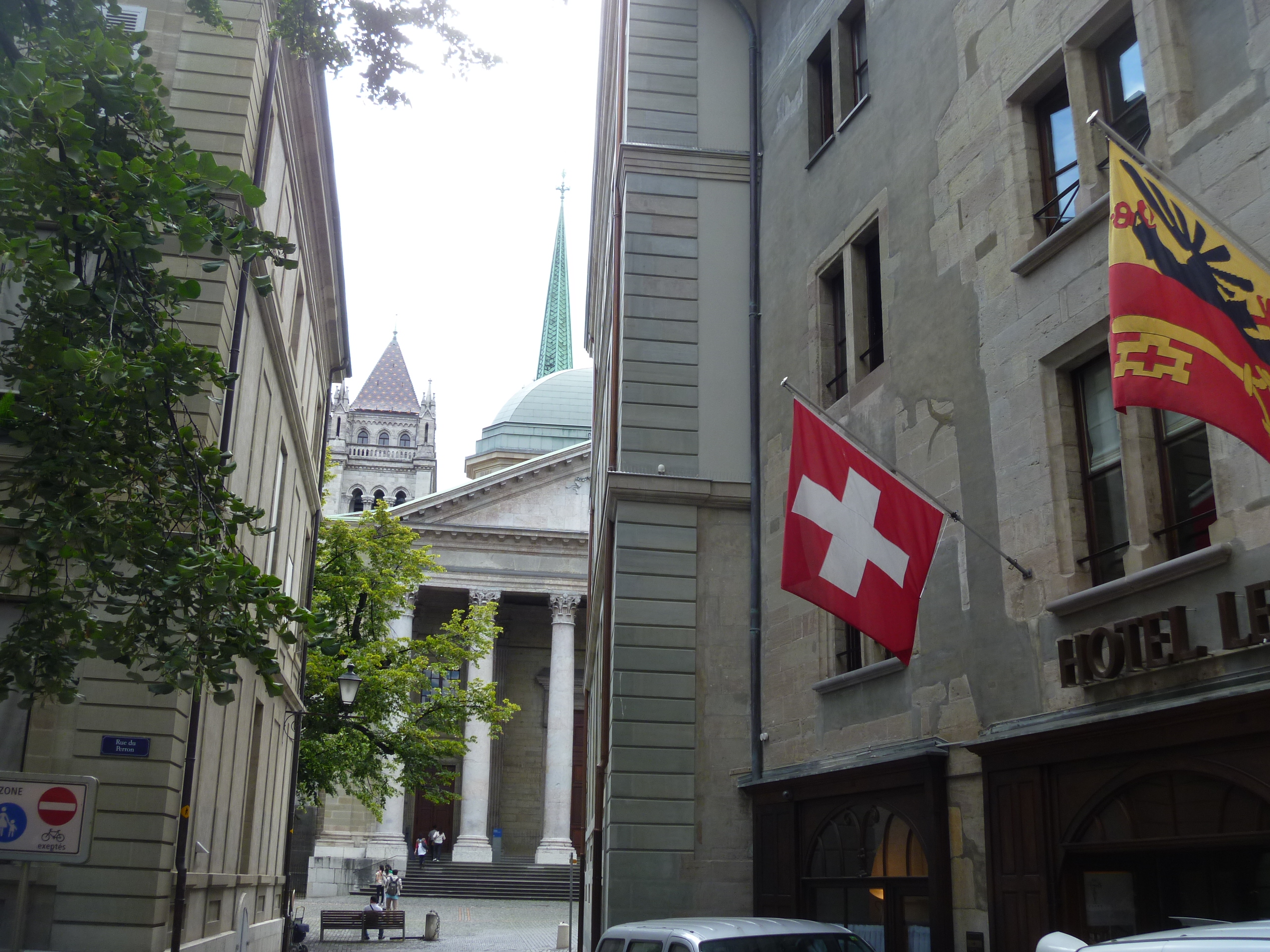
40, Grand’rue, Geneva, birthplace of Jean-Jacques Rousseau

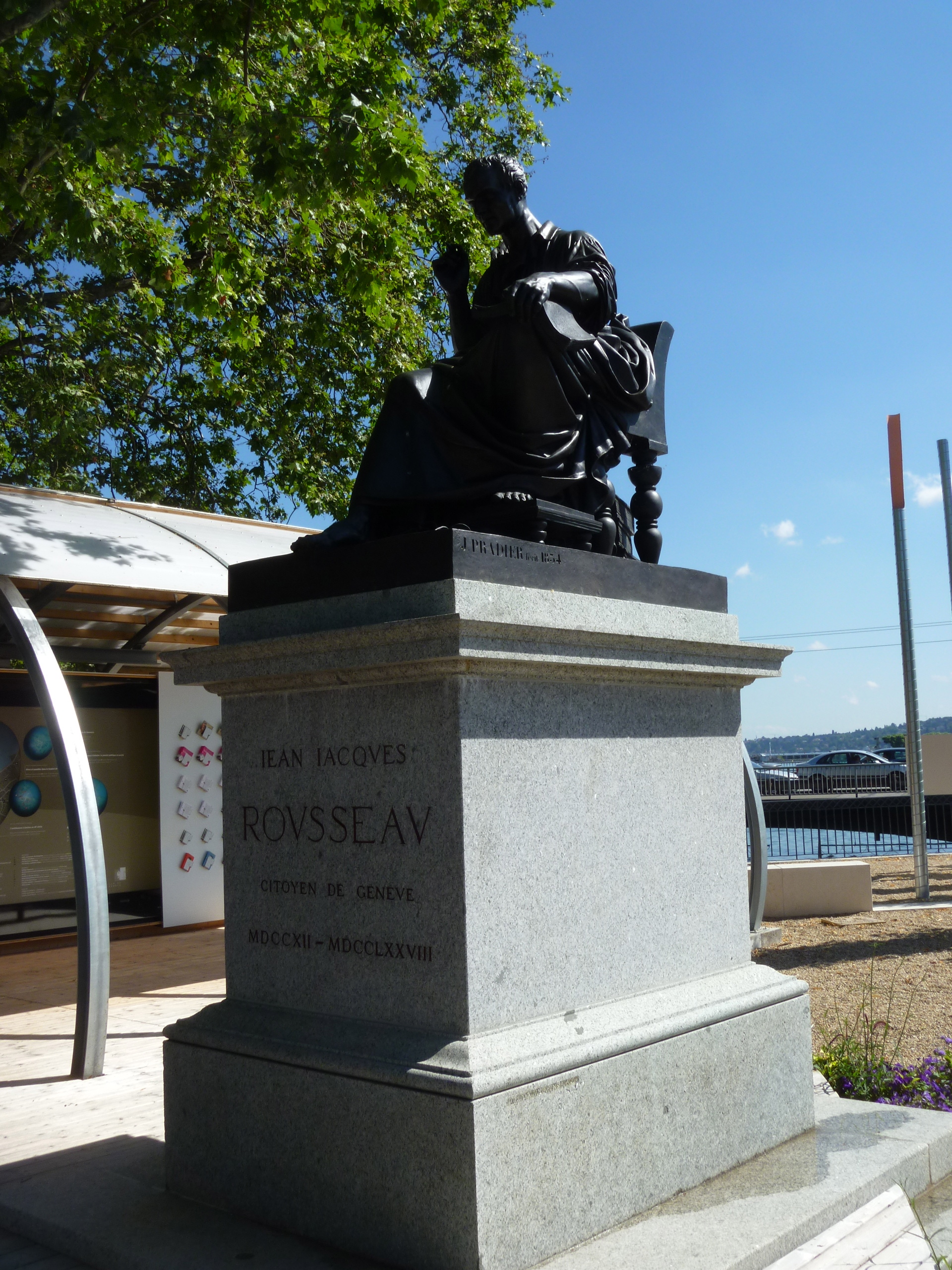
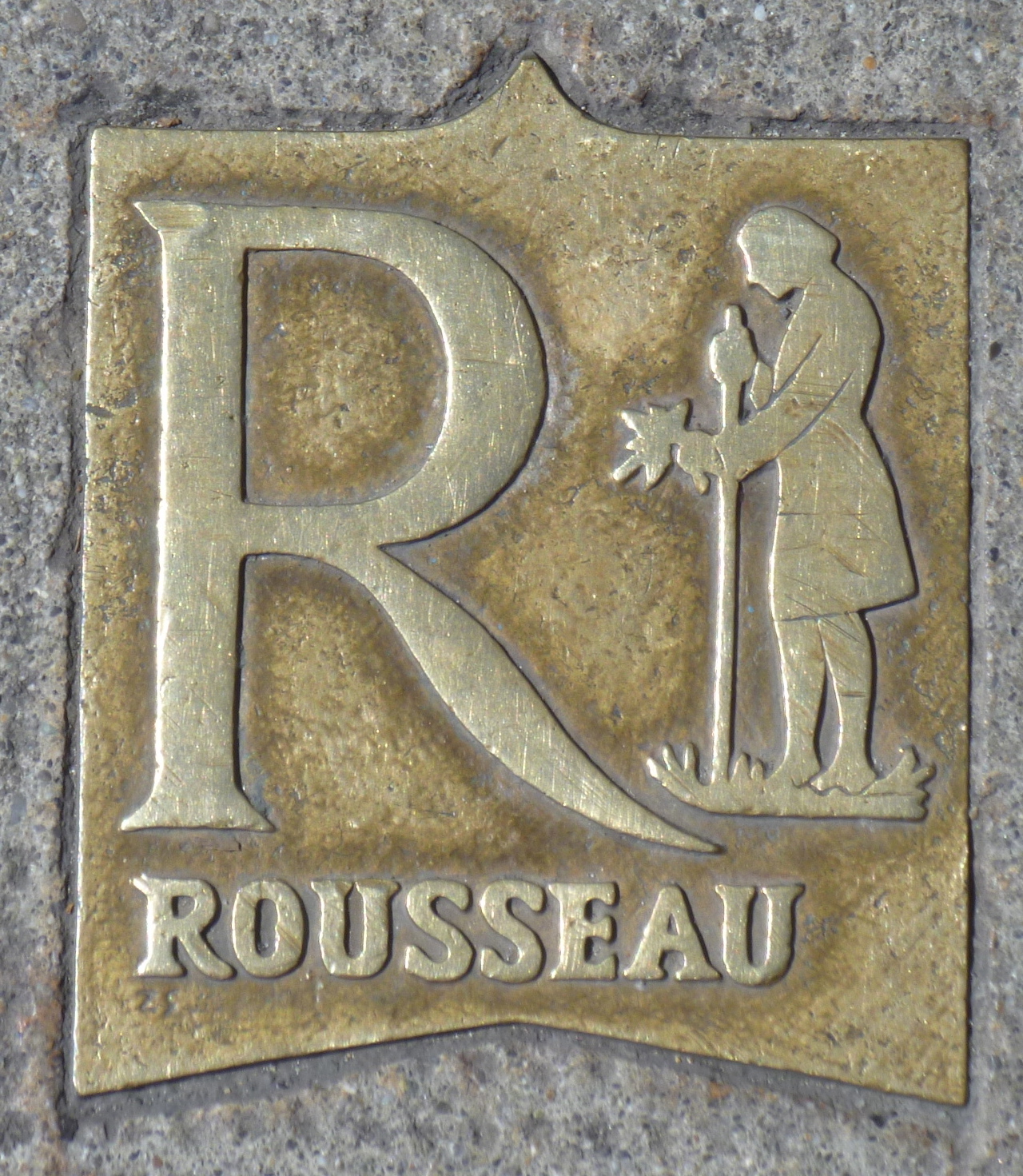
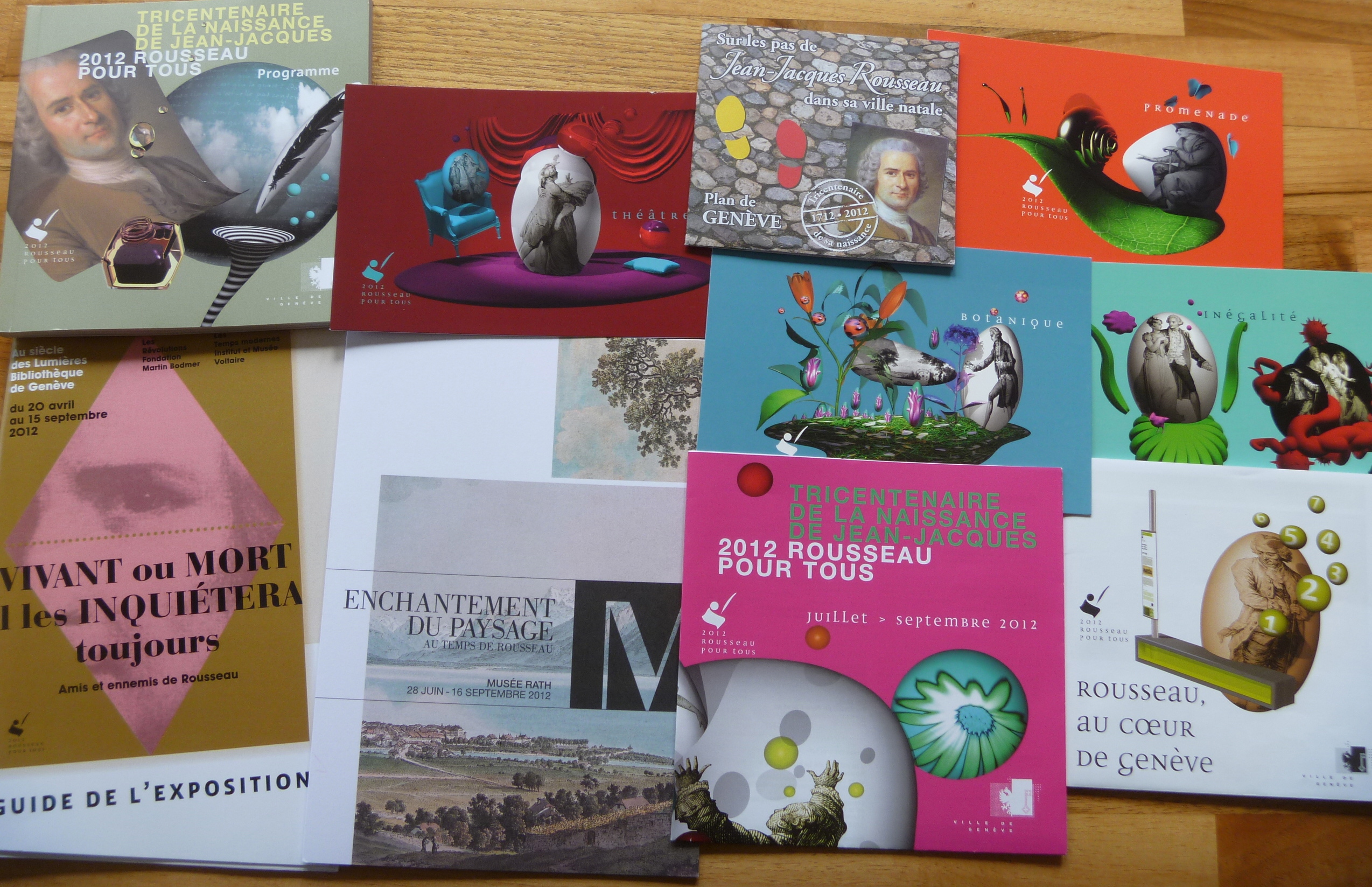
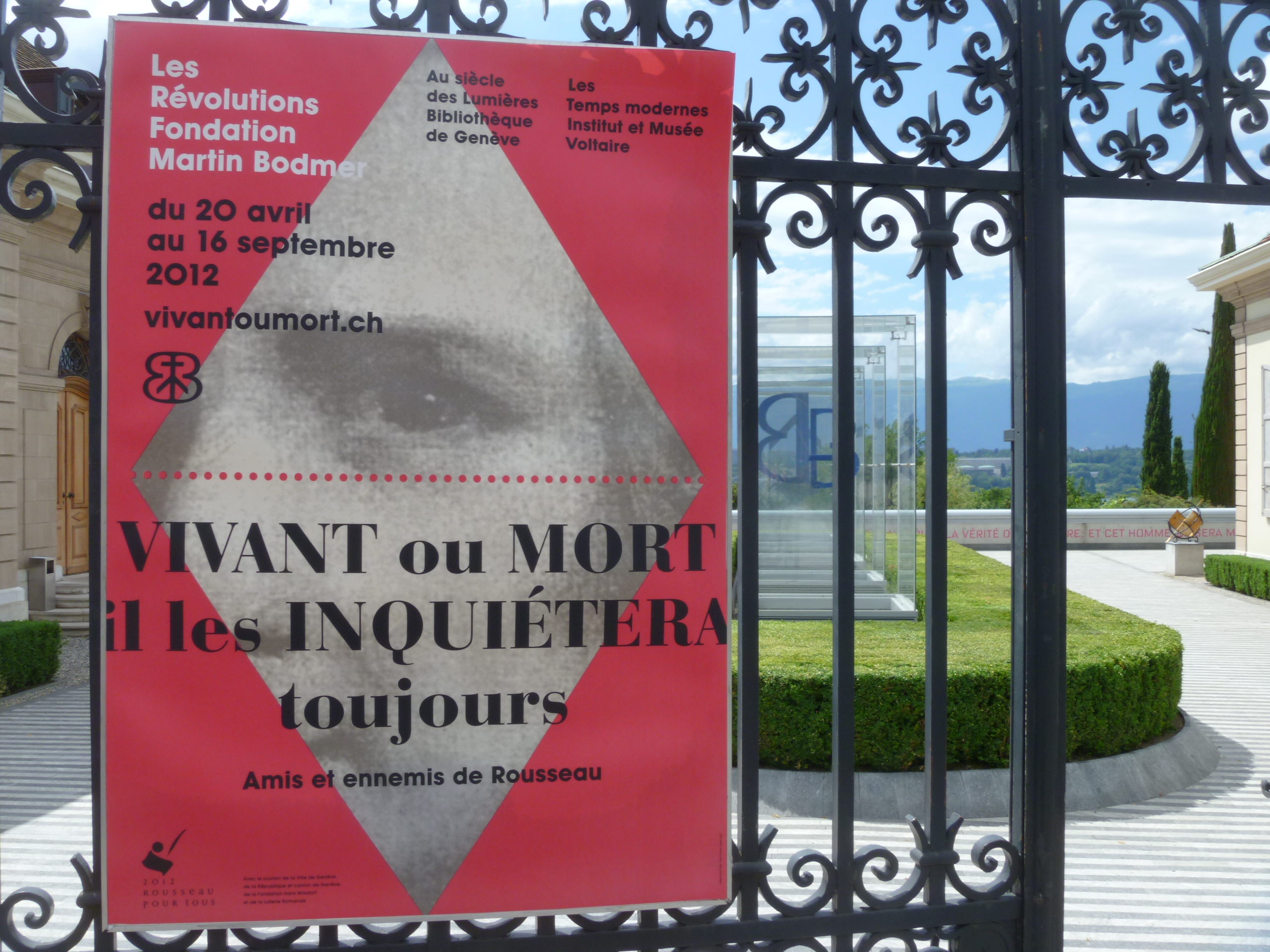
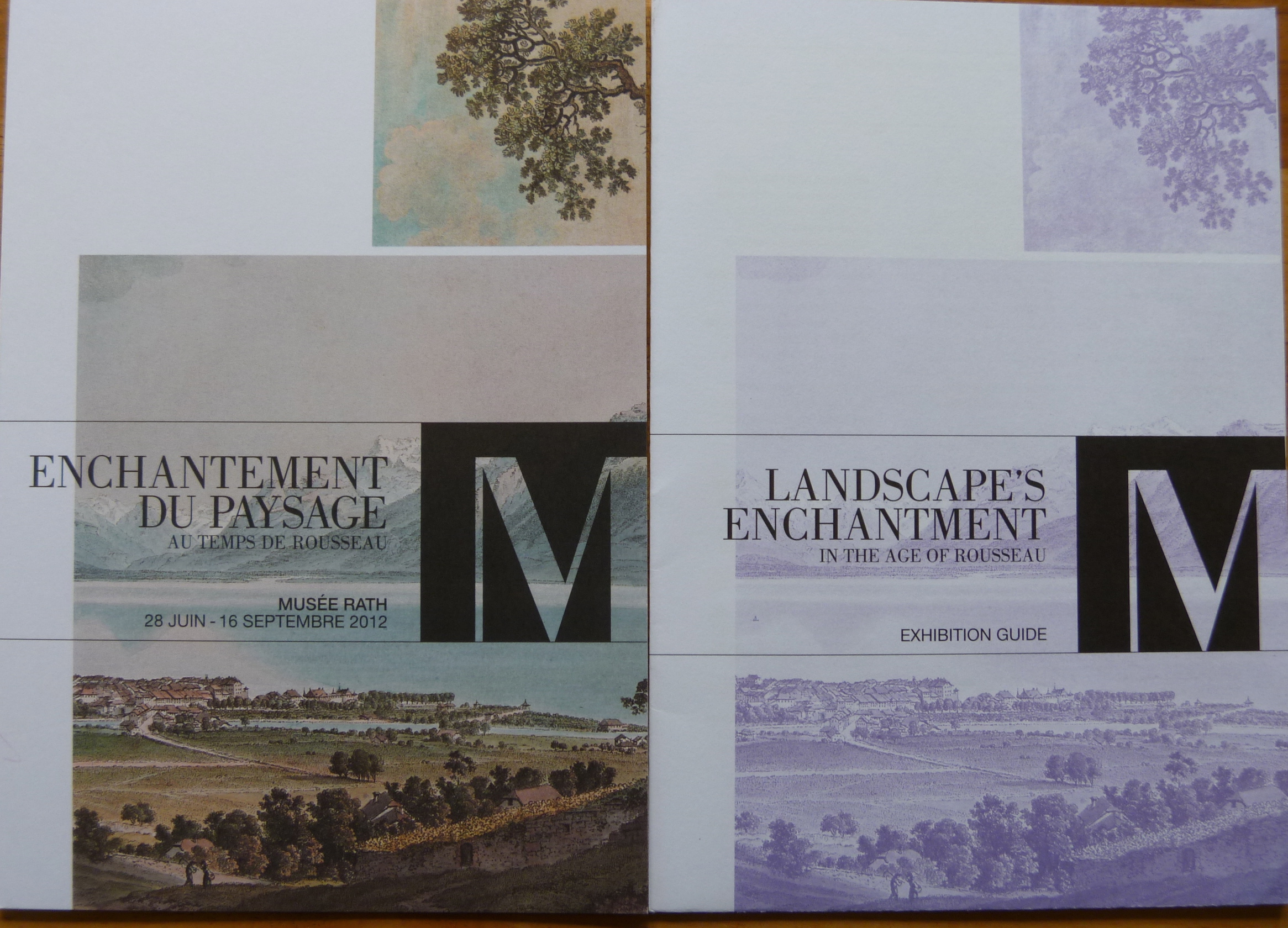
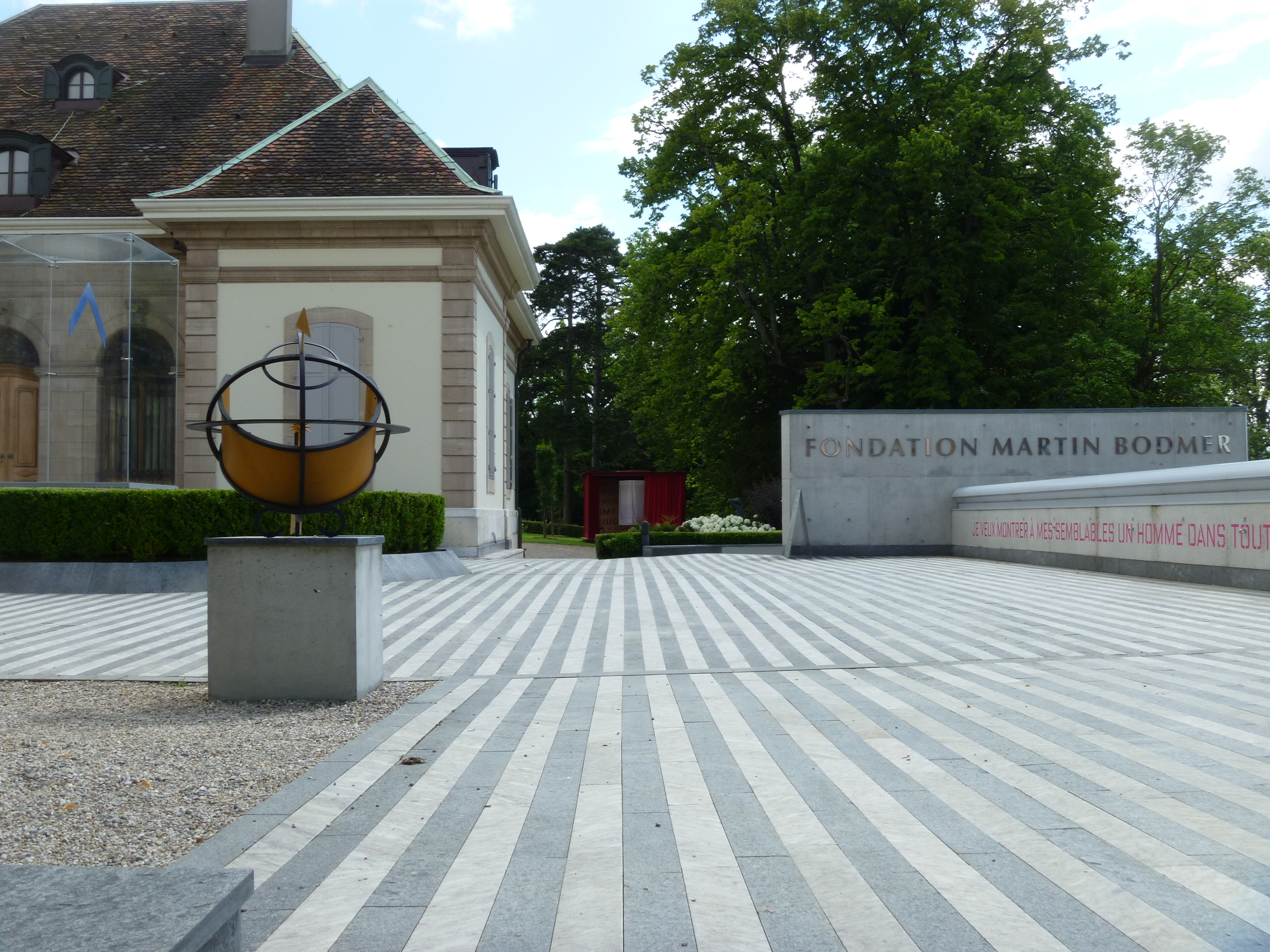
I don’t know whether there have been, or will be, fireworks let off in his name but there is no escaping his tricentenary in the city this summer. I only came across a little map which allows one to follow in the great philosopher’s footsteps on the last morning of my trip but I was immediately attracted by a lovely leaflet advertising a related exhibition at the Musée Rath whilst waiting to check in at my hotel on arrival. I knew that JJR’s birthplace was in the Old Town (3 pictures above) and a fellow member of our party told me about the Île Rousseau statue (top). I visited the Bodmer Foundation to see the display “During his life and after death he always worried them: Rousseau’s friends and enemies” (my translation) but got carried away by the breadth of the permanent collection and the fact that there were no English translations at all.

With so much to choose from here is what I managed to follow up in the name of Rousseau in the short amount of time available to me.

Île Rousseau

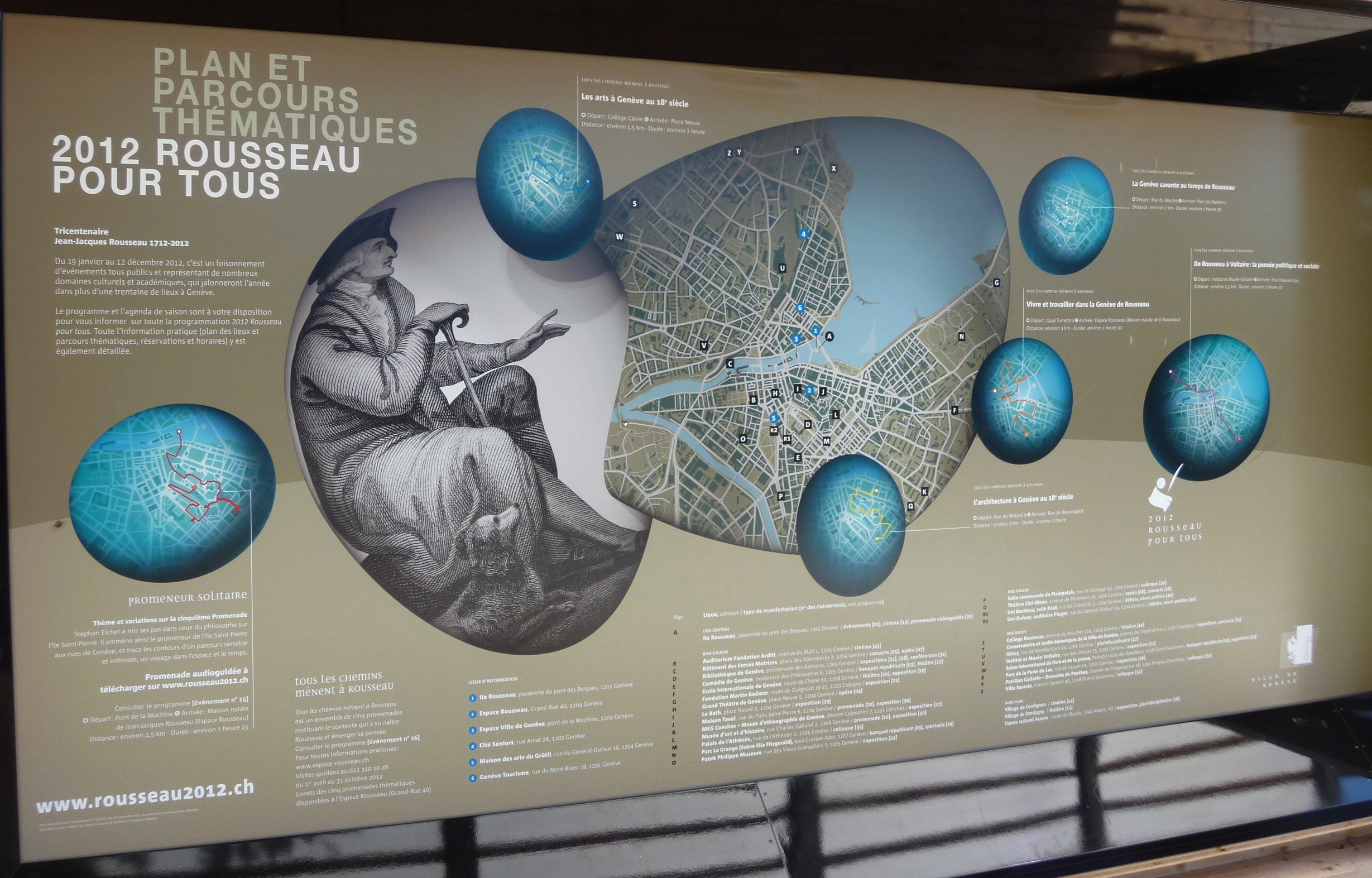
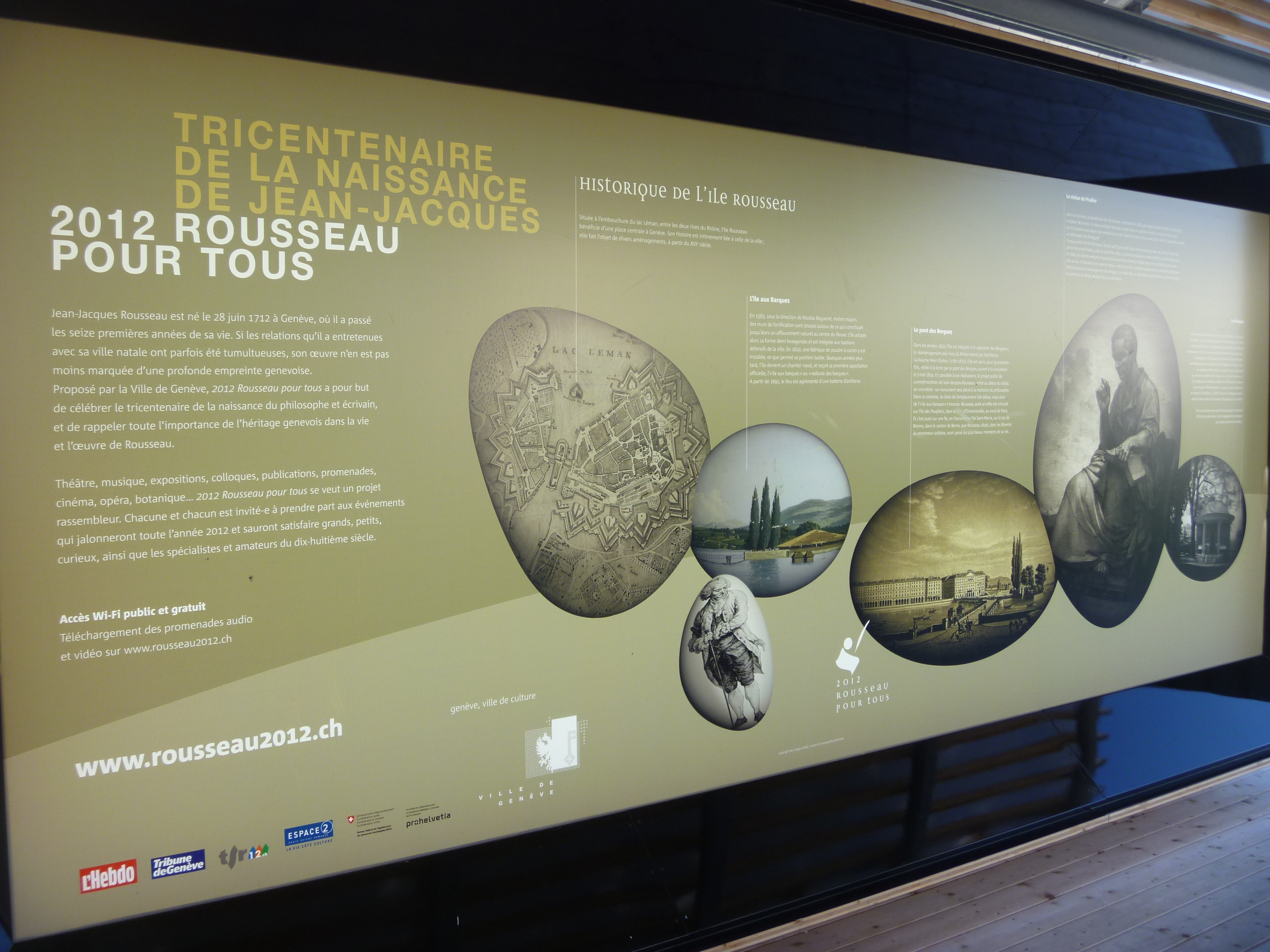
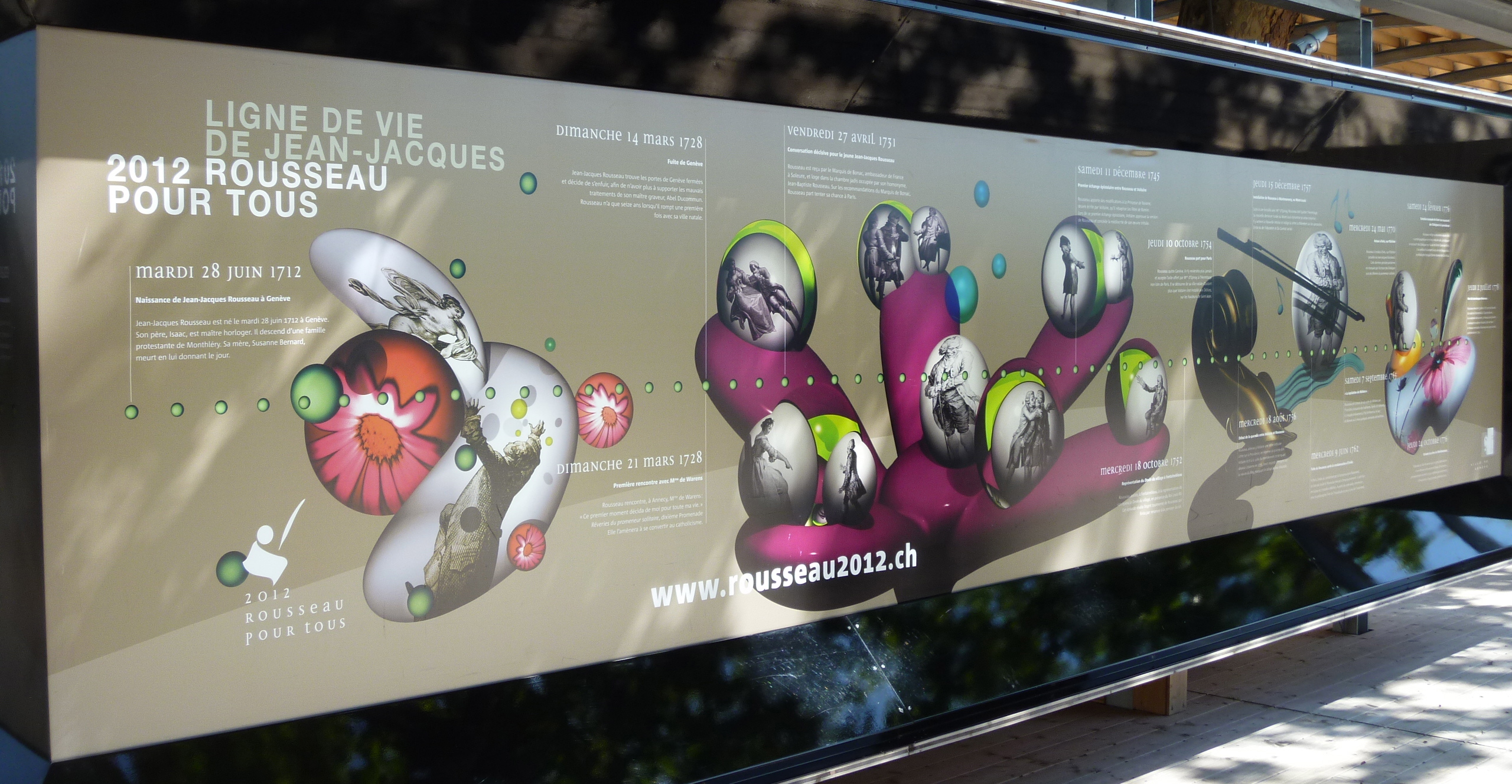
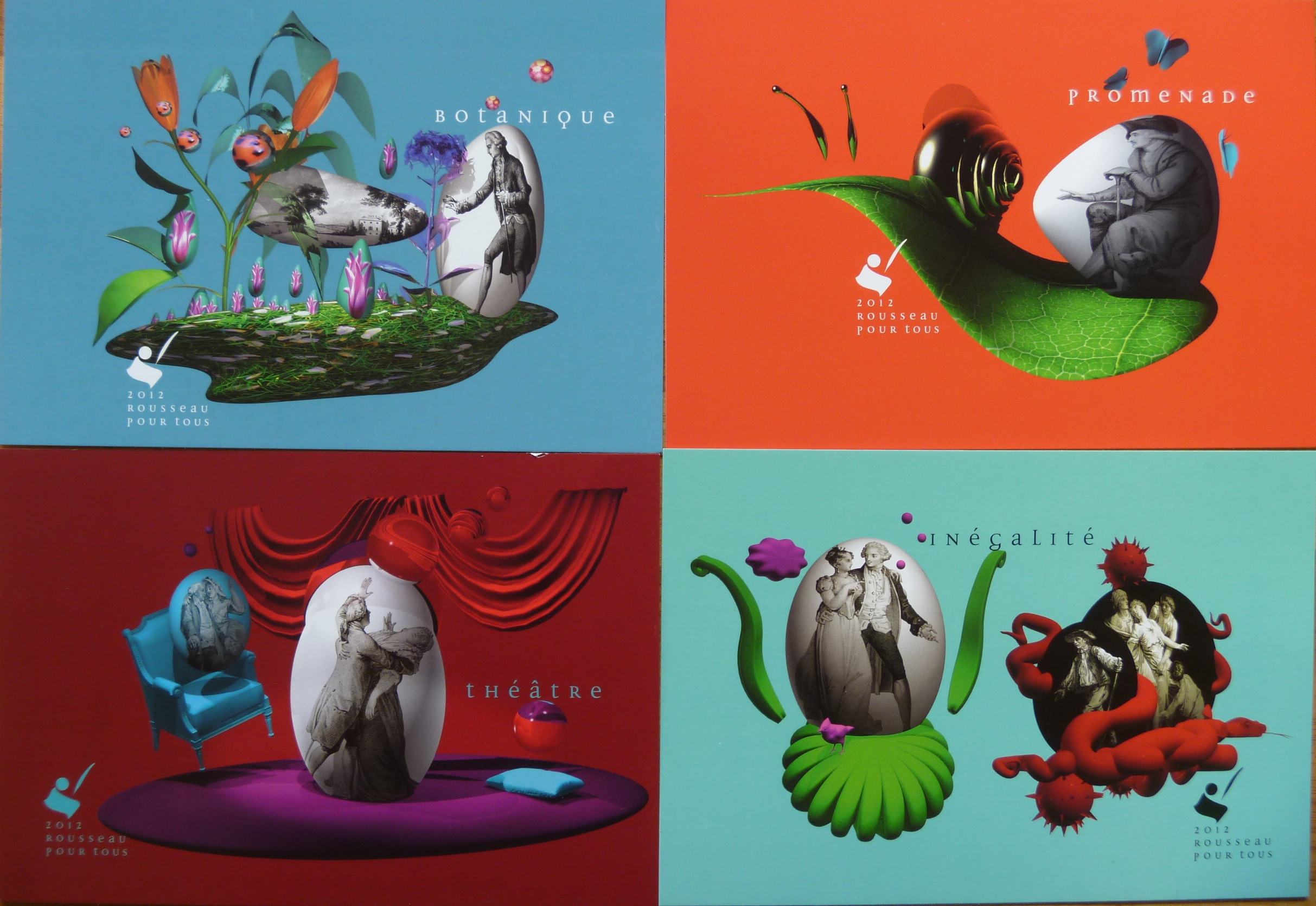
On the island straddling the River Rhone accessed from the footbridge Pont Des Bergues is a statue of the great philosopher (top picture), created by James Pradier and erected on the island in 1835. This is the heart of the Rousseau commemoration and there’s an information pavilion with large boards, video screens (all in French) telling about the life and works of Rousseau. I also picked up some free postcards.

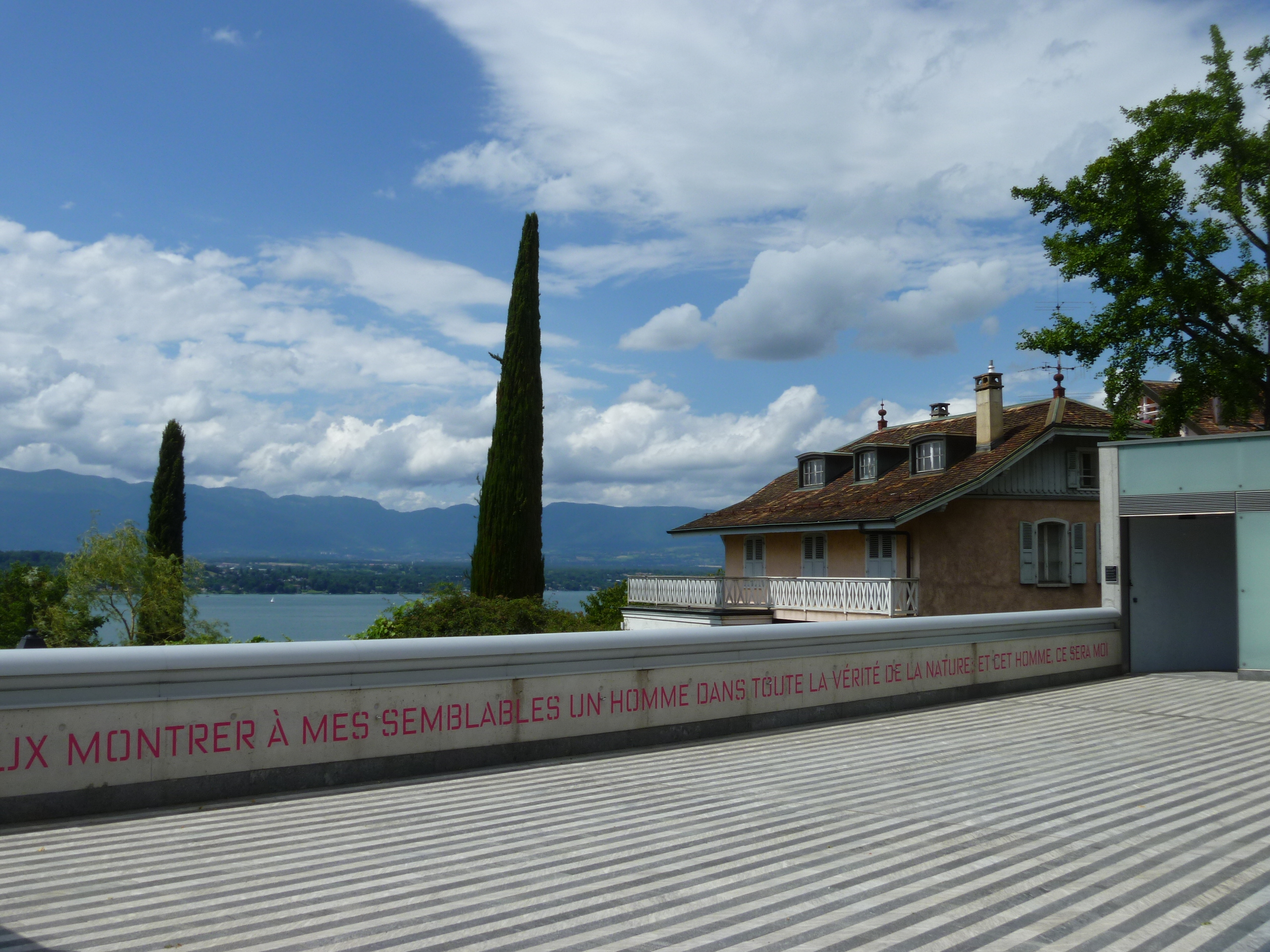
The Martin Bodmer Foundation

I wrote about my visit to the MBF in the previous post. The small Rousseau exhibit was just a few display cases (no photography allowed) showing printed and manuscript examples of Rousseau’s work and that of his contemporaries during the Age of Enlightenment. The backdrop of toile du jouy (a fabric particularly associated with an idealised vision of the countryside and Rousseau’s work) and the subtle use of lighting made this a very visually satisfying display – but all the notes, including the guide handed out for free were in French and thus too time-consuming to study closely.

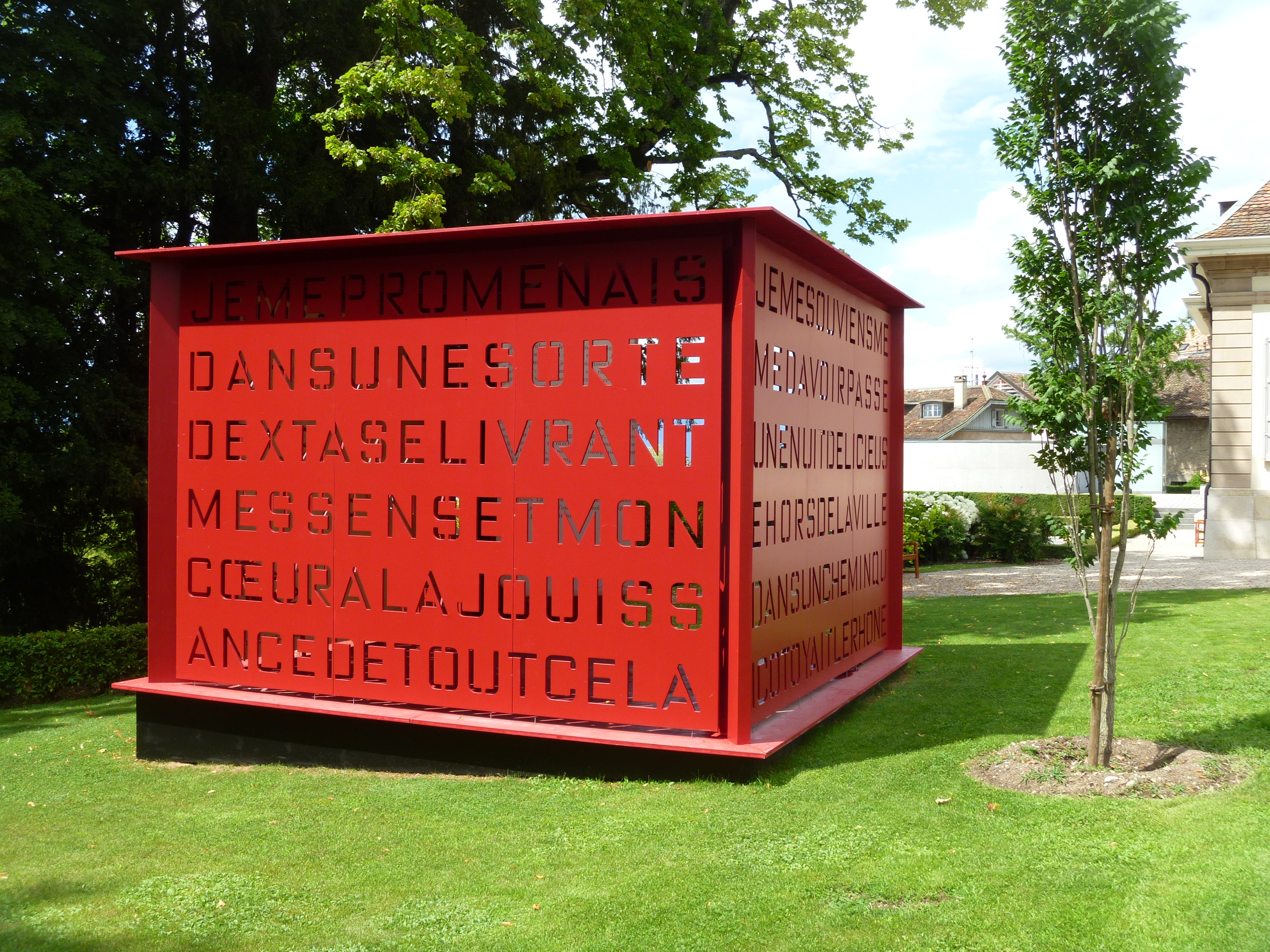
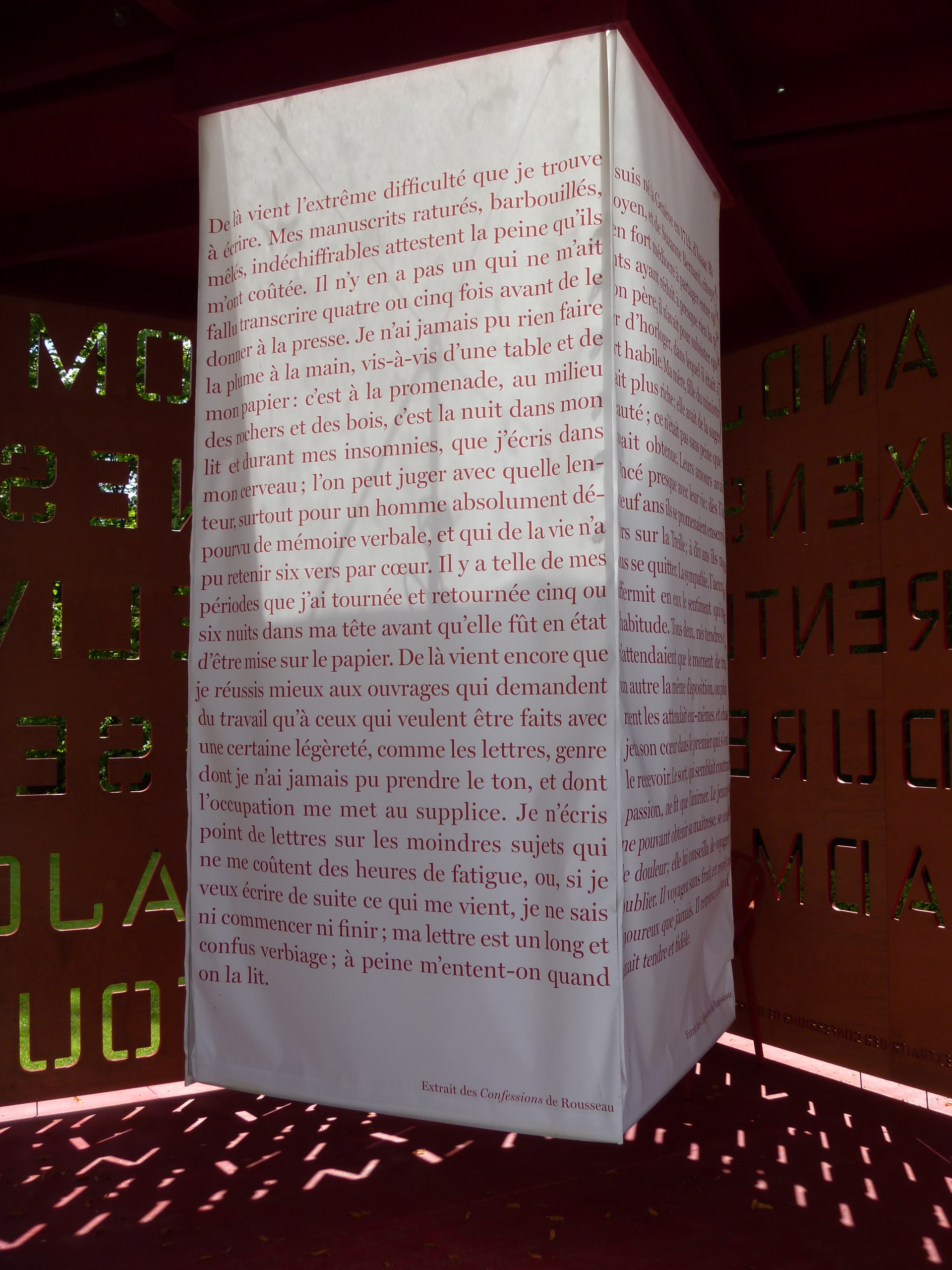
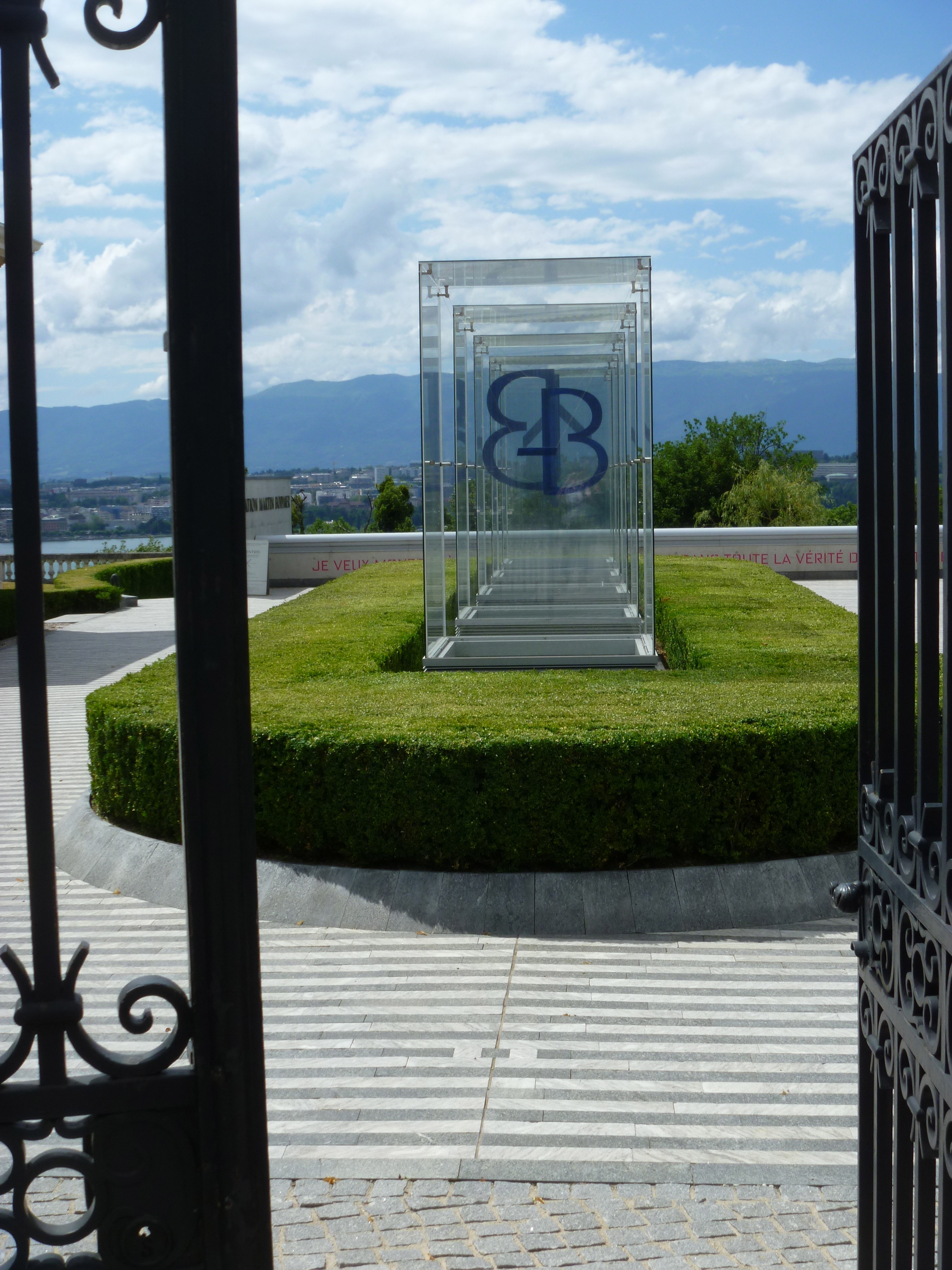
There’s an interesting cube installation dedicated to Rousseau in the garden of the Bodmer Library.

The Musée Rath

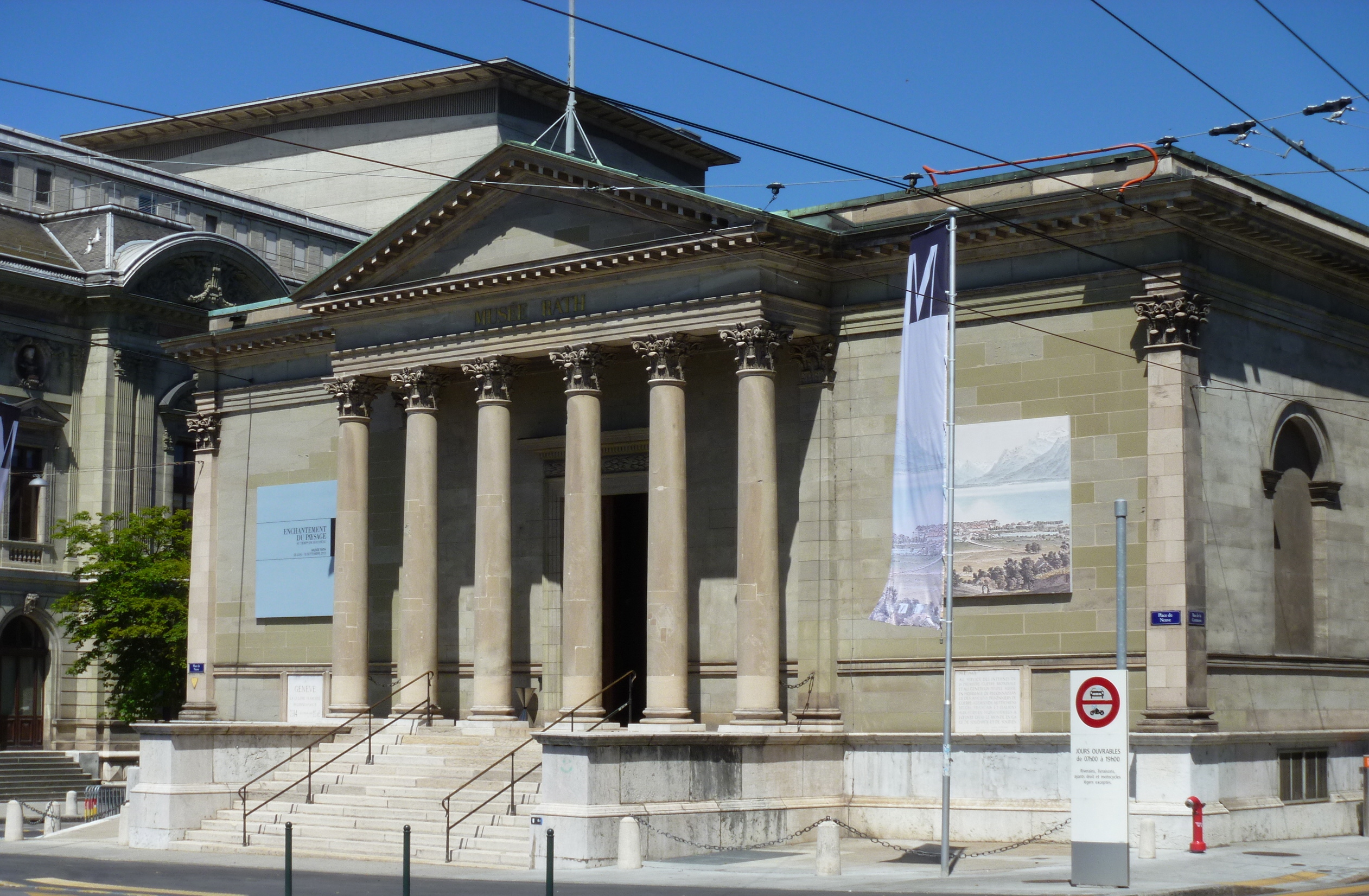
Amidst the sounds of birdsong and  tinkling cow bells I viewed the ‘rooms’ of the exhibition “Landscape’s Enchantment in the Age of Jean-Jacques Rousseau” at The Musée Rath. There was lots for me to enjoy here as the programme is also available in English and landscape history is a bit of an interest of mine.

“Throughout his life Rousseau never stopped travelling. All his travel diaries share the same intense attention to natural elements, the climate, the landscape and the emotions they elicit. This feeling for nature pervades his theoretical texts as well as his autobiographical and fictional writing.” (From the Exhibition Guide)

The eighteenth century saw the growing popularity of the Grand Tour – a journey to Italy to inspect (and often remove) ancient monuments. Passing through the Alps was seen as necessary but they were considered as objects of fear and loathing. As the century moved on mountains and landscapes in general became more interesting and less feared and the representation of landscapes in art became more and more respectable.

“The exhibition illustrates this new perception of landscape that developed during the second half of the 18th century in Switzerland and throughout Europe. It offers a thematic stroll through the four elements, with some 320 works on paper, prints, drawings and books. The visitor can follow his fancy and tour the countryside (IN NATURE’S GARDEN), the mountains (SUBLIME SUMMITS), expanses of water (ON THE WATER) and aerial views with changing atmospheres (ETHERS AND ATMOSPHERES).”  (From the Exhibition Guide)

In addition there was a Short History of Landscape – the two major models were idealised and real; a Dreams of Italy section and In The Engraver’s Workshop where the engraving process is demonstrated.

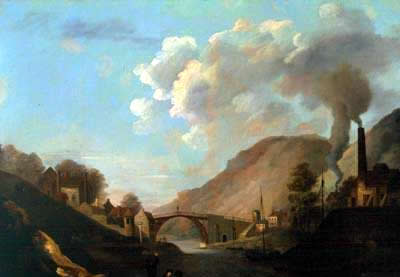
Some British artists featured for example John Robert Cozens (1752-1797) with his portraits of trees and George Robertson with his views of Coalbrookdale.

(http://www.ironbridge.org.uk/about_us/the_iron_bridge/artists_impressions.asp)

Jean-Jacques Rousseau died in 1778 at Ermenonville (28 miles northeast of Paris). He is now interred in The Pantheon in Paris.

Milady’s short trip to Geneva

Geneva is not the most attractive of the cities I have visited in Switzerland (like Bern, Zurich and Lucerne) but beyond the designer watch ads atop the lakeside buildings and Geneva’s ‘mountain’ looking more like a rocky ridge, from where I was standing, I found a delightful Old Town and two worthwhile excursions to fill my two days perfectly.

Lake Geneva

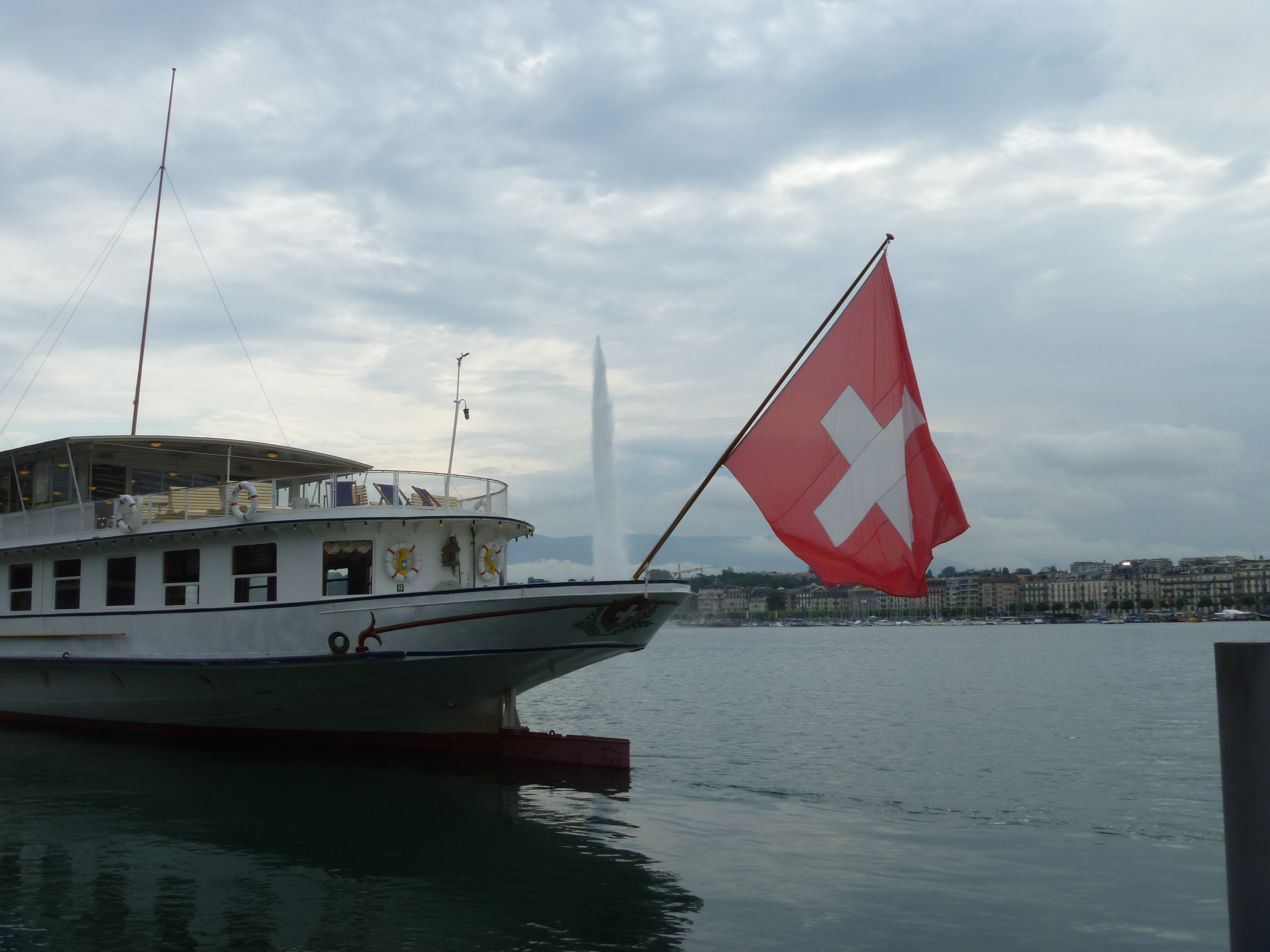
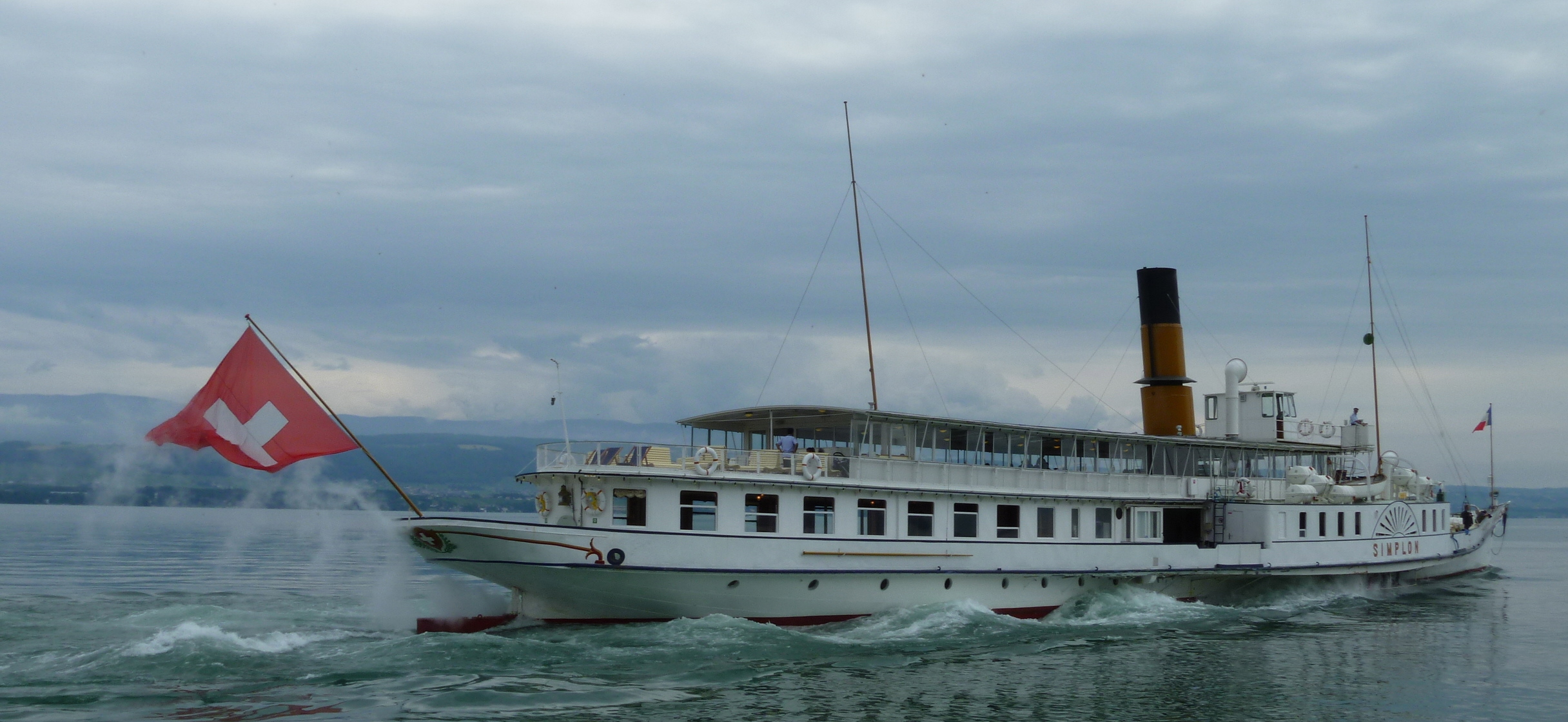
On the first full day we boarded an early boat, the S/S Simplon, from the Quai Mont-Blanc and headed off under rather cloudy overcast skies for an hour and three quarter lake cruise to Yvoire on the southern shore of Lake Geneva.

Whenever she can Milady hopes to travel in style

S/S Simplon and the famous Jet D’Eau, from Quai Mont-Blanc Geneva

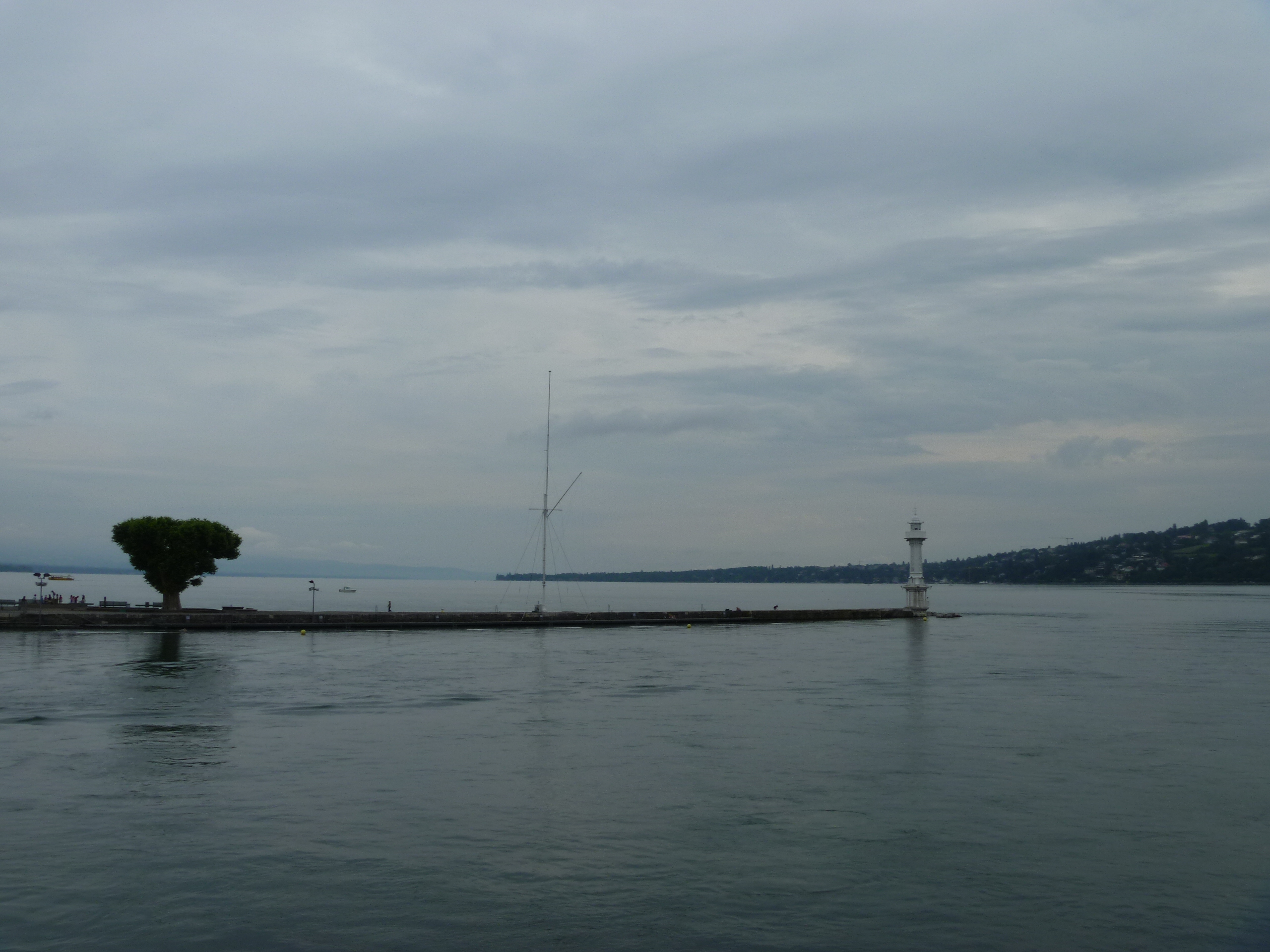
Paquins Lighthouse

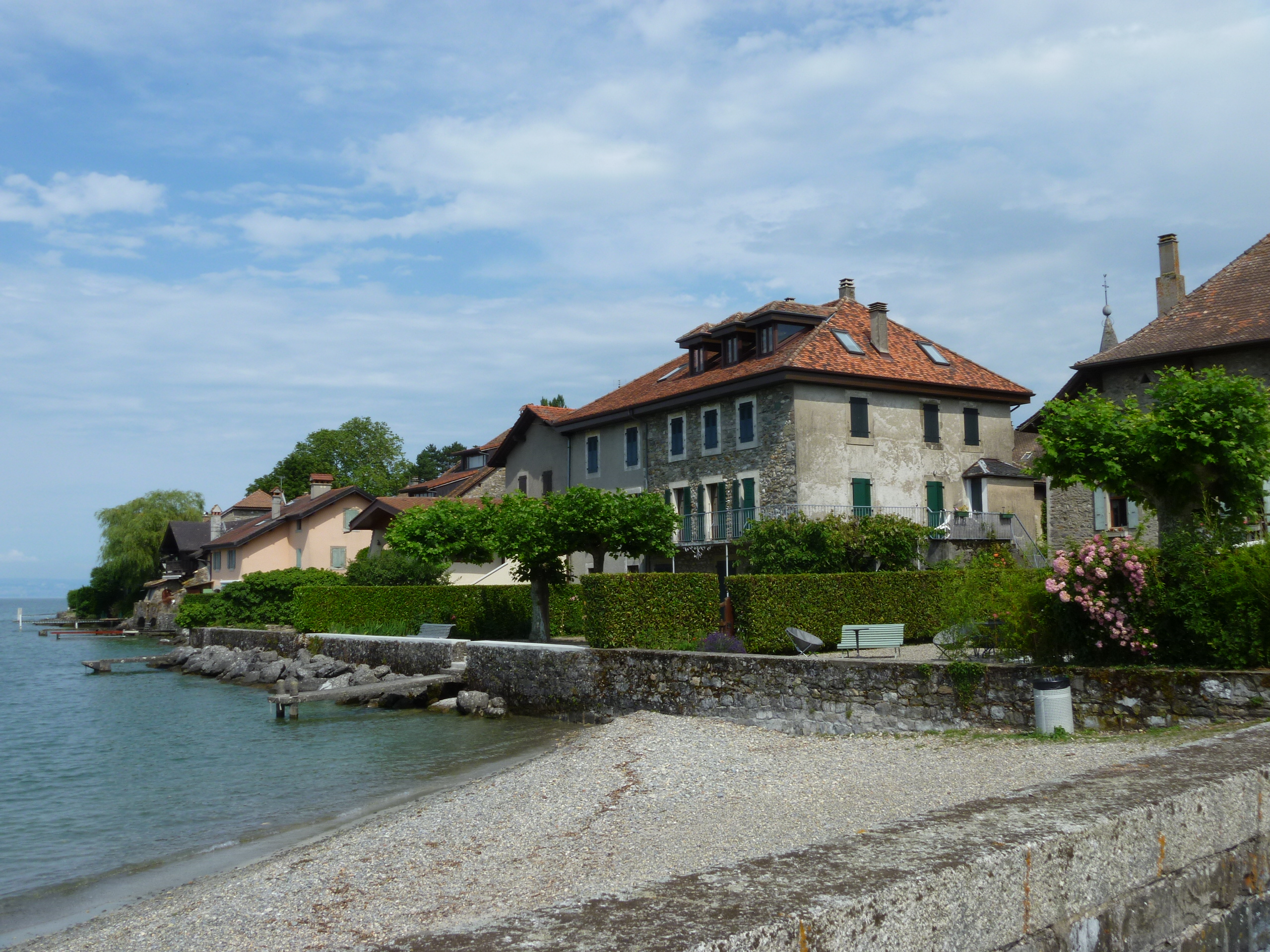
The S/S Simplon leaves us at Yvoire

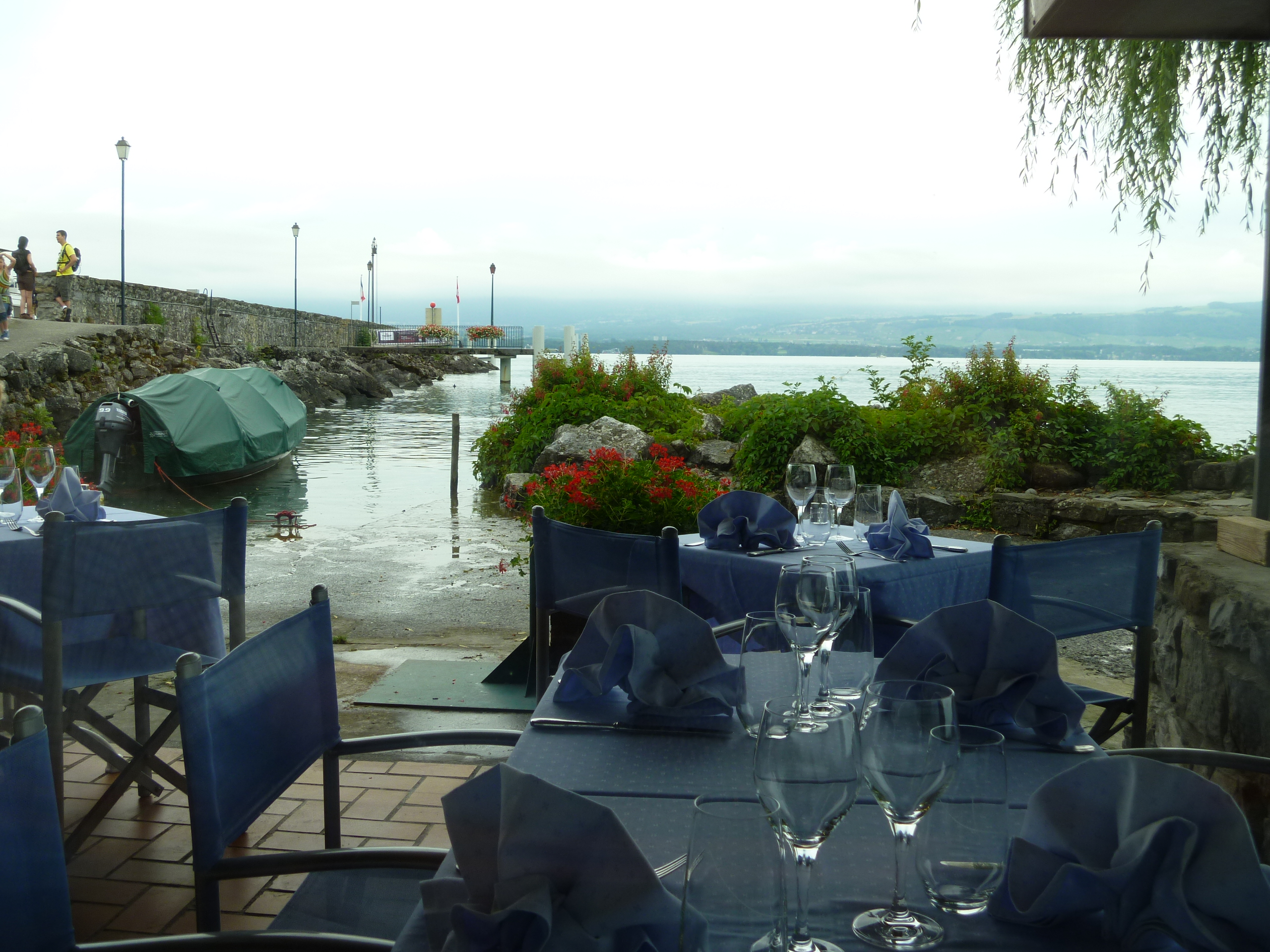
Yvoire is in France but there are no passport controls or inspections it was just straight off the boat into the Restaurant du Port (the name tells you where it’s located) and lunch was served!

Restaurant Du Port, Yvoire

The proposed return sailing was cancelled which meant a 3 hour stay at Yvoire and you can only spend so long eating lunch. This attractive little medieval town was full of tourists so we two decided to take a walk to the next stop and pick up our boat from there later.

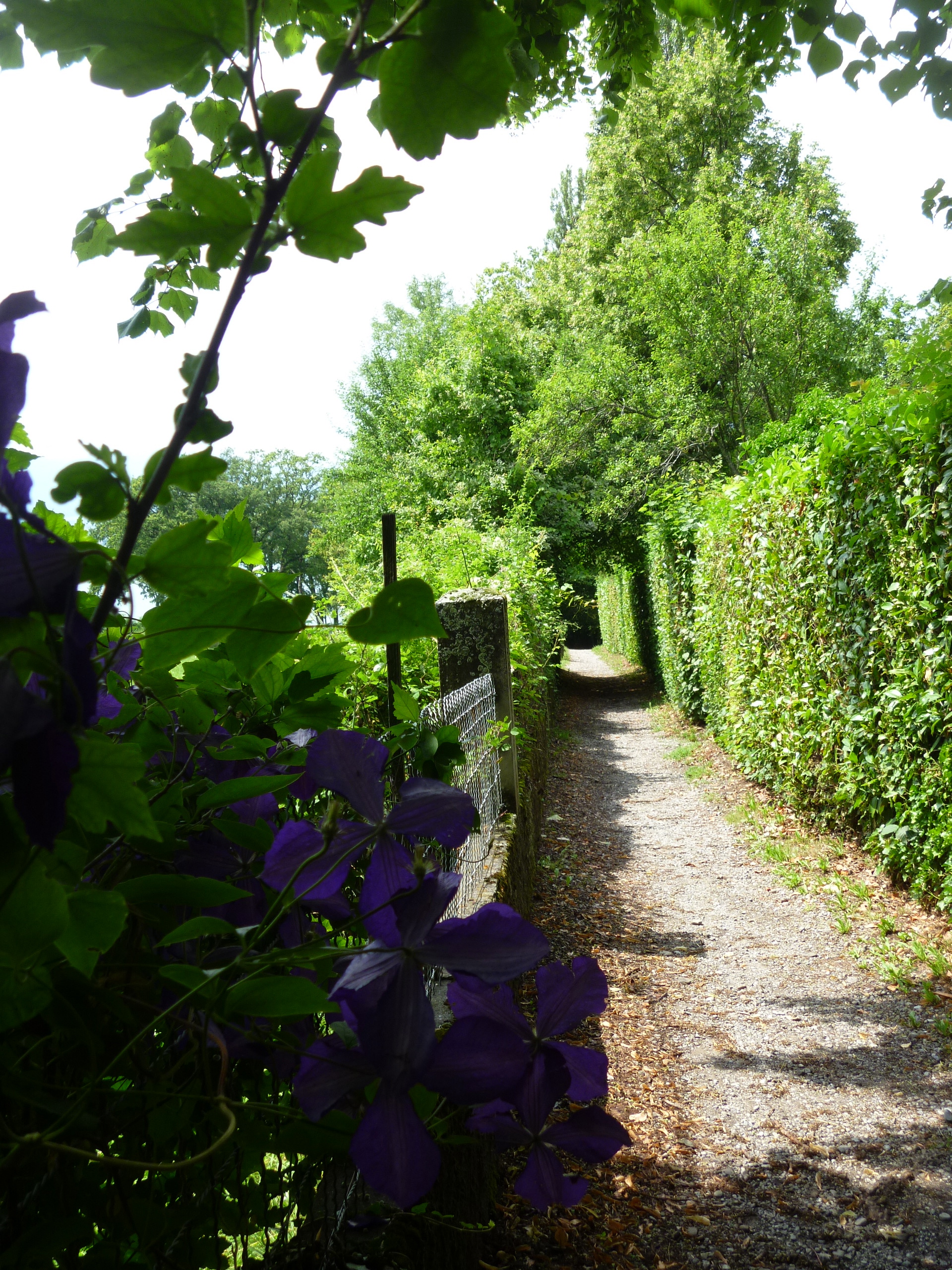
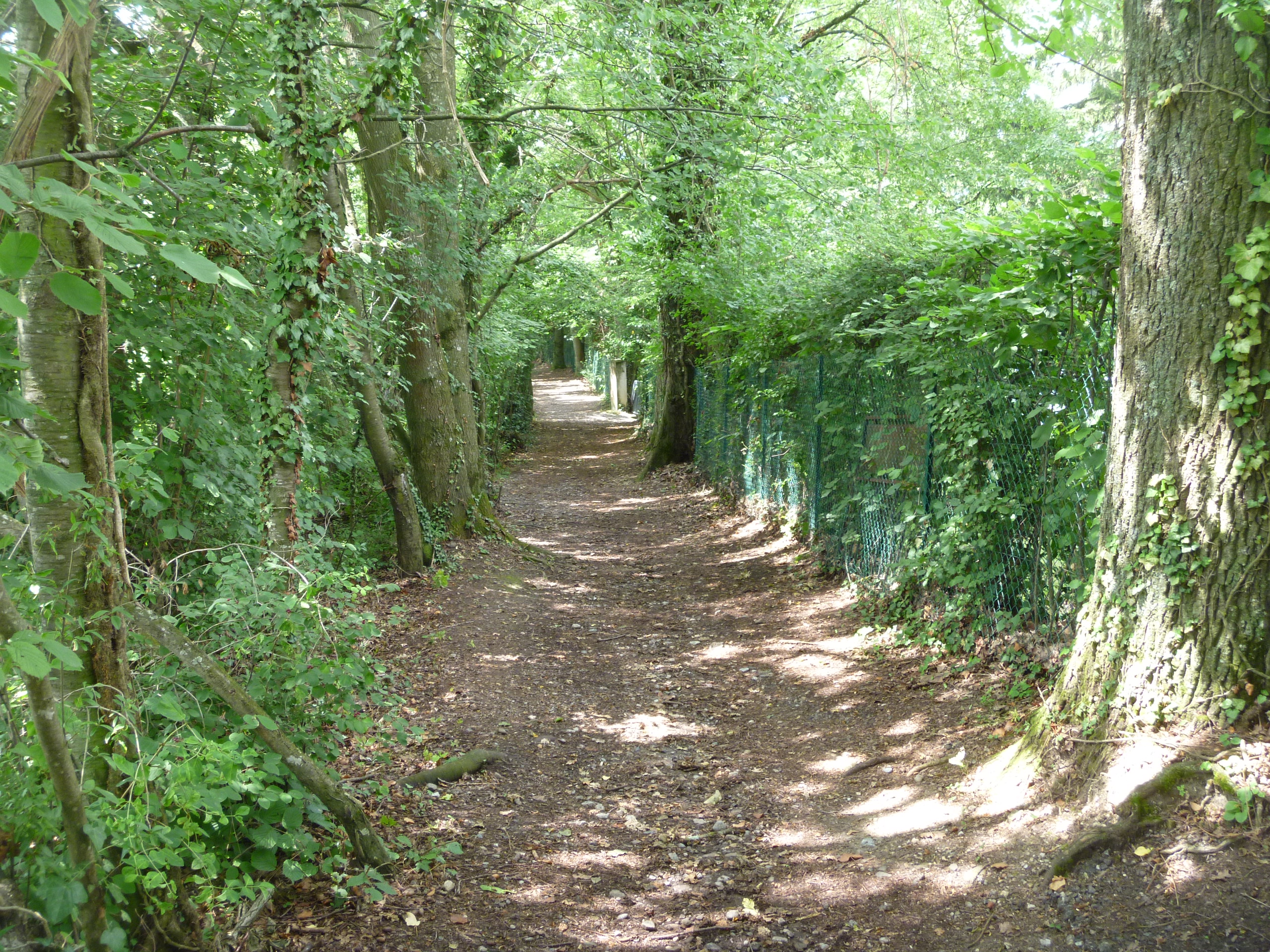
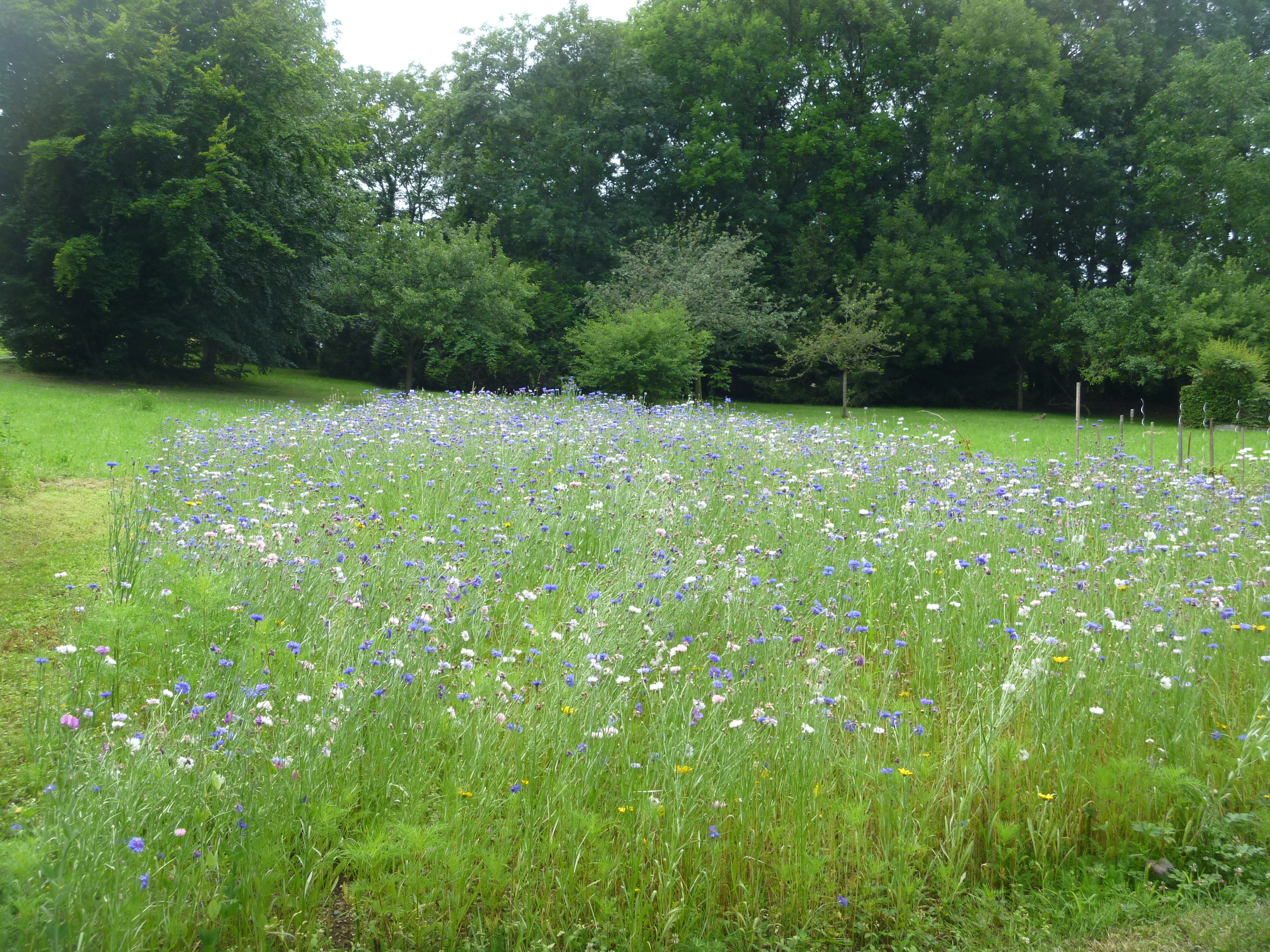
After inspecting the little shops we set off to find the footpath to Nernier. (Sounds like something out of C. S. Lewis.) It was a most pleasant walk along shady paths and tracks past interesting houses but with minimal views of the Lake, unfortunately. We came across a lovely wildflower meadow, visited an old church and arrived at Nernier with lots of time for people-watching at the port until the Simplon arrived on the dot at  5.37pm.

The small beach at Nernier

The Old Town

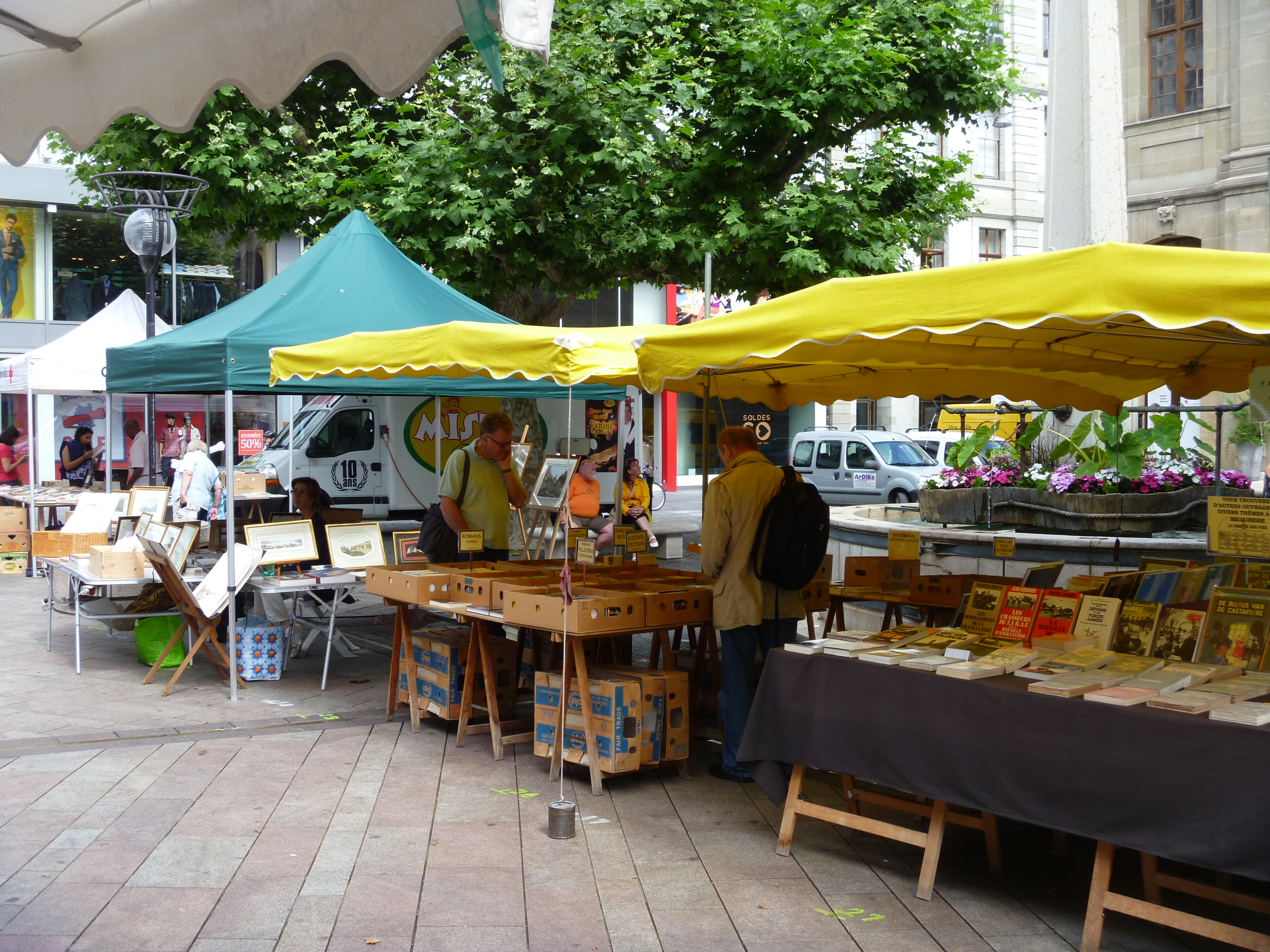
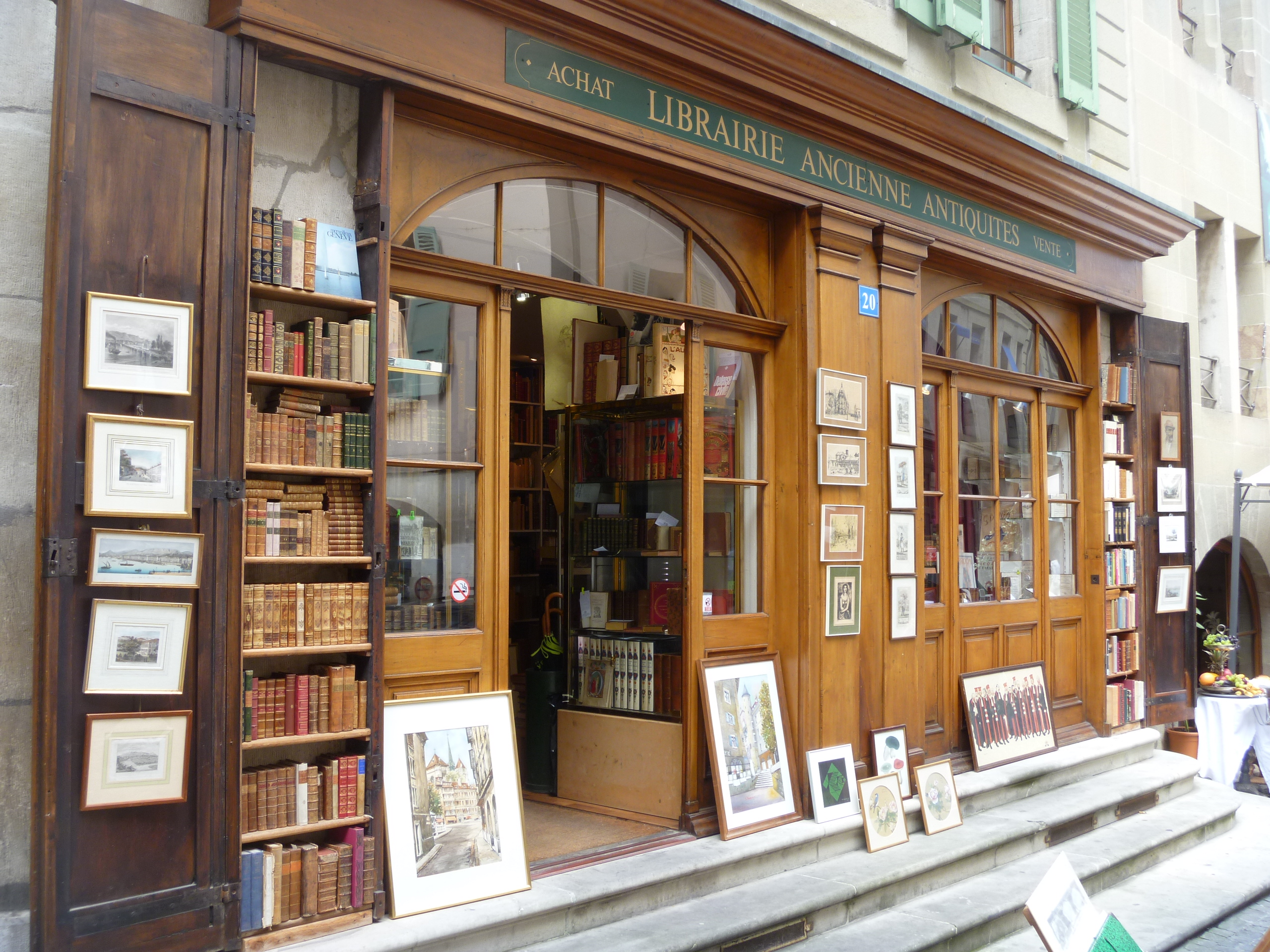
The next day I made a morning visit to the Old Town. There are some steepish climbs and lovely cobbled paths and streets and I enjoyed browsing in a secondhand book stall on the way and at a second hand book and prints shop on the Grand’Rue. There are some delightful street cafes for outdoor refreshments and the Cathedral is situated there. There’s a great view from the tower but we didn’t go up. It’s a lovely area for a bit of “flaner“.

Cologny

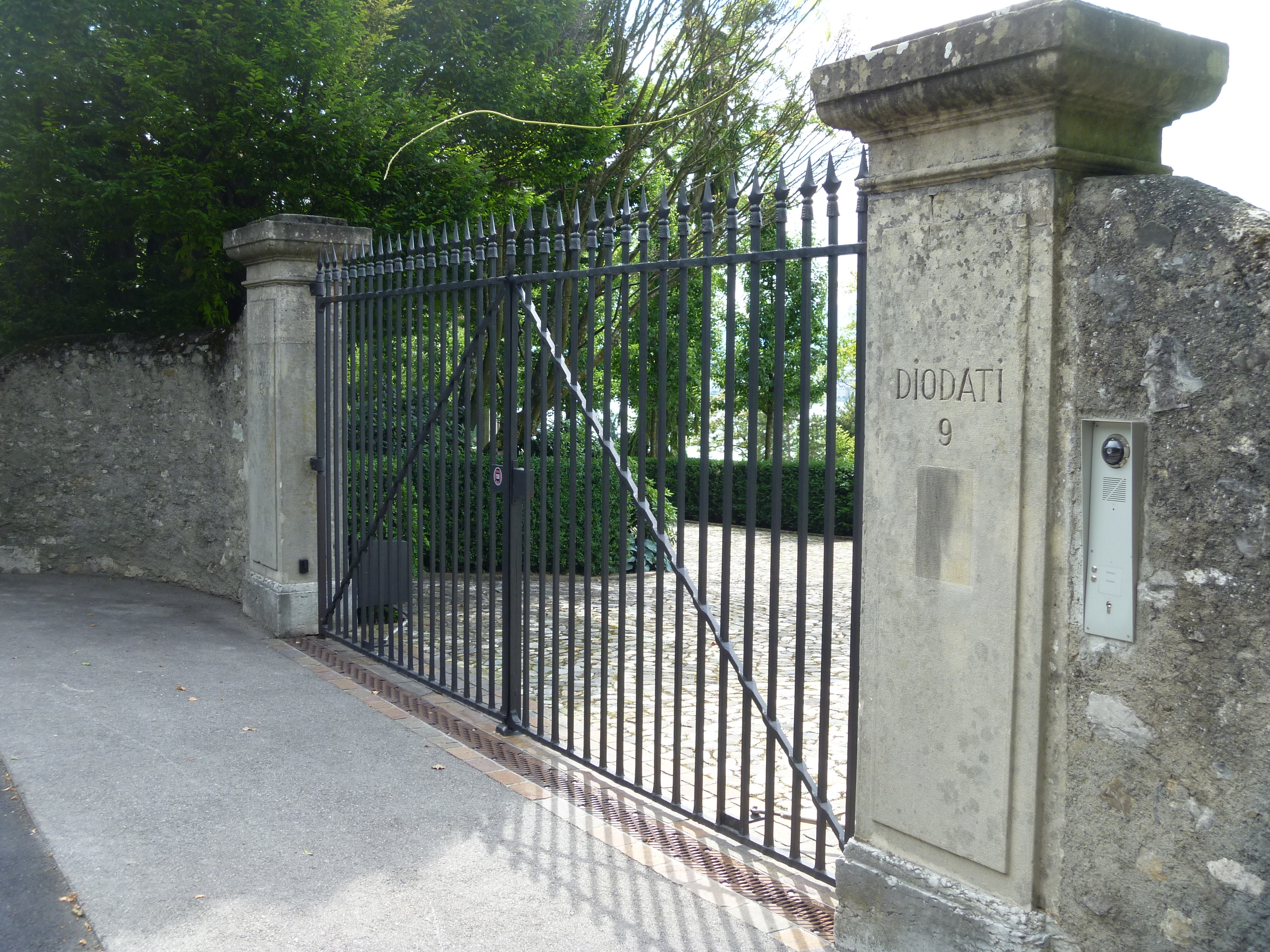
 I can only take so much aimless wandering interspersed with breaks for tea or beer so in the early afternoon I took the bus out to the residential suburb of Cologny. My purpose was to visit the Martin Bodmer Library and to try to find the Villa Diodati, the former home of Lord Byron and now a private residence.

The Bodmer Foundation is fantastic! It’s one of the biggest private libraries in the world and the breadth of the display is simply breathtaking. There are samples of the written or typeset word from the earliest times – Greek papyrus fragments, the oldest manuscripts of St John’s Gospel – to ‘modern’ American first editions – Ginsberg, Steinbeck, Faulkner, Hemingway – and everything in between. And not just literary but medical, scientific, music. There’s a Shakespeare 1623 First Folio and an early Chaucer Canterbury Tales. All displayed in a modern, subtly-lit underground gallery on two floors designed by Swiss architect Mario Botta.

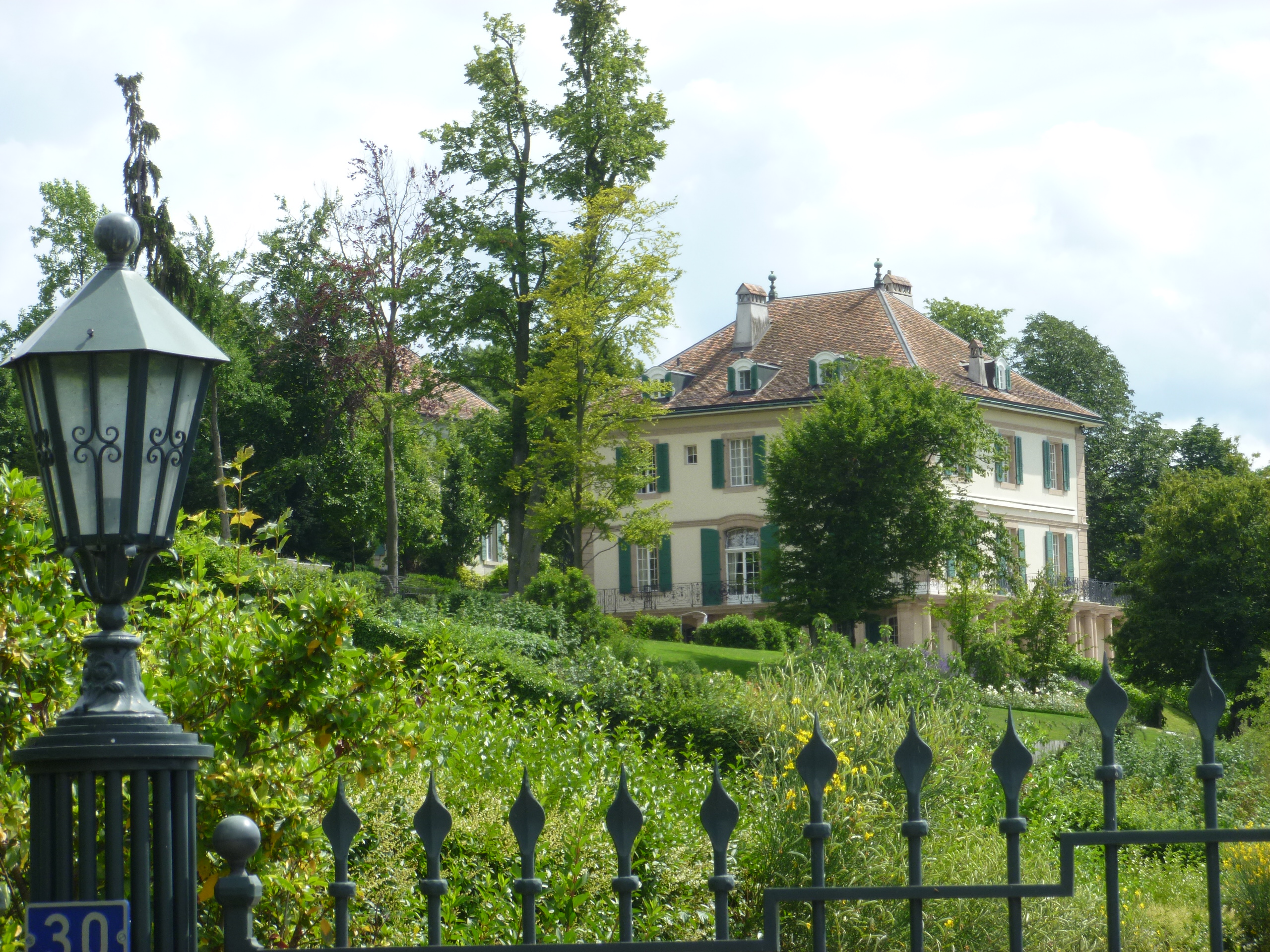
From the Bodmer gallery it’s a 10-15 minute walk to the Chemin de Ruth and number 9, The Villa Diodati.

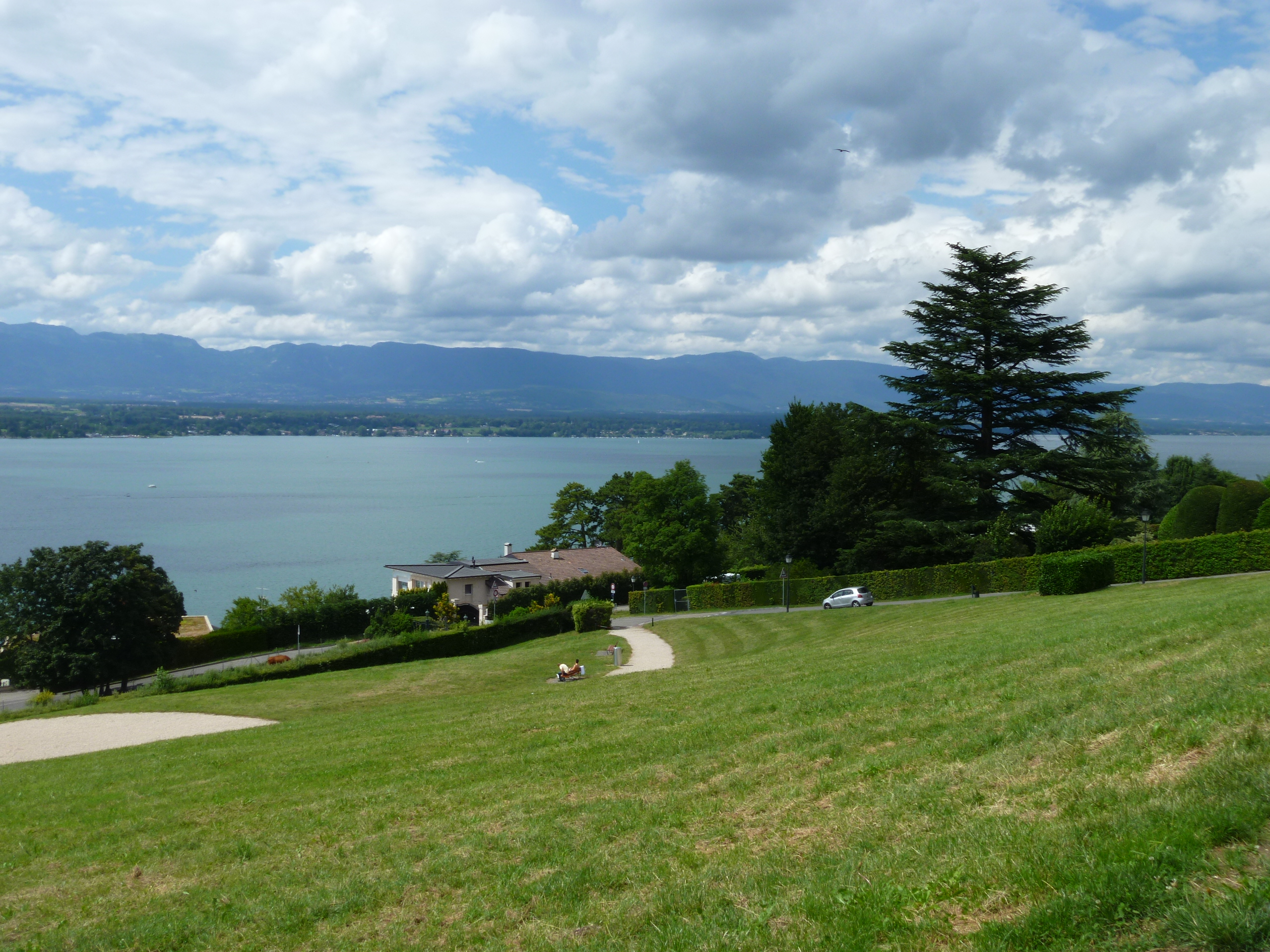
First I found the entrance gate and a bit further along the road is a meadow with seats and a view over the lake and towards the city. It’s called ‘Le Pré Byron‘. An Information Board welcomes you to the spot and explains :

“On this very spot the story of ‘Frankenstein’ was born. During the summer of 1816, the weather was atrocious, cold and rainy spells alternating with violent thunder storms. At that time, Byron, a 28 years old poet , was renting the Villa Diodati to the left of this meadow. … Mary Shelley was also spending the summer at Cologny at Jacob Chappuis’ home situated at the lower end of Montalegre, below where you are now standing. One evening at the Villa Diodati Byron and Mary Shelley made a bet as to who would be the first to write a horror novel. Mary became excited at this idea, completed the story of ‘Frankenstein’ a year later in England and won the bet.”

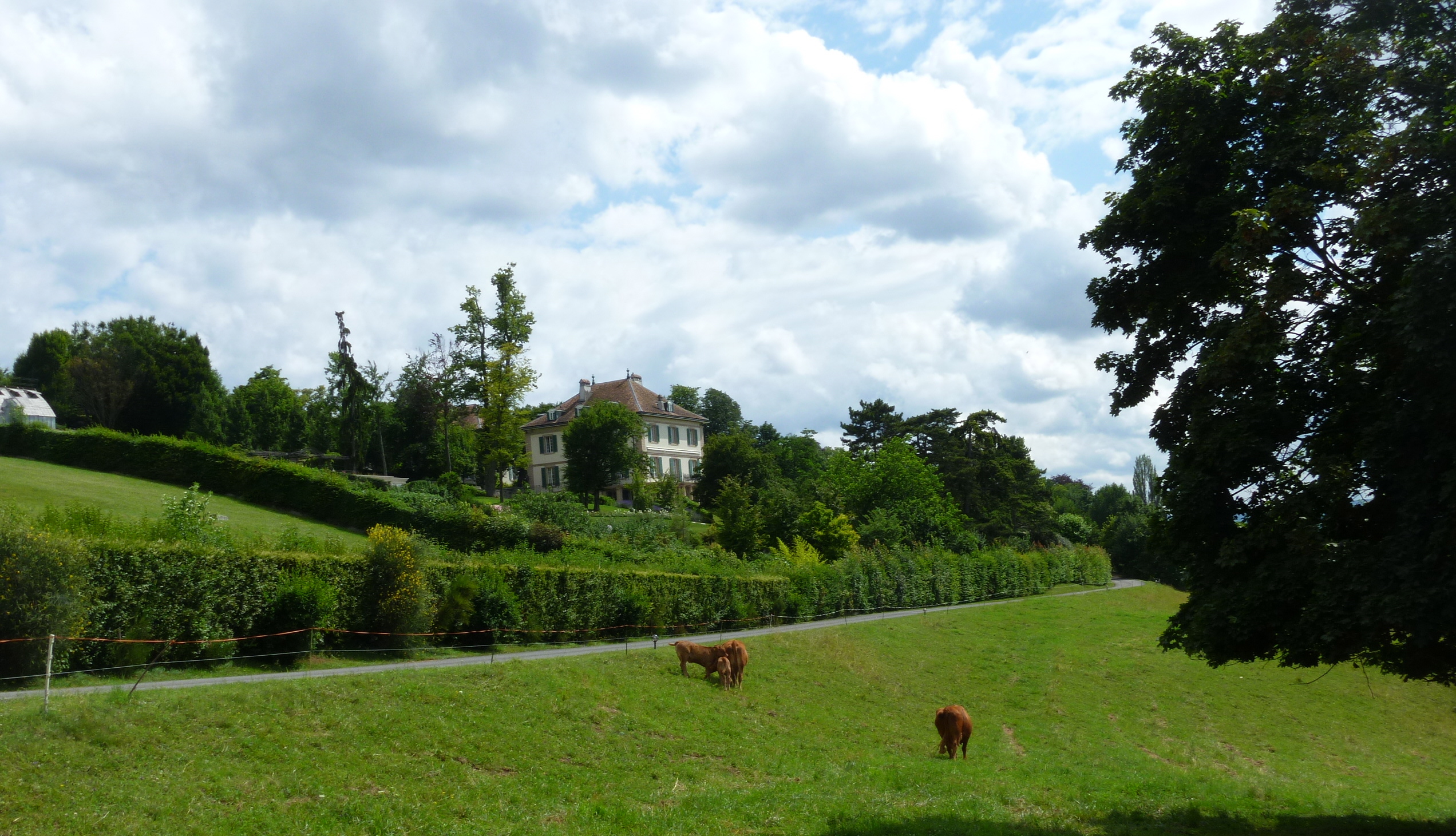
As you walk down towards the lake the house becomes clearly visible.

From the lake side it’s an easy bus ride back into town.

Go to Belfast – “Get here early and enjoy it before the rest of the world arrives”*

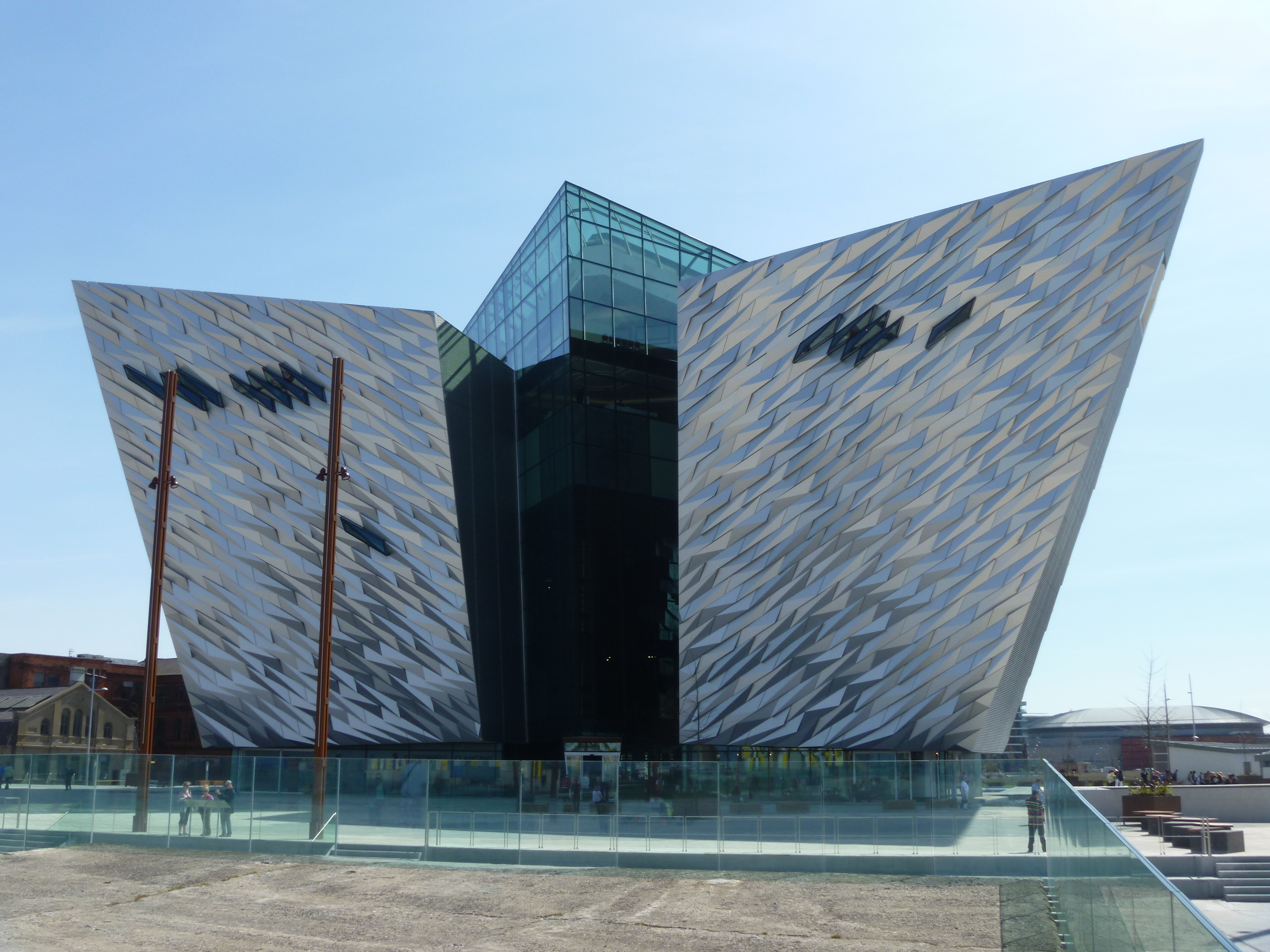
Well, we only touched the tip of the iceberg on our visit to Belfast. Our day was divided into three – time to look around the centre unaccompanied, a bus tour with a Blue Guide and the Titanic Experience – Belfast’s all new, all singing, all dancing visitor attraction!

Our coach dropped us off bright and early in the centre of Belfast on Great Victoria Street. We crossed the road and went to peer in the windows of the beautifully preserved Crown Liquor Saloon. This pub, right opposite the most bombed hotel in the world – The Europa Hotel – is now owned by the National Trust. In fact it was the first pub that the NT ever took over in 1978.

Of course, the pub wasn’t due to open until 11.30 by which time we would be well into our city tour but we were lucky enough to catch an employee who very kindly showed us into the side door for a quick look round and gave us each a leaflet on the history of the bar. Dating back to 1826 it was originally called The Railway Tavern but in 1885 the son of the then owner, being a student of architecture, decided to brighten up the old family bar. It was mainly due to skilled Italian craftsmen employed elsewhere in the city who supplemented their incomes by moonlighting at The Crown and who made it the prize gem of Victoriana that it still is today.

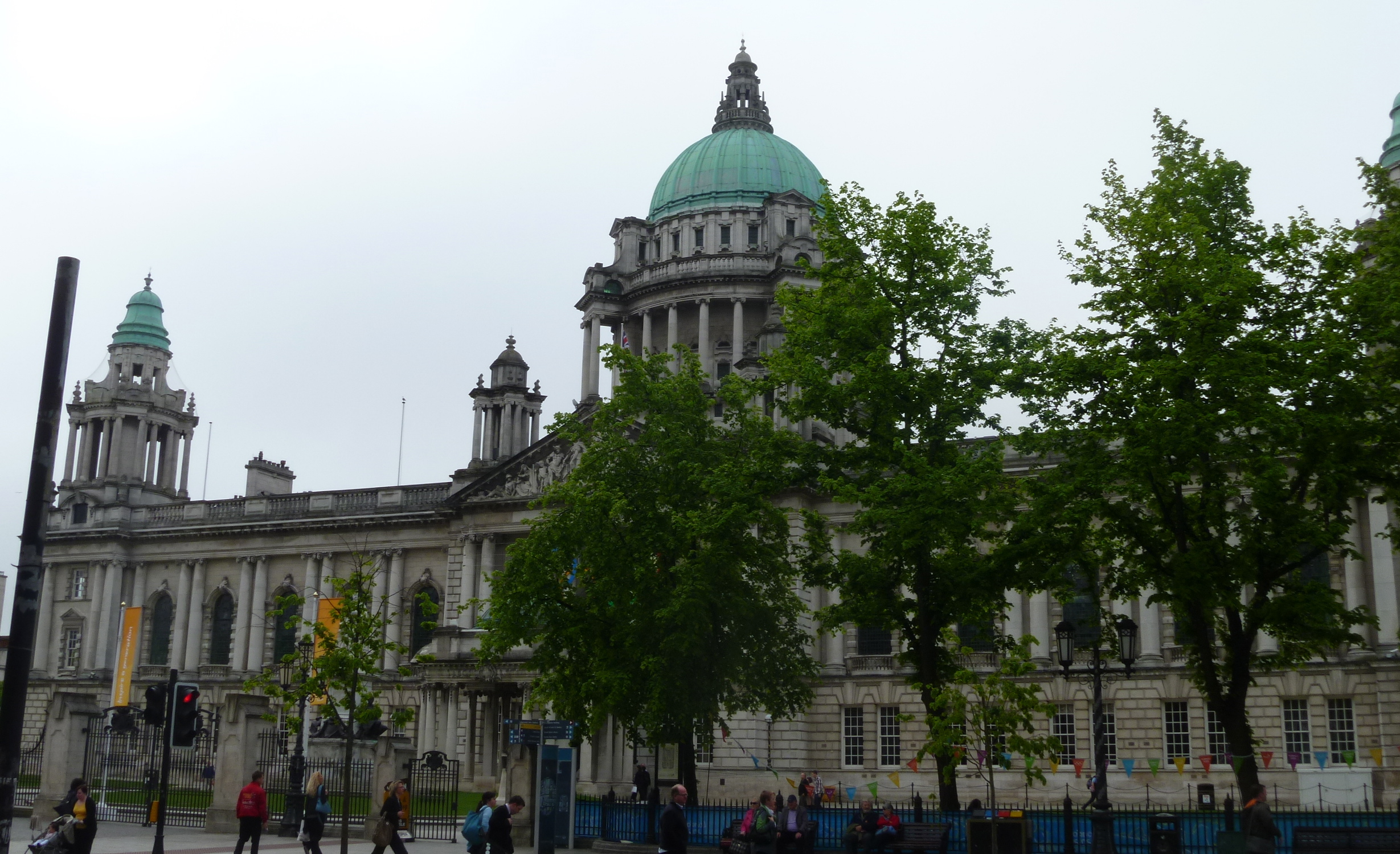
We decided to stay around the centre of Belfast in the area around Donegall Square in the middle of which is the City Hall. We discovered on the guided tour that it is possible to book a tour of the building, that it houses a decent cafe called Bobbin and that there is a  Titanic Memorial Garden  in its grounds.

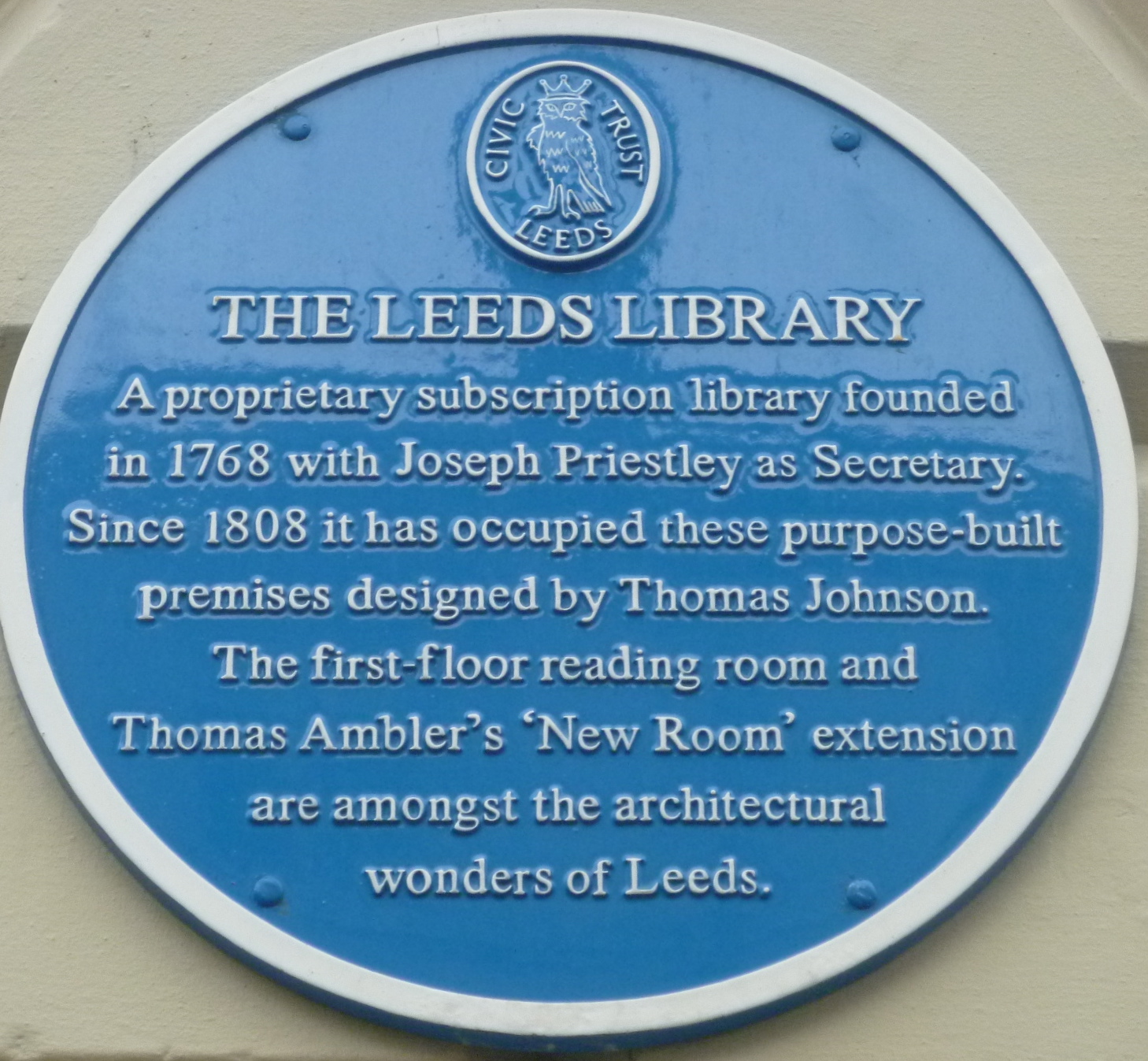
Then we came across a real treasure. 17 Donegall Square North is the address of the soon to be 225 years old Linen Hall Library. Founded in 1788 it’s a subscription library like The Leeds Library but it’s doors are open to the public.

You have to subscribe as a member if you wish to borrow books. It houses a very nice cafe and has exhibition space. The current exhibition is called ‘Troubled Images’ :

“All 70 political posters from our ‘Troubled Images’ exhibition, documenting the years of the Northern Ireland conflict, have been hung five storeys high in our Vertical Gallery.
The exhibition has travelled throughout the world to inform and educate the general public about the turbulent years of Northern Ireland’s ‘Troubles’. It’s now ‘home’ again and available for all to see.”

Trouble Images in the Vertical Exhibition Space

An Oasis of Calm in the busy City Centre

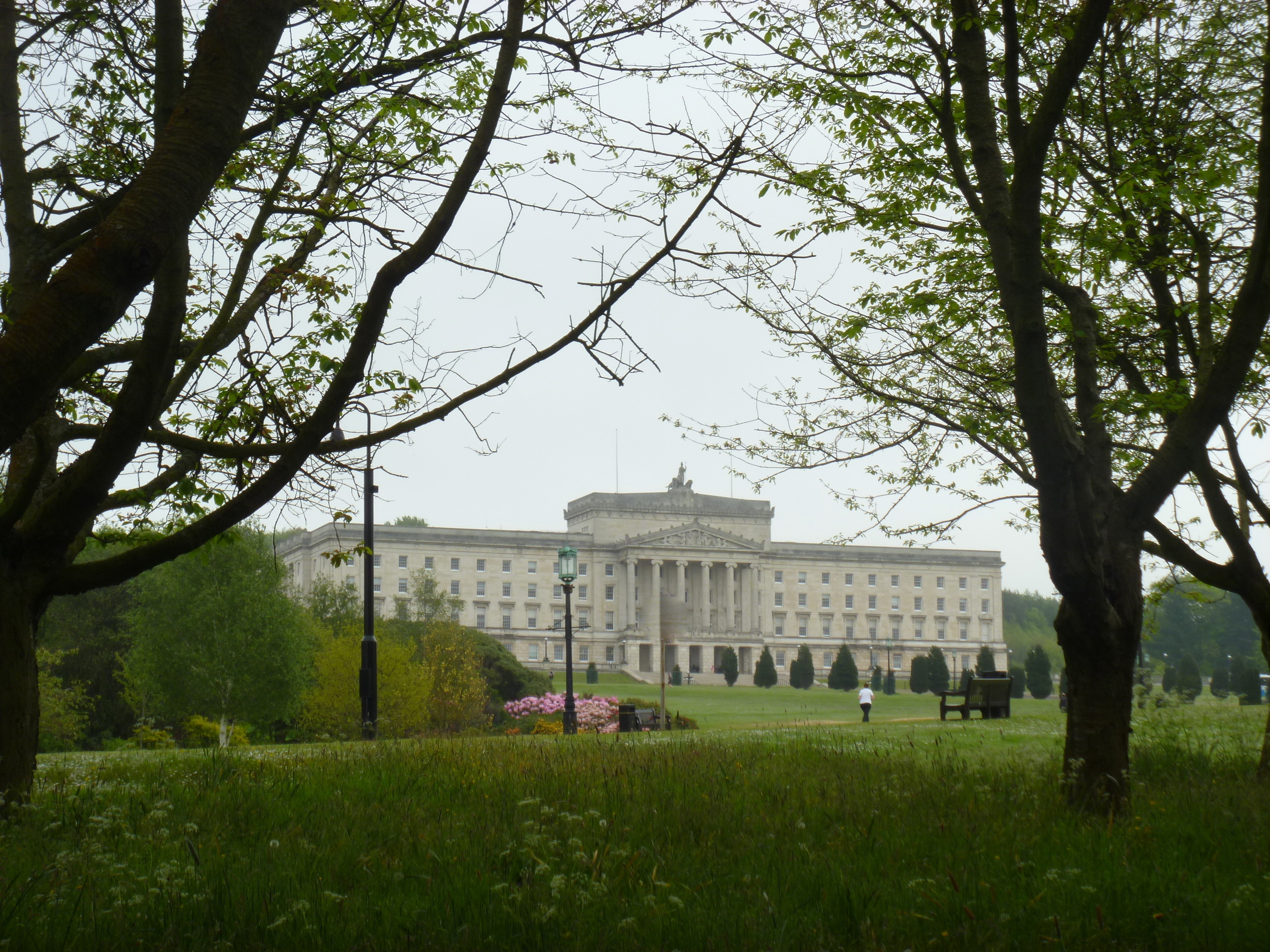
We re-joined our coach at 11 and enjoyed a 90 minute guided tour of Belfast learning many facts about the city and seeing The Queen’s University, the Grand Opera House, the (leaning!) Albert Memorial Clock, the River Lagan which forms the boundary between County Down and County Antrim, St Anne’s Cathedral, the Botanic Gardens, the Falls Road and, most significantly, Stormont, the seat of the Northern Ireland Assembly, and its surrounding parkland.

Approach Avenue to Stormont

“And as the smart ship grew       

In stature, grace, and hue,

In shadowy silent distance grew the Iceberg too.”
Thomas Hardy ‘Convergence of the Twain’
Our destination for the afternoon was the brand new, recently opened Titanic Experience. This fine visitor attraction was extremely well done with lots of variety and as much or as little information as you require but quite frankly I felt that I was suffering from Titanic overload after all the hoo-ha and media coverage that it has received over the last few months. It will be give a huge boost to the city which can only be good news and I wish Belfast well and all who sail her!

*Lonely Planet, 2012

“Seriously Wacky and Occasionally Mad” – The New Arcadian Journal

I first came across Patrick Eyres and The New Arcadian Journal a few years ago when I was studying the Open University Course “Heritage, Whose Heritage?”. There was a chapter in the book Sculpture and the Garden which is edited by Eyres that particularly interested me.

Then last week at the Leeds Library I noticed an advertisement for a talk at the Henry Moore Institute in Leeds :

“Drawings and proofs for the New Arcadian Journal: “The

Blackamoor” Wednesday 7th March 2012

An evening with Dr Patrick Eyres at the Henry Moore Institute Wednesday 7th March

18.30-20.00

Drawings and proofs for the New Arcadian Journal: “The Blackamoor”.

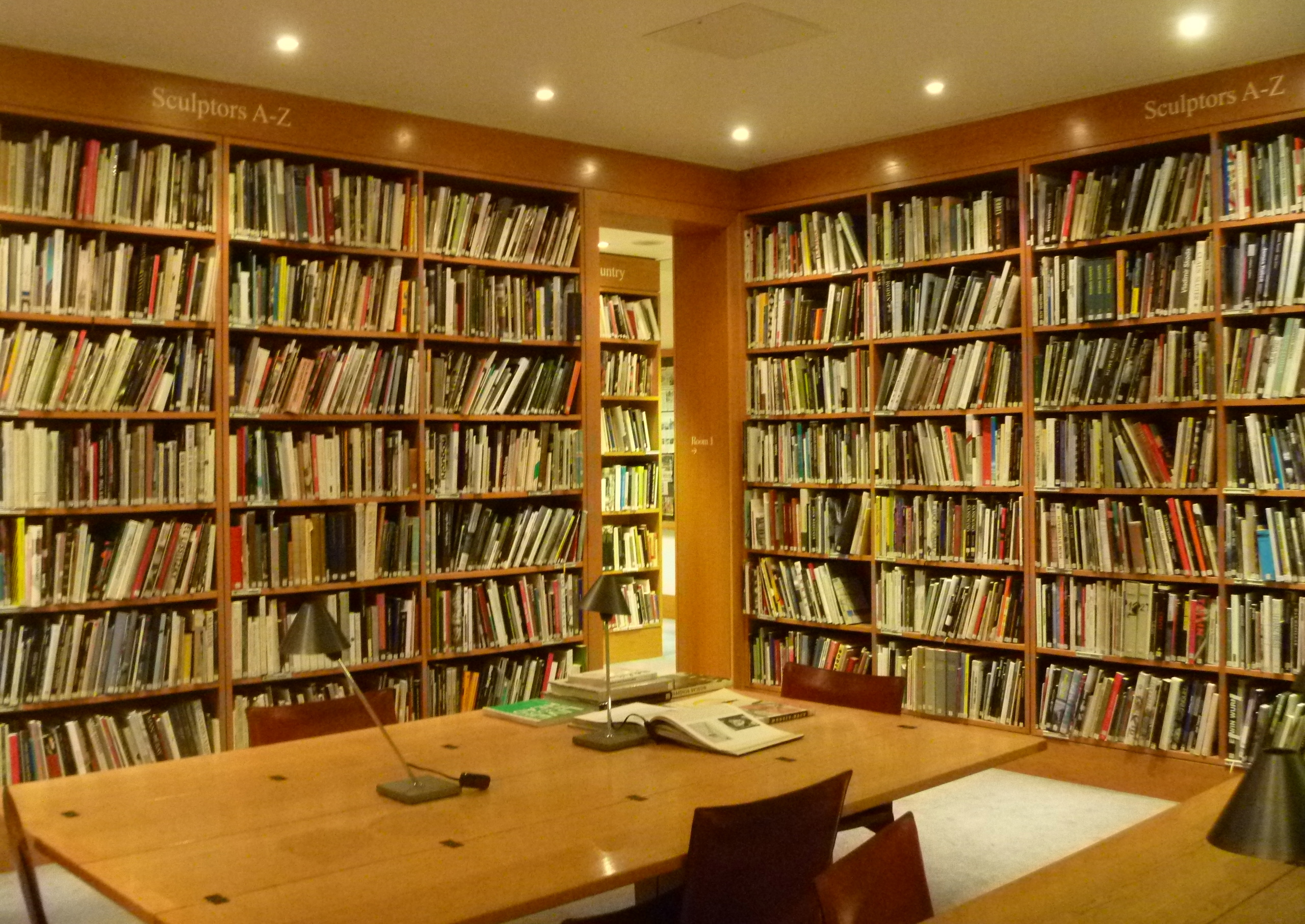
An evening with Dr Patrick Eyres at the Henry Moore Institute.  Enjoy a glass of wine, a powerpoint talk, see the display, talk with the illustrators and look at the Institute’s Library.

This event is £5.00 a head – numbers are limited to thirty.  Please book your place with payment at the Leeds Library.  Contact us for more information.”

I bought my ticket and then by happy chance came across this article in Saturday’s Yorkshire Post : Jottings from the Journal.

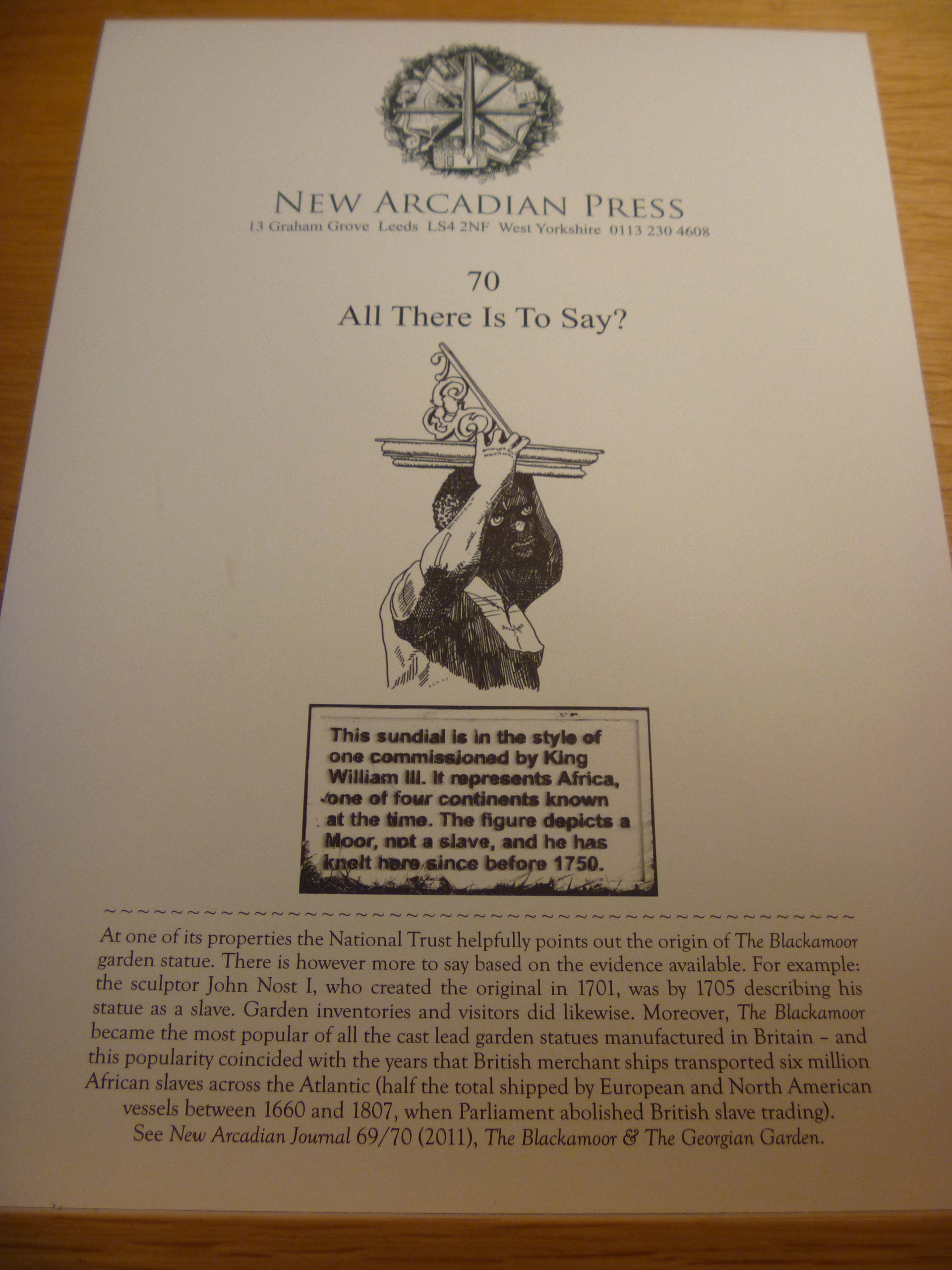
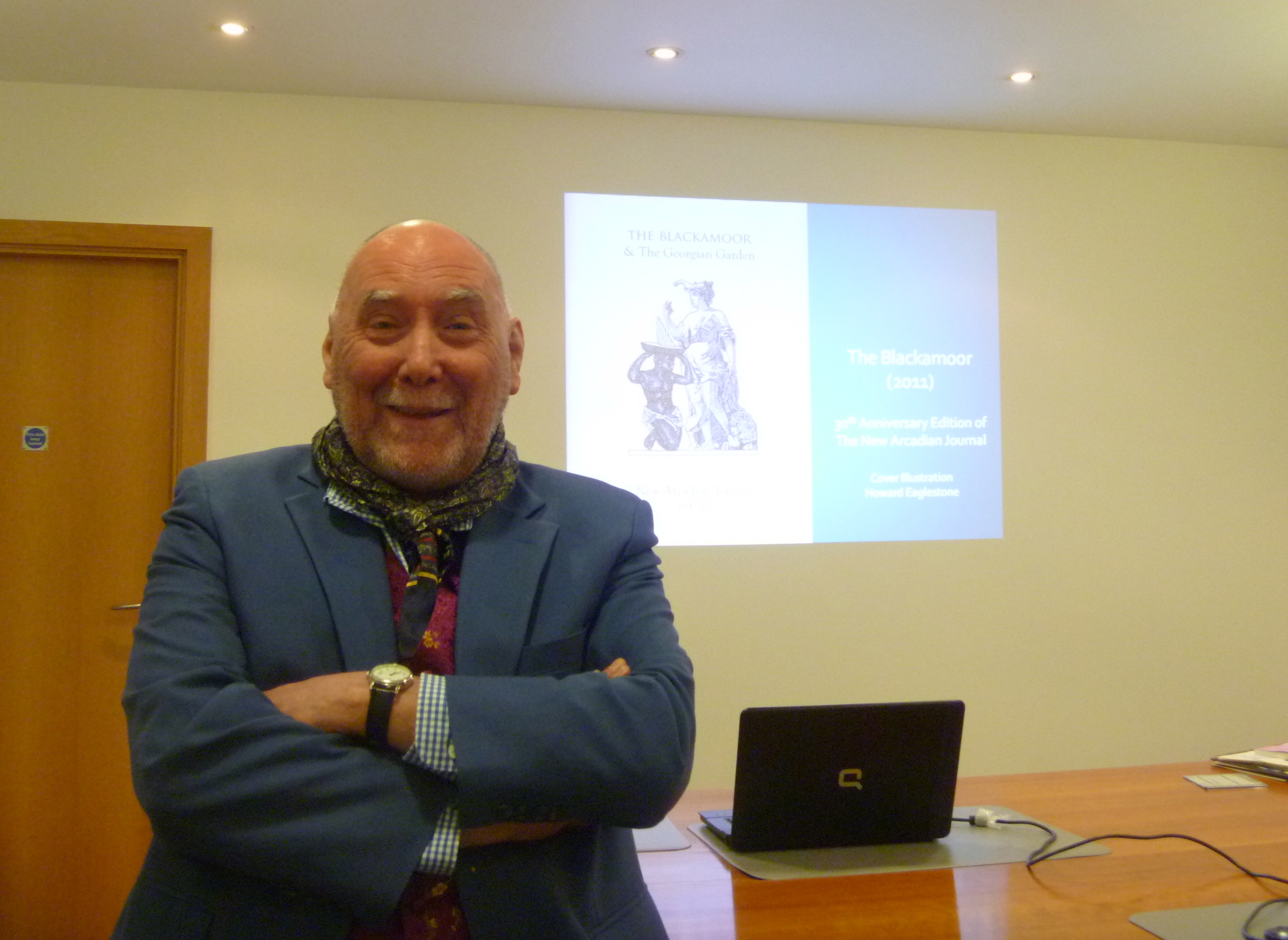
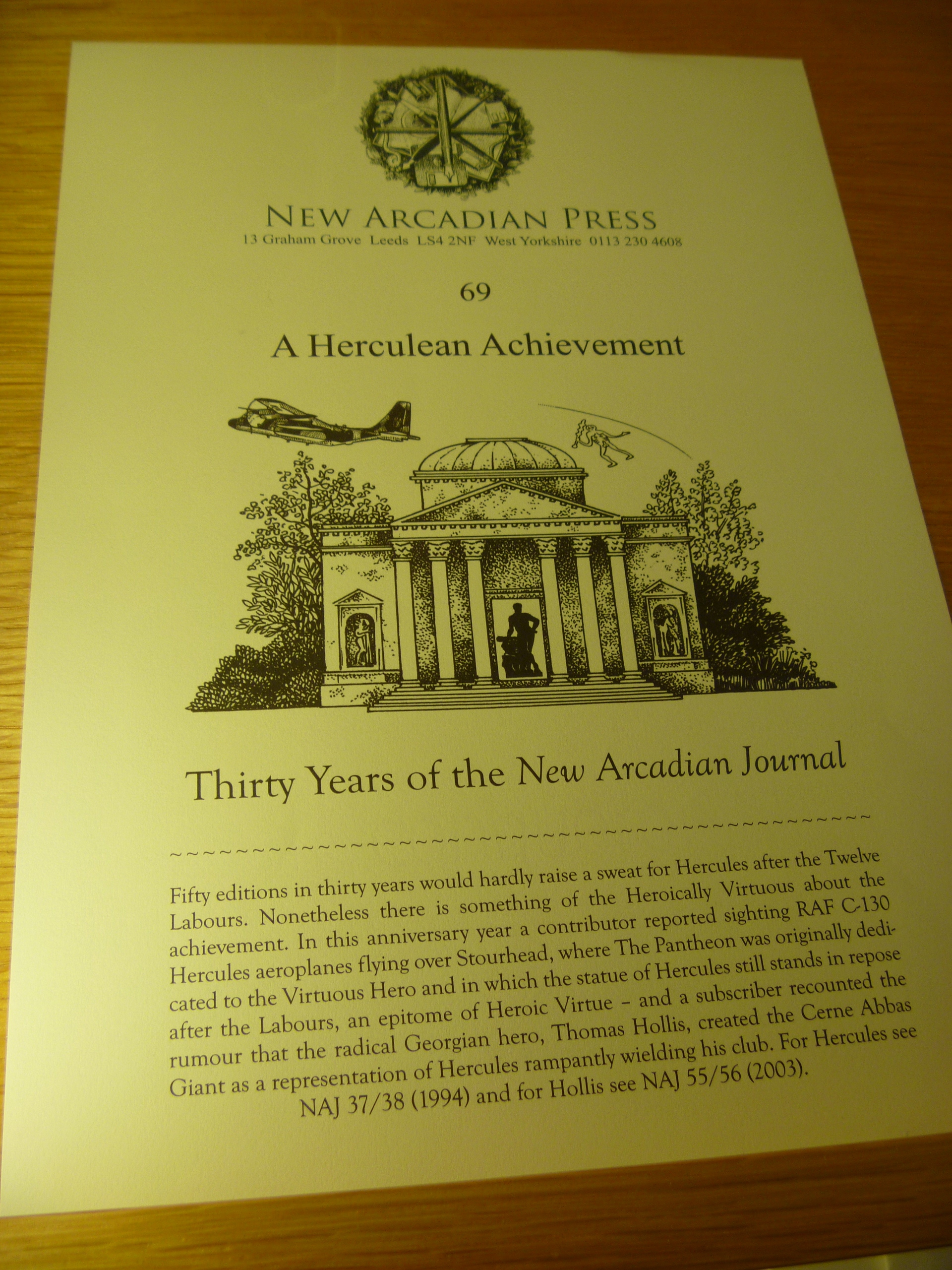
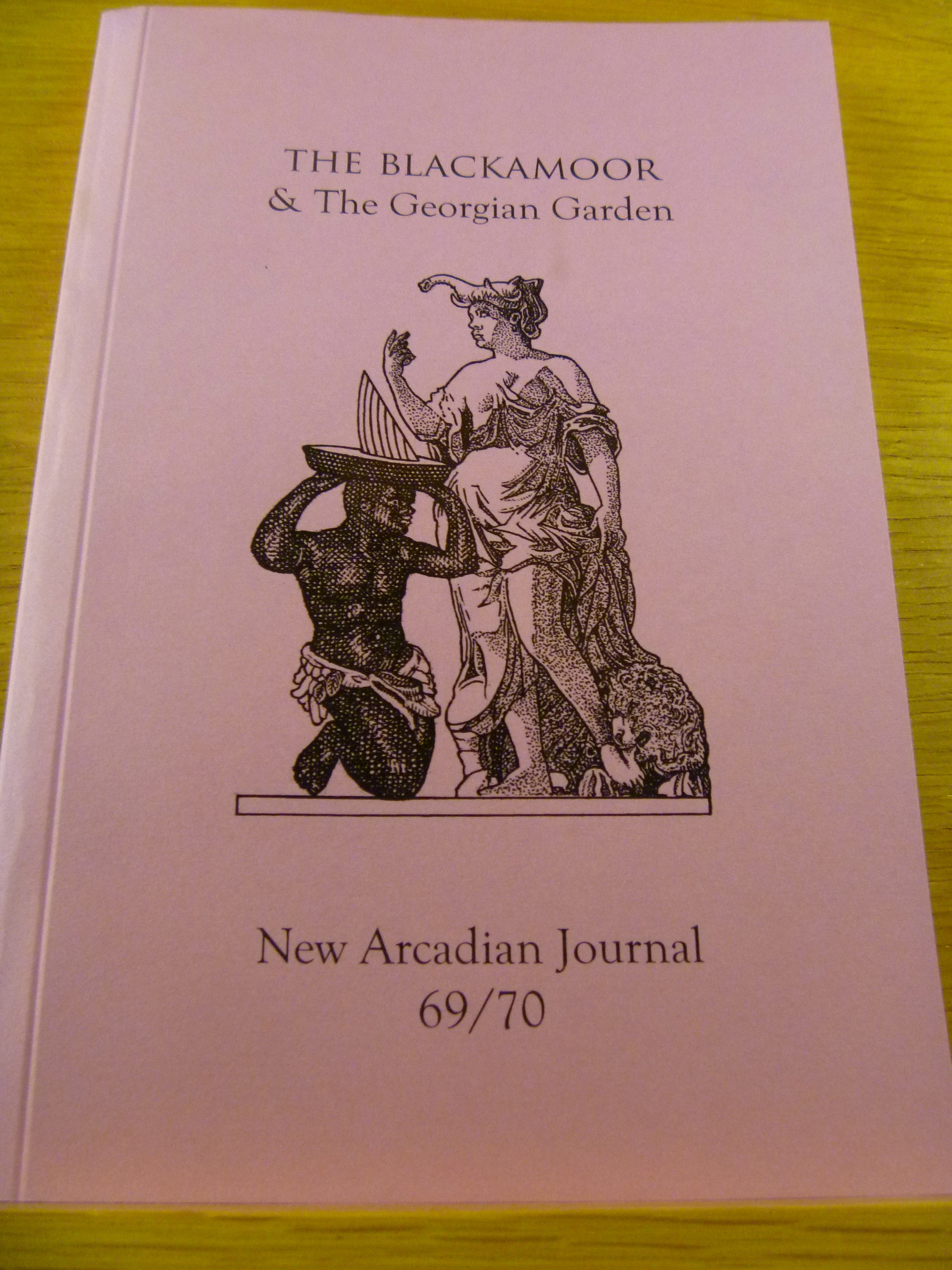
Dr Eyres’ entertaining talk celebrating thirty years of the New Arcadian Journal centred on the latest issue entitled “The Blackamoor and the Georgian Garden”. The Blackamoor was the most popular of all lead statues made in Britain during the 18th century which, by coincidence, was the height of British dominance in the African slave trade. Probably very many of the statues were destroyed or melted down following the abolition of slavery and in more enlightened times. Dr Eyres has tracked down 20 including 2 in the Privy Garden at Hampton Court Palace, one in Lincoln’s Inn in London, another at Melbourne Hall in Derbyshire and another supporting a sundial at Wentworth Castle in South Yorkshire which is currently under restoration and the topic of interpretation work. The talk was illustrated with photos of the various statues and reproductions of the beautiful drawings and prints (the work of artists Catherine Aldred and Howard Eaglestone who were also present this evening). It seems that the Blackamoor (African) along with the North American Red Indian were used to symbolise their continents of origin. There were emblems for Europe and Asia as well. These were also illustrated in the popular 16th and 17th century Books of Emblems.

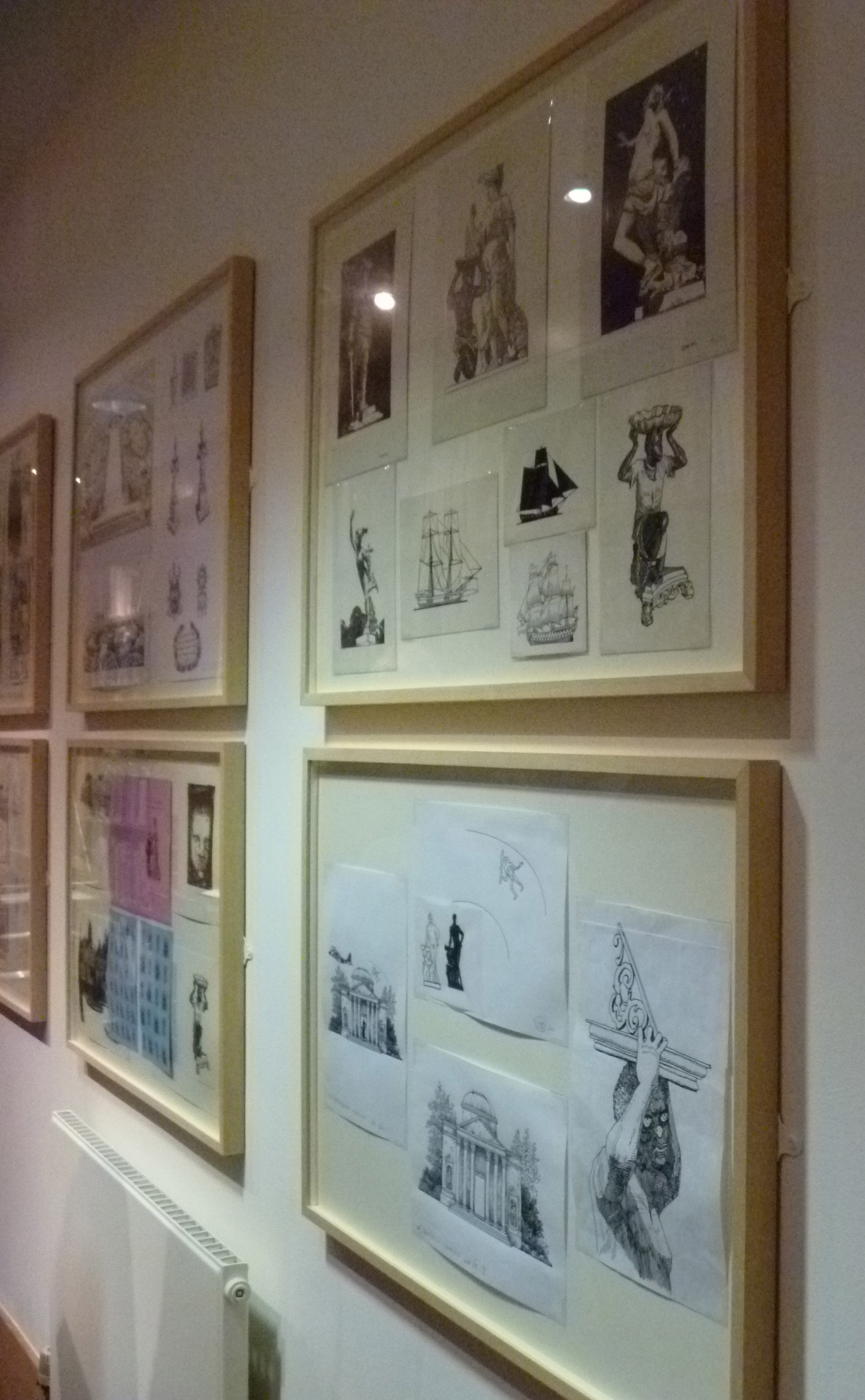
After the talk we were shown the small exhibition in the Henry Moore Library where examples of drawings and copies of the Journal itself were displayed.

Catherine and Howard spoke briefly about their own work which as you can see is exquisite. Howard’s pictures also display humour as you can see from the above examples.

Antarctica in Leeds

Yesterday was the centenary of Captain Robert Falcon Scott’s arrival at The South Pole on his ill-fated journey in Antarctica.

The day the boiler broke down at The Leeds Library just happened to be the day that they were hosting an Antarctica Evening!

Here is the programme :

Antarctica Evening – All Welcome

Tuesday 17th January 2012 at 17.00

17.00 Welcome, refreshments and a chance to browse the exhibition of books, artefacts and photographs 1911-1912

18.00 ‘Antarctica’ a talk with slide show by John Whitley (Leeds Library member)

19.00 ‘Why read books on Antarctic exploration’ a brief talk by John Bowers (Leeds Library member)

During the event there will be a chance to talk to the Leeds Library Staff about the Library’s holdings and their interest in the Scott-Amundsen story.

There will be a charge of £5 per person with proceeds being split equally between the United Kingdom Antarctic Heritage Trust, The Guide Dogs for the Blind Association and The Leeds Library.

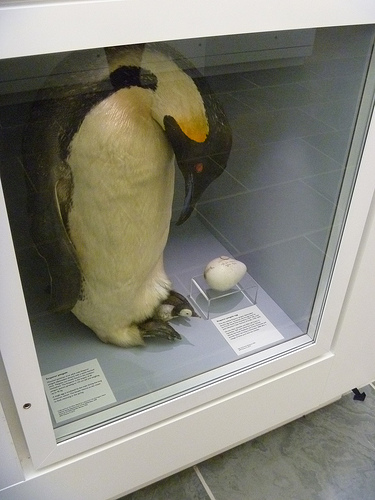
The talk and slides took us on a wonderful journey where we could see the icebergs and the rough seas and only shiver slightly in the chilly room.  At the end John reviewed his trip in the light of what he had seen and pointed out his Top Five which included the penguins, the icebergs, the whales.

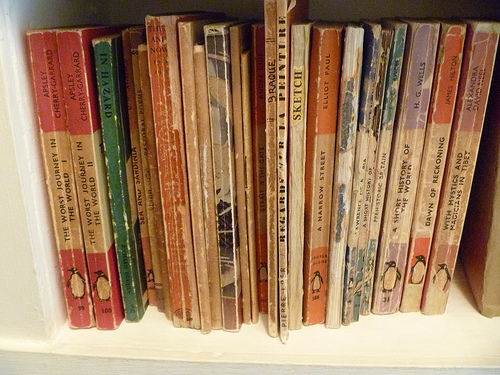
We came away from the second talk with our own annotated bibliography of Antarctica ‘must reads’ and a fascinating and revealing comparison of secondhand book buying and book prices between the late 1950s and 1960s when John and his wife were starting their collection and if one were to start a similar collection today. These days many of the books  turned out to cost less when purchased via Amazon mainly because there are more popular, cheaper editions and reprints available.

Of the books on the list I have read only one: Apsley Cherry-Garrard’s excellent “The Worst Journey in the World“. John rounded off his talk with a quotation from “Shackleton’s Way: Leadership Lessons from the Great Antarctic Explorer” by Margot Morrell and Stephanie Capparell. He said ‘Shackleton’s leadership was so exceptional as to be deemed a worthy subject by management specialists’.

But there’s one book I’ll be looking out for (I hope it is in the Library Catalogue!) and that is “Mrs. Chippy’s Last Expedition: The Remarkable Journal of Shackleton’s Polar-Bound Cat” by Caroline Alexander. She was the only female member of an Antarctic Expedition at the time.

An addition was made to the programme and another speaker, Jane Francis of Leeds University, talked briefly about her own expeditions to the South Pole (10 in all) and showed us sample fossils (glossopteris) that she had collected.

Finally there was a Q&A session when we were able to question the speakers and a member of the library team on all manner of related topics not least the differences between the Scott and the Amundsen teams and methods.

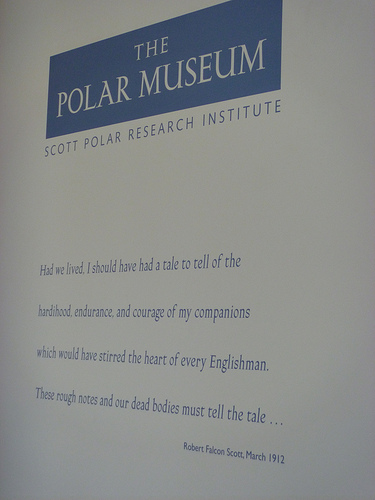
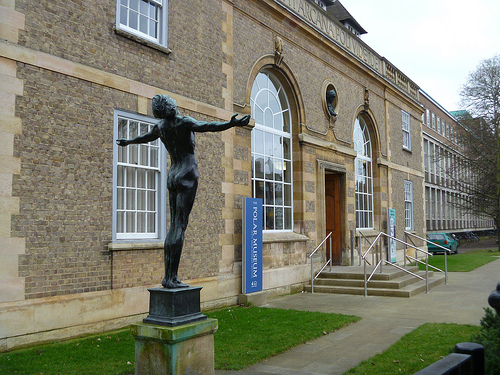
This evening reminded me again of my visit to the Scott-Polar Research Institute in Cambridge last February.

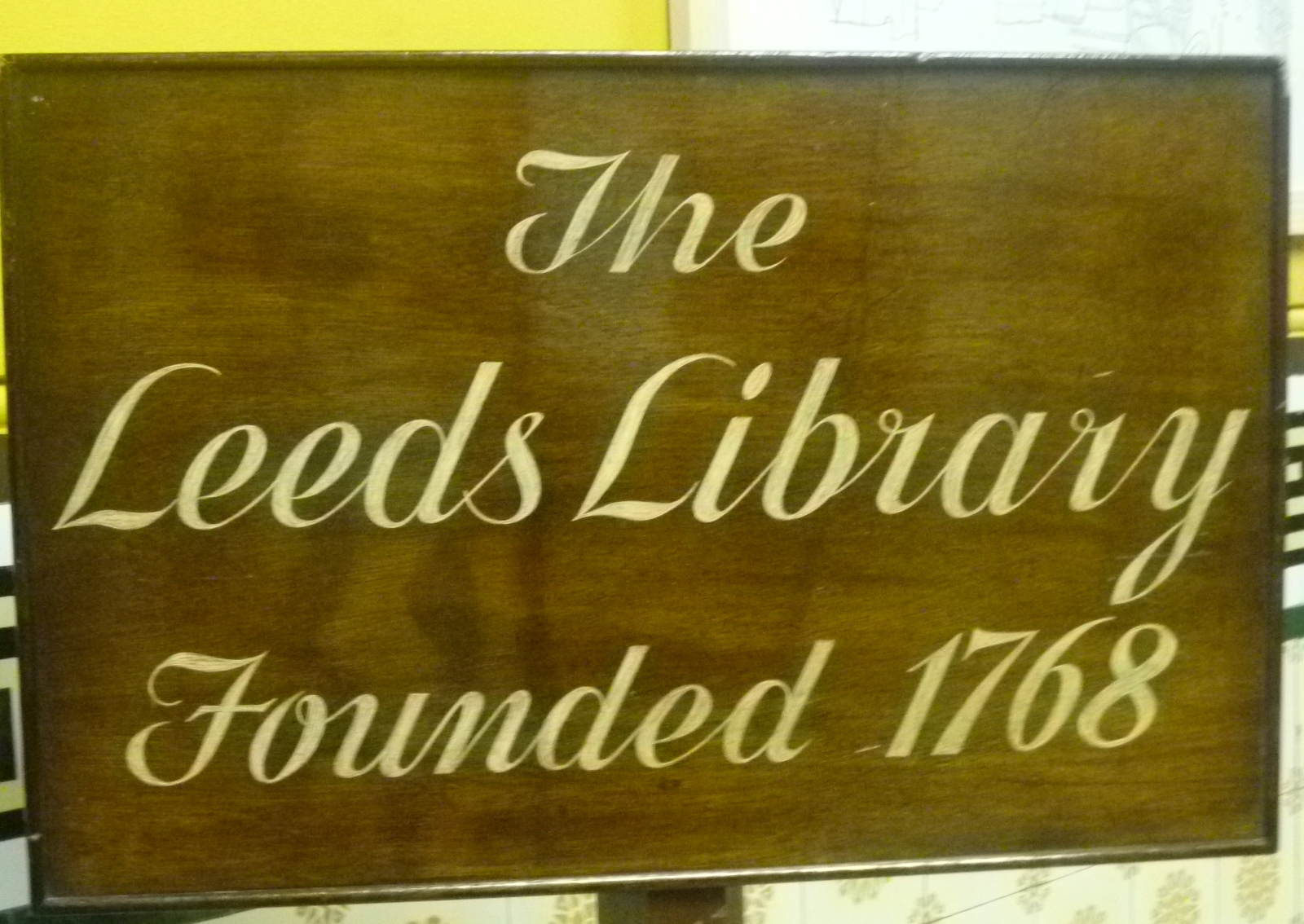
A library is not a luxury but one of the necessities of life – The Leeds Library

Actually, the Leeds Library is my luxury!

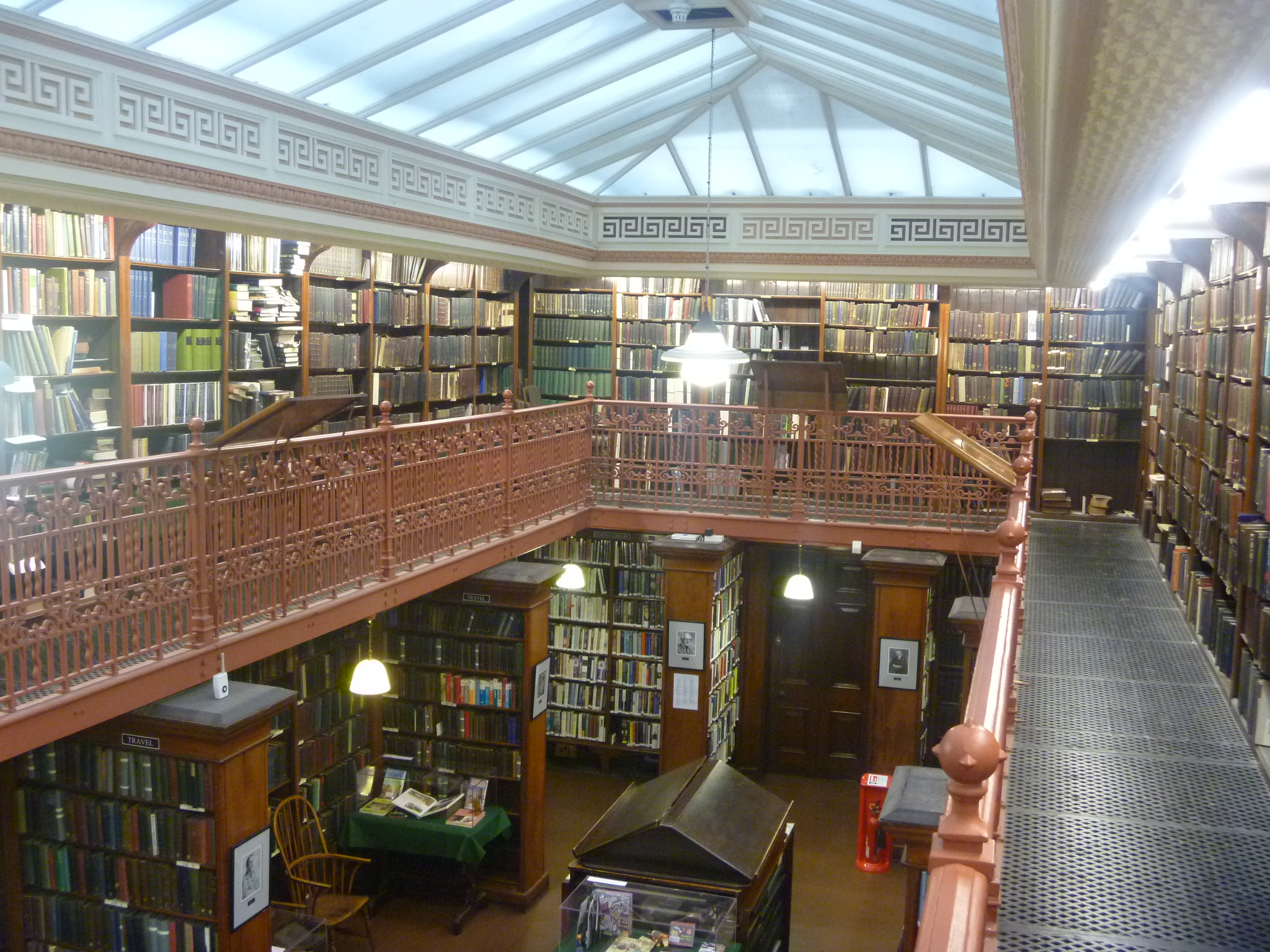
I signed up to join The Leeds Library on 5 March 2008 and have never looked back. In fact I don’t know why I didn’t do so decades ago but there were several reasons for this. Membership was a bit more restricted in the old days, one had to buy shares. I thought I would never manage to get into Leeds every week or so. And I thought it would be outrageously expensive. But it’s turned out that none of those reasons apply now.

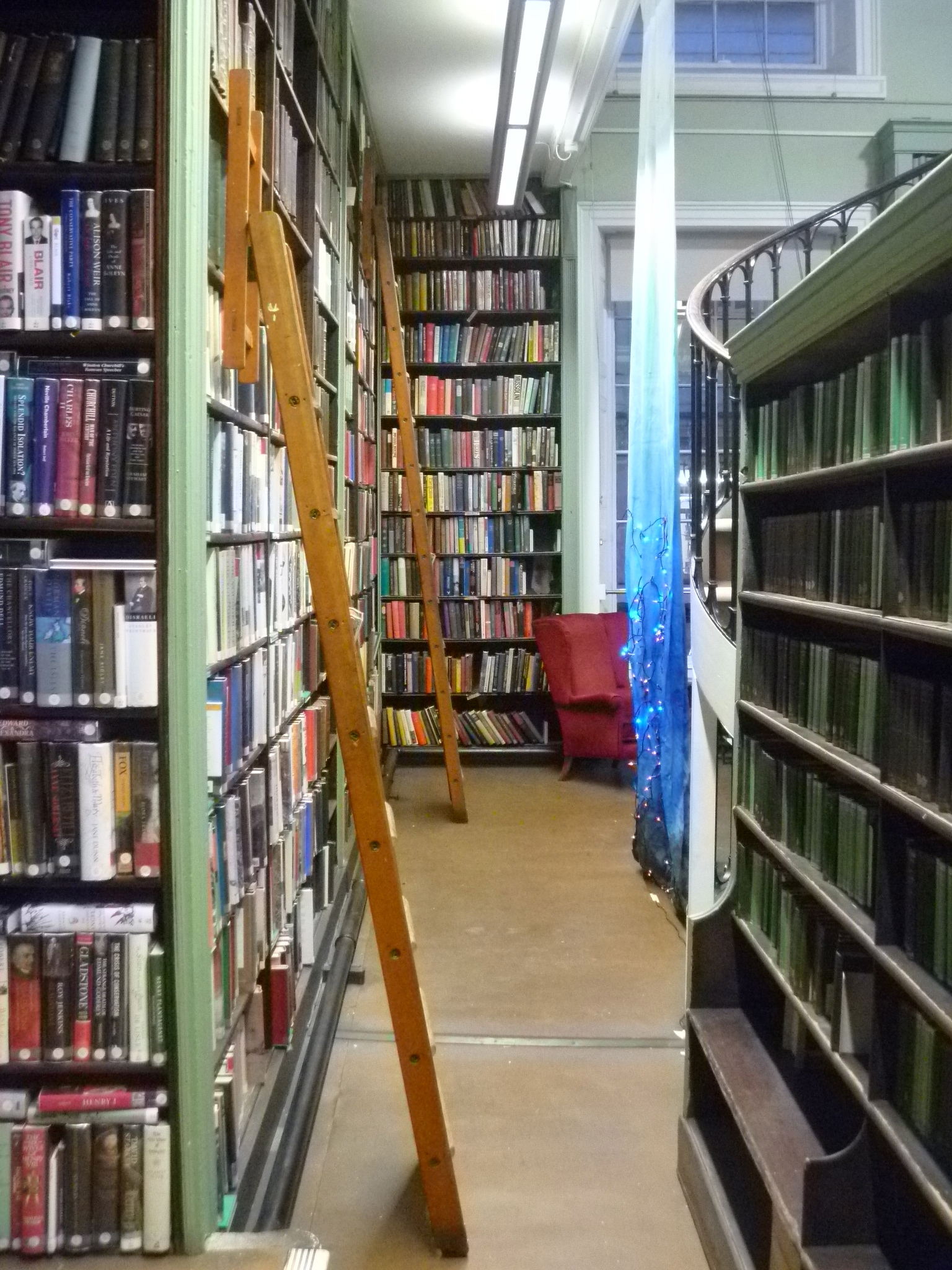
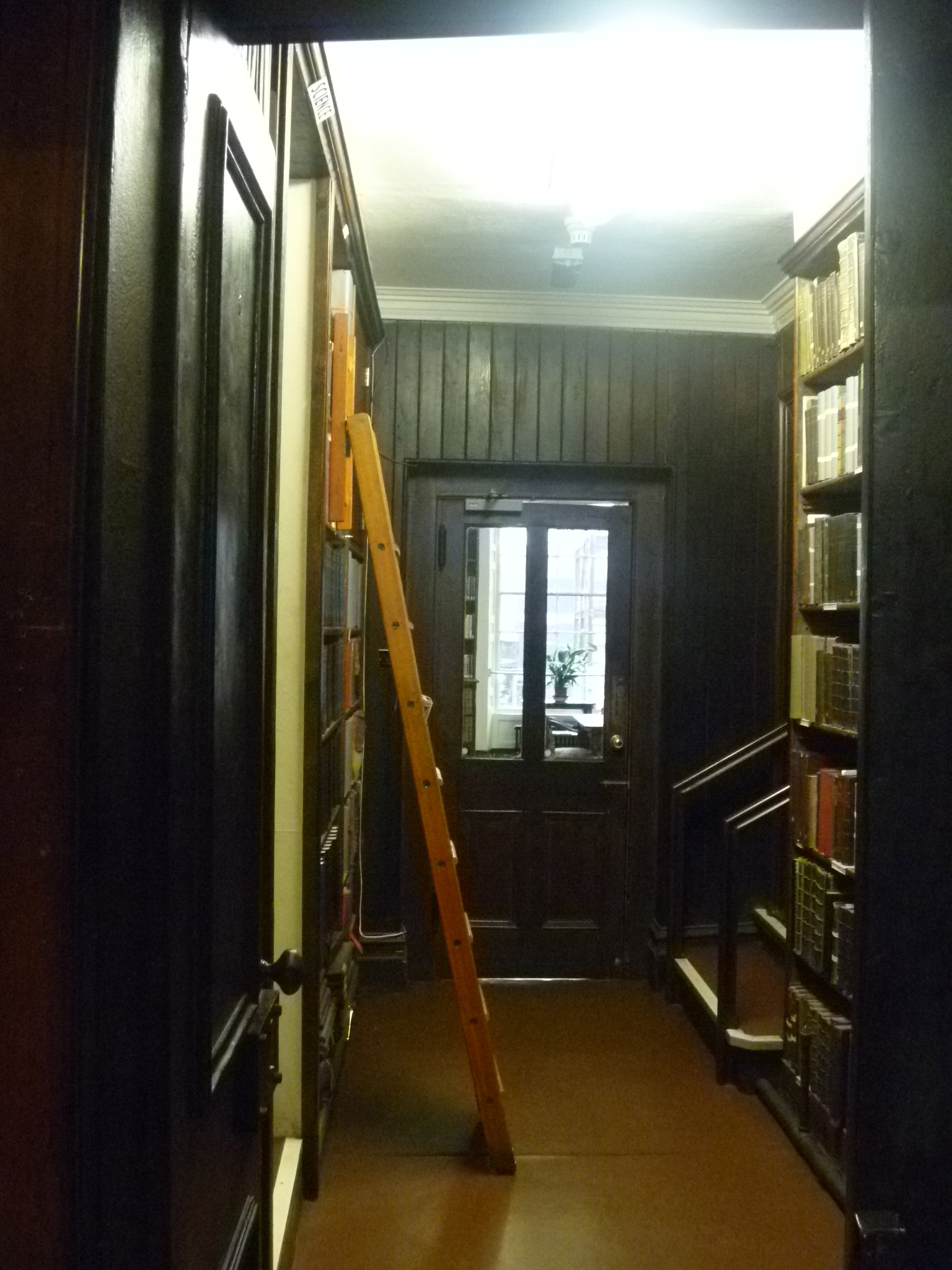
Each time I push the door open I enter a paradise – the smell, the smiles of the counter staff, the walls and walls of books, the lovely solid polished library furniture all combine to give me the most uplifting feeling imaginable. And I’m there almost every week.

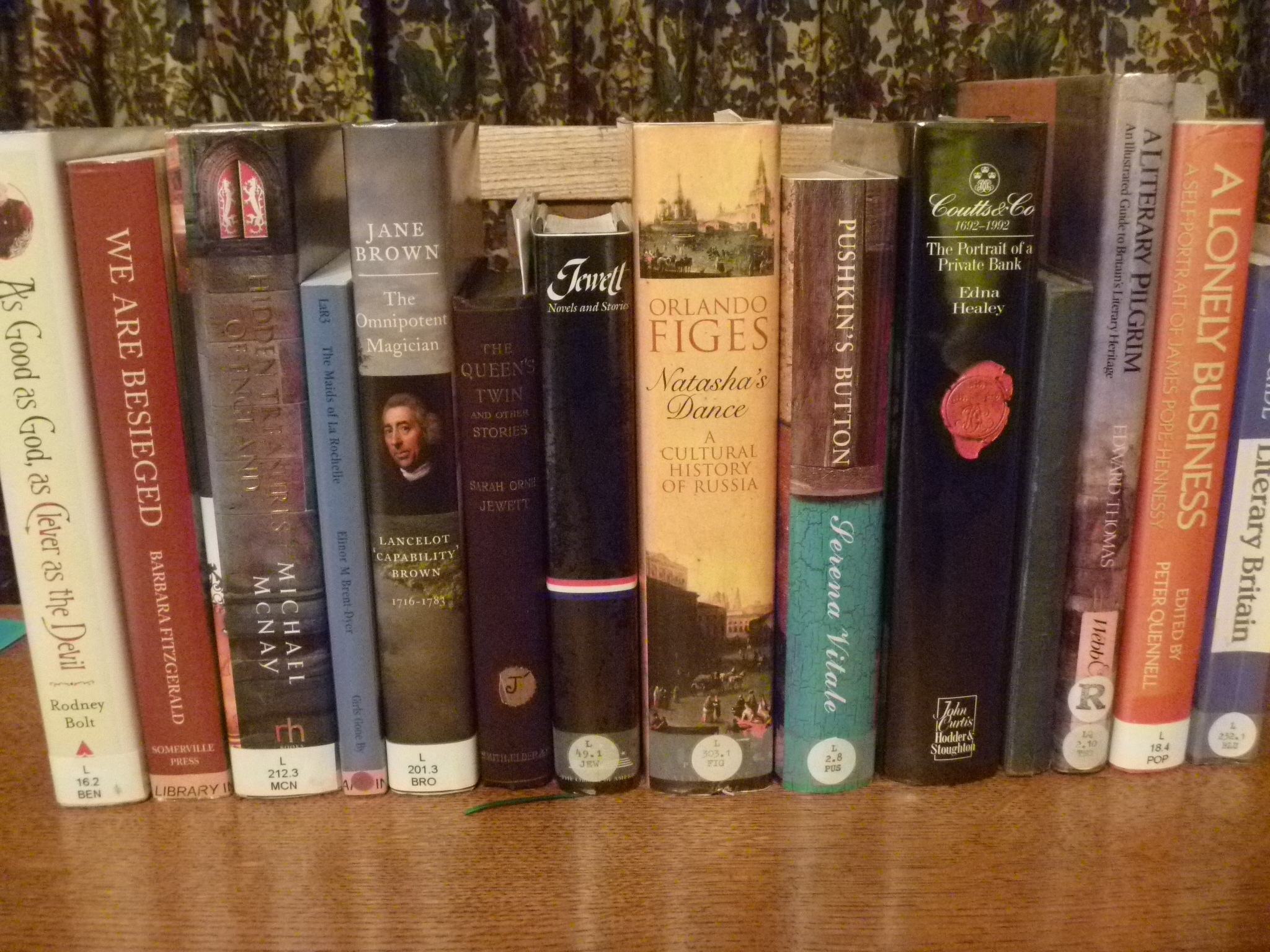
I think there are rules but I have not yet fallen foul of them. I currently have 15 books on loan one of which is a 12 week loan and has been renewed 13 times! If another borrower requests it I’ll take it back straight away but I need time to read these huge tomes – there’s a time and a place for Orlando Figes’ ‘Natasha’s Dance’ and Edna Healey’s ‘Coutts & Co.: a portrait of  a private bank’. I’m still working my way through the 8 times renewed ‘Queen Mary’. I have another 2 books brought up from the depths of the basement stack especially for me: Joanna Cannan’s ‘Little I understood’ and Sarah Orne Jewett’s ‘The Queen’s Twin and other stories’. Waiting patiently to be read are some brand new books (Jane Brown’s ‘The omnipotent magician’ and ‘The Maids of La Rochelle’ by Elinor Brent-Dyer) which I’m the first person to borrow. I have several other books, taken straight from the shelves, (‘Pushkin’s Button’ by Serena Vitale, ‘A literary pilgrim’ by Edward Thomas) or the waiting list has finally got down to me (‘We are Besieged’ by Barbara Fitzgerald, ‘Hidden Treasures of England’ by Michael McNay).

In addition to books we can borrow magazines and DVDs. I’m on the list for The New Yorker which has at least one long article well worth reading alongside a couple of shorter ones and I absolutely love the cartoons. On the back page there is a competition – a new cartoon with no caption, a cartoon with 3 selected captions for readers to vote for and finally the winning caption with its cartoon. Never a dud! The other weekly magazine I’m on the list for is Country Life. This is because they often feature old houses, buildings, gardens and sometimes Landmark Trust properties. It’s almost as entertaining looking at the property pages in Country Life as it is studying the cartoons in the New Yorker!

Who needs Lovefilm? I don’t. On Friday I will be returning ‘Mildred Pierce’. Over the years I’ve caught up with missed TV programmes like ‘Who do you think you are?’, ‘Any human heart’ and the complete ‘Pallisers’ and I see from my Reservations List that ‘Daniel Deronda’ is waiting for me to enjoy on a winter evening next week. Now how civilised is that?