“Like a jewel box shimmering in amber candlelight” – Sam Wanamaker Playhouse

Programme

Tuesday evening was my last in London and I returned home on Wednesday morning.

The title quote is from a review in The Guardian.

A few weeks ago I was lucky enough to buy the last ticket for the evening performance of The Duchess of Malfi at the brand new Sam Wanamaker Playhouse at The Globe by the riverside in Southwark. I’ve visited its sister theatre The Globe proper several times and loved each performance. In rain and in sunshine and with a bench seat and cushion I have looked down on the (in my view) unlucky groundlings in the pit. These theatres are not built for comfort.

I’ll warn you now about the seating. Unlike in the Globe itself no cushions are required as all the benches (to call them seats would be an exaggeration) are padded. By lucky chance I was on the back row of four in the pit and I had a back wall (of sorts) to lean against (kind of). Looking round, and thinking of possible future visits, I could see none better to go for. As it happened, in the end, the comfort of the seats was unimportant.

This play and its performance in the intimate (seating for just 340), candle-lit auditorium was one of my theatre-visiting highlights of all time. And I can think of quite a few good ‘uns.

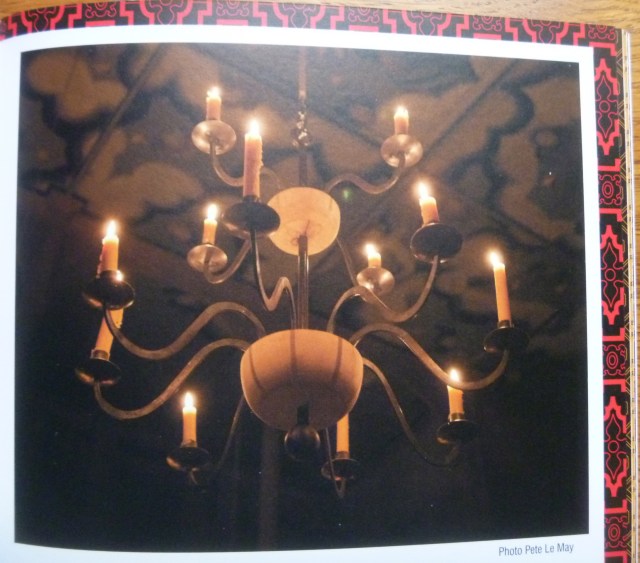
Candelabra

The candles themselves played a part in the performance; even just the lighting of them and the blowing out of them. The candelabras rise and fall from the ceiling, single candles are carried by actors and others flicker in their sconces. All contribute the atmosphere and action as the performance unfolds. I’ve been unable to add the Youtube video about the candles but scroll down through this link to watch.

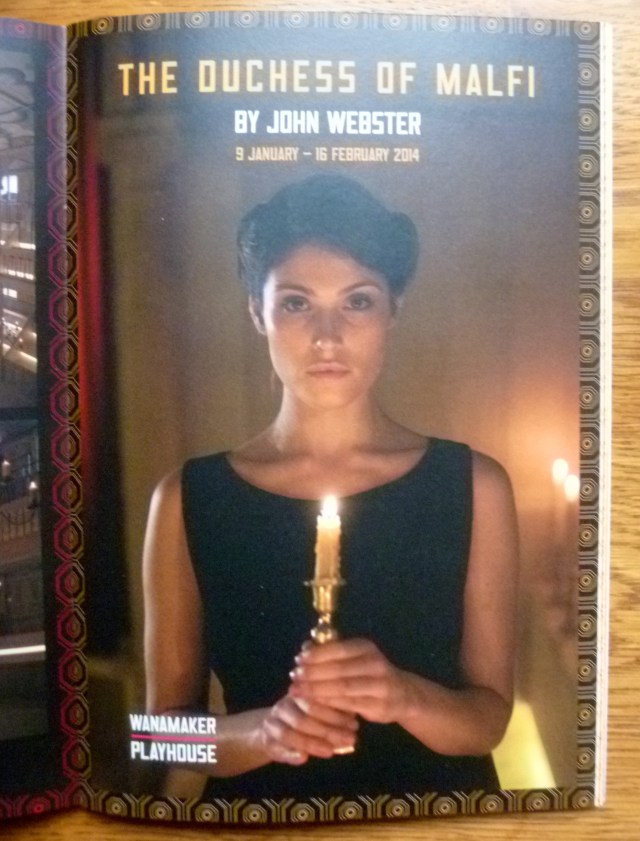
G Arterton

Gemma Arterton – The Duchess – with her candle

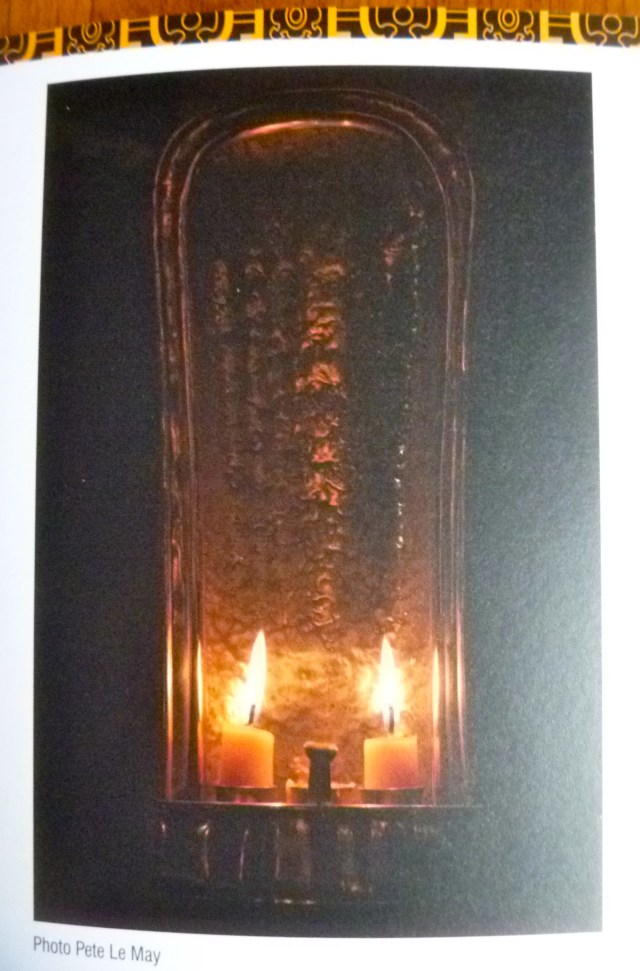
Sconce

Candles in a Sconce

“The Duchess of Malfi” was written by John Webster (1580-1634) and first performed around 1613-1614.

The widowed Duchess of Malfi longs to marry her lover, the steward Antonio. But her rancorous brothers, Ferdinand and the Cardinal, are implacably opposed to the match. When their spy, Bosola, discovers that the Duchess has secretly married and carries Antonio’s child, they exact a terrible and horrific revenge.

First performed by the King’s Men – Shakespeare’s own company – ‘privately at the Blackfriars and publicly at the Globe’, The Duchess of Malfi is a thrilling combination of brilliant coups de théâtre, horrific set-pieces and vivid characters – notably the tragic Duchess and the subtly villainous Bosola – all lit by Webster’s obsessional imagination.” [Source]

I’m looking forward to more visits to The Globe and The Sam Wanamaker Playhouse in future!

Just Walkin’ the Dog in Belsize Park and Blue Plaque Land

Until Saturday the weather had been atrocious and we have been walking out in the wet and wind which is not conducive to photo-taking. But then the weather changed. The sun came out and the sky turned blue and I have managed to capture some local landmarks here in the Swiss Cottage/Belsize Park area of northwest London.

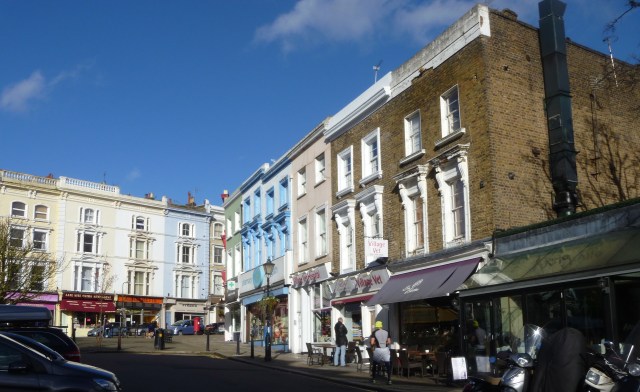
belsize Village

Belsize Village Square

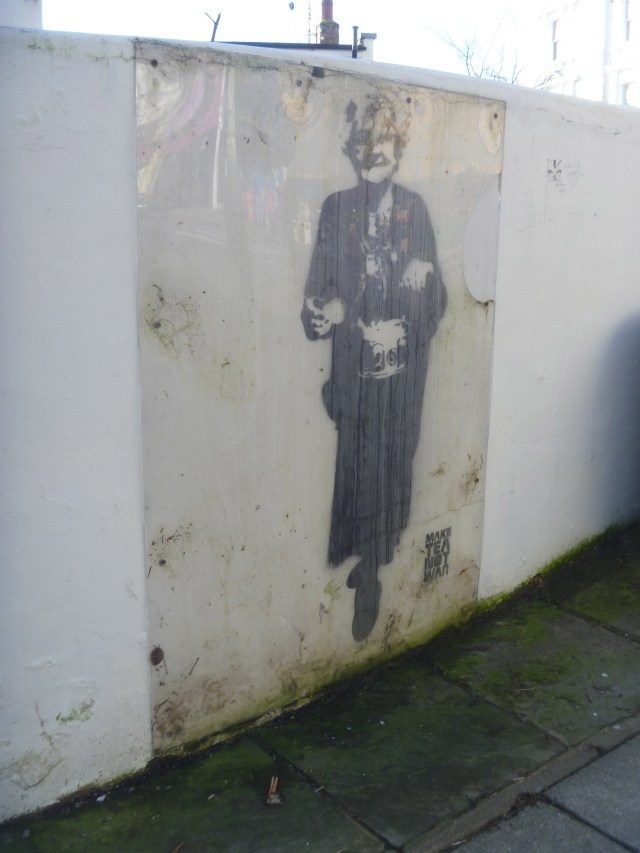
Here is the local “Banksy” but it isn’t a Banksy – read all about it here.

'Banksy'

Make Tea not War in Belsize Village

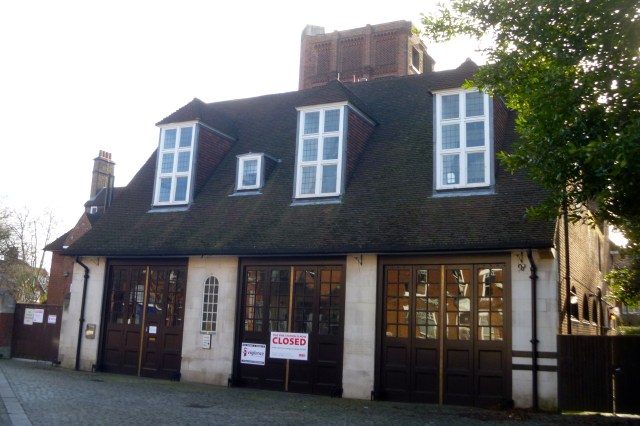
Fire Station

Even the local Fire Station is an Arts and Crafts building. It closed down last year. I expect it will be converted into apartments.

Primrose Hill

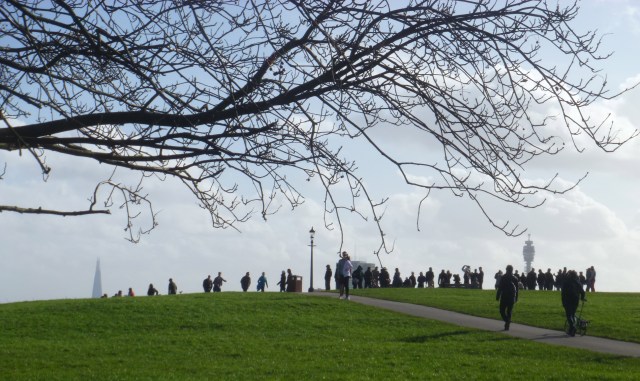
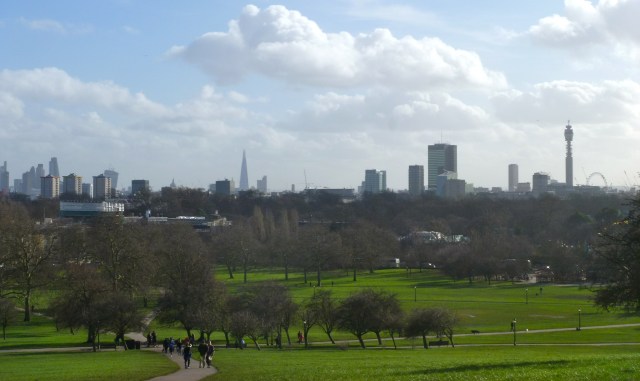
Then along with the world and his wife we headed for Primrose Hill summit to study the view, watch the kites and rub noses with other dogs (the dog, not me!).

Primrose Hill view

It’s a pretty impressive view when you get up there.

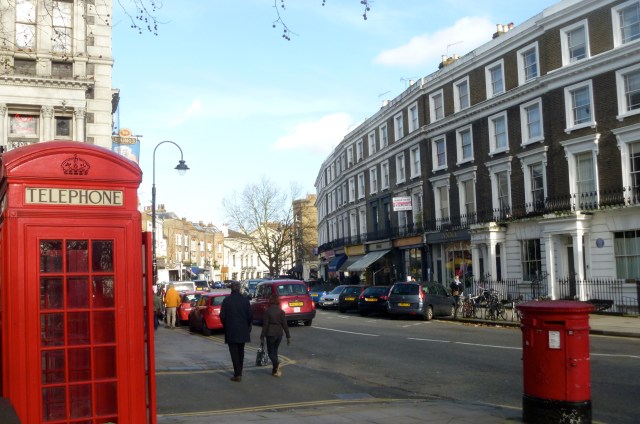
Regents Park Road

Regents Park Road

One of my favourite streets in London Regents Park Road has everything : bookshop, dress shop, cafes and restaurants, interiors and fabrics shops, bread and patisserie shops and delis. I also heard a lot of French being spoken so seems to be popular with French families.

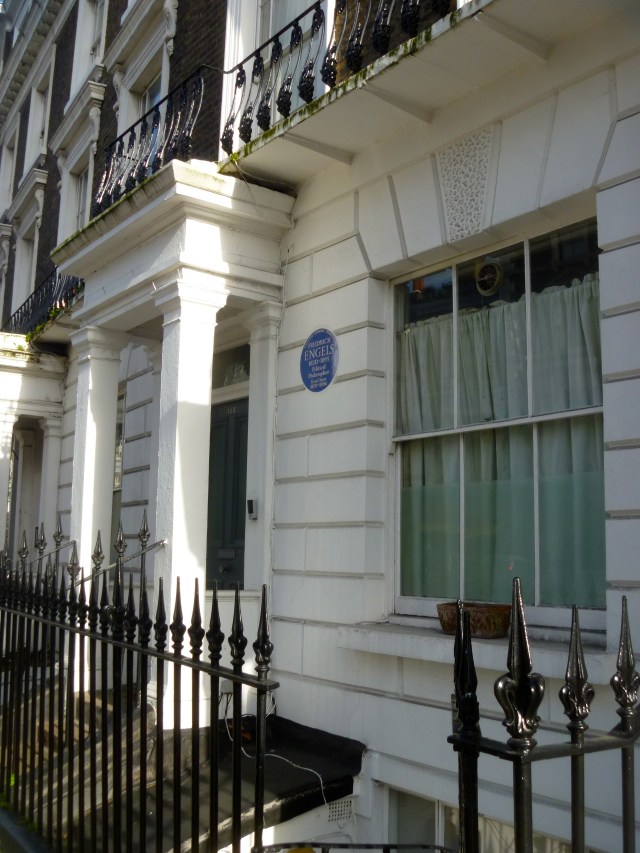
Engels House

Friedrich Engels [1820-1895], political philosopher, lived here (122 Regents Park Road) from 1870 to 1894

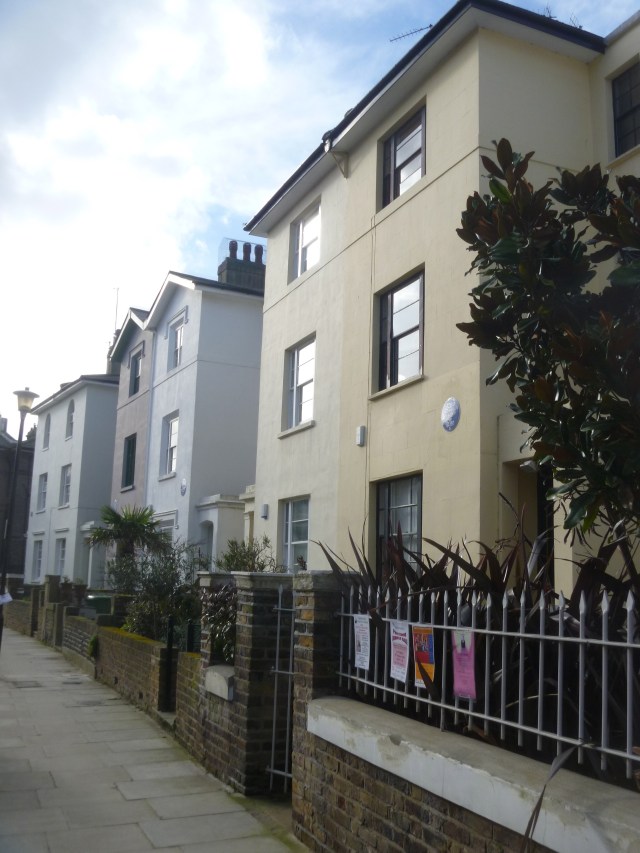
St Mark's Crescent

Two neighbouring plaques in St Mark’s Crescent

On the right, number  11, (pale yellow house) lived Arthur Hugh Clough [1819-1861], poet and author of Persephone Books reprint “Amours de Voyages” from 1854-1859. And in the pale blue painted house with the plaque lived the historian and broadcaster A.J.P. Taylor [1906-1990] from 1955 to 1978. Next door, at the dark grey painted house number 14, is the plaque commemorating William Roberts [1895-1980], artist, who lived, worked and died here 1946-1980.

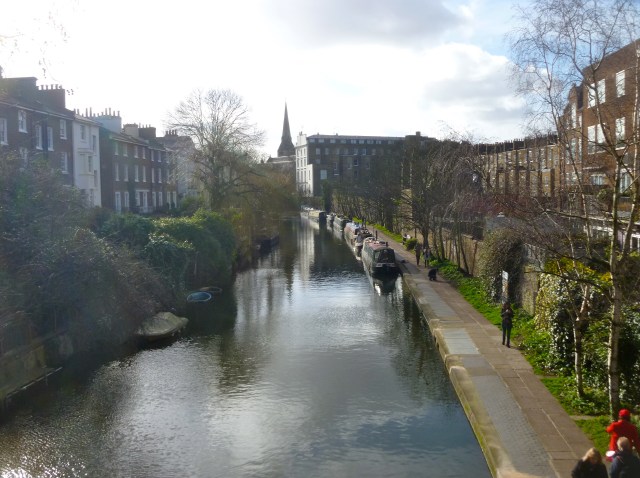
Regents Canal 2

The Regents Canal

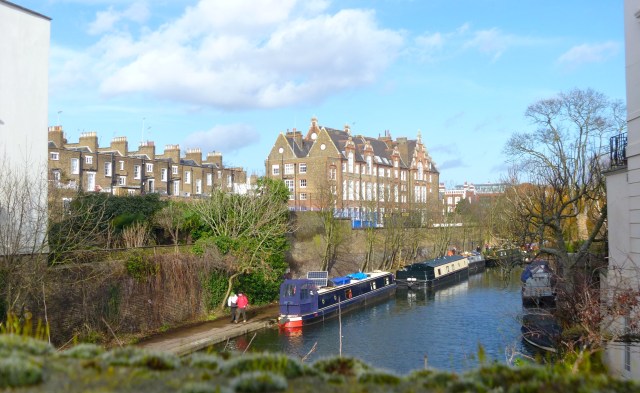
Regents Canal 1

The Regents Canal

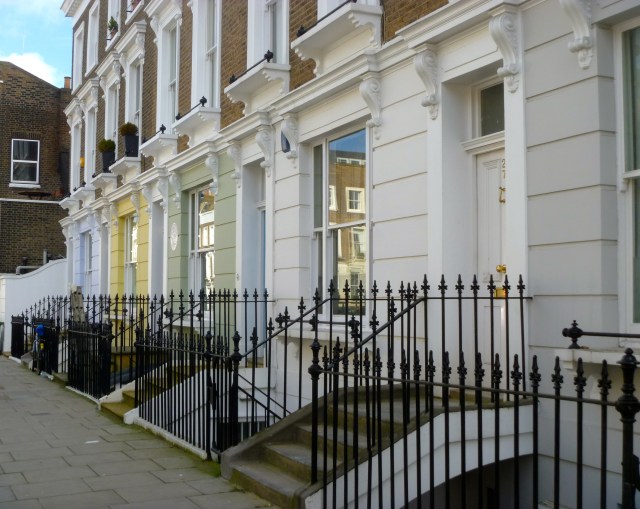
23 Fitzroy Road

23 Fitzroy Road, the green painted house near the middle of this row, was the home of W.B. Yeats [1865-1939] Irish dramatist and poet. It was also the house where, on 11 February 1963, the American poet and novelist Sylvia Plath [1932-1963] apparently took her own life. There is no plaque to explain this. Her plaque is attached to the nearby house at 3, Chalcot Square where she had lived from 1960 to 1961.

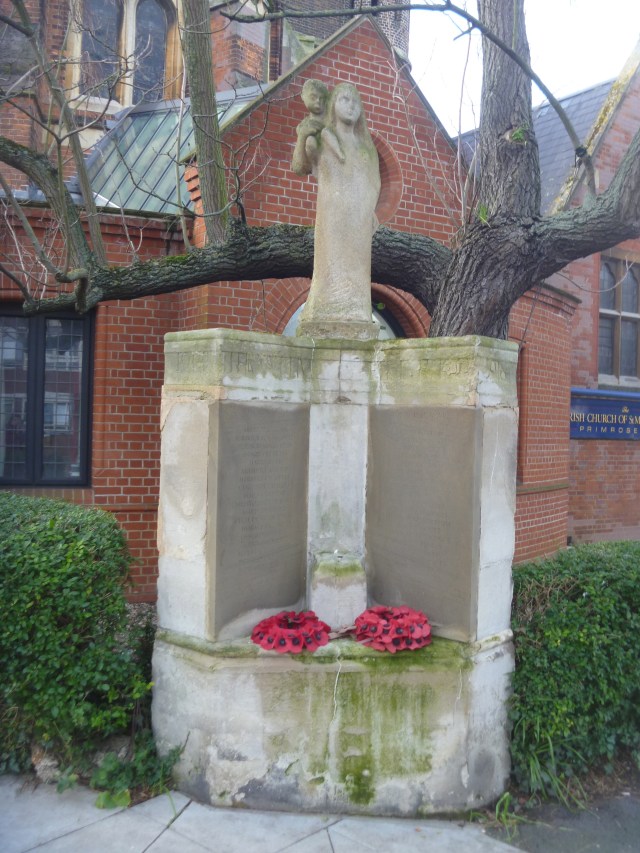
War Memorial Primrose Hill

War Memorial by St Mary’s R.C. Church, Primrose Hill

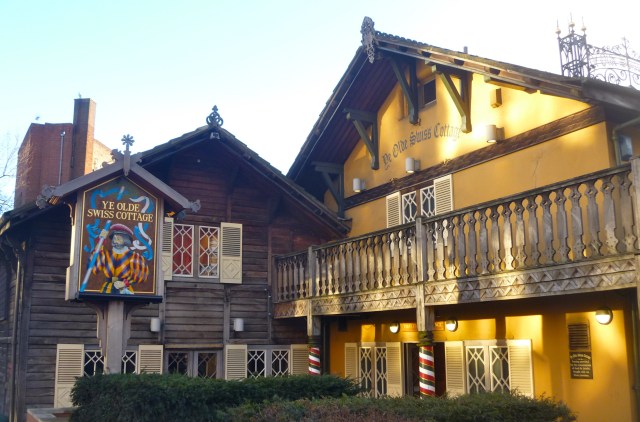
Swiss Cottage

And here is Ye Olde Swiss Cottage itself

A Visit to The Freud Museum in London

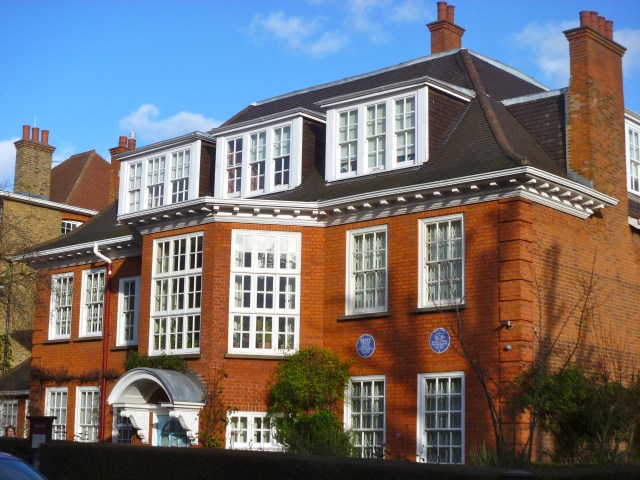
20 Maresfield Gardens

20, Maresfield Gardens  NW3 : The Freud Museum

Today I visited The Freud House Museum just up the road from where I am staying in Belsize Park. It has limited opening hours and days so I haven’t managed to get there before. If you show your National Trust Card you get half price admission and if you are, like me, over 60, it is only £2.25 as opposed to the full £6.

2 blue plaques

Anna Freud and her father Sigmund Freud lived here

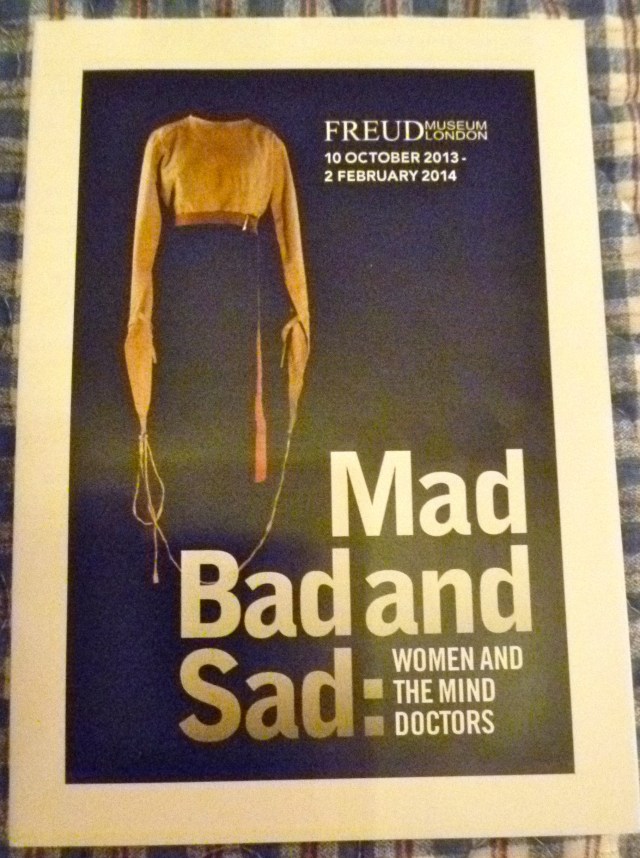
I thought £2.25 was enough to pay, really. There are only really one and half rooms worth seeing plus an introduction to the house and family in the Dining Room and a video room. Two upstairs bedrooms are devoted to the temporary exhibition, Mad, Bad and Sad: Women and the Mind Doctors, which was partly interesting. I could have done with fewer subjects and a more full portrait of each.

Mad sad and bad

Women featured included Sylvia Plath, Marilyn Monroe, Mary Lamb and Virginia Woolf. Virginia and Leonard Woolf visited Freud here at his home. The exhibition was accompanied by modern art and installations mainly by women. On the staircase wall and in lights was Tracy Emin’s “Be Faithful to your Dreams”

be-faithful-to-your-dreams

[Source]

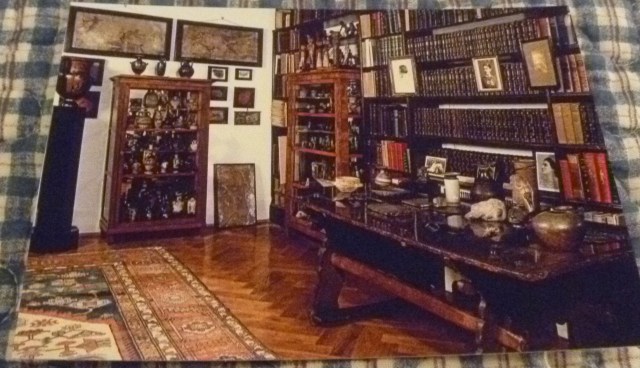
The most interesting room to me was Freud’s ground floor study and consulting room with his famous couch and the green chair in which he sat to listen to his patients baring their souls.

Freud's study

The Freuds were fortunate in being able to leave Vienna in 1938 after the annexation of Austria by Adolf Hitler. They were even able to bring their furniture, hundreds of books (although Sigmund Freud sold 800 before he left) and household ornaments and Freud’s collection of antiquities also including his daughter Anna’s traditional painted Austrian country furniture now on show in the Dining Room. The study is jam-packed with stuff and books and is set up just as it was in Berggasse, 19 his former Viennese home and now another Freud Museum.

Freud couch

Freud’s Couch and Chair

On asking I was told that no photography was allowed in the house. So I bought postcards and these are reproduced here. However I found it very annoying that people were ignoring this and snapping away with their smart phones.

With other rooms having the curtains closed I found the half-landing refreshing and bright – the sun shining through the window. It was an area loved by Freud’s wife, Martha, for afternoon tea and chat. See the bay window above the front door in the top photo.

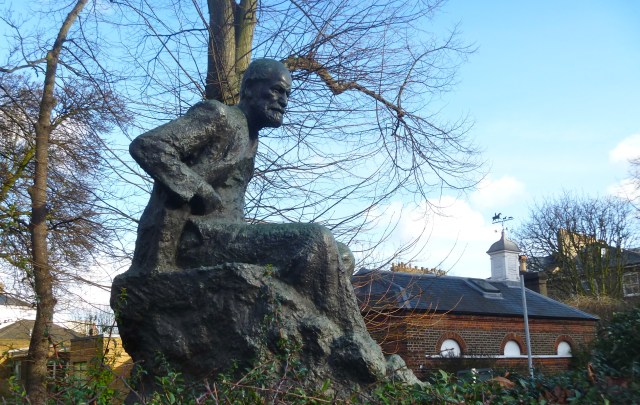
Between the flat and  Maresfield Gardens is a statue of Sigmund Freud. It’s in the grounds of The Tavistock Clinic for Mental Health Care and Education.

Freud Statue 1

Freud was already sick with throat cancer when he arrived in Britain and he was to die just a year later on 23 September 1939 just a few weeks after war was declared on Germany. The couch on which he died is also displayed at the house. His wife and his unmarried daughter Anna lived on in the house. Anna was also a well respected practising psychoanalyst.

Fellow Blogger ‘Down by the Dougie‘ got there before me!

“Uproar!” The first 50 years of The London Group 1913-1963

Ben Uri sign

Ben Uri : Art, Identity and Migration – The Art Museum for Everyone

I’m in London for a few days and this morning I walked from the flat between Belsize Park and Swiss Cottage to The Ben Uri Art Museum in St John’s Wood. It’s a 20 minute walk; unfortunately today it was pouring with rain.

The Ben Uri

Until 2nd March the Gallery is hosting a special exhibition of which I read favourable reviews in the FT Weekend and The Independent. I had never heard of the London Group but it seemed to fit in well with recent exhibitions visited in Kendal and in Leeds.

The Gallery is very small, entrance is free and there is currently no permanent display as ‘Uproar!’ fills all three rooms. Here is a short video introduction from the Gallery website.

To celebrate The London Group’s momentous centenary year in 2013, Ben Uri and The London Group are working together with two simultaneous exhibitions. Ben Uri has curated and is hosting a major historical exhibition, “Uproar!”: The first 50 years of The London Group 1913-1963, examining the first half century in the group’s turbulent history, while The London Group is holding a separate, complementary, contemporary exhibition showcasing work by its current members at The Cello Factory, London SE1 8TJ.” [source]

It was amazing to see side by side paintings and sculptures by such diverse artists as L S Lowry, Duncan Grant, Walter Sickert, Vanessa Bell, Henry Moore, Barbara Hepworth, C R W Nevinson, Jacob Epstein, Mark Gertler, Roger Fry, Euan Uglow and Leon Kosoff. I was lucky enough to turn up on the day of a tour and introduction by the curator of this small but powerful exhibition. The above video gives a feel of the intimacy of the small gallery and the importance of the works on display. And here are some of my photos of notable works.

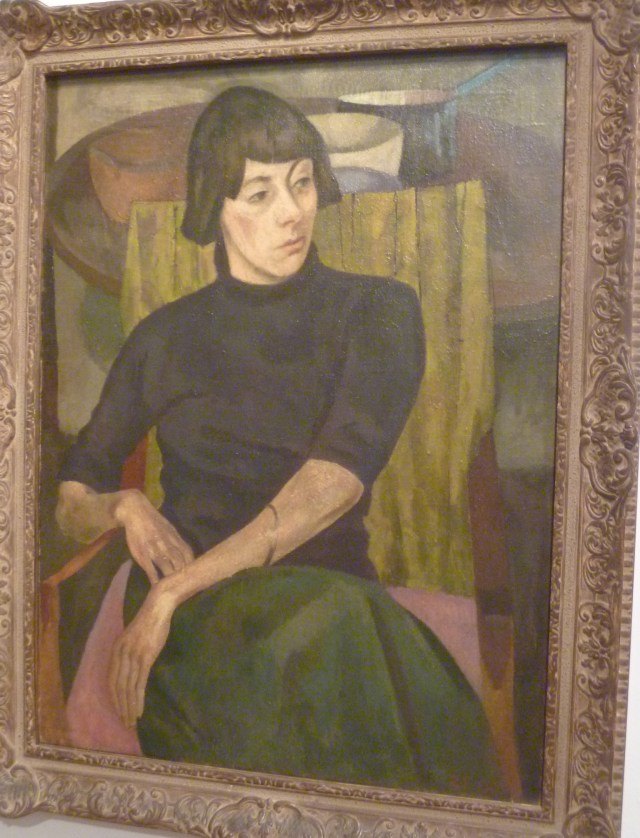
Nina Hamnett

Roger Fry’s Portrait of Nina Hamnett (1917)

Returning to the trenches

Nevinson’s Returning to the Trenches ((1915)

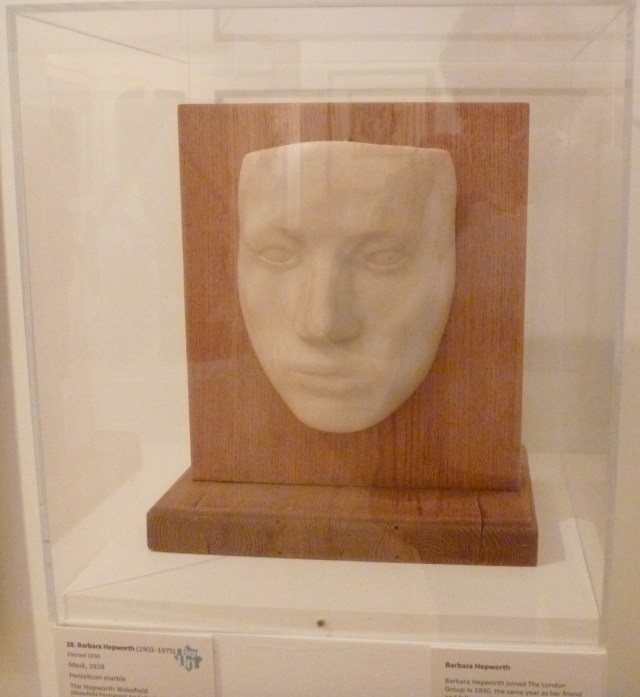
Pentelicon marble

Mask in Pentelicon marble by Barbara Hepworth (1928)

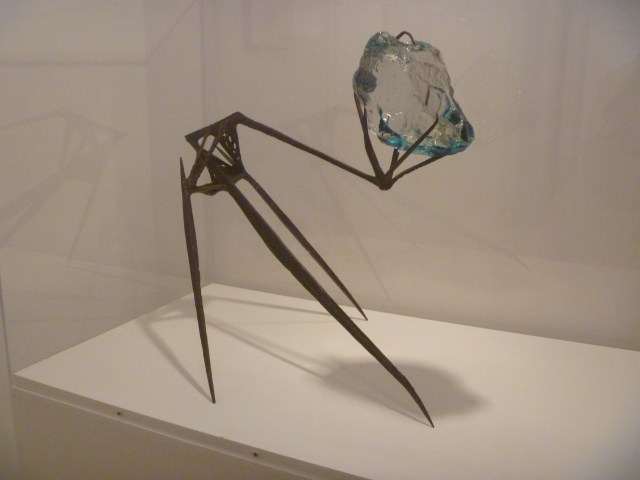
Iron sculpture

Untitled (Iron Sculpture) by Lynn Chadwick

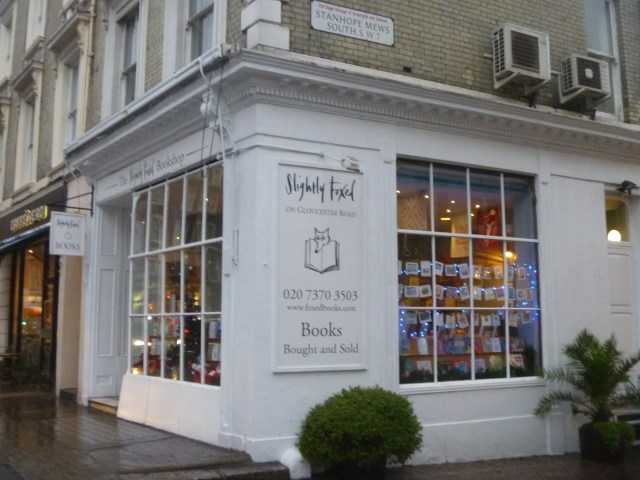
Slightly Foxed on Gloucester Road

When the quarterly reader’s magazine Slightly Foxed: the real reader’s quarterly started ten years ago I took out a subscription but this year now that I can borrow issues from The Leeds Library I have cancelled my subscription. The result is that I actually read the magazine instead of flicking through it and putting it in a pile “to read later”. However, I am still a great fan of all things ‘Slightly Foxed’ which includes the lovely bookshop on Gloucester Road, Kensington.

SF1

Due to predictions of inclement weather yesterday I left home in Leeds extra early to drive down to London. The journey presented no problems and I arrived in good time; leaving the afternoon free.

SF2

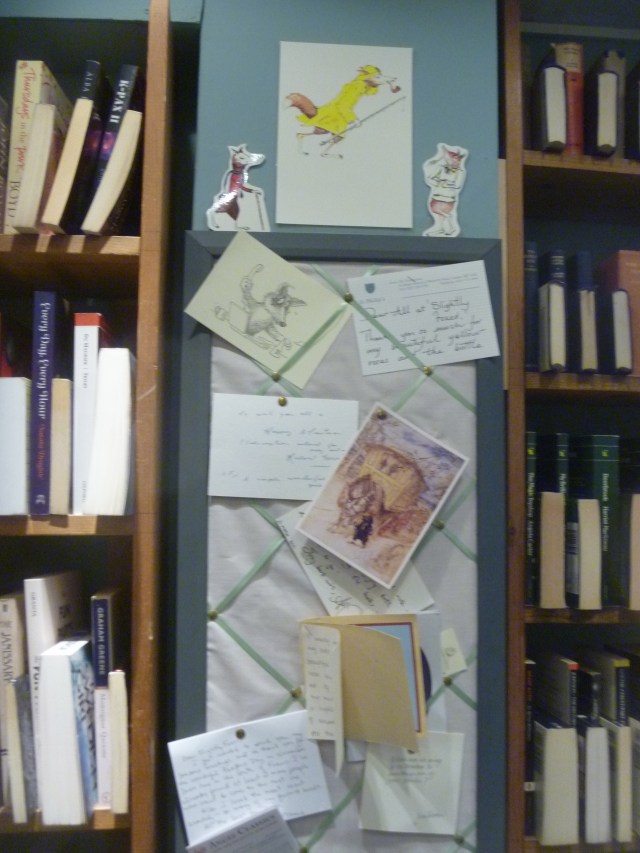
Letters and messages to the Sly Fox

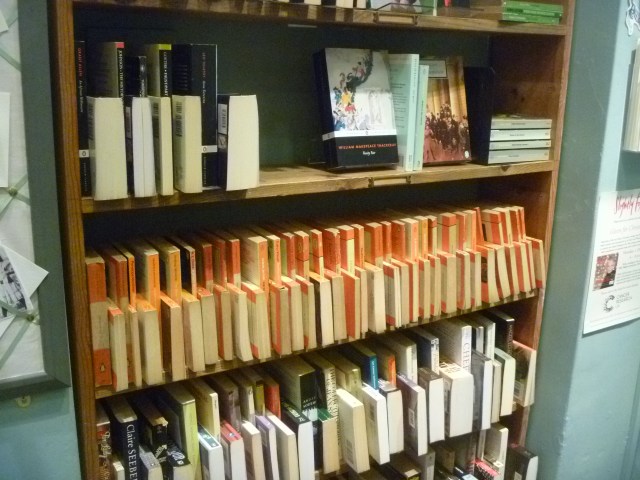
So I took the Underground Train to Gloucester Road Tube Station and revisited this lovely bookshop. Stocks include new books as well as secondhand, plus cards and bags and mugs. The friendly bookseller [Tony] found me the titles I was interested in from the Winter Catalogue.

In addition to publishing the Quarterly SF also reprint some lovely out-of-print classic memoirs in their Slightly Foxed Editions and Paperbacks.

SF3

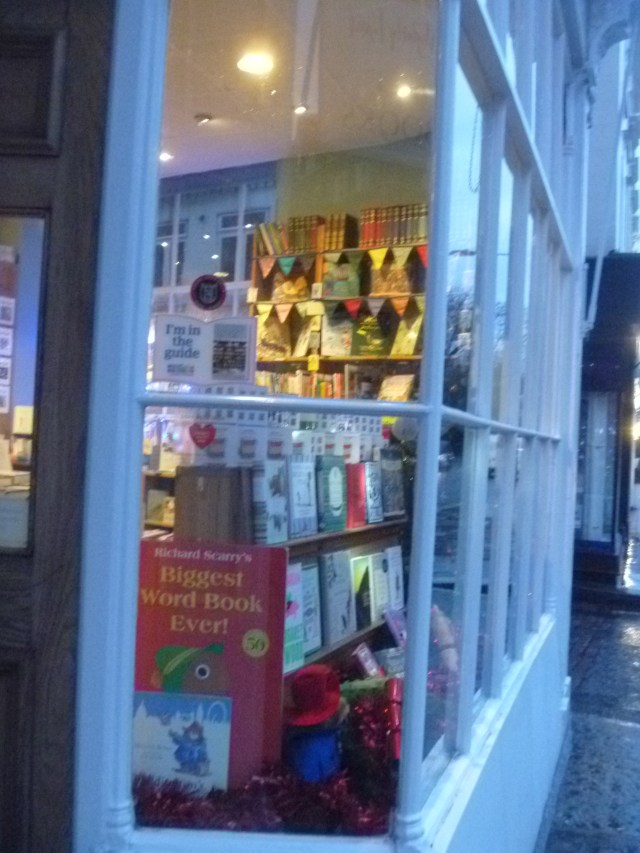
Preparations for stocktaking at Slightly Foxed Bookshop

Browsing wasn’t easy in the downstairs secondhand department as staff are preparing to stock-take on the 2nd January. The shop was about to close for the Christmas and New Year holiday at 5pm today and is due to re-open on 3rd January 2014.

If you are wondering where the name/term ‘slightly foxed‘ comes from here is one definition:

FoxingIn a nutshell, a foxed book’s pages have some spotting, ranging from sort of a beige color to a rusty brown (like a fox’s footprints, or maybe its reddish coat). Sometime foxed spots are referred to as “age spots.” The causes of foxing include temperature & humidity changes (don’t store your books in damp or unheated places!), and impurities within the paper (high acidity – most common in modern books with cheap paper, or iron or copper, commonly found in 19th century & older books). There may be other causes as well, such as fungus or other microorganisms. The reason for foxing in a particular book is often difficult to discern.

Foxing is very common in antique books (due to the paper used) and can certainly be found in contemporary books as well.
A book conservator / archivist can sometimes remove foxing, but it’s a very difficult & expensive process.
As far as how it effects value, well, it just depends on how easy it is to find an unfoxed copy. Some very old books may be difficult to find in unfoxed condition; in that case value will not be greatly affected. Modern books are devalued by foxing to a greater degree, because they are more readily available in fine condition.”

Of course, there’s another meaning to fox – sly, clever, crafty. So the sly fox can cleverly suggest all sorts of books for all sorts of reading problems.

SF4

Garden Walks in the City of London : Gardens, Inns and Alleyways

GARDENS, INNS AND ALLEYWAYS
Meet At Chancery Lane Tube Station, Exit 3
Fridays at 12.00 Noon (accept Good Friday 29 March 2013).

A walk through London’s historic legal quarter, exploring glorious hidden gardens, distinguished and ancient buildings and hidden alleyways. Venture into a private world where few walkers stray – unless they have need of a lawyer!.
This walk includes steps and ends at the river near to Temple Tube Station.” [Source]

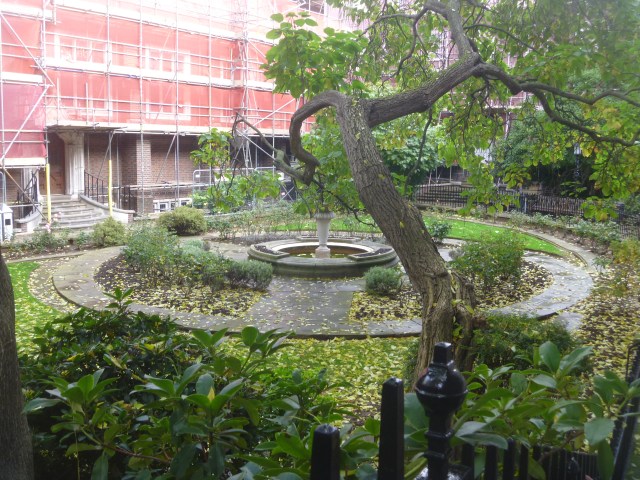
Staple Inn Garden

Staple Inn Courtyard Garden

This was our choice of activity when I met my sister in London on Friday. Eight of us, including three French women, turned up at Chancery Lane Tube Station at noon just as the rain was stopping and the skies were brightening. We met Jackie who was to lead the tour and she took us just behind the station and into Staple Inn garden.

Staple Inn

“Staple Inn was originally attached to Gray’s Inn, which is one of the four Inns of Court. The Inns of Chancery fell into decay in the 19th century. All of them were dissolved, and most were demolished. Staple Inn is the only one which survives largely intact. It dates from 1585.” [Source]

The name Staple Inn comes from the fact that the building (dating from 1585) was originally the wool staple where wool was taxed and weighed.

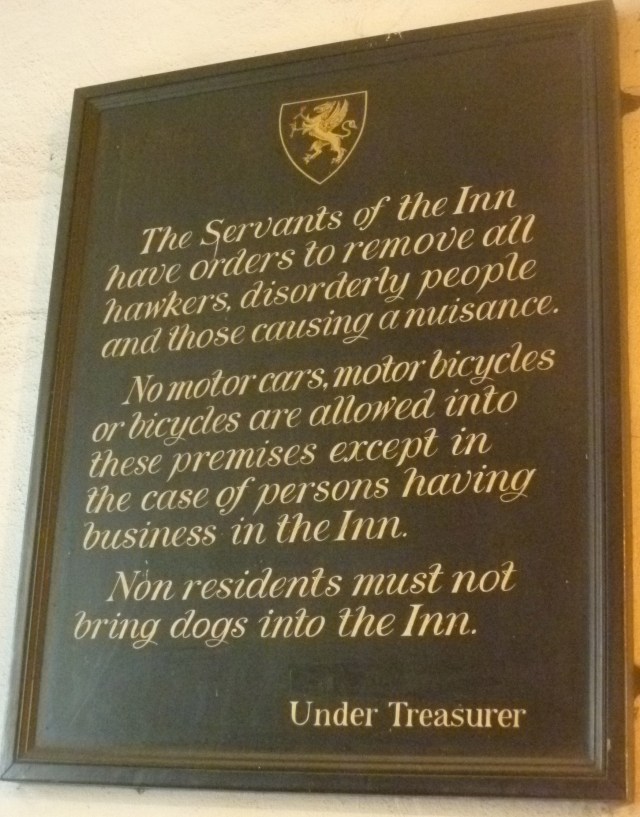
Grays Inn notice

There’s a lot of building work going on here so we didn’t tarry, just had a quick look round and then headed straight over Holborn and into our second garden that of Gray’s Inn.  “The Inn is known for its gardens, or Walks, which have existed since at least 1597.” [Source]

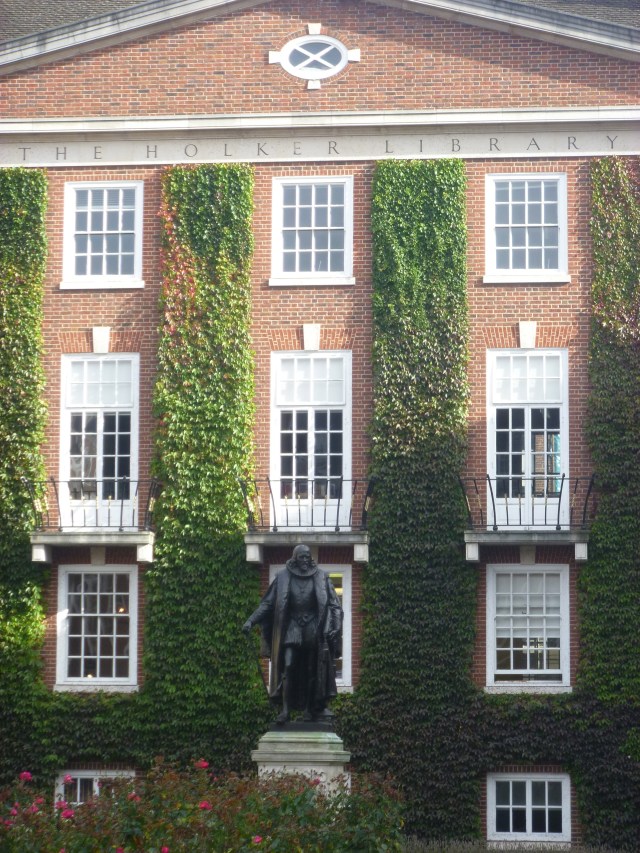
Bacon and Holker Library

Statue of Francis Bacon (1912) and The Holker Library

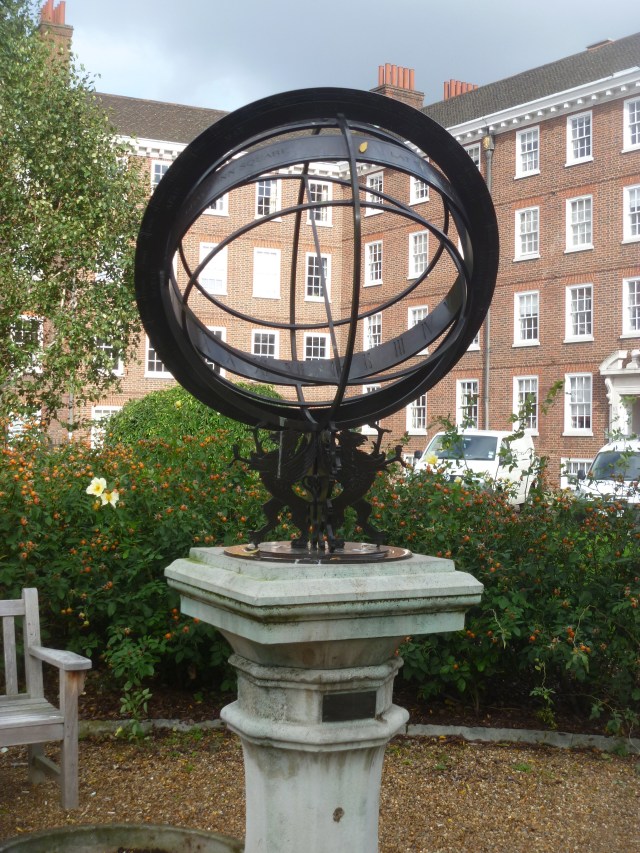
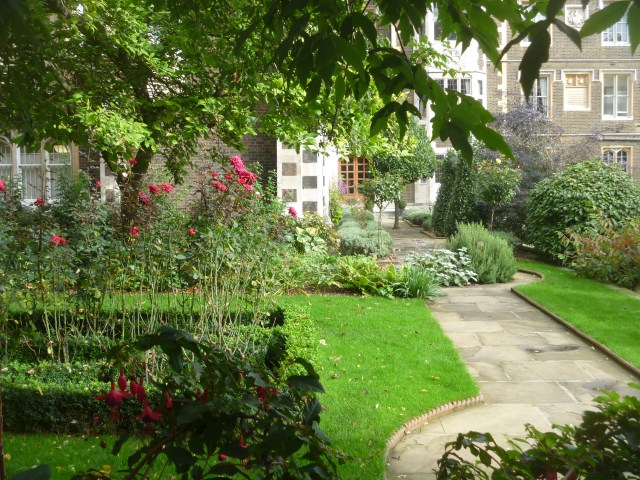
All of the gardens visited are havens of peace and tranquility and are just steps from the busy City of London streets. Gray’s Inn gardens are no exception. Dickens worked as a clerk here in 1828, and it features in several of his books including ‘David Copperfield’ and ‘Great Expectations’. There is a statue of Francis Bacon outside the Holker Library and through another arch and in another part of the gardens is an armillary – a form of sundial.

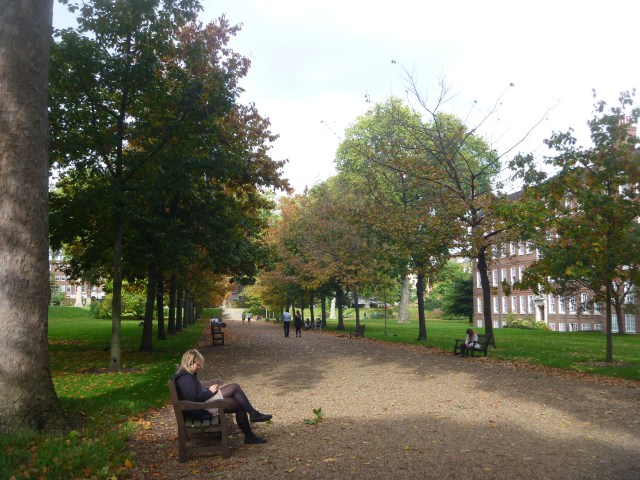
Peaceful Grays Inn

Peaceful Gray’s Inn Garden

Armillary consisting of hoops or rings

The Armillary

Grays Inn

The Gray’s Inn Walk

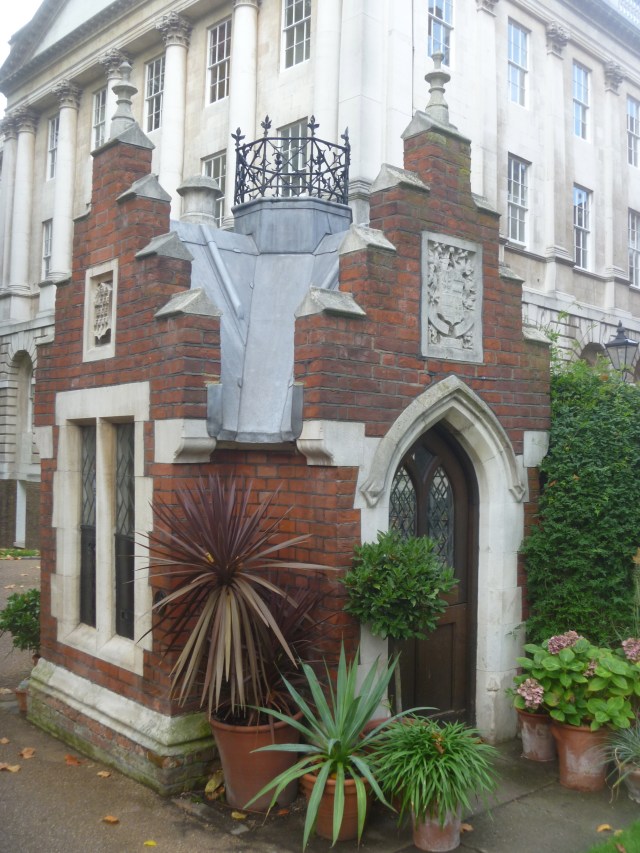
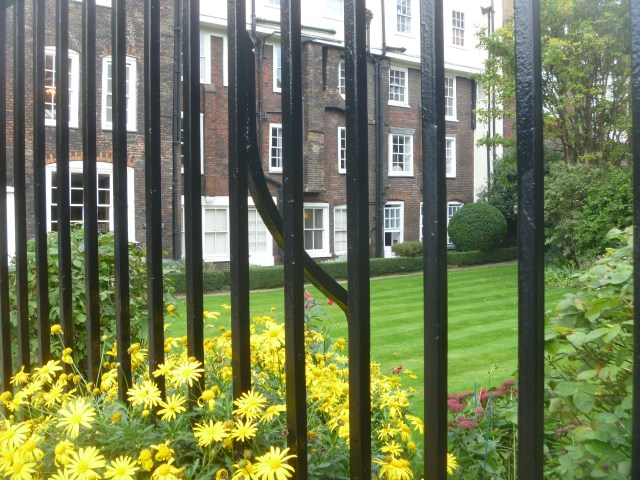
Back on the south side of Holborn is Lincoln’s Inn. Beautiful gardens surrounded by beautiful ancient buildings. On entering from Chancery Lane we came across a tiny ornate building which Jackie explained was the smallest City Grade 1 Listed building which had originally been built in 1860 for the man attending to law students’ horses while they worked : The Ostler’s Hut.

Lincolns Inn Ostler's Hut

The Ostler’s Hut, Lincoln’s Inn

Lincoln's inn

Lincoln’s Inn Chimney Pots

Lincoln's Inn rose

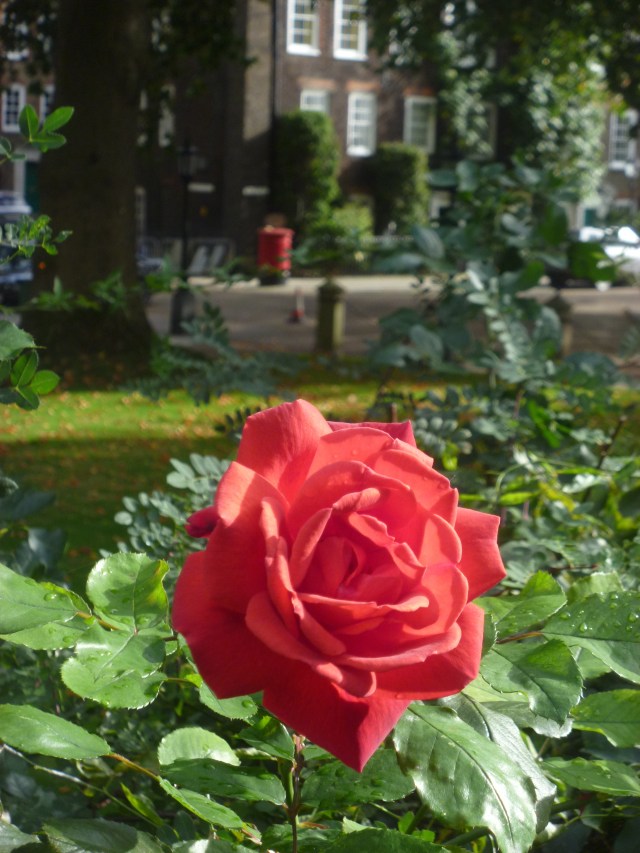
The Last Rose of Summer? Lincoln’s Inn

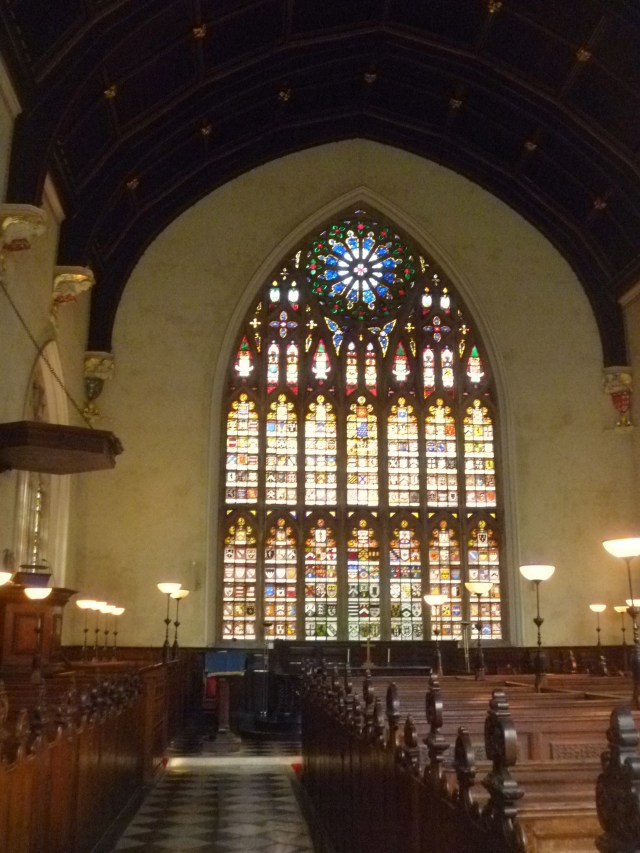
In Lincoln’s Inn we were able to go in the Chapel where the windows show the crests of the Treasurers from 1680 to the present day. The Treasurer is the head of the Inn and changes annually.

Lincoln's Inn Chapel

Lincoln’s Inn Chapel

L Inn Chapel window

Lincoln’s Inn Chapel Window

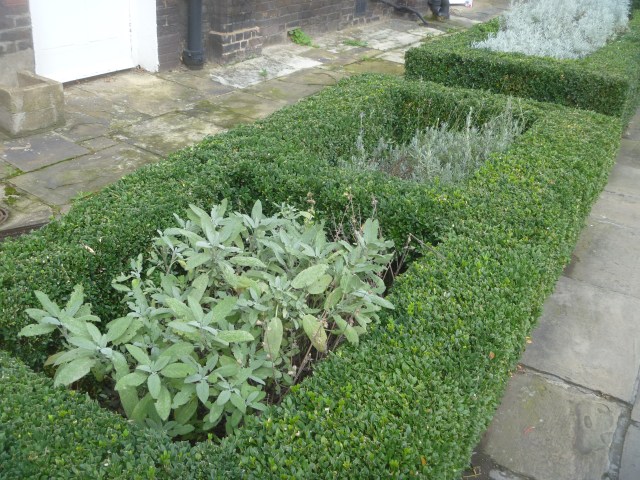
Lincolns Inn dry garden

Lincoln’s Inn tiny ‘dry’ courtyard Garden

Lincolns Inn herb plan

Lincolns Inn herbs

Lincoln’s Inn Herb Garden

LI looking back at herbs

Leaving Lincoln’s Inn

Leaving Lincoln’s Inn through Bell Yard we crossed Fleet Street and arrived at The Temple. It’s another fabulous place for a quiet picnic on a fine day although watch out for limited opening hours of some of the gardens.

Hare Court, within the Inner Temple, is home to several Chambers and some very comfortable benches.

Hare Court IT

Quiet Comfort in Hare Court

Hare Court Inner Temple Chambers

Inner Temple

IT gardens

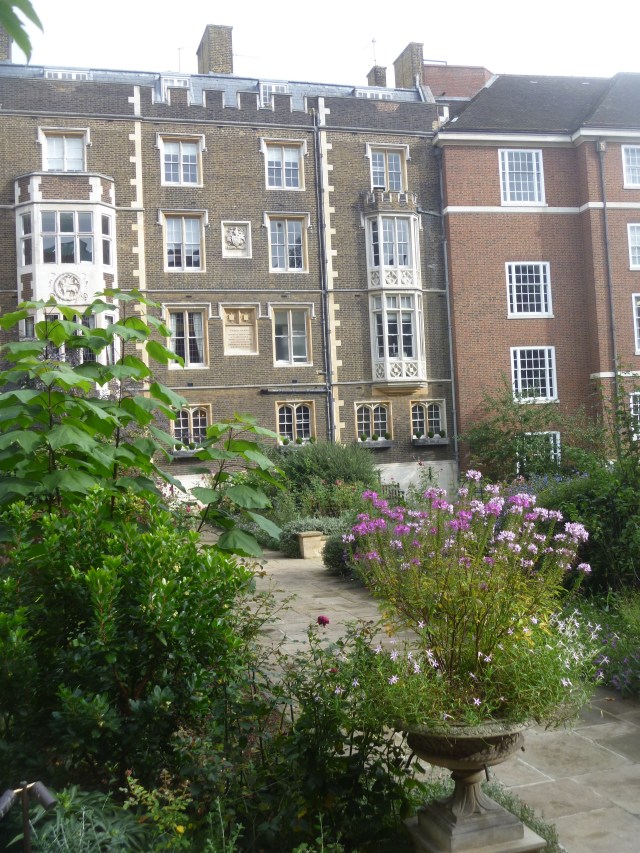
Inner Temple garden

Inner t garden

Inner Temple Gardens

It was at this garden, almost on the banks of the River Thames, that our City Gardens Walk ended. What lovely and still colourful, despite the autumnal weather, tranquil oases for further discovery and appreciation. Just our kind of “Quiet London“. So it was back to the bustle of Fleet Street and off to find somewhere for a late lunch.

Full Marks to Highgate Cemetery

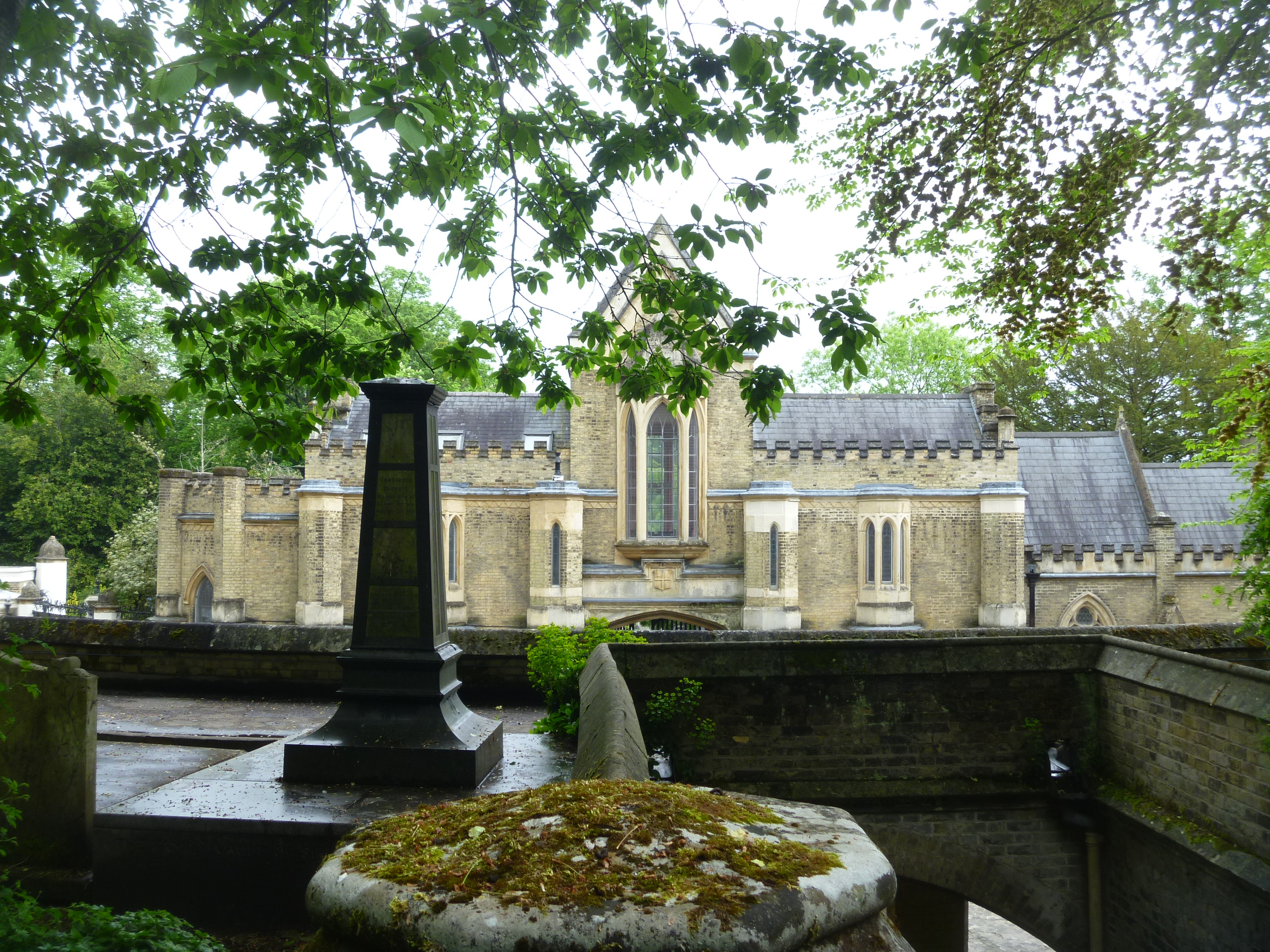
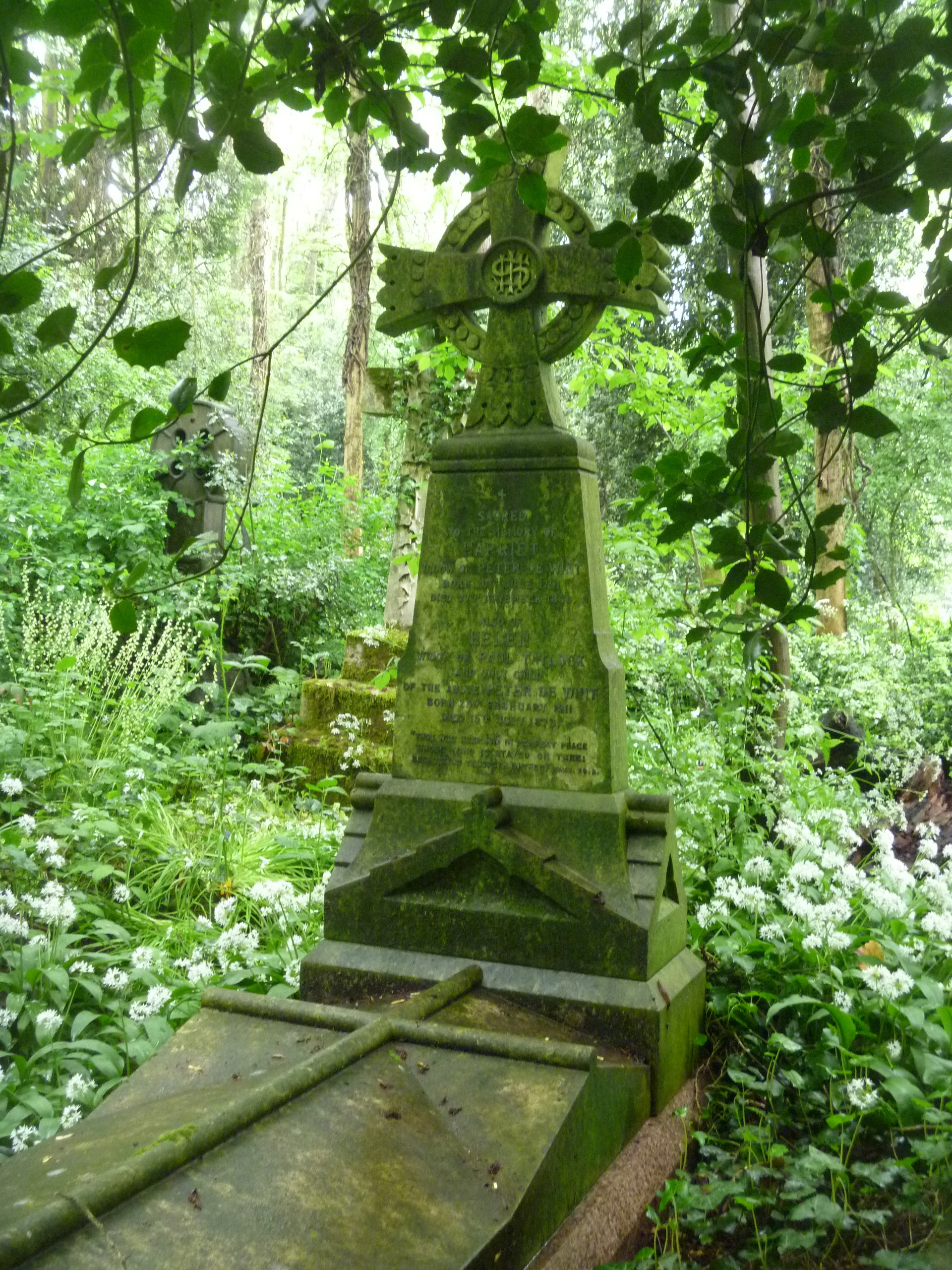
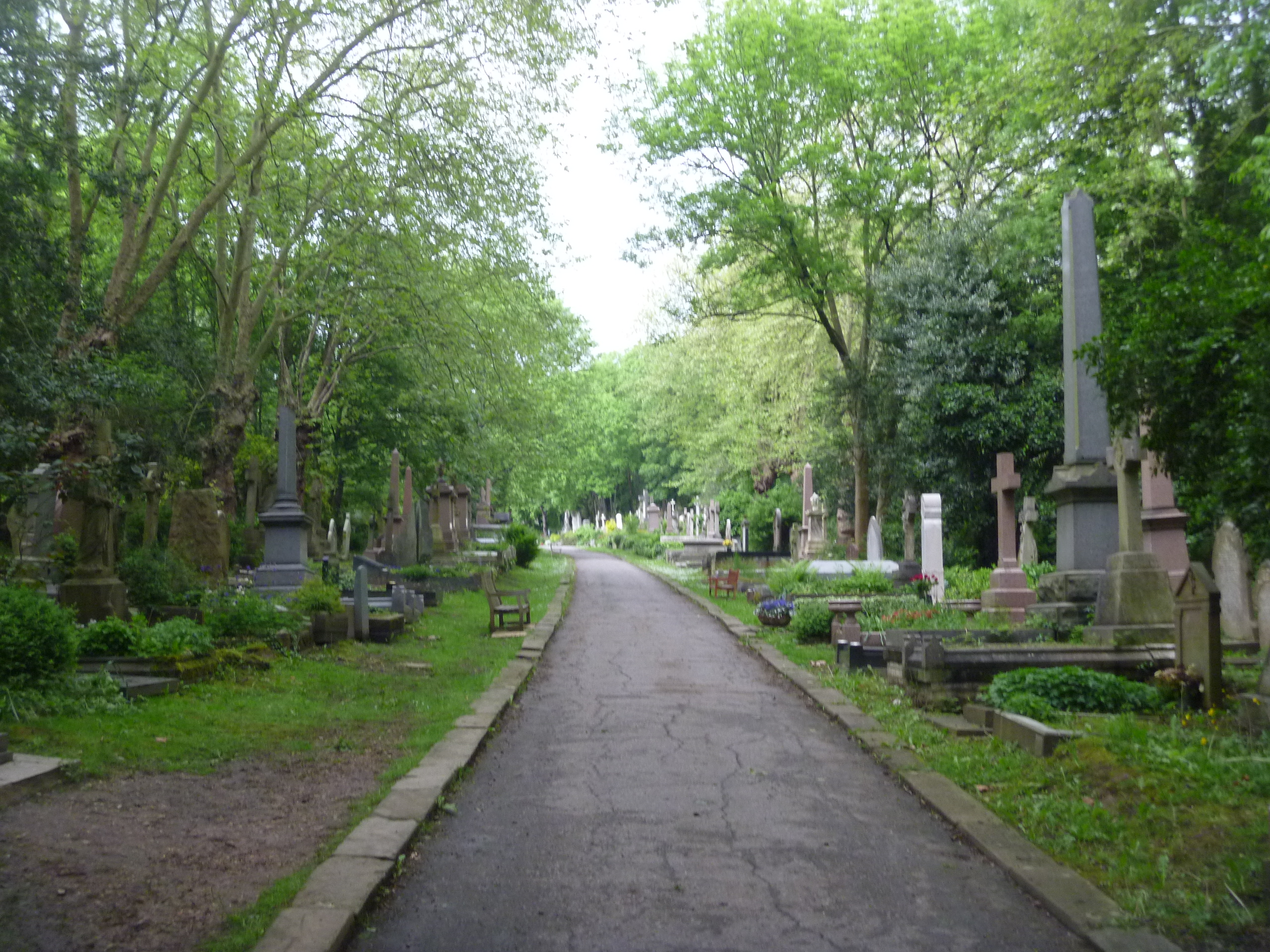
For a long time I’ve been intrigued to visit Highgate Cemetery and my chance arose last Thursday. There are two cemeteries on opposite sides of the road – Swain’s Lane – in Highgate. The East Cemetery which is home to the more famous graves and still in use today (at a high price!) can be visited by anyone during opening hours for a charge of £4. The West Cemetery you have to book in advance during the week and join an organised tour. There are some more recent burials here (the so-called Russian dissident Alexander Litvinenko for one, and the author Beryl Bainbridge for another) but mostly it is full to bursting with Victorian funerary art and symbolism. The cost of the West tour also covers the entrance fee to the East Cemetery.

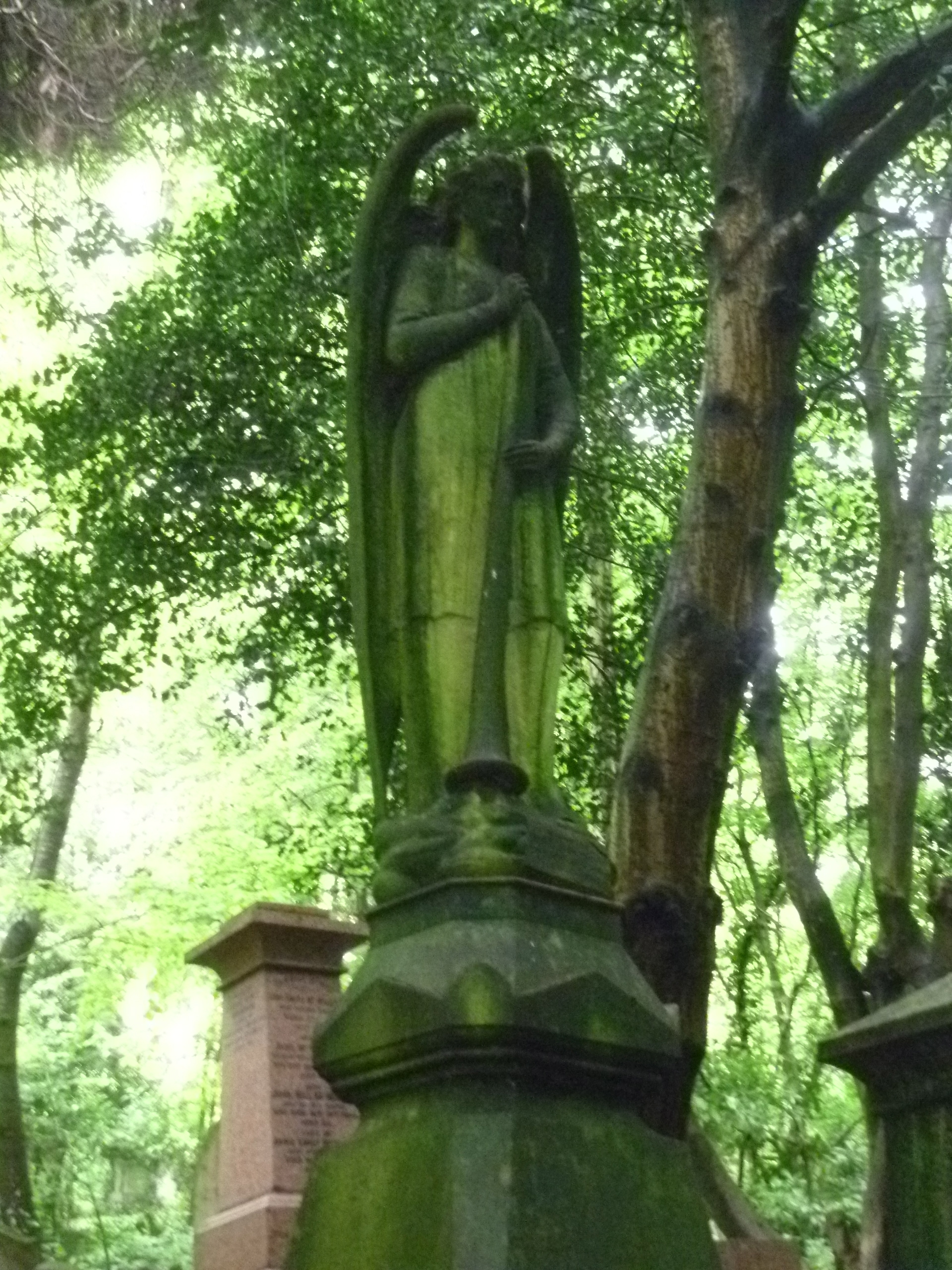
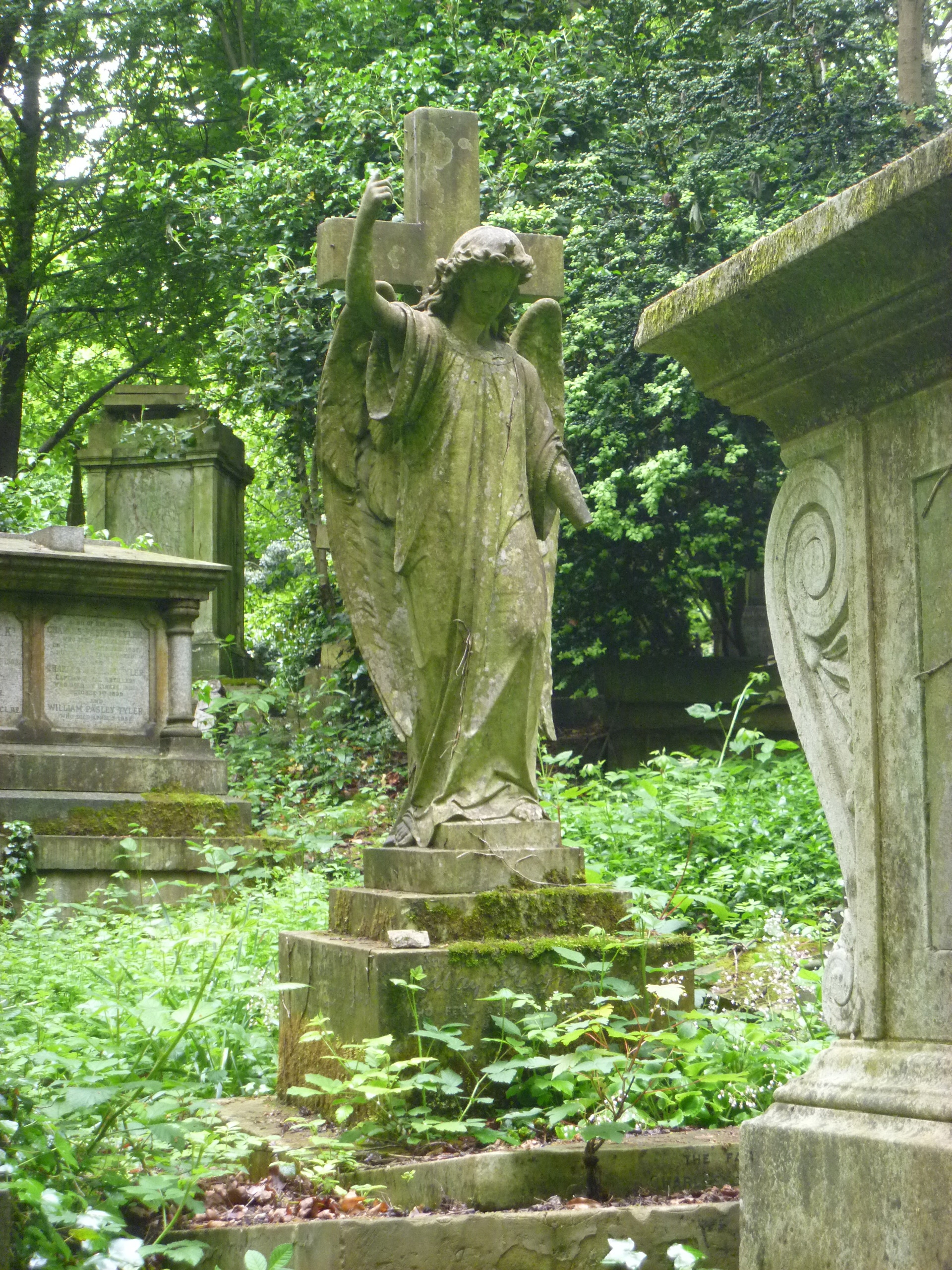
Angel and trumpet

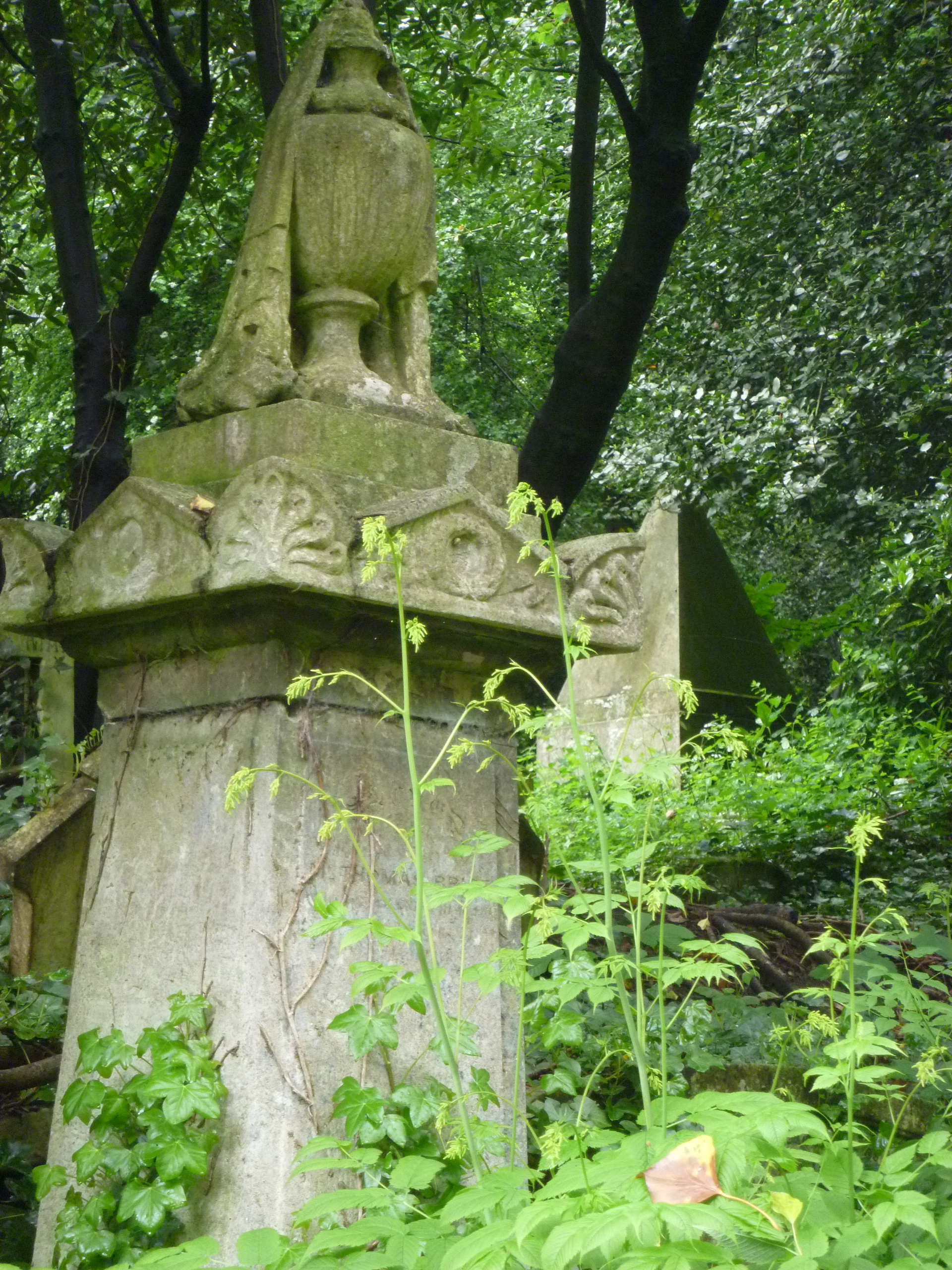
Draped urn

Highgate Cemetery was one of London’s ‘Magnificent Seven‘ cemeteries established during the early 19th century in order to alleviate overcrowding in the city’s churchyards :

Kensal Green Cemetery, 1832
West Norwood Cemetery, 1837
Highgate Cemetery, 1839
Abney Park Cemetery, 1840
Nunhead Cemetery, 1840
Brompton Cemetery, 1840
Tower Hamlets Cemetery, 1841

Highgate Cemetery West

Here is the description on the opening page of the cemetery website :

One of London’s greatest treasures
Highgate Cemetery is a haven of beauty and tranquility, a place of peace and contemplation where a romantic profusion of trees, memorials and wildlife flourish in the heart of London

Highgate West

Highgate W

That description proved oh so true on my visit last Thursday. It is a wonderfully atmospheric place. During the introduction to the tour Gordon, our leader, explained the current policy of ‘managed neglect’. During the 1970s it was no longer profitable to run the cemetery commercially and it was left to go to rack and ruin and vandals and thieves. In 1975 a band of locally interested parties got together to rescue the cemetery and establish The Friends of Highgate Cemetery Trust which now runs the place, organising the paid staff as well as the countless volunteers, who help to guide tour groups and maintain this special landscape.

The broken column symbolises a life cut short

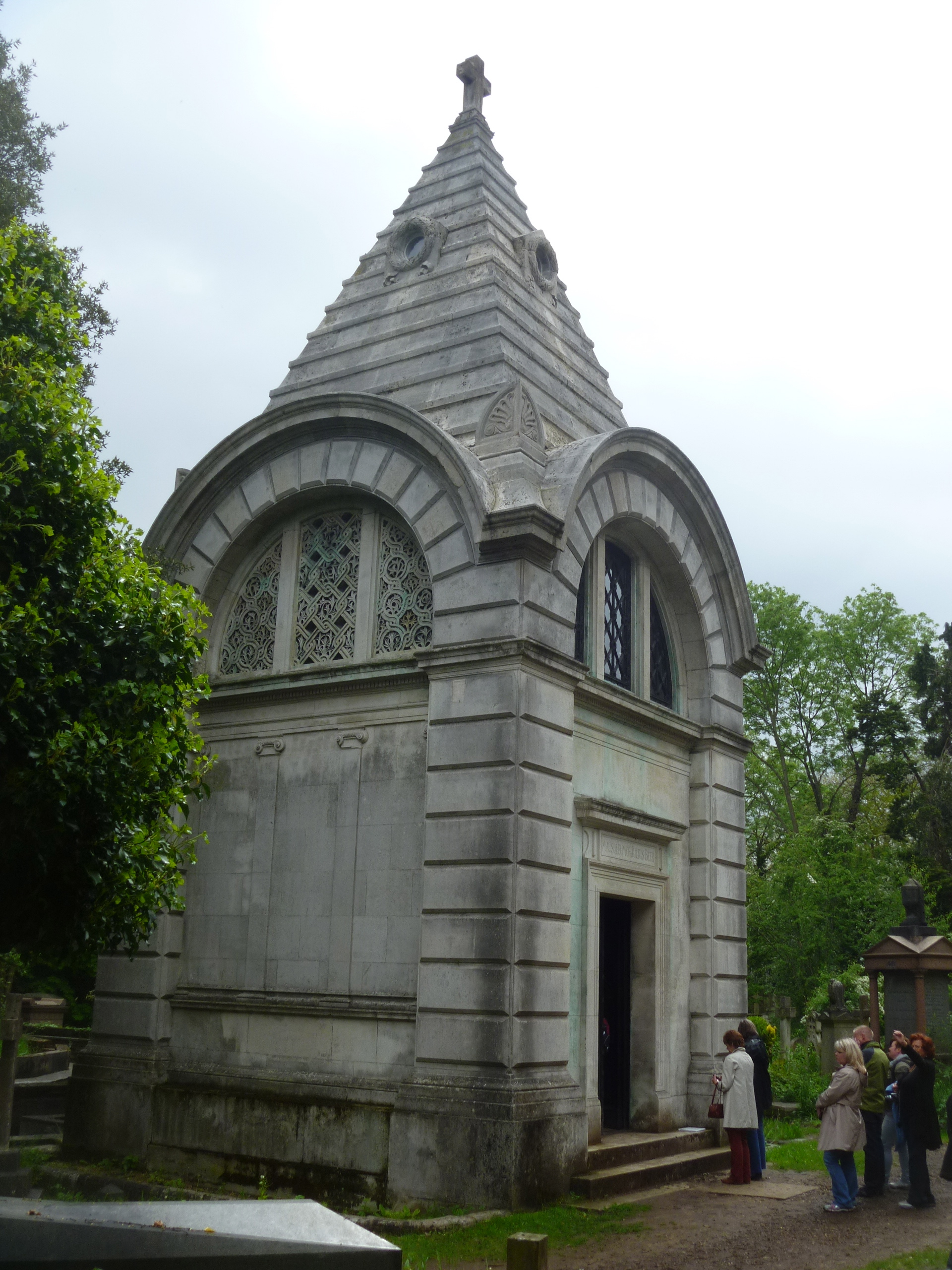
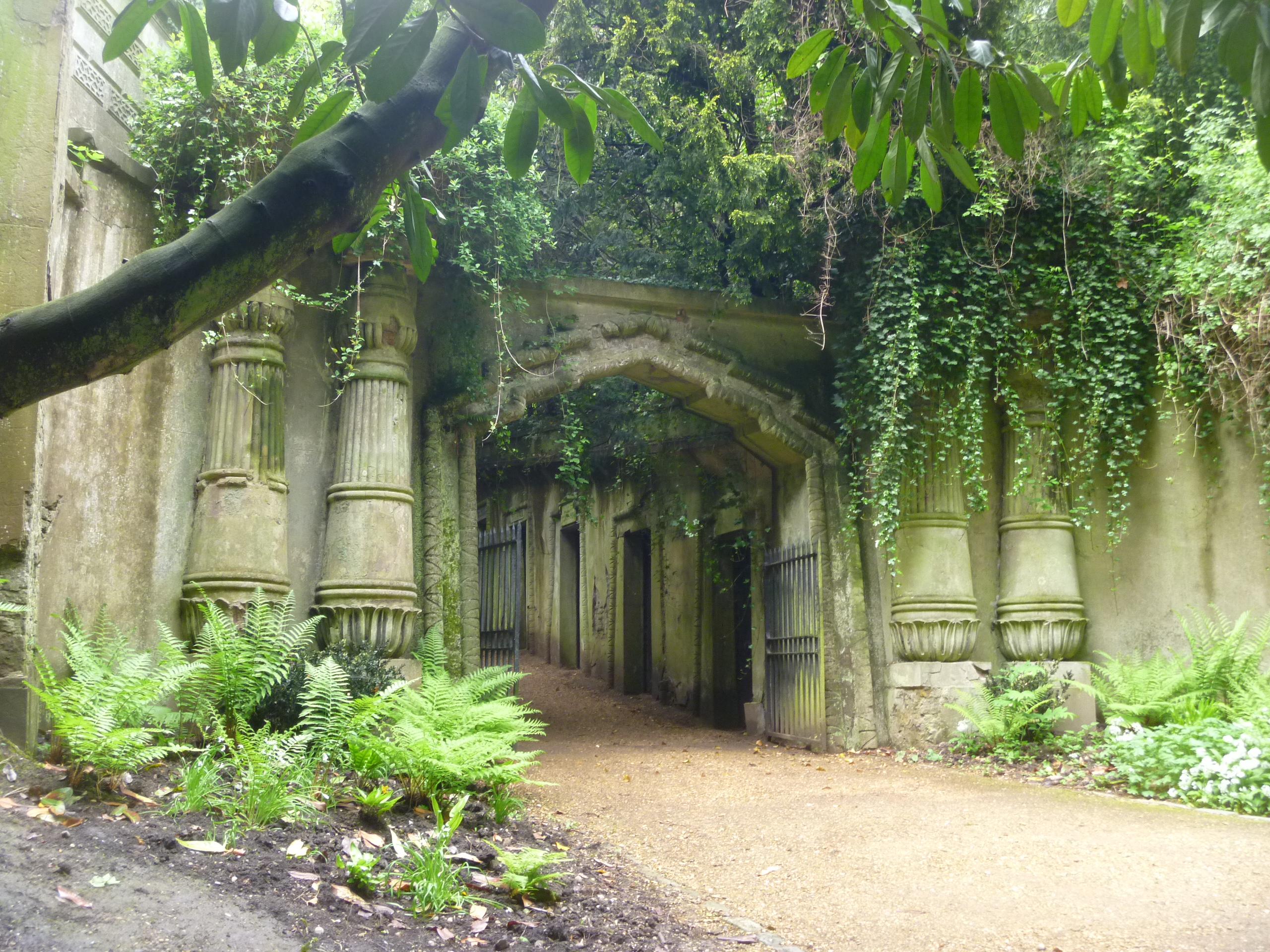
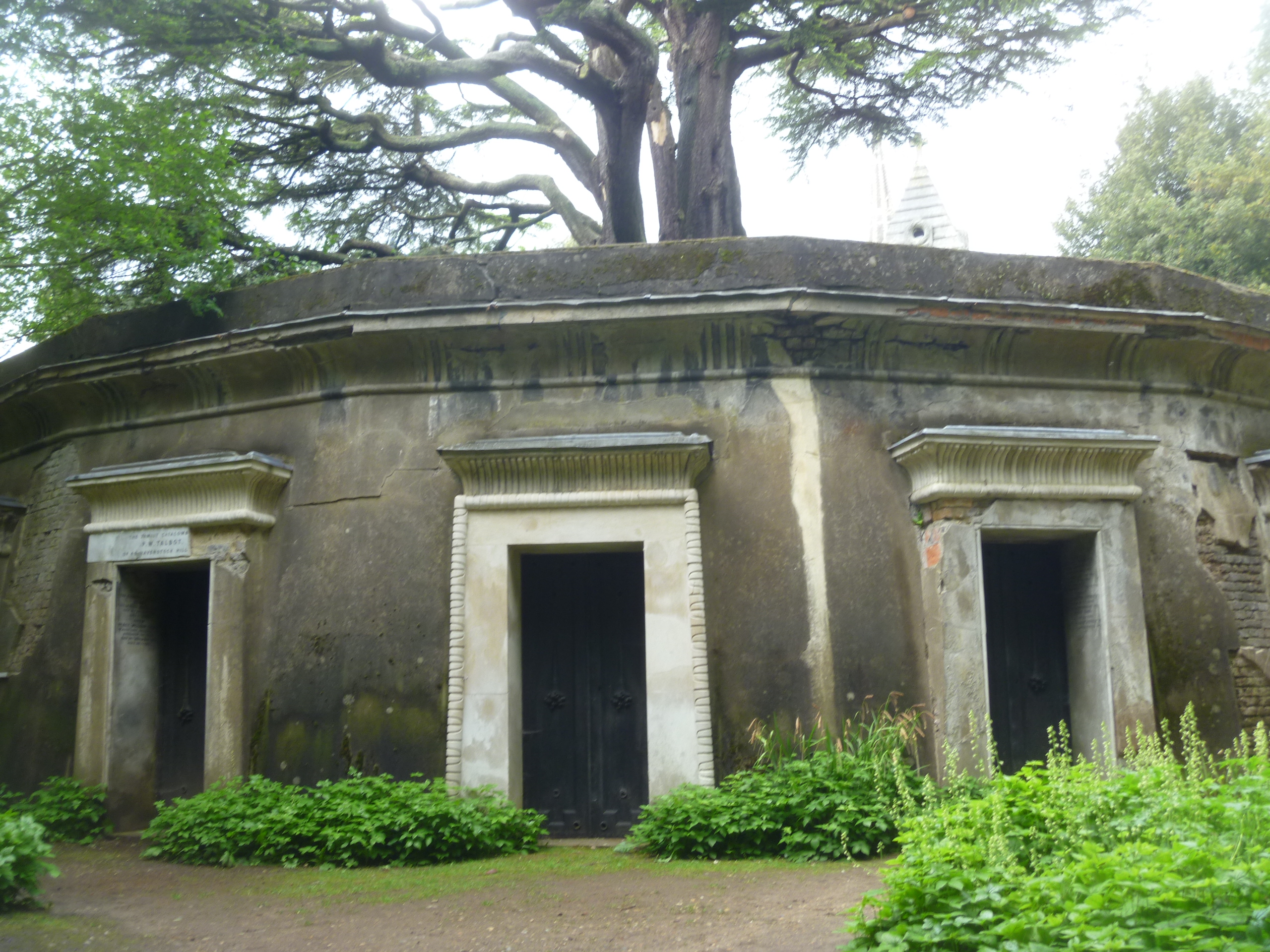
We visited a number of graves of significant people of the 19th and 20th centuries and the symbolism of many of the features was also explained to us. Three tier plinths represent faith, hope and charity; a trumpet means The Judgement Day; a broken column a life cut short. We heard stories connected with some of those buried here, were able to go into the Terrace Catacombs and the Julius Beer Mausoleum and visited the Egyptian Avenue, the Circle of Lebanon and the funerary chapel.

Mausoleum of Julius Beer

The Mausoleum of Julius Beer (no photography allowed inside)

Egyptian Avenue

The Egyptian Avenue

Cedar of Lebanon Circle

The Cedar of Lebanon Circle

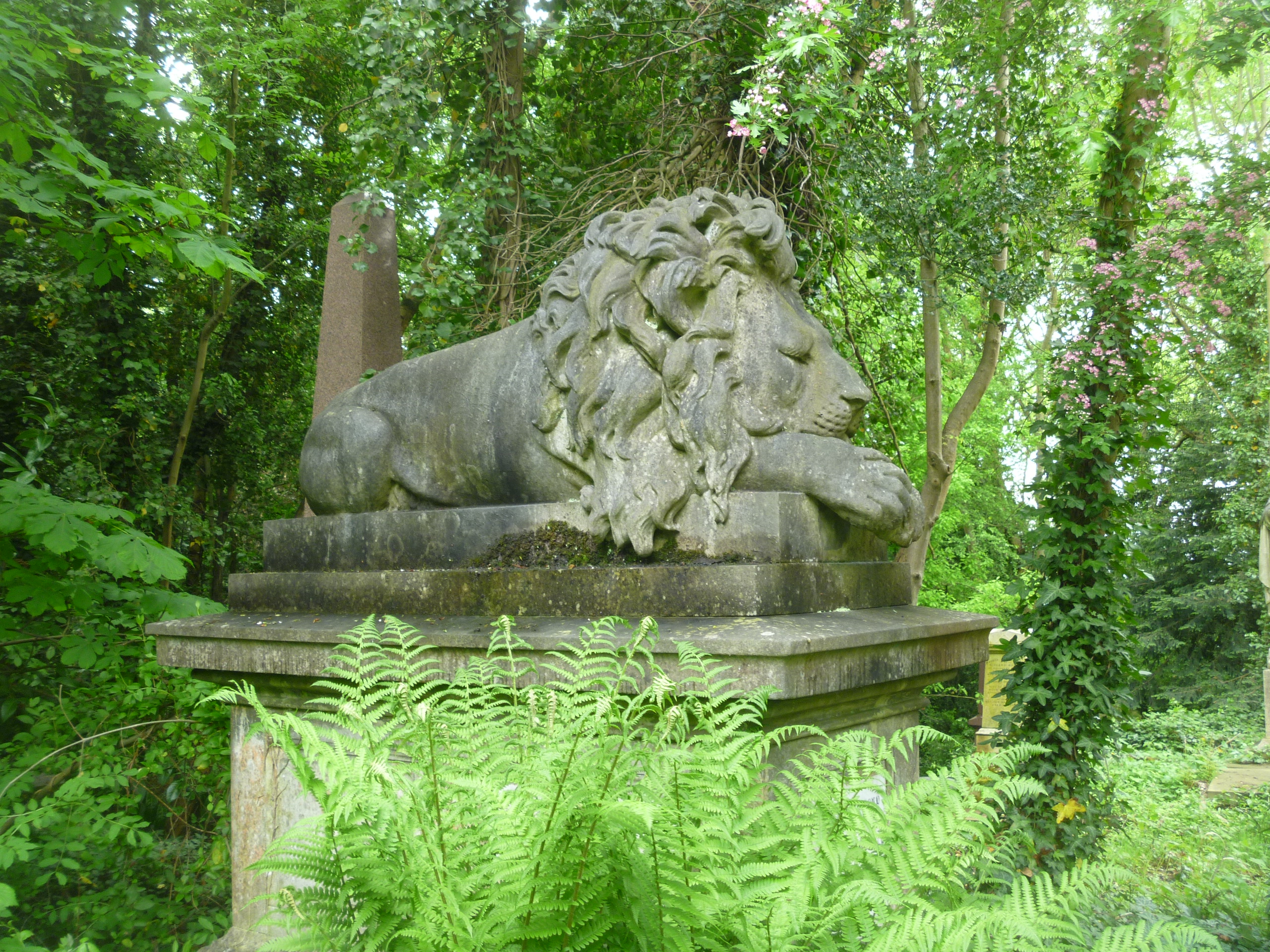
George Wombwell's Nero

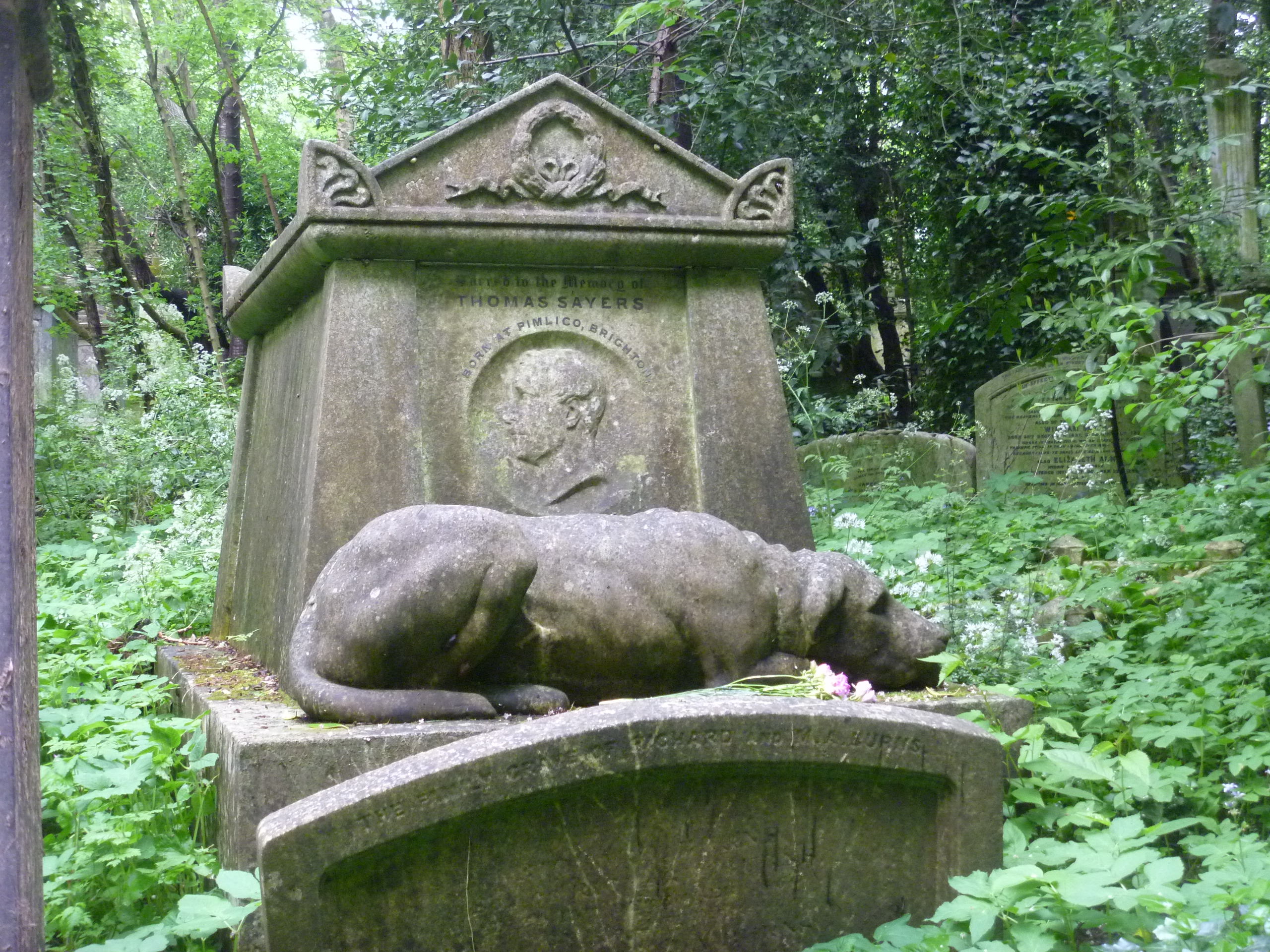
Animal friends even accompany their masters: Nero guards his master George Wombwell a Menagerist

And Thomas Sayers’ bull mastiff, below

Thomas Sayers and his bull mastif

A live inhabitant

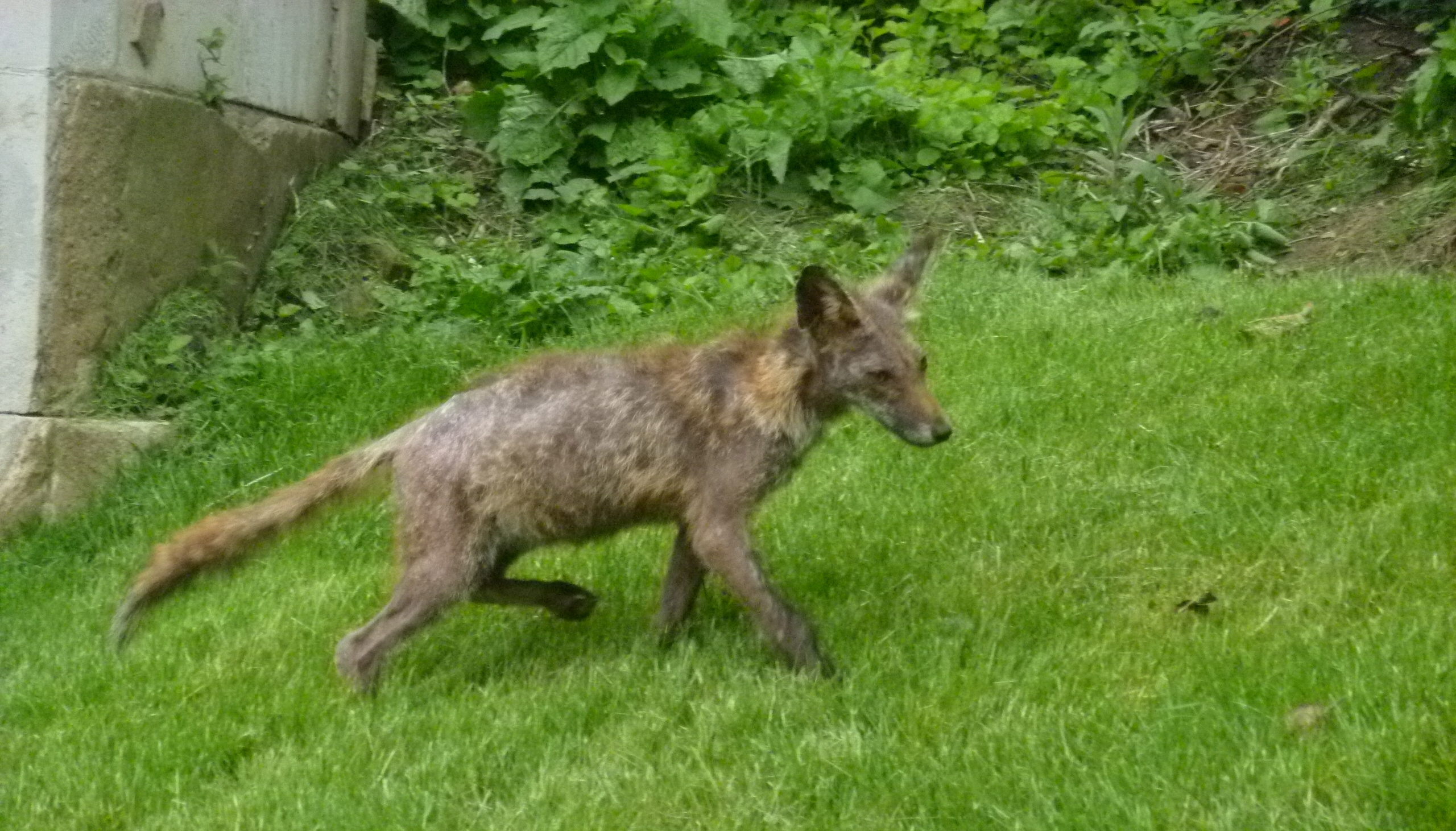
We even saw a live inhabitant!

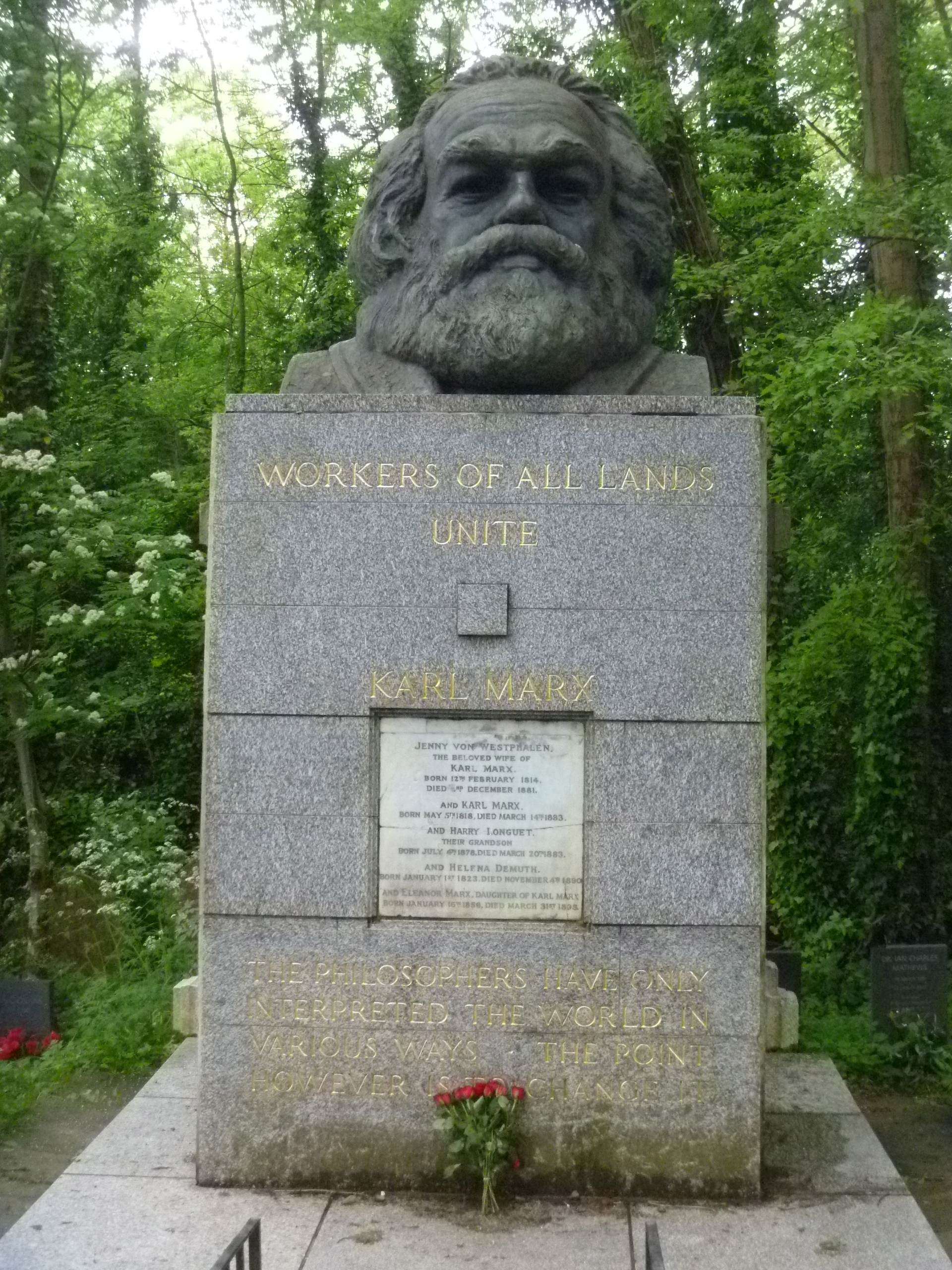
The East Cemetery has its own atmosphere and clearer to follow paths with less undegrowth and many more recent and famous graves and memorials – the most famous probably being that of Karl Marx erected and paid for by the British Communist Party in 1955. It is truly larger than life.

Highgate Cemetery East

Karl Marx

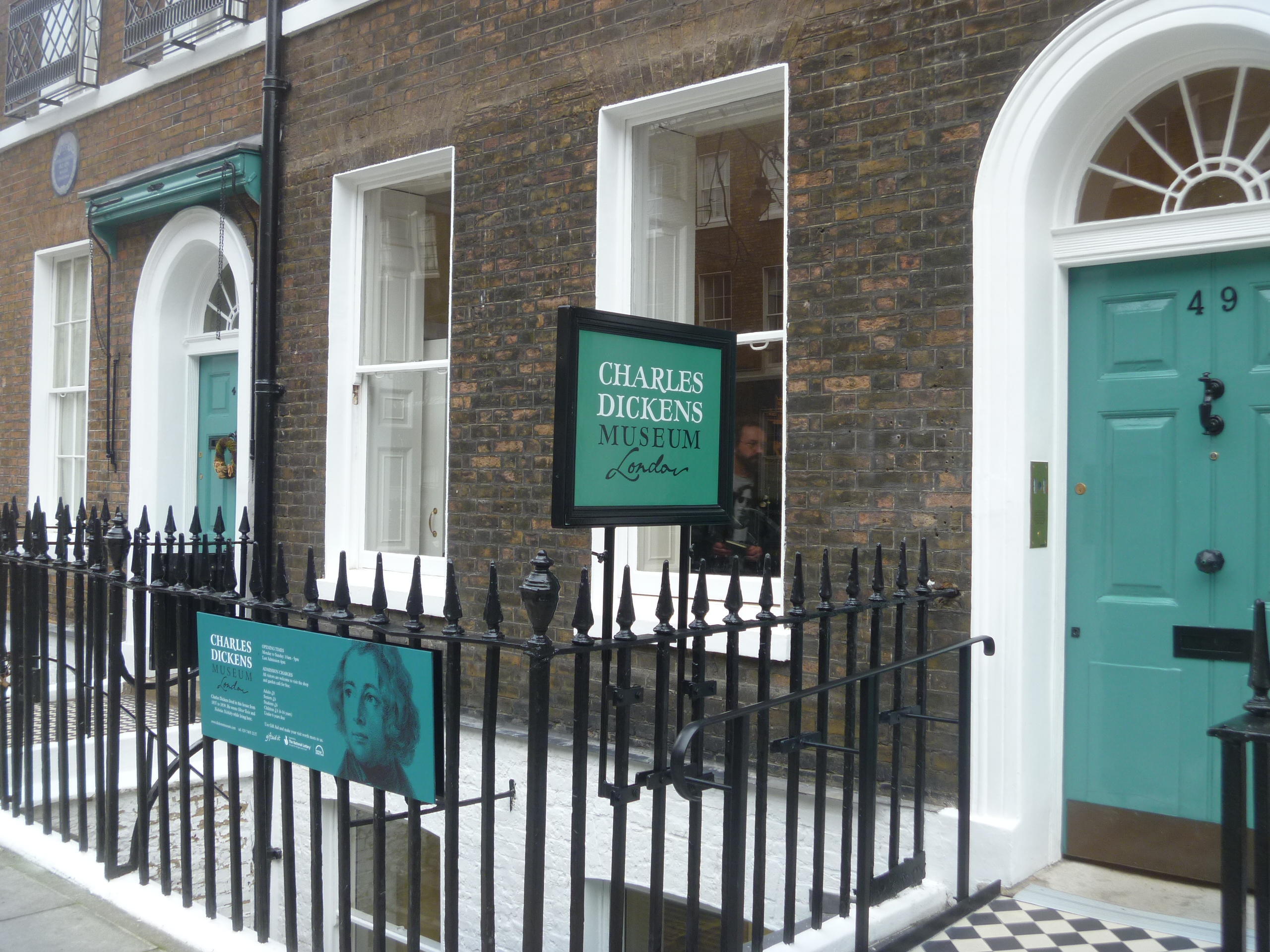
A Complete Face Lift at Dickens House Museum

On my first visit to The Dickens House Museum a few years ago I came away thinking what a very disappointing experience it had been. As a Dickens fan I had had high hopes of the visit.

Dickens House Museum (Jan 2008)

Dickens House Museum (January 2008)

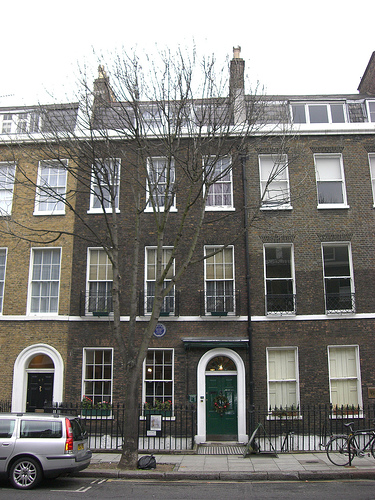
Dickens House (Jan 2013)

The Dickens House Museum (January 2013)

On Friday 4th January after our stay at Hampton Court Palace we decided to visit the newly re-opened Museum to see whether matters had improved.

The Dickens House Museum is the only remaining London home that Dickens occupied and that was for only about two years. It was at a time when he was not long married, was making a name for himself and it was here that he wrote Oliver Twist and Nicholas Nickleby. The address is 48 Doughty Street in Bloomsbury, WC1.

Number 48 Doughty Street was an important place in Charles Dickens’s life where he resided from 1837 until 1839. Dickens described the terraced Georgian dwelling as ‘my house in town’.

Two of his daughters were born here, his sister-in-law Mary died aged 17 in an upstairs bedroom and some of Dickens’s best-loved novels were written here, including Oliver Twist and Nicholas Nickleby. However Dickens required more space for his growing family and moved to 1 Devonshire Terrace in 1839. The house remained a residential property, but was threatened with demolition in 1923, when the Dickens Fellowship acquired it. The Museum was opened in 1925 and has become the home of the world’s finest Dickens-related collection.” From the Dickens House Museum website.

I have to concur with what fellow WordPress blogger “Visiting Houses and Gardens” said about it here. However, the house has been closed for renovations [The Great Expectations Project] for a good part of 2012 – the Dickens Bicentenary Year.

It reopened in December last year and a great amount of work must have been done during that time. With the help of National Heritage Lottery Funding the adjacent house was purchased and that now houses all the offices, the shop, cafe and other requirements for this modern age of “Heritage Visiting”. Number 48 is now purely Dickens’ Home as it might have looked at the time that he lived there – 1837-1839.

We are invited by the Museum to : “Step this way”

“Visitors to 48 Doughty Street can see the house as it might have been when Dickens lived here.  Rooms are decorated in the early Victorian style that Dickens would have favoured and personal posessions of Dickens from his lifetime as well as manuscripts, letters and portraits are on display.”

So, on entering number 49 we were directed into the front room of this house where there was a shop and the cash desk. We were handed a guidebook each with instructions to return it on leaving the Museum. From there we stepped into number 48 and toured the house that Dickens knew and we enjoyed (and learned from) the experience.

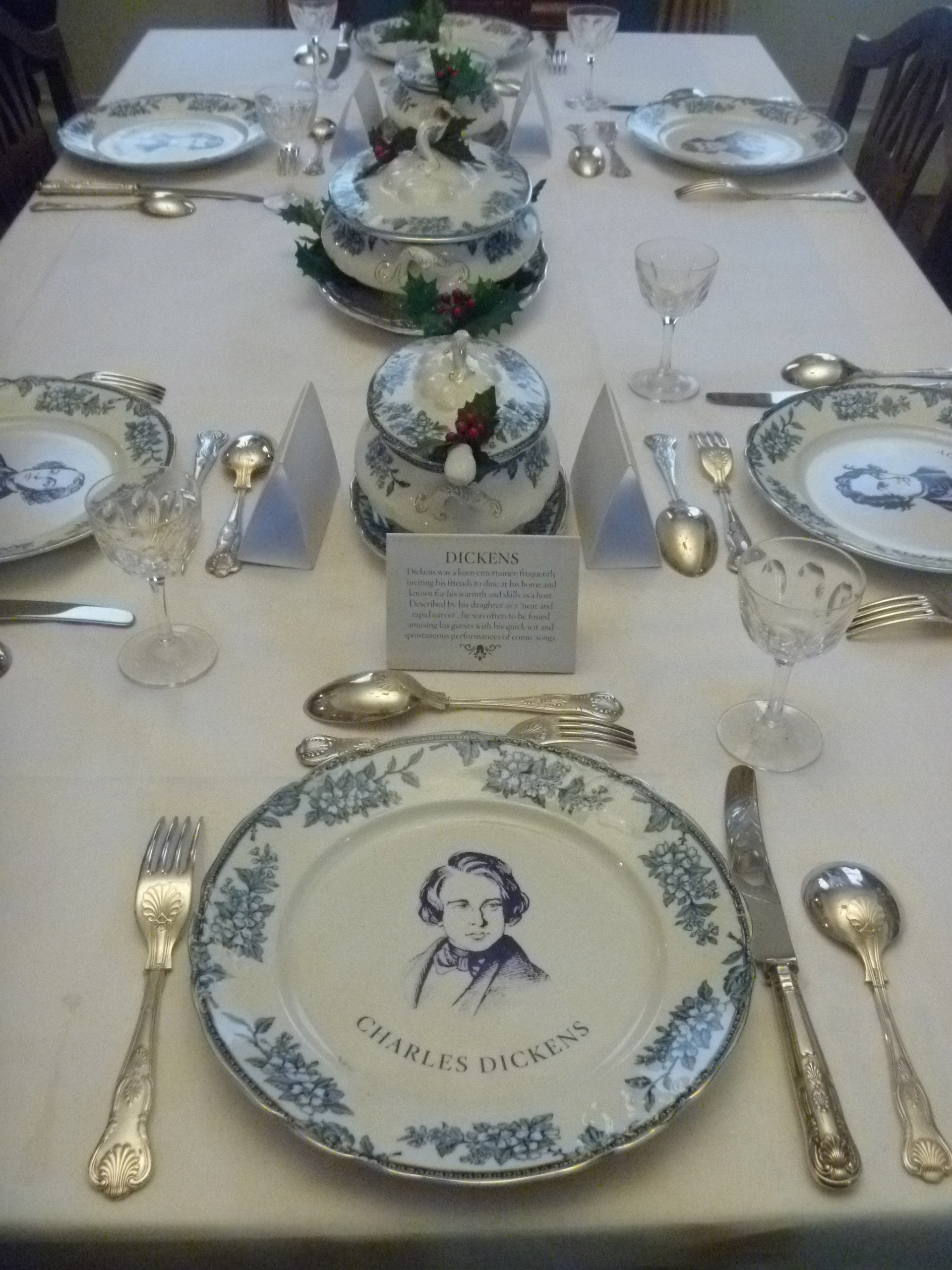
Dining with Dickens

Dining with Charles Dickens

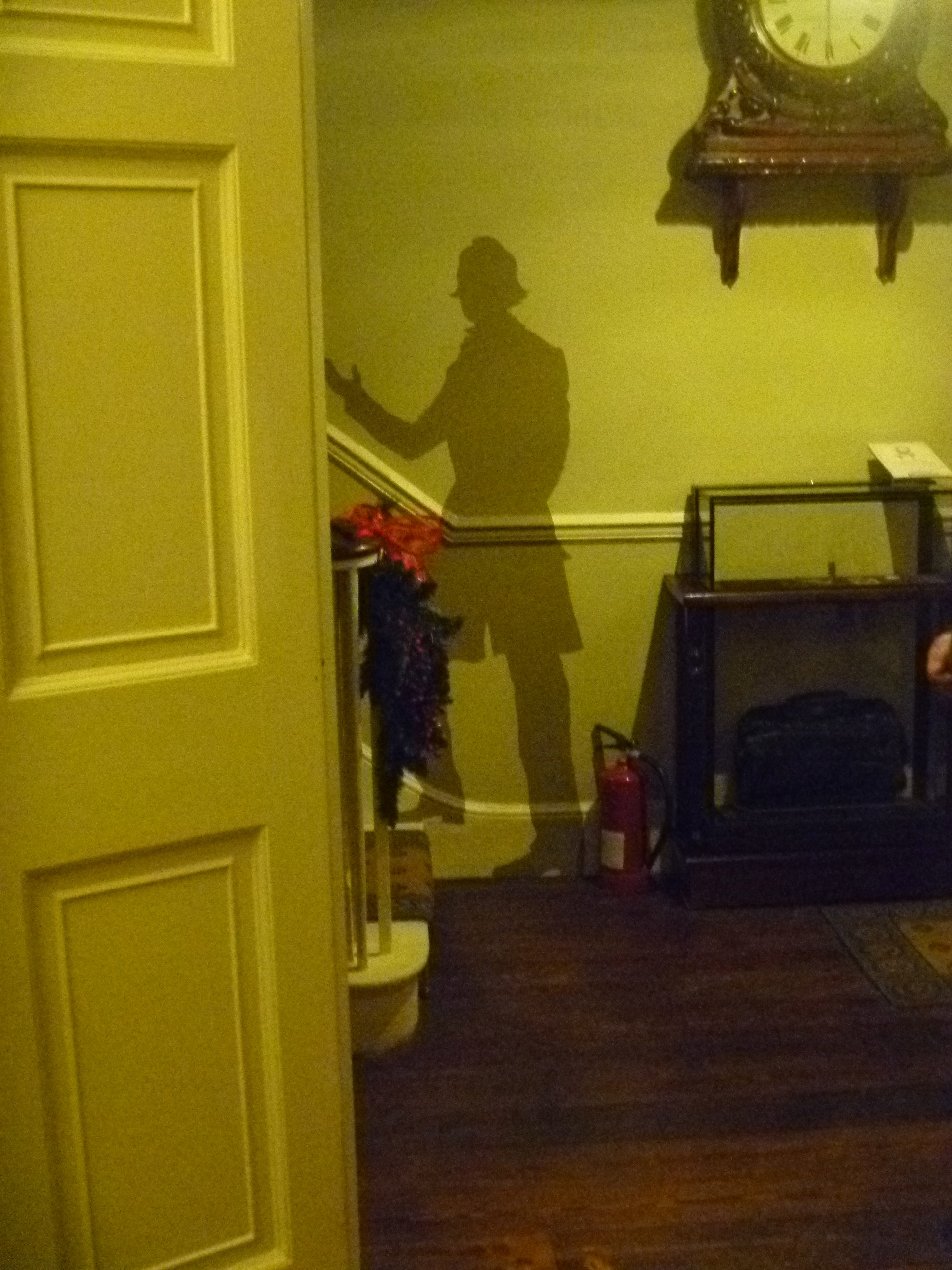
This Way!

This way to the Sitting Room, Everyone!

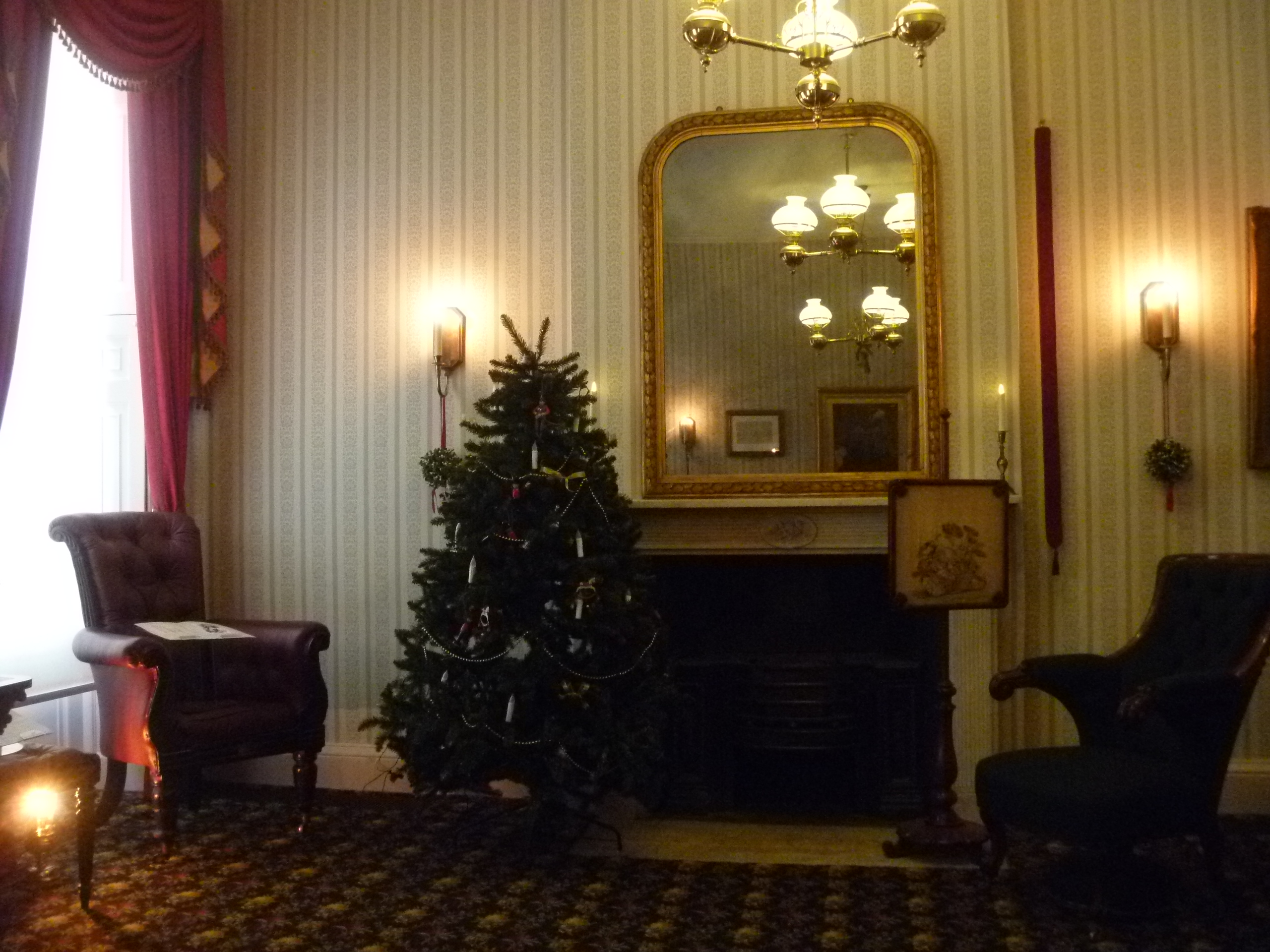
First Floor Sitting Room

The Dickens Family Sitting Room at Christmas

Living at Hampton Court Palace

“I’ve often thought I should like to live at Hampton Court. It looks so
peaceful and so quiet, and it is such a dear old place to ramble round in
the early morning before many people are about.”
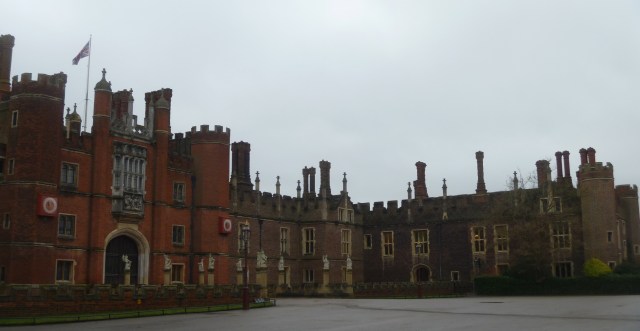
Hampton Court

One of my favourite humorous books of all time is “Three Men in a Boat (to say nothing of the dog)”  by Jerome K. Jerome from which the above quotation has been taken.

Fish Court sign

Lucky me, last week I was able to stay a couple of nights in this 1,000 room palace and ramble around it out of hours when few or even no people were around. Since 1993 The Landmark Trust have run the two Hampton Court Properties on behalf of the Royal Palaces. We visited friends at The Georgian House two years ago and this year my sister and I stayed in the Fish Court apartment.
Fish Court

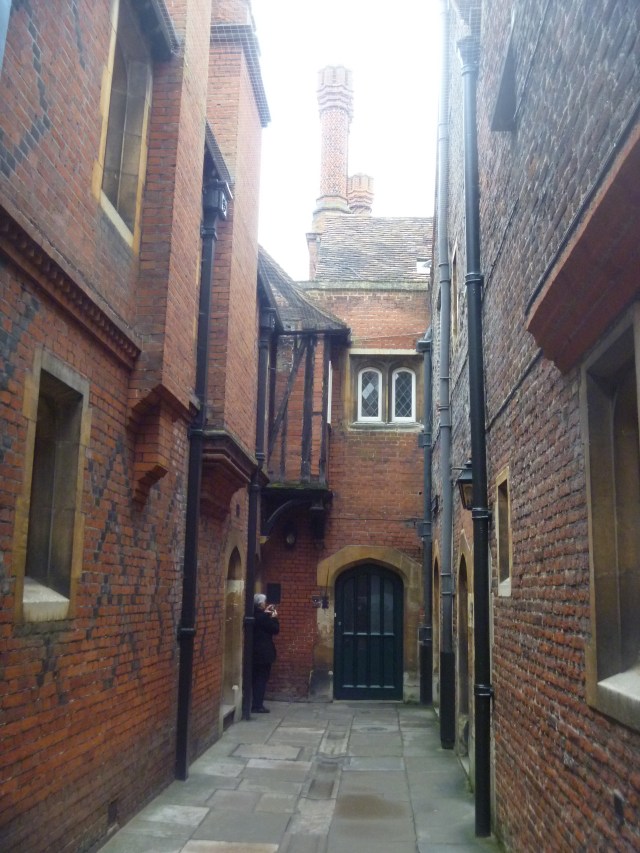
Fish Court and the door to the Apartment

Tennis Court Lane

Tennis Court Lane – The Georgian House is on the left and Fish Court on the right

Hampton Court Palace was built by Cardinal Thomas Wolsey during the years after 1514 when he first acquired the riverside site. In 1529 as a last-ditch effort to appease the king’s wrath he presented the sumptuous palace to His Majesty King Henry VIII. He had failed to obtain an acceptable result with regard to the king and his first wife, Catherine of Aragon. Soon after, all of his property was made forfeit to the King. And so the Palace became a favourite home of Henry and his children and his descendants and royalty until 1760 and the death of George II. Henry built and extended the Tudor Palace further and William III and Mary (1689-1702) brought about further rebuilding and remodelling.

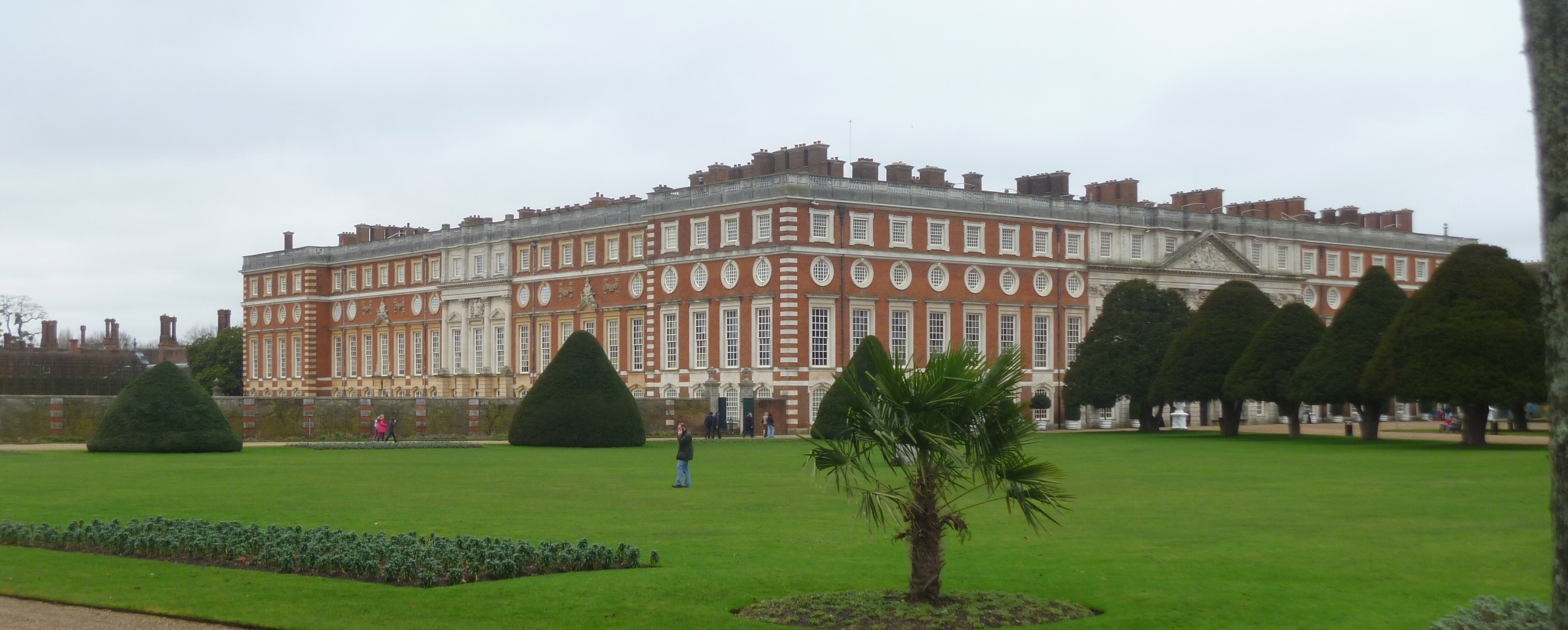
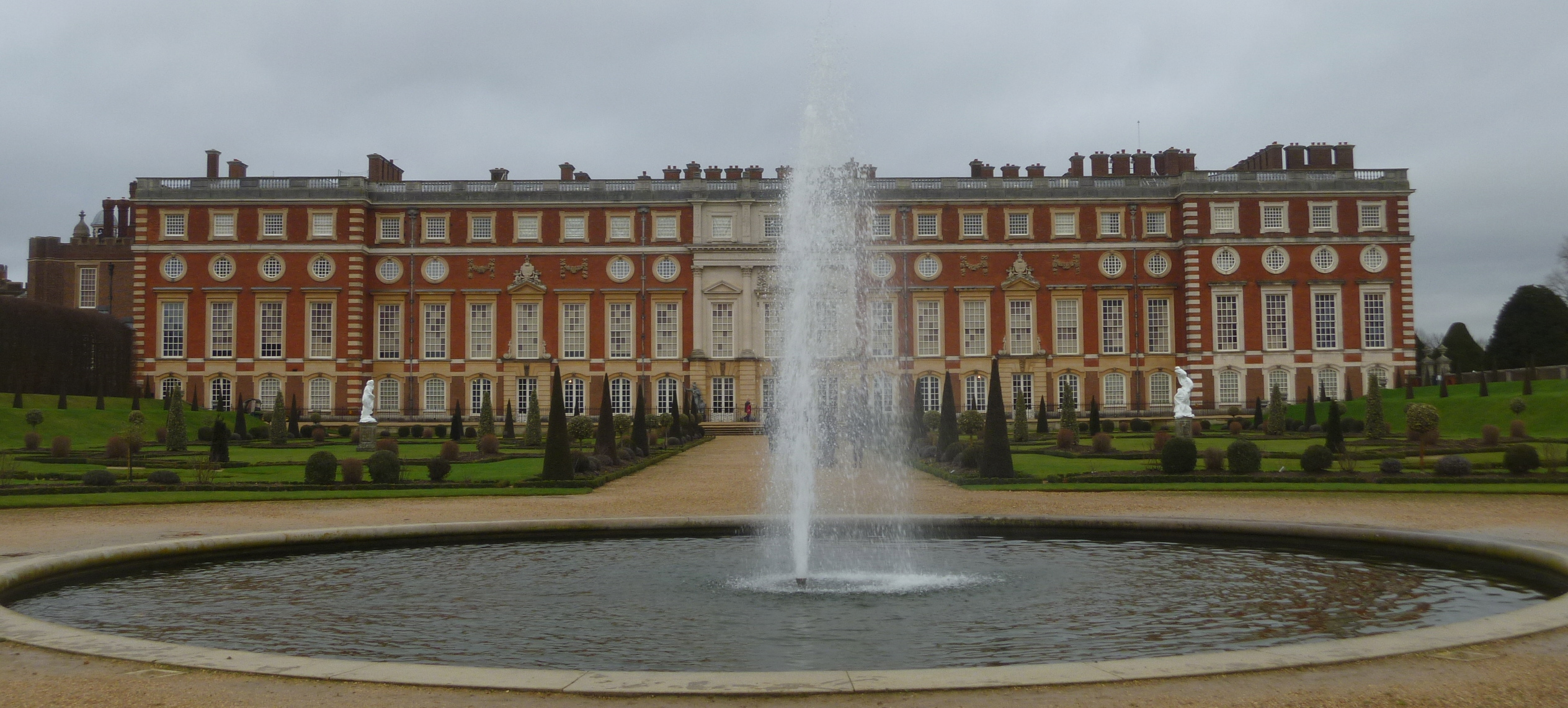
HCP East Front

There’s a huge contrast between the original west-facing Tudor building (top) and the newer East and South Fronts (above).

During and after the reign of George III the palace ceased to be used by royalty and was subdivided into a large number of dwellings and apartments. These residences were called ‘Grace and Favour’ homes. I have long known about there existence because I remember in the 1950s and early 1960s when I was a Brownie and later a Girl Guide one of the annuals featured a story about Lady Olave Baden-Powell, the widow of Lord Robert Baden-Powell, the then Chief Guide, living in a Grace and favour apartment at the Palace.

A celebrated and much-loved 20th century figure, Lady Baden-Powell, moved into her palace apartment in 1942. She was heavily involved in the Scouting Movement that her husband had founded. Lady Baden-Powell’s response following the offer of a palace apartment in 1942. “I was astounded; I had never dreamed of such a privilege being accorded me’. The apartment was ‘a bit dilapidated’ because of the war but most importantly would be ‘home’”. She described how, during the war, she survived a bomb, which exploded causing her ceiling to collapse in 1944.”

Taken from : Grace and Favour HCP

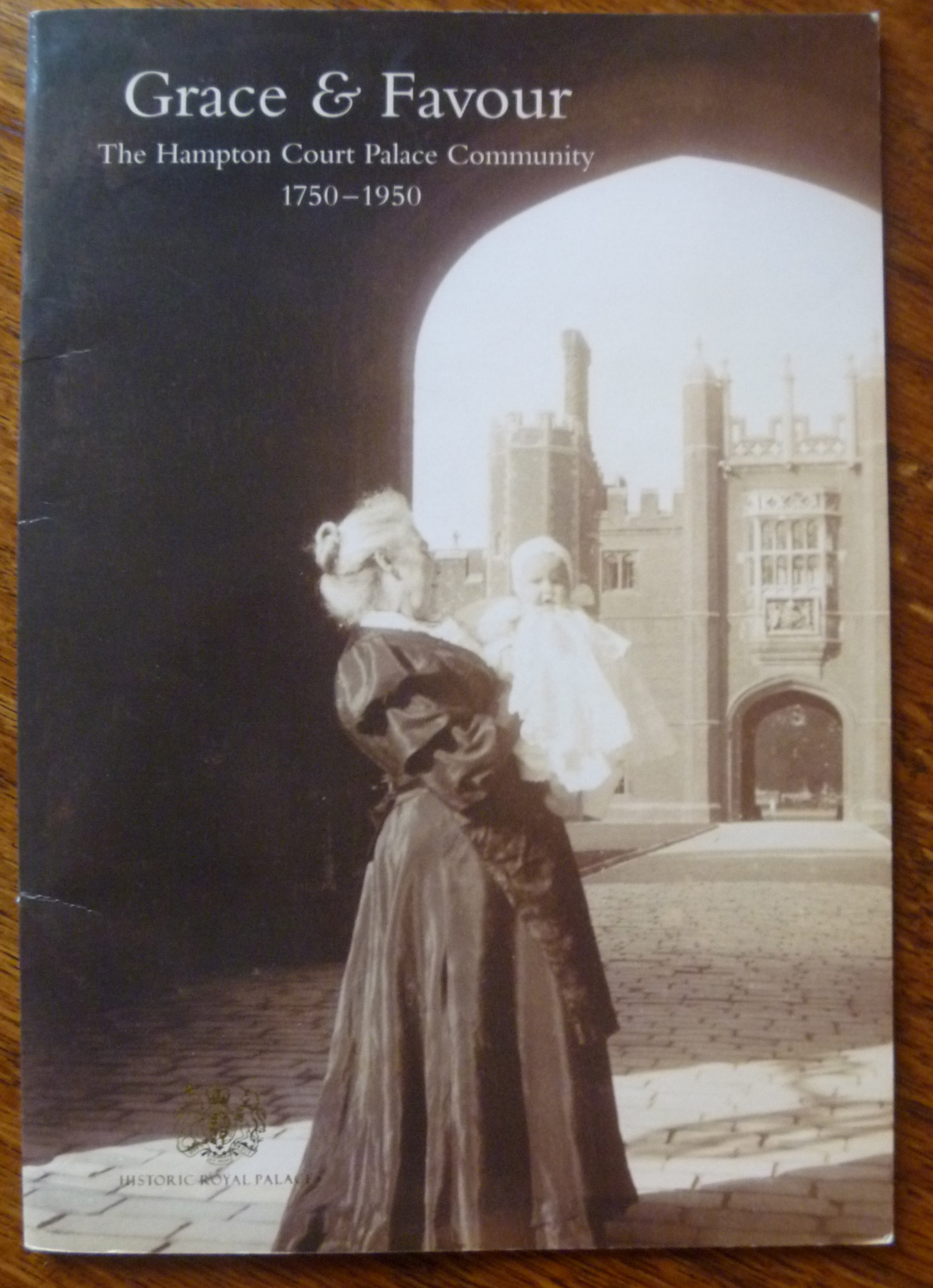
In the Fish Court Library I also found a book about the history of the apartments “Grace & Favour: the story of the Hampton Court Palace Community, 1750-1950”. 
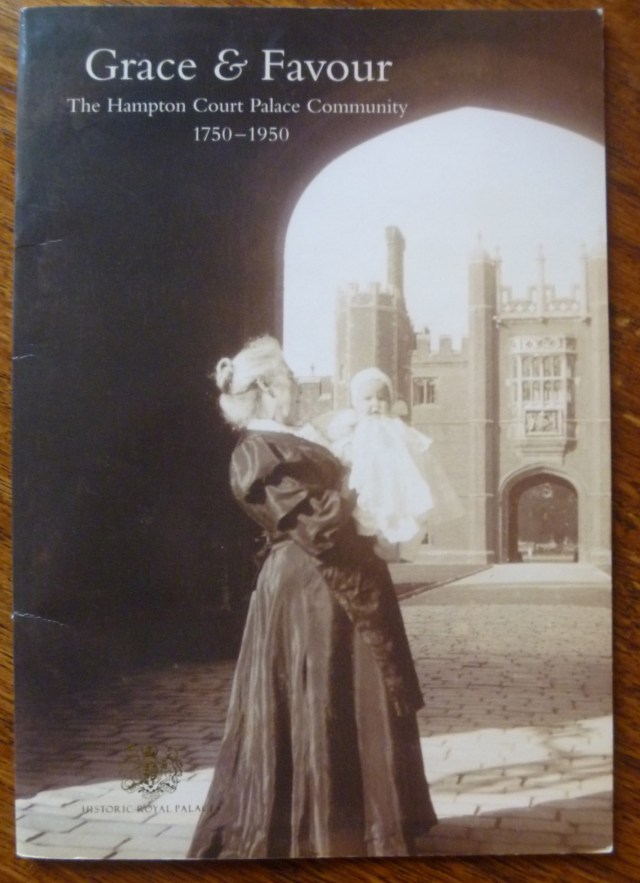
Grace and Favour Book

Staying at Hampton Court in January we still noticed lots of visitors during the day and even late into the evening at the temporary ice rink erected just within the main (Trophy) Gates.

Ice Rink HCP

The Temporary Hampton Court Ice Rink

Being residents we were able to enter the palace and  join in any tours free of charge. We had to wear our passes all the time.

Resident pass

We only had one full day so we joined a costumed tour and visited two sets of apartments that we had missed on our previous visit. In the middle of the day it was so nice to just turn the key of our apartment door and have a bite of lunch and relax before heading out to the gardens and grounds and visit more of the Palace in the afternoon.

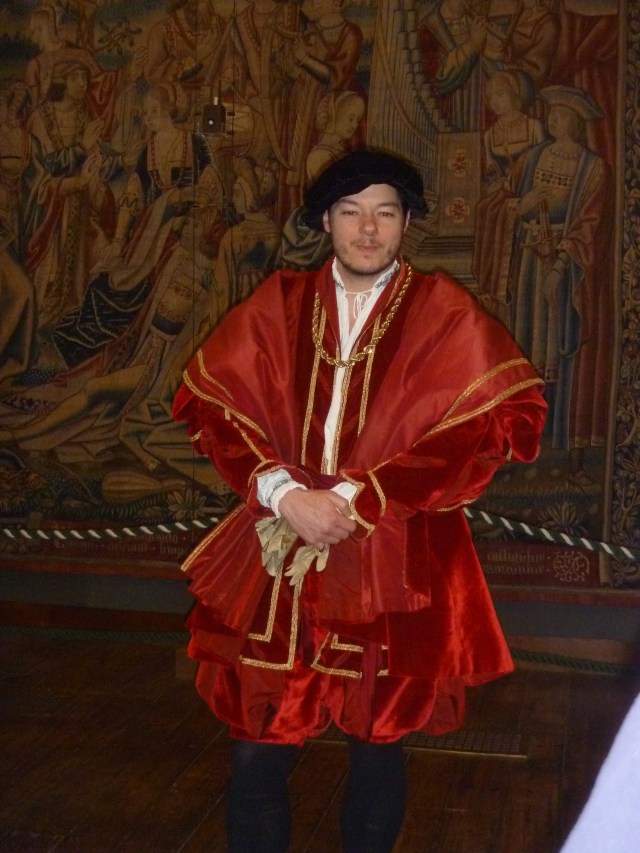
Costumed Tour HCP

Actor as Thomas Seymour

Actor playing the part of Thomas Seymour on the eve of Henry VIII’s death in January 1547

The most well-known feature in the grounds and probably in the whole Palace is its world famous Maze. I first visited Hampton Court Palace in the early 1960s and my top priority was to get into that Maze. I seem remember finding it a bit disappointing but loved Jerome K. Jerome’s witty description of his friend Harris’s earlier visit to the Maze:

“Harris asked me if I’d ever been in the
maze at Hampton Court. He said he went in once to show somebody else the
way. He had studied it up in a map, and it was so simple that it seemed
foolish—hardly worth the twopence charged for admission. Harris said he
thought that map must have been got up as a practical joke, because it
wasn’t a bit like the real thing, and only misleading.”

Lancelot ‘Capability’ Brown was appointed Chief Gardener here in 1769 and lived in Wilderness House on the edge of the grounds near the Lion Gates. Just two years ago a blue plaque was unveiled by  the present Head Gardener. Read about it here. It was very difficult to get a decent angle for a photo of either the house or the plaque.

Plaque to Capability Brown

Even in January the fountains are spurting water and the gardeners have their heads down preparing the ground for spring planting and some other people were also enjoying walking along the stony paths and terraces.

Fountain

Knot Garden

Pond Garden and Banqueting House

At the far end of the garden is the Great Vine planted by Capability Brown.
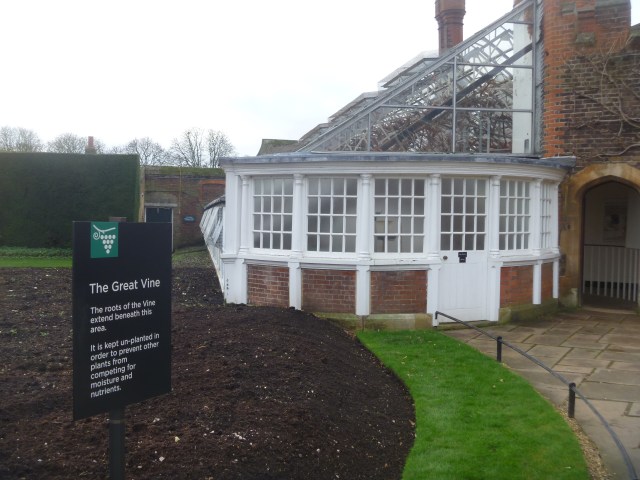
The Great Vine

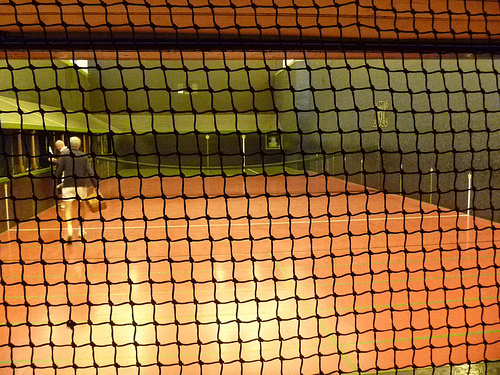
In the evening we could creep along passages and watch a game of Real Tennis still being played on the original court where Henry himself enjoyed a game or two!

Real Tennis

Before returning to our very own private Royal apartment to plan the rest of our London visit.

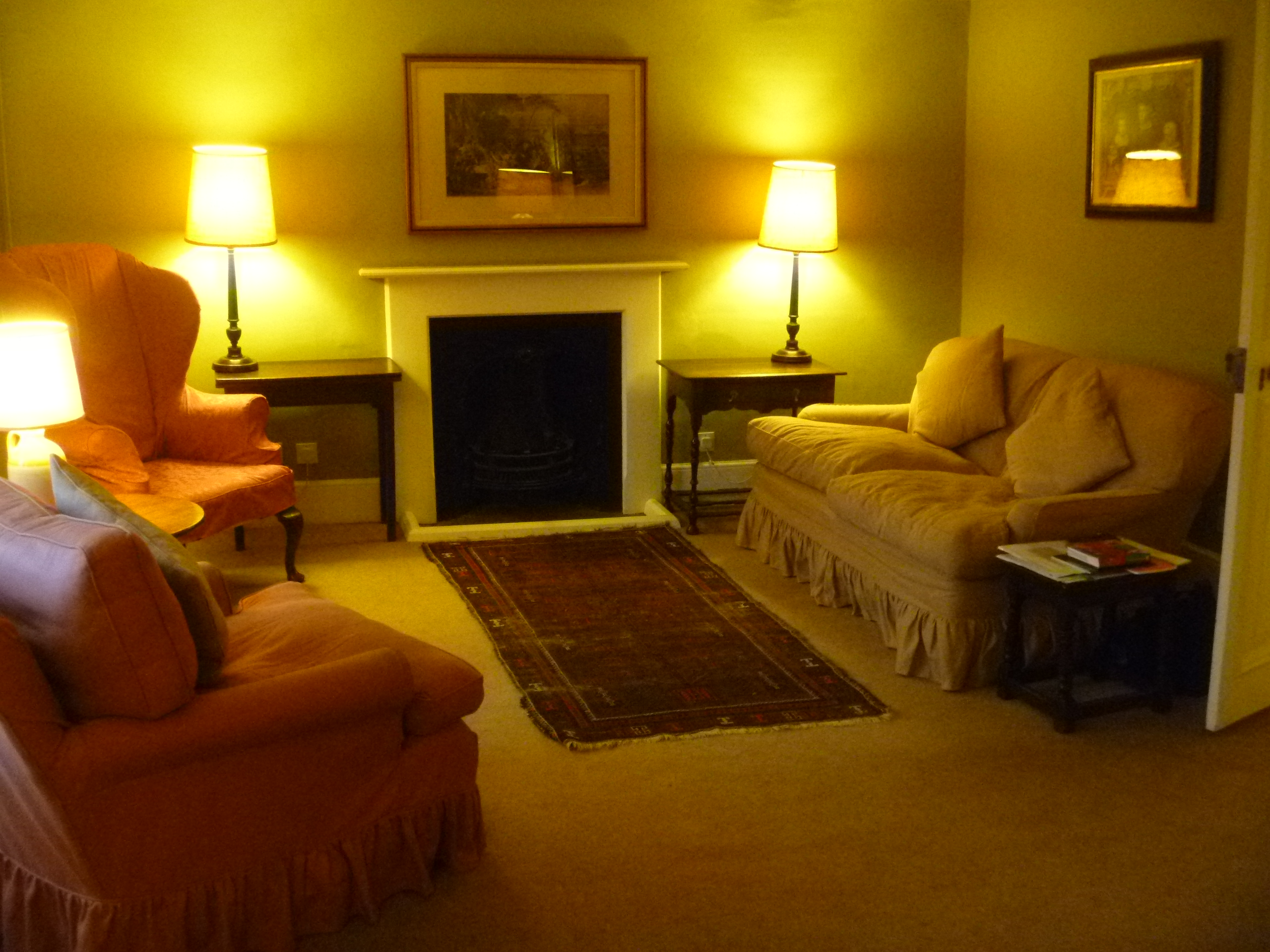
Sitting room at Fish Court

“Patriotism is not enough. I must have no hatred or bitterness towards any one.” Edith Cavell (1865-1915)

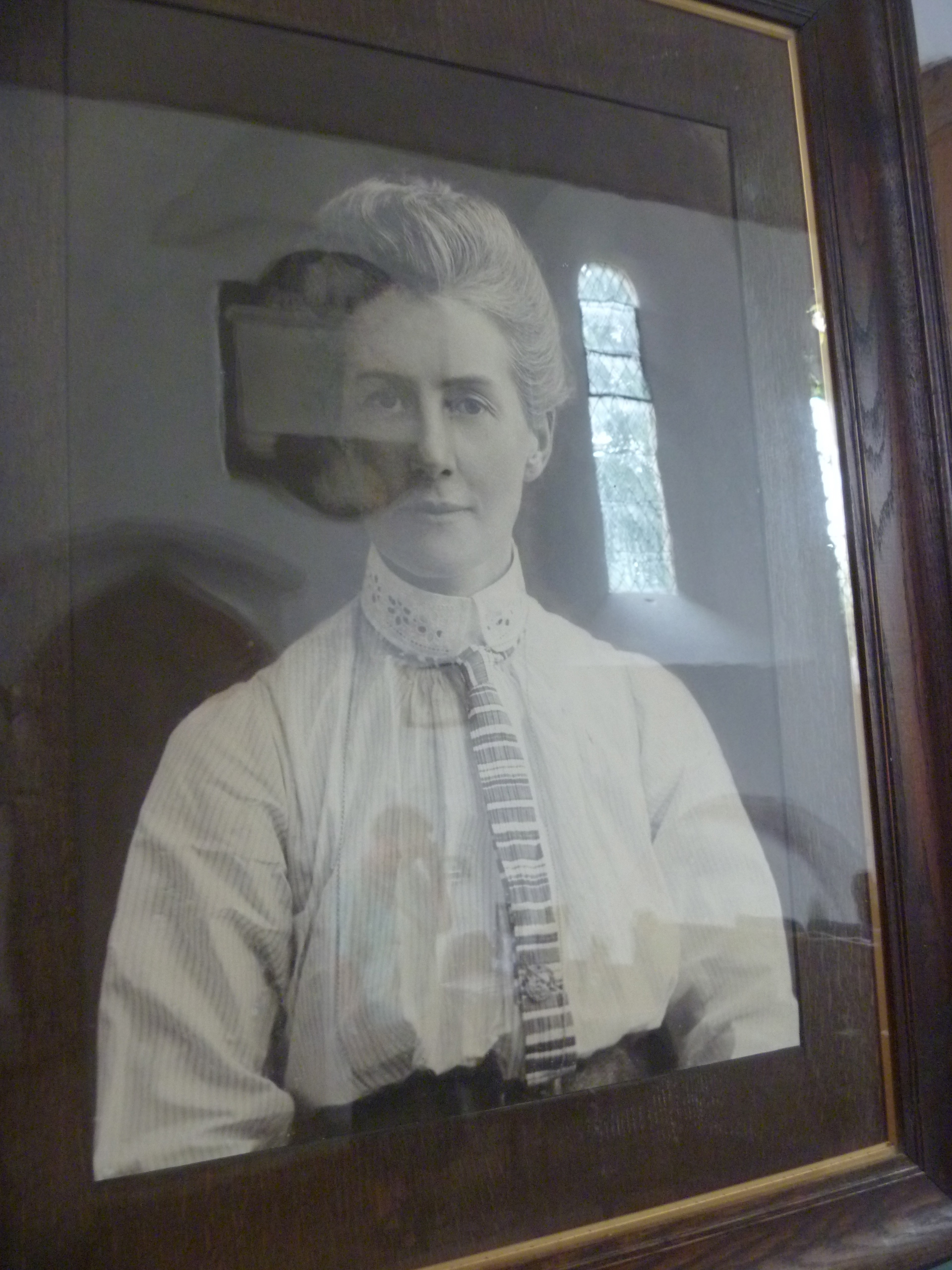
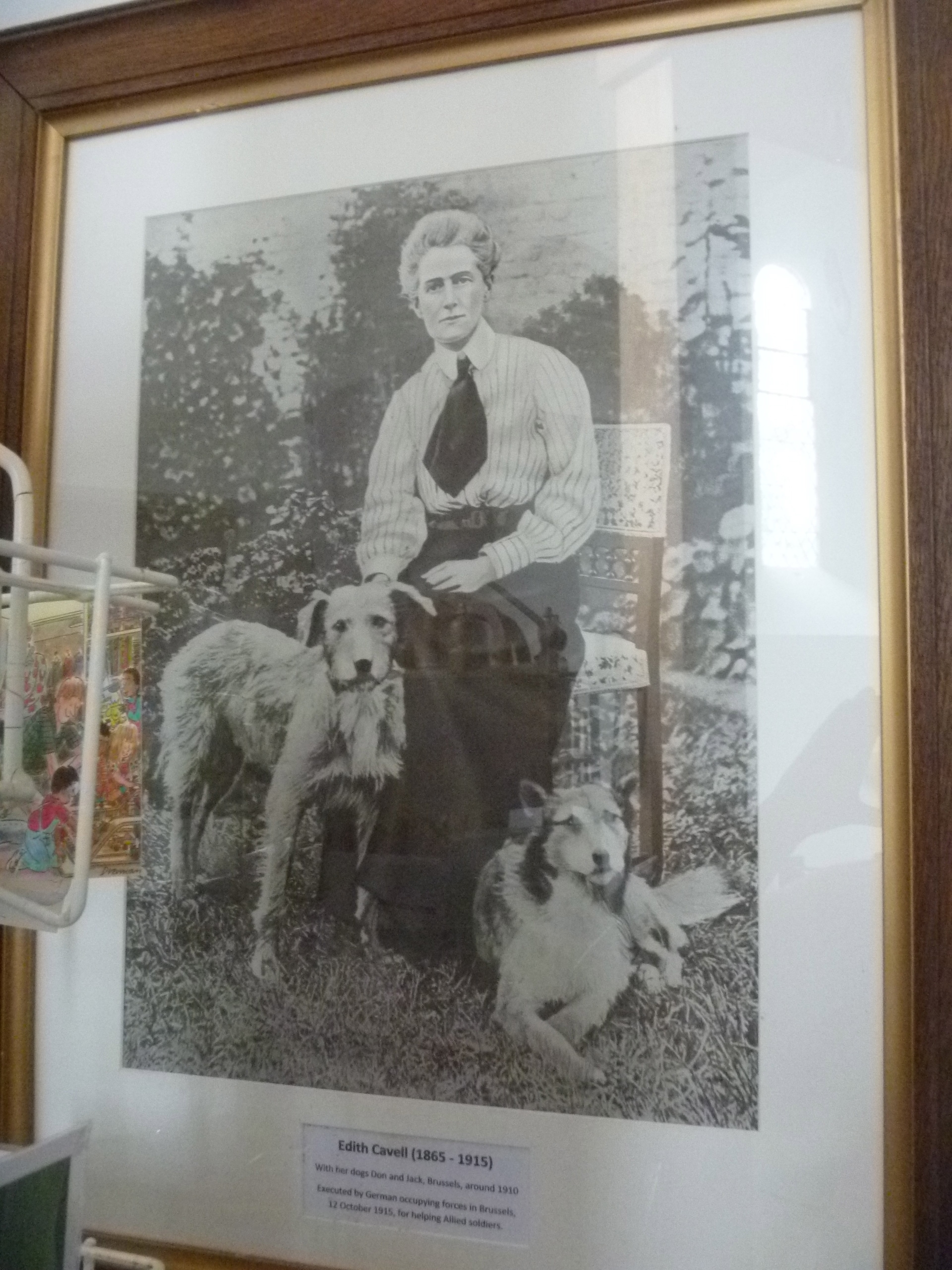
Photograph of Nurse Edith Cavell displayed in St Mary’s Church, Swardeston

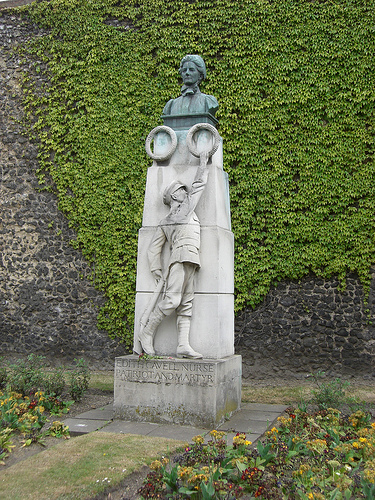
Growing up in Norwich I have always known about Edith Cavell our local Norfolk heroine of the First World War. My school bus passed by the Memorial to her located outside the Erpingham Gate at Norwich Cathedral, her grave lies within the Cathedral precincts and we had a school house called ‘Cavell’.

The Norwich Memorial to Edith Cavell

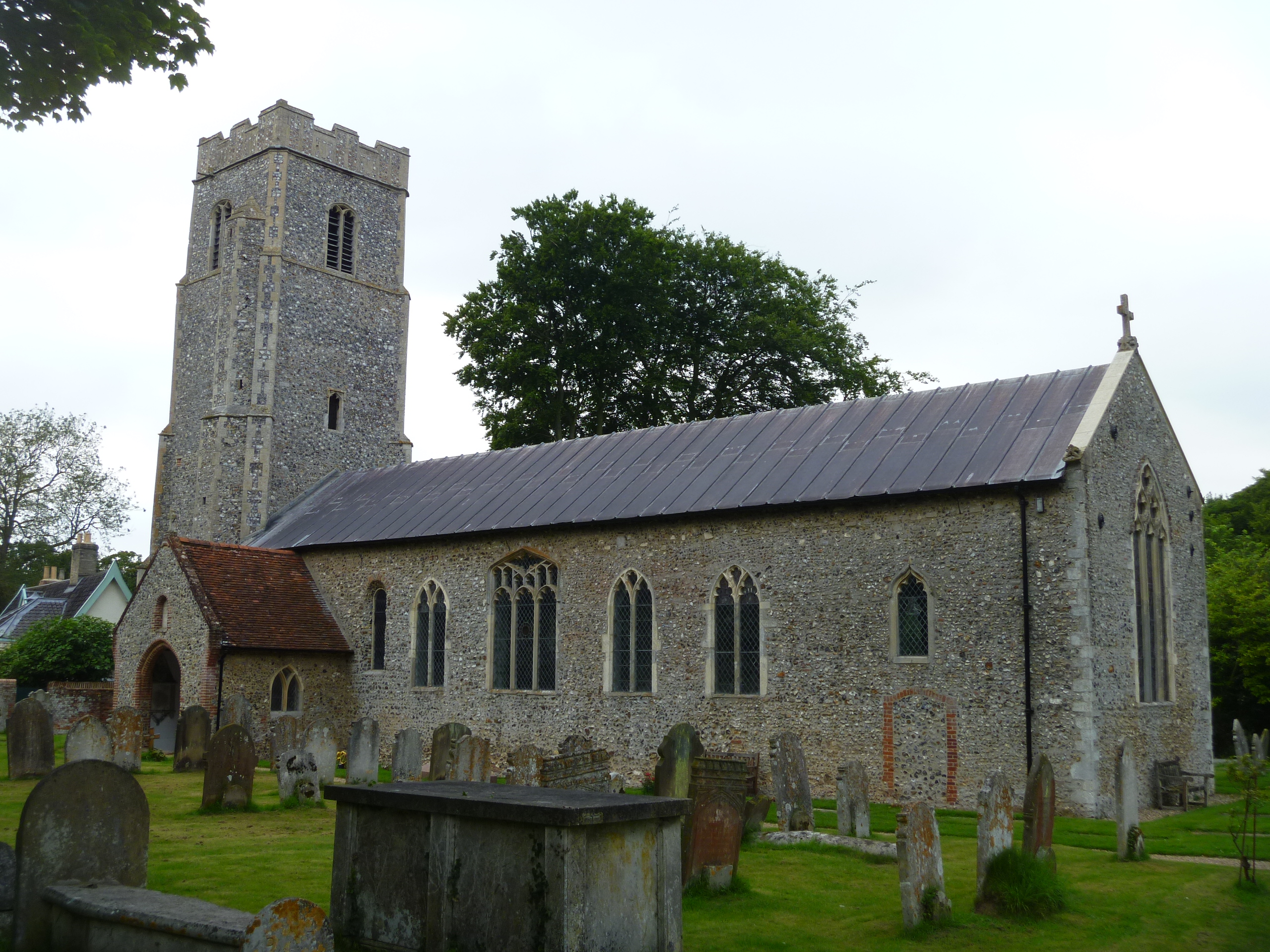
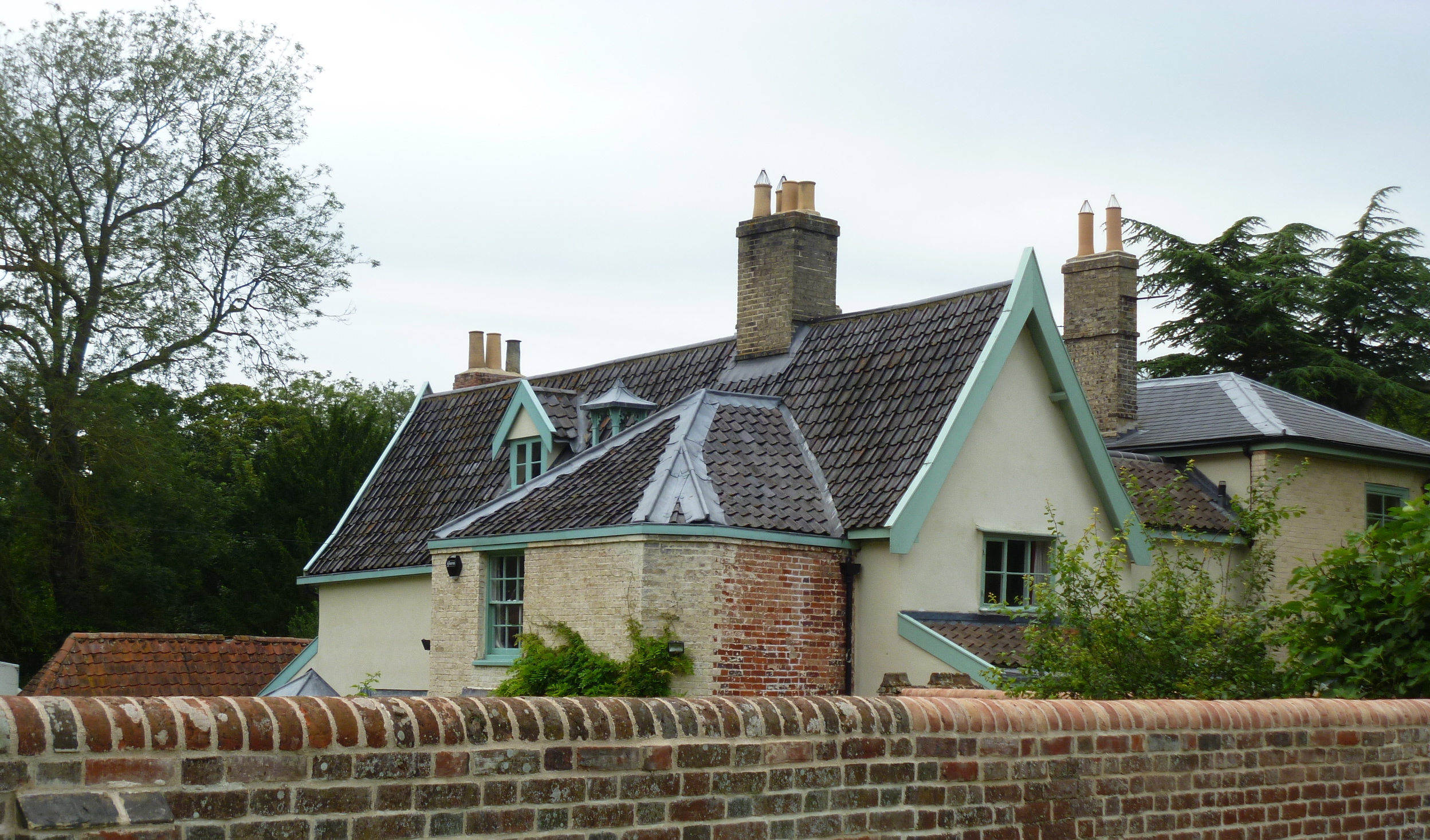
Born at Swardeston House in 1865  the family of the Reverend Frederick Cavell moved the following year in to the new Swardeston Vicarage which Edith’s father had paid to have built on land next to his parish church of St Mary the Virgin.

St Mary’s Church, Swardeston

Swardeston Vicarage Today

It was here that Edith Cavell spent her early days. You can read much more about her early life, interests, education and travels here.

Edith Cavell in 1910 with her two adopted stray dogs Jack and Don (photo in Swardeston Church)

She had worked in Brussels, become fluent in French and later trained as a nurse working at times in both London and Brussels. She later turned to nurse training and such was her attachment to Belgium that when she heard of the invasion of Belgium by the Germans in 1914 she returned to that country and was already nursing there when Britain declared war on Germany on 3rd August 1914.

To Edith all men were equal and to be treated so at her hospital. She not only treated and nursed German and Belgian soldiers she later became involved in assisting British soldiers who were wounded and cut off from their retreating army beyond the front line.

“Edith also faced a moral dilemma. As a ‘protected’ member of the Red Cross, she should have remained aloof. But like Dietrich Bonhoeffer in the next war, she was prepared to sacrifice her conscience for the sake of her fellow men. To her, the protection, the concealment and the smuggling away of hunted men was as humanitarian an act as the tending of the sick and wounded. Edith was prepared to face what she understood to be the just consequences.” (Edith Cavell website)

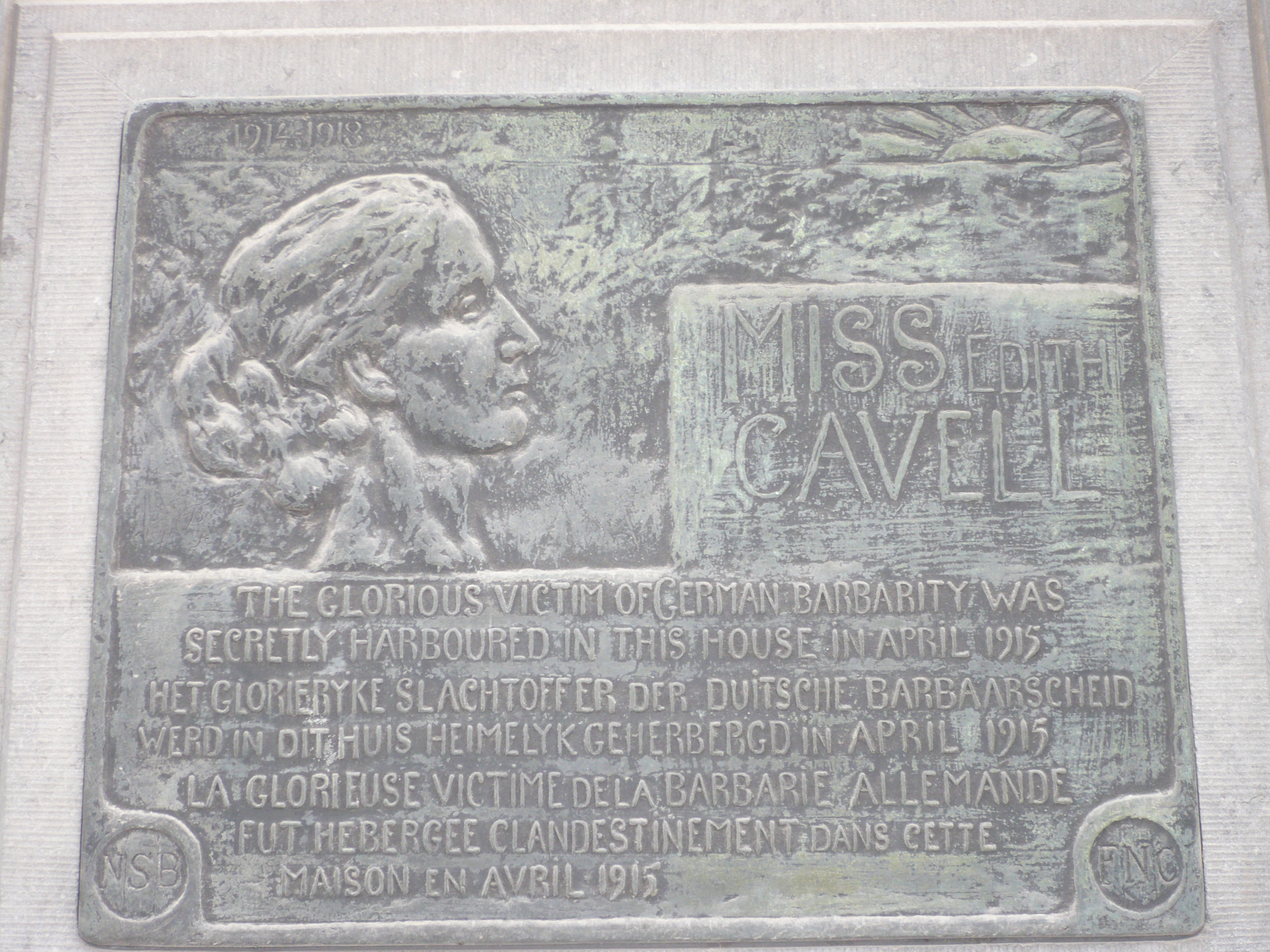
Plaque attached to a house in Ghent (Courtesy RB)

In August 1915 Edith was interned and the date for her execution as a collaborator was set as 12 October 1915. The evening before the English chaplain Stirling Gahan was allowed to visit her in her prison cell. There she received Holy Communion and they recited the words of the hymn Abide With Me together. This is what she said to him :

“I am thankful to have had these ten weeks of quiet to get ready. Now I have had them and have been kindly treated here. I expected my sentence and I believe it was just. Standing as I do in view of God and Eternity, I realise that patriotism is not enough, I must have no hatred or bitterness towards anyone”.
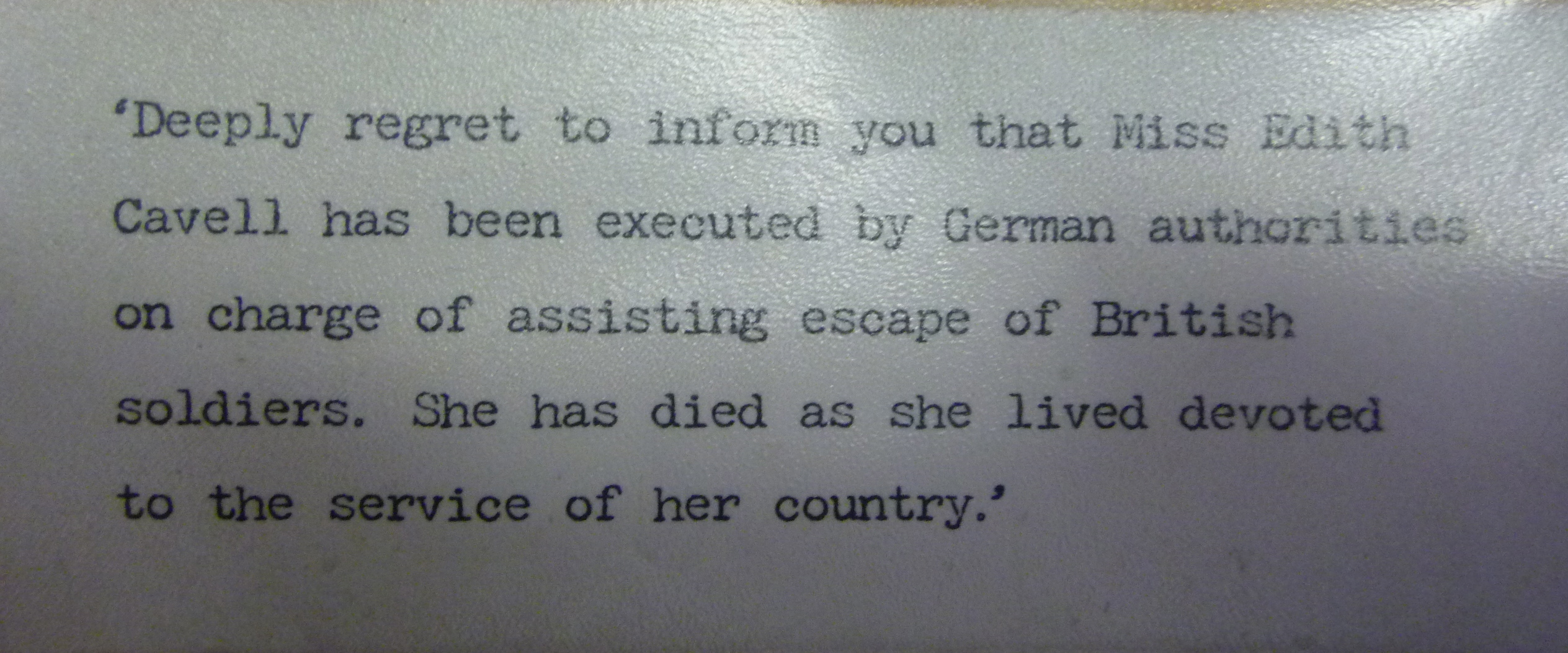
Despite Spanish and American attempts at intervention she was shot at dawn on Tuesday 12 October 1915.
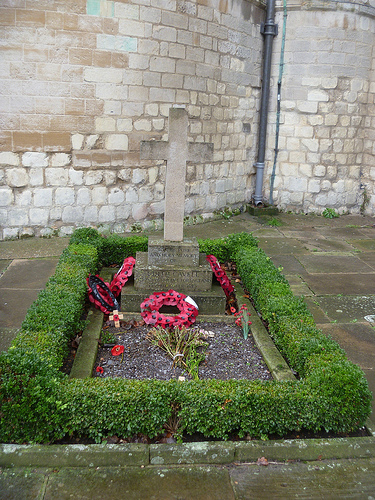
Edith Cavell’s Grave at Life’s Green

After the War, in 1919, Edith Cavell’s body was returned to England and a funeral service was held at Westminster Abbey on 15 May. A special train brought her remains to Norwich station from where she was buried in a spot called Life’s Green in the grounds of Norwich Cathedral. Ironically, her coffin was carried on a gun carriage!

Books and Film 

YouTube film Edith Cavell (1939) starring Anna Neagle

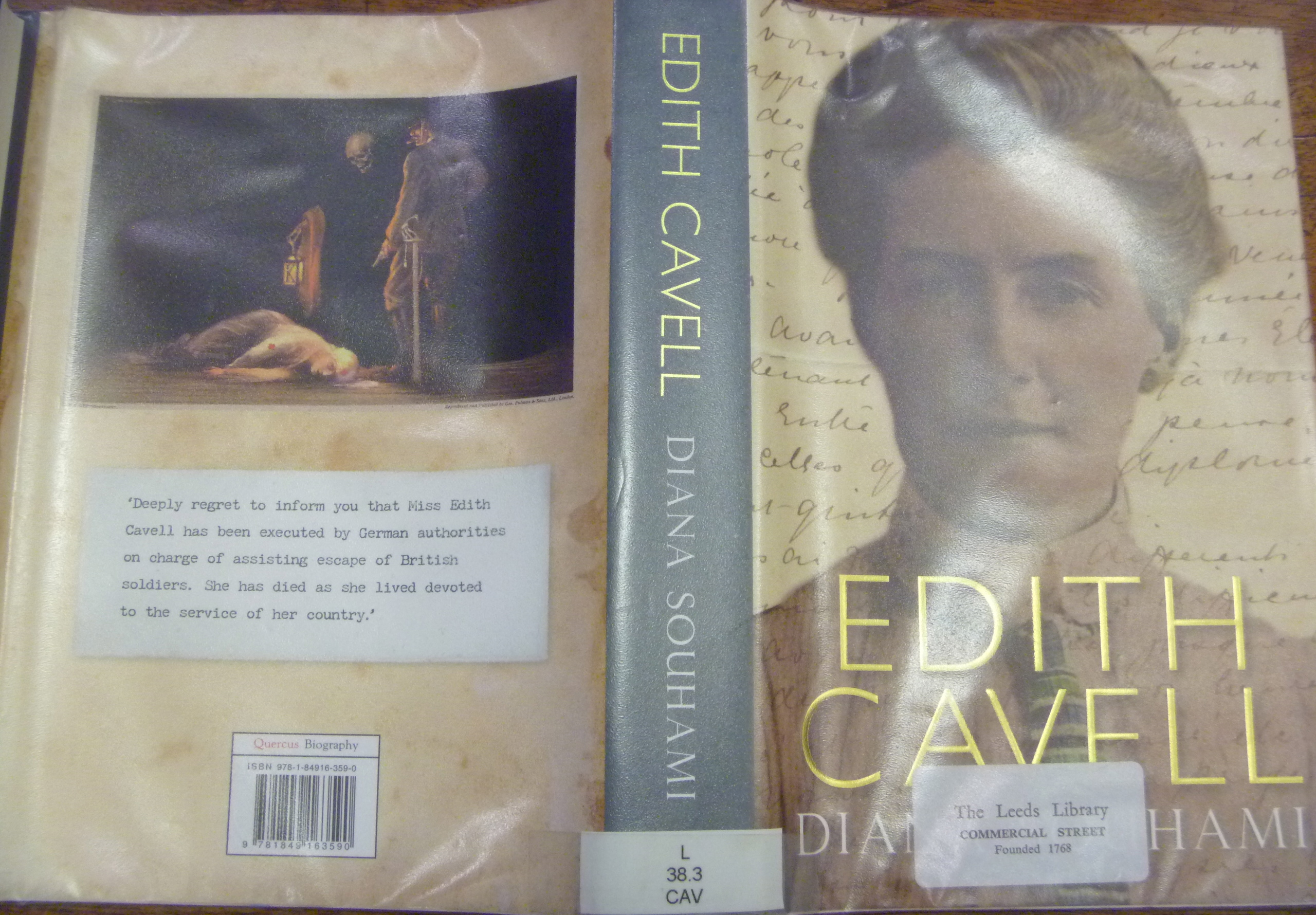
Friends Lynne and Lyn have both written eloquently about a recent biography of Edith Cavell by Diana Souhami. I heard Souhami speak in London about the biography and I’ve read it myself but I refer you to their superior reviews.

Lyn also read and reviewed a novel about Nurse Cavell Fatal Decision by Terri Arthur.

Other Memorials to Edith Cavell

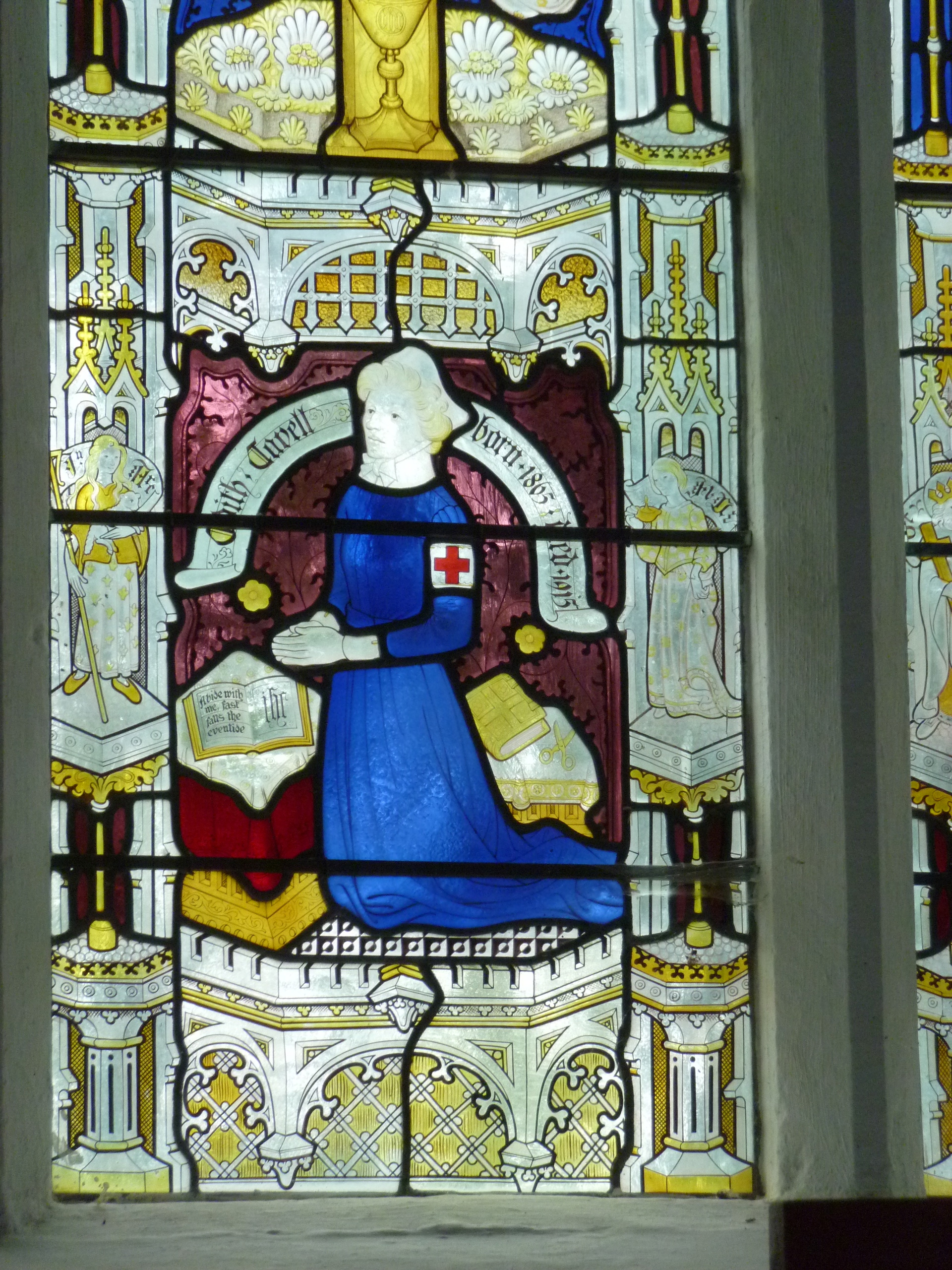
Edith Cavell Window at Swardeston Church

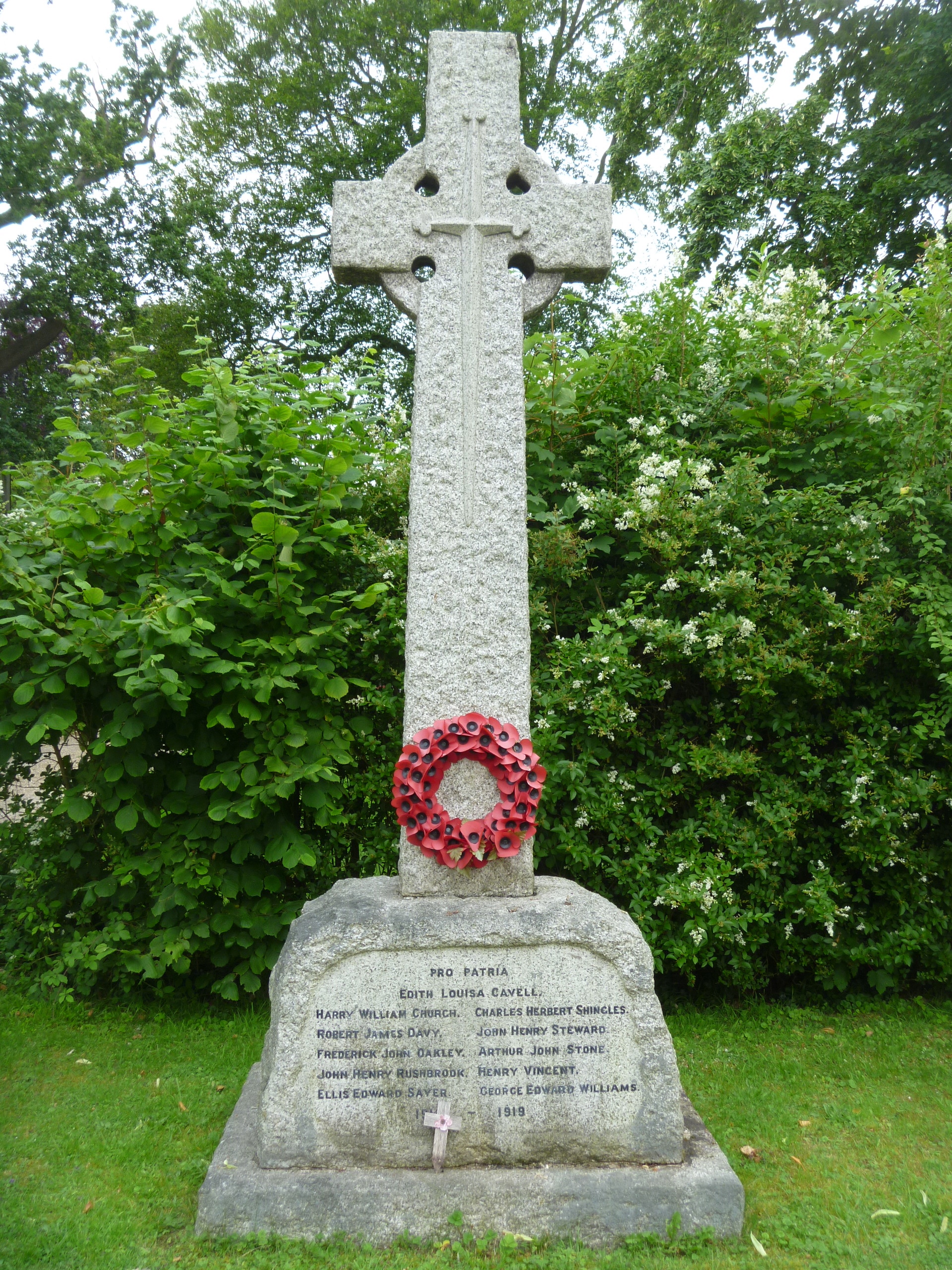
War Memorial at Swardeston, Norfolk

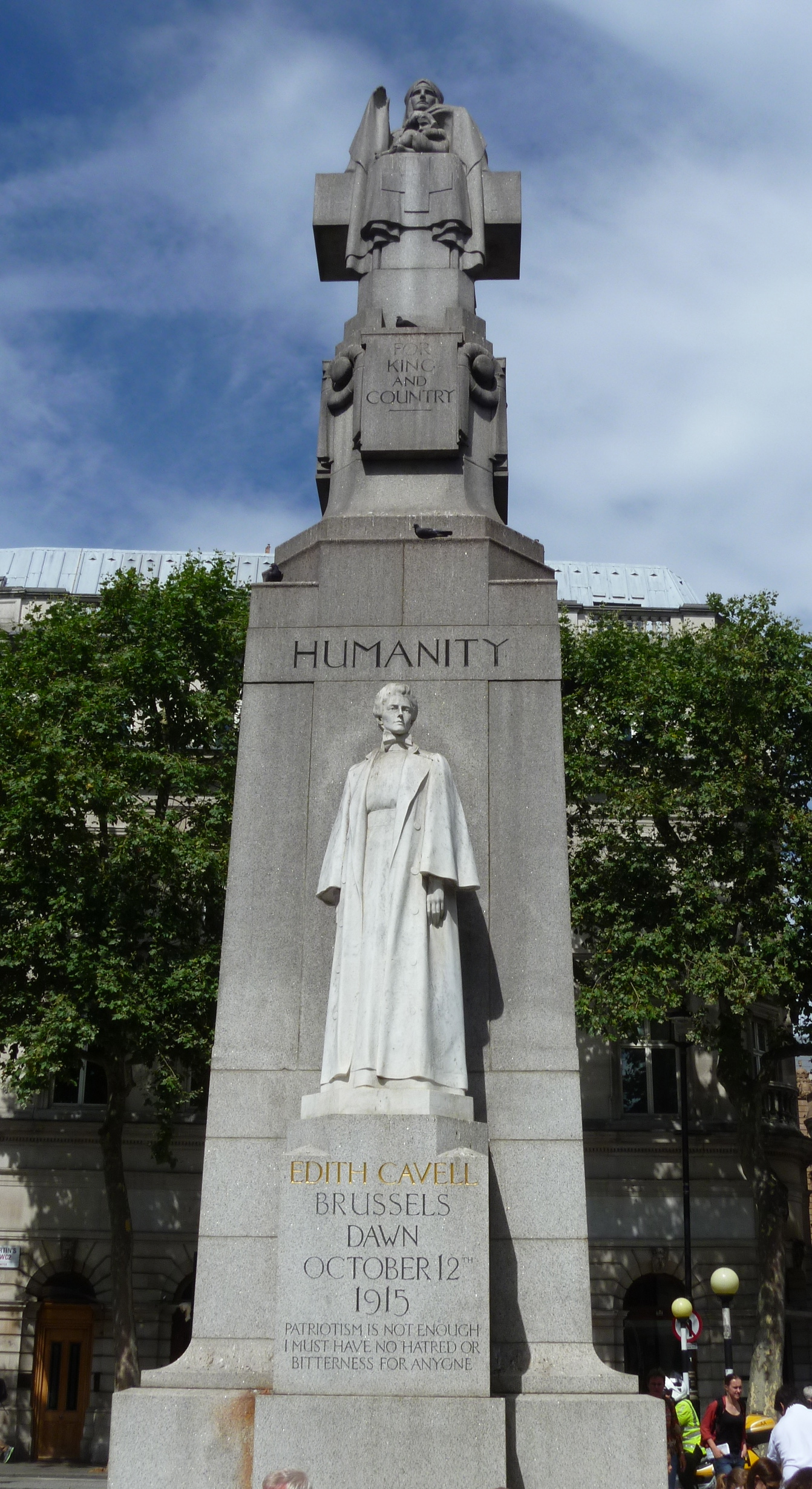
Statue erected in honour of Edith Cavell near Trafalgar Square, London.

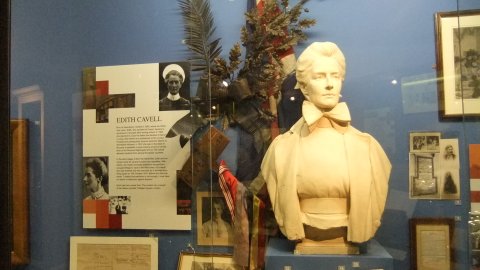
Edith Cavell bust in the London Hospital MuseumLynne‘s photo. She says : “Apparently it was in the sitting room of the nurses home I lived in there, not that we ever noticed it.”