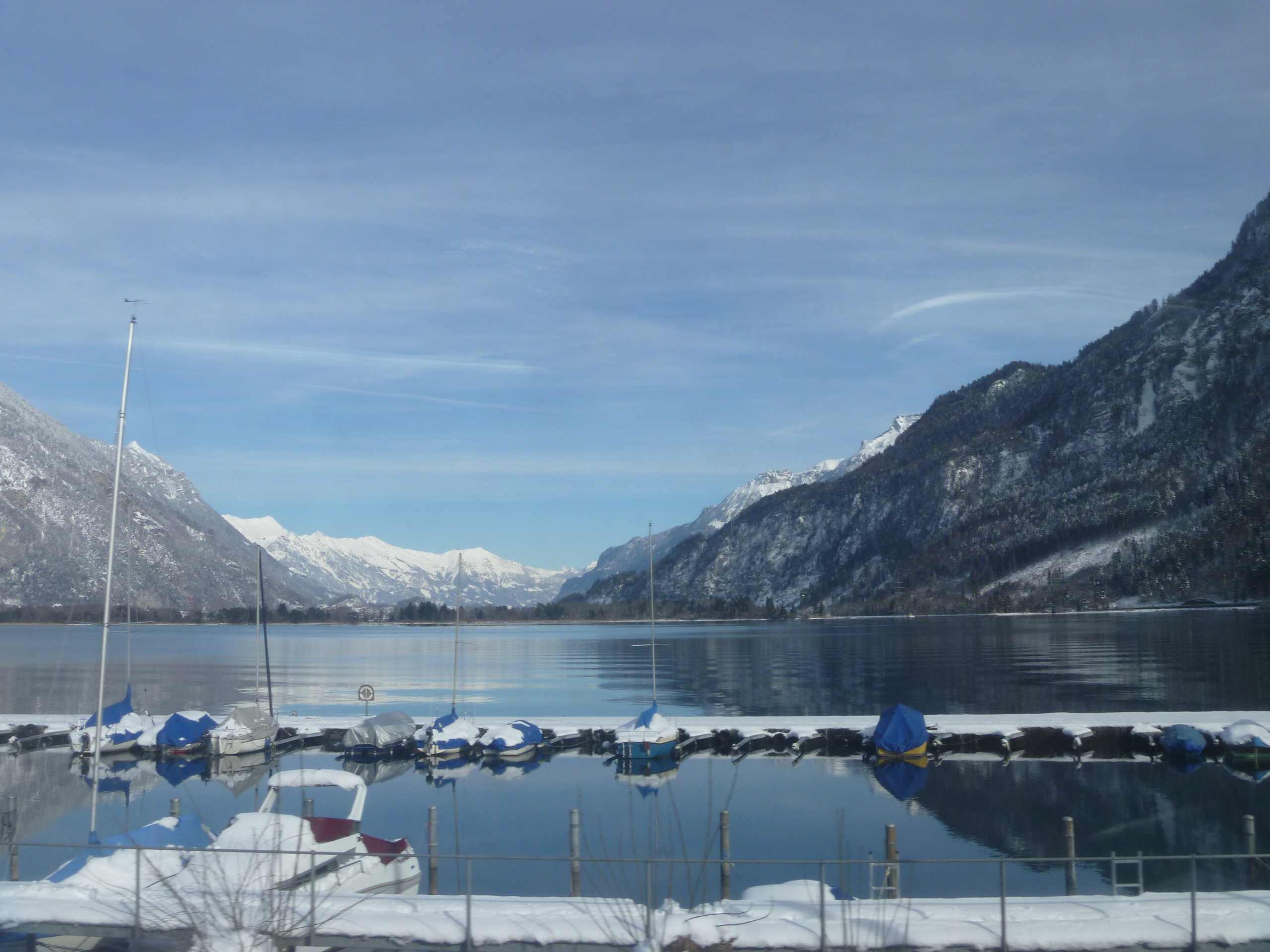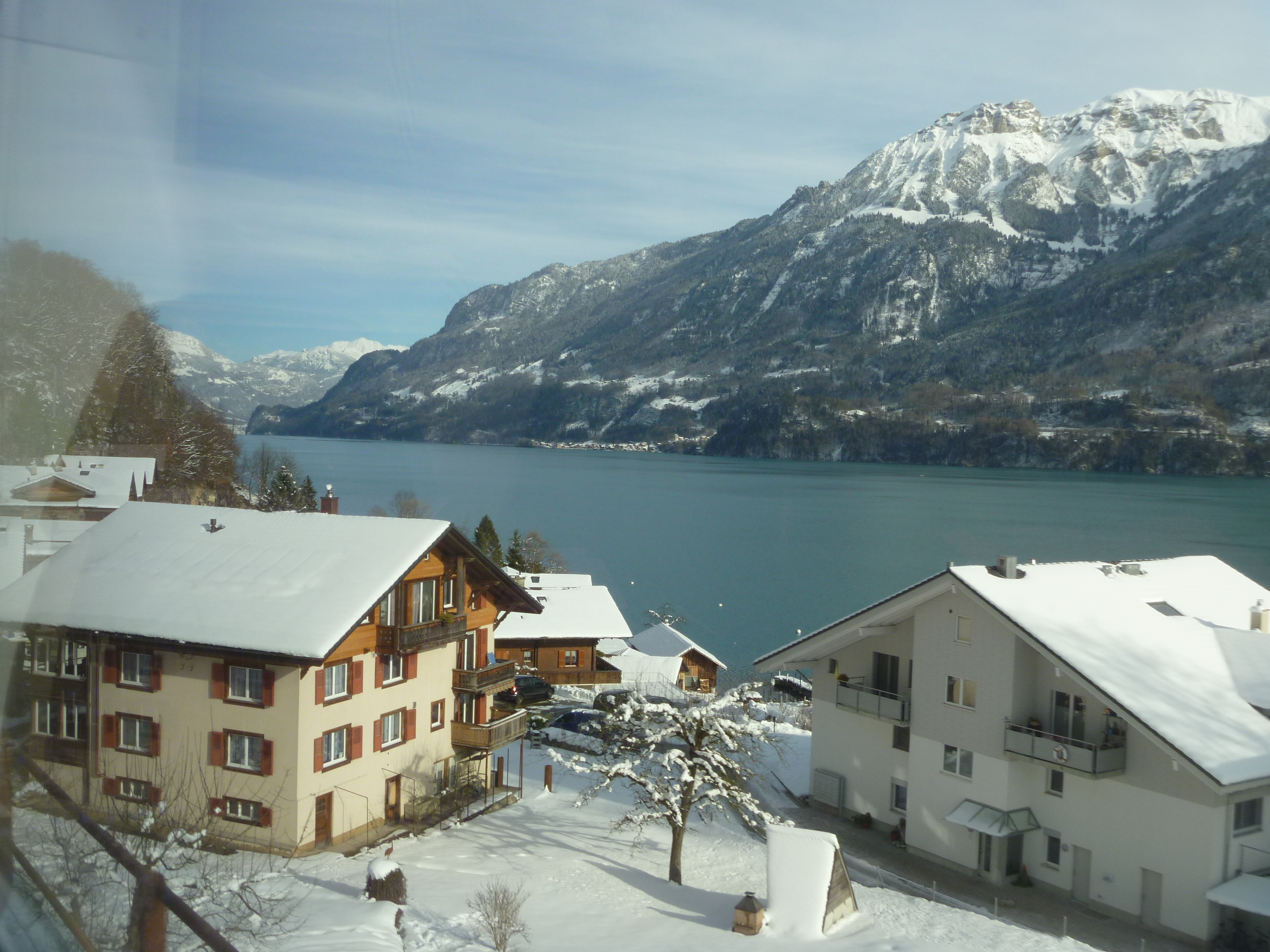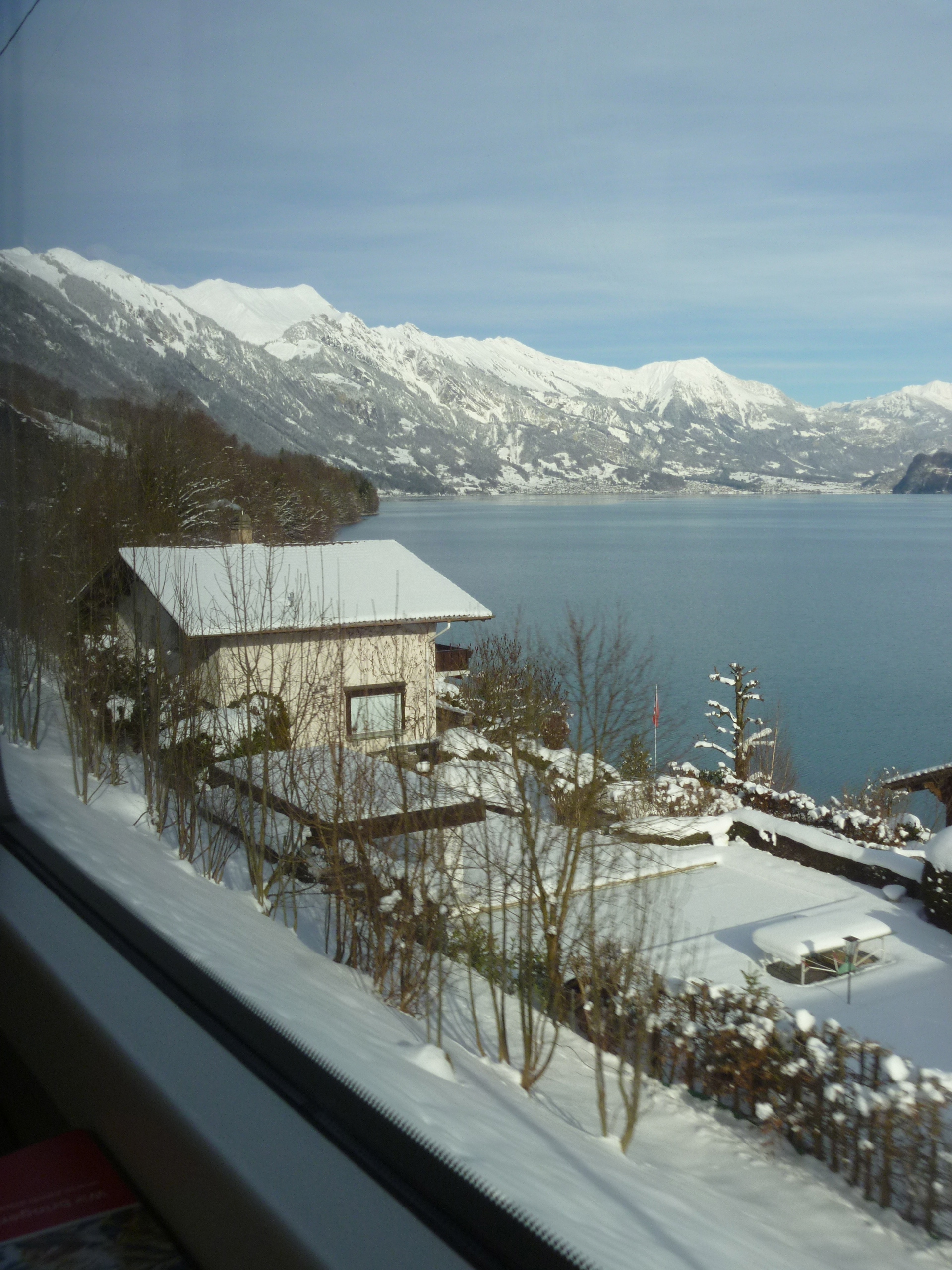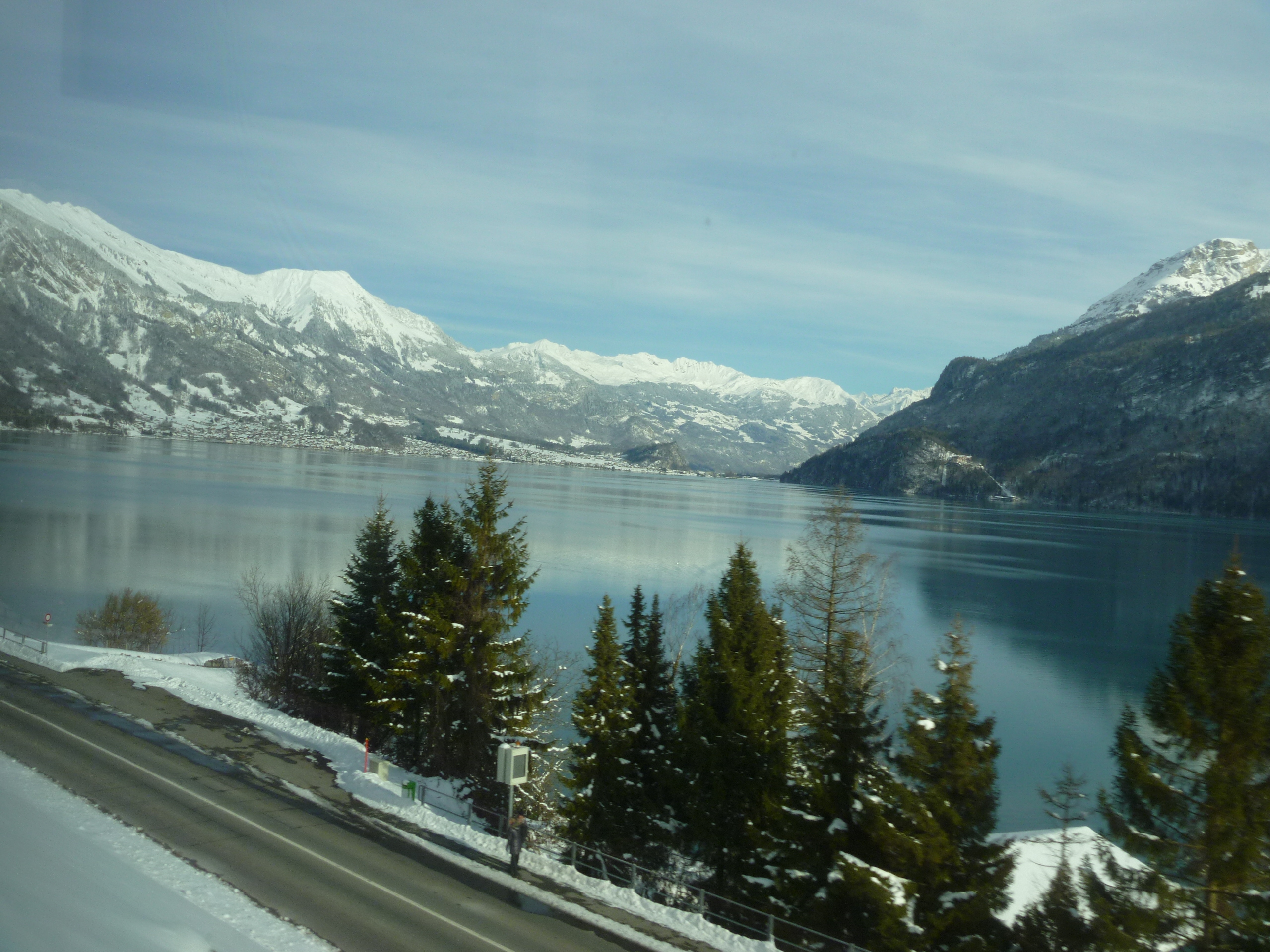
Schiers Delight : My Four Week Summer ‘Gap’ Stay in Switzerland

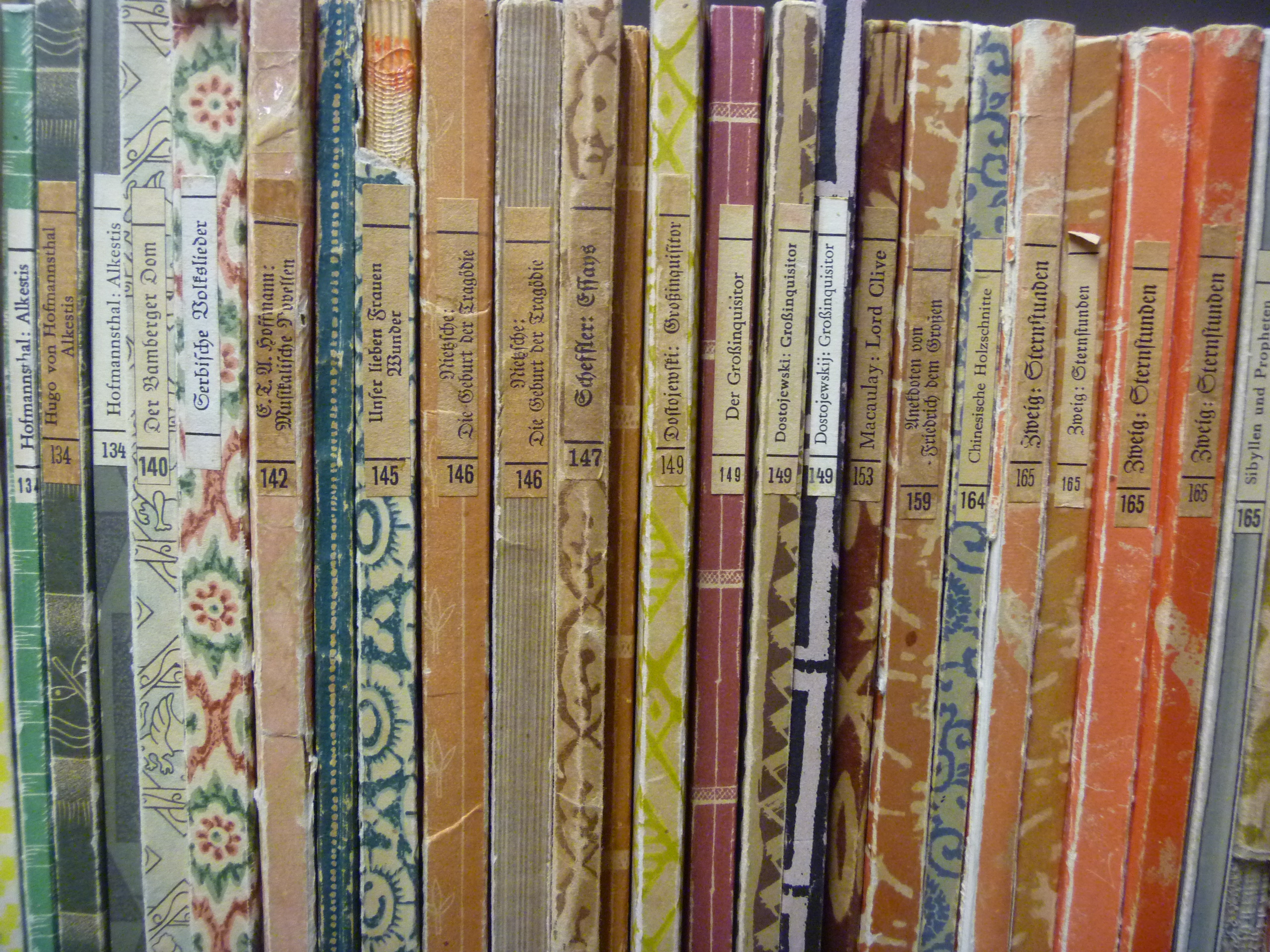
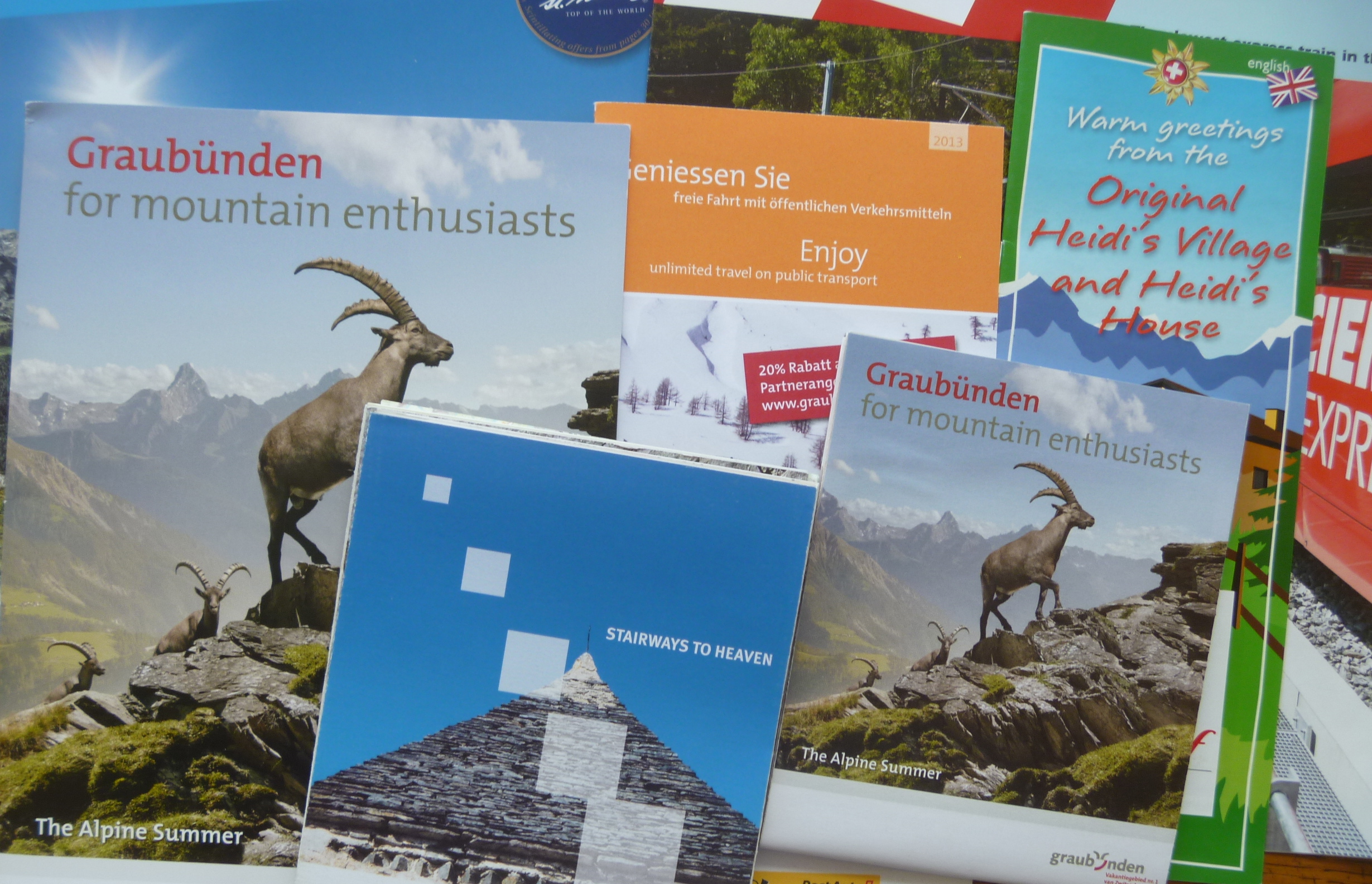
Brochures and maps 4

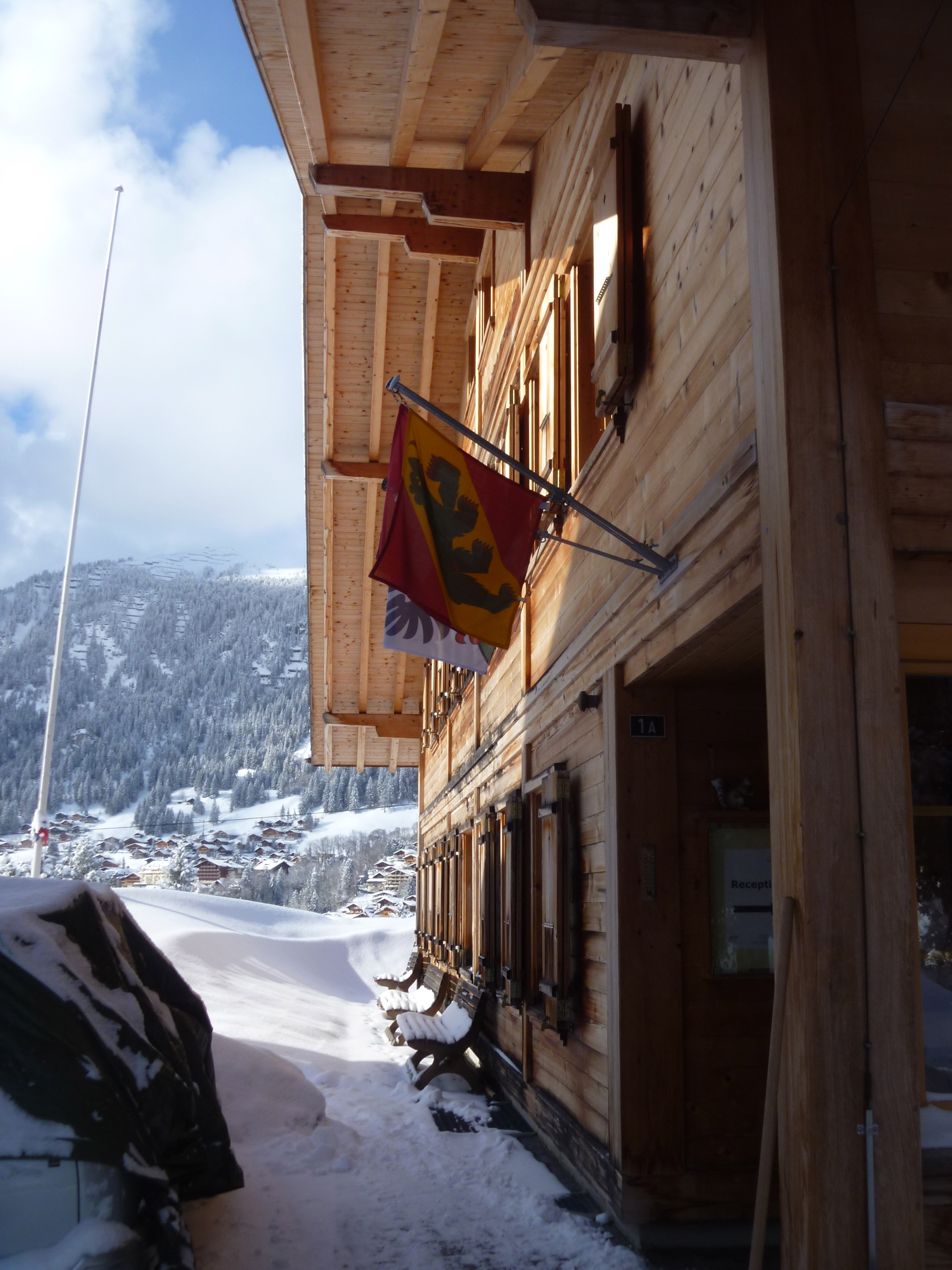
Next Saturday milady is transferring her boudoir to a chalet in the Swiss Alps!

I’m looking forward to a four week stay in Canton Graubünden in the far east of Switzerland. I’ll be helping a Swiss woman at her small B&B in exchange for my board and lodging and opportunities to go hiking and touring in this region with which I am quite unfamiliar.

Tickets

I have my flights booked and my half-fare train card ready. I have some local maps and I just need to pack my hiking boots, sunscreen and camera … oh! and my pinny (I’ll be doing the breakfasts) … and I’ll be off.

Brochures and maps 1

I’ll be posting here about any major expeditions I make but I have opened another blog in which I shall try to make a brief diary entry each day as a record of my stay.

Hiking

http://schiersdelight.wordpress.com/

From the Sublime to the Ridiculous: Monasteries and Mardi Gras, 2

On my last full day in Switzerland, Ash Wednesday, Susanne and I drove up the valley from her home to the ski village of Engelberg which, like Einsiedeln, is also dominated by its abbey. S teaches in the Pfarrschule [parish school], in this case, secondary, attached to the monastery. It’s a co-educational school for day and boarding pupils.

P1080487

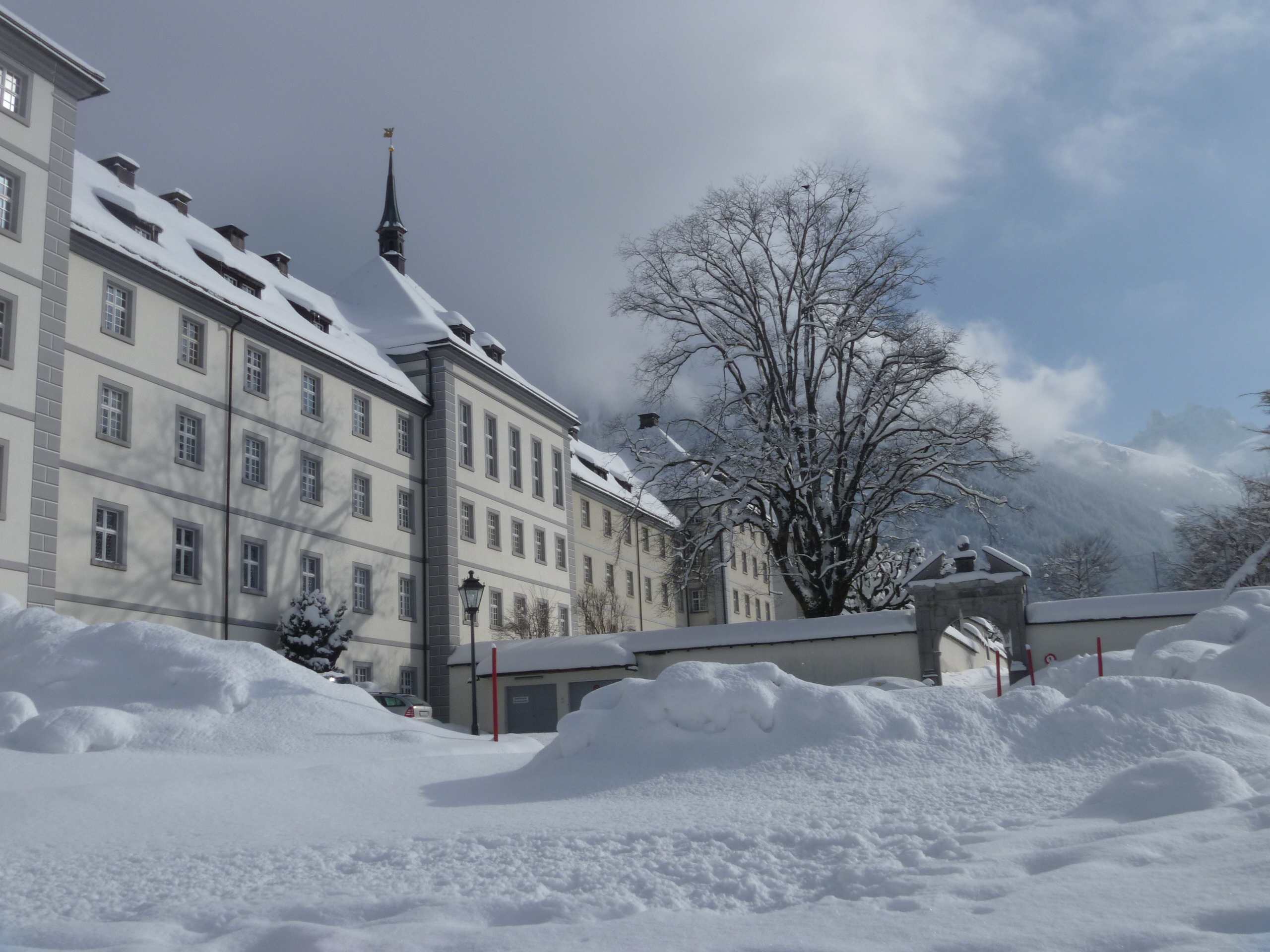
There was no evidence on Ash Wednesday of the Fasnacht celebrations which must have been taking place earlier in the week. We were able to drive right up to the school and park in the snow-cleared car park.

Engelberg Car Park

The Snow-Cleared Car Park

Before the service Susanne showed me around the monastery buildings and afterwards we visited her classroom and kitchens. She teaches home economics and her rooms are in a separate building from the main school.

Staff Room

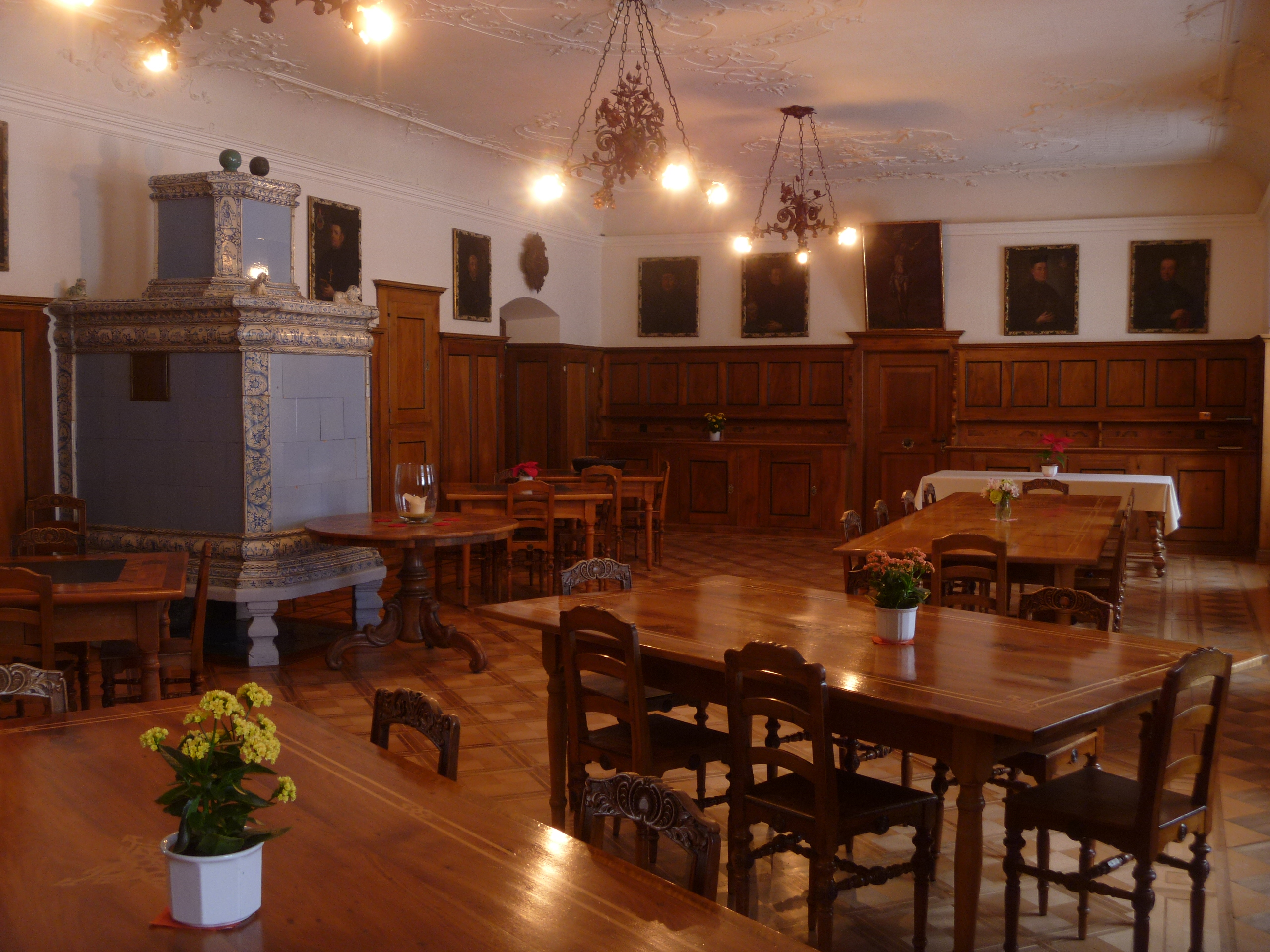
The staff dining room where we were to have had our birthday lunch

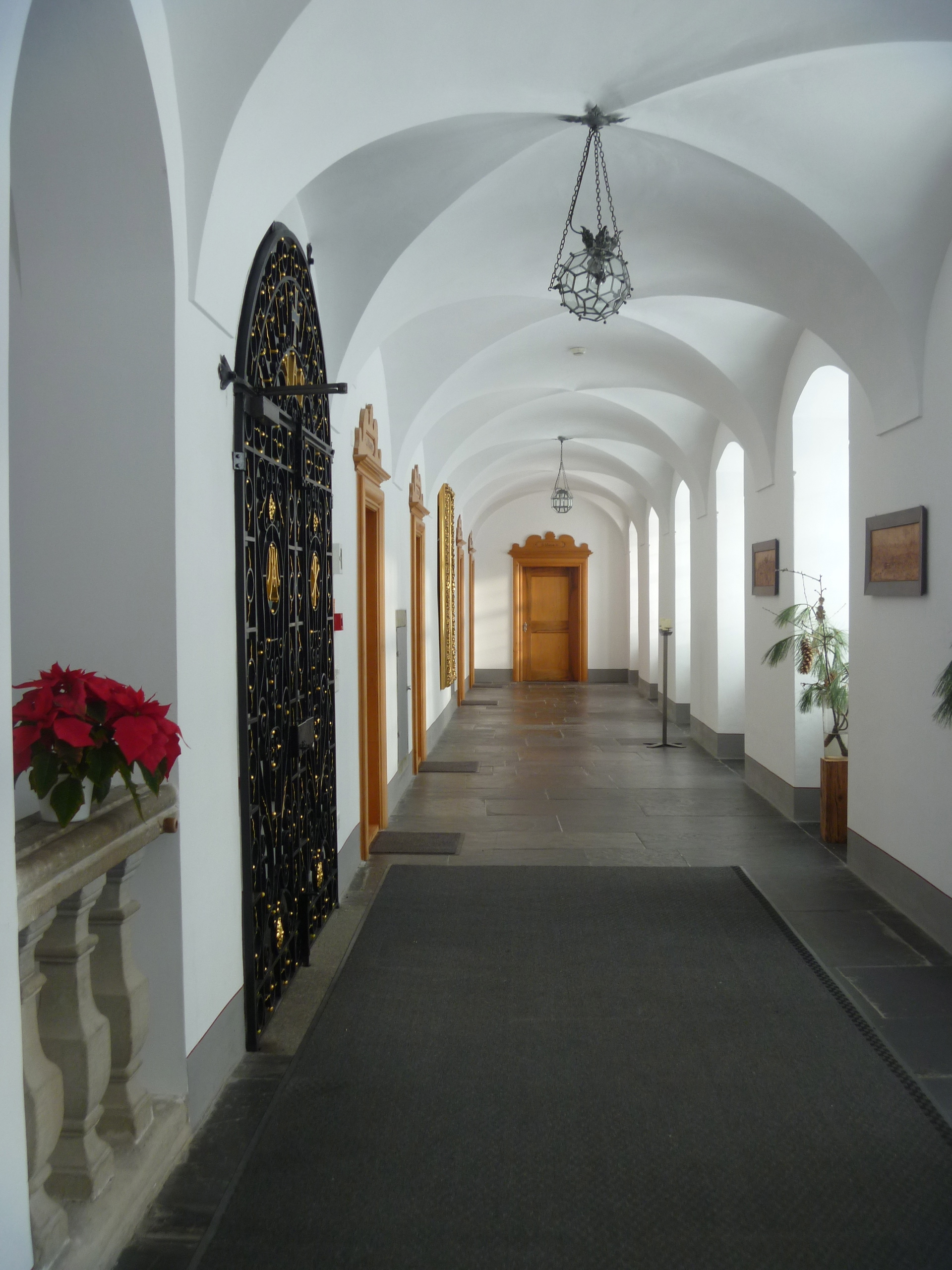
School corridor

Inside the Kloster at Engelberg

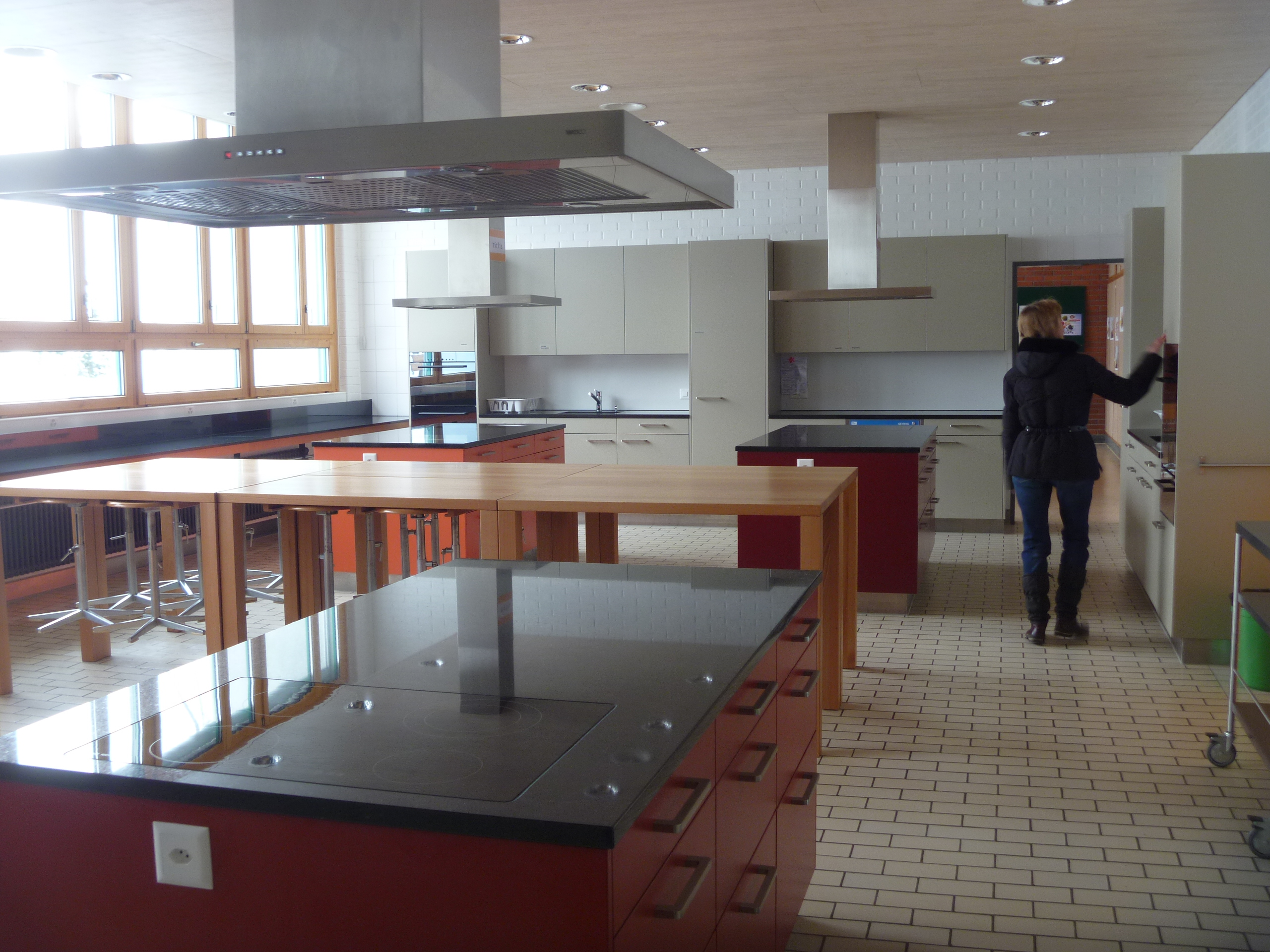
Domestic Science Room

The Domestic Science Department

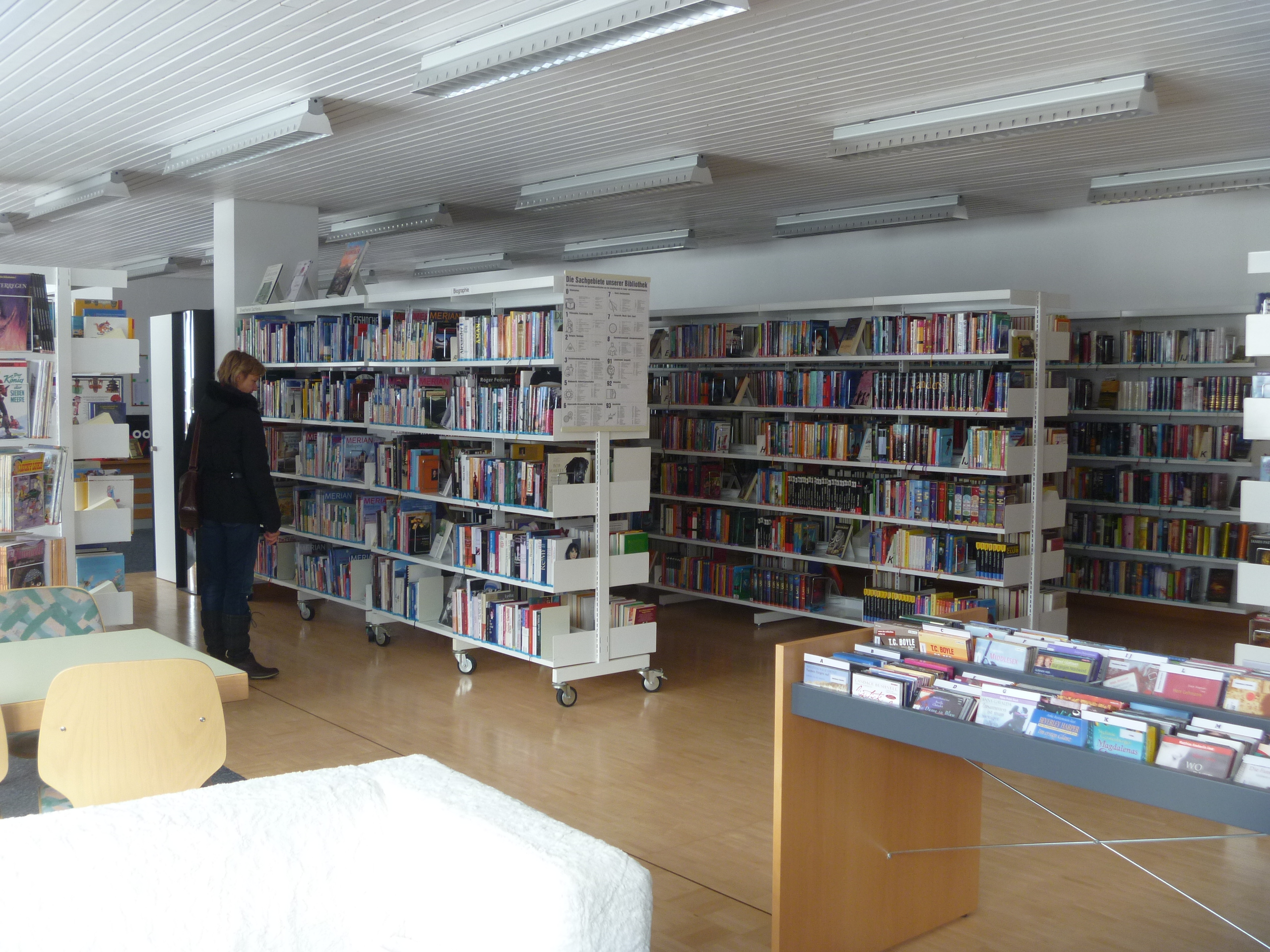
School Library

The Library serves both the school and the village

According to Karl Baedeker (1928) Mosbrugger was also responsible for the Engelberg parish church built in 1730-35. The Kloster here is also a Benedictine foundation (1120). Baedeker says (but he’s not referring to the library above!) :

“The valuable library (MSS, antiquities) is shown to male visitors only (apply to the porter). The school connected with the abbey has about 200 pupils.”

The Muirhead Guide (1923) says that “Women visitors are not admitted to the abbey buildings”.

How things have changed nowadays from 90 years ago.

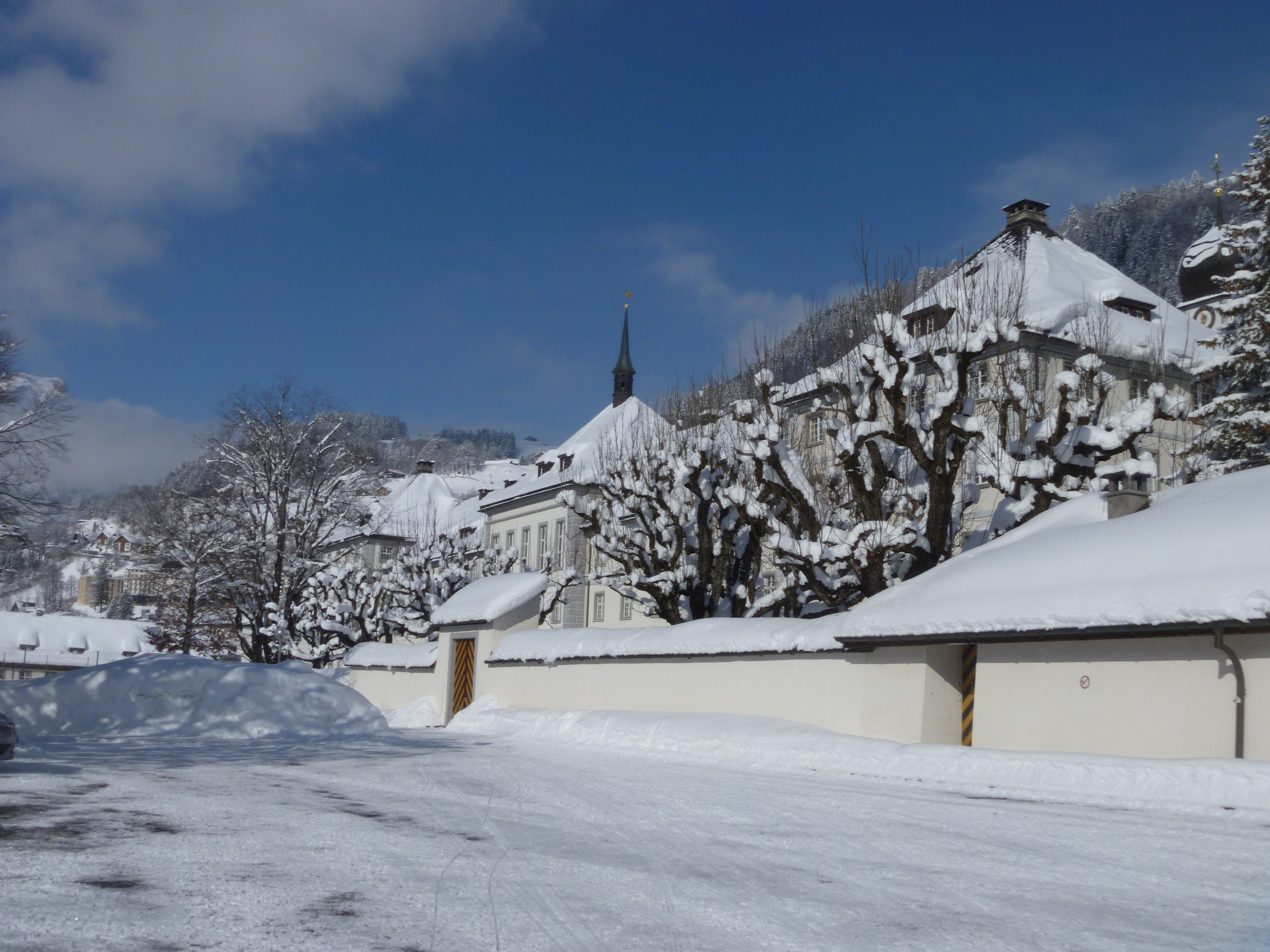
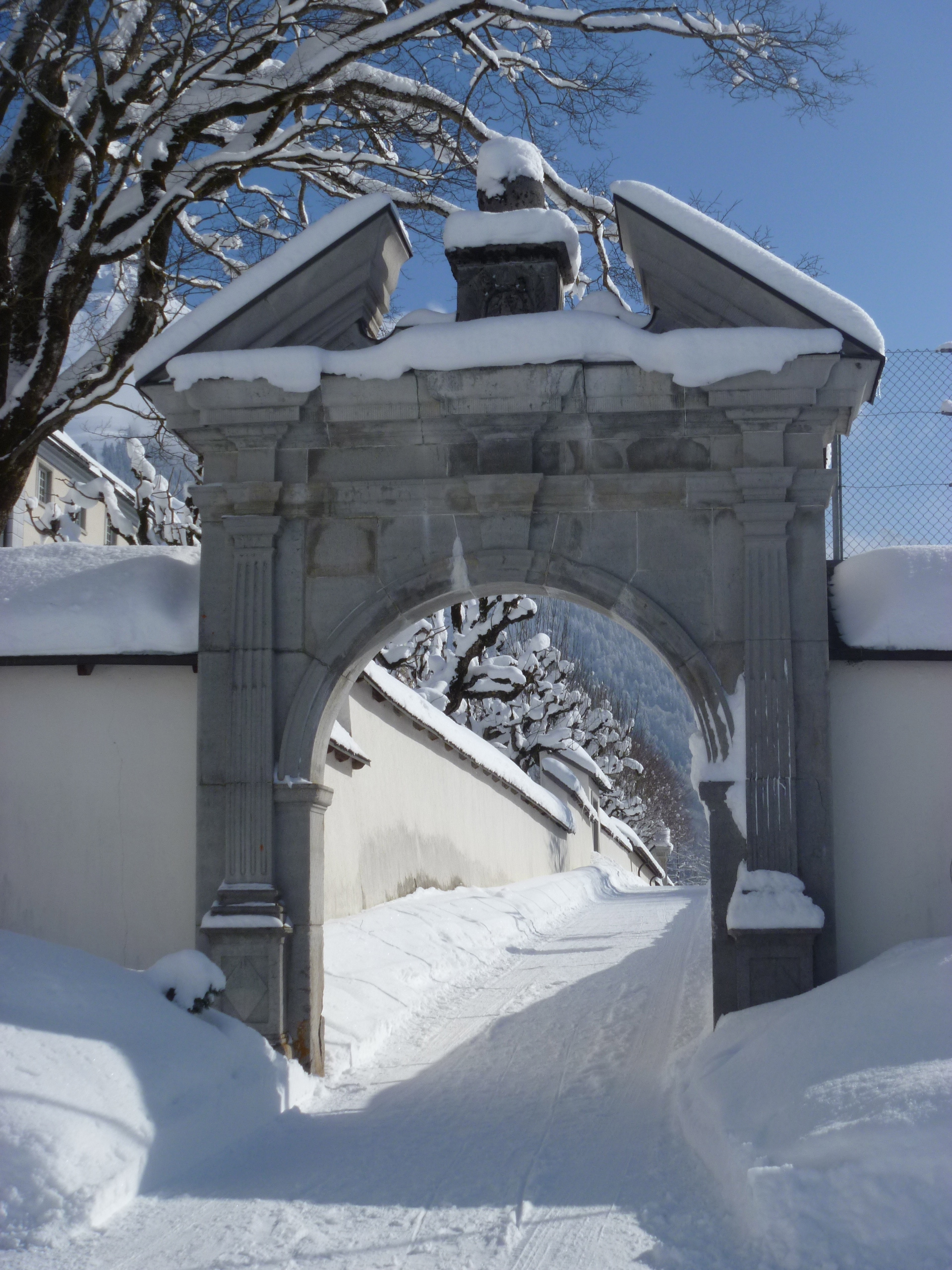
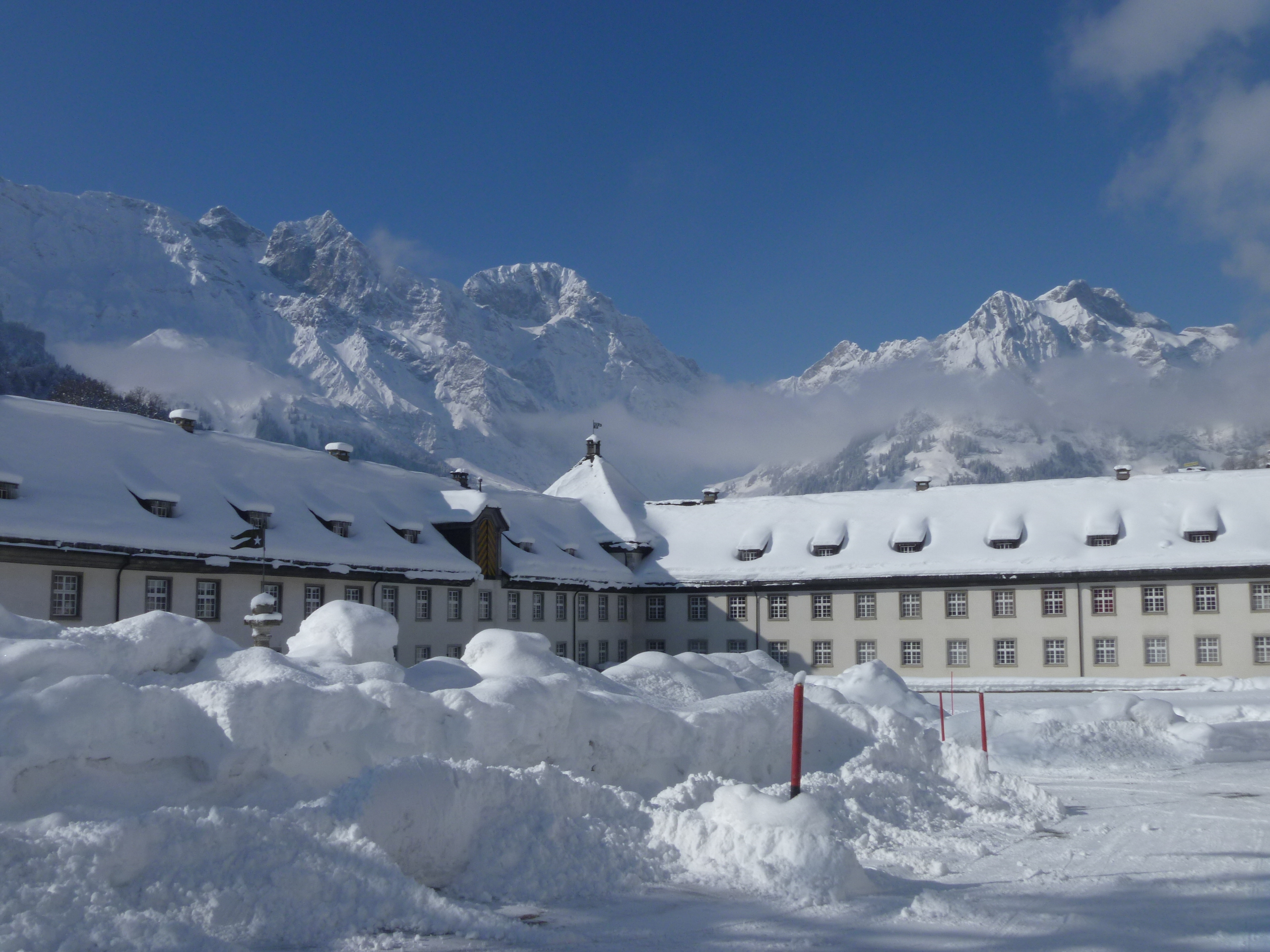
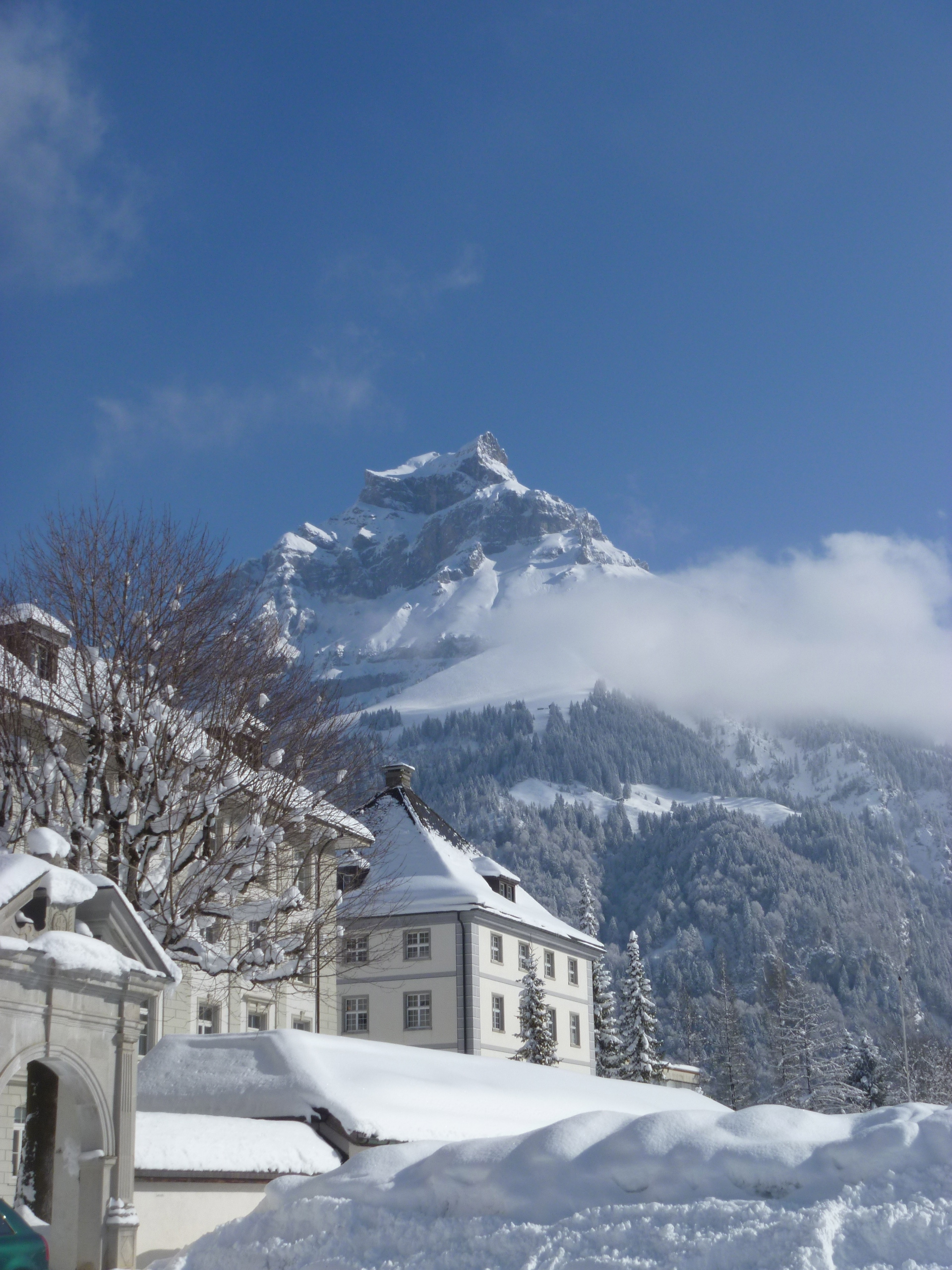
When we emerged from the school the sun had come out and everything looked so beautiful!

Engelberg

Engelberg Kloster

Engelberg

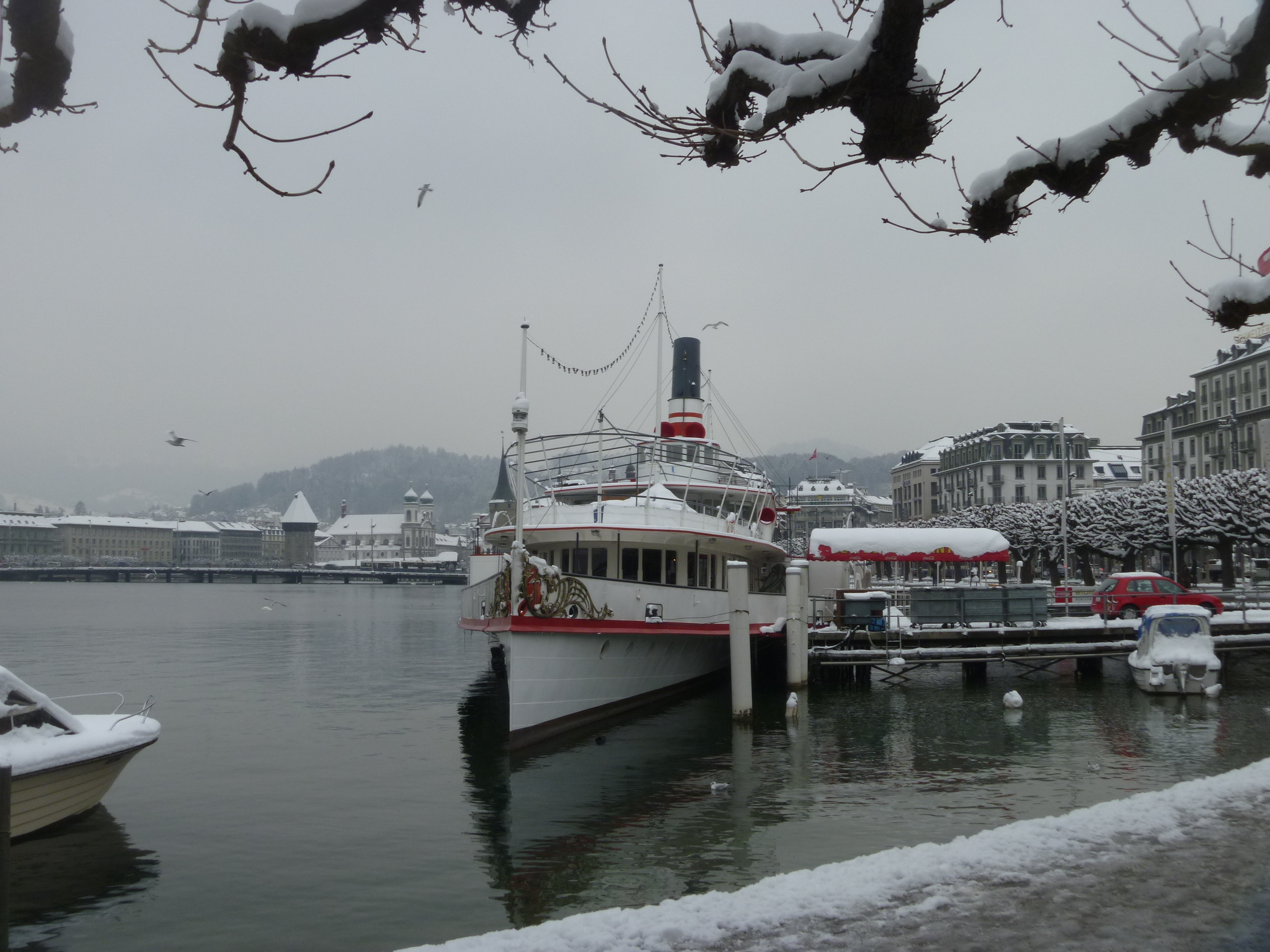
However, the sunny day and blue skies only seemed to apply in Engelberg as we spent the afternoon under very dull skies in Lucerne.

Lucerne Steamship

A Lake Steamer at Lucerne under heavy skies

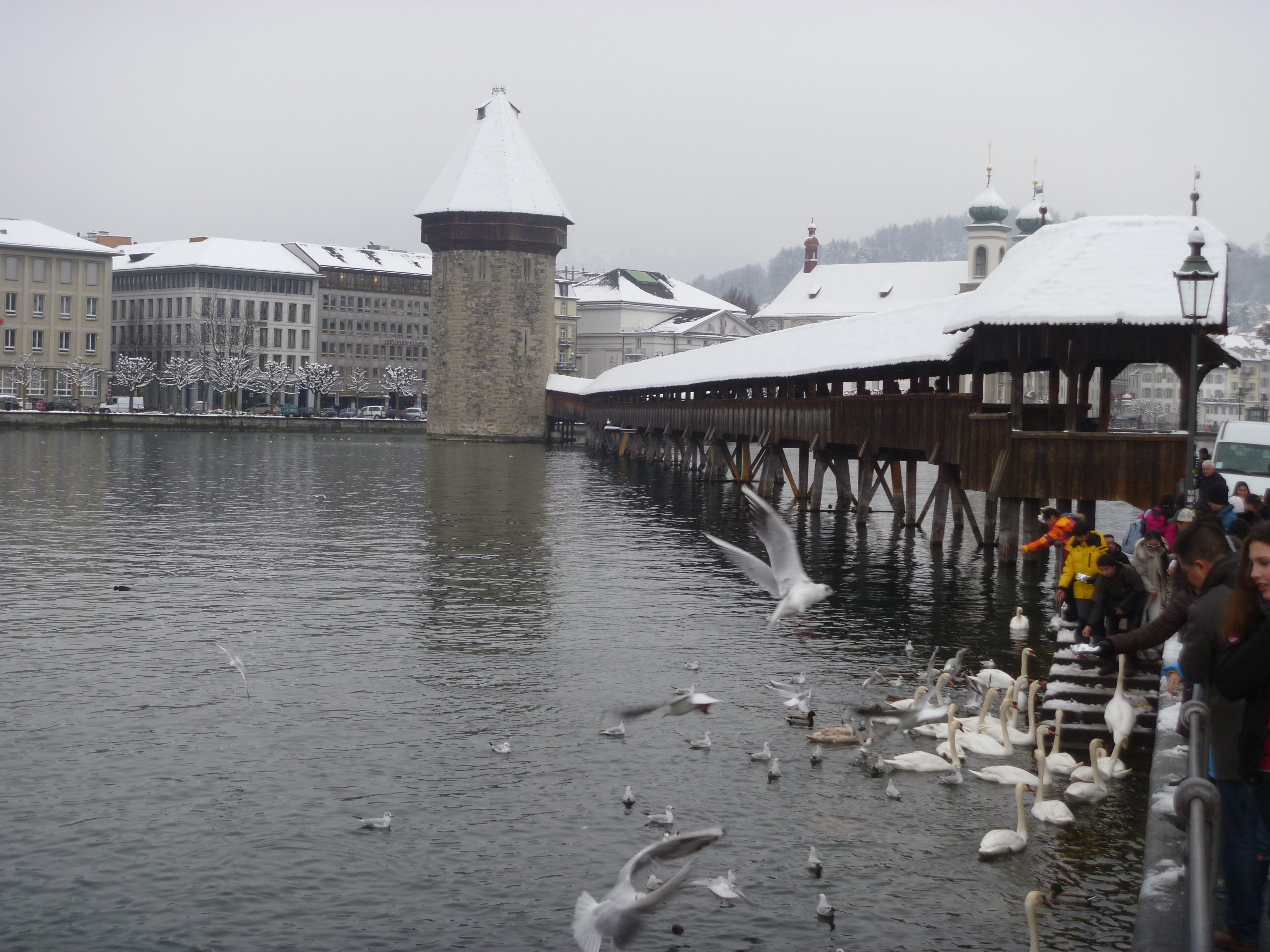
Kapellbrücke Luzern

The Kappellbrücke, Lucerne

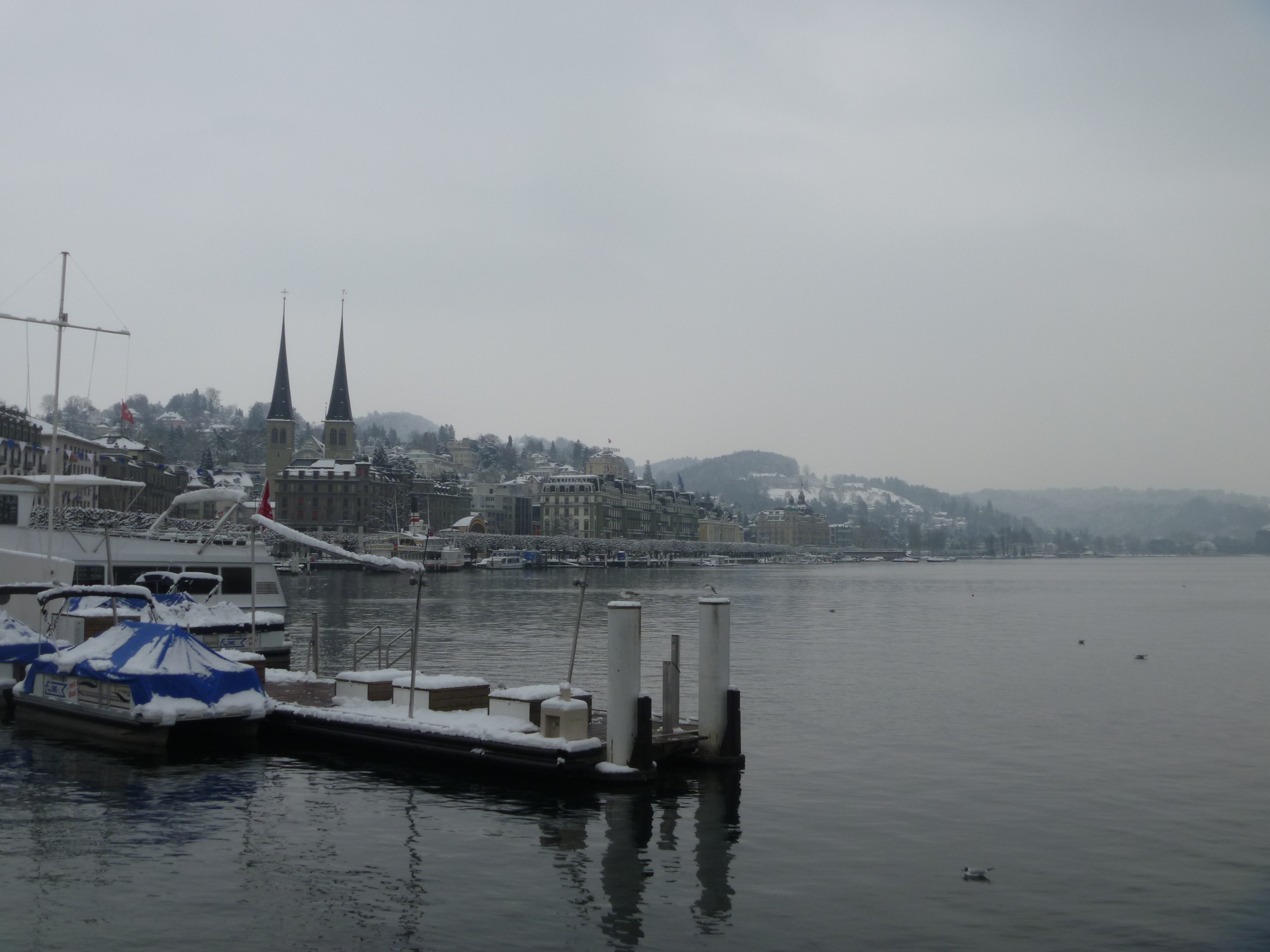
Lucerne and the lake

Lucerne and Lake Lucerne

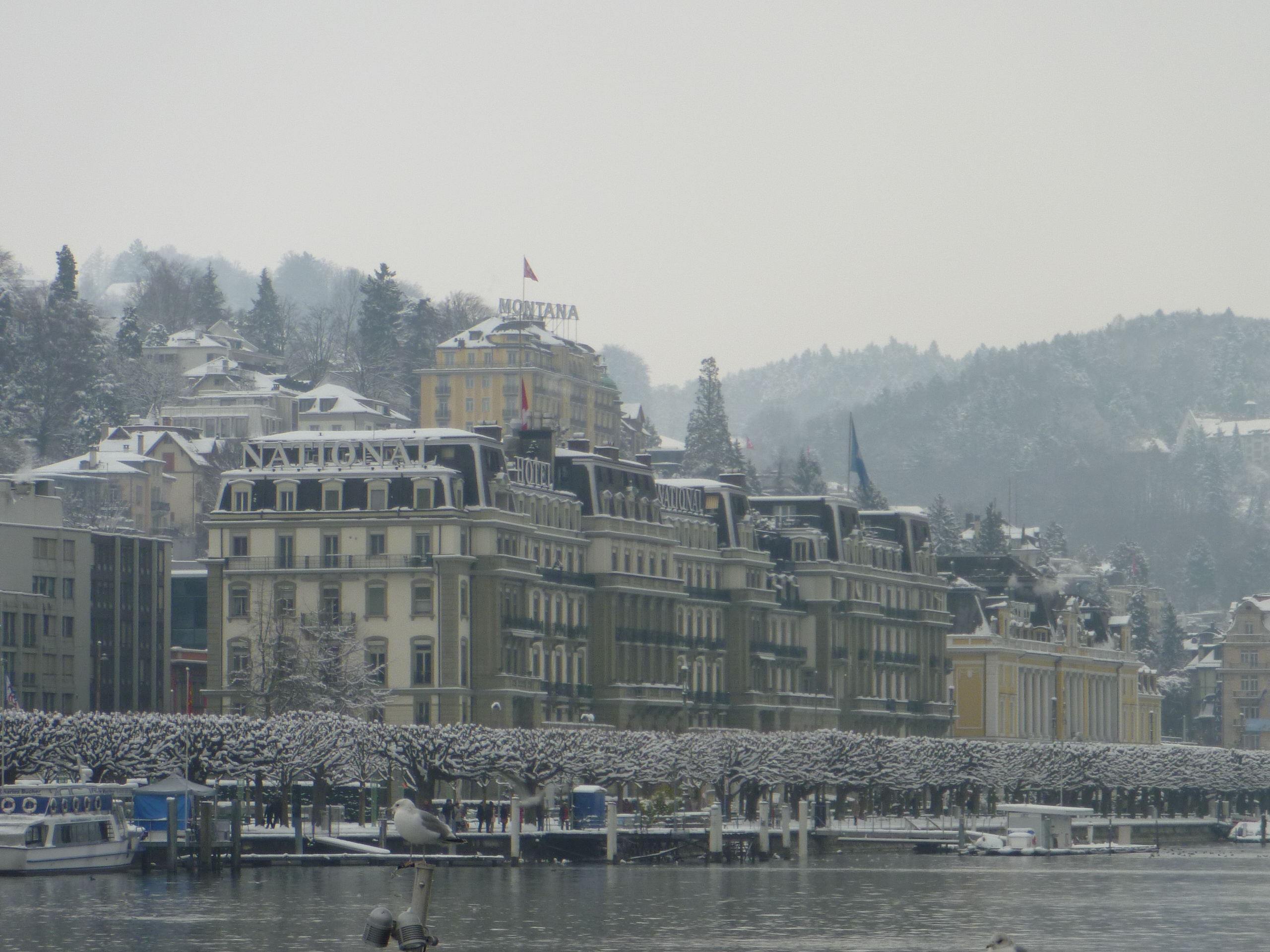
Hotel Montana

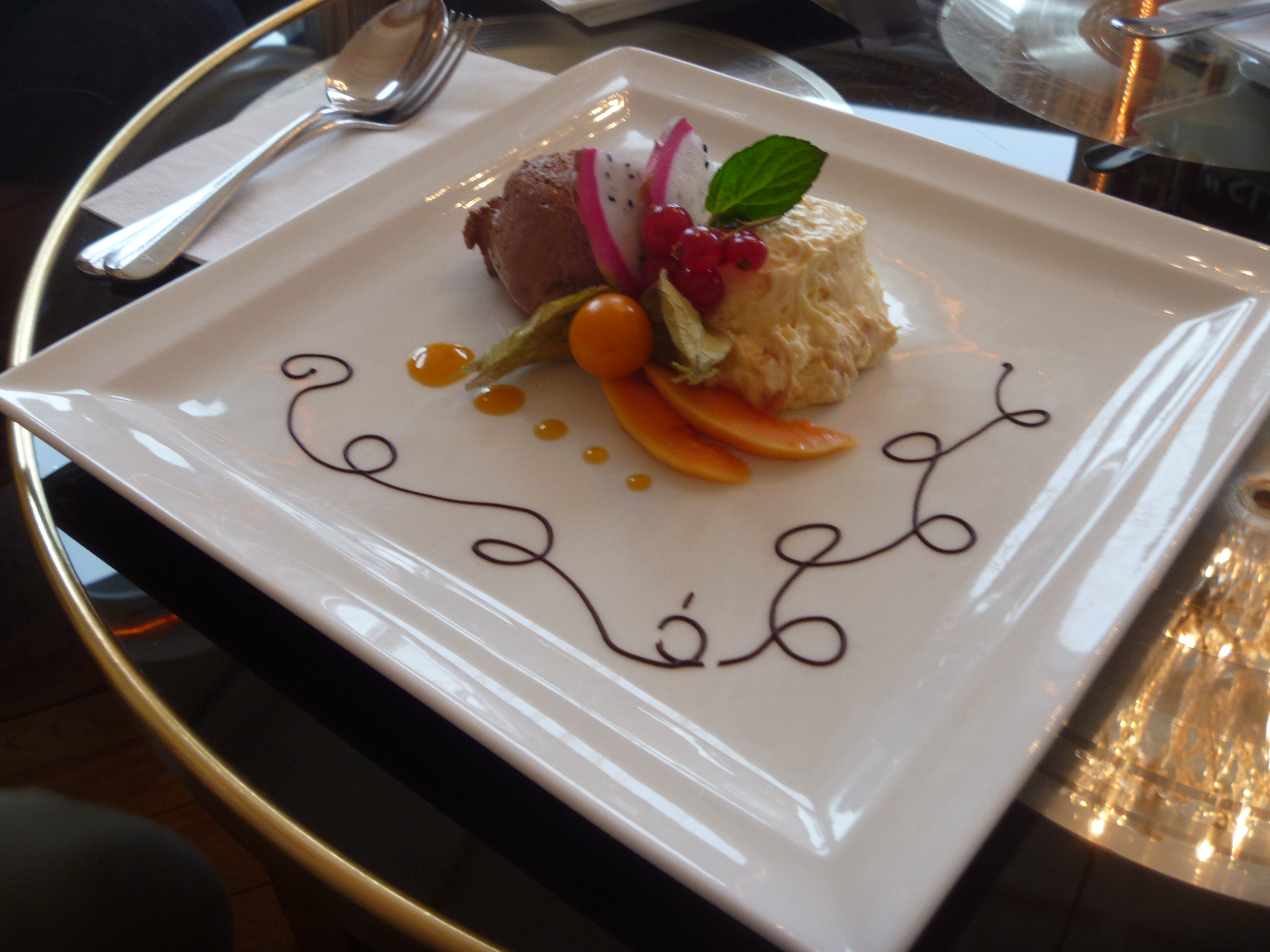
However, an afternoon tea and dessert at The Art Deco Hotel Montana was enough to thoroughly raise the spirits!

Dessert

From the Sublime to the Ridiculous: Monasteries and Mardi Gras, 1

This recent visit to Switzerland came about following an invitation in January to join my friend Susanne for her birthday celebration to be held at the Engelberg Monastery a few miles from her home. Sadly, a close family bereavement meant that the party was cancelled and there was to be a family memorial service followed by lunch on the Sunday. This being the case, I stayed for a few days in Bern; only joining S and family later on the Sunday.

Susanne is a teacher at the school attached to the Engelberg Kloster [monastery] and as it was ‘Fasnacht‘ like most schools in the Catholic Cantons of Switzerland school was on half-term holiday. This gave us a few days to spend together and on the first one we travelled to Einsiedeln the home of another impressive monastery and church not too far from Lake Zürich.

Einsiedeln Church

The drive, which was to be long enough anyway, was extended quite considerably due to road closures and diversions. ‘Fasnacht’ parades were taking place in every town, village and hamlet – including, when we arrived there, Einsiedeln.

Einsiedeln

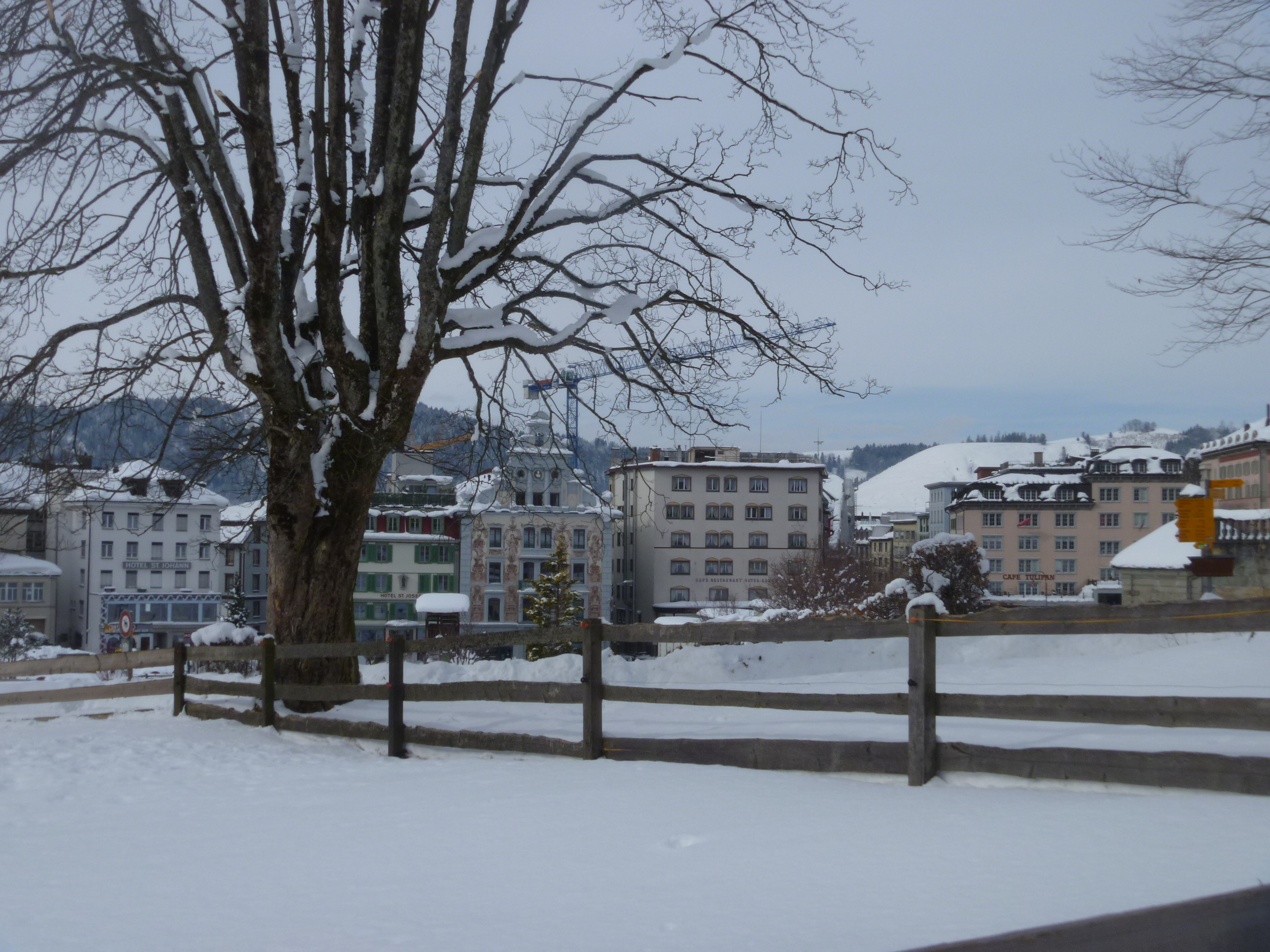
The town of Einsiedeln from the abbey

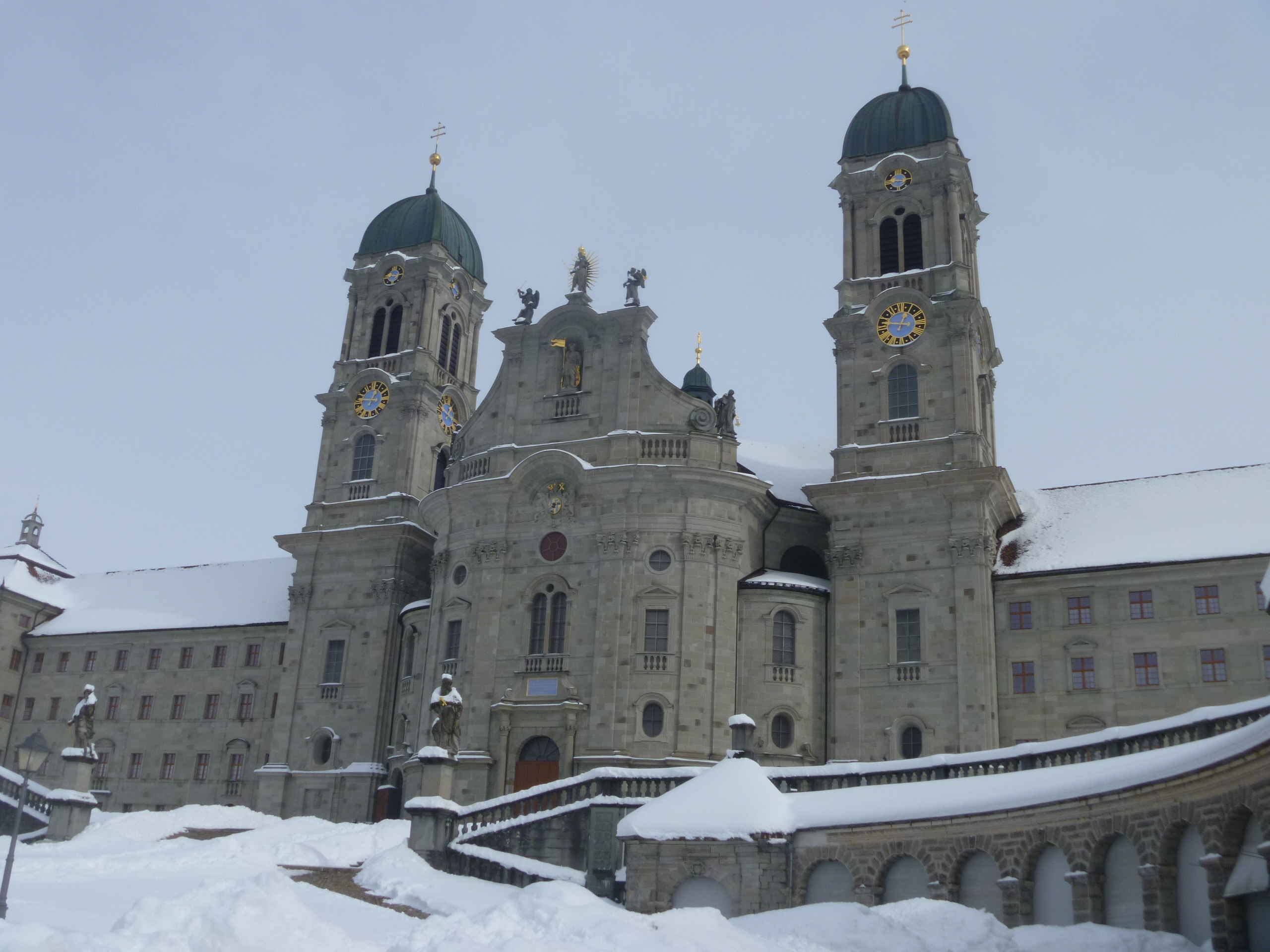
The vast Monastery and abbey church dominate the small town of Einsiedeln. They serve as a place of pilgrimage – for here is the Chapel of Our Lady, The Black Madonna – and are situated on one of the Swiss paths that lead to the Way of St James de Compostella [Jakobsweg]. I’ve written before about the St James Way here and here.

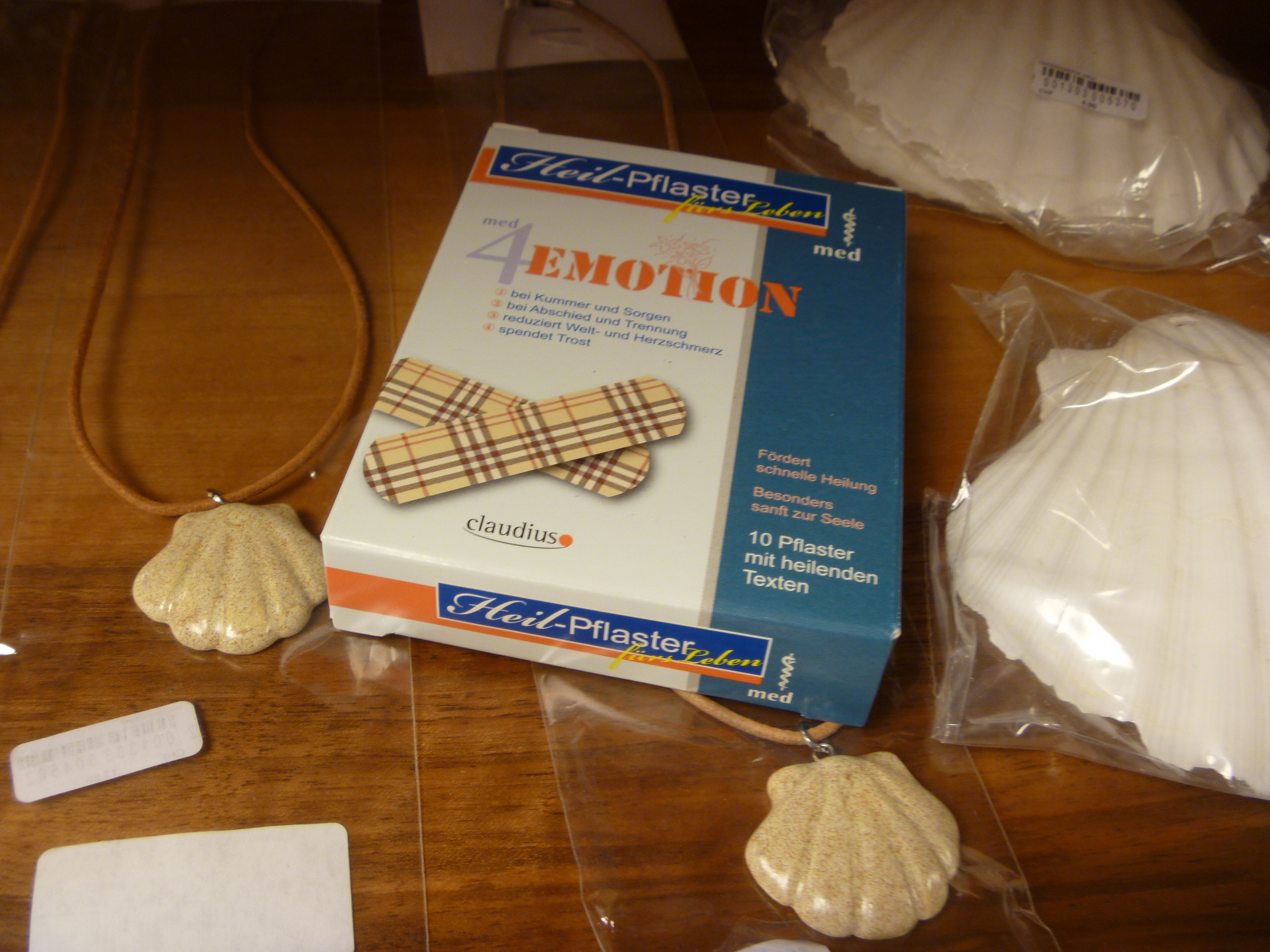
St James Way 'plasters

Special “St James Way” ‘plasters on sale in the shop. Burberry design??

Let me quote from the 1928 edition of Baedeker’s Switzerland. I’ve enjoyed reading the entries in old Baedeker and Muirhead Guides and comparing with my own experiences.

Einsiedeln, or Notre-Dame-des-Ermites, … the most famous pilgrim-resort in Switzerland, has a Benedictine Abbey, founded in c.948, on the site of the well of St Meinrad, who was murdered in 861. This abbey was richly dowered with lands by the Emperors Otho II (972) and Henry II (1018) and became an independent principality of the Holy Roman Empire. The abbey was once ruled y an Anglo-Saxon abbot, St Gregory (d.996). The chief festival (“Engelweihe”) is on Sept. 14th.

 The abbey, occupying an area of 16 acres, was rebuilt in sandstone in 1704-18, by Kaspar Mosbrugger. … The CHURCH, in the centre of the slightly curved W. front, which 446′ long, with its two towers, was erected in 1719-35, also from the plans of Mosbrugger, and is the best example of the ‘Vorarlberg School’ in Switzerland.”

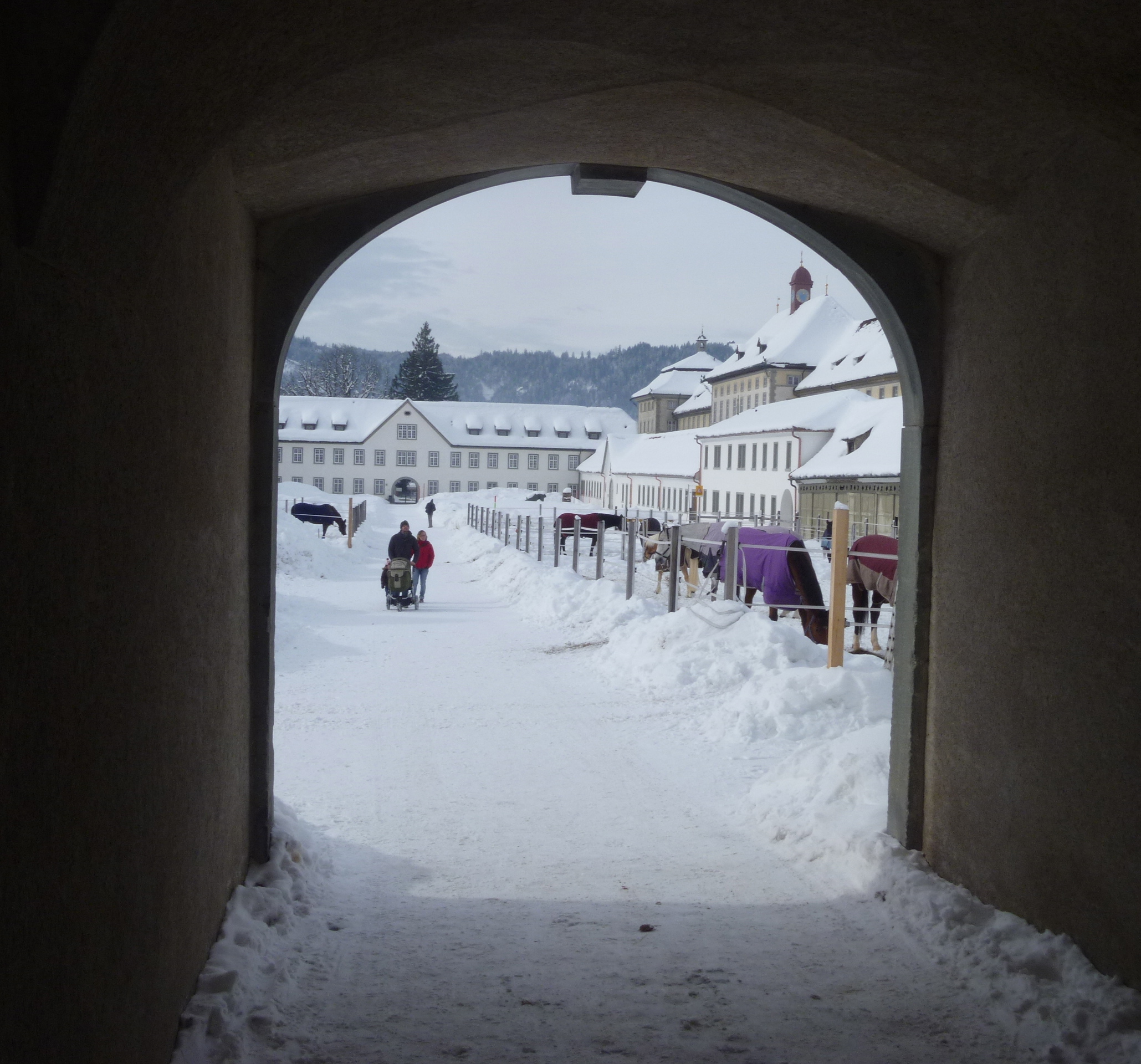
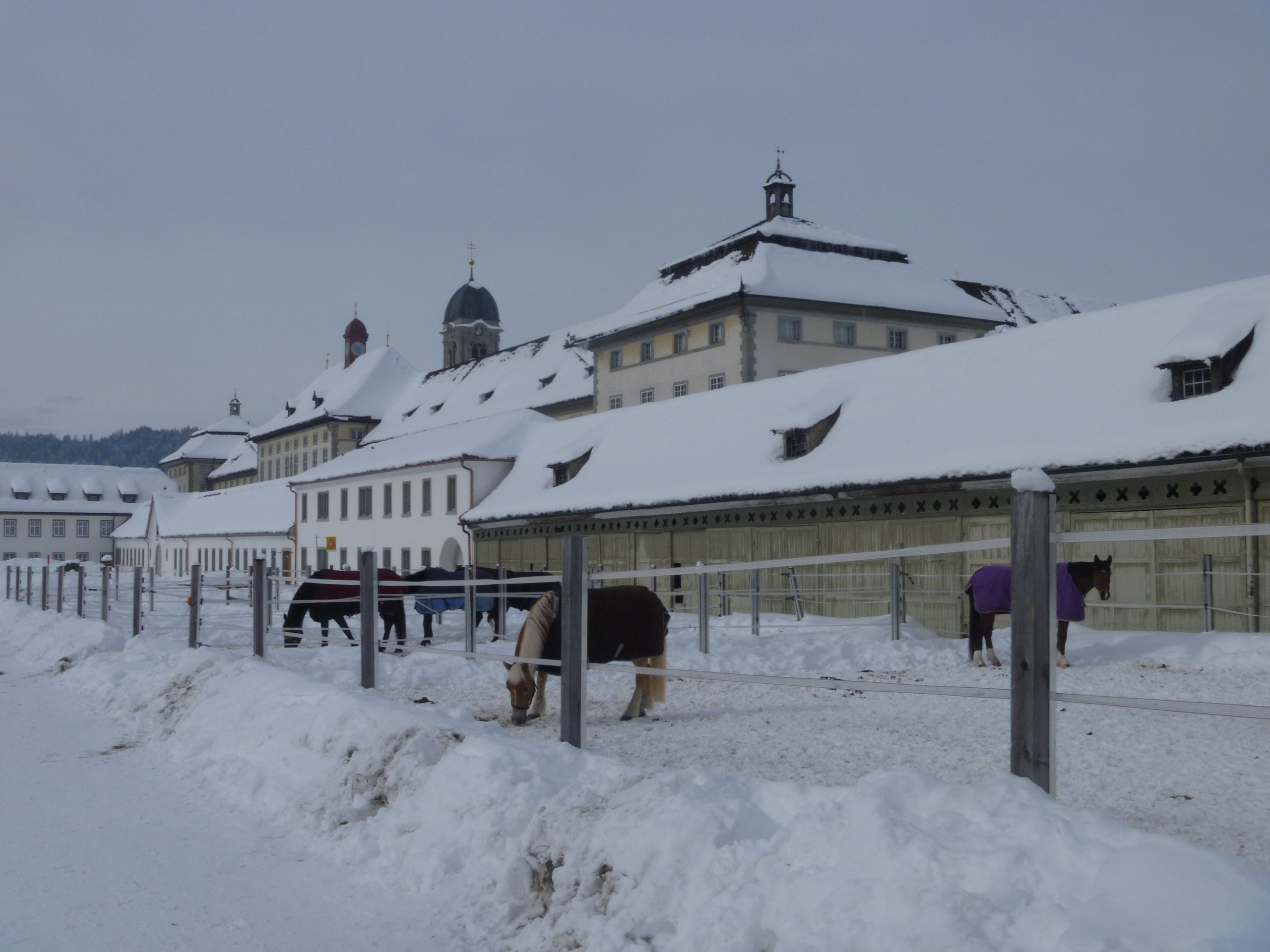
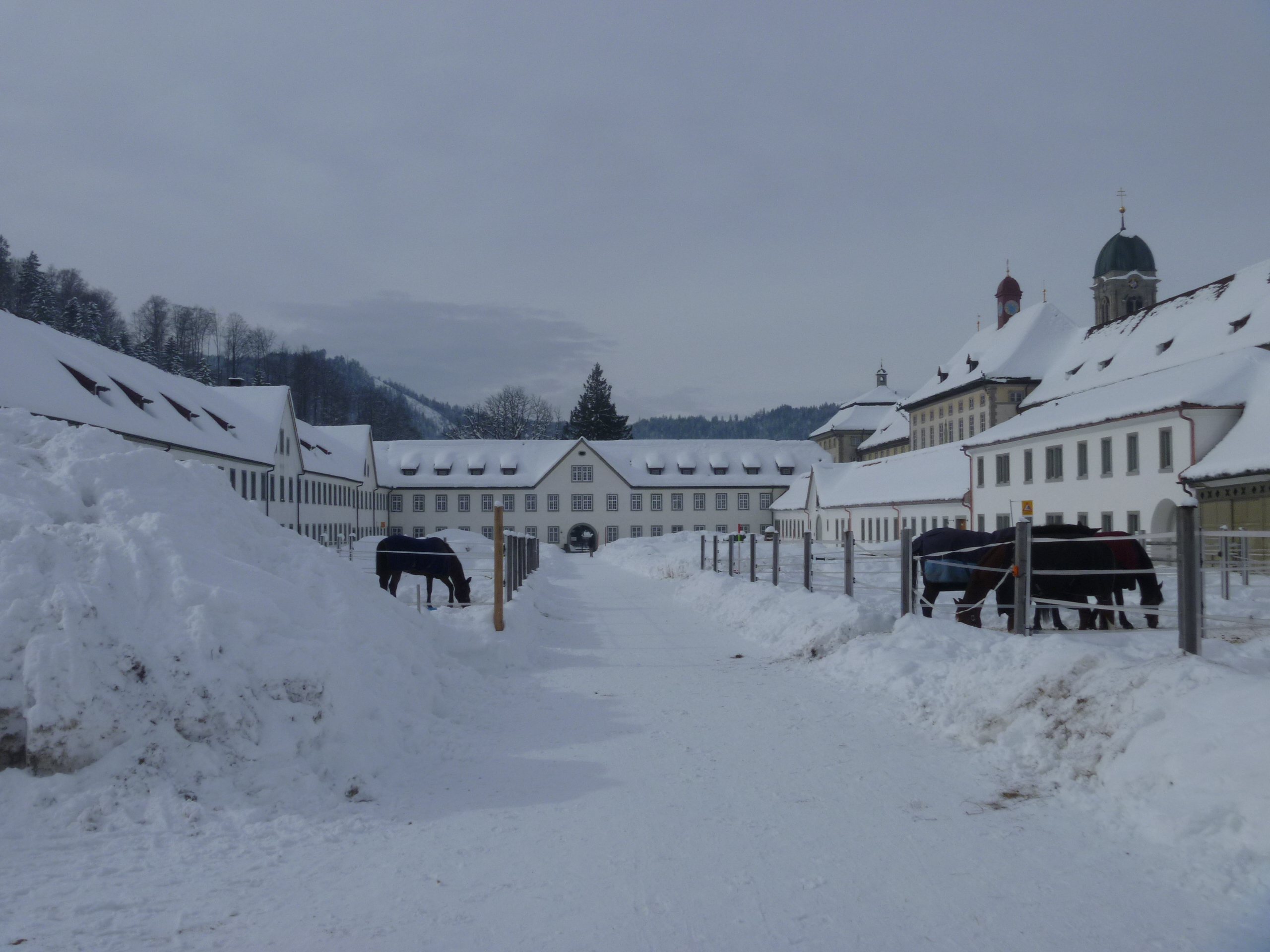
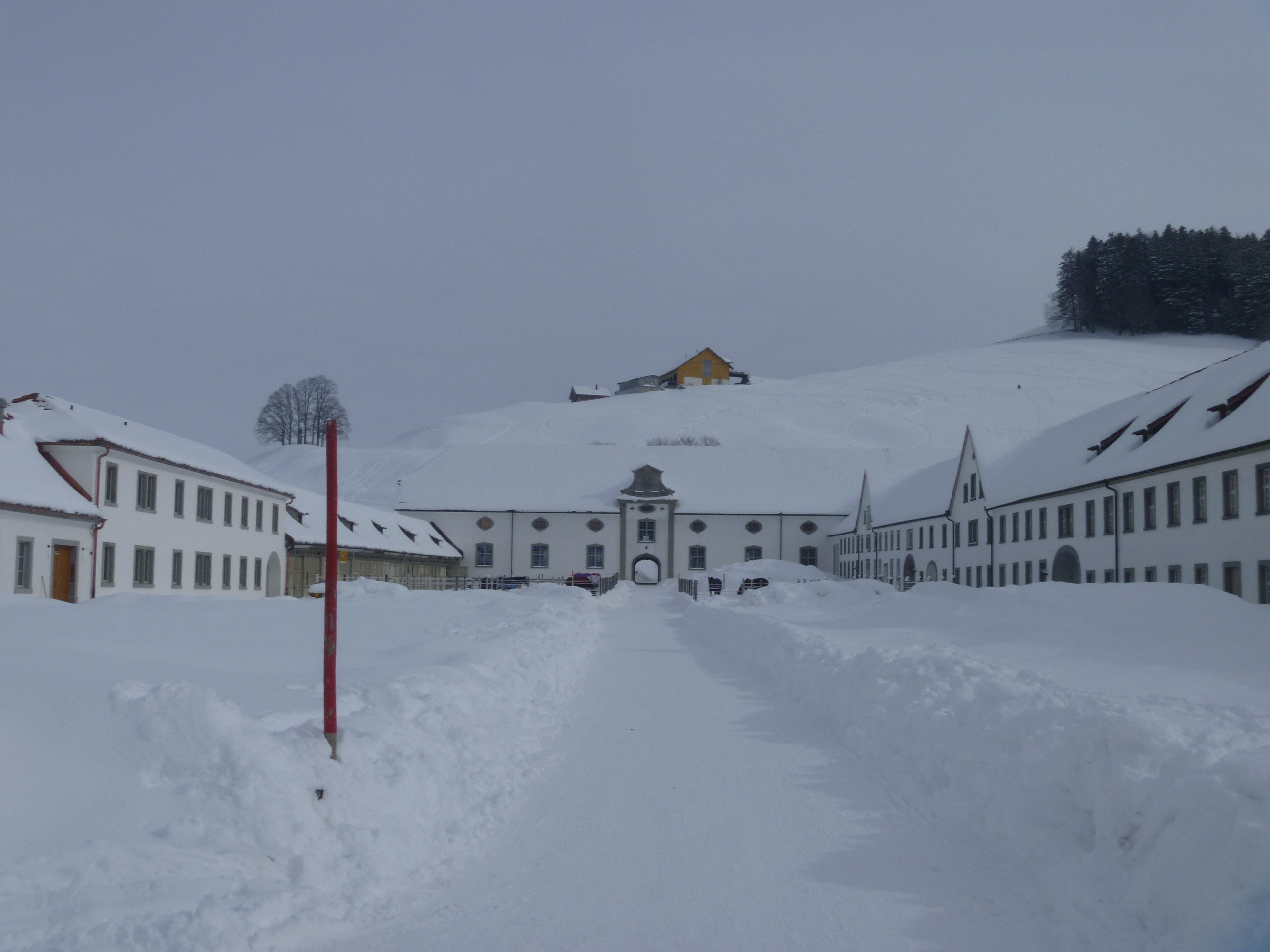
No photography is allowed inside this over-the-top Baroque church. But the public are allowed to enter the precincts and inspect the horses of the oldest stud farm in Europe that is still working. The stables were built in the 1760s. The horses (the Einsiedeln breed) – apparently famed throughout Europe – are known as “Cavalli della Madonna”, or The Madonna’s horses.

Entering the precincts

P1080421

P1080424

P1080425

The Einsiedeln Horses in the Snow

From the Abbey it’s just a few paces down into the town where we had an apple tart ‘lunch’ and then watched part of the amazing Fasnacht parade. As you might guess, the cold soon got to us and before long we made our way back to the car and home. Not being as tough (or filled with Glühwein??) as the participants.

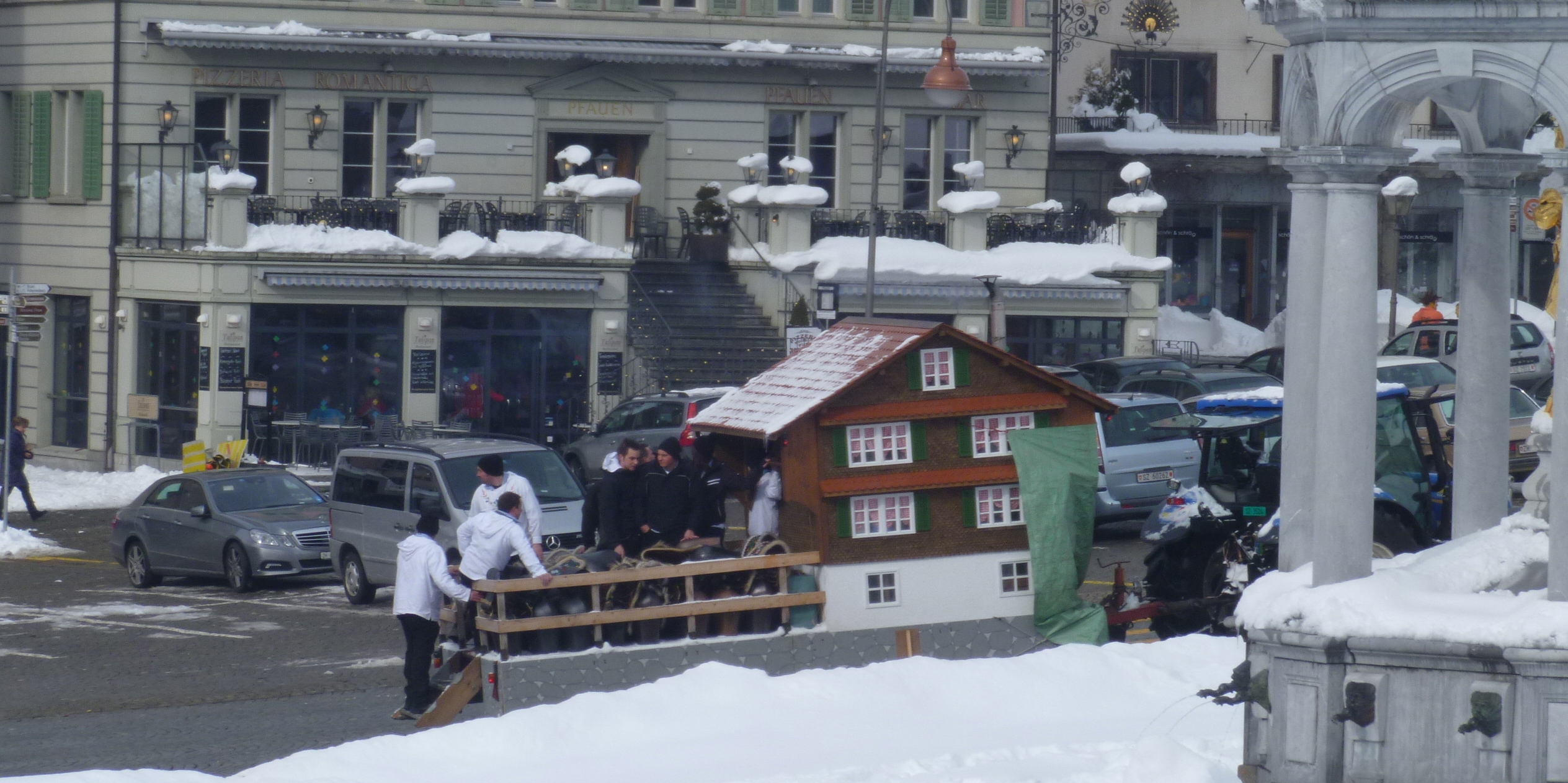
Moving chalet??

Moving Chalet?

Fasnacht3

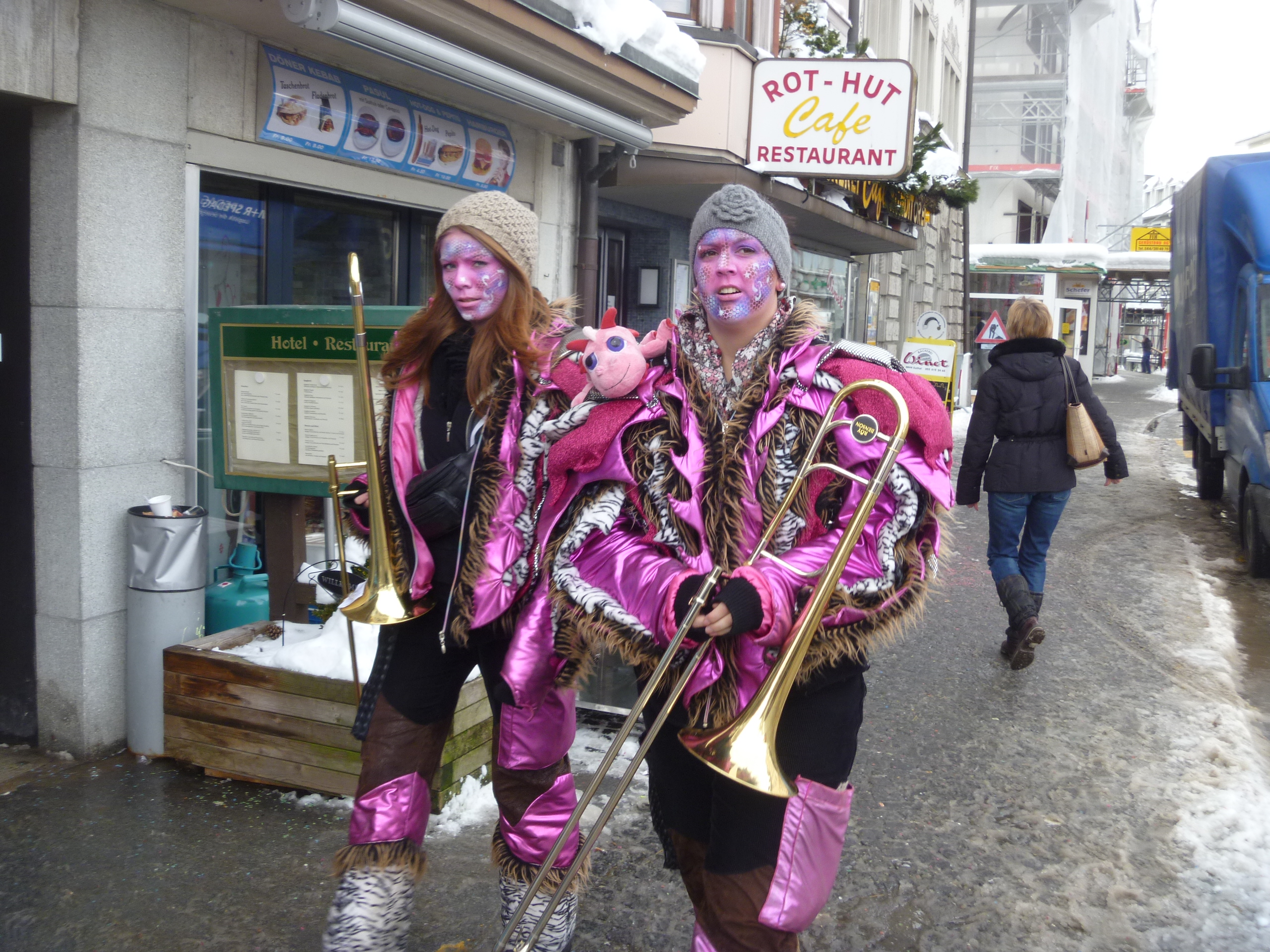
The outfits of the musicians brighten up the day

Fasnacht1

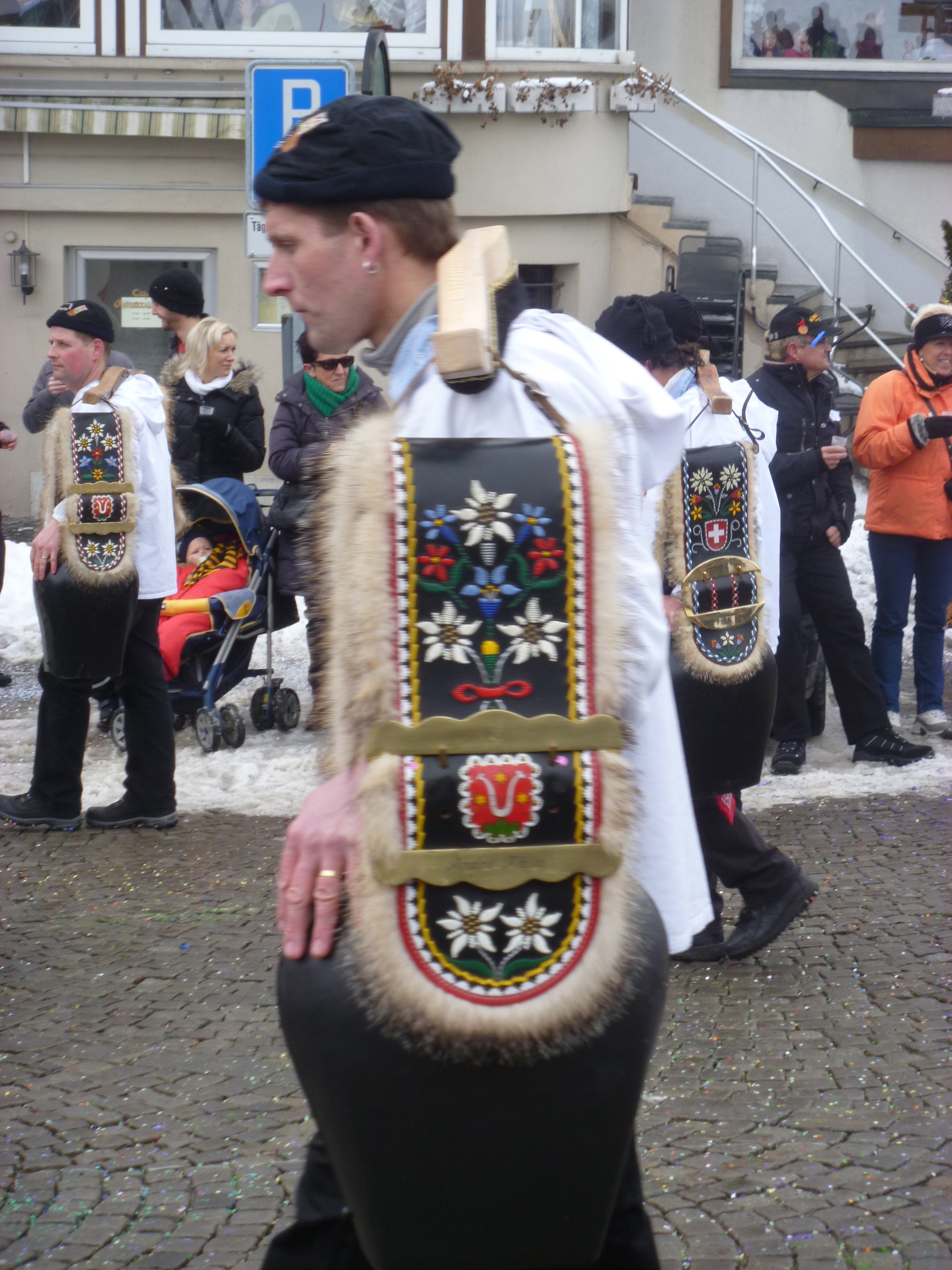
I just had to  come across cow bells at one point during my visit – and this was it!

Einsiedeln Town Hall

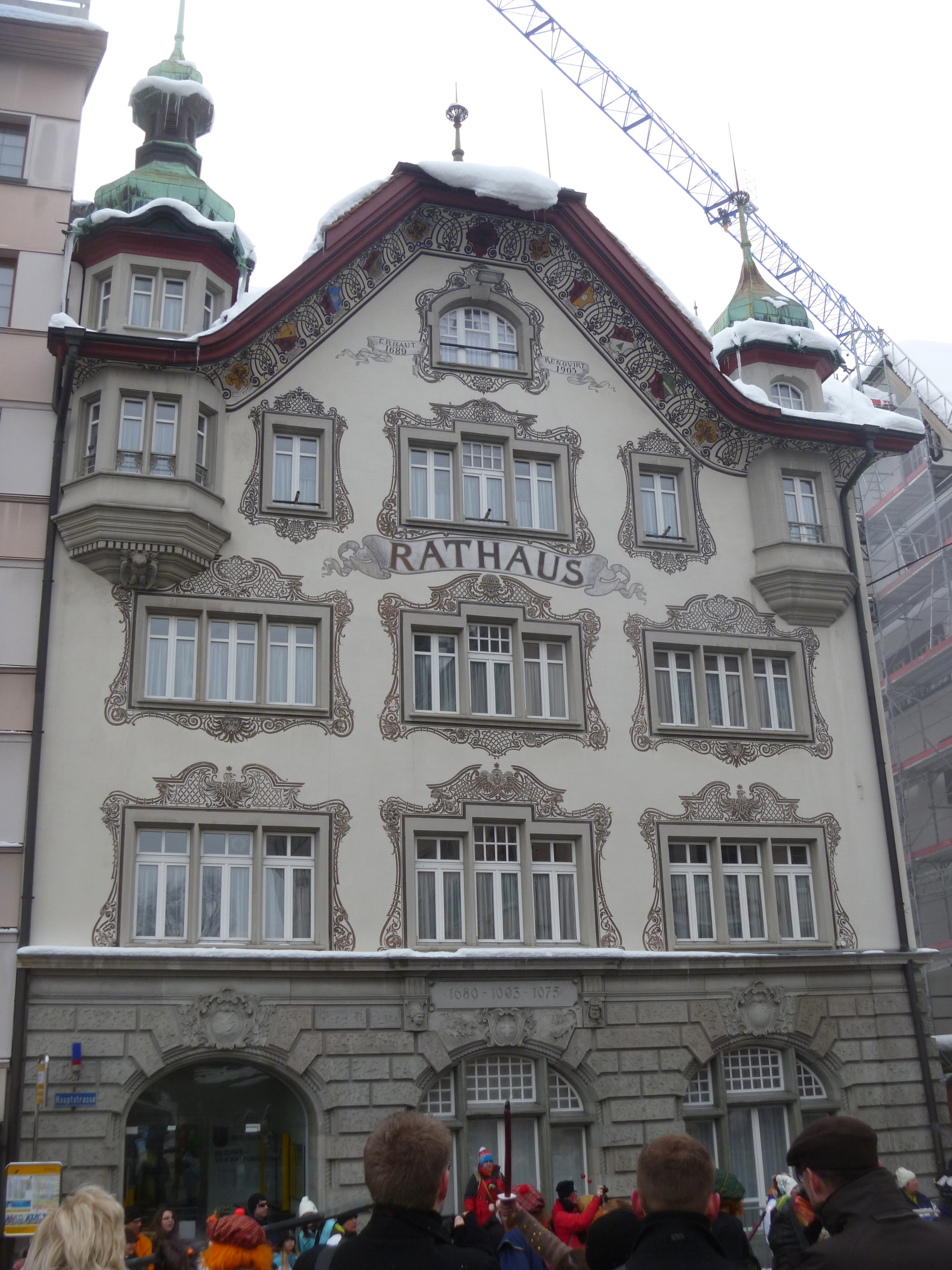
The decorated Town Hall before Nessy!

Town Hall and Nessy

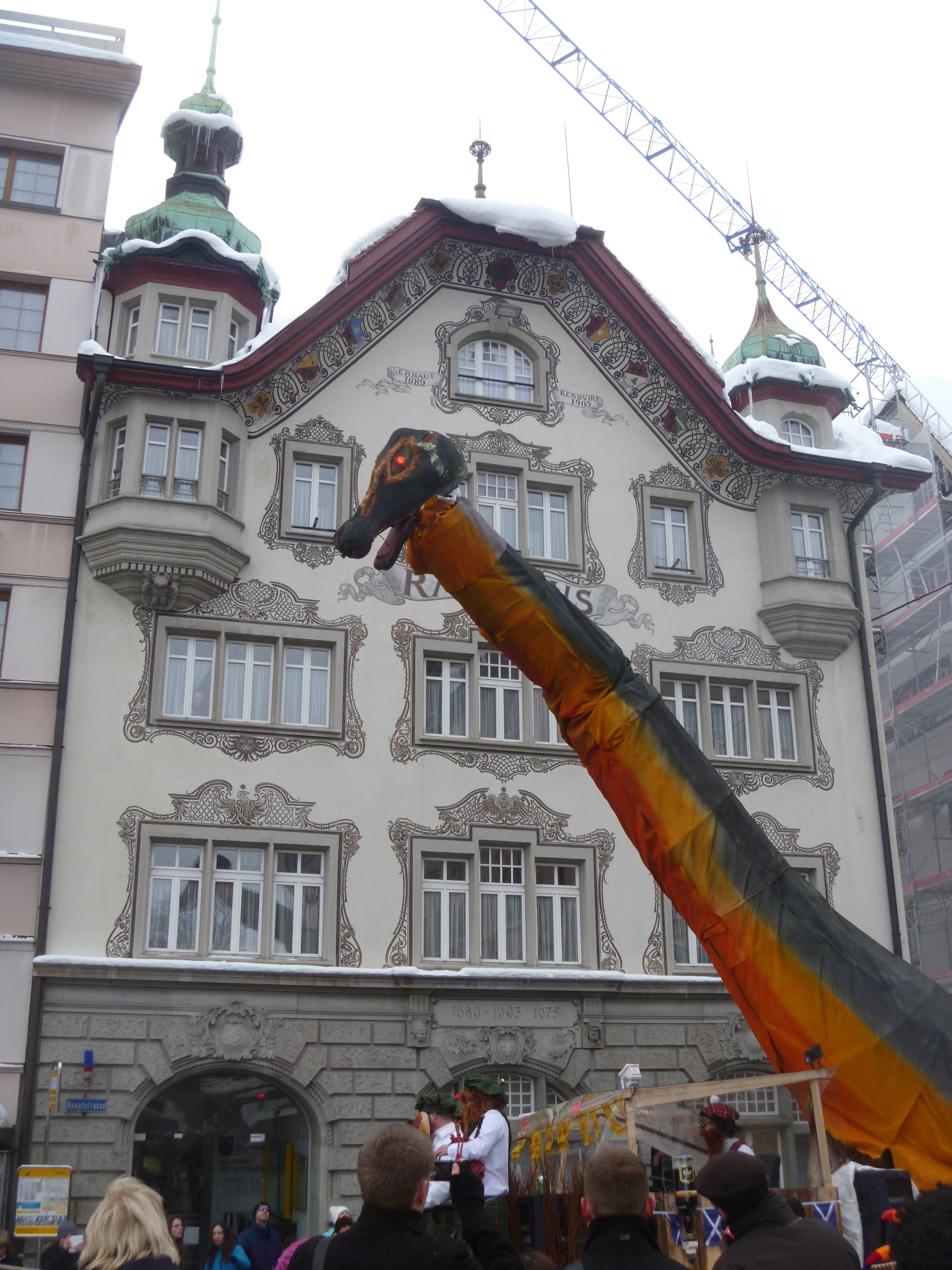
And as The Loch Ness Monster passed by!

Walking in a Winter Wonderland at A and B. Adelboden and Bürgenstock.

ADELBODEN

Adelboden sign

When I arrived in Adelboden the Friday before last I had with me hiking instructions for a “Panorama trail on a sunny slope” supplied on the myswitzerland.com website. It was already snowing madly so I enquired at the Tourist Office whether the trail would actually be cleared. The response was that the trail was closed due to avalanche warning. An alternative was suggested and the details supplied. It’s never a problem undertaking a hike in Switzerland. You don’t need maps and GPS and all that pallaver. Every time there’s a cross roads or split in the path the sign will indicate the way. It will also give an indication of difficulty and an approximate time to get you comfortably to your destination.

Snowy Adelboden

Adelboden from my snowy path

My recommended destination was to be Schermtanne where there’s a restaurant and from where I could catch a bus back to Adelboden in time for my 2pm appointment at Our Chalet. An hour and a half steady walk would be just fine. Still the snow continued to fall as up and up I went along the snowy path. The whole valley soon spread out before me but no sign of the snow abating.

Boots gone!

Too deep for my boots!

The road became a track, became a path and the snow got deeper and deeper. After three quarters of an hour I came across a woman with snow shoes and with two small children in sledges pulled by two dogs.

Adelboden sledding

The woman advised me not to go any further as I was not wearing snowshoes. I carried on to a little viewpoint and the next sign post.

Time to give up

The snow’s rather deep so time to turn back.

From there I was happy to descend to town again. The snow began to ease up and by the time I was back in the village the sun out and blue sky showing behind the clouds.

Sun coming through

Cafe Schmid

I was glad to get my legs under the table in the Cafe Schmid!

BÜRGENSTOCK

Track to Bürgenstock

Path to Bürgenstock

Towering way above Lake Lucerne in Central Switzerland is the rocky outcrop of the Bürgenstock. It isn’t particularly high but the views (on a clear day) are dramatic. There used to be two or three very grand hotels but the whole lot looks to be coming down and a new resort is under construction. In summer there’s a lift from the little quay on Lake Lucerne up to the summit and the hotels (there is even a golf course) but last Tuesday we drove up the twisty turny road from Stans and parked at the Villa Honegg and walked for about 40 minutes along a fairly clear path (considering the amount of snow that was falling). Did I mention that this part of Switzerland had not had so much snow fall since 1970?

B.Stock signpost

Bürgenstock signpost

On Bstock path

On the Bürgenstock path

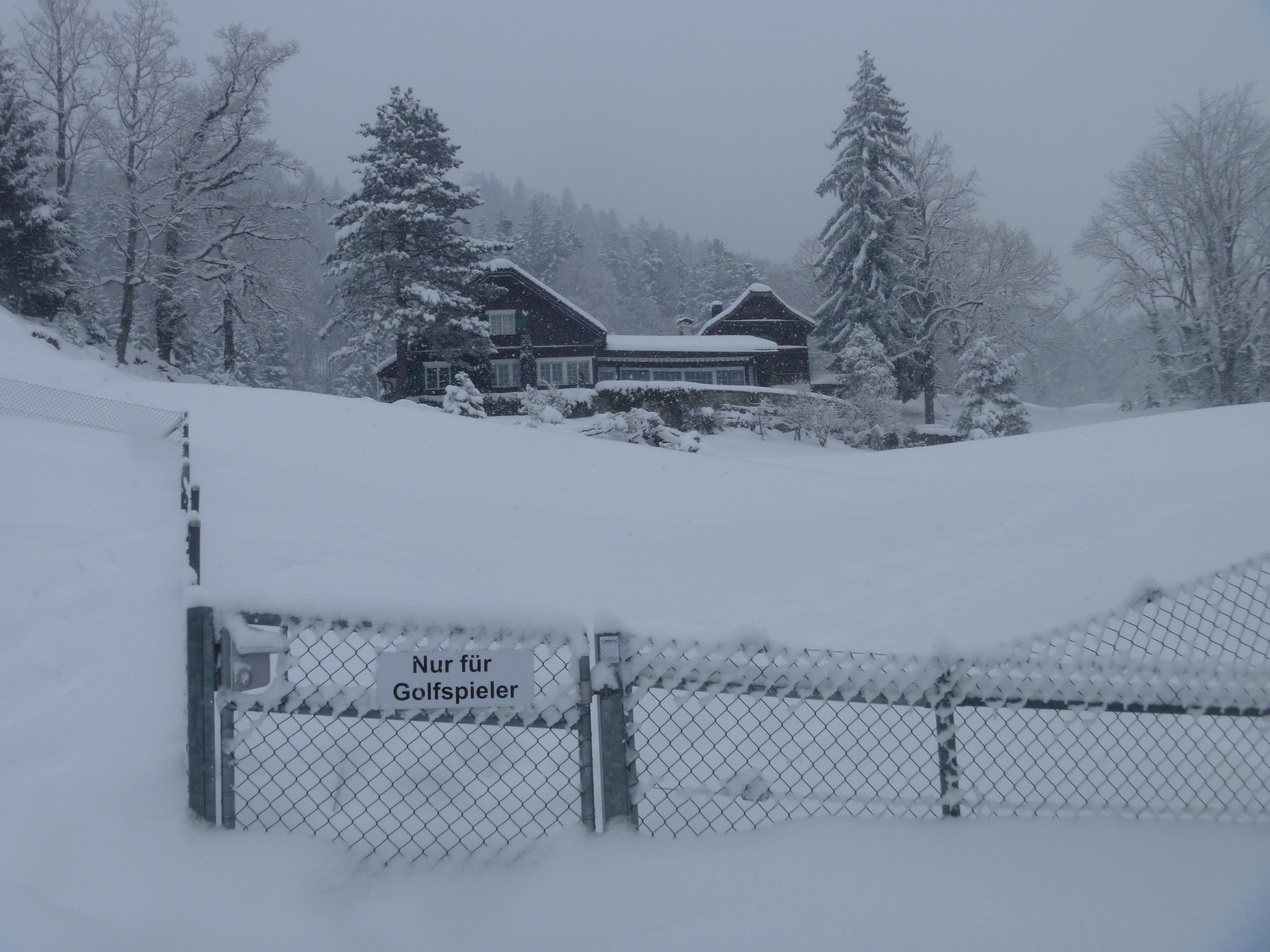
Nur für Golfspieler

Only for Golfers

Chapel at Bstock

The Chapel at Bürgenstock

We tried to see the view of the Lake but it was impossible so returned to the VH for a warming pot of tea.

Lake Lucerne

Impossible to see Lake Lucerne from the viewpoint

The Bernese Bears and the Saturday Food Market

I’ve written about Bern and its bears here once before, about a year ago, when an article in the Independent prompted me to wander down Memory Lane not knowing, at the time, when I’d next make a visit there.

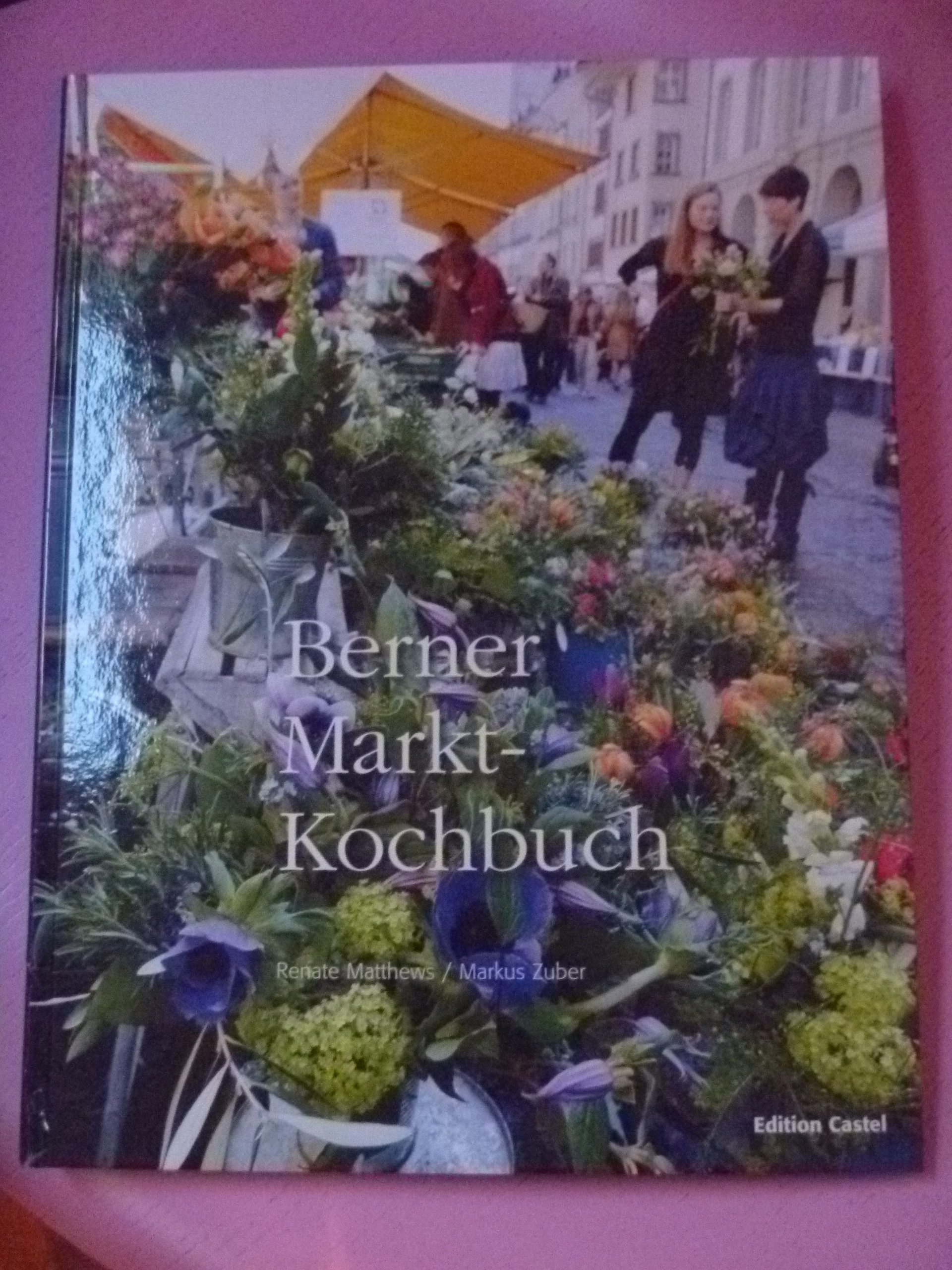
Bern Market cook book

The Old City of Bern is classed as a UNESCO World Heritage site and this is not surprising when you see it. It’s a beautiful city with lovely cobbled streets, beautiful architecture, famous shopping arcades with delightful, mostly ‘one-off’, shops but very far from being a museum-piece. It hosts lively markets and is busy and bustling. I love it.

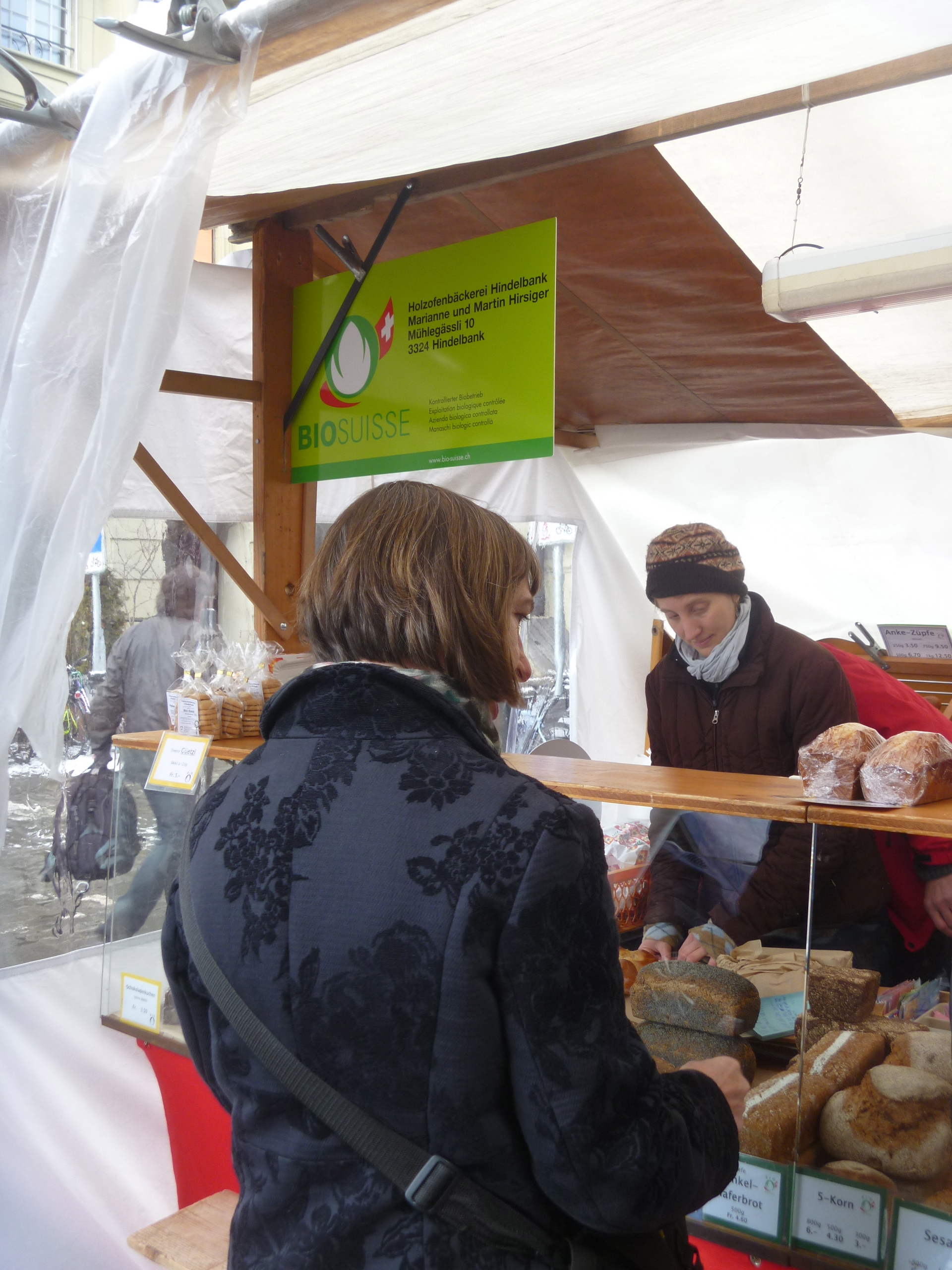
Choosing bread

Choosing breads

B had finally finished work for the week and early on Saturday we walked to the Old Town to shop at the market, have a coffee and walk along the arcaded streets down to the new ‘Bear Pits’ – or Garden, really – on the opposite bank of the River Aare. It was freezing cold and snowing but this didn’t stop anyone going about their business and the market (although very much bigger and busier in the summer months) was thriving.

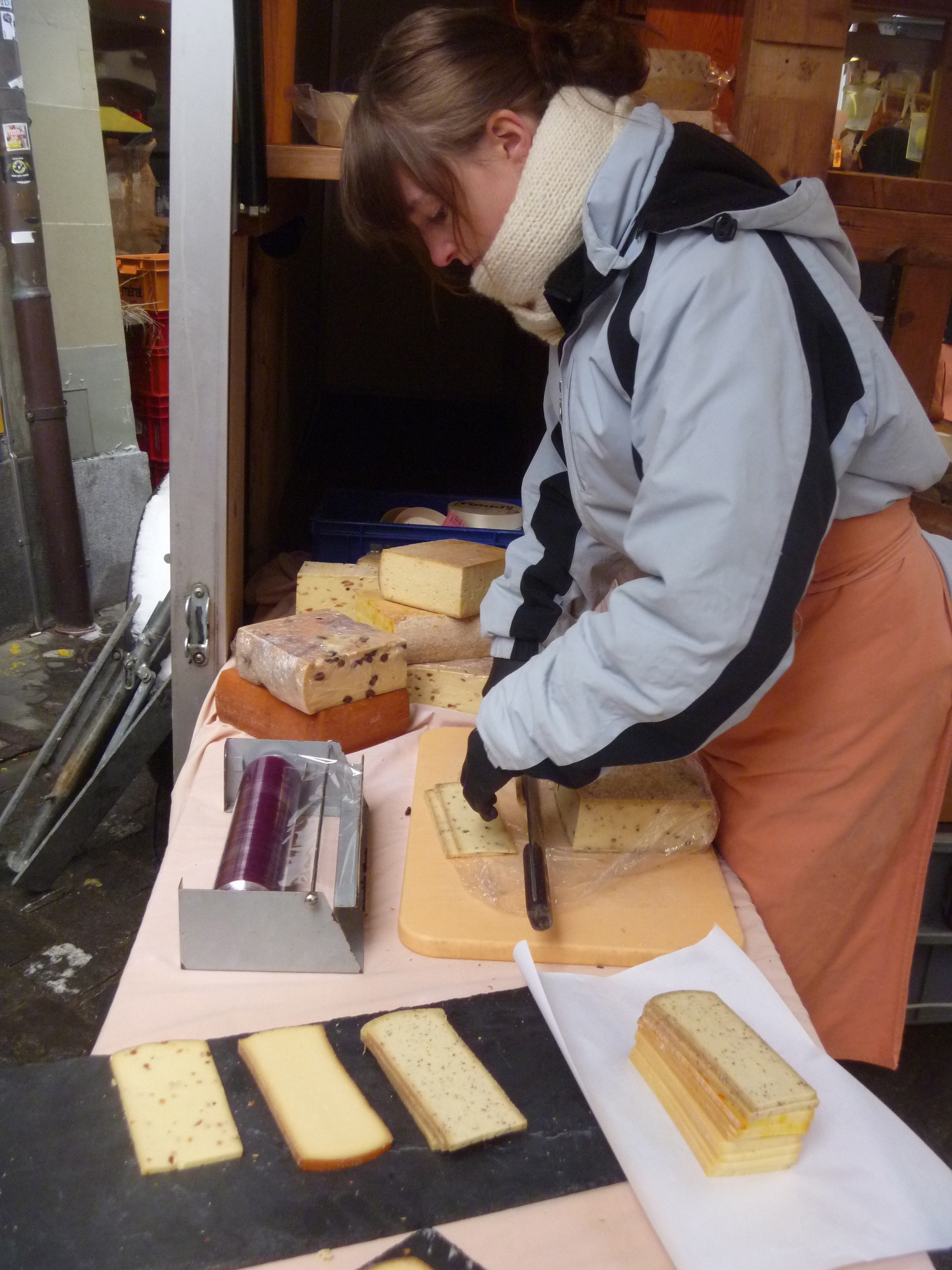
Cheese stall

Cheese stall

Meat stall

Meat stall

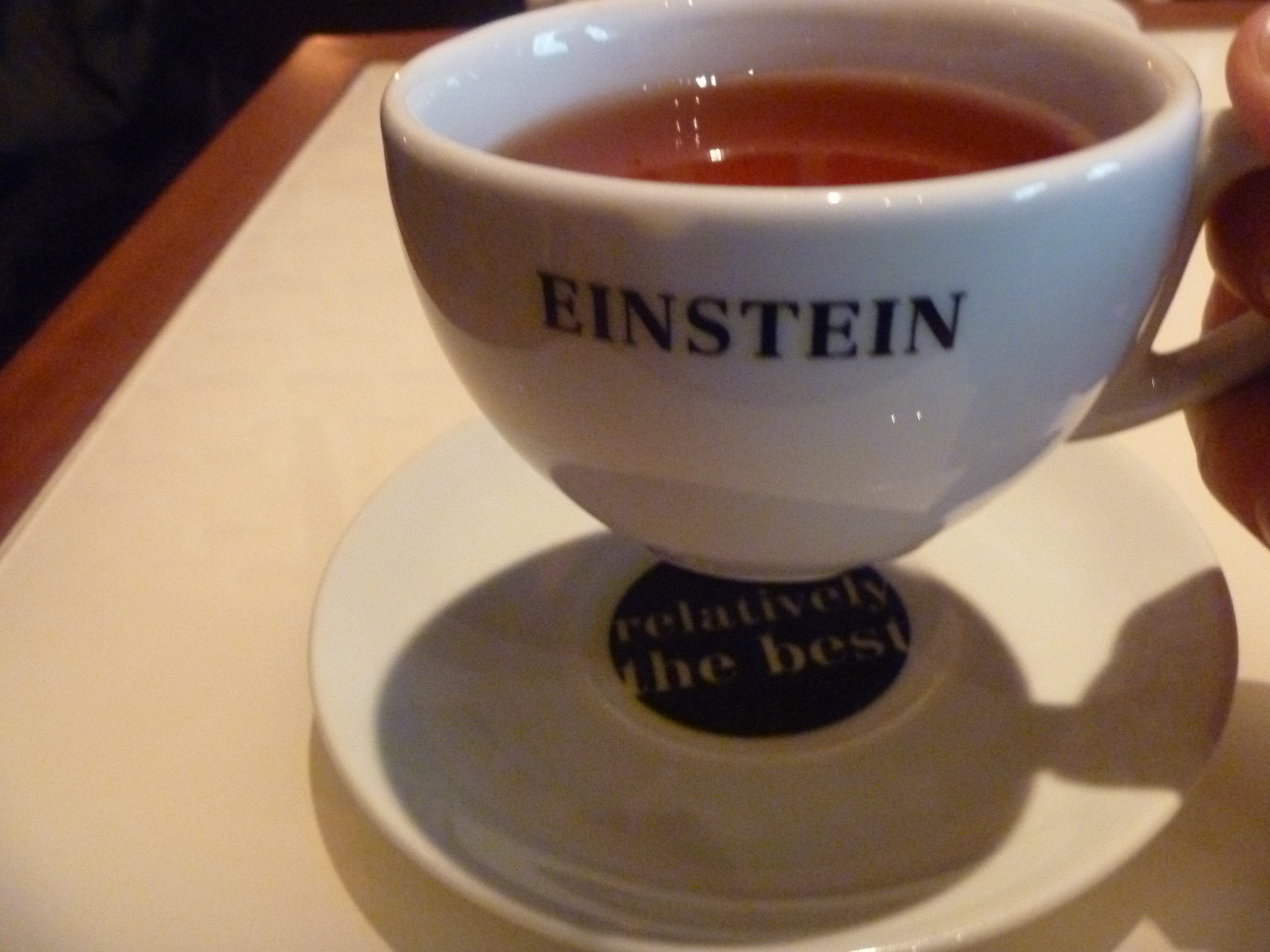
B knew all the best stalls for buying our commissions: cheese and dried meats for our Raclette evening meal, vegetables and breads. In order to defrost we nipped into the Einstein Cafe – a popular, currently trendy, cafe just by the market and under the (not open in February) Einstein House Museum. [I discovered on this visit that Einstein also lived for some time in the same street as B but as it was dark on Saturday evening I was unable to take a decent picture – next time!]

Tea at Einstein

Tea at Cafe Einstein – relatively the best

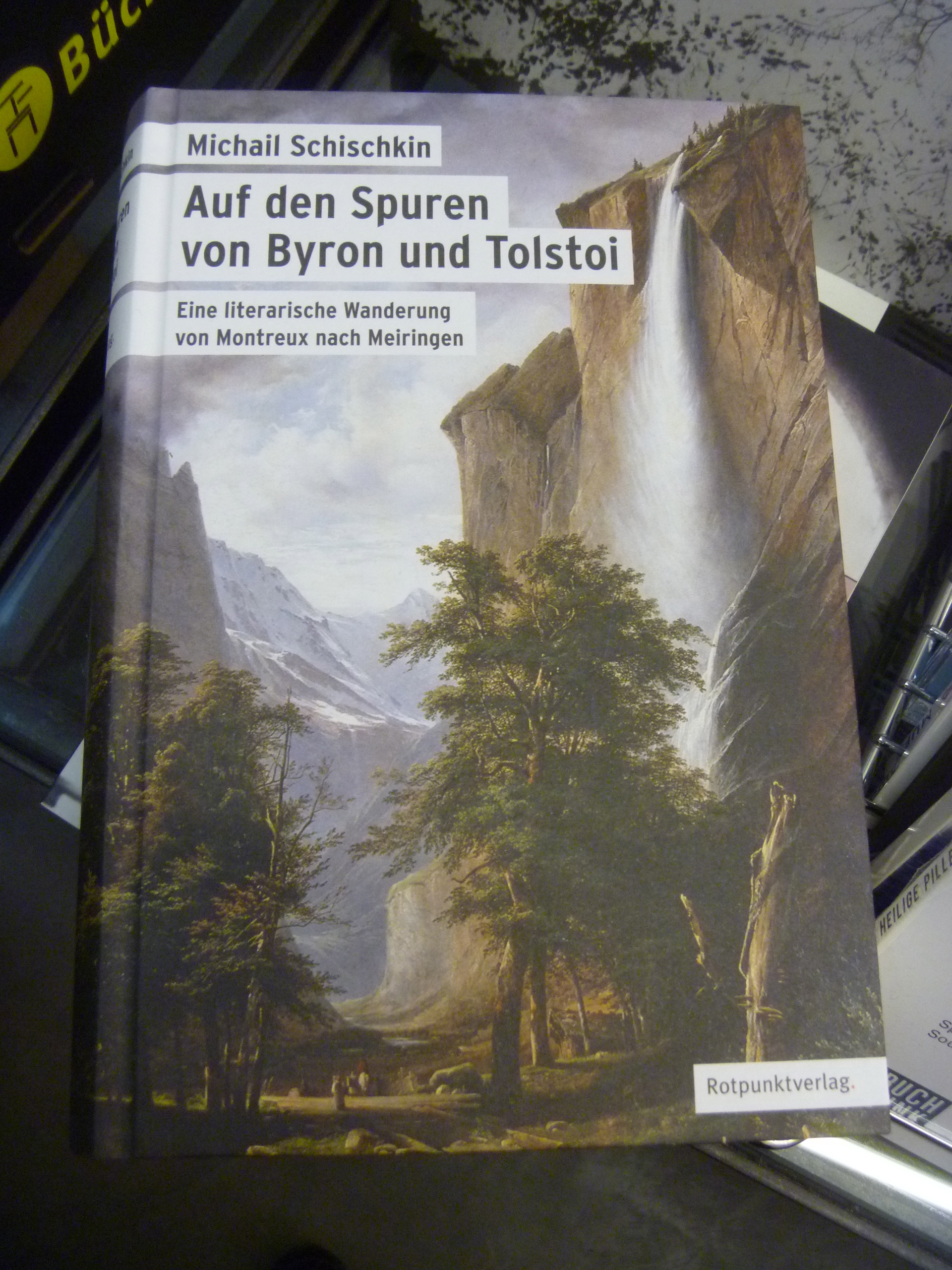
Warmed, we left the cafe to visit the bookshop over the street. Naturally, we browsed and chatted about the books and authors we saw and B ended up buying a book, which, had it been in English, I too would have succumbed to buying. Translated the title is “On the track of Byron and Tolstoy: a literary hike from Montreux to Meiringen”. I’m hoping that in the spring B and P may put this reading into action and participate in at least some of this week-long hike and report back to me on its progress.

Byron Tolstoy book

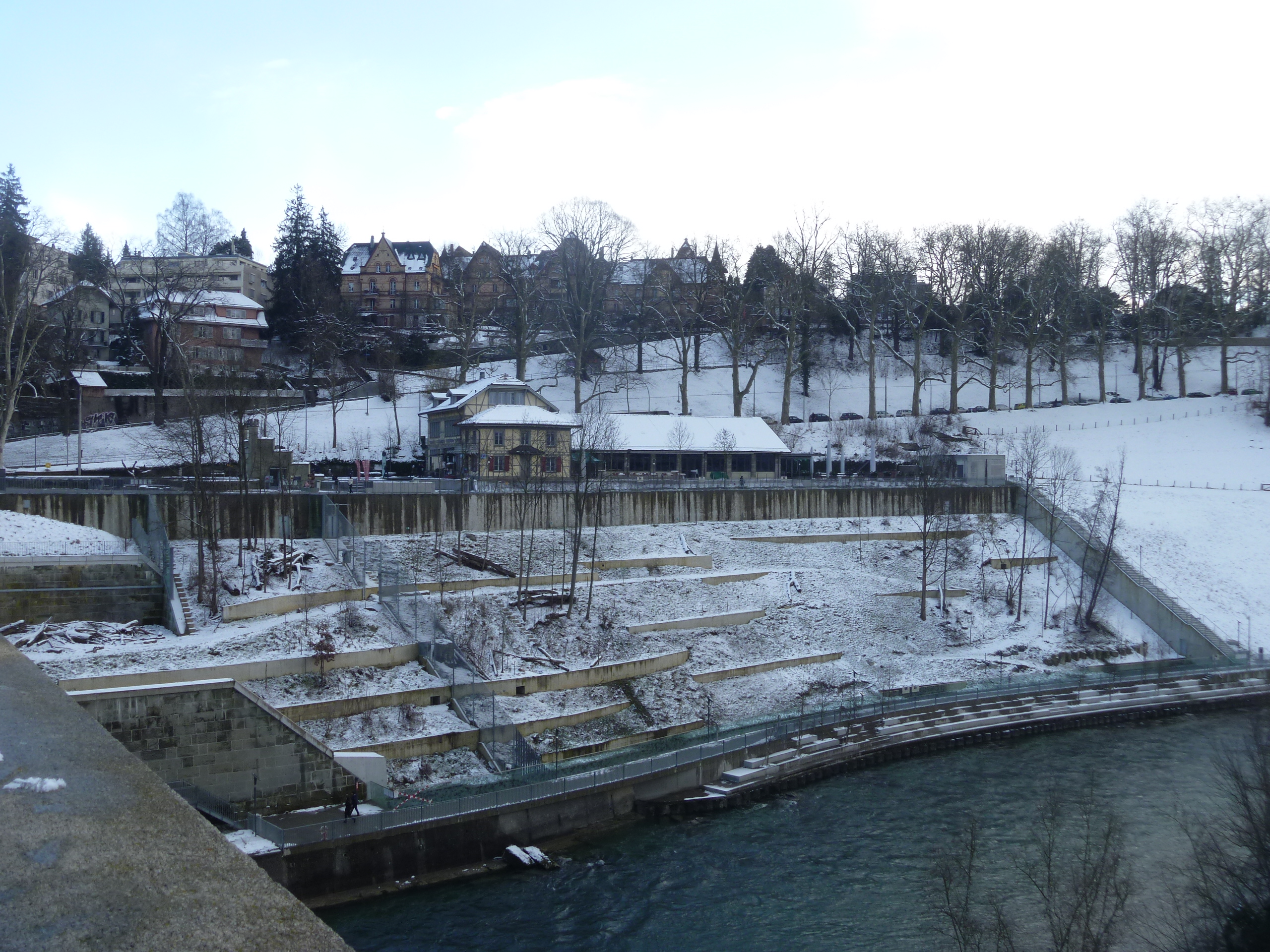
From here we walked through arcades until we finally had a view of the Bernese bears new ‘garden’ no longer a pit but a very open area alongside the river – much more pleasant for both bears and visitors. Of course, the bears were sleeping so we didn’t catch sight of any.

Bear Garden

The new Bear Garden in Bern

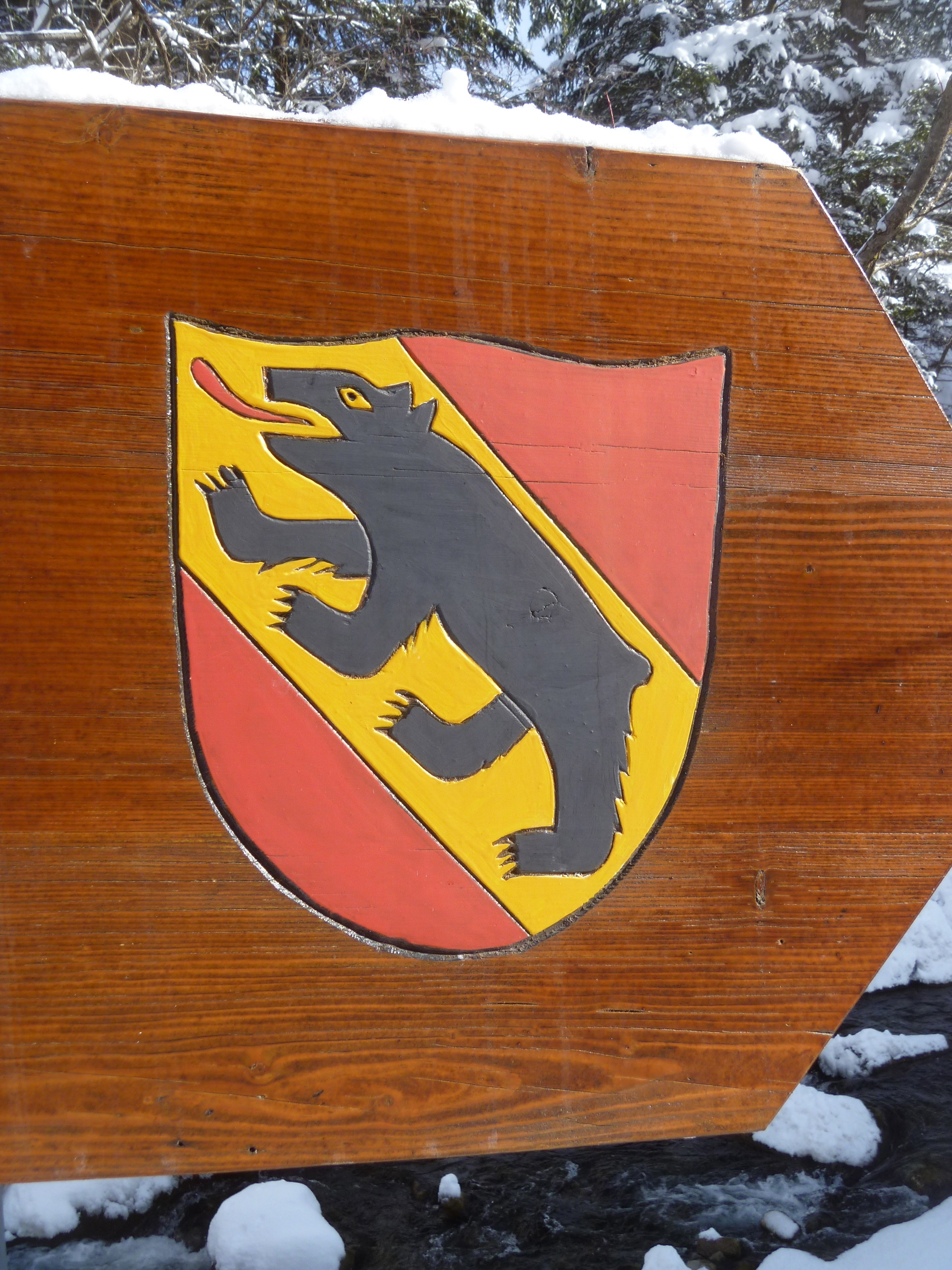
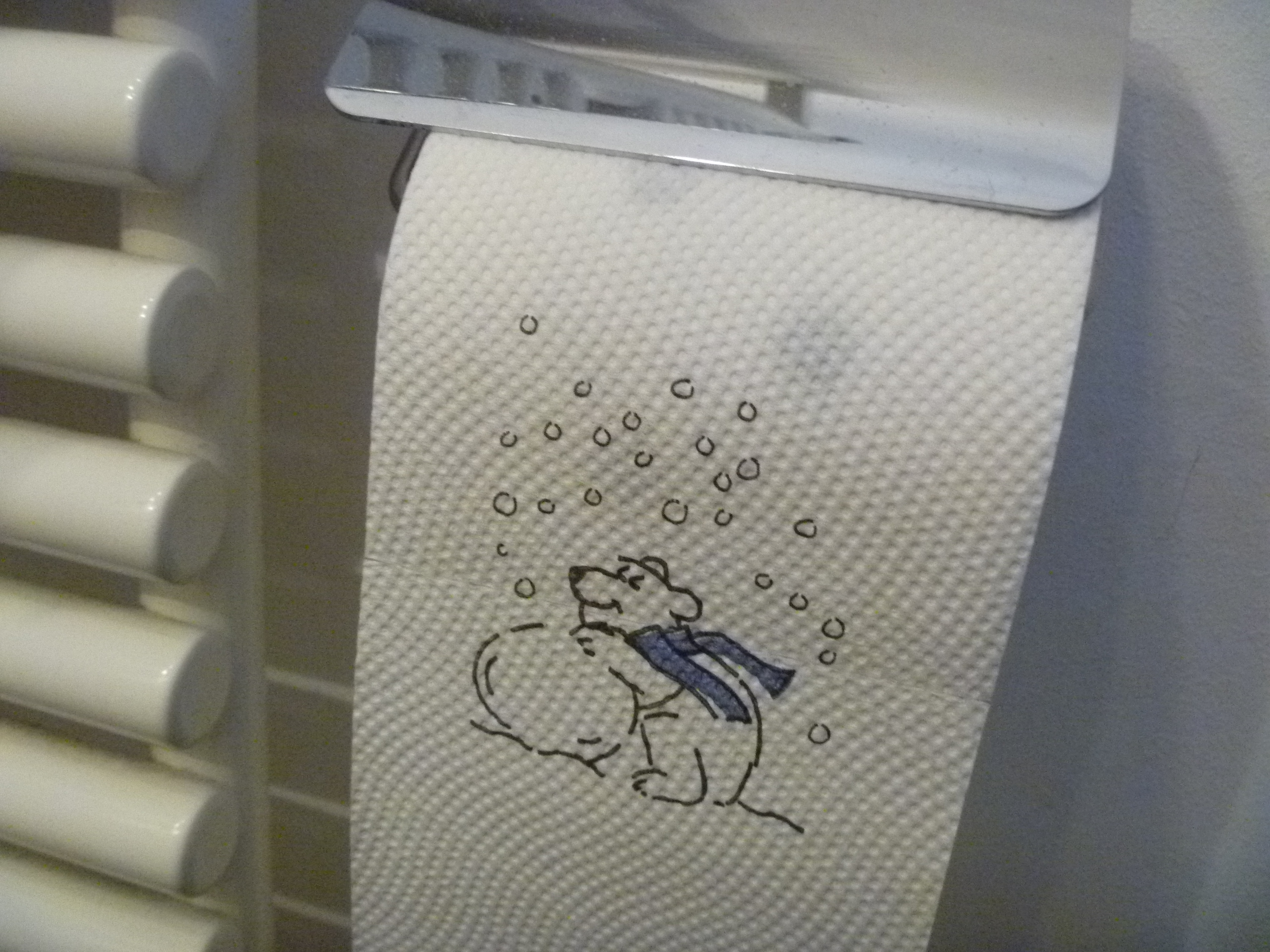
You won’t be surprised to see that bears turn up everywhere in the city and Canton of Berne.

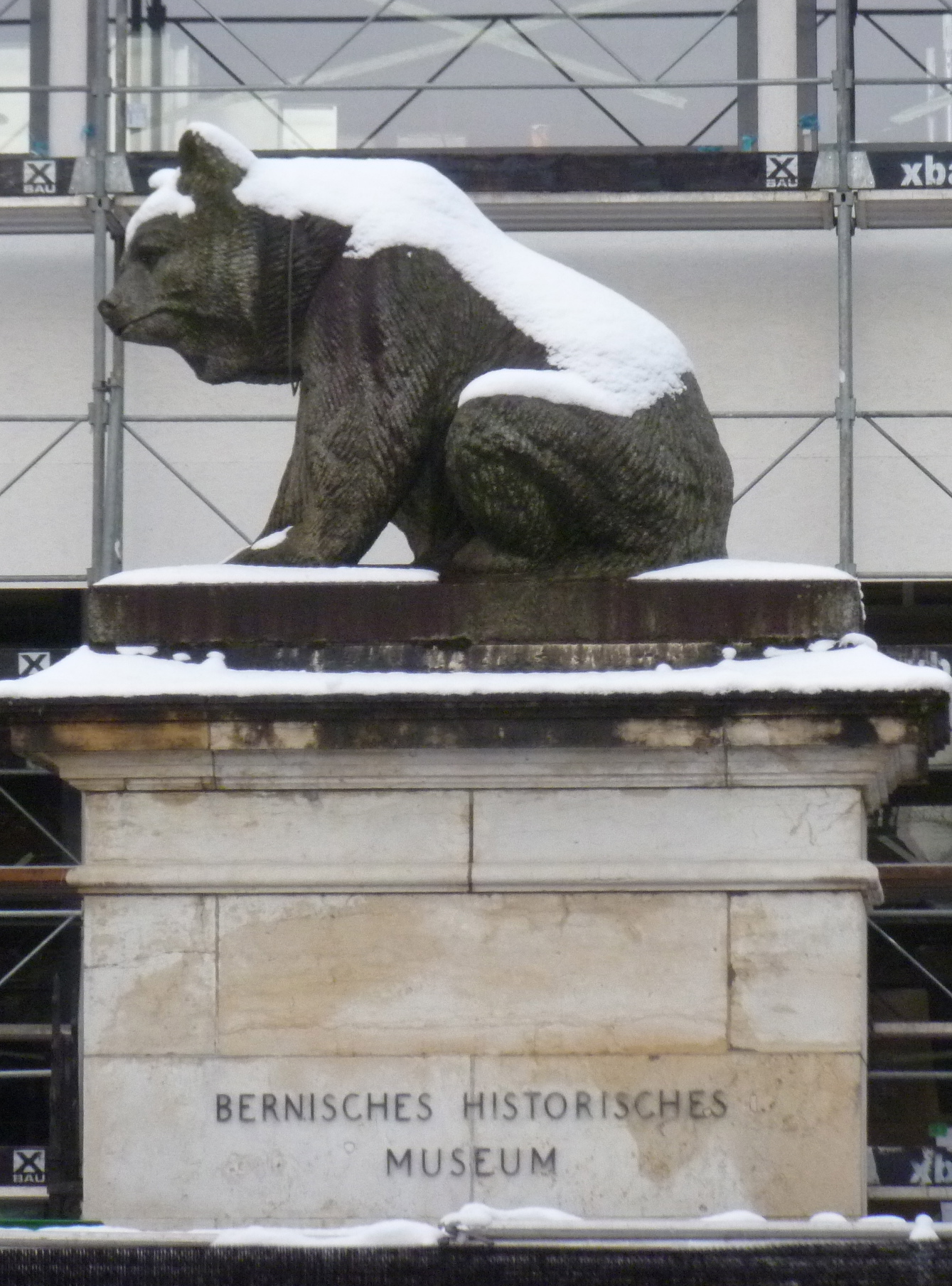
Bern signMuseum bear

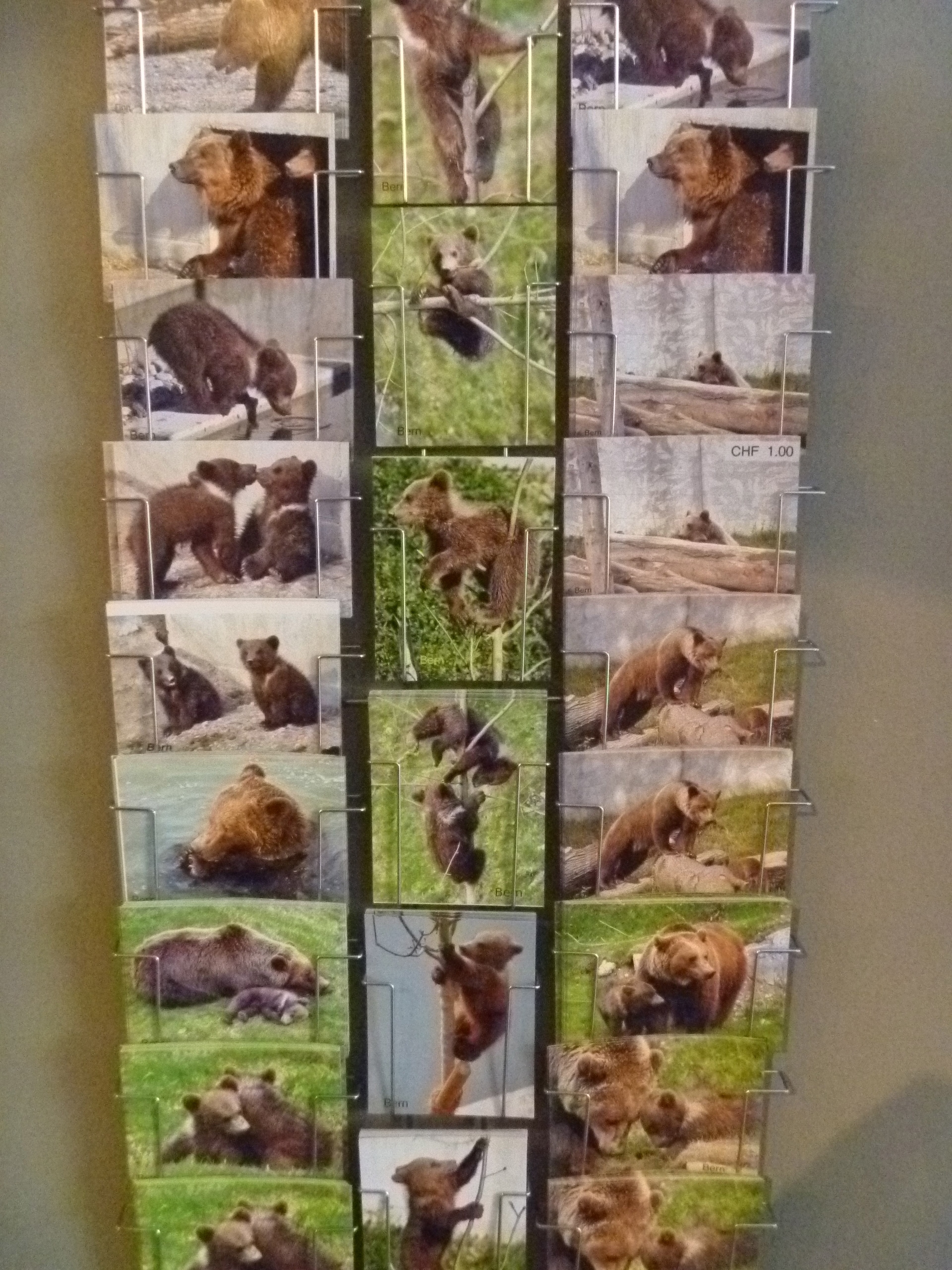
Bear postcards

Finally

Bern and It’s Book Mine

Arriving in Bern a week last Thursday I dropped my bags off and took a walk in search of a secondhand book shop that I’d read about somewhere on the internet.

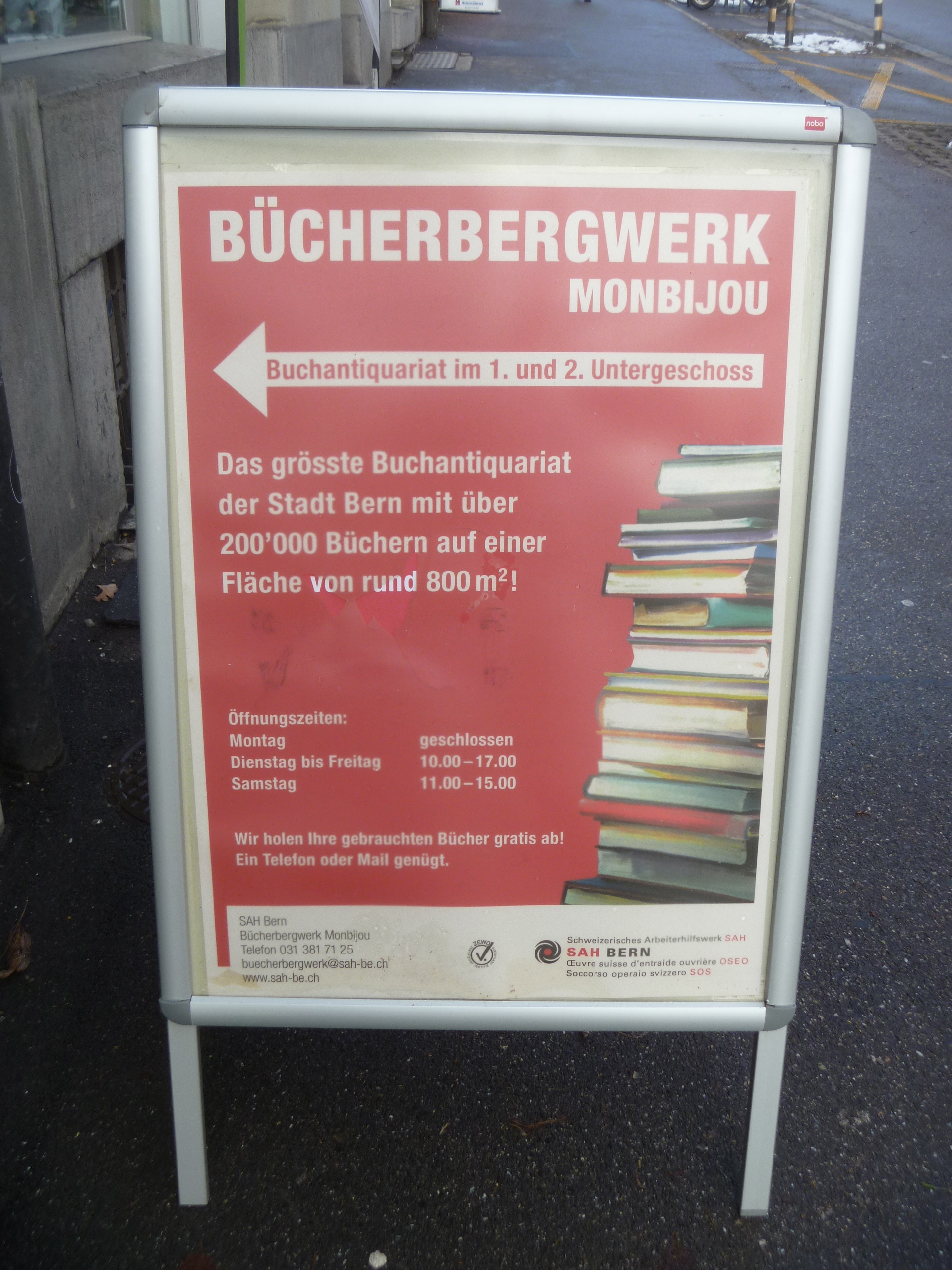
“Bücherbergwerk Monbijou, Monbijoustrasse 16 (on the street through which tram line 9 descends from Hirschengraben near the main station, in the basement of the building marked ”SWICA”), ☎ +41 (0)31 381 71 25. Open Tu-F 10AM-5PM and Sa 11AM-3PM. The used books store of the Swiss Workers’ Aid Society.”

Bundeshaus

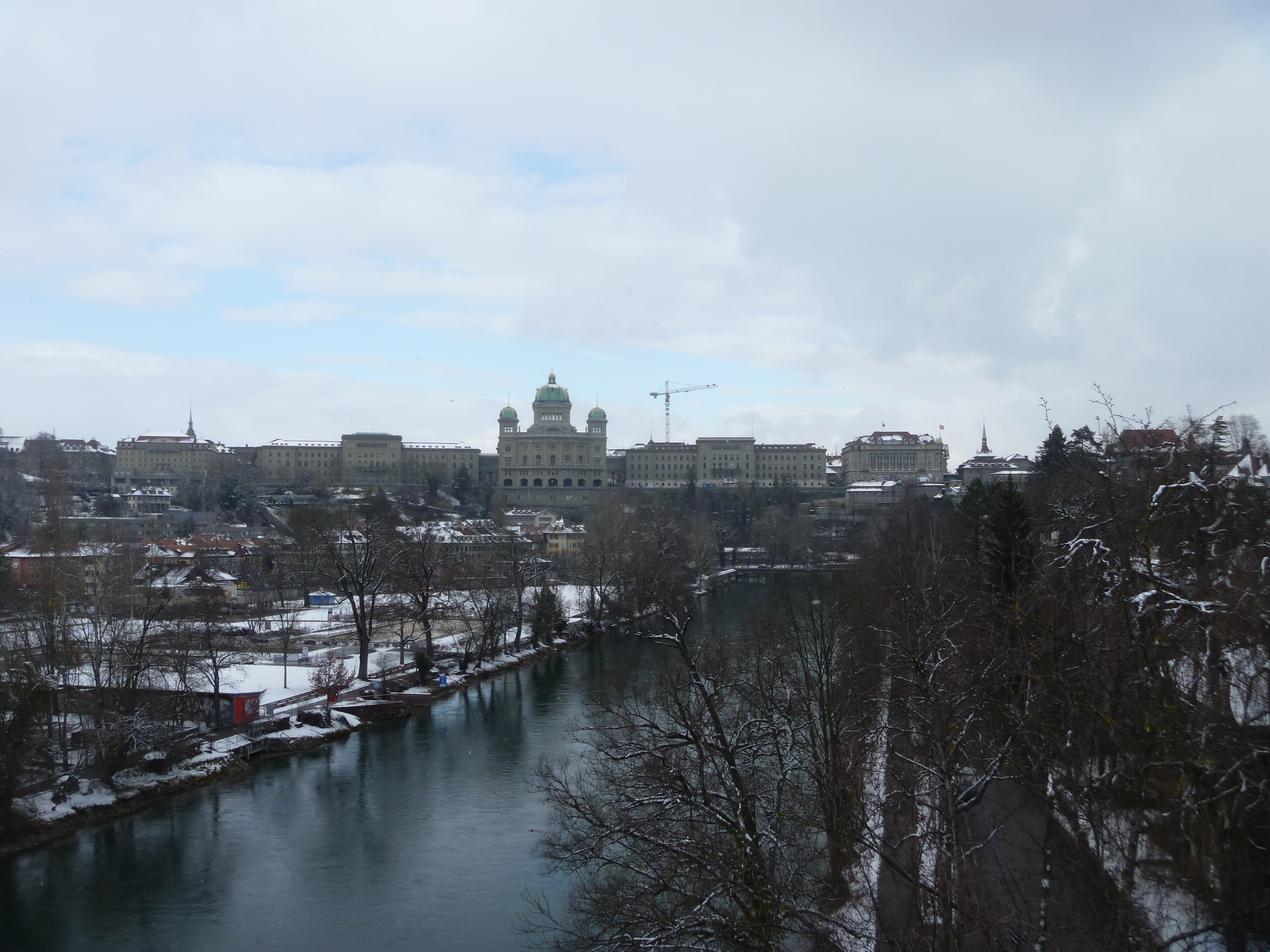
The Swiss Parliament Building from Monbijou Bridge

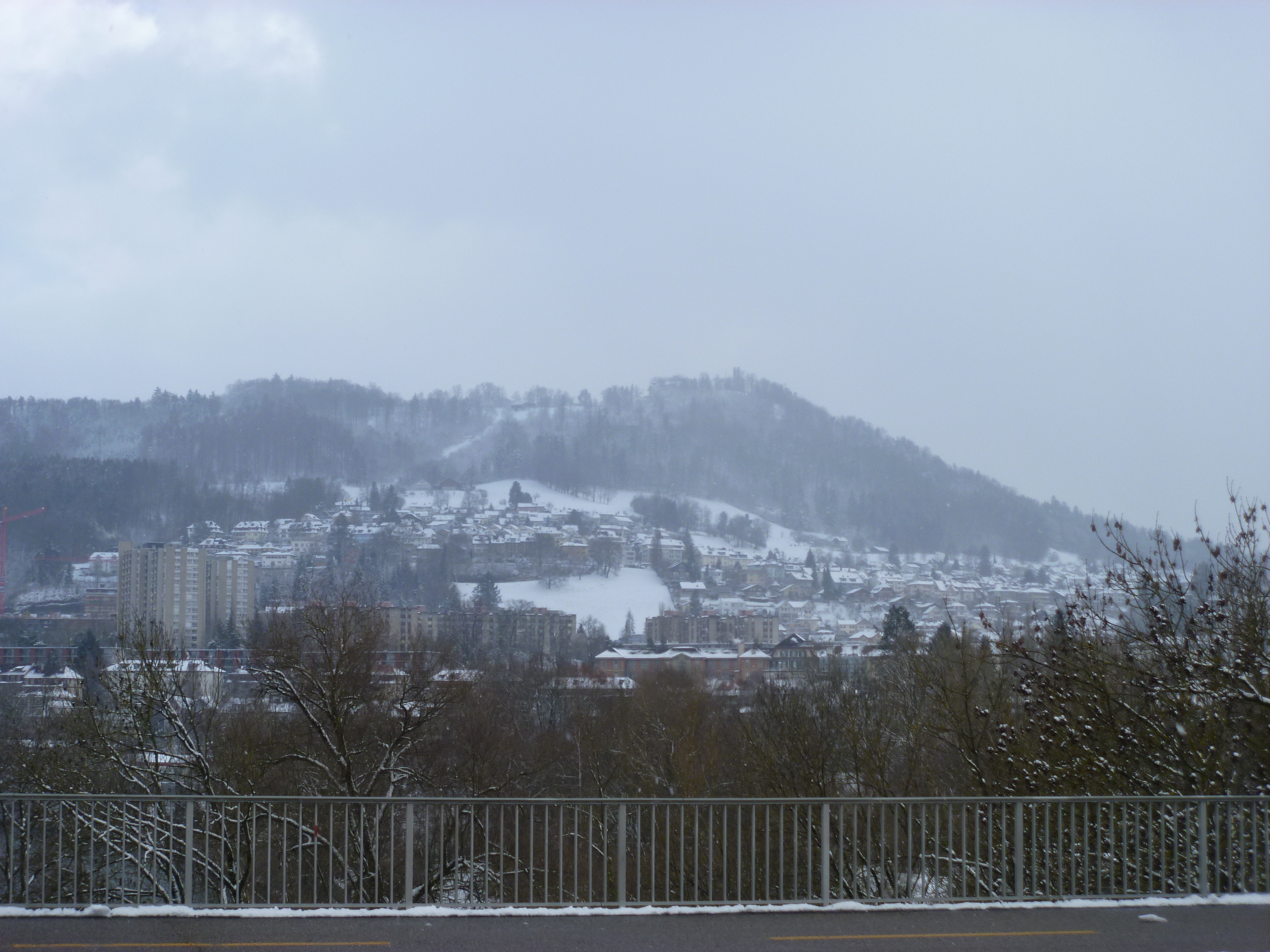
Bernese hills

The Gurten from Monbijou Bridge

From B’s place you cross the Monbijou Bridge from where you gain fantastic views of the city, the Bundeshaus (Parliament Building), the River Aare and the nearby hills of Gurten.

Bucherbergwerk

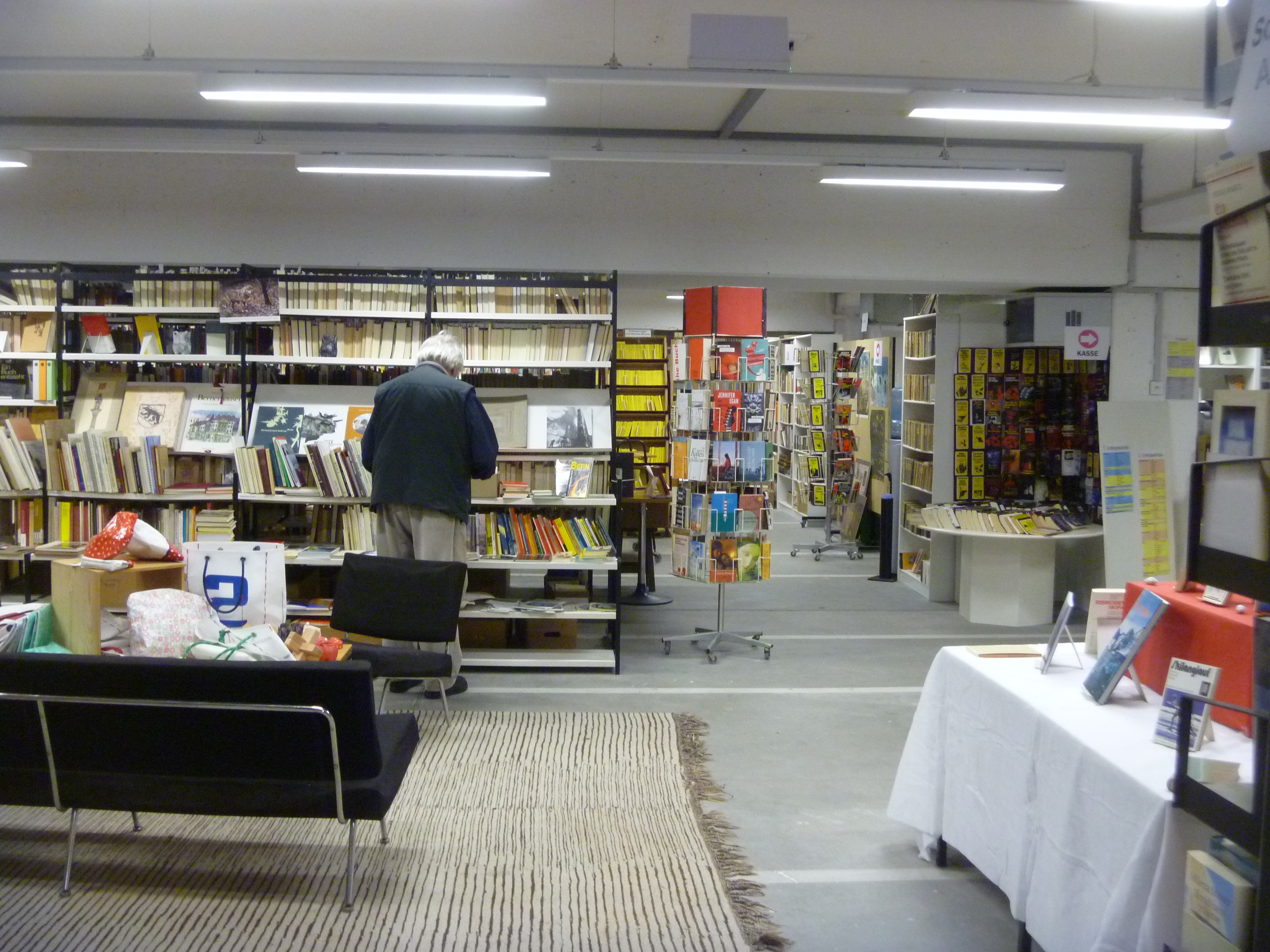
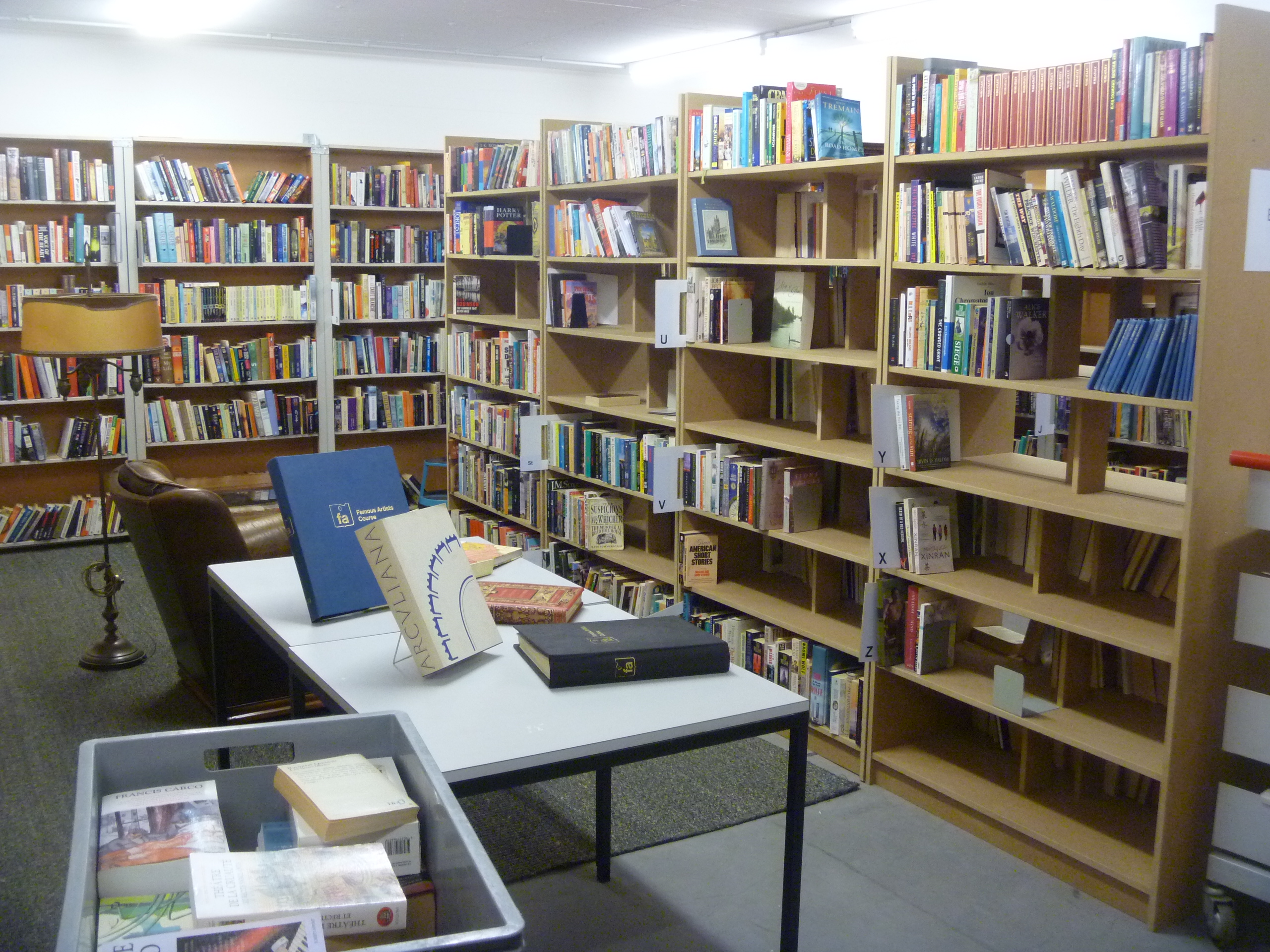
Along Monbijoustrasse I spotted the sign for SWICA and dived underground to find a cavernous book shop filled to overflowing with secondhand books and maps and comfy chairs and lamps. Two floors under is the foreign language section with a large section labelled English Books.

Book MIne

English books section

The English books section in the lower basement

Generally the price of each book seemed to be 3 Swiss francs but on selecting 5 to buy the assistant suggested a total of 10 francs. This seemed a very fair price to me.

German books

Bernese books

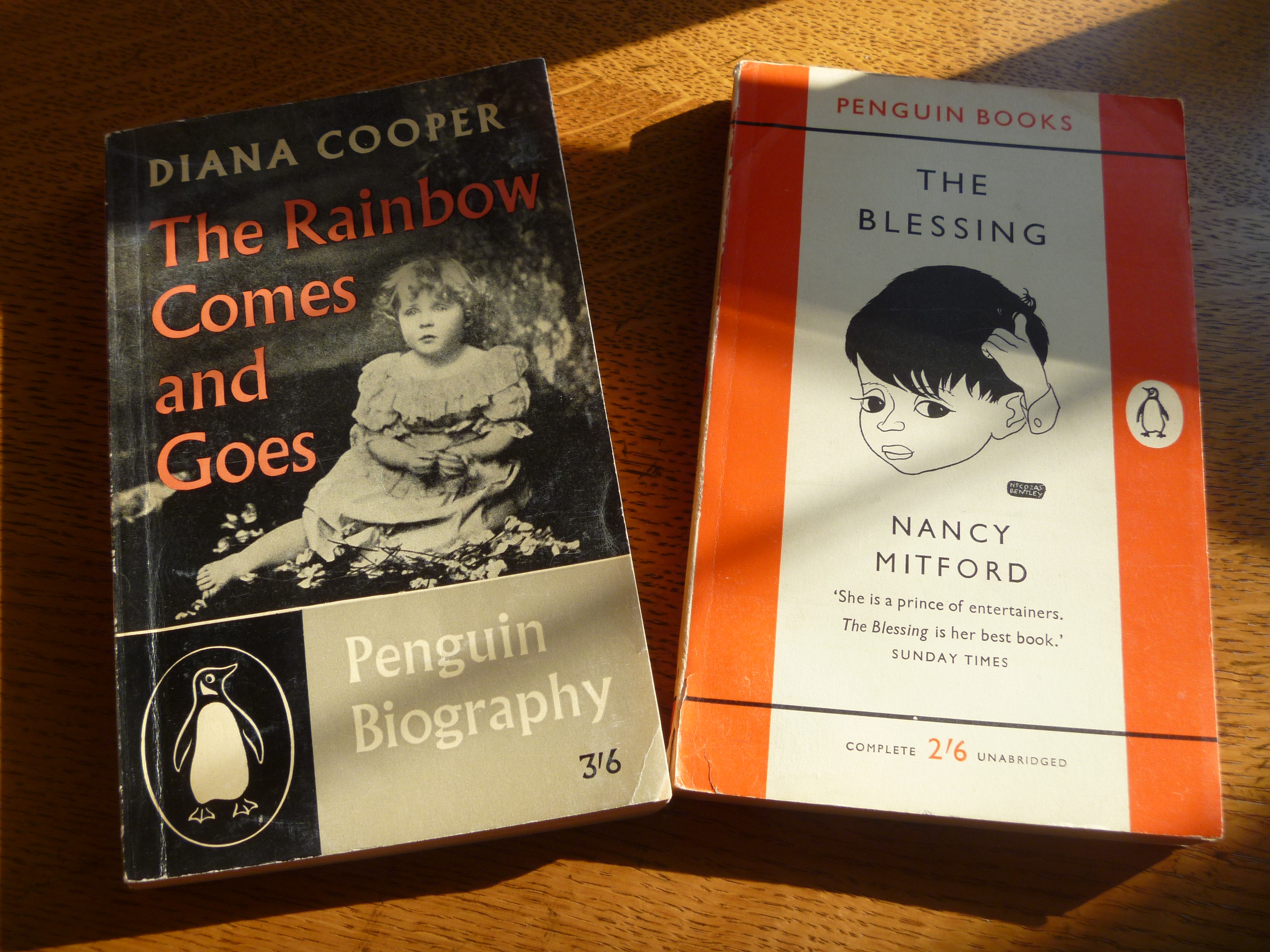
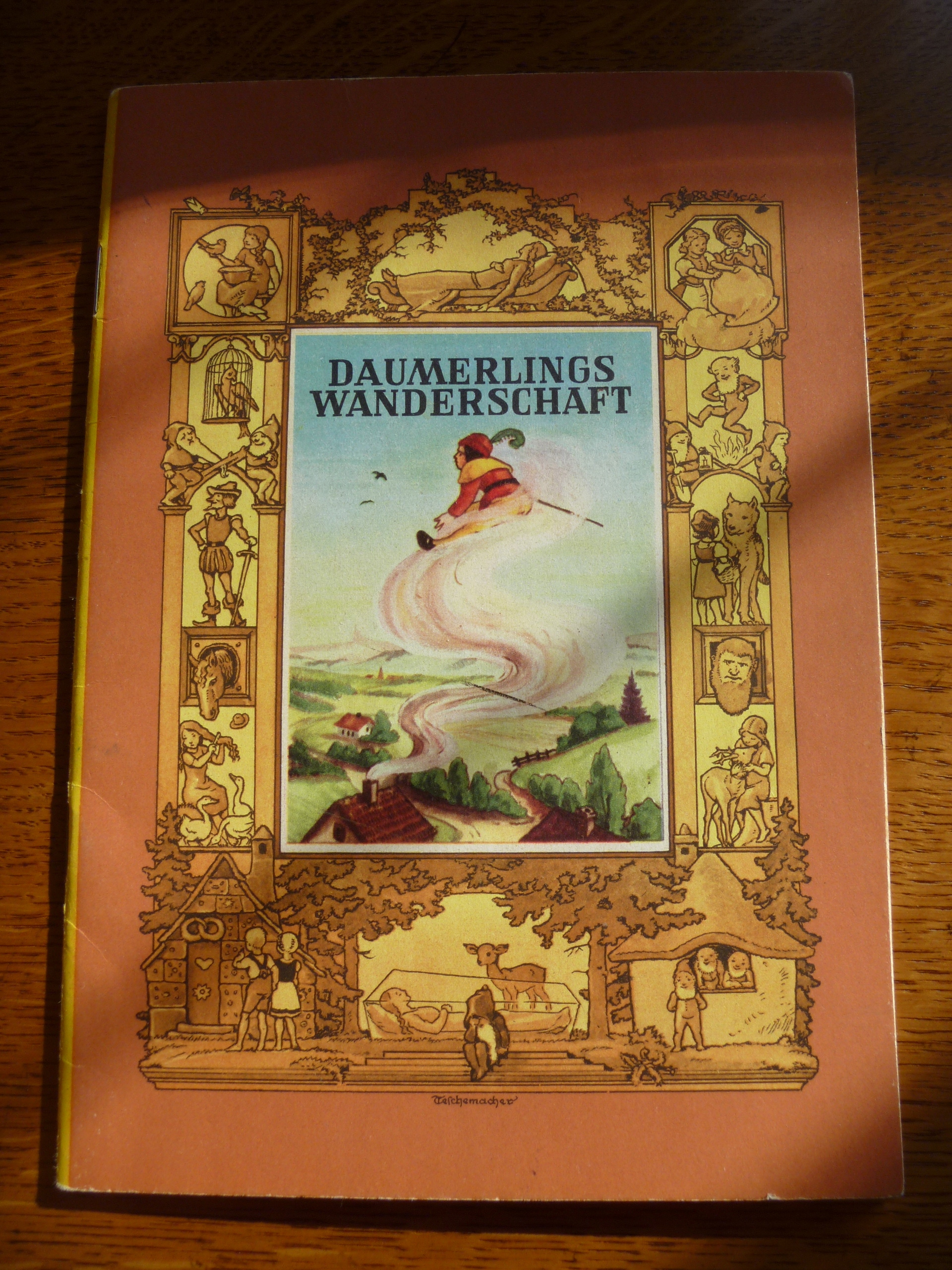
I bought two old paperbacks :

Book Mine Books

An illustrated story of Tom Thumb – it’s the 200th anniversary of the publication of Grimm’s Fairy Tales and my German Conversation Class have been talking about them:

grimms' tom thumb

The Shadow of the Sun by Ryszard Kapuscinski for Barbara and a copy of Charlotte Bronte’s Villette which I gave to my other Swiss friend, Susan.

I dared not buy any more books as I had to watch the weight in my suitcase and I knew everyone at home would prefer Swiss chocolate to musty old English books!

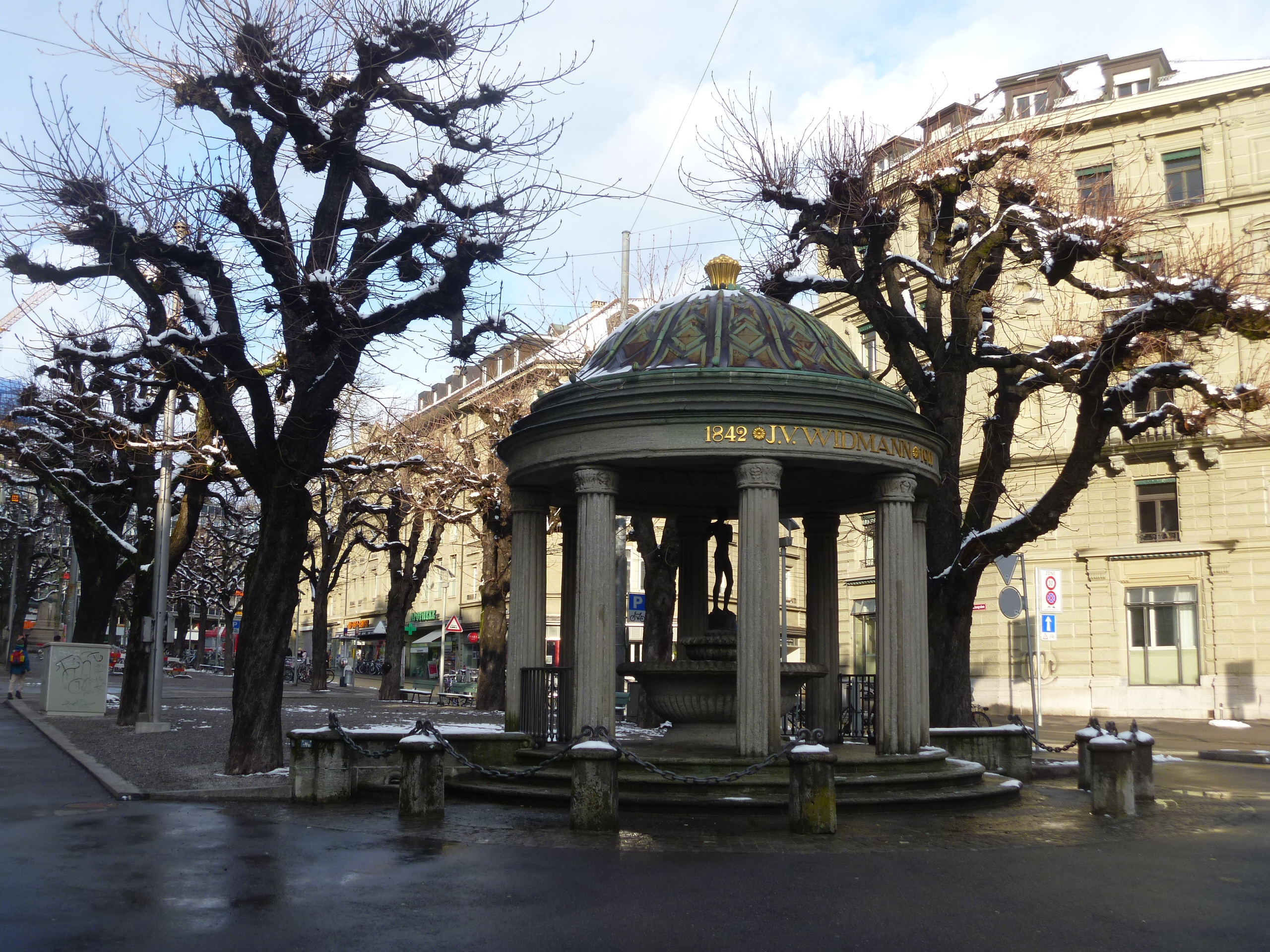
Hirschengraben

Hirschengraben

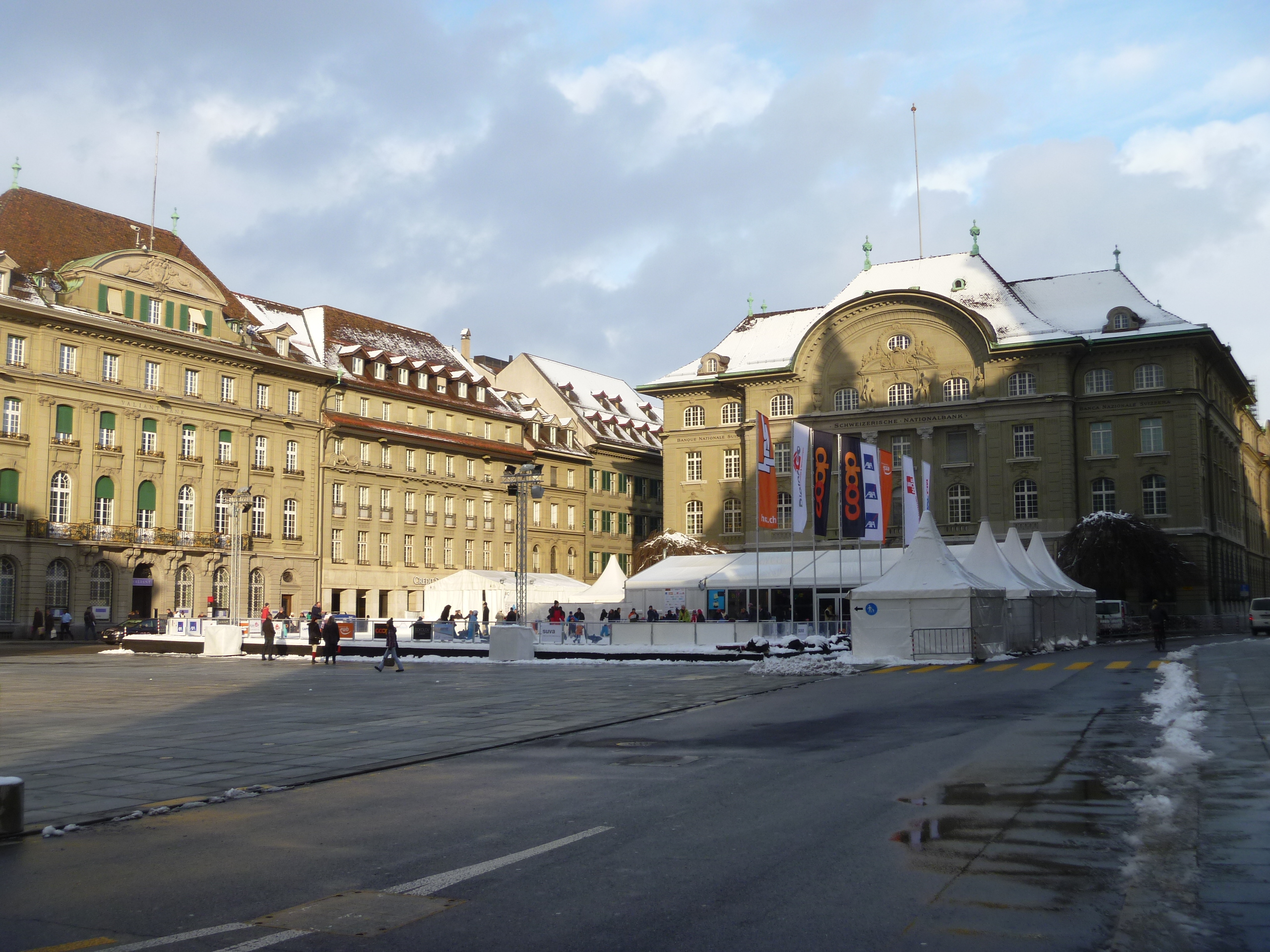
My walk then continued to the Hirschengraben and the Bundeshaus and Bundesplatz and over the Kirchenfeld Bridge and back to Barbara’s place.

Bundesplatz

The Bundesplatz with temporary ice rink

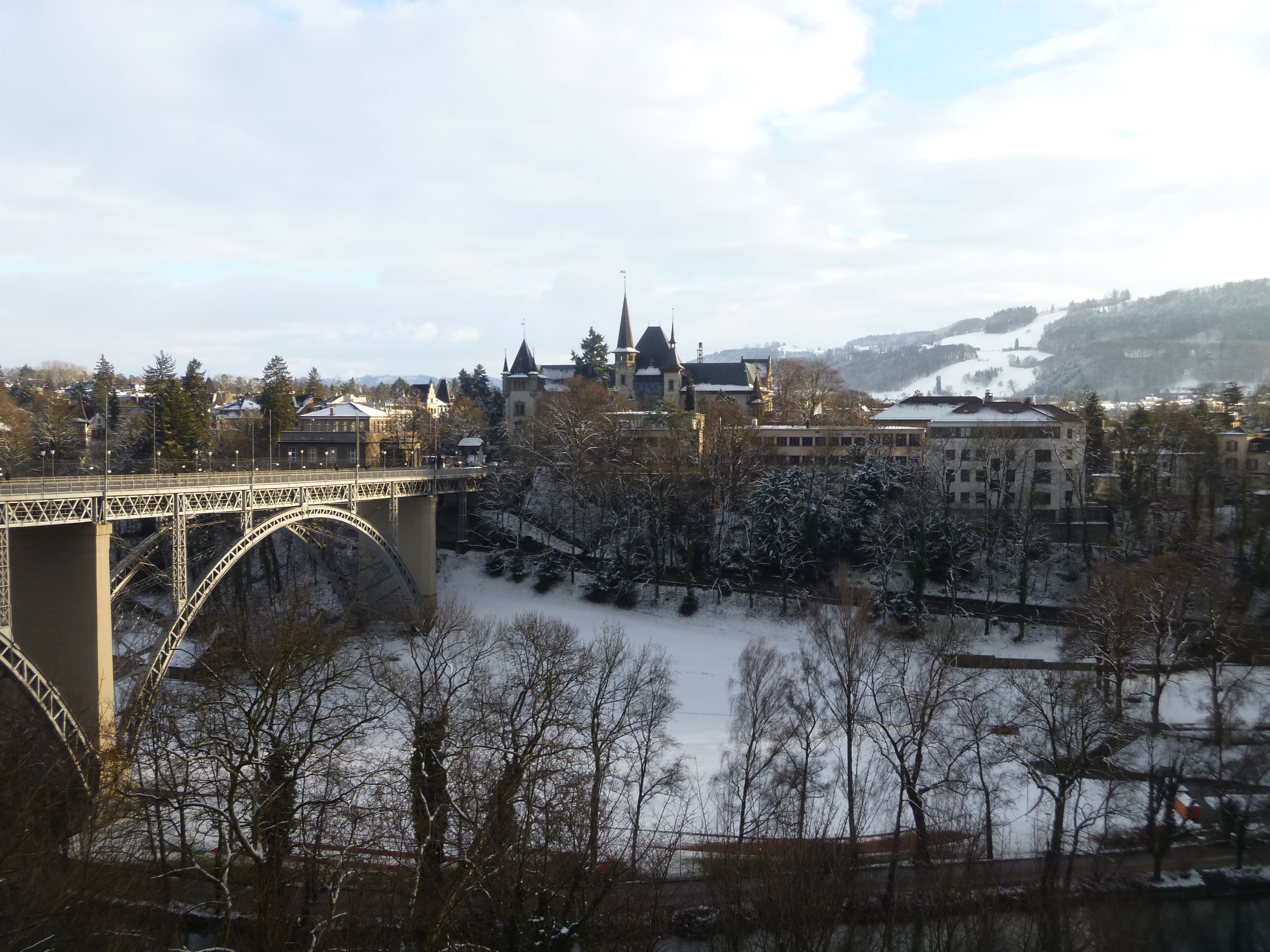
View Bundes Terrasse

View from the Bundes Terrasse (Kirchenfeld Bridge on the left)

“High Up, High On The Mountain, We’ve Founded Our Chalet”

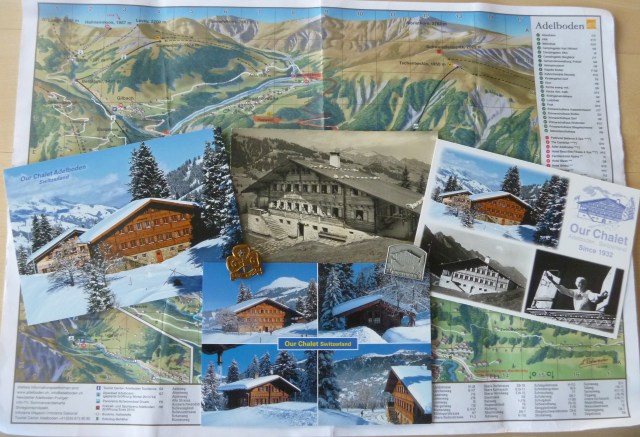
Our Chalet cards and map

1. High up, high on the mountain,

We’ve founded our Chalet,

Its sloping roof and wide

Shall shelter us without a care.

And each Girl Scout and Guide Shall find a welcome there.

2. High up, high on the mountain,

We’ll go to our Chalet;

Our simple life is free,

Our hearts are light, our songs are gay,

We ever shall remember The joys of our Chalet.

3. High up. high on the mountain,

We’ve founded our Chalet;

And this its dedication

Shall never fail nor be undone:

Each race, each creed, each nation,

Beneath its roof are one.

Welcome to OC

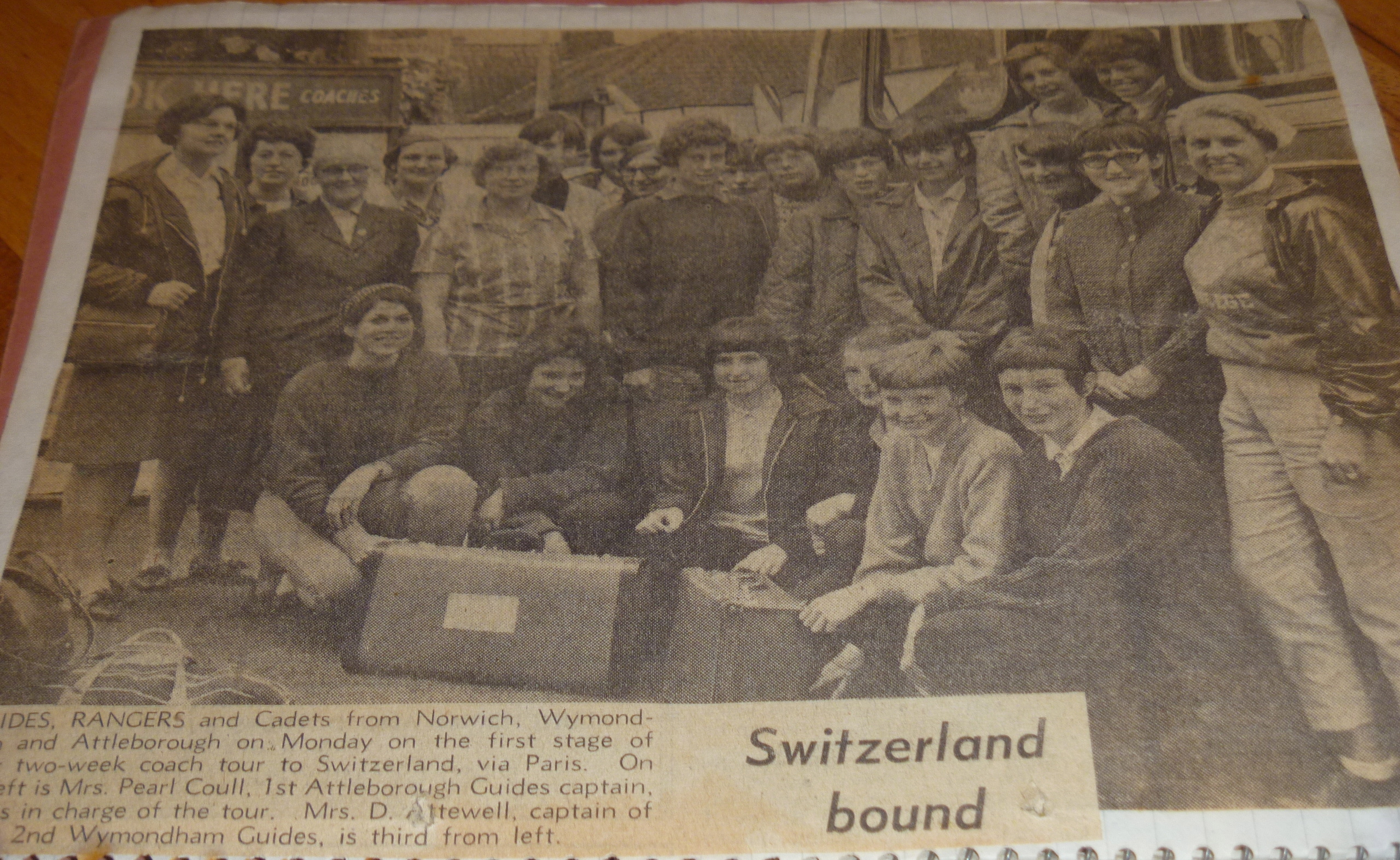
I remember ‘Our Chalet’ song from my first ever visit abroad when I travelled by coach from Norwich with a group of other Girl Guides and our Leaders to Switzerland, via Paris. Those two places visited on that occasion have remained two of my favourite places – ever. Here’s photo taken for our local newspaper which I stuck into my Swiss notebook :

EEN pic

Finding myself with a free day on the Friday I decided to retrace those early steps and revisit ‘Our Chalet’. I looked up the details online and booked one of the tours offered at 11am and 2pm daily.
Postbus

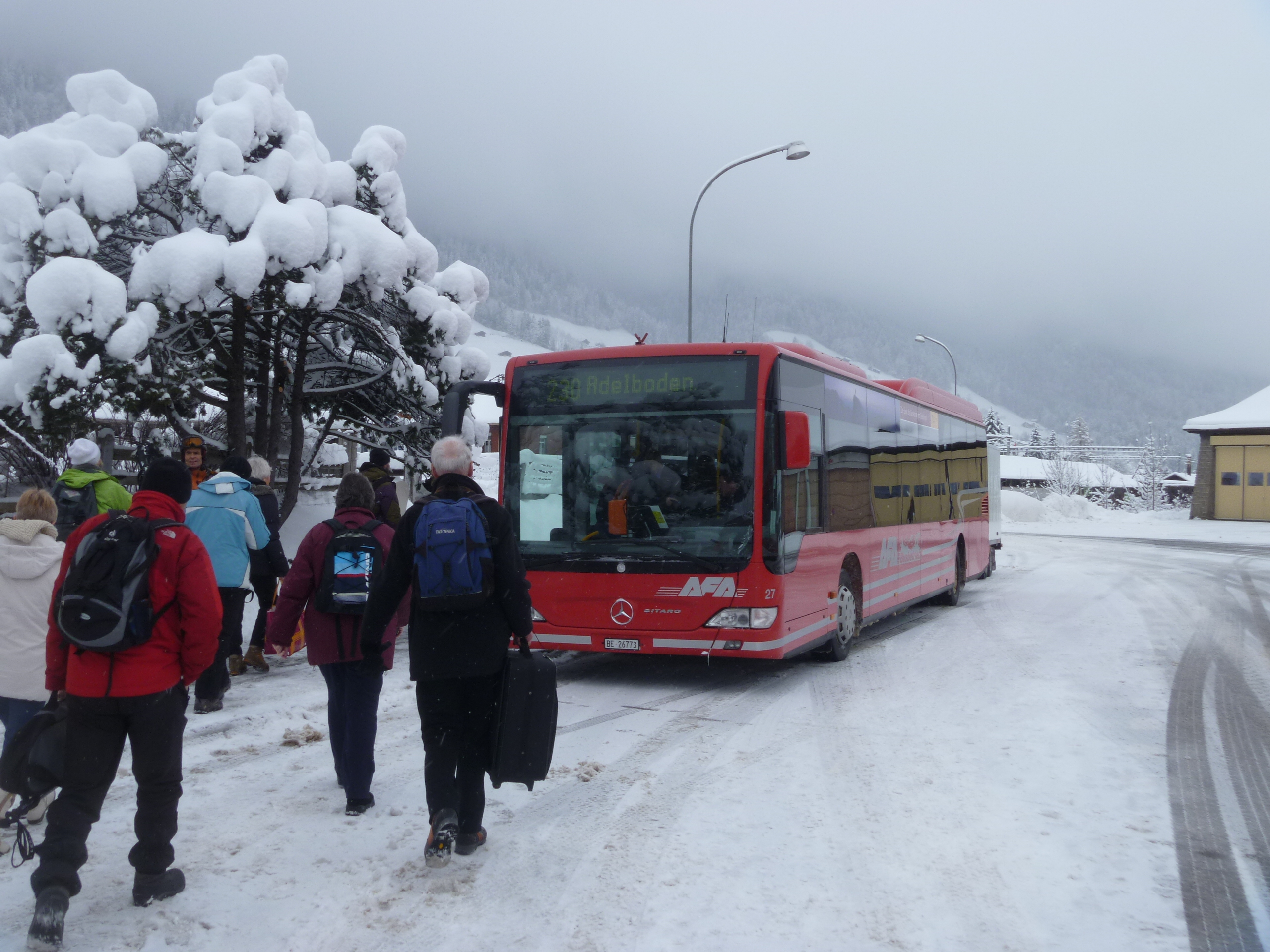
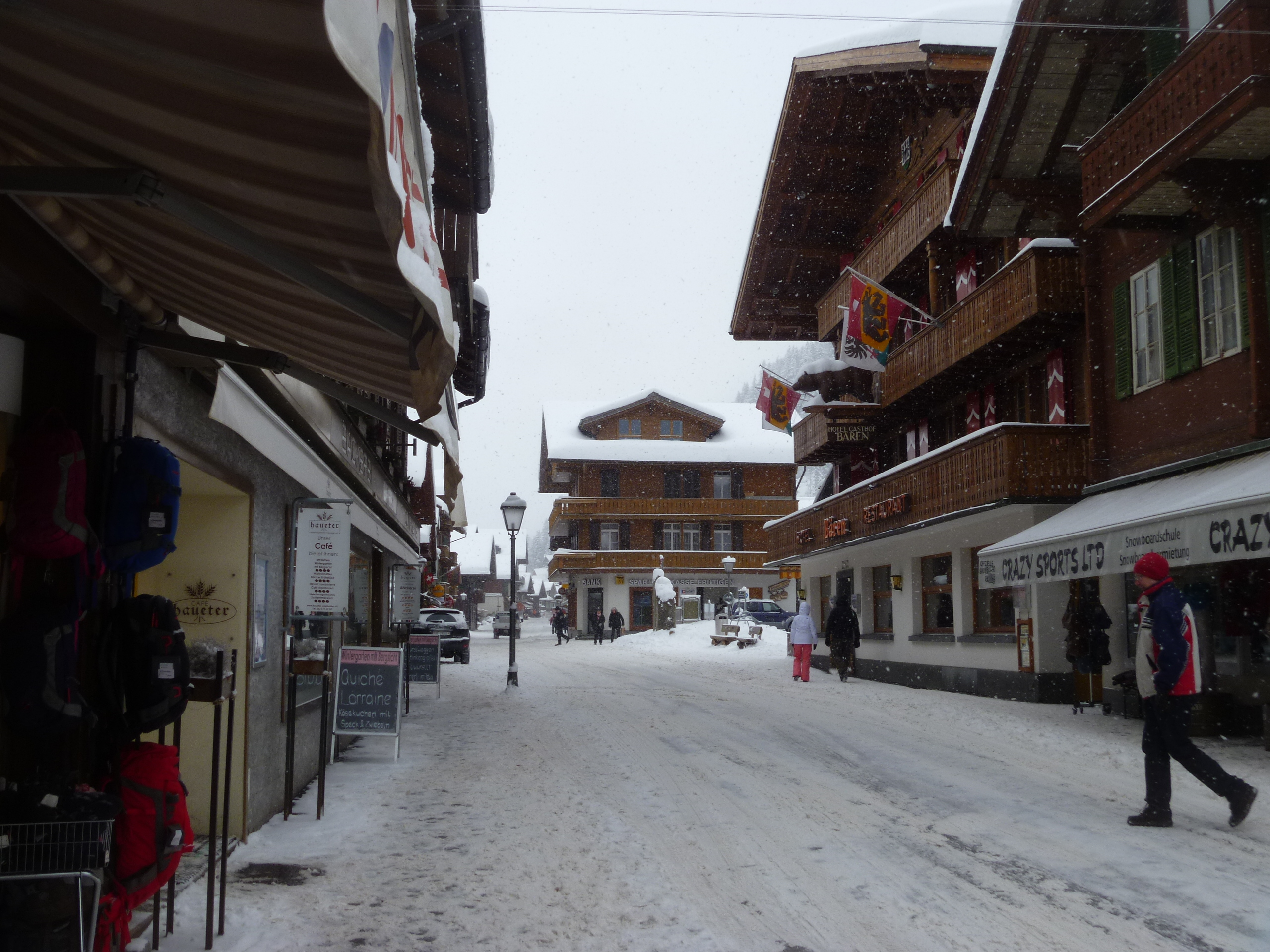
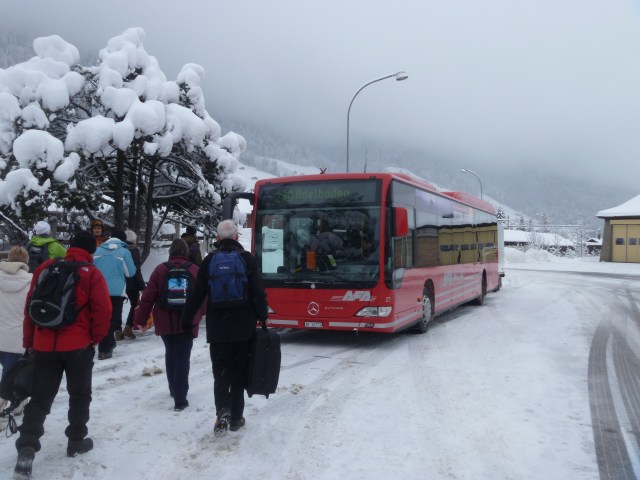
The journey to Adelboden involves taking the train via Spiez on Lake Thun to Frutigen from where a Postbus takes you up, up, up, to very snowy Adelboden. I instantly had my bearings even after 47 years and remembered the church on the village street (Dorfstrasse) and the pretty chalet-style shops.

The only difference to me was the presence of an amazing amount of snow. Of course, my first visit had been during the school holidays in August.

English Church Adelboden

The English Church, Adelboden

Dorf Strasse

Dorf Strasse Adelboden

In the tourist office I picked up a map, the details of a walk along so-called cleared paths (more about this half of the day later) and exact instructions as to the location of Our Chalet.
Adelboden

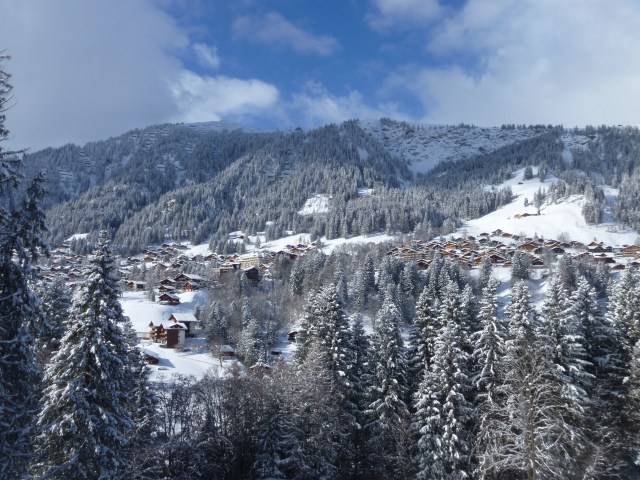
Adelboden from the path to Our Chalet

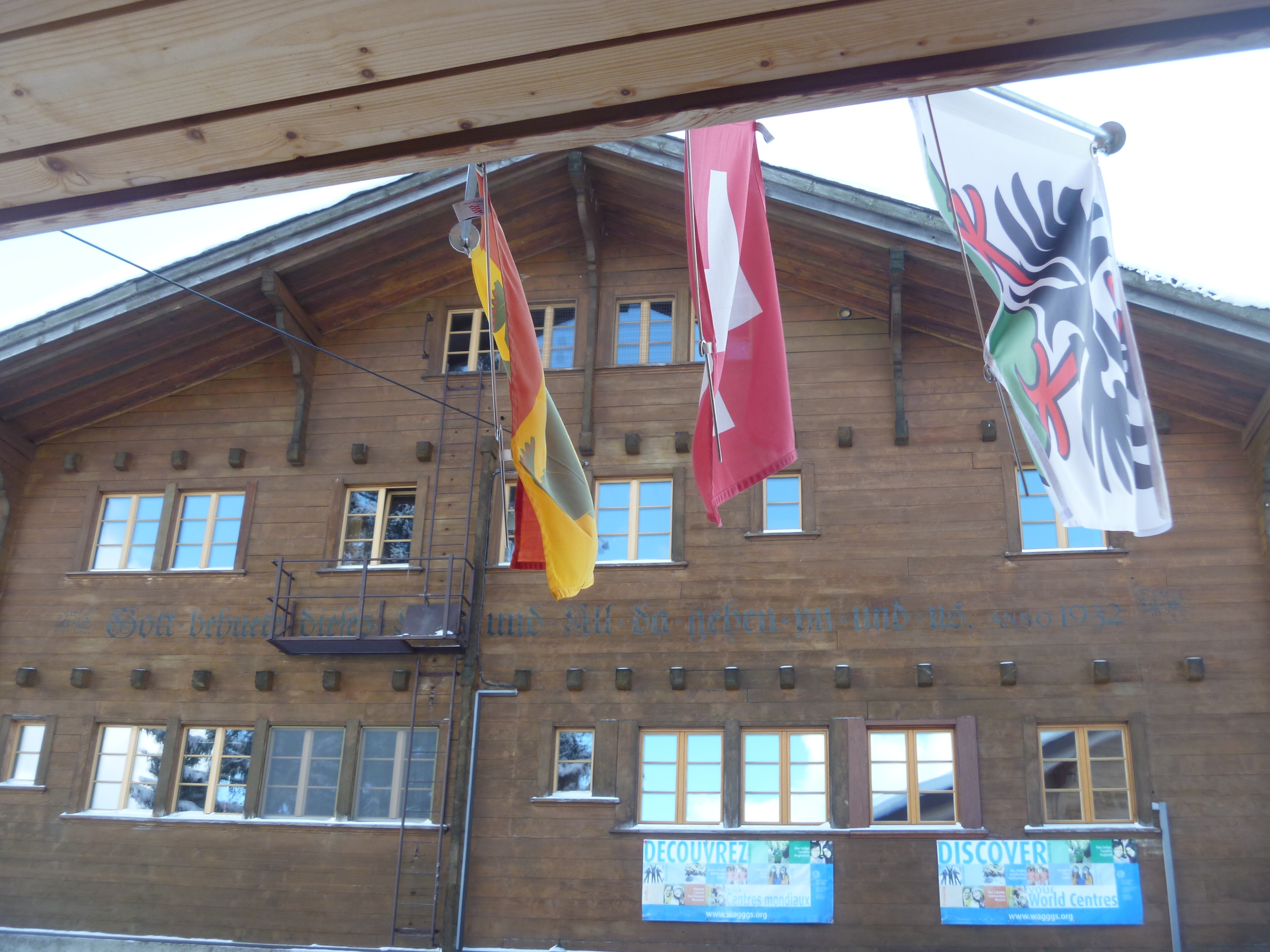
Arriving at Spycher

Arriving at Our Chalet

It was an easy walk – mostly down hill – and I arrived just on time at the Chalet for my 2pm tour. I was welcomed by Cat (Guest Services) and Skippy (the cat).
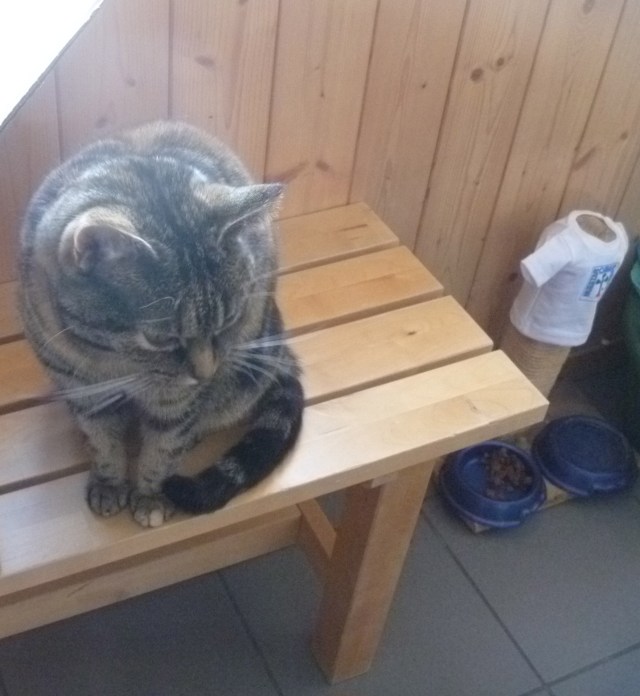
Skippy

Sonya from Rwanda The Guest Services Intern was to be my guide for the afternoon. The tour starts with a PowerPoint Presentation on the history of WAGGGS (World Association of Girl Scouts and Girl Guides) and of how Our Chalet came into being back in the 1930s.

Sonya

Sonya

British Visitor map

Map indicating British visitors to Our Chalet so far this year – the blue drawing pin in Yorkshire is me!

After inspecting the notice boards and maps and displays in the conference room Sonya showed me around the buildings and in particular the main and original ‘Our Chalet’ where we had spent an evening singing campfire songs and meeting other Girl Guides from around the world, all those years ago.

OC dining room

Our Chalet Dining Room

Our Chalet

OC shop

The Shop

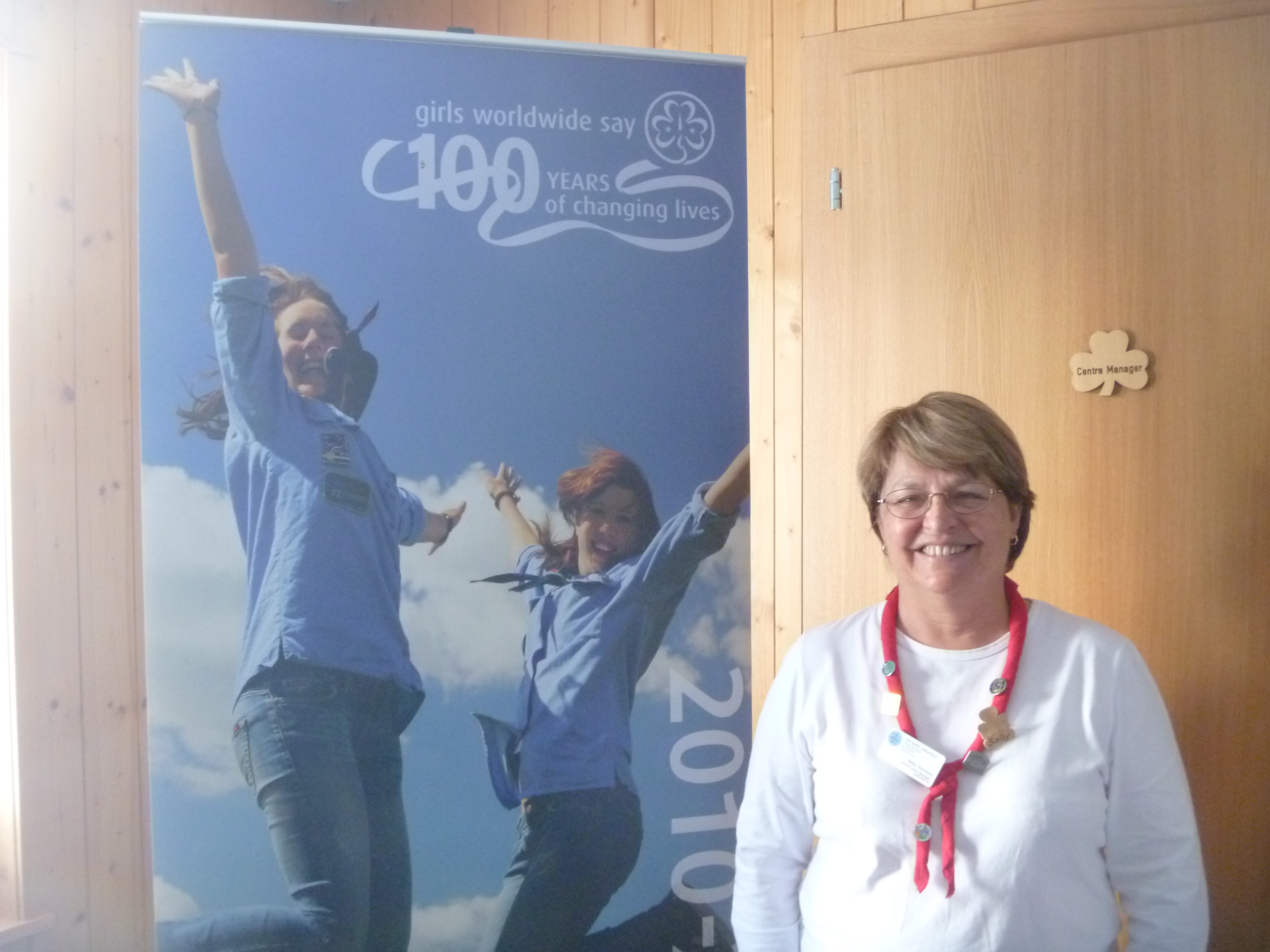
All too soon the tour ended with a visit to the shop and I bought a few postcards (illustrated at the top and to go with the postcard I bought on my last visit). I already had an Our Chalet badge. As I was leaving and saying ‘Goodbye’ to Skippy the cat I was happy to exchange a few words with Sally Thornton Our Chalet Manager. Sally is from Australia, has been at OC since 2009 and plans to retire in April and return to family in Oz.

Sally Thornton

Sally Thornton, Our Chalet Manager
P1080307

Views from Swiss Windows: Homes and Hotels

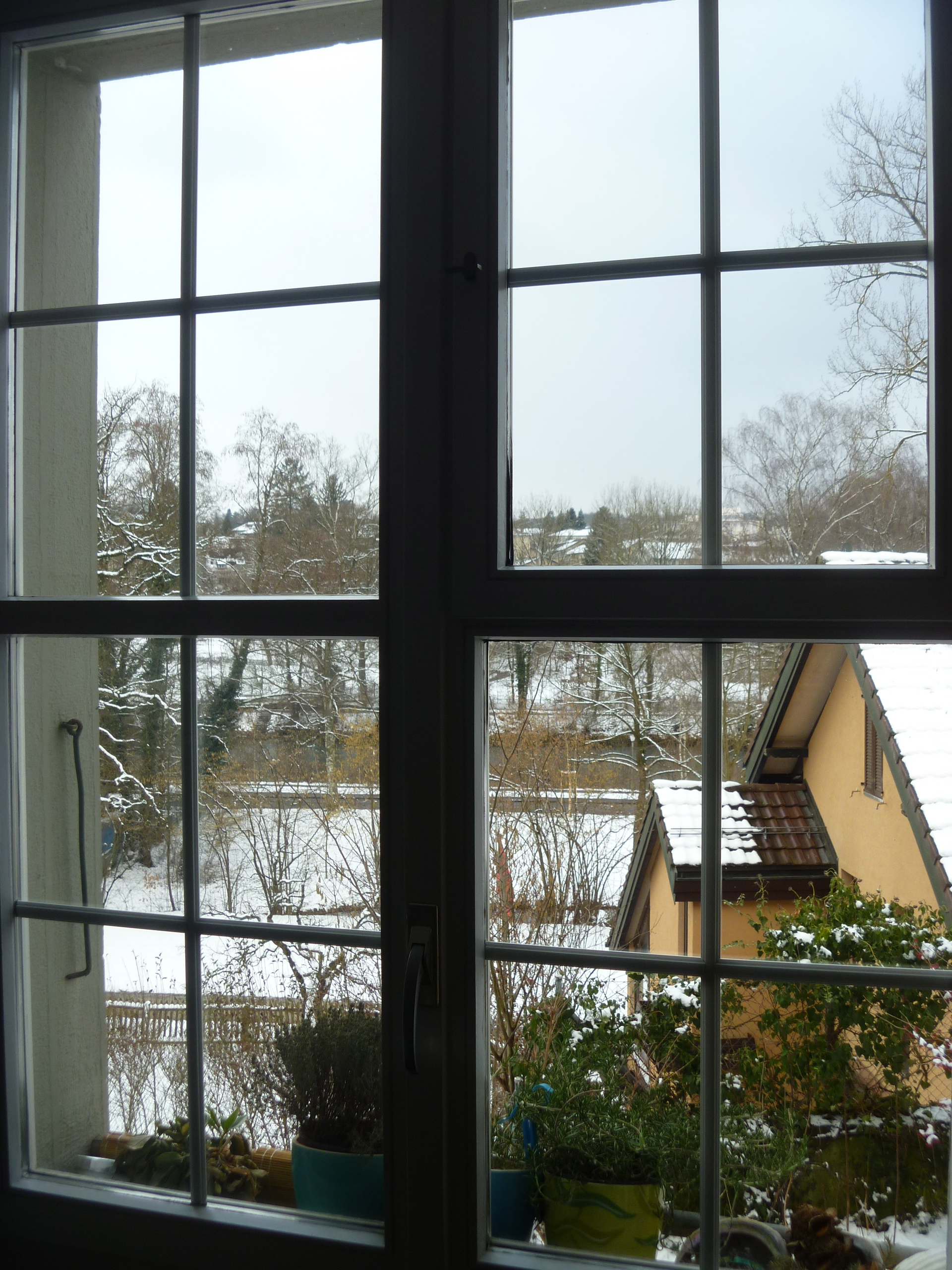
Yes, all those lovely views from clean and comfy trains are all very well but by far the best thing about Switzerland, for me, is meeting up with friends and sitting in a cosy home or hotel lounge or tea shop or cafe and just chatting about in myriad of topics (not excluding Miladysboudoir!). In Bern with B the chatter is comfortably (for me, anyway) in English. I know she loves to keep her hand in! But in Central Switzerland it’s in German: mine rather rusty from school days and Susanne’s in Hoch Deutsch for my benefit. But we manage all the same kind of topics, nevertheless.
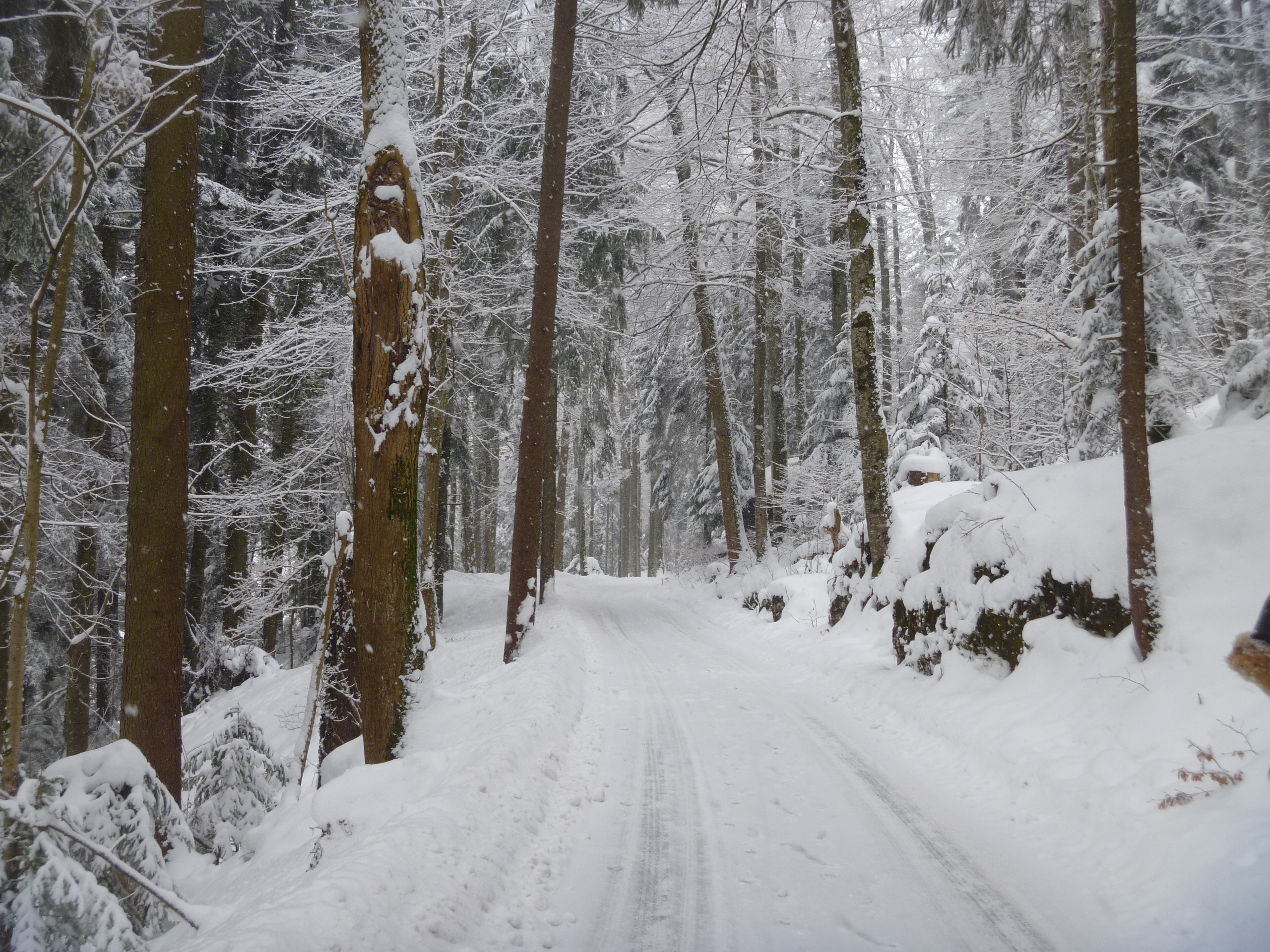
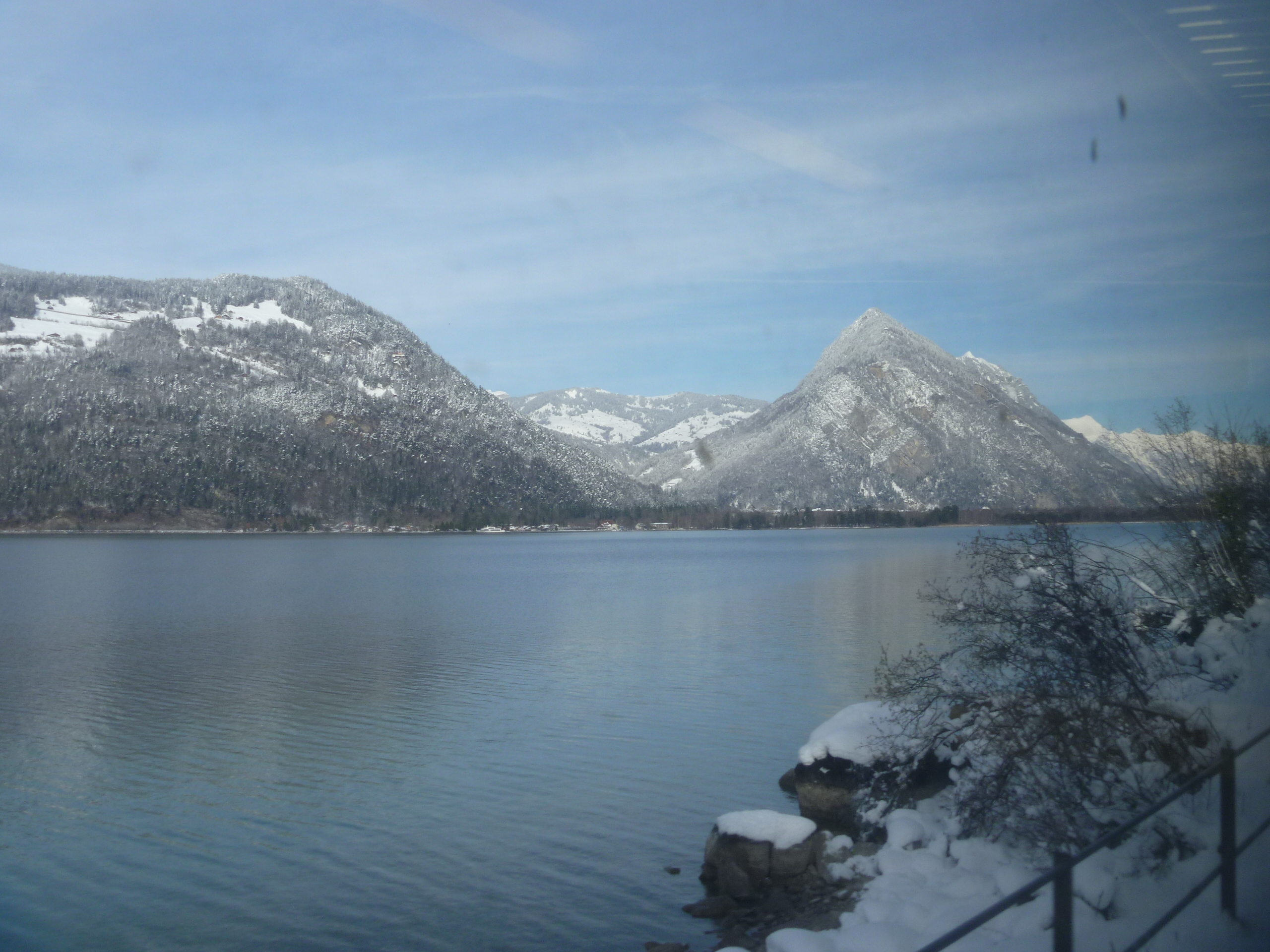
On this visit I had the good luck to visit several beautiful places and sip tea at mountain top hotels and cosy cafes as well as the comfy and relaxed sitting rooms and kitchens in my friends’ homes.

View of River Aare

Barbara’s kitchen overlooks the Bern’s River Aare

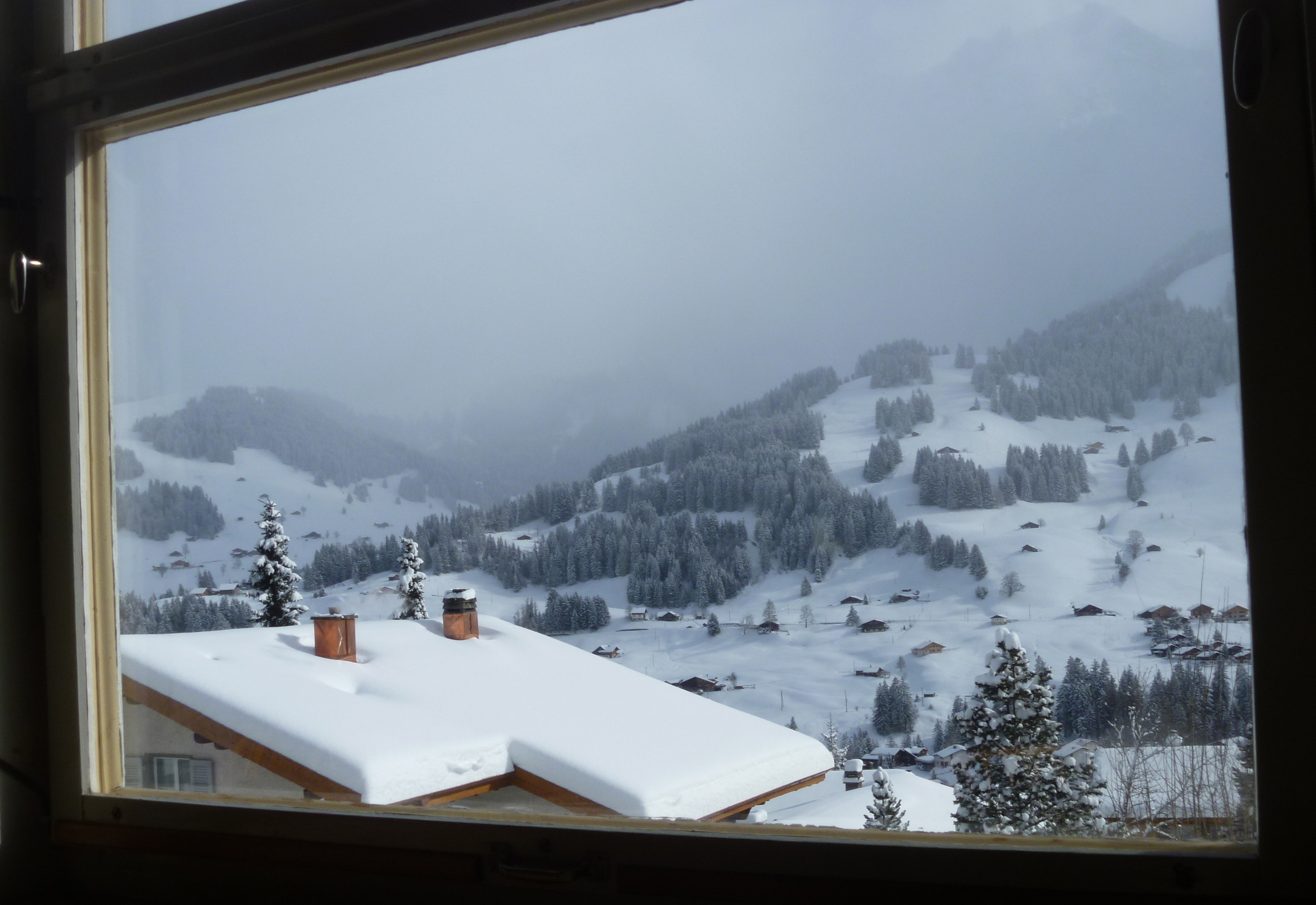
View from Cafe Schmid

Adelboden from Tea-Room Schmid

Adelboden from Our Chalet

Adelboden from Our Chalet Dining Room

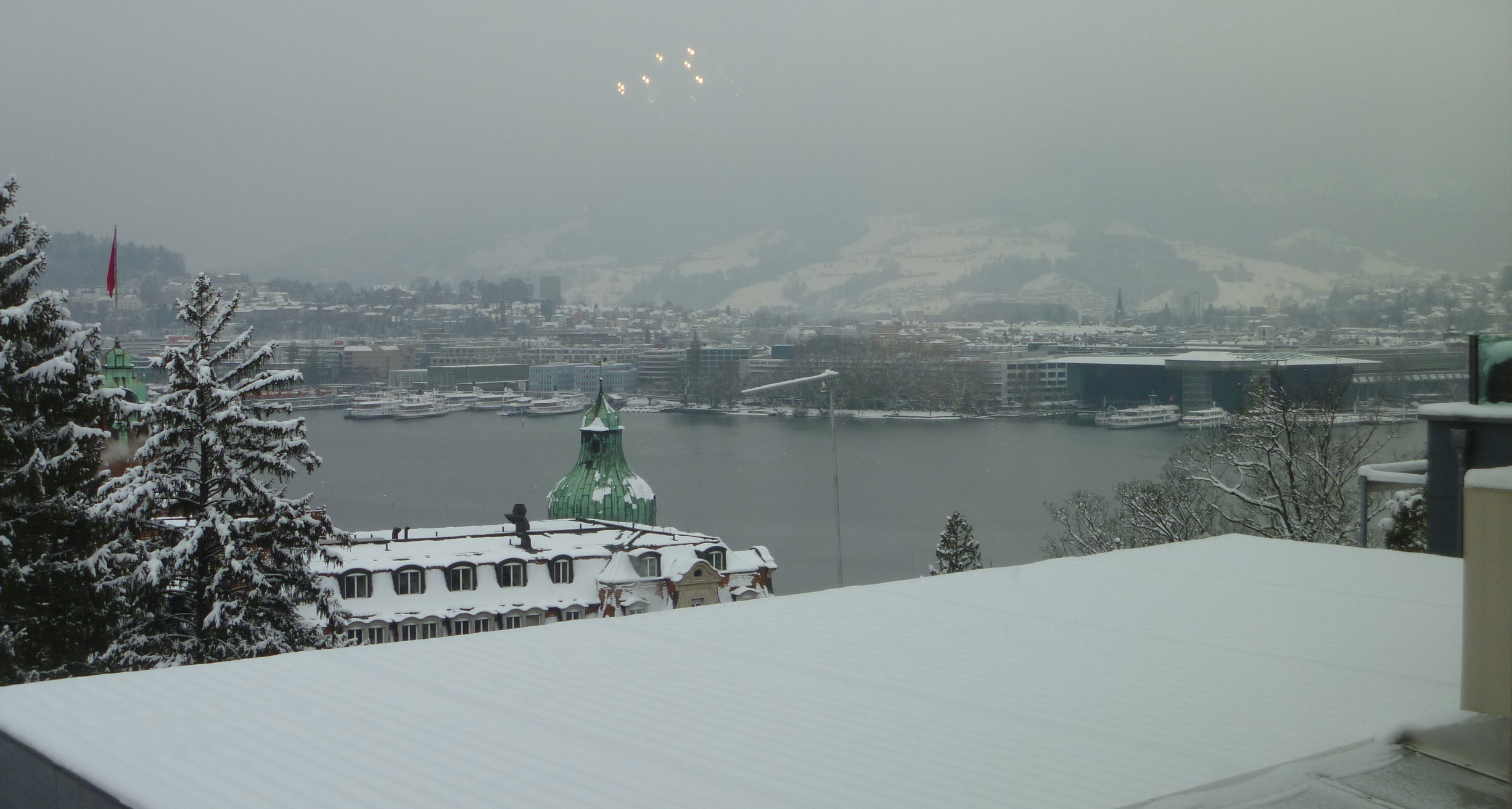
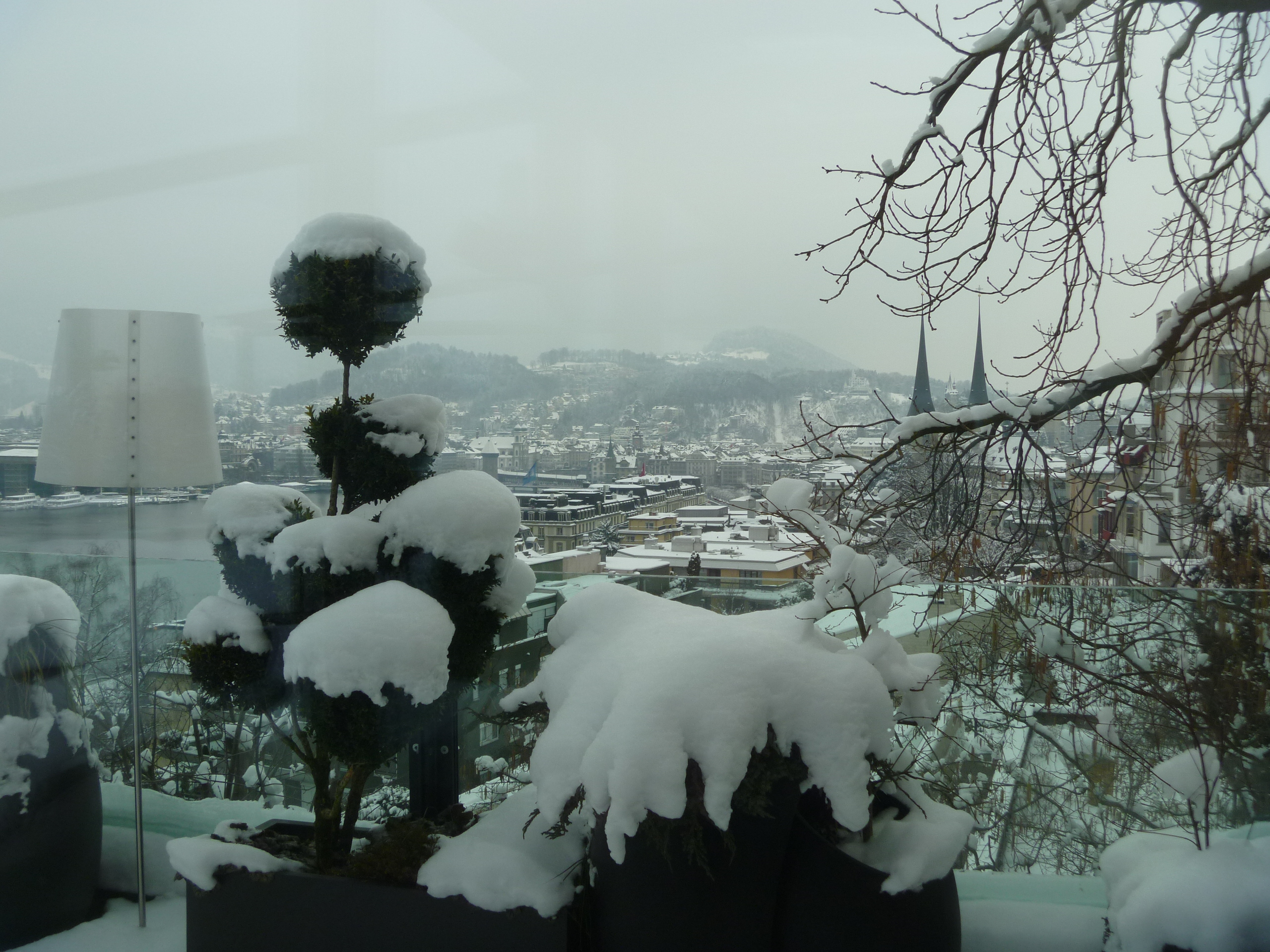
Schwellenmaetteli Bern

Bern’s Munster (Cathedral) from the Schwellenmätteli Restaurant in the River Aare

Villa Honegg

Snowy afternoon at the Villa Honegg, Bürgenstock

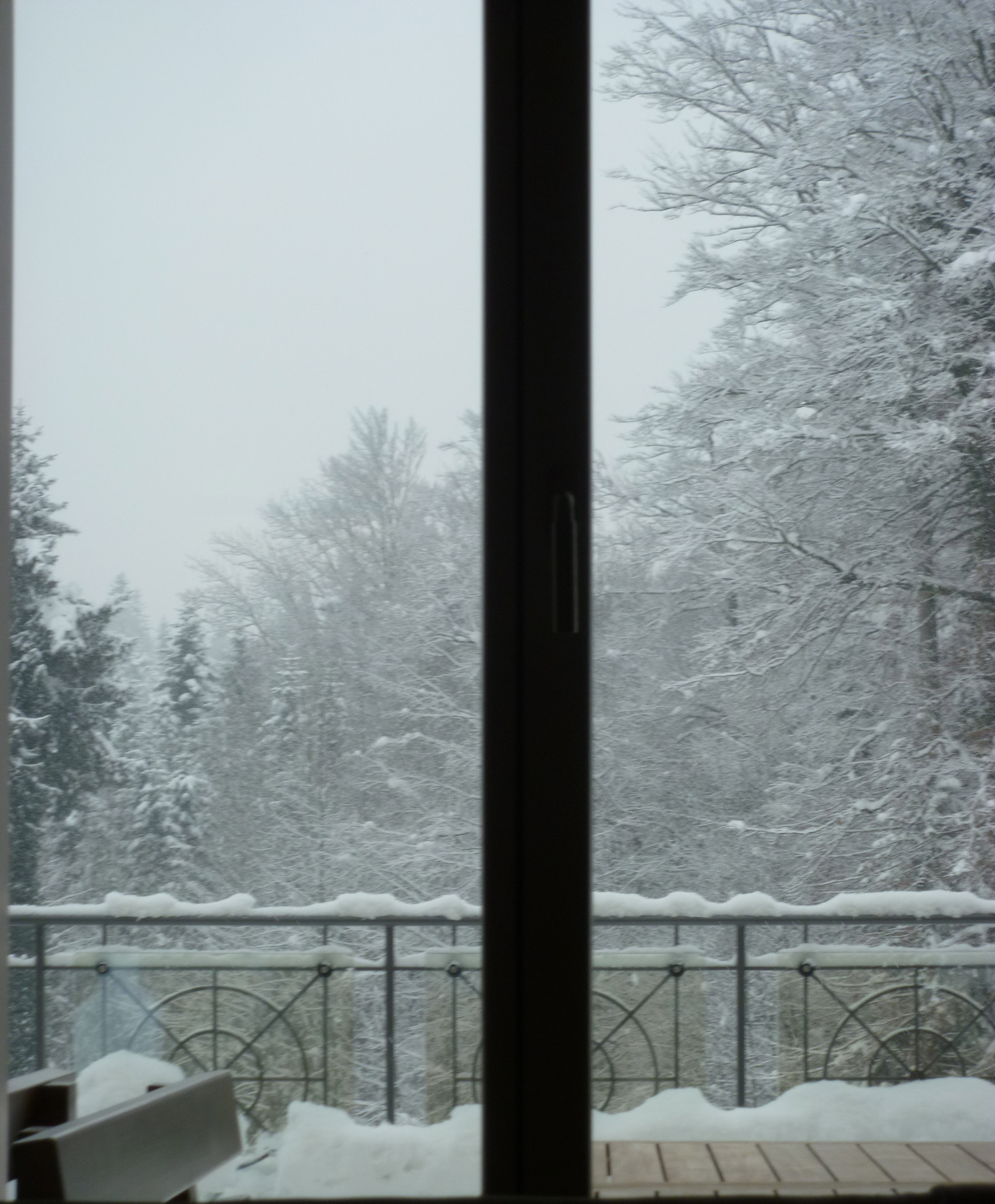
View Wolfenschiessen

Snowy outlook from the sitting room at Wolfenschiessen (on a clear day you can see the Titlis Mountain above Engelberg)

Art Deco Hotel Montana

Lake Lucerne from the Osterwald Bar at The Art Deco Hotel Montana

Lucerne from A D H Montana

The city of Lucerne from the A D H Montana terrace

Views From Swiss Windows : Trains

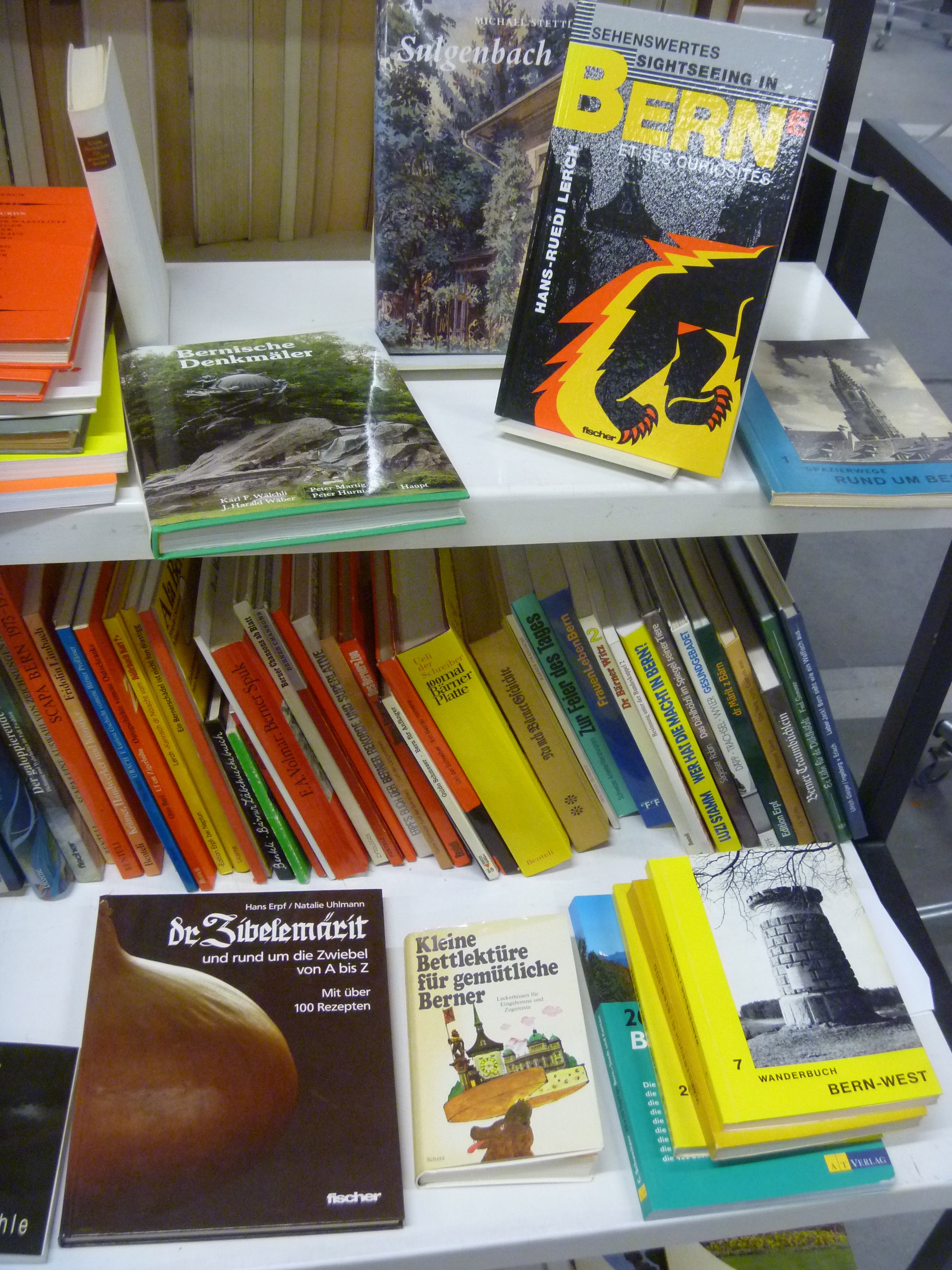
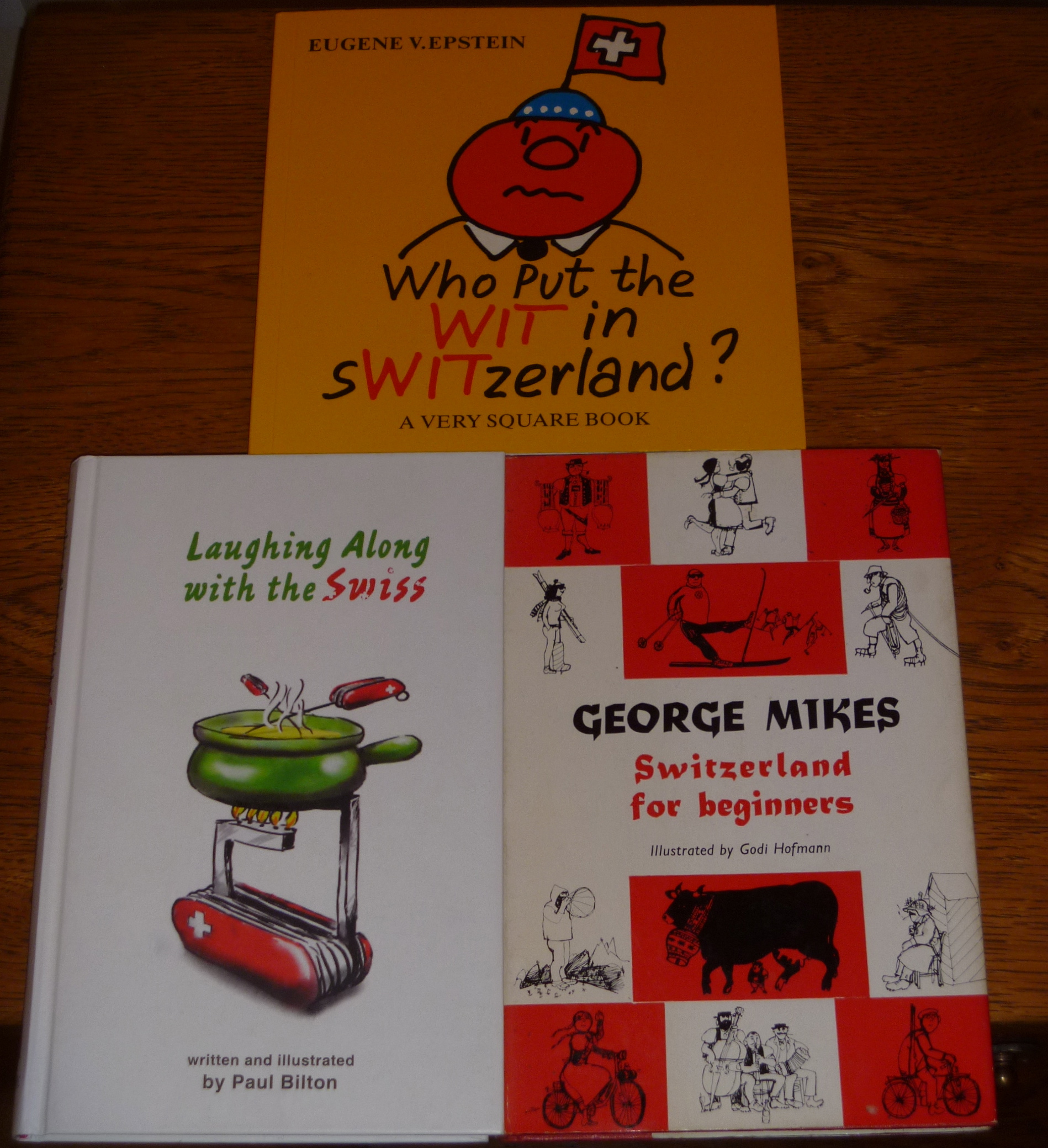
There wasn’t much going on in January – colds and ‘flu and general low feelings after Christmas and New Year. But once February arrived I was packing my bags to head off to the snow. Not for skiing or winter sports but to enjoy friends’ company and the wonderful scenery and to immerse myself in Schwyzerdütsch, Schwiizertüütsch, Schwizertitsch or however you wish to pronounce it! I’ve a little collection of books on the fascinating subject of the Swiss and their language, culture and customs.

Funny books

So, I arrived at Geneva Airport last Thursday and immediately took the train, straight from the airport itself, to Bern where I stayed until Sunday. Despite heavy snow the trains still run pretty much to time and the lovely big, clean windows are filled with wonderful views whichever direction you look in or side of the train you decide to sit. A couple of my journeys were in first class but the views and cleanliness were equally abundant on my second class travels, too.

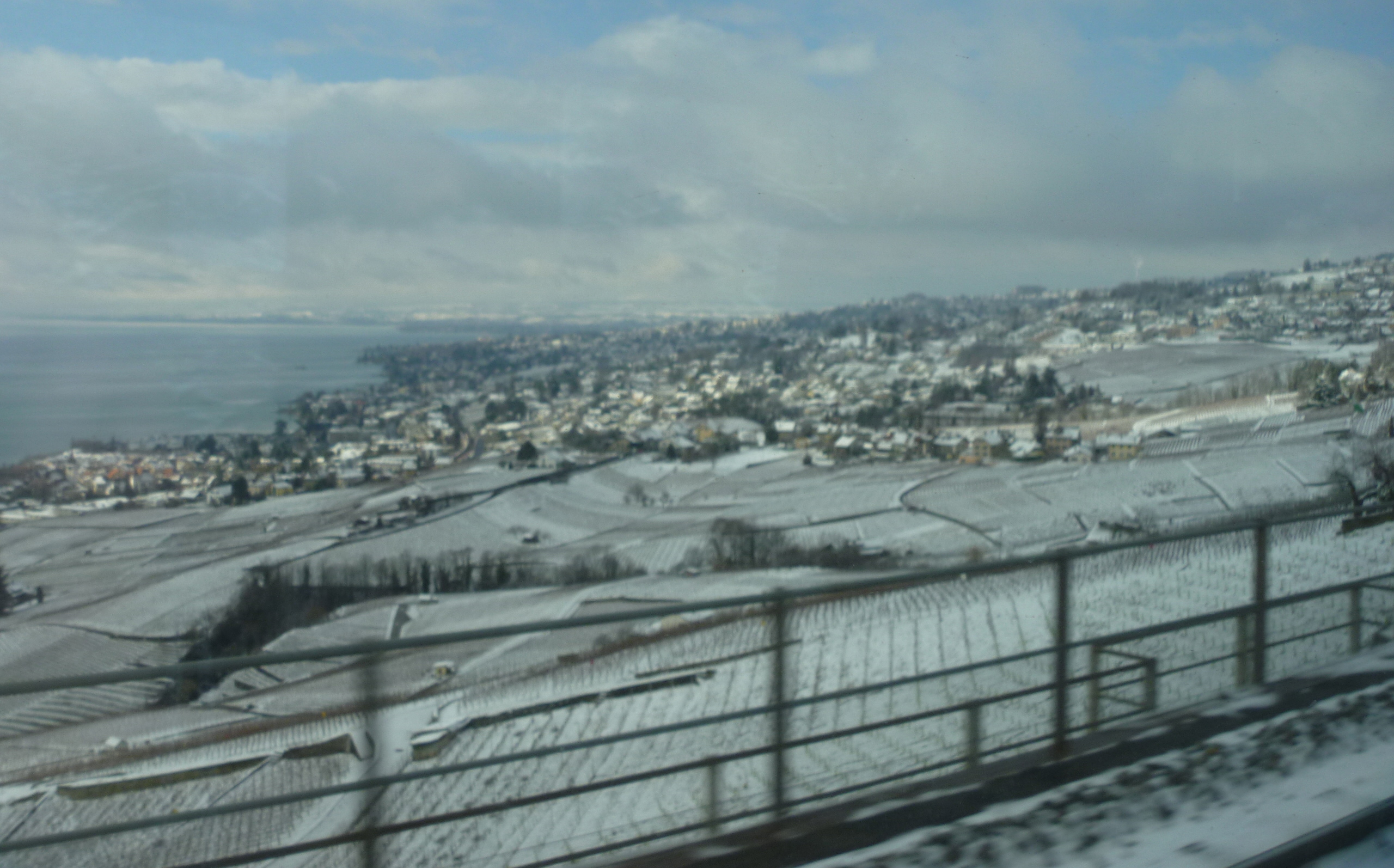
Lake Geneva

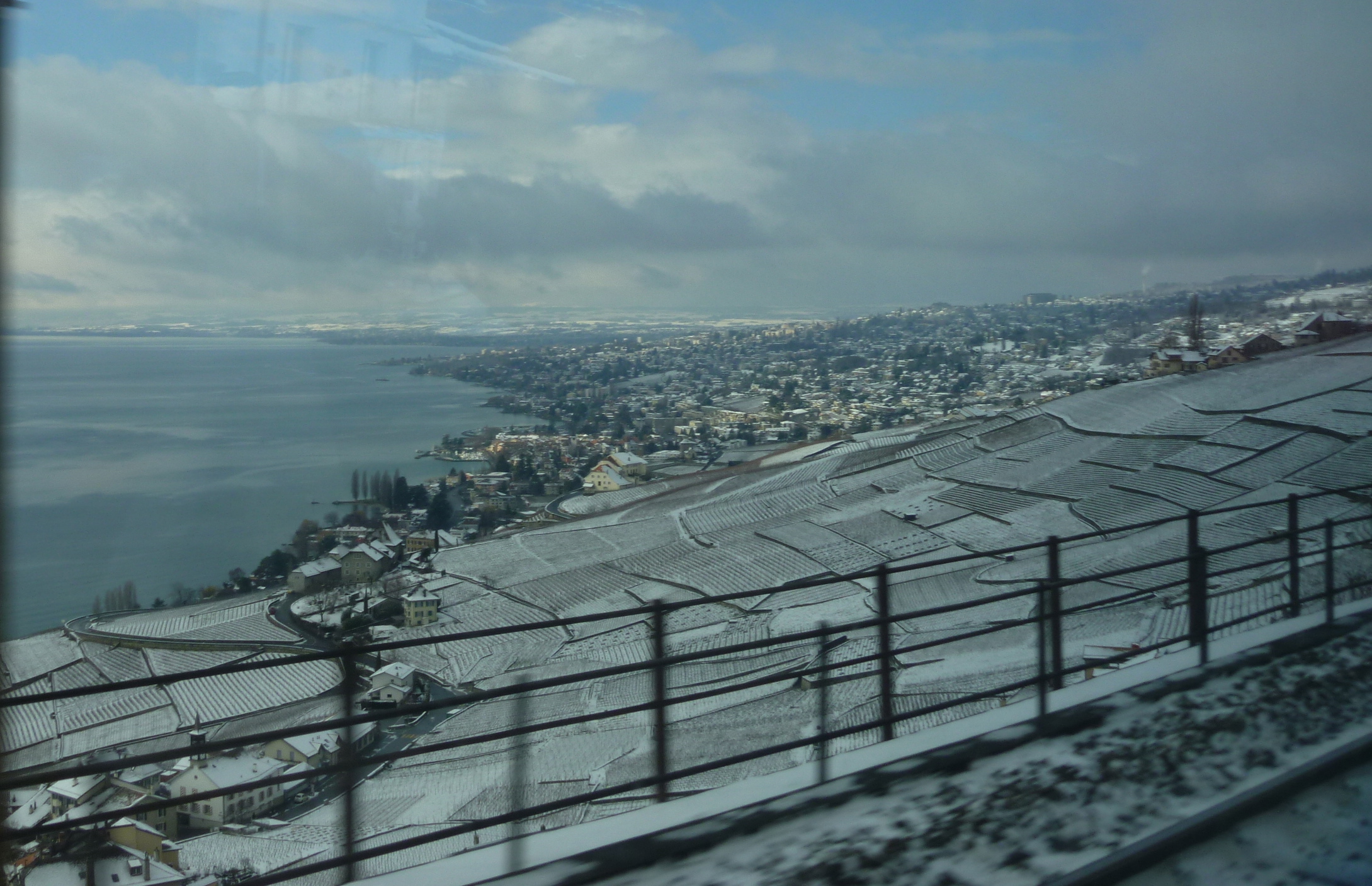
Lake Geneva and Vineyards

Vineyards by Lake Geneva

Travelling between Geneva and Berne the railway hugs the lakeside for much of the journey between Geneva and Lausanne

Sunday took me with friend Barbara out of Berne and up up up to Gstaad – in more than one meaning! Paul dropped us at Spiez station by Lake Thun and we took the train first to Zweisimmen where we joined the Golden Pass Line for the amazing journey to Gstaad. From here the train continues to Montreux, back on Lake Geneva.

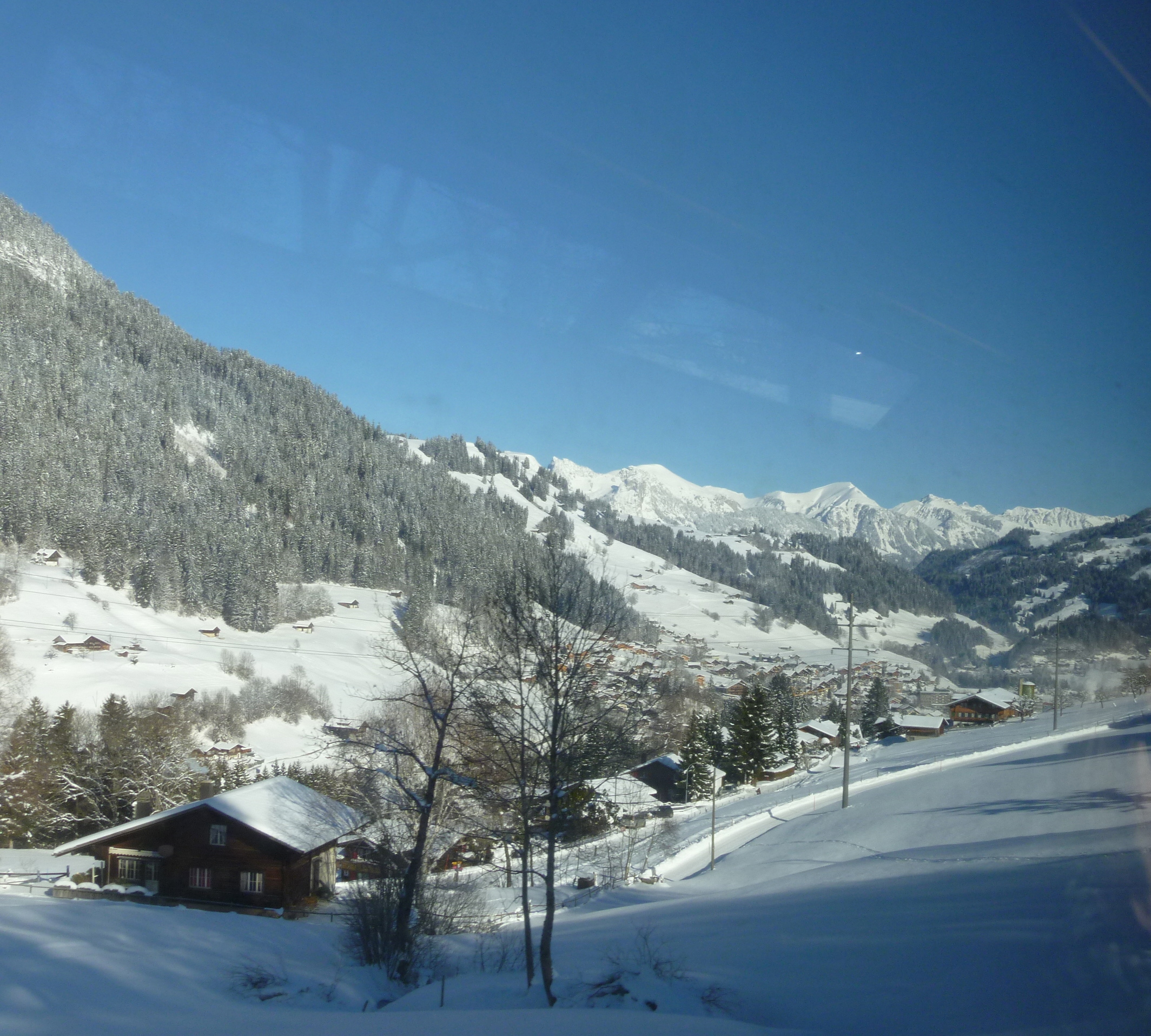
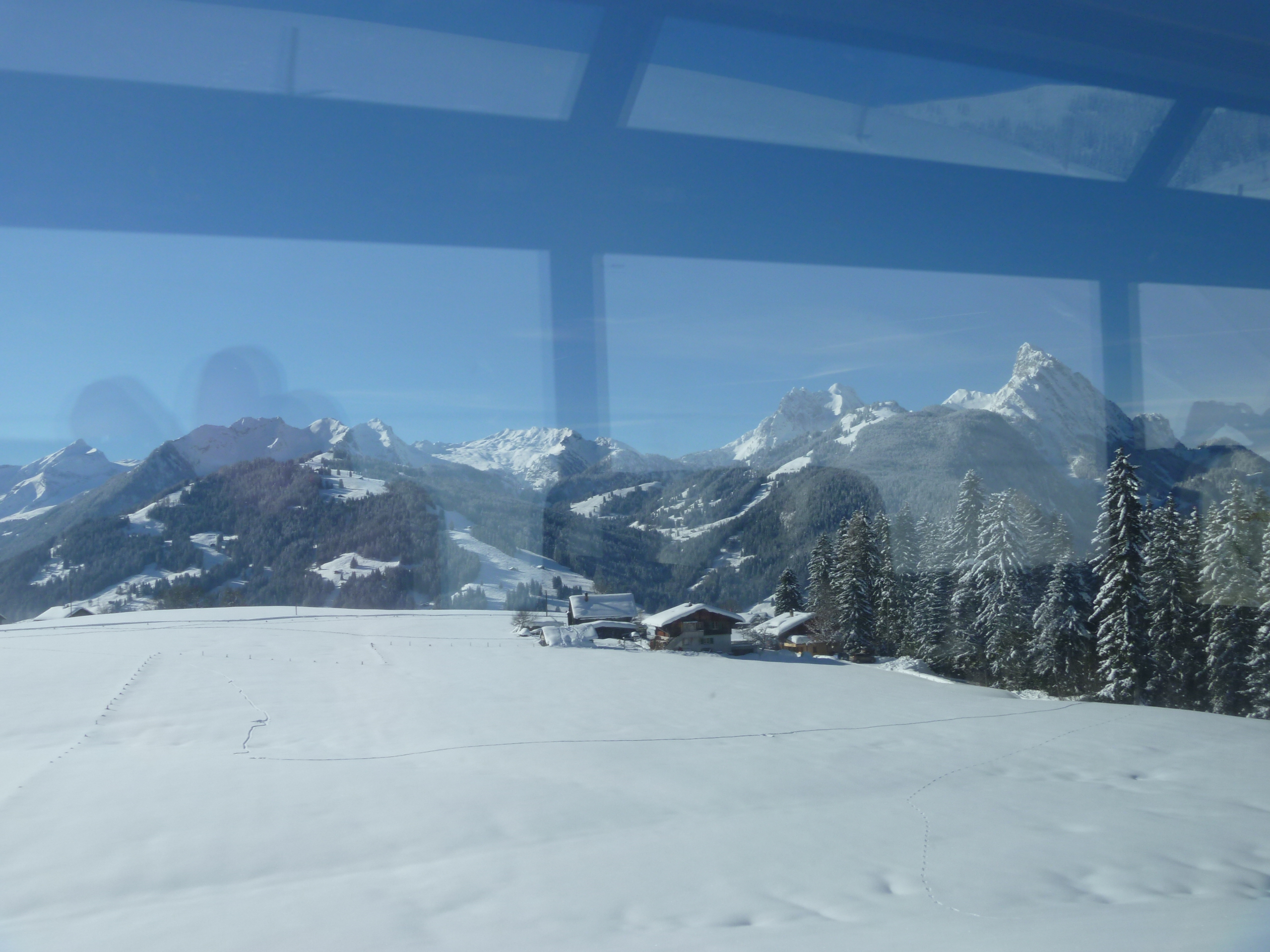
Journey to Gstaad

Travelling to Gstaad

So much more snow had fallen since Thursday.

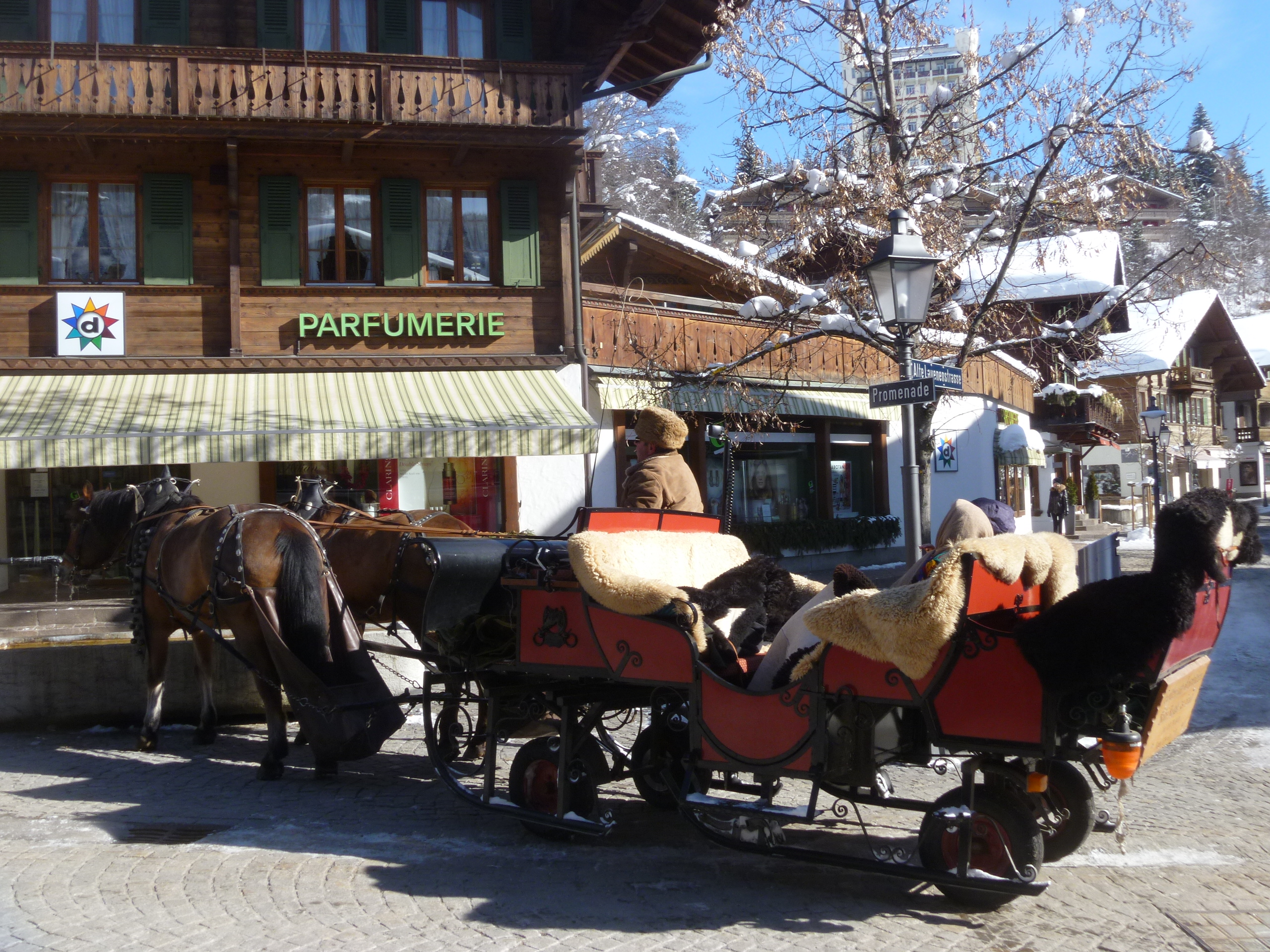
This time there was a bit of delay and we ended up on a later train than intended but still we had enough time to enjoy the delights of the Gstaad Palace Hotel lounge and the pretty main village street. Unless you ski there’s little else to do here on a Sunday in winter – unless, of course, you fancy a horse-drawn sleigh ride.

Gstaad sleigh ride

Gstaad was a ‘side’ visit as later in the afternoon I was to meet friends at the pretty lakeside village of Lungern in Central Switzerland. Barbara suggested we make a day of it. On the return journey she left the train at Spiez to return to Berne and I continued on the same Golden Pass route to Interlaken and the connecting train to Lungern. These trains follow the lake sides of Lakes Thun and Brienz almost entirely.

Lake Thun view

Lake Thun

Interlaken and Lake Thun

Views of Lake Thun and (sometimes) Interlaken from the Golden Pass Train

Lake Brienz

Lake Brienz 2

Lake brienz 3

After changing trains at Interlaken Ost station my journey continued alongside Lake Brienz

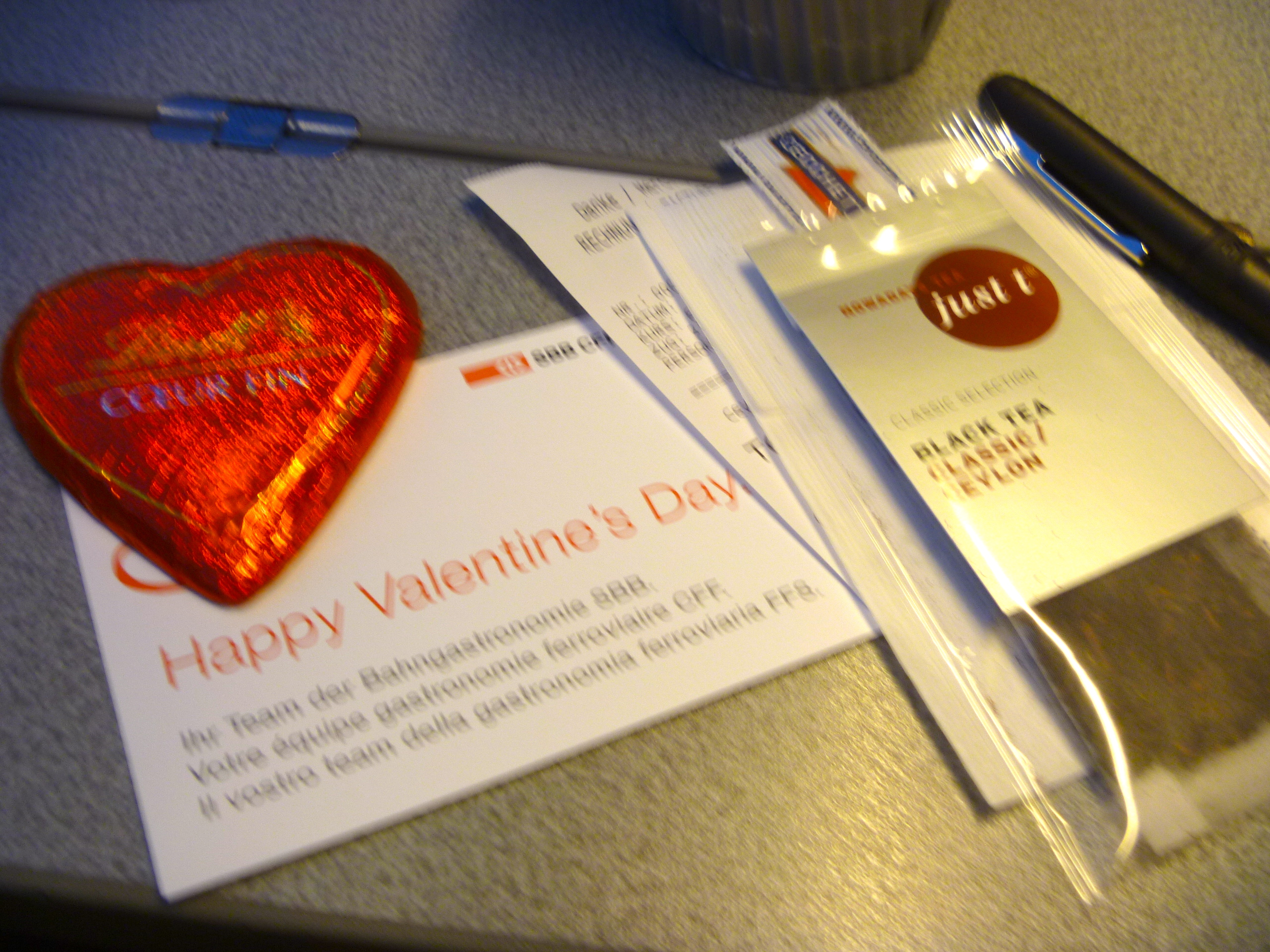
On my last day I took the direct train from Lucerne to Geneva Airport so early yesterday morning that it was dark for much of the journey. Nevertheless, it being St Valentine’s Day, when I bought a tea from the catering trolley I was taken aback to receive a free heart-shaped chocolate! (The photo’s a bit blurry – either because of the time of day or the movement of the train!)

valentines on the train

Jean-Jacques Rousseau; born in Geneva 300 years ago.

“The person who has lived the most is not the one with the most years but the one with the richest experiences.”

Jean-Jacques Rousseau

The Swiss are gluttons for their anniversaries! Just about every month there are fireworks or celebrations or parades in one Canton or another. But they really go to town with special anniversaries every year. I posted earlier about the 100 years of the Jungfrau Railway.

As one would expect, the city of Geneva decided that the birth of the philosopher and novelist, composer and major influence on the French Revolution Jean-Jacques Rousseau, in the city in 1712, must be worth a celebration.

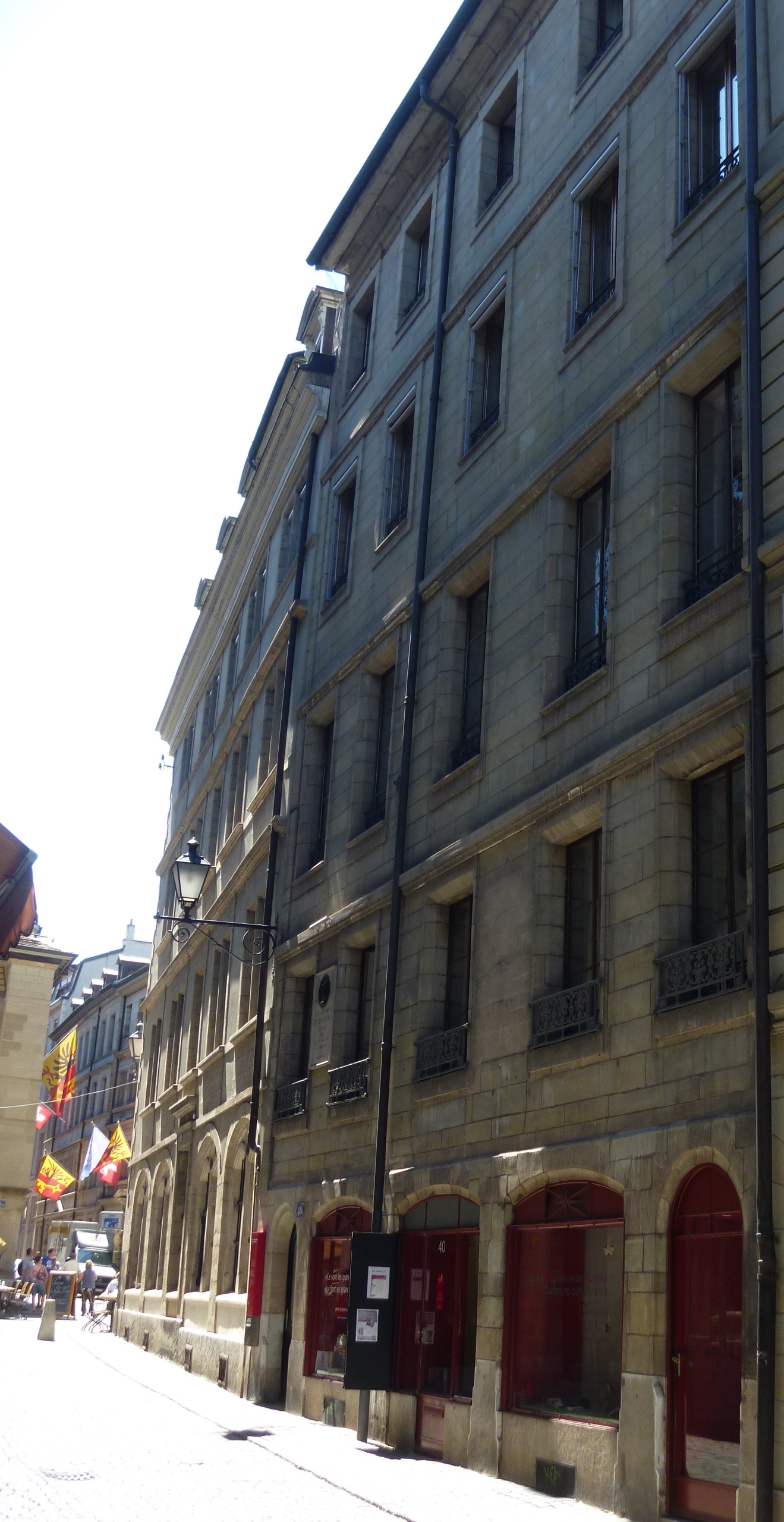
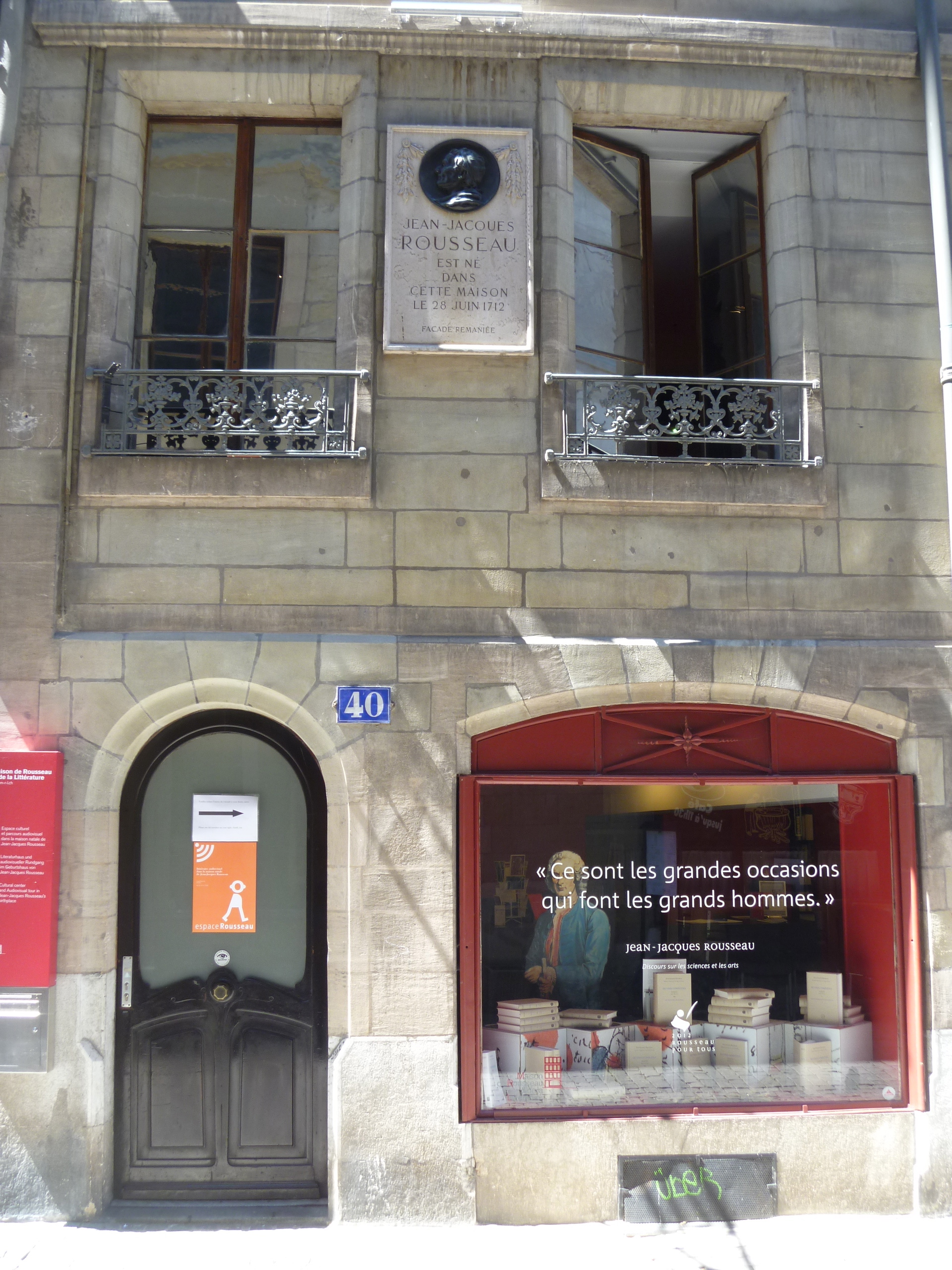
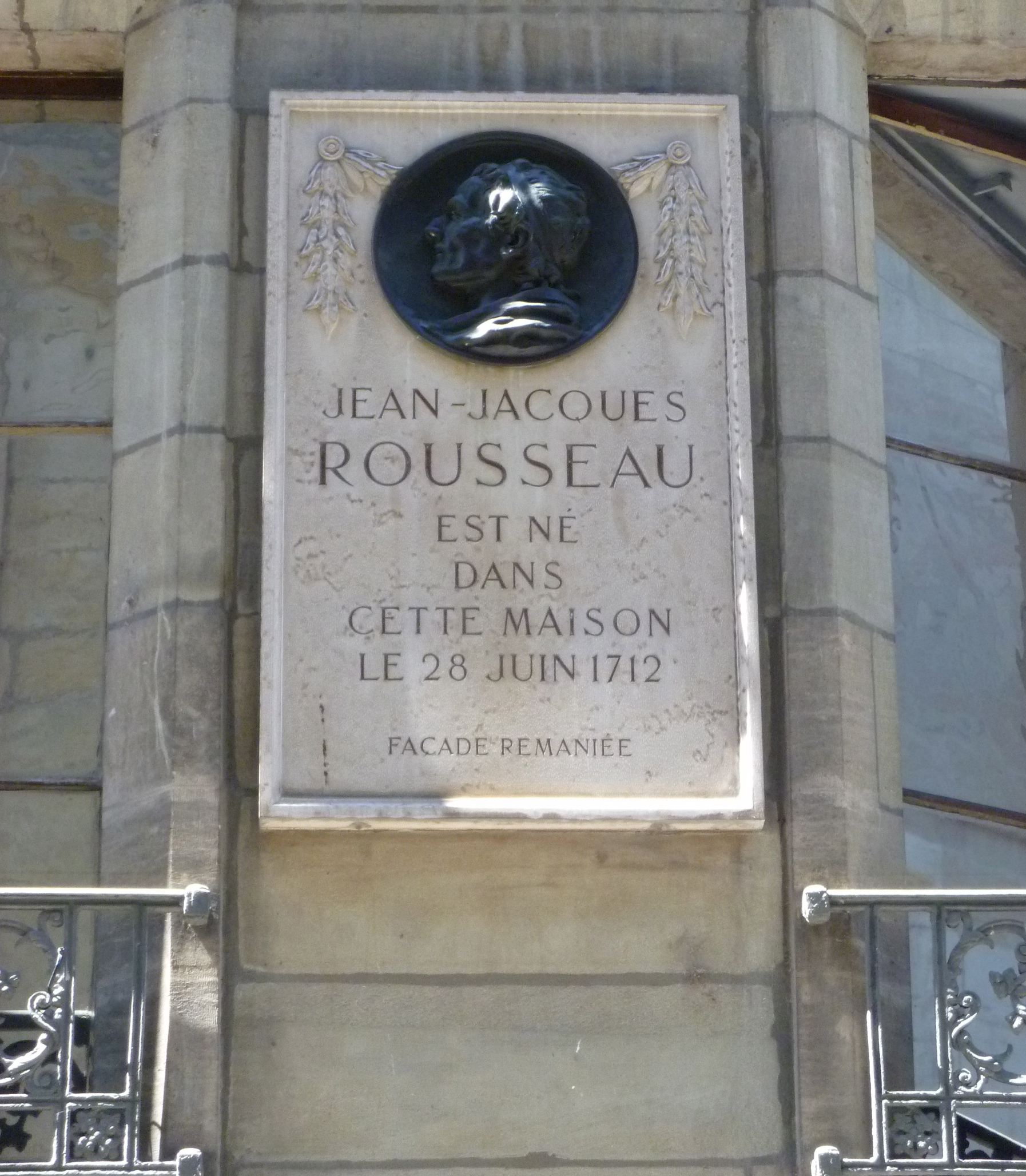
40, Grand’rue, Geneva, birthplace of Jean-Jacques Rousseau

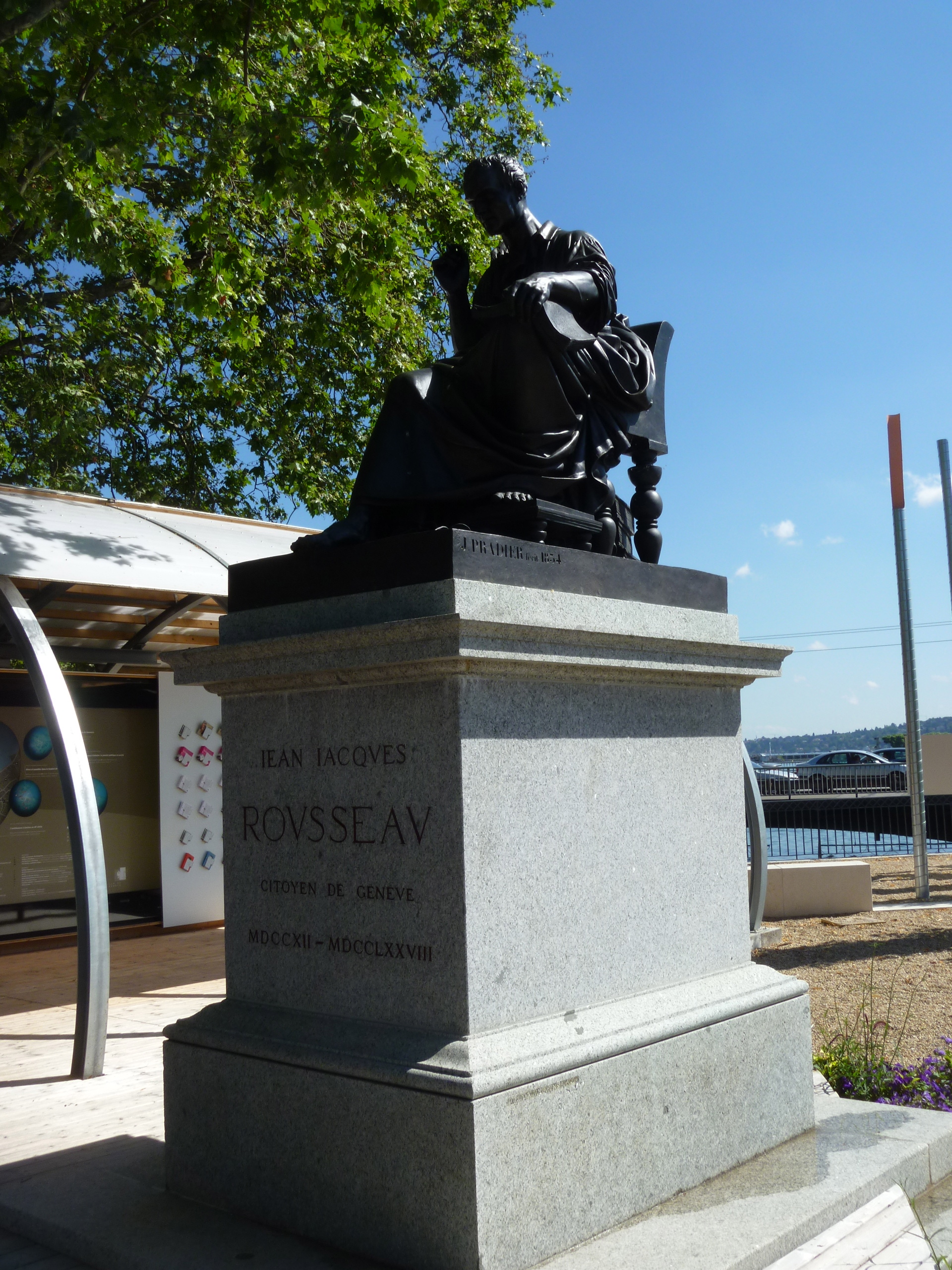
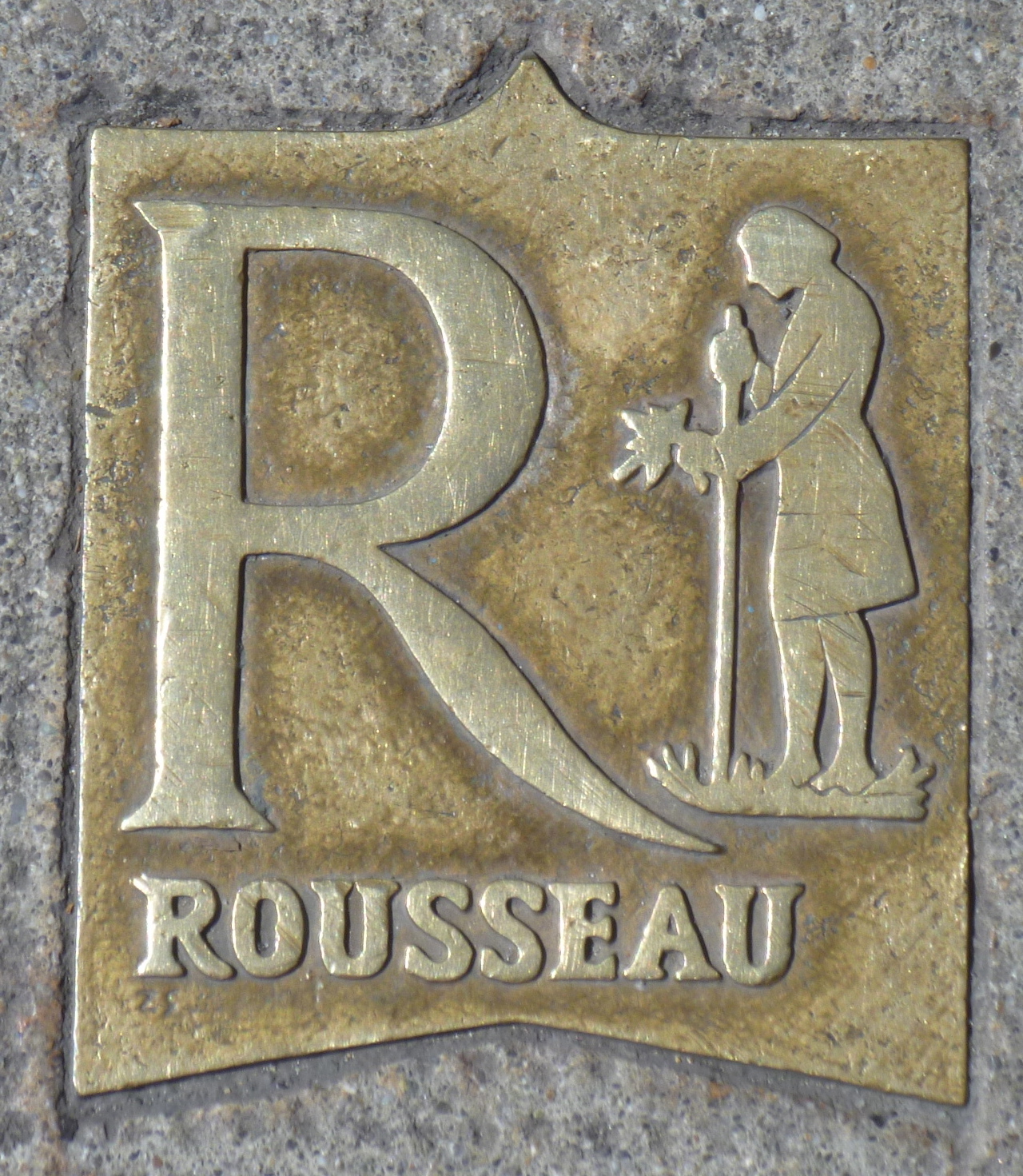
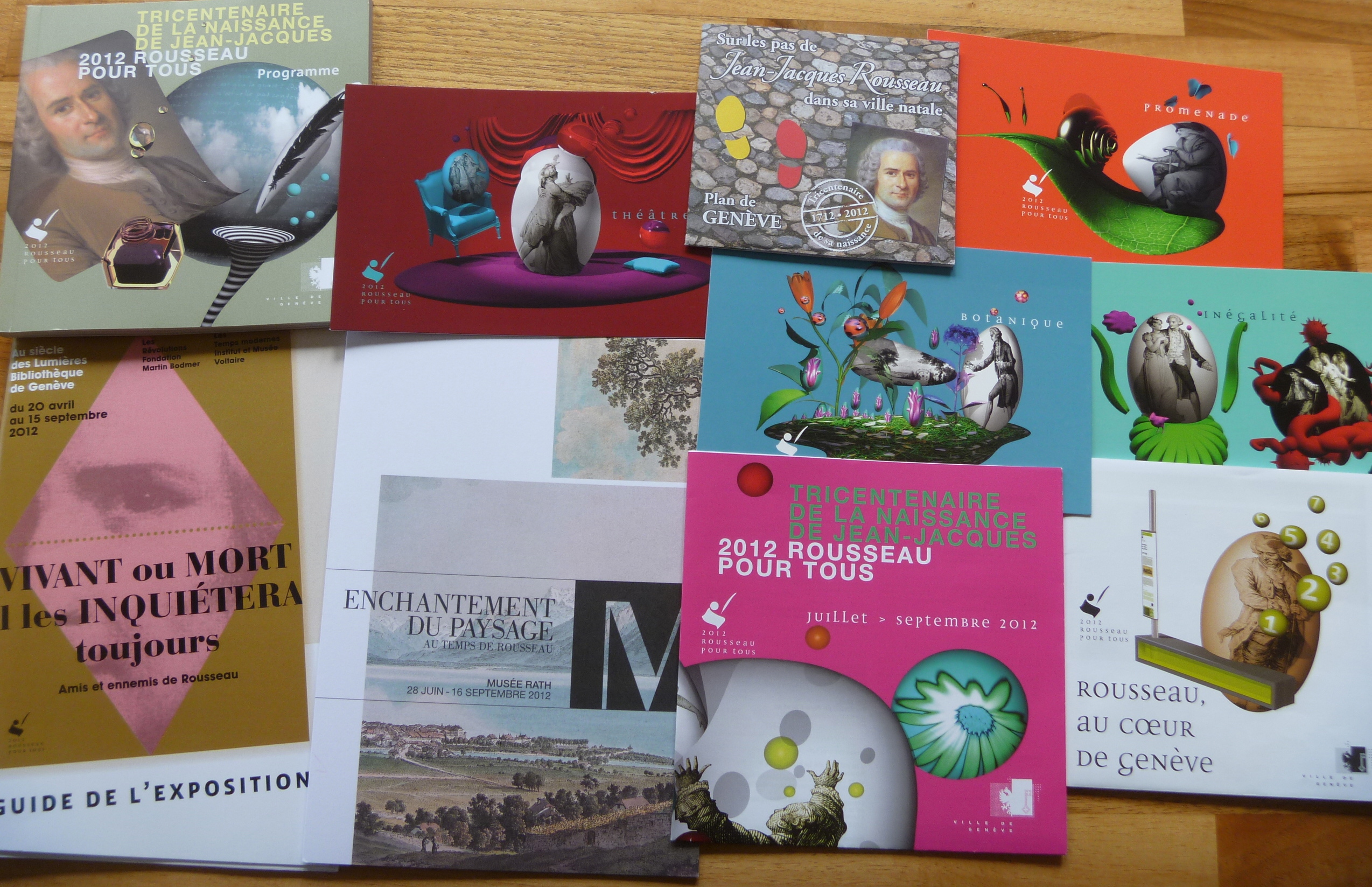
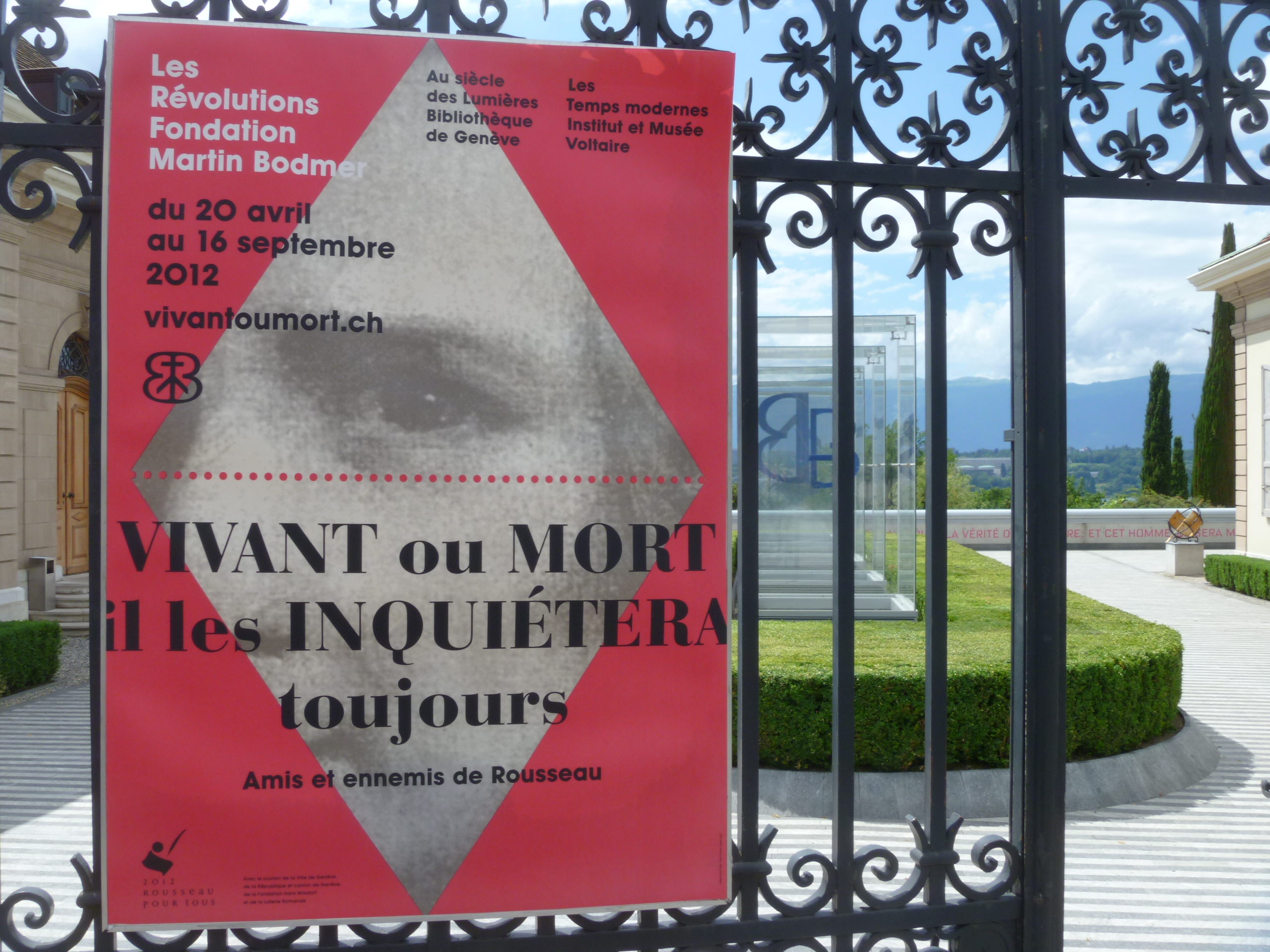
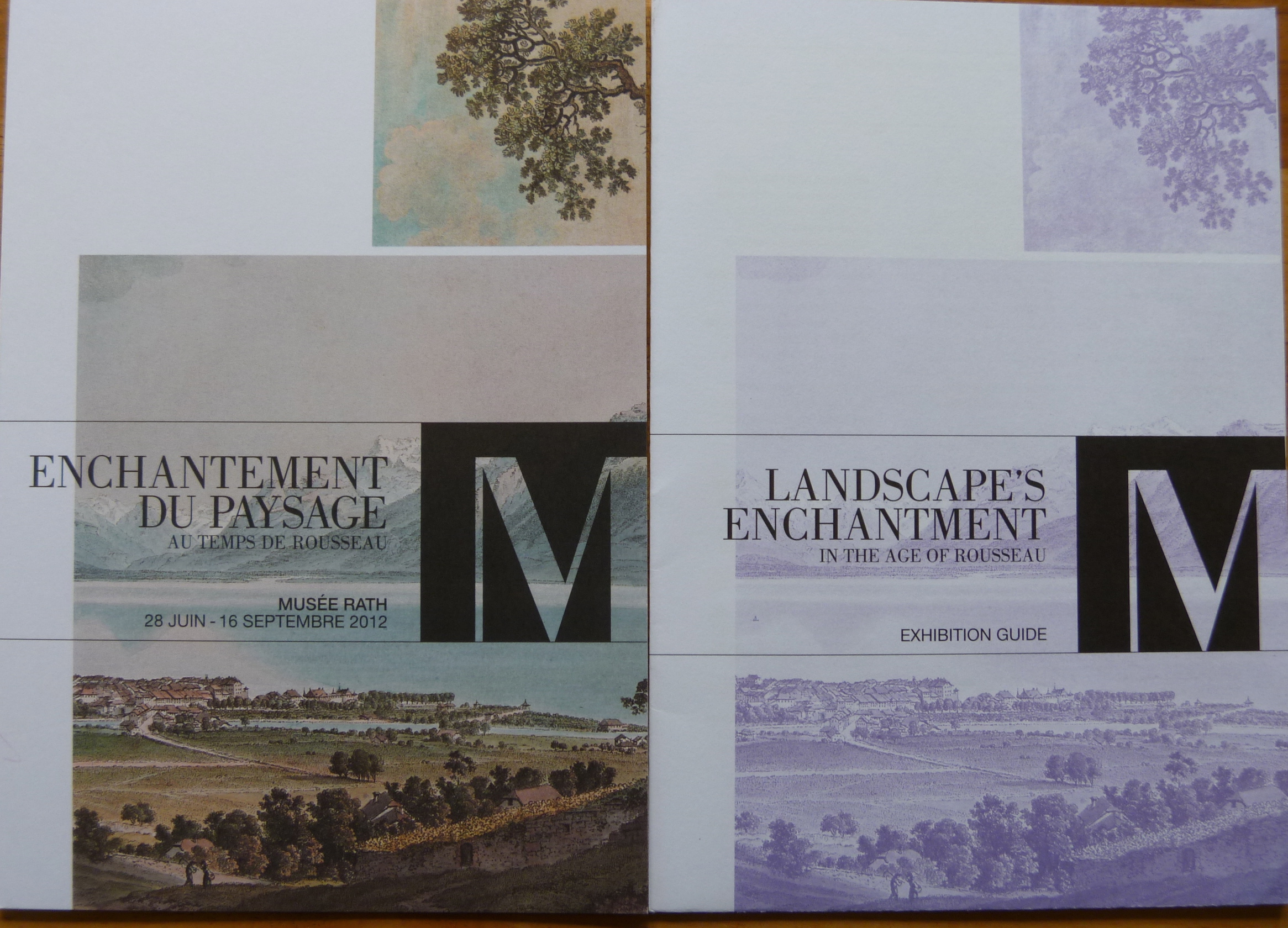
I don’t know whether there have been, or will be, fireworks let off in his name but there is no escaping his tricentenary in the city this summer. I only came across a little map which allows one to follow in the great philosopher’s footsteps on the last morning of my trip but I was immediately attracted by a lovely leaflet advertising a related exhibition at the Musée Rath whilst waiting to check in at my hotel on arrival. I knew that JJR’s birthplace was in the Old Town (3 pictures above) and a fellow member of our party told me about the Île Rousseau statue (top). I visited the Bodmer Foundation to see the display “During his life and after death he always worried them: Rousseau’s friends and enemies” (my translation) but got carried away by the breadth of the permanent collection and the fact that there were no English translations at all.

With so much to choose from here is what I managed to follow up in the name of Rousseau in the short amount of time available to me.

Île Rousseau

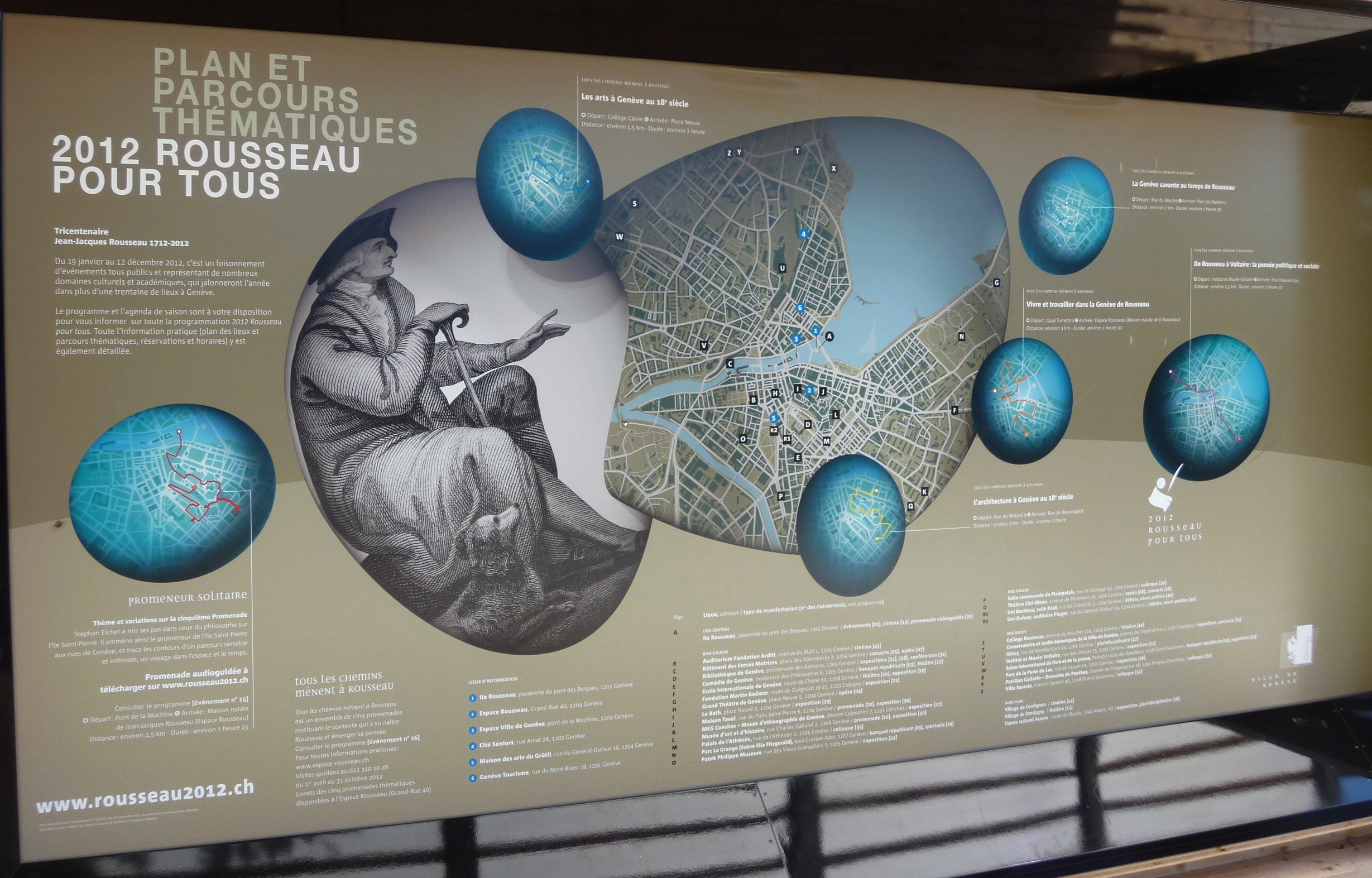
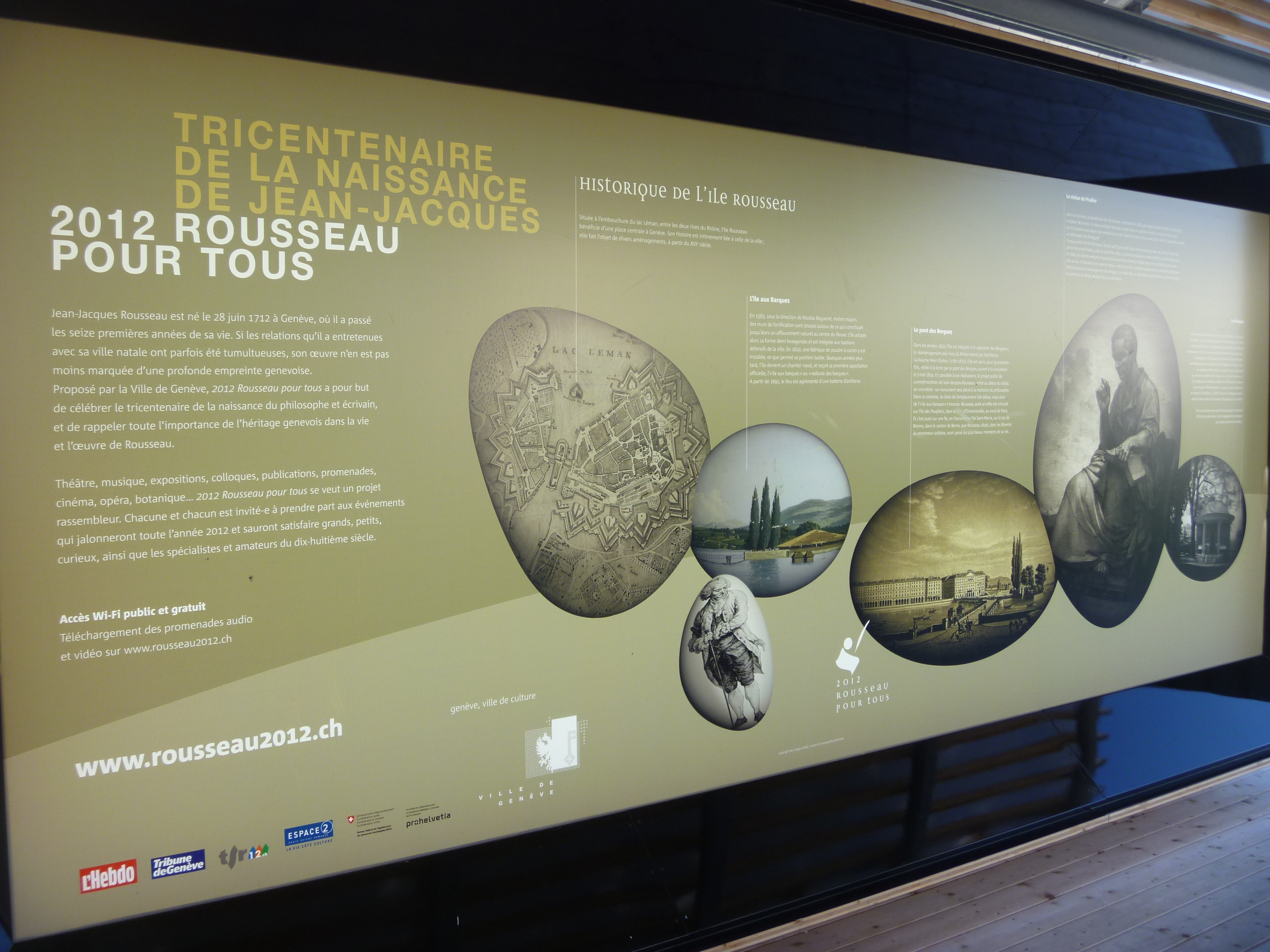
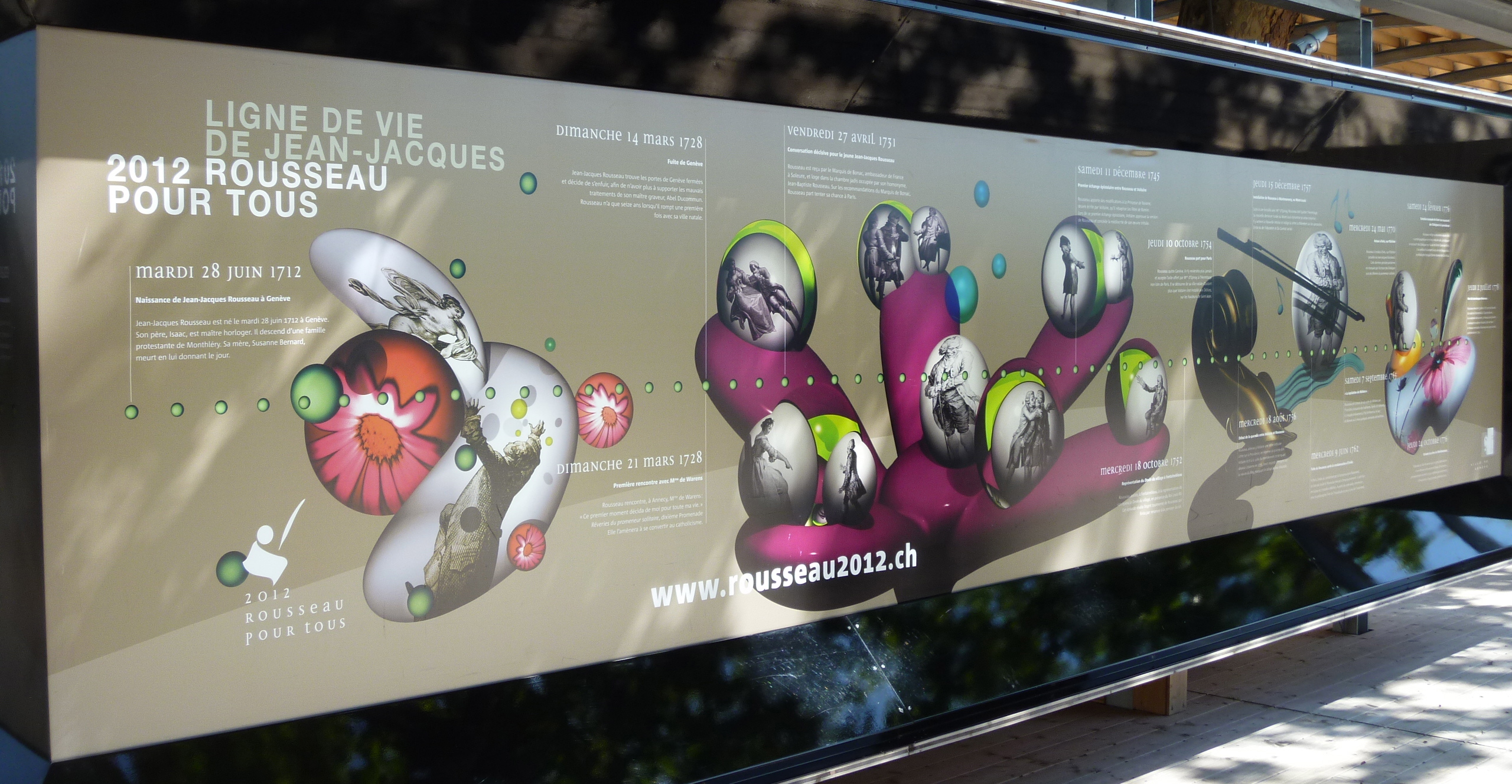
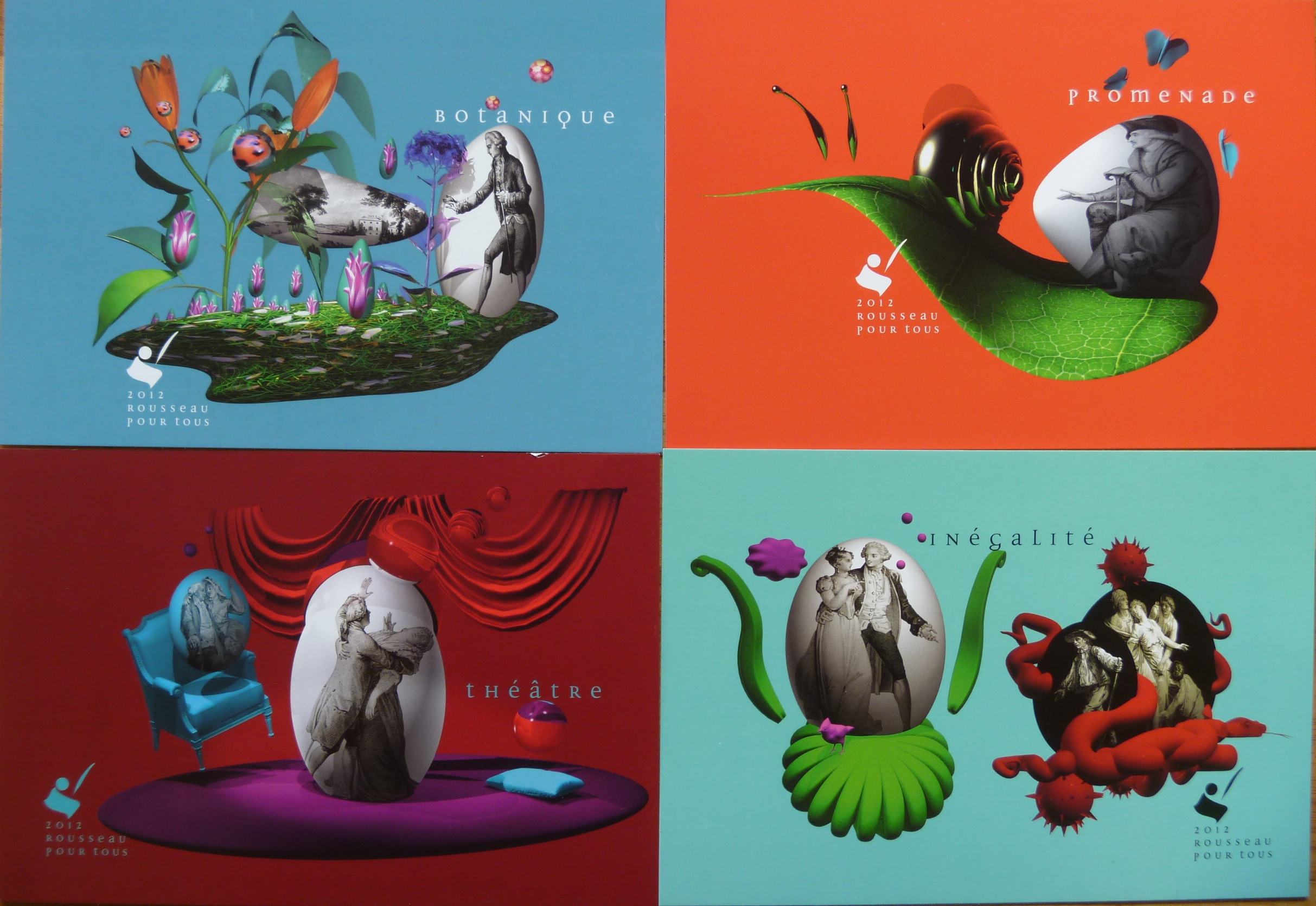
On the island straddling the River Rhone accessed from the footbridge Pont Des Bergues is a statue of the great philosopher (top picture), created by James Pradier and erected on the island in 1835. This is the heart of the Rousseau commemoration and there’s an information pavilion with large boards, video screens (all in French) telling about the life and works of Rousseau. I also picked up some free postcards.

The Martin Bodmer Foundation

I wrote about my visit to the MBF in the previous post. The small Rousseau exhibit was just a few display cases (no photography allowed) showing printed and manuscript examples of Rousseau’s work and that of his contemporaries during the Age of Enlightenment. The backdrop of toile du jouy (a fabric particularly associated with an idealised vision of the countryside and Rousseau’s work) and the subtle use of lighting made this a very visually satisfying display – but all the notes, including the guide handed out for free were in French and thus too time-consuming to study closely.

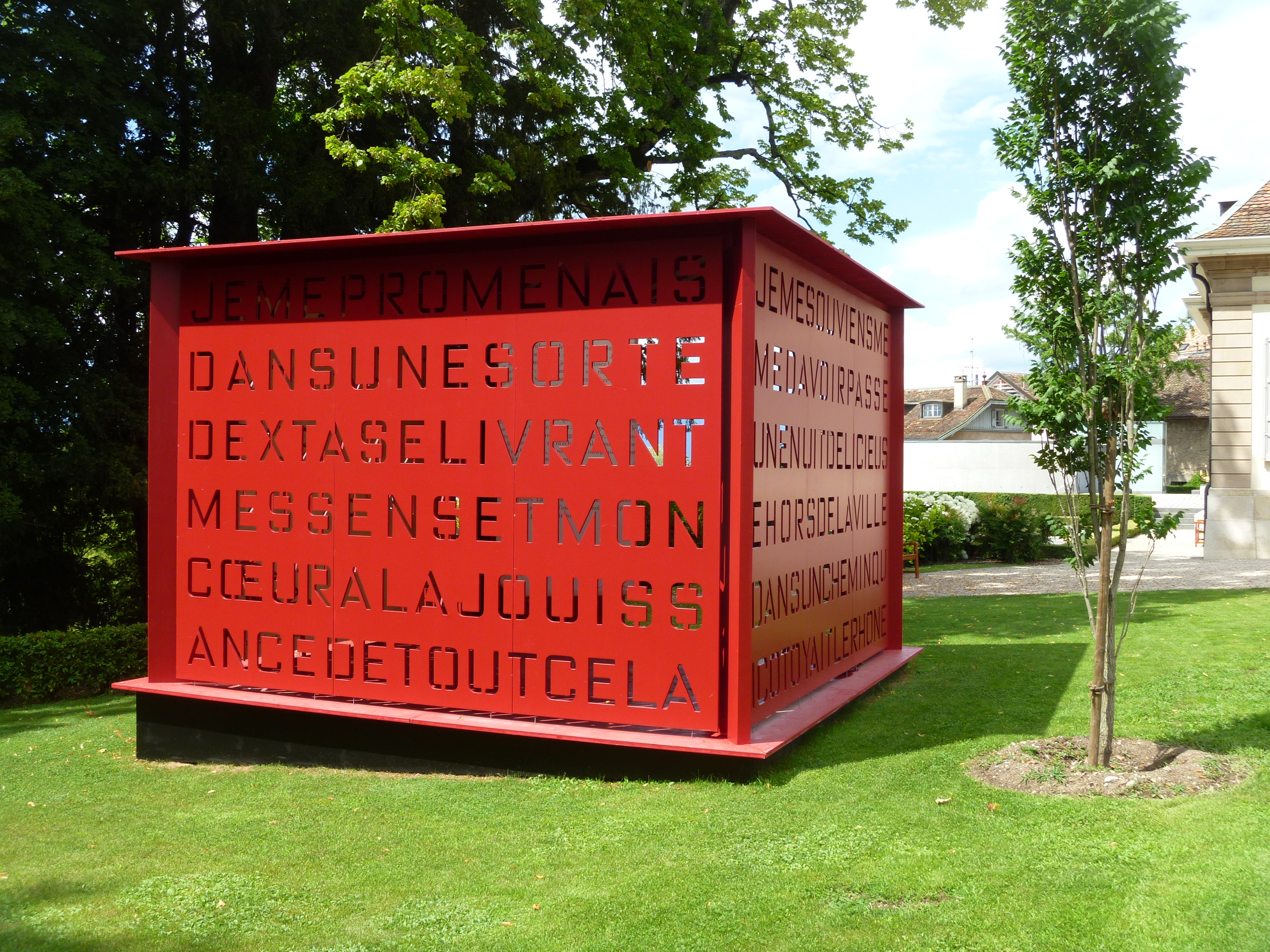
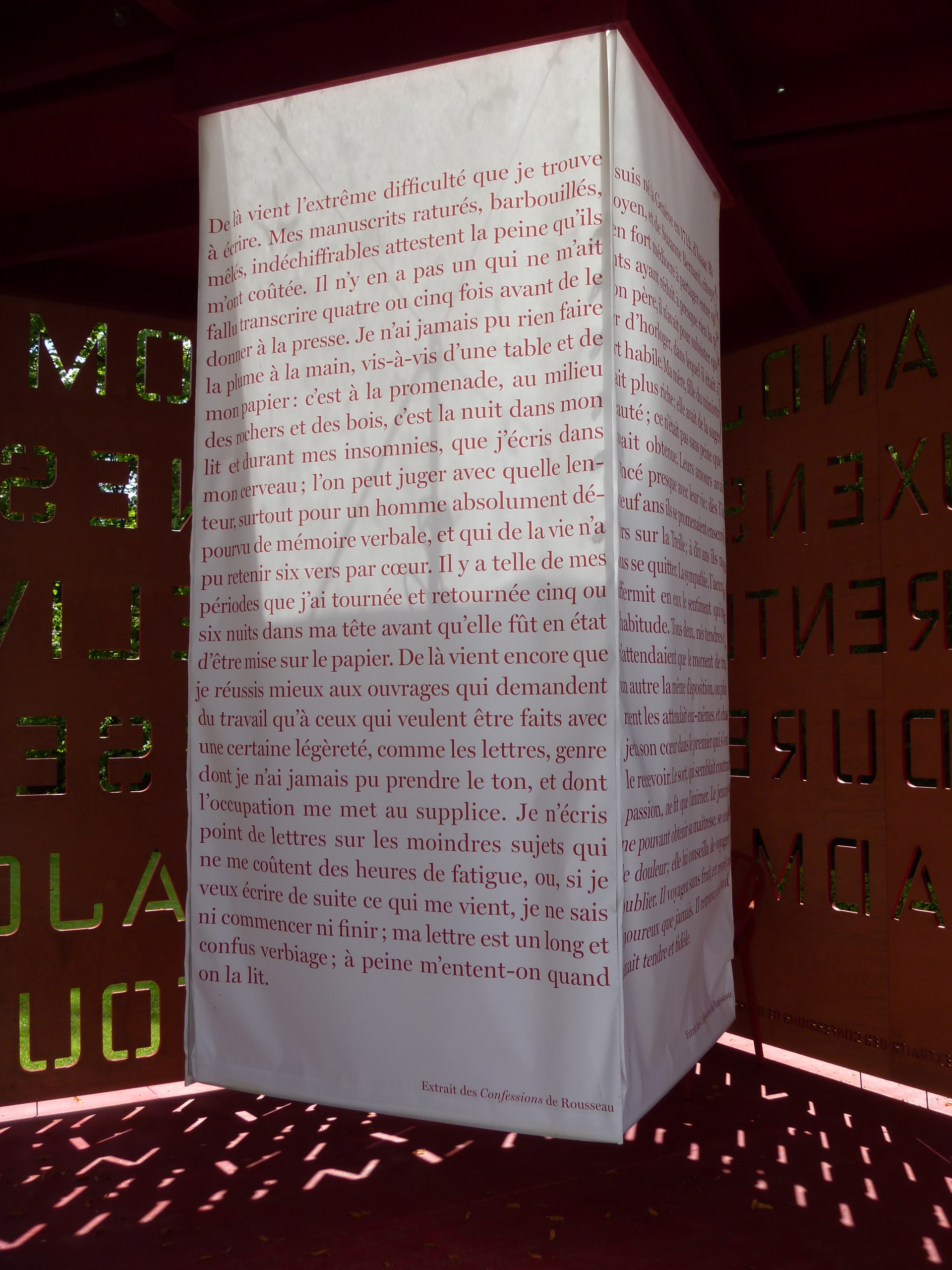
There’s an interesting cube installation dedicated to Rousseau in the garden of the Bodmer Library.

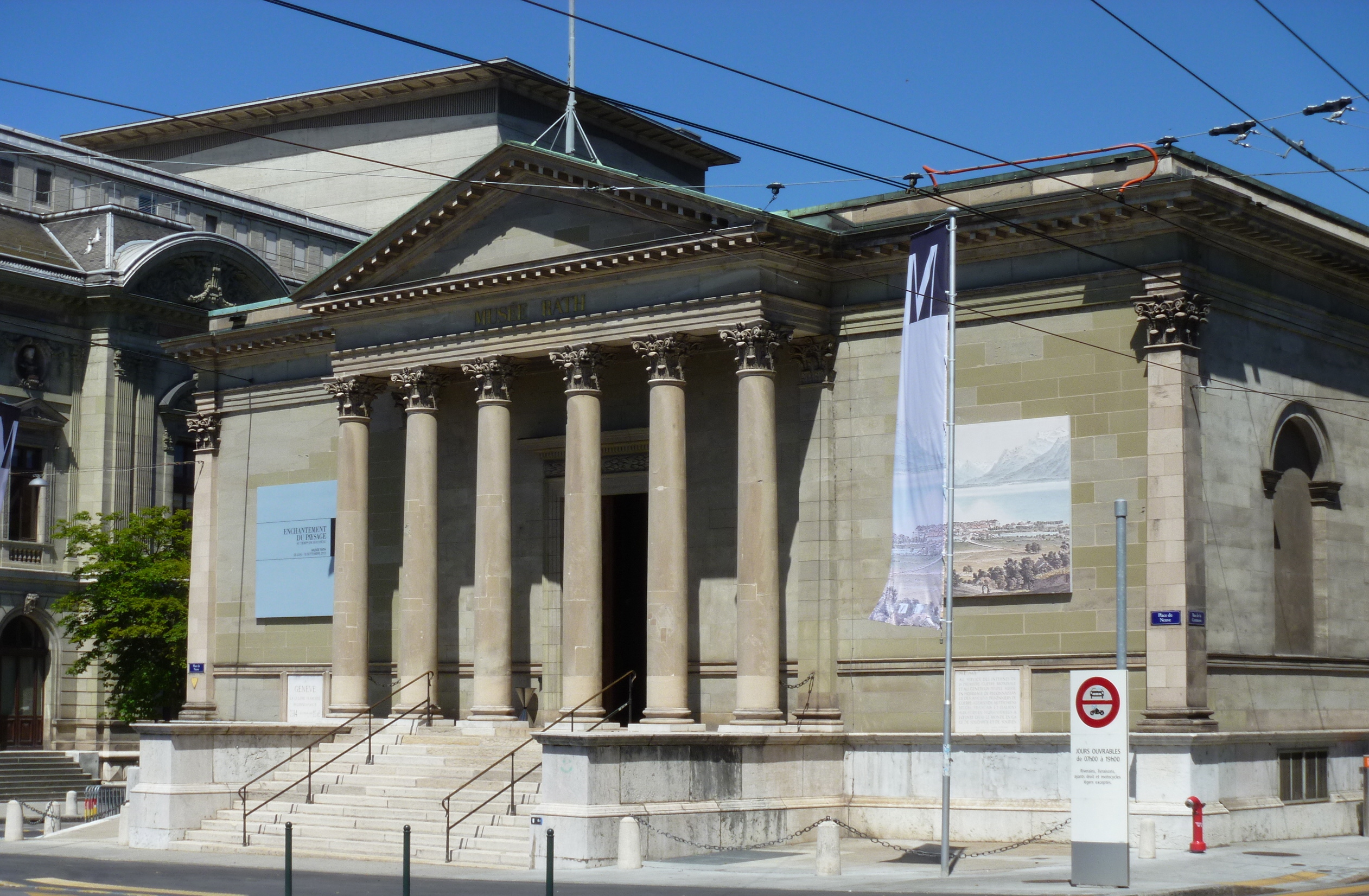
The Musée Rath

Amidst the sounds of birdsong and  tinkling cow bells I viewed the ‘rooms’ of the exhibition “Landscape’s Enchantment in the Age of Jean-Jacques Rousseau” at The Musée Rath. There was lots for me to enjoy here as the programme is also available in English and landscape history is a bit of an interest of mine.

“Throughout his life Rousseau never stopped travelling. All his travel diaries share the same intense attention to natural elements, the climate, the landscape and the emotions they elicit. This feeling for nature pervades his theoretical texts as well as his autobiographical and fictional writing.” (From the Exhibition Guide)

The eighteenth century saw the growing popularity of the Grand Tour – a journey to Italy to inspect (and often remove) ancient monuments. Passing through the Alps was seen as necessary but they were considered as objects of fear and loathing. As the century moved on mountains and landscapes in general became more interesting and less feared and the representation of landscapes in art became more and more respectable.

“The exhibition illustrates this new perception of landscape that developed during the second half of the 18th century in Switzerland and throughout Europe. It offers a thematic stroll through the four elements, with some 320 works on paper, prints, drawings and books. The visitor can follow his fancy and tour the countryside (IN NATURE’S GARDEN), the mountains (SUBLIME SUMMITS), expanses of water (ON THE WATER) and aerial views with changing atmospheres (ETHERS AND ATMOSPHERES).”  (From the Exhibition Guide)

In addition there was a Short History of Landscape – the two major models were idealised and real; a Dreams of Italy section and In The Engraver’s Workshop where the engraving process is demonstrated.

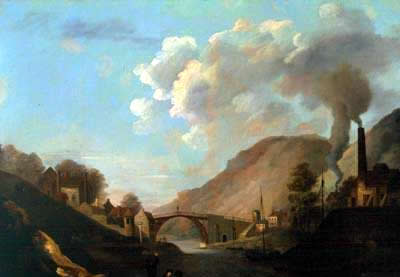
Some British artists featured for example John Robert Cozens (1752-1797) with his portraits of trees and George Robertson with his views of Coalbrookdale.

(http://www.ironbridge.org.uk/about_us/the_iron_bridge/artists_impressions.asp)

Jean-Jacques Rousseau died in 1778 at Ermenonville (28 miles northeast of Paris). He is now interred in The Pantheon in Paris.