Hailes Abbey Walk

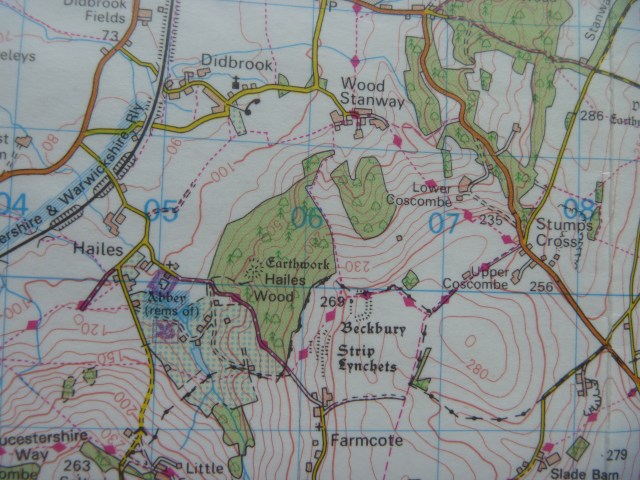
HA Route map

Our Route : The Pink Diamonds indicate The Cotswold Way

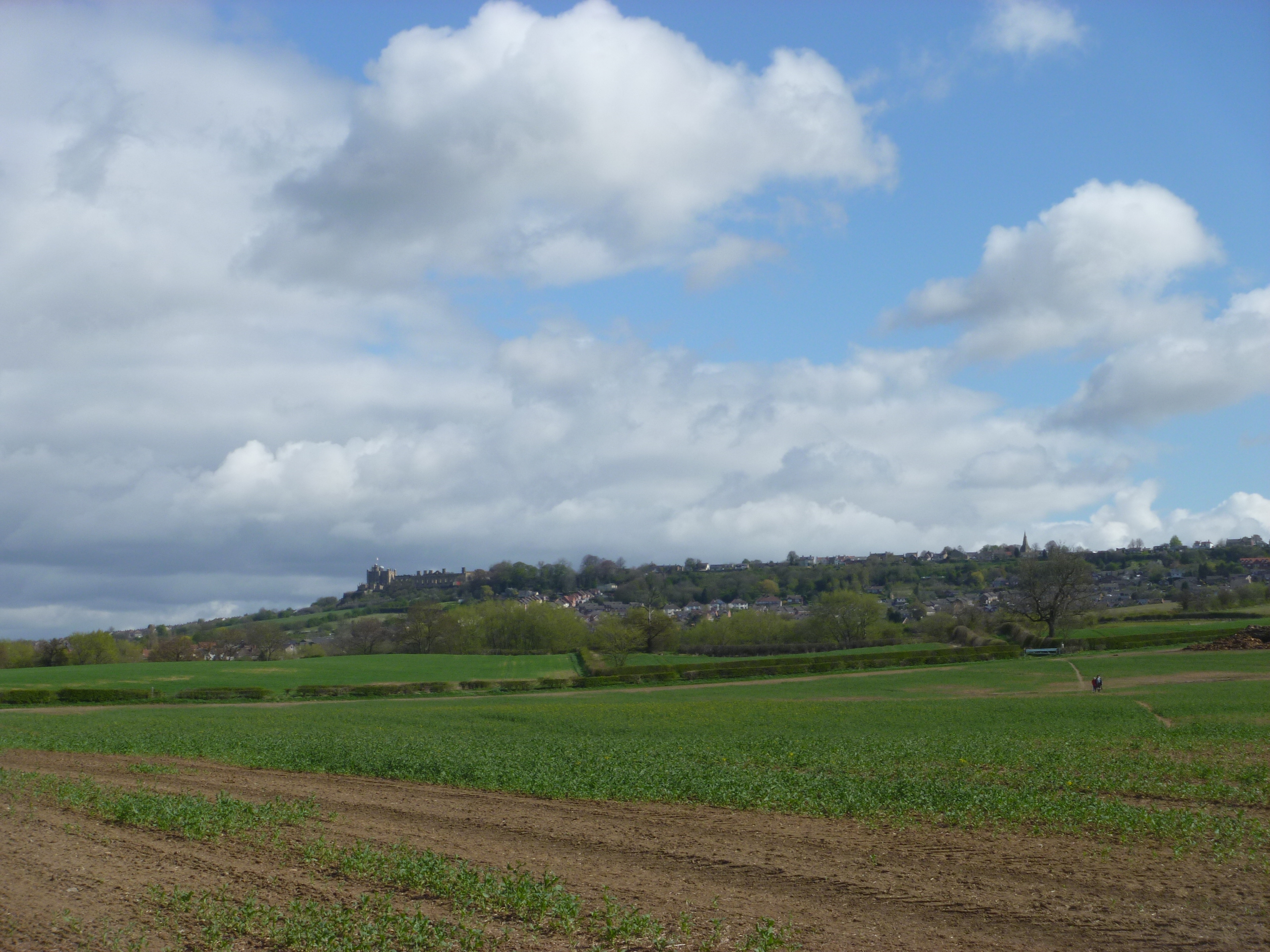
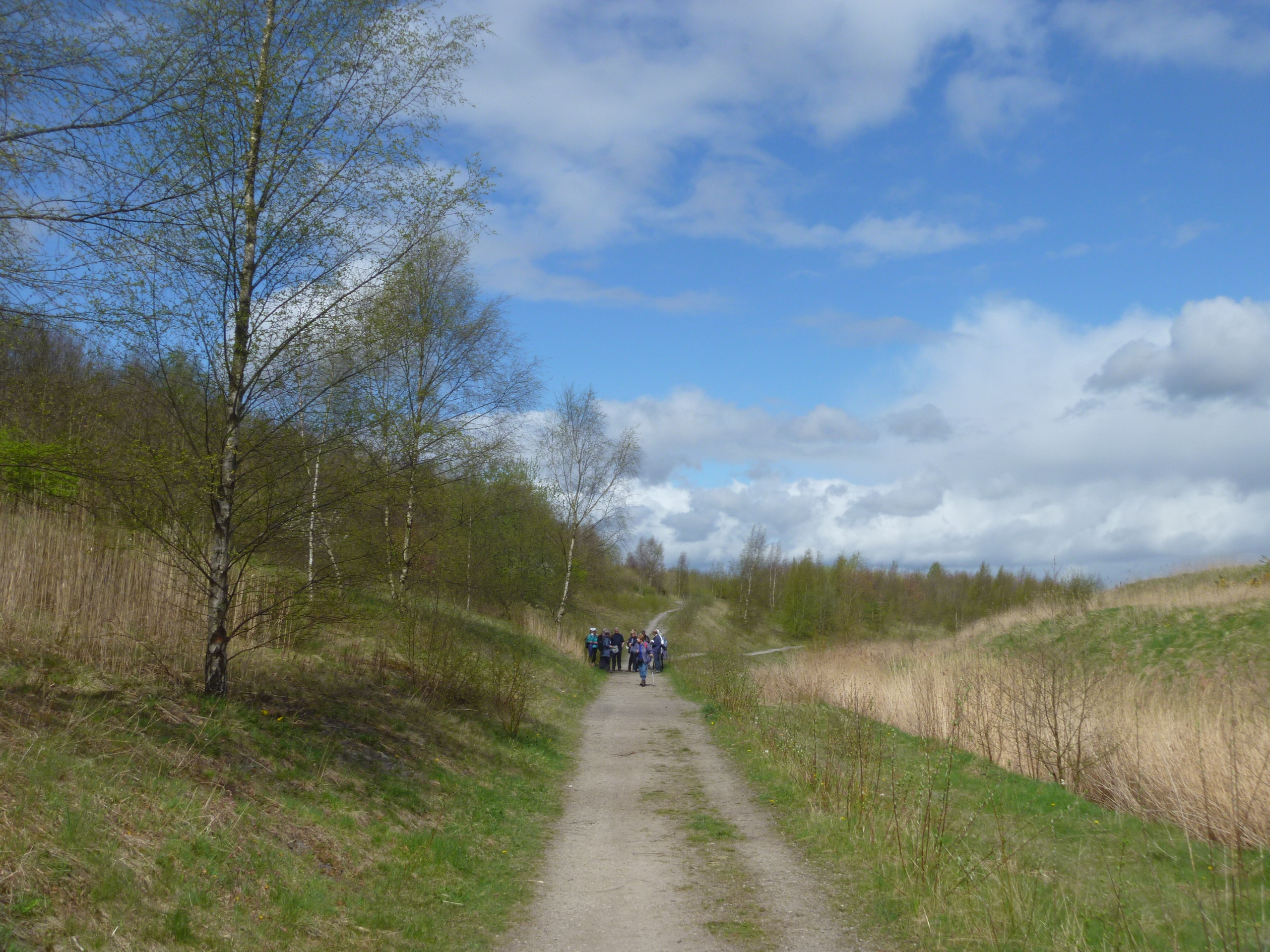
Tewkesbury is only a few miles from The Cotswolds so on Sunday my sister and I chose the five mile walk “Thomas Cromwell and Hailes Abbey: how an important abbey was destroyed by a King’s Commissioner”. We drove the few miles to Hailes Abbey and parked up by the church. We decided to have our picnic lunch in the Abbey grounds after the hike.
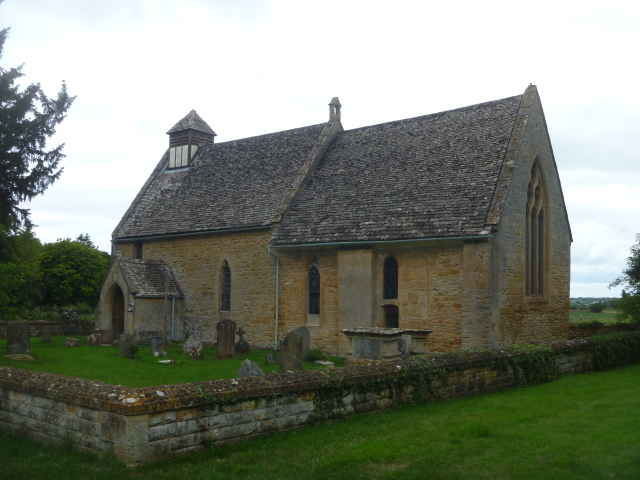
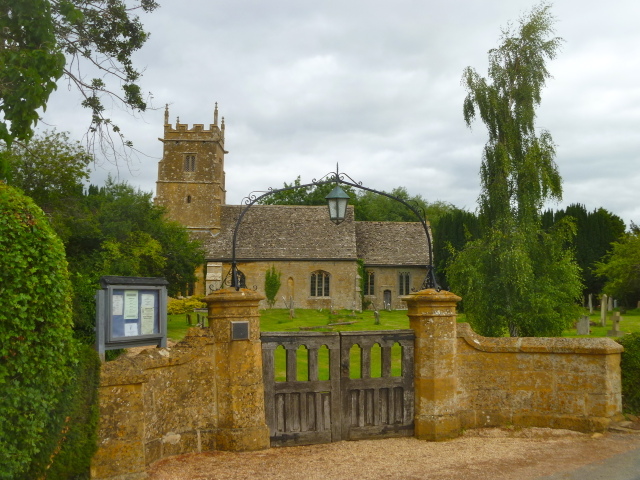
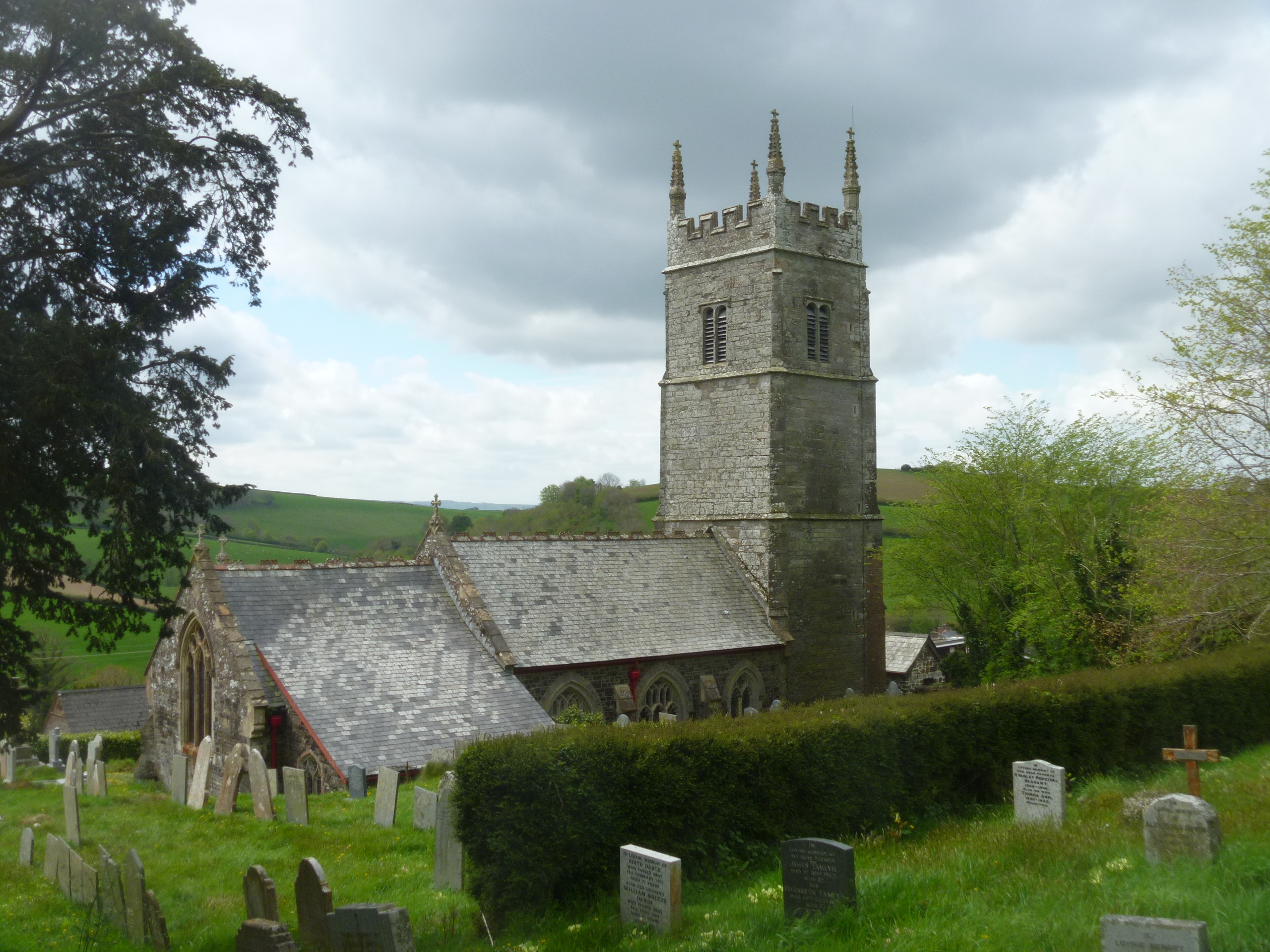
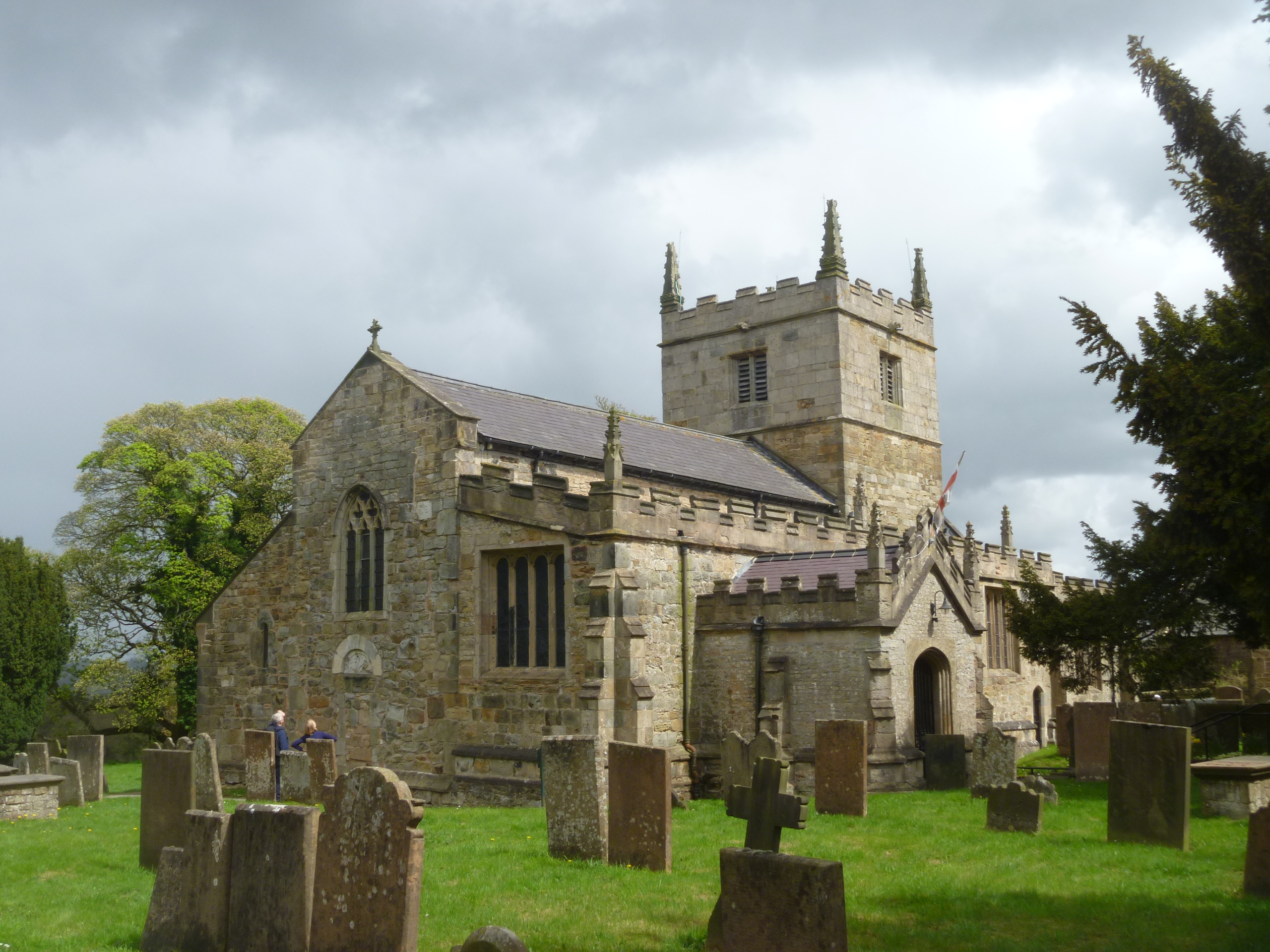
Hailes Church

Hailes Church (undedicated)

After a short distance back-tracking down the lane we headed off the road along grassy field paths to the village of Didbrook. We were surprised that this village had a primary school besides the honey-coloured stone church and houses. The school does serve a largish catchment area though, not just the village.
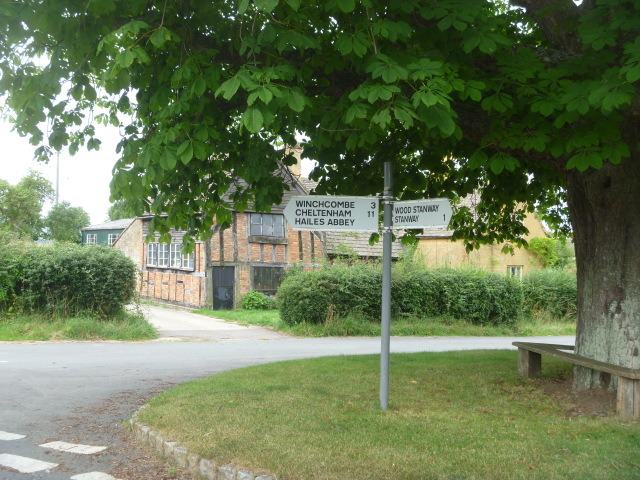
Didbrook

Acorn Smithy in Didbrook

Didbrook Church

St George, Didbrook

After Wood Stanway, which we approached along quiet country lanes, we joined the Cotswold Way which is a National Trail and indicates to us a well-marked route with its acorn-topped wooden marker posts. After quite a climb we were pleased to see a wooden bench and enjoy the view towards the Malvern Hills and possibly the Welsh Mountains too.
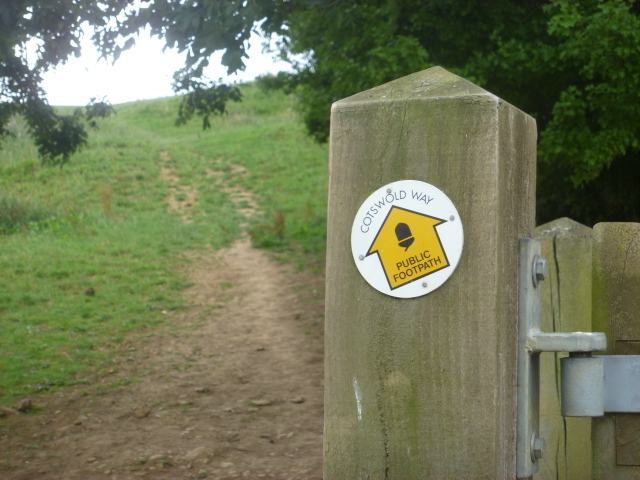
The Cotswold Way

After passing the ramparts of an Iron Age fort (Beckbury Camp) we came across a bizarre little stone pillar with a niche carved out of it. According to local lore it was from here that Thomas Cromwell (Wolf Hall) watched the destruction of Hailes Abbey in 1539.
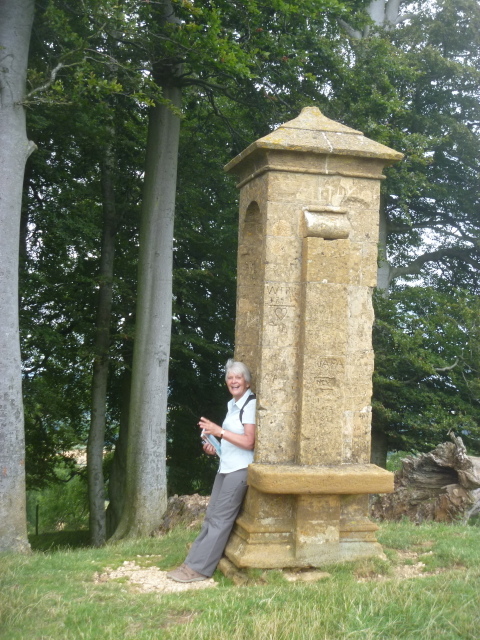
Thomas Cromwell's niche

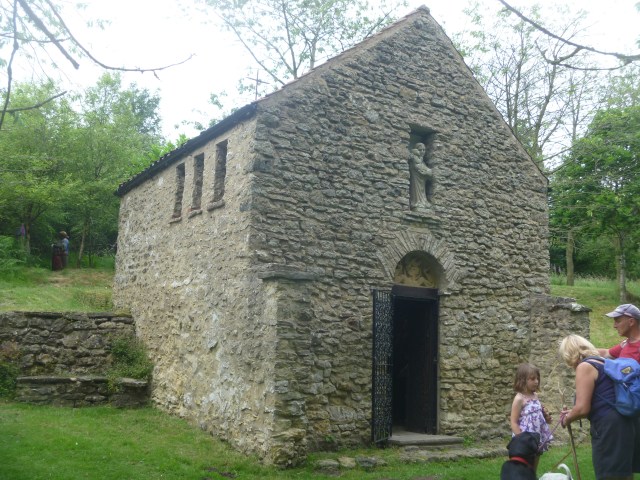
A half-mile deviation from the Cotswold Way lead us to the hamlet of Farmcote with its tiny chapel and herb and chilli peppers farm.
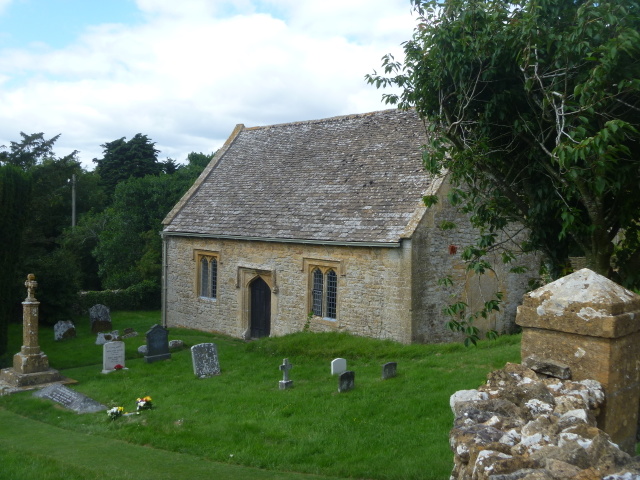
Farmcote Chapel

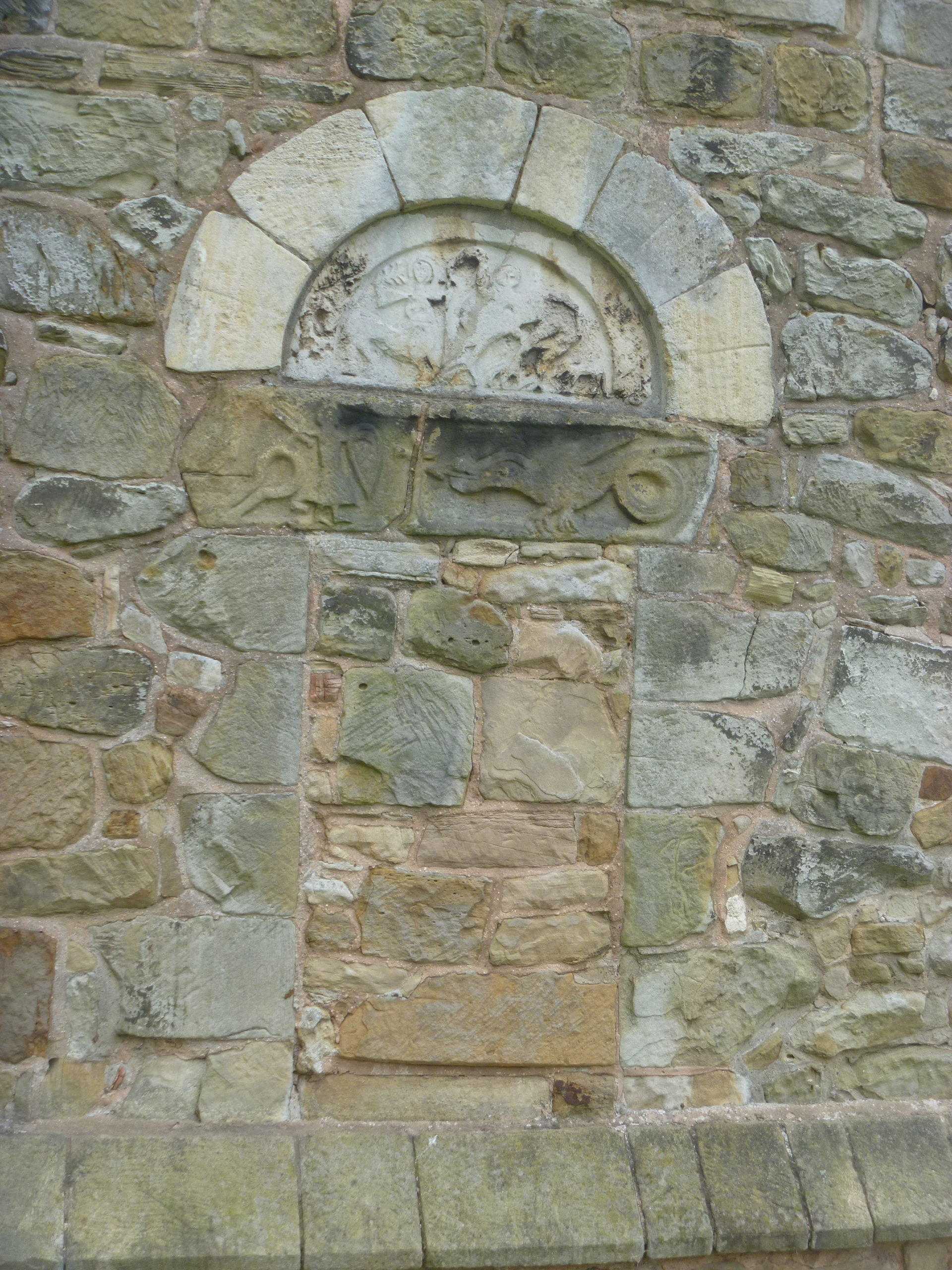
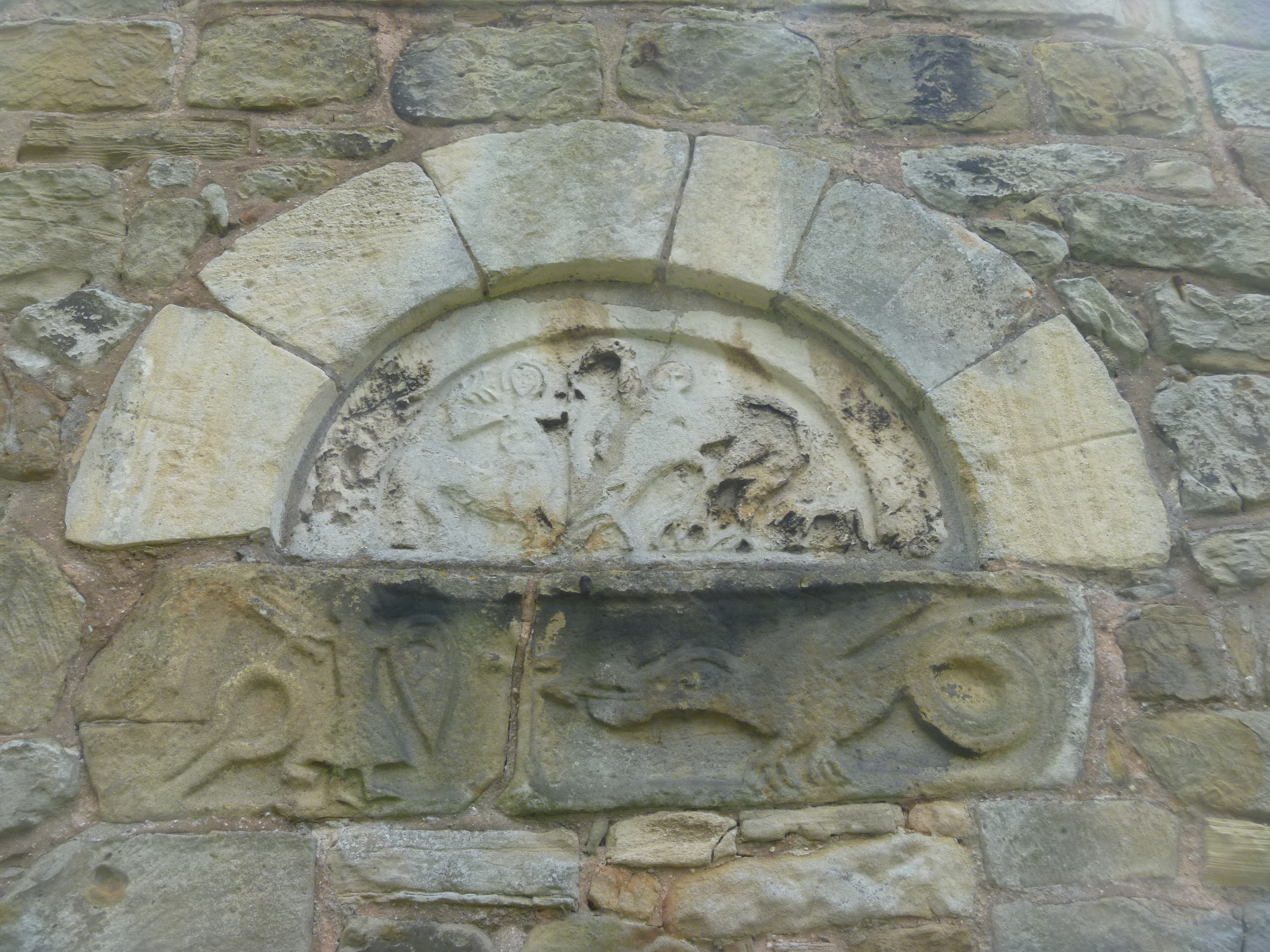
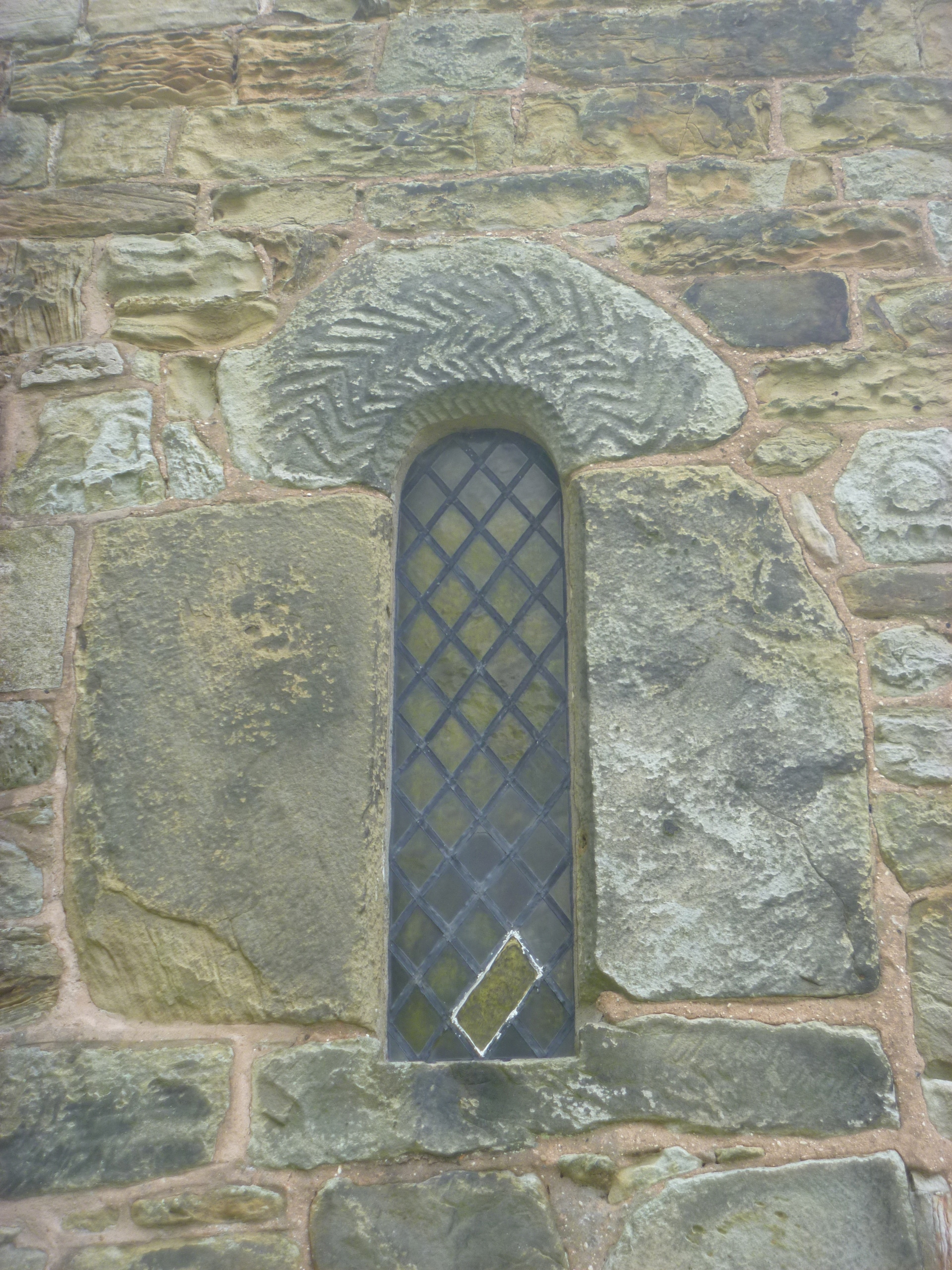
St Faith’s Church, Farmcote

“The body of this beautiful little chapel is Saxon and fairly early Norman, though the round Saxon apse was destroyed in the early nineteenth century. It has massive windbraces and huge cross-beams, still bearing the axe marks of pillagers. It is thought that the Saxon builders of the Chapel made have made use of an earlier, possibly even Roman building. The Chapel has a Norman rectangular nave and a tiny chancel linked to it by a narrow Saxon arch. the chancel houses a Jacobean canopied oak pulpit and arcaded reading desk, oak benches of 1597, fine altar rails of the Seventeenth Century and an altar itself of the Fifteenth Century with the original Mensa slab scratched with the five crosses, symbolizing the five wounds of Christ.” BBC Domesday
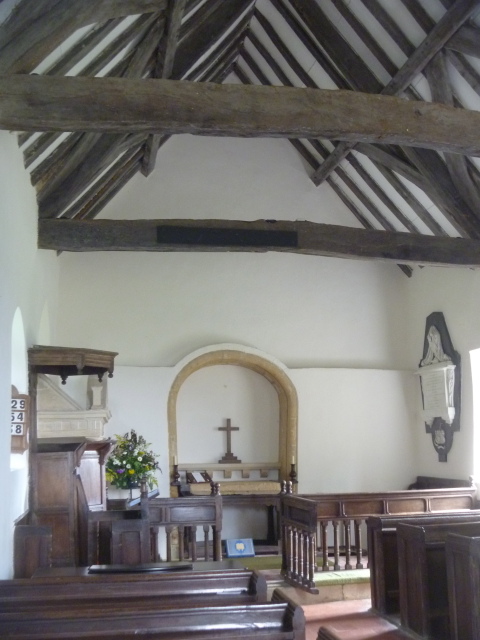
St Faith's interior

St Faith’s Farmcote : Interior

From Farmcote we descended steadily down the track (Cotswold Way) to the road and Hailes Abbey where we flashed our National Trust cards and settled at a picnic table for our well-earned tasty lunch! After lunch we walked around the Abbey grounds studying the information boards and the museum artefacts and discovering just how important this lonely ruin off the beaten track had once been.
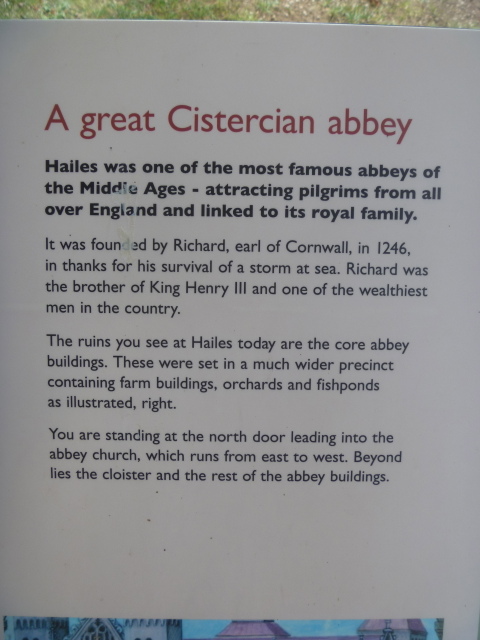
Welcome

Welcome to the Cistercian Abbey of Hailes
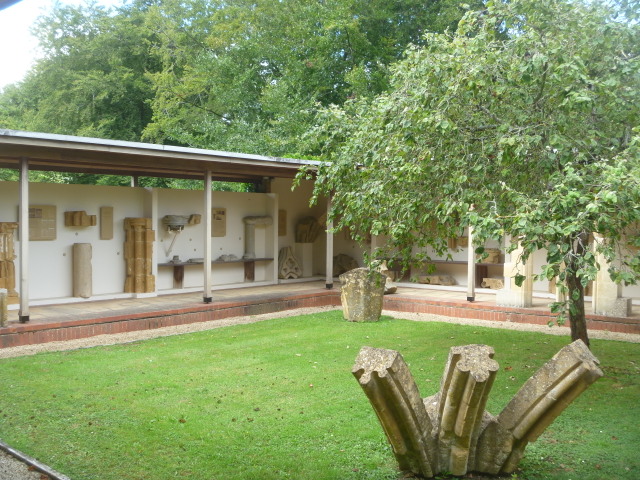
Museum

Hailes Abbey Museum

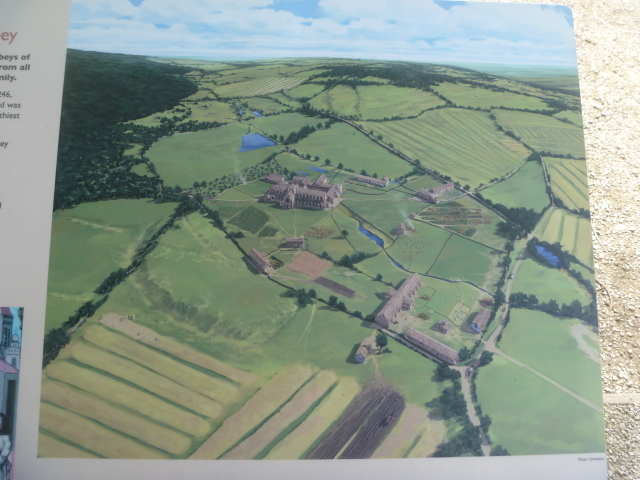
As it was

Hailes as it was

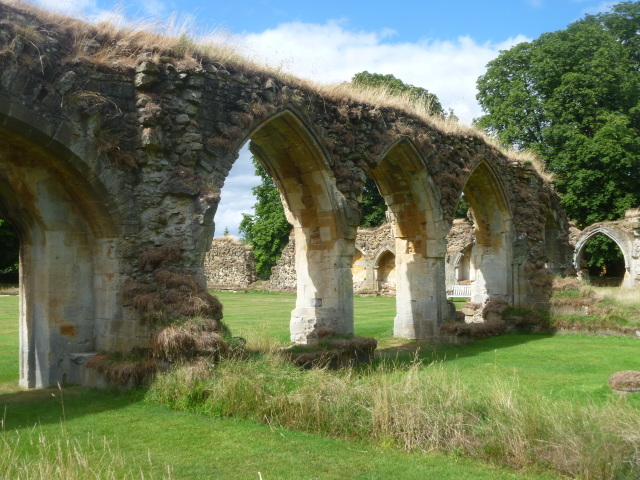
Ruins

Ruined Cloister Walls, Hailes Abbey

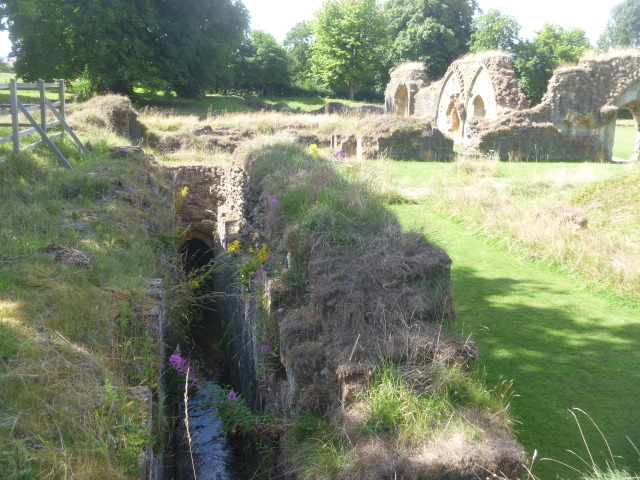
Culverts

The Drainage Culverts Established by the Monks – Still in Use Today
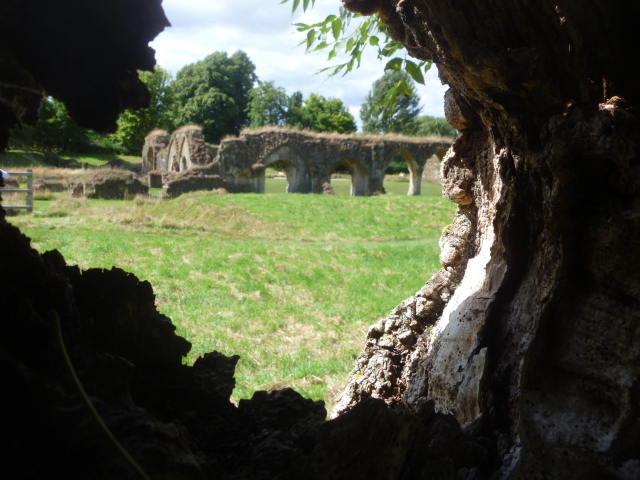
Abbey through tree

Goodbye Hailes Abbey
Croome Park, Court and Church

Last Thursday I met up with a good friend of mine at Coleshill Parkway Station for a couple of days’ adventures in Evesham and Tewkesbury.

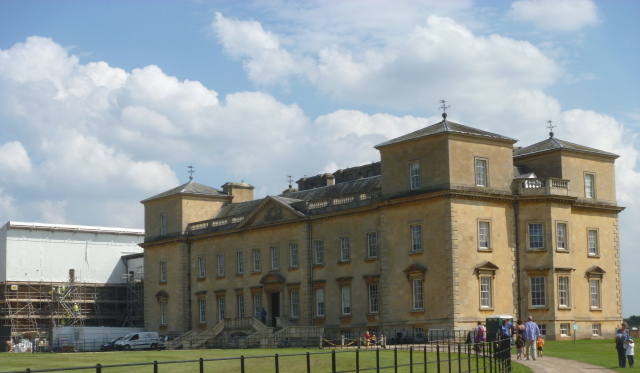
Croome Court

Croome Court

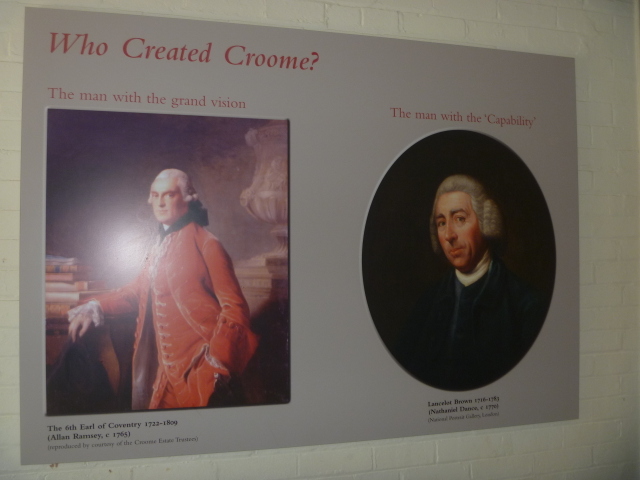
Our first port-of-call on meeting up was an hour’s drive away – the National Trust owned Croome Park and Court in Worcestershire. The park was the responsibility of ‘Capability’ Brown – he crops up everywhere, of course. The house has only been in the possession of the Trust for about 4 years. They have carried out an awful lot of work during that time and a lot more is ongoing. It will be interesting to revisit in a year or so to see what has been achieved/improved/changed using the £1.8m granted by the Heritage Lottery Fund under the programme “Croome Redefined”.
Coventry and Capability

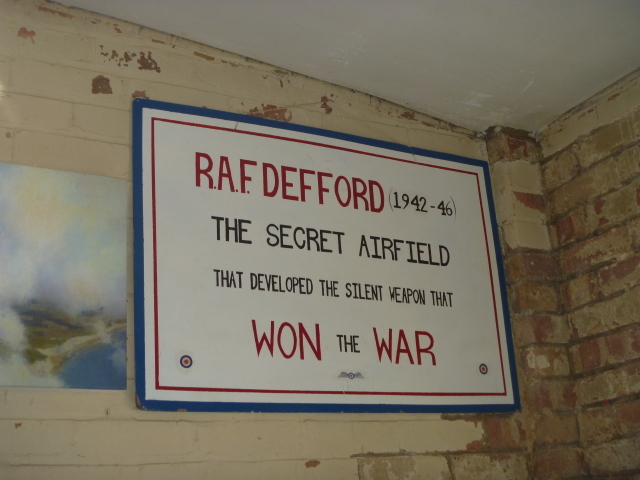
When you arrive the visitor centre seems to occupy what appear to be black painted army Nissen huts but on closer inspection are in fact restored RAF buildings which once served the nearby airbase as their sick quarters.  Exhibition rooms tell the story of RAF Defford.

Defford

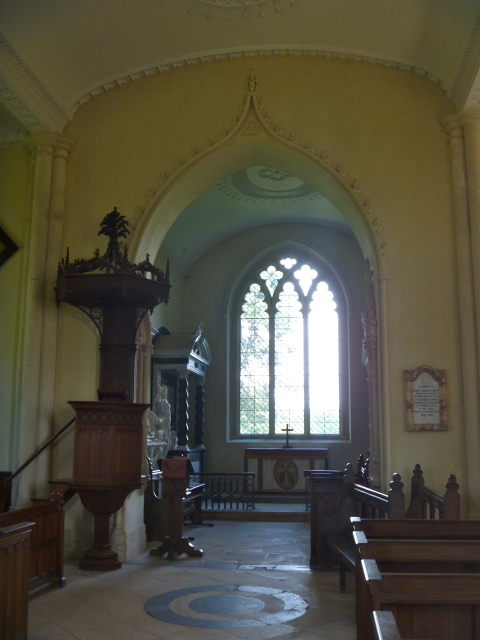
After our picnic we headed into the Park and the first stop was the church. The church of St Mary Magdelene, Crome d’Abitot is cared for by the Churches Conservation Trust and just celebrated its 250th anniversary in June. Gothick in style the building, like the house, is attributed to Robert Adam.

Croome d'Abitot Church

From the church, as time was limited and the house would close to the public at 4pm (the park stays open until 5.30), we made straight for Croome Court itself, missing a large selection of follies and the lake.

Croome Park

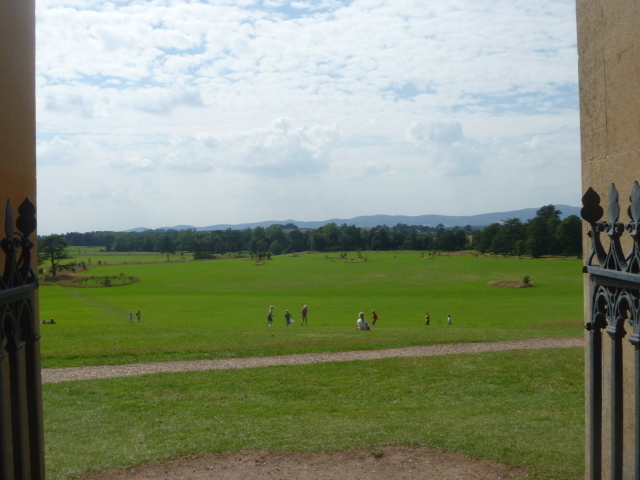
The Park from the Church Door

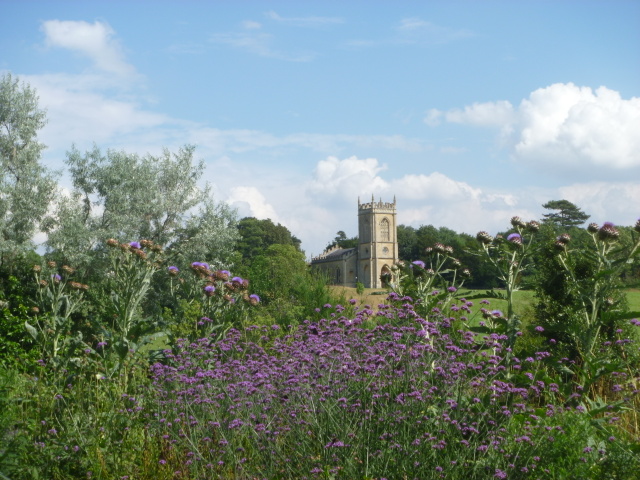
Church from shrubbery

The Church from the Evergreen Shrubbery

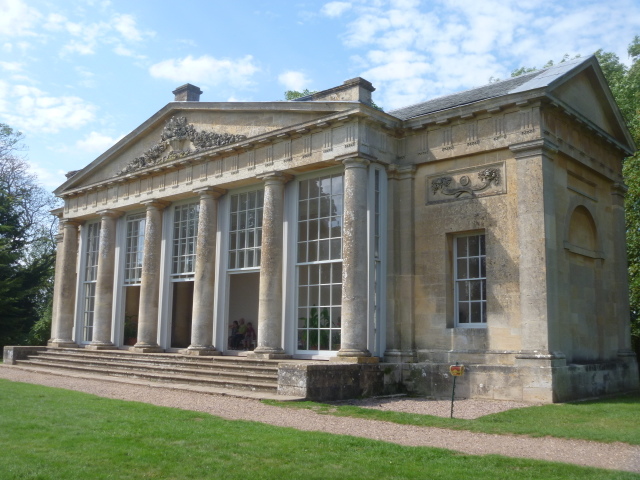
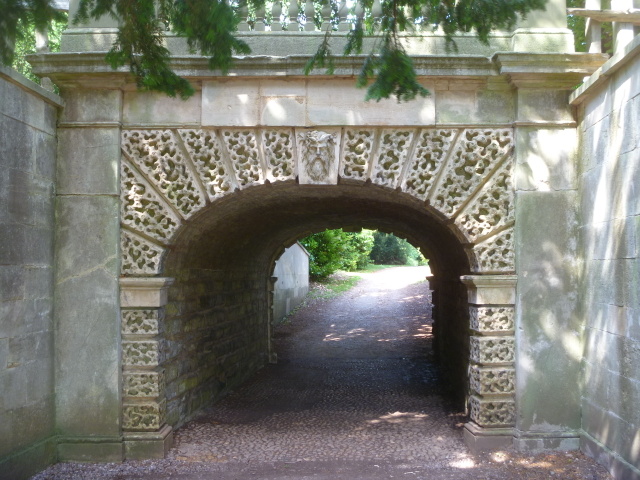
Our walk from the church to the house did take us past some follies notably The Temple Greenhouse and the Dry Arch Bridge. We noted Coade Stone had been used in several places. And as we walked along I was reminded of Stowe Landscape Gardens in Buckinghamshire and indeed it turns out that Brown moved from Stowe down to Croome.

Temple Greenhouse

The Temple Greenhouse

Dry Arch Bridge

The Dry Arch Bridge with Coade Stone Façade and Keystones

To me the house was a refreshing change from the usual ornate furniture, furnishings and priceless contents and restricting ropes. You could go anywhere and touch everything. Of course, there was nothing of value to touch and that may change as renovations and restorations continue but for the moment it suited me fine to read about the house and family; to listen to recordings of workers and hear what the inhabitants might have said; to dress up; contribute a few pieces to a jigsaw puzzle.

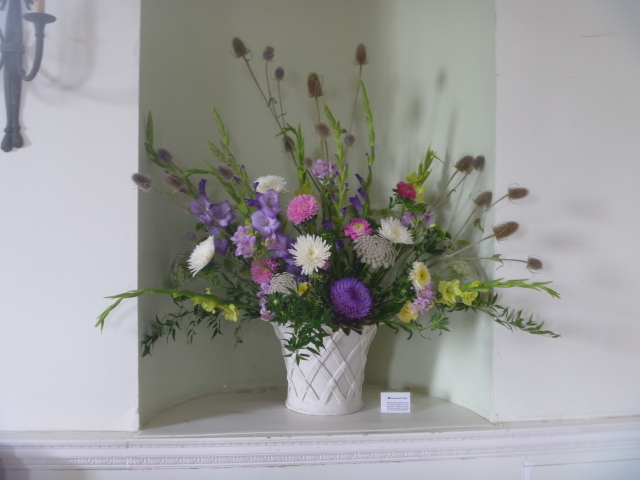
Donor Flowers

Flowers – given by a generous donor

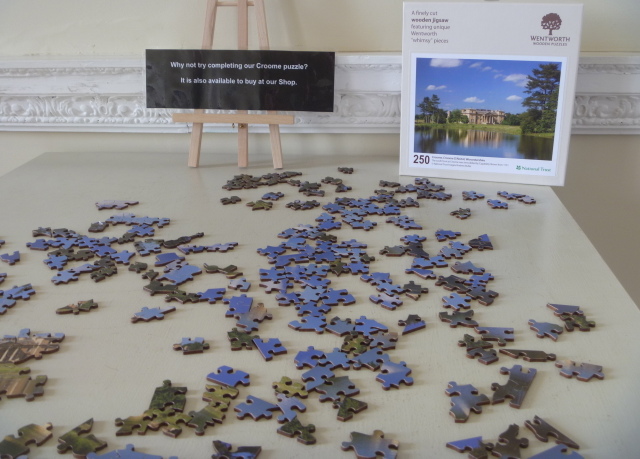
Jigsaw

The Croome Park Jigsaw

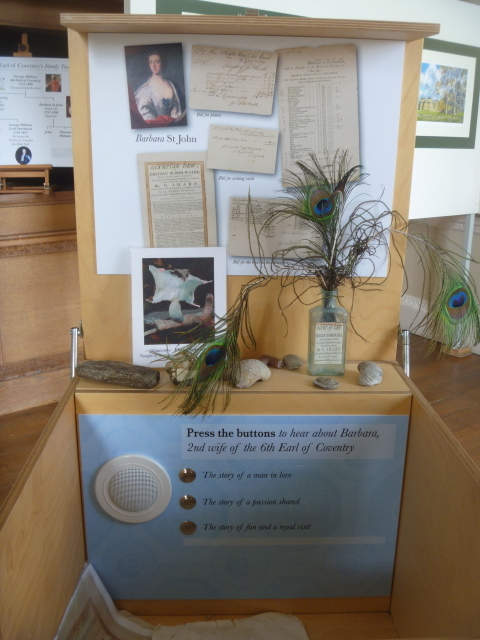
Listen and read

Read and hear about former inhabitants

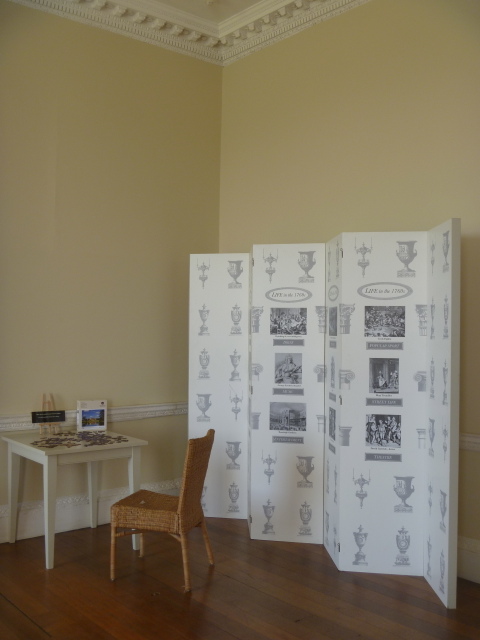
Croome Room

A Corner of Croome

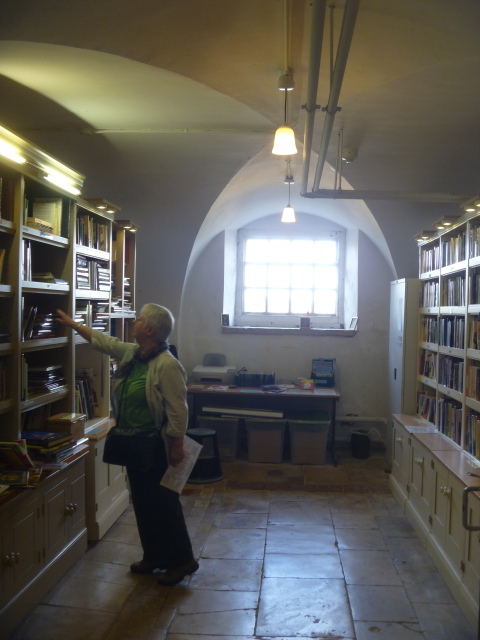
Croome Bookshop

Bookshop Browsing in the Basement

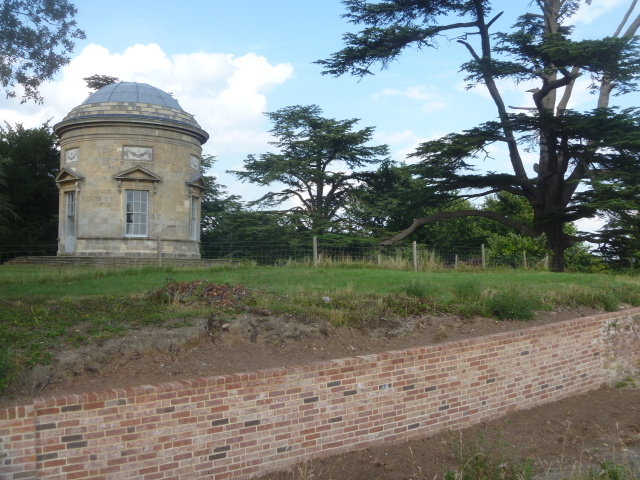
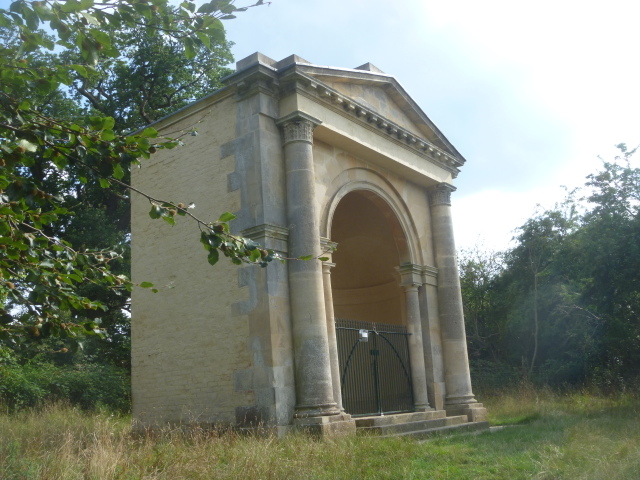
One of the rooms is now a tea room with some tables outside but we only had time for a quick browse and buy in the secondhand book shop before heading out into the park and a longish walk around the perimeter via the Rotunda and Park Seat.

Rotunda

The Rotunda and Ha-ha (Cedars planted by Brown)

Park Seat

Park Seat has the best views across the Park and the Court

We managed to leave at about 5.30pm knowing that we had left a few things to enjoy on a future visit!

A Visit to The Plot

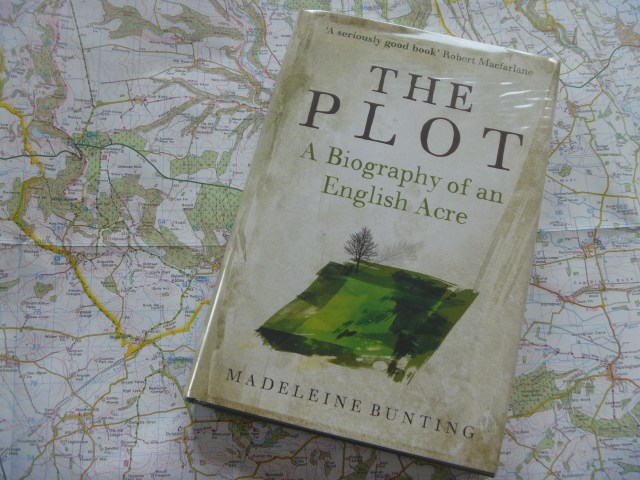
The Plot and Map

The Plot

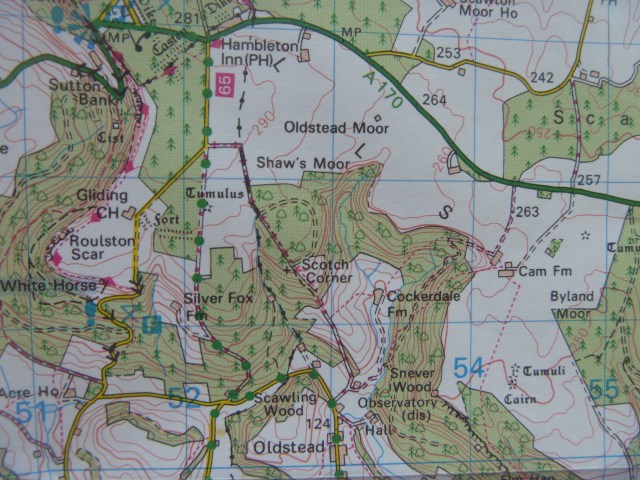
Last year at the Cowside Open Day I met Rosy and as we dried the pots in the kitchen together she told me she was reading The Plot by Madeleine Bunting. It’s based on a small parcel of land in North Yorkshire. She mentioned that the name of the plot of land was Scotch Corner and it was just near Kilburn and Sutton Bank. I looked up the name on the OS map and found it clearly marked and, intrigued, borrowed the book from the Library. The author is a Guardian journalist but she is also the daughter of the artist who built a chapel as a war memorial on the plot of land and decorated it with his own sculpture work. You can read more about the book in this Guardian review.

The Plot Map

With it having a local interest and the fact that I liked it a lot I recommended it to my local book reading group. Our discussion (it had very positive responses) was held in early June. Observant members of the group had noticed a feature in a recent edition of the Yorkshire Post and brought the clipping along to the meeting.  The article finished with :

The chapel will be open between 12pm and 4pm to visitors and directions can be obtained from Sutton Bank National Park Centre. The chapel is located at Grid Reference SE 526, 814 and it is a 20-minute walk to the nearest parking.

Chapel

A quick look at the link to the North York Moors National Park site revealed the dates later in the year when the Plot and The Chapel would be open for viewing.

The tiny, remote Chapel will be open for the public to see inside on Saturday 18 May, Saturday 20 July and Saturday 14 September this year.”

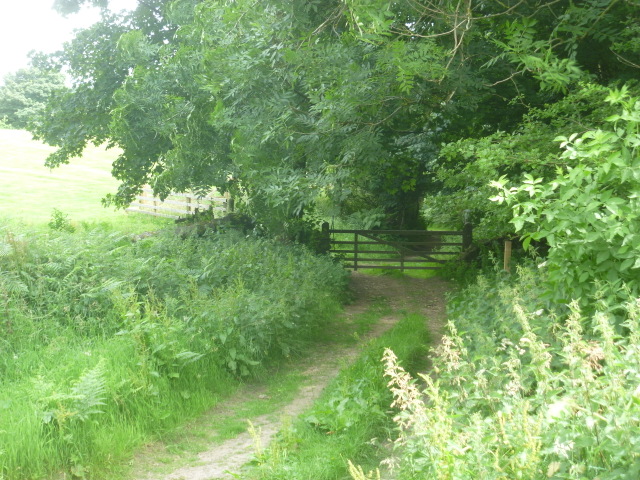
The group planned a picnic for the Saturday 20 July but I had also mentioned the book to another friend who lives in Cheshire and we’d planned to visit this summer. We invited Rosy to join us and all met up at Byland Abbey. From there it was a short hop to Kilburn and pub lunch outside at The Forresters Arms. Rosy, who lives nearby, took us to a parking place near Oldstead and we walked uphill along the old drovers’ road to Scotch Corner.

The Drovers' Track

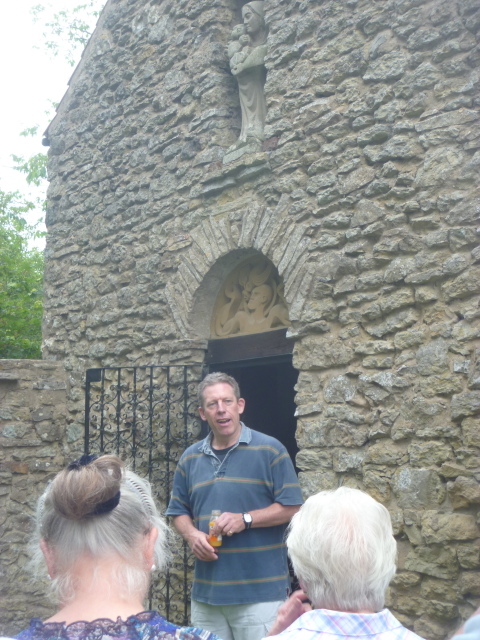
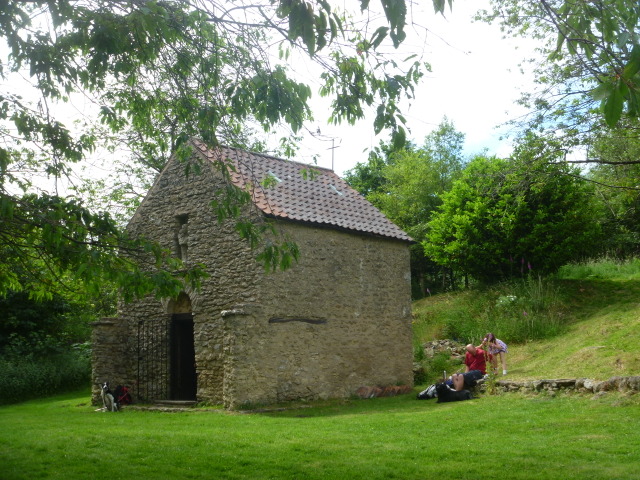
At The Plot a small crowd was inspecting the Chapel and there also was the book group; picnicking in the sun. Madeleine Bunting’s brother, Bernard,  gave a brief introductory talk and we later looked inside the memorial and the hut that also occupies the small grassy site.

Bernard Bunting

Memorial Chapel

The Memorial Chapel

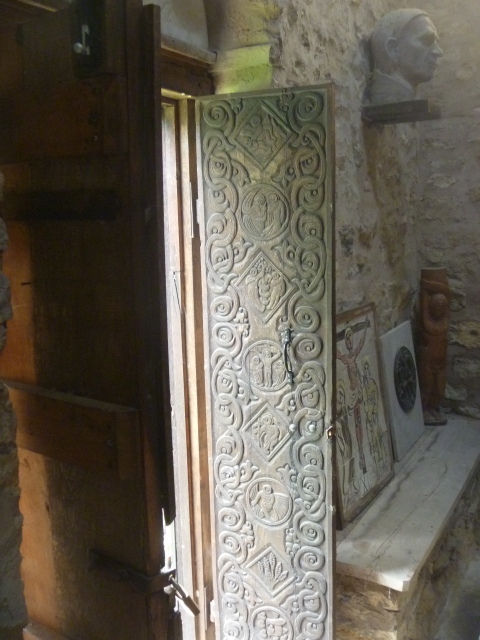
Carved door

Carvings on the Chapel door

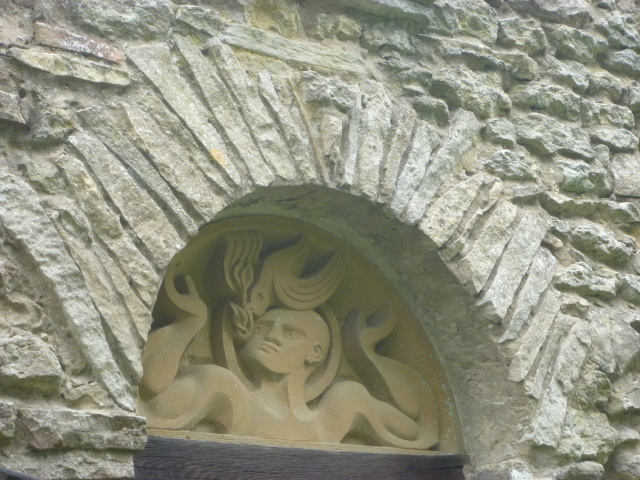
Lintel

Lintel above the entrance

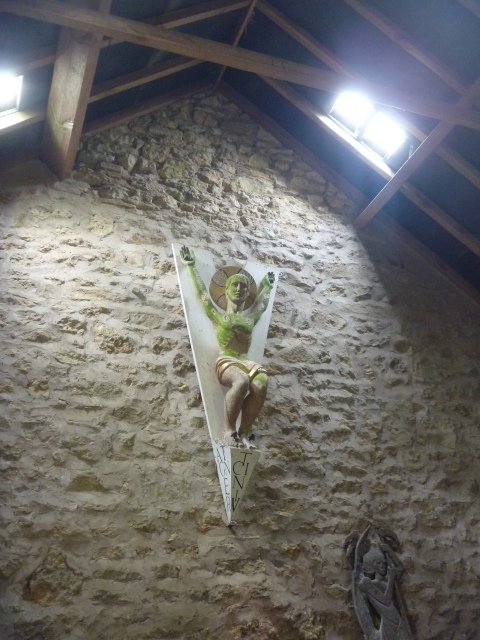
Memorial sculpture

Memorial Sculpture

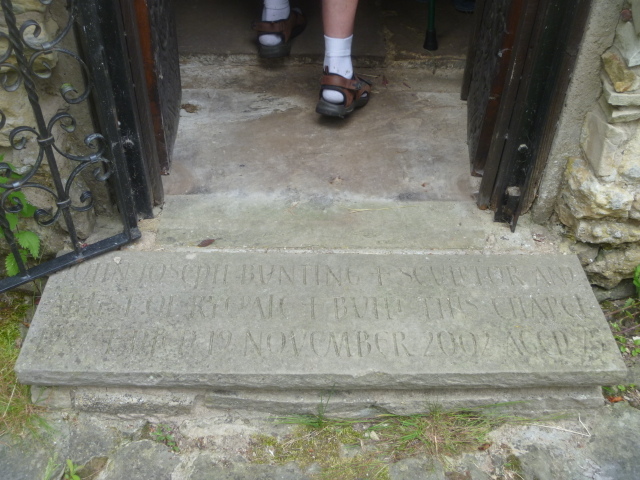
Memorial Stone to John Bunting

Memorial Stone to John Bunting (at entrance to Chapel)

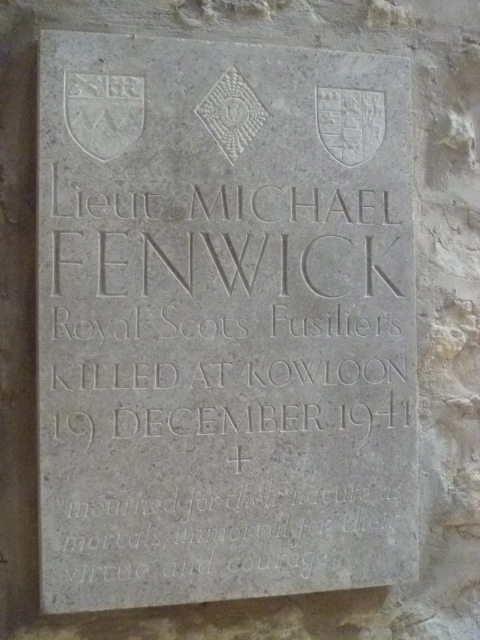
Michael Fenwick

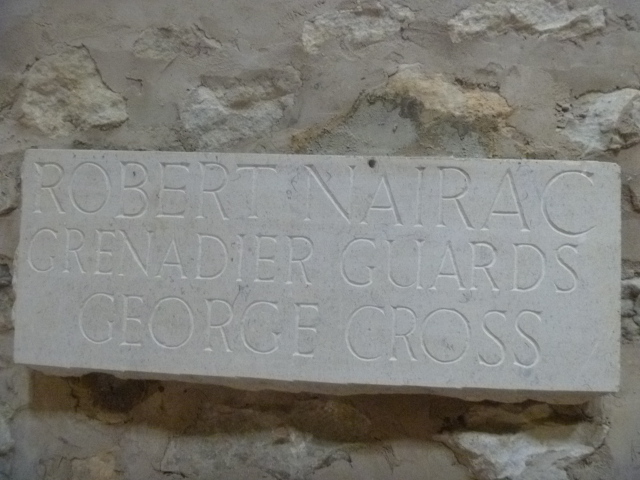
Robert Nairac

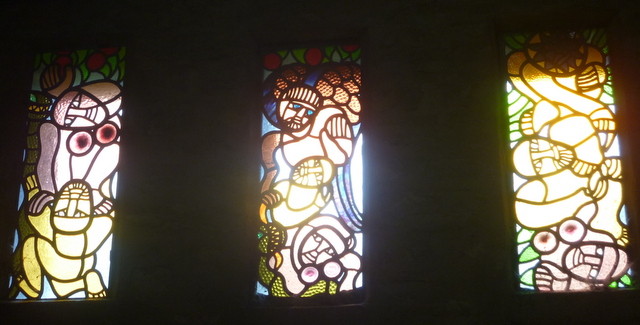
windows

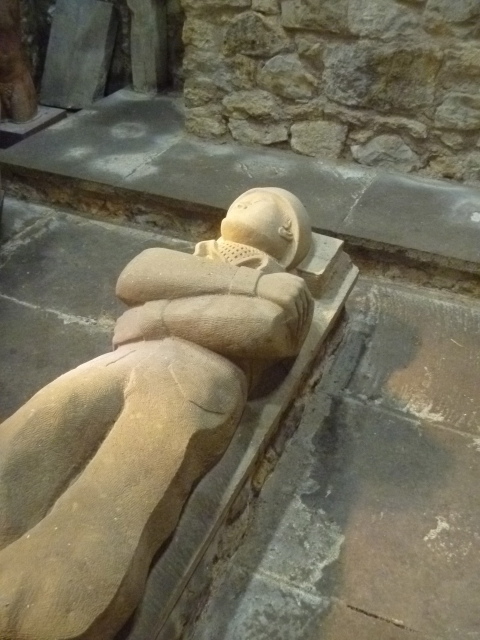
War memorial

We soon began to feel the need of a cup of tea and piece of cake so returned to the car and to Kilburn where the Mouseman T Shop was able to supply both in ample quantities.

Heidi’s Years of Learning and Travel

After our morning at the dramatic Tamina Gorge and fascinating Bad Pfäfers Museum we returned by Schluchtenbus to Bad Ragaz town centre for a lunch in the sunny main square – a Swiss speciality cheese and onion tart with salad. We then caught a local post bus  to Maienfeld just a few miles away.

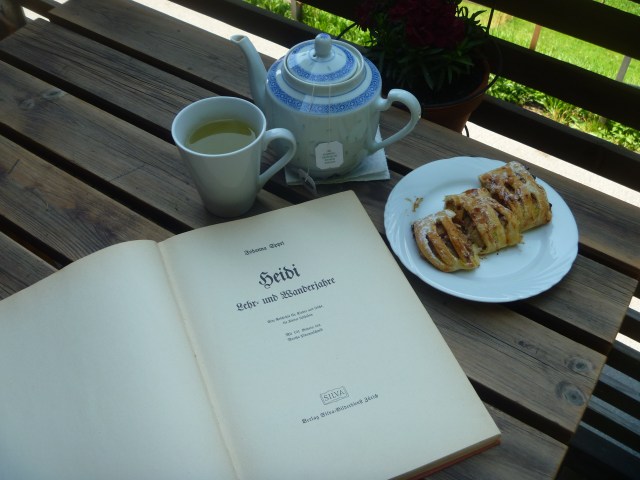
Heidi in German

Agnes’s Version of Heidi : Lehr- und Wanderjahre

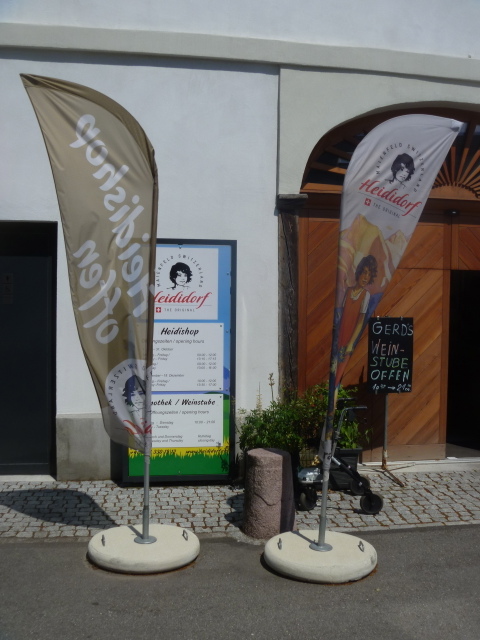
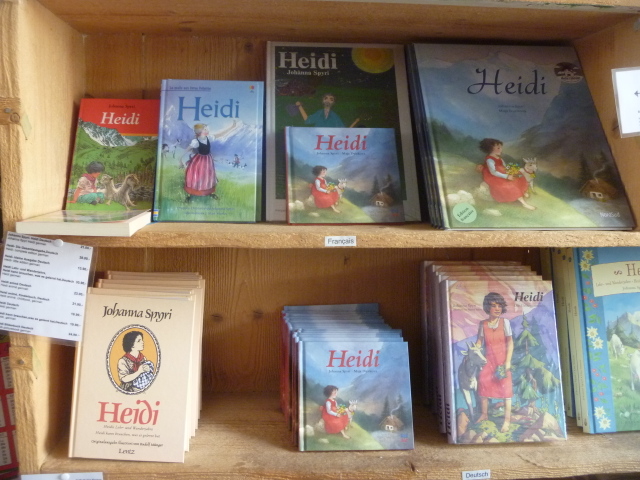
Maienfeld was the inspiration to Joanna Spyri for her Heidi books; the first of which had the same title as this post. From the train and bus station it’s just a few steps to the Heidi Shop and Wine Bar [Maienfeld is in a significant Swiss wine-growing region]. The shop stocks every kind of souvenir thinkable with a Heidi connection and is surprisingly kitsch for Switzerland. There is also, naturally, a wide choice of Heidi titles and editions in various languages. This region “Heidiland” is relentlessly marketed throughout the area and throughout Switzerland in general and overseas.

Heidi shop (and wine bar)

The Heidi Shop and Wine Bar

Heidis for sale

Various Heidi titles for sale

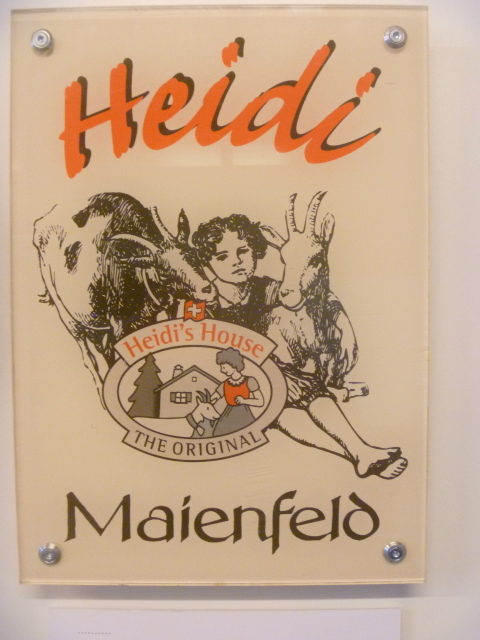
Original marketing

Original Heidi Marketing Logo

Today's marketing

Today’s Logo Version

We took the route marked uphill towards the Heidi House and Johanna Spyri Museum. It’s a quiet road and track and steepish in places with no-one else about.

Heidi Way

The Heidi Way is in this direction

This way to Heidi House

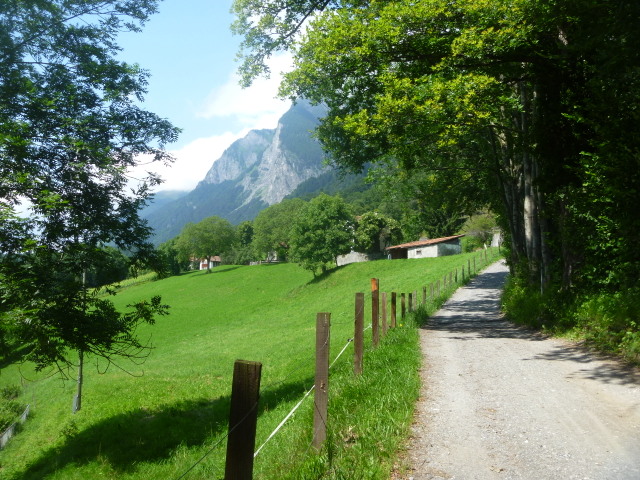
The quiet track up to Dörfli

So we were surprised as we neared the house to see crowds of people. On our alternative route back to Maienfeld we passed a big bus and car park from where the nations of the world had emerged with just a short, level path to the ‘village’ – Dörfli, in the books, but now renamed Heididorf.

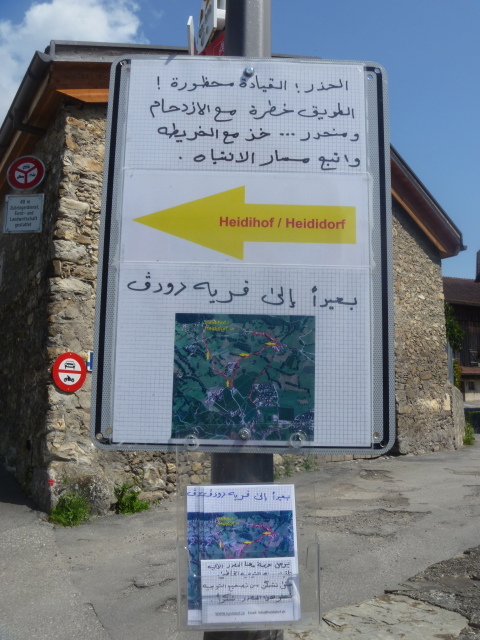
Arabic signs

Signs in Arabic?

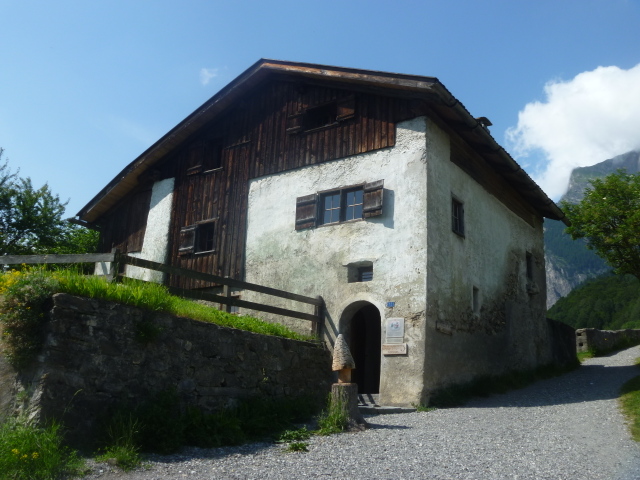
Heidi House

Arriving at the Heidi House

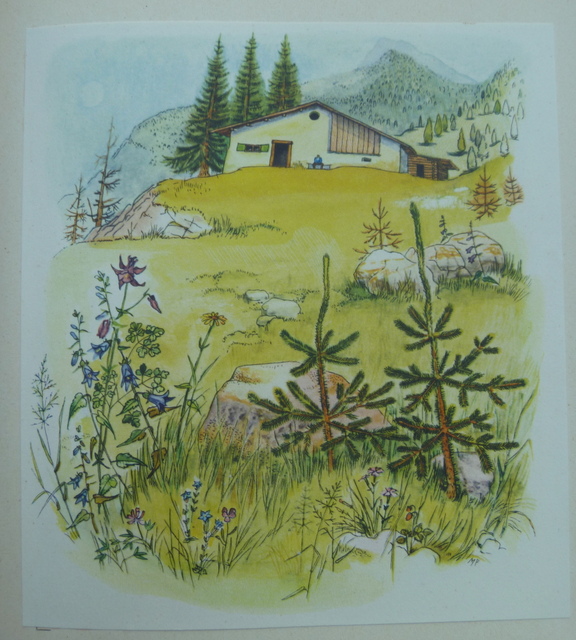
Heidi House illustration

Heidi House illustration from Agnes’s book

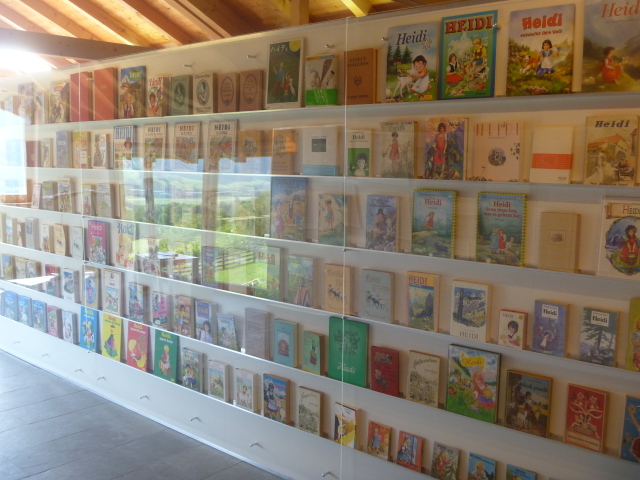
Not so much interested in all things ‘Heidi’ Susanne and I wanted to visit the Johanna Spyri Museum housed above (another) Heidi Gift Shop. There’s another Spyri Museum at her birthplace in Hirzel near Zurich. They must have any and all artefacts relating to her as there was very little here, near Maienfeld. Mostly, the museum consisted of information panels, a large collection of old and foreign editions of ‘Heidi‘ and video loops of extracts from Heidi movies made during the last century.
Heidi editions

Heidi editions in the Spyri Museum

Johanna Spyri reminds me of Louisa M. Alcott who is famous for her Little Women books but has written and done so much more that is generally not known to the world at large. Spyri was born in 1827 and died in Zurich in 1901. Heidi was first published in Germany in 1879 and was a huge success. It is reputed to be the most-translated book in the world after the Bible and the Koran. But Spyri wrote much more besides and this is otherwise glossed over at the Dörfli Museum although there is a full list of these titles there are no actual examples; just a wall full of old and foreign editions of Heidi.

Peter's goats

Descendants of Peter’s Goats? (from the museum window)

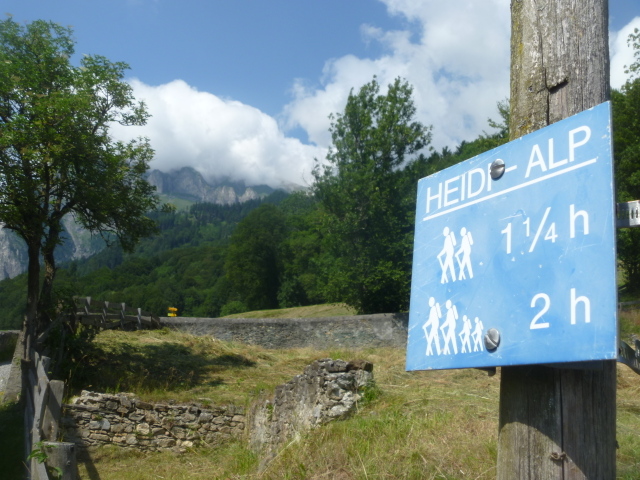
After the Spyri Museum and a quick walk around the exterior of the reputed Heidi House we decided to forego the longer walks up to the Heidi Alp and returned on foot to Maienfeld and by train to Schiers.

Further walking if you have the time and energy

Further Hiking Opportunities in Heidiland if you have the time and the energy

World Monument. The Salginatobel Bridge

Salgina Tobel Brücke

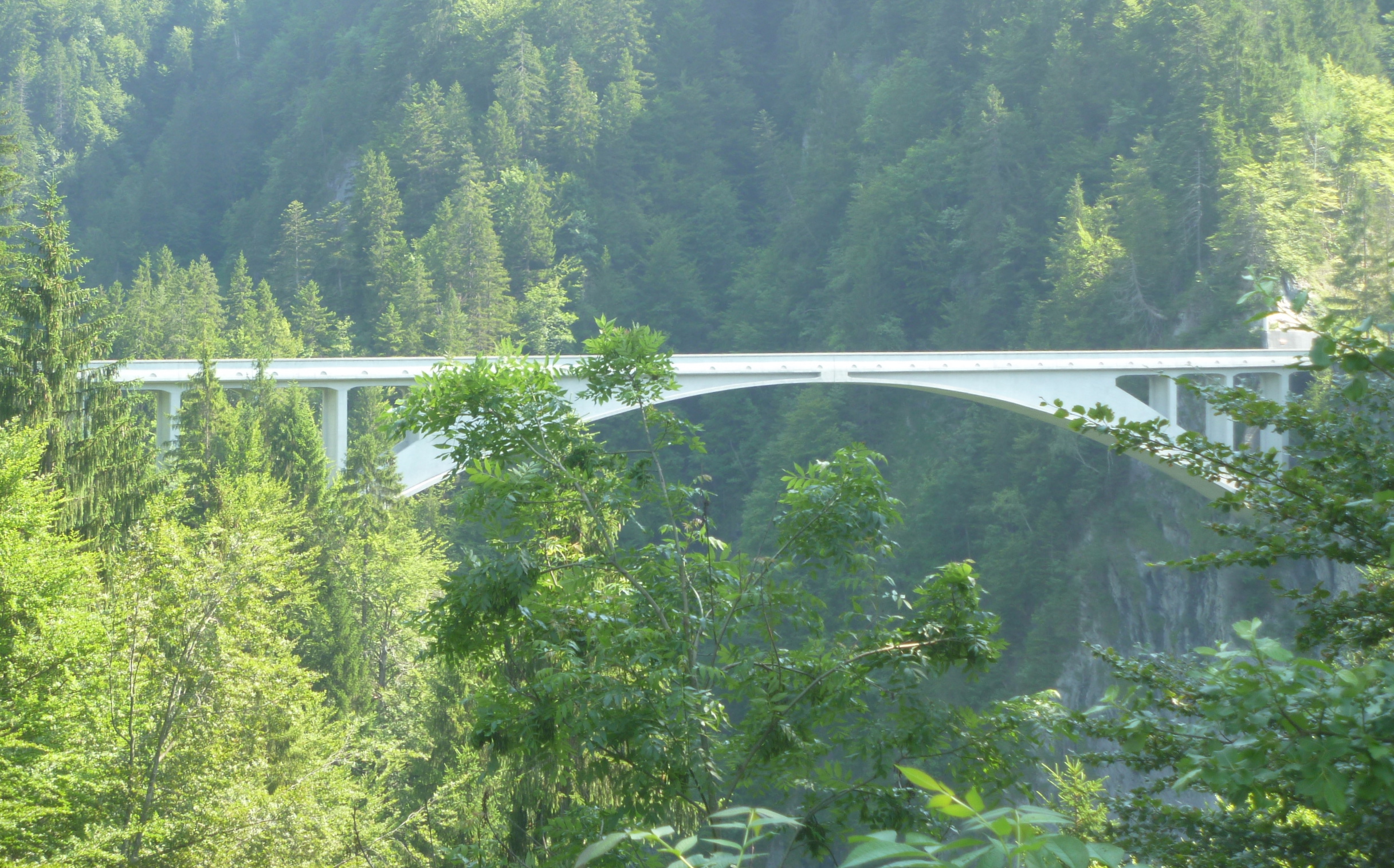
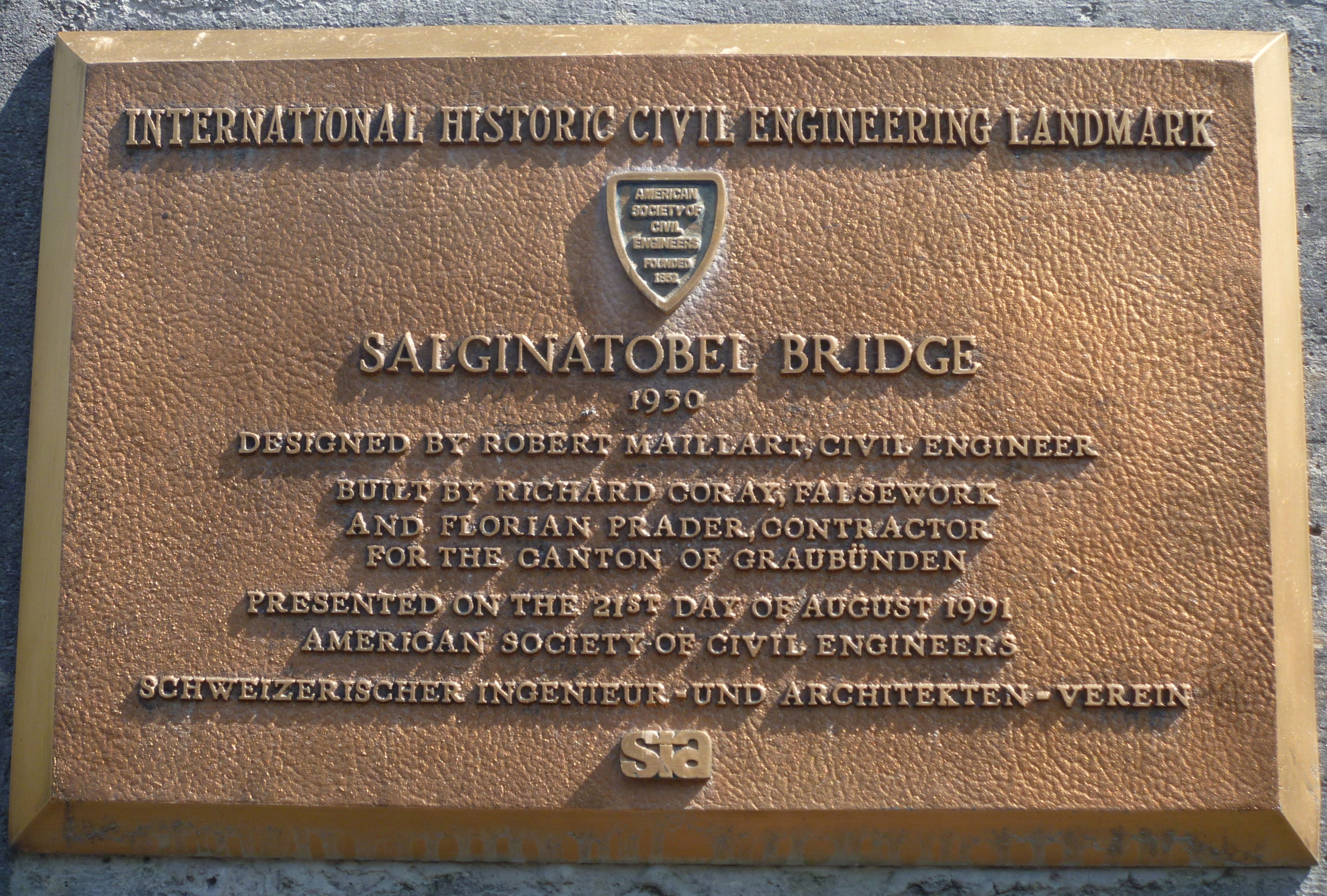
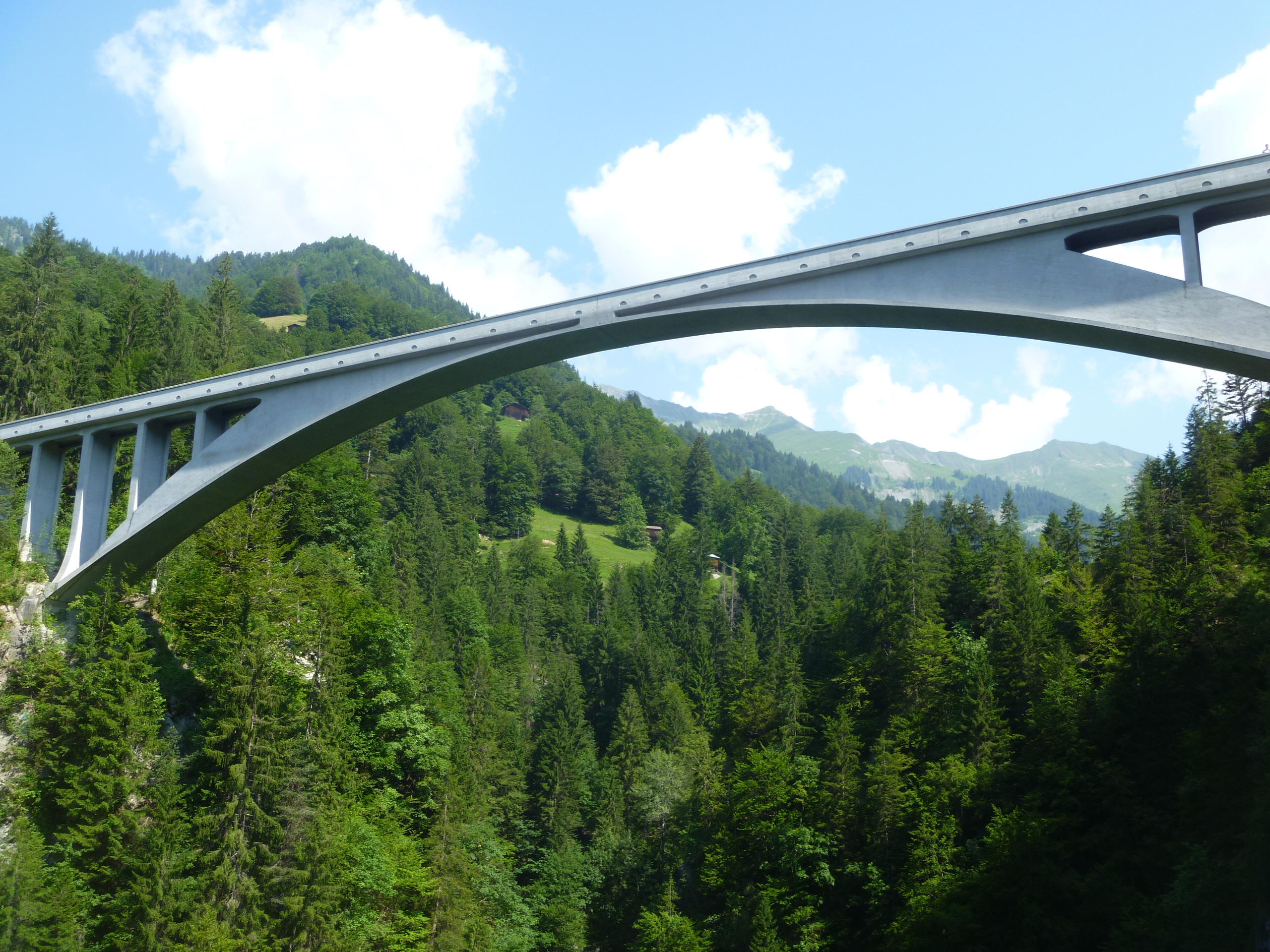
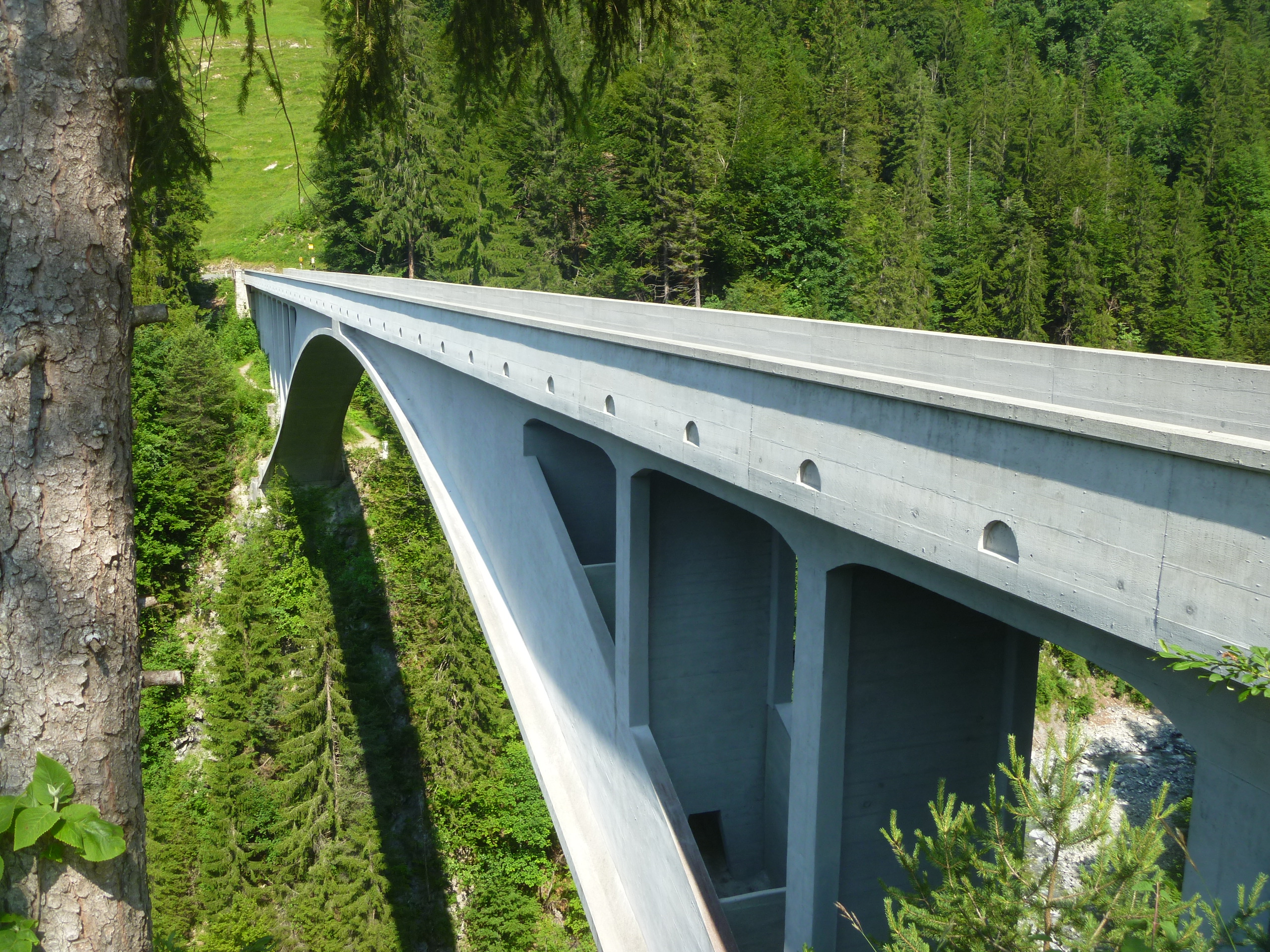
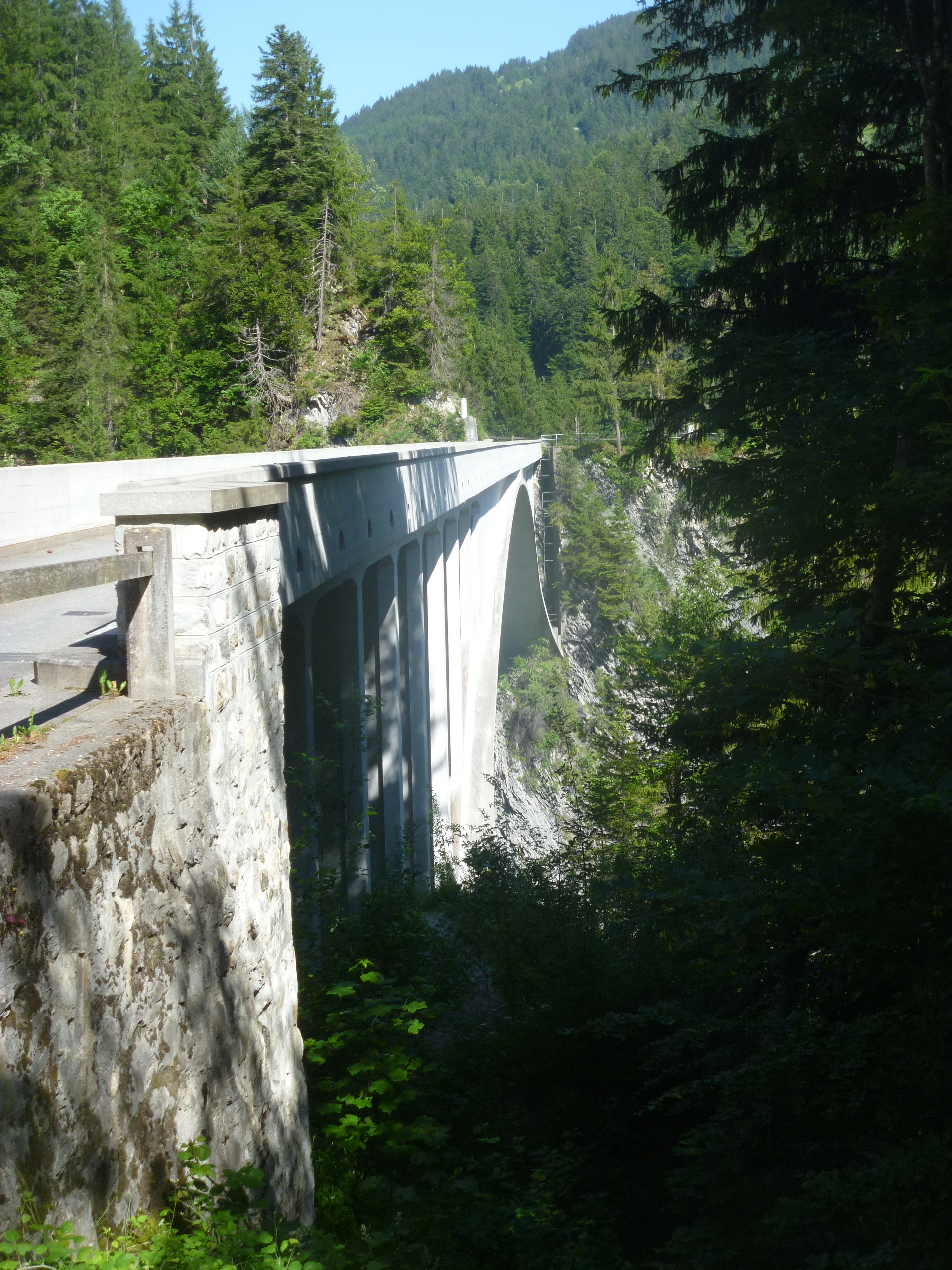
Just outside the village of Schiers where I’m staying is a World Monument – The Salginatobel Bridge. It isn’t UNESCO World Heritage protected as I had originally thought but is specially recognised and has been awarded the honour of being an International Historic Civil Engineering Landmark.

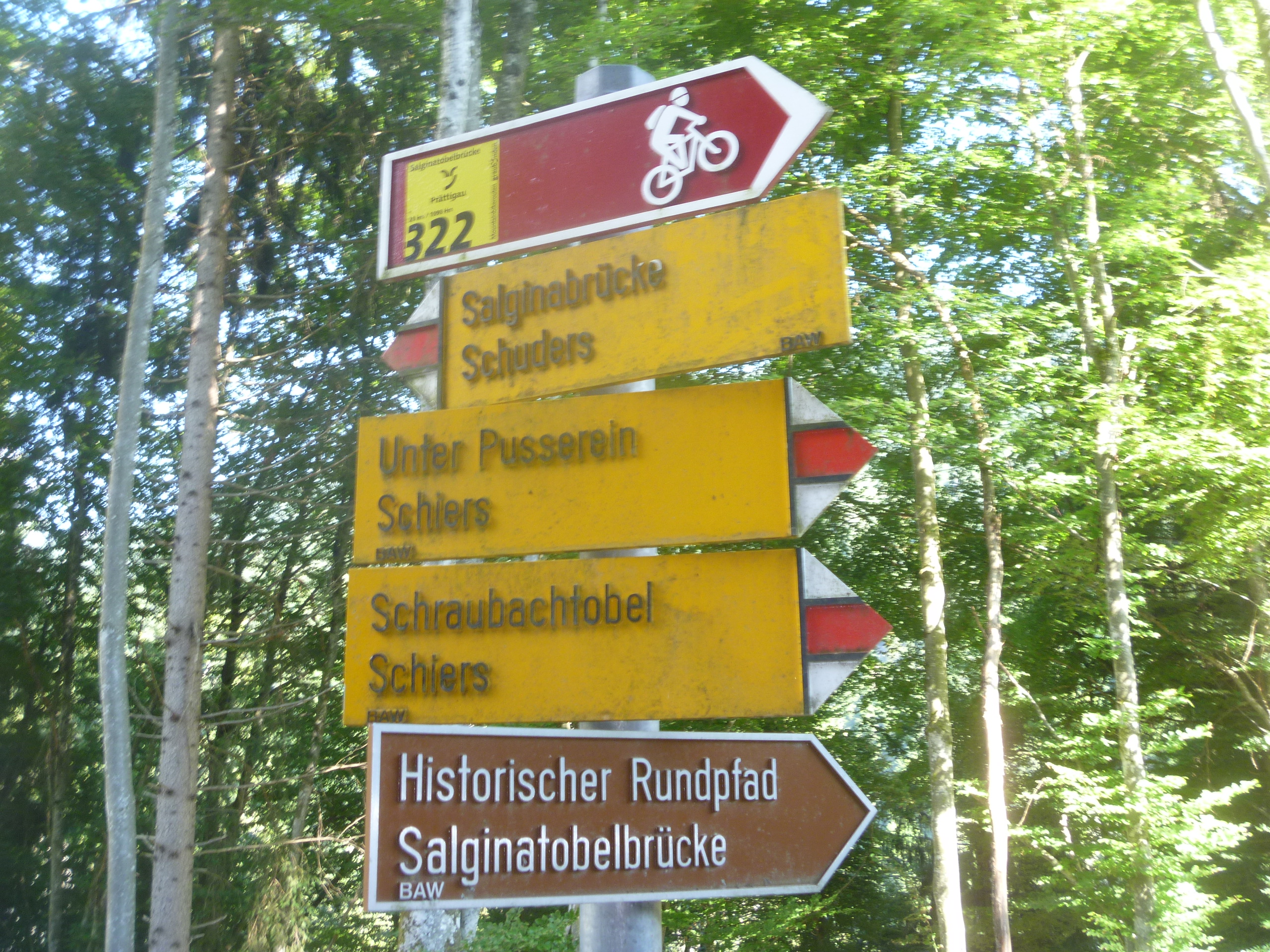
Bridge sign

It is little used but has a fascinating history as it looks like a very modern bridge but in fact was built and opened in 1930/31. Robert Maillart, the Swiss engineer whose company won the contract to build the connection over the 90m gorge, was a pioneer in the use of reinforced concrete and this bridge is an outstanding example of his work.

Salgina bridge walk

I did come across it by accident on one of my walks but at the weekend friends drove me up to it again to get a better look at it and to visit the viewing platform which I had missed previously.

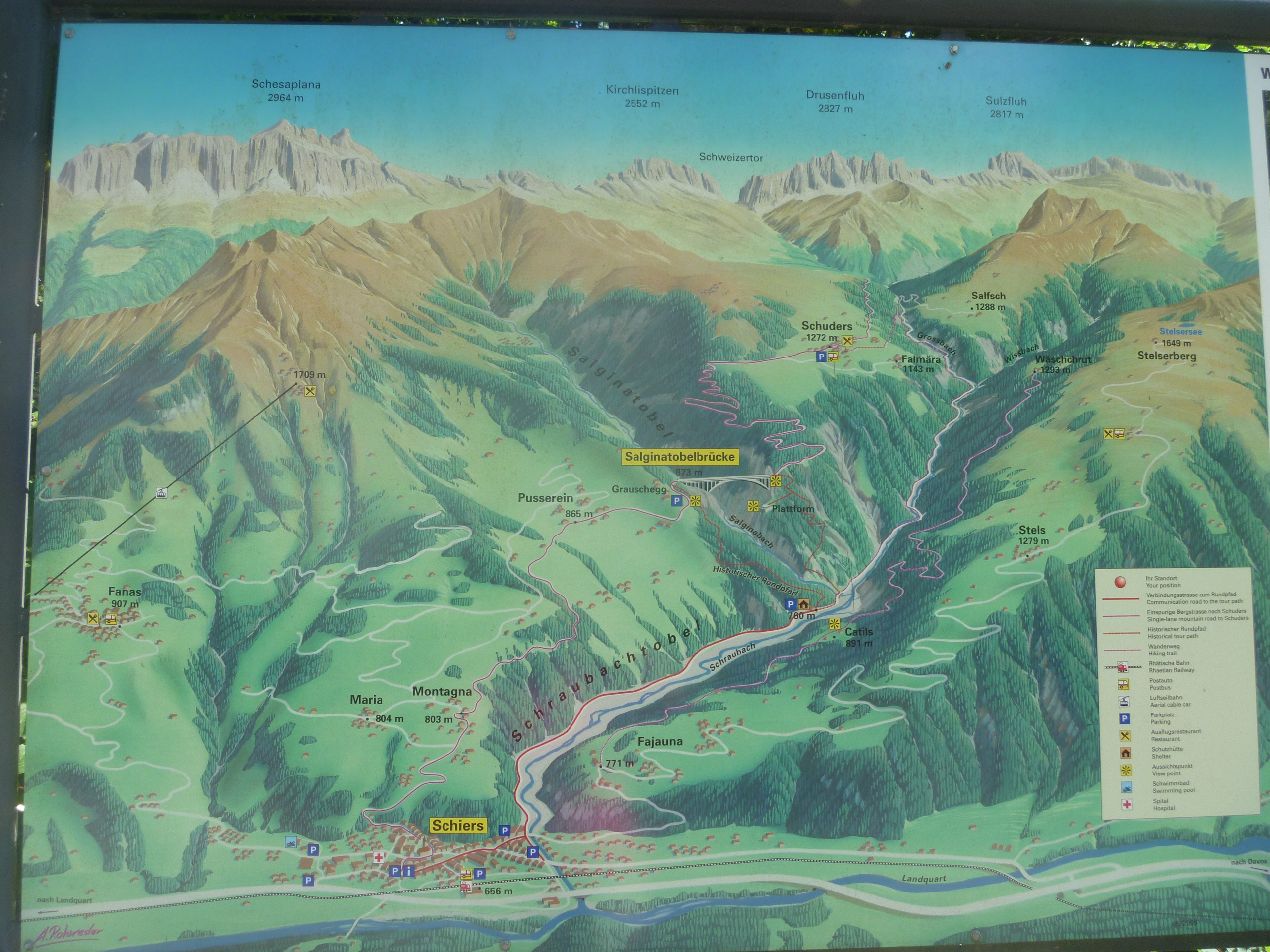
Bridge map

Map showing Schiers and The Bridge

bridge 3

bridge 2

bridge

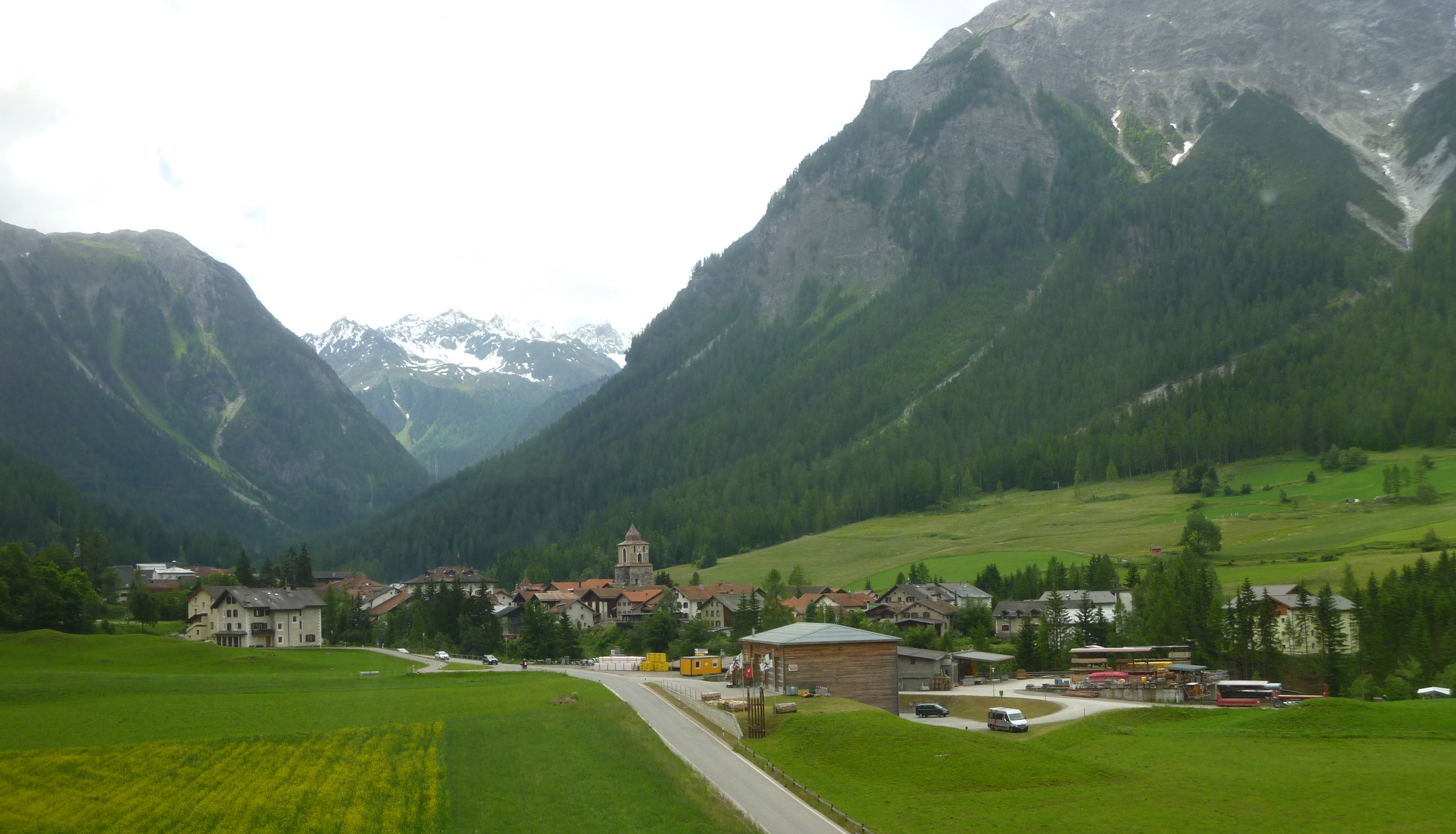
“High Mountains, deep gorges, harsh winters : ideal for a railway” : The Albula Experience Way

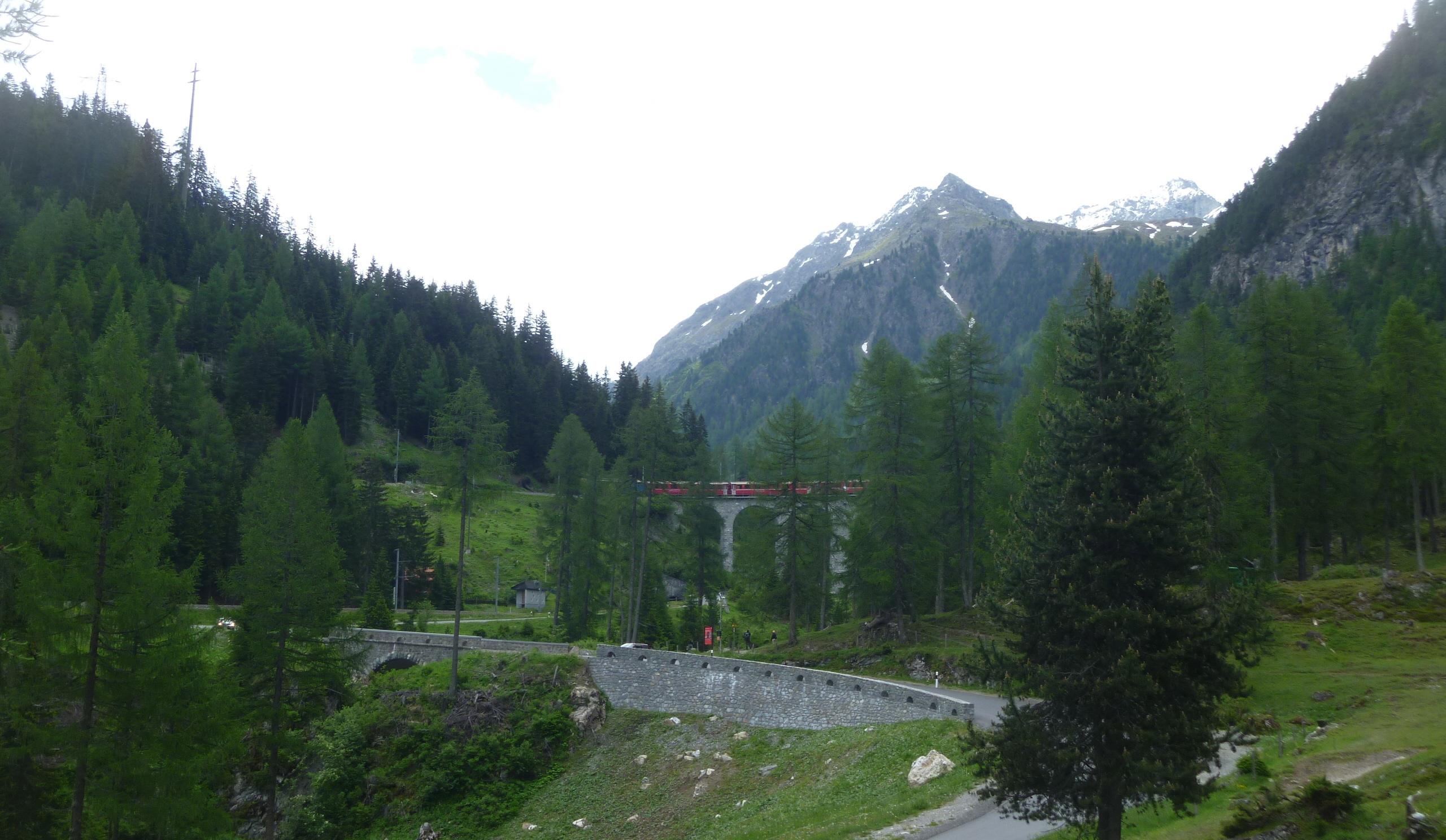
Now and then you spot a train

Swiss Railways [SBB] always make a few special offers each month and before coming away I received notification of the June offers from the SBB. In the list was a 30% discount for a return journey from your local station to Bergün and the same off the entrance fee to The Railway Museum Albula just by Bergün Station.

Bergün from train

Bergün from the train

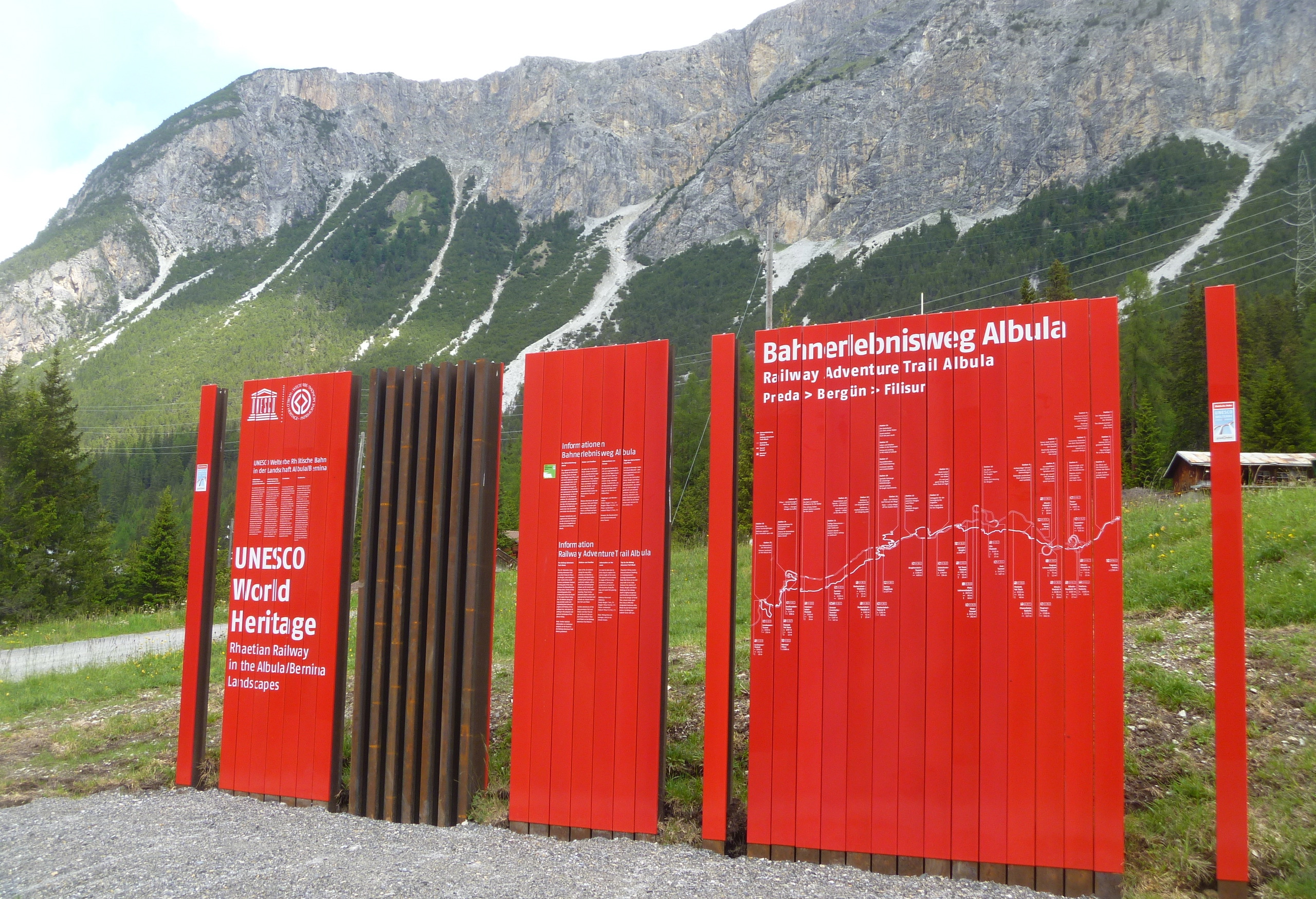
On further investigation I discovered a newly opened footpath the Albula Erlebnis Weg [The Albula Experience Footpath]. The path starts at Preda, the next station up the line. It’s all part of the UNESCO World Heritage Albula + Bernina.

UNESCO World Heritage

UNESCO World Heritage – A masterpiece of railway engineering

The line across Albula and Bernina, now more than a century old, is regarded as a truly unique masterpiece of the railway engineer’s art. Designed from the start to exist in perfect harmony with its surrounding countryside, the line stands as a monument to the pioneering days of railway-building. Since July 2008, the Albula and Bernina lines of the Rhaetian Railway have been on the UNESCO list of World Heritage sites.

Where landscape and railway blend into one: in a series of wide expanses and elegant man-made structures, along the winding route through abruptly-sloping Alpine valleys. Monumental landmarks along the way include the Landwasser Viaduct, the series of winding tunnels between Bergün and Preda and the Circular Viaduct at Brusio. The line continues to be a model of its type.” Source

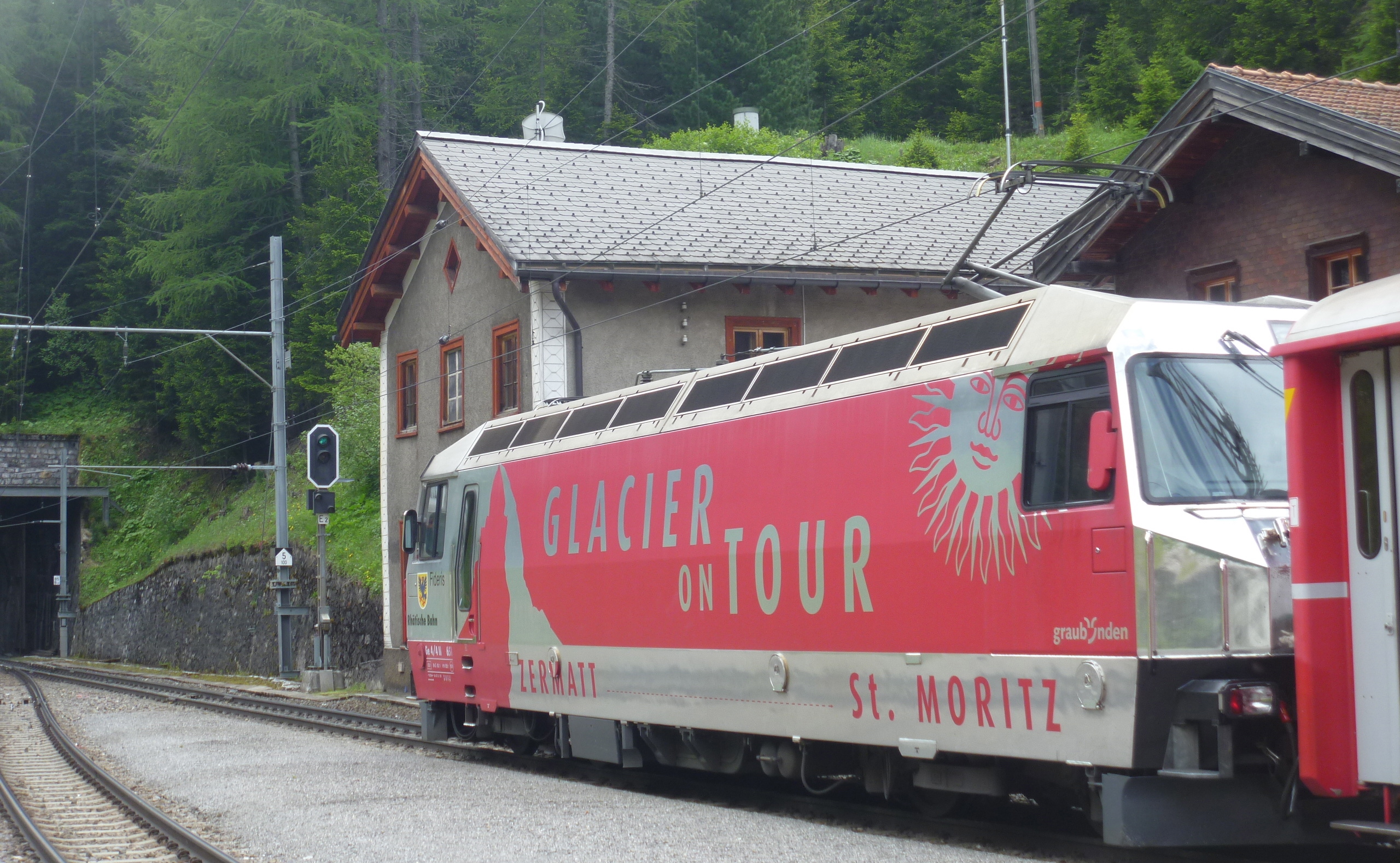
Last Friday was my day off so the perfect opportunity to take advantage of the offer whilst it was still on. The journey there and back involved 4 changes of transport. The line is up between Klosters and Davos-Glaris stations this summer so you must take two replacement bus services. Plus there is another change at Filisur for the Saint Moritz service – Glacier Express on tour.

Glacier on Tour

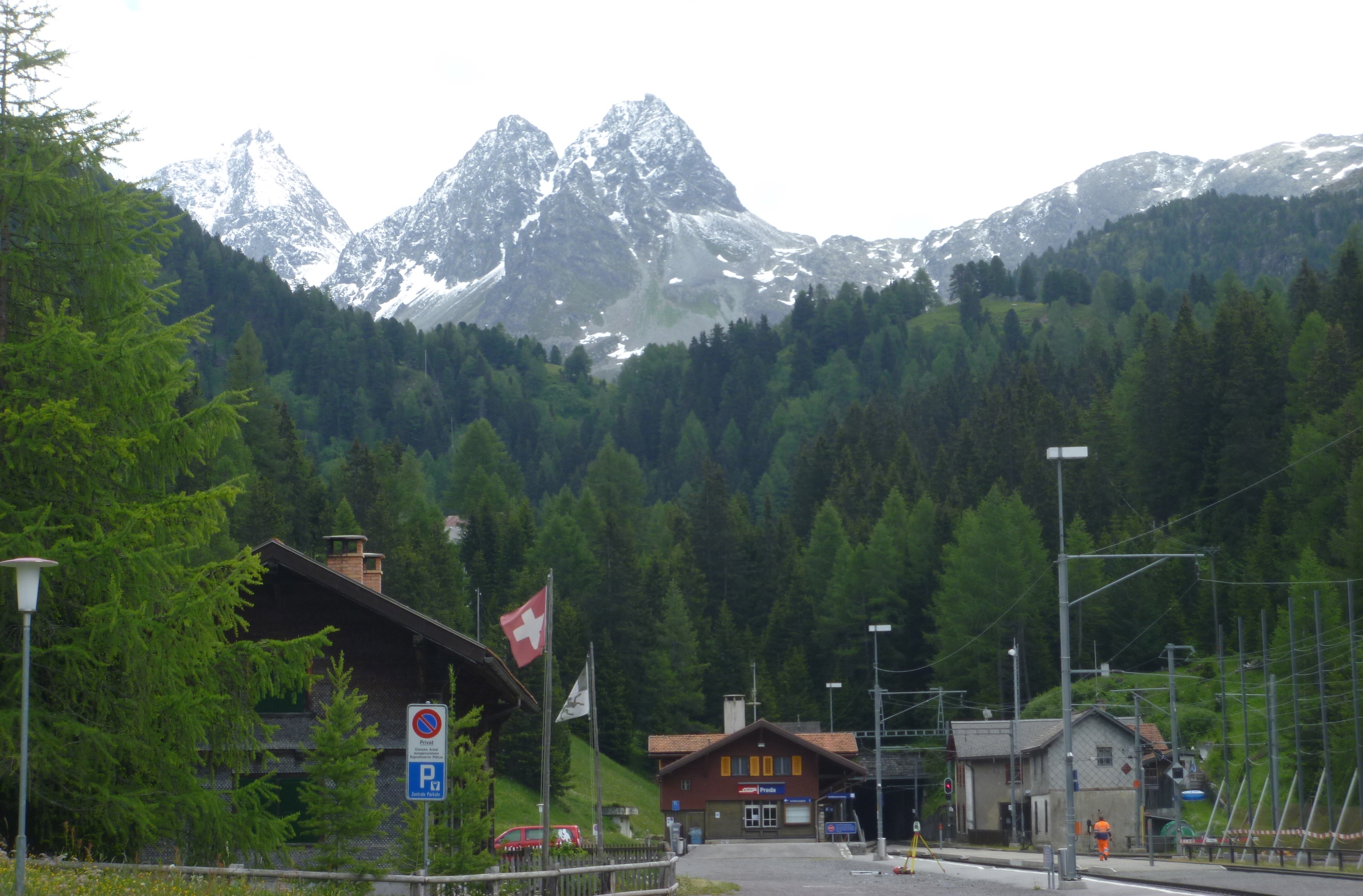
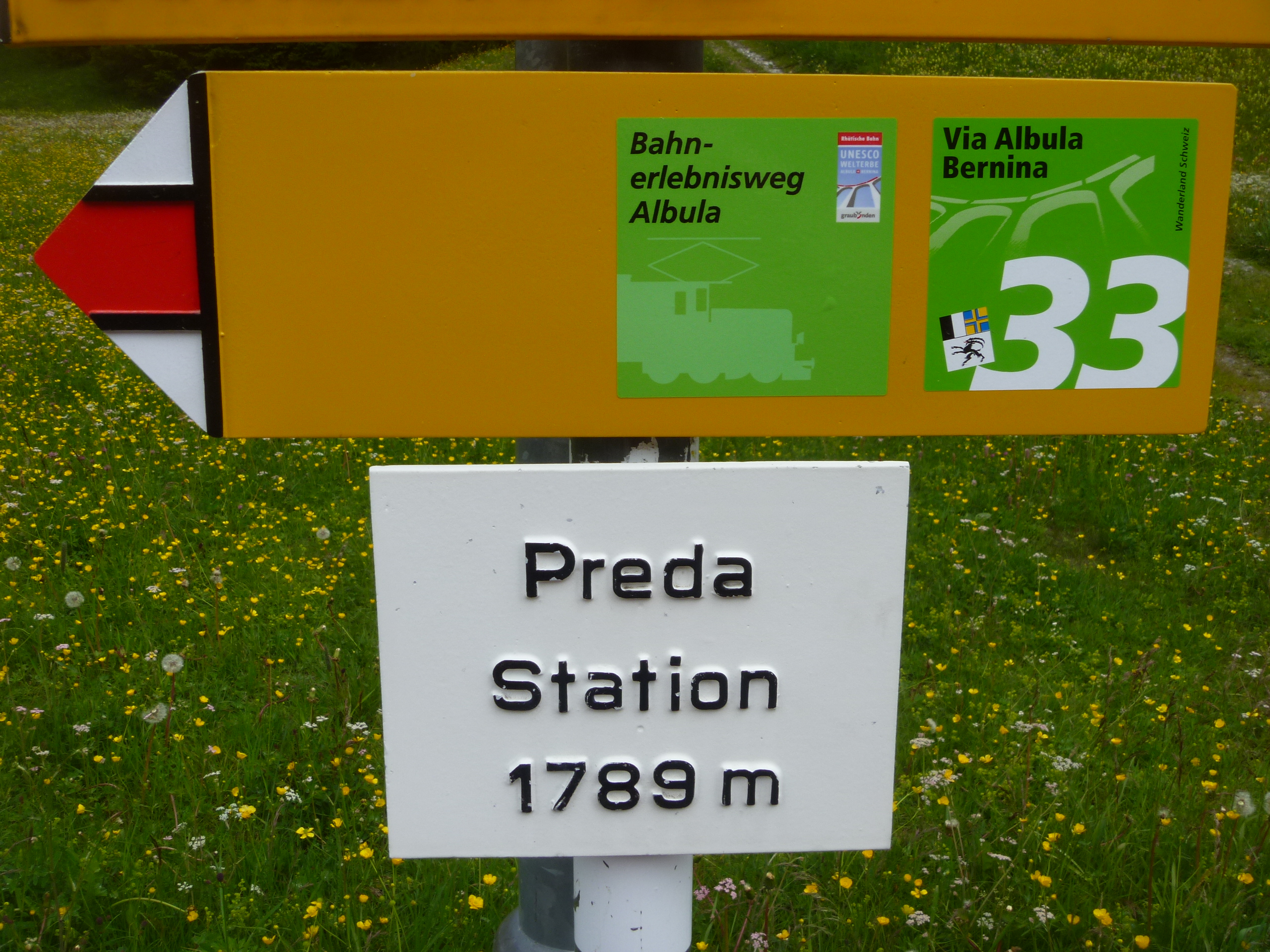
My add-on ticket took me as far as Preda. The weather this week has not been good but luckily I avoided all rain. However, I could have used a pair of gloves – it was freezing cold at Preda Station – 1789m ASL.

Leaving Preda Station

Leaving Preda Station

Preda station and sign

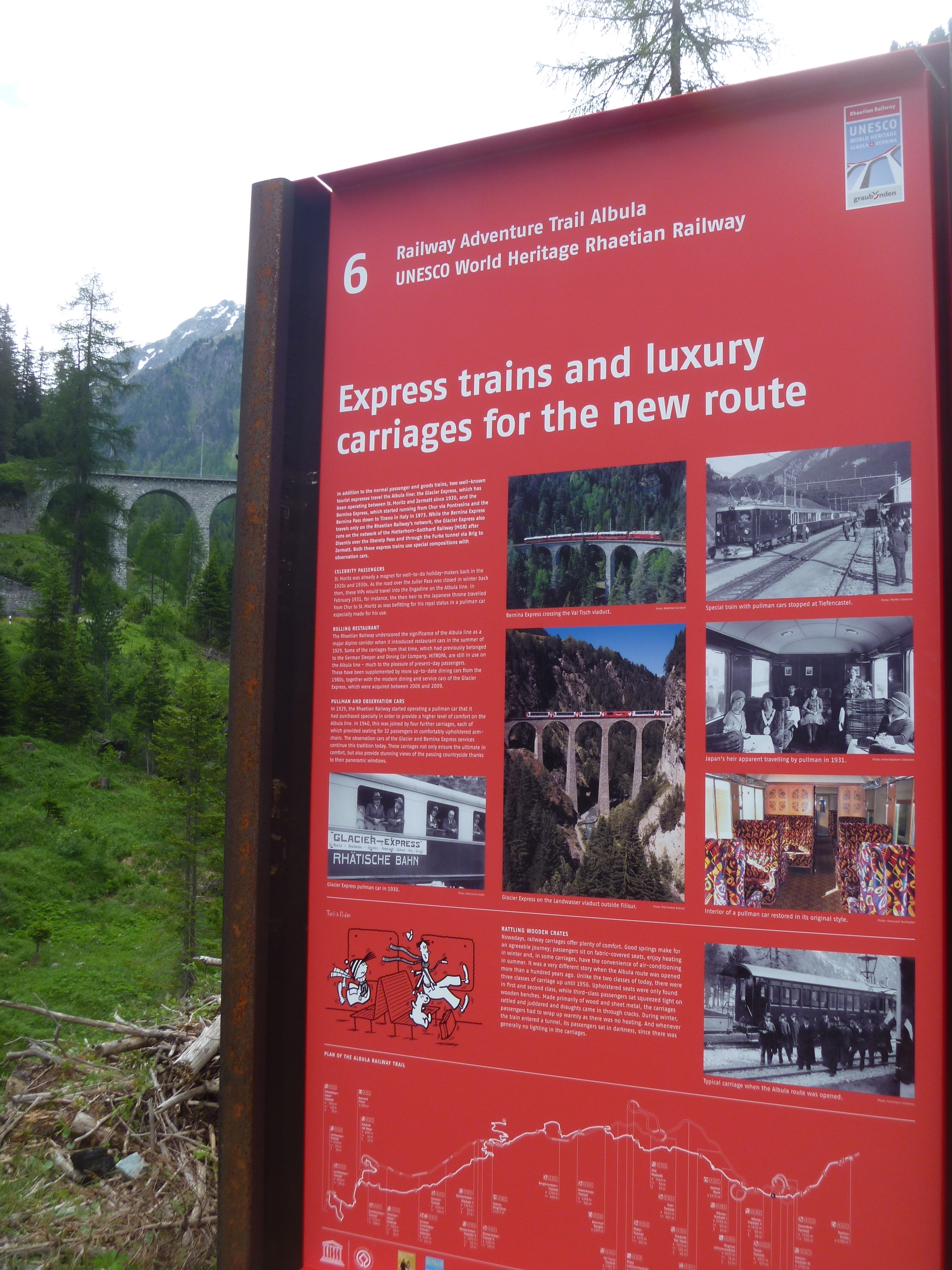
You can’t miss the Albula Way; it’s indicated clearly all along the route. Between Preda and Bergün there are ten information boards. The path continues down to Filisur with more boards but I only walked as far as Bergün as I had my Museum ticket.

Some features of the two hour walk :

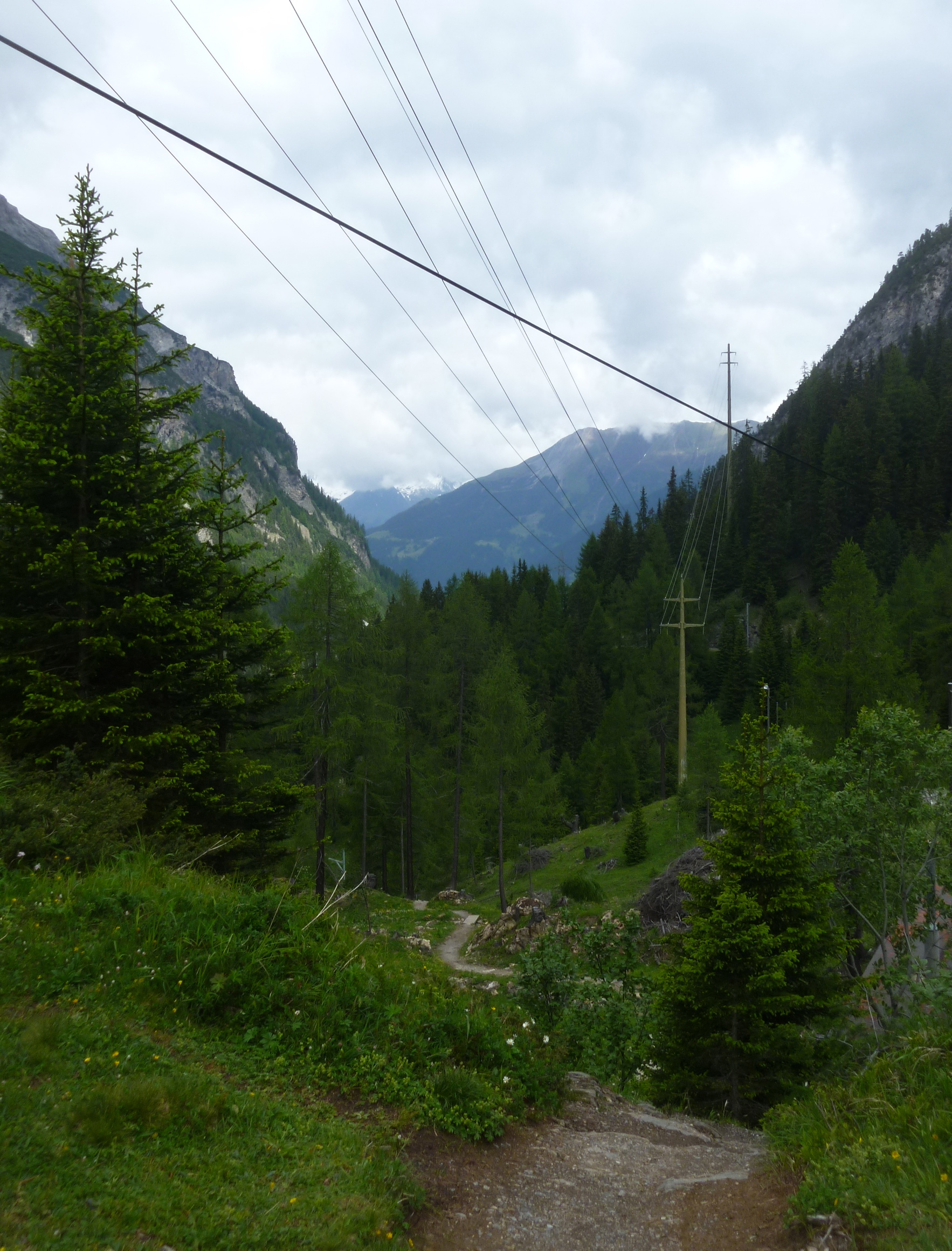
Path heads down to Bergün

The Path Heads Down to Bergün

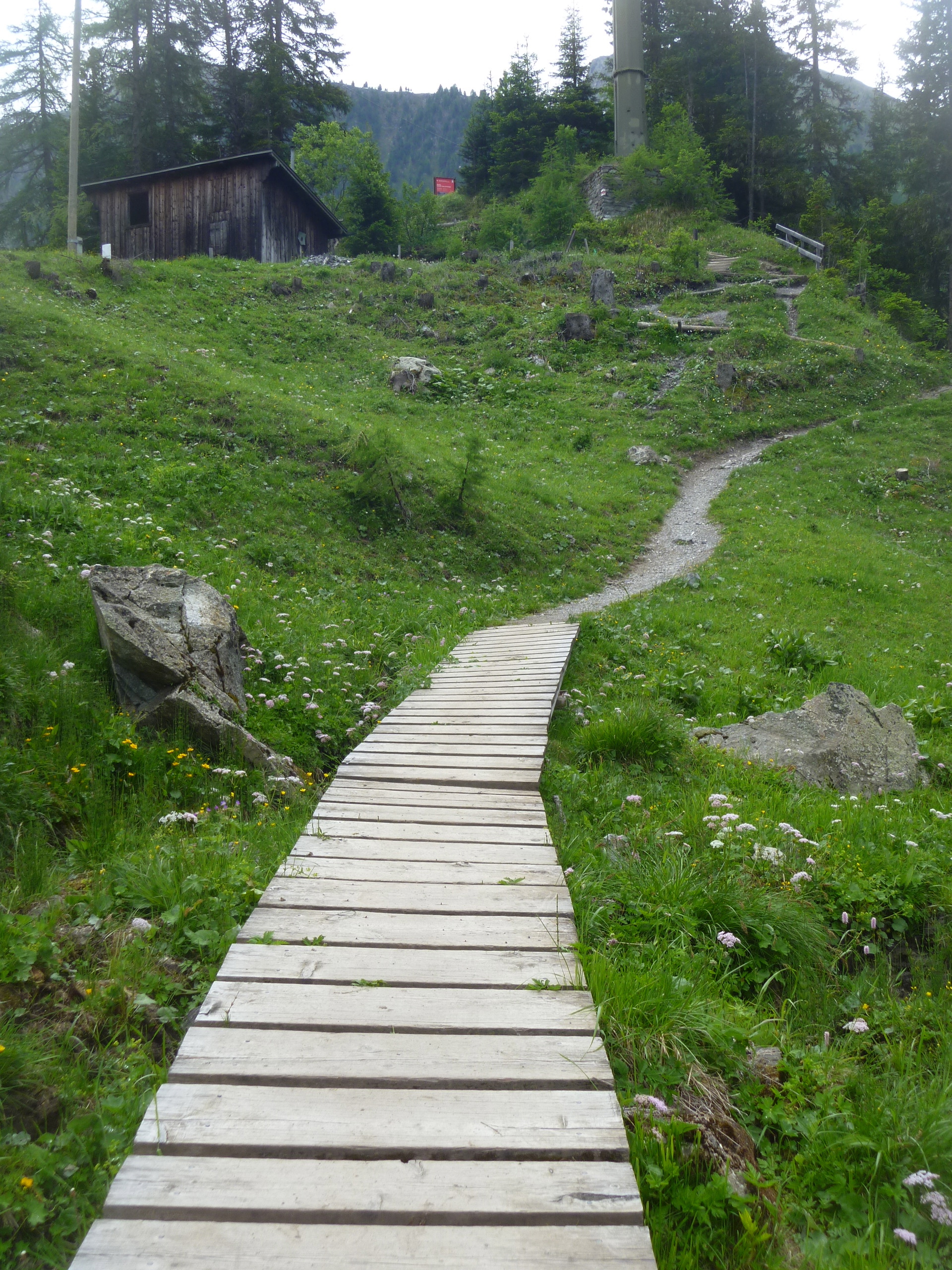
Don't worry about getting muddy!

Don’t worry about getting your boots muddy!

Swiss kissing gate

Swiss-style kissing gate

Another view of the train

Now and then you spy a train

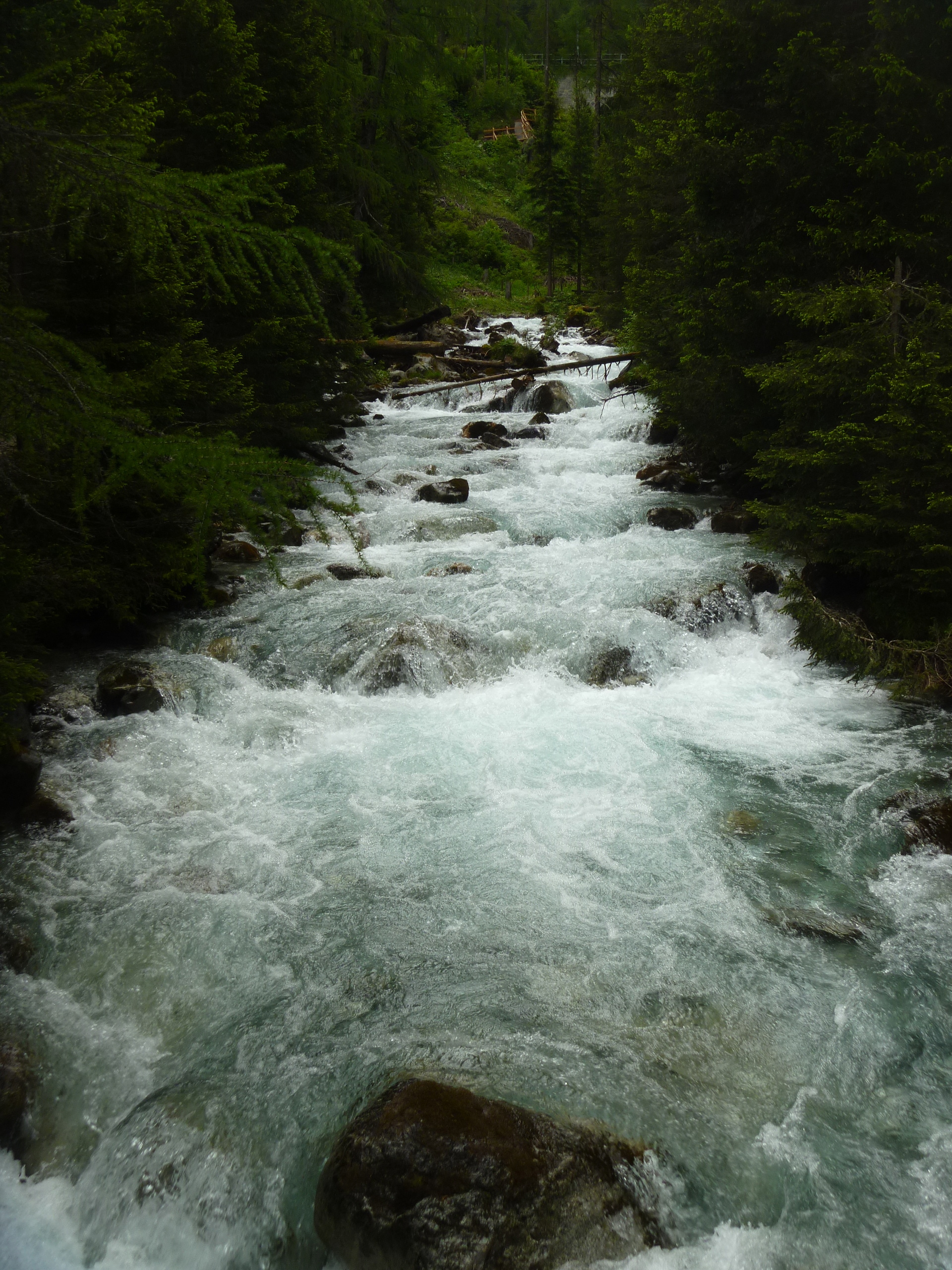
Lots of mountain torrents

You cross lots of mountain torrents

Typical Infor Board

You can stop and read the Information Boards

Arriving in Bergün

Finally, you arrive at Bergün

Down The Magic Mountain via The Thomas-Mann-Way

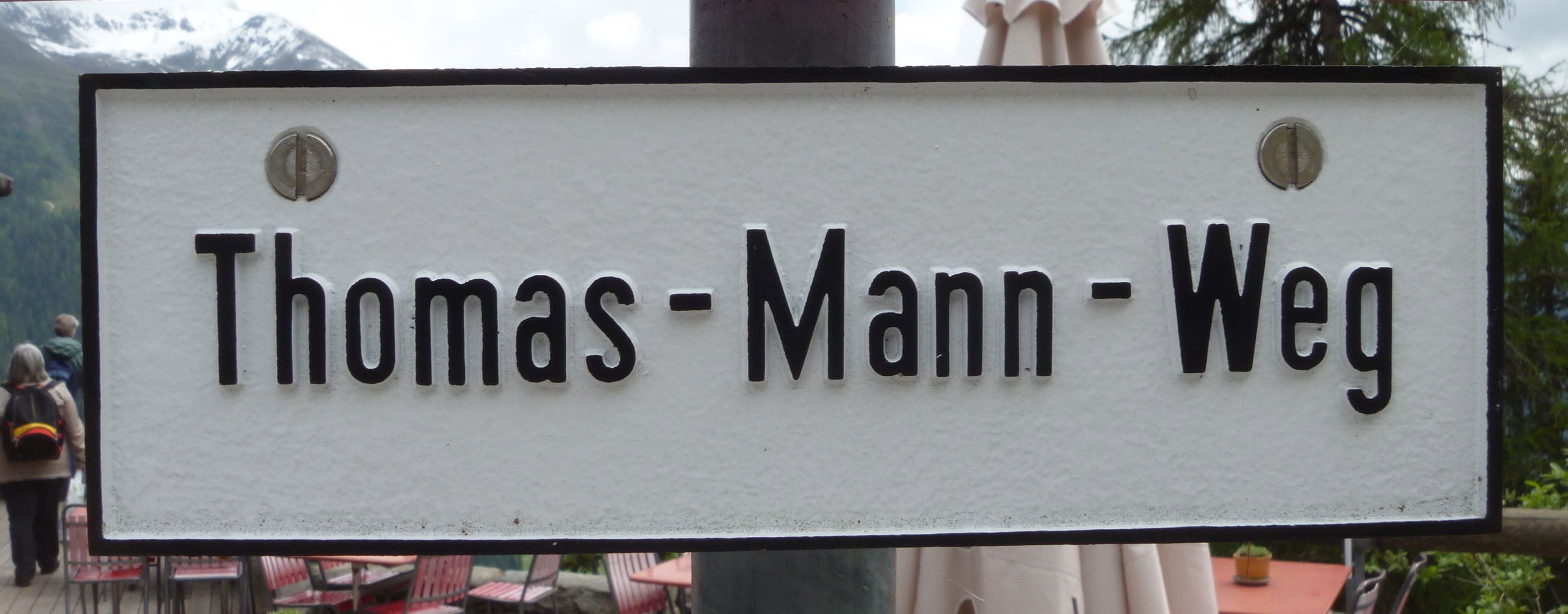
Thomas-Mann-Weg

On my bookshelves at home there’s a lovely pristine Everyman hardback edition of Thomas Mann’s “The Magic Mountain”  had I not had a weight limit restriction on my bag I may well have brought it with me but alas it was just too heavy to contemplate bringing. [Note. Yes, yes I know all about Kindles and the like but having made the comparison with real books have decided that they are just not for me] Where else would be the perfect place to read The MM but here within a William Tell’s arrow flight of the town of Davos where the ‘action’ of the book is set? Davos is just 20 miles away from Schiers.

Searching online for “Davos Thomas Mann” I found this :

A path has been created in commemoration of and in the name of the significant writer Thomas Mann. This path connects the centre points of his novel “The Magic Mountain”. With the novel, Davos has secured its place in world literature. The work contributed to the high level of fame enjoyed by Davos as a spa and holiday destination.

Even today, the “Magic Mountain” draws numerous culture enthusiasts to Davos, on the hunt for the main centre points of the novel of the same name by Thomas Mann. They can now be inspired by the Thomas-Mann-Way, which runs from the Waldhotel Davos (former woodland sanatorium) at 1620 m above sea level to the Schatzalp, 1880 m above sea level. Along the 2.6 km path are ten signs, which act as “literary stations” and provide information on the connections between Davos and the works of Thomas Mann. High points of the path include the “favourite place of Hans Castorp”, the hero of the novel, whilst the way ends at Thomas-Mann-Platz on the Schatzalp, which has been established behind the botanical garden Alpinum Schatzalp.

Thomas Mann (1875–1955) came to Davos from the 12th May to the 15th June 1912, in order to visit his wife Katia, who was being treated at the woodland sanatorium. During this time he took many walks around the area above the woodland sanitorium, an area through which the Thomas-Mann-Way runs. Thomas Mann described his impressions of Davos in the novel “The Magic Mountain”, which was published in 1924.”  Source

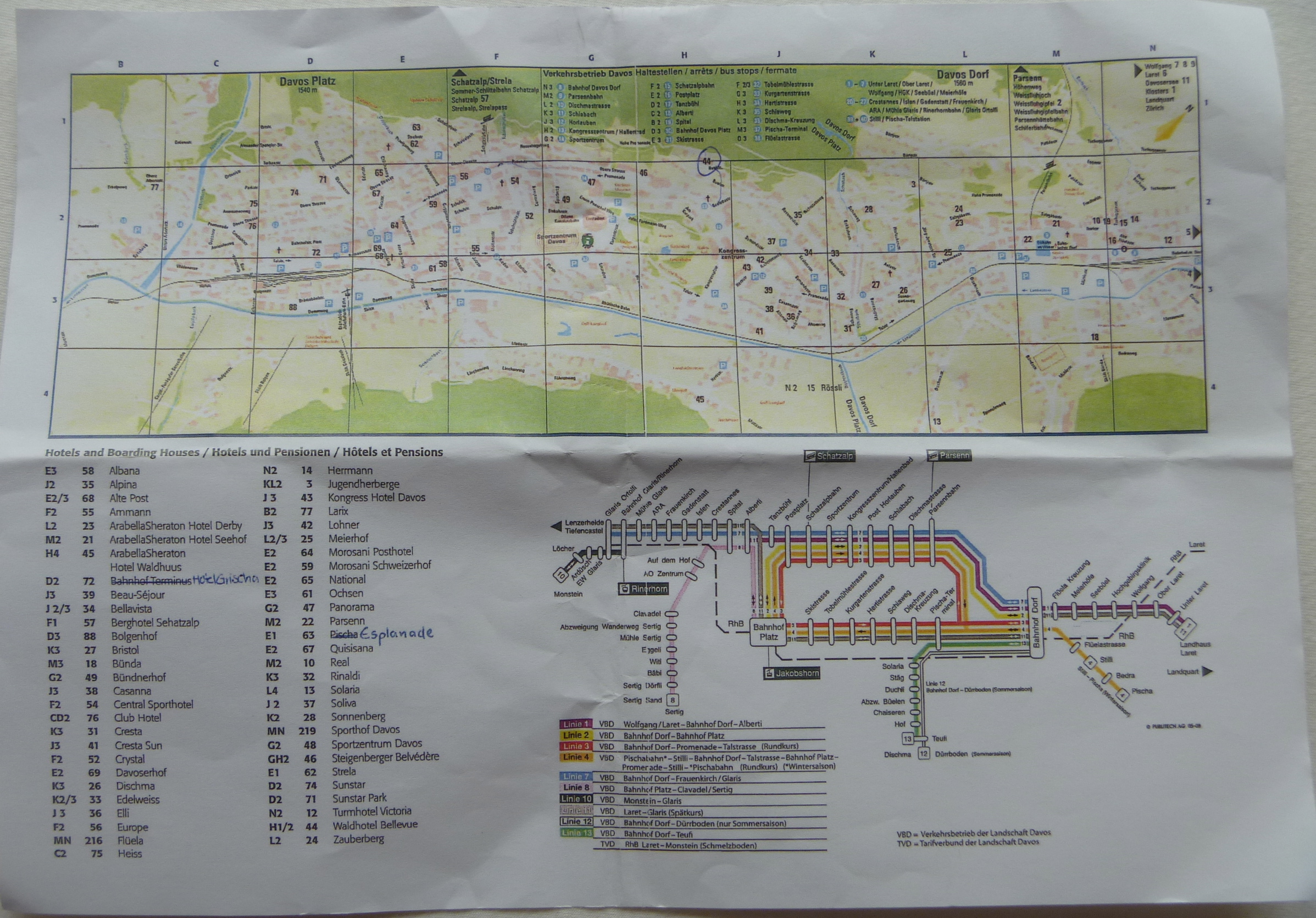
Great! I thought the ideal excursion for the afternoon. And indeed vary many things about it were ideal but not, I may say, the Thomas-Mann-Way. The website for Davos/Klosters is excellent so I had expected to pick up printed information at the Railway Station Tourist Information Office. Instead I had blank looks and was issued with a crummy map.

crummy map

I had remembered some aspects of the walk from the website but obviously not everything. I didn’t commit the map to memory. I wish I had as I can now see where I went wrong and could kick myself. As you can see from the sign at the top there are no arrows to indicate the route so there’s a bit of guesswork involved. As the starting point was quite a walk away I decided to take the funicular up to the end of the walk and find my way down in reverse. So I guess that was my mistake – but an easy one to make!

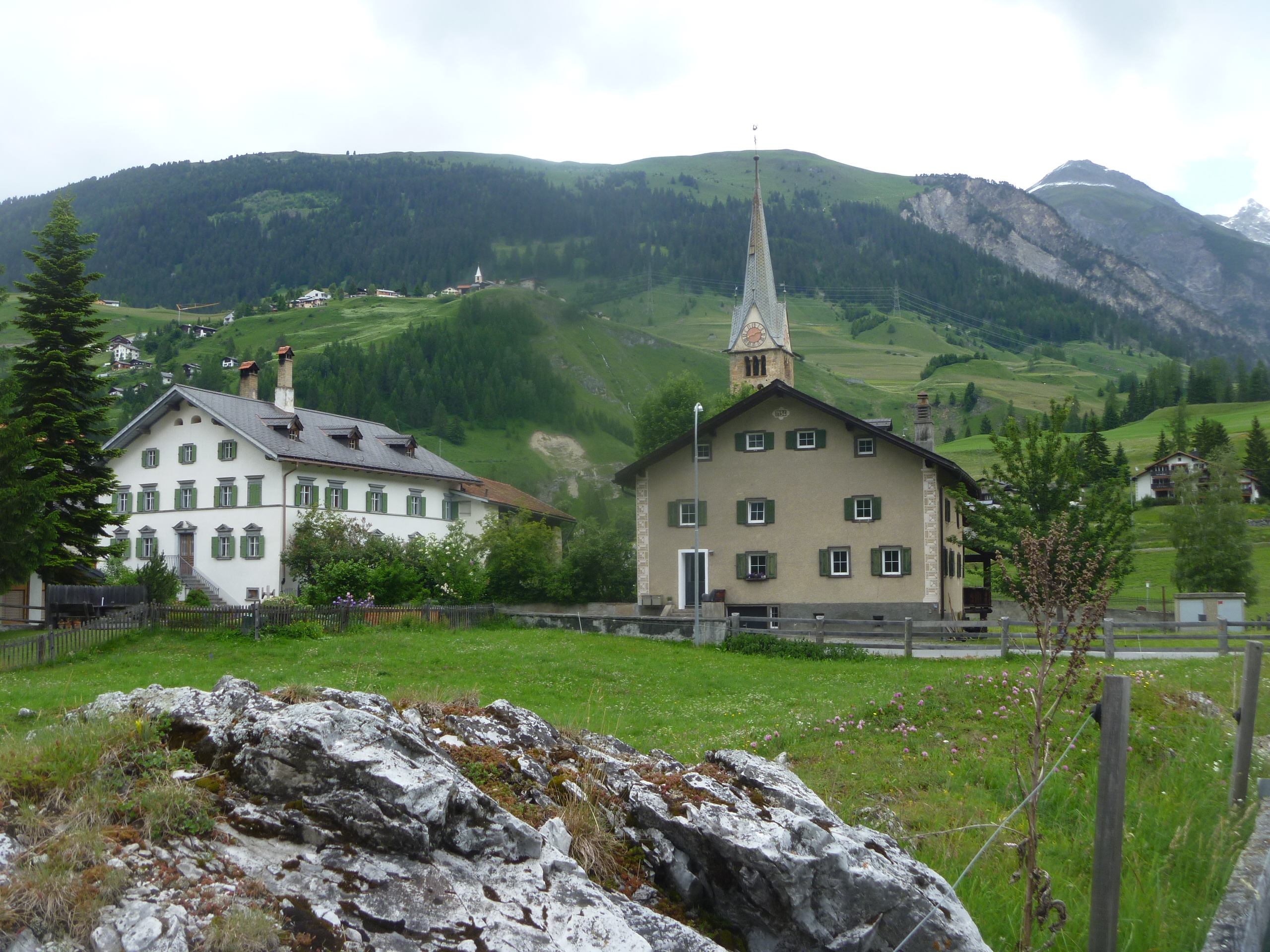
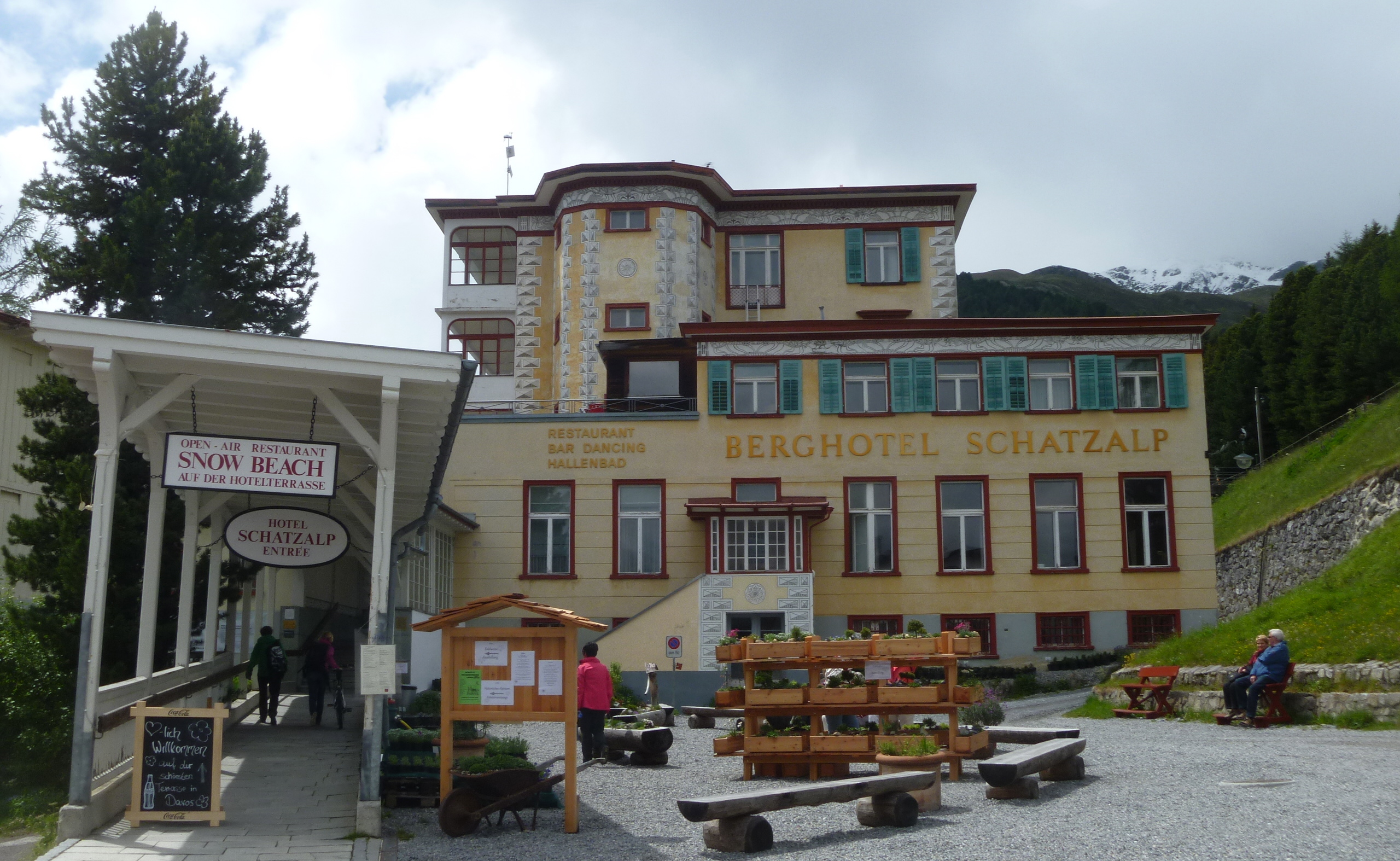
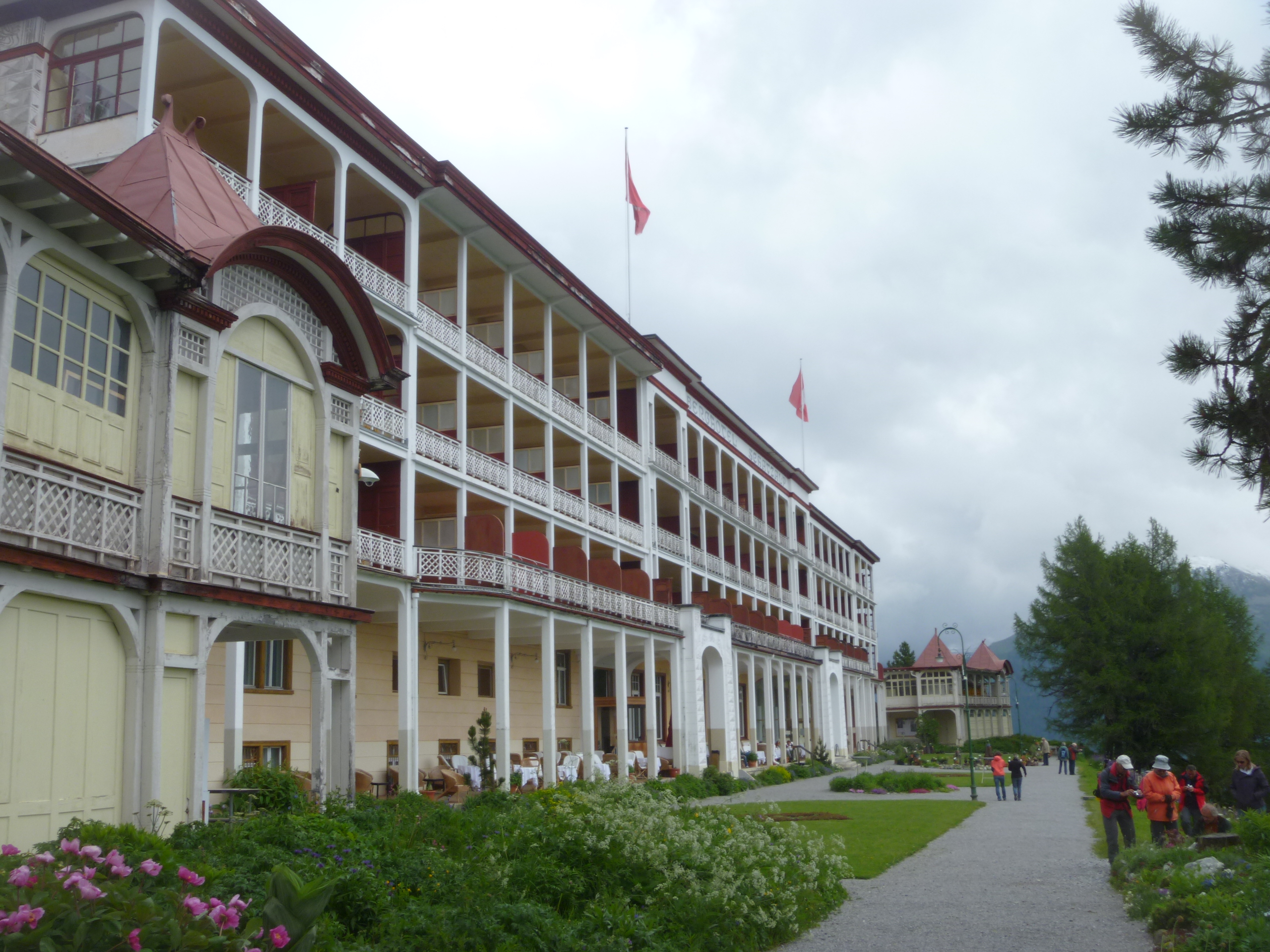
Berghotel Scahtzalp

On arriving at Schatzalp there is the Berghotel in all its Art Nouveau [Jugendstil] glory. I wrote about the Alpinum here yesterday.

The Berghotel Schatzalp

It still has the look of a Sanatorium and air is fresh and clean and pure. Even at 8C it was fine as it was sheltered. The Hotel reception also did not have much information about TM but the kindly receptionist allowed me to wander around and take some snaps and sold me a couple of postcards and indicated the start of the TMWay.

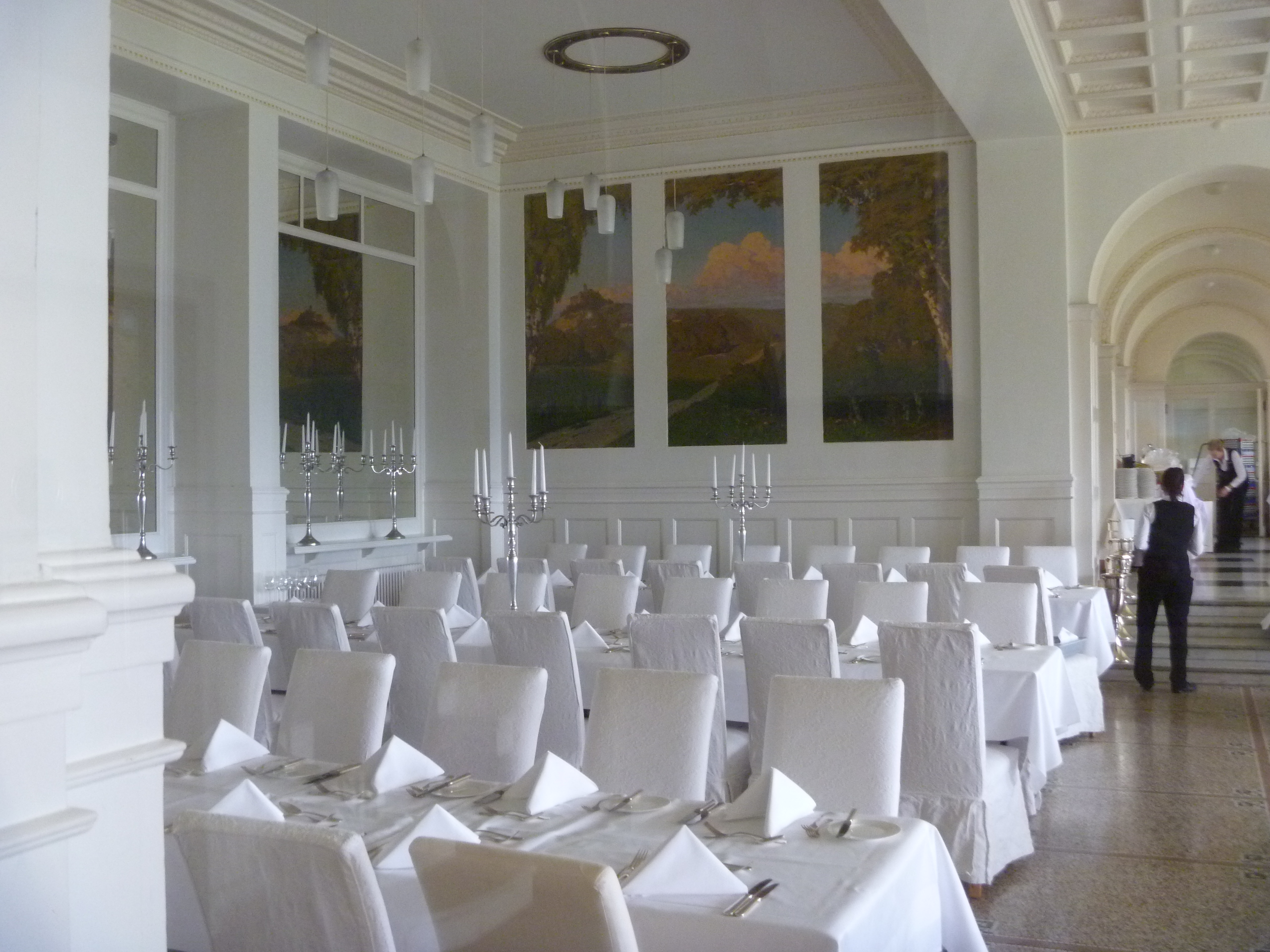
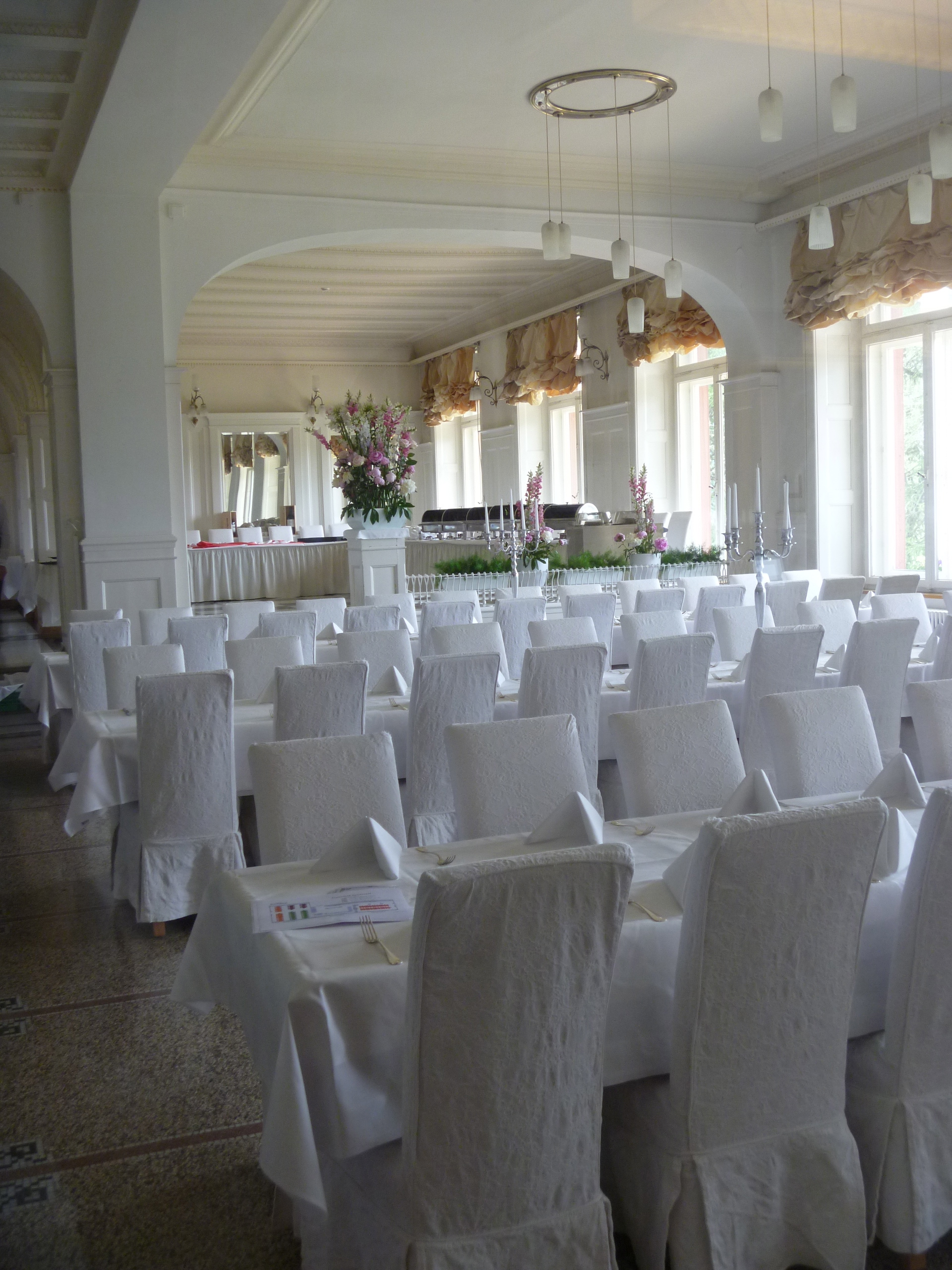
Dining Room 1

Dining Salon 2

The Dining Room

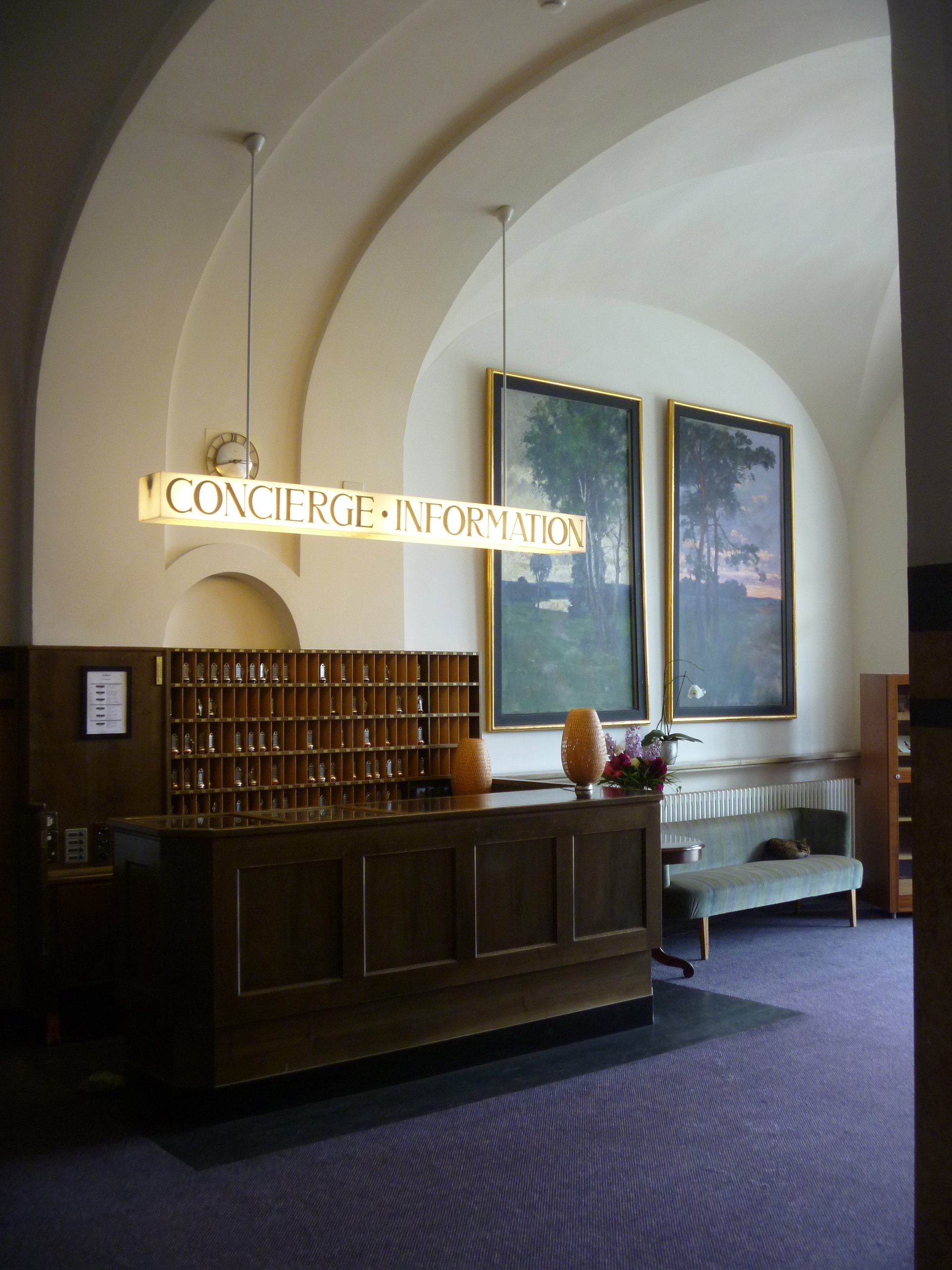
Reception

The Reception/Lobby

Art Deco fireplace

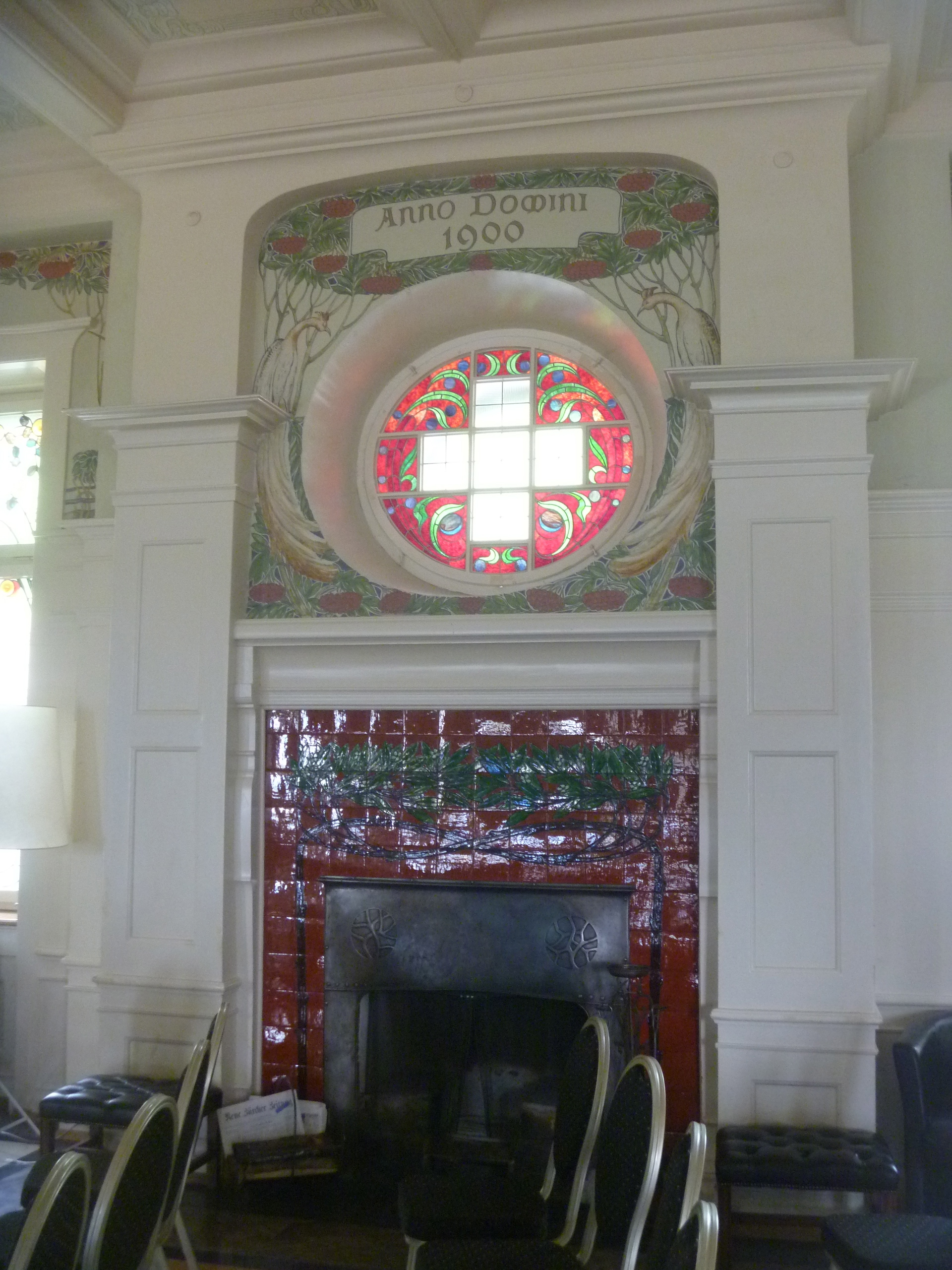
Art Nouveau Fireplace in a Meeting Room

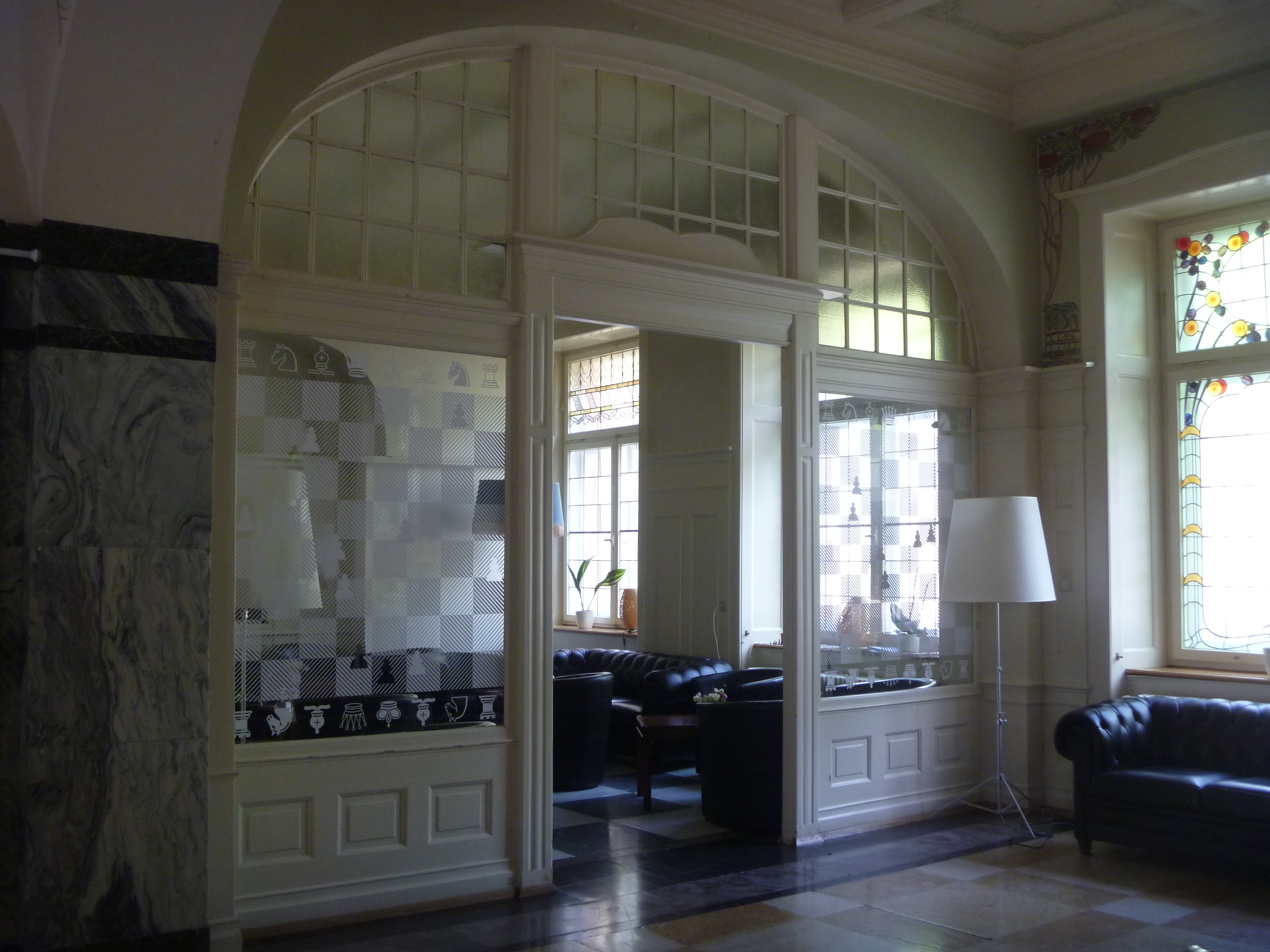
The hotel games room

The Original Hotel Games Room

I wished I had taken tea here on the verandah but I’d decided to do so at the end of the walk at the Waldhotel down in Davos. I thought they would maybe have more information on TM and the Magic Mountain/Davos connection. The only way to find out will be to go back again on another day!

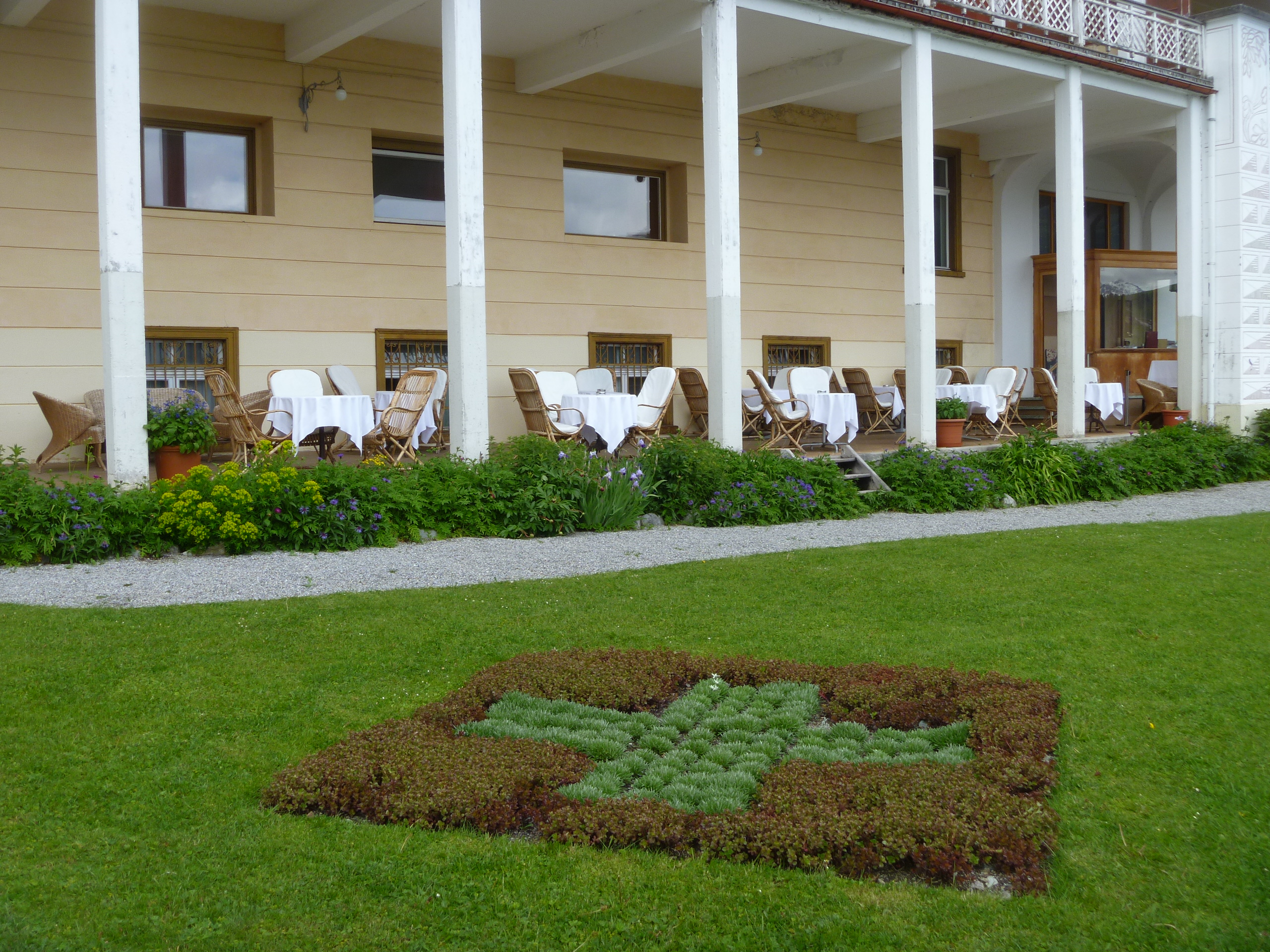
The verandah

The Verandah where tea is served

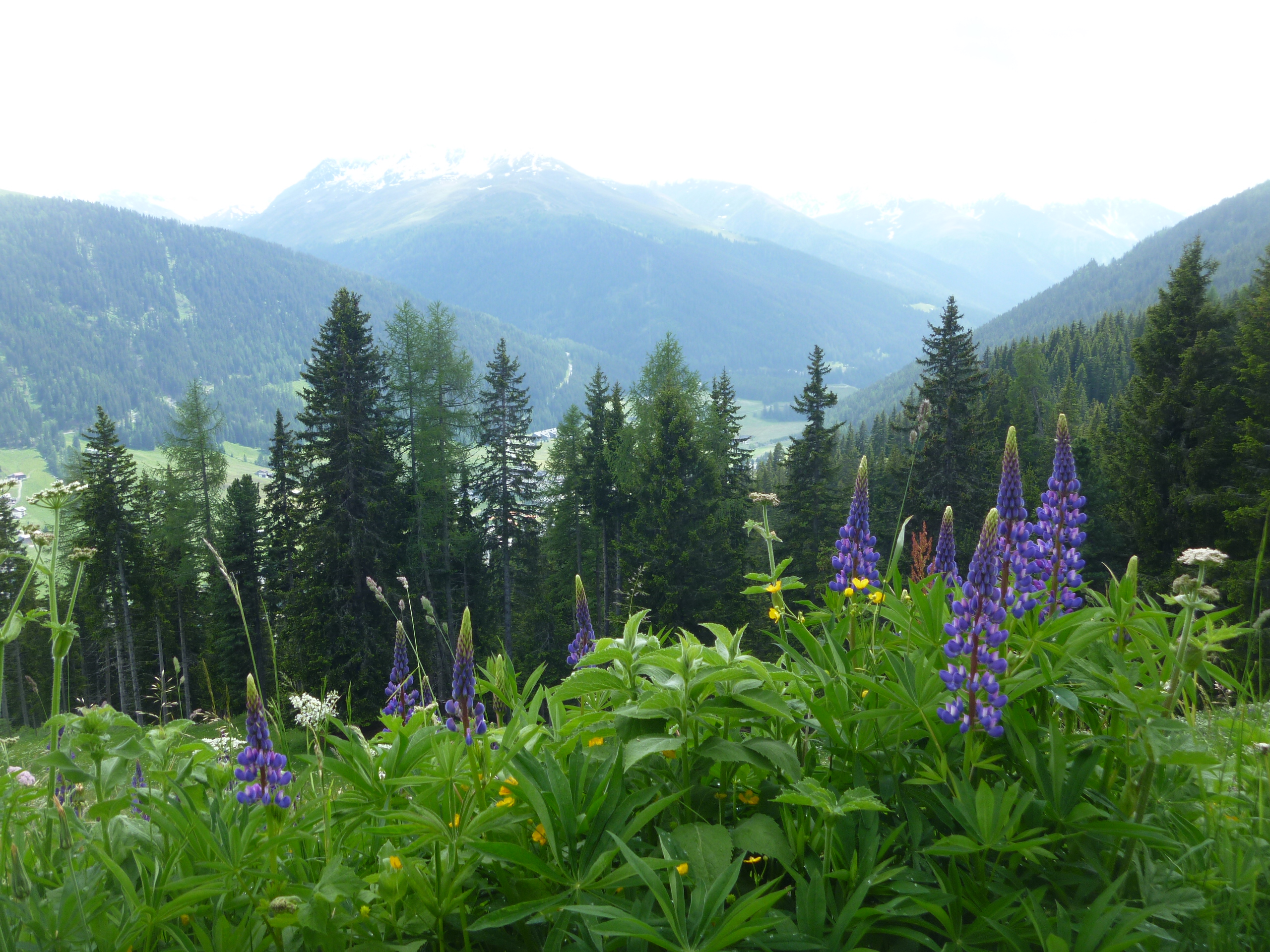
The view

In and Around Anderton House : a Photo Album, 3 [Goodleigh to Gidleigh]

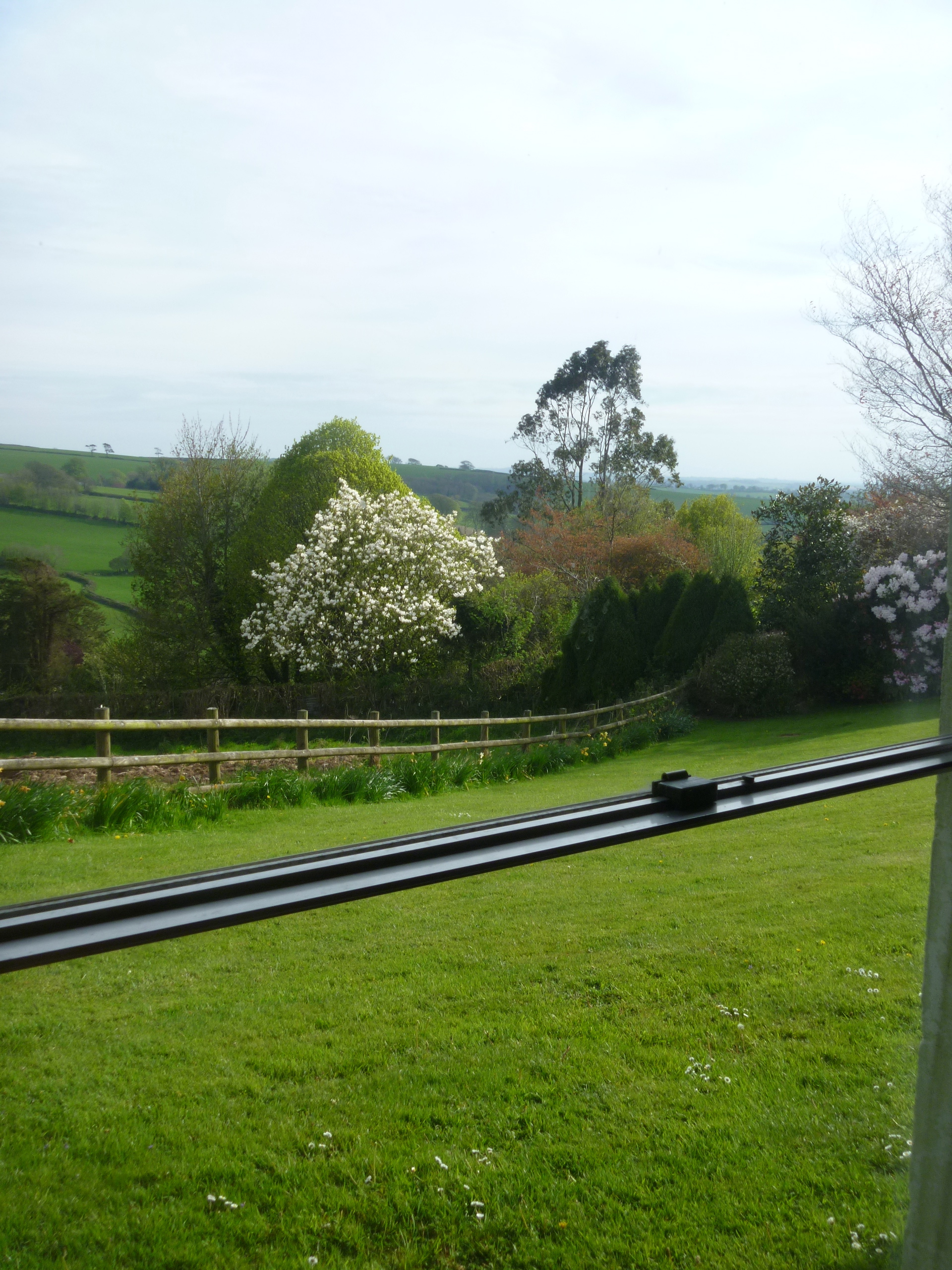
Anderton House view from single bedroom

I have mentioned the wonderful views to be had from the glass walls of the sitting area and from each of the bedrooms at Anderton House but there is also a very relaxing garden on a couple of levels and sloping down the fields in front.

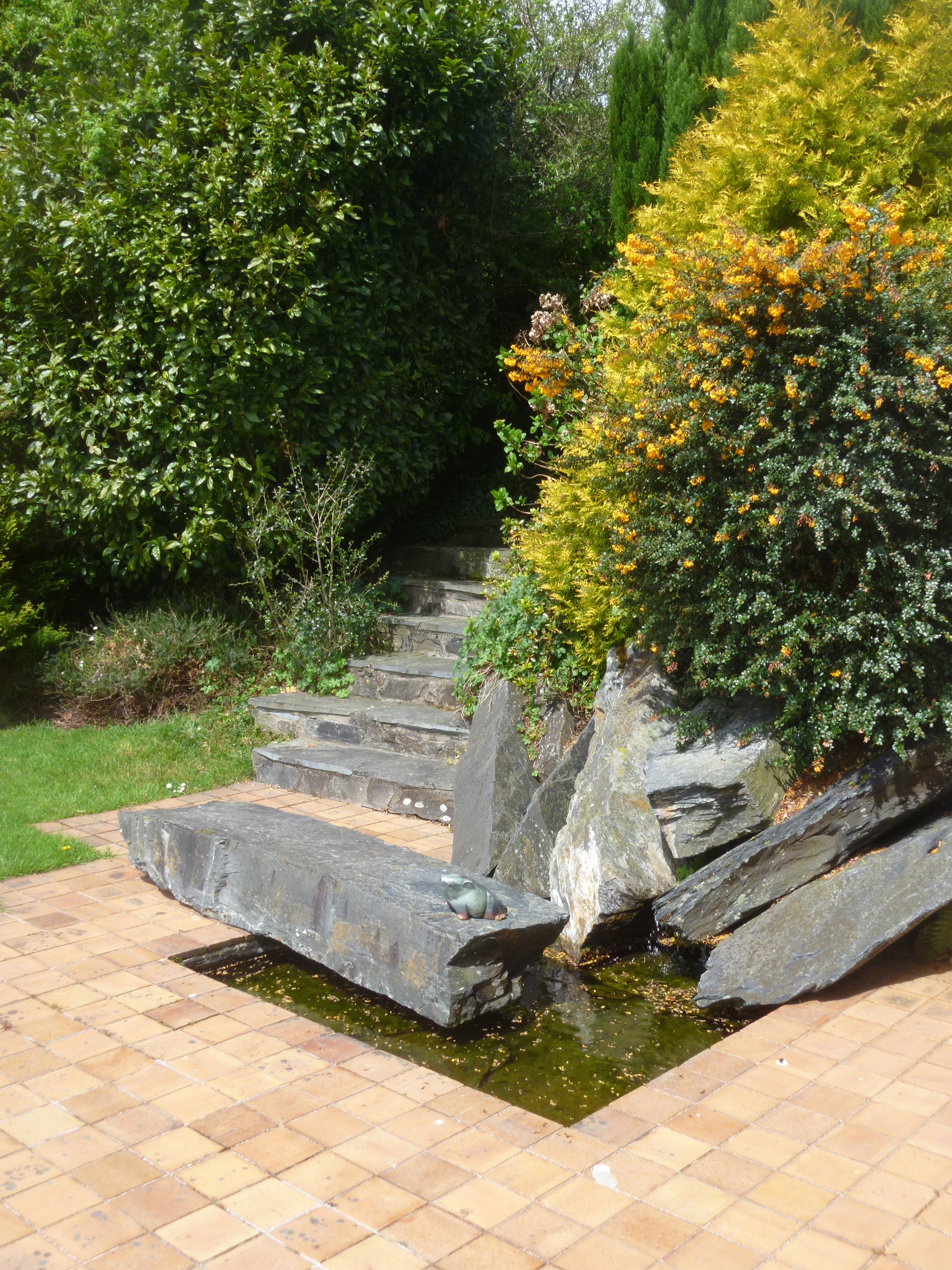
Anderton House water feature in garden

When the sliding glass door is opened, even fractionally, you can sit inside and hear the gentle tinkle of the water feature just outside.

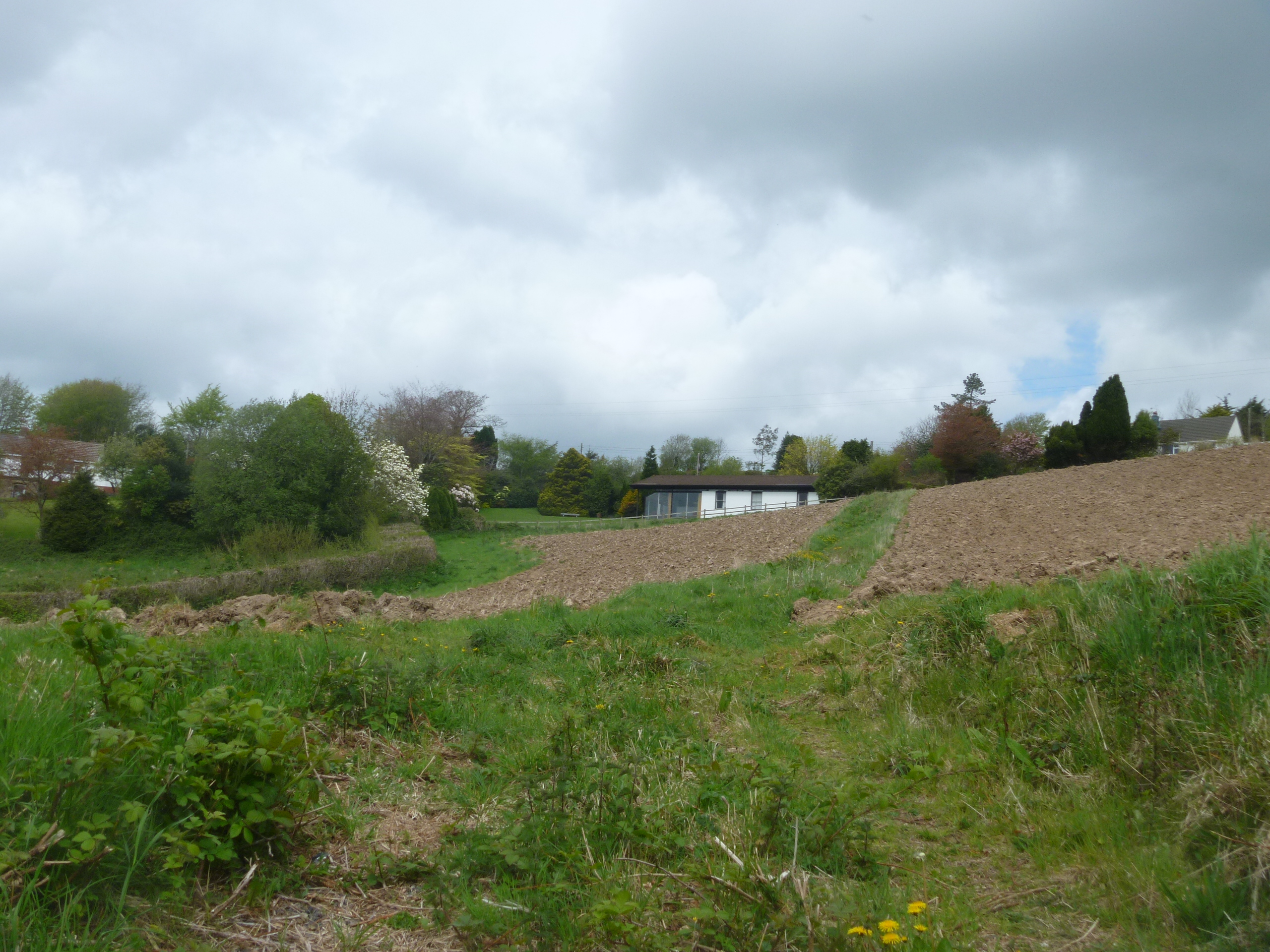
Anderton House and footpath

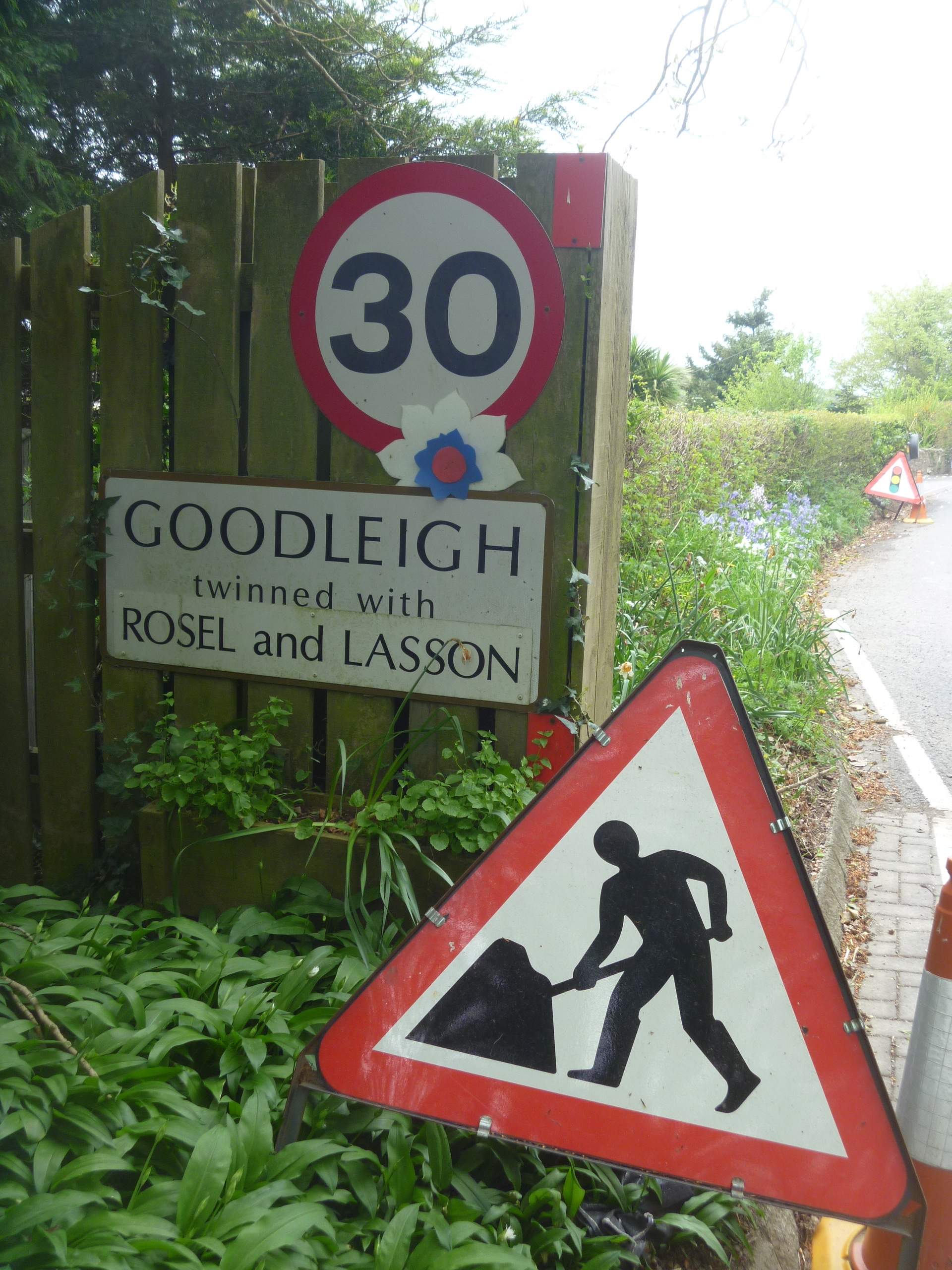
There’s a short Public Footpath across the field which leads down to the main road that runs through Goodleigh, two miles from Barnstaple. I surprised to see that the village had two twins. Both sound like villages in France and indeed they lie close to each other in Normandy, not far from the Normandy Landing Beaches of the Second World War.

Goodleigh twinnings

The church of St Gregory stands high above the main street and right on the street itself is The New Inn. We didn’t manage to get there but plenty of Landmarkers at Anderton House had enjoyed their meals.

Goodleigh Church

The Church of St Gregory, Goodleigh

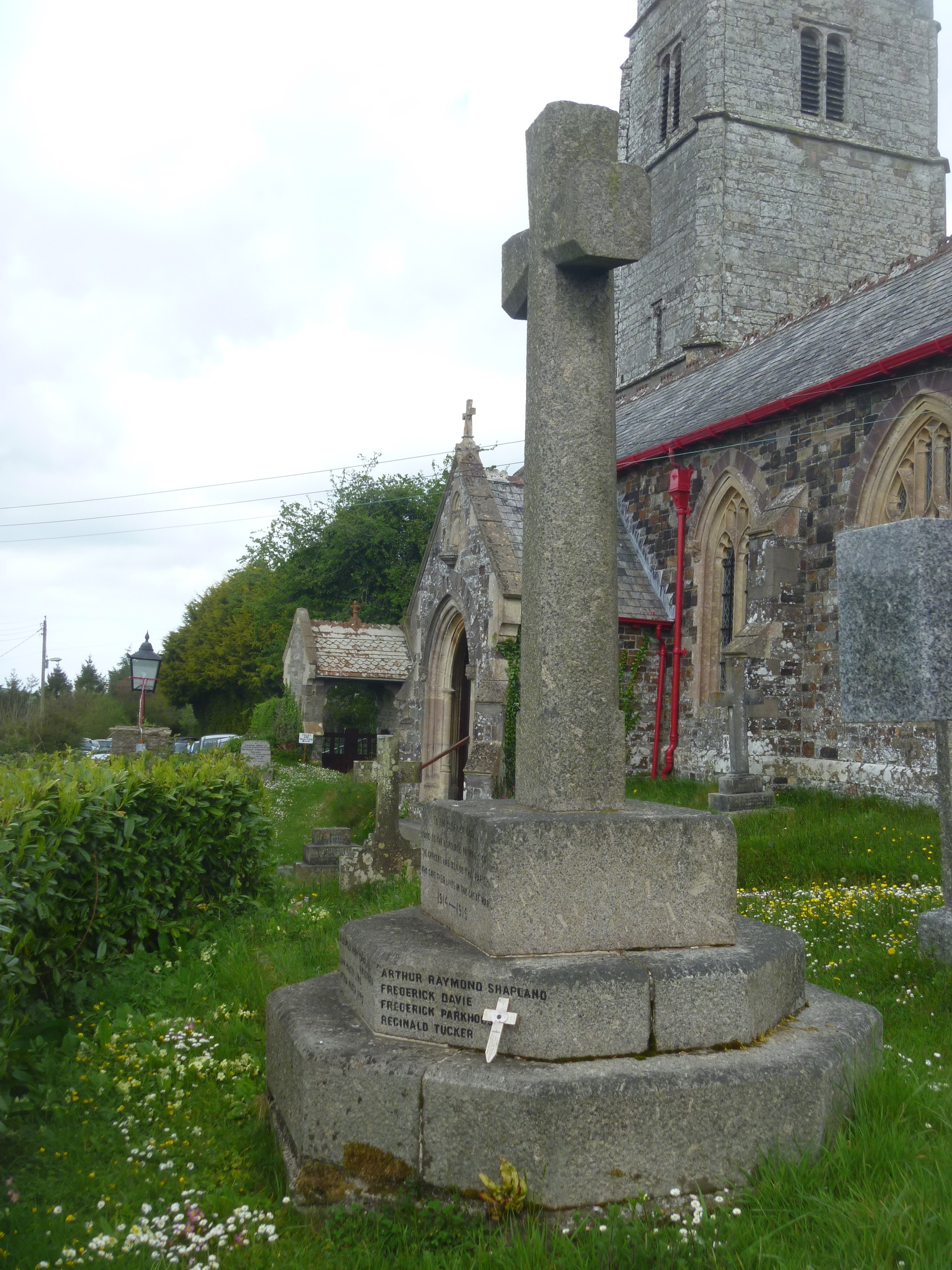
Goodleigh War Memorial

The Goodleigh War Memorial

New Inn

The New Inn, Goodleigh

One of my favourite walks in Devon is through the grounds at Gidleigh Park. Although it’s a drive from Goodleigh we were really looking forward to it as after the very wet walk we had booked an Afternoon Tea. Yummy!

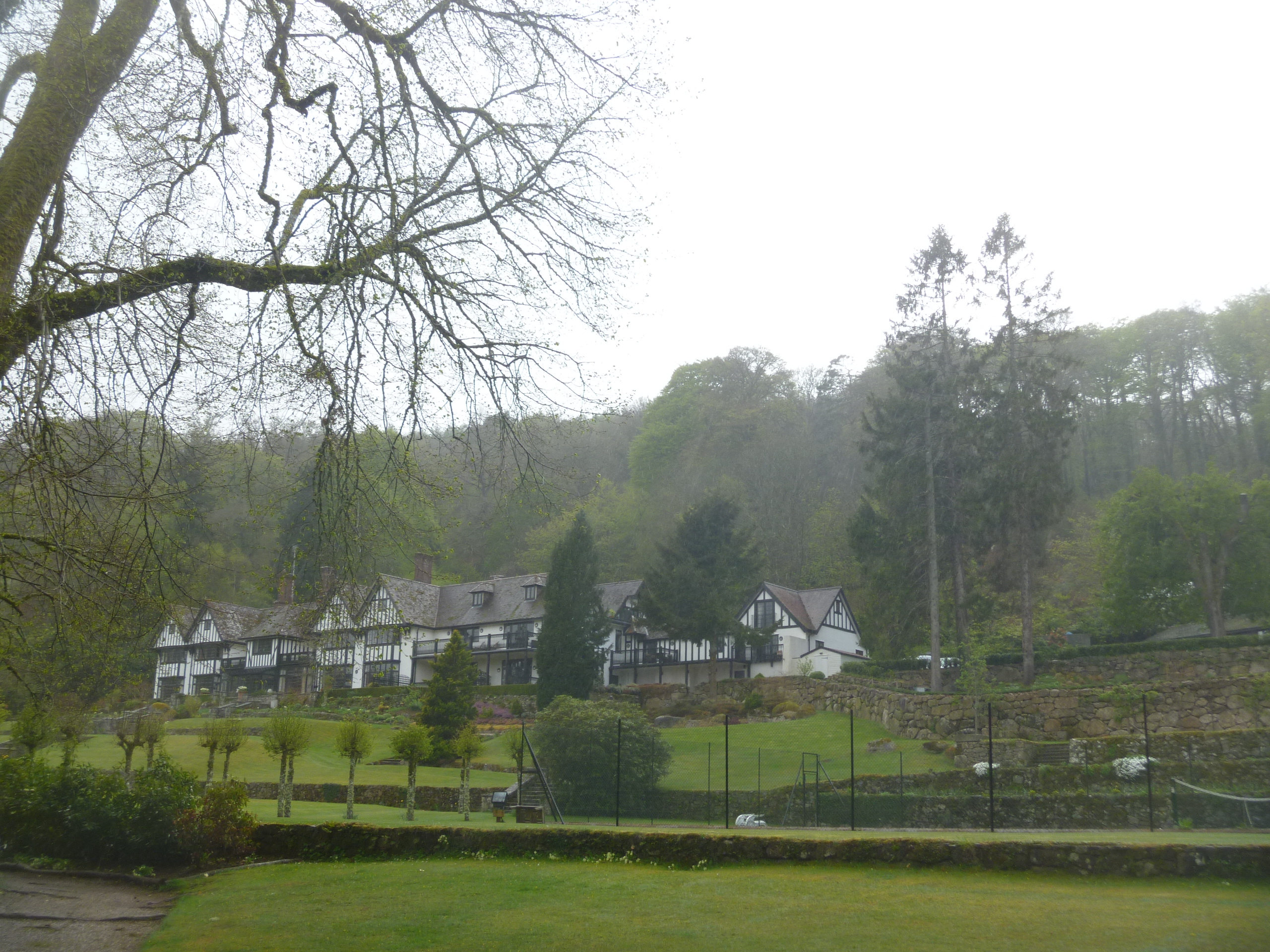
Gidleigh Park Hotel

Gidleigh Park in the rain!

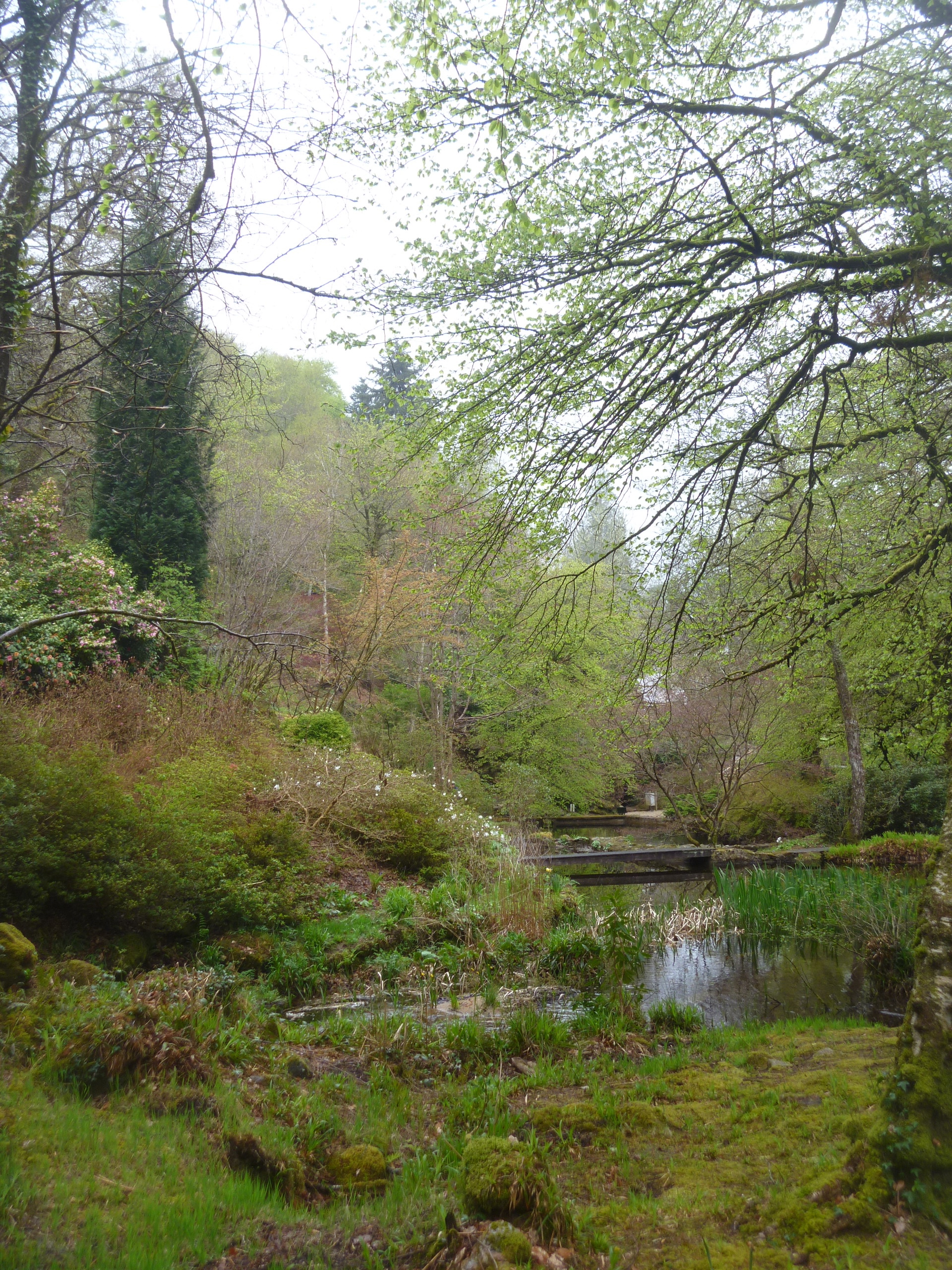
Gidleigh Park

The Water Garden at Gidleigh – brimming over!

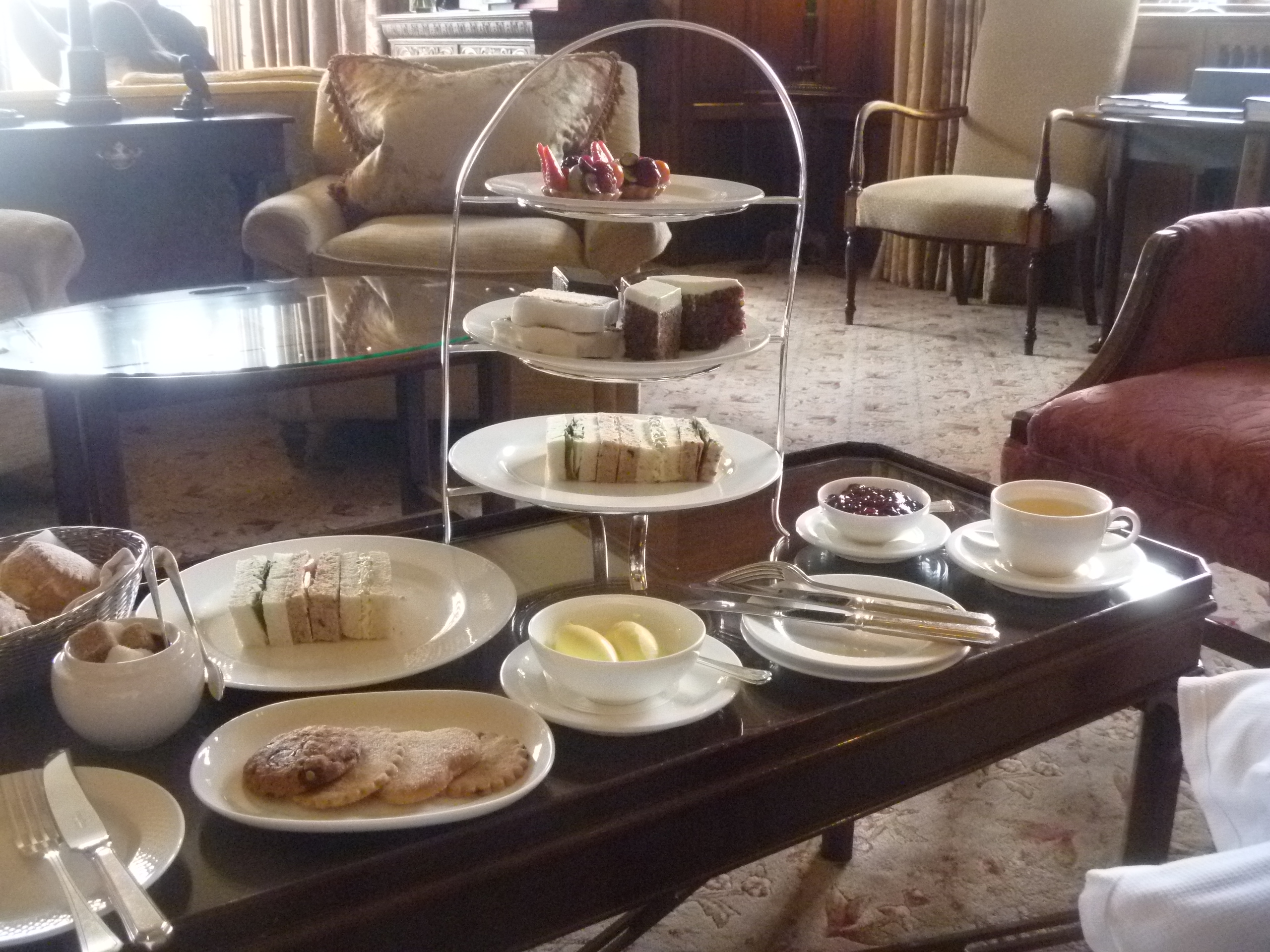
Tea at Gidleigh Park

The Afternoon Tea

Bolsover Castle to Hardwick Hall, and back, and on foot

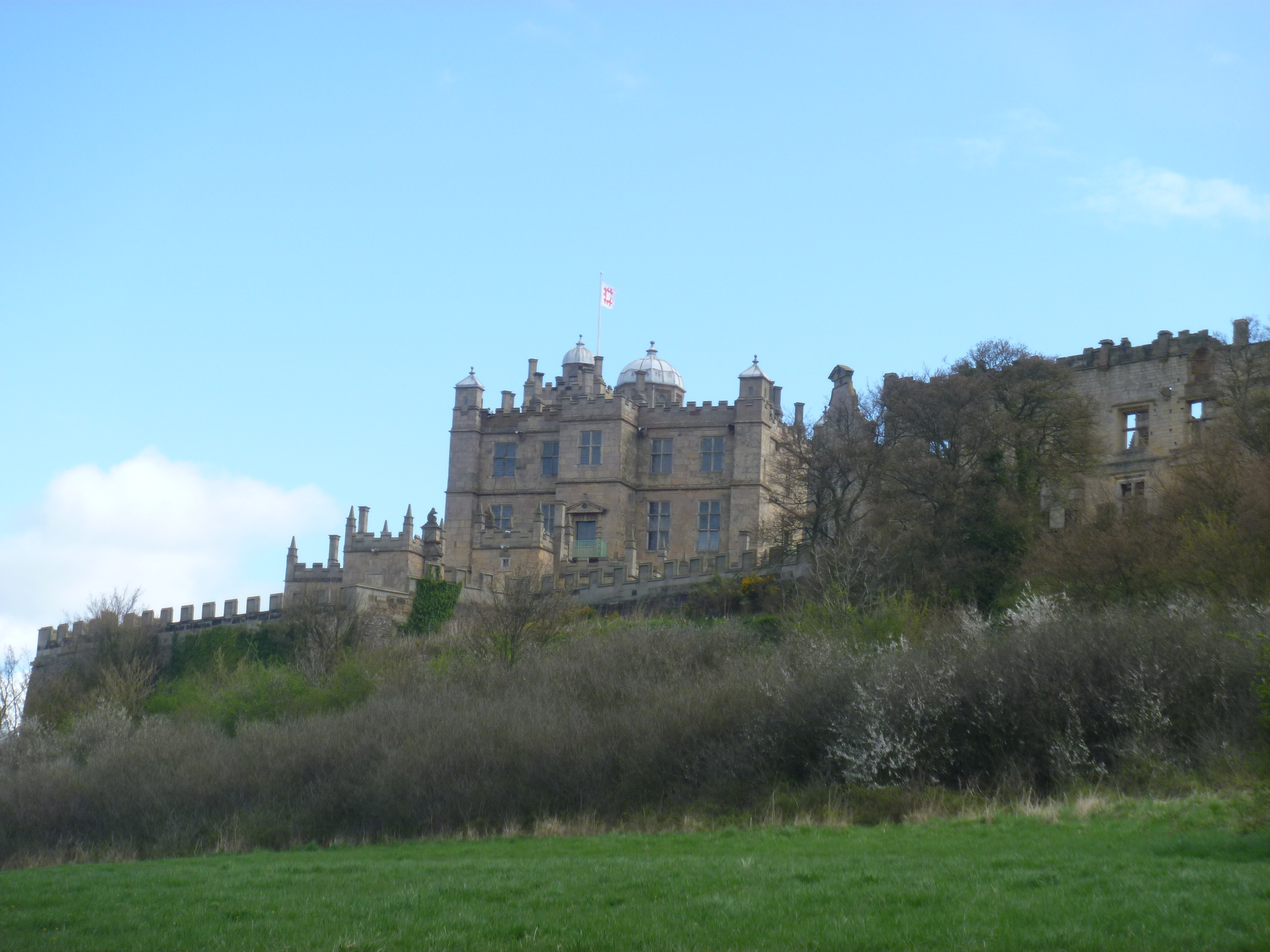
This month’s ATG Saturday Walk is a new one for them (and for me) : ‘Bolsover and Hardwick Hall’.

Here’s the itinerary :

Starting alongside the impressive 17th century castle of Bolsover, this walks heads south along the Doe Lea, passing the Saxon church at Ault Hucknall en route to the impressive Elizabethan home of Bess of Hardwick – Hardwick Hall. After strolling through the extensive grounds, we head north back to Glapwell for lunch. After lunch, quiet farmland tracks take us back to Bolsover for tea. 12.75 miles.” [ATG brochure]

I was so attracted by the idea of the walk and its route and the fact that today I would be travelling down the M1 from Leeds to Leicester with a whole day to spare that I failed to register quite the distance involved! There are opportunities to be picked up and returned comfortably to the start/end from both at Hardwick and at Glapwell but most of us soldiered on to the end. Luckily the route is not too demanding as regards climbs but it’s quite a long tramp and I’m now happily down in Leicetershire.

Bolsover Castle

I’ve written about Bolsover Castle before – a misty, foggy visit in November 2011. Today we passed through several weathers but only one brief shower otherwise sunshine, cloud, heavy black threatening cloud and cold winds all took it in turns.

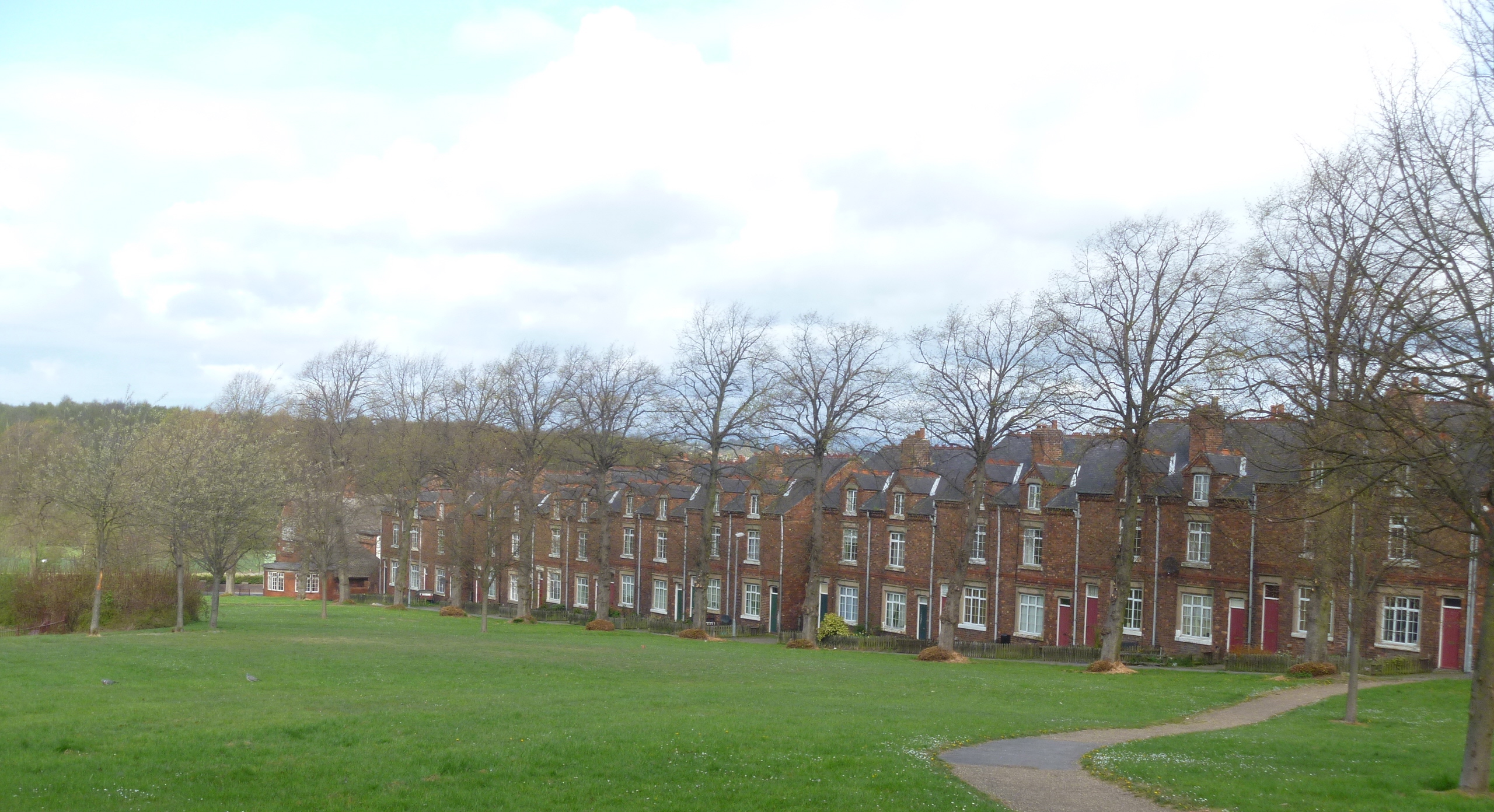
New Bolsover

New Bolsover

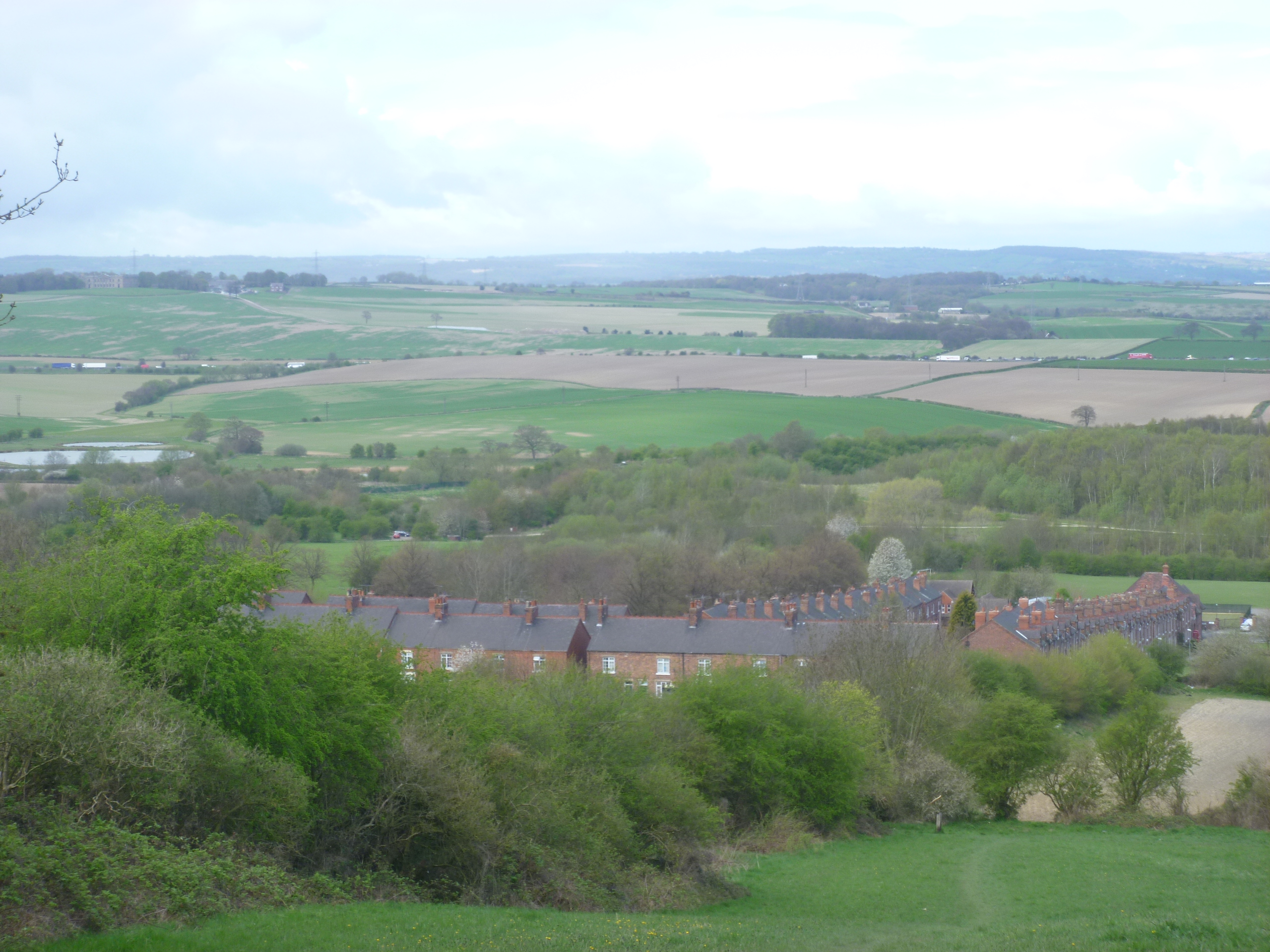
From Bolsover town we headed down below the Castle to New Bolsover which is actually not so new just newer than the old settlement around the Castle. It was a purpose-built miners’ village of neat red-brick terrace houses enclosing a large grassy area and is still occupied today even though the pits around this coalfield closed in the 1990s.

In New Bolsover

In New Bolsover

The theme of much of the walk was past or along the remains of the coal industry: along a disused railway track and past grassed over open cast mines on the Stockley Ponds and Trail maintained by Bolsover Countryside Partnership.

We could still see Bolsover Castle

We could still see Bolsover Castle

The Stockley Trail

The Stockley Trail

Stockley Ponds

The Stockley Ponds (Beware! Contaminated water) no fishing today

Apart from the two very significant buildings – Hardwick Hall (NT) and Bolsover Castle – we stopped by a small Saxon Church. The Church of St John the Baptist at Ault Hucknall was closed unfortunately but it would have been good to get inside. Read more about its chapel, windows and the grave of Thomas Hobbes, the author of The Leviathan, here.

St John's Ault Hucknall

St John the Baptist Church, Ault Hucknall

Saxon Arch and figures

Saxon Arch with figures

Close-up of the Saxon Arch

Saxon Arch details

Saxon Window

Saxon Window

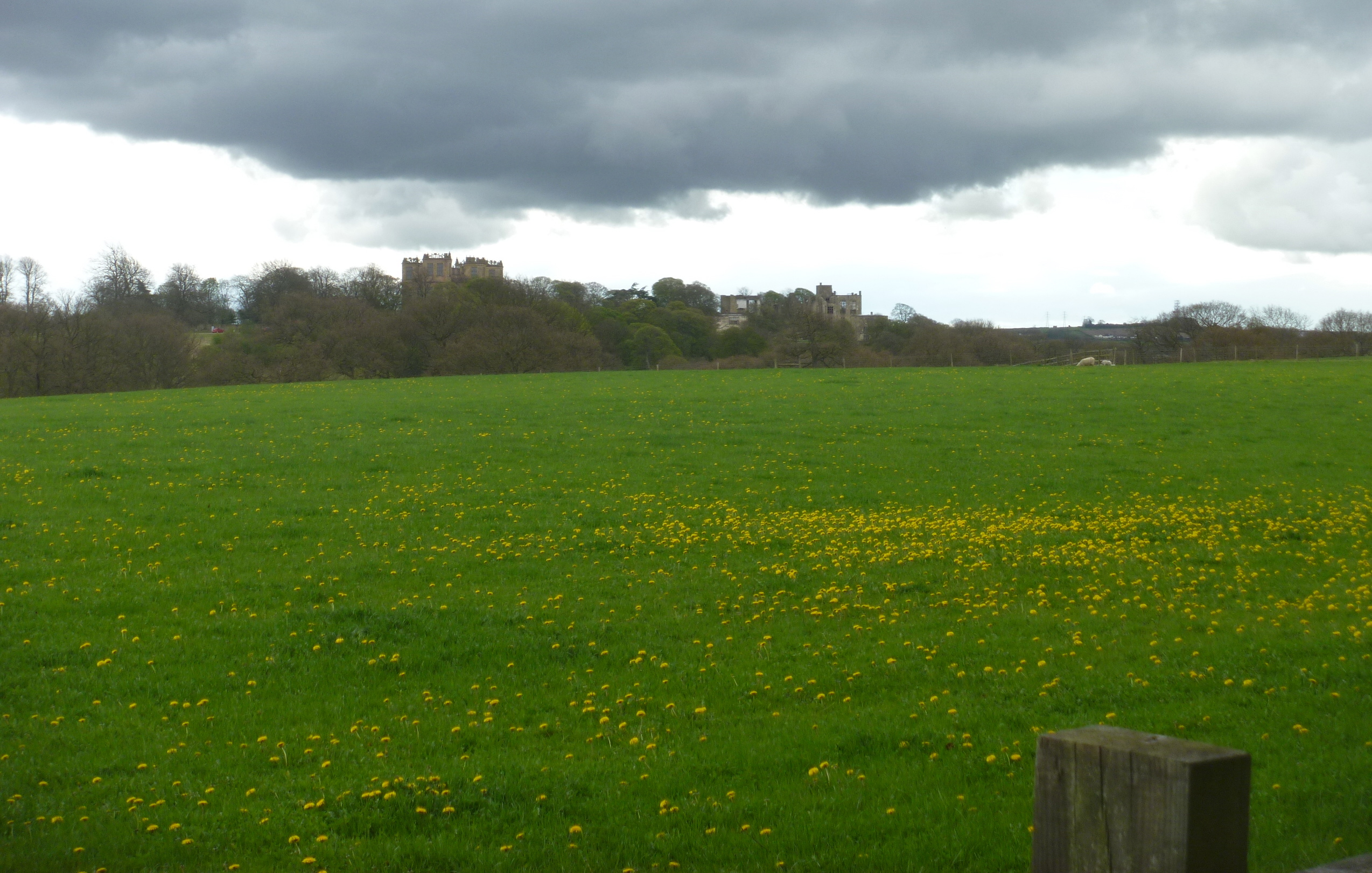
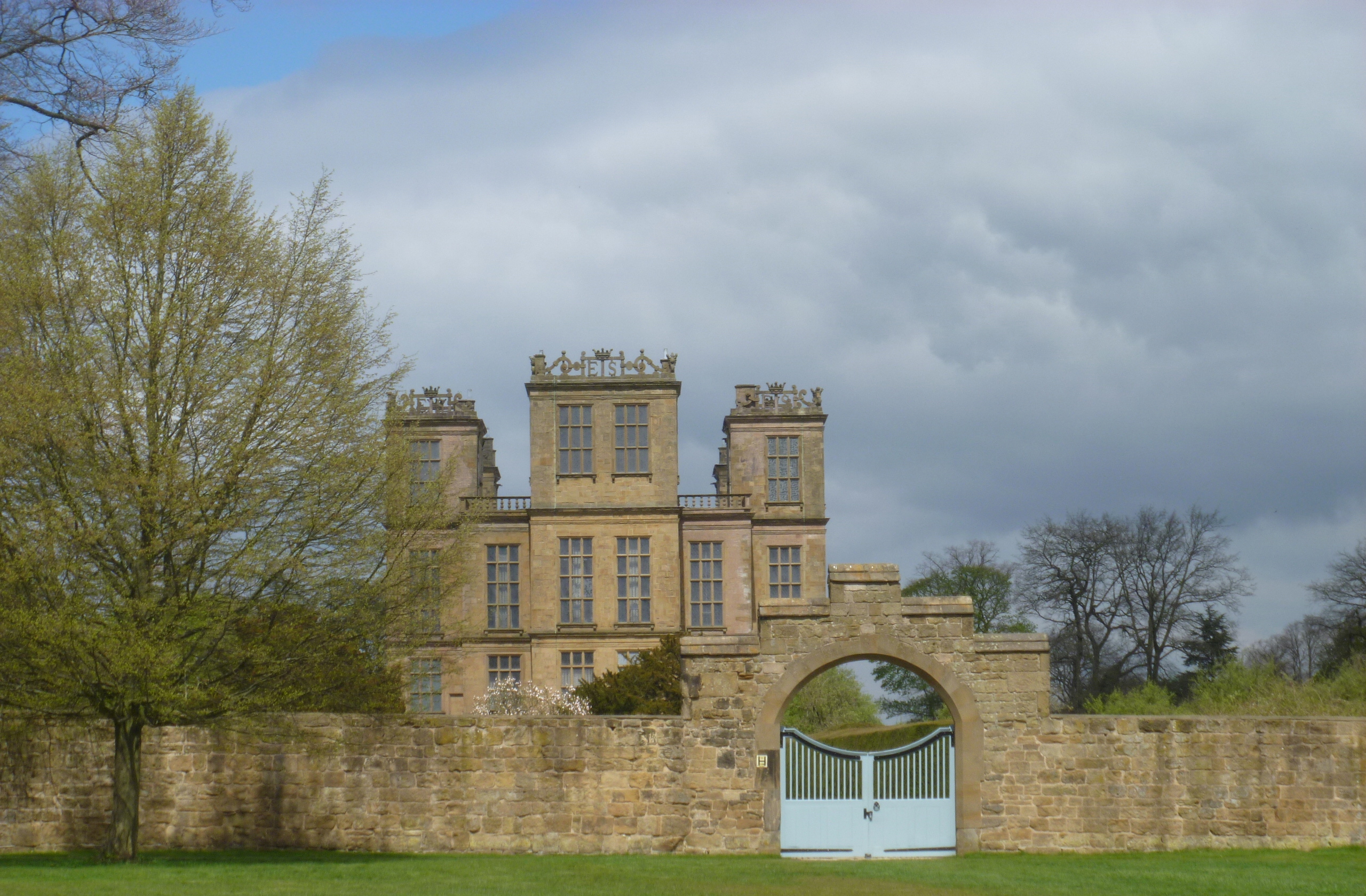
By lunchtime we’d arrived at Hardwick Hall, “more glass than wall”.

Approaching Hardwick Hall

Approaching Hardwick Hall

Hardwick Hall More Glass than Wall

Hardwick Hall

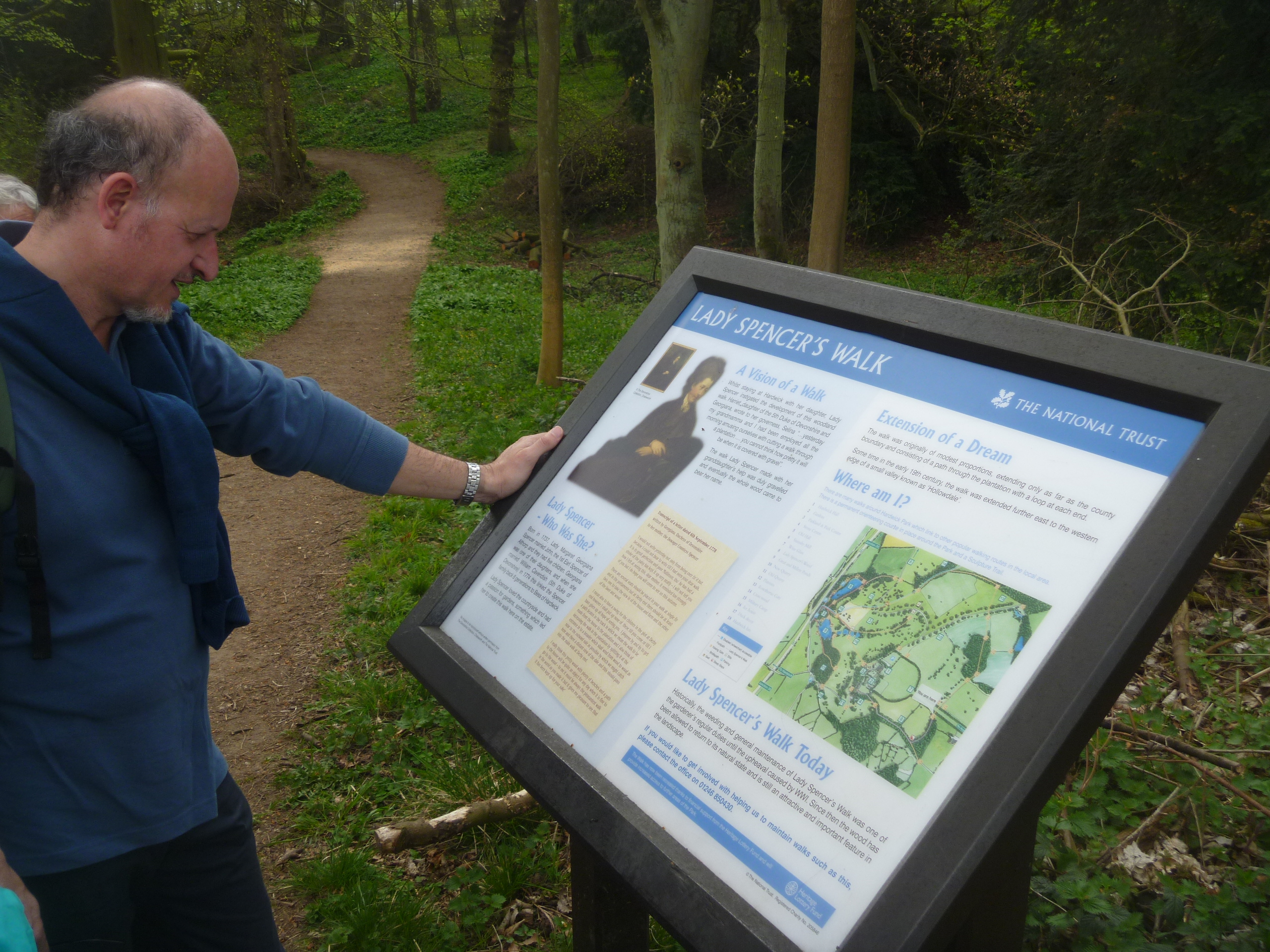
But it wasn’t our lunchtime so we just walked through the grounds, admiring the house as we went and continued along Lady Spencer’s Walk and other tracks on the estate finally arriving at Glapwell where lunch was waiting for us in the Community Centre.

Lady Spencer's Walk

Our Leader, Rob

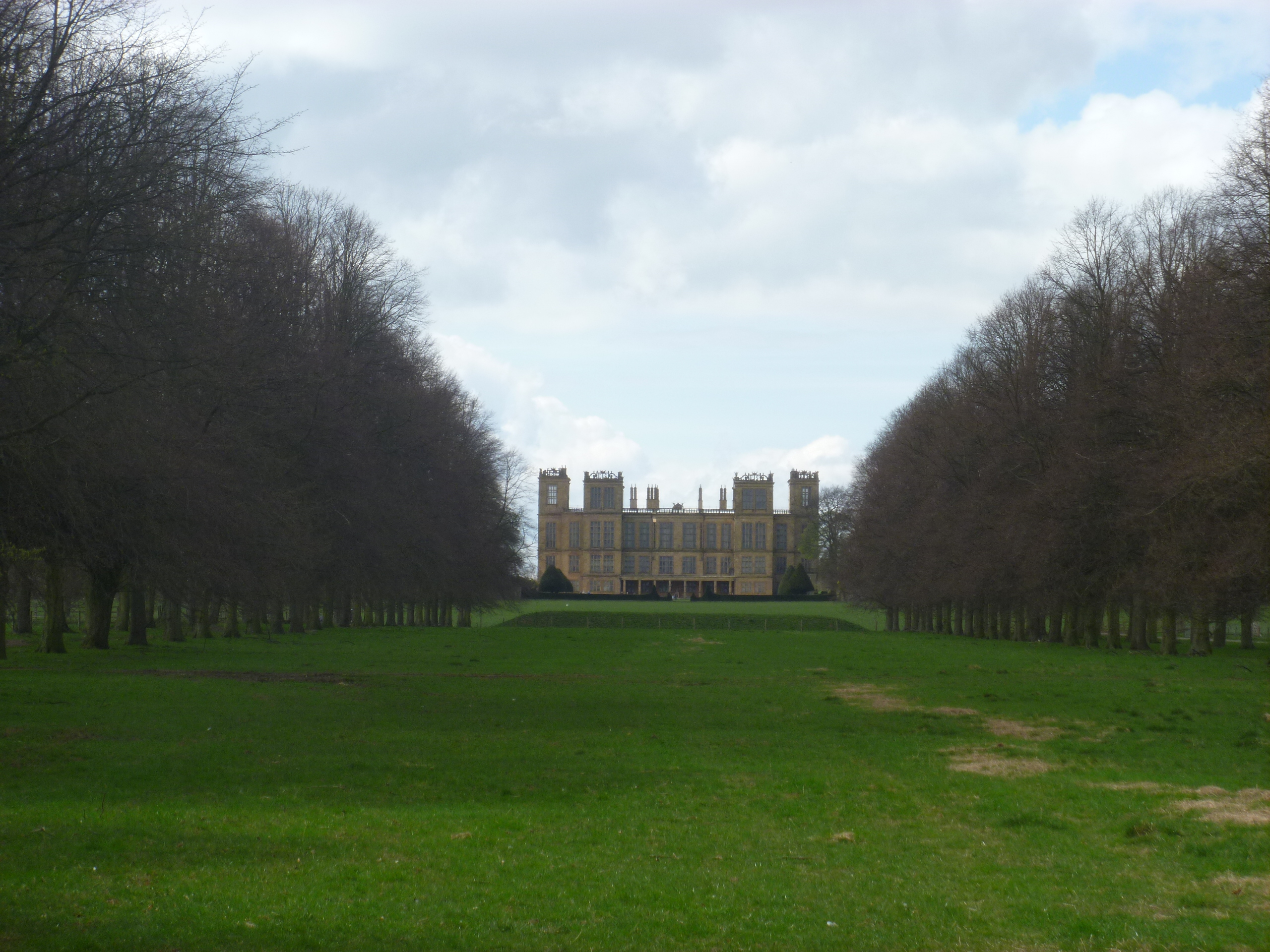
Hardwick Hall avenue

Hardwick Hall from the Avenue of Trees

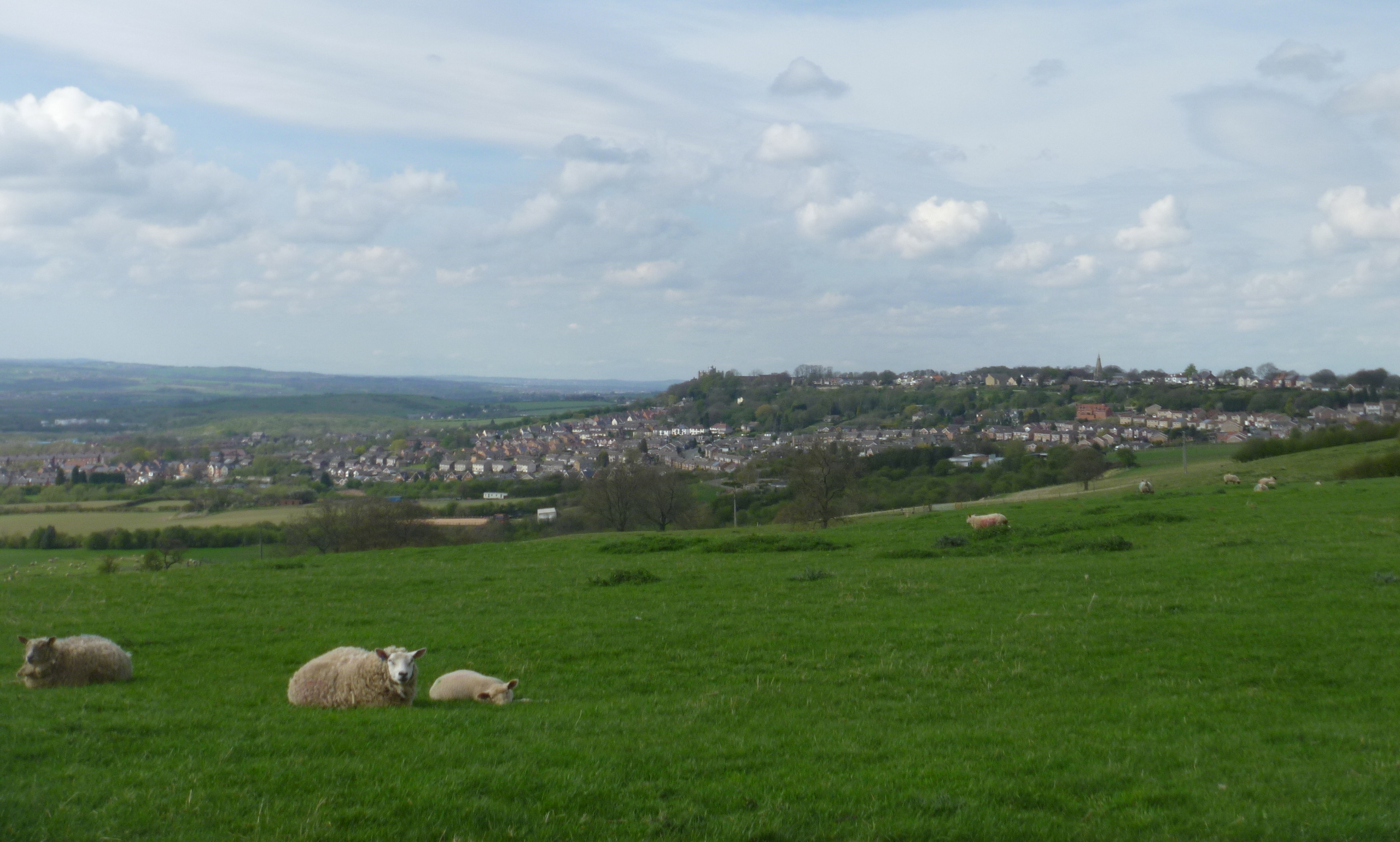
Comfortably refreshed, the best part of the walk, although fairly short now, lay ahead. After crossing several fields we followed a ridge directly back up to Bolsover with magnificent views west right across to the Derbyshire Dales.

Return to Bolsover

Return to Bolsover

Arriving in Bolsover more sustenance awaited us at The Bluebell pub – a generous spread of home baked scones, butter, cream and jam and pots of tea, to boot.

Less than an hour’s drive I am comfortably ensconced in my homely B&B for the night!

Childe Harold, Vathek and other literary inspirations of Monserrate

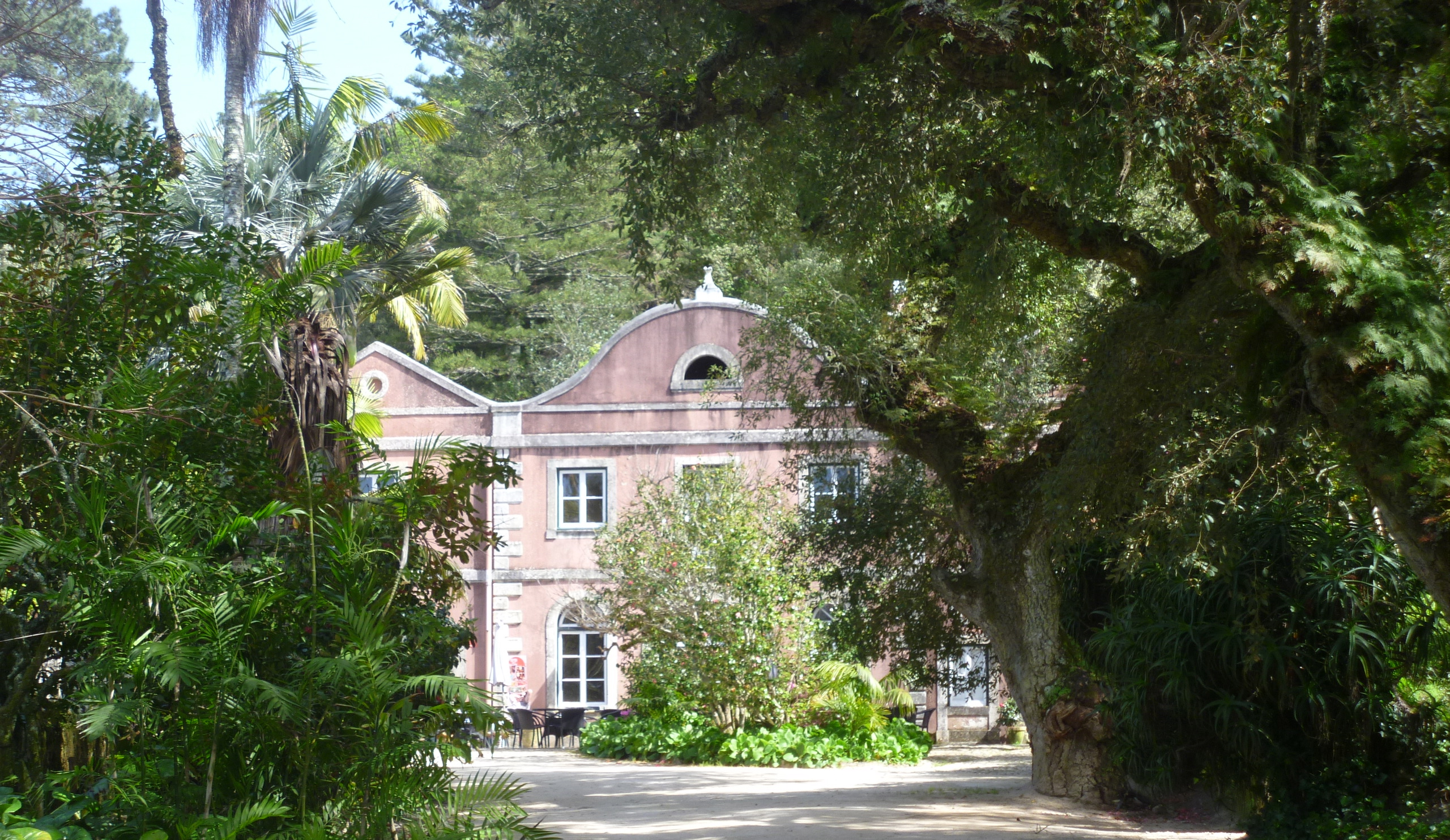
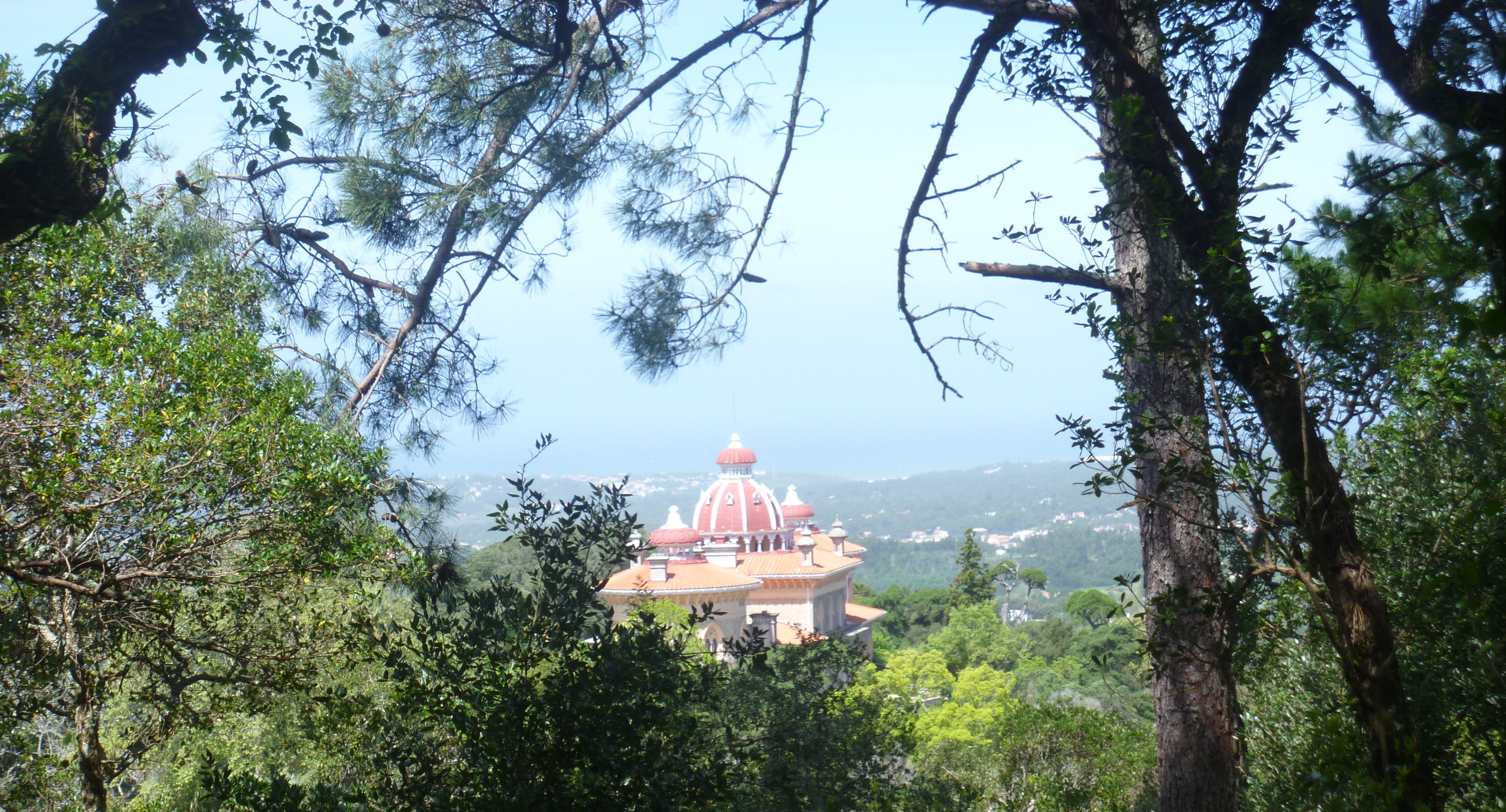
First glimpse of Monserrate Palace

On sloping mounds, or in the vale beneath,
Are domes where whilom kings did make repair;
But now the wild flowers round them only breathe:
Yet ruined splendour still is lingering there.
And yonder towers the prince’s palace fair:
There thou, too, Vathek! England’s wealthiest son,
Once formed thy Paradise, as not aware
When wanton Wealth her mightiest deeds hath done,
Meek Peace voluptuous lures was ever wont to shun.”

Childe Harold’s Pilgrimage, by Lord Byron [Canto the First XXII]

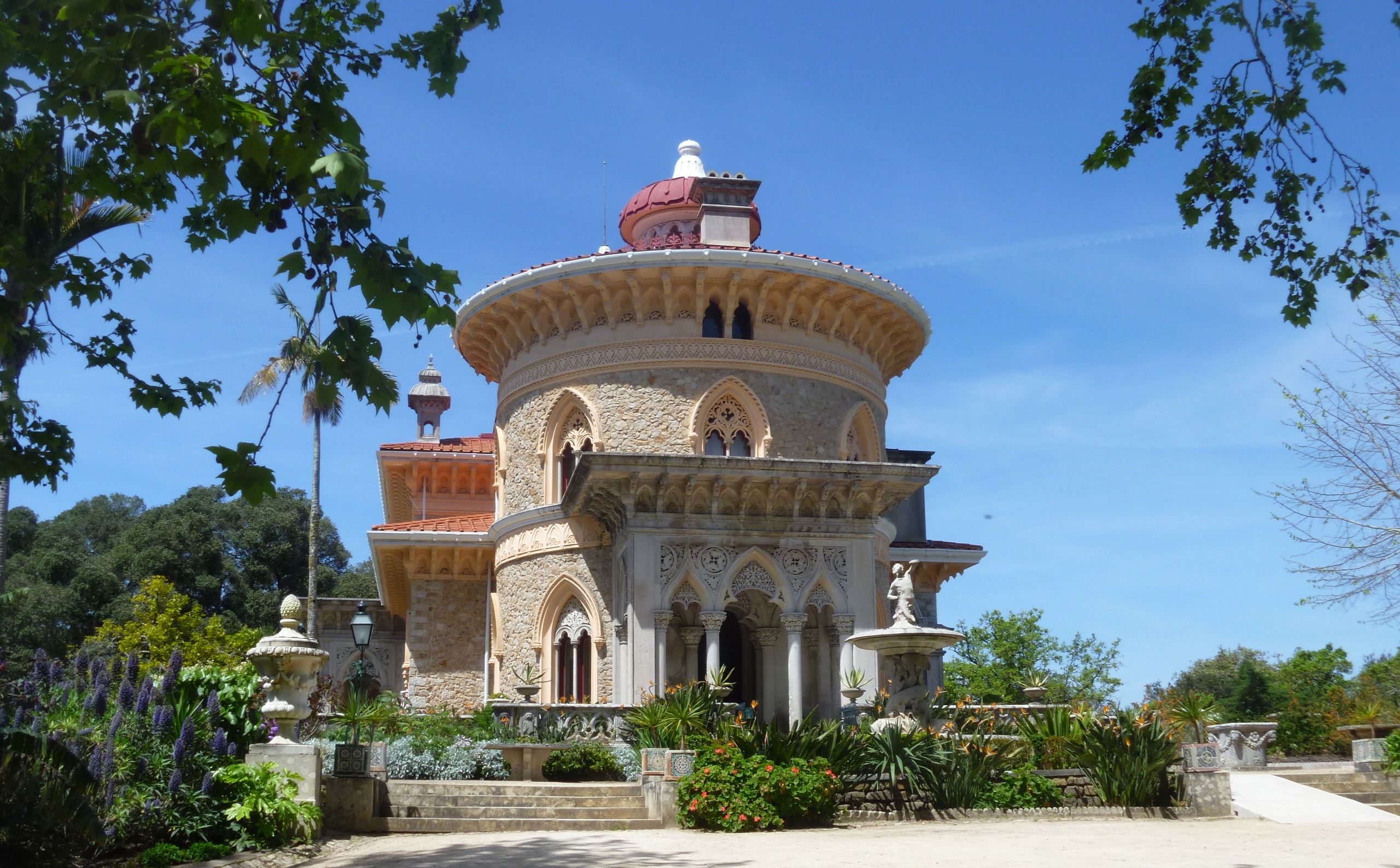
think the above verse applies to the beautiful palace and gardens of Monserrate. At least we were told in numerous books and leaflets that Lord Byron was smitten by Monserrate on his visit here in 1810 and reminisced about it in his poem ‘Childe Harold’s Pilgrimage’.

Monserrate Palace

Monserrate was probably my favourite place of the whole trip. It had everything: a palace with a library, exotic gardens(but with an English Rose Garden), a tea house, British connections, literary connections and to top it all we visited in beautiful weather!

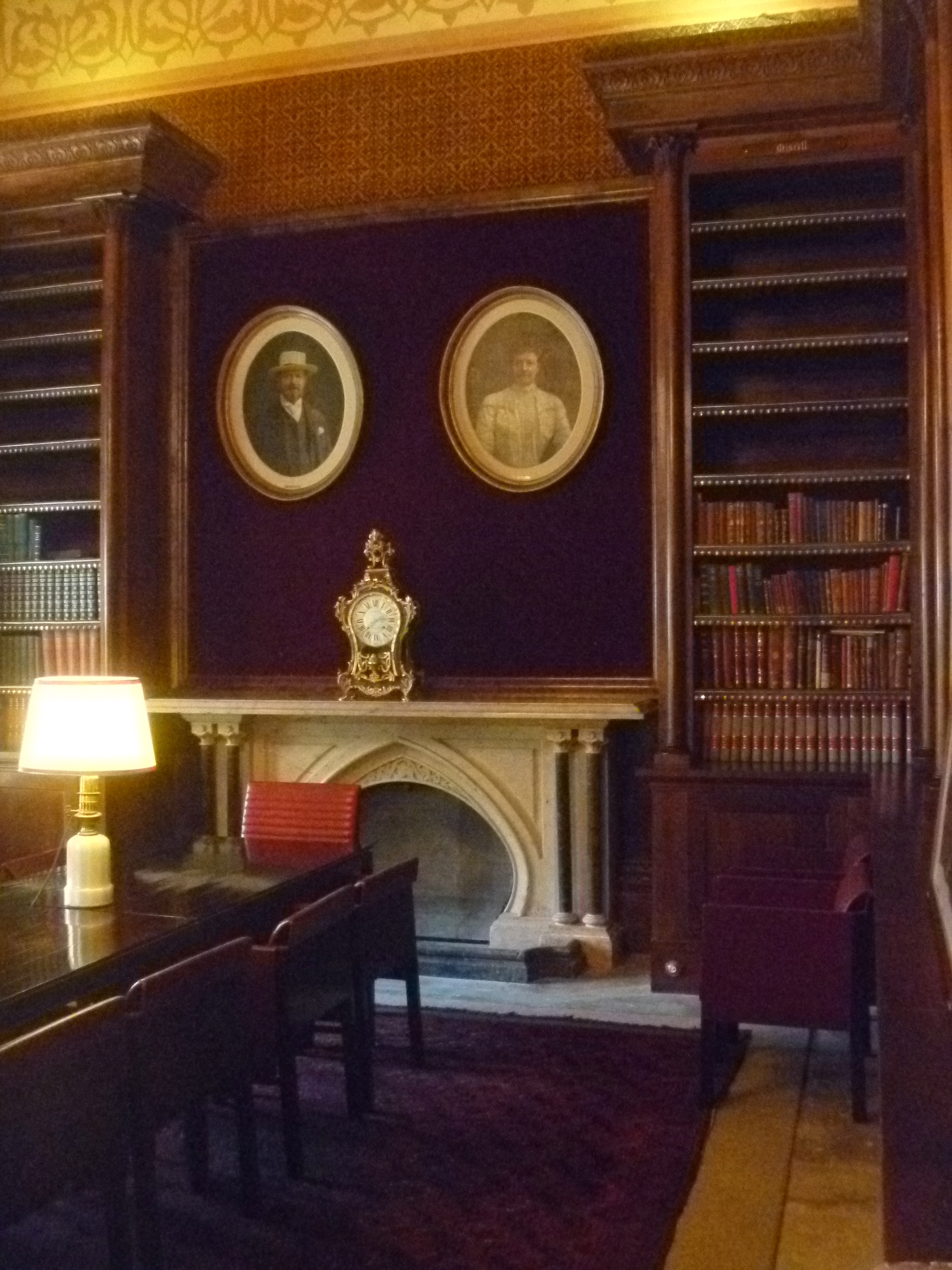
The library today

The Library as it is today

In the gardens

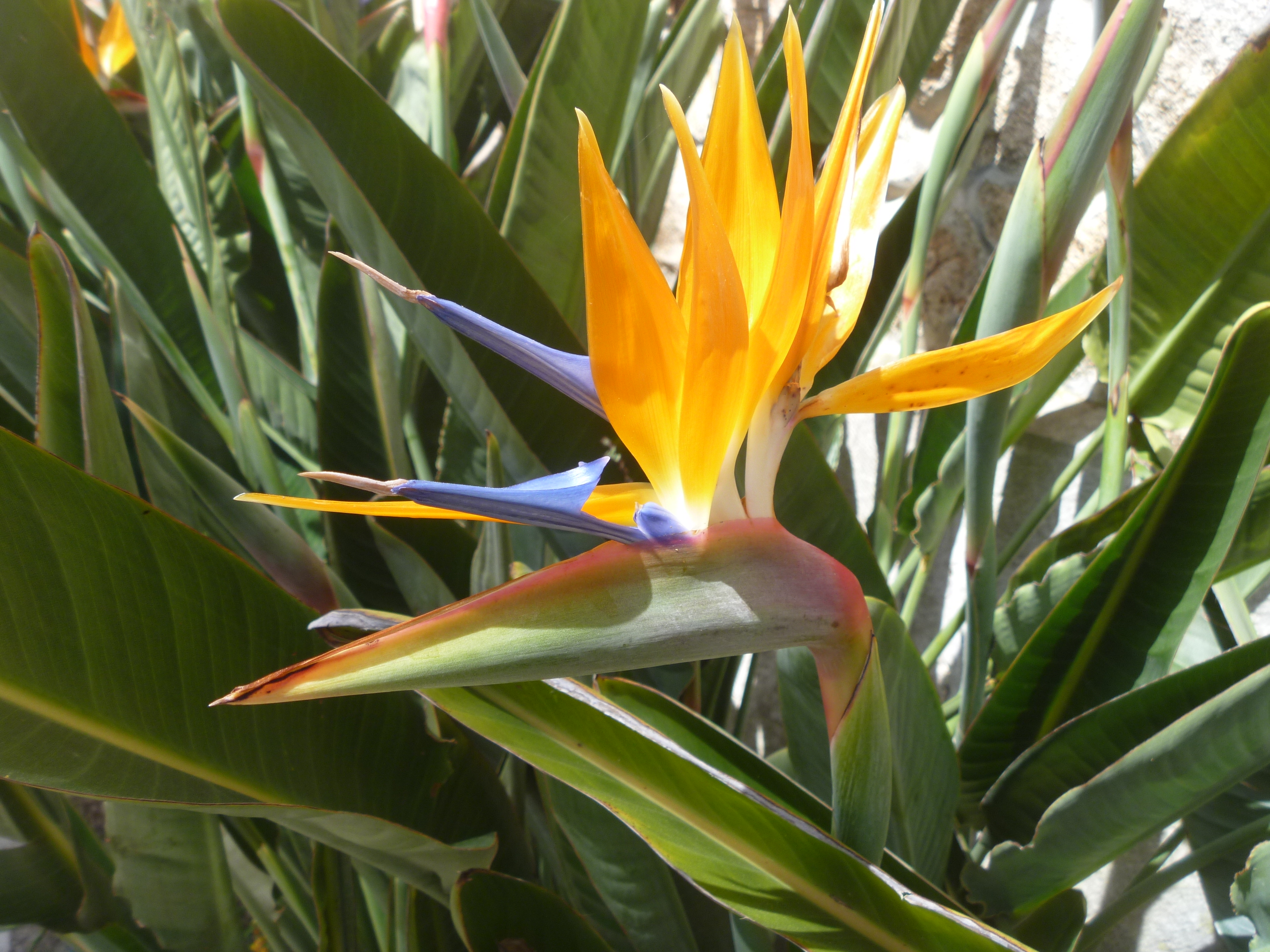
In the exotic gardens

The Tea House

The Tea House

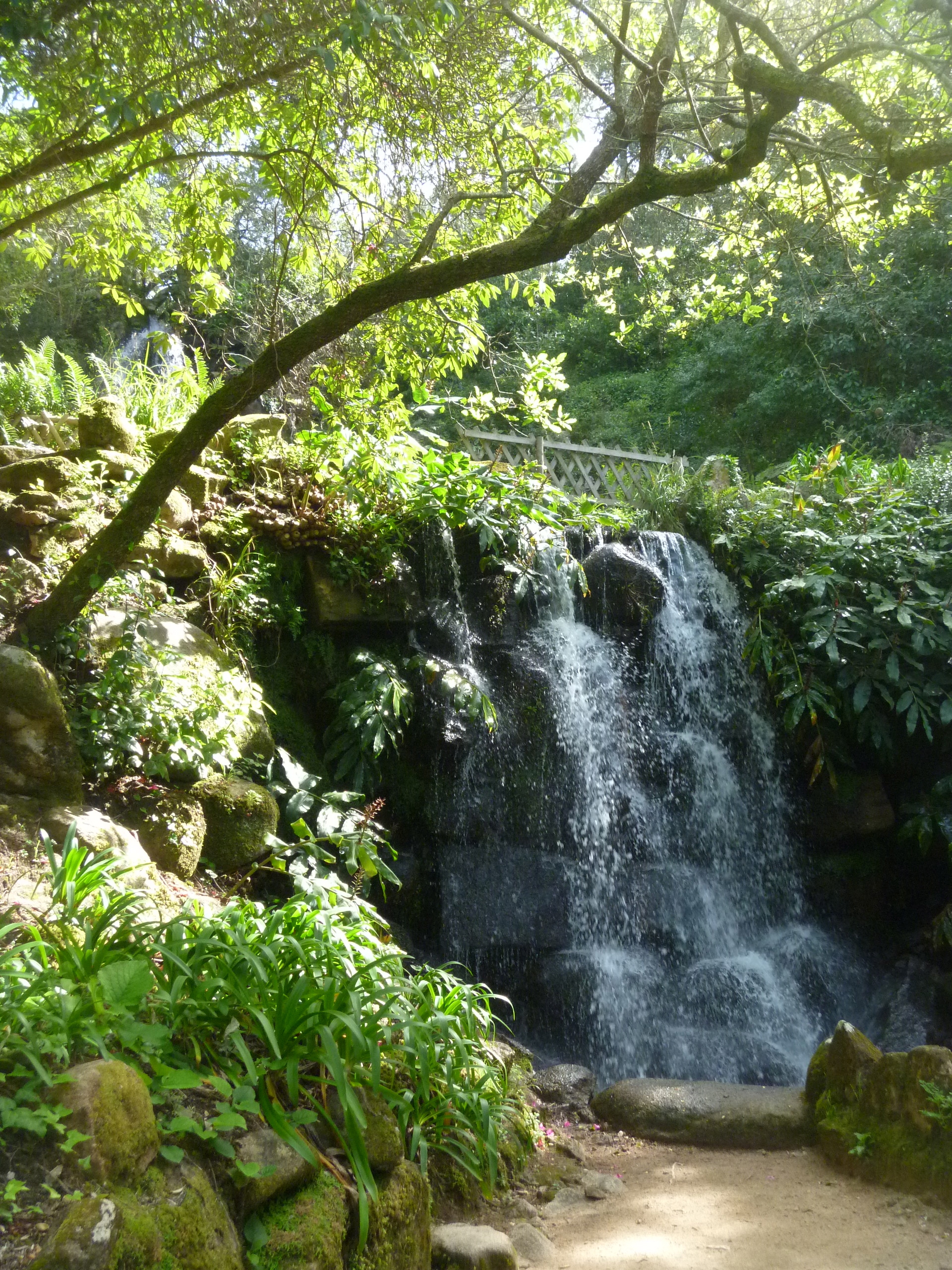
Beckford's Falls

Beckford’s Falls

William Beckford ordered this waterfall to be constructed between 1794 and 1799. Beckford, a writer who enjoyed great fame at the end of the 18th C, visited Portugal and fell in love with Sintra, where he rented this property from Gerard de Visme.” [On a nearby information board]

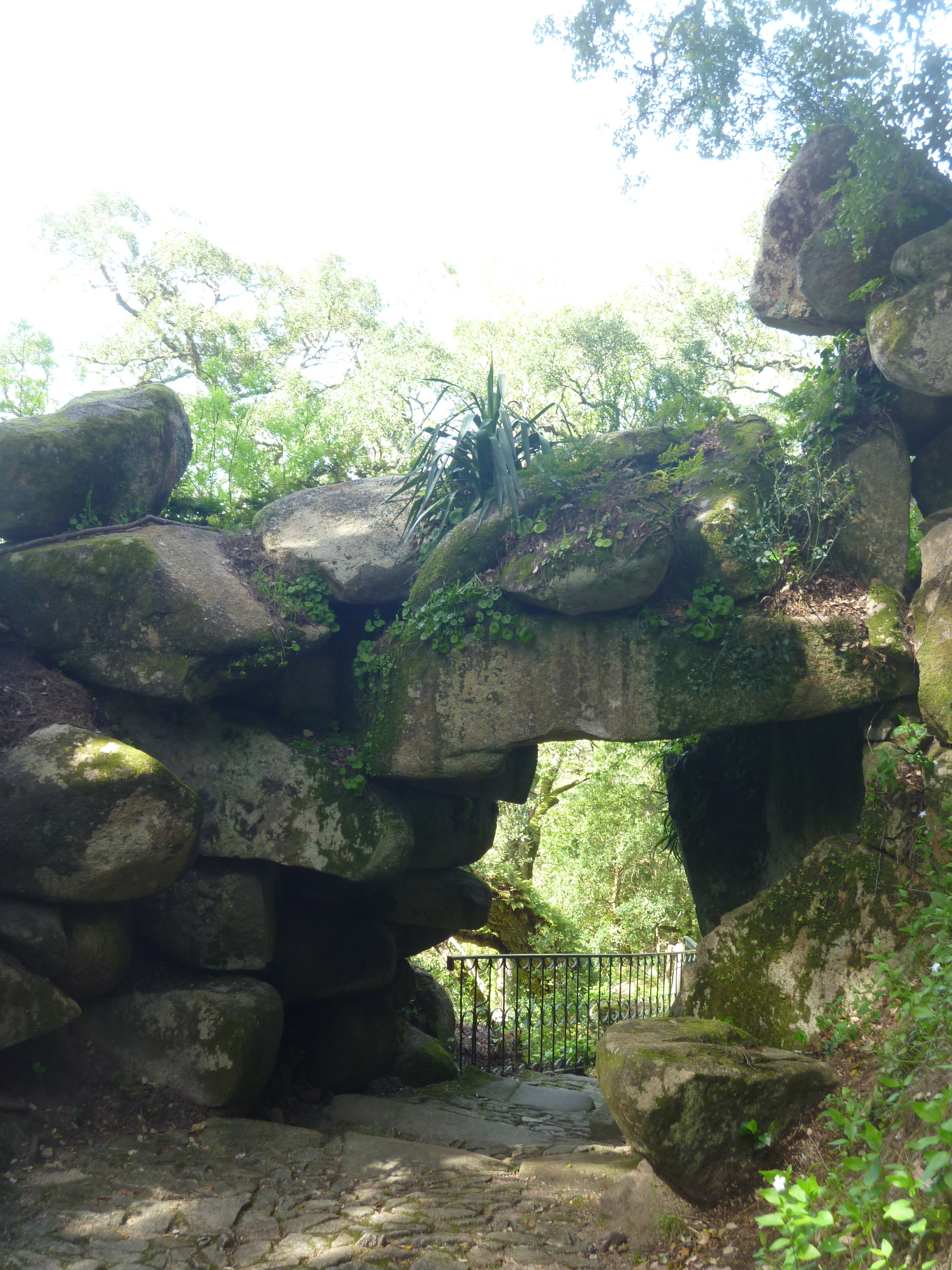
Vathek's Arch

Vathek’s Arch

This arch was built by William Beckford … We think that it could represent the entrance of the property which, at the time, was not enclosed. Beckford wrote his most famous book, Vathek, an oriental tale, in 1786 before his first visit to Portugal. Vathek was the hero of the book which is considered by many to be somehow autobiographic” [From nearby Information Board]

Gerard de Visme an English merchant holding the concession to import Brazilian teak was responsible for the construction of the first palace. Later, William Beckford, writer, novelist, art critic and eccentric lived here. There’s a waterfall named for him and an arch for his most famous character; Vathek.

Sir Francis Cooke bought the property in 1856 and had it restored by the English architect James Knowles, who employed a thousand workmen. In the 1850s the artist William Stockdale created a botanic garden there with plants including rhododendrons  from all over the world – Mexico, Australasia, Japan and the Himalayas.

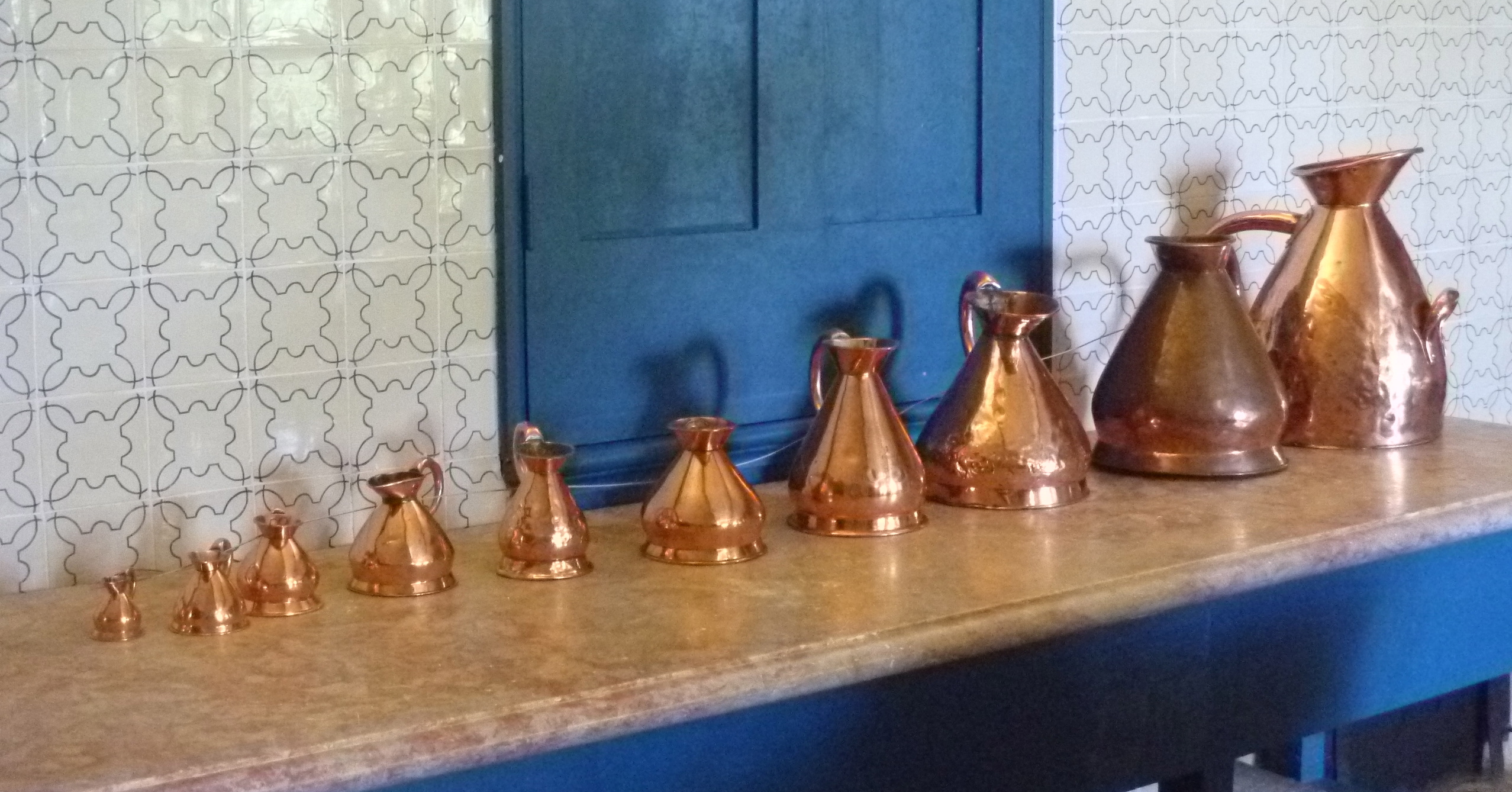
Brass jugs in kitchen

Brass jugs in the kitchen – could be Below Stairs at any National Trust property!