The Old King’s Highway : Route 6A Cape Cod

The final nine nights of our September New England holiday were spent on Cape Cod at one of our very favourite places : The Lamb and Lion Inn at Barnstable. This year was our fourth visit but this shrank in insignificance when we met two couples who had been visiting for their 18th and 23rd times respectively.

The Lamb and Lion Inn right on the 6A
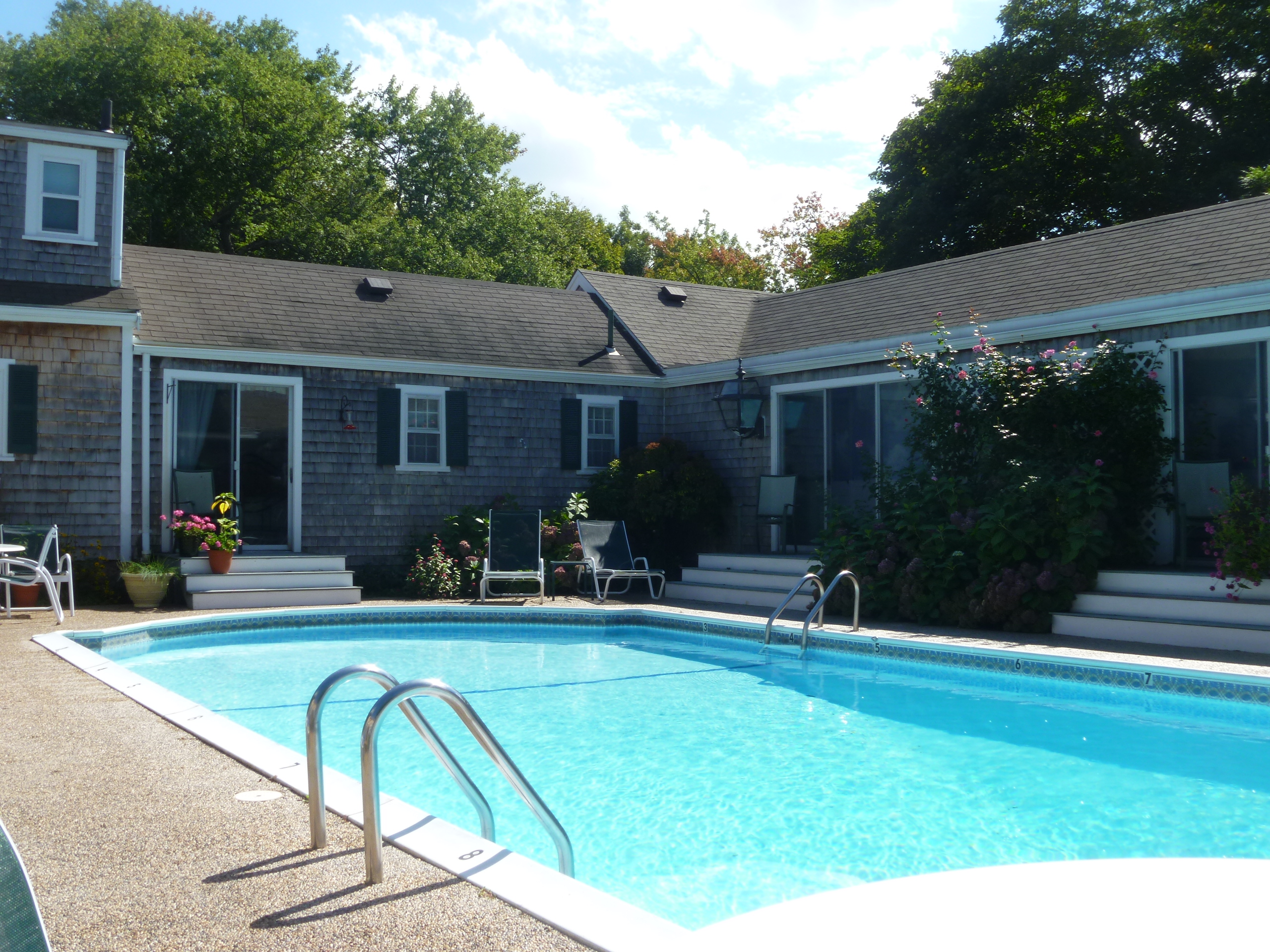
So, I was pretty familiar with the Old King’s Highway but have only on more recent visits realised the full historical significance of this road. When you cross the Sagamore Bridge you join Highway 6 the main dual carriageway that links the Sagamore with Provincetown 72 miles away. However, to reach the Lamb and Lion and follow a slower pace and drop down a gear or two you need to take the Route 6A to the north.

The 6A leaves the 6 at Sagamore and rejoins it just west of the town of Orleans and in total the OKH is 34 miles long and traverses seven towns and is just yards from the beach in some places. In fact it is hard to realise that you are so near the seaside as you drive along but turn left (north) down almost any lane as you drive from Sagamore to Orleans and you’ll find  sandy beaches hugging Cape Cod Bay or, nearest to us at the L&L, the lovely sheltered Barnstable Harbour.
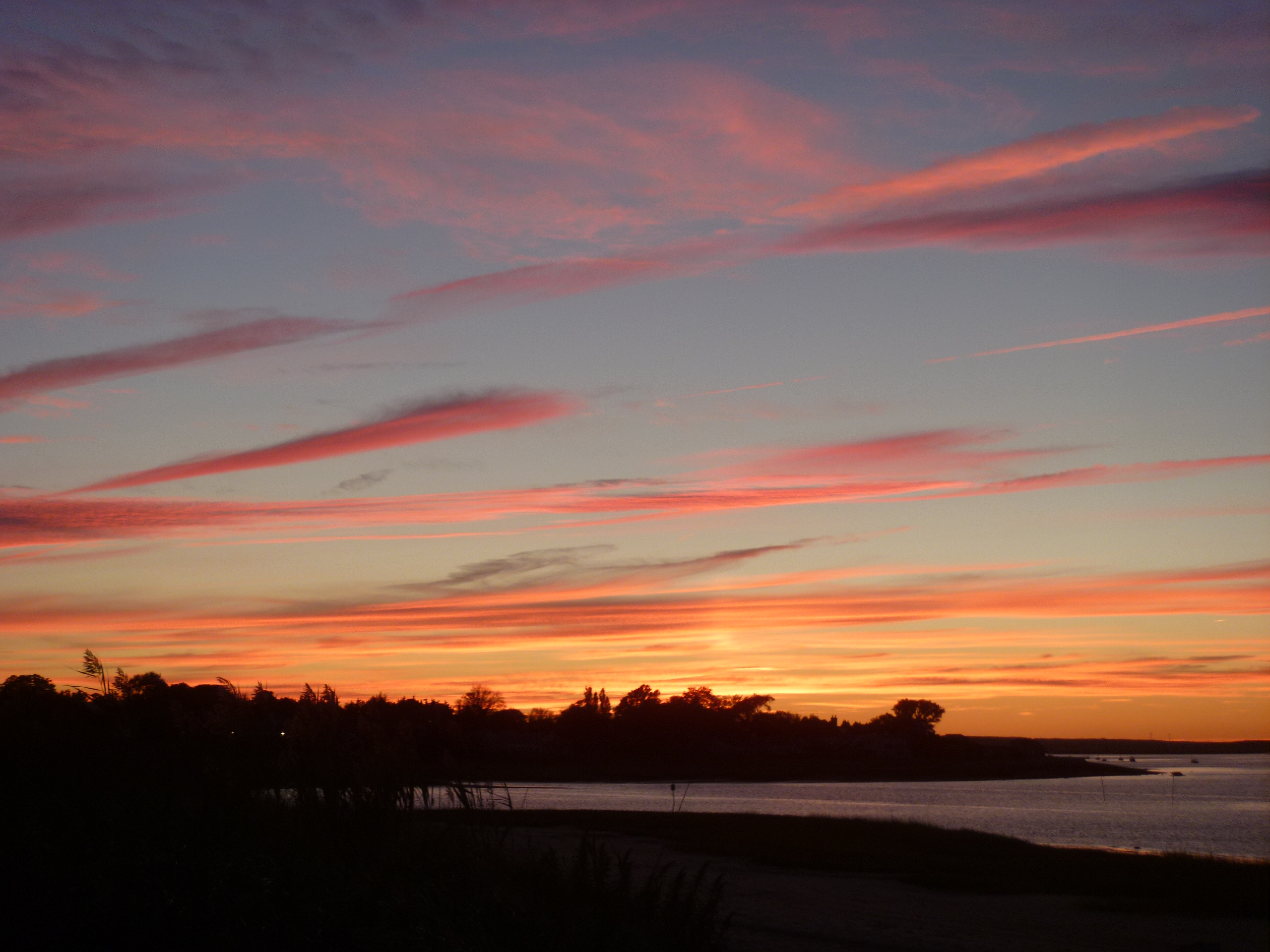
Sunset at Barnstable Harbor Beach

When we stay on Cape Cod we have a very limited “comfort zone” so the part of The Old King’s Highway that I’m going to tell you about is just that between Barnstable and Dennis. I just checked on Mapquest and it’s a distance of about 11 miles.

I have tried to find out exactly which “Old King” the highway is named for but it’s not mentioned in the bits of literature that I have collected and no sign on “Google” either. I assumed King George III but it’s much older than that – a late 17th century extension of the King’s Highway from Plimouth. The whole of it is designated a Regional Historic District and is the largest such district in America. It is also one of America’s most scenic highways.

This 34 mile roadway winds through 7 cape towns, past hundreds of historic sites and landscapes, including farmsteads, cranberry bogs, salt marshes, sea captain’s homes, and village greens.”

In addition there’s America’s oldest library (The Sturgis Library), a famous artist’s home (Edward Gorey), a Coastguard Museum, a unique secondhand bookshop (Parnassus Books), an Historic New England property (The Winslow Crocker House), great eateries and interesting, one-of-a-kind shops and galleries, roadside fruit and veg. stalls (we recommend the heritage tomatoes), shipyards and churches and cemeteries and all of those just within our 11 mile zone.
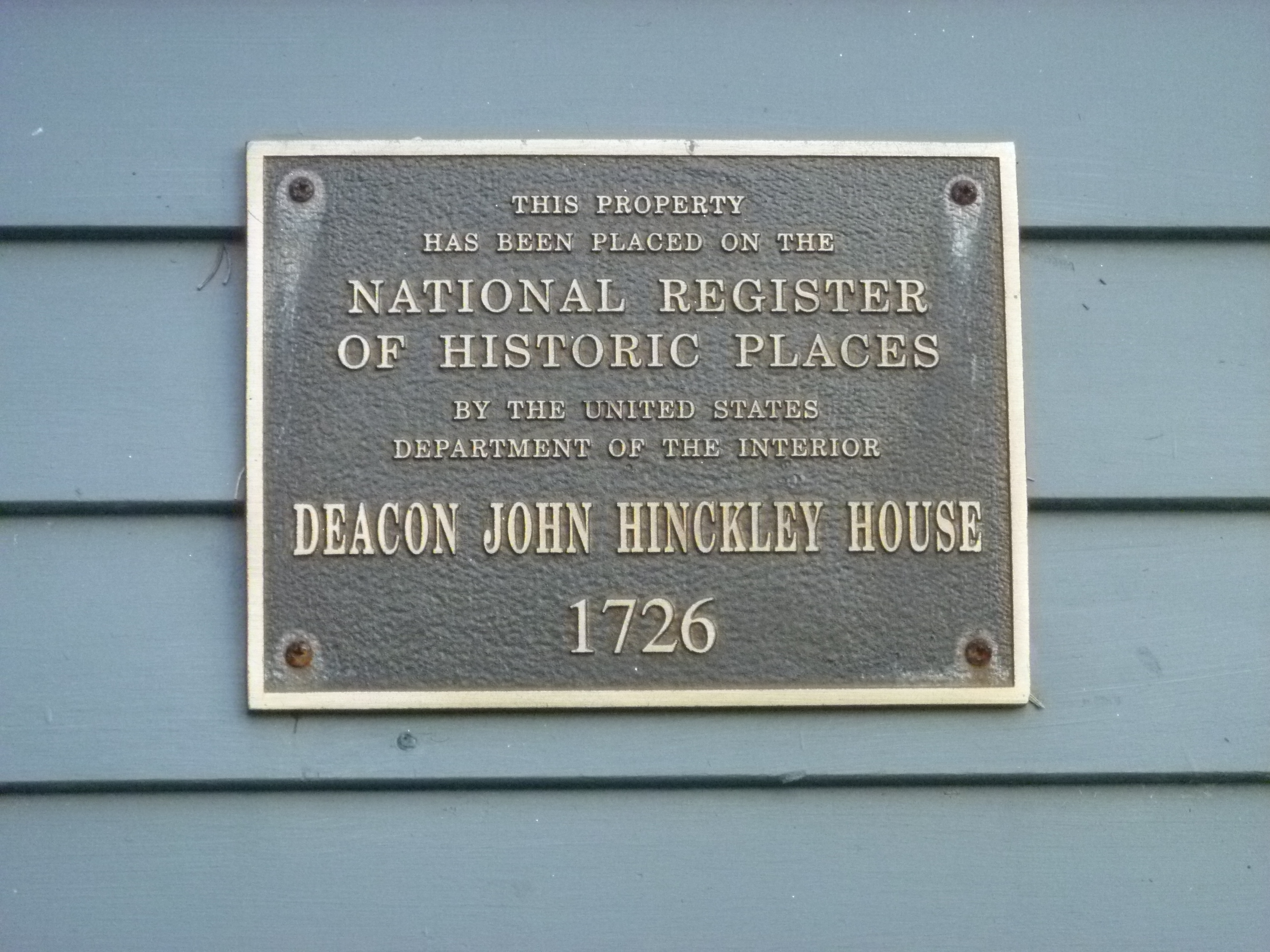
Historic House plaque – one of very many along the 6A
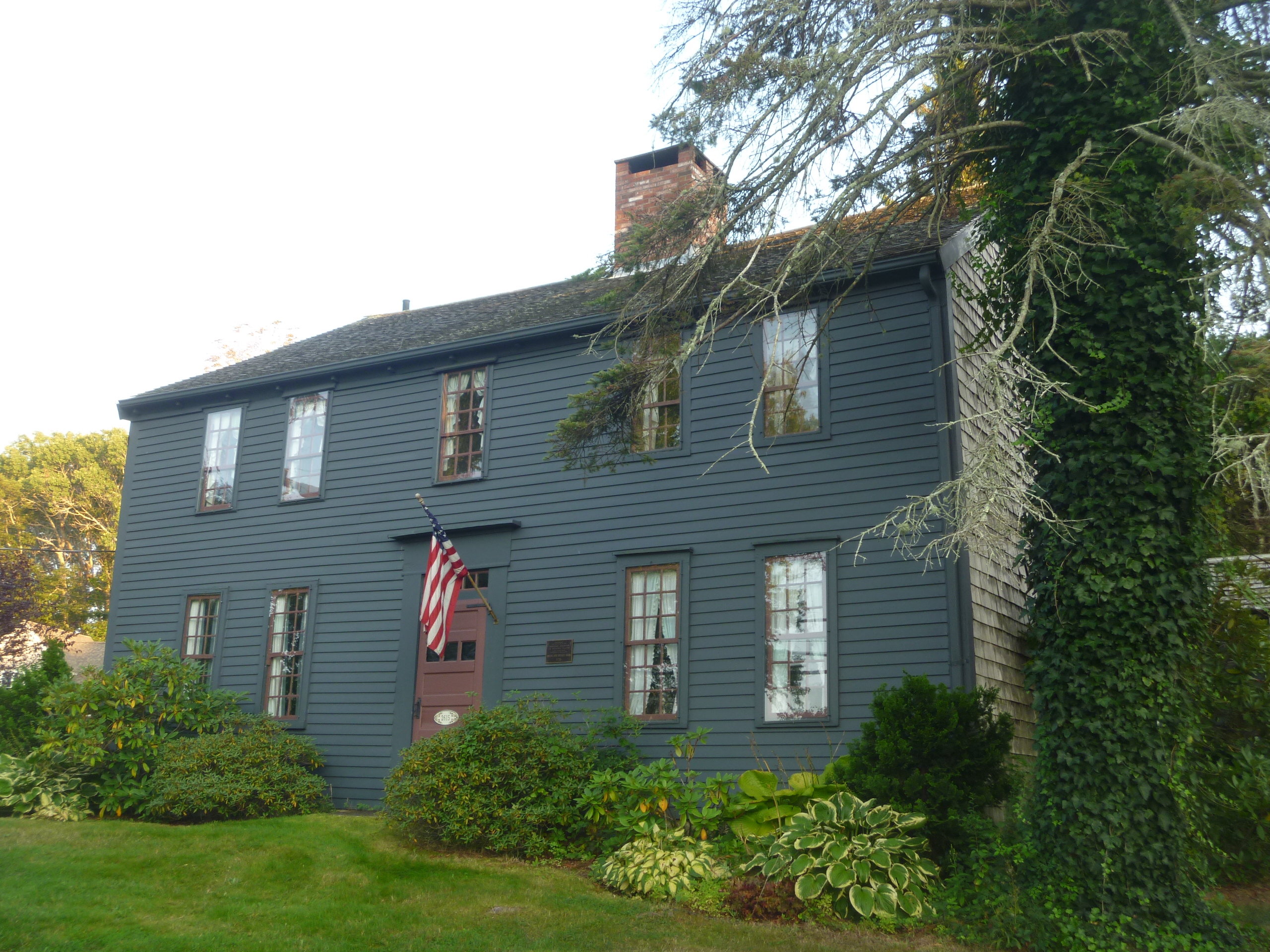
Deacon John Hinckley House (one of many historic properties along 6A)
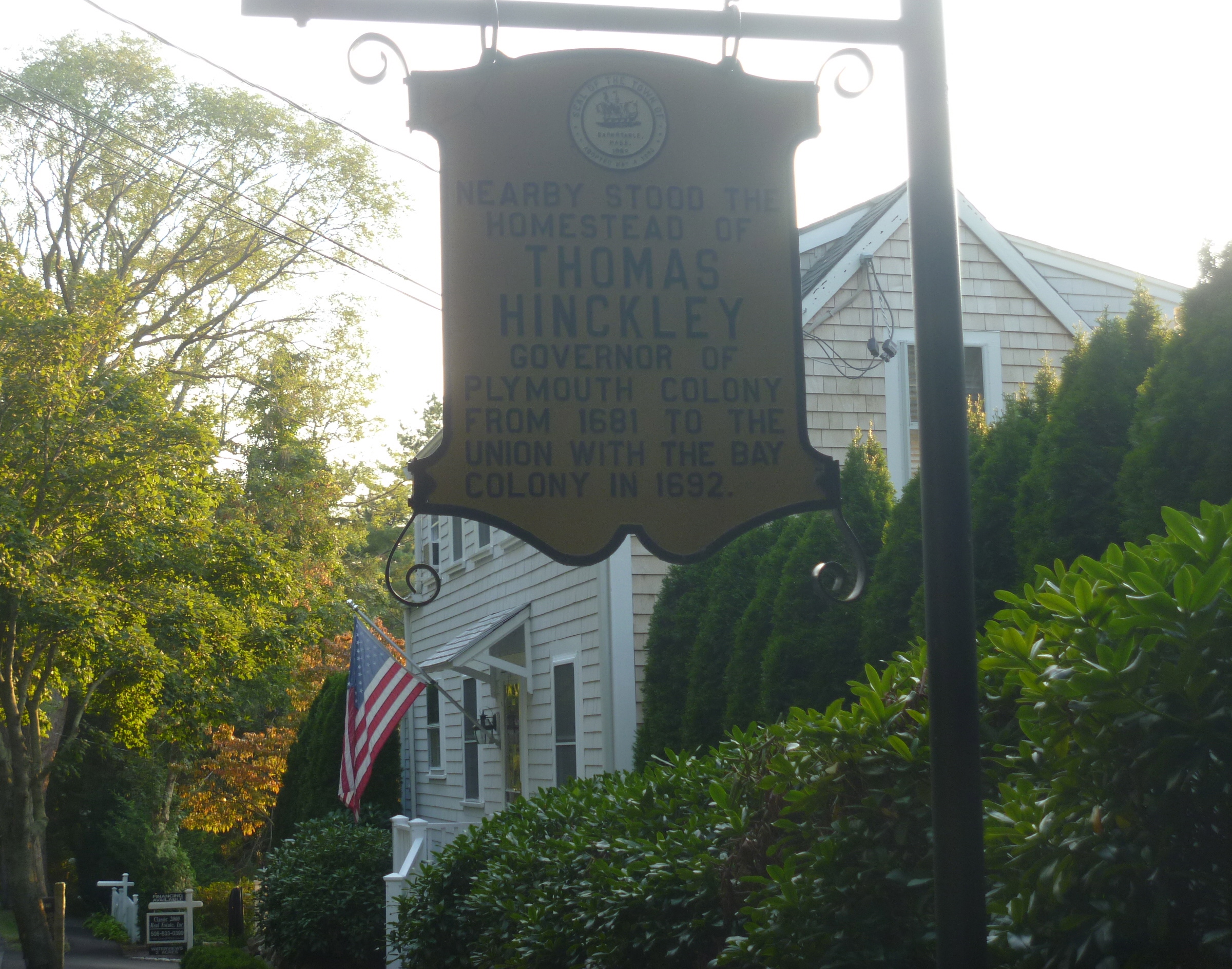
Thomas Hinckley Lived Near Here – such signs abound on the 6A!
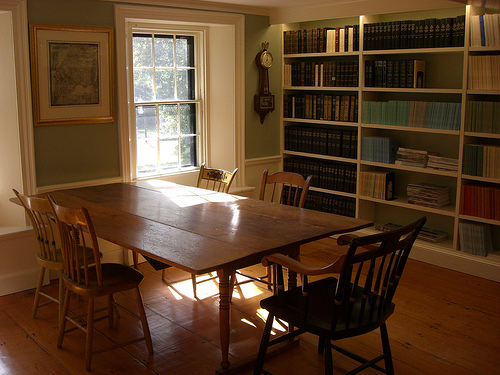
Inside The Sturgis Library, Barnstable
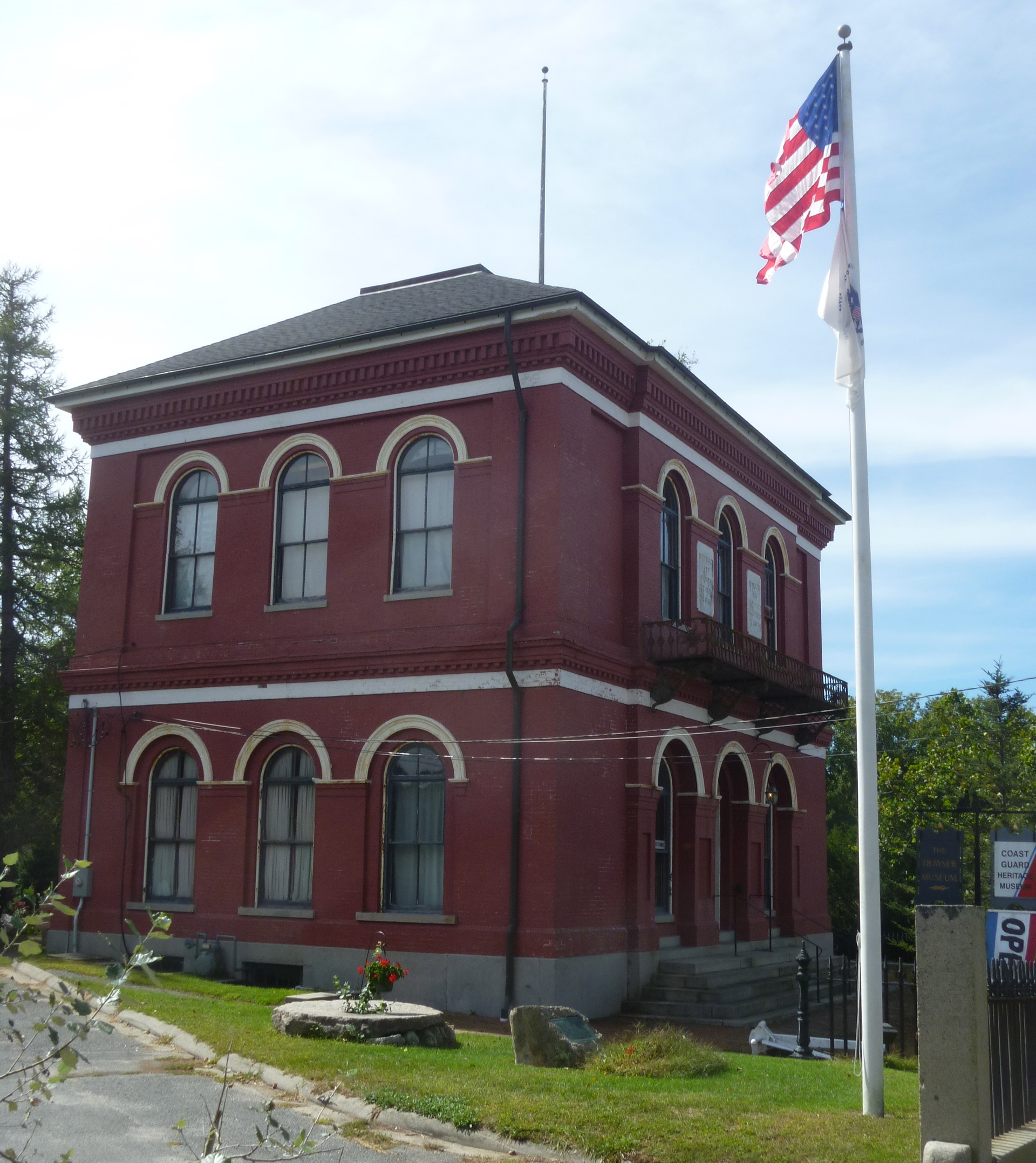
The Trayser Coastguard Museum, Barnstable
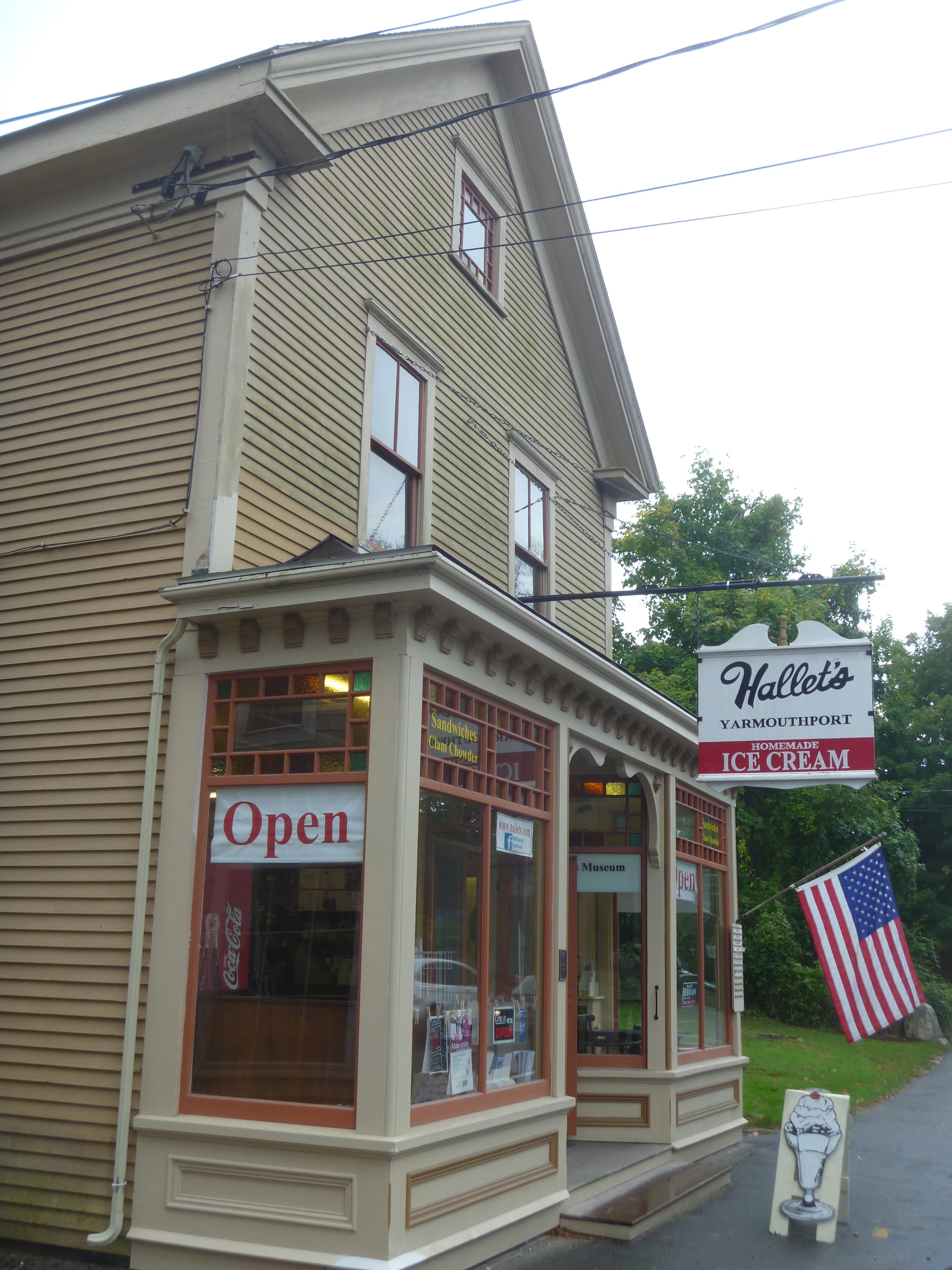
Hallet’s Soda Fountain
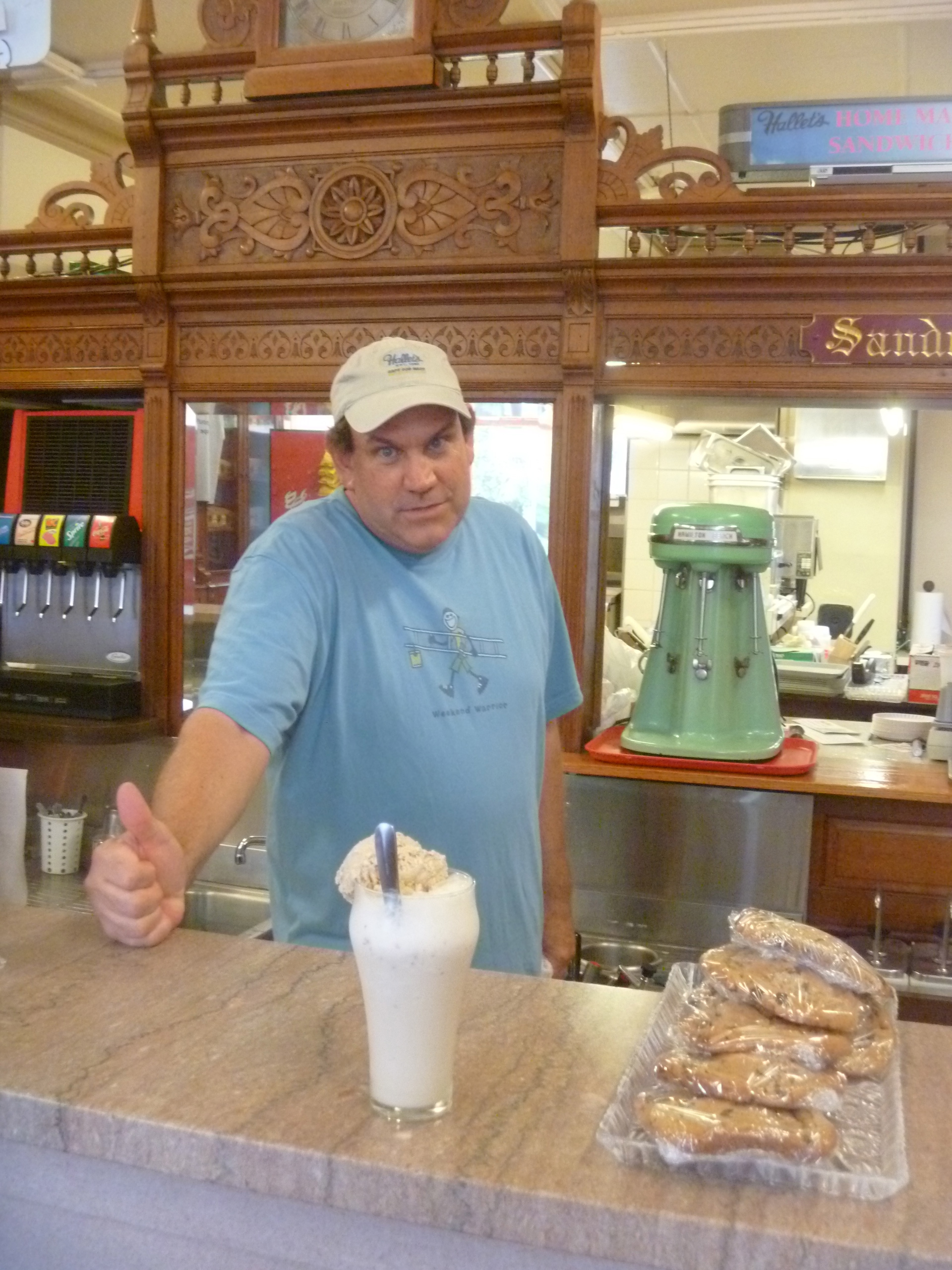
My ice cream soda is ready!
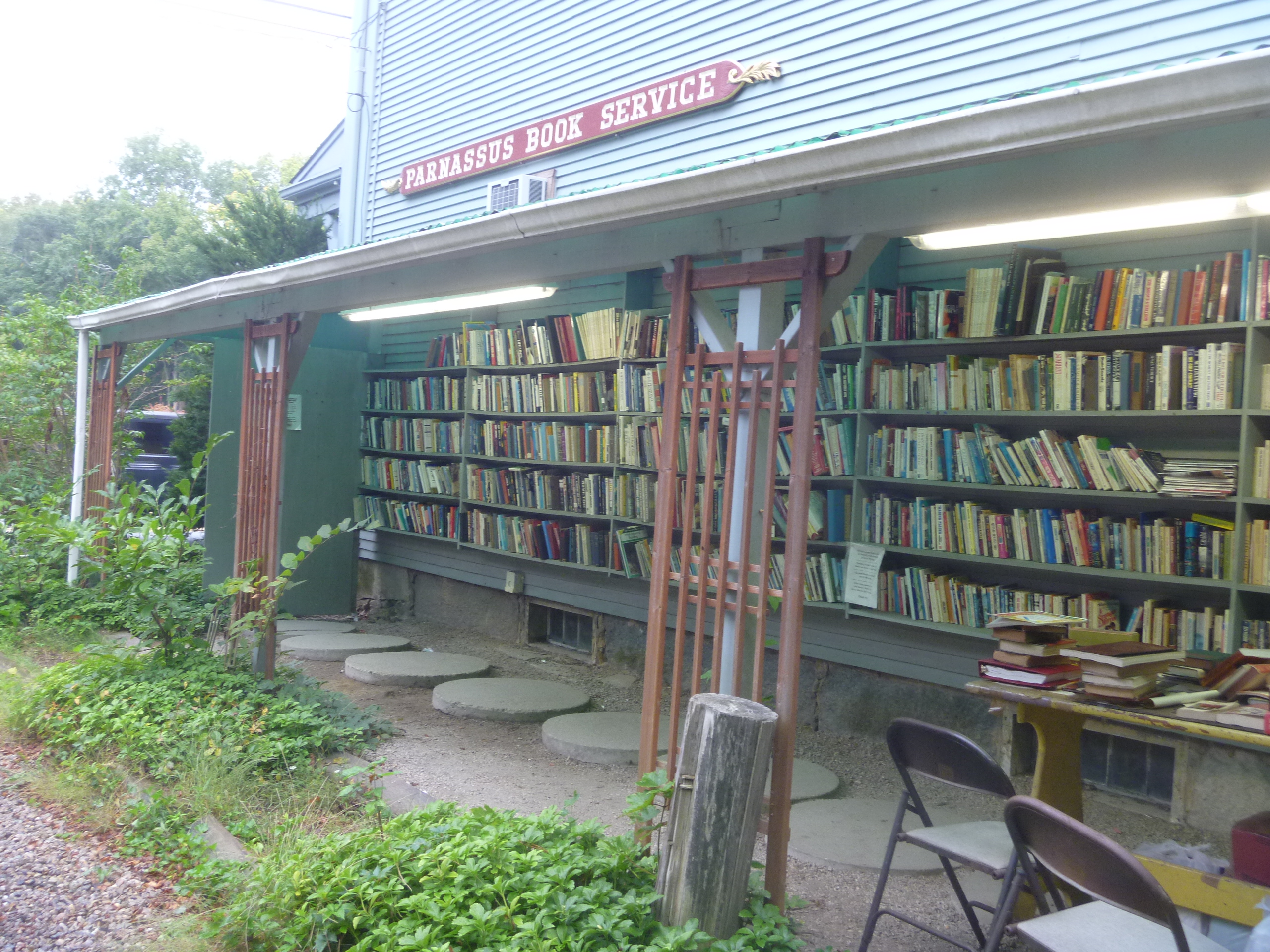
Parnassus Books (so much more inside!)
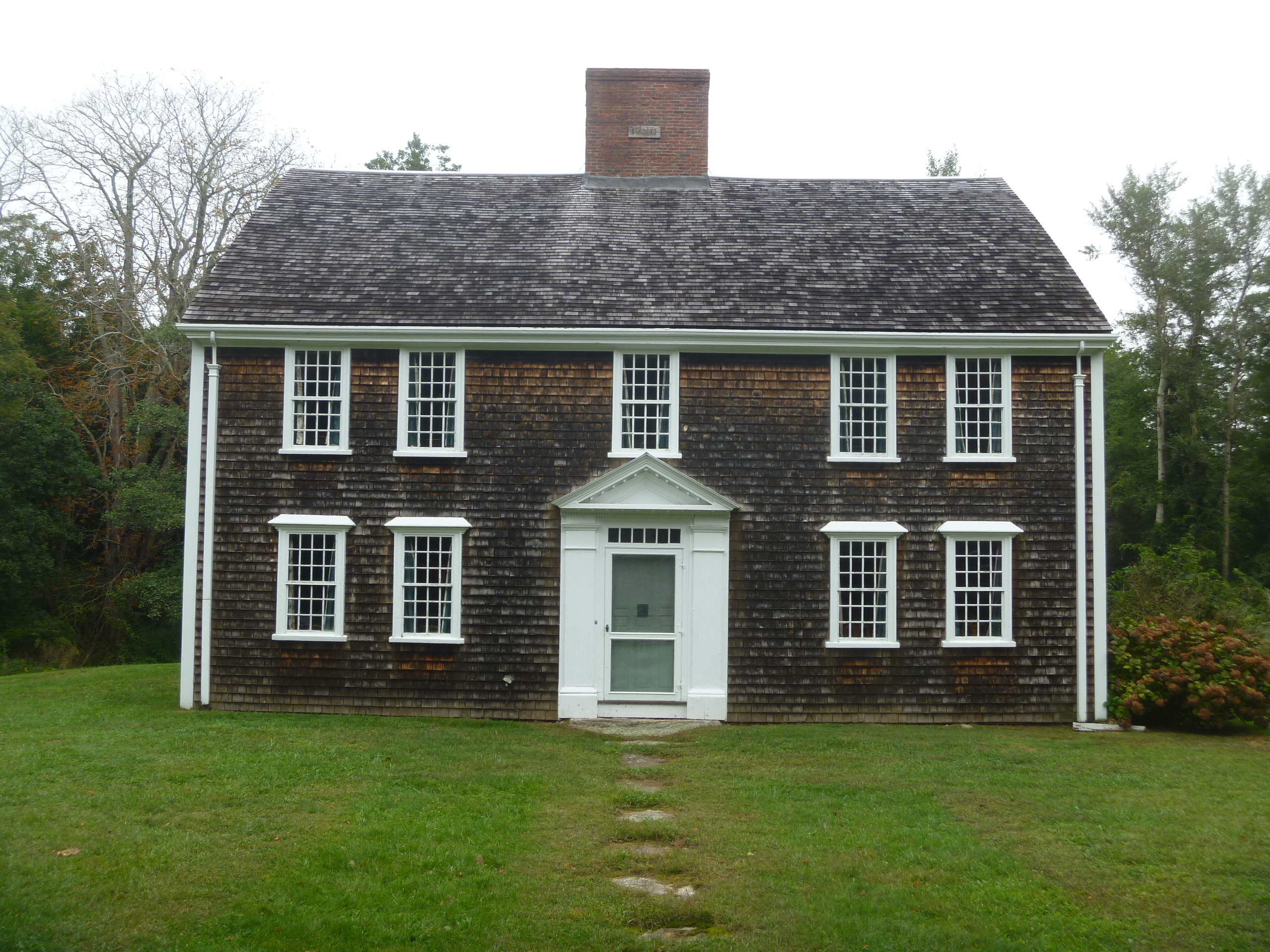
The Winslow Crocker House
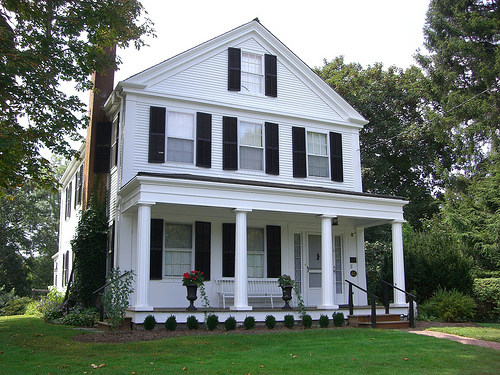
(Sea) Captain Bang’s Hallet House
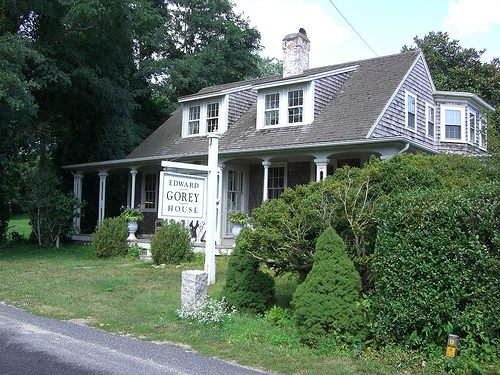
Edward Gorey House
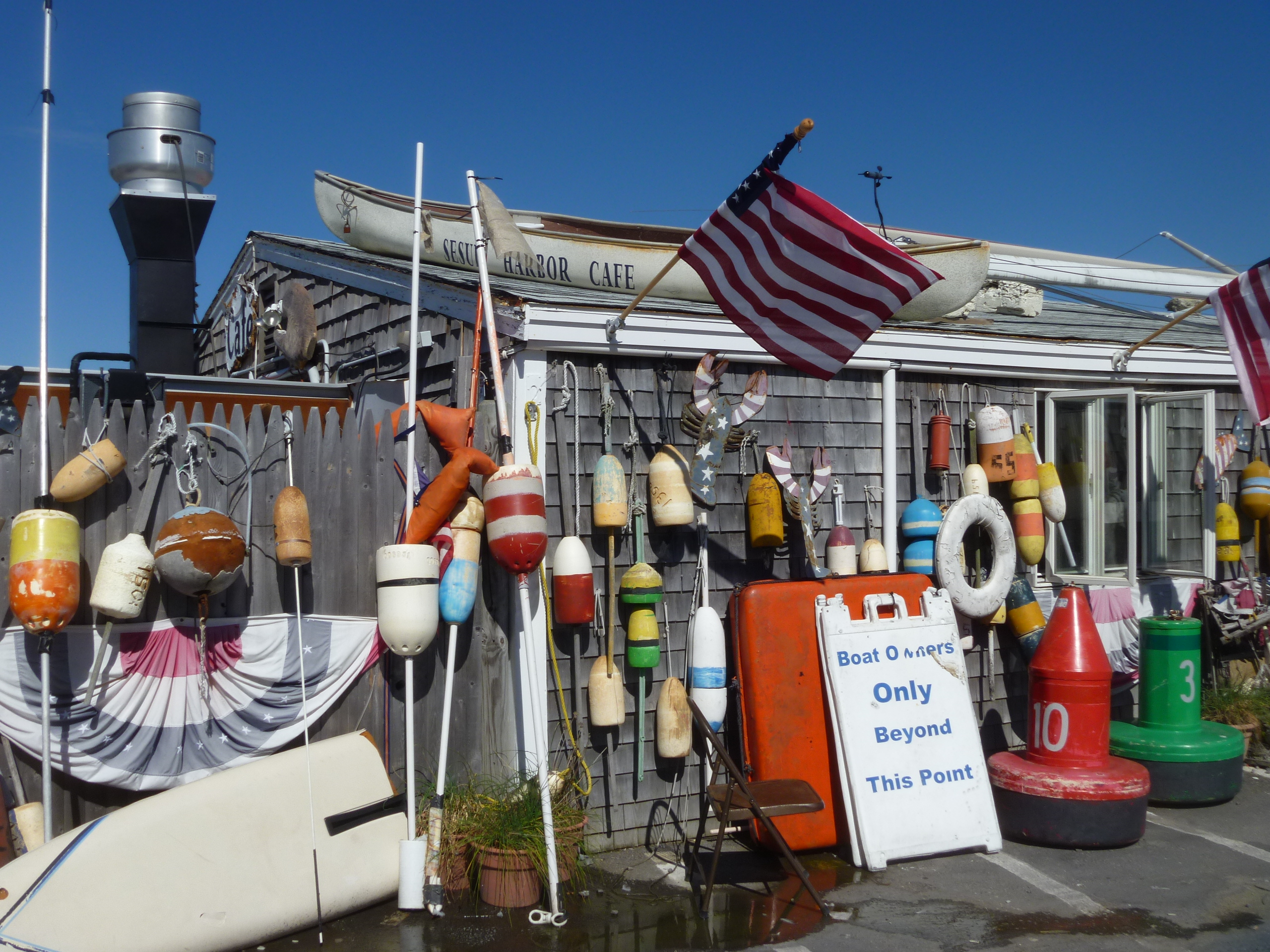
Sesuit Harbor Cafe
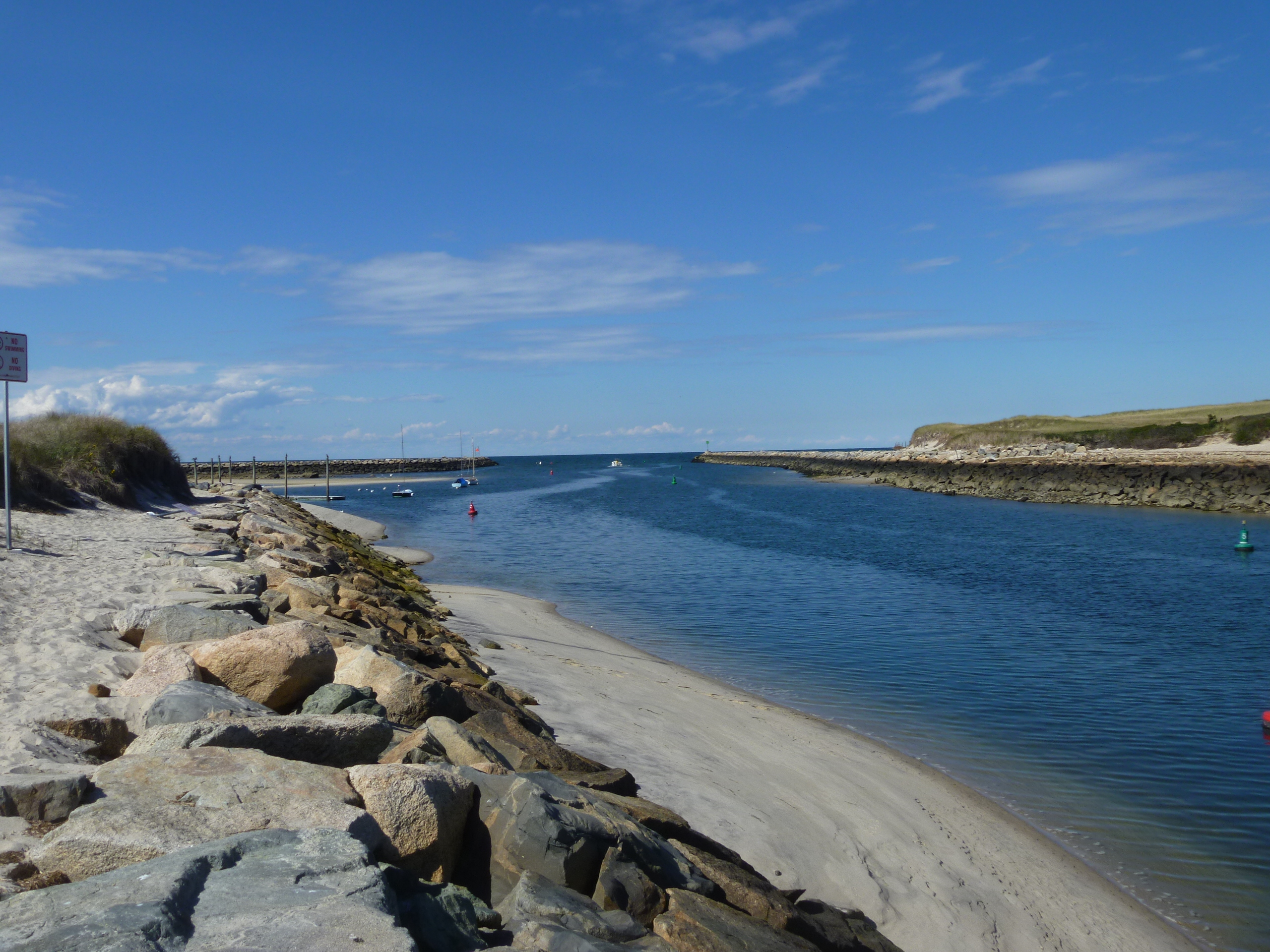
Sesuit Harbor
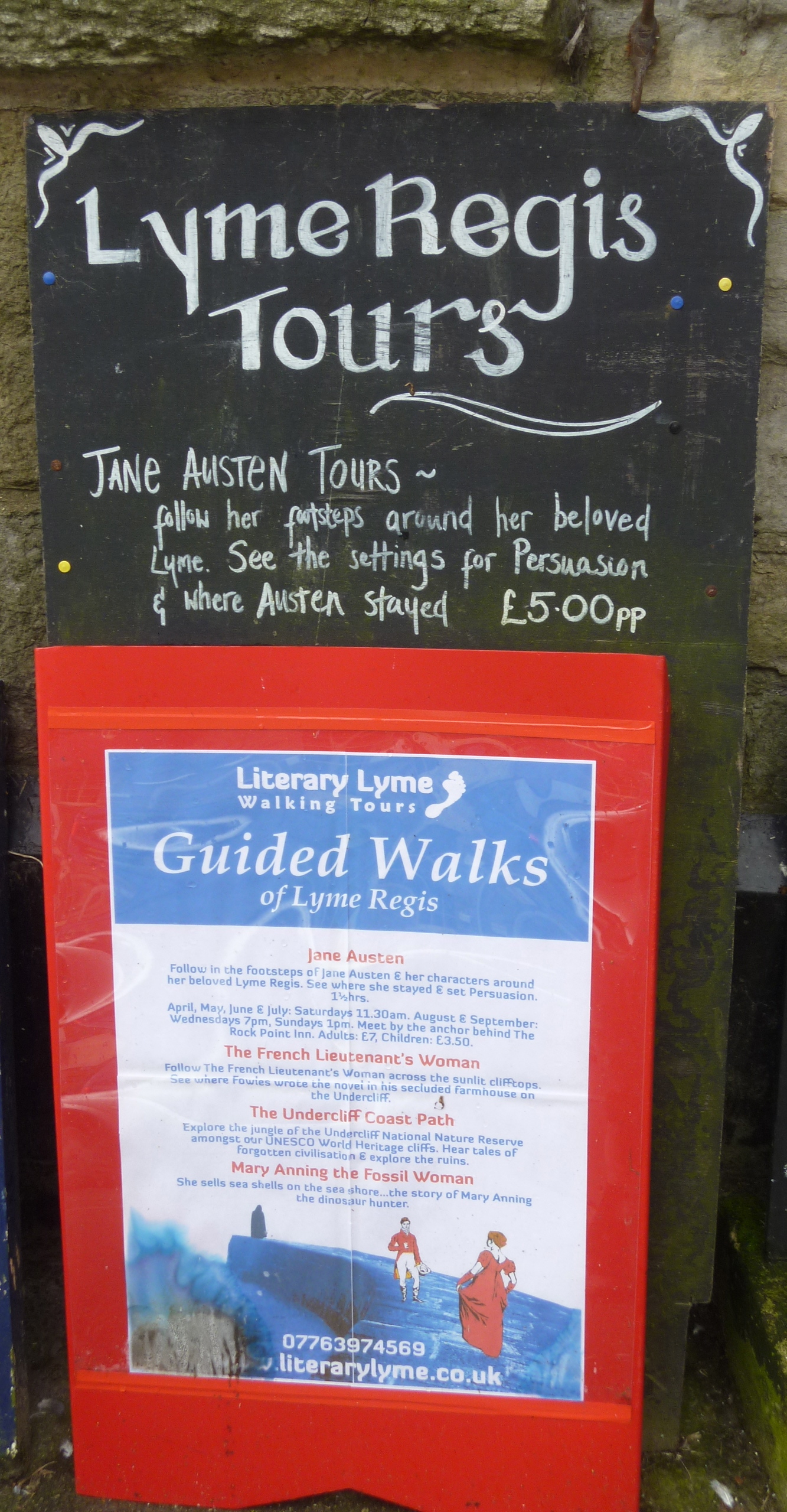
Literary Lyme – from Jane Austen to Little Pig Robinson

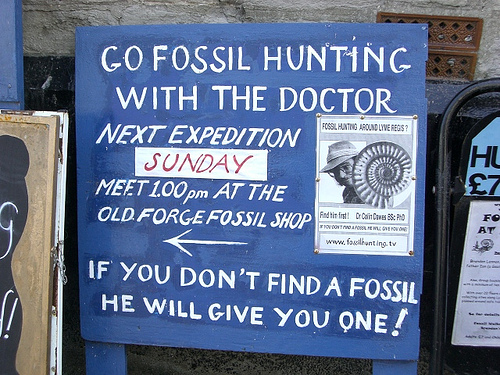
I’ve visited Lyme Regis on at least one occasion every year since I first came down to Branscombe in 2007. On several of the previous visits I’ve gone fossiling. Needless to say the five-year olds on these tours found many fossils and I found never found any. Of course, they are a lot nearer to the ground. That’s my excuse, anyway.

This year on the recommendation of one my readers I’d booked to go on a Literary Lyme Walking Tour on the theme of Jane Austen in Lyme Regis.

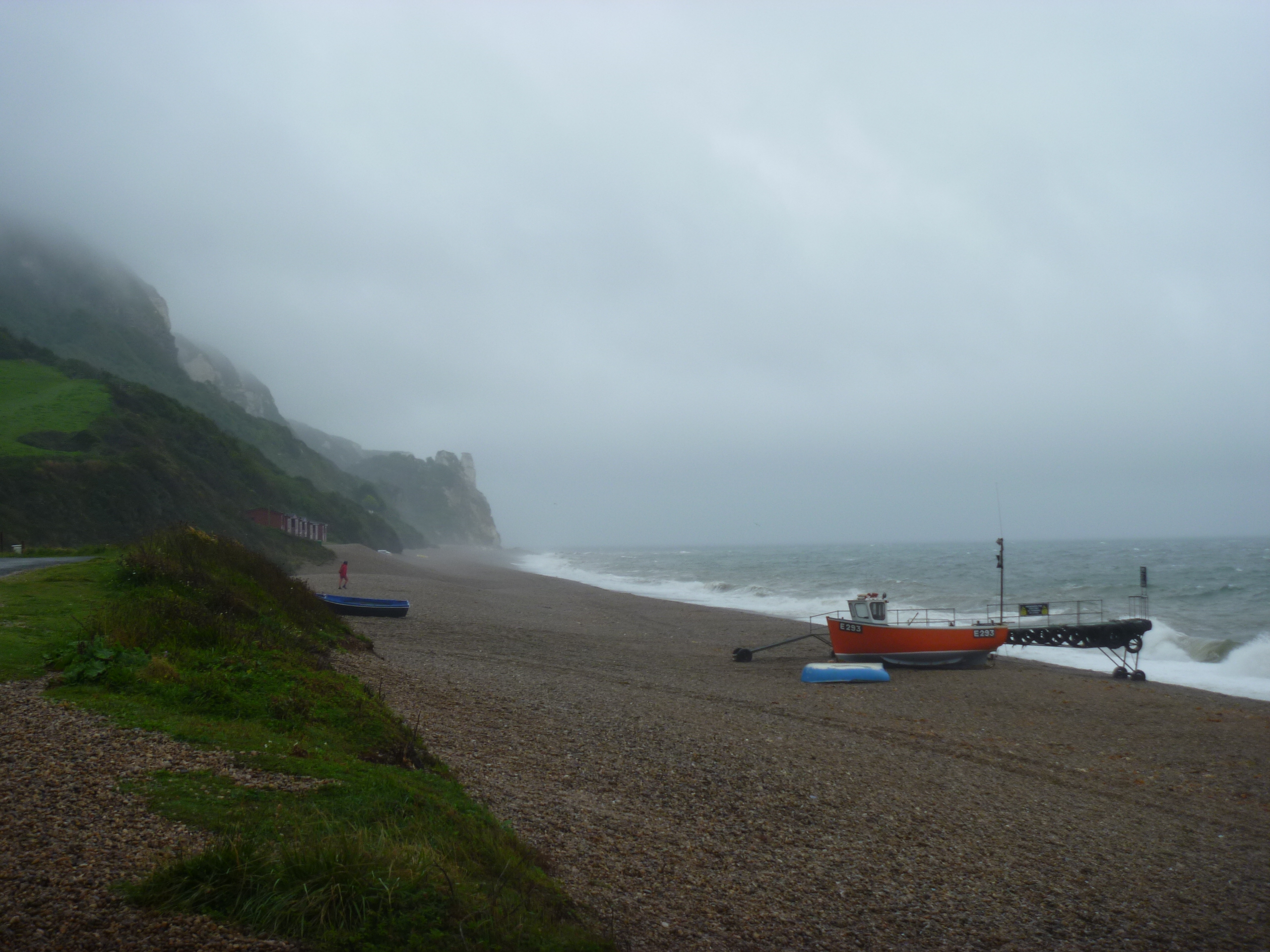
I should mention here that the weather on this August Bank Holiday Monday was simply appalling – wind, rain and high seas. This was such a shame at the end of summer and of most people’s holidays.

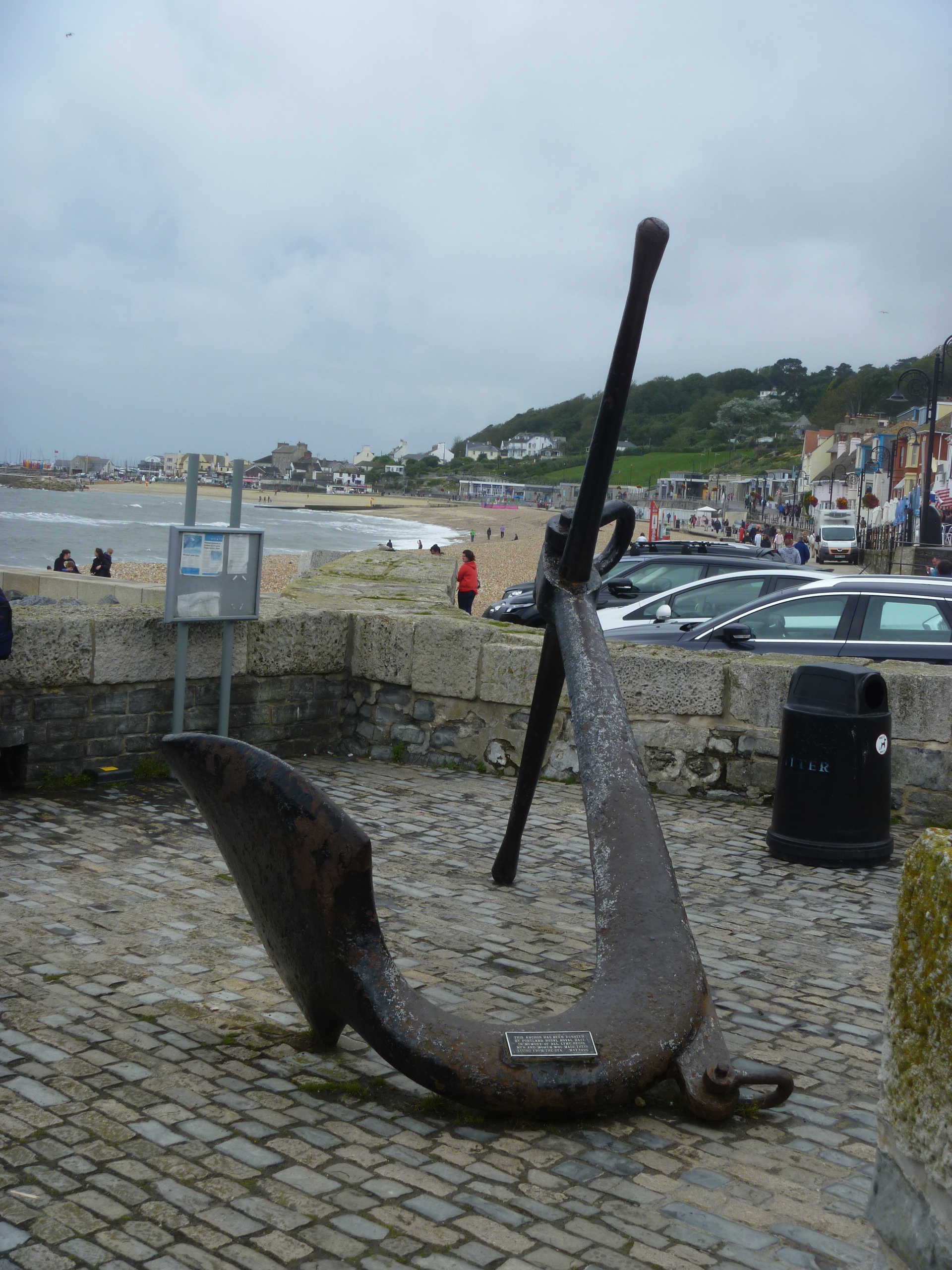
The arrangement was to meet at the anchor in the middle of town where the main shopping street drops down to the sea wall.
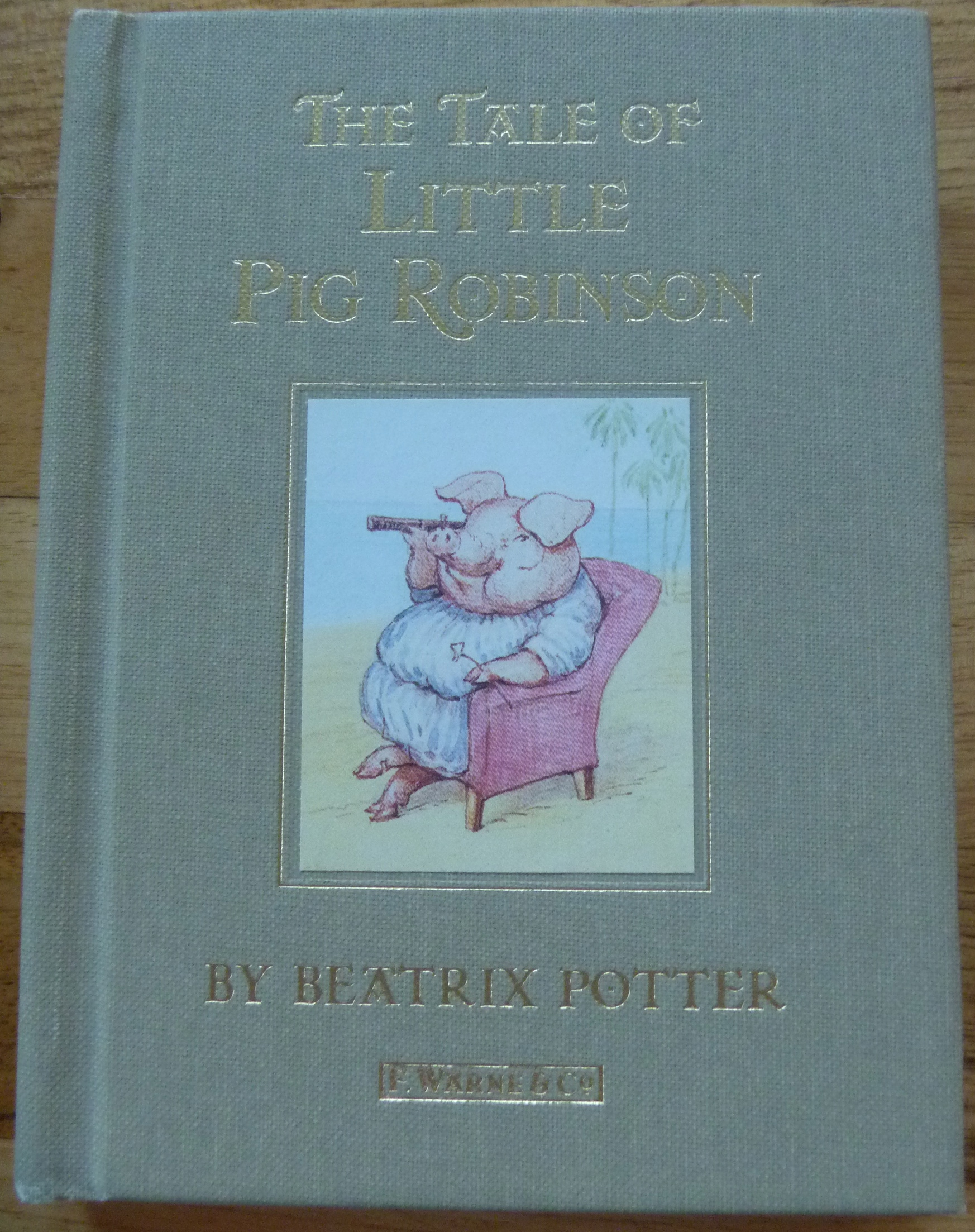
On a previous visit to the Town Museum I had noticed that Beatrix Potter had written and illustrated one of her longer children’s books here : Little Pig Robinson. I asked Natalie if she could pick out any of the locations featured in this book. She did and I made a note of these for future reference.
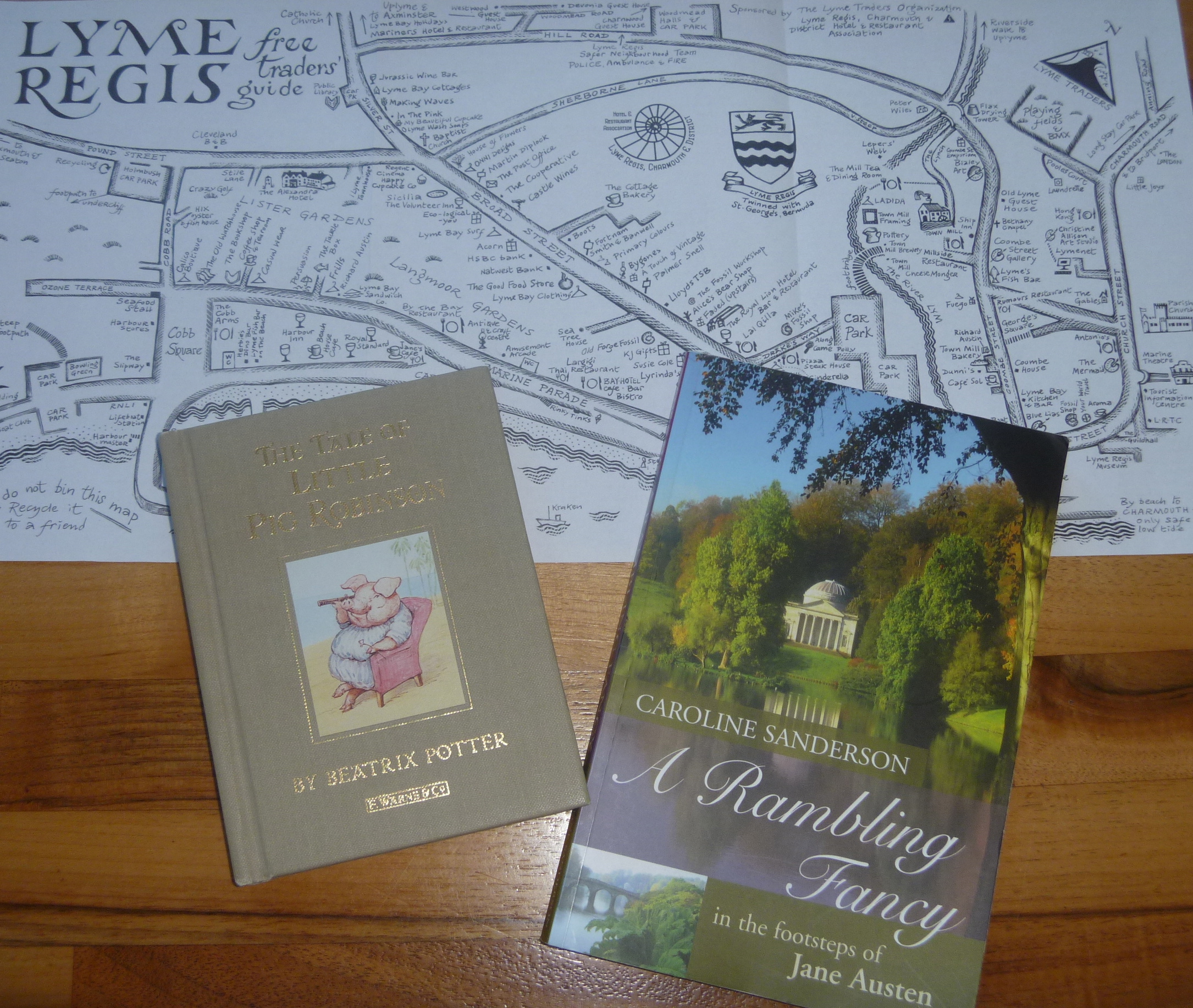
I had thought that I could probably work out a Jane Austen walk for myself using Google and Caroline Sanderson’s book A Rambling Fancy: in the footsteps of Jane Austen which has a chapter on Jane in Lyme but to have my own private and knowledgeable guide proved well worthwhile.

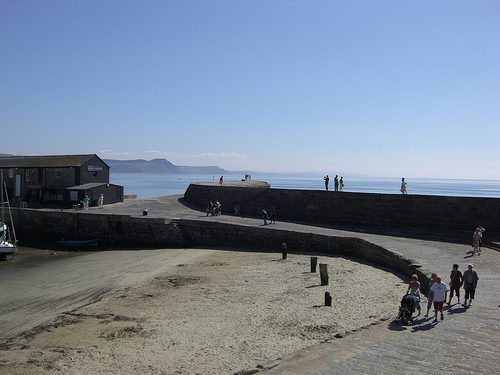
Using copies of old prints of the town Natalie Manifold (who is Literary Lyme) began our JA tour explaining the origin and history of the famous Cobb. The dates connected with The Cobb will prove to be important when we eventually arrive there!

Photo taken on a previous visit when the weather was as it should be!

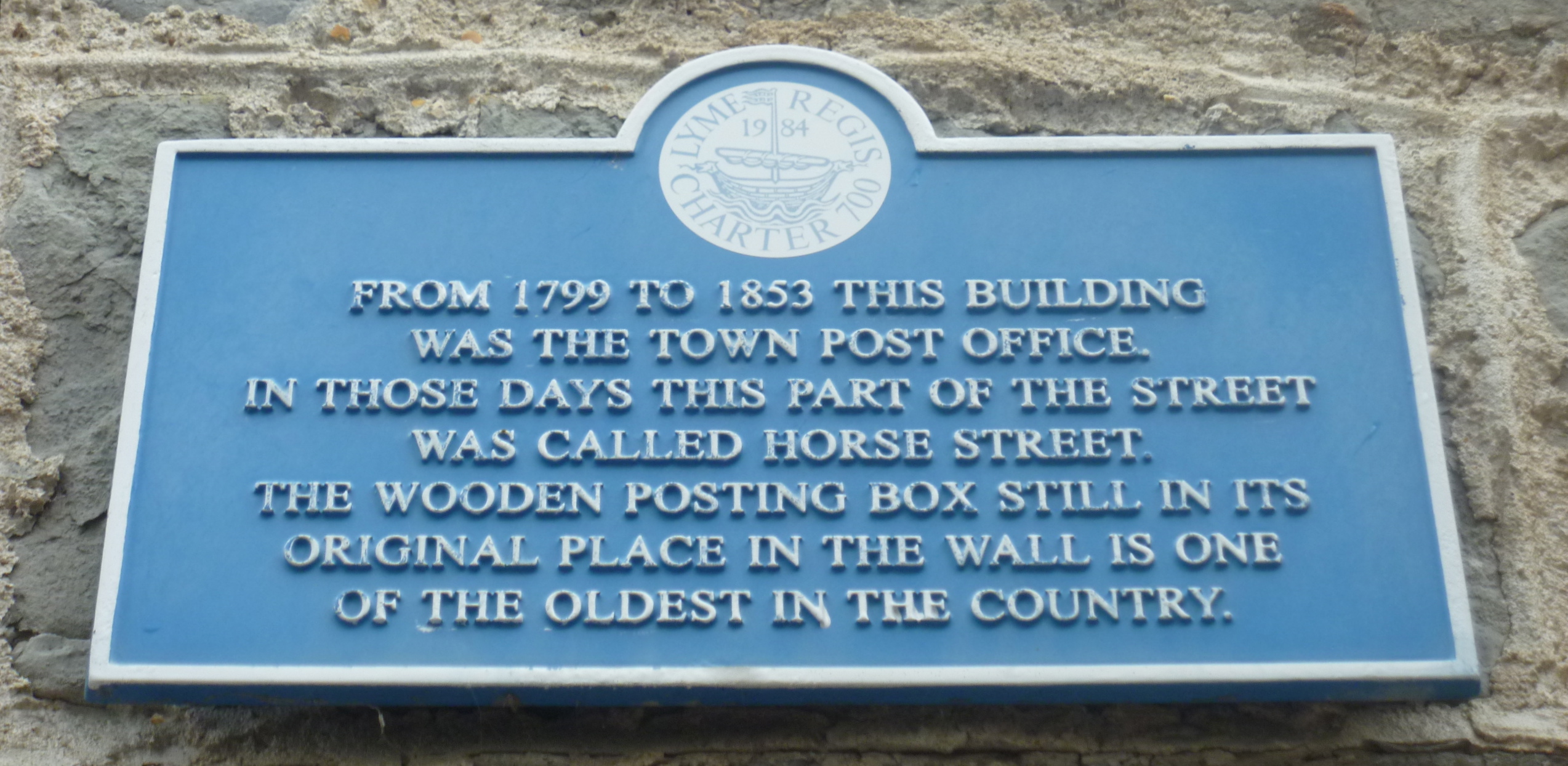
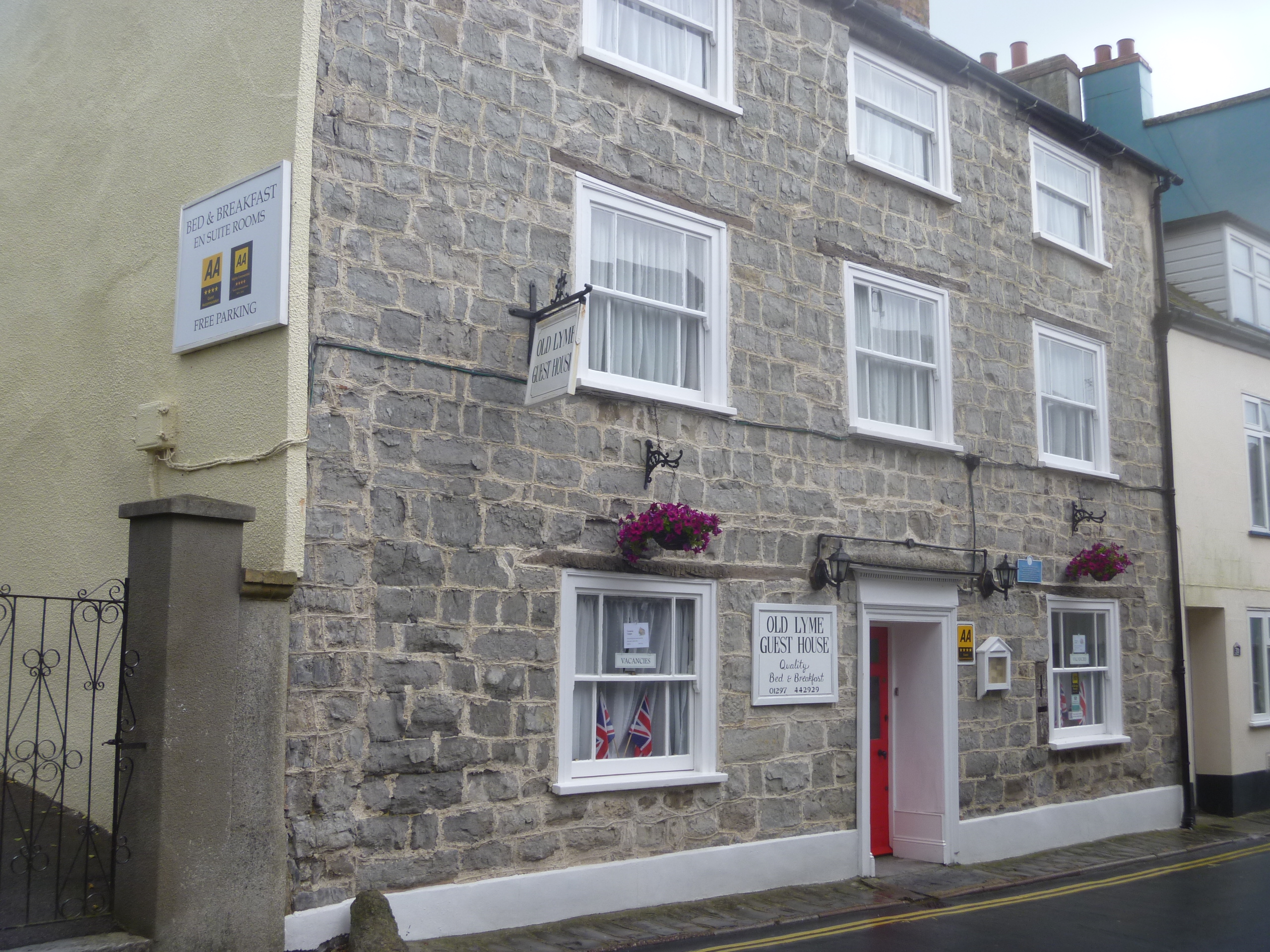
Our first stop was just a few paces away on Coombe Street where the old post office stood. It’s now Old Lyme Guest House but a plaque on the wall records the PO fact and the old letterbox is still in situ.

It’s said that at this very box Jane mailed her letters (single sheet and postage paid by the recipient) to her sister Cassandra after the latter had left Jane in Lyme in order to accompany other family members to Weymouth.

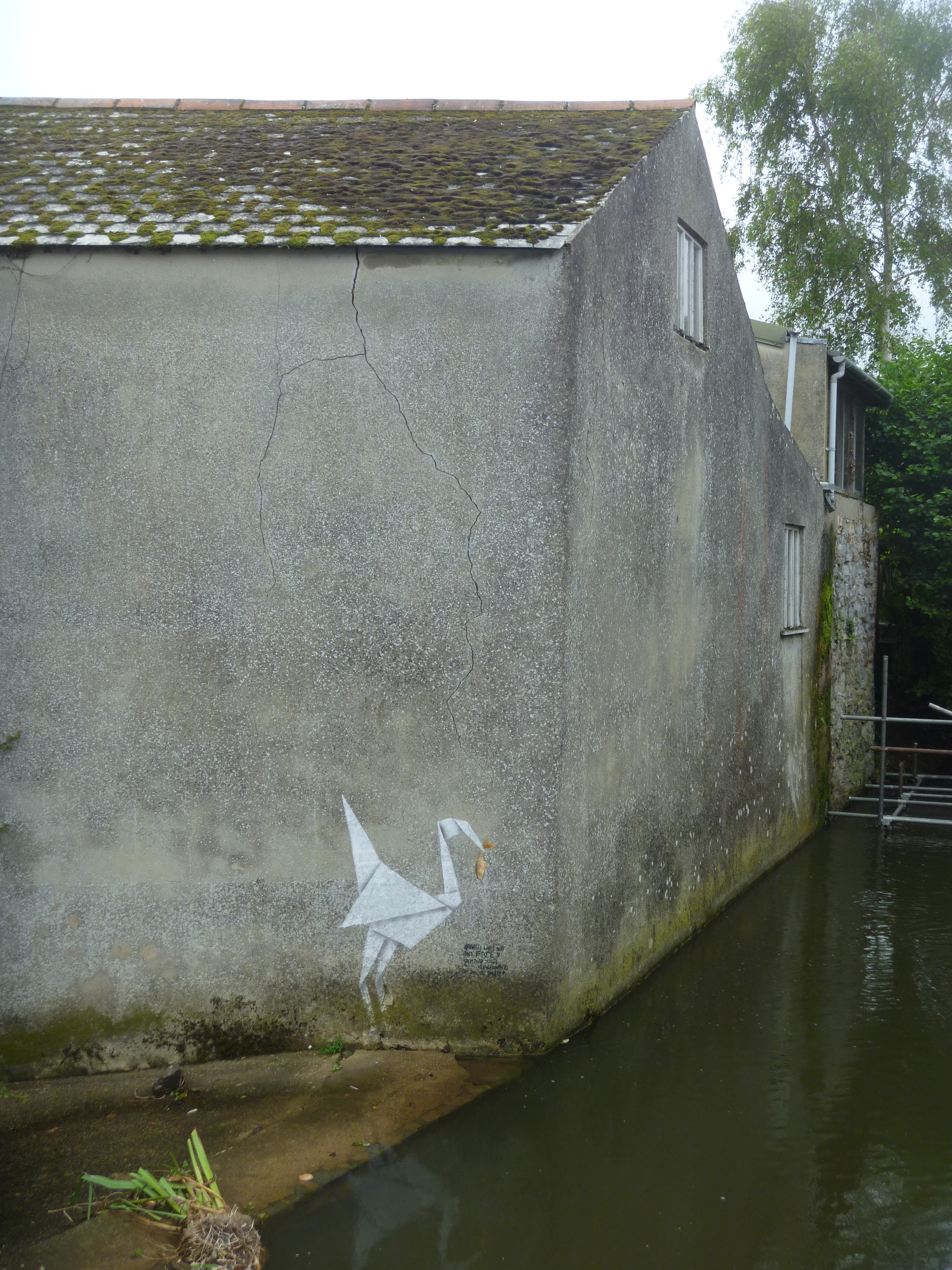
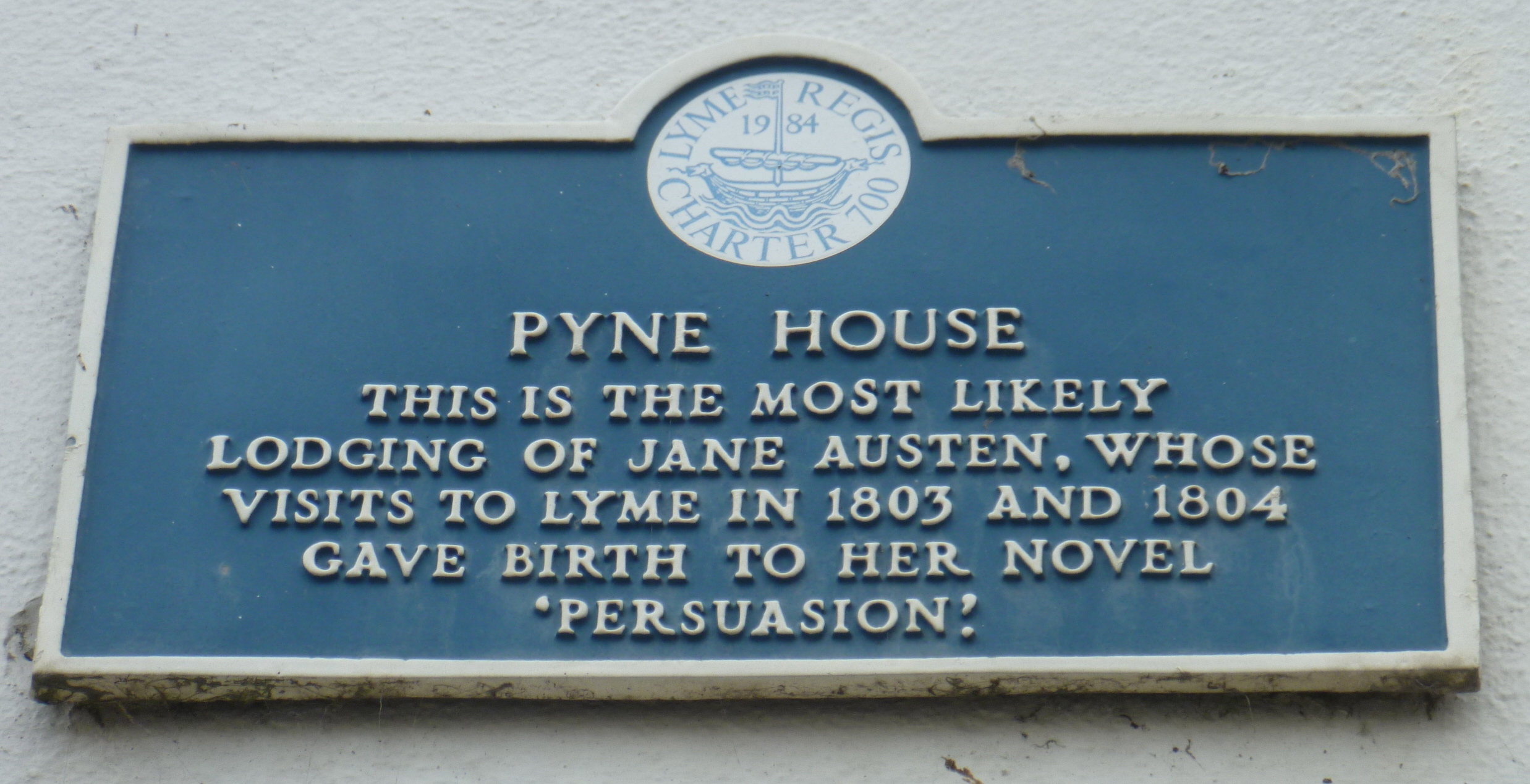
After a quick nod to Banksy (an origami crane with goldfish) we headed up Sherborne Lane. From there we arrived at Broad Street, Lyme’s main thoroughfare. Our next ‘Jane’ location was the now disused Three Cups Hotel which was Hiscott’s Boarding House in JA’s time and where she initially stayed on her visit to Lyme Regis. (Incidentally, it’s also the hotel where General Eisenhower stayed whist the D-Day Landings were being planned in 1945.) Jane also stayed a few doors down at Pyne House after several members of her family upped sticks and moved on to Weymouth.

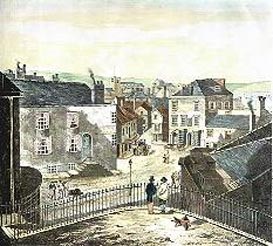
A couple of steps from Pyne House Natalie showed me an old print of Lyme :

View from Pyne House (courtesy of Lyme Regis Museum)

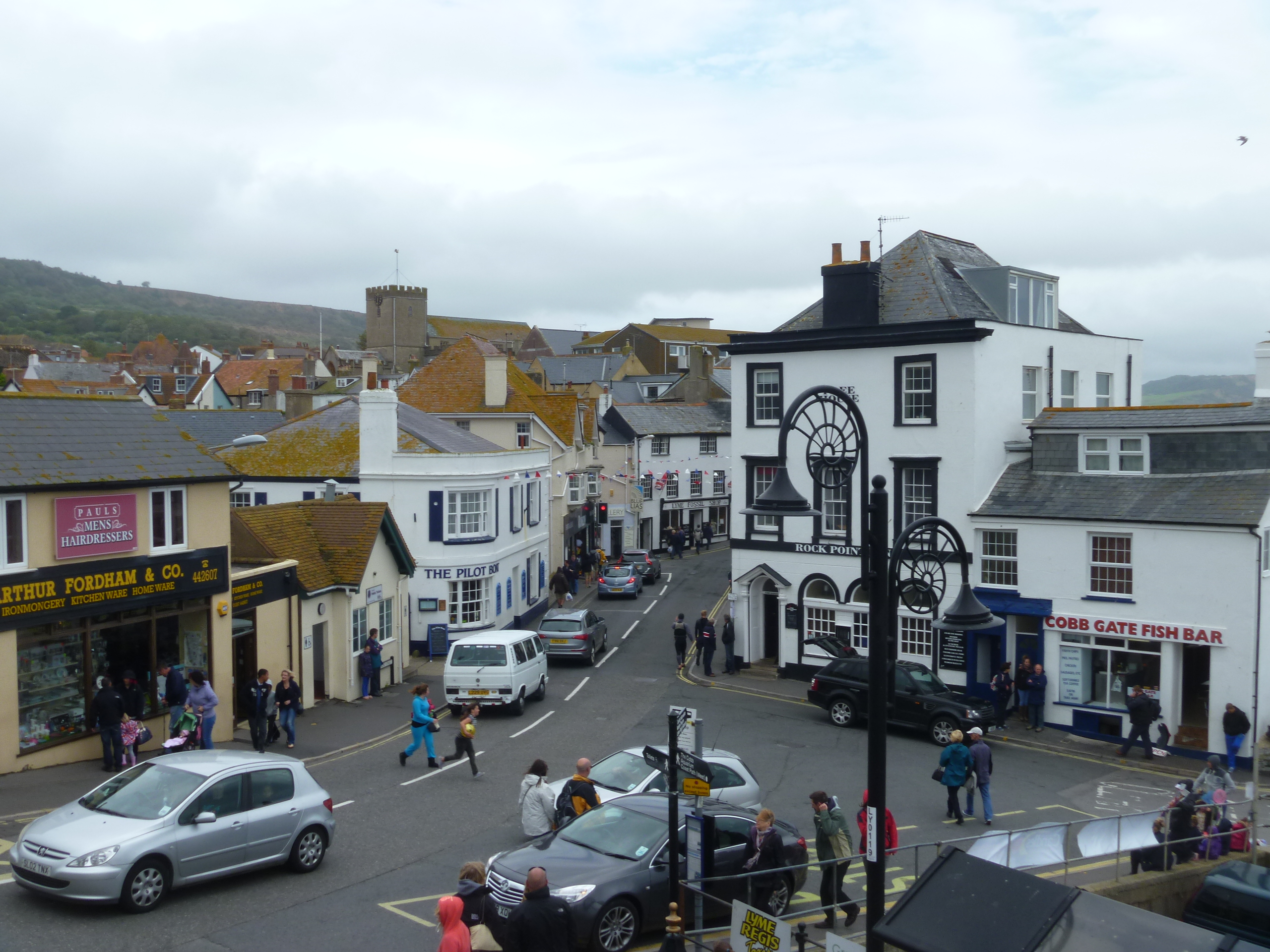
The same view on Monday 27 August 2012

A walk along Marine Parade took us past a couple of blue-painted cottages named Harville and Benwick. Built after the publication of ‘Persuasion’ (the Austen novel in which Lyme features) they were named following Francis Palgrave‘s mistaken identification of these buildings as the homes of Captains Harville and Benwick. Natalie showed me the more likely candidates for these homes a little further along the Parade.

Harville and Benwick Cottages from The Jane Austen Garden

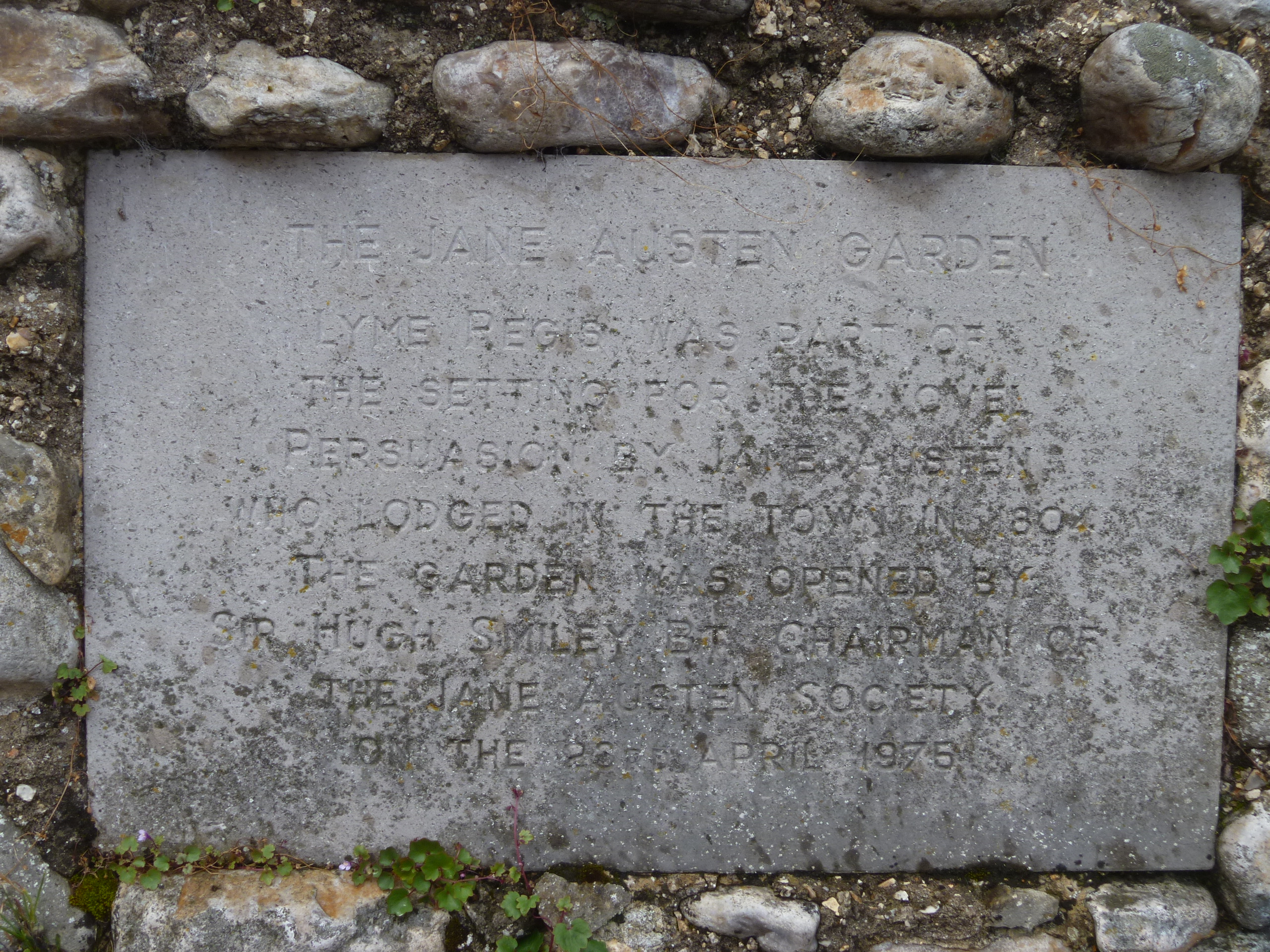
There’s a rather overgrown garden dedicated to Jane Austen but apparently all the references are wrong so it has been rather left to run to seed.

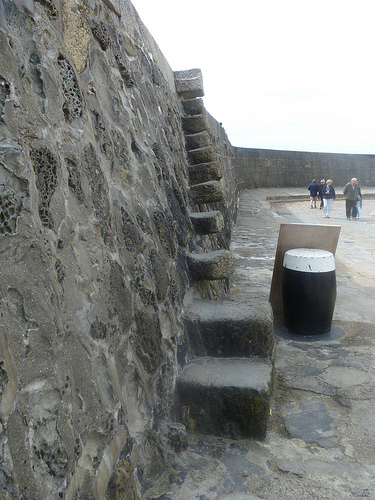
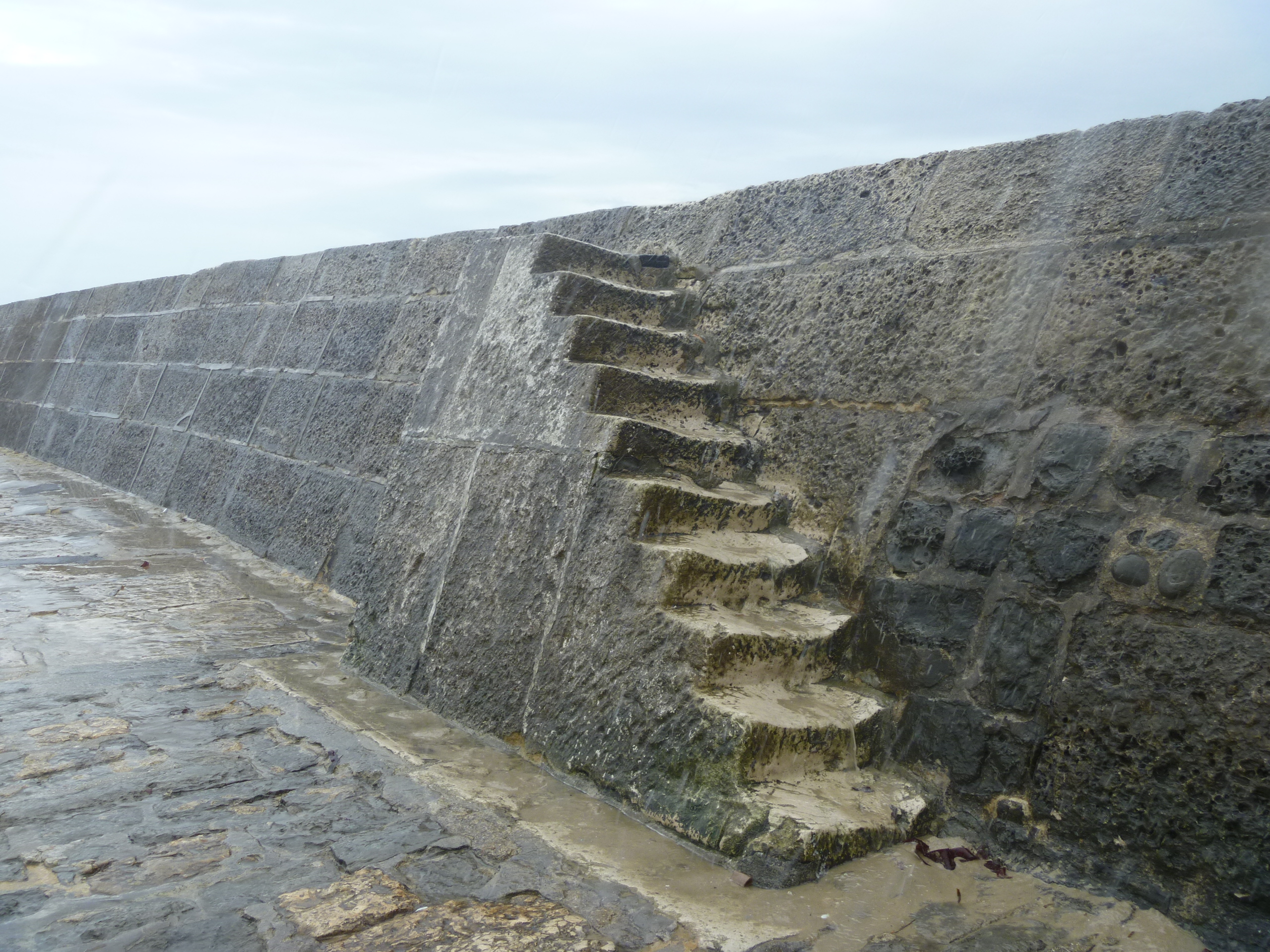
Finally, we walked along The Cobb. Not on the upper, exposed part but below at road level, and we studied the three sets of steps which have puzzled Jane Austen fans for some time. The set of “Gyn Steps” were not built until after Jane Austen’s time,

the second set called Granny’s Teeth were thought by many to have brought about Louisa’s fall

but Natalie maintains and insists (supported by a reading from the very passage in ‘Persuasion’) that these are the very steps from which Captain Wentworth failed to catch Louisa as jumped from the Cobb.

The walk ended here but we made our way back together to our starting point. A huge waved had blown right over the Cobb and soaked us both thoroughly and much as I would have liked to have investigated the Little Pig Robinson locations I decided that enough was enough and such pleasures must wait another day!

Two Devon Libraries compared.

On a very wet and misty day at the British seaside what on earth is there to do?? If it’s a Friday then it is an excellent opportunity to visit a Landmark Trust property on changeover day, if there happens to be one handy. So, with an appointment made, I set off to walk the mile or so from my beach chalet, by the sea at Branscombe, to visit Margells at Street, on the western edge of the village that is not a village  (according to historian W. G. Hoskins) – Branscombe.

Arriving at Margells (it’s a hard ‘g’) I was welcomed by the Housekeeper who asked me whether I would like to read the History Album (yes, I would) whilst she made the beds upstairs. I also expressed an interest in looking at the library and offered to put the books back into some kind of order. This gave me the opportunities that I needed to study the history and the books – two of my favourite Landmarking occupations.

From the History Album I discovered that Margells was a bit of a mystery to both the Landmark Trust and the historian who had been employed to supply information to the Trust before it proceeded with renovation in 1975.

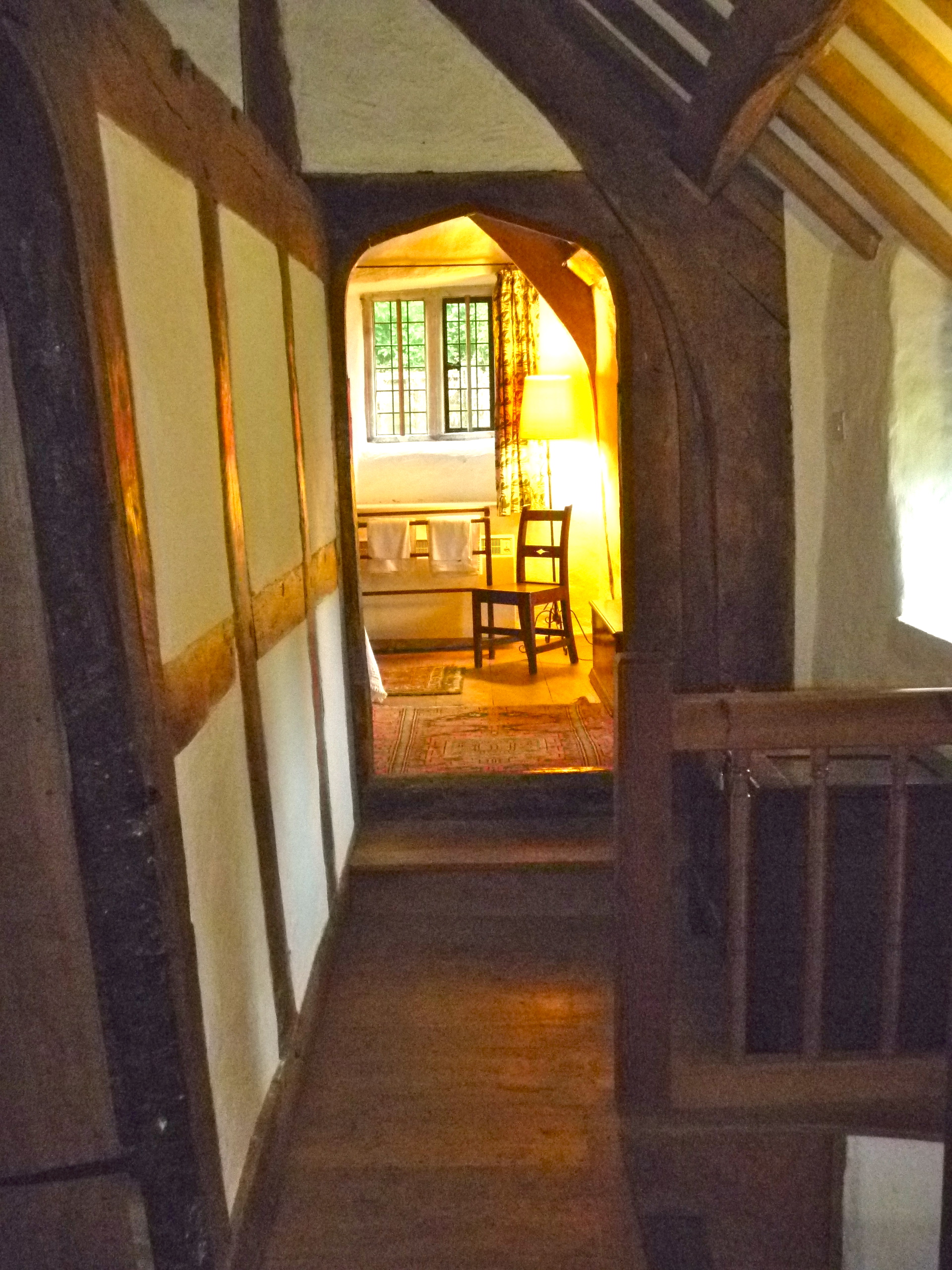
“Margells was originally a hall house, open to the roof, and probably built in the late 15th century. The frame is a very early construction, the cruck coming at first floor level. There would have been a sleeping gallery at first floor level reached by a ladder type stair probably from the sitting room side, using the rounded door which now goes into the painted bedroom.

About a hundred years later the present first floor was put in, making two big bedrooms. The fine coffered ceilings are typical of this period …  The spiral stair would have been added at this time. It is made of solid blocks of chestnut, except for the top two treads which are oak, as is all the rest of the wood used in the house. At about this time, the two fireplaces were built on, added to the outside of the house.

The quality of such a small cottage has led some people to suggest that Margells was the cross-wing of a larger house. The doorway, which is clearly visible in the wall of the bedroom above the kitchen certainly suggests this. The door from the kitchen into the bathroom was at one time bigger than it is now, and that it was an important door is shown by the decoration in red-ish paint that can still be seen on the beam. The village of Branscombe contains a remarkable number of good houses of 16th and 17th century date, and as the church records show, it housed a number of minor gentry. Margells almost certainly belonged to one of these families.”

From The Landmark Trust website.

When friends visited me at the beach chalet last year they declared it to be like a TARDIS. Much the same could be said about Margells. The  beach chalet sleeps four in two bedrooms and has a sitting room, kitchen and full bathroom, plus a verandah. There is parking for two cars.

Margells looks like “any old” quaint Devon thatched cottage but inside has three large bedrooms a big sitting room and dining kitchen. So, more spacious manor house than bijou cottage. I would have loved to have seen the garden but it was really just too wet.

The library is a standard item in the Landmark property inventory. There’s a small but growing ‘library’ at the beach chalet too. At Margells I was expecting to find the Jane Austen, the John Fowles, some Thomas Hardy books, books on geology, fossils, the seashore, on thatching and some poetry. I was pleased to see Little Pig Robinson written and illustrated by Beatrix Potter during a visit to Lyme Regis.

Above : books from the Margells Library

Below : The Beach Chalet Library

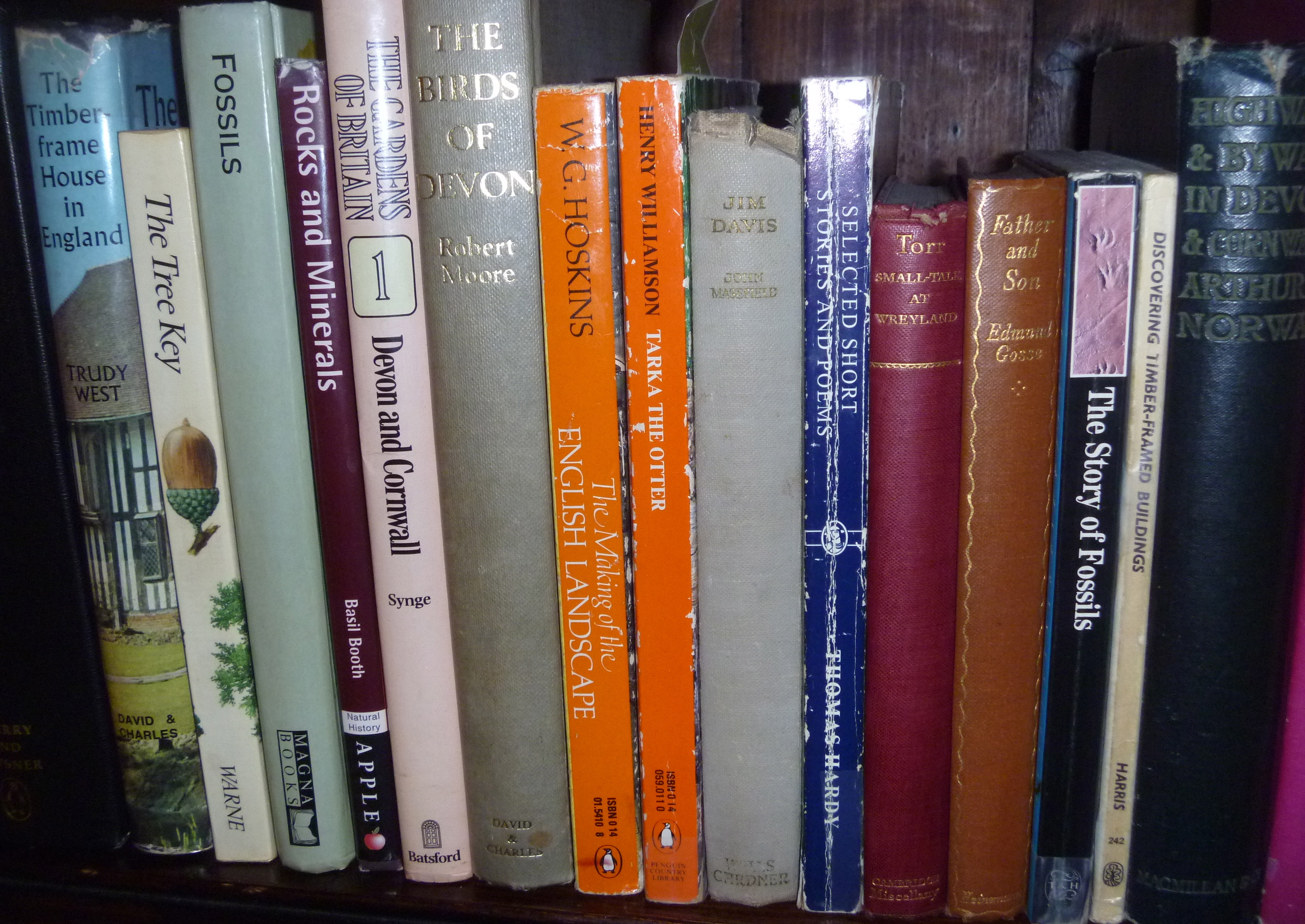
The crossover with the beach library is in the nature section – field guides are prominent at both : birds, wild flowers, seashore guides, plant life also local walking guides and books about the local geology/fossils. We are, after all, on the Jurassic Coast a World Heritage site designated in 2001.

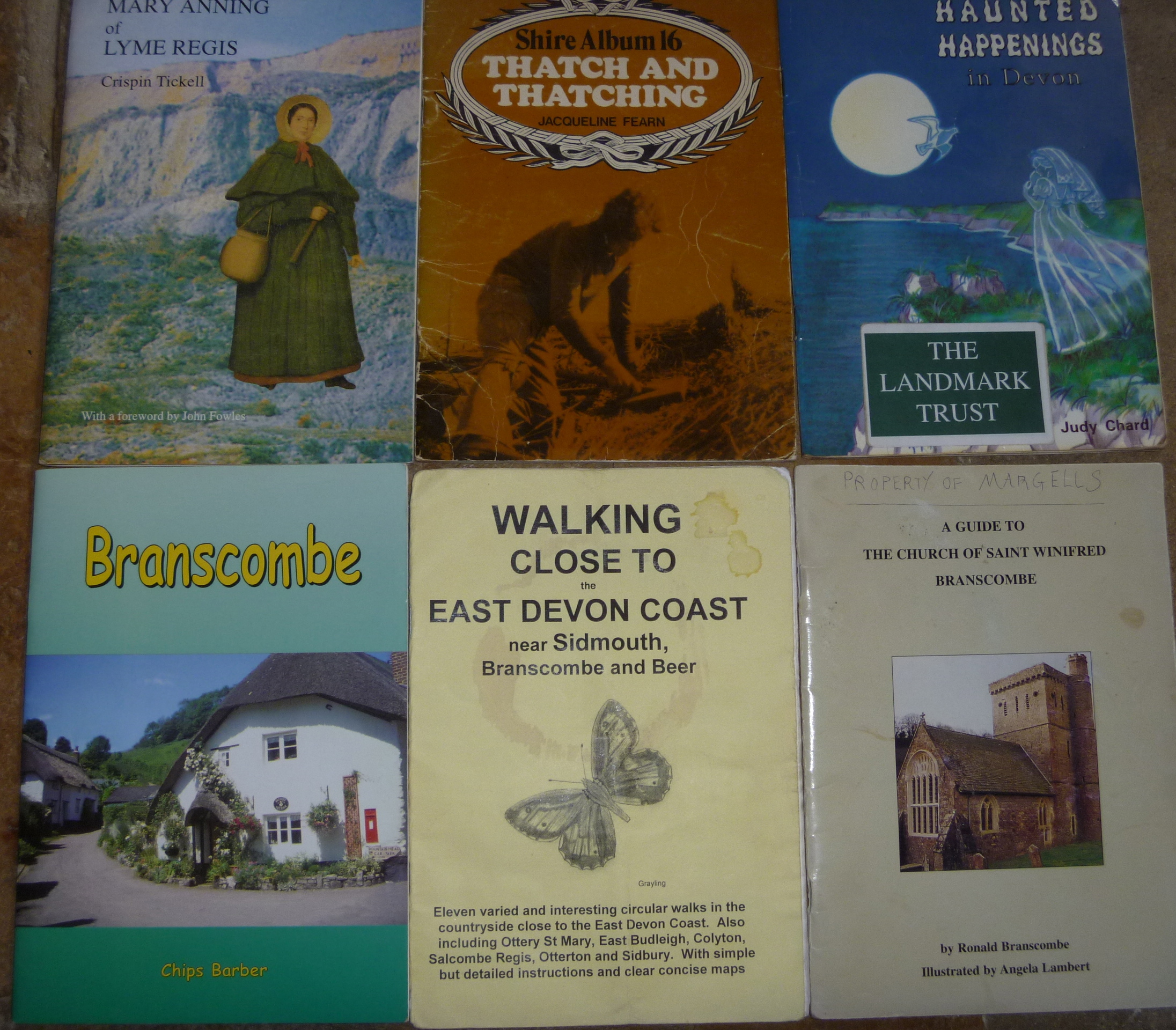
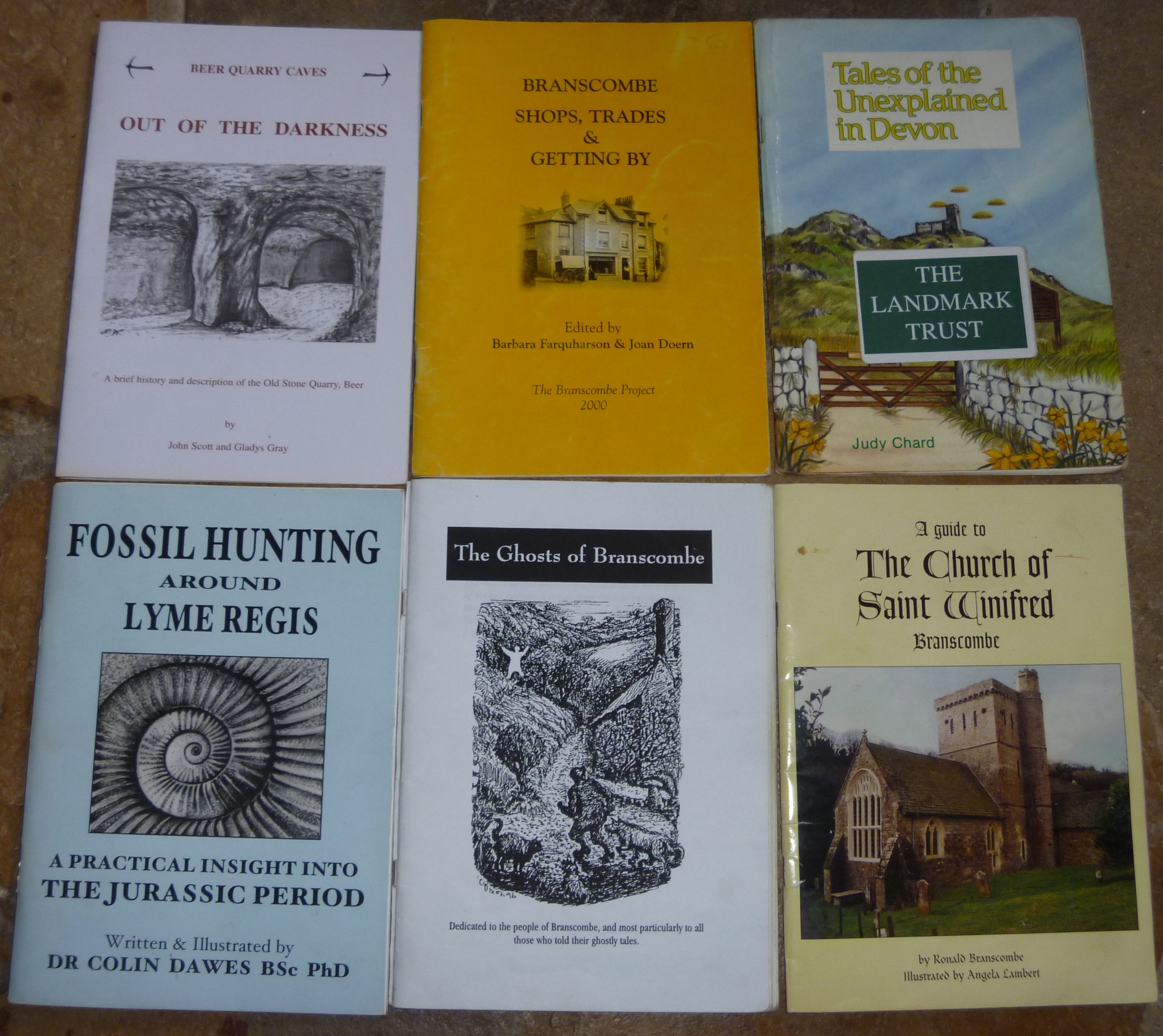
Above : Margells pamphlets

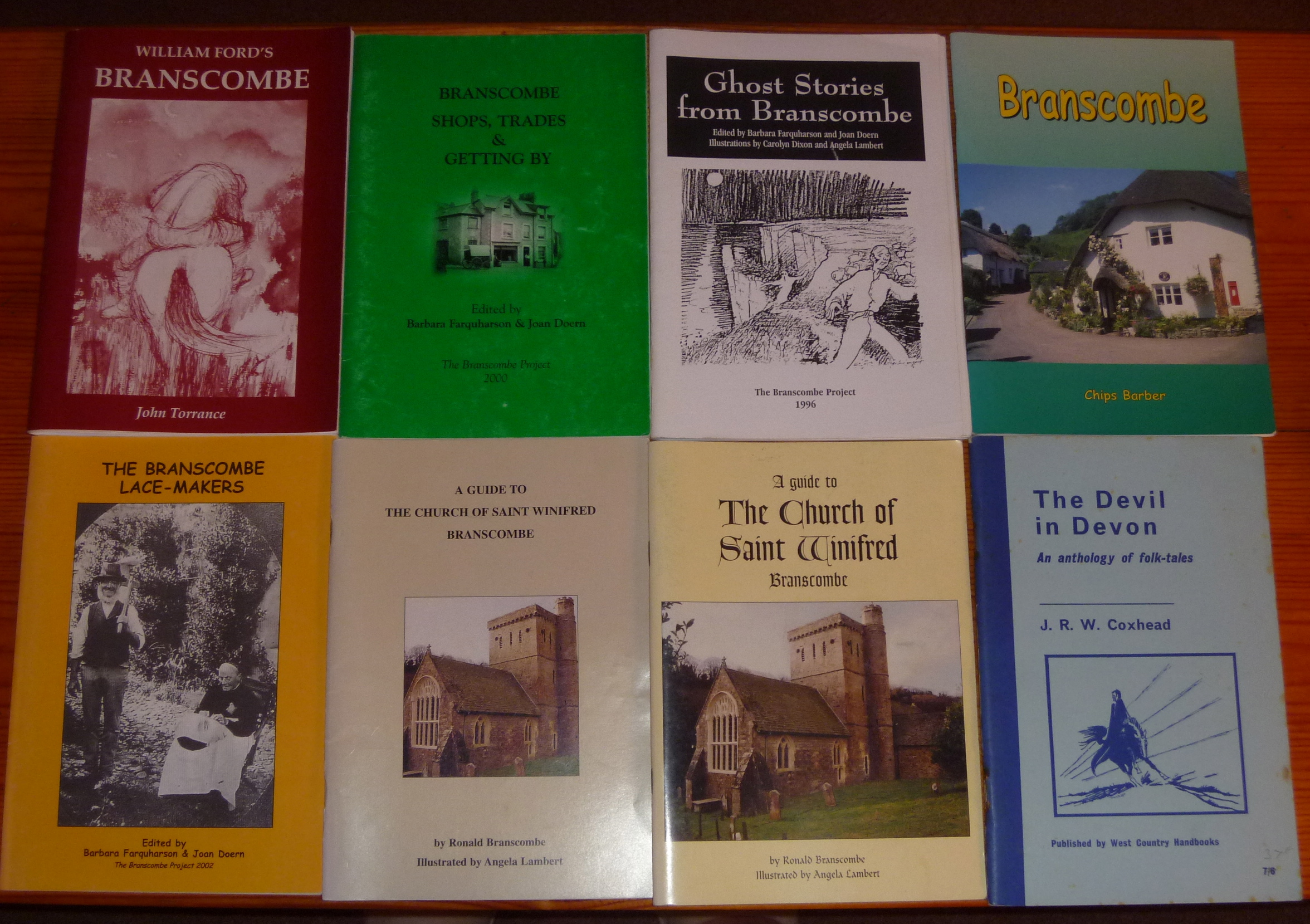
Below : Beach Chalet pamphlets

The chalet has some excellent maps – both an OS Explorer and a Landranger centred on Branscombe, a new local footpath map and lots of OS maps for areas further afield in Devon, Dorset, Cornwall and Somerset. No getting lost round here and plenty of inspiration for walking trips near and far!

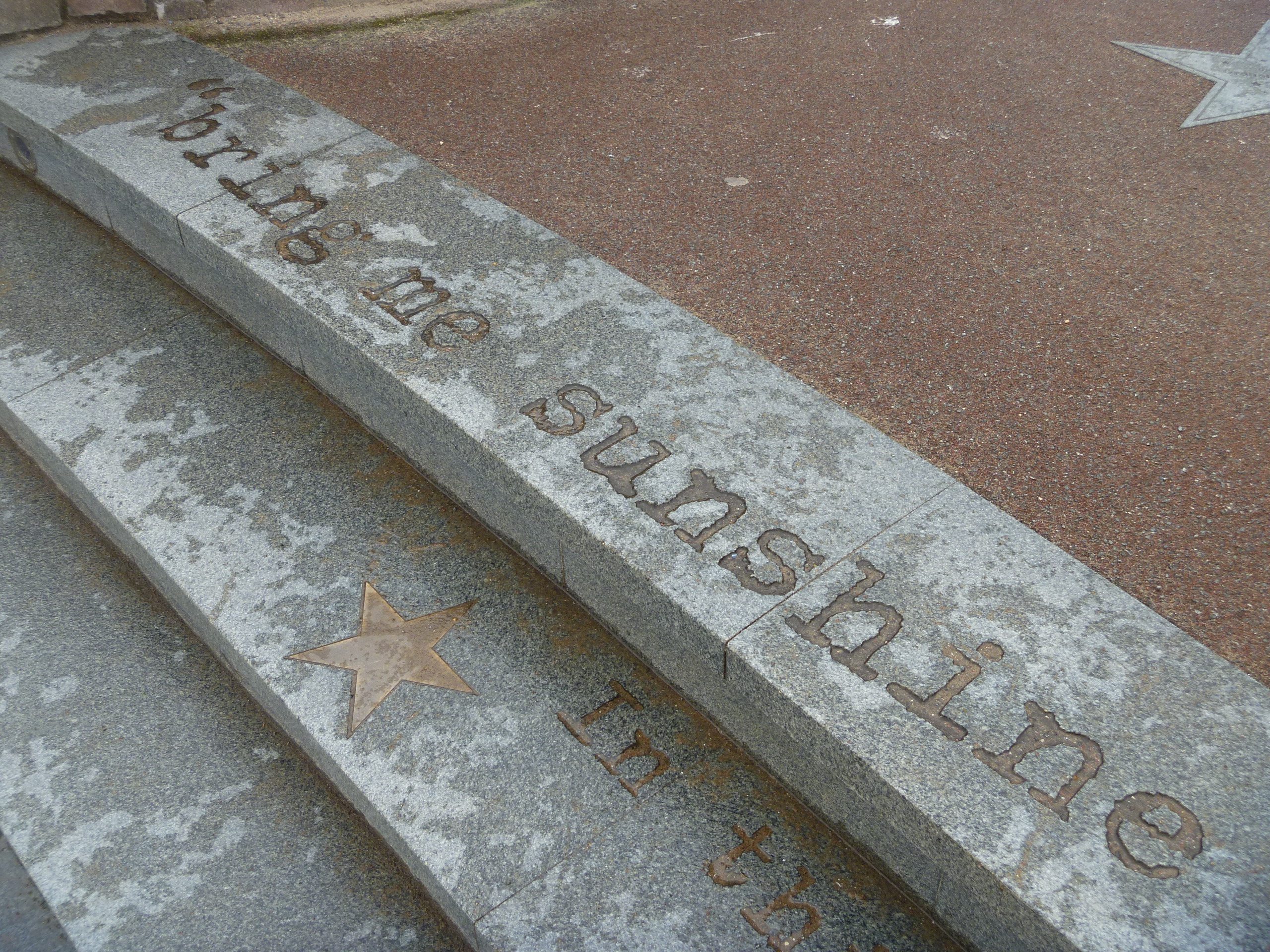
Bring me Sunshine … or at least Lunch in the Sun Terrace Restaurant

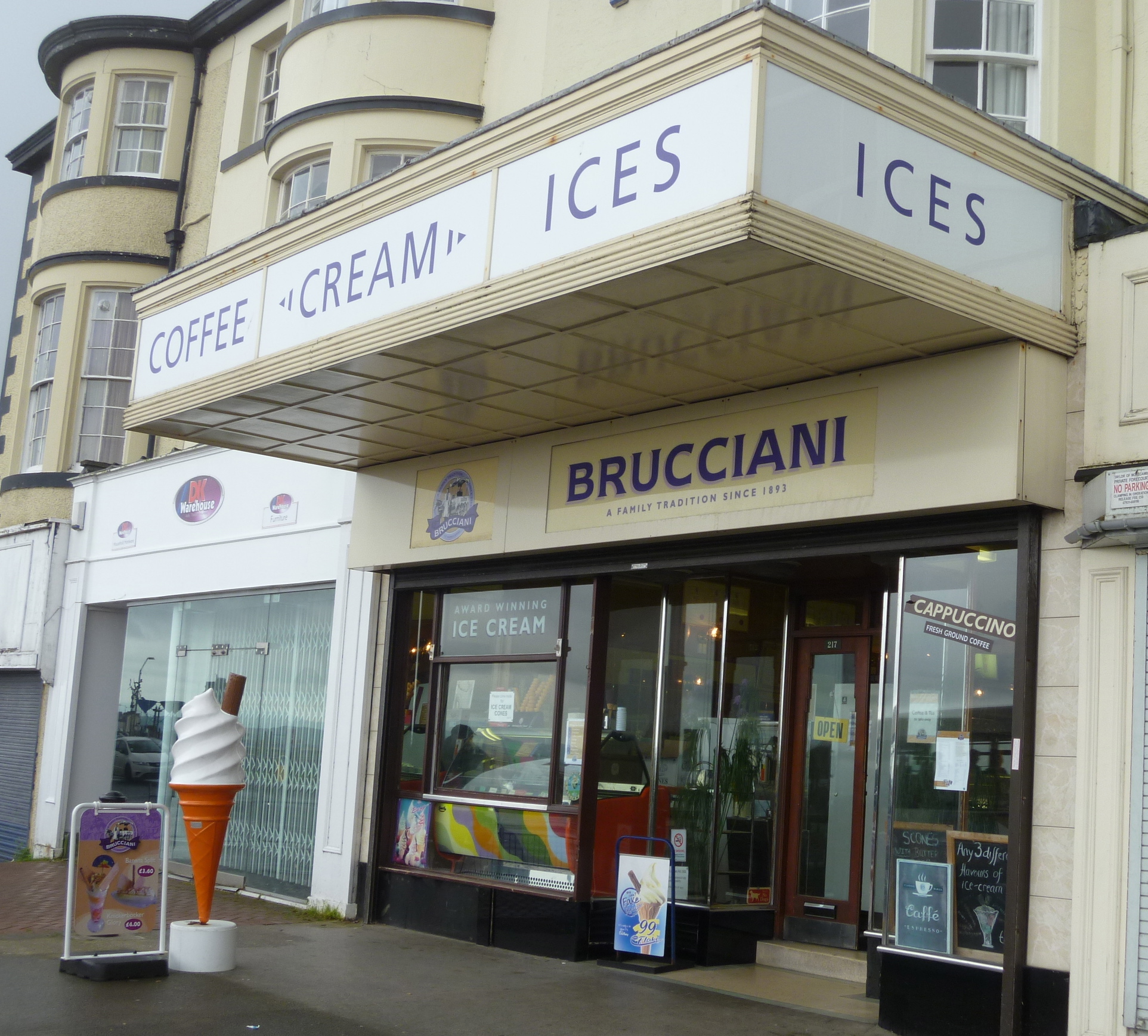
Small wonder Eric Morecambe was wanting people to bring him sunshine. We didn’t see much of it on our day out at the seaside in Morecambe yesterday. In fact when my train drew into the station more people were getting on the train than were getting off it. Not deterred, my friend A and I headed for the seafront and the recommended traditional Italian Ice Cream Parlour Brucciani’s.

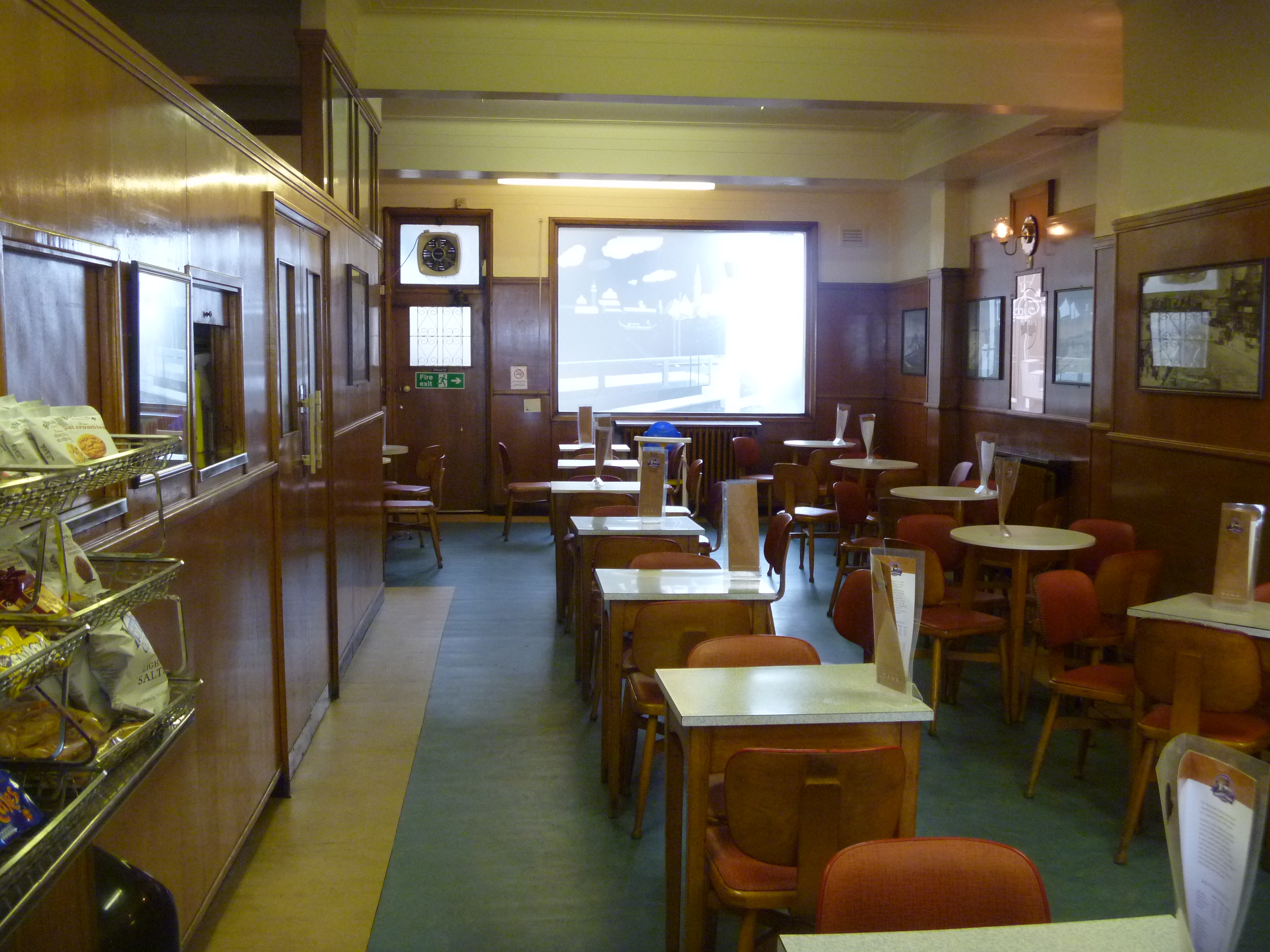
Taking us back to the “good old days”

The Lavs are free now! (To Brucciani’s customers)

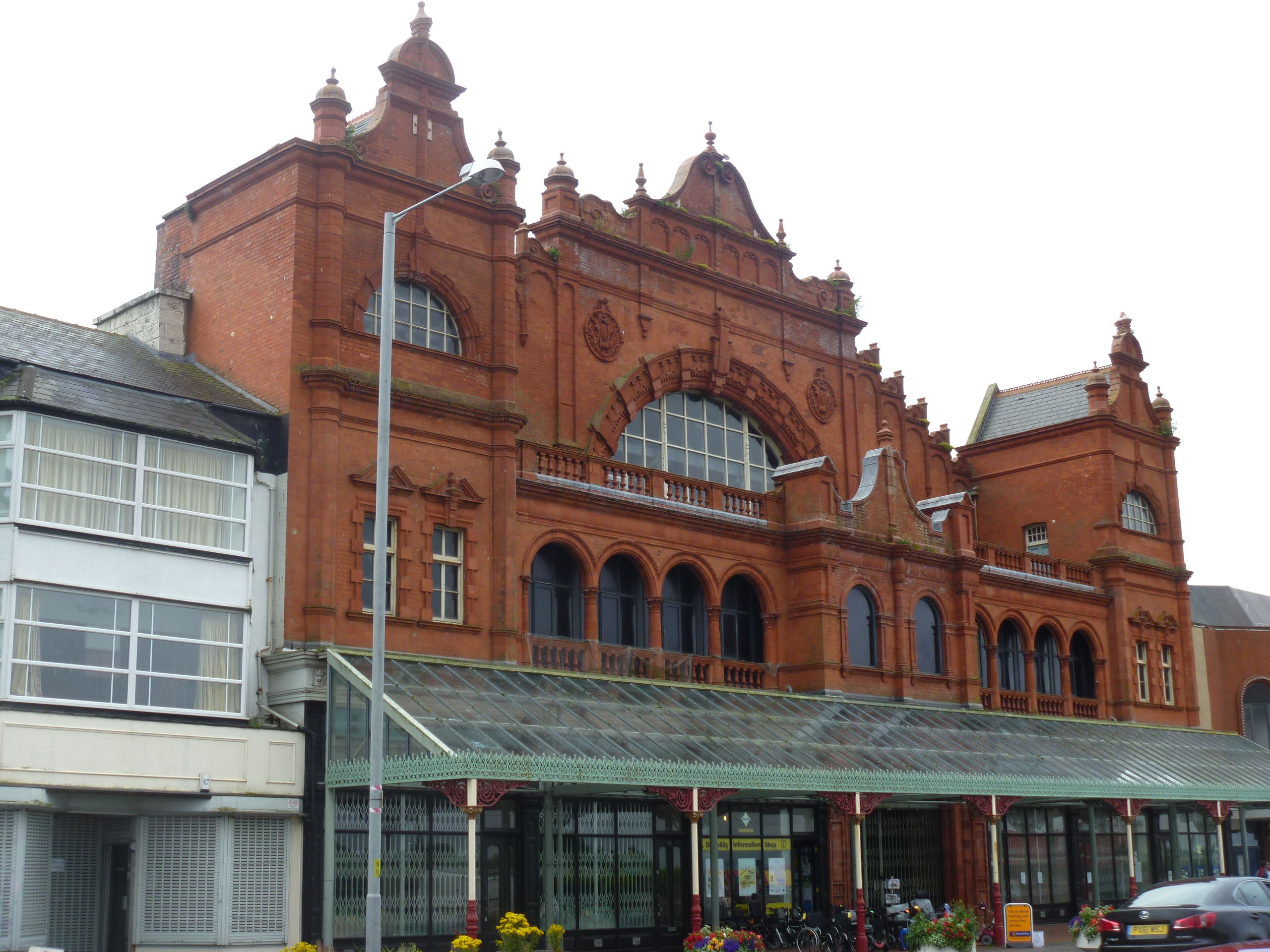
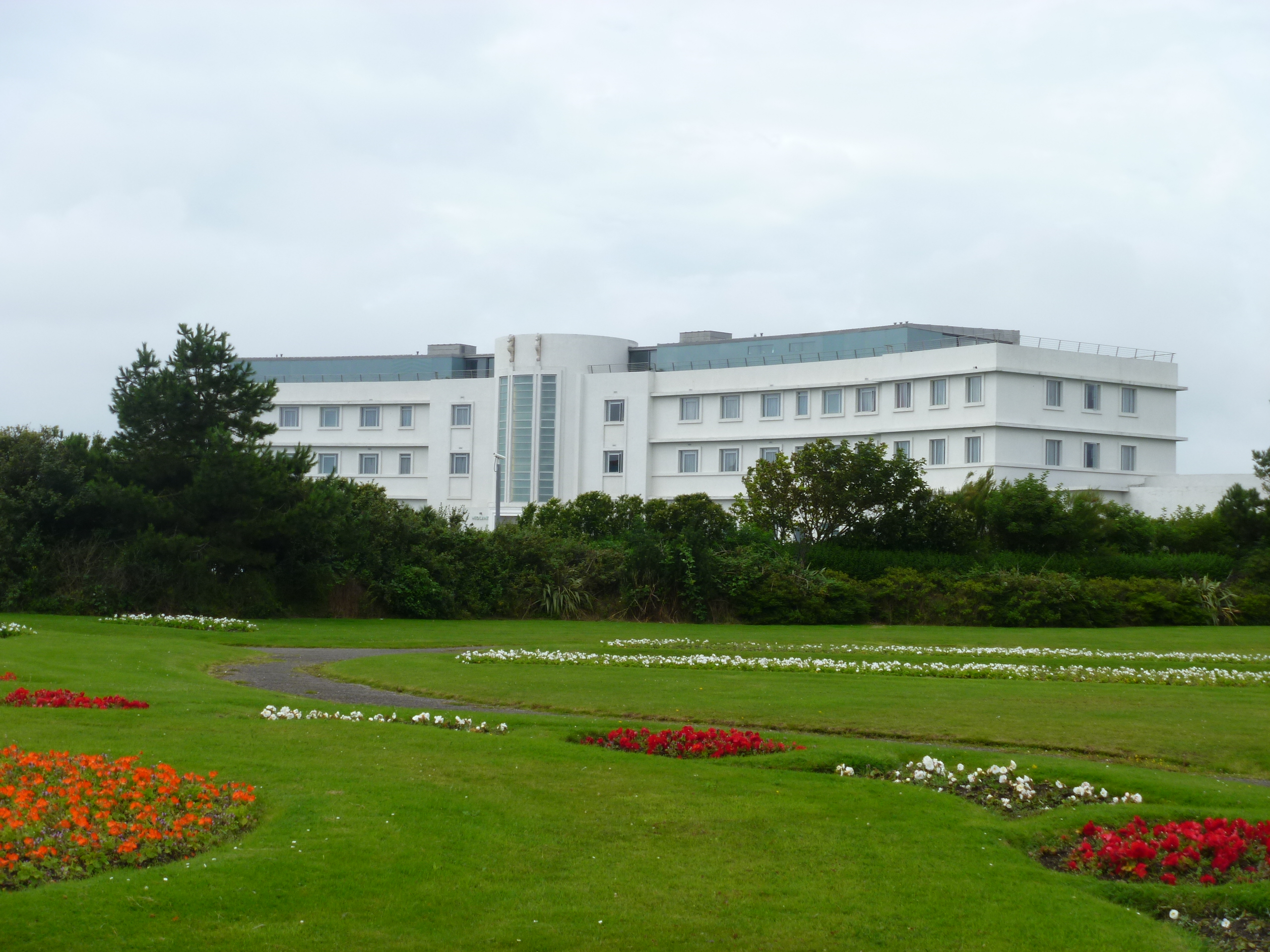
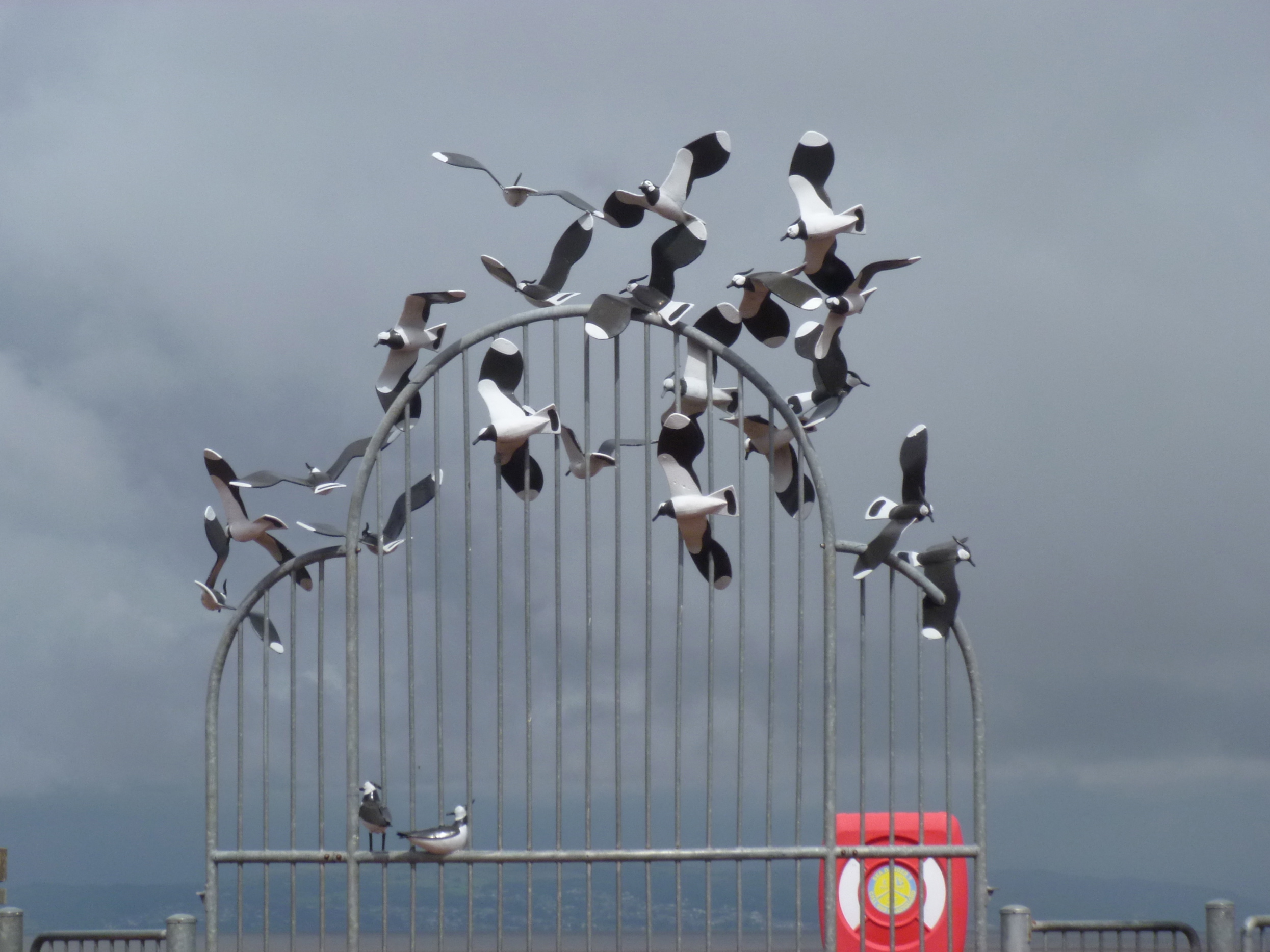
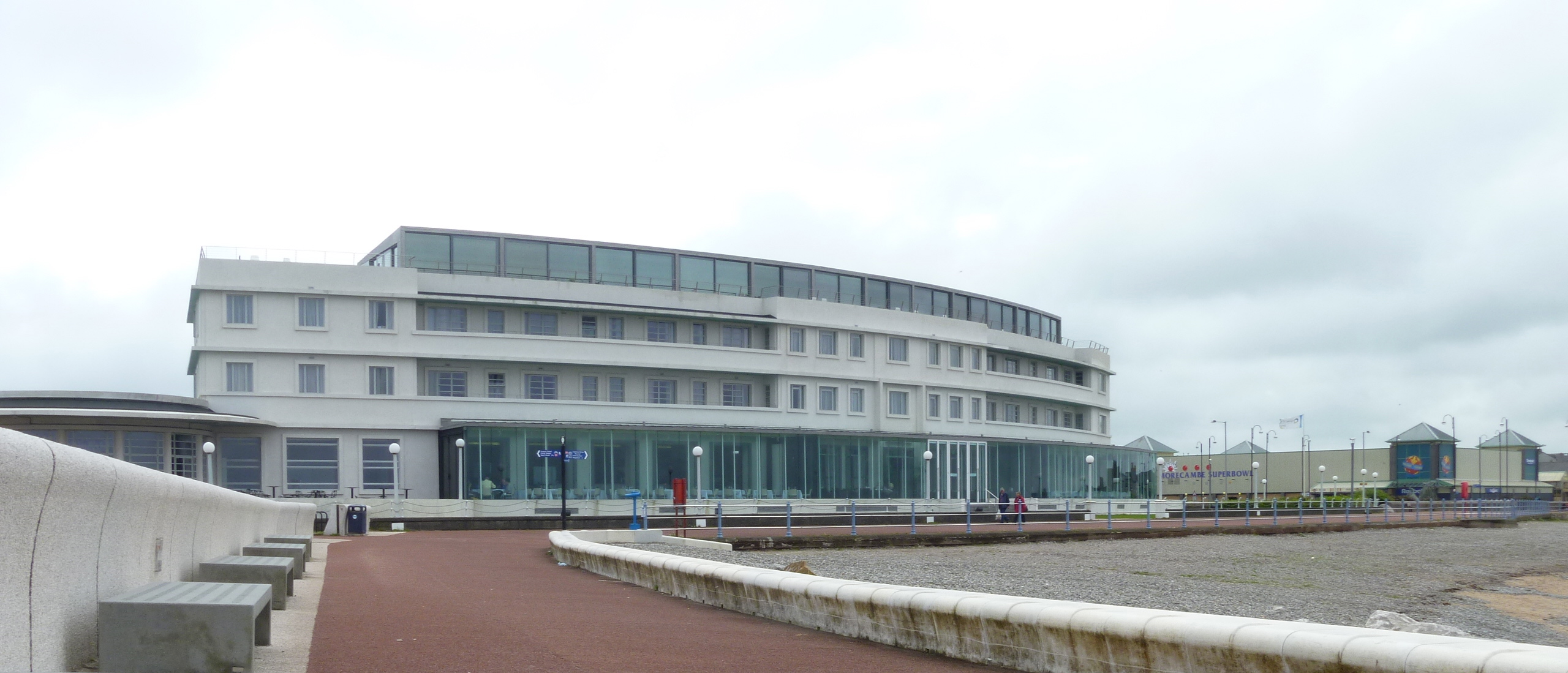
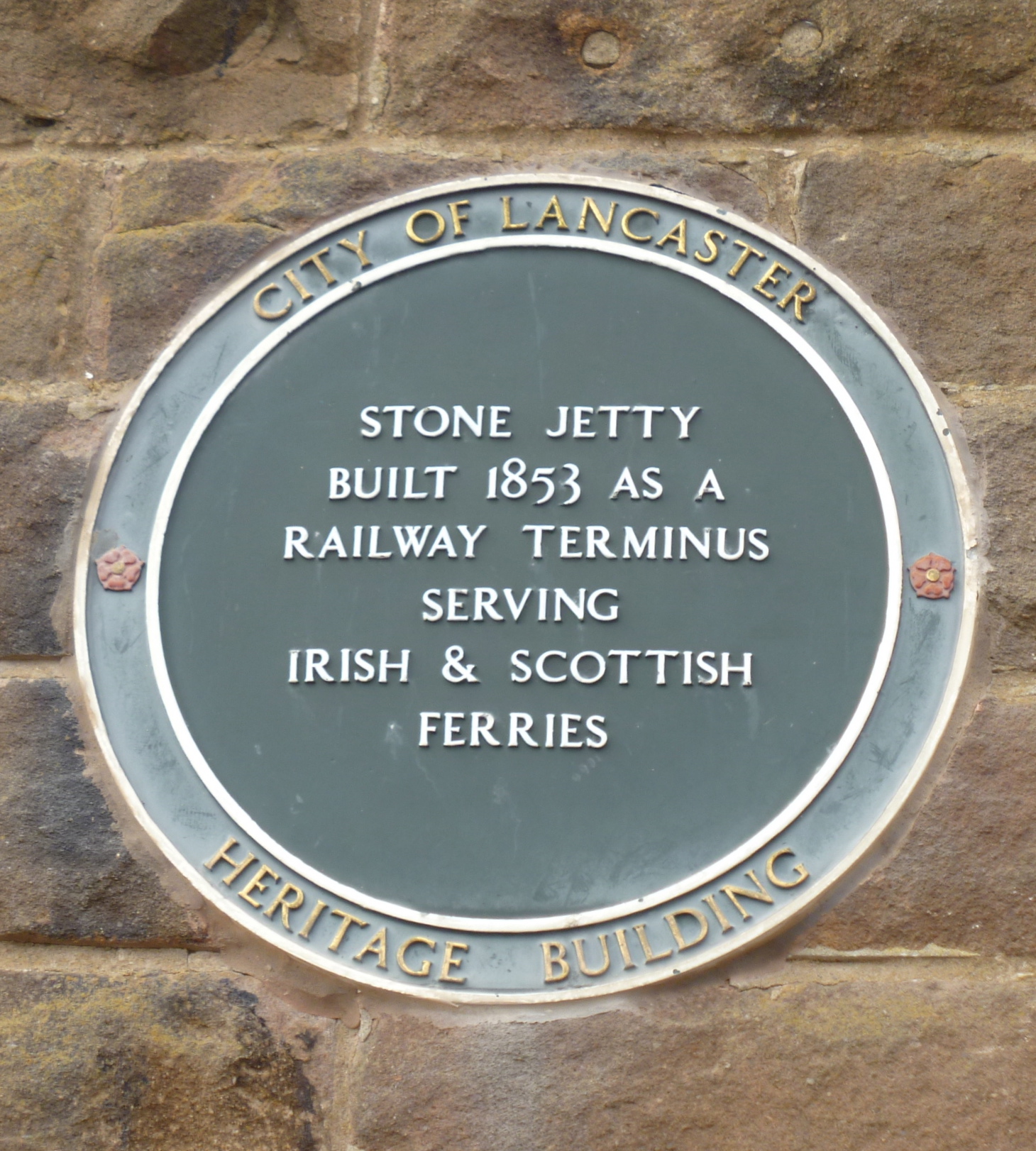
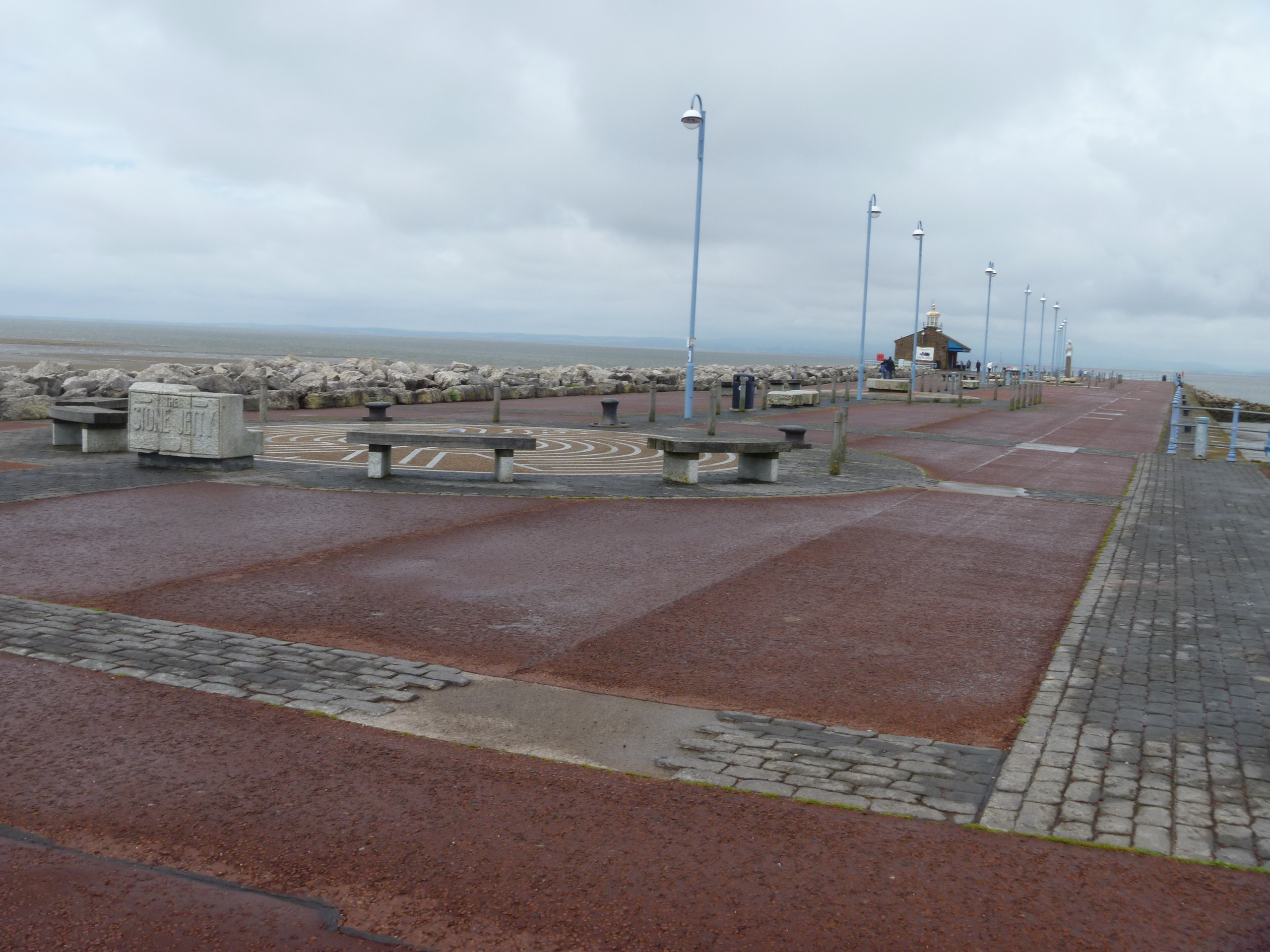
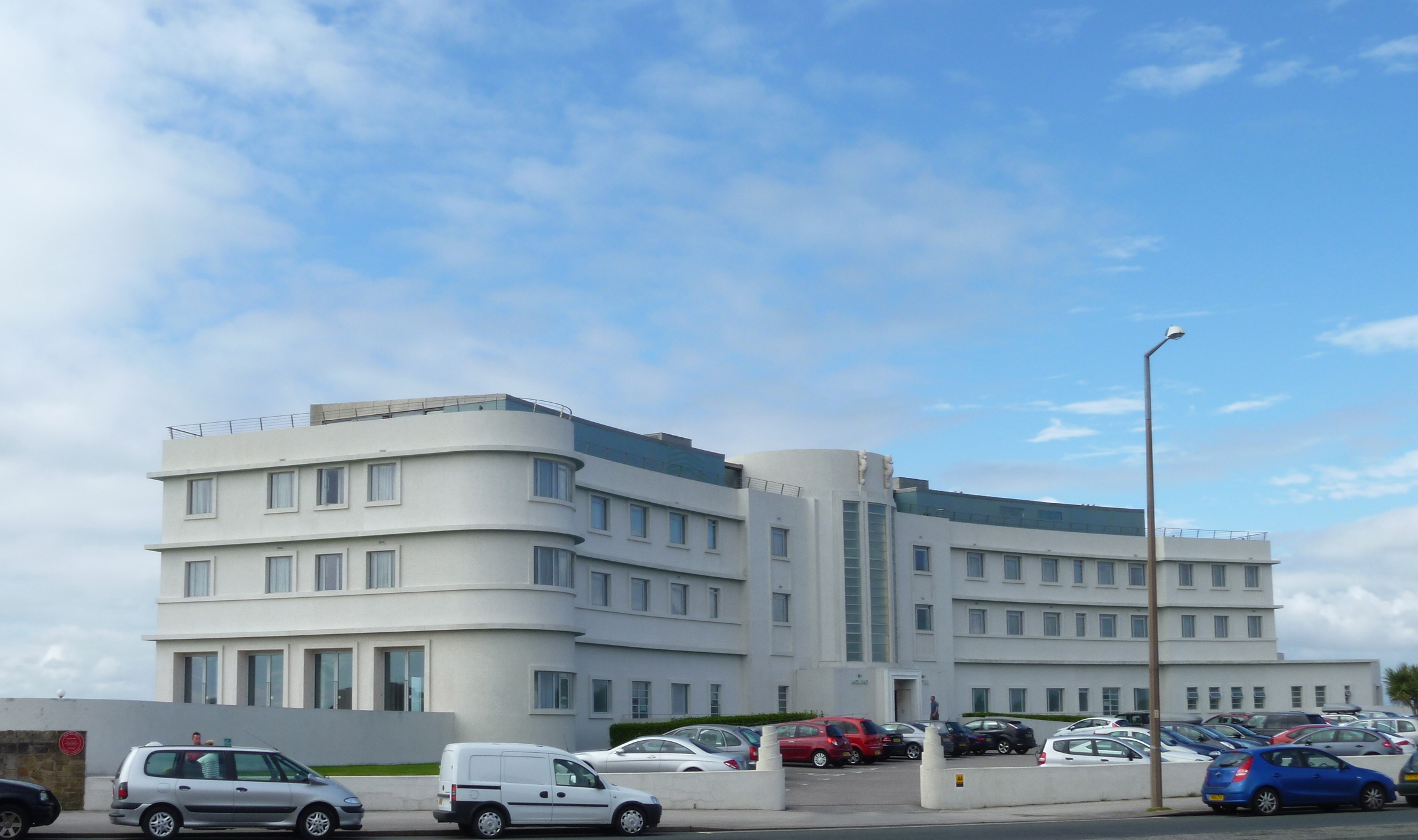
Much of Morecambe has seen better days but it has such great potential for revival with its Winter Gardens, the Platform Theatre in the former Midland Railway Station, cafes like Lewis’s and Brucciani, the star of the show beautifully restored Art Deco Midland Hotel and the lovely Stone Jetty where ferries tied up in days gone by. It’s such a shame about the weather and the credit crunch hasn’t helped either. We noticed lots of new sculpture, most of it taking the form of seabirds, and a path from the front to the station called Flock of Words.

The Winter Gardens

The Midland Hotel

One of the Tern Project Sculptures

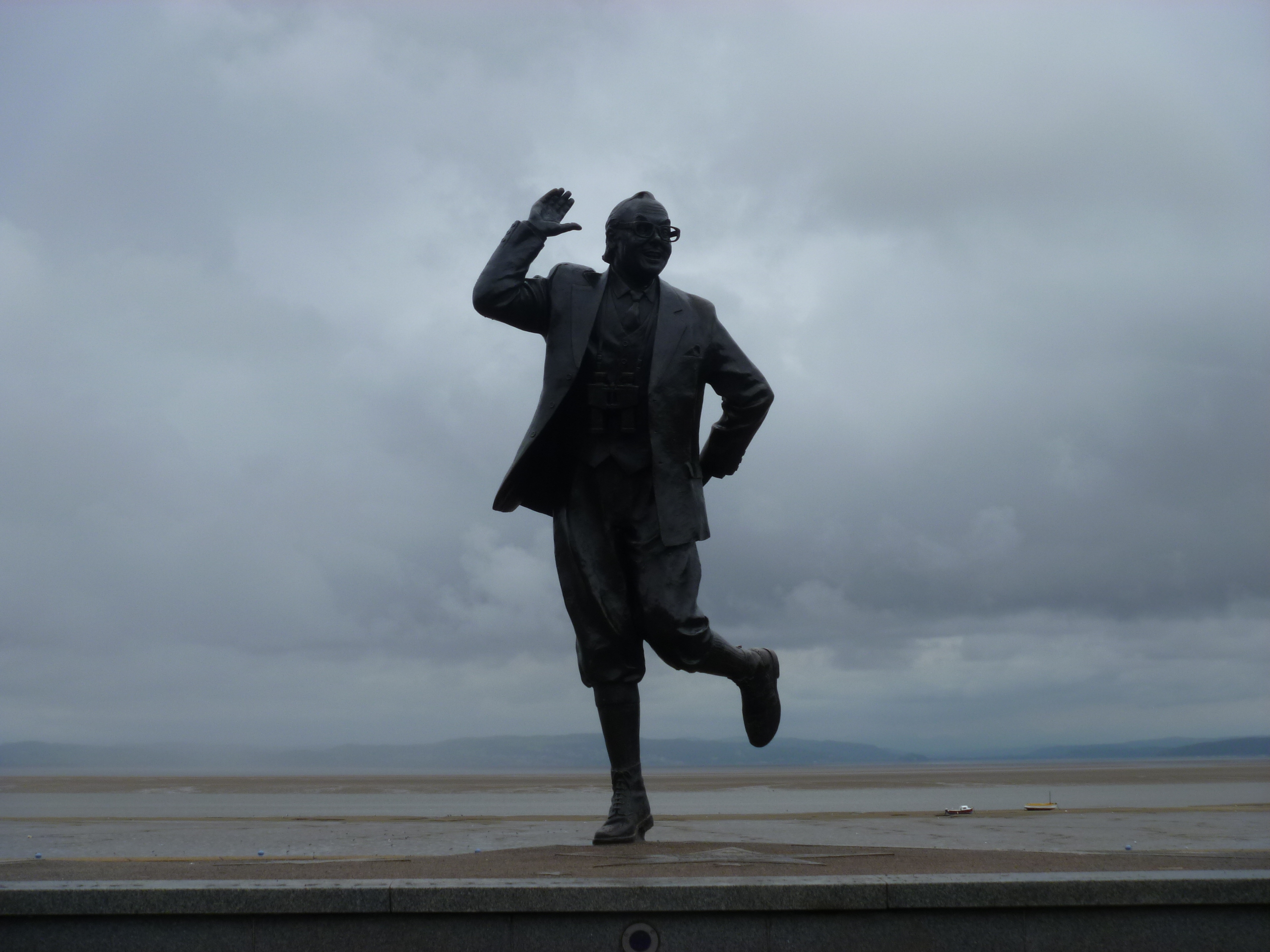
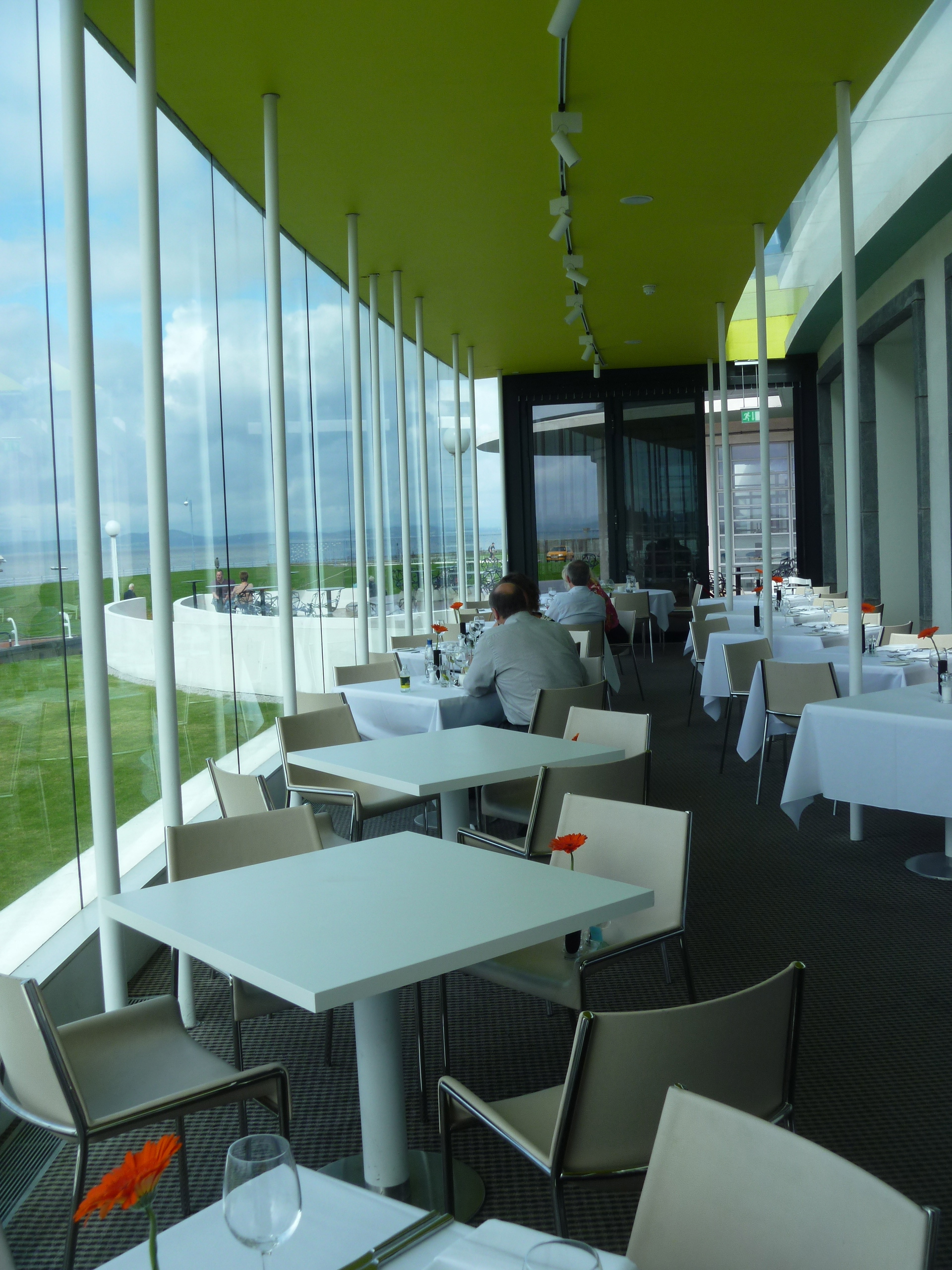
After a quick photo shoot with Eric Morecambe we visited one shop on the front: Woods of Morecambe. We made a few purchases and then battled against the wind and rain to walk back along the promenade  and around the front of the hotel before taking our places in the Sun Terrace Restaurant of The Midland Hotel for lunch.

For starters how could we resist Frank Benson’s Morecambe Bay Potted Shrimps with Toasted Sourdough as we sat looking out at the tide rushing in over the bay itself?   For afters we both chose the Selection of Lewis of Morecambe ice creams.  I must say the Selection of Great British Cheeses with Fruit Chutney and Home Made Chorley Cakes sounded very tempting, had I not filled up on the previous two courses. True to its name as we dawdled through our meal, chatting and savouring the food and the experience, slowly the sun did appear and by the time we reluctantly felt we should leave the sun was out and blue sky appearing through the cloud cover. On a future visit Afternoon Tea on the Sun Terrace is definitely high on my list.

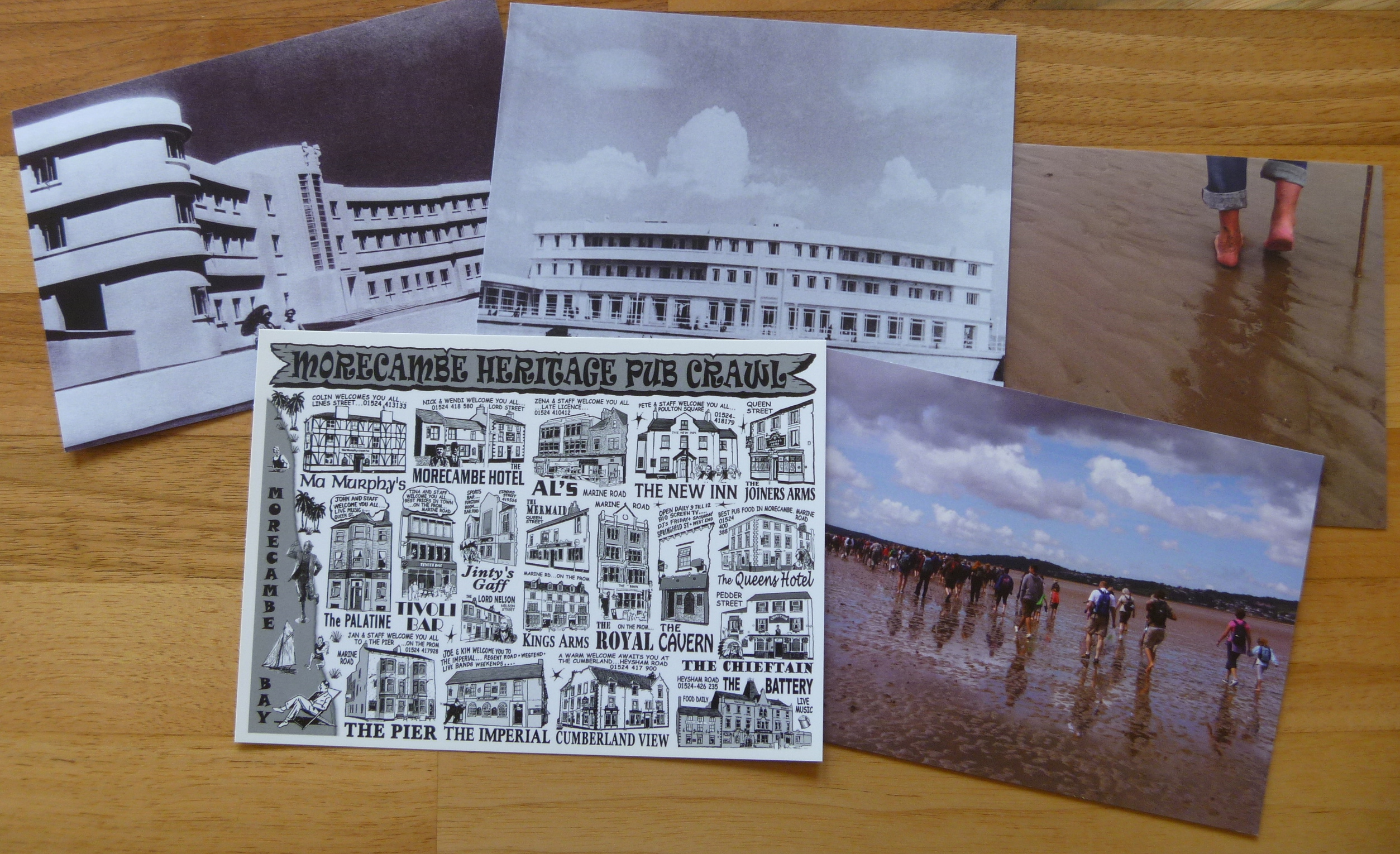
A quick visit to the Tourist Office (for postcards) also in the former Midland Railway Station was followed by a stroll along the Stone Jetty which looked to have a nice old cafe which itself is topped by a lighthouse. The views from Morecambe seafront and the Jetty are amazing and worth the visit alone. All of the Lake District mountains and the mysterious sands and channels of Morecambe Bay fill the picture.

The Stone Jetty

Some of the postcards

All too soon it was time to go our separate ways and we returned via the Flock of Words footpath to Morecambe’s modern railway station – just 2 empty platforms these days: even the ticket office was closed. But Morecambe has lots going for it and if it can weather the storm of the present tough financial times I foresee a return to a form of former glory.

Sun and blue sky appear as we turn to leave

Some Suffolk Curiosities

I’ve moved on down to Aldeburgh a lovely little seaside town on the Suffolk coast. For a coastal resort it’s a funny place – it kind of turns its back on the sea – as walking down the High Street you would not believe that beyond the shops on the east side is a beach and fishing shore.

A Landmark

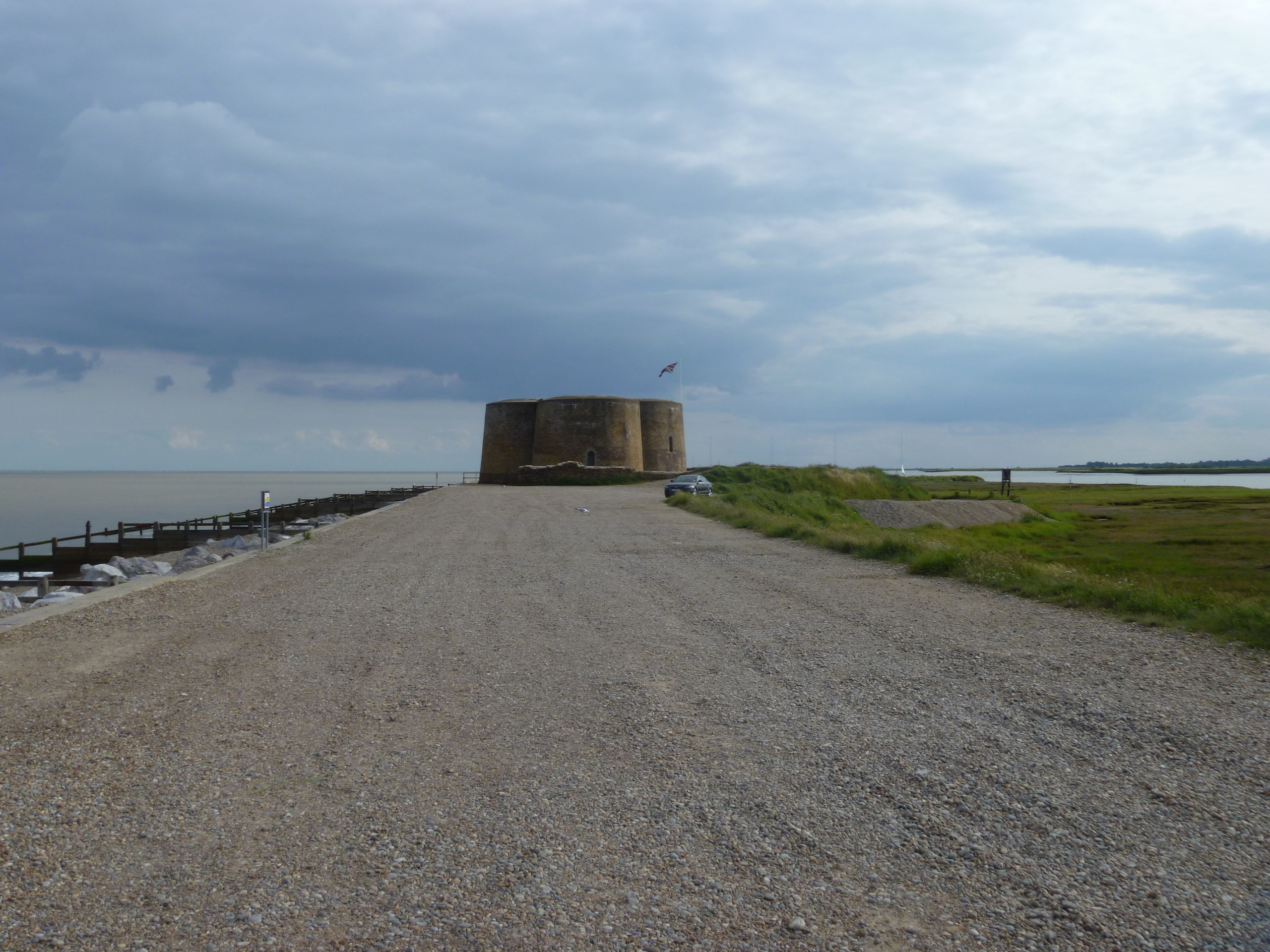
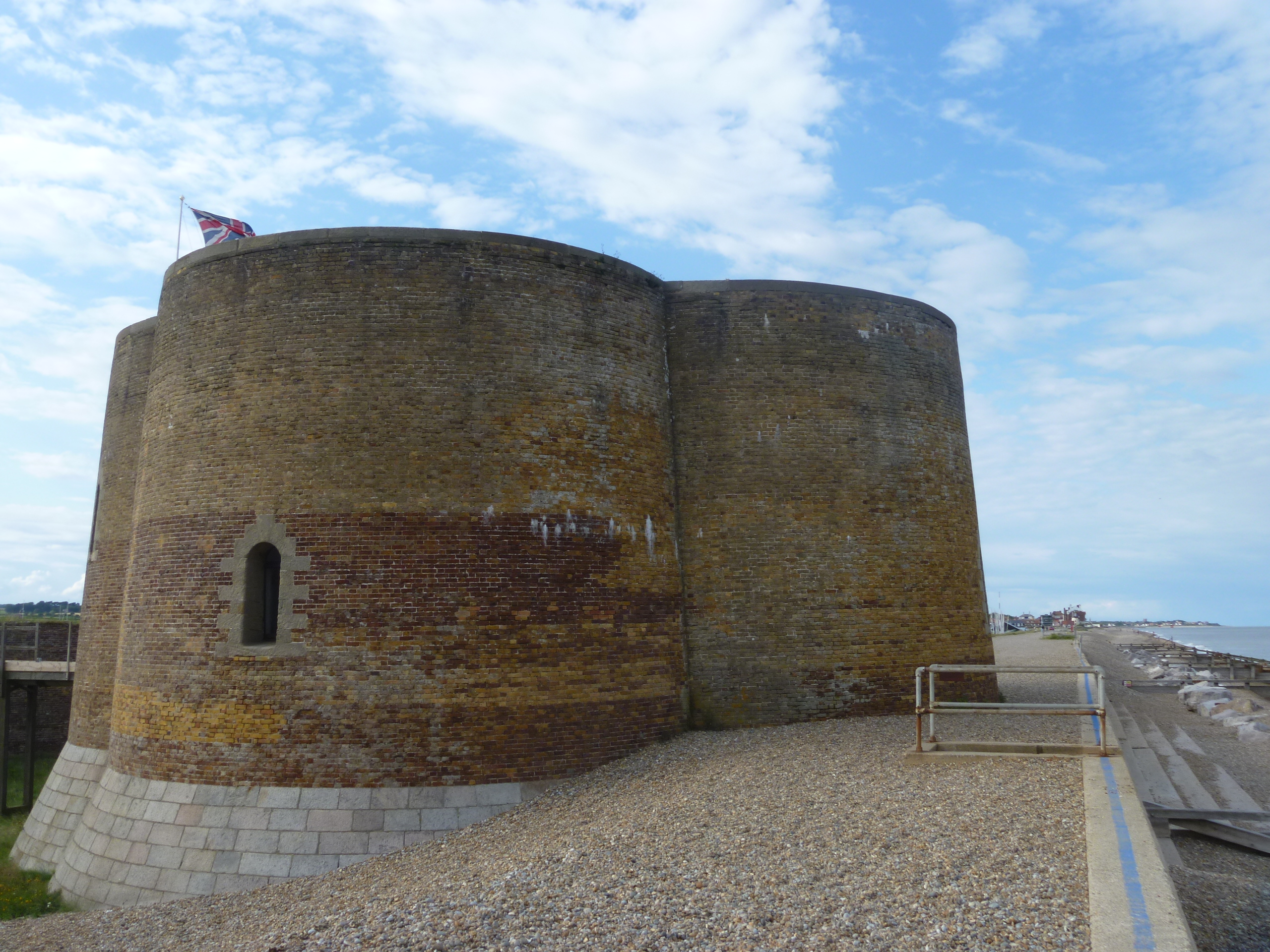
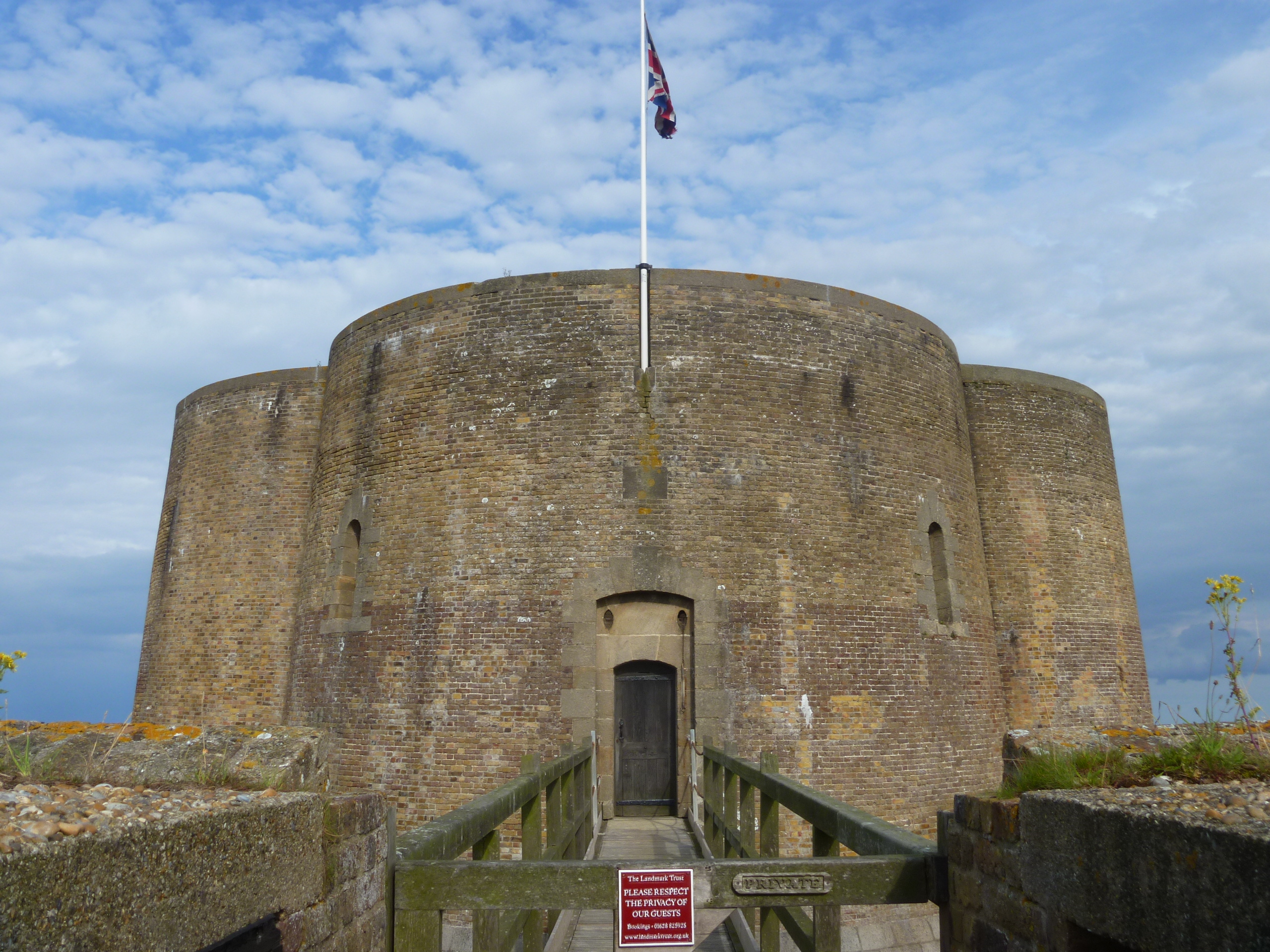
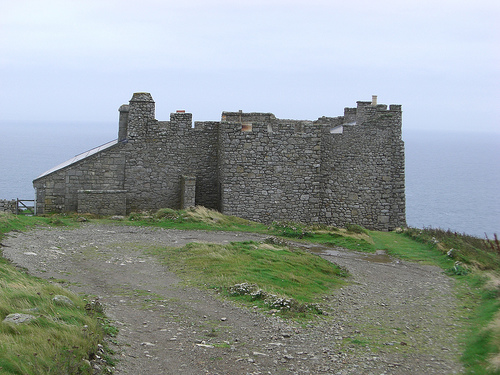
Aldeburgh has a local Landmark Trust property. It’s about a mile out of town and it’s a Martello Tower.

“This is the largest and most northerly of the chain of towers put up by the Board of Ordnance to keep out Napoleon. Built in the shape of a quatrefoil for four heavy guns, nearly a million bricks were used in its construction. It stands at the root of the Orford Ness peninsula, between the River Alde and the sea, a few hundred yards from Aldeburgh.” From The Landmark Trust website.

To me the exterior has very little appeal, the beach nearby is very stony and rocky and it’s a long old trudge from the town but I understand it’s possible to reach the roof from inside so there is somewhere outside to sit in privacy and enjoy a sea view so maybe it has something going for it after all.

A Purpose-Built Edwardian Resort

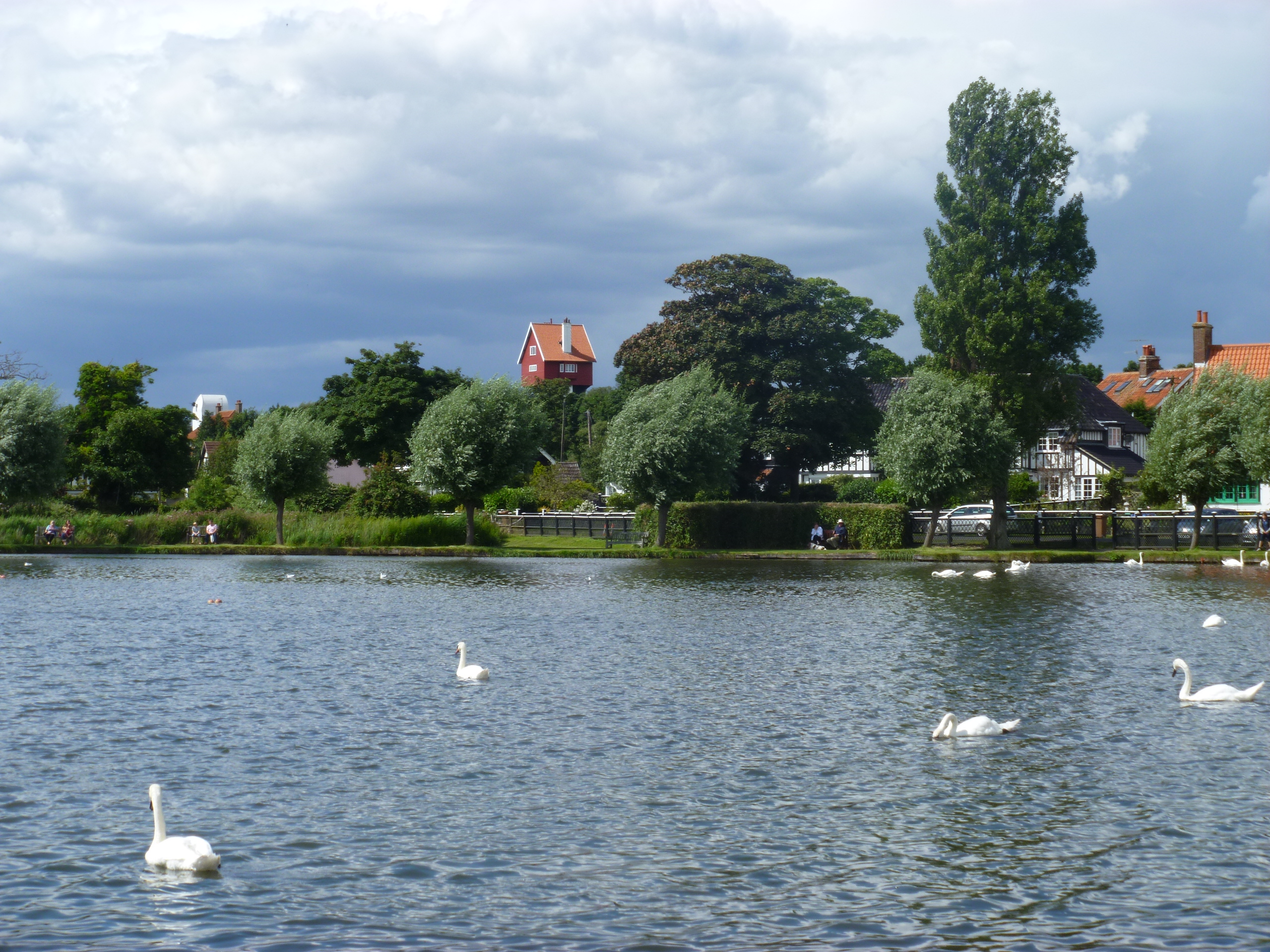
Just a couple of miles north of Aldeburgh is the quirky resort of Thorpeness. It seems to be having a revival these days.  When I visited one summer a couple of decades ago the place seemed rather quiet and run down but today children (and some adults) were enjoying rowing and sailing on The Meare and the shops and pub seemed buzzing.

Thorpeness was the brainchild of Glencairn Stuart Ogilvie the owner of nearby Sizewell Hall. He bought an area of coast and dunes and in 1910 set about establishing a purpose-built resort based on the fishing hamlet of Thorpe. He changed the name to Thorpeness. Like Aldeburgh Thorpeness also turns its back on the sea.

The Beach at Thorpeness

The main attraction for children and adults alike seems to be The Meare a manmade lake covering 64 acres with scattered islands and at no point deeper than one metre. The islands feature playhouses and characters from children’s books, in particular Peter Pan – Ogilvie was a friend of J M Barrie. The Meare opened in 1913 and many of the boats are 100 years old!

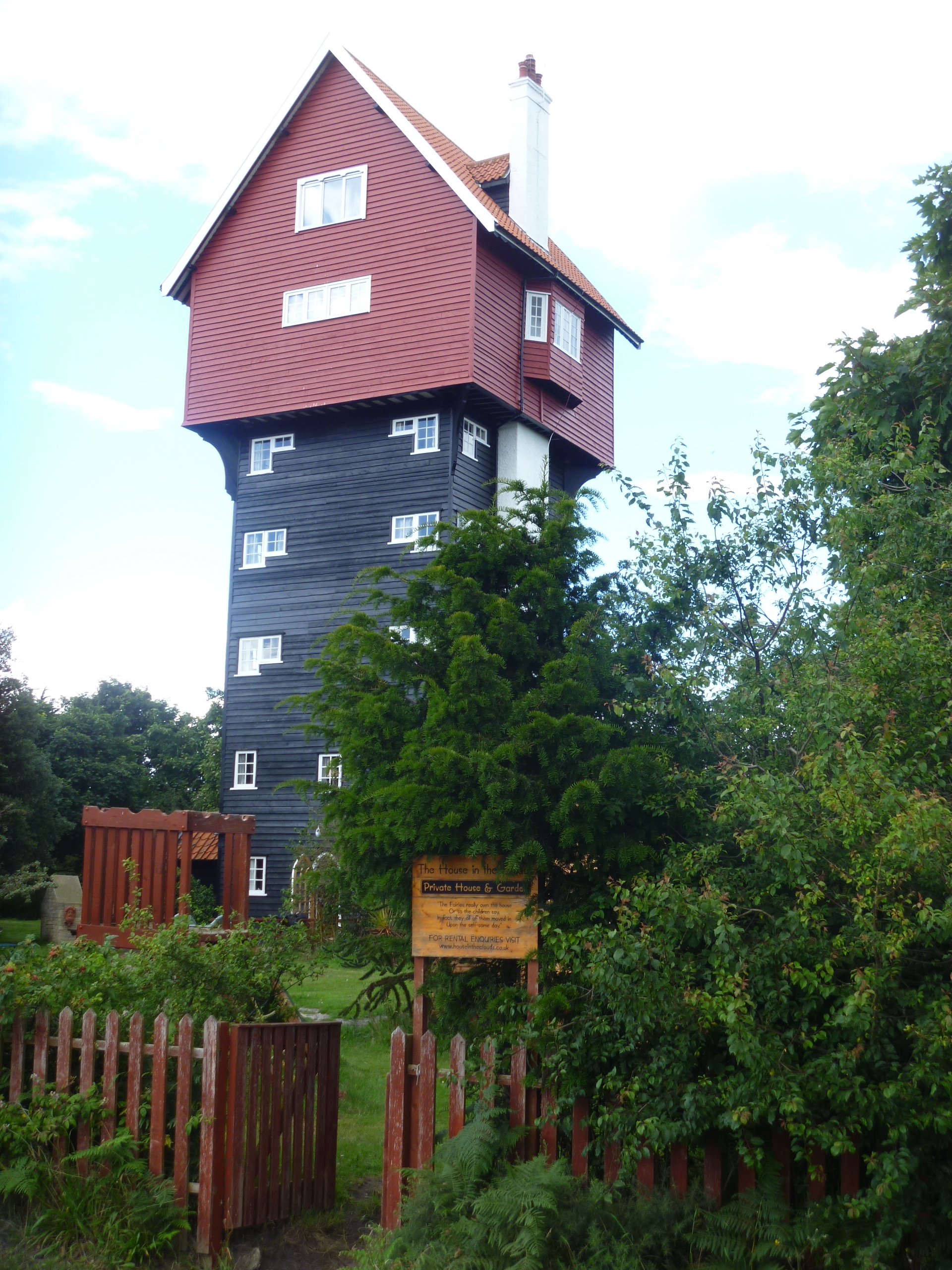
I had a leaflet outlining a trail around the village which included the Golf Club, the famous House in the Clouds, the windmill and the other eccentric and quaint seaside houses and cottages. It was good to follow the trail and see that the village was experiencing a resurgence in popularity since my last visit. Read the newspaper article that inspired me to revisit Thorpeness here.

The Former Water Tower – The House in The Clouds

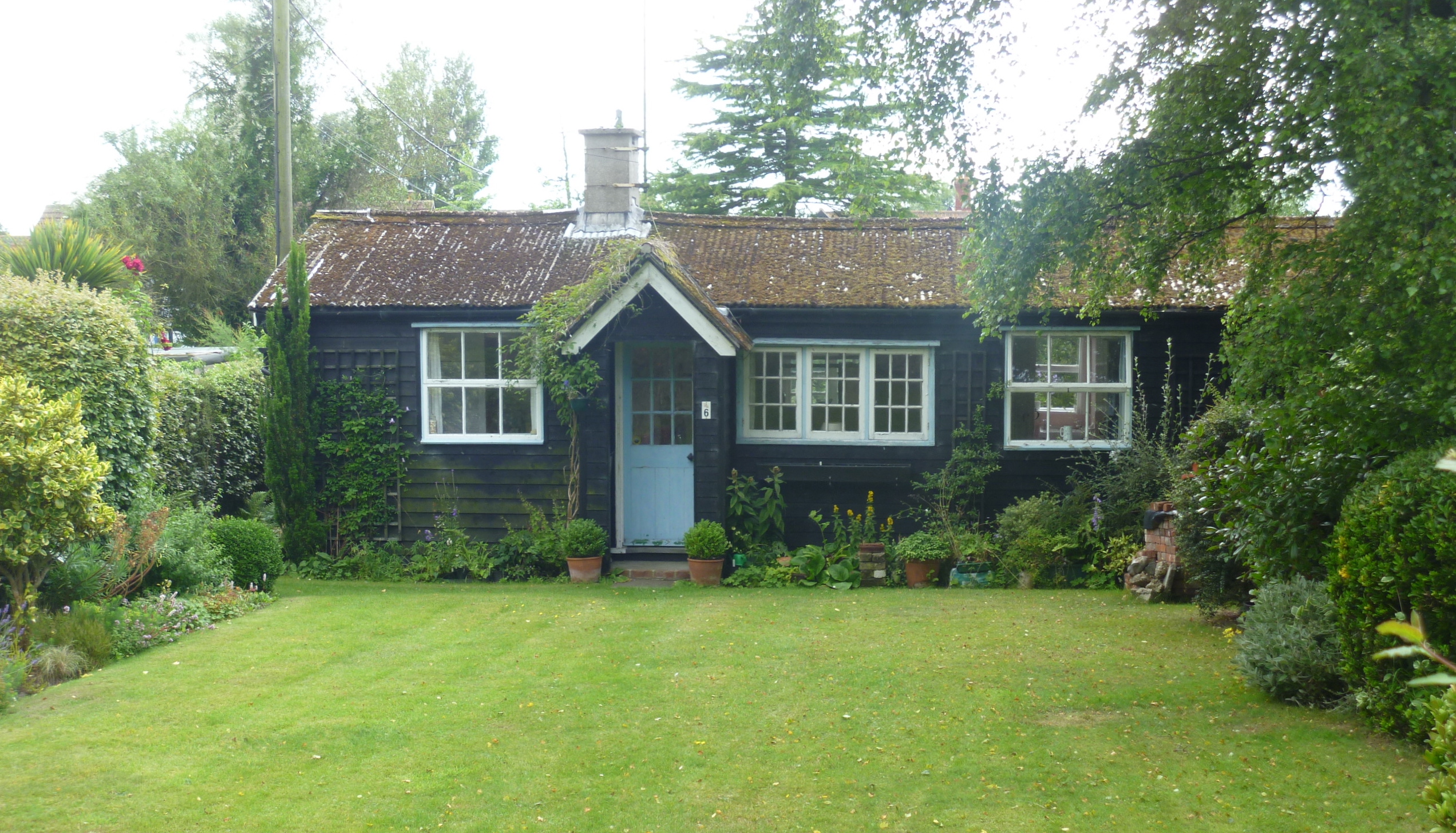
A Clapperboard Holiday Bungalow – Thorpeness

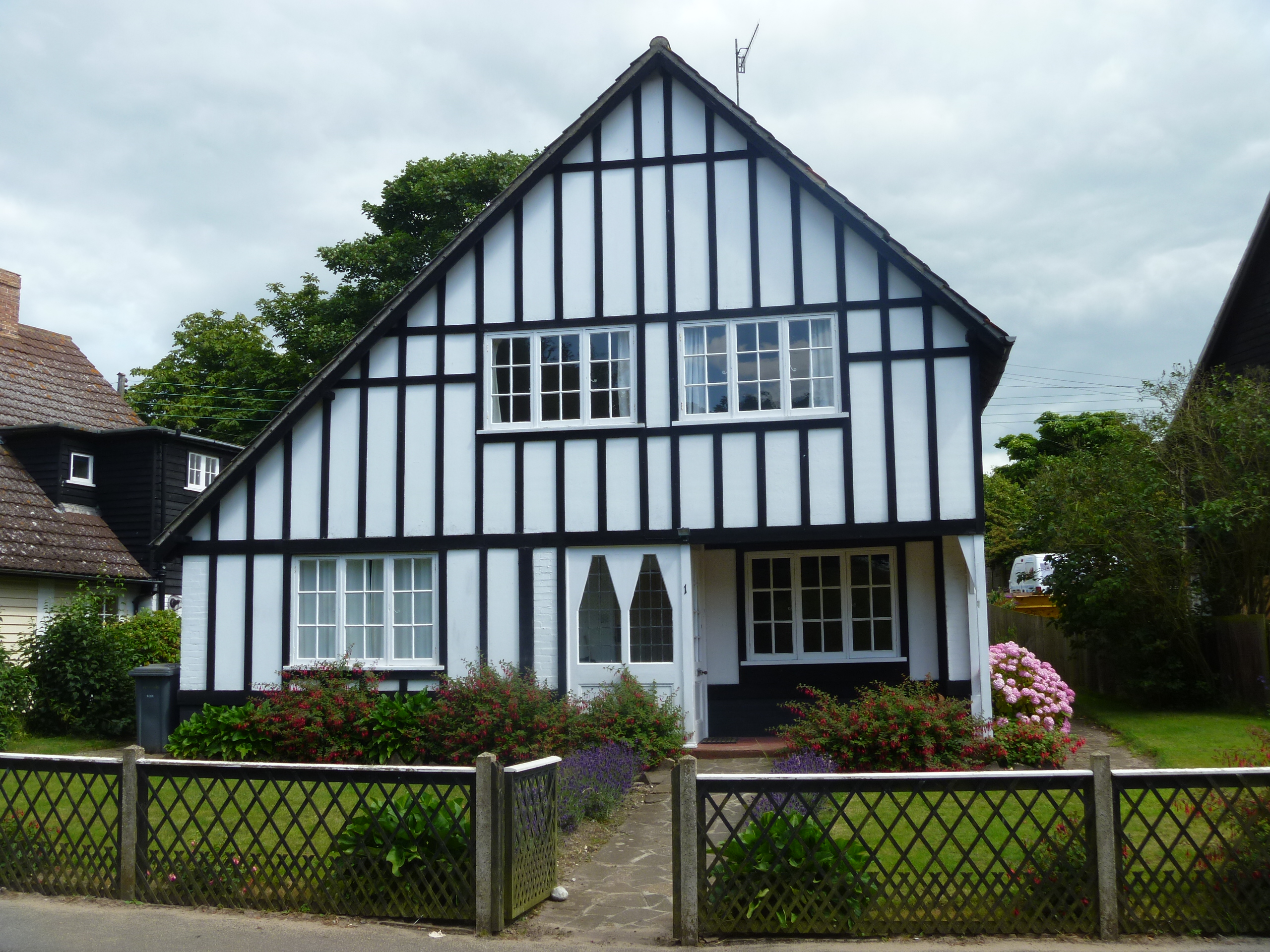
Tudor Style Holiday Home

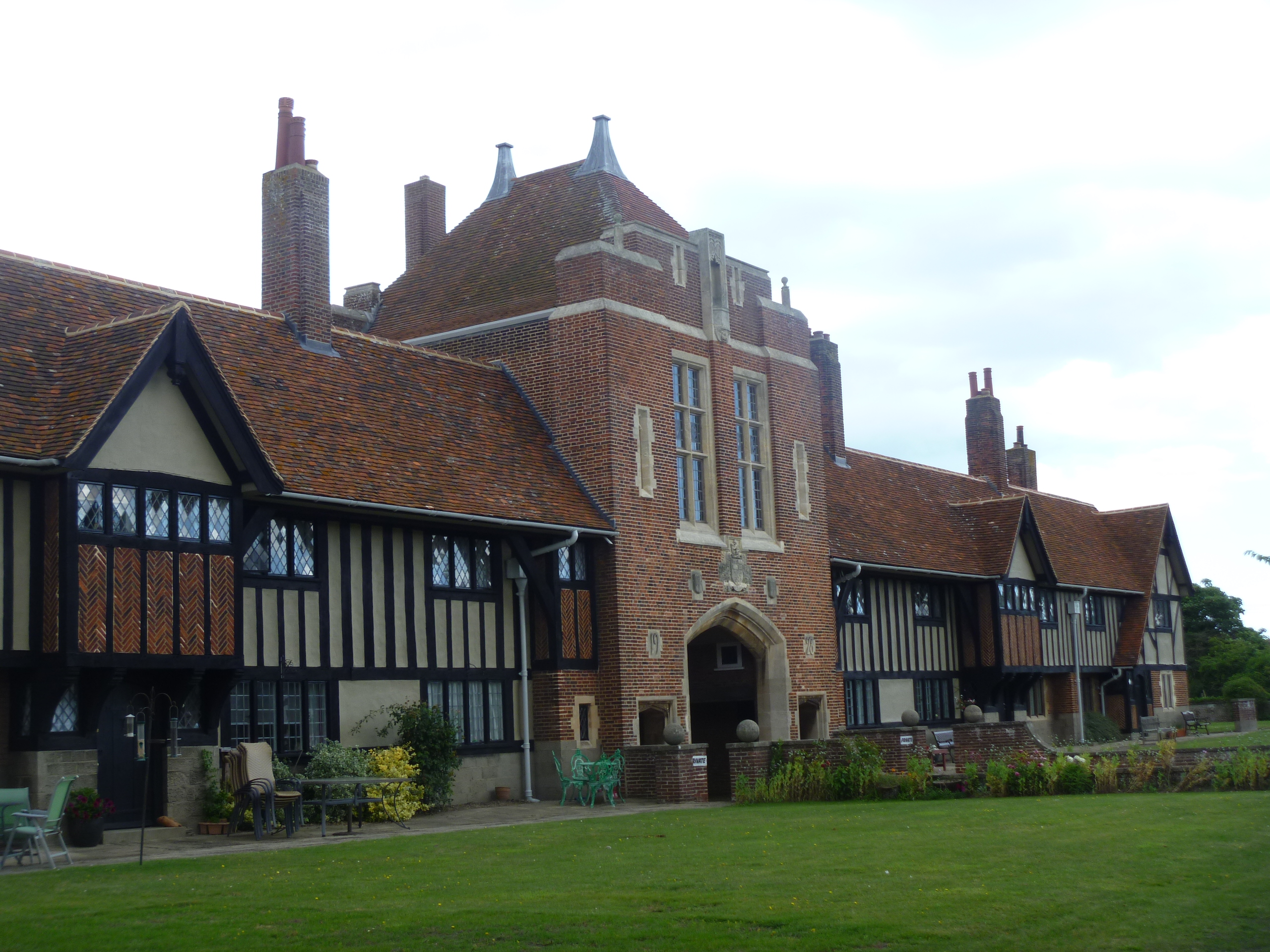
The Almshouses, Thorpeness

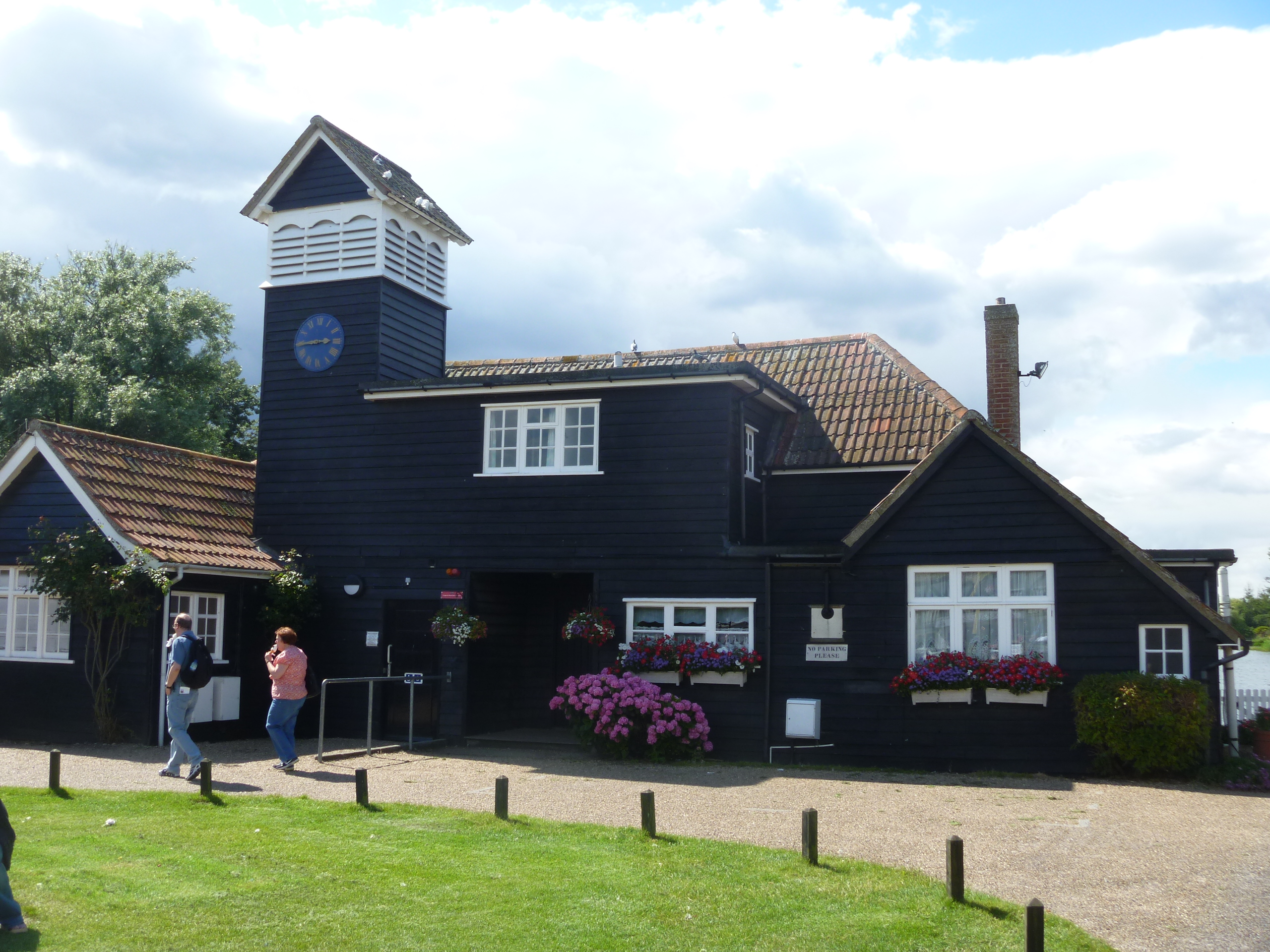
The Boat House with Clock Tower

Modern Sculptures

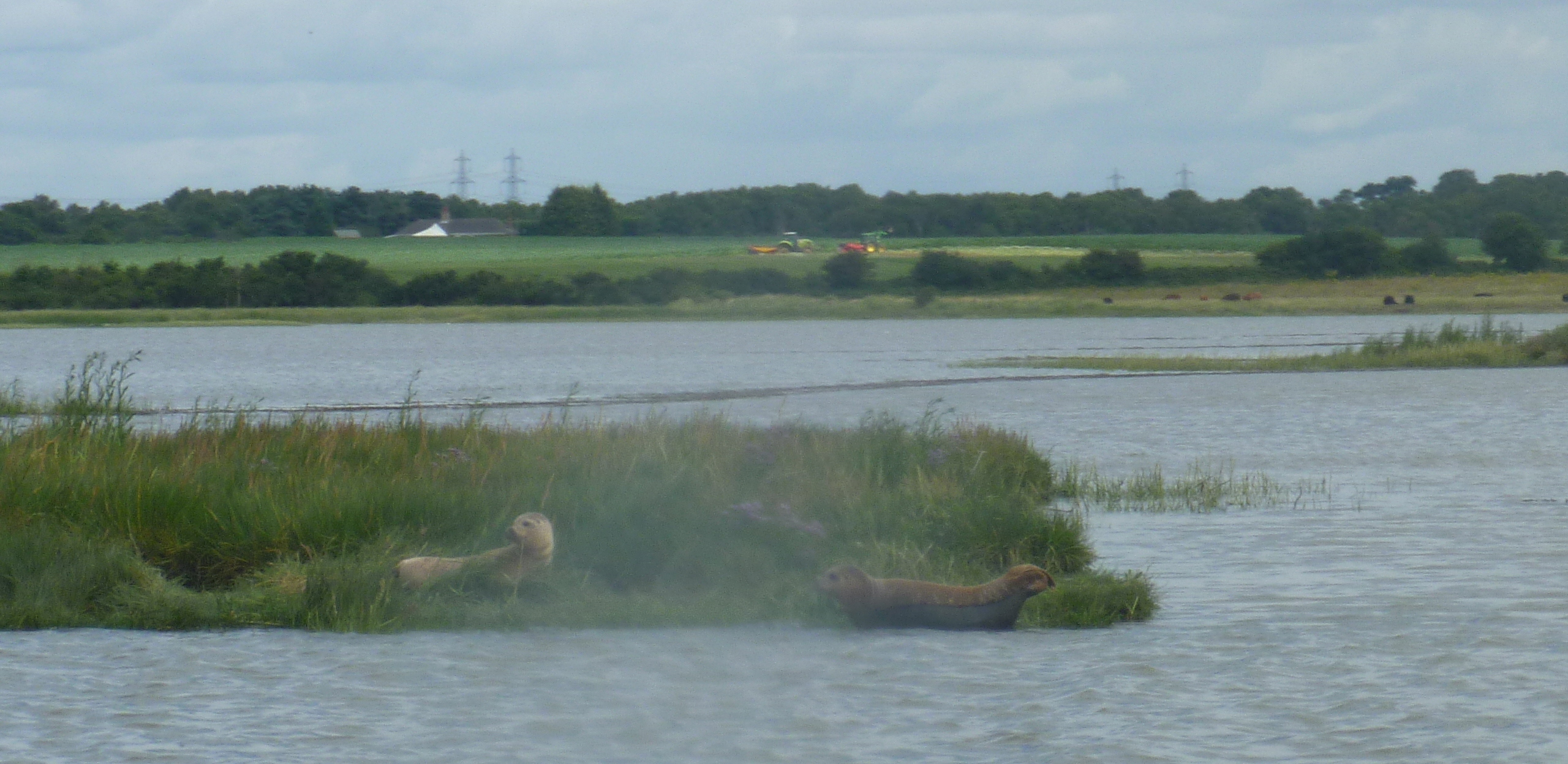
We missed many of our ports-of-call on our brief visit to the Suffolk coast this year but we did manage to get to one of our favourite places – Snape Maltings. This year we joined a River Trip on the Enchantress for a 45 minute cruise down the River Alde to Iken church and back. The highlight was seeing a family of harbour seals.

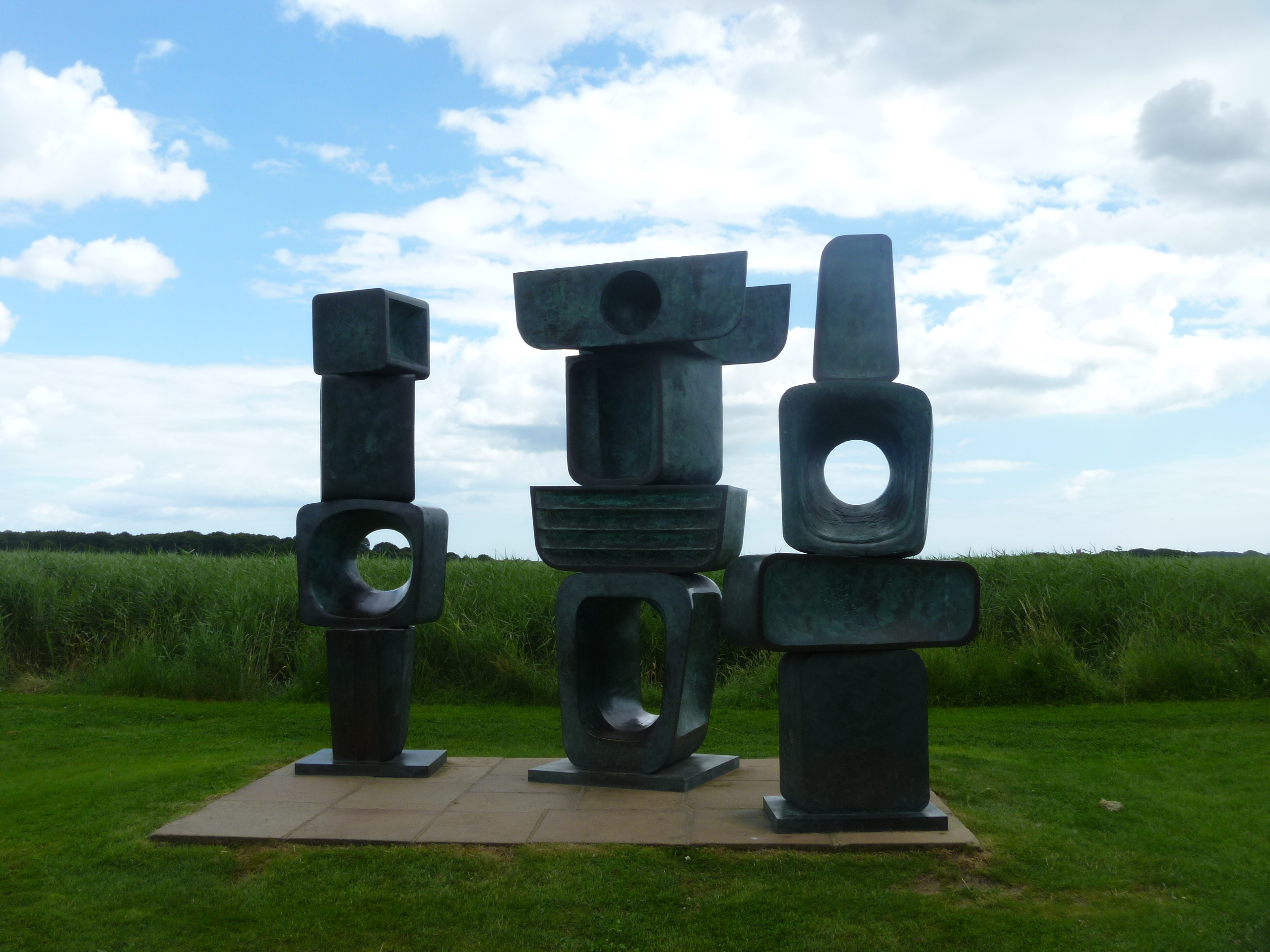
But on dry land I love to re-visit The Family of Man by Barbara Hepworth. It’s  such an evocative sculpture standing between the great concert hall of the Maltings and the acres of reed beds that so characterise this estuarine part of Suffolk.

Snape Maltings, [Barbara] Hepworth, Family of Man, 1970, group of three from the larger series, presented in memory of Benjamin Britten, wonderfully sited. The abstract – totemic appearance of the figures further suggests a non- western – timeless iconography, looking back to Hepworth’s earlier interest in Mexican sculpture and pointing to the universality of sculptural language across cultures.” ( http://www.racns.co.uk/trails/Ipswich_Southwold.pdf )

Then on the beach between Aldeburgh and Thorpeness is Maggi Hambling which I also love to revisit – but didn’t actually fit in on this visit. I was last there in February 2010.

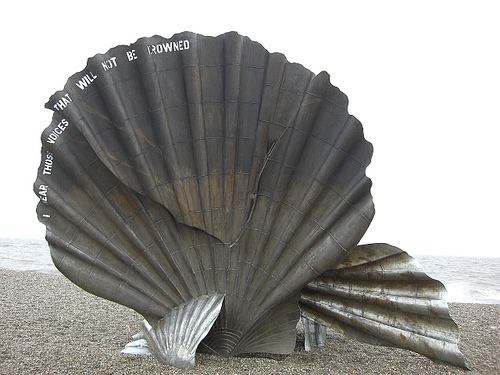
Aldeburgh, Beach, Scallop to celebrate Benjamin Britten, Maggi Hambling, with Sam and Dennis Pegg unveiled 8 November 2003, I HEAR THOSE VOICES THAT WILL NOT BE DROWNED; fine tribute, intensely disliked by most locals.”  ( http://www.racns.co.uk/trails/Ipswich_Southwold.pdf ) How strange is that?

A Bridge, Rocks and Old Bushmills Whiskey – a Day on the Antrim Coast

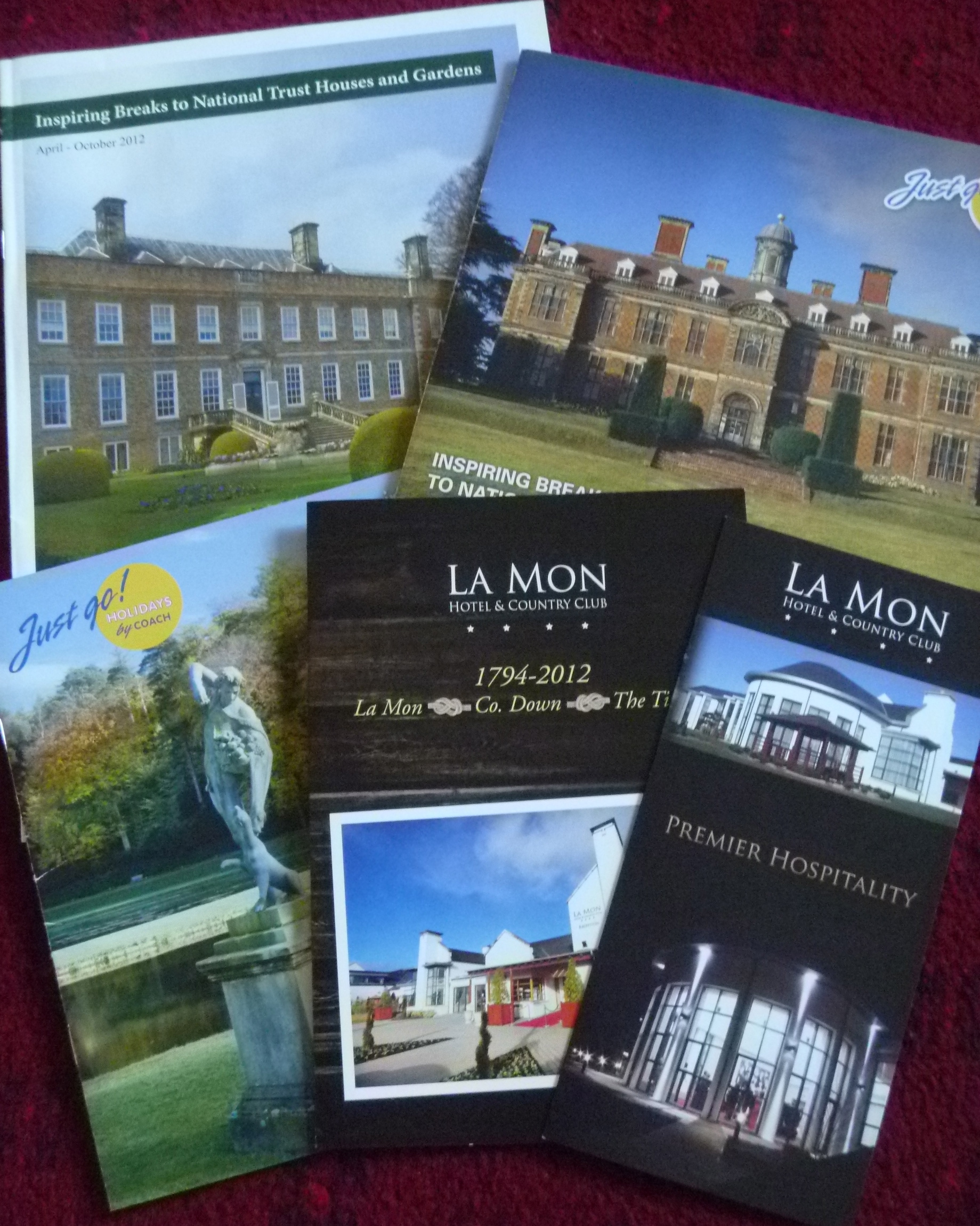
Last week I went on my first ever coach holiday. And I must say I was pleasantly surprised to find that it was a very enjoyable experience. In mid-2011 I received a mail shot through the post from the National Trust advertising coach holidays in the UK in conjunction with the company Just Go! If you follow the link you will see the wide selection of holidays available. The brochure last year arrived too late to consider booking in 2011 but I hoped the experiment would be repeated for this year. It was and my first choice “Welcome to Northern Ireland” was available with bookings from Leeds during May. Perfect! Although in the end we decided to fly out from our local airport and take a taxi from Belfast City Airport to join our party at the Hotel La Mon in the countryside just outside the city.

The first day dawned somewhat misty and overcast but as we got underway, heading north through the Belfast traffic, the sun appeared and the sky turned blue. The week continued in the same vein.

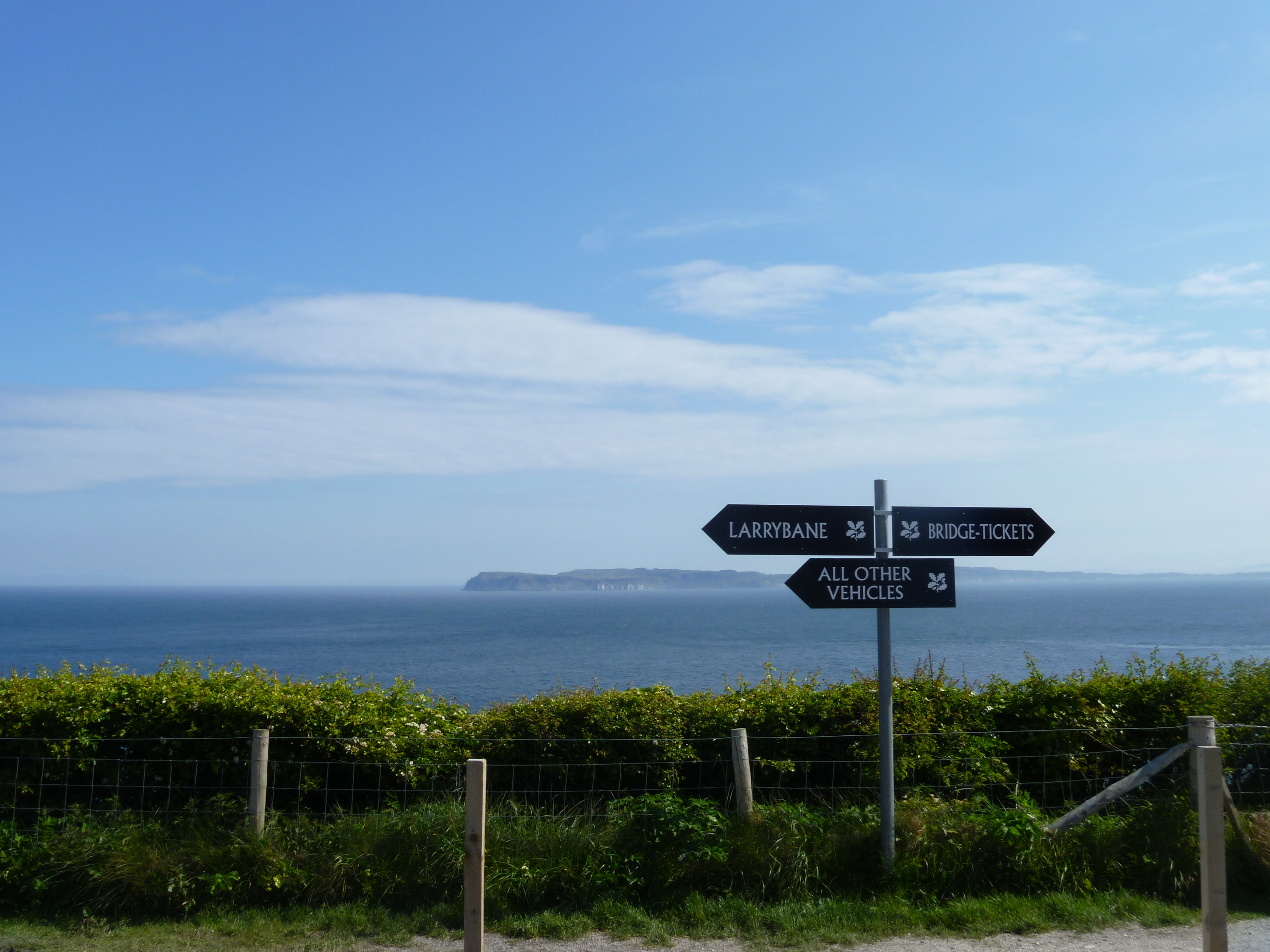
Our first destination was Carrick-a-Rede on the north Antrim coast. From here we had a clear view of Rathlin Island and the Scottish mainland – The Mull of Kintyre. My previous visit to Northern Ireland had been 45 years ago when I spent just over a week at Girl Guide camp at Magilligan Point a beautiful and remote spot on the County Londonderry coast. (Sadly, it became an internment camp and prison during the recent troubles.) From there we visited north Antrim coast and I made my first walk across The Carrick-a-Rede Rope Bridge. Today the whole area is owned by the National Trust. There’s a large car park and cafe-cum-shop and there’s a one mile walk along the coast path from there to reach that wobbly bridge.

The Rope Bridge was originally erected by local fishermen and links the mainland of County Antrim to the rocky outcrop 20 metres away. The chasm between the two is 30 metres deep. It’s an exhilarating walk, challenging crossing and satisfying achievement to arrive on the island where there are great opportunities for birdwatching and more spectacular views.

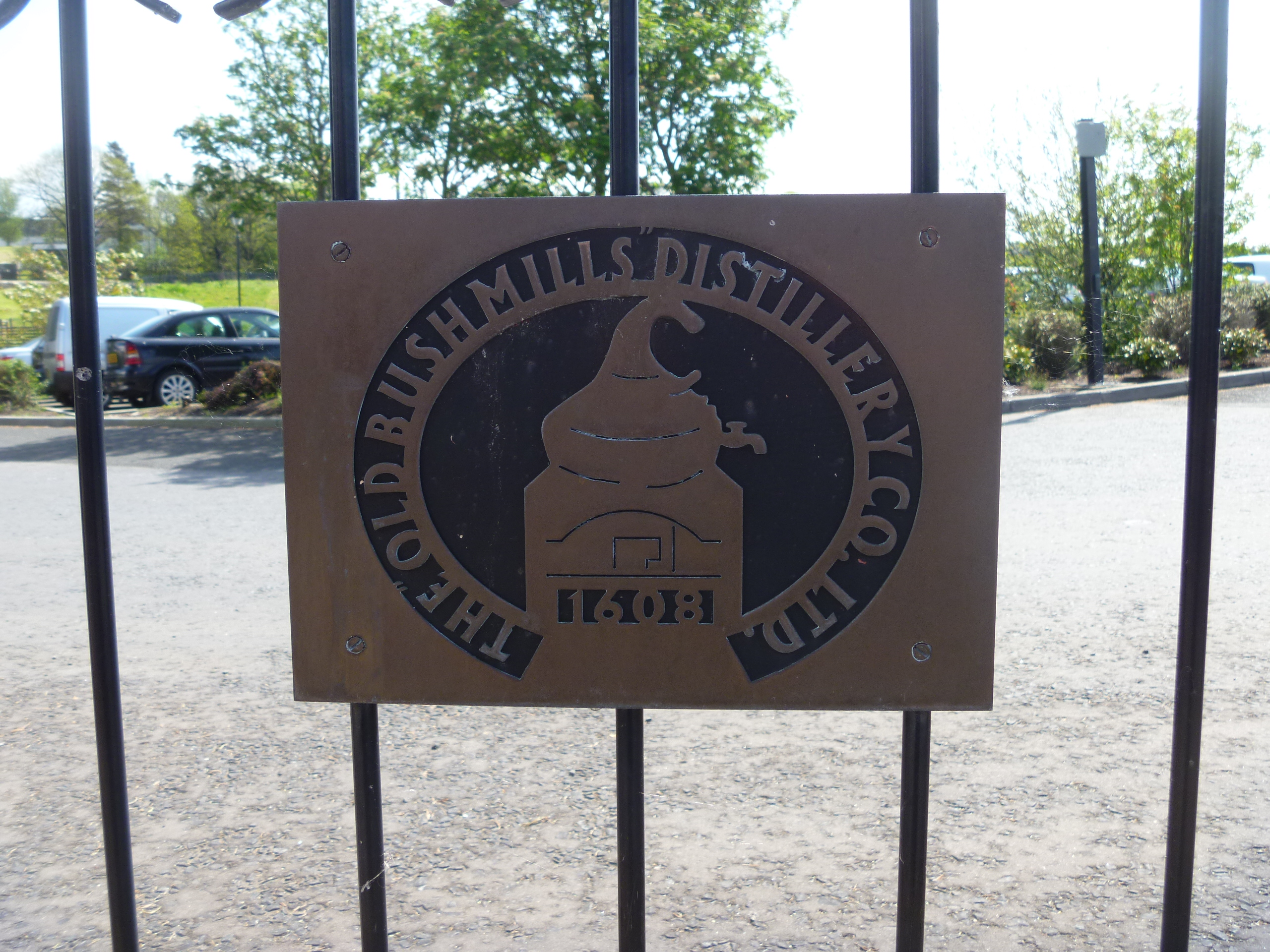
From Carrick-a-Rede we headed slightly inland to the nearby town of Bushmills where the Old Bushmills Distillery is open to group tours. Making whiskey here is huge business and it has been carried on since the first licence was granted in 1608. The tour is very well done and very professional – you get to see the process of Whiskey making step-by-step and you end up in the ‘pub’ at the end where you may claim your nip, or hot toddy or (in my case) soft drink.

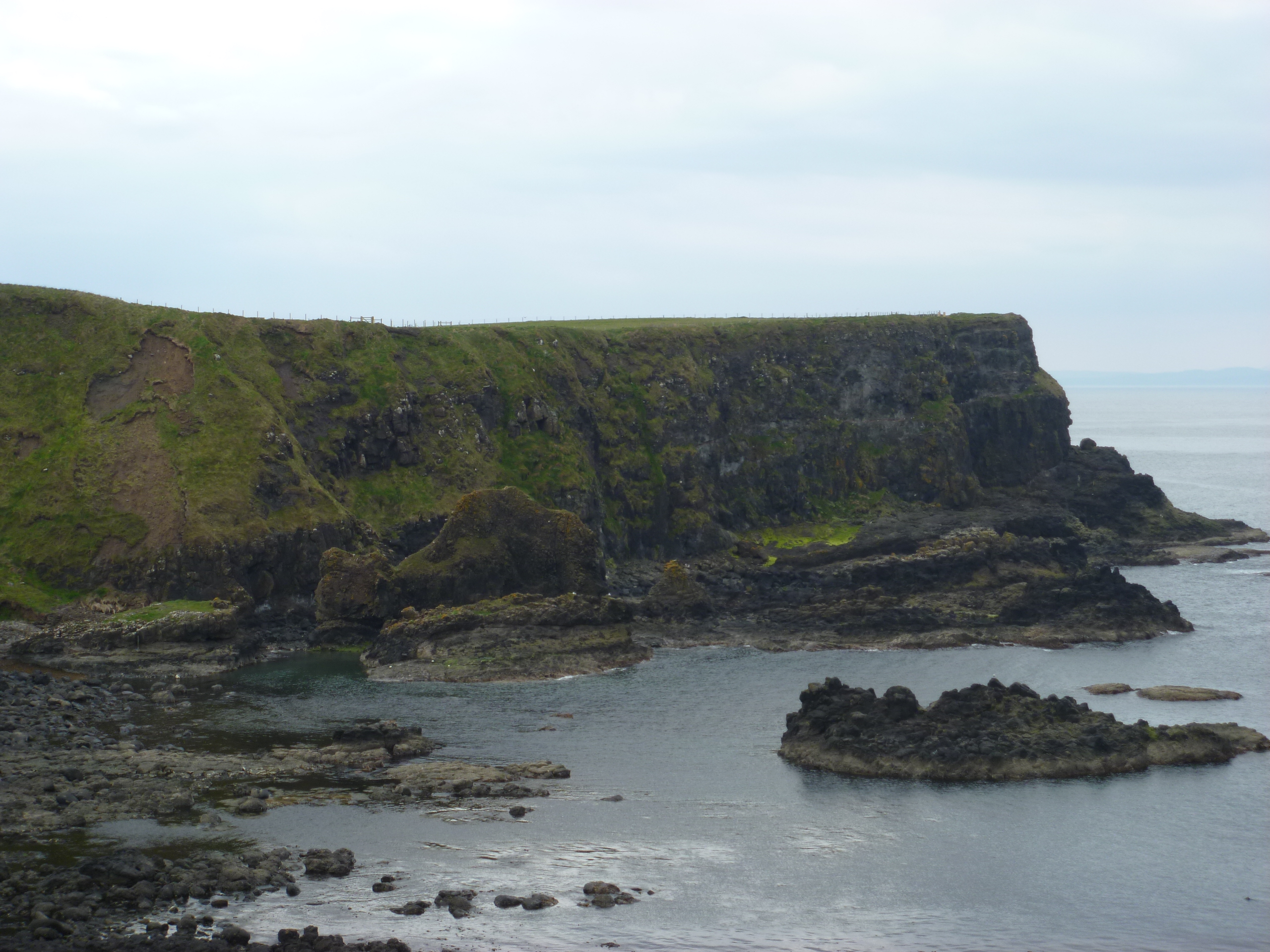
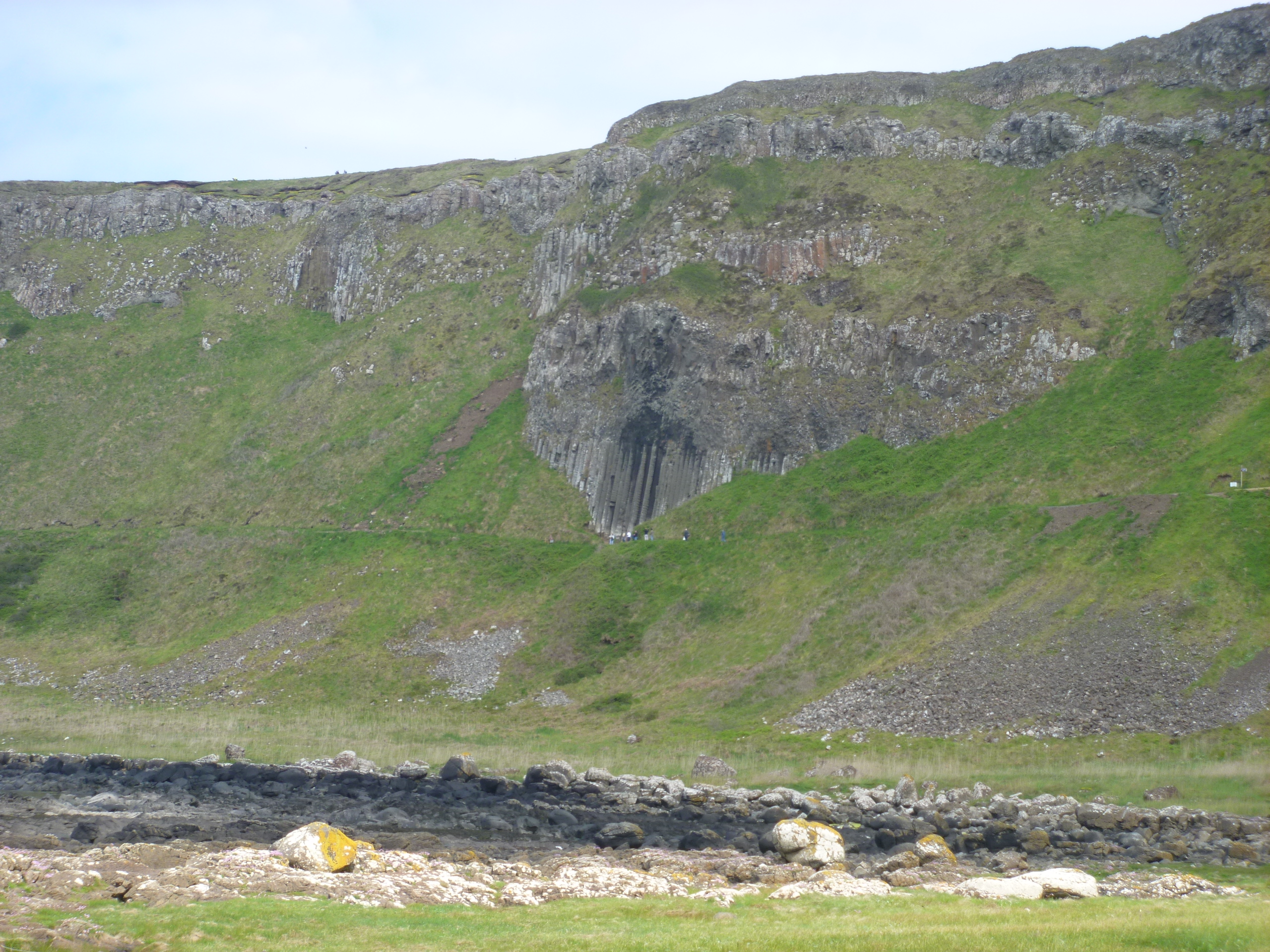
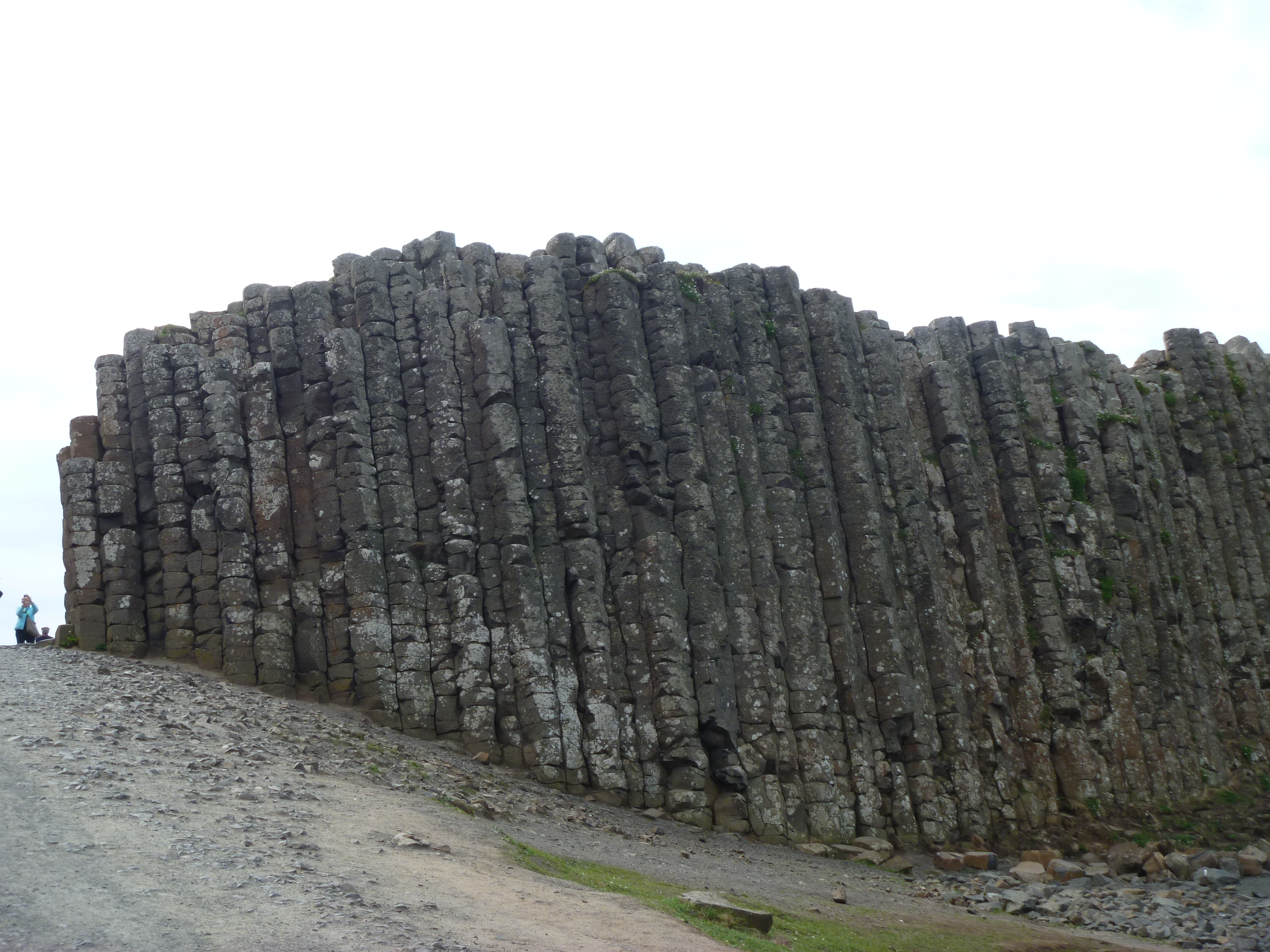
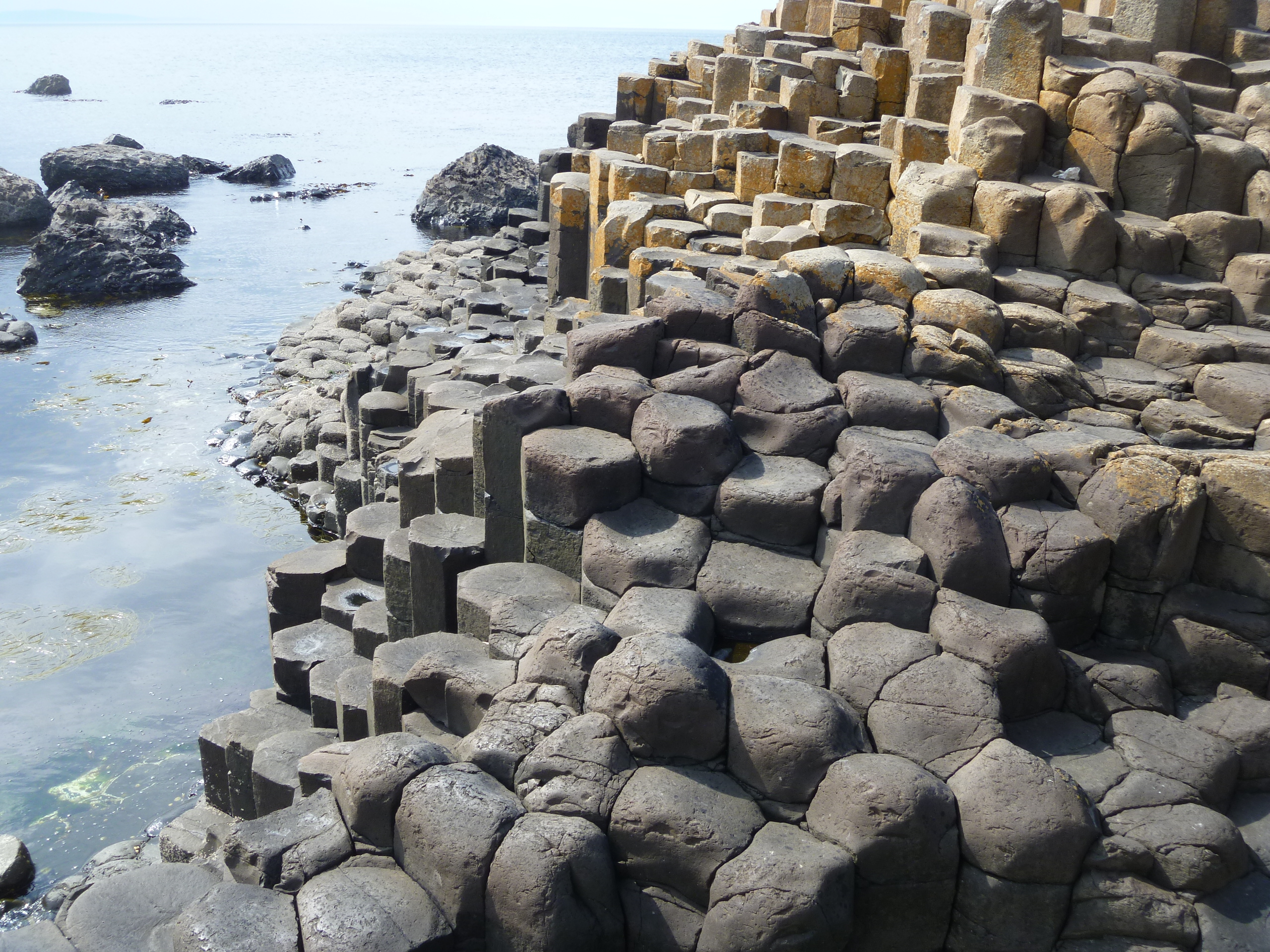
Then it was on to the final stop for the day – the Unesco World Heritage Site of The Giant’s Causeway.The Causeway today is a very busy place. Besides all the visitors, there is a lot of building work going on. The National Trust is building a whole new visitor centre and car park behind the Causeway Hotel where the present shop and facilities are located. For our walk to the Causeway we were accompanied by a volunteer guide who was well-versed in Irish mythology and legends and possibly also in geology and coastal geomorphology. The few facts have been lost amidst the mass of stories connected with Giant Finn MacCool and the unusual rock formations.

The Camel

The Organ

Tall Rock Formations

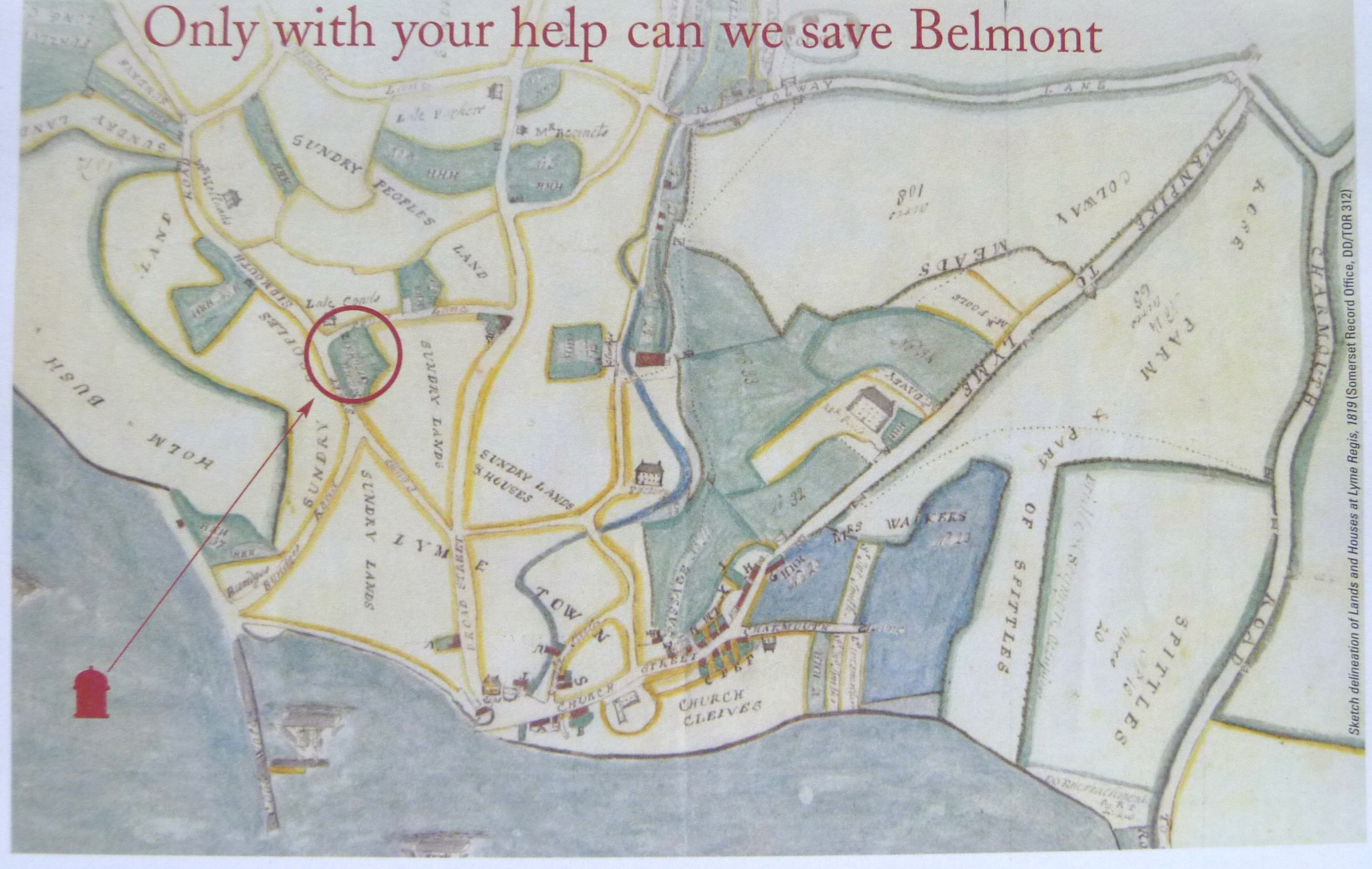
Help save Belmont – a literary landmark in lovely Lyme Regis!

Today I received a fund-raising email from the Landmark Trust to encourage support for donations to help save Belmont House in Lyme Regis.

Follow this link to read more about the house and its present desperate state :

Belmont, Lyme Regis

Belmont was the former home of two interesting people. During the 18th century it was the home of Mrs Eleanor Coade the lady who devised a formula to mass produce architectural embellishments and statuary of the highest quality which she named ‘Coade stone’. And between 1968 and 2005 it was the home of novelist John Fowles and it was here that he finished his most famous work “The French Lieutenant’s Woman”. Lyme Regis is the setting for the book. It was through his generosity that Belmont was left to the Landmark Trust. The Trust’s website explains why further funds are needed to restore the house and make it habitable for future holiday lets through this unique organisation:

Belmont stands empty, decaying and at risk and urgently needs funds to enable its restoration. The Grade II* house is a fine, early example of a maritime villa, a new building type that sprang up in the second half of the 18th century with the rising popularity of seaside holidays. Today the fabric of the building is deteriorating, the parapet is sagging, there are rotten wall plates and lintels, the stone skin is coming away and water is trapped behind impermeable cement render.

Lyme Regis is a delightful and interesting little seaside town on the Dorset coast. Each year for the past five years I have spent a week at nearby Branscombe in Devon and on each occasion I have visited Lyme at least twice. On three occasions I’ve been fossil hunting (without any luck!) for Lyme lies within the World Heritage Site Jurassic Coast.

Lyme has a promenade and sandy and pebbly beaches. You can tell which is the sandy one by the numbers of people crammed into the small area where huge amounts of sand were imported from Normandy. A lot of effort; but it has made a huge difference. I’ve never actually managed to get onto the beach as there is always so much more of interest to me. There’s a High Street crammed with shops – many of them small and individual and very many of them selling or in some other way connected with the fossils that are Lyme’s trademark.

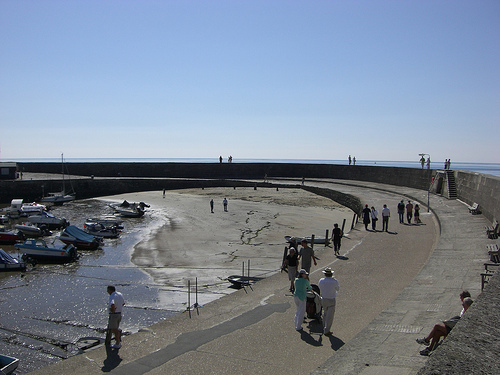
The Philpot Museum is well worth a visit, or several. Fossil Hunts are organised from the Museum. Lyme Regis has a colourful little harbour/marina protected from the sea by the famous Cobb – mentioned in Jane Austen’s ‘Persuasion‘ and featured in the film of Fowles’ ‘French Lieutenant’s Woman’. By the Cobb is the fascinating Marine Aquarium. There is good food to be had from the small cafes along the promenade, to the Town Bakery, to Hix Oyster and Fish House.

Lyme Regis :  The quintessential seaside resort for literature lovers everywhere – Jane Austen and Beatrix Potter visited it.  John Fowles lived in it.

Belmont, Lyme Regis : “Mrs Coade made it; John Fowles loved it. Now it must be saved.”

Lundy – Cooking on My Island of Dreams

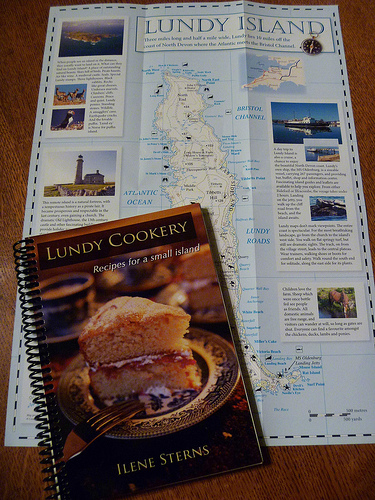
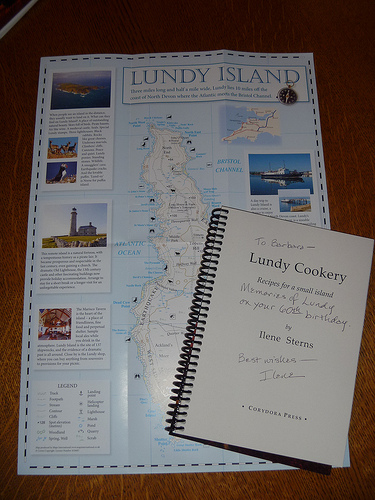
I’ve been celebrating my birthday over the past few days. I’ve received lots of cards and flowers and some lovely gifts including several books. Only one of these book gifts was what I would call a ‘reading book’.  The other books include a photo book celebrating a friendship and places visited, a set of LV European City Guides, a book by Rob Ryan and … ‘Lundy Cookery: recipes for a small island‘ by Ilene Sterns. The book is published by Corydora Press who have formed their own FlickR group ‘Lundy Cookery Around The World’. My friends also managed to get Ilene to sign it especially for me!

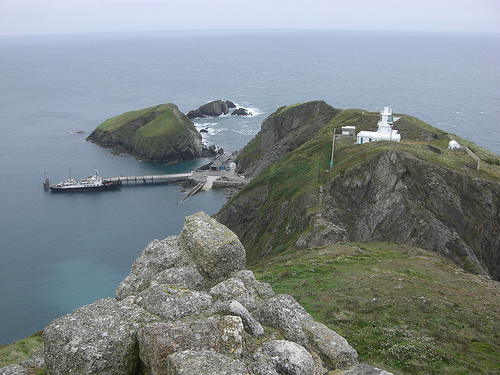
I’ve twice visited Lundy, an island in the Bristol Channel 3 miles long by half a mile wide, as a day tripper by boat from Ilfracombe. The journey takes about two hours on the MS Oldenburg and fortunately on both occasions the Bristol Channel was as still as a millpond! Sailings are in the spring and summer months from about the beginning of April to the end of  October. During the remaining months Lundy is a mere 7 minute helicopter ride from Hartland Point, 20 miles west of Bideford on the north Devon coast.

The MS Oldenburg tied up at the Lundy quayside

Lundy, or Puffin Island, is owned by the National Trust (so there’s a small discount on the sailing price for members) and the 23 self-catering holiday properties are managed by the Landmark Trust. It’s an uphill trek from the quay to the village but when you get there there’s a pub – The Marisco Tavern – and a shop and a cluster of buildings – some farm and some holiday accommodation. My first stop has been at the pub each time for sustenance and then a call at the shop for postcards and Lundy stamps and then I have taken a walk. There are marvellous views of the north Devon coast and the paths are clear and grassy. One walk was up the east side to Threequarters Wall and across to the west side and back down to the Old Light, the cemetery and St Helena’s Church. On my second visit a much shorter walk was to the Castle, the South West Point and back up to the Old Light. Then a final cup of tea at the Marisco before heading back down to the Quay and the awaiting boat.

Lundy Castle and Approach Track

In her introduction to Lundy Cookery Ilene reminded me what a treasure trove and Aladdin’s Cave the shop was despite its remote location. All Lundy Landmark kitchens are well equipped with basic cooking equipment but they do lack weighing scales, liquidisers, toasters and loaf tins. Ilene’s recipes manage to get around these would-be problems. In particular her recipes specify quantities by volume rather than by weight. She has also included a useful section which she has called ‘Salmagundi’ *- it’s about minimising food waste and lists ingredients alphabetically linking them to recipes in the book. For example under Honey she lists 6 dishes included in the book including Honey Mustard Vinaigrette (p.98), Lundy Mess (p.116) and then suggests some other uses. Waste not want on Lundy Island. There’s a useful index too.

*Definition: a salad plate of chopped meats, anchovies, eggs, and vegetables arranged in rows for contrast and dressed with a salad dressing. (http://www.merriam-webster.com/dictionary/salmagundi) Sounds good to me!

“Most of the book’s recipes are simple and quick to prepare, so you won’t be stuck in the kitchen when you’d rather be outdoors.” (p. 2) Now that’s my kind of cookery book!

Don’t call me Ishmael

I have never read Herman Melville’s classic fictional work ‘Moby Dick’. That is, if you don’t count the numerous extracts from it that we had to read for English comprehension tests at school. I always marvelled that so much could be written on the subject of a whaling expedition – the Penguin Classics edition fills 720 pages.

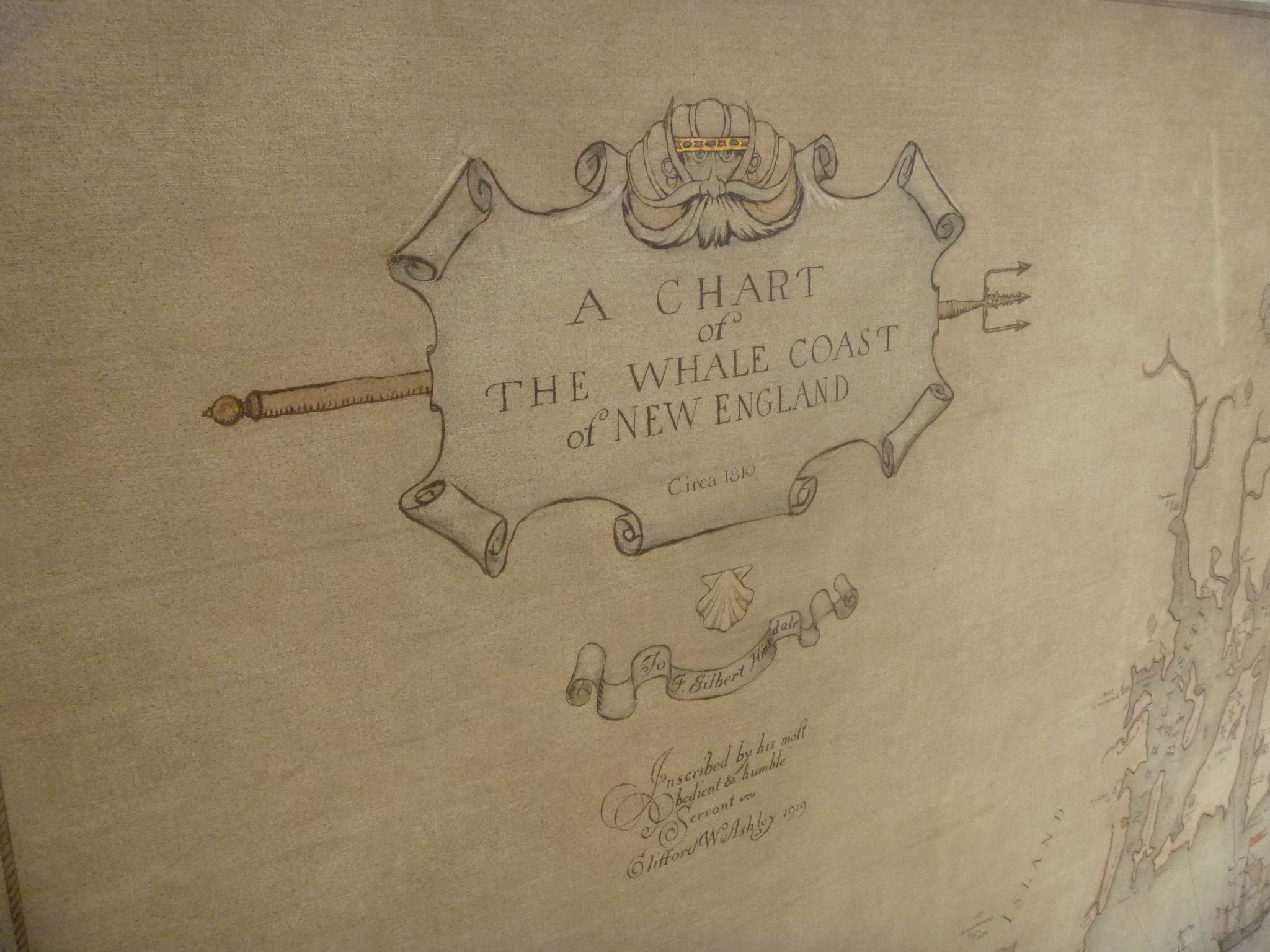
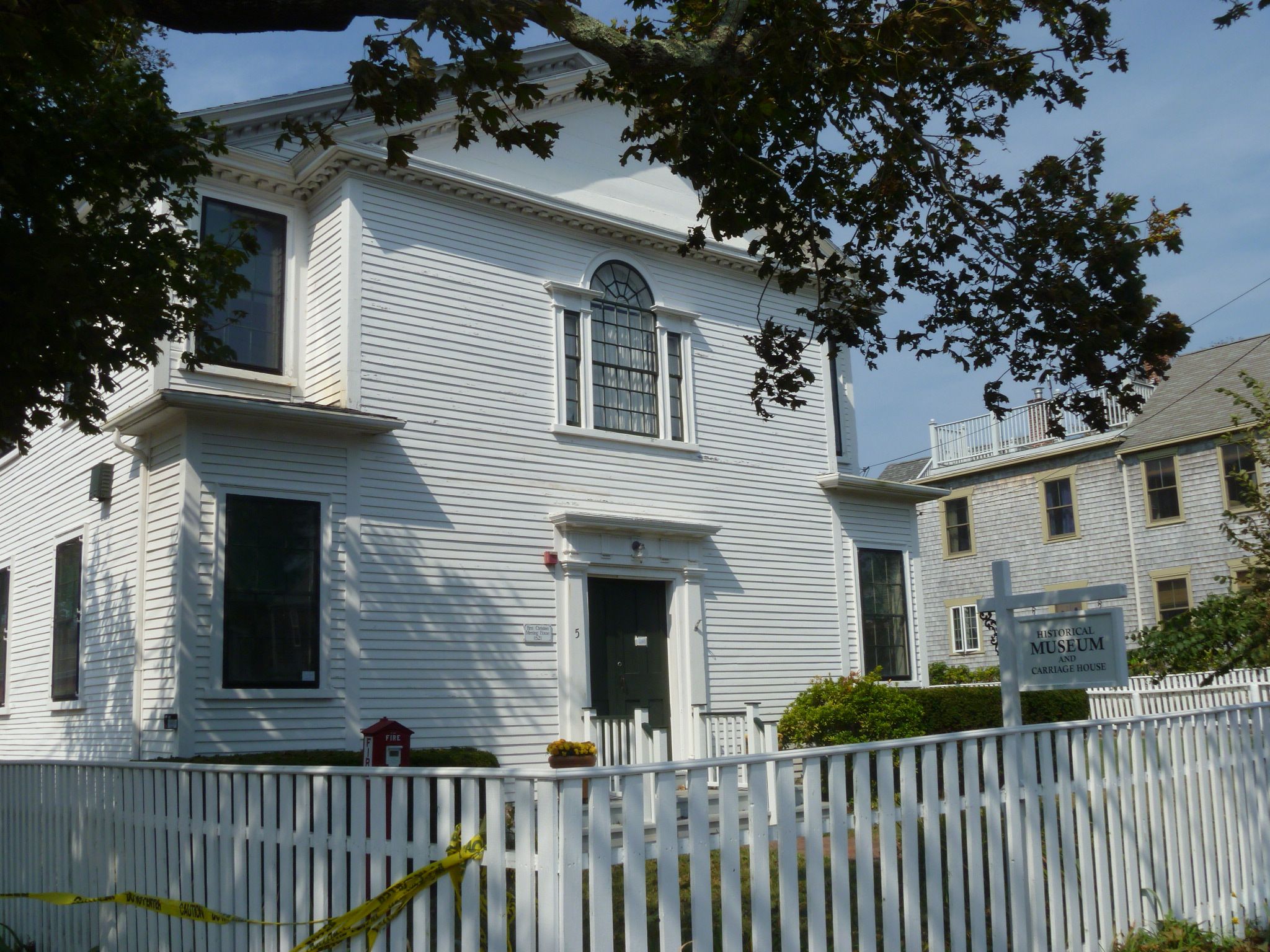
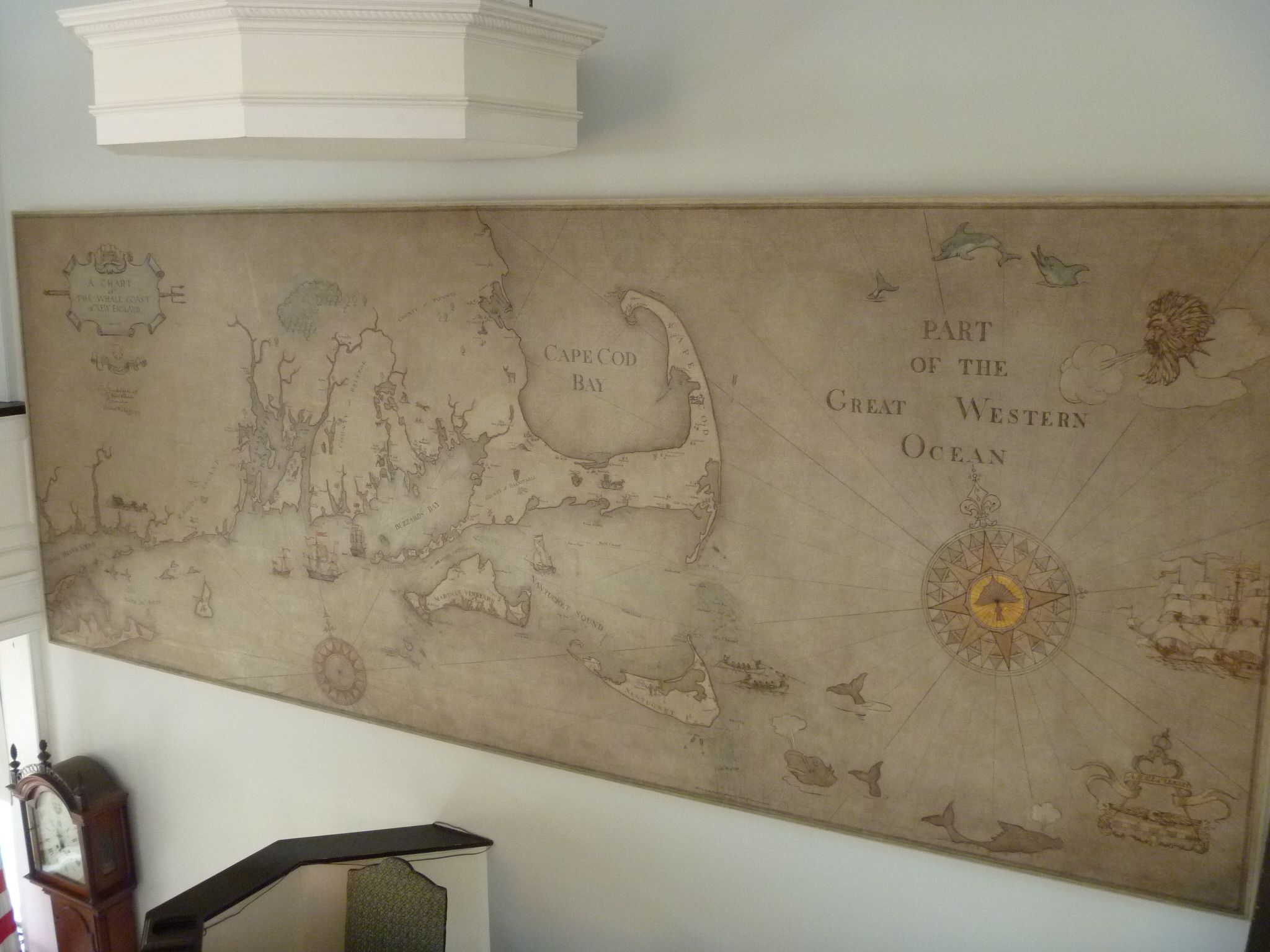
On a recent trip to Cape Cod I spent a day with my friend Marion who lives on the other side of Buzzards Bay. She knew just what I would be interested to see  – A Chart of the Whale Coast of New England.  M had chanced upon a newspaper report telling about a mural that had lately been removed from a seaside (bayside) home, had been carefully renovated and was now hanging proudly in the local museum. After lunch we drove to the Mattapoisett Historical Museum housed in a former Baptist church.

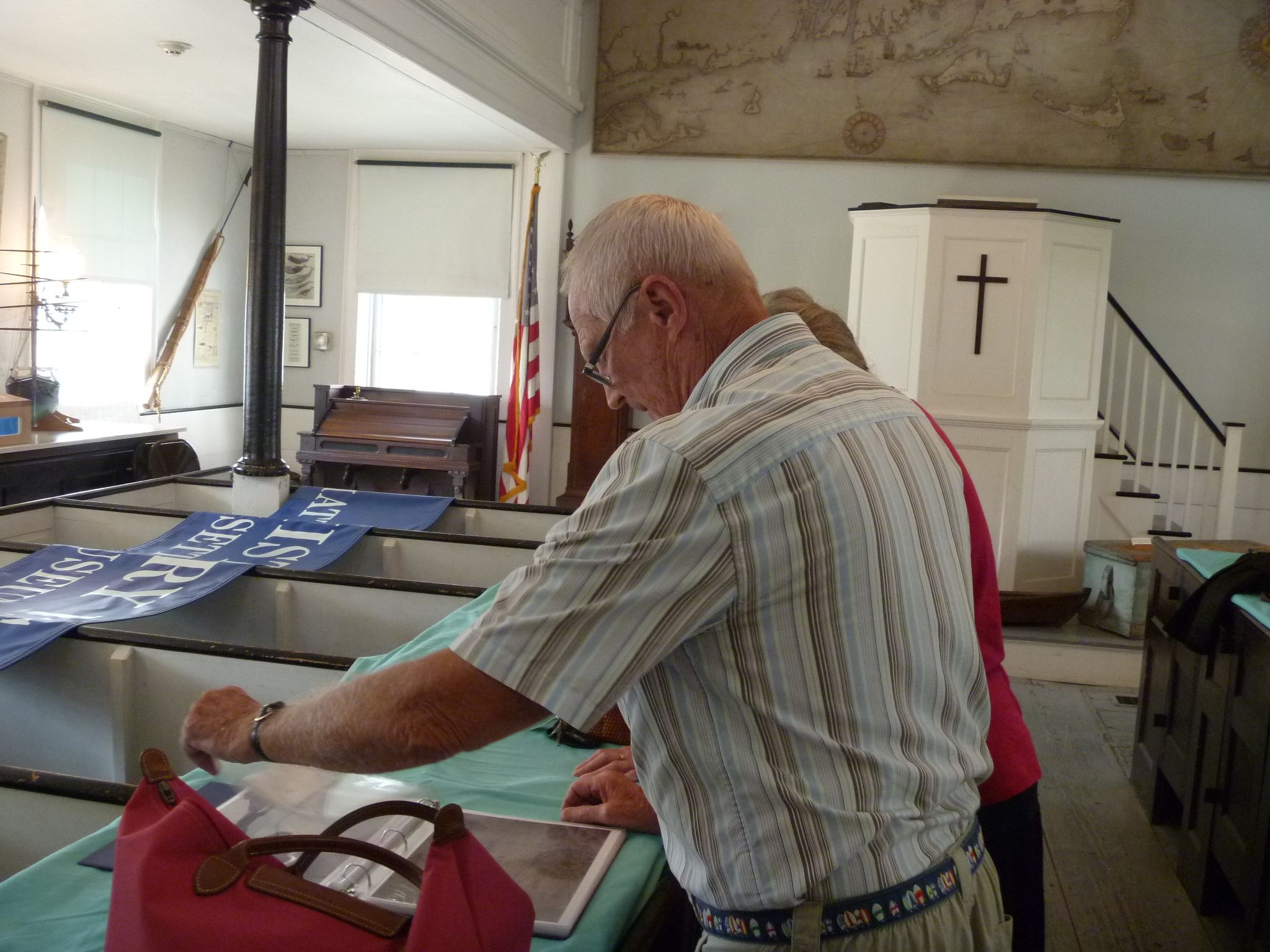
The icing on the cake for us was that we were welcomed to the Museum and shown in detail the Ashley Mural (as it is called) by Mr Seth Mendell himself, President of the Historical Society and a primer mover in the preservation of this wonderful piece of local whaling history for the community.

Mr Mendell explained all the intricacies involved in the creation, removal, renovation and final re-hanging of the Mural via the photo proofs for his book which is due to be published this autumn.

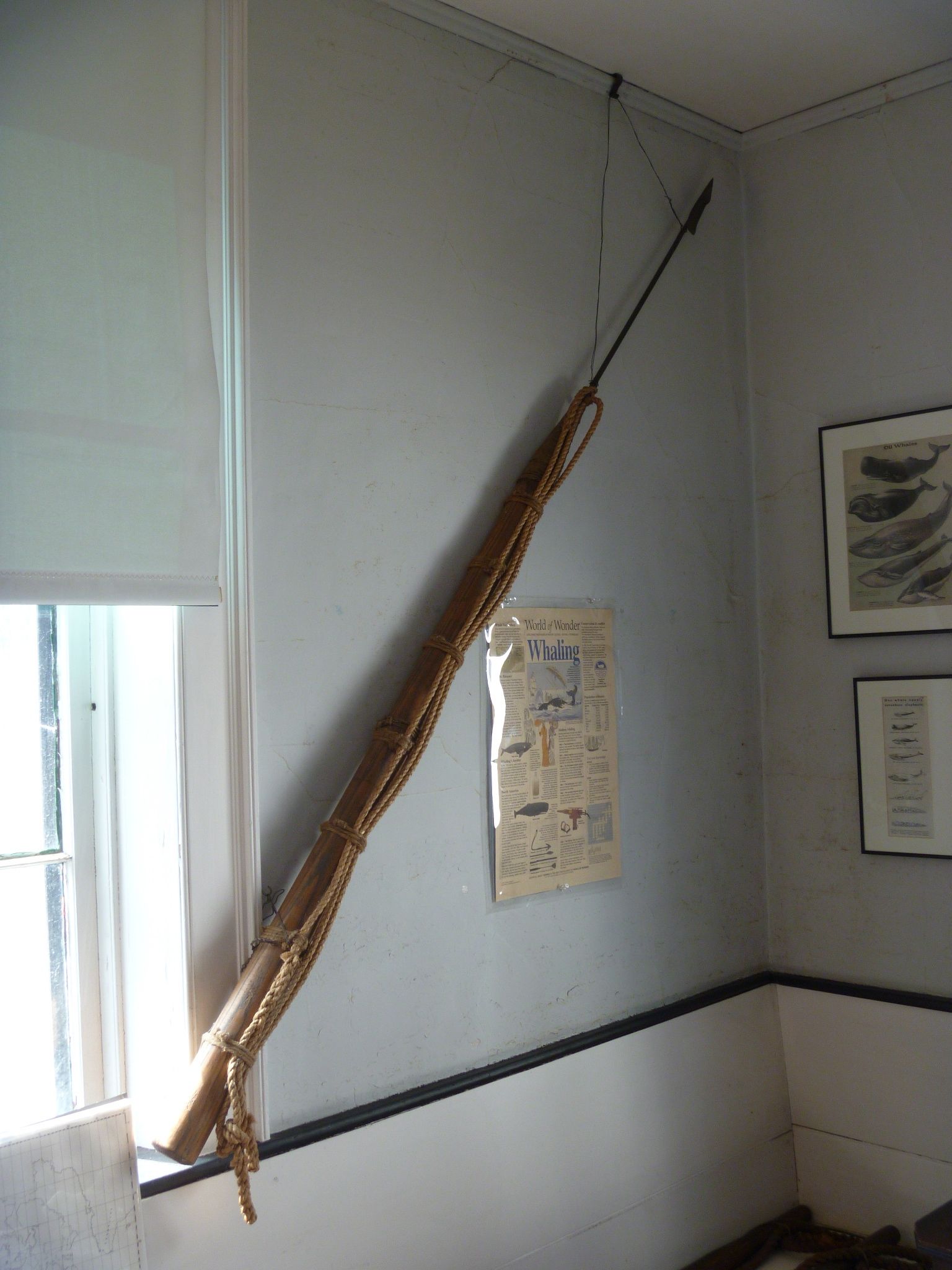
In addition to the Mural we were introduced to various forms of whaling harpoon.

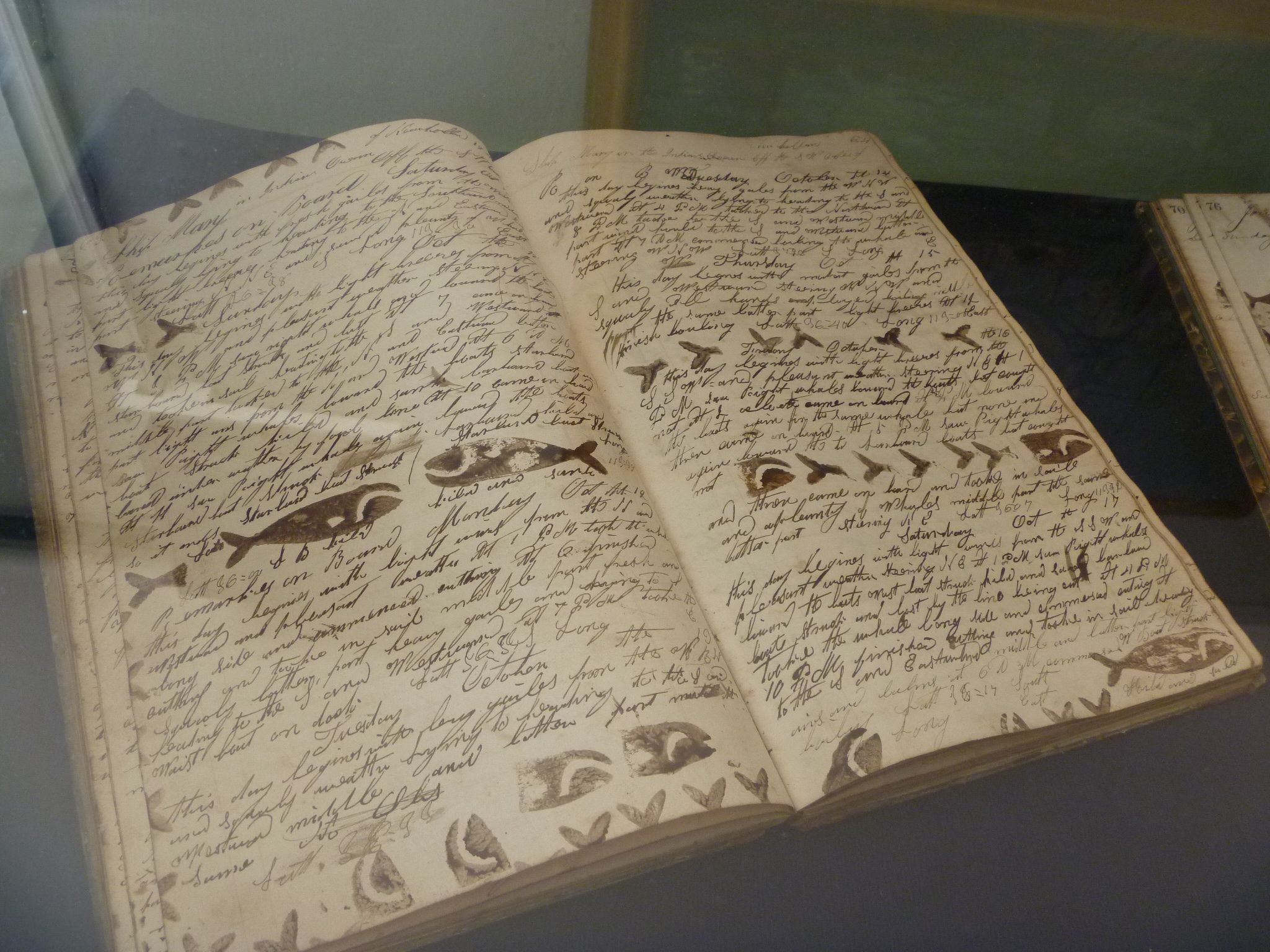
And we were delighted to inspect some very fine examples of Whaling Journals. After pages and pages of seemingly undecipherable handwriting there suddenly appear ink stamp prints of whale tails (indicating sightings/attempted harpoonings) and full whales (indicating capture). One of the museum copies was also decorated with beautiful drawings of full-masted ships.

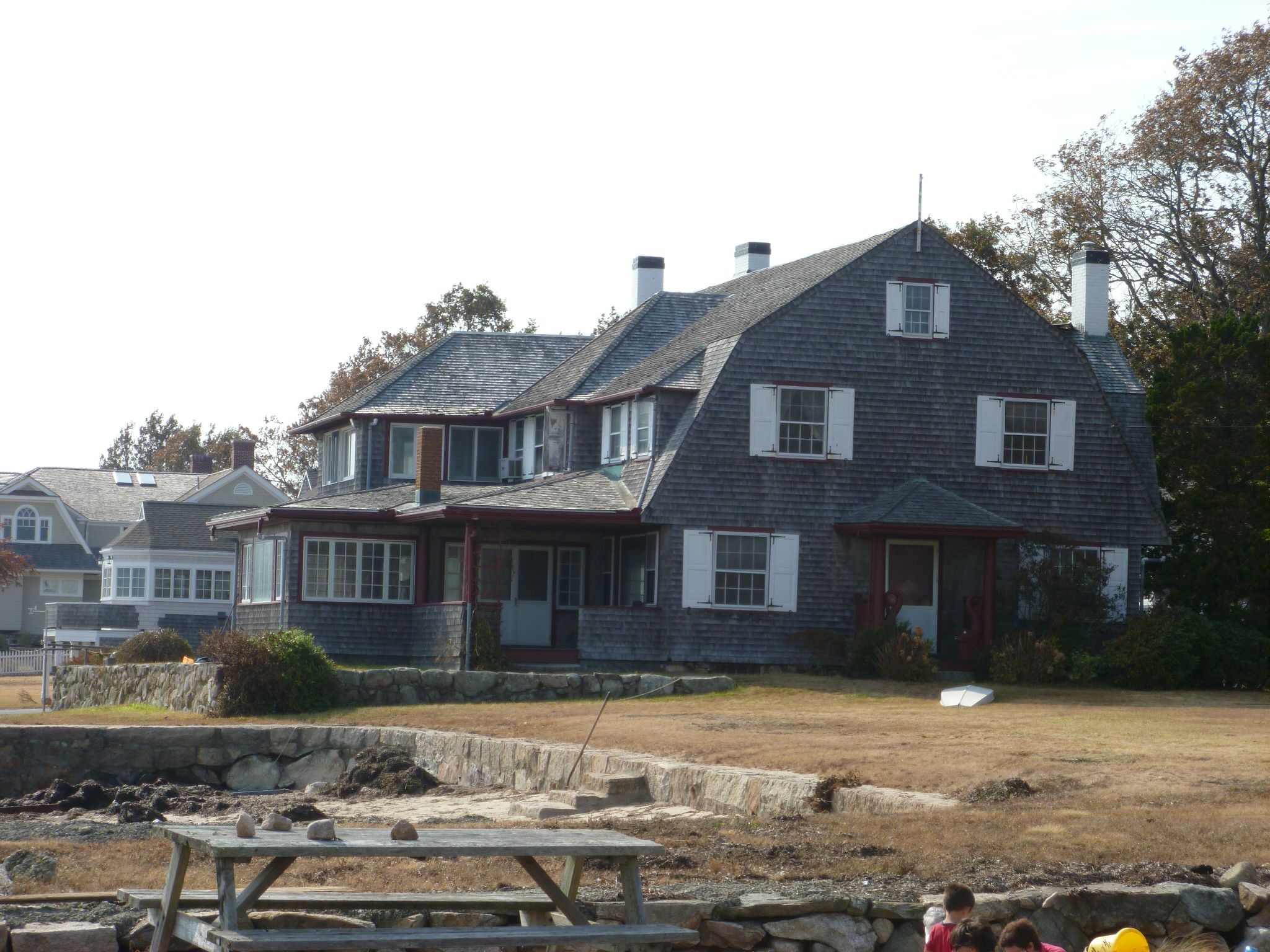
Later we went off to find the house where the Mural had hung for 90 years. It was discovered hanging at an angle from the ceiling in the conservatory at the front of the house (20, Water Street, Mattapoisett) overlooking the bay.

Yet, even after all this new-found whaling knowledge I was still not tempted to take a Whale Watch Cruise out into the Atlantic Ocean! And will I read the book? ….. probably not.