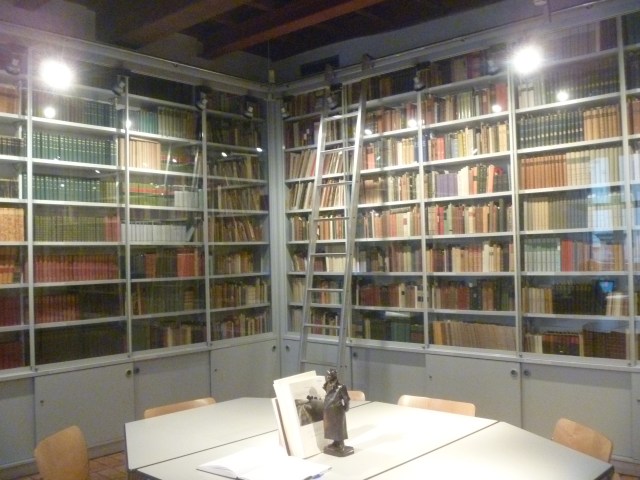
“We Have Done Our Best and Made A Garden Where None Was”* : Sissinghurst in Kent

house and garden

Sissinghurst Castle and Garden

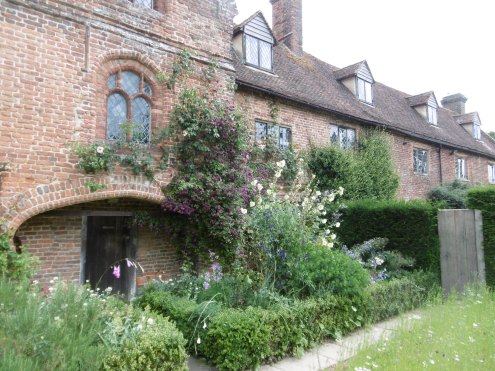
Can it really be three years since some of us from the online book group met up on a summer’s day outside London? At least, it was in 2013 that I last posted about one. That was in Malvern and before that, in 2012, Chatsworth. This year it was the turn of Sissinghurst.

Continue reading

Elizabeth Bowen and The Shelbourne Hotel

Shelbourne book

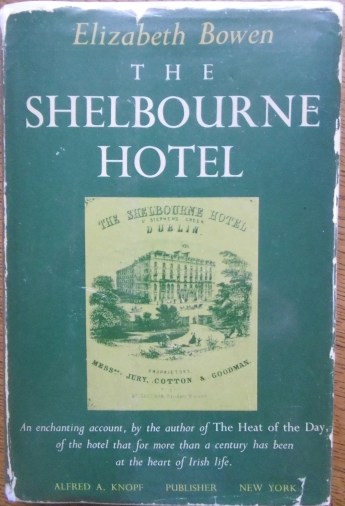
Last September when I met up with my online book group friend sherry in Marion, Massachusetts she presented me with a copy of Elizabeth Bowen‘s ‘The Shelbourne Hotel : an enchanting account […] of the hotel that for more than a century has been at the heart of Irish life’. Tucked inside the book was this postcard (no date, but probably early 20th century) :

Continue reading

Charlotte Great and Small : a Life

sign

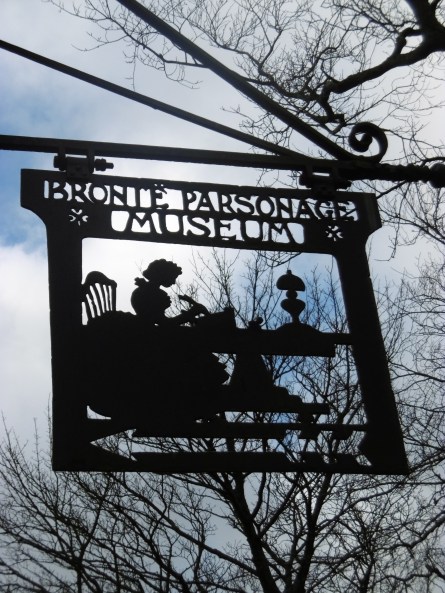
Back in early January my friend Simon over at Stuck-in-a-book, having found out that I’d read Claire Harman’s  Charlotte Bronte: A Life late last year, asked me to a write a review of it for his online publication Shiny New Books. I said I would and several brain racking weeks later presented him with this. Continue reading

Tuesday 12 May 2015 : My Very Own Bloomsday

Bloomsday is a celebration that takes place both in Dublin and around the world. It celebrates Thursday 16 June 1904, which is the day depicted in James Joyce’s novel Ulysses. The day is named after Leopold Bloom, the central character in Ulysses. The novel follows the life and thoughts of Leopold Bloom and a host of other characters – real and fictional – from 8am on 16 June 1904 through to the early hours of the following morning.

Celebrations often include dressing up like characters from the book and in clothes that would have been the style of the era. One of the hallmark fancy dress items of Bloomsday is the straw boater hat. Celebrations come in many different forms like readings, performances and visiting the places and establishments that are referenced in the book. The Bloomsday Breakfast is another common celebration, which involves eating the same breakfast as Leopold Bloom consumes on the morning of 16 June. This includes liver and kidneys alongside the typical ingredients of an Irish fried breakfast.”

joyce breakfast

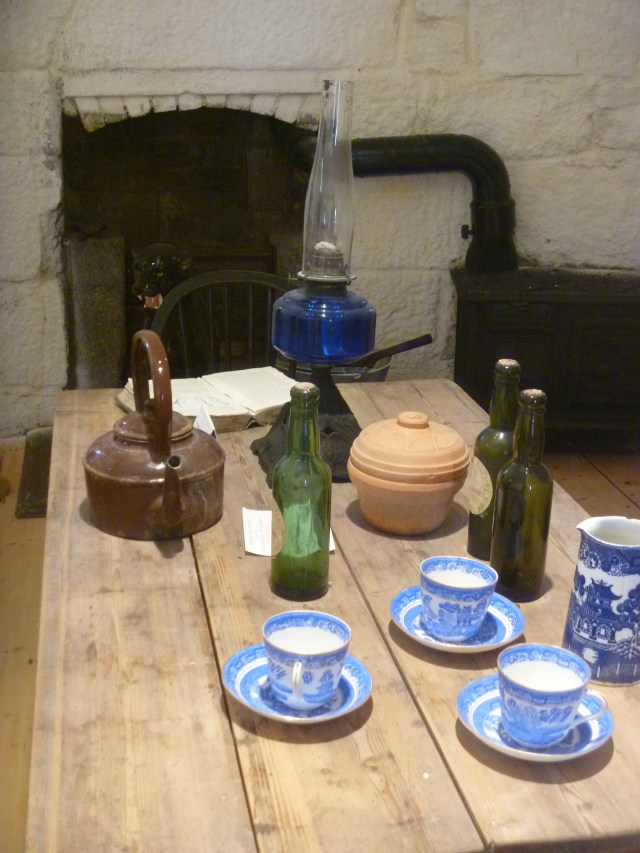
Joyce’s Table set for Breakfast at The Martello Tower Continue reading

Goethe’s Italian Journey

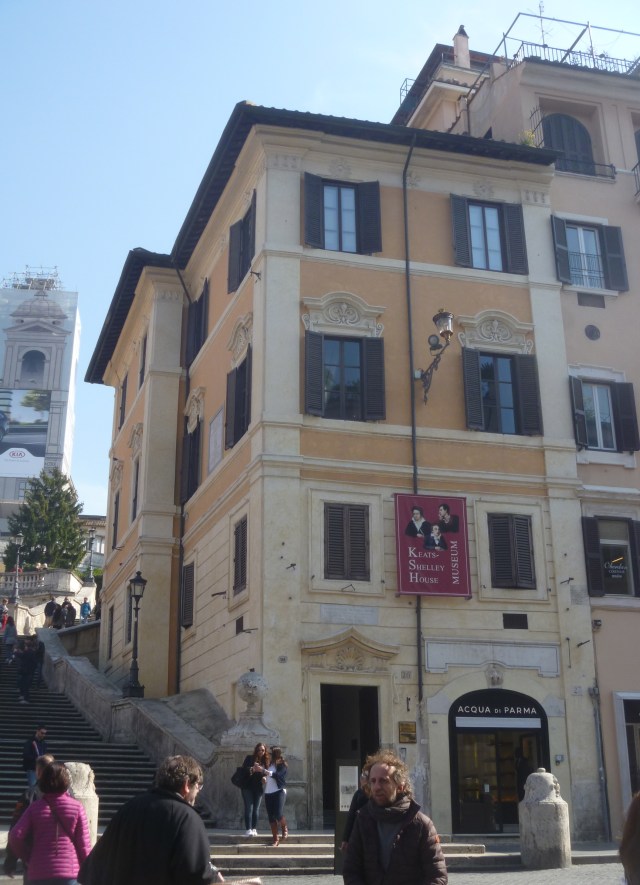
Probably my favourite of the museums and locations I’ve visited in Rome on previous trips is the Keats-Shelley Museum by the Spanish Steps. It’s a quiet oasis of 18th century England amidst the crowds of tourists milling around the Piazza di Spagna. It’s a few years since I was there and I didn’t repeat the visit on this recent trip.

K S House

Keats Shelley House, Rome, on Second Floor with Landmark Trust Apartment Above

Spanish Steps in March

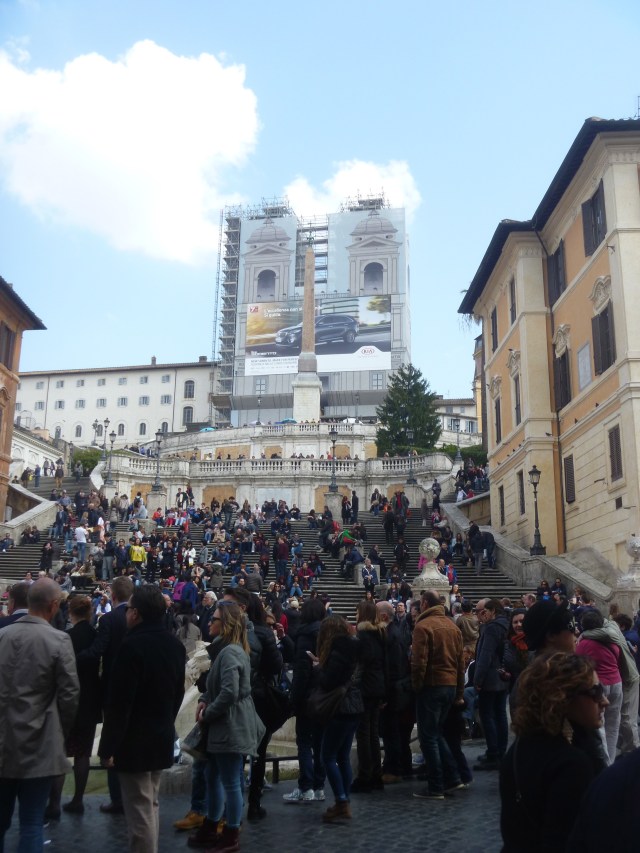
Crowds on the Spanish Steps – in early March

Babbingtons

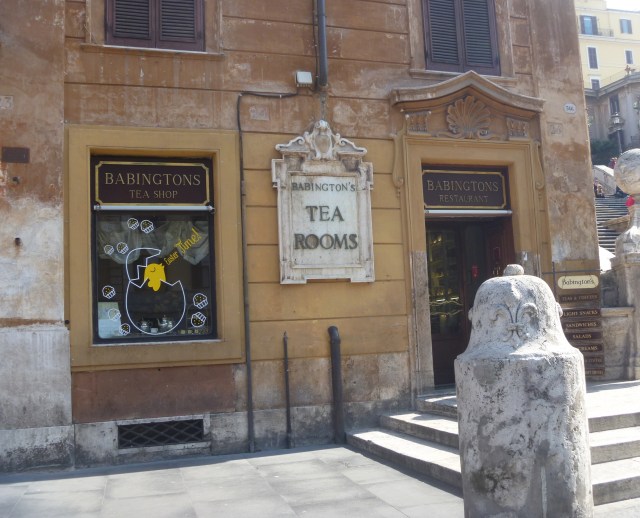
Babington’s English Tea Room by the Spanish Steps

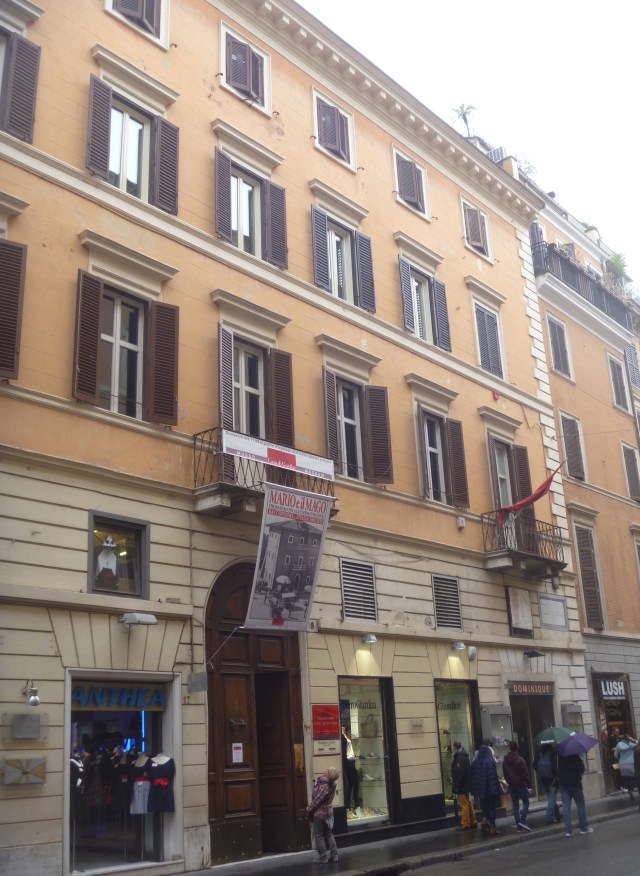
But I did discover the existence of the Casa di Goethe in my LV Guide Bari, Milan, Naples, Rome 2012. So my final port of call in the City of Rome itself (after fortification at Canova) was a visit to the Casa di Goethe on the Via del Corso nearby. I wrote a little bit about Goethe earlier this year. Here is another place of peace and calm and amazingly right on the Via Del Corso.

via del corso

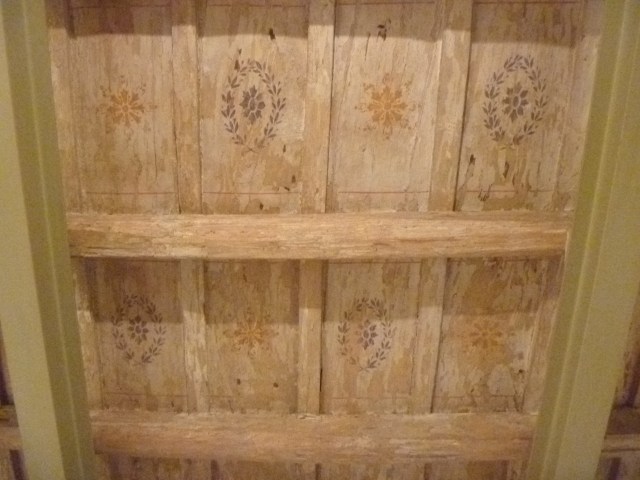
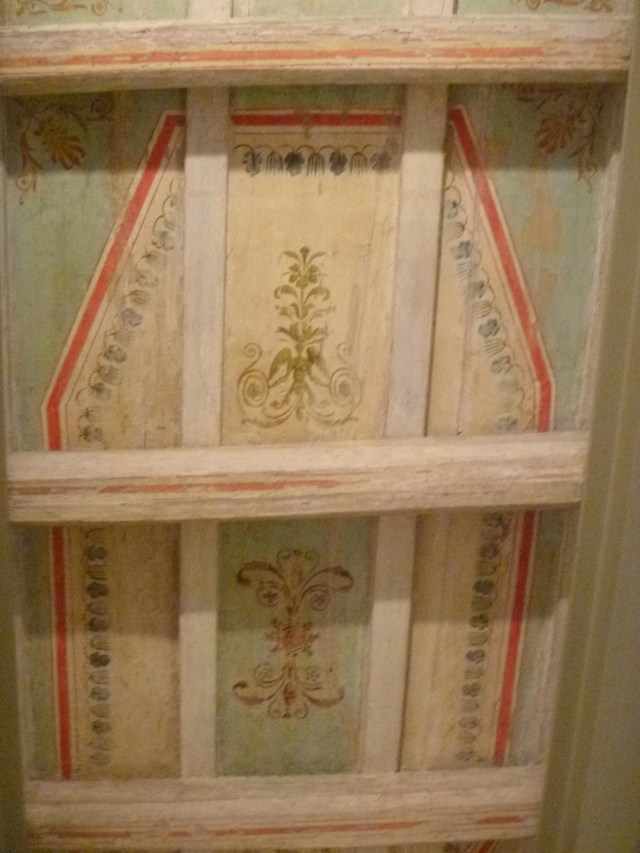
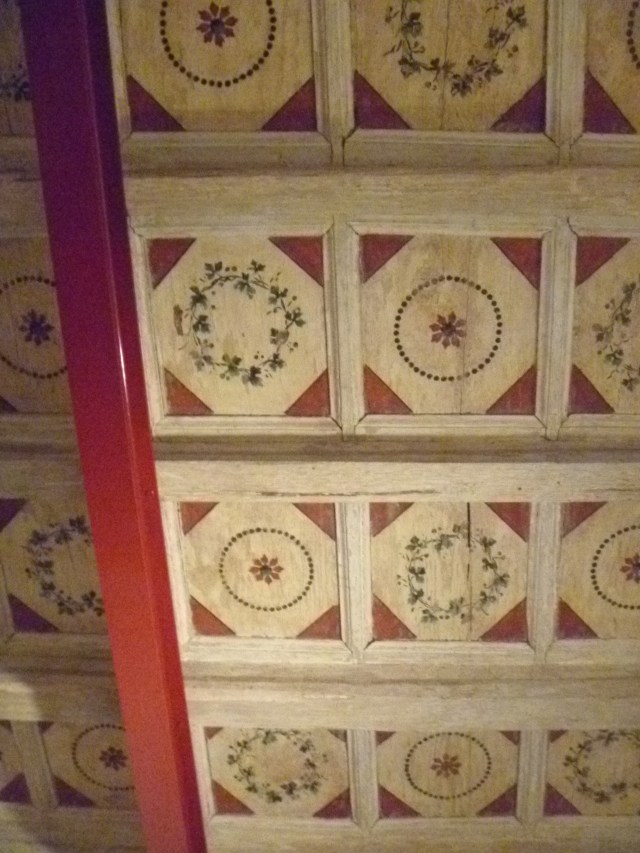
In September 1786, Goethe started out on the longest journey of his life. He was 37 when he achieved his dream of visiting Italy. He later wrote in his journal “Italienische Reise”, that he had spent the happiest period of his life there. On his arrival in Rome he stayed on the Via del Corso with his painter friend Johann Heinrich Wilhelm Tischbein, scion of a dynasty of renowned artists. This huge apartment, which gives onto the Piazza Del Popolo, is still redolent of Goethe’s time here during his Grand Tour of 18th-century Italy. It has superbly painted coffered ceilings which are set off by the white of the walls. On display are writings, letters, annotations, and drawings, as well as the paintings of his friend Tischbein.

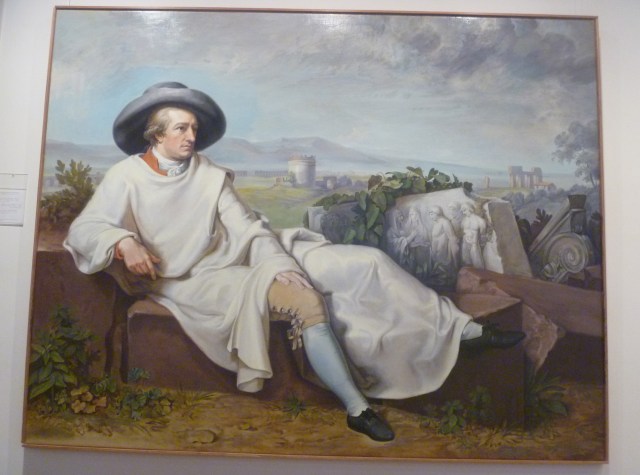
g in roman countryside

The most famous of them, Goethe in the Roman Campagna, was painted on this very spot in 1787, although the version seen here is only a copy, the original being in the Staedelsches Kunstmuseum in Frankfurt. It never fails to impress all the same. This sumptuous collection of artworks and documentary material gives us an idea of what the journey to Italy meant at the time for artists and cultivated travellers. The Casa di Goethe also offers temporary exhibitions that encourage German-Italian cultural relations. By appointment it’s possible to visit the Library which holds a number of first editions of Goethe’s work.” [LV Guide Rome 2012]

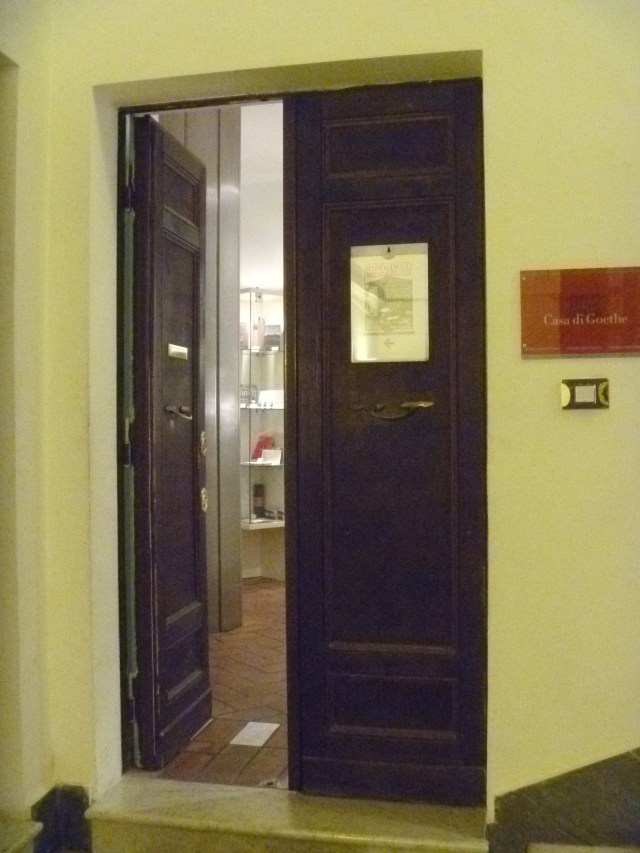
welcome

Welcome to the Casa!

This is the only German Museum on foreign soil and it was opened to the public in 1997 with support of the German Government and German cultural associations. Regular events are held here – readings, lectures, conferences, discussions and concerts – followed by gatherings and discussions in the library over a glass of wine. The Museum is also able to offer scholarships (sponsored by DaimlerChrysler) to literary figures, publishers, scientists, translators, and artists, allowing them to spend a few months in Rome collecting ideas and inspiration for their own work or finishing off projects. The work doesn’t have to be related to Goethe.

library

Goethe Library in Rome

The first few rooms are dedicated to the temporary exhibitions; currently Thomas Mann and his Italian novella Mario and the Magician. Displays relate to the historical and political background as it was written during the rise of Nazism and Fascism. The notes were all in German and as time was tight I didn’t spend much time in these rooms but moved on to the rooms occupied by Goethe at the front of the building.

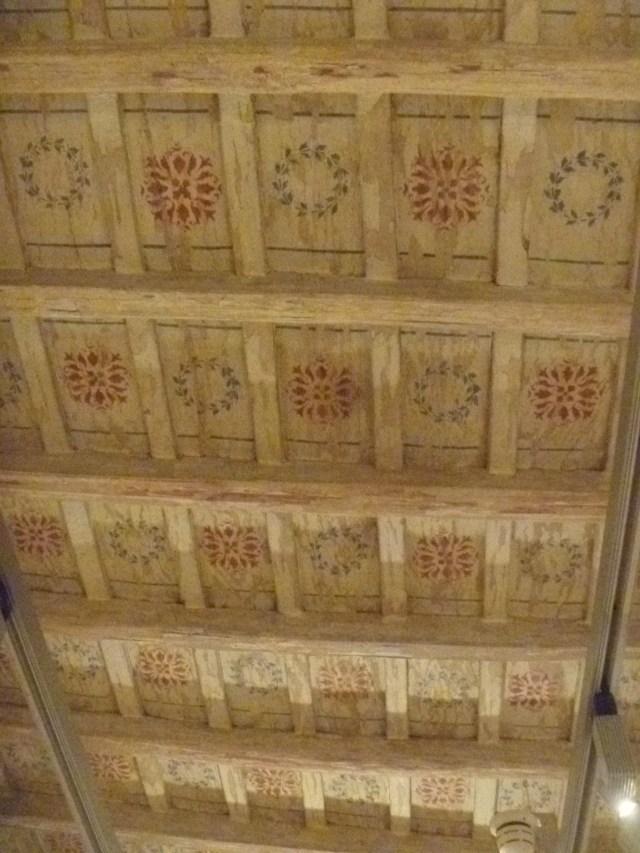
ceiling 1

ceiling 2

ceiling 3

ceiling 4

Painted Coffered Ceilings

The restored painted wooden ceilings, which date back to Goethe’s time, contrast well with the pale walls which show off the displays and pictures. No furniture or furnishings dating back to Goethe’s time here. To me they are reminiscent of Swiss and German chalet decorations.

I was glad that I bought the excellent illustrated guide book. The first section, as in the rooms themselves, tells the story of Goethe’s time in Rome and Italy. There then follow pages of quotations by Goethe himself from his letters and his journal Italian Journey and by his friends and colleagues. Many of these quotations also accompany the room displays.

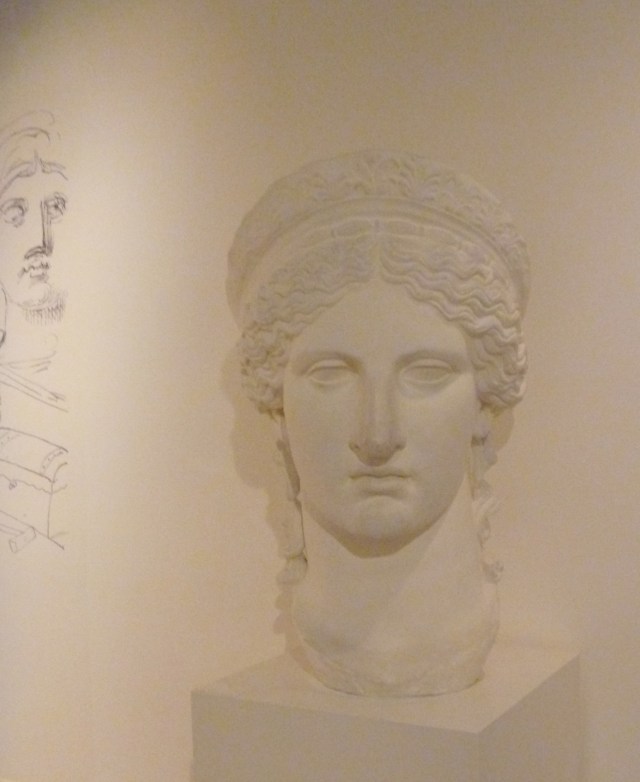
cast of jupiter

“I could not resist buying the cast of a colossal head of Jupiter . It now stands in a good light facing my bed, so that I can say prayers to him the first thing in the morning.” (Italian journey 25 December 1786

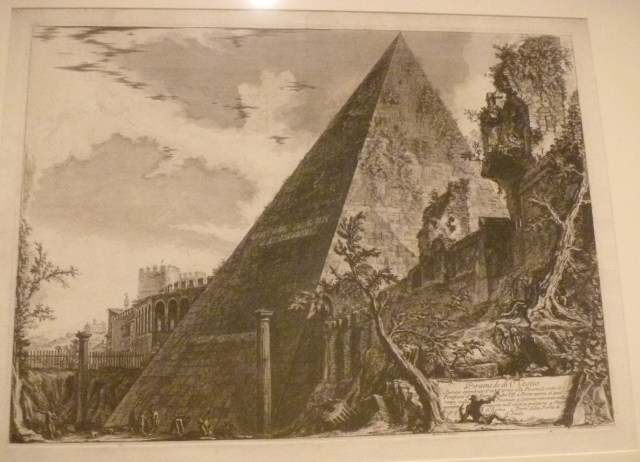
Piranesi print

Piranesi Print of the Caius Cestius Pyramid

“Water pipes, baths, theatres, amphitheatres, the stadium, temples! And then the palaces of the Ceasars , the graves of the great – with these images I have fed and strengthened my mind.” to Carl Ludwig von Knebel 17 November 1786

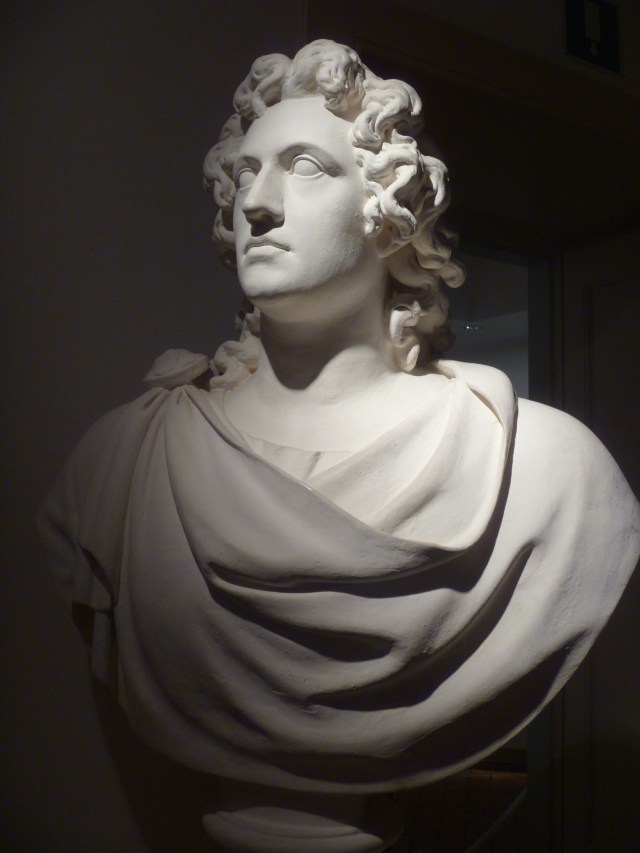
bust by trippel

1787 bust of J. W. v. Goethe by Alexander Trippel

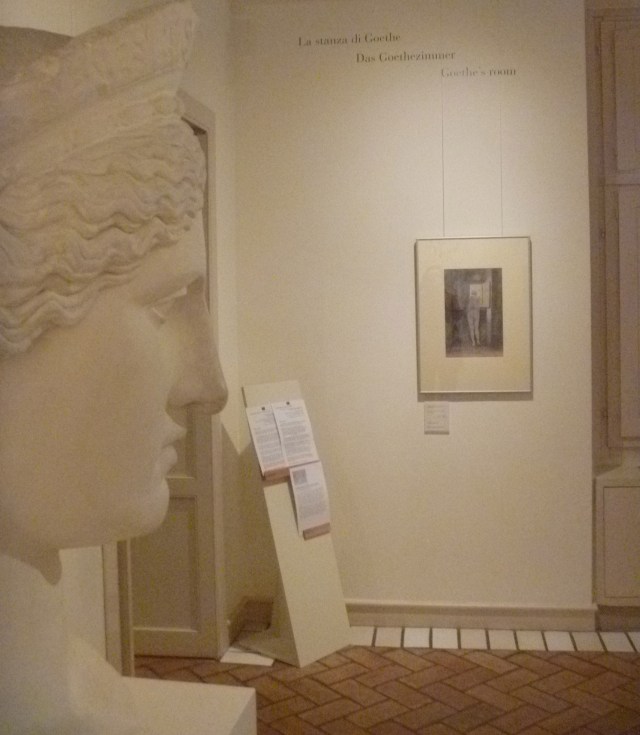
In goethe's room

Goethe’s Room

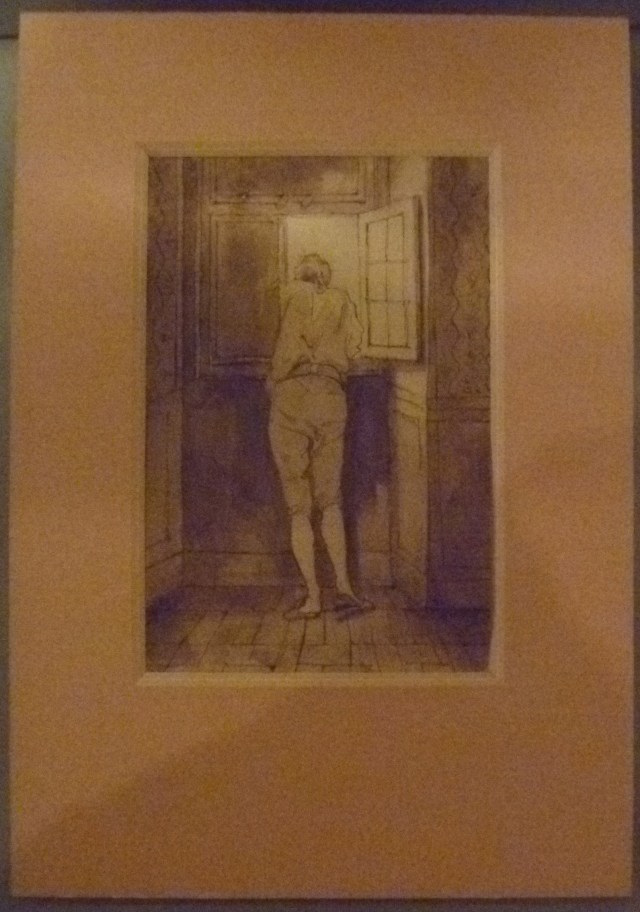
G at window

Tischbein ‘s watercolour of Goethe at the window

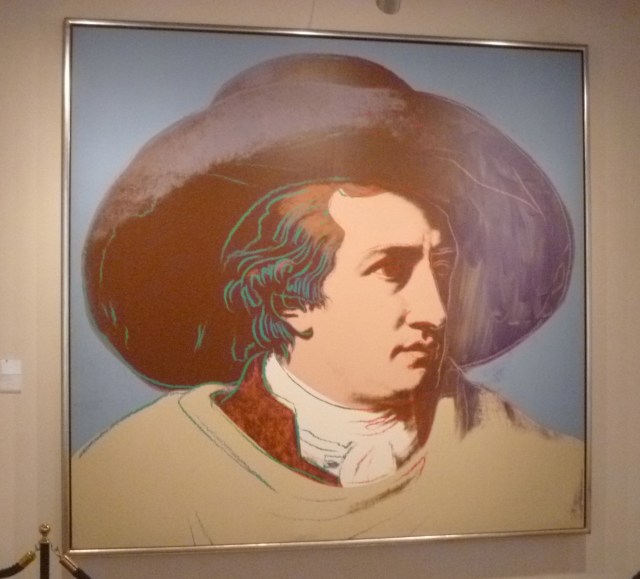
1991 and 1992 were excellent years for the acquisition of many Goethe related papers, books and artefacts by the Casa including the Andy Warhol iconic contemporary adaptation of Tischbein ‘s portrait. Also some autographs of Goethe’s including a letter card written in his own hand and giving his rome address and the Goethe library of publisher Richard Dorn.

Warhol

Screen Print and Acrylic on Linen 1982

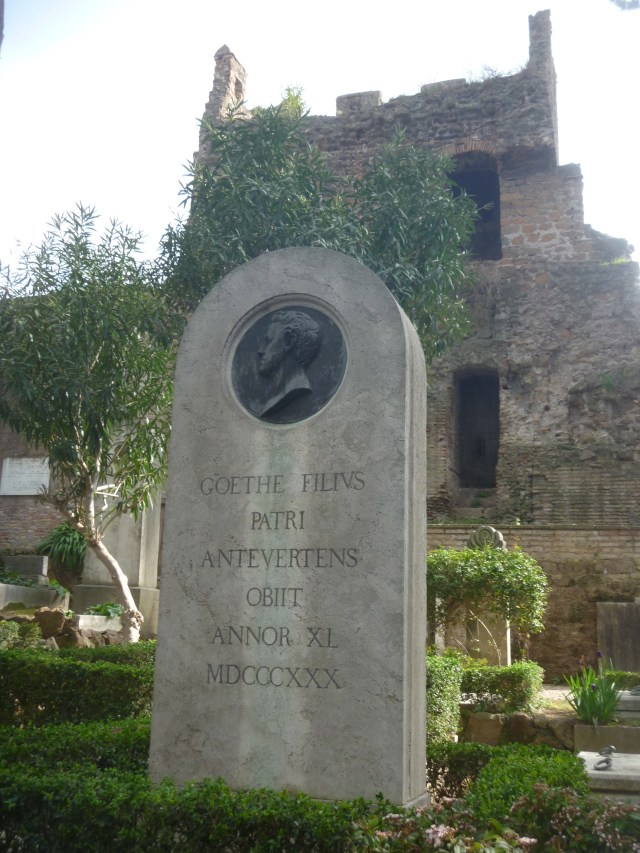
At the very end of the guide book is a list of museums and memorials to Goethe in both Italy and in Germany. Amongst those listed is the grave of his son, August, in the Protestant Cemetery. Interestingly, even though he was an adult at death his father arranged for the following to be inscribed on his gravestone.

GOETHE FILIVS / PATRI / ANTEVERTENS / Obiit / Annor [VM] XL / MDCCCXXX (Goethe’s son / father / above / died / 40 years / 1830)

August Goethe


At Horace’s House : Sant’ Antonio, Tivoli

Sant' Antonio

In the summer of 2013 I had the great good luck to be offered a room and to stay with fellow Landmarkers in the Italian countryside near Tivoli, about 20 miles northeast of Rome. I leapt at the chance and finally last week the trip became a reality. I have just spent a fabulous week at Sant’ Antonio and made a few excursions too when I could manage to drag myself away from this wonderful old house.

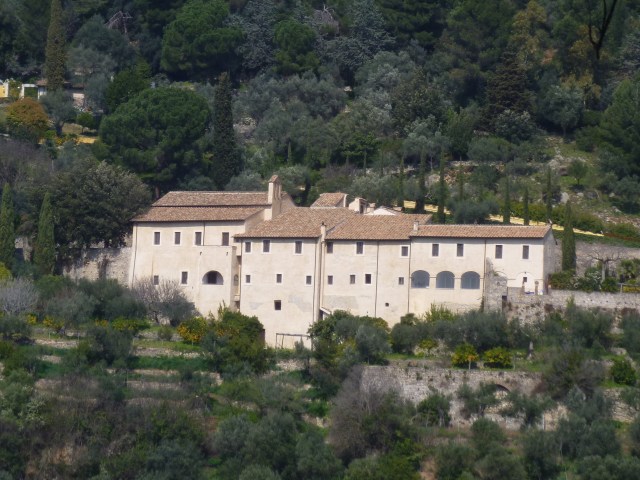
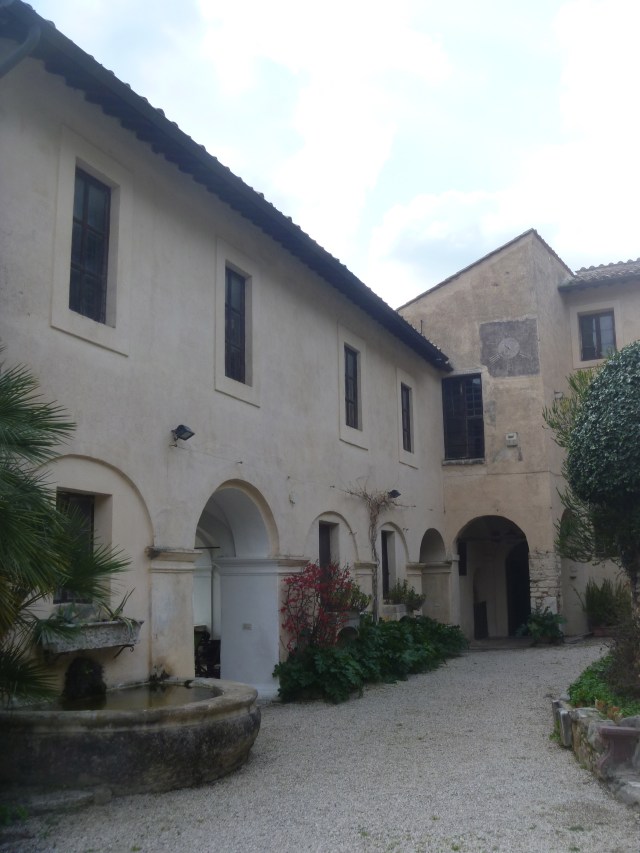
According to the History Album Sant’ Antonio was built around 100 BC.  The upper parts were rebuilt in the late 16th and early 17th centuries: the monastery between 1583 and 1590; the east wing about 1625 and the church in 1647. It was acquired for preservation by Frederick Searle in 1879. The present owner, Vicomte Roger de Brisis, is his descendant but Sant’ Antonio has been managed by The Landmark Trust since 1995. It consists of a medieval monastery grafted onto a Roman villa of the time of Caesar Augustus, or maybe even before. It was rescued from abandon in 1879 by an Englishman newly returned from West Indies.

vesta temple

Temple of Vesta, Tivoli

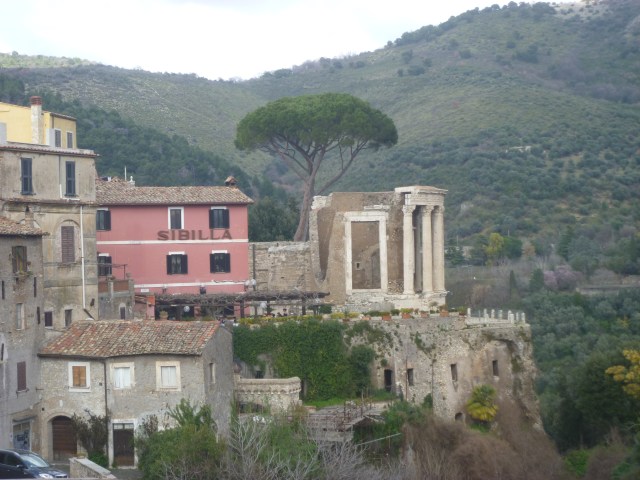
A well-founded belief is that a frequent guest, if not an early owner, was the poet Horace. Across the ravine thunders the water of Anio, with temples of Vesta and the Sibyl poised above it. All these on the outskirts of Tivoli, the Roman Tibur, and you are approaching something very near the heart of the civilisation that has moulded Europe for two millennia.

It is fitting that the revival of this place should have fallen to an Englishman, because those two names – Horace and Tivoli have a particular resonance for his countrymen. From the Middle Ages , English boys learned their reading and writing by means of Horace’s Odes and Satires, along with the works of Virgil and other writers of the Augustan Age. Only in the late 20th century has academic education ceased to be built on these cornerstones.

In the 17th century Englishmen first began to visit Italy in large numbers and carried its influence home in the most direct manner, in their paintings, and their buildings and their gardens. The dramatic influence of Tivoli appealed strongly to painters, notably the great French creators of an ideal classical world: Claud Lorrain and Gaspard Dughet. The English imitators eg Richard Wilson, followed them here. Writers like Joseph Addison sought the places which the best paintings might be composed and the. Murmured to themselves of “Tivoli’s delightful shades and Anio rolling in cascades.”

In 1879 Frederick Searle was searching for a place to sketch the waterfall when he first saw Sant’ Antonio – “La casa di Orazio”. He made it his home; spent 20 years renovating and repairing it and encouraged scholars and archaeologists to share his discoveries. His daughter Georgina and her husband George Hallam and then her great-niece Lucy d’Aihaud de Brisis continued the tradition. In this generation Count Roger de Brisis took on the care of Sant’ Atonio and with Landmark’s help has made it possible for guests to stay here. Sant’ Antonio has long enjoyed the soubriquet ‘Horace’s Villa’ . There are several schools of thought relating to whether Horace lived here or not. It is known through the writings of Suetonius that Horace lived in Tibur (Tivoli).

The Sant’ Antonio History Album goes on to give various scholars’ opinions on the exact location of Horace’s Villa but I like to think that it was Sant’ Antonio and unless some future academic gives me proof to the contrary I will stick with this theory and the celebrity link with the house.

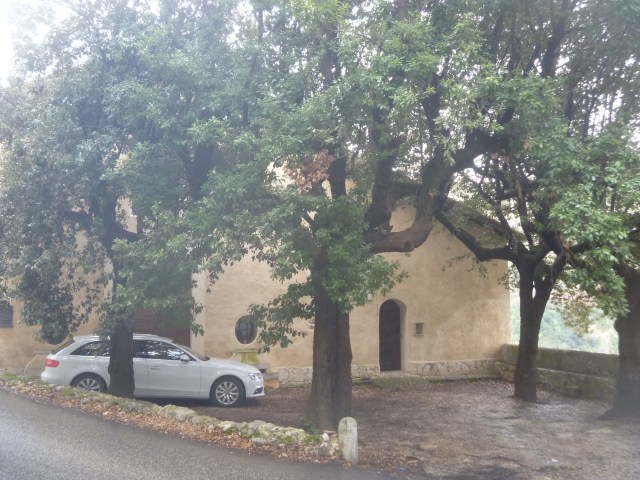
The Franciscan Friars took over the remains of a Roman villa – it had continued operating as a villa farm – with ample storage spaces, good water supply and fertile terraces. By becoming a monastery its survival was ensured for a further five centuries. Sant’ Antonio was a monastery complex of the lesser kind; common in the mountains of central Italy. The little church of this monastery is still an object of devotion for the many Catholics of the town. The feast day of St Anthony is 13 June.

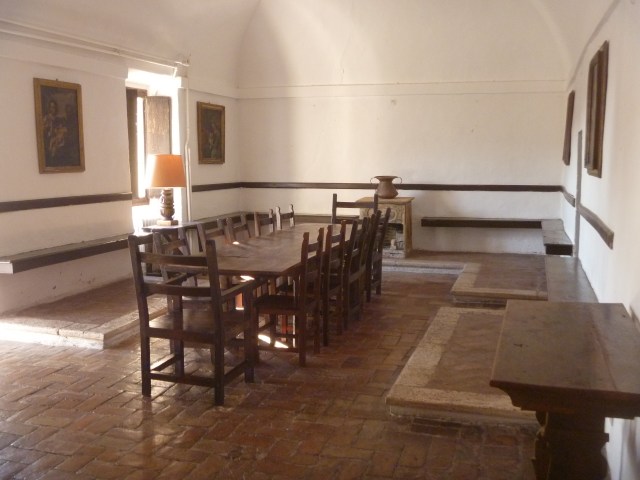
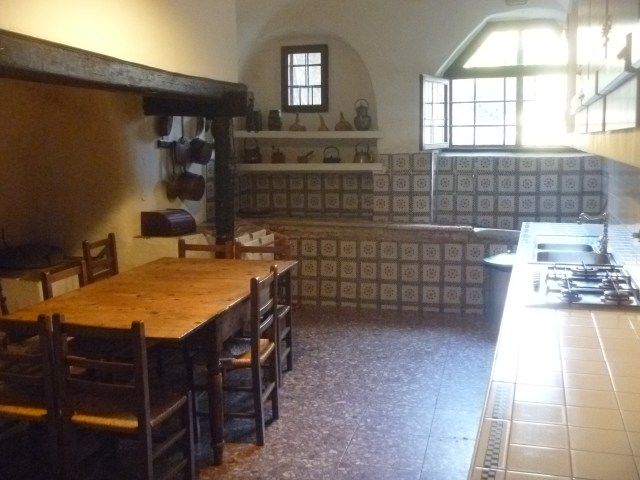
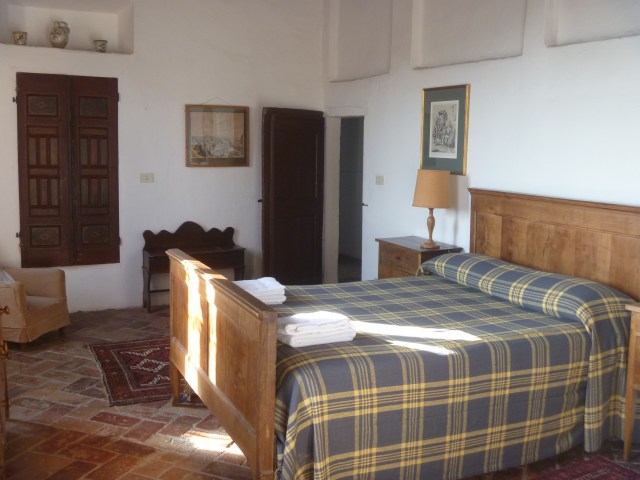
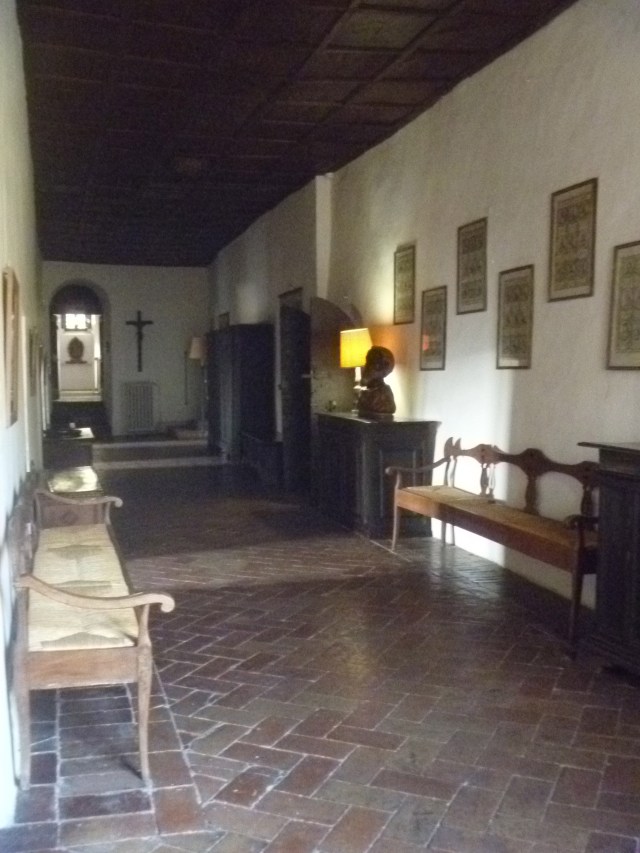
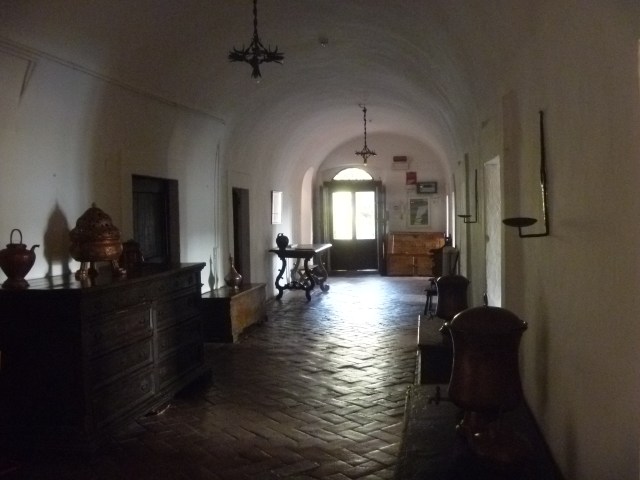
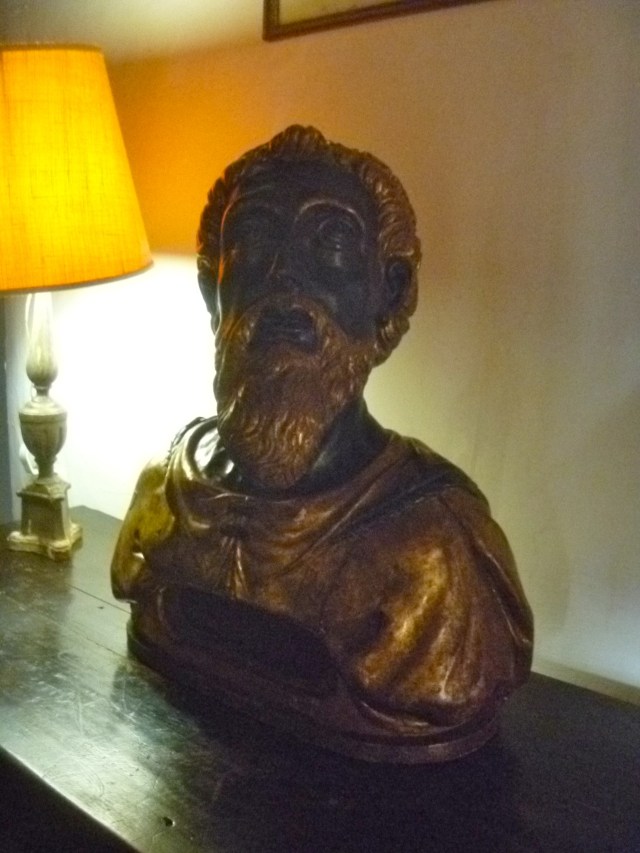
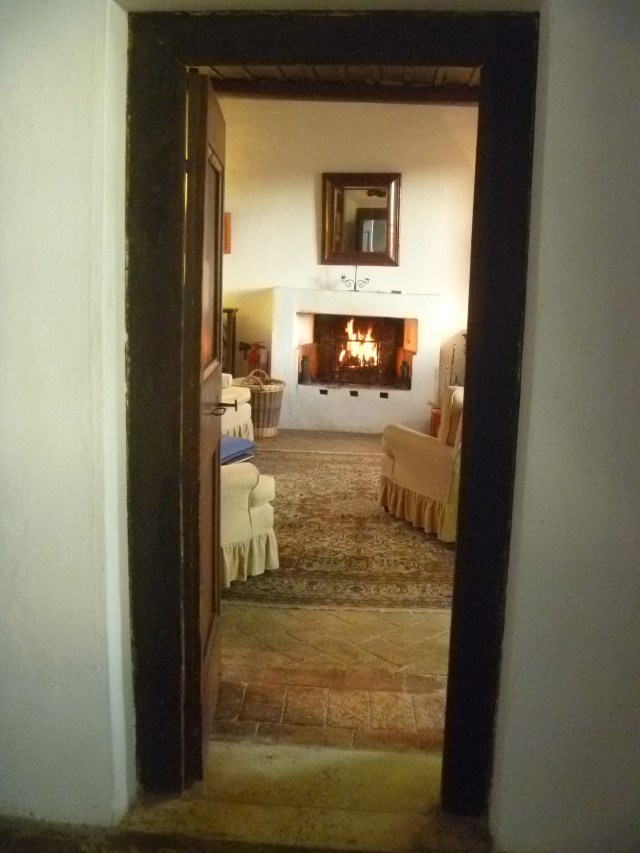
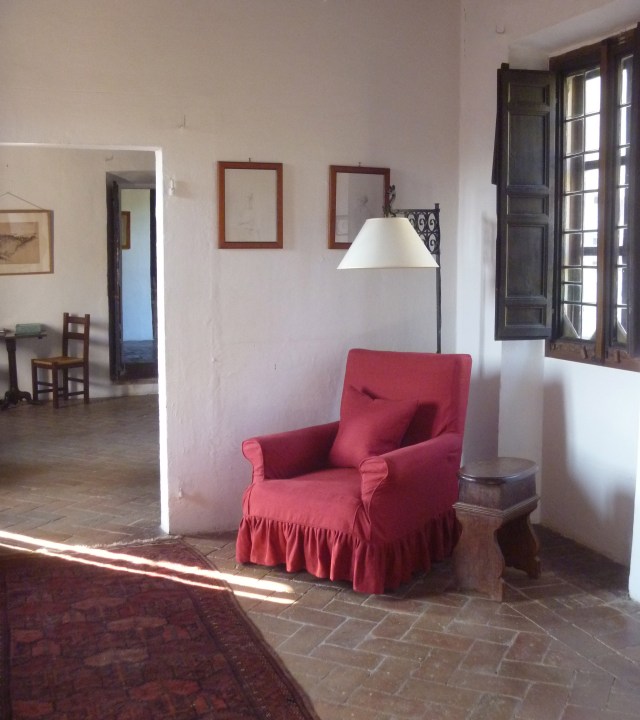
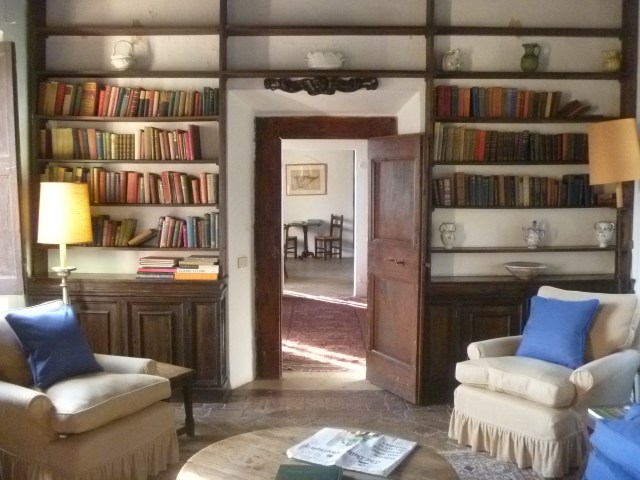
Having read details of the architectural plans of the monastery it would appear that the arrangement of the rooms and their various uses has changed little over the centuries. We dined in the Refectory, cooked in the kitchen, slept in the monks’ cells (the numbers still painted on the doors) off long wide corridors decorated with church ornaments, crucifixes and reliquaries. Our sitting rooms – a range of three – occupy a northeast projecting wing. The main floors are of rectangular terracotta bricks laid in coursed and herringbone patterns with borders, a technique common to Italy. The small casement windows are a rare feature to have lasted so long in Italy, the details of the dark unpainted wood, the panes of glass and their fixings, and the modest catches all being precious survivals.

Welcome to Sant’ Antonio – come and have a look inside.

Refectory

The Refectory

kitchen

The Kitchen

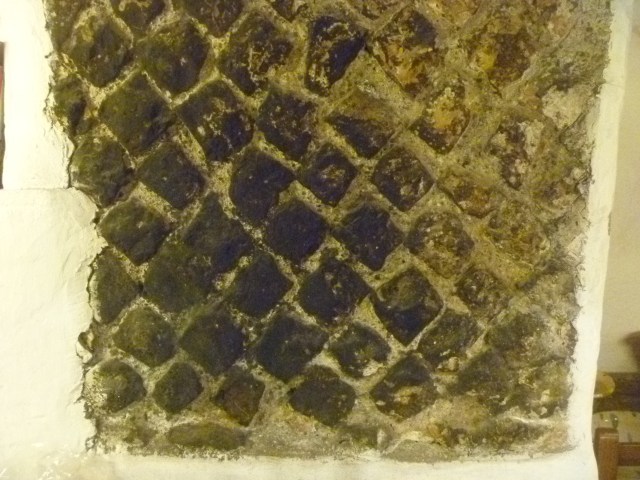
Roman wall in kitchen

Roman Wall in the Kitchen

a dble room

A Double Bedroom with Herringbone Pattern Floor

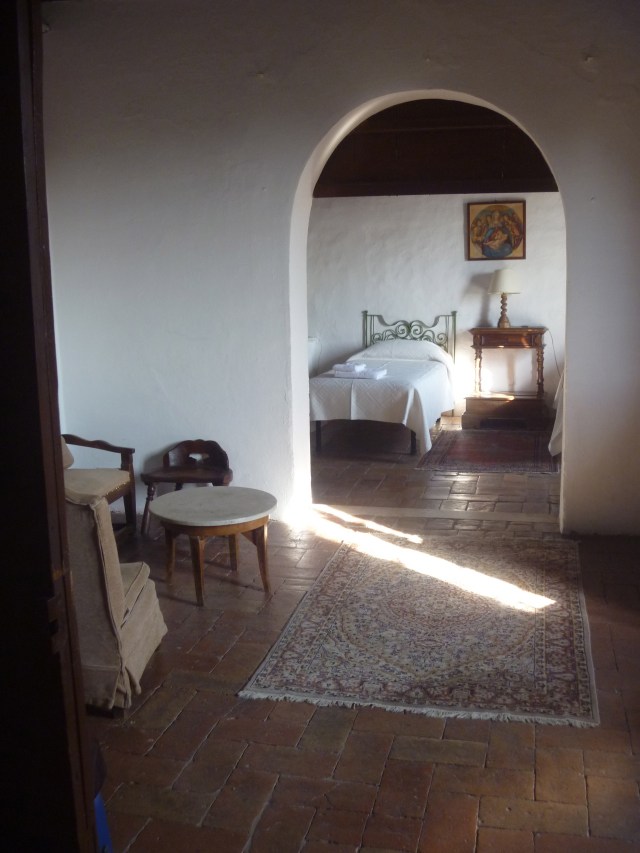
Twin bedroom

A Twin Room with Sitting Area

Upper floor

Upper Corridor

lower floor

Lower Corridor

reliquary

One of the Reliquaries

sitting room

The Sitting Room

a reading corner

A Quiet Reading Corner

sitting rm

Three Sitting Rooms

Anio falls and window

The “Anio Rolling In Cascades” seen through a Casement Window

SA Garden

Former Main Entrance now Rear Door into the Garden

Main Entrance

Today’s Entrance Approached from the Main Road

Writers’ Gardens

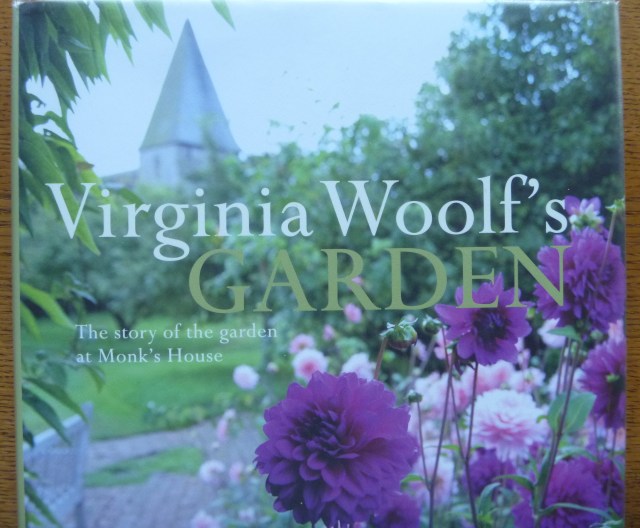
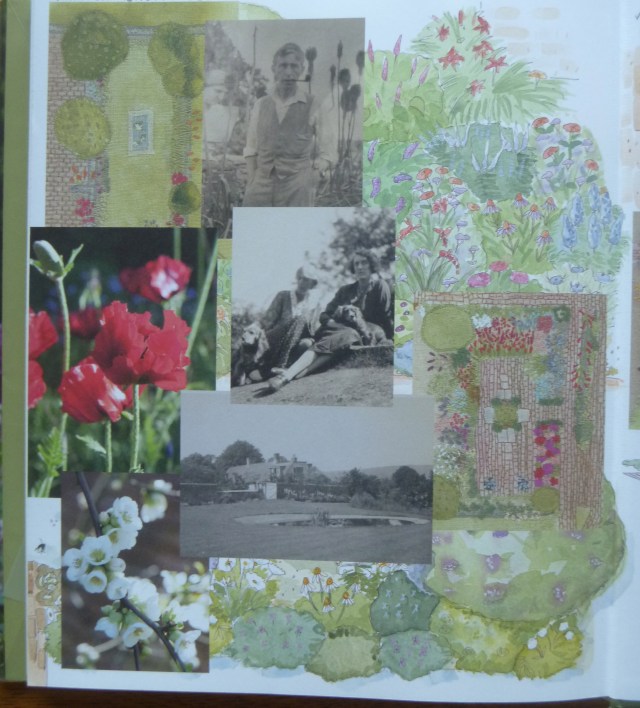
In these the dull, grey February days it’s been a great pleasure for me to read two coffee table-style books back-to-back with glorious photographs but also very informative text. VW's Garden The first was Virginia Woolf’s Garden by Caroline Zoob. There’s lots of nice background information about Leonard and Virginia Woolf but also about the author. Caroline Zoob and her husband were the National Trust tenants in the house for about 10 years. They also took responsibility for the garden. Endpaper VW's

Endpaper Collage

Really the book should be called Leonard Woolf’s Garden since it was almost entirely his creation and Virginia admits to doing little more than a bit of dead-heading and, of course, being inspired by gardens in general for her writing.

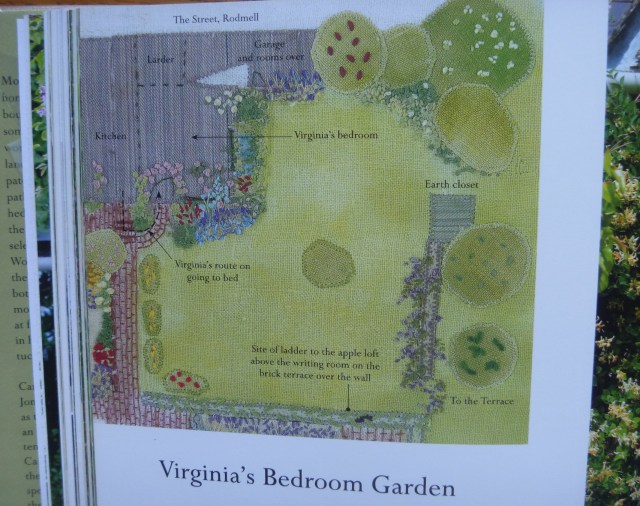
VW Bedroom Garden
VW bedroom garden
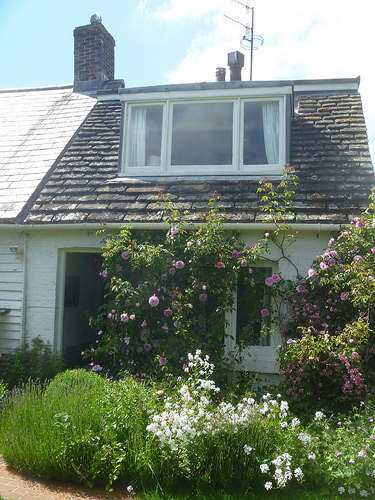
Virginia Woolf’s Bedroom Garden May 2014
Reading it and studying the lovely photos I was reminded of my visit to Monk’s House last May. I preferred it to Charleston as it had a very much more relaxed atmosphere. I’ve written here already about my visit to Virginia and Leonard Woolf’s home and garden at Rodmell in East Sussex.
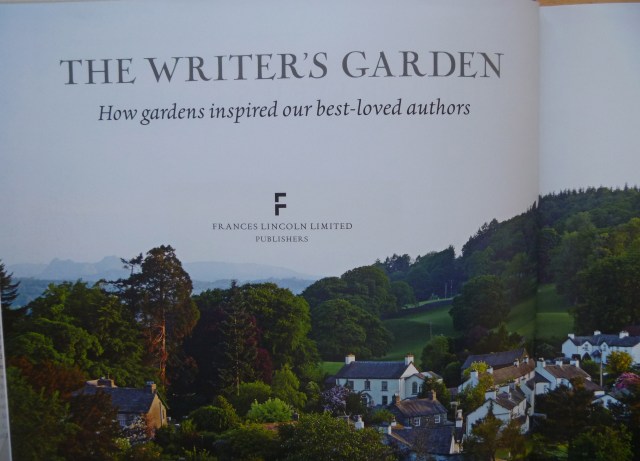
The writer's garden
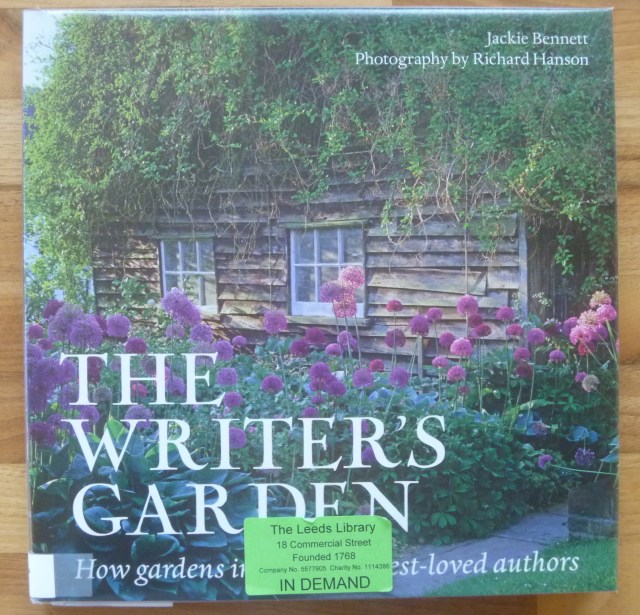
The Writer’s Garden : how gardens inspired our best-loved authors is by Jackie Bennett.
Writer's garden
Title Page – Near Sawrey in the Lake District with Beatrix Potter’s Hill Top in the Bottom Left Corner
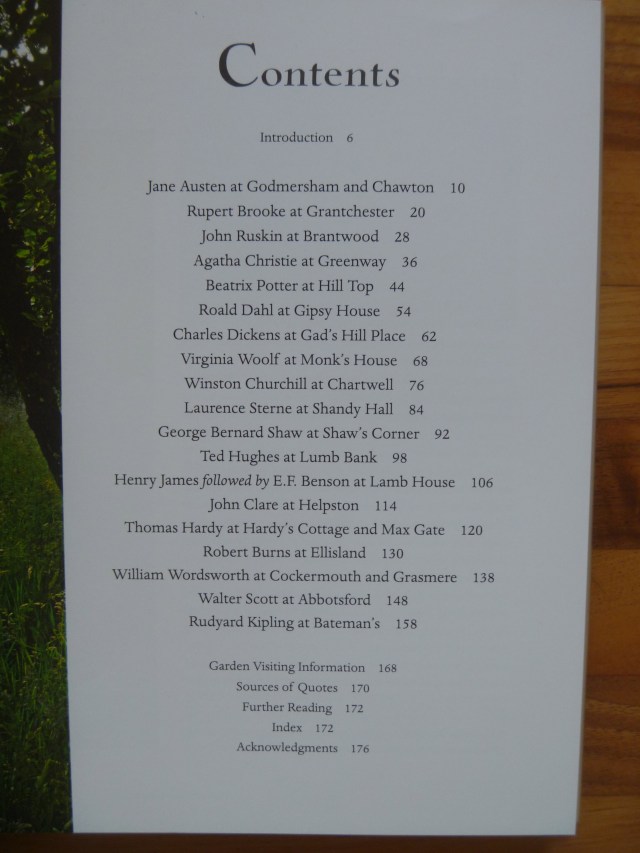
Contents Page
Contents Page
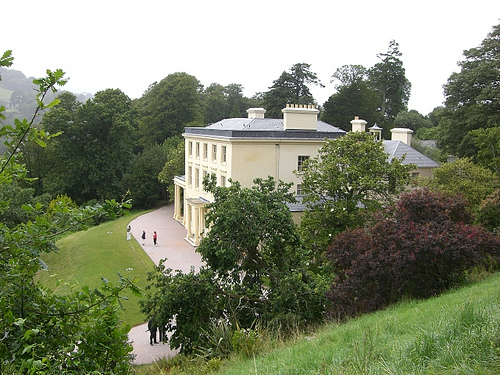
Many of the gardens mentioned I have already visited – Jane Austen’s in Chawton in Hampshire long before the digital photography; same goes for Ruskin’s Brantwood which we approached from Lake Coniston by Gondola; Agatha Christie’s Greenway in 2009; Beatrix Potter’s Hill Top in 2005 or 2006; Laurence Sterne’s Shandy Hall the topic of one my first posts here and, of course, Virginia Woolf’s garden mentioned above.  I do hope I can get to the ones I haven’t visited some time as all were inspiring, not to say, beautiful.
Greenway
Agatha Christie’s Greenway overlooking the Dart Estuary in Devon
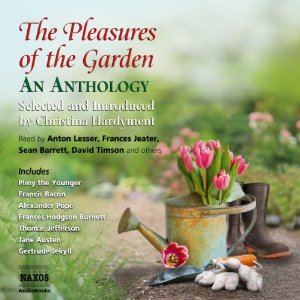
I borrowed both books from the library but also by coincidence my current audio listen is Christina Hardyment’s The Pleasures of the Garden: an anthology. It’s selected and introduced by Christina and includes passages by Pliny The Younger, Francis Bacon, Frances Hodgson Burnett (The Secret Garden, of course), Thomas Jeffereson, Jane Austen and Gertrude Jekyll.
51KTun4xj8L._SL300_
Having said all this – I am not, myself, a gardener! I love to visit gardens and read about them but I know nothing at all about plants and their care.
unnamed
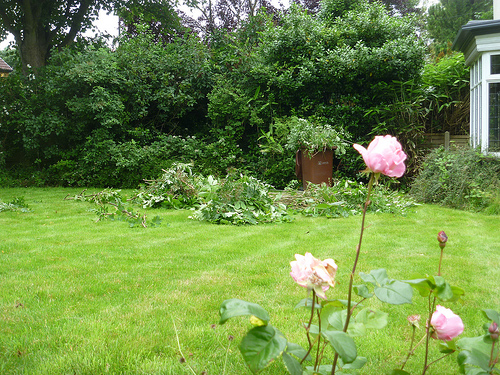
My title for this photo on Flickr is “You won’t catch me gardening!”

The Wadsworth-Longfellow House, Portland, Maine

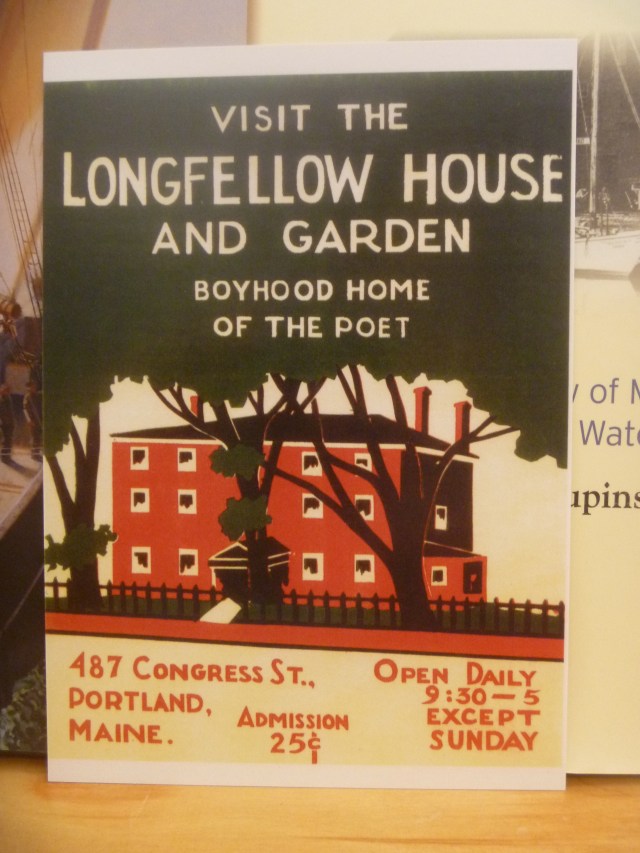
Visit the HWL House

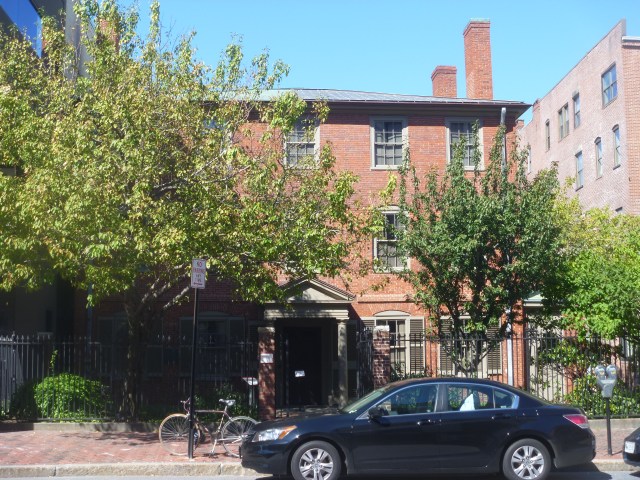
On our last full day in New England, before heading off to LLBean, I joined a morning tour of the Wadsworth-Longfellow House, located right in the middle of Portland on Congress Street. The house is not his birthplace. Although he was born in Portland that house has now been demolished.
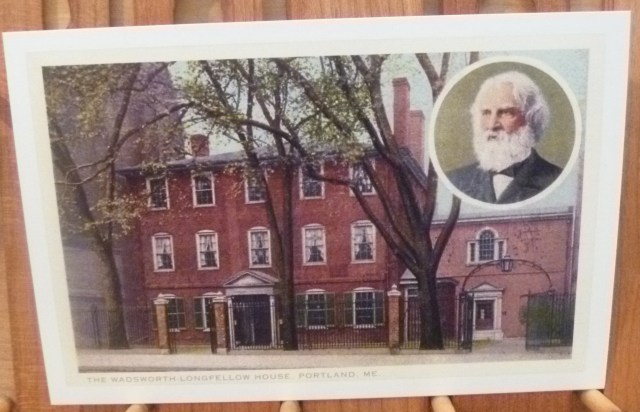
HLW House postcard


No Parking but always a car

Faithfully restored to the 1850s, the Wadsworth-Longfellow House was the childhood home of Henry Wadsworth Longfellow. Built in 1785-86 by the poet’s grandfather, the house is decorated with original furnishings and family memorabilia. Tours offer a unique glance into the poet’s family, as well as into the cultural and social history of mid-19th century Portland.” [Information Board outside the house]
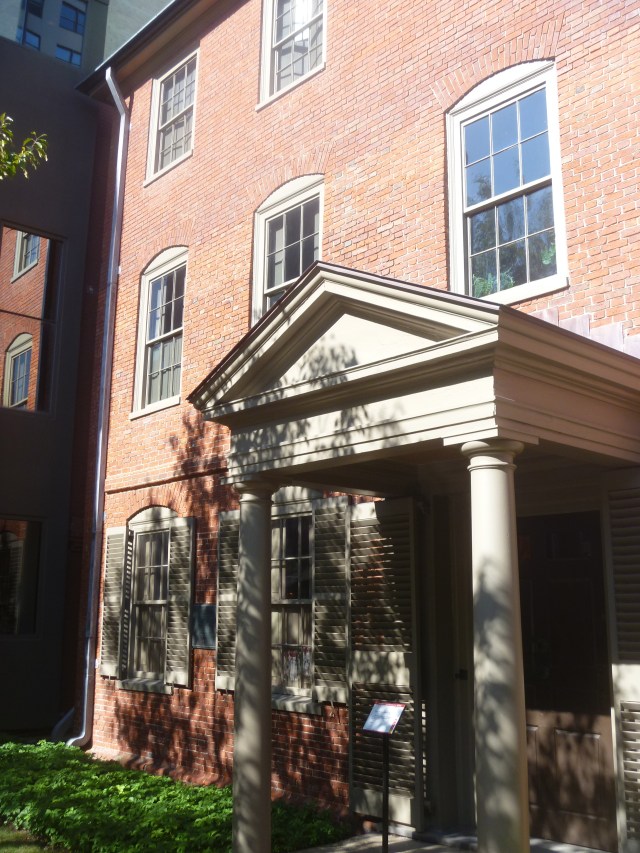
WLF House door

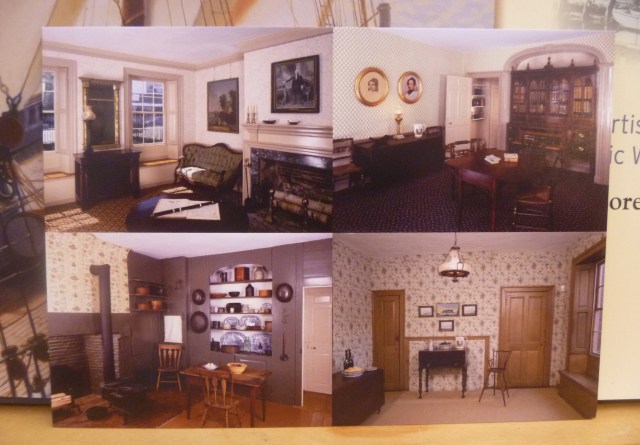
Yet again I enjoyed an entertaining and informative tour. No photography was allowed but there are pictures and descriptions of the rooms on the website and postcards of a selection were available in the excellent bookshop attached to the house.
Inside HWL House


Postcard shows the interior of Wadsworth-Longfellow House
Zilpa sampler

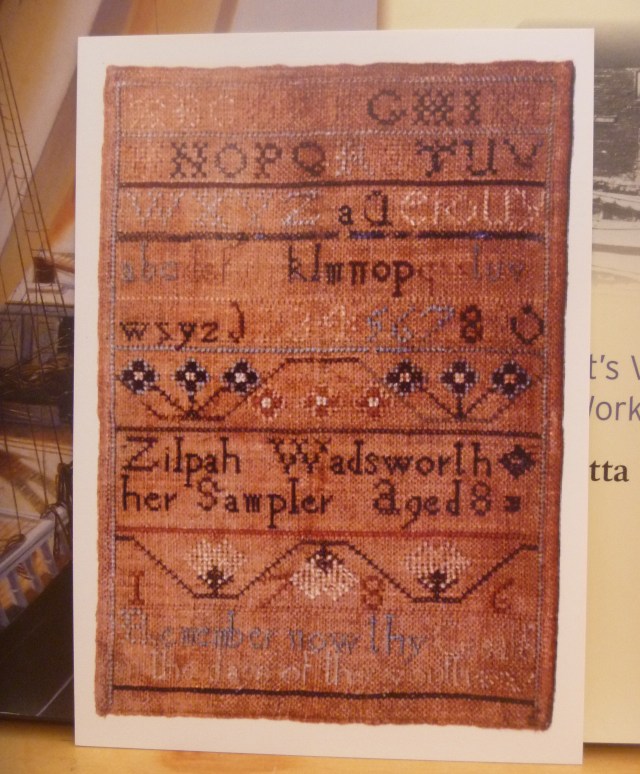
Zilpa’s Sampler (still on display in the house)

Peleg (love that name!) and Elizabeth Wadsworth, Henry’s grandparents, built the house in 1785-86 and Henry, born in February 1807, lived there from just a few months later throughout his childhood. With 9 siblings his father Stephen (and mother Zilpa) extended the house by adding another floor. Henry entered Bowdoin College in Brunswick, ME in 1822. After graduation in 1825 he moved to Cambridge, Massachusetts where his home there is also a national historical monument and open to the public : Longfellow National Historic Site, 105, Brattle Street, Cambridge, MA. He made regular return visits to his family home although, except for once, he and his wife never actually stayed there overnight.

Henry’s sister Anne lived here for almost all her long life; and when she died in 1901 left the house to the Maine Historical Society (MHS) requesting that the rooms “be kept with appropriate articles for a memorial of the Home of Longfellow” insisting that certain items be left where they had been during Henry’s residence.

There were interesting displays in the museum next door concerning the Emergence and History of Portland and about the Wadsworth-Longfellow Family.
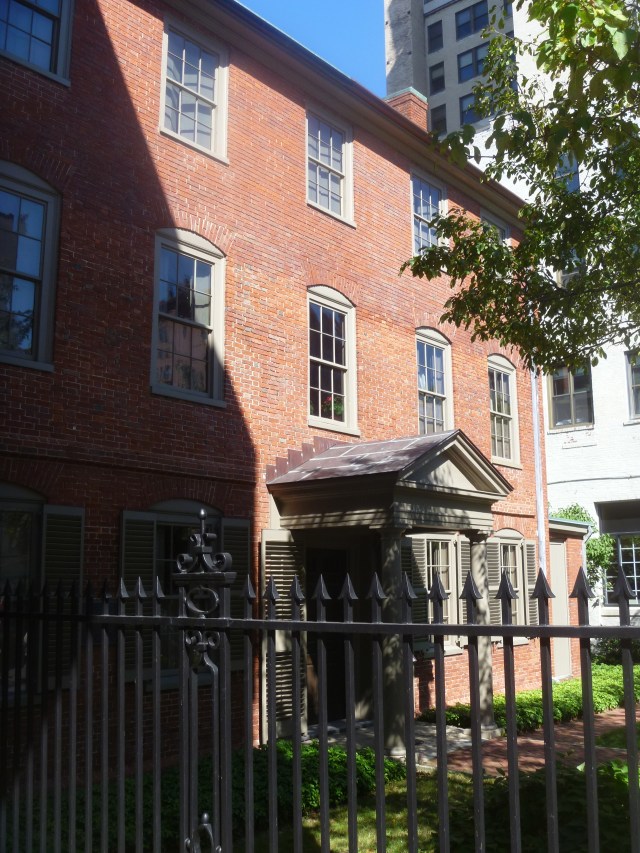
Longfellow House

I also learned that :

In 1884, Longfellow became the first non-British writer for whom a commemorative sculpted bust was placed in Poet’s Corner of Westminster Abbey in London; he remains the only American poet represented with a bust. [Wikipedia]

The over life-size white marble bust of the poet Henry Wadsworth Longfellow was unveiled in Poets’ Corner Westminster Abbey in 1884, on a pillar near to the tomb of Geoffrey Chaucer. It is by the sculptor Sir Thomas Brock and the main inscription reads:
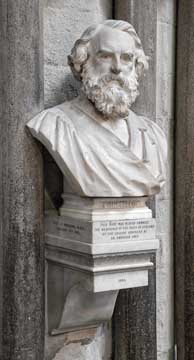
Longfellow bust, Westminster Abbey

LONGFELLOW. This bust was placed amongst the memorials of the poets of England by the English admirers of an American poet.1884″

On the left and right sides of the plinth is inscribed:

“Born at Portland, U.S.A. February 27th 1807. Died at Cambridge, U.S.A. March 24th 1882”.

Longfellow’s ancestor, William Longfellow, had emigrated to New England in 1676 from Yorkshire. His parents were Stephen, a lawyer, and Zilpah. Henry taught at Harvard University and his prose romance Hyperion was published in 1839 after the death of his first wife. Ballads and other Poems includes ‘The Village Blacksmith’ and ‘The Wreck of the Hesperus’. The Song of Hiawatha is one of his best known works and he was second only to Lord Tennyson in popularity. His grave is in Cambridge, Massachusetts.

A photograph of his bust can be purchased from Westminster Abbey Library.

Further reading:

“England’s homage to Longfellow” by E.C.Lathem, 2007

[source of text and photo]

Before the tour, after the  tour or at any time during opening hours anyone may visit the Longfellow Garden behind the house.
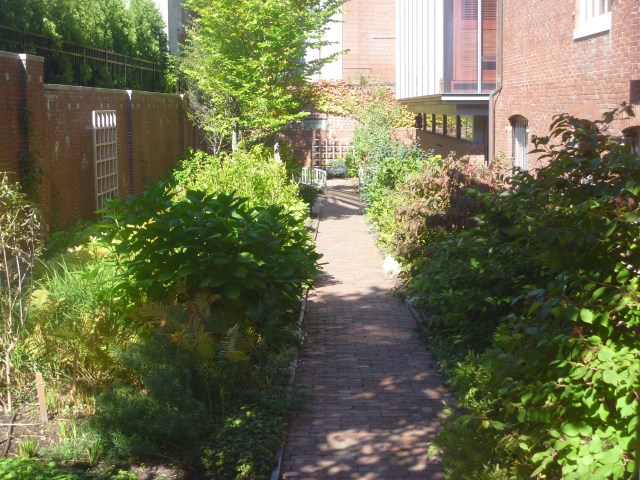
HWL better garden

The secluded Longfellow Garden located behind the House is an oasis of green and quiet in the heart of downtown Portland. Beautifully landscaped, the public is welcome.” [Information Board]
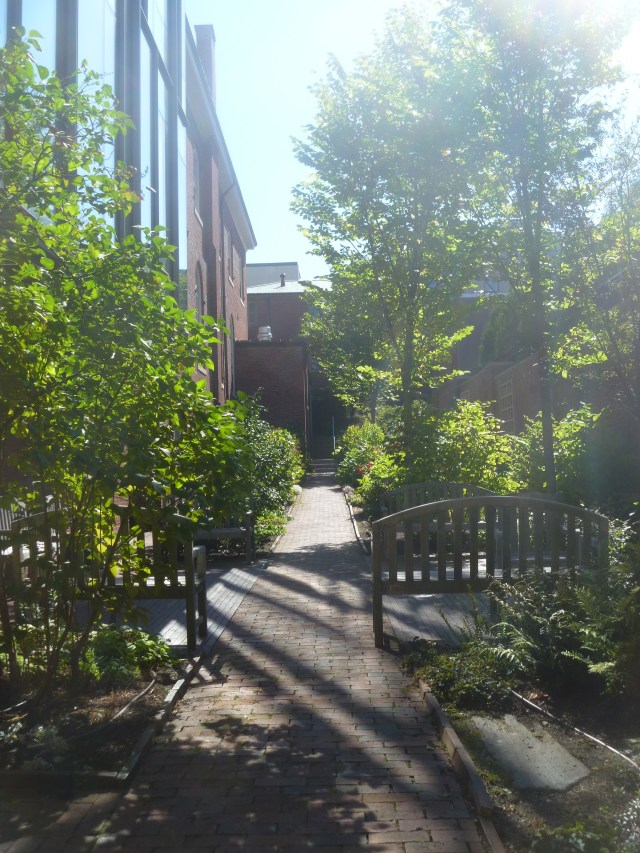
Looking back up garden

Looking back up the garden towards the house

The members of the Longfellow Garden Club have tended this oasis of peace and calm in the centre of the bustling city of Portland for 90 years. These volunteers weed the beds, prune the overgrowth, plant annuals, maintain the soil and much much more.  In 1924 Mrs Pearl Wing set about restoring the garden. She encouraged the local community to help her and to donate plants and create a fountain in the garden. She also established the bye-laws and operating principles of the Club.
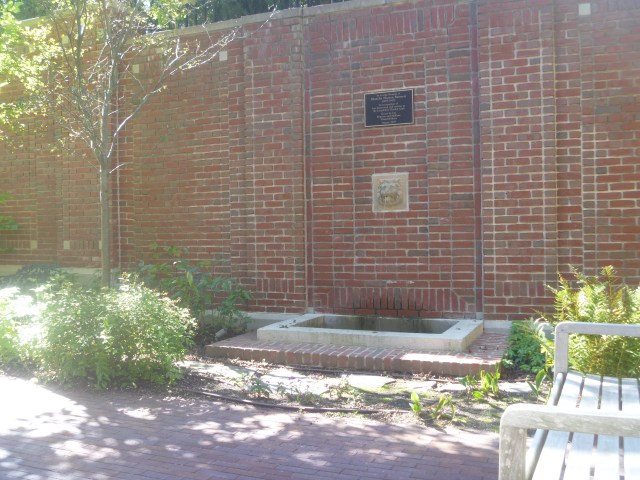
Presnt day fountain

Present day fountain

Naturally, there have been changes in the area and garden surroundings since then. Until 1980 the garden was only visited by those touring the house but the Club convinced the MHS to allow public access during house opening hours. It is a popular quiet retreat and “hidden treasure”.

Read more about the life and works of the author of The Song of Hiawatha (possibly his best-known work here in the UK) here and see whether you can recognise his many quotations here.

“The love of learning, the sequestered nooks, and all the sweet serenity of books”