Remembrance : Horsforth WW1 Trail

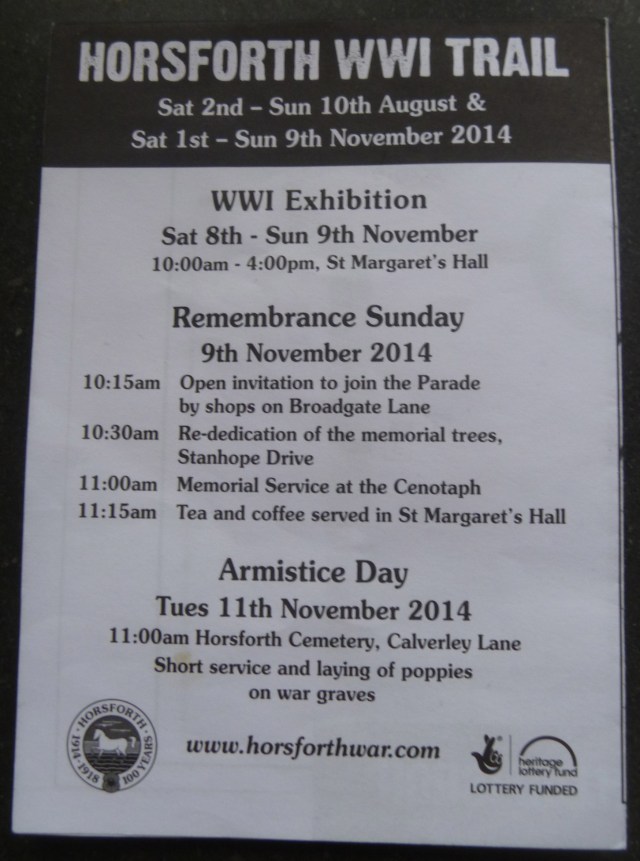
Trail leaflet

All round the country there are commemorations this year to honour those hundreds of thousands of men and women killed during the First World War. They range from the now very well-known, much-visited and publicised “Blood Swept Lands and Seas of Red” [the ‘evolving installation marking the centenary of the outbreak of the First World War. Created by ceramic artist Paul Cummins, with setting by stage designer Tom Piper, 888,246 ceramic poppies progressively fill the Tower’s famous moat’] (here is what Lynne – alias Dovegreyreader – wrote about her visit to the Tower) to our very own local WW1 trail along the main thoroughfare of Horsforth near Leeds.
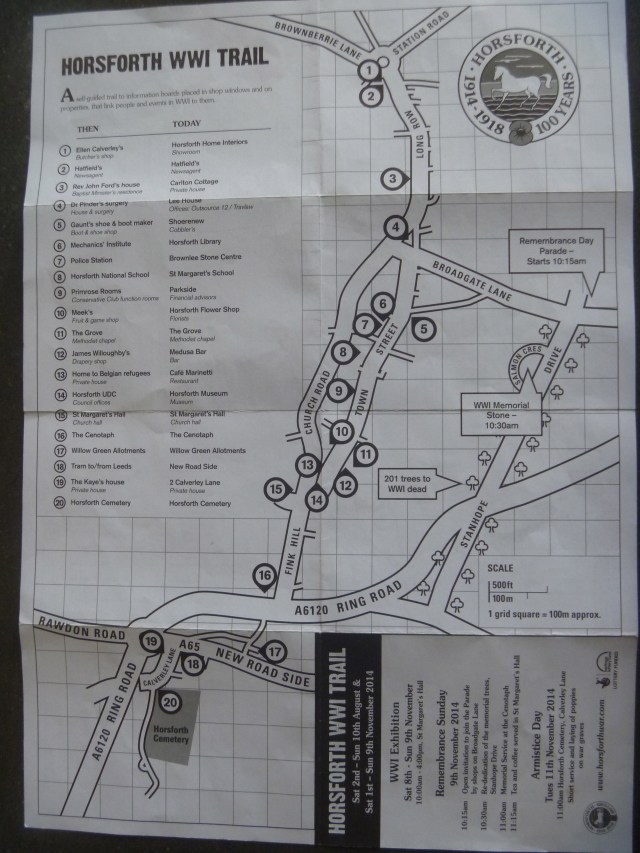
Trail Map

My neighbour and I followed the trail last Tuesday and on Saturday I visited the related Exhibition in the local church hall. Somehow even though I have lived here much longer than I ever lived in Norwich I don’t feel as attached to Horsforth as I do to the place where I grew up.
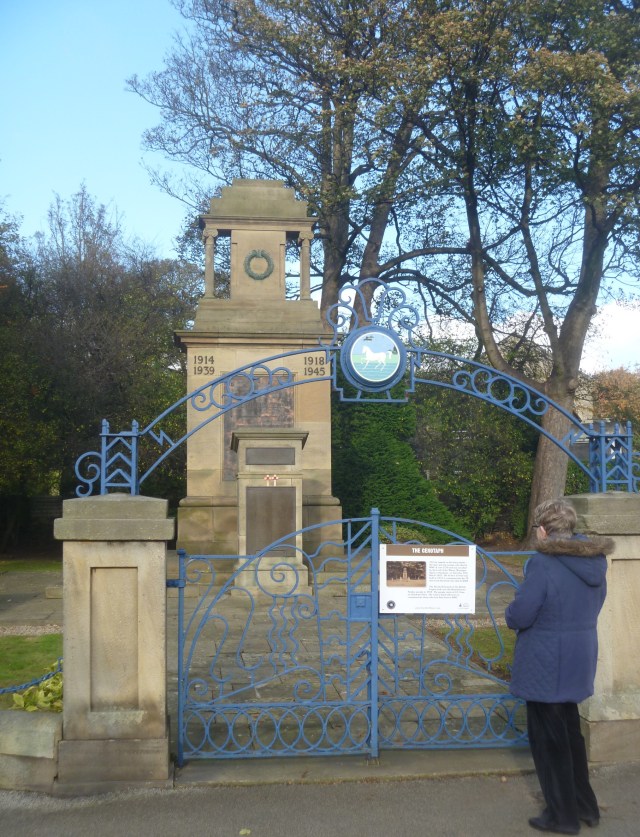
Horsforth Cenotaph

212 are named on the brass panels the men and one woman who died in the first world war . It cost £720 and was unveiled by The Lord of the Manor Montague Spencer-Stanhope on Saturday 11th March 1922. The lectern in front was built in 1953 to honour the men from Horsforth who died in World War II.

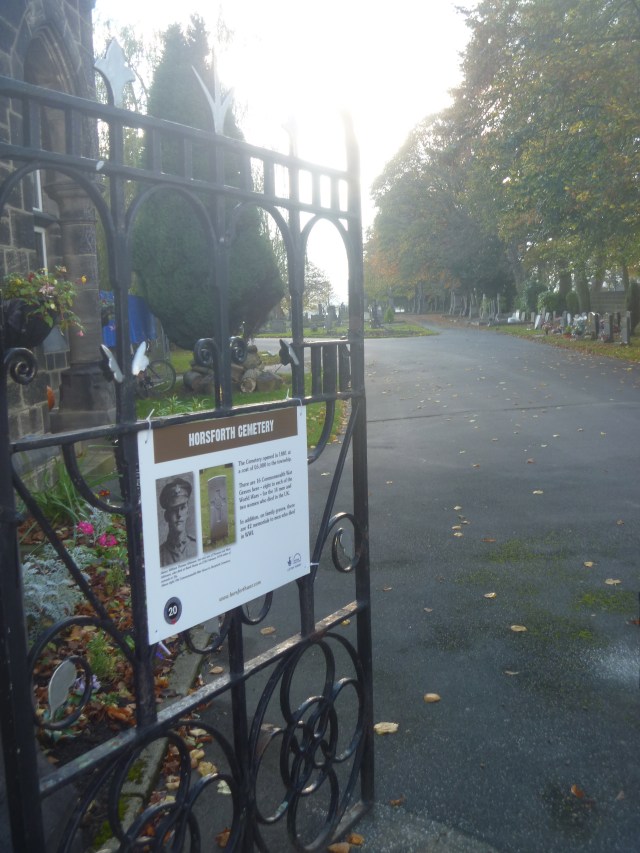
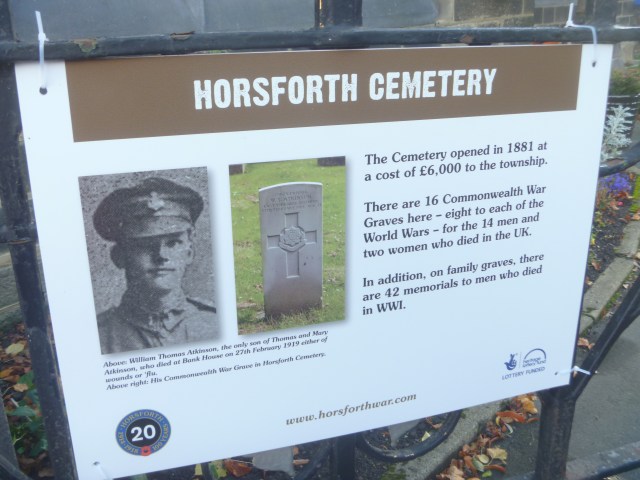
Horsforth Cemetery


Cemetery Board

However, the trail and boards are very well done and tell some very sad tales and, interestingly, one woman is commemorated which, I believe, was unusual for the time.

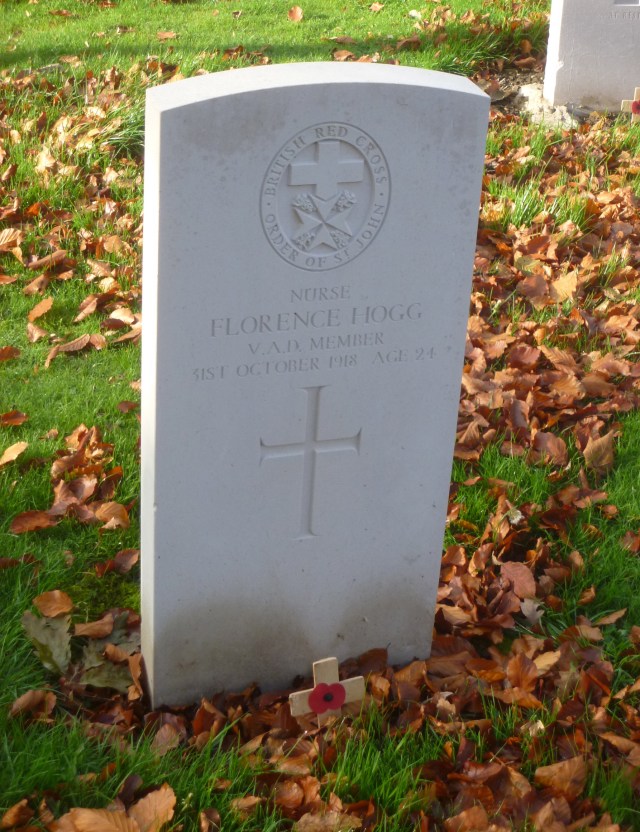
F;lorence Hogg

Nurse Florence Hogg

Serving as a nurse didn’t make a woman immune from the effects of war. Florence Hogg, who worked at Horsforth Laundry, died of the ‘flu that she caught at Berrington War Hospital in Shrewsbury from a soldier, wounded at the Front. The following month it killed her mother too. The ‘flu virus killed over 20 million in 1918 and 1919 – even more than died in the war itself.

Florence Hogg

Florence Hogg’s Commonwealth War Grave in Horsforth Cemetery

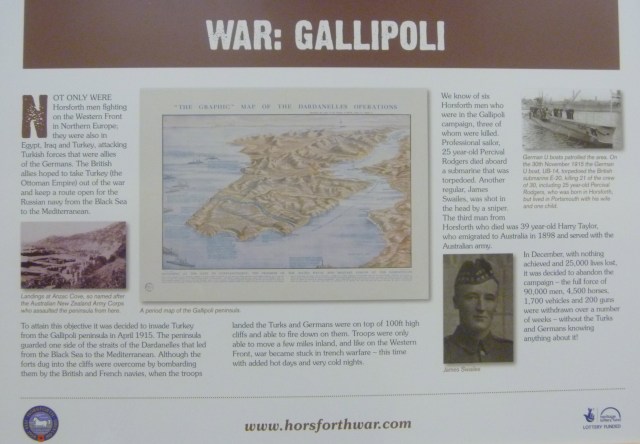
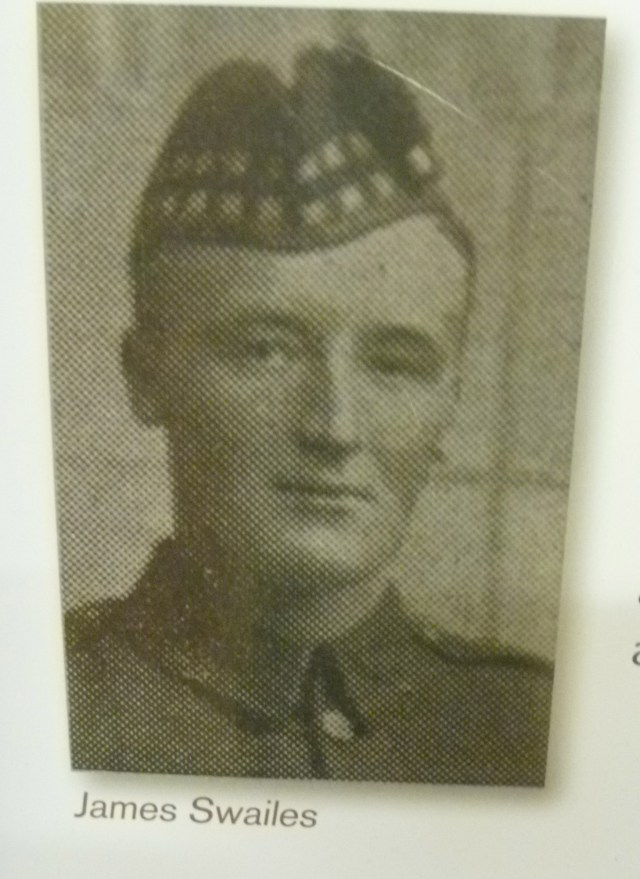
We know of six Horsforth men who were in the Gallipoli Campaign, three of whom were killed. Professional sailor, 25 year old Percival Rodgers was killed aboard a submarine that was torpedoed. Another regular, James Swailes, was shot in the head by a sniper. The third man from Horsforth who died was 39 year old, Harry Taylor, who emigrated to Australia in 1898 and served with the Australian army.

War Gallipoli

James Swailes

James Swailes killed in the Gallipoli Campaign

In addition to further information boards and displays of medals and other artefacts from the First World War at the Exhibition we were able to watch a half hour documentary programme recorded for TV and published on 1 Oct this year.

This documentary film travels around the Ypres (Ieper) area of Belgium looking at locations that Yorkshire troops were involved in. Geoff Druett is taken around by an official tour guide. They set-off in the square in front of Ypres Cloth Hall, go to Essex Farm and learn about John McCrae’s “In Flanders Field” poem; cross the Yser Canaal to the Yorkshire Trench. Across town they wander around Hill 60 and visit Tyne Cot. Back in Ypres, Geoff visits the English Memorial Church and the film ends with the nightly ceremony at the Menin Gate.
Music : “World War I In Poetry And Music” by David Moore, John McCormack, Robert Donat, Siegfried Sassoon

IN FLANDERS FIELDS POEM
The World’s Most Famous WAR MEMORIAL POEM
By Lieutenant Colonel John McCrae

Between the crosses, row on row,
That mark our place: and in the sky
The larks still bravely singing fly
Scarce heard amid the guns below.

We are the dead: Short days ago,
We lived, felt dawn, saw sunset glow,
Loved and were loved: and now we lie
In Flanders fields!

Take up our quarrel with the foe
To you, from failing hands, we throw
The torch: be yours to hold it high
If ye break faith with us who die,
We shall not sleep, though poppies grow
In Flanders fields

Composed at the battlefront on May 3, 1915  during the second battle of Ypres, Belgium

Jervaulx Abbey – Thornton Steward – Cover Bridge Walk

Historic, tranquil, beautiful

It’s nearly 40 miles to Jervaulx Abbey near Middleham, North Yorkshire and Thursday morning dawned rather grimly with rain and dark clouds. It seemed a long way to drive in order to get soaking wet all day.

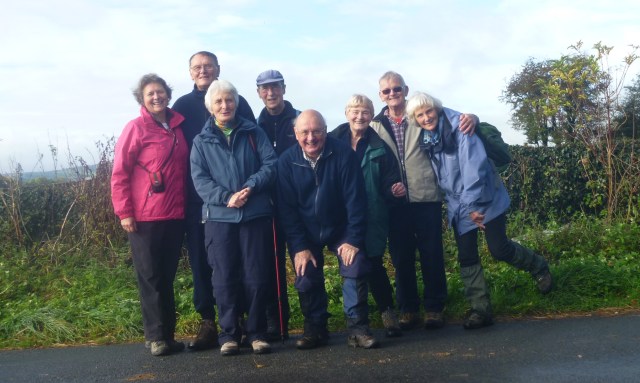
But the Weekday Wanderers were not deterred and we met as usual at 9am at The Grove Church Car Park and two cars – eight of us in all – set off northwards. The rain had stopped and I lead a very successful ramble:

Jervaulx Abbey – Thornton Steward – The Cover Bridge

“Easy walking  – no hills. Field and riverside paths plus a pleasant walk through parkland at Jervaulx. Distance – 7.5 miles. Car parking at Jervaulx (£1 in honesty box)”

Jervaulx ruins

The Abbey Ruins

I had for a long time I had wanted to do this walk – always attracted by abbey ruins and other features of the landscape. I copied the walk from a book of walks from the library over a decade ago and unfortunately did not make a note of the title and author. Some of the features had changed slightly – a hedge was now a fence and a stile now a gate – but the bulk remains the same and the route was easy to find.

a bit of blue sky

A Glimpse of Blue Sky

We always take it upon ourselves to do a “recce’ or “walk out” in advance of leading and I was only able to do this with a friend in August. Believe me the weather on Thursday was a huge improvement on The Saturday in August when we got soaked to the skin.

Wanderers

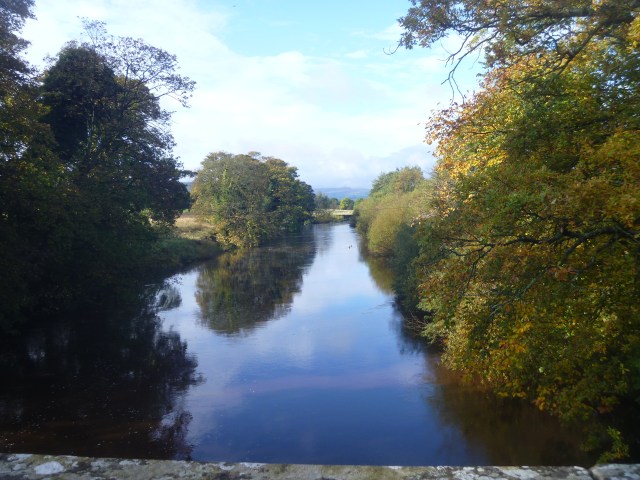
At Jervaulx we took the public footpath signposted To the Abbey but kept straight on through the park and fields of sheep to the lodge and gates at the far end. There we joined a small, quiet lane that crosses the River Ure (the river of Wensleydale) at Kilgram Bridge just after which we diverted from the lane to cross fields to arrive at Thornton Steward.

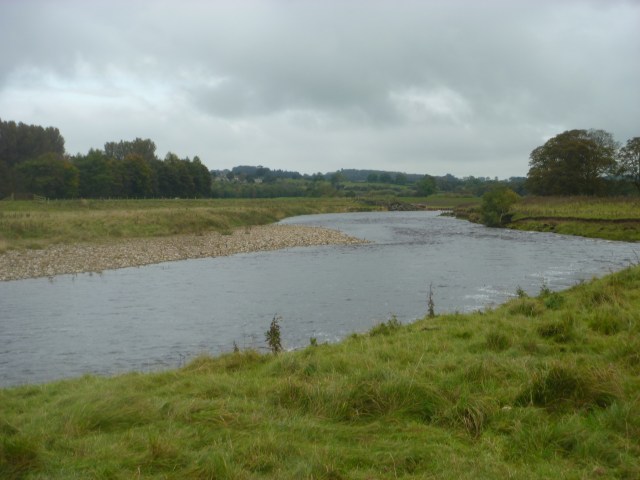
R Ure at kilgram bridge

River Ure at Kilgram Bridge

thornton steward

What a lovely and kind village Thornton Steward is! In August as we lunched on the village green the heavens opened and we rushed to the nearby bus shelter. There we found a bag of fresh damsons with the message – Please take these – free to good cooks – or words to that effect. We took them, shared them and left a message of thanks in the village noticeboard. There we read :

Notice

So we noted the Institute and the benches outside and decided that this was the perfect picnic place for the October walk.

TS Villag institute

Thornton Steward Village Institute

Teas inside

Please make your own teas

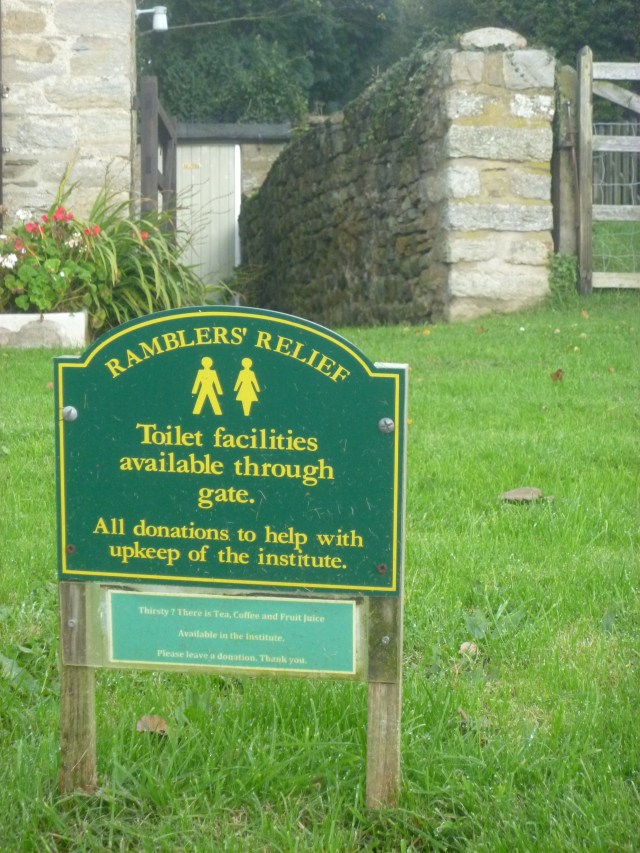
Ramblers Relief

The Ramblers’ Relief was also very welcome!

Sited around a small village green, the village enjoys a wonderful southerly aspect with views across the broad valley to Jervaulx Abbey, Ellingstring and Witton Fell. Sheltered from the north by the higher land towards Finghall, it is surrounded by fertile farmland including the interesting Manor Farm and Danby Hall.

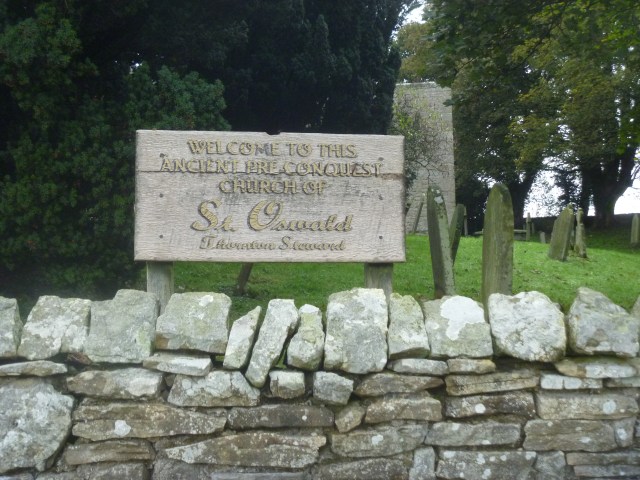
St Oswald's

The small ancient church is situated on lower land a quarter of a mile away, and centuries ago may have been in the centre of the original settlement. The recently discovered thirteen hundred year old graves to the west of the present church suggest ancient settlement in the area.

The church

The “neat, Gothic structure” dedicated to St. Oswald was part of the [Ripon] Diocese and in the patronage of the Bishop of Chester in 1823. The Reverend John Ewbank lived in the fine vicarage in the village, and between 1917 and 1953 the ministry of the blind Reverend Swayne was well known throughout the Ripon Diocese. This church is one of the oldest and most attractive in the country, abounding in history and interesting architecture. The surrounding area is preserved for wild plant and animal life and is a haven of peace and solitude.

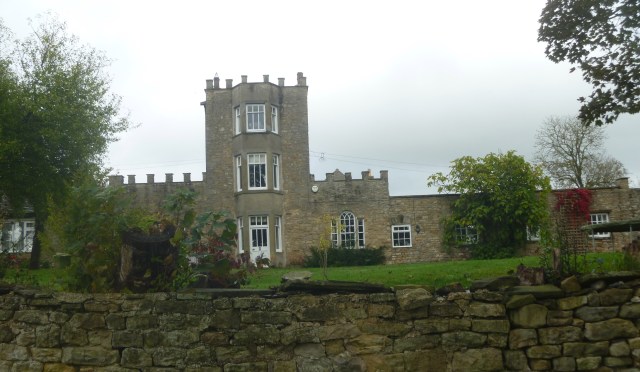
Fort Horn

Fort Horn

In 1815 the school was erected by Captain George Horn, Esquire, [builder of the folly, now a private dwelling, Fort Horn] when the population of the parish was two hundred and sixty five. He was the wealthy “gentleman” of the village and provided a neat School House for John Story the schoolmaster, and an endowment of ten shillings per annum for the education of the poor children of the parish.” [source]

Danby

Danby Hall

After make use of facilities and leaving our donations we headed west out of the village down the private track that leads to the ancient church and thence across the parkland of Danby Hall and out onto quiet lanes which eventually cross the River Ure again and soon after the River Cover (hence, the Cover Bridge). Bothe rivers join to become the Ure and we followed its banks for the final stretch back to Jervaulx Car Park.

River Ure near Cover Bridge

River Ure at The Cover Bridge

River near end of walk

River Ure near the end of our walk

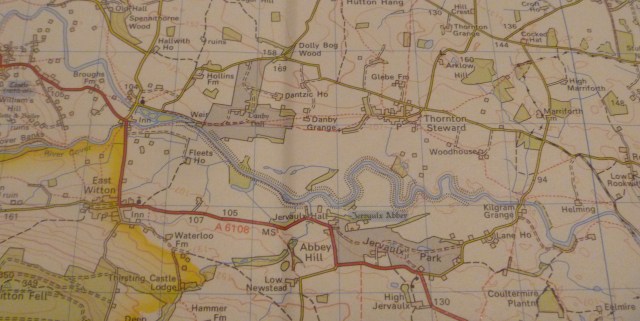
OS Sheet 99

OS Sheet 99

On our walk out we had ice creams at the nearby Brymor Dairy but the majority vote was to head to Masham and the Theakston’s Brewery Visitor Centre where we actually sat outside in the warm sunshine at the end of a most enjoyable and varied walk.
Stake Moss – A Dalesbus Ramble

SUNDAY 12TH OCTOBER 2014: STAKE MOSS
Take a brisk walk across the top of Wharfedale to follow the Roman road down into Wensleydale.
Start: Causeway Moss Road Junction 12.10
Finish: Bainbridge approx. 15.40
Distance/Grading: 7 miles / Moderate
TRAVEL: Outward: Bus 800 from Leeds (09.50), Horsforth (10.10), Guiseley (10.22), Ilkley (10.45) and Grassington (11.35).
Return: Bus 800 to Grassington, Ilkley and Leeds for onward connections.
Walk Leader: Jim

Just the job after a wedding on Friday and family party on Saturday! I just needed to get out and enjoy a brisk walk after all that high living.

Gilbert Lane

Gilbert Lane at the start of the walk

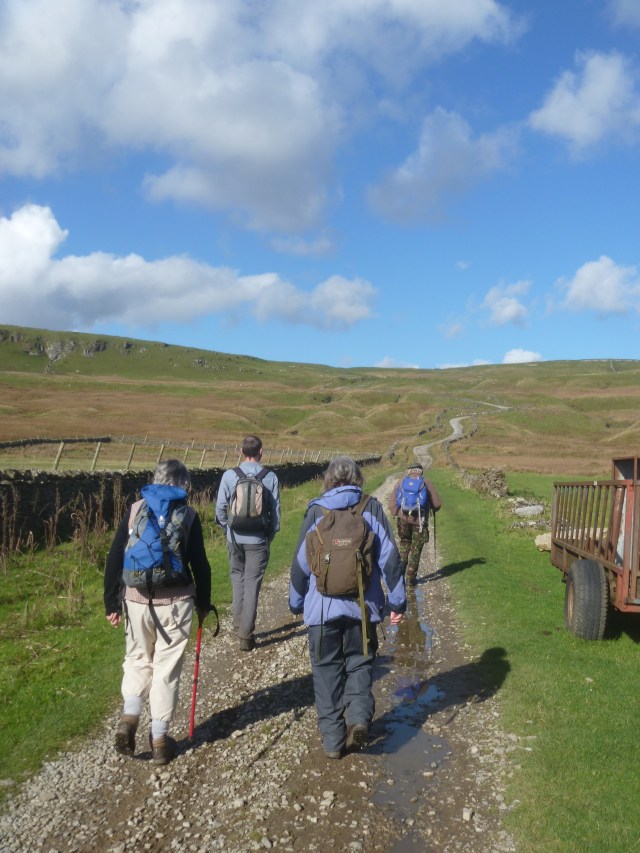
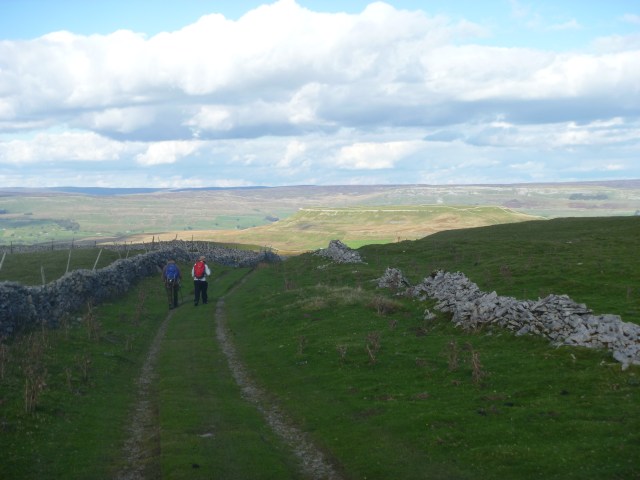
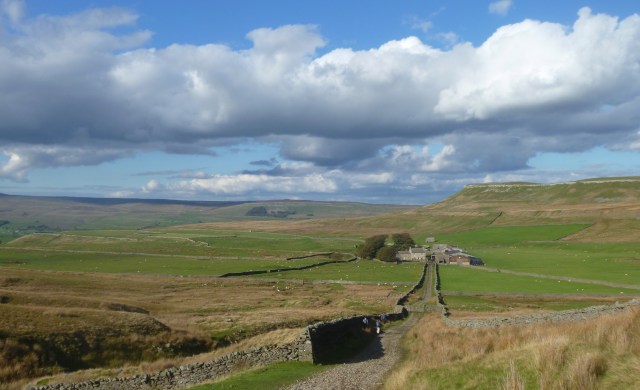
Eight of us got off the bus at Causeway Moss Road Junction not far from Buckden but the bus took the strain of the climb so we only had a bit of additional uphill on Gilbert Lane before we reached the summit of Stake Moss. Then we had a steady tramp along very clearly marked track to Busk Lane from where we were soon steadily descending along Carpley Green Road and into Bainbridge which is clearly still resting on its laurels after the early July successful hosting of the Grand Départ of the Tour de France.

Buckden Pike

Buckden Pike from Stake Moss

Typical view

Typical Yorkshire Dales View between Wharfedale and Wensleydale

Our track

Our Track on a lovely October Sunday

To Carpley Green

We leave the main byway and head towards Carpley Green

Sheep on a wall

Sheep on a Wall

Descending into Wensleydale

Descending into Wensleydale

Carpley Green and Addlebrough

Carpley Green Farm and Addlebrough Ridge

Semerwater

Semer Water

Askrigg

Askrigg in Wensleydale

Virosidum

Beyond the two stone walls are the earthworks of Virosidum (Roman Town)

Wensley Walling

Dry Stone Wall Wensleydale Style

Sheep

Baa Baa Black Sheep

Descending into Bainbridge

Descending into Bainbridge

Bainbridge Signs

Bainbridge Welcomed Le Tour

Sheep on penny farthing

TDF 2014

Rose and Crown Bainbridge

The Rose and Crown, Bainbridge – no time to visit as our bus was due!

Ampleforth Abbey Round

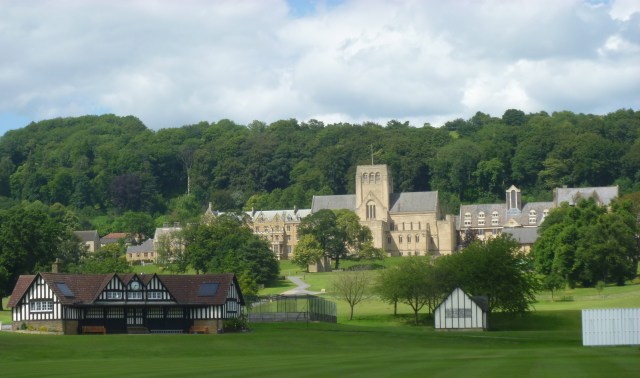
Abbey

“The monks of the Abbey of St Laurence live a life inspired by the Rule of St Benedict based in a beautiful valley in North Yorkshire. St Benedict emphasised the importance of community living as a context for the growth of the individual.” [website]

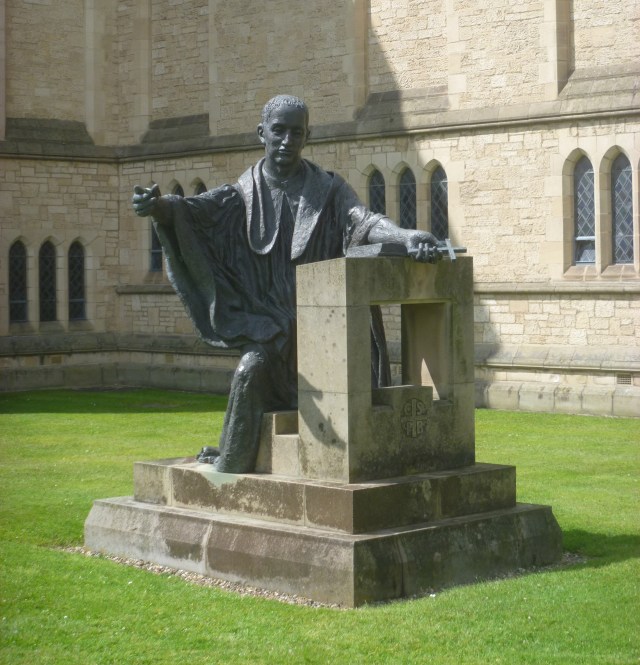
ST benedict

St Benedict Sculpture by Judy Brown

Ampleforth Abbey has been home to a community of Benedictine monks since 1802. It provides: a co-educational day and boarding school for ages 13 to 18; hosts retreats, pilgrimages and time for reflection; is home to St Martin’s a co-educational day and boarding school for ages 3 to 13; welcomes visitors wishing to spend the day there and provides refreshments in its Tea Room. St Alban’s Sports Centre provides excellent sport and recreation facilities and is open to the public and the Abbey produces and sells its own cider, beer, and other monastic produce and provides unique holiday lettings.

“The walk is approx 7 miles in N Yorks Moors Western Area with afternoon tea option at Ampleforth Abbey.”

That was the brief message about the Weekday Wanderers‘ Walk today.

Good Samaritans

The Good Samaritan by John Bunting

It’s nearly a year since I had my day out with friends visiting The Plot and I was reminded of this as we walked down from the car park through the Abbey grounds to begin our walk.

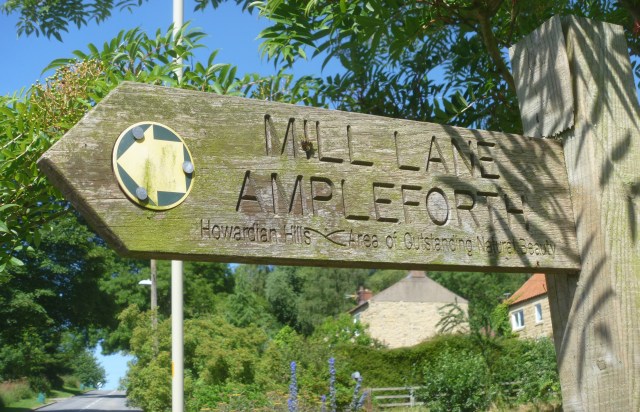
Mill Lane Sign

Walk this way


Abbey from field

 The Abbey from the Field Track

From here we headed along the lane and into Ampleforth village itself before heading south on field tracks to the wooded area surrounding the Lower Fish Pond.

Lower Fishpond

 The Lower Fish Pond

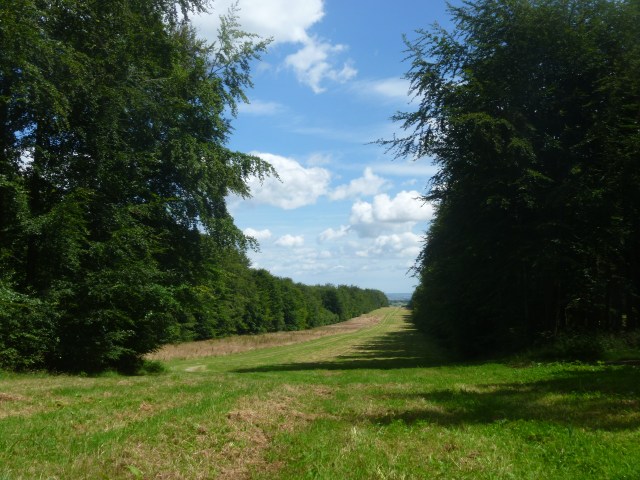
From here, through the woodland, we had a steepish climb up, up, up to a track along the ridge which eventually opened out into ‘The Avenue’ a broad avenue with woods on either side which was the approach at one time to Gilling Castle.  Lunchtime!

The Avenue

The Avenue

Ampleforth College Golf Club occupies the grounds of the Castle and our route took us around these immaculately kept greens eventually dropping down into the village of Gilling East.

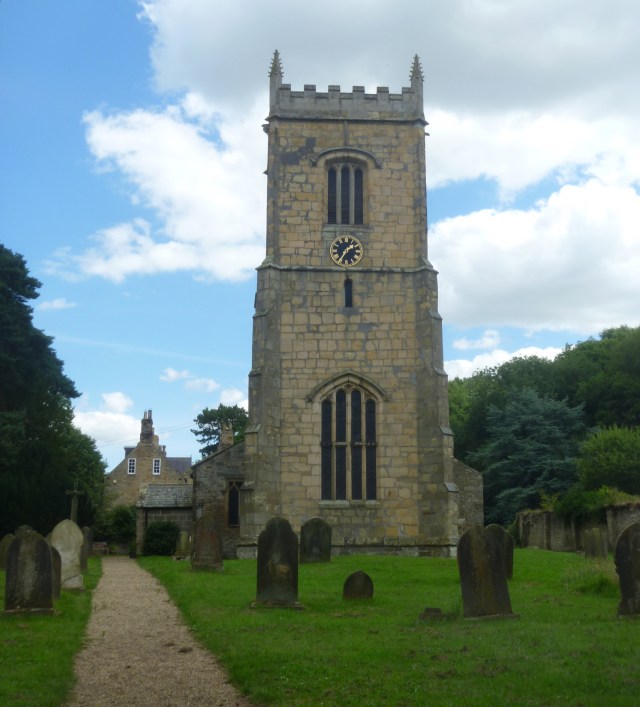
Gilling Church

 Holy Cross Church, Gilling East

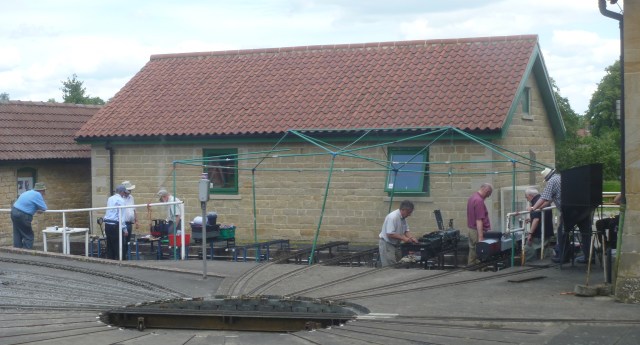
We had the opportunity to look round the Holy Cross Church before moving through the village and past the HQ of the Ryedale Society of Model Engineers where members were hard at work.

Boys Toys

Boys and their Toys

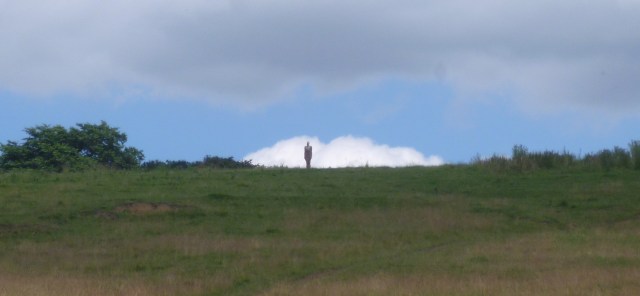
Passing over rough meadow land we arrived at a wheat field which we waded through following a very narrow public footpath. A sculpture of a man by Anthony Gormley (old boy of Ampleforth College) overlooks the local countryside here.

Gormley

Gormley Man

We were soon back in the College grounds and a tarmac track lead back up to the main buildings and the very welcome Tea Room.

Tea Room

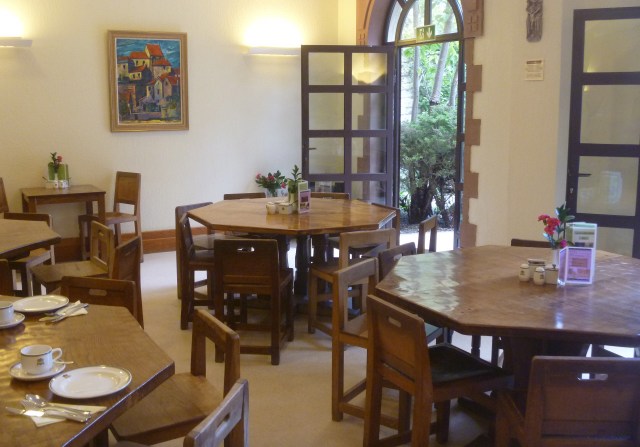
Tea Room with local Mouseman furniture

Tea

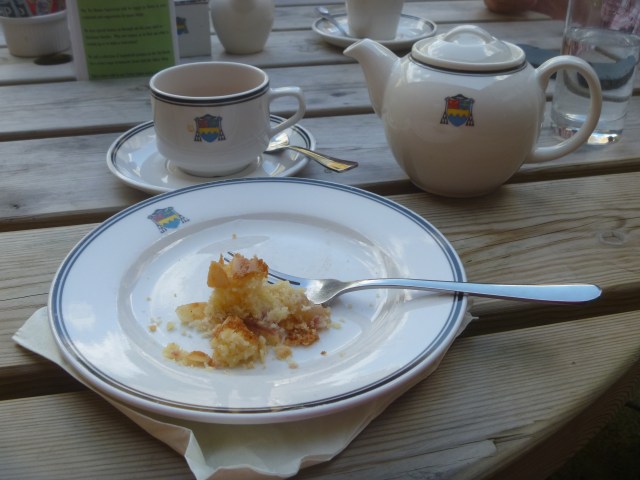
Pear and Almond Cake nearly finished after a lovely day’s walk and visit

Malhamdale Hills and Hawks

It’s probably a few years since I was last up in Malhamdale so yesterday I was happy to join another Dalesbus Ramblers ramble there. The forecast was for showers but luckily not a drop fell.

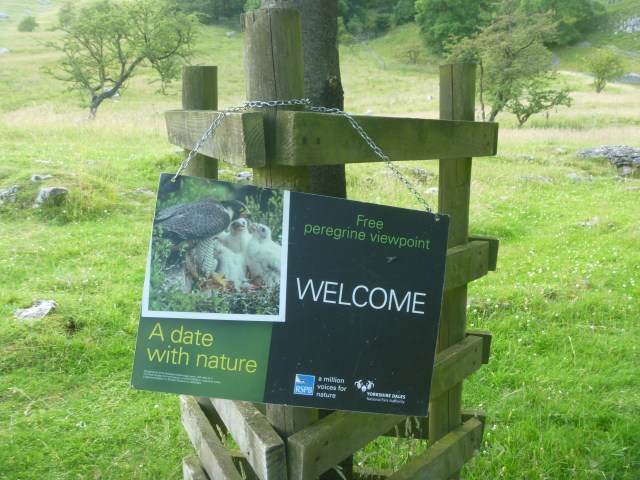
RSPB sign

“Walk through Malhamdale’s finest limestone areas and maybe see its resident peregrine falcons.”

Start: Kirkby Malham 11.20
Finish: Malham approx. 15.30
Distance/Grading: 7 miles / Moderate
TRAVEL: Outward: Bus 875 from York (09.00), Knaresborough (09.40), Harrogate (09.55) and Skipton bus station (10.45).
Return: Bus 875 to Skipton, Harrogate and York for onward connections.

I joined the 875 bus at Harrogate Bus Station at 9.55 with my Metro Bus Pass and enjoyed the journey to Kirkby Malham thankful that I was not driving along the narrow twisting lane between Gargrave and Kirkby Malham myself.

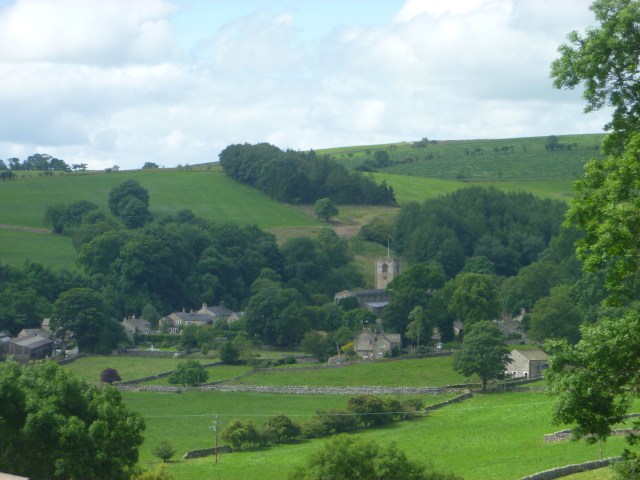
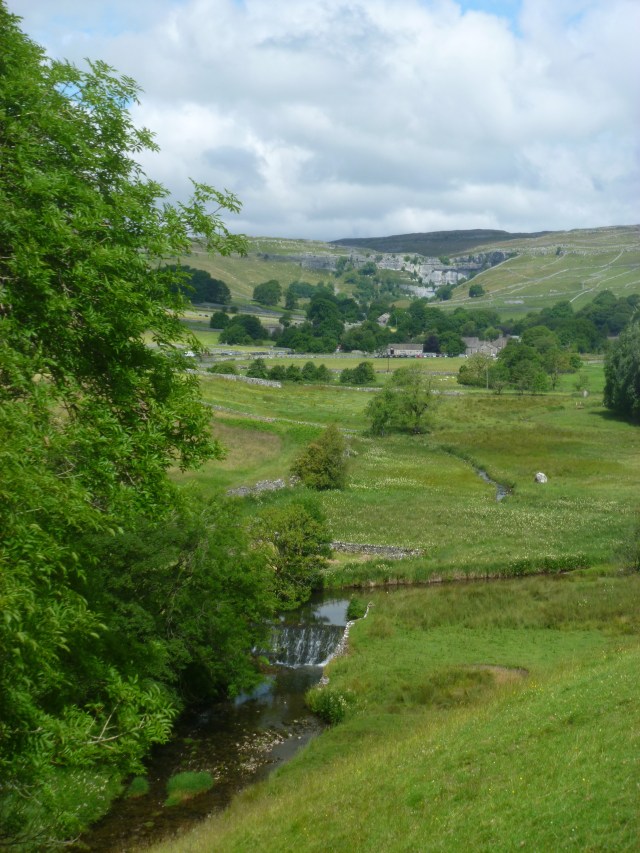
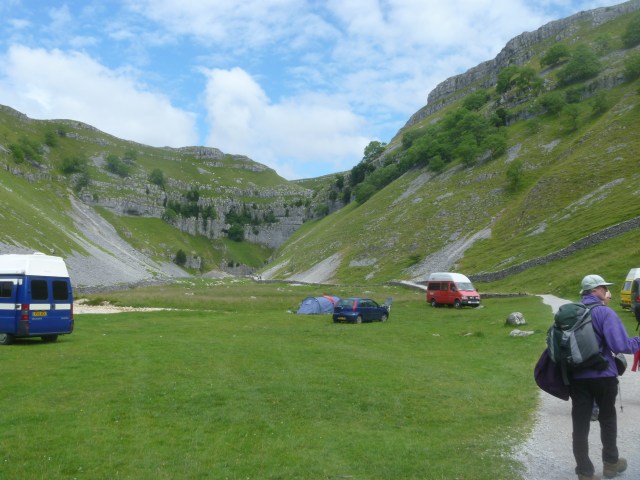
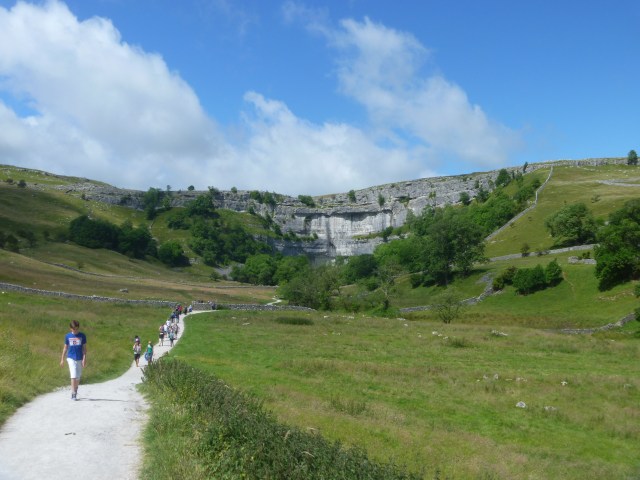
Six of us set off from Kirkby Malham up, up, up through the hamlet of Hanlith joining the Pennine Way from where we gained wonderful views back to Kirkby Malham and ahead to Malham Cove.

Kirby Malham

Looking back to Kirkby Malham

Malham Cove from PW

Malham Cove and River Aire from the Pennine Way

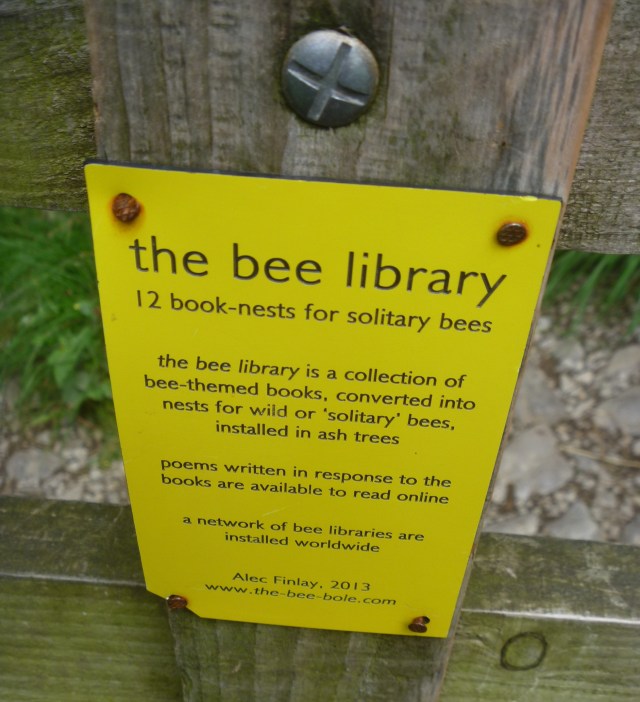
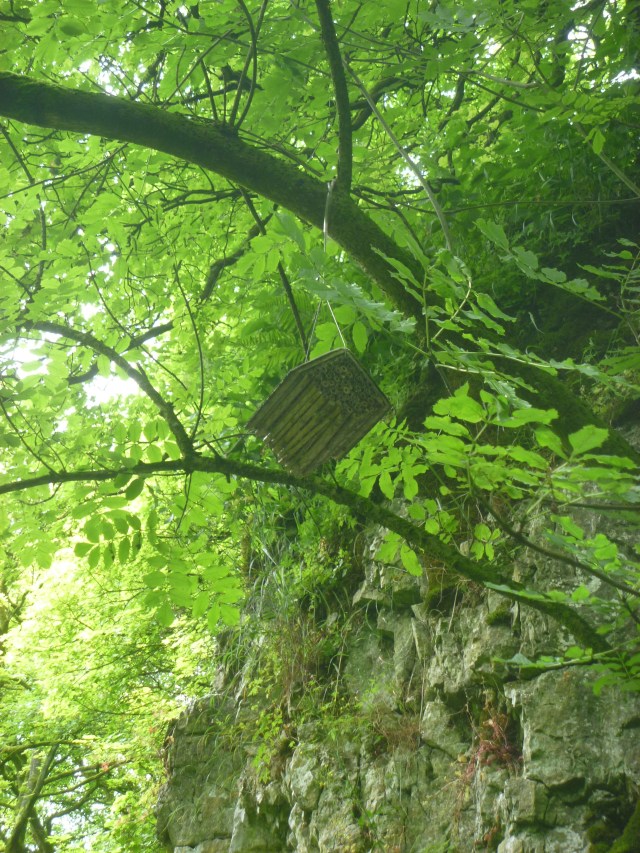
We left The Pennine Way as it headed directly to the village of Malham and joined a popular footpath to Janet’s Foss. On entering the National Trust woodland area within which is the waterfall I noticed a sign telling about the Bee Library. I have seen one of these before at The Yorkshire Sculpture Park so knew what to look out for in the trees.

Bee Library


Malham Bee Library

A Malhamdale Bee Library

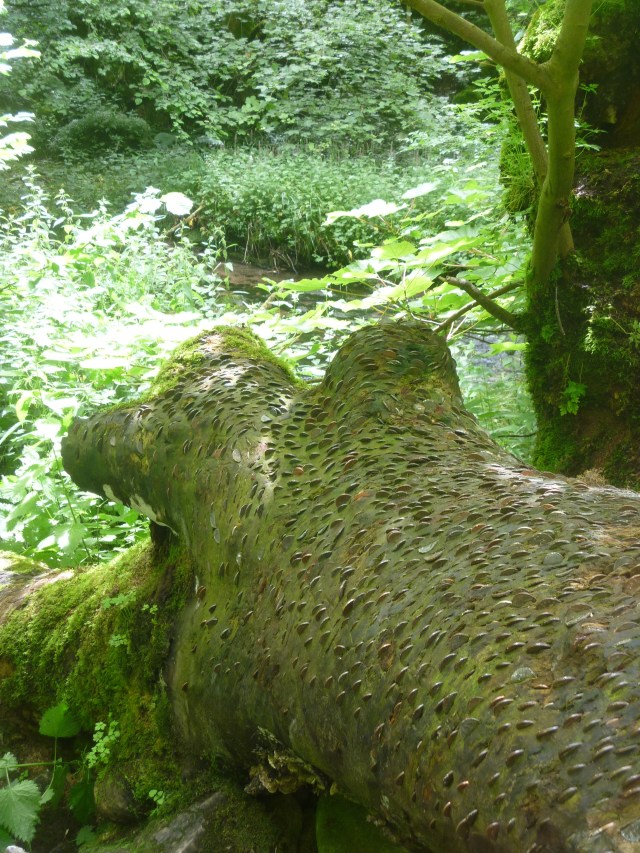
We also saw the Coin Tree.

Money tree

People have hammered copper coins into this dead tree trunk near Janet’s Foss waterfall for good luck for many years, and if you look closely you may find some very old pennies. This should never be done on a living tree as the coins will poison it. In Yorkshire we look after our pennies (because ‘the pounds then look after themselves’) so perhaps there is something to this tale! ”

Janet's Foss

Janet’s Foss

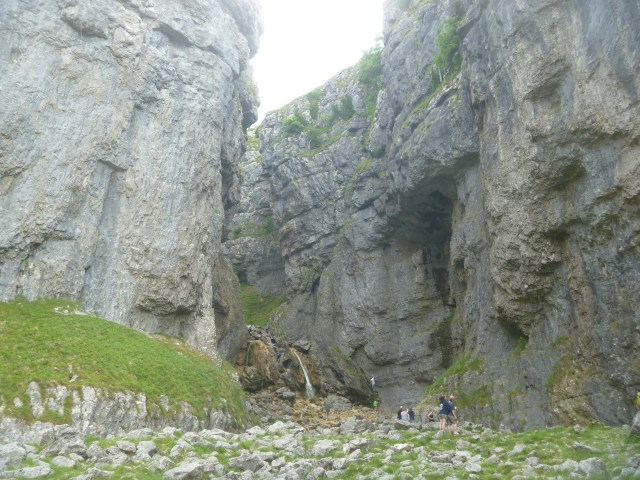
The Foss was crowded with visitors and there were even some brave (or foolish?) swimmers in the pool under the waterfall. Nevertheless we ate our lunch watching the world go by and then crossed the nearby lane and headed for Gordale Scar.

Approaching Gore Dale Scar

Approaching Gordale Scar

Goredale scar

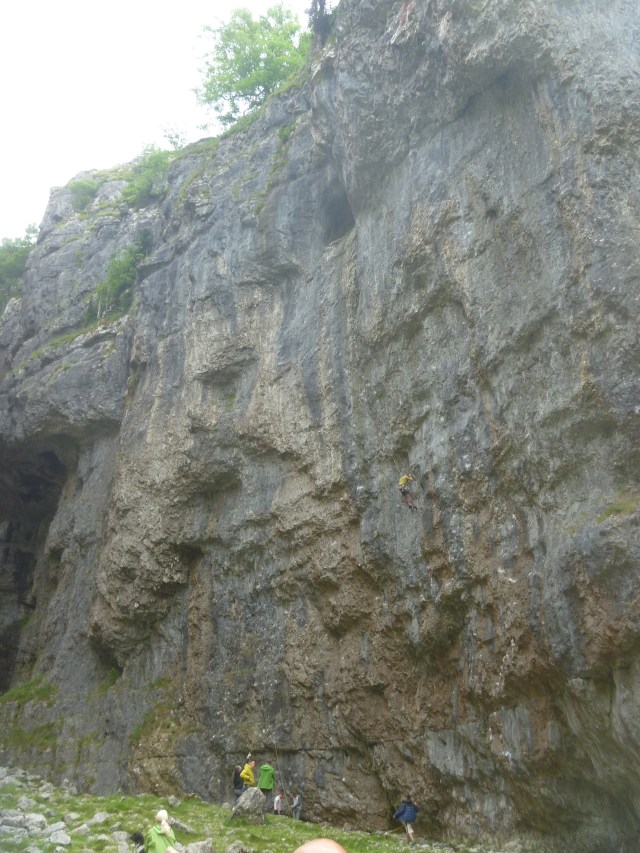
Climbers were out on the rocks and on the cliff face and the bird spotters amongst us pointed out just one Peregrine Falcon circling in the sky above the Scar.

Climber

Climber at Gordale Scar

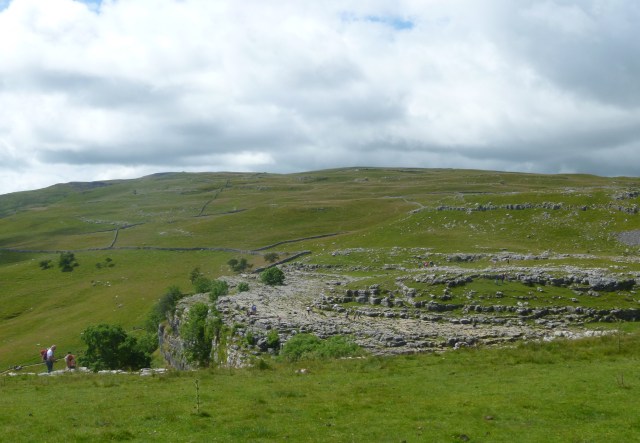
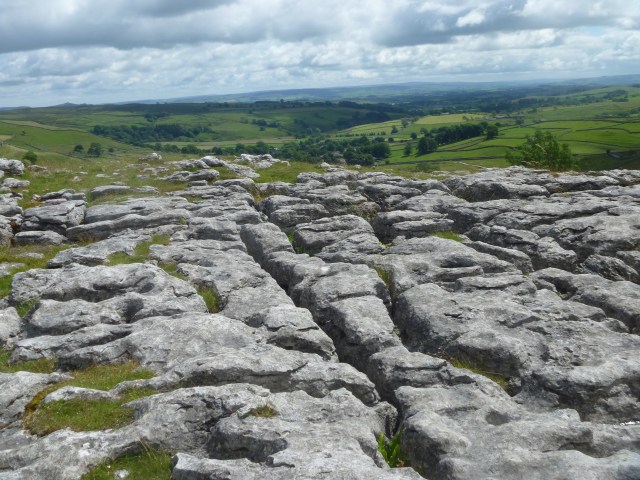
Retracing our steps to the lane we then climbed up to the plateau above Malham Cove where we crossed the clints and grykes of the Limestone Pavement. The clints are the blocks of limestone and the grykes are the gaps in between.

Limestone Pavement

Approaching the Limestone Pavement Above Malham Cove

Clints and Grikes

Limestone Pavement – Clints and Grykes

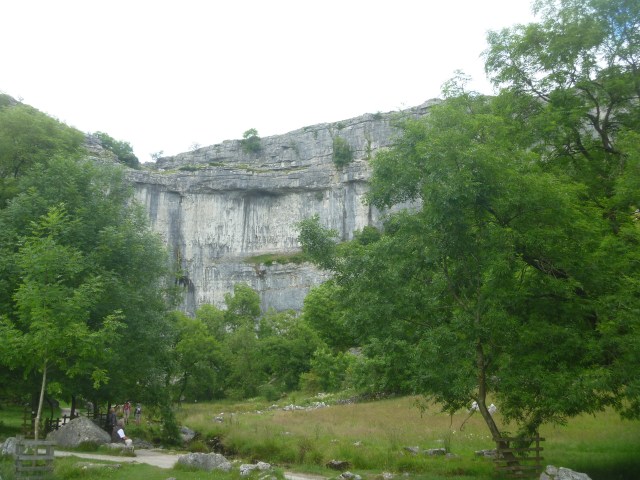
There are nearly 400 steps to tackle to get down to the bottom of the Cove and the steps were busy with folk going up and down. Apparently Malham Cove features in the film Harry Potter and the Deathly Hallows. Potter is seen camping at Malham Cove and scenes were filmed all around Malham including the Cove, the limestone pavement, Malham Tarn and Gordale Scar. Hence the large numbers of visitors.

Malham Cove

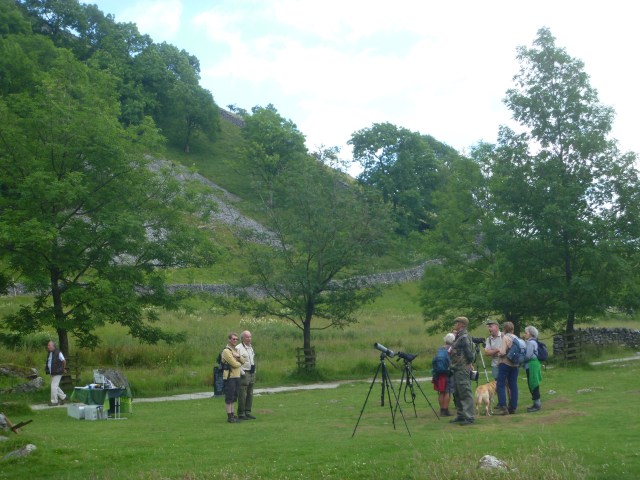
When you get to the valley bottom the RSPB have set up their Malham Peregrine Watch complete with information table, binoculars on tripods and staff and volunteers ready to answer questions and tell about the project. We spent about twenty minutes looking and listening but no peregrines were prepared to perform for us at the Cove that afternoon.

View here


Peregrine Searching

Peregrine Watch

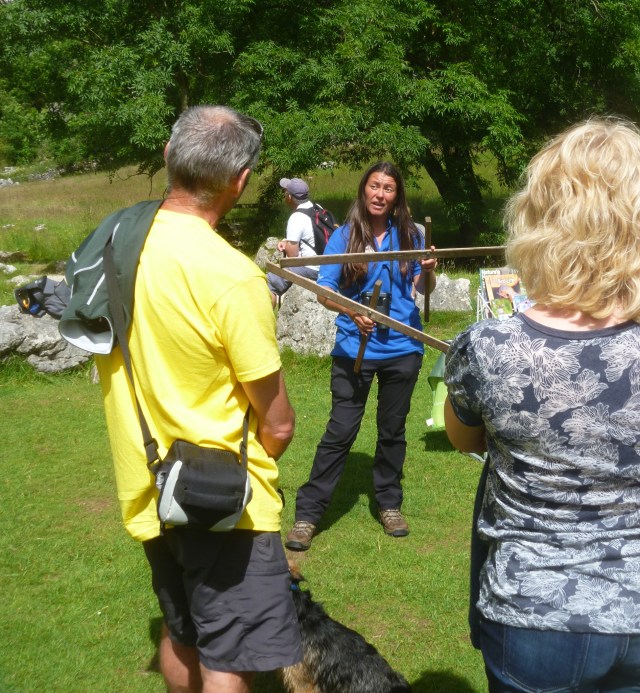
Demonstration

Sue, the RSPB officer, shows us the approximate sizes of male and female peregrines (male is smaller)

Finally we rejoined the Pennine Way, this time heading south, into the village of Malham where I enjoyed a welcome pot of tea and slice of Yorkshire curd tart before joining the bus back to Harrogate and thence home.

Leaving Malham Cove

Leaving Malham Cove with the Crowds

Malham signpost

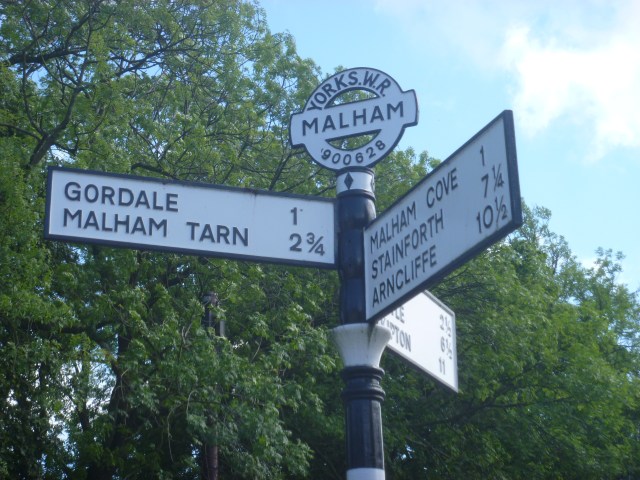
Interesting to be reminded that Malham (now in North Yorkshire) was once in the West Riding of Yorkshire


Only in England : Photographs by Tony Ray-Jones and Martin Parr

Intro Poster

Later this month I’ll be assisting Dovegreyreader (alias Lynne) at the Port Eliot Festival in Cornwall. Any posts I may do about events may be on here or maybe over at Lynne’s blog.

M Parr 1976

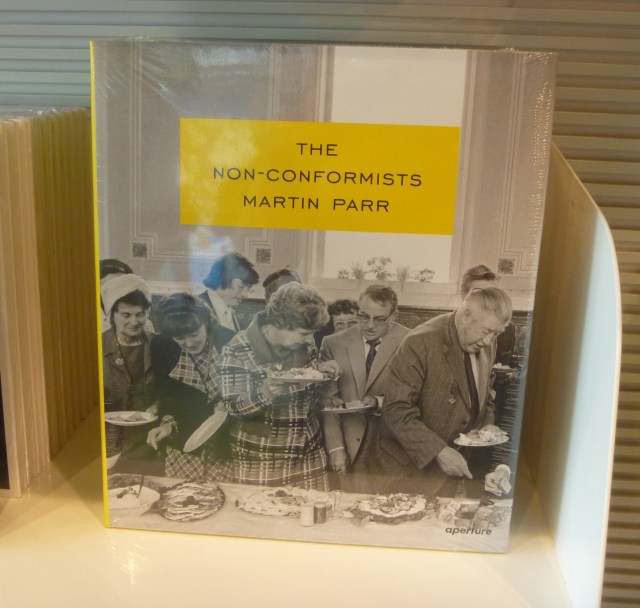
One of Lynne’s guests will be the photographer Martin Parr. For many years I have been intrigued by Parr’s photos. We had lots of his titles in my library so I would often have a look and wonder to myself – Is this a put up job? Or are the subjects unaware that they are having their picture taken?

MP book

Parr Book

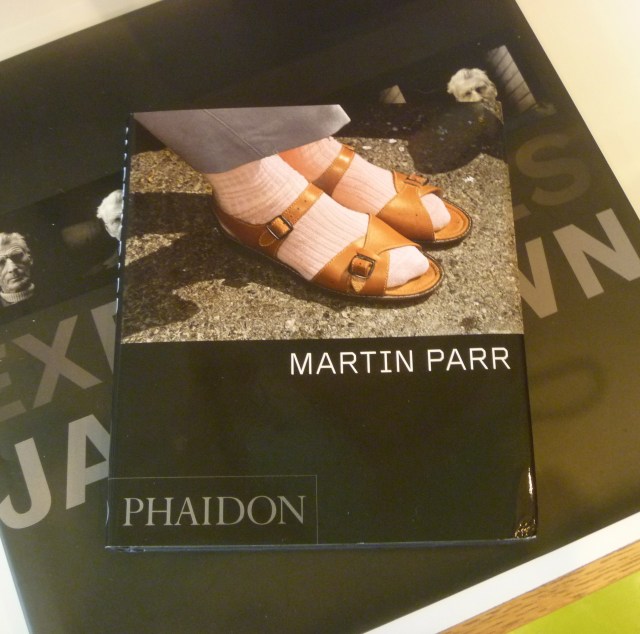
 A Couple of Parr’s books in the Museum Shop : sandals are the theme of the day

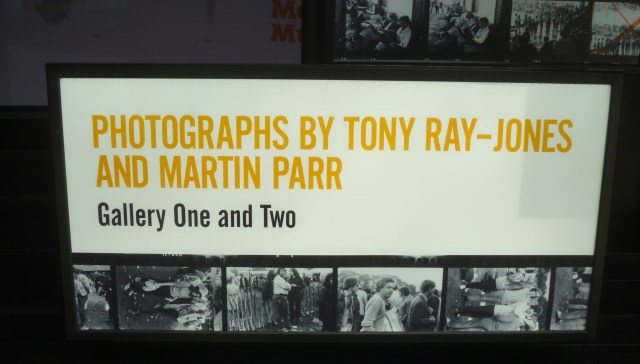
Until Lynne gave me the nod I was unaware that Parr was involved in an exhibition locally: Only in England : Photographs by Tony Ray-Jones and Martin Parr. It was showing at the National Media Museum in Bradford until the end of June. Bradford is but a few miles away so the other Saturday afternoon I took a trip over there to see what the exhibition was all about.

I found that the two galleries of the exhibition were complementary to each other exploring the relationships between Tony Ray-Jones (1941-72) and Martin Parr (b.1952). Parr was invited by the Curator of Photographs, Greg Hobson, to study the Ray-Jones archive (acquired by the Museum in 1993) and help bring together a collection for display alongside early work of Parr’s centred on the local Calder Valley between 1975 and 1979 when he himself lived in Hebden Bridge. “The Non-Conformists” was his first major body of work.

Non-Con Book

Ray-Jones spent the latter half of the 1960s travelling around England photographing what he thought of as fast-disappearing way of life. He also spent half a year travelling in the USA but sadly Tony Ray-Jones died in 1972, aged 30, of leukaemia.

“Ray-Jones was interested in the eccentricities of human behaviour, which for him embodied the English personality. He approached his project like an anthropologist, thoroughly researching his methods, locations and subjects. The resulting photographs are remarkable. Characterised by wry humour, they are nonetheless full of melancholy and lament the disappearing cultures that influenced Ray-Jones’s own emotional and artistic development. The England that Ray-Jones photographed is very different to the England of today.” [Information board at the exhibition]

“Ray-Jones’s photographs of the English seaside were a powerful influence on Martin Parr. He was fascinated by Ray-Jones’s ability to see the quirky and absurd in the everyday.” [Information board at the exhibition]

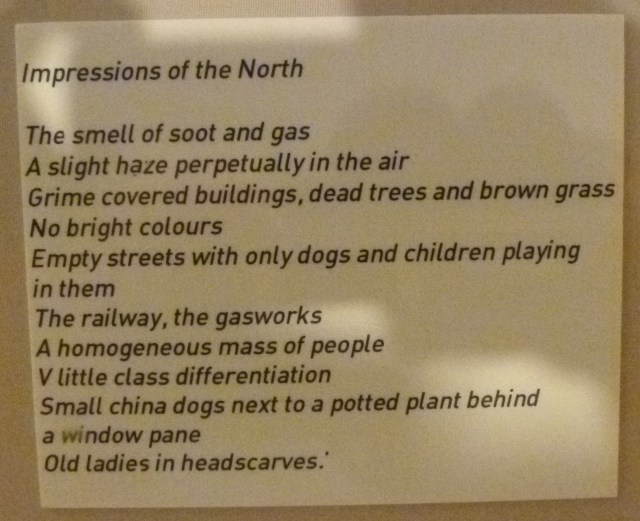
Impressions of north

Impressions of the north

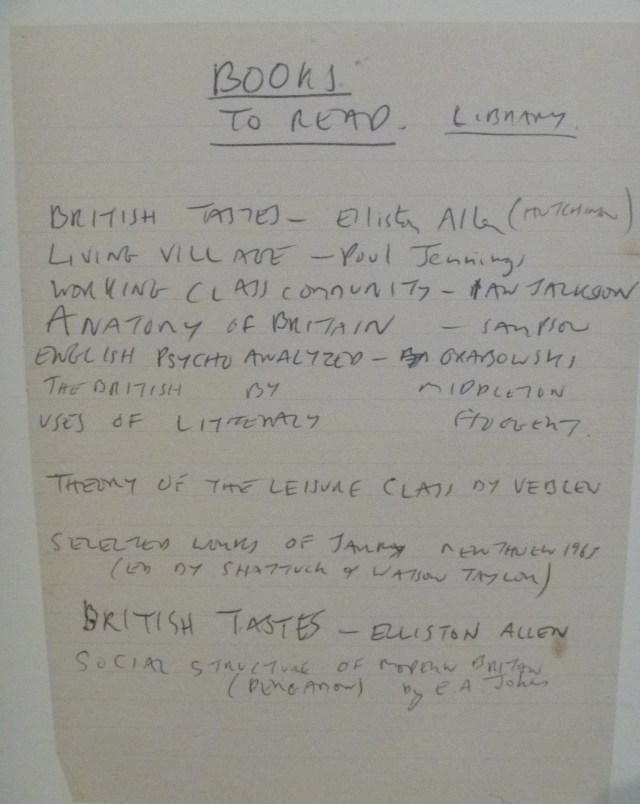
I liked reading his notebooks and inspecting other memorabilia on display.

R-J's notes

Ray-Jones’s notes

Books to read

Books to Read

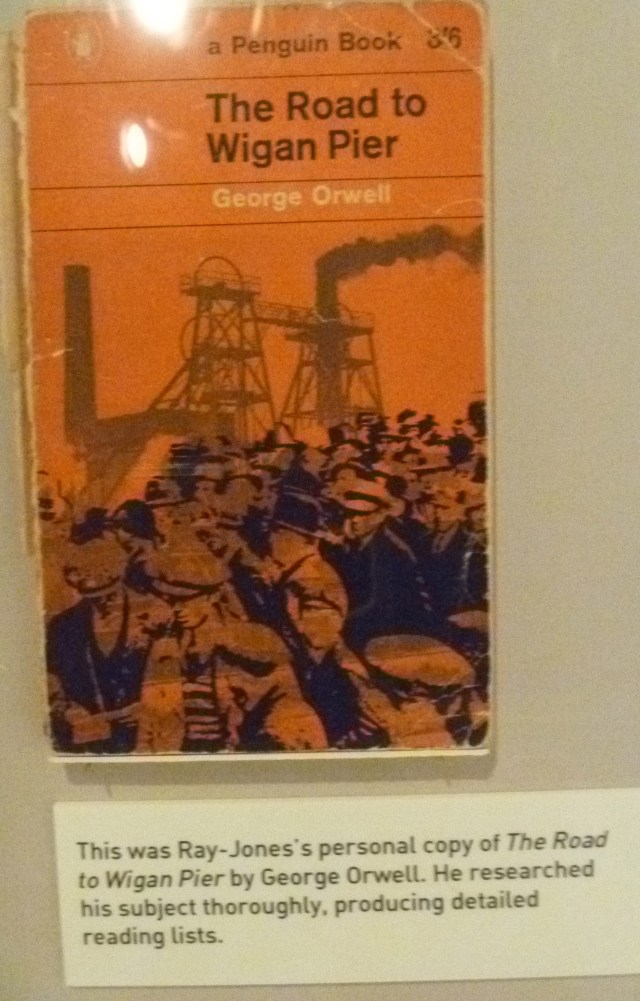
Road to Wigan Pier

His well-thumbed The Road to Wigan Pier

Martin Parr’s selection were based on his collection The Non-Conformists taken in Hebden Bridge and the surrounding area in 1975 when he and his wife moved to live in the town. He focussed on the chapels and their declining congregations and the changing way of life. Being in black-and-white, like Ray-Jones’s, this gives his pictures an old-fashioned, dated, sad, shabby and gloomy feel. It’s grim up north, you know.

I’ve just chosen two photographs – one from Parr and one from Ray-Jones – that both made me smile.

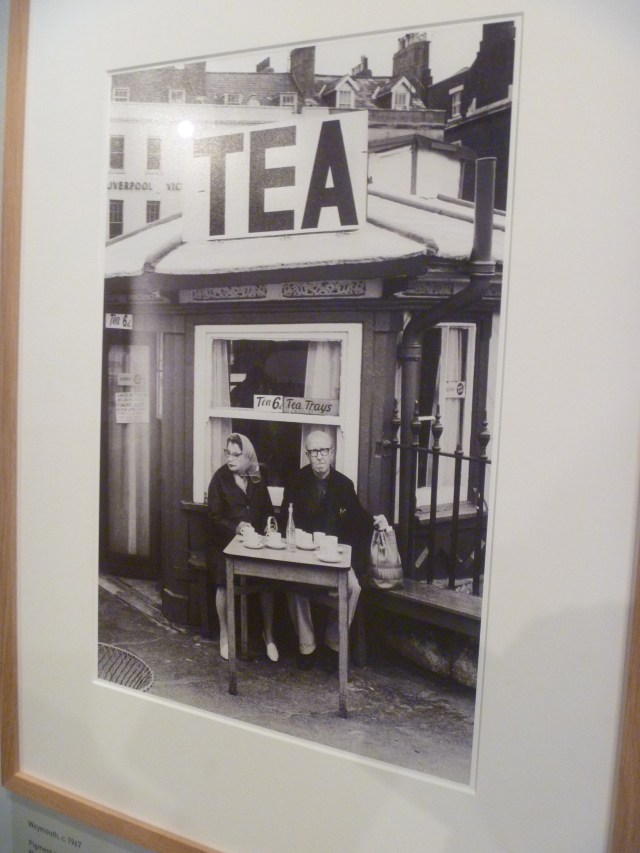
Tea

Love this Ray-Jones Tea Scene taken at Weymouth in 1967

Last Cuppa

 And I call this one The Last Cuppa (Parr)

A fellow WordPress blogger took much better notes and has written more extensively about the exhibition here.

Allez, Leeds! Allez, Yorkshire! Turning Yorkshire Yellow – Le Grand Départ

At last the weekend of the Tour de France is almost here. It’s the time of year when I’m out and about and behind with my posts (which is true – I was at Compton Verney three weeks ago and since then down in Norfolk and Suffolk). However, this weekend I’m very much staying put. Hopefully I’ll be able to get closer to bringing my posts up to date before my next expedition.

grand-depart-route-map2

Map of the UK Tour de France [source]

The first leg of the famous cycle race – Le Tour de France – is coming to Yorkshire this weekend. I’m not at all interested so am definitely staying put. That isn’t to say that I’m against it being held here – in fact, quite the contrary. I think it’s great for the country, the county and the millions who will enjoy it. I do hope the sun shines (right now it’s raining) and everyone has a great time and enjoys the festivities laid on. With roads closed and transport crowded or disrupted I’m just going to stay at home in the Boudoir.

Allez, allez Leeds

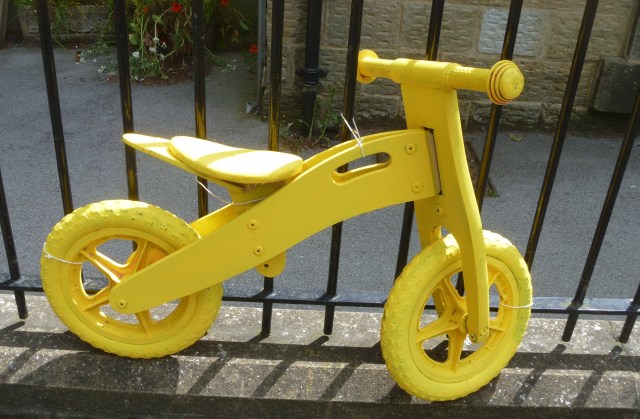
As I have driven around the local area and further afield in the Dales I’ve noticed everywhere along the route and nearby old bikes – big and small – penny farthings and trikes – all sprayed yellow. It’s hard to stop at each one when you’re driving so the other Saturday on my way back from a little shopping at Bettys at Harlow Carr I drew up in Pool and took a few snaps.

Window Bettys HC

 Tour de France window, Bettys Harlow Carr

Pool in Wharfedale is near the beginning of the route just after the official start at Harewood House where the cyclists will be waved off by big crowds including their Royal Highnesses The Duke and Duchess of Cambridge. I wonder whether they’ll wave them off on the 3rd leg from Cambridge to London?

Yellow bike

Yellow kiddies bike, Beckwithshaw Primary School

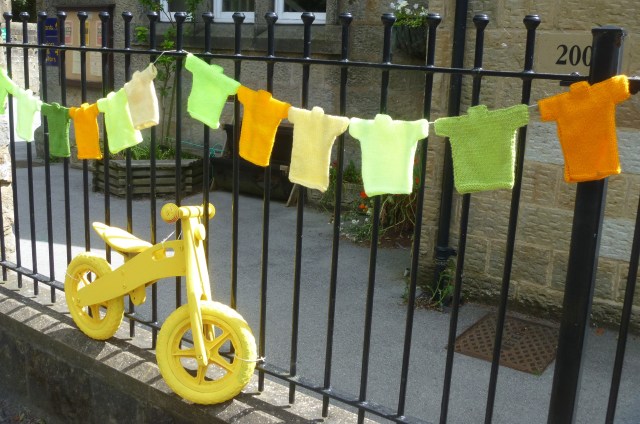
School jerseys and bike

The ‘yellow’ jerseys and bike, Beckwithshaw

Welcome to Pool

Welcome to Pool-in-Wharfedale banner

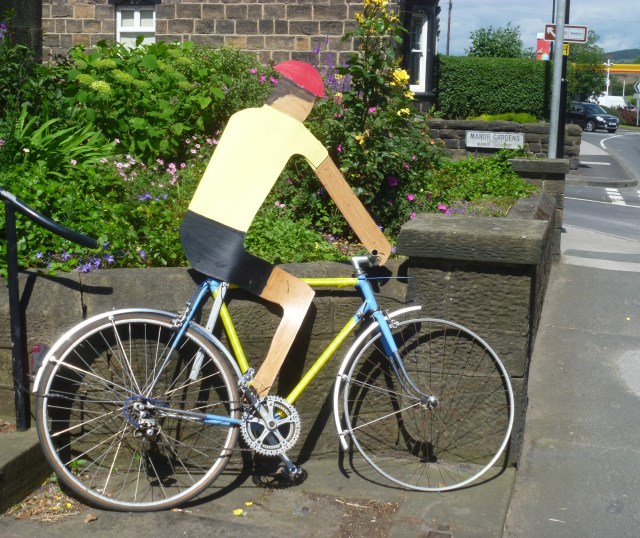
Pool bike

Bike and cyclist

Yellow bike Pool

Yellow Bikes in Pool

Good Luck and Bon Chance to all riders!


English Eccentricity Lives On at Renishaw Hall

On Thursday I returned from a two-day Art Fund Expedition to Compton Verney and Stratford. I never need asking twice to go to Stratford to see world class Shakespeare being performed live before my very eyes. I have made several visits over the years. So, when a flyer arrived advertising the expedition to Stratford and to include a tour of Renishaw Hall (generally very limited access) and visit to Compton Verney House in Warwickshire I was ready to sign up and go.

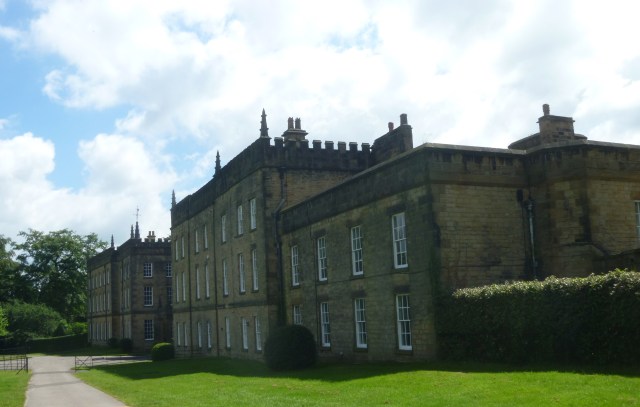
Renishaw

Our band of 25 set of from Leeds at 9.30 on Wednesday arriving at Renishaw about 10.45. Our visit began with tea (or coffee) in the Gallery Cafe followed by a personal tour of the house.

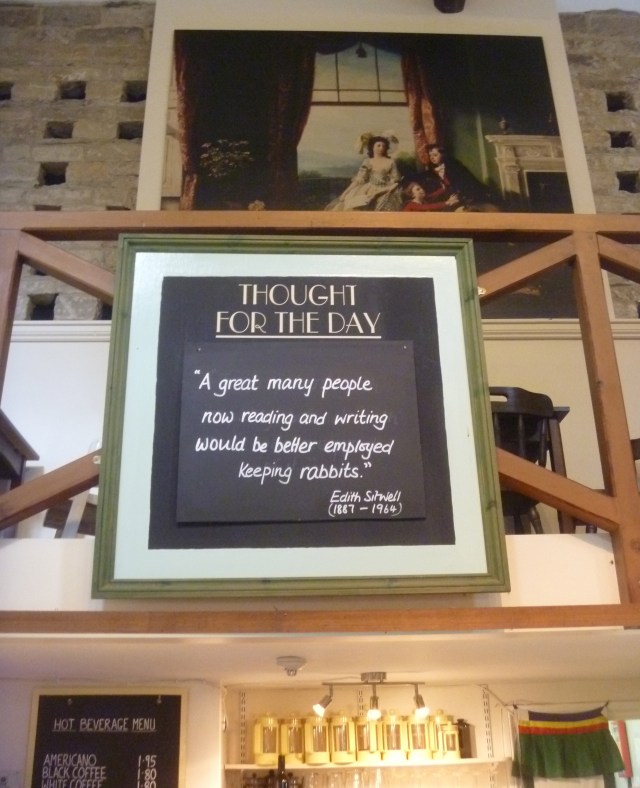
Thought for the day

Thought for the Day in the Courtyard Cafe

After a brief introduction outside we ventured inside to see the fabulous interior. Definitely the former home of eccentrics and eclectic collectors. It is a Sitwell descendant’s home. Here’s a potted introduction to the famous Sitwell siblings from the Renishaw Hall website :

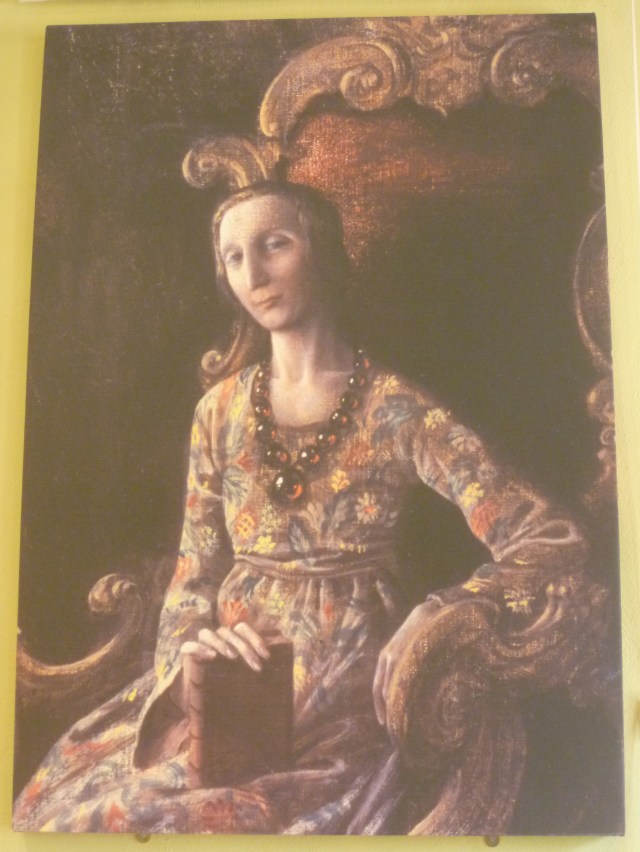
Edith oversees luncheon

Edith Sitwell overlooked our luncheon. The throne is still to be seen in the ballroom.

The Sitwells

The current owner of Renishaw is Alexandra Sitwell, daughter of the late Sir Reresby and Lady Sitwell. Her extraordinary family have lived at Renishaw for nearly 400 years.

The Sitwells have always been avid collectors and patrons of the arts and the history of the family is filled with writers, innovators and eccentrics.

Perhaps the most famed of the Sitwells were the prolific writers Edith, Osbert and Sacheverell:

Dame Edith Sitwell (1887 – 1964) was a grandly eccentric poet and novelist, described by one observer as “an altar on the move.” Perhaps better known for her poetry, two of her most important works were the books English Eccentrics and Fanfare for Elizabeth

Sir Osbert Sitwell (1892-1969) wrote prose, poetry and also many short stories and novels, including Before the Bombardment (1926). He is probably best known for his five volume autobiography Left Hand Right Hand

Sir Sacheverell Sitwell (1897-1988) was well known for his work on art, architecture, ballet and travel and arguably his greatest book was Southern Baroque Art which secured him a reputation as author and art historian.”

But they were by no means the only family members to have influenced the Hall over the centuries.

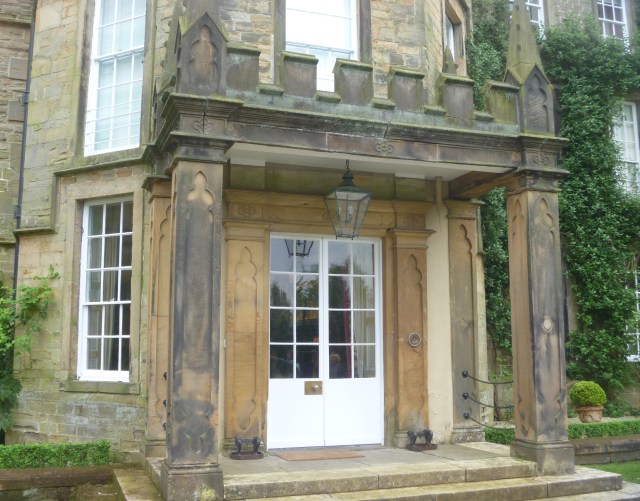
Main Entrance

The Main Entrance of the original house still used as such today

The house was built in 1625 by George Sitwell (1601–67). The Sitwell fortune was made between the 17th and 20th centuries from iron nails, coal, land and through marriage.

Between 1793 and 1808 Joseph Badger of Sheffield made additions and alterations to the original and in 1908 Sir Edwin Lutyens made some changes; about some of which our guide was rather scathing. Lutyens was a good friend of Sir George Sitwell and forty of his notebooks were found in the attics. But he apparently did very little – Christine pointed out the black pillars, the garden doors and the ceiling of the Old Billiard Room plus the recycling of piano keys as surrounds for tapestries in the ballroom.

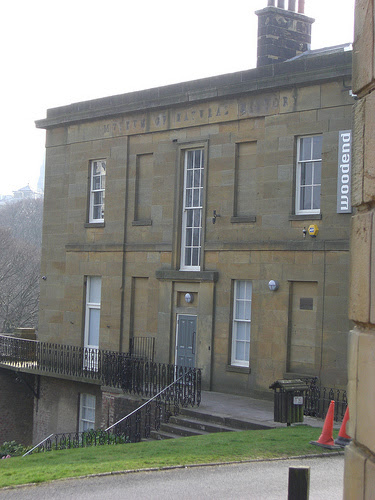
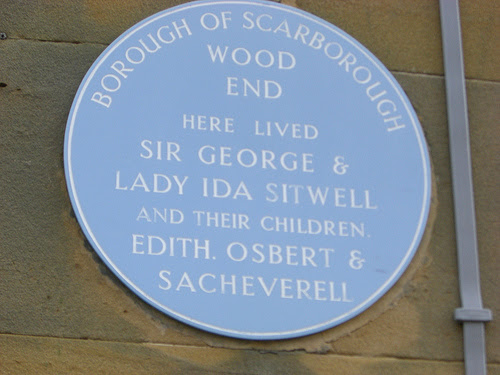
Sir George Sitwell (1860-1943) who had succeeded to the baronetcy in 1862  was responsible for laying out the stunning Italianate gardens in the late 19th Century. For many years he lived in Scarborough where he was the town’s MP. A Blue Plaque at Woodend his home in Scarborough now  commemorates his children Edith, Osbert and Sacheverell. He bought a castle in Tuscany and assembled the largest private collection of John Piper’s paintings.

Woodend

Woodend, Scarborough

Blue Plaque Scarboro

Blue Plaque at Woodend commemorating the famous Sitwell siblings

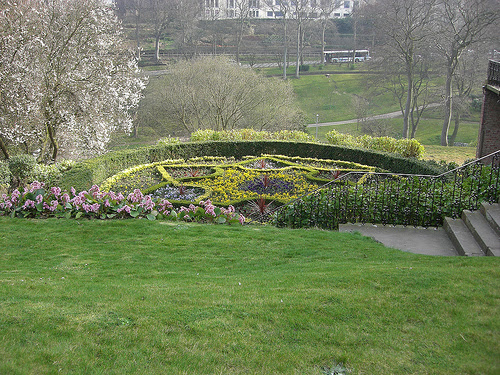
Woodend garden

The Woodend Garden in March 2009

Besides the Pipers there was a host of other paintings including a Sir John Singer Sargent of Sir George Sitwell Lady Ida Sitwell and Family. 

[wallcoo]_Sargent_John_Singer_Sir_George_Sitwell_Lady_Ida_Sitwell_and_Family

Here is Ida in a gown by … Madam Clapham of Hull

The library was somewhere I could have stayed for the rest of the day – comfy sofas and chairs and with a beautiful view of the gardens; plus walls of books including lots of first half of the 20th century volumes. There are 30,000 books in the house altogether. What’s wrong with that? I say.

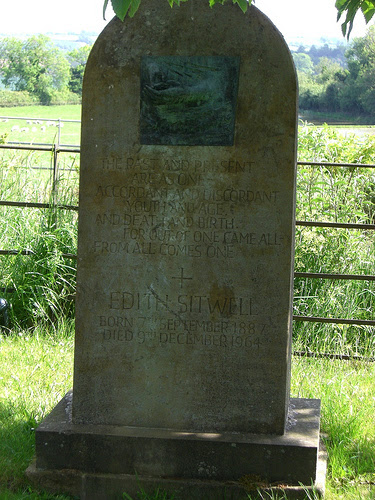
Several years ago whilst staying in Northamptonshire I visited the church and graveyard at Weedon Lois where Edith and her brother Sacheverell are buried. Interestingly, her gravestone is the work of Henry Moore. Weston Hall nearby was another family home of the Sitwells.

Weedon Lois

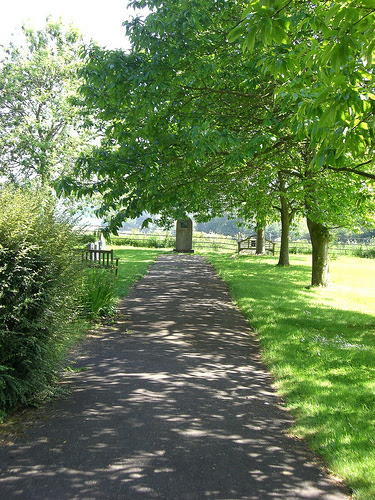
The ‘new’ churchyard at Weedon Lois in June 2009

Headstone by Henry Moore

Edith Sitwell Headstone by Henry Moore

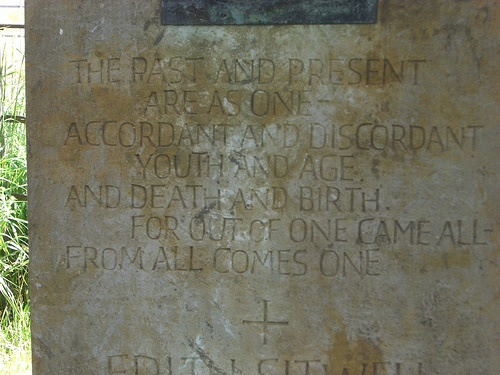
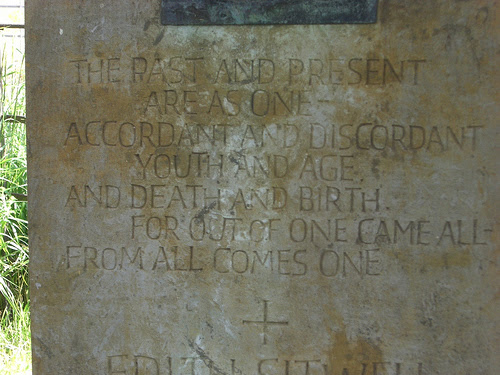
Sitwell wording


Sitwell wording

I have always suspected that the editor of the Waitrose Kitchen free magazine William Sitwell is a member of that illustrious and eccentric family … and indeed he is cousin of the present owner of Renishaw, Alexandra Sitwell.

This year is the 50th anniversary of the death of Dame Edith Sitwell and I see from the website of the Sitwell Society that some interesting events are planned to coincide with this including :

1st November 2014, Edith Sitwell (1887-1964) Remembered by Chris Beevers, archivist at Renishaw Hall, Derbyshire, the present day home of Lady Alexandra Sitwell (Edith Sitwell’s great-niece).
‘Edith Sitwell Remembered (1887-1964)’ commemorates the fiftieth anniversary of her death by looking back over the public and private lives of this extraordinary woman. She was not only a key 20th century literary figure but also a much loved sister, aunt and great aunt to the Sitwell family. Using material from Alexandra Sitwell’s family archive, along with published biographical information, Chris Beevers will present the life of Edith, illustrating key milestones in her personal and professional life. A complex individual, the talk attempts to reveal the ‘real’ Edith, and what lay behind her public ‘facade’ as an avant garde poet, performer and fashion figure, often labelled ‘eccentric’, as well as highlighting the literary significance of her work. It will also represent another Edith, a kind, generous and loyal friend who did much to help others in private, as well as supporting new, undiscovered talent.
Friends of the Library event. 1st November, 2014, 11.15am-midday (tea & coffee served from 10.30am) Cost: Free to members of Friends of the Library, £1 to non-members. Contact: Karen McCabe, 01723 367009 or Colin Langford, 01723 375602

After the House Tour we returned to the Courtyard where we had our soup and sandwich lunch in a separate dining room. We then had a further hour or so to inspect the gardens and courtyard shop before continuing down to Stratford-Upon-Avon.

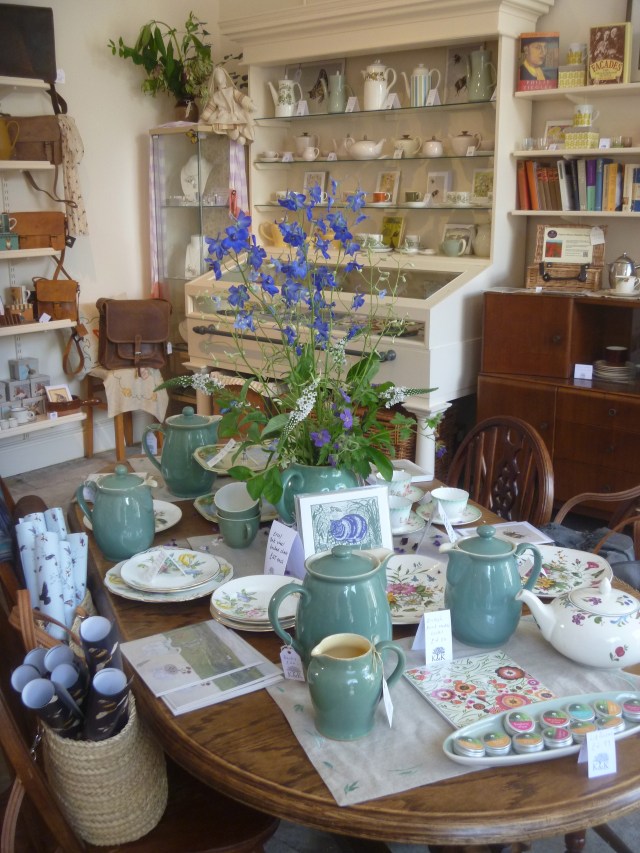
Renishaw Shop

Inside the Renishaw Shop

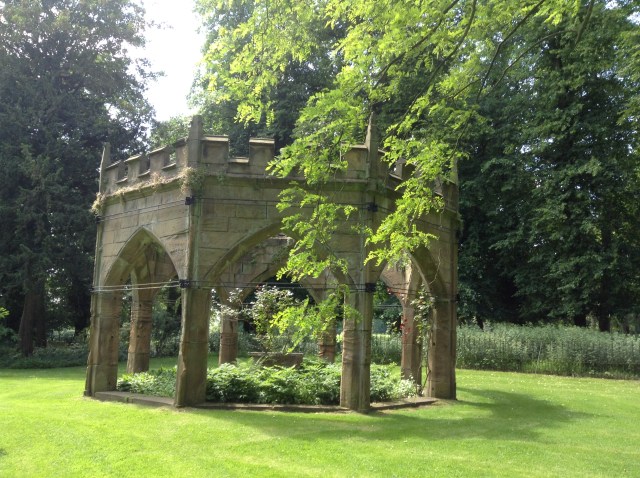
Gothic Aviary

Gothic Aviary in Renishaw Garden

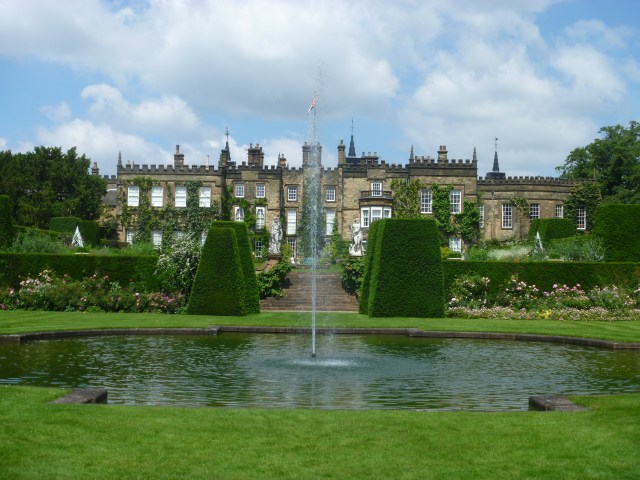
Renishaw and garden

Renishaw Hall and Garden

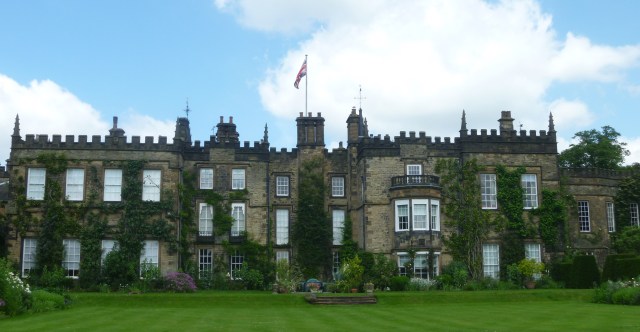
Rear of Renishaw

Rear of Renishaw Hall

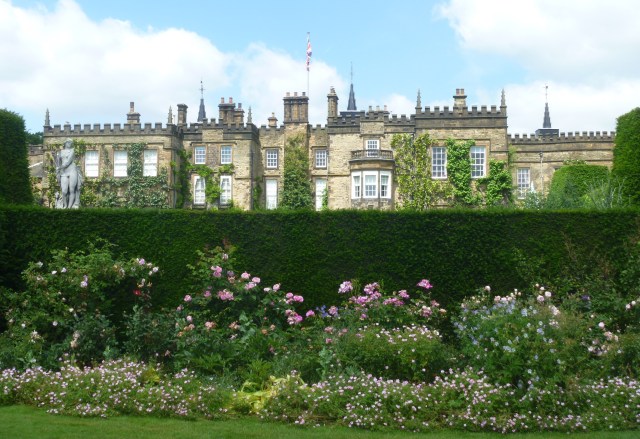
Flower beds and hall

Flowerbeds and hall

The Gems of Bewerley Village, Nidderdale

SUNDAY 8TH JUNE 2014: THE GEMS OF BEWERLEY VILLAGE
After discovering some interesting facts about this beautiful village we climb to join the Nidderdale Way before returning via field and woodland paths.
Start: Pateley Bridge, Bus Stand 10.50
Finish: Pateley Bridge approx. 15.30
Distance/Grading: 4.5 miles / Easy to Moderate

Last Sunday's walk

Nidderdale is my new favourite rambling region so I was happy to join fellow members and supporters of The Dalesbus Ramblers last Sunday for a shortish walk full of interest.

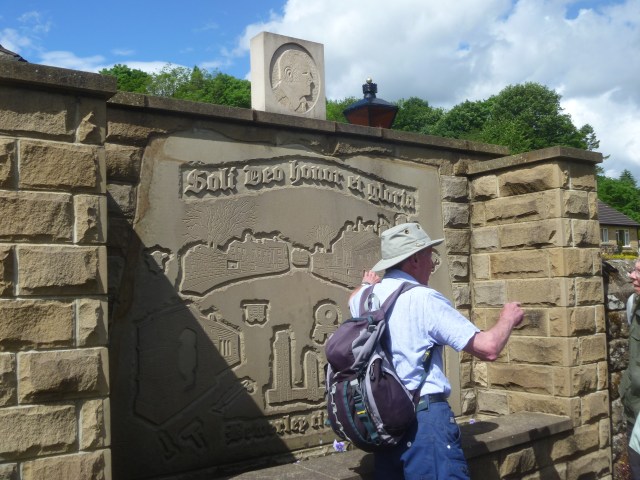
From Pateley Bridge it was a short walk to Bewerley where we stopped to study the local stone mason’s work – a depiction of the major features of the village carved in stone.

Stone carving of Bewerley

The Stone Mason’s Work. Frank explains the Latin Motto.

“soli deo honor et gloria” Honour and Glory to the only God.

Yorkes Folly picked out

Yorkes Folly picked out in stone


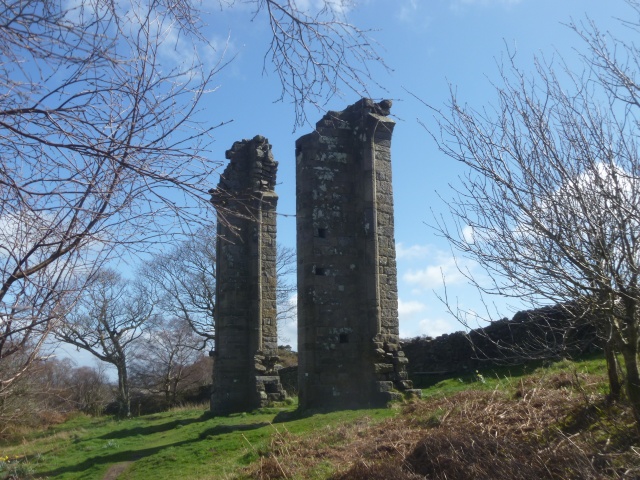
Leaving Yorke's Folly

Yorkes Folly for real (on a previous walk)

“Built around 1810 the folly was constructed by labourers working for John Yorke of Bewerley Hall. He commissioned the folly during a depression to keep his labourers in work and above the poverty line. Each labourer was paid a shilling a day and an loaf of bread. The folly was known as Three Stoops until a violent storm during the night of 17th November 1893 blew one of the towers down. Today it is known locally as the Two Stoops.” [Information Board at the folly]

Further along through the village we arrived at The Chapel of Ease.

“A small grange chapel of Fountains Abbey built by Marmaduke Huby which has remained intact. The Chapel was fully restored for worship in 1965. The chapel is open during daylight hours. We have services on the first and third Sundays of the month at 9am.”

Latin motto

Our leader Frank showed us the Latin motto on the exterior rear wall of the Chapel and Marmaduke Huby’s initials carved on the wall and in the windows.

Chapel window


MH window

MH

MH on windows and walls

From the Chapel we hurried along to meet, as arranged, the owner, Dr Peter Brambleby, of Fishpond Wood. We had a guided tour through the wood which Dr B called his “Natural Health Service”.

Peter says one of his priorities will be to support educational use, and especially to encourage a love and respect for nature amongst children. He has already entered into an agreement to permit the Bewerley Park centre for Outdoor Education to use the area to the east of the public footpath and pond.

Woodland, like much of the English countryside, is shaped by generations of active management, and Fishpond Wood is no different. It will benefit from thinning out of invasive rhododendrons, from planting young trees to renew the aging stock, and from restoration of the pond, paths and walls.” Read more about Peter’s work and plans here.

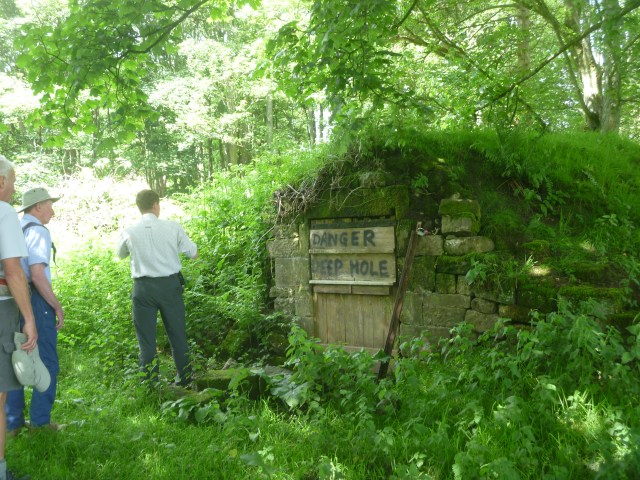
Ice House

The Recently Rediscovered Ice House – we were able to go in and look down at its full depth

Fishpond

The Fishpond

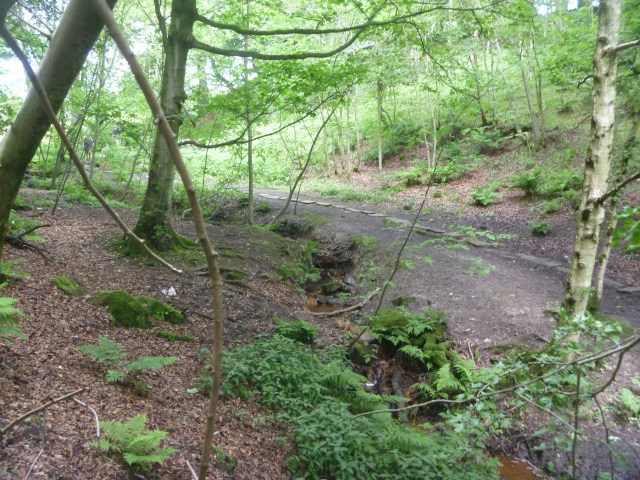
Footpath

Improved Footpaths through the Woods

Dr Brambleby showed us the route out of the wood and we were soon climbing up, up, up steadily before the walk levelled out and we crossed the busy B6265 and descended to The Nidderdale Way and thence back to Pateley Bridge.


Kiplin Hall : Country Seat of the Founder of Maryland USA

Kiplin leaflets

For many years I have picked up the leaflet describing Kiplin Hall and tempting me to visit. My interest was even more piqued when I read fellow blog poster nilly hall‘s description of her visit to the house and garden last October. Then earlier this year I was lucky enough to join friends to attend The History Wardrobe Premiere : Women and The Great War. Although organised by Kiplin Hall the performance was presented in nearby Scorton Village Hall. Finally last week I visited the hall itself.

Kiplin Hall

We arrived nice and early in good time to give the tea room a try and have a walk around the gardens and estate before lunch. The house was not due to open until 2pm. During the process of deciding on a day to visit Kiplin we pondered as to why the opening hours were rather unusual: generally Sunday to Wednesday 2 – 5pm. The grounds and tea room being open on the same days between 10am and 5pm. Could it be that they host weddings on Fridays and Saturdays? As we ate our delicious salad lunch we soon realised the reason for this. The volunteers began to stream in, greeting each other, checking the rotas and signing their attendance book. Of course, a house like this cannot operate successfully without the generous assistance of a host of local volunteers. Sunday to Wednesday must be their preferred days of working so it’s Sunday to Wednesday that Kiplin Hall is open. I should add that in each room we talked to the volunteer room stewards who added much to our enjoyment of the day.

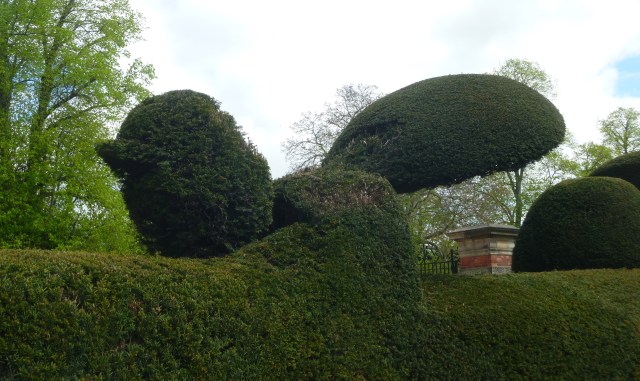
Kiplin topiary

 On arrival at Kiplin Hall you are greeted by giant topiary peacocks

White garden and topiary

Our walk started at the White Garden

Arriving at lake walk

Walking through several gardens you eventually arrive at the Lake Walk

Lake and folly

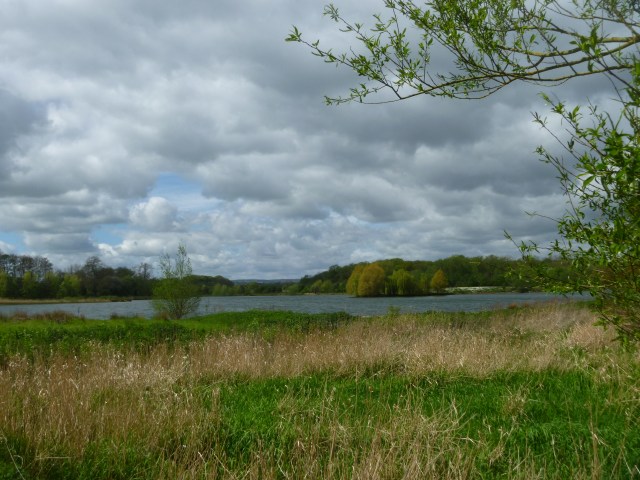
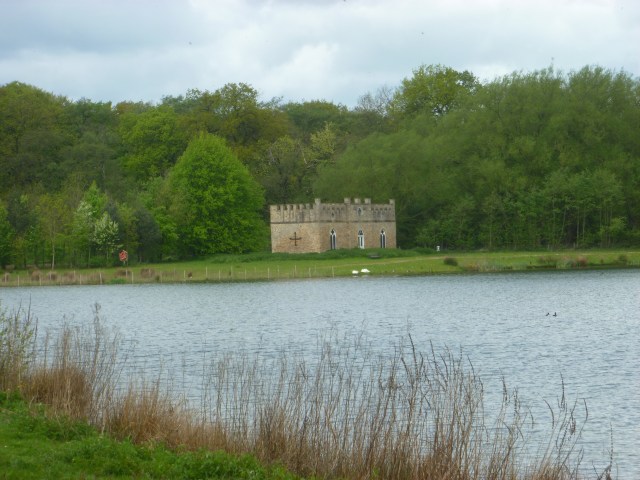
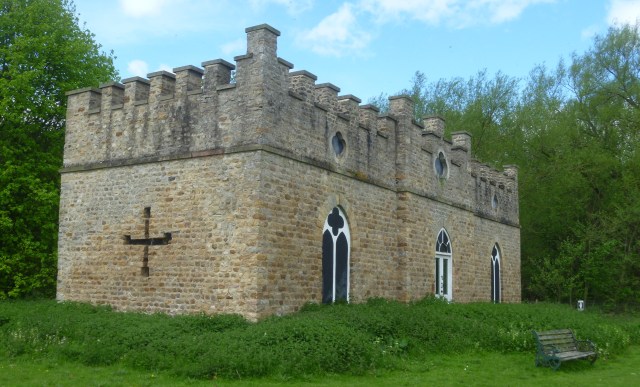
Grassy paths lead round the lake to The Folly or ‘eyecatcher’ which, until the 1990s gravel extraction work which brought much-needed to funds to the hall and created the artificial lake, originally stood in the west parkland. The lake provides a habitat for many aquatic birds and wild flowers.

The Folly

The Folly

Lake and Hall

Kiplin Hall from the Lake Walk

We didn’t have time before lunch to complete all of the garden/estate walk nor even touch on the Woodland Trails, although we managed to fit in the Walled Garden and the Garden Museum where we learned more about the house, gardens and owners. Kiplin Hall and Gardens definitely warrant a return visit.

Beautiful blooms

Beautiful blooms near the Walled Garden

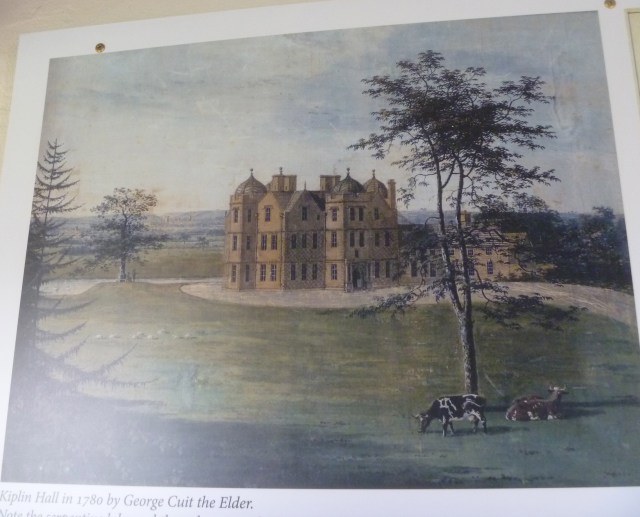
Kiplin 1780

Kiplin in 1780 by George Cuit The Elder

Christopher Crowe

Christopher Crowe bought the house and estate in 1722

Crowe bought the estate from Charles Calvert, the 5th Baron Baltimore, whose ancestor in the late 1620s set sale for America and later founded the state of Maryland.

After several years of negotiation over both the land and Calvert’s proposed charter, on 20 June 1632 Charles I put his seal to the patent for land to the north of Virginia, to be called Terra Mariae or Maryland in honour of Queen Henrietta Maria. Sadly, George Calvert had died in April that year and his son Cecil, 2nd Lord Baltimore, became the first Proprietor of Maryland. Cecil appointed his younger brother, Leonard, the first Governor.” [Source]

Maryland flag

Maryland maintains connections with Kiplin Hall (or rather, they have been re-instated) through the Maryland Study Centre near the main entrance to the grounds. When students from Maryland University are staying at the Centre and involved in helping or research at the Hall the Maryland flag is always flying. As it was on the day of our visit.

Maryland Study Centre

The Maryland Study Centre

Dog Graves

The ubiquitous Doggie Graves in the Kiplin Woodland

 No photography was allowed in the house. The excellent website has links to each room with photos and descriptions. The theme of the exhibition and trail throughout the hall this year is “Kiplin Hall in times of War”. Various paintings, pieces of furniture and other artefacts connect the Hall with British fighting campaigns throughout the ages from the English Civil War (1642-1651) to The Crimean War (1853-1856). A further two rooms on the second floor have been preserved from the time when the hall was requisitioned by the Army during the Second World War and these two rooms were part of a flat later occupied by RAF officers.

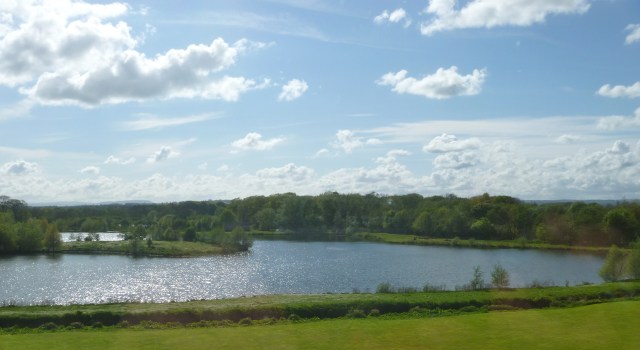
Lake from house

The Lake from The Hall

A very satisfying day out!