Slow Train to Switzerland: One Tour, Two Trips, 150 Years and a World of Change Apart

It’s my birthday and I have received some lovely gifts including this book :
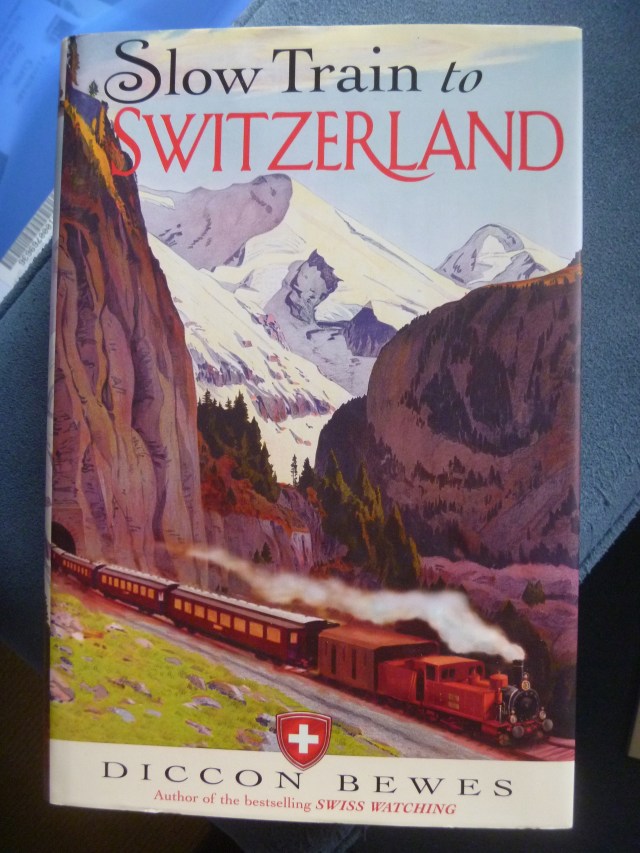
Slow train

You may remember that last summer I spent a month in Switzerland and posted each day about my experiences here.

I still haven’t read Bewes’s ‘Swisswatching’ [below] but I think ‘Slow Train’ will jump the queue as I’m a seasoned traveller on Swiss trains and I remember there was feature about Miss Jemima’s diary on the Myswitzerland.com website and in the Financial Times around the time that I made my trip. I see there is now a fancy app. to accompany anyone wishing to emulate Miss J and D Bewes.
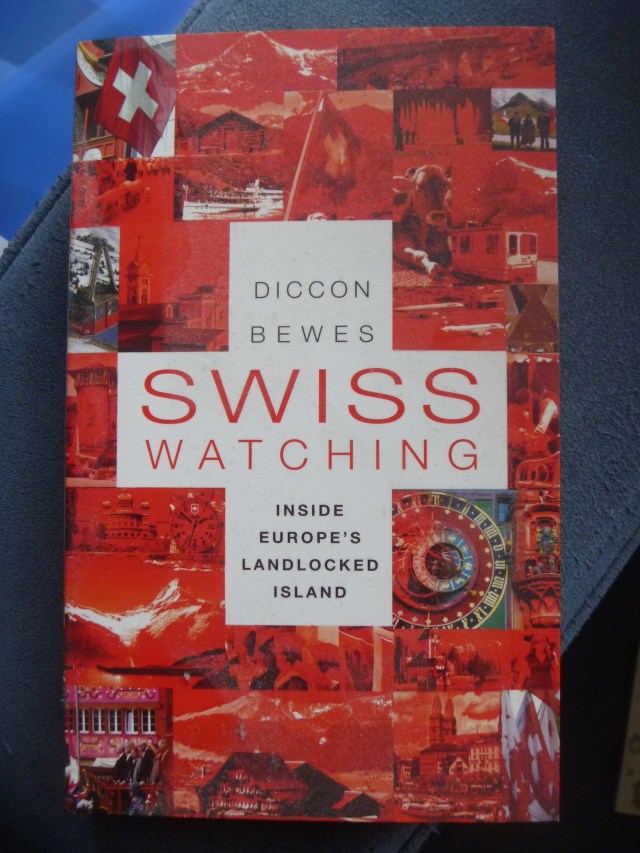
Swiss Watching

It was the tour that changed the way we travel. In the summer of 1863 seven people left London on a train that would take them on a thrilling adventure across the Alps. They were The Junior United Alpine Club and members of Thomas Cook’s first Conducted Tour of Switzerland. For them it was an exciting novelty: for us the birth of mass tourism and it started with the Swiss.” [From the fly -leaf of Slow Train to Switzerland]

Bewes followed in the footsteps of this group and is able to do so because one member, Miss Jemima from Yorkshire kept a diary that was lost for decades but survived as a unique record a historic tour.
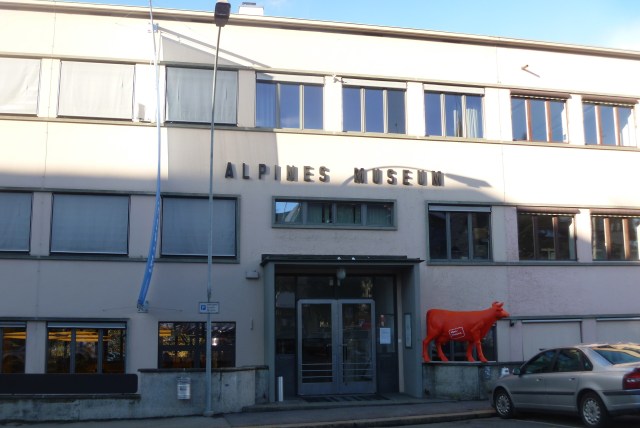
Alpines Museum

Reading about this I’m remembering my very disappointing visit to The Swiss Alpine Museum in Bern last February. I had expected to be able to see displays and dioramas illustrating the history of alpinism with particular reference to Switzerland (and including, of course, the British contribution) through books, maps, photographs, hotels, transport, clothes and footwear, transport, personalities, and other displays and artefacts. What I was presented with was a series of enlarged photographs and a heap of broken skis. My disappointment was so great that I  wrote to the Museum Director and here is part of his response :

“We decided to start up a new concept dealing much more with contemporary issues for people who like to face the reality of the alps. “Intensive care stations” is an example of this new approach … The reality of the alps today is packed with debates and very discursive issues, so our museum concept tries to shape a platform for contemporary themes around mountains.”

It was nice to get a personal response and good luck to them but I still felt cheated of my 12 Swiss francs entry fee!
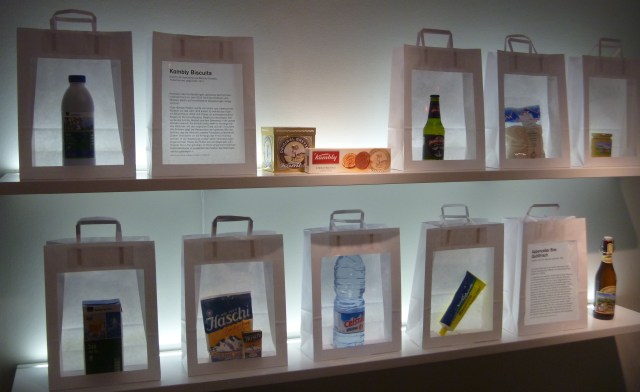
Packaging

Actually, this small display of Swiss products featuring mountains was quite interesting but this was small compensation to me!
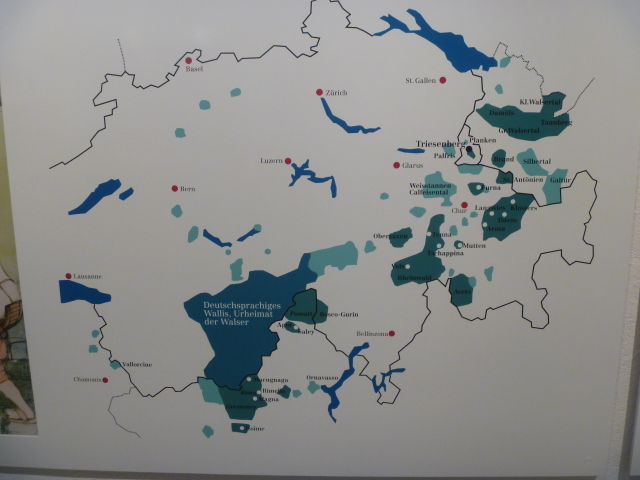
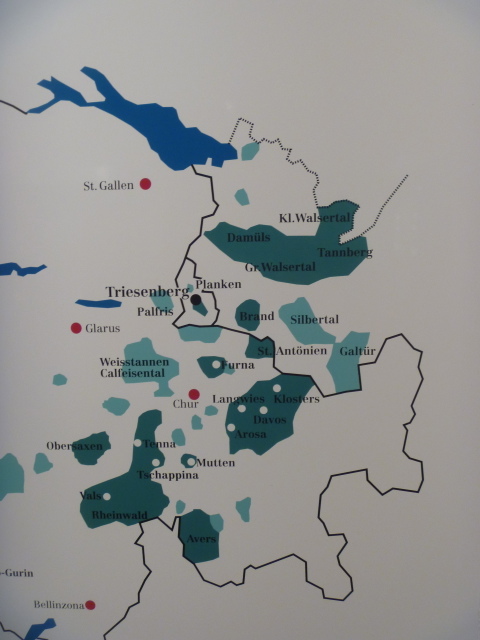
The Wandering Walsers

Wondering what to do in Liechtenstein besides visiting the Postage Stamp Museum in the capital Vaduz I read the following lines in the Liechtenstein section of my Rough Guide to Switzerland :

… pretty TRIESENBERG, perched on a sunny hillside above the Rhine [is] best known as the adopted home of a community of Walser people, who left their homes in [Canton] Wallis (German-speaking Valais) in the thirteenth century to spread across central Europe. Many of the houses are wooden chalets built in the Walser style. The modern, well-presented Walser Heimatmuseum documents Walser history and culture.”

Walsers in Switzerland

The spread of Walsers in Switzerland

Walsers in Eastern Switzerland

The Distribution of  Walsers in eastern Switzerland, Liechtenstein and western Austria

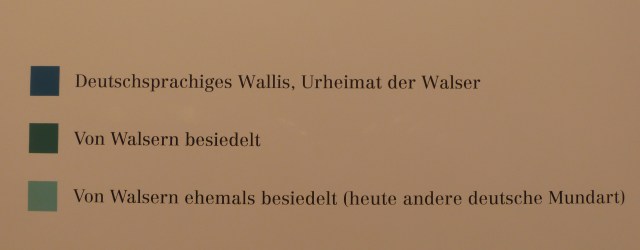
Key to maps

Key to Above Two Maps

1. German-speaking Valais : original homeland

2. Settled by Walsers

3. Settled in the past by Walsers (nowadays have a different dialect)

I had heard of this resettlement of the Walliser folk in other areas of Graubünden during my stay (St Antonien and near Davos) but was very surprised to see a map at the museum showing the extent of the diaspora.

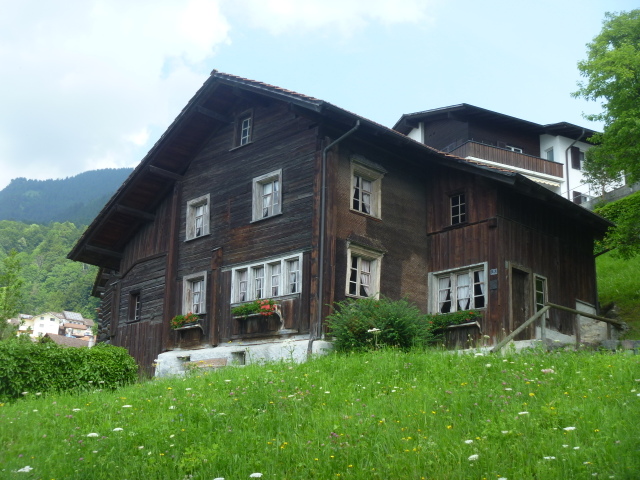
There’s also a 400 year-old Walser house preserved in Triesenberg and open to the public occasionally. It wasn’t open on the day of my visit.

Walser House

The Walser House in Triesenberg

If I find myself with a few hours to spare next time I’m in Liechtenstein I’ll give the Walser Sagen Weg walk a go.

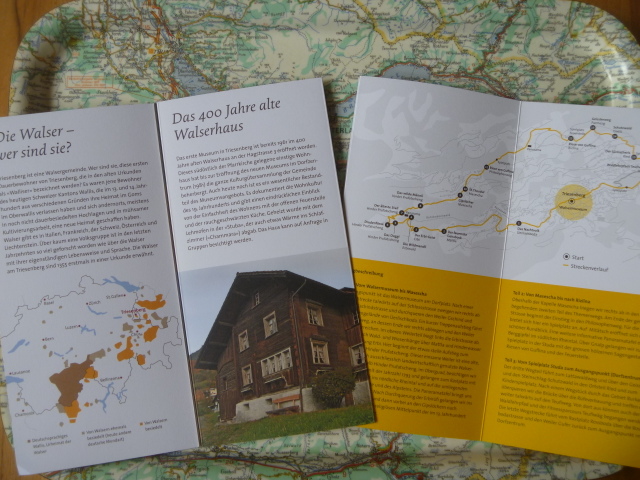
Walser Leaflets

Heidi’s Years of Learning and Travel

After our morning at the dramatic Tamina Gorge and fascinating Bad Pfäfers Museum we returned by Schluchtenbus to Bad Ragaz town centre for a lunch in the sunny main square – a Swiss speciality cheese and onion tart with salad. We then caught a local post bus  to Maienfeld just a few miles away.

Heidi in German

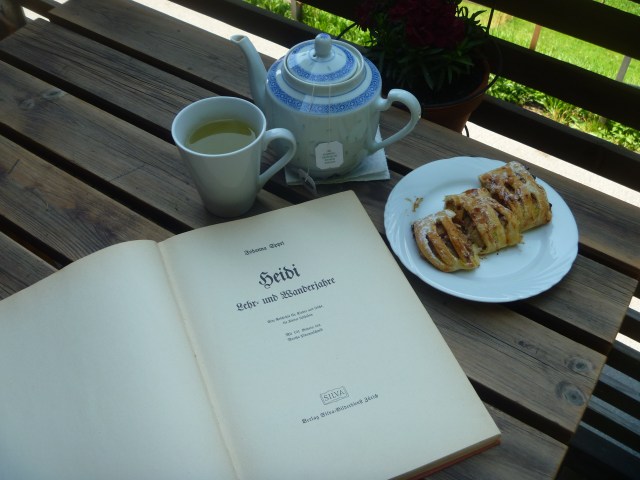
Agnes’s Version of Heidi : Lehr- und Wanderjahre

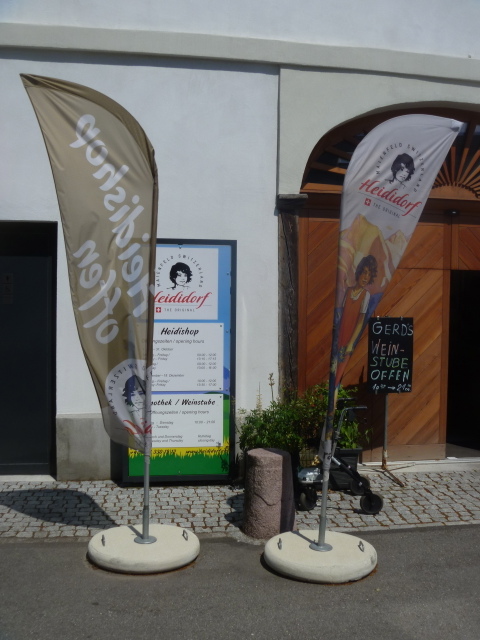
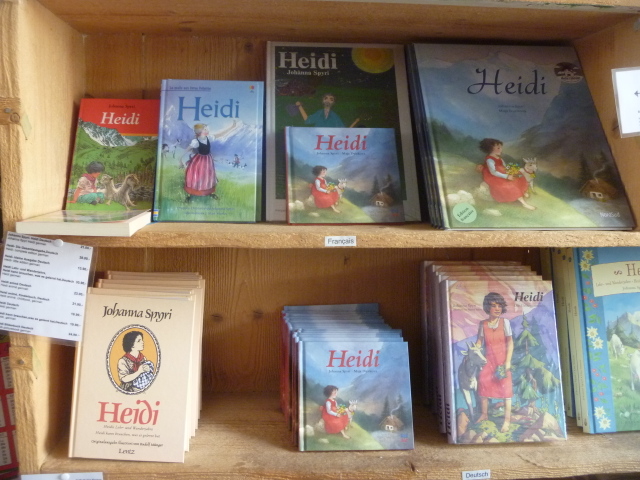
Maienfeld was the inspiration to Joanna Spyri for her Heidi books; the first of which had the same title as this post. From the train and bus station it’s just a few steps to the Heidi Shop and Wine Bar [Maienfeld is in a significant Swiss wine-growing region]. The shop stocks every kind of souvenir thinkable with a Heidi connection and is surprisingly kitsch for Switzerland. There is also, naturally, a wide choice of Heidi titles and editions in various languages. This region “Heidiland” is relentlessly marketed throughout the area and throughout Switzerland in general and overseas.

Heidi shop (and wine bar)

The Heidi Shop and Wine Bar

Heidis for sale

Various Heidi titles for sale

Original marketing

Original Heidi Marketing Logo

Today's marketing

Today’s Logo Version

We took the route marked uphill towards the Heidi House and Johanna Spyri Museum. It’s a quiet road and track and steepish in places with no-one else about.

Heidi Way

The Heidi Way is in this direction

This way to Heidi House

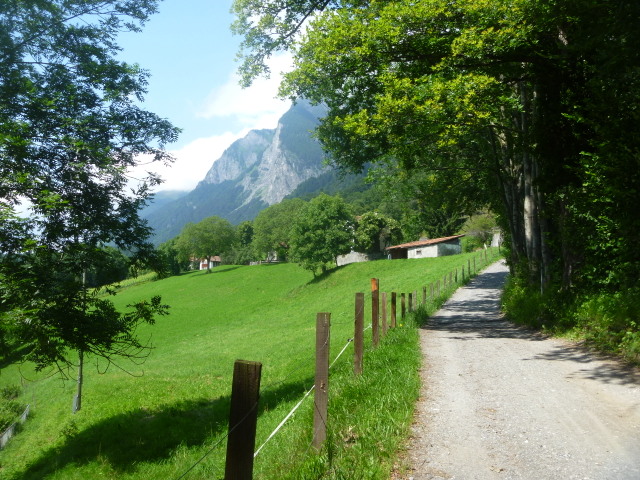
The quiet track up to Dörfli

So we were surprised as we neared the house to see crowds of people. On our alternative route back to Maienfeld we passed a big bus and car park from where the nations of the world had emerged with just a short, level path to the ‘village’ – Dörfli, in the books, but now renamed Heididorf.

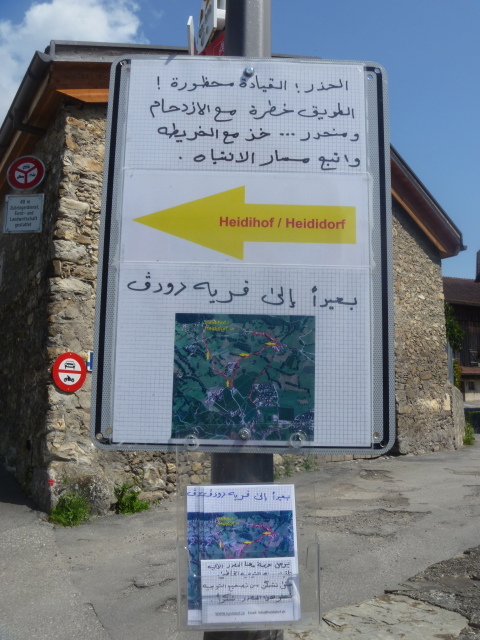
Arabic signs

Signs in Arabic?

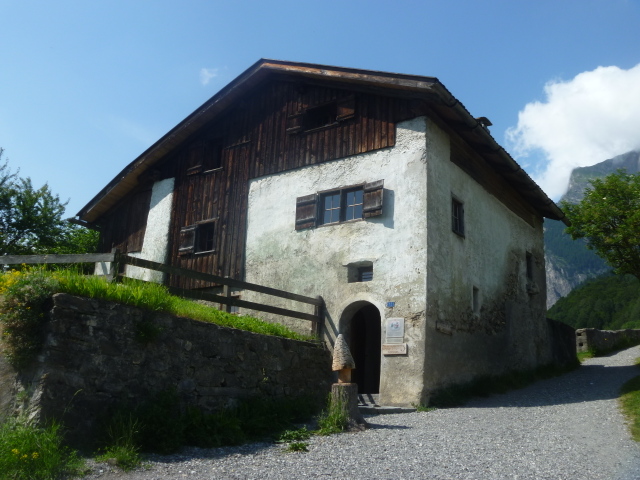
Heidi House

Arriving at the Heidi House

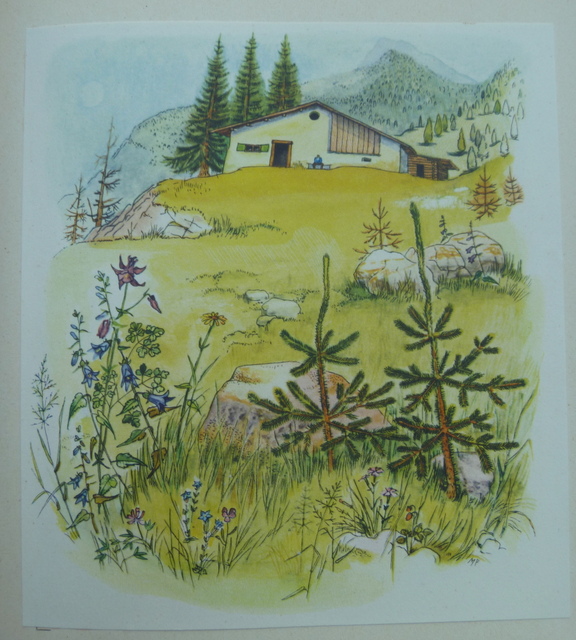
Heidi House illustration

Heidi House illustration from Agnes’s book

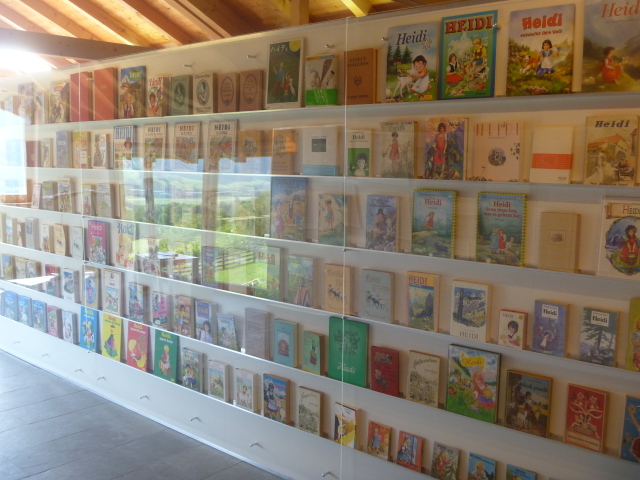
Not so much interested in all things ‘Heidi’ Susanne and I wanted to visit the Johanna Spyri Museum housed above (another) Heidi Gift Shop. There’s another Spyri Museum at her birthplace in Hirzel near Zurich. They must have any and all artefacts relating to her as there was very little here, near Maienfeld. Mostly, the museum consisted of information panels, a large collection of old and foreign editions of ‘Heidi‘ and video loops of extracts from Heidi movies made during the last century.

Heidi editions

Heidi editions in the Spyri Museum

Johanna Spyri reminds me of Louisa M. Alcott who is famous for her Little Women books but has written and done so much more that is generally not known to the world at large. Spyri was born in 1827 and died in Zurich in 1901. Heidi was first published in Germany in 1879 and was a huge success. It is reputed to be the most-translated book in the world after the Bible and the Koran. But Spyri wrote much more besides and this is otherwise glossed over at the Dörfli Museum although there is a full list of these titles there are no actual examples; just a wall full of old and foreign editions of Heidi.

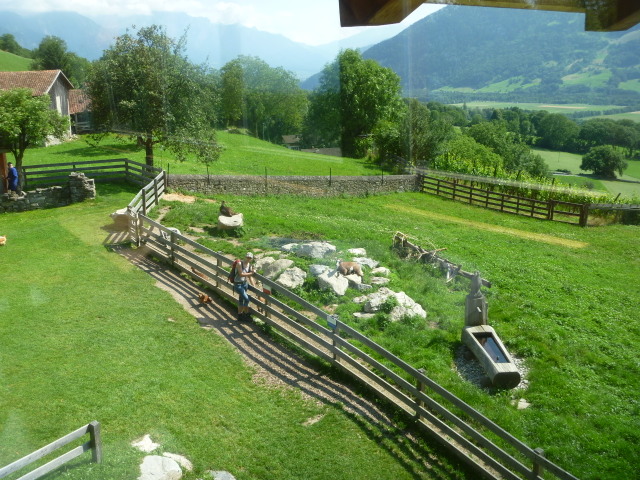
Peter's goats

Descendants of Peter’s Goats? (from the museum window)

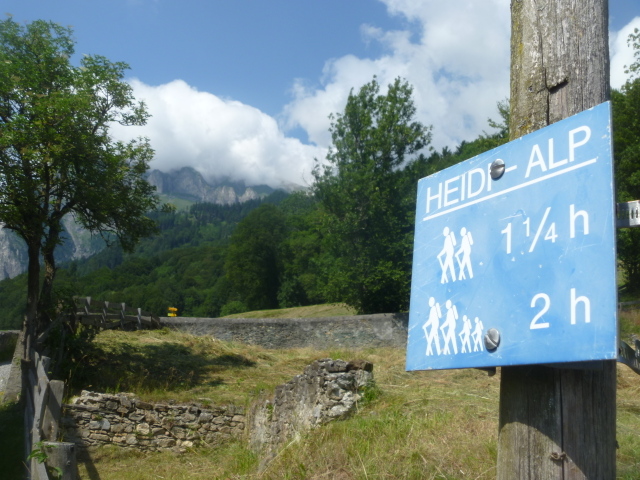
After the Spyri Museum and a quick walk around the exterior of the reputed Heidi House we decided to forego the longer walks up to the Heidi Alp and returned on foot to Maienfeld and by train to Schiers.

Further walking if you have the time and energy

Further Hiking Opportunities in Heidiland if you have the time and the energy

“To be here is glorious” : The Tamina Gorge in Bad Ragaz

Bad Ragaz is famous for its hot springs and the other Friday I met a good friend who is Swiss at the town’s station and we took the special “Schluchtenbus” (Schlucht = Gorge) to the source of these springs and the dramatic gorge itself a few kilometres out of town.

Altes bad Pfäffers

Alten Bad Pfäffers

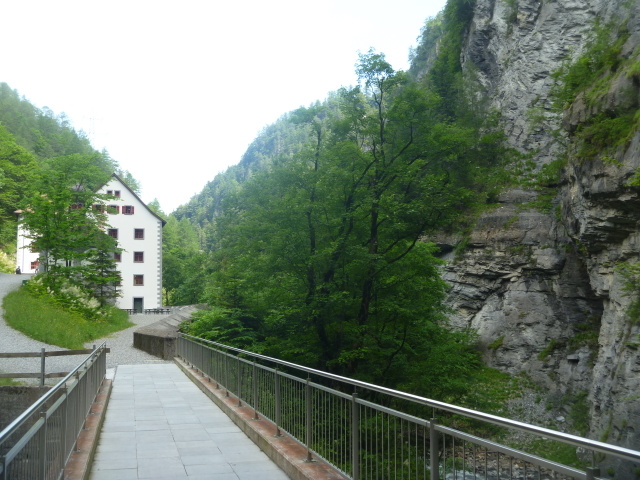
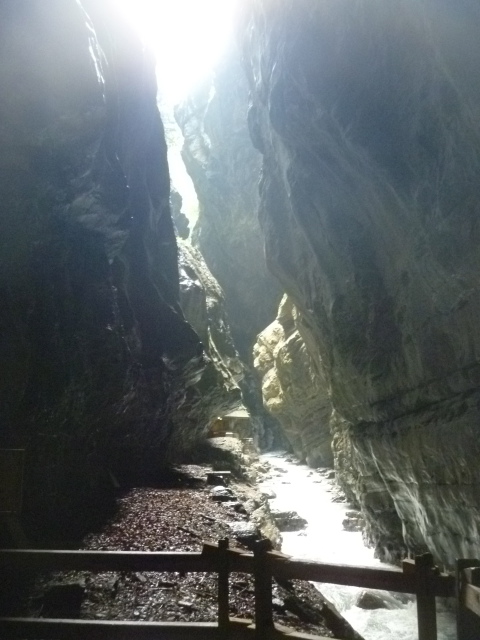
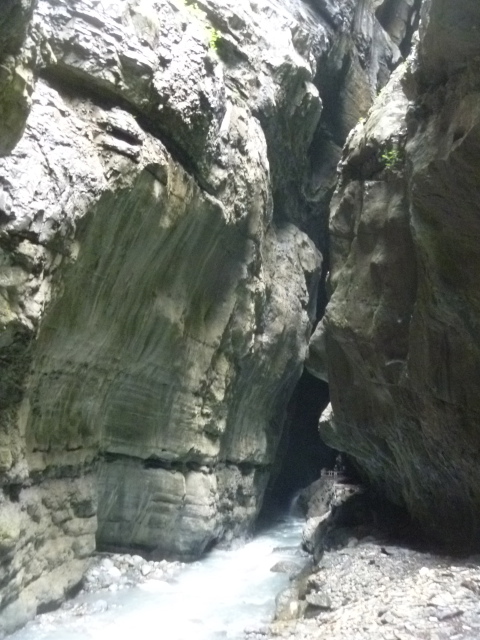
There’s a small charge for turnstile entry into the Gorge itself where you walk along a narrow footpath – alongside the torrent of a stream and being dripped on from above – to the source of the hot springs itself.

Tamina Gorge

The Gorge

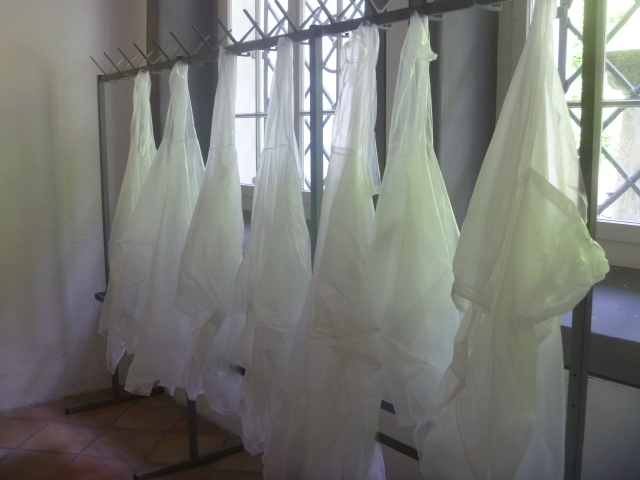
I think the gorge and spring are in happy coincidence with each other since the thermal waters seem to be independent of the rushing stream waters. It was only afterwards that we discovered the supply of free to loan rain capes.

P1100767

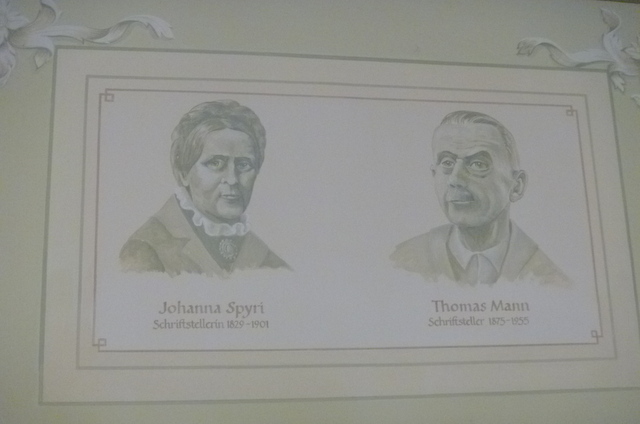
The springs were discovered in about 1240 by two hunters. The monks of the nearby Monastery of Pfäfers recognised the healing powers of the thermal waters. The reputation of the spa spread far and wide and became internationally known and were visited over the centuries by many famous people : Hans Christian Andersen, Joanna Spyri, Thomas Mann to name some of the literary visitors.

Spyri and Mann

Altes [old] Bad Pfäfers is the former monastery on the site and is now a restaurant, meeting rooms, museum and exhibition centre.

Baths

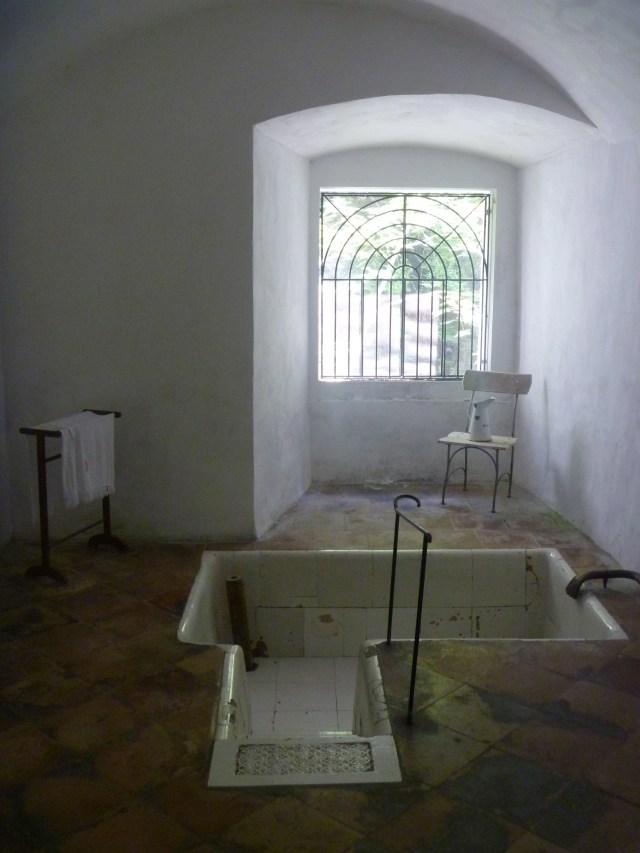
The Original Bath in the Museum

Paracelsus

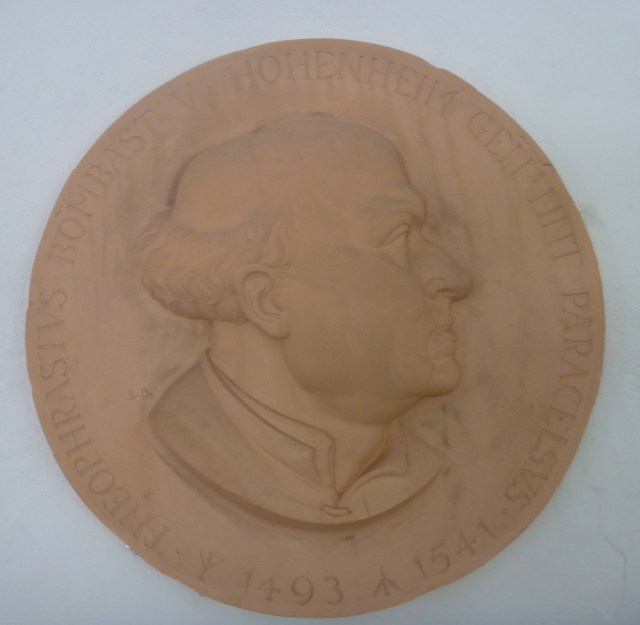
Exhibition about Paracelsus

As former visitor, the German poet Rainer Maria Rilke said, “Hiersein ist herrlich” [To be here is glorious]

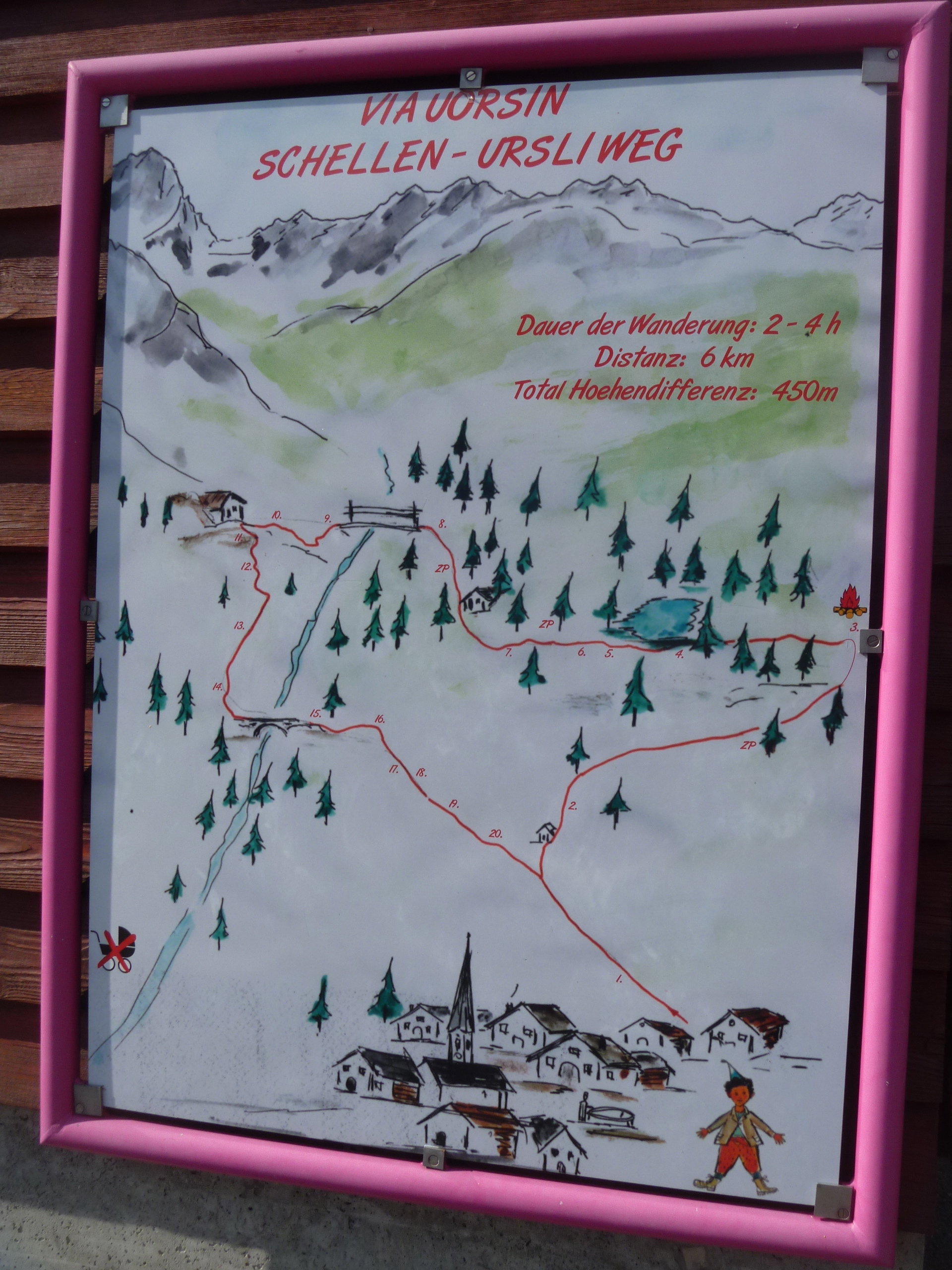
Do you know Schellen-ursli?

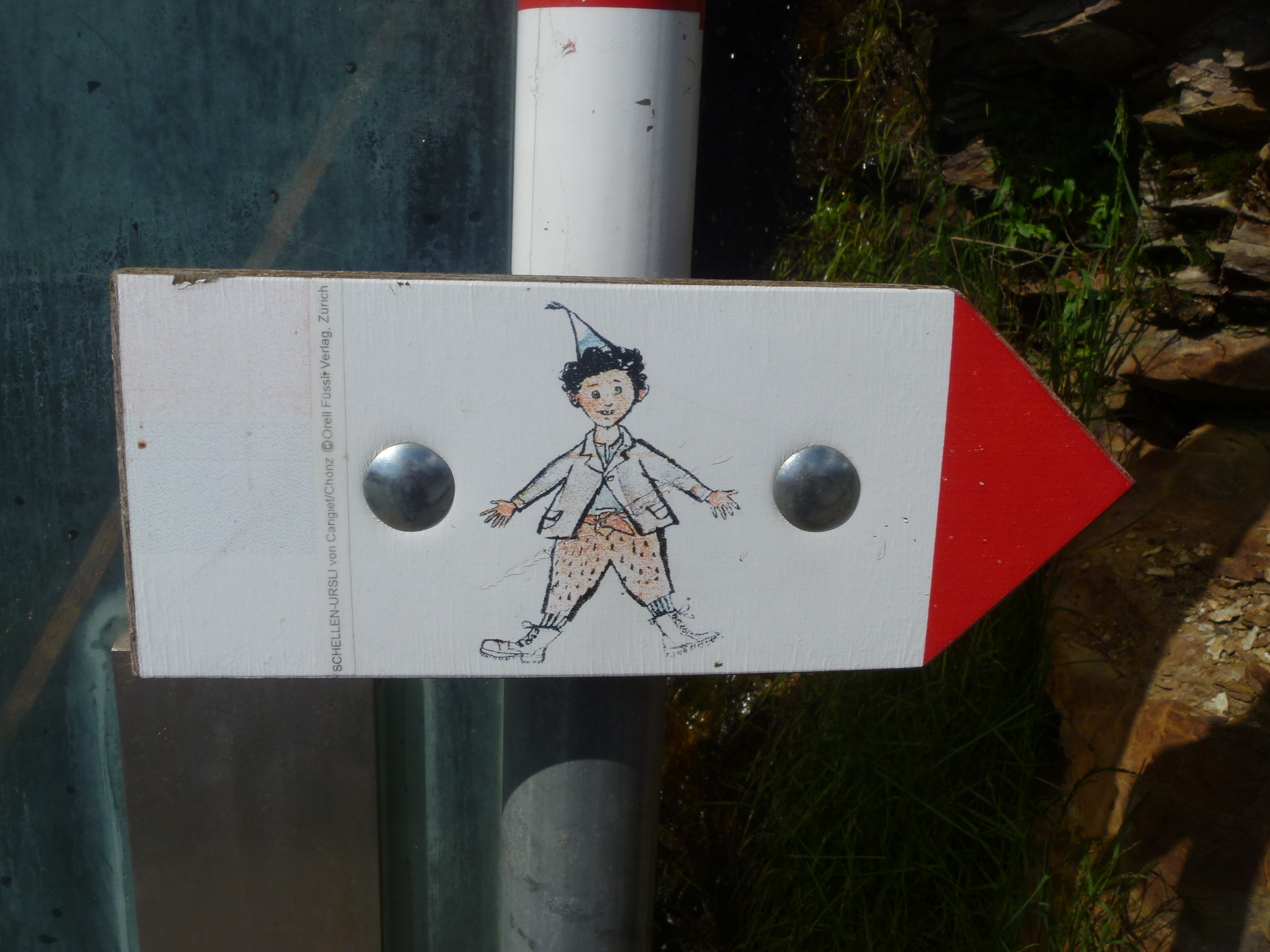
S U sign

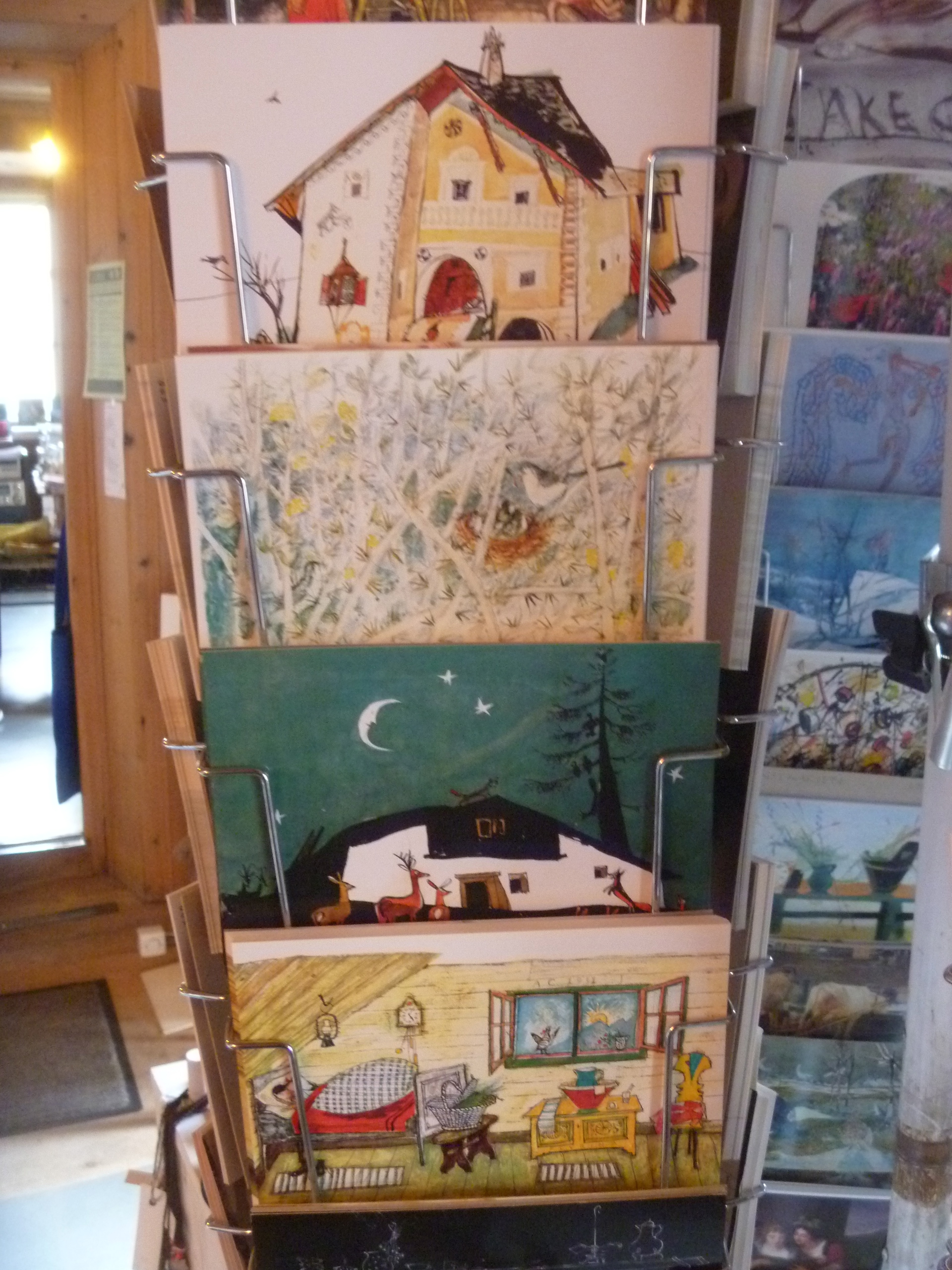
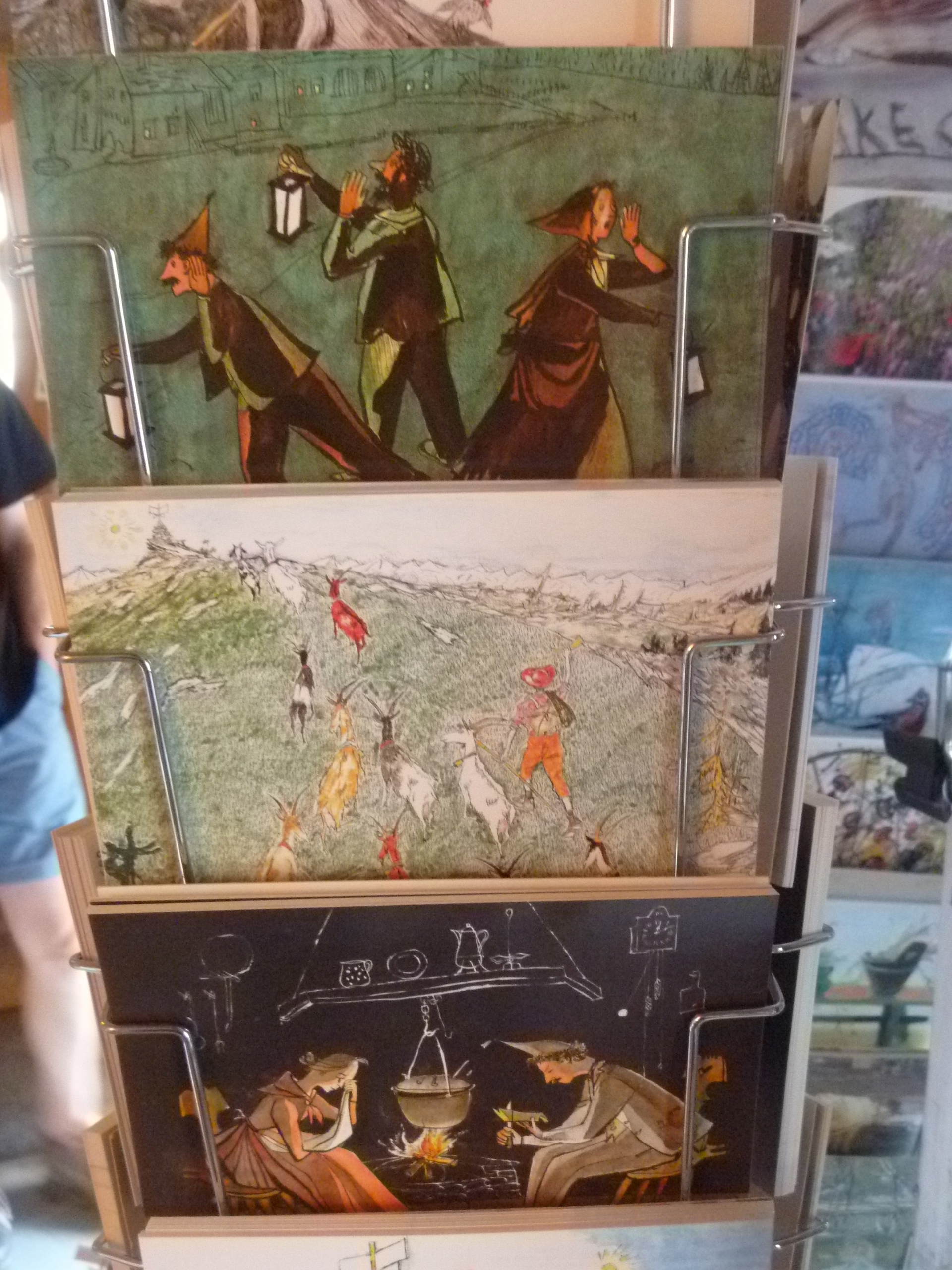
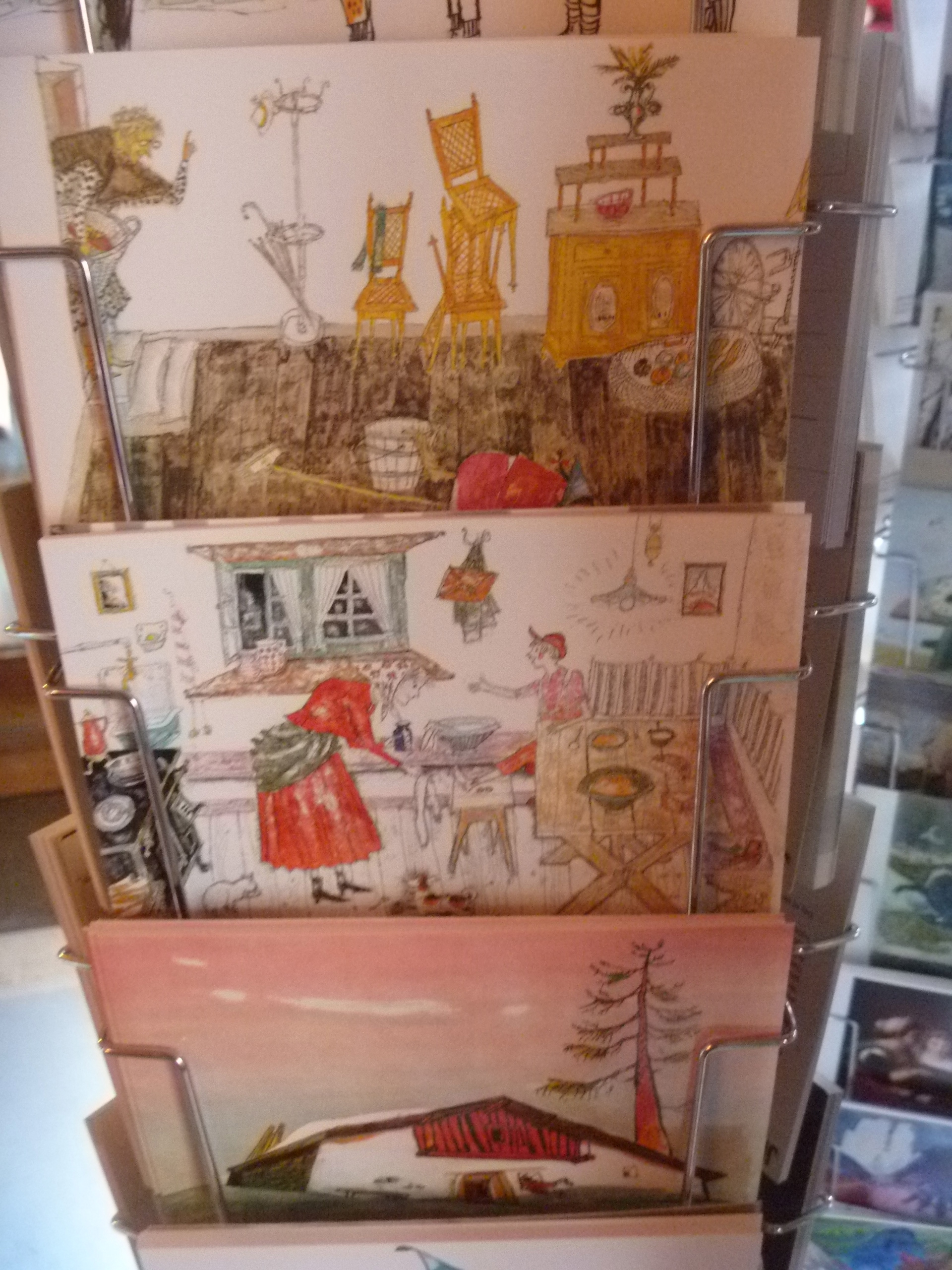
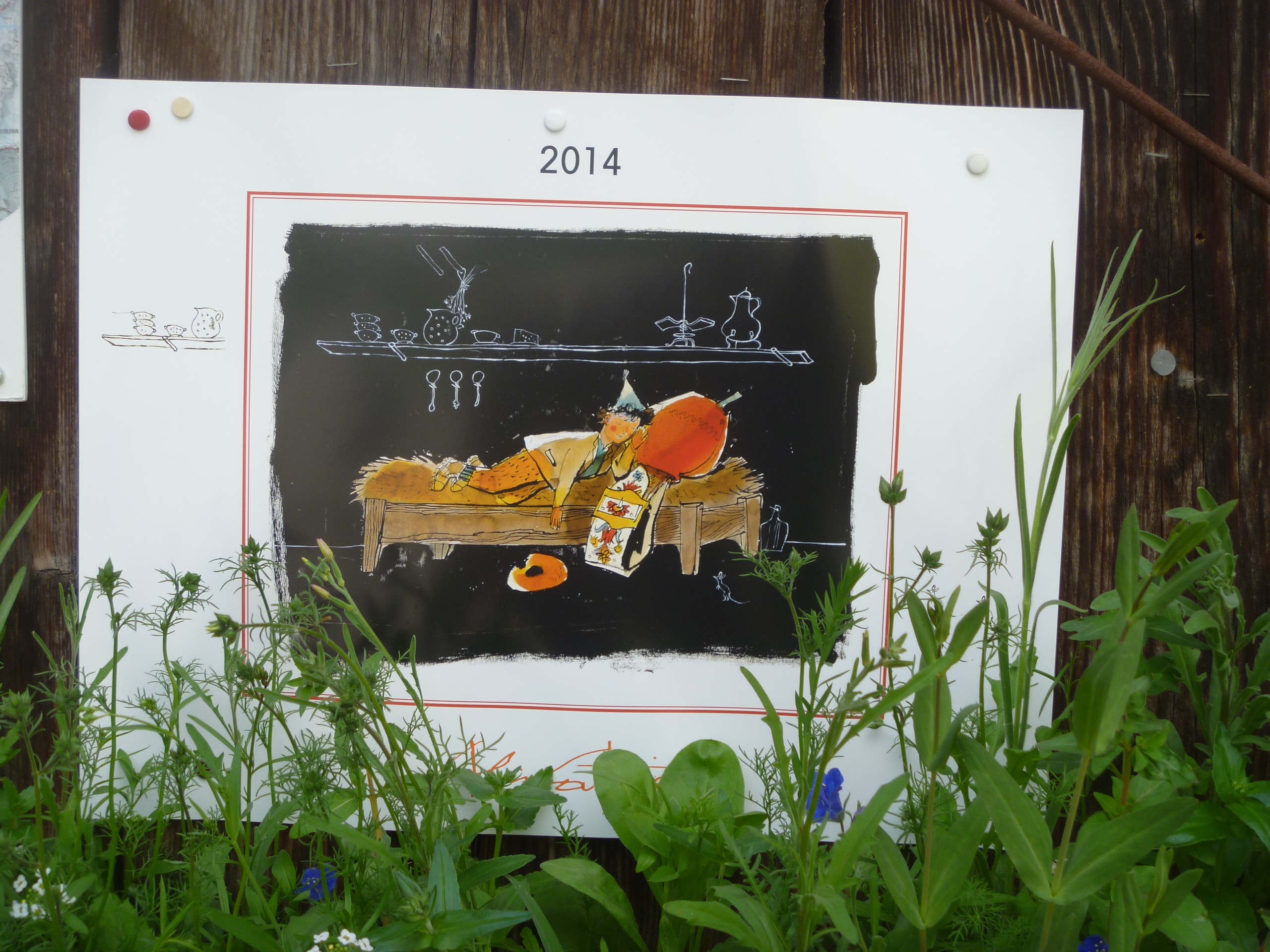
Schellen Ursli is the children’s storybook character created in 1945 by Alois Carigiet and drawings of him and his adventures are to be found in all formats in the Engadine area of Switzerland. It kind of reminded me of the Alsatian artist Hansi whose pictures were in every postcard rack, gift shop and home wares store throughout the area.

S U cards 1

S U cards 2

S U cards 3

S U Picture

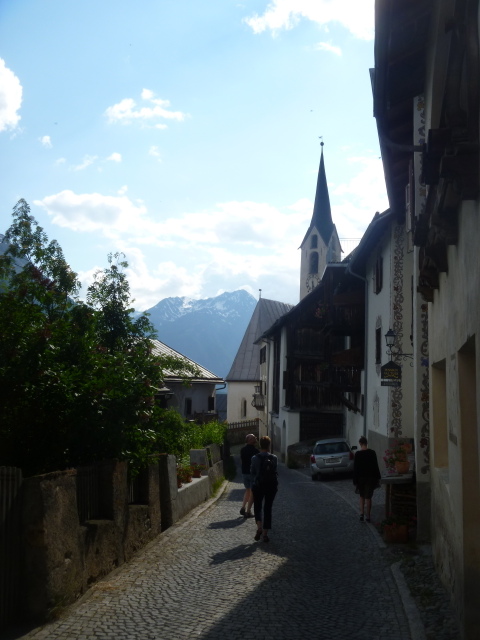
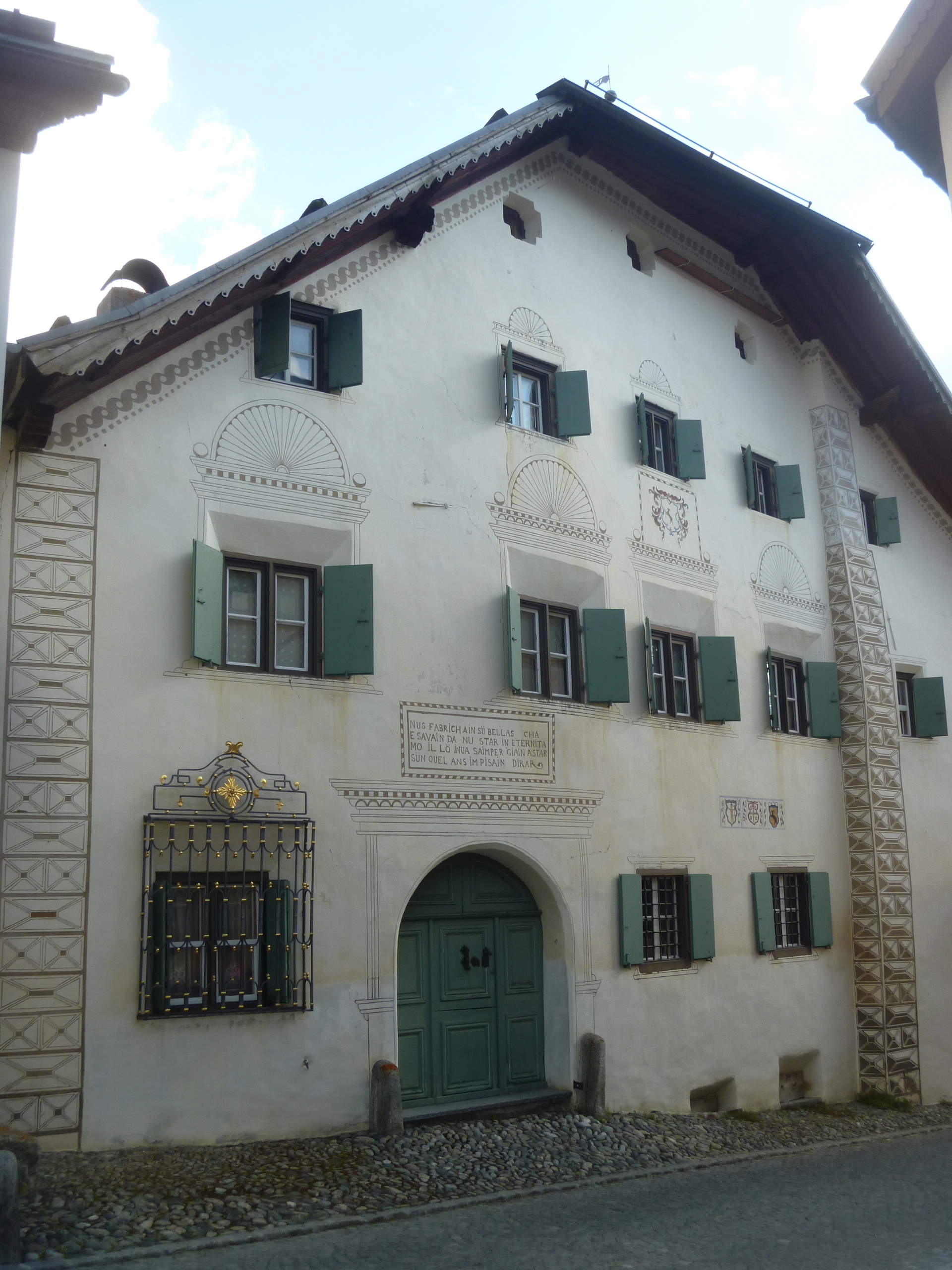
Last Saturday on our way home from St Moritz and Sils Maria we took a detour into the Lower Engadine Valley to the small Alpine village of Guarda that was the former home of Carigiet. As in Bergün its houses are a wonderful selection of Engadinian art in themselves. There’s a Schellen-ursli path but we didn’t have time for that.

S U Way

It came as no surprise to me later to read the village has been awarded prizes and distinctions for its beauty. Nor to read on posters throughout the village that a film company was about to shoot some scenes here – it is so authentic.

Guarda Street

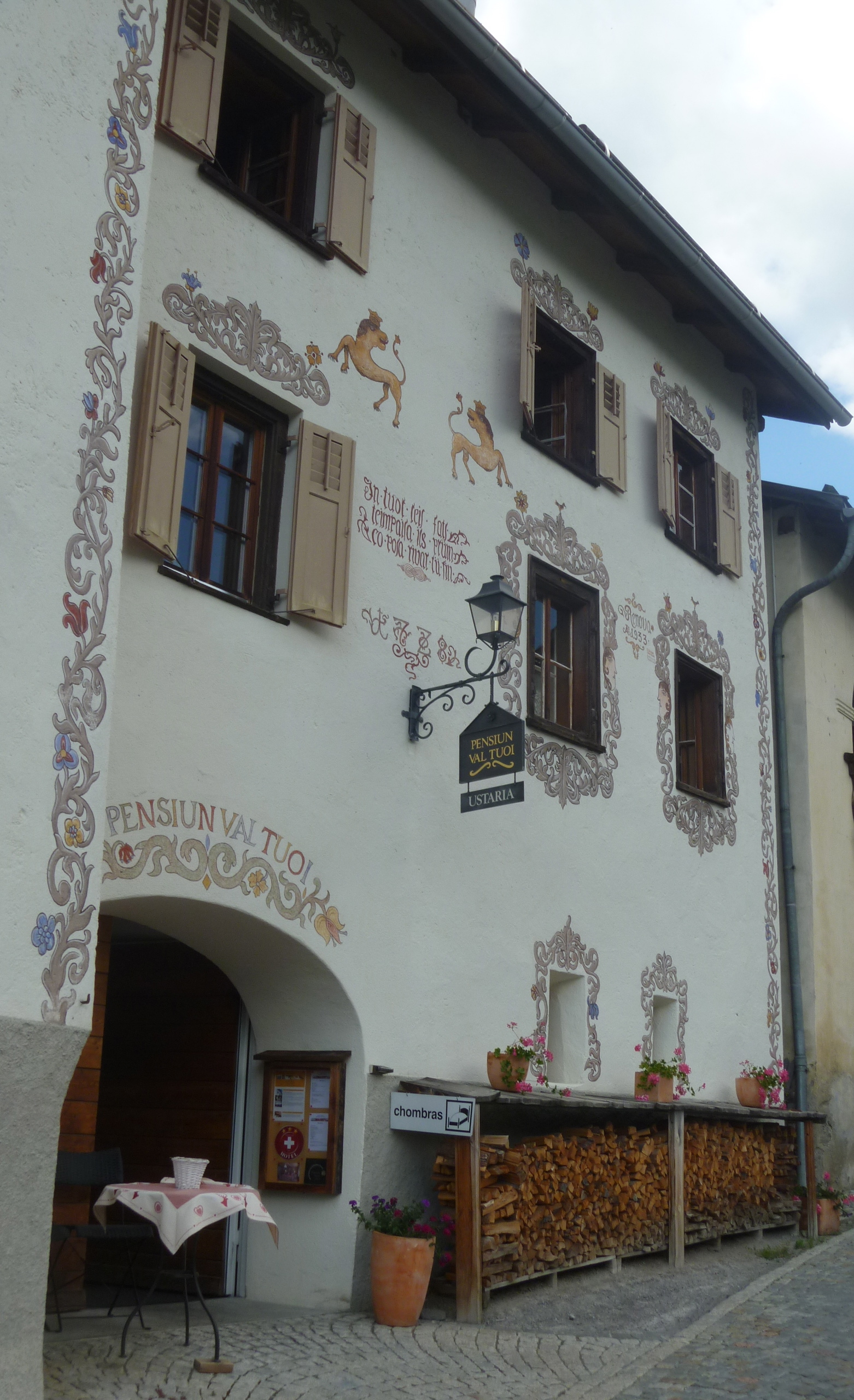
Inn in Guarda

An Inn in Guarda : Note the Romansch language is predominant here

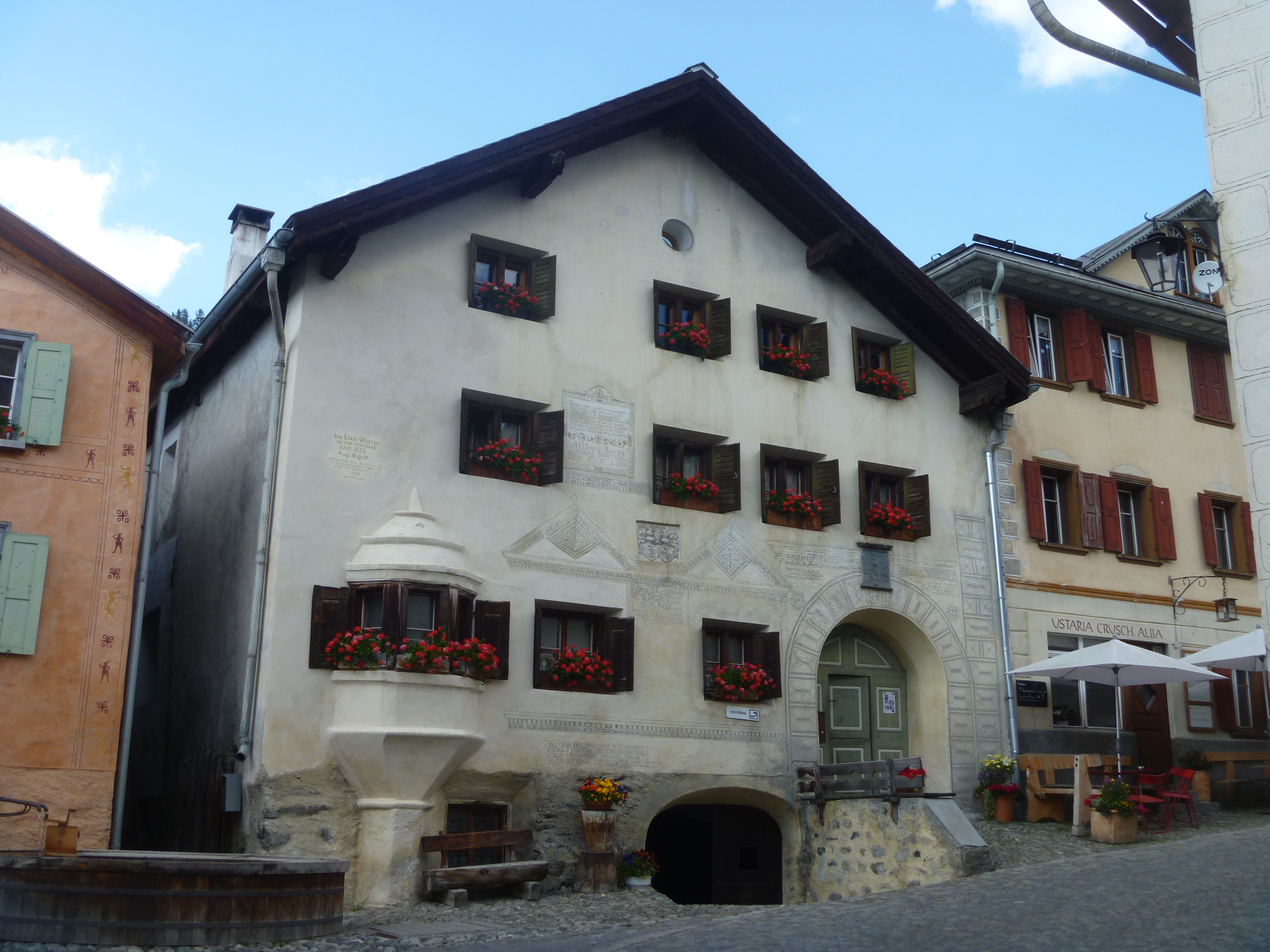
House in Guarda

A House in Guarda

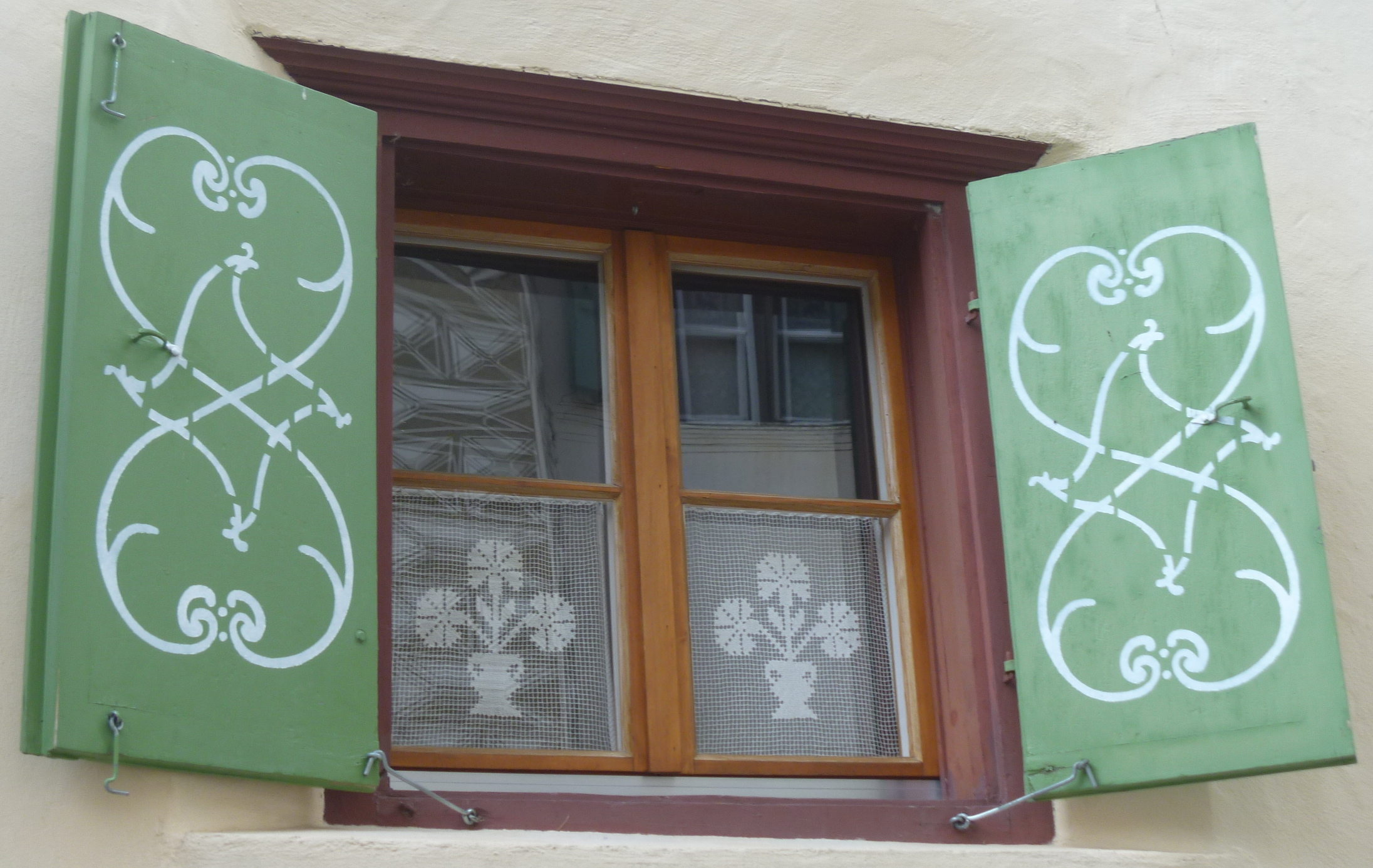
Pretty window

Pretty Window

Another house

Another Guarda House – there were so many!

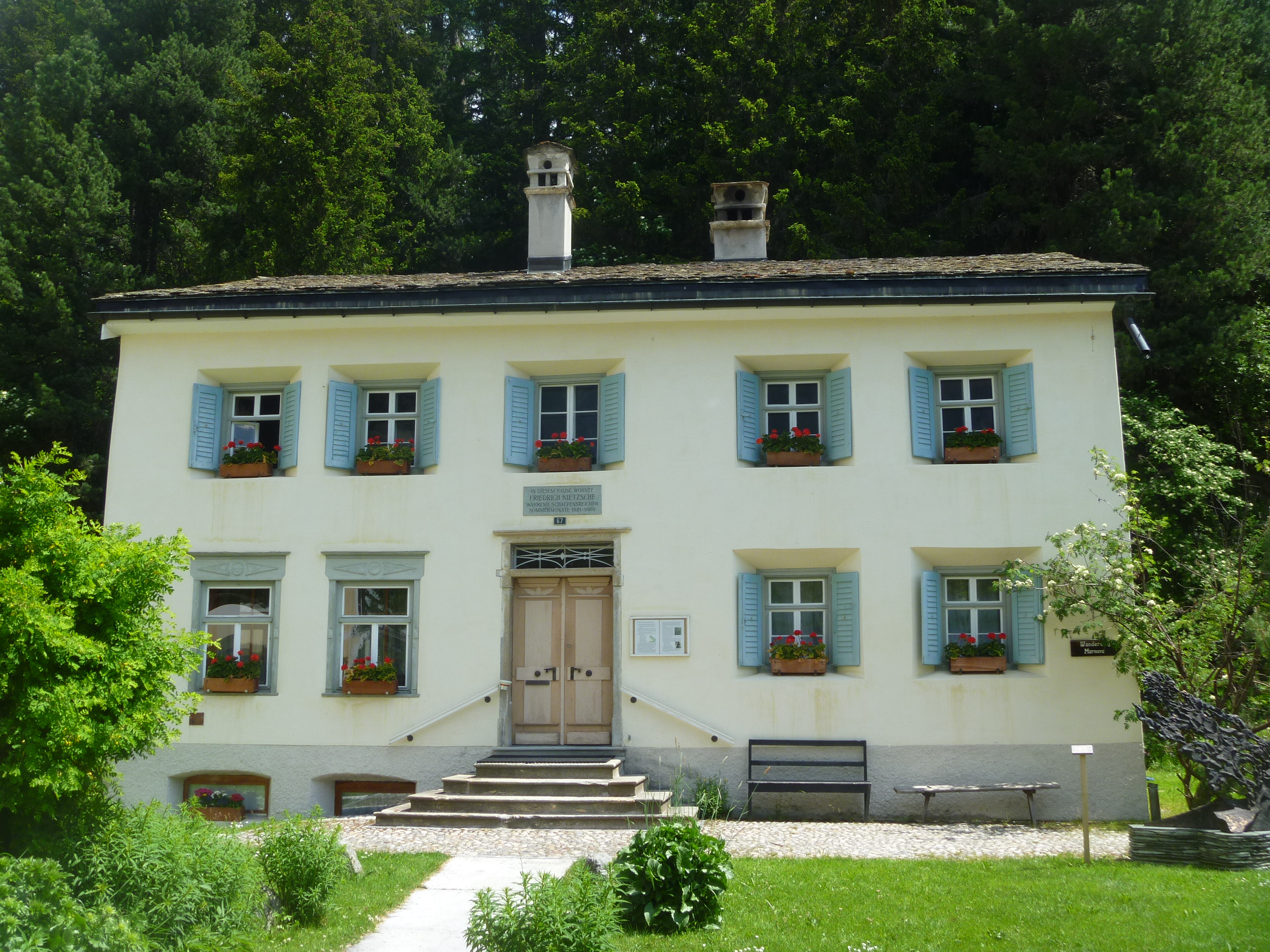
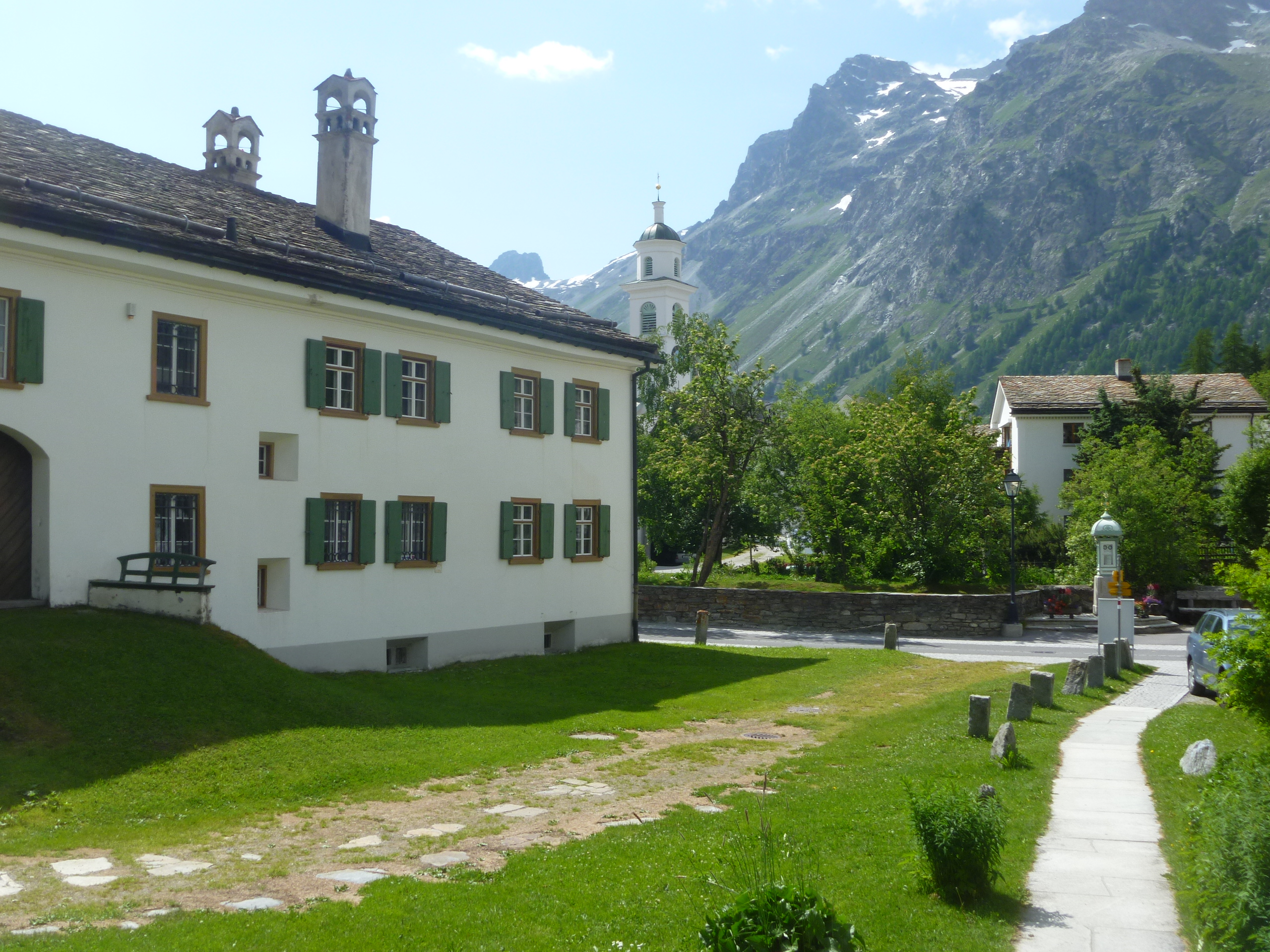
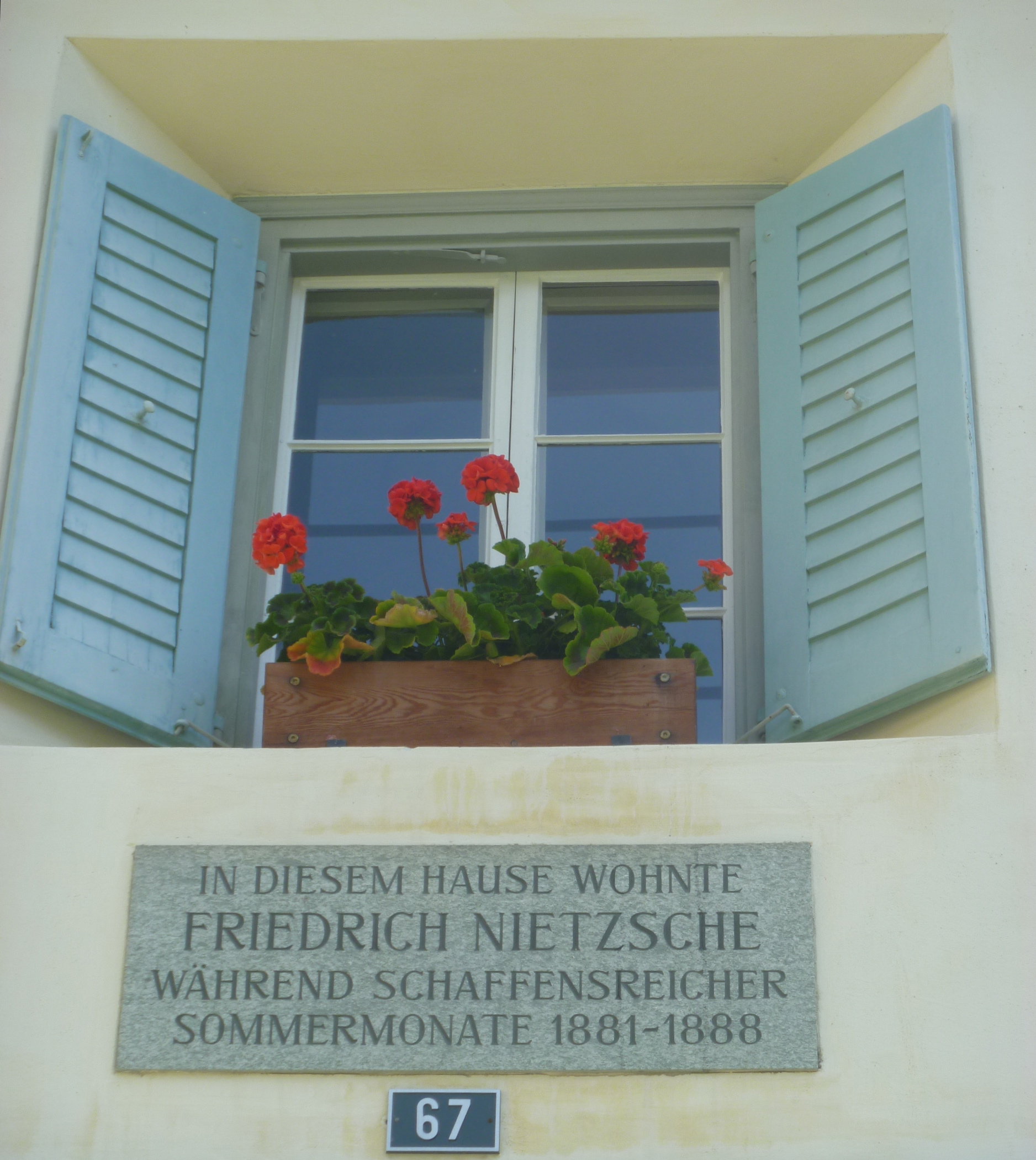
Nietzsche’s House in Sils Maria

Nietzsche House

Nietzsche lived here

My knowledge of the life and philosophy of Friedrich Nietzsche comes entirely from the writing and TV programme made by Alain de Botton a few years ago in his series Philosophy: A Guide to Happiness. Here is the episode on Nietzsche. In it he visits the house in Sils Maria where FN spent several summers in the 1880s. I was at that house last Saturday.

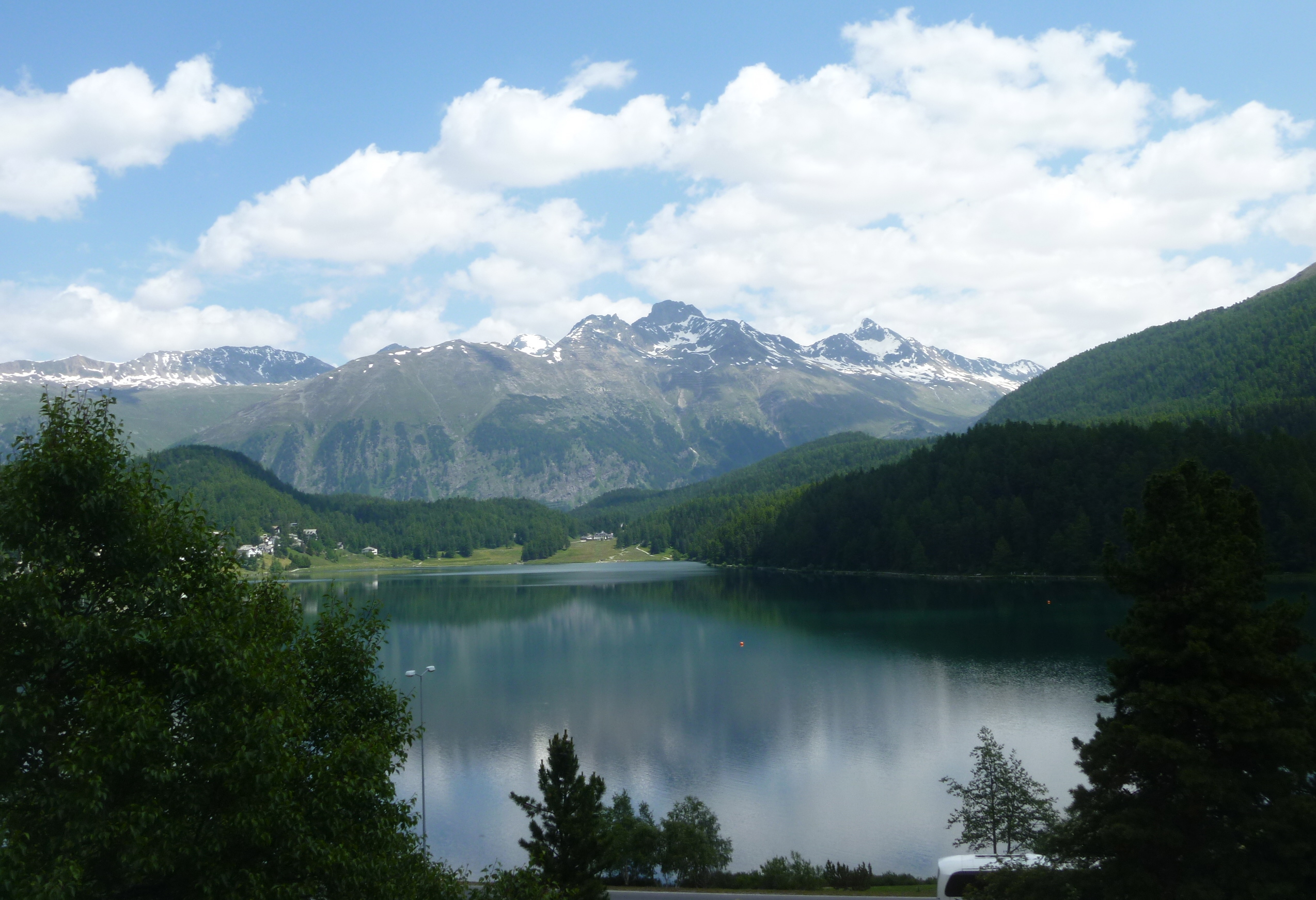
The village of Sils Maria is in huge contrast with nearby St Moritz with its glitz and glamour. I will however say, very much in its favour, that the setting of St Moritz is simply breathtaking.

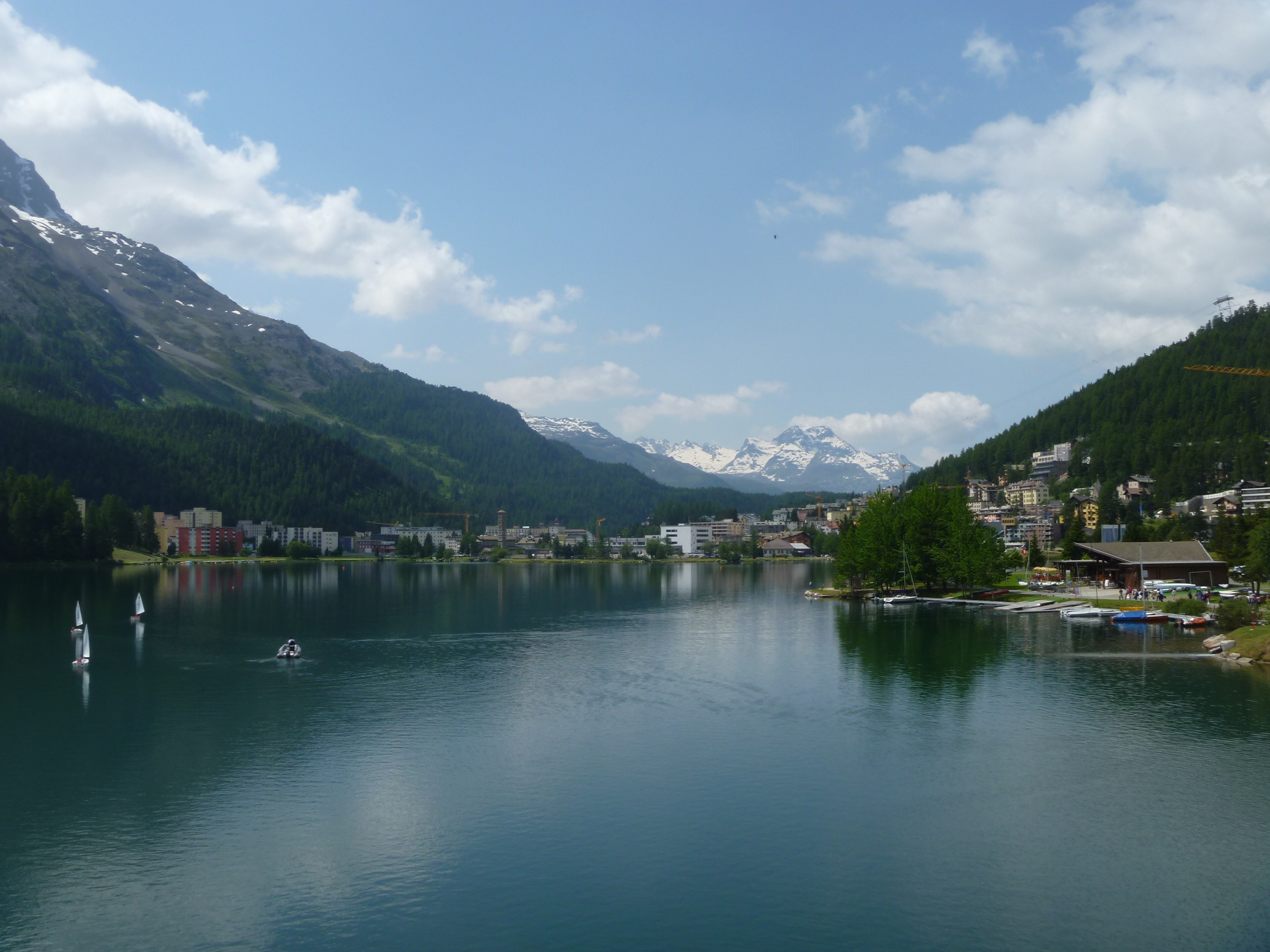
St Moritz Bad

St Moritz Bad (Spa) and Lake

St Moritz Lake

St Moritz Lake

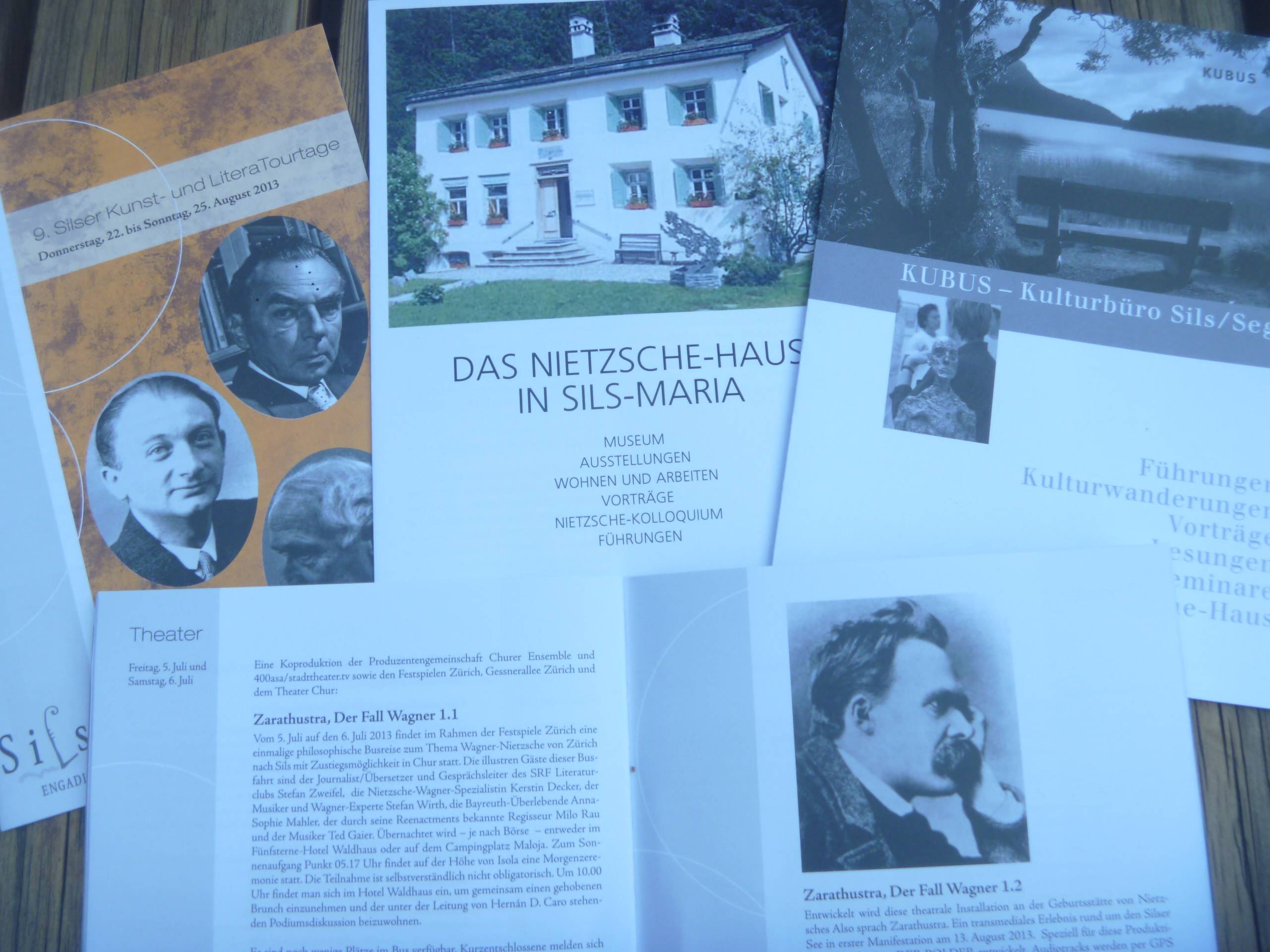
Sils Maria is in a no less dramatic situation with a lake and mountains but it also has much prettier architecture, very distinctive of the Engadine region, and a varied and interesting summer cultural programme. Some of it focussing on the Nietzsche House but lots more besides – walks, concerts, talks – many with literary connections.

Brochures

Some brochures I picked up in Sils Maria

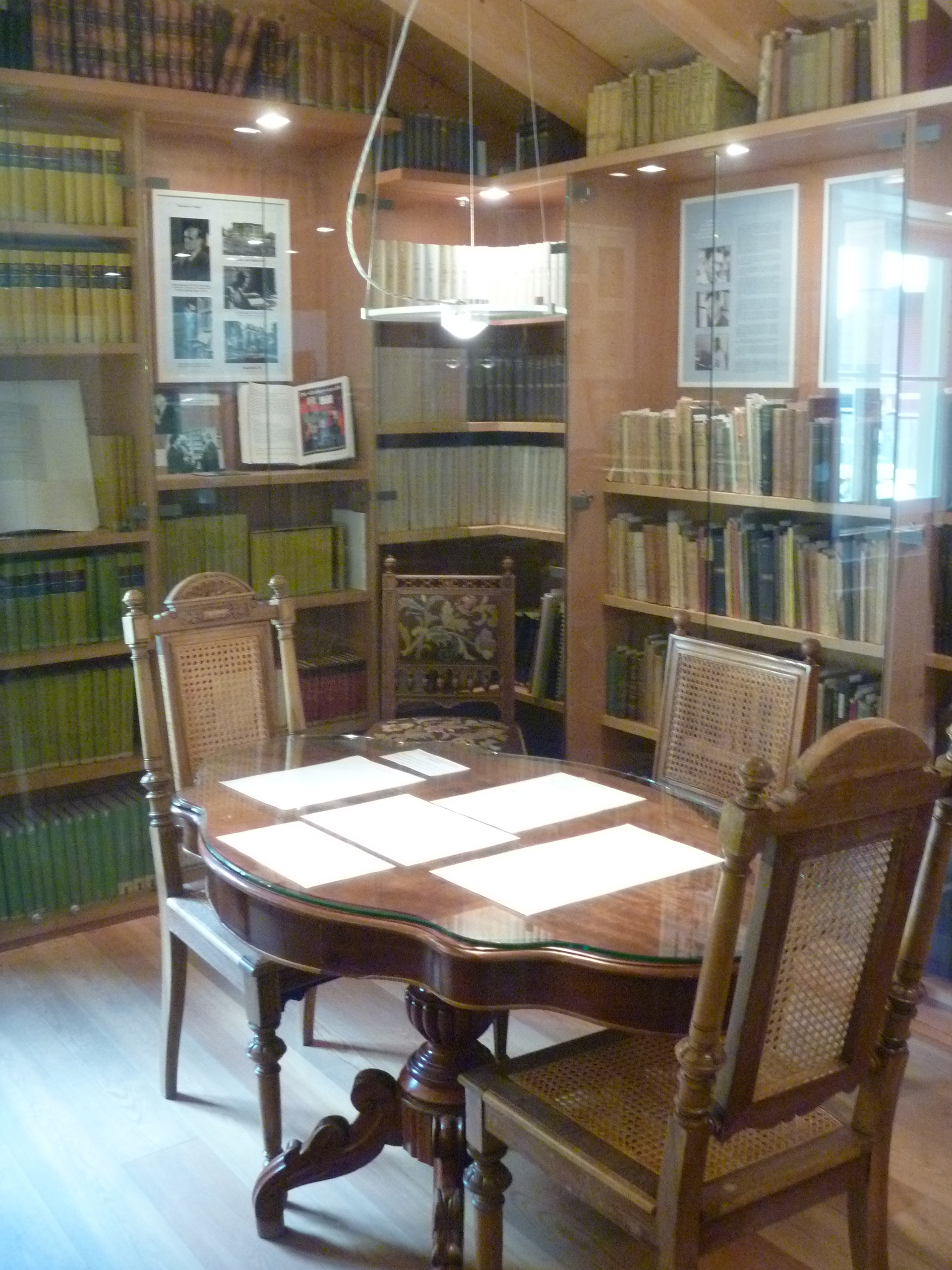
There’s a fantastic library and a huge amount of primary and secondary material at the house and it’s also possible to stay there as a guest and facilitate oneself of these research sources. Read more about the donations to the library here.

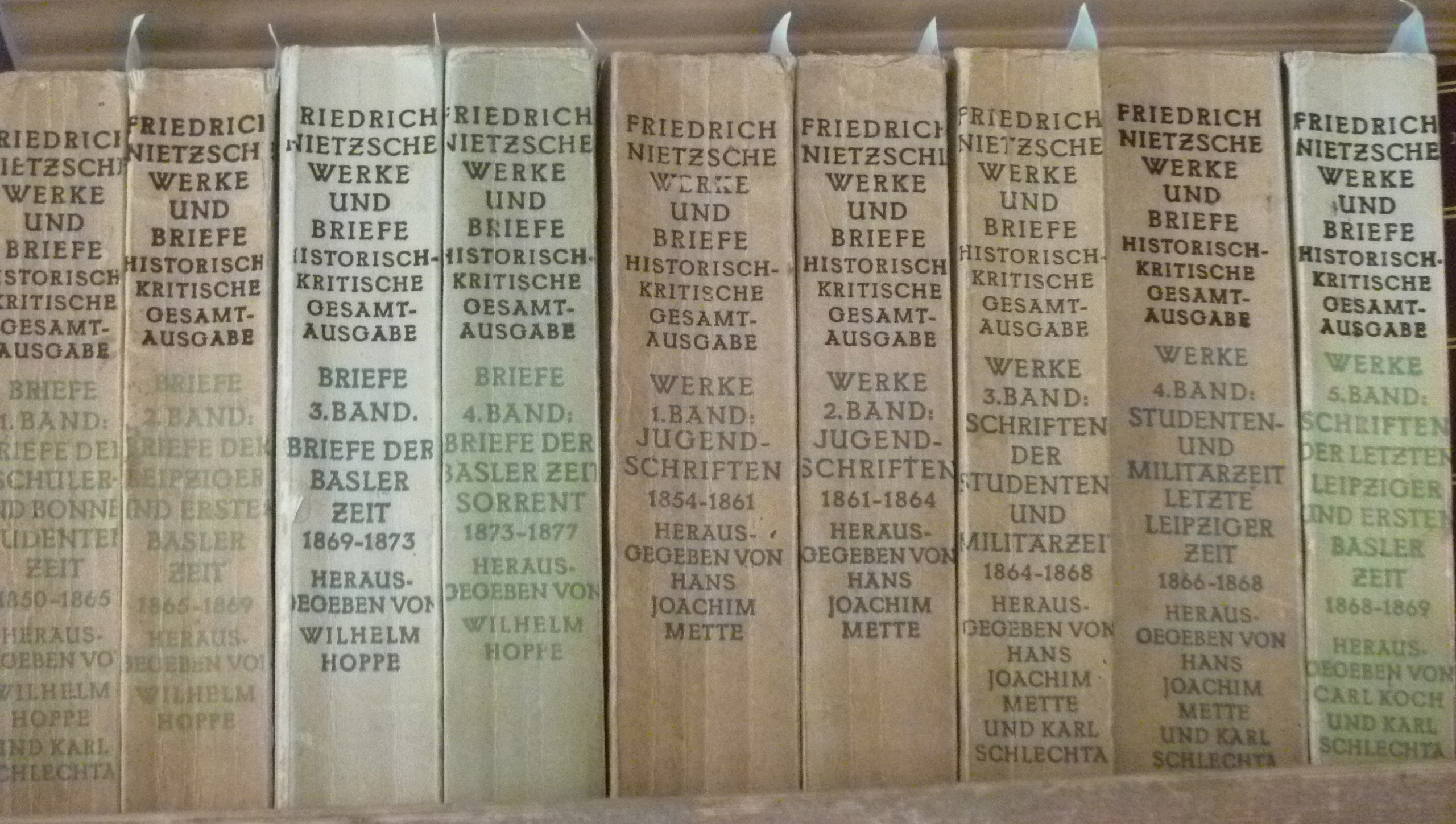
His works

Just part of the collection of Nietzsche’s works

Library

A Corner of the Library

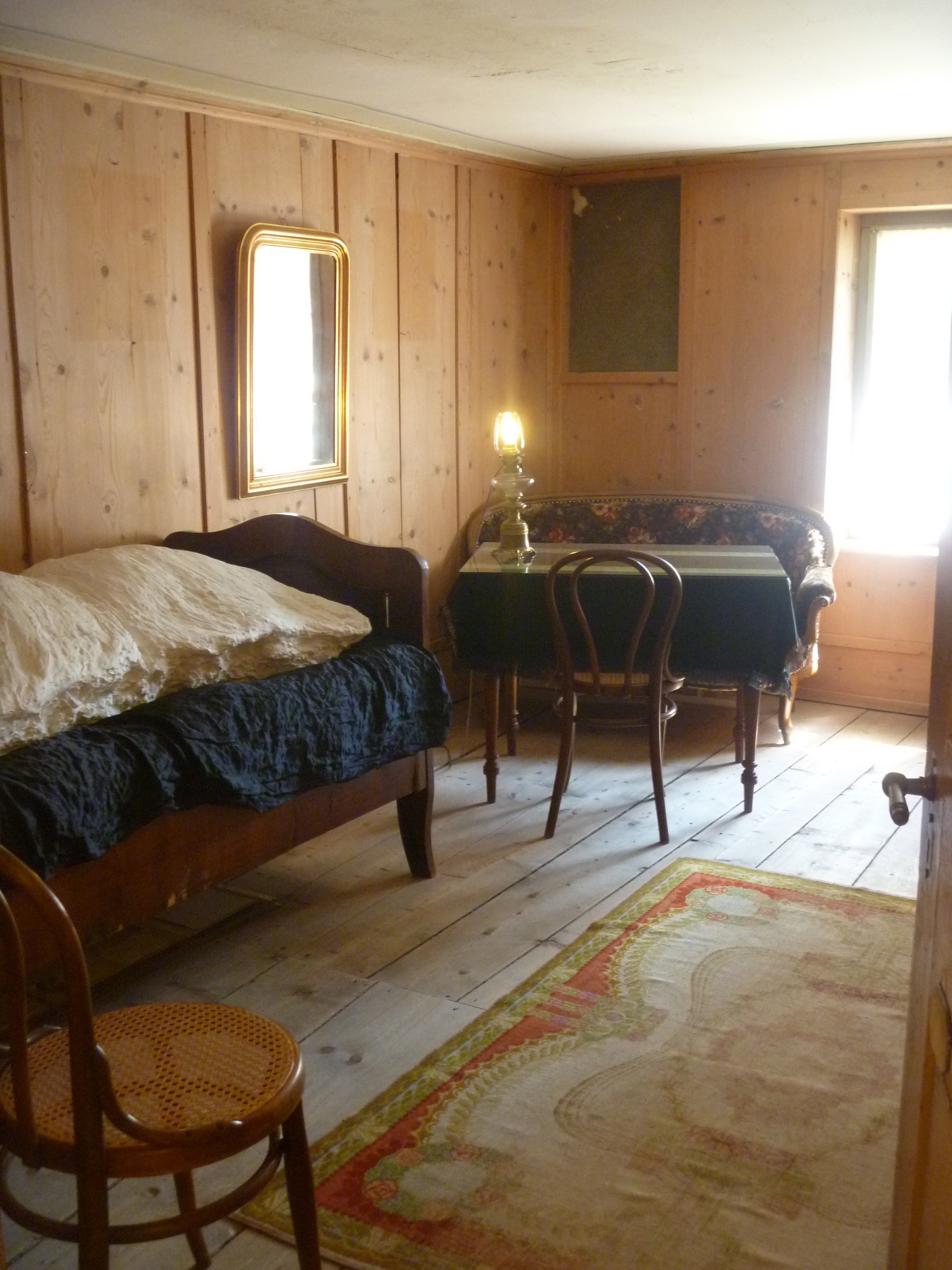
His room

Nietzsche’s Room

Nietzsche's view

The View from Nietzsche’s House

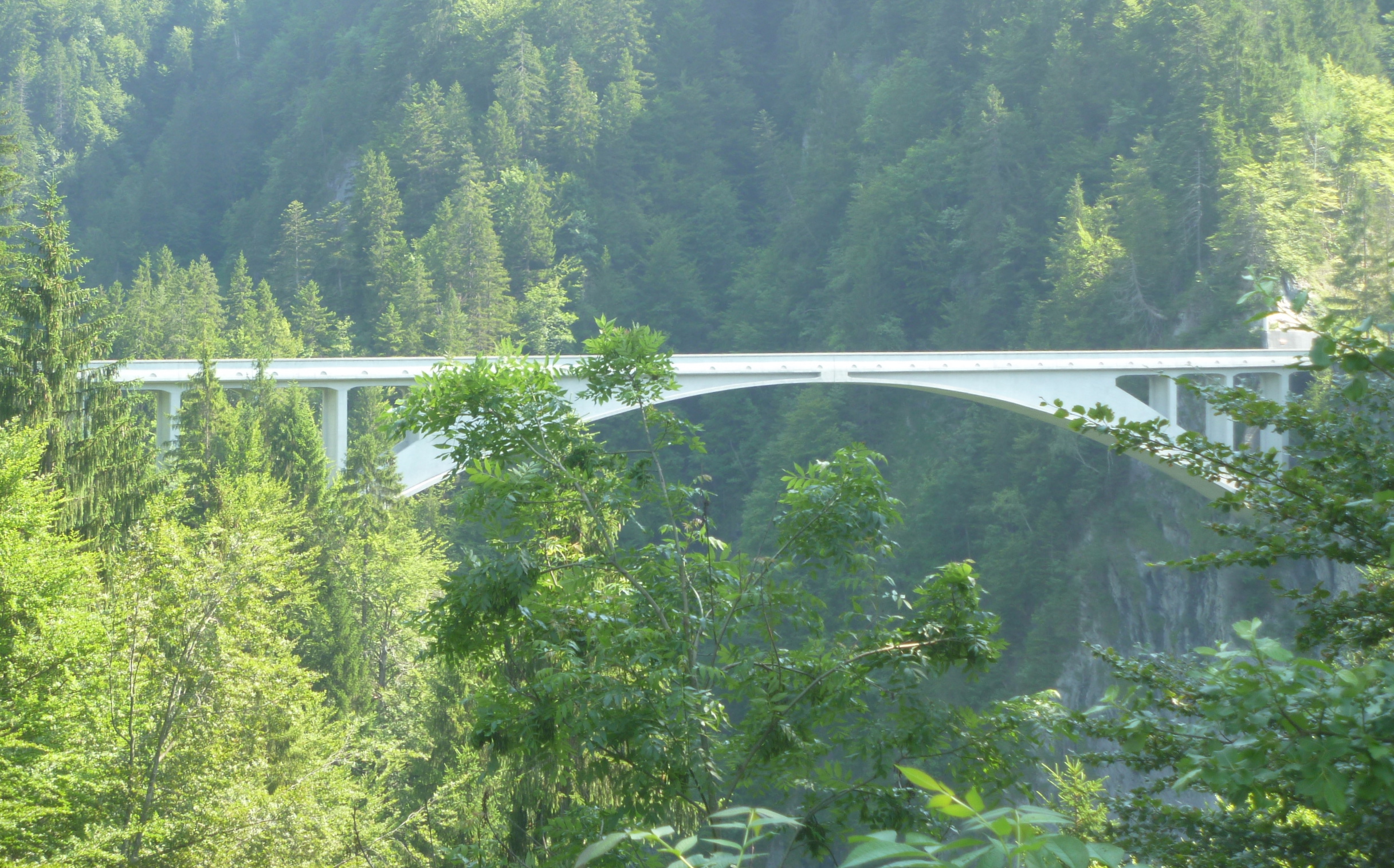
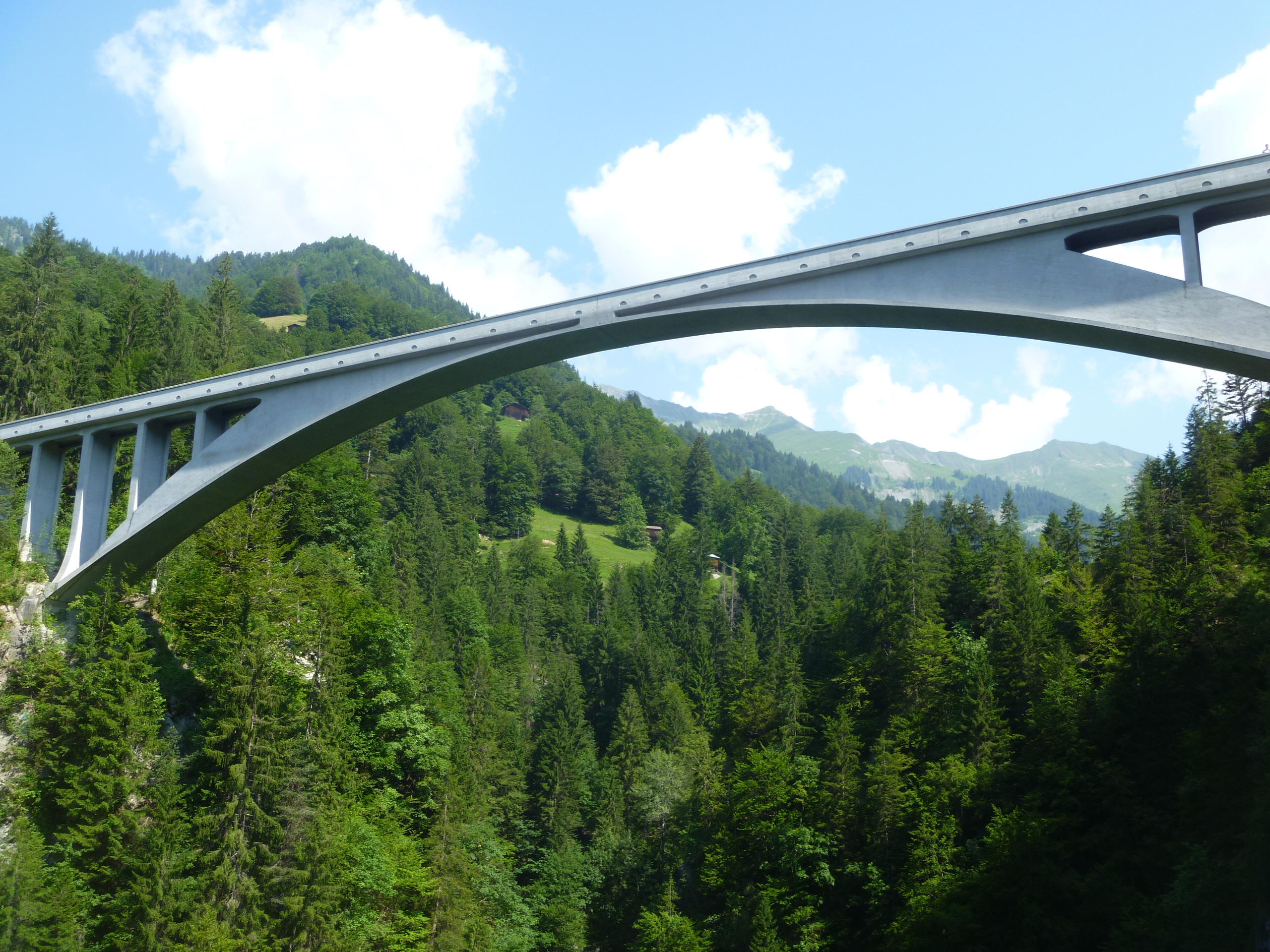
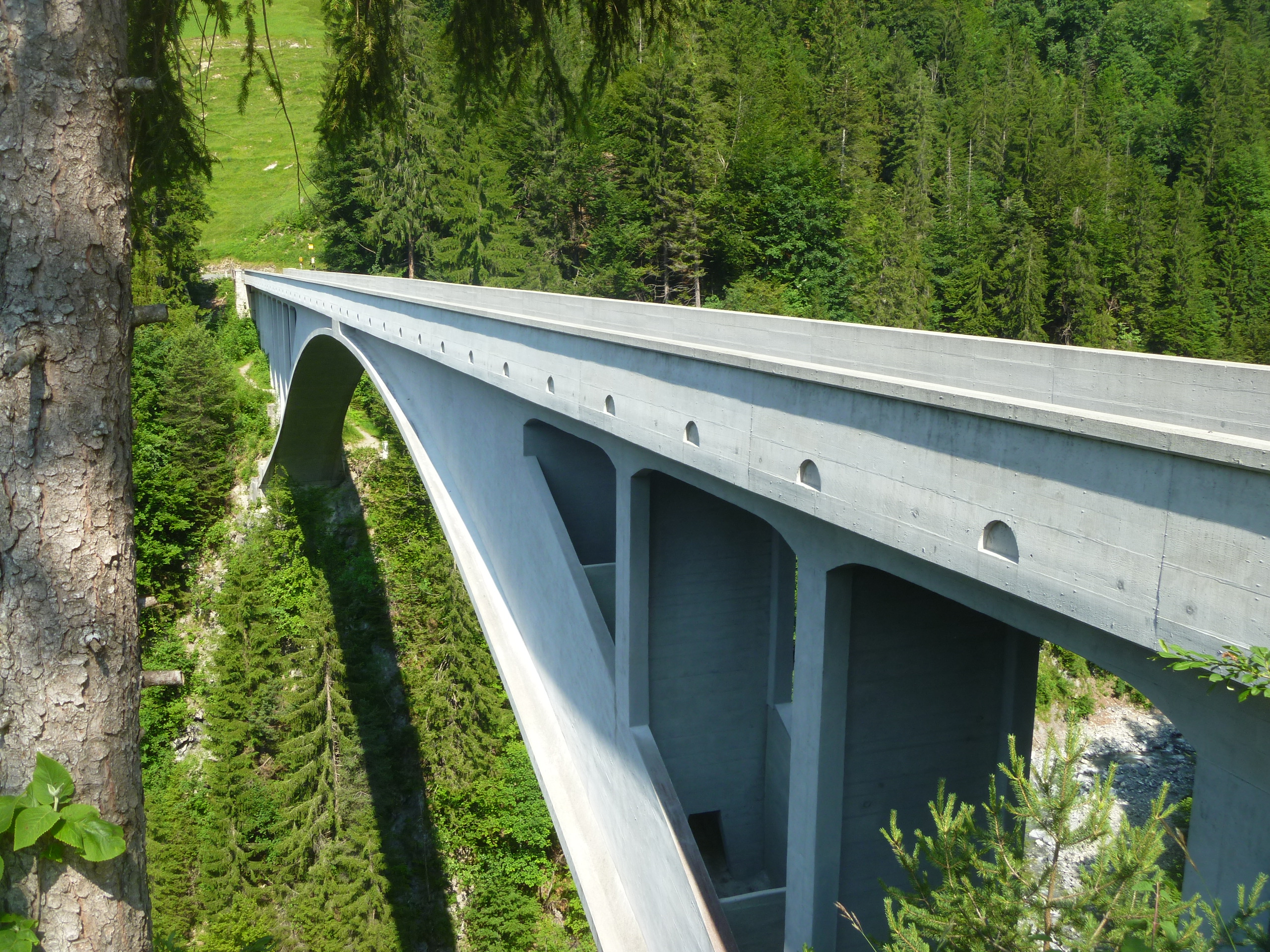
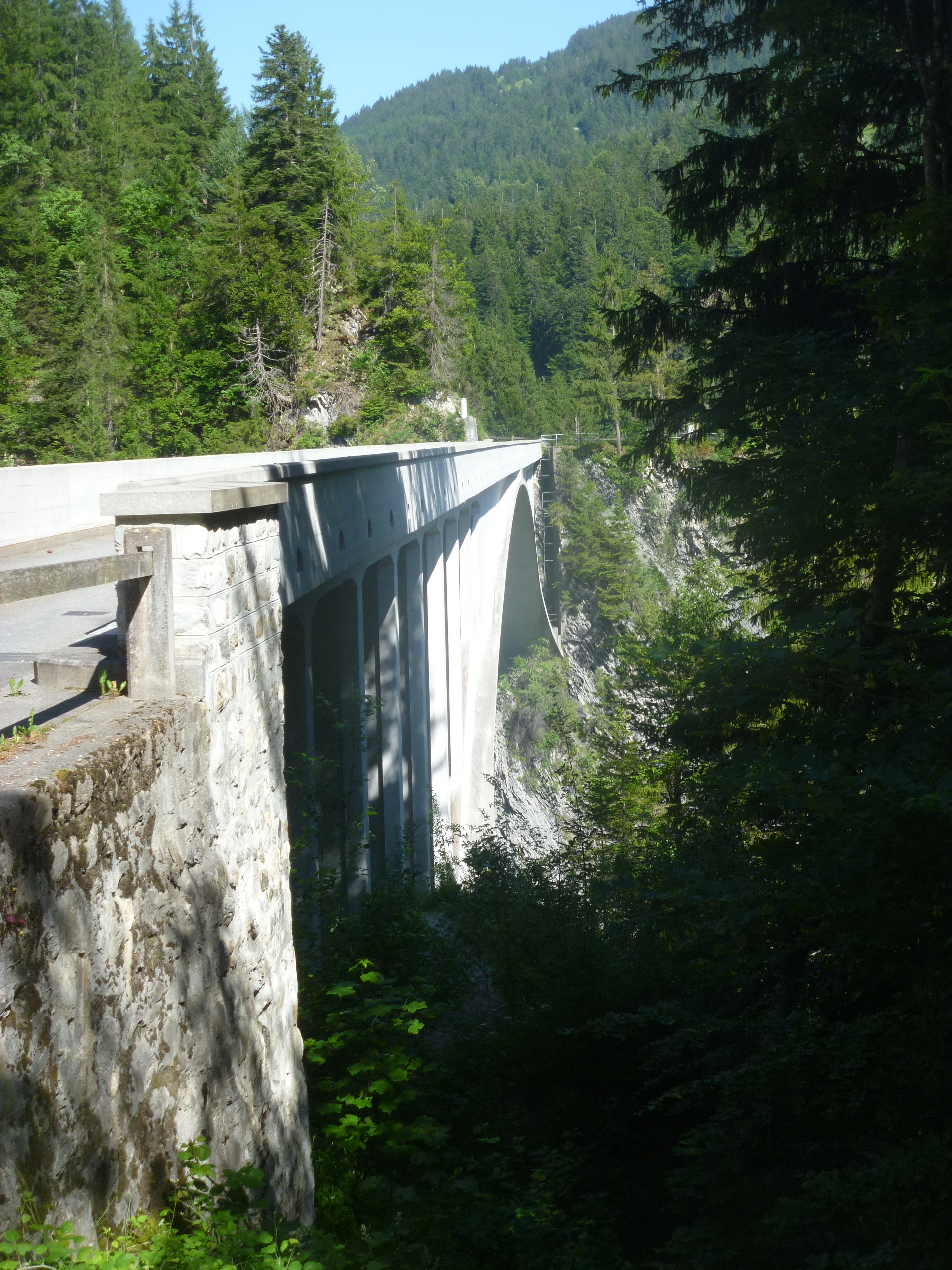
World Monument. The Salginatobel Bridge

Salgina Tobel Brücke

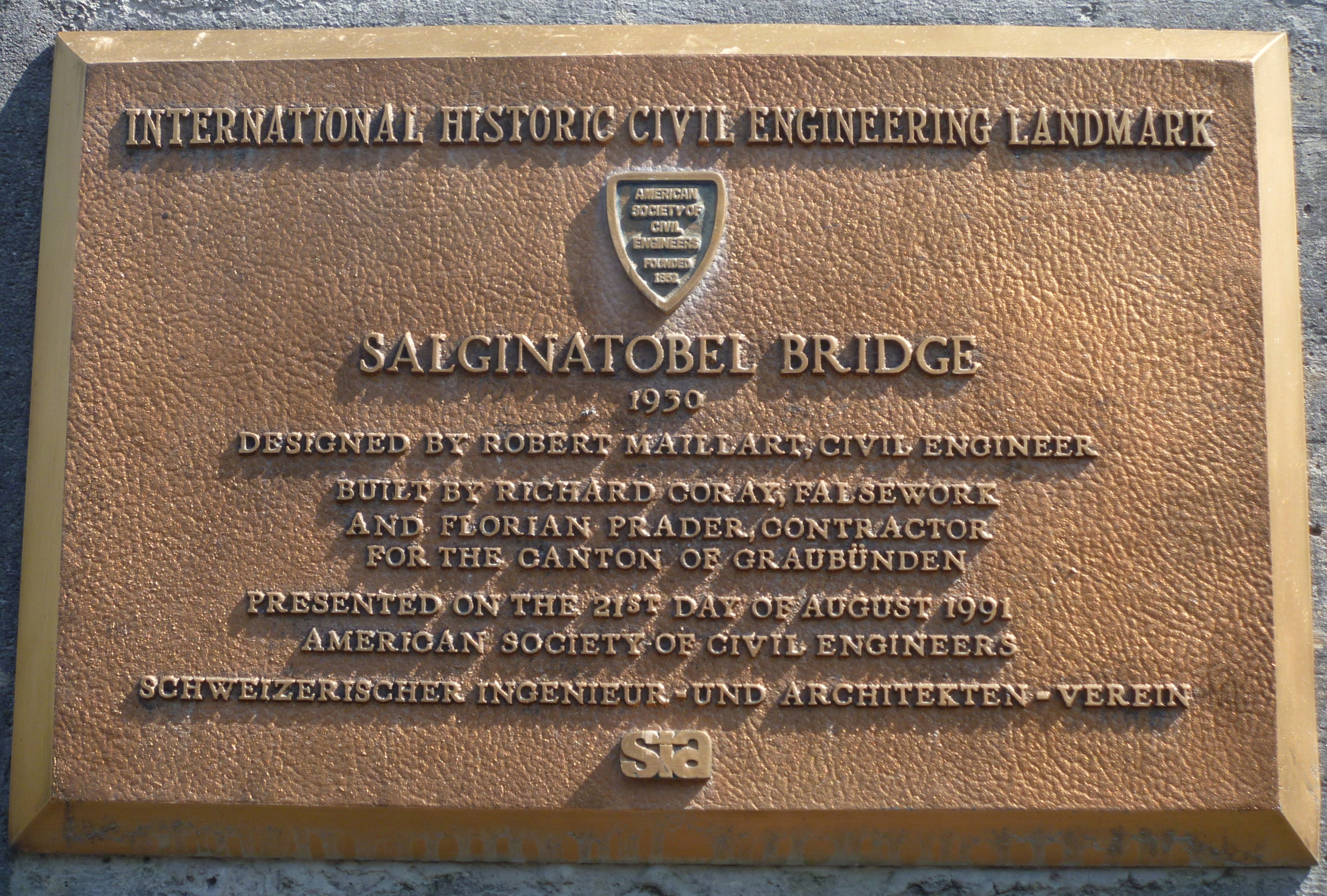
Just outside the village of Schiers where I’m staying is a World Monument – The Salginatobel Bridge. It isn’t UNESCO World Heritage protected as I had originally thought but is specially recognised and has been awarded the honour of being an International Historic Civil Engineering Landmark.

Bridge sign

It is little used but has a fascinating history as it looks like a very modern bridge but in fact was built and opened in 1930/31. Robert Maillart, the Swiss engineer whose company won the contract to build the connection over the 90m gorge, was a pioneer in the use of reinforced concrete and this bridge is an outstanding example of his work.

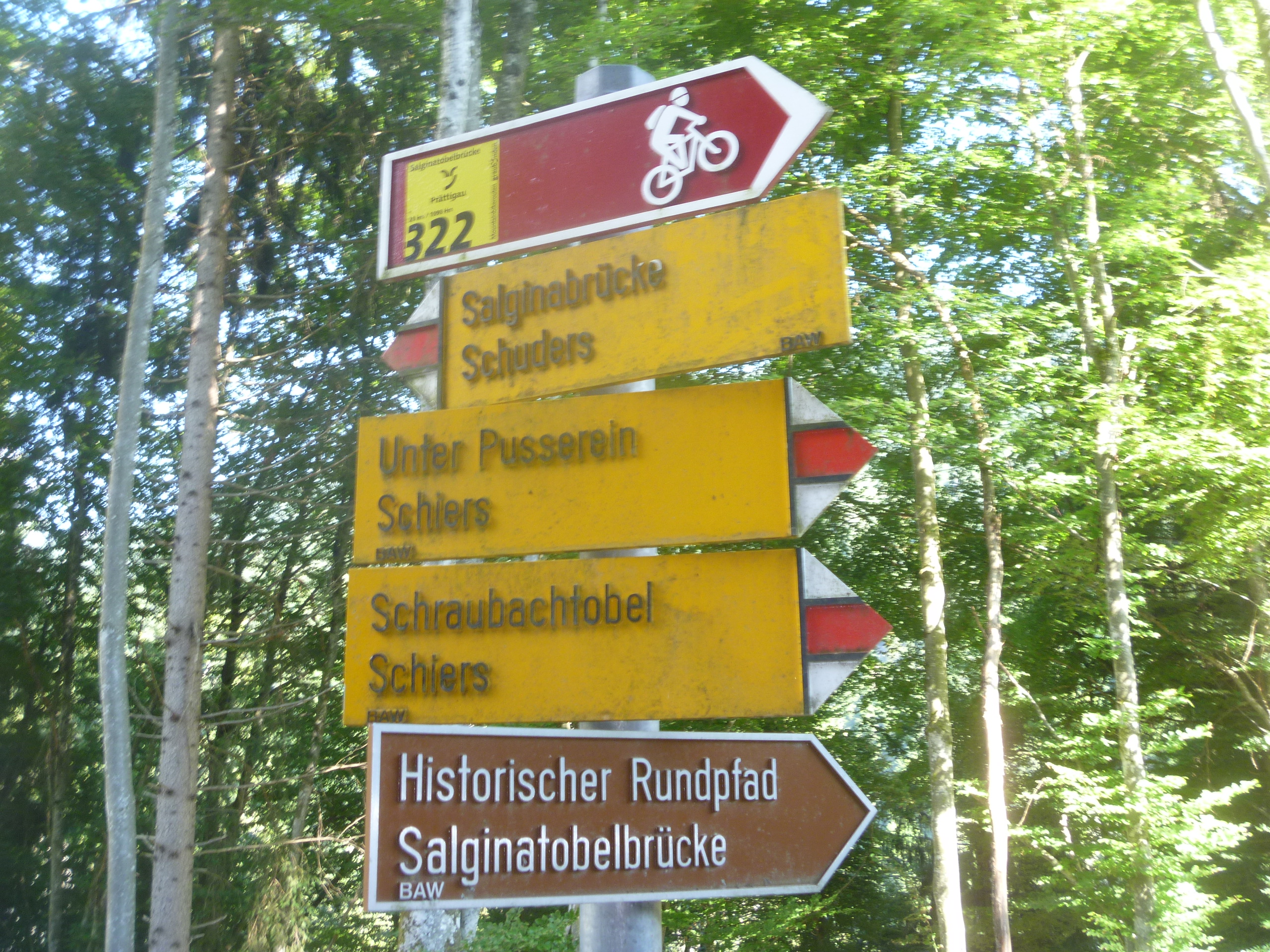
Salgina bridge walk

I did come across it by accident on one of my walks but at the weekend friends drove me up to it again to get a better look at it and to visit the viewing platform which I had missed previously.

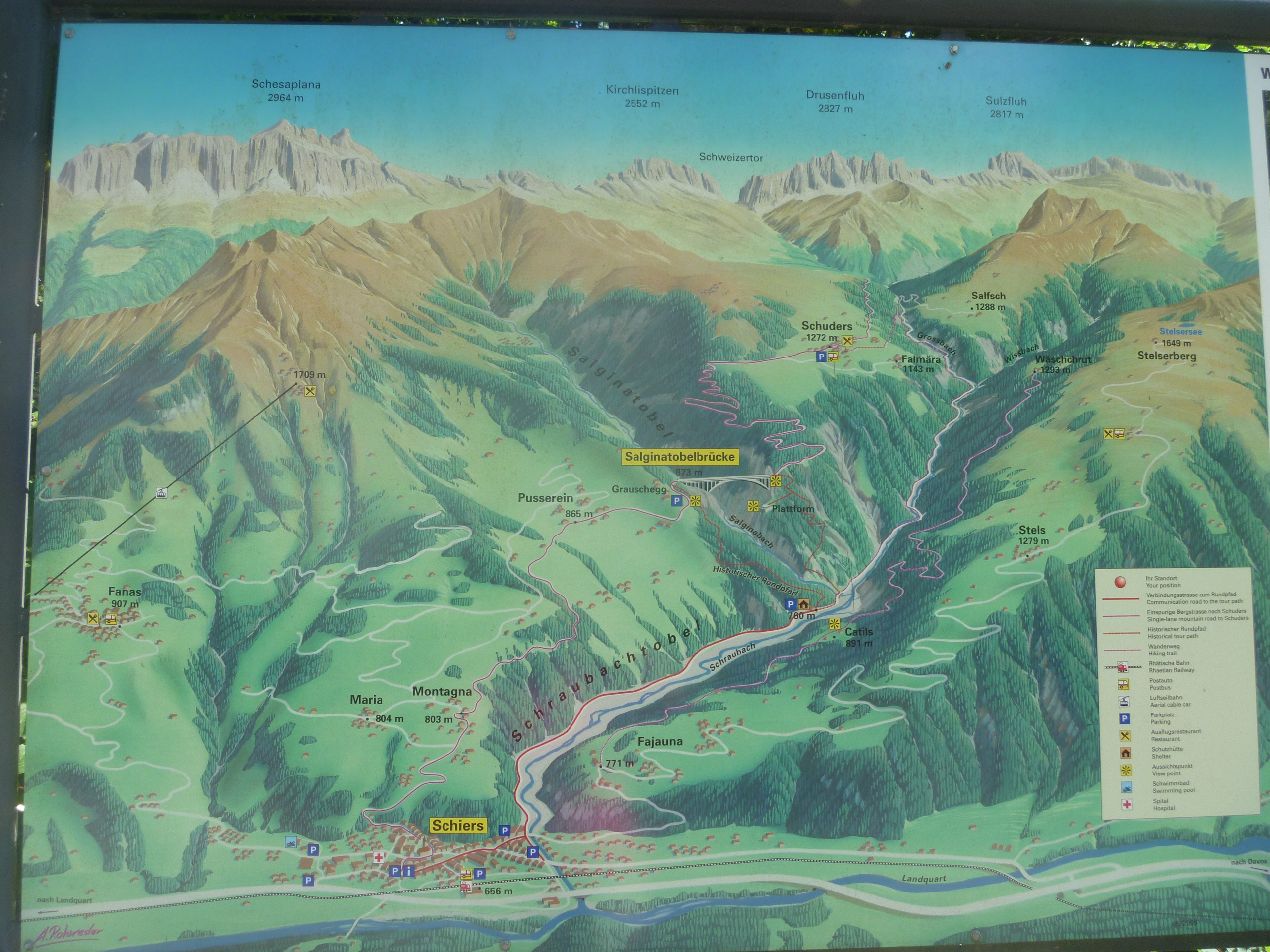
Bridge map

Map showing Schiers and The Bridge

bridge 3

bridge 2

bridge

Bergün and its Railway Museum

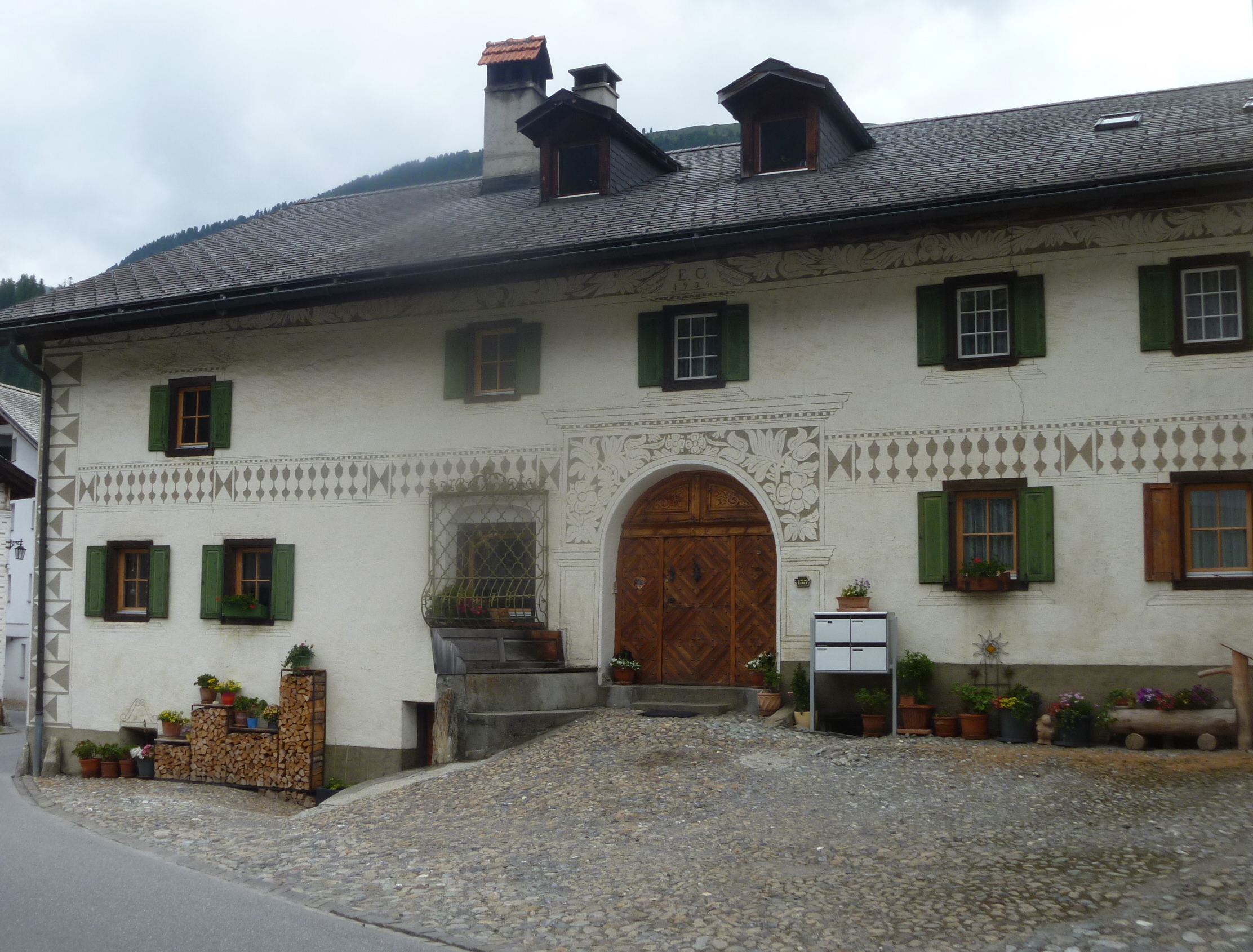
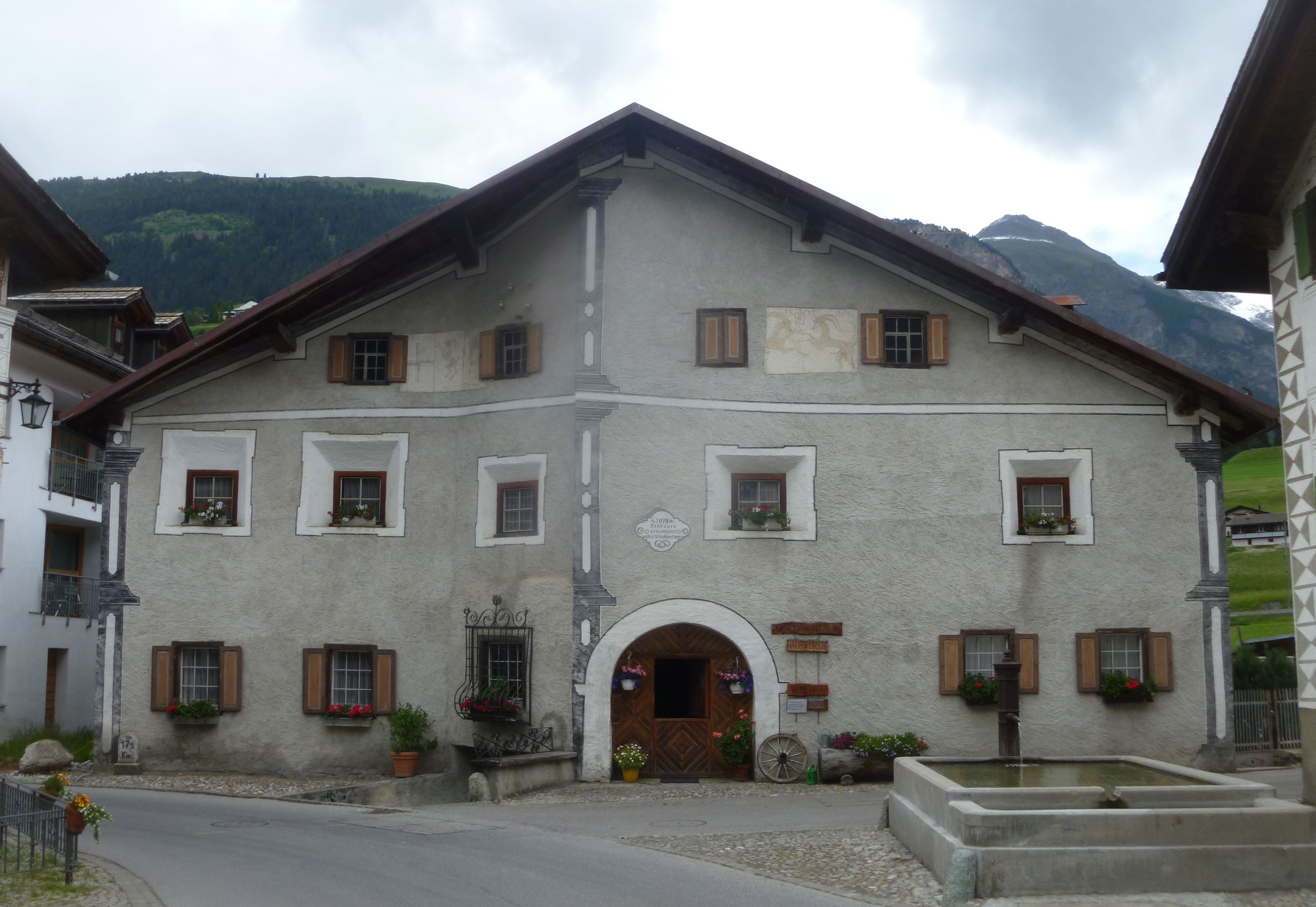
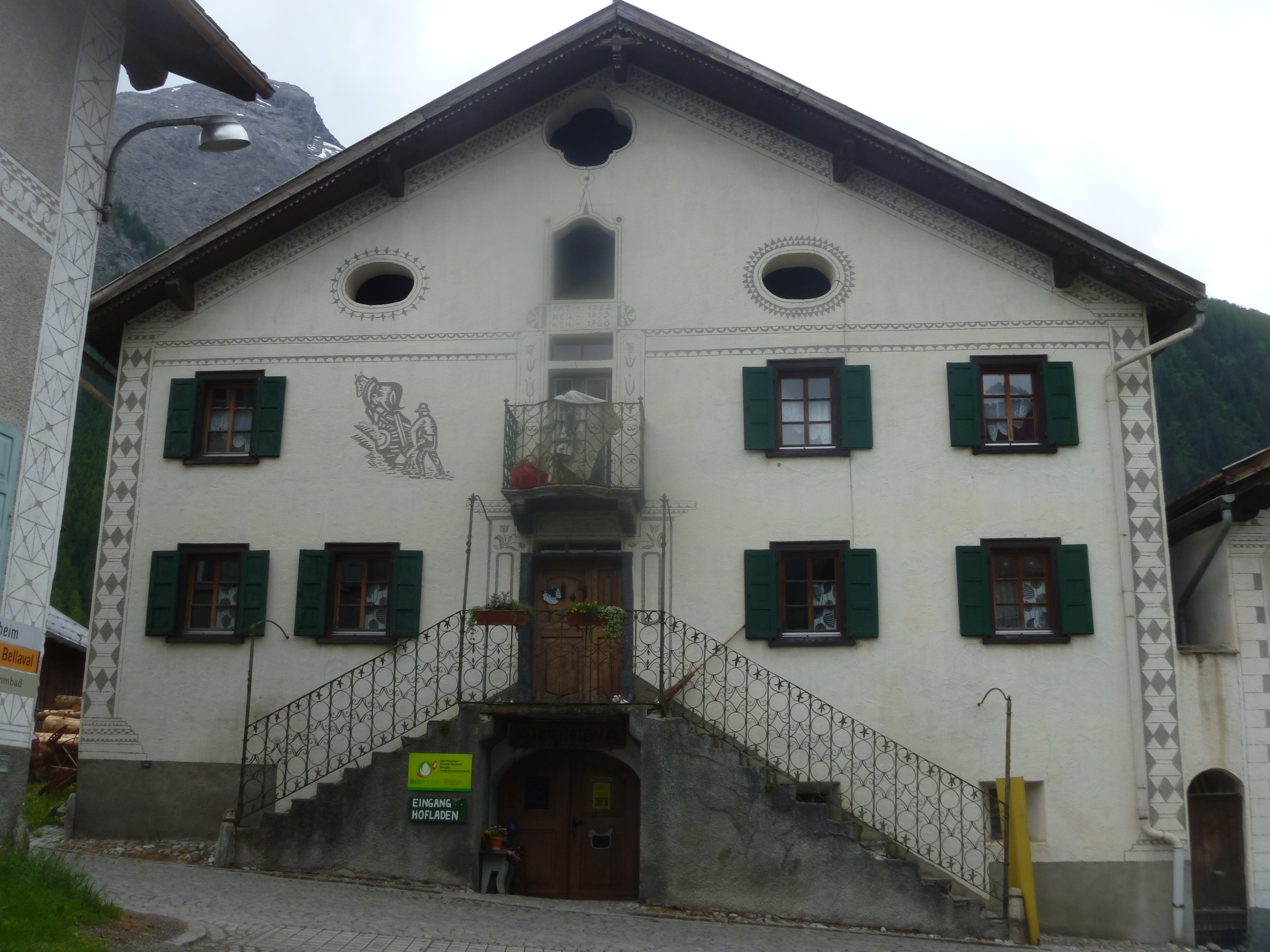
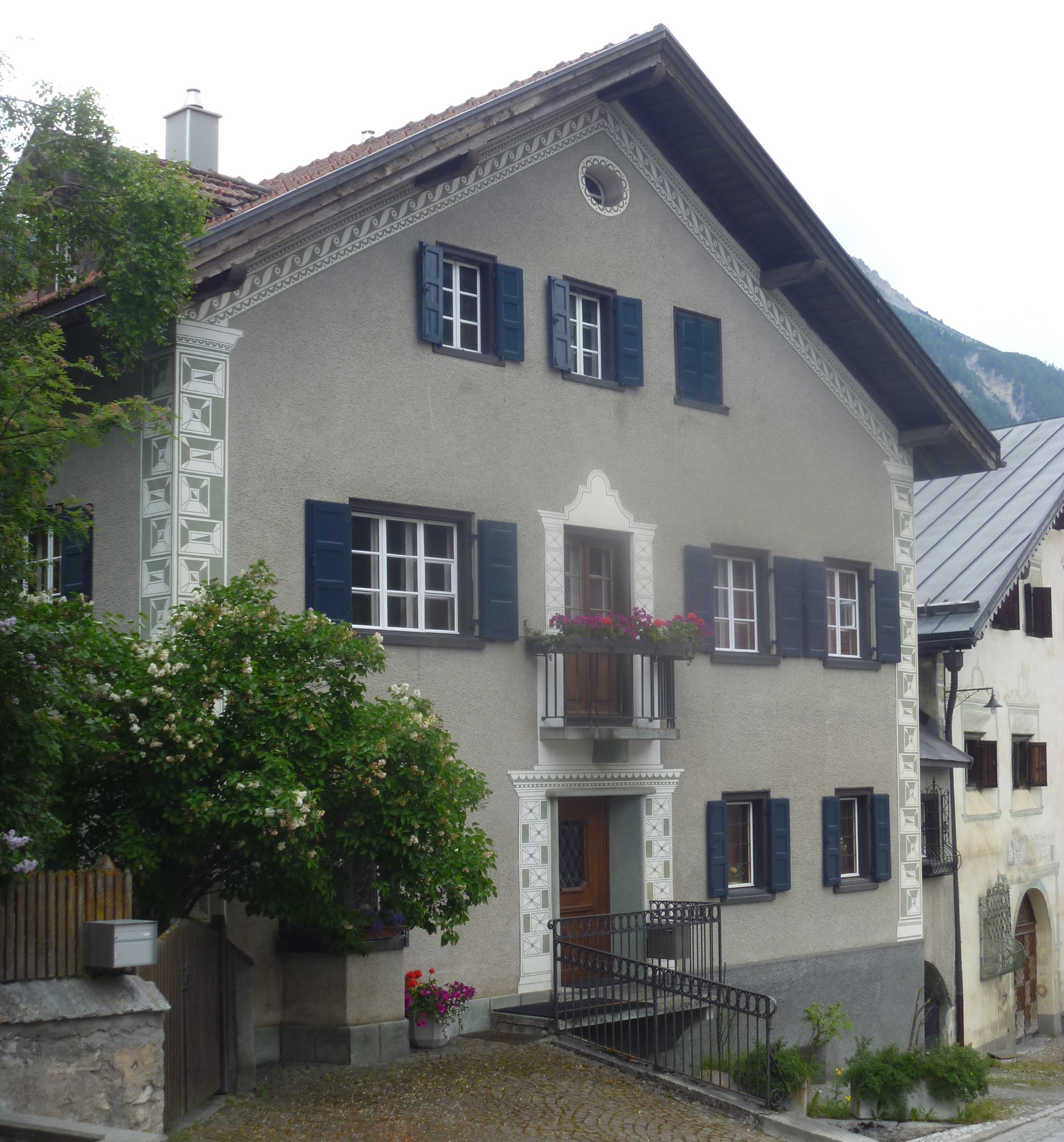
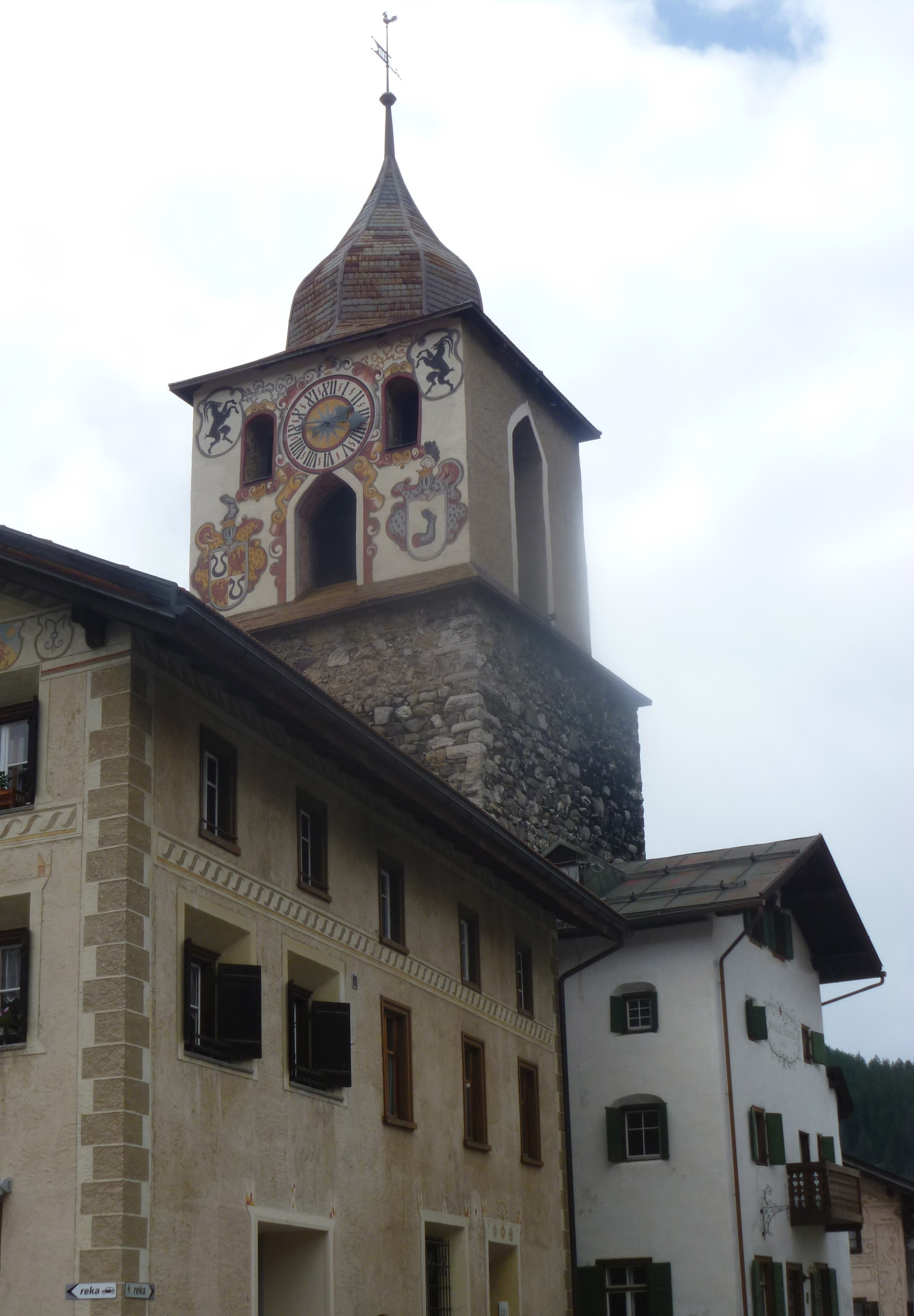
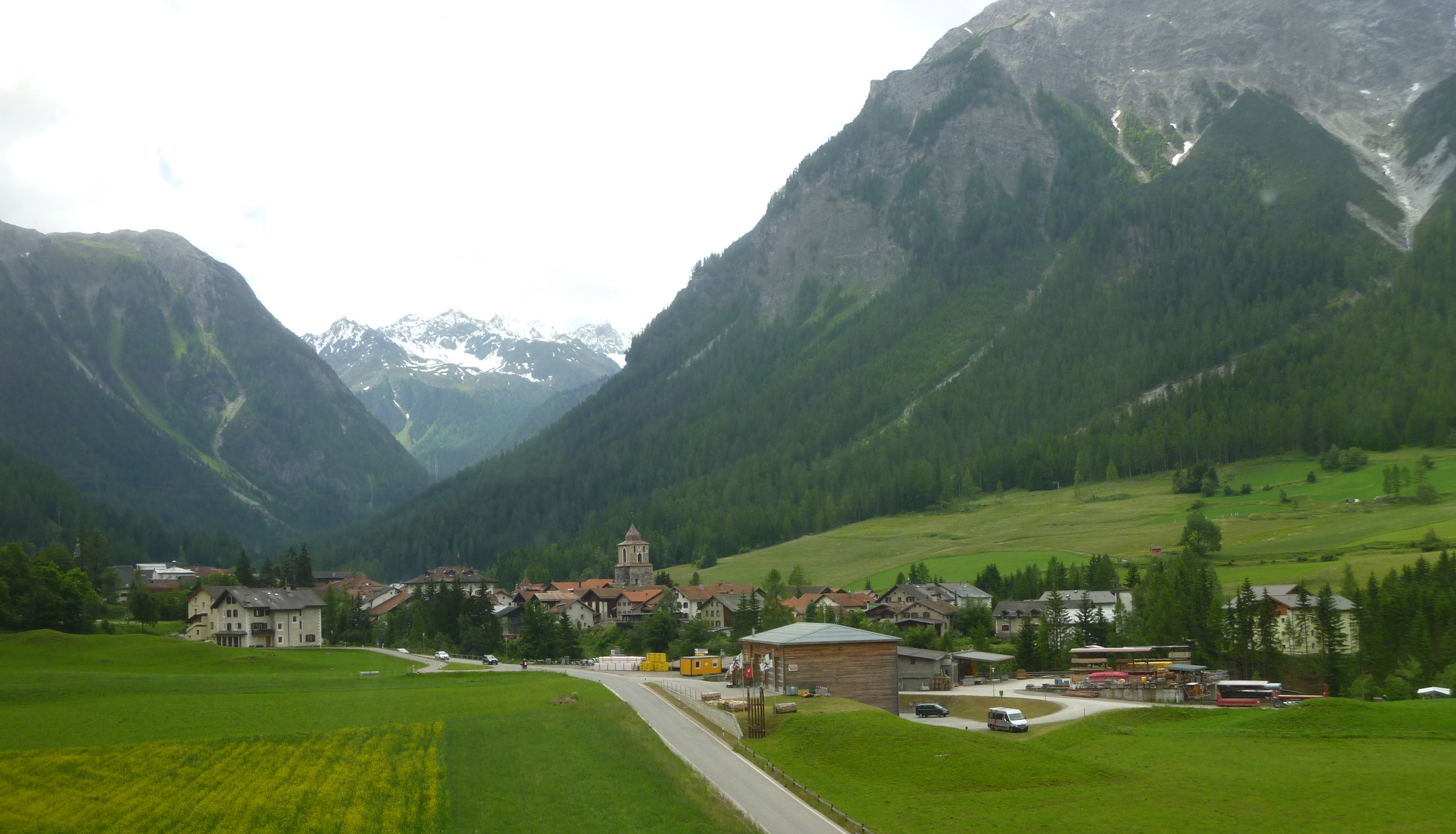
When I arrived in Bergün after the hike down from Preda along the Erlebnisweg [Historic Railway Trail] I was delighted to find such a lovely old traditional village with so many houses typical of the region. These picturesque Engadine houses are lavishly decorated with sgraffito, frescoes and oriel windows and there’s an 800 year old Romanesque church and a Roman tower all amazingly unchanged.

Engadine Farm Bergün

Engadine House 1

Engadine House 2

Engadine House 3

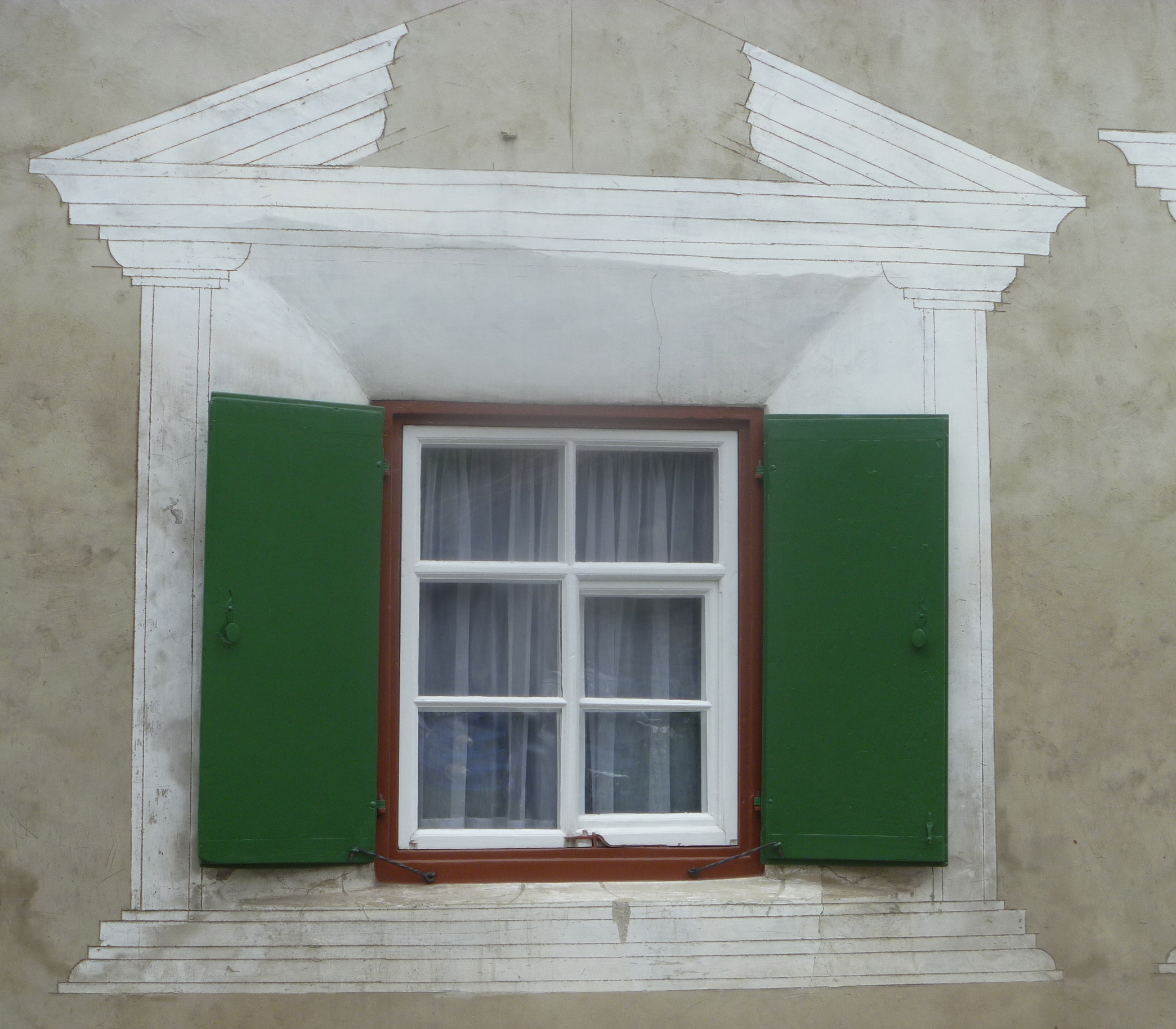
Trompe L'Oeil window

An example of the sgrafitto or trompe l’oeil window

Bergün Church

The church

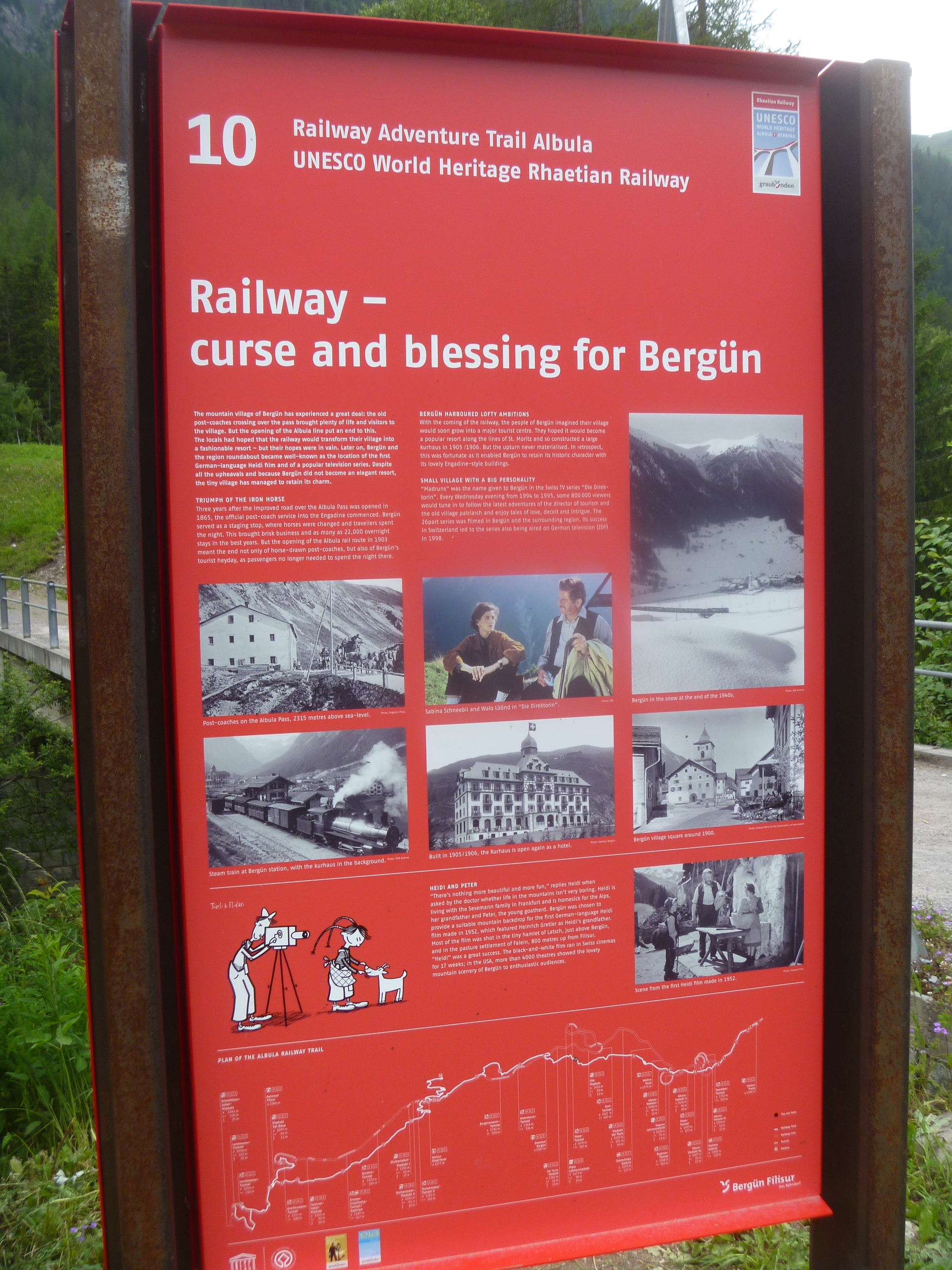
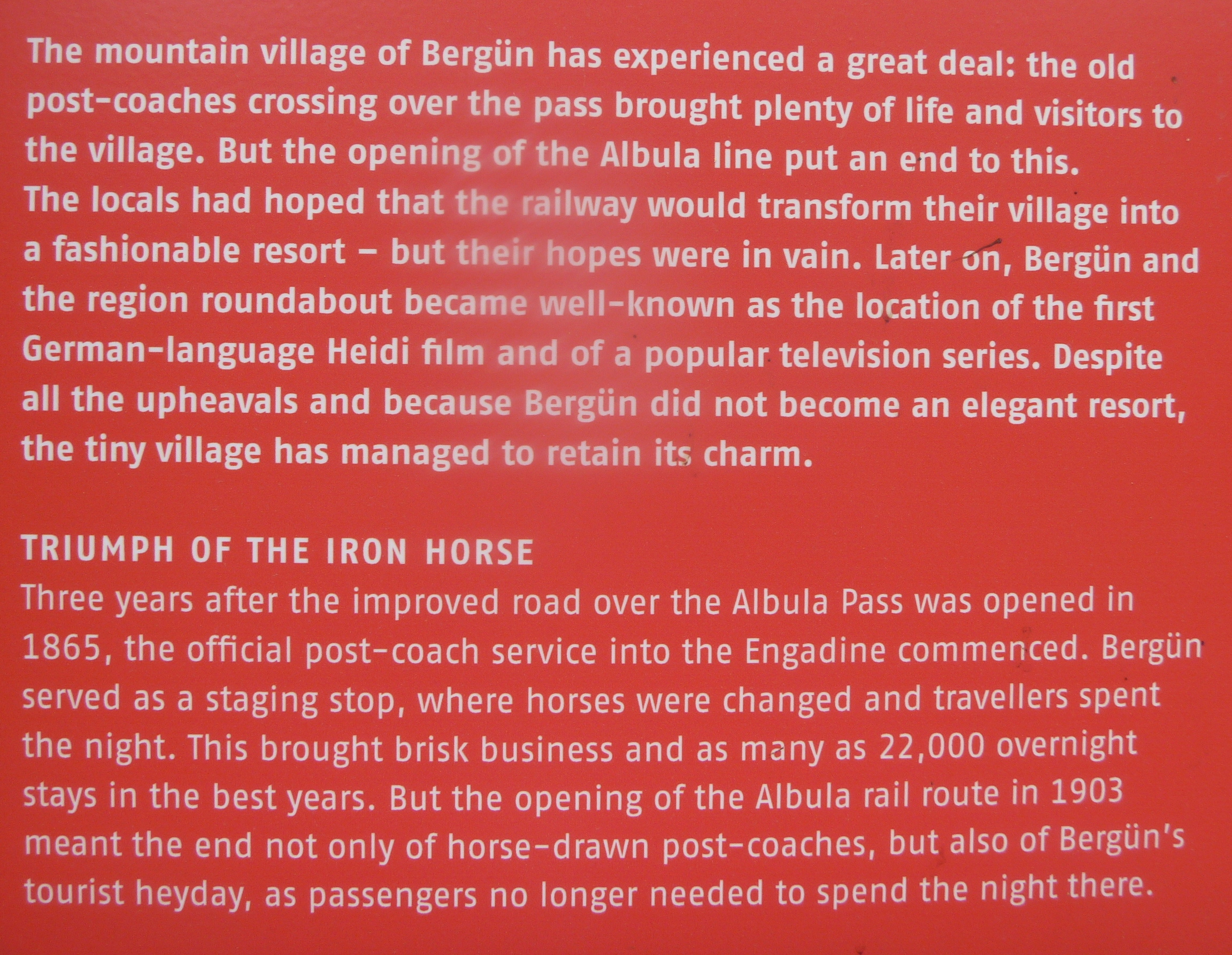
According to the Information Board just outside the village the railway has been a curse and a blessing for Bergün. Back in the nineteenth century the village did a brisk trade in accommodating overnight guests/tourists who were in transit by coach but after the opening of the railway in 1903 it was no longer necessary for horses to be rested and watered here.

Preda and Bergün are both popular for sledging in winter although quite where this is carried out is a mystery to me.

Info Board

Curse or blessing?

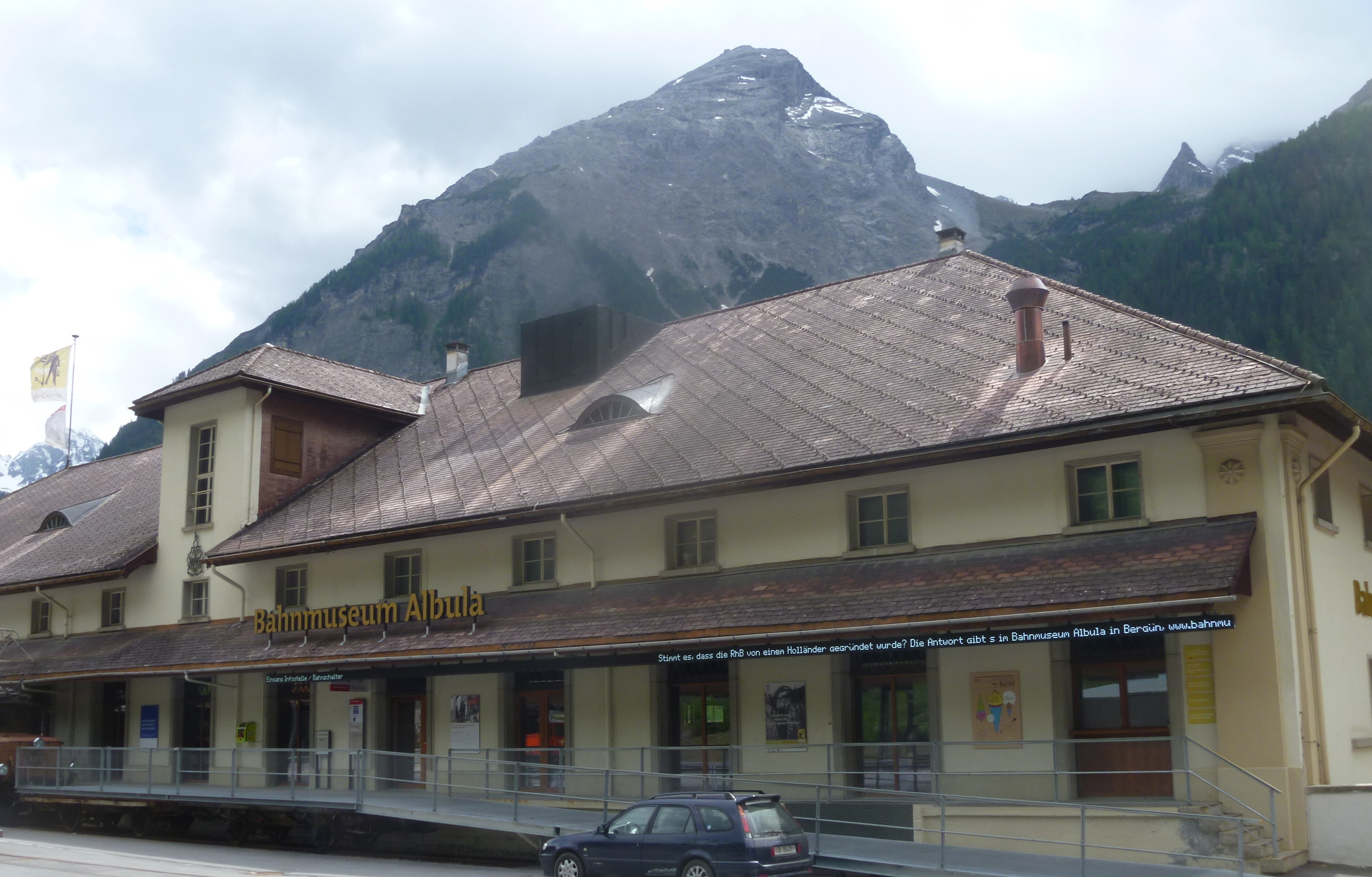
Finally, I arrived at the station where the Railway Museum is located in a converted station building. Despite all the ads for it that seemed to be appealing to children I found it a very adult museum but maybe I wasn’t viewing it from low enough down. For all that, this probably made it more interesting to me. Or would have, had I not been reading all the information boards along the footpath. A lot of the stuff was a bit repeated from them.

Museum

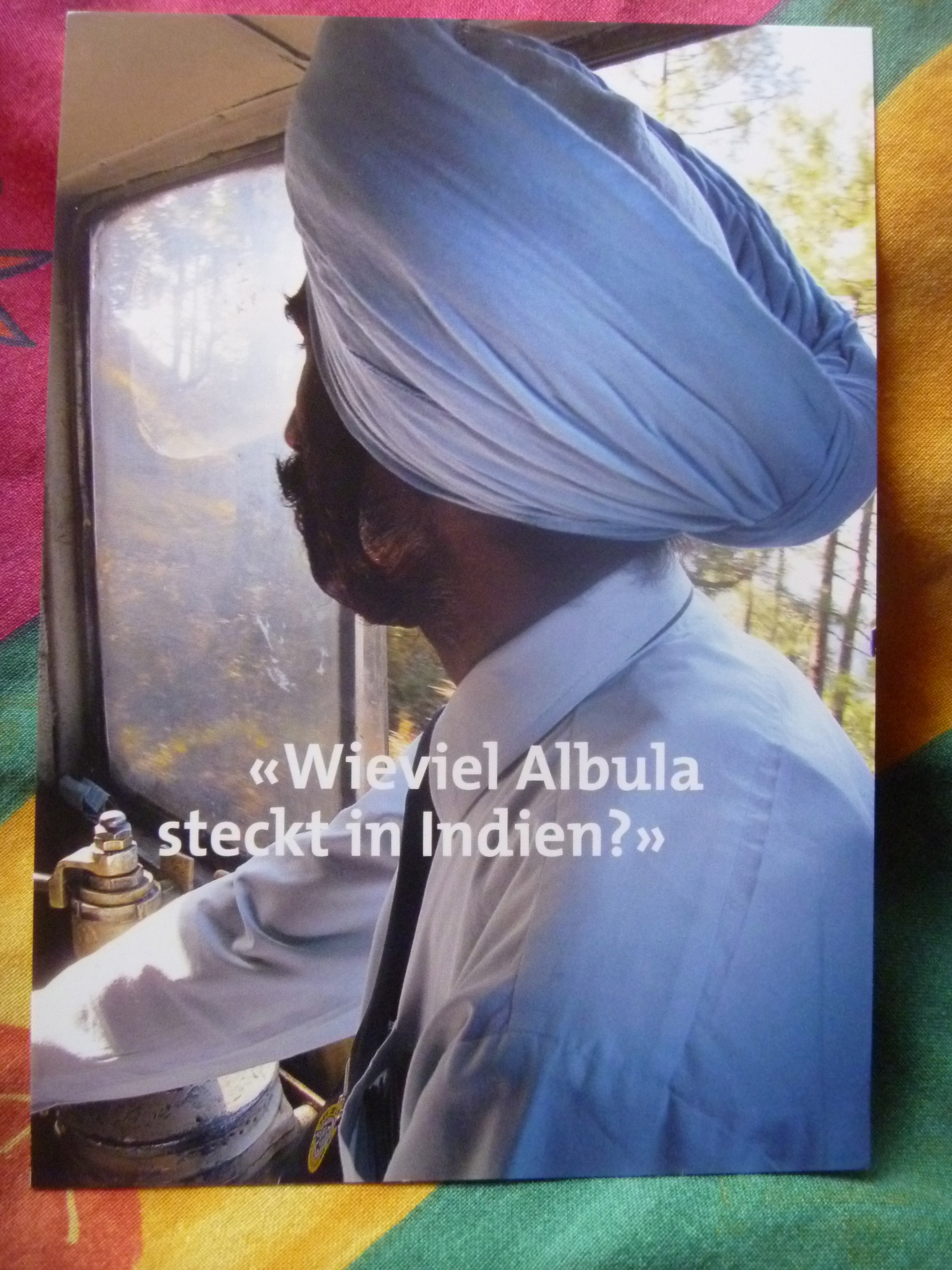
After the obligatory shop and cafe you enter the museum itself. The first room is filled with screens showing film of the Simla Railway. Like the Albula Line it is also protected by UNESCO World Heritage status. Built at the end of the 19th century it improved access from New Delhi to the cool summer British residence of Simla. Two Swiss artists made the films travelling on the railway itself. There is no hectic rush as the train and its passengers chug their way up from Kalka to Simla. There is no apparent Health and Safety Advice either by the looks of it. The films are actually very therapeutic and show a relaxed mode of travelling.

Simla Line

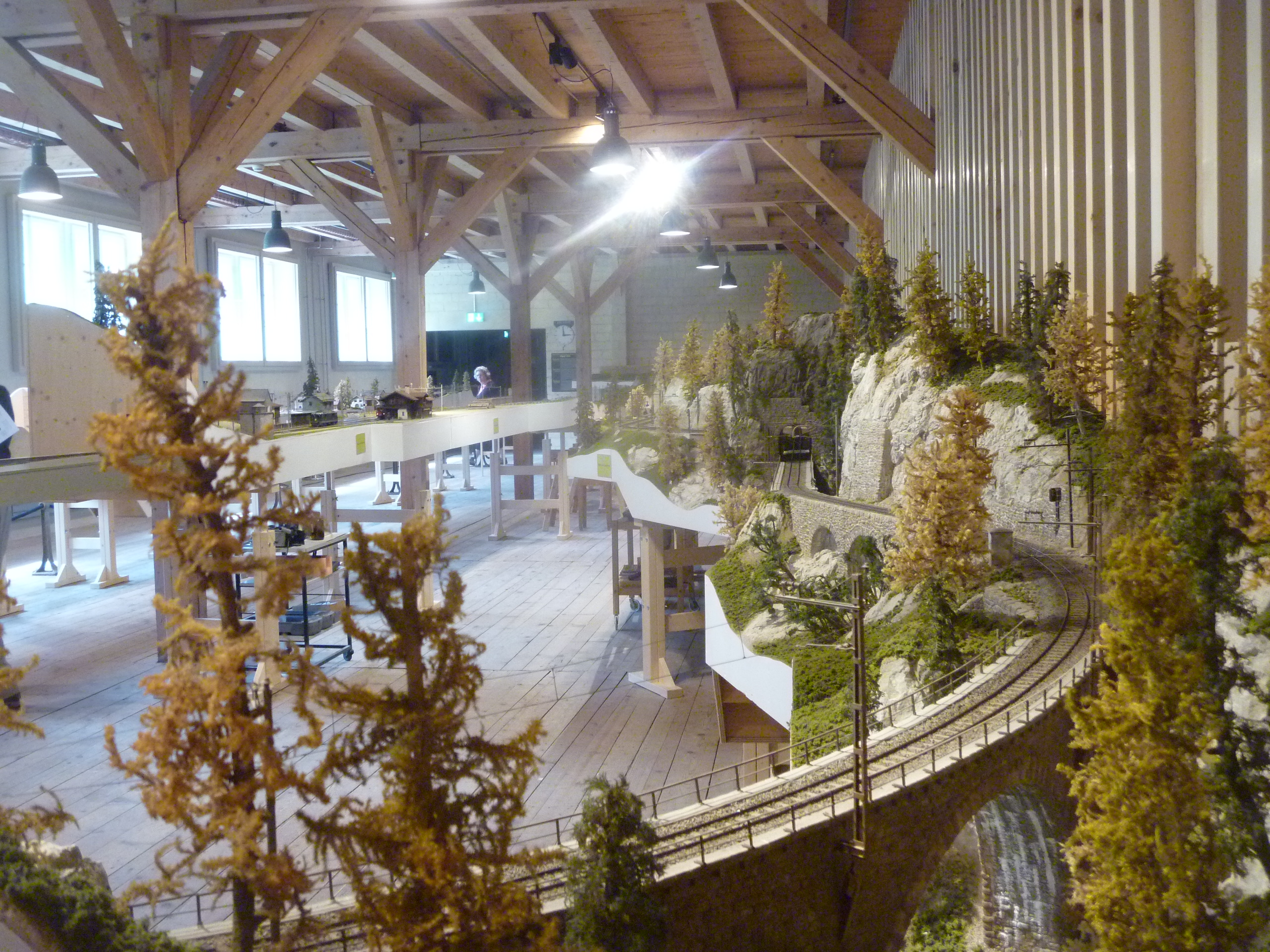
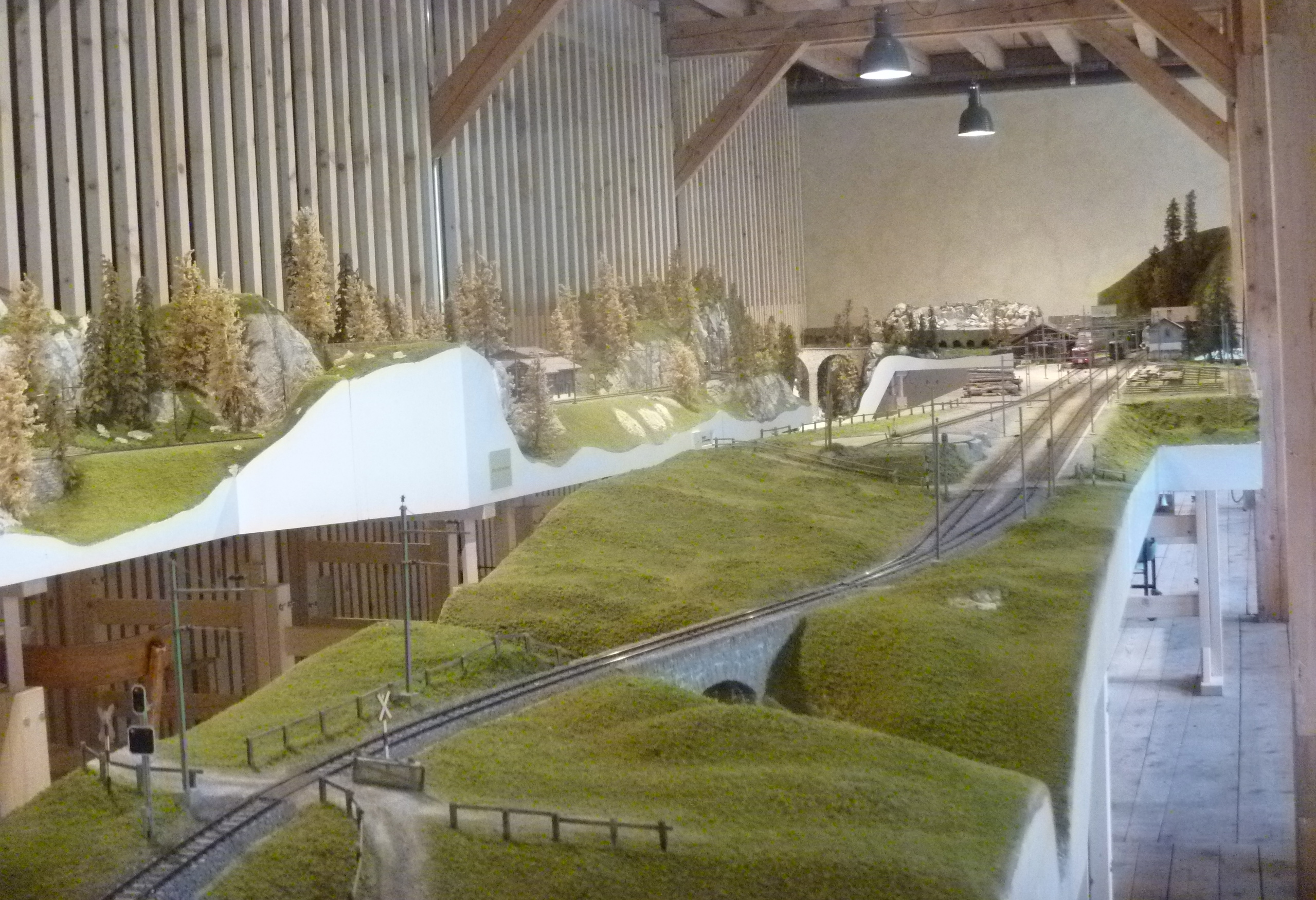
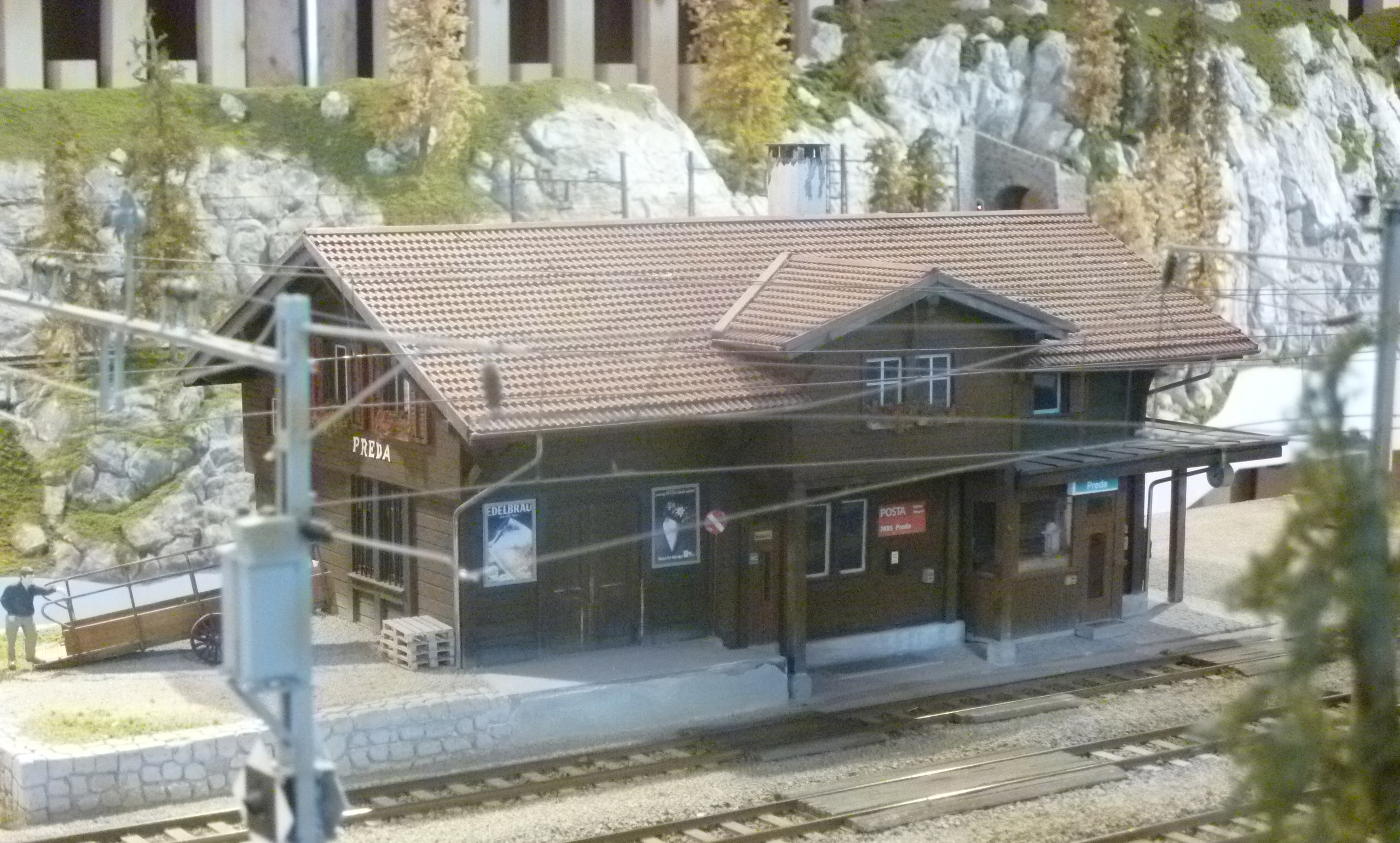
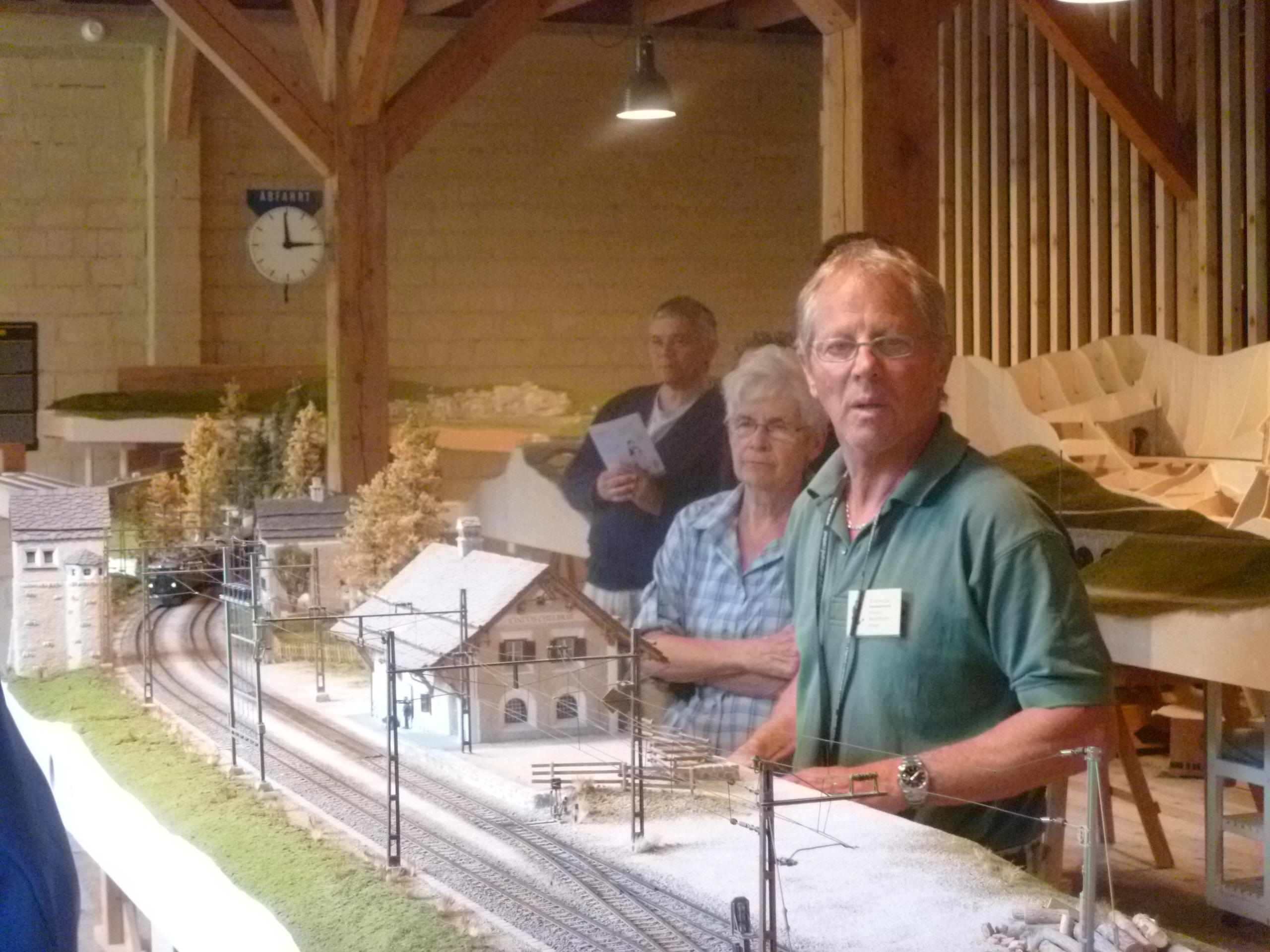
The next room is filled with Mr Bernhard Tarnutzer’s train set. Mr T is passionate about the Albula railway to such an extent that he is building his own miniature version (0m guage/Scale 1:45). He began building it at home but is so large now that it has been transferred to the Museum and has a ‘hall’ of its own. He was there on Friday demonstrating its operation to a few of us. The buildings, viaducts and tunnels have been recreated as they were in the 1950s and 1960s with every detail as near as dammit to real life. I’m not so sure however that it’s so interesting to children as it’s mounted at about a metre from the floor. There is still quite a bit of work outstanding until it’s finished.

The train set 2

The train set 1

Preda Station Scale 1:45

Mr Tarnutzer

Mr Tarnutzer explains some technical points

Upstairs there’s lots of interesting stuff and artefacts connected with the building of the line, its history and operation and the resorts that it serves. There were a few hats for children (and me) to try on but otherwise a rather dark area and somewhat adult commentaries when you press the buttons for explanation.

A fascinating day in spectacular surroundings. Most enjoyable.

“High Mountains, deep gorges, harsh winters : ideal for a railway” : The Albula Experience Way

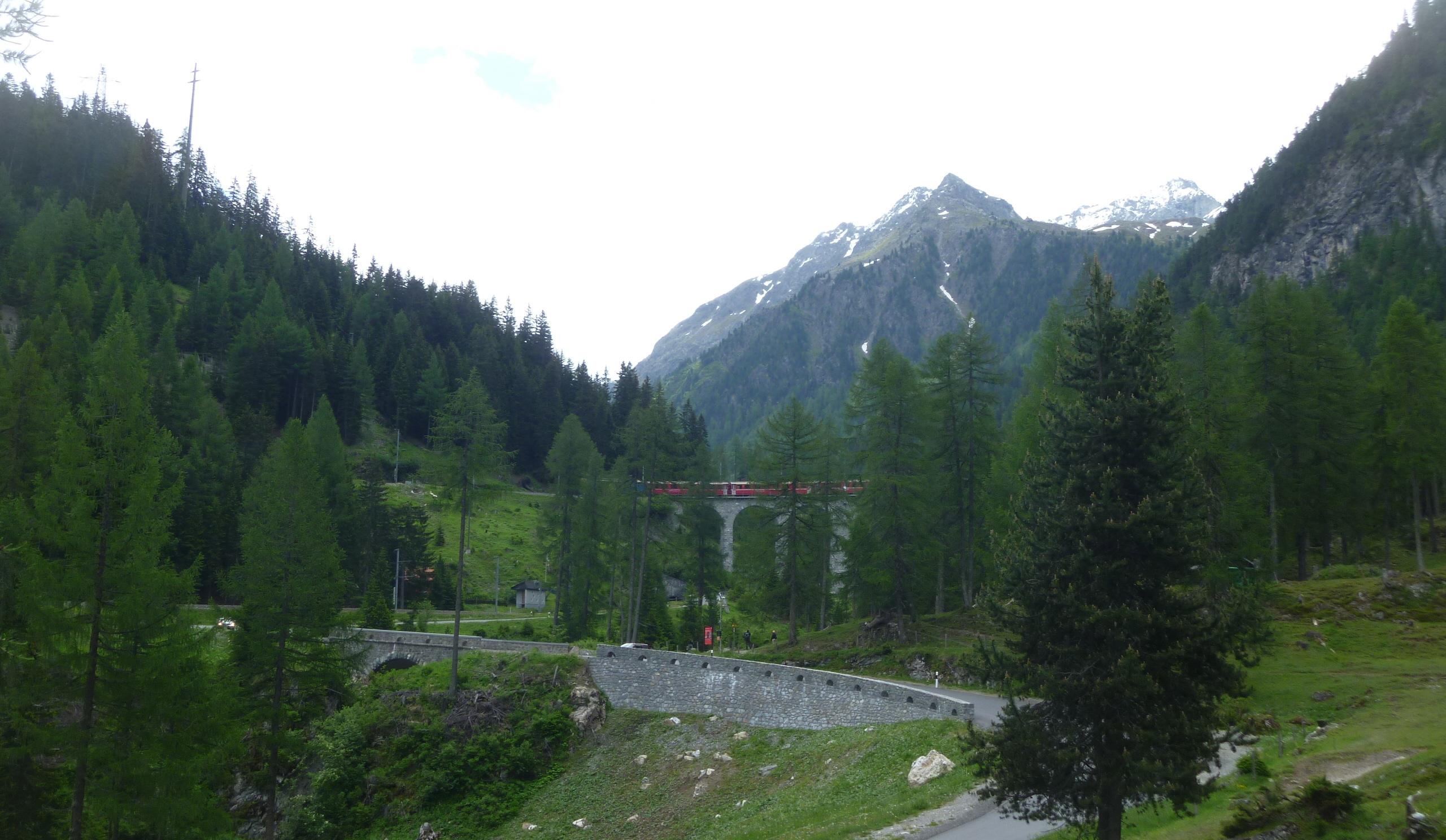
Now and then you spot a train

Swiss Railways [SBB] always make a few special offers each month and before coming away I received notification of the June offers from the SBB. In the list was a 30% discount for a return journey from your local station to Bergün and the same off the entrance fee to The Railway Museum Albula just by Bergün Station.

Bergün from train

Bergün from the train

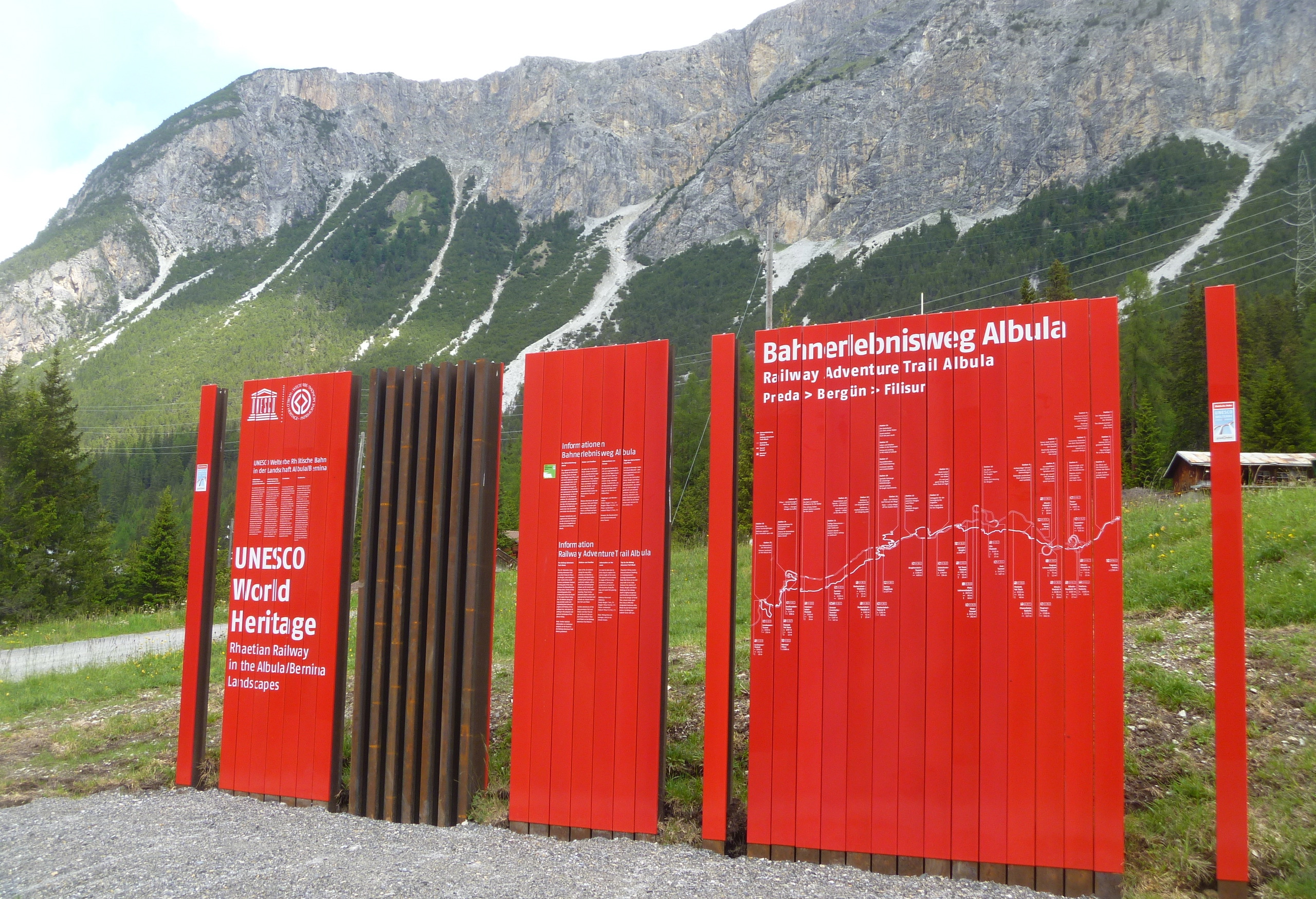
On further investigation I discovered a newly opened footpath the Albula Erlebnis Weg [The Albula Experience Footpath]. The path starts at Preda, the next station up the line. It’s all part of the UNESCO World Heritage Albula + Bernina.

UNESCO World Heritage

UNESCO World Heritage – A masterpiece of railway engineering

The line across Albula and Bernina, now more than a century old, is regarded as a truly unique masterpiece of the railway engineer’s art. Designed from the start to exist in perfect harmony with its surrounding countryside, the line stands as a monument to the pioneering days of railway-building. Since July 2008, the Albula and Bernina lines of the Rhaetian Railway have been on the UNESCO list of World Heritage sites.

Where landscape and railway blend into one: in a series of wide expanses and elegant man-made structures, along the winding route through abruptly-sloping Alpine valleys. Monumental landmarks along the way include the Landwasser Viaduct, the series of winding tunnels between Bergün and Preda and the Circular Viaduct at Brusio. The line continues to be a model of its type.” Source

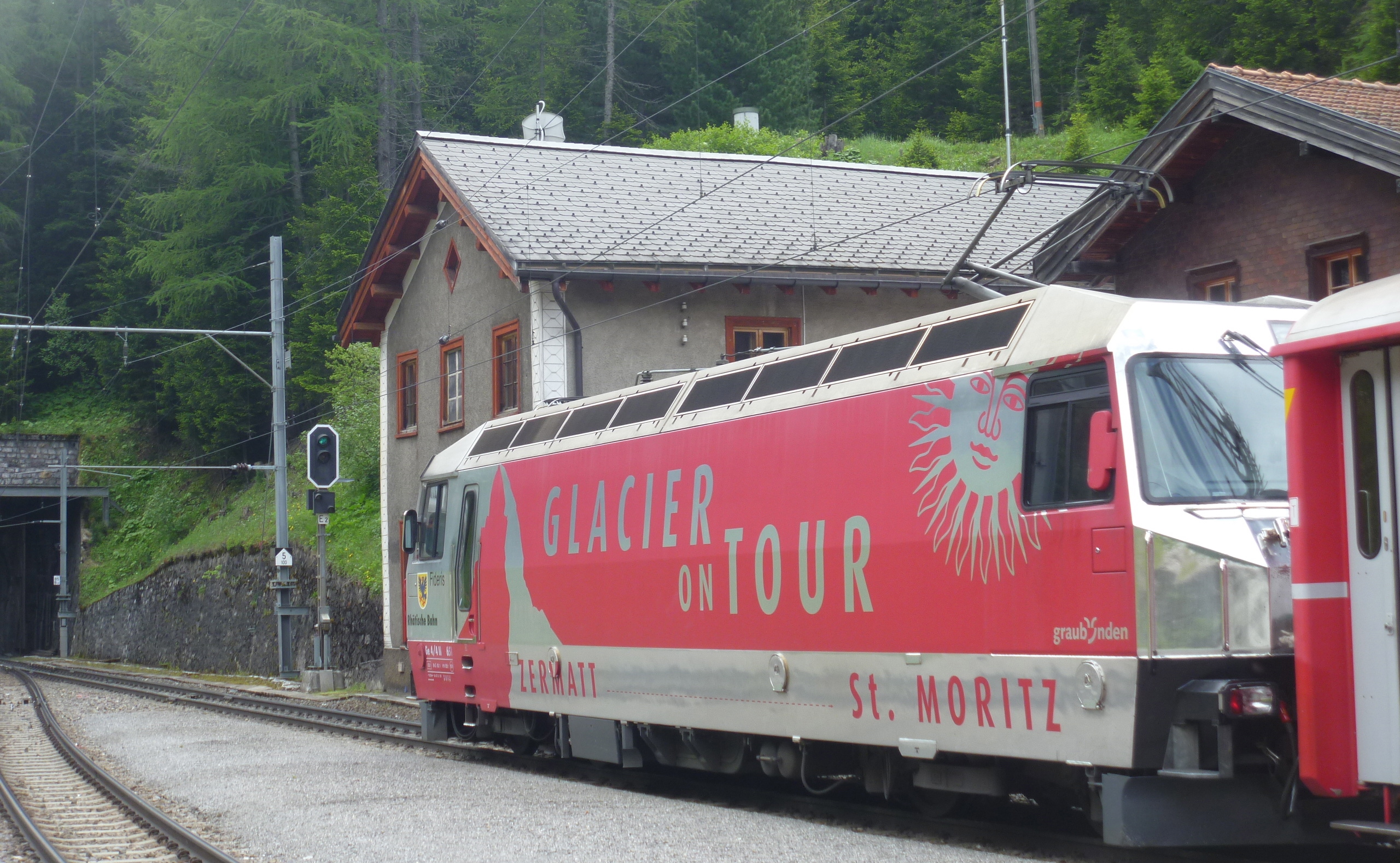
Last Friday was my day off so the perfect opportunity to take advantage of the offer whilst it was still on. The journey there and back involved 4 changes of transport. The line is up between Klosters and Davos-Glaris stations this summer so you must take two replacement bus services. Plus there is another change at Filisur for the Saint Moritz service – Glacier Express on tour.

Glacier on Tour

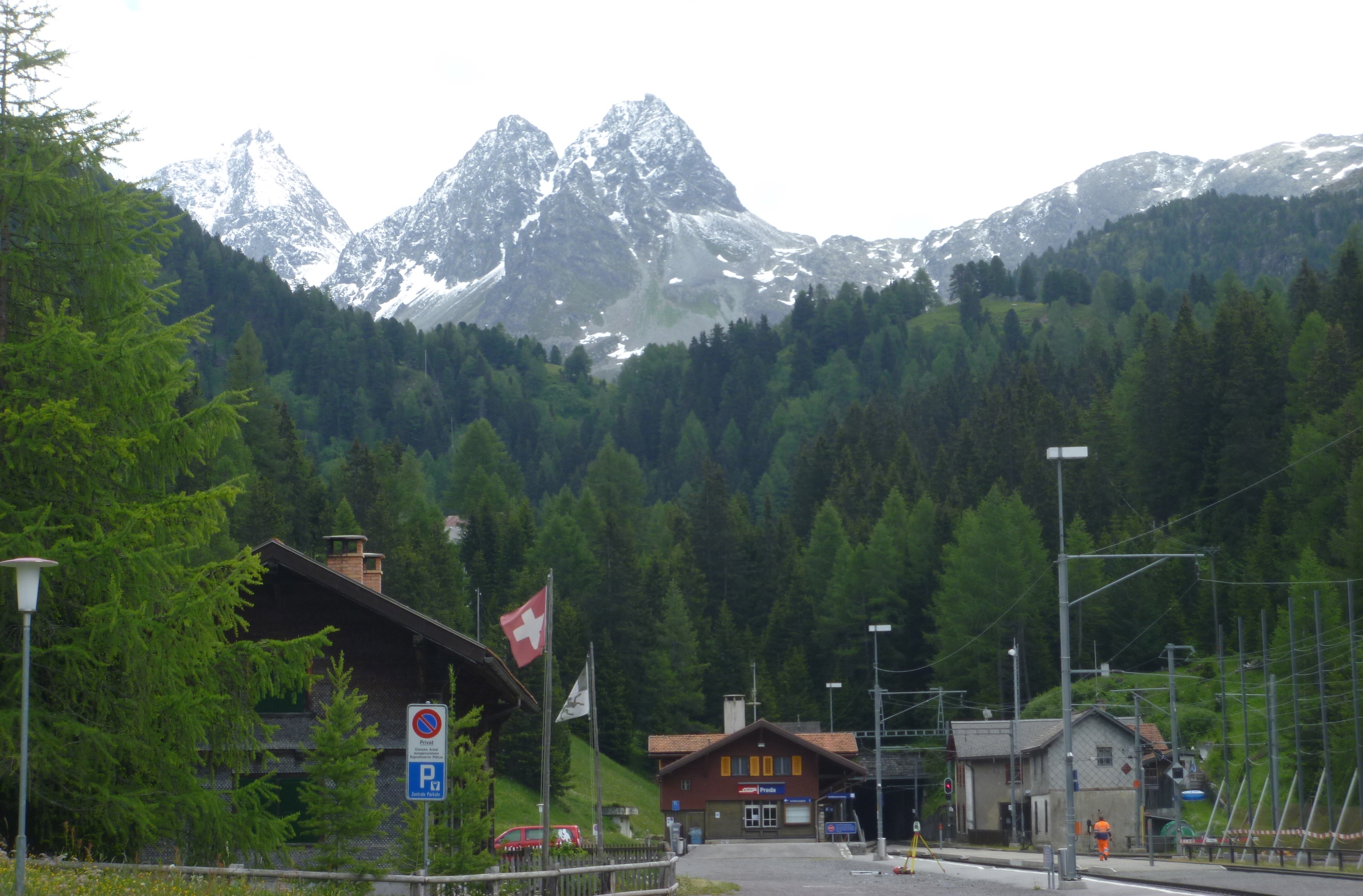
My add-on ticket took me as far as Preda. The weather this week has not been good but luckily I avoided all rain. However, I could have used a pair of gloves – it was freezing cold at Preda Station – 1789m ASL.

Leaving Preda Station

Leaving Preda Station

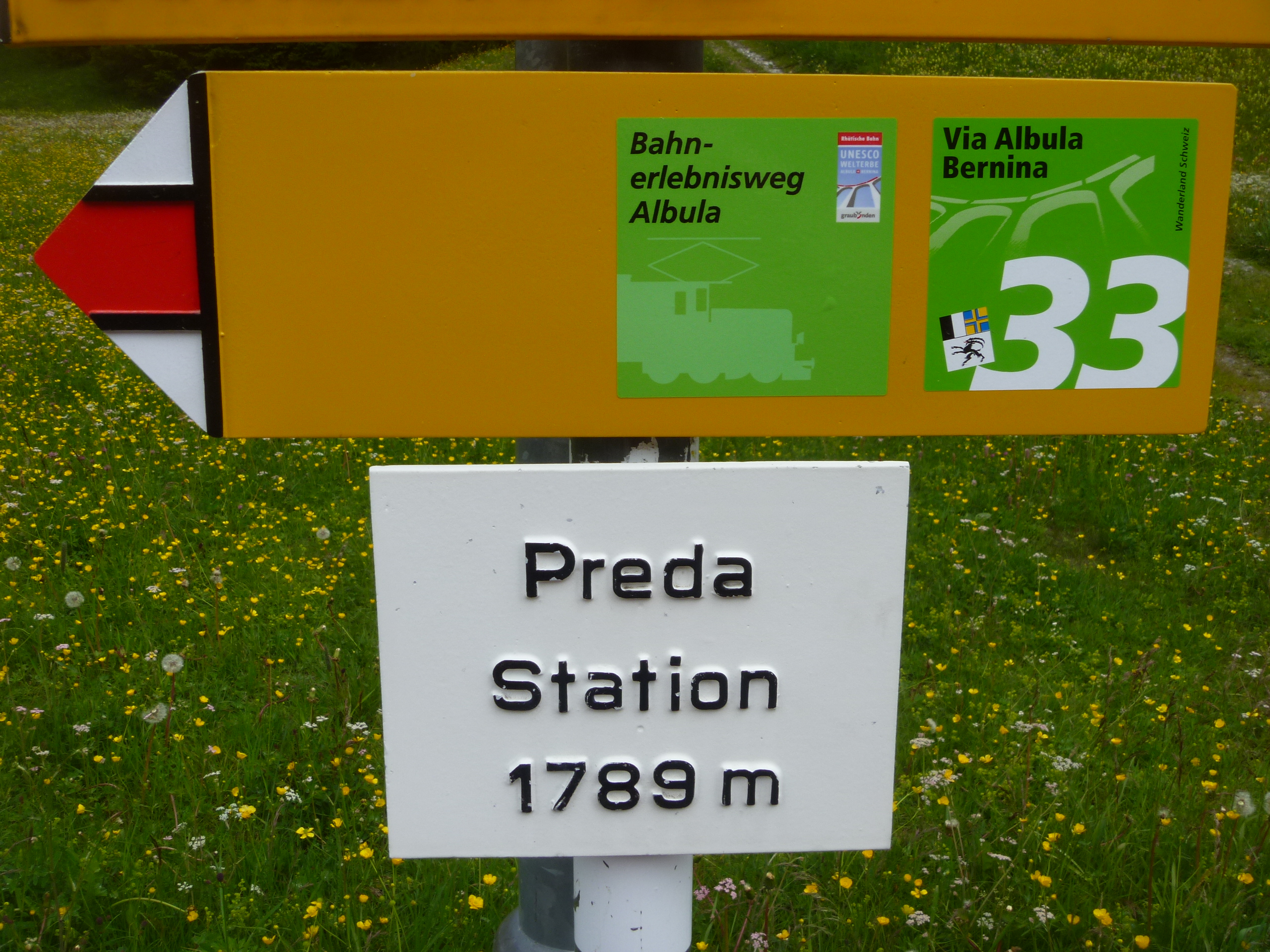
Preda station and sign

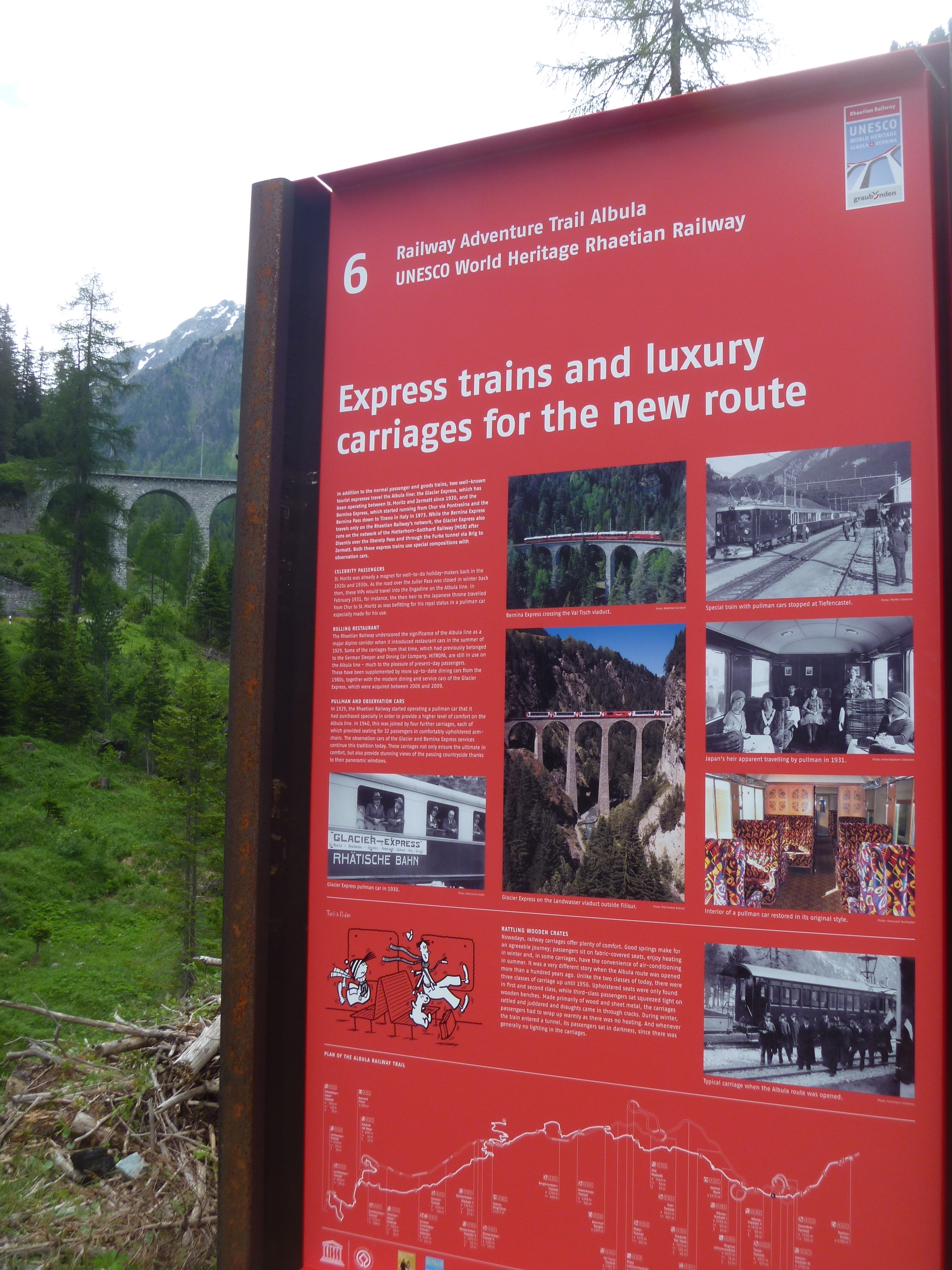
You can’t miss the Albula Way; it’s indicated clearly all along the route. Between Preda and Bergün there are ten information boards. The path continues down to Filisur with more boards but I only walked as far as Bergün as I had my Museum ticket.

Some features of the two hour walk :

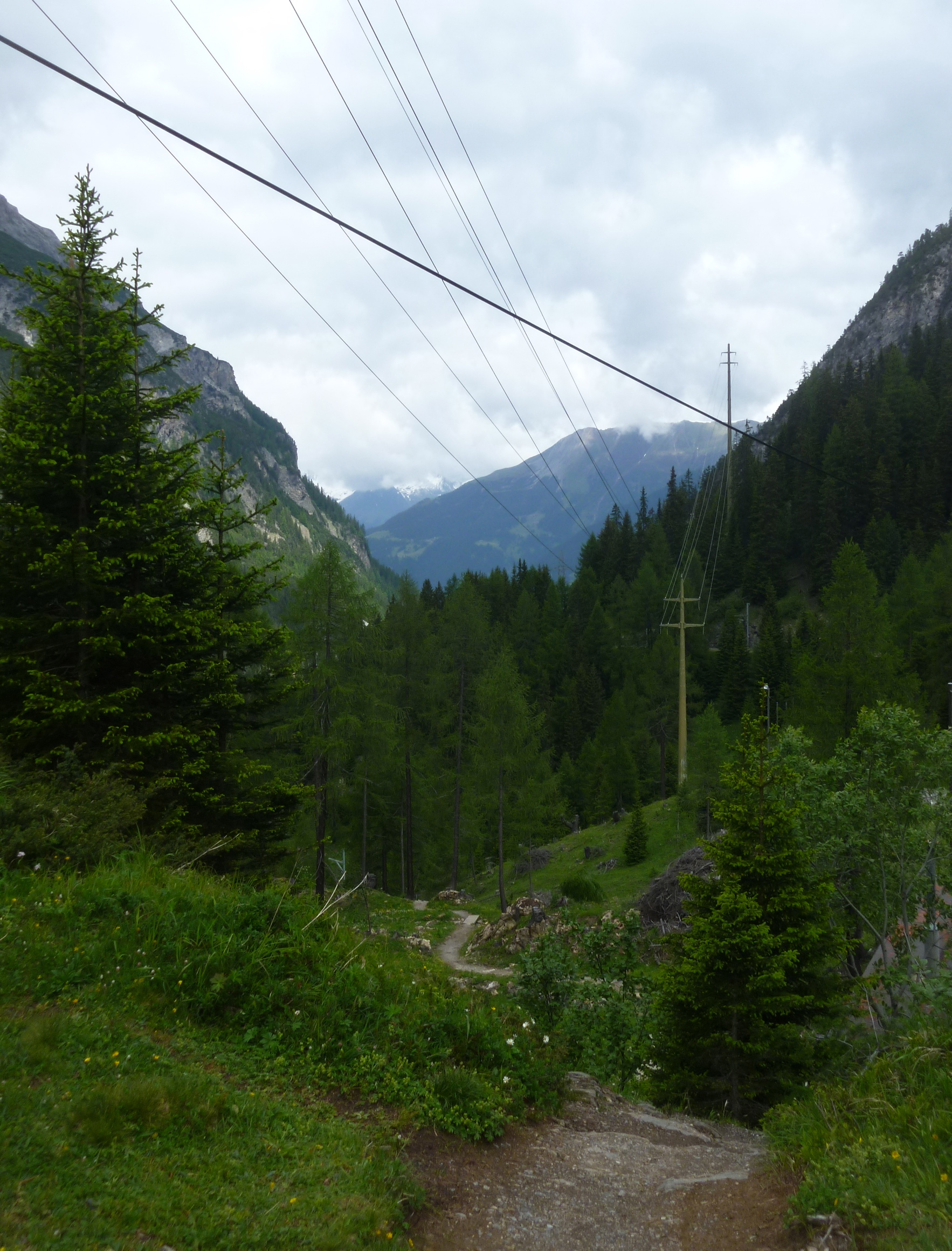
Path heads down to Bergün

The Path Heads Down to Bergün

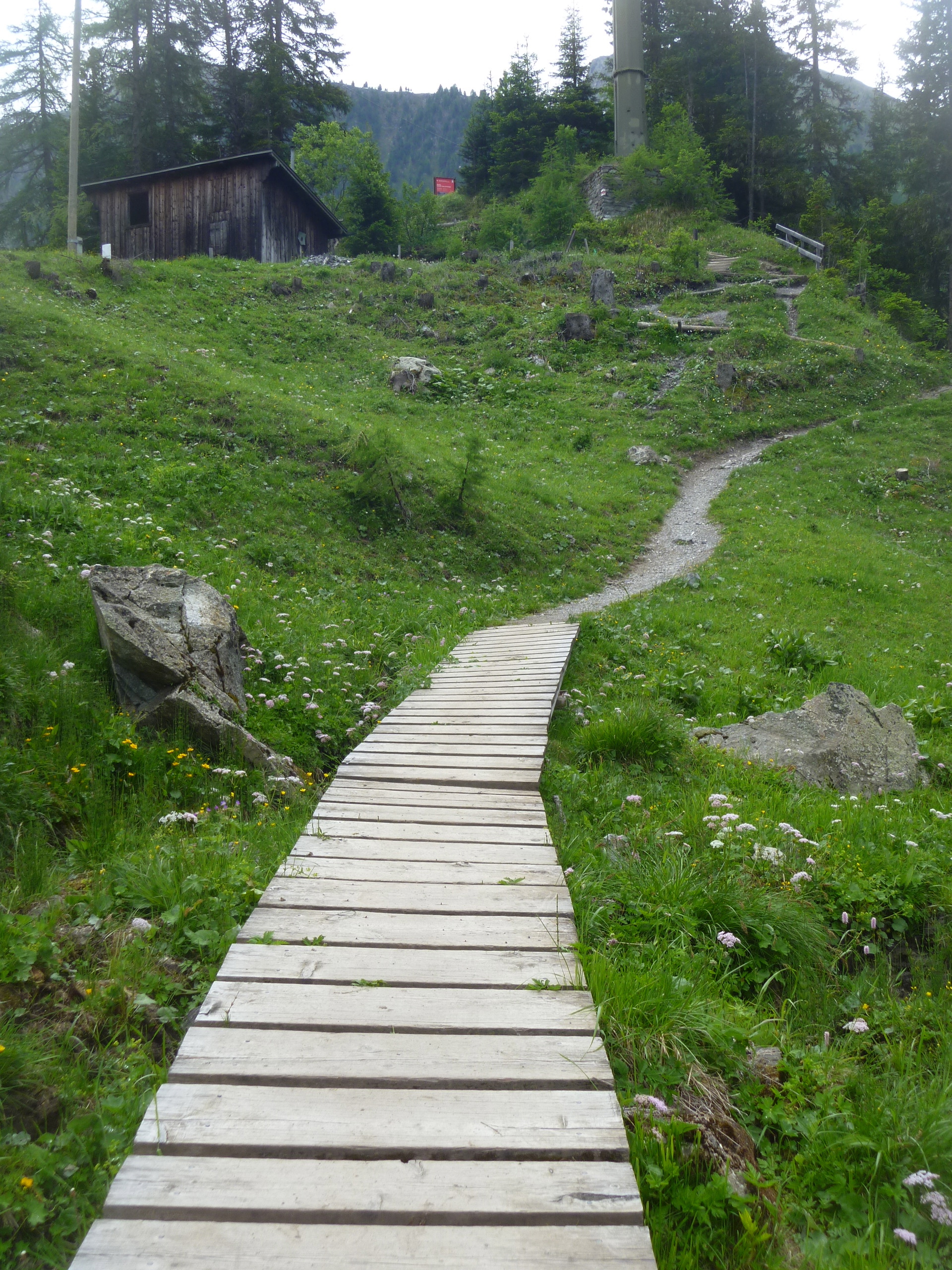
Don't worry about getting muddy!

Don’t worry about getting your boots muddy!

Swiss kissing gate

Swiss-style kissing gate

Another view of the train

Now and then you spy a train

Lots of mountain torrents

You cross lots of mountain torrents

Typical Infor Board

You can stop and read the Information Boards

Arriving in Bergün

Finally, you arrive at Bergün

Down The Magic Mountain via The Thomas-Mann-Way

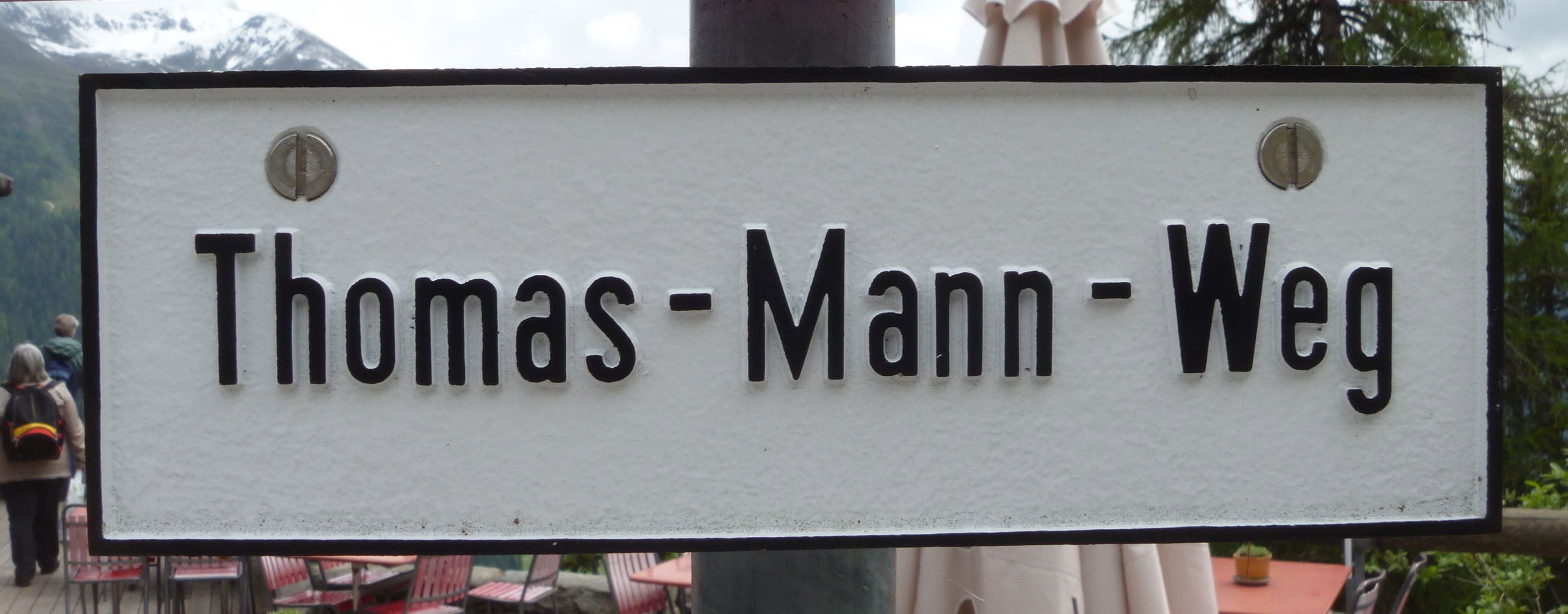
Thomas-Mann-Weg

On my bookshelves at home there’s a lovely pristine Everyman hardback edition of Thomas Mann’s “The Magic Mountain”  had I not had a weight limit restriction on my bag I may well have brought it with me but alas it was just too heavy to contemplate bringing. [Note. Yes, yes I know all about Kindles and the like but having made the comparison with real books have decided that they are just not for me] Where else would be the perfect place to read The MM but here within a William Tell’s arrow flight of the town of Davos where the ‘action’ of the book is set? Davos is just 20 miles away from Schiers.

Searching online for “Davos Thomas Mann” I found this :

A path has been created in commemoration of and in the name of the significant writer Thomas Mann. This path connects the centre points of his novel “The Magic Mountain”. With the novel, Davos has secured its place in world literature. The work contributed to the high level of fame enjoyed by Davos as a spa and holiday destination.

Even today, the “Magic Mountain” draws numerous culture enthusiasts to Davos, on the hunt for the main centre points of the novel of the same name by Thomas Mann. They can now be inspired by the Thomas-Mann-Way, which runs from the Waldhotel Davos (former woodland sanatorium) at 1620 m above sea level to the Schatzalp, 1880 m above sea level. Along the 2.6 km path are ten signs, which act as “literary stations” and provide information on the connections between Davos and the works of Thomas Mann. High points of the path include the “favourite place of Hans Castorp”, the hero of the novel, whilst the way ends at Thomas-Mann-Platz on the Schatzalp, which has been established behind the botanical garden Alpinum Schatzalp.

Thomas Mann (1875–1955) came to Davos from the 12th May to the 15th June 1912, in order to visit his wife Katia, who was being treated at the woodland sanatorium. During this time he took many walks around the area above the woodland sanitorium, an area through which the Thomas-Mann-Way runs. Thomas Mann described his impressions of Davos in the novel “The Magic Mountain”, which was published in 1924.”  Source

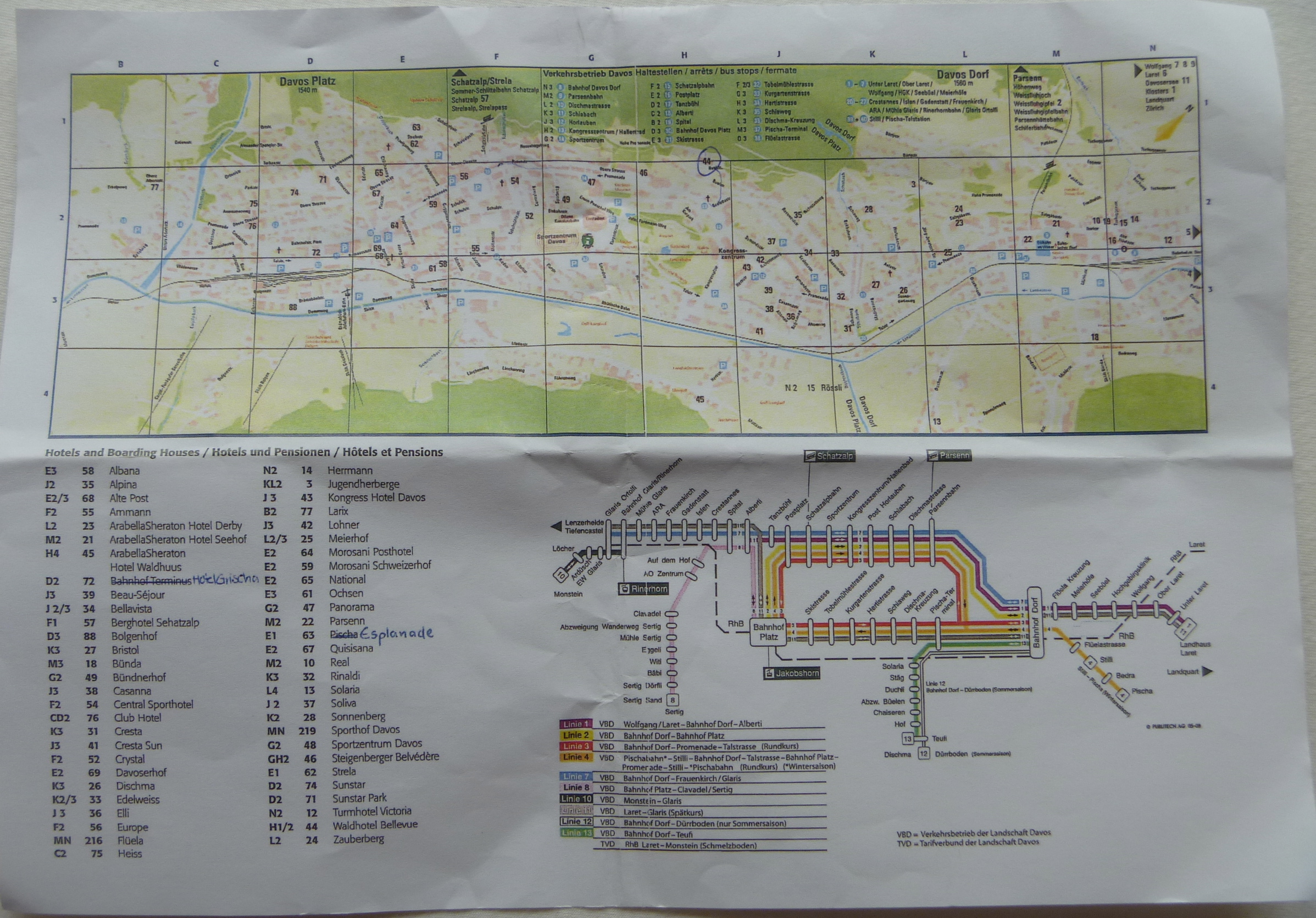
Great! I thought the ideal excursion for the afternoon. And indeed vary many things about it were ideal but not, I may say, the Thomas-Mann-Way. The website for Davos/Klosters is excellent so I had expected to pick up printed information at the Railway Station Tourist Information Office. Instead I had blank looks and was issued with a crummy map.

crummy map

I had remembered some aspects of the walk from the website but obviously not everything. I didn’t commit the map to memory. I wish I had as I can now see where I went wrong and could kick myself. As you can see from the sign at the top there are no arrows to indicate the route so there’s a bit of guesswork involved. As the starting point was quite a walk away I decided to take the funicular up to the end of the walk and find my way down in reverse. So I guess that was my mistake – but an easy one to make!
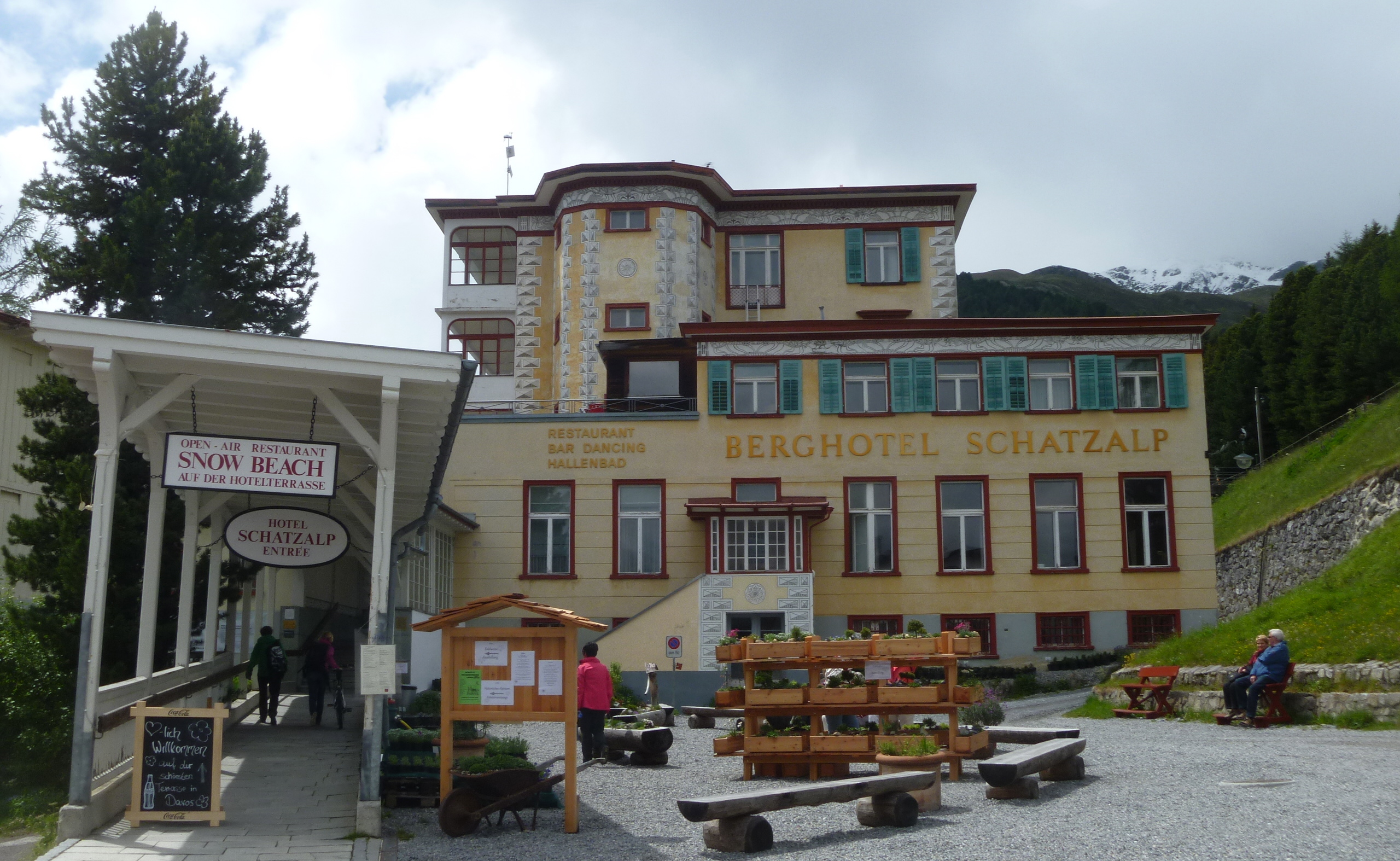
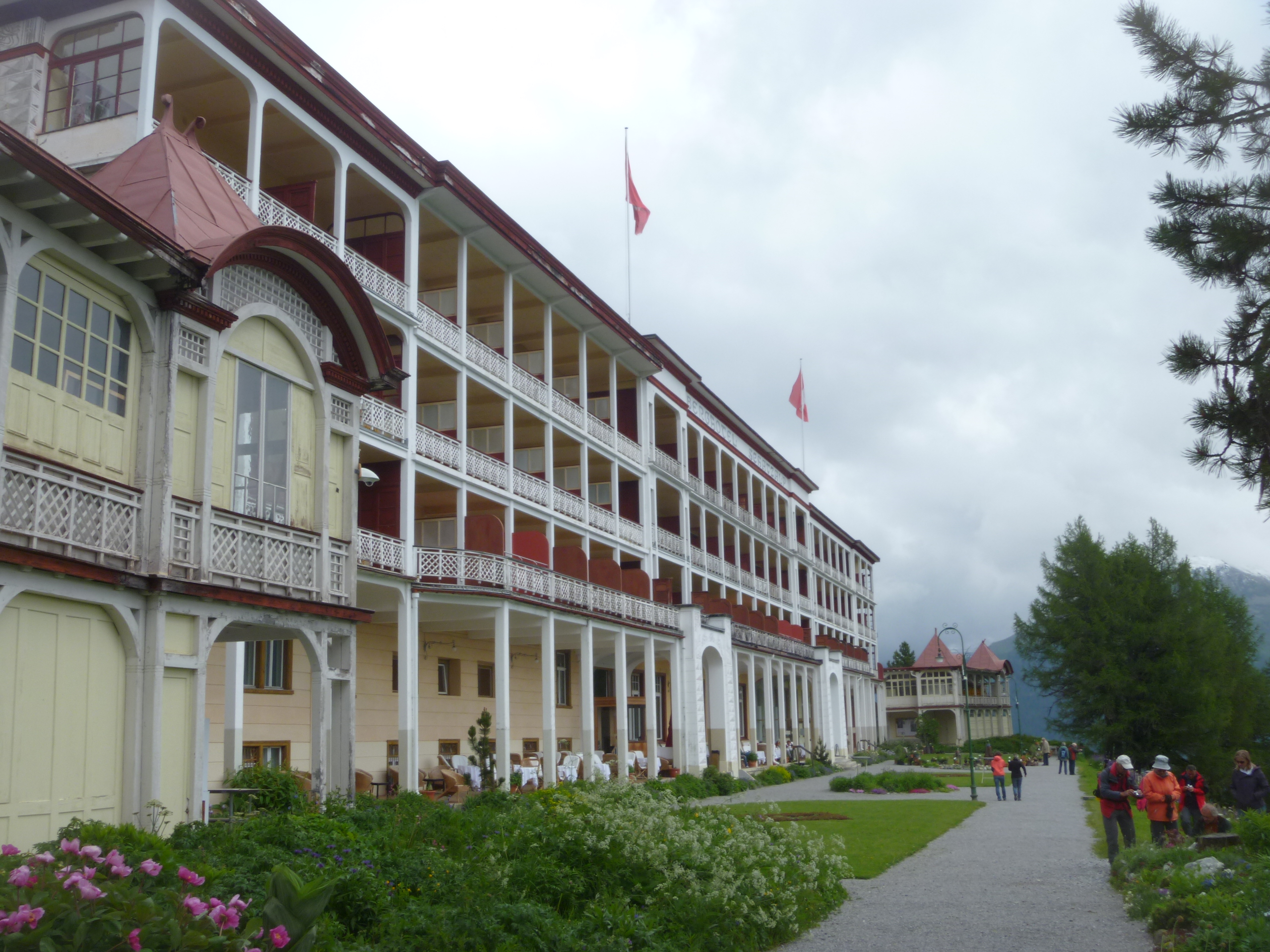
Berghotel Scahtzalp

On arriving at Schatzalp there is the Berghotel in all its Art Nouveau [Jugendstil] glory. I wrote about the Alpinum here yesterday.

The Berghotel Schatzalp

It still has the look of a Sanatorium and air is fresh and clean and pure. Even at 8C it was fine as it was sheltered. The Hotel reception also did not have much information about TM but the kindly receptionist allowed me to wander around and take some snaps and sold me a couple of postcards and indicated the start of the TMWay.

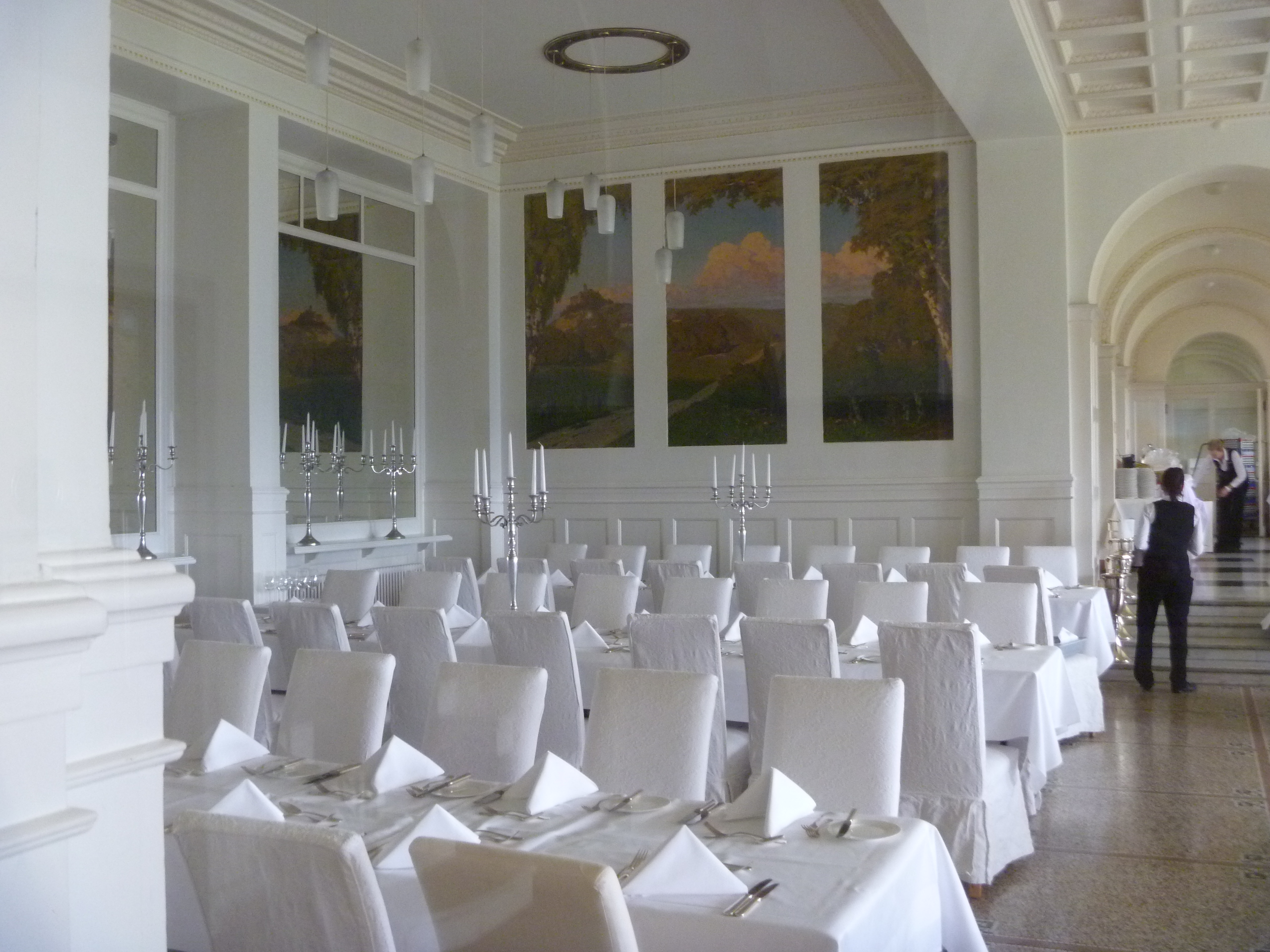
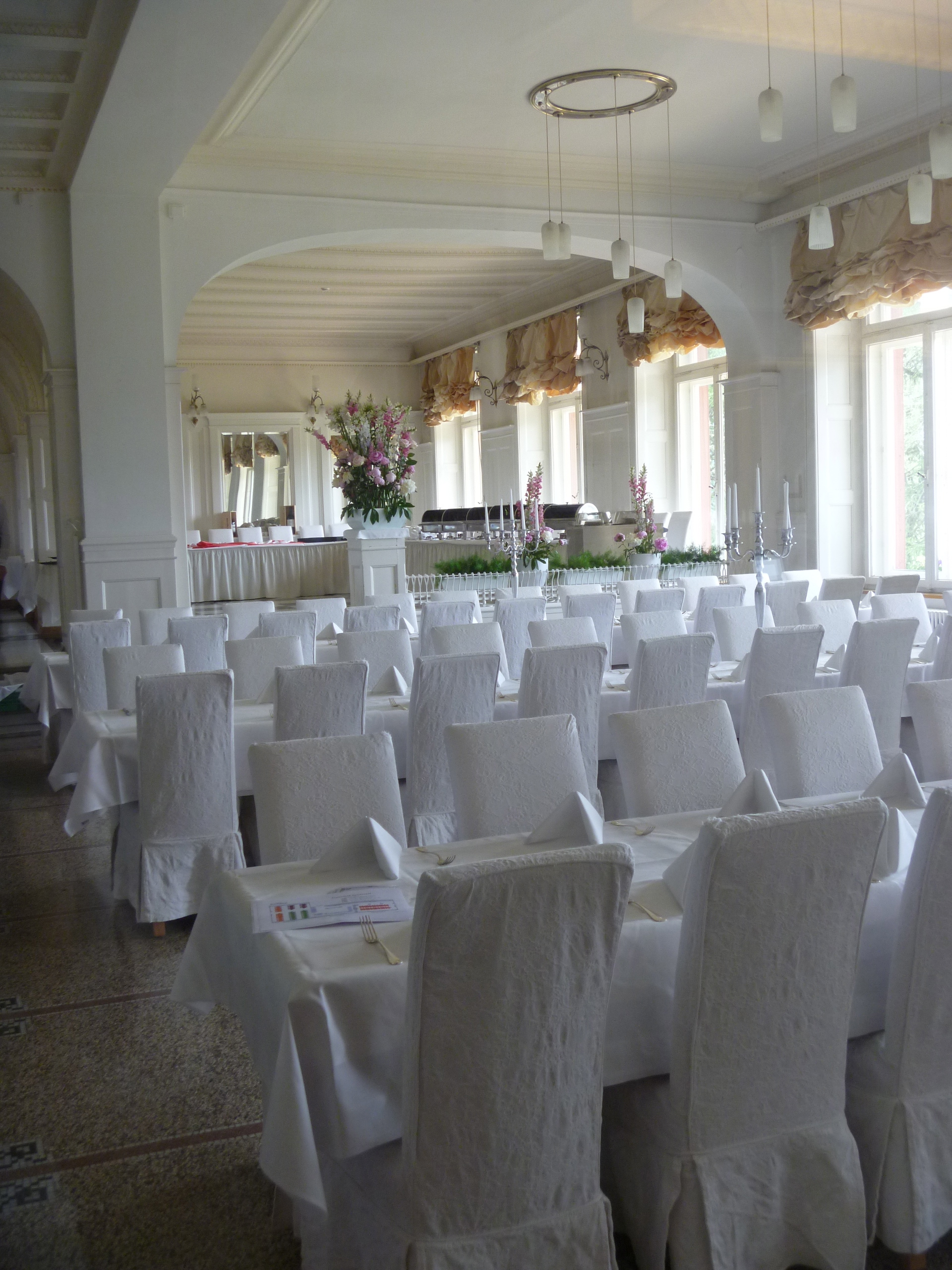
Dining Room 1

Dining Salon 2

The Dining Room

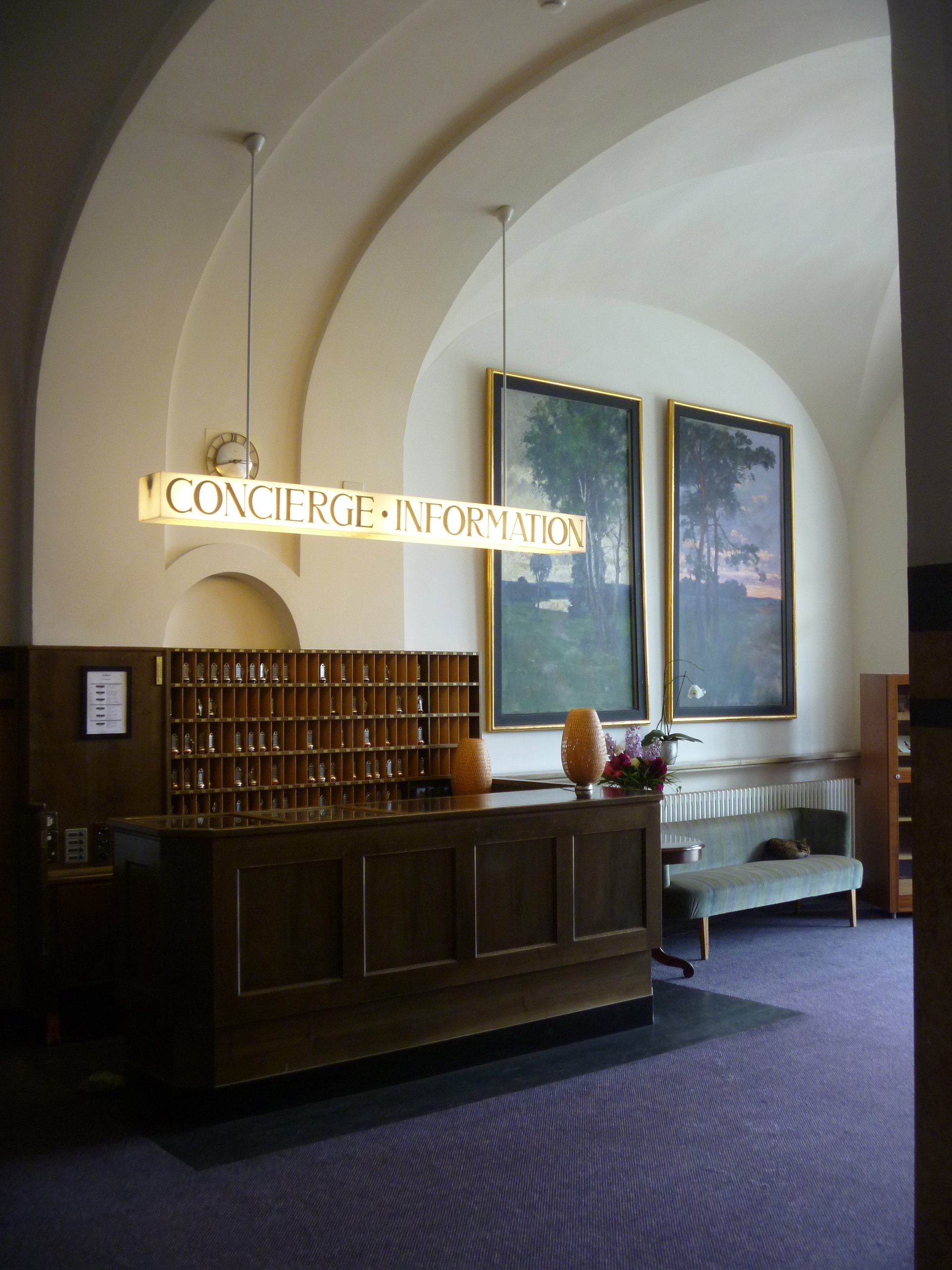
Reception

The Reception/Lobby

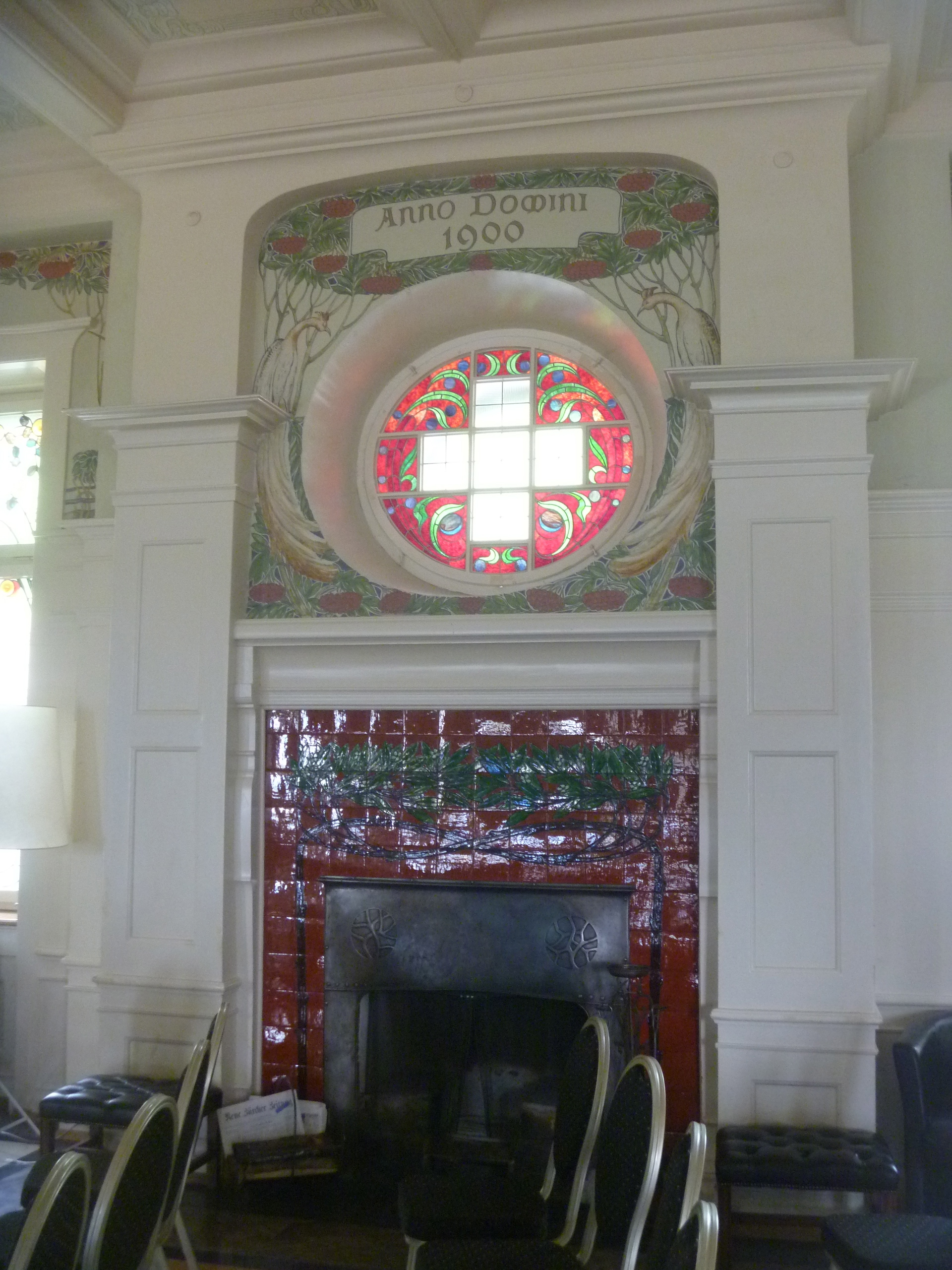
Art Deco fireplace

Art Nouveau Fireplace in a Meeting Room

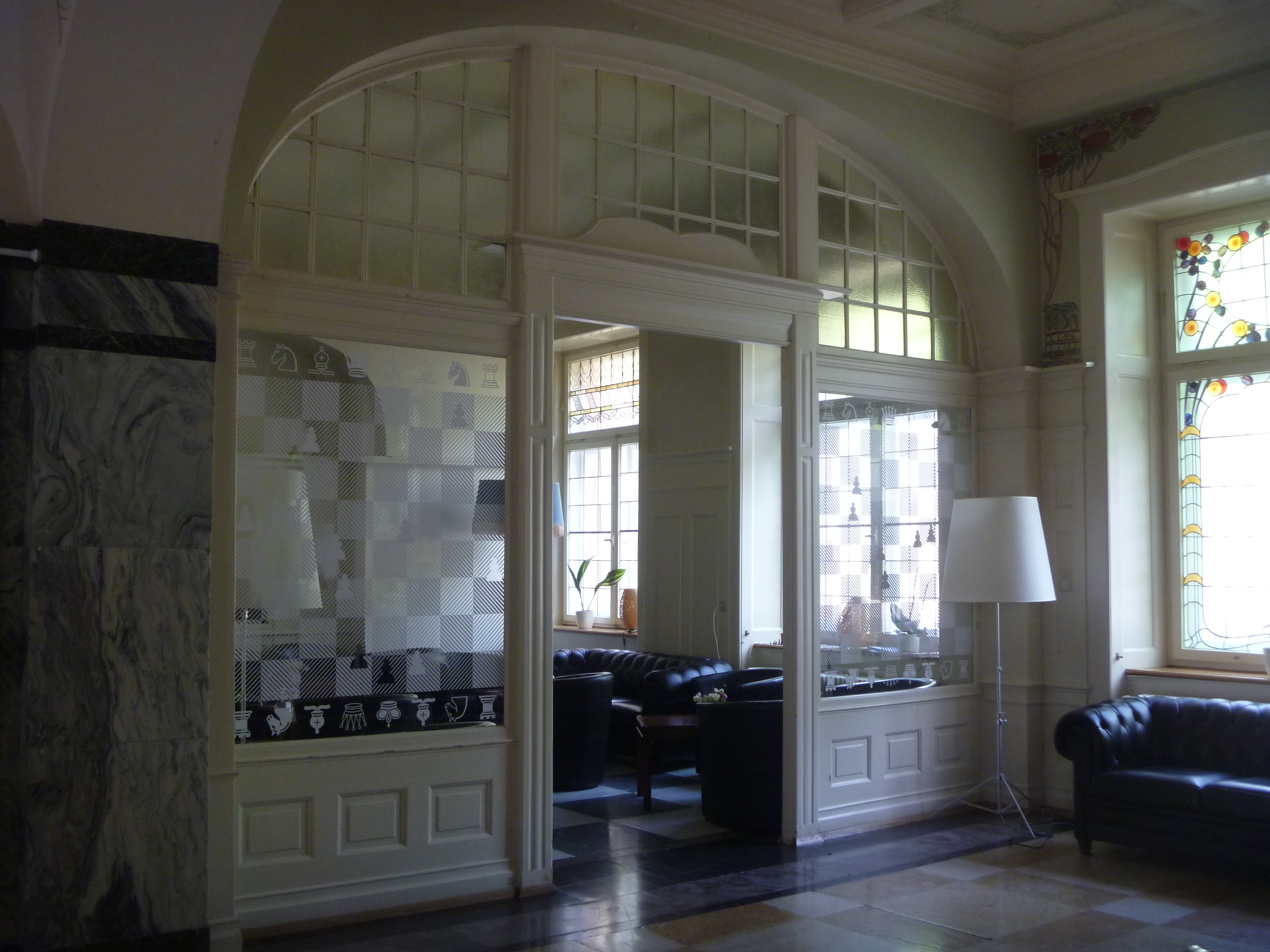
The hotel games room

The Original Hotel Games Room

I wished I had taken tea here on the verandah but I’d decided to do so at the end of the walk at the Waldhotel down in Davos. I thought they would maybe have more information on TM and the Magic Mountain/Davos connection. The only way to find out will be to go back again on another day!
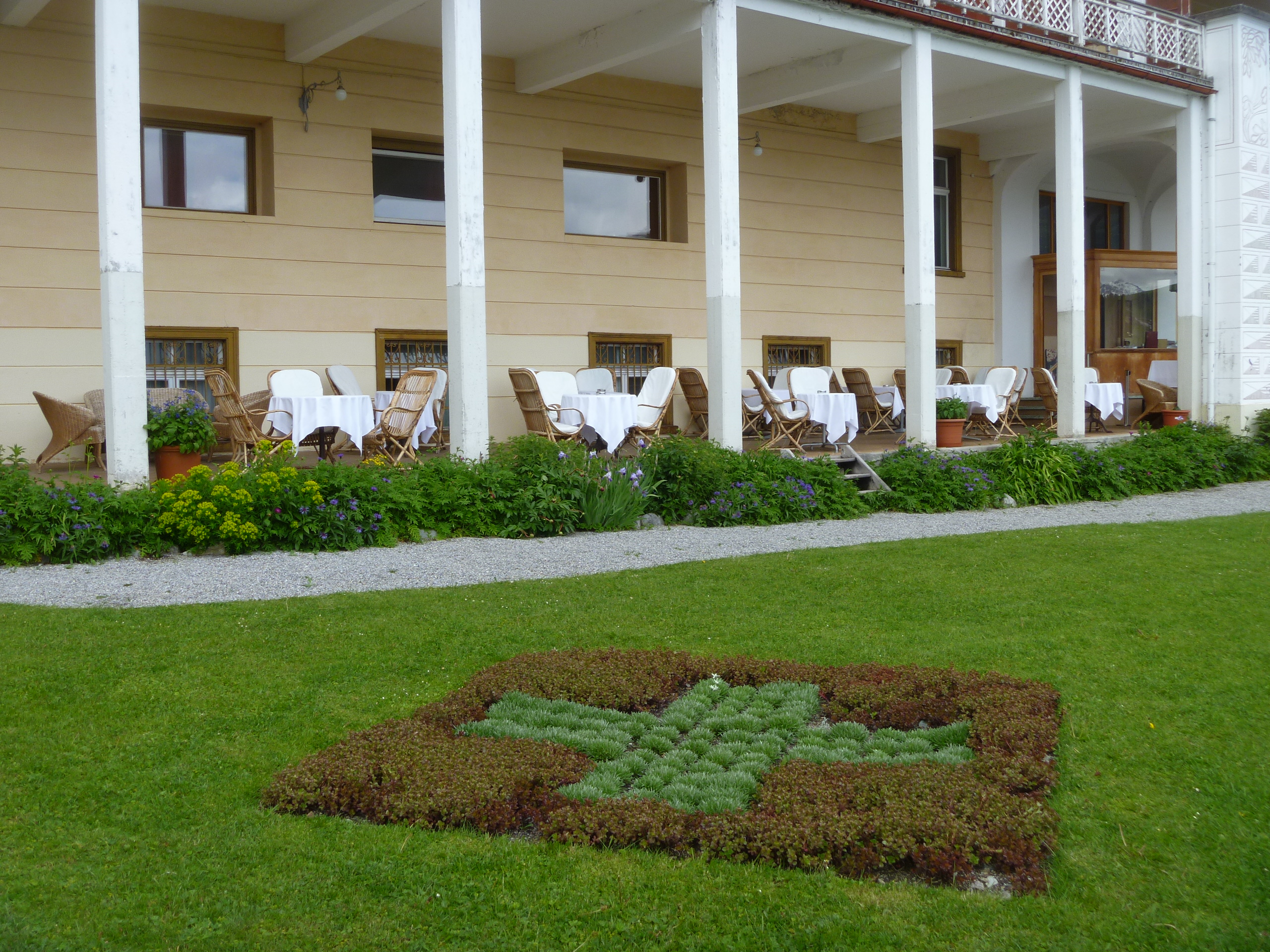
The verandah

The Verandah where tea is served

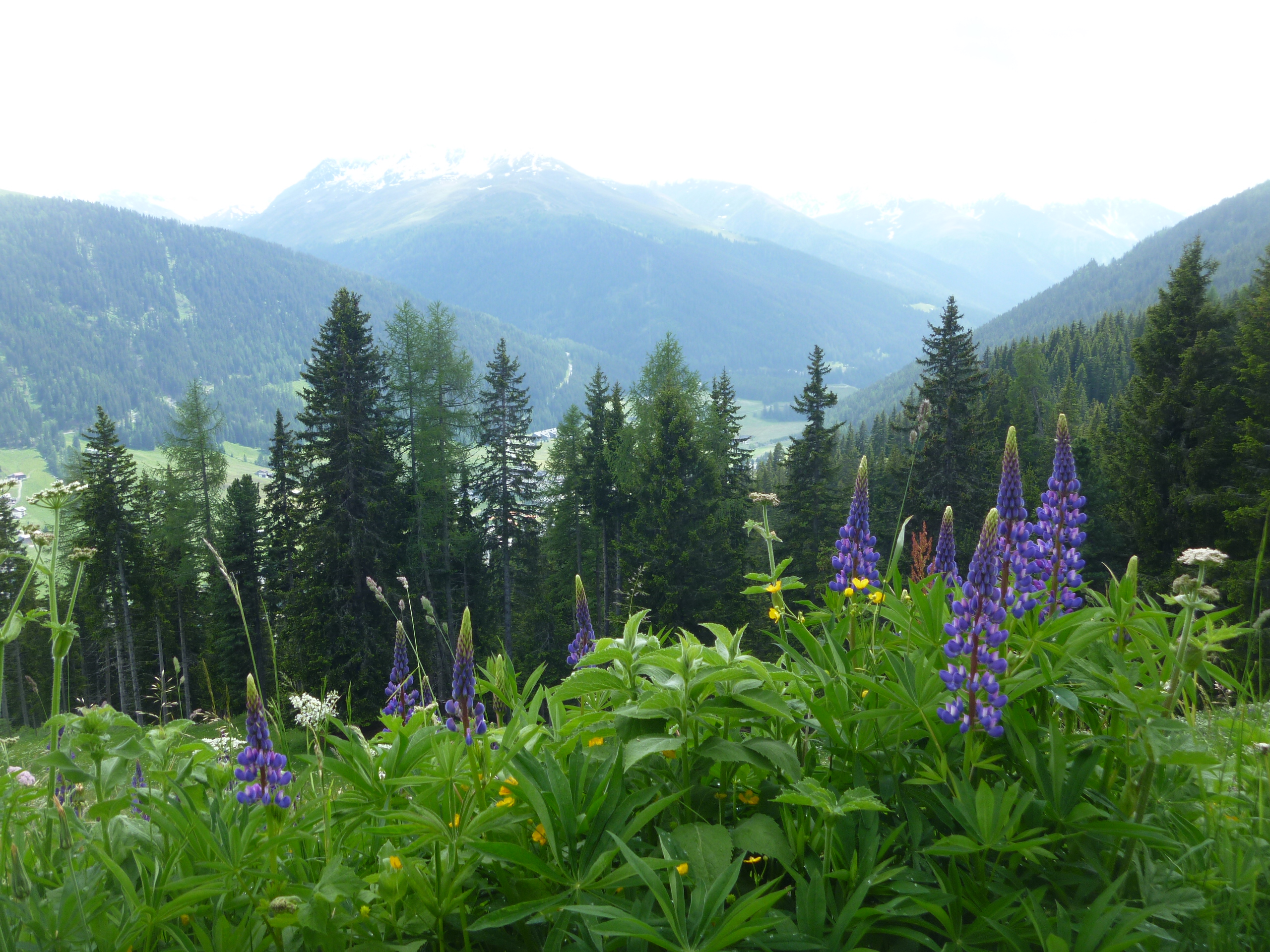
The view